![[New Version]: Soulless Design and Architecture - Examples From Around the World](https://storage.ghost.io/c/d9/58/d9582a5f-0270-4851-8fdd-729d41519f6c/content/images/size/w2000/2026/07/IMG_2909.jpeg)
Cities that excel with bad soulless architecture
Brooklyn has a "corner" on some of the worst designs of buildings and public Spaces
Headline ideas:
- Why architecture should be less architect-centered
- How architecture can move from place-taking to place-making
- Architecture should be more about places, not objects
- How place-taking architecture reduces the value of a city
- How architects and architecture are holding back cities
- How architects hold back the future architecture
Notes:
- Jan Gehl: Perfume bottle architecture, bird sh** architecture
- More Manhattan images - Hell's Kitchen
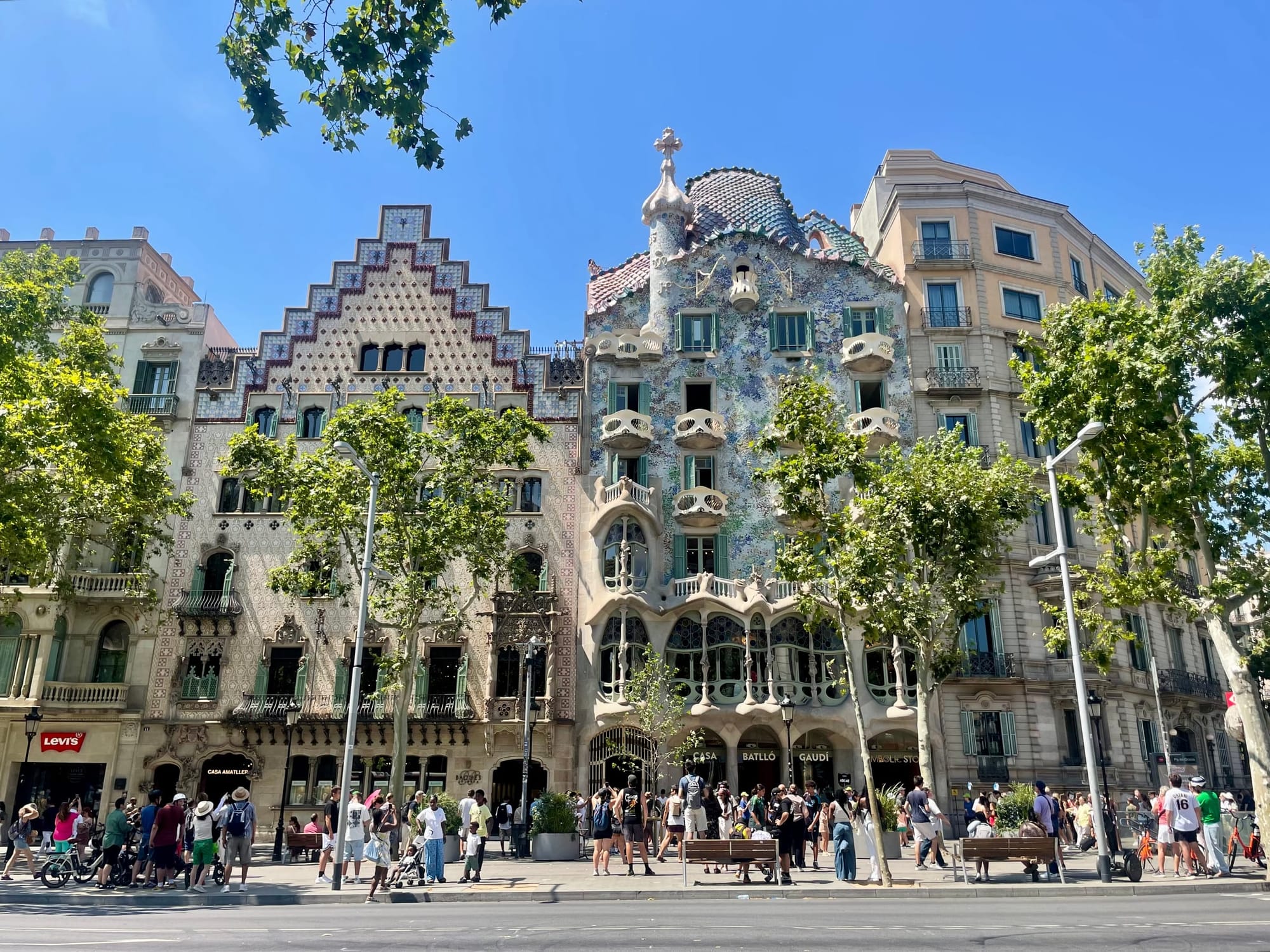
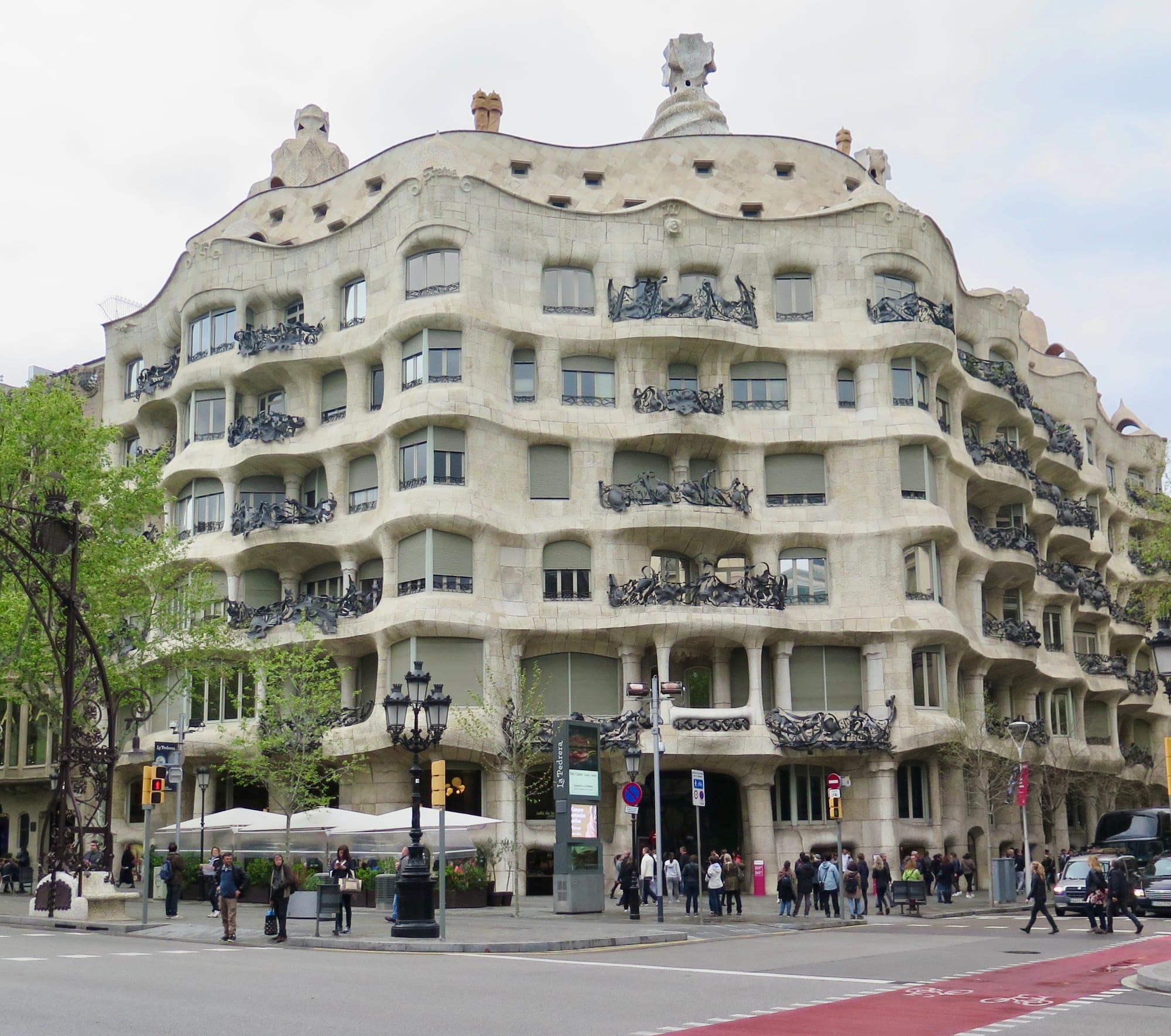
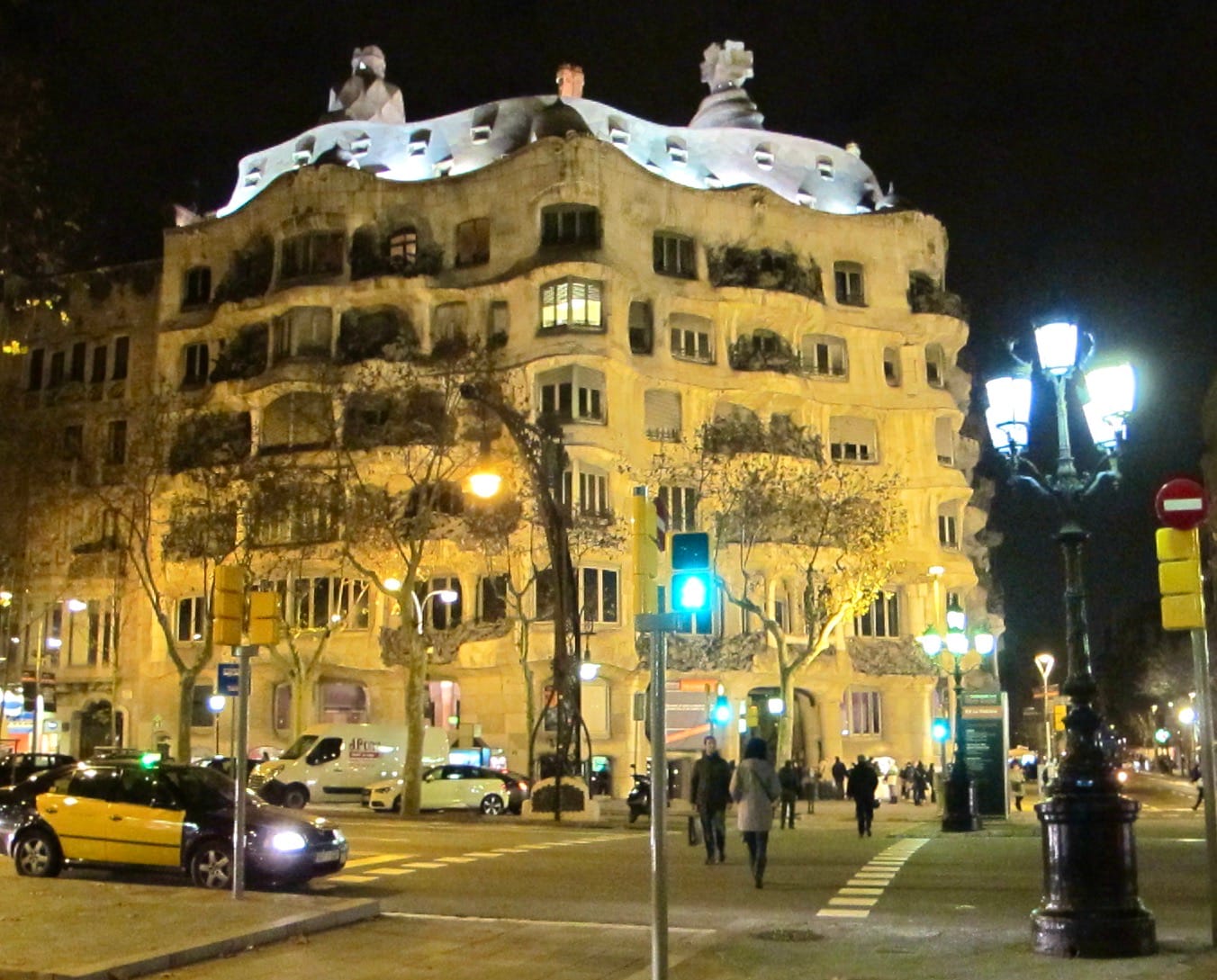
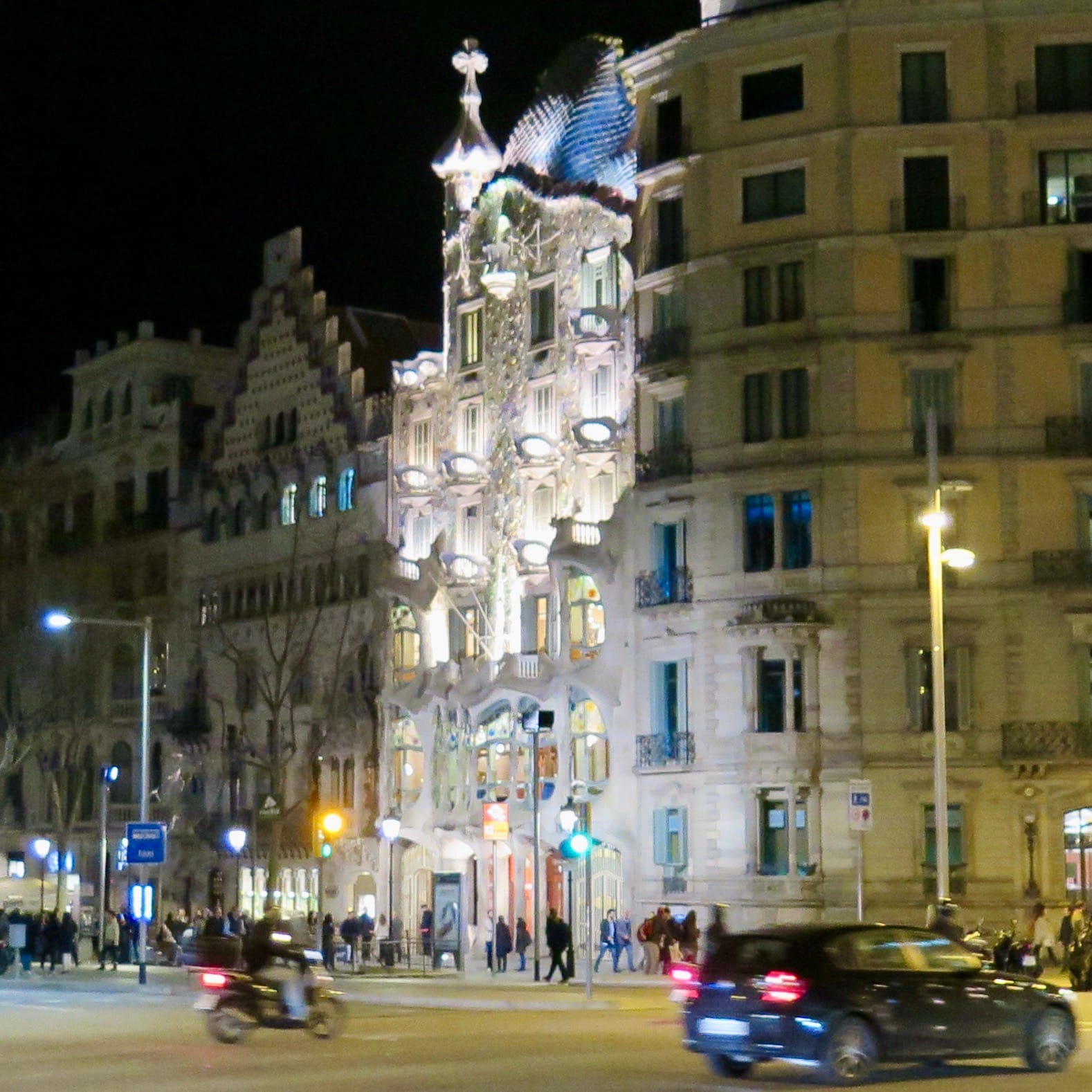
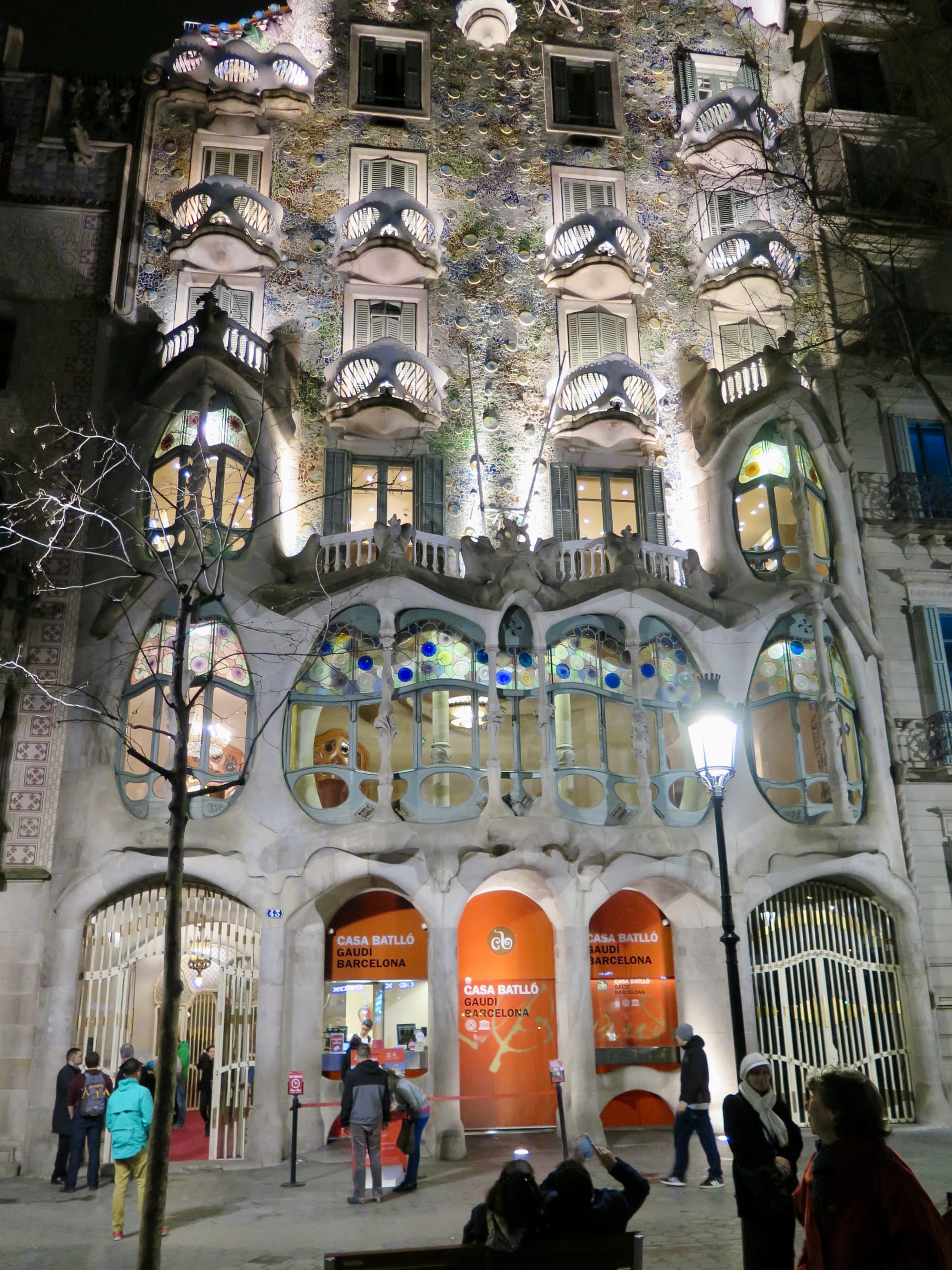
- Gaudi's buildings are the antithesis creating a street of beauty and character
- Architecture is too architect-centered
- Morphosis Architects and Frank Gehry - bad architecture
There seems to be a misconception that architecture doesn't affect public places and that it is even something wholly separate from them. This is false. Architecture and the space around buildings are two sides of the same coin – place.
When we walk around a place, we are constantly looking at the surrounding buildings, walking up to them, entering them, sitting in front of them. If we consider that parks and squares are like outdoor living rooms for public life, then the facades and storefronts of buildings create the "walls" of these rooms. Much like we add paintings, photos, mirrors, and other decor to the walls of our home to make looking at them pleasant and comfortable, the "walls" of the public realm also need to be attractive and pleasing to look at.
Designing a building must not be a selfish act with the primary of allowing an architect an opportunity for self-expression... A building is not a sculpture in a museum. Every building is a part of the public realm and must be looked at by thousands of people every day. That means it has a responsibility to the public to be pleasing. To treat a building as a piece of art disconnected from its context is to do a disservice to every member of the community who must co-exist with it.
How do we critique beauty?
When people embark on a critique of modern cities, the architecture is almost always a topic that comes up, and yet most people find it difficult to explain why they dislike modern architecture so much. It's common to hear that it's "boring" or "ugly" but architectural beauty as a whole has become something of a taboo subject in urbanism. This is because people argue we can't really criticize aesthetic value since beauty is so subjective. What does beauty even mean? How can we strive for aesthetic excellence when it is "in the eye of the beholder"? However, not delving deeper into the question of what beautiful architecture means and how it is defined has kept us from having important conversations about how to create it. And it has led us to live in ugly cities.
What is Soulless Architecture?
Here at the Social Life Project, to avoid these semantic hangups, we don't often talk about ugly architecture, but we do talk about soulless architecture. What does that mean exactly? To lack soul, when it comes to buildings, means to have no character, originality, charm, or visual appeal. A soulless building doesn't say anything, doesn't make you feel anything, and doesn't reflect its context in any meaningful way. You probably already have in mind an example of what this looks like – a big concrete box, a tall glass tower, a featureless monolith of some sort. Our cities are full of them.
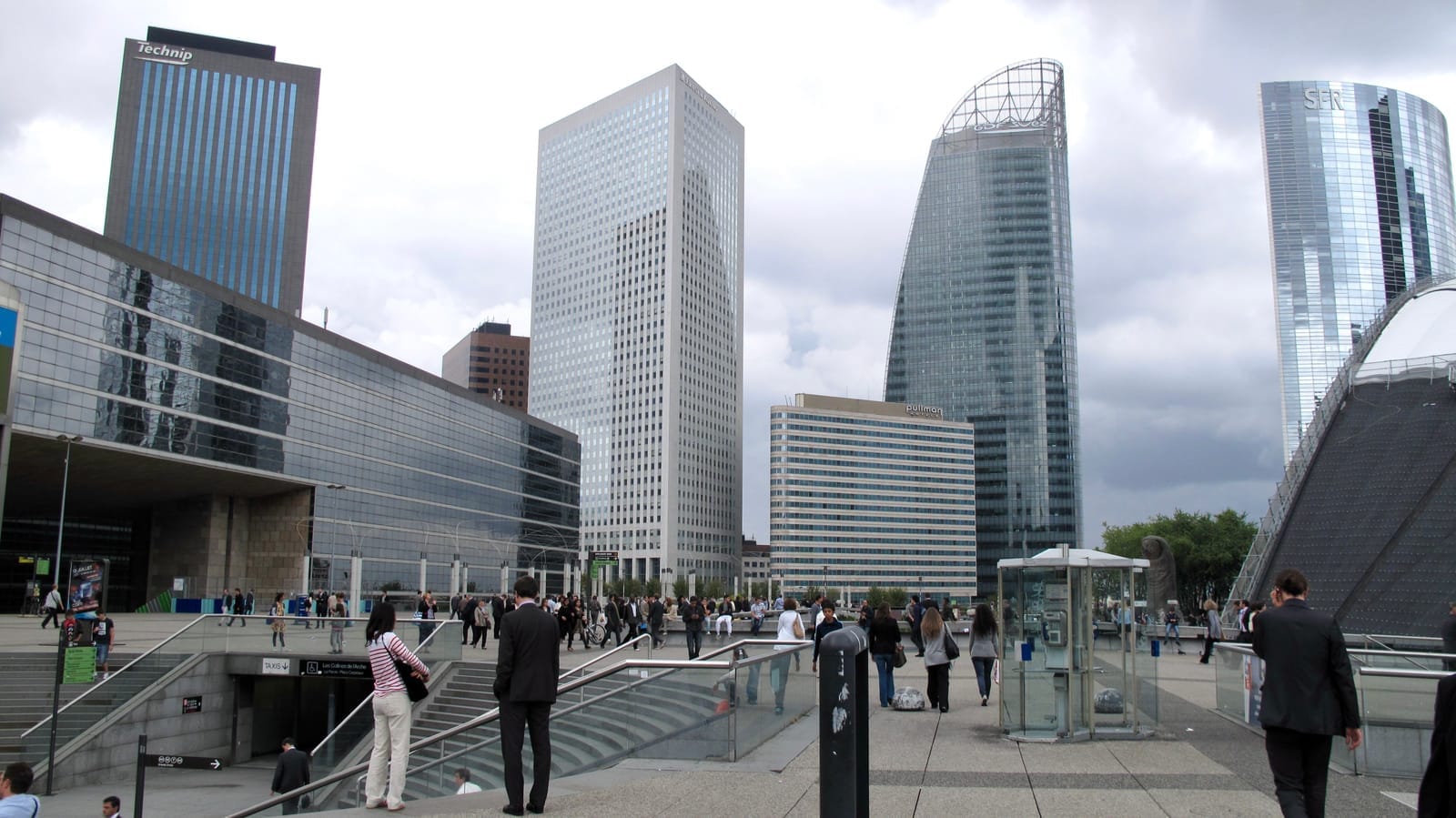
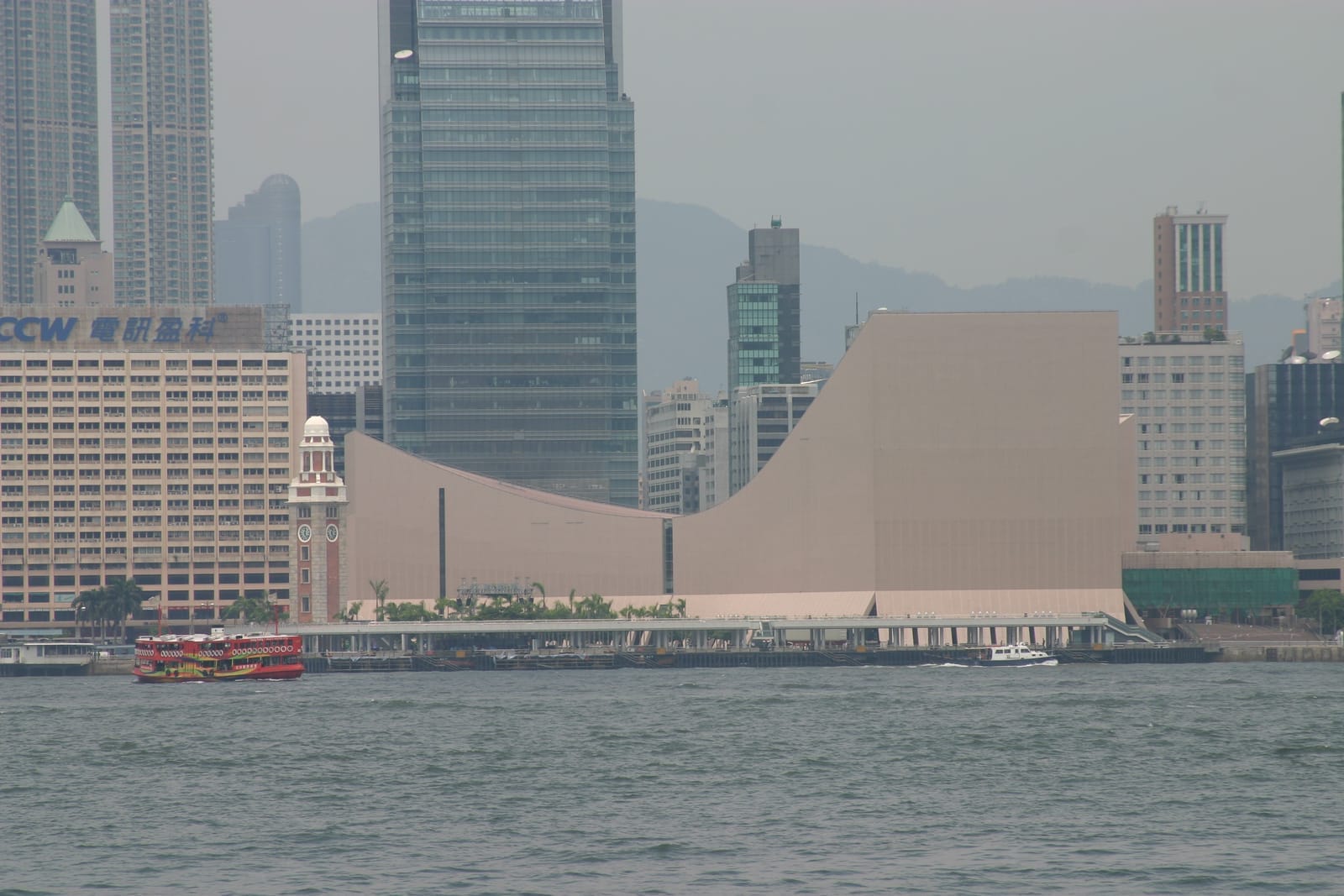
Left: Paris l Right: Hong Kong
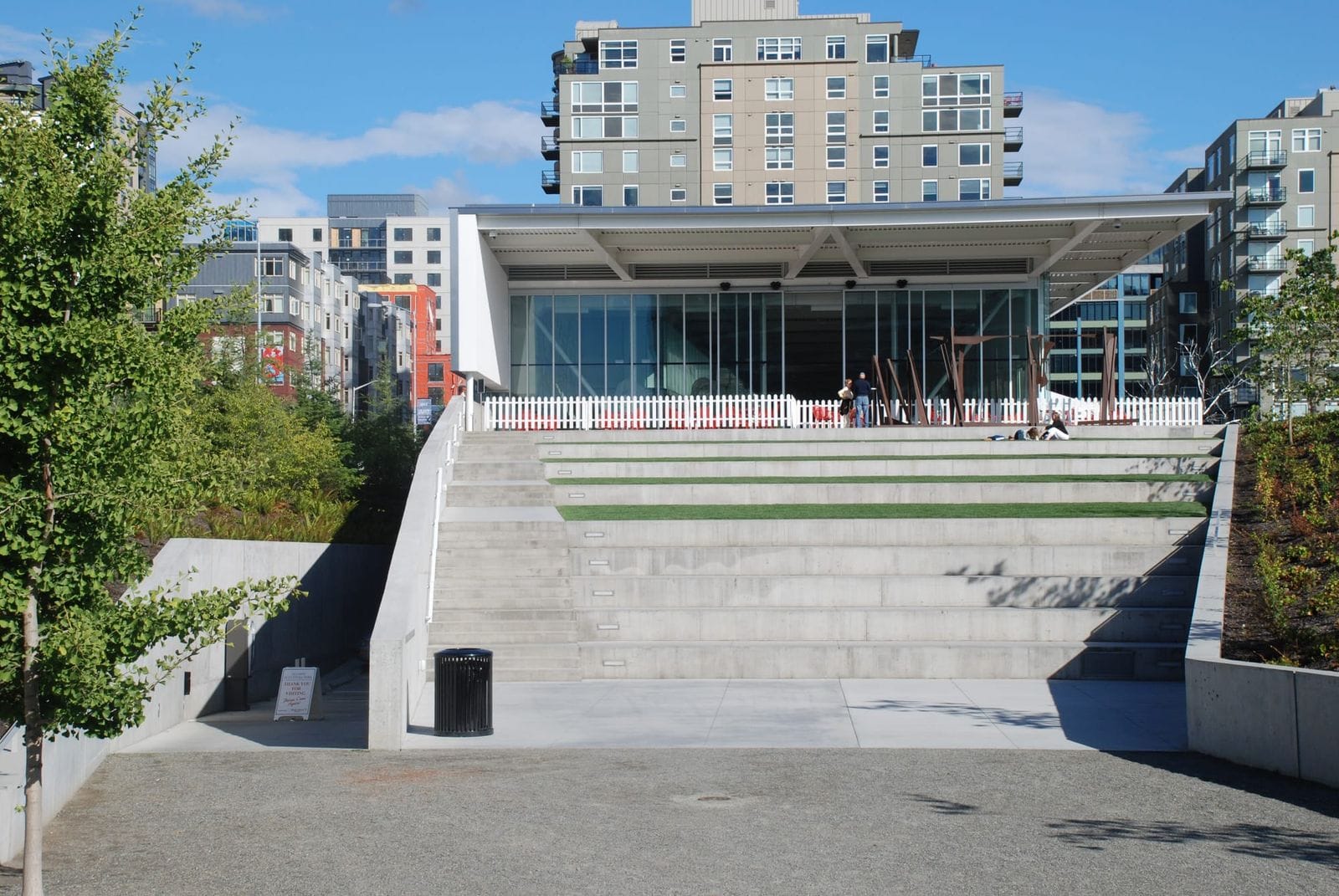
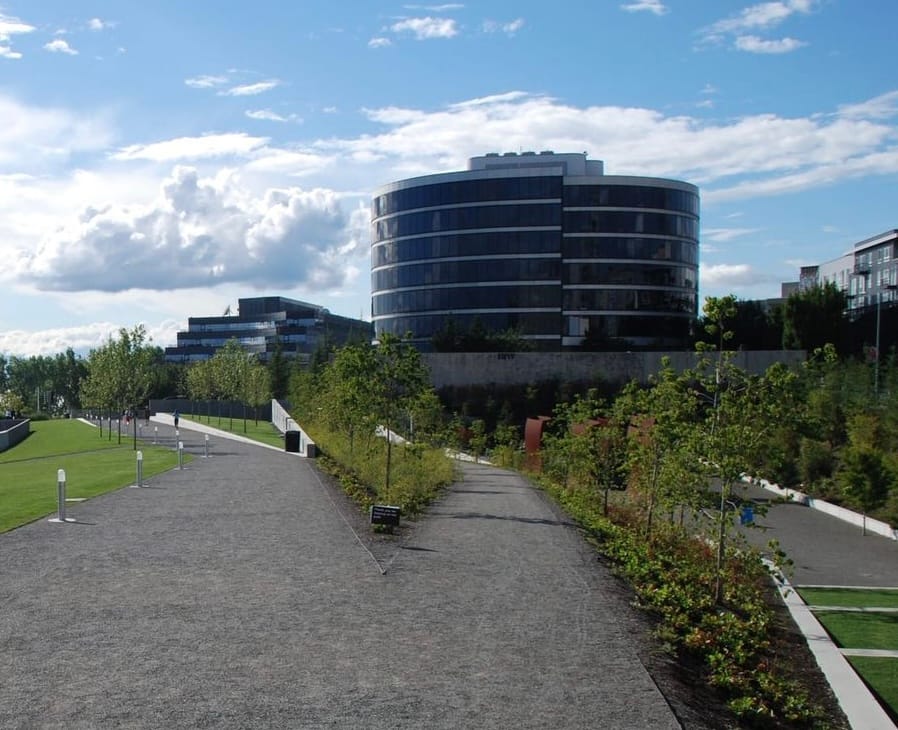
Seattle Sculpture Park
But why?
Why are such buildings so common these days? This wasn't always the case. Every year, millions of people travel to cities full of fantastic old architecture to see buildings erected hundreds or even thousands of years ago. Because buildings used to be made to fit the character of the city they were set in, full of unique features characteristic of that place, made to be pleasing and dignified. Constructions had details that reflected the culture and history of the people there. They used to have intriguing features and attractive designs. Architectural beauty used to be valued – a source of pride and something worth creating, funding and protecting.
Now, most of our architecture is stripped of all of that. Buildings look the same everywhere you go. A glass tower, a concrete box, a simple geometric monolith. We see the same in Hong Kong, Paris, New York City, Mexico City, and beyond. Show someone a photo of soulless architecture and they'll have a hard time identifying where it stands. Because these faceless buildings are the same wherever you go. They don't add value to their surroundings, but rather, they destroy it – diluting the visual character of the city and taking up space that could have been dedicated to a building which enhanced it instead.
single buildings and large plazas with historic buildings
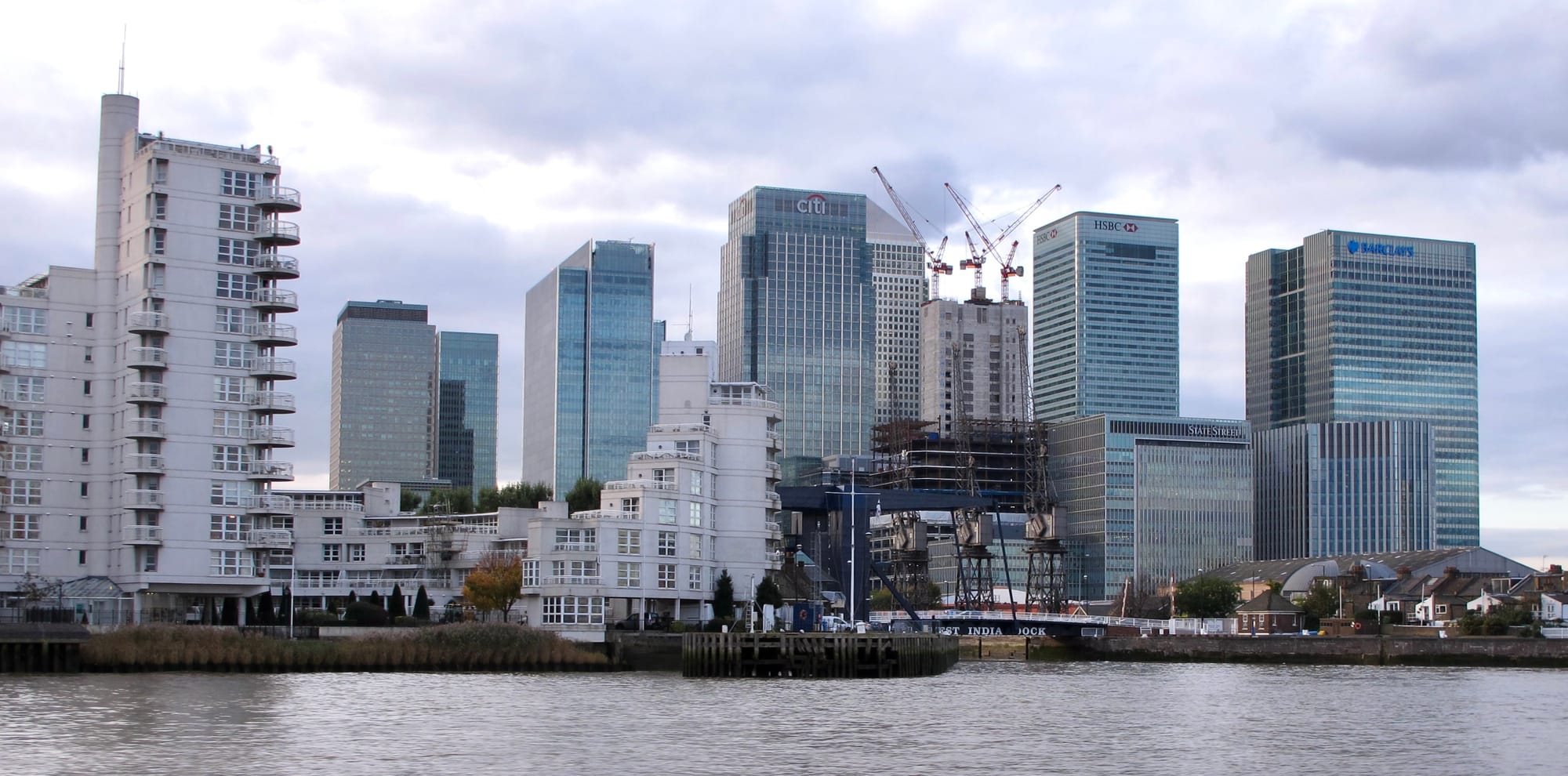
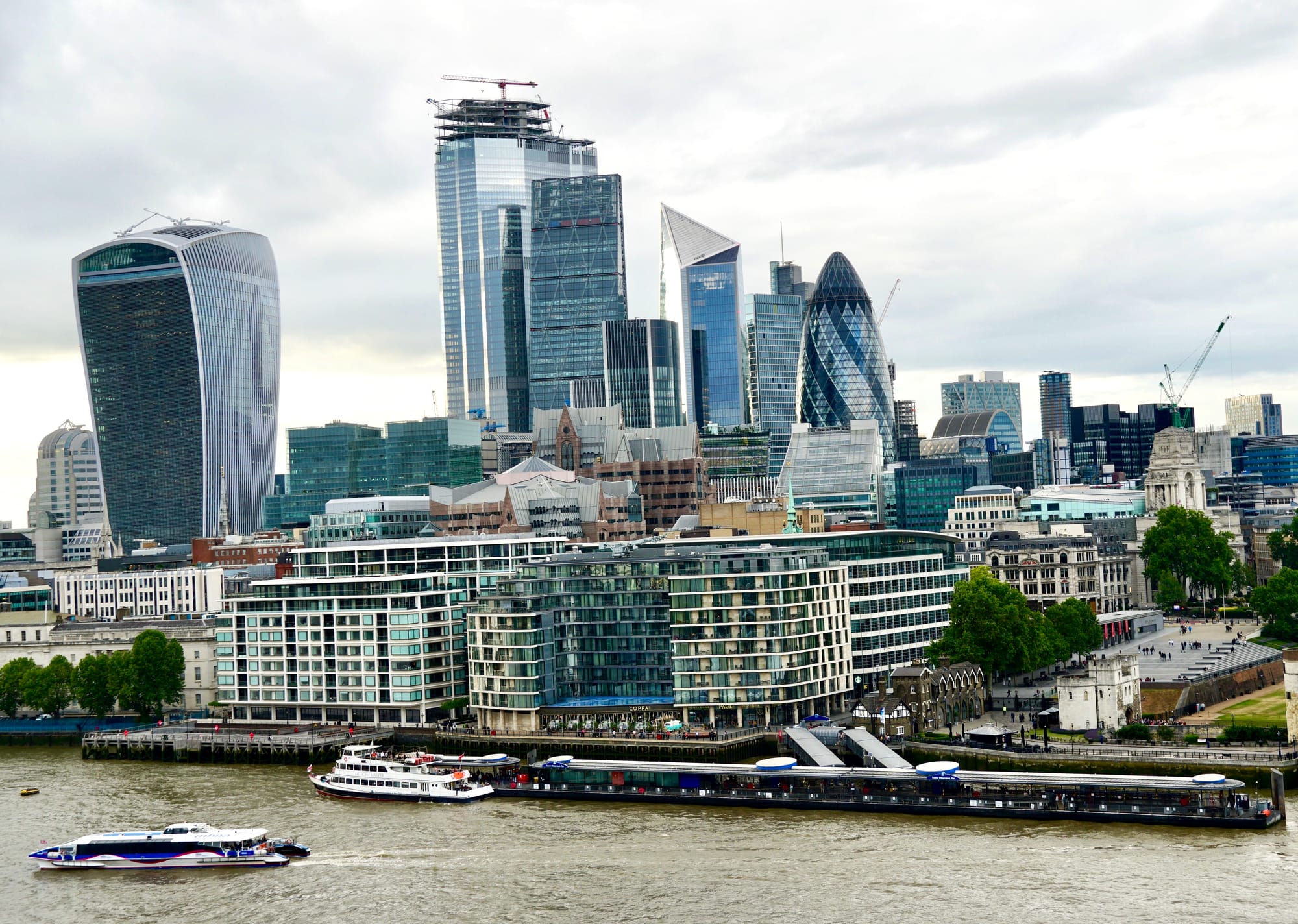
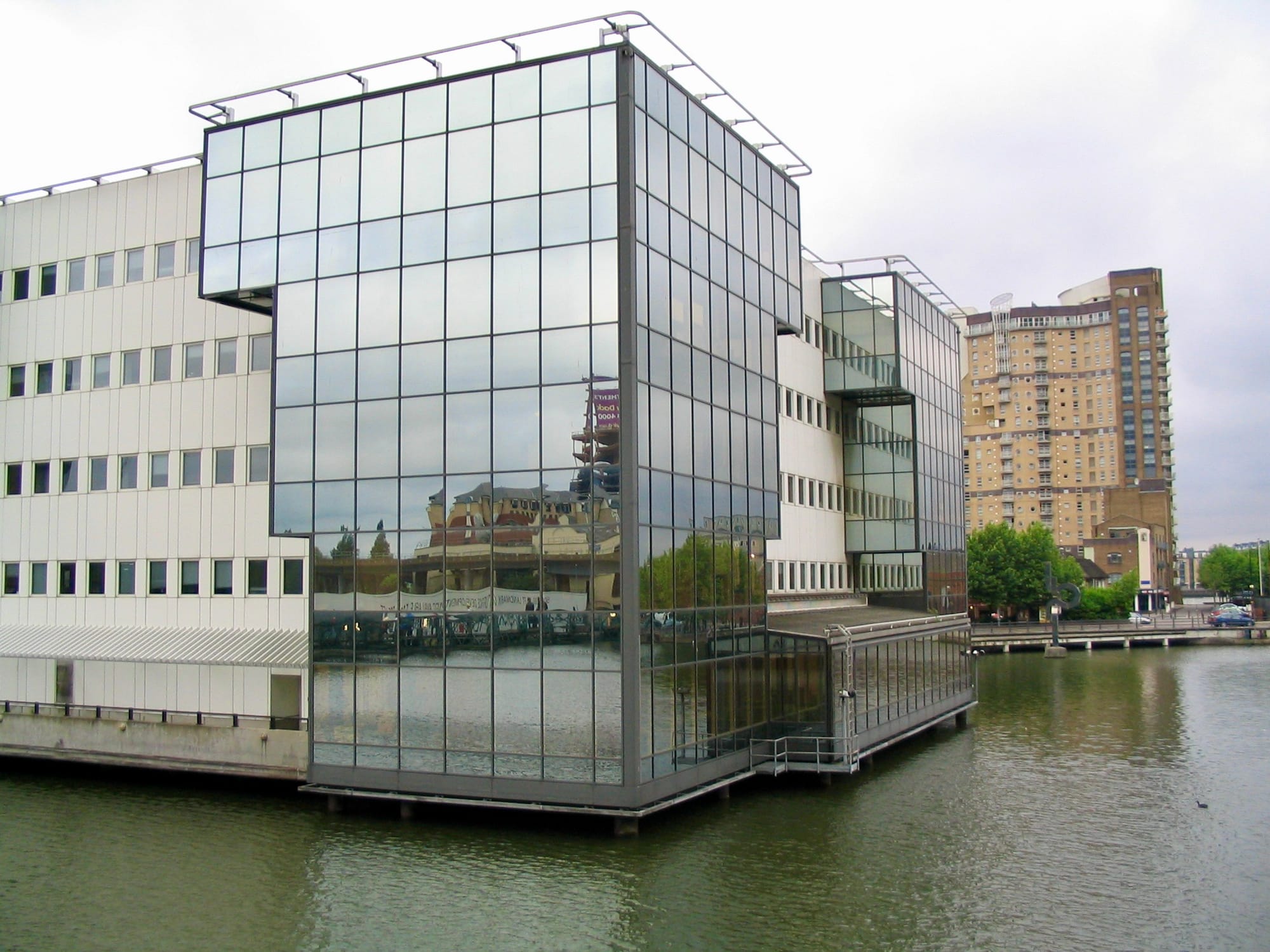
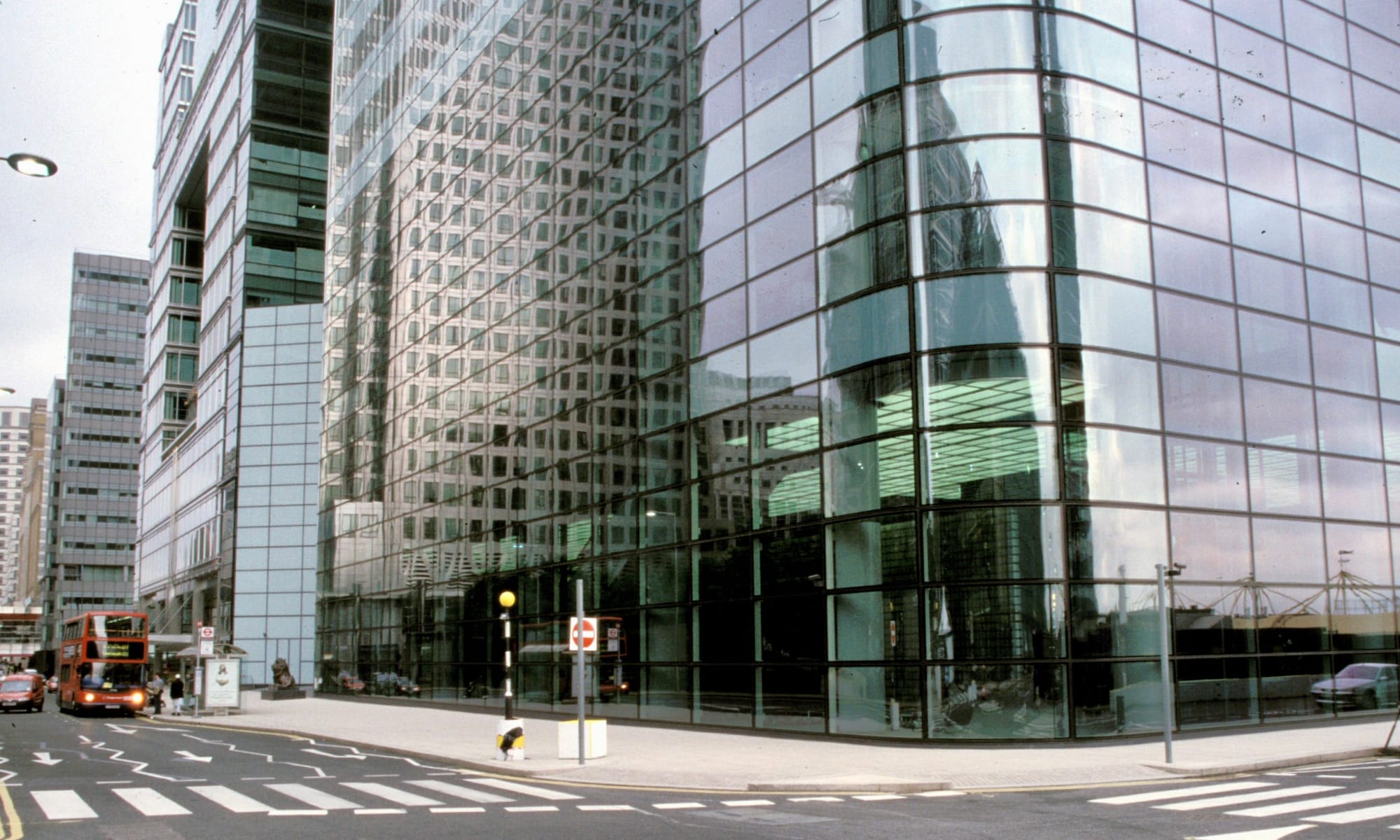
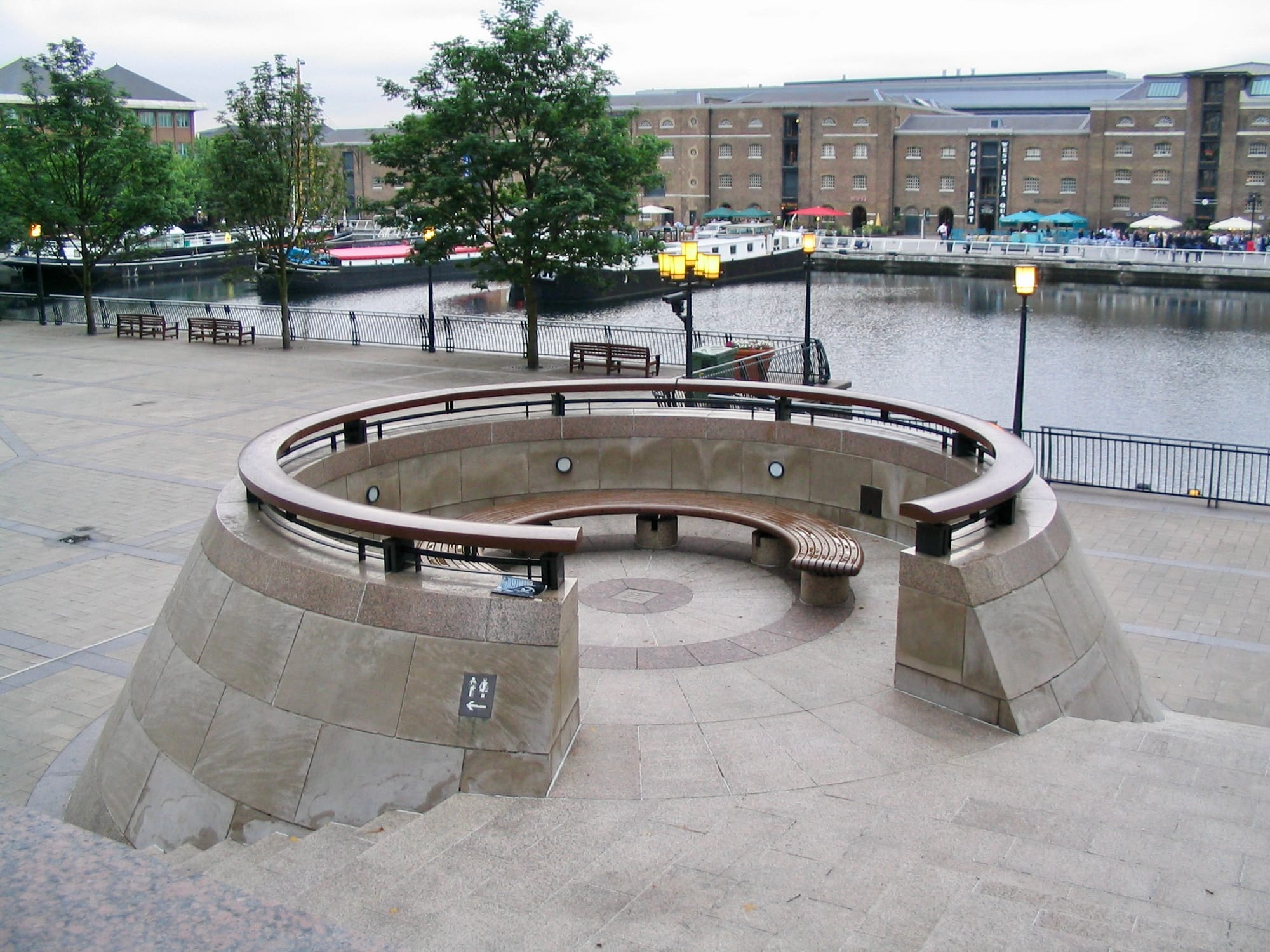
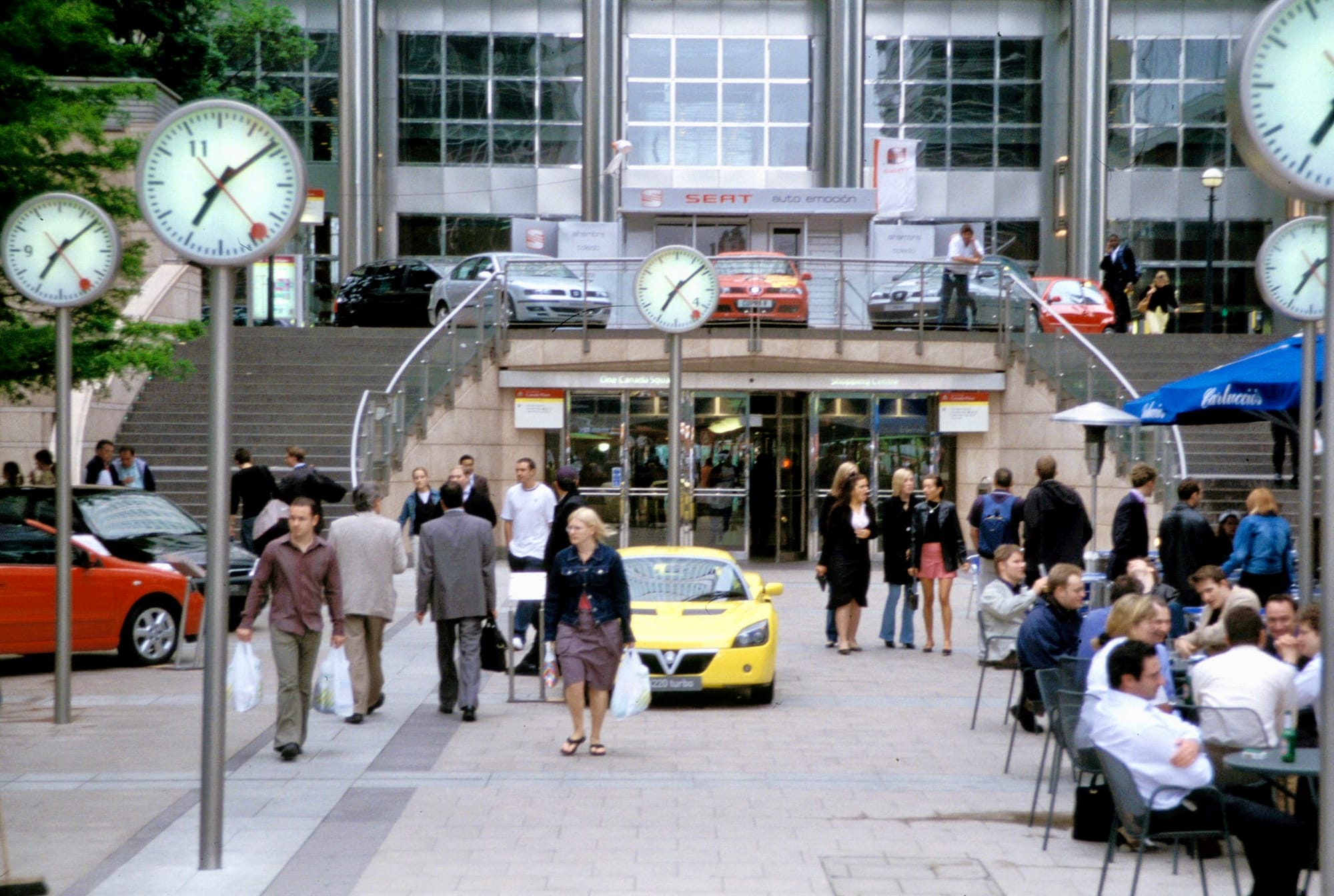
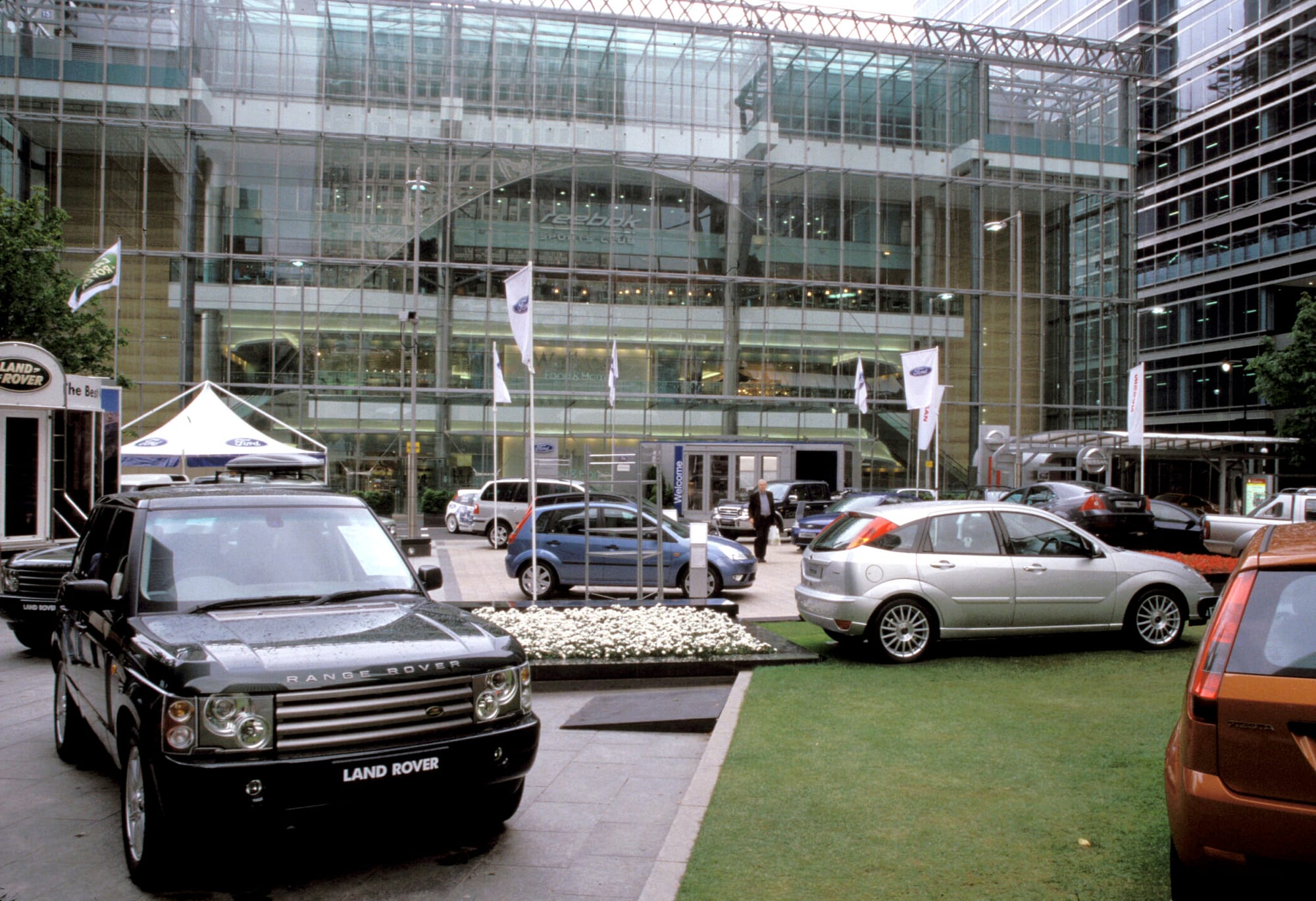
London - the glass forest at Canary Wharf
Another example in London shows once again the failure of modern design. The generic high-rises here create a soulless, boring environment that does not attract people or activity.
Copenhagen
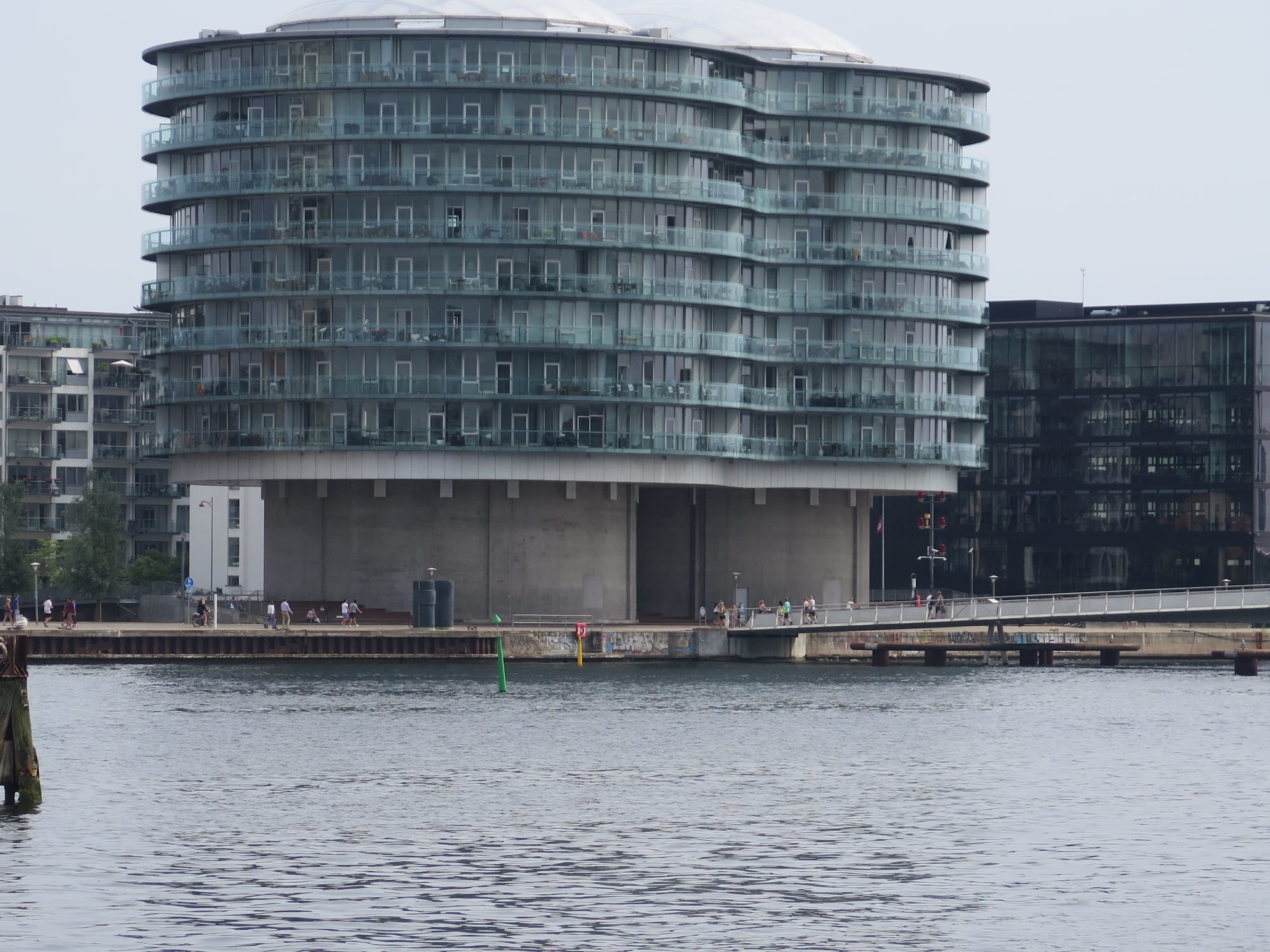
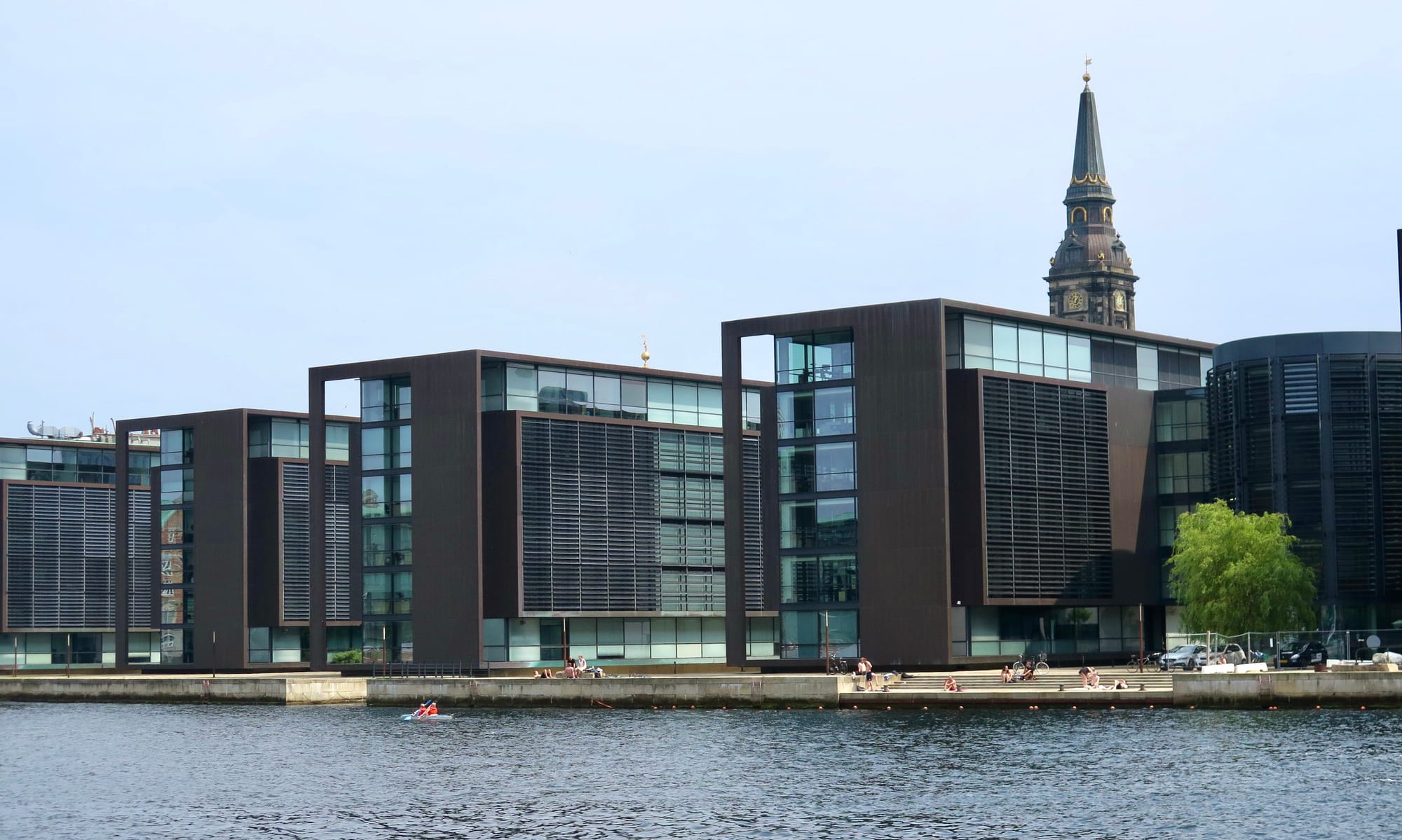
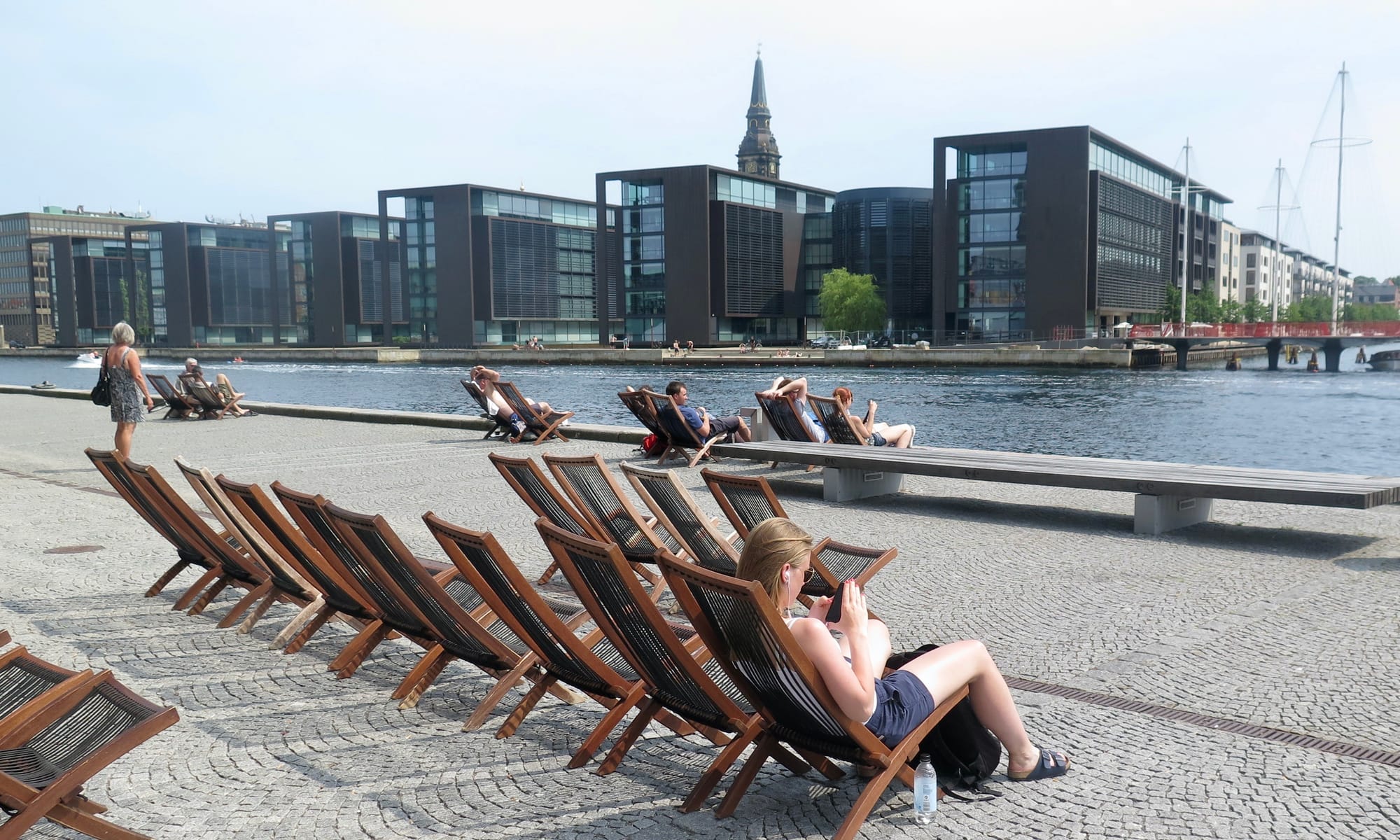
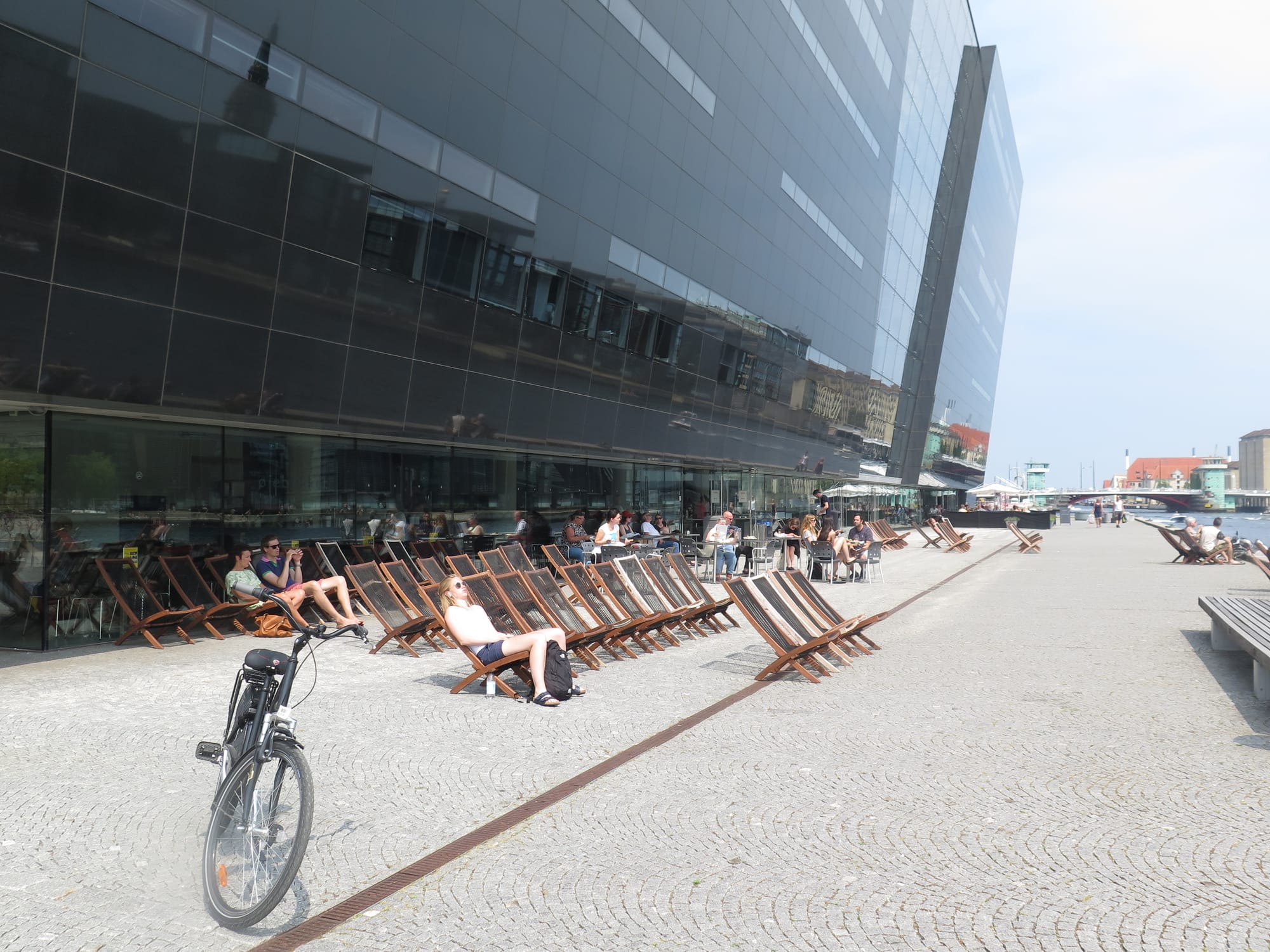
Why do some of the Most popular Cities have some of the Worst Architecture?
Copenhagen
Stavanger, Norway
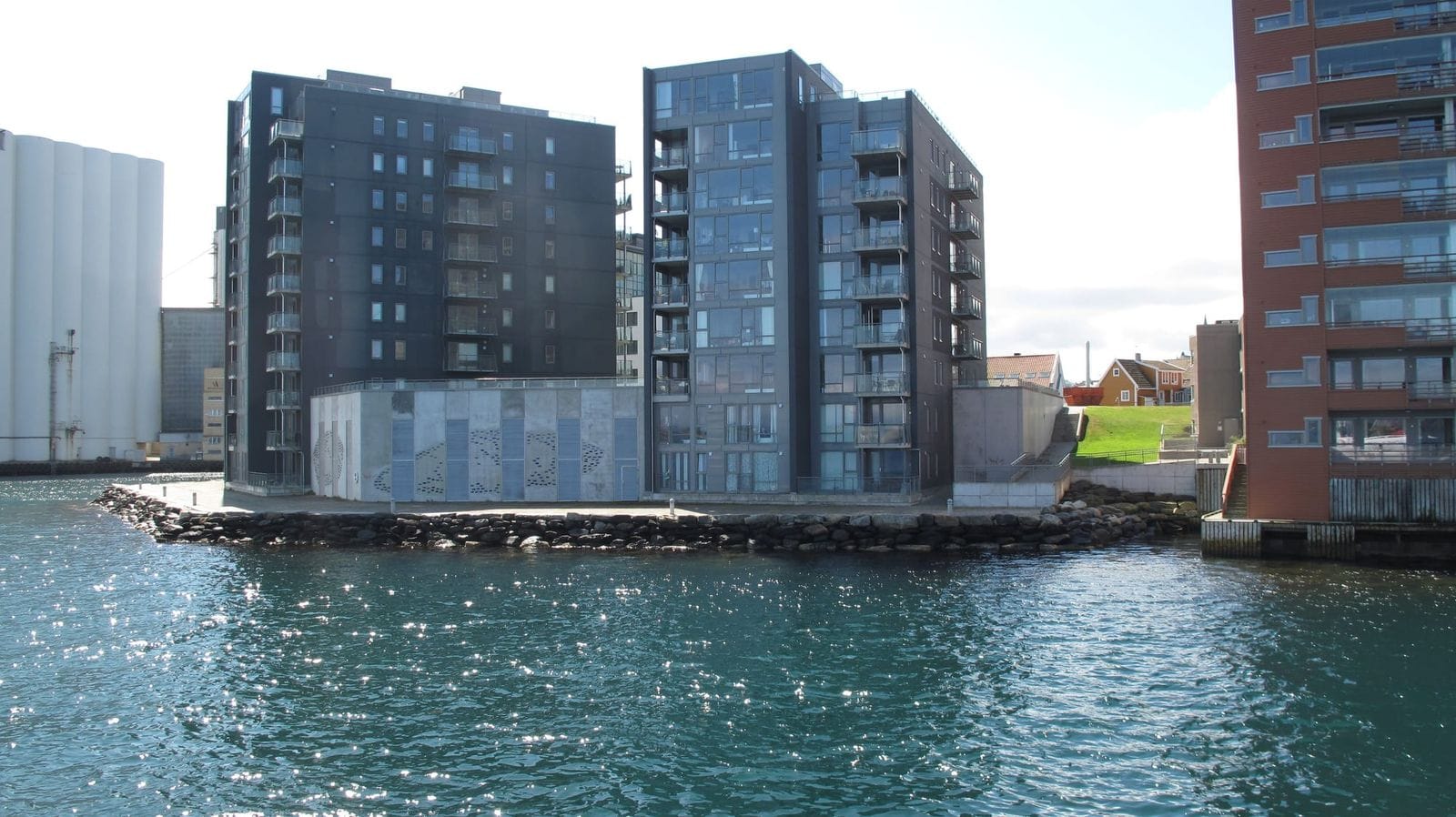
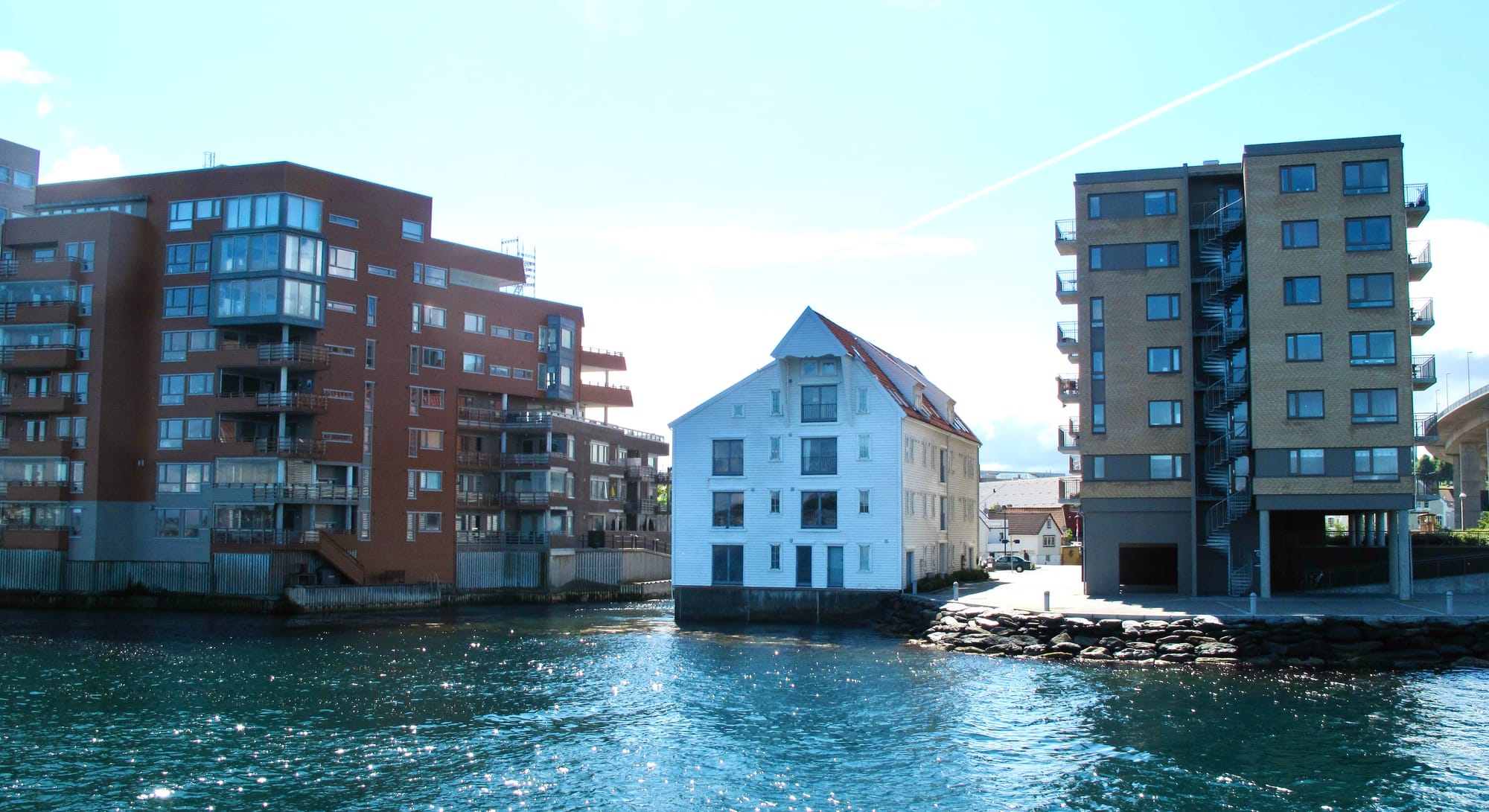
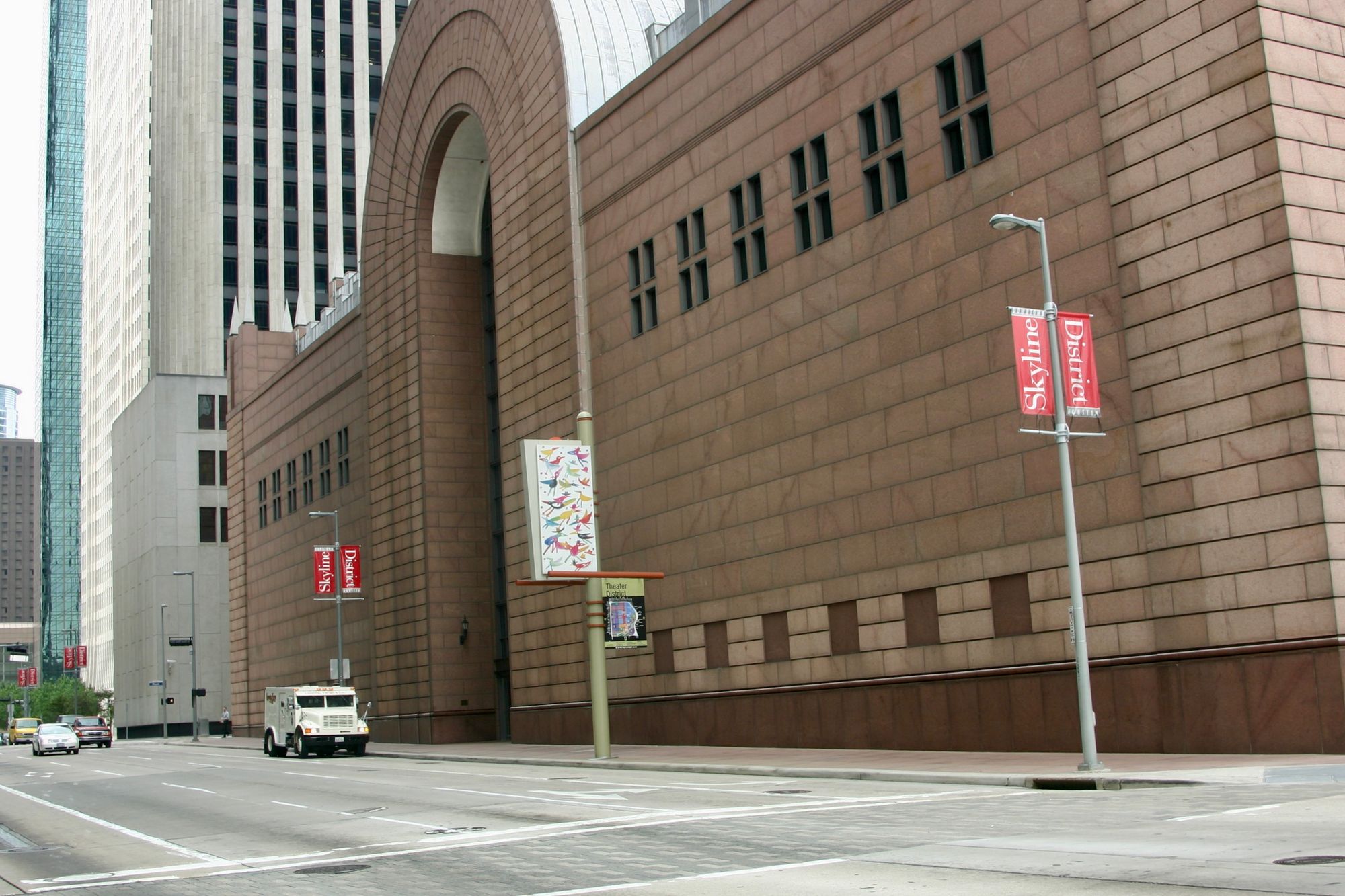
Houston...Where Architecture went wrong
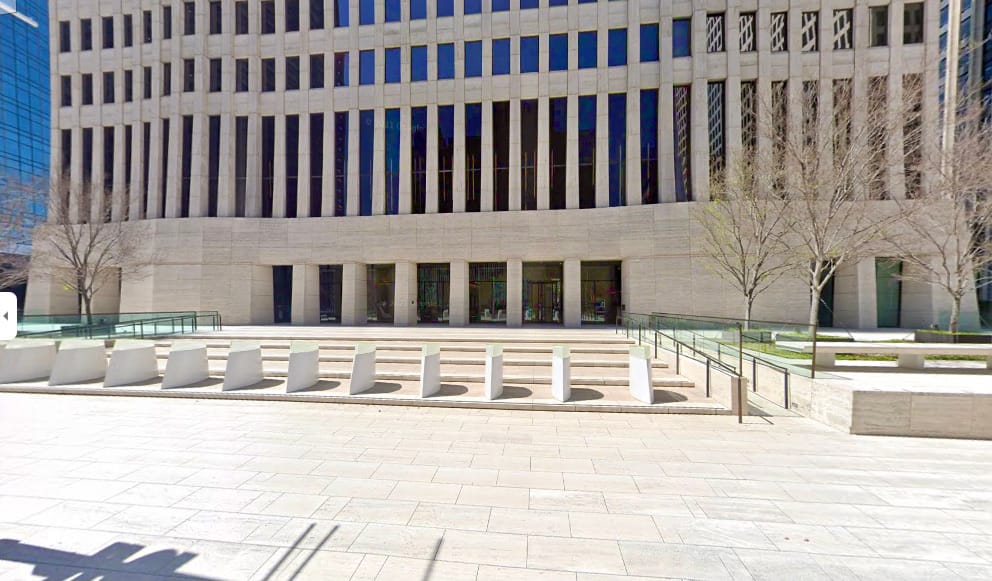
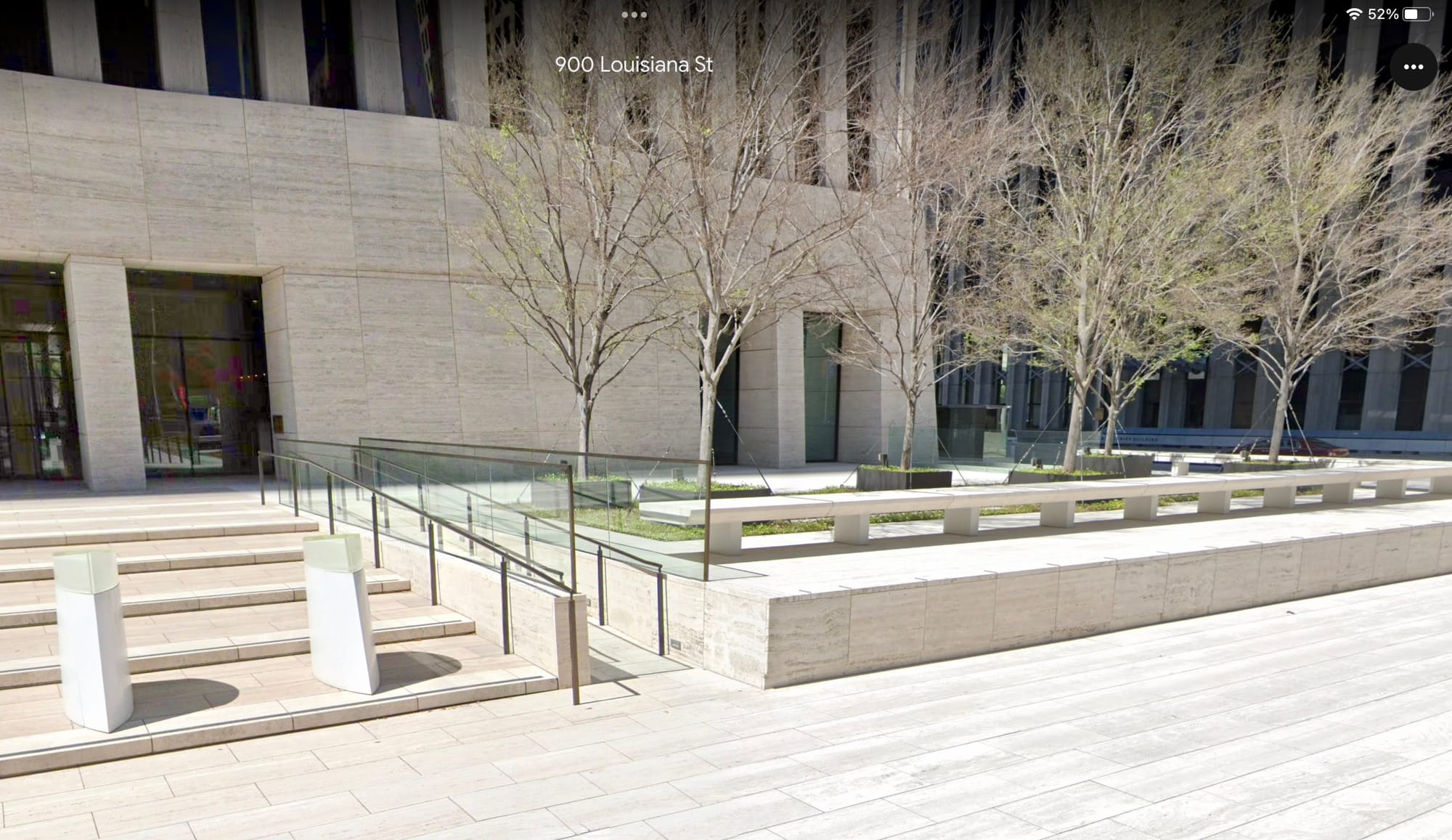
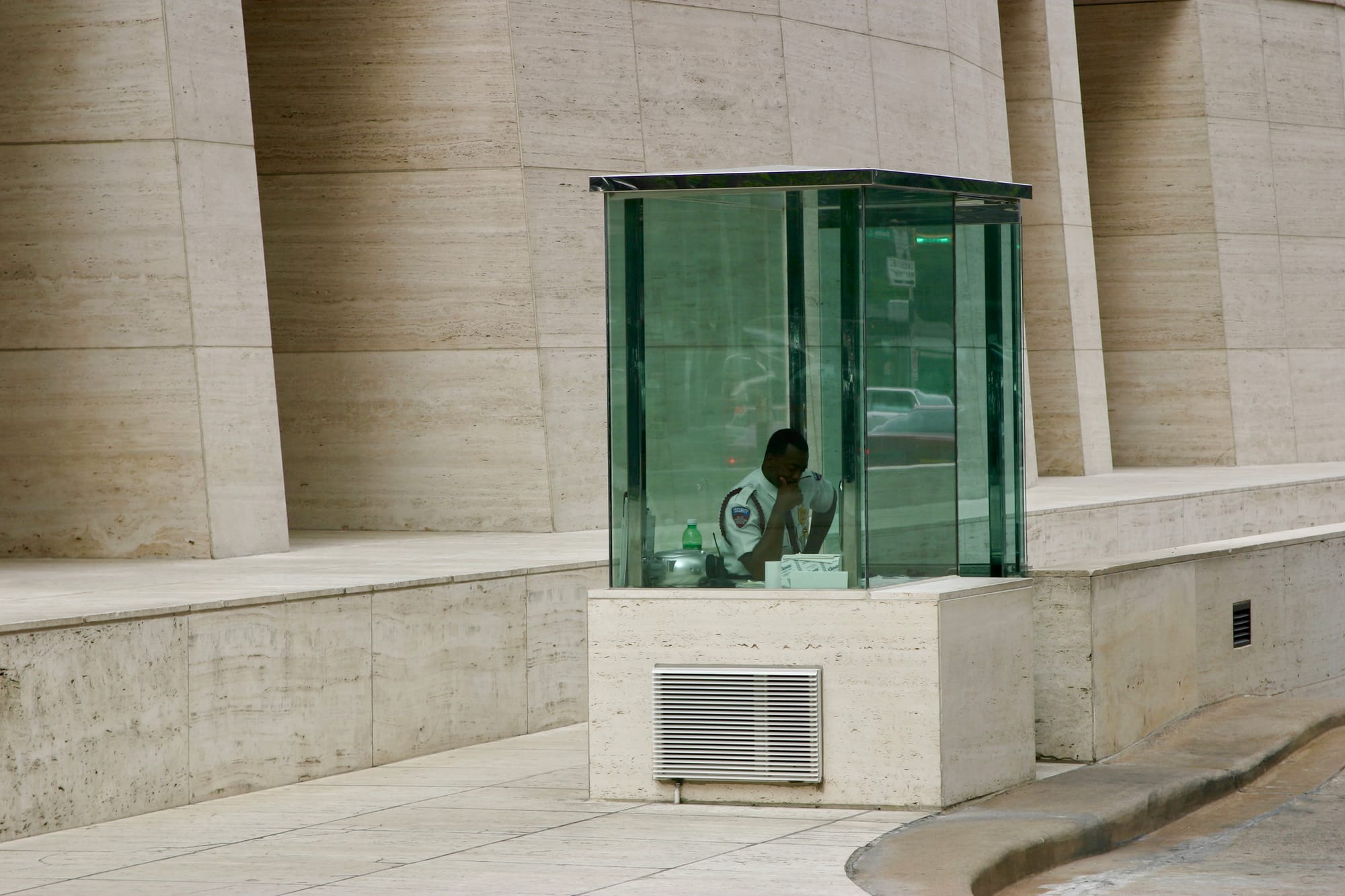
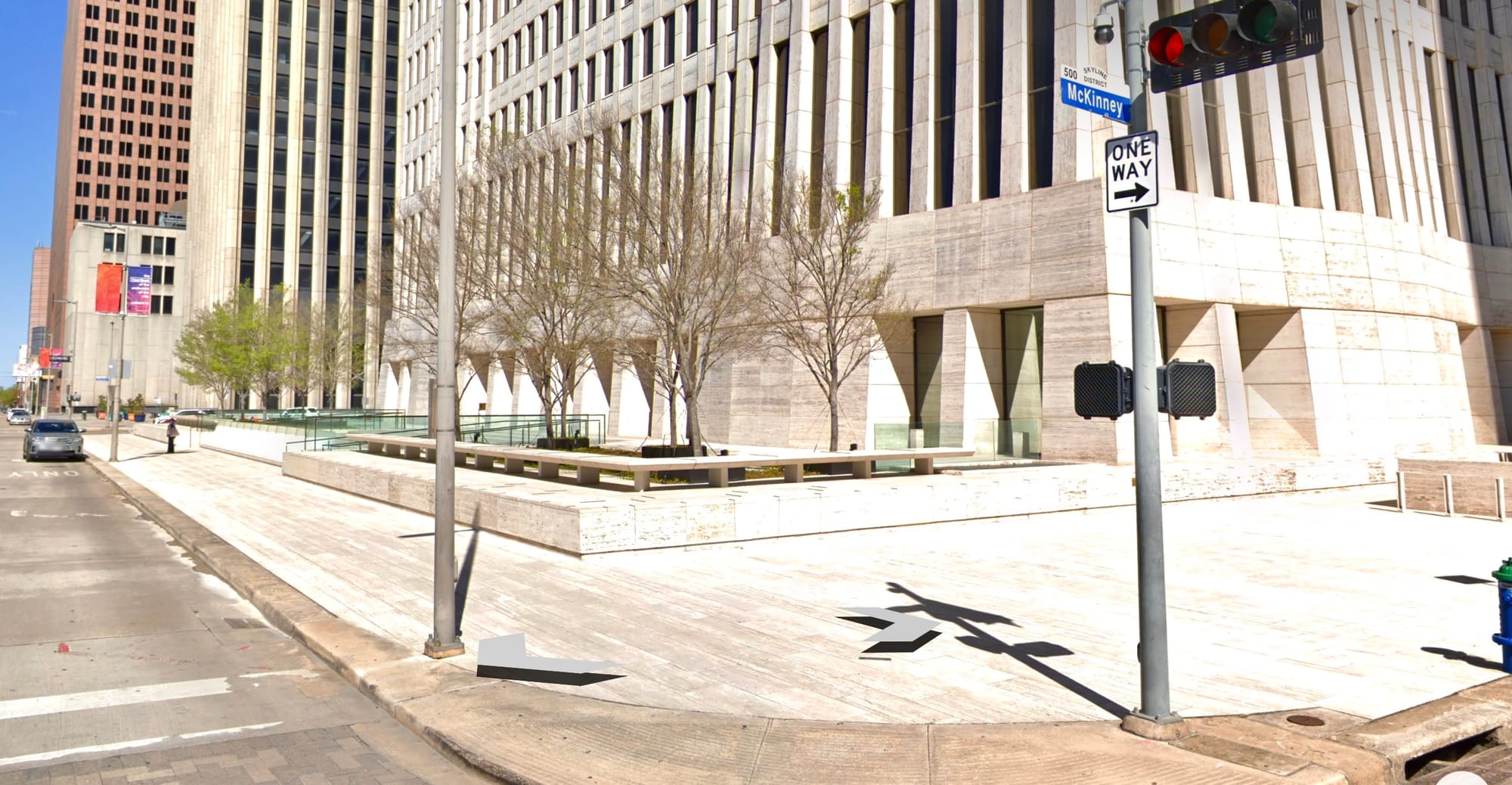
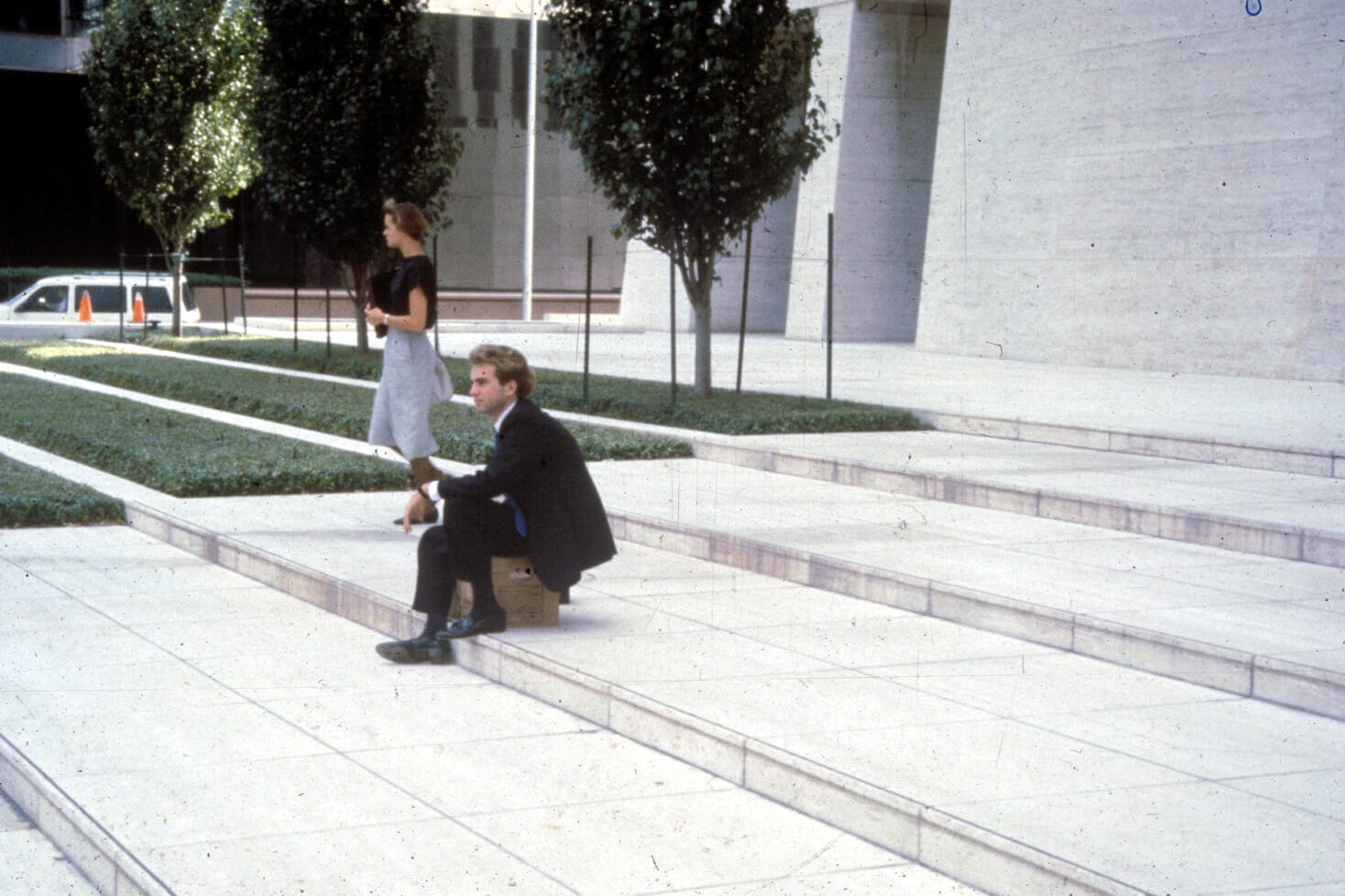
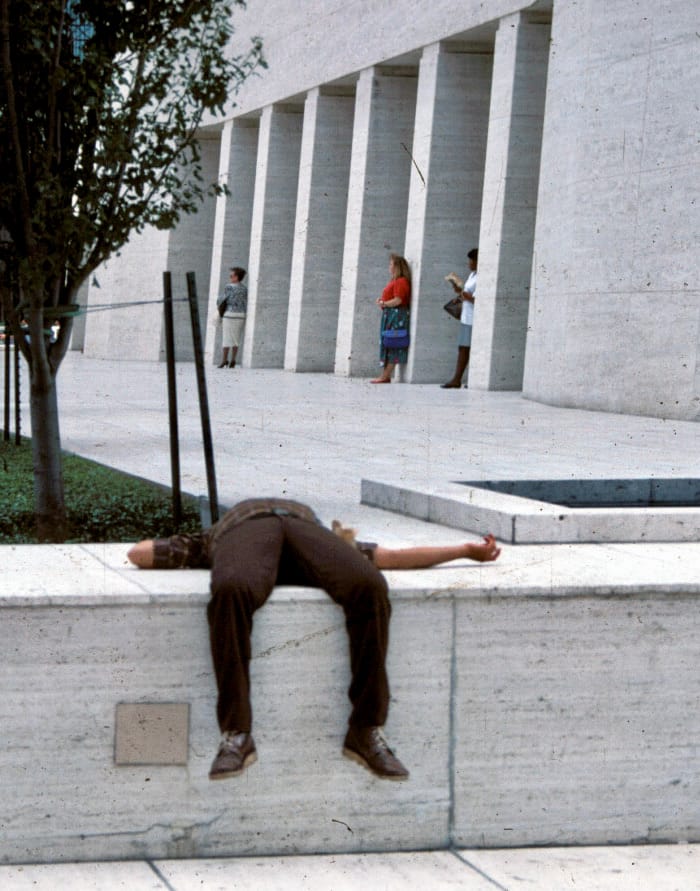
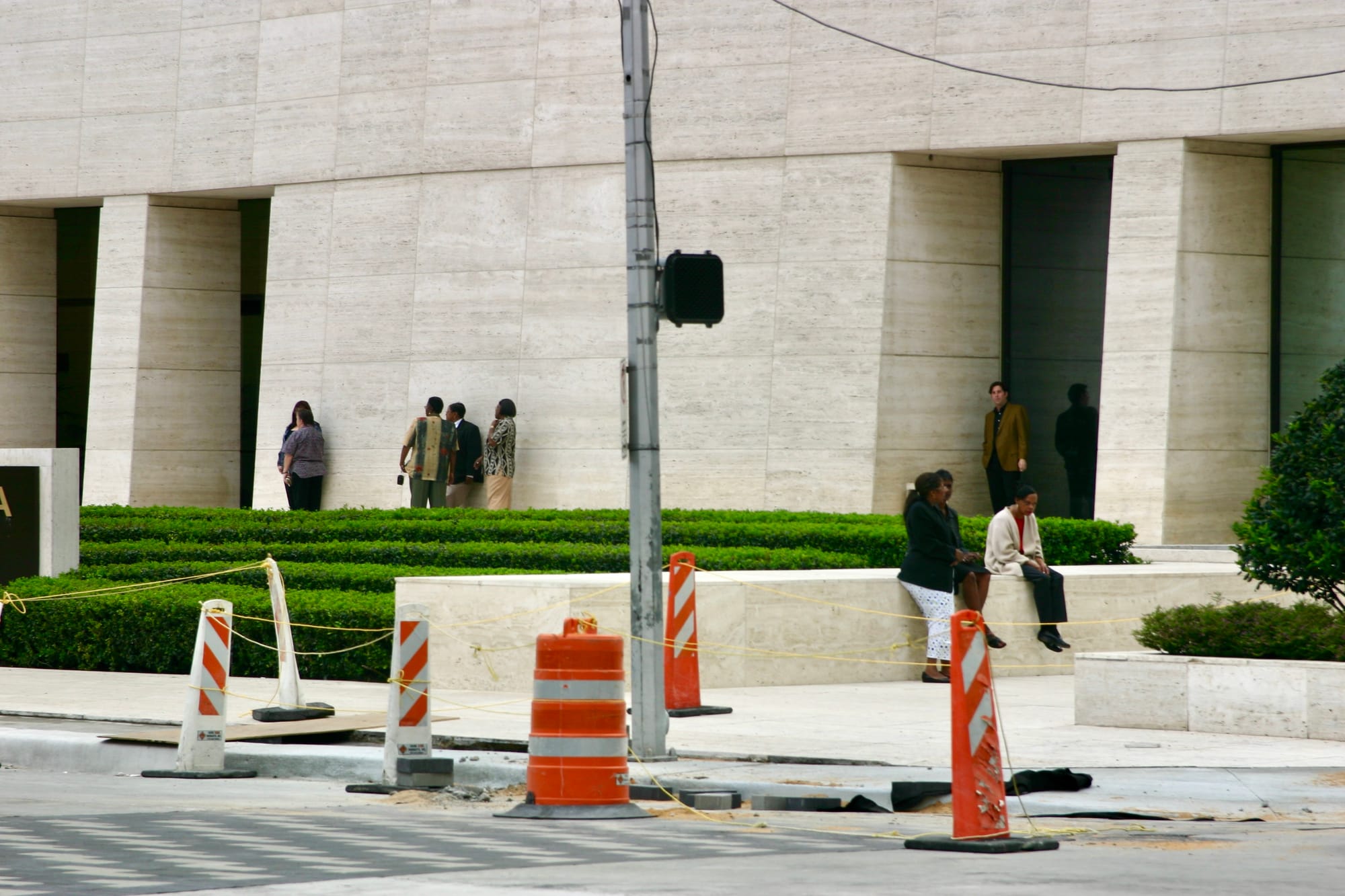
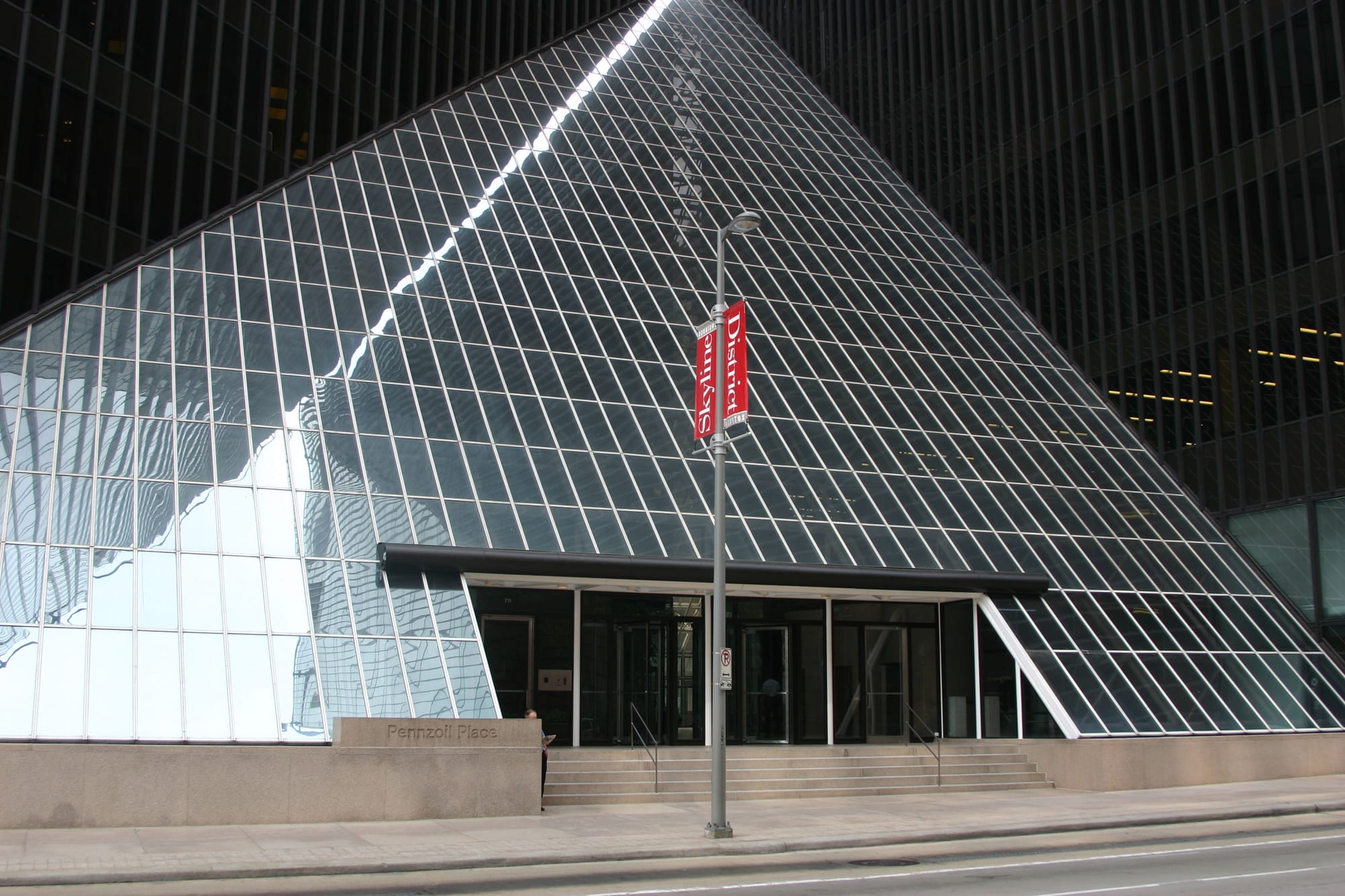
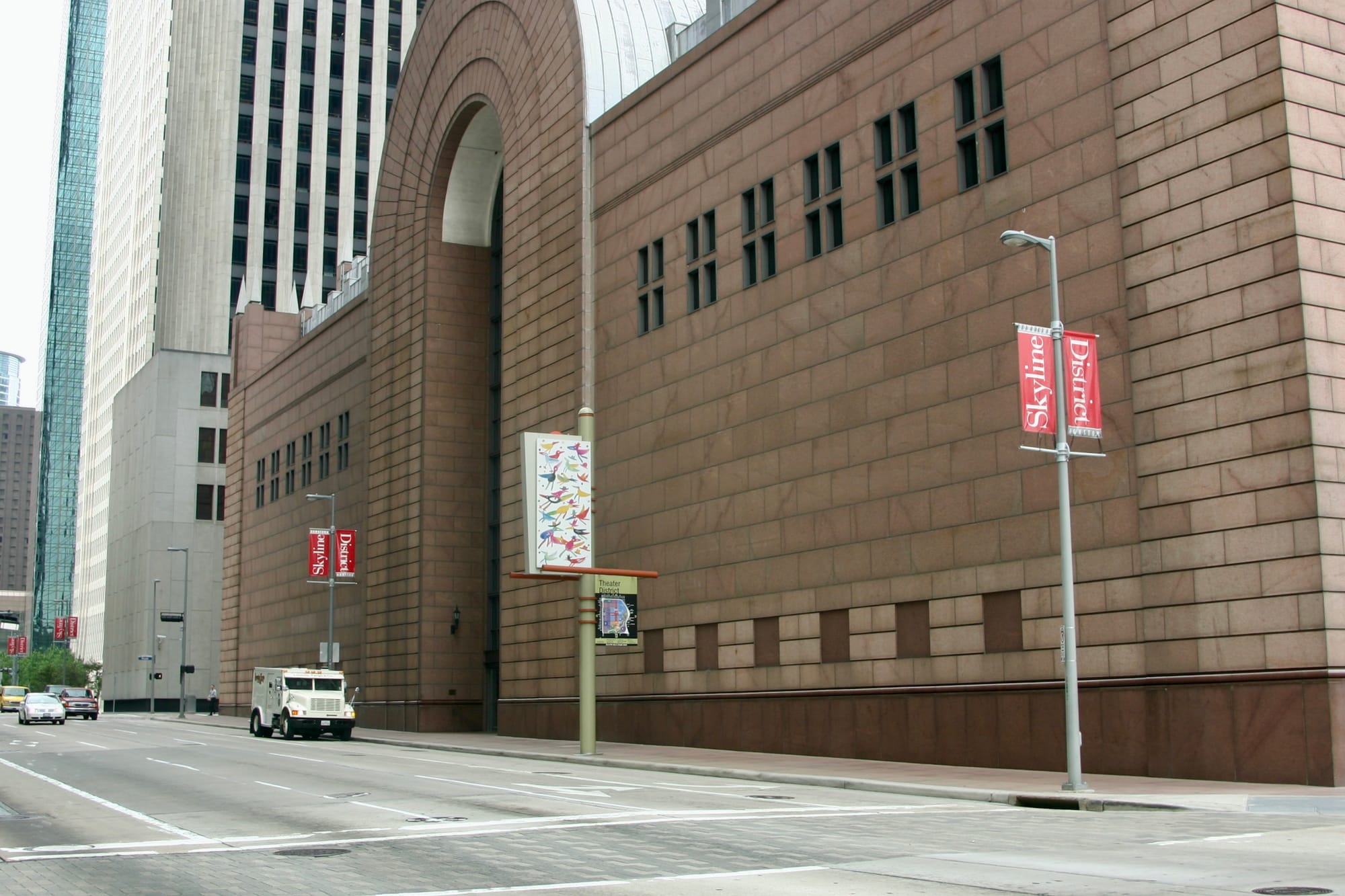
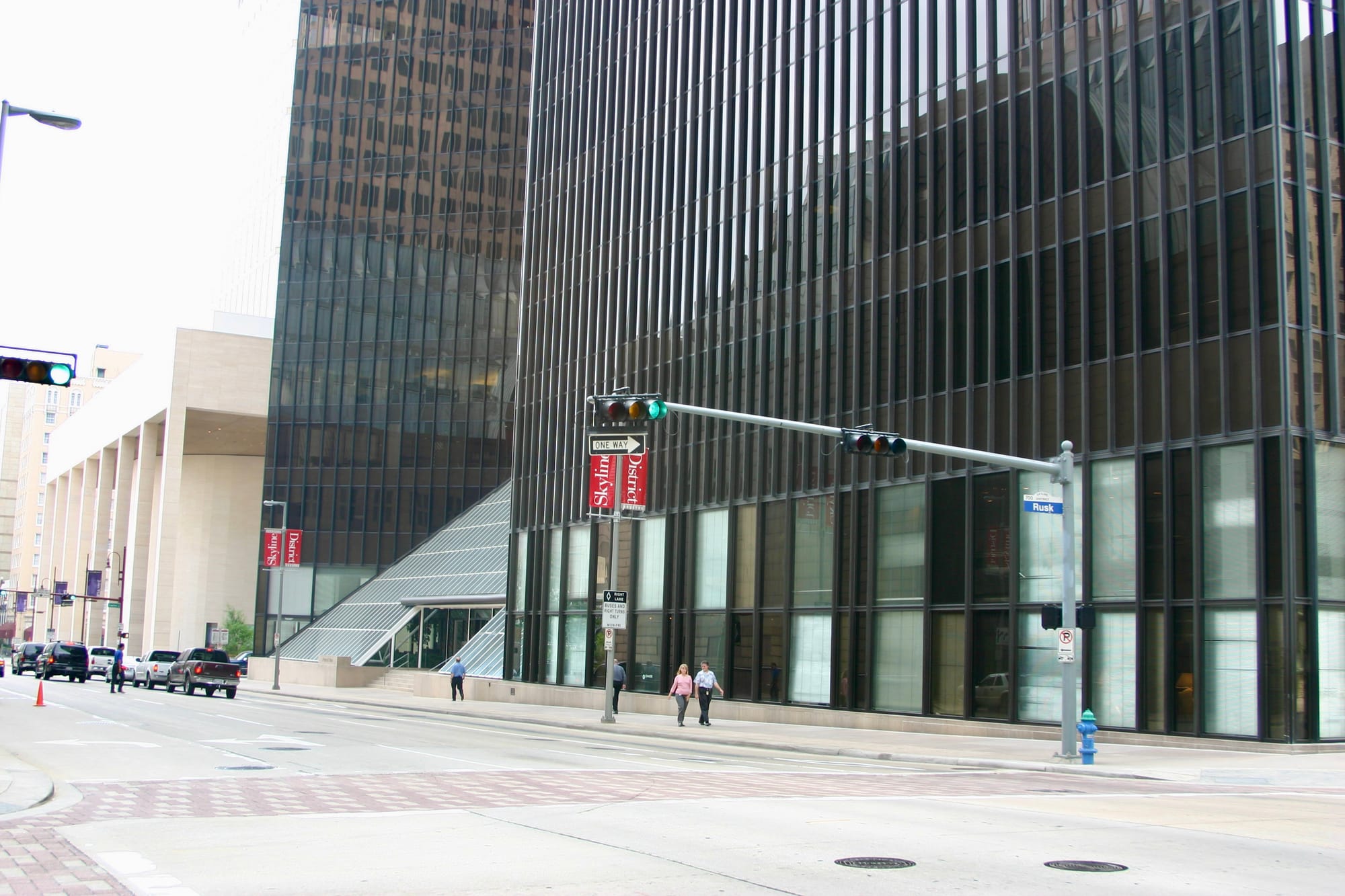
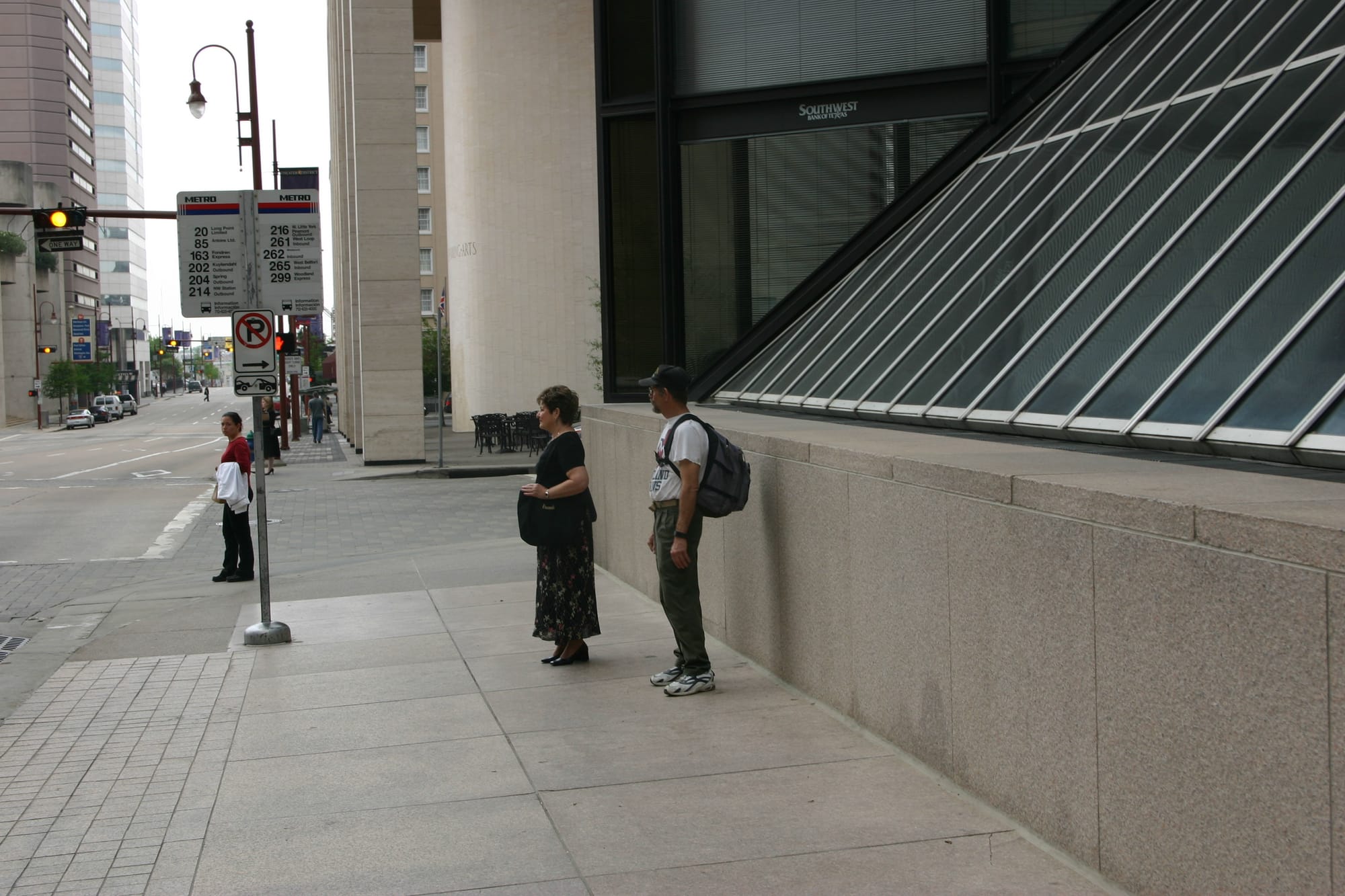
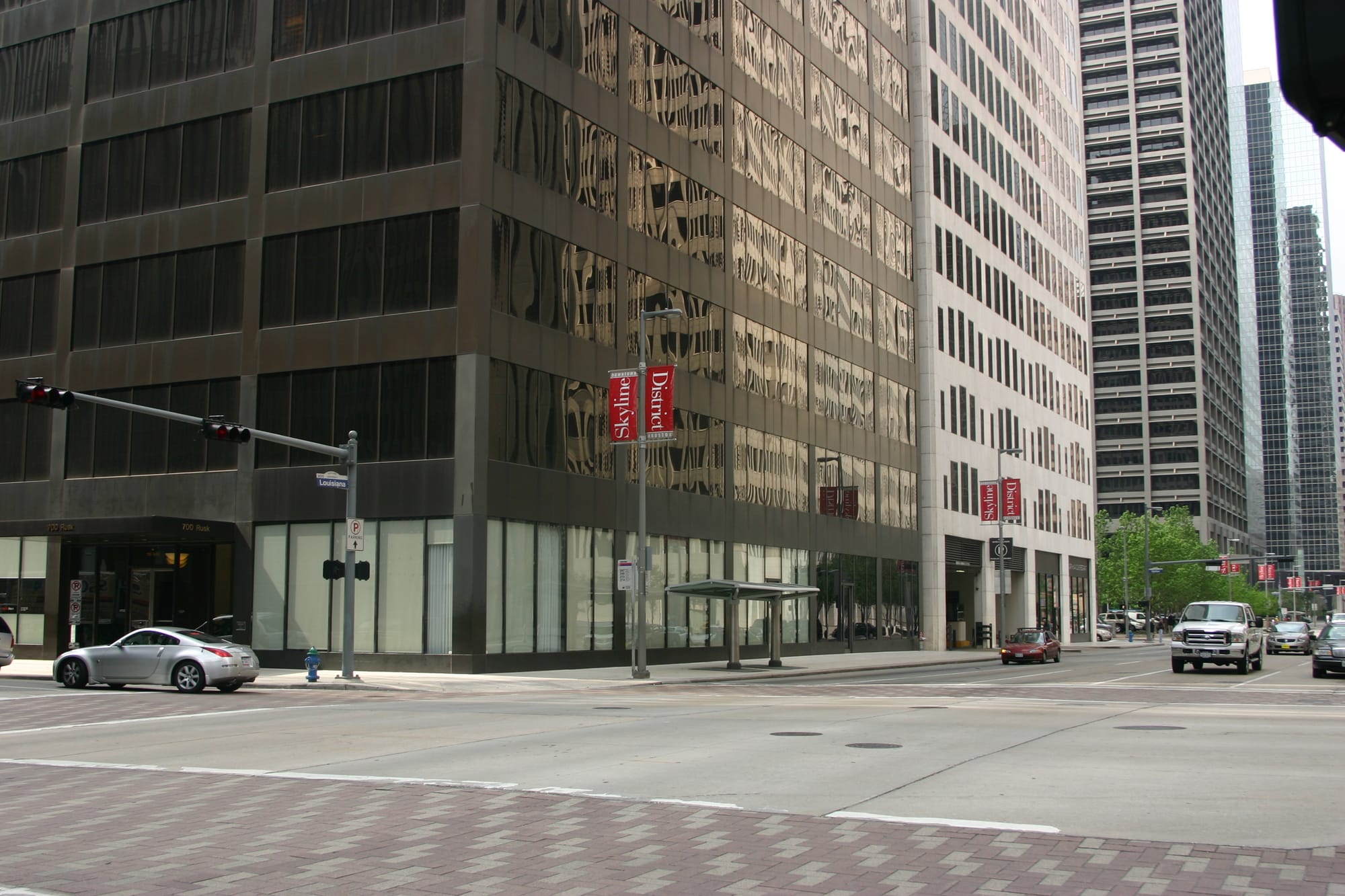
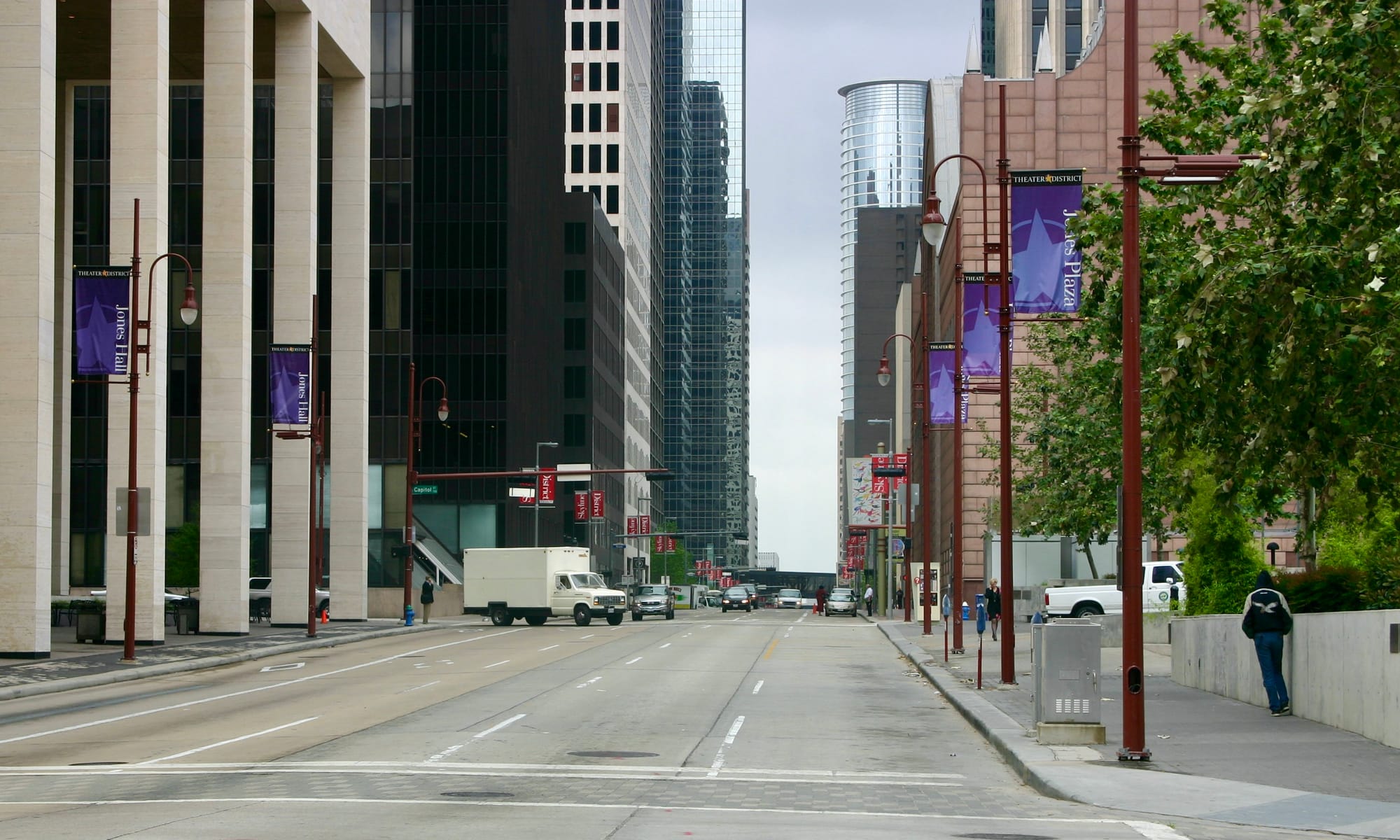
Sealed-off corporate office towers that have killed city centers around the world
"It takes real work to create a lousy place" observed our mentor, William H. Whyte. This is what we mean when we talk about over-designed places that focus too much on a particular aesthetic and not on how the place will interact with the people. This problem is very apparent in the downtowns of many big American cities.
For example, in Houston, one of the worst building is the Shell Oil Building designed by SOM. There is no place to sit or any shade to help people escape the hot Texas sun. This plaza, designed by SOM architects, was clearly not meant to be used by people in any way. Everything about it commands us to "look but don't touch." There is no welcoming spot to sit down on and even the steps are uncomfortable to walk on. We think the designers and managers purposefully meant to keep the public away from this important corporate center in the heart of the city. It definitely looks and feels that way.
When we spoke with the architect for the building about some possible improvements, he actually put me down and asked in a derisive terms, "What do you want...quiches being sold on each corner?" In front of the building owner, Gerald Hines, I responded "yes", or better yet a "hot dog stand".
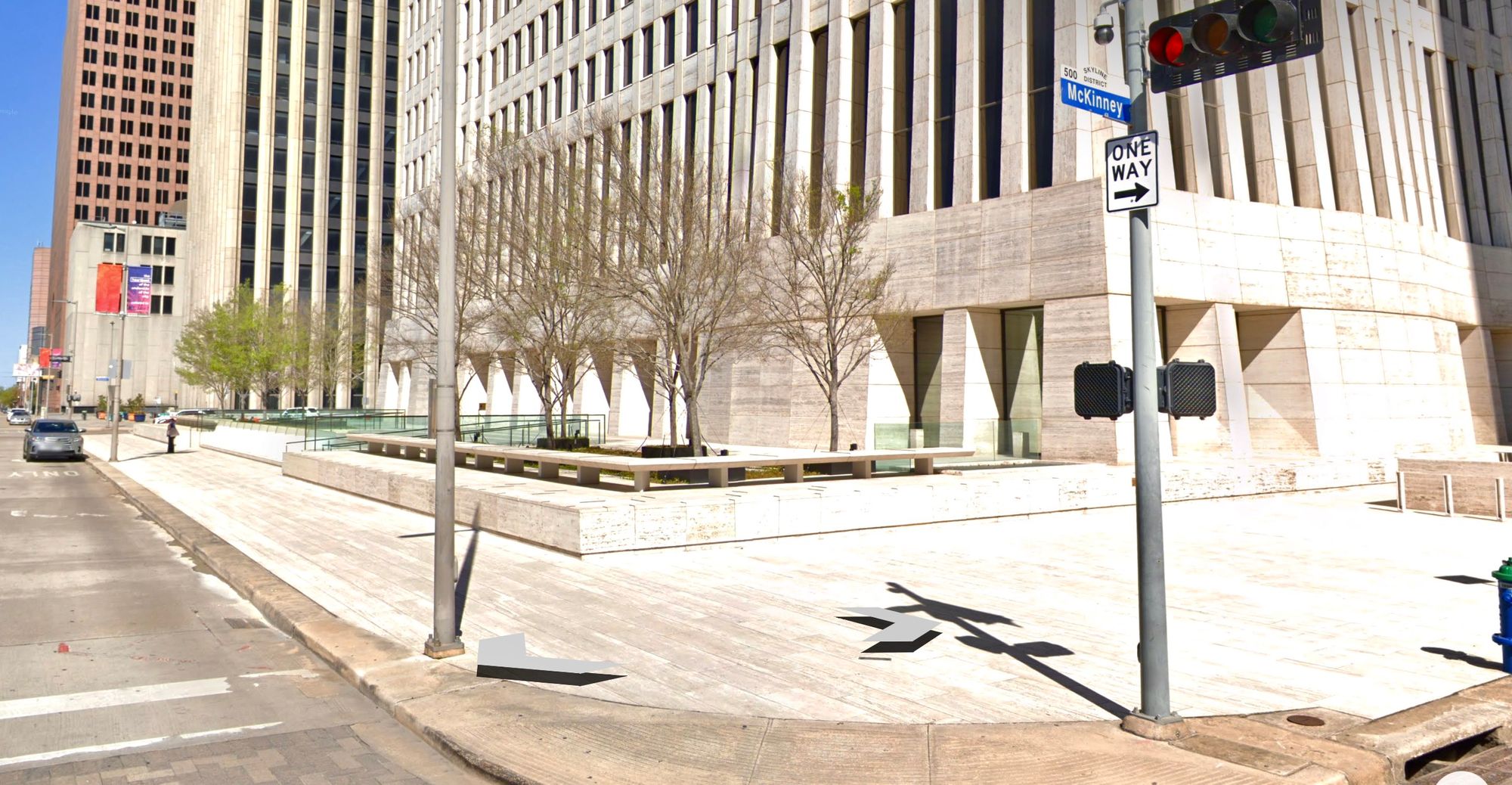
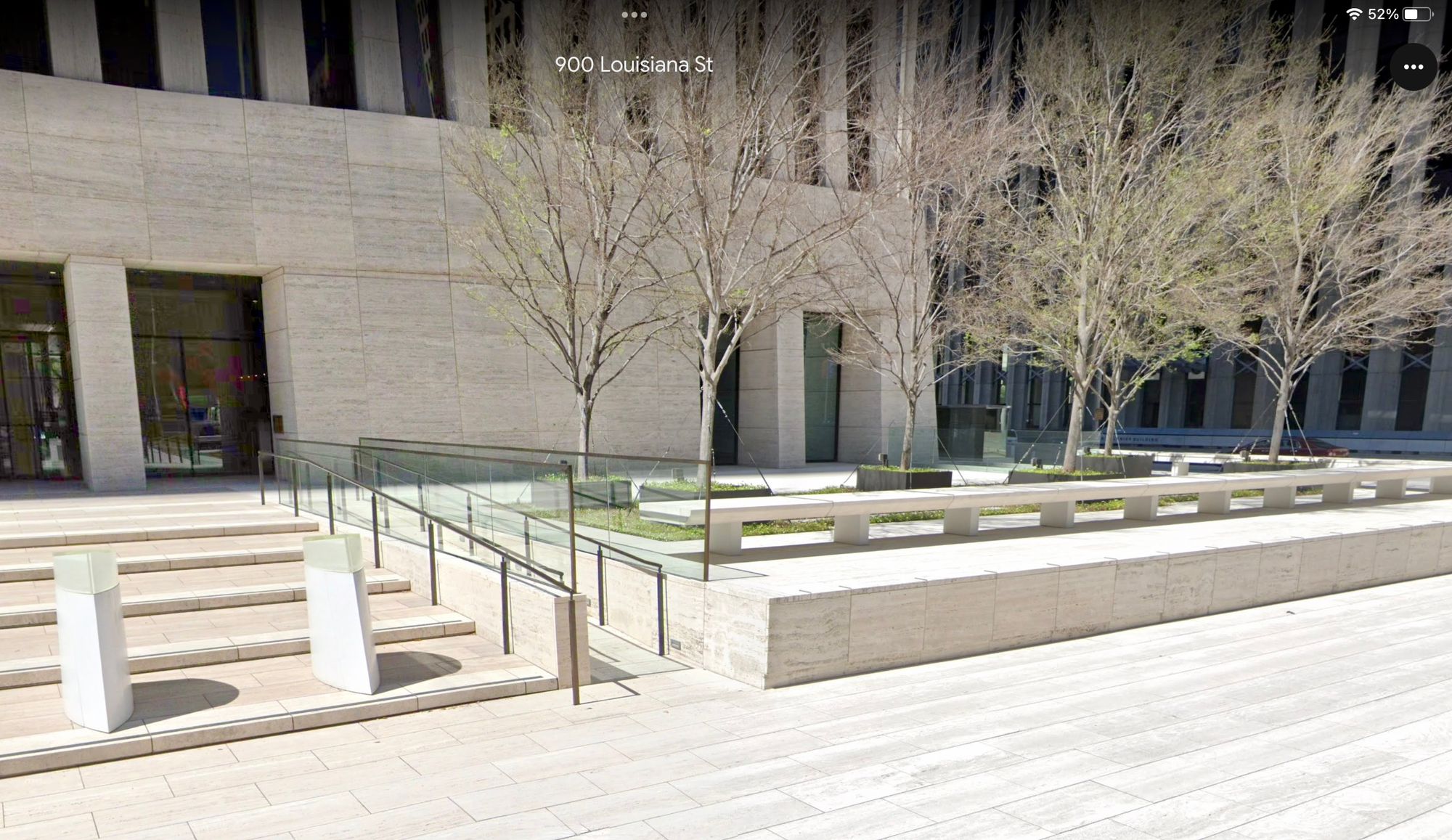
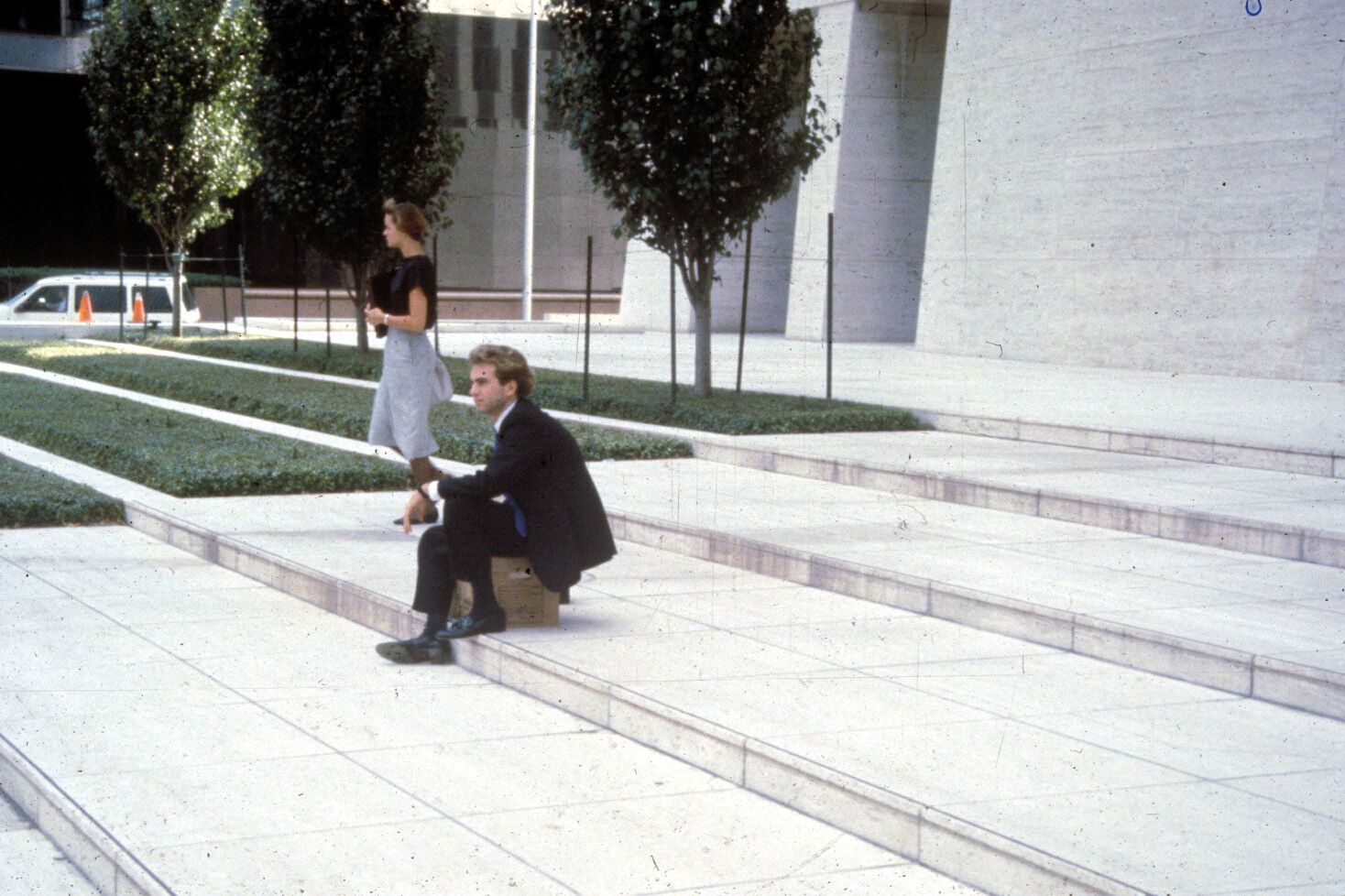
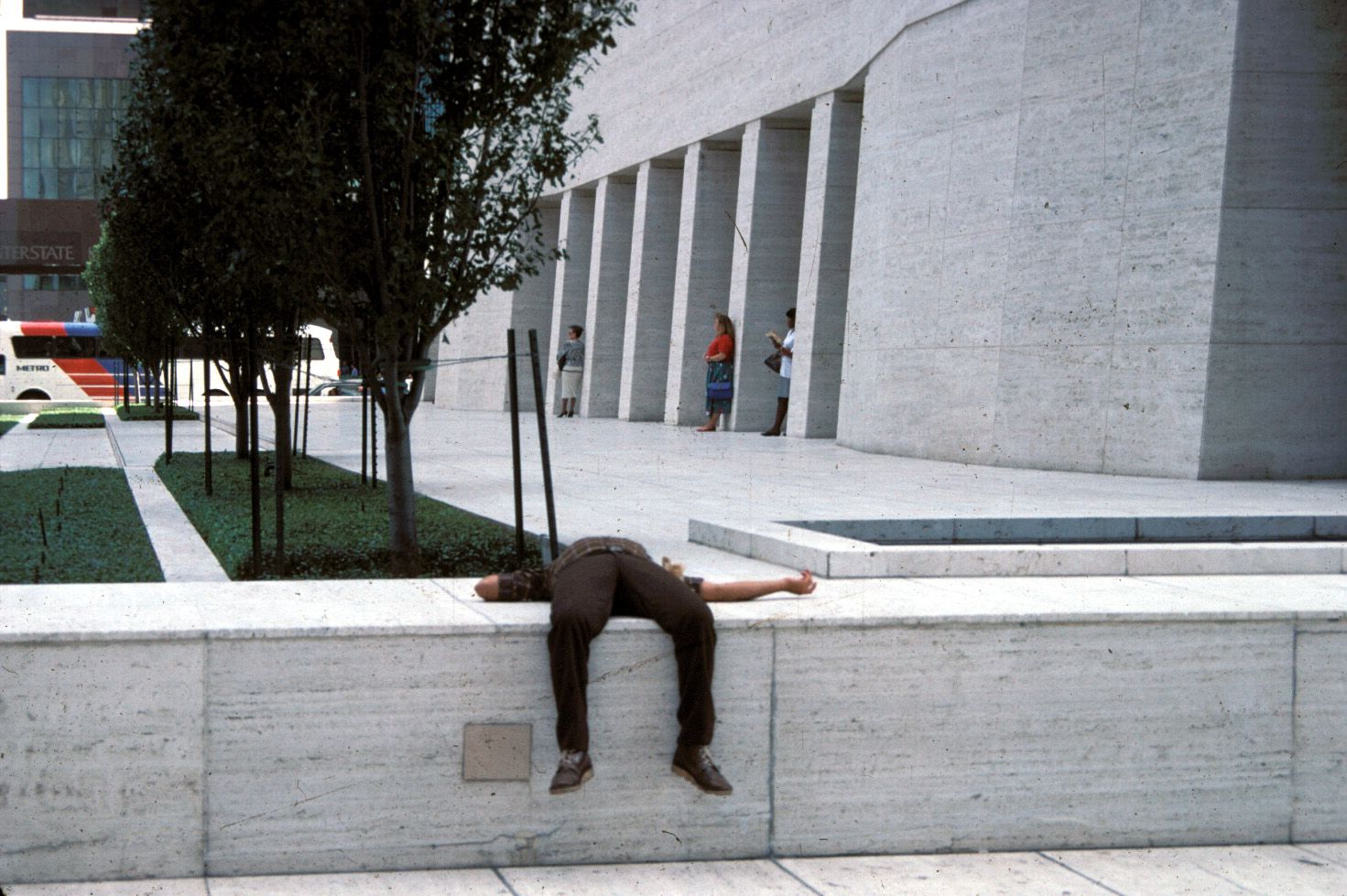
A place designed to make people uncomfortable
Each building below creates a street of fortress-type buildings, eliminating any sort of pleasure people might obtain from visiting the area, making them feel unwelcome and uncomfortable. All too many city cores around the world are full of this kind of lifeless/soulless building.
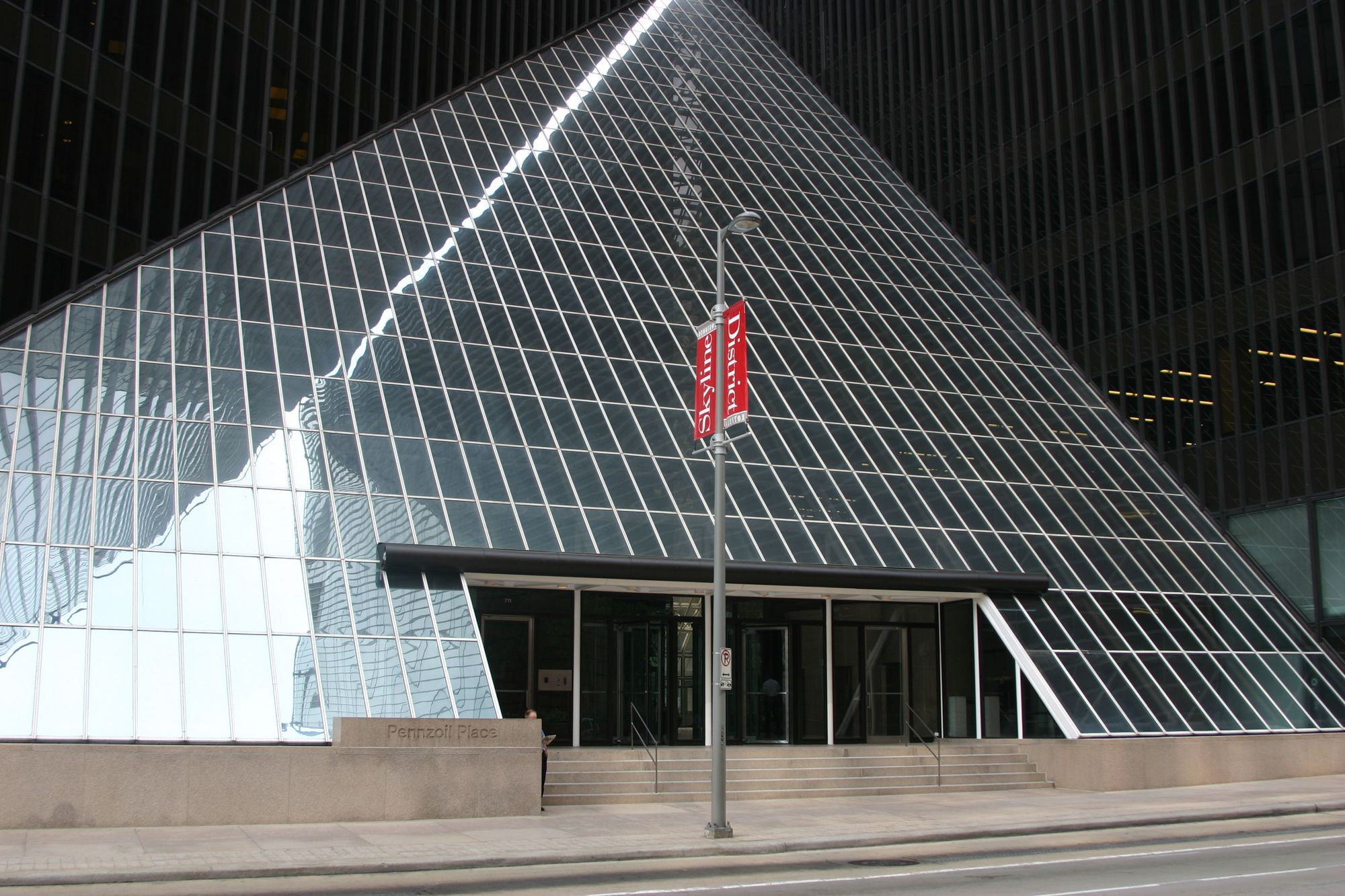
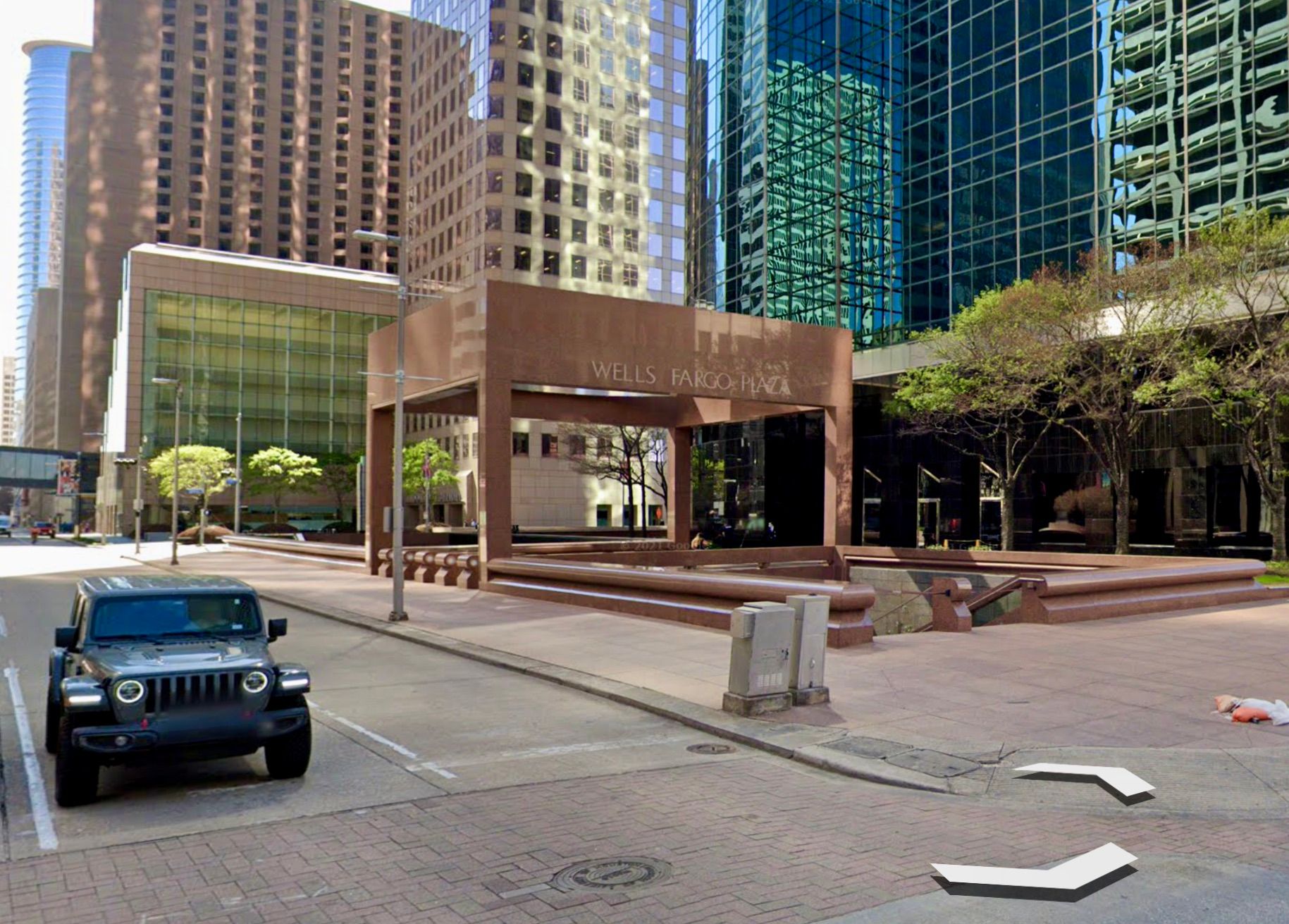
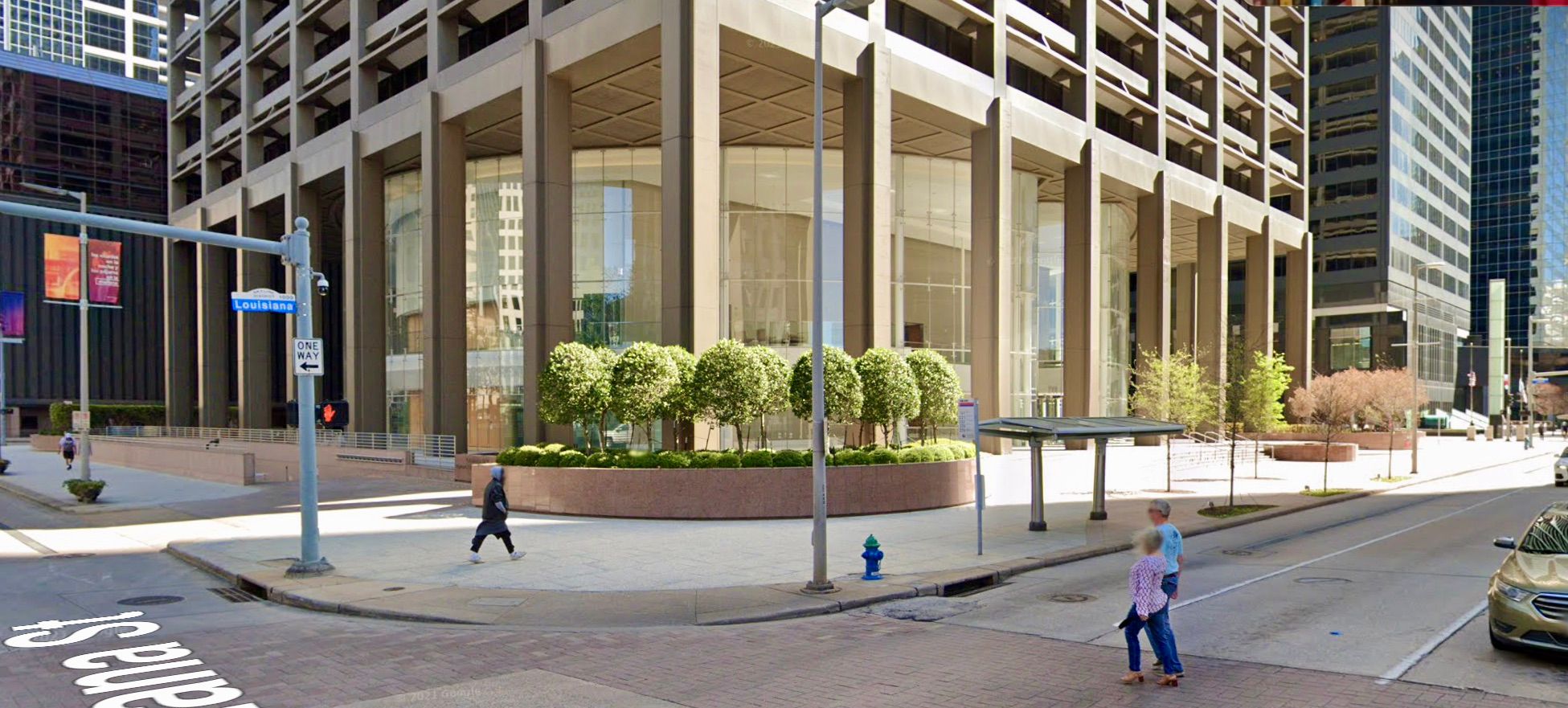
Why do some of the Most popular Cities have some of the Worst Architecture?
Copenhagen
Hong Kong
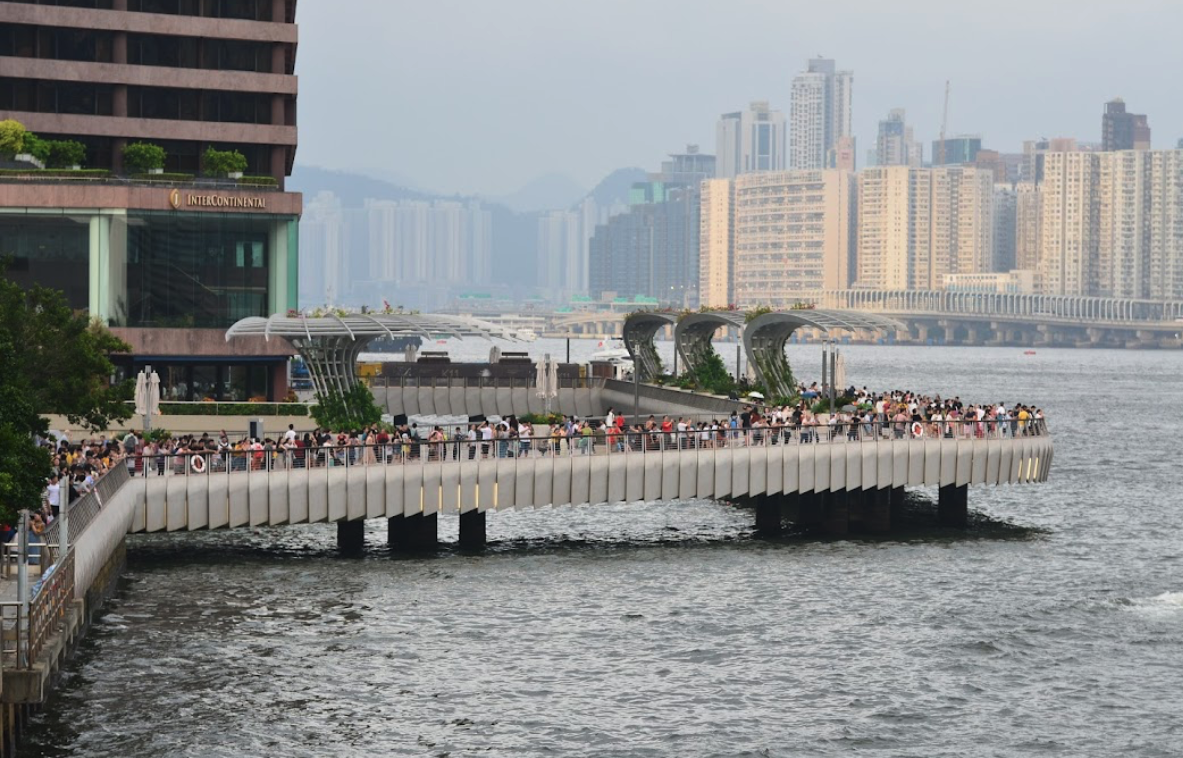
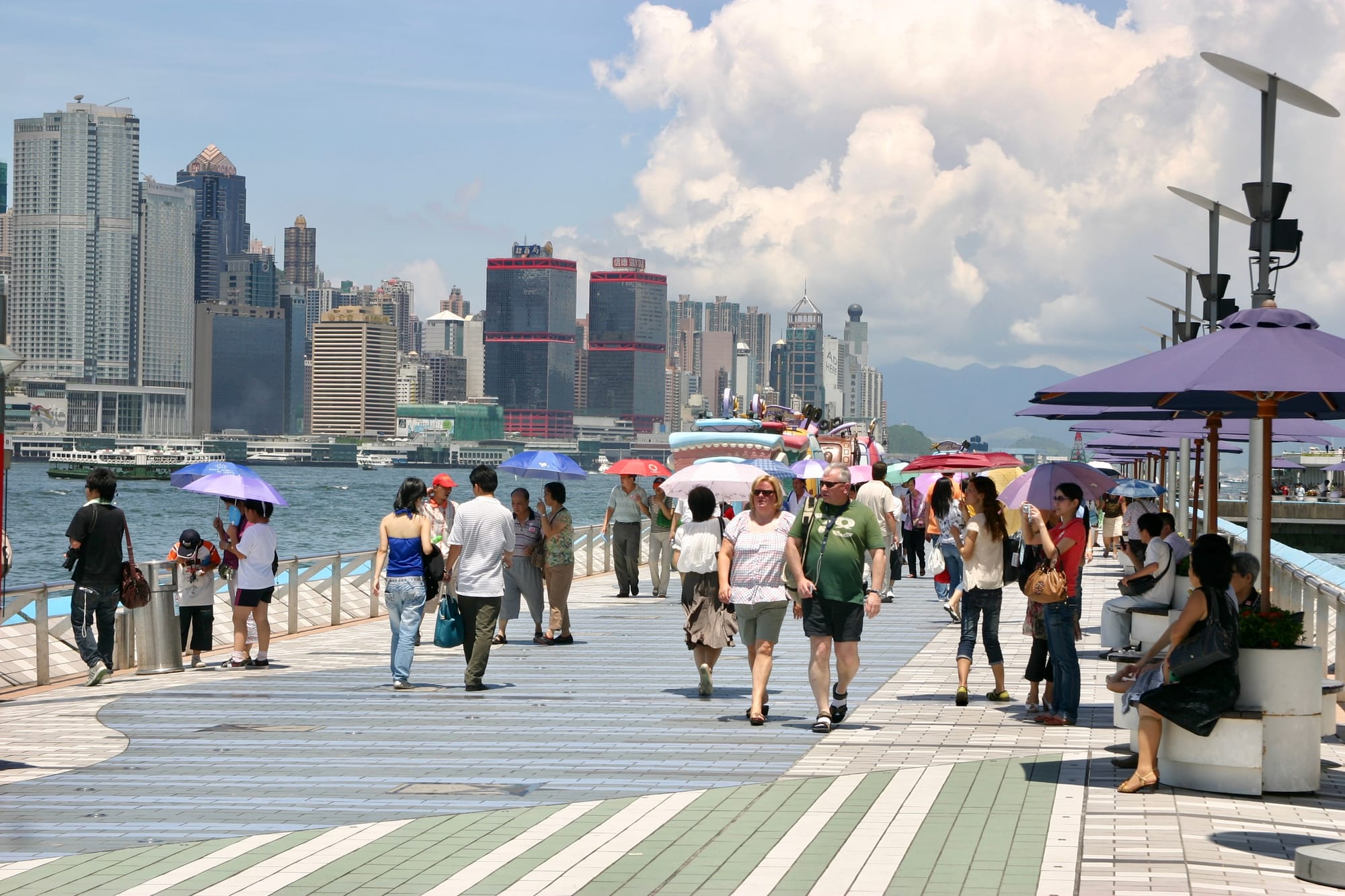
Hong Kong has a lot of waterfronts throughout the city, but a small part is easily accessible because of the high-rise developments that dominate the waterfront and block its connection to communities.
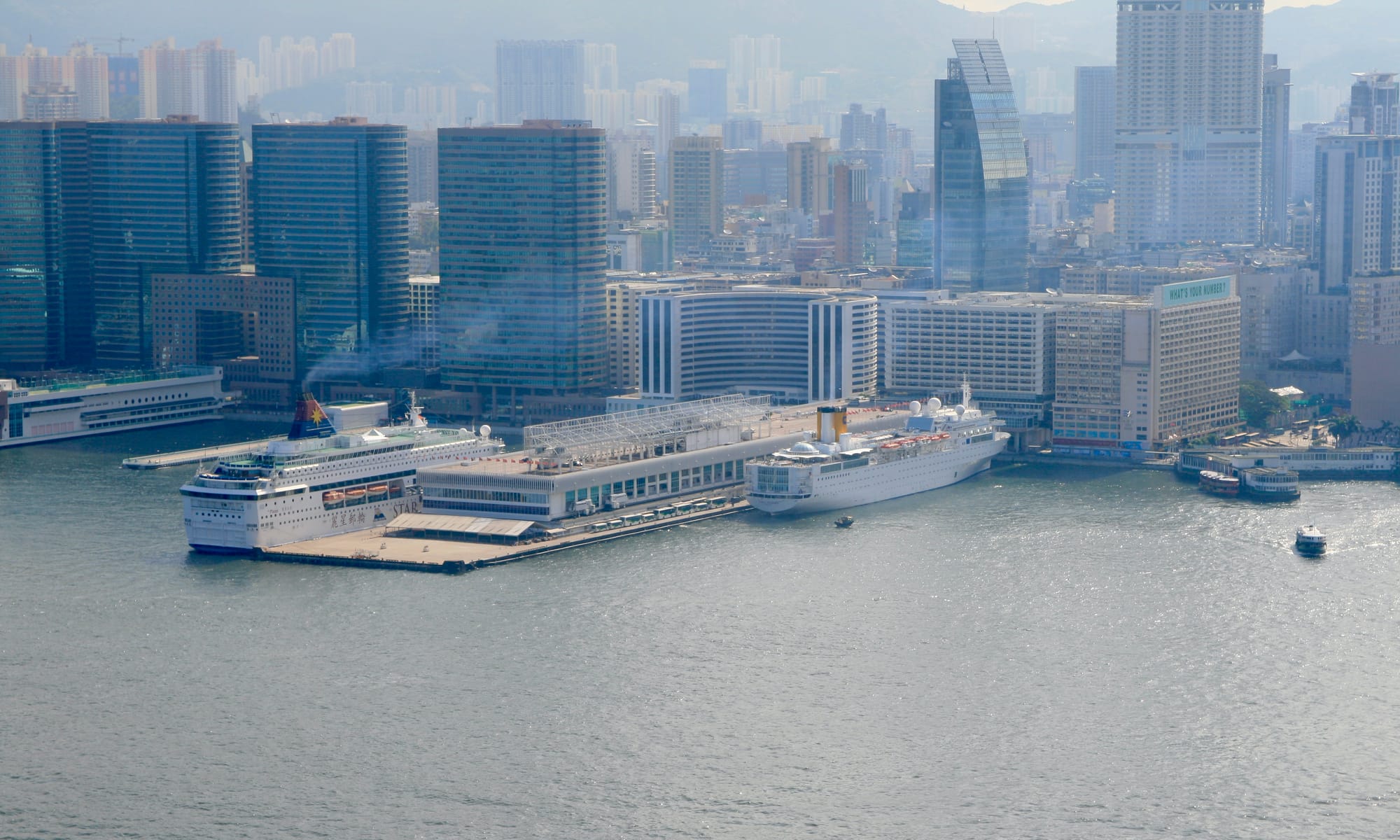
Hong Kong Main Waterfront...A Wall of Shame
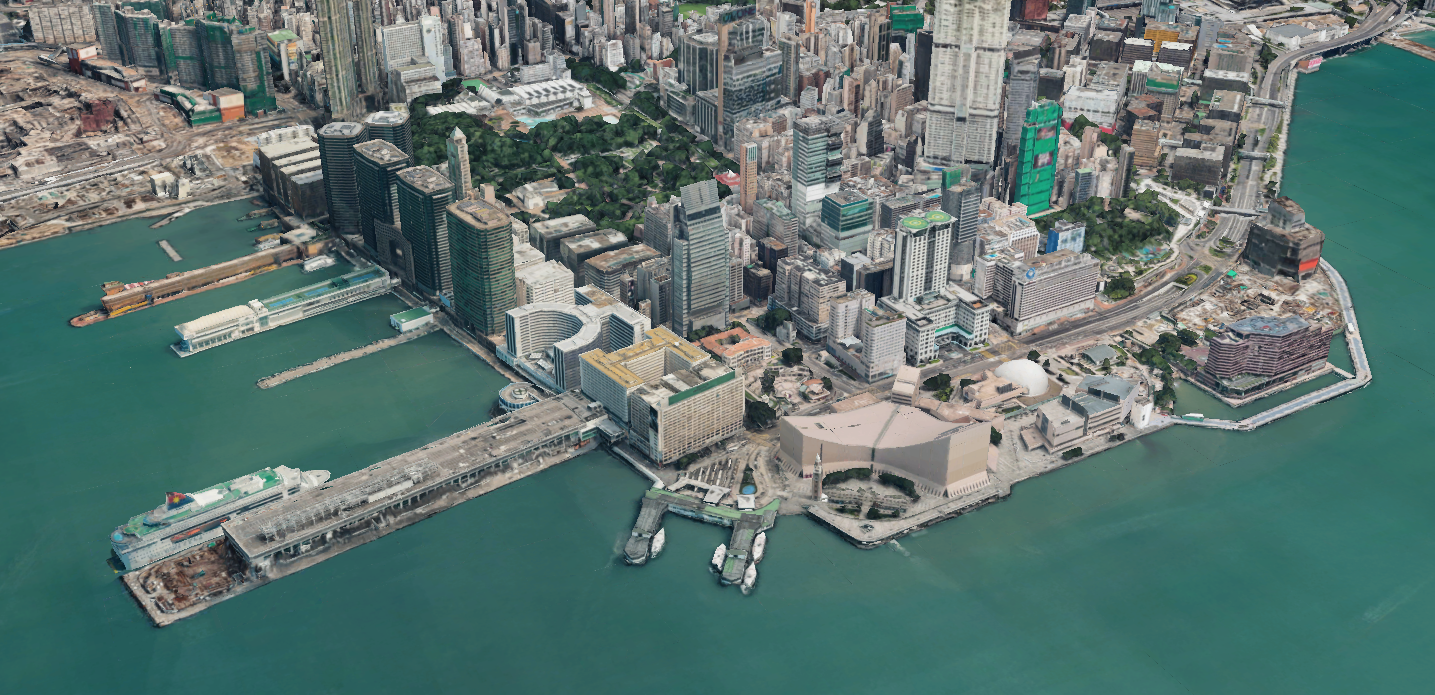
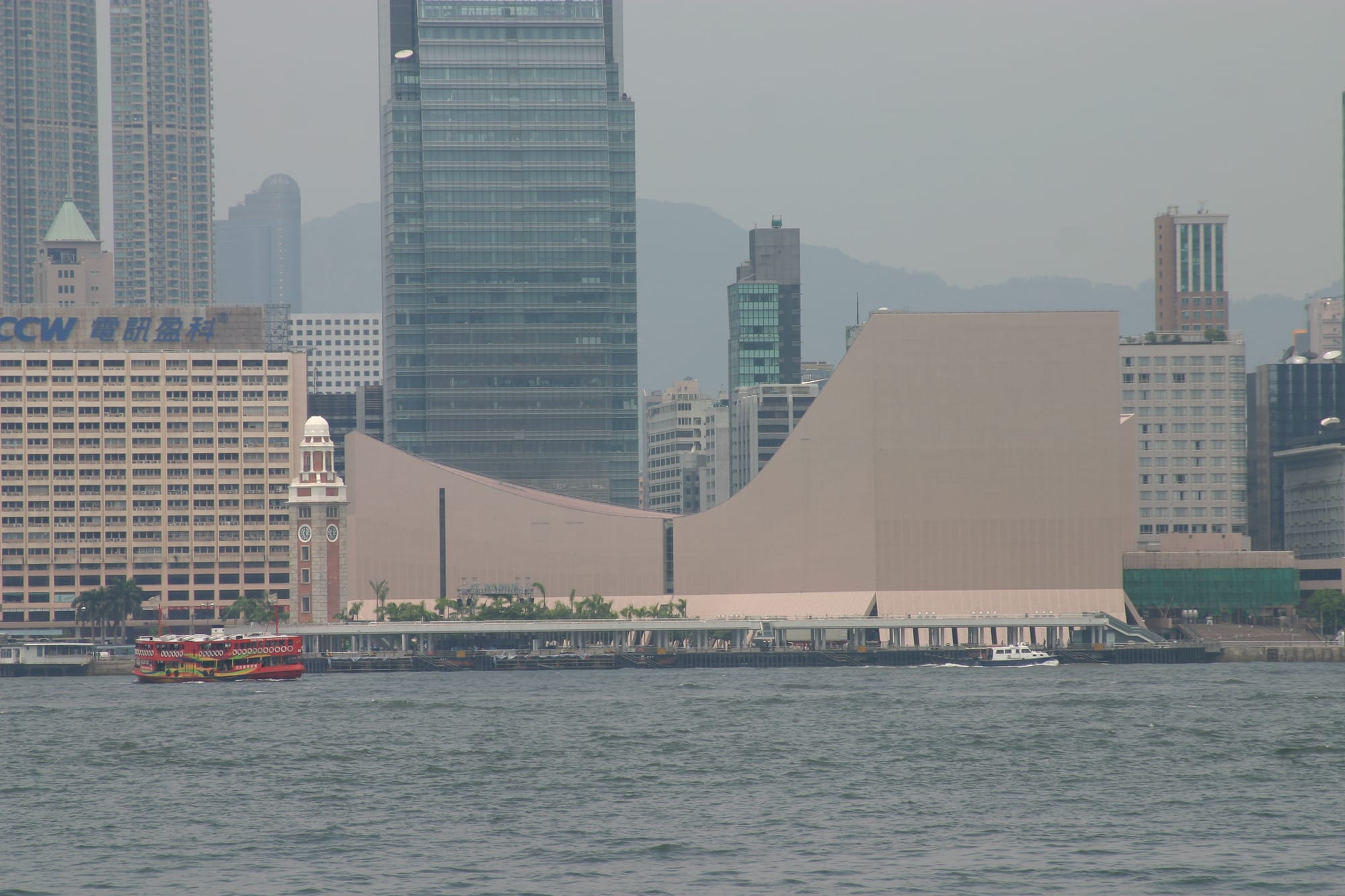
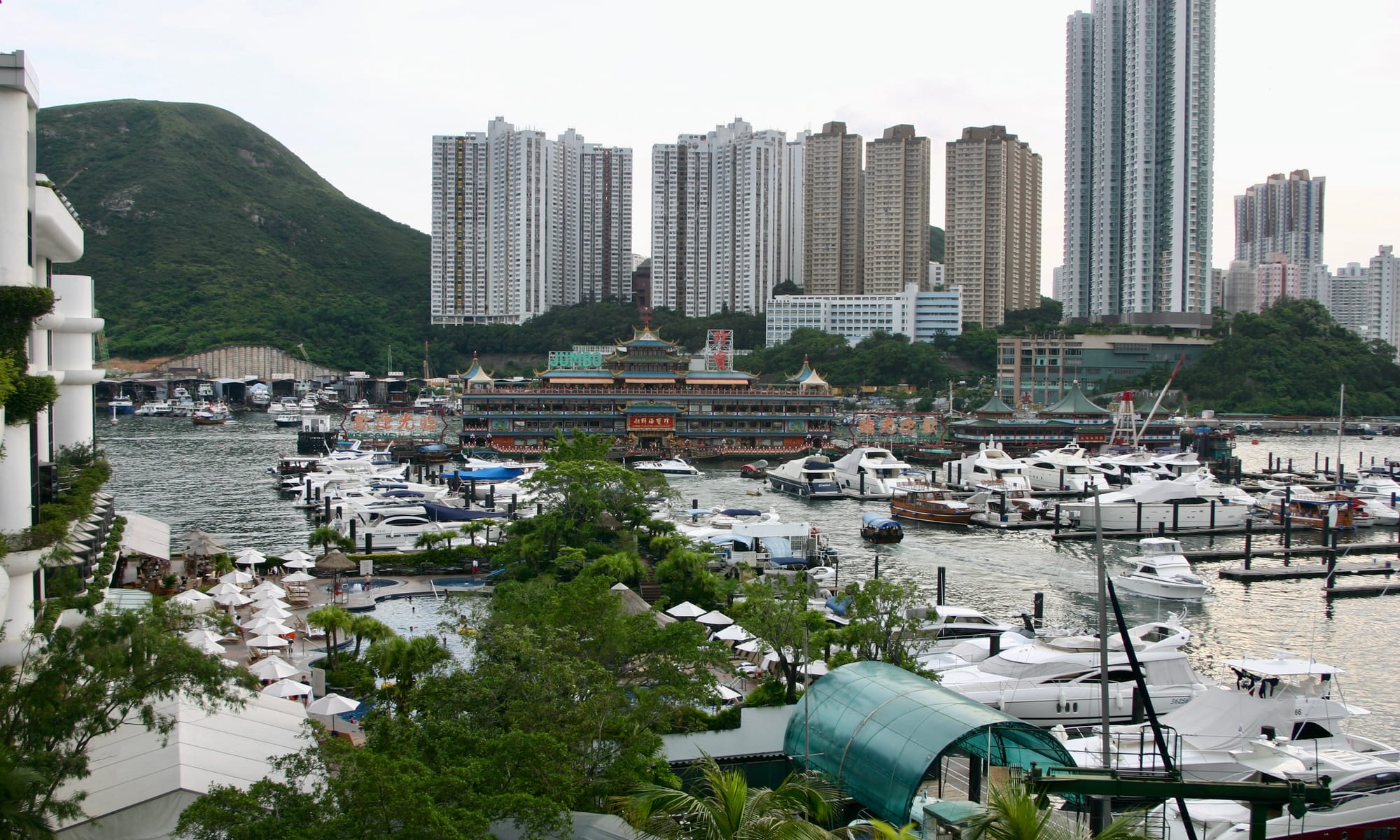
Because high-rises dominate the space, the waterfront promenade had to be build out on the water, disconnected from the city.
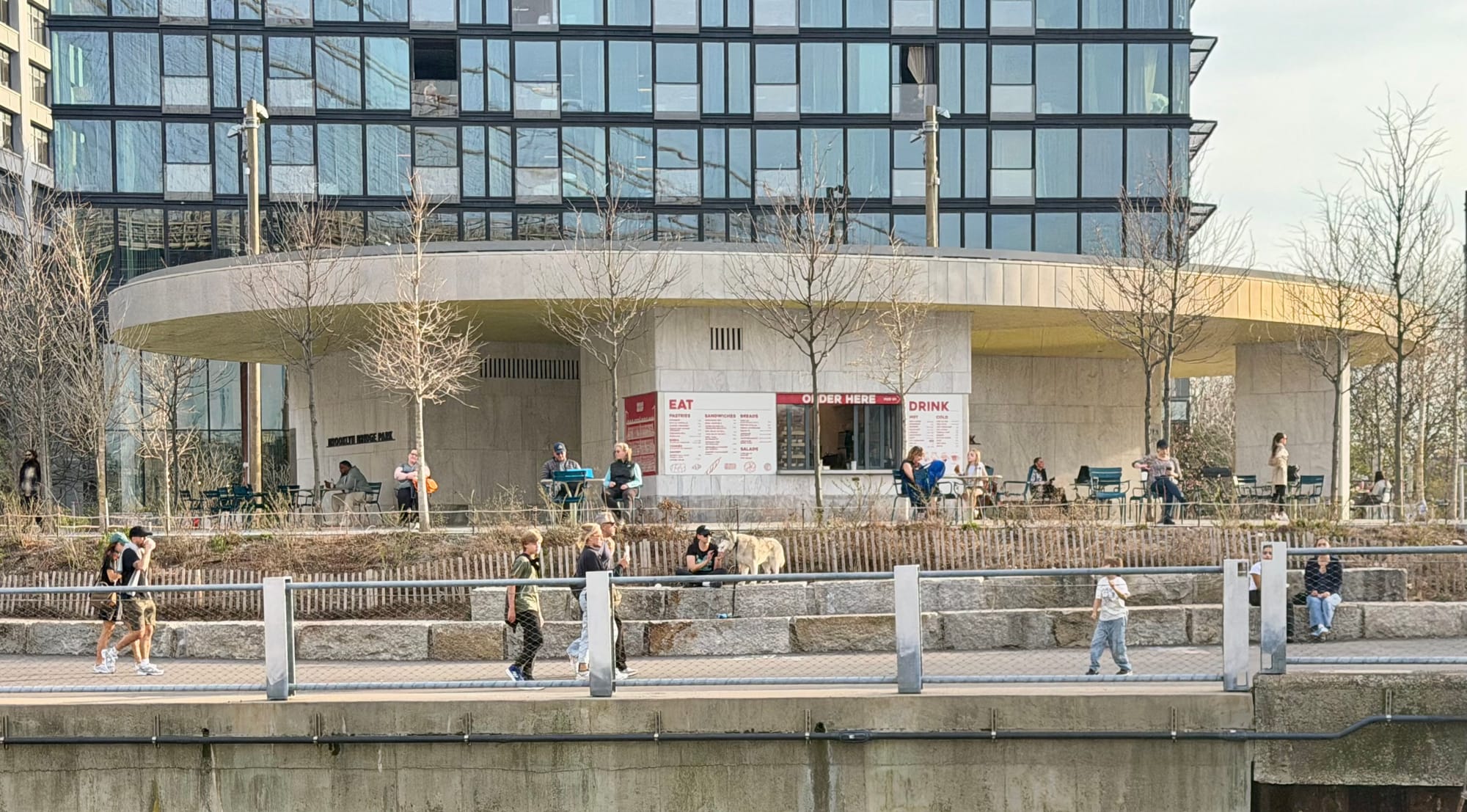
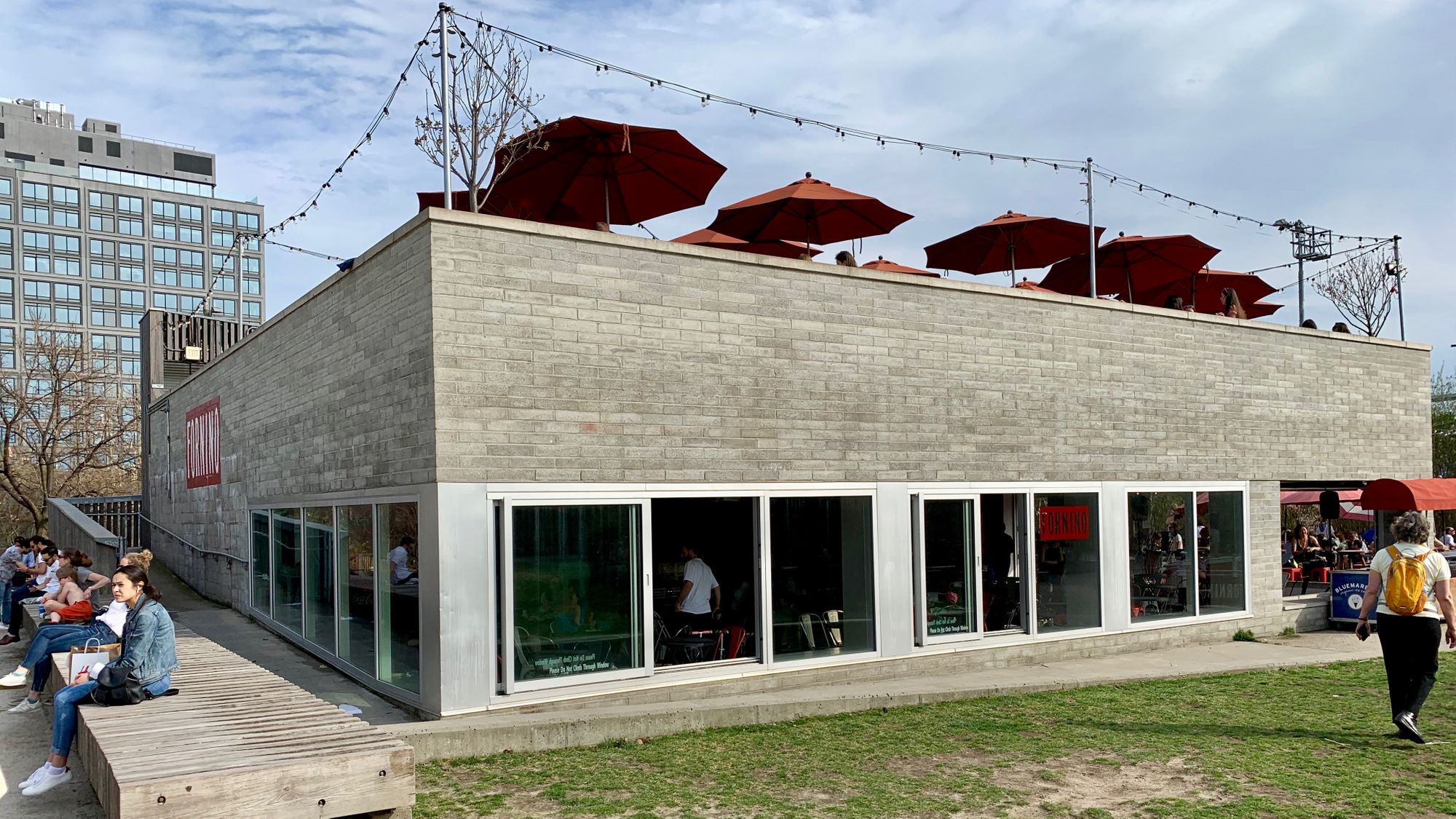
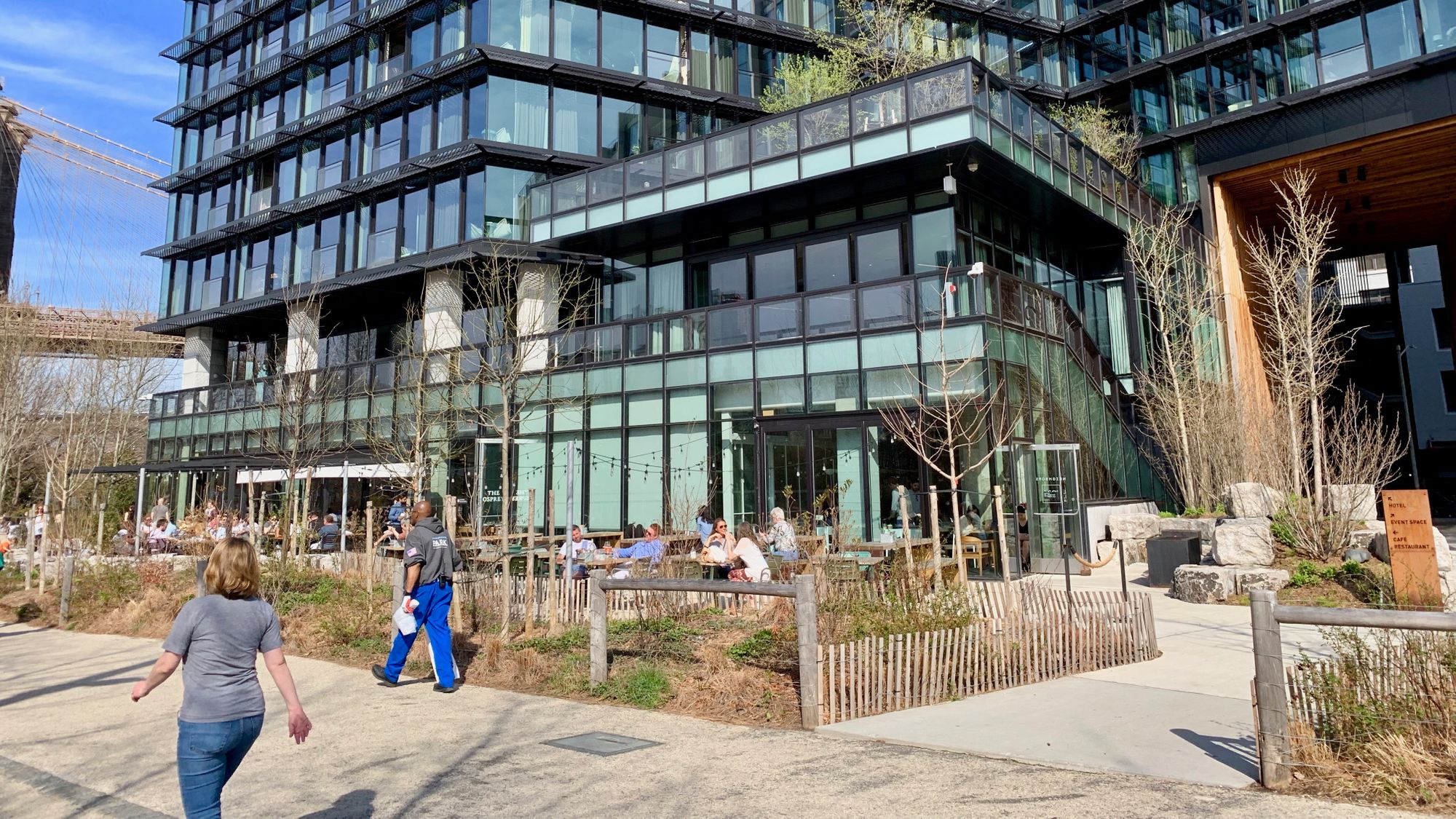
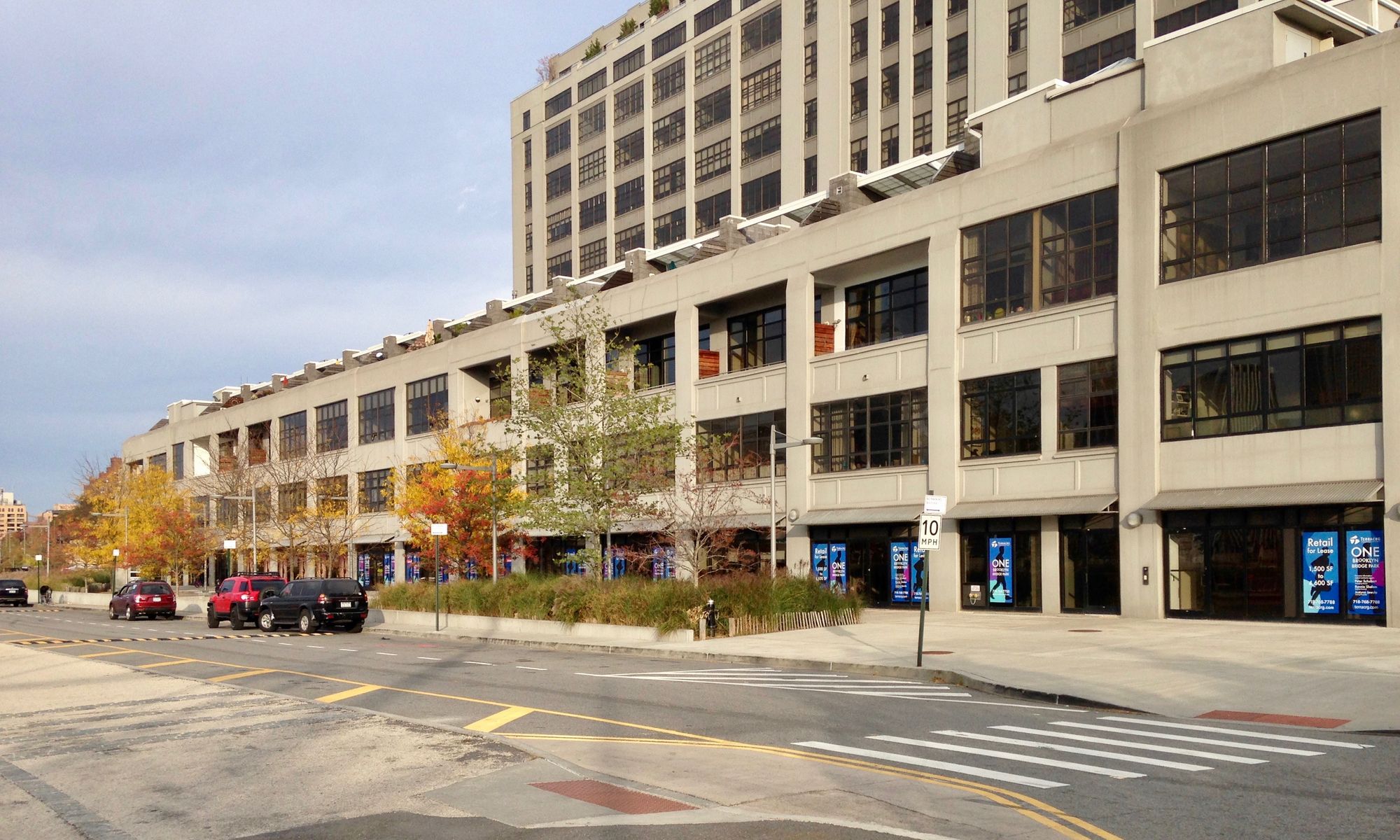
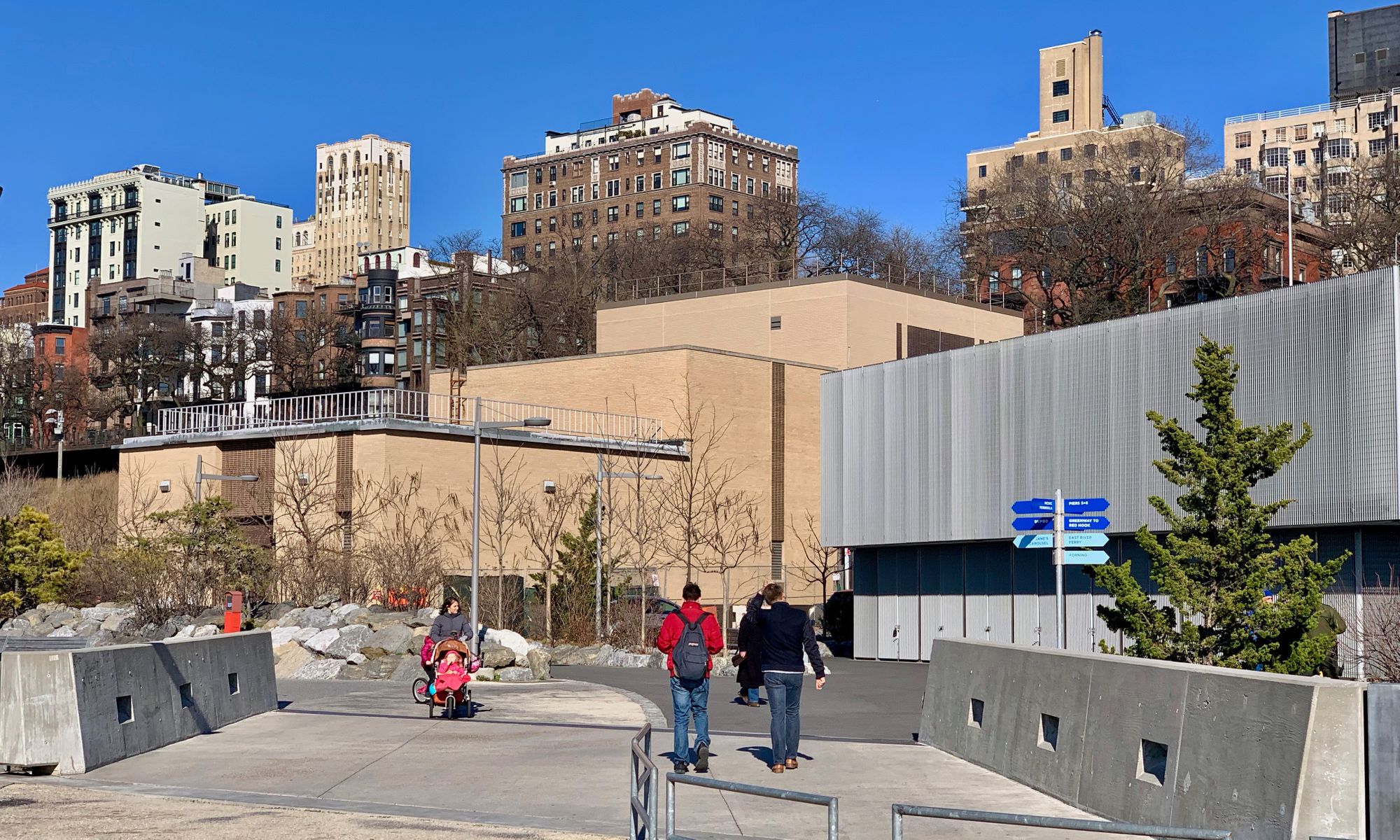
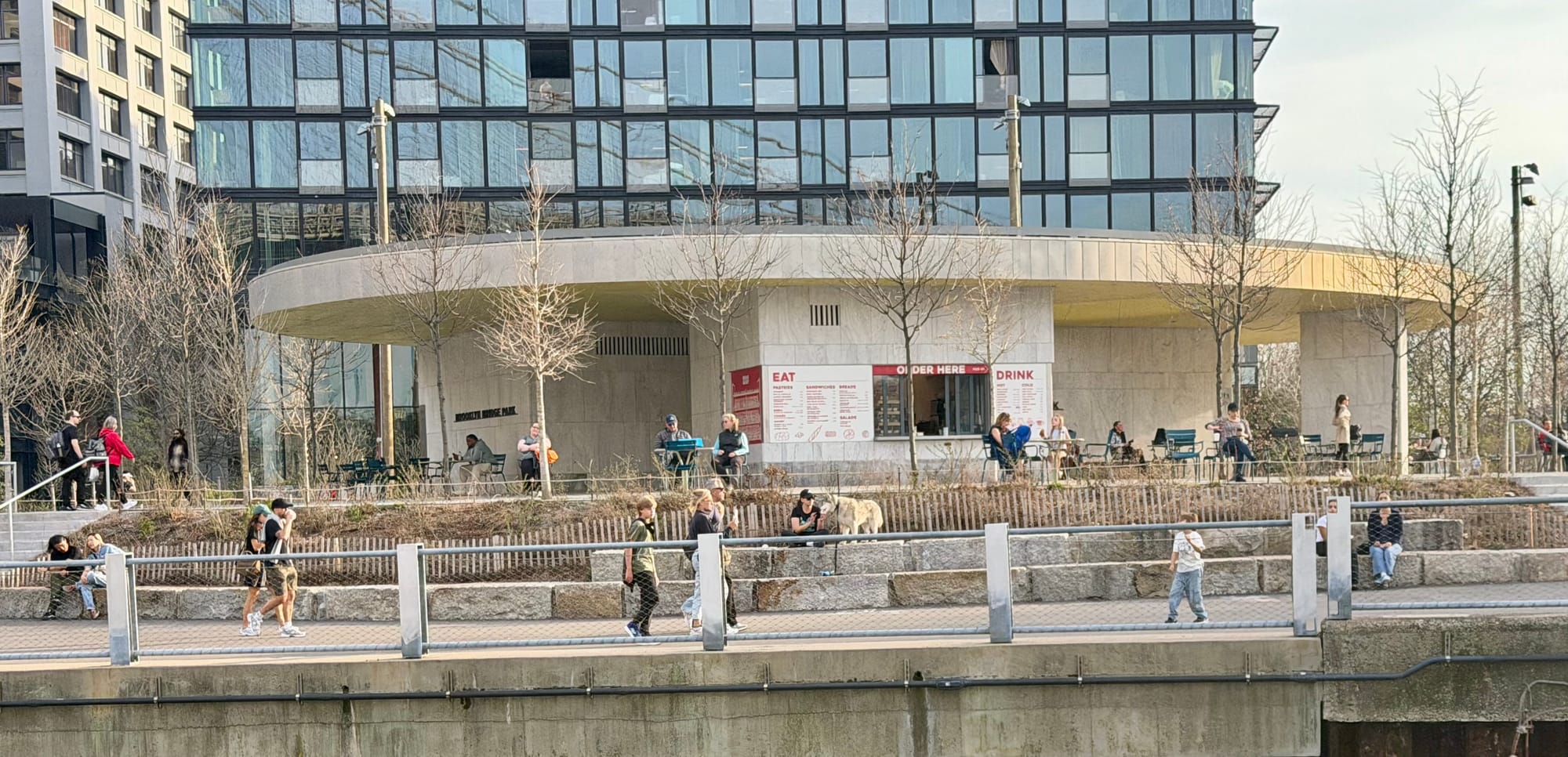
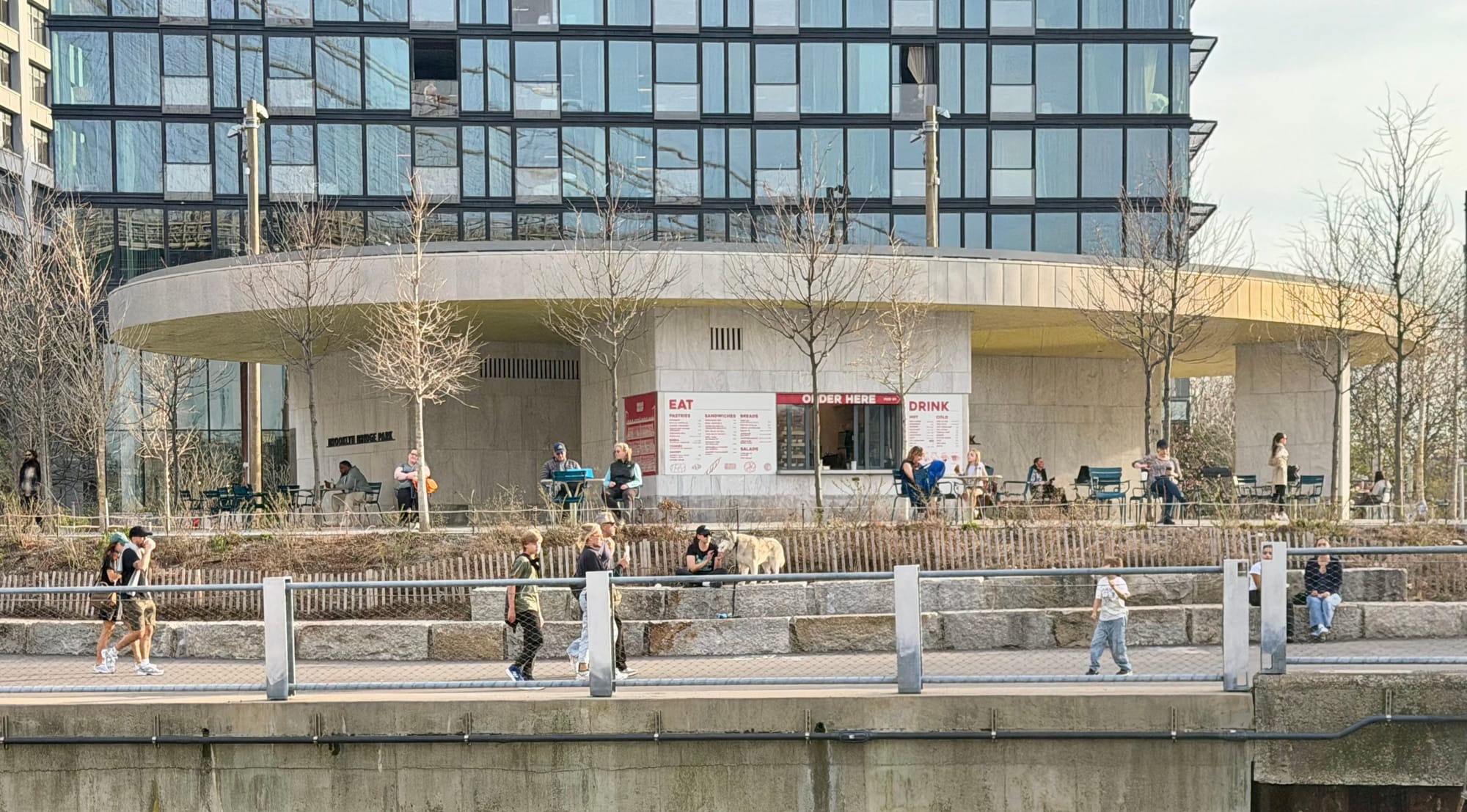
Brooklyn Bridge Park - Soulless Waterfront Architecture
Brooklyn Bridge Park's buildings are designed like sculptural objects instead of places that welcome people to hang out and have fun. They are often large, blocky, and minimalist without much aesthetic value to add charm, and more importantly, they do not interact well with the surrounding space. They rarely incorporate "inside out" design well (wherein the goods and activities inside the building spill into the outside area and the borders/walls are permeable with open doors and external displays), which leaves the area outside their doors not particularly active or engaging.
This can be changed by making the borders between the inside private space and the outside public space more enmeshed. By opening up the buildings and removing the plantings and fences that separate them from the main walkway, they will become better incorporated into the experience of exploring the park and increase foot traffic through its different areas.
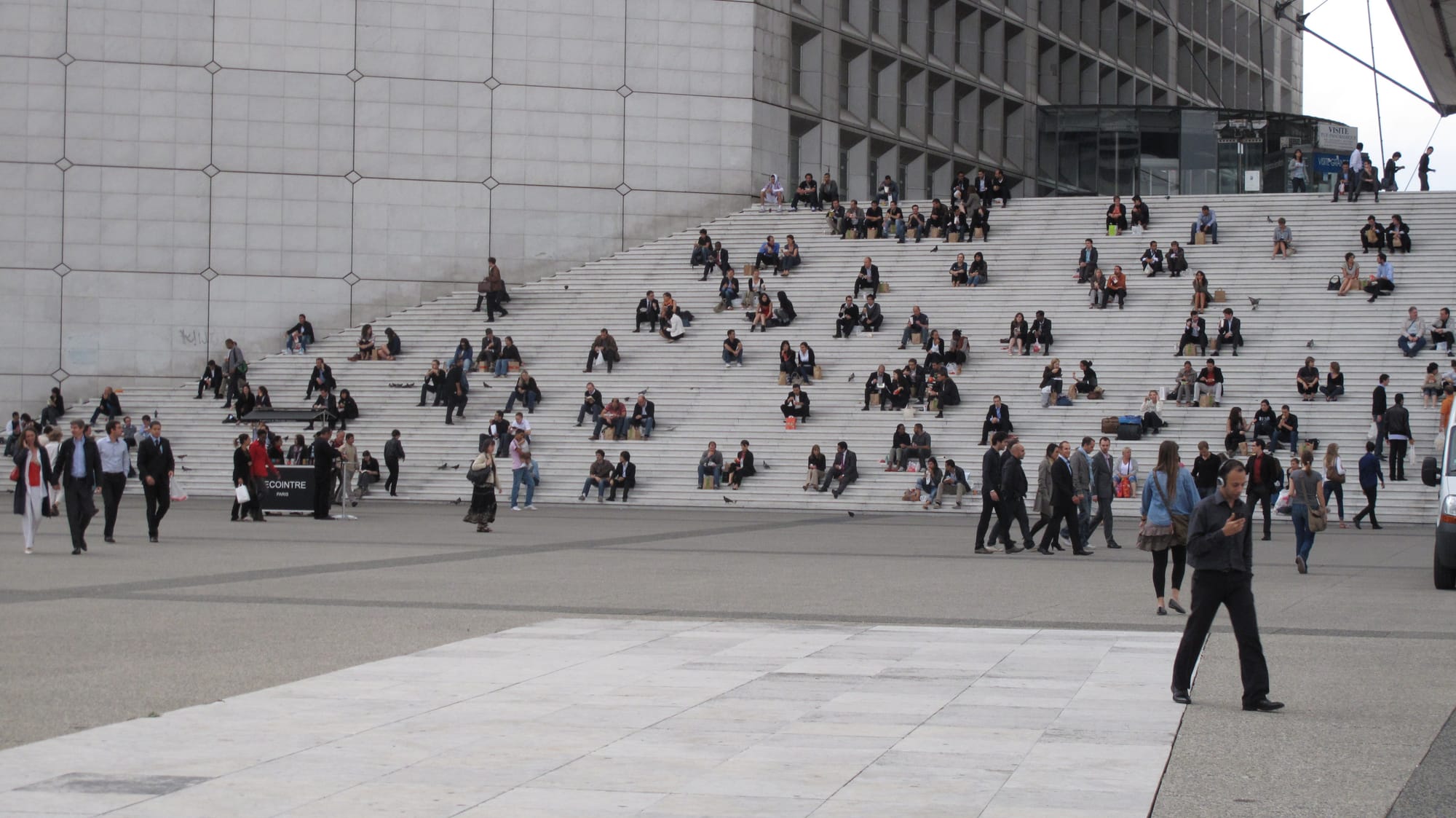
La Defense - A Study in Contrast...Soulless Development on the Edge of Paris
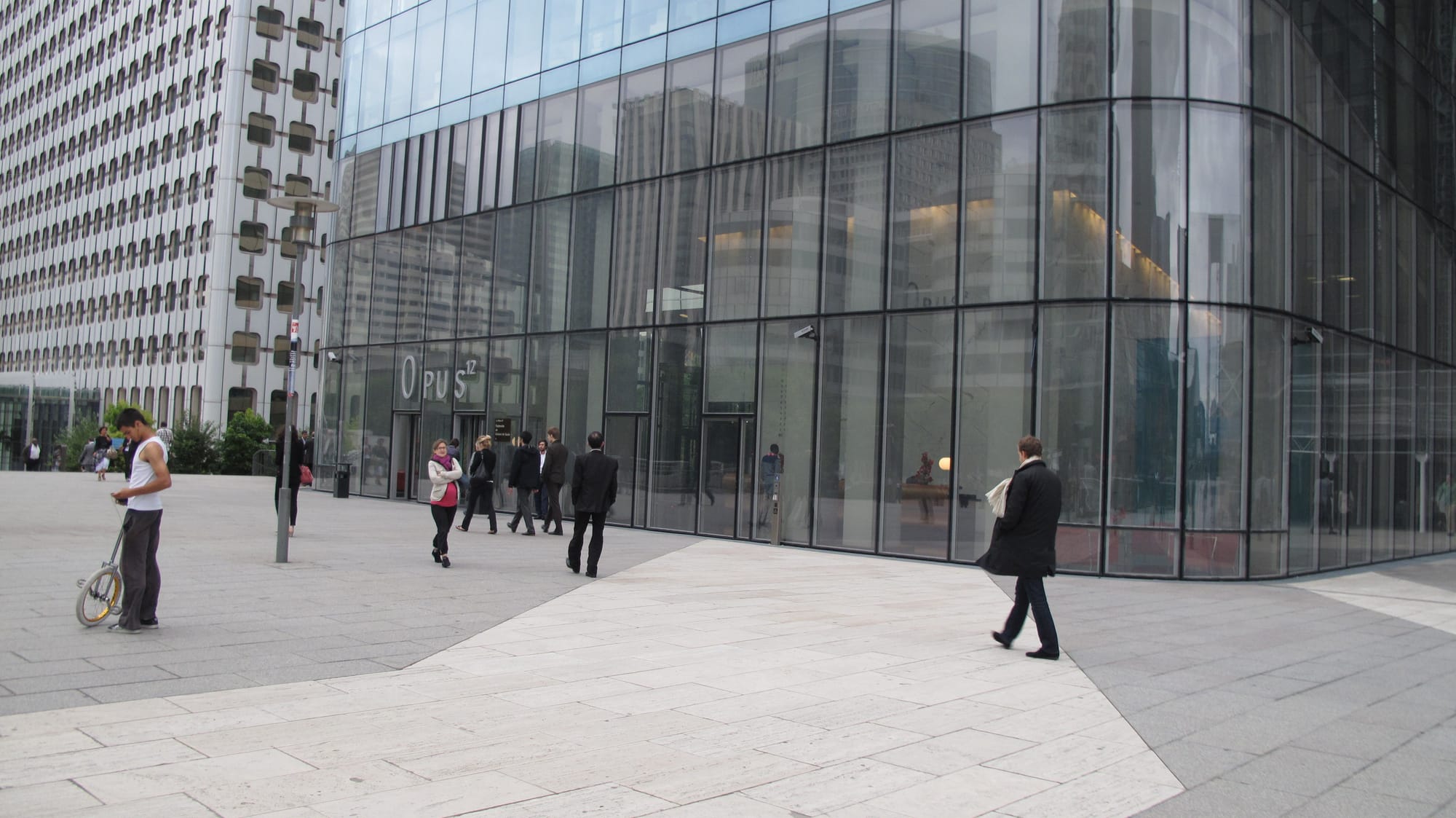
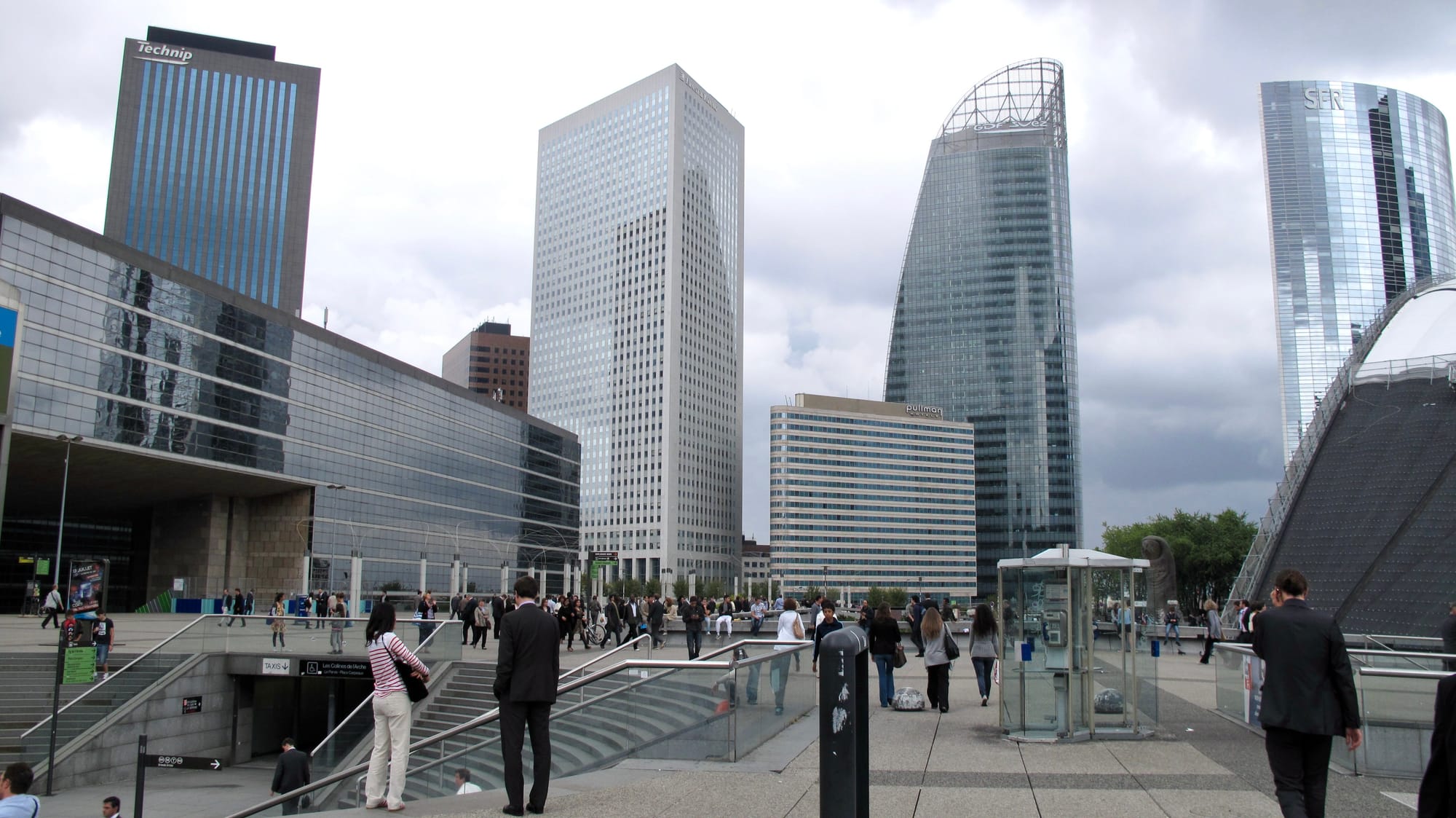
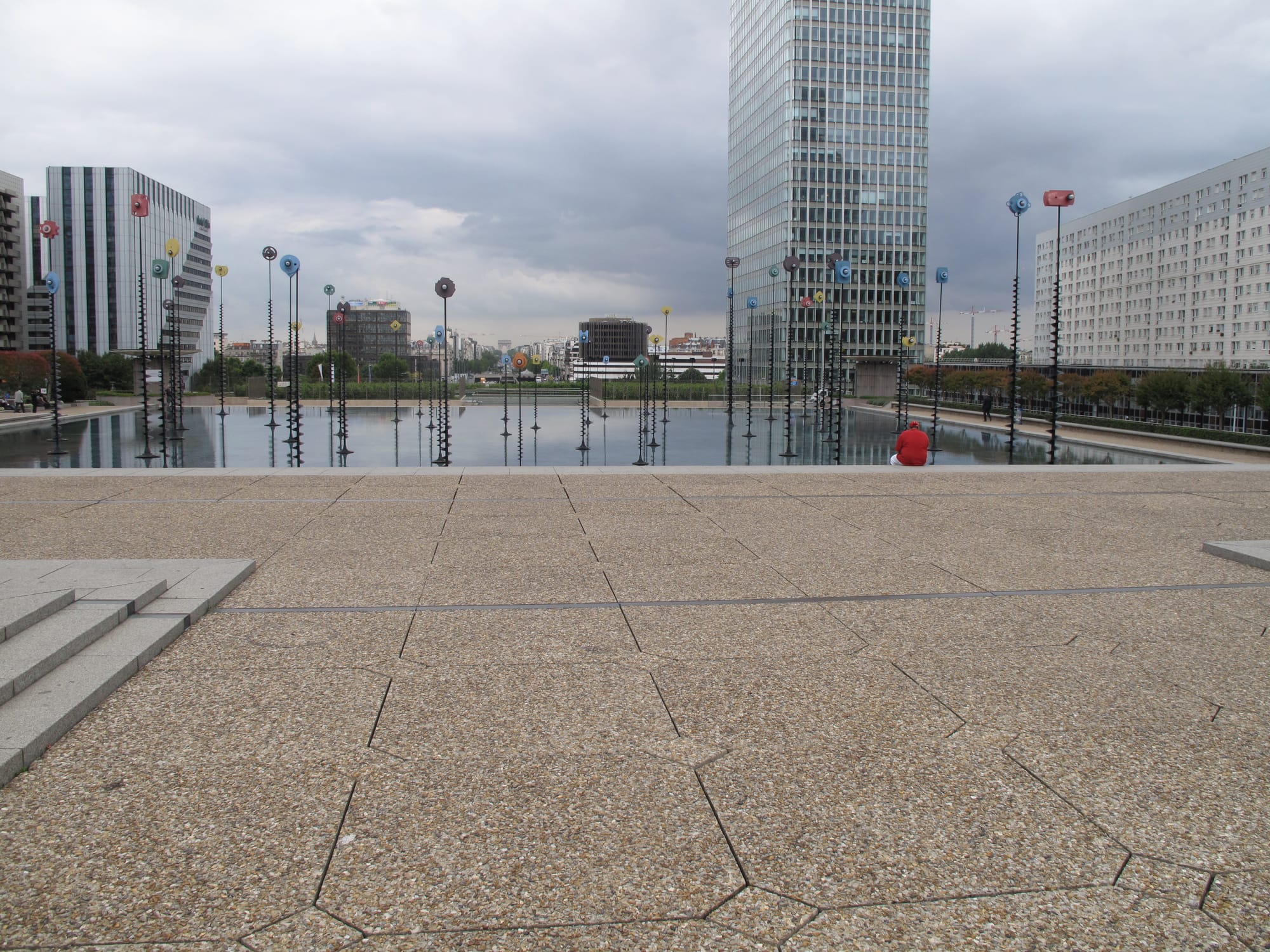
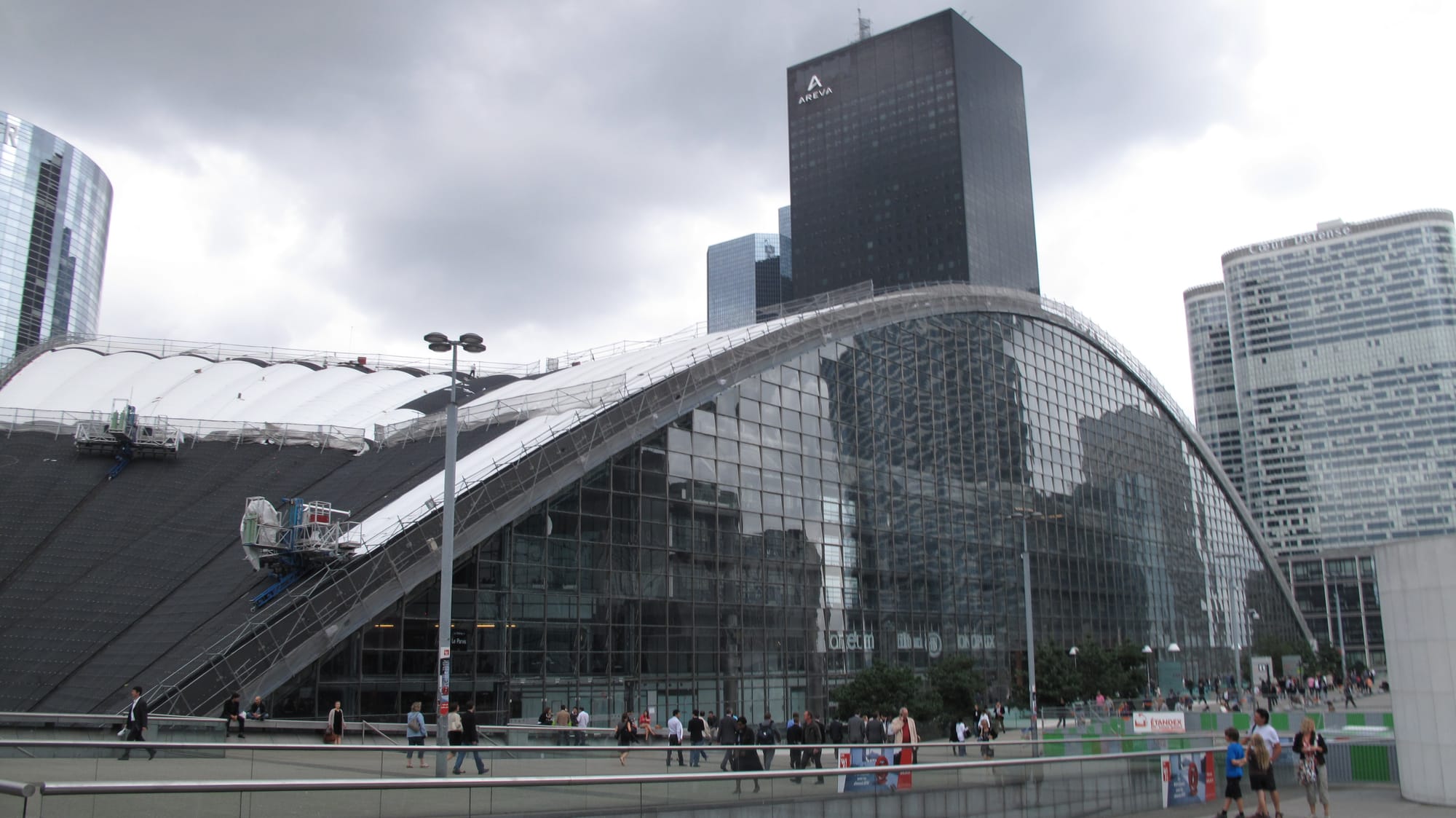
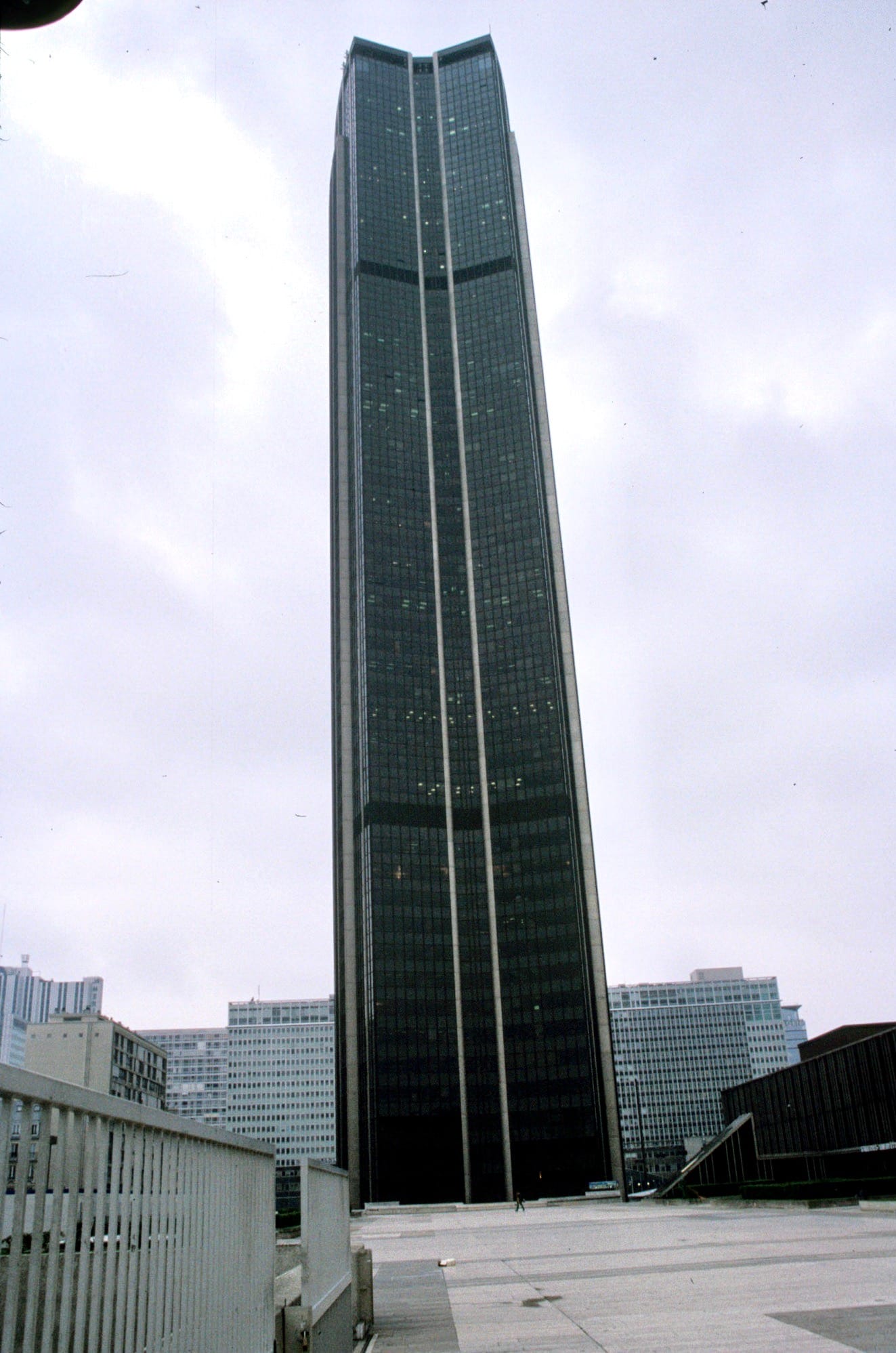
Only skyscraper in central Paris
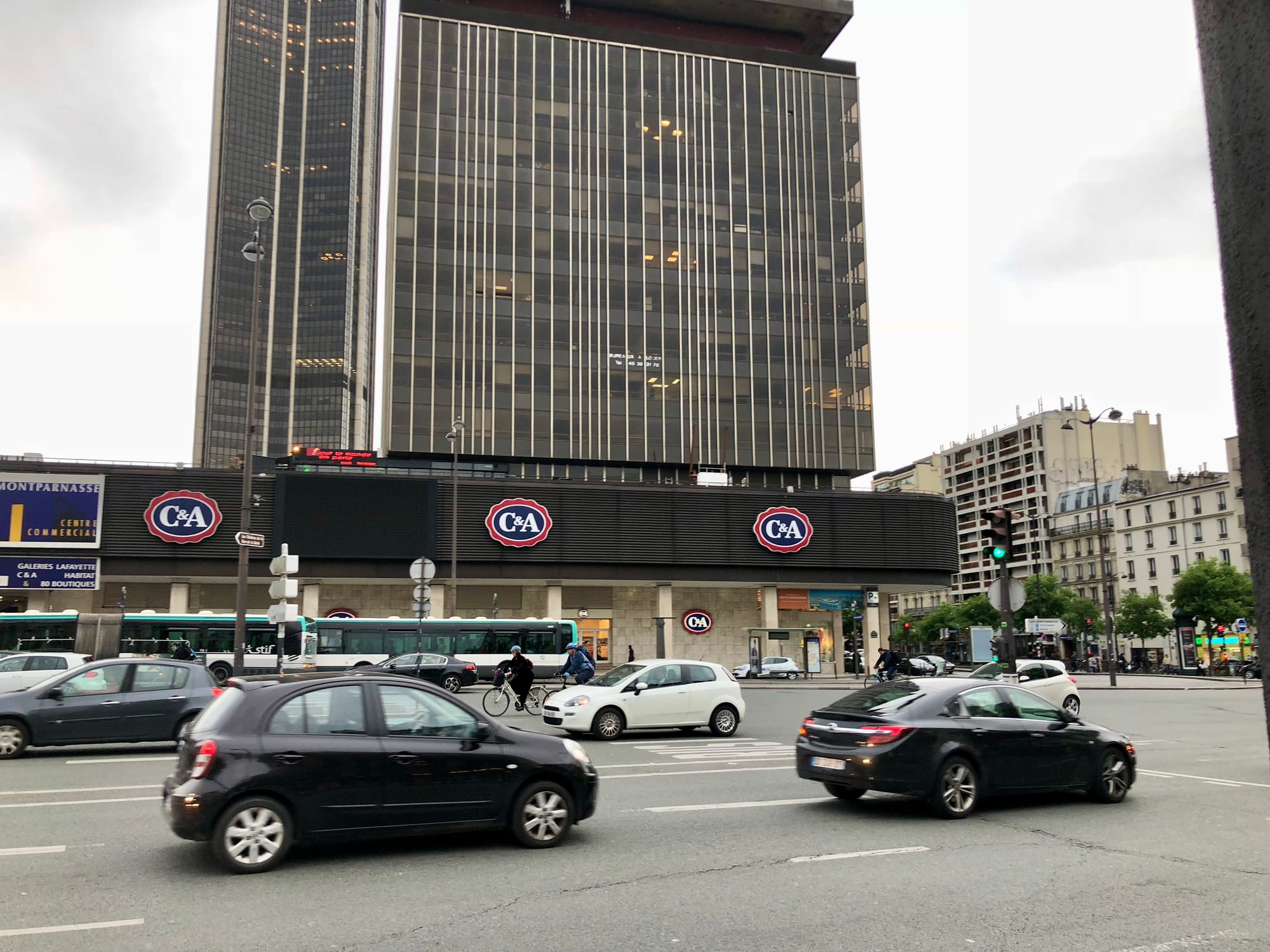
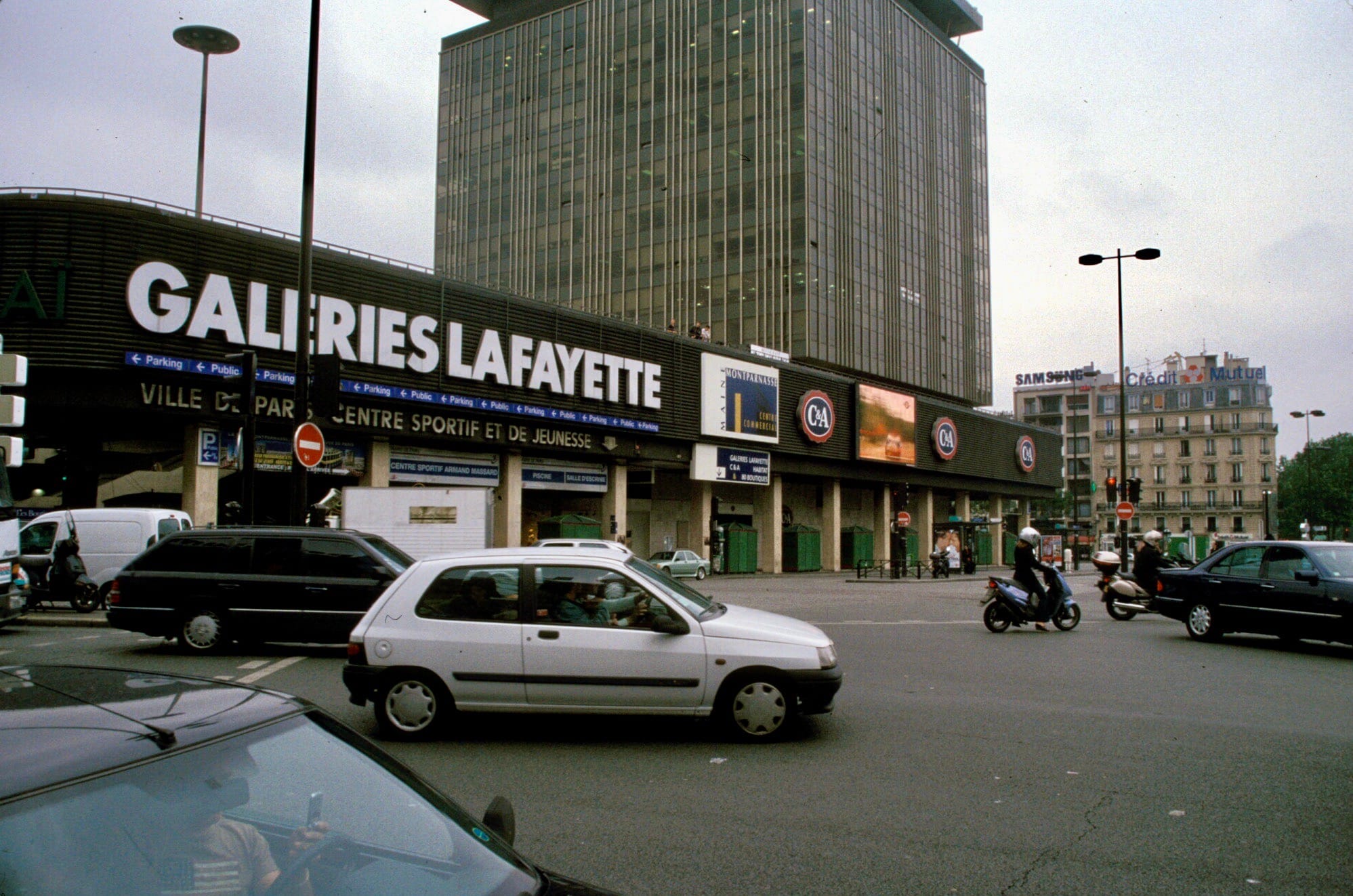
Brooklyn...Recent additions to add to our Hall of Shame
Good Examples – Architecture With Soul
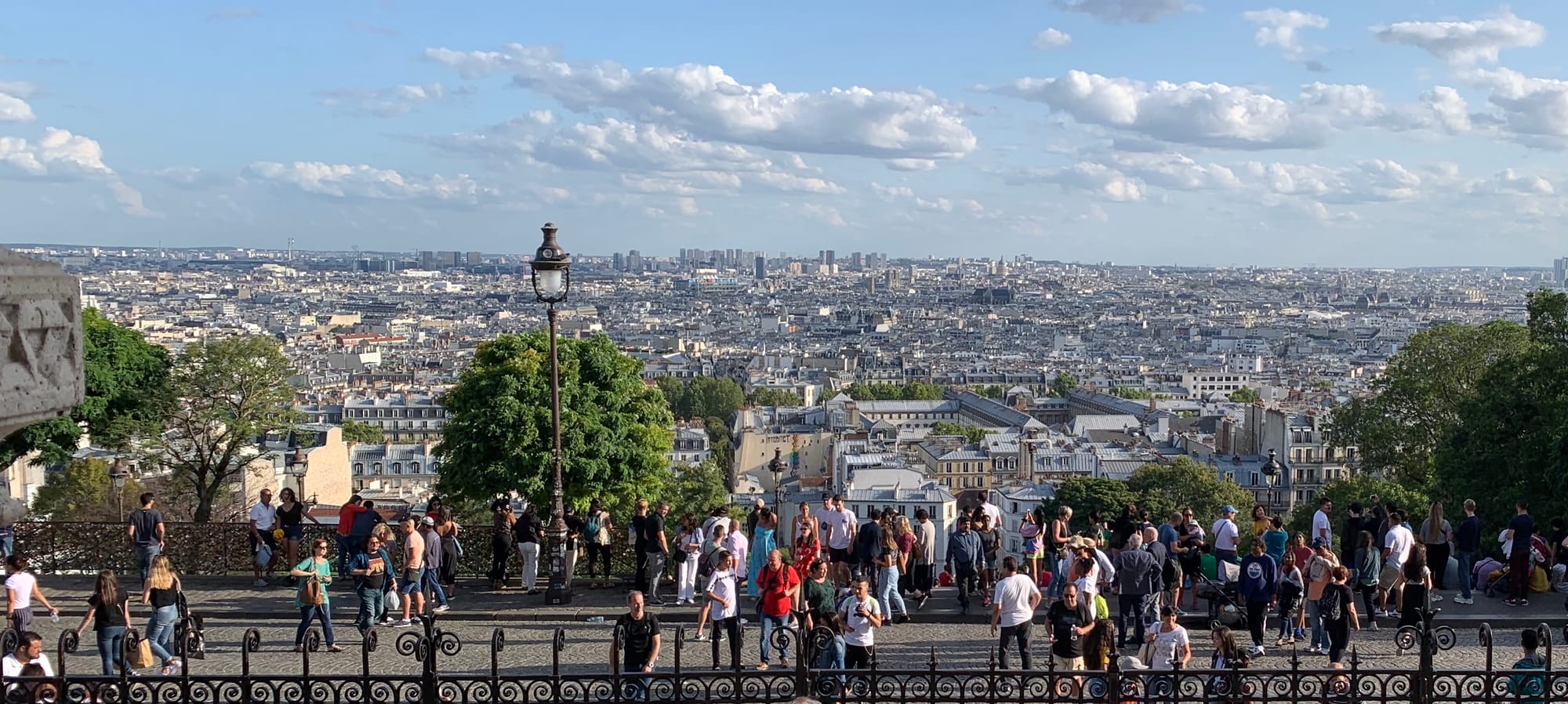
Historic Paris
No Tall buildings
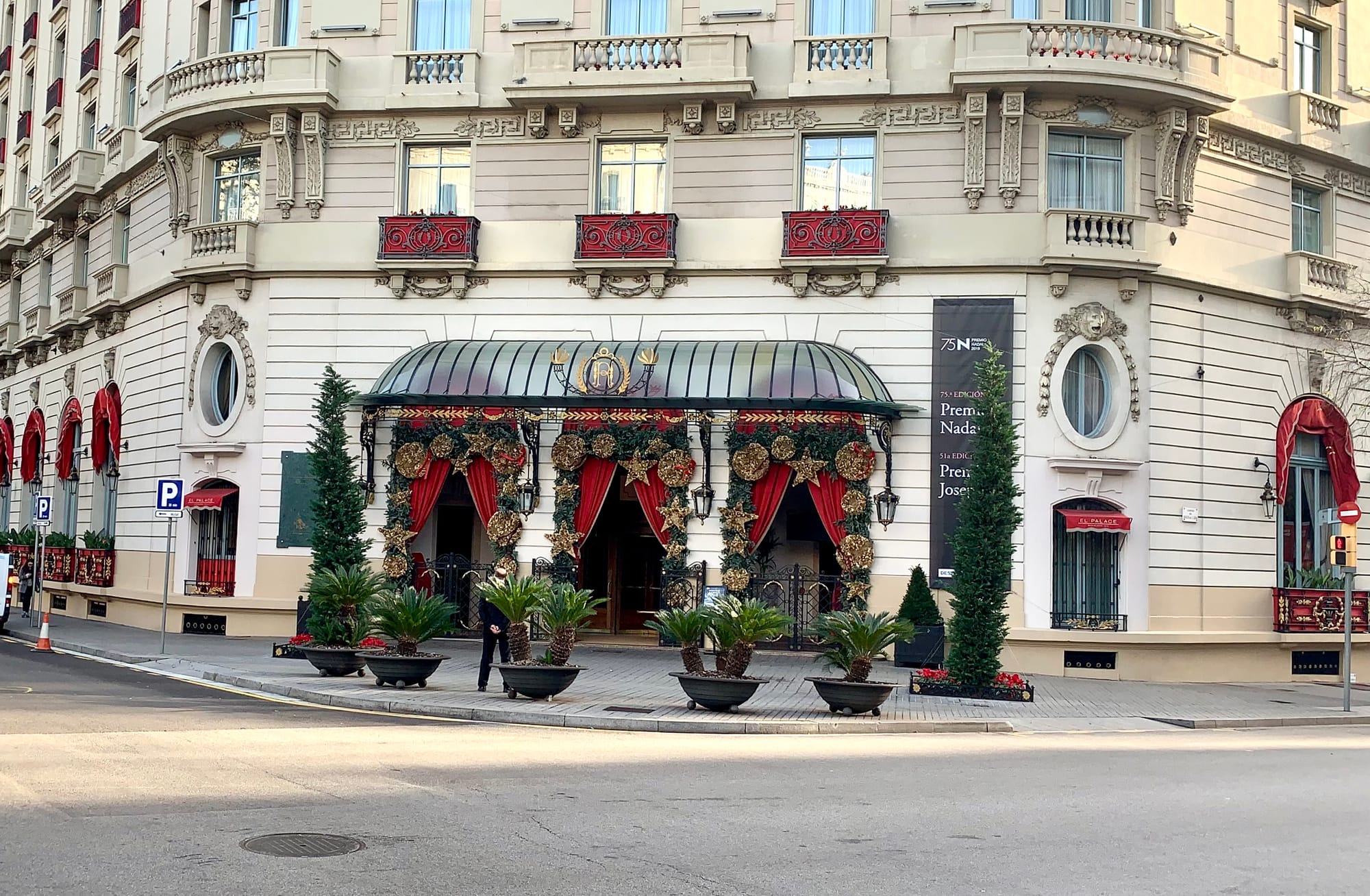
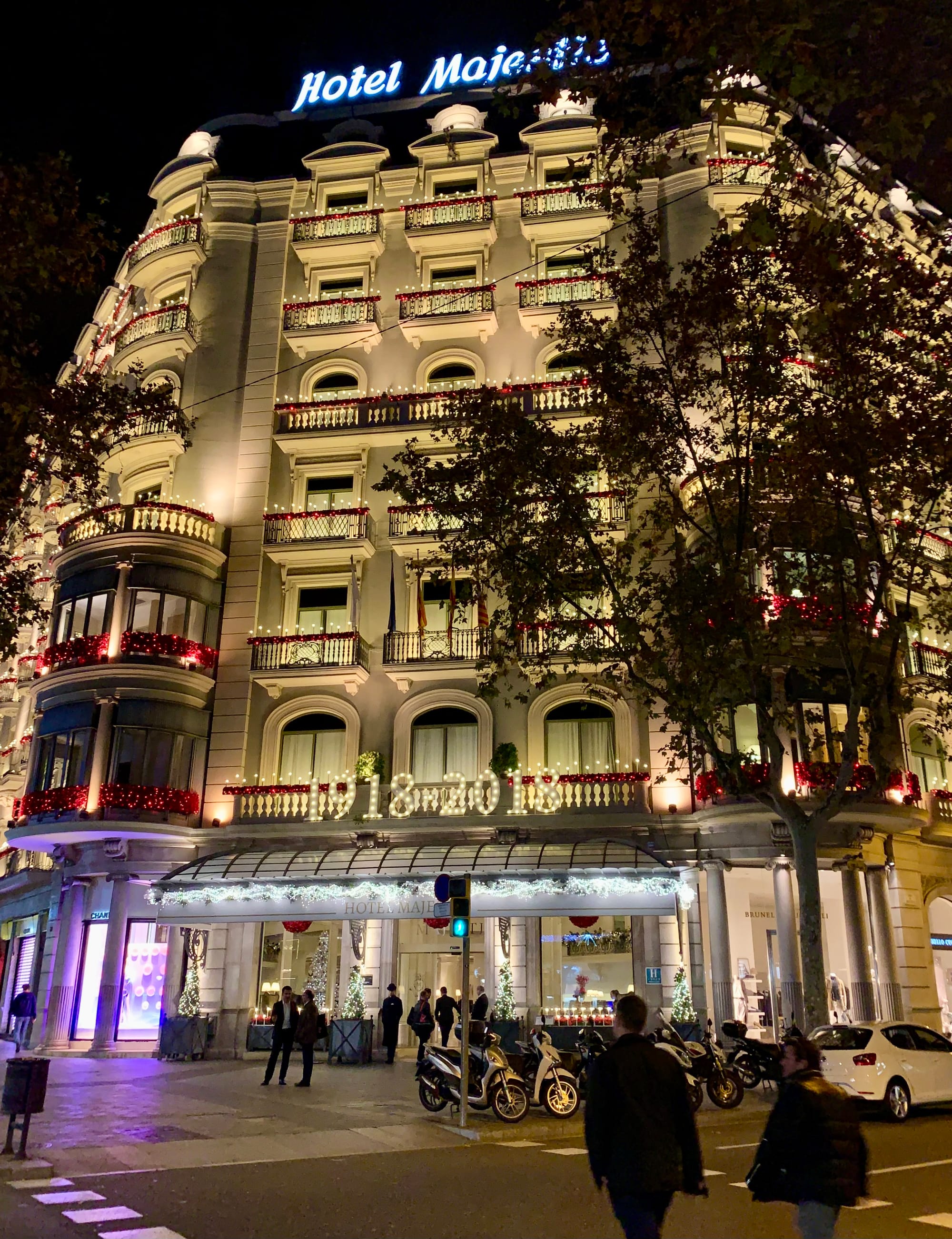
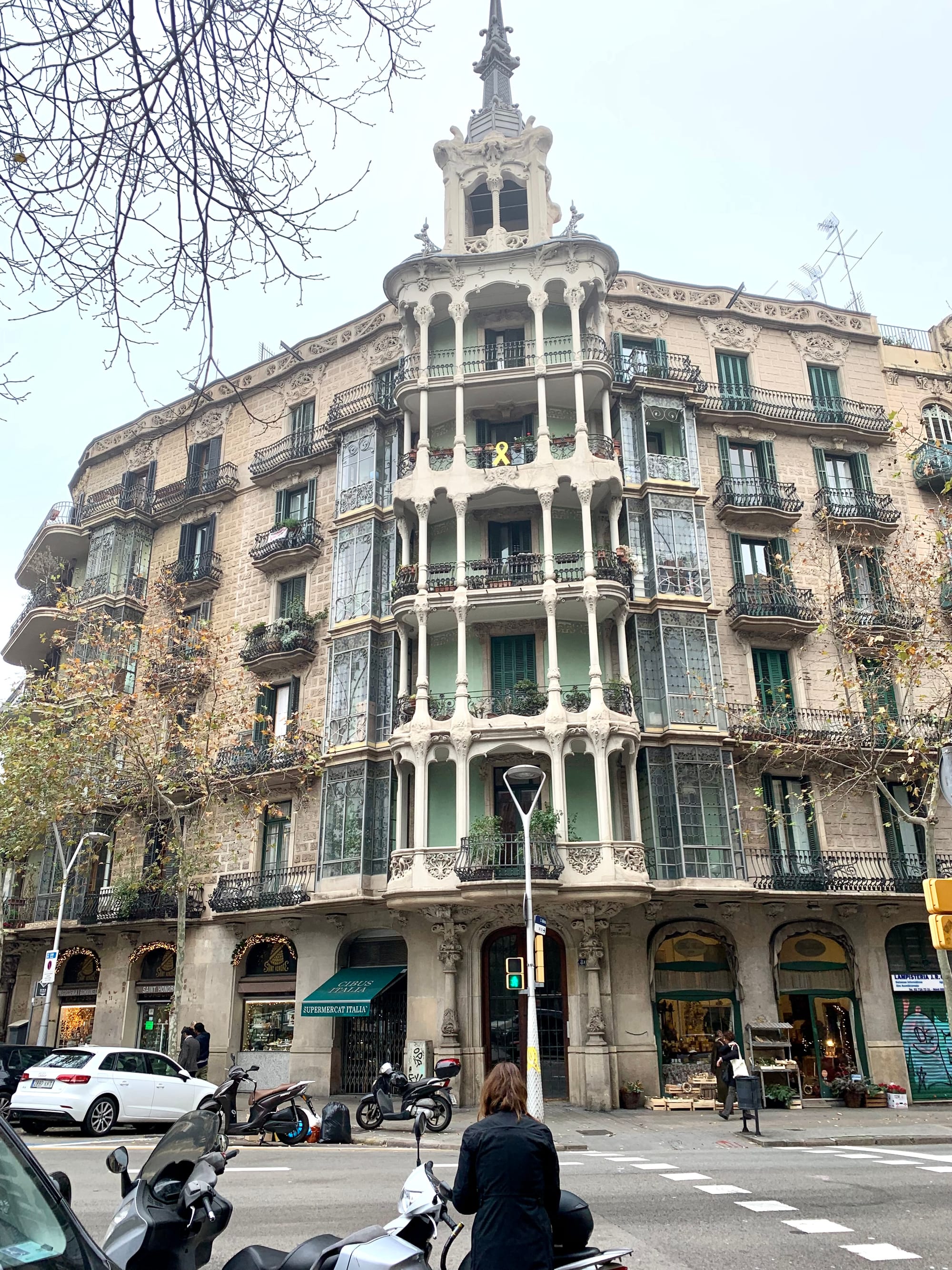
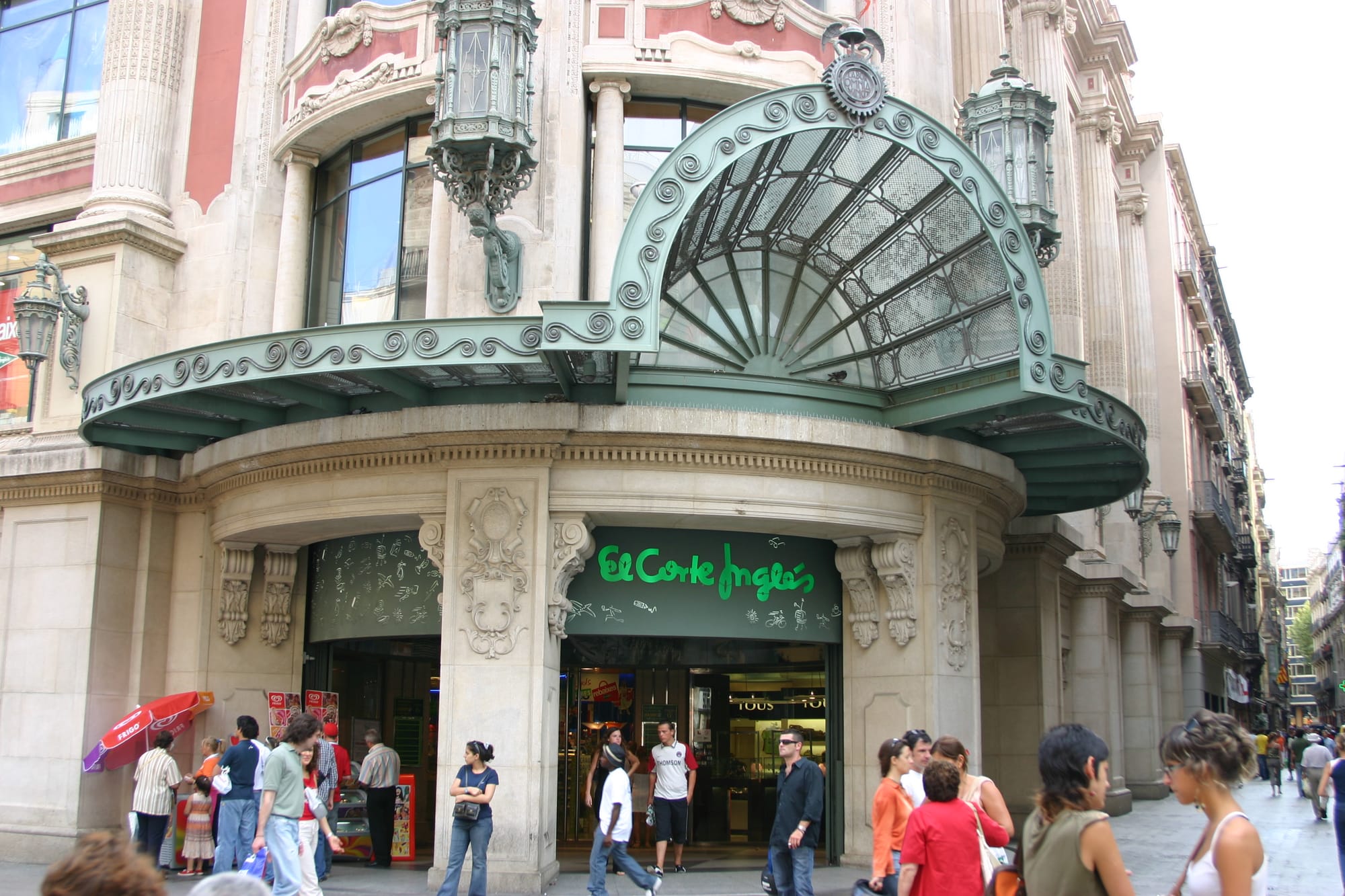
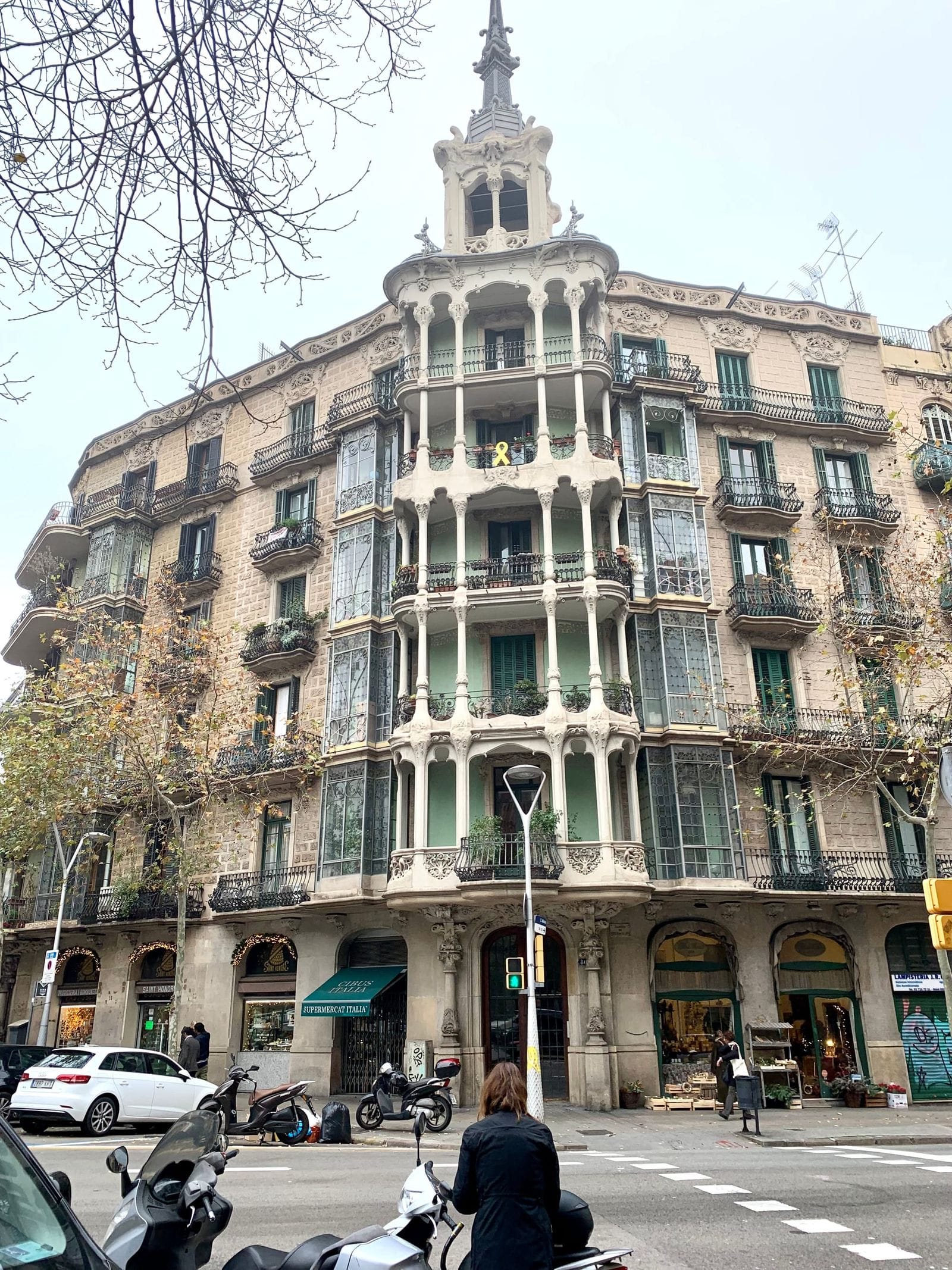
Barcelona - Architecture defined the city
Antonio Gaudi
Sagrada Familia
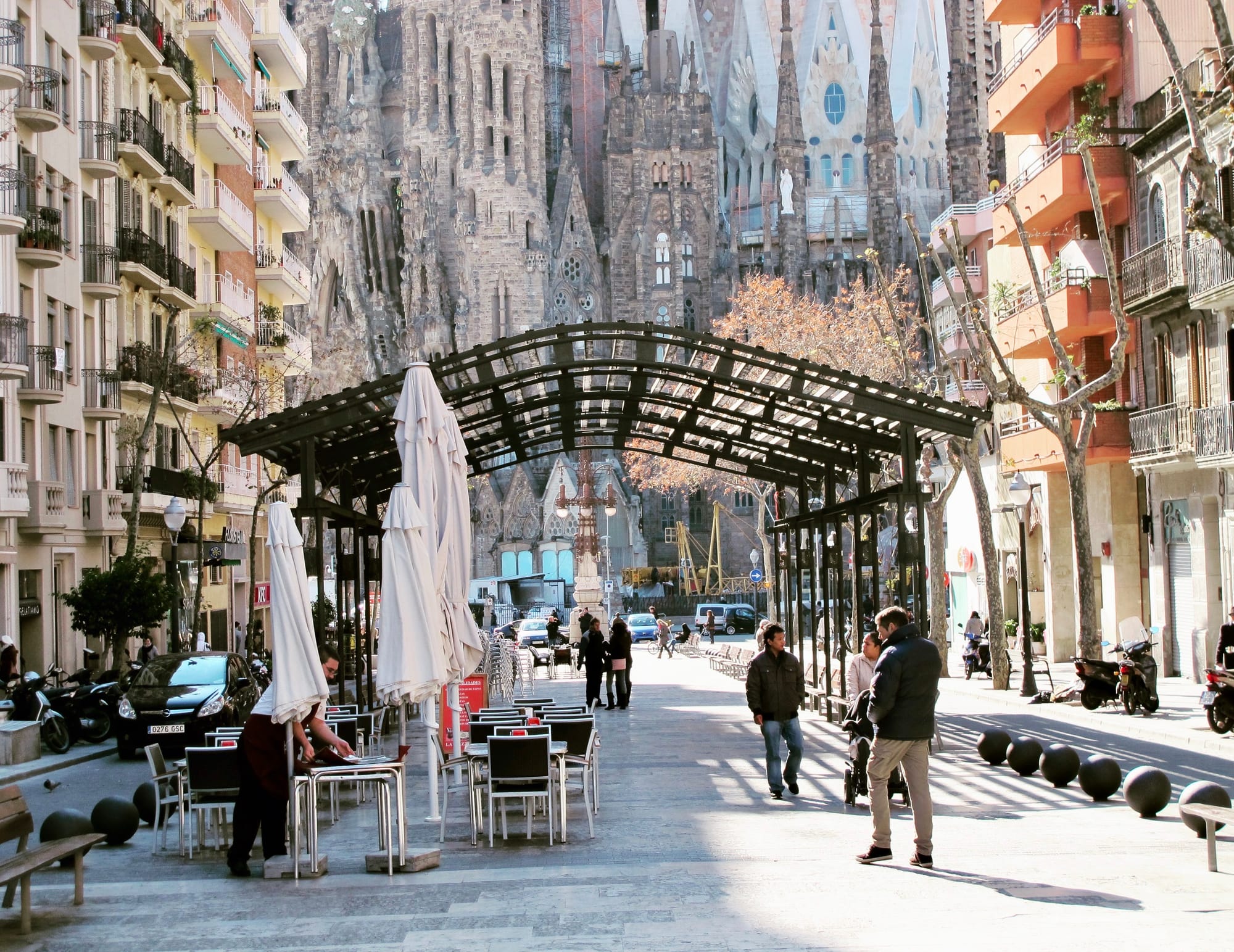
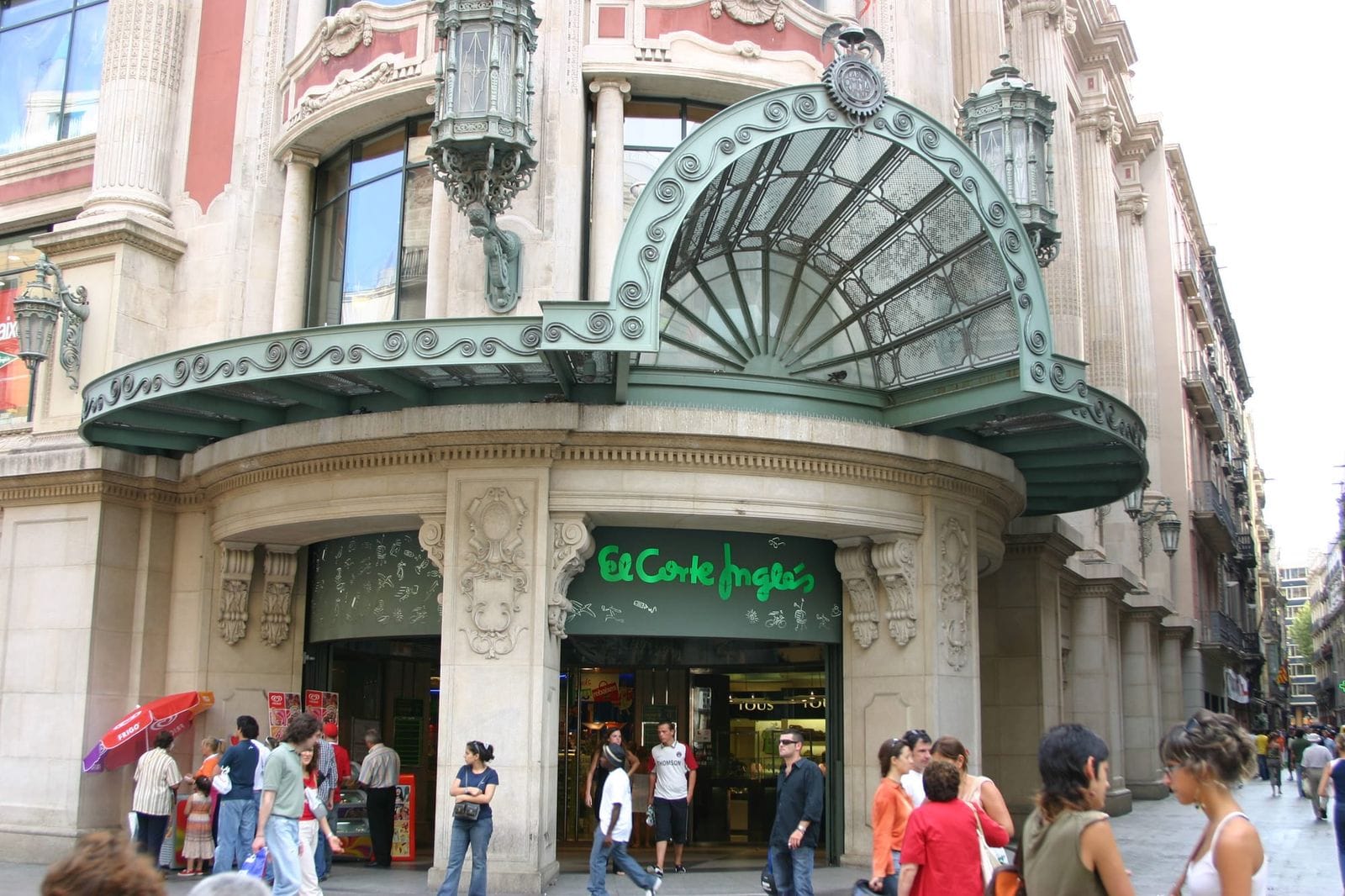
Building Entrances Barcelona