
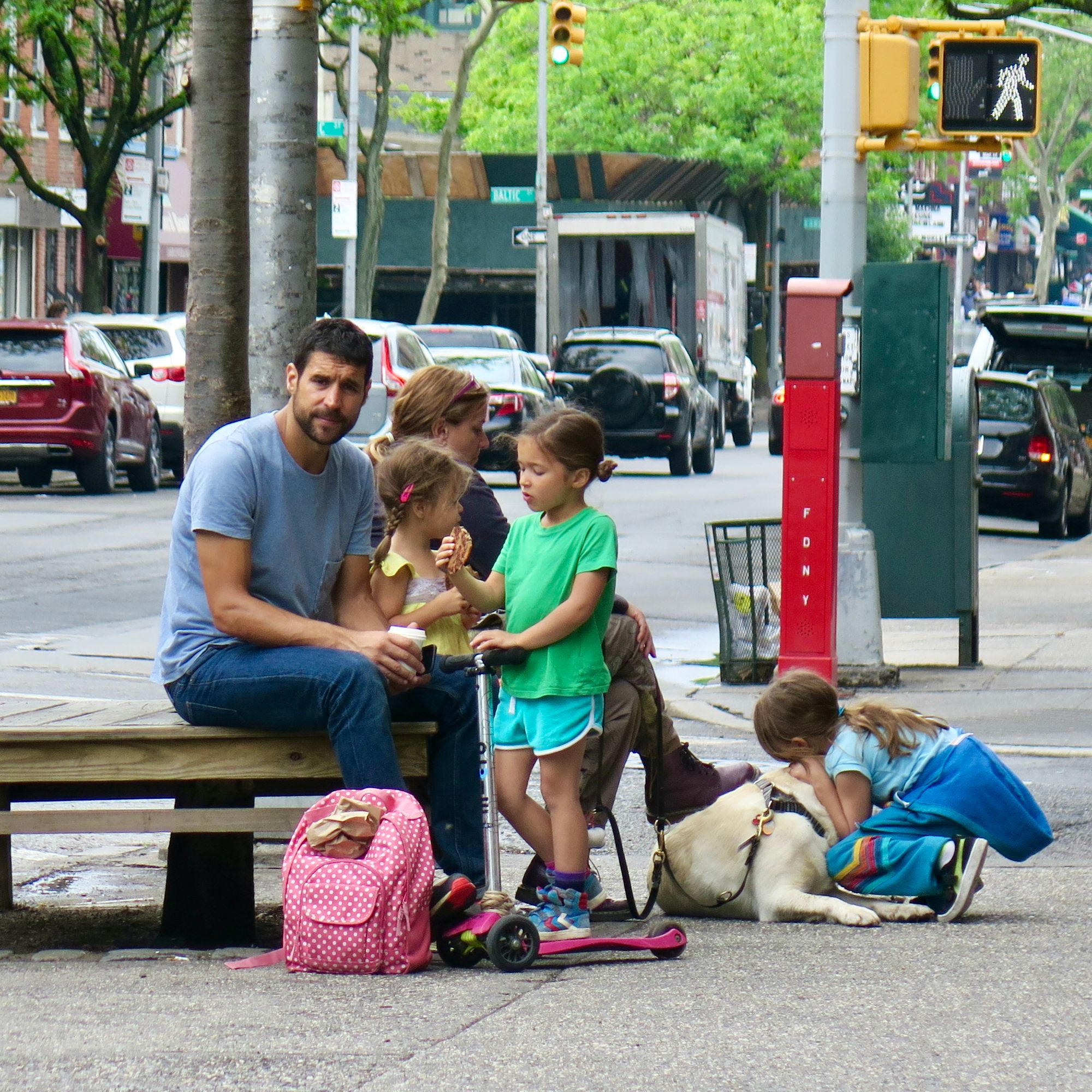
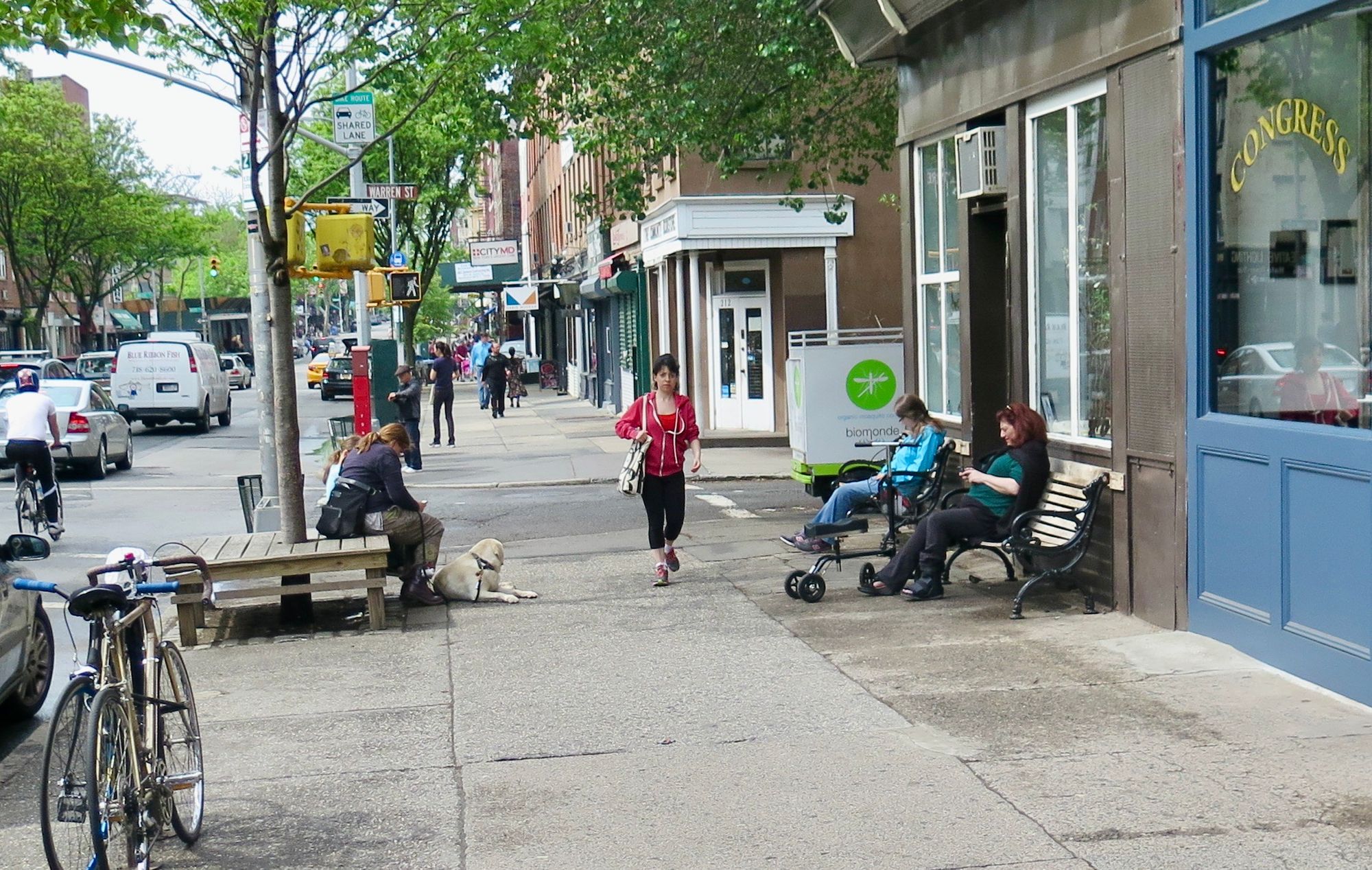
In 2015, this four sided bench in our Brooklyn neighborhood became a popular gathering place for the community. Positioned at a key intersection on the neighborhood's main street, it drew in people from all directions who wanted to take a seat, rest a while, or chat with friends. It had a profound impact on the activity on the block, infusing new energy that had earlier been driven away by the cars and traffic in the area.
We were stunned to see the impact that something as simple as a bench could have on the rhythm of life in our neighborhood, transforming an ordinary corner into a social hub.
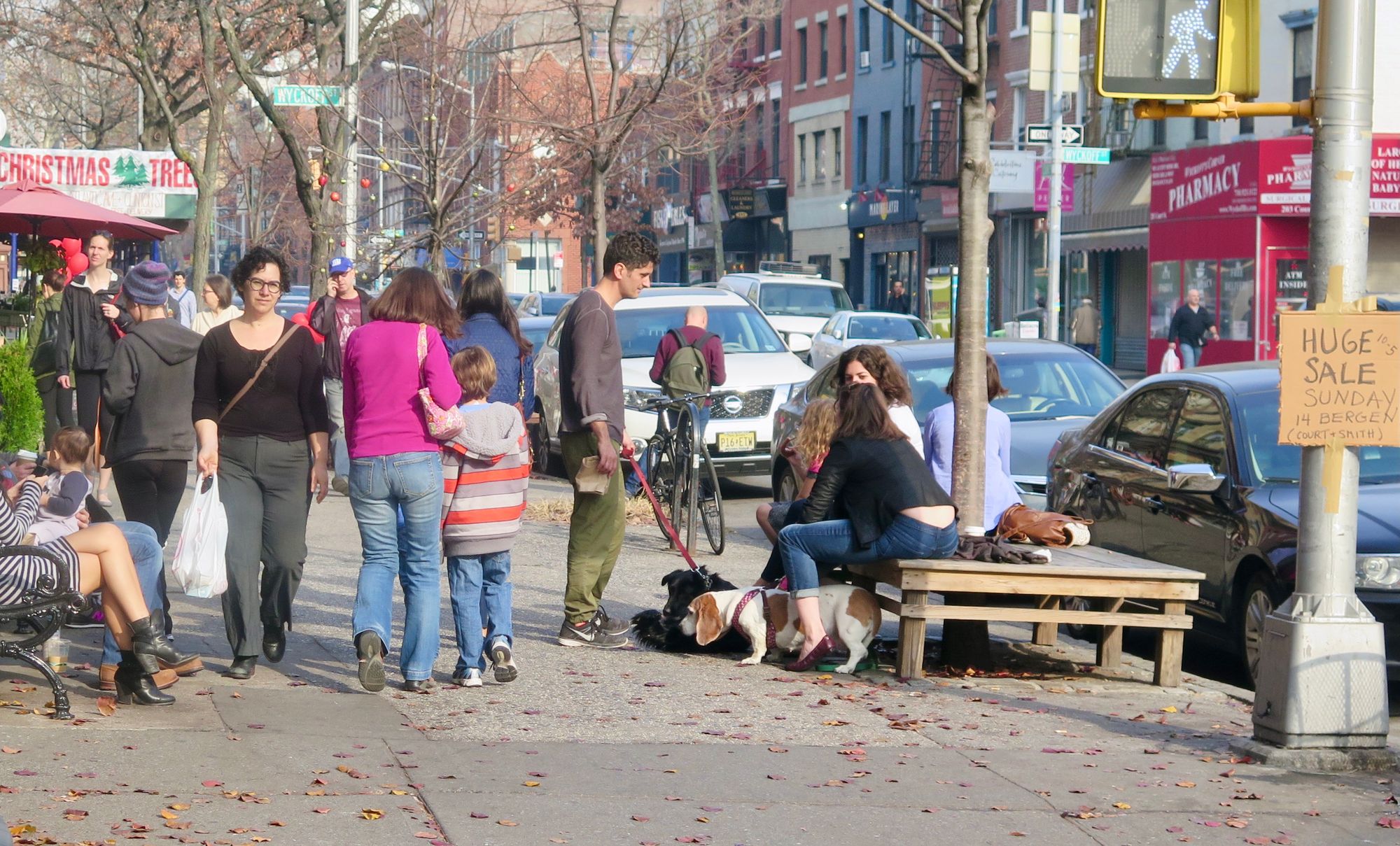
F.K. Note: This bench can be the foundation of the article. One bench started as the focal point, other benches spawned, then sheds.
It turns out the people who installed it didn't go through a formal process; rather, it was a product of creative inspiration and improvisation by business owners in the area. Furthermore, its appearance inspired more of these benches to pop up down the length of the street. Building on the success of the first one, more businesses saw the value of having such a bench out front, and the benches spread their reach further and further. This series of reciprocal gestures ignited the once dull area with foot traffic and social activity.
Often we think that one small change isn't enough to make a difference. When it comes to building better cities, people may worry that in the midst of thousands of places, one singular place won't make any real impact on the broader urban experience. This mindset can hold them back from creating that great new point on the map and turning their vision into a reality. Can one coffee shop or one bench really change the neighborhood in any meaningful way?
It can. By becoming catalytic and spreading its impact far beyond its borders through the power of reciprocal gestures.
Imagine a dull street with nothing going on there – bare walls line the sidewalk, cars zoom past, everything is gray and underwhelming. There are businesses, yes, but their doors are shut and their window displays show nothing of interest. Because of this, foot traffic is sparce and people rarely pause to window shop. Then one day, one of the businesses decides to transform their storefront. They add colorful decor, arrange their goods in engaging ways in the window, put displays out on the sidewalk, and open their doors to be more inviting. Suddenly, people begin to stop and peer in. They walk inside. They shop.
And the surrounding businesses take notice. They see their newly transformed neighbor getting attention and customers. Naturally, they decide to follow their lead so as to replicate their success. These neighboring businesses also spruce up their window displays, add color and decor, put samples out and maybe add a new feature – a bench for people to sit on in front of the store. They start to get an influx of customers too. Then their neighbors further down the street notice the improvements and also get inspired to make their own changes.
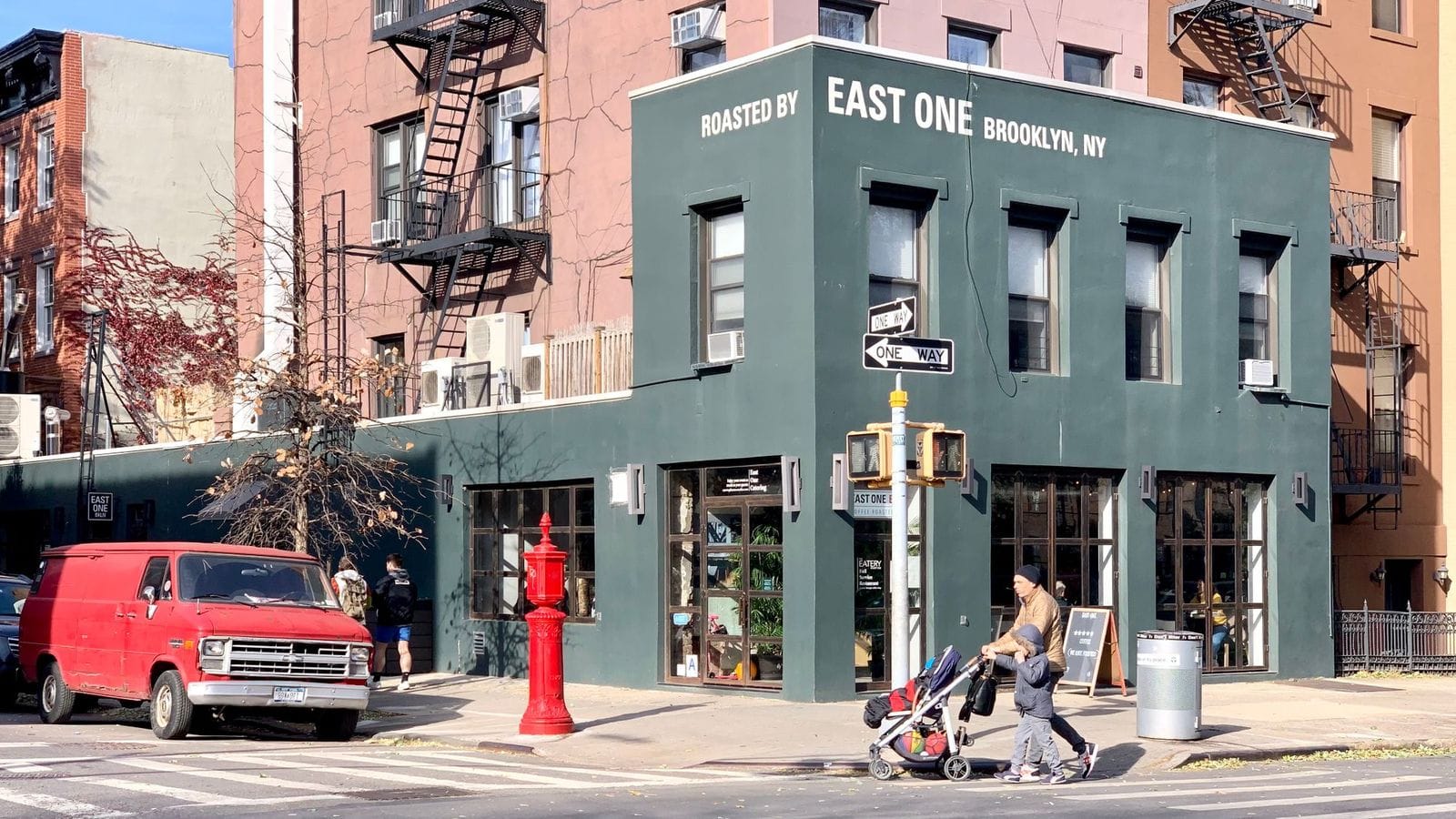
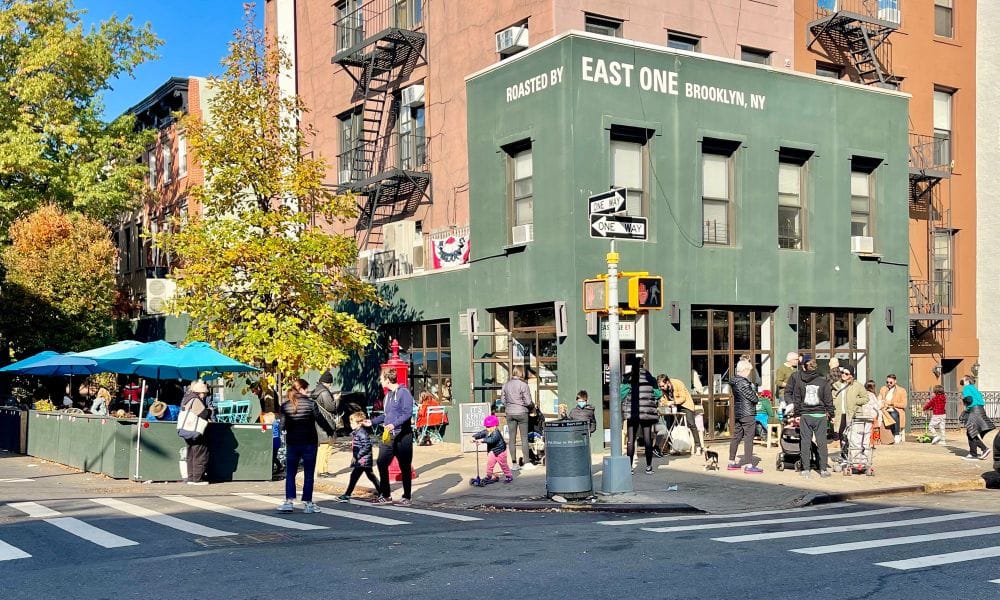
Before and after a cafe was inspired by other cafes in the area to create a "reciprocal gesture" of outdoor seating
These are what we call reciprocal gestures – when places are inspired by their neighbors' improvements to become better, thus creating a chain reaction that extends far beyond the first improved place. The first place is the catalyst that starts the process, and the reciprocal gestures are the resulting ripple effects that expand its influence down the street and throughout the neighborhood. Once the first domino falls, everything begins to react and change.
This is why even one great place can be so impactful. We shouldn't be daunted by the prospect of improving our cities because we fear it means having to make huge and costly transformations on a large scale. Instead, we can focus on creating one standout place that can inspire others. If done right, its impact will be catalytic. It will start a chain reaction that will lead to those profound transformations in the long run as other entities join the effort to make the city better incrementally.
Negative Reciprocal Gestures and the Broken Windows Theory
The power of reciprocal gestures isn't always positive, however. In fact, we've seen its negative counterpart define our cities for decades, more so than the positive. Because what the reciprocal gesture does is replicate an initial change. If that change is negative, a series of reciprocal gestures that replicate it create a vicious cycle instead of a virtuous one.
There is a well known concept in environmental psychology called The Broken Windows Theory. It states that if there are visible signs of destruction or neglect in a neighborhood, like a broken window that sits unrepaired for example, it serves to encourage further destruction and neglect. Because when one negative thing is seen as acceptable and normalized, others follow suit. This is in essence the negative side of reciprocal gestures – the contagion effect of negative changes.
It can also explain why when one ugly building is allowed to be erected in a city without pushback, others will soon follow. When those who seek to make self-serving changes to a city face no consquences, they call on their friends to follow their lead, redefining the look and feel of the city in the process. This is how so many of our cities have become glass and concrete wastelands, where once they were full of unique charm and personality.
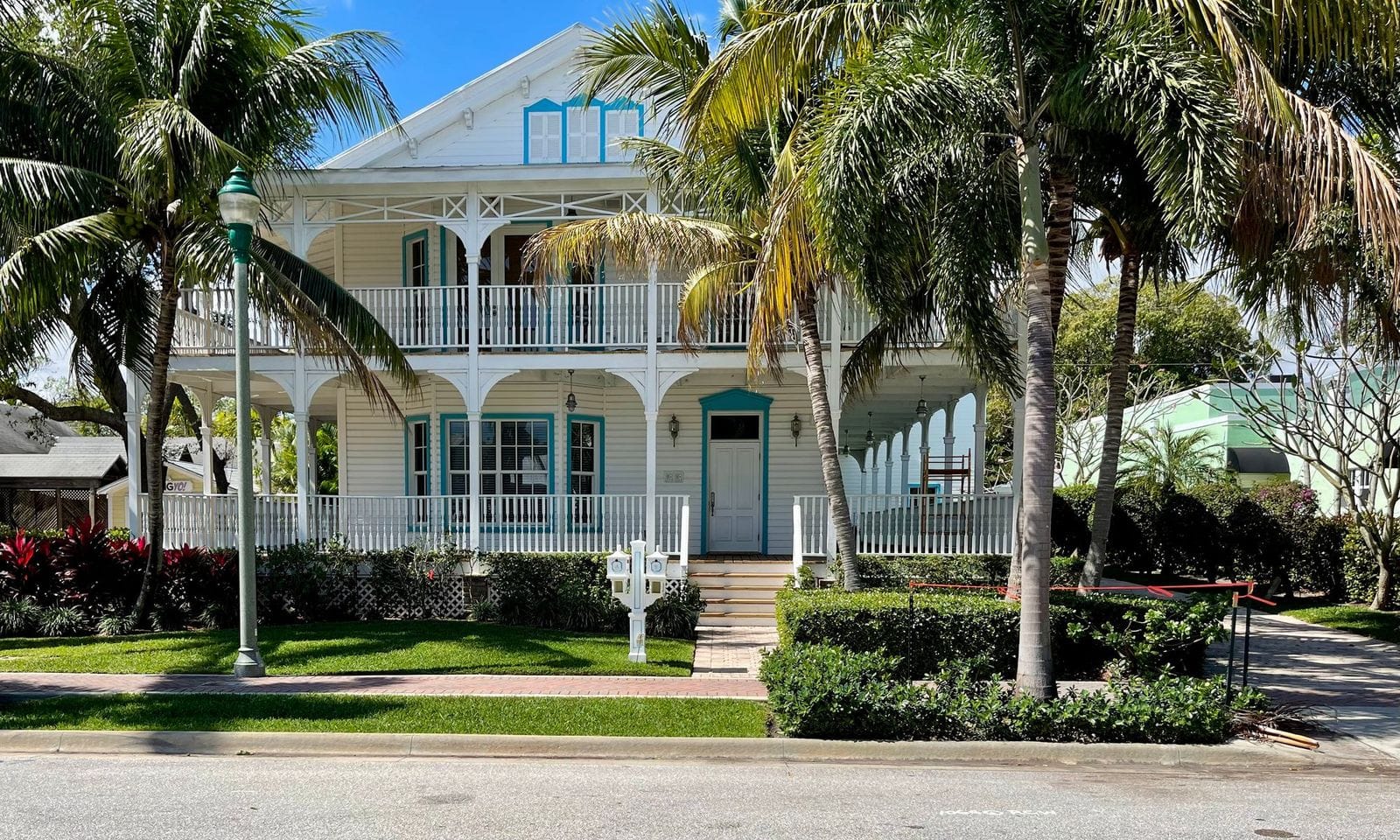
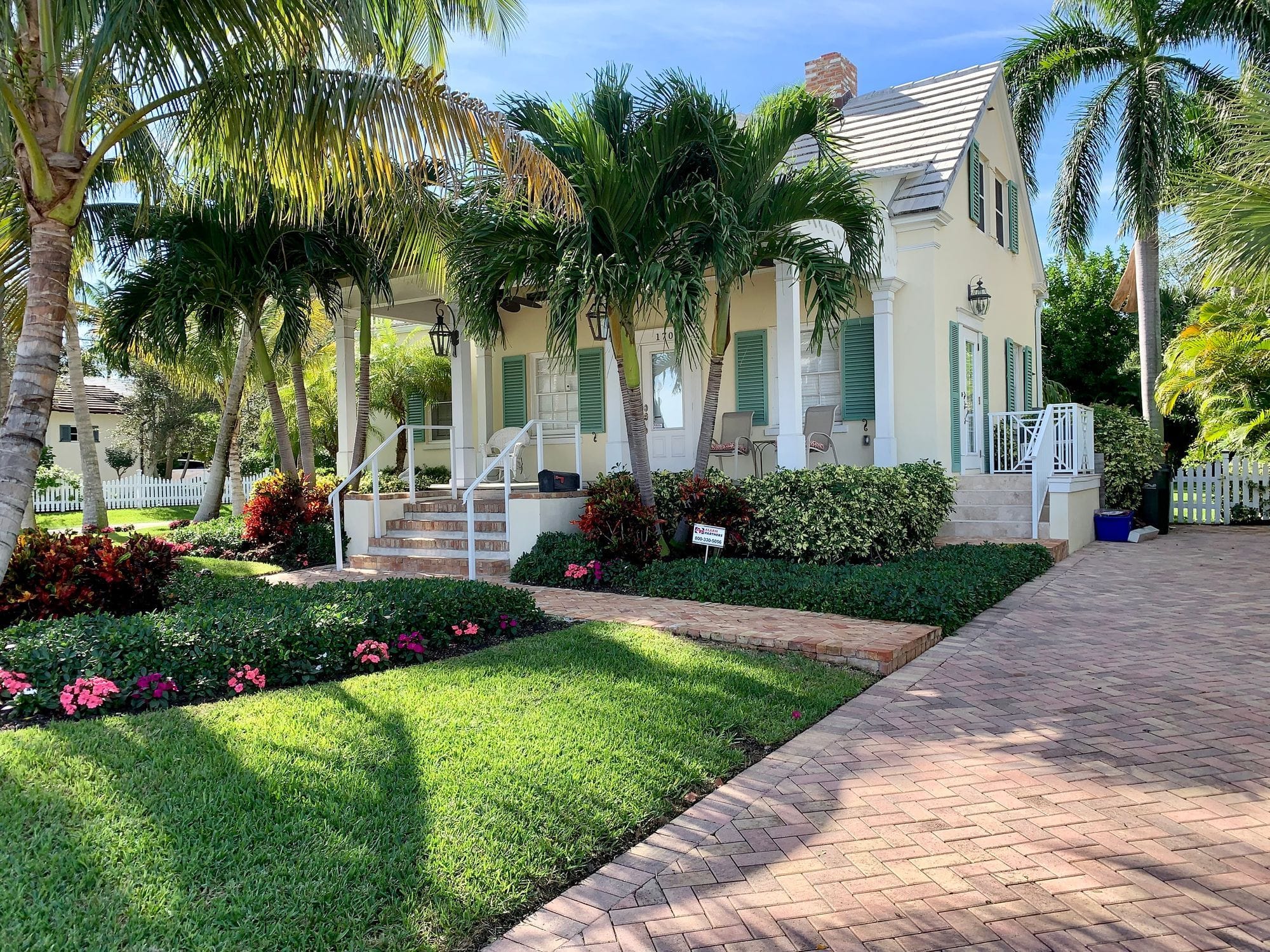
From human-centric porch-first developments full of charm...
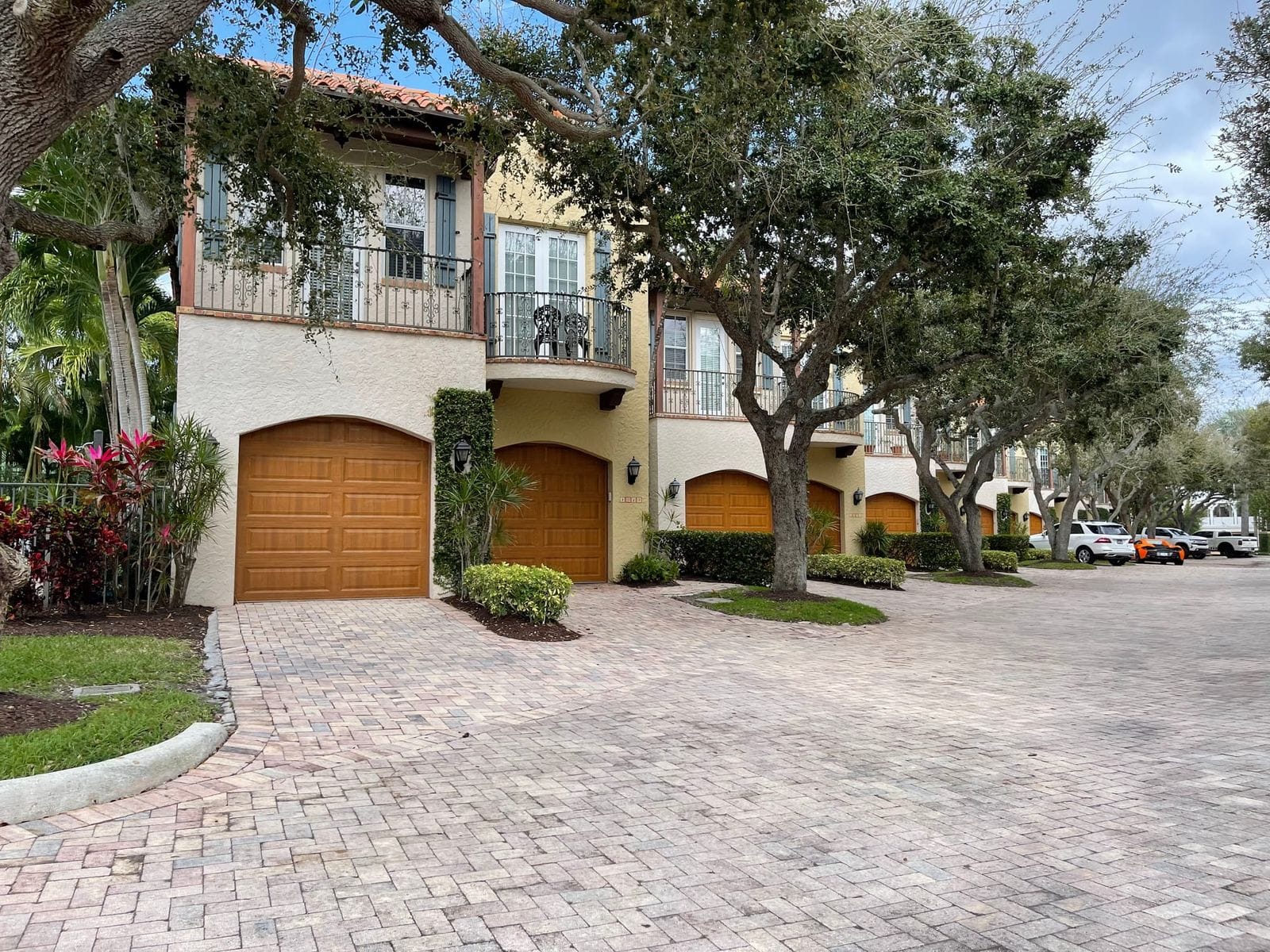

To soulless garage-first car-centric developments.
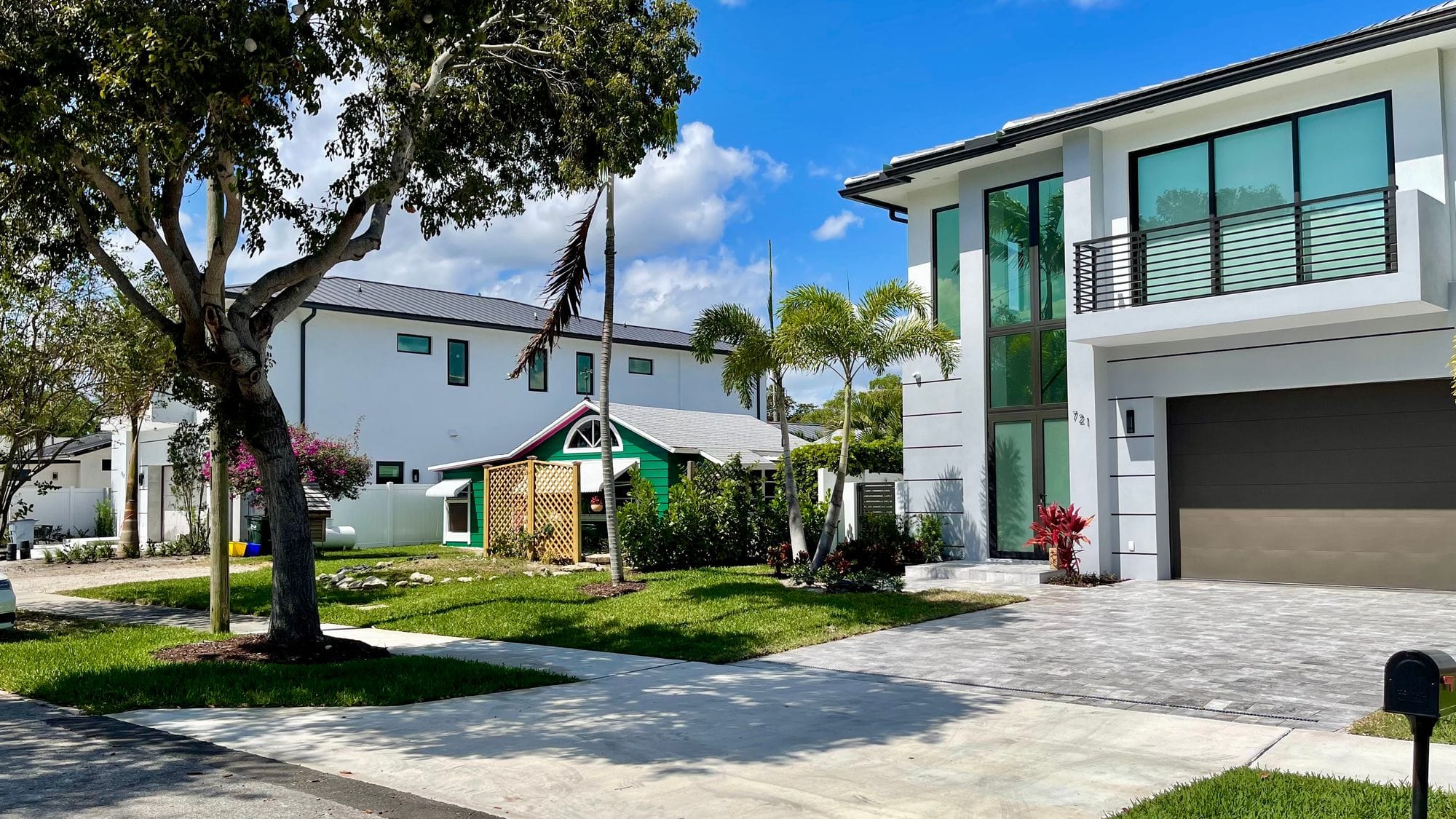
In the past, buildings like the middle one dominated in Delray, but then a cycle of car-centric development was set in motion by buildings like those on either side of it
The good news is that contagion also works with positive changes, what we call reciprocal gestures. Planting a community garden encourages people to care for and protect the space, adding further improvements around it. Putting out a bench in front of a store shows that doing so is ok and encourages other businesses to do the same. At the core of these positive chain effects however, there must be the understanding that improvisation is possible, allowed, and encouraged.
Improvisation's Role in City Improvement
If architecture is frozen music and planning is composition, then placemaking is improvisational street performance.
Reciprocal gestures are a prime example of improvisation in action. They are the method through which community members react to positive changes in their surroundings by making their own positive changes. This is a natural, organic process that leads to growth and evolution in a city. It should not be stifled by excessive rules and regulations because it is an authentic expression of a community's identity that should be given the opportunity to stretch its wings.
If every change made to the built environment must go through an extended, tedious, often costly bureaucratic process to become a reality, it will be disincentivized and eventually abandoned. On the other hand, making it easy for people to improvise and improve their surroundings motivates them to do so, supporting those powerful positive chain reactions.
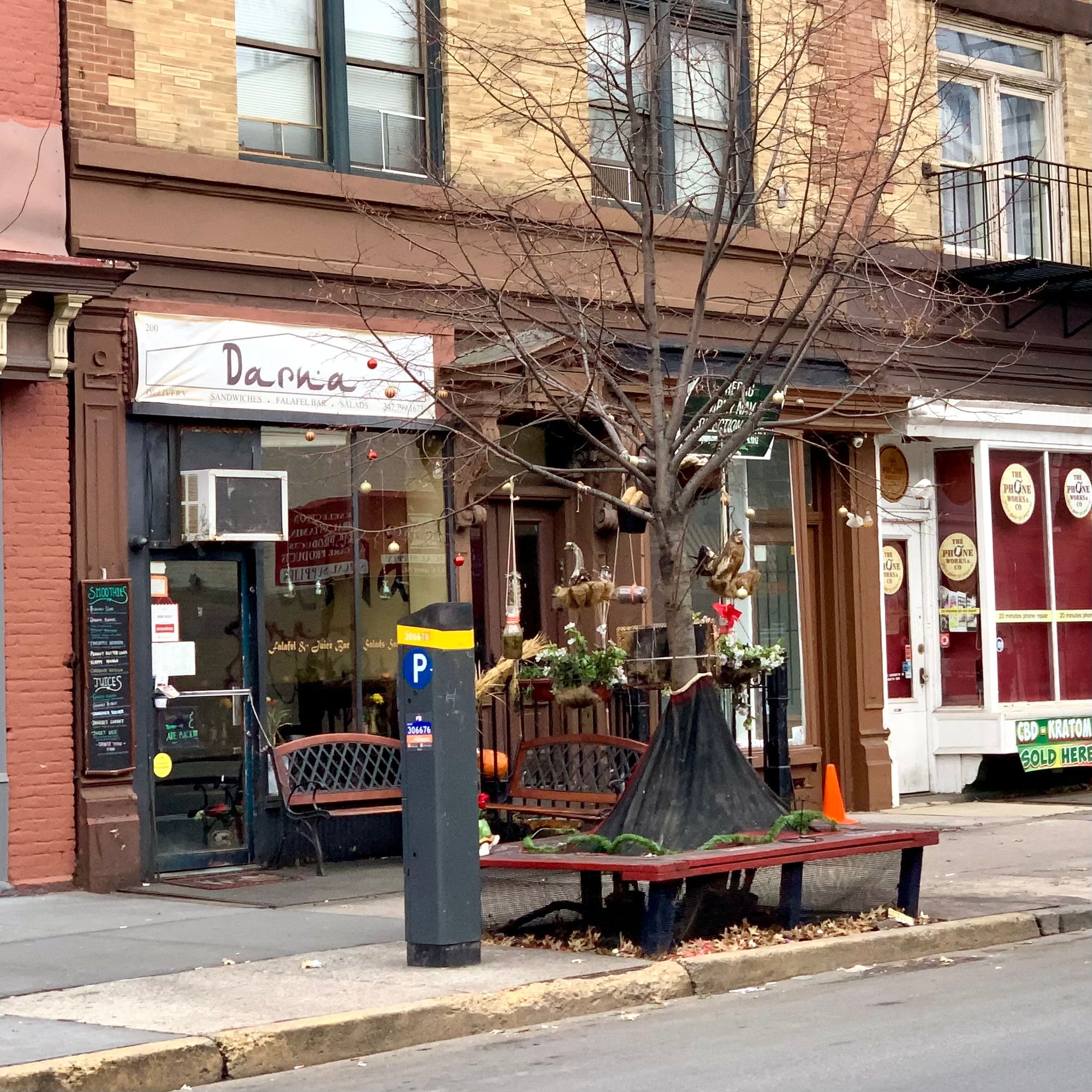
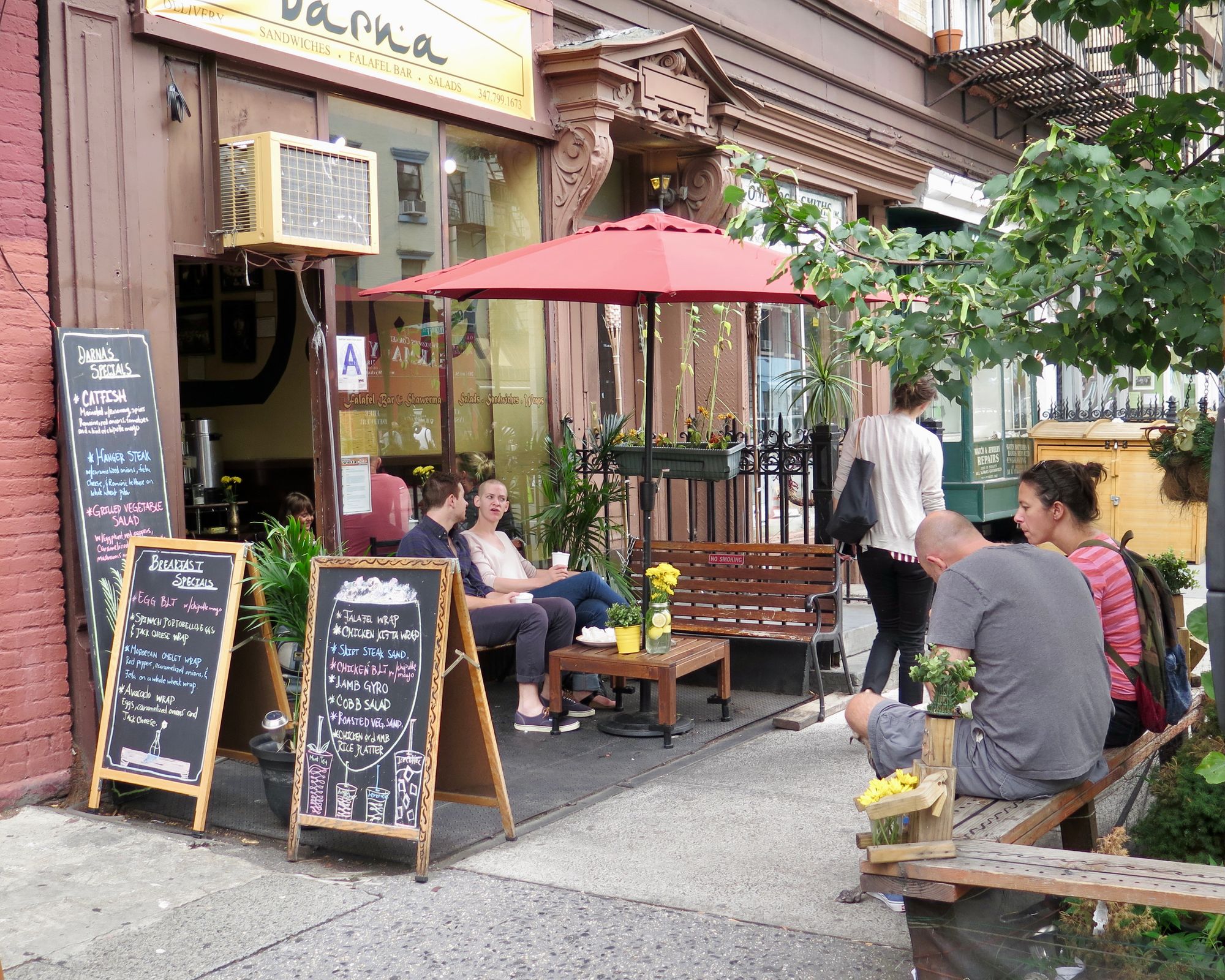
From a simple bench to an elaborate seating area - creativity and the freedom to improvise creates great, multi-dimensional places over time
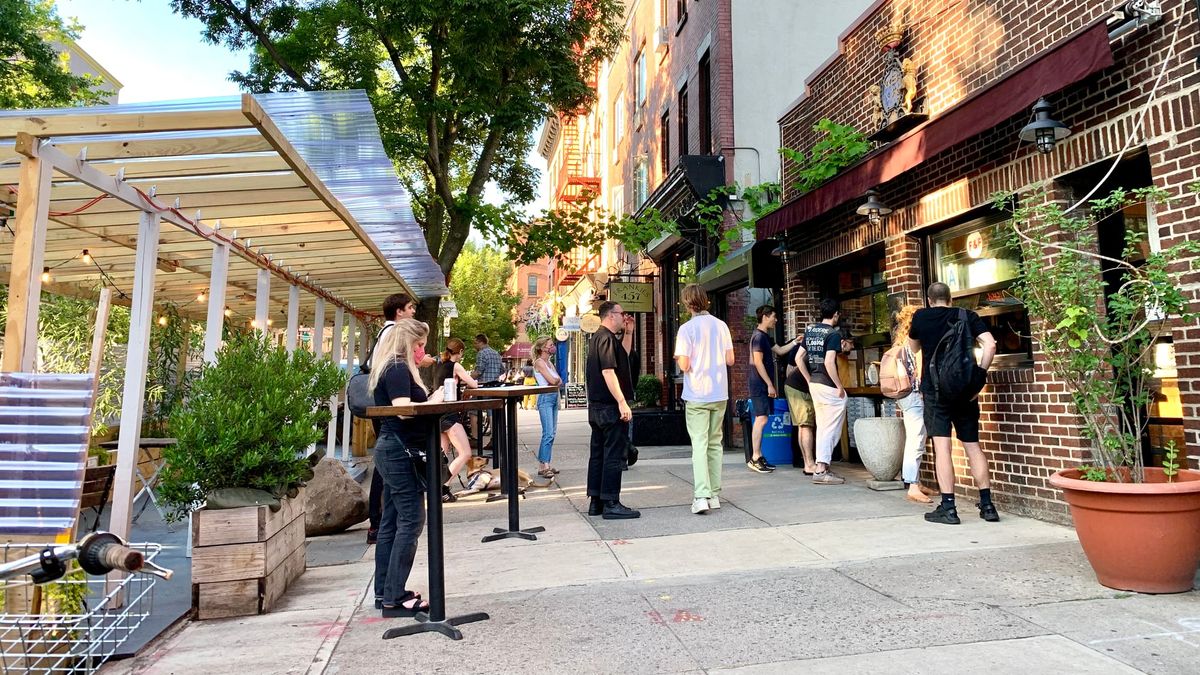
A great recent example of improvisation and reciprocal gestures in action were the dining sheds in NYC that sprouted up during and after the Covid pandemic. Regulations for street dining were temporarily lifted in order to incentivize the development of outdoor dining for reasons of safety and job preservation during a difficult time. The outcome was a fantastic set of unique and charming outdoor constructions that brought life to the previously dull and car-centric New York streetscape.
Unfortunately, once the pandemic passed, NYC decided it was time for the rules and restrictions on street dining to come back. When they reinstated a stiff and tedious regulatory framework for approving outdoor dining in the name of reestablishing control and returning parking spots to drivers, the majority of these creative constructions disappeared, unable to adapt to all the limitations, fees, and rules newly imposed on them. The streets returned to their dull and uninspiring state as the beauty of spontaneity and improvisation was killed, to the benefit of cars and at the expense of public life.
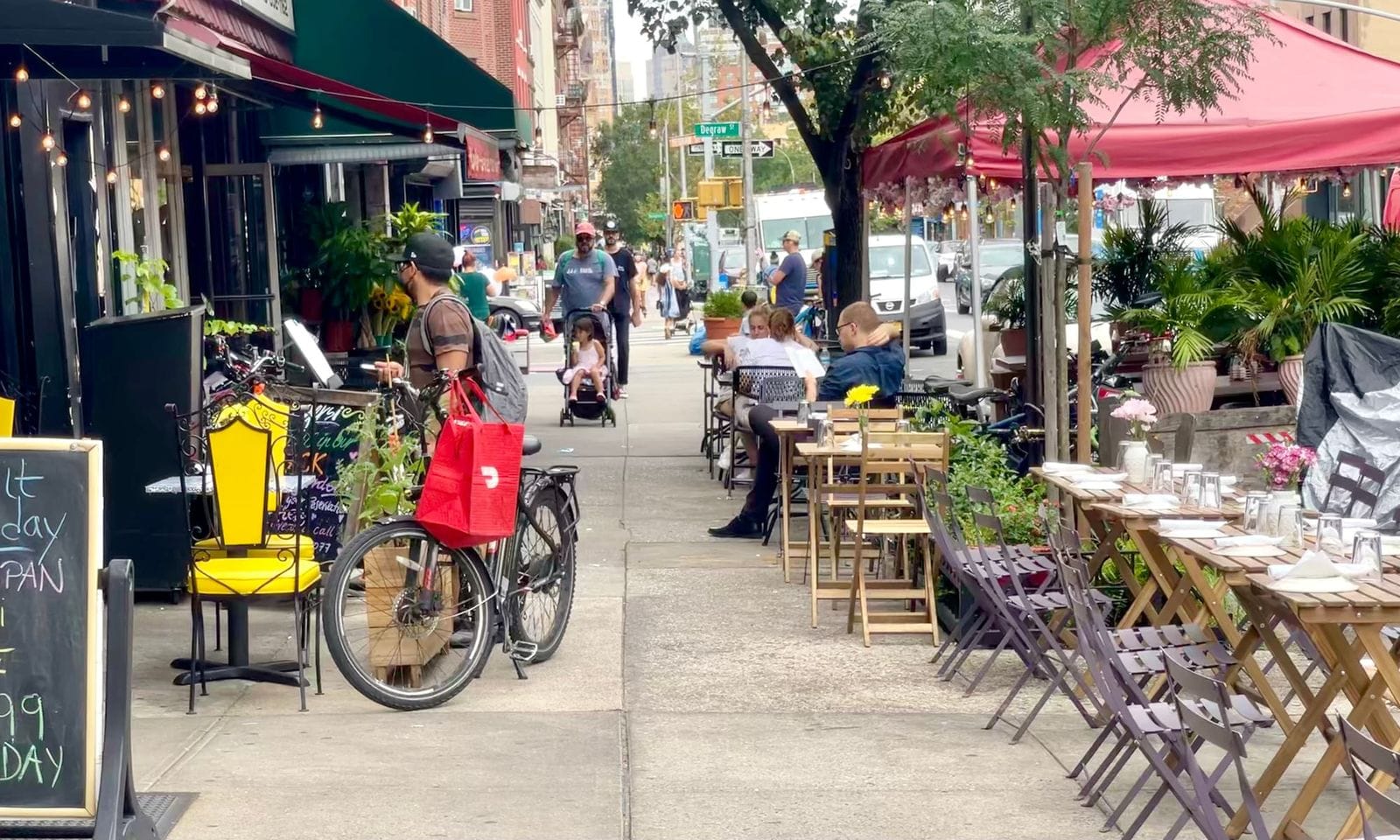
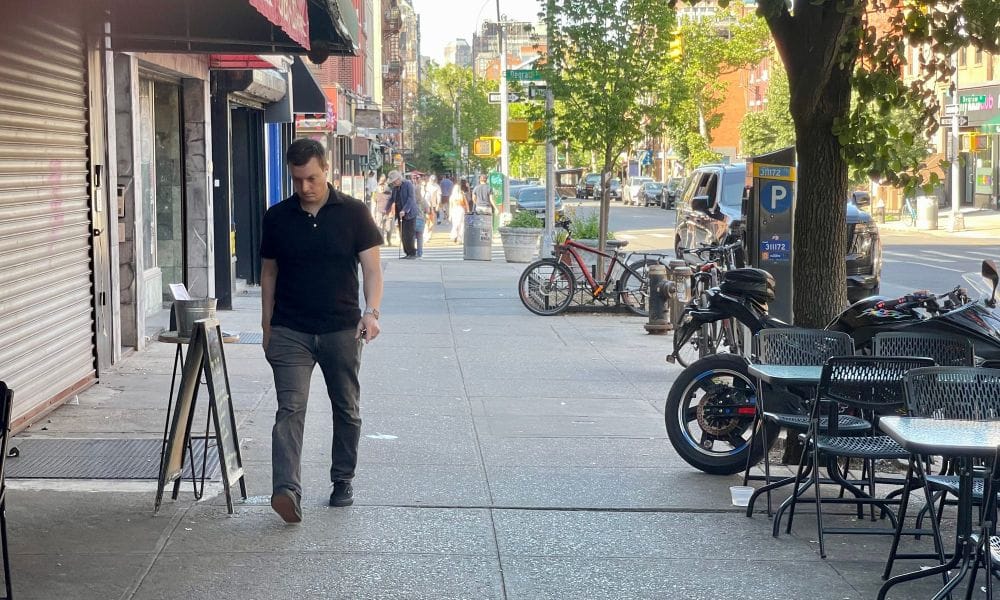
Before and after new dining shed regulations
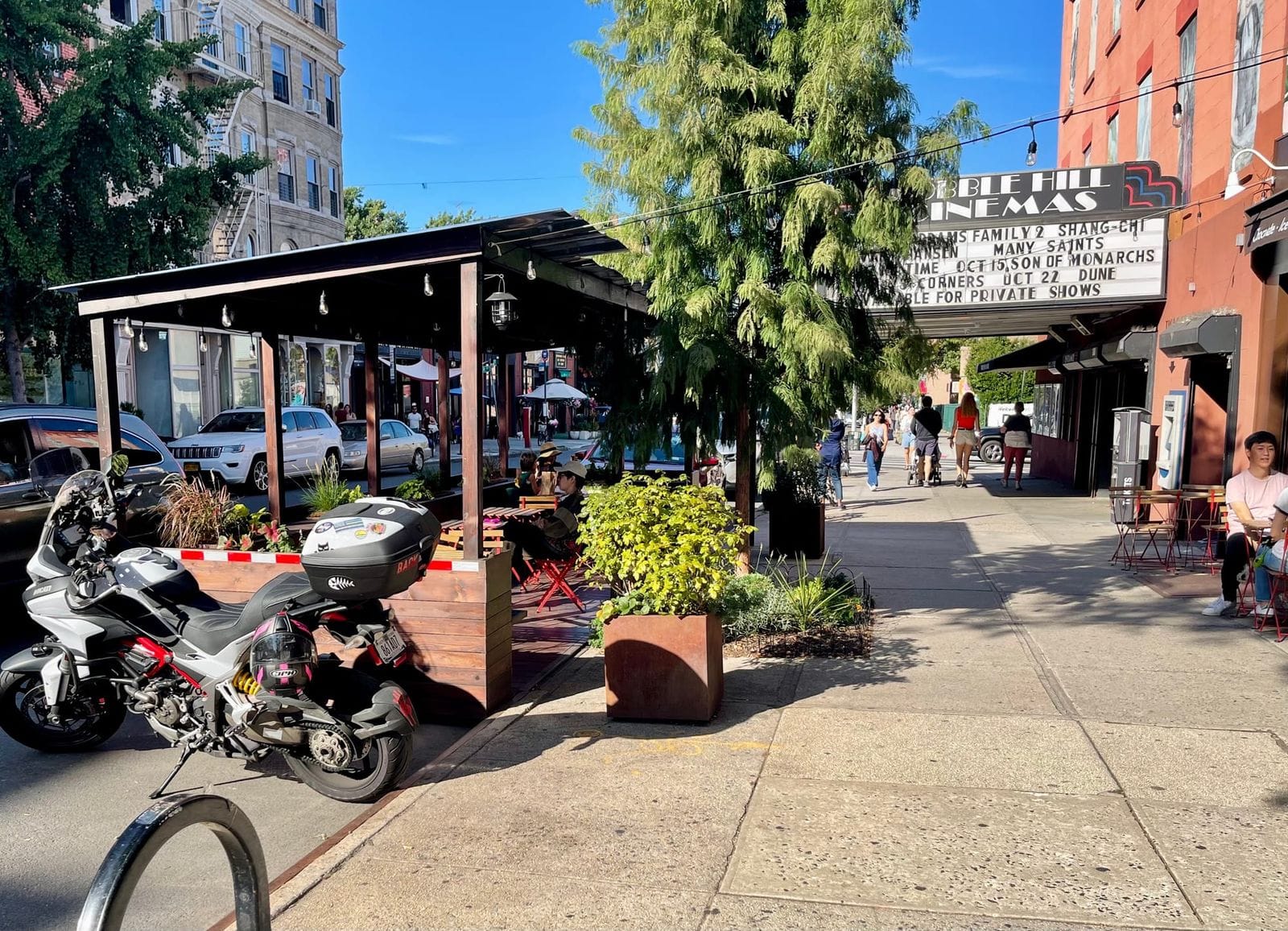
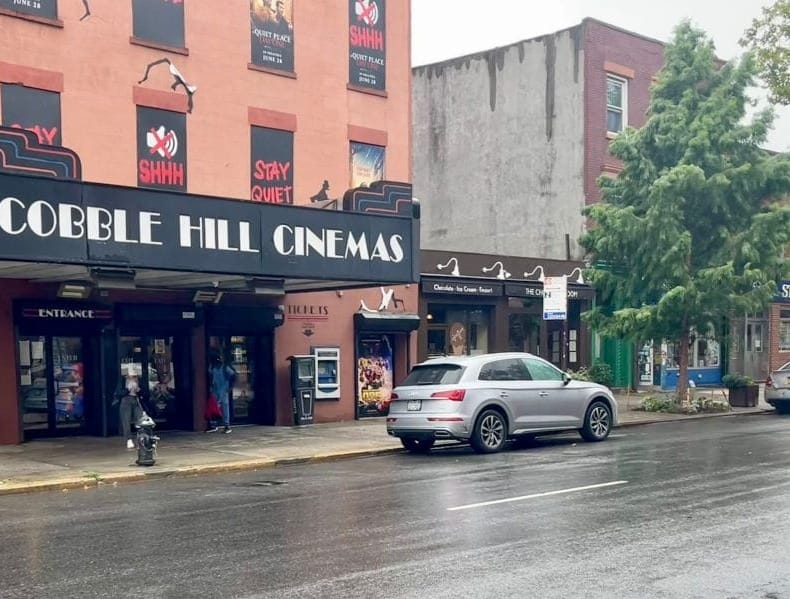
Before and after new dining shed regulations
 Fred Kent
 Fred Kent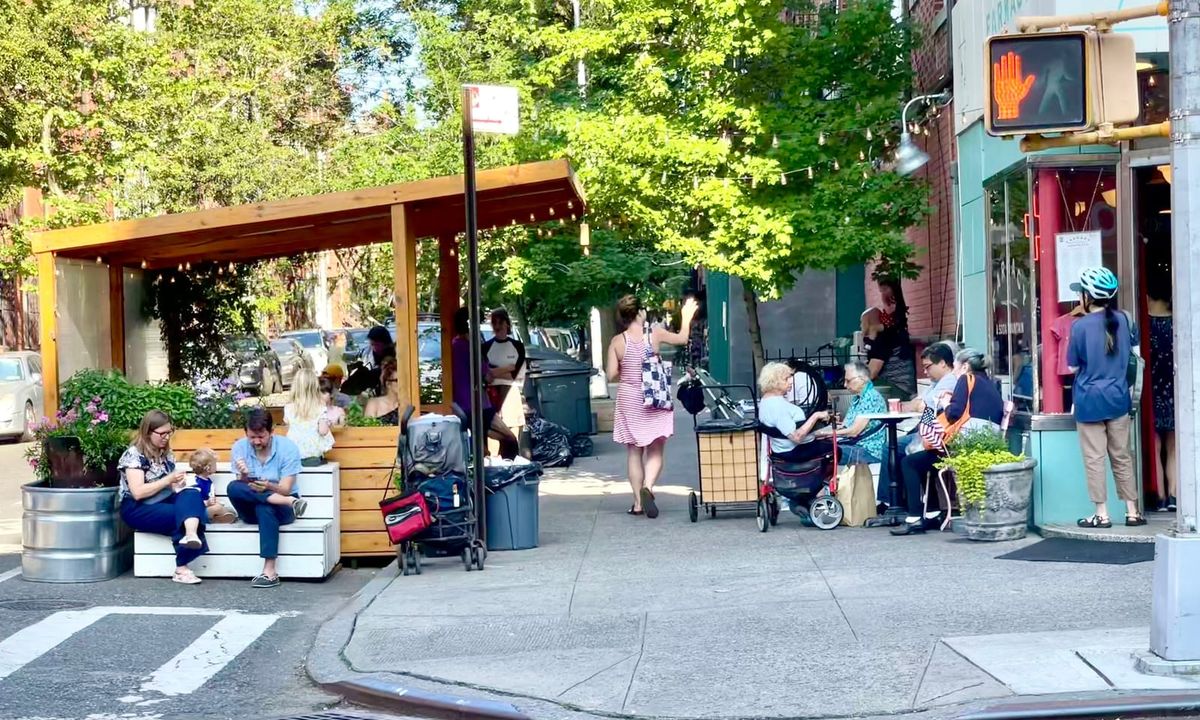
Reciprocal Gesture on Court Street - the Flat Square Bench
In 2015, this four sided bench in our Brooklyn neighborhood became a popular gathering place for the community. Positioned at a key intersection on the neighborhood's main street, it drew in people from all directions who wanted to take a seat, rest a while, or chat with friends. It had a profound impact on the activity on the block, infusing new energy that had earlier been driven away by the cars and traffic in the area.
We were stunned to see the impact that something as simple as a bench could have on the rhythm of life in our neighborhood, transforming an ordinary corner into a social hub.
F.K. Note: This bench can be the foundation of the article. One bench started as the focal point, other benches spawned, then sheds.
It turns out the people who installed it didn't go through a formal process; rather, it was a product of creative inspiration and improvisation by business owners in the area. Furthermore, its appearance inspired more of these benches to pop up down the length of the street. Building on the success of the first one, more businesses saw the value of having such a bench out front, and the benches spread their reach further and further. This series of reciprocal gestures ignited the once dull area with foot traffic and social activity.
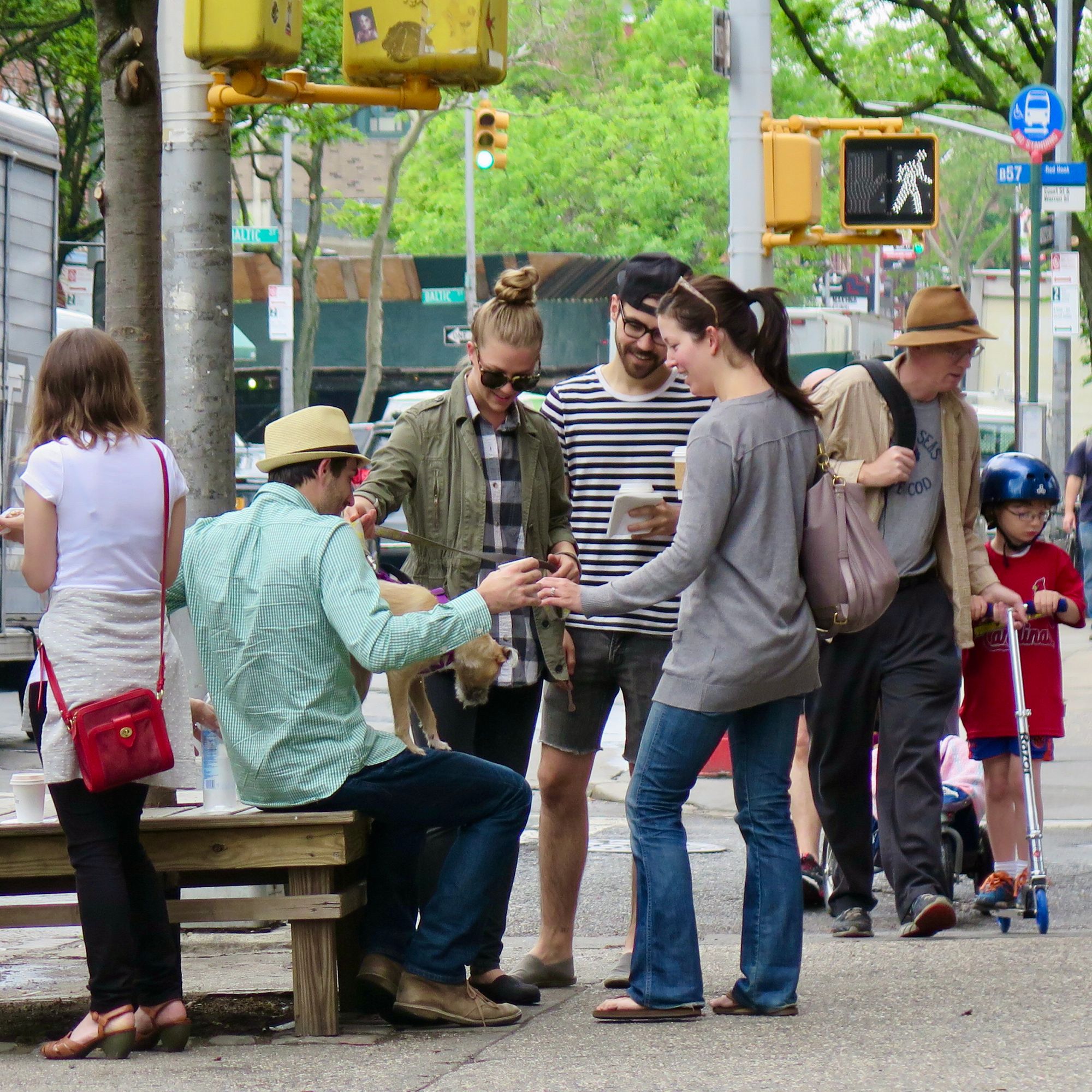
A process that leads to the Power of 10+
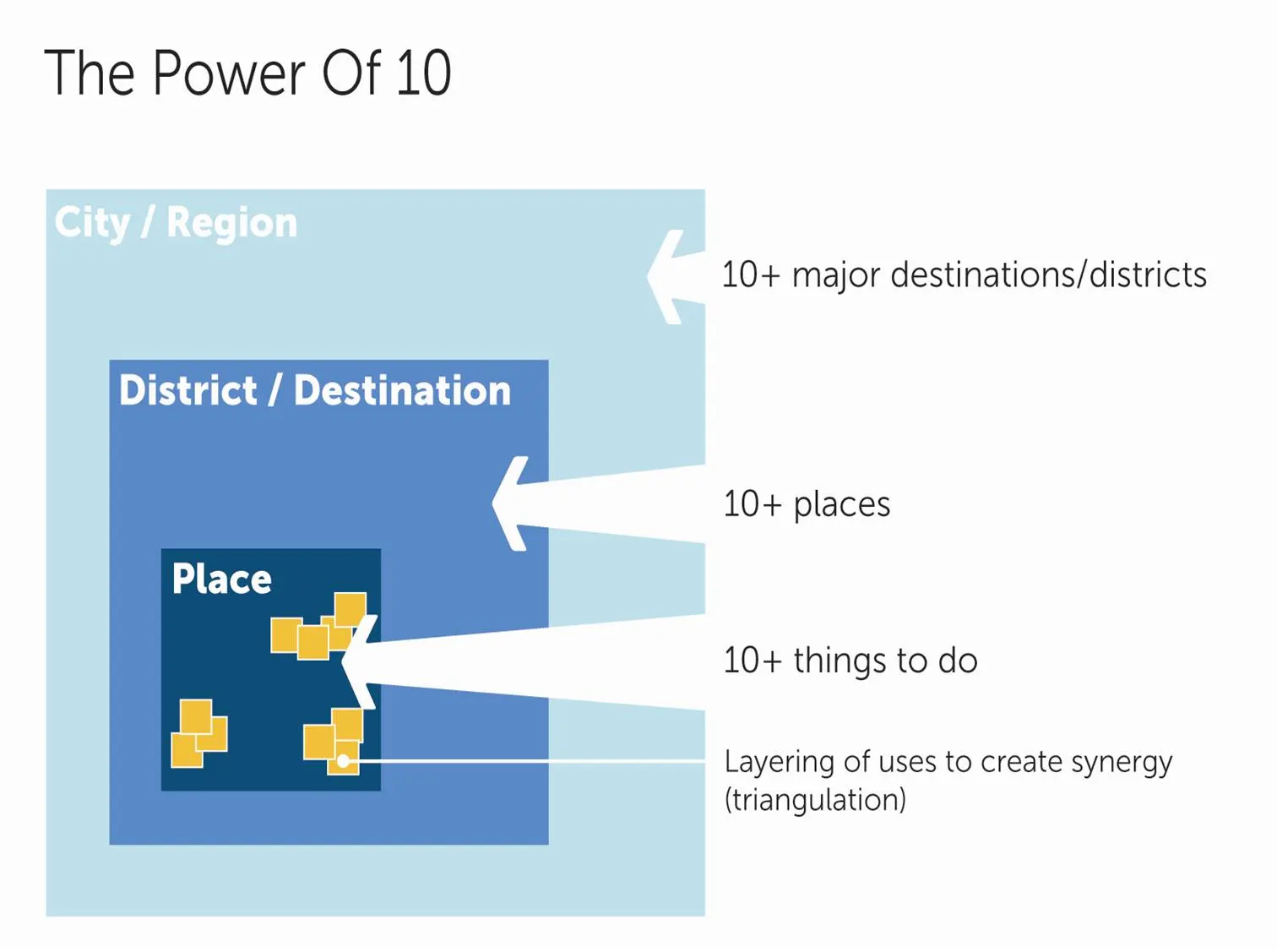
The reciprocal gestures process can gradually build up to establish the Power of 10+. In our placemaking work, we talk about how a place needs to have 10+ activations or uses in it to be attractive – 10 or more reasons people would want to spend time there. A larger area like a destination needs to have 10+ such places in it to be truly vibrant and attract visitation. Finally, a city needs 10+ vibrant destinations to be world-class. But all of that begins with one place. It is usually the creation of that one great spot that creates ripple effects which spread outward through reciprocal gestures, leading to more and more great spots and features popping up until that magic number of 10 is reached. The catalytic individual place begins this process.
Just Start
Reciprocal gestures are the mechanism by which one catalytic intervention becomes two, then three, then 10+ and eventually creates a great place. It can be daunting to think about how to transform a whole neighborhood from the get-go – a better way to approach change is to just start. The simple act of creating one great thing is powerful because it influences its surroundings and neighbors. Progress is infectious. When one creative thinker takes the chance to make a great place, more great places follow in its stead. In no time, widespread change follows, and everyone benefits. Through reciprocal gestures, the impact of inspiration and improvisation can be profound and truly transform a place.
Further Reading
Other examples of reciprocal gestures from around the world
Paris and the Seine
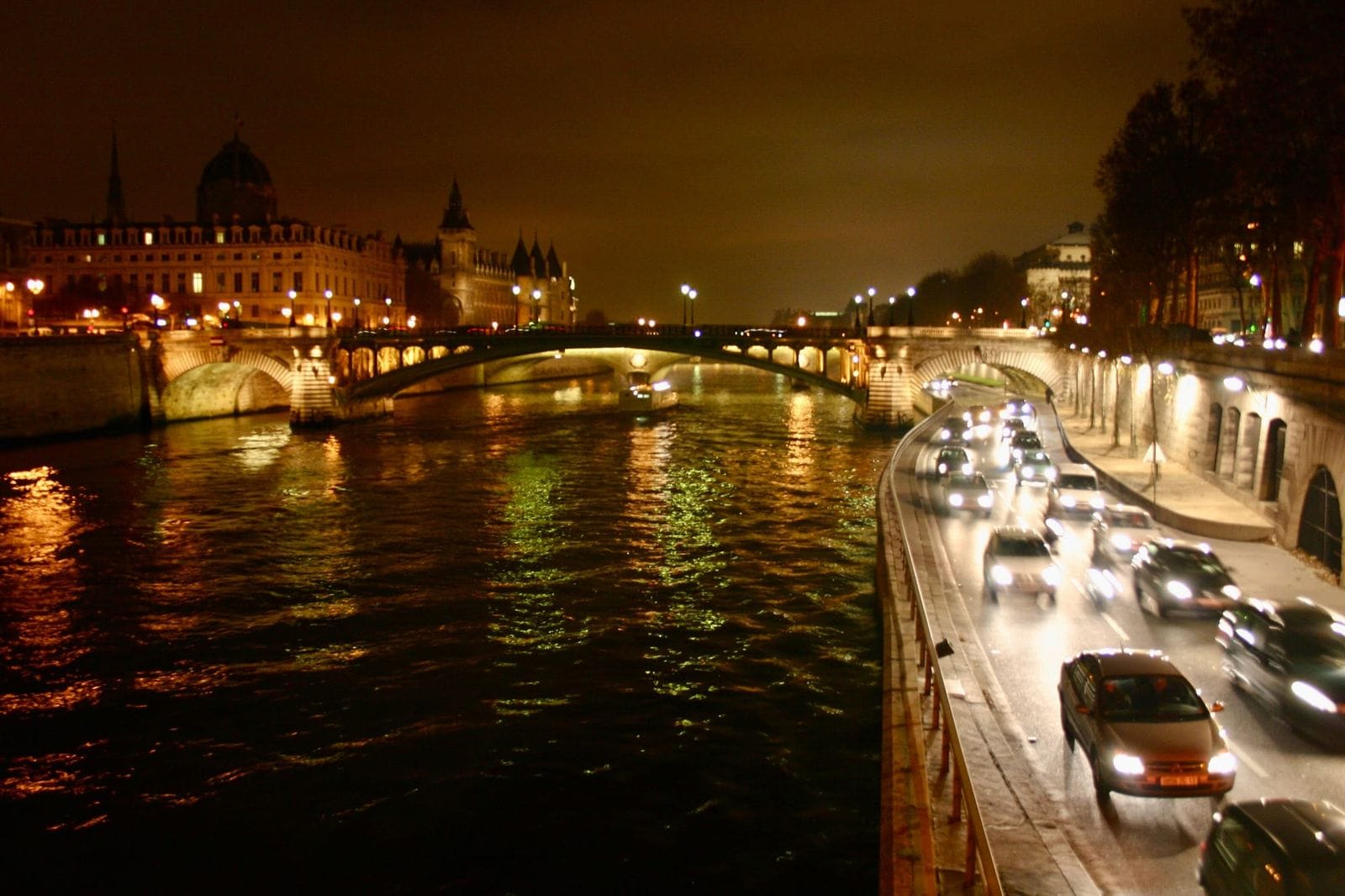
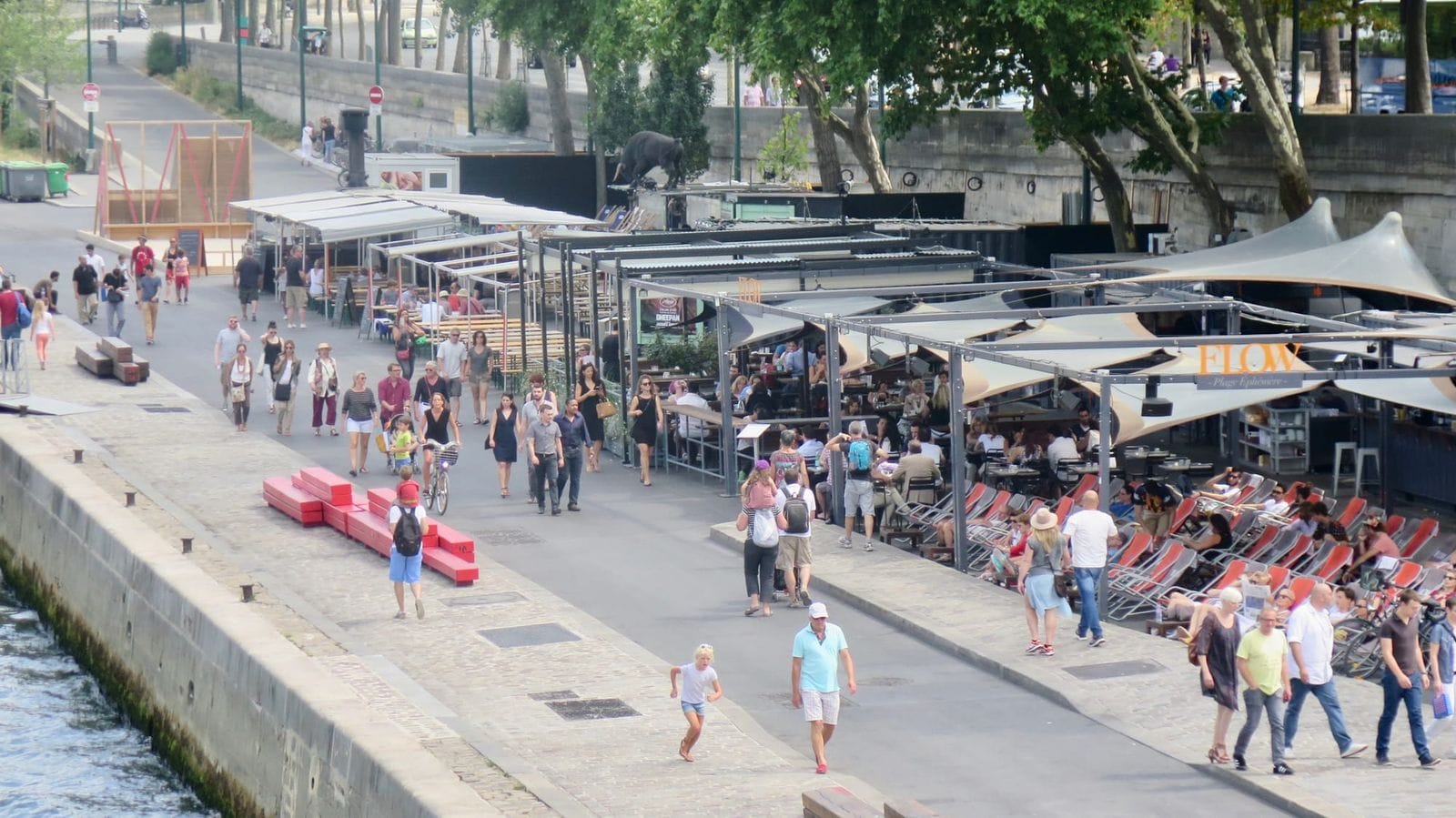
Before and after the pedestrianization of the Seine which started a large-scale transformation of the whole city to be more people-friendly
Fred Kent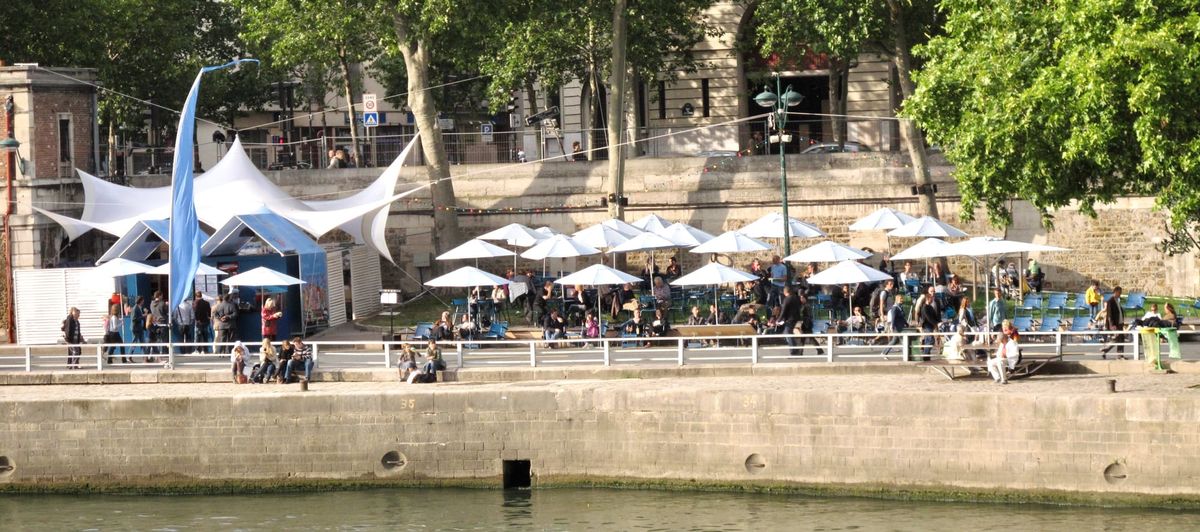
New Haven's Street Widening
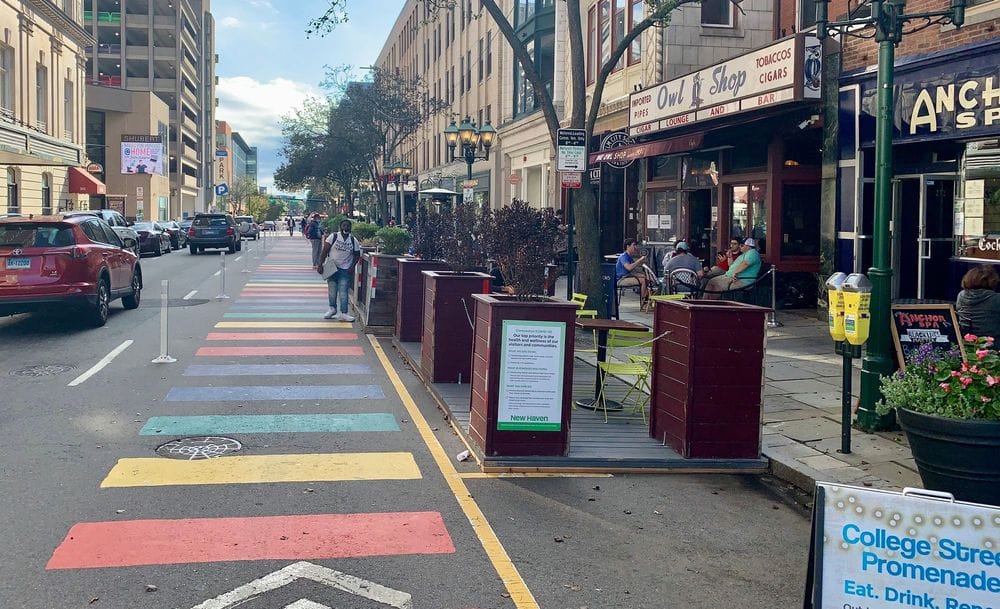
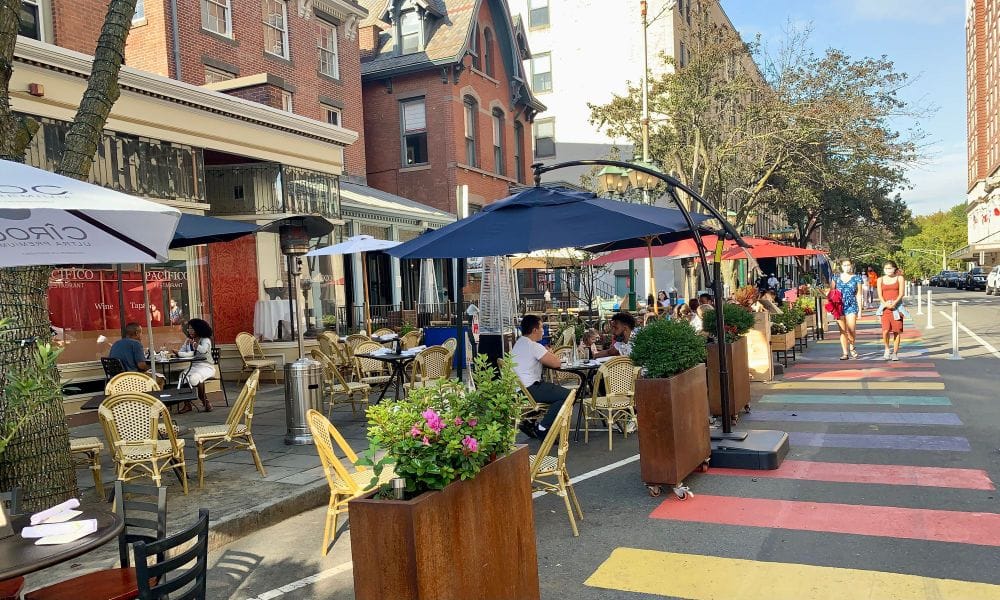
The street widening in New Haven created a chain reaction of fantastic outdoor dining areas along its length
Fred Kent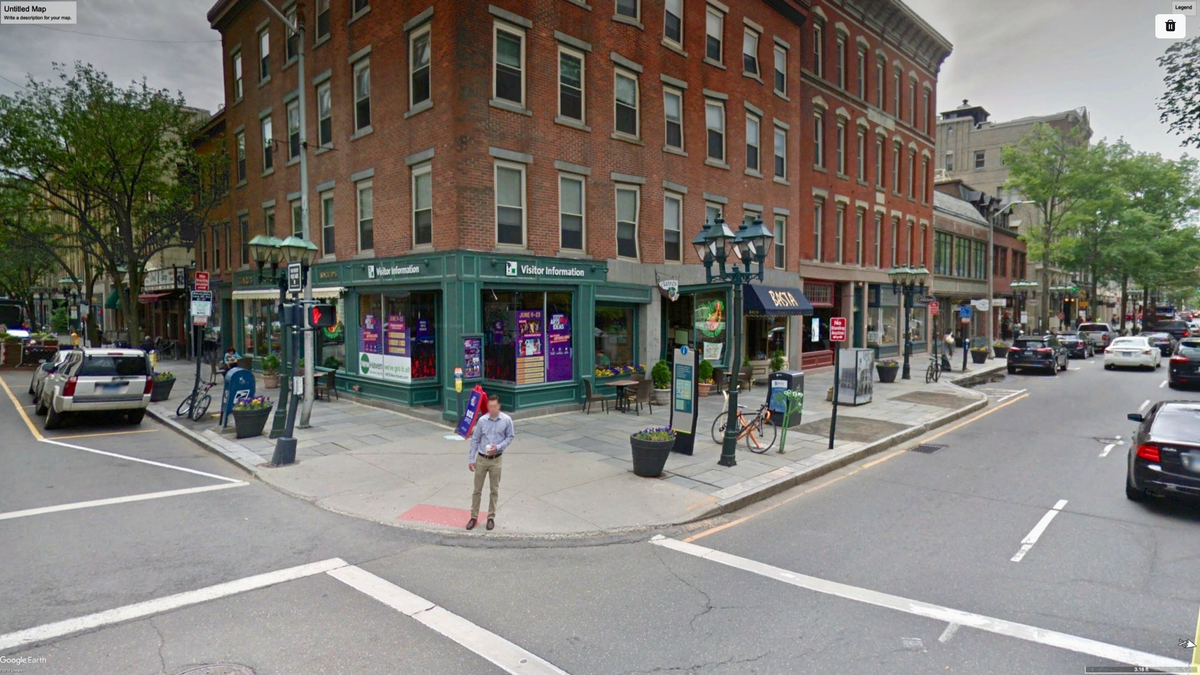
The Farmacy and other social hubs in Brooklyn
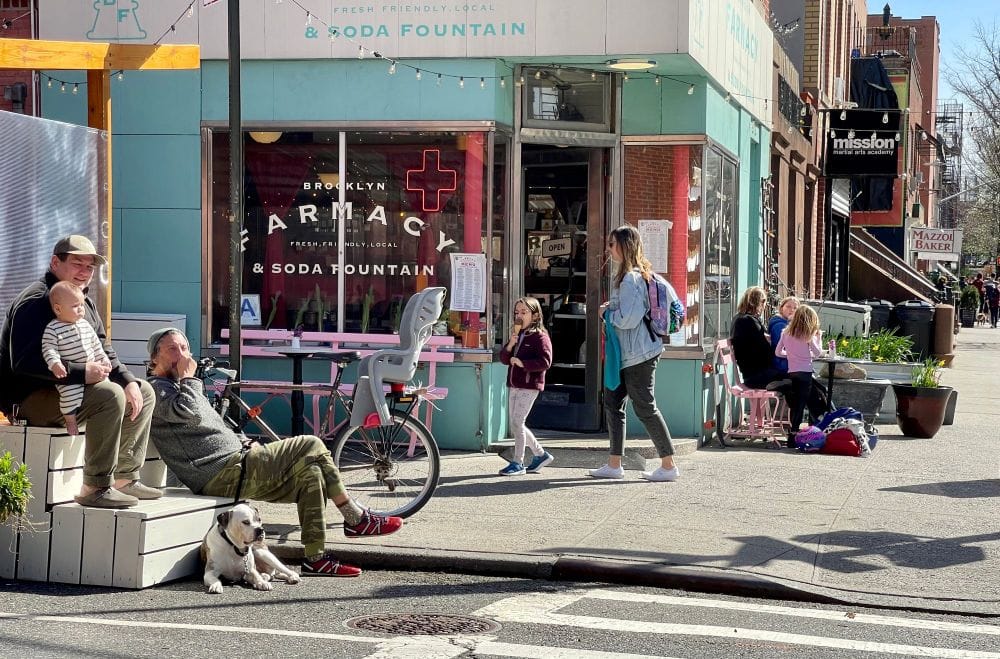
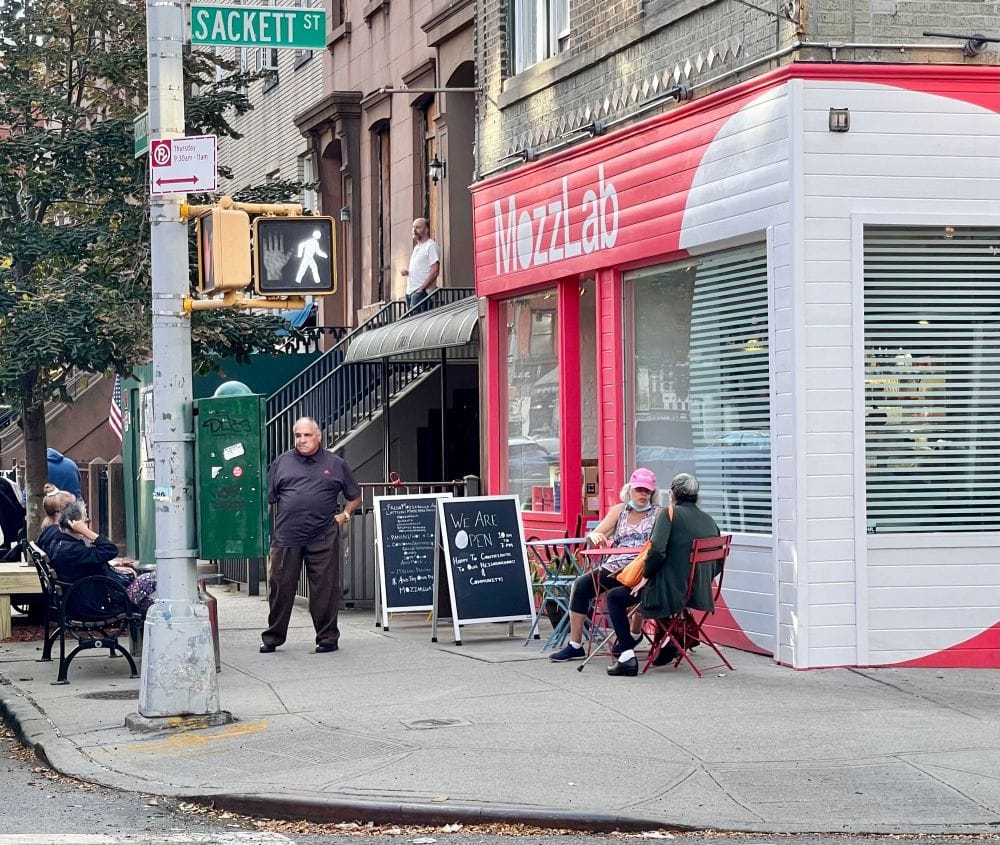
The MozzLab outdoor dining area popped up after the Farmacy outdoor dining area became the heart of community life
Fred Kent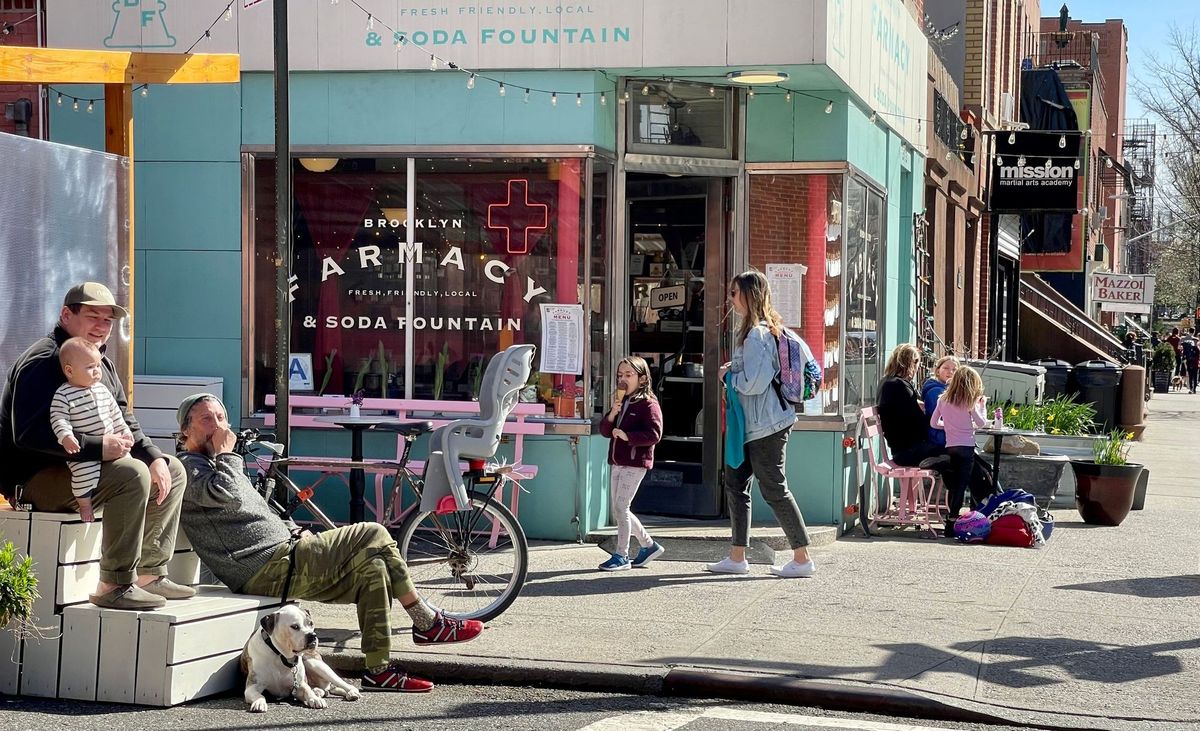
The spread of great corners at an intersection
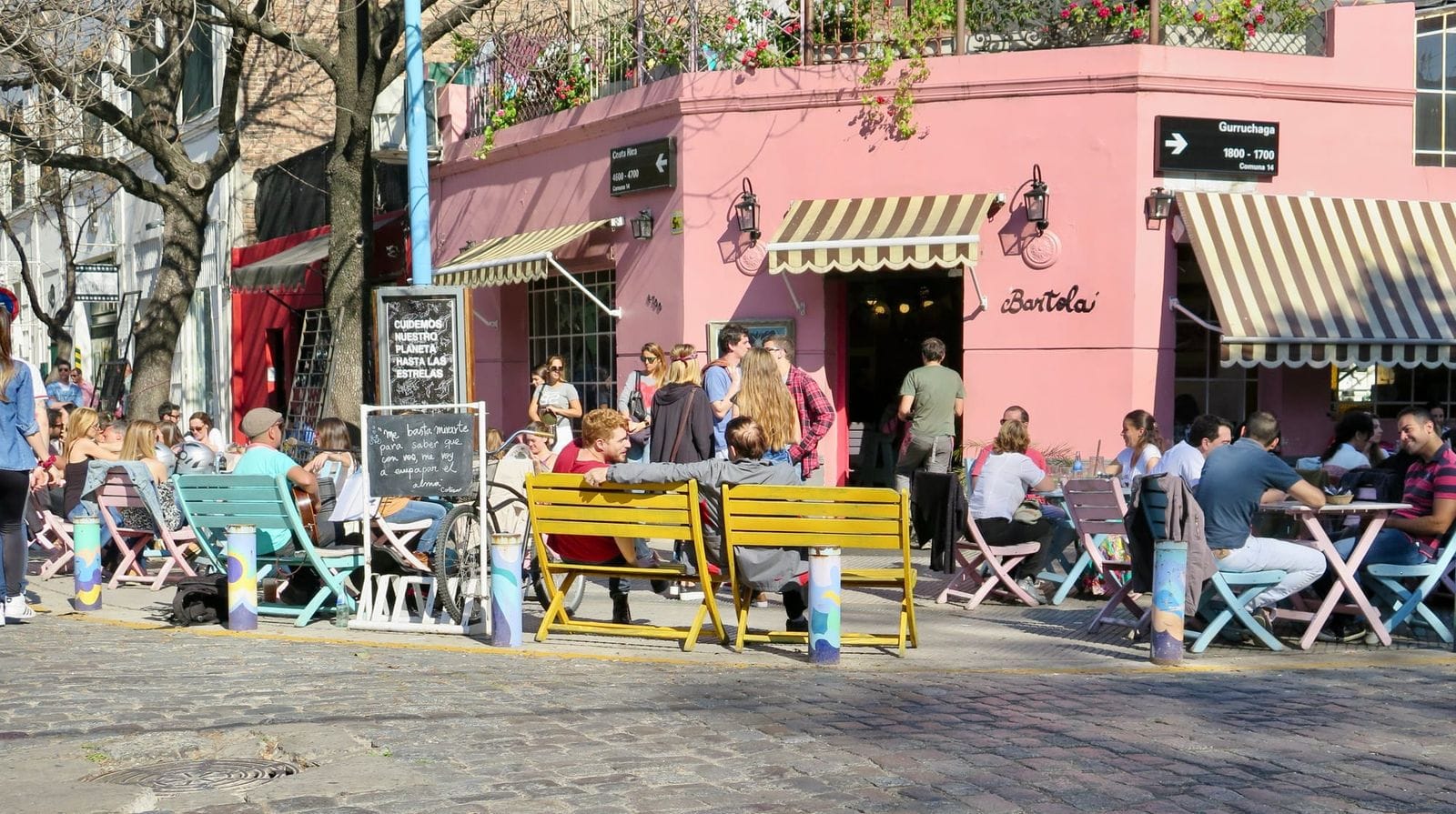
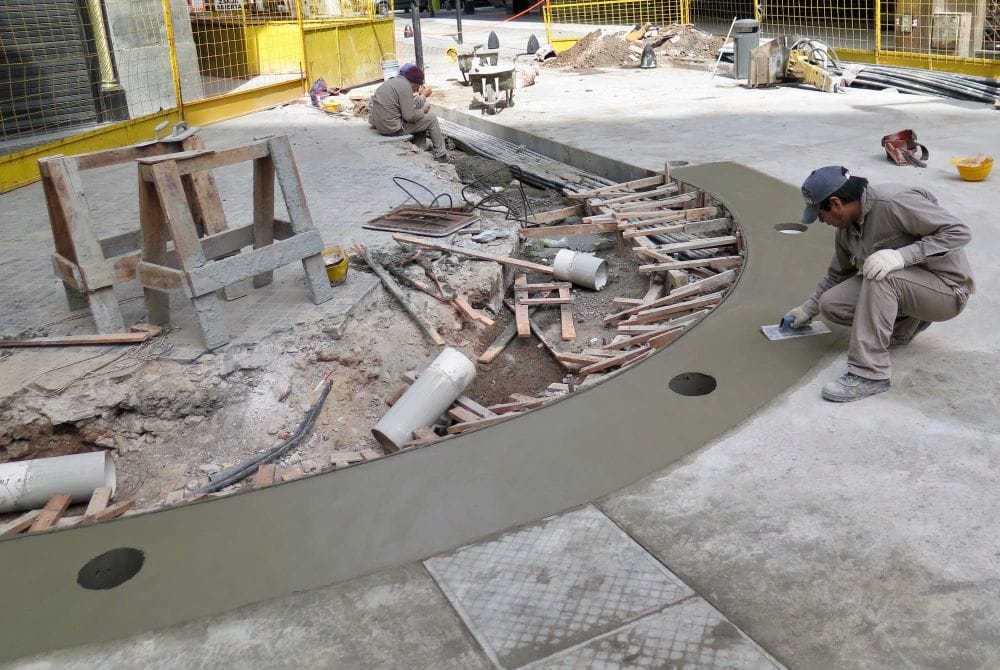
From one great corner to another - when one corner thrives with outdoor seating and activation, the others follow suit
Fred Kent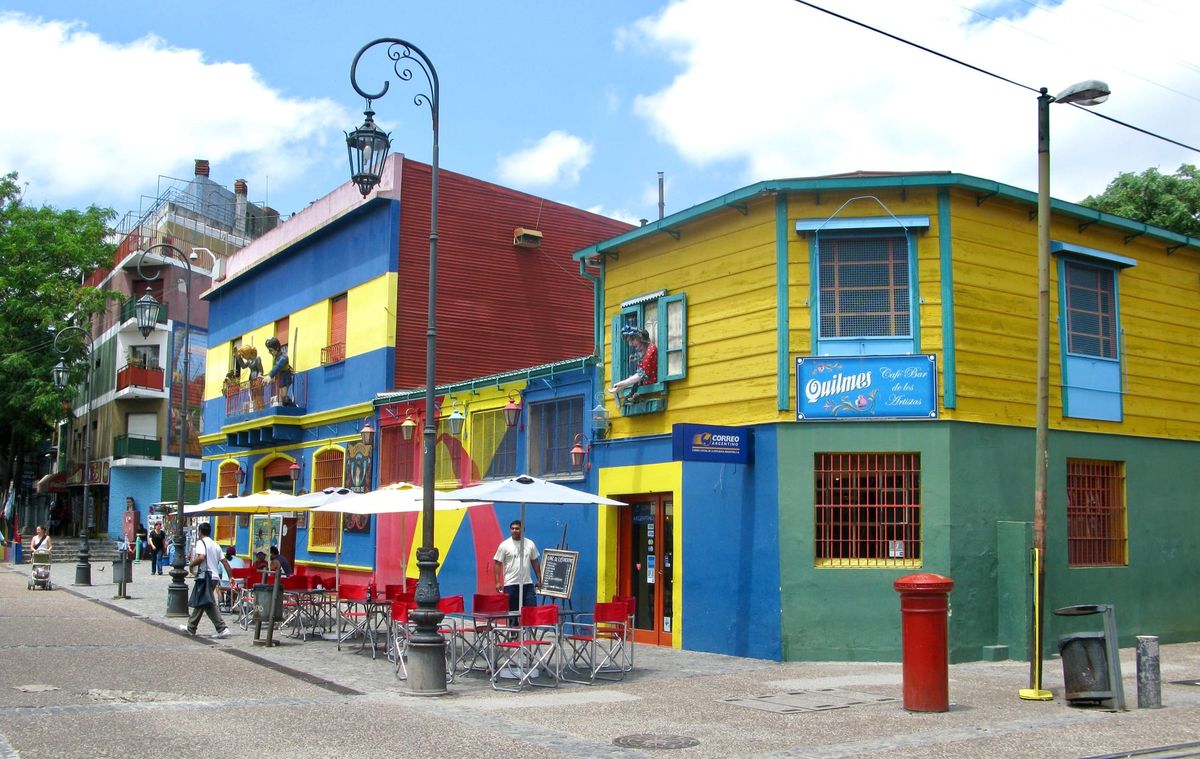
If you are interested in collaborating (articles, presentations, exhibits, projects, and more) or supporting the cause contact us.