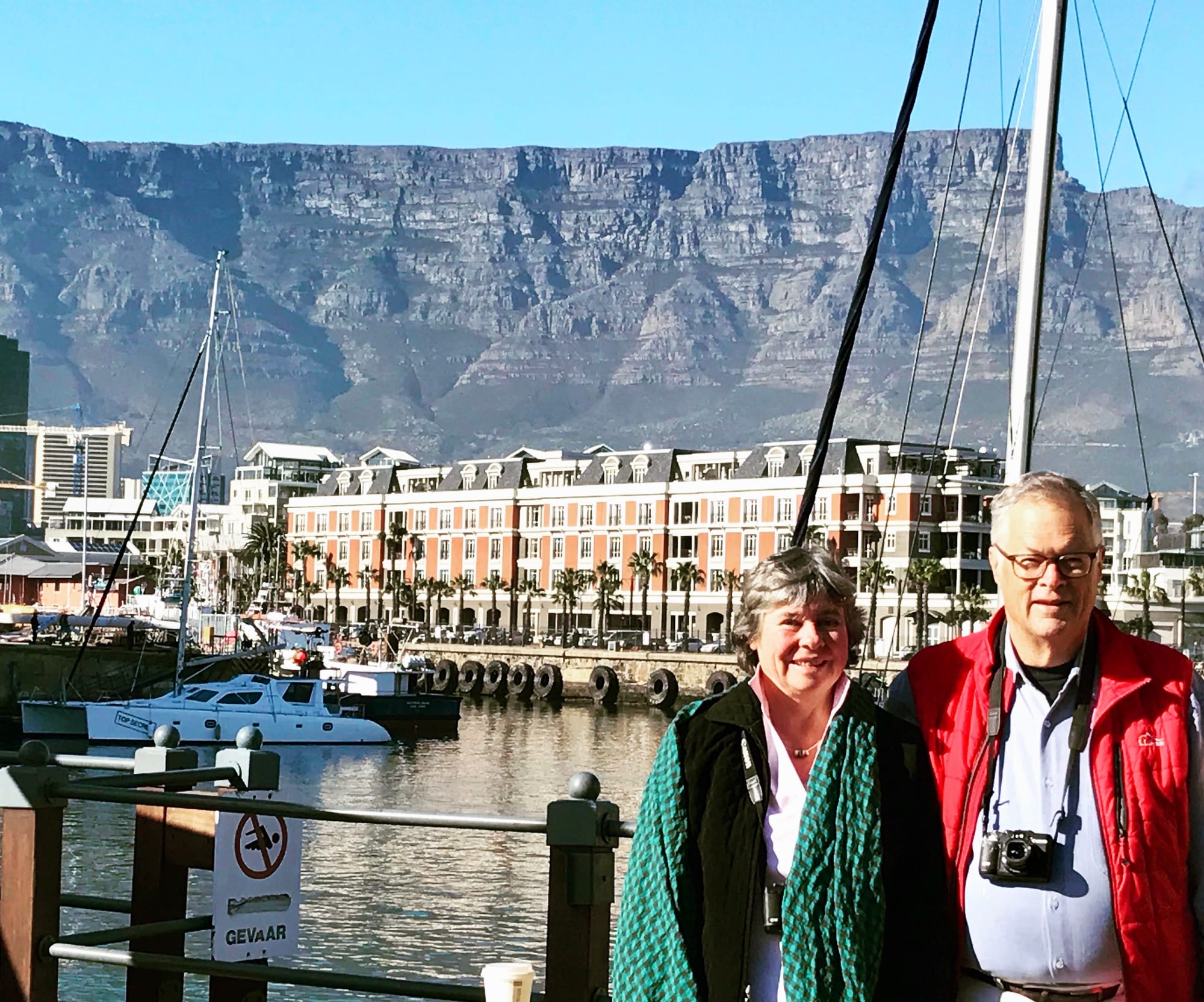
50 years seeing how places worked, or didn't
After founding Project for Public Spaces, for 40+ years Kathy Madden and I worked together on the Placemaking movement, ultimately leading the Social Life Project which we formed in 2018. Many others joined us along the way and together we have been growing the movement globally, helping communities big and small create thriving public places.
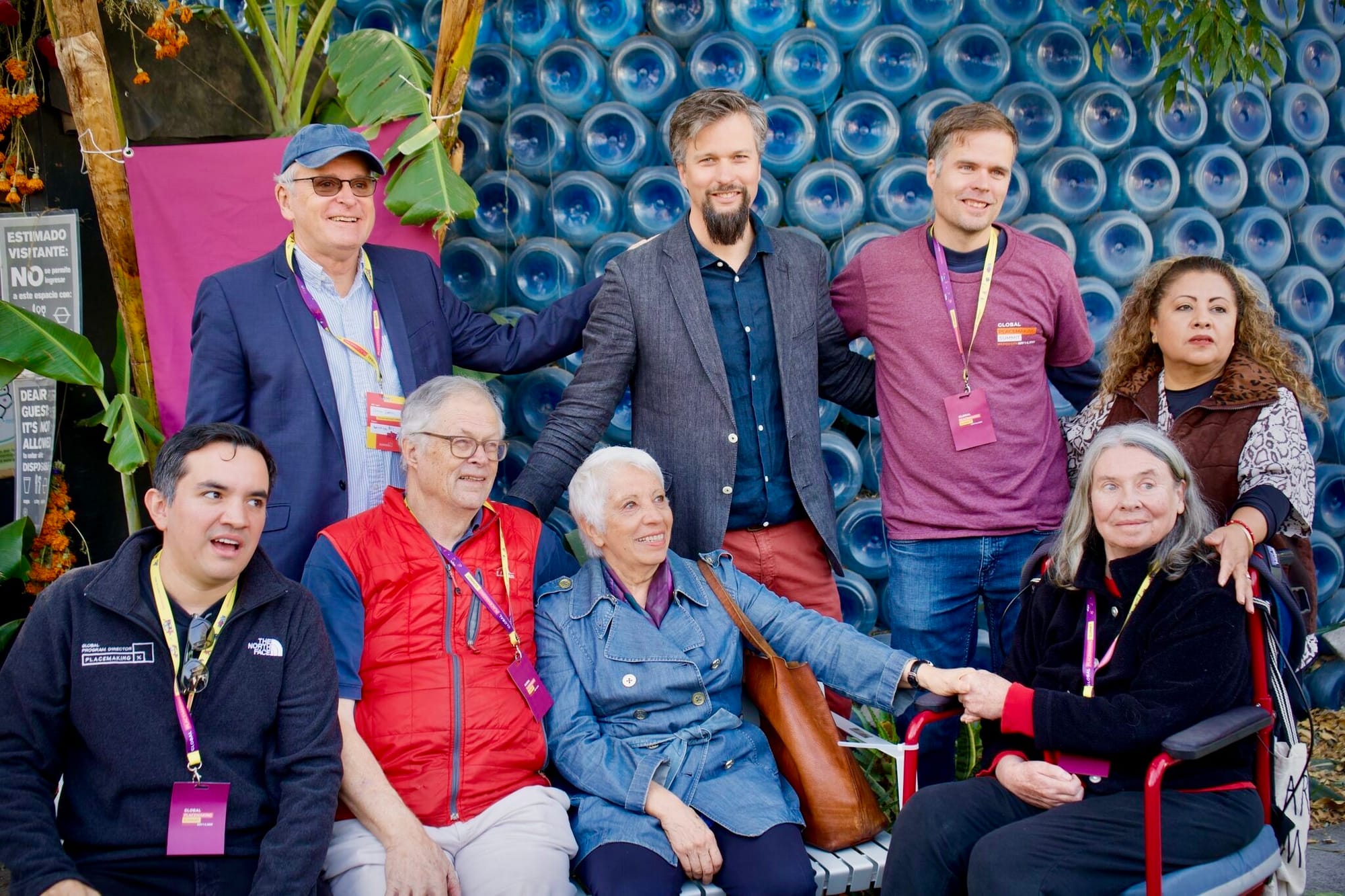
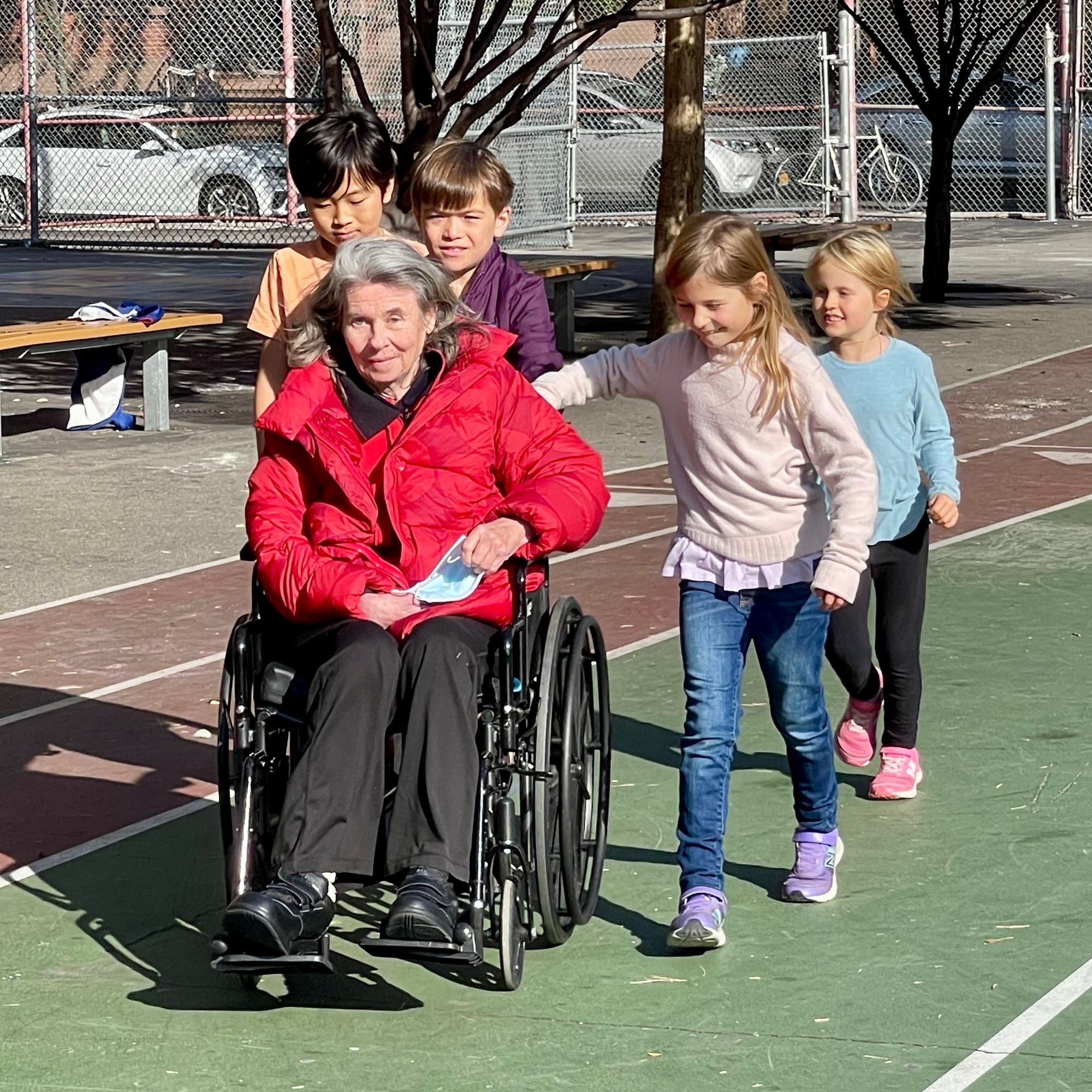
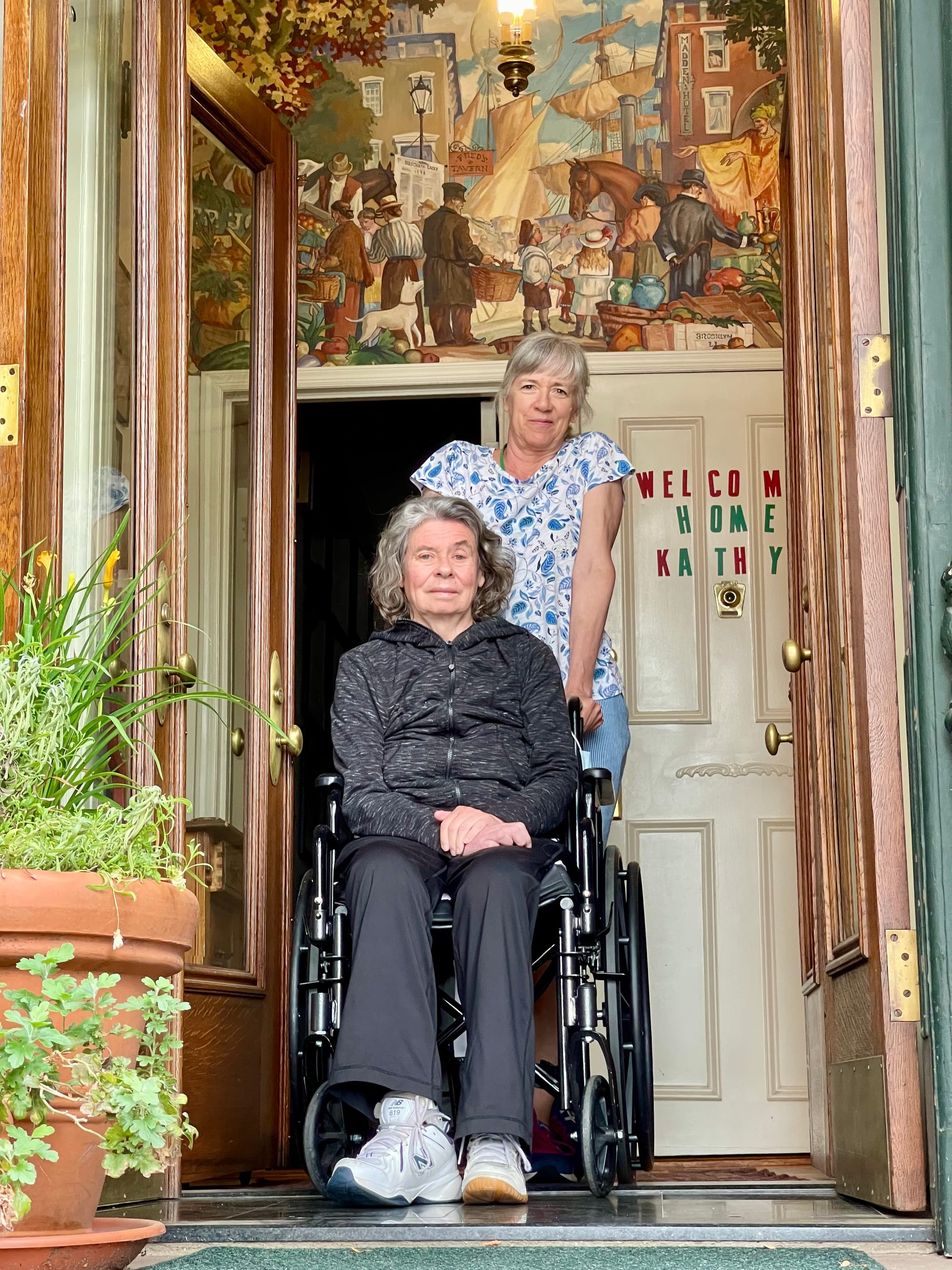
Kathy was the love of my life. She was my partner in everything we did. Our deep connection allowed us to happily and lovingly explore all kinds of places full of intense vibrancy and beautiful aspects of human life. Without ego, but with a shared curiosity, we believed we could do wonders for public places around the world. I think we did!
The last 100 years have largely been a failure when it comes to community development. Starting with the automobile in the 1920's and then the car-centric design boom after World War II, various disciplines joined in to create a massive, universal car culture which has led to communities that are unsafe, disconnected, and barely functional. This car culture continues tracking a course toward outcomes and systems that have proven inadequate for human development and deeply destructive for a sustainable future on our planet. Kathy and I were committed to changing that. Building cities for people instead of cars is the way forward and our work together was focused on showing people how.
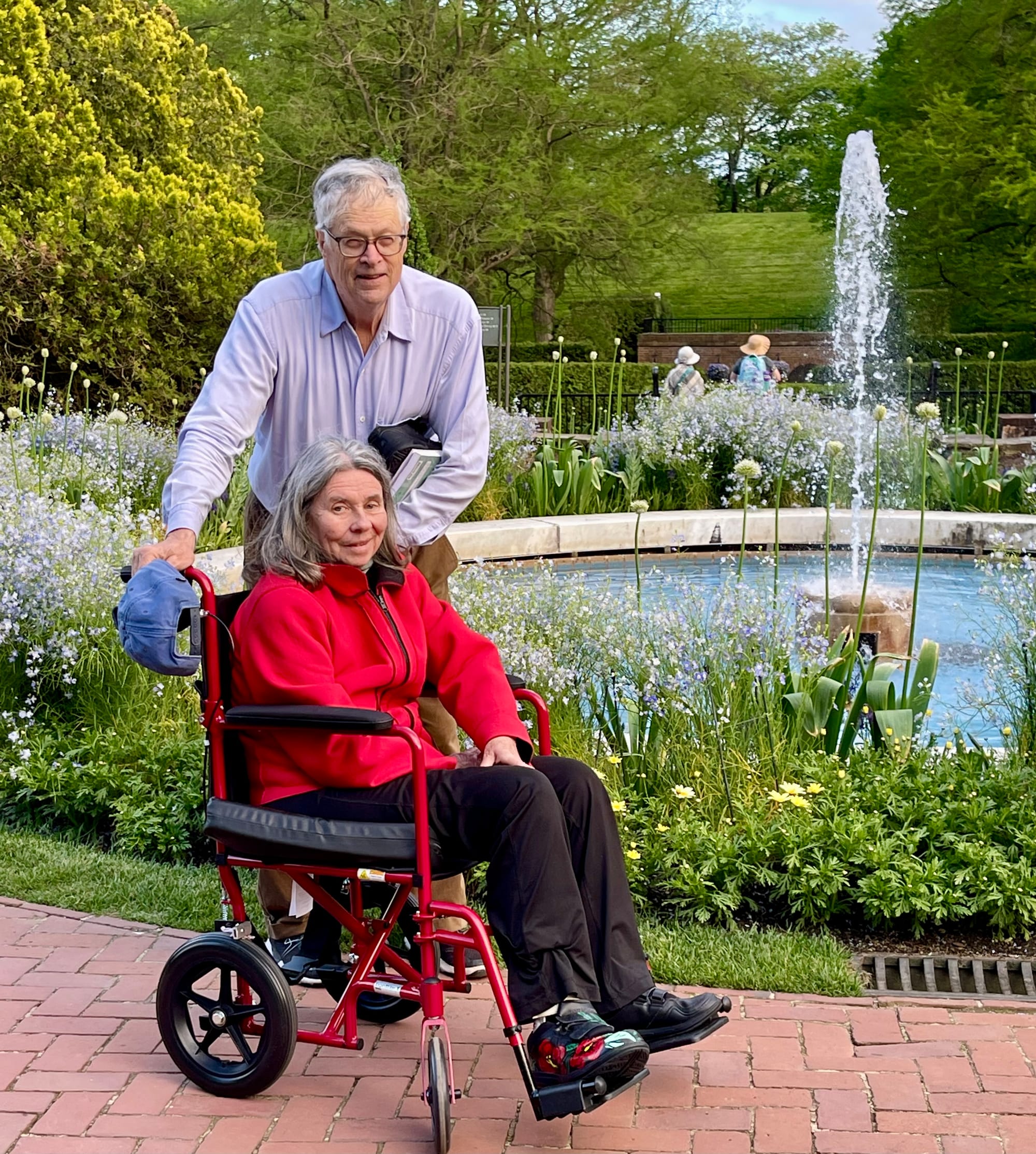
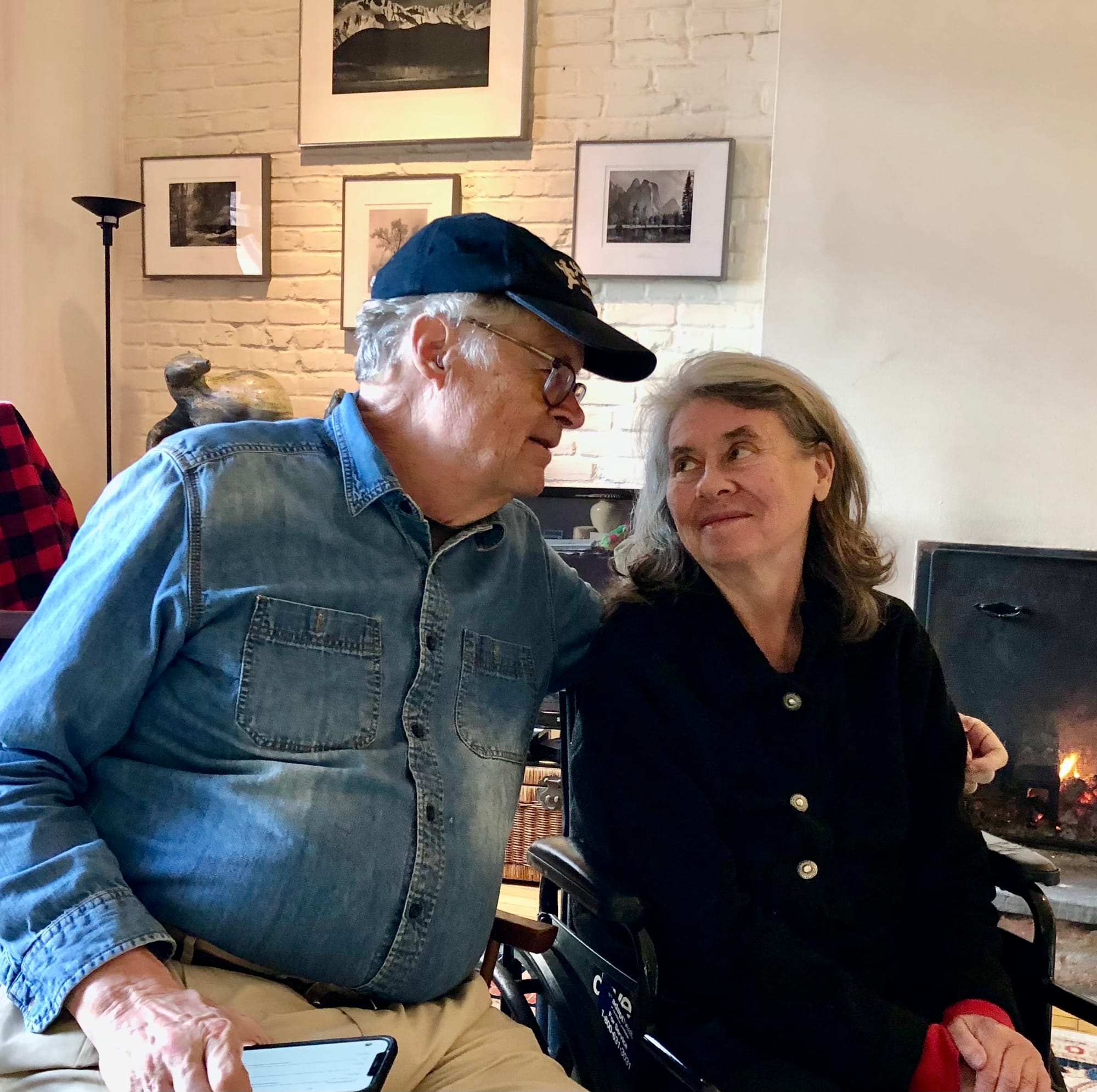
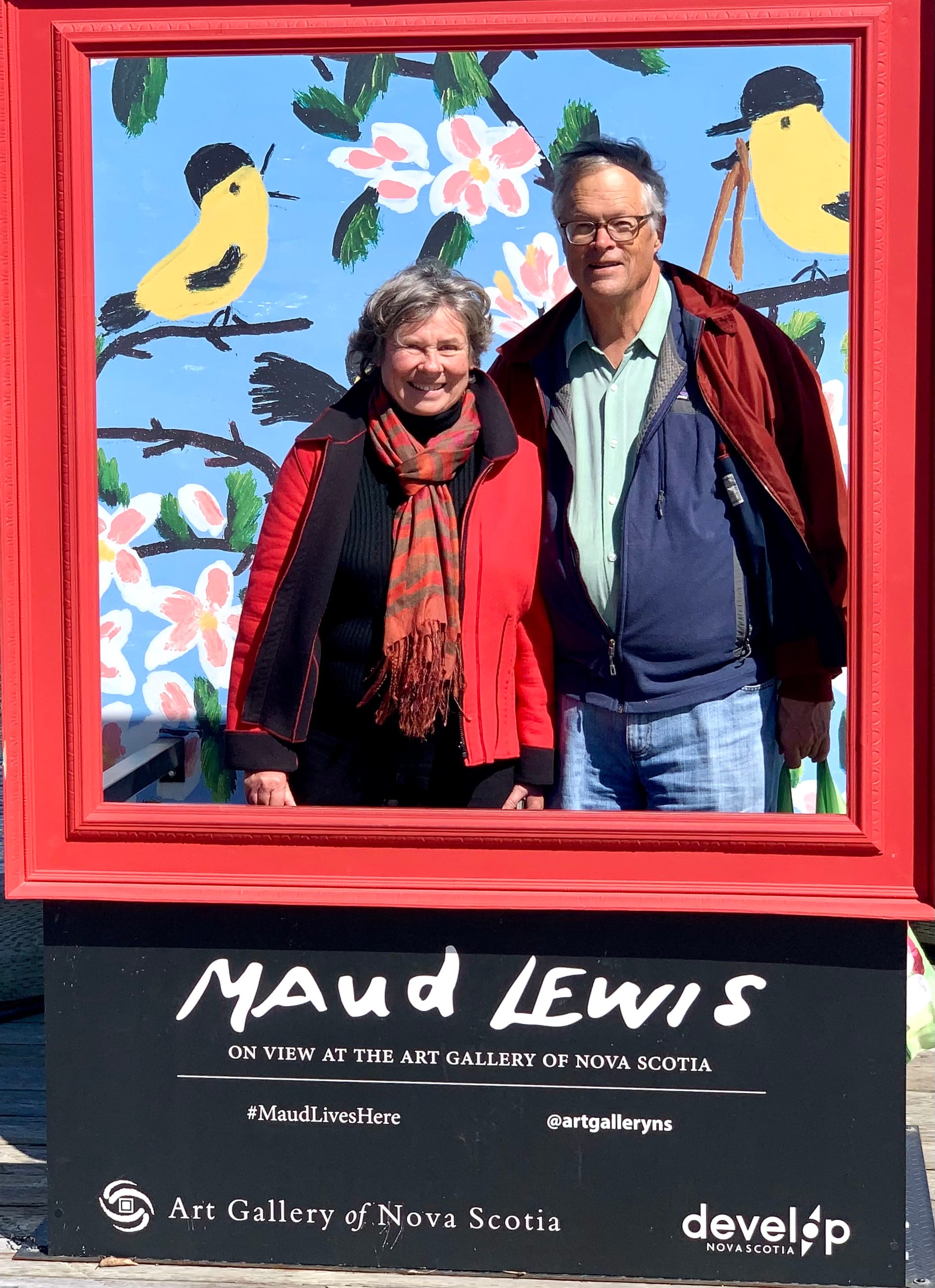
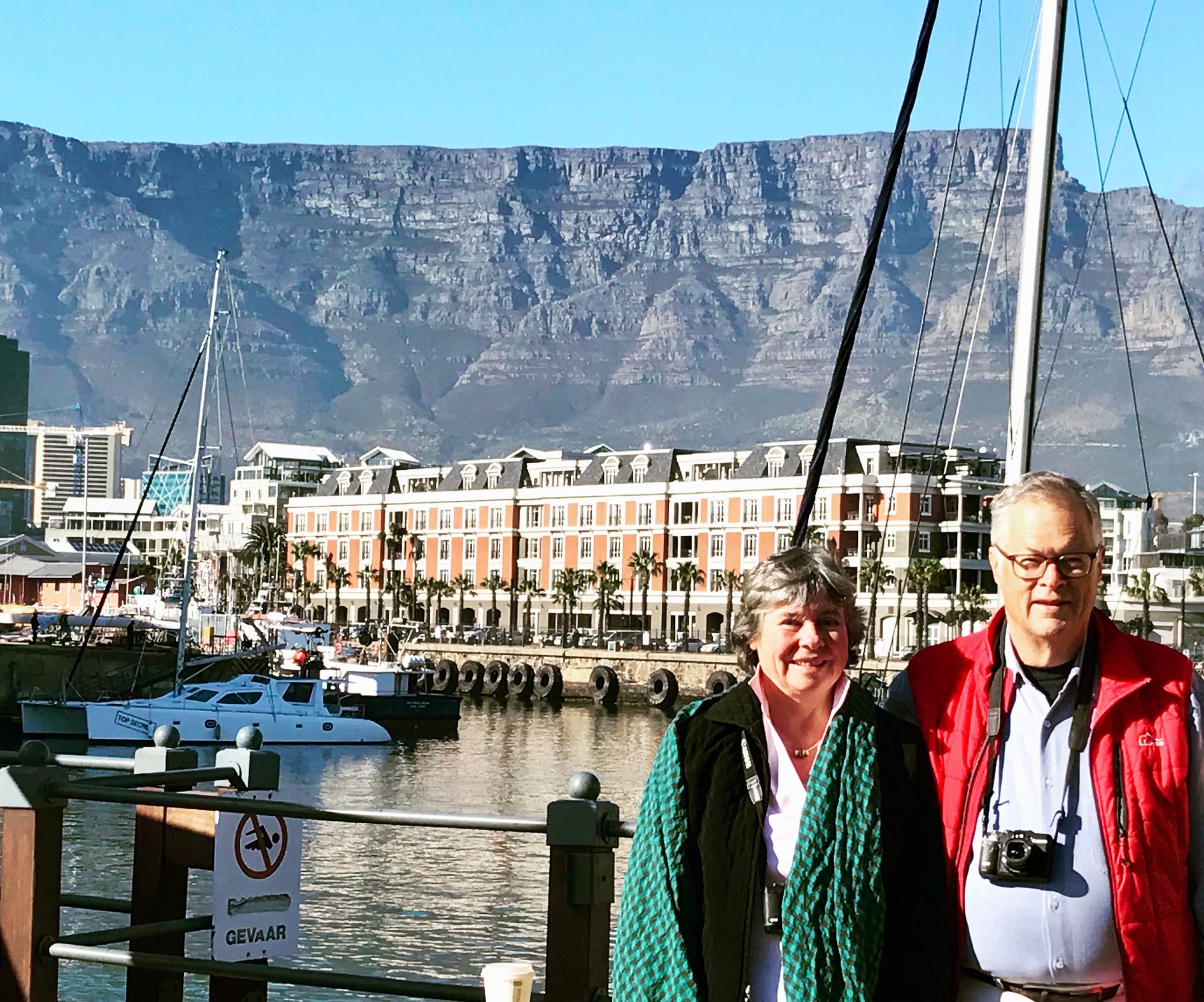
What We Saw – On Truly Seeing
The past 40 years I had with Kathy Madden were by far the best years of my life. It was the most amazing relationship because we kind of knew what the other was thinking as we would wander the world to look at and explore the best public spaces. We took many thousands of pictures every year. We both had our own style. Kathy took photos of certain things and I took photos of others.
Our photos offered a unique look at some aspect or other that seemed key to making a particular part of a space successful. She always had a keen eye for those things. Her family owned a resort and she grew up surrounded by the hospitality industry, an experience which developed in her an intuition for seeing what features in an environment made people either comfortable or ill at ease. She honed in on these things and it helped shape our understanding of what makes places work or not.
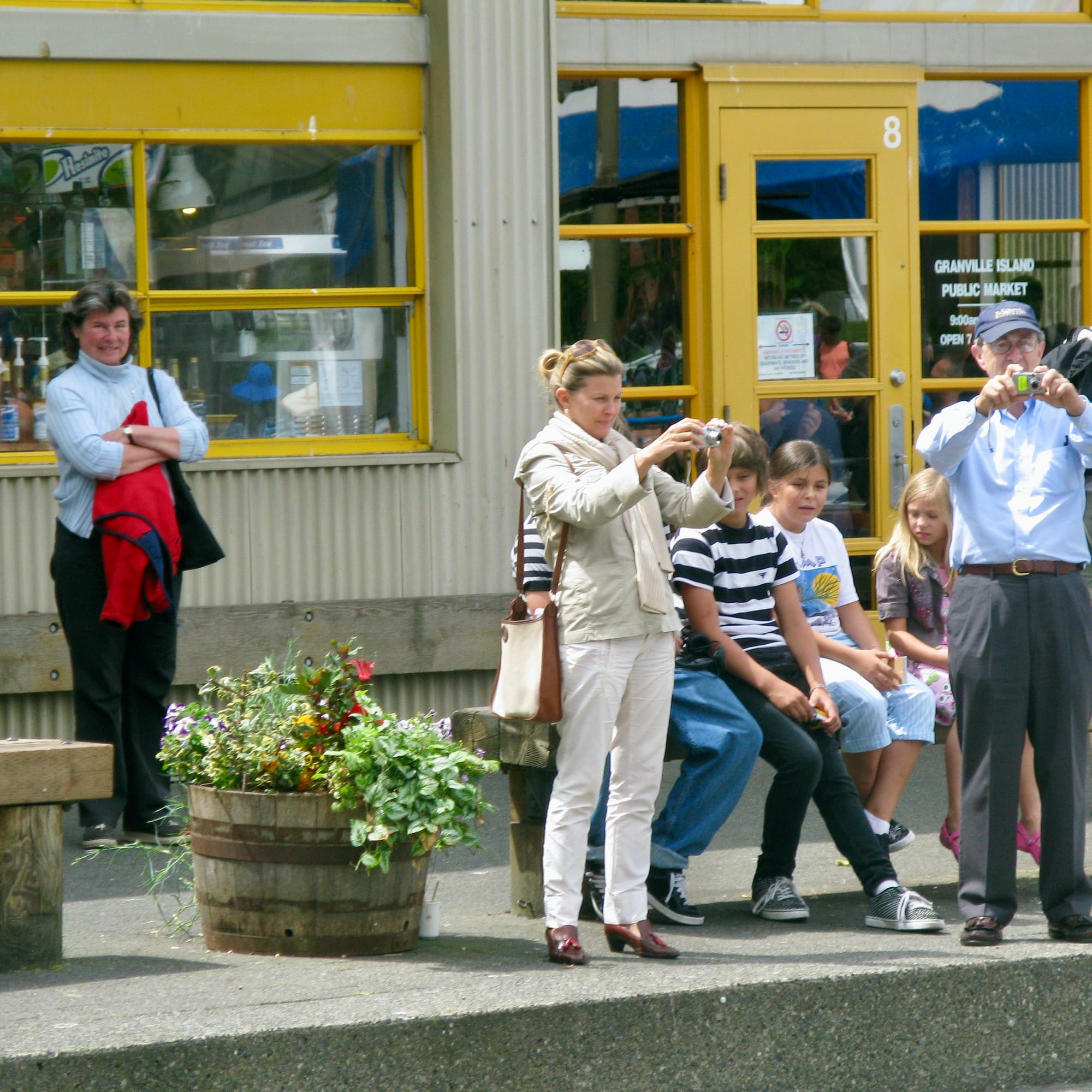
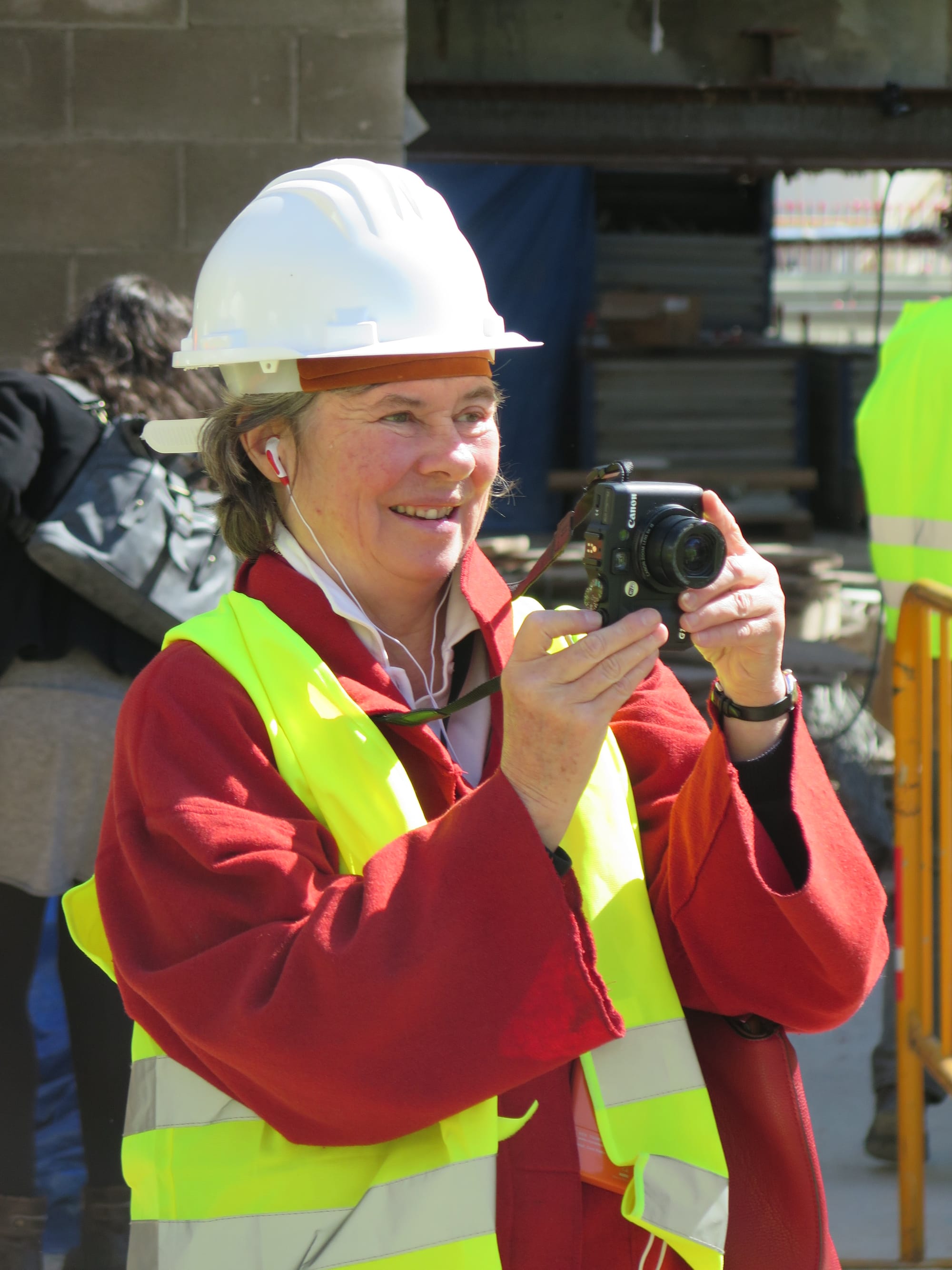
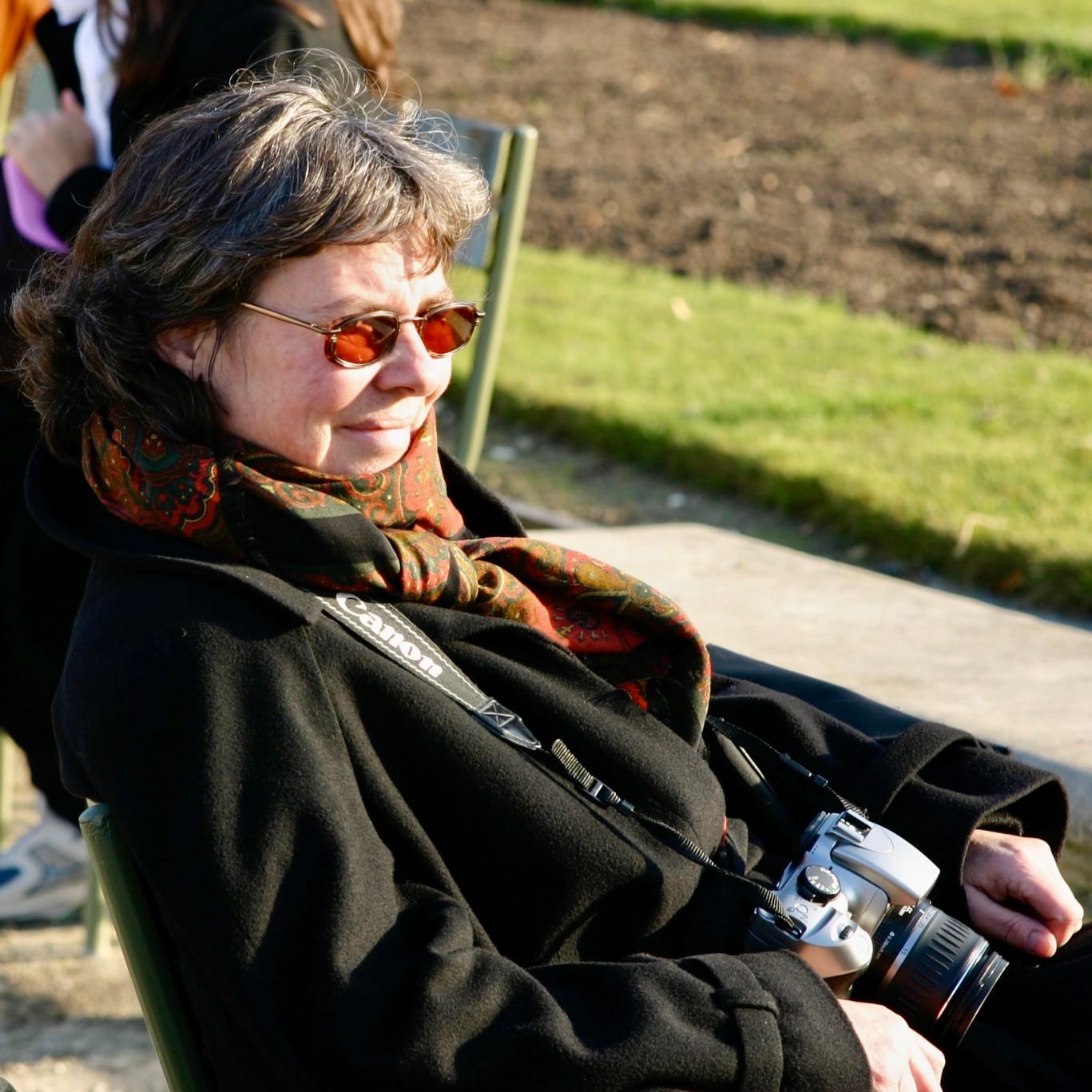
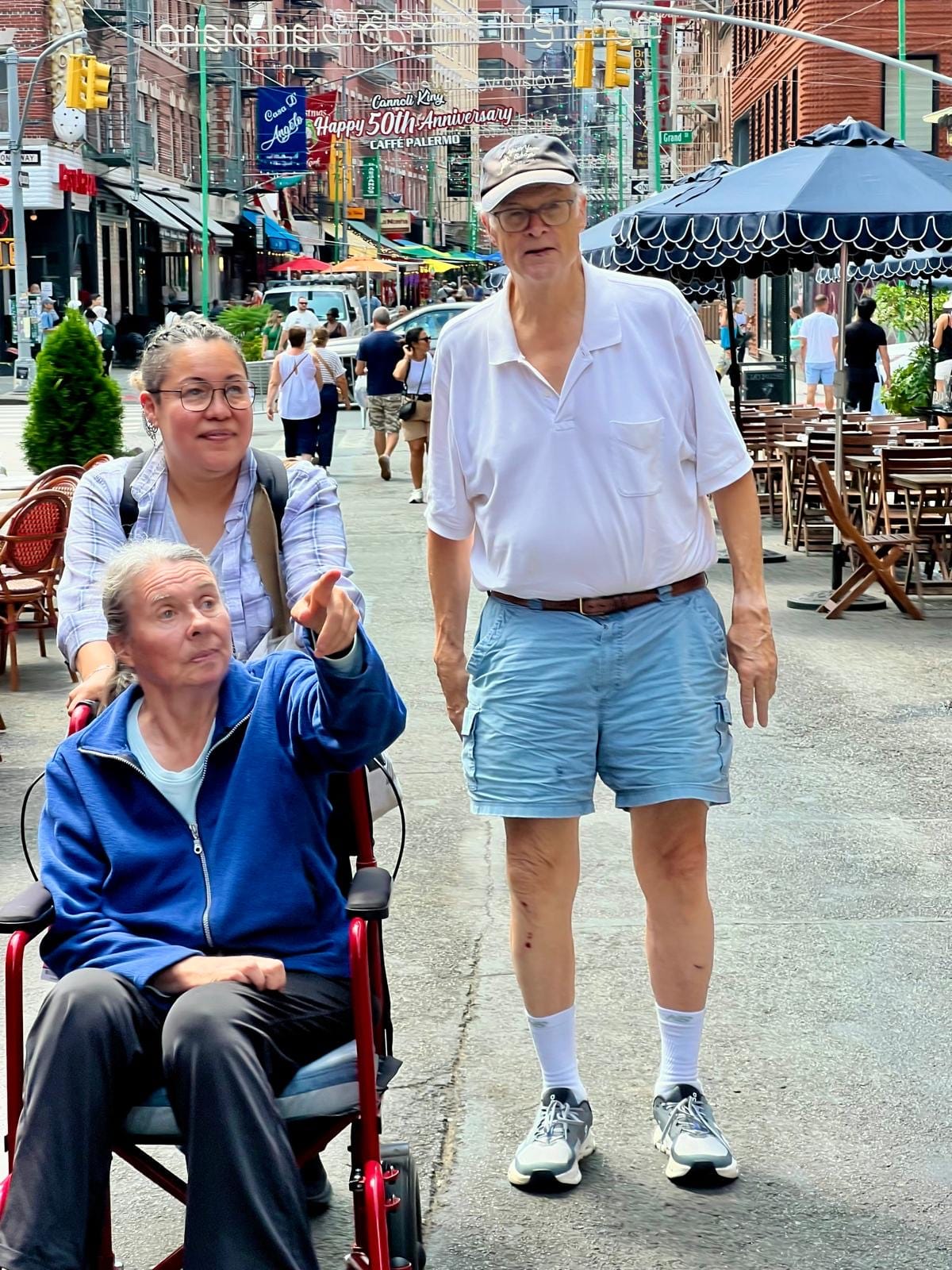
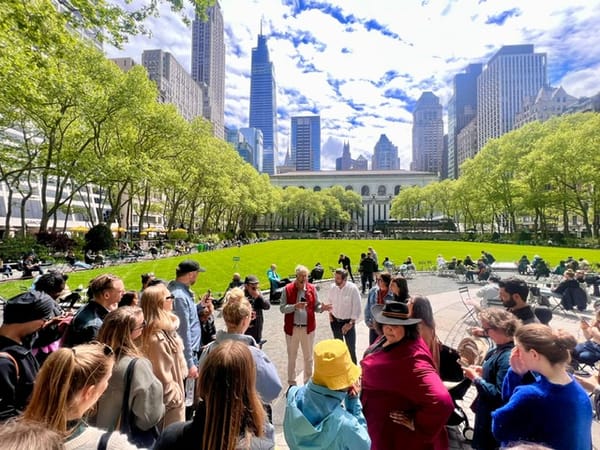
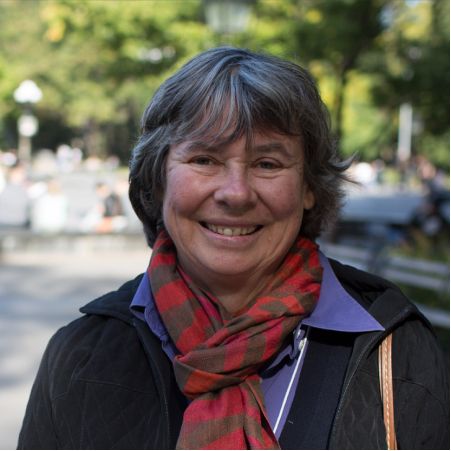
Kathy observing and participating in public life
How we worked together
During our travels, we would both take a lot of pictures (maybe a hundred each) of certain items or parts of a public space that stood out to us. One example could be a bench and how it connects various parts of a public space because of where it is placed and how it is designed. We found ourselves realizing the infinite possibilities that something so simple could present for social interactions and public life. It opened our eyes to much deeper insights on place by giving us an understanding of how simple interventions could have a powerful impact if handled with the intention to encourage social life and community.
Over the last 10 years, we went back and studied those pictures to better understand what we were seeing. That was when we came across what we have started to call the "WOWs" of a place – unexpected elements that make public places great. A unique kind of bench, a specific type of sculpture, a certain configuration of amenities – unexpected details that are the catalysts to that place's success.
These WOWs would then figure into a larger discussion about each particular kind of public space (plaza, market, sidewalk, waterfront, etc.) and give us insight about what makes certain ones stand out and have lasting success compared to others.
Finding the Aha!
Coming back from trips and looking at the photos from our travels together and then with the rest of our team, it reminded us of all the things that were going on in each place we'd visited over the years. We had a lot of fun thinking and discussing about our captured images, making posts with them, and revisiting them again and again to search for more insights. By putting each photo in a context with other similar images, we started to see a story develop that had some depth and intrigue to it about what made that place so special.
Finally, we would get to the Aha! – a good "story" regarding what makes a particular place great. A set of images people could look at and instinctively get a sense of why what's happening in them is important without needing long text and complex terminology to explain it. We believed these photo "stories" could be useful for other people to see so they could make similar realizations and insights as we had about what makes places thrive, then apply those insights in their own communities.
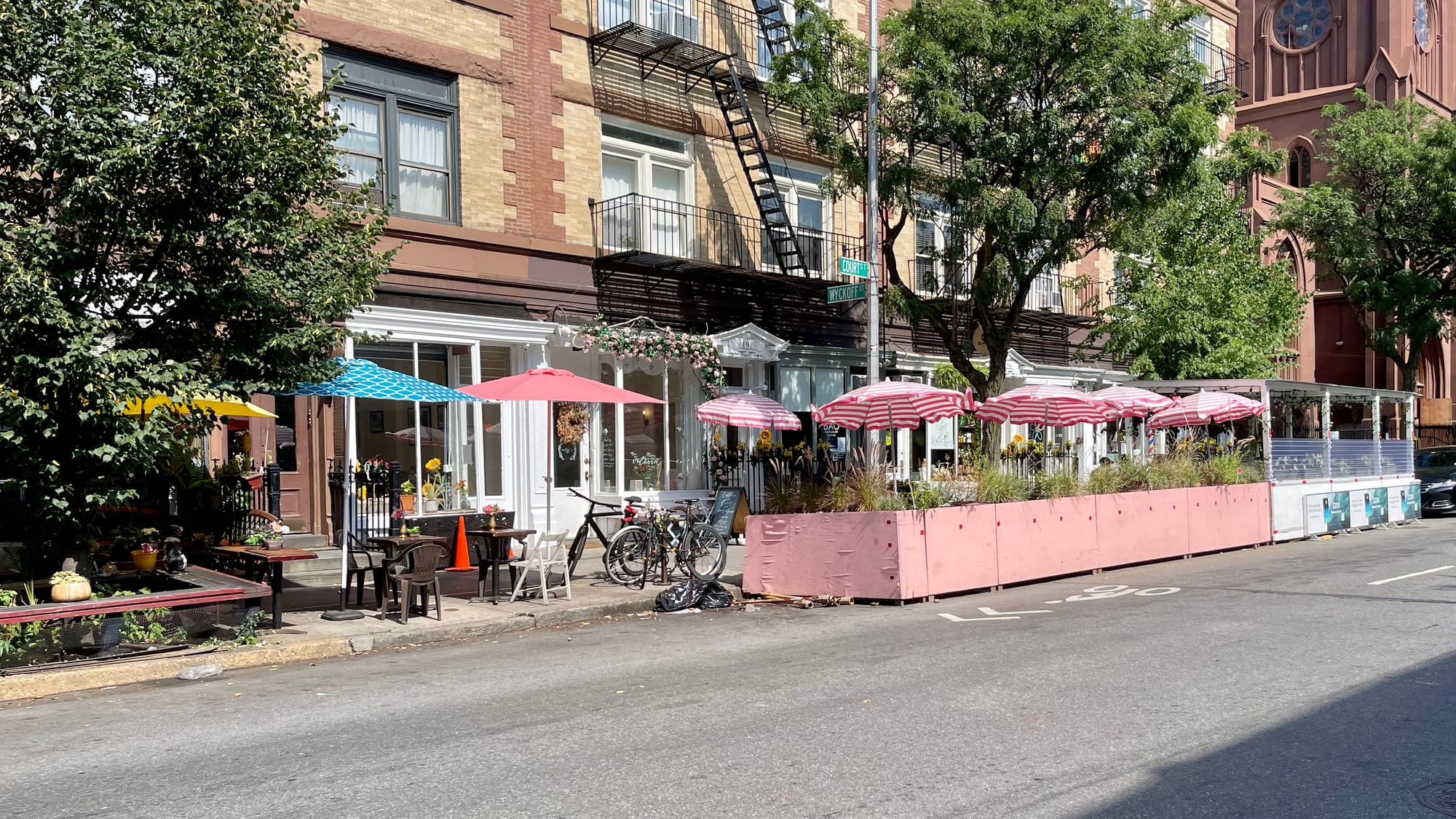
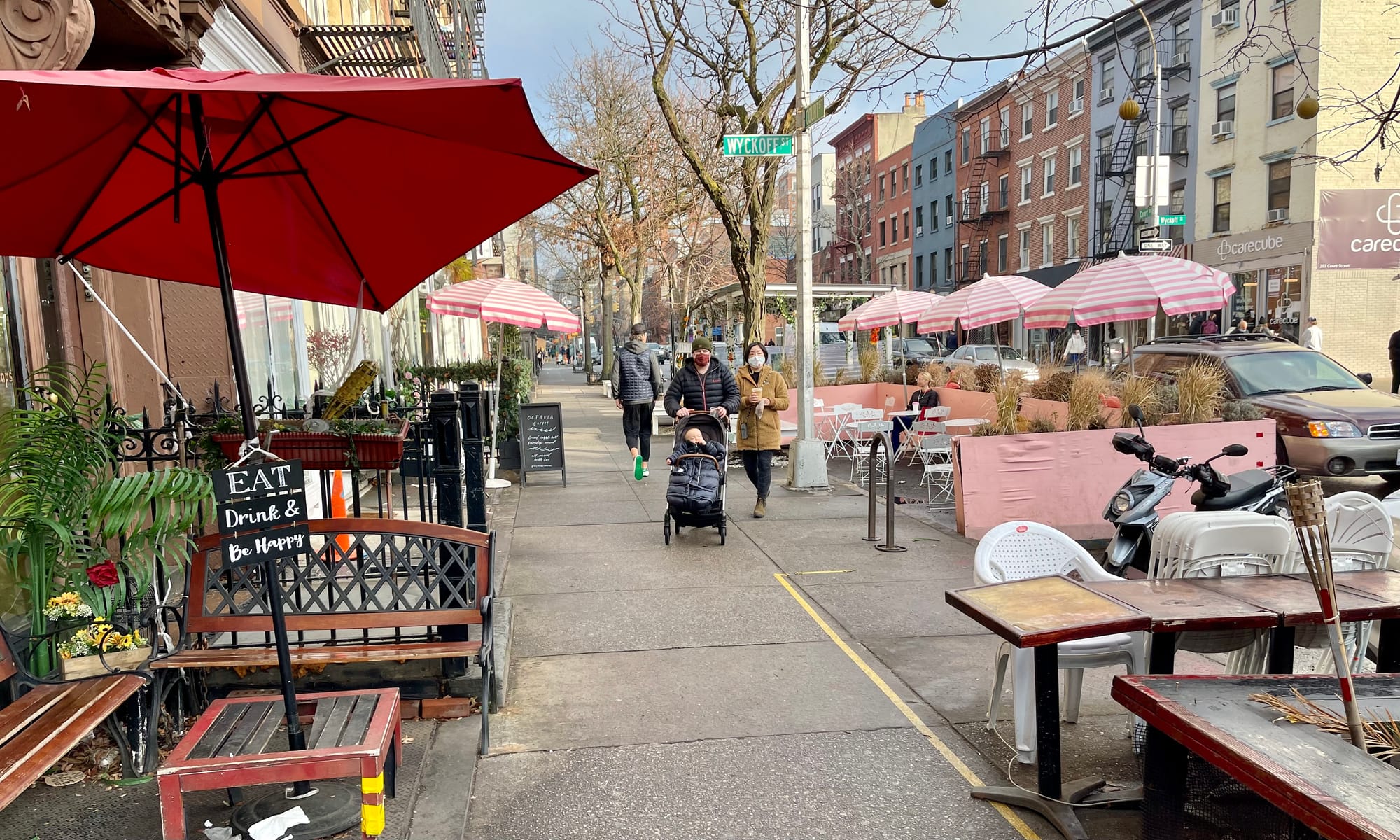
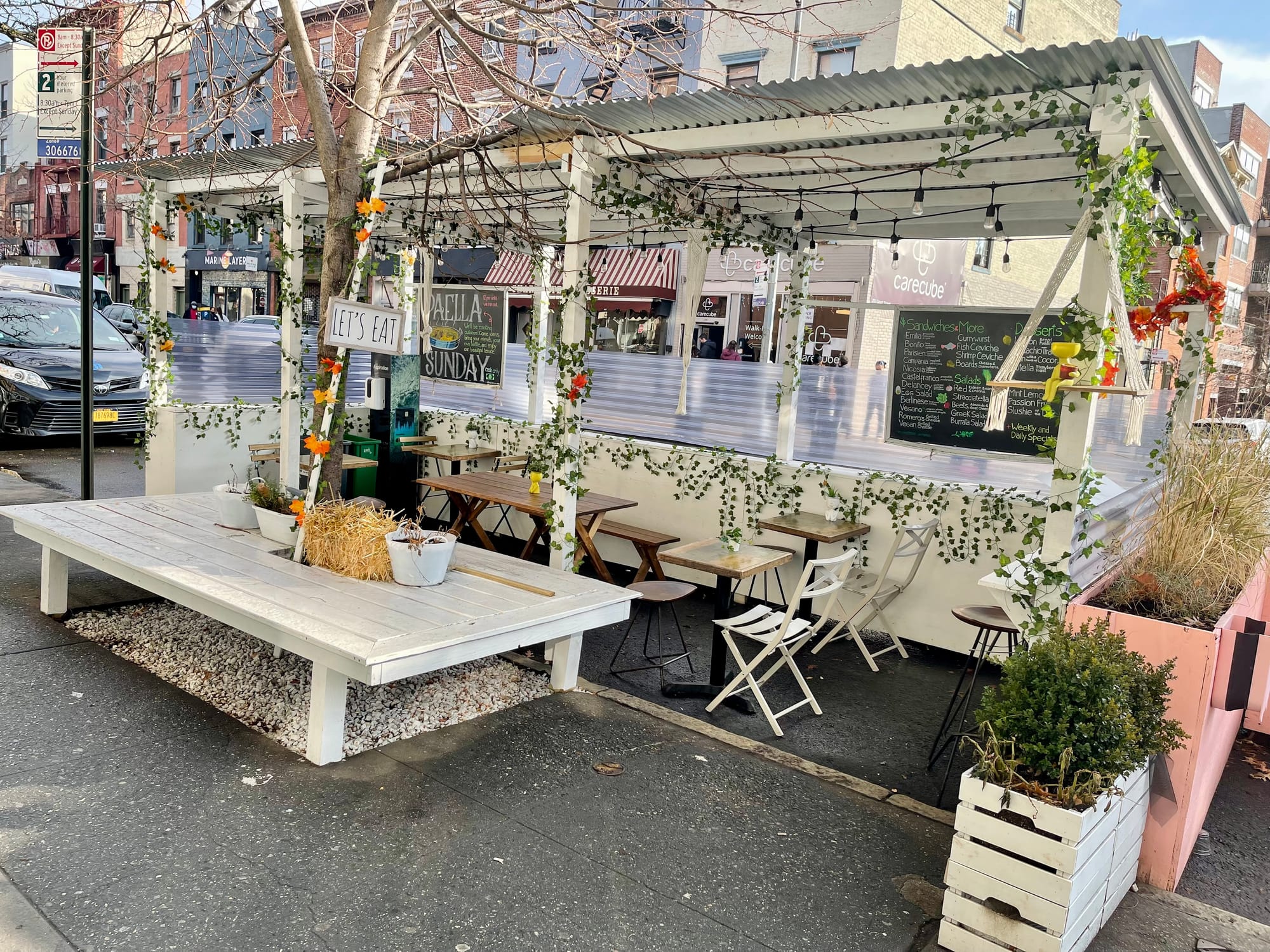
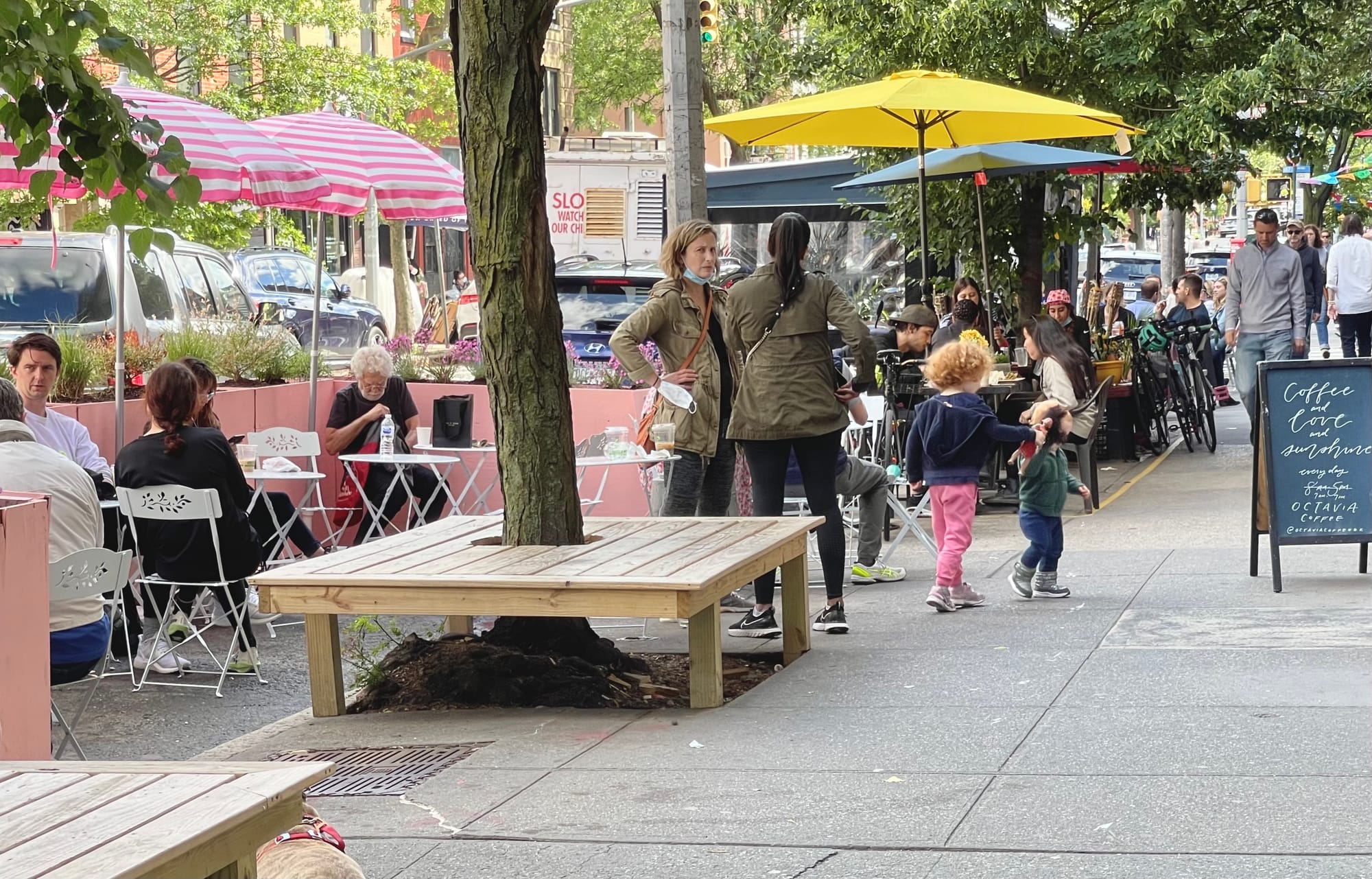
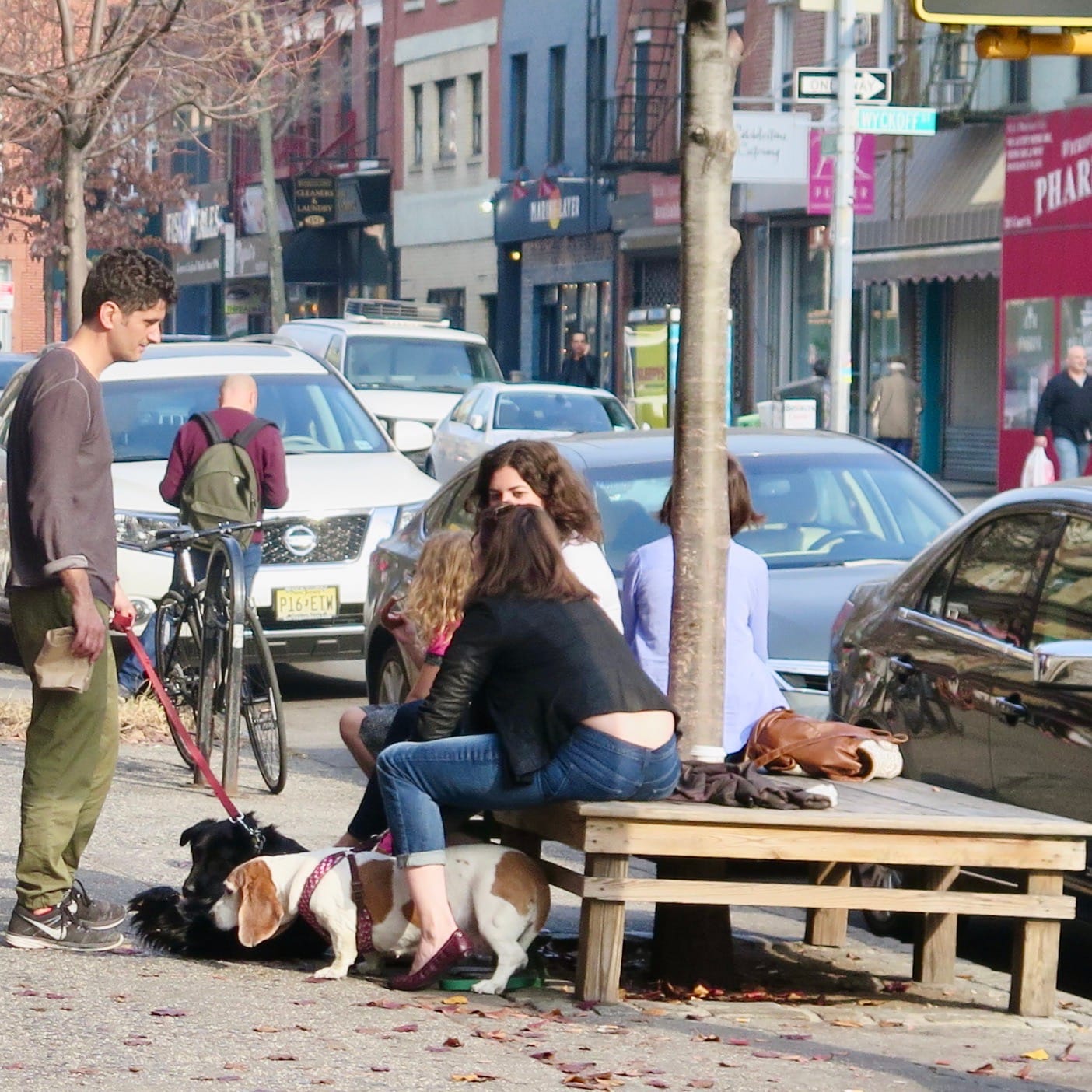
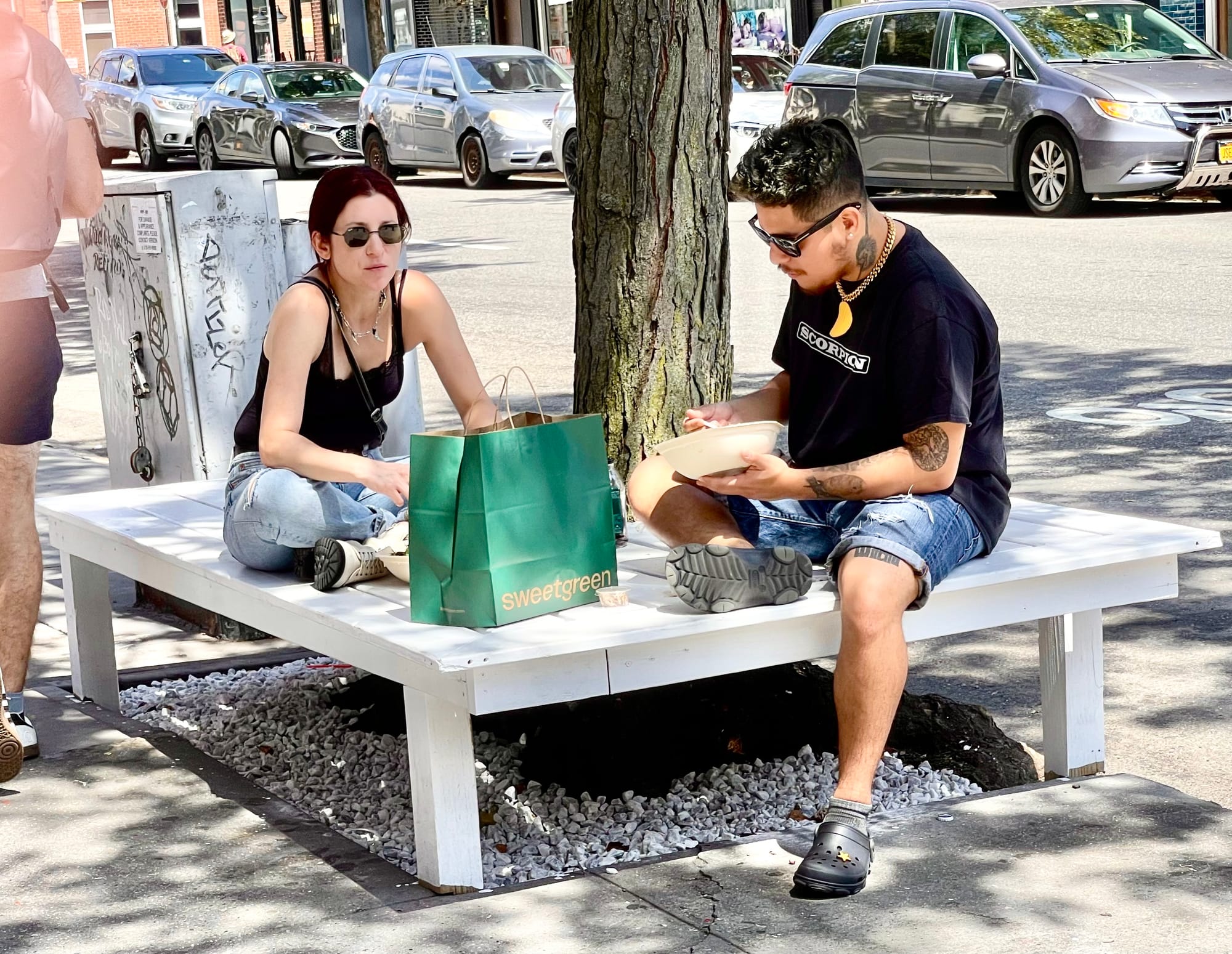
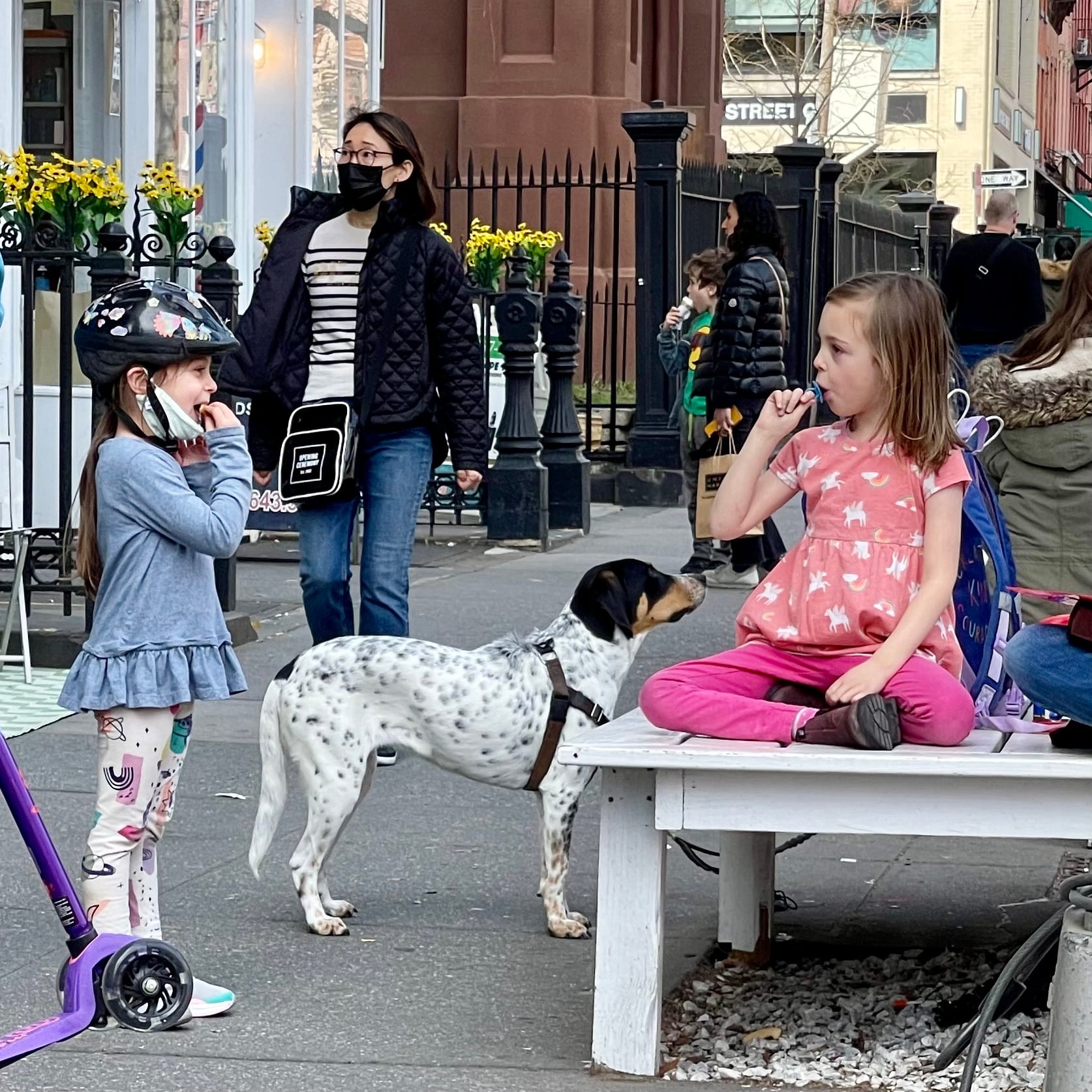
The story of the Darna block: Life on a single block with a double-loaded sidewalk
This part of the block close to our home flourished when outdoor dining was permitted around the pandemic. We have taken photos of every angle here to study how the simple addition of benches, tables, and umbrellas created a thriving social hub where before there was none.

What we learned when we saw more deeply
This process of "seeing" is how we learned about Placemaking and what it really is. It's not about experts, or about professions, it's about people and what they can accomplish in their shared spaces together with their communities.
In looking more closely at the photos we'd taken over the years – over a million of them – we realized something. Those WOWs we had identified, those features and elements in the urban fabric that make public places special and beloved – their impacts reach far beyond their borders. They are catalytic.
A bench is not just somewhere to sit, it's an amenity that brings community members together and creates a hub of social life. A porch is not just the outdoor seating of a house but of every kind of building and business, interweaving the private and public realms. A bollard is not just a way to protect pedestrians from cars, it encourages people to sit or lean as they chat with a friend, stimulating prolonged social activity. And so on.
The right intervention or amenity in the right place creates ripple effects that spread far and wide, improving the whole neighborhood in ways nobody expects.
Catalytic Interventions
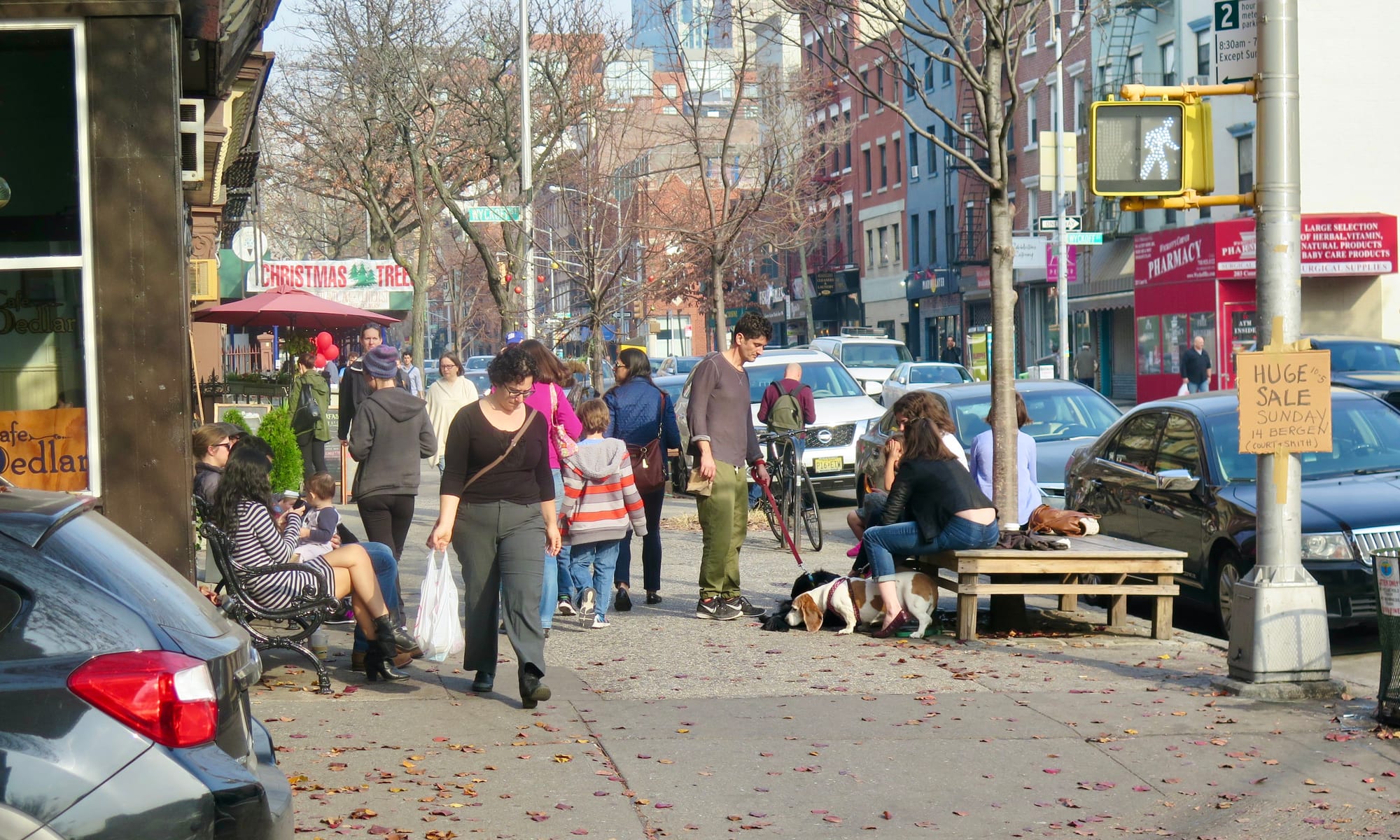
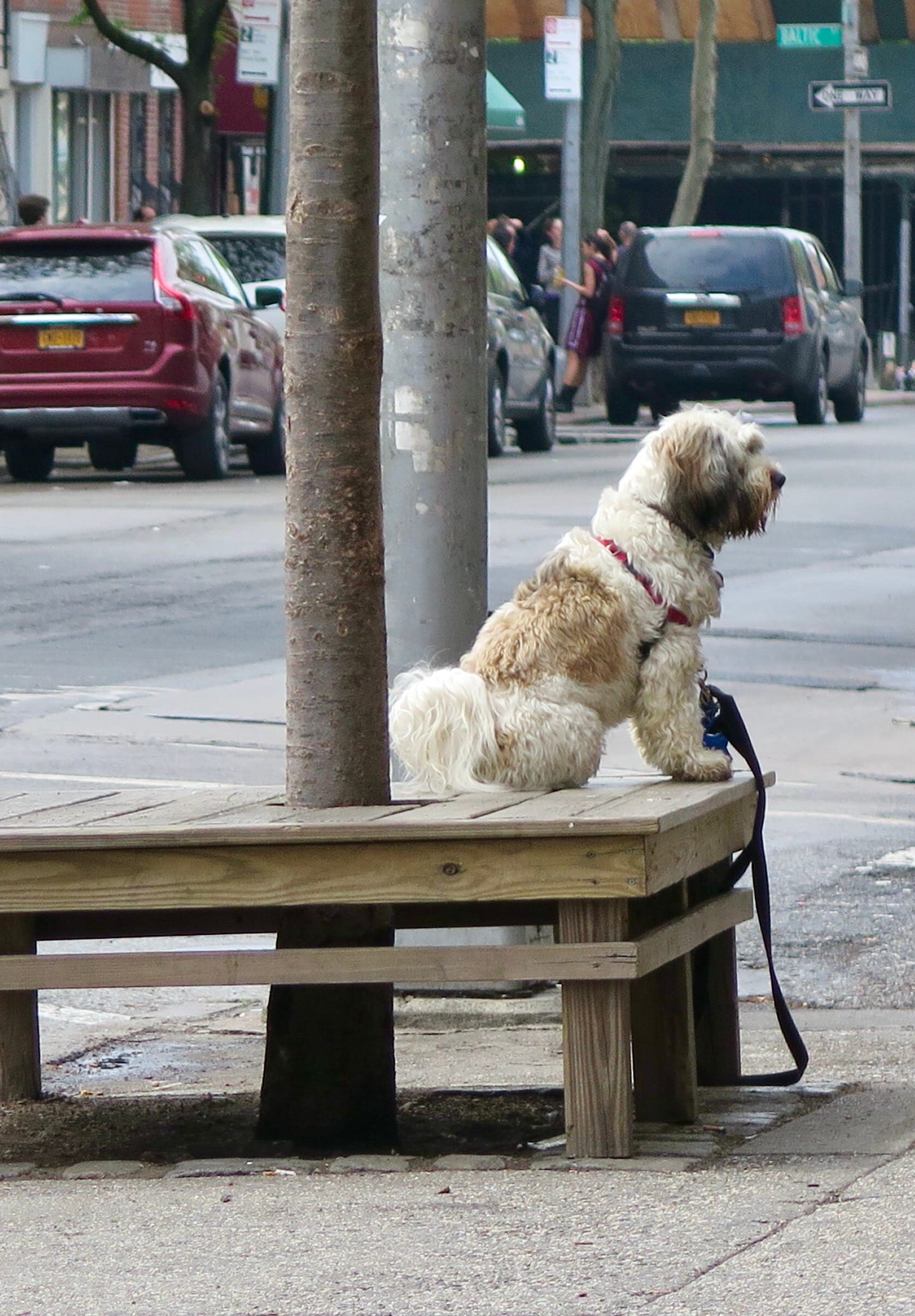
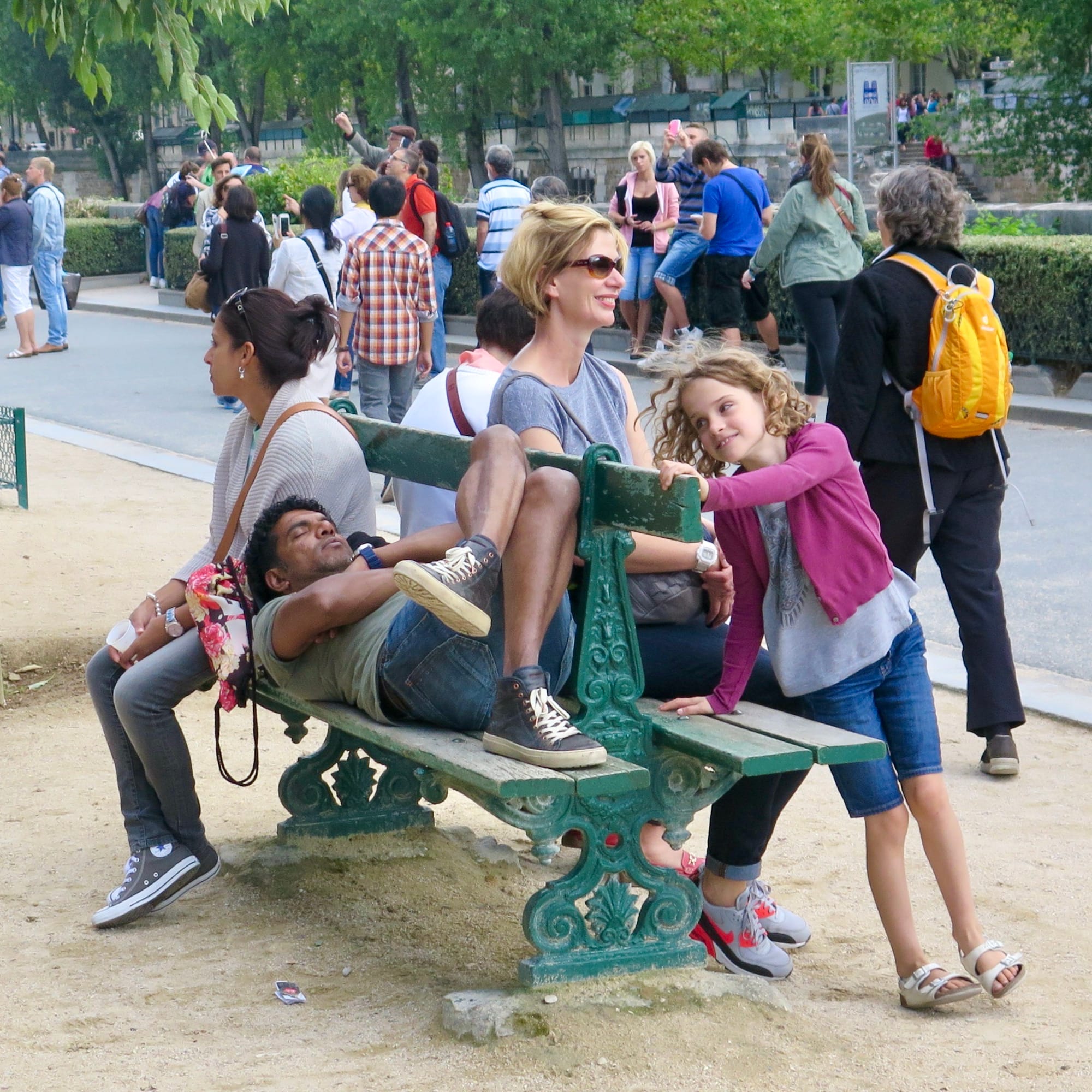
1) A bench is not just a bench
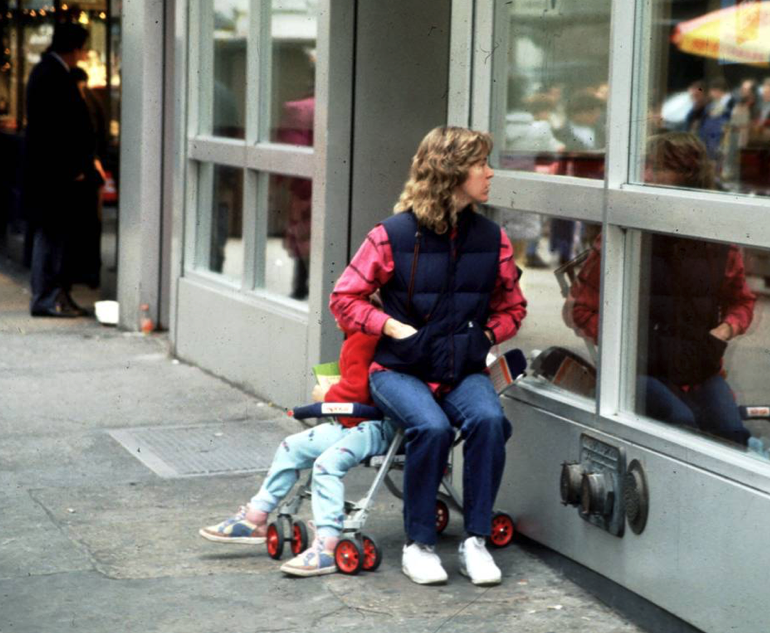
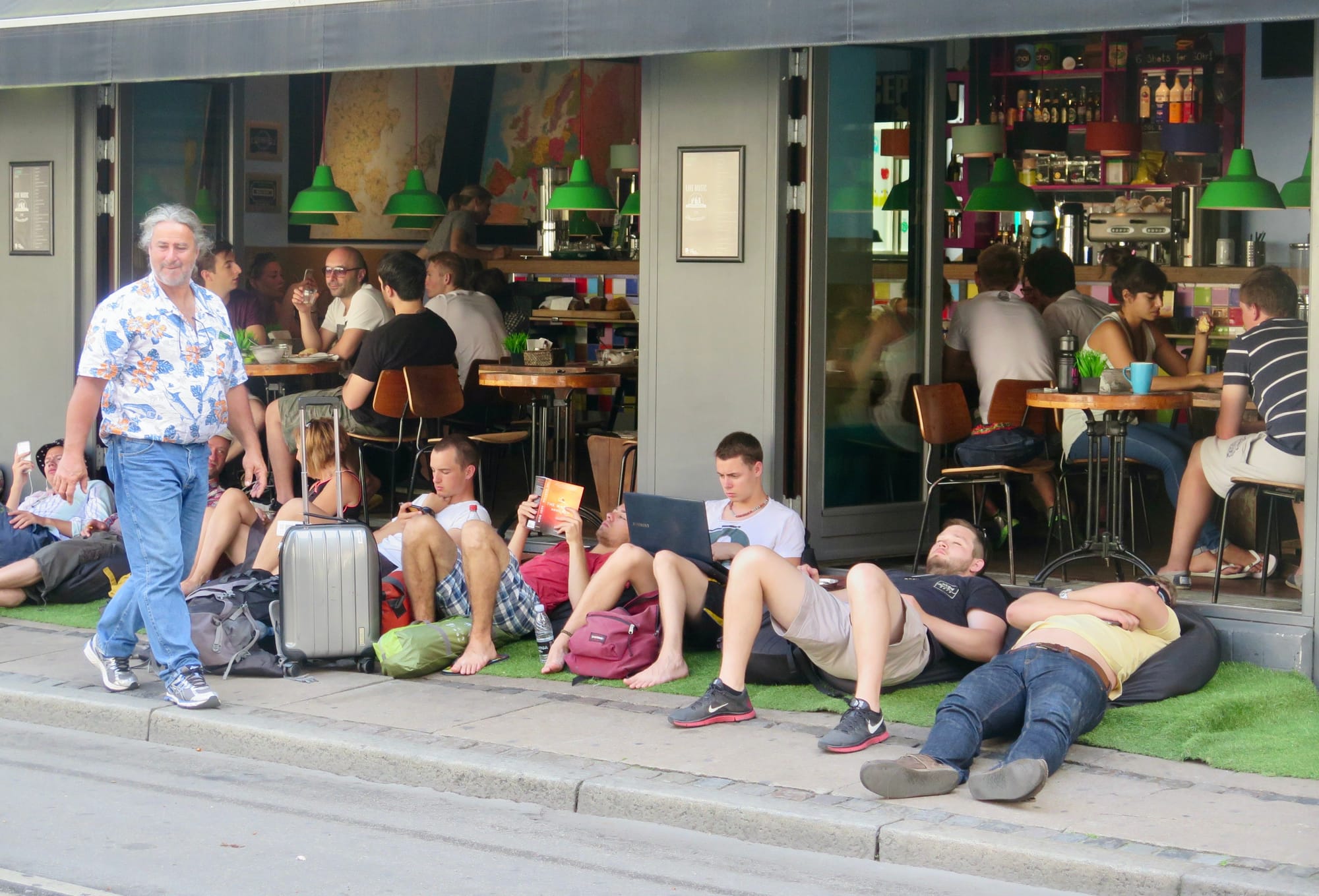
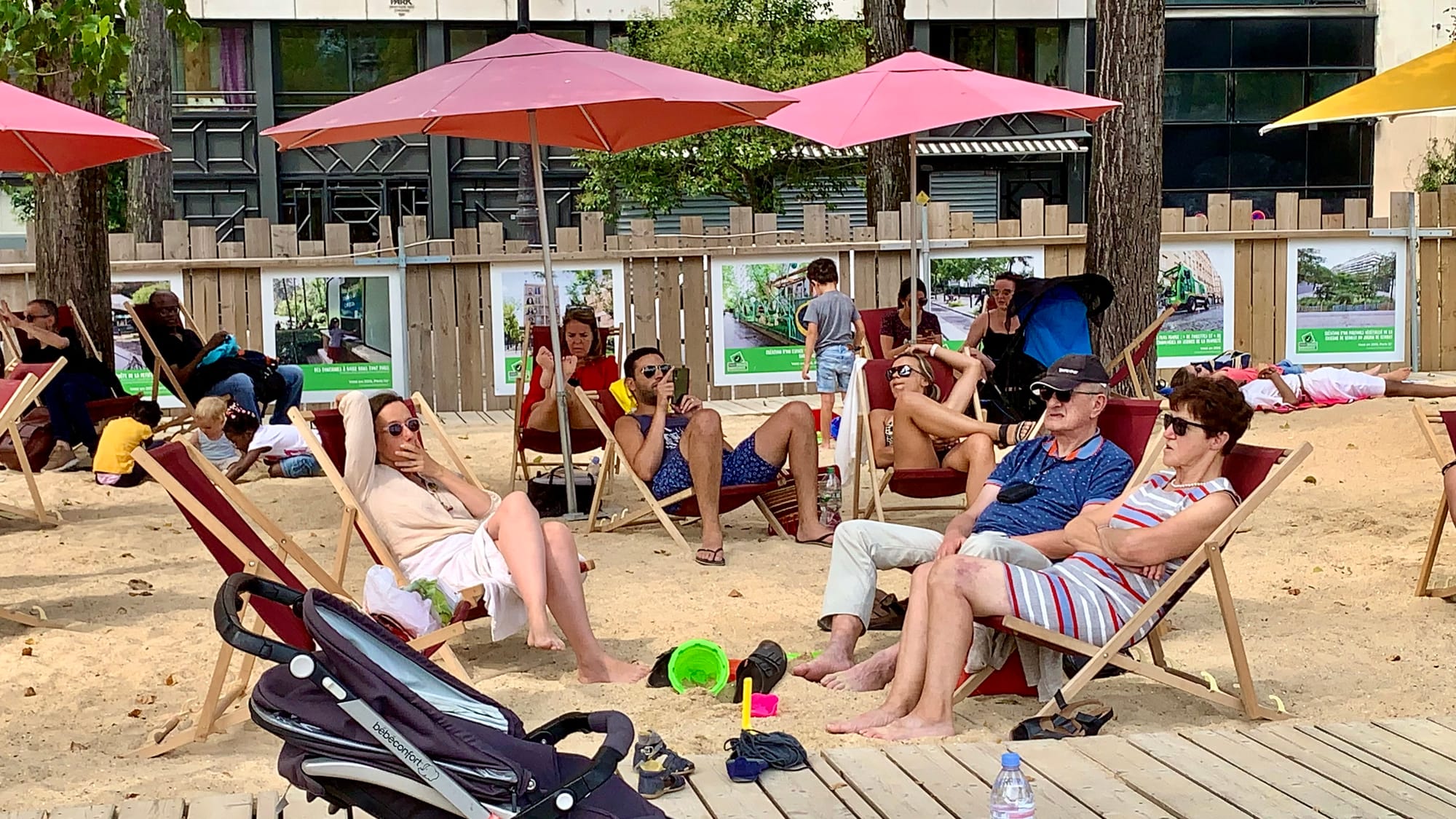
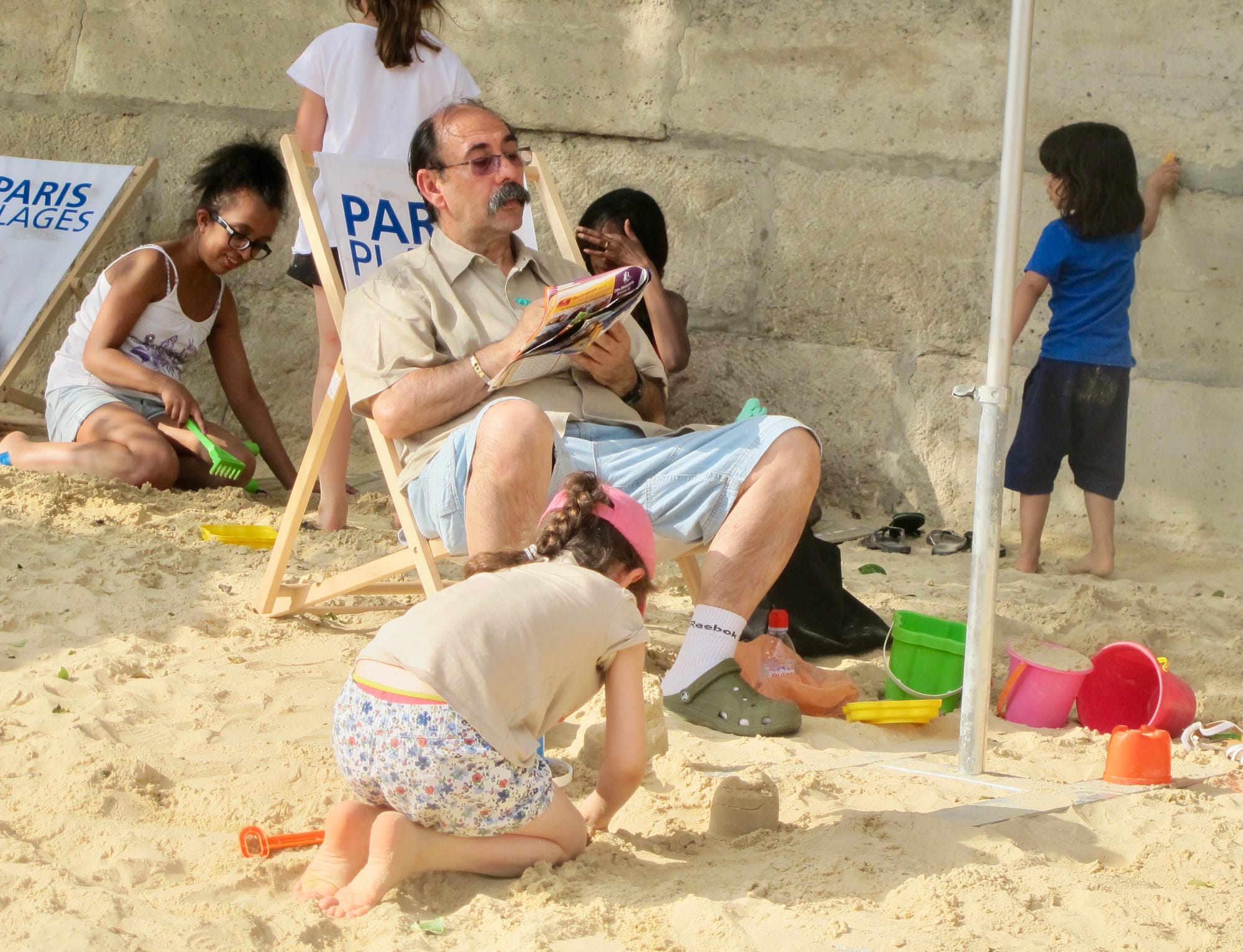
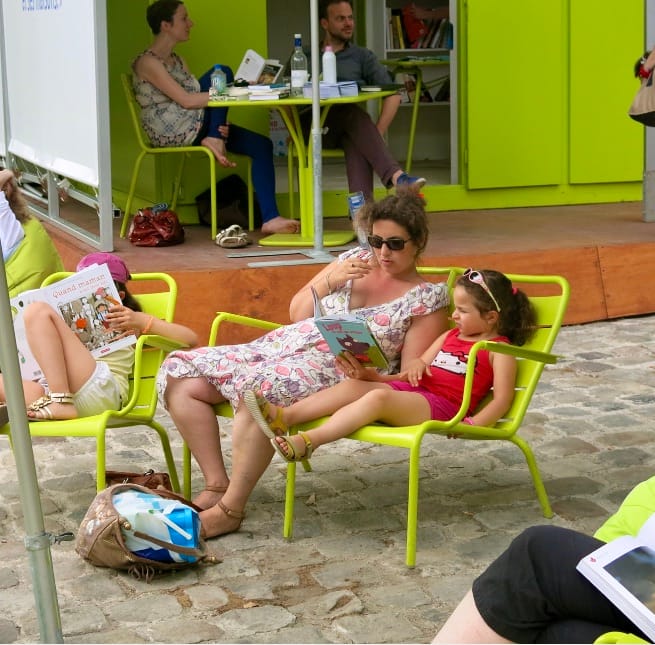
A bench is a place to sit but it's also much more than that – it's a place to gather, to meet people, to stop for a few minutes and chat, to eat lunch on, to observe your community from. And when it attracts social activity, the energy around it spreads down the length of the block and revitalizes the whole surrounding area. More benches pop up, inspired by the success of the first, more doors to businesses open as foot traffic increases, more people stop and interact with each other, and the sidewalk comes alive.
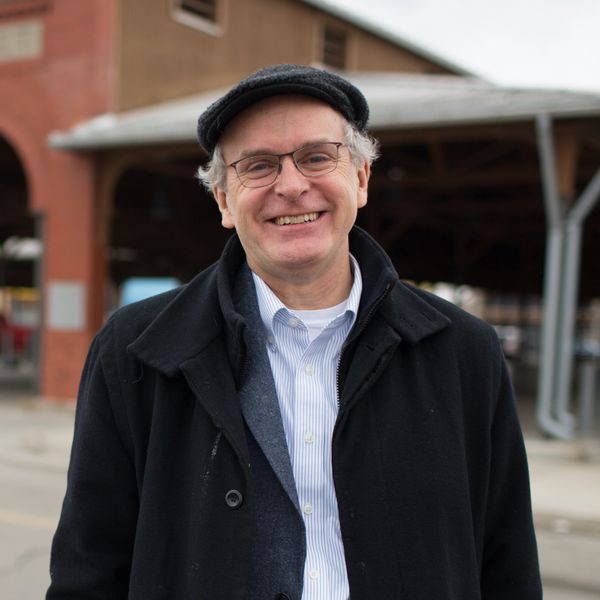
 Fred Kent



"Please just a nice place to sit."
Everyone wants to sit down occasionally, from the young to the old, the able-bodied to the disabled. The desire to sit is programmed into the human body. A street without benches or chairs is a street that is inhospitable to pedestrians and one that will not attract foot traffic. Seating areas instantly make people feel welcomed to spend time in a place. They say "we want you to be comfortable here, we care about how you feel." That transforms the place from hostile to inviting, from overlooked to cherished.

2) A bollard is not just a bollard
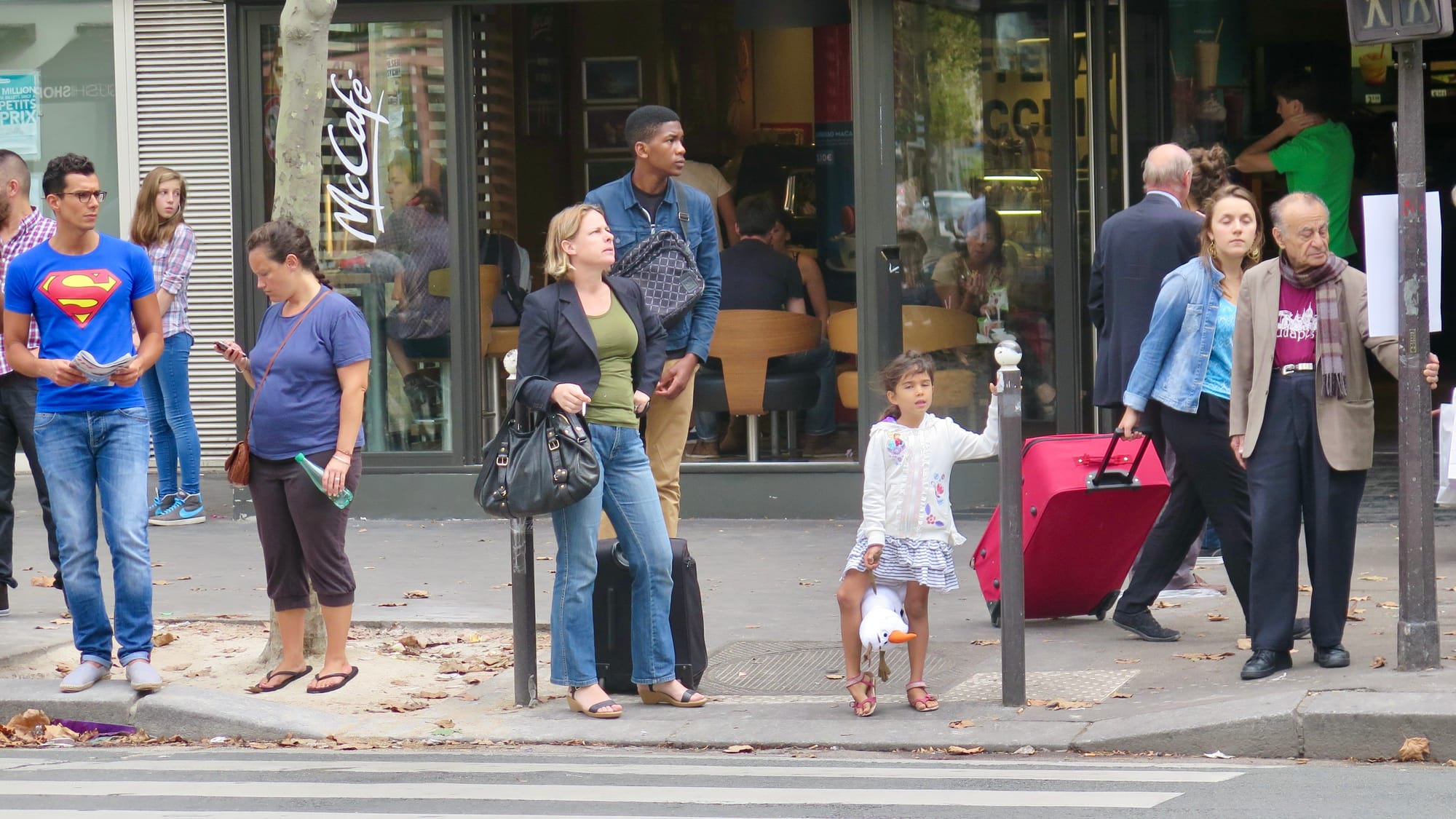
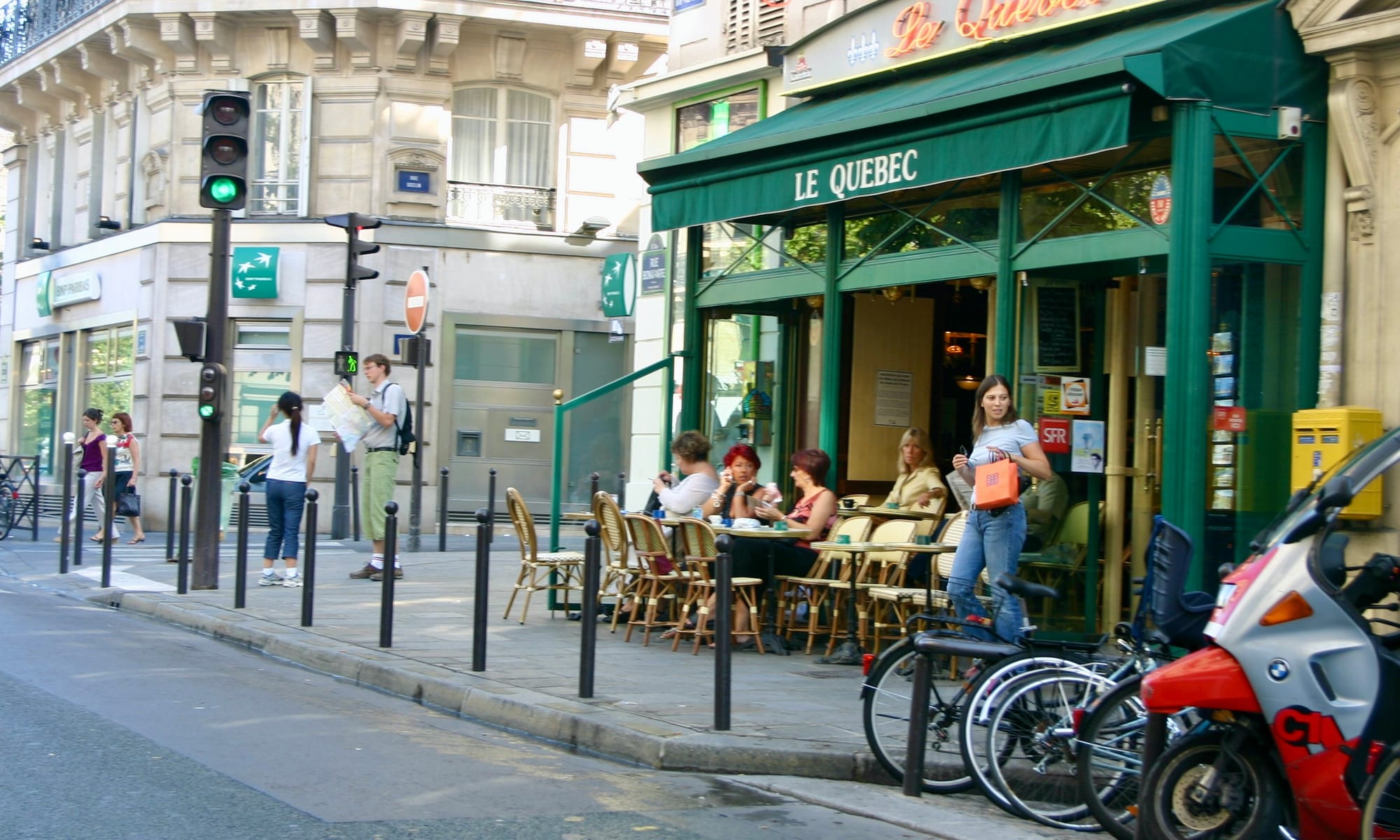
Bollards are easy to overlook – they're often small and inconspicuous, they blend into the background. But if you watch closely the activity that happens around them throughout the day, you'll see they are so much more than simple barriers to traffic. They come in all different shapes and sizes and as such they have a variety of uses. They can be places to play on, lean on, sit on. They offer beauty, fun, and visual interest. They are silent characters that play important roles in our lives.
 Fred Kent
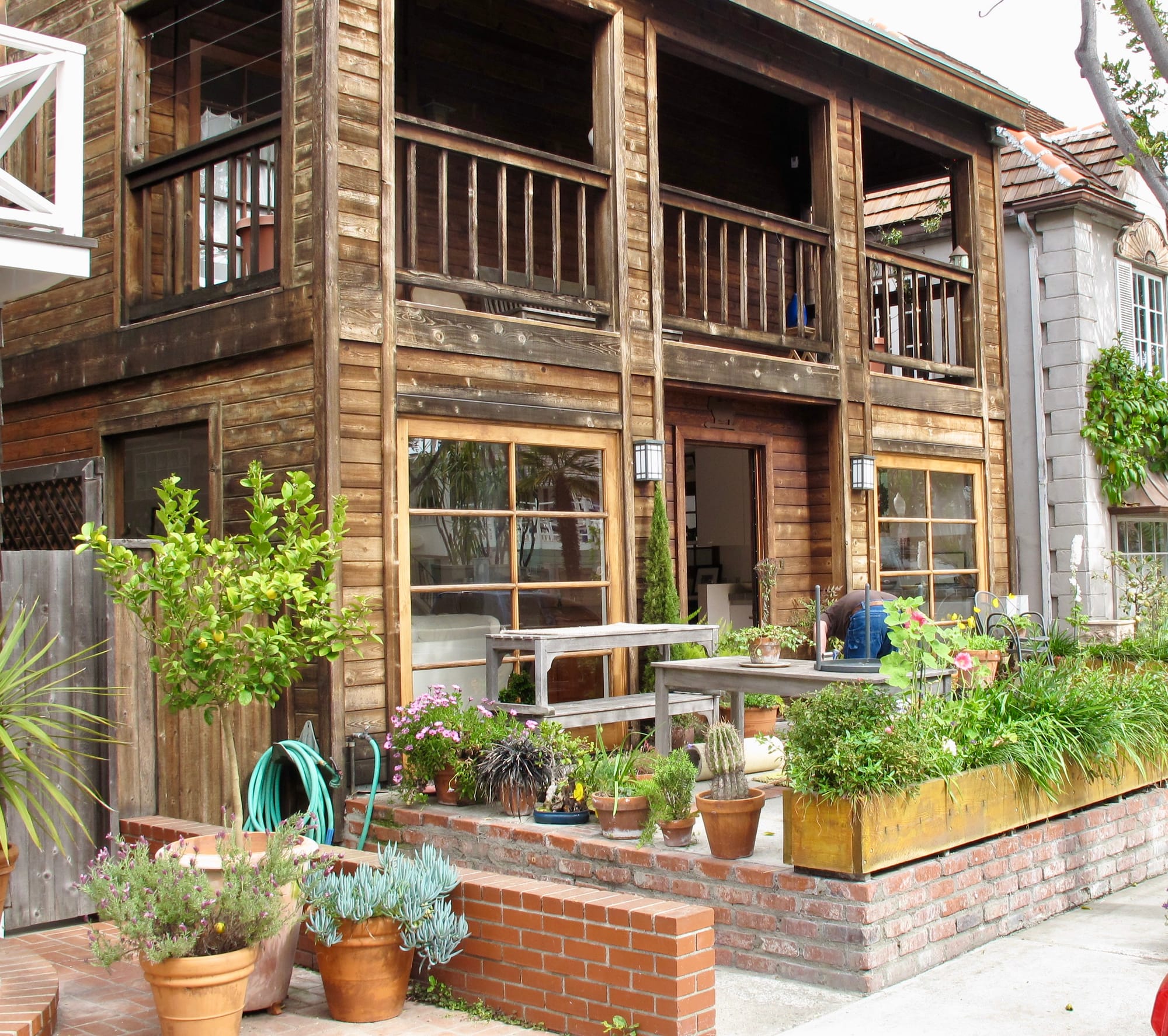
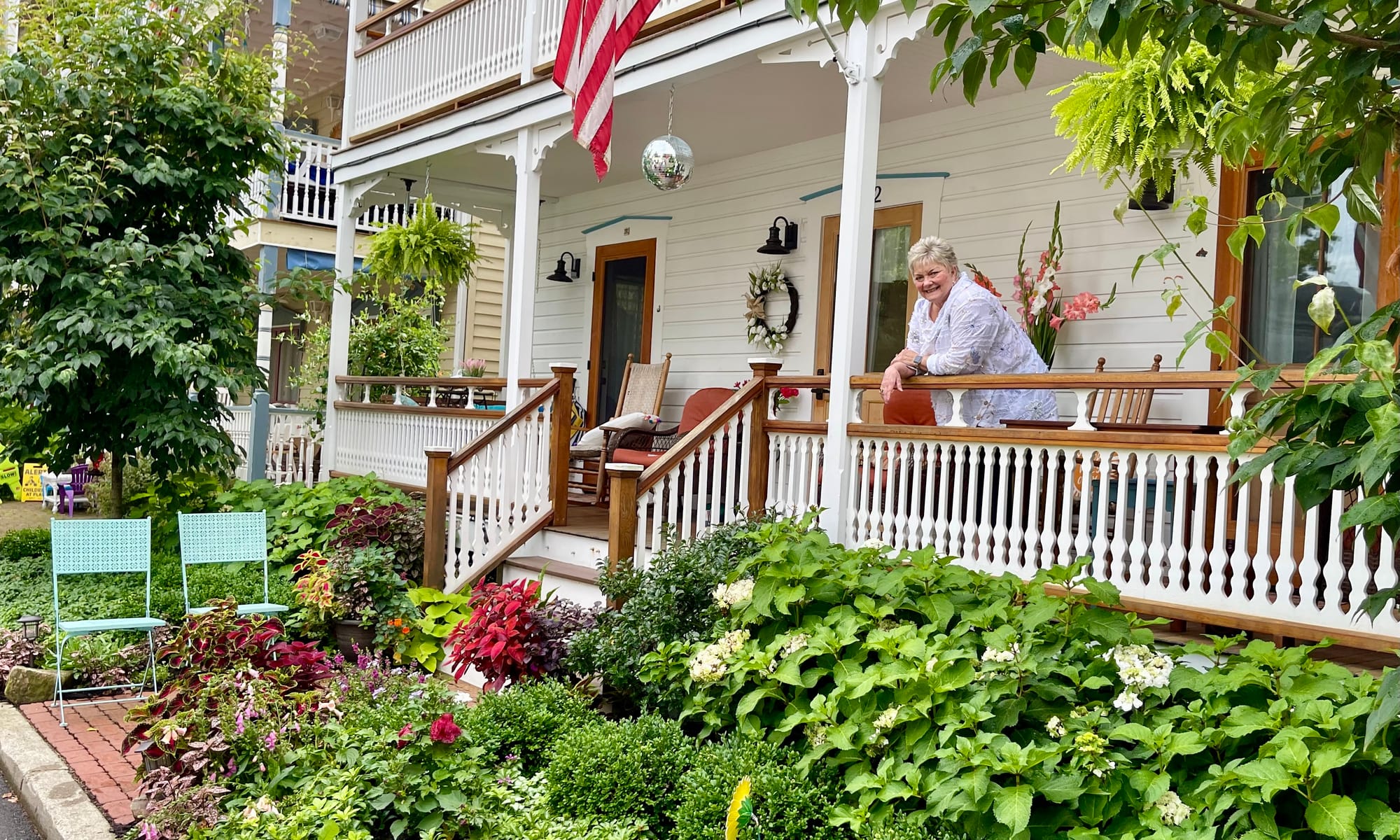
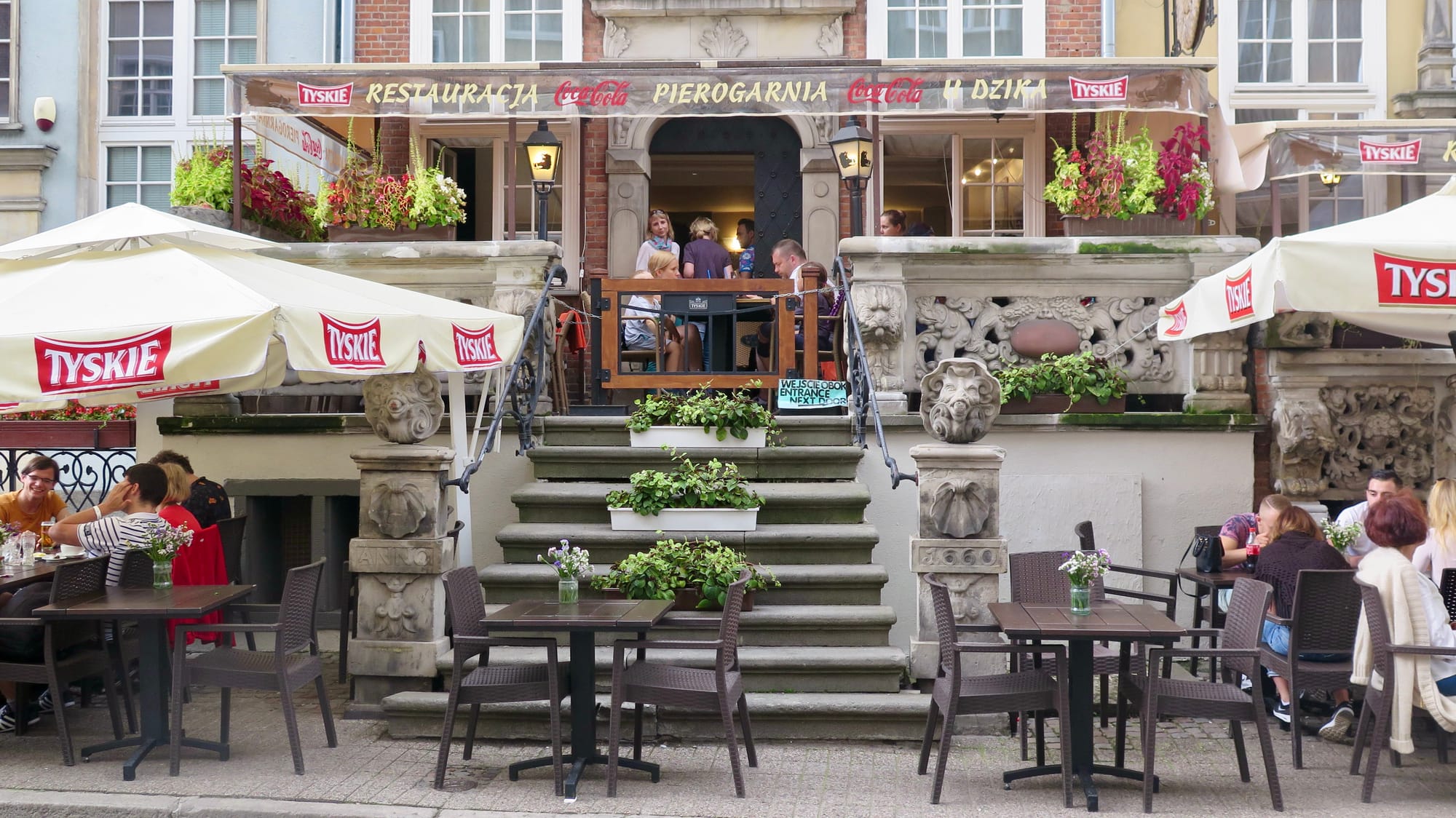
3) A porch is not just a porch
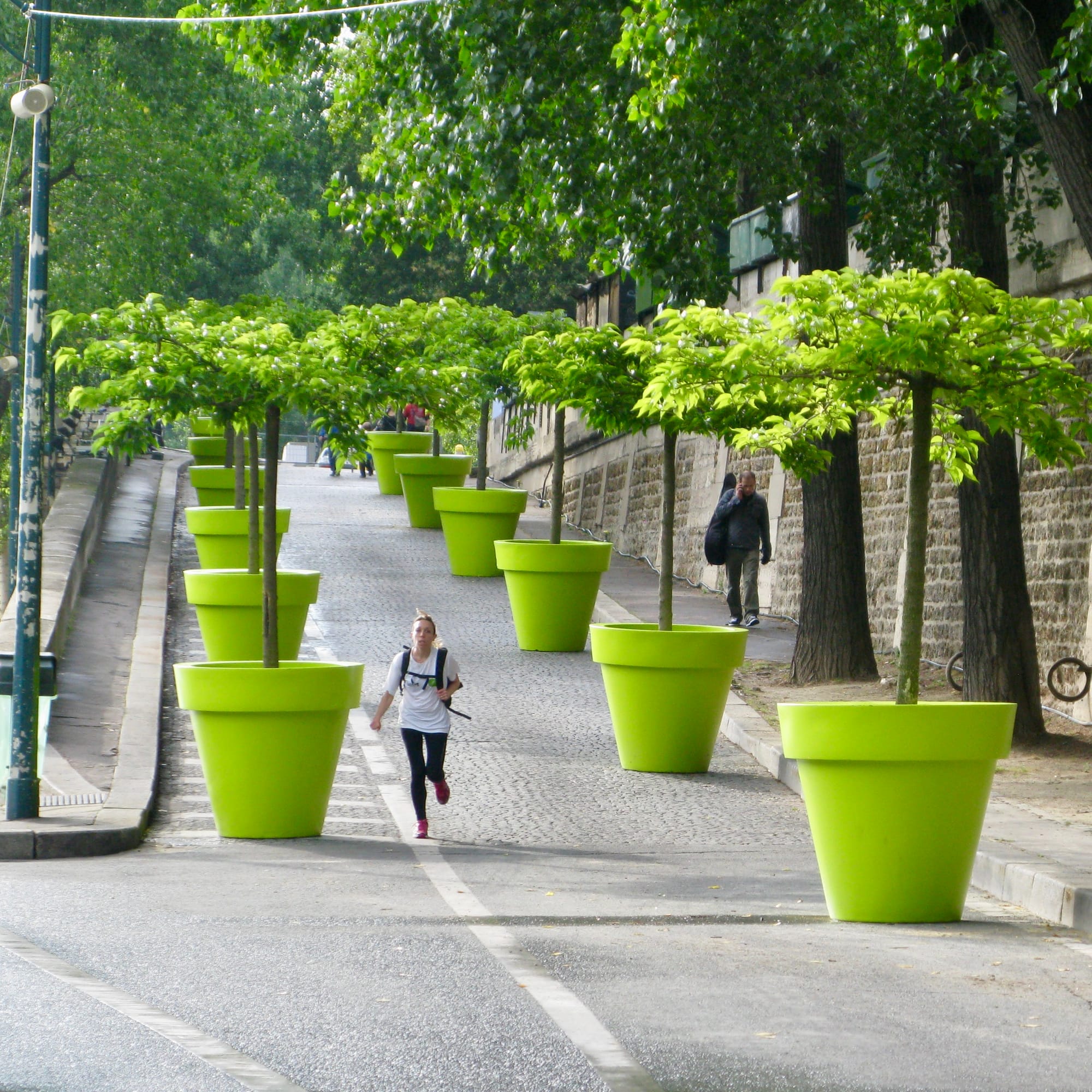
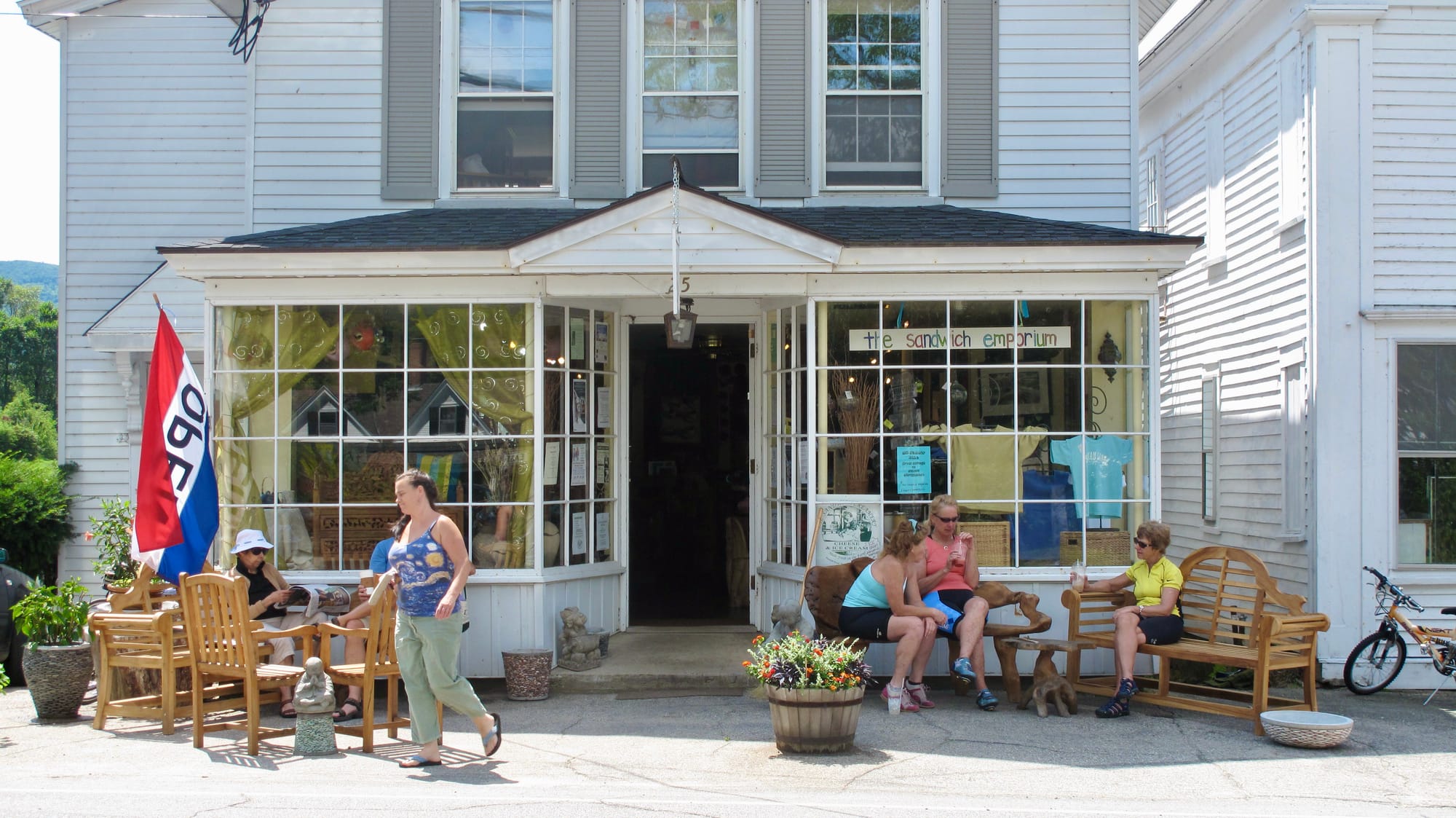
When we think of a "porch" we often think about the outdoor area of a house. But when you look at what a porch comprises, you realize it's just a place that is both part of a building and part of the outside world. It is the "intermediate space" between the public and private realms. Thus defined, we see that many buildings have porches – restaurants, stores, and other kinds of businesses. The area outside their doors can be activated and used to draw people on the street into the establishment. It allows the patrons of a business to stay connected to the goings on of public life. Without porches, sidewalk life is dull.
 Fred Kent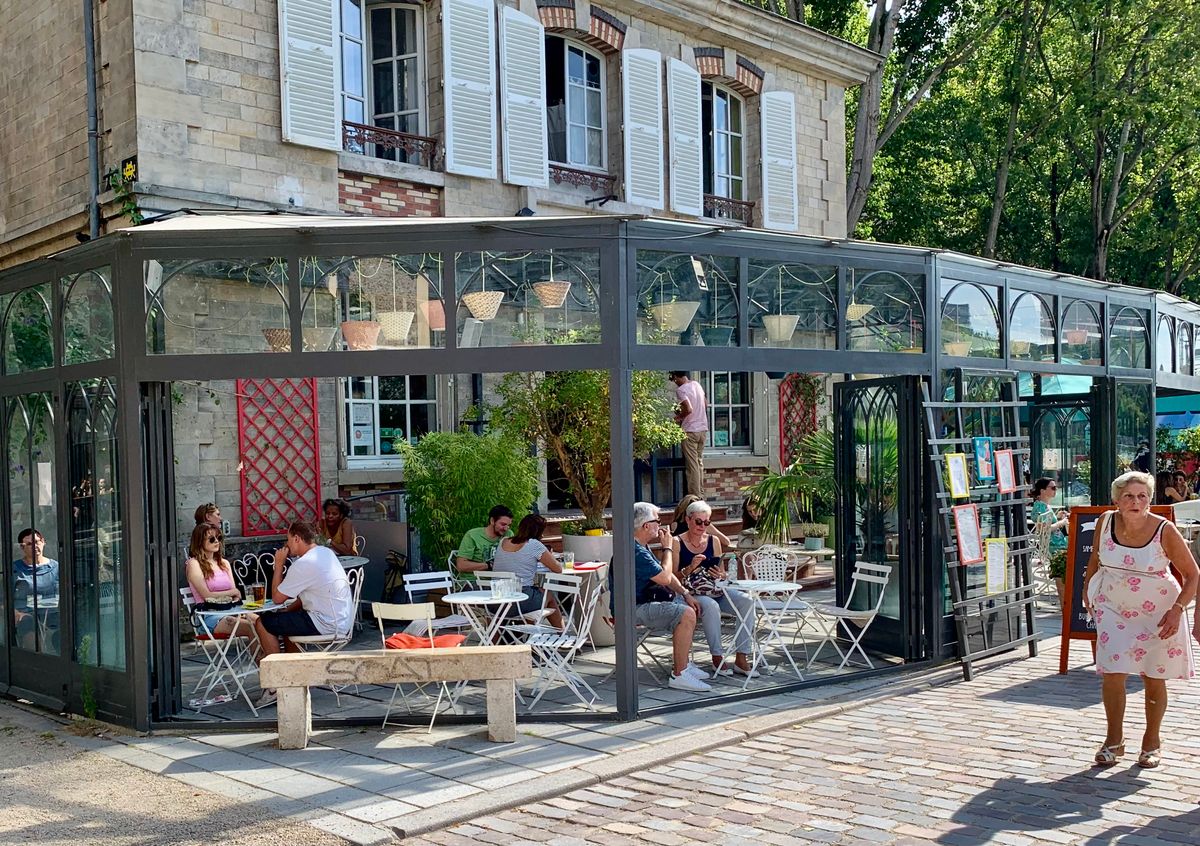
4) Focal points, big and small, anchor spaces
Have you ever stood in the middle of a bare plaza or featureless park? It feels dull and unfinished, like something's missing. And there are rarely people there because there's nothing to draw them in. That's where a focal point comes in. Adding a monument, fountain, or other landmark to the center or an open space turns it into a true place. It acts like a beacon that draws people in, gives them something to gather round, meet at, and photograph. It completes a space and transforms it into a destination.
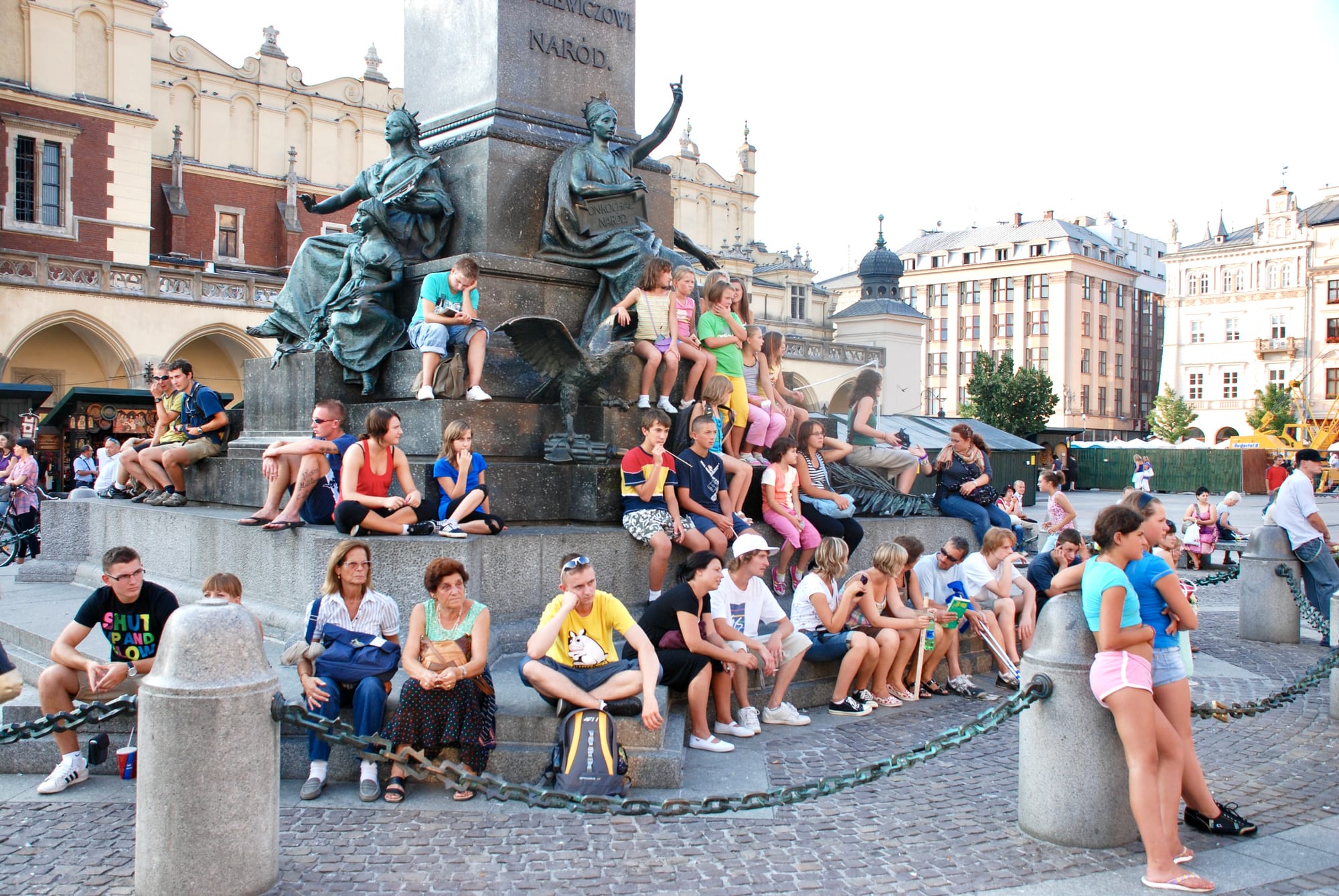
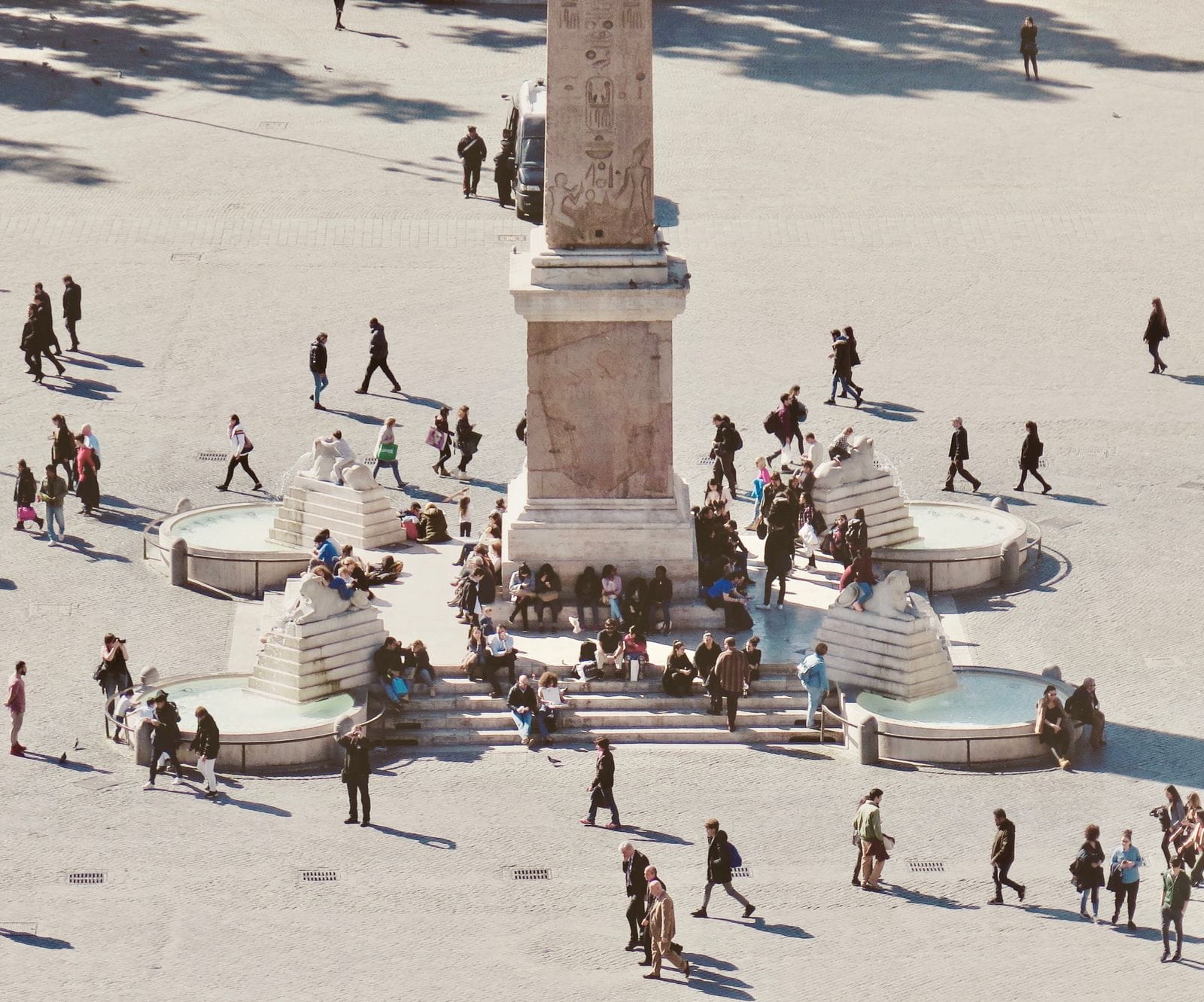
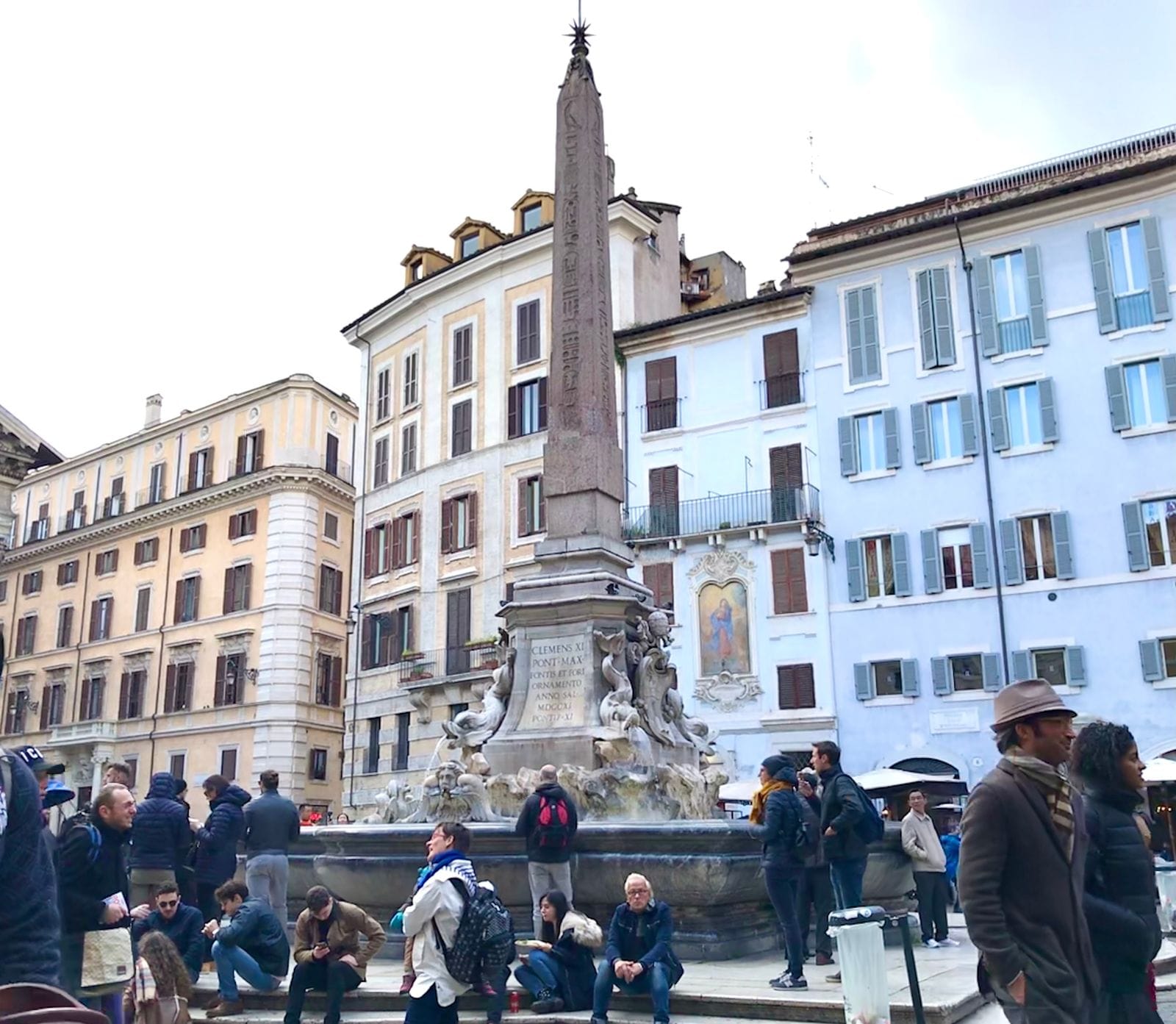
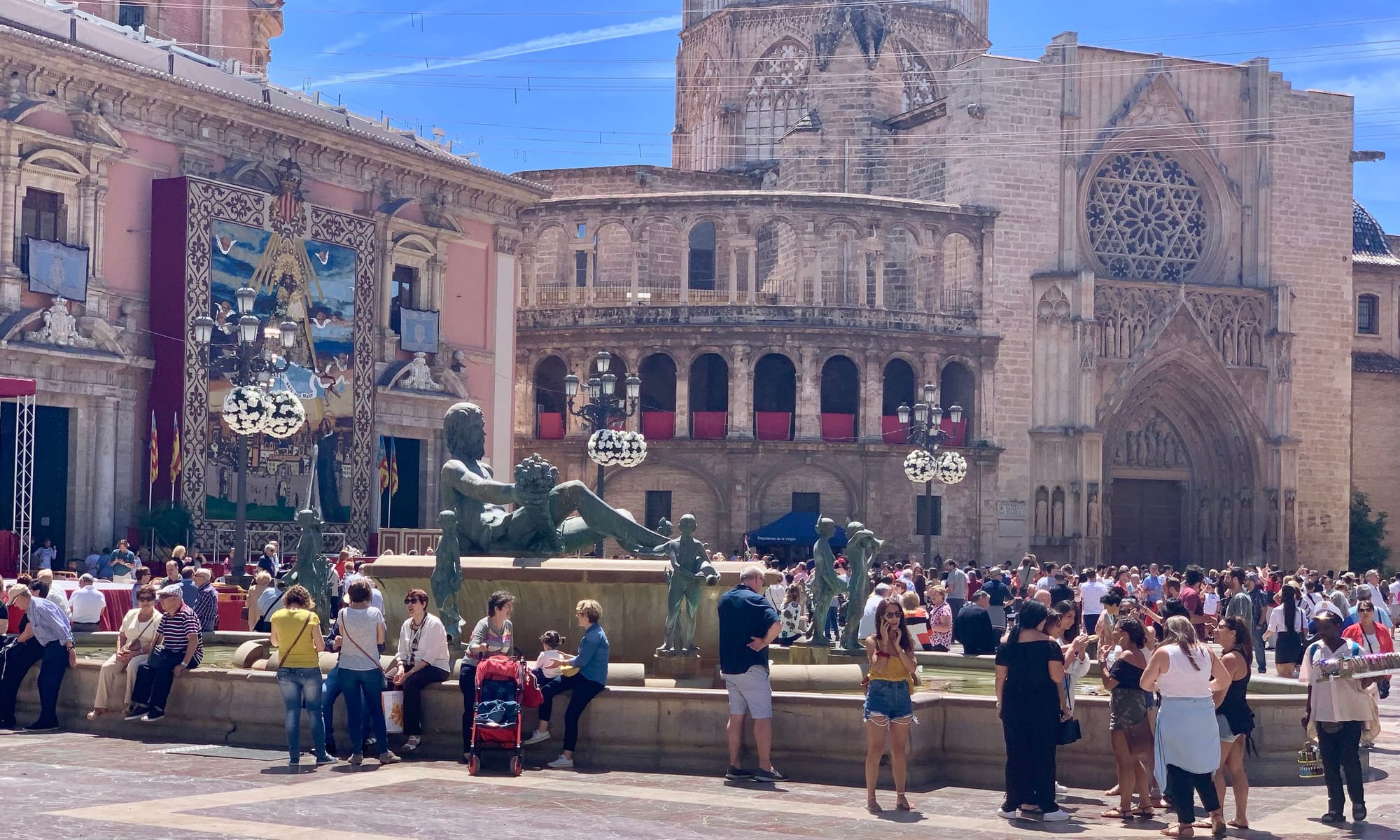
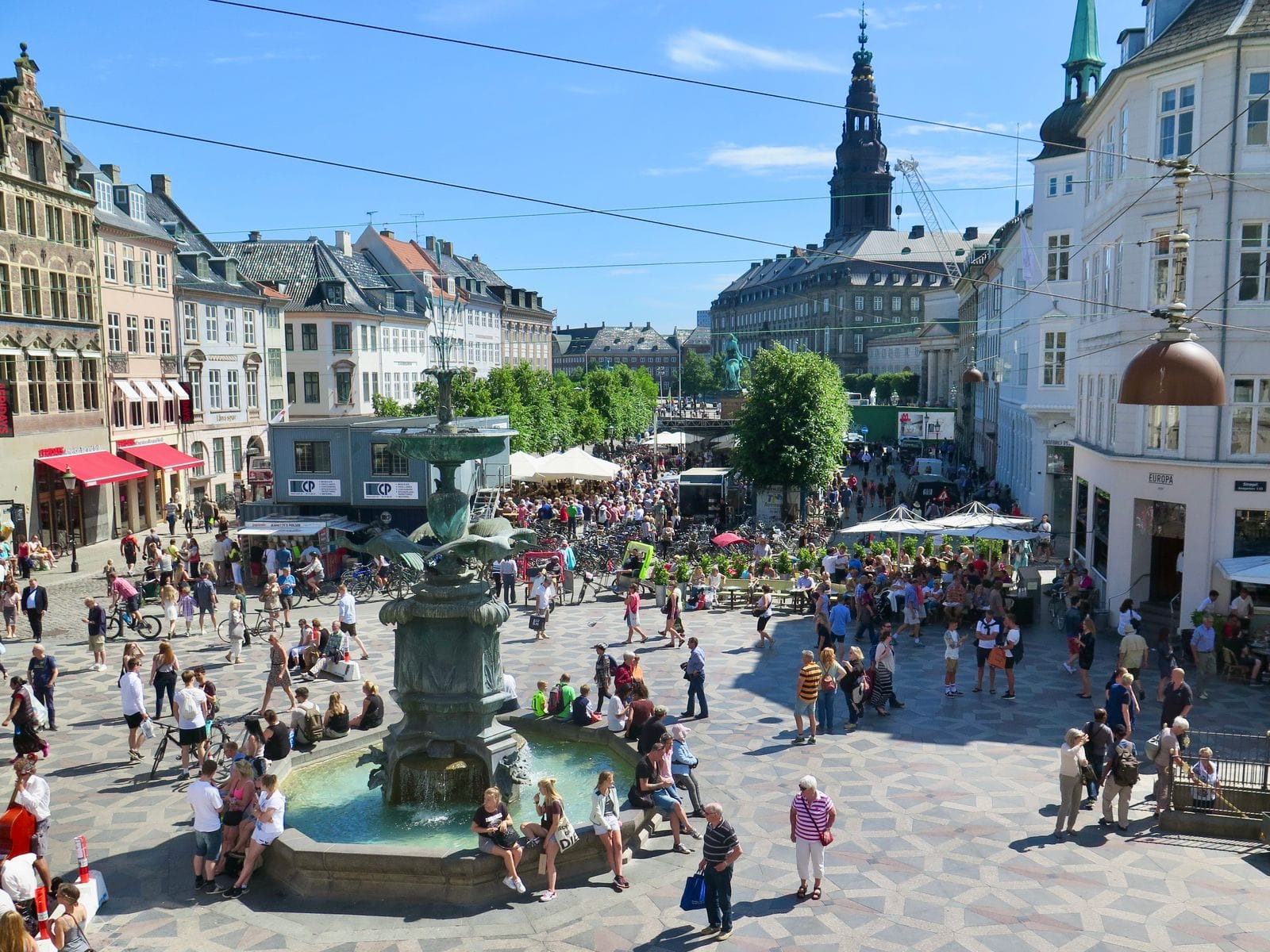
Small focal points are mighty too
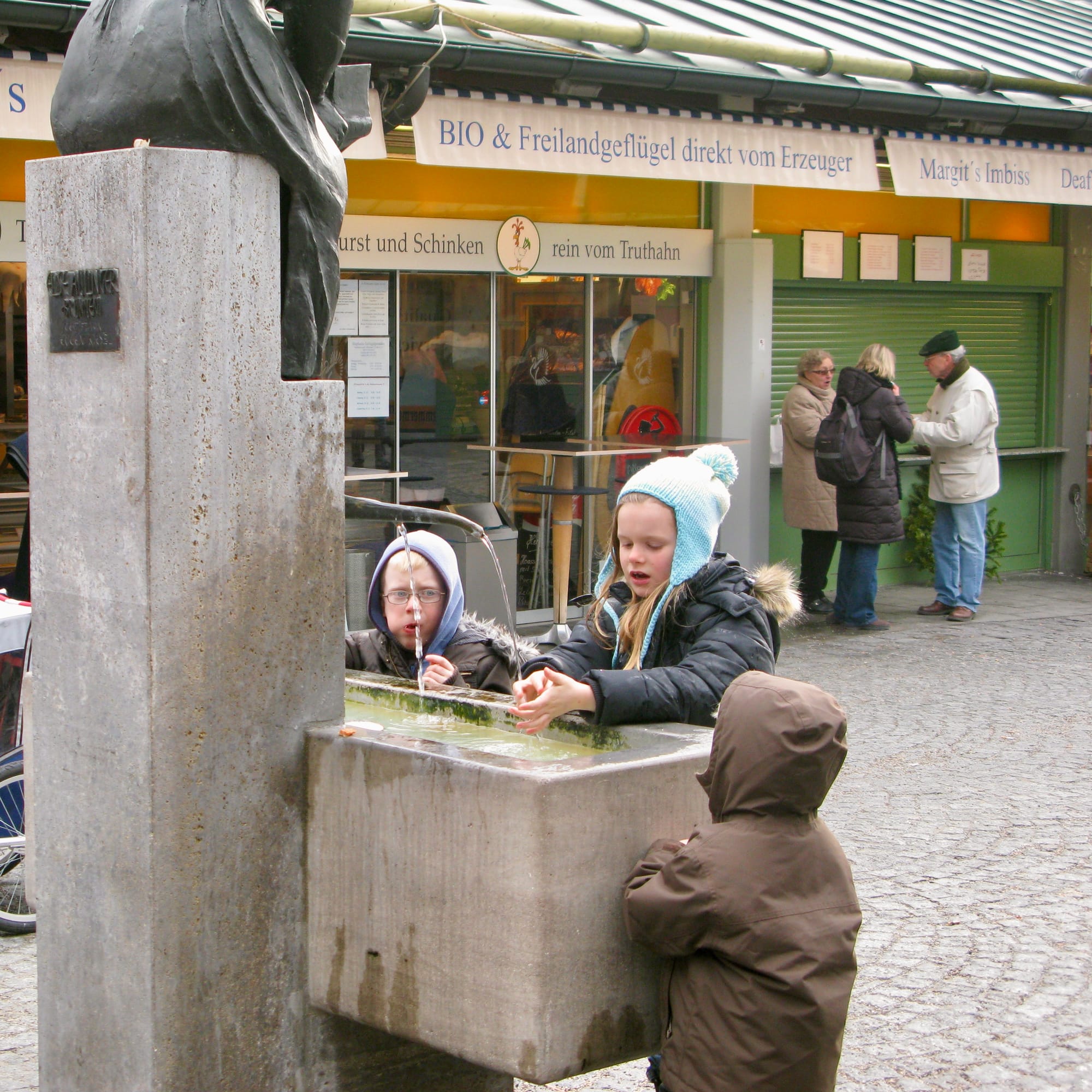
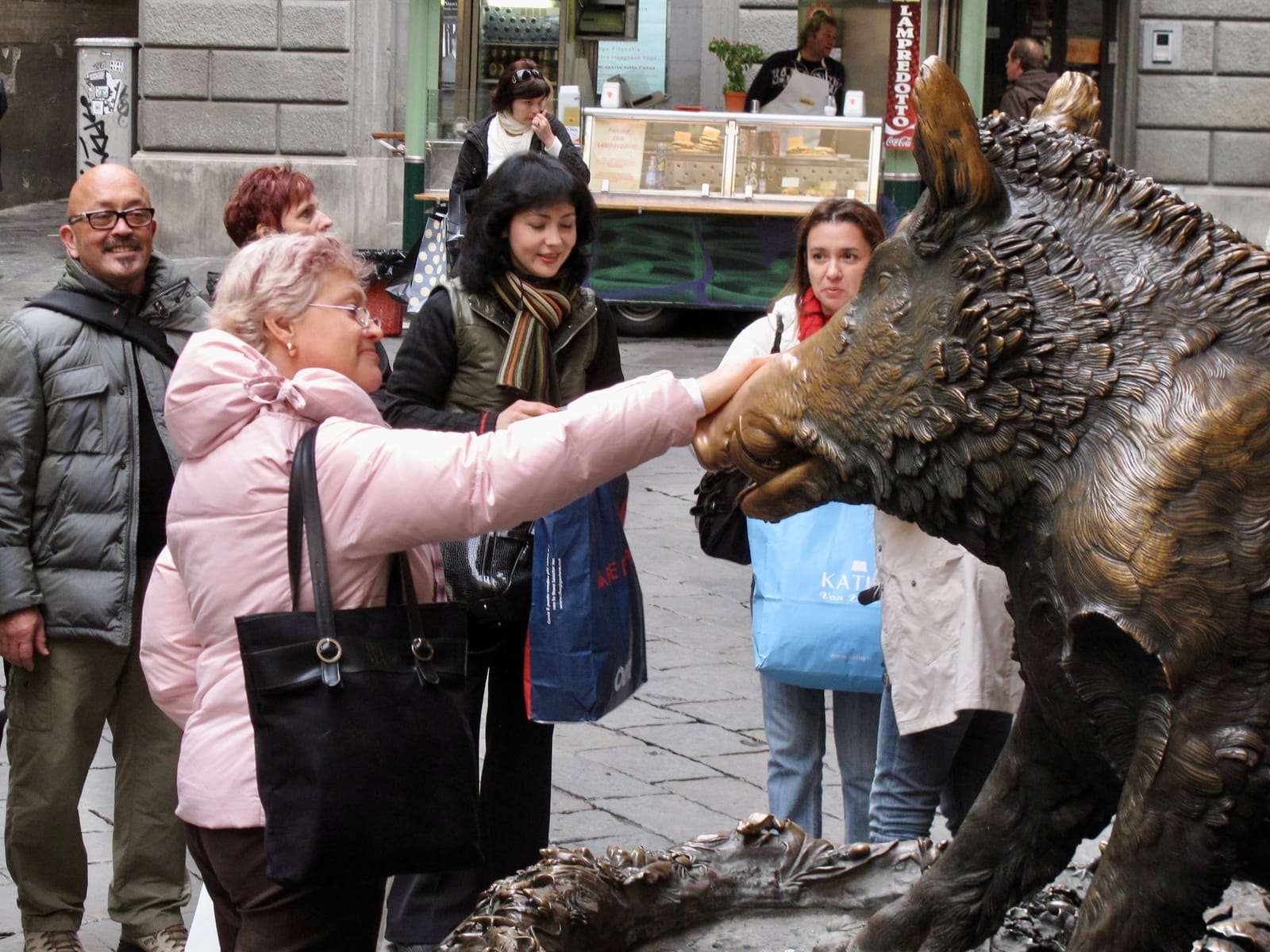
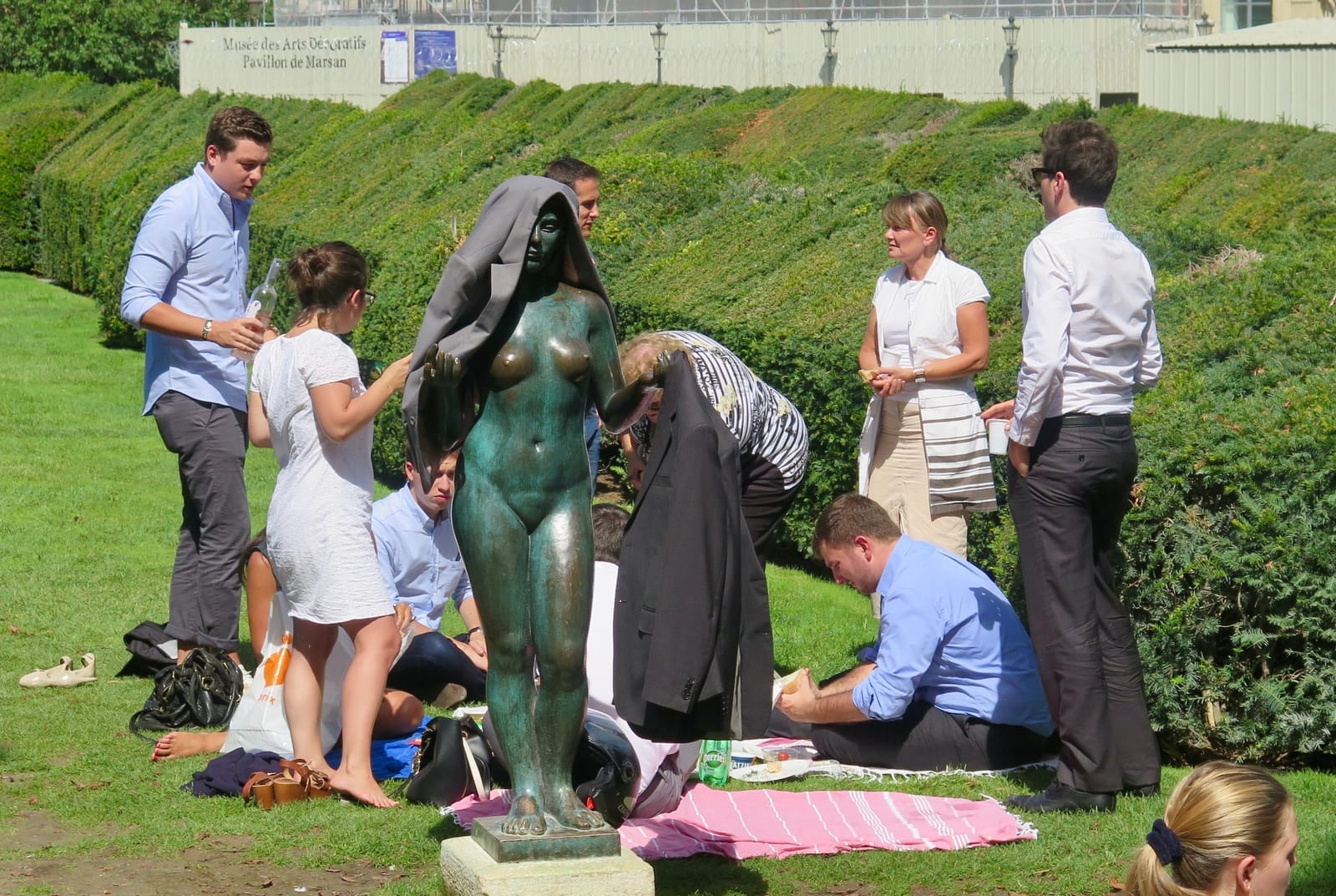
A focal point doesn't have to be big to be iconic. A beloved statue, a burbling drinking fountain, or a unique piece of art can all function as magnets for activity.

5) Squares are the hearts of communities
A city without squares is a city where people are forced to be restless, moving from store to office to home because there's nowhere else they can stop and stay a while. In such a city, community can't develop because there is no shared space for neighbors to gather and meet each other, share culture, or celebrate together. A lack of squares means a disconnected place where people remain strangers to each other. It's the square that collects people in one place, allows community activity to flourish, and fills a neighborhood with life.
 Kathy Madden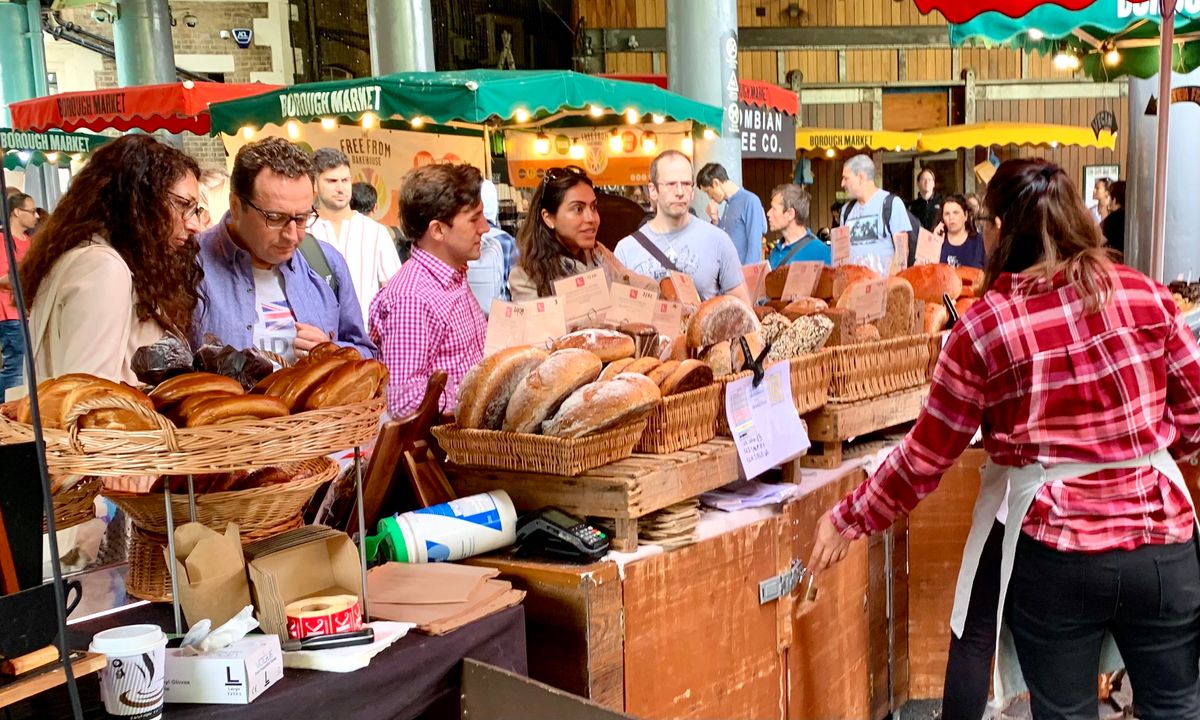
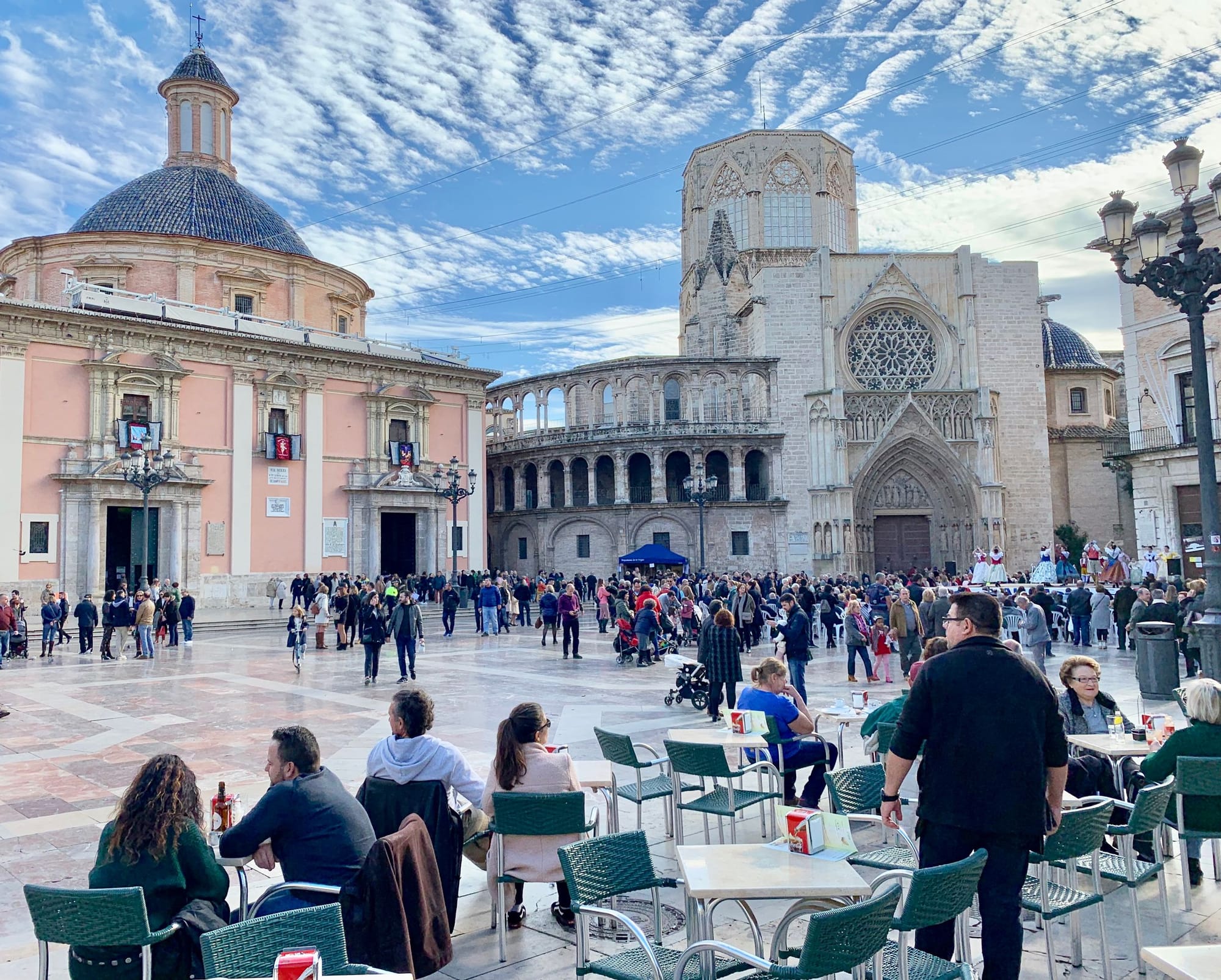
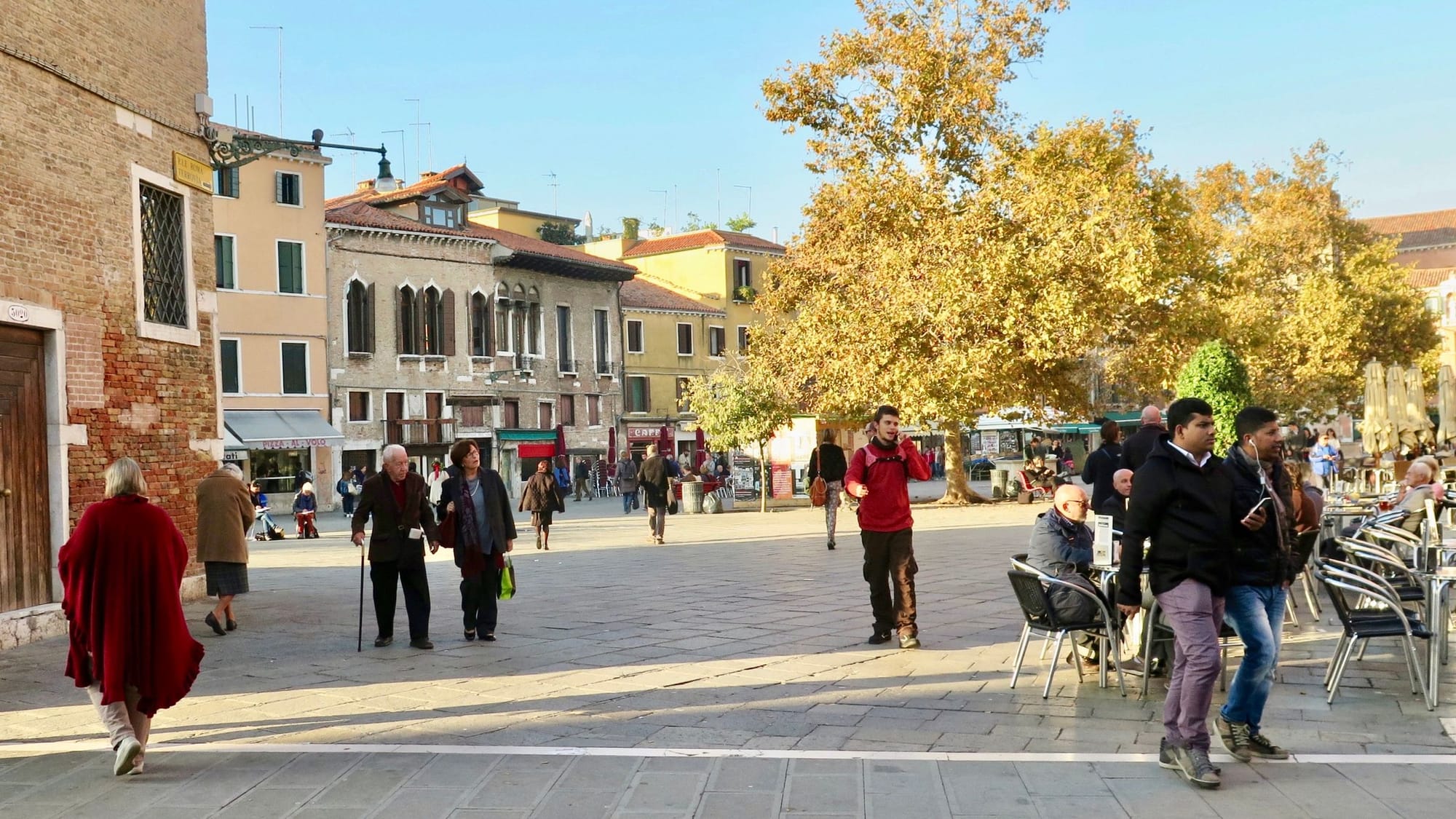
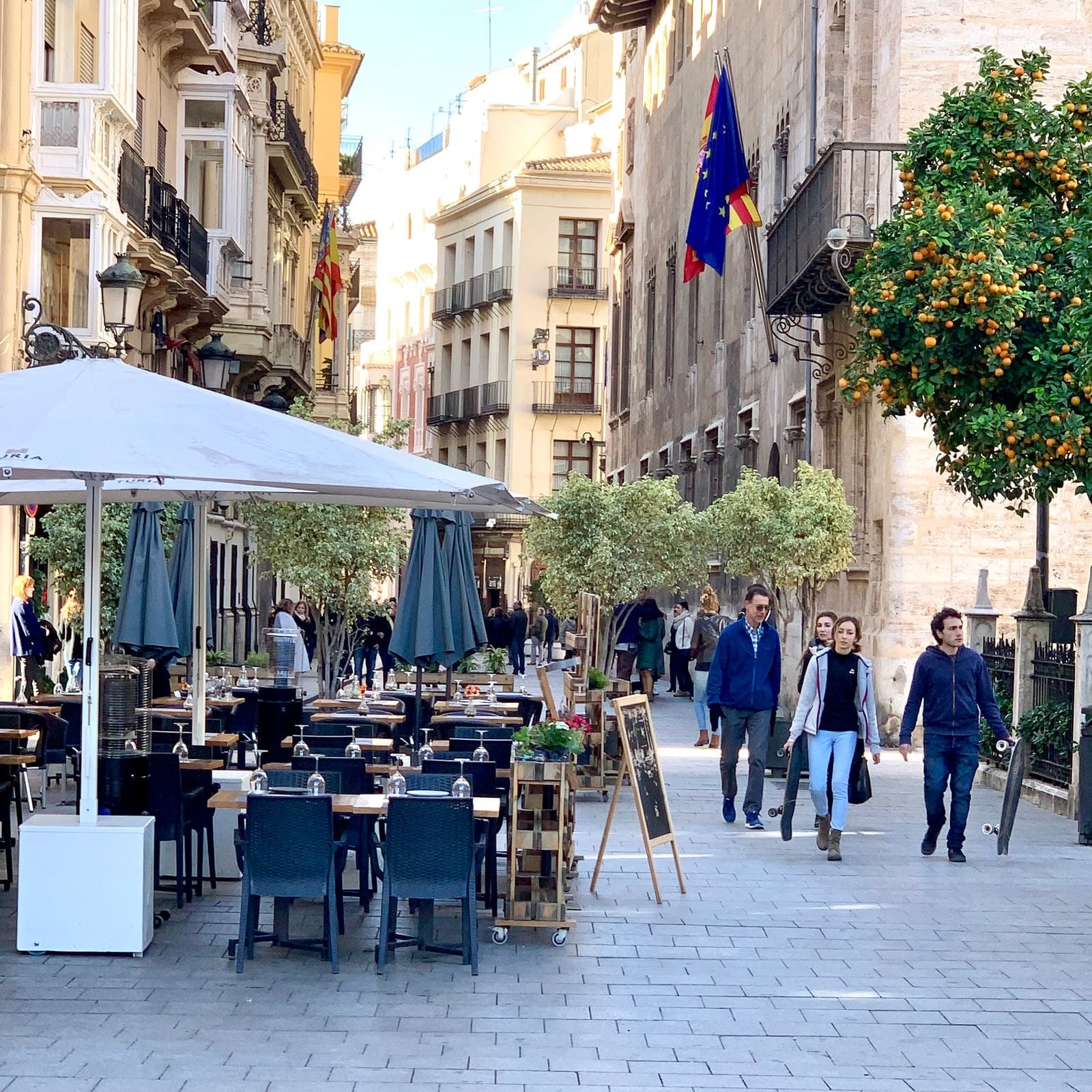
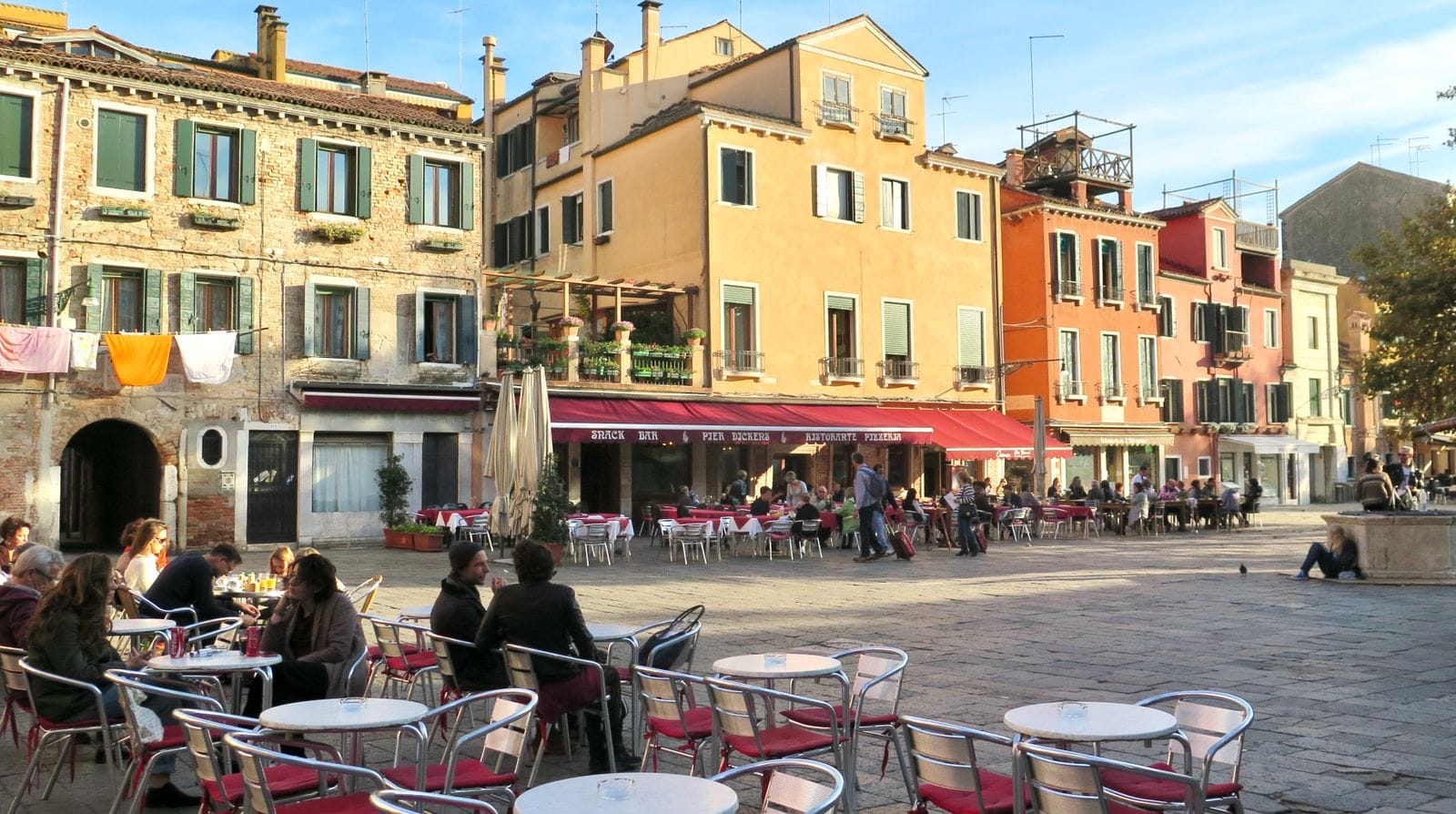
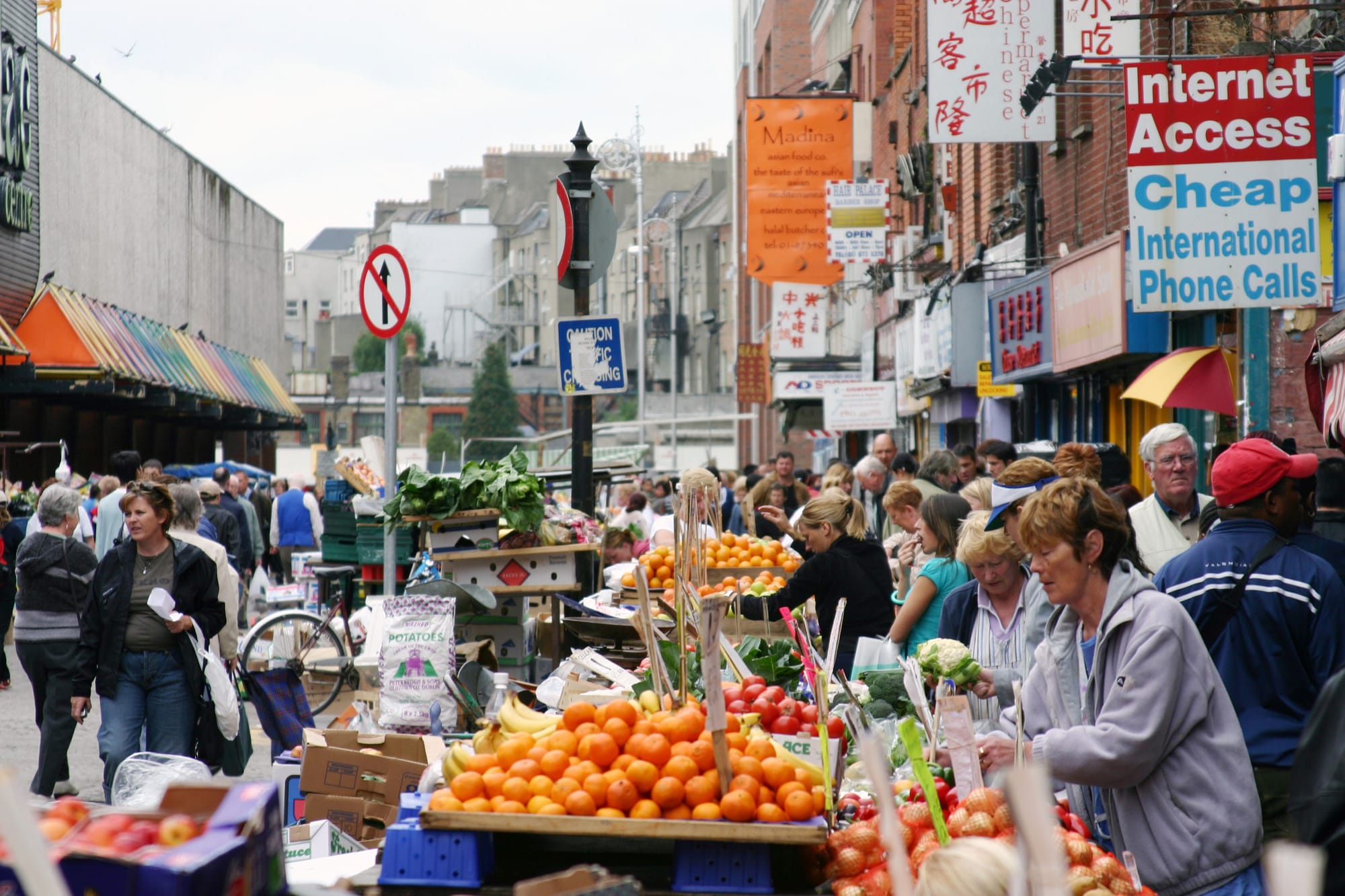
6) Markets give communities soul
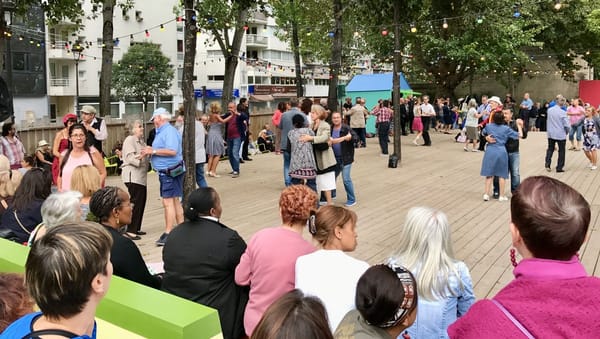
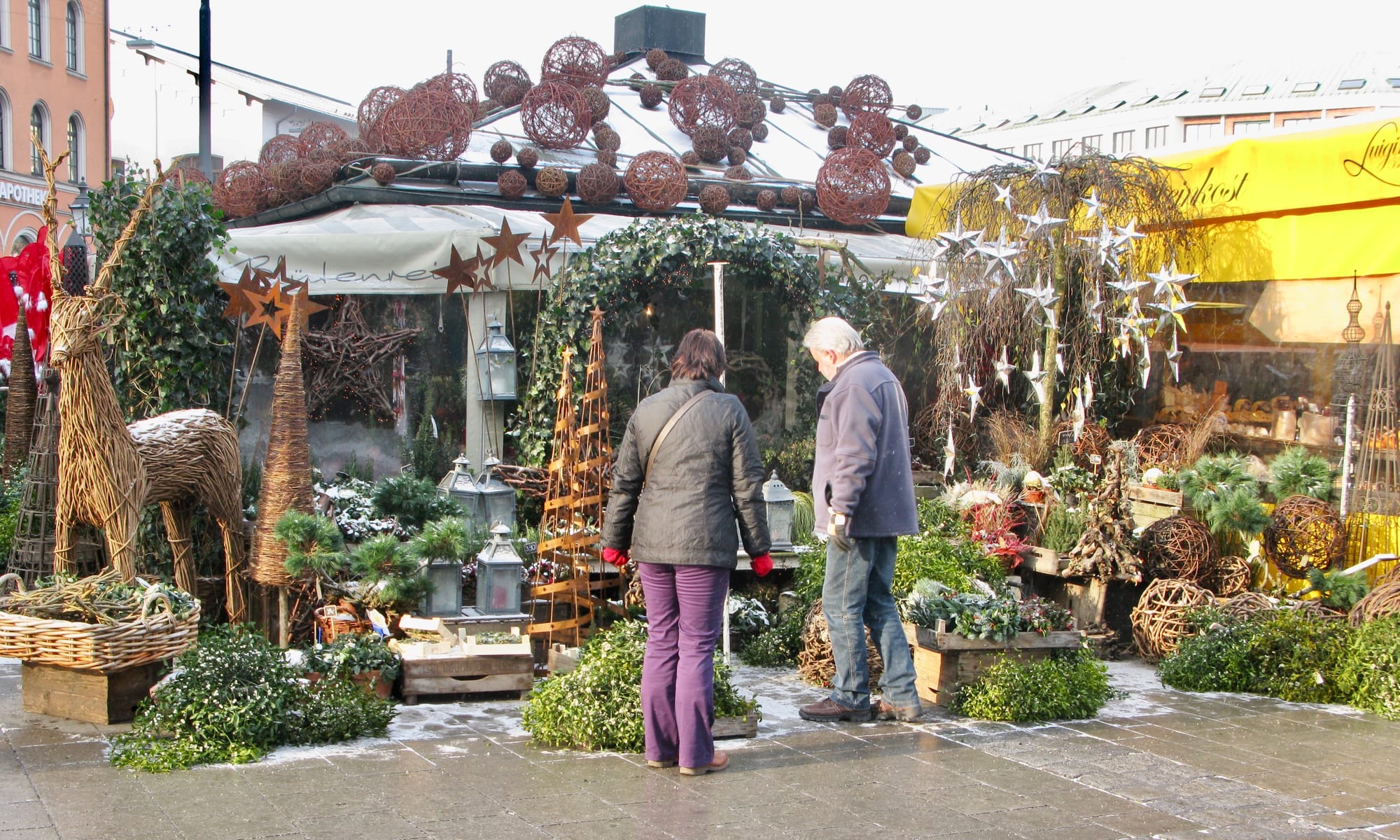
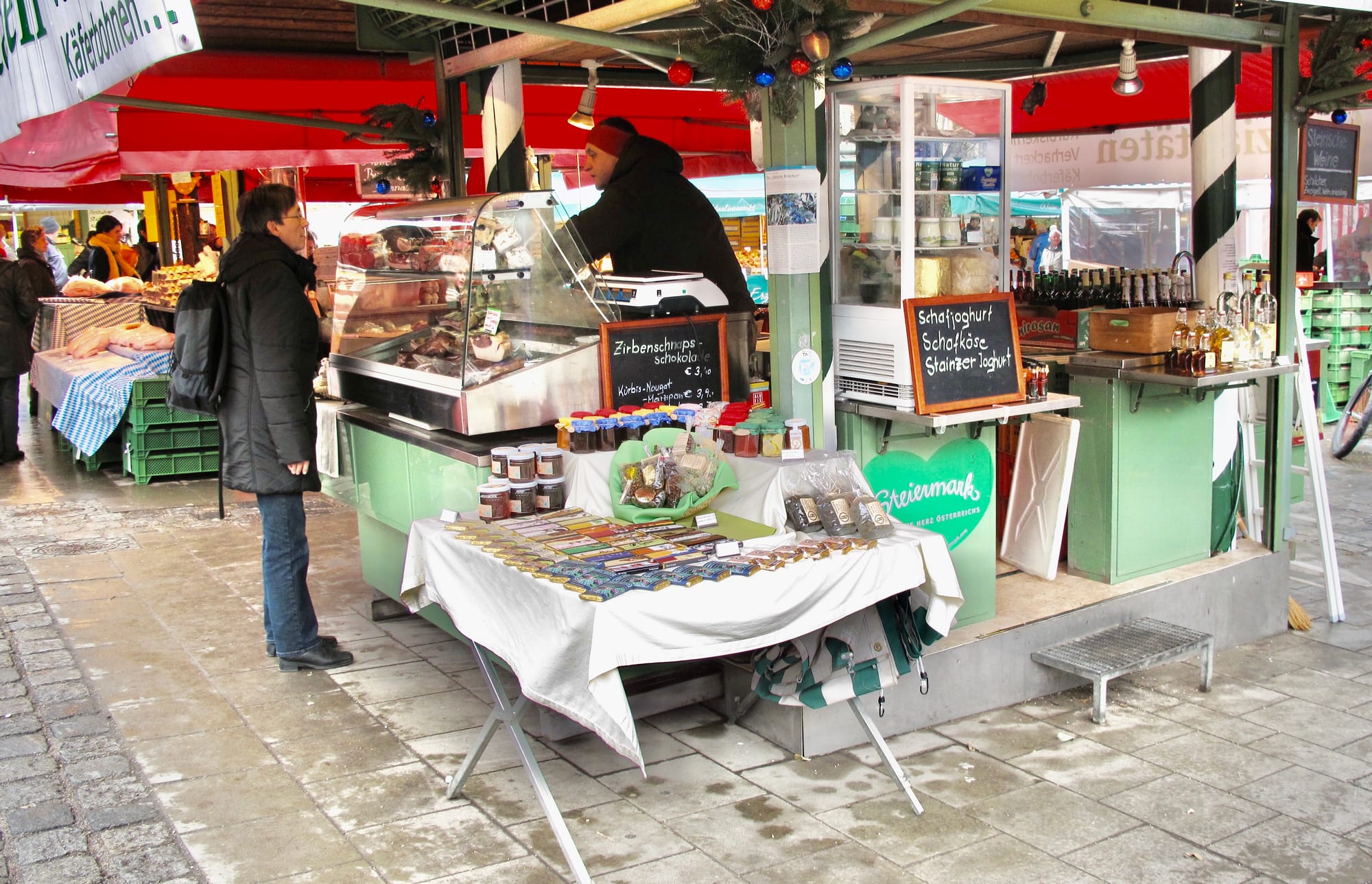
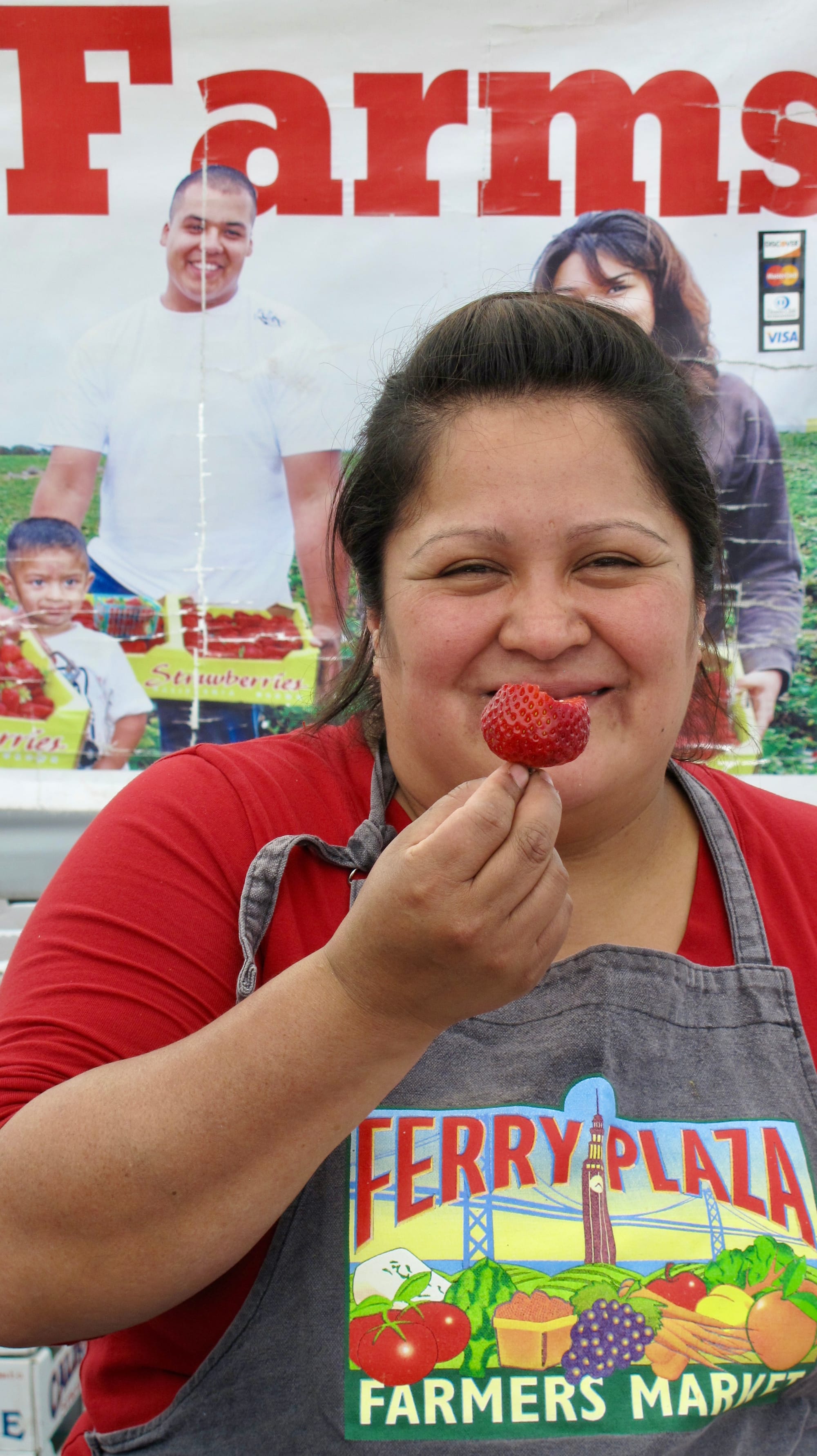
While the square is a physical place, much like the heart is a physical organ, it is the activity that happens in a square which creates "the magic" of community life. One of the most dynamic, vibrant, and popular kinds of programming in squares is markets. The energy a market fosters with its countless interactions between vendors and buyers, performers and visitors is unmatched in revitalizing a space and making it thrive.
 Steve Davies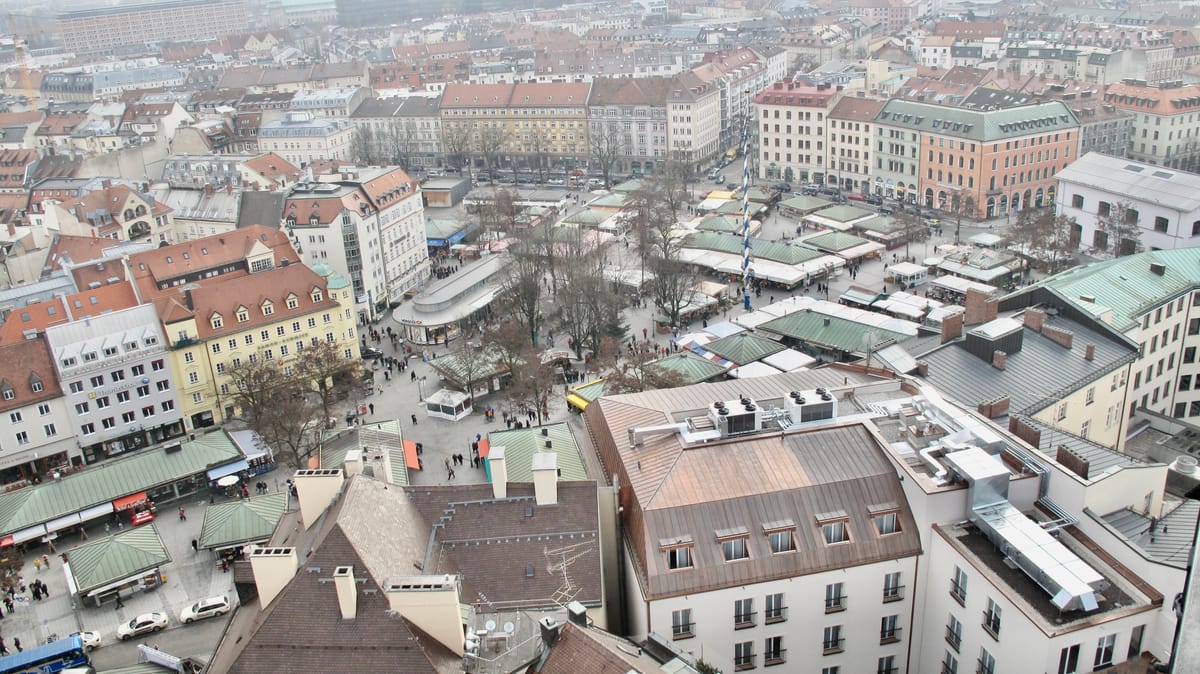

Our Goal
What we have been trying to do with our work and photos is to get our whole way of thinking about places into "bite-sized" visual examples that people can be inspired by and apply the takeaways of in their own communities.
We now have over 150 articles analyzing great public places, and nearly 300 drafts waiting to be published. Now that Kathy has passed I am alone, but I have so many memories with her and they will be with me and they will be in these articles.
We still have a long way to go to spread observations from 50 years of work and travels but we believe it is invaluable to preserve these insights so that we can create great places in the future. So enjoy these articles and photo collections and realize that if we take a look and see, and see deeply, we will get to the bottom of what makes places great and it will pave the way for us to have a richer life in the future.
Seeing with Kathy
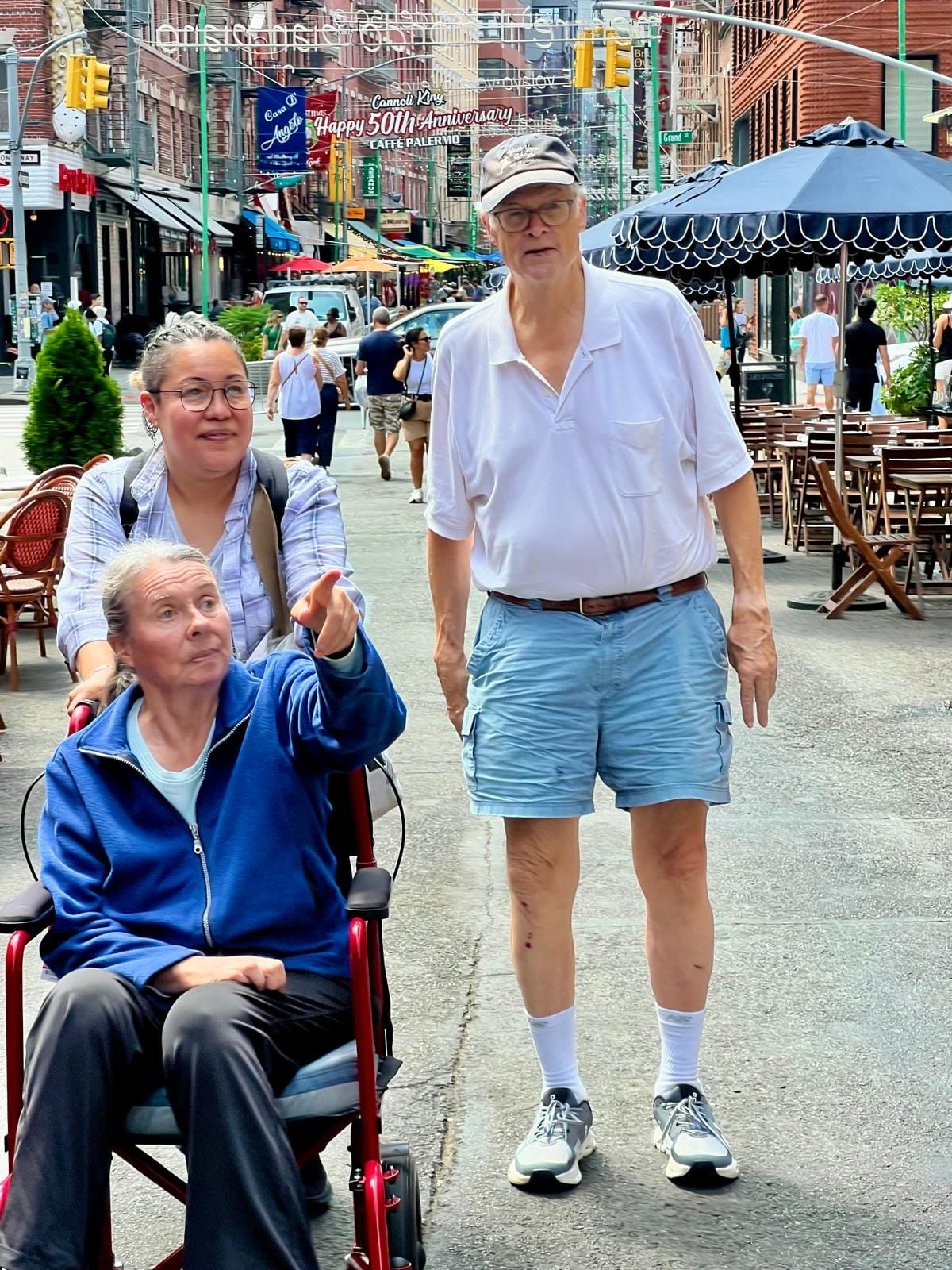
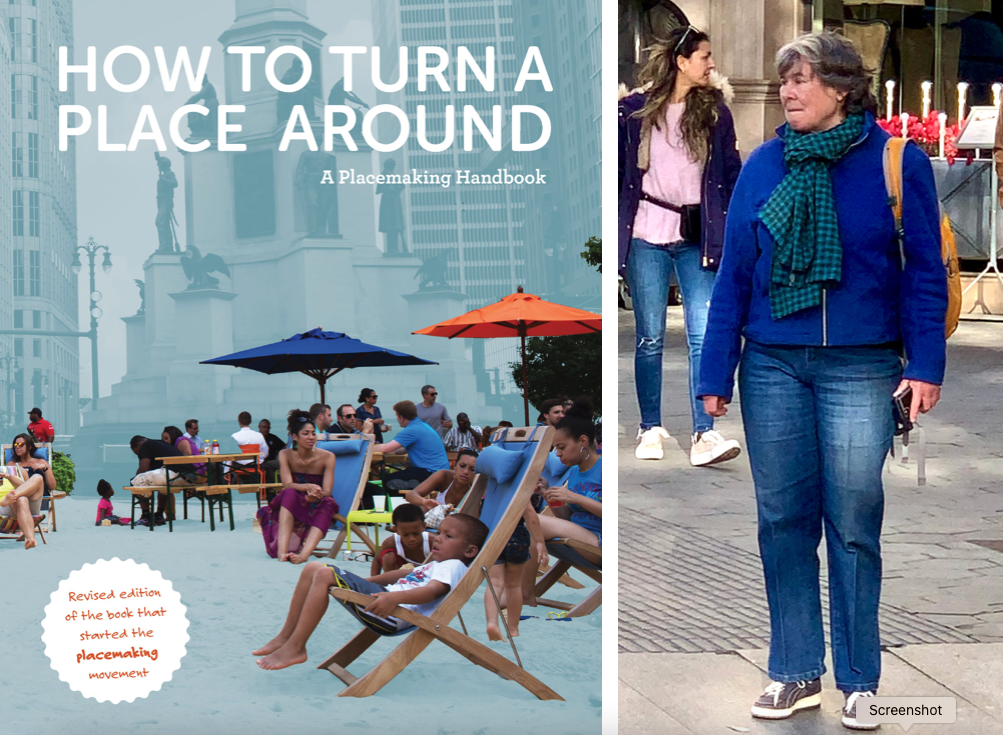
After decades of adventures and explorations, sitting down with Kathy to look at all the memories we'd gathered in public places and finding these and other insights within them was a great joy. It was like unearthing hidden treasures together. She had such a talent for identifying the magic in a space and realizing what made it thrive. This talent and her spirit will live on in the articles we've written together, in the Placemakers all over the world that she taught and inspired, in the brilliant book she wrote, and in the great memories she gifted us with.
 Steve Davies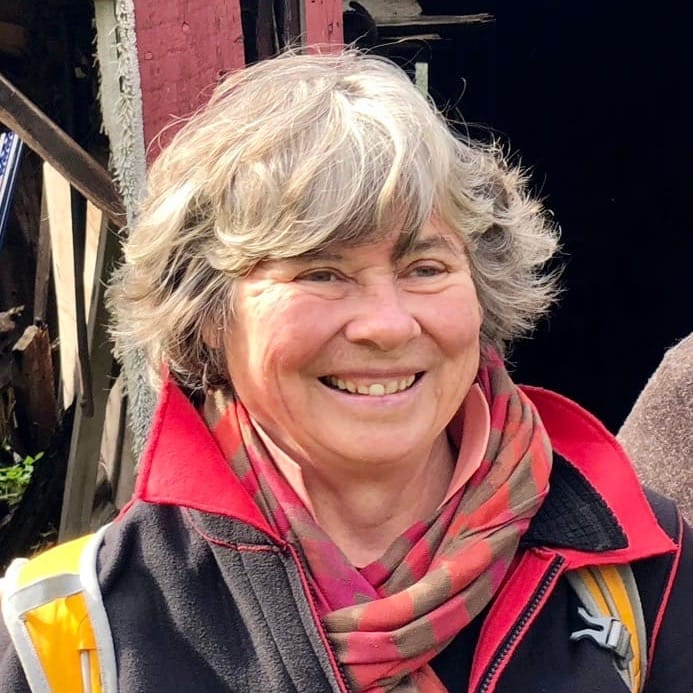
Further Reading
 Tayana Panova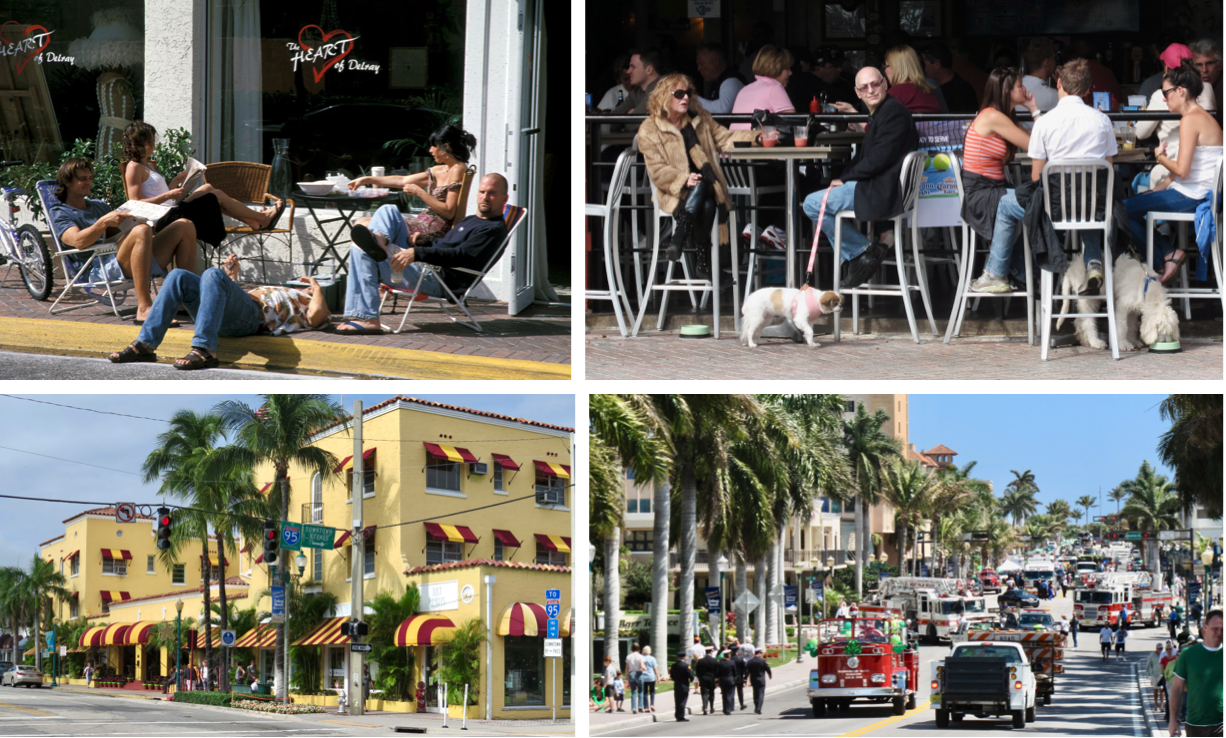
 Fred Kent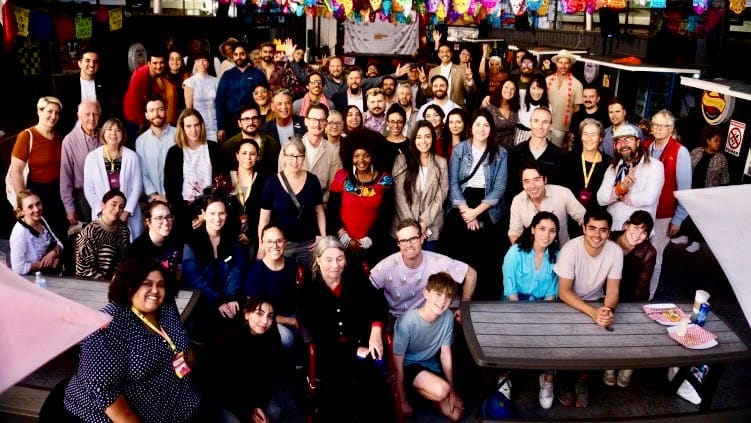
Who We Are
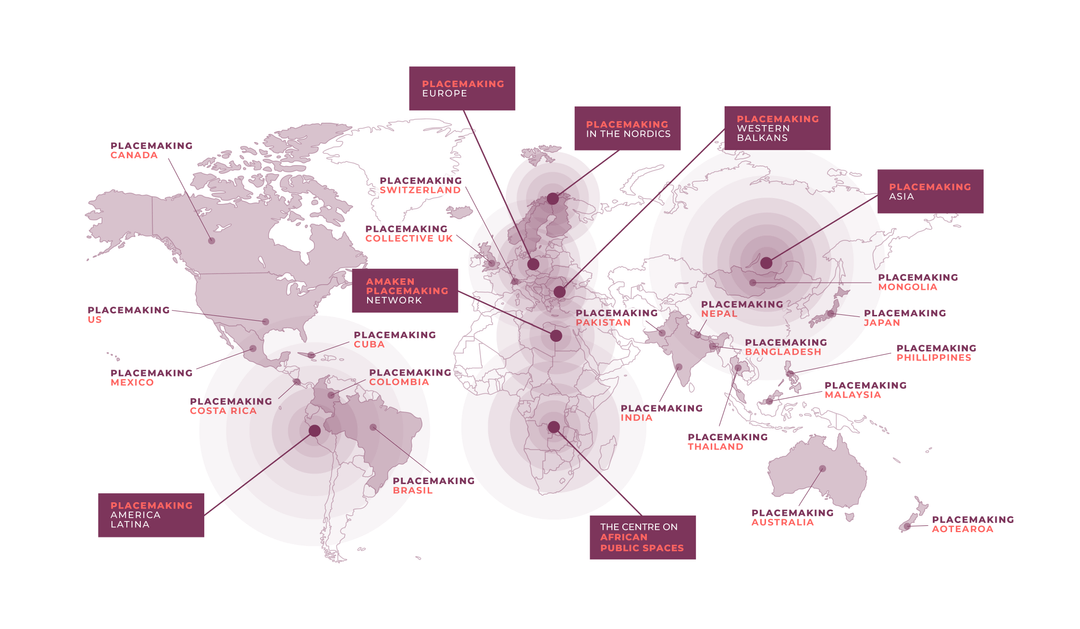
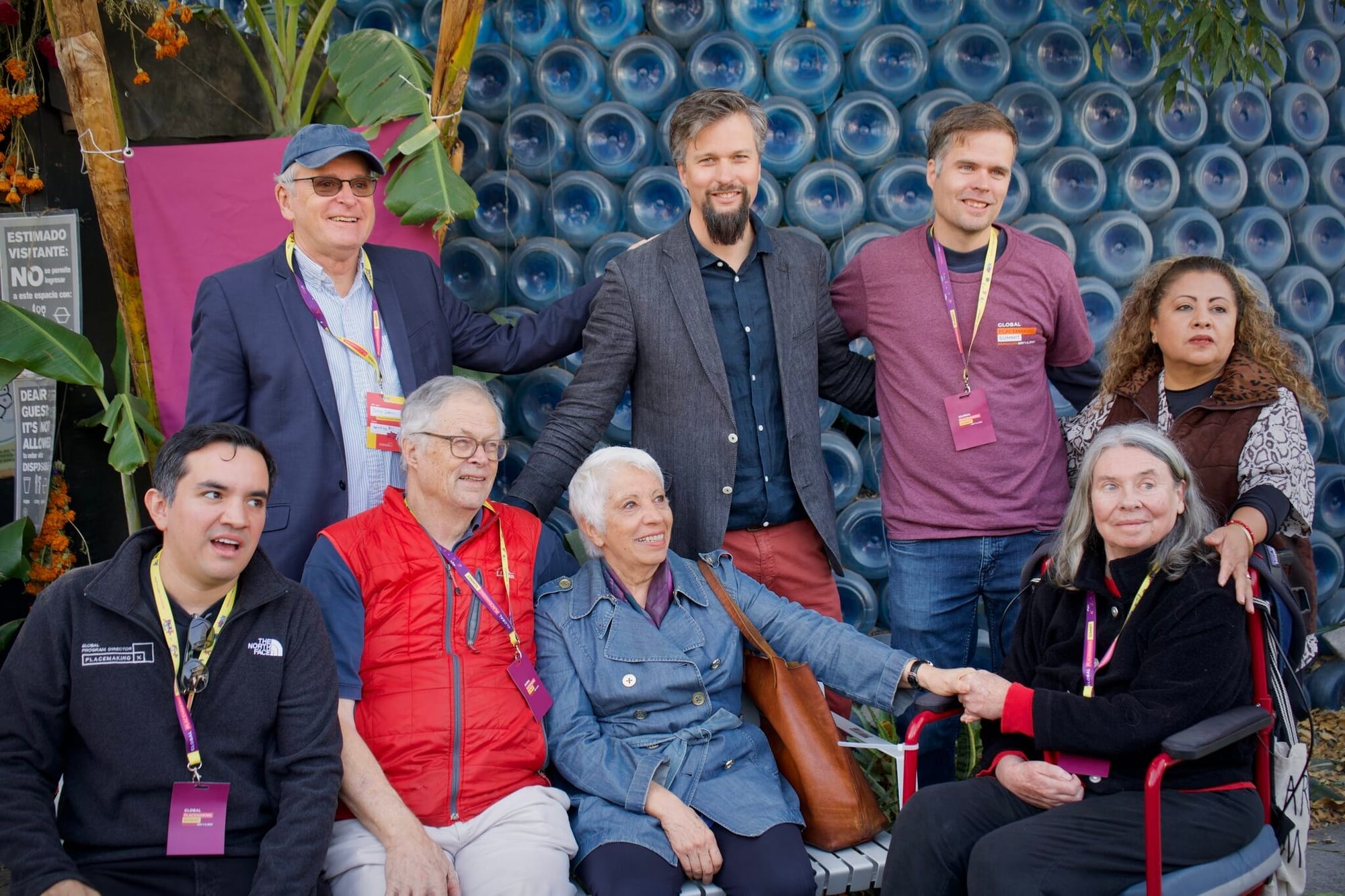
We are part of a growing group of community activists who have spent over 50 years building a "Placemaking Movement" globally that is now in over 30 countries around the world.
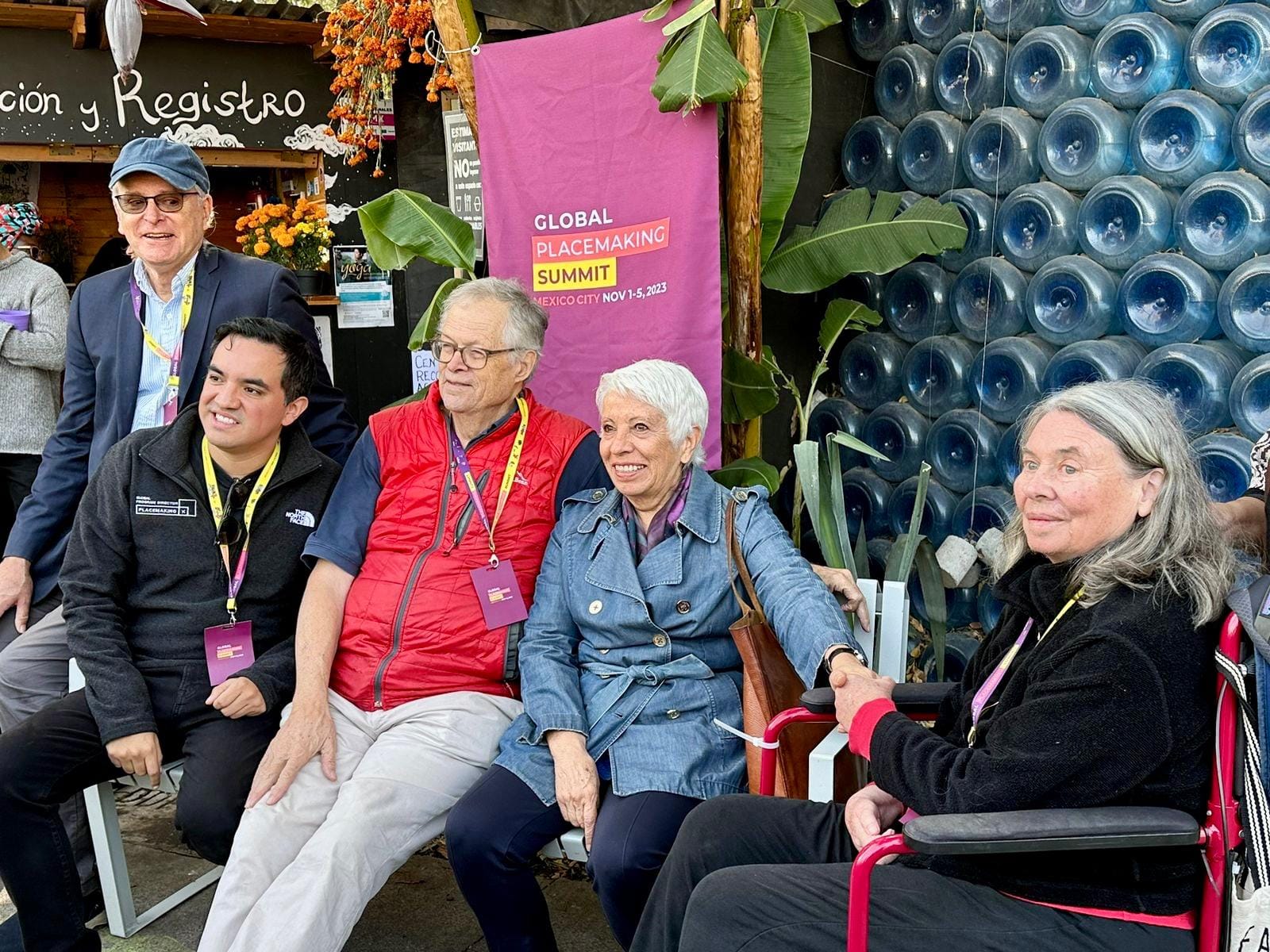
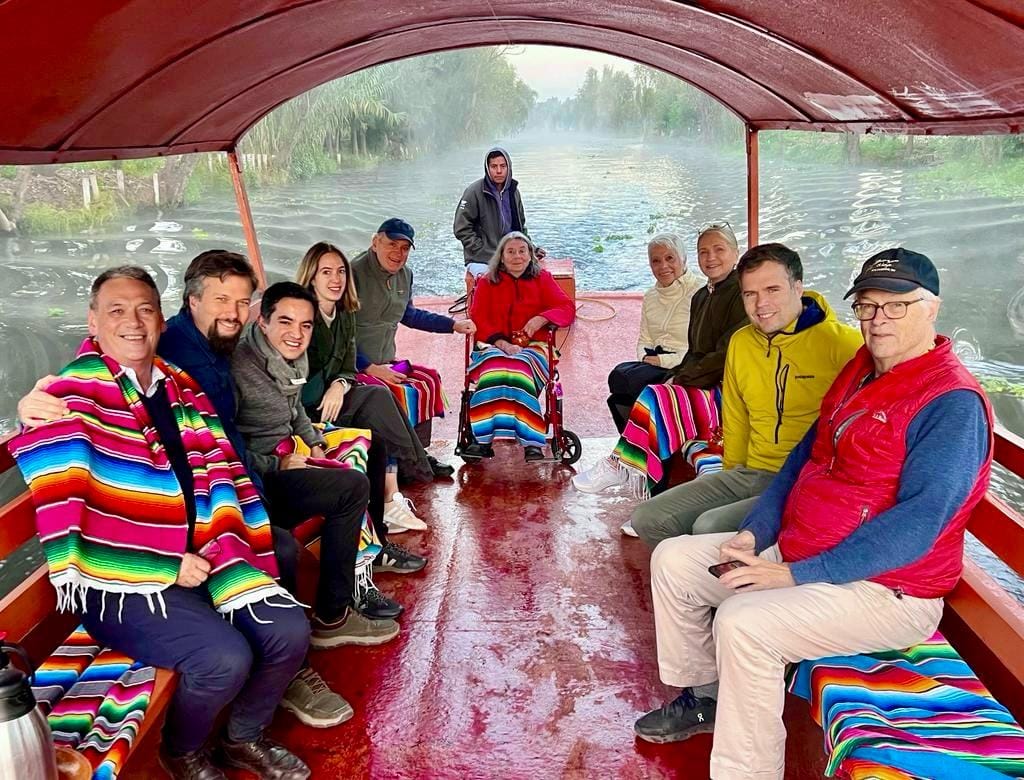
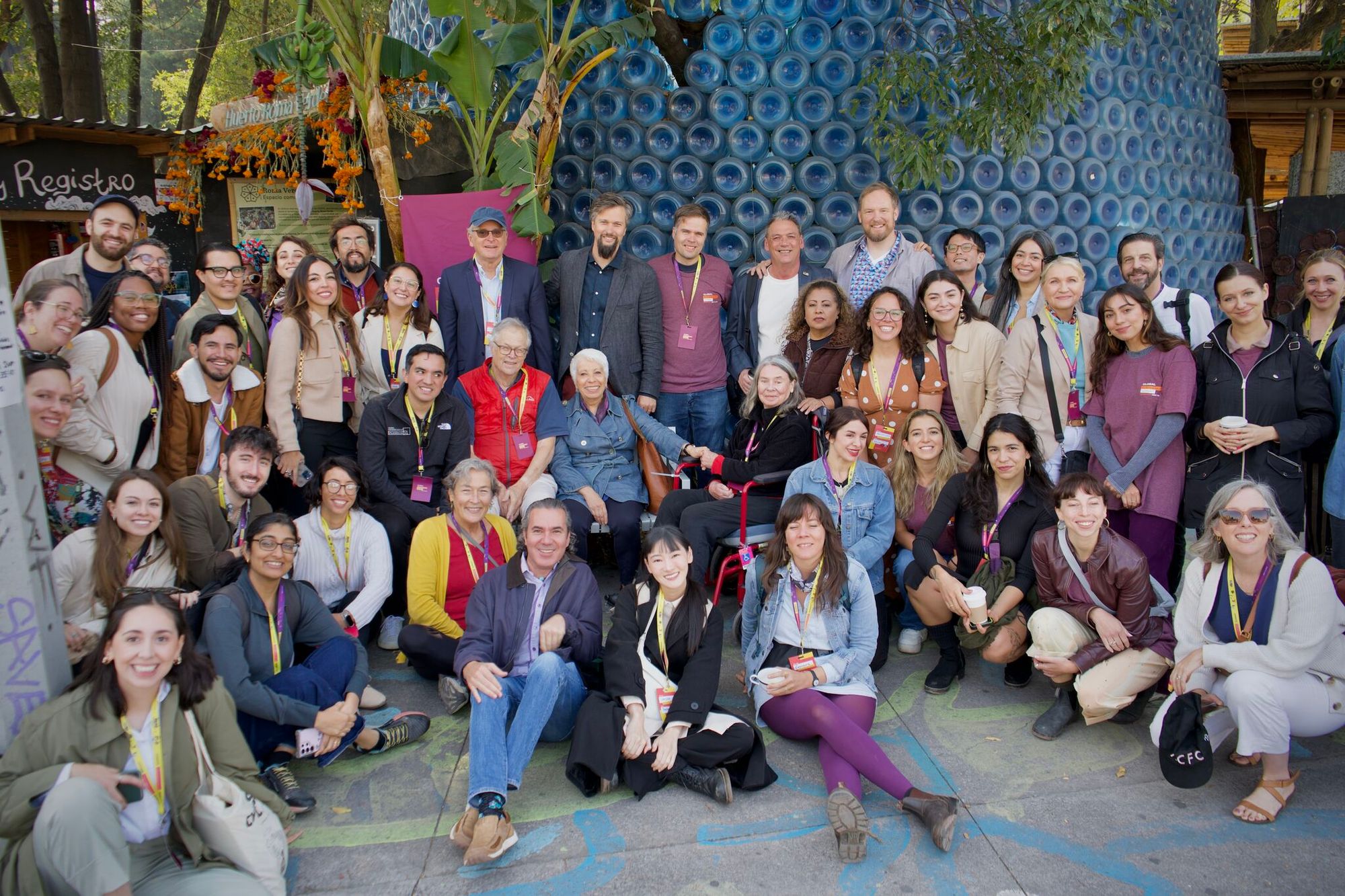
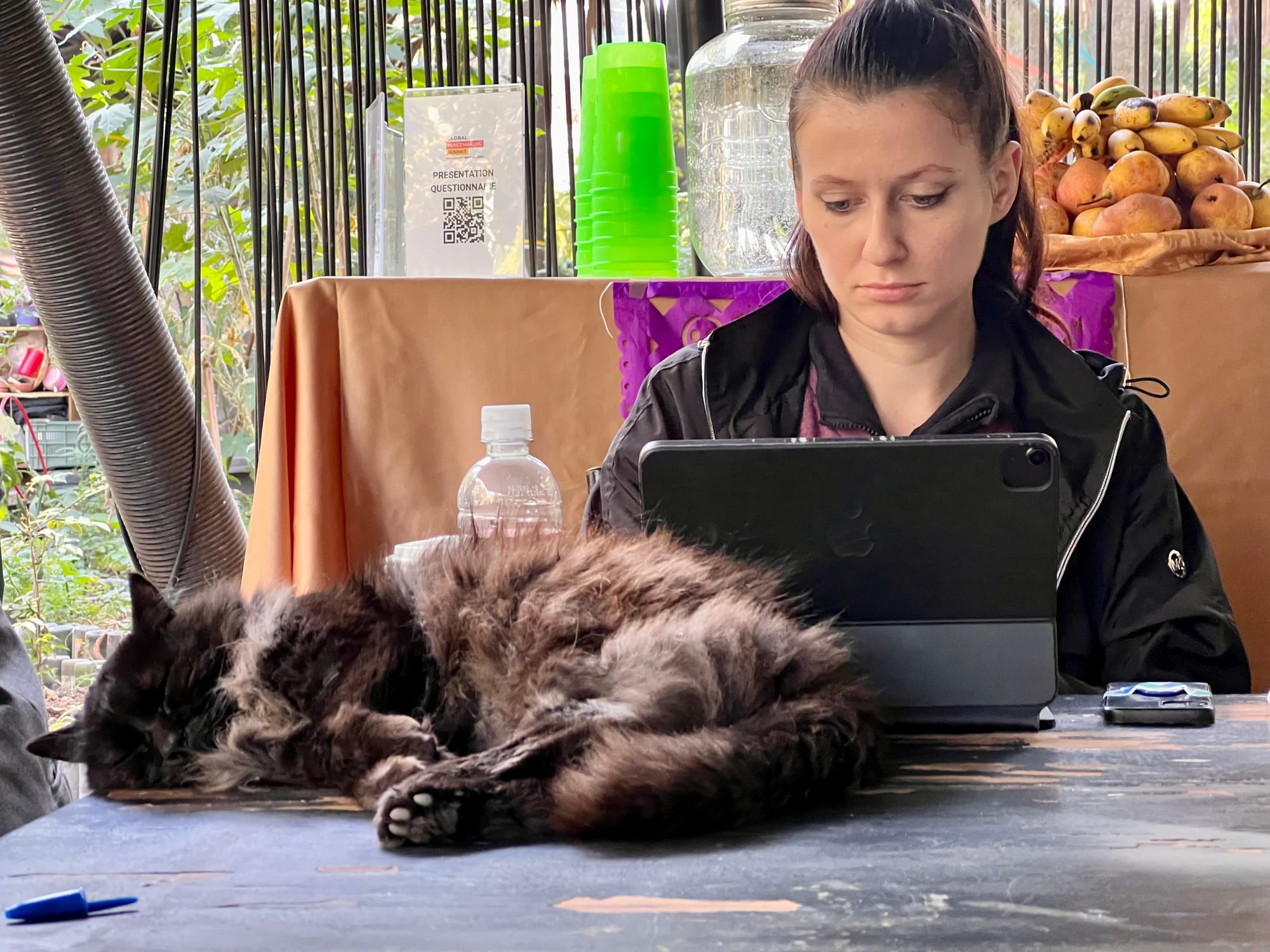
Meeting in Mexico City 2023 Huerta Roma
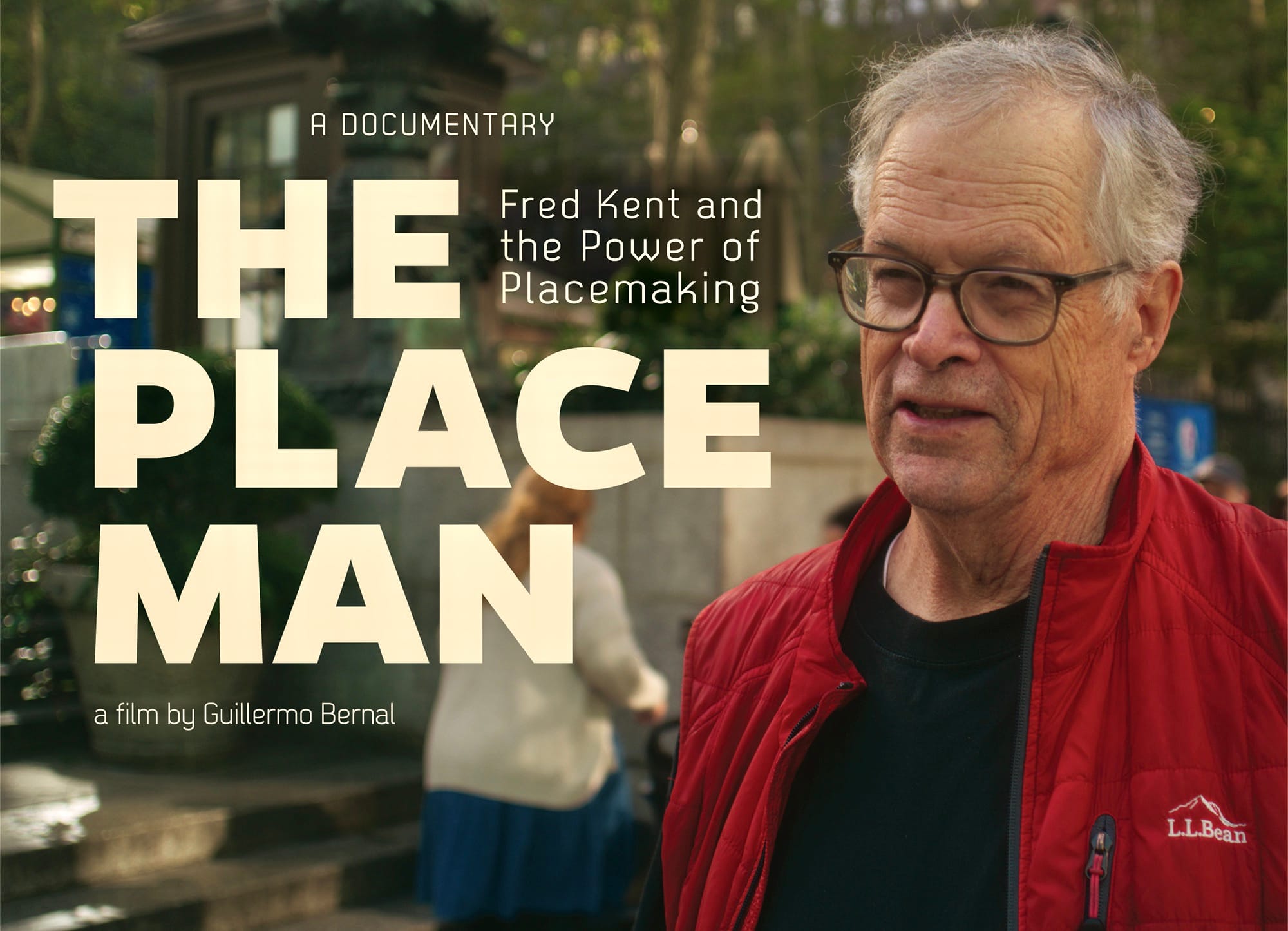
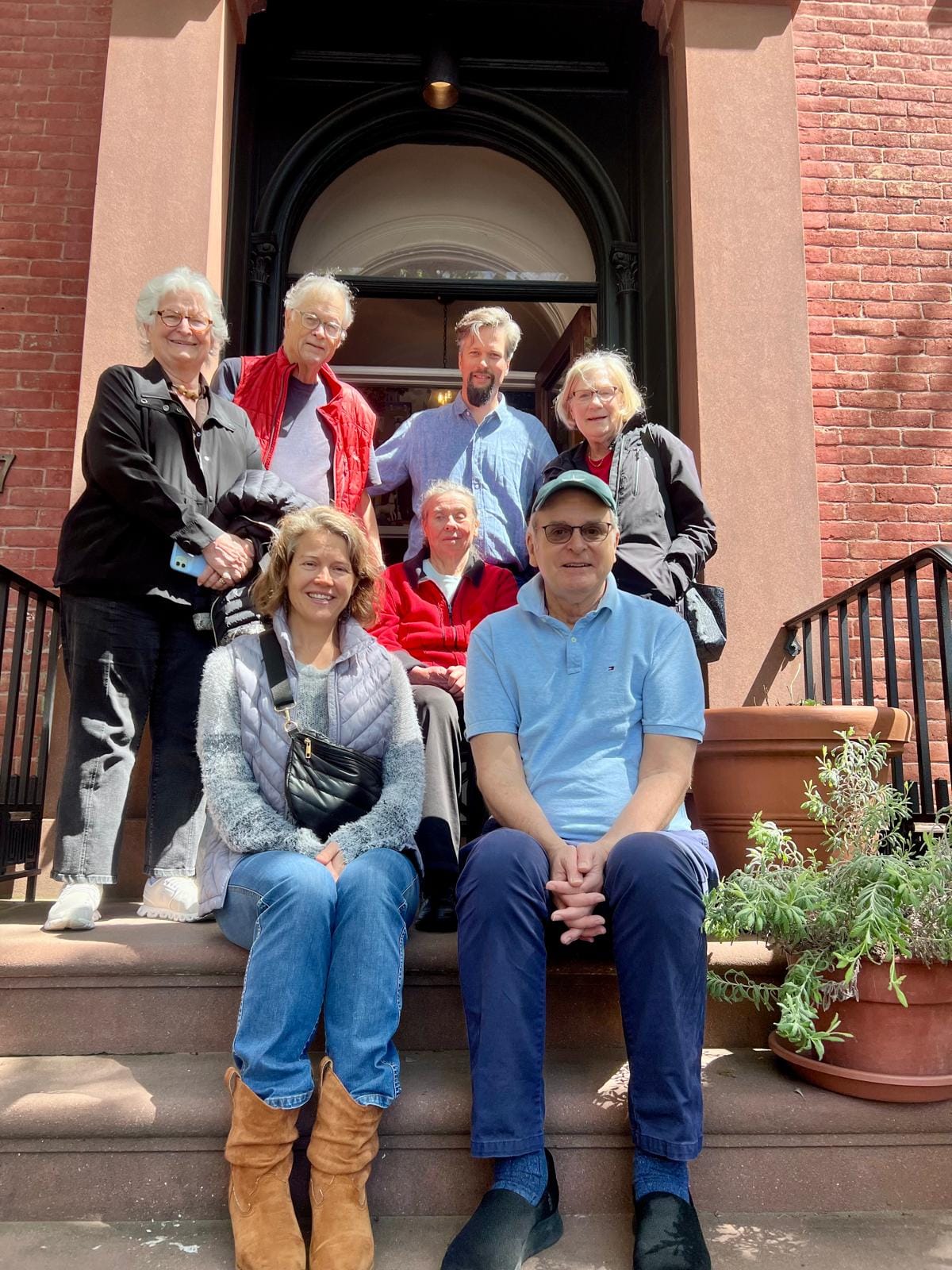
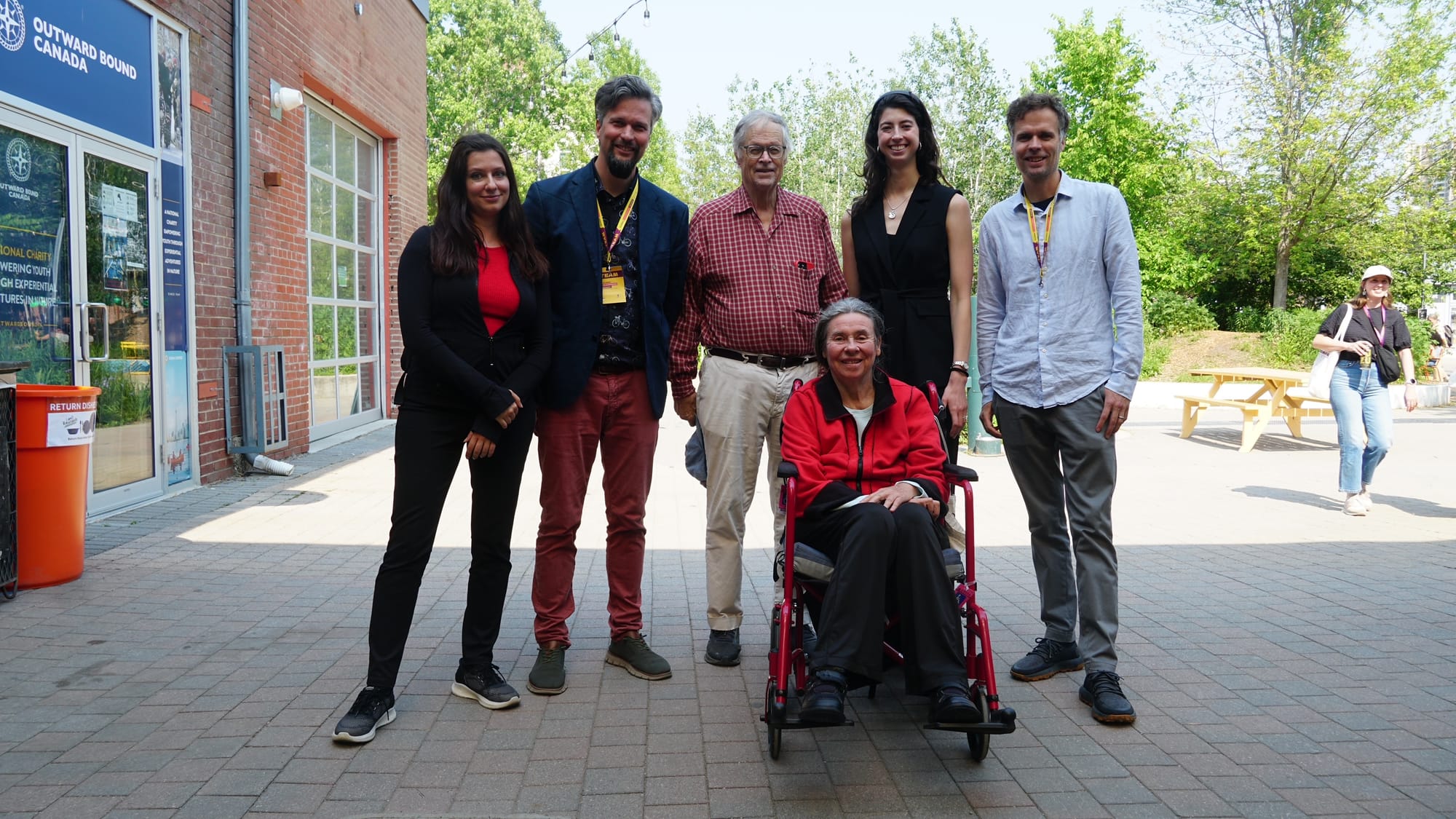
PlacemakingX/Social Life Project Team
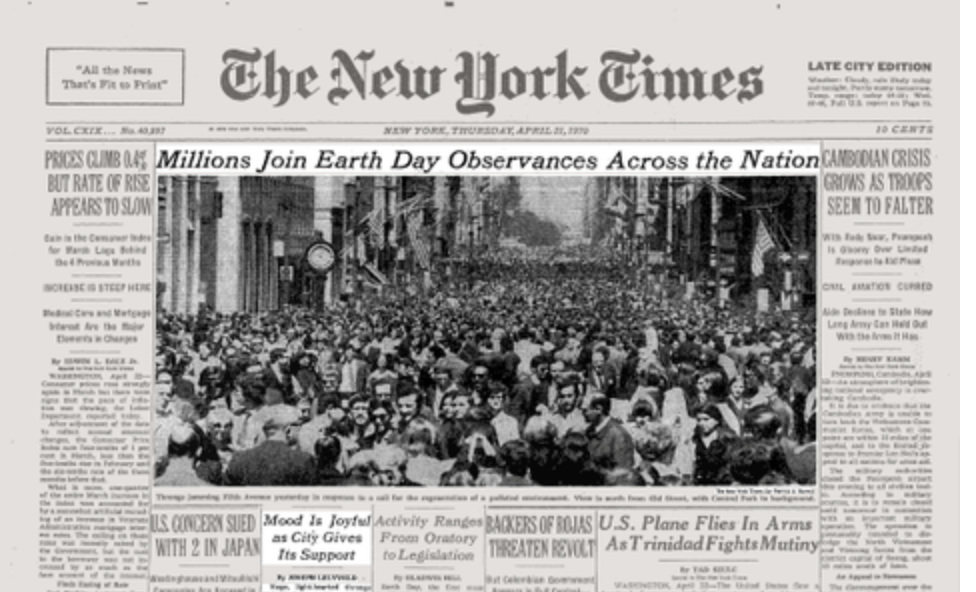
The birth of the "Placemaking Movement" - Earth Day in April 1970
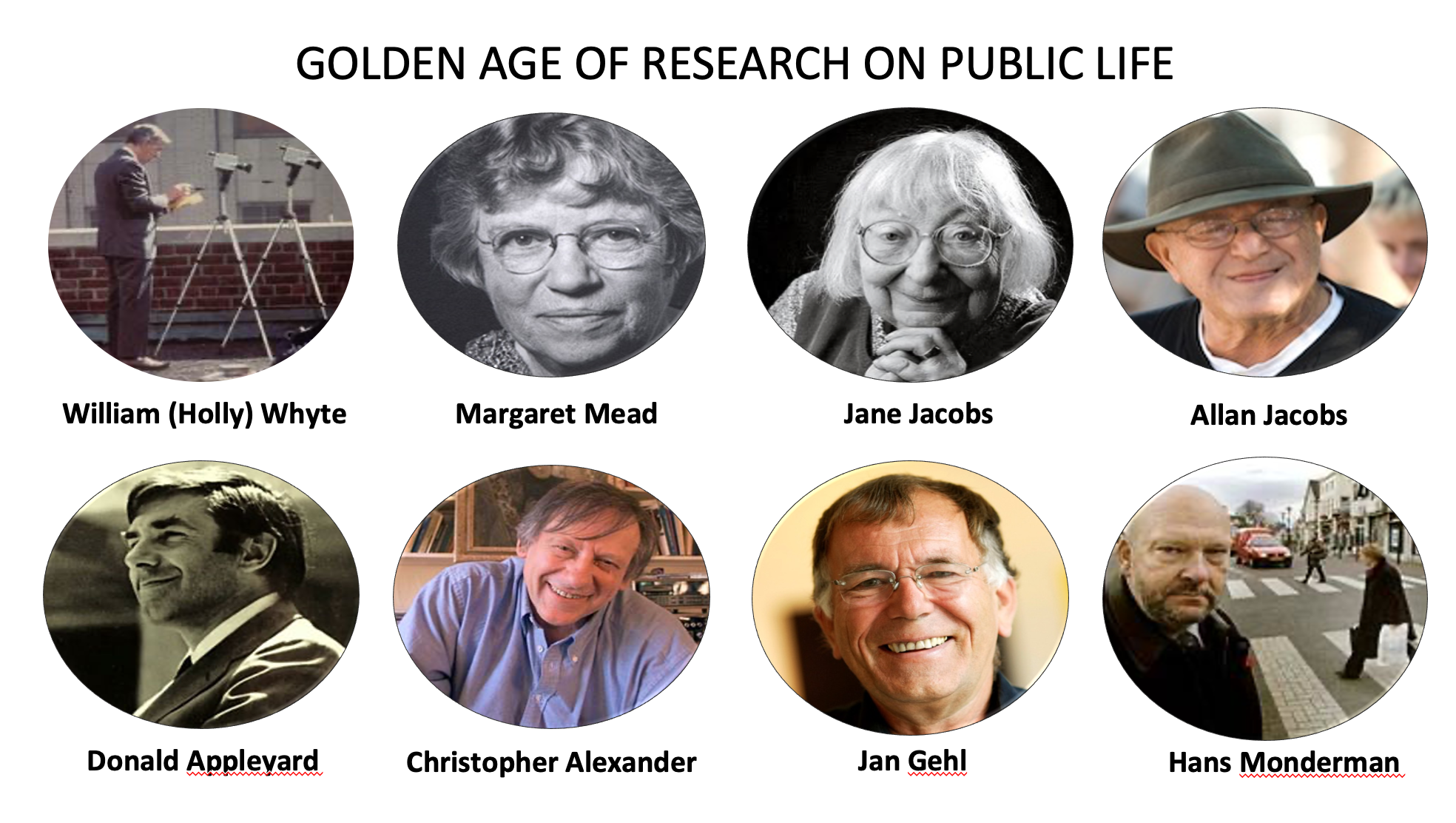
"The radical energy of placemaking is that the authority to catalyze change comes not from credentials, but rather from proximity, lived experience, and a deep commitment to place. Placemaking knows no party, but most importantly, placemaking comes from a place of love—a combination of affection and respect that we believe precedes other aspects of expertise or power." – Tracy Hadden Loh and Hanna Love
Brookings Metro's Anne T. and Robert M. Bass Center for Transformative Placemaking.