Hats create places that brim with personality
When we're out and about in the city, great hats always catch our eye. A colorful plume here, a quirky tilt there, hats have a unique way of capturing people's personality. Everything from their design to their size says something about who the wearer is and how they want to be perceived. They are channels for self-expression. As such, hats have always held a prominent place in defining historical eras and fashion trends. They're like the cherry on top of the ice cream that is our identity.
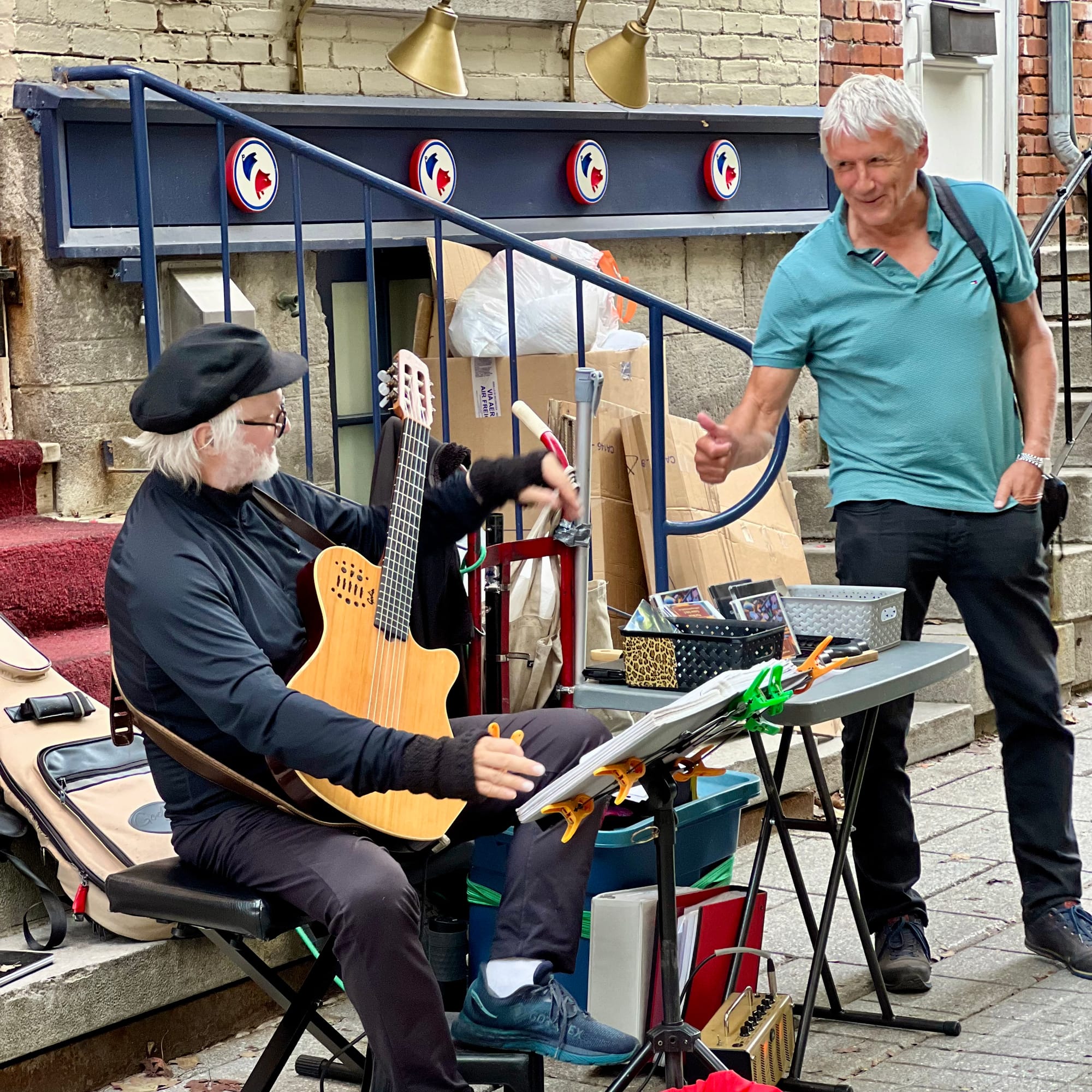
But, you might be wondering, what do hats have to do with public places and Placemaking? The answer to that question lies in when and where people wear their best hats. Not just practical hats that protect their eyes from the sun in the summer or keep their heads warm in the winter, but rather the hats that make a statement and have flair. When do those hats come out into the light? We don't wear those at home or to the supermarket. We wear them out in public. We wear them in places where crowds pass and people gather and where our fancy topper might be seen and appreciated.
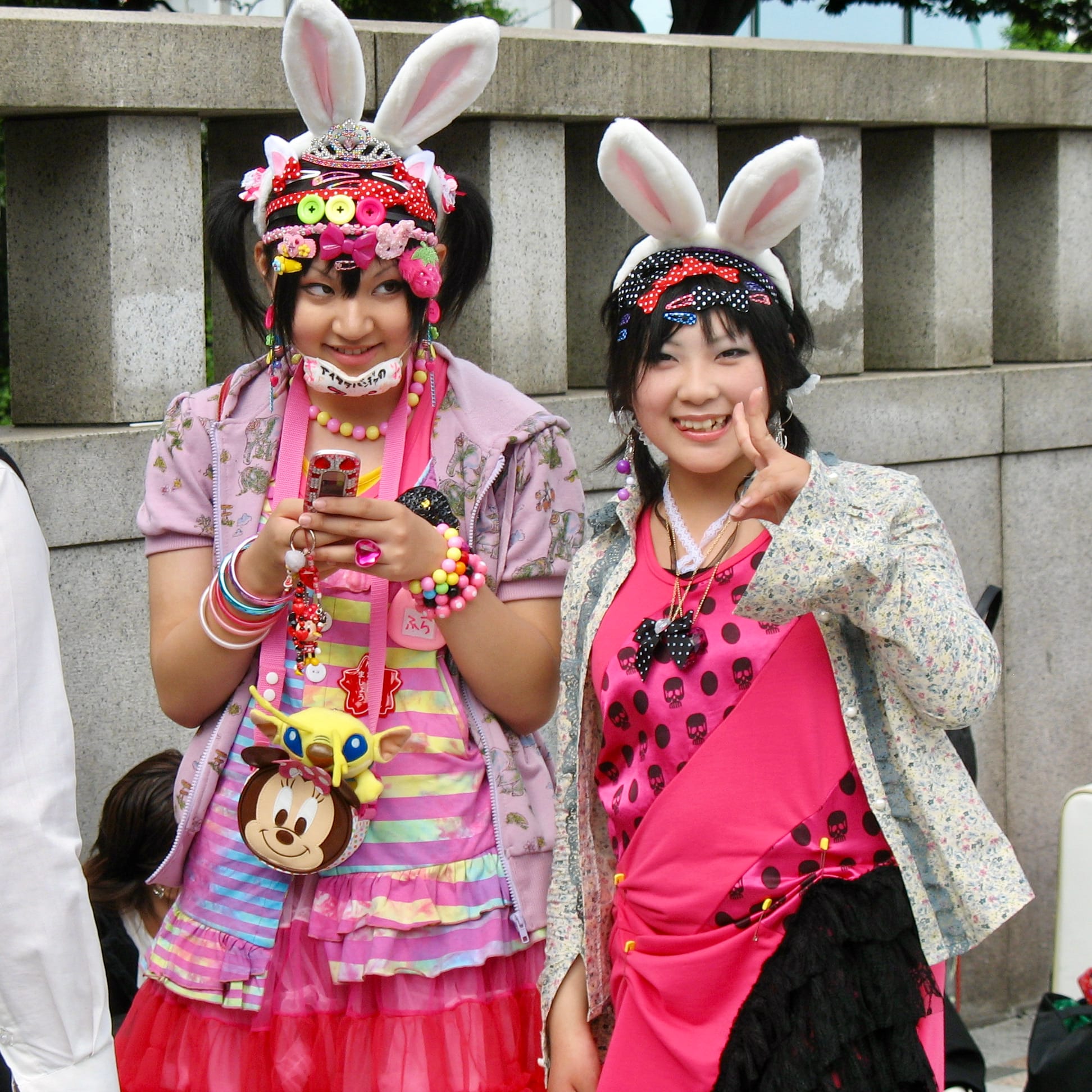
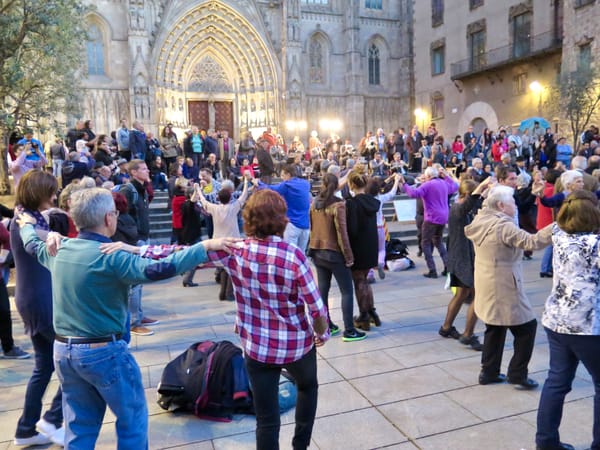
In other words, great places bring out great hats. When someone has a jaunty cap they want to show off, they wear it to the bustling square or the café-lined street, not to the empty strip mall or the office park. They wear it where the people are. And where are the people? In vibrant, activated, dynamic public places. Therefore, we can say that fun hats are an "indicator species" of great places.
What's more, when someone dares to wear a kooky hat to a particular place, it means they feel safe there. They don't fear judgment or punishment, they expect their unique accessory to be appreciated and celebrated. This too tells us something important about that place – it is somewhere people feel welcomed to express themselves and have fun. This is key to great public places that people return to again and again.
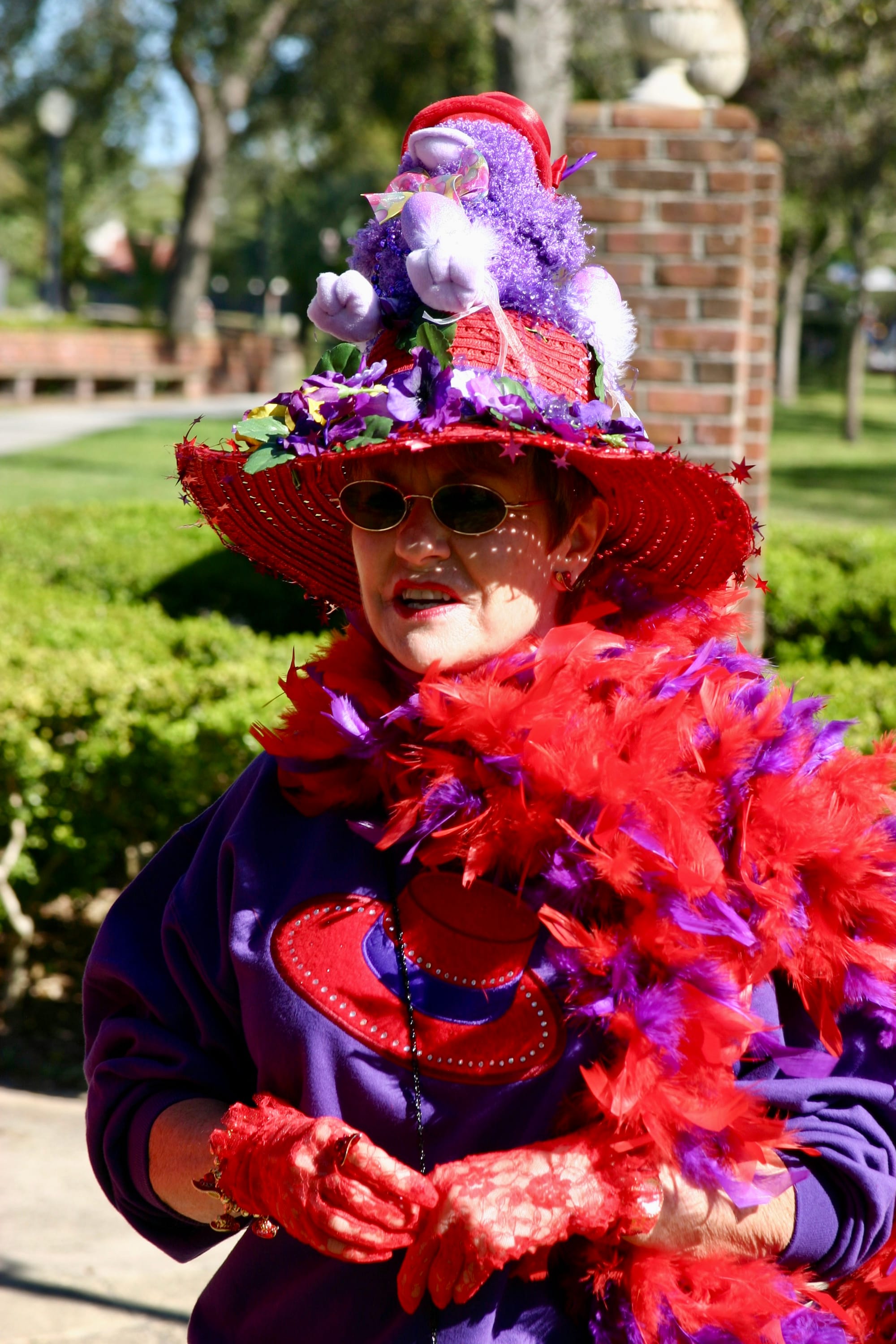

As for people's nicest hats, they wear these to the places that are important to them. A fabulous hat elevates a space and can even showcase or highlight a person's position in the community there. These hats say – this person is involved in something special. Like candles, hats are points of brightness in a public space.
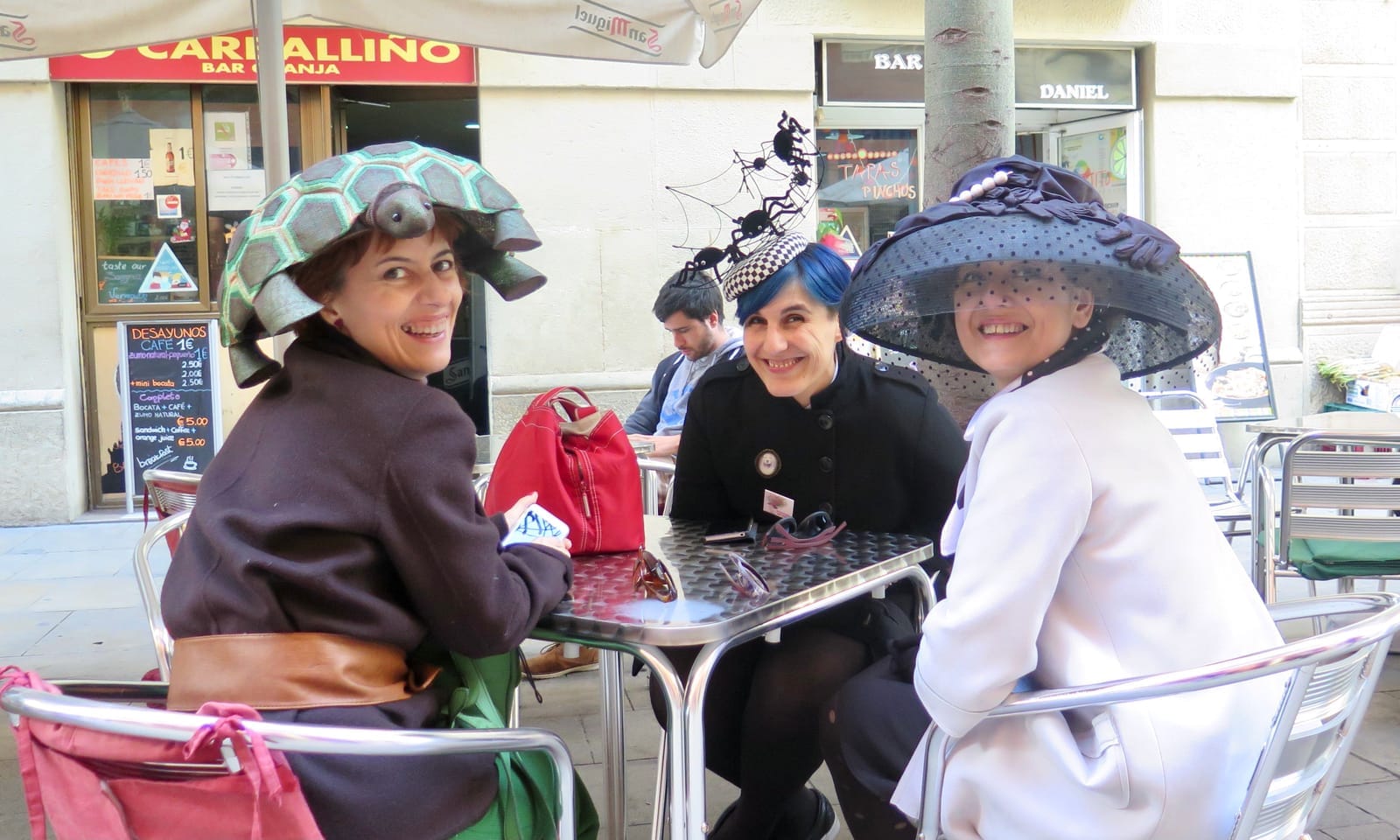
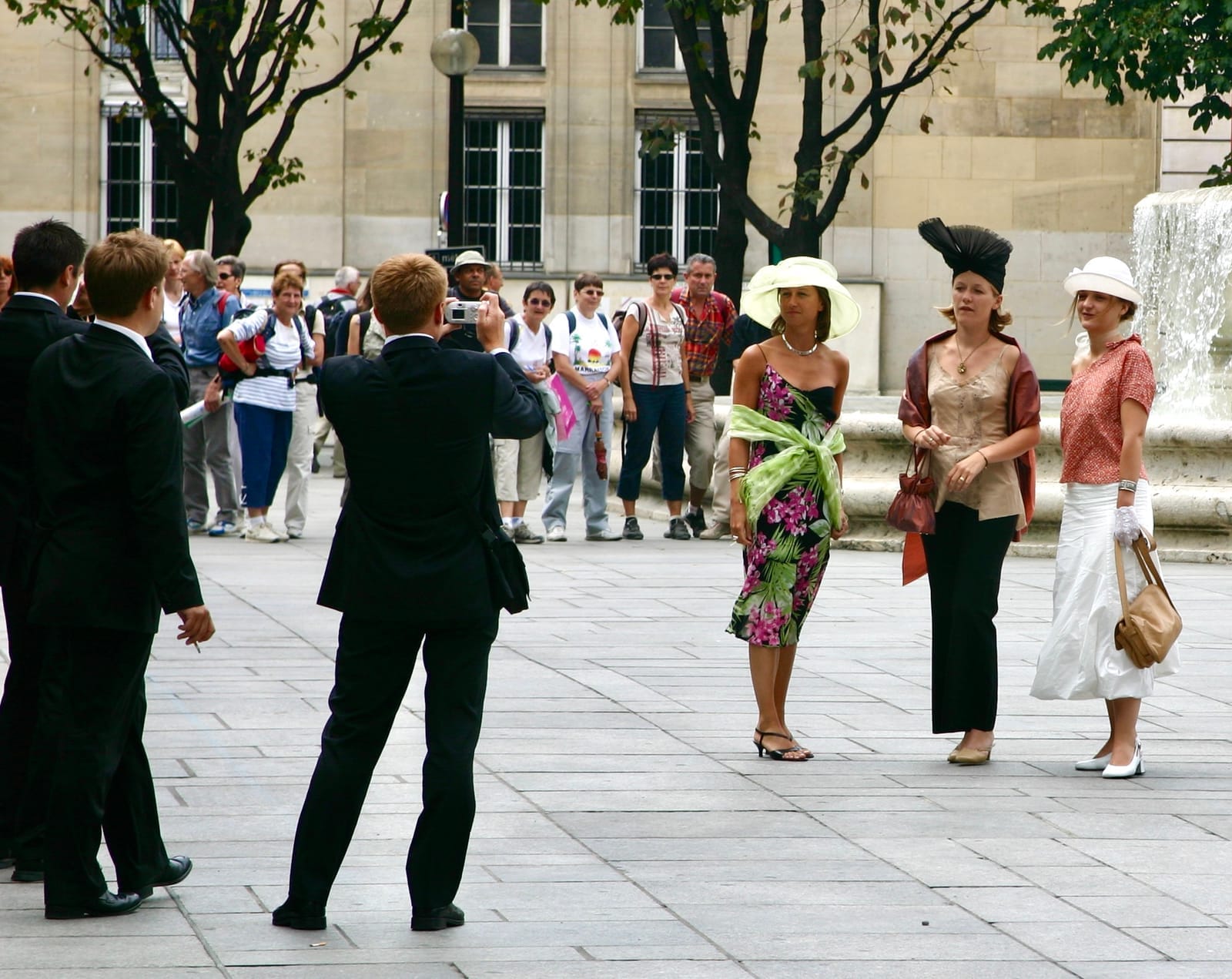
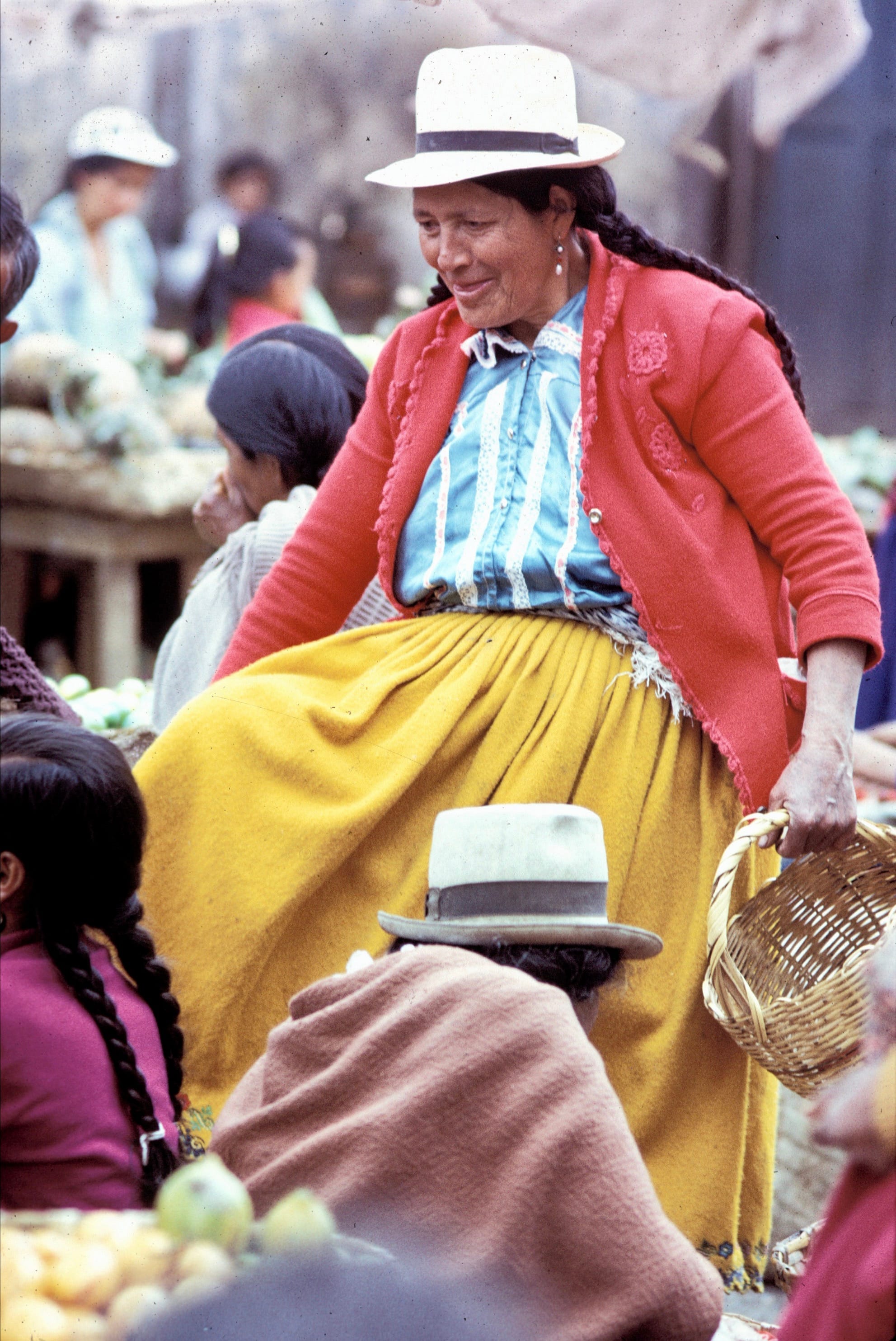
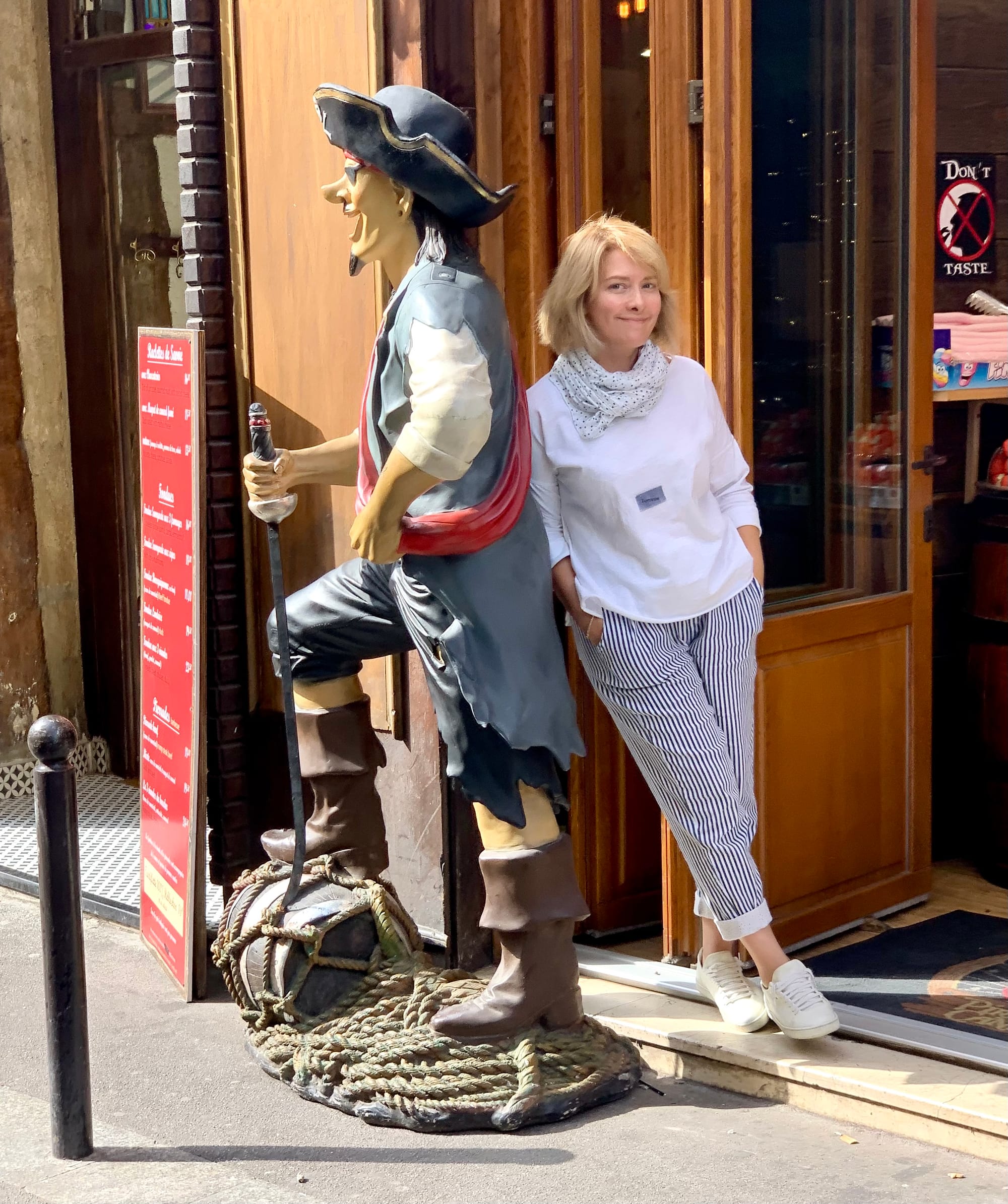

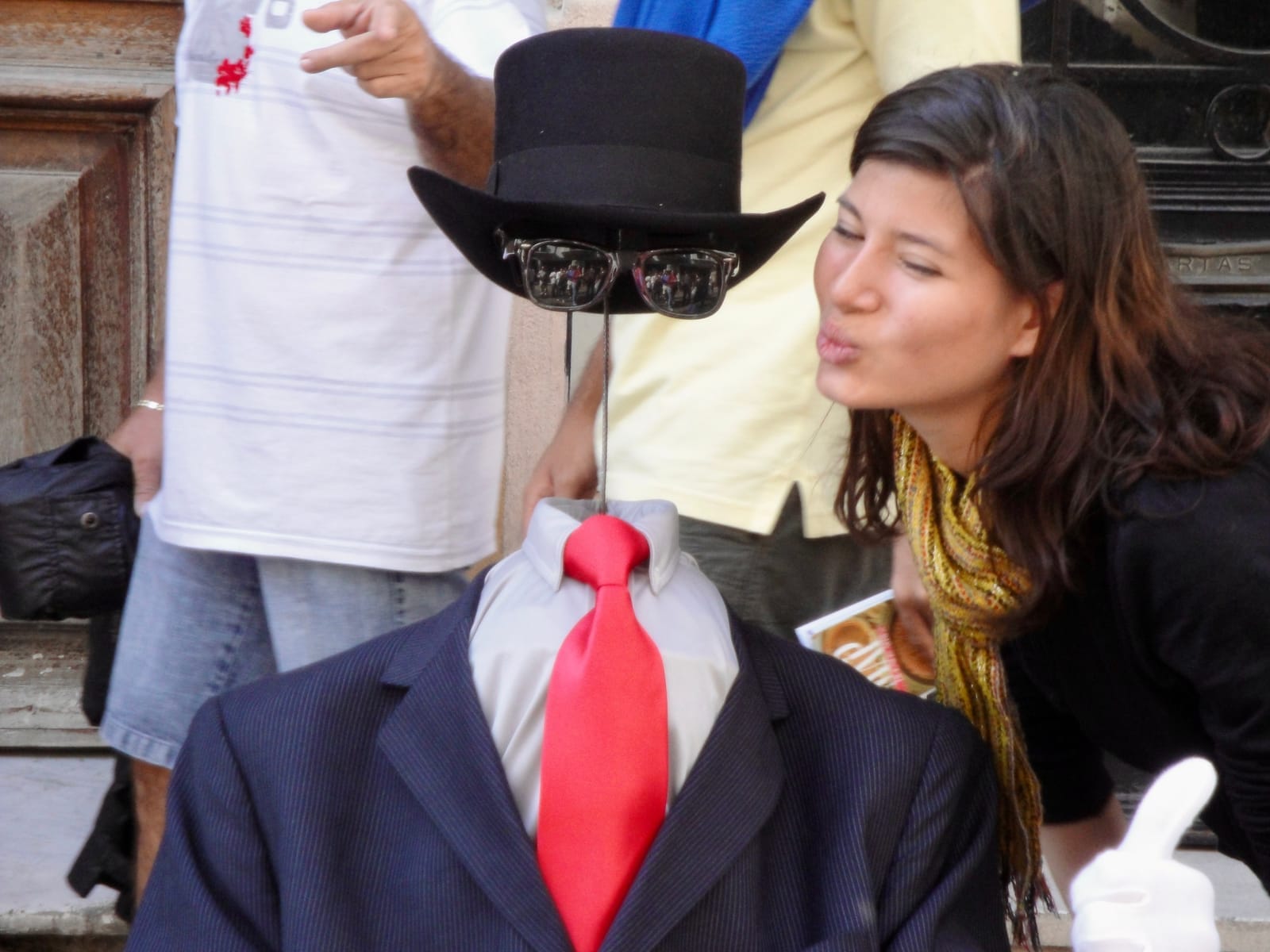
The character of a place has so many dimensions, including the people that spend time there. People and amenities in a public place are intertwined and weave the character and atmosphere of the place together. When people feel comfortable somewhere, they show their colors, and that makes the place more interesting too. Hats are like the spice on place – a "sprinkling" of them gives it a distinct and memorable quality.
Wearing a fun hat can also be a way to engage with community life. When someone wears a playful or silly headpiece, they do it knowing it will make people smile and bring them joy. Wearing something that will tickle your neighbors is a subtle way to add positive energy to the community. You can lift people's spirits and give their day a special moment without having to do anything except be yourself.
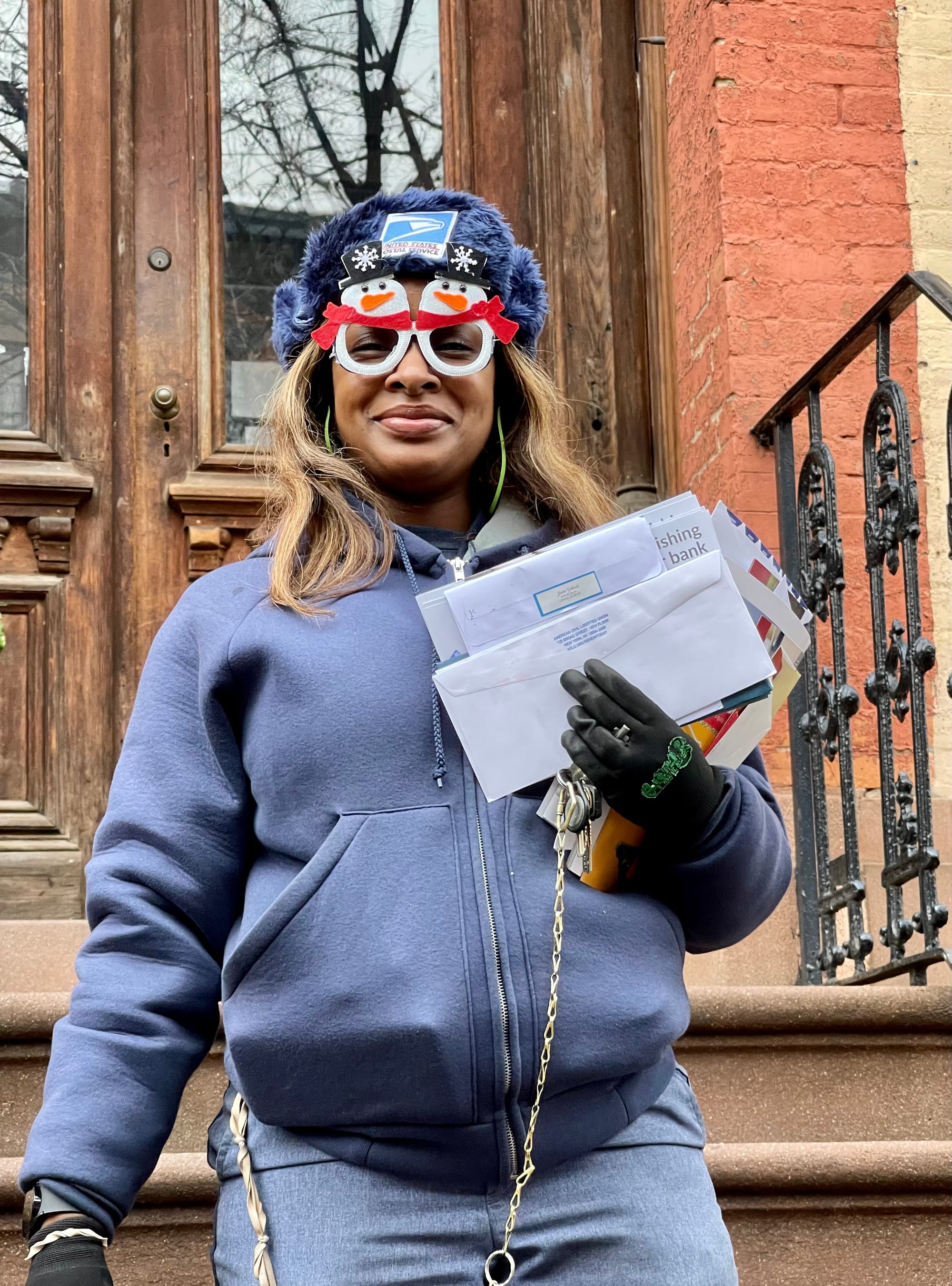
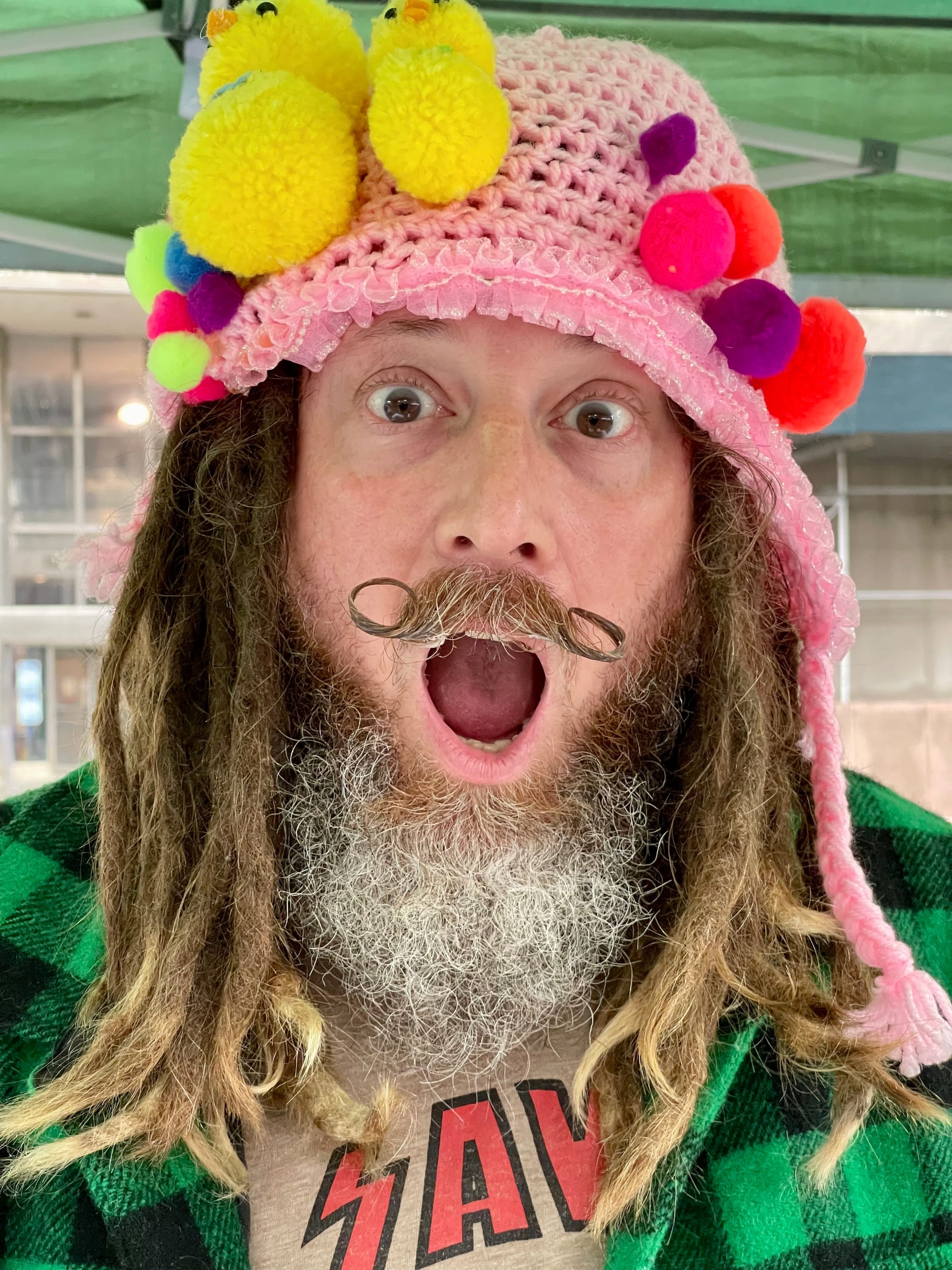
Hats spark questions and inspire curiosity. They make us feel both comfortable and beautiful. They indicate authority or belonging. For something so small and simple, their role in society can be incredibly versatile. Because of that, hats have always been prominent in Social Life Project's photo collection, and we want to share some of the best images we have collected over the years with you.
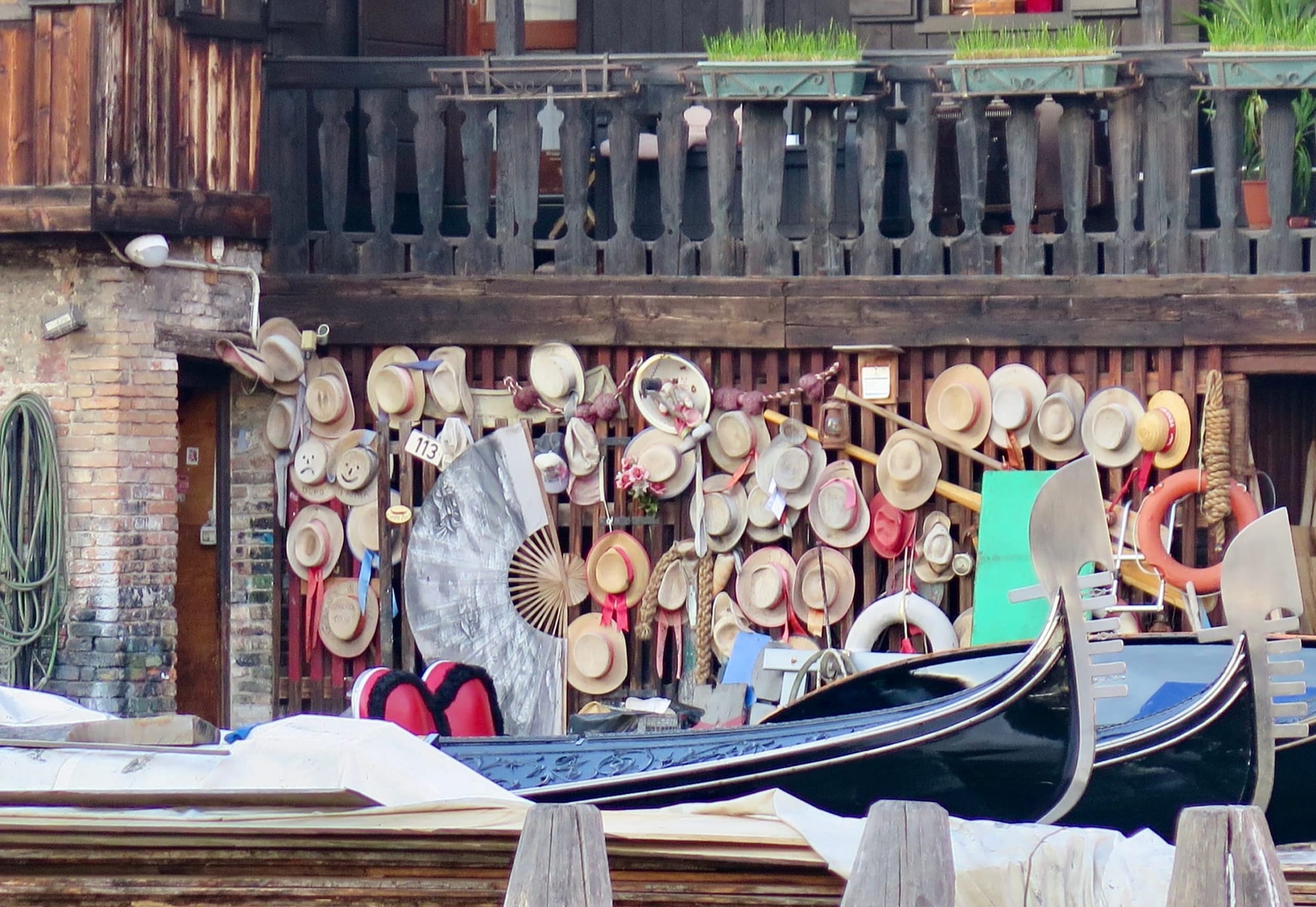
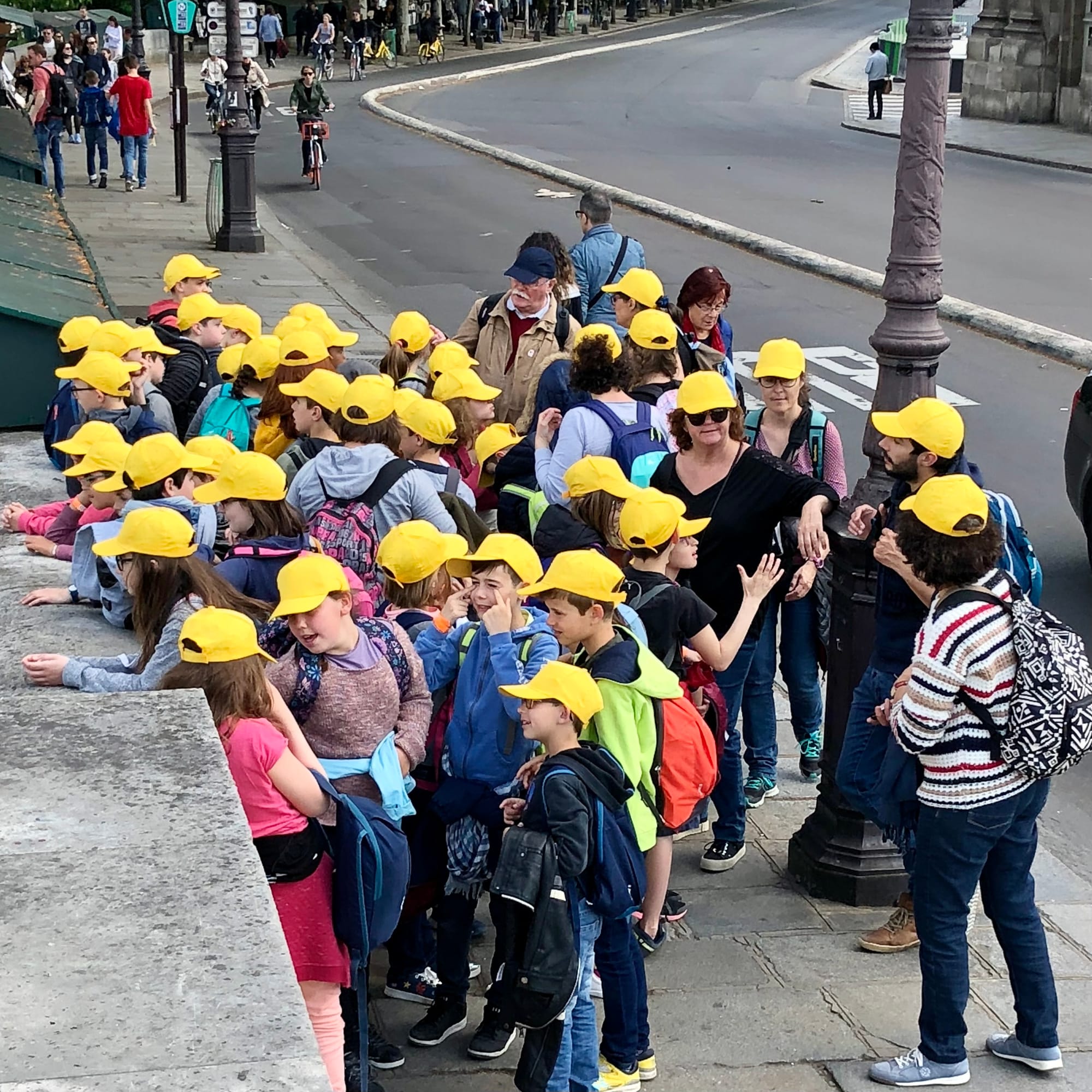
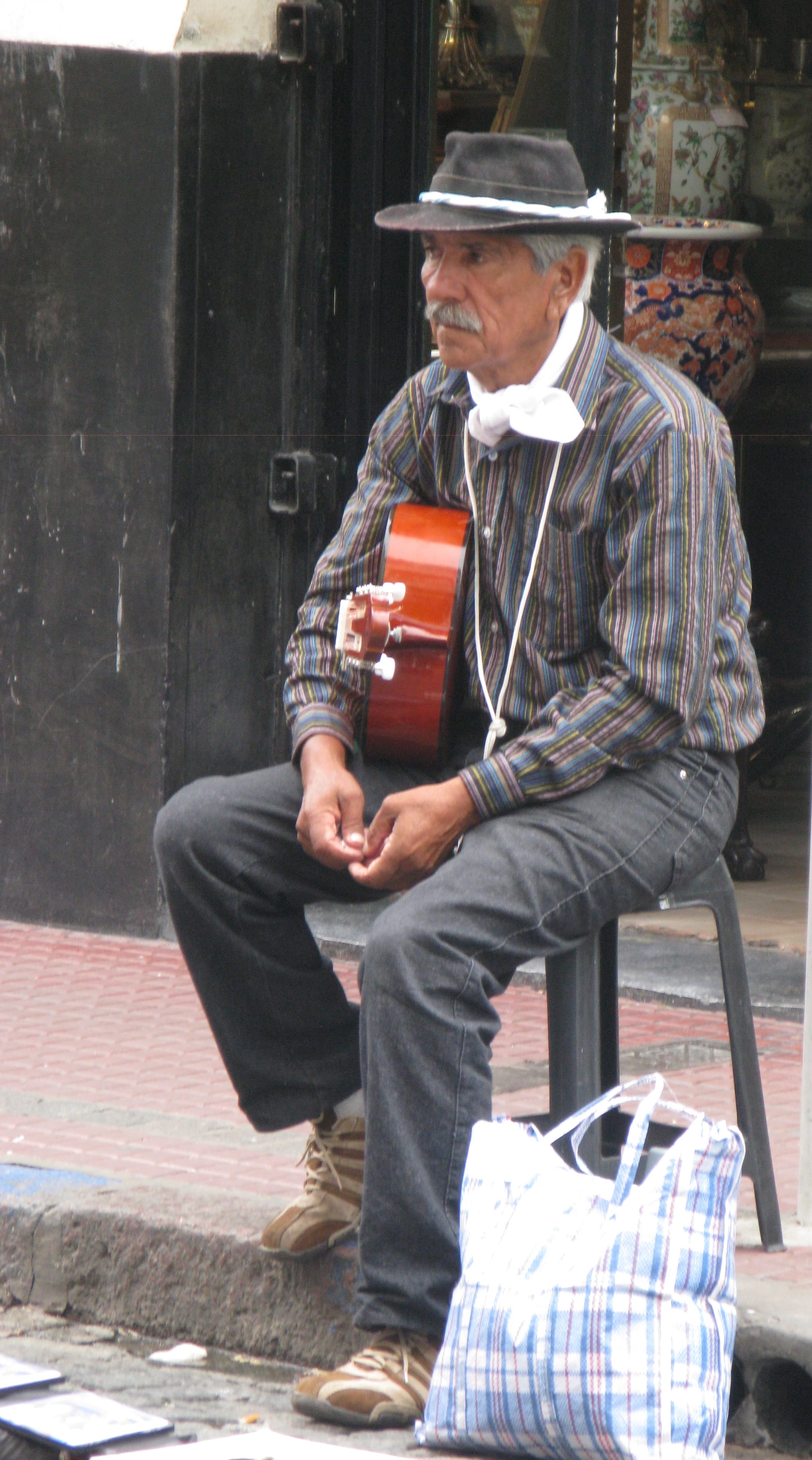
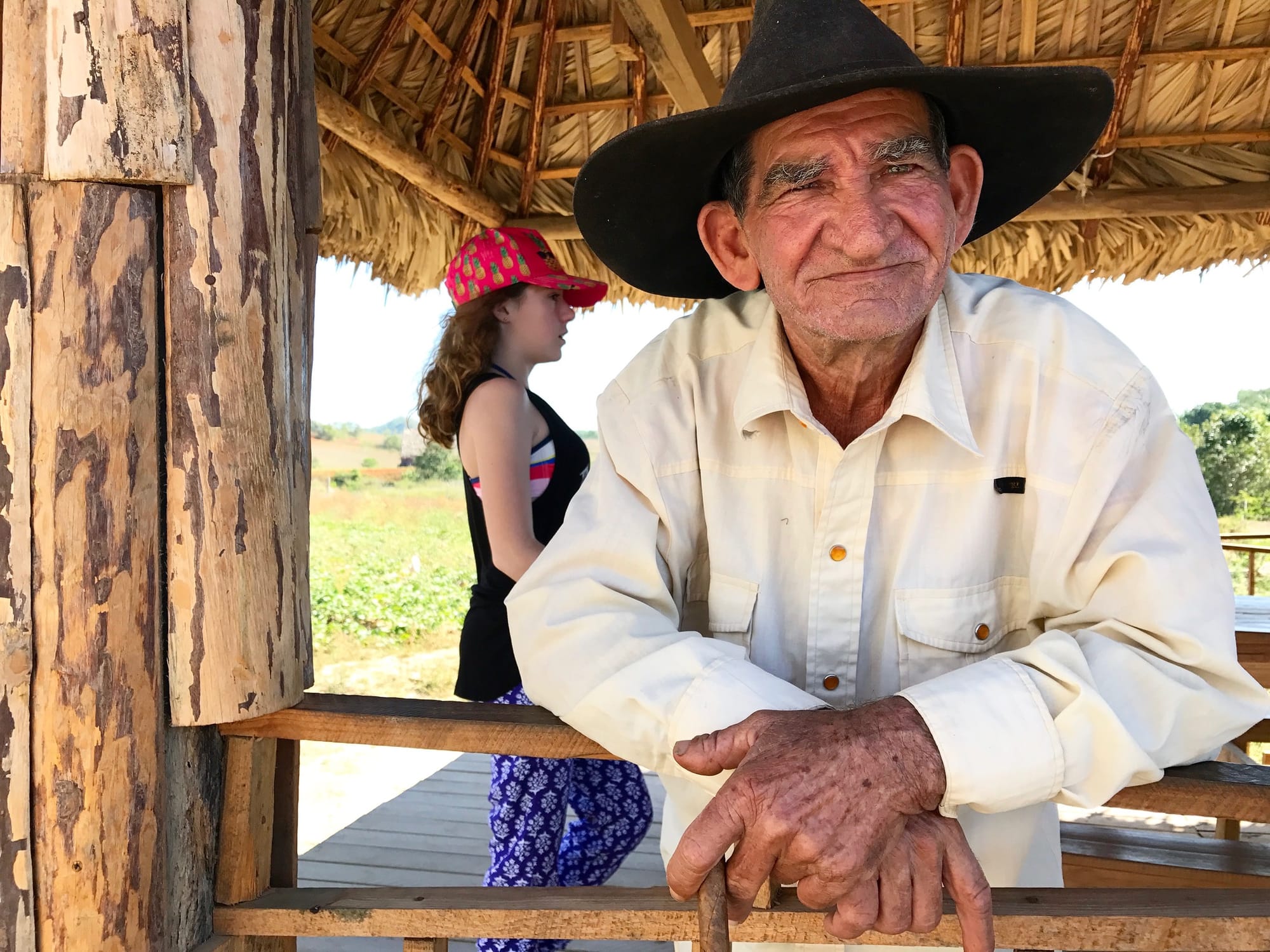
Men's Hats
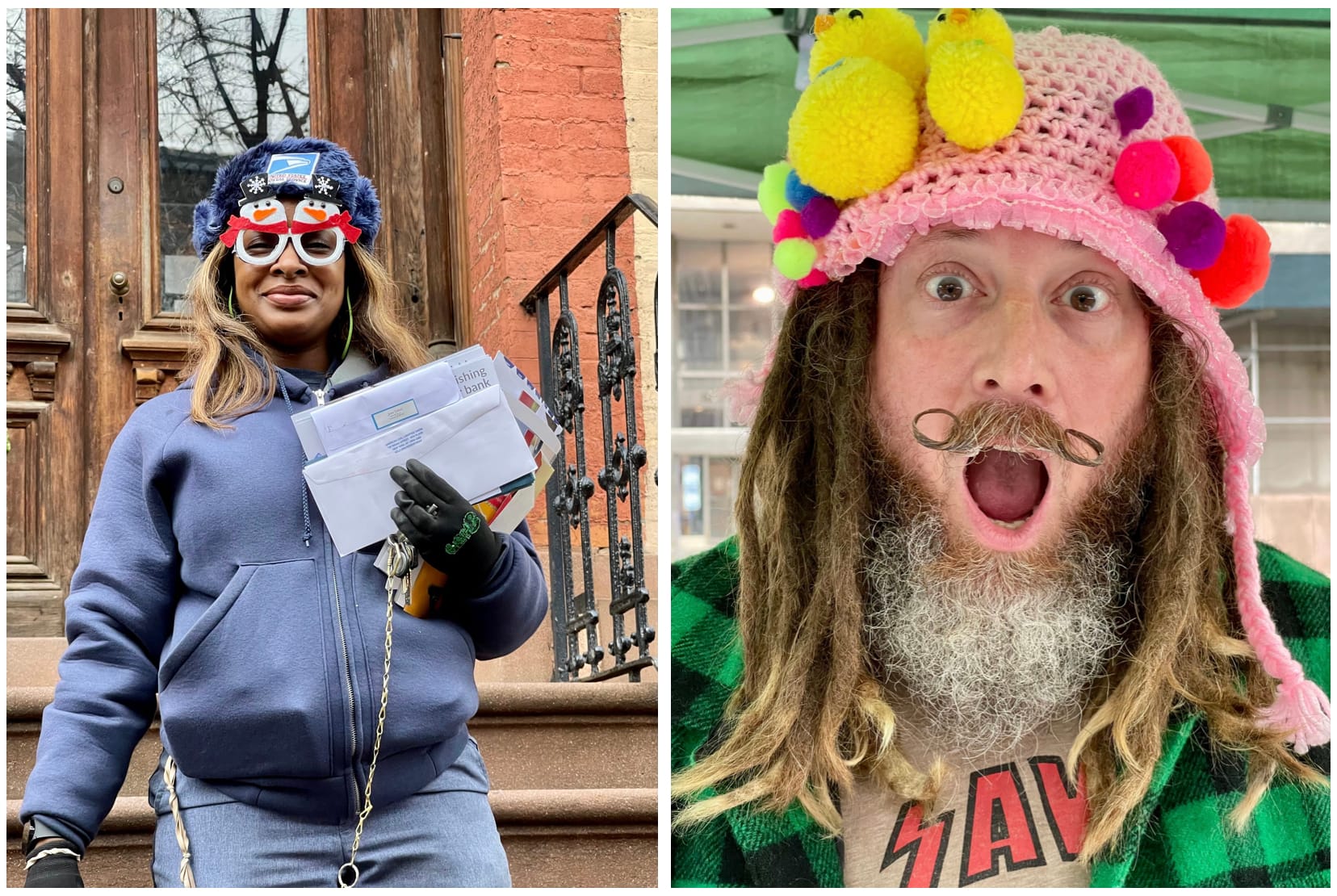
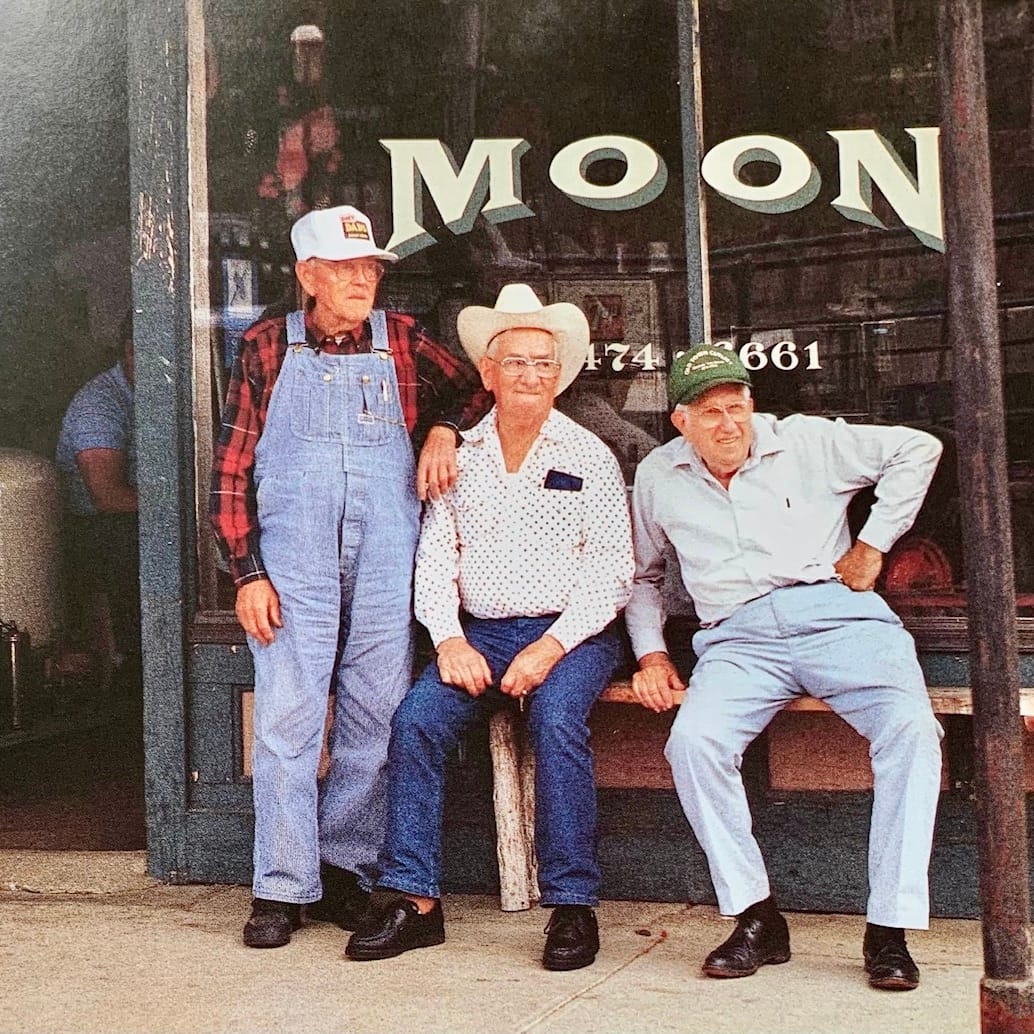
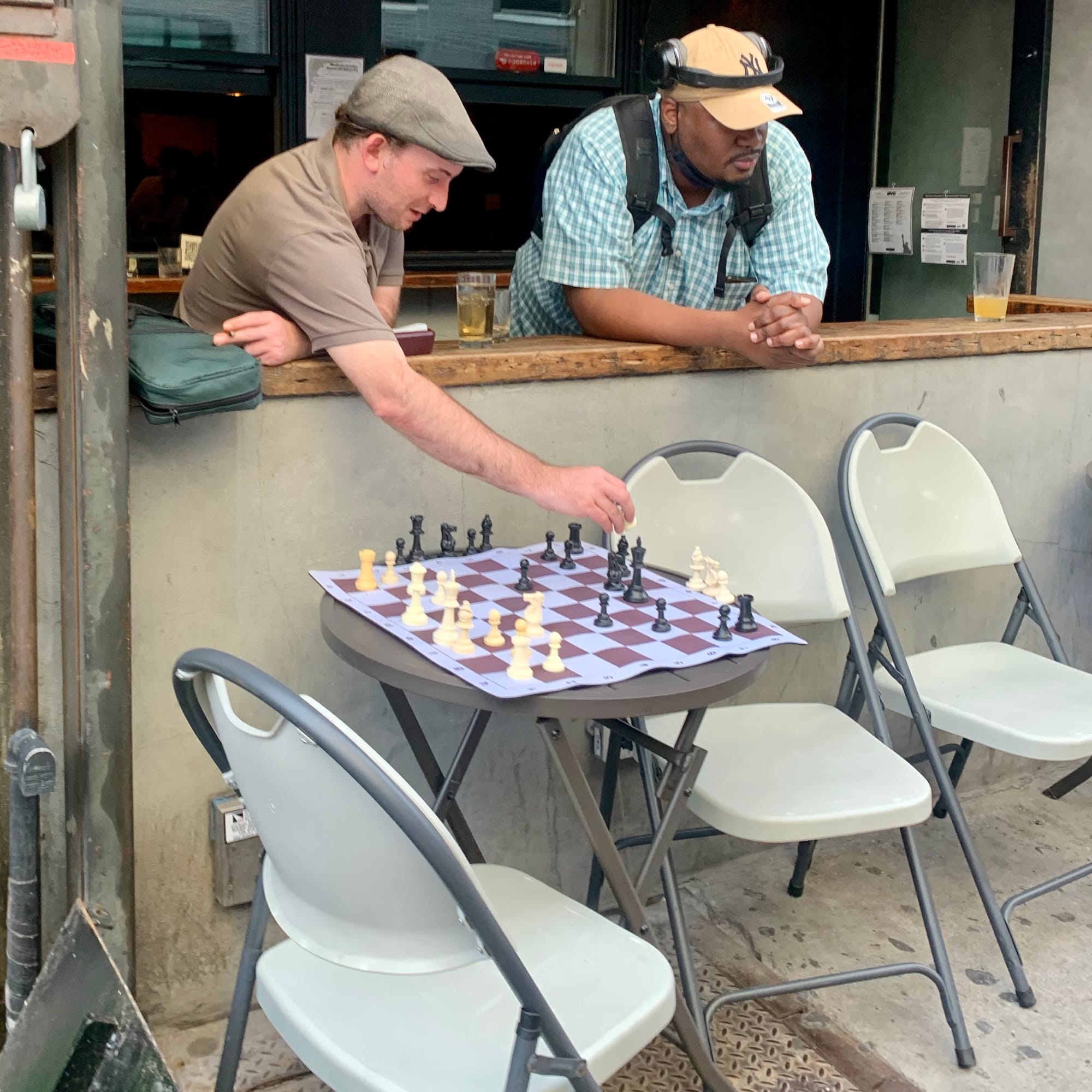
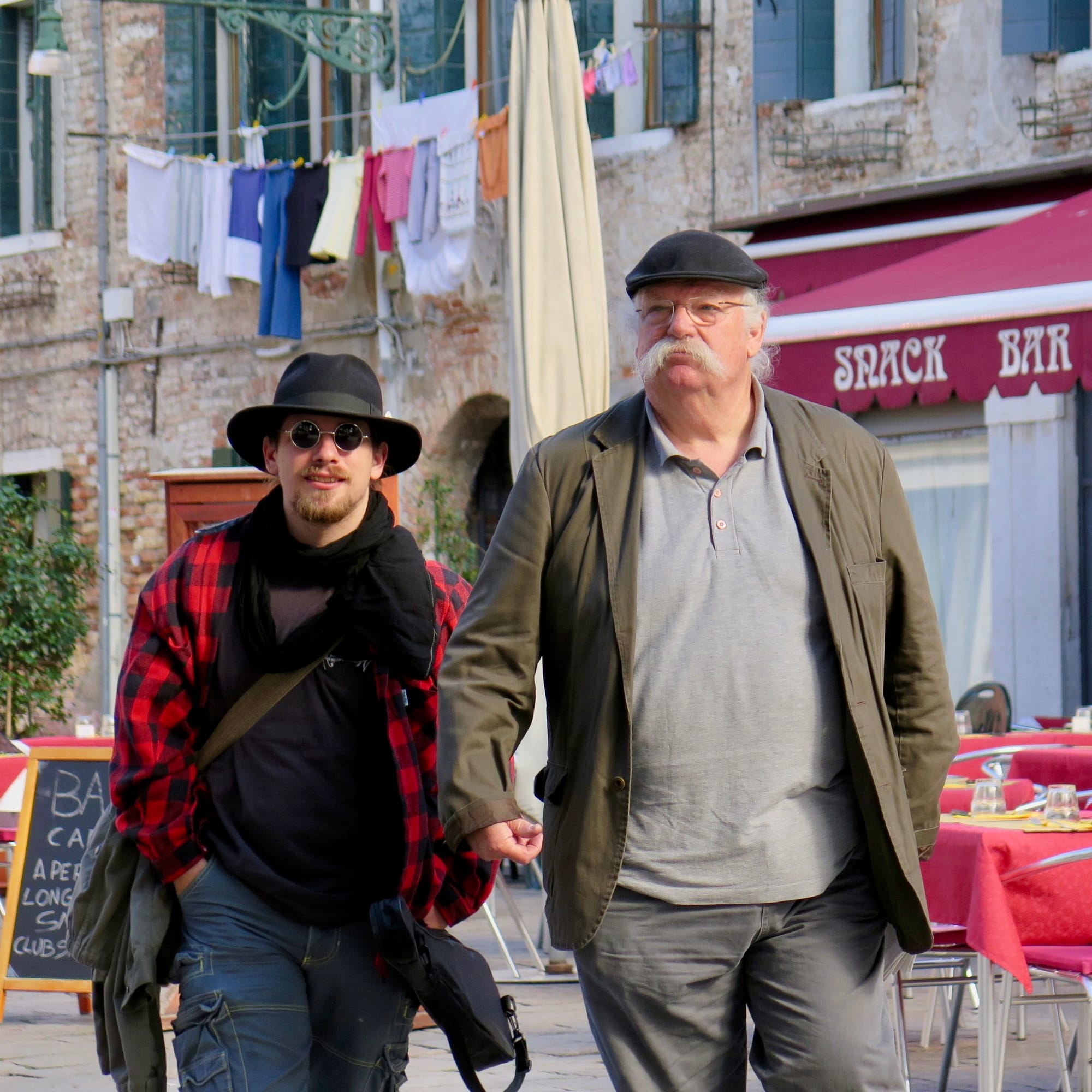
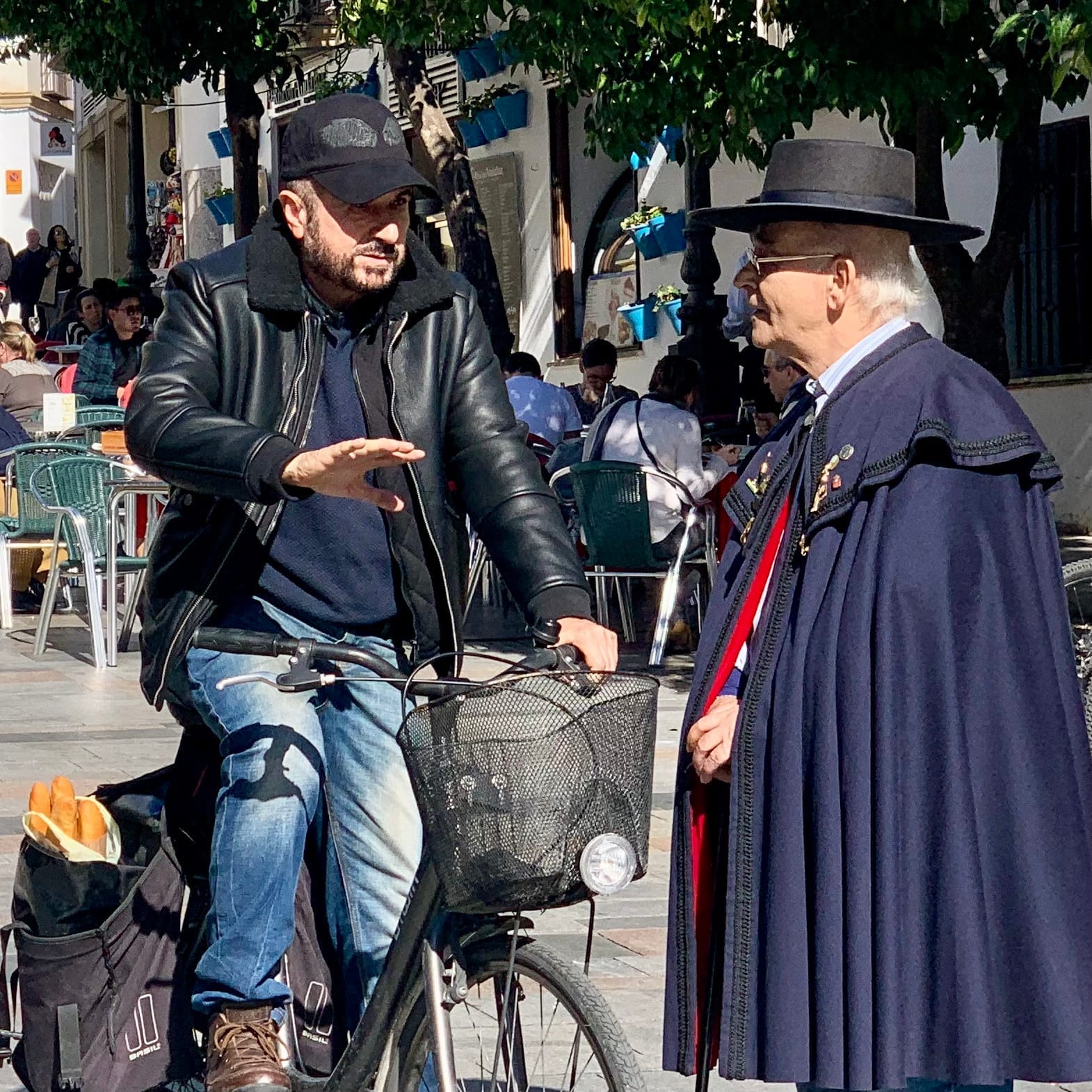
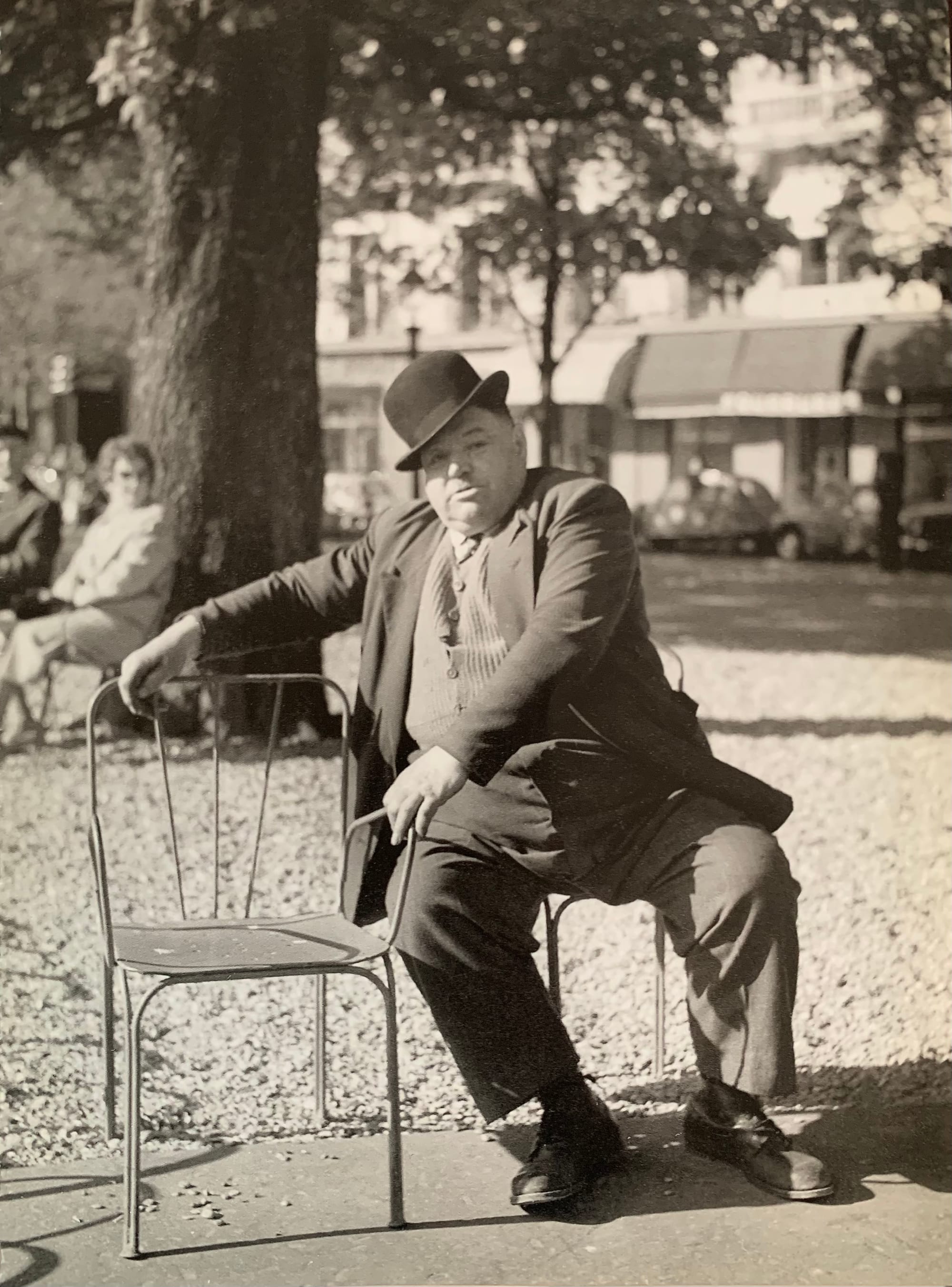
In the past, men often wore hats on their way to work or as an indicator of their social class or vocation. This continues to some degree today, even though hats are no longer as common an accessory in the working world. Fedoras, cowboy hats, newsboy caps and other styles give us clues about what cultural background a man comes from, what he dedicates himself to, and what he values.



Women's Hats
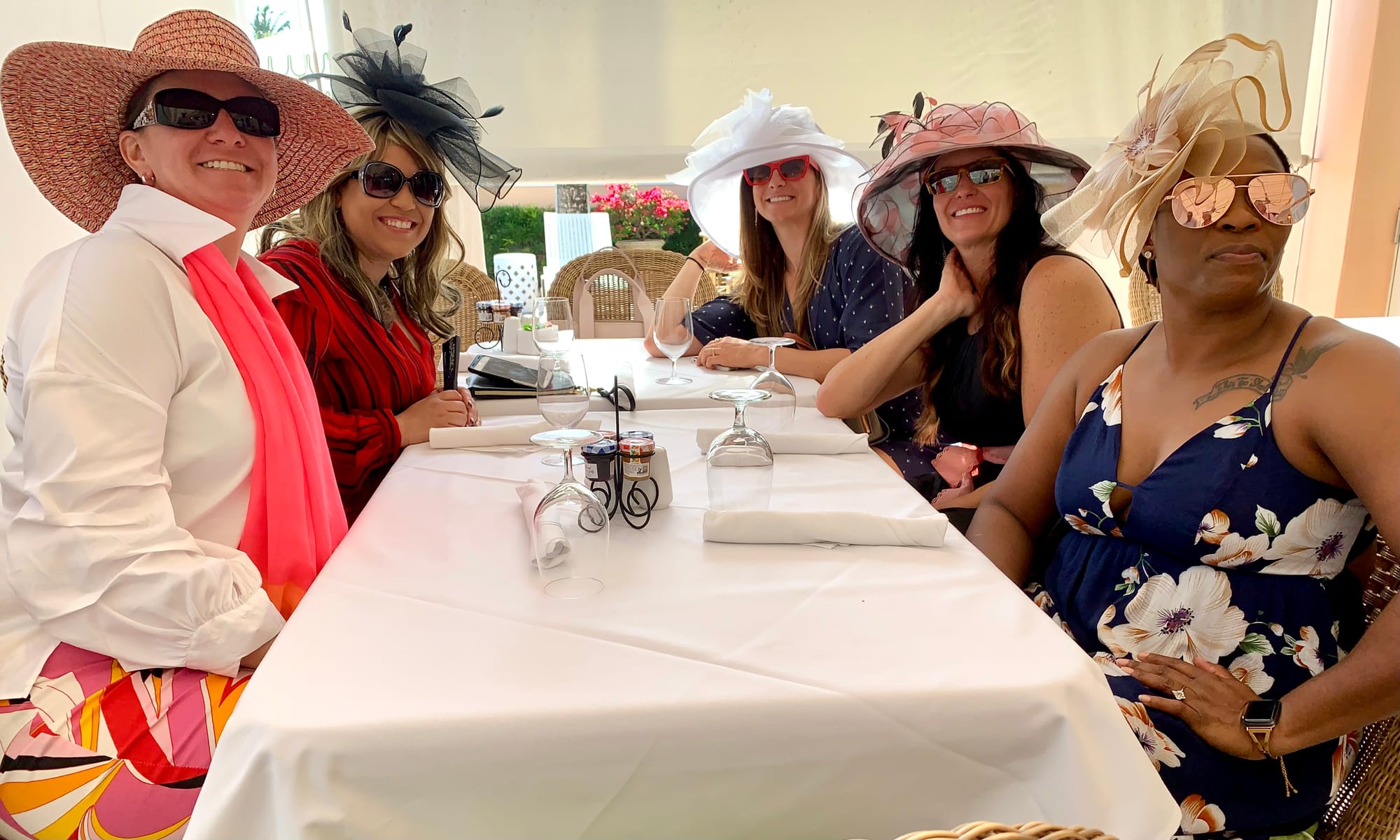
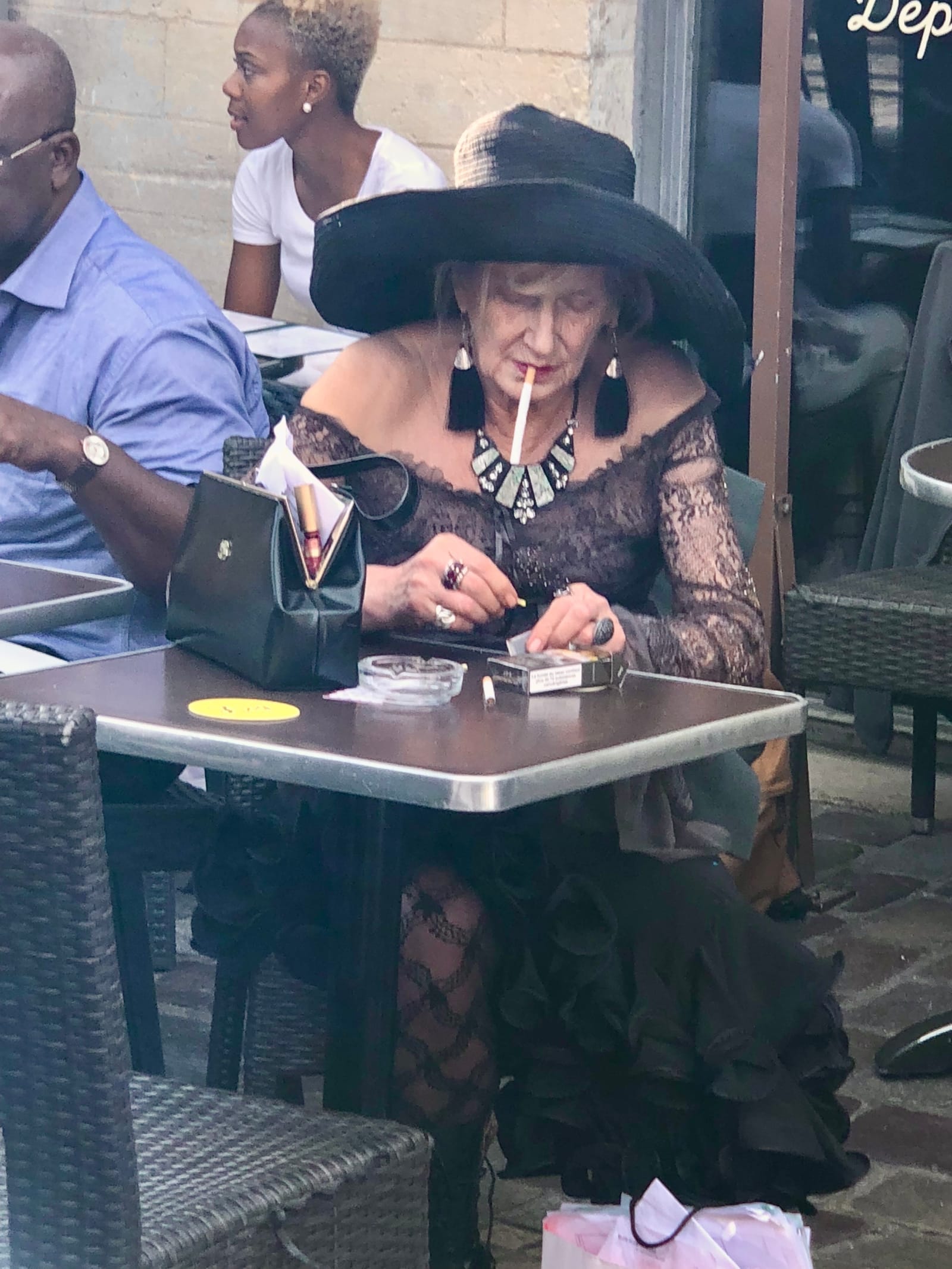
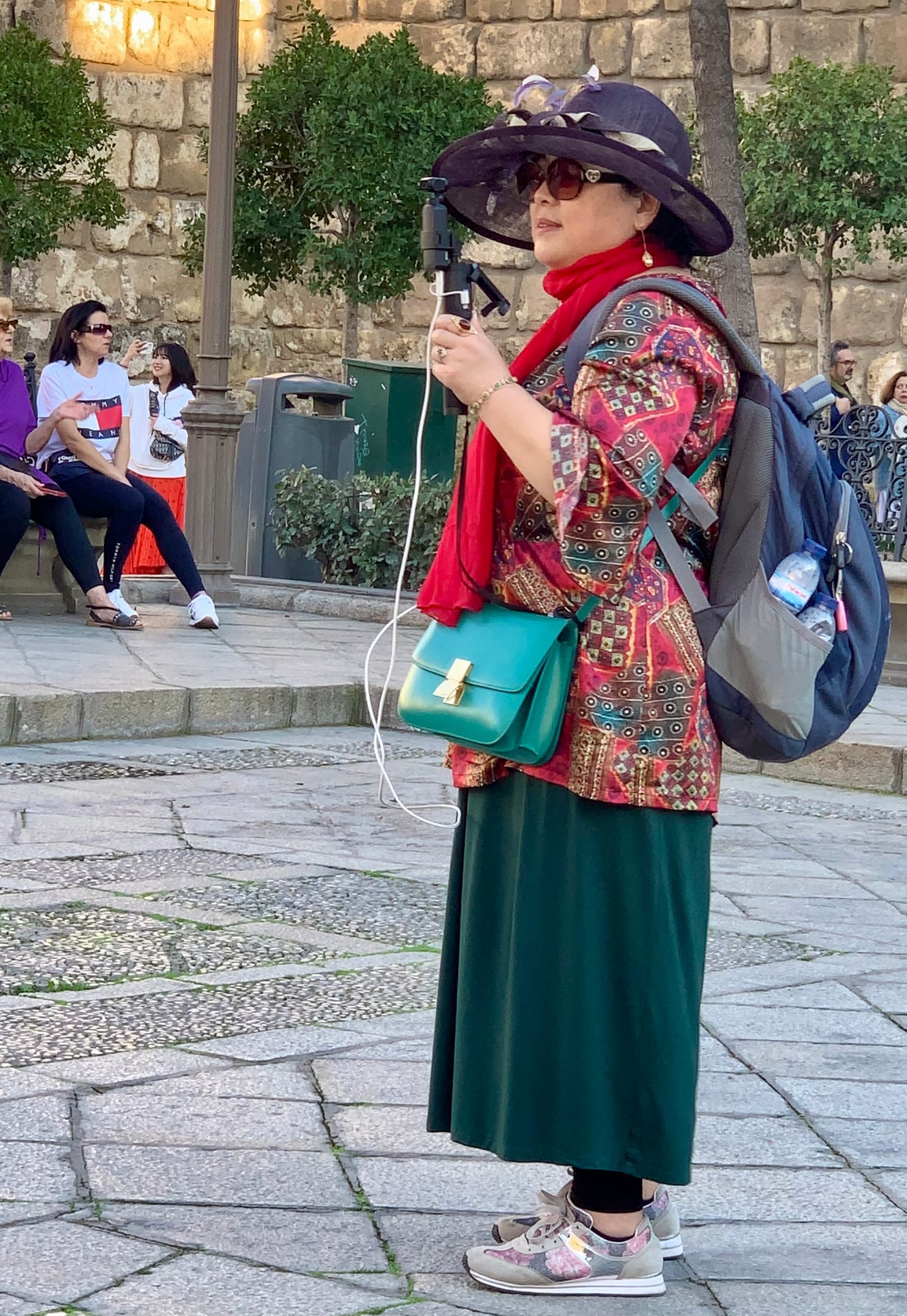
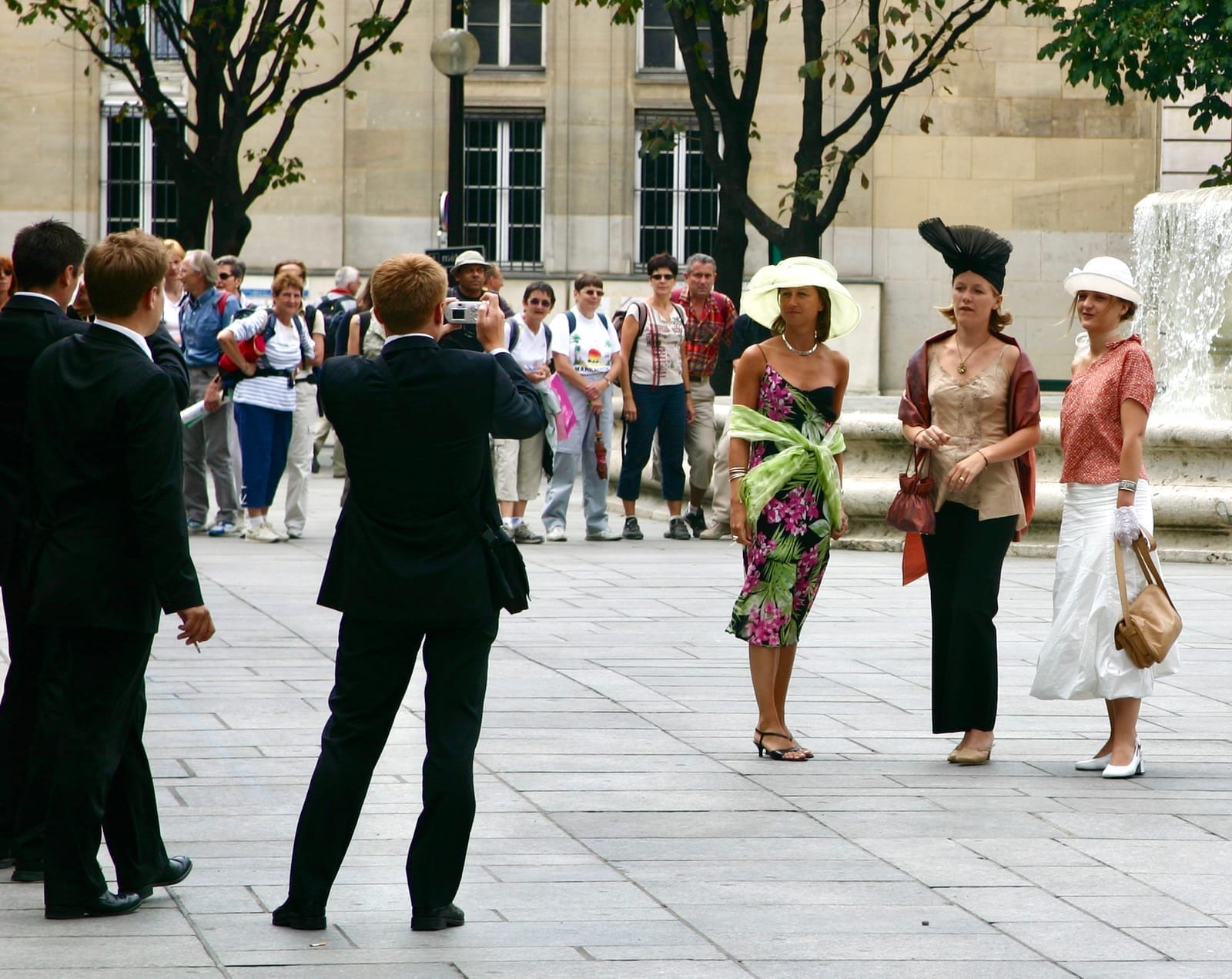
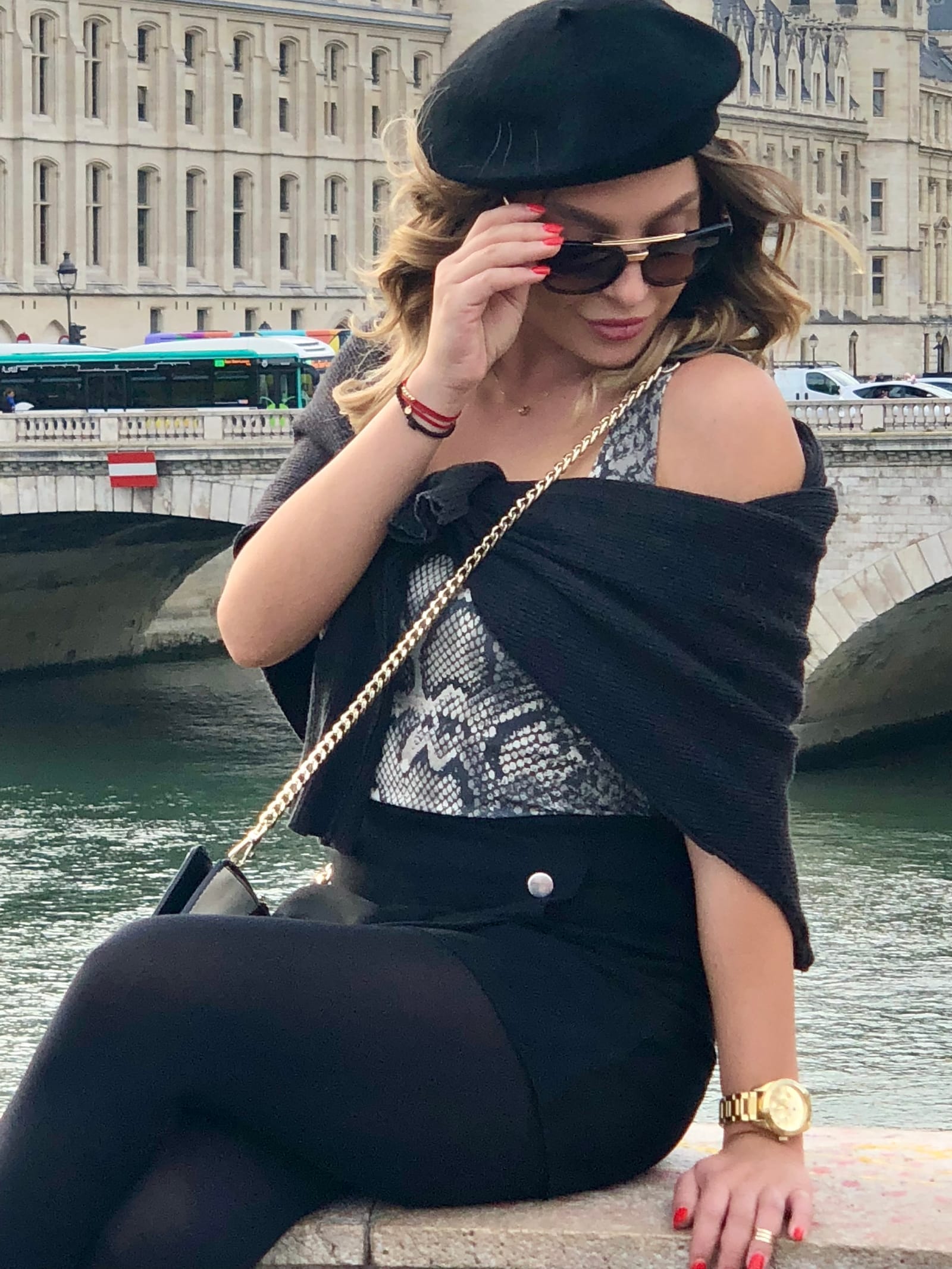
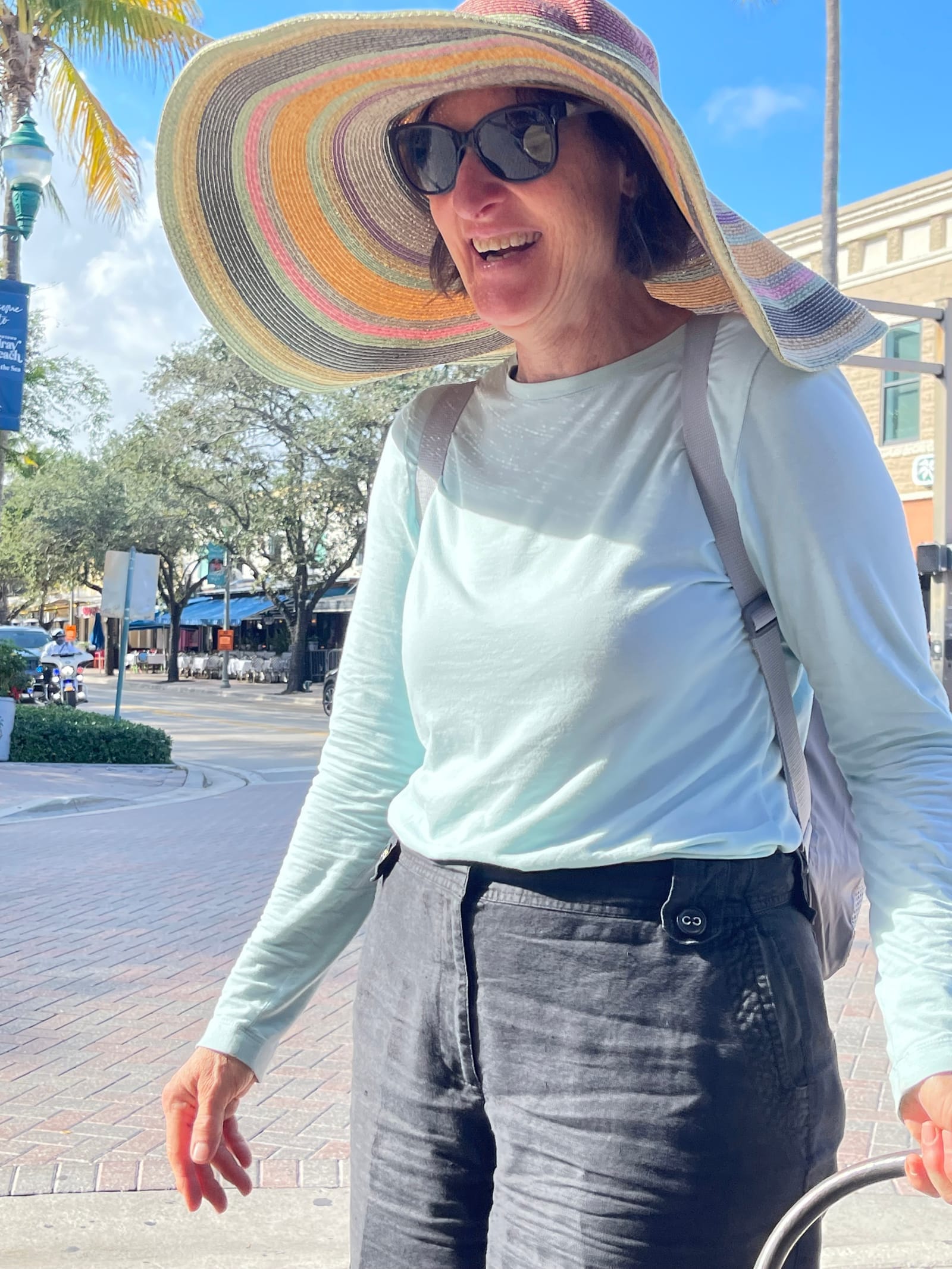
Hats have been a staple in the fashion world for ages. Without one, an outfit almost feels unfinished, a look lacking its statement. Women and women's fashion have transformed hats from mere accessories or status symbols into veritable works of art. They have given women a powerful tool to express their personality, status, and interests, even in times where they did not have the power to be vocal about such matters.


Children's Hats
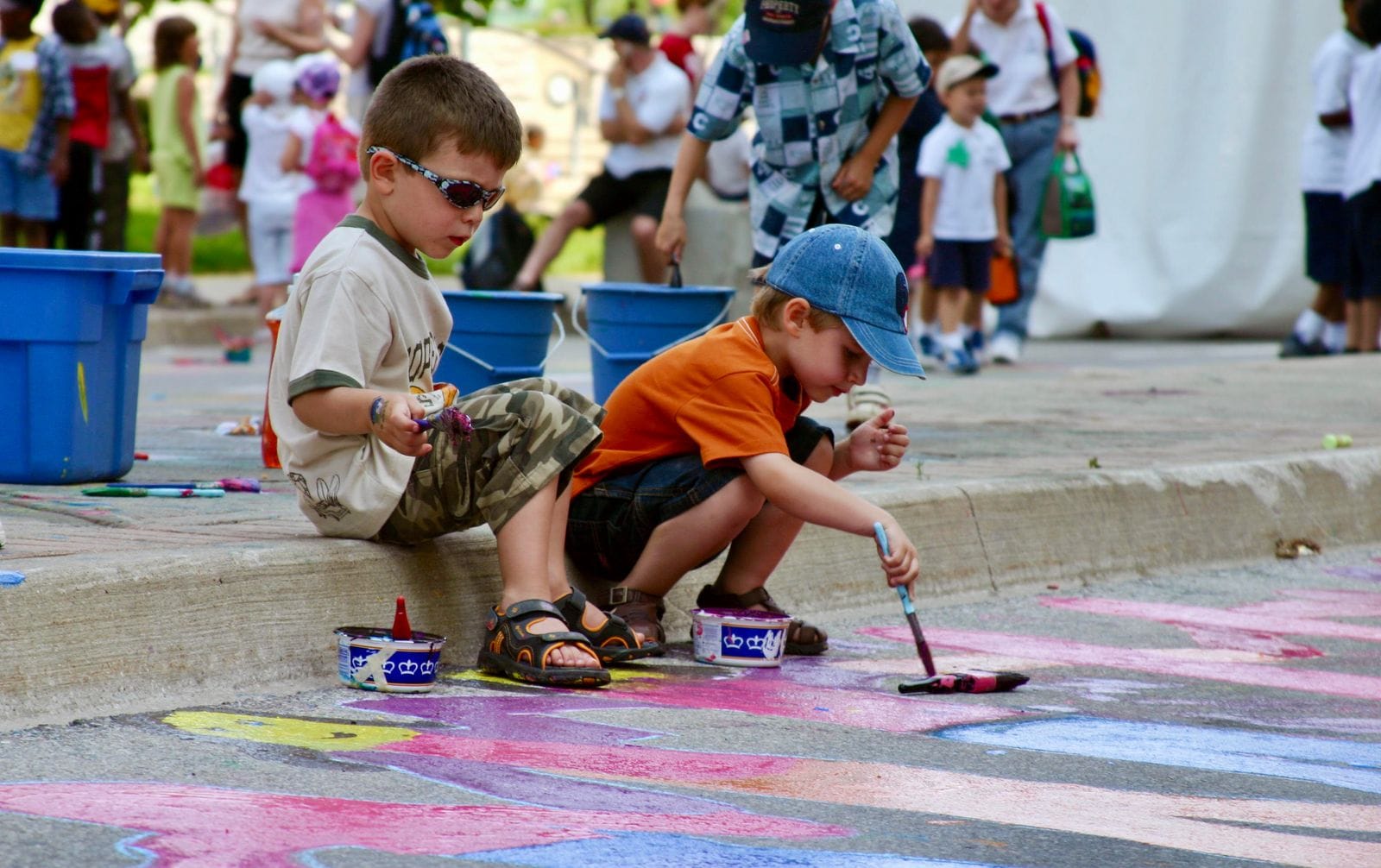
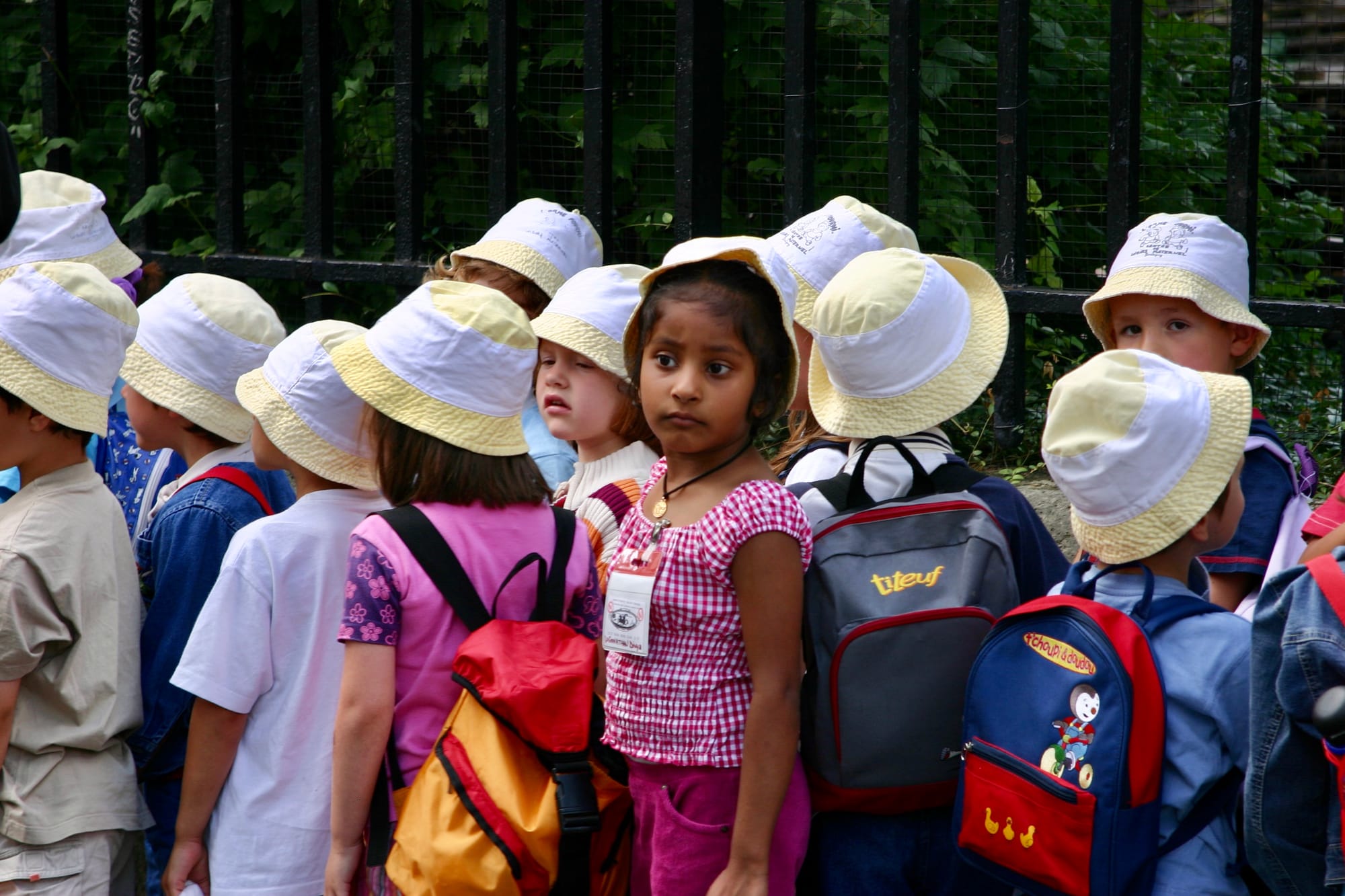
Hats are not only demonstrations of adult personalities, they are also a great way for children to show others what they like and care about. A Spiderman hat, a baseball cap from a favorite team, a sun hat like the one worn by a beloved cartoon character – these choices are some of the first steps children take to share their identity with others.

Hats in Performances and Celebrations
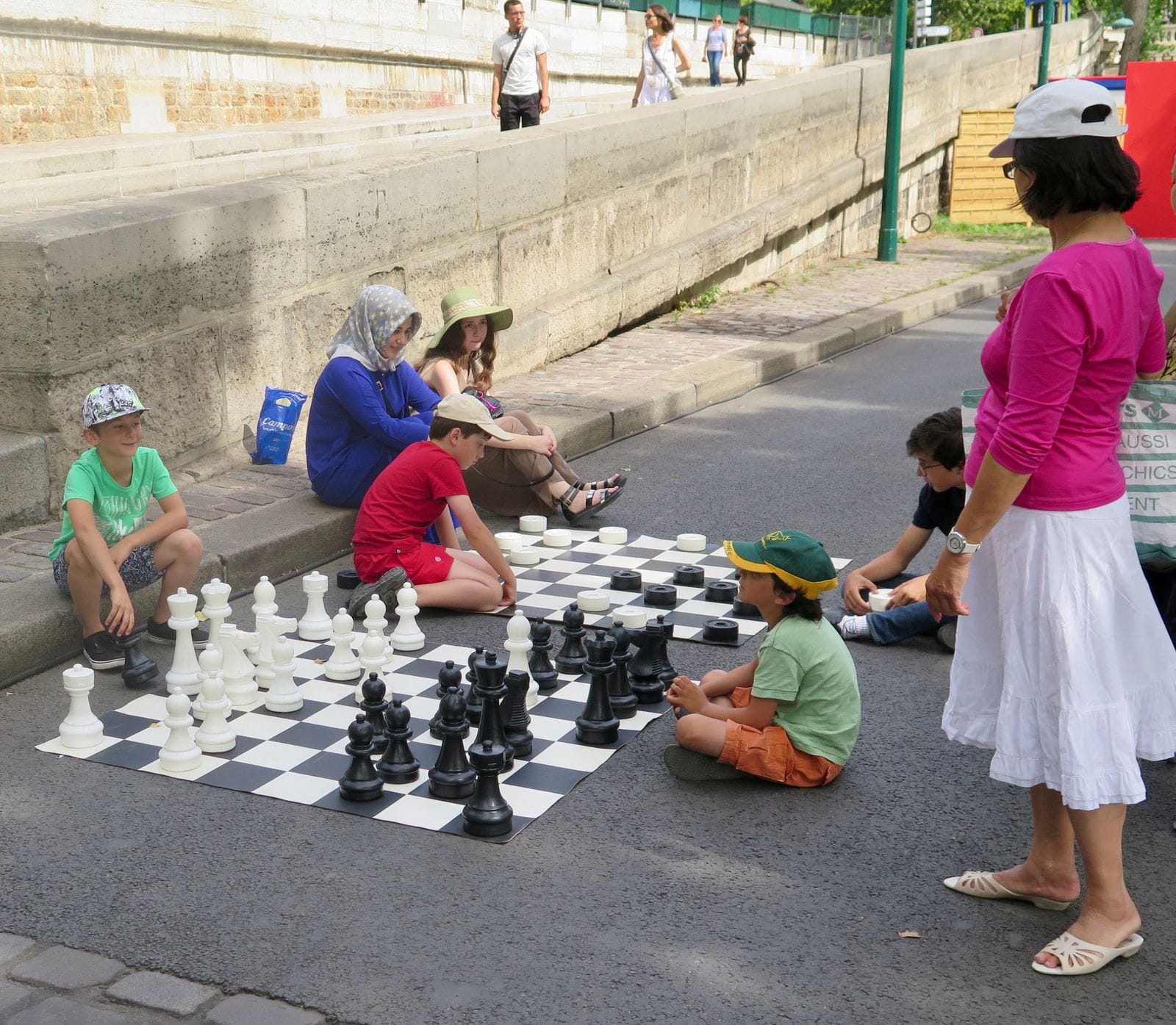
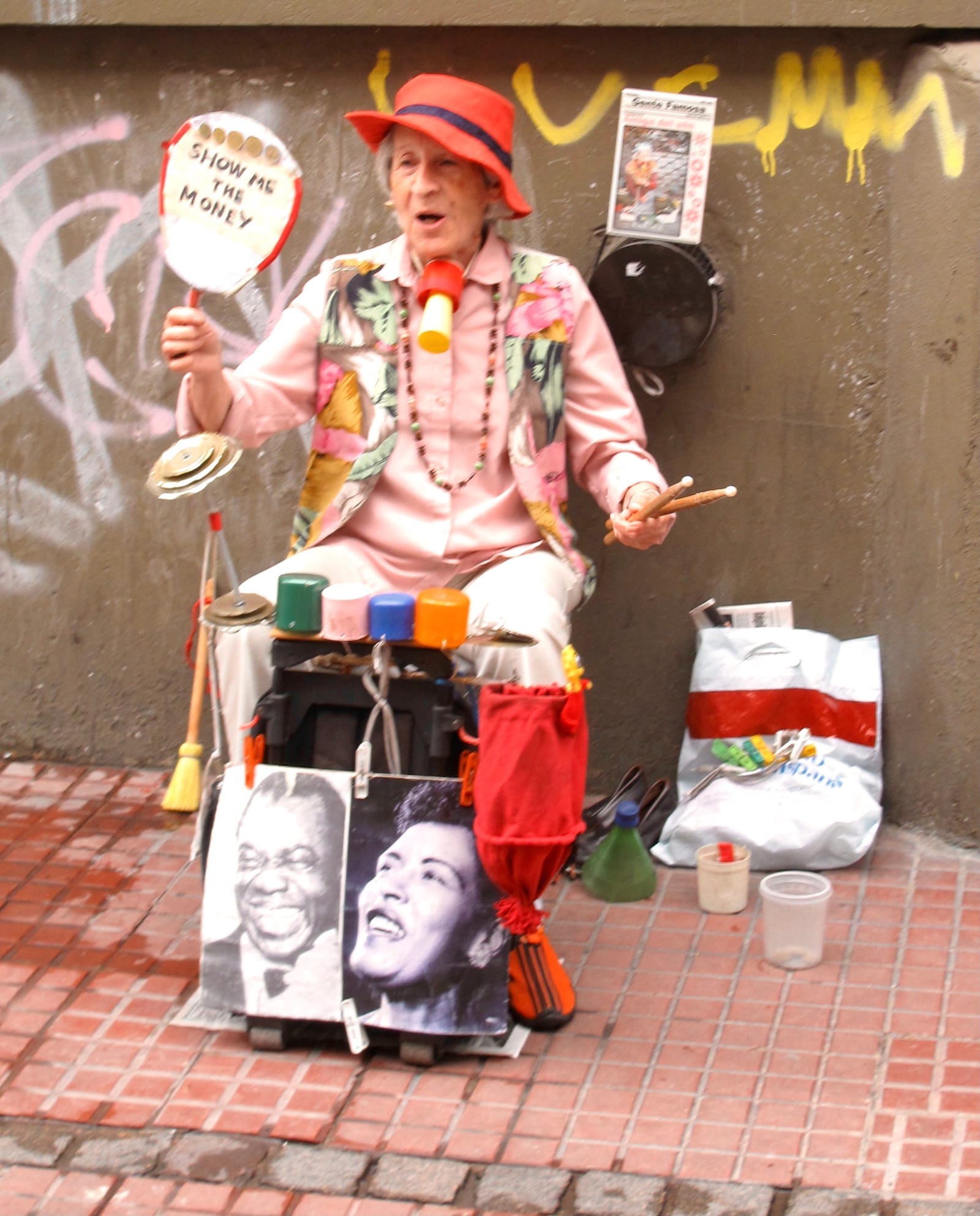
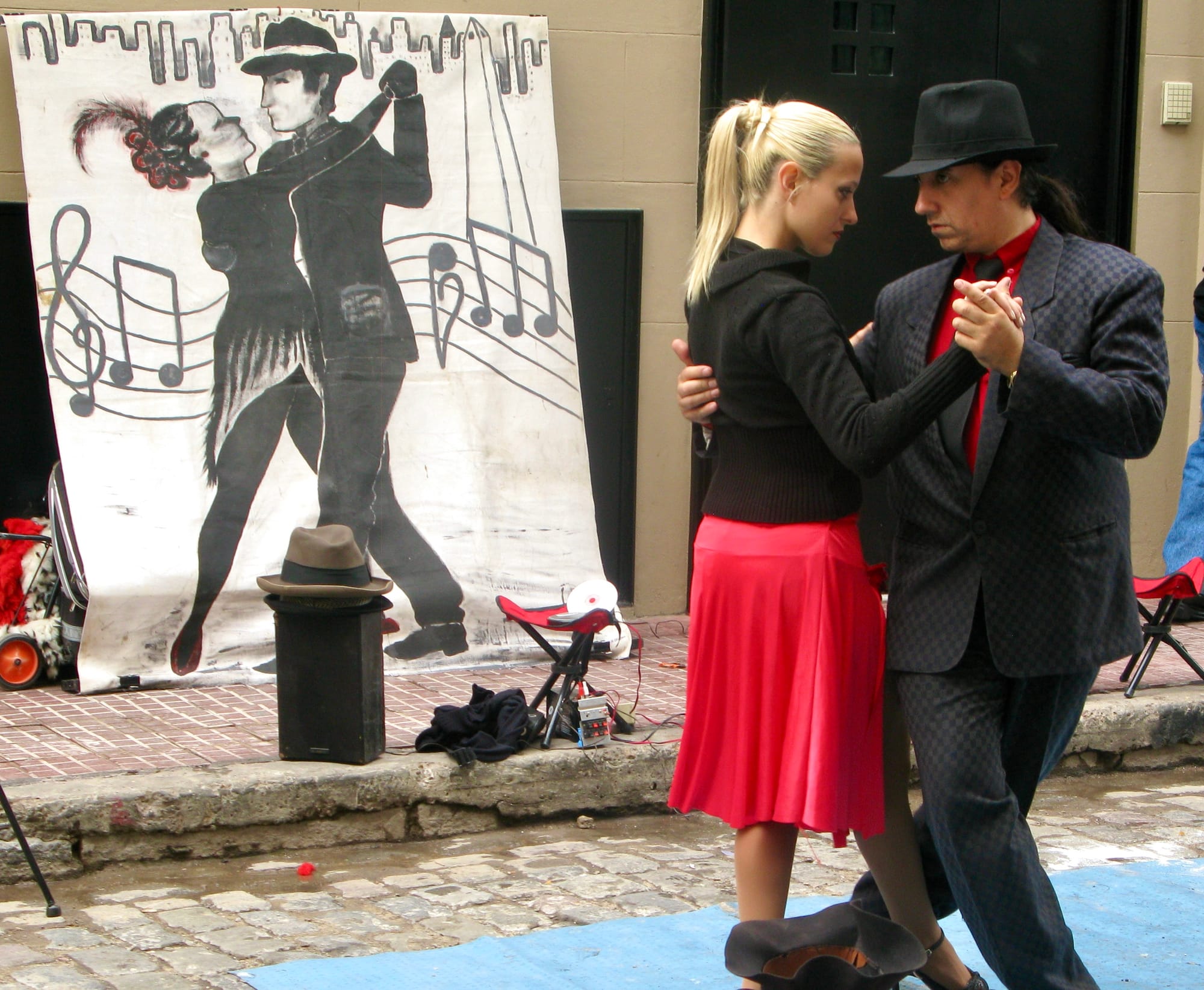
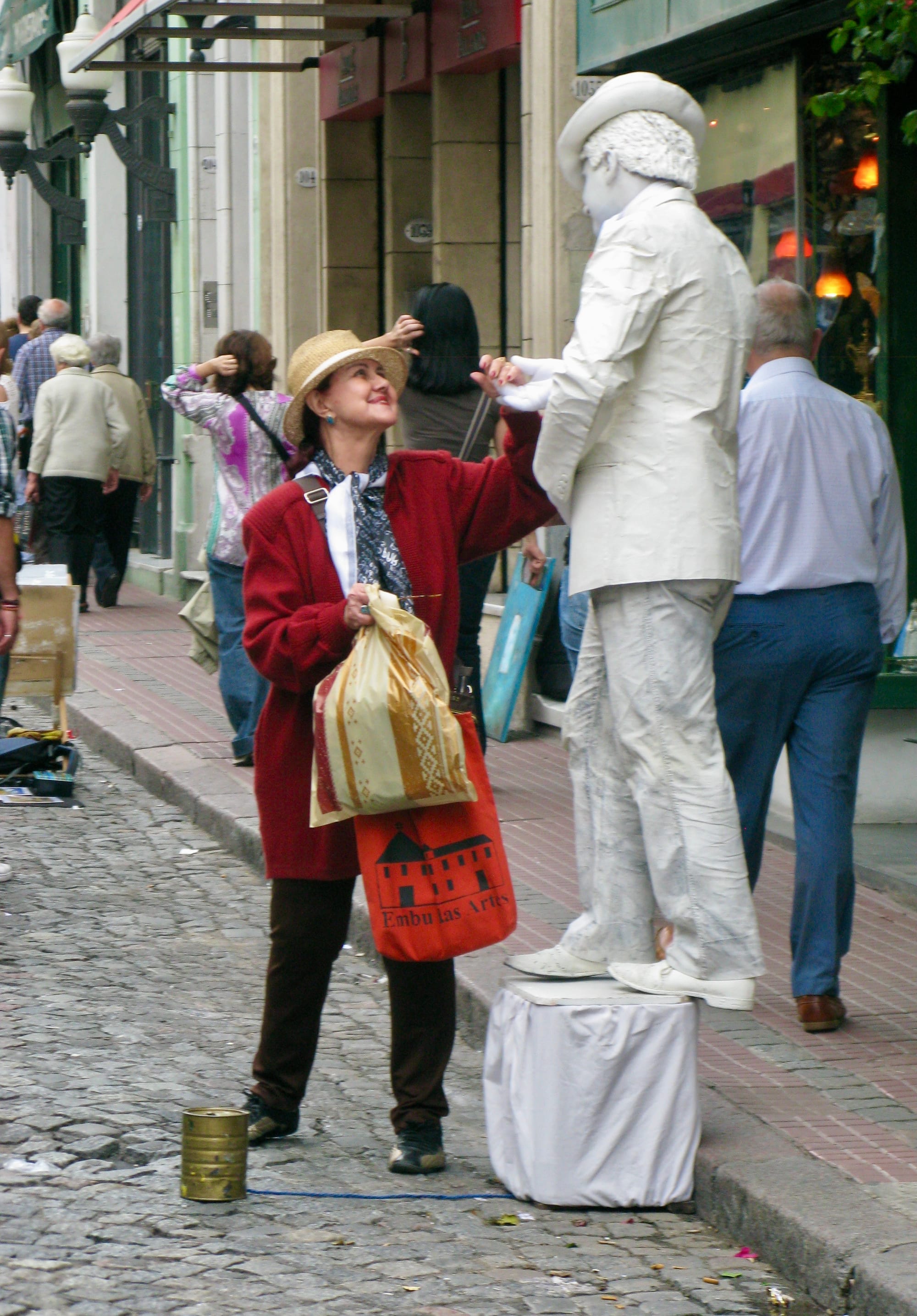
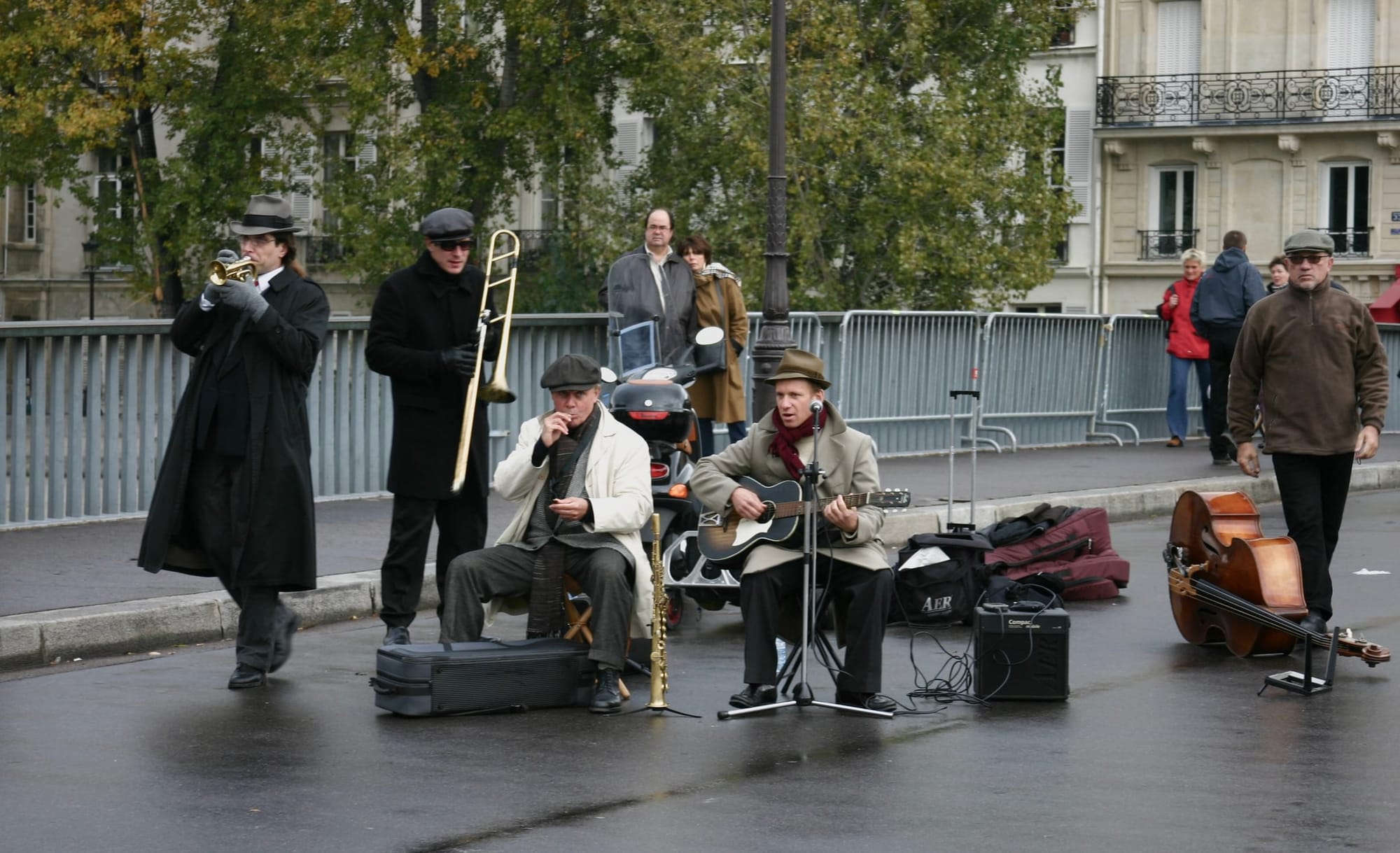
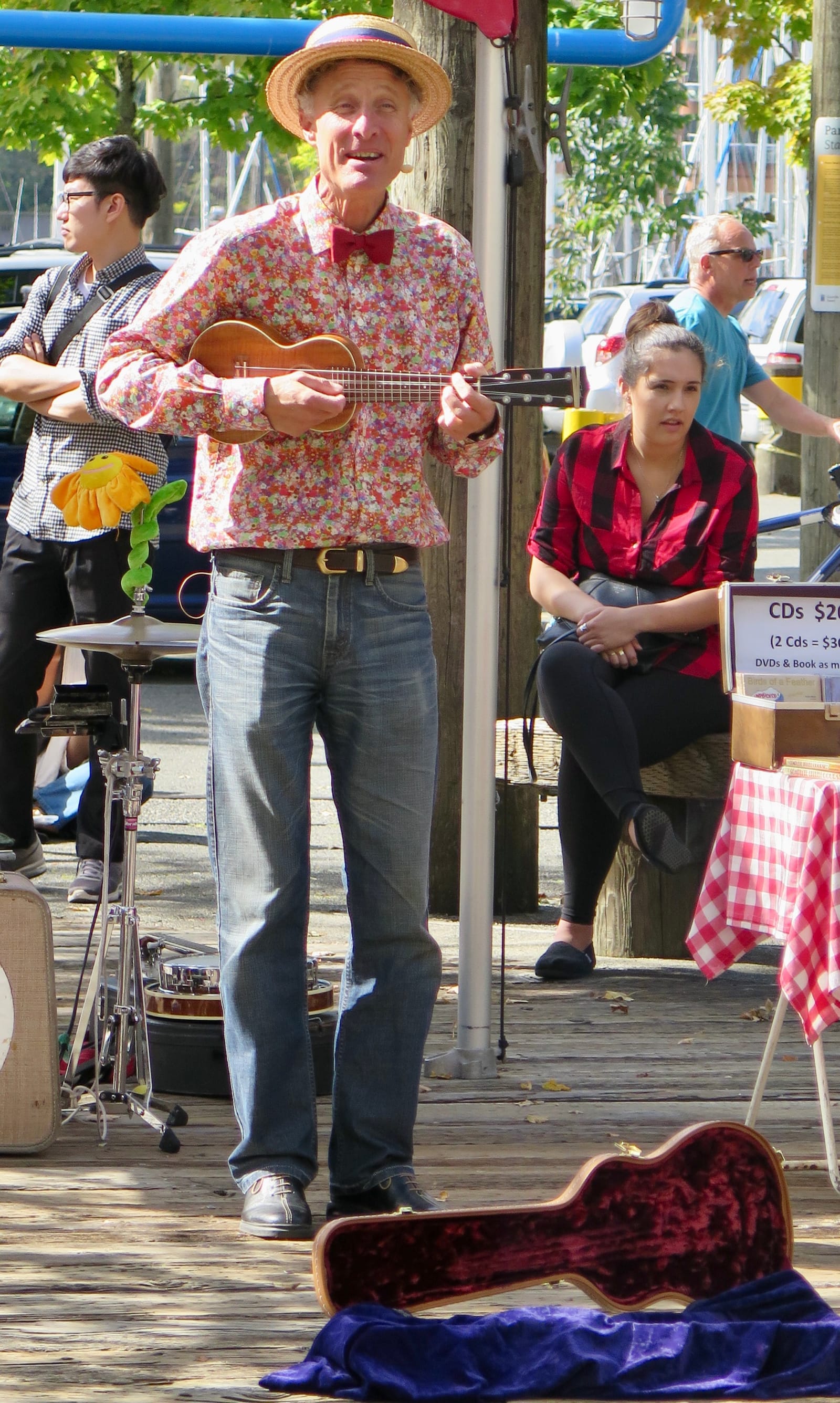
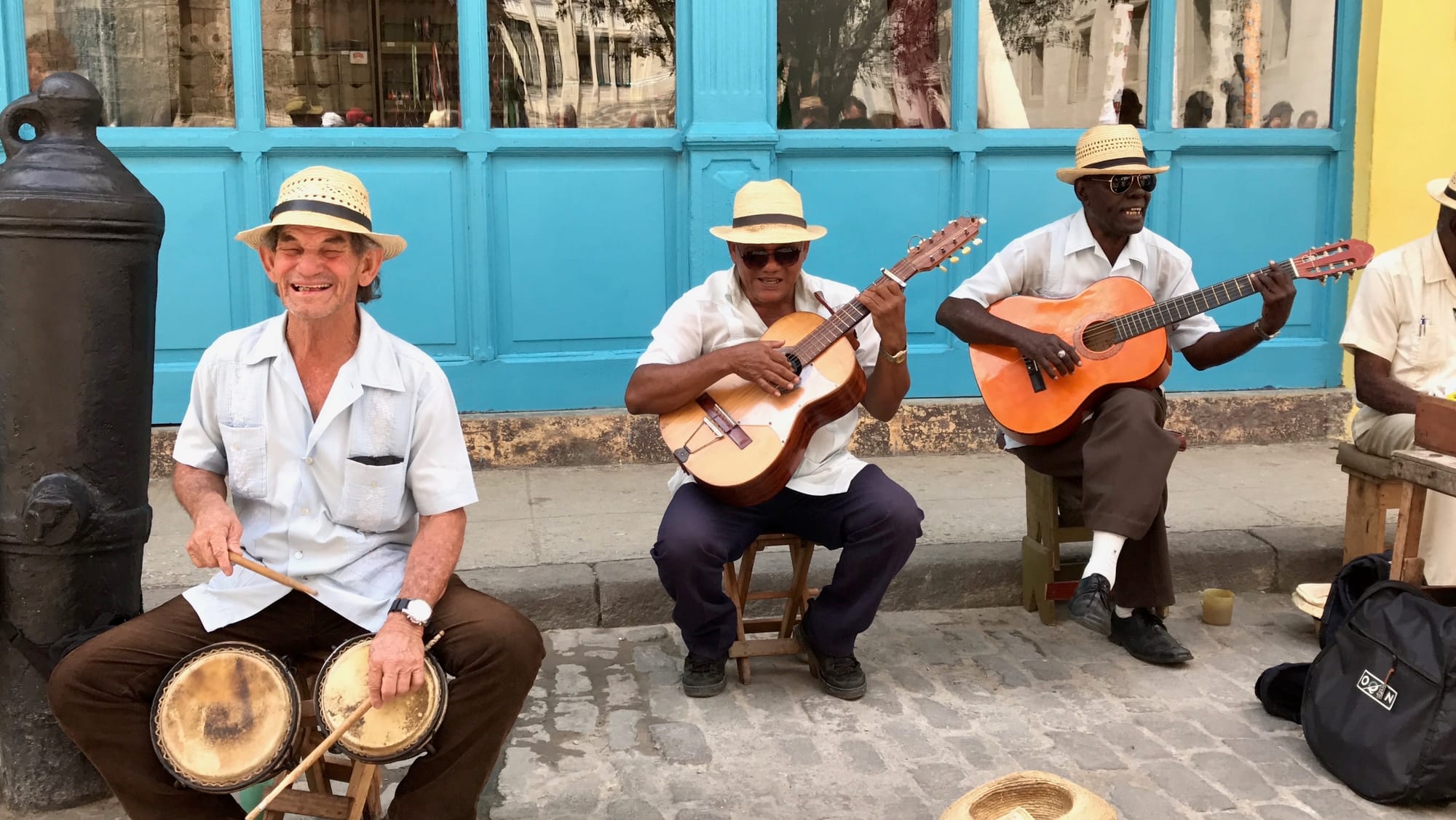
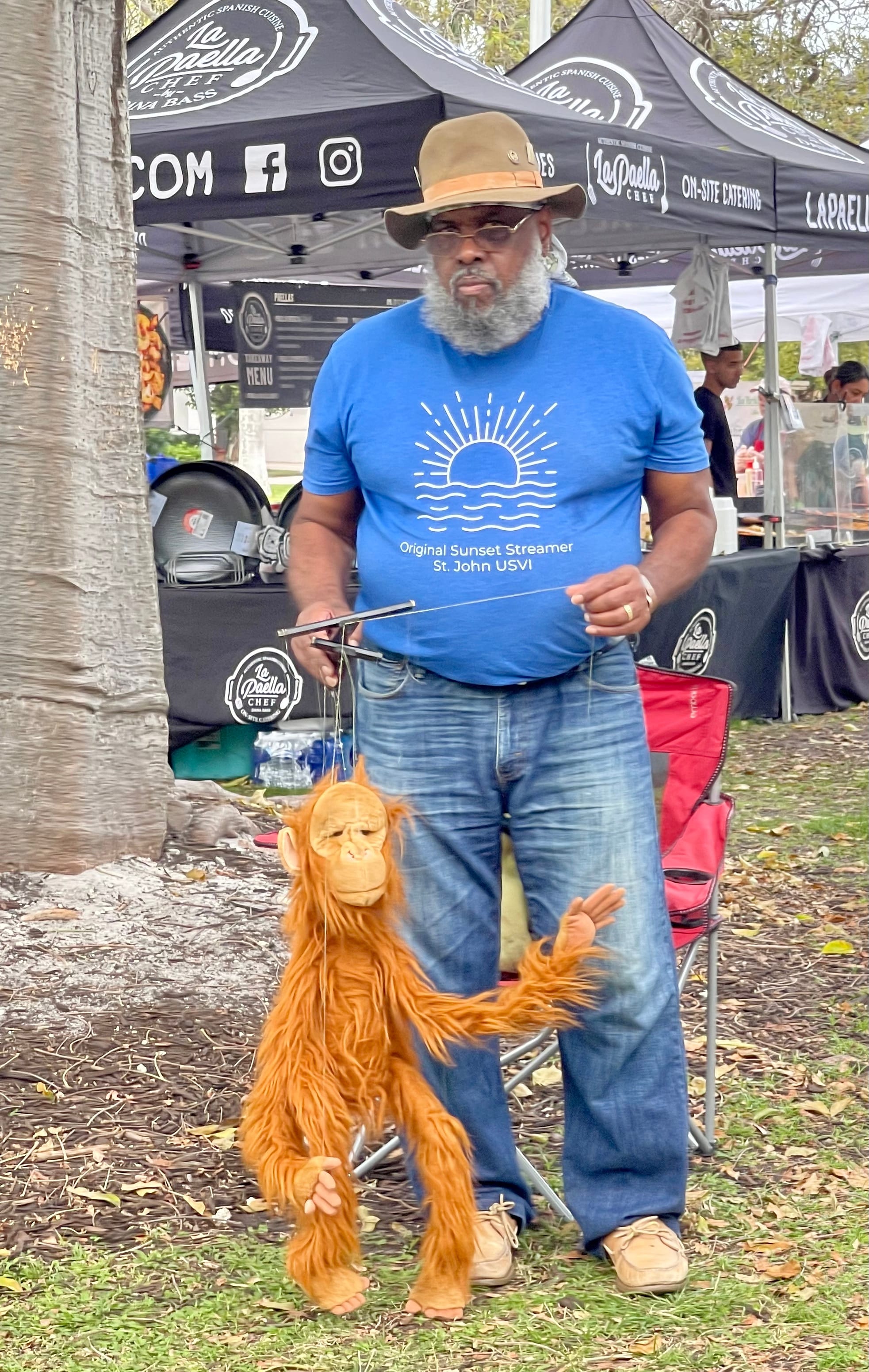
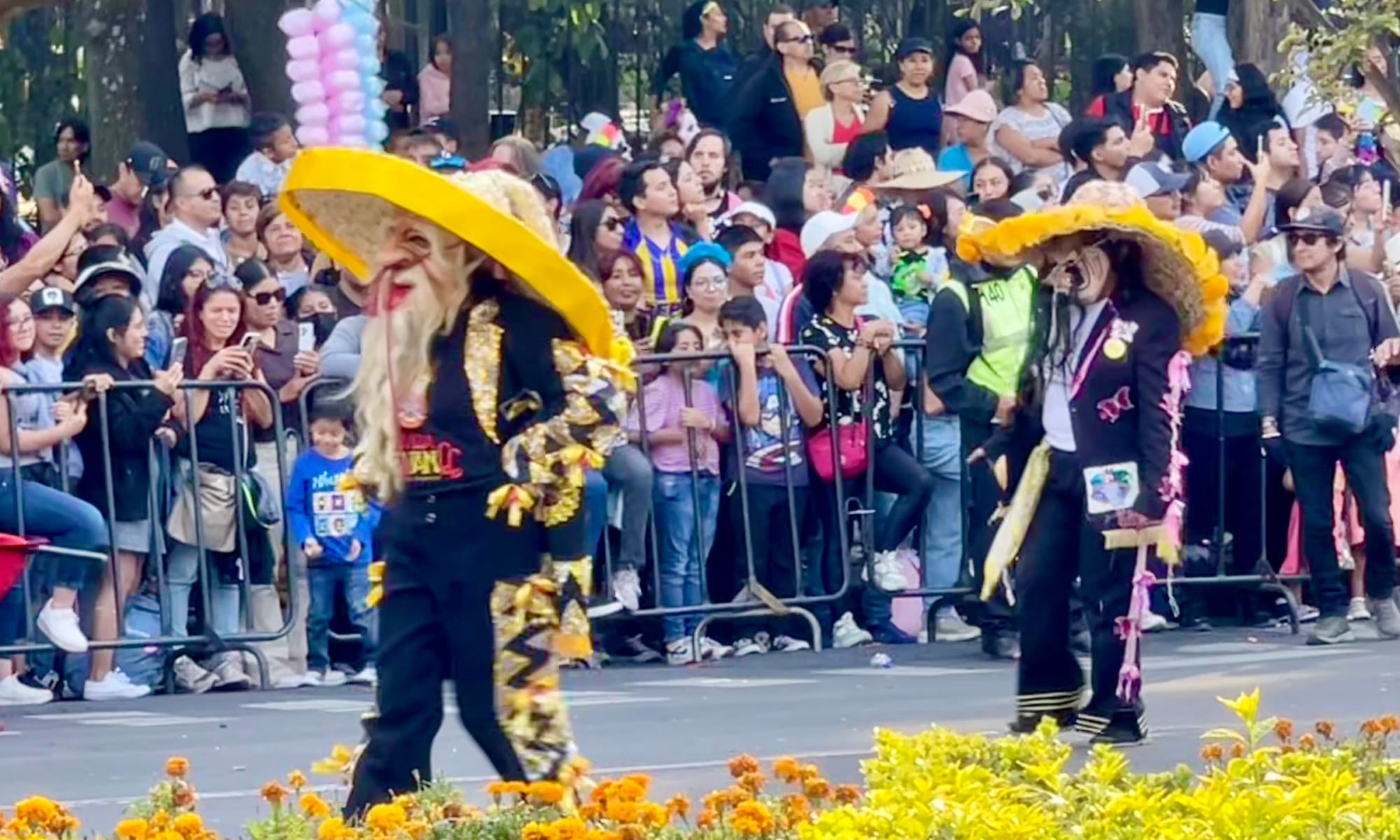
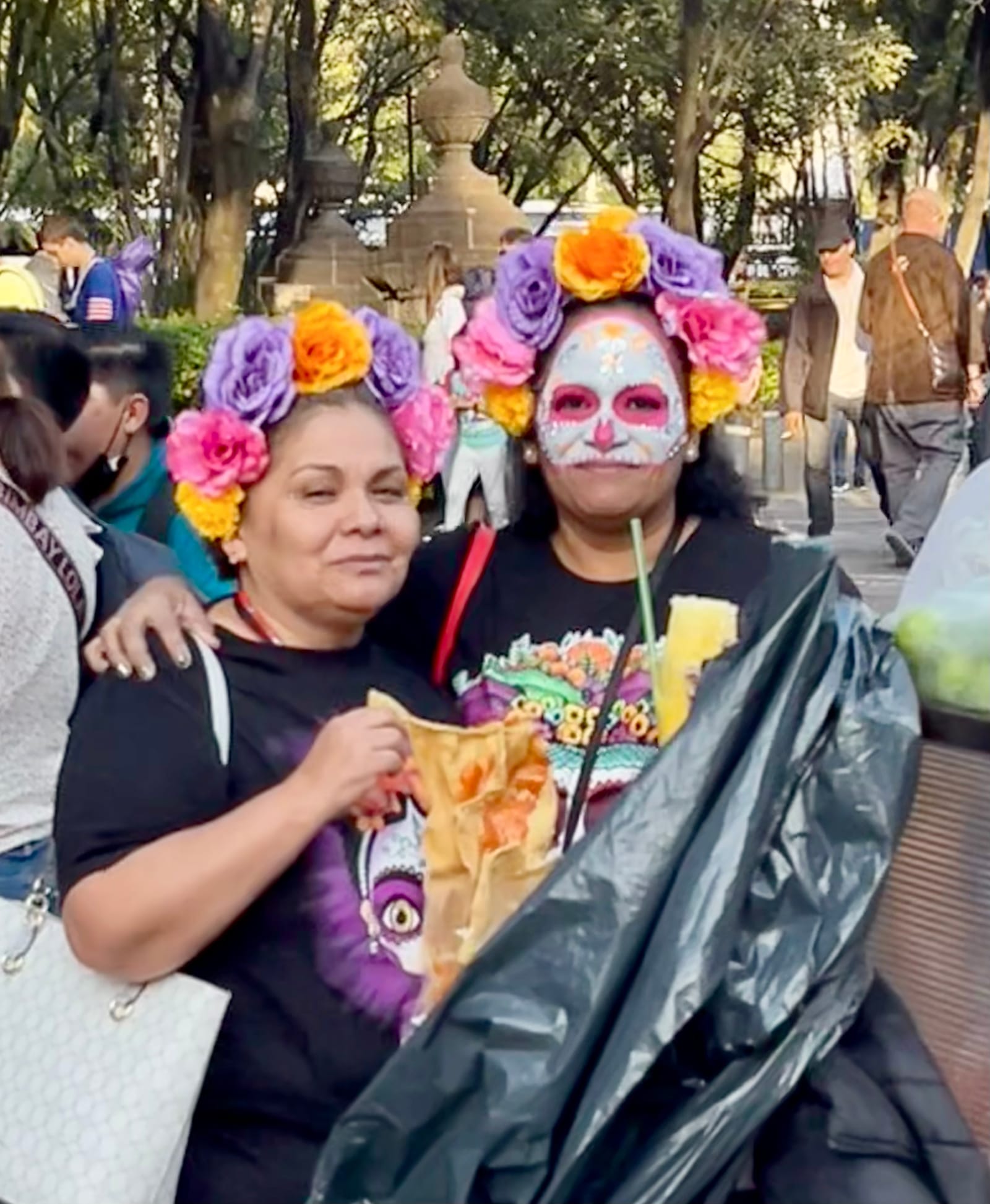
Have you noticed that performers almost always wear hats? No ensemble is complete without them! Hats are important parts of uniforms and costumes, unifying performers and making a show look more finished and polished. They capture the attention of passersby and reel them in to watch the show. They can be as big and bold as needed, lending themselves to outfits for parades, concerts, and other festivities that require a bit of extra pizzazz.


Mexico City - Celebrating the "Day of the Dead"
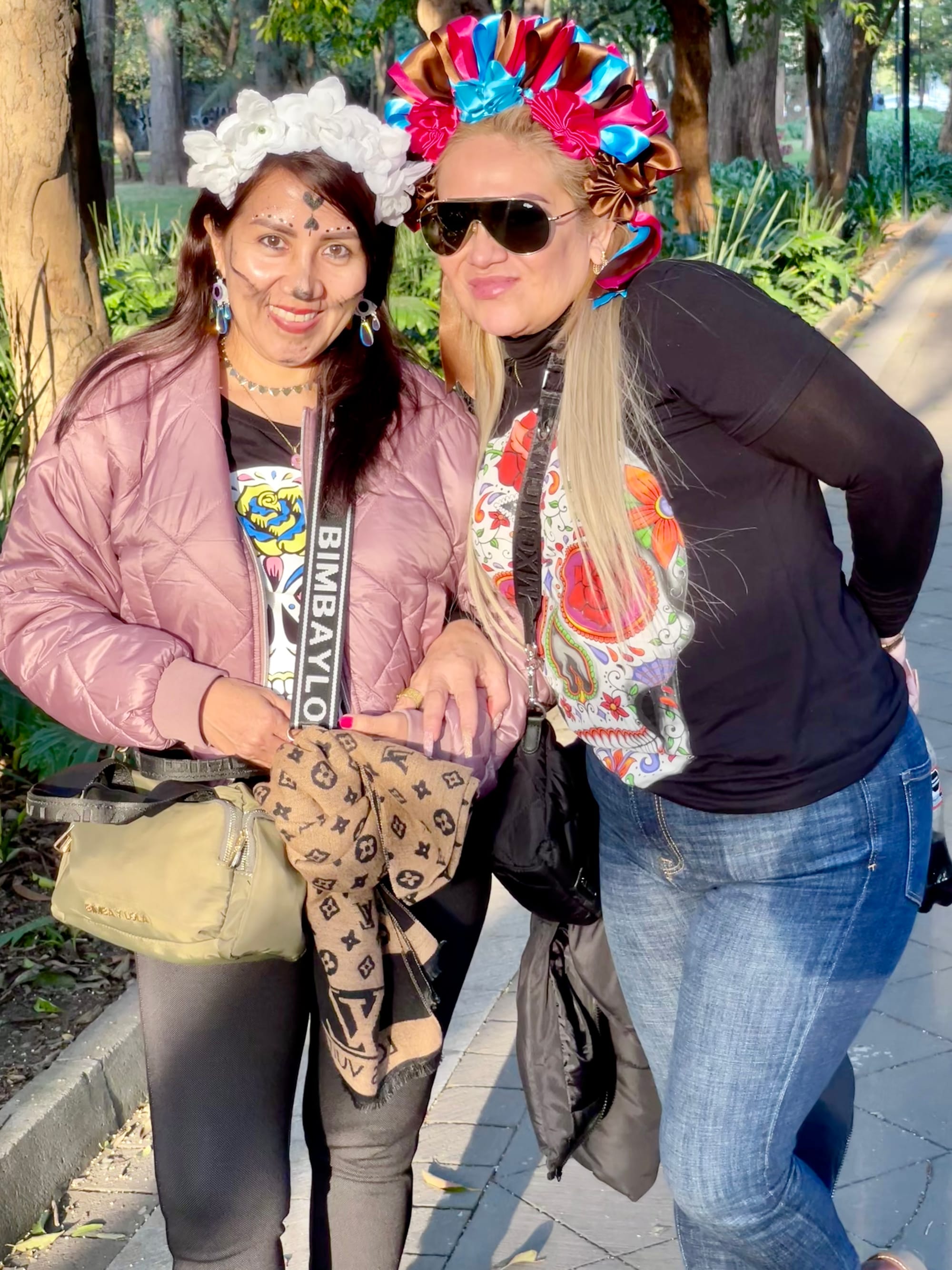
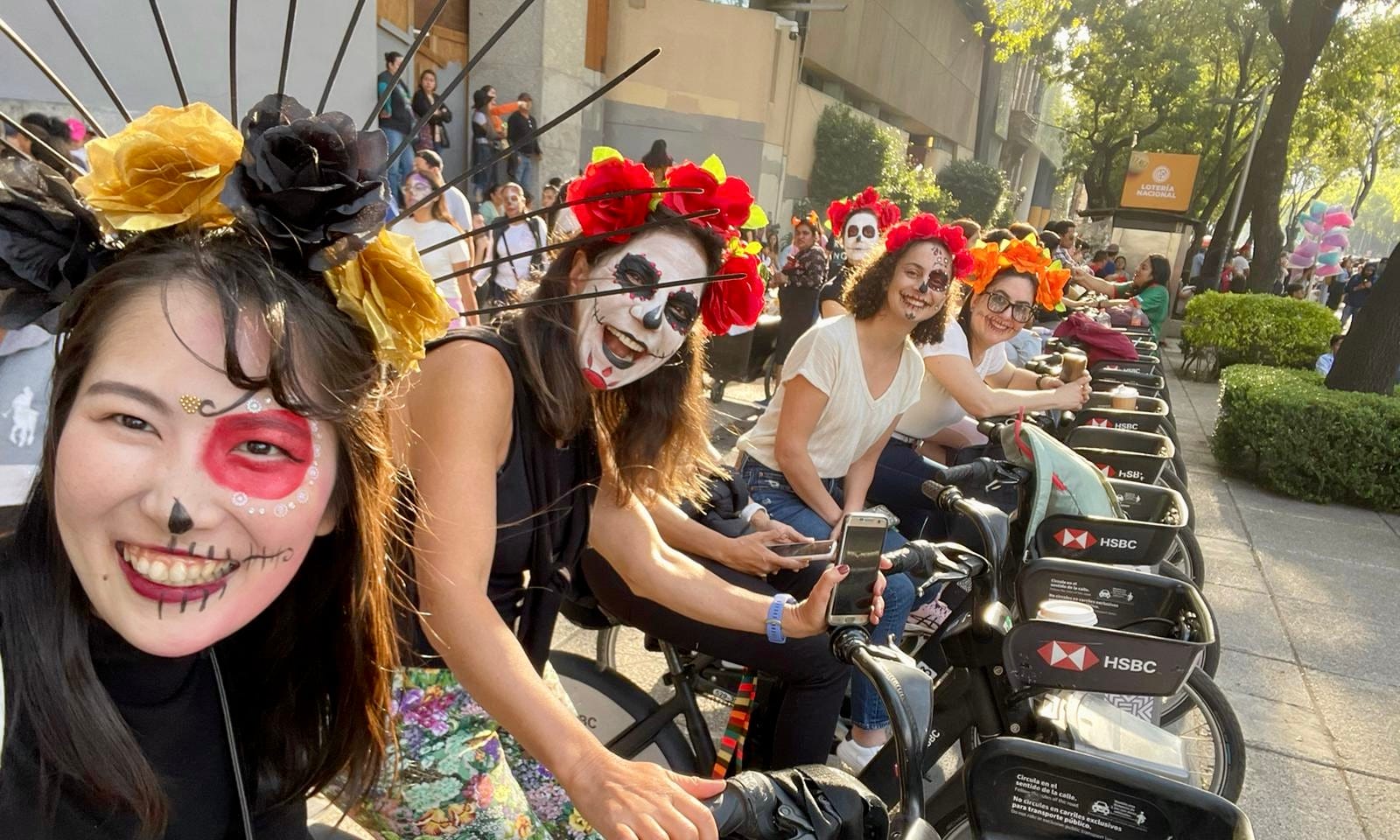
Hats Out and About in the City
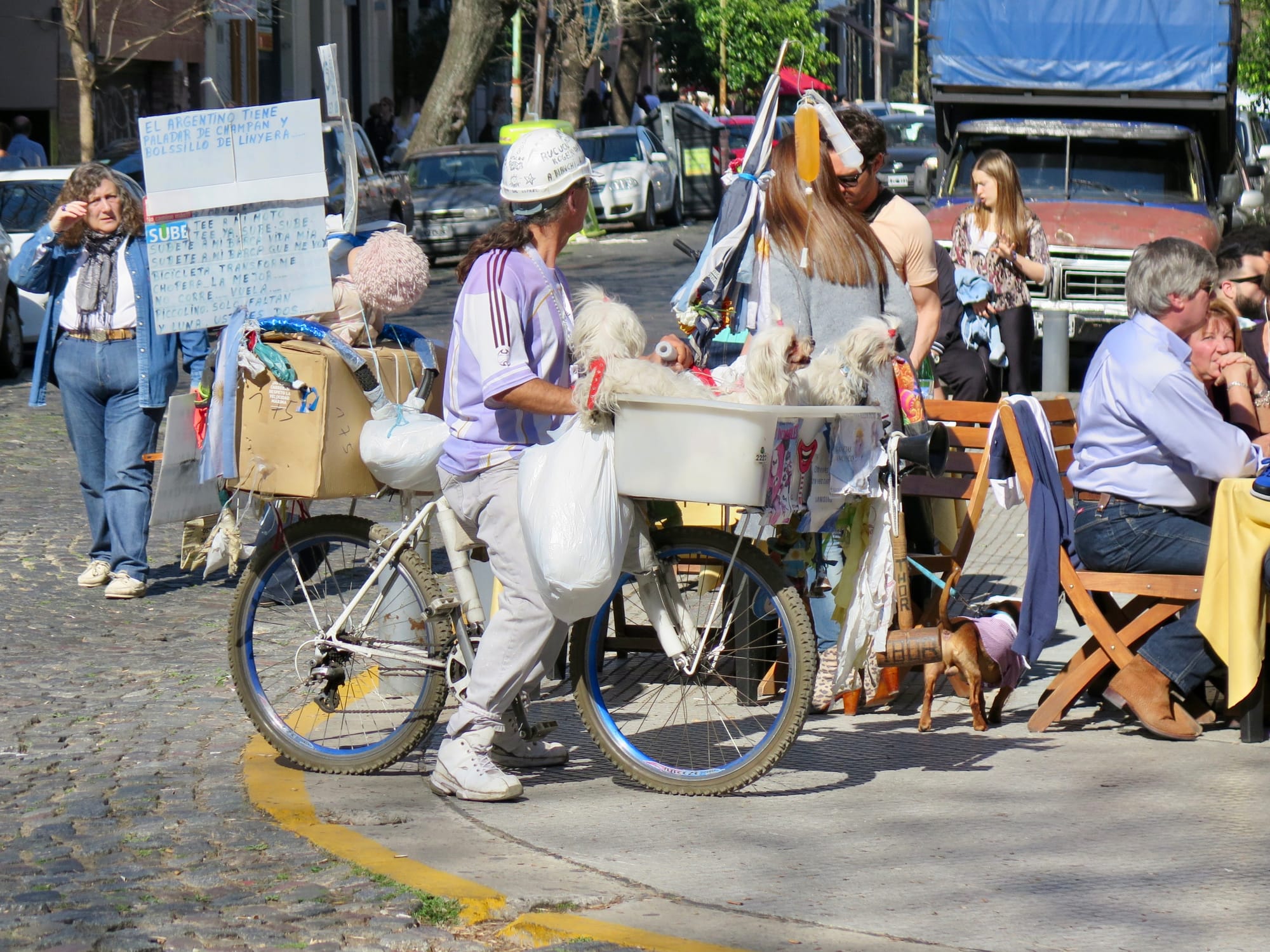
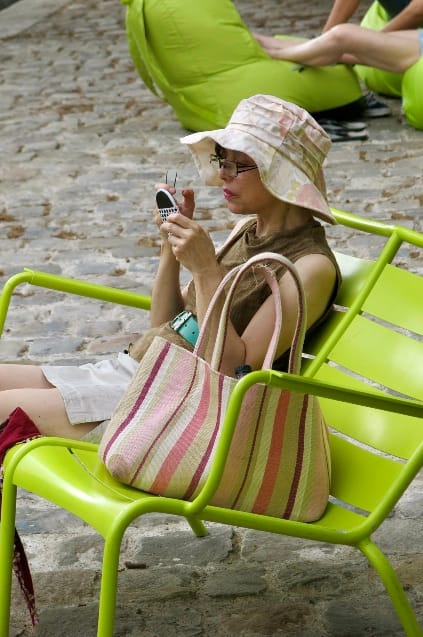
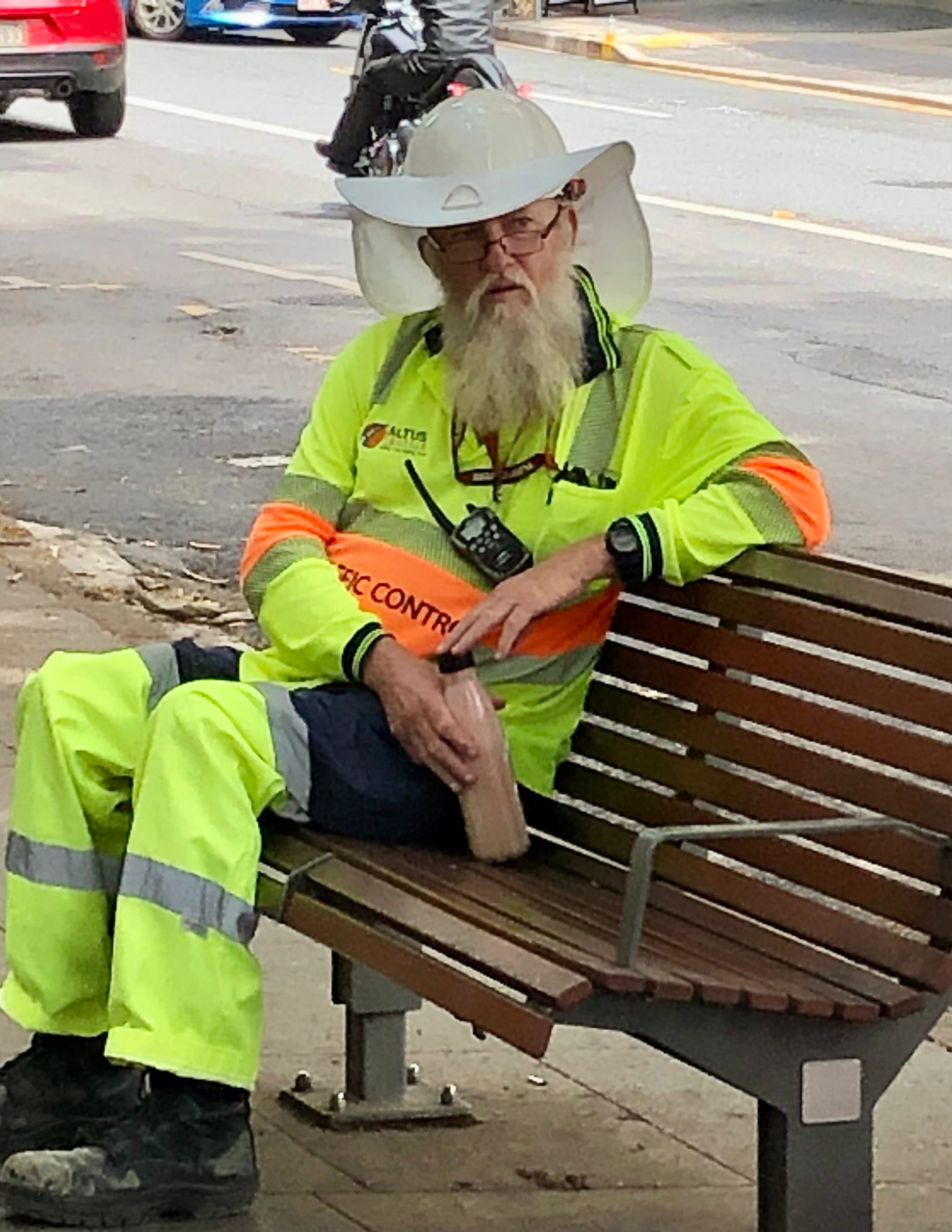
On a day-to-day basis, we see hats all around us being worn for comfort, protection, self-identification, and style. There is no simpler and clearer way to communicate something about yourself than to wear it on your head.
Bringing the hats "inside-out"
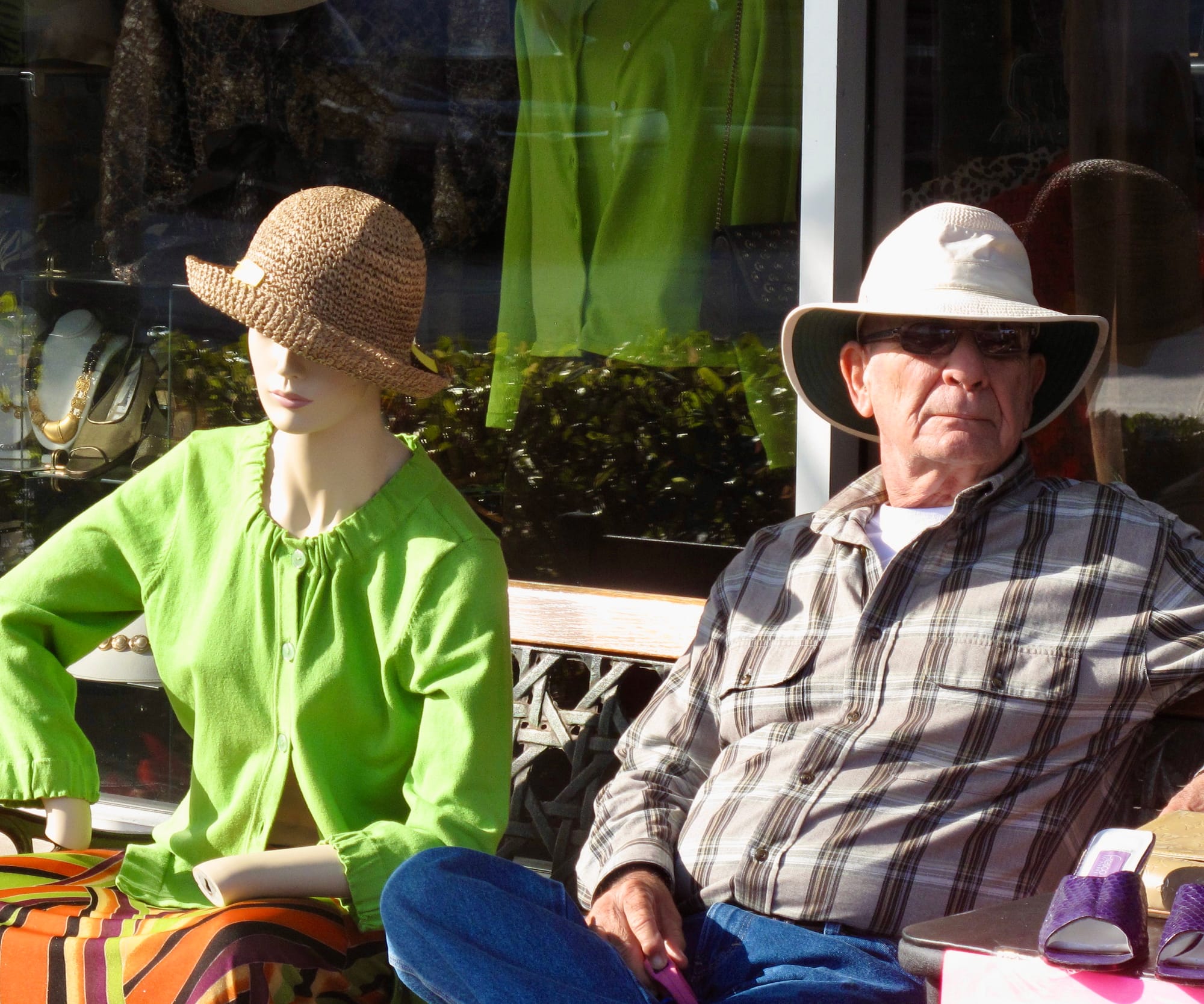
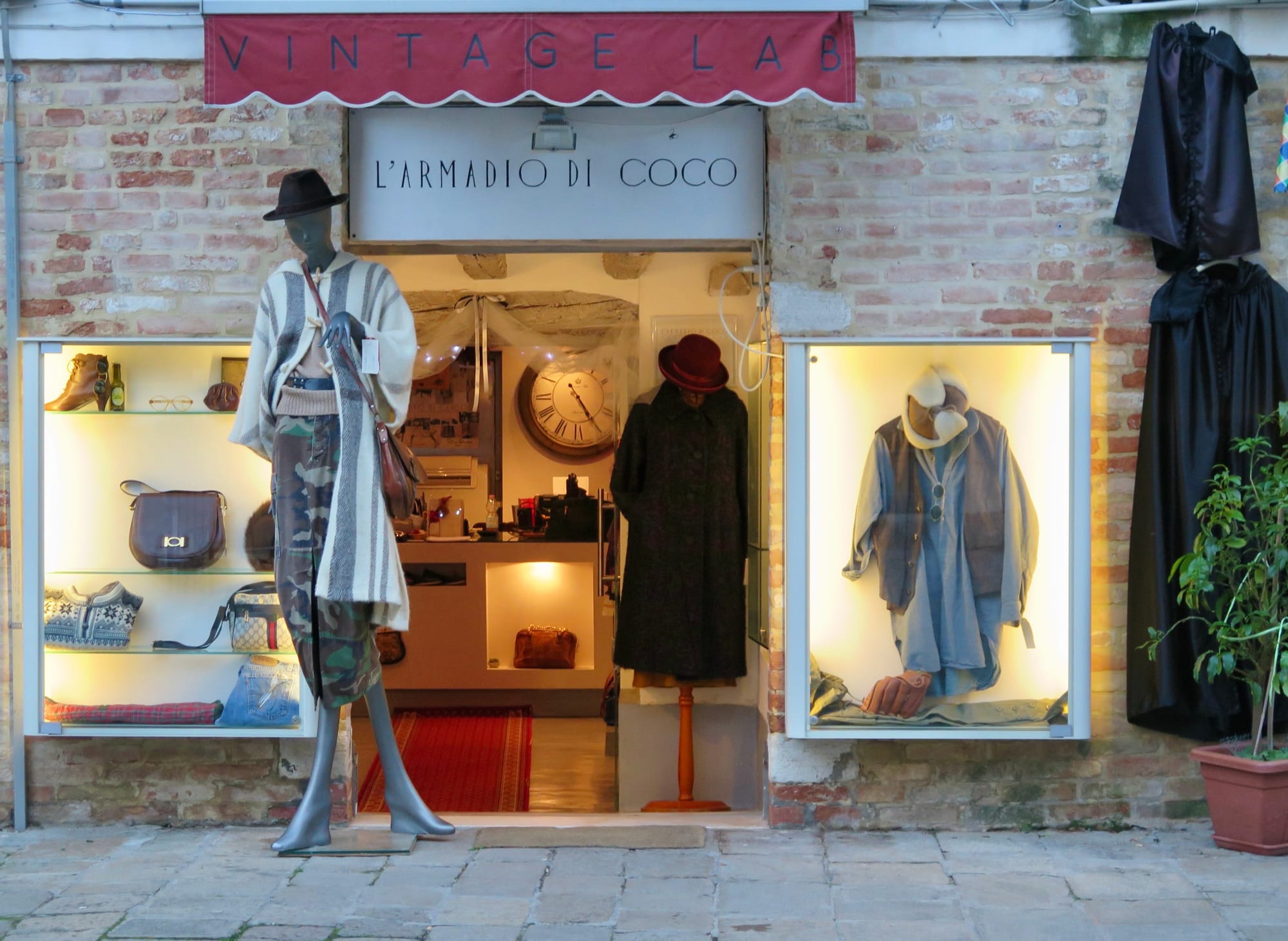
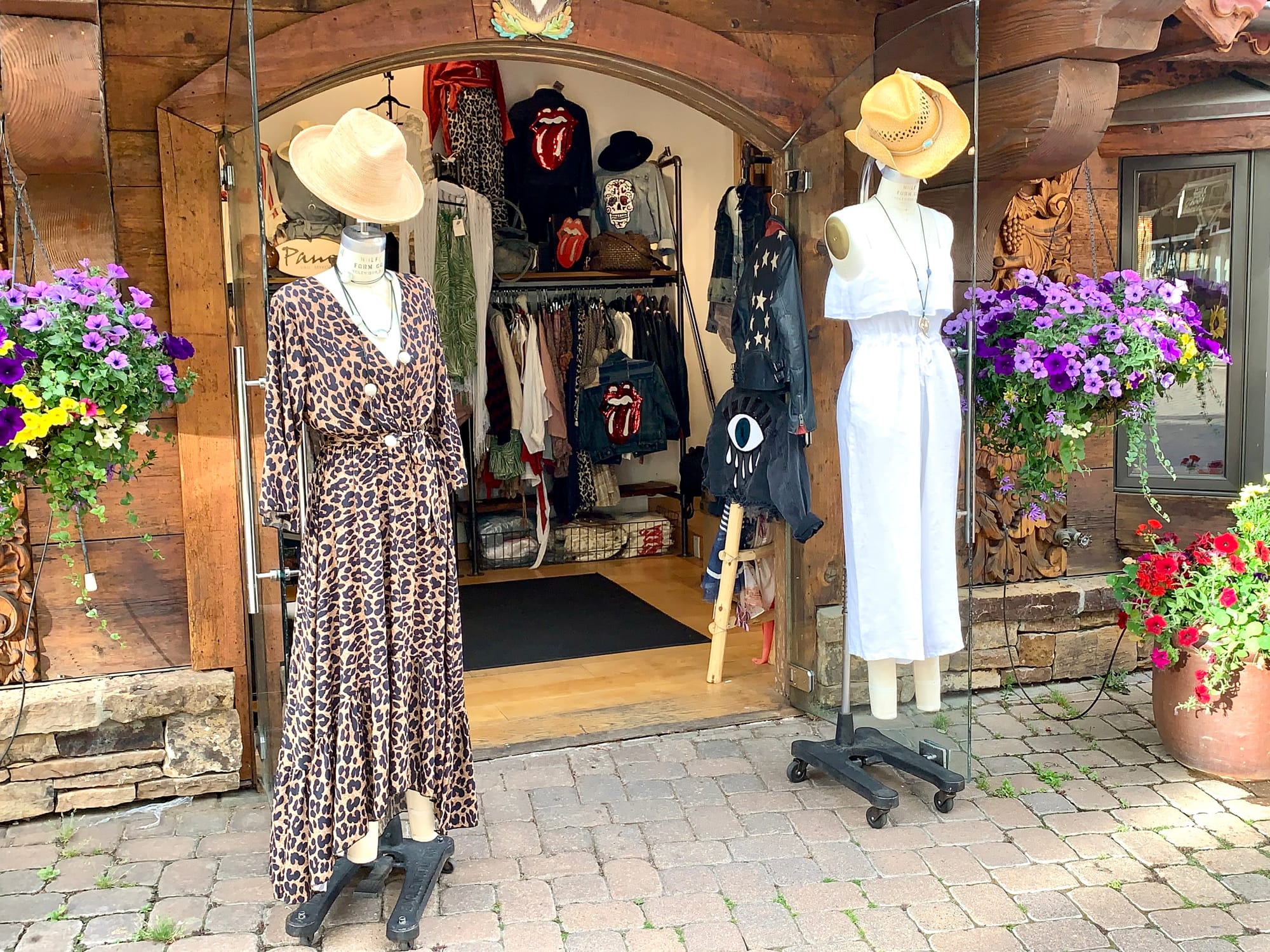
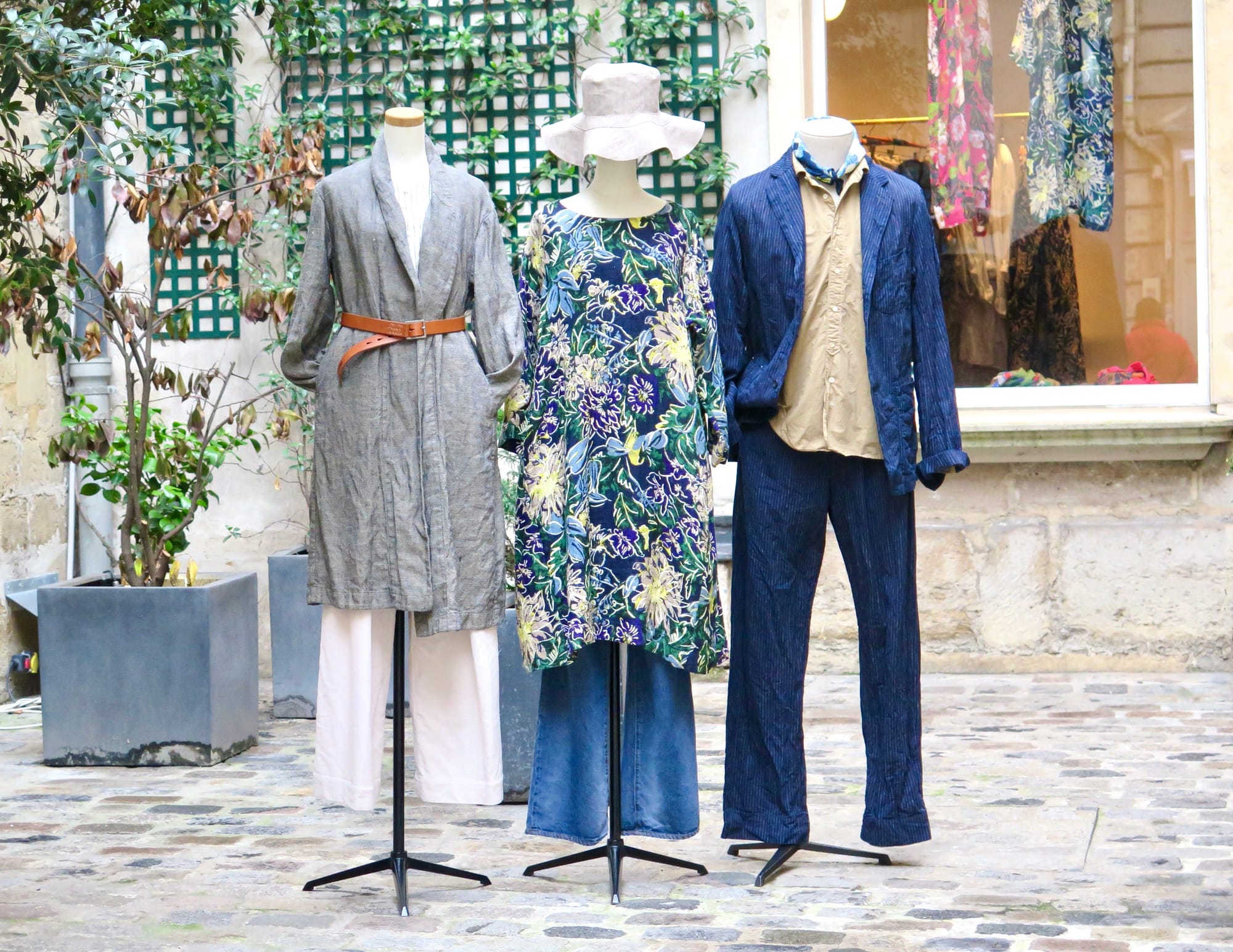
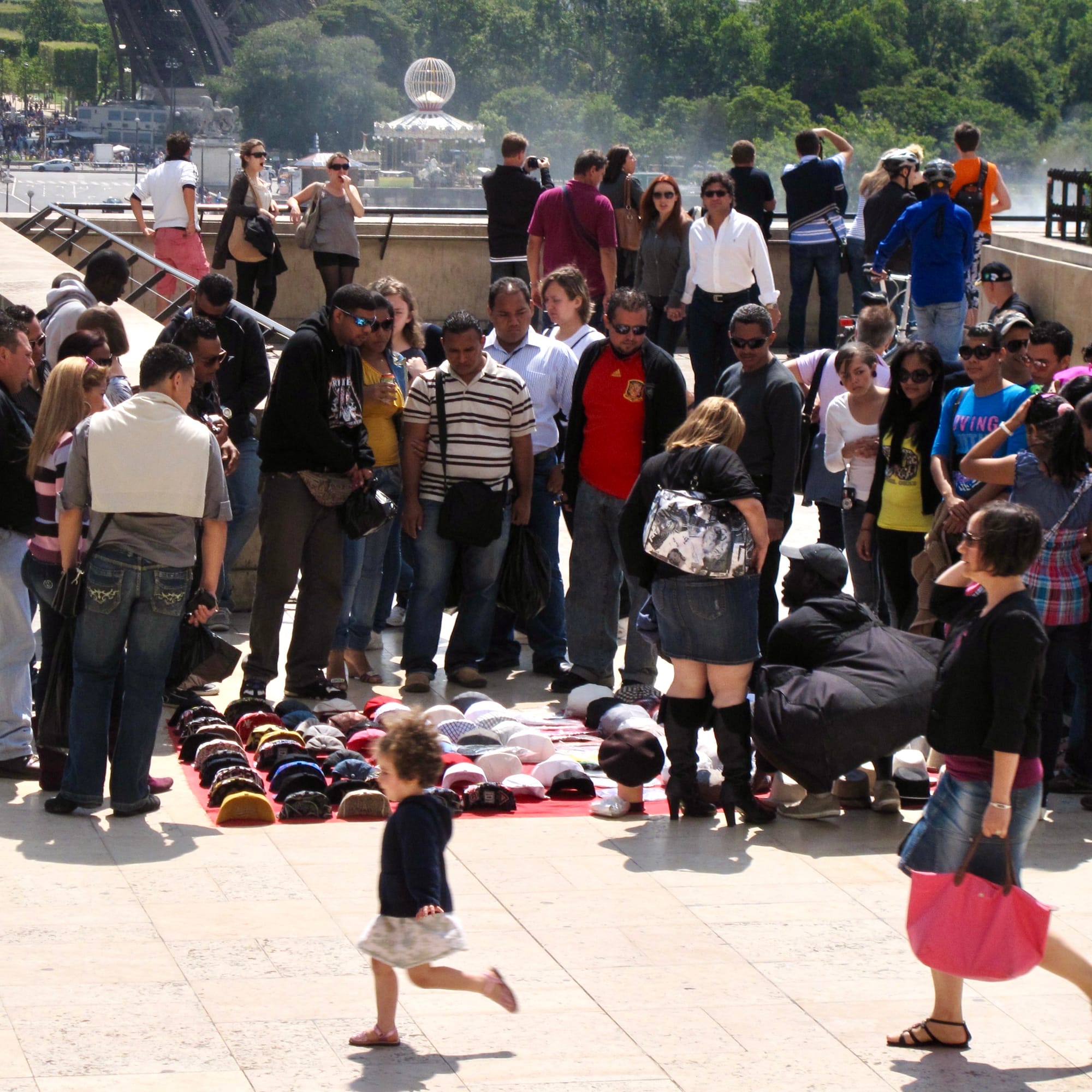
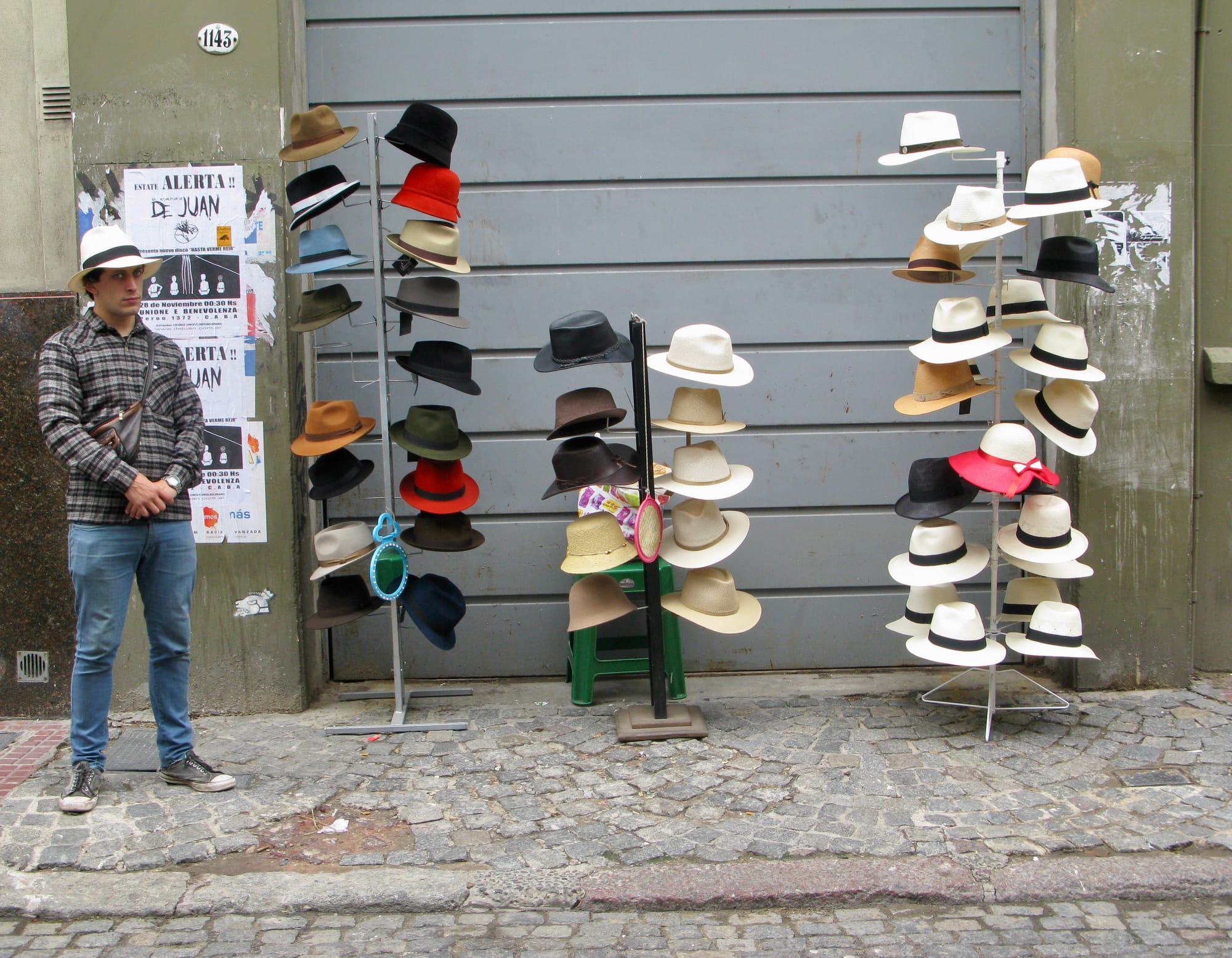
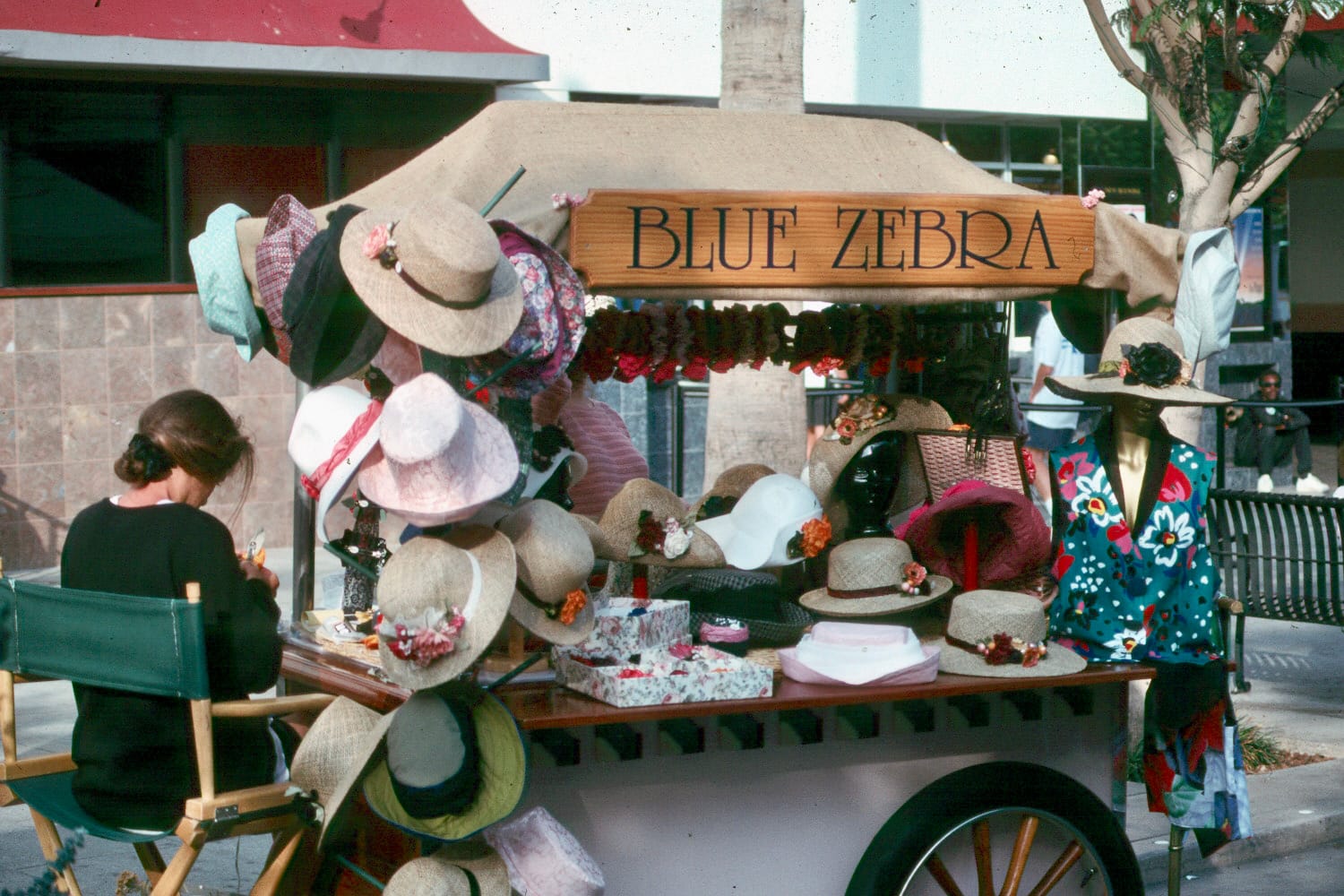
We have long advocated for "inside out design" – the concept of pulling things into the outdoors that are usually inside buildings and businesses, such as displays of goods, seating, and decor. This adds visual interest to the street and engages the attention of pedestrians. It gets people stopping to shop, talk, and explore their city rather than just pass through it.
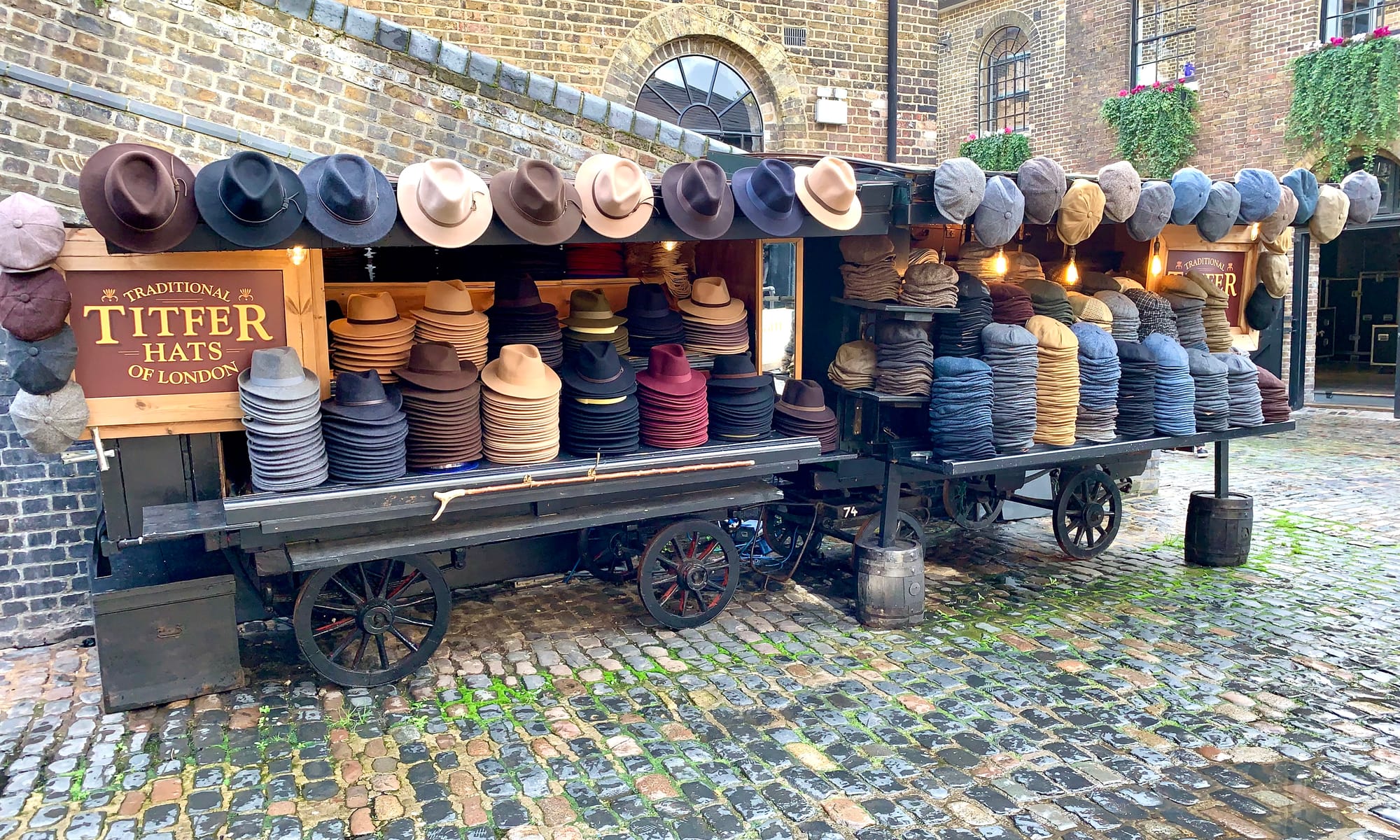
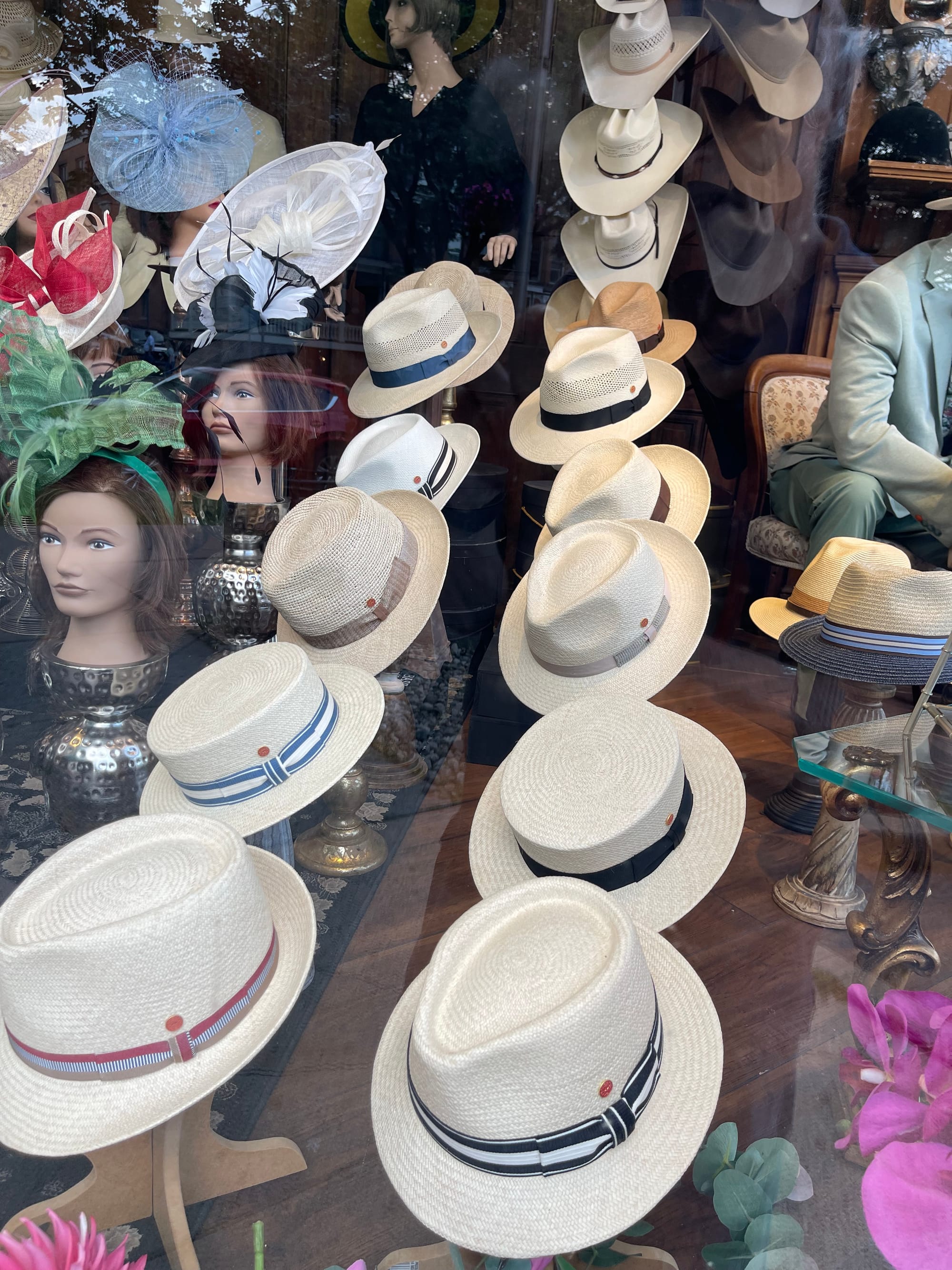
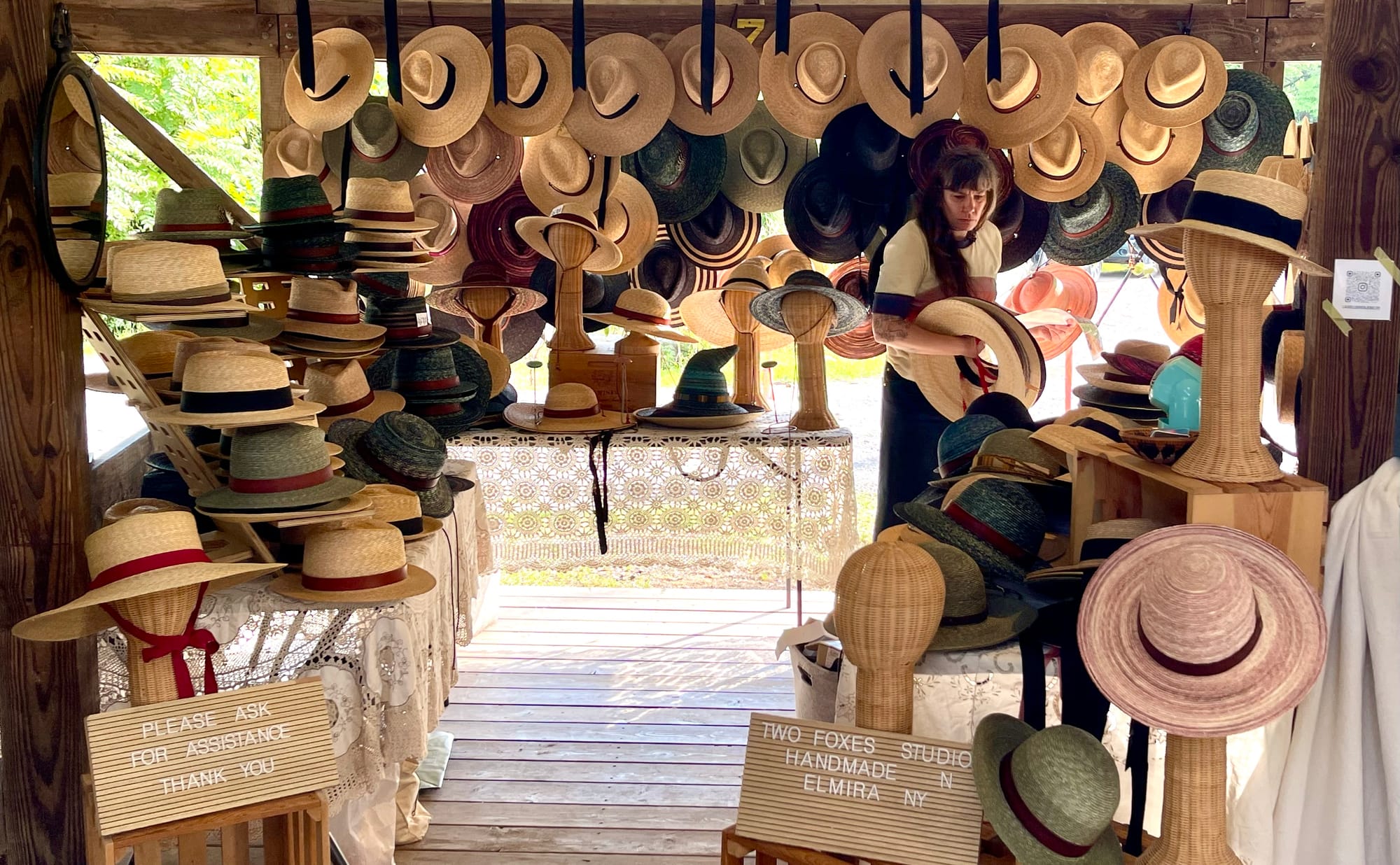
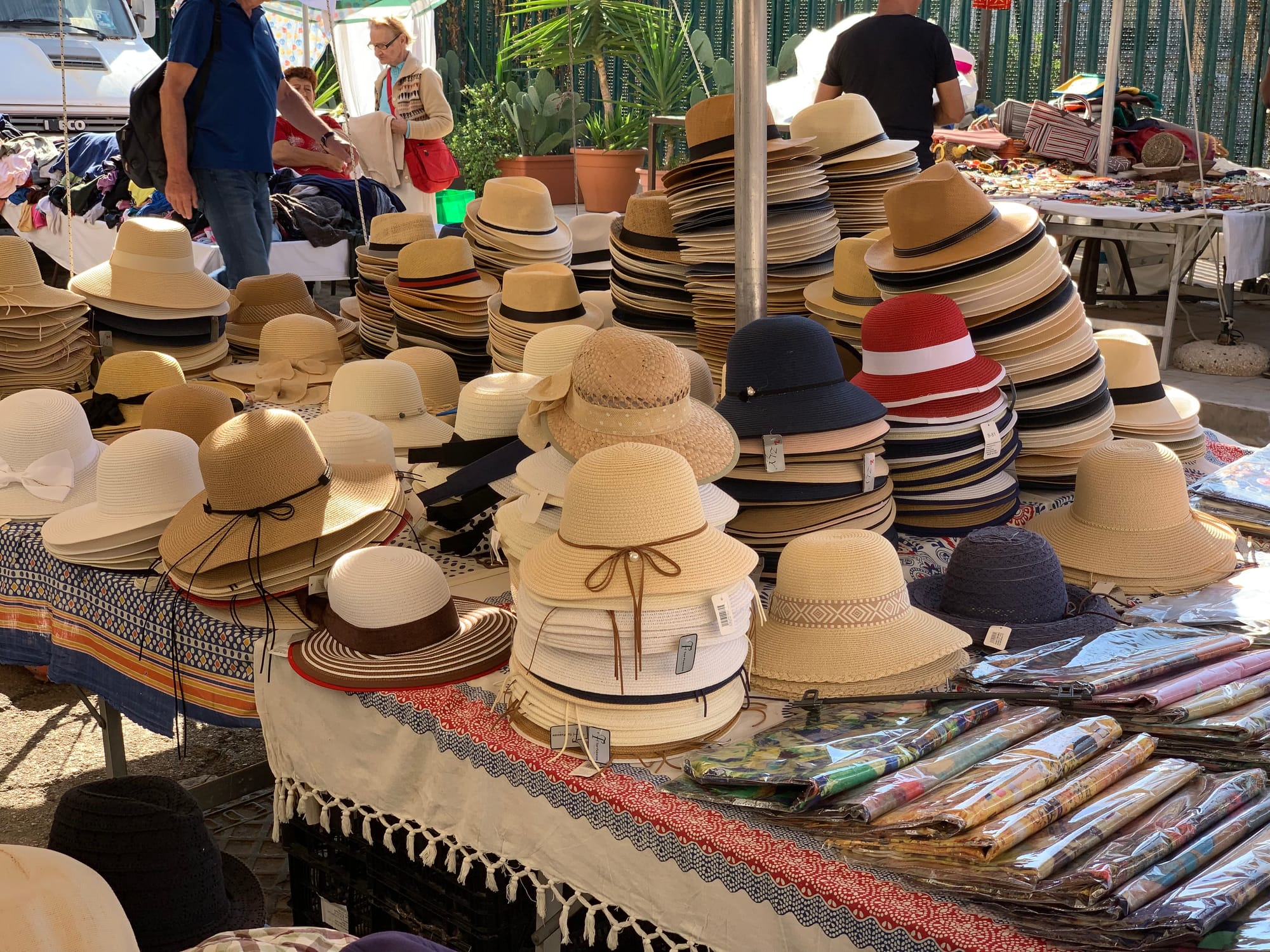
Because hats are fun shapes and colors and are easy to try on, hat displays do a great job of capturing people's attention and reeling them in when they're displayed outside a store.
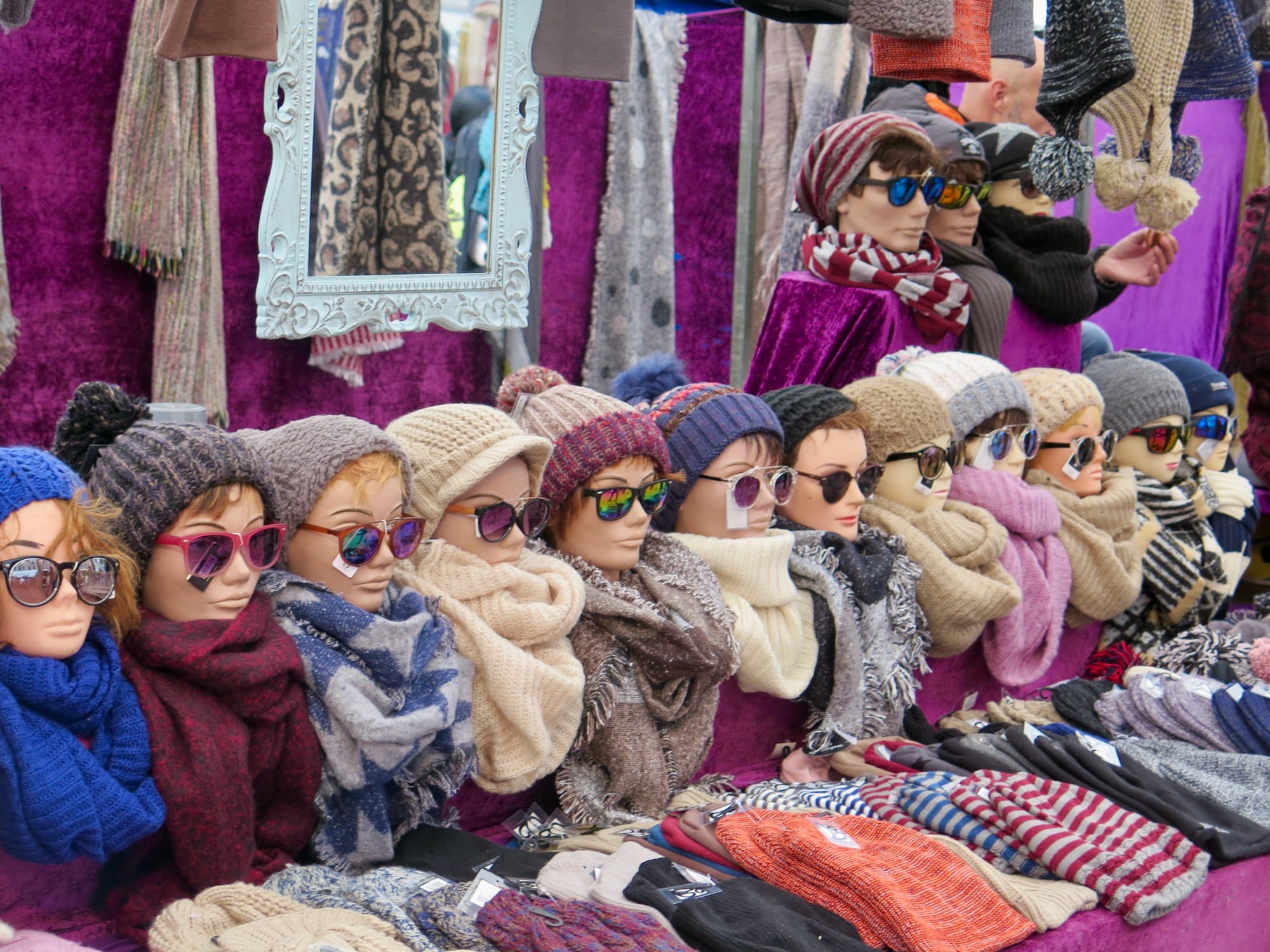
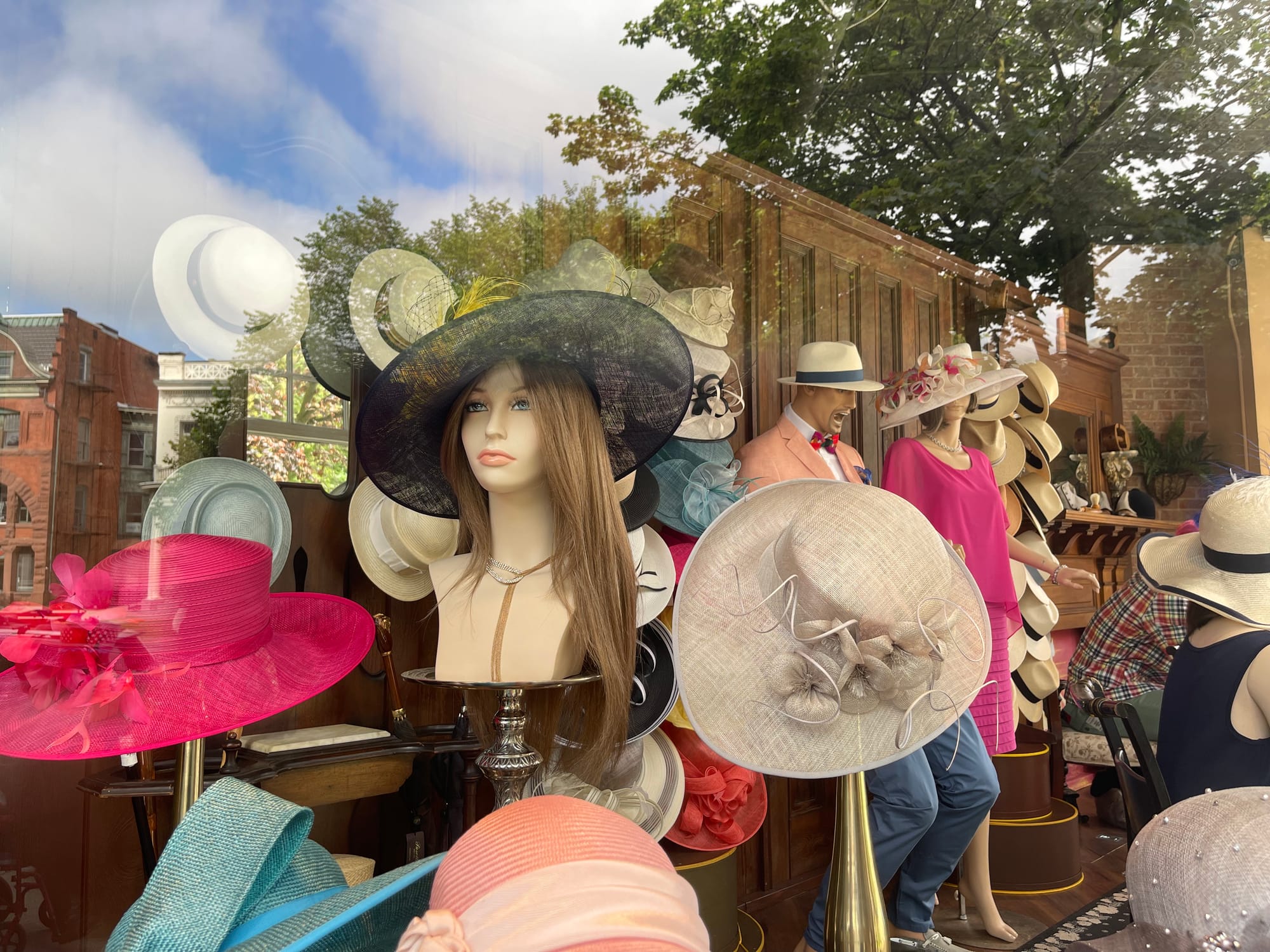
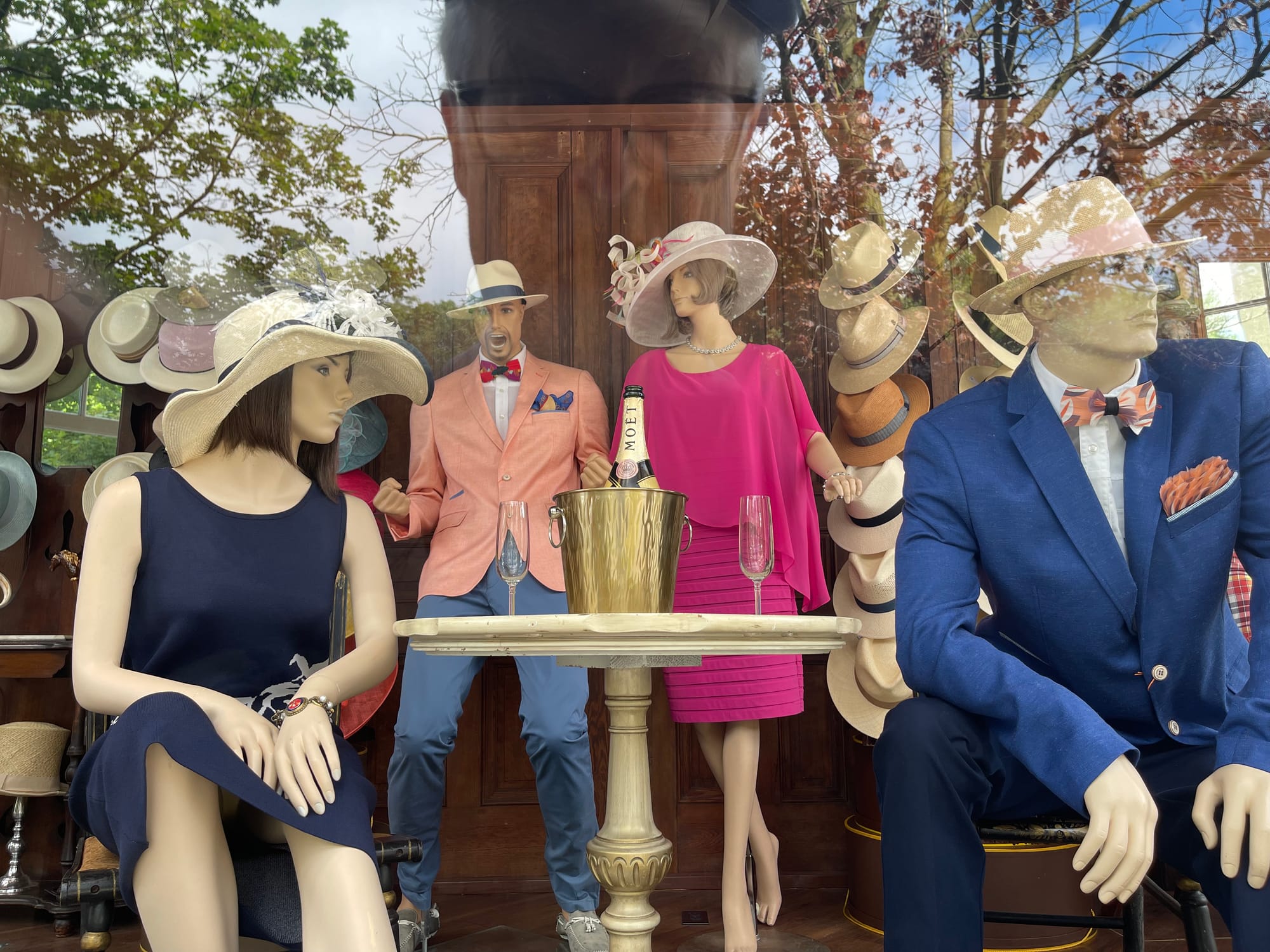
Window display in Saratoga Springs, New York
Takeaways
The saying "he/she wears many different hats" indicates that a person takes on various roles in an organization or in society. We say this because the hats we wear represent the behaviors we engage in, the jobs we do, the activities we like, the things that matter to us, and who we are. Observe, when you're out in the city, what kind of hats are being worn and by who. You'll find a wonderful diversity of statements and personalities indicated by headwear alone.
Places that invite people to show their personalities off through unique garments and accessories are places that are friendly and comfortable to be in. We love those kinds of places because in them is where joy is fostered, where social life thrives, and where community is developed. A good trick to finding those places is to keep your eyes peeled for the great hats.
Kathy's Hats
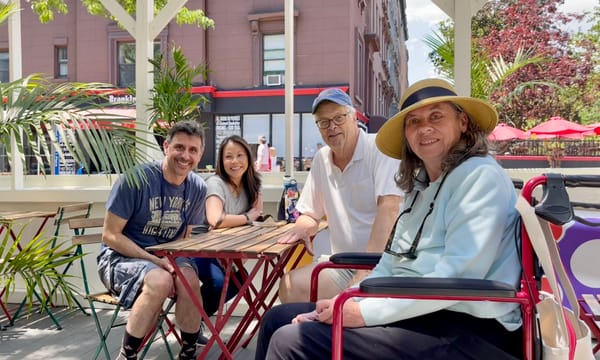
Our beloved Kathy Madden passed away this year, but her love of hats and her iconic hat looks over the years will always stand out in our hearts.
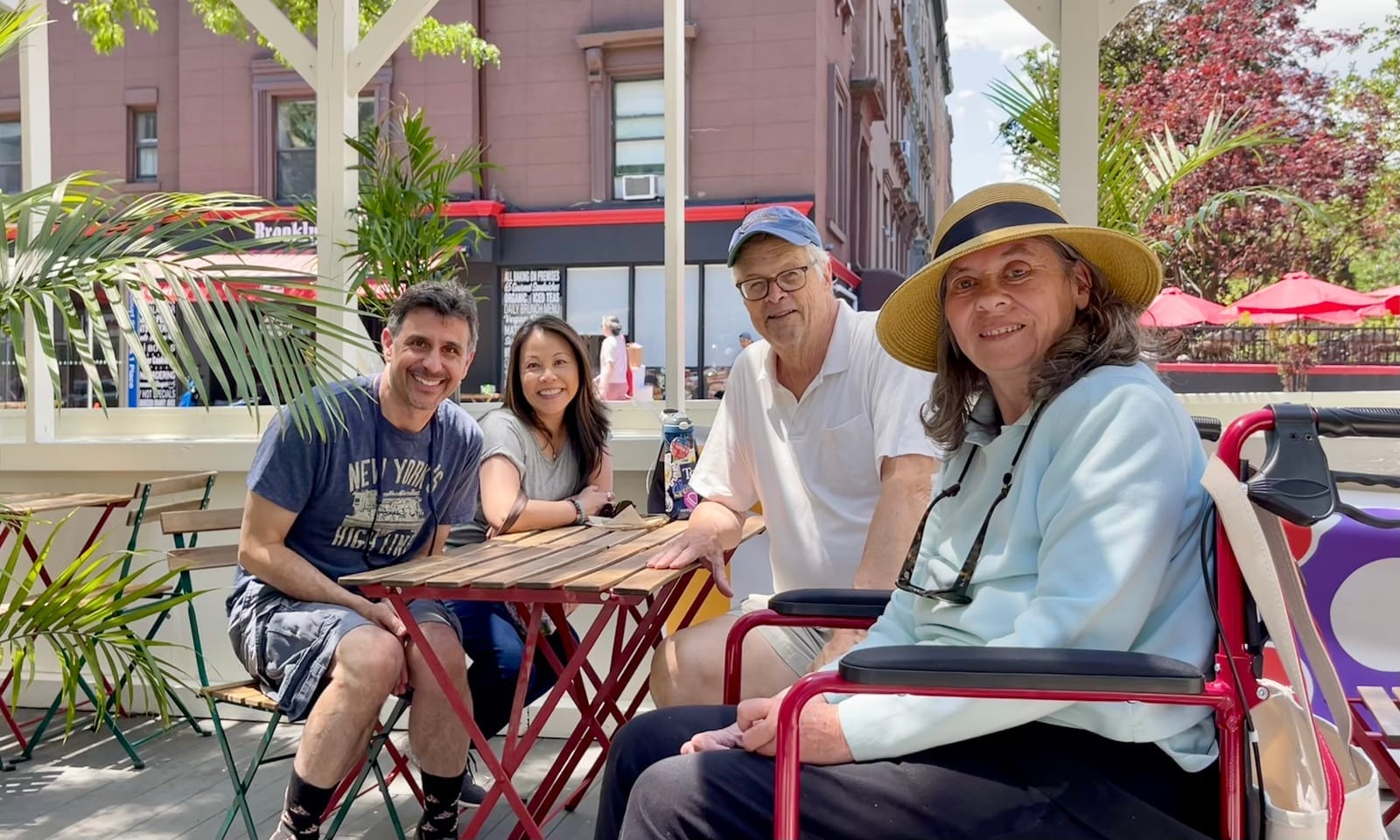

She had the perfect hat that she loved to wear even in her final months. It gave her dignity and reflected who she was, even when aphasia made it difficult to express that in words.
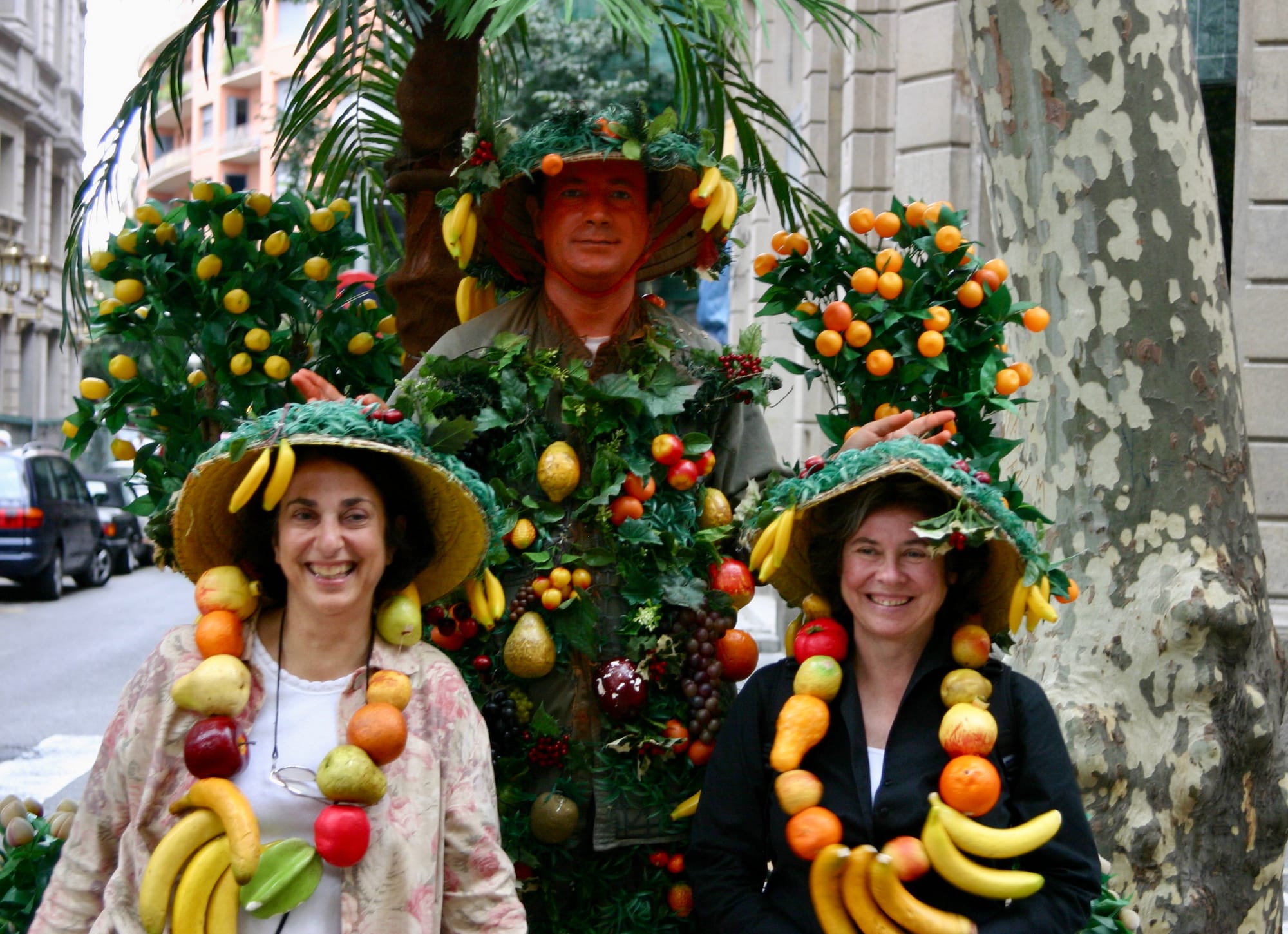
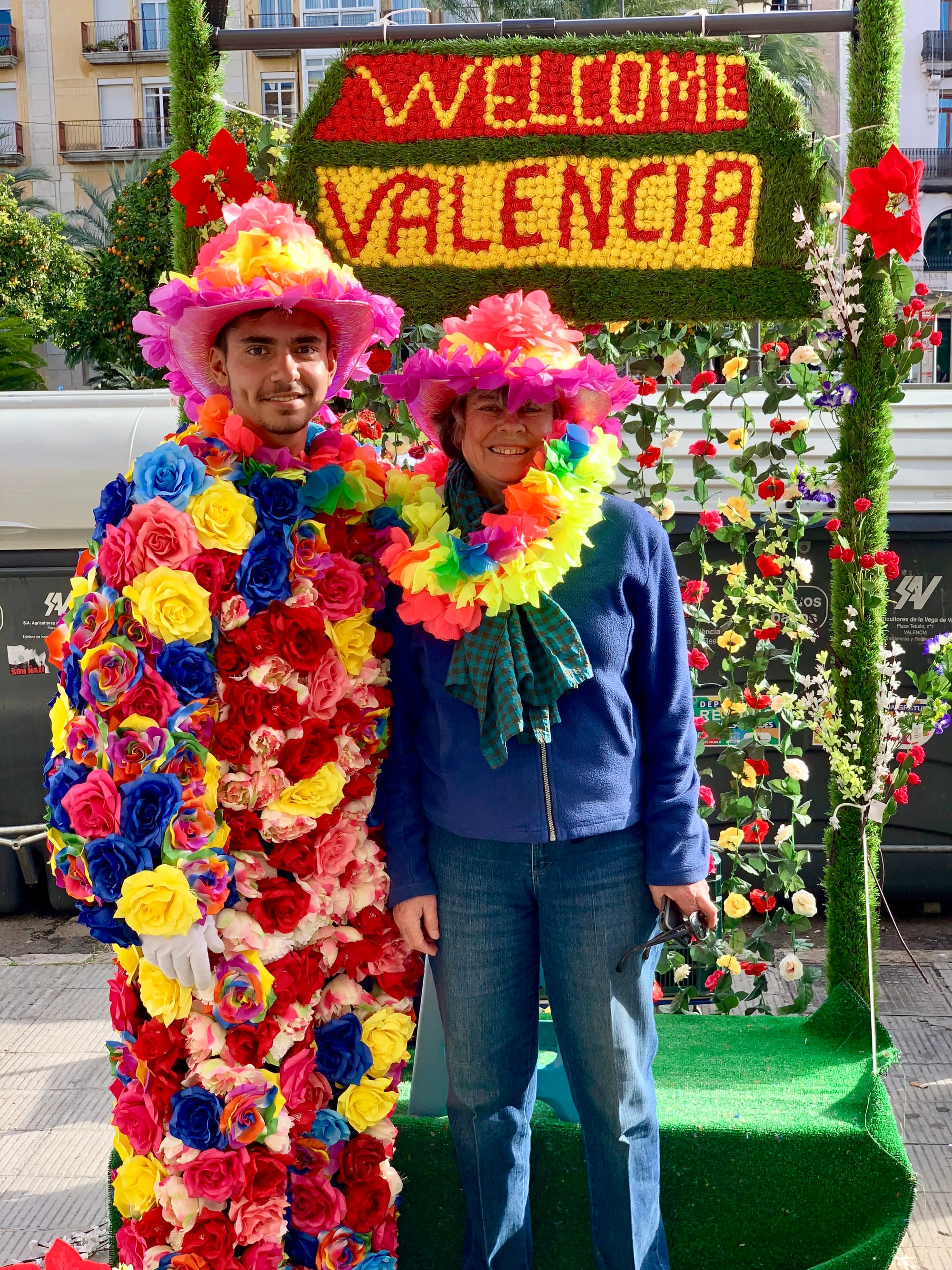
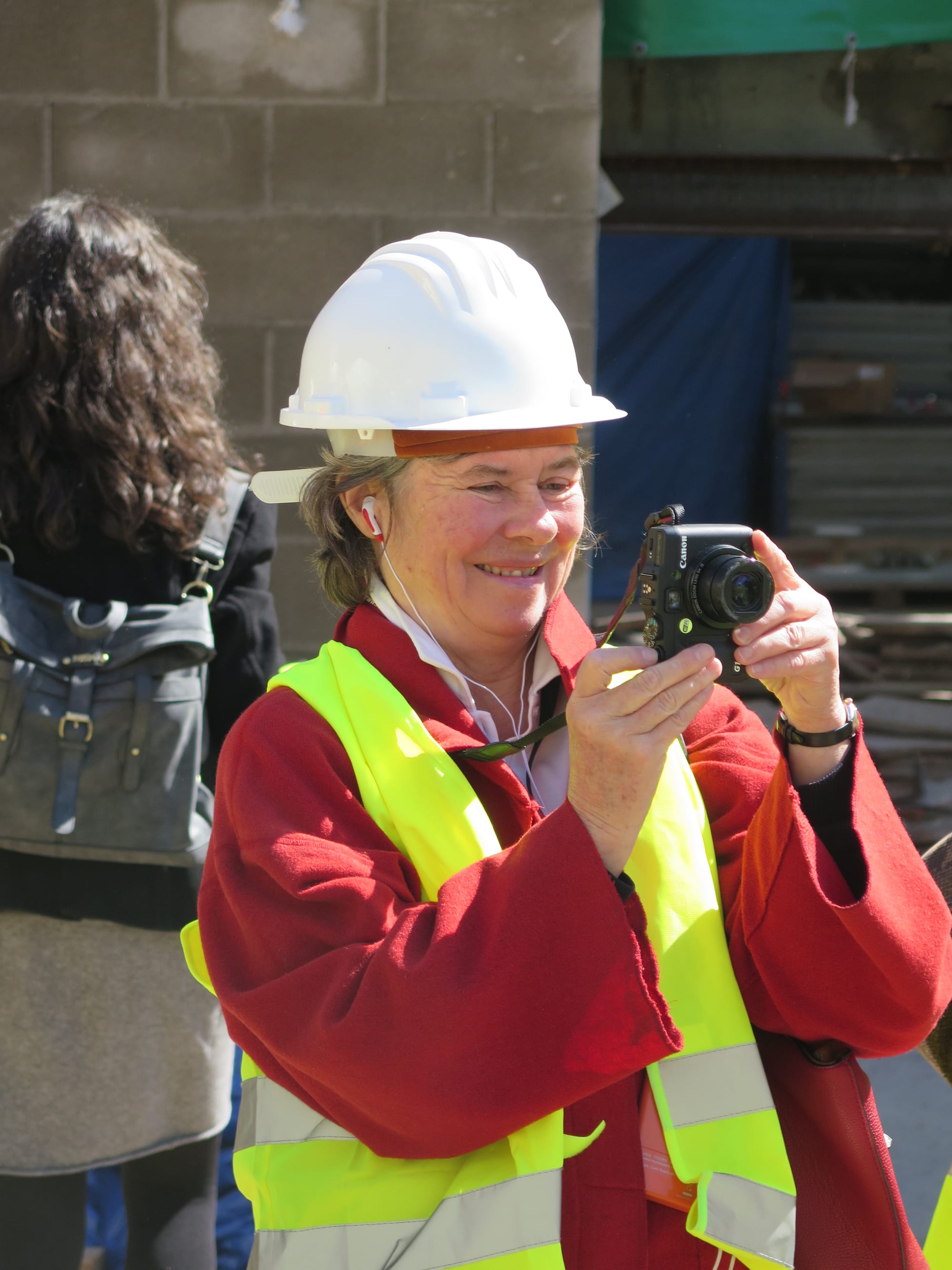
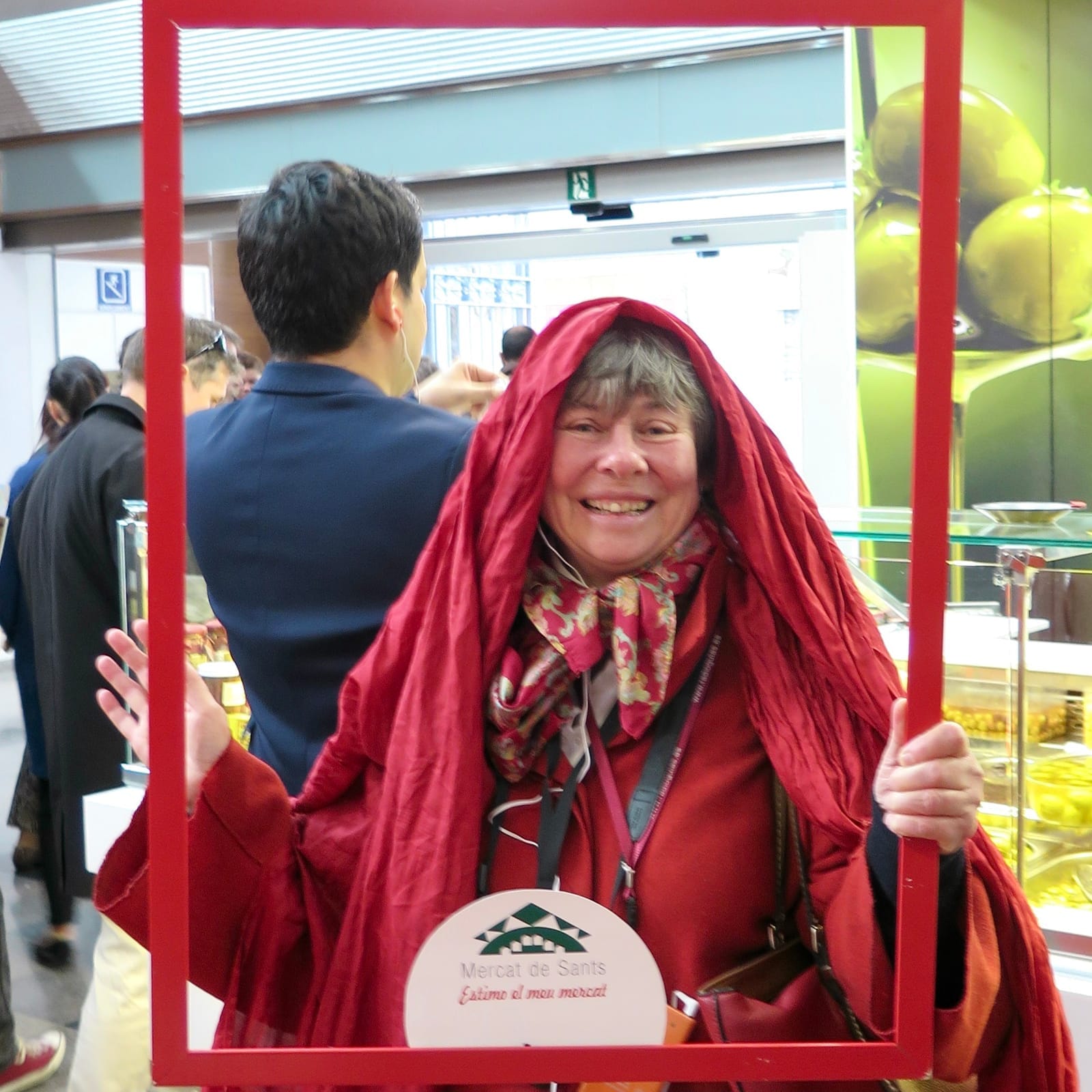

Kathy, the love of my life...every day I will remember and cherish our amazing partnership in our life and work. – Fred

 Steve Davies
 Fred Kent
If you are interested in collaborating (articles, presentations, exhibits, projects, and more) or supporting the cause contact us.