


Restoring Brooklyn's Main Street and Waterfront
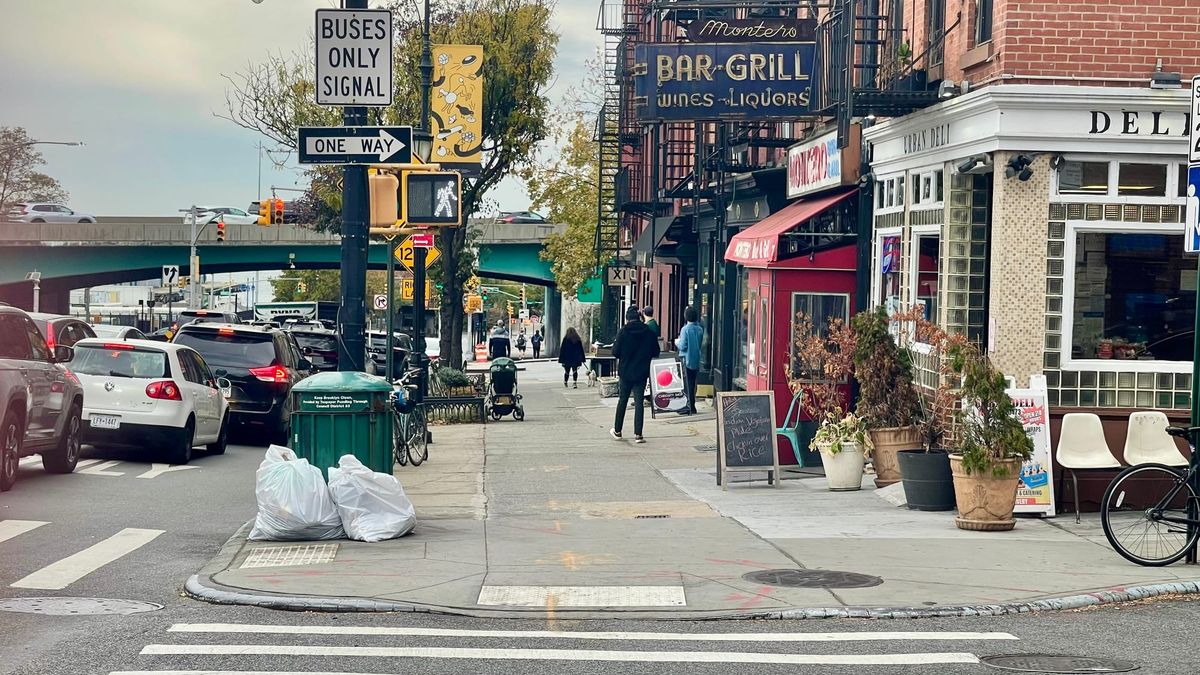
Vision for Atlantic Avenue, the "Main Street of Brooklyn" connecting brownstone neighborhoods to the Brooklyn waterfront?

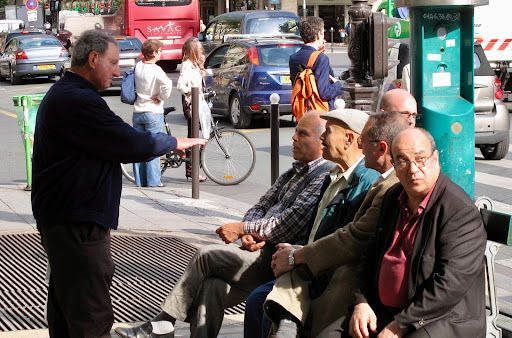
“Never doubt that a small group of thoughtful, committed citizens can change the world; indeed, it’s the only thing that ever has.” - Margaret Mead
Vision for Atlantic Avenue, the "Main Street of Brooklyn" connecting brownstone neighborhoods to the Brooklyn waterfront?
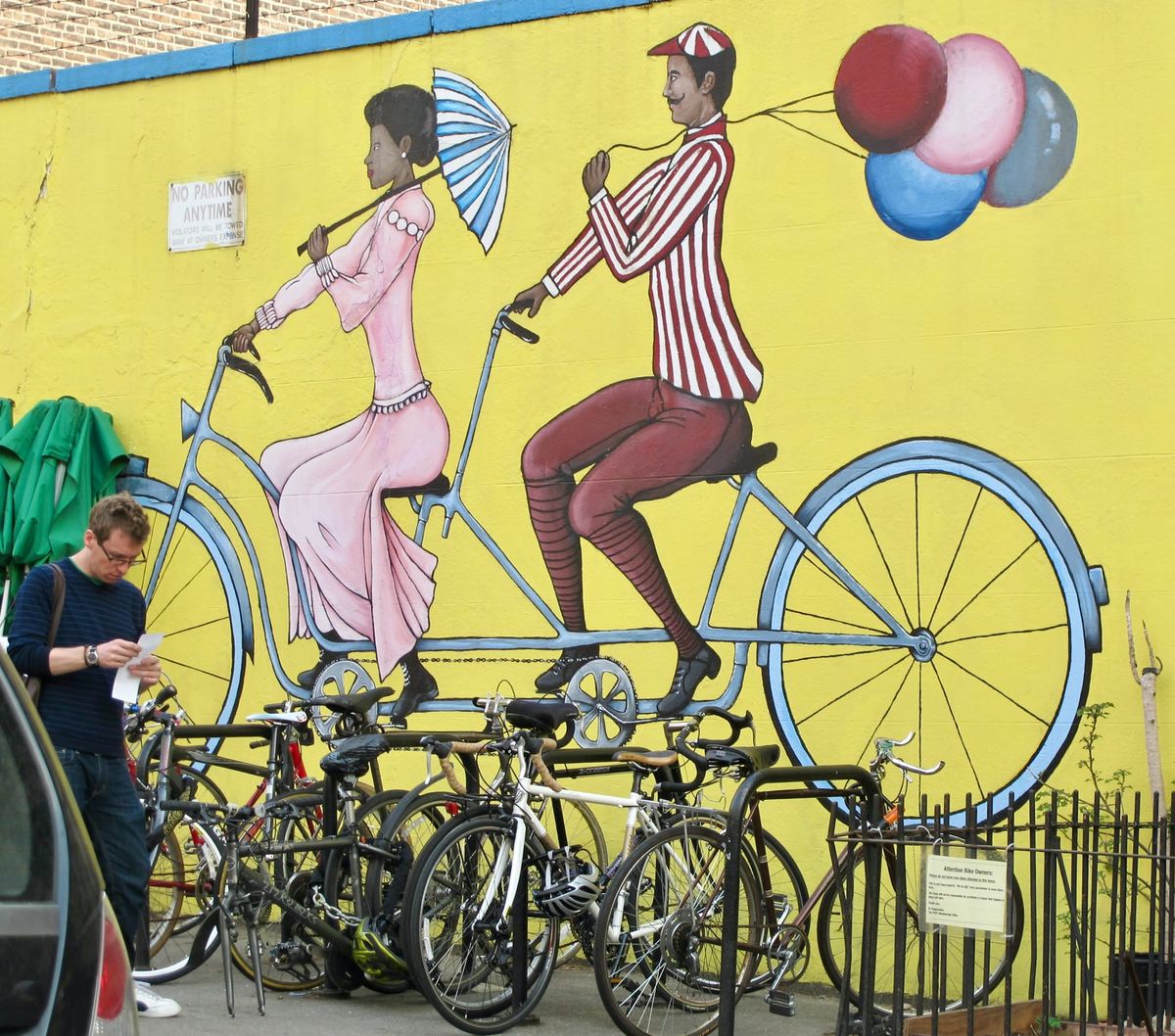
A growing bike culture is introducing cycling-friendly design into cities which is also human-friendly and thus supports greater social and community life.
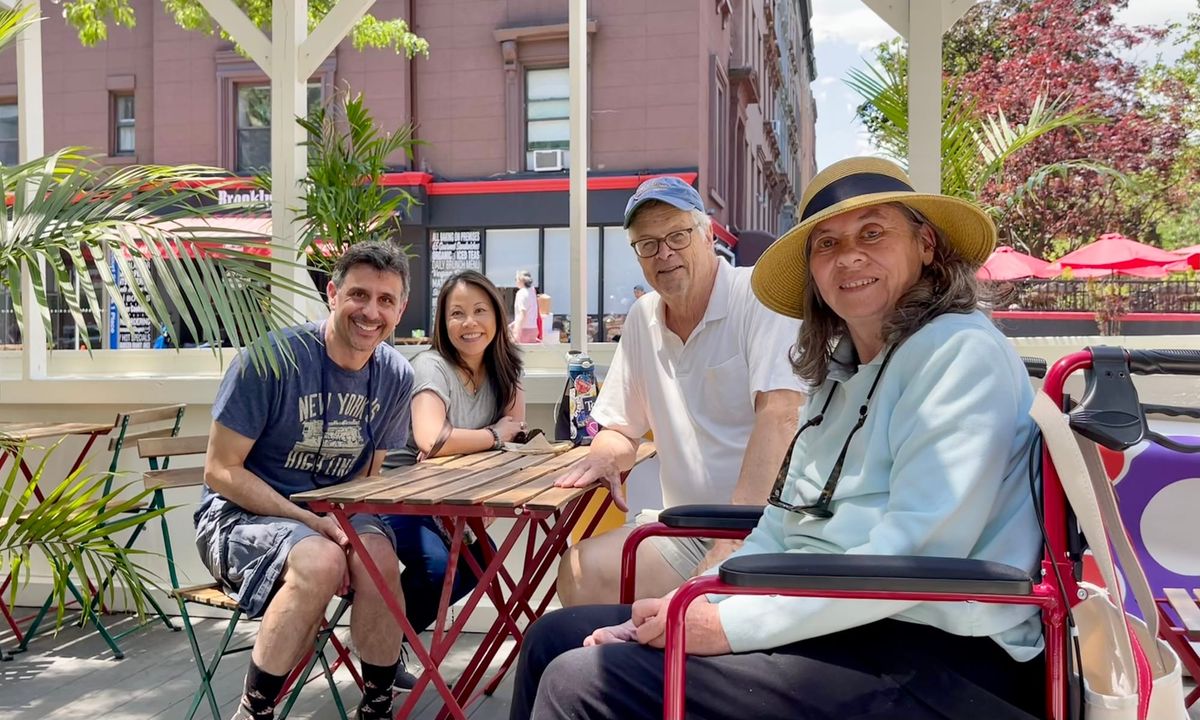
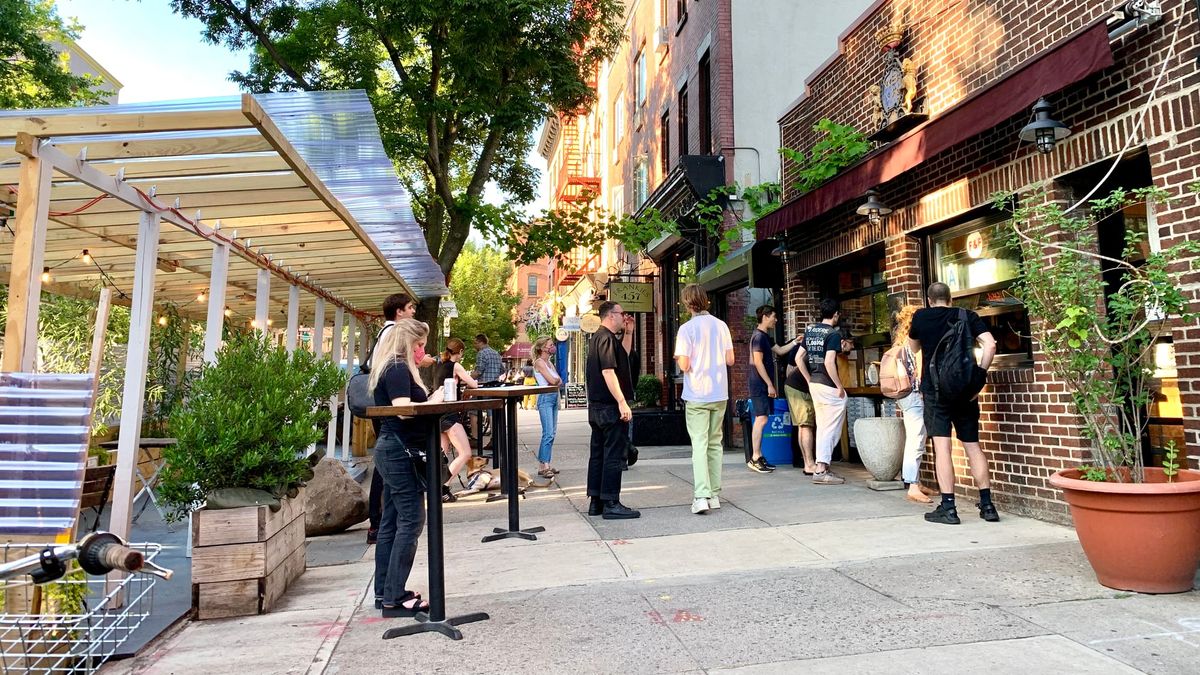
The removal and restriction of NYC's dining sheds has made the city less accessible and less inclusive. We need to bring them back.
NYC's dining sheds have created vibrant social hubs that have revitalized our sidewalks and public life. Now, we are on the brink of losing them and all the wonderful benefits they've brought.
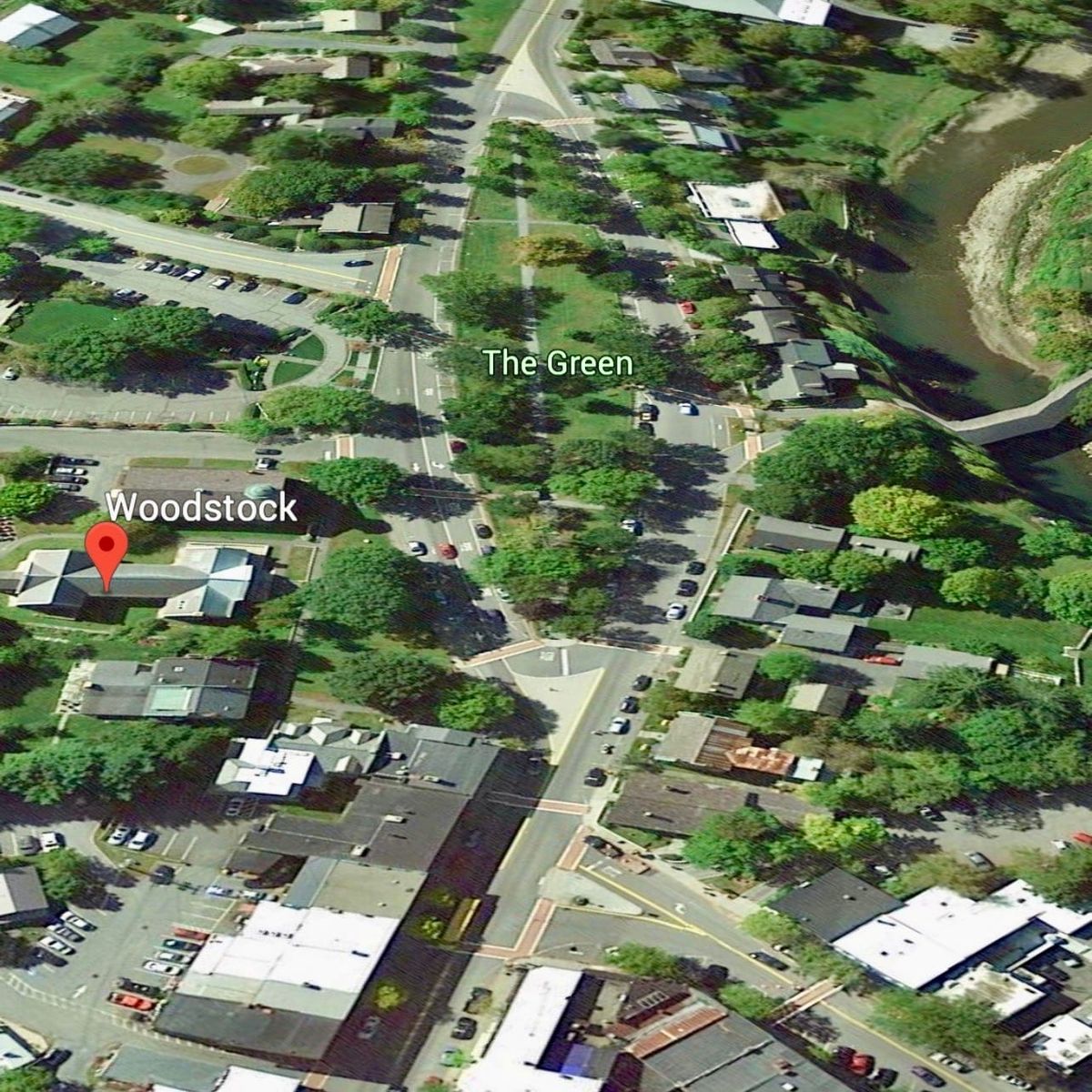
Through the combination of conservation, preservation, and Placemaking, historic small towns like Woodstock, Vermont can be revitalized.
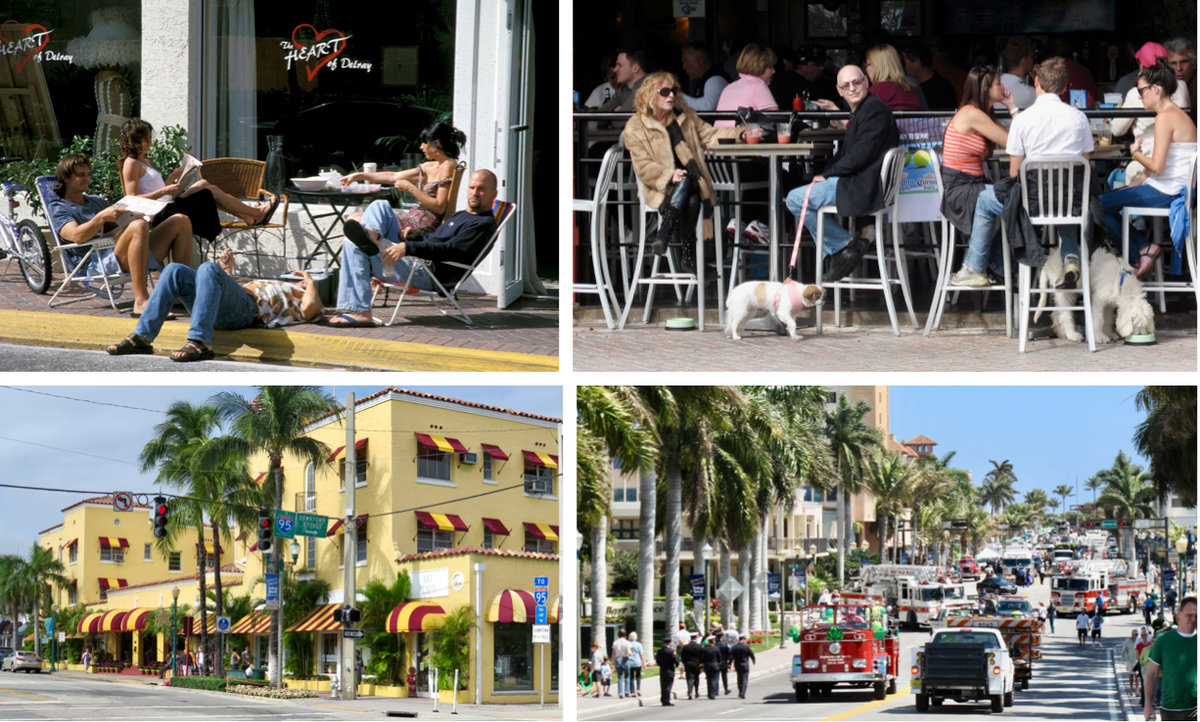
Delray Beach in Florida, like many places, sits on the fence between a cherished village-like feel and a culture dominated by cars. Improving Main Street is key to its revitalization.