
How Creative Seating Shapes A City's Character
Cities are full of public seating and the flexibility of this seating's design offers endless opportunities for introducing beauty, character, and creativity to our streets.


“Benches are artifacts, the purpose of which is to punctuate architectural photos. They are not so good for seating. There are too few of them; they are too small; they are often isolated from other benches or whatever action there is on the plaza.” — William H. Whyte, The Social Life of Small Urban Spaces
Cities are full of public seating and the flexibility of this seating's design offers endless opportunities for introducing beauty, character, and creativity to our streets.
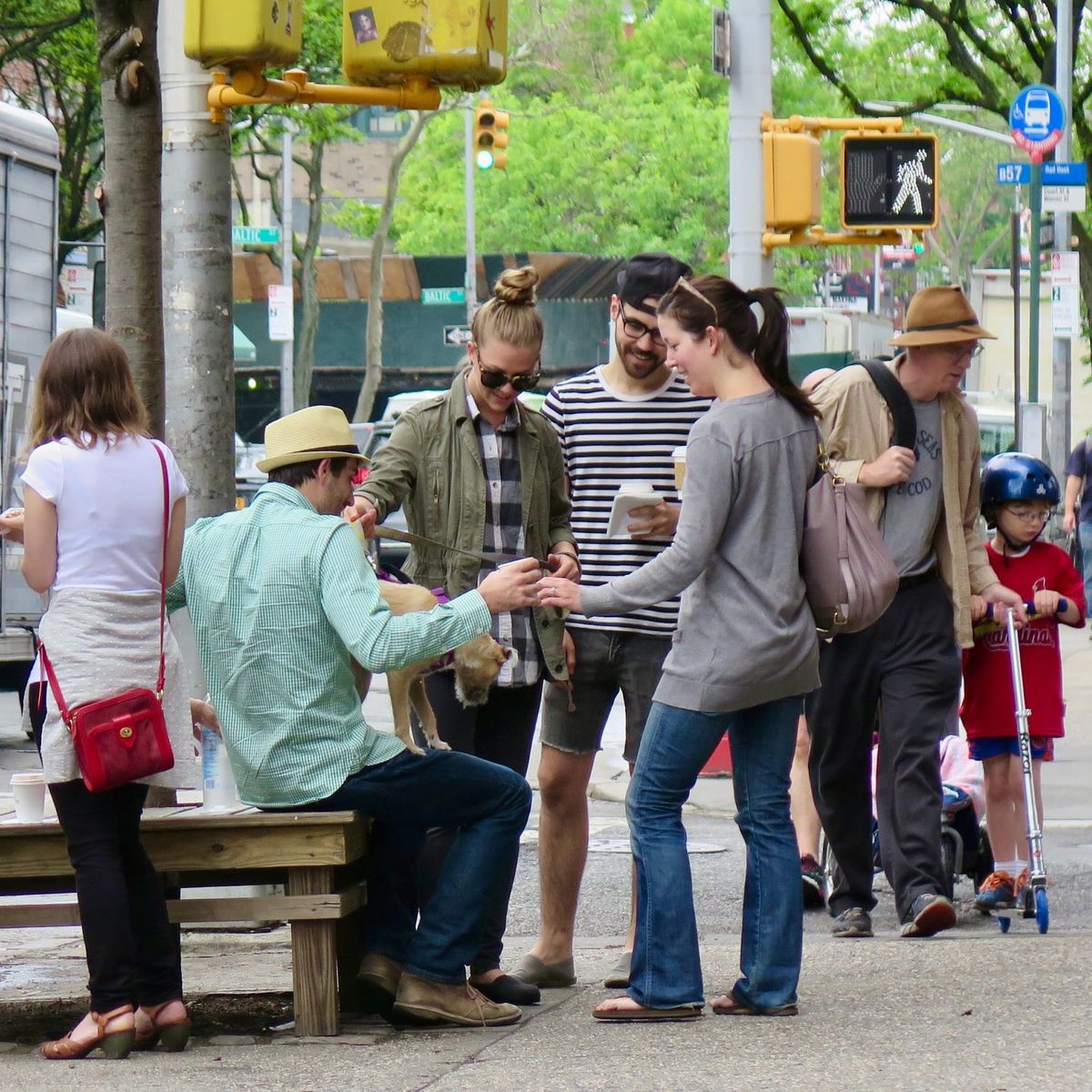
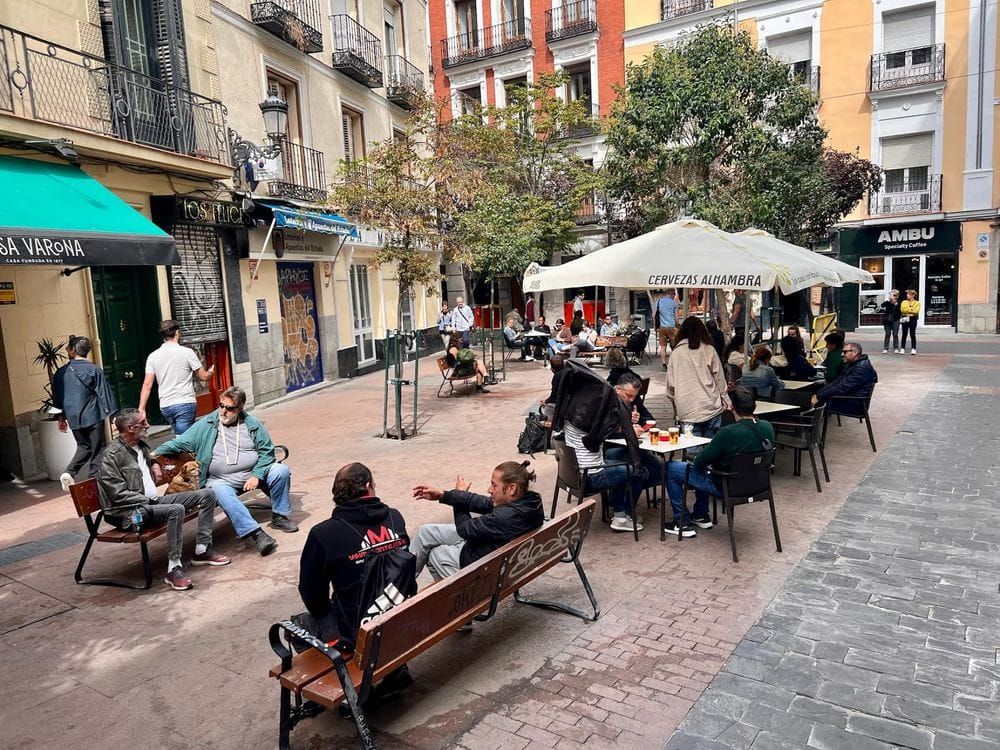
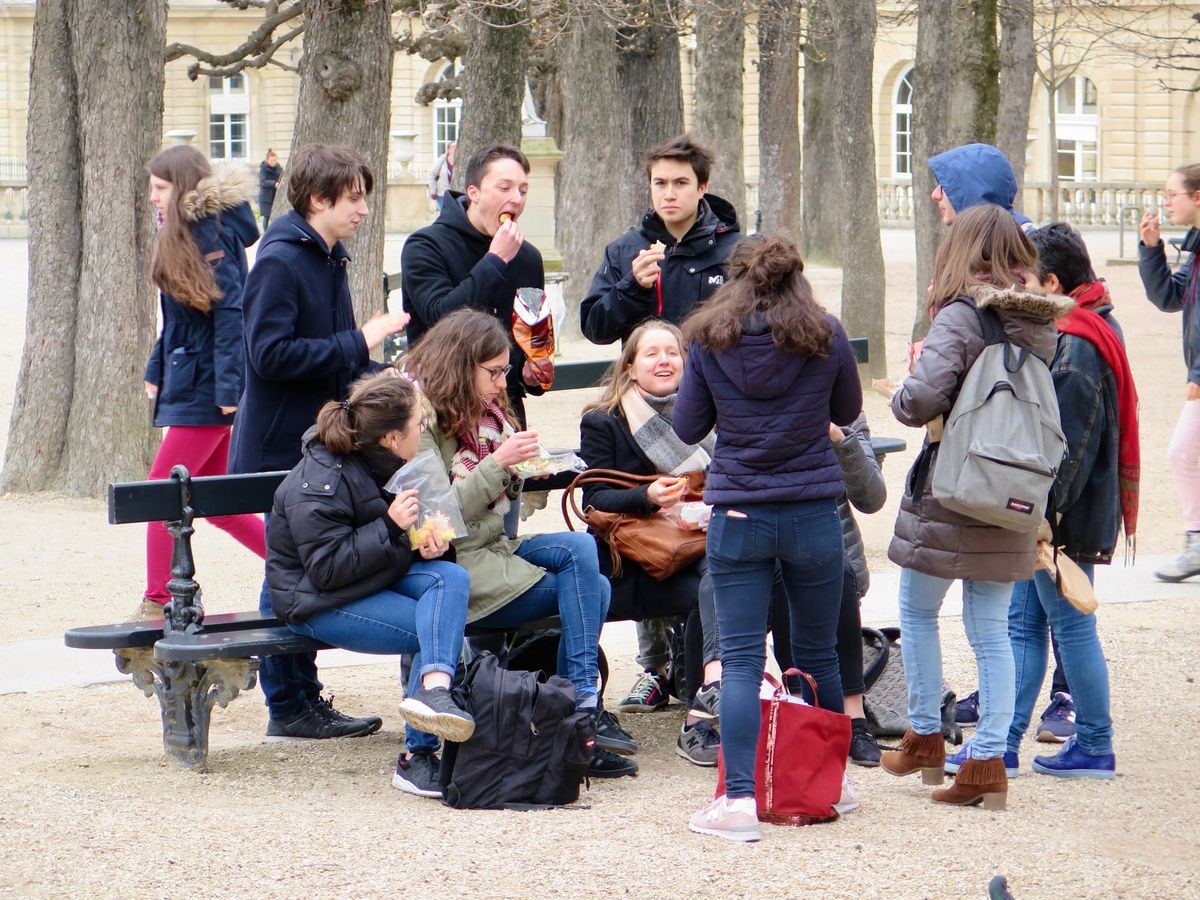
Benches and seating are not objects; they are mirrors to our social behavior. We have seen it time and again that where there is seating, there is life.
A well-designed seat placed in the right location sets the stage for lively activity along a sidewalk, in a park, or on a waterfront.
Cities are full of public seating and the flexibility of this seating's design offers endless opportunities for introducing beauty, character, and creativity to our streets.
Tree-guard benches are powerful connectors - they connect the private and public realms and they connect people with nature. We need more of them in our cities, not fewer.
A bench is an object, but seating is an objective. The VITAL framework can help us judge how successfully we've achieved the objective of attracting people to sit and connect with each other in public.
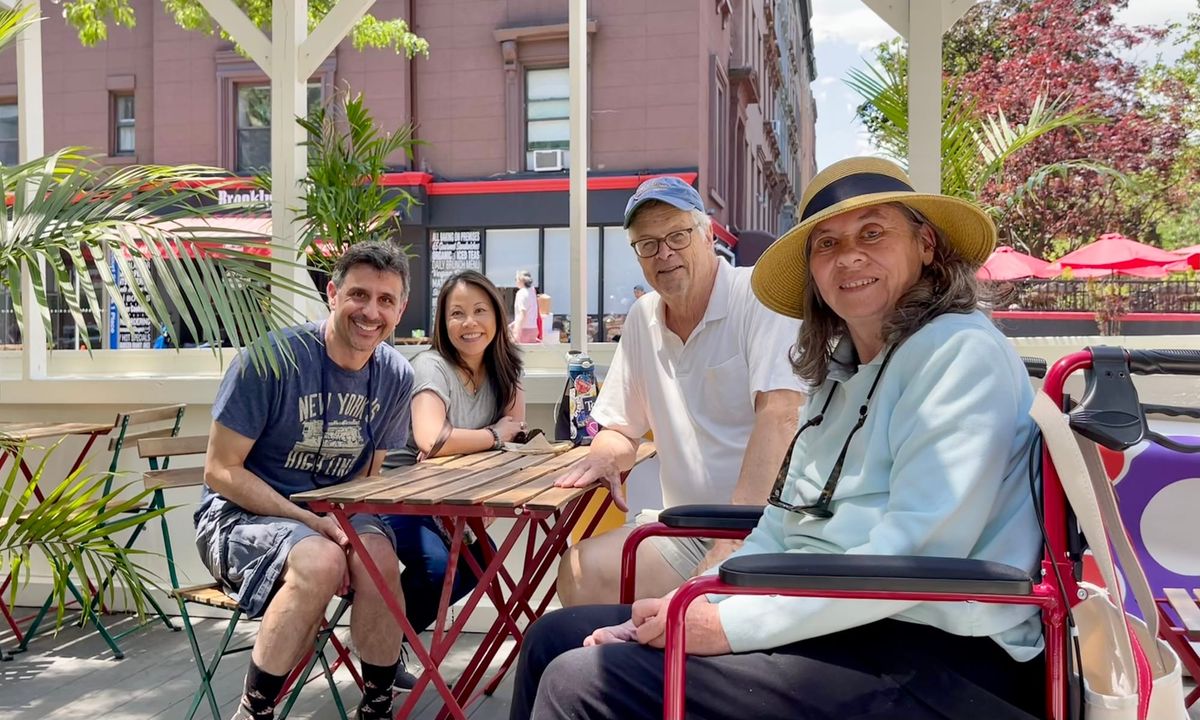
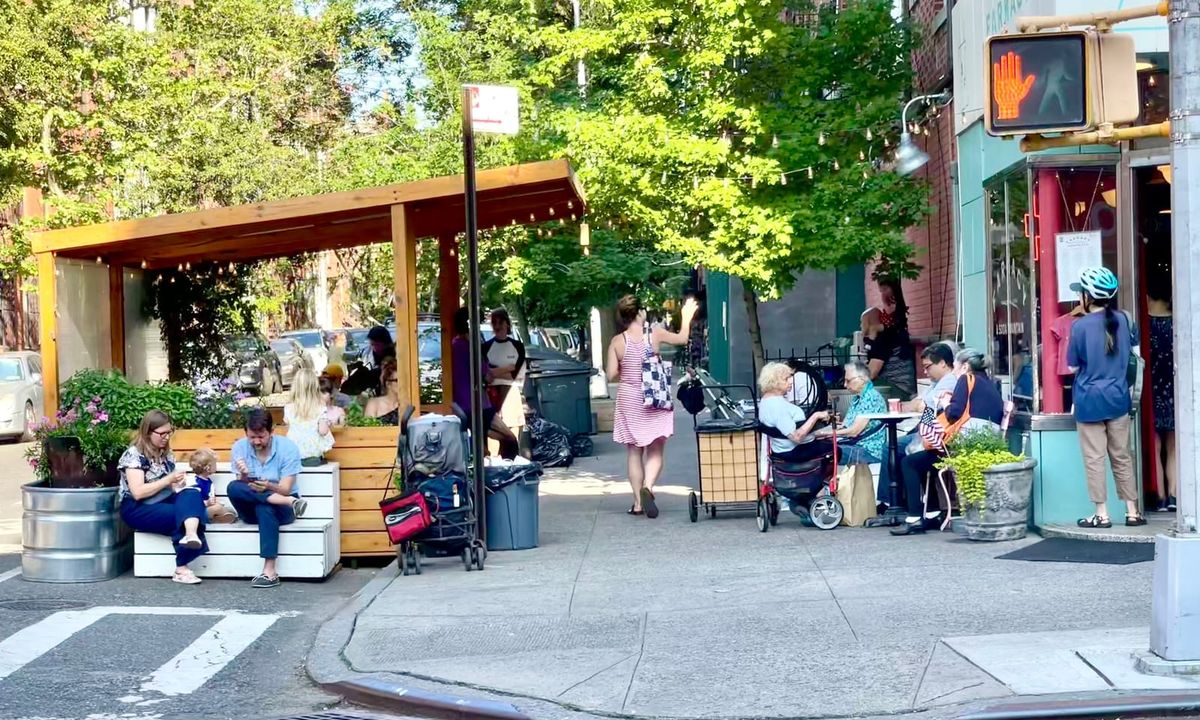
The removal and restriction of NYC's dining sheds has made the city less accessible and less inclusive. We need to bring them back.
Dining sheds are an important component of vibrant public life and NYC, as well as cities all around the world, would greatly benefit from having them.
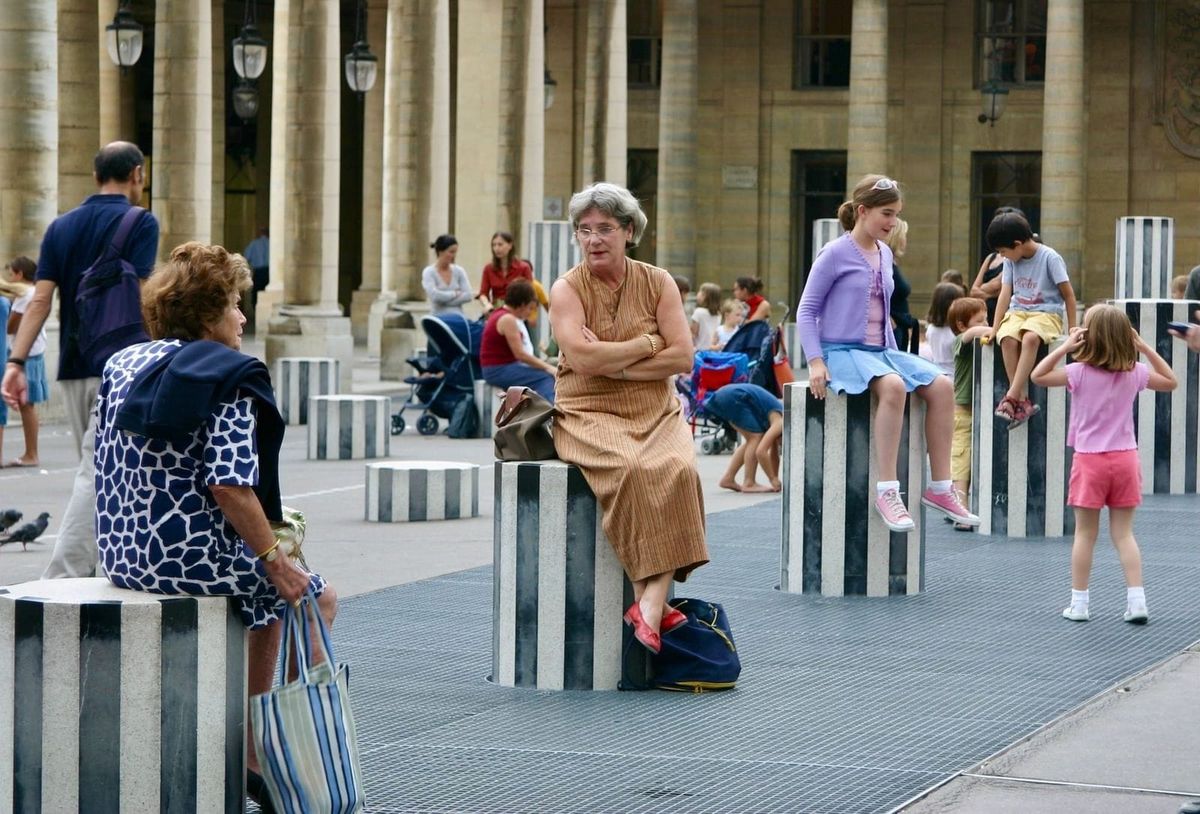
Paris - What a city made for Social Life Looks like. Paris invites us to express ourselves openly and honestly in public spaces.