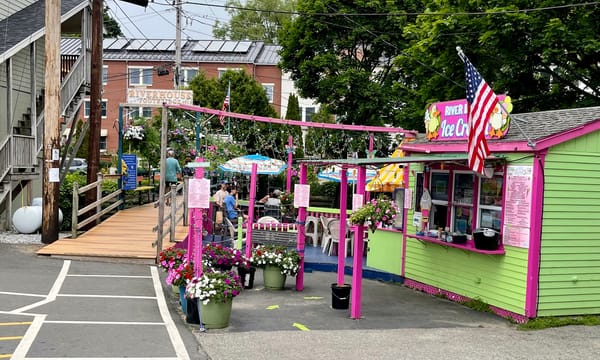
Public space practice all too often defaults to discussing objects. We debate their form, color, size, manufacturer. Is the best movable chair from Fermob? Should we specify Pantone colors to match a brand manual? Should every plaza replicate the High Line aesthetic? We treat design like procurement and installation like impact.
But the real work of placemaking is not in what we install. It is in how people use the place, and what kind of activity that installation enables. This is the difference between object and objective. Planning for use is central to building social life, not just public furniture.
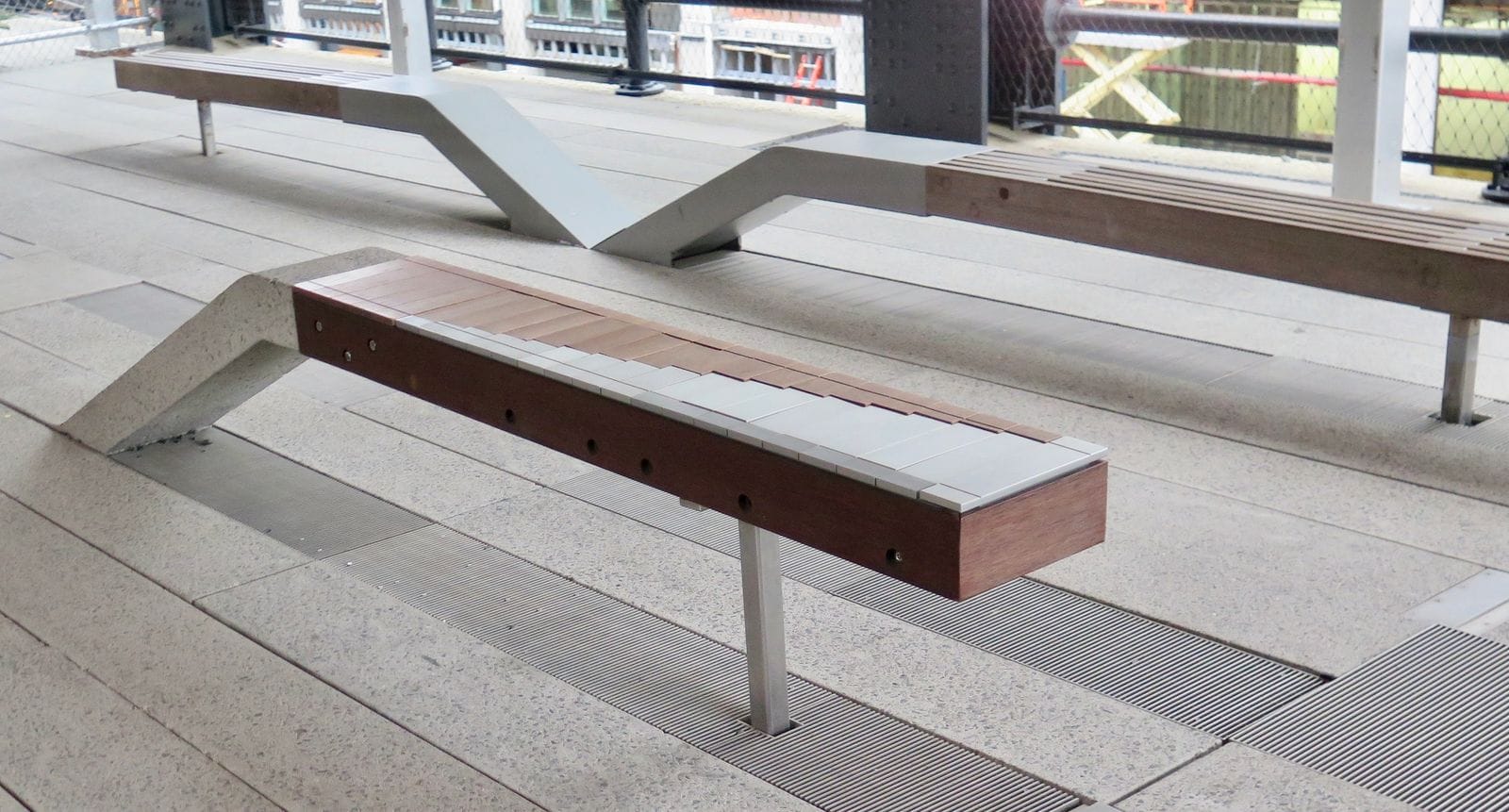
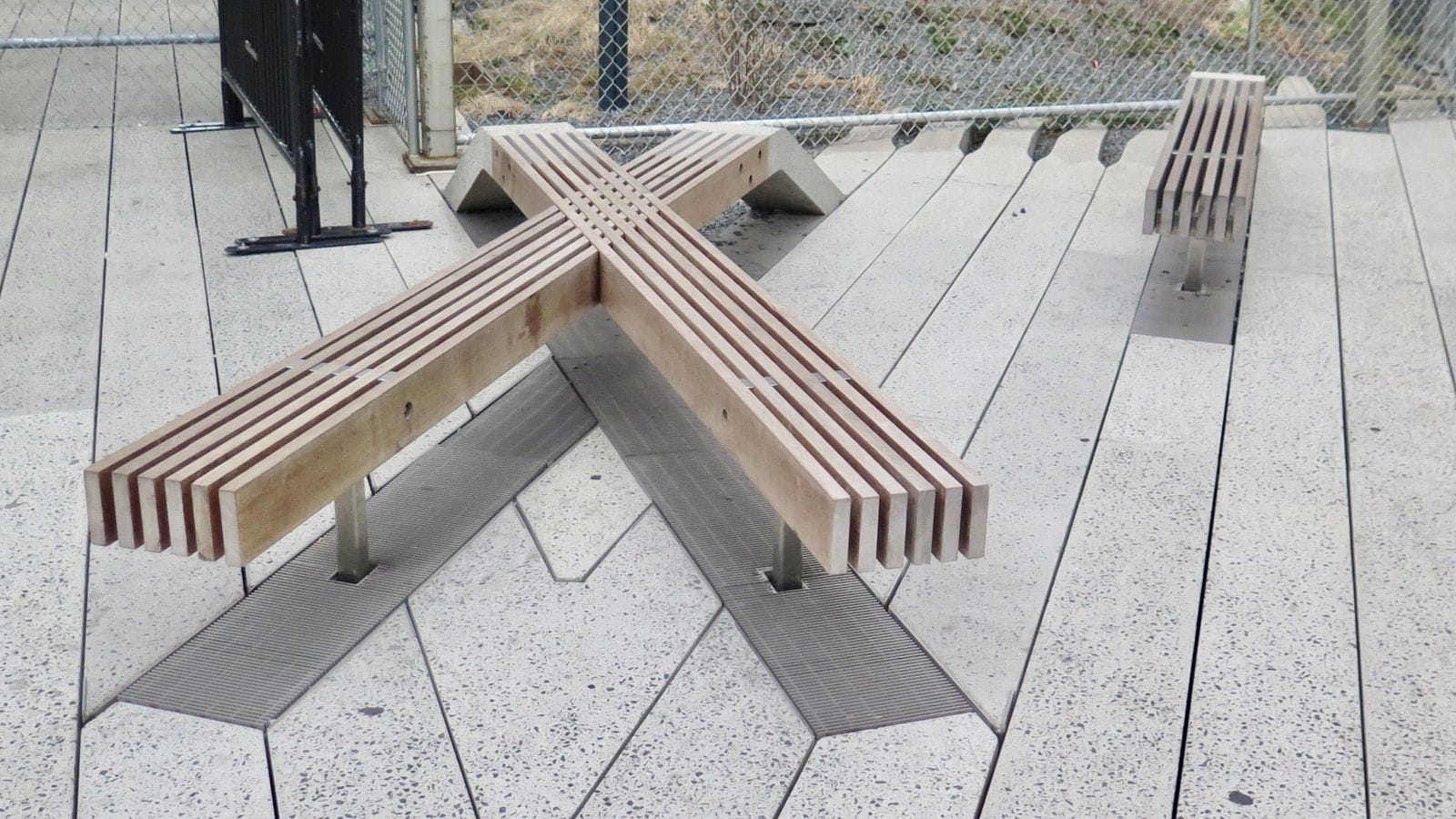
Uninviting public furniture on the High Line
One of the biggest misunderstandings in placemaking is believing that movable tables and Adirondack chairs are the epitome of good practice. When we think like this, projects start to look the same everywhere. But people are not the same. Identity matters. Locality is decisive. Public spaces succeed when they express context, not when they replicate trends.
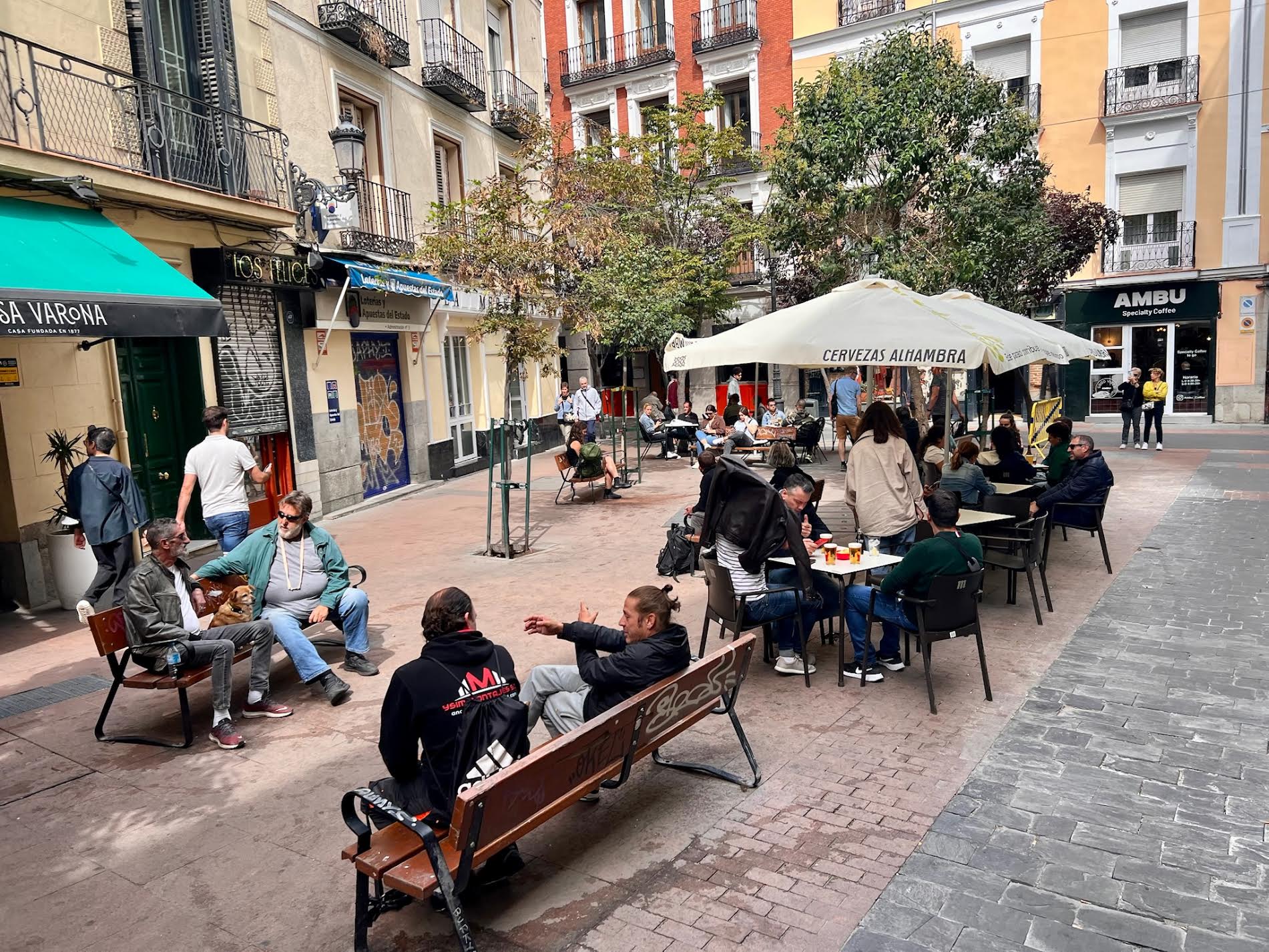
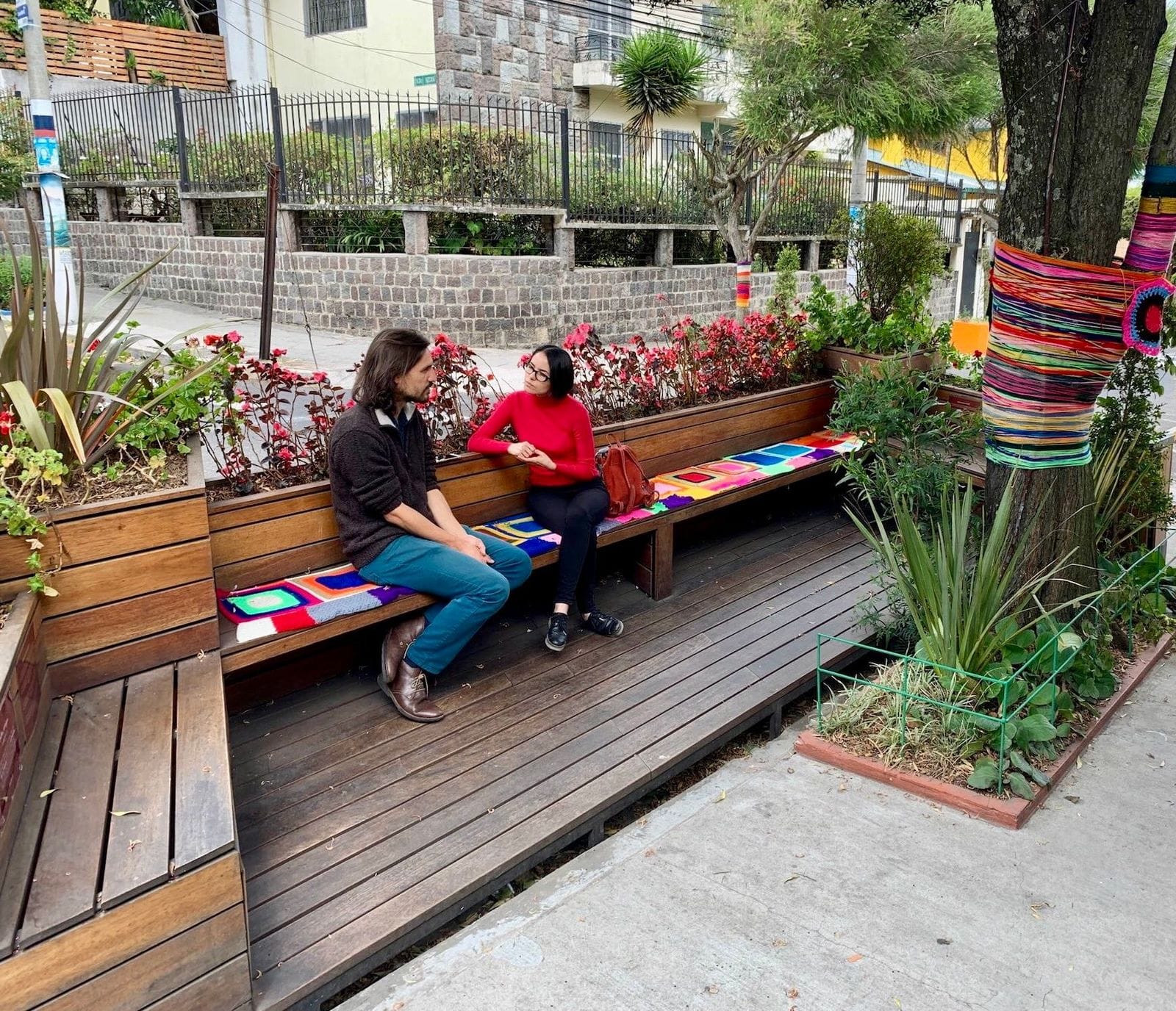
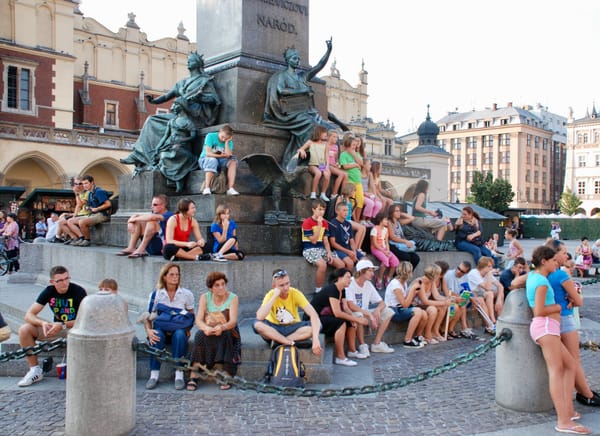
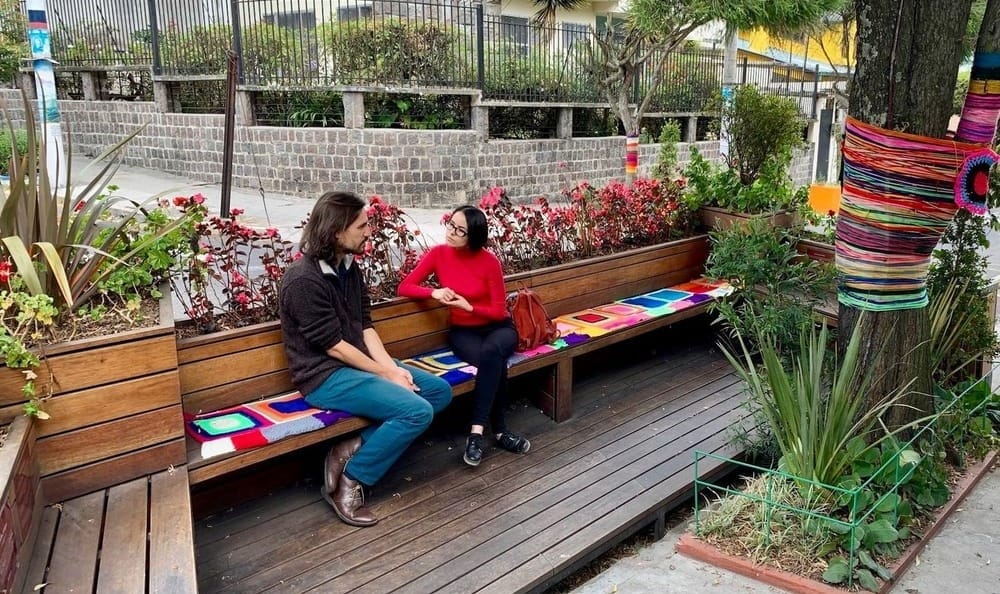
The Social Life Project campaign “A Bench on Every Corner” has helped shift the conversation. But its deeper insight is not about the benches themselves. It is about what having seating on the corner achieves – enabling bodies to pause, observe, talk, meet, rest, and linger at regular increments throughout a city. That is the objective. The bench is a tool.
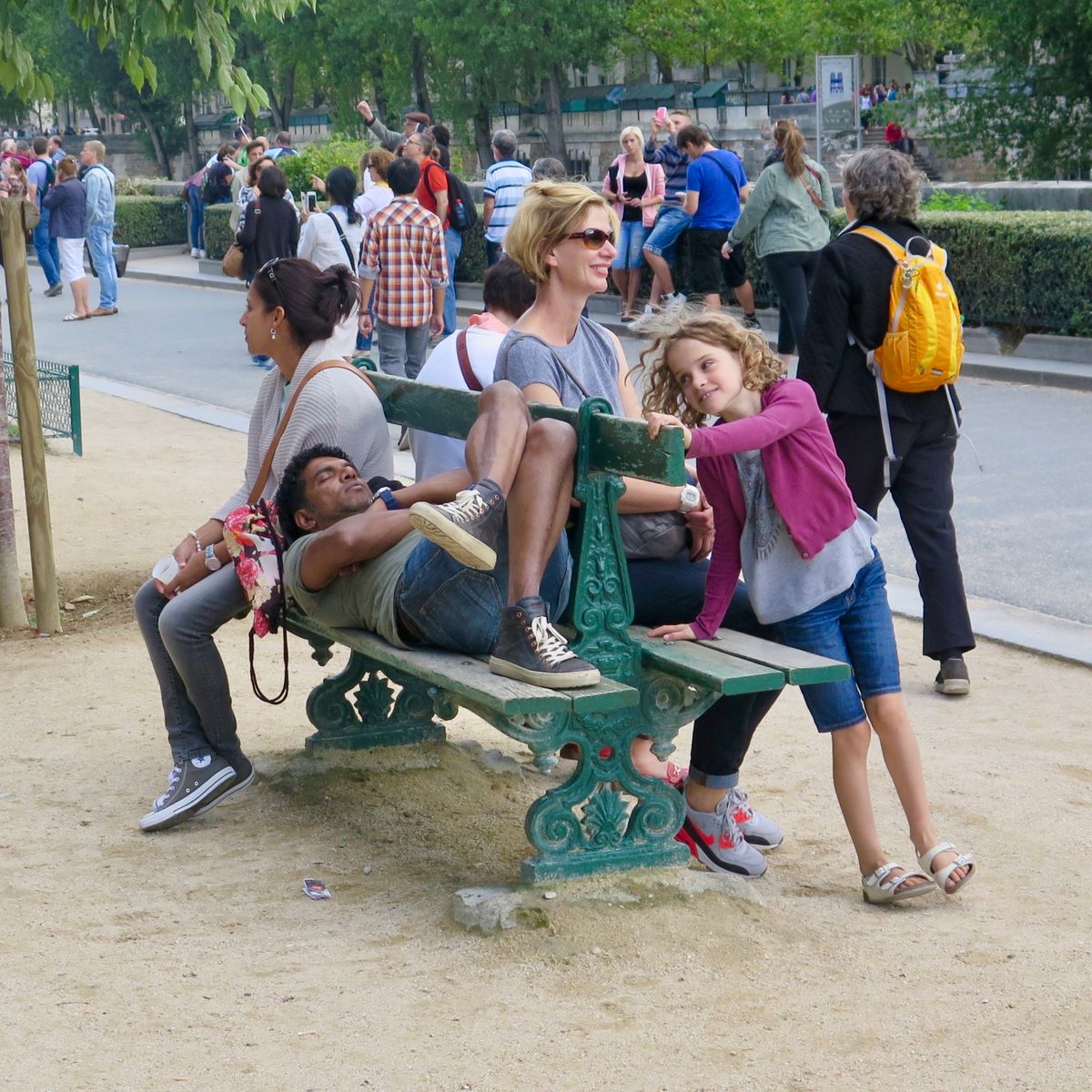
Sitting on a bench
If the goal is social life, then the campaign’s language and logic should reflect this. “A bench on every corner” works as a clear organizing slogan. It names a tangible deliverable that municipal budgets understand. But once delivered, it can still fail. Benches can become objects to be photographed, admired, and then ignored.
The real mission is to achieve sitting and social life on every corner. That objective reshapes practice, plans, and politics. It forces attention on who gets to sit, where, when, and under what conditions. It asks whether public seating truly invites diverse people to linger, rather than simply decorating the street. It exposes invisible barriers that transform seating into obstacles through policy, policing, maintenance gaps, or social exclusion.
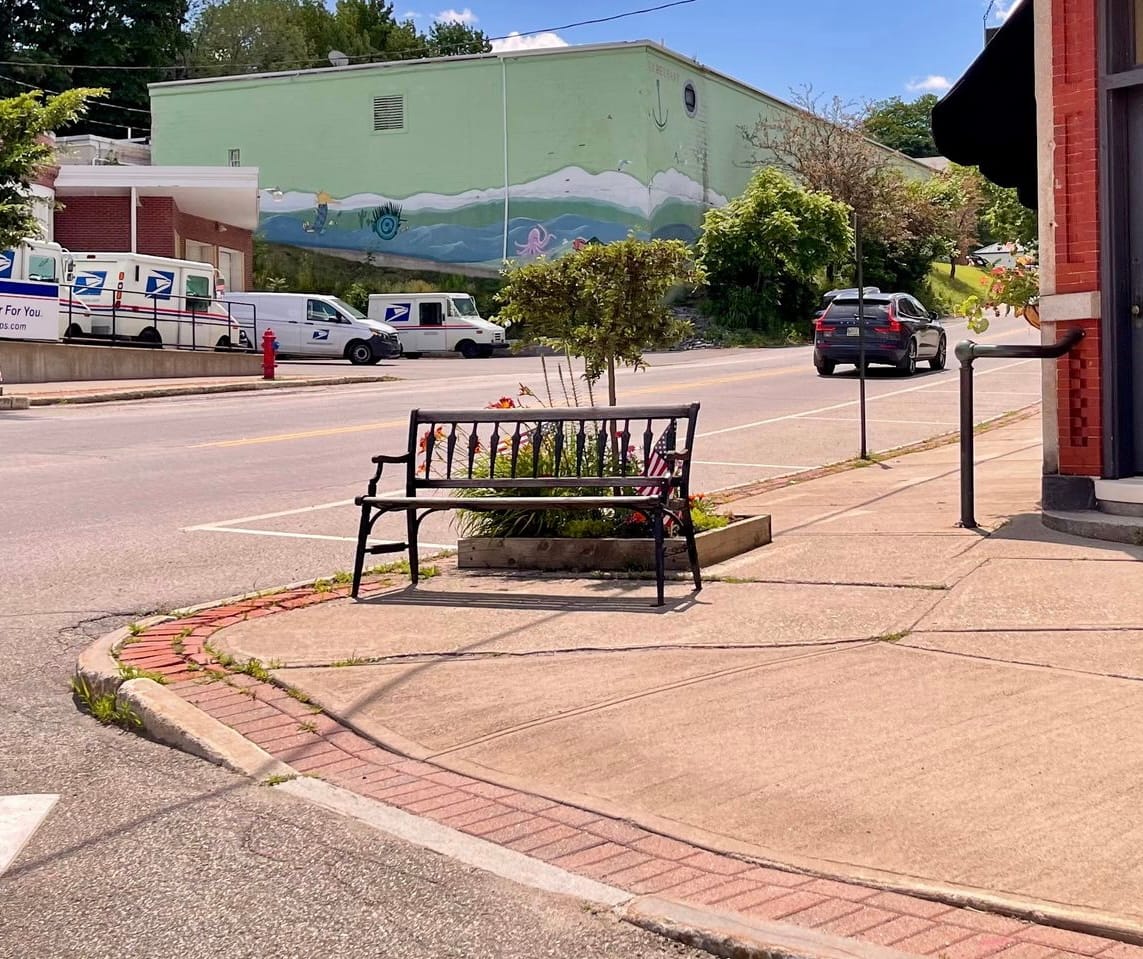
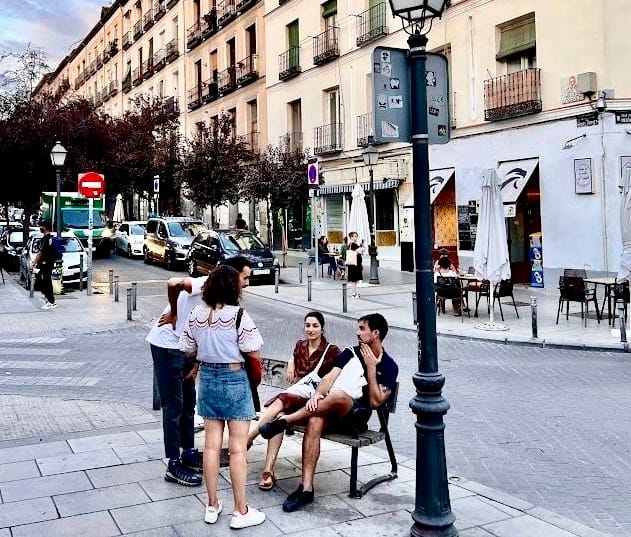
It's not enough to put a bench on the corner and call it a day. The goal is for the bench to be used.
Orgware, software, hardware
This is where Hans Karssenberg’s sequence becomes indispensable: orgware before software before hardware.
Orgware concerns governance, rights, rules, and resources. Who authorizes seating? Who maintains it? What policy protects it as public infrastructure rather than treating it as clutter? Without these foundations, objects exist in legal ambiguity or disappear.
Software concerns uses, rhythms, and behavior. What activities animate the space between morning and evening? How do people naturally gather, wait, watch, and rest? What signals communicate permission to stay?
Only after these layers are clear does hardware gain precision. What type of seating supports those behaviors? What height, depth, orientation, and placement align with real bodies and real daily flows?
Hans and his team at STIPO have created a great guide for thinking about all these parts of the process in order to create successful public seating:


From outputs to outcomes
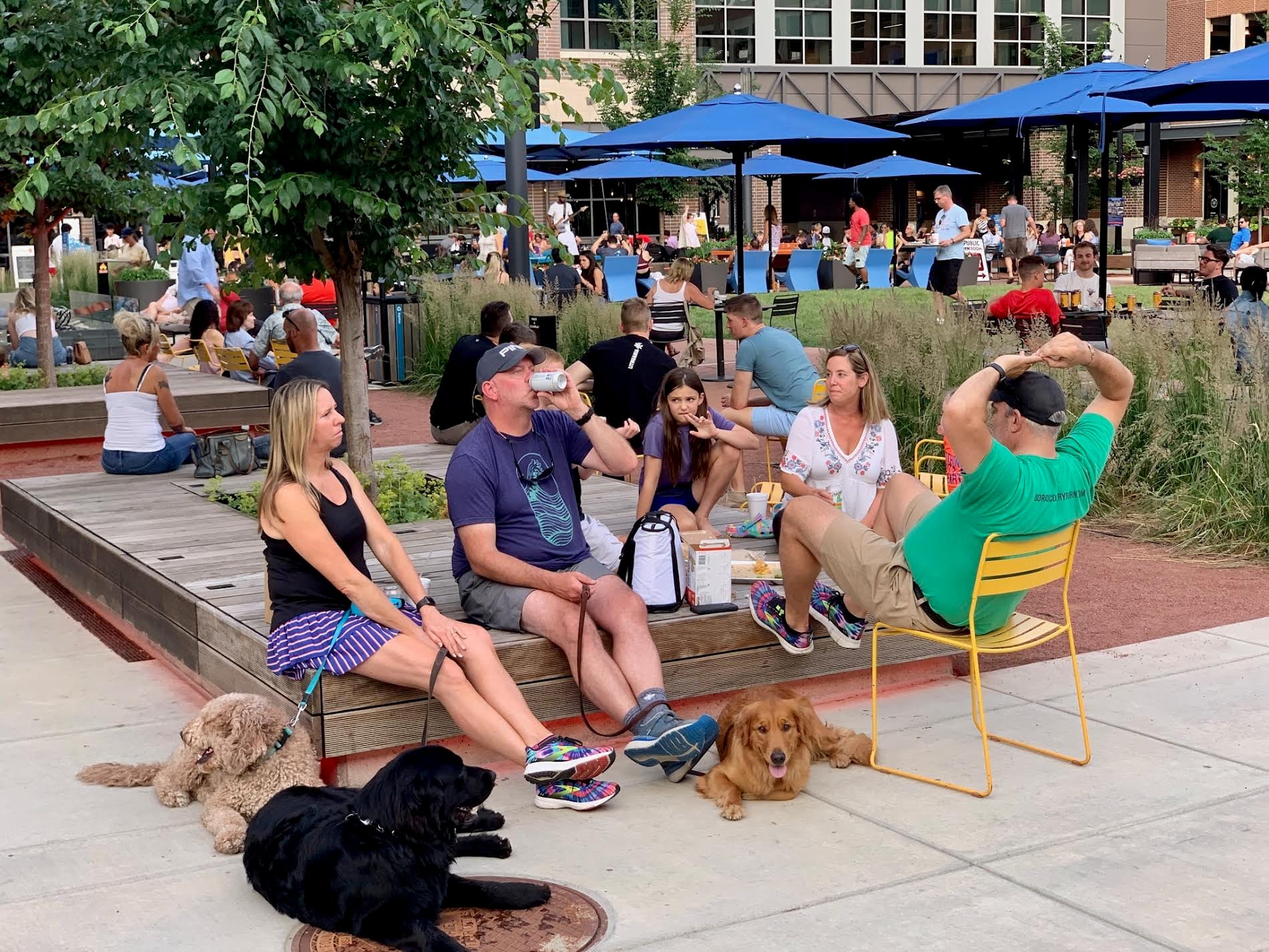
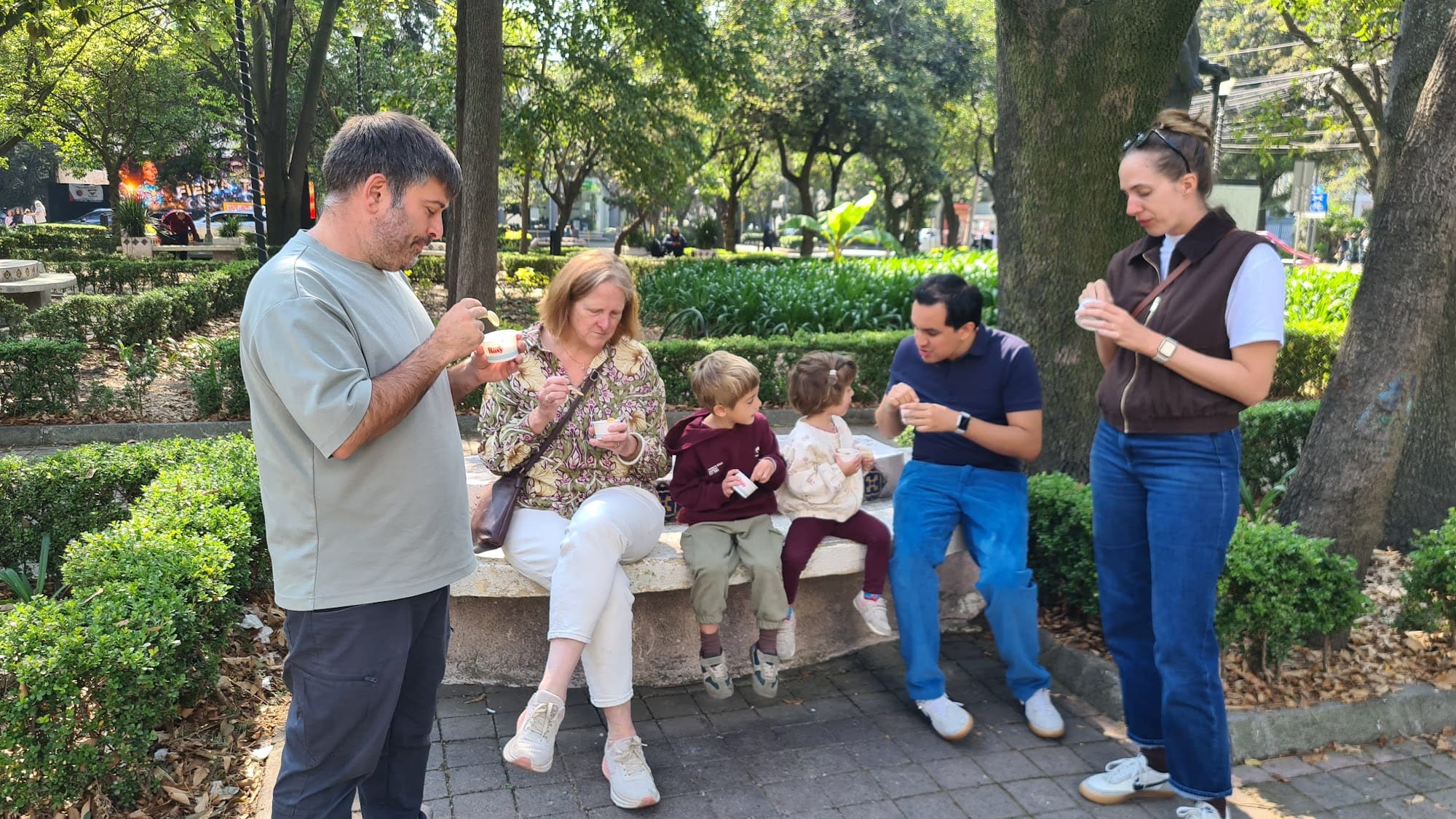
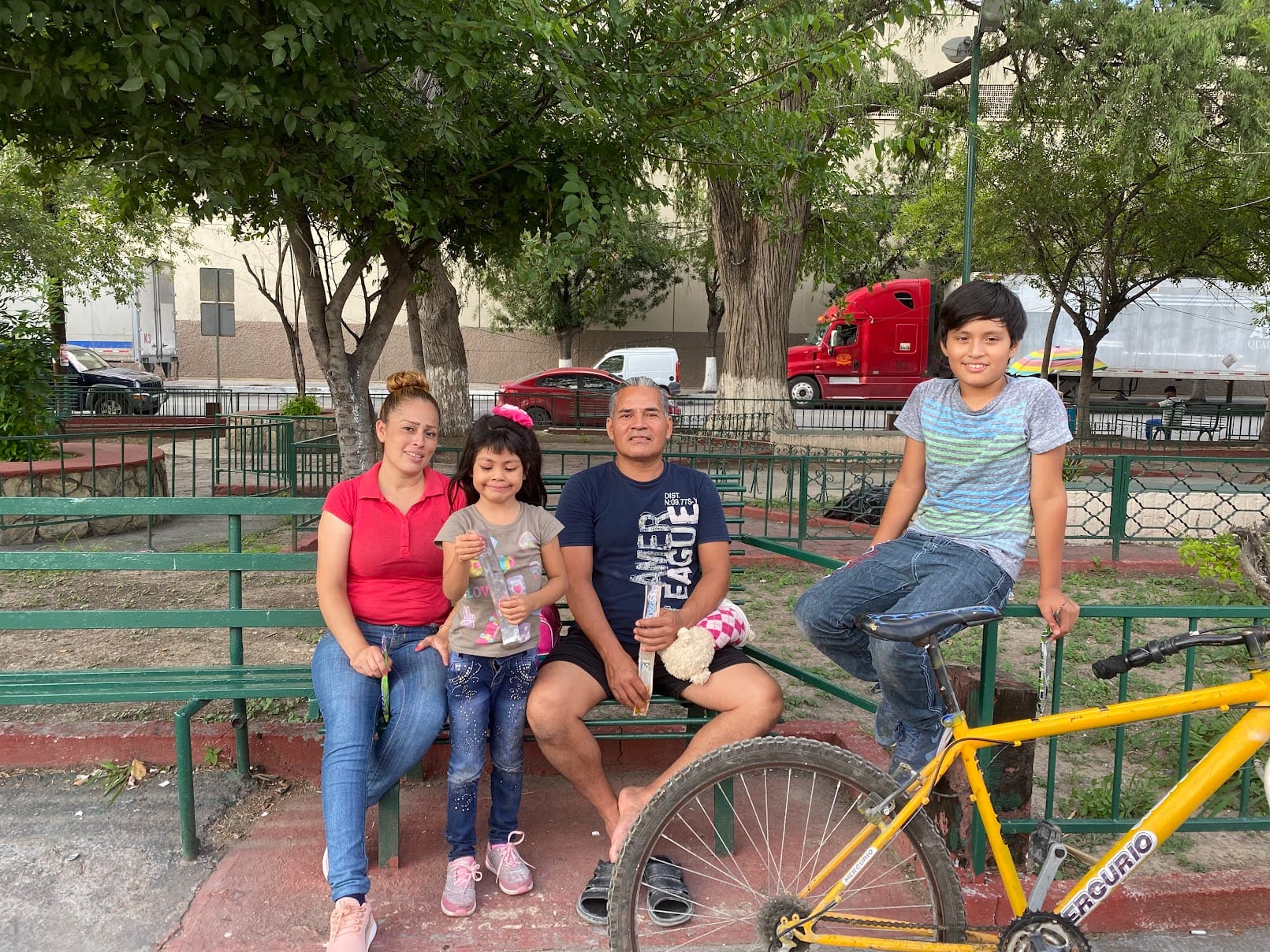
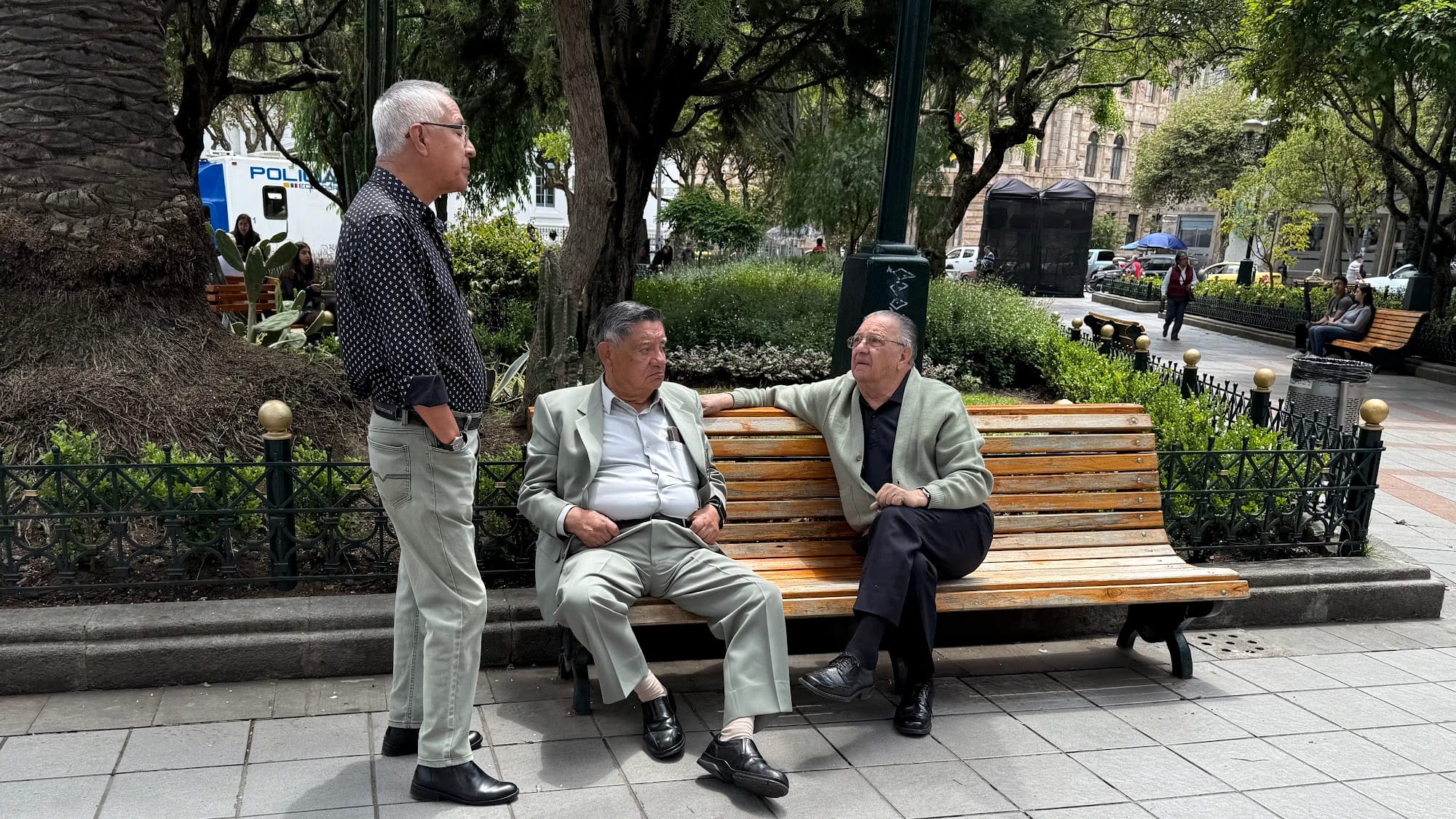
Installed benches are an output. Sitting on corners is an outcome. If a city reports, “We installed 500 benches,” it measures an effort. But if a city observes, “People are sitting, meeting, resting, waiting, and lingering throughout the day,” it demonstrates social life.
We can measure the success of a seating initiative through the VITAL framework:
V – Visitors: Are people present? How many? At what times of day?
I – Interaction: Do conversations and social activity emerge in this seating area?
T – Time: How long do people stay here?
A – Access: Who gets to use the space? Is it socially mixed and inclusive?
L – Loyalty: Do people come back to this place regularly?
If these five dimensions are strong, the place is alive. The objective has been achieved. VITAL shifts the conversation from objects to lived experience. It gives cities a way to evaluate social life with clarity, without reducing placemaking to the installation of furniture.
A linguistic shift with practical consequences
Placemaking succeeds when we design for behaviors and interactions rooted in everyday life. Objects support that work, but they are not the reason we practice it. If we want vibrant, equitable, democratic public spaces, we must prioritize what people do over what physical objects we put there.
VITAL makes that shift operational. It asks simple questions: Is the place alive? Are people present? Are they interacting? Are they staying over time? Is access shared? Do they return?
When these five criteria are fulfilled, public space moves from installed furniture to lived infrastructure. Orgware and software lead. Hardware follows with clarity. And seating becomes more than sitting. It becomes social life.
Further Reading
 Fred Kent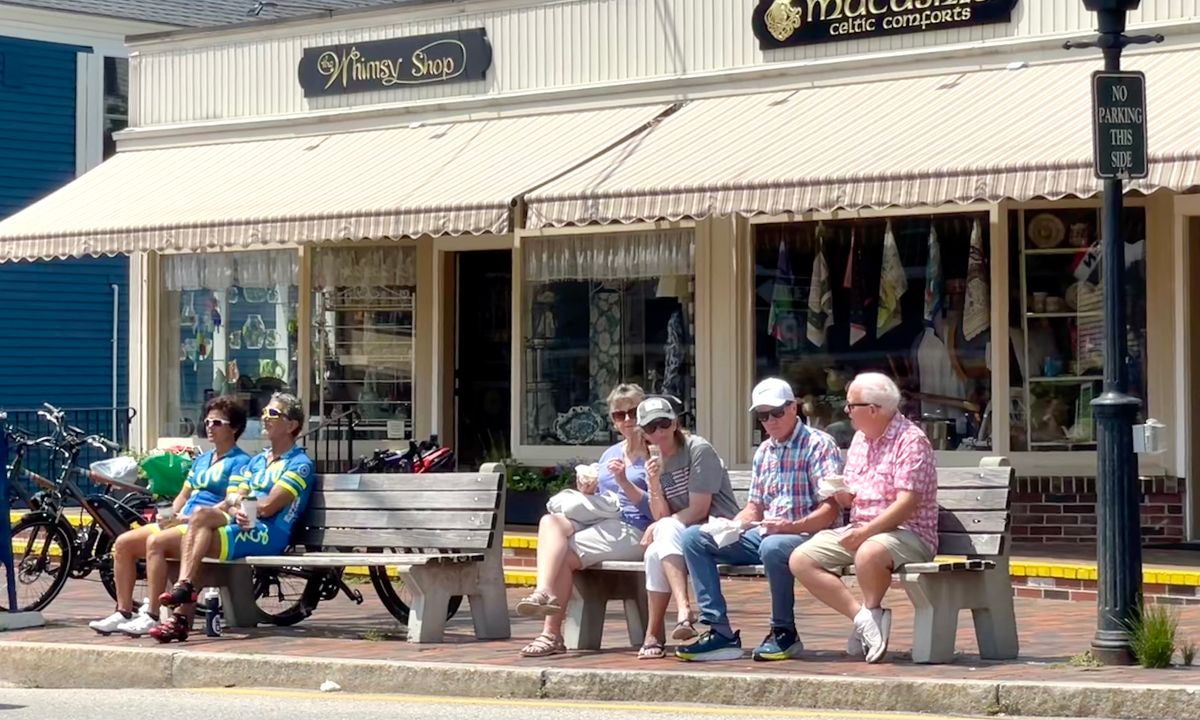
 Kathy Madden
 Fred Kent
 Kathy Madden