When you explore a new city, what do you usually take photos of? Most likely, its beautiful sculptures, murals, and the like. We call the artistic expression that enriches the experience of being in cities "creative placemaking" — those elements that make a city beautiful, unique, and memorable and that are a reflection of the city's people. They often communicate something about the culture, values, or history of the place. They represent the character and background of the residents. They add aesthetic value to the surroundings, drawing us to them and instilling a sense of awe or pride.
Common examples of creative placemaking include statues, monuments, street paintings, water features, and other kinds of focal points that punctuate the city and attract attention. Without them, a city looks generic and feels uninspiring. There is nothing to capture interest or stir fascination, nothing that encourages gathering round, nothing to take a photo in front of. The outputs of creative placemaking are the jewels in the crown of a city and the features we often remember best. Adding them to place is a fantastic way to elevate it into a standout destination.

Creative placemaking is also valuable in how it helps us navigate a place. We may not instantly know where east and west are or how many turns to take on our way to somewhere, but we do remember more or less where the sculpture of the famous writer was and about how far away the giant painting of the lion. These kinds of landmarks guide us, especially when we can see them from a distance. They make a city easier to "read" and therefore more comfortable and manageable to explore.
Let's take a look at some common kinds of creative placemaking.
Murals
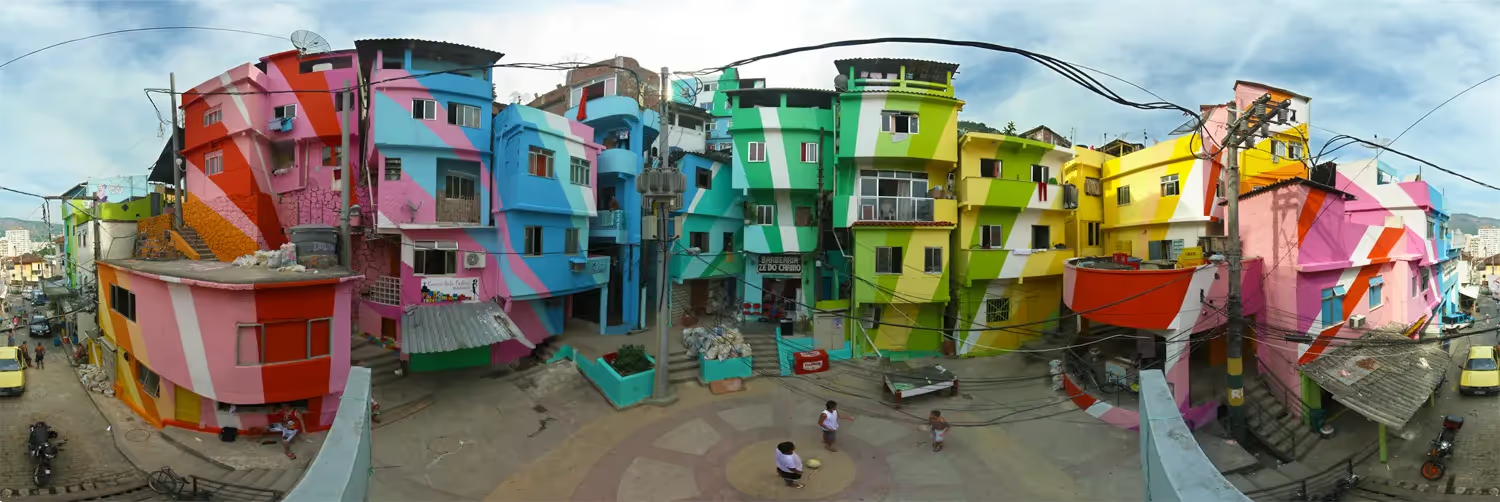
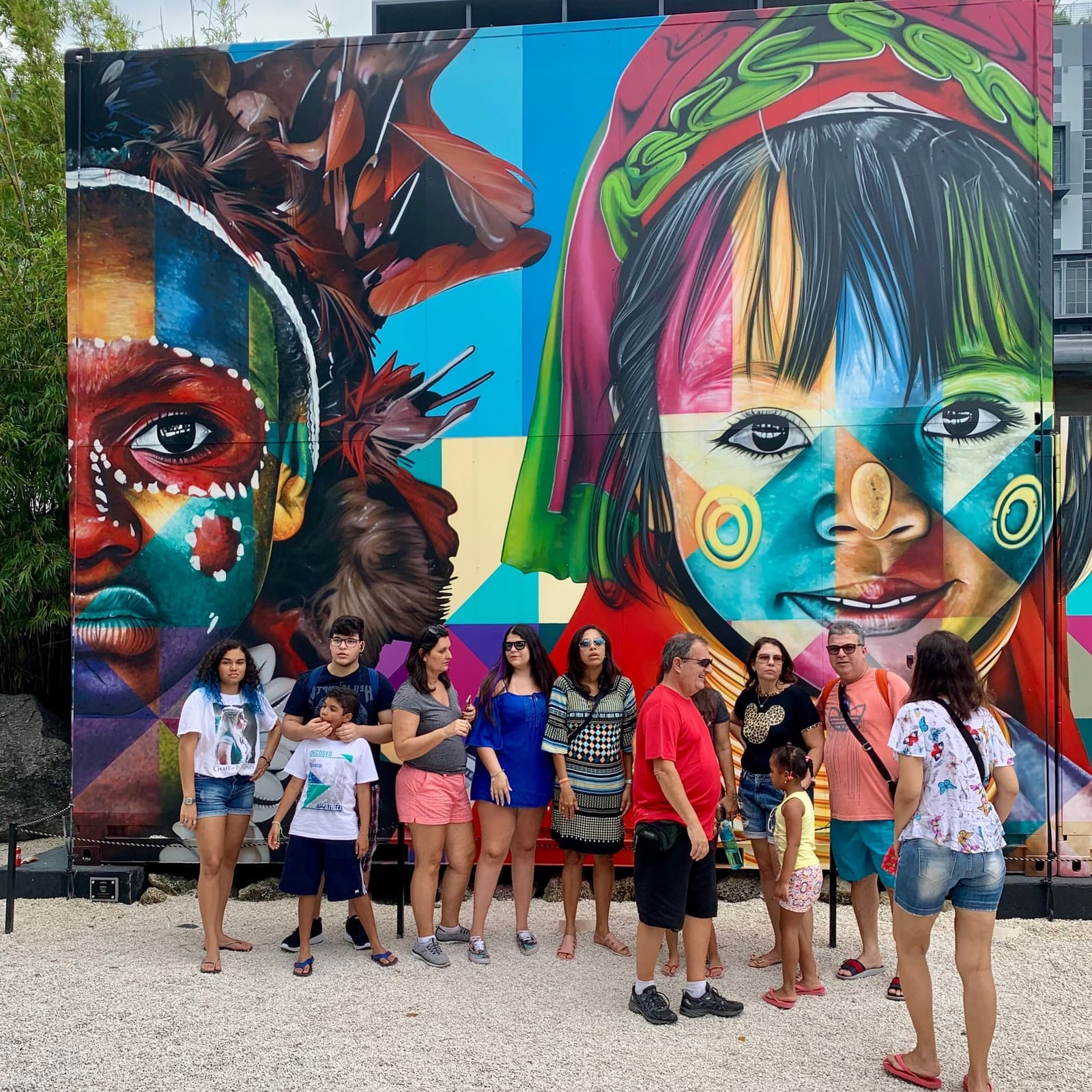
To see art in a museum is nice, but to see a city transformed into a museum through murals is spectacular. Turning walls into canvases that reflect the cultures, ideas, values, and talents of a community is a great way to make a place unique and representative of the people who live there.
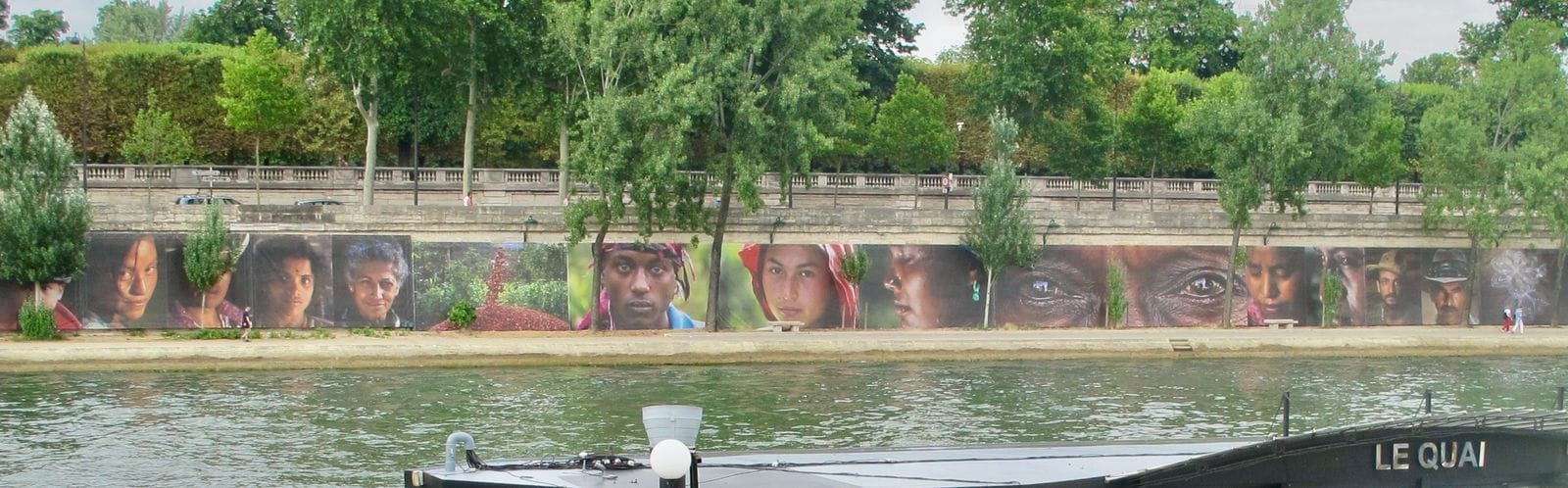
Wynwood Walls in Miami
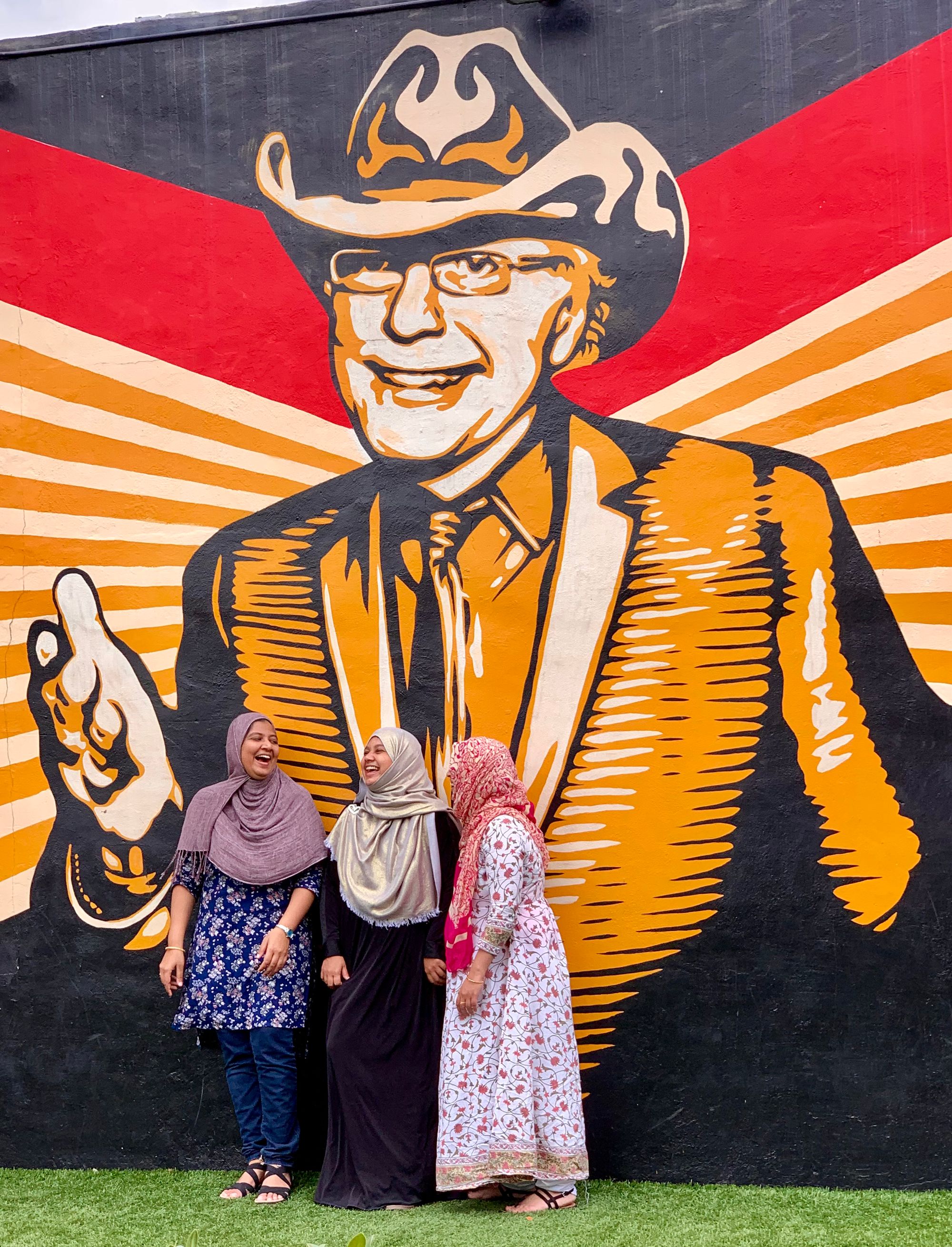
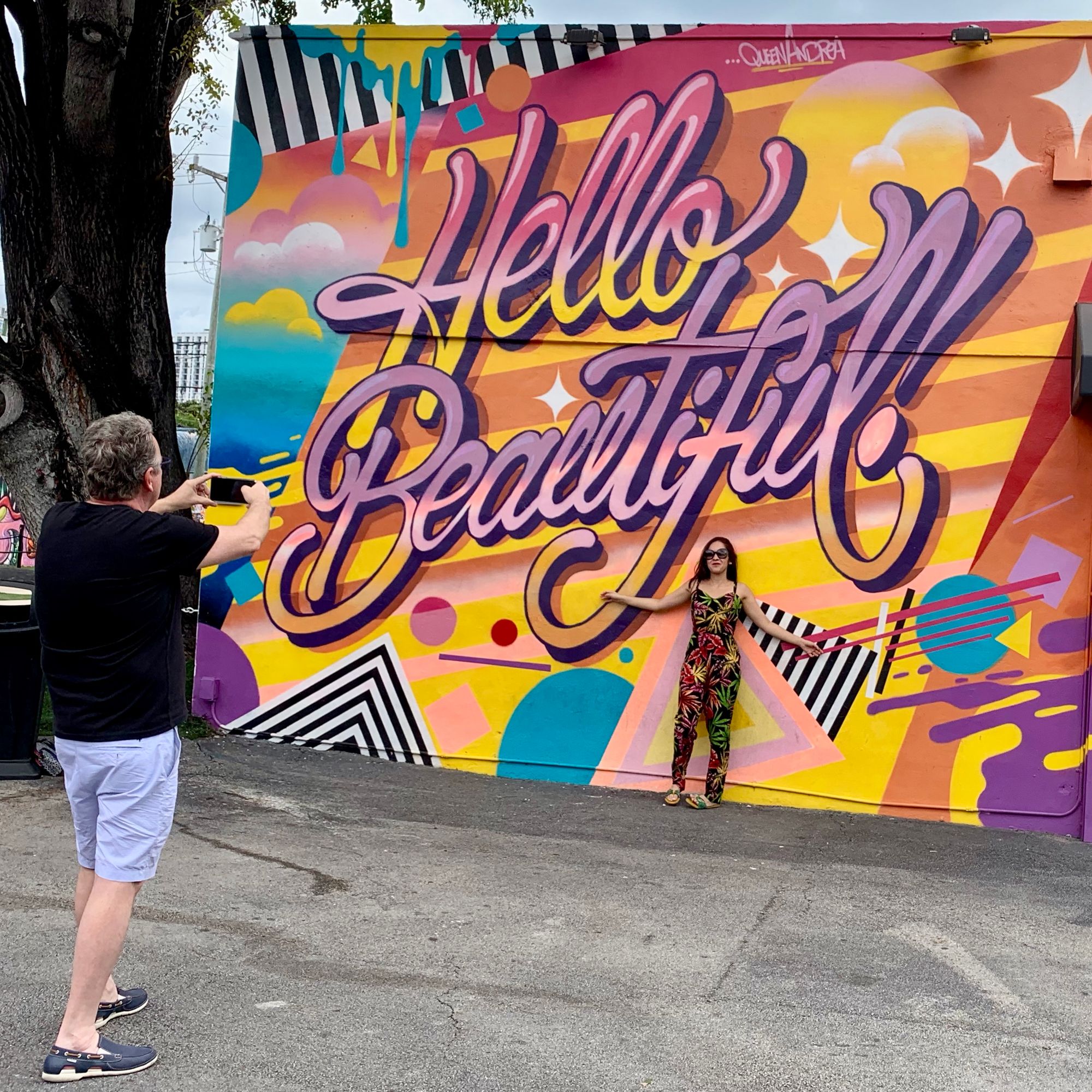
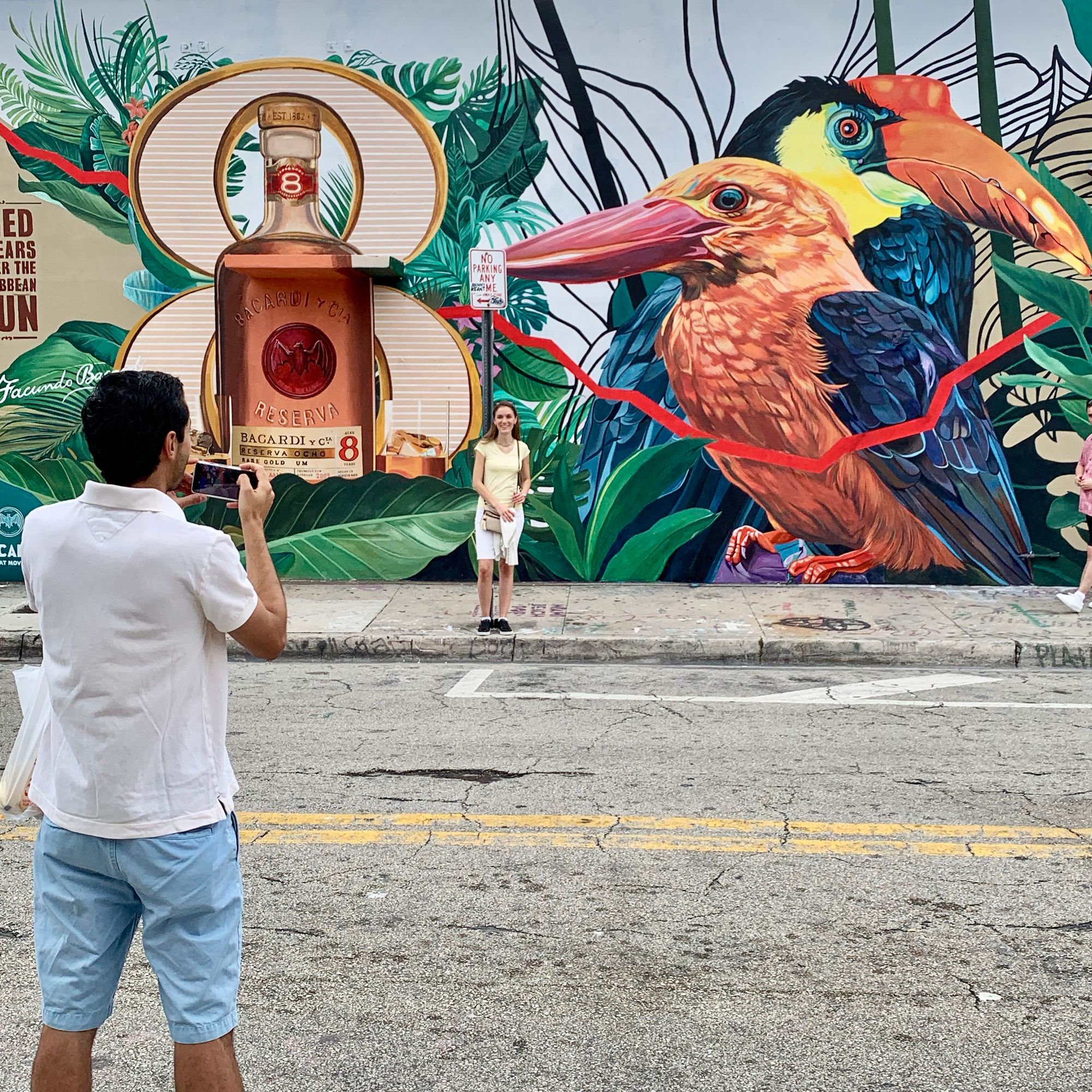
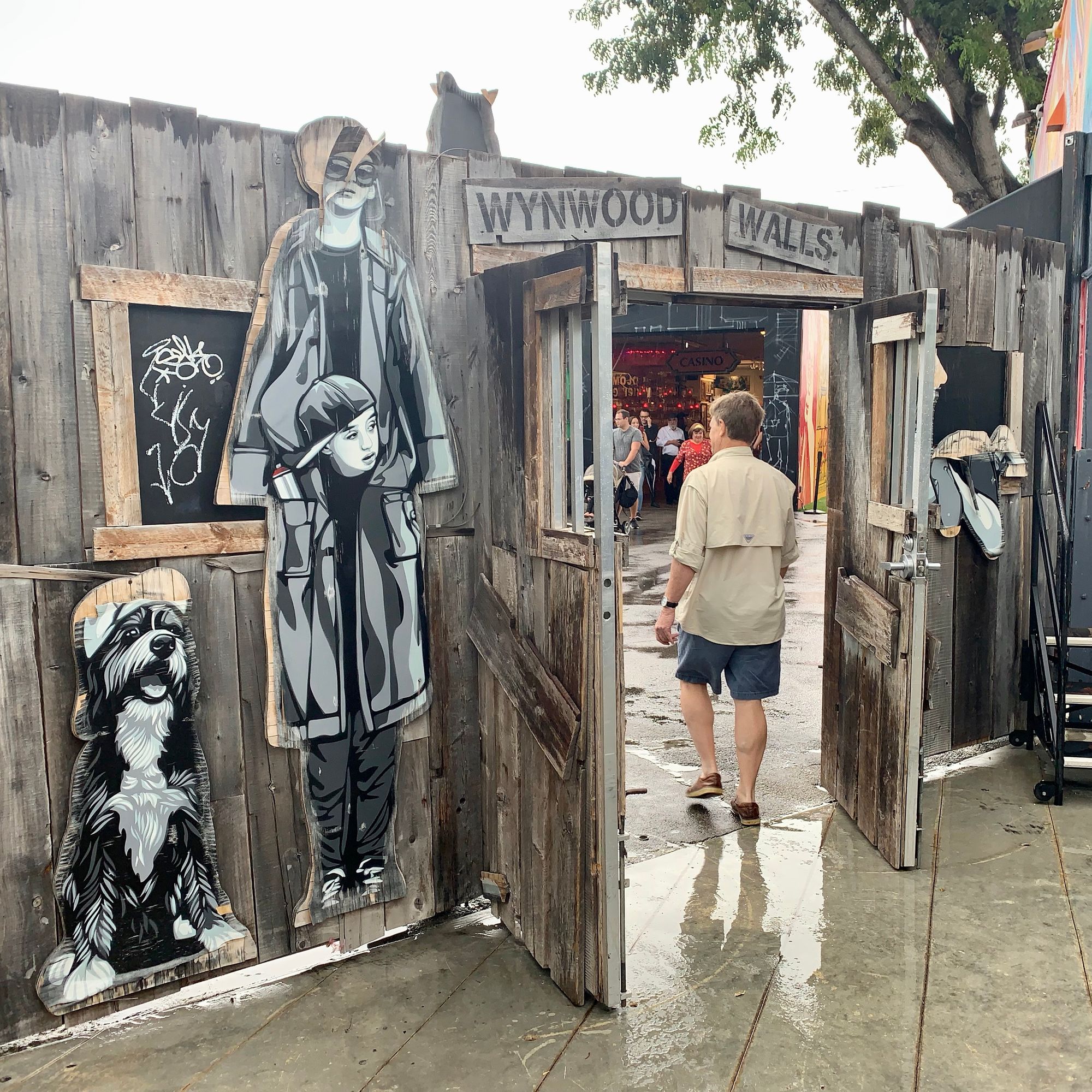
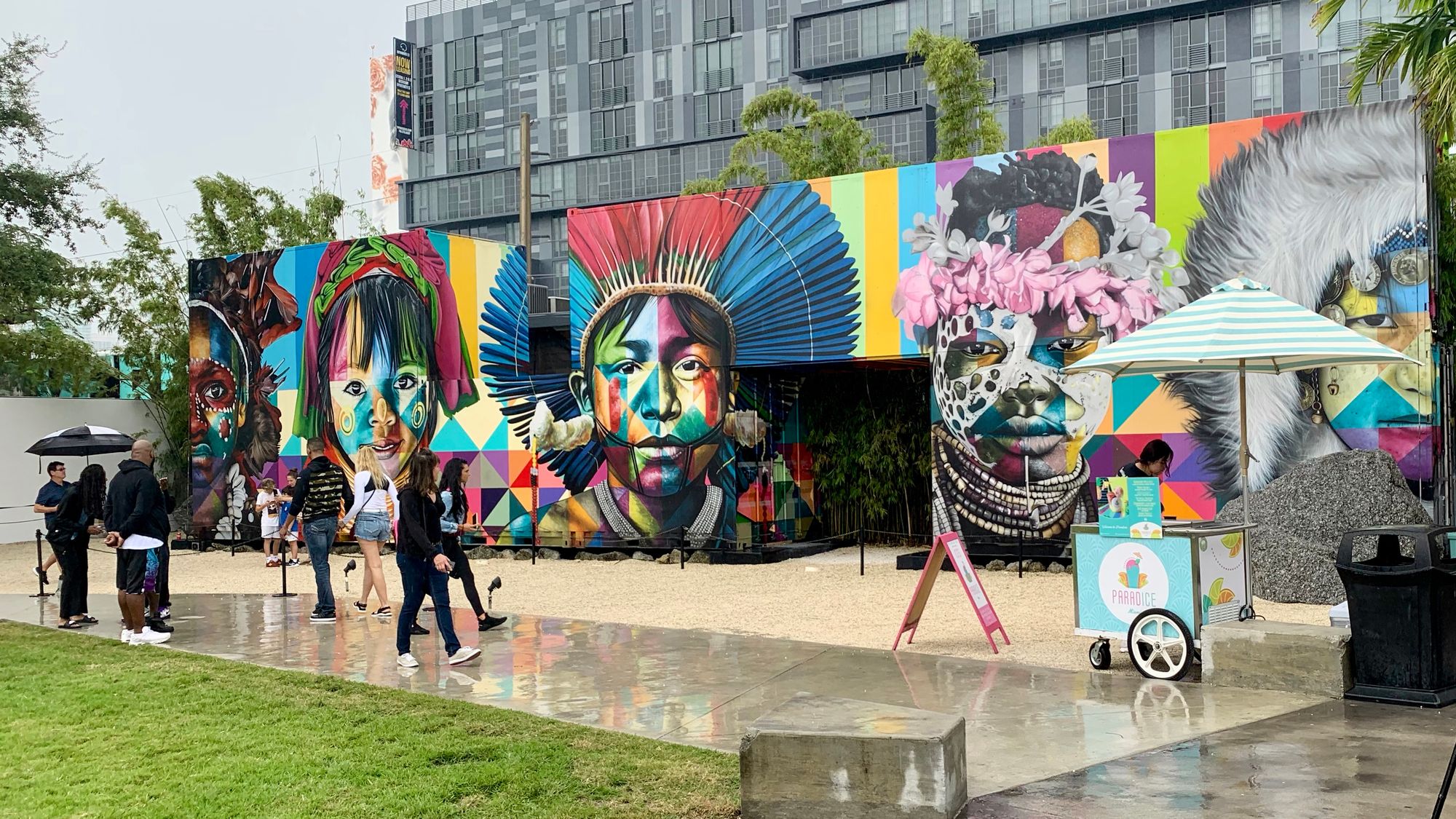
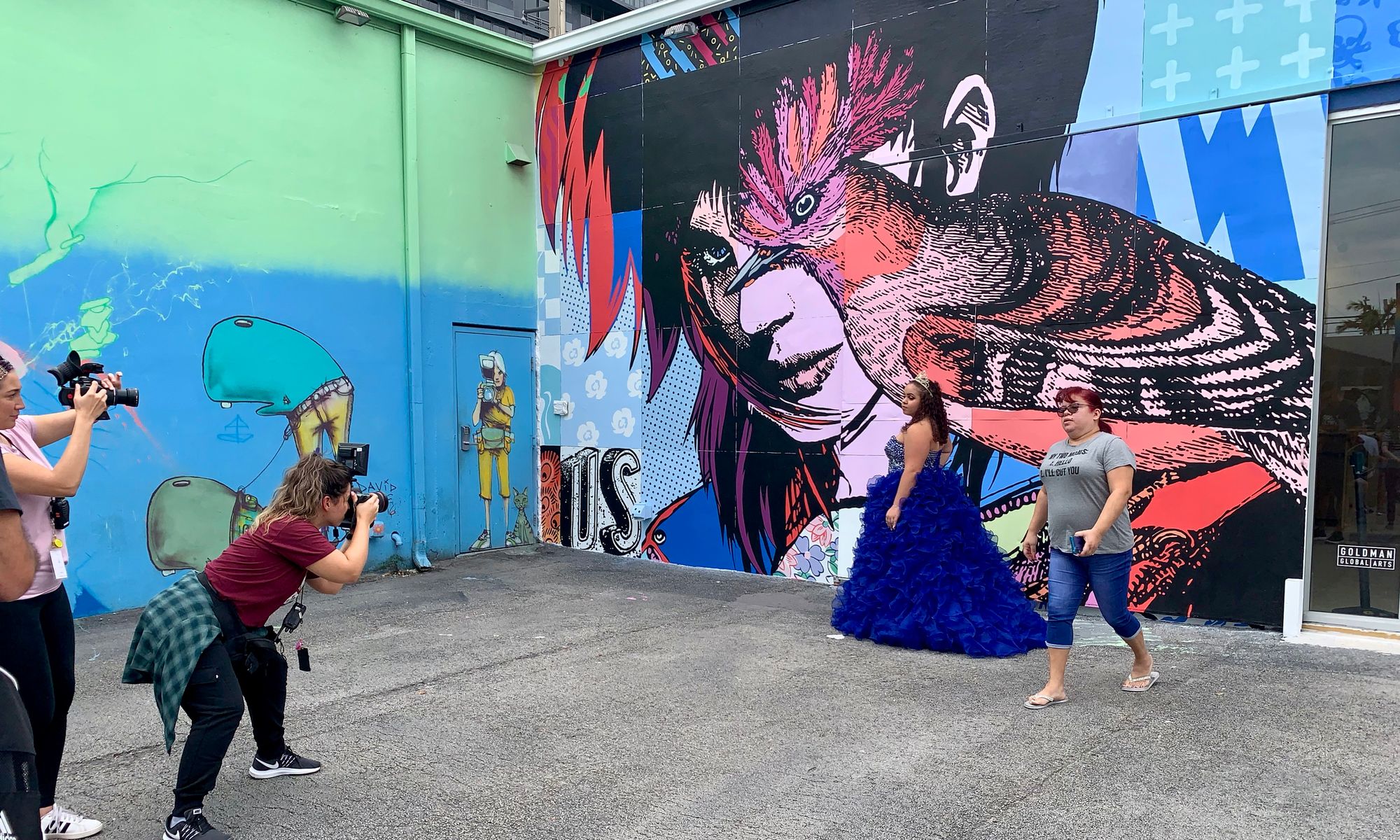
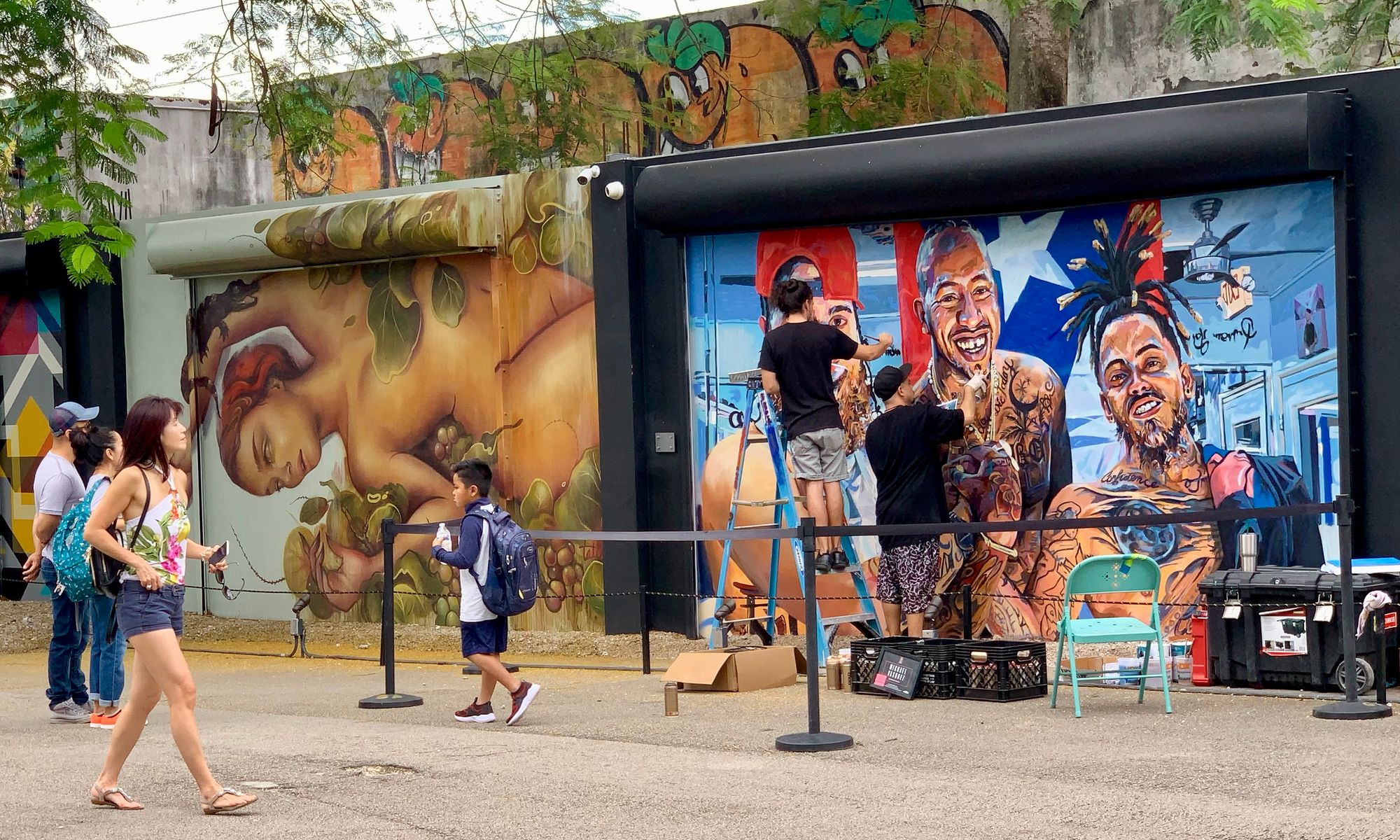
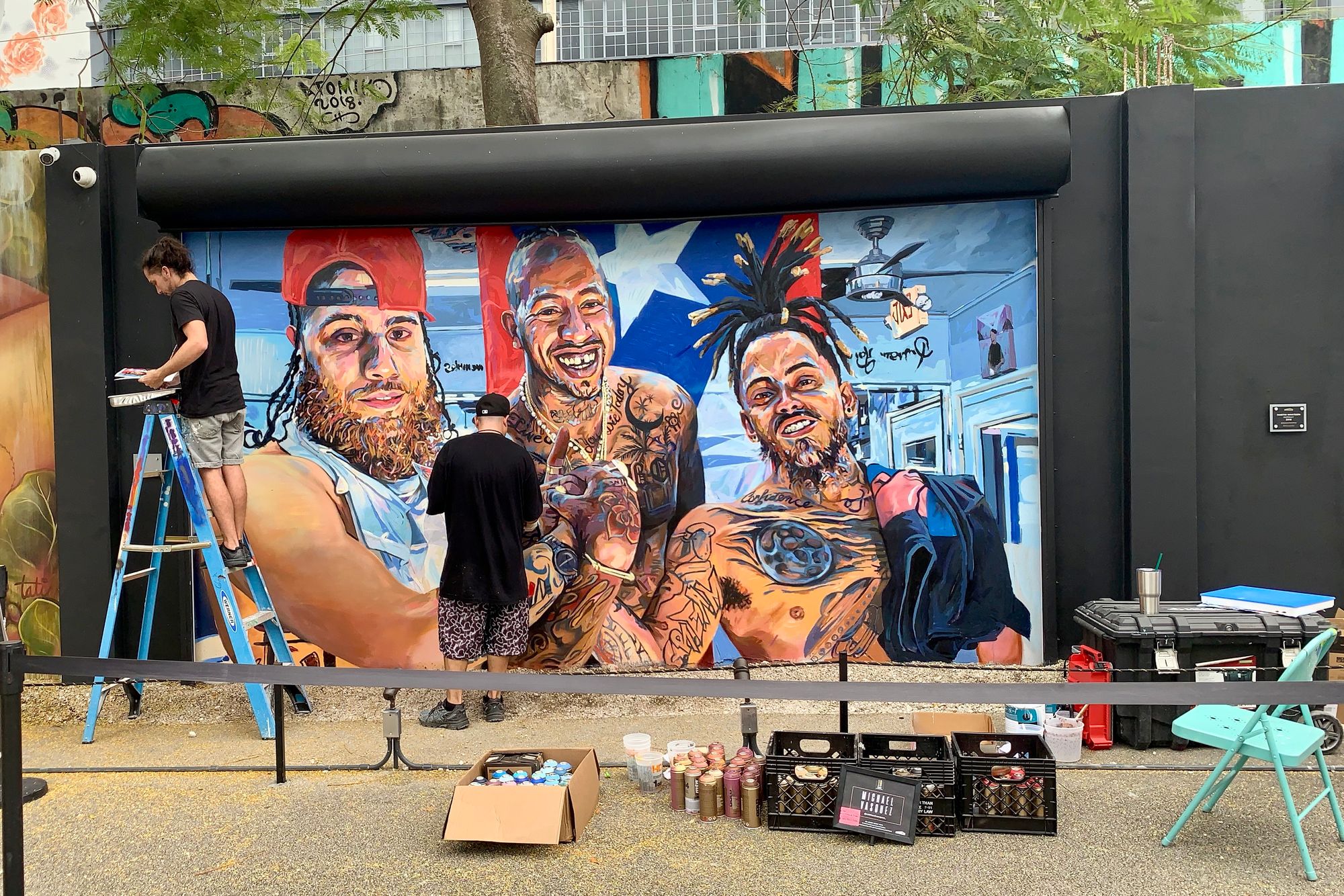
Wynwood Walls Miami
Sculptures
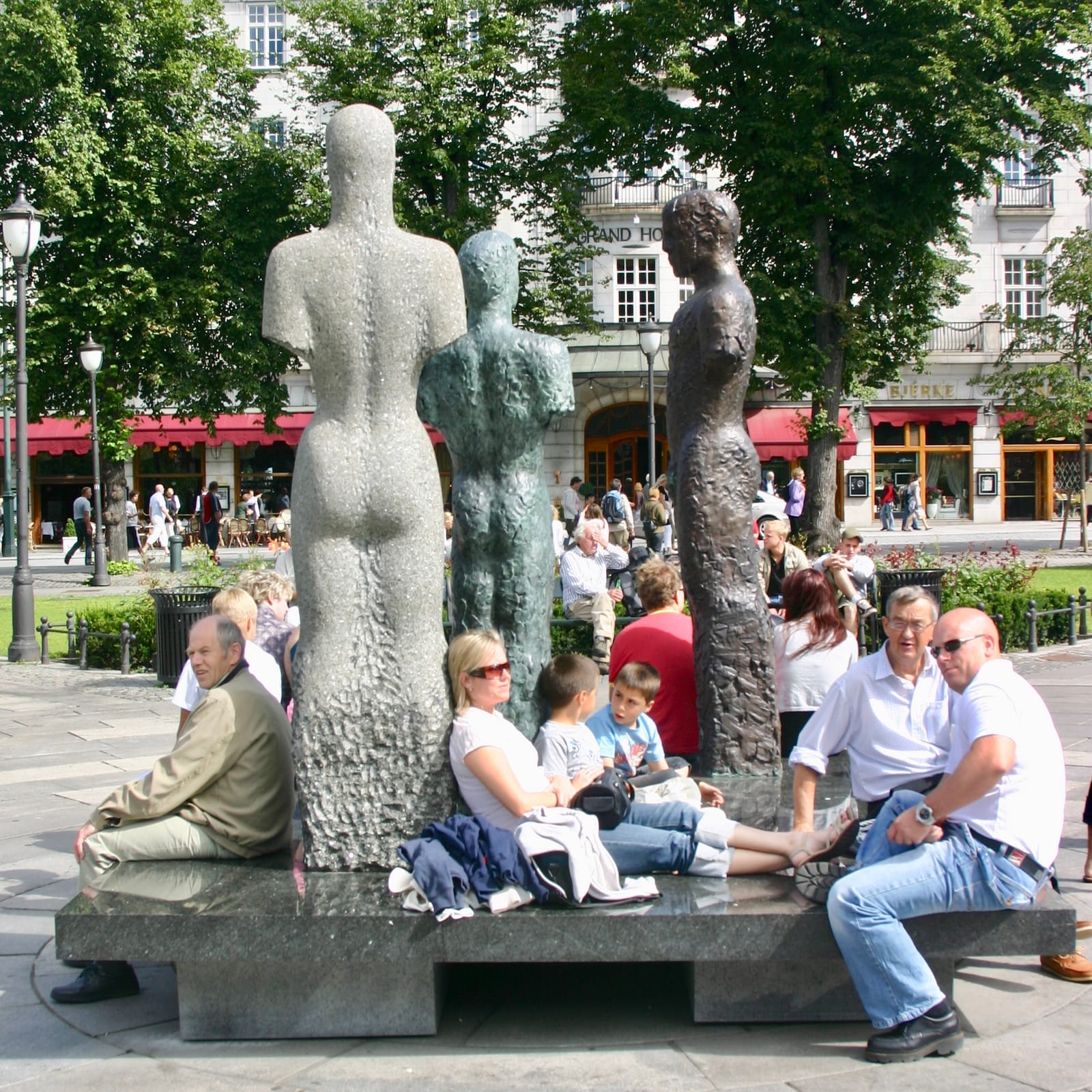
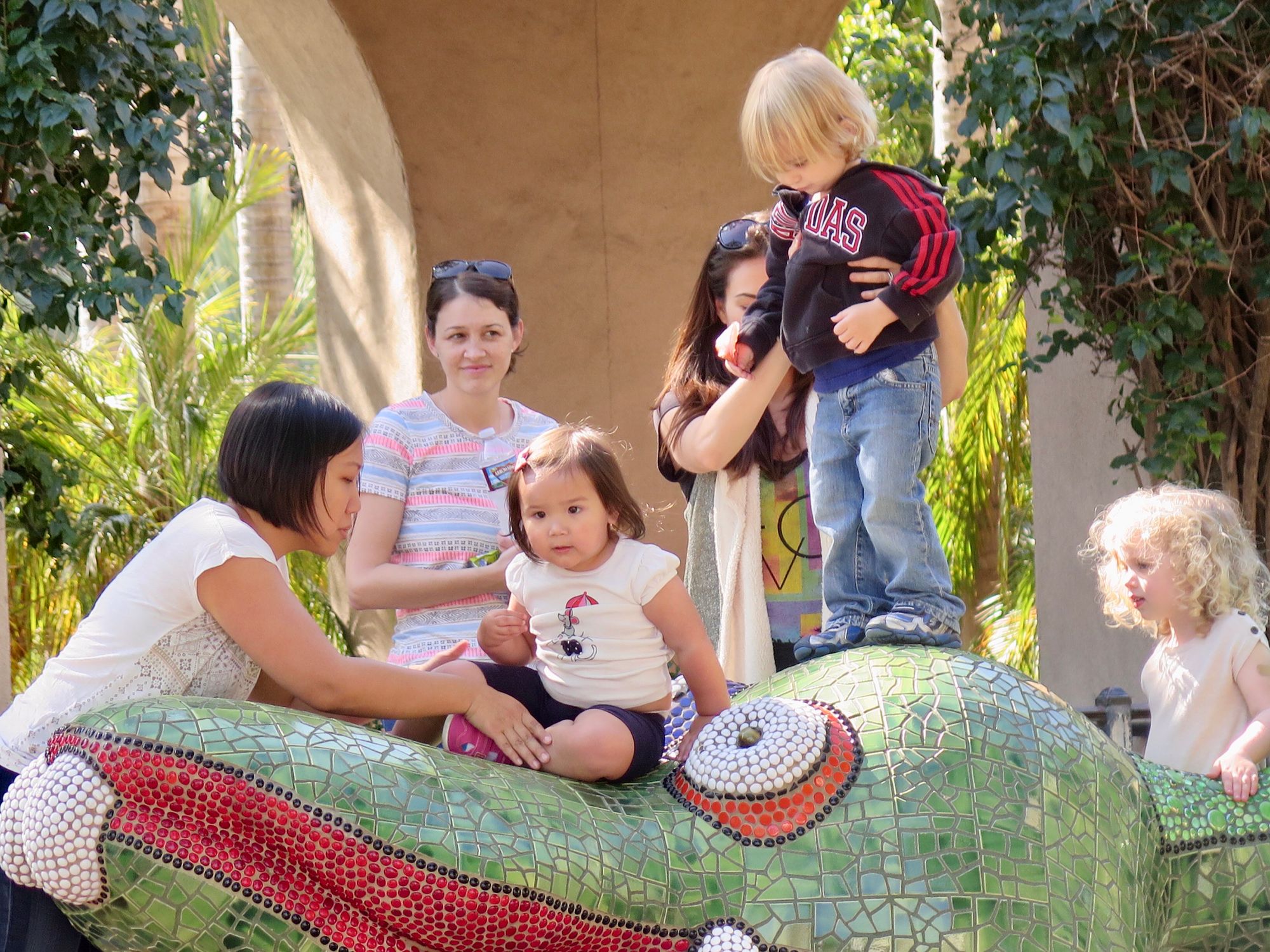
Adding a third dimension to art changes it from an illustration into a landmark that defines the place. Instead of being just something to look at, sculptures become something to interact with – to touch, to climb, and to explore. They allow us to engage with a space like nothing else can.
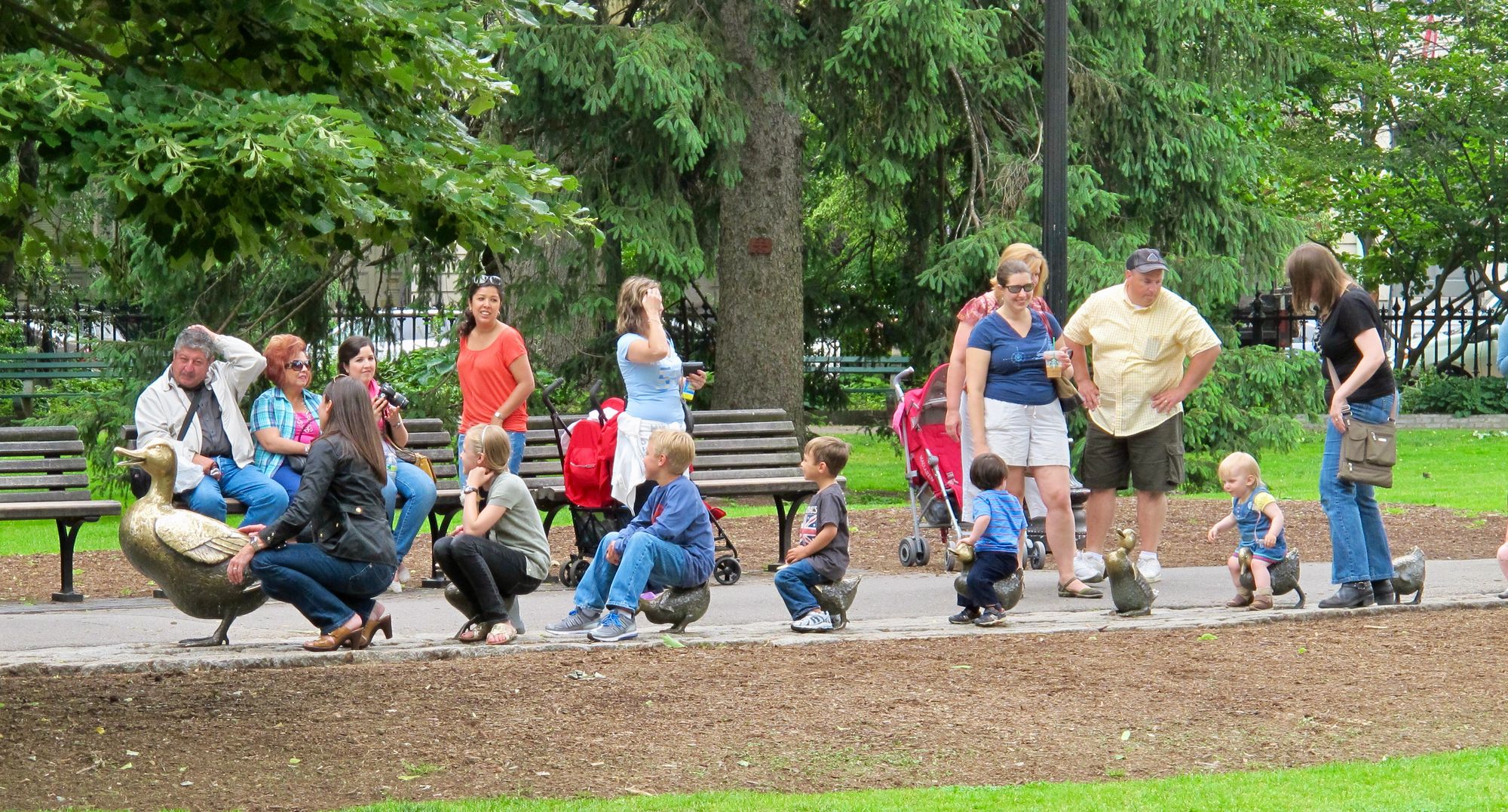
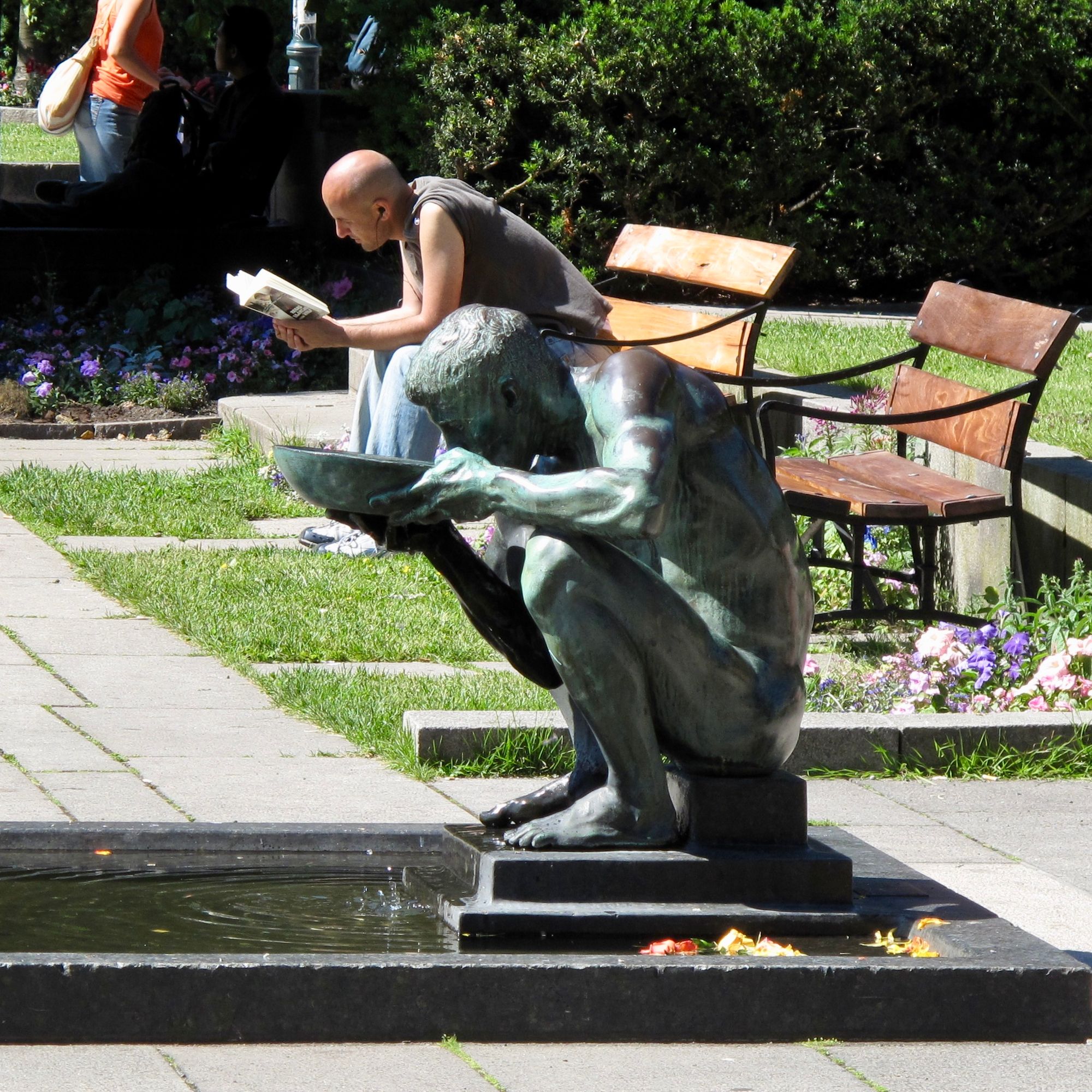
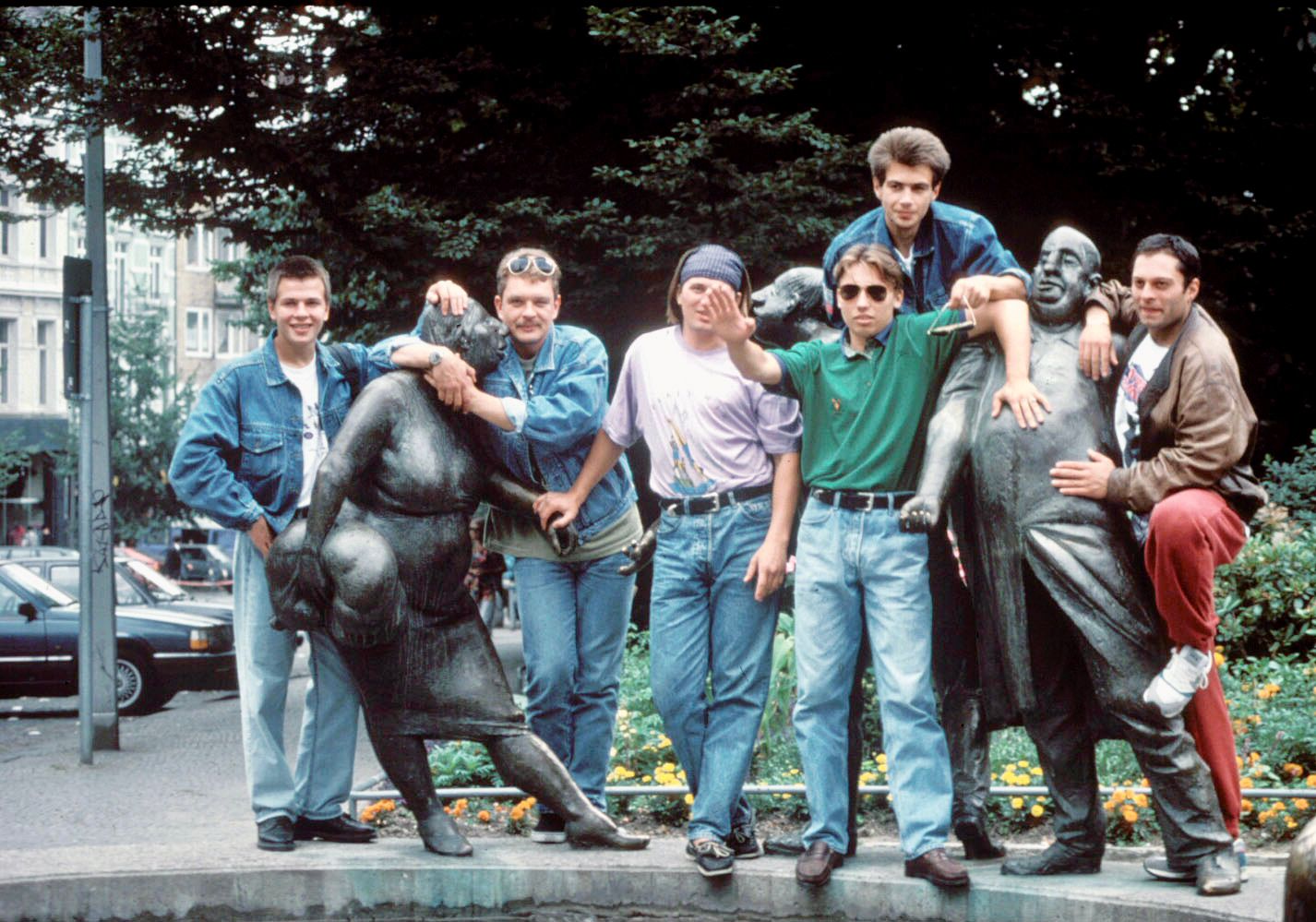
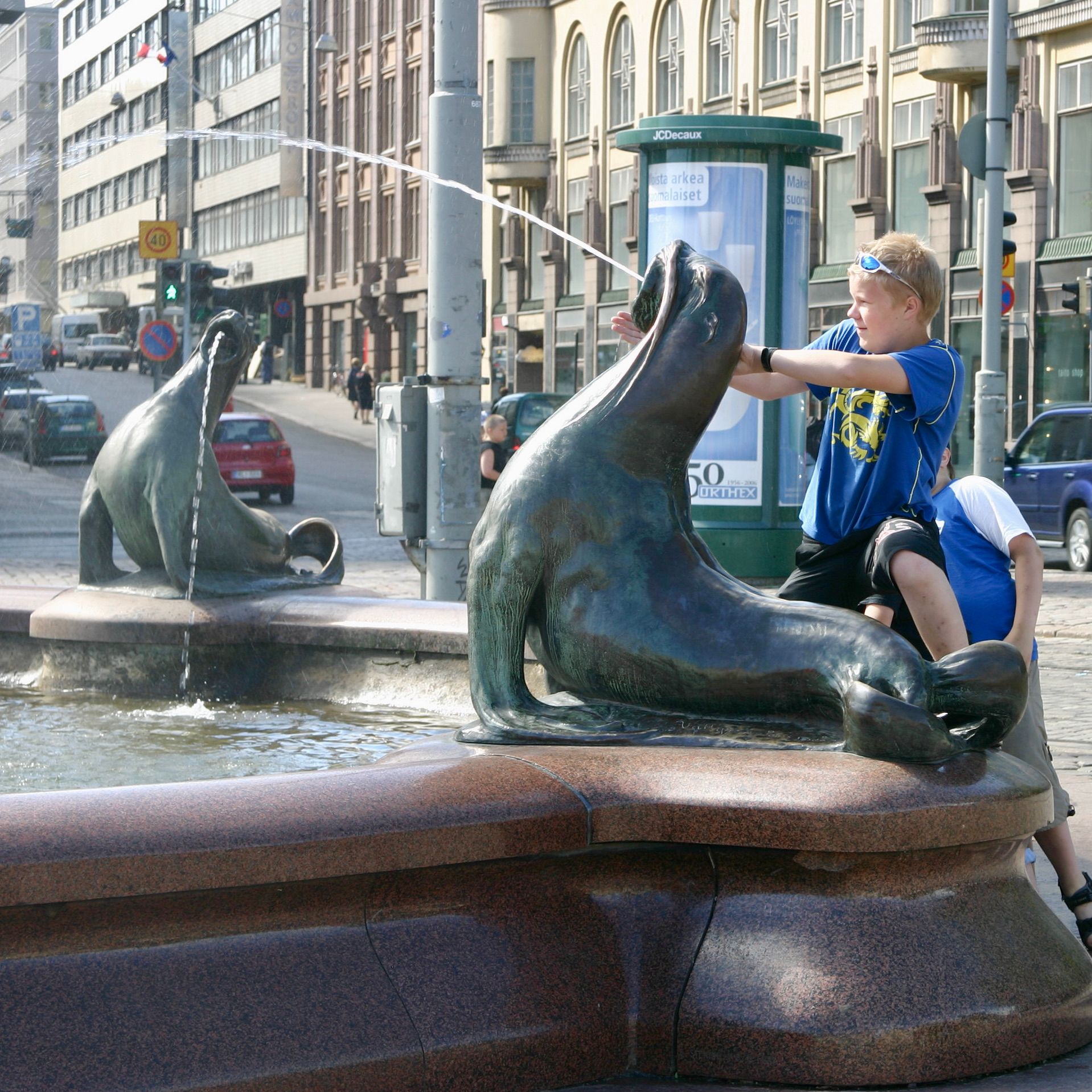
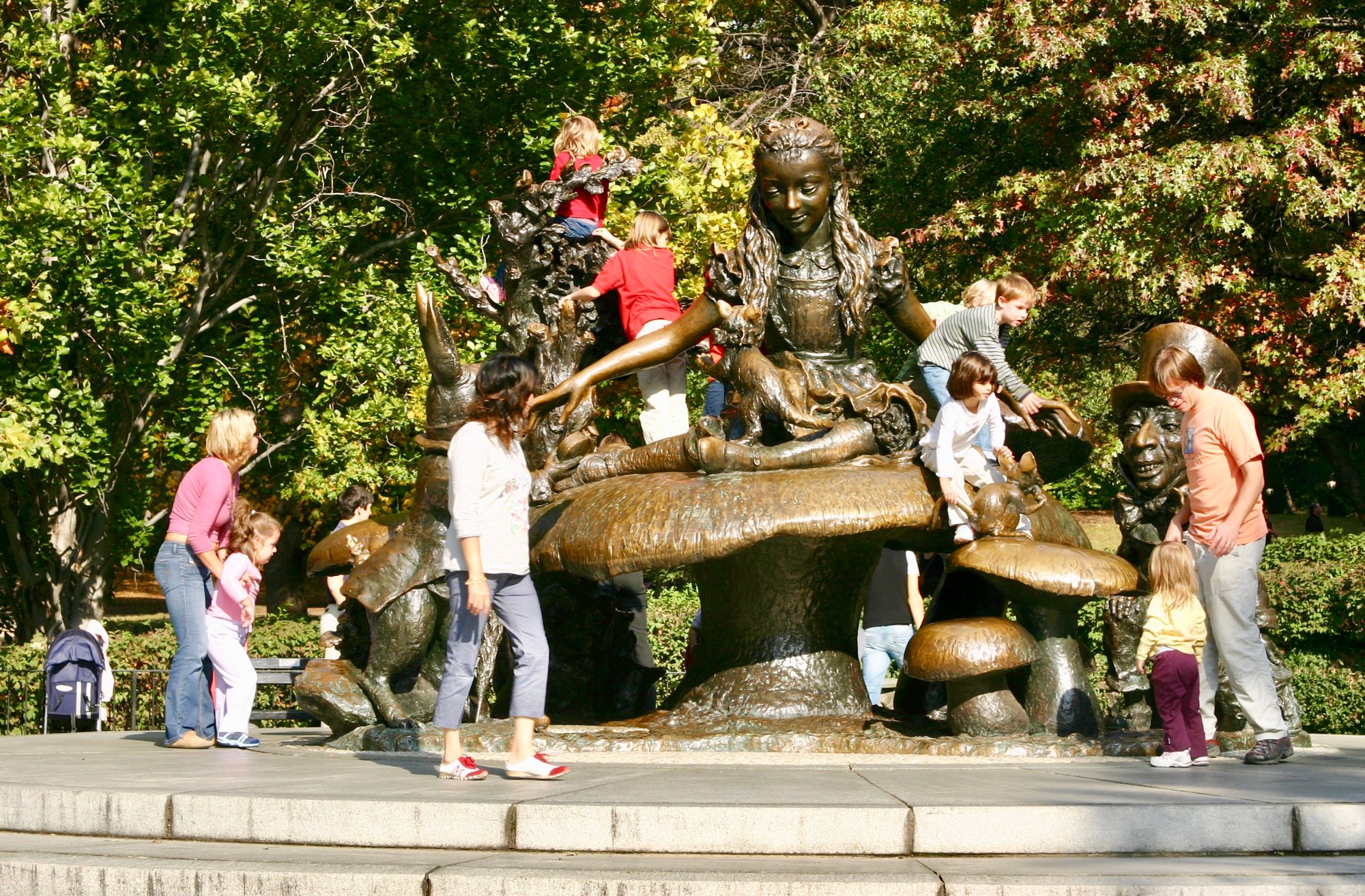
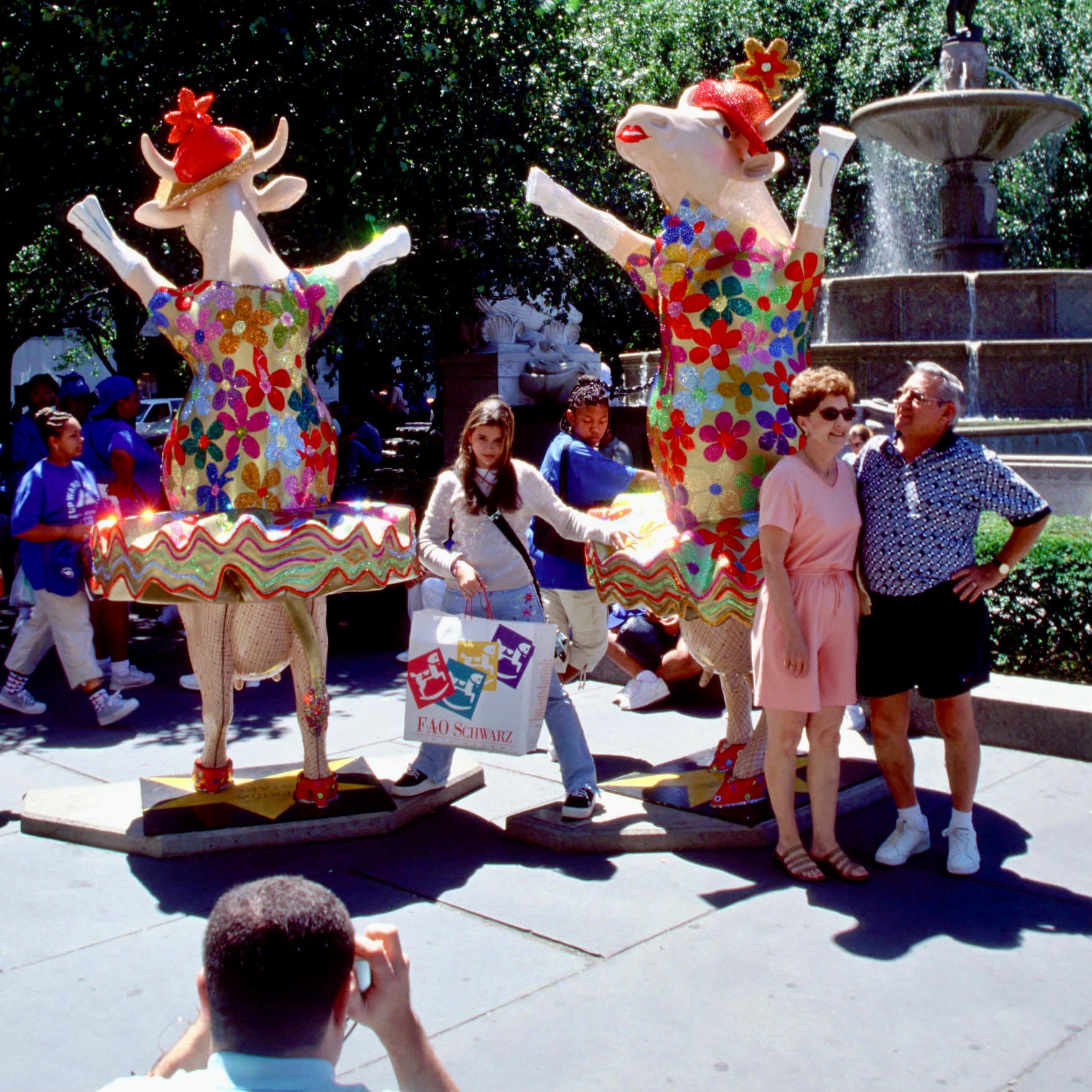
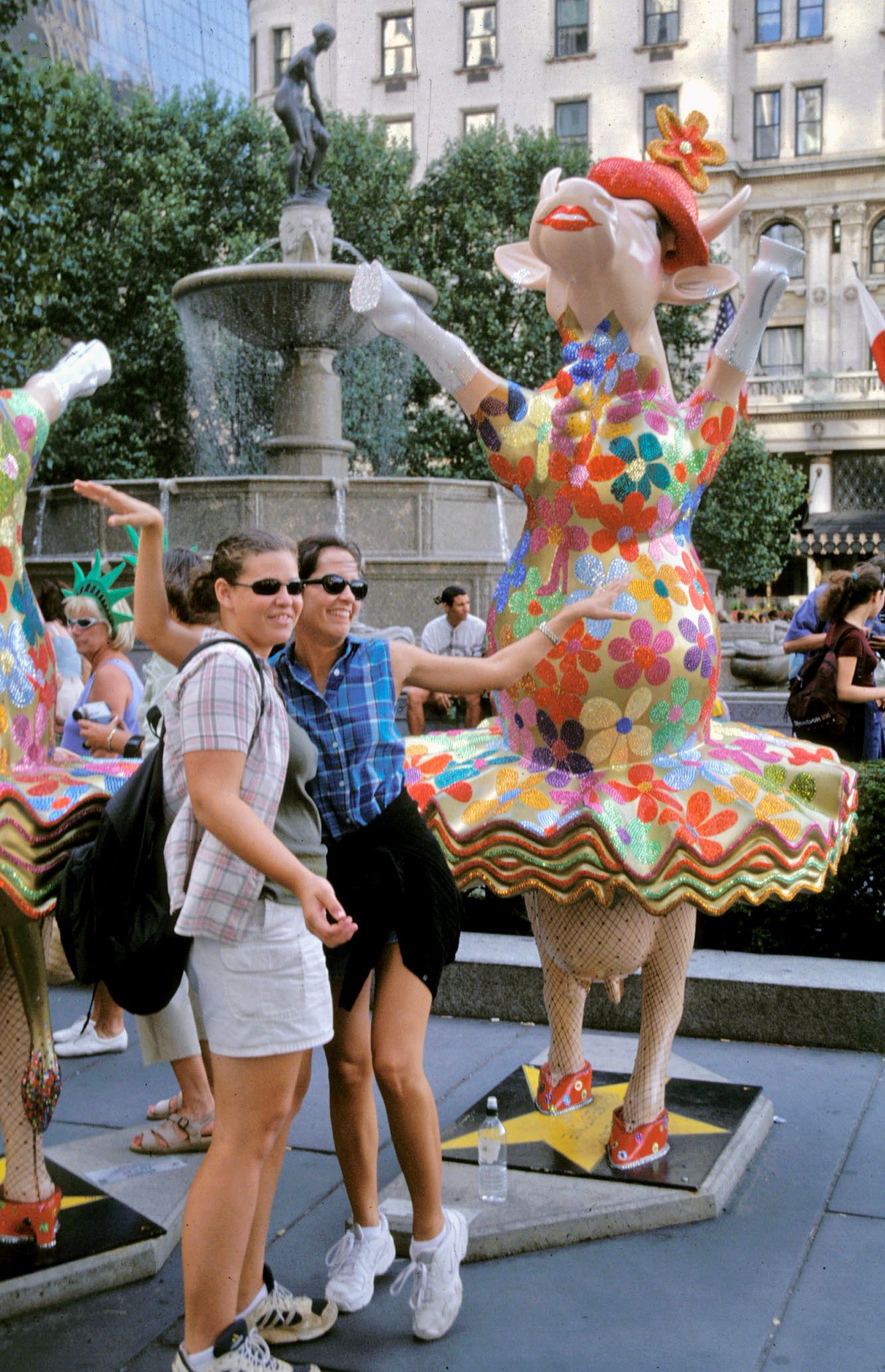
Chicago Cows
Large statues that act as focal points
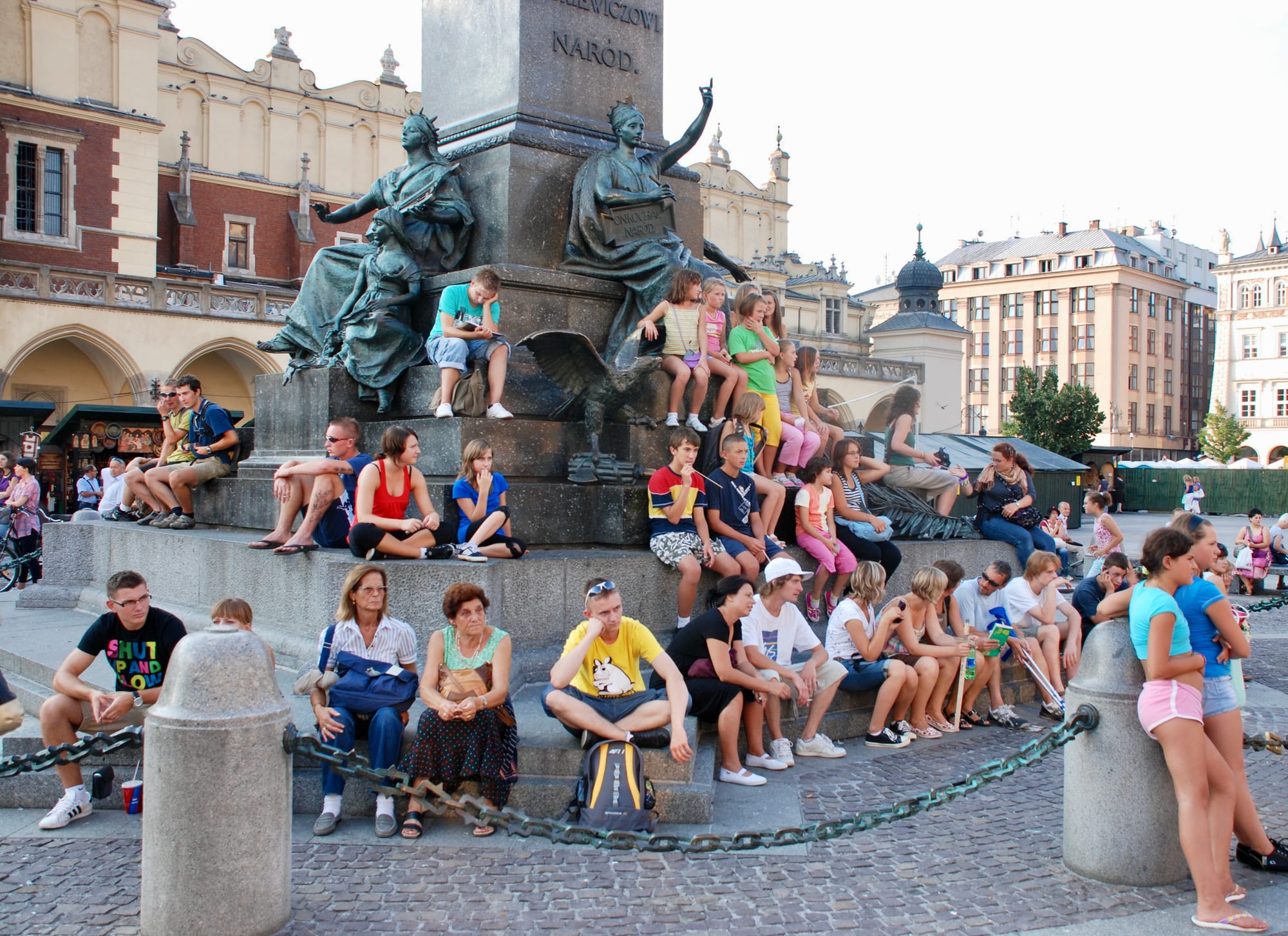
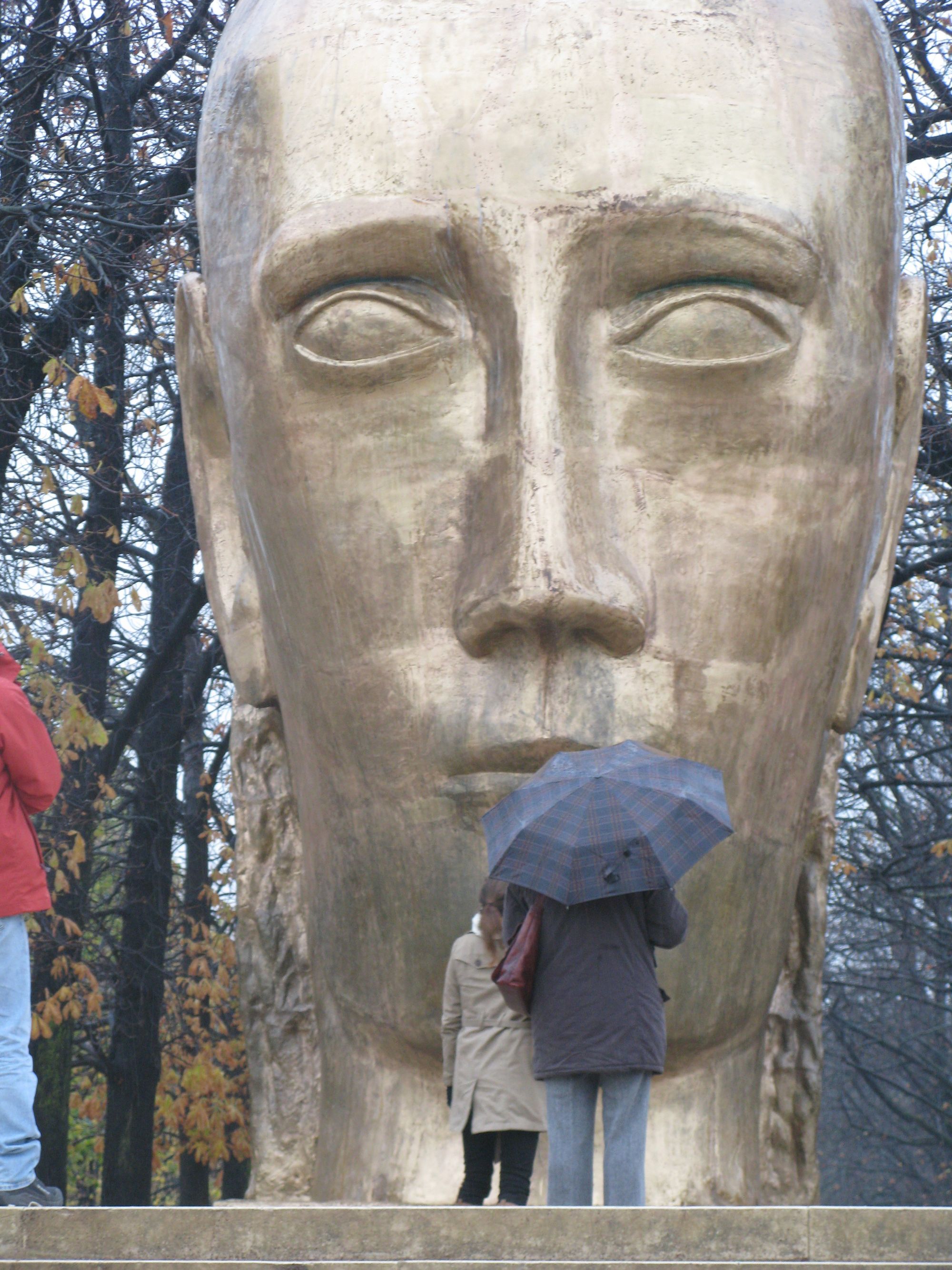
Every public space should have a focal point – it ties the space together and gives it a kind of magnetic nucleus that draws people in. One of the most popular kinds of focal points is a statue or monument. It often becomes the "face" of the place and the visual that people associate most with it. It also serves as a kind of ice breaker because people love to clamber all over it and gather at its feet.
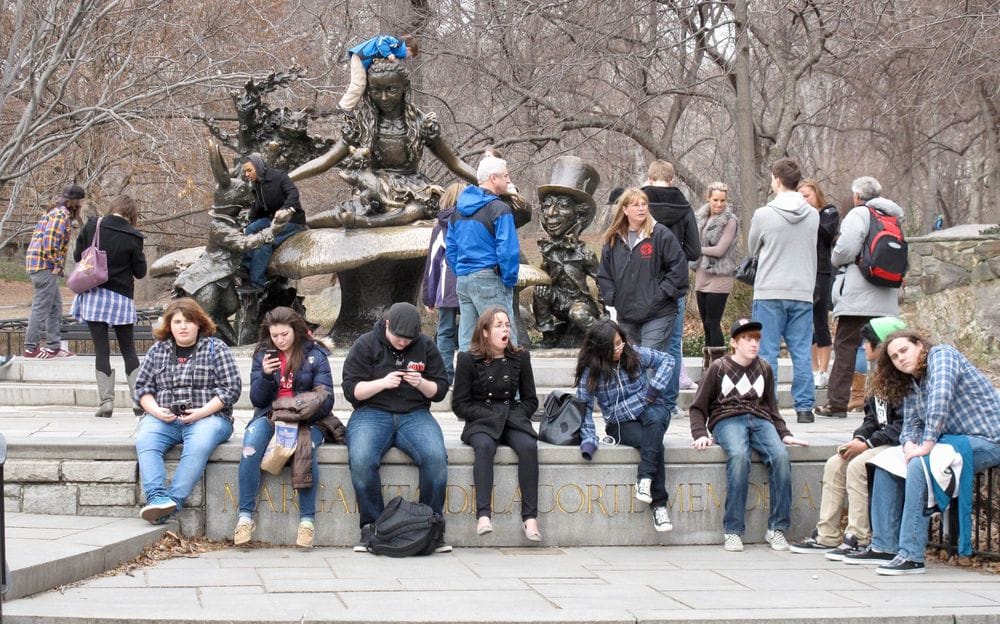
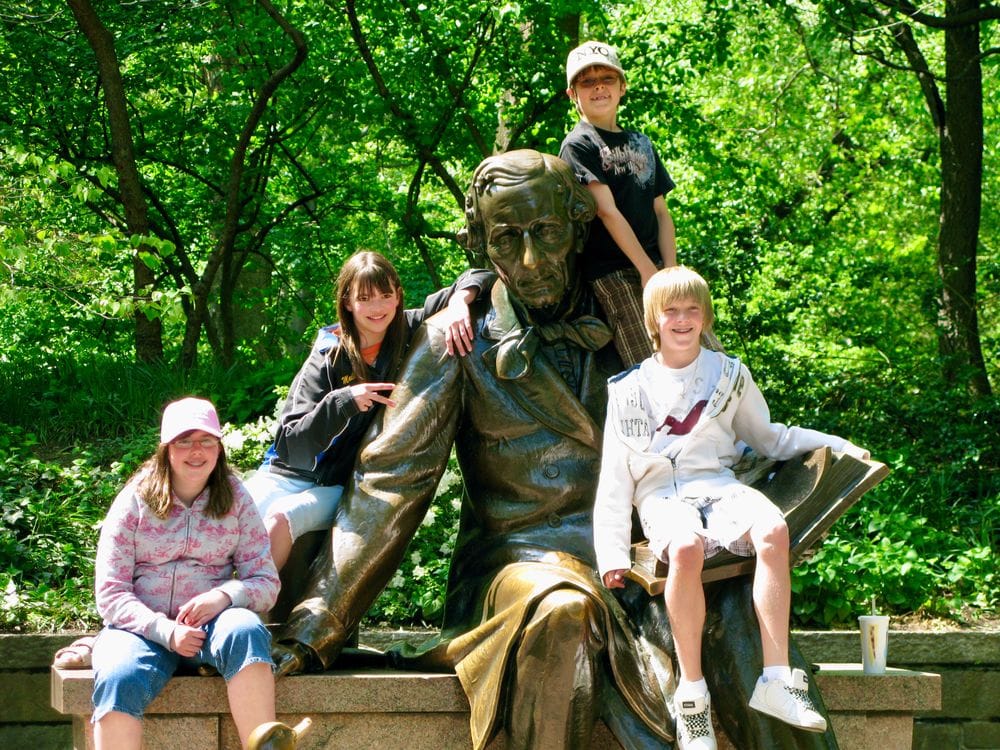
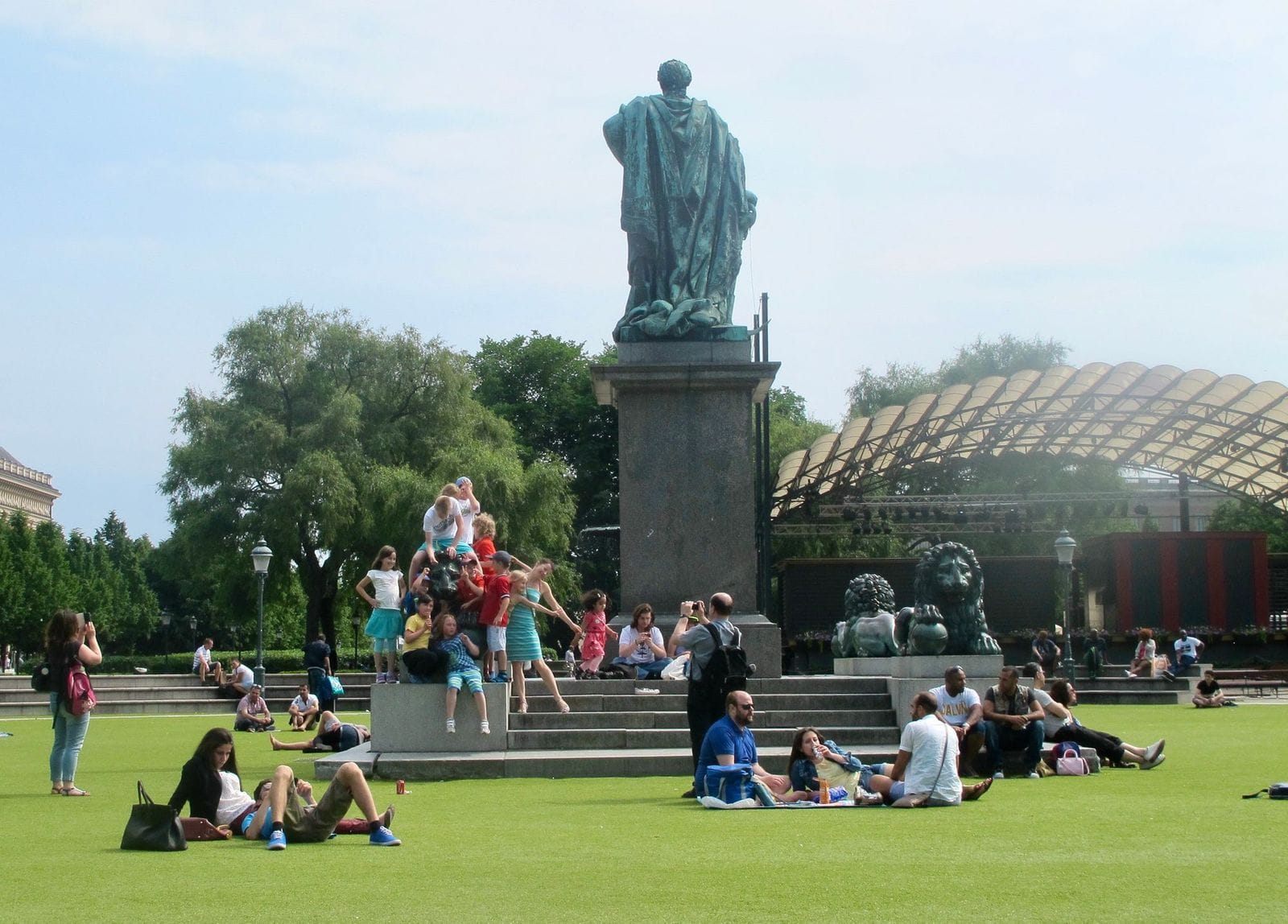
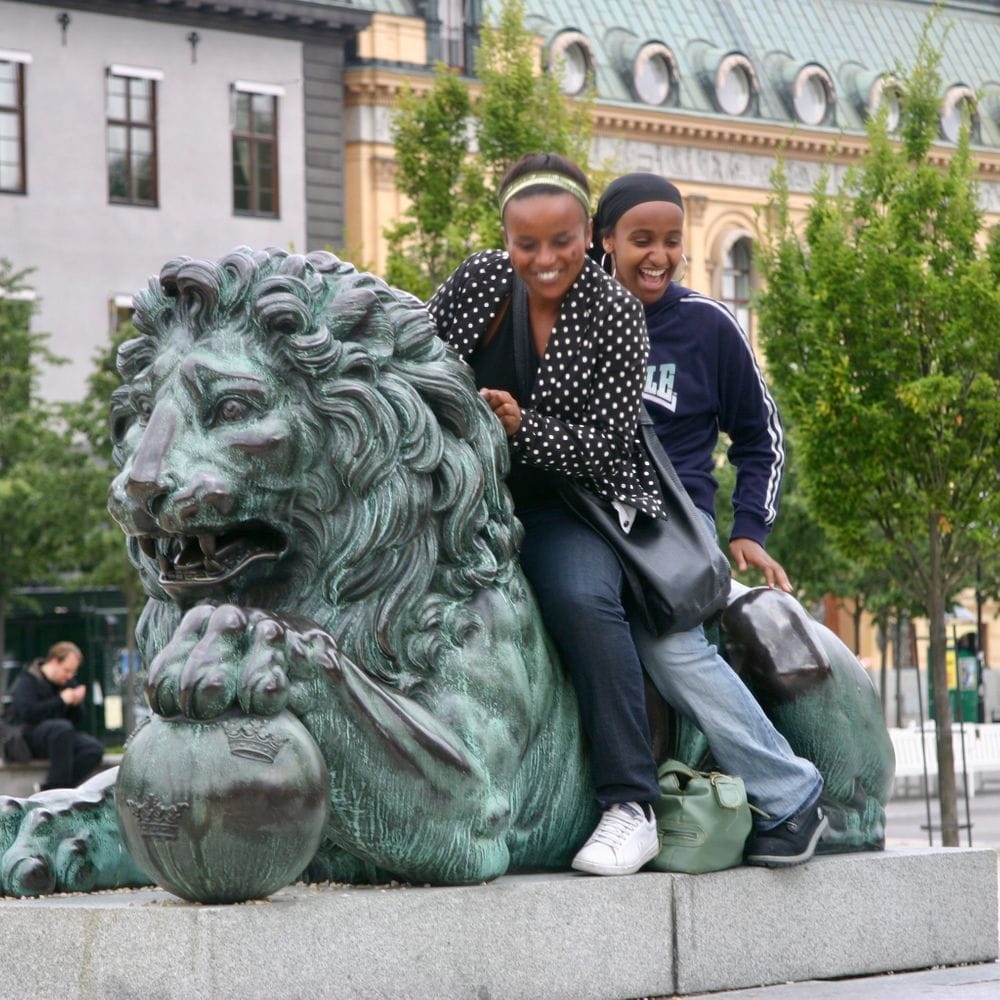
Madrid
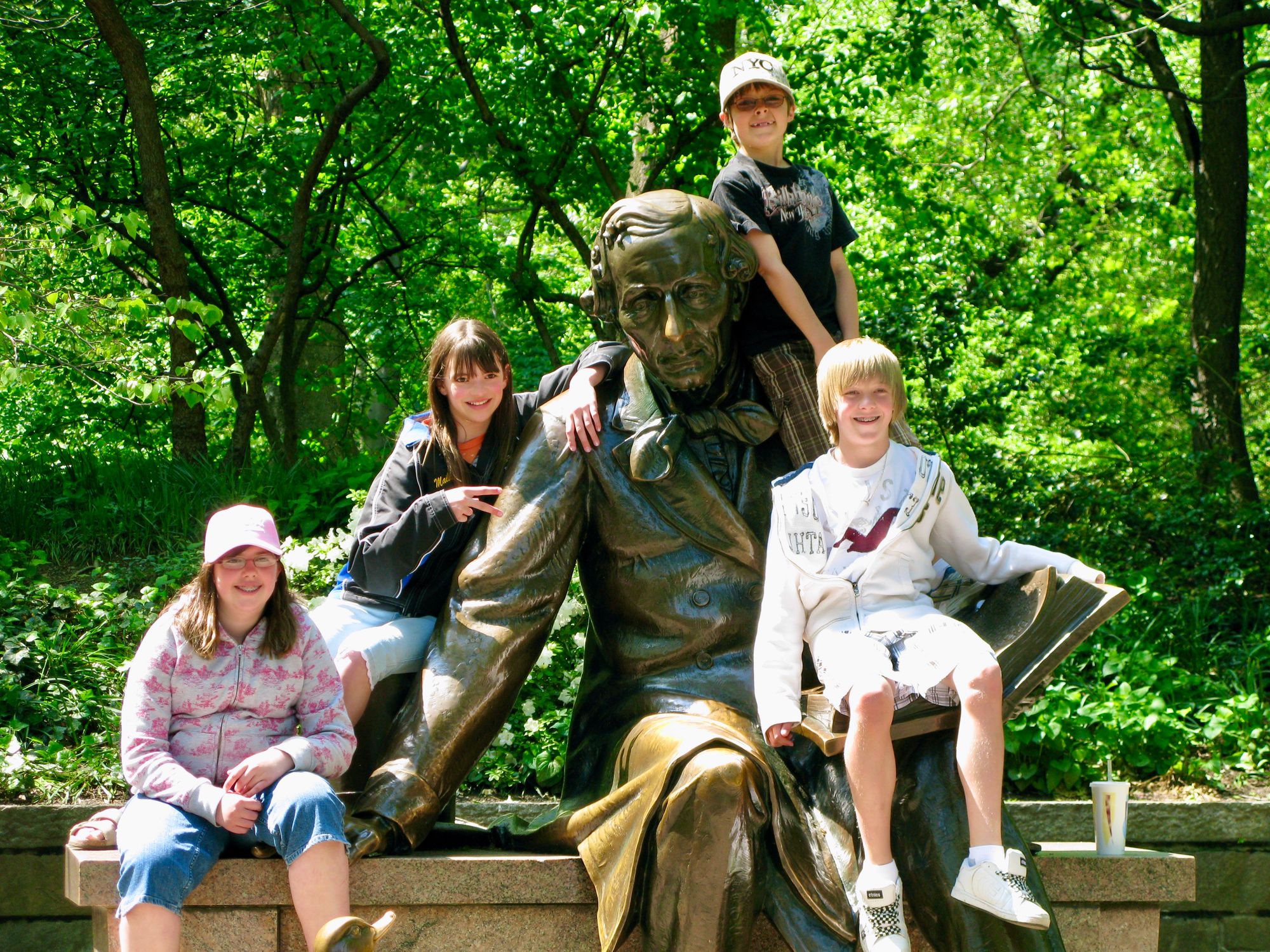
Life-size sculptures that people love to interact with
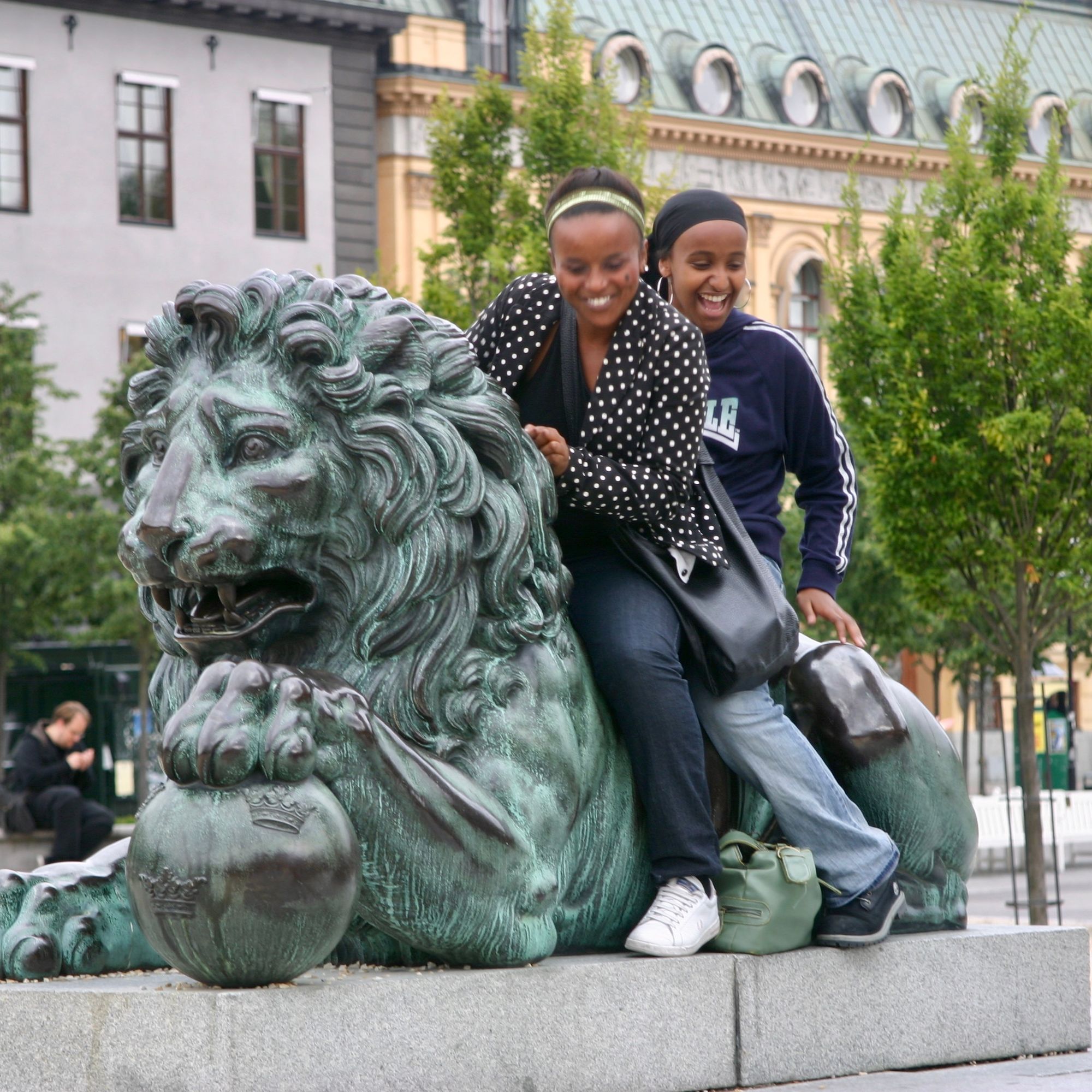
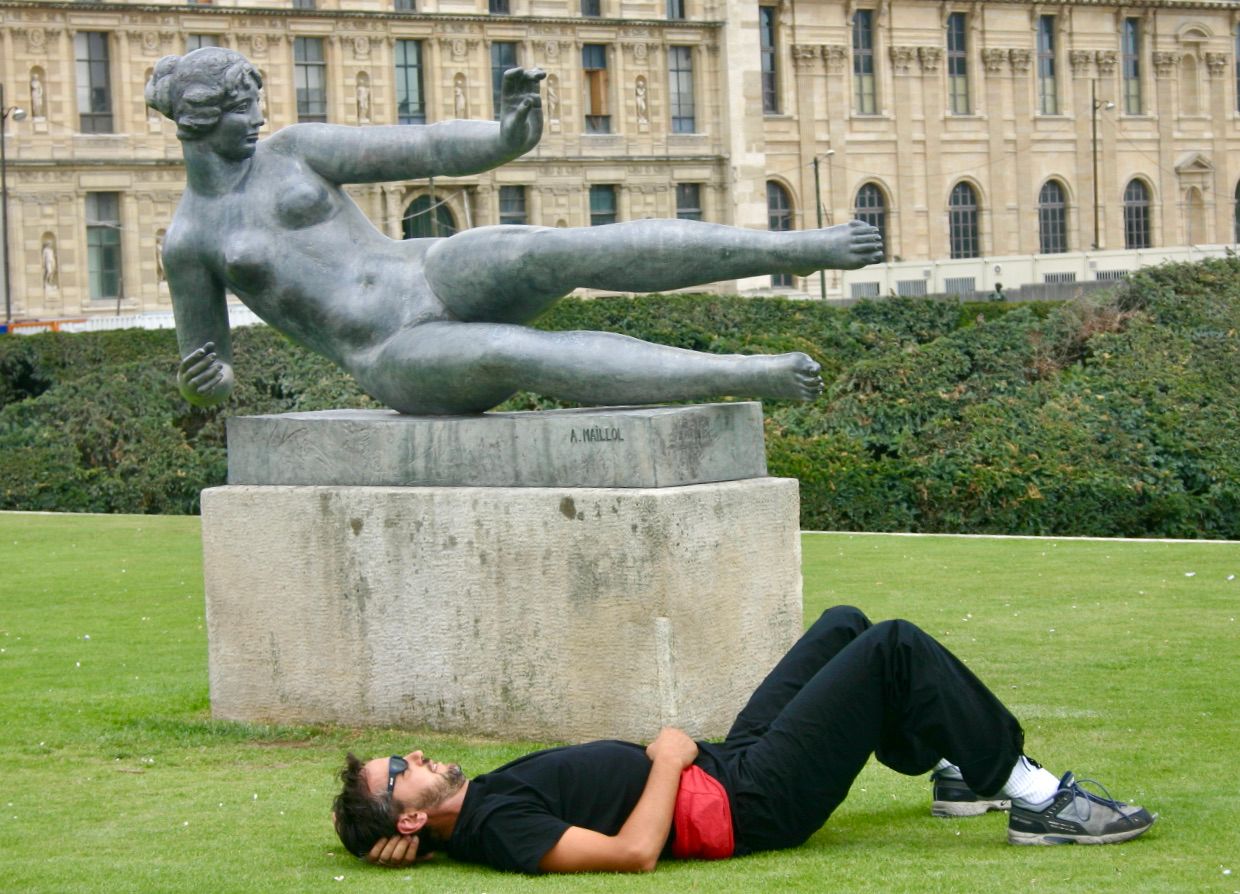
Life-size sculptures that commemorate important figures or characters almost feel alive because of how they hold space in the same places that we do. We can shake their hands, kiss their faces and give them a hug. In a way, they are members of our community too. They add another layer to our experience of place while simultaneously teaching us something about it.
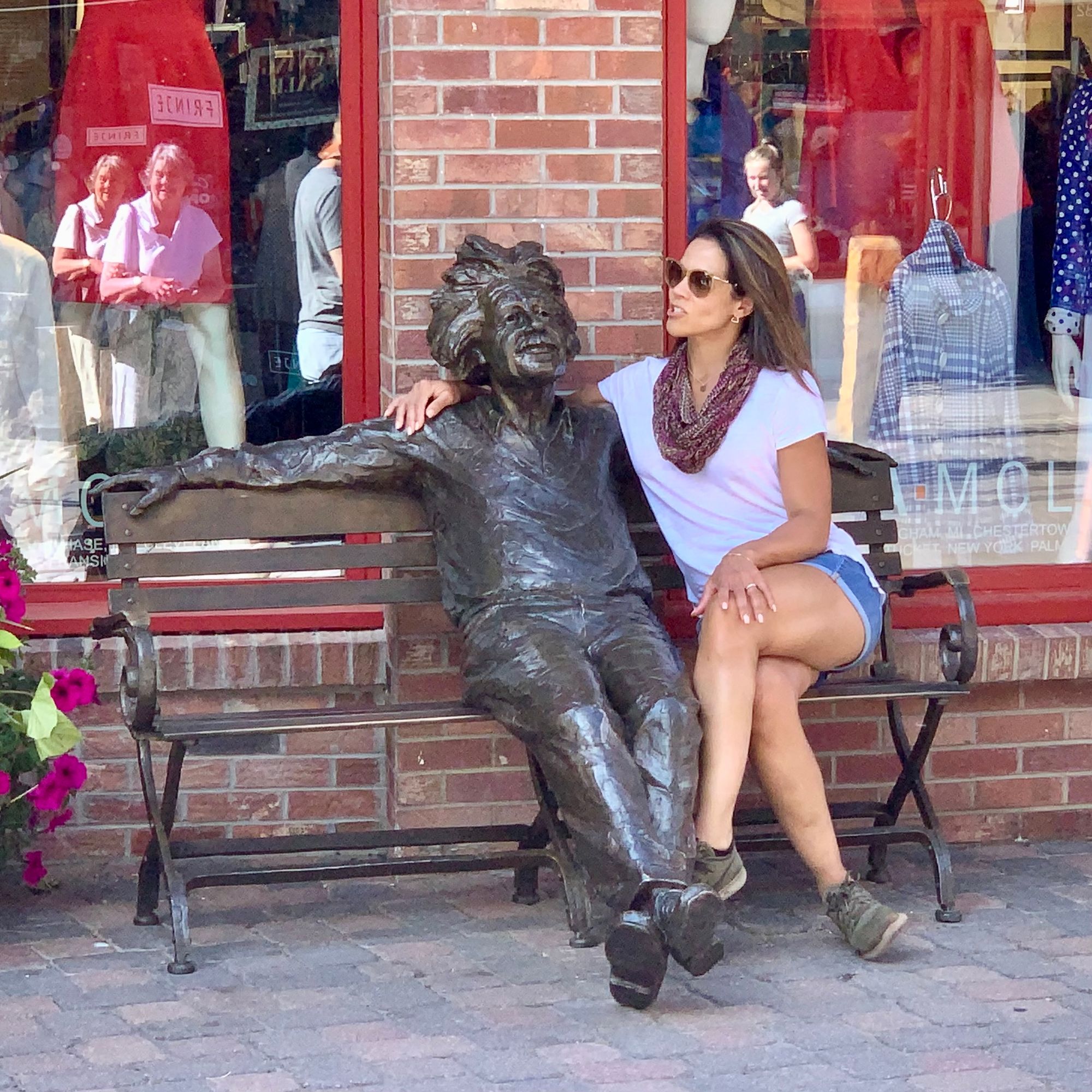
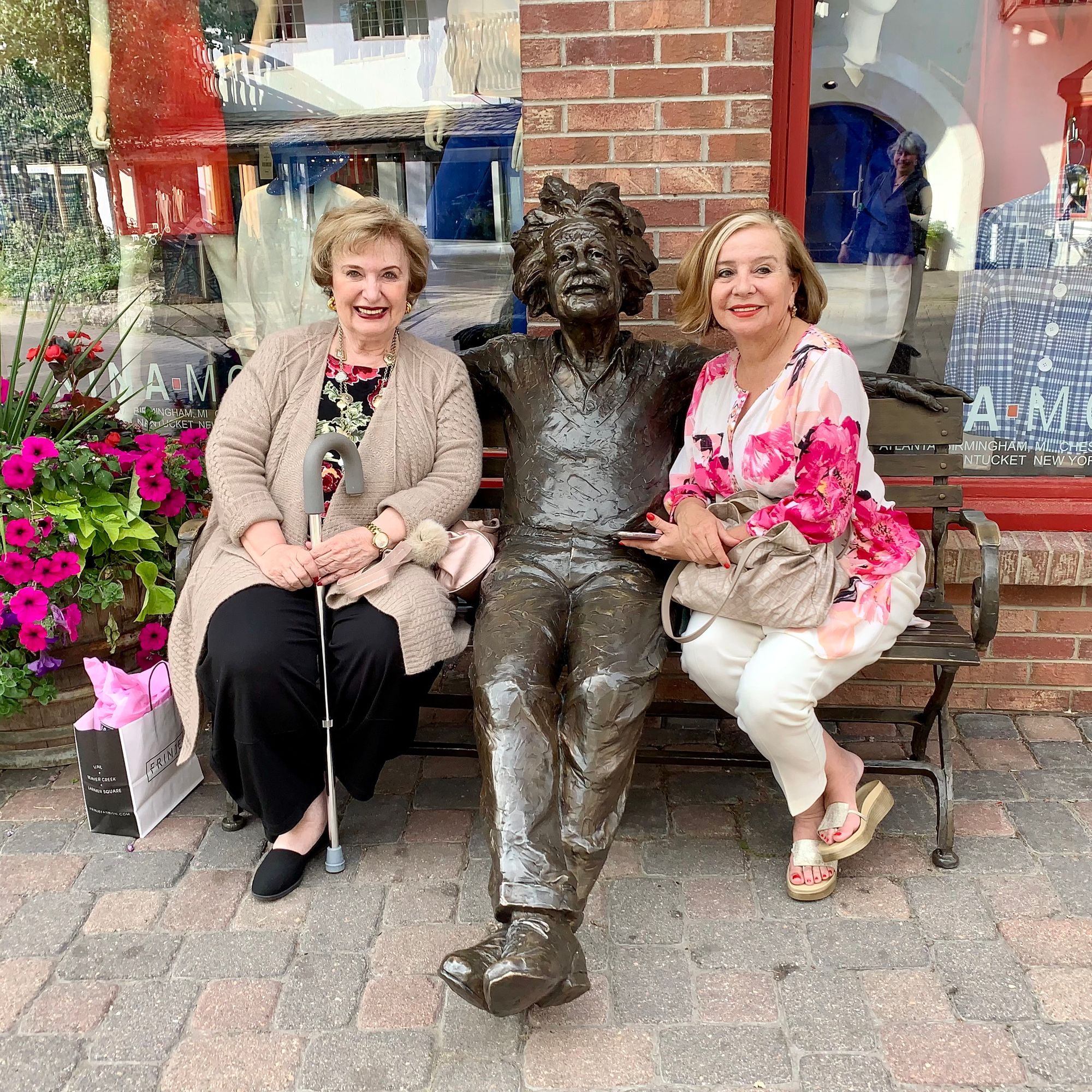
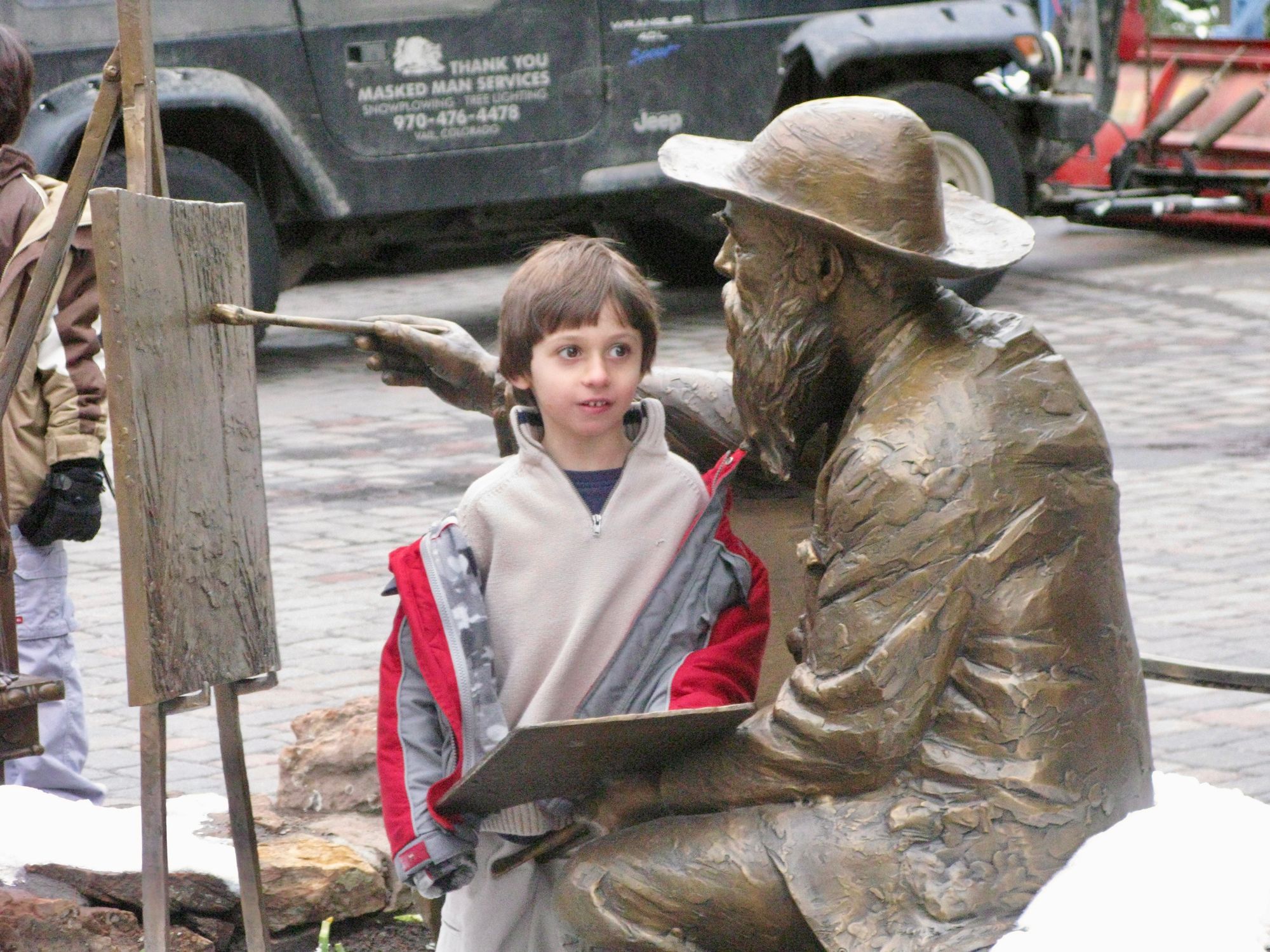
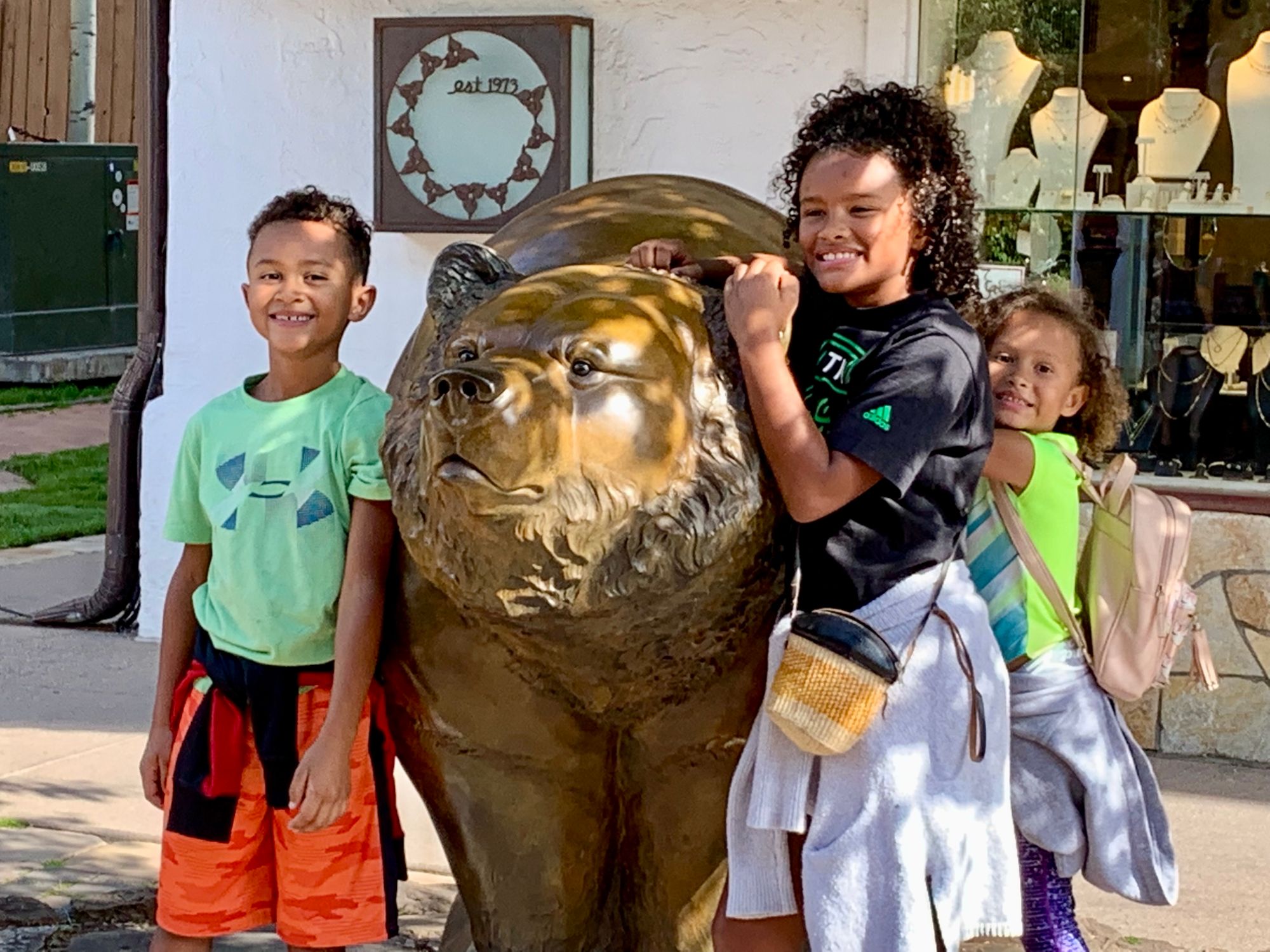
Vail, Colorado
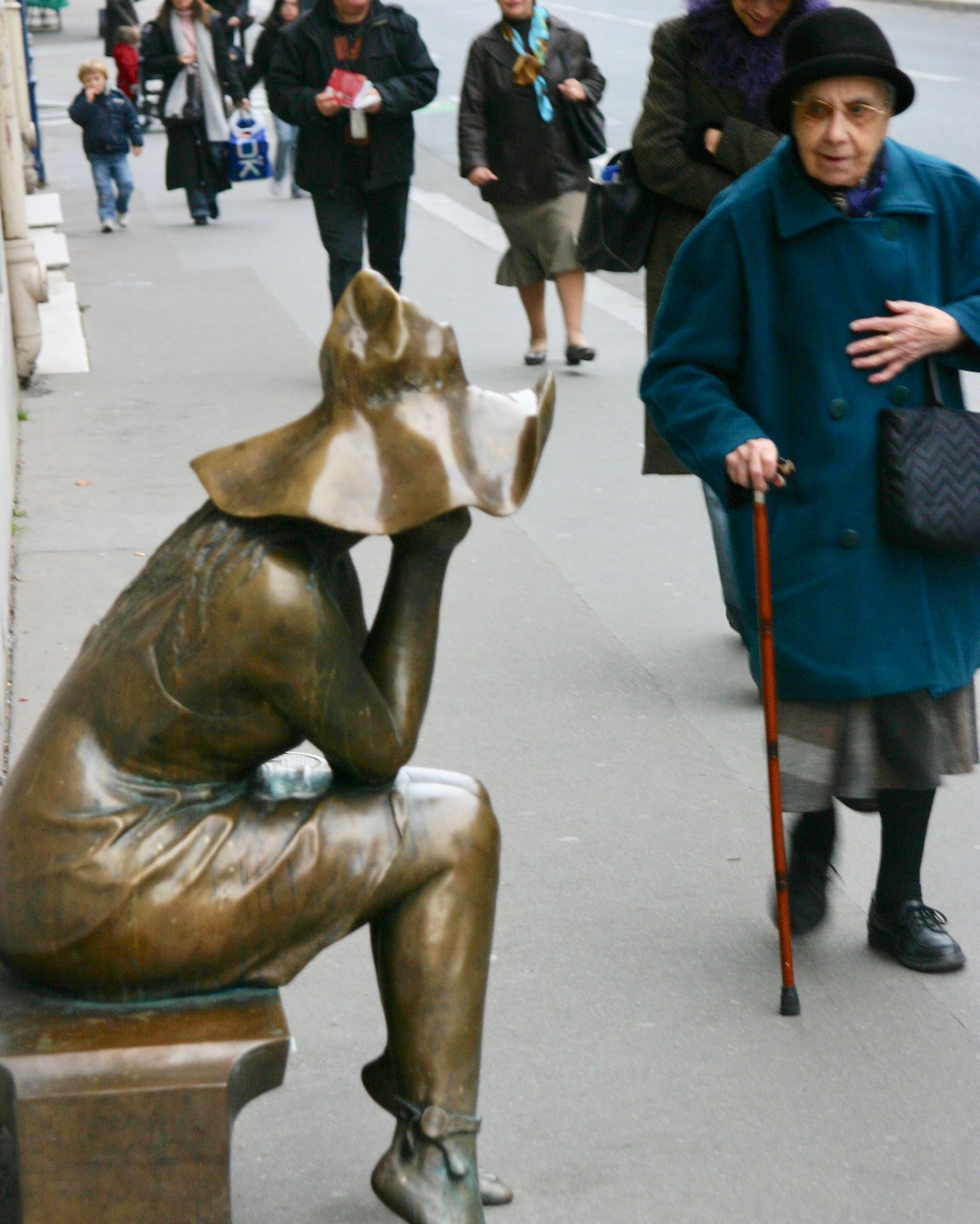
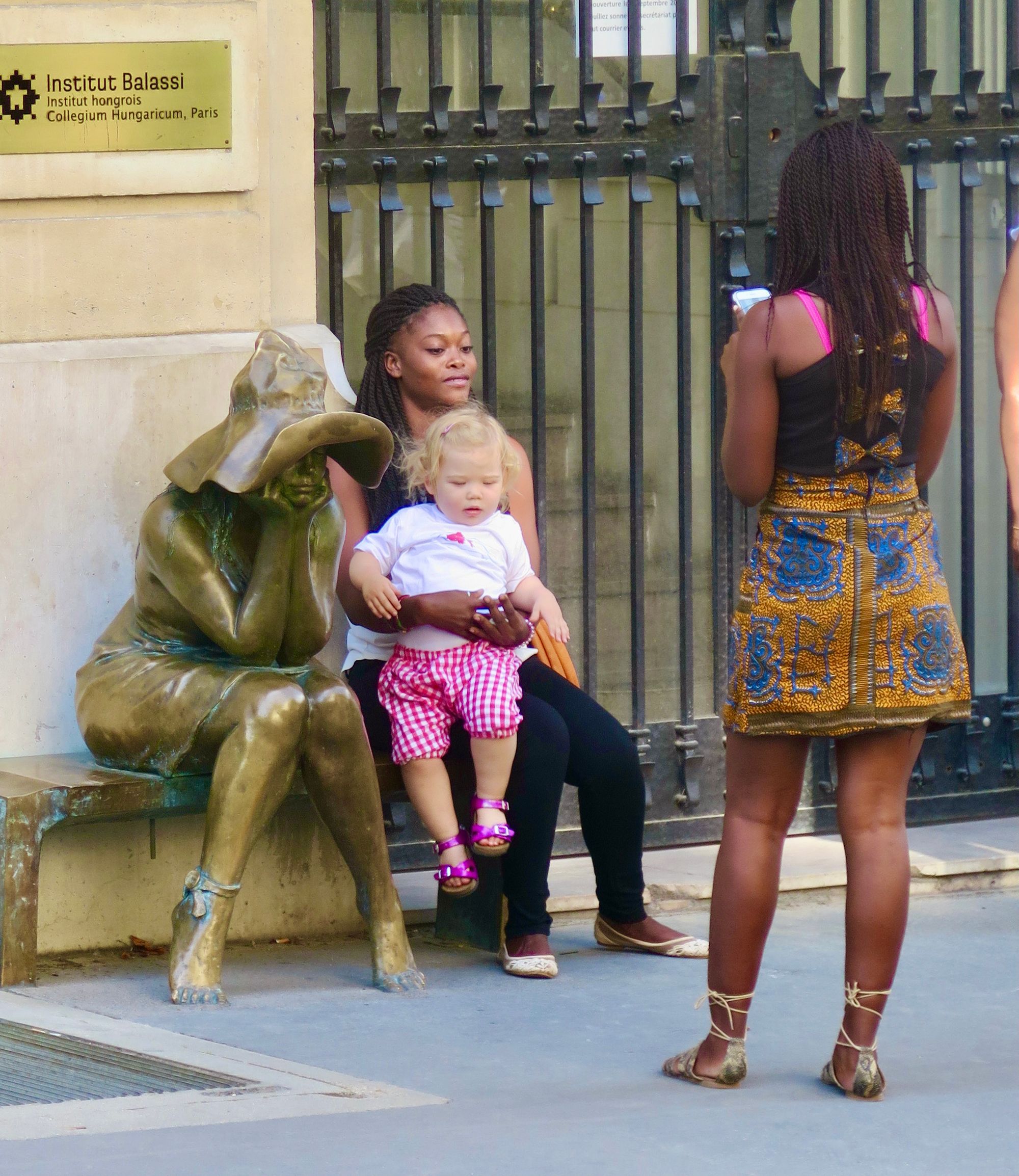
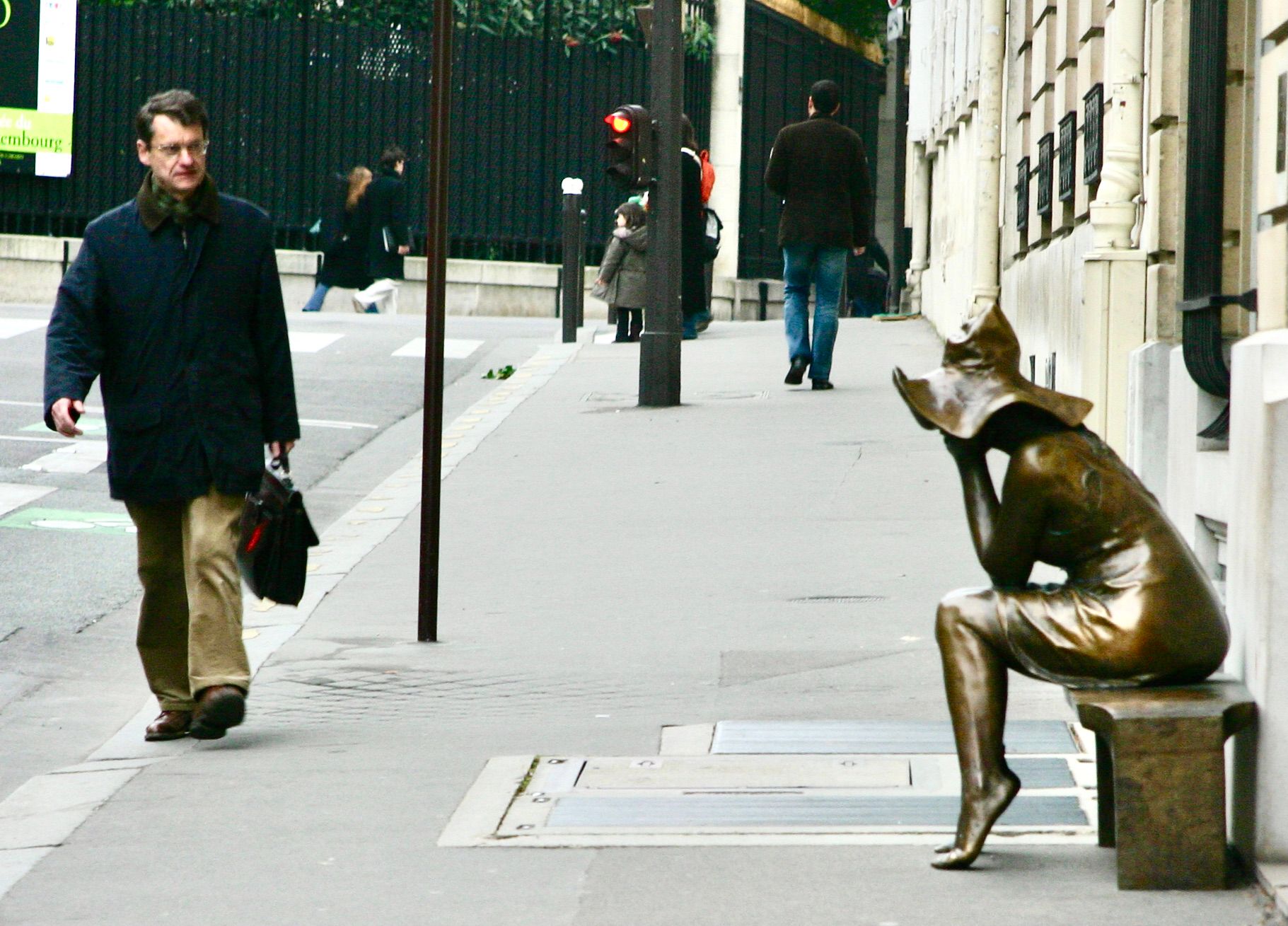
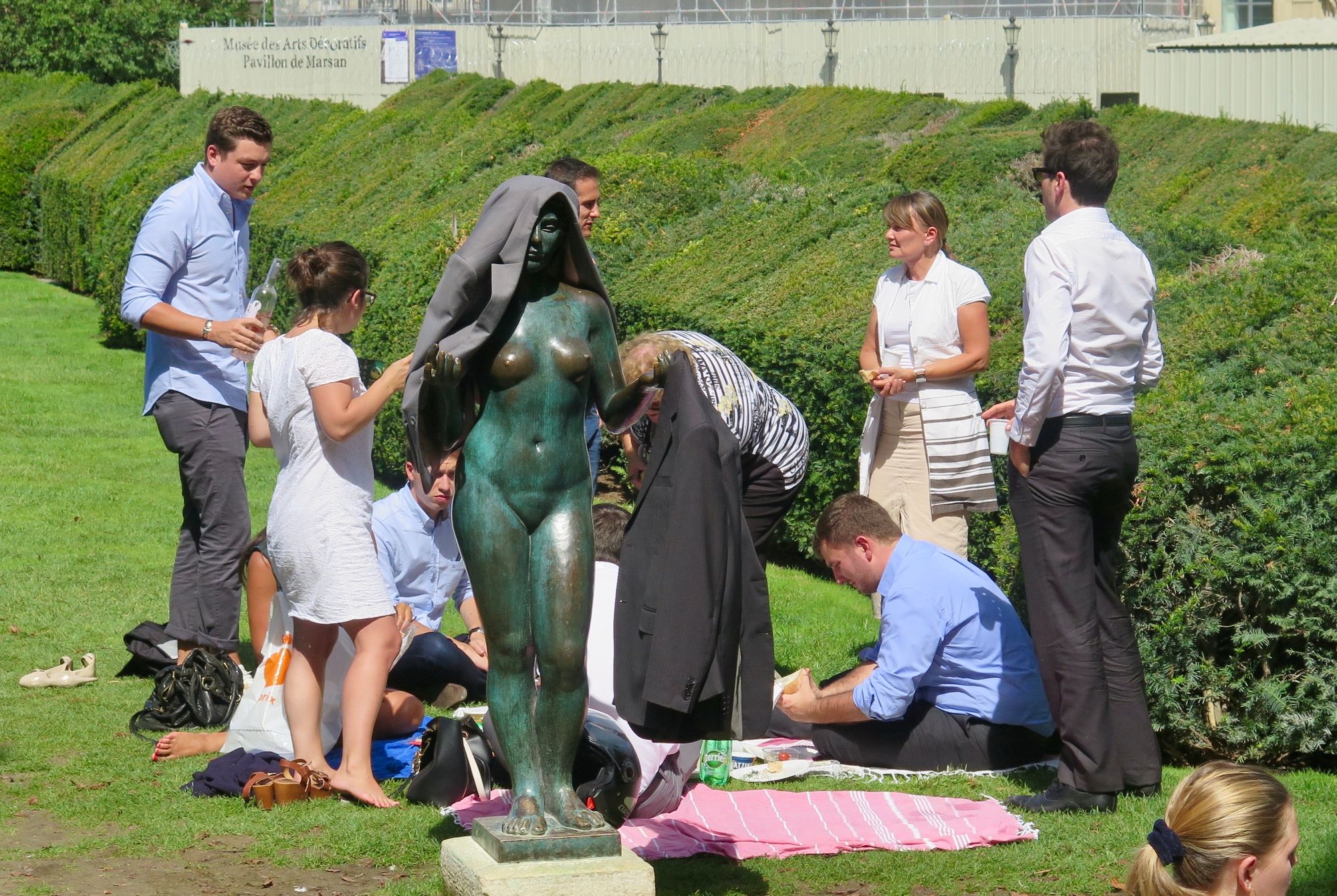
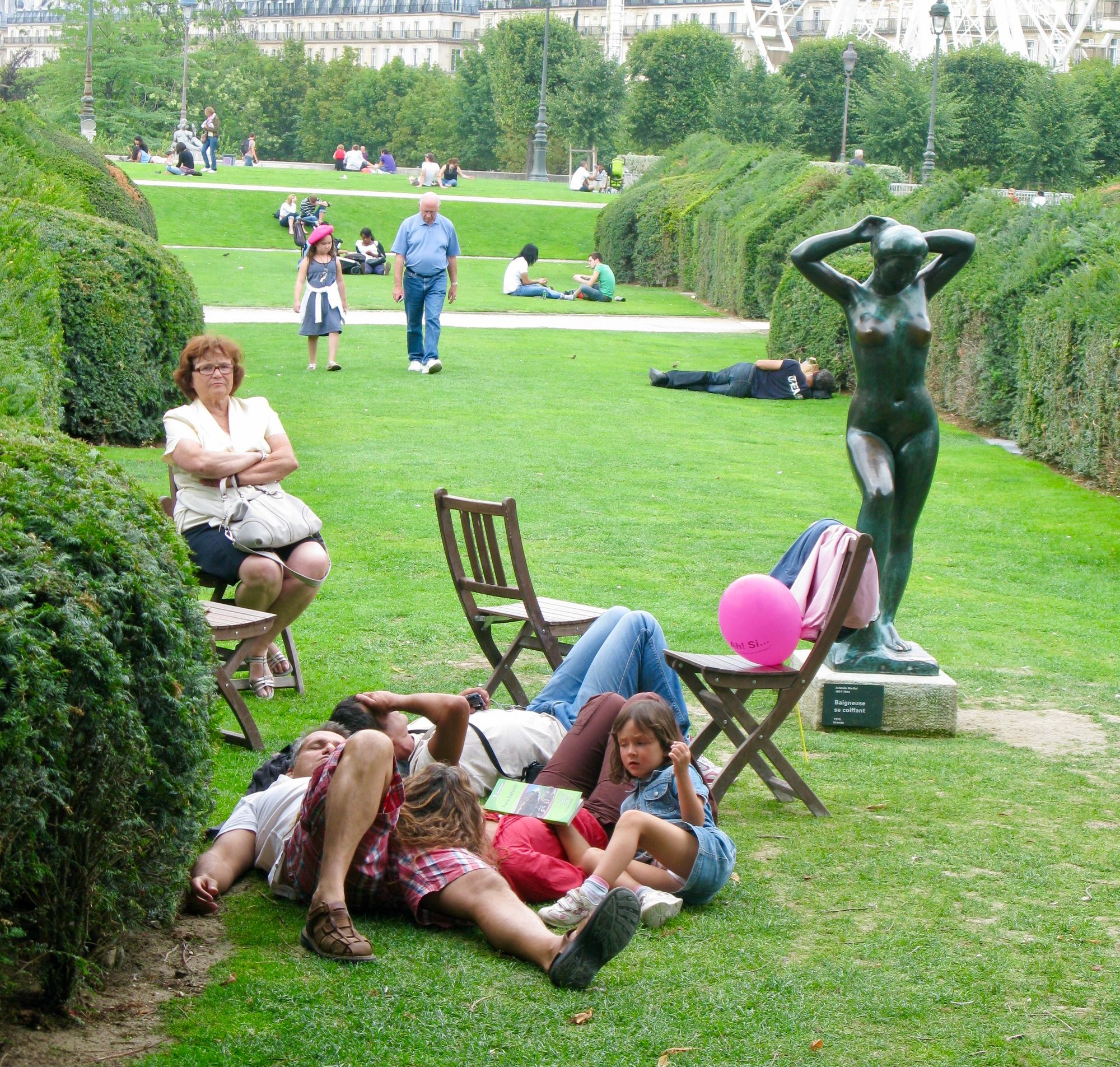
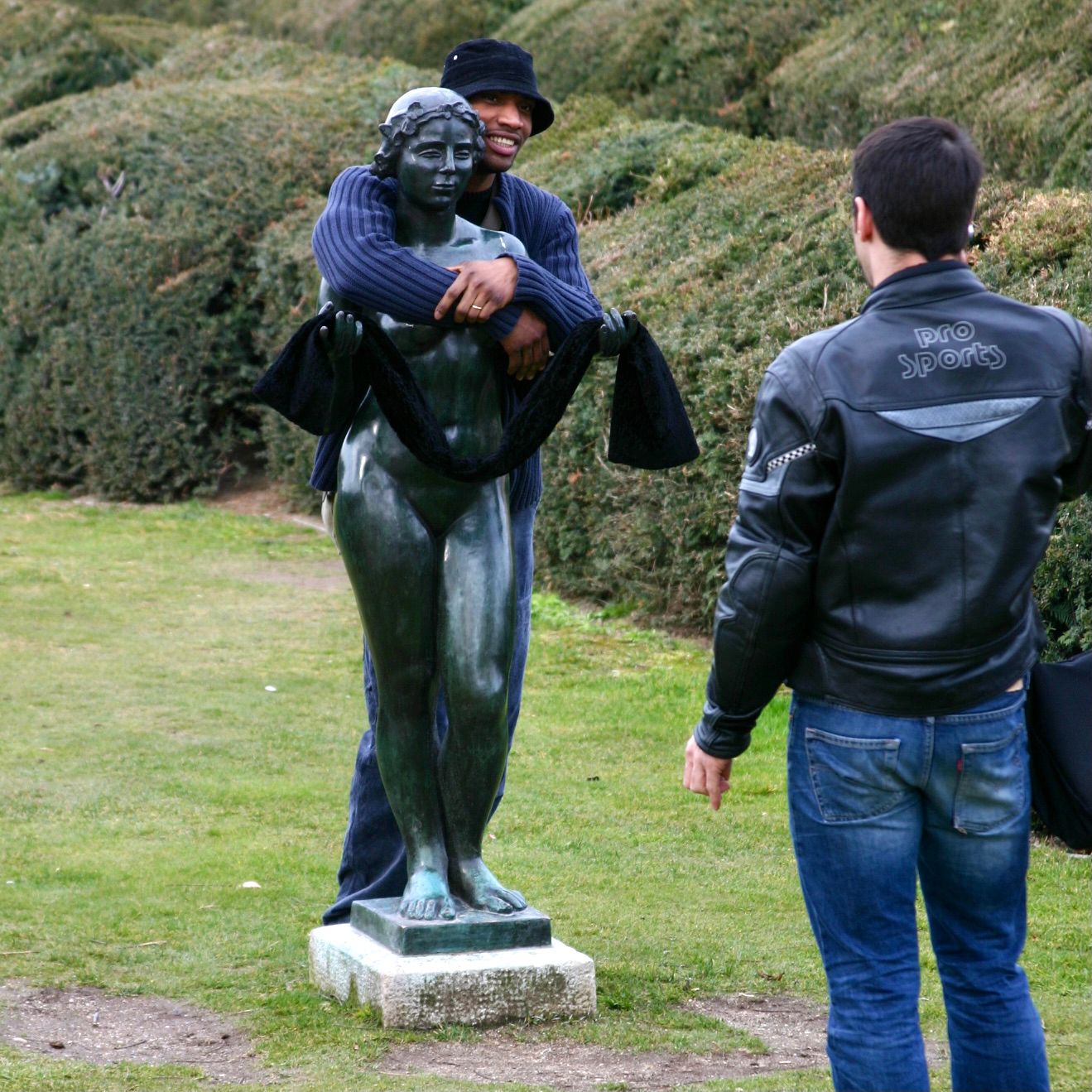
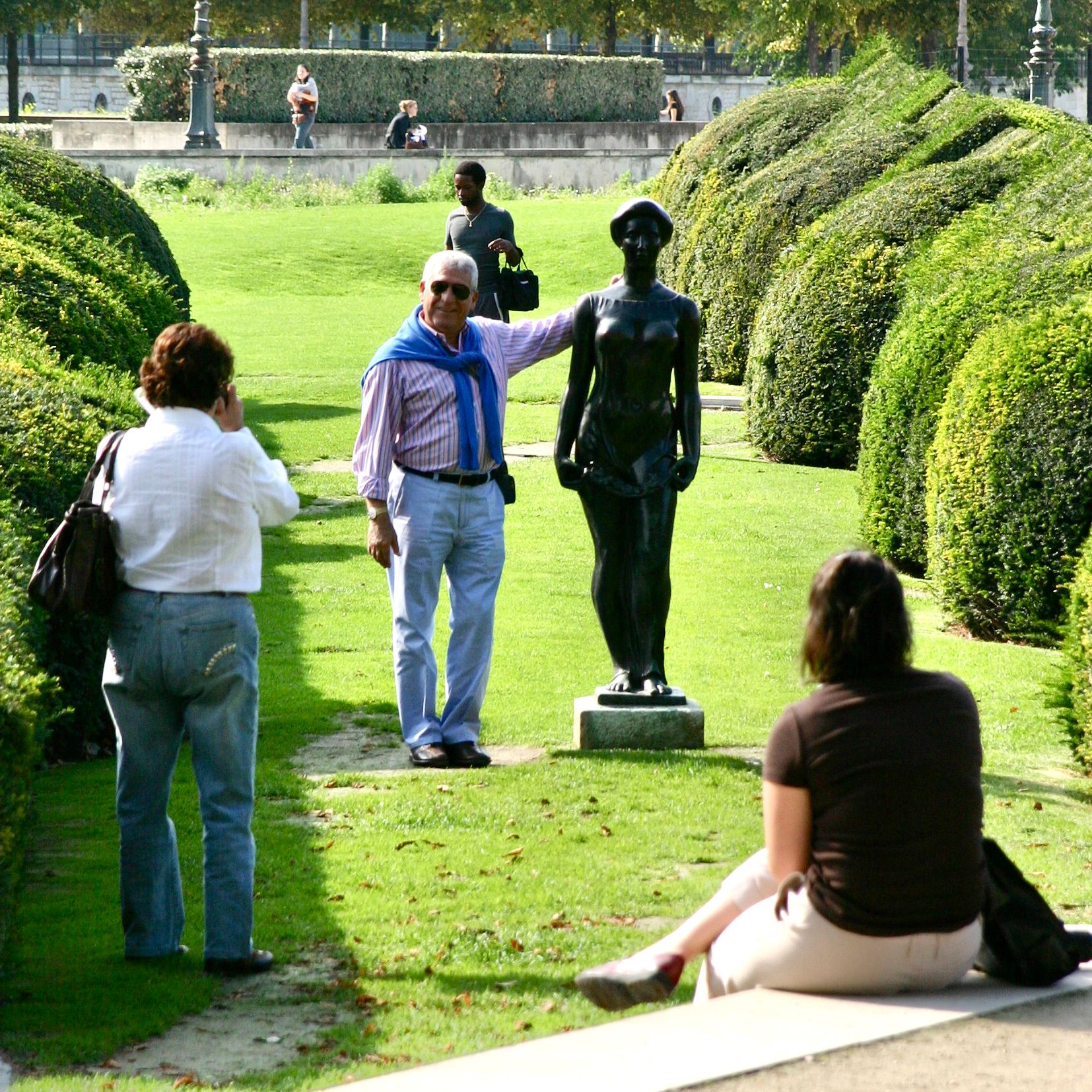
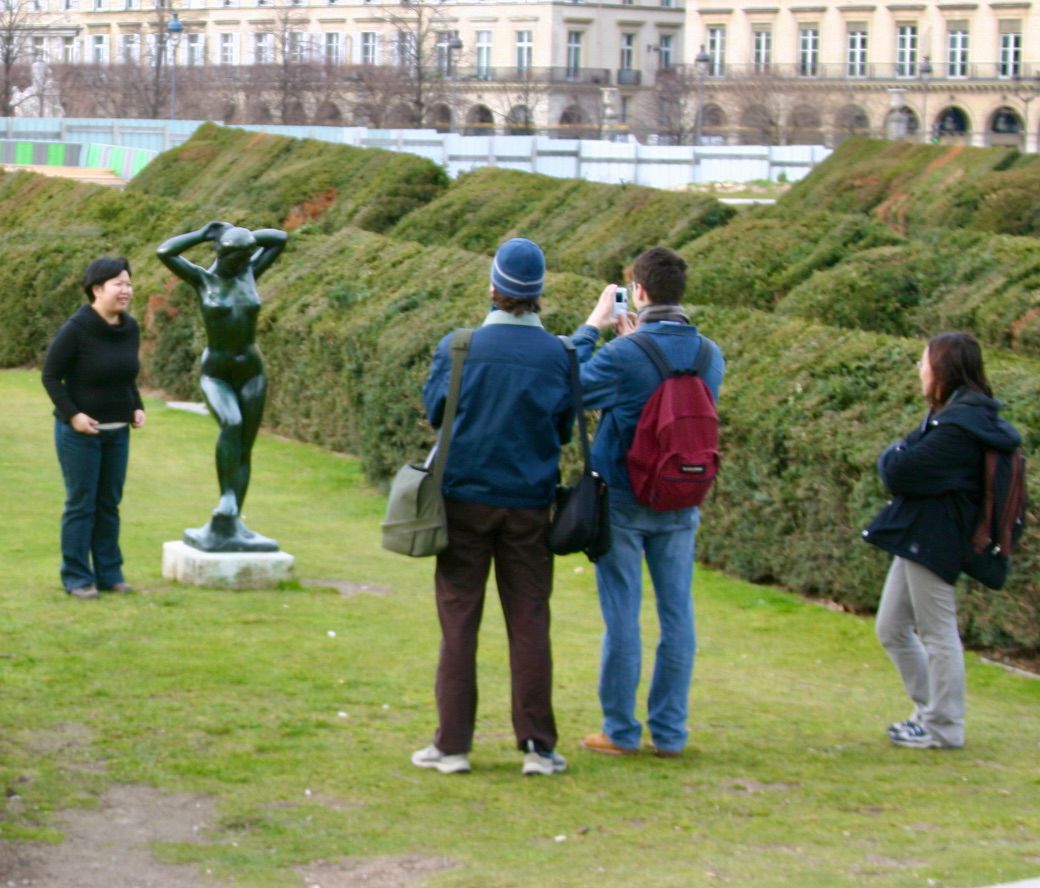
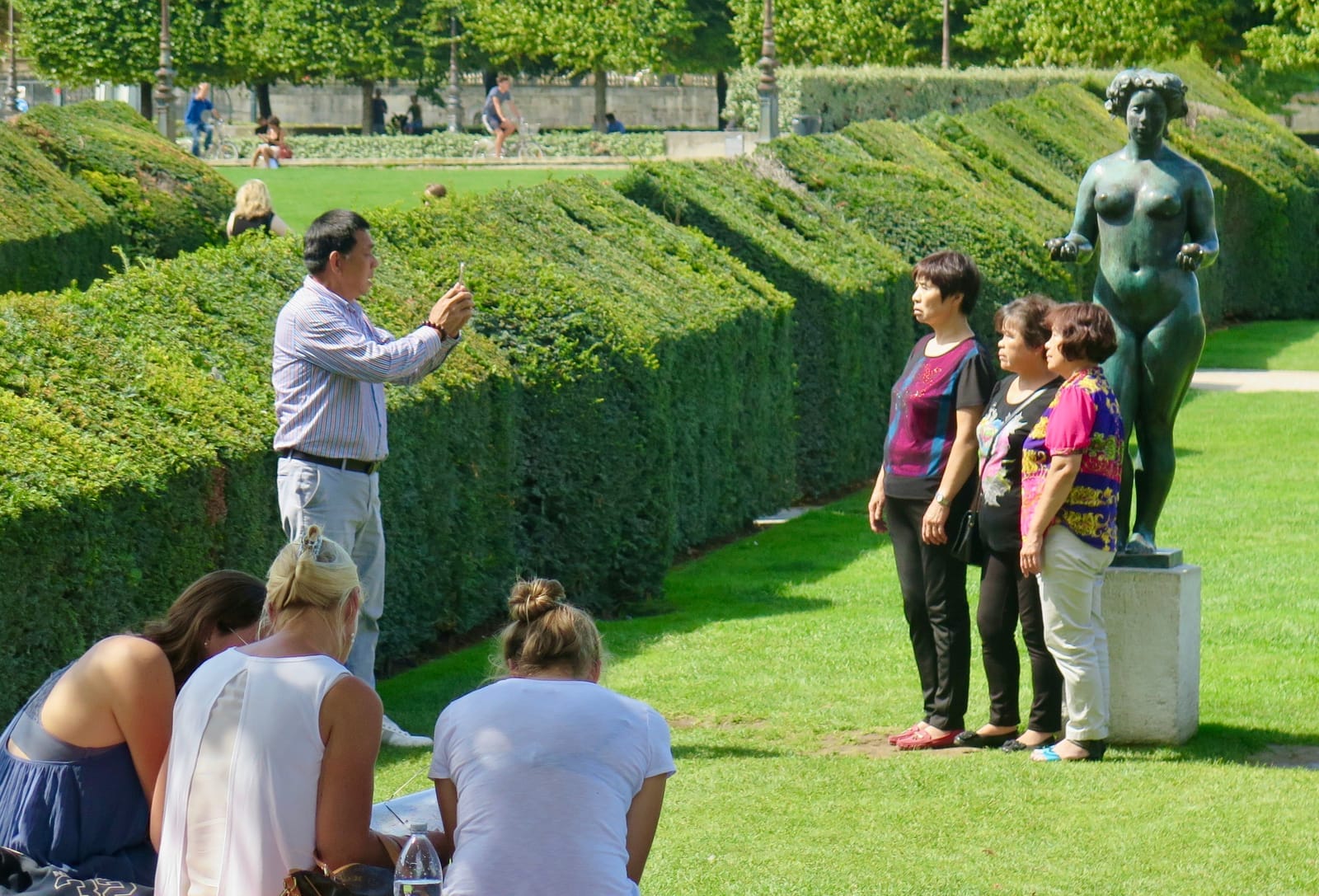
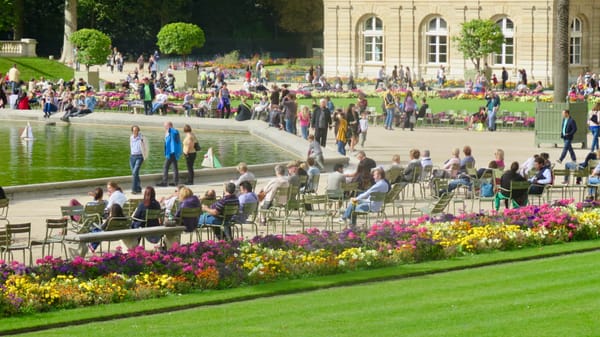
Tuileries Garden in Paris
Sculptures that are symbols of the city
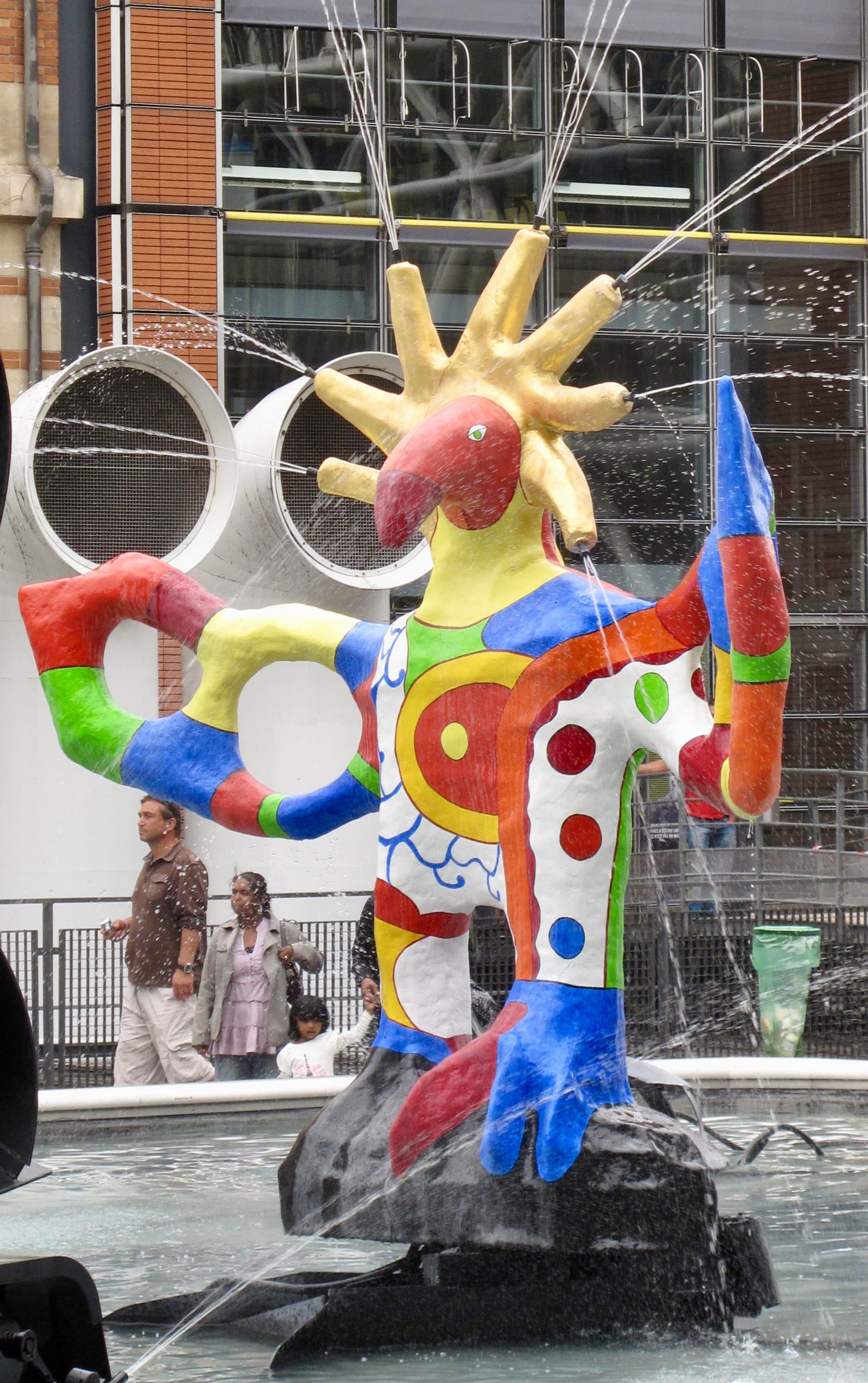
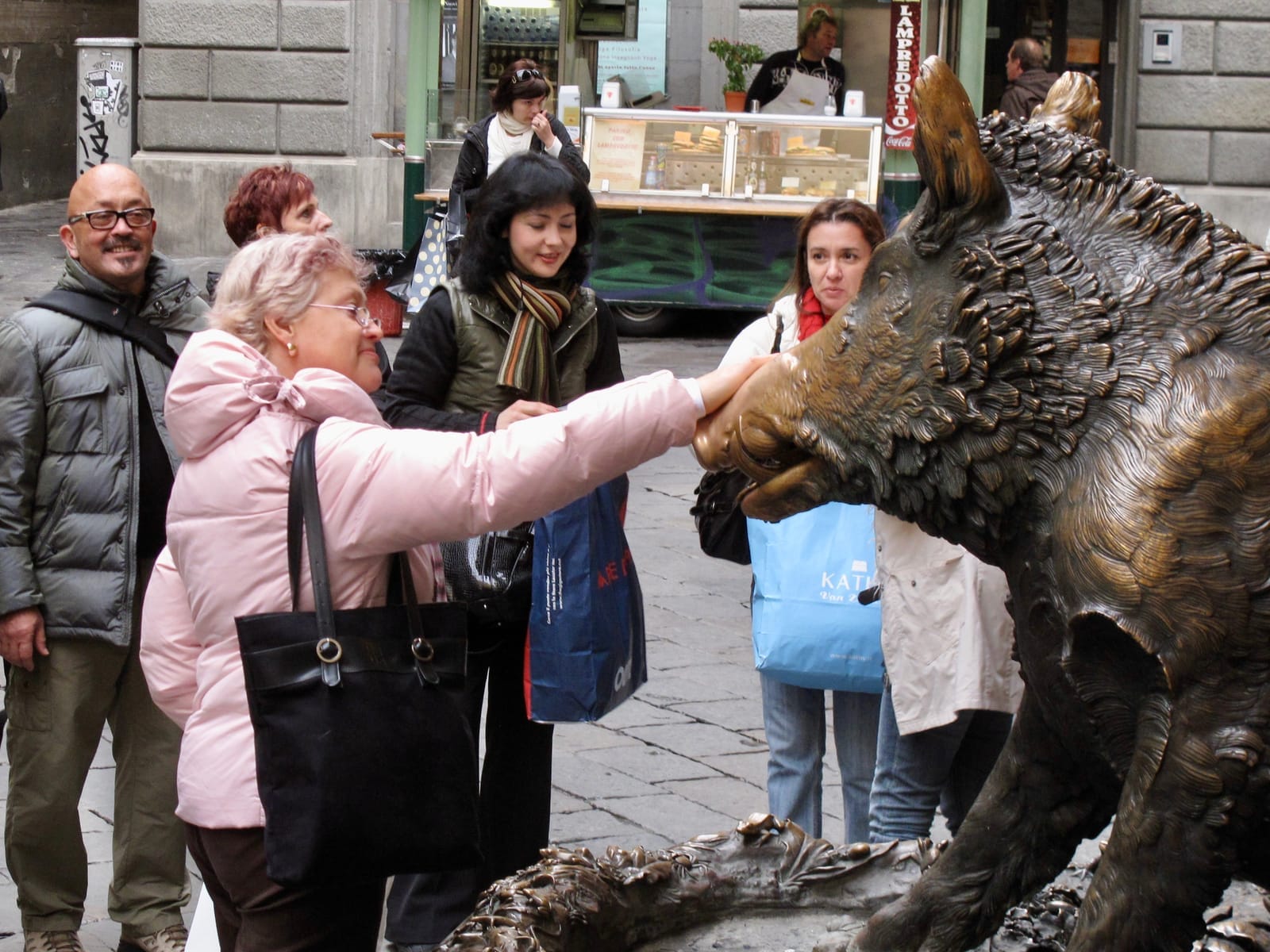
Some sculptures are popular because they depict a symbol of the city while others are so popular that they become a symbol of the city. Either way, these statues are fantastic opportunities for the city to display its character and have some fun with it. People dress them up for holidays, use them as inspiration for art programs or competitions, and integrate them into all manner of souvenirs and mementos. When we "meet" them in person, we feel like we've met a local celebrity. Photos are a must of course.
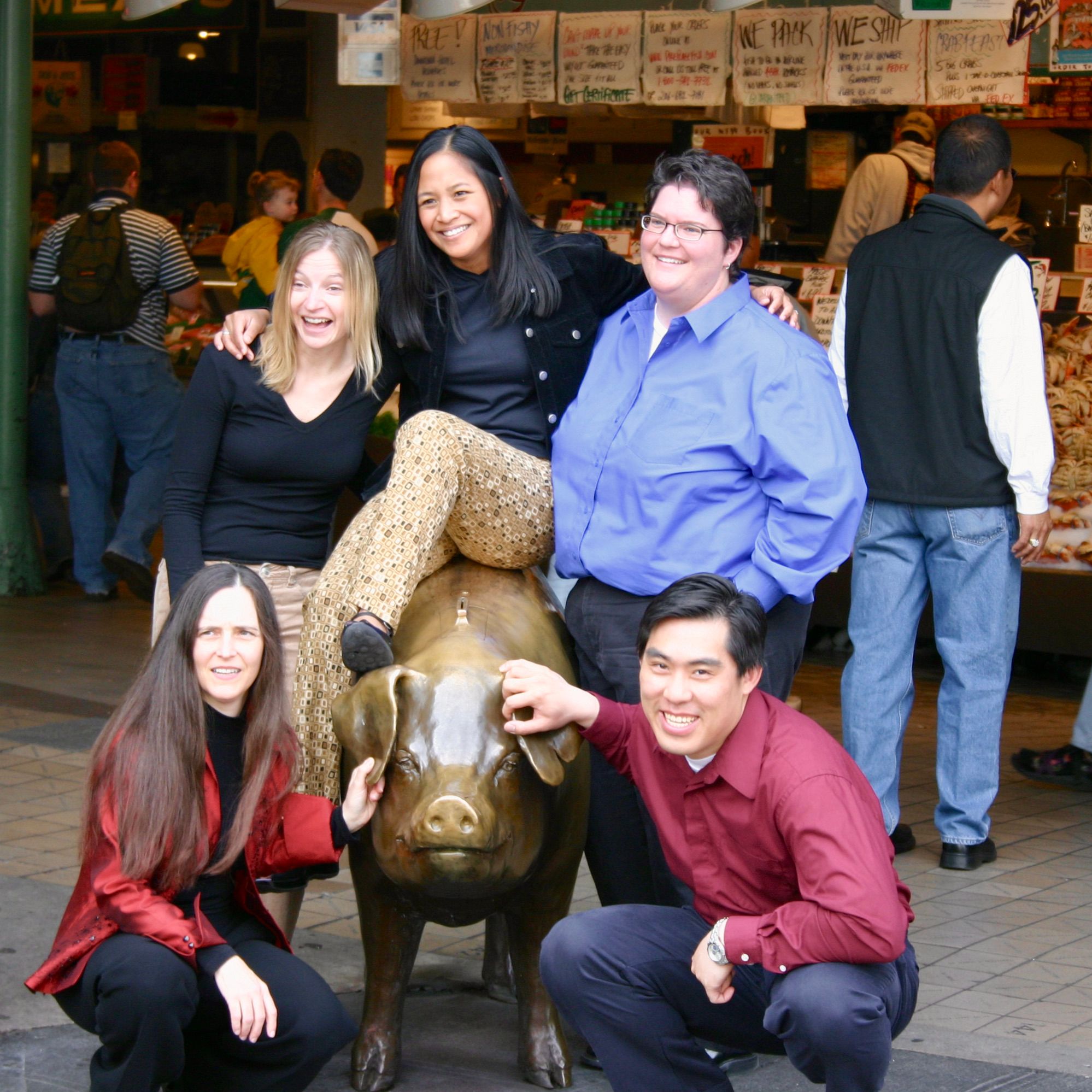
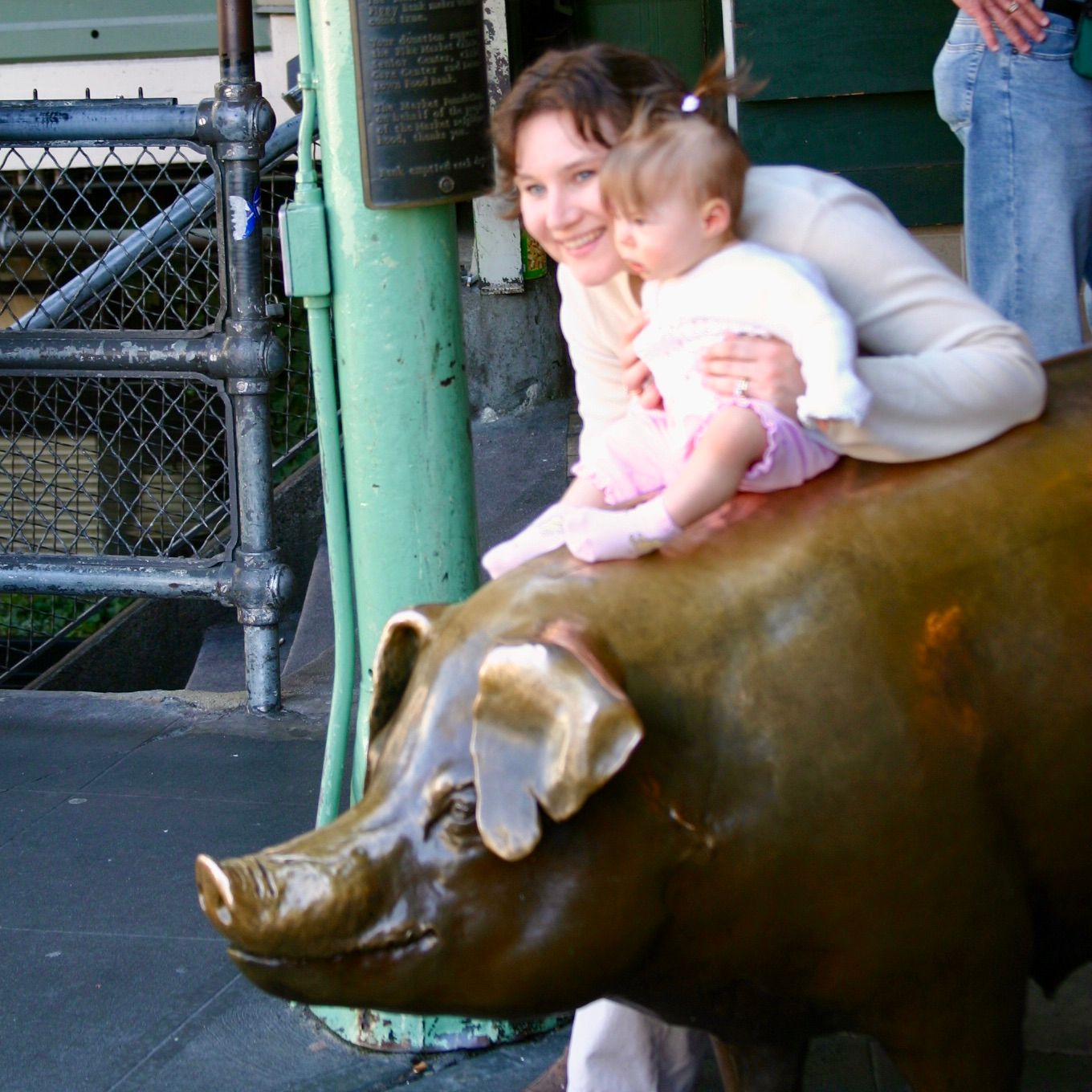
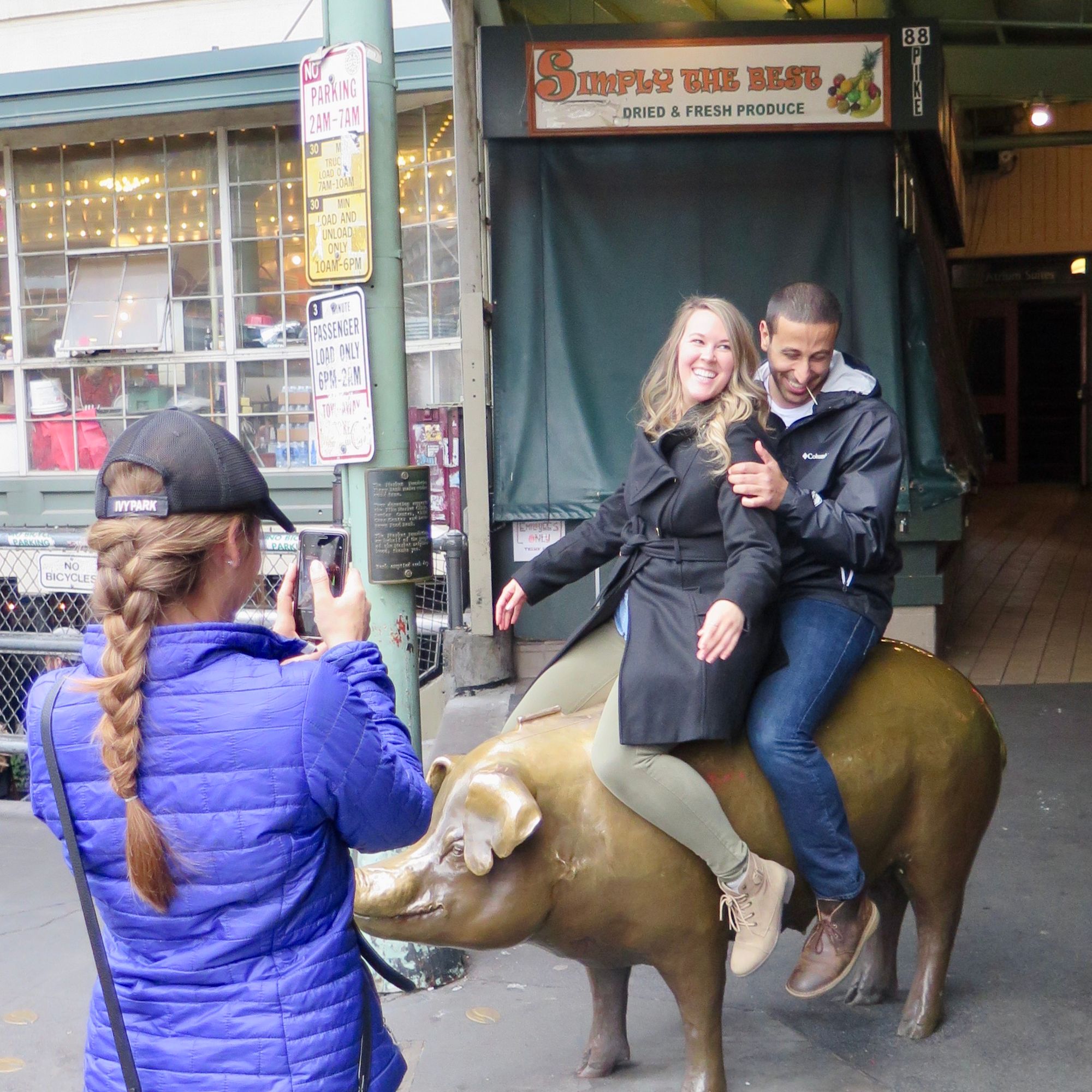
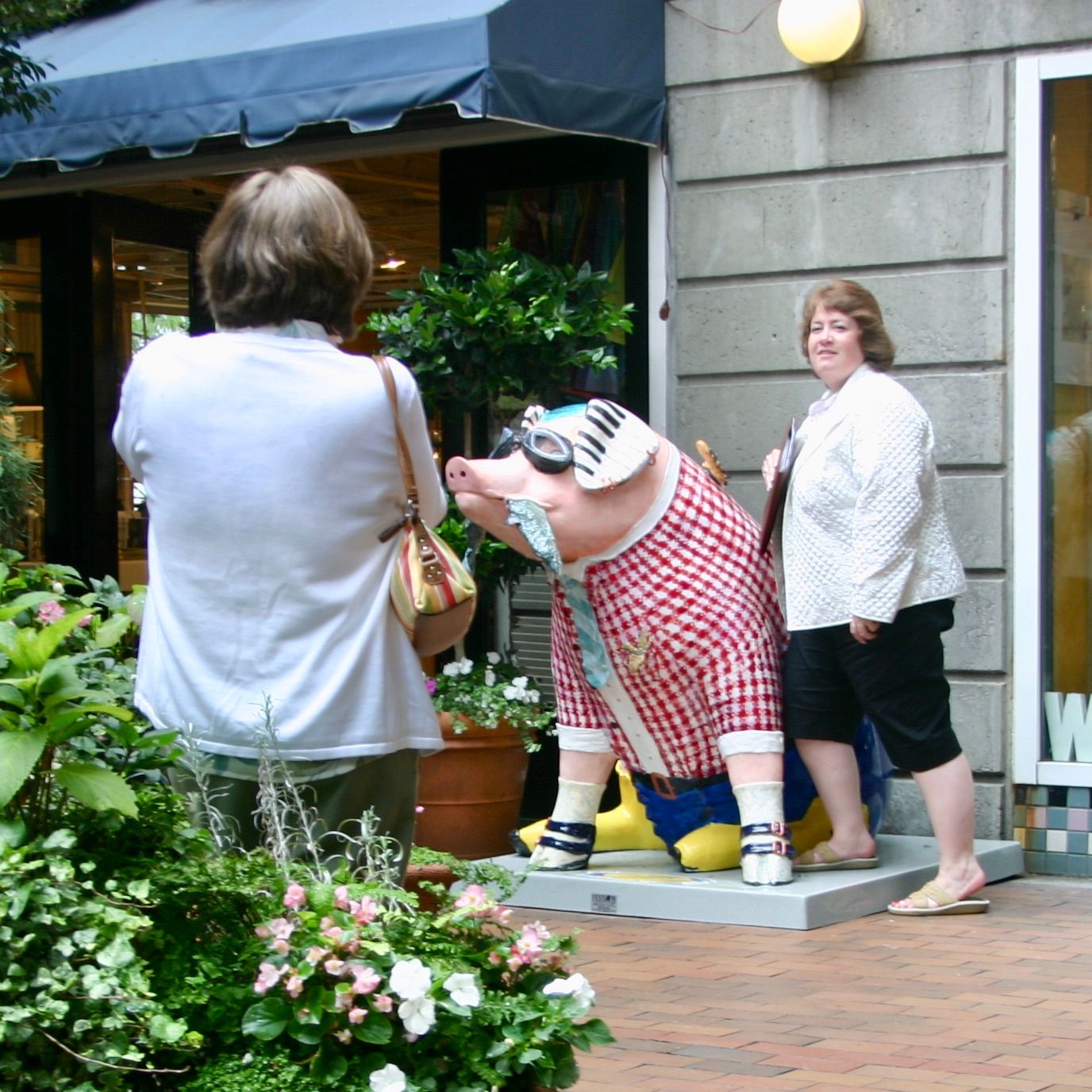
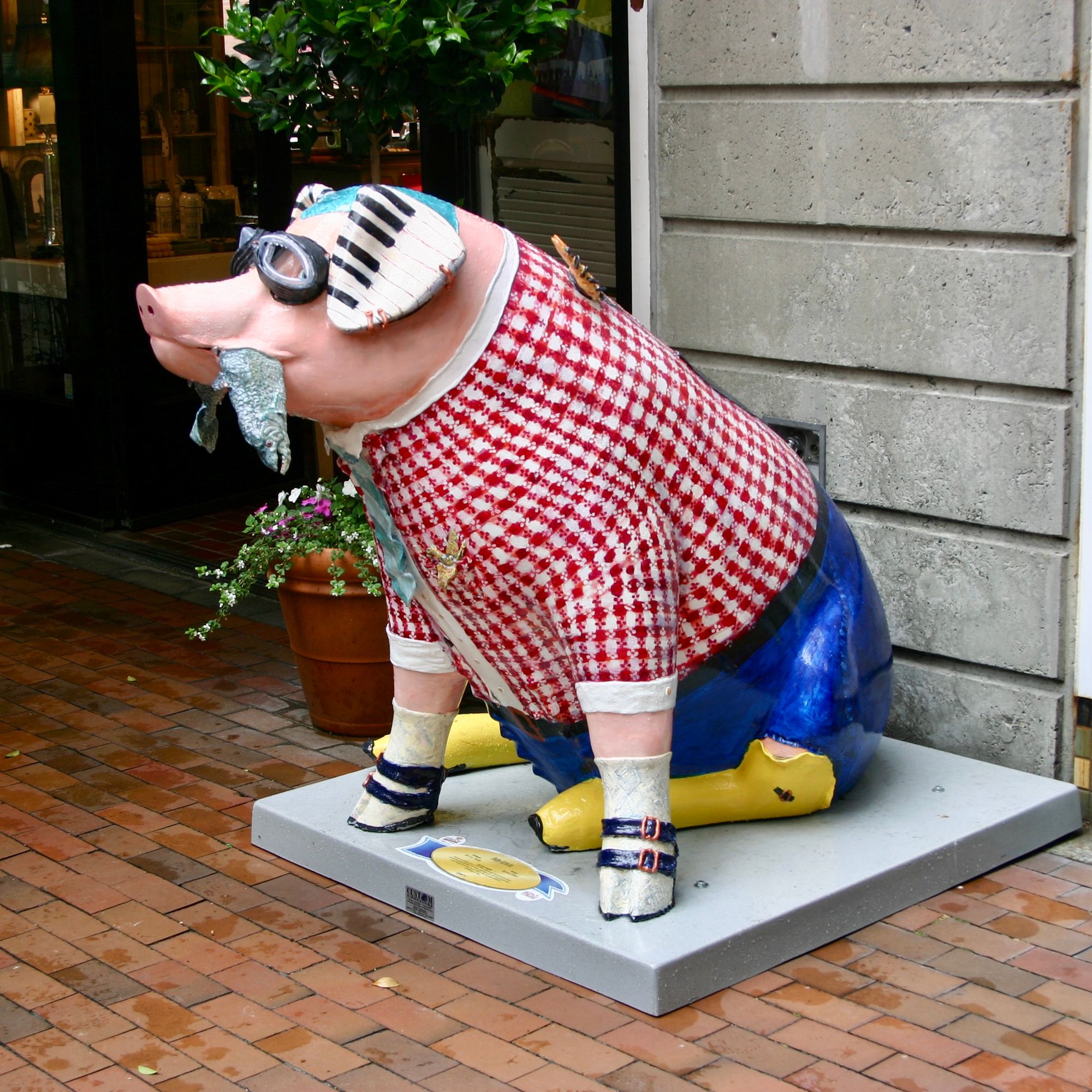
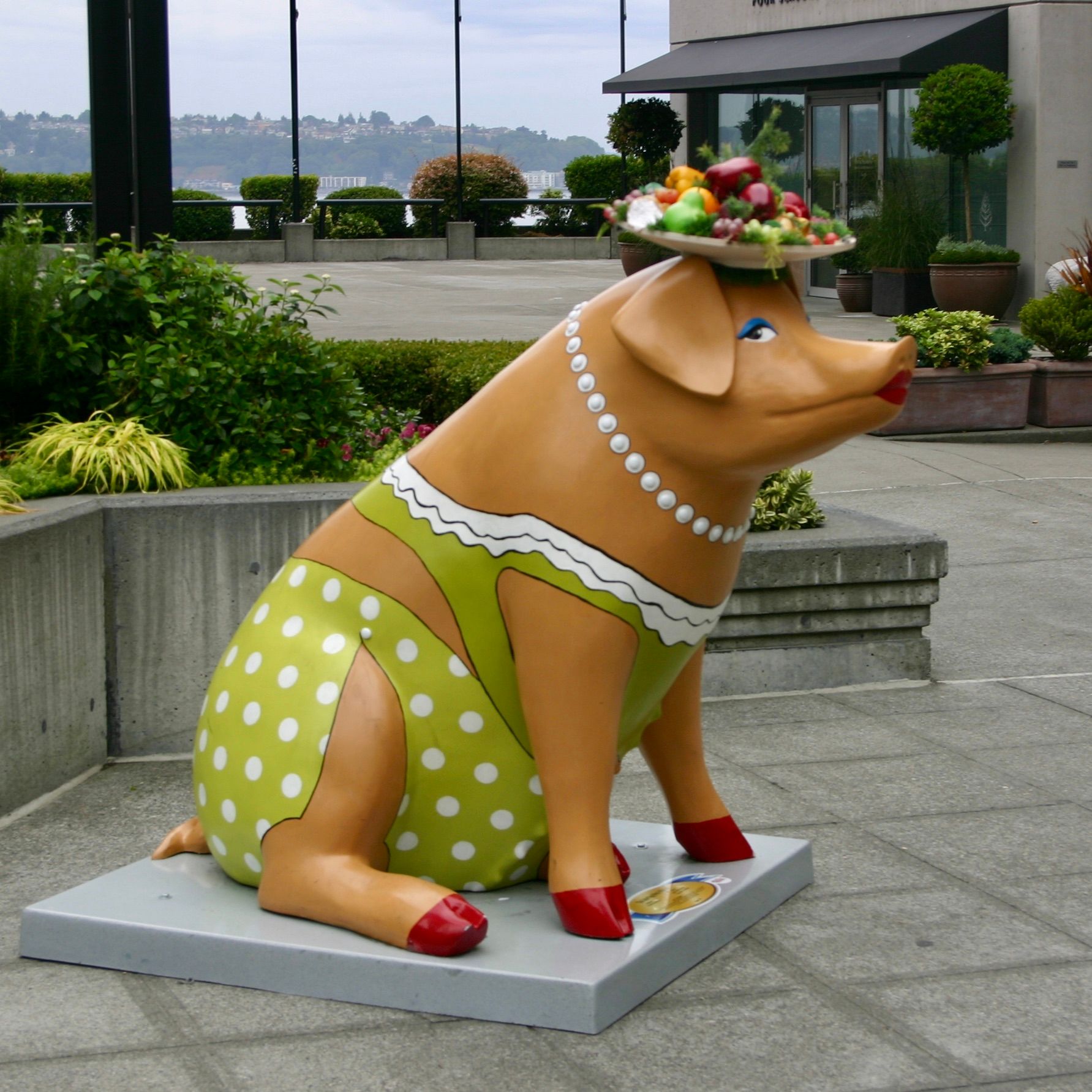
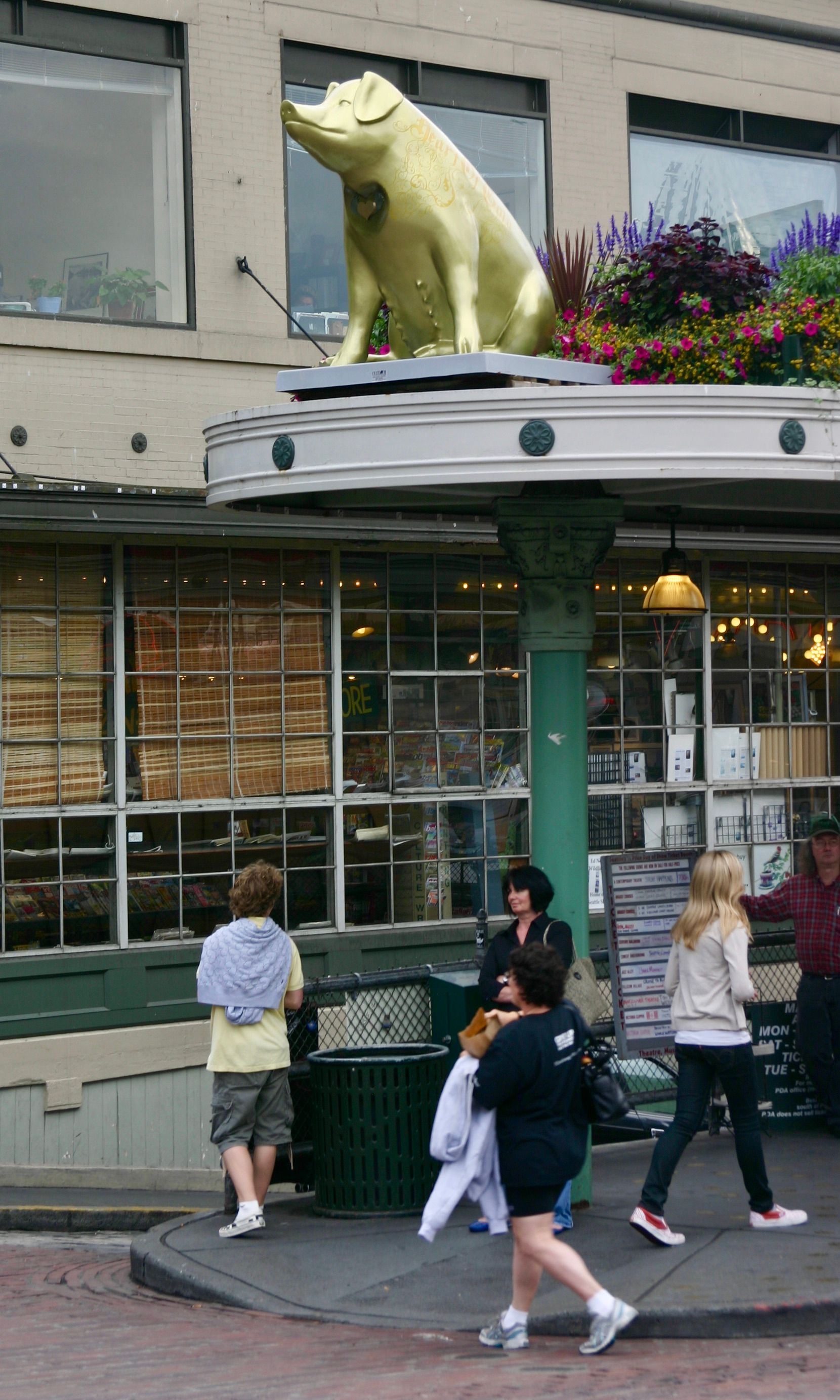
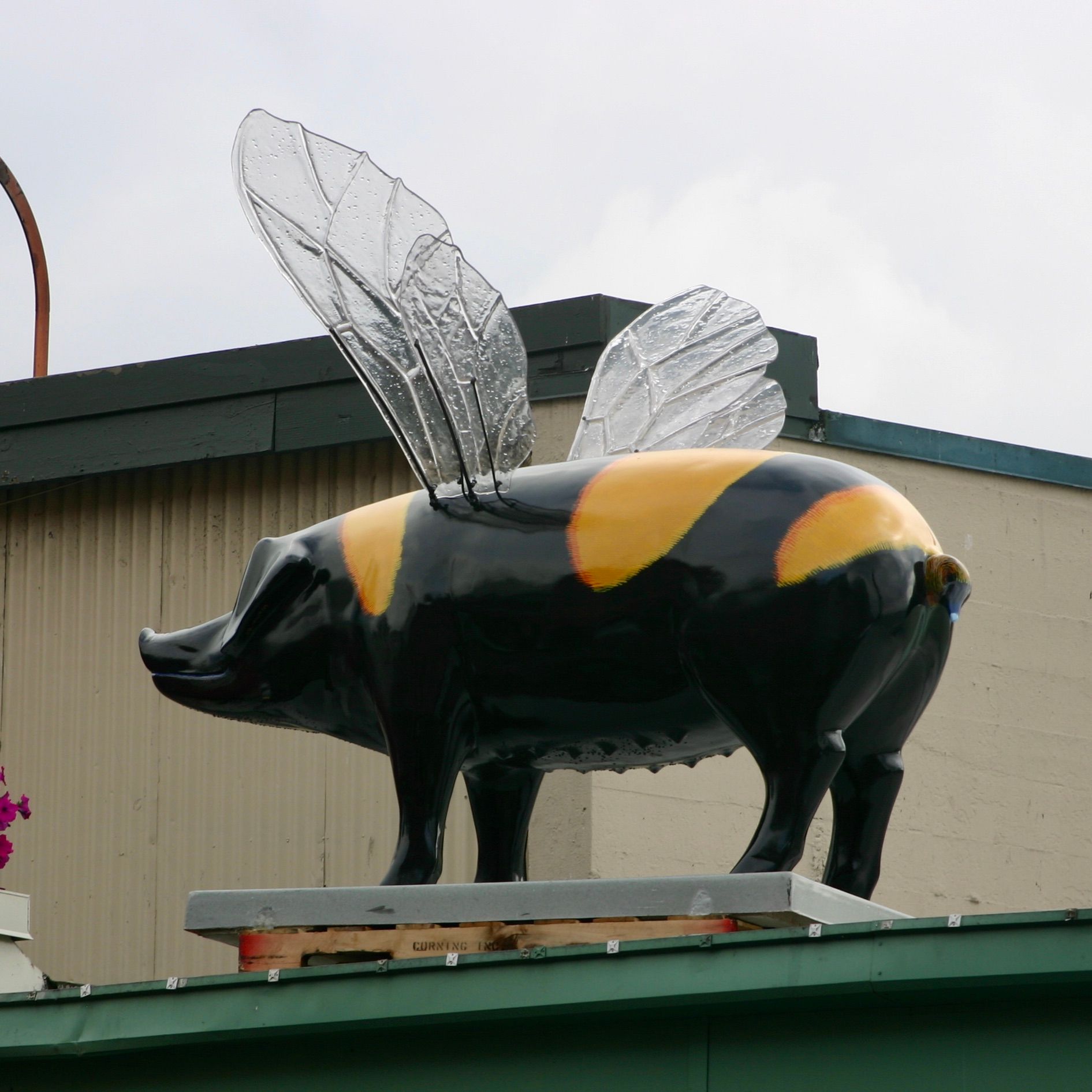
The symbolic piece of art that defined Seattle as the center piece at the entrance to the Pike Place Market - Rachel the Pig - took off and was used it as a theme for a public art event for the entire city.
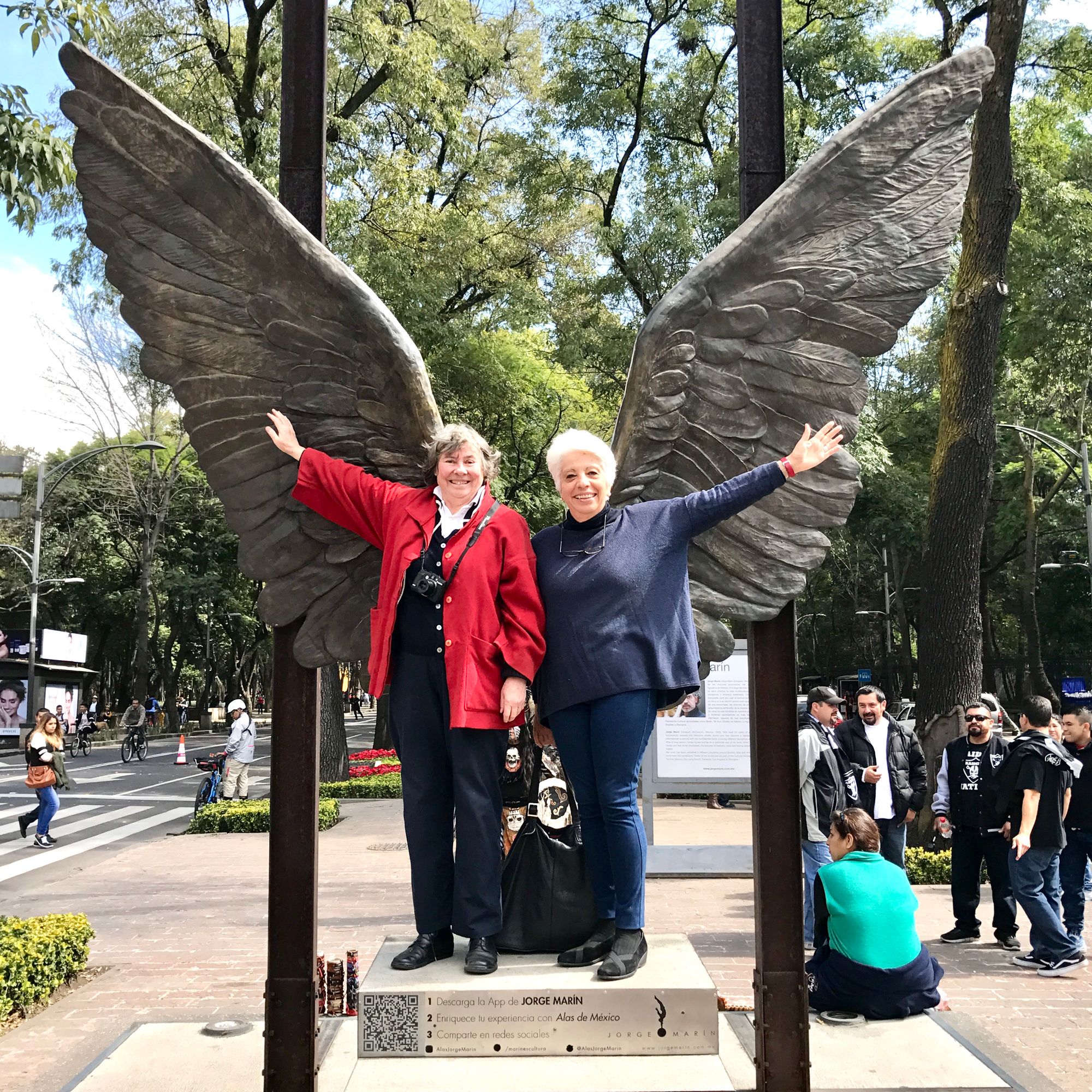
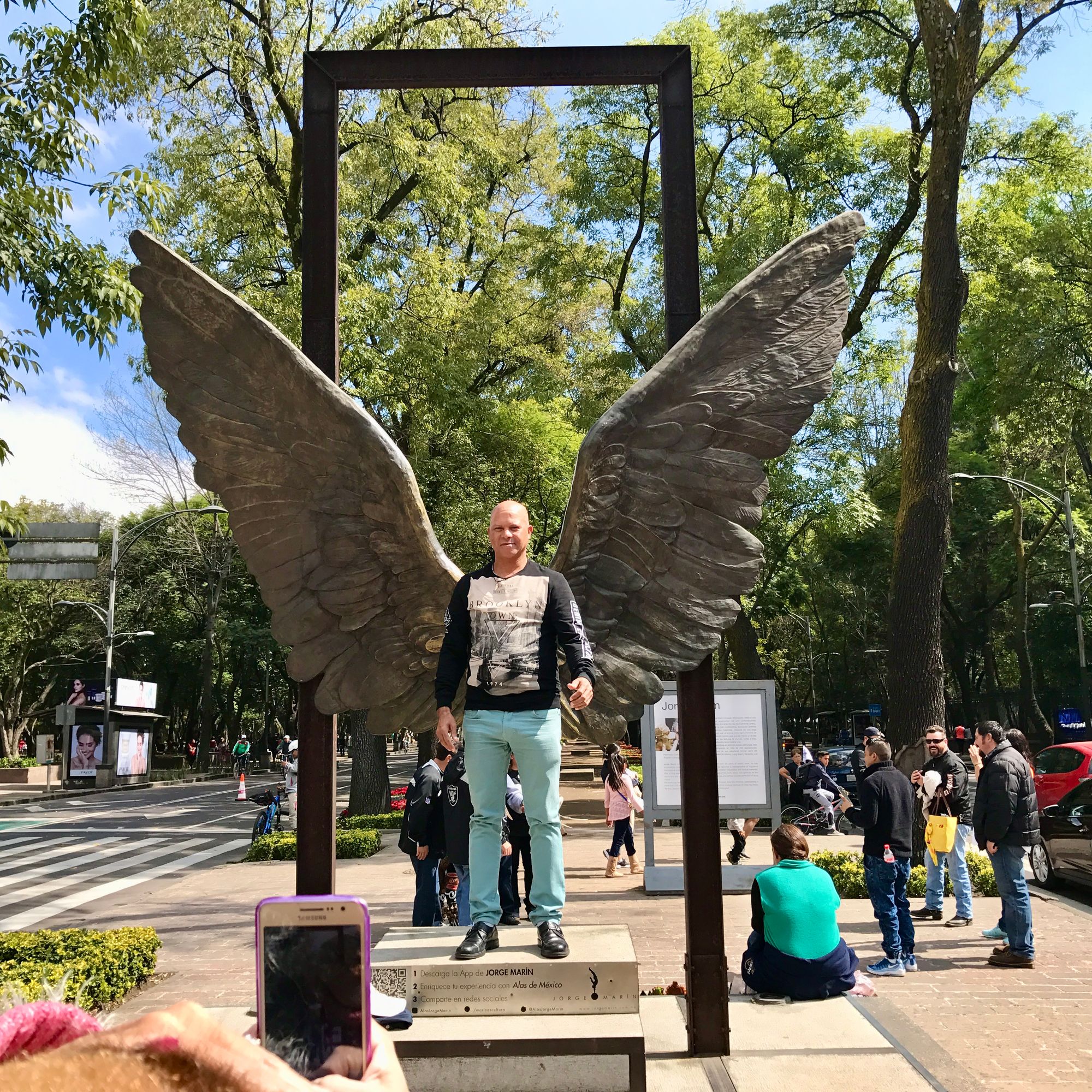
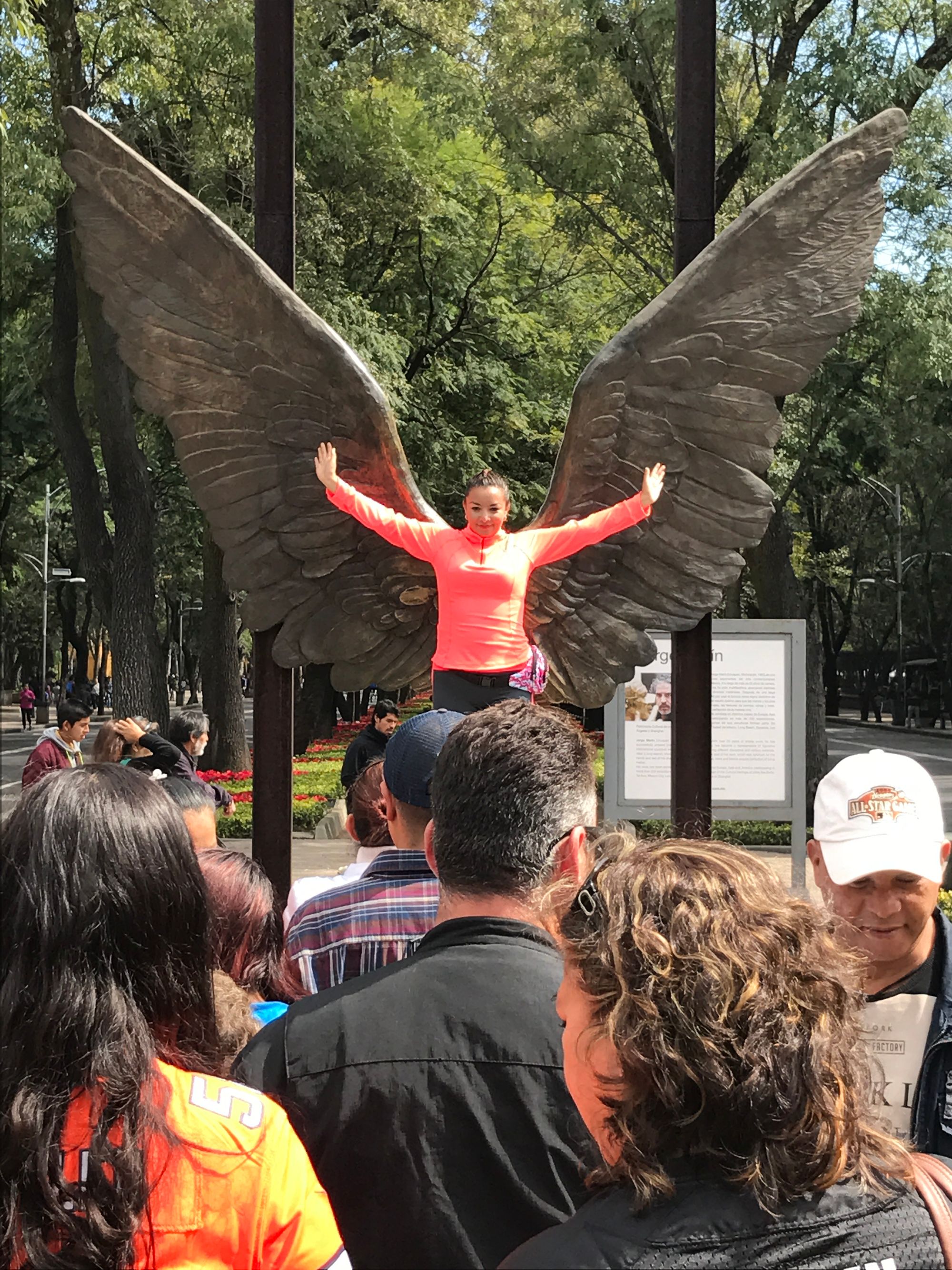
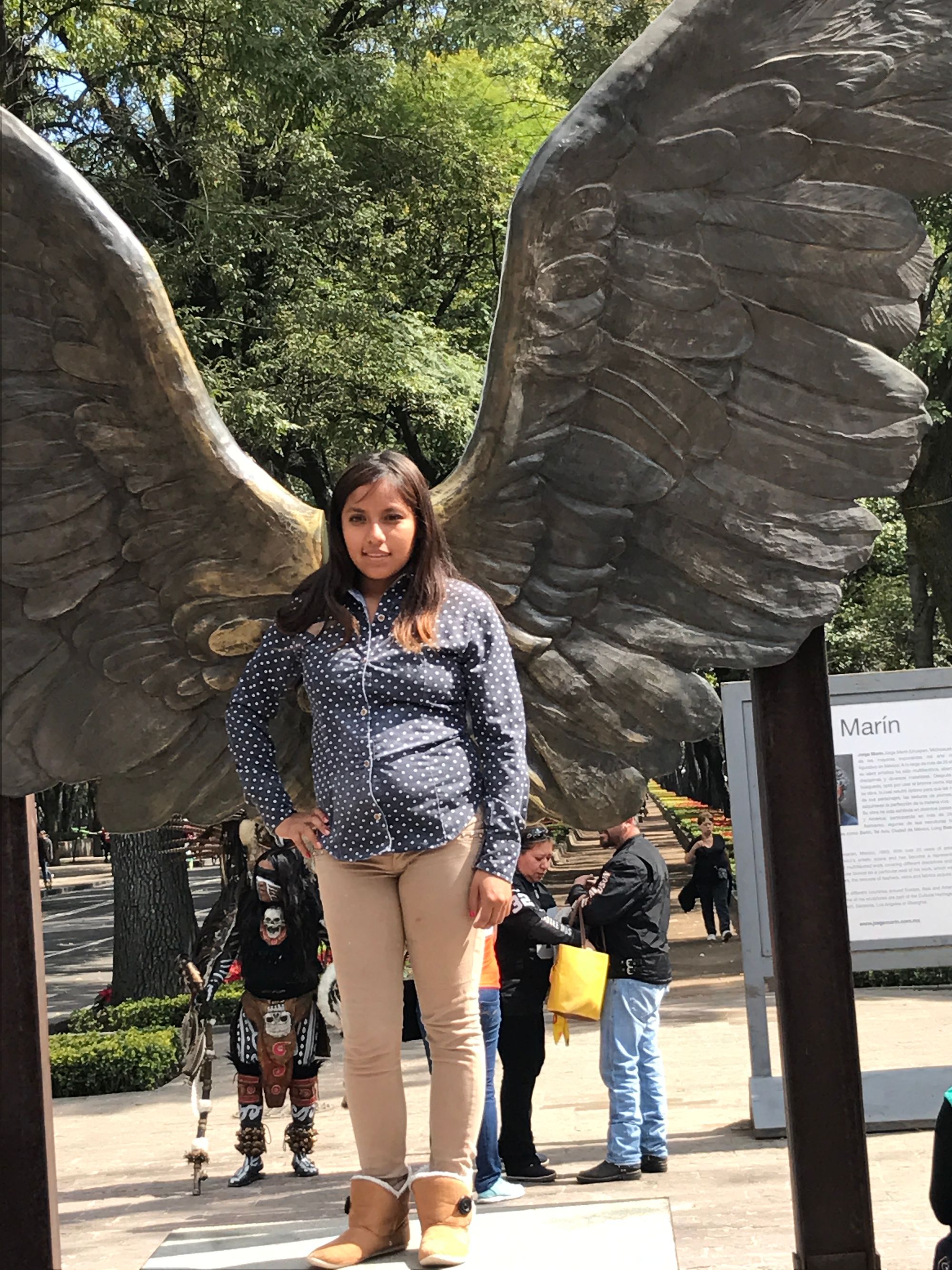
Mexico City
Adding Art to the Mundane
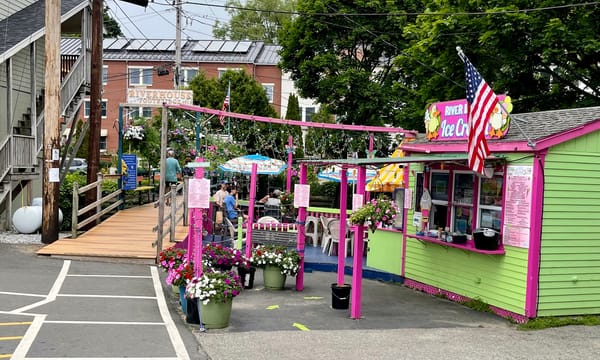
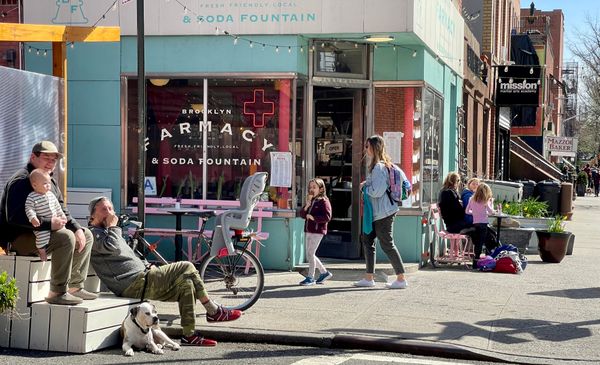
Creative placemaking doesn't have to be just a work of art. It can be integrated into every aspect of our lives and when it is, it makes those aspects more beautiful, memorable, and unique. One of our favorite applications of art in daily life is when public seating is treated as an opportunity to express creativity and character. This not only makes the city more colorful and fun, it also allows people to express their personalities simply by choosing where and how to sit.
Art in Seating
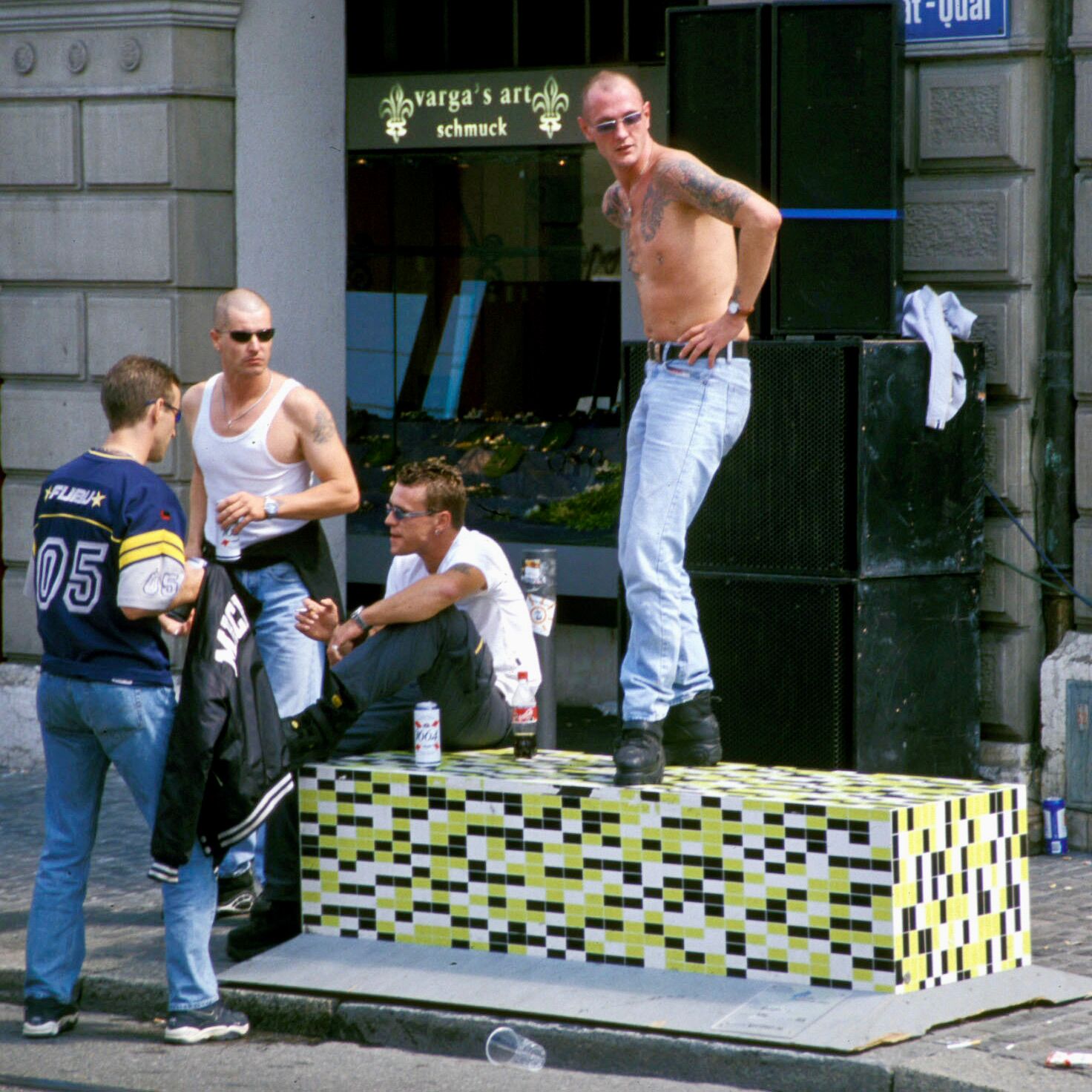
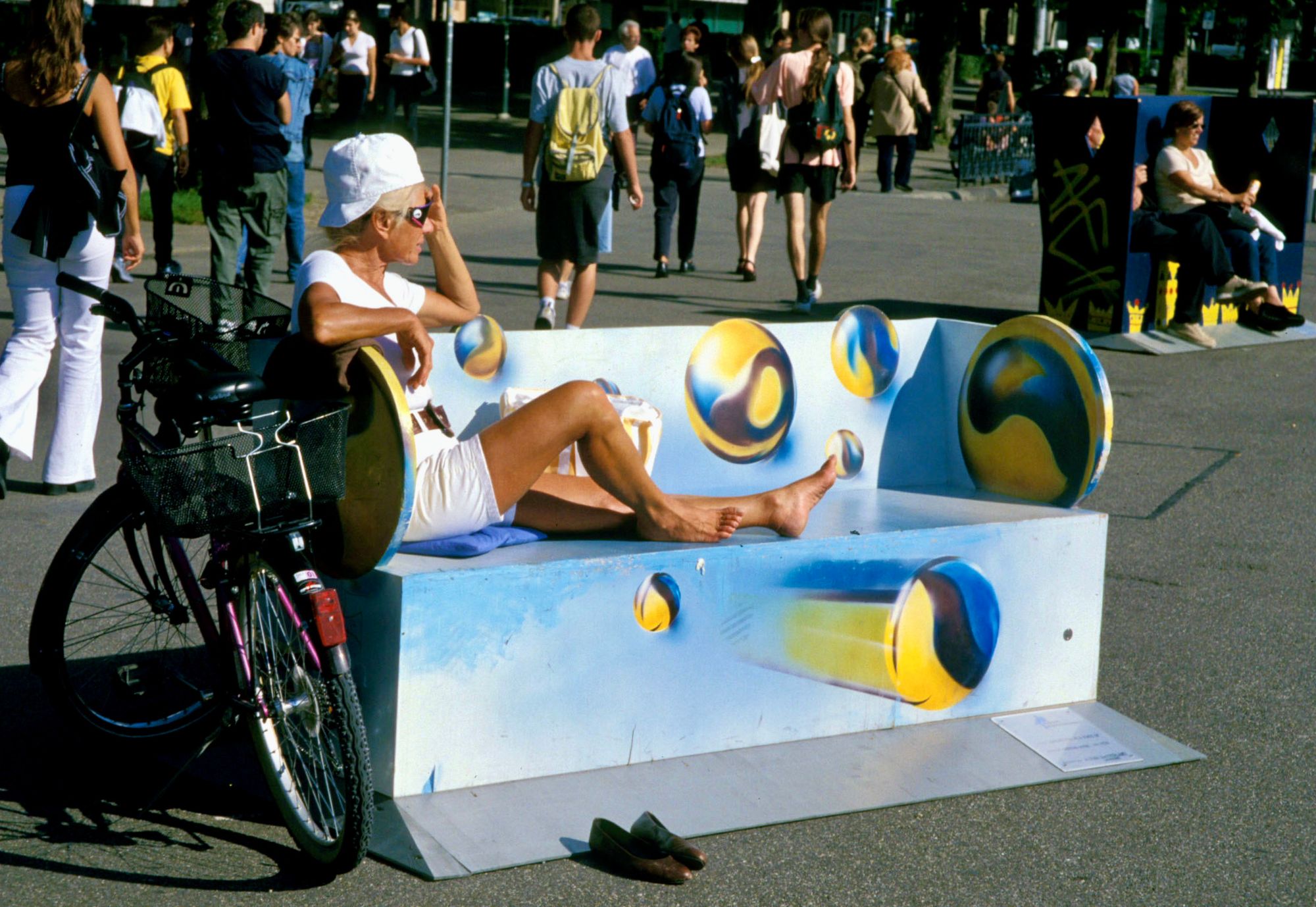
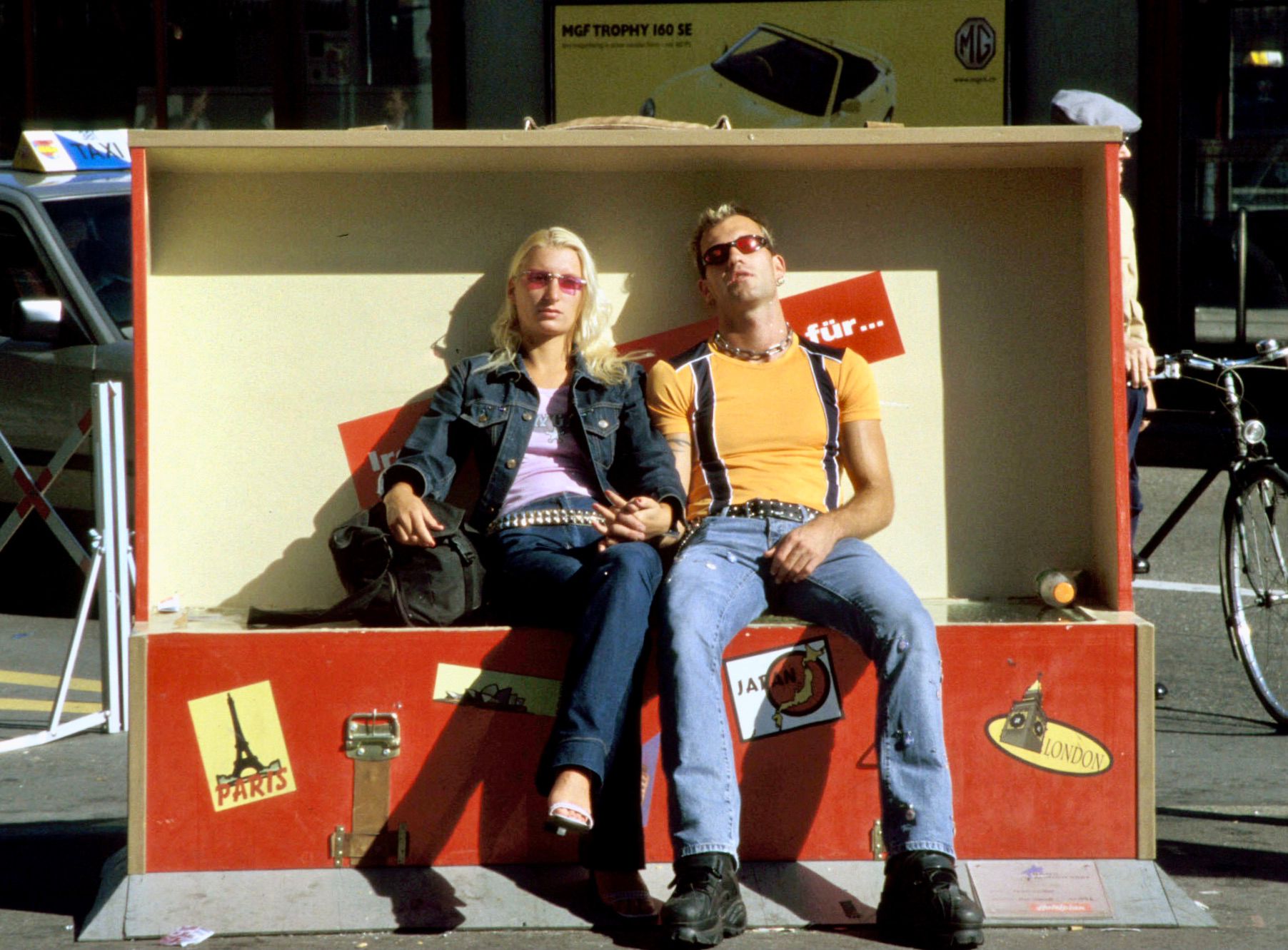
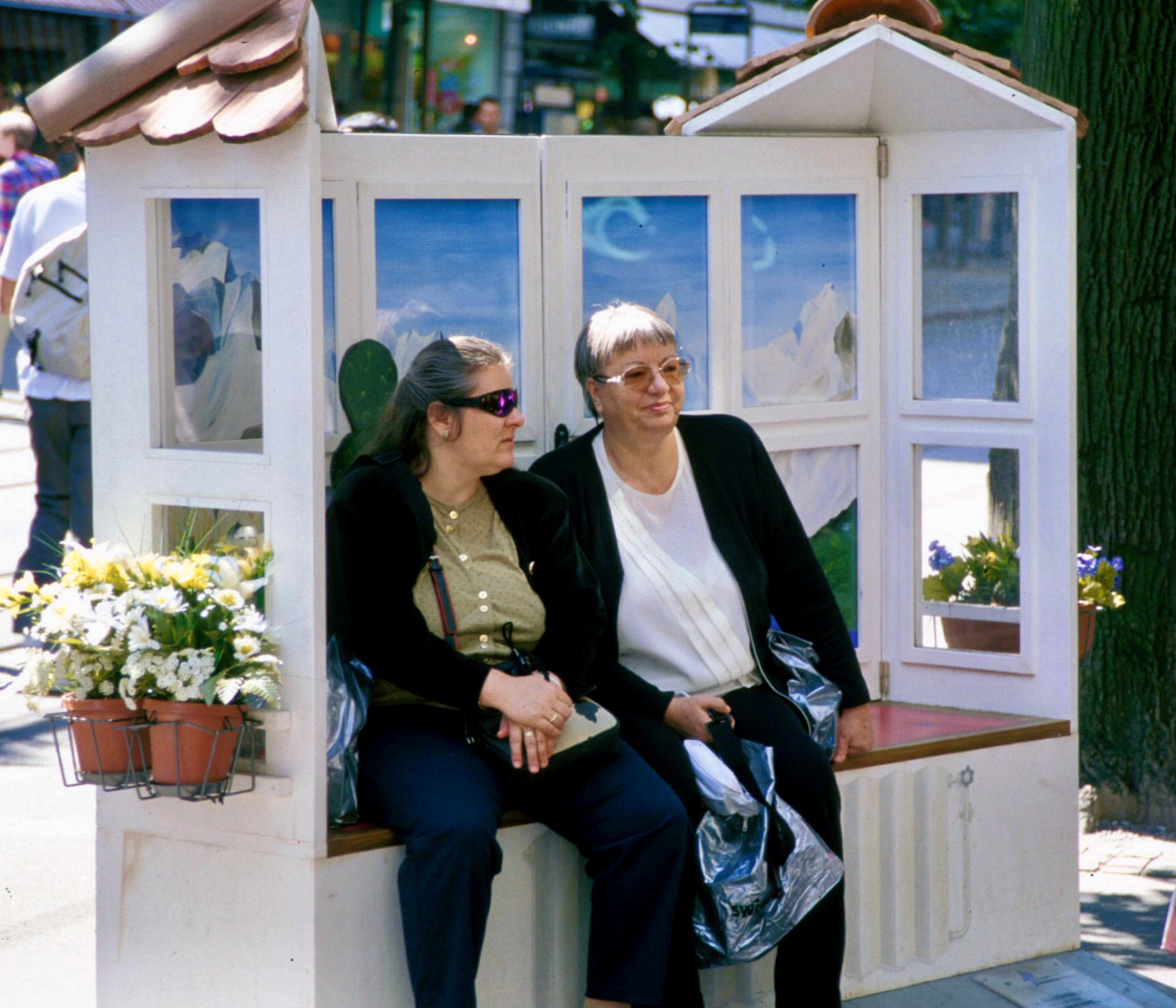
Zurich
 Fred Kent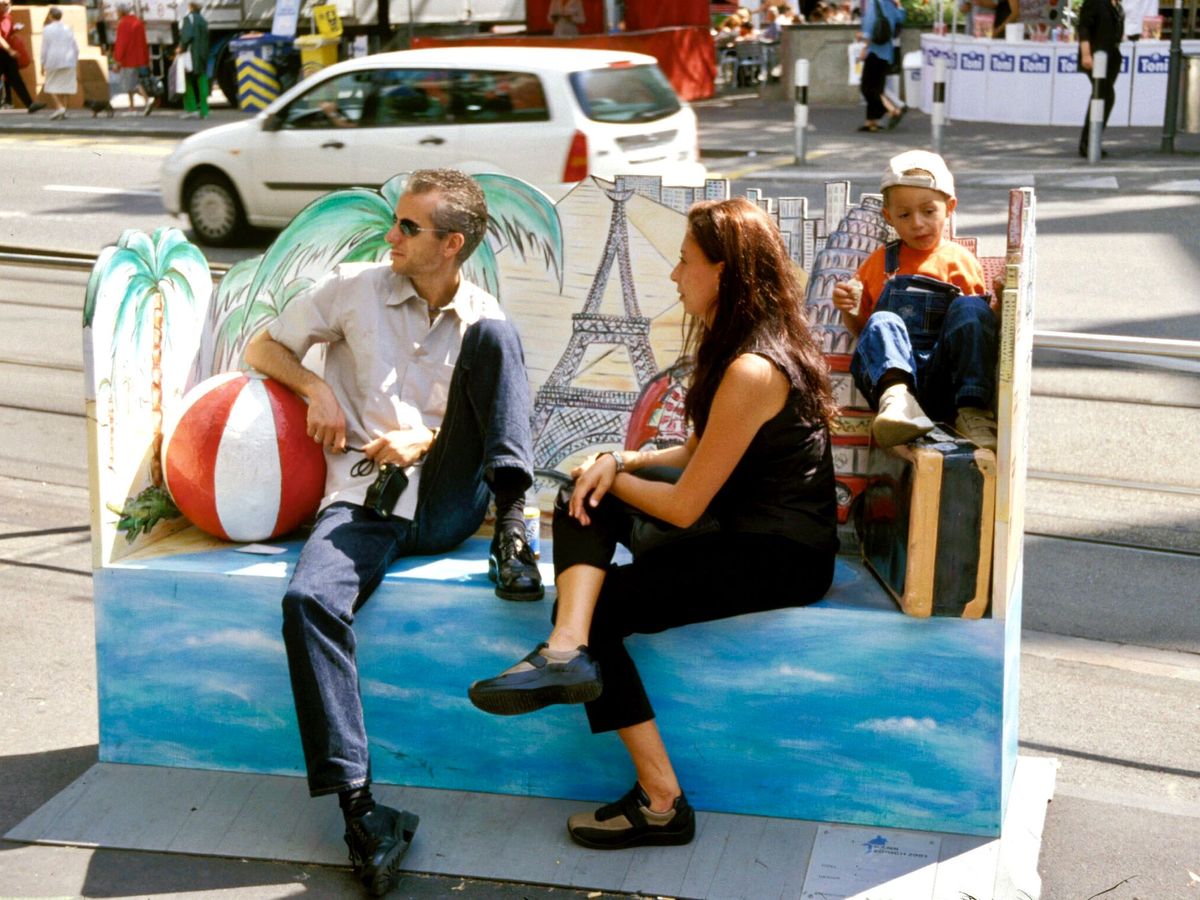
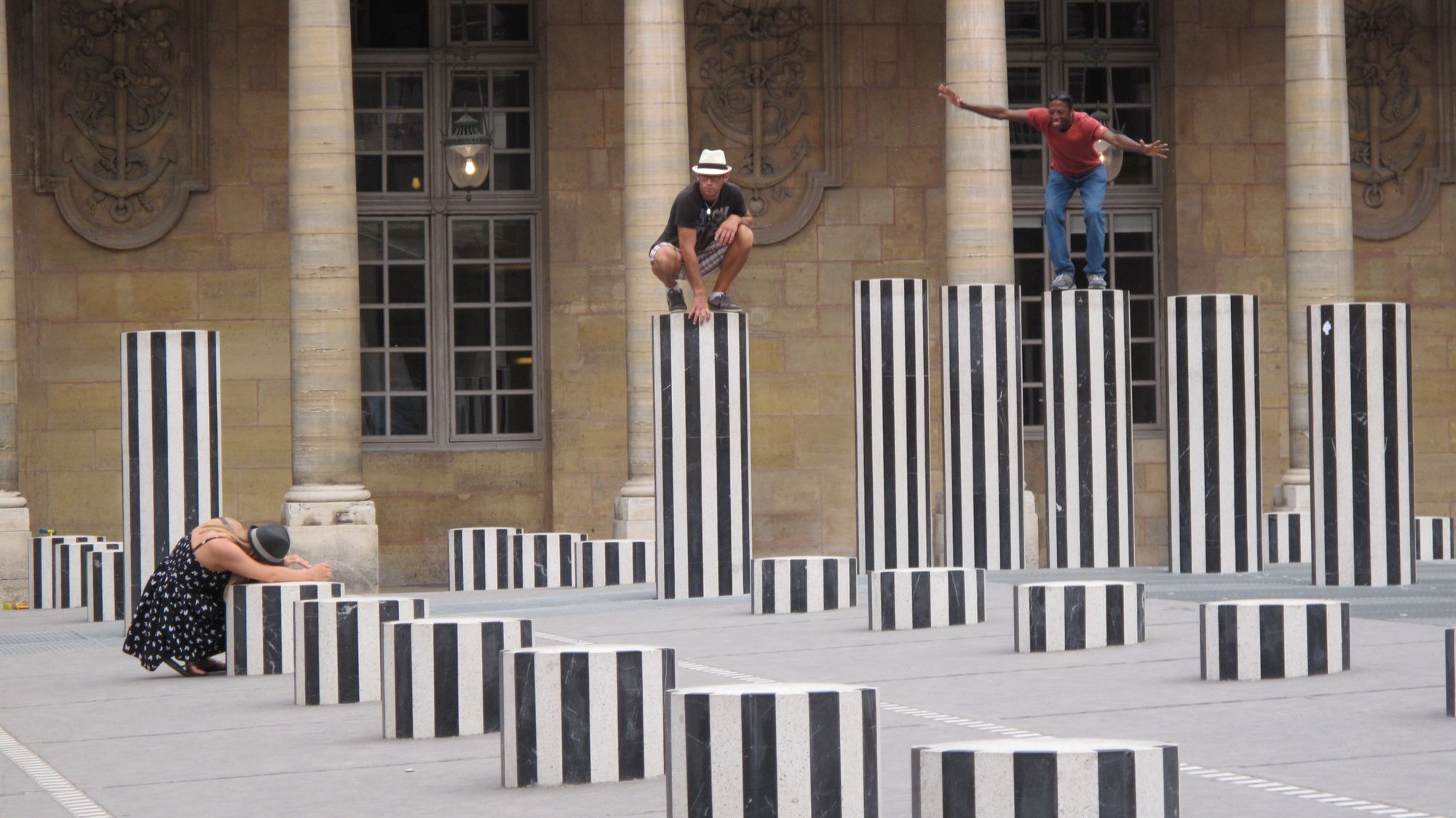
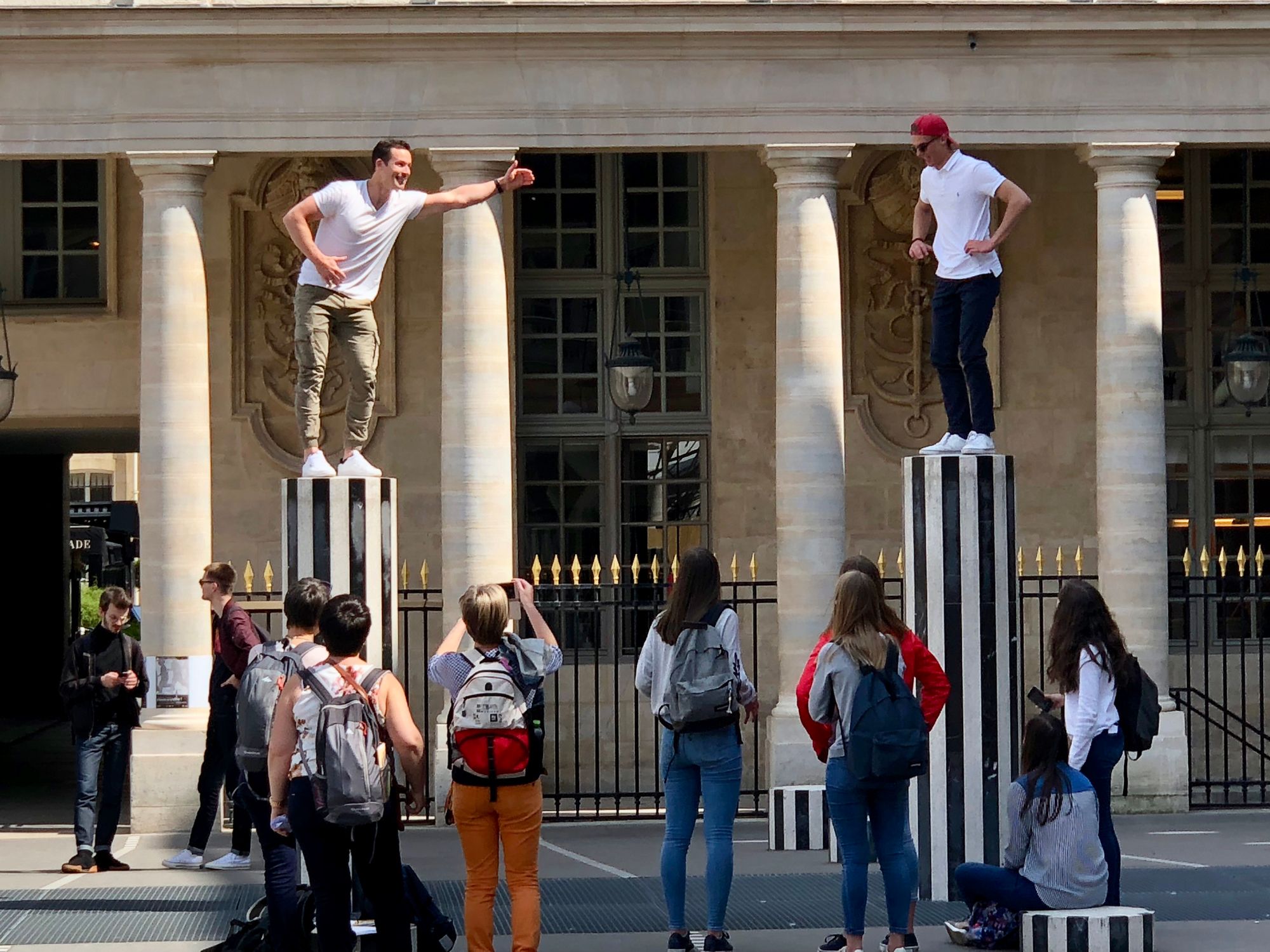
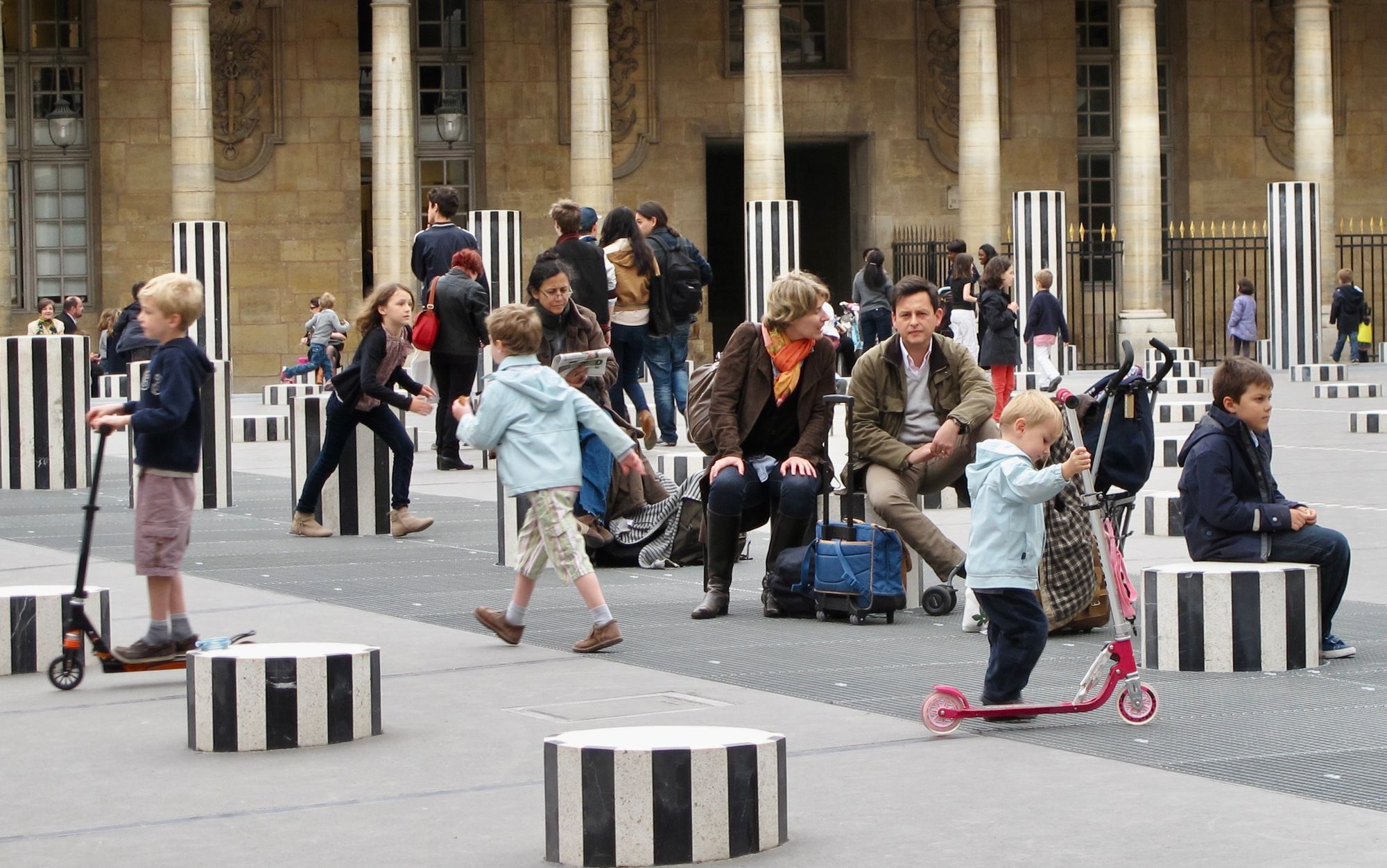
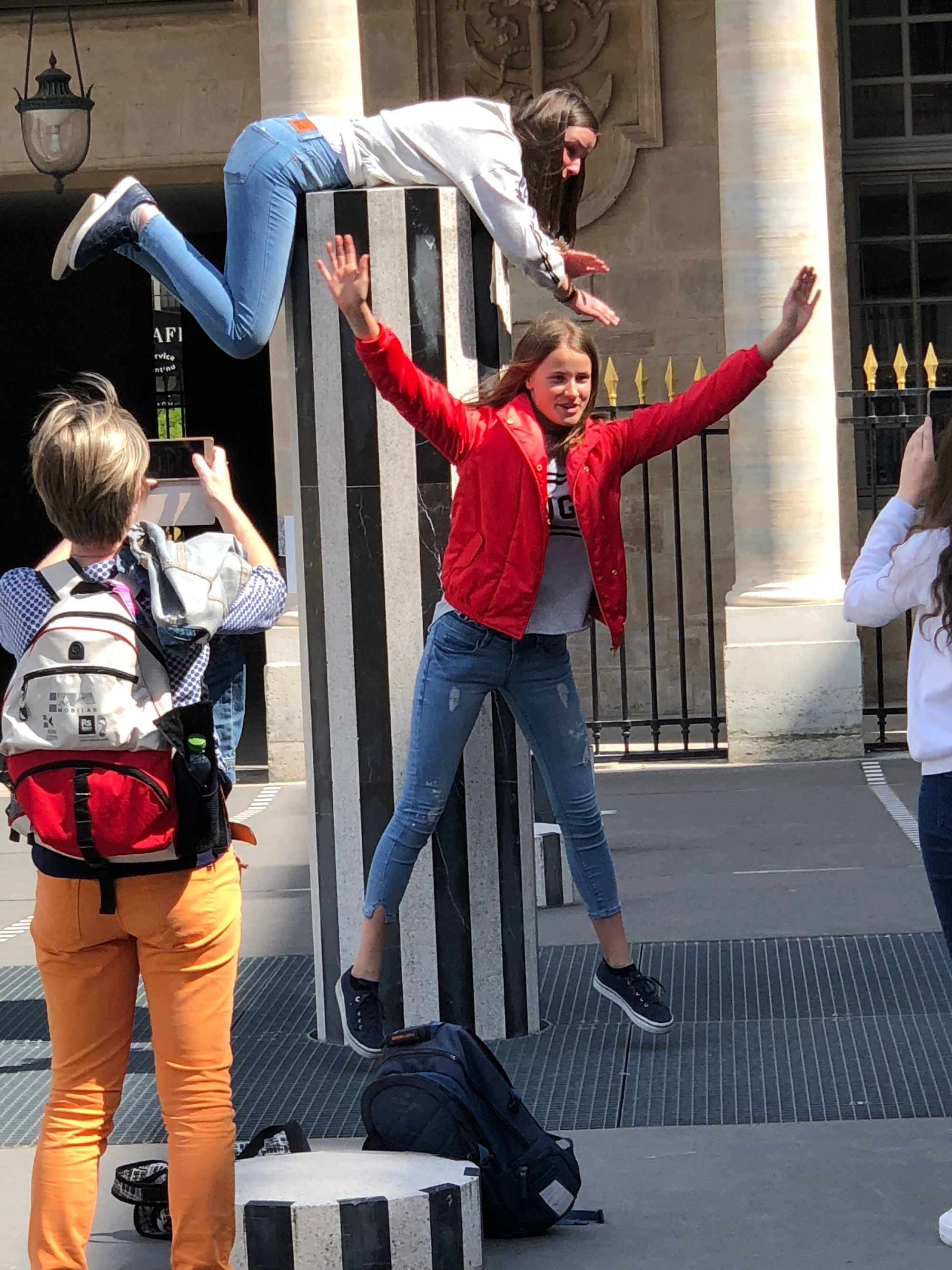
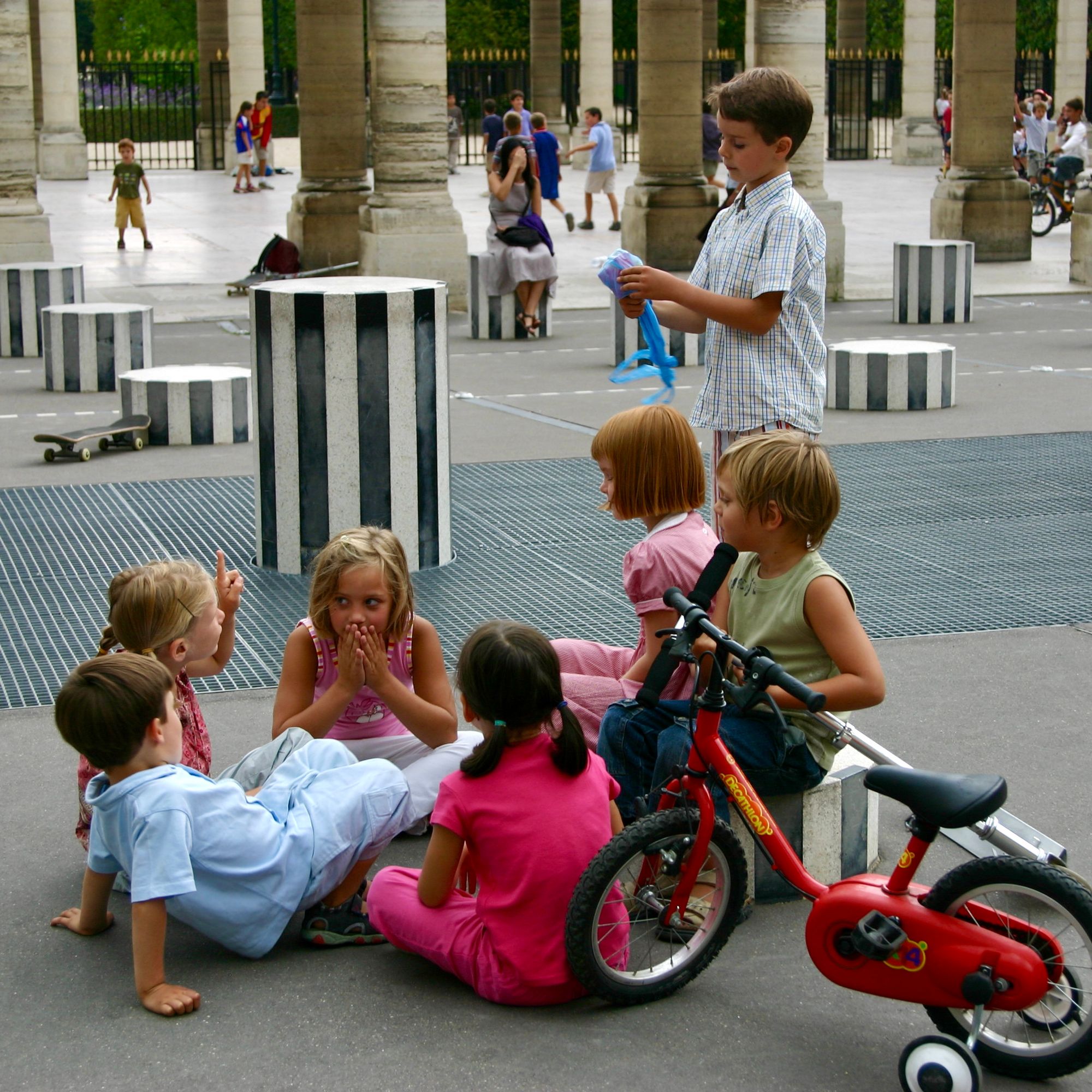
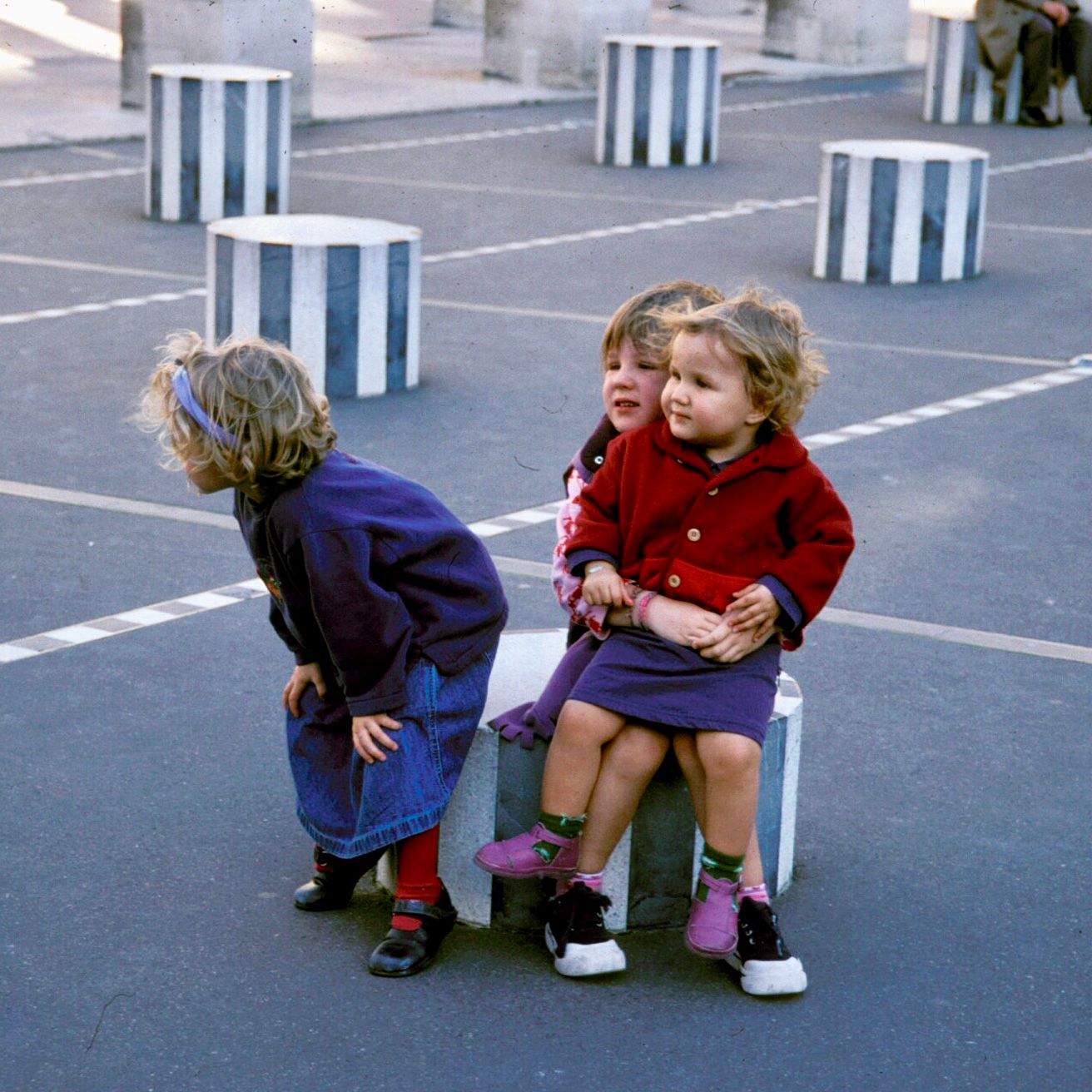
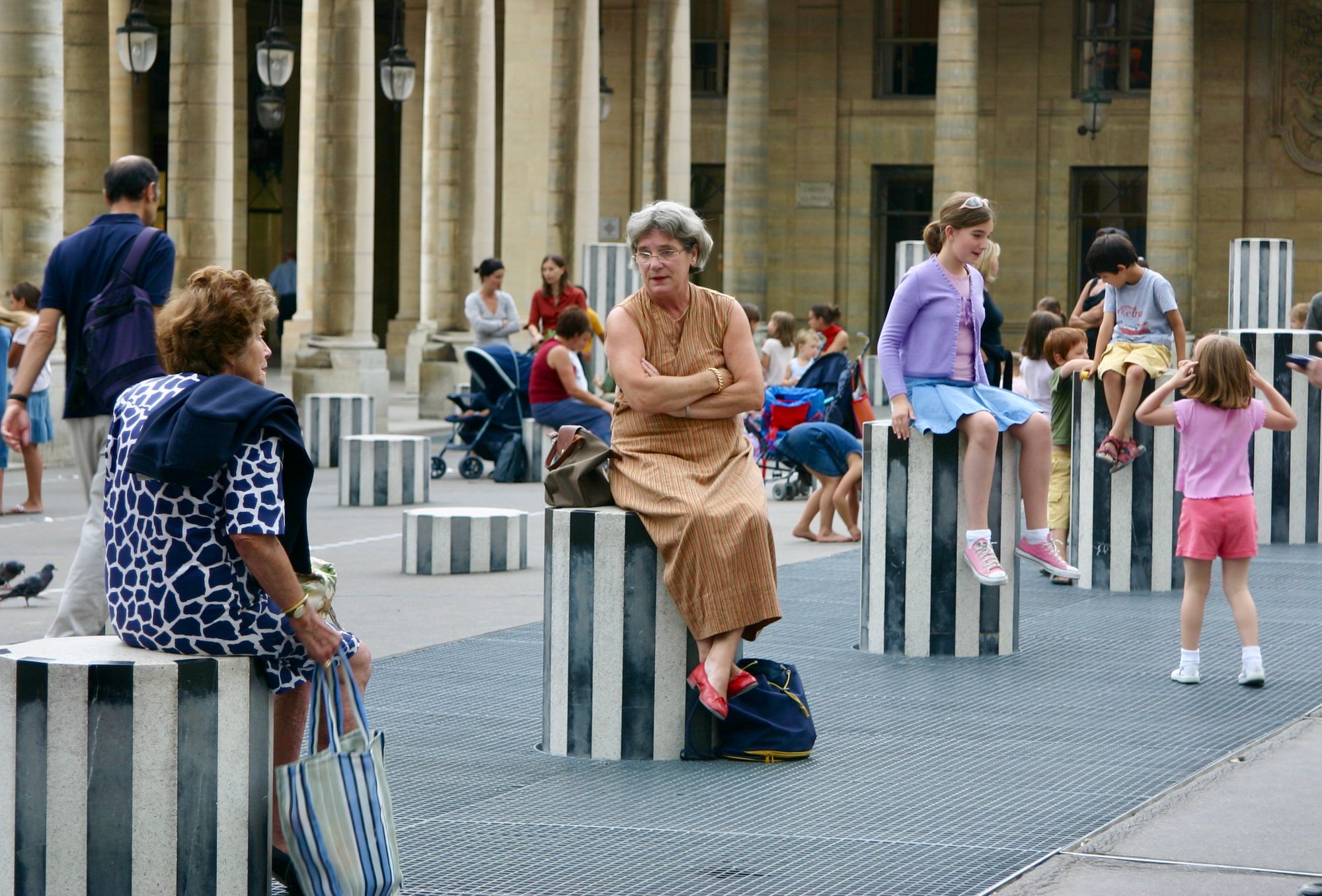
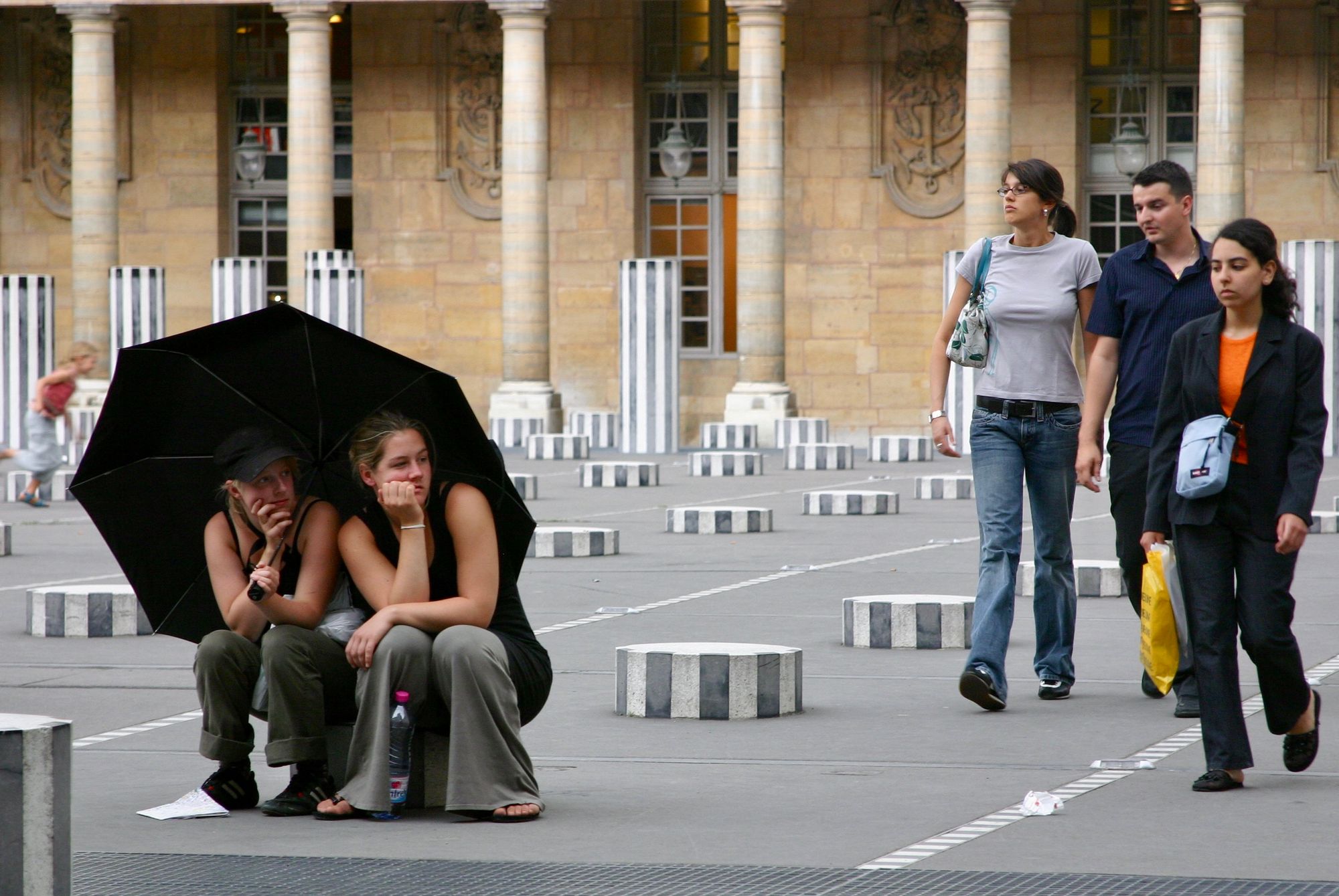
Paris
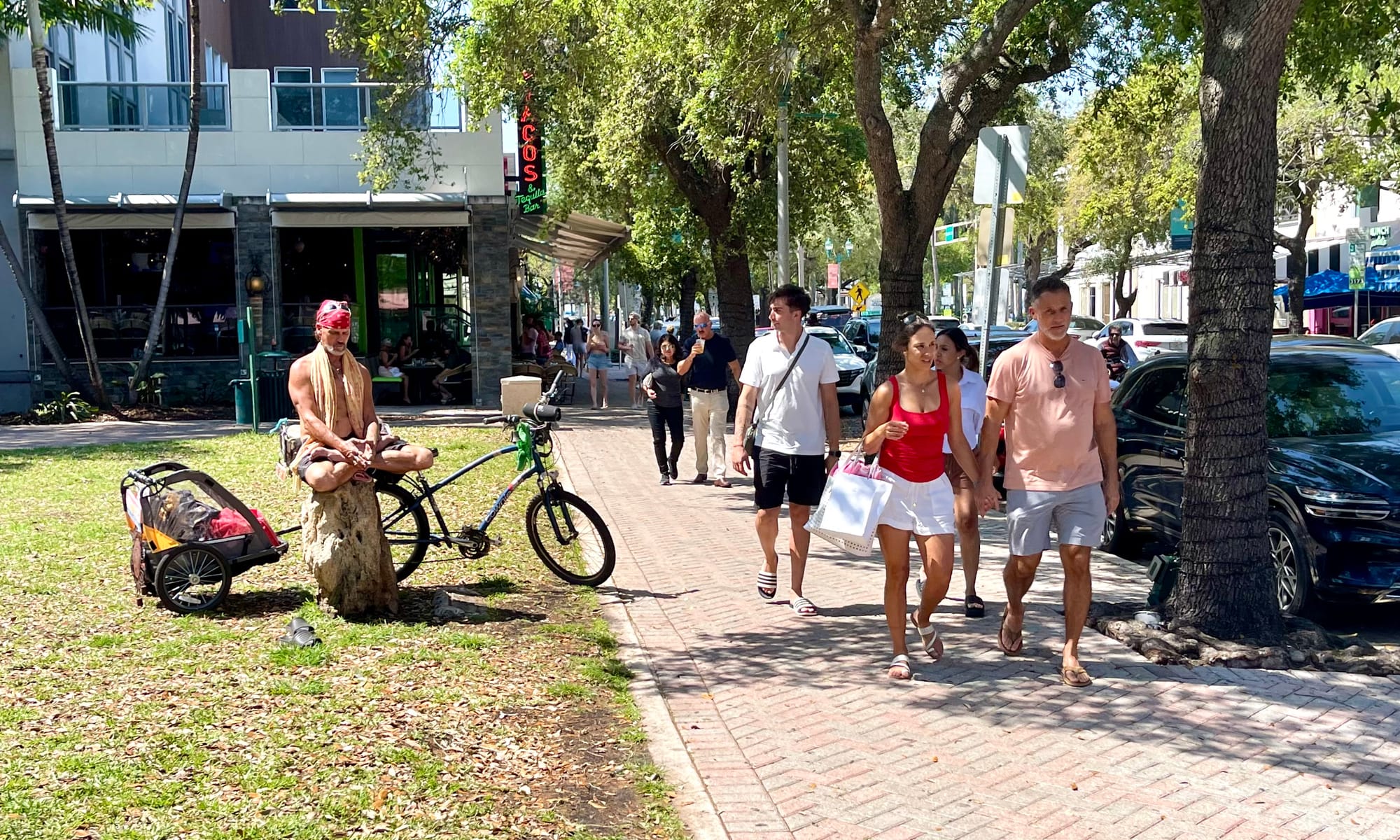
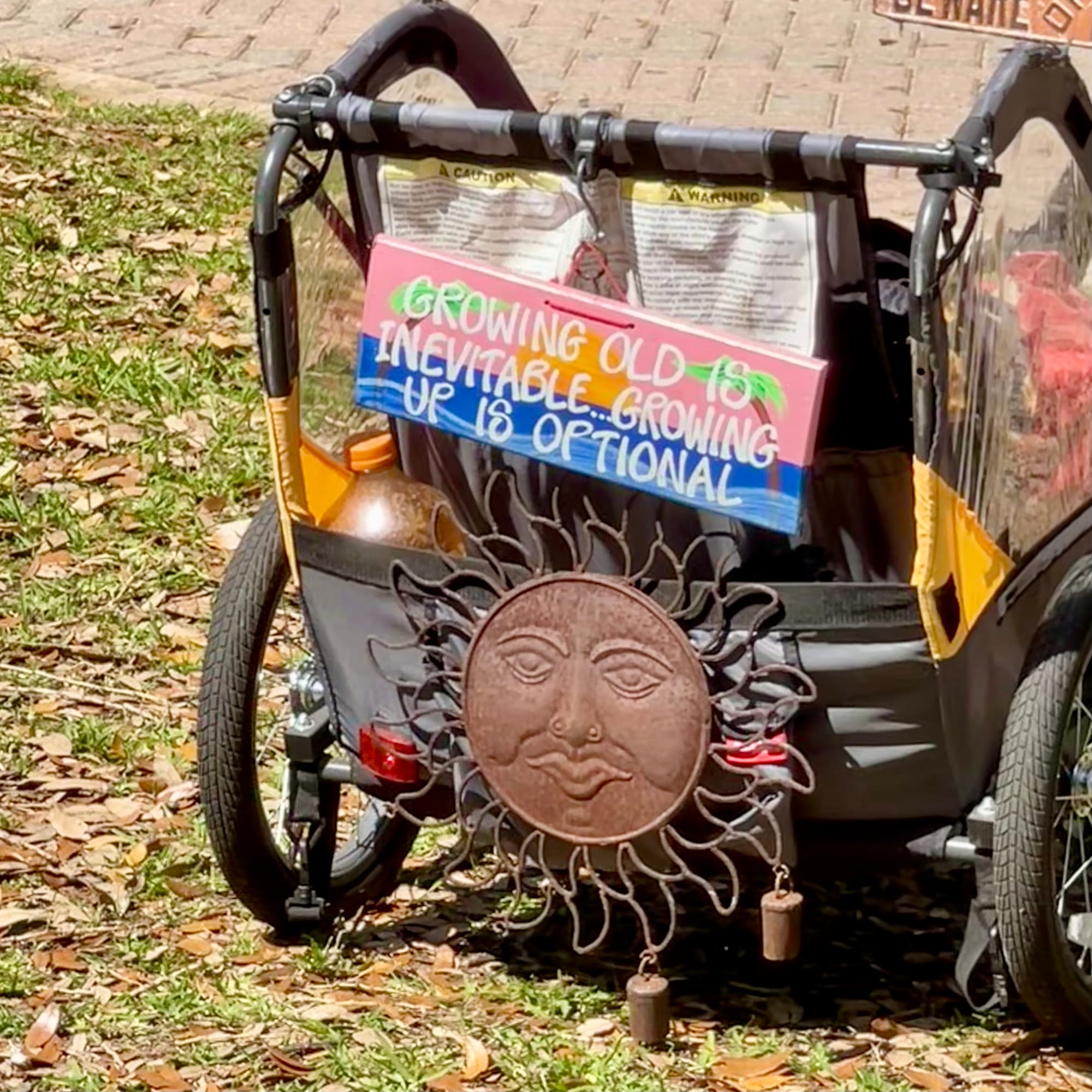
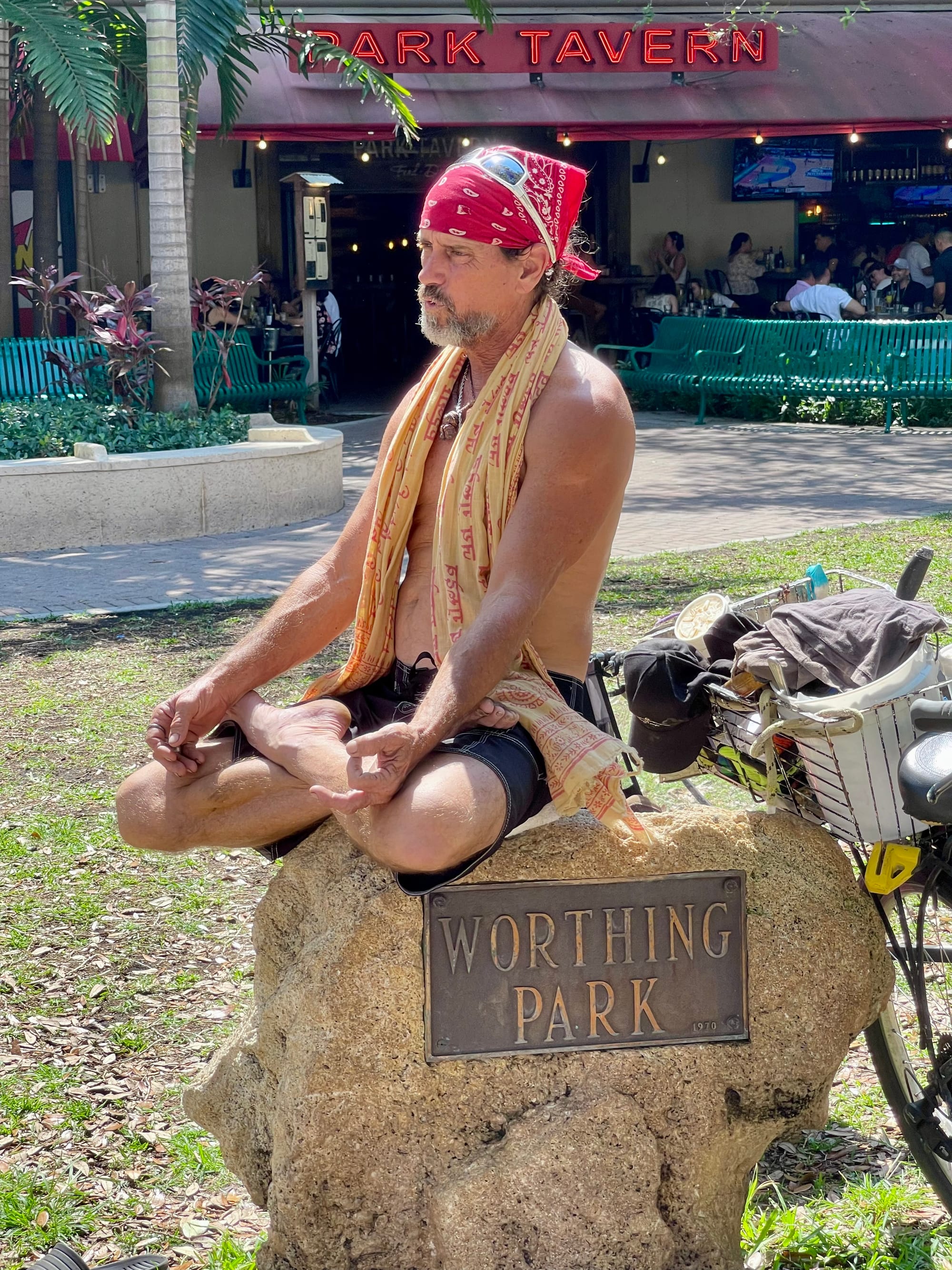
A unique "seat" in Delray Beach
Performance – Art in Motion
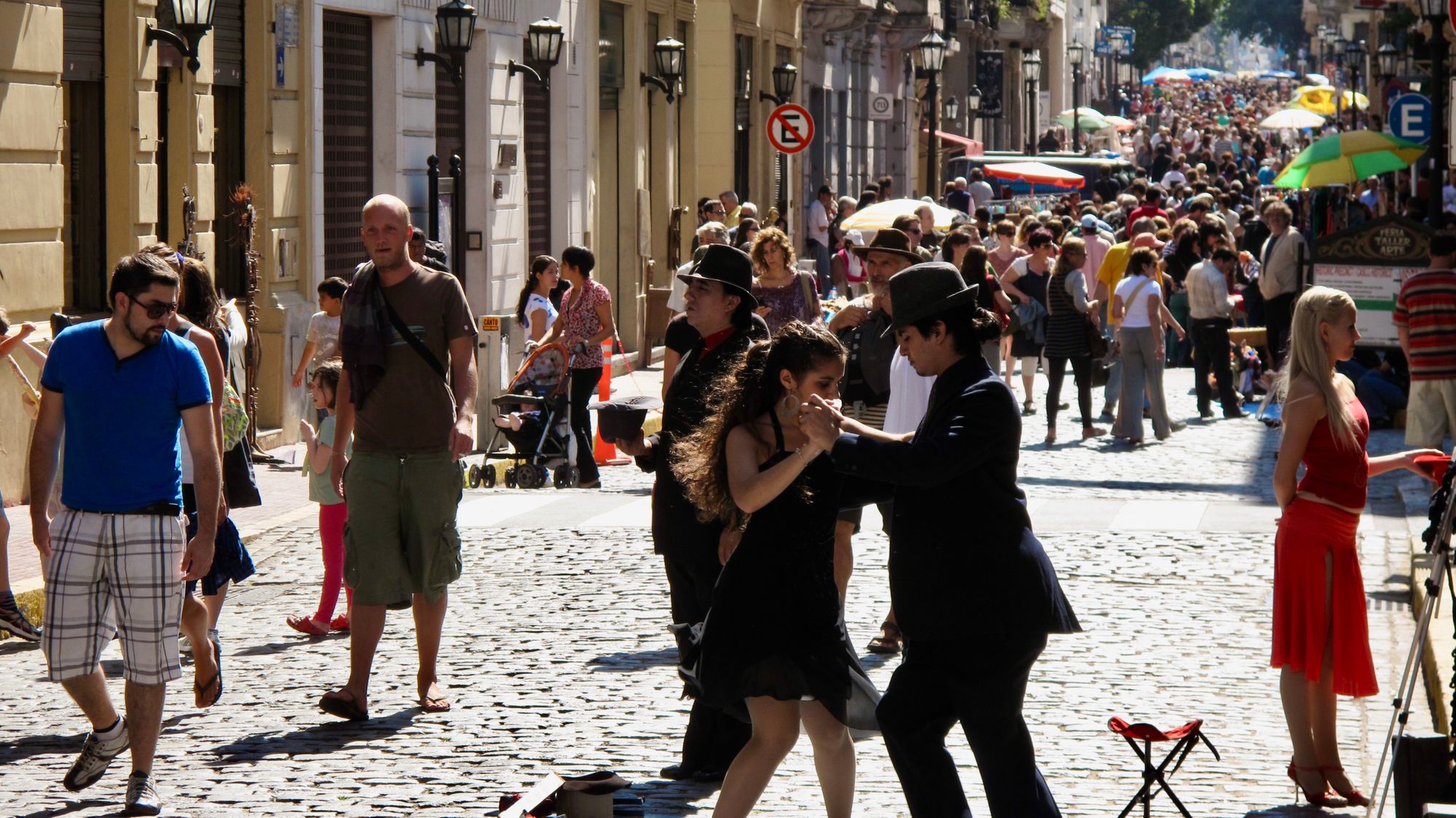
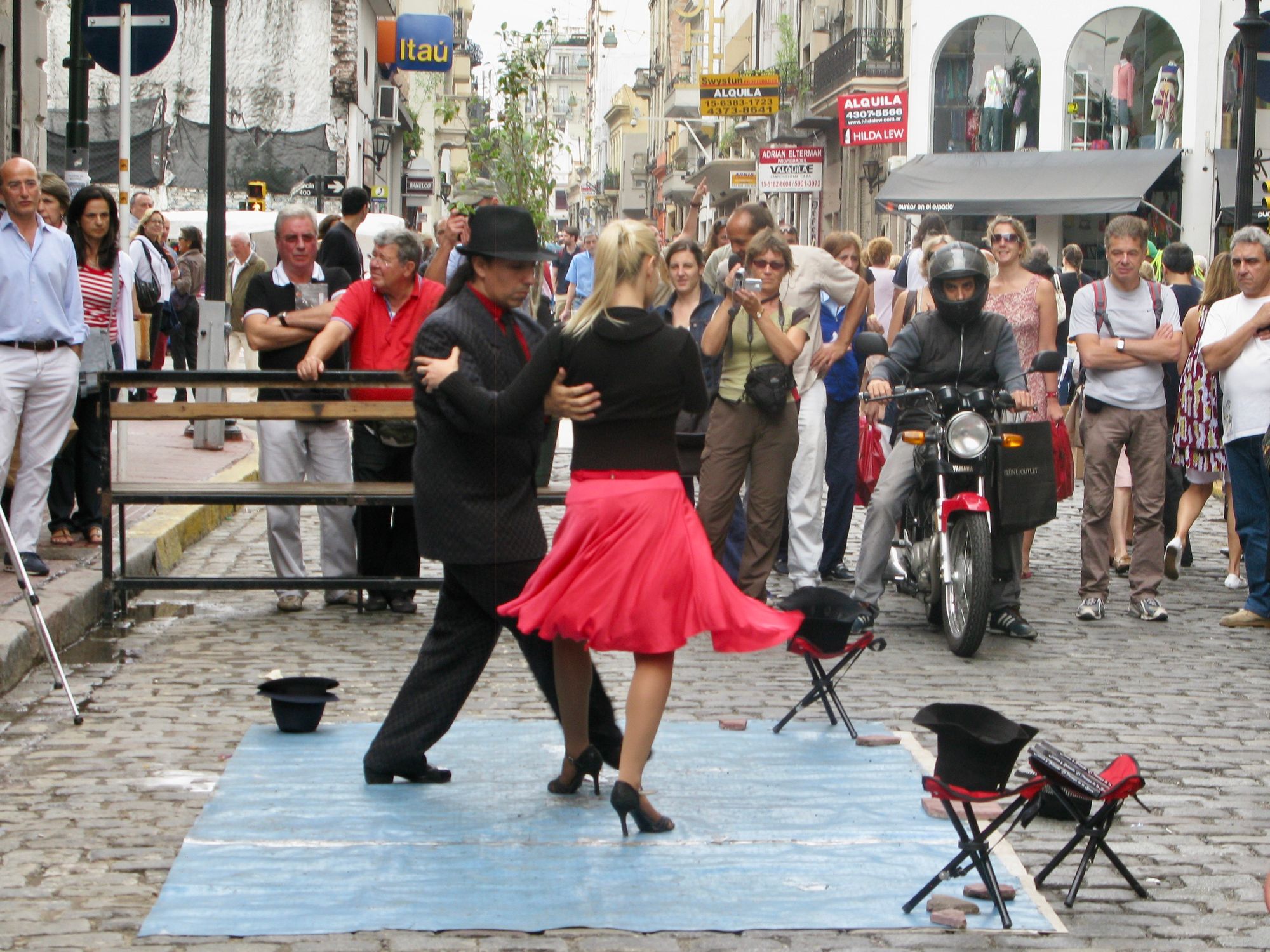
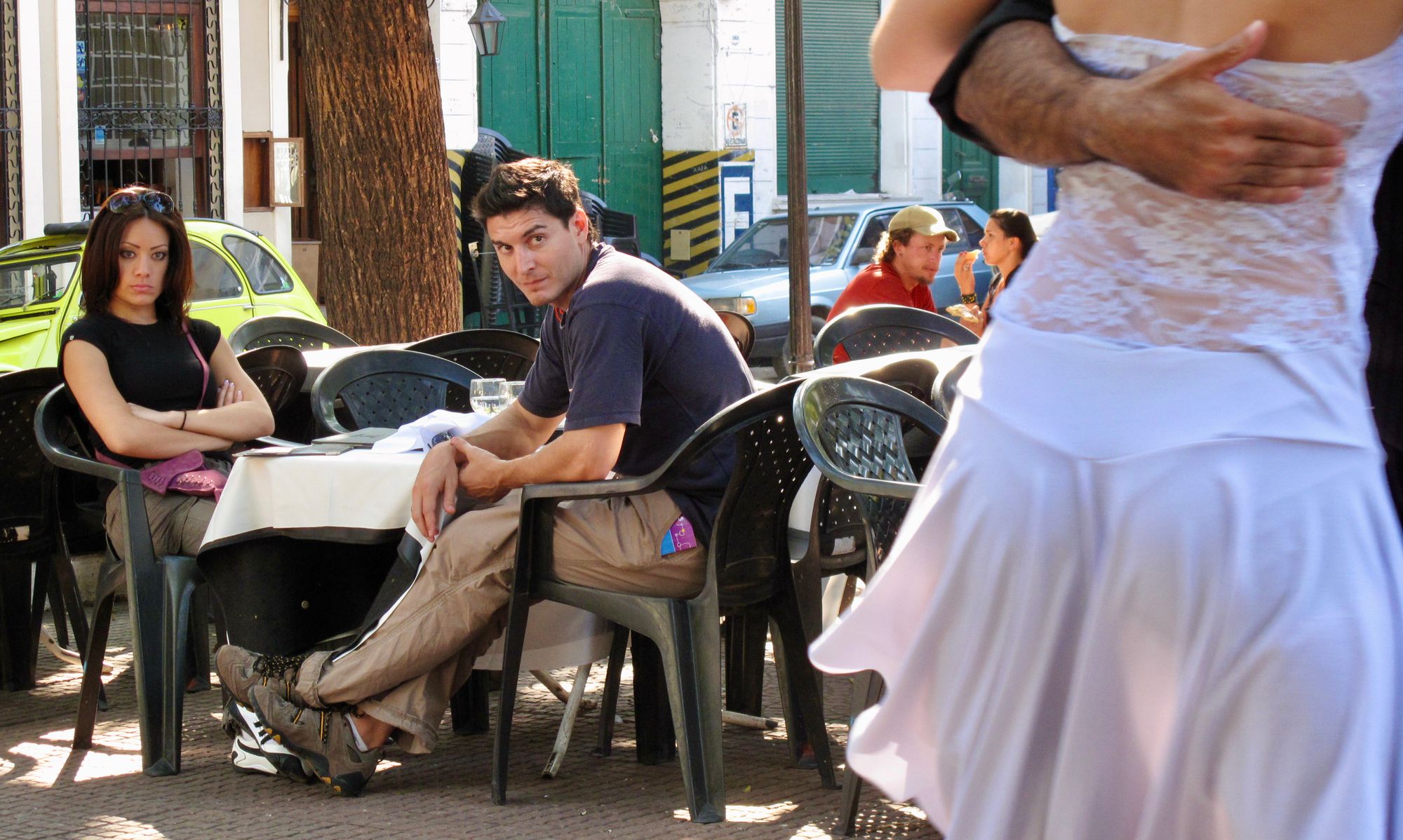
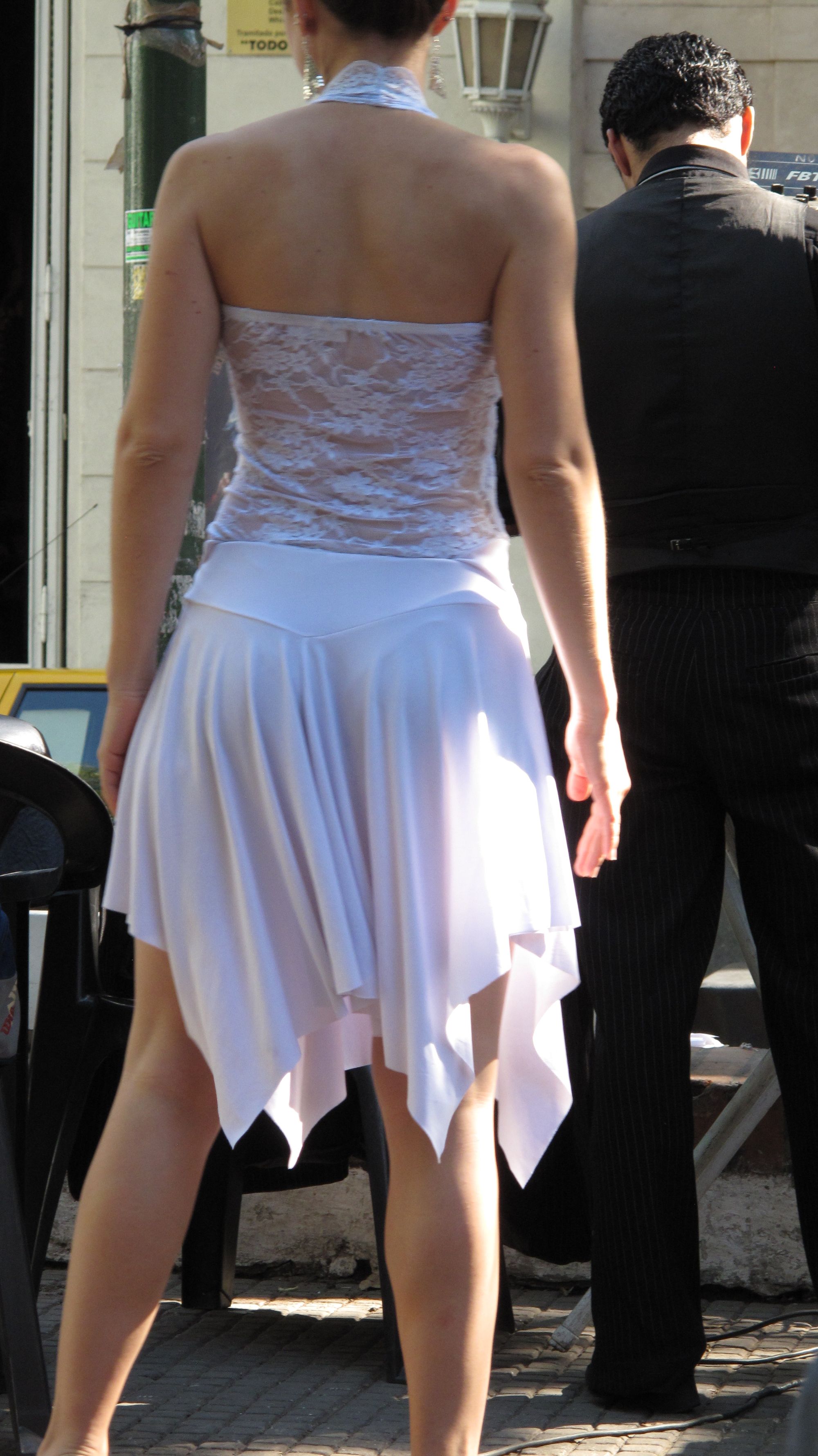
Creative placemaking doesn't just involve those works that are frozen in place like paintings or sculptures. It can also move. Performance is a fantastic form of creative expression that adds value to public spaces by turning them into stages and arenas for a few magical minutes.
Dance performances
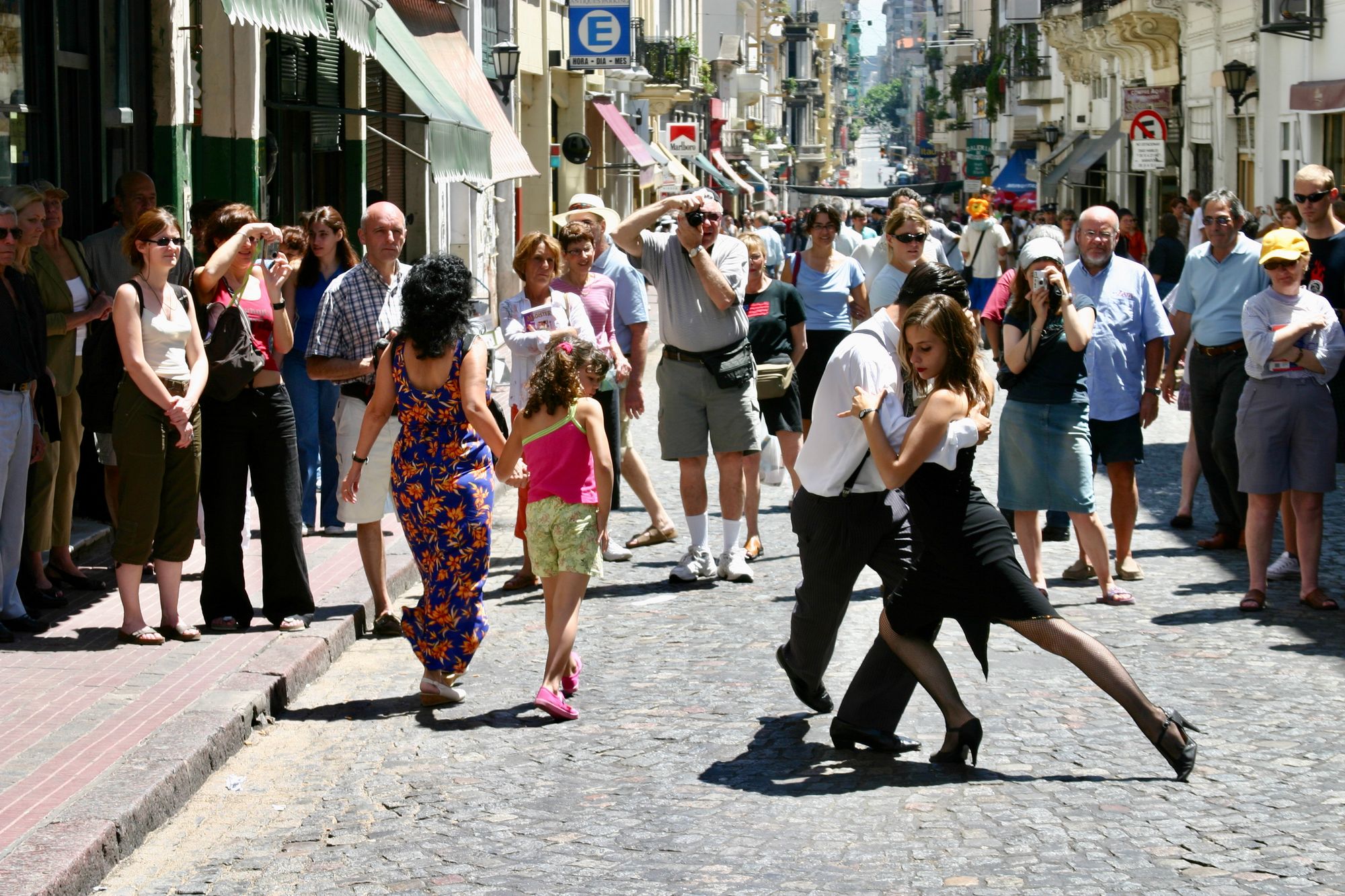
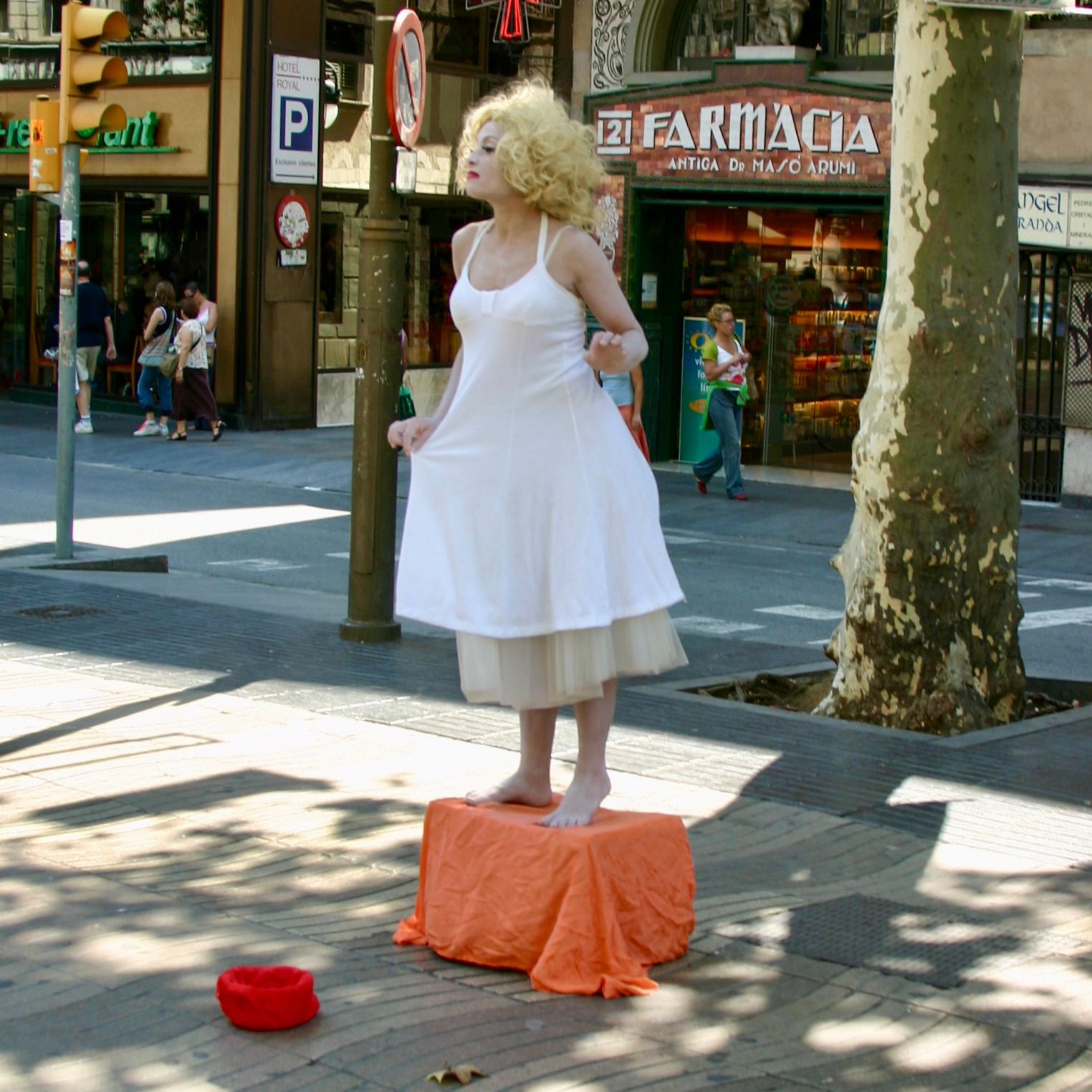
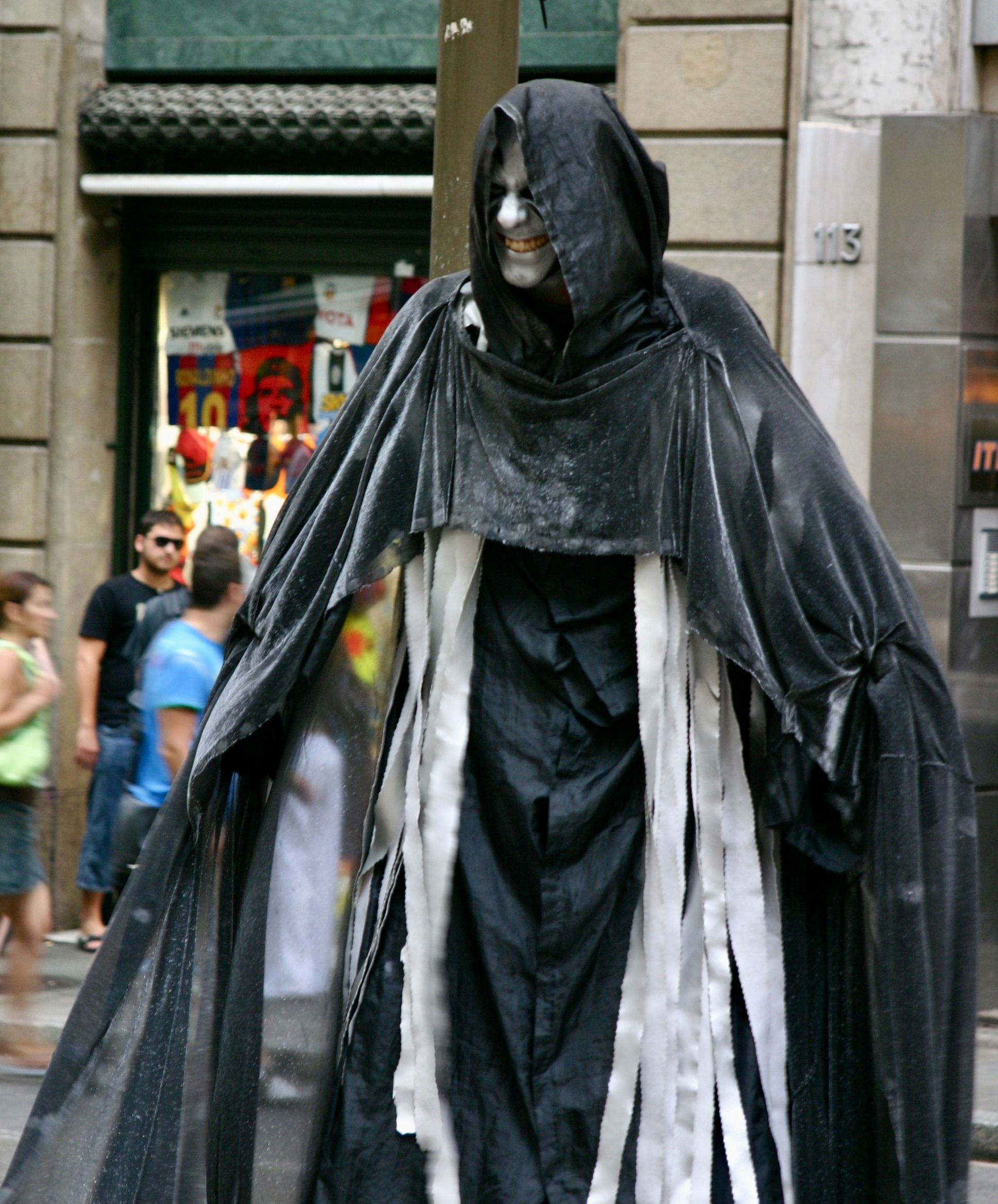
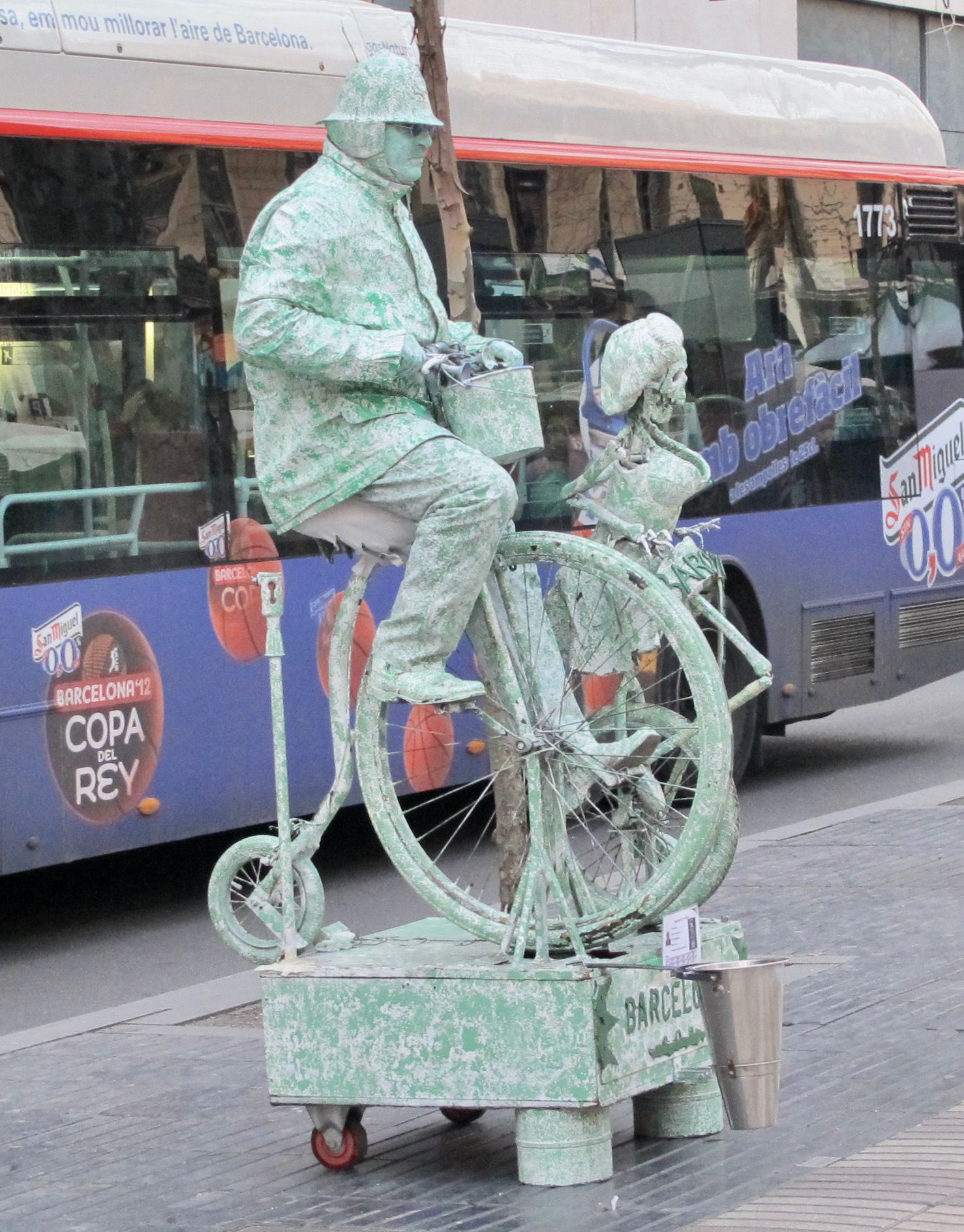
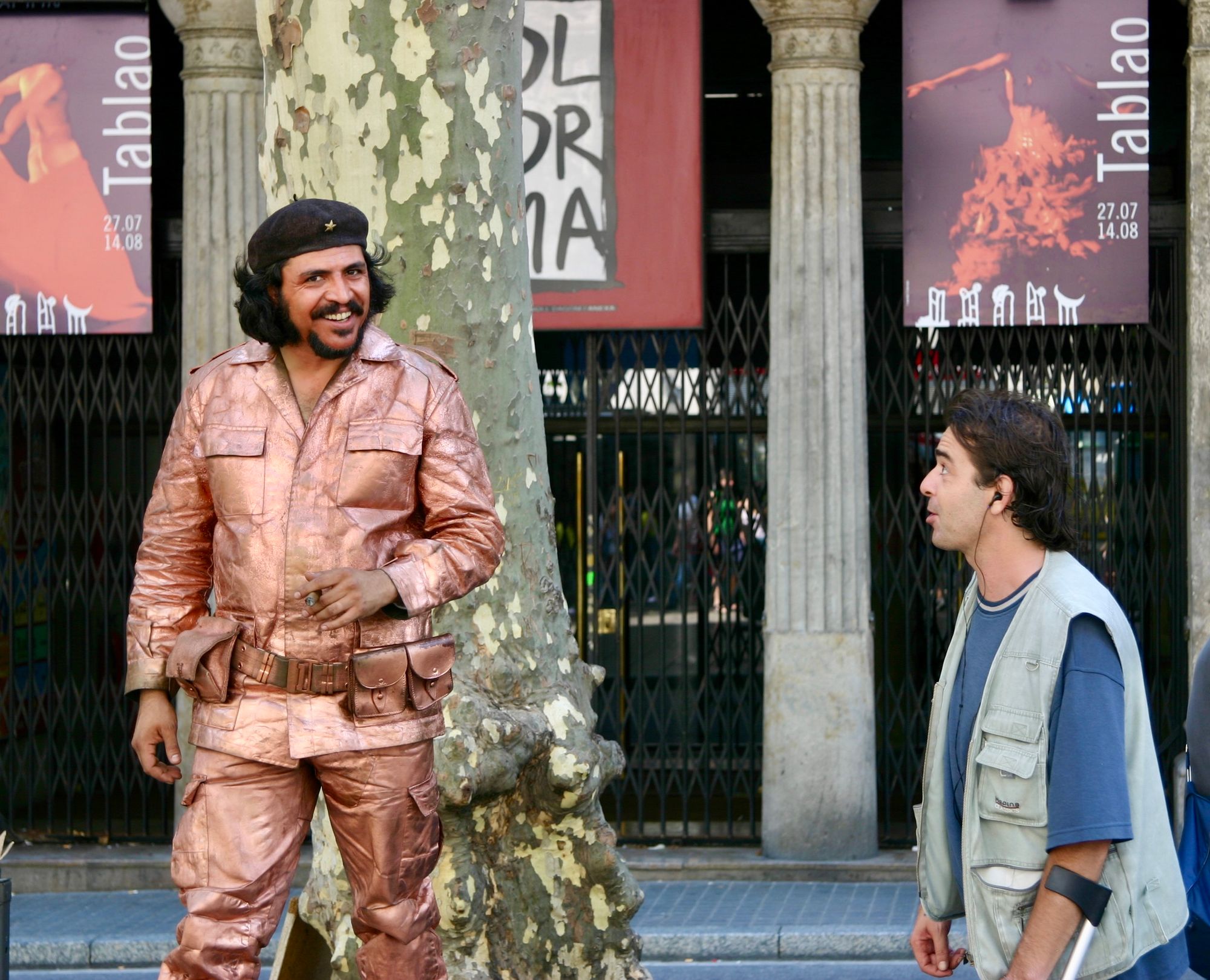
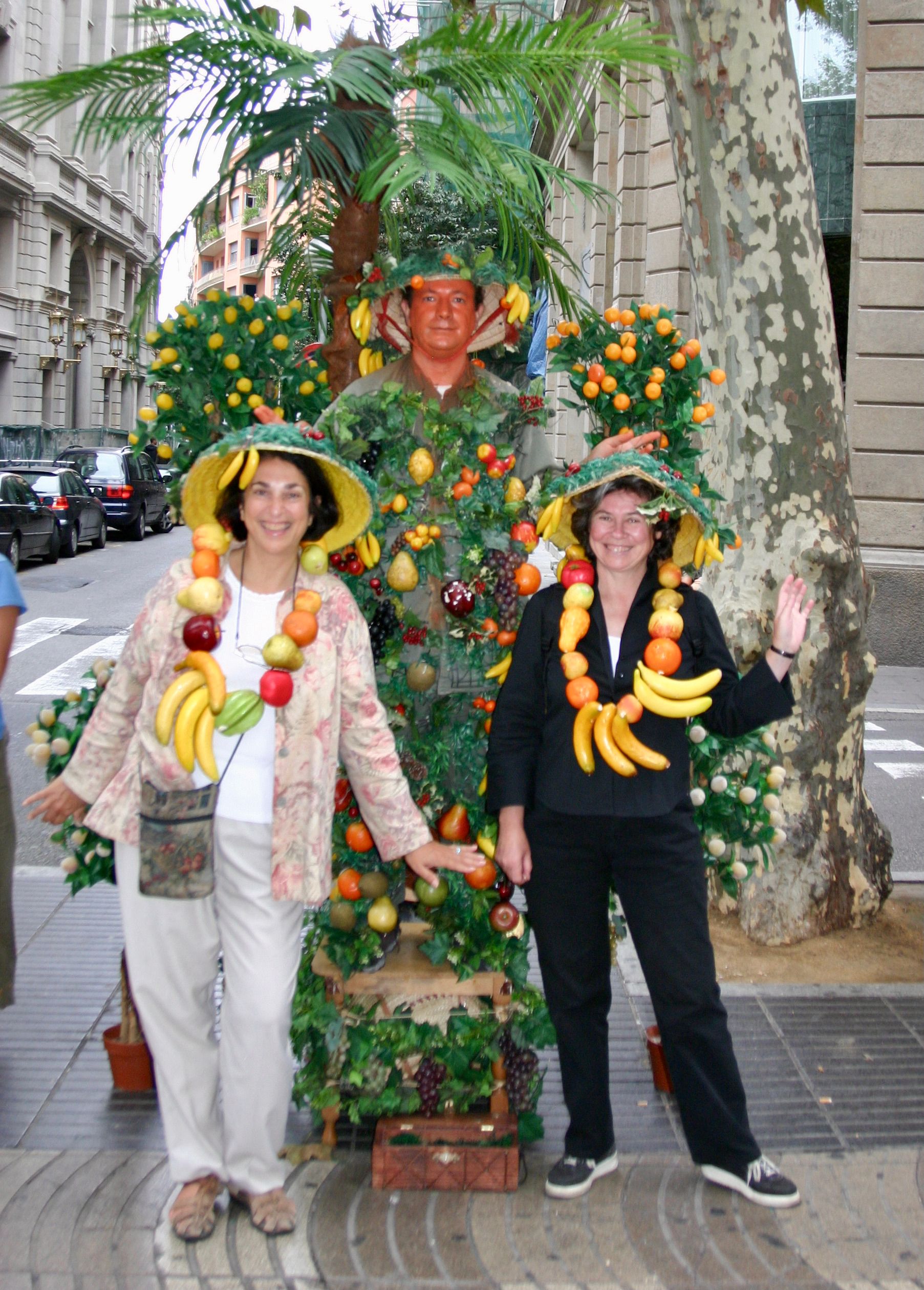
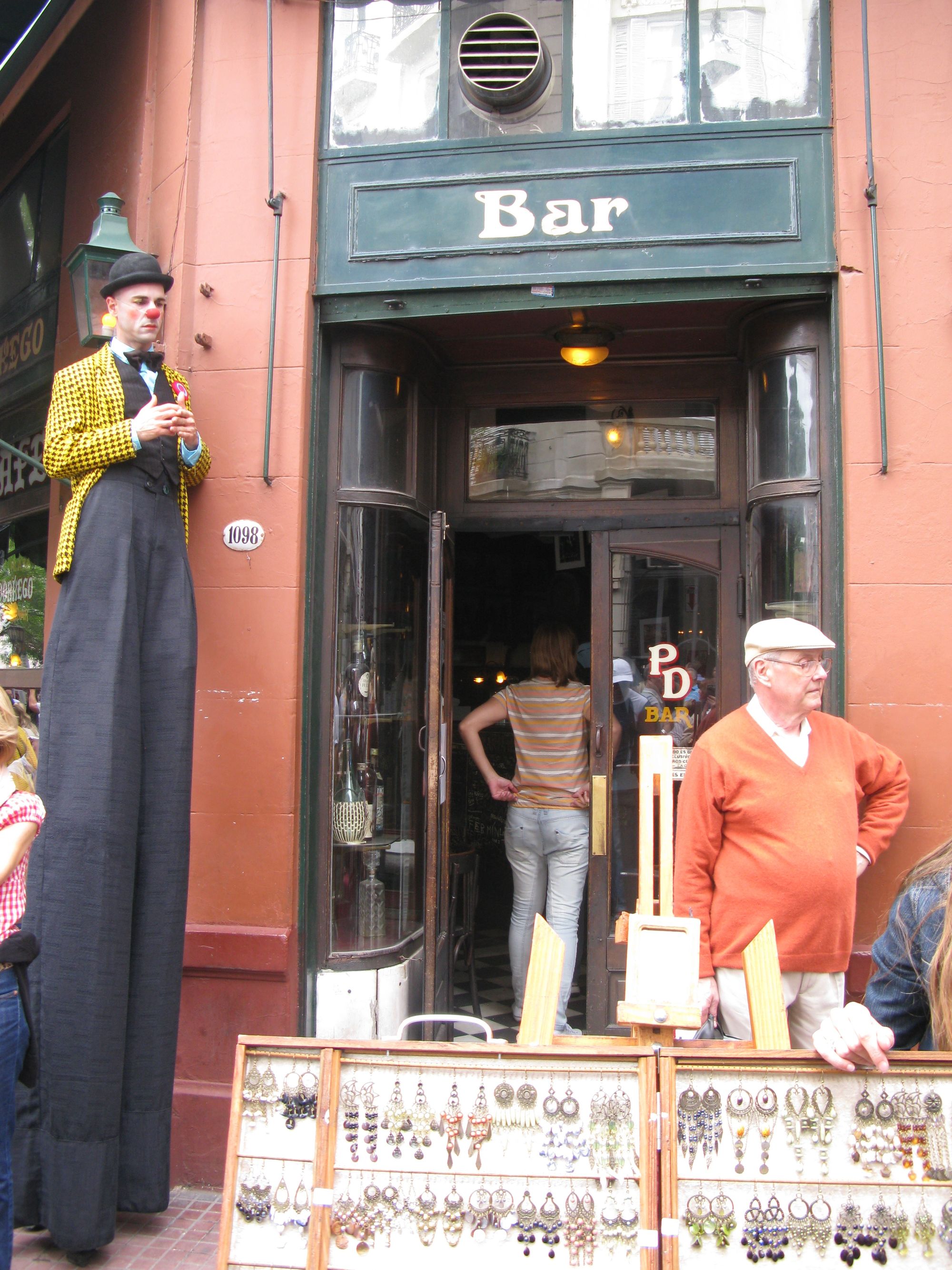
Street performers
Street performers are almost like part of the urban family for locals. Some are famous stars, well-known in the community, others are trying something out for the first time to see what kind of crowd they can draw. All of them ornament a city's streets with whimsy.
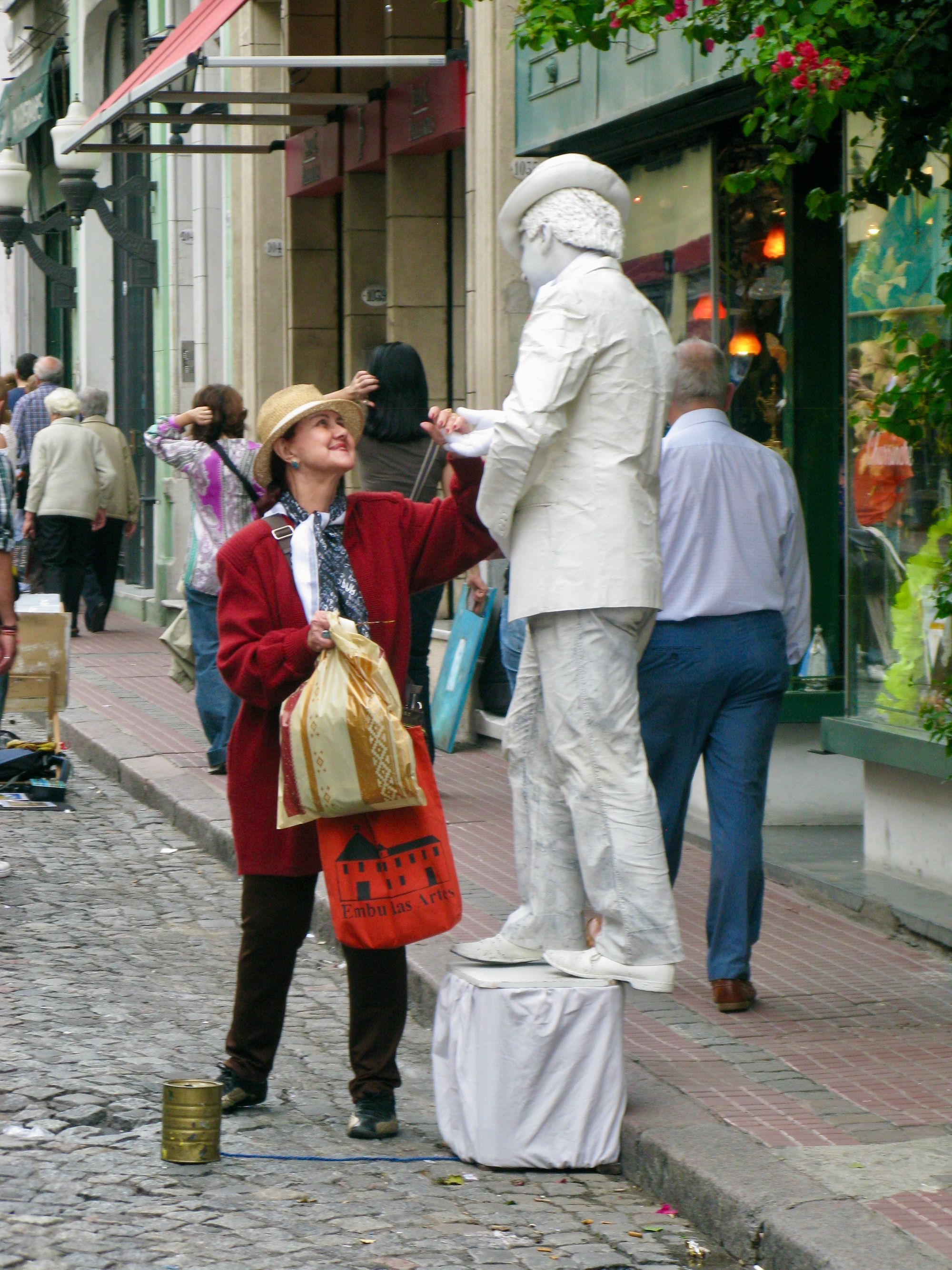
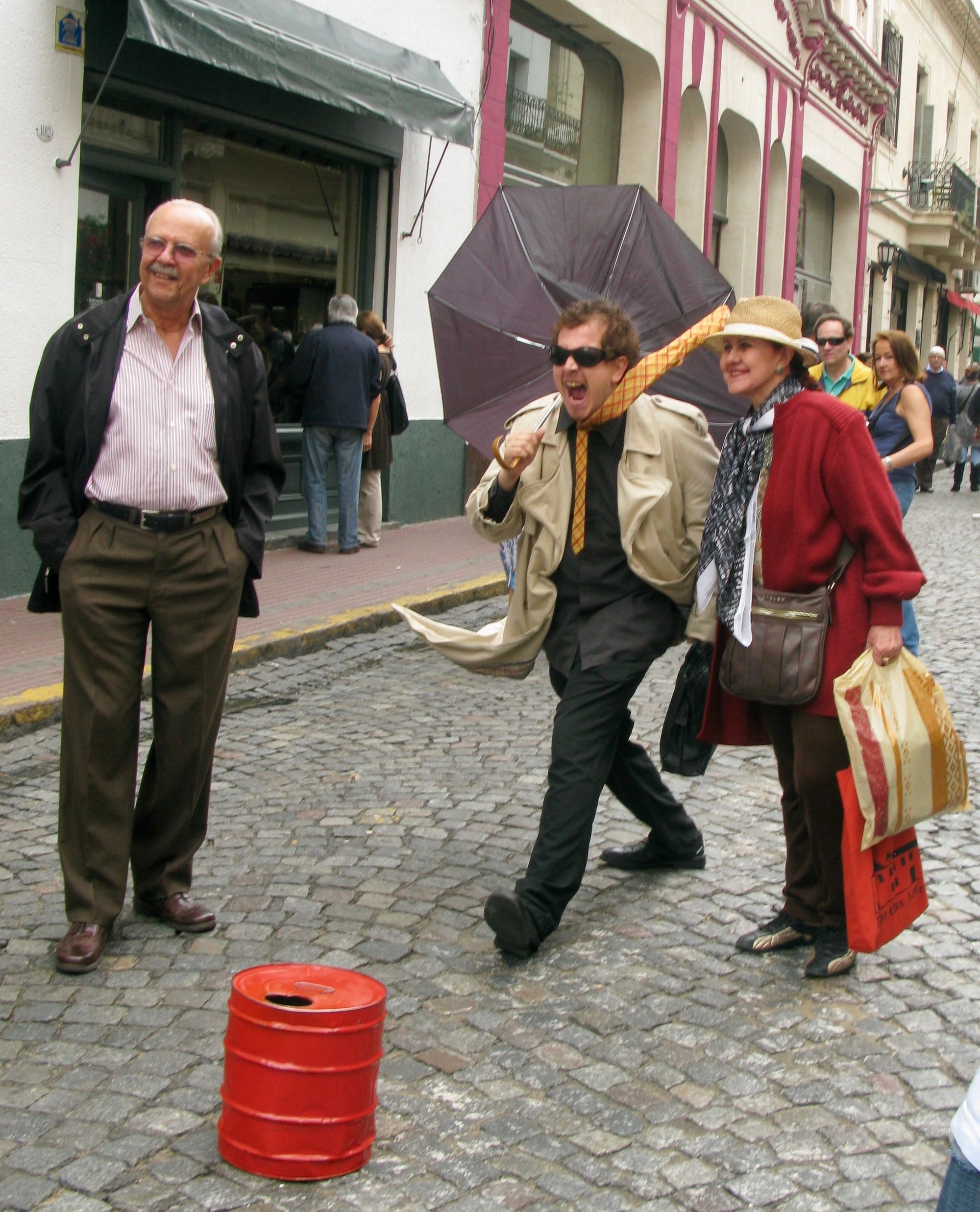
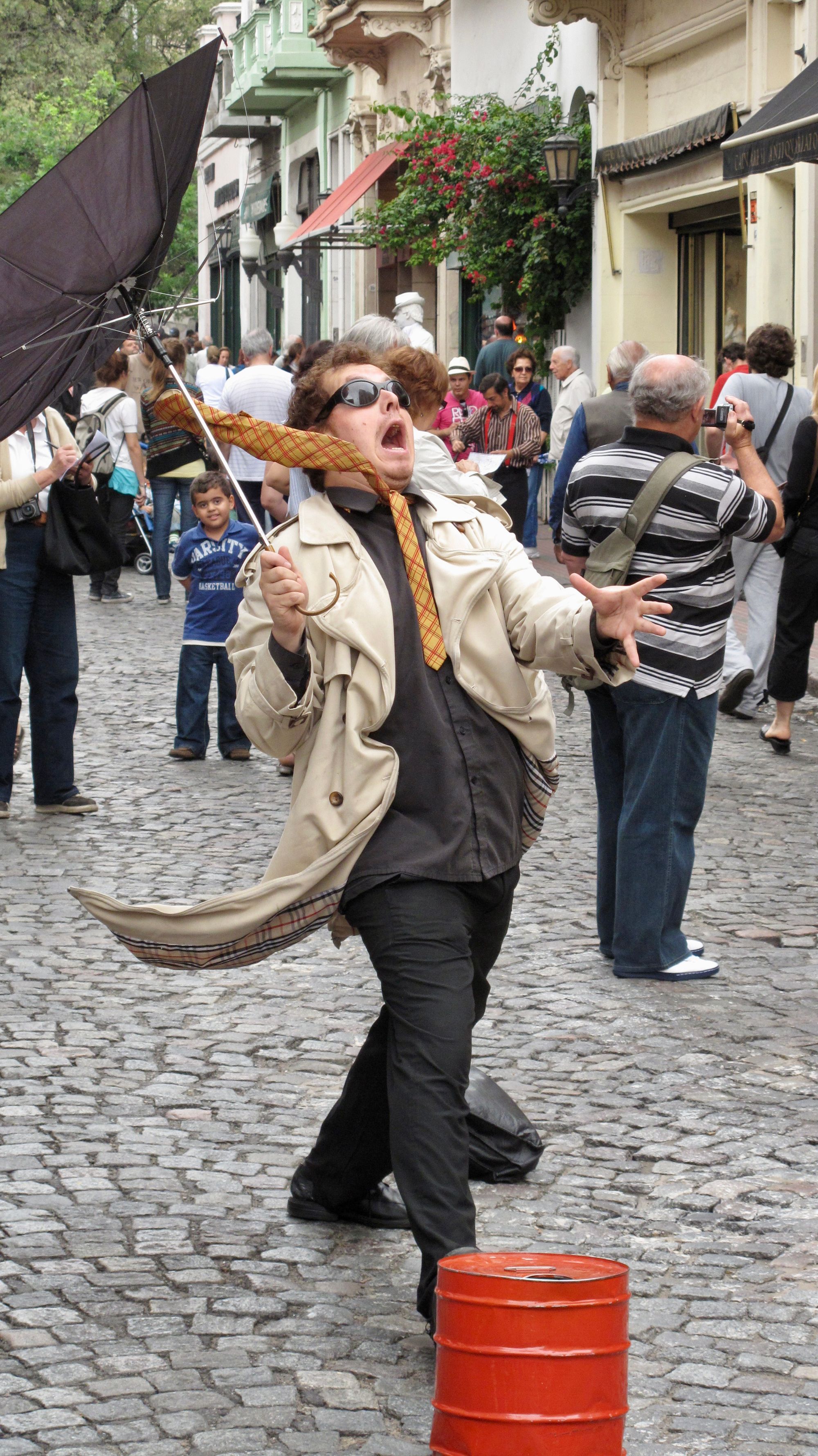
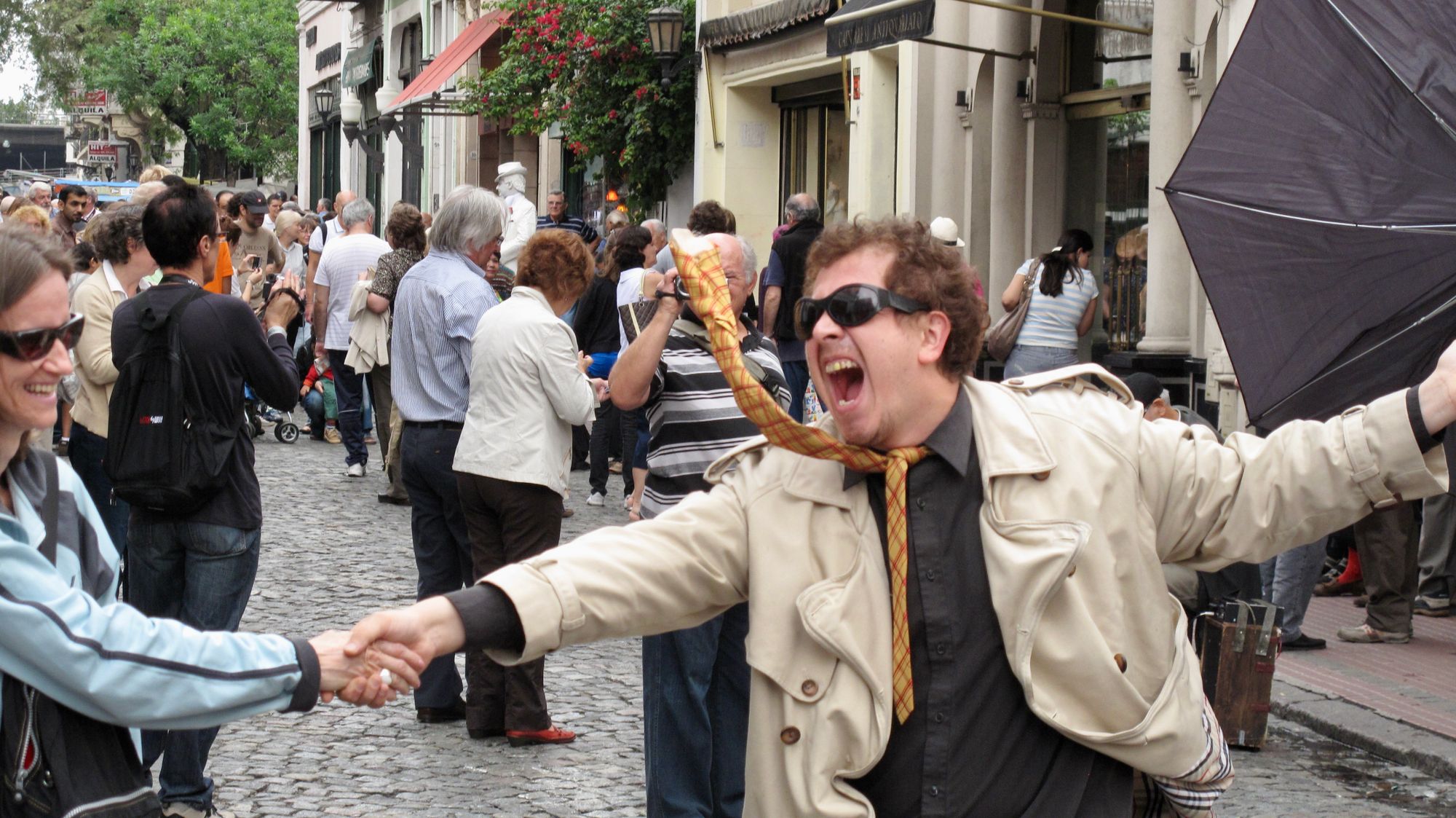
Barcelona street performers on Las Ramblas
Music and more
Creative placemaking can also take the shape of musical performances, puppet shows, and other kinds of artistic expression. There are no limits on how creativity and talent can be shared with the community and enrich the experience of being in a city.
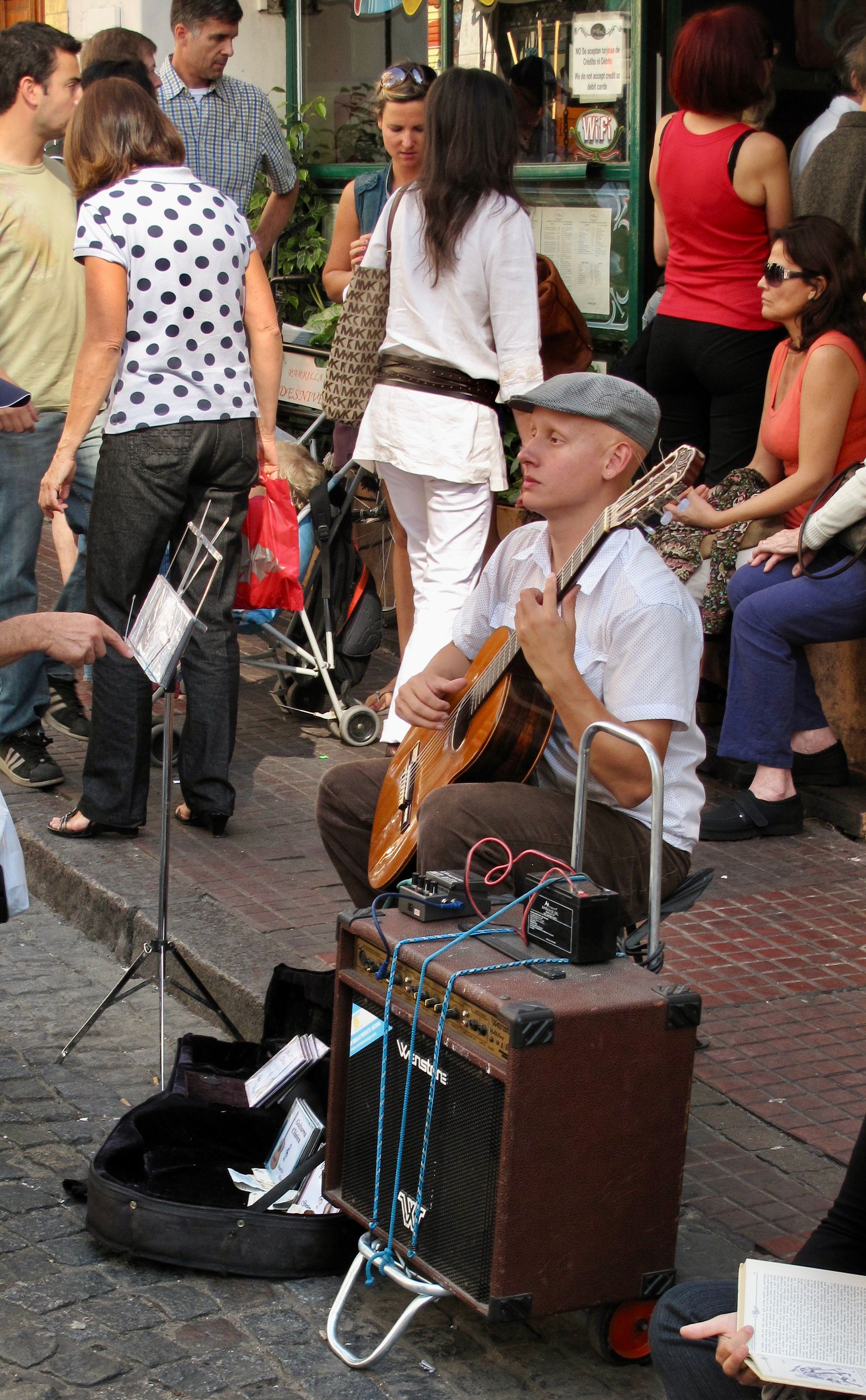
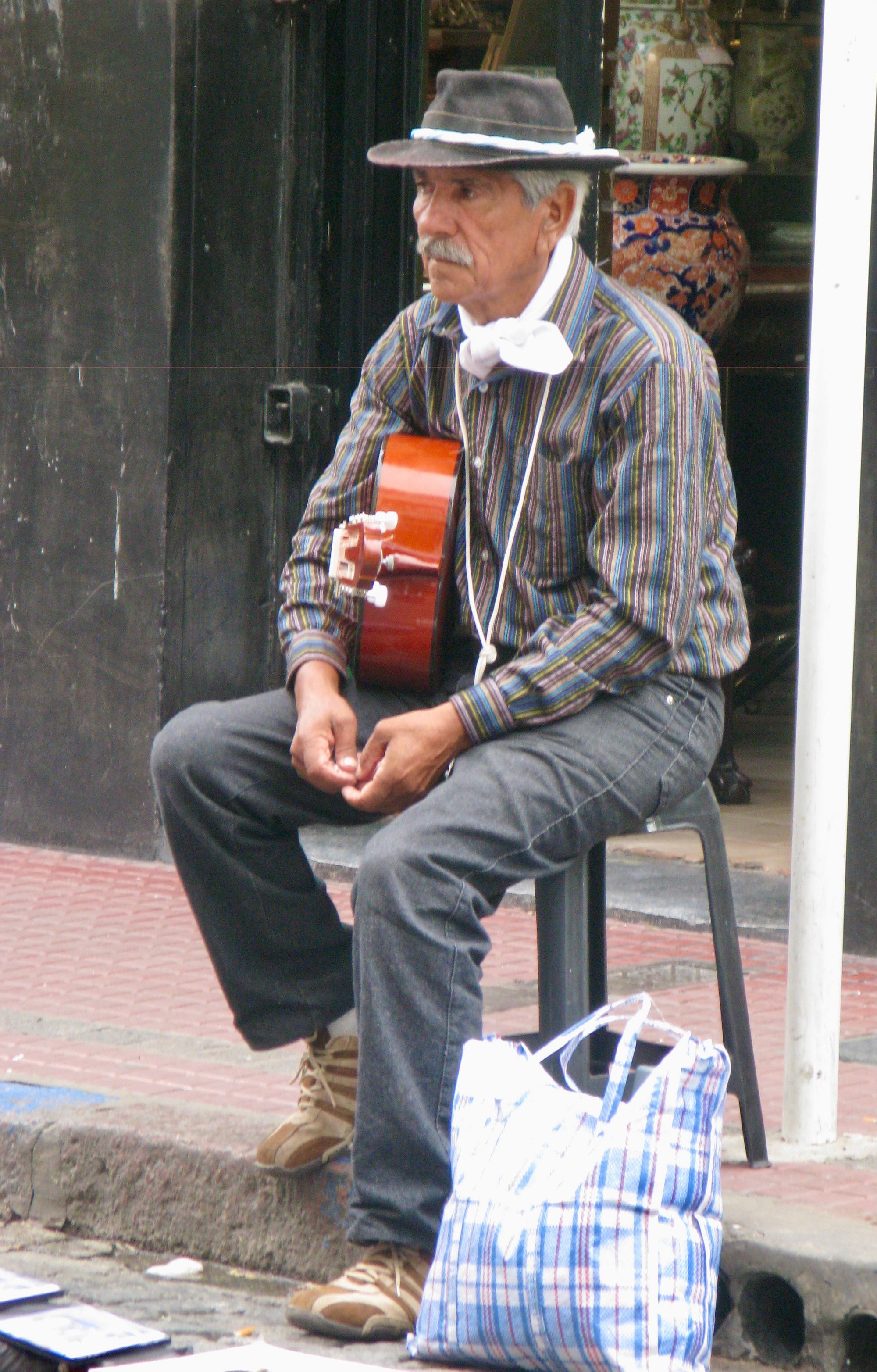
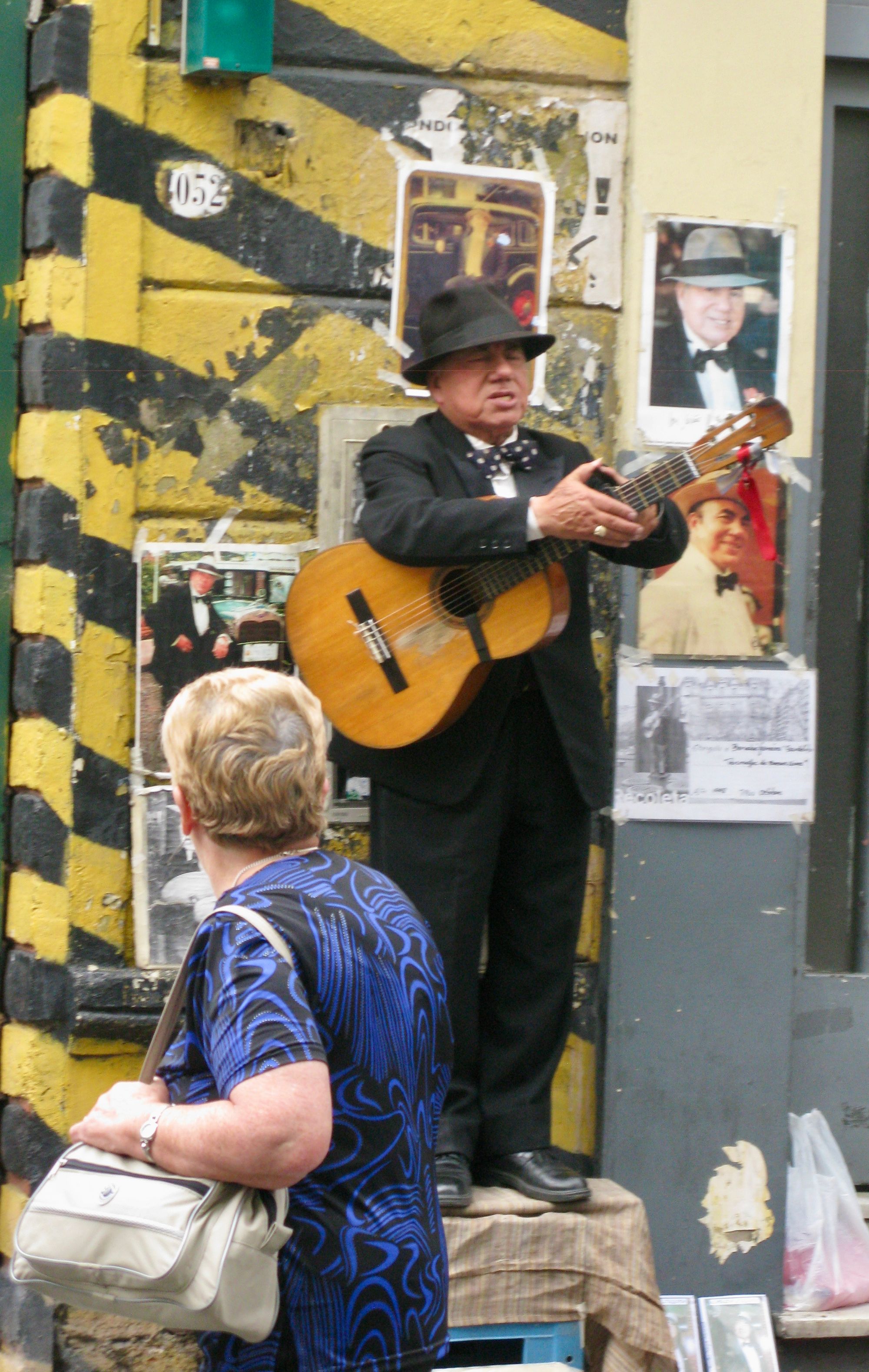
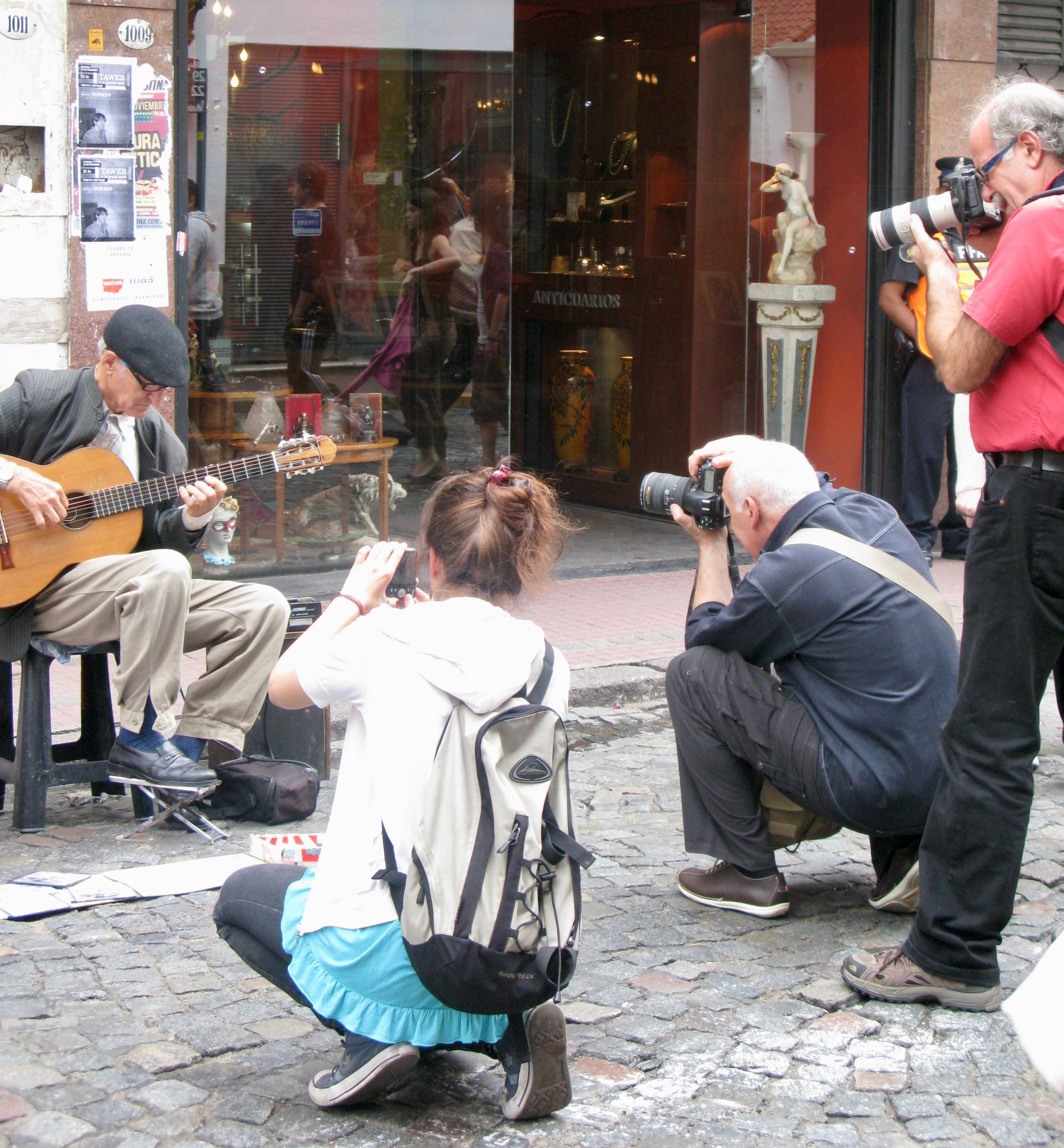
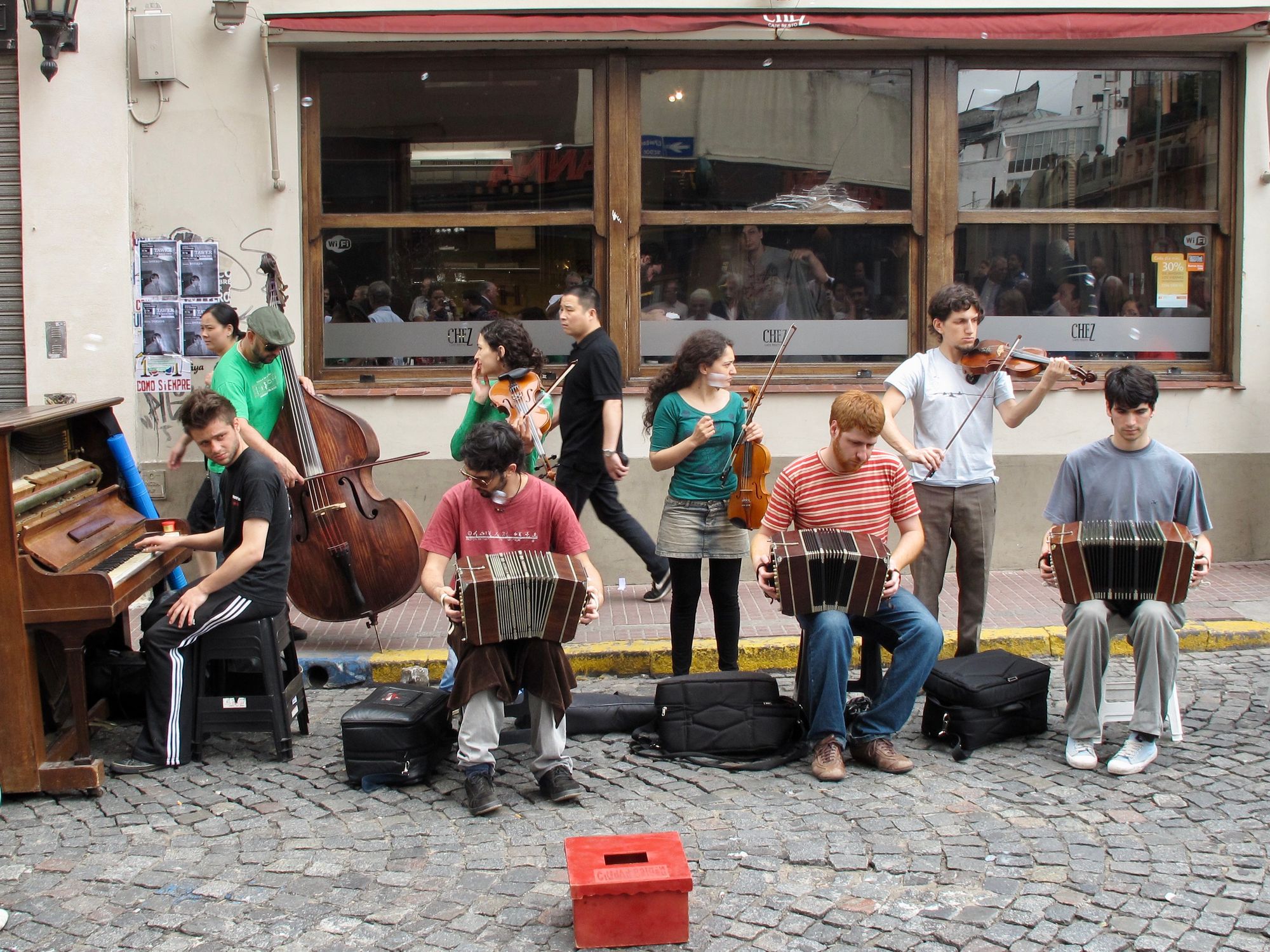
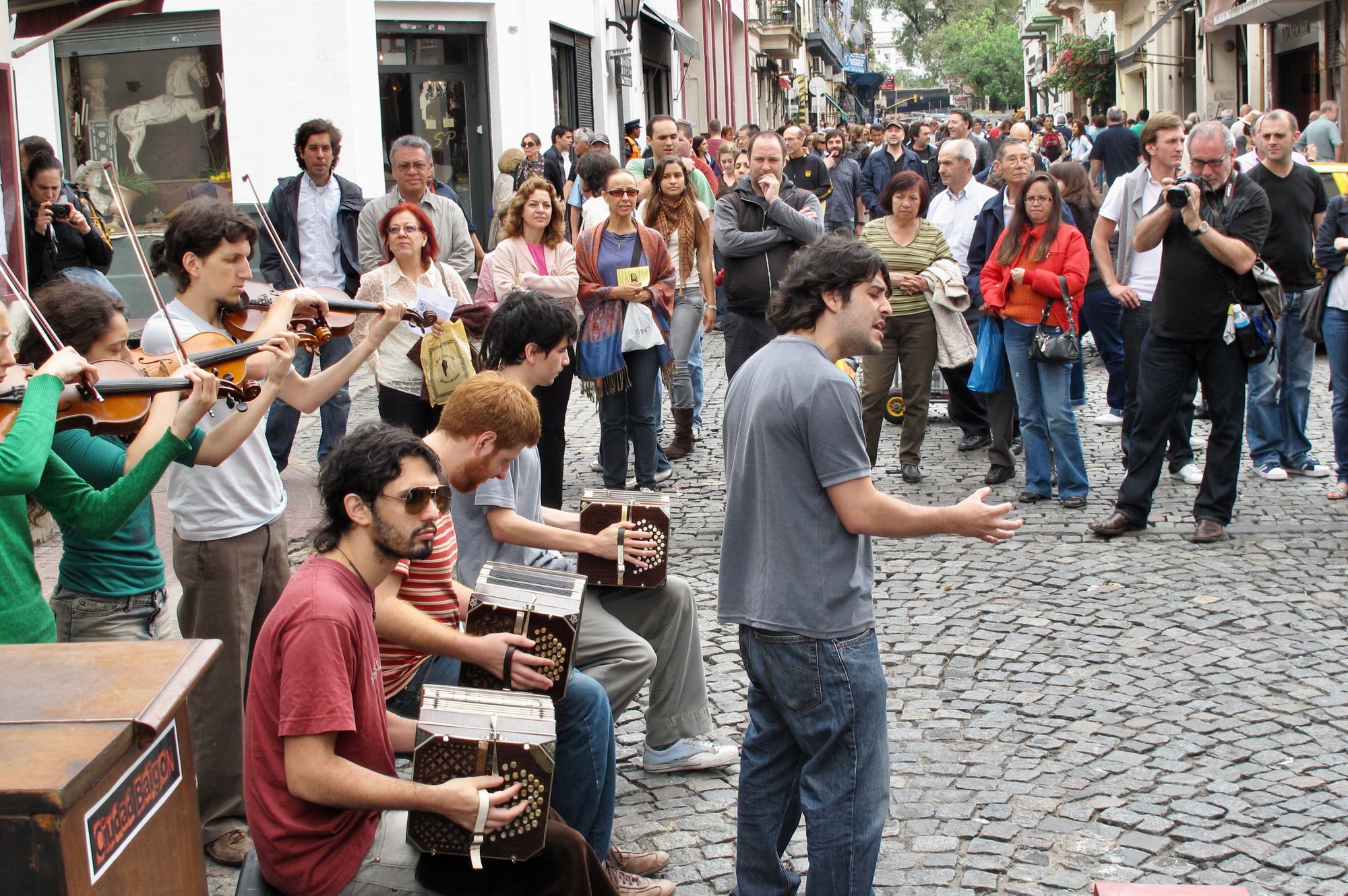
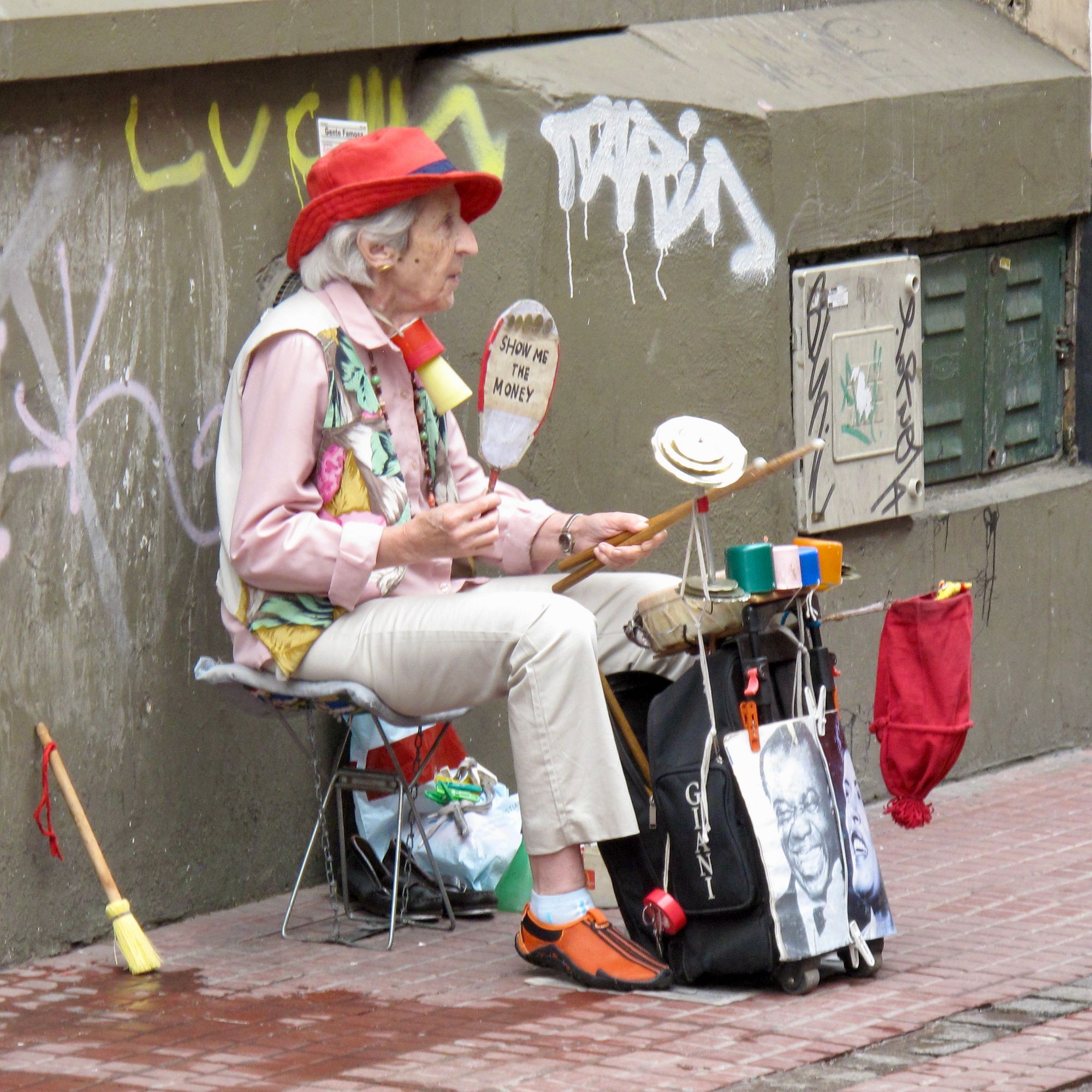
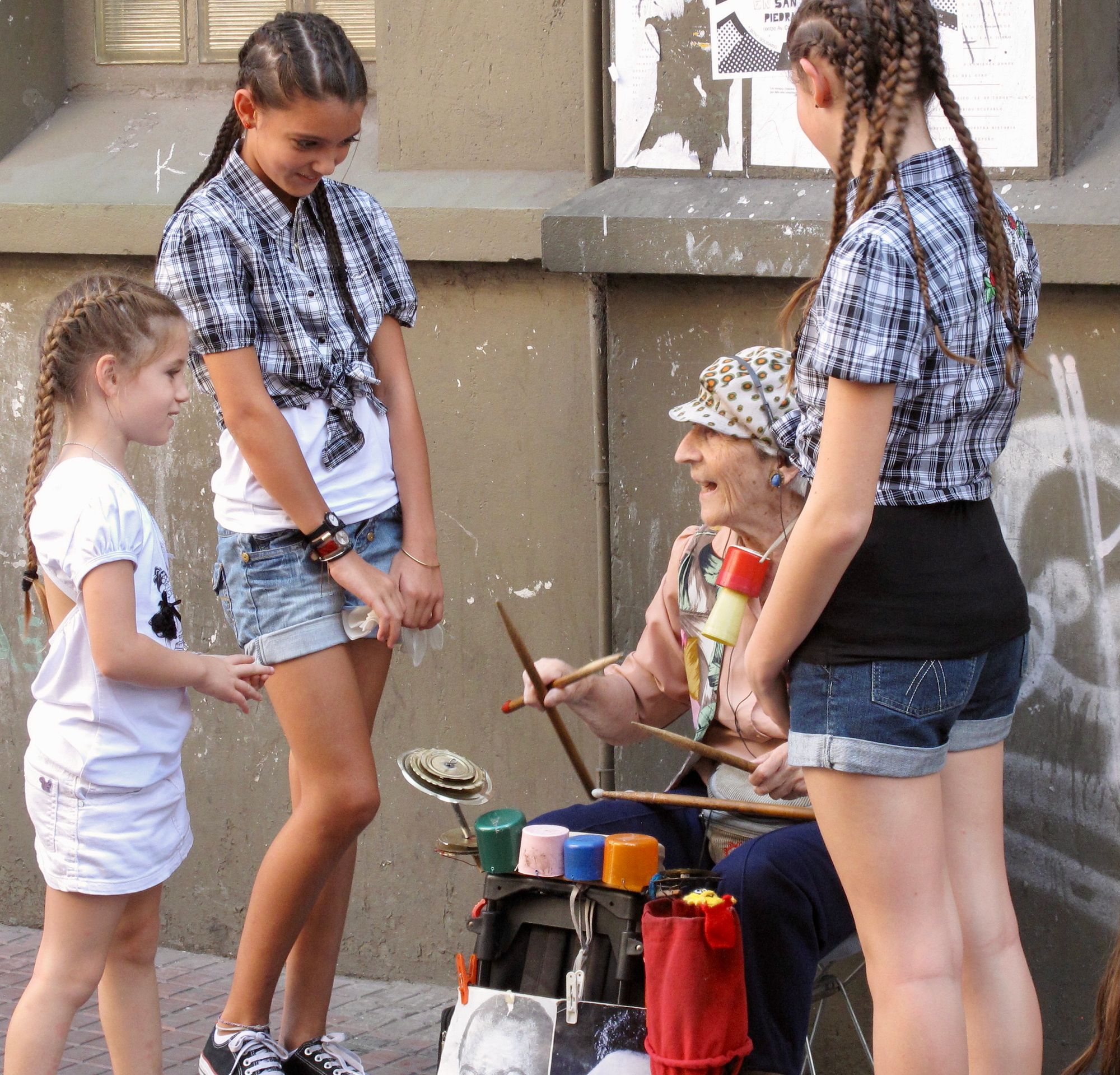
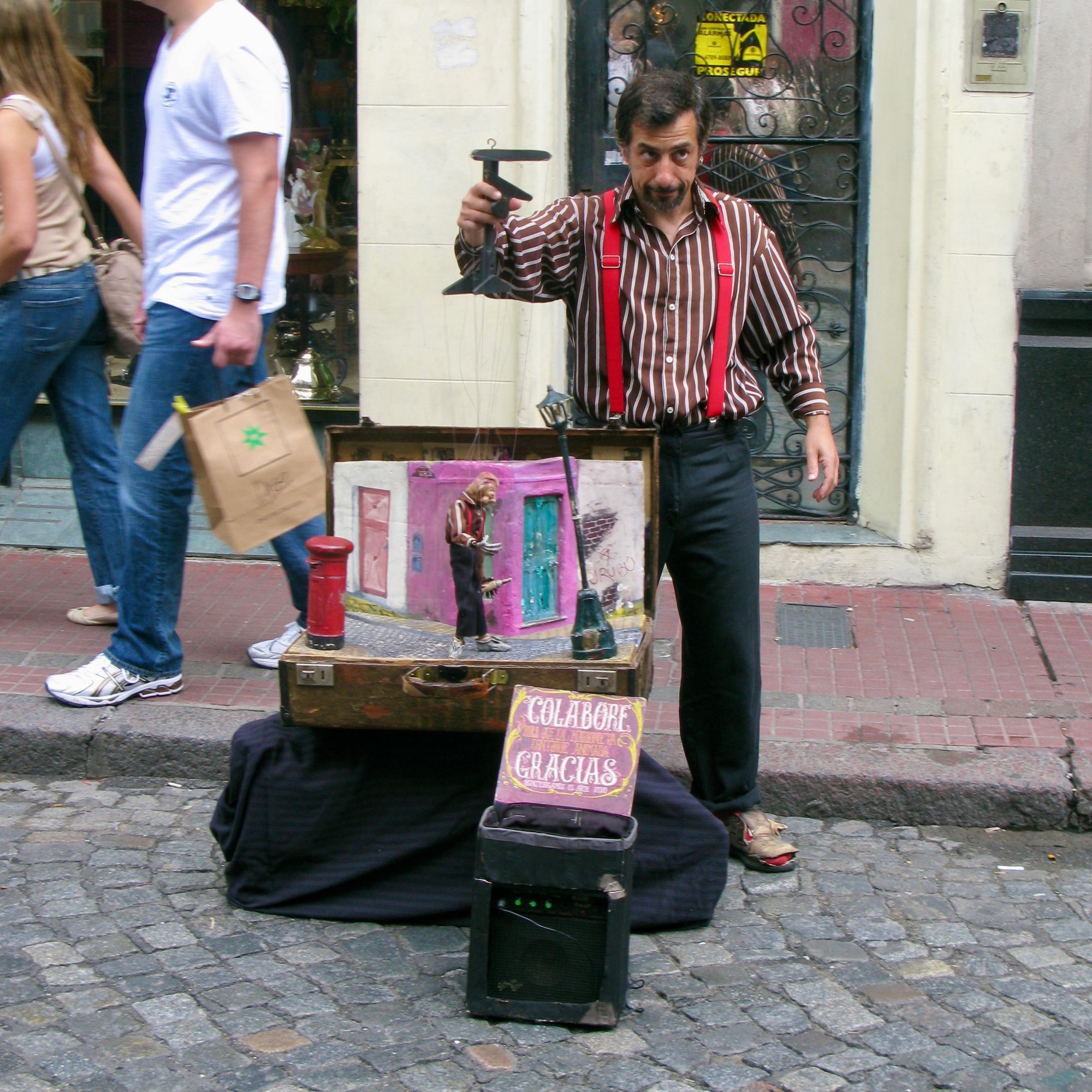
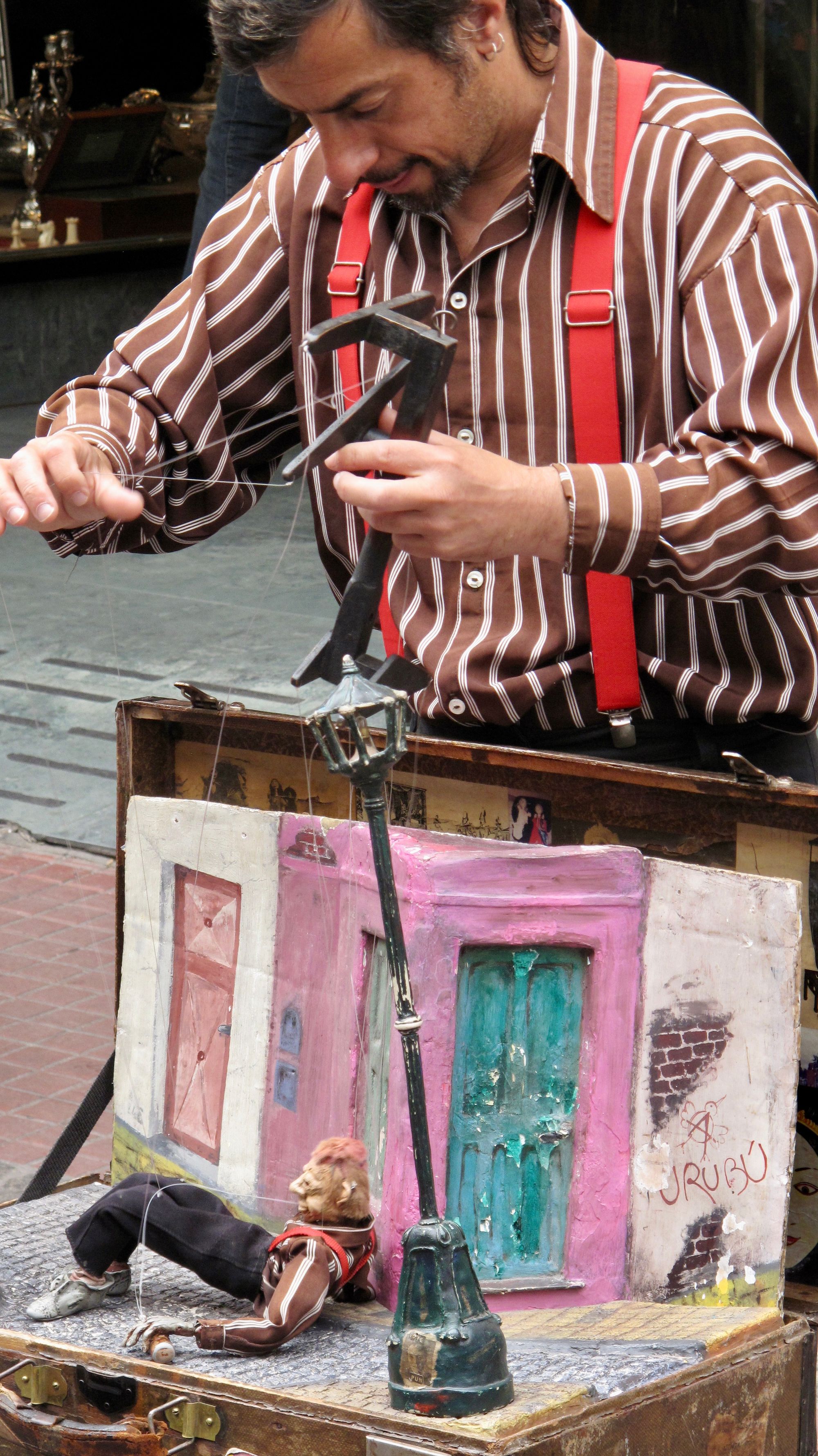
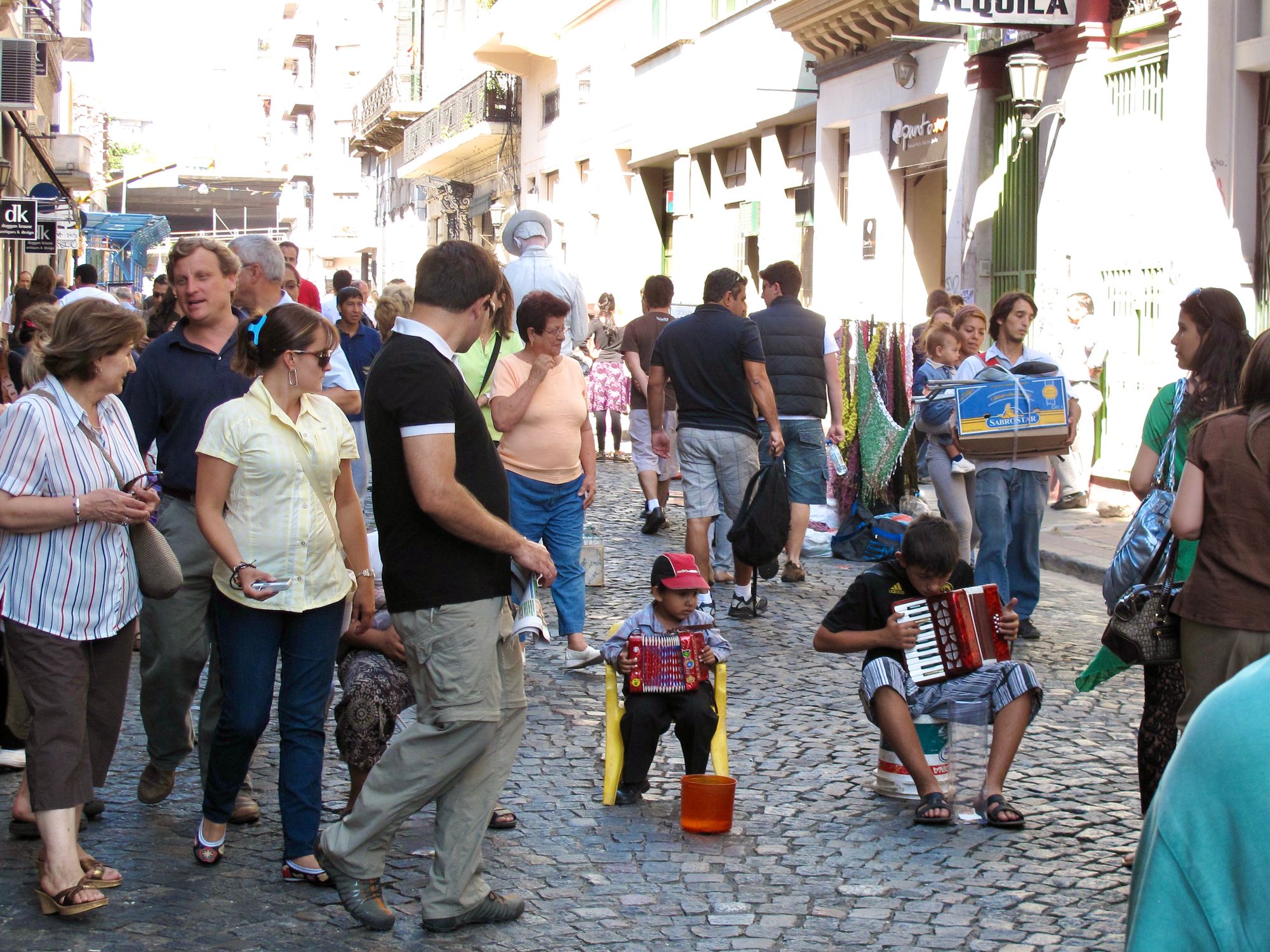
Watchers are totally engaged to the point of participating
Takeaways
Much like lights decorate the streets during the holidays and make them feel magical, art decorates our streets and infuses magic into the public realm year-round. Areas dominated by glass towers, concrete pillars, and pavement feel cold and soulless. But add murals, sculptures, ornamentation, and other kinds of creative placemaking, and you get a city that feels lived in, unique, and loved – a city with character and charm. Art is what adds humanity to our urban landscapes. It is an integral component to making city life joyful and we must ensure its presence on our streets.
Further Reading
 Fred Kent
 Kathy Madden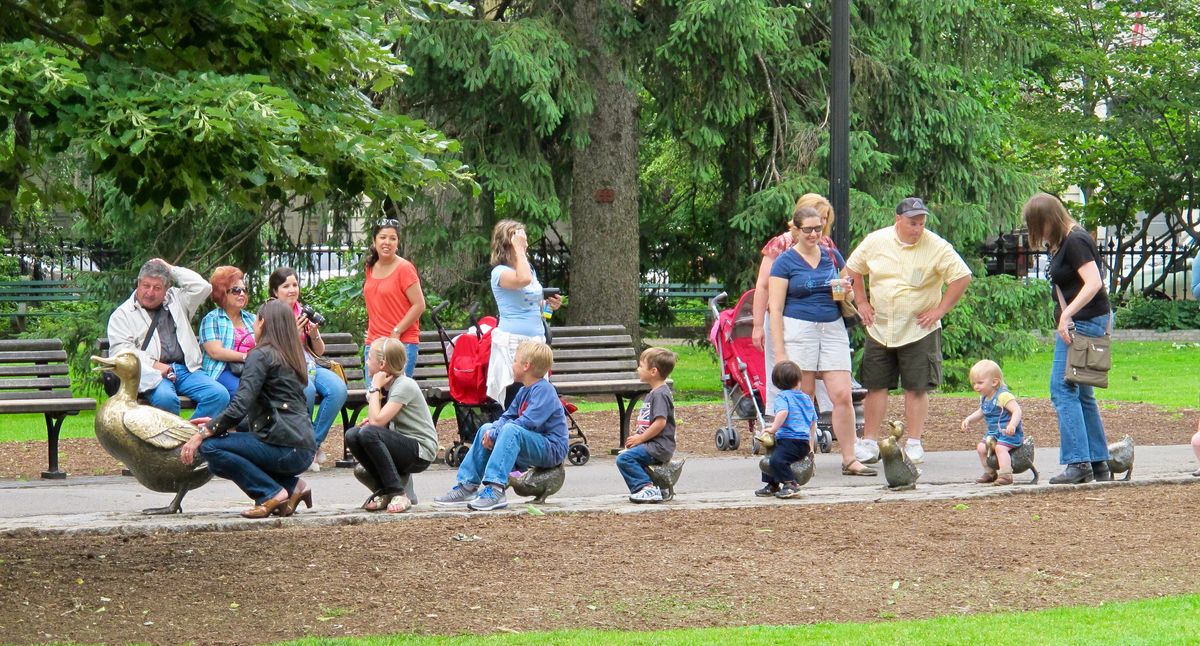
 Fred Kent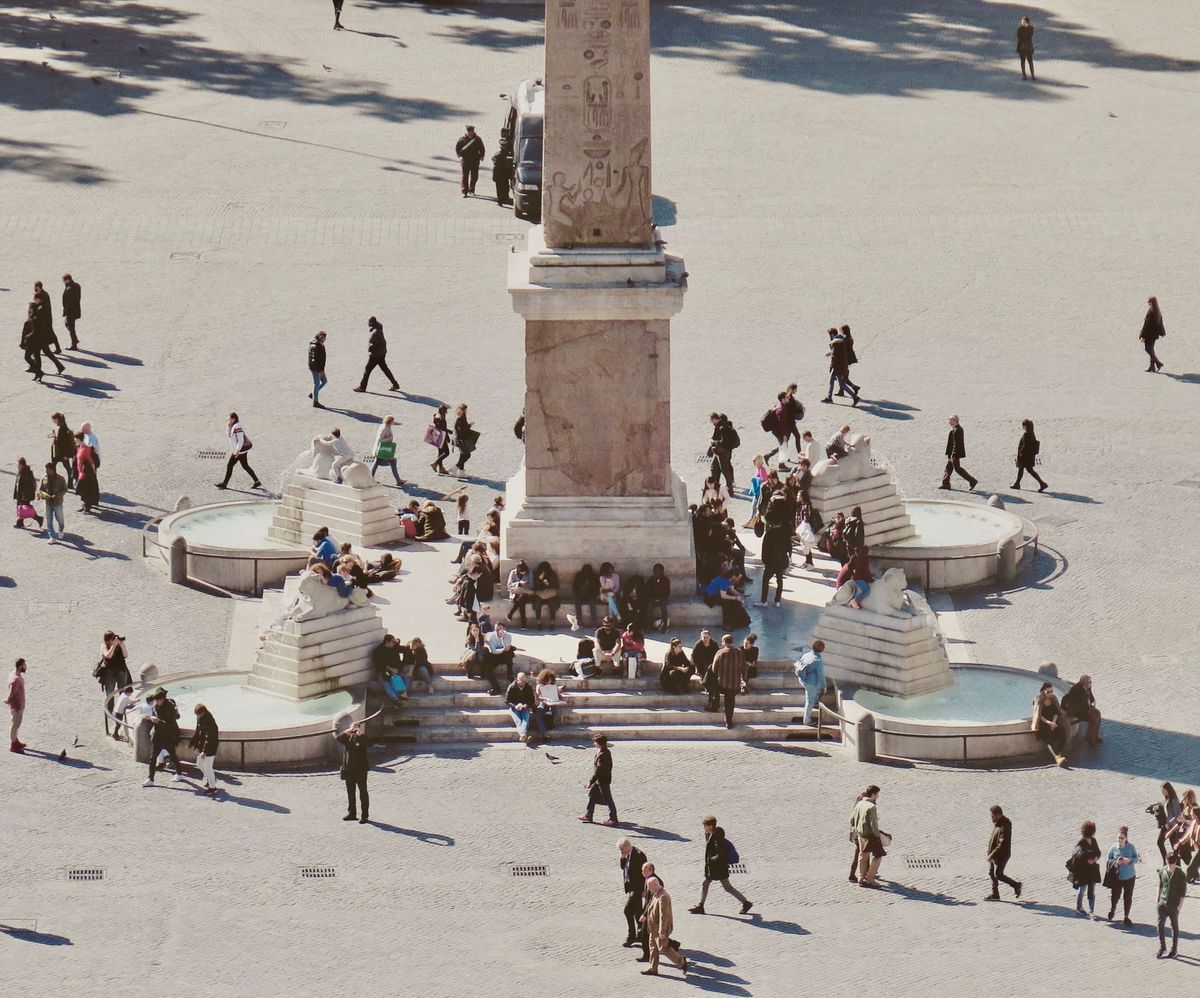
 Fred Kent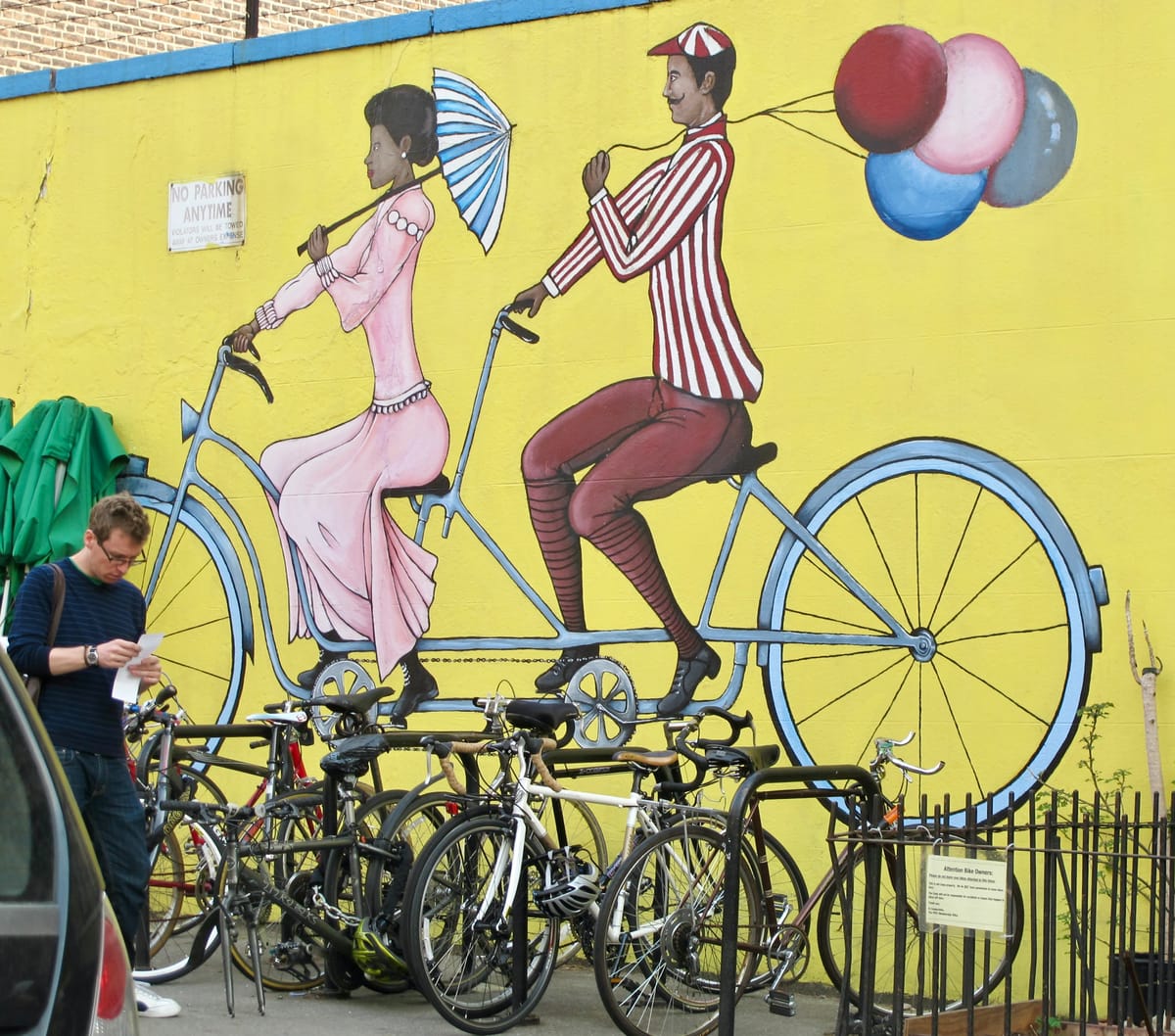
 Fred Kent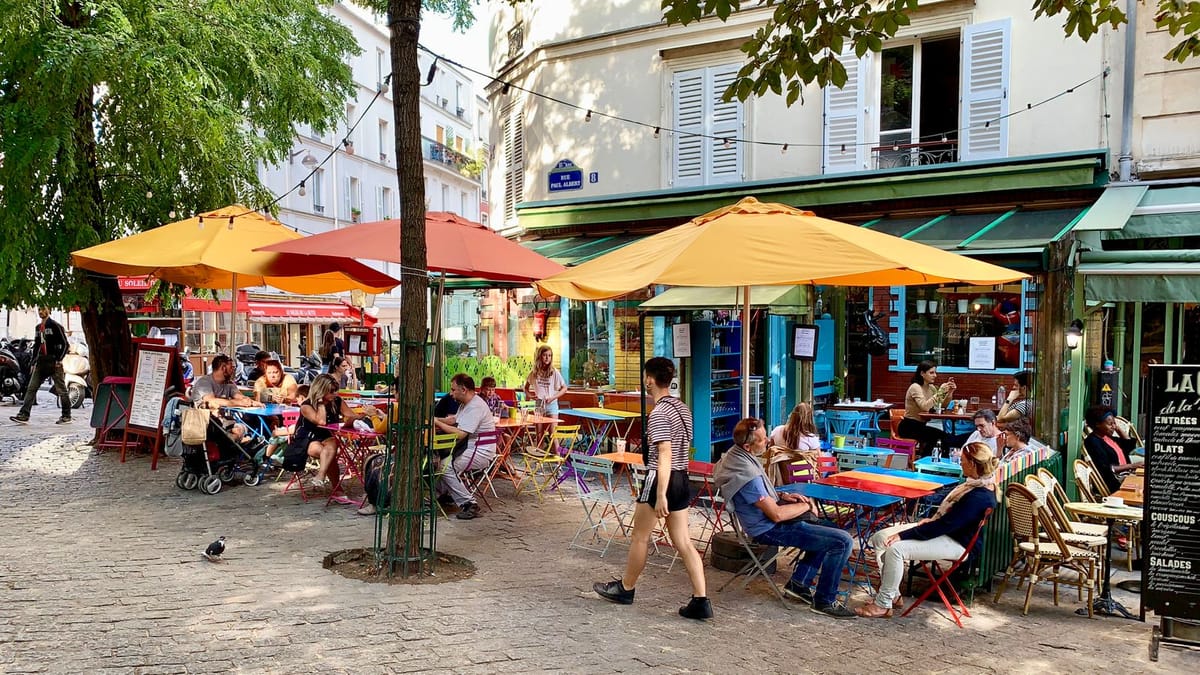
Who We Are
If you are interested in helping to build a community-wide campaign or catalytic interventions, presentations, exhibits, or in supporting the cause in some other way contact us.