
How, by "Breaking all the Rules" We can Create a Brooklyn where Everyone Thrives
important because it has lots of good and important links
Big Needs
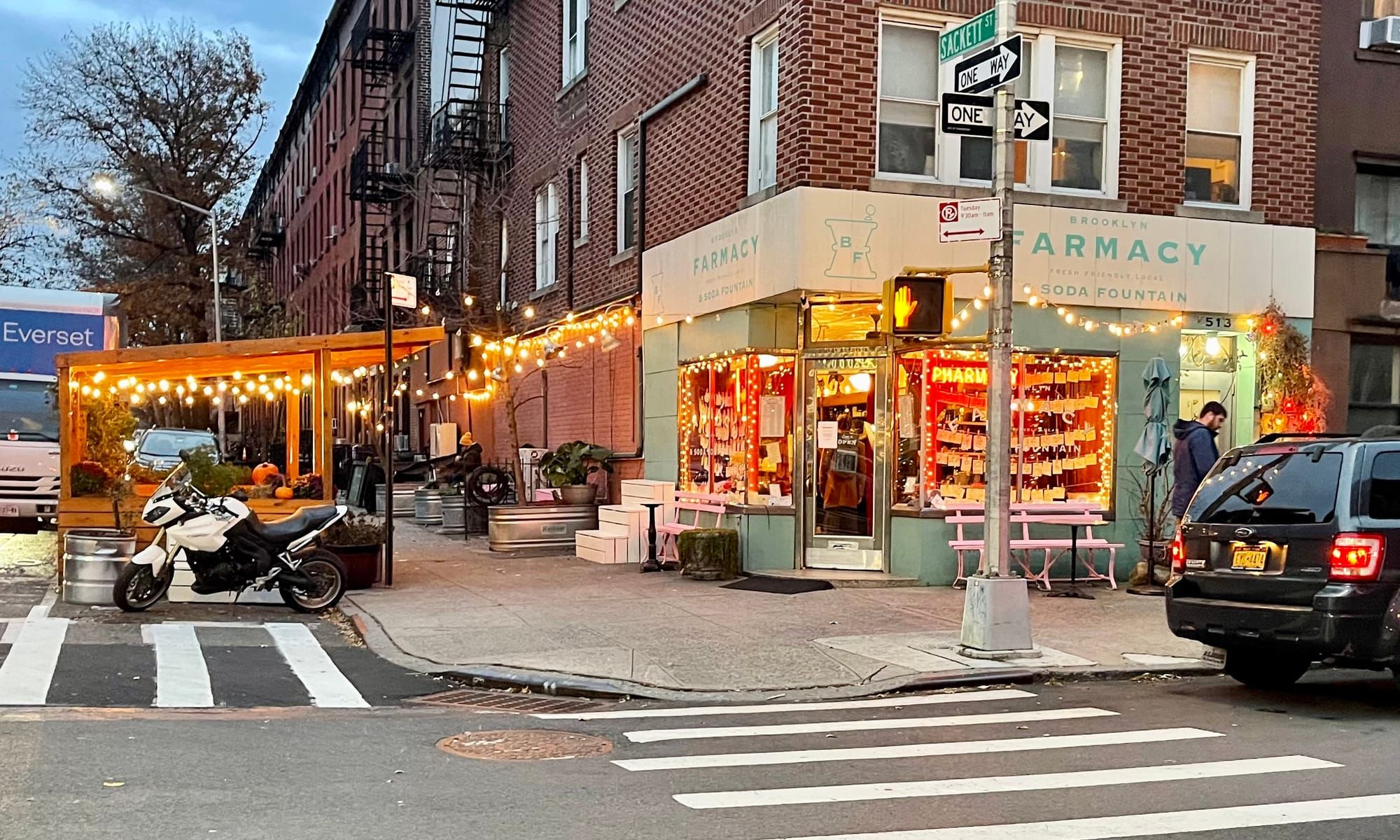
1) Start with the sidewalks: Creating neighborhood main streets with inside-out design (dining sheds, sidewalk tables, outdoor displays, order windows, etc.)
2) Create streets and intersections that focus on supporting public life rather than on maximizing traffic throughput.
3) Integrate the vibrancy of squares and markets with parks and waterfronts to create major destinations for gathering.
How to Make it Happen
Local management and programming. We need an overall shift from top down, government-led or design-led initiatives to places and programs led by locals via placemaking.
Ideas for Revitalizing Brooklyn
- Making dining sheds year-round and open throughout the day to provide sites for the social life people crave and need. Dining sheds take the street back from cars and make them platforms for community life.
- Expanding sidewalks. All humans live on sidewalks and intersections when we are outside, but they are too narrow and unpleasant to spend time on. They should be expanded and designed to support social life.
- Each building needs to offer something at the ground level so that being on the sidewalk is attractive and interesting. Unfortunately, generic contemporary architecture offers nothing appealing. It is just a visual void that we have to unwillingly be exposed to throughout the day.
- Create double-loaded sidewalks where there is activation both on the storefront side and on the curb side, making public life much more vibrant and appealing.
- The waterfront should be a vibrant public place. Through the addition of amenities, activated public places, and programming, the waterfront should become the go-to public place in Brooklyn.
- Activating green space in other ways. Green should be part of every street and public space, but the social life of the community should determine how that green space is used. For example, Bryant Part and Union Square show how the future of neighborhood public spaces can add activity through amenities and activities, while still being green.
- Developing new squares including by transforming school yards. These can be activated with seating, programming such as markets, and inside-out design.
- Making speeds no higher than 18 mph on local streets so everyone feels at ease, and intersections where shared space of varying degrees is incorporated as a key factor.
- Contemporary architecture that has no soul should be replaced with buildings that have character, appeal, and reflect the community.
- Prioritizing people on streets by improving alternative ways of getting around and increasing economic and social capacity. Every community is saturated to the maximum with through-traffic. Cobble Hill in Brooklyn is at 70 percent. As streets become more traffic clogged they isolate and separate communities. Streets need to be populated by people, not cars.
- Replacing "Killer Intersections" with activated corners and shared spaces. Start with Court Street and Atlantic.
Brooklyn is a wonderful place in many ways, but its architecture, public spaces, and transportation need to fundamentally change to be more aligned with what Brooklyn represents, who Brooklynites are, and how we want to live in the future. At the moment, too much of the borough is focused on car infrastructure and too little on facilitating community and public life.
The way to change that is by focusing on Place. When you focus on public places and the things that happen there, you start to think about and do everything differently. You start to think about people instead of cars, maximizing joy instead of traffic flow, and connection instead of division. You "turn everything upside down to get it right side up, to go from inadequate to extraordinary."
What makes Brooklyn so spectacular and unique is the artistic and innovative energy fostered by people from all around the world, which can be seen in a vast array of eateries, local businesses, events, and cultural institutions. We saw Brooklyn's spirit thrive when COVID forced the City to reduce regulations and encourage public activations to save social and commercial life. This allowed adaptive creativity to shine and exposed us to a future we could all benefit from where community members were empowered to shape the public realm.
However, when Covid ended so did the dining shed initiative, leaving our streets and sidewalks once again dull and dominated by traffic. What's more, Brooklyn's other public places are often underperforming and disconnected, divided by wide hostile streets. They lack the energy to revitalize the larger area they're set in, energy they could generate if they were activated and better connected to each other.
 Fred Kent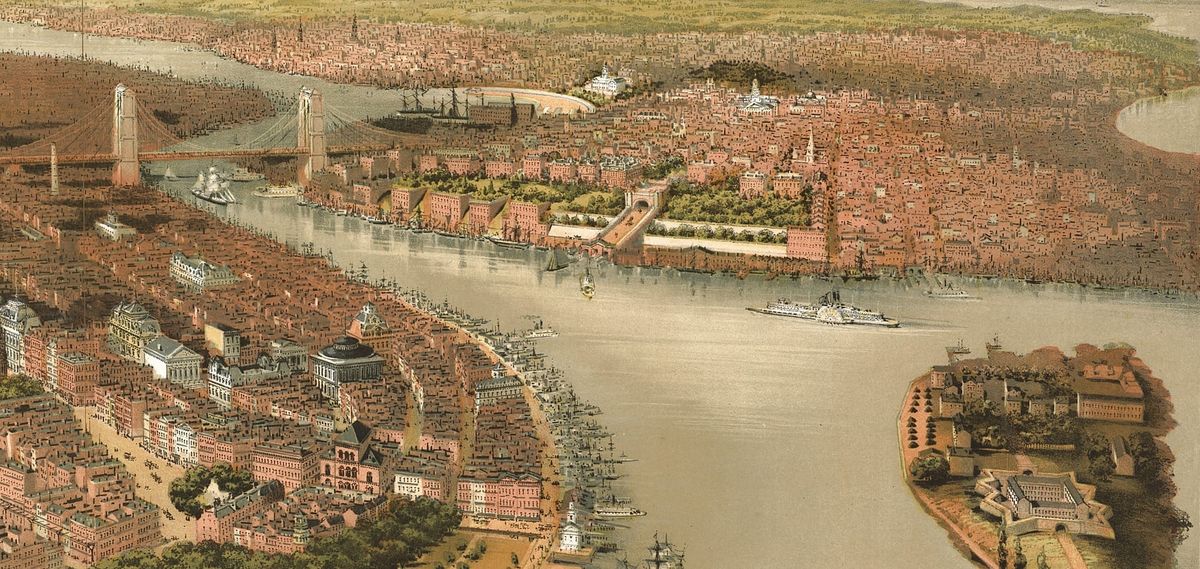
Brooklynites can gain much inspiration by looking at how Paris transformed itself into a marvelous human-centric city in just 20 years. We can do the same. We can set a goal to deliver the "Brooklyn of the Future" similar to what the leadership of Paris did through a vision focused on the human experience rather than the driving experience.
"There are more and more of us fighting for a different vision of the world—a world that takes care of our most precious resources: the air we breathe, the water we drink and the places we share." – Anne Hidalgo, Former Mayor of Paris, France
Fred Kent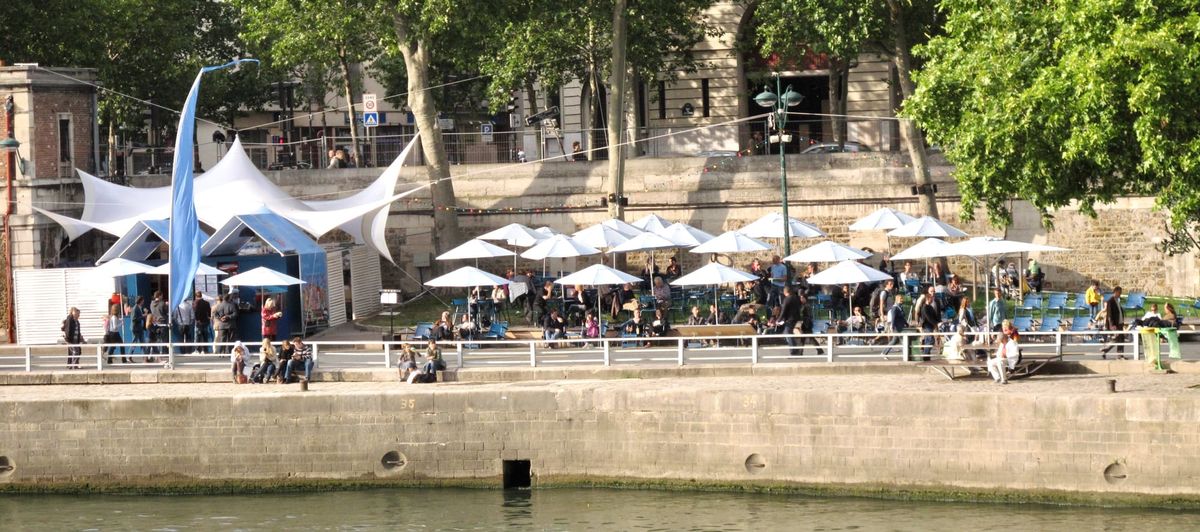
Creating Main Streets - Court Street and Atlantic
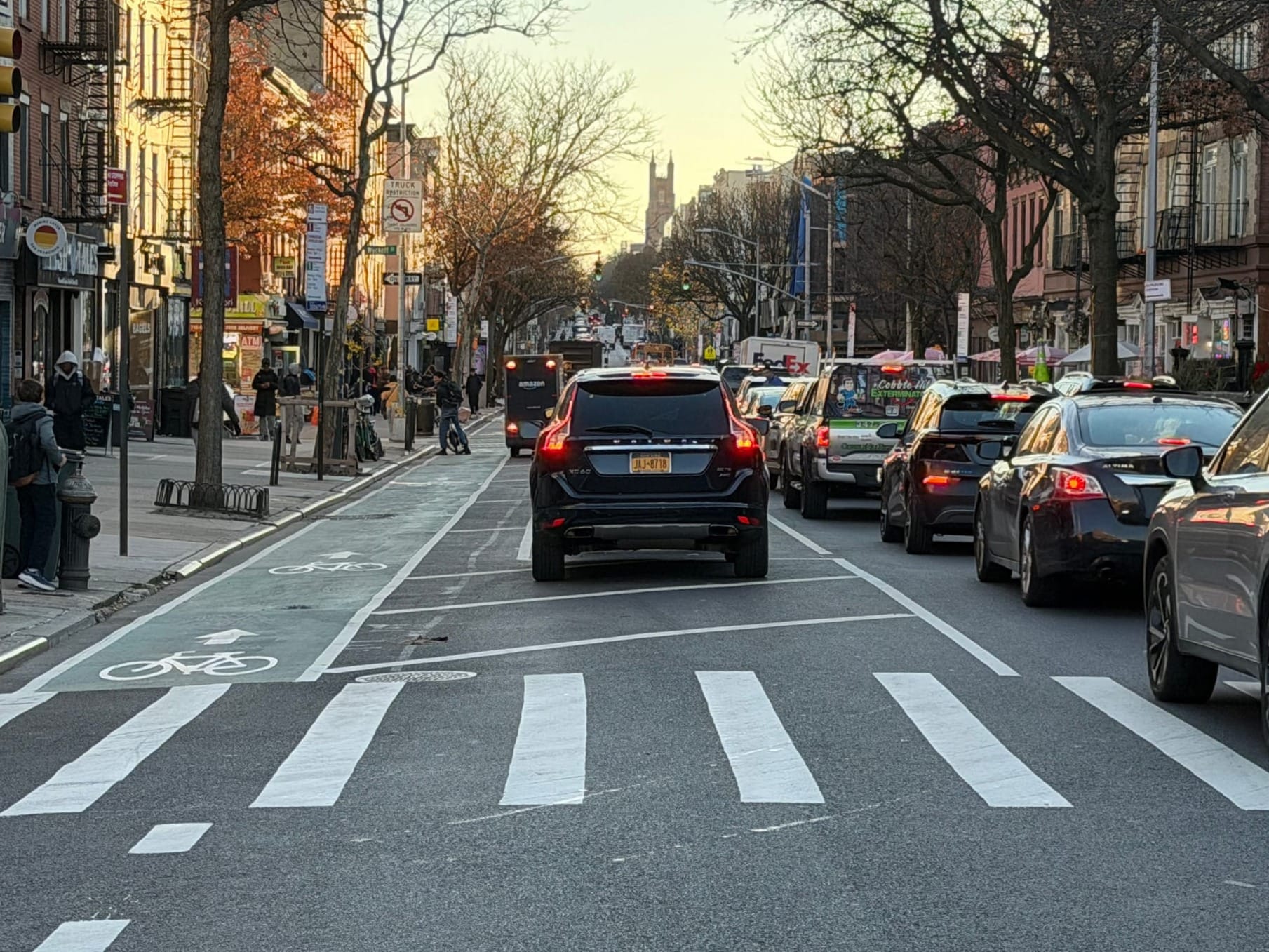
At the moment, Court Street is not anyone's Main Street. But it can and should be. We need to figure out how to take it back from cars and return it to the community. We saw a bright future ahead for this street after COVID, when the dining sheds were flourishing and the sidewalks were bustling with activity. People and social life filled the streets. But since the dining sheds were removed, the street has returned to its car-centric state. It has gone down hill and the whole neighborhood is suffering because of it.
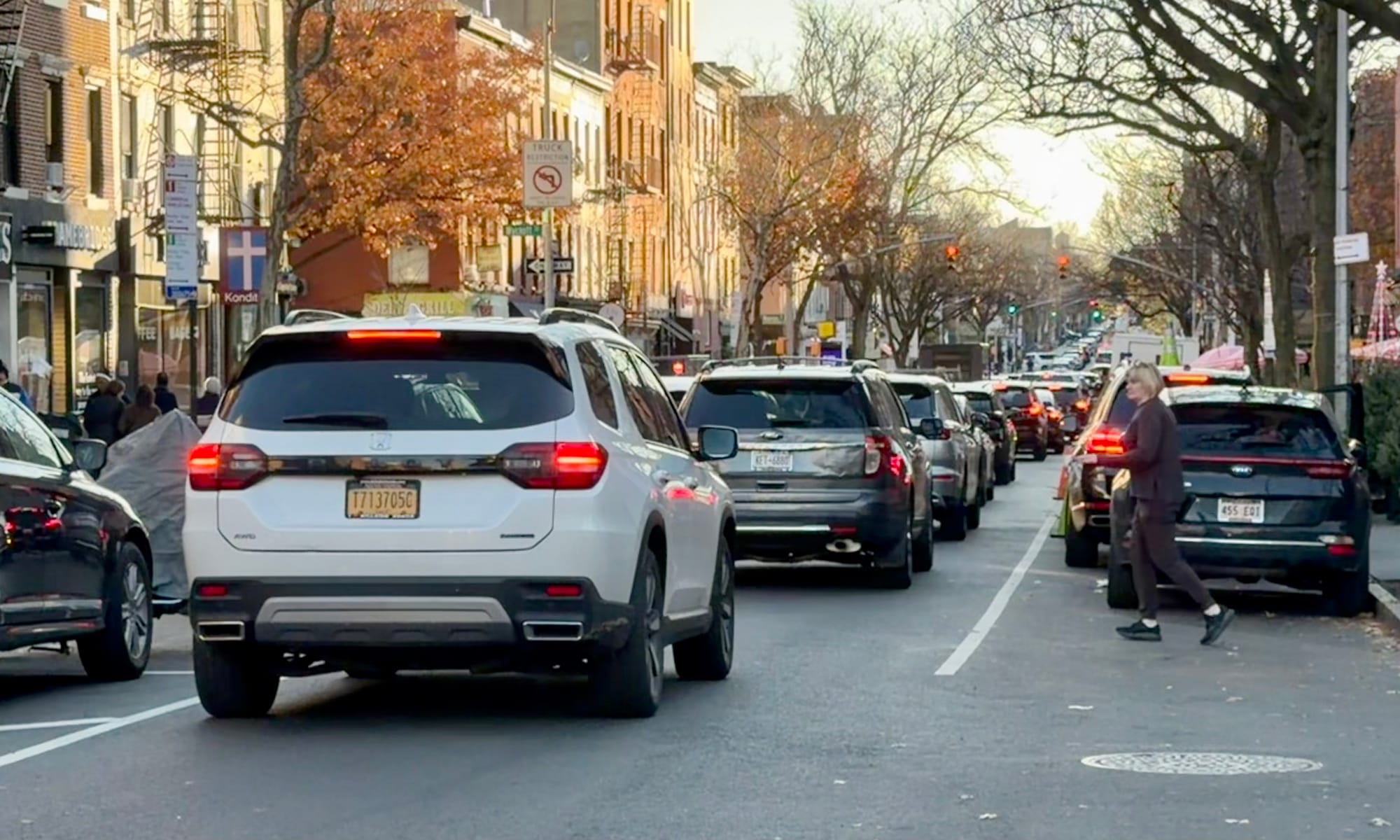
The problem is that the priorities for Court Street are all wrong. Cars and bikes control the street from curb to curb. The area for pedestrian life is narrow and uninspiring. The sidewalks are dull with limited activity on most blocks. The focus is on moving cars through, not encouraging people to stick around.
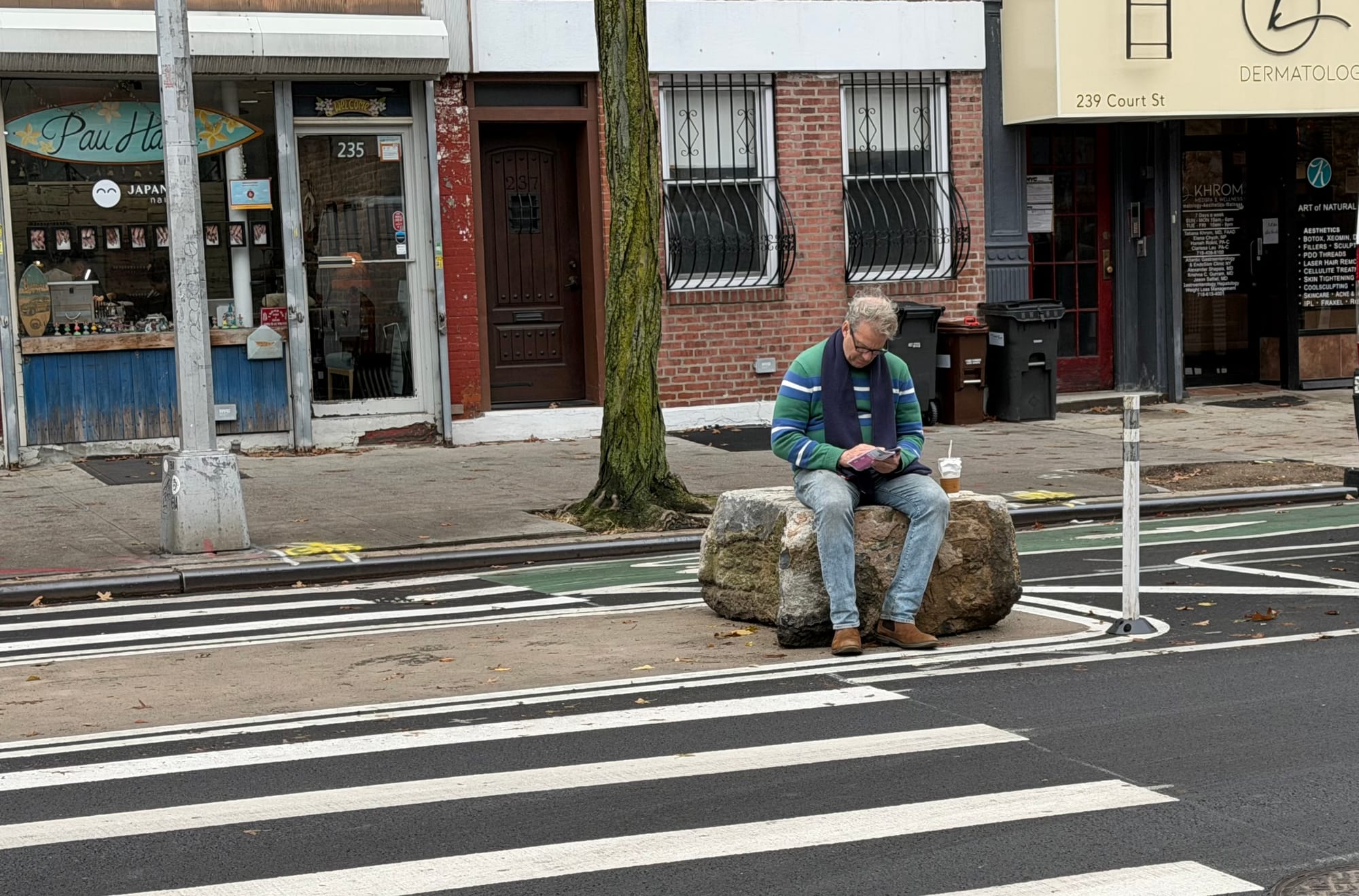
Public benches are huge rocks in the middle of the street...
The focus on this Main Street should be social life, not traffic, and that can only happen if the community is actively involved in co-creating it. As a community we must be able to define the street for ourselves. But for us to be able to do that, it has to be in our hands – we have to be given the freedom and power to shape it.
"If architecture is frozen music and planning is composition, Placemaking is improvisational street performance"
Unique businesses, establishments, and public places made with care by locals are the seeds of the transformation Brooklyn needs, and with support, intentional design choices, and sufficient resources, their impacts can be catalytic and could be a strategy that could transform the whole city.
 Fred Kent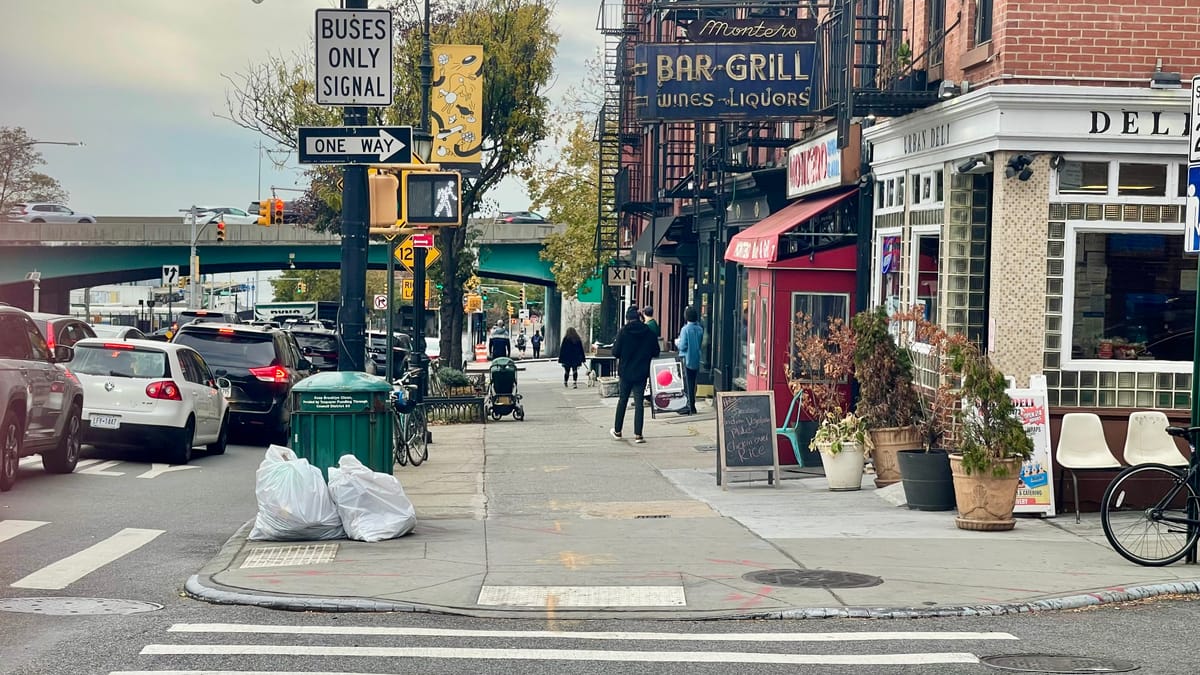
Revitalizing underperforming public places
In term of public space, Brooklyn is severely underperforming when you compare it to other cities around the world. There needs to be more social hubs in our streets, more intersections acting as squares in neighborhoods, more enhancement of natural assets like the waterfront and parks. We need to pull everything together in the right way in order to create communities of the future where humans and the community are center-stage, not cars and traffic.
Brooklyn's waterfronts are currently mostly a failure because they are unable to attract the kind of social and community life they need to in order to thrive. Similarly, its streets and intersections are underperforming because they cater to cars more than to pedestrians. What is missing is the glue that brings people together.
Brooklyn needs a recognizable identity in order to rise to the level of global excellence it has the potential to attain. We can create exciting neighborhoods defined by main streets where people shop, gather and hang out, streets that connect key assets and amenities like the waterfront and main squares. These areas need to be safe, pleasant, people-friendly, and include sidewalks where kids can roam free and people in wheelchairs can get around comfortably, where bikes are integrated into the local culture and where pedestrians feel at ease.
Bringing back dining sheds could be one step, by double-loading the sidewalks and functionally expanding the useable space along the street, dining sheds could add public space back from cars and gave it to community life.
 Fred Kent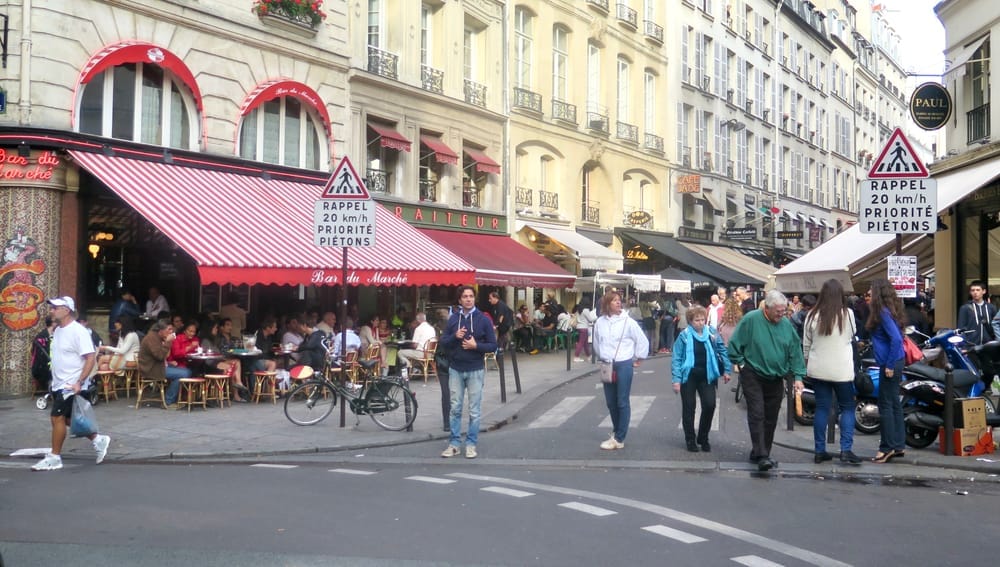
 Fred Kent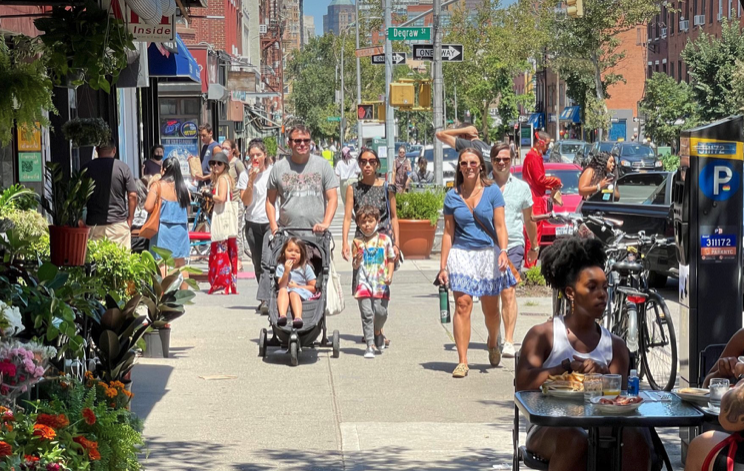
No one questions that Brooklyn needs change; the neighborhood level is where this change could begin. Historic cities and towns built before car culture took over could be the blueprint for how to design for people instead of traffic.
The Brooklyn Waterfront
The current proposal for the Brooklyn waterfront is not a move towards progress but rather a degradation of a major amenity. The proposed development is in a style that has destroyed cities/communities around the world – that strips away character and community appeal and replaces it with soulless, privatized modern sterility.
We should define Brooklyn's future by recognizing that the waterfront is our greatest asset and must be preserved for active public use in its entirety, not for private developments that displace the public and benefit a privileged minority. Let’s create a vision for “Brooklyn for the future” that everyone can benefit from. That means limiting through-traffic and proposals that disregard the importance of public spaces and community life.
It also means moving away from landscaping-dominated proposals. Green space and parks are only a small part of what people need to survive. Uninspiring landscaping wastes the enormous opportunity available at the waterfront for community building if designed to appeal to all different kinds of people.
Fred Kent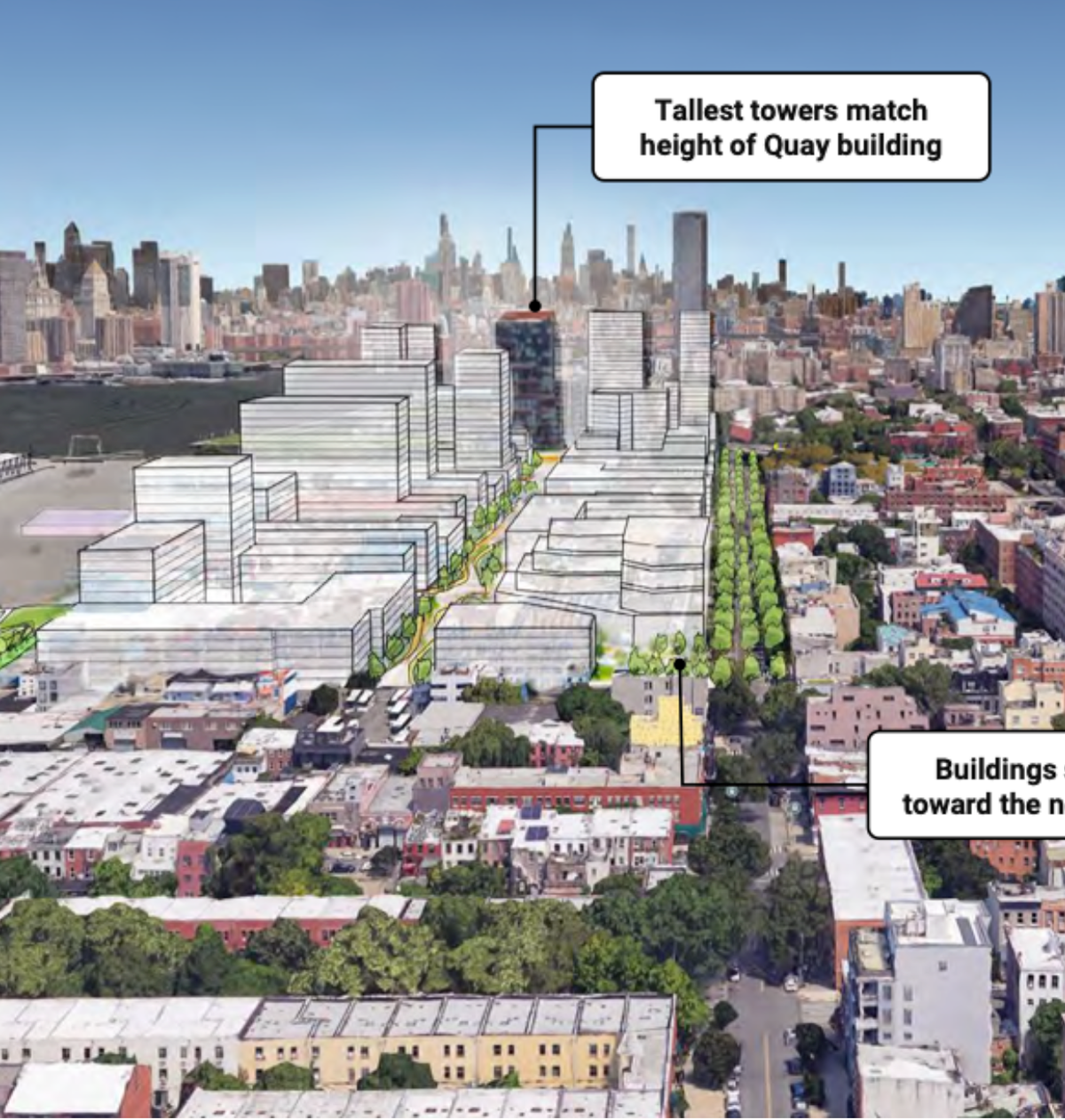
 Fred Kent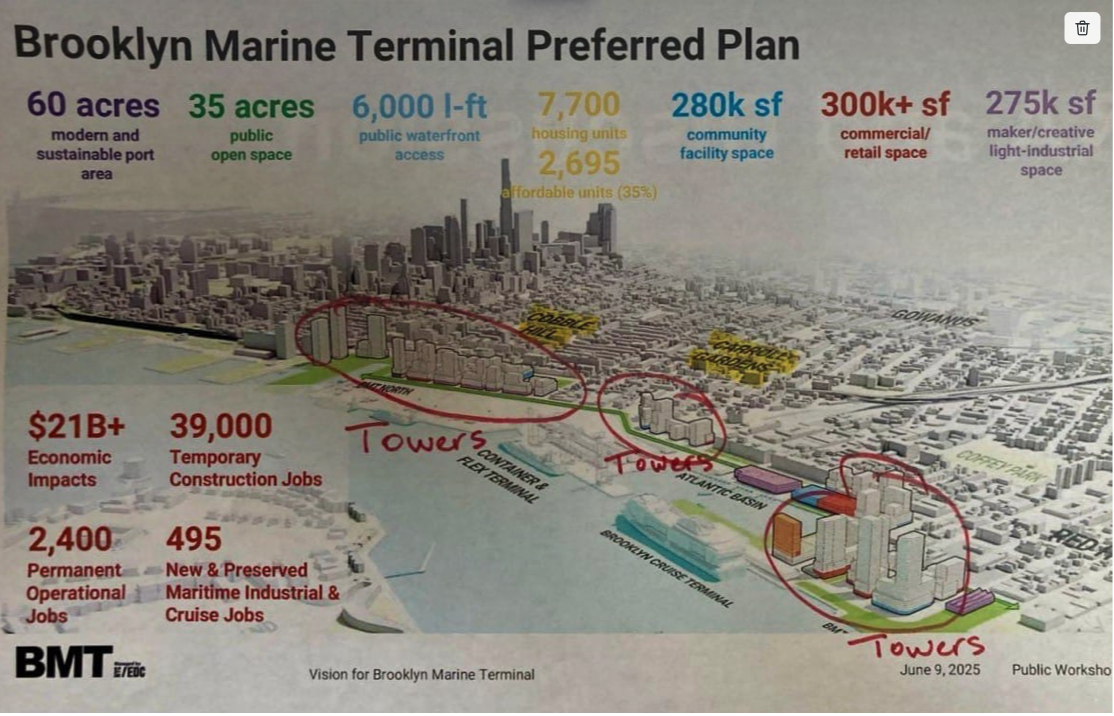
 Fred Kent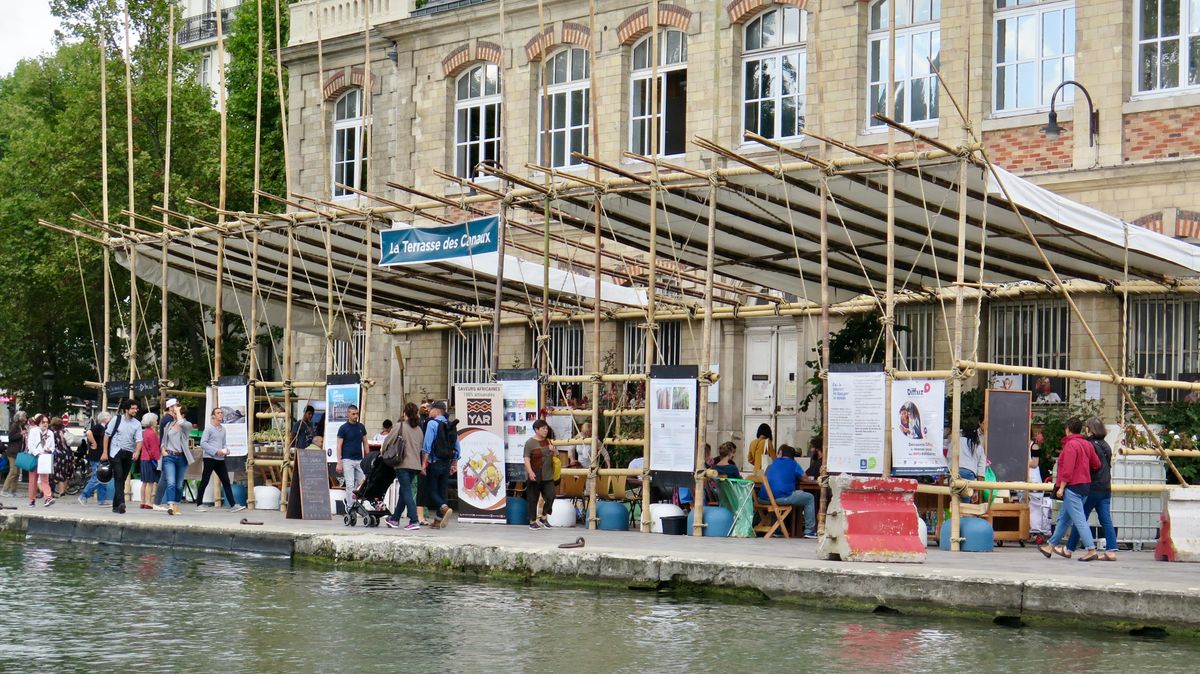
Our Social Life Project Articles on Brooklyn
Brooklyn's Existing Assets
Emerging Social Hubs in Brooklyn: Building Back Better
During and post pandemic, Carroll Gardens, Cobble Hill and Brooklyn Heights were bursting with what we call social hubs - corners, sidewalks, and intersections came to life with outdoor eateries and seating areas, attracting the community to gather and connect. These lively social hubs allowed the neighborhoods to transition from restraint in public spaces to a spirit of experimentation and social life.
It exposed the best in what a focus on "Place" or "placemaking" can deliver. Improvisation, at the local level is the foundation of creating small, local dynamic settings, and, if nurtured, could create or what we think, "Placemaking at its Best." The entire community thrived. We learned a lot about who we were as a community and gave us a pretty clear idea of where we might want to go in the future.
 Fred Kent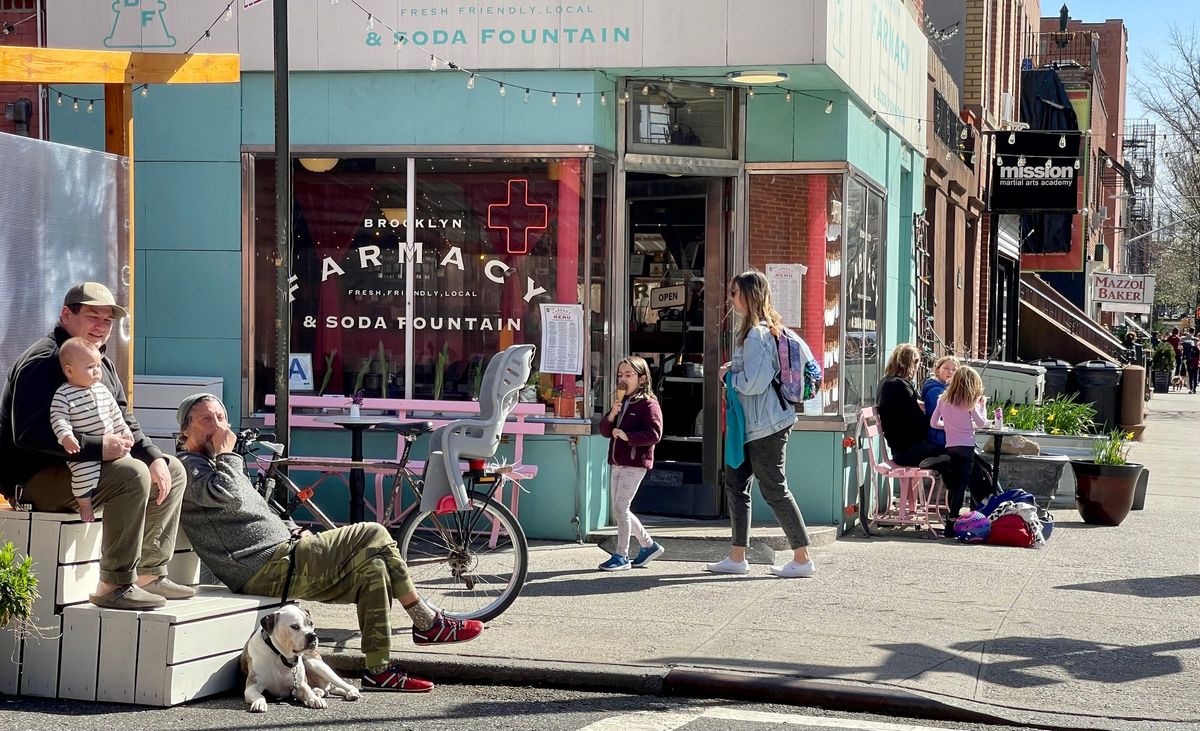
Two Buildings that Build Life: Fostering Sidewalk Social Life in Brooklyn and Paris
The Foster Building in Cobble Hill has been an example of adapting spaces to fit our changing needs. Prior to the pandemic, there were very few outdoor cafés, mostly because of oppressive regulations and difficulty in getting approvals. During COVID-19, café seating was permitted in front of restaurants. The restaurant Darna led the way by adding umbrellas, tables, and café seating to the sidewalk and street. Its success inspired businesses along the block to do the same, bringing the whole area to life. With this "inside out design" the Foster building became a vibrant social hub and community gathering place.
 Fred Kent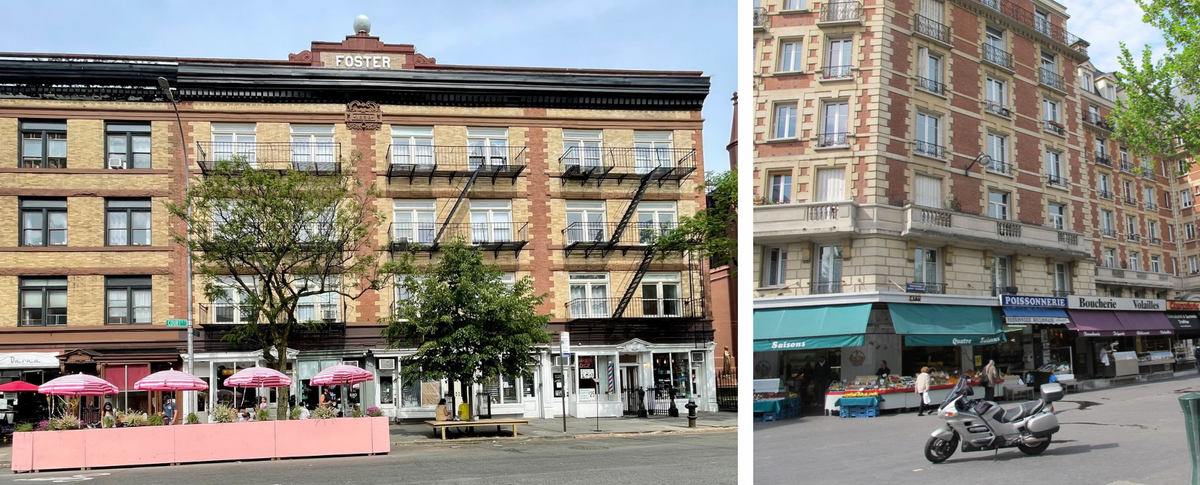
Critiques
SHAME - What New Yorkers Lost: Dining Sheds That Supported Vibrant, community, Sidewalk Life
A wonderful new trend emerged in New York during the pandemic that transformed sidewalks into major social gathering hubs. “Dining sheds” and sidewalk seating areas popped up all over the city, expanding the areas where we could gather, connect, and enjoy life. These places became truly wonderful hangout spots for all members of the community and revitalized the streets of our city.
Unfortunately, these places have been removed. Because of new rules that put a number of costs and restrictions on street dining with the goal of returning space to cars and control to the government, the majority of these great places have been taken down. So much more than outdoor dining is being lost. What we are losing is social life, community connection, and the very soul of the city.
 Fred Kent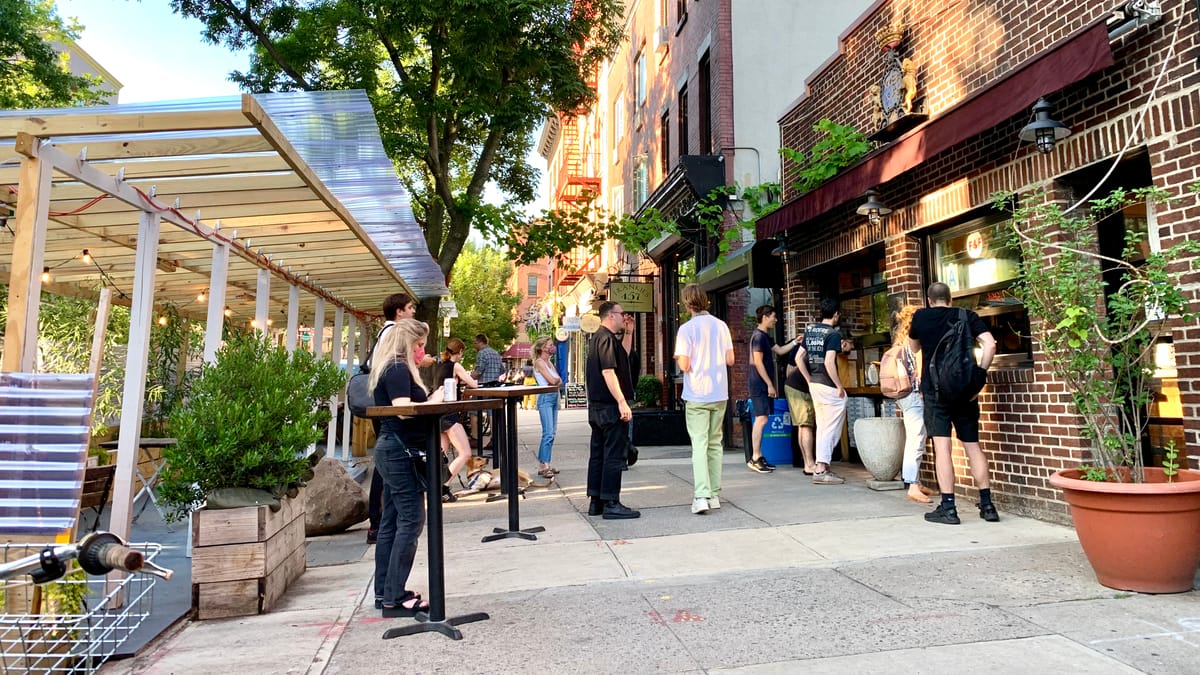
Four Iconic Waterfronts – Three of the World's Best and One That Could Become Another of the Best Waterfronts in the World
The waterfronts of Paris, Porto, London and Brooklyn offer important insights about what makes a place beloved by those who live, work and play there—and what doesn't. The secret is paying attention to how people actually use waterfront spaces. Below we show what sparks social activity and interaction in Paris and Porto— and how limited the options are in Brooklyn Bridge Park by comparison.
 Fred Kent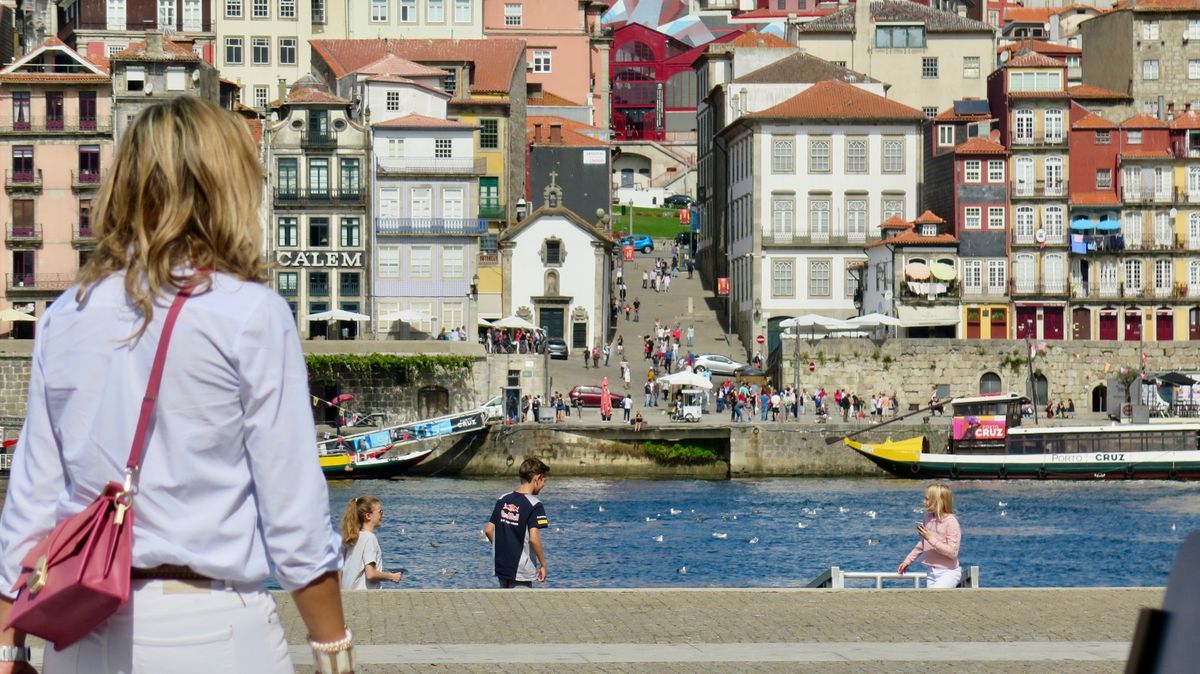
A New Vision for Brooklyn
Let's Create a Central Market and Square at Borough Hall and Cadman Plaza
Brooklyn's rebirth is defined by the vast array of different cultures that call it home. Cadman Plaza should respect and showcase this diversity. This central area of Brooklyn is also very historic, but there is little to showcase that either. Taking the time to tap into the unique and dynamic qualities of Brooklyn can lay the foundation for Cadman Plaza's transformation.
 Fred Kent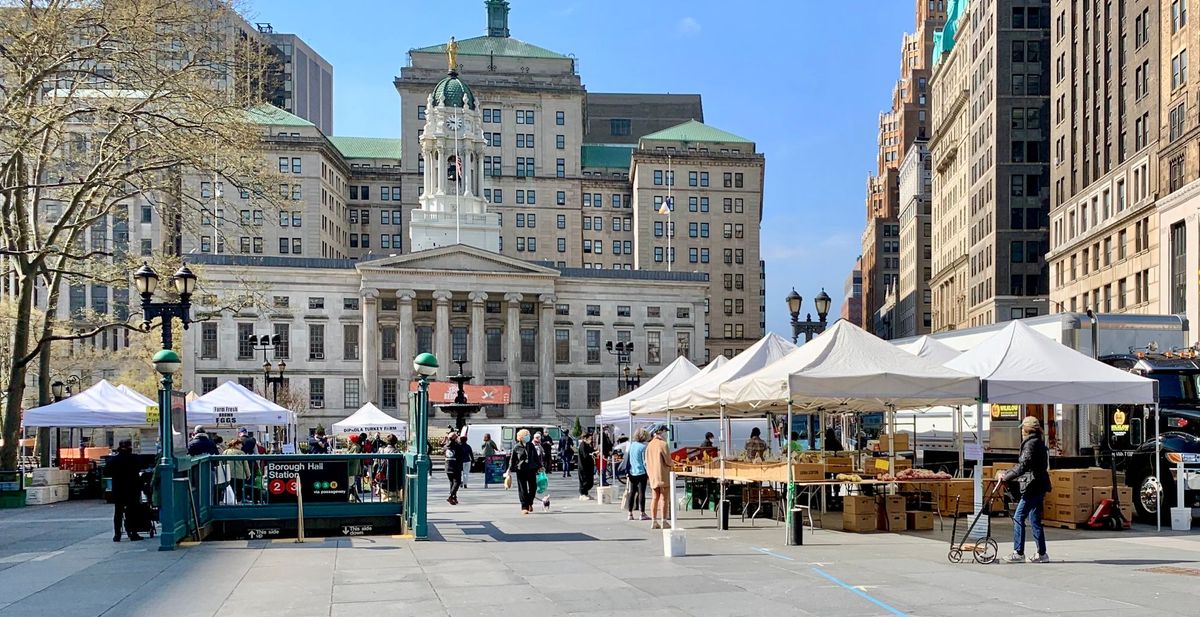
 Fred Kent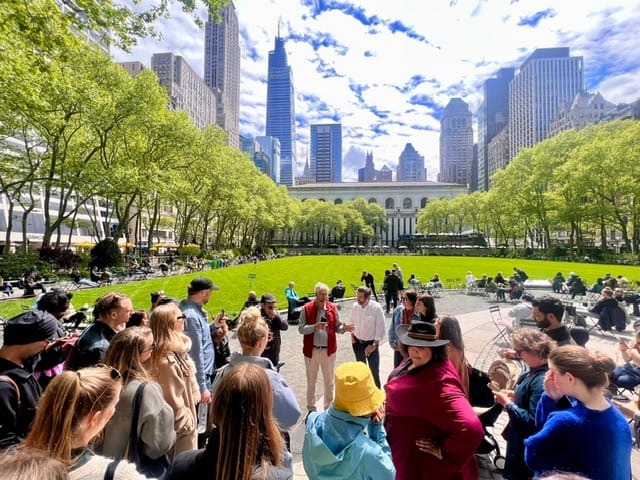
Creating the Heart of Brooklyn – Brooklyn Borough Hall, Court House, Cadman Plaza down to Fulton Landing
Together, Brooklyn Borough Hall, the Court House, and Cadman Plaza could easily become parts of a central square and evolve into the main gathering place for all of Brooklyn. Linking to Fulton Landing, these spaces could also be transformed into an esplanade, drawing people from the center of this part of the Brooklyn to the waterfront.
These spaces are close to the DUMBO neighborhood and to the iconic bridges connecting Brooklyn to Manhattan. Their location is a major asset that needs to be taken advantage of. The opportunity to revitalize the area is only emphasized by the fact that much of the Brooklyn waterfront is underutilized and not living up to its potential.
 Ethan Kent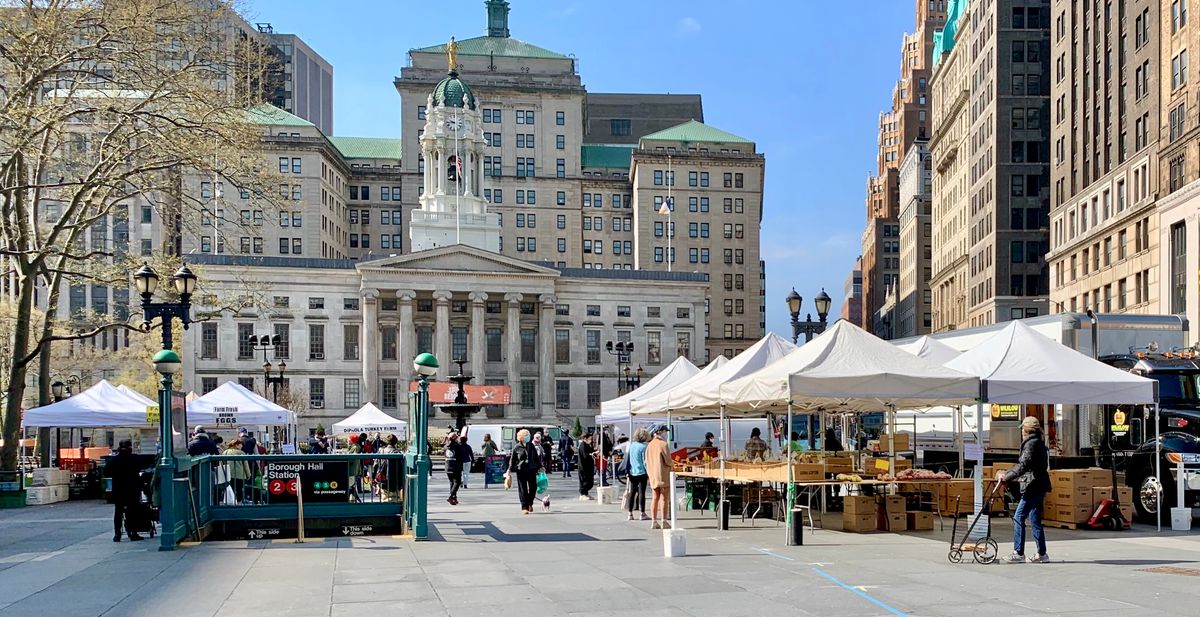
Brooklyn Promenade Social Seating and Cafe/Kiosk
Activating The Brooklyn Heights Promenade represents an enormous opportunity to add some small features that give it a richness to make it even more special. A few small kiosks, or cafe could make it a strong gathering place for the Brooklyn Heights Community and enhance the experience for visitors and residents alike.
 Fred Kent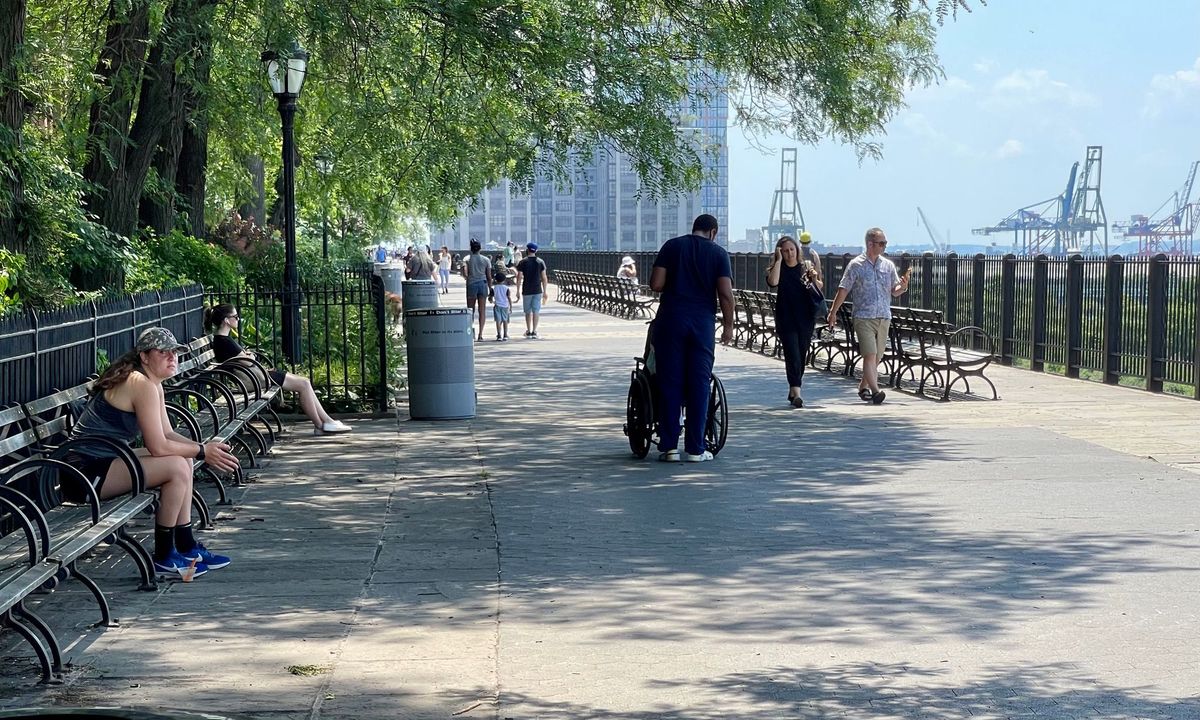
Montague Street Activation
Montague Street has multiple empty storefronts, uncared for buildings, limited outdoor seating, few places to gather, weak entranceways, few outdoor cafes, and a limited restaurant presence. All this was greatly impacted by the pandemic which exposed and heightened its flaws. This is an important street in a key historic district of New York that should enjoy abundant foot traffic and social life. In this article we suggest ways this can be achieved.
 Fred Kent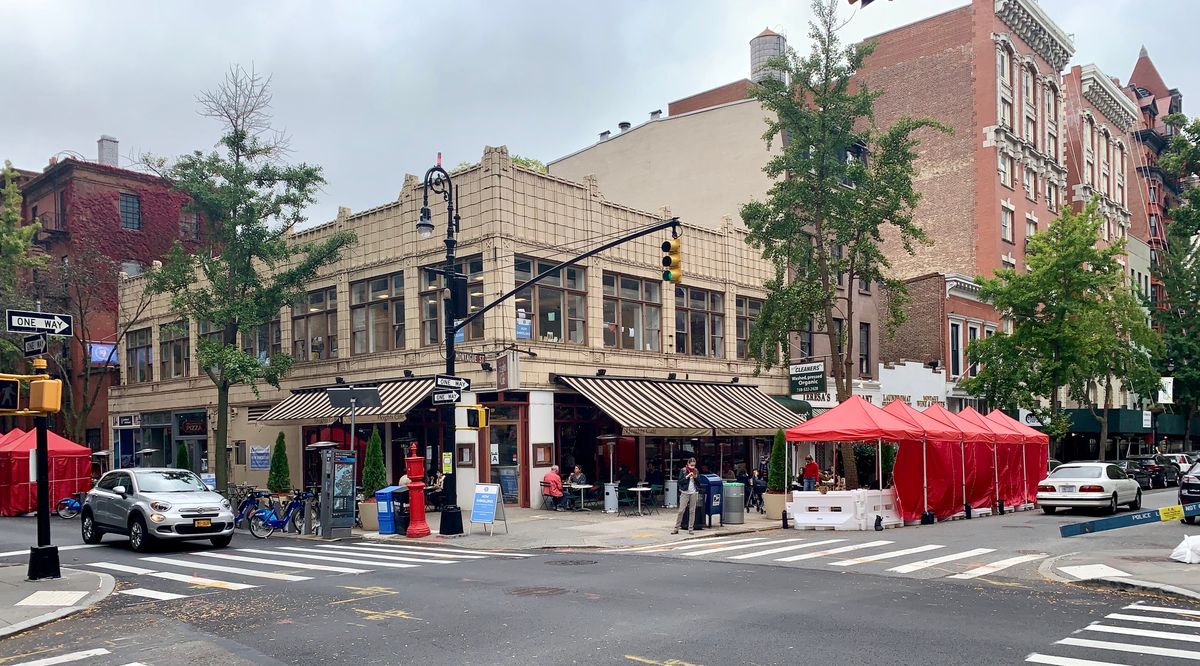
A New Vision for the Waterfront
Brooklyn's waterfront offers incredible views of iconic sights like the Manhattan skyline, the Statue of Liberty, and Brooklyn Bridge. It is one of Brooklyn's principal assets and as such, it must be highlighted and made the best it can be. Unfortunately, many issues plague the design of Brooklyn Bridge Park.
The city's and state's vision planning process for the Brooklyn Maritime District presents a once-in-a-lifetime opportunity to reconnect our historic Brooklyn neighborhoods to the waterfront and create a significant community destination. These articles are intended to inspire the local Brooklyn community to see the full potential of our waterfront as a vibrant, active destination. The vision includes pedestrian promenades and public piers that catalyze local economic development with markets, maker spaces, cultural uses, and other income-generating activities.
 Fred Kent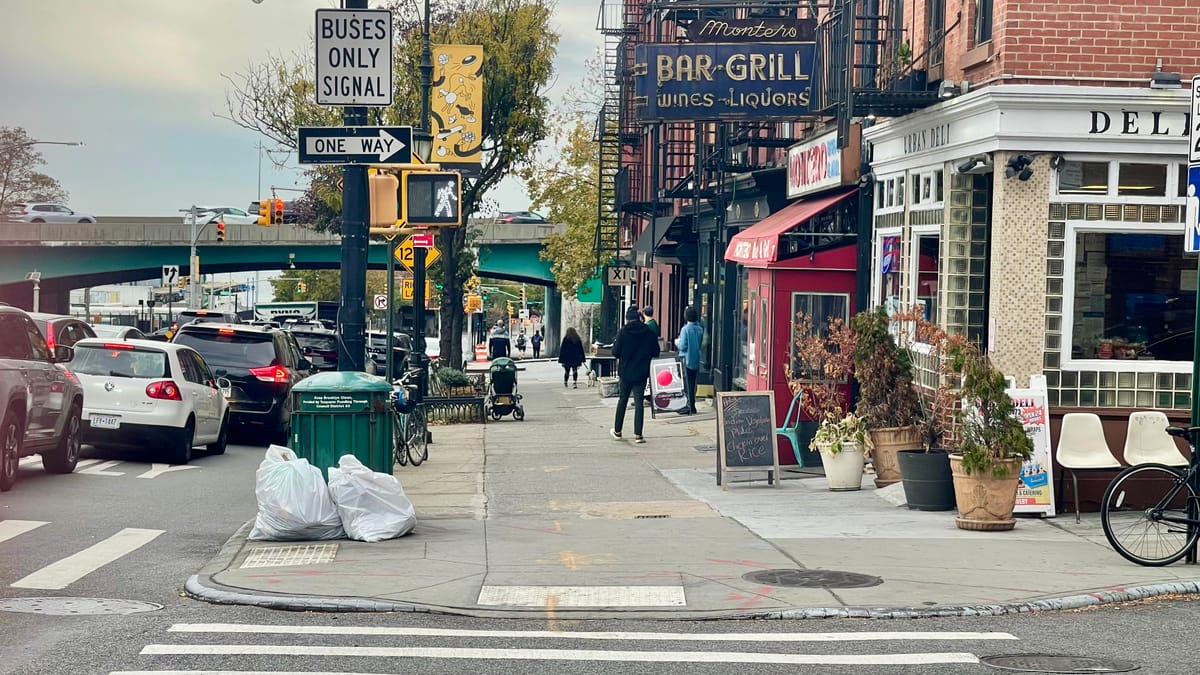
 Steve Davies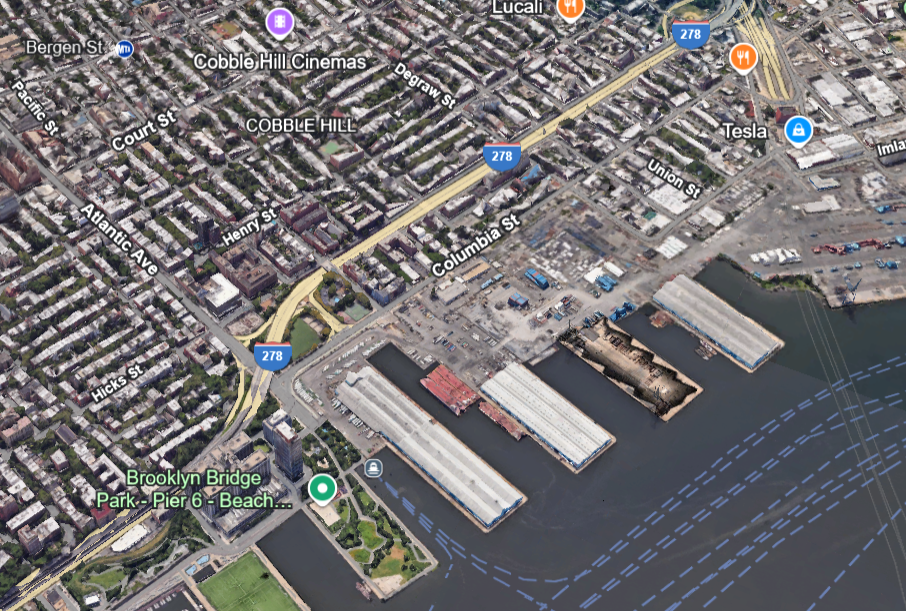
 Fred Kent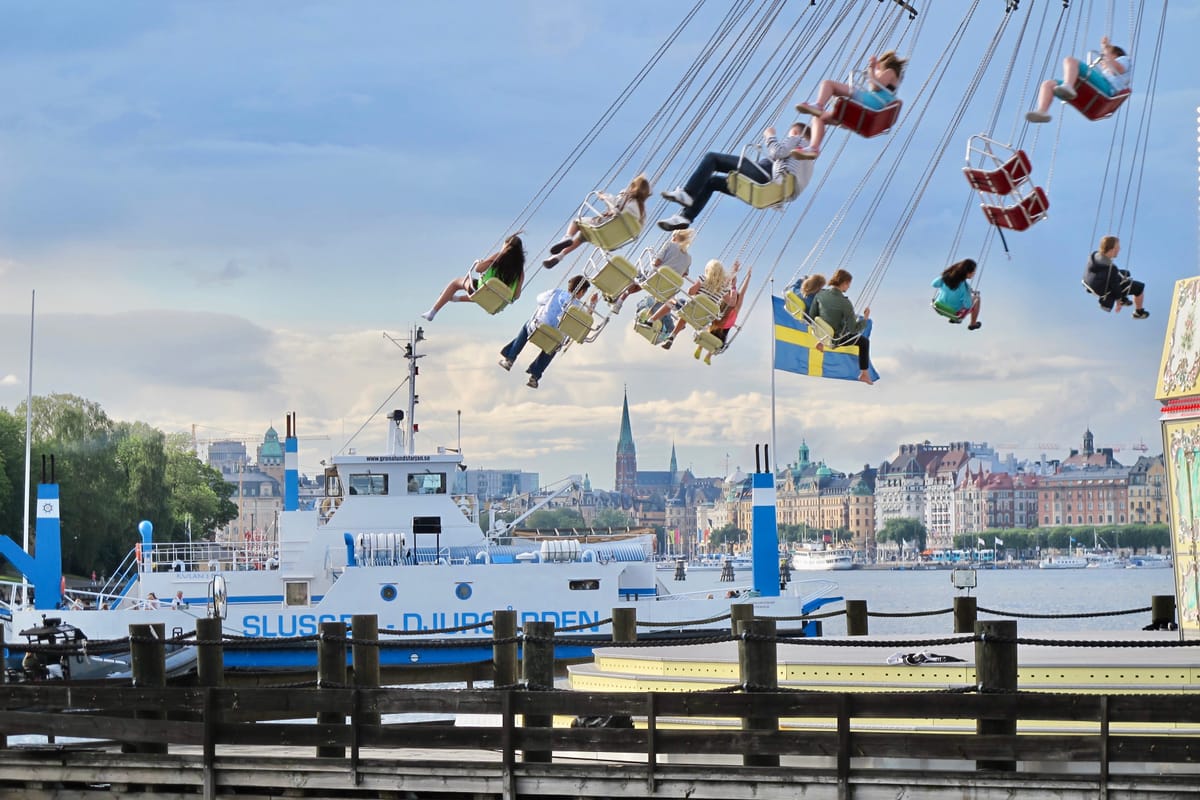
A New Kind of Governance
 Fred Kent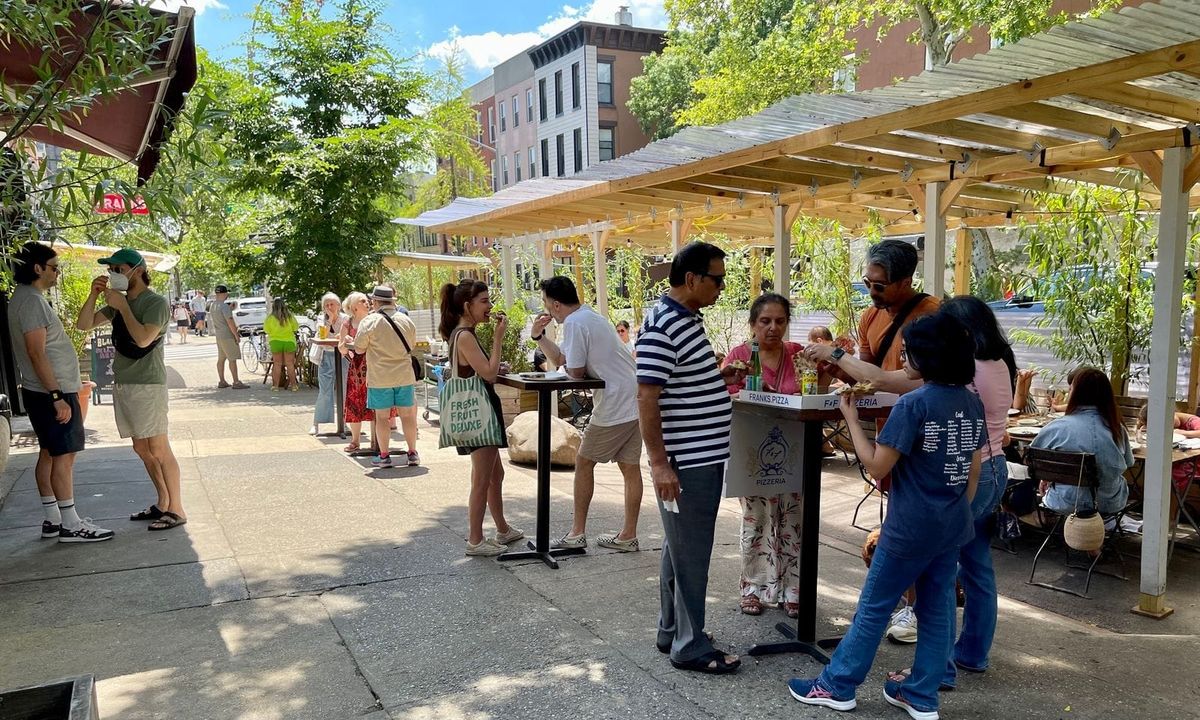
Brooklyn is at an important point in its history where it needs to decide what kind of city it wants to be in the future and what steps it needs to take to become it. Covid offered an opportunity to think about this from a new lens, as restrictions on gathering and going out forced the city to change its ways. The City introduced outdoor seating, lowered regulations that blocked the activation of public life, and engaged local business owners to shape public spaces like streets and sidewalks.
And the results were marvelous. Brooklynites discovered they love outdoor dining and the vibrant sidewalk life that came with it. They flocked to outdoor eateries, they strolled and shopped more than before, they got to know their community. But then, Covid passed and soon, the city decided to strip away the changes that had been made to adapt to it. Outdoor seating was removed or greatly limited in how and when it could be set up.
Now, once again, the sidewalks feel much more dull and lifeless and the streets are dominated by cars. The contrast is forcing us to ask ourselves – is this really better? Is sacrificing sidewalk life and community vibrancy to cater to the car the right choice? Just because something was a particular way for longer, doesn't mean that was better. Brooklyn may have had its traffic heavy streets and bare sidewalks for decades longer than it had its outdoor eateries, but that doesn't mean it's a state worth striving to keep. Progress is the act of change in the pursuit of a better quality of life. Thriving public spaces certainly moved us in that direction.
If you are interested in collaborating (articles, presentations, exhibits, projects, and more) or supporting the cause contact us.