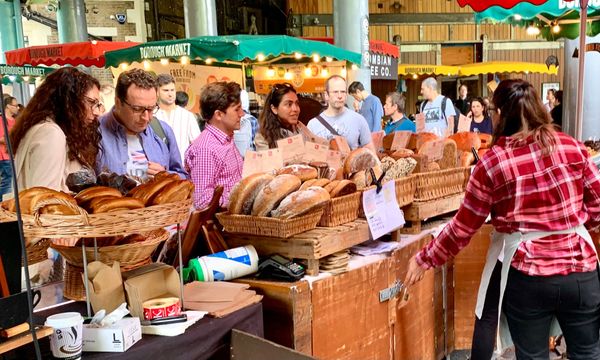
The Governance of Streets should start with our Sidewalks and our Social and Community Life
T.P. Note: If we're going to write a critique on governance in NYC, I think we need to research what Mamdani is doing and whether he has a similar vision as us on these matters. This article was mostly written before he became mayor so it's outdated
Or is this post for communities everywhere?
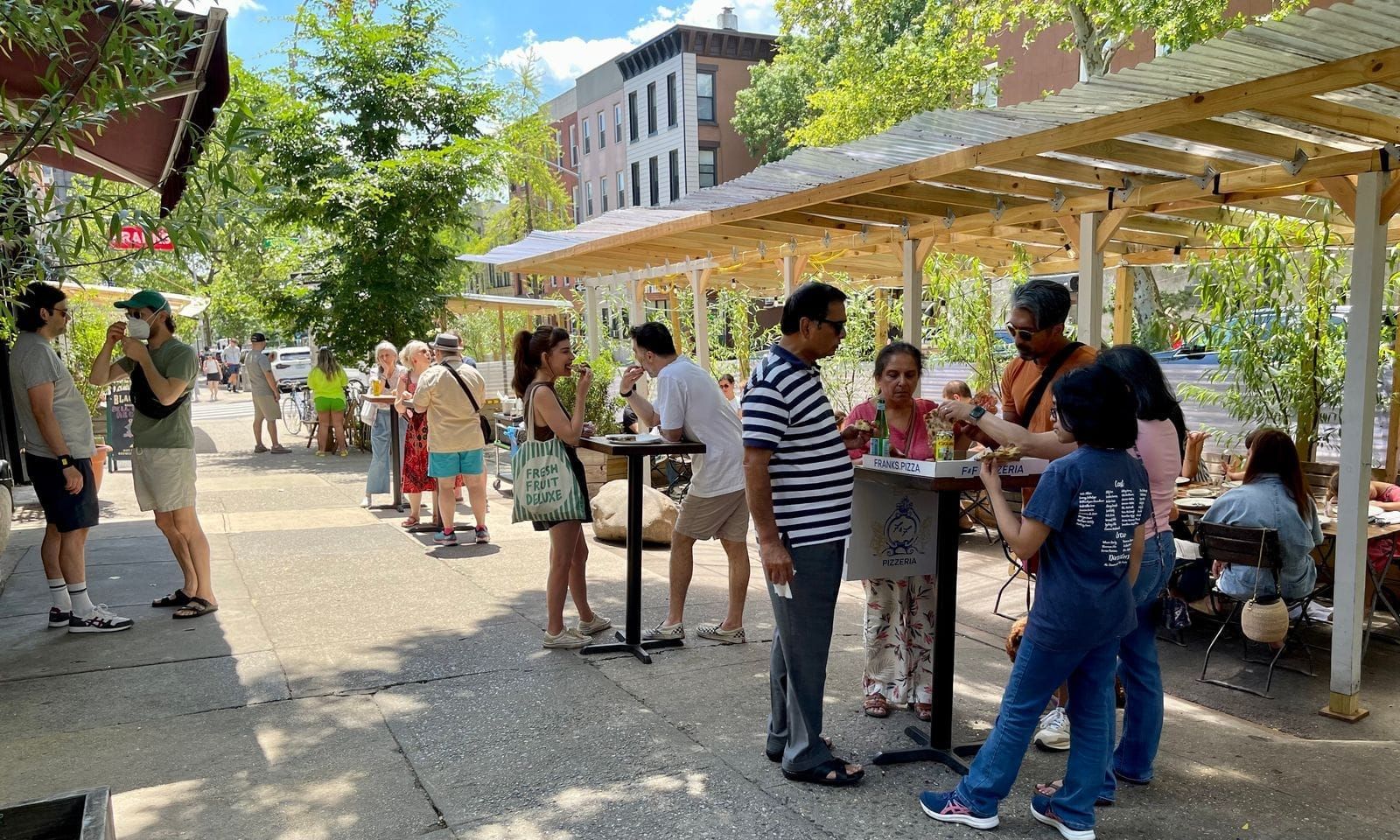
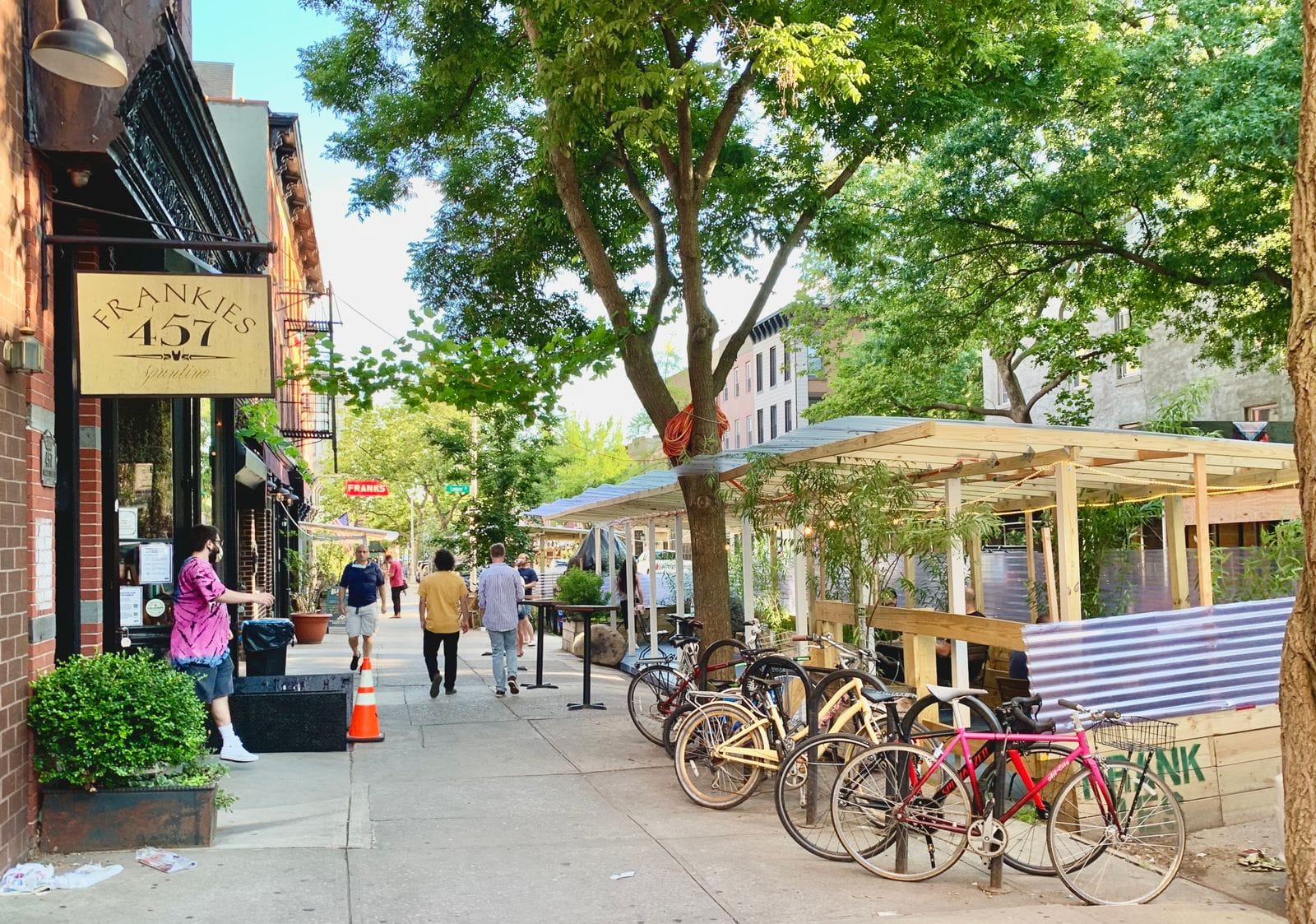
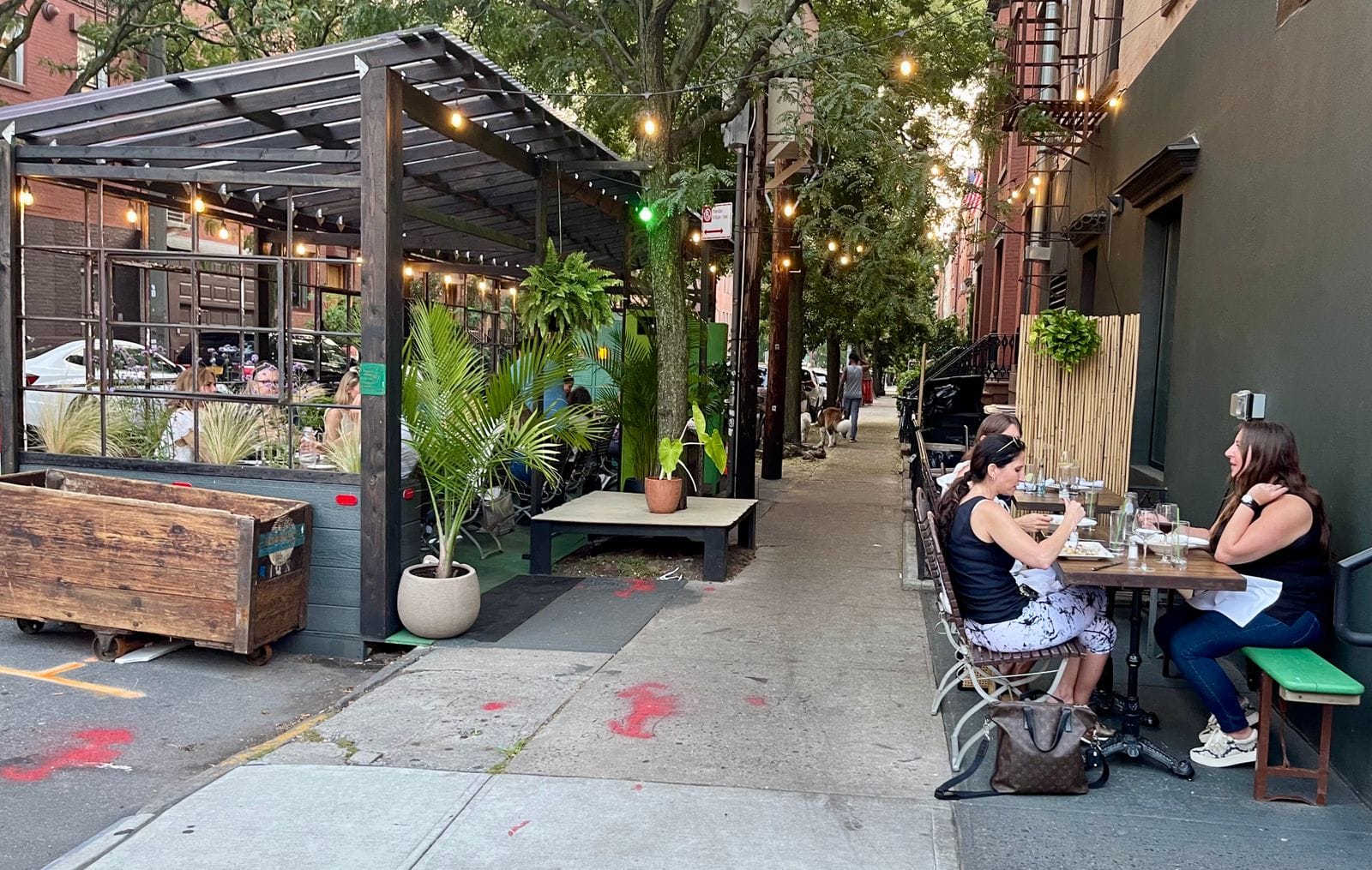
During the pandemic, regulations on outdoor dining in NYC were relaxed because indoor dining became unsafe. Soon, 13,000 outdoor dining sheds were built to save the city's social and commercial life. Limiting top down governance and control at that delicate time gave business owners the freedom to set up outdoor dining areas in a way that best suited their offerings and neighborhood context, in response to the needs and wants of their customers. It unleashed an organic process of creativity and Improvisation that led to thriving places.
Each new dining shed inspired the development of others around it, creating a virtuous cycle of neighborhood improvement. Through these "reciprocal gestures" (where adjacent businesses get inspired by their neighbors' improvements to make their own similar changes) businesses engaged in a kind of friendly competition to make their offerings better and better, thus elevating whole streets and blocks, which benefited entire communities. The outdoor dining initiative exceeded all expectations. Streets came alive. NYC's communities flourished.
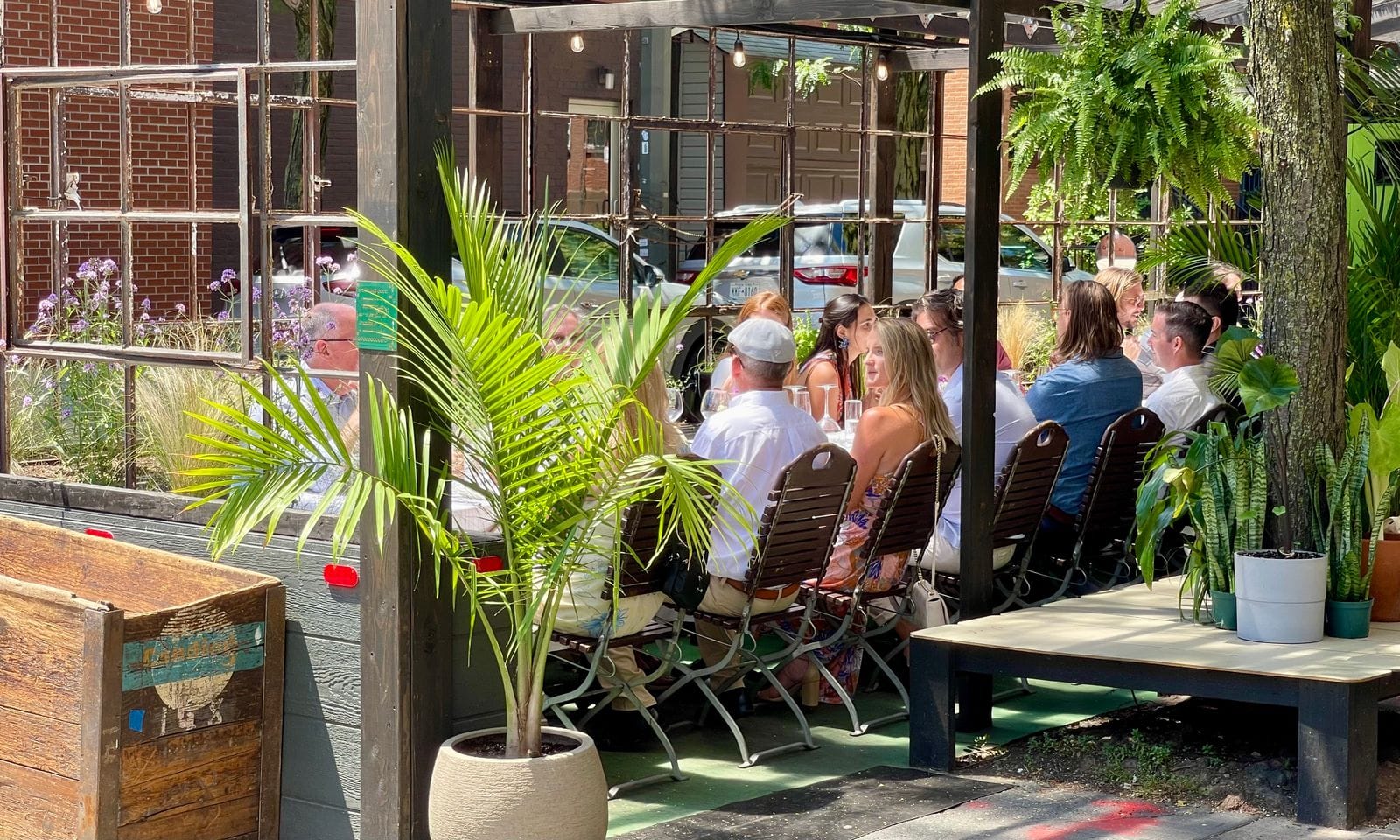
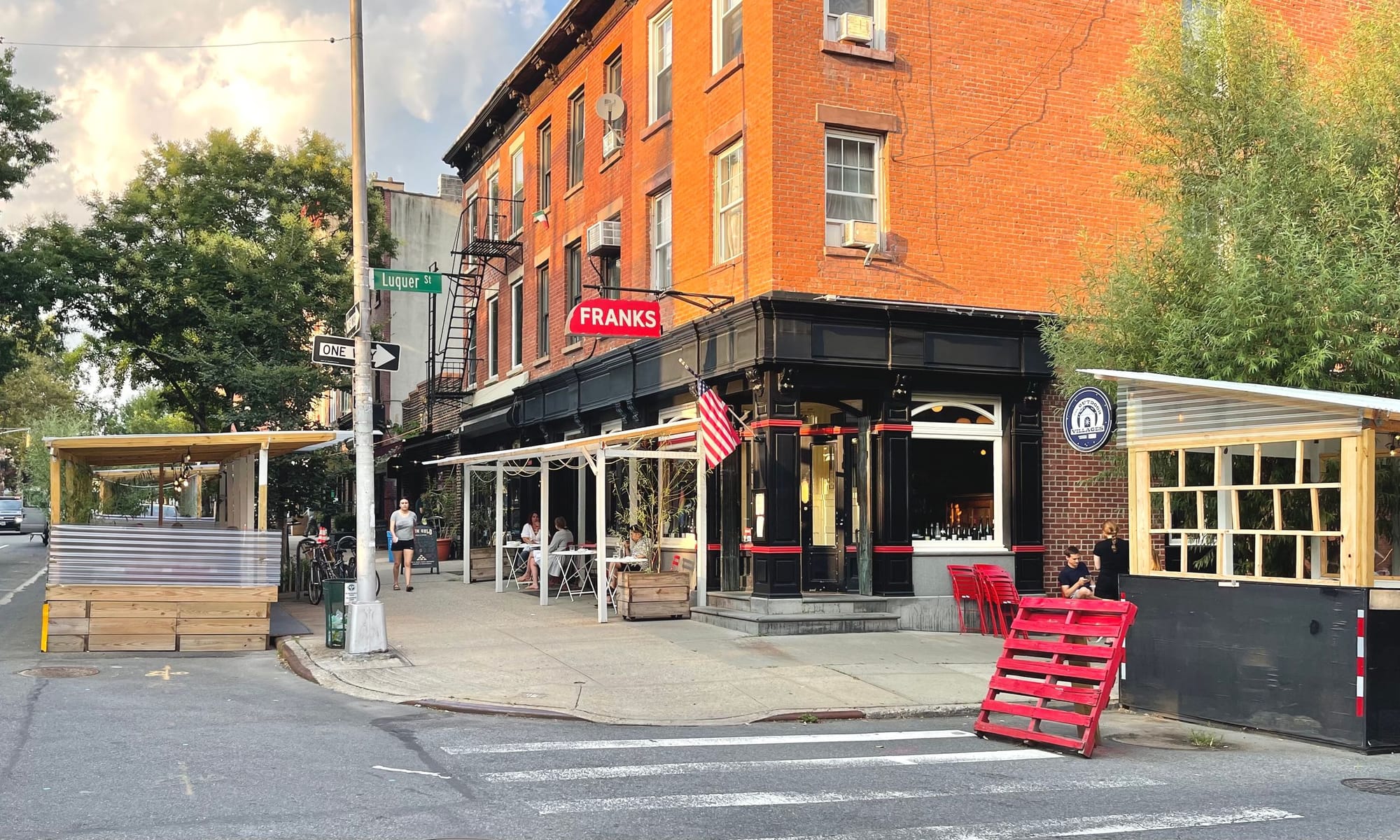
And then they were taken down.
When the pandemic ended, strict regulations on outdoor dining were reinstated, mainly to quell the complaints of drivers who wanted their parking spots back. And so the incredible new hubs of social life that had flowered from the ashes of the crisis were torn away from the residents who had grown to love them. After the implementation of numerous new rules, fees, and burdensome administrative processes, most businesses could not justify keeping their outdoor dining structures. As a result, much of NYC's streets returned to their dull, uninspiring, and car-centric state when for a brief period they had been brilliant public places.
That brief period – when regulations were lifted and control of the street was given to the community – taught us that perhaps the standard form of public place governance isn't always what's best for cities. Top down control is often too rigid to support the kind of dynamic changes and improvements that lead a city toward evolution and progress. It suffocates creativity, improvisation, and community engagement. What we need is more involvement by the people on the ground who are most impacted by changes made to the city. What we need is Placemaking.
Why Placemaking?
What we have found is that the outcomes we seek, especially in regard to creating public places that people thrive in and love, can be best achieved by engaging and empowering community members. Community-led improvisation is key, along with the kinds of partnerships with government where leaders hold more of a managing role than a controlling one. These are core tenets of Placemaking.
Placemaking is a process where the community works to shape their public places, often with support or resources from business owners, local governments, and other relevant stakeholders. When the community is at the head of a project, it is much more likely to be successful, well-received, well-maintained, and better integrated into the fabric of the neighborhood. That's because community members know best what their neighborhood needs.
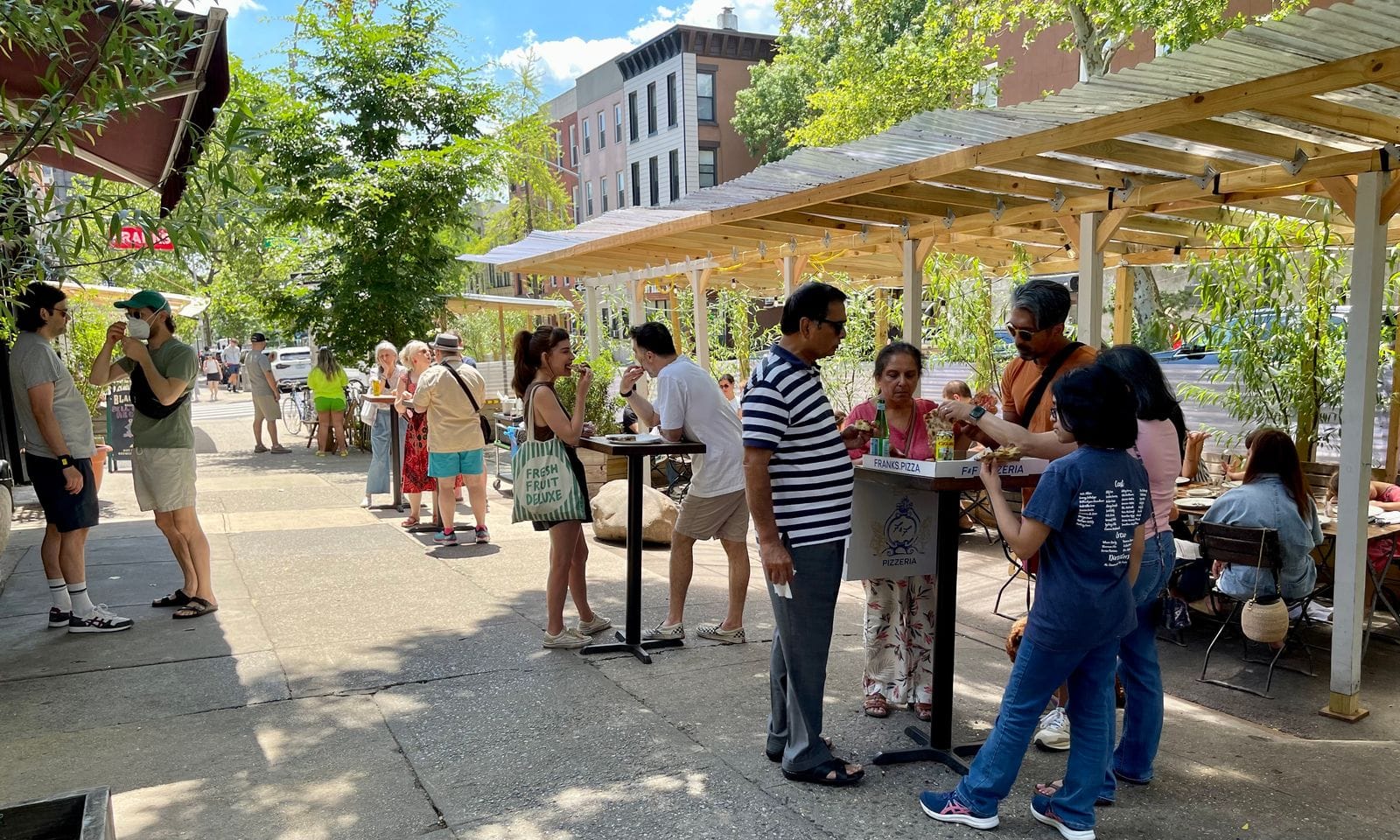
New York's outdoor dining sheds were integral to helping communities heal from the pandemic. Not only that, but they brought to life once dull and hostile streets. Placemaking could be seen everywhere in how each custom dining shed reflected its local culture and context. Business owners adapted their constructions according to customer feedback and neighborhood character, creating places that resonated with the community and where people loved to gather and connect, even during the toughest of times. It was Placemaking at its finest.
Placemaking has proven to be immensely successful in creating the outcomes communities want and it will only keep growing in influence and impact. City leadership needs to recognize this.
Moving Away from Traditional/Discipline-led Governance
What has the traditional governance and planning of cities gotten us recently? In the past seventy years, it has gotten us countless overly wide, hostile streets cutting through the heart of the city and narrow sidewalks where hardly anything happens. It has gotten us blocks with no character, dominated by generic big business storefronts. It has gotten us soulless public places that do not attract the public. In other words, it has all too often gotten us outcomes that we do not enjoy, that are not safe, pleasant, or comfortable, and that negatively impact our quality of life.
Naturally, if we want to achieve the opposite, we need to do the opposite. We should try putting top-down governance in the passenger seat when it comes to local matters, and behind the wheel put the people who best understand what their communities need to not only survive but to thrive – the people who live and work there.
"Turn everything upside down to get it right side up to get from inadequate to extraordinary"
The way to do that is by encouraging community-led initiatives and improvisation. The most magical and memorable street life moments we have witnessed around the world are where the street performers are and where the Placemaking is. That is why we say, "if architecture is frozen music and planning is composition, Placemaking is improvisational street performance." It's not top-down fixed and rigid approaches that make the magic in cities happen, it's improvisation on the ground level by community members who care.
Sidewalks - The most important public spaces in the city
We need to center our future around local improvisation and reciprocal gestures to create dynamic, unique environments that resonate with their context. The sidewalks are a great place to start.
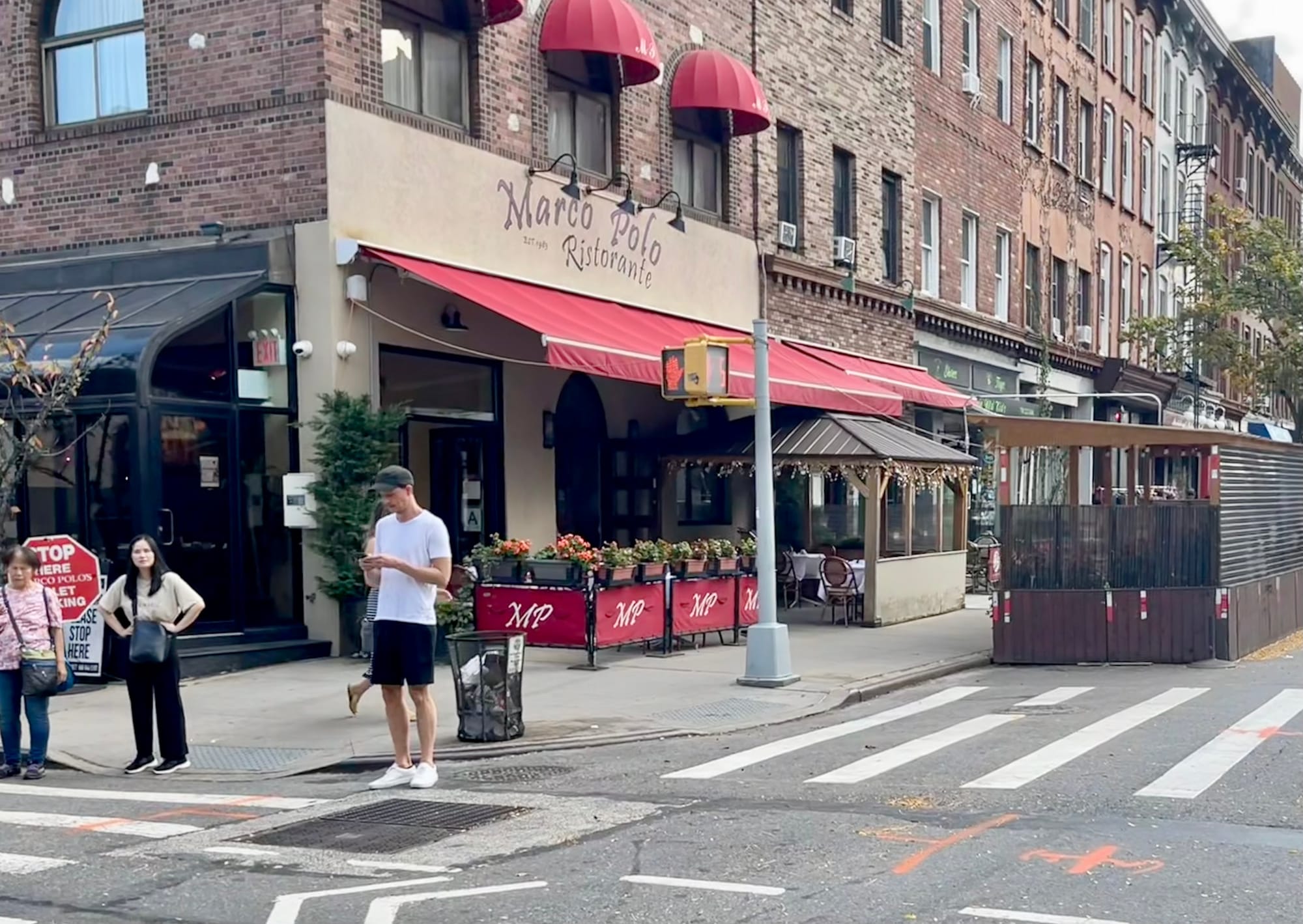
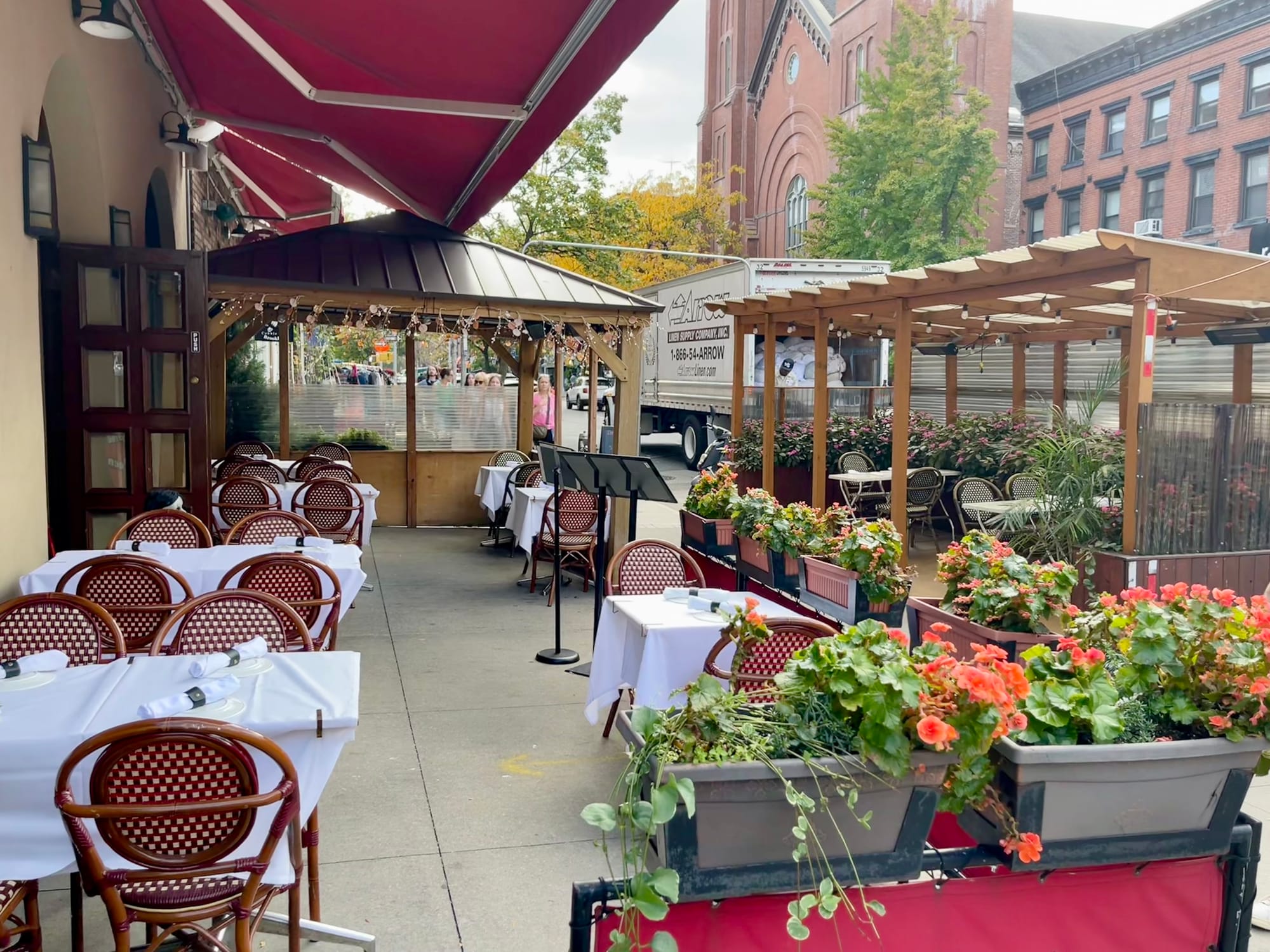
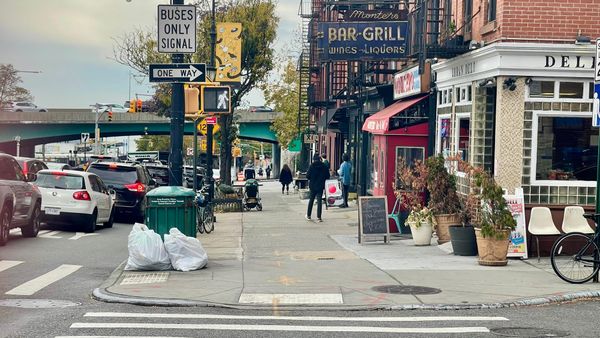
Marco Polo's recent improvements created a strong destination on Court Street.
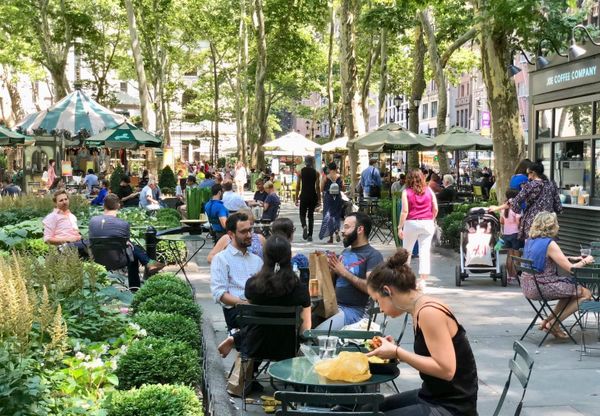
Sidewalks are the most extensive and important public spaces in communities big and small. They are where social and commercial life takes place, where chance encounters occur, where most of our public activity happens. People spend a significant part of every day on the sidewalks in and around where they live, work, hang out, pray, etc. or around the neighborhoods and attractions they explore.
Sidewalks are the least understood and most overlooked public places and have always been the lowest priority in the city, despite the fact that they are the arteries for community and economic activity. There is no discipline that defines them, no agency that creates or supports them, even though the social life of humans is vitally important to society's functioning and much of that takes place on sidewalks.
 Fred Kent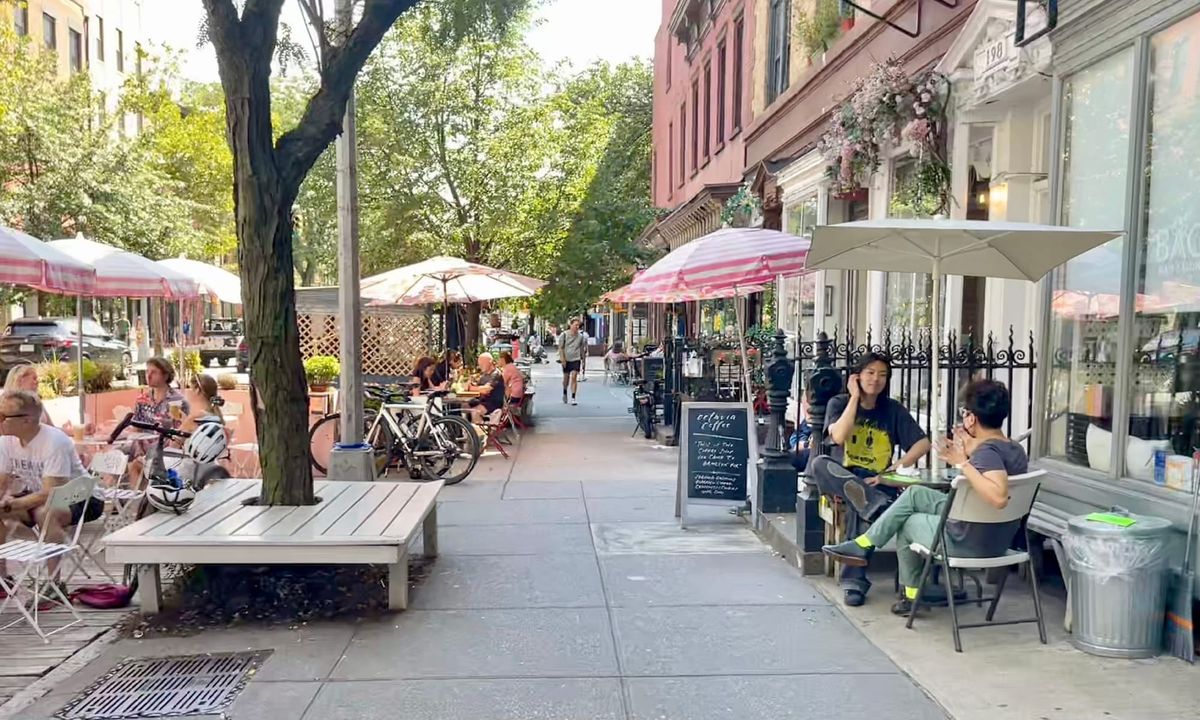
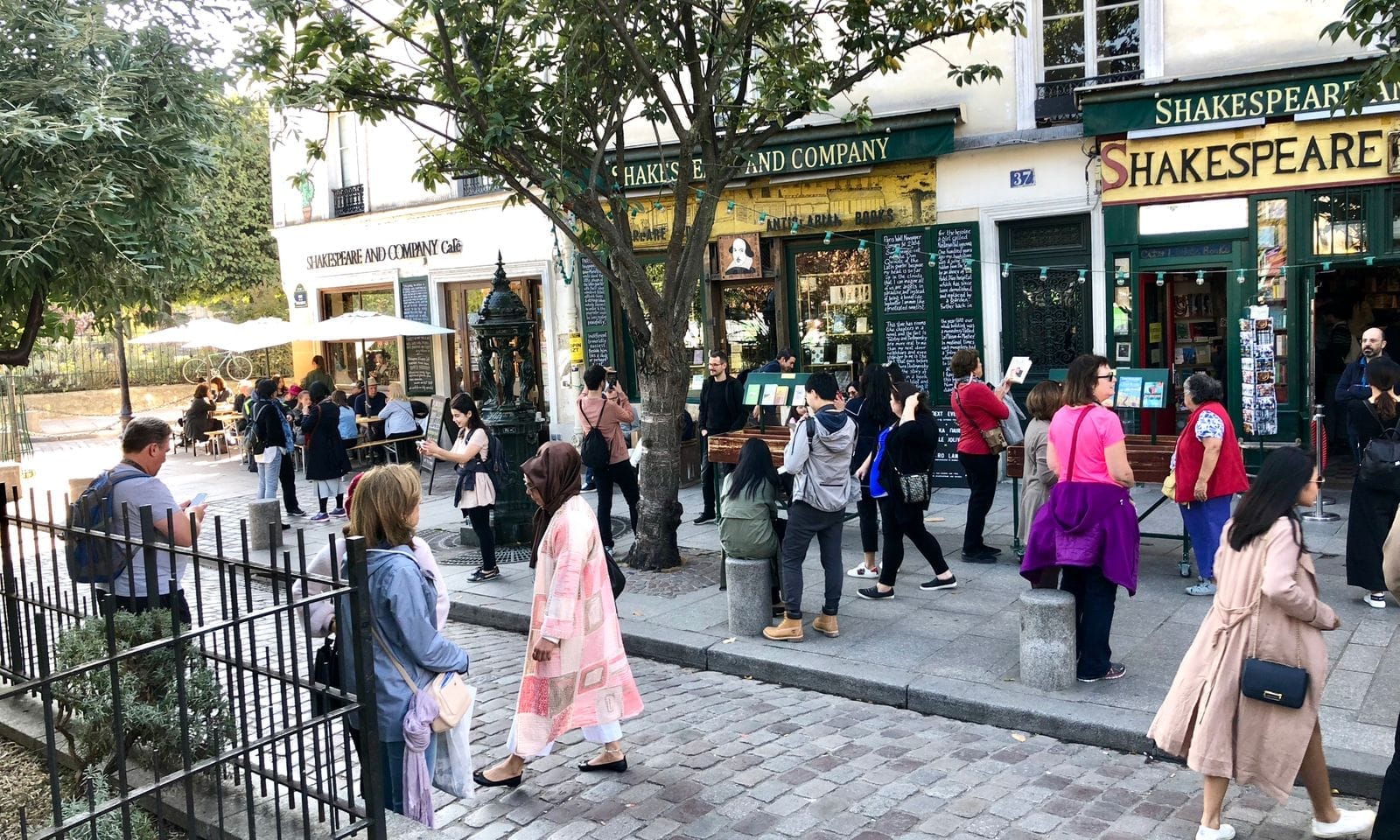
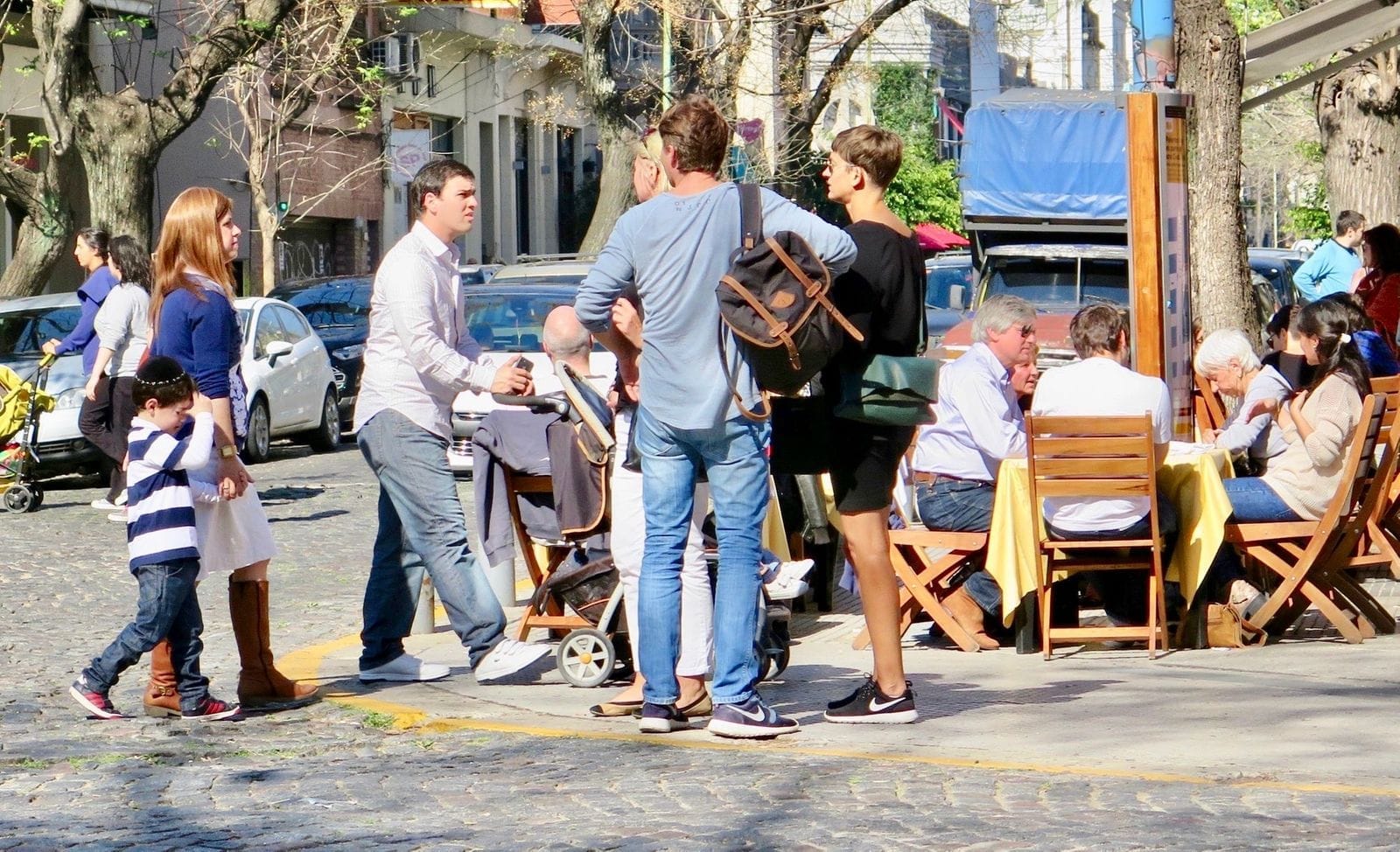
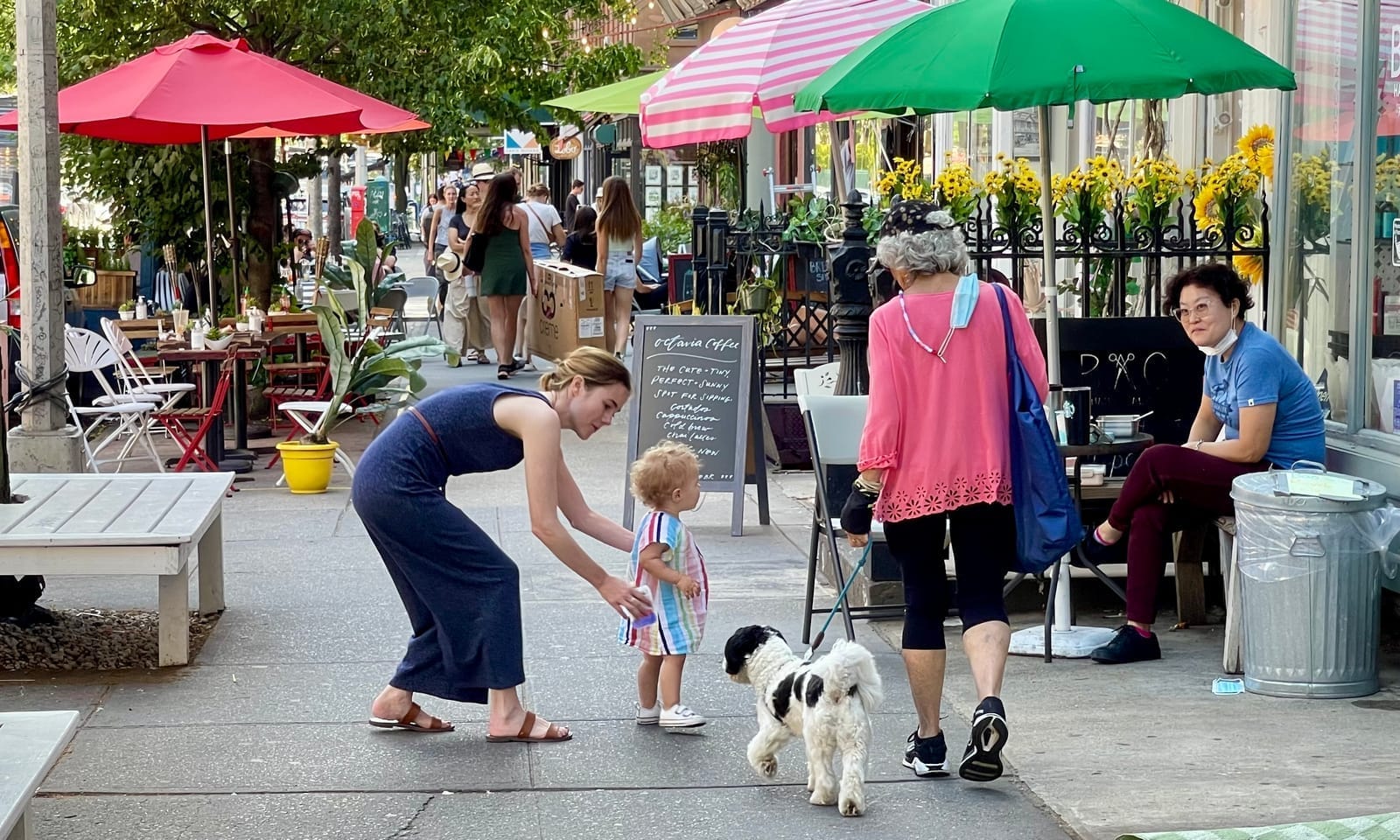
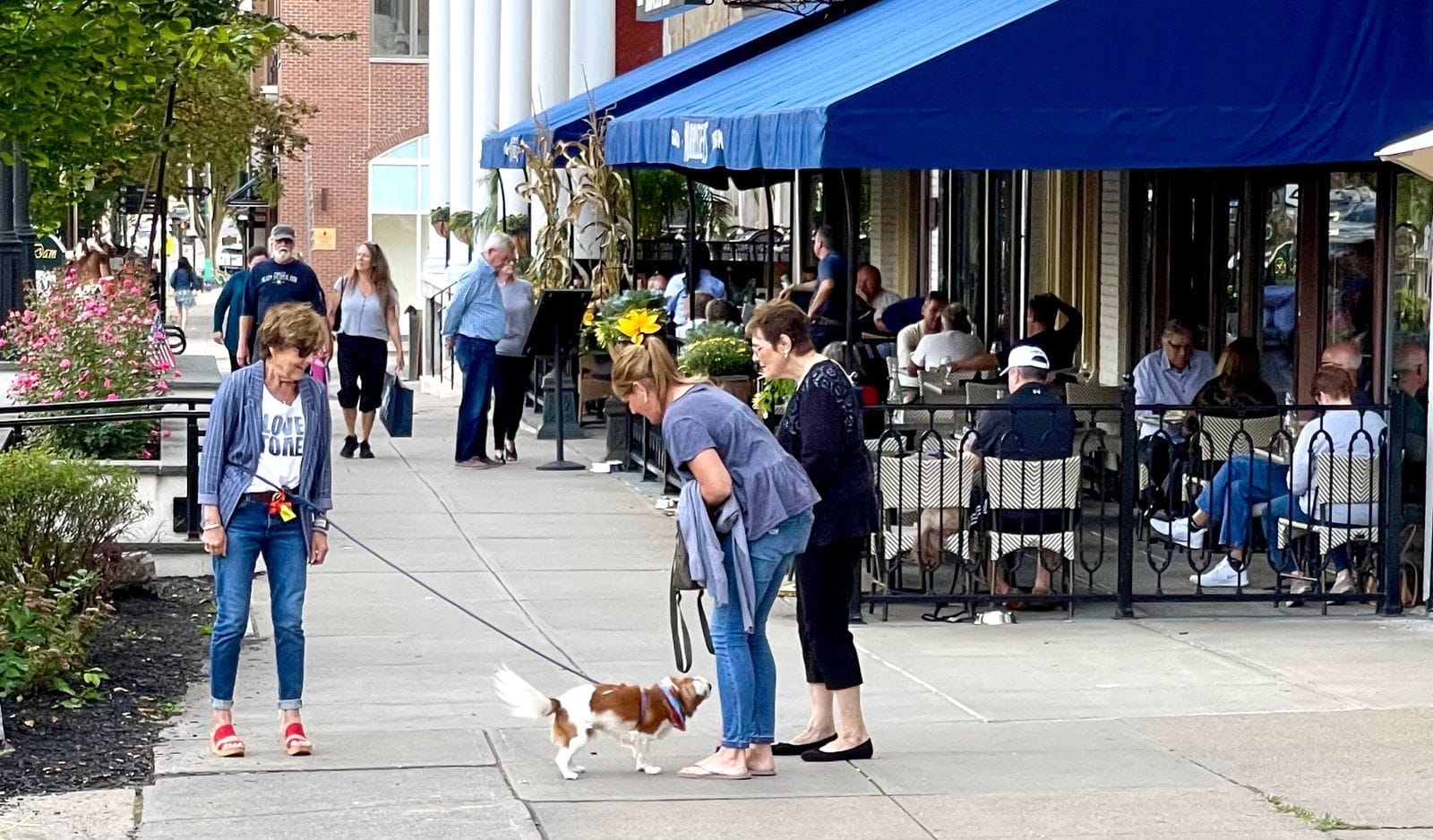
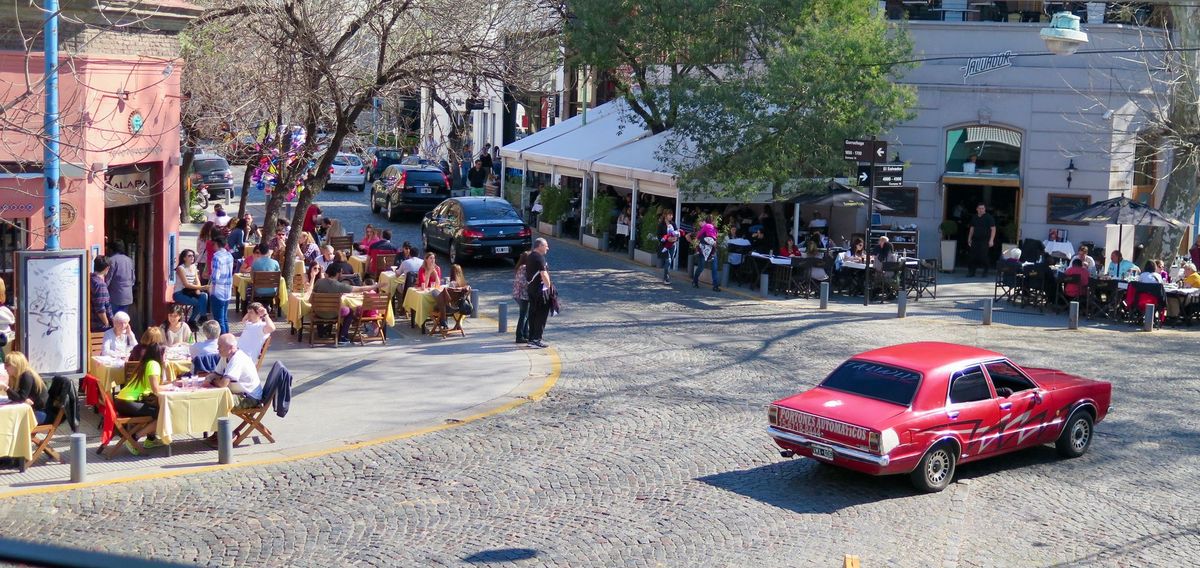
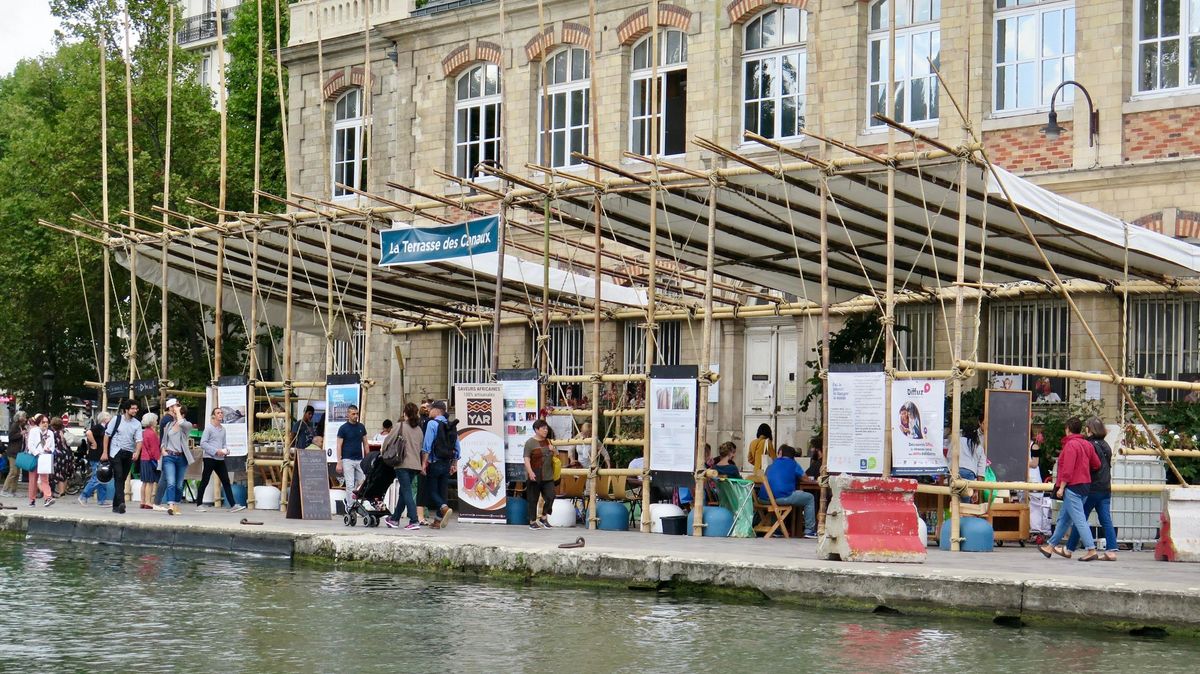
Paris, Buenos Aires, Cobble Hill, Brooklyn and Saratoga Springs, New York
Whose Responsibility Are the Sidewalks?
Who is responsible for the activation and social life of our sidewalks? The answer is no one. (In NYC, NYCDOT has taken up the dining shed issue because the sheds are located on streets, but historically the DOT's role has been to move as many cars as possible around at the expense of everything else that could happen on the street). While the NYCDOT is beginning to change and understand the importance of sidewalks – making more strides to activate them than it ever has before – it still does not make sense for them to be responsible for nurturing sidewalk life considering their priority is to serve the needs of drivers and traffic. Alas, this priority is spelled out in the name of the organization itself – the Department of Transportation. It is not called the Department of Social Life.
Perhaps we need a Department of Social Life. Humans are social beings and as such, social life is a vital component to maintaining a healthy and well-functioning society. Why then is no one expressly responsible for creating opportunities for social connection in our cities? This lack of attention to social life has plunged the United States into an epidemic of loneliness, as recently announced by the Surgeon General himself, and there are numerous very serious associated health problems to this epidemic, including significantly higher risk of death and billions of dollars lost in productivity. We are in the midst of a crisis of disconnection, yet we continue to erase opportunities for connecting, especially on our most extensive public spaces – the sidewalks.
 Fred Kent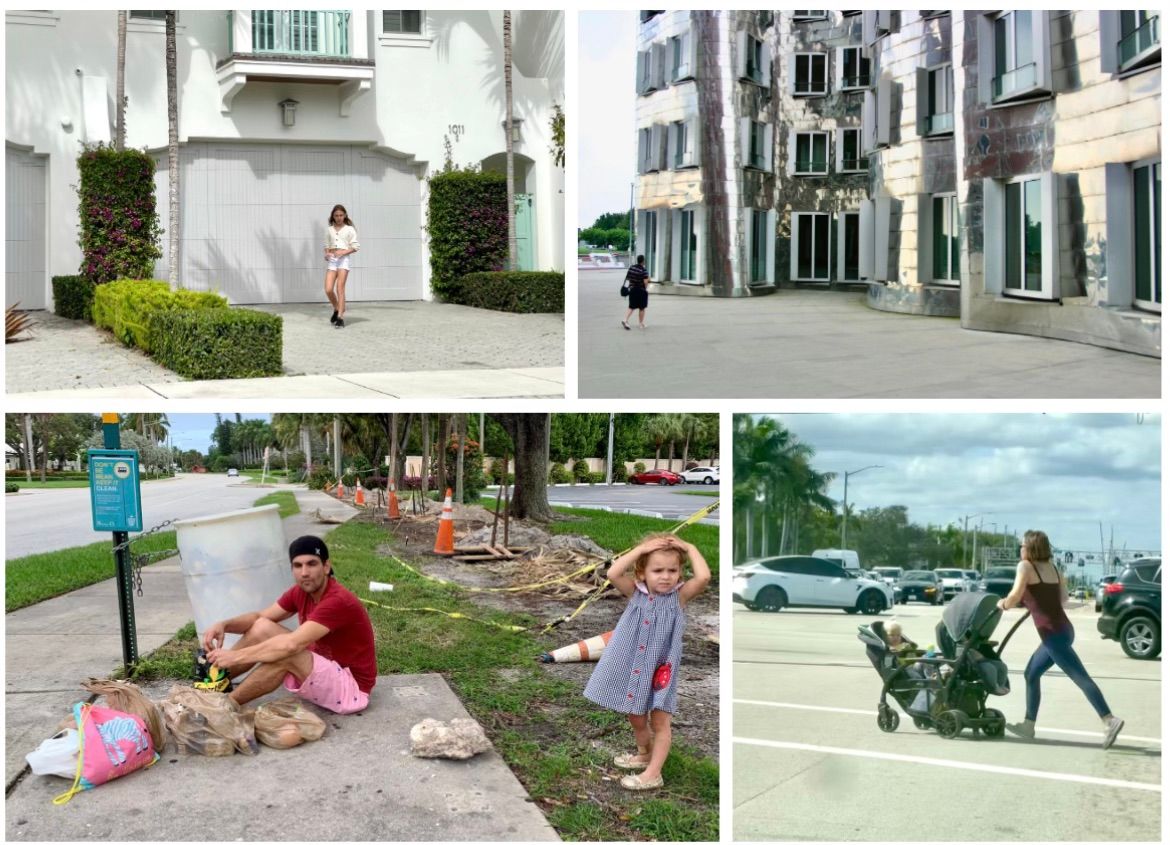
Somebody needs to be responsible for addressing this issue. An organization dedicated specifically to this cause is required, not one that has its main priority elsewhere. The World Health Organization has made important strides in the direction of addressing the epidemic of loneliness, setting up a global Commission on Social Connection to address this serious issue. Maybe what we need is local chapters of this commission in all of our cities to implement key measures on the ground. At the very least, we need to recognize that social life is a matter of public health and deserves to be treated as such. Public places like sidewalks constitute the infrastructure that supports it.
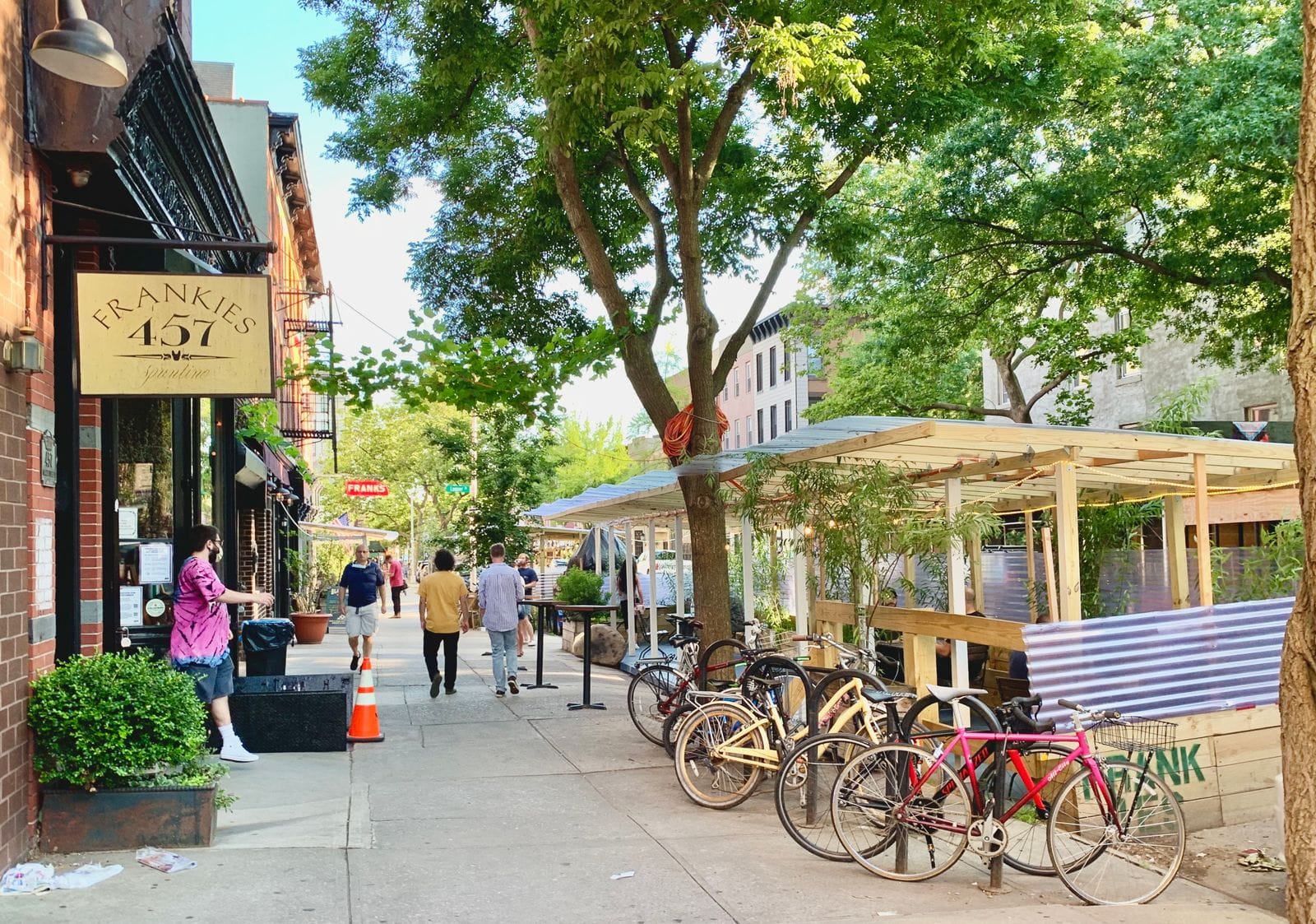
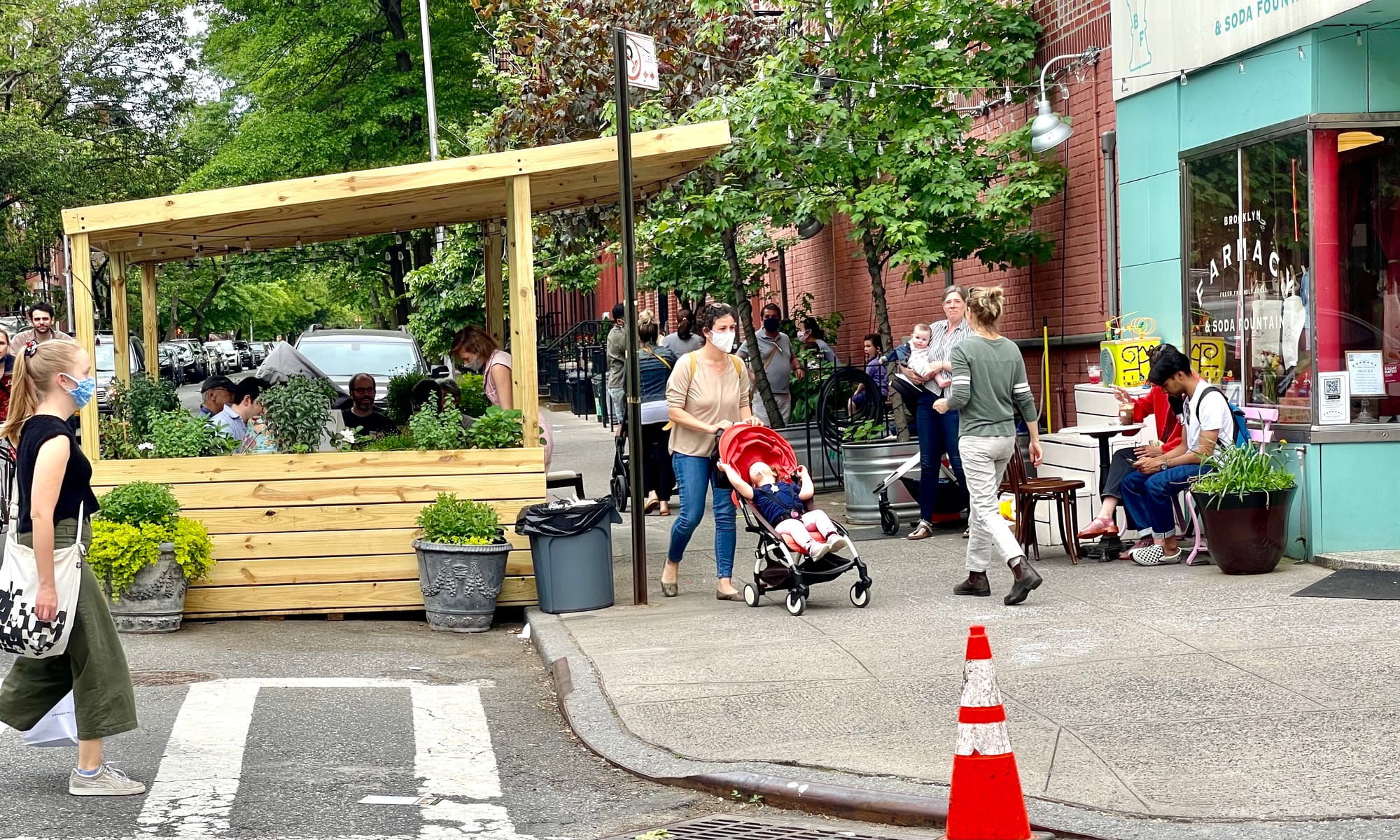
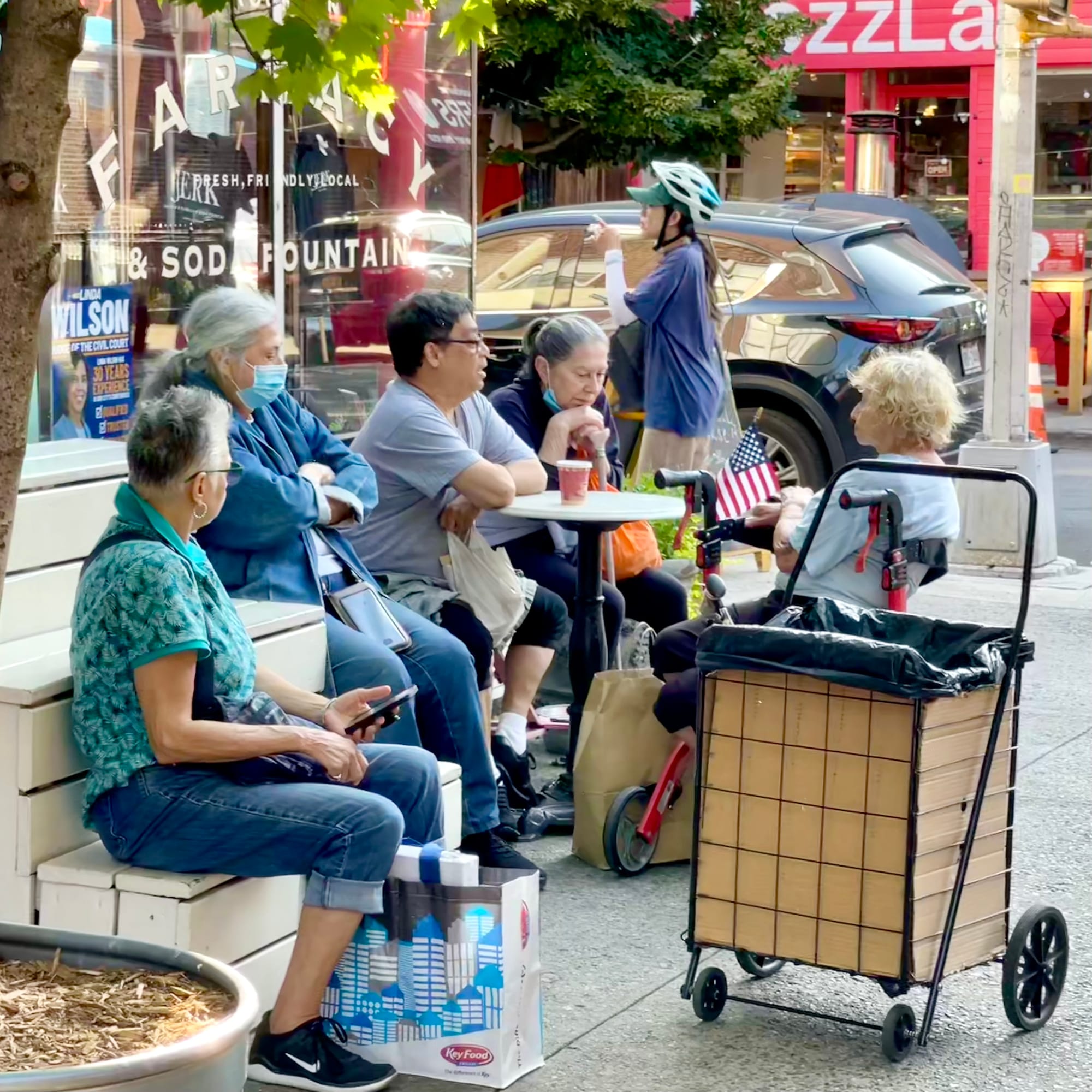
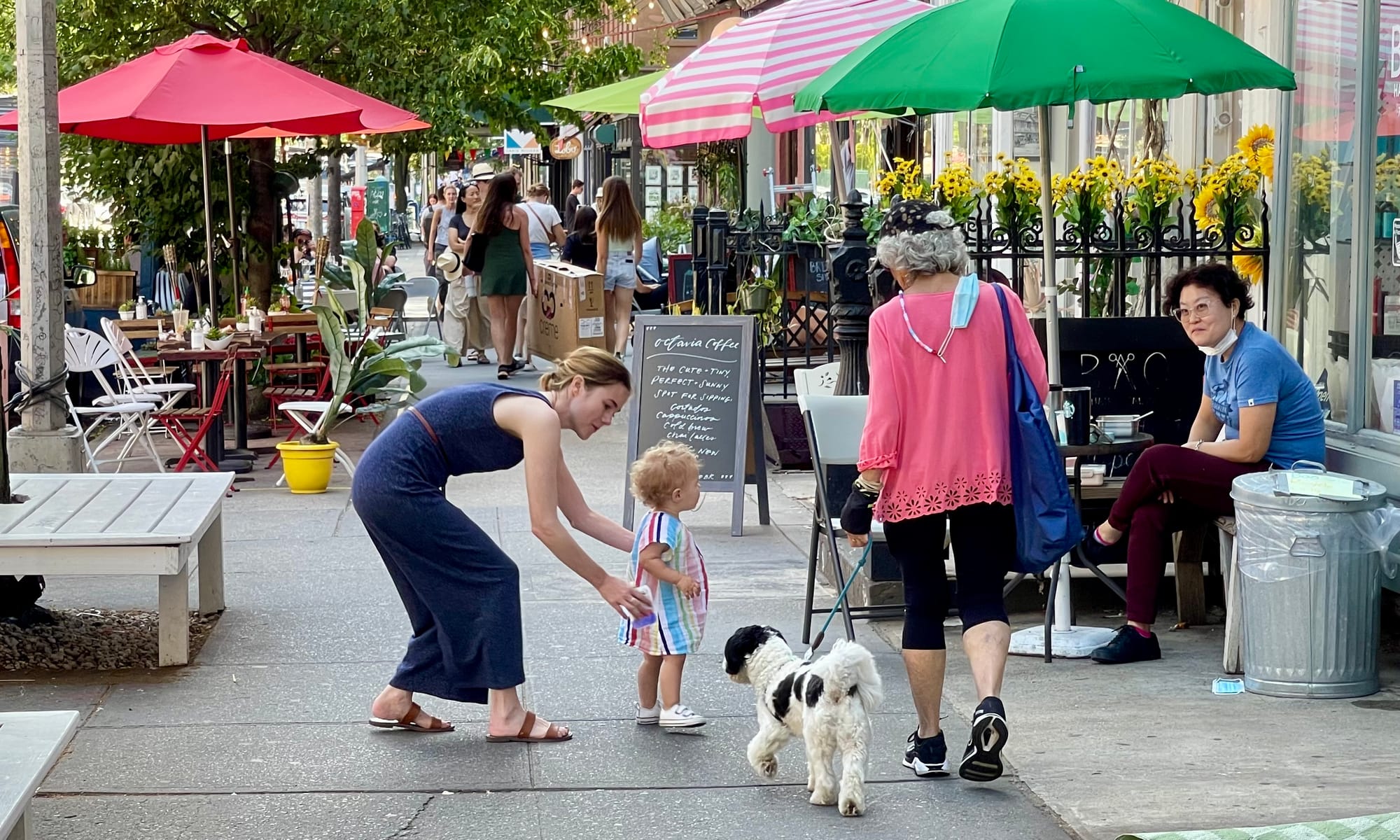
Cobble Hill Sheds and sidewalks
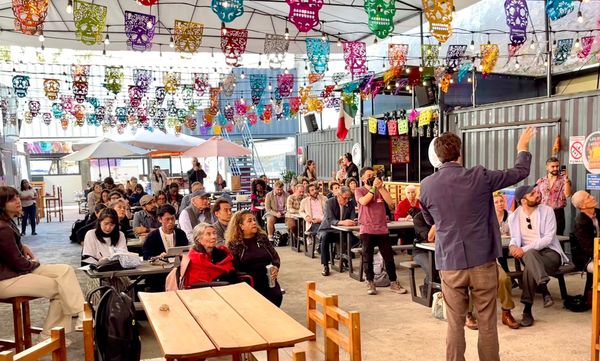
If it is not possible or feasible to set up an official organization focused on facilitating social life, then the responsibility of nurturing it needs to be given to the people. We in the Placemaking movement have been focusing on the issue of community-led governance over the last 50 years because we recognize that communities are the most capable in revitalizing public spaces. This is why, when sidewalk life suddenly became incredibly important during COVID, we got the amazing dining sheds and social hubs that we saw and experienced in New York during short lived time – through community engagement, improvisation and Placemaking.
Fred Kent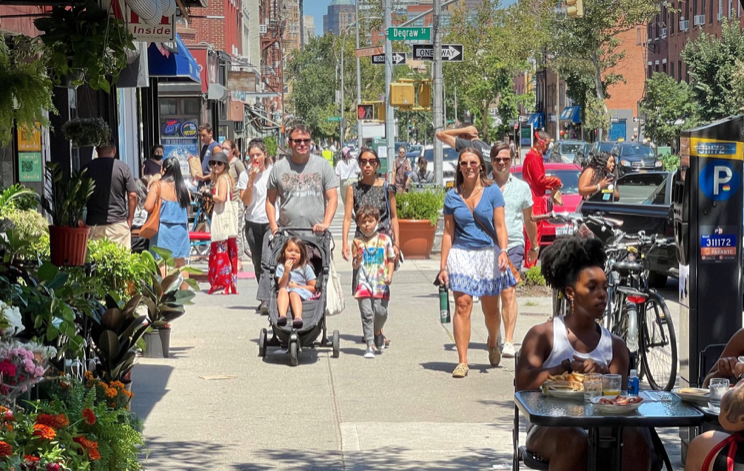
Making it Happen
Community-Led Governance
When regulations on outdoor dining in NYC were relaxed, sidewalks and streets flourished.
The advent of community-led placemaking during COVID proved people are more than capable of creating great places when they are given the freedom and support to do so. Local business owners know better than anyone what features would serve their customers and offerings best. They have the most skin in the game and the most understanding of their context.
It makes sense, then, to develop a system where we empower local business owners and community members to take up the task of shaping the public realm, rather than removing it from their control and putting it solely in the hands of strictly defined disciplines, committees, and institutions that have no real connection to it. Those entities can serve as resources and sources of guidance, but the power to shape the public realm should be largely in the hands of engaged locals.
Possible Campaigns
We need to find ways to create and maintain streets we love, trading in the streets that top-down mandates and the transportation industry have imposed on us over the last 100 years for streets we can enjoy, connect and thrive in. The core focus areas for this transformation should be:
1) Focusing on nurturing sidewalk life
2) Transforming killer intersections into corners that connect
3) Creating social hubs
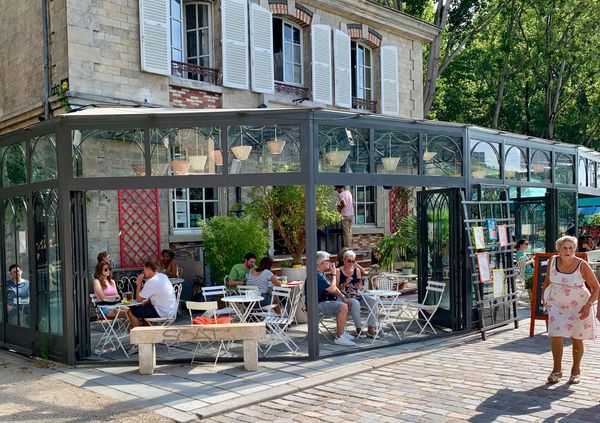
Paris has gone through an incredible transformation over the past few years, largely facilitated by their efforts to empower local leadership and members of the community to improve public places. Their journey can inspire New York's.
 Fred Kent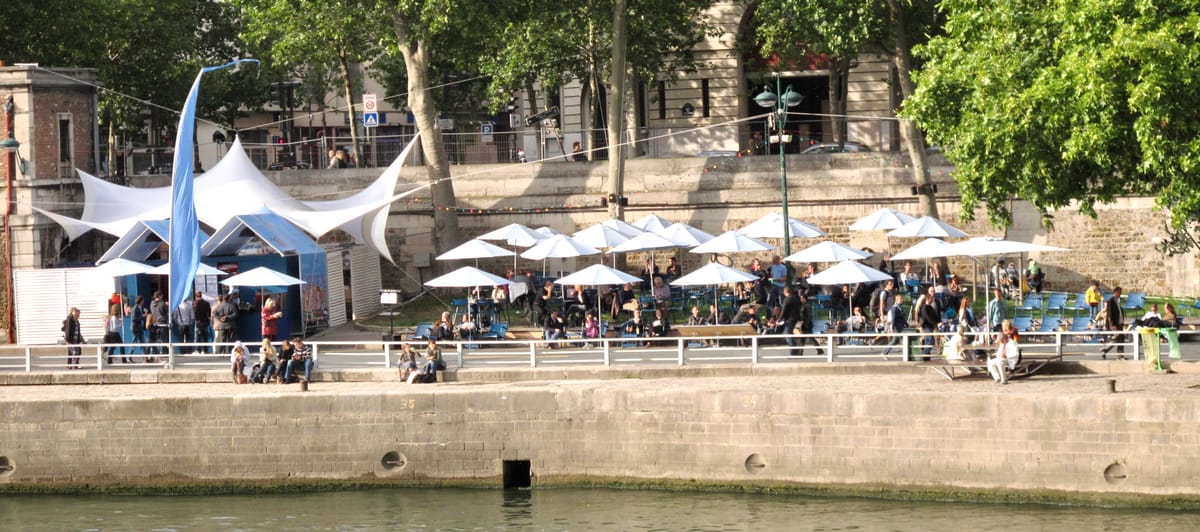
Paris is the model for communities in the future
1) Focus on nurturing sidewalk life
Currently, our streets are dominated by cars. Over the past 70 years, the transportation industry has been given practically free reign to shape streets in whatever way works best for traffic throughput with everything else demoted to a secondary consideration.
However, streets are the channels for social and commercial life. If they don't provide an environment where social life and business activity can thrive, they don't fulfill their essential purpose in our societies. To fix this, we need to turn our focus from the streets to the sidewalks and sidewalk life (as well as sidewalk extensions such as dining sheds).
Fred KentKathy Madden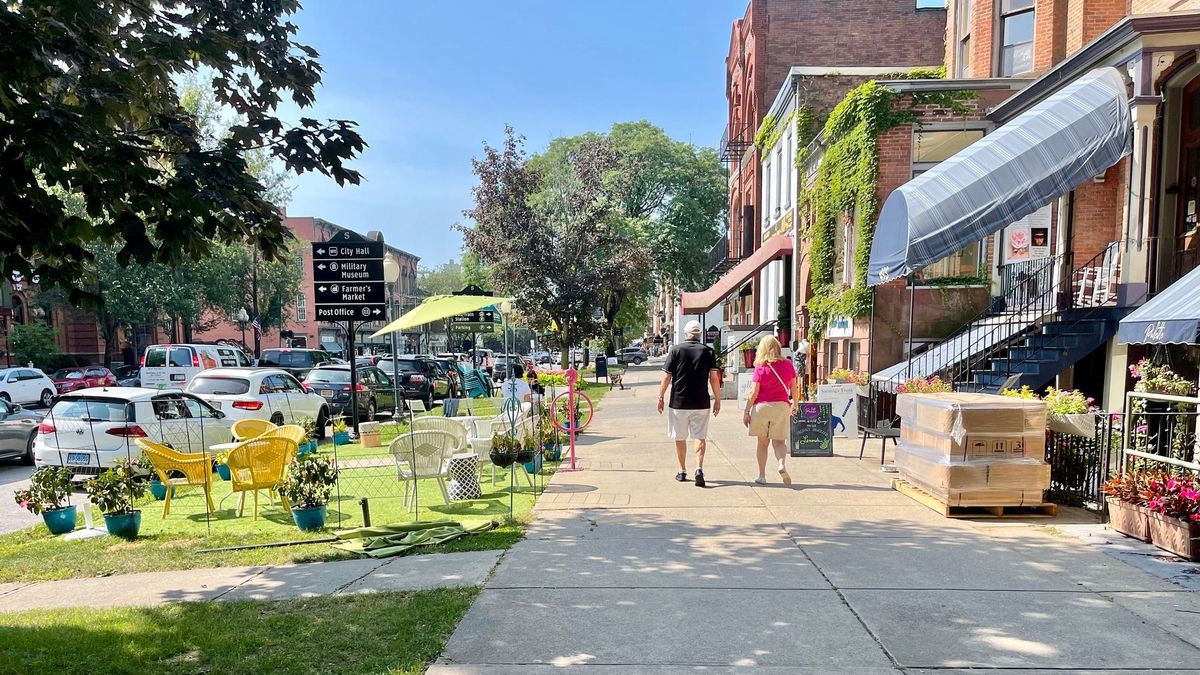 Fred Kent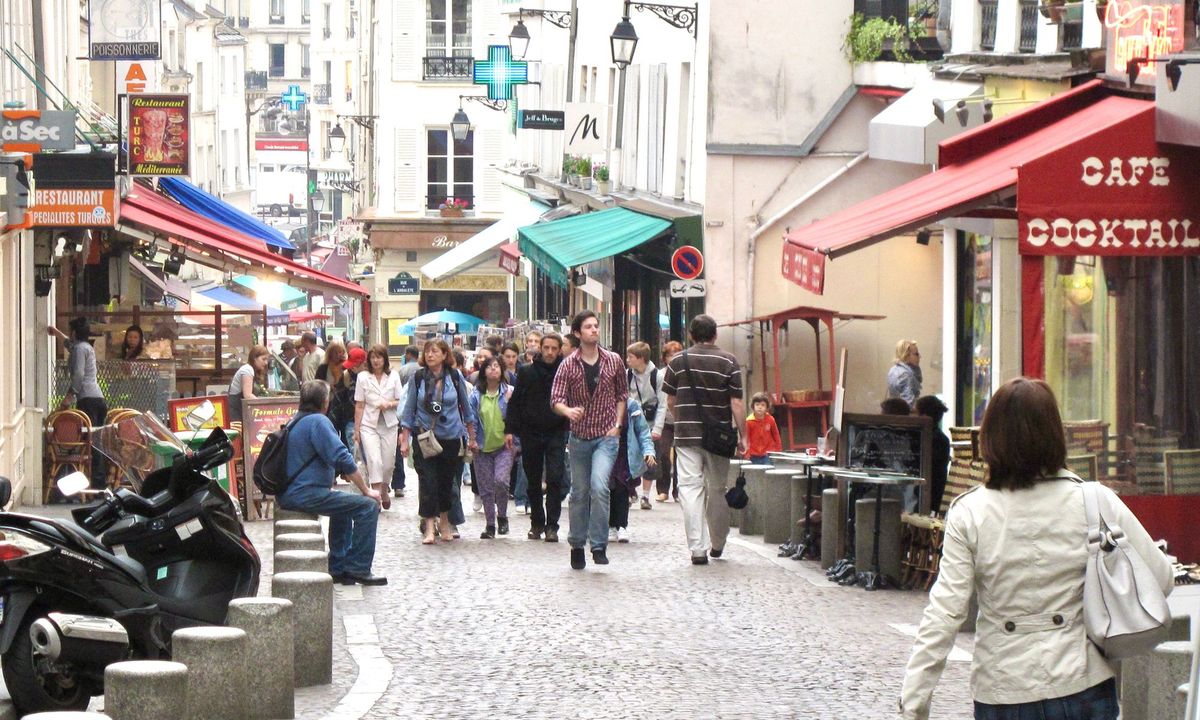
2) Transform killer intersections into corners that connect
Just as our streets are dominated by cars, so are our intersections. Many of them have become so large and hostile that they are not only dangerous for pedestrians but also kill activity on the corners since people feel unsafe and uncomfortable lingering there. Because of this, we call them "killer intersections." However, corners are anchors in our communities – they are the places where we stop to cross the street, hang out together, and where our paths intersect with those of others. They are important points on our urban fabric and we need to take them back as places for people.
By expanding corners and giving the businesses there the power to shape them through inside out design, we can create environments that are welcoming to foot traffic, patrons, and outside dining. This would impact driver behavior as well since wider and more active sidewalks and intersections have a traffic calming effect.
Fred Kent Fred Kent
 Fred Kent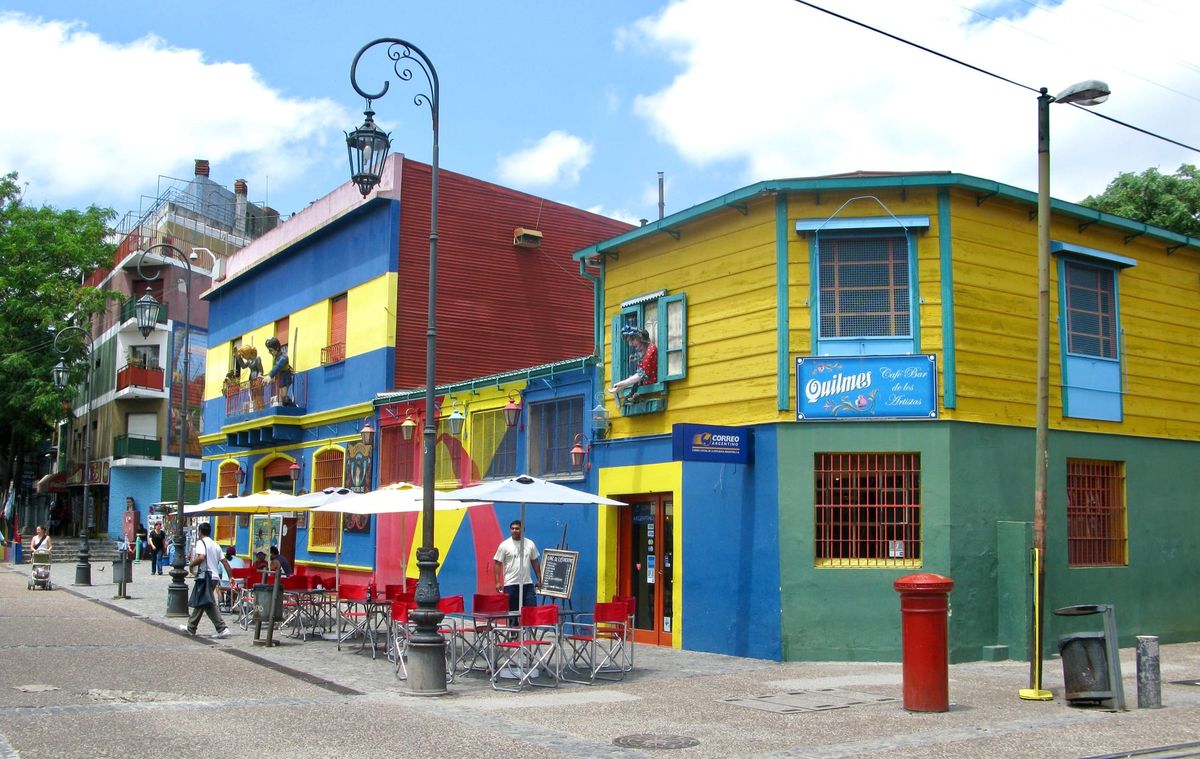
3) Create social hubs
Streets are channels that move us along and corners are important stops on the way. But the places we end up at are the destinations. A thriving city needs not only vibrant channels via its sidewalk life but also treasured destinations that people love to visit and that can become treasured places for the neighborhood and community life.
This can be achieved by the development of social hubs through the addition of amenities and assets to sidewalks, inside-out design, and vibrant public places like squares and parks.
Fred Kent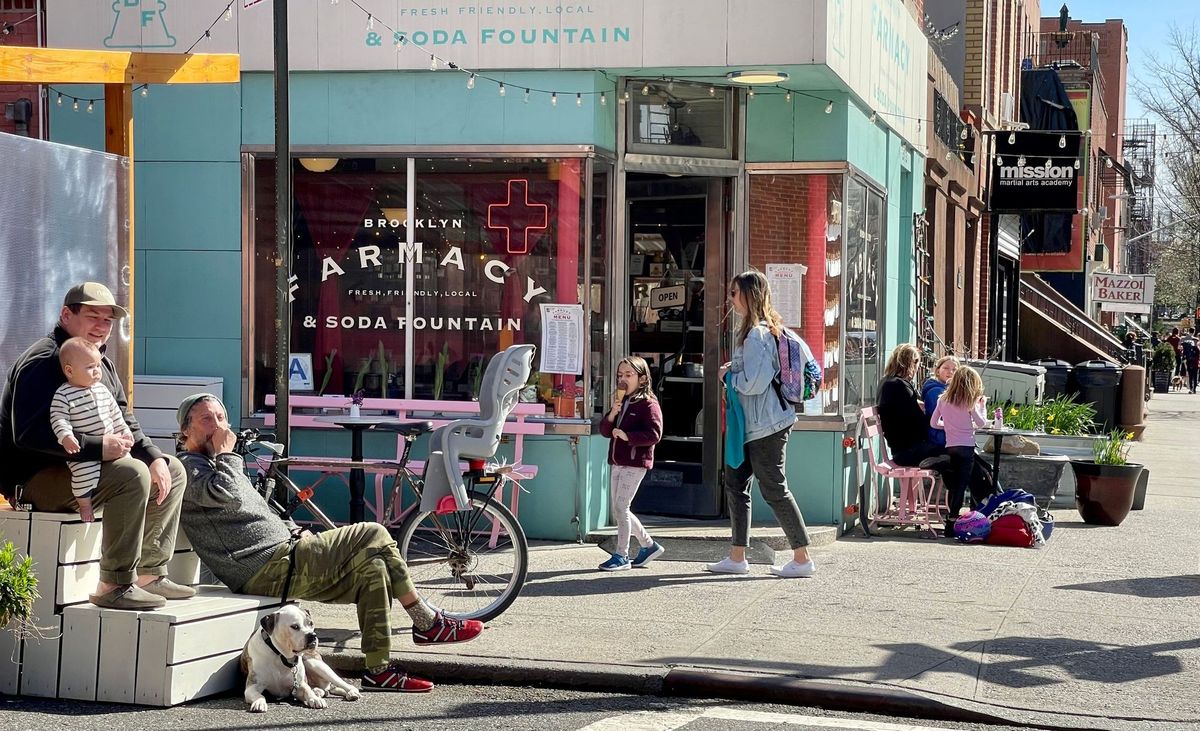 Fred Kent
 Fred Kent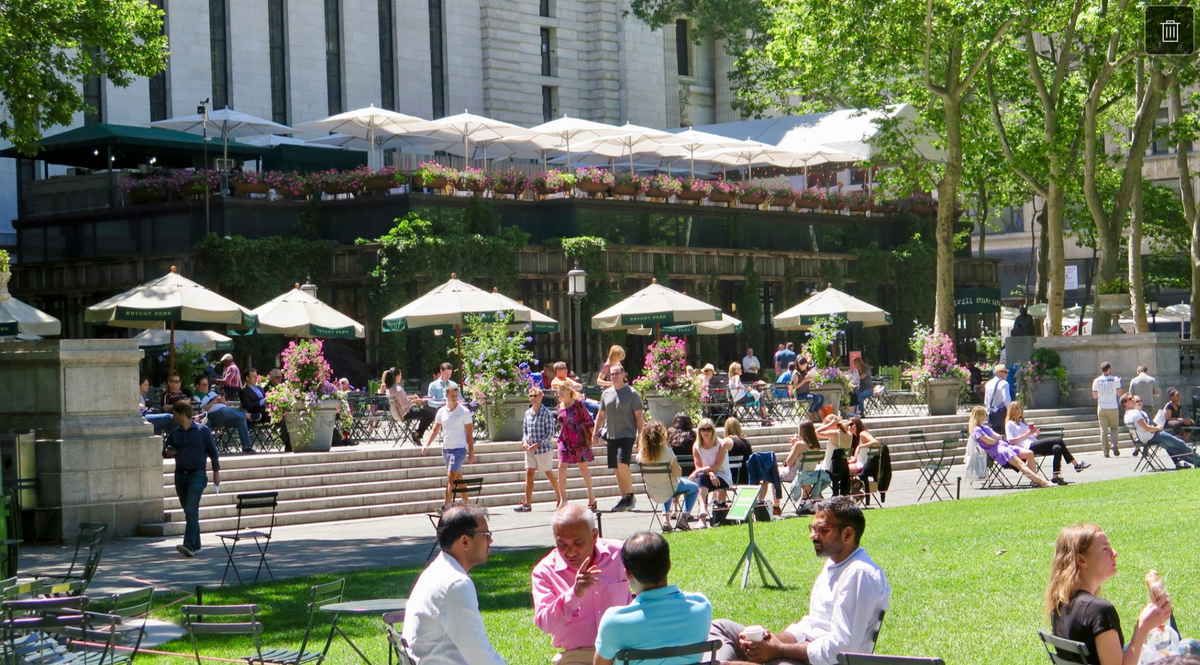
We need to redefine and reorganize agencies around the outcomes we want to see. With regard to the built environment, this means creating shared places that attract people and support social and commercial life. The best way we can support these outcomes is by transforming underutilized and underperforming public areas – sidewalks, corners, squares, markets, etc. – into dynamic settings for local commerce, social life, and community connection. We can do this by:
- Encouraging improvisation and reciprocal gestures by community members and business owners to create valued, locally designed, unique social hubs
- Creating vibrant and interesting sidewalks that support all manner of social and commercial activity
- Creating toolkits of amenities that everyone can use to revitalize their places (ex: Street Lab)
What should the role of our Transportation Agencies be?
With a paradigm shift from car lanes to sidewalks, from traffic throughput to social life, the role of our transportation agencies should also change. We recognize that they're trying to expand their priorities to include bettering sidewalks. In that case, they need to make fundamental changes not only to sidewalks but to streets, because the two go hand in hand. Instead of trying to maximize vehicle throughput, the DOT should work on:
- Lane narrowing and sidewalk expansions
- Removal of unnecessary turn lanes
- Creating safe intersections by expanding and activating corners
Place Management – Six Campaigns for Neighborhood Renewal
Along with better managing the relationship between streets and sidewalks, cars and pedestrians, there also needs to be an intentional shaping of sidewalks with a focus on maximizing social and commercial activity. Some ways to do so are the following:
- Create double-loaded sidewalks
- Employ inside-out design
- Create wide sidewalks that support promenading and social activity
- Add amenities that include seating, shade structures, kiosks, etc.
- Create a business incubator zone or temporary displays to stimulate commercial activity
- Organize frequent programming at different times of day to support different user groups
The way for governments to truly help revive community, social, and economic life in neighborhoods is by taking a step back and letting communities take the lead. Locals know their neighborhoods best and are most invested in what happens on their streets. By supporting placemaking through the provision of resources and guidance when needed without the insistence of controlling and micro-managing every aspect of street life, governments can help revitalize communities in a more natural and effective way than they have been doing up to now.