 Fred Kent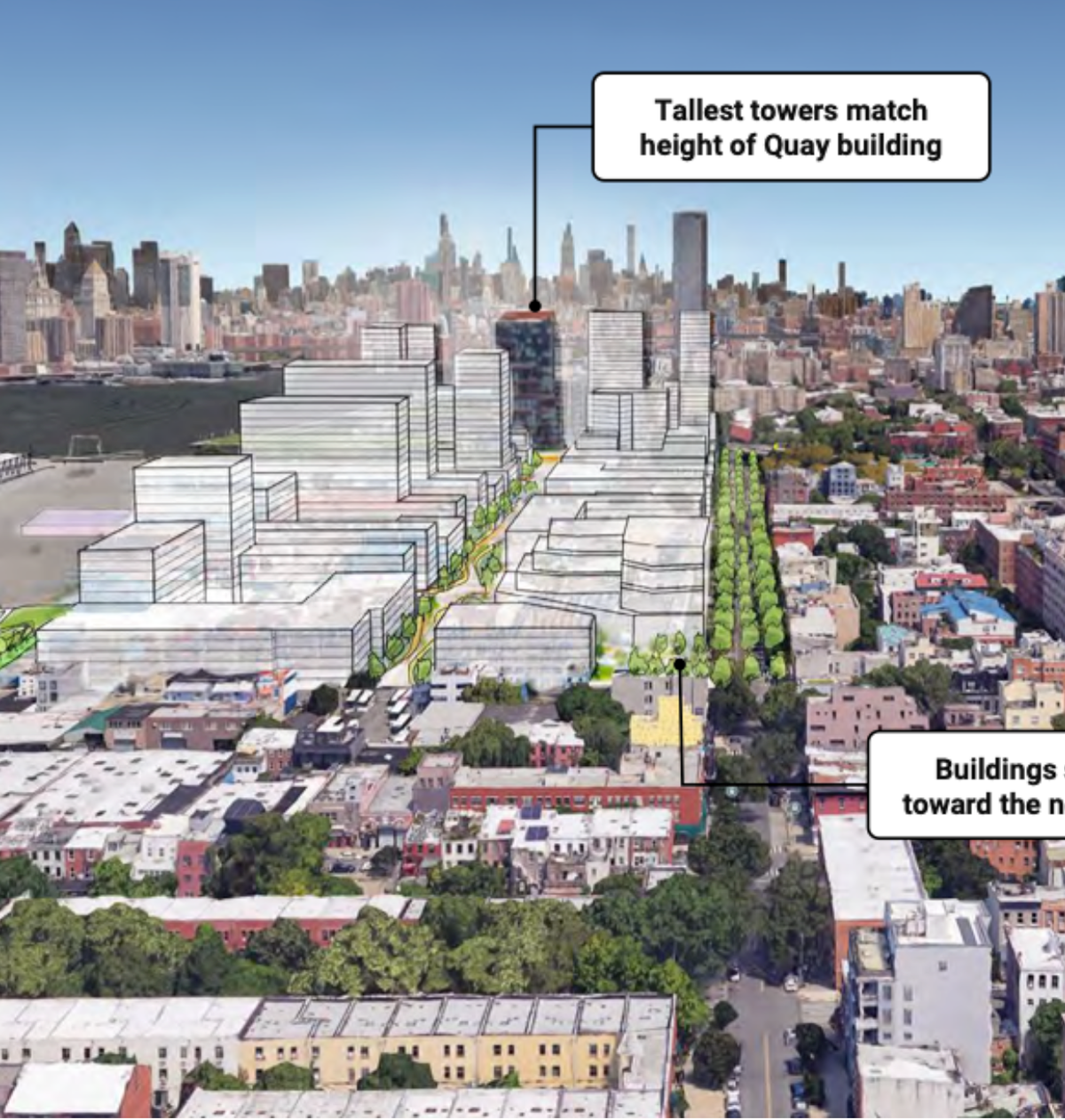
Waterfronts push urban life up against the beauty and power of nature. What we do with these spaces matters dearly.
As an organization, we have worked on well over 100 major waterfronts around the world, and after reviewing our work, we found the following issues concerning Brooklyn's proposed waterfront.
- The waterfront lacks destinations. No one comes to New York to see the waterfronts because there are no defining reasons to do so, except for several landmarks people want to photograph. The proposed BMT would do nothing to create local, vibrant centers of community where people can gather. In most major cities around the world, the waterfront defines public life. This isn't the case in New York.
- The height and sterile design of the buildings will kill the waterfront's charm, character, and accessibility. Across the 100+ waterfronts we’ve worked on, none of the successful shorelines featured clusters of high-rises anywhere near the height or design proposed for the Brooklyn Marine Terminal.
- Waterfronts are unique urban spaces; we should lean into their strengths. Waterfronts offer the rare opportunity for cities to border the natural world. Instead of using this space to develop another set of lifeless high-rises, we should lean into the rare opportunities that a waterfront poses by creating a vibrant public space along the water's edge.
- The Proposed Plan creates a solid wall separating nearby neighborhoods. Meanwhile, many of the world's best waterfronts are intricately integrated into the city centers, including historic centers.
- Implementing this plan will forever deny the possibility of fully connecting Brooklyn, Manhattan, and Governors Island.
A major Issue not being addressed is traffic. It will have a devastating impact on the surrounding neighborhoods.
The proposed BMT is a stack of high-rises with little to no subway access. We all know increased traffic undermines the vitality of our communities. Brooklyn Heights, Cobble Hill, Carroll Gardens, Red Hook, and the Columbia Street corridor are already saturated with traffic from the BQE. The increased BMT traffic will compound this damage, undermining the area's vitality and long-term value.
Platitudes of a "pedestrian-first" neighborhood do little to ease our concerns when there is no convincing plan to ensure the thousands of new residents won't add thousands of new cars to Brooklyn's dangerous, loud, and crowded streets. The natural neighborhood uses of walking and gathering will be significantly limited by the infusion of "outsider" traffic driving through the communities.
"To Not Through"
We are all aware that most of our neighborhood's traffic is going through not to. It is creating an enormously negative impact on community life (in Cobble Hill, 70% of traffic is through traffic).
To remedy this issue, instead of compounding it as the current proposal does, we must create a new vision for Brooklyn's main streets, one centered around community and vitality, not cars.
Fred Kent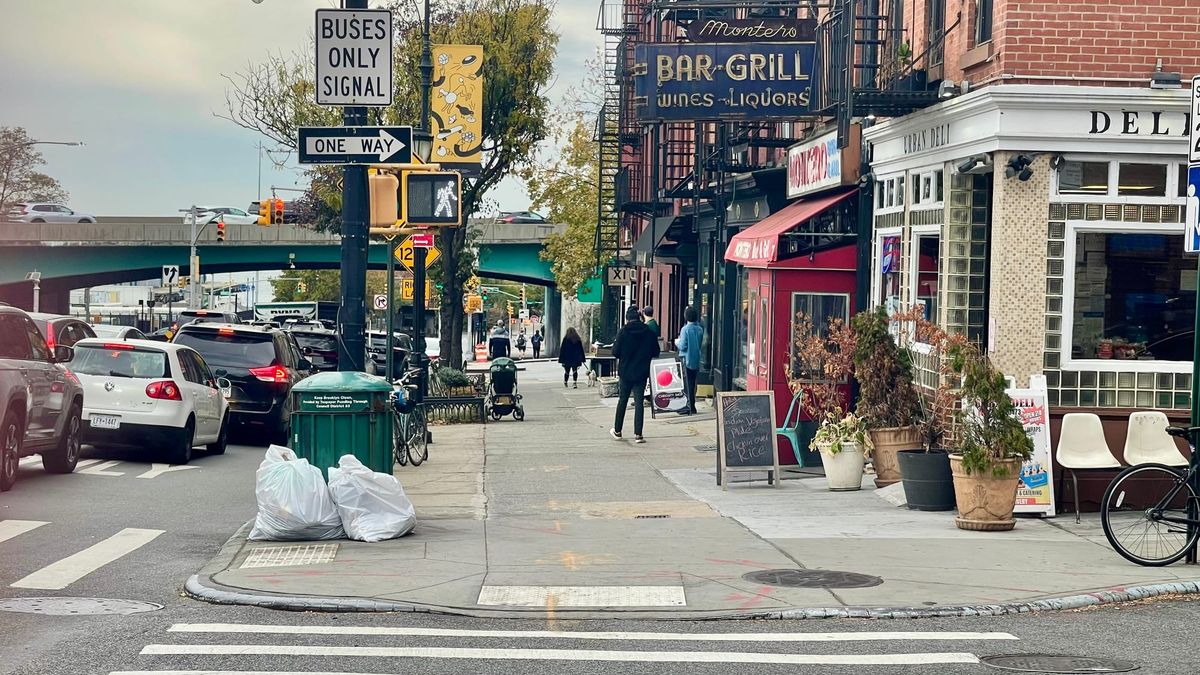
For the above reasons, we have no choice but to create a Hall of Shame for all agencies and professionals involved in this project.
We will identify both the people and agencies responsible for this plan and put them on "The Hall of Shame," suggesting that these organizations and professionals not be considered for work in Brooklyn. Their names will be identified, and people will make up their own minds if they want to hire them in the future.
Brooklyn is at a Fork in the Road
If we allow the Brooklyn Marine Terminal to proceed, we will have forever lost what could be a city-defining long-term investment – the activation of the Brooklyn waterfront for all of New York.
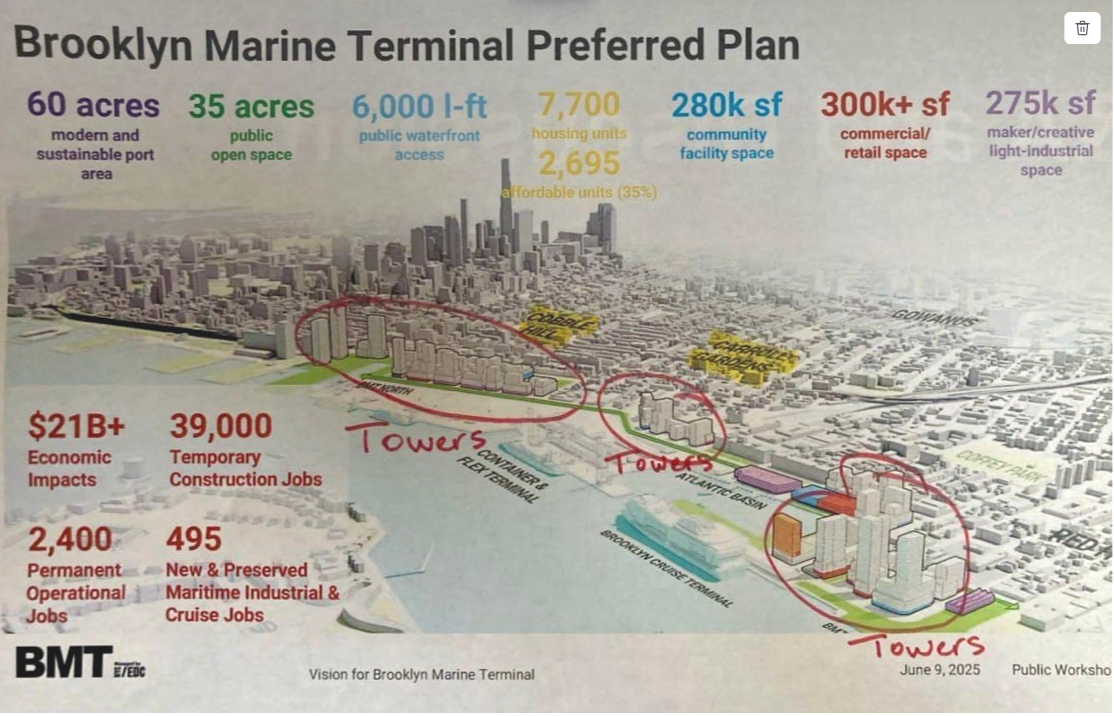
The waterfront plan will privatize Brooklyn's most valuable asset. Three massive developments are set to form a wall of high-end residential buildings. They will block views and access for the rest of the community, but more importantly, our decades of experience tell us that the towers' new residents will deny crucial waterfront activations because they believe the events may be disruptive, thus greatly limiting the potential of the limited amount of public space in the current proposal.
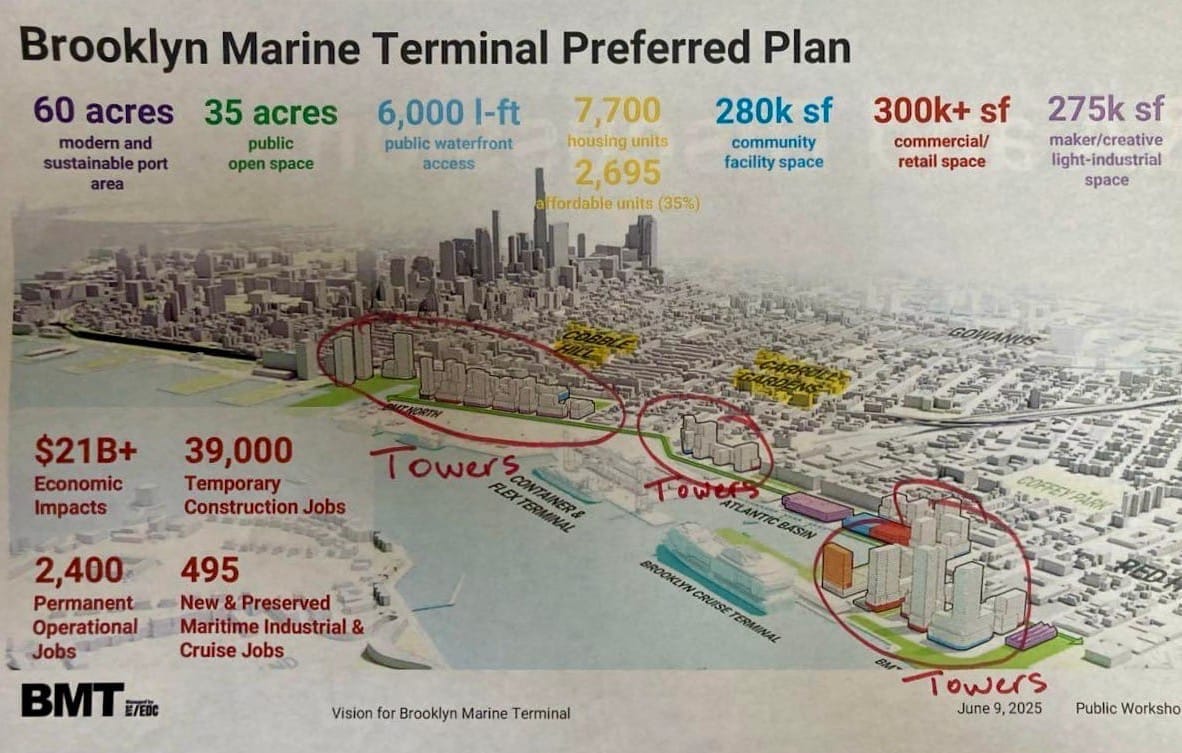
This plan is bringing Manhattan's drab west side residential developments, such as Battery Park City and the Trump developments, to Brooklyn's shores. Brooklyn has a unique, vibrant identity; the waterfront should reflect this identity.
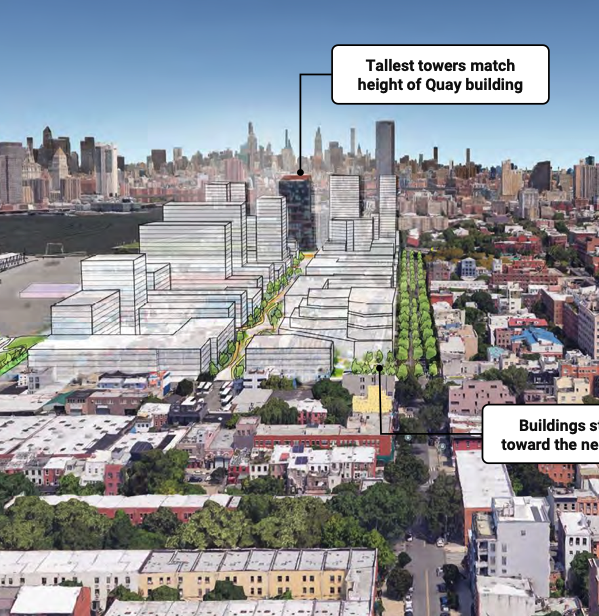
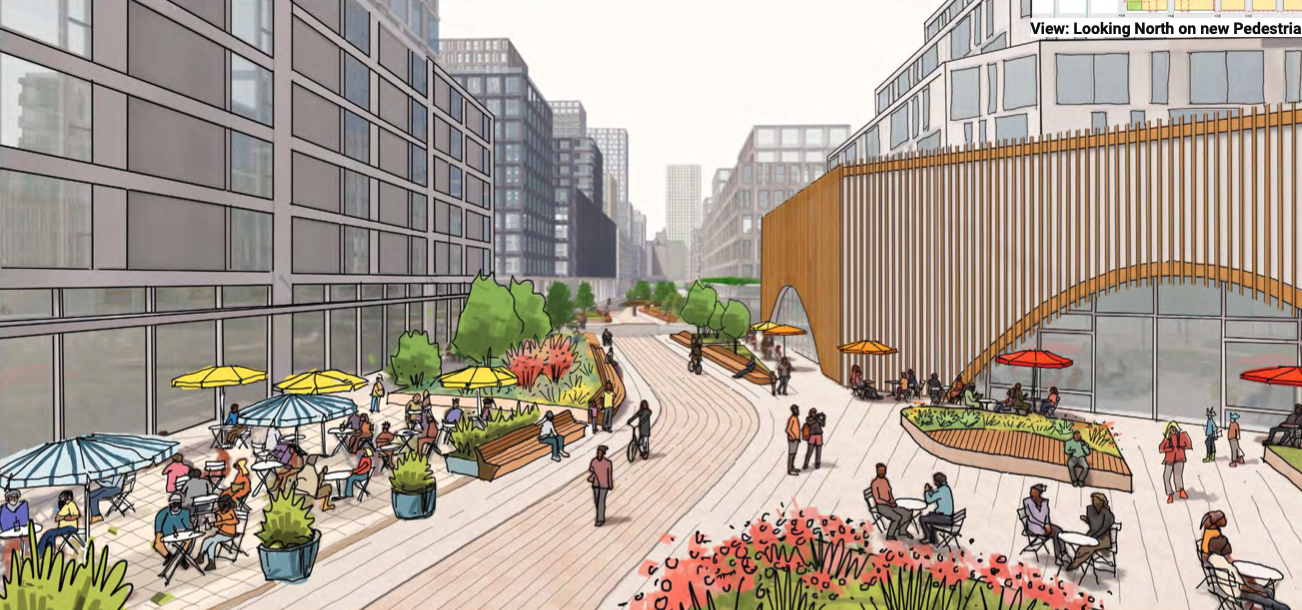
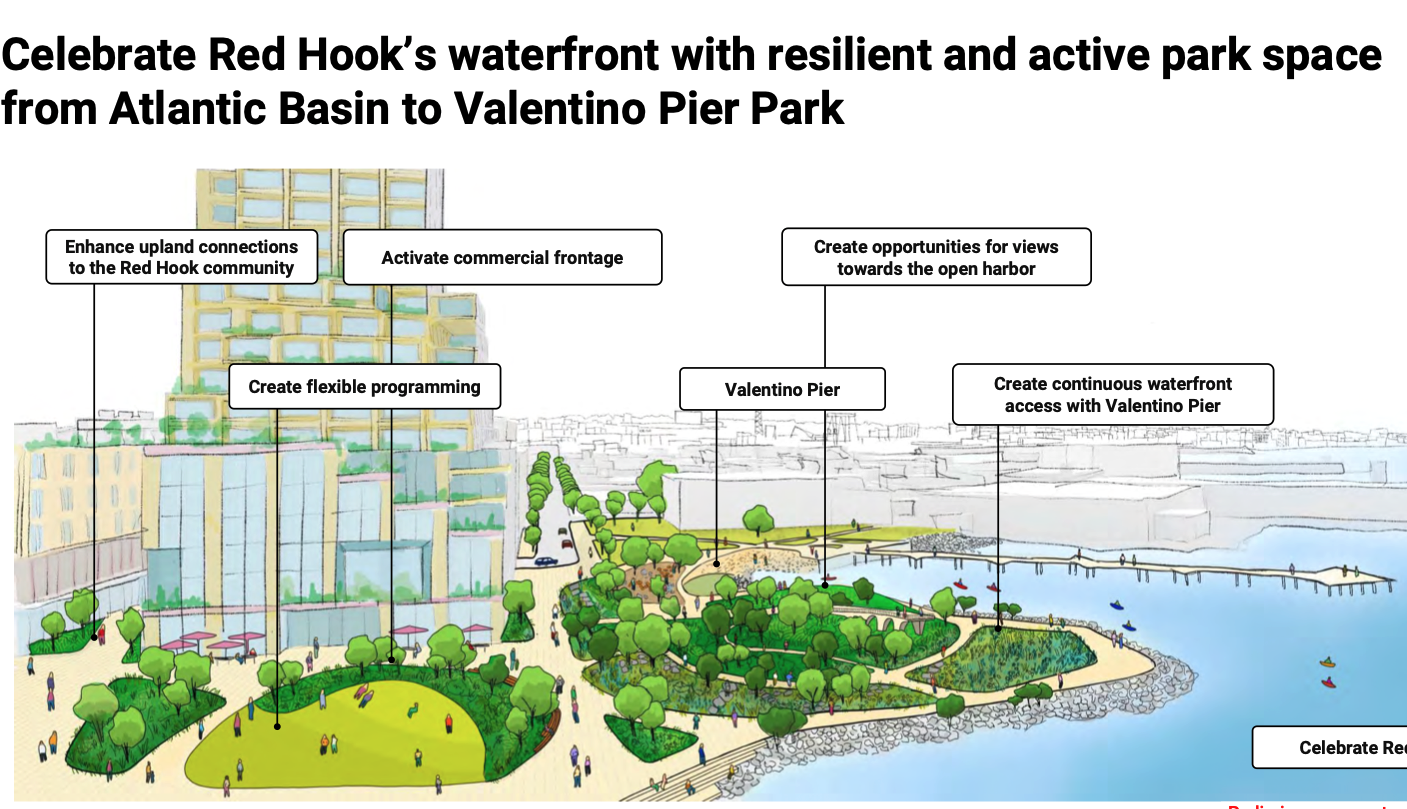
This passive "Park", similar to something like Brooklyn Bridge Park, is in place of what could be an active and vibrant waterfront like Paris' Plage.
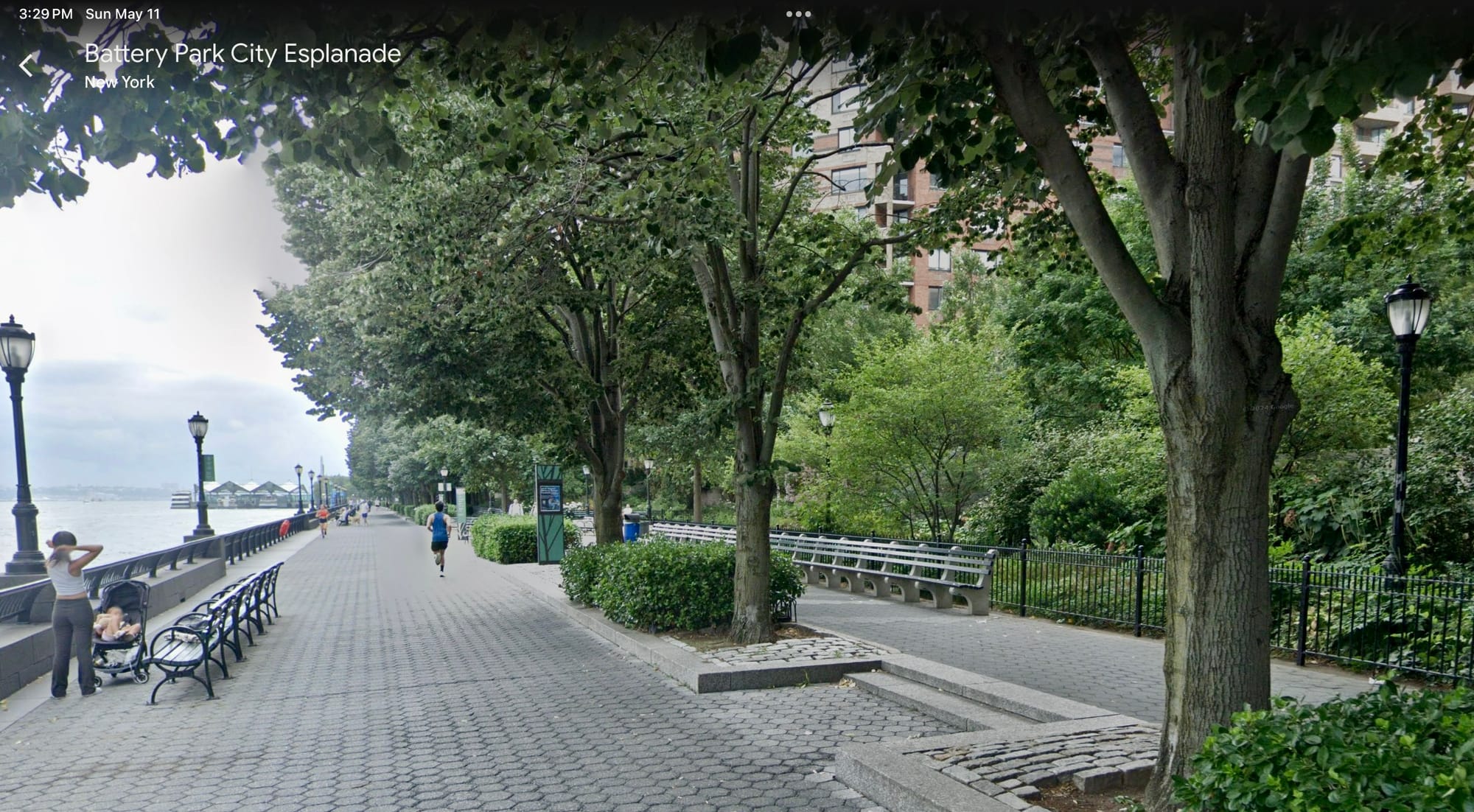
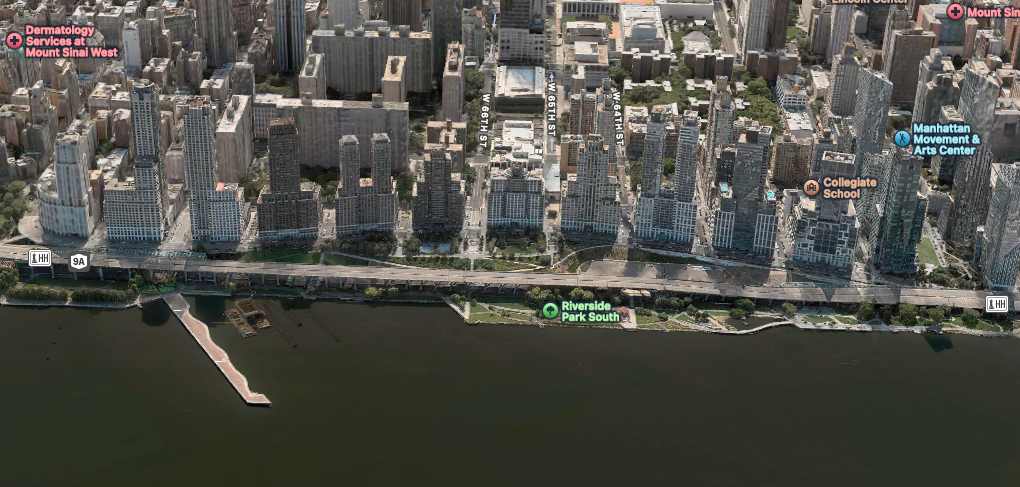
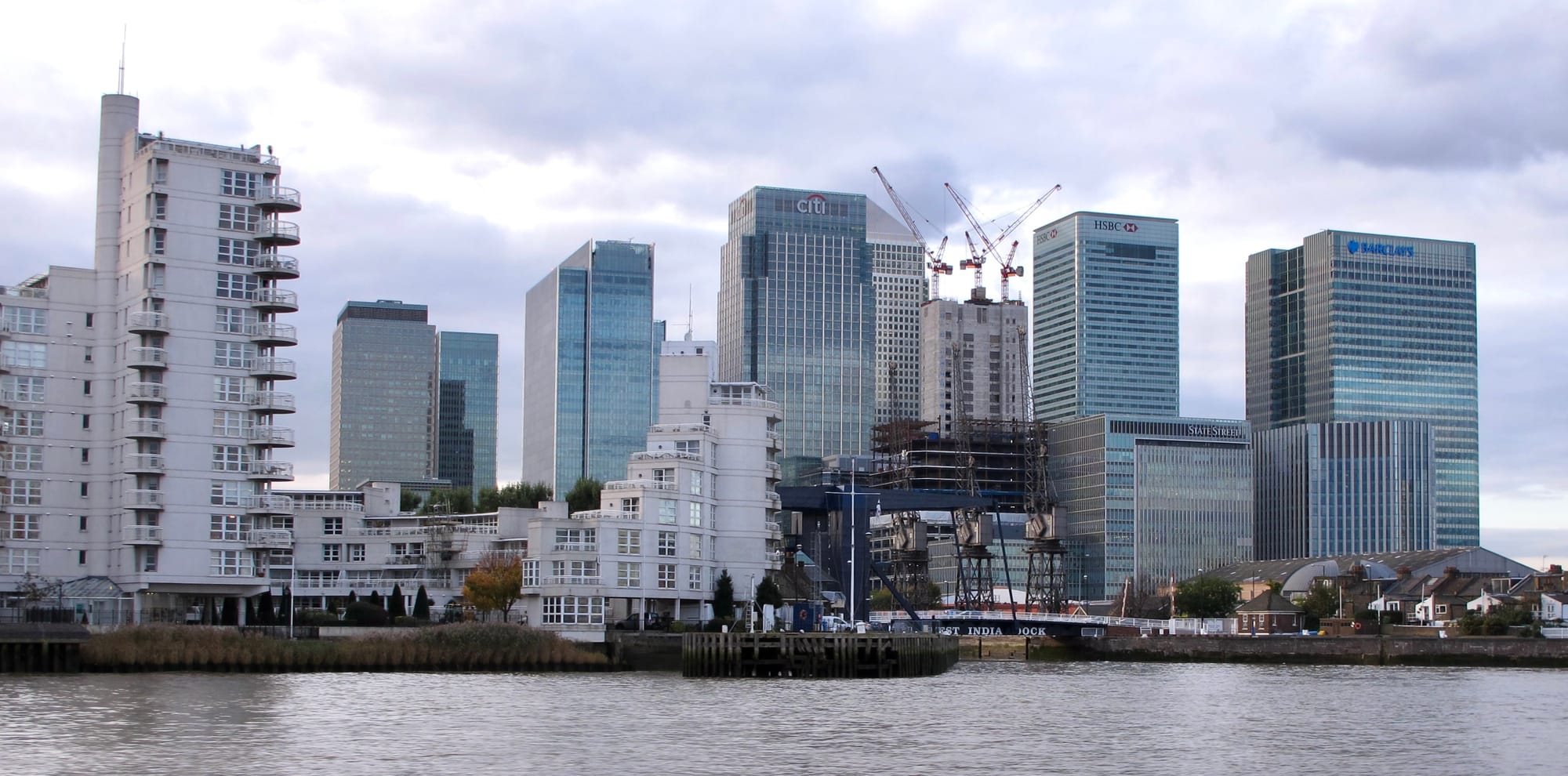
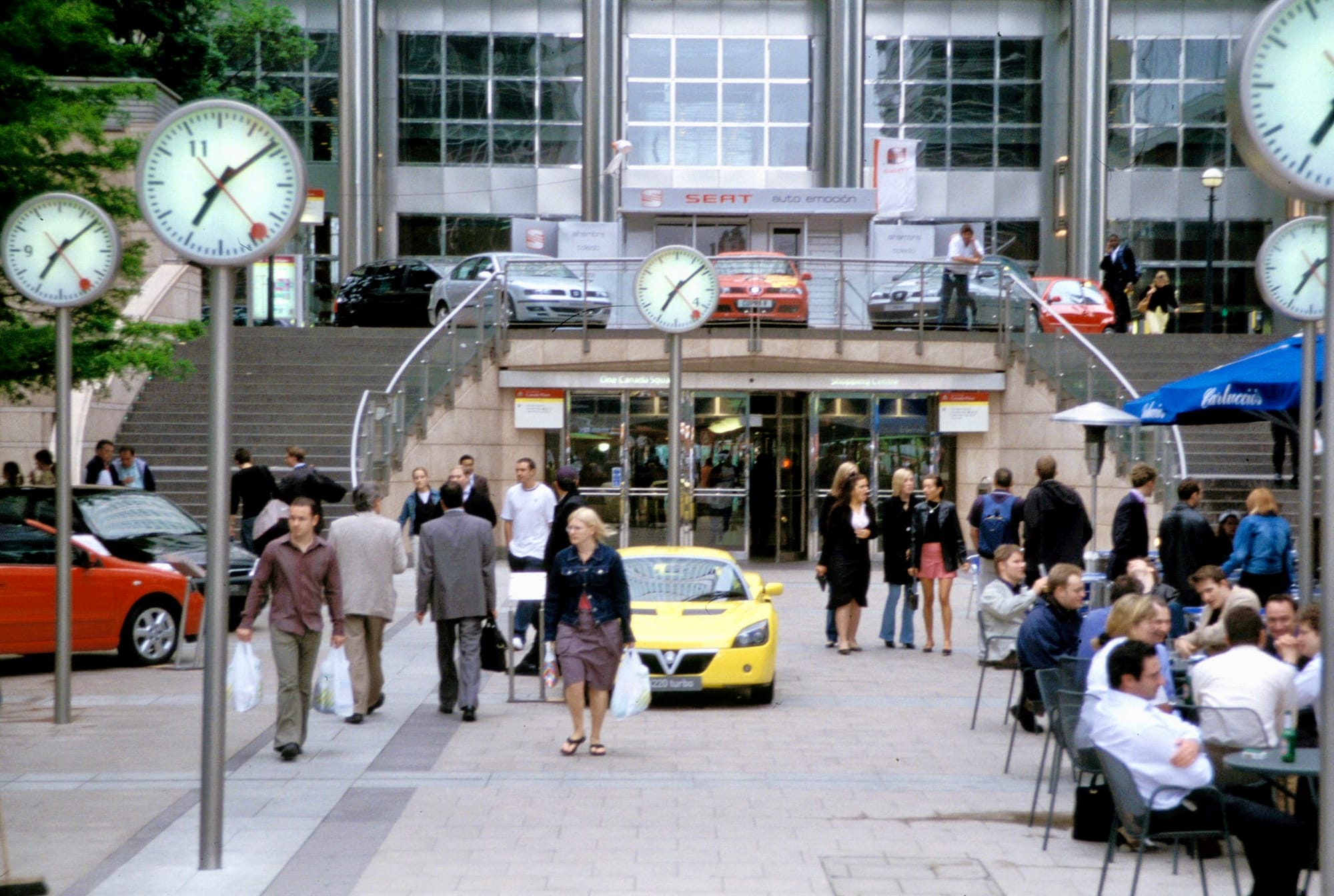
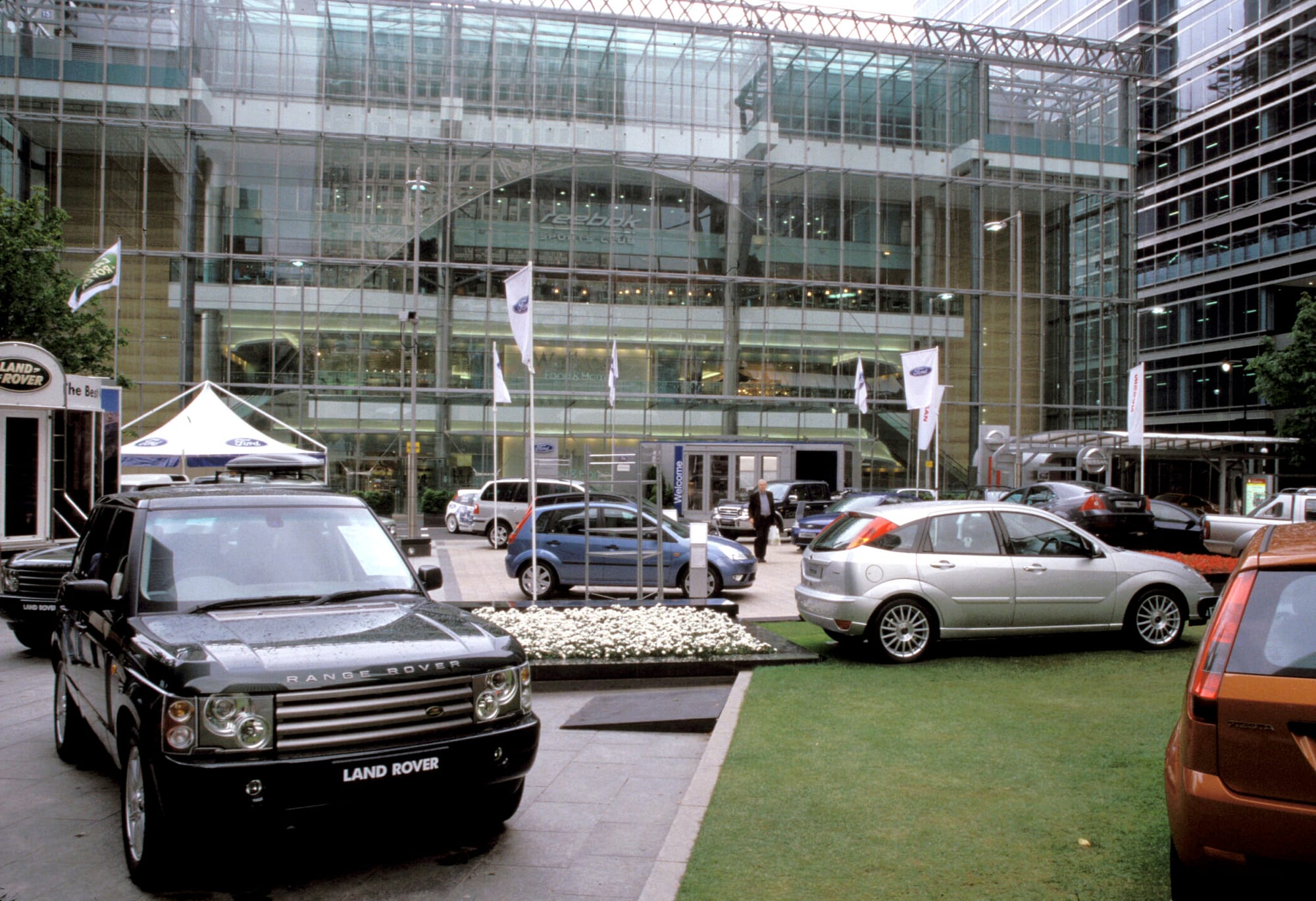
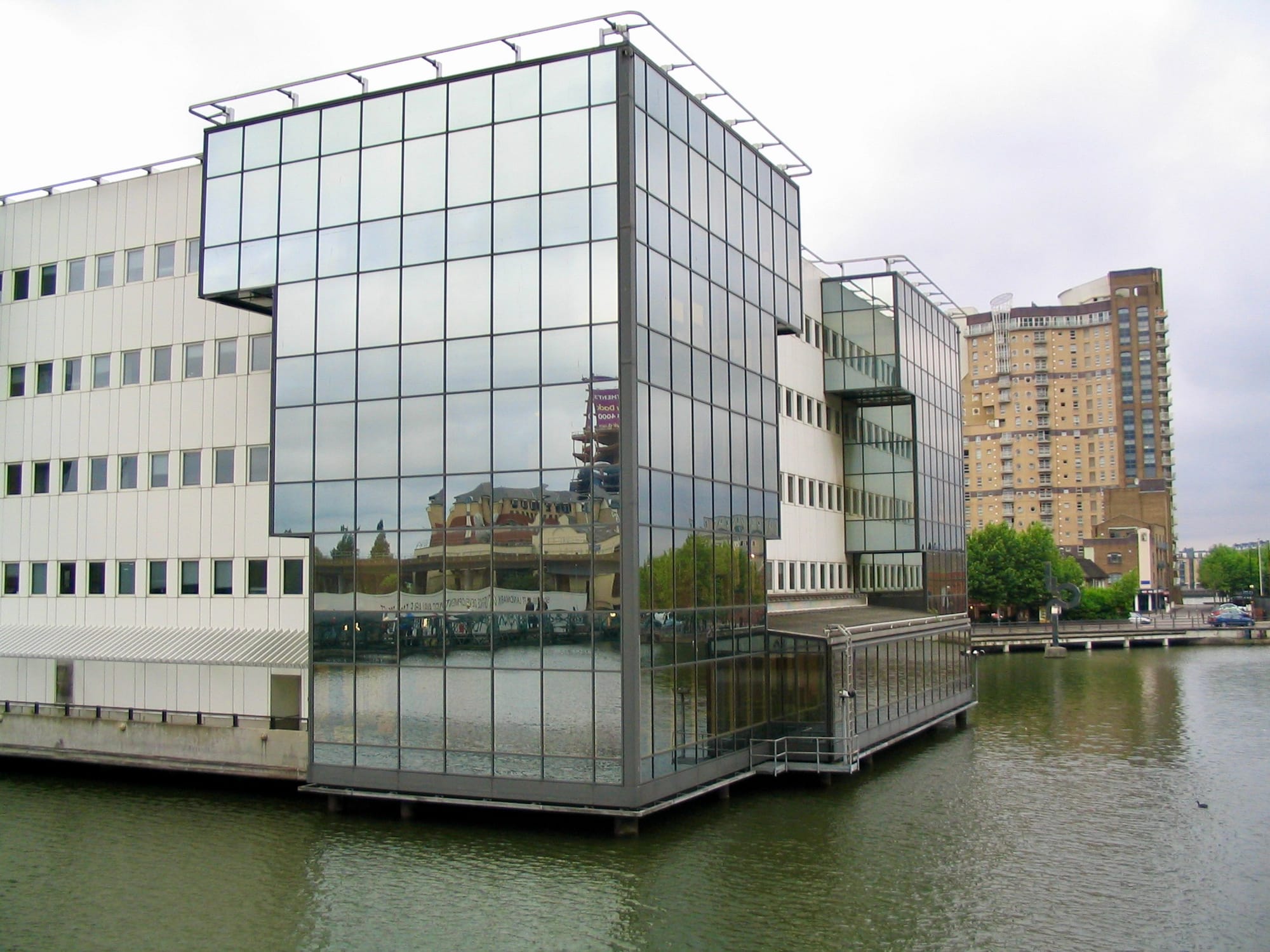
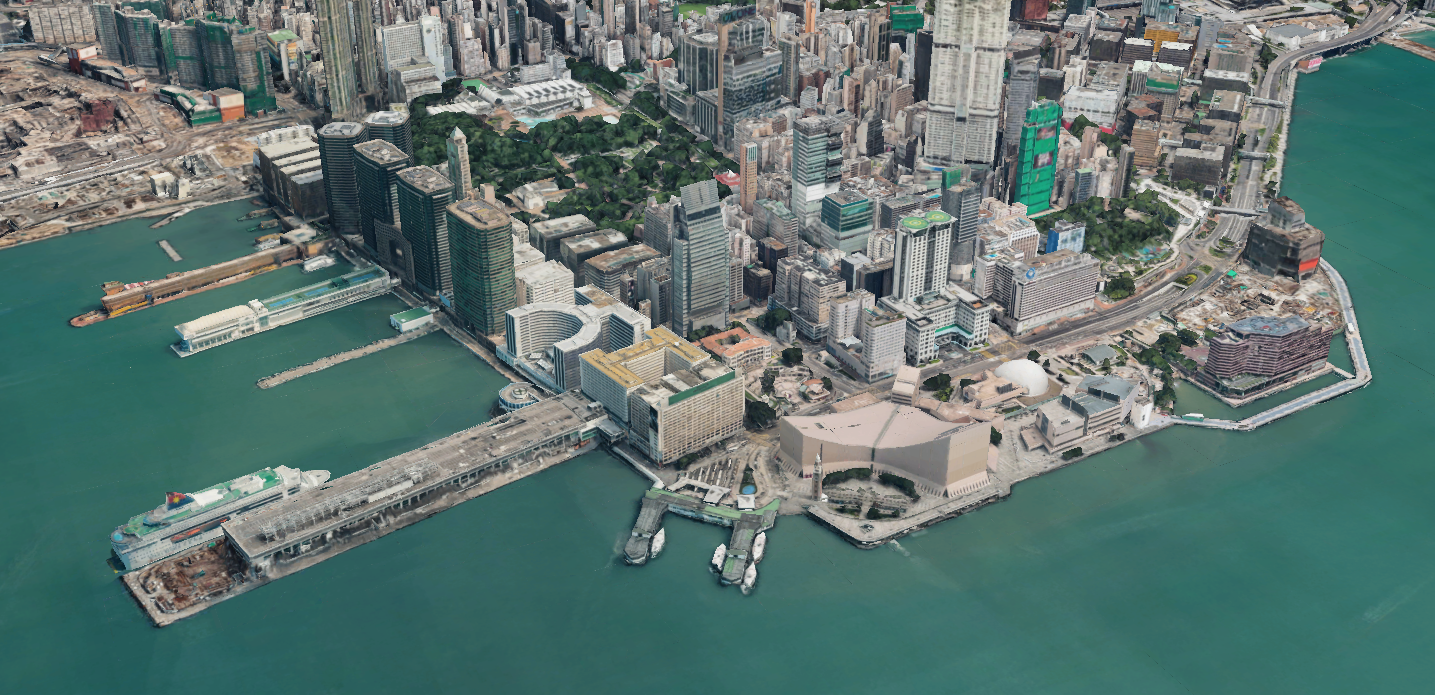
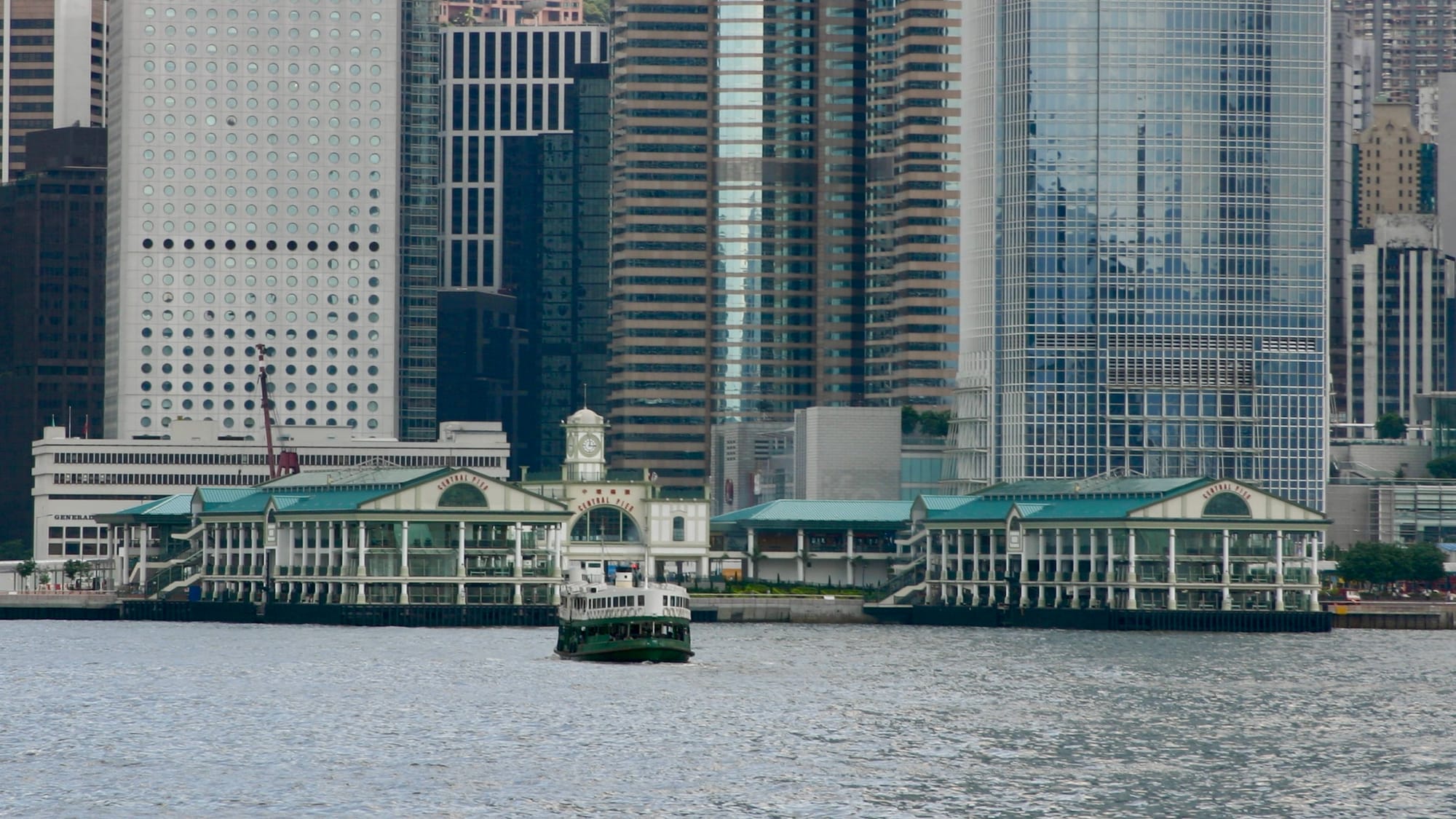
This plan repeats the same type of development that destroyed parts of the West side of Manhattan: Trump's development between 50th street and 72nd street, and the residential part of Battery Park City high rise buildings. These developments privatized the waterfront promenade, creating soulless streets. Below, Canary Wharf and Hong Kong are additional examples.
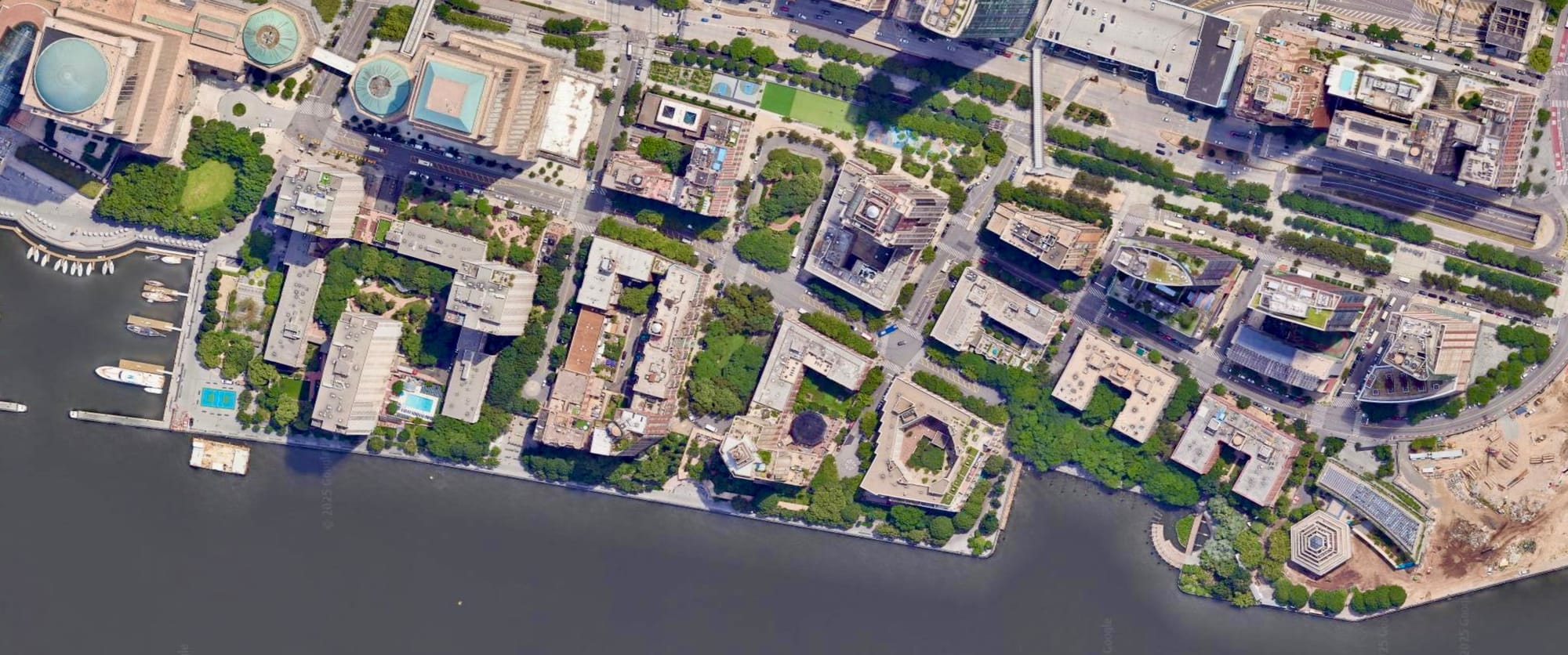
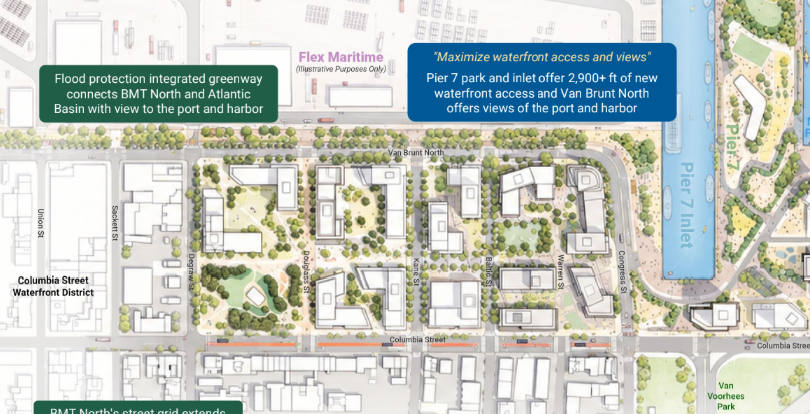
Battery Park City (left) Proposed design (right)
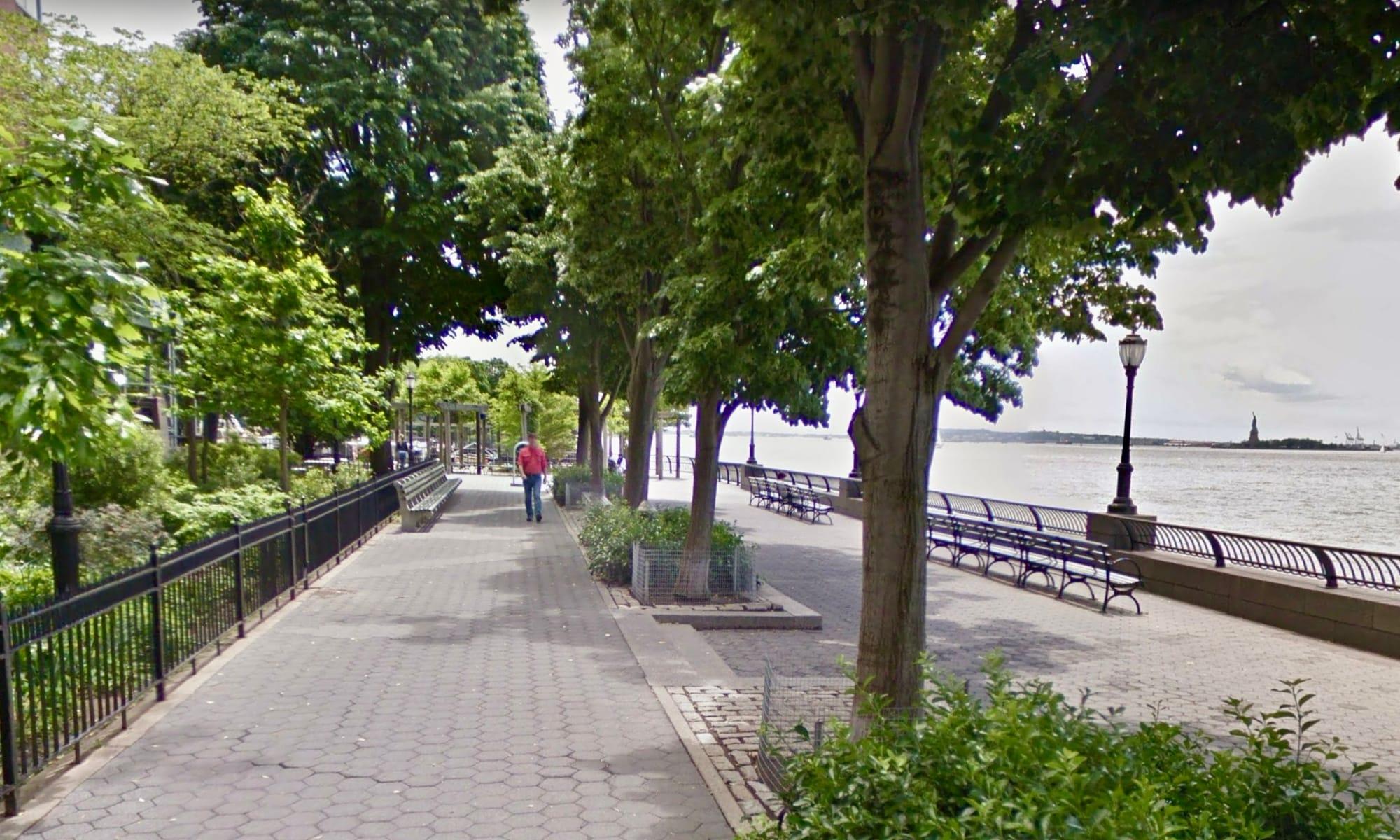
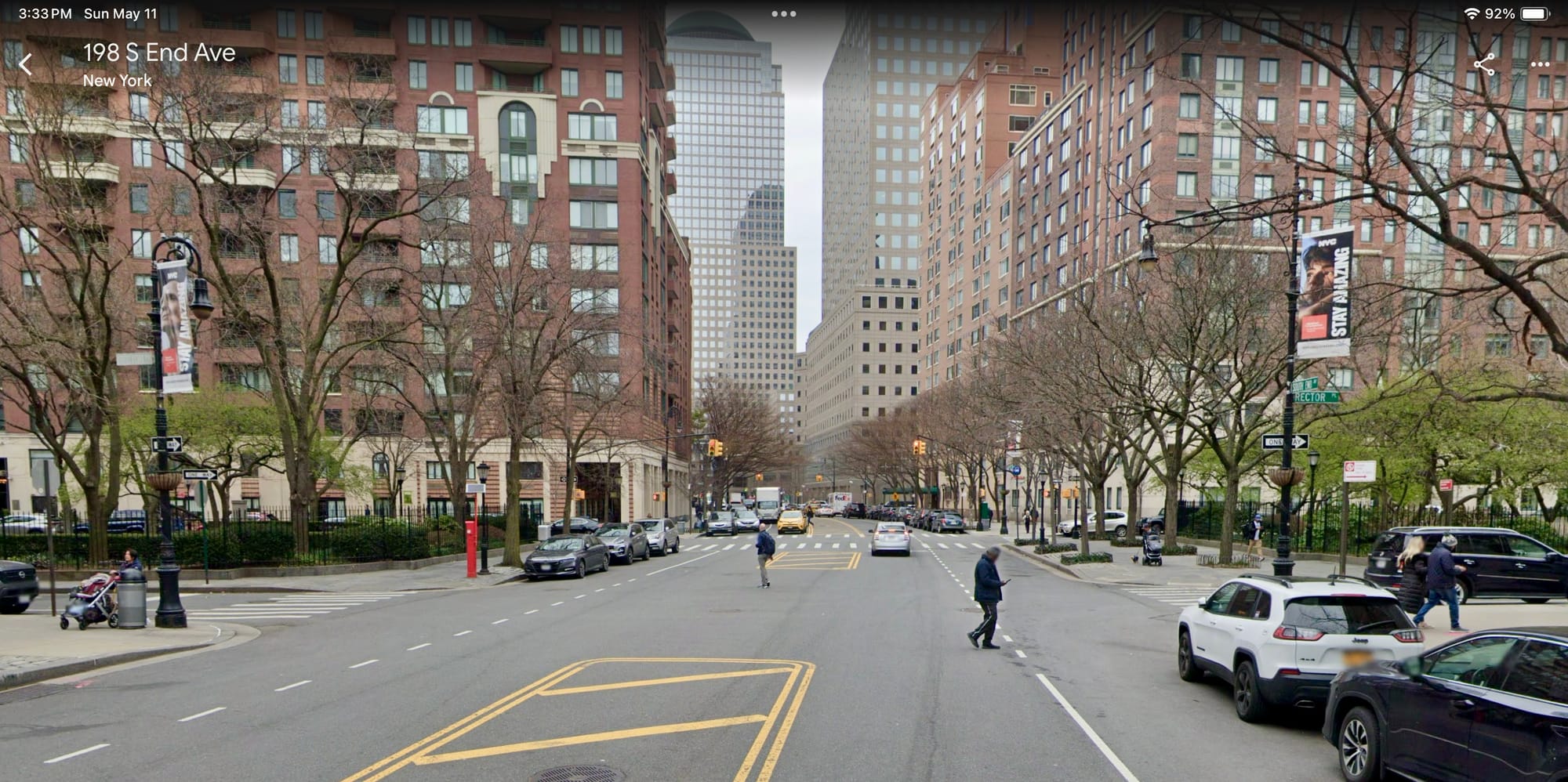
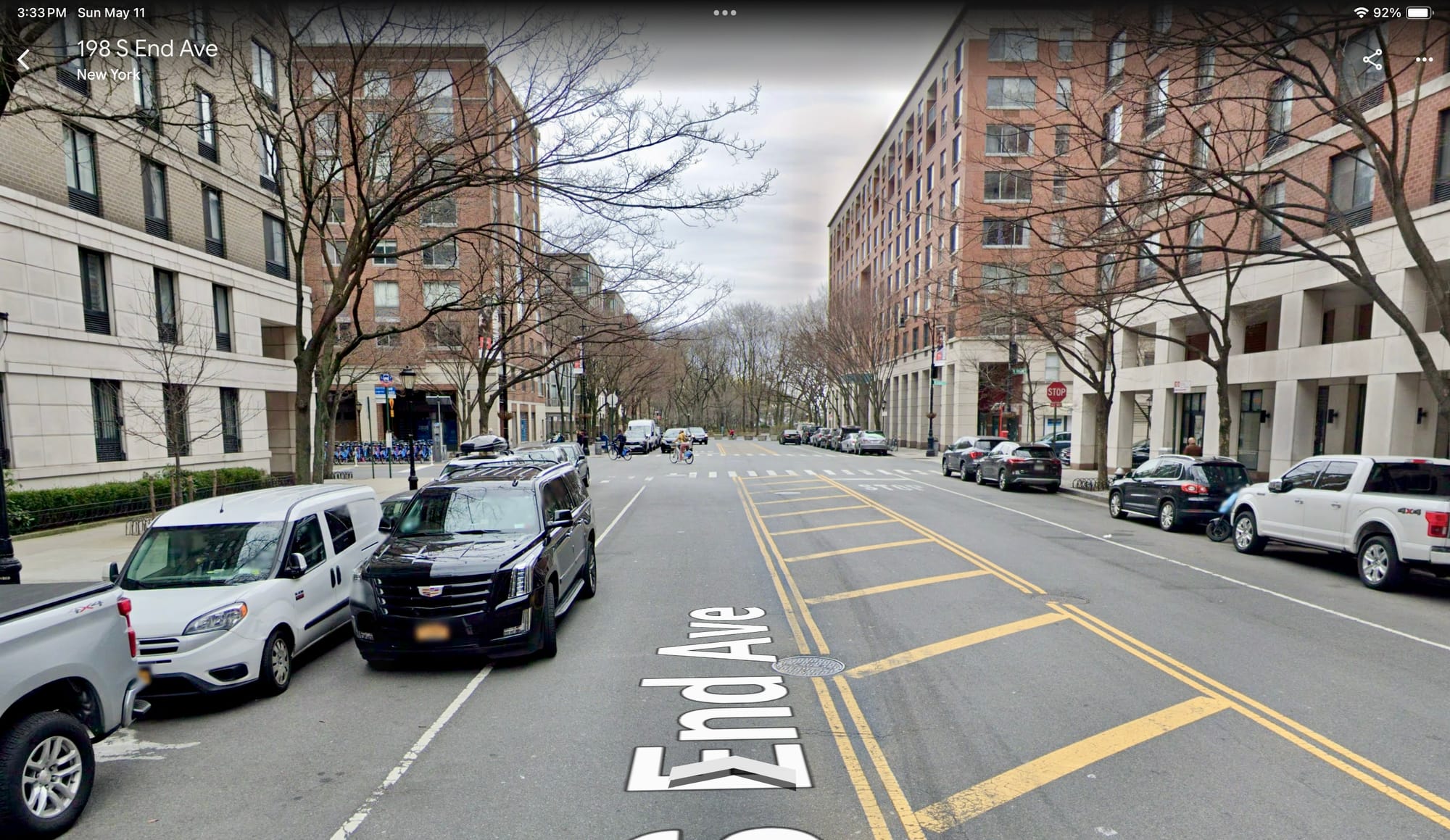
Upper West Side "Waterfront Promenade"?
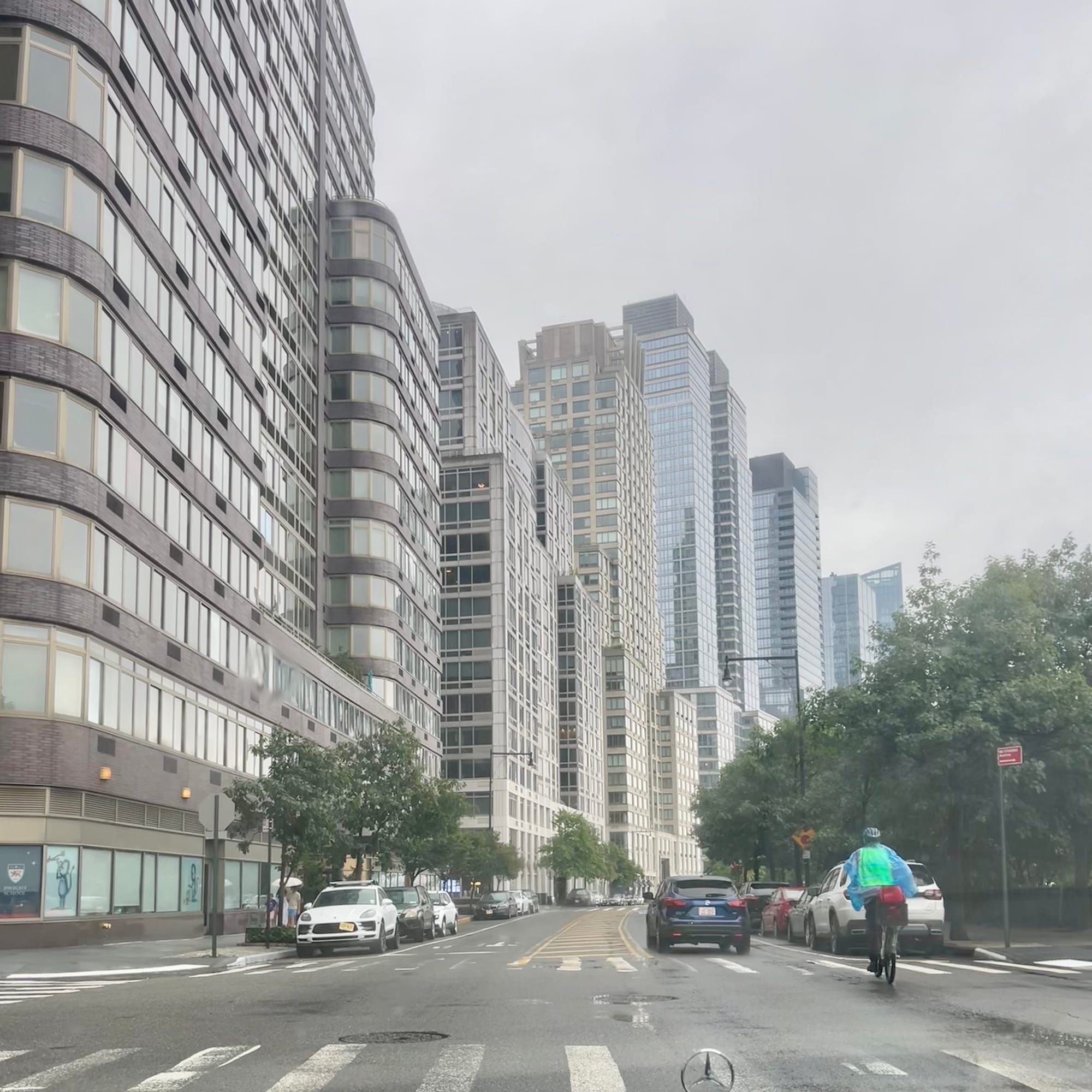
London - Canary Wharf
A Massive development that is more about cars and soulless architecture than people

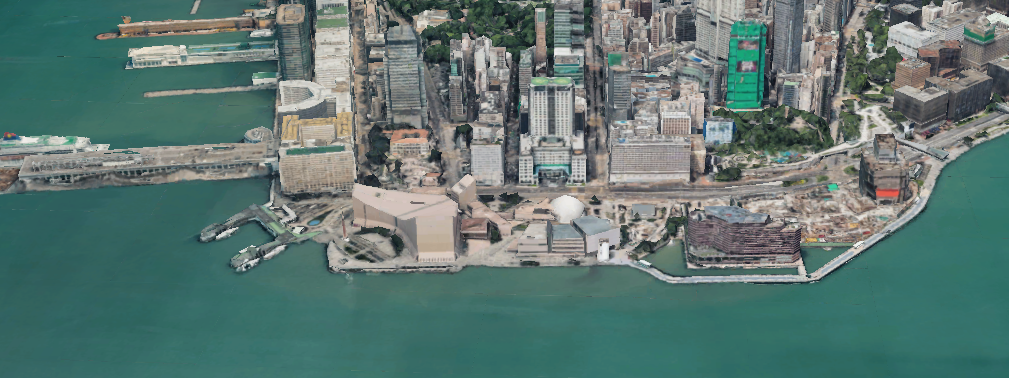
Hong Kong
Hong Kong has a similar high-rise waterfront to the one being proposed in Brooklyn. It has limited appeal other than a walkway along the water that is disconnected from valuable waterfront amenities. Instead of being an inviting and engaging place, it feels cold and soulless. This is not a model we should aim to follow in Brooklyn.
What Brooklyn Must Do and Why We Have to Start Over
Brooklyn should create a vision for what it wants to be in the future based on its values and culture, and make development decisions in accordance with that vision.
The world sees Brooklyn as a mix of cultures, creativity, innovation, and historic charm. It weaves small neighborhoods with unique character into impressive assets. Its future should be defined by highlighting these assets and connecting the community to them, not blocking them off so they can only be enjoyed by a few.
We must explore other ways we can shape the future of Brooklyn's waterfront. There are alternative approaches to this transformation that would better serve the community and Brooklyn as a whole for years to come. Paris offers a wonderful example. What happened there can happen here.
Paris Offers a Different Approach
Fred Kent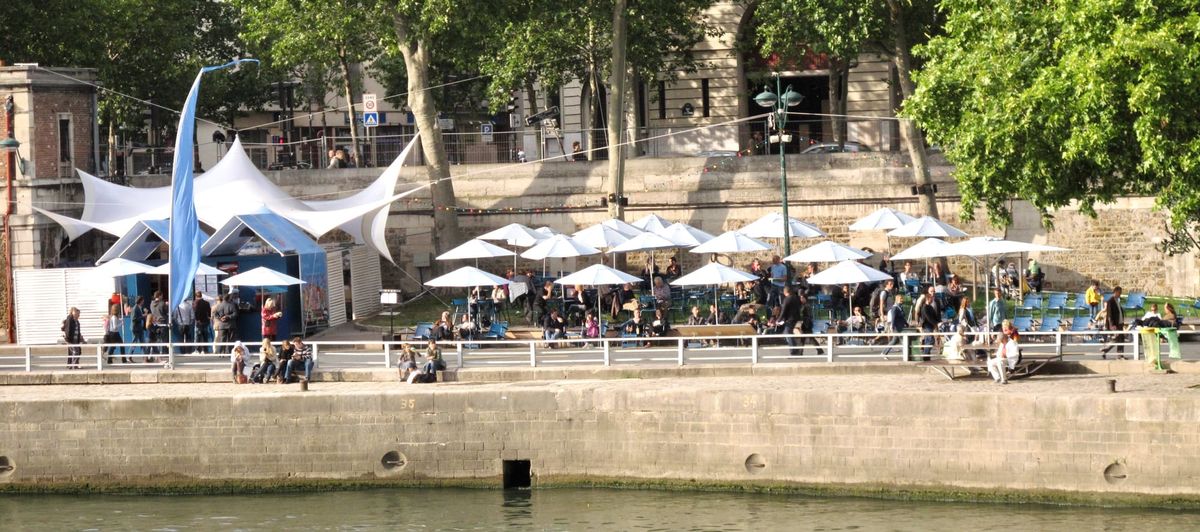
Paris did something very different with its waterfront; it became a vibrant center of public life. The changes Paris made have placed Paris Plage at the top of the global waterfront ranking in just over 20 years. In recent years, the transformation has been spearheaded by a mayor with a human-centered vision for the city's future.
"There are more and more of us fighting for a different vision of the world – a world that takes care of our most precious resources: the air we breathe, the water we drink and the places we share." – Anne Hidalgo, Mayor of Paris, France
Paris Plage - From a highway along the Seine to the best waterfront in the world
The Paris waterfront along the River Seine used to be dominated by a highway. Cars were the only entities that could enjoy that most precious of spaces as they sped along it on the way to somewhere else. Then, around 2003, under Mayor Bertrand Delanoë, the City decided that this was a waste of enormous potential and transformed it into a place for the people.
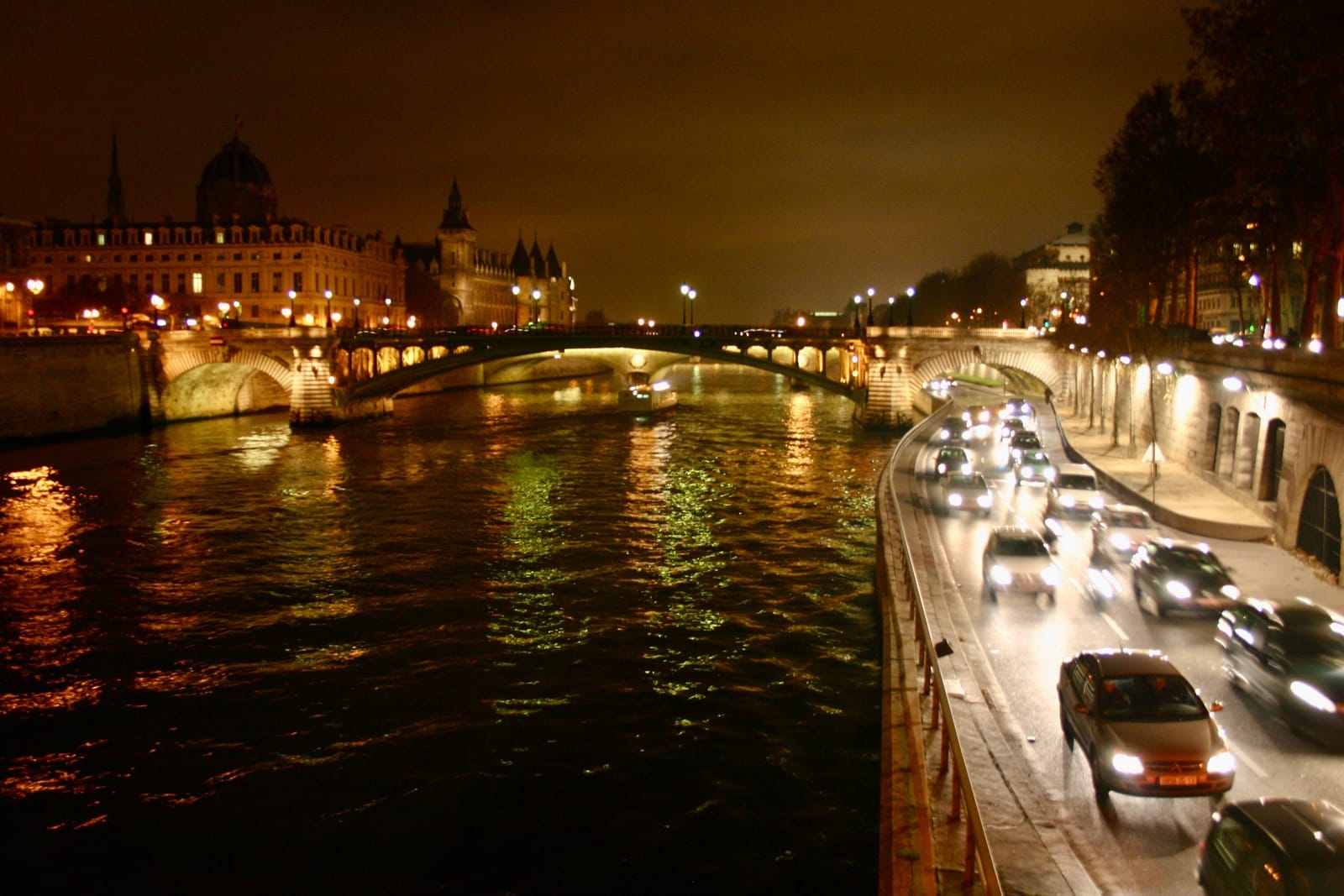
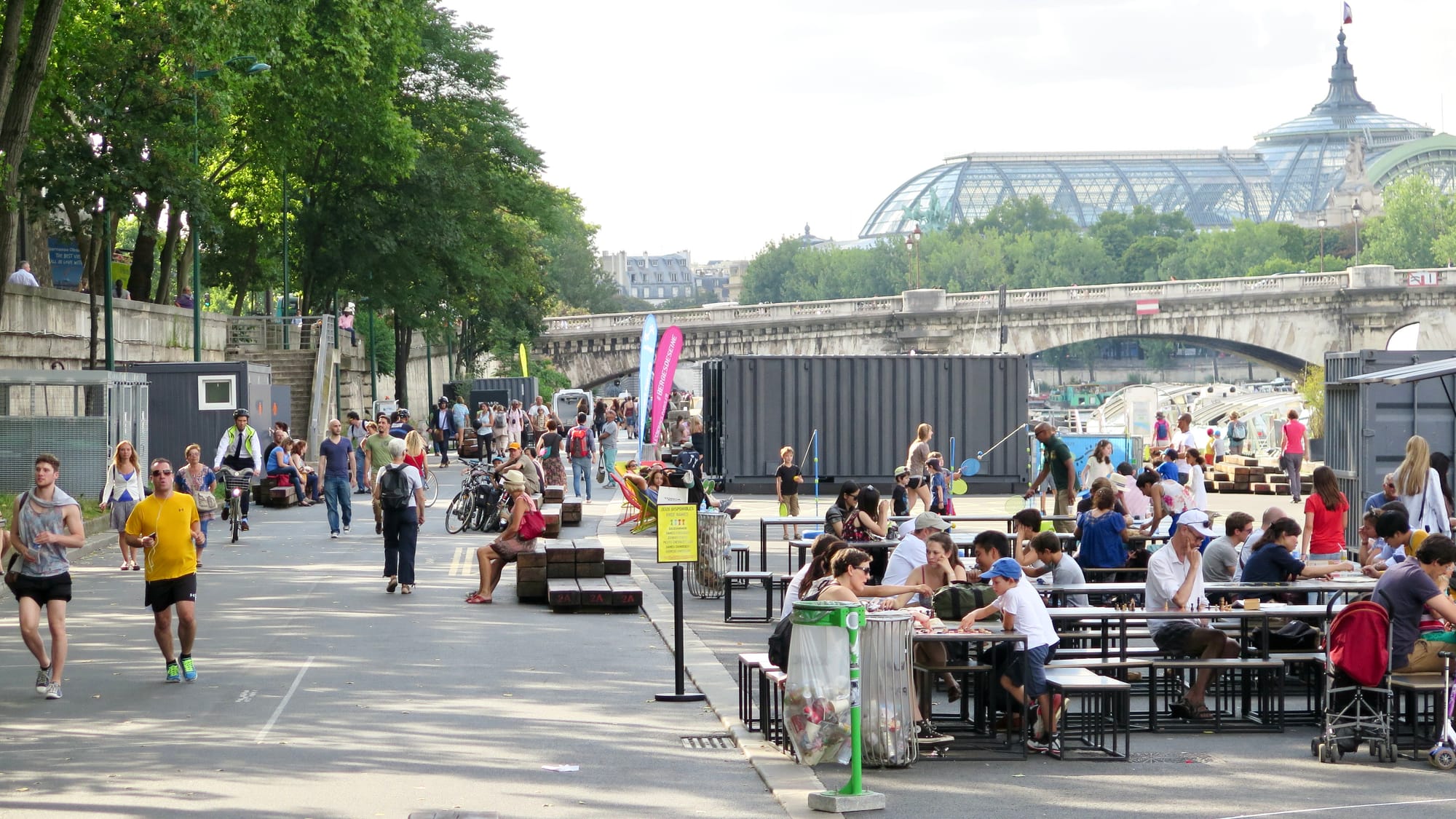
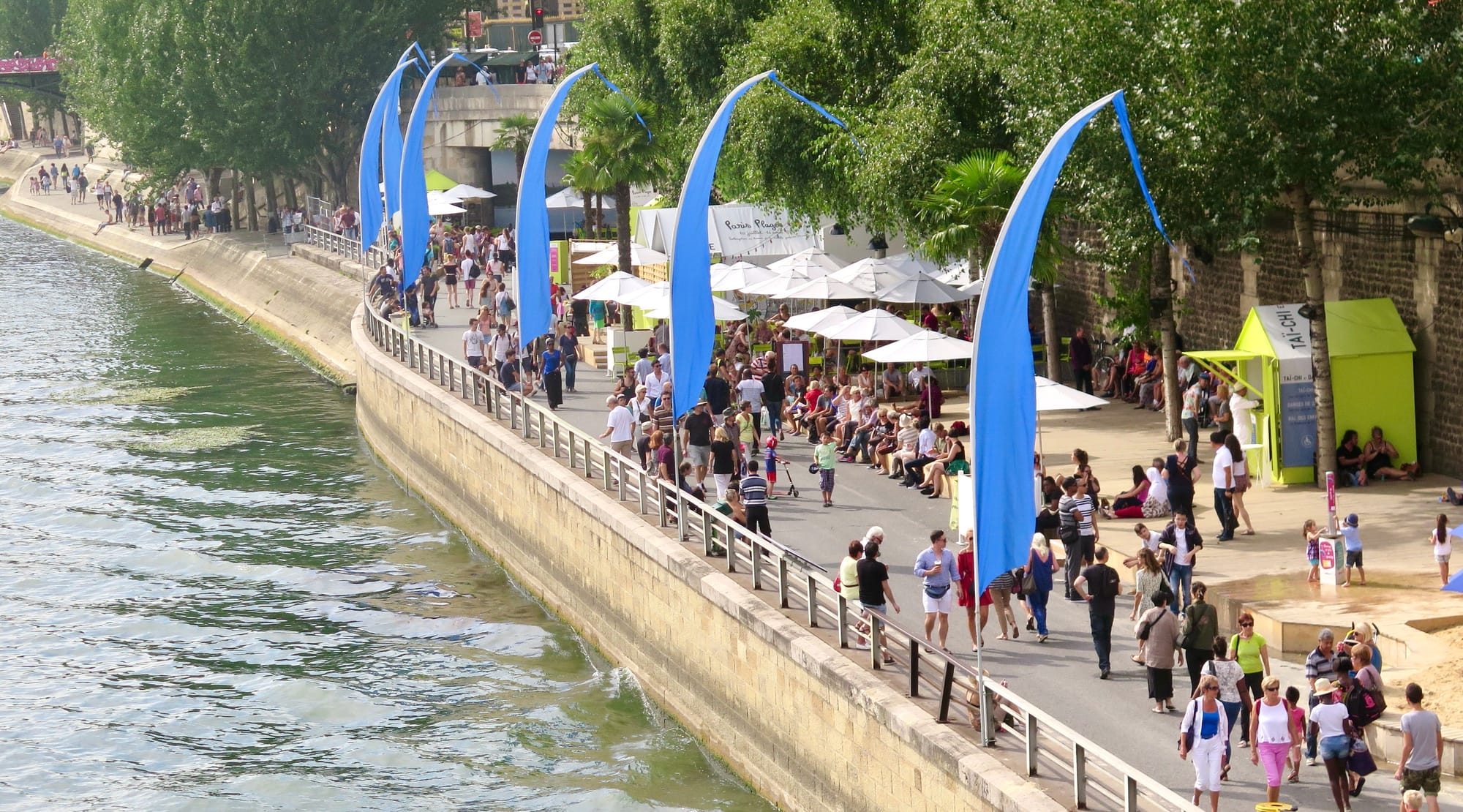
The Right Bank of the Seine was permanently transformed into a waterfront promenade. But it has become far more than just a place to walk and enjoy the views of the river. Especially in the summer, this area has become a place to have numerous fun and interesting experiences such as playing games, dancing in the evenings, playing in the sand, eating at various restaurants and cafes, engaging with the arts, and more.
As the Seine often floods in the spring, the activations need to be removed, meaning that the programming is seasonal. That allows Paris Plage to continuously reinvent itself year after year, offering new and ever more exciting activities that adapt to the times and to public demand.
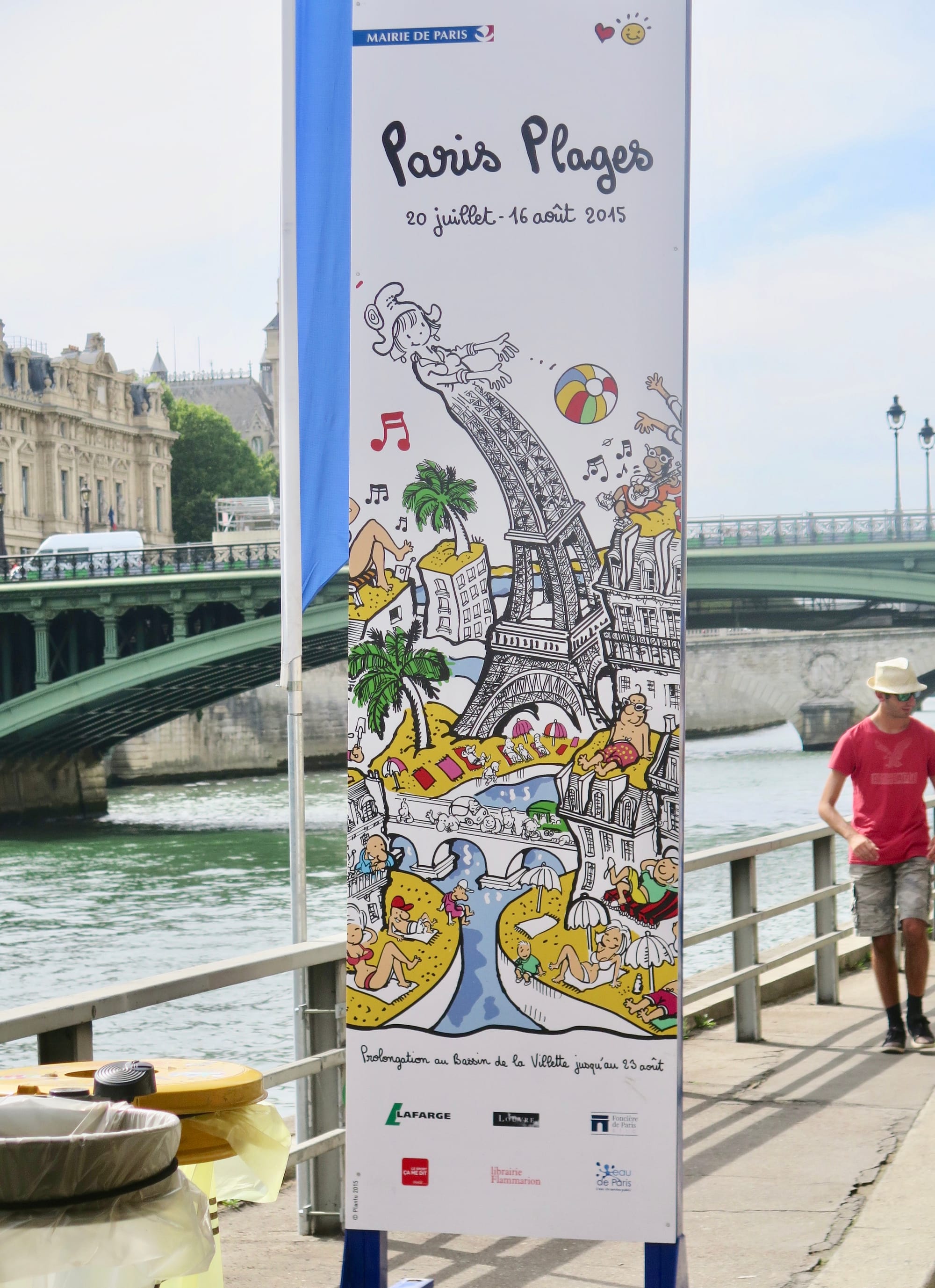
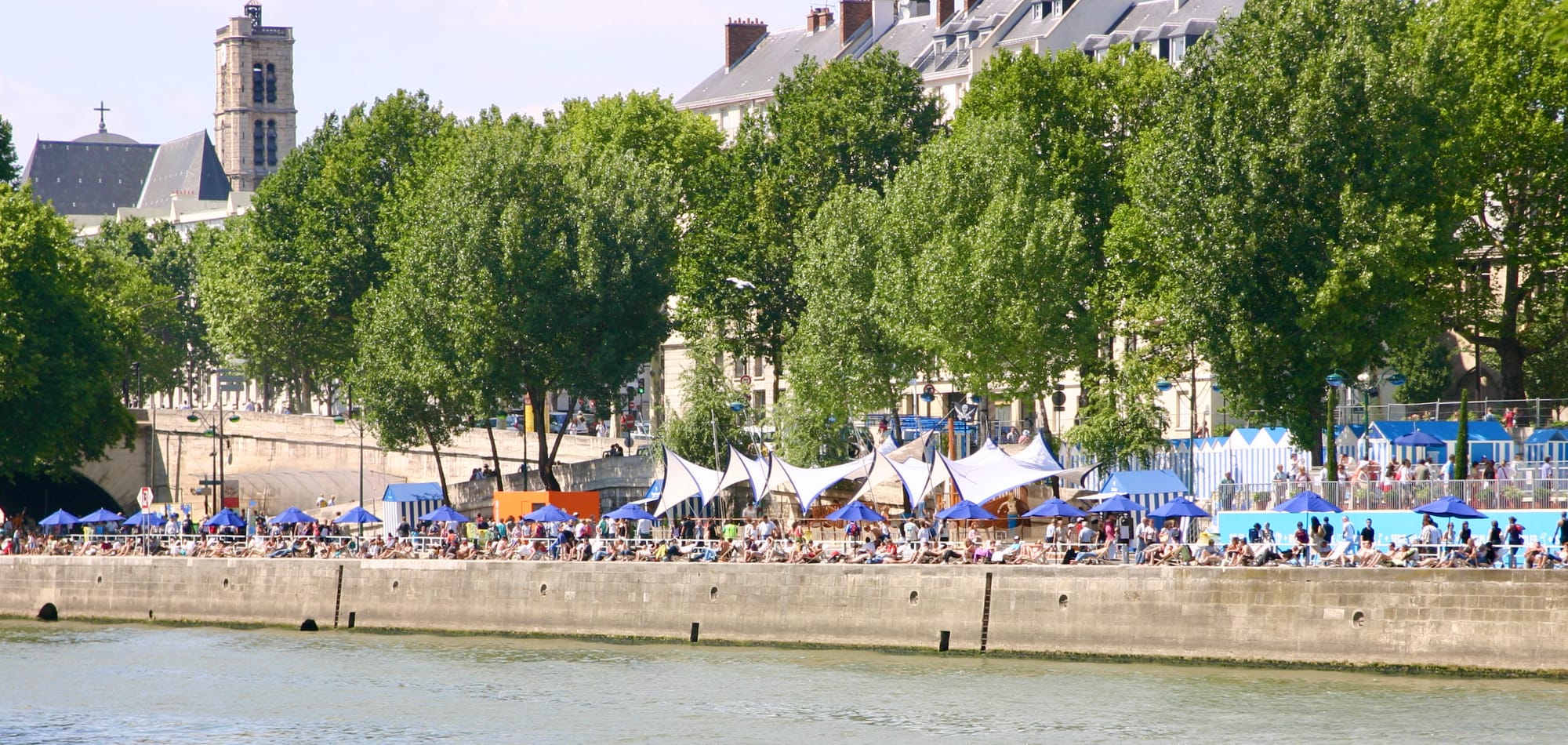
Programming and Placemaking at the Waterfront
We don't know of any waterfronts that have had such a laser focus on Placemaking and programming as the foundation of their waterfront. Paris is the "gold standard" when it comes to providing different types of uses around the water so that people of all kinds can enjoy it and thrive there.
Cultural Assets
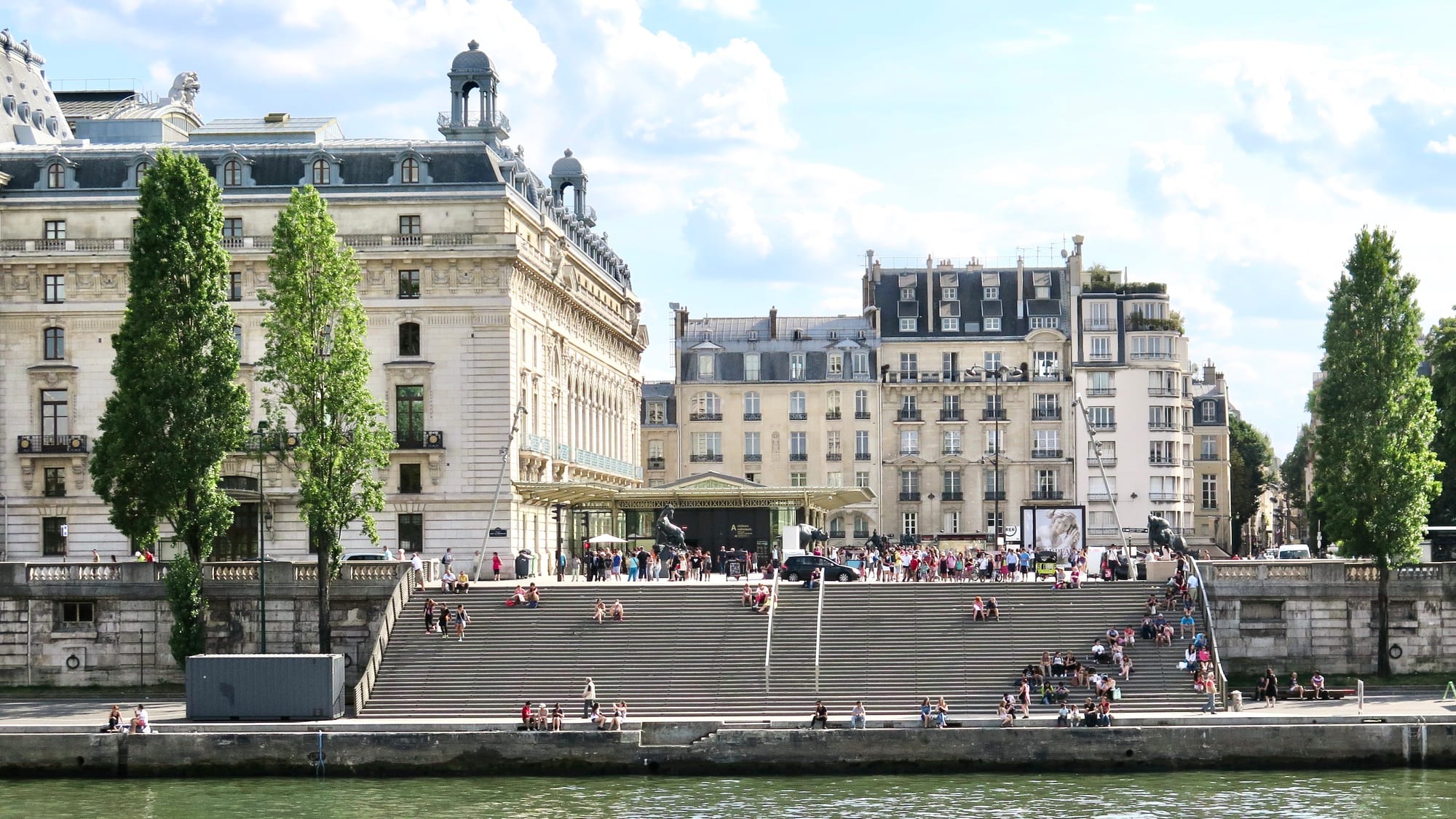
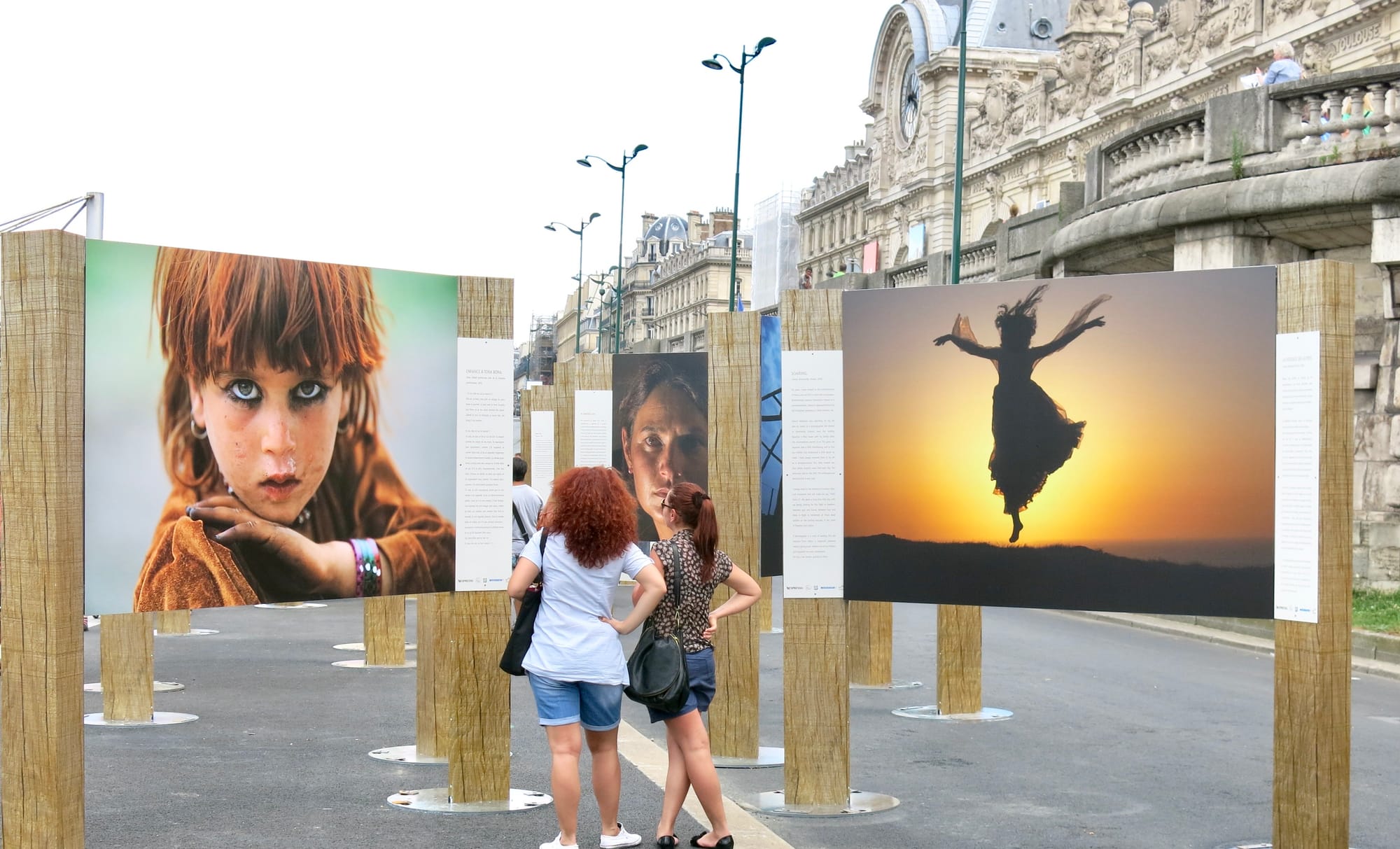
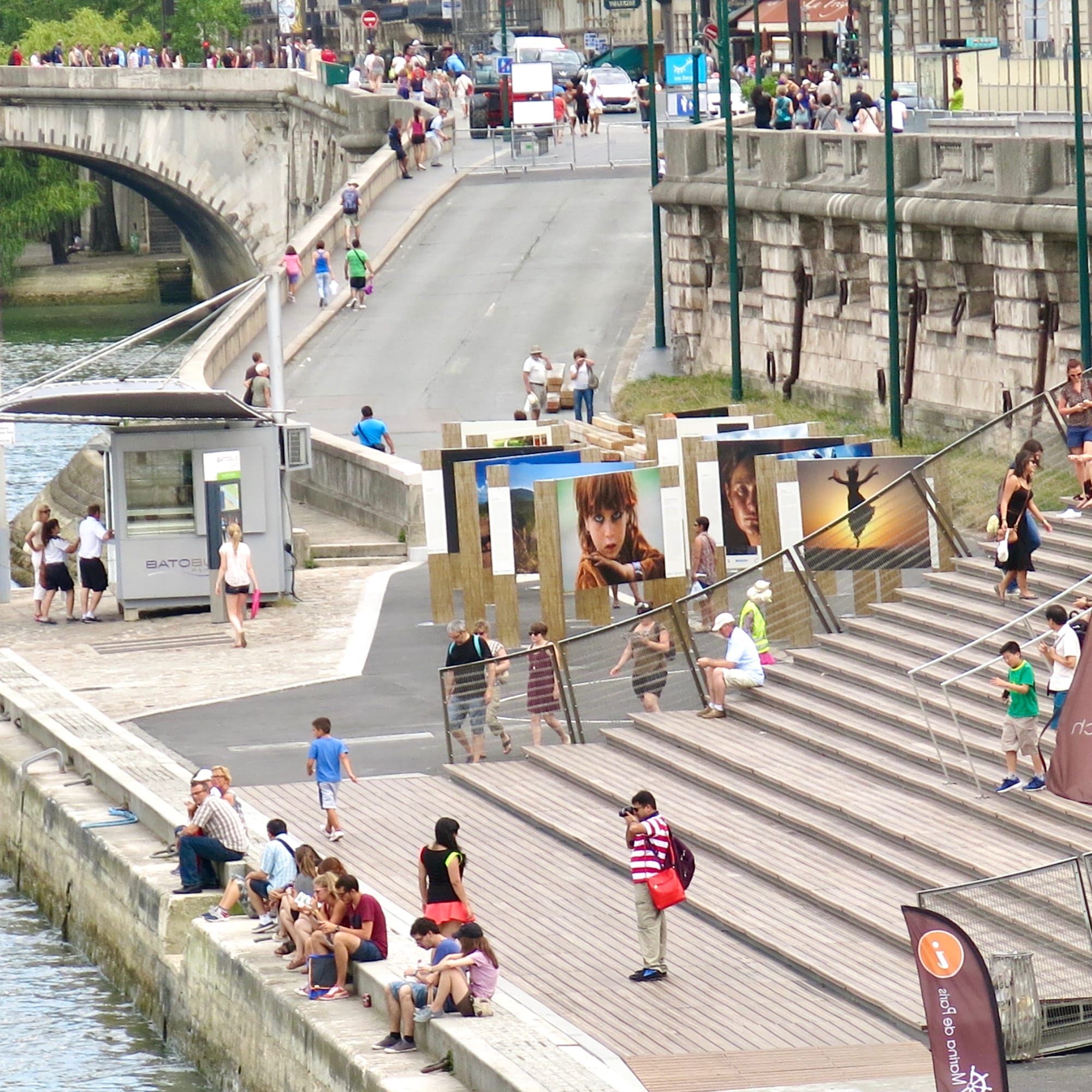
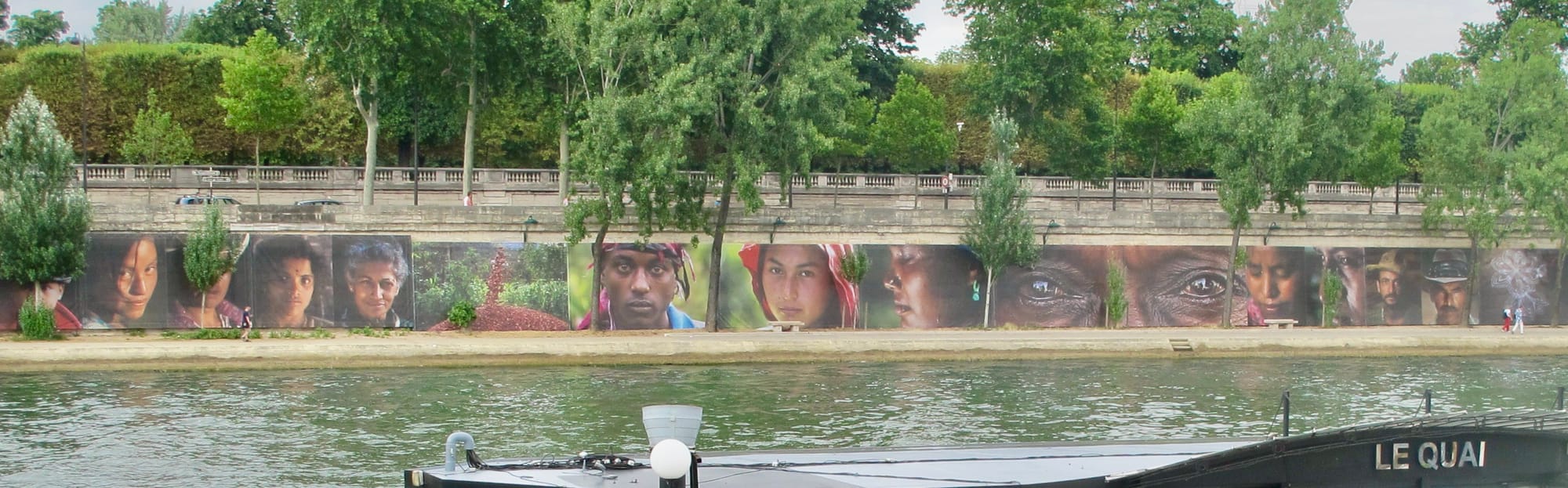
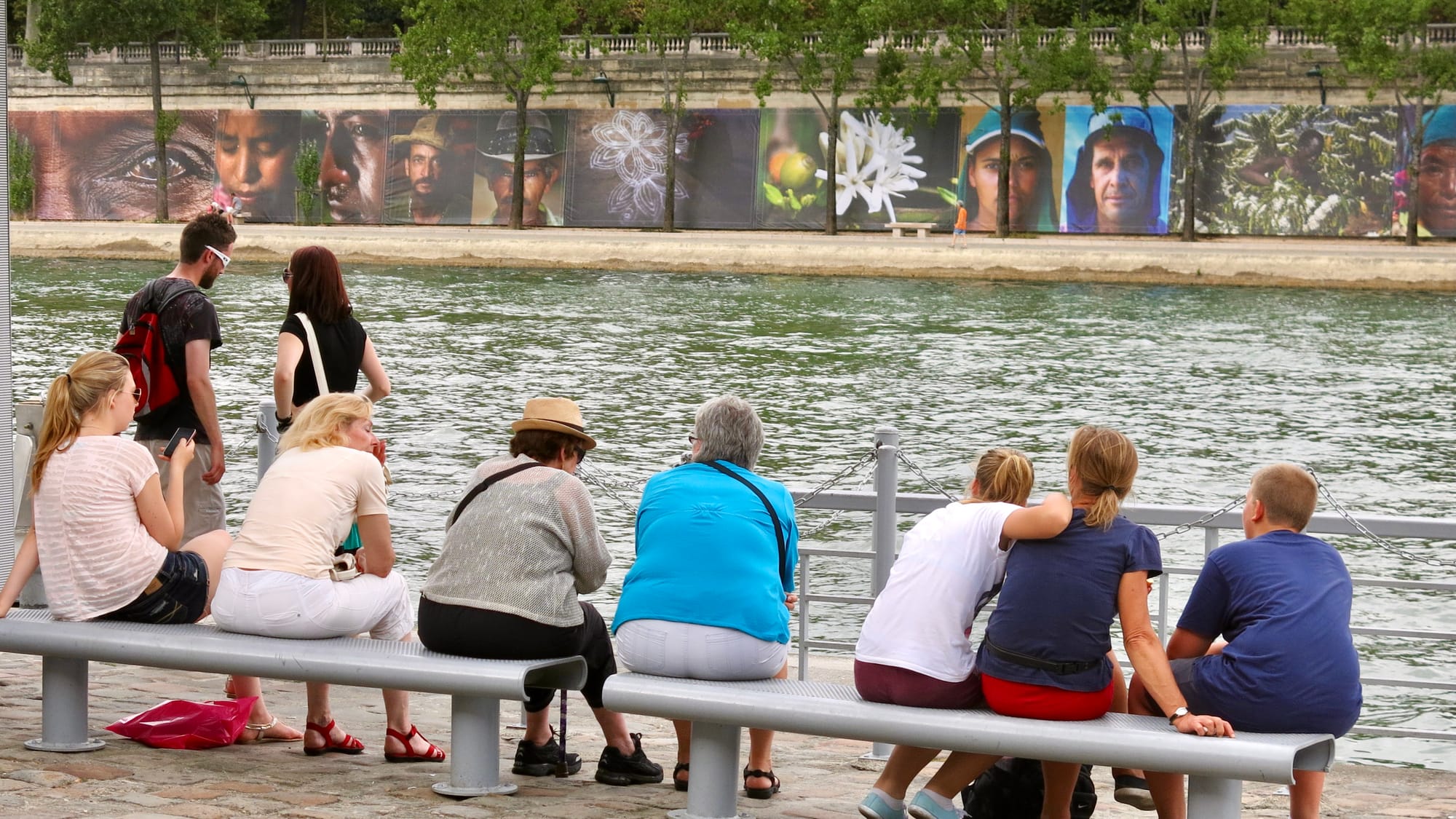
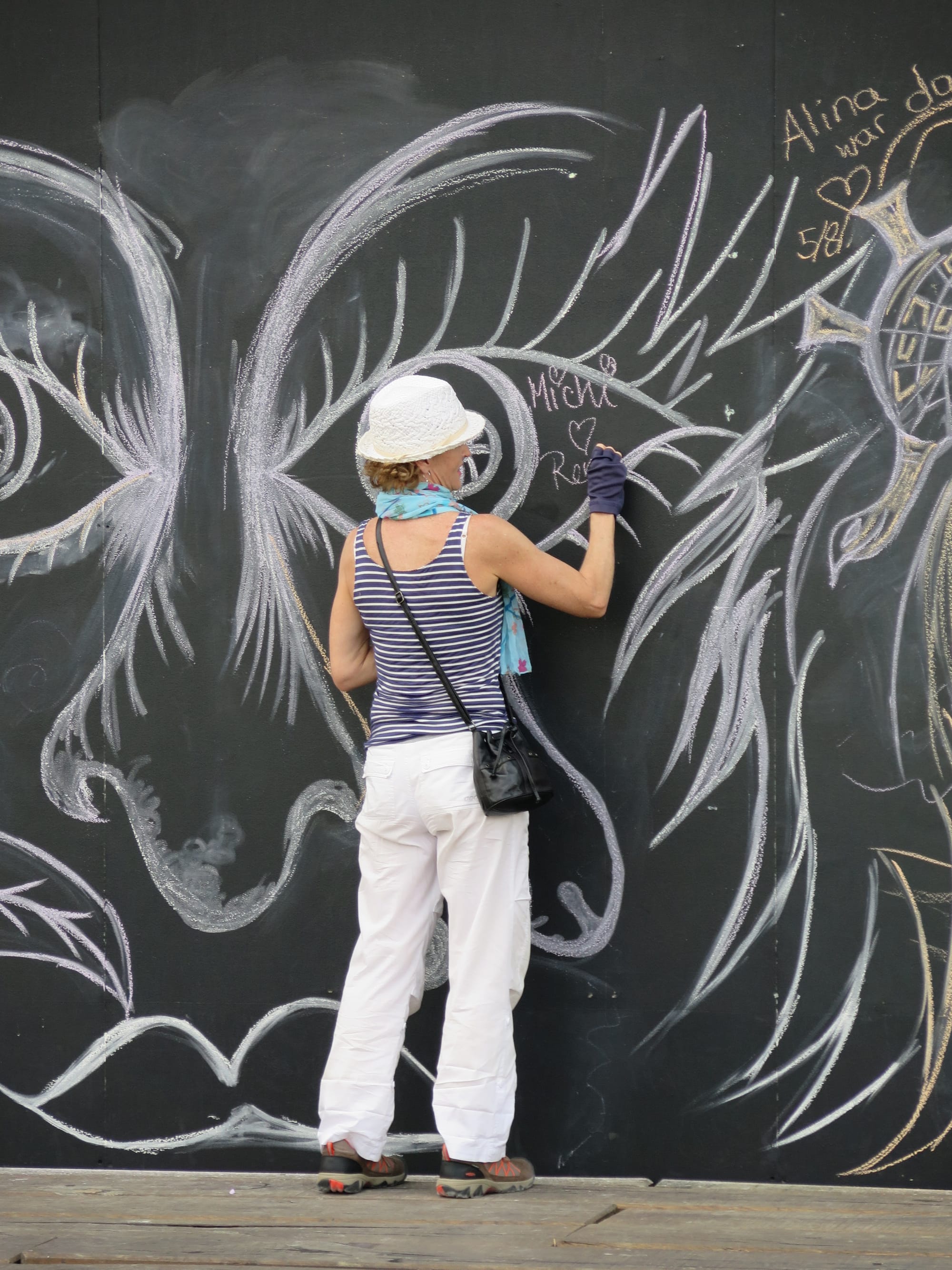
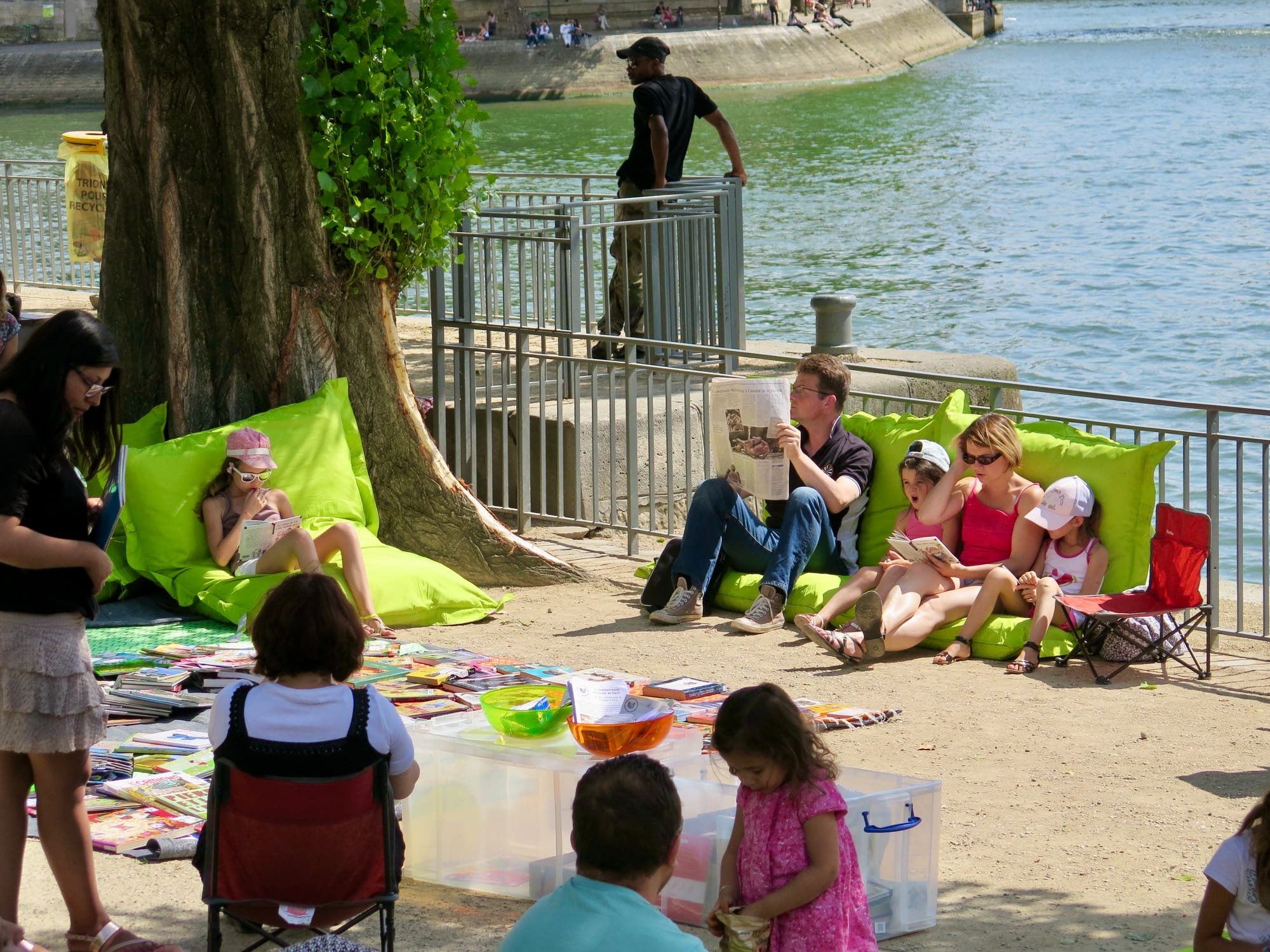
Starting with the public institutions, museums and other cultural assets have brought art and literature to the waterfront, allowing people to experience their treasures without having to make their way over to the physical institutions throughout the city.
Musée d'Orsay
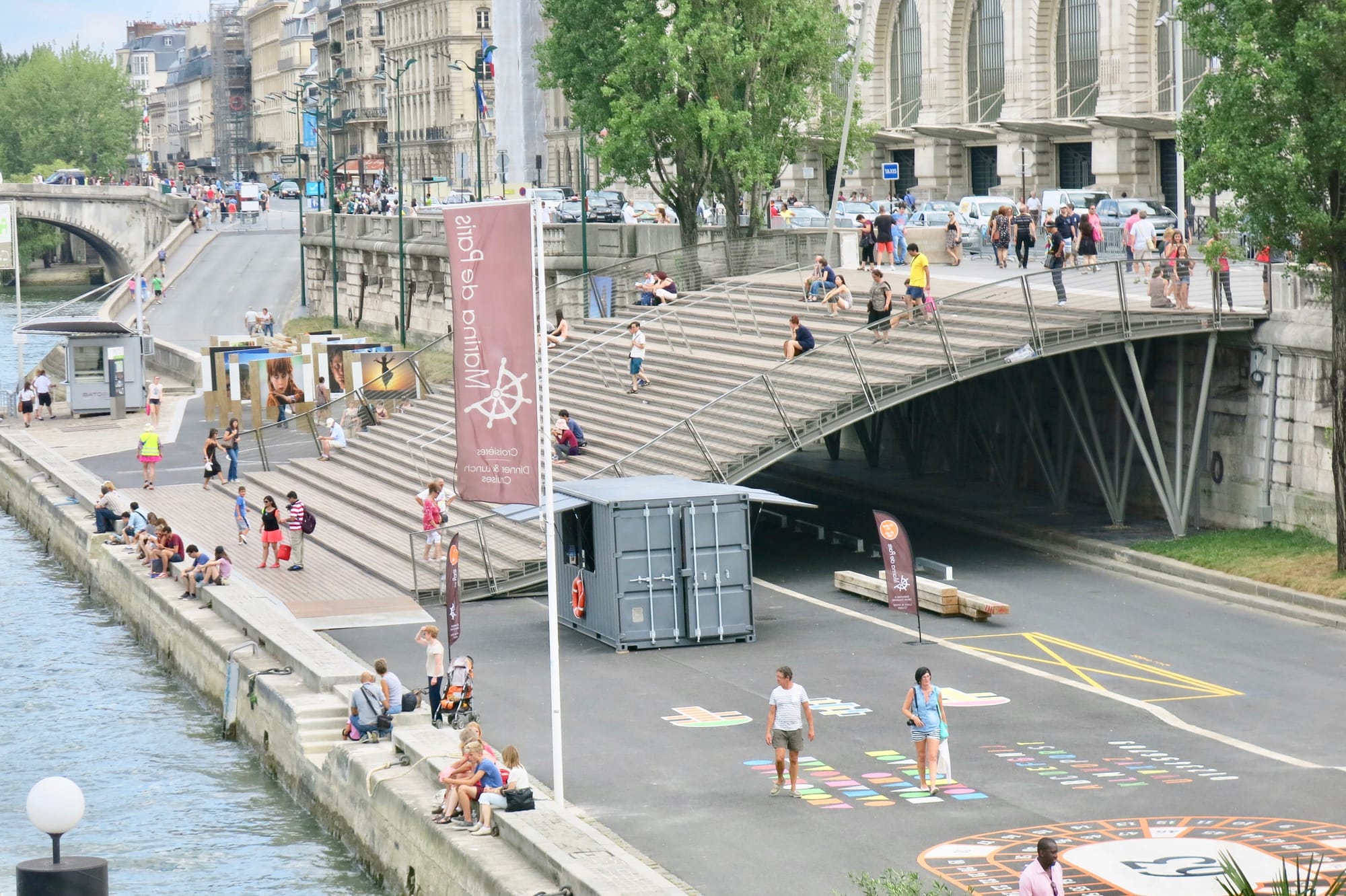
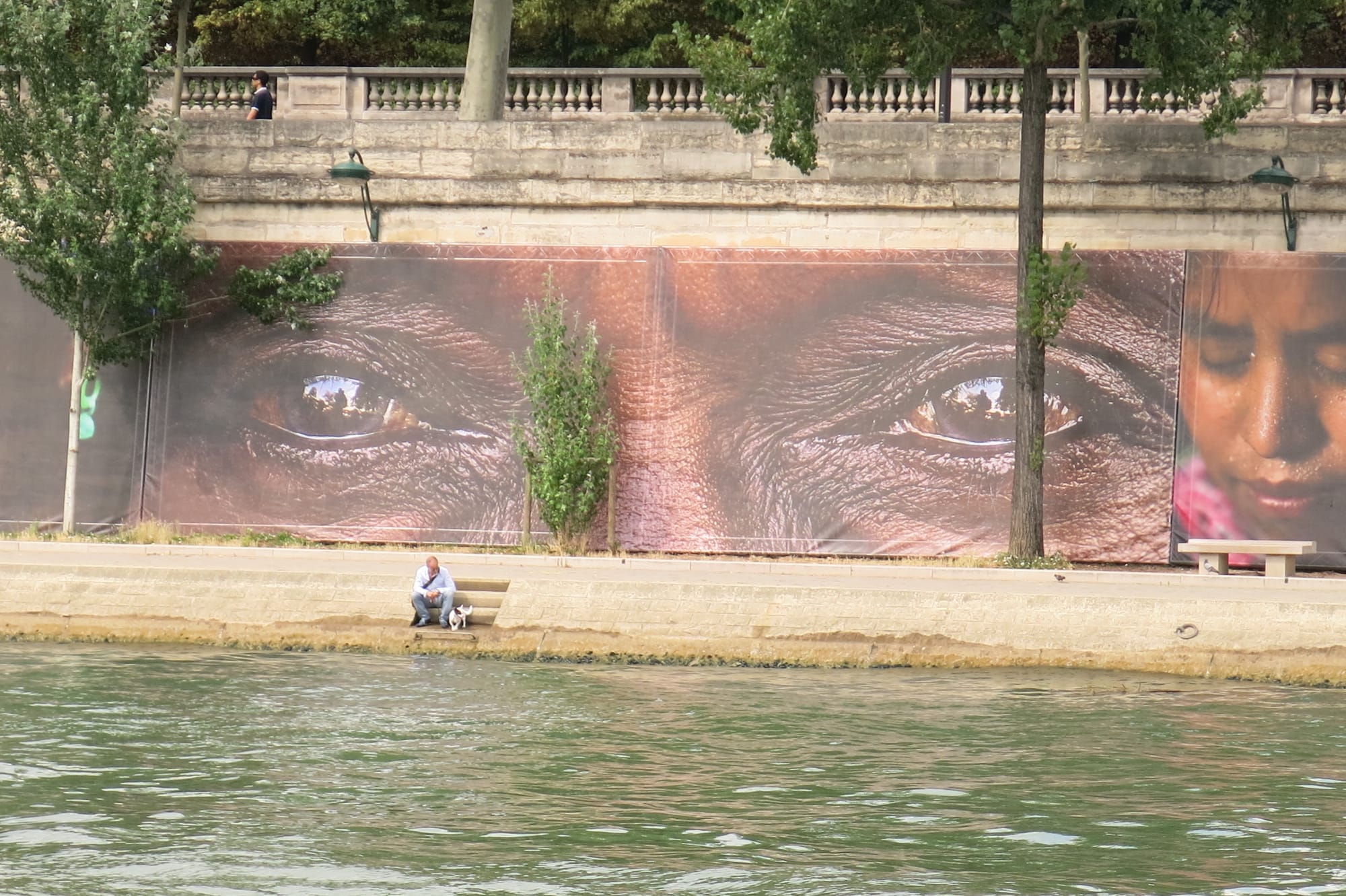
Interactive art
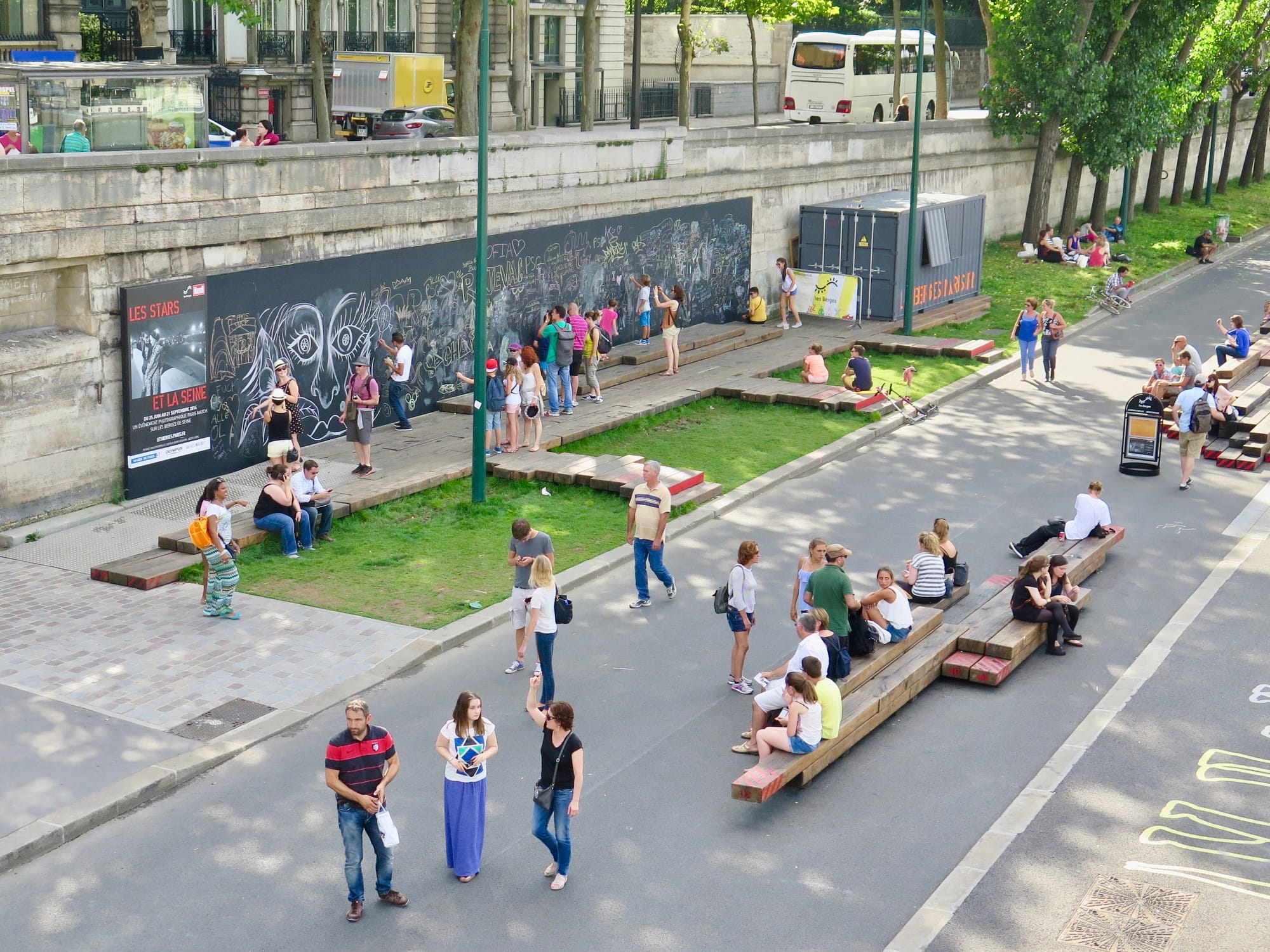
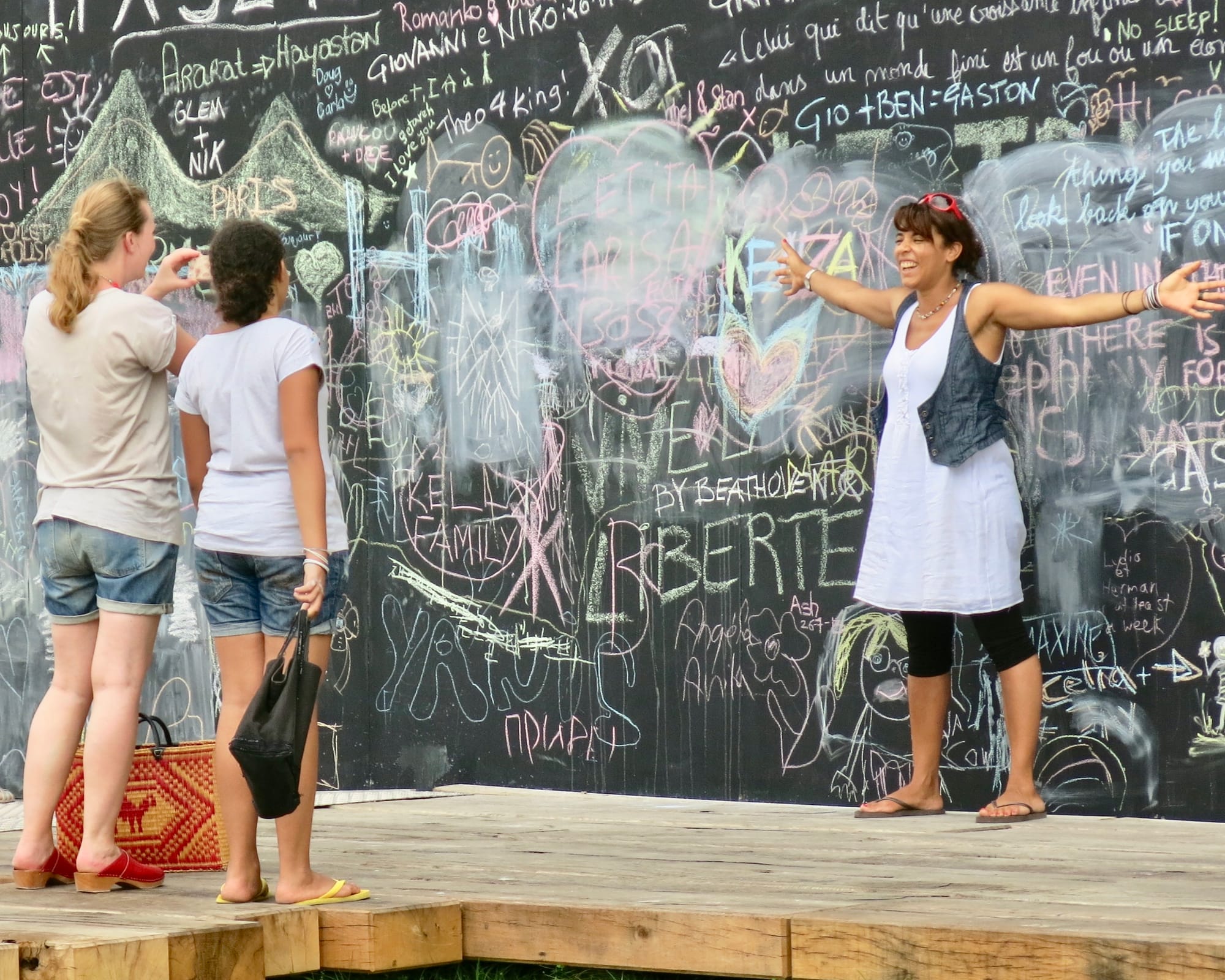
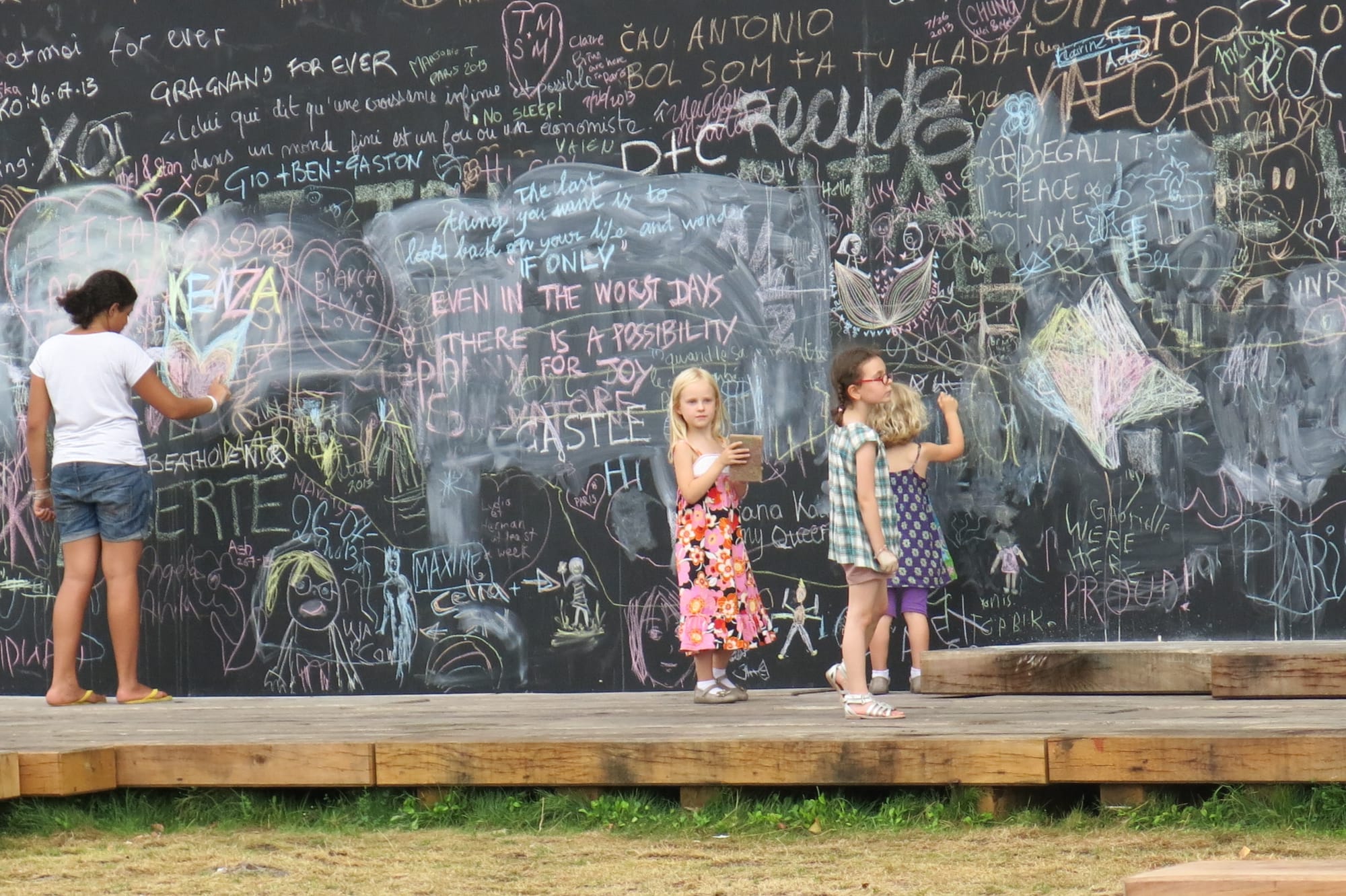
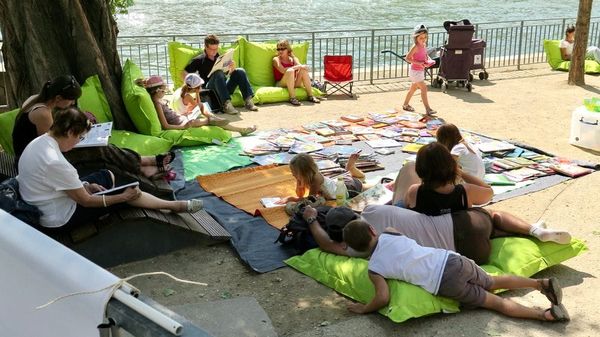
Outdoor library
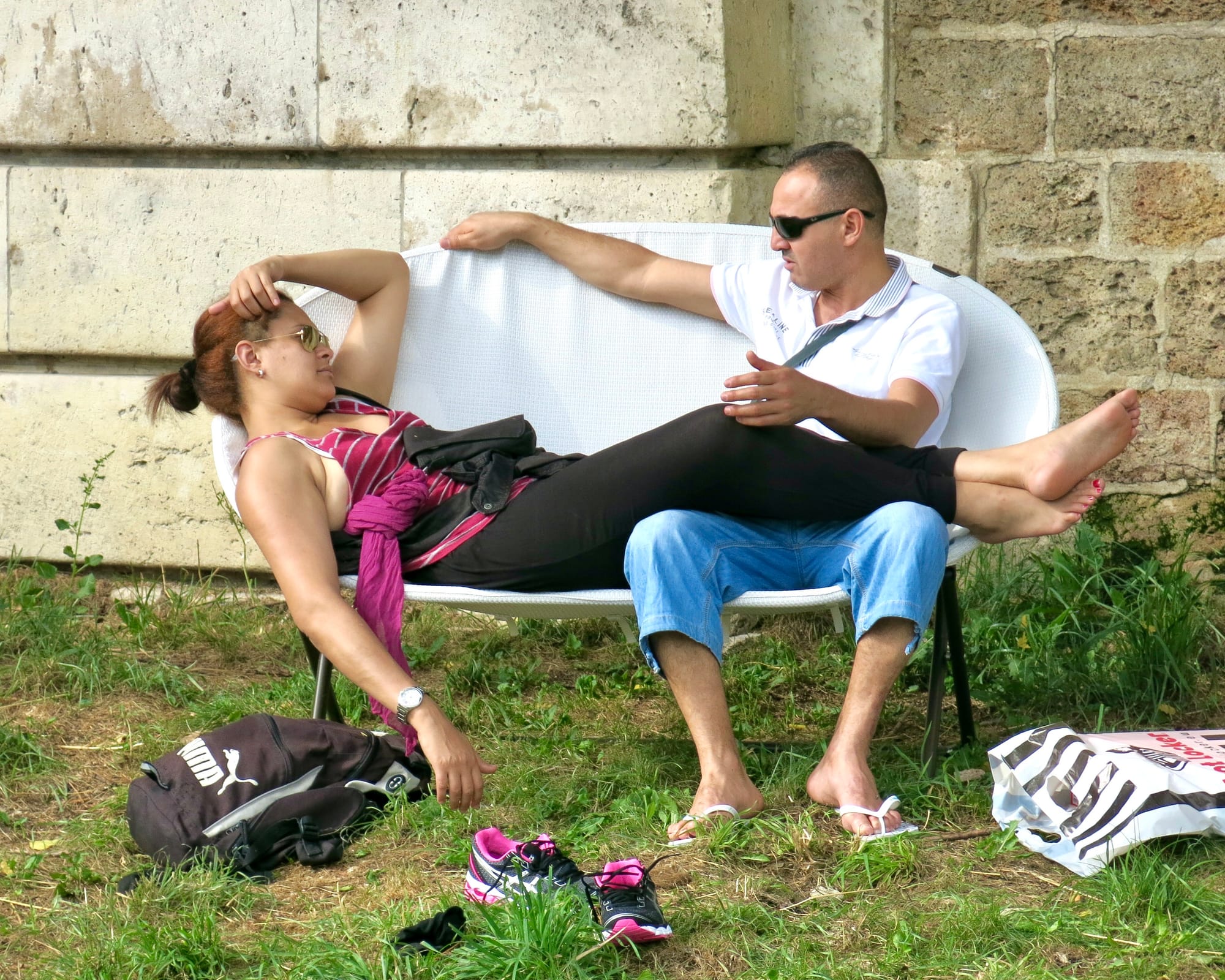
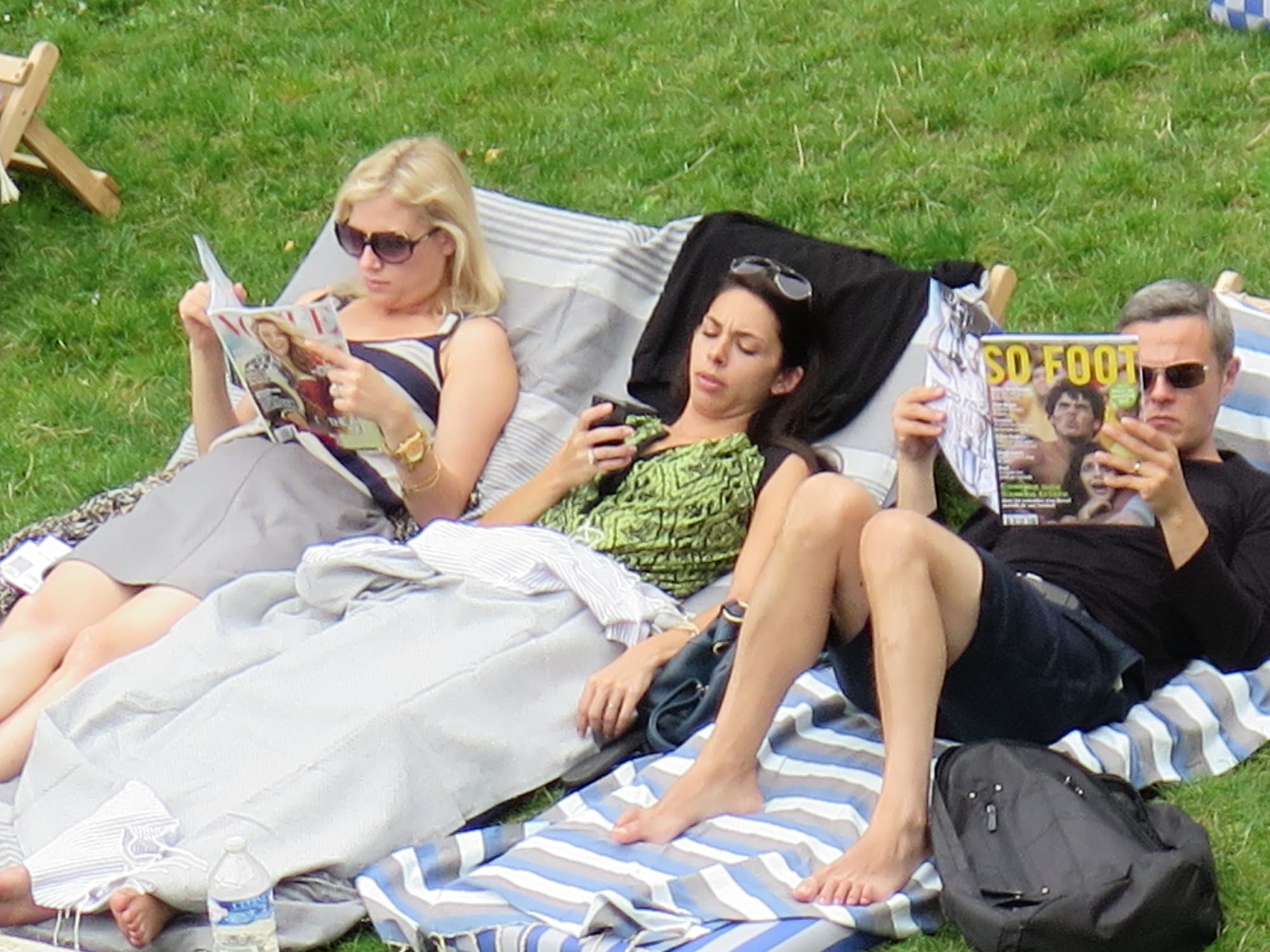
Seating
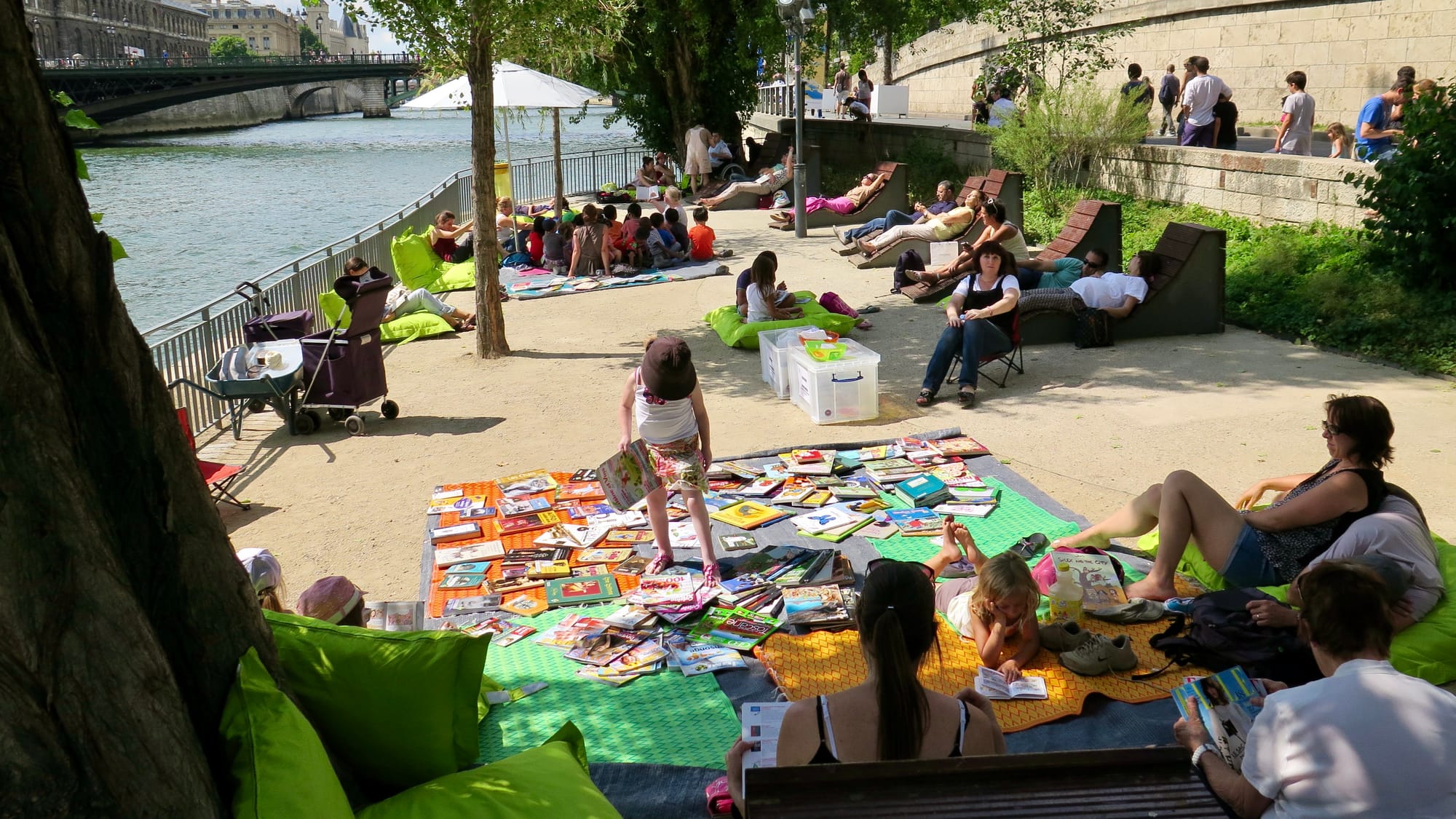
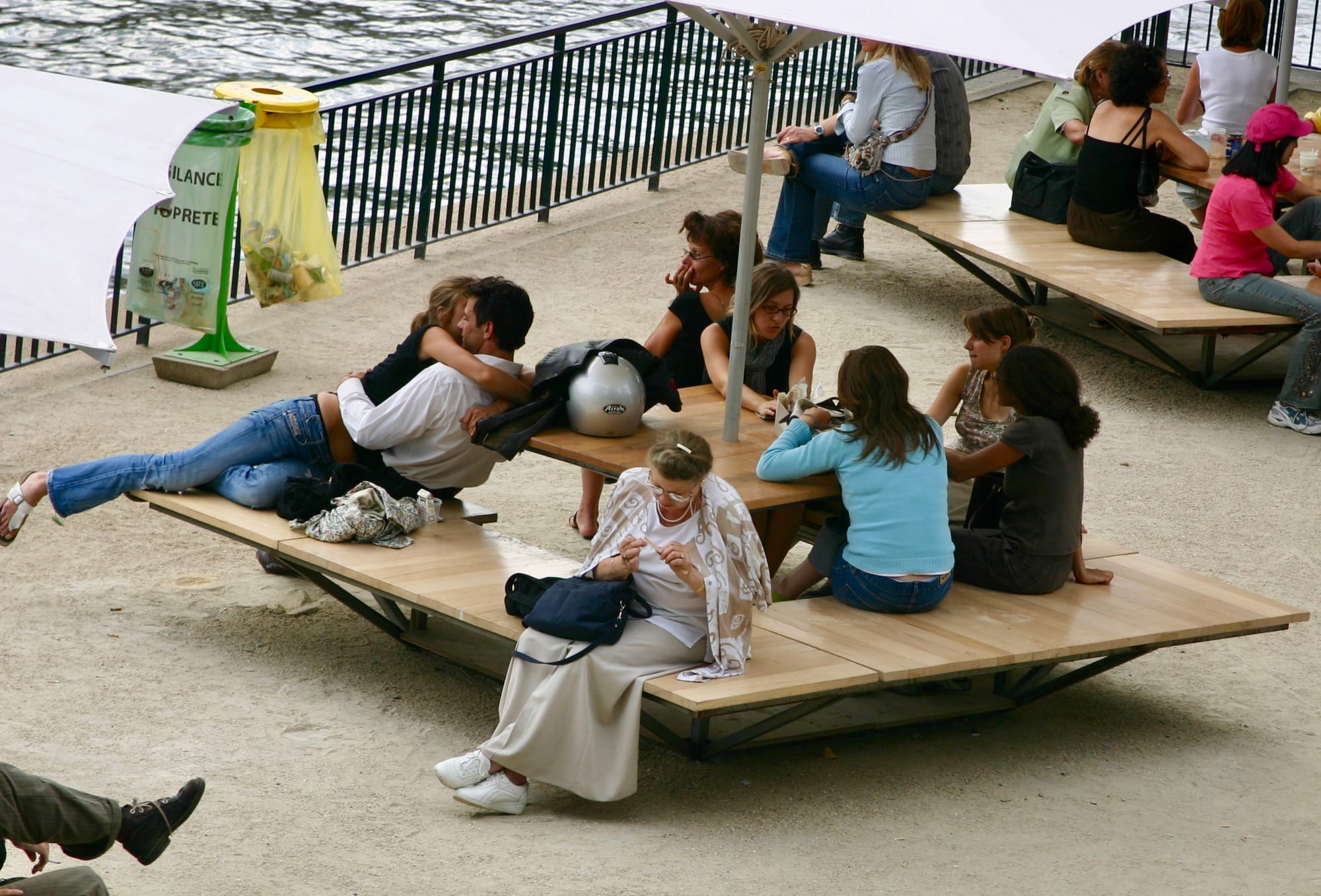
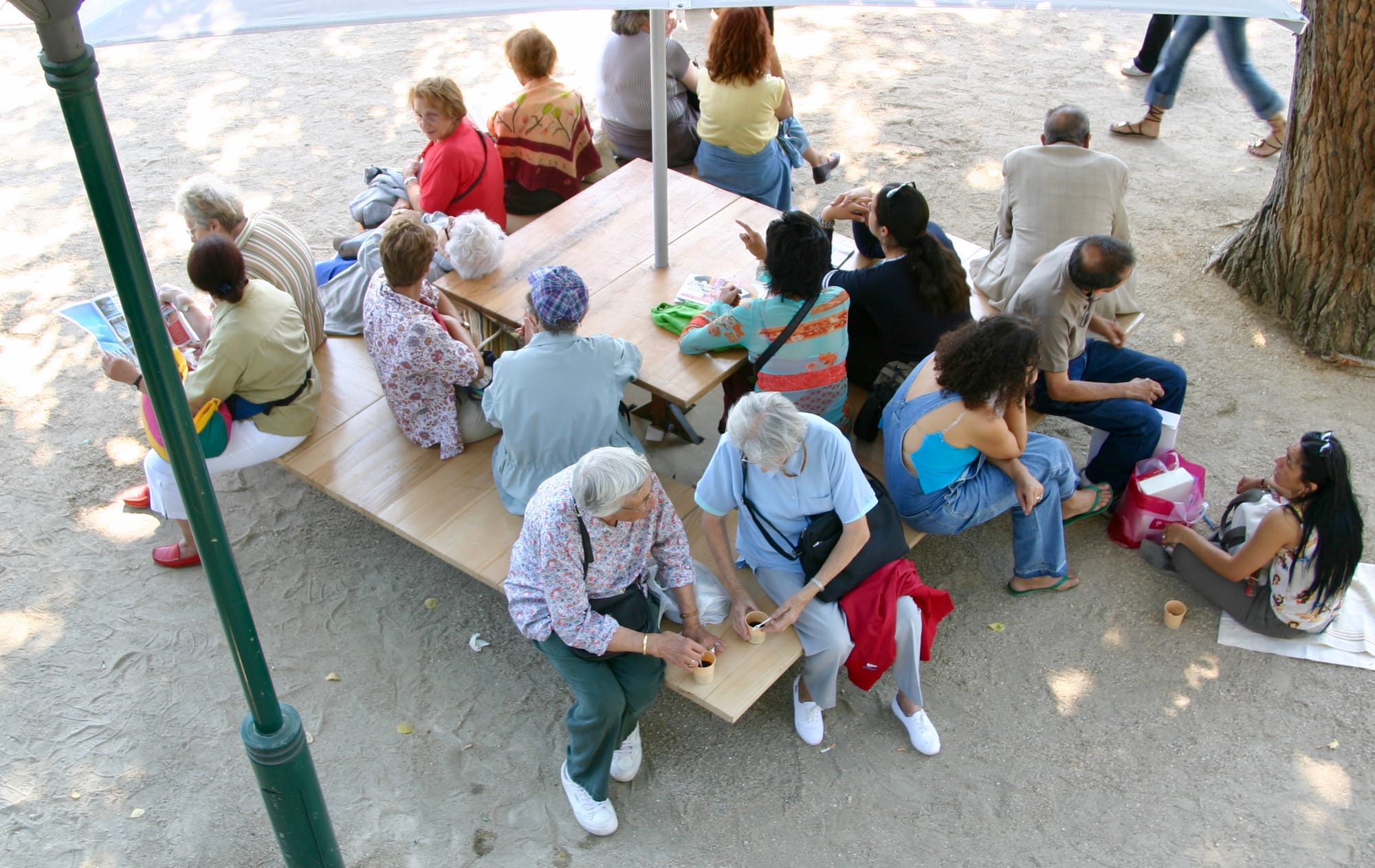
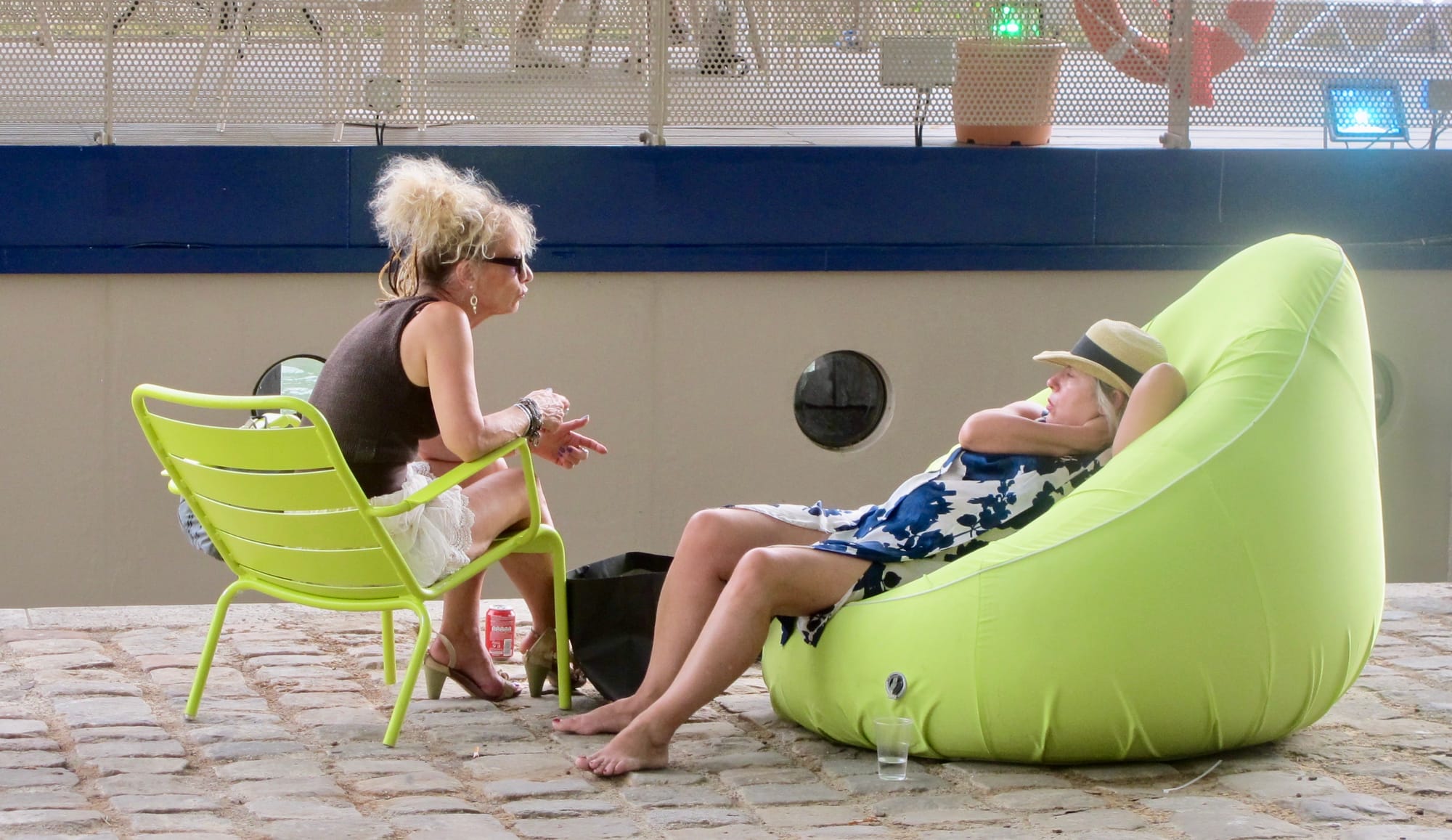
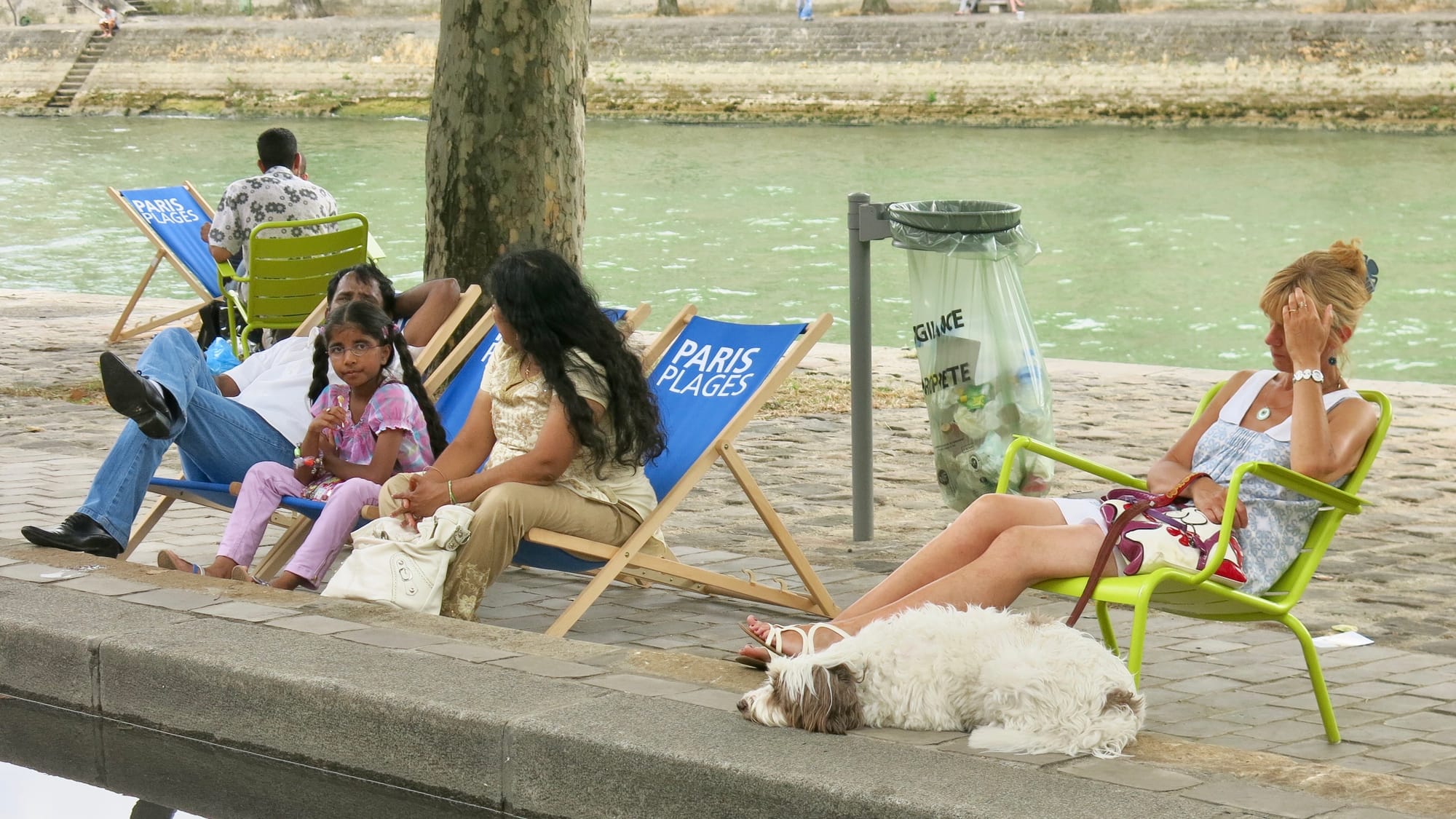
Paris' waterfront seating is designed for all kinds of settings. From chairs and tables set up outside cafés, to benches of all shapes and sizes along the path, the numerous seating options here offer visitors a wide variety of ways to get comfortable. This makes the waterfront feel inviting to spend time in. An absence of seating says "move along, we don't want you hanging out here" which defies a waterfront's goal of being a vibrant public place for the community.
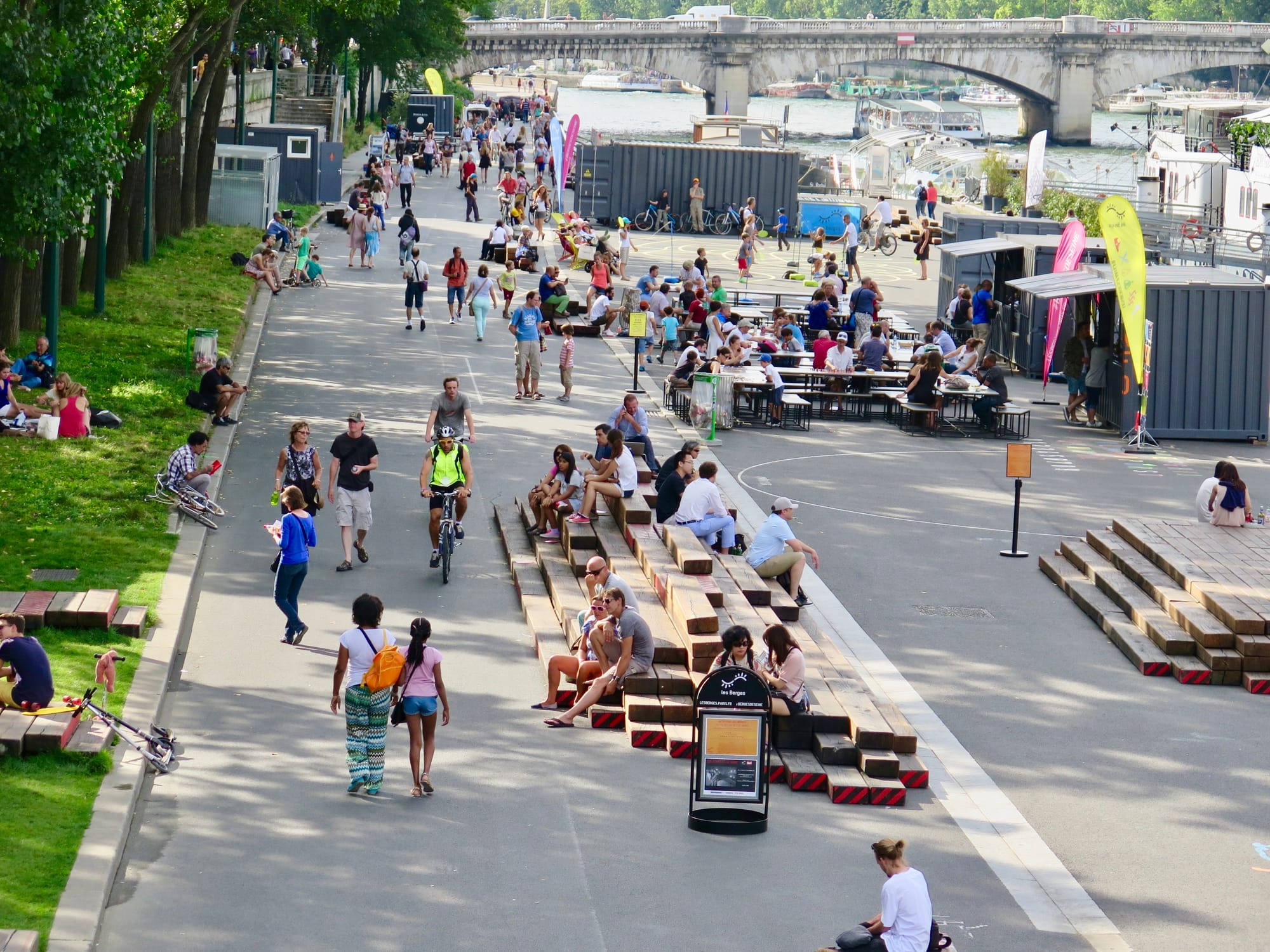
Mixed-activity zones
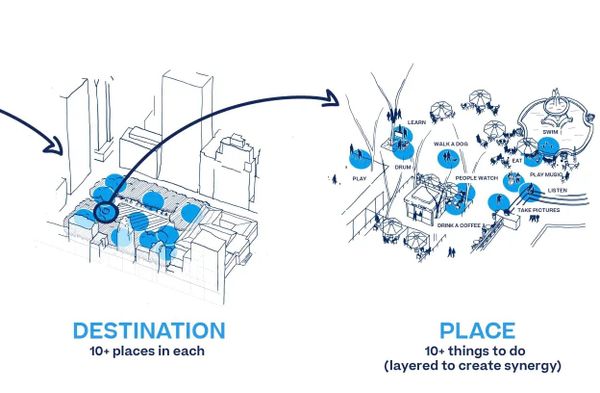
Many zones along the Plage offer a mix of uses and activities. You can find sports events, cafés, concerts, games, and every other kind of programming, all in the same place. This is what makes the space so enjoyable and interesting. Creating layers of activity is important to making a place dynamic and attractive to all the different kinds of people that visit.
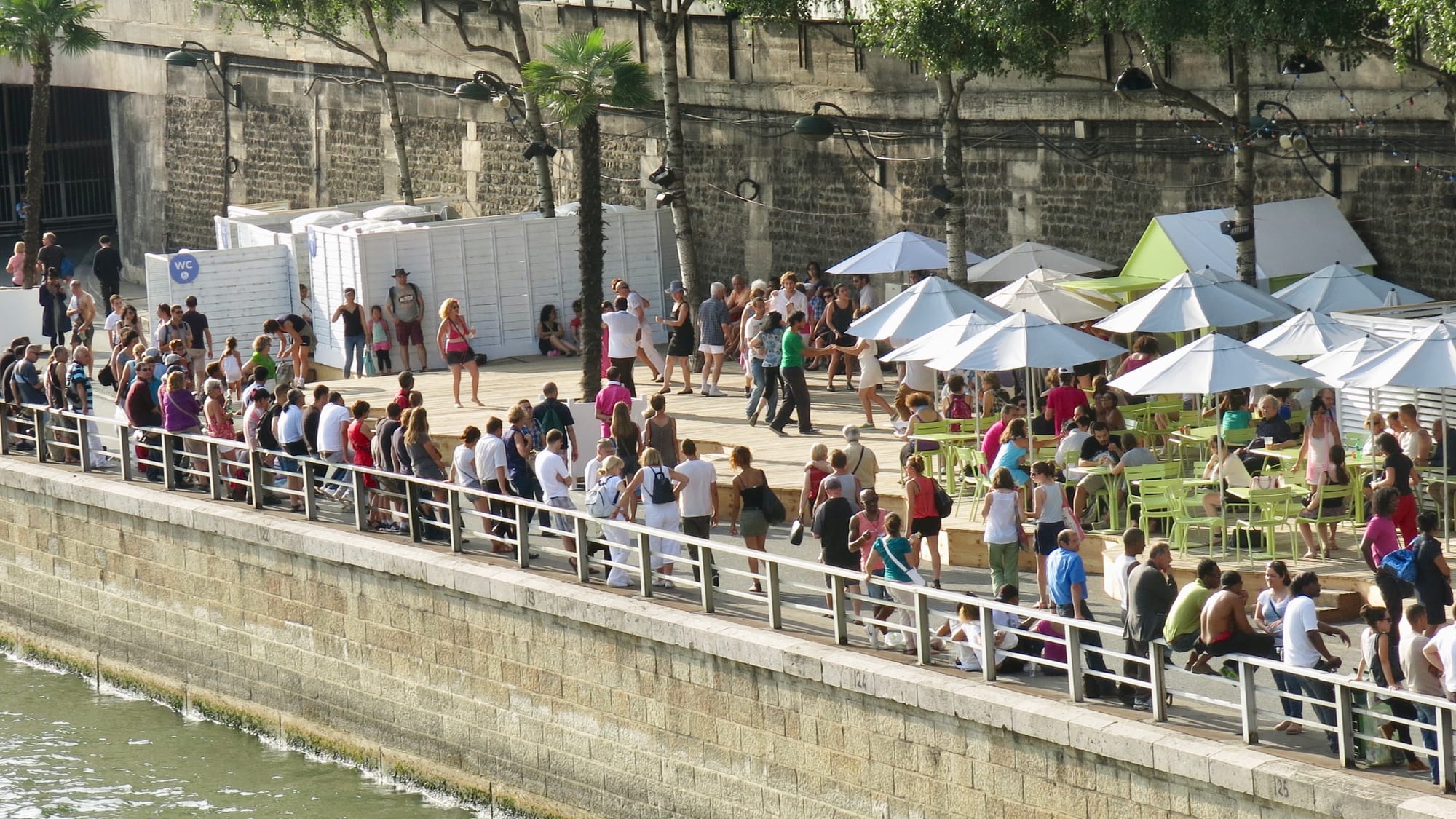
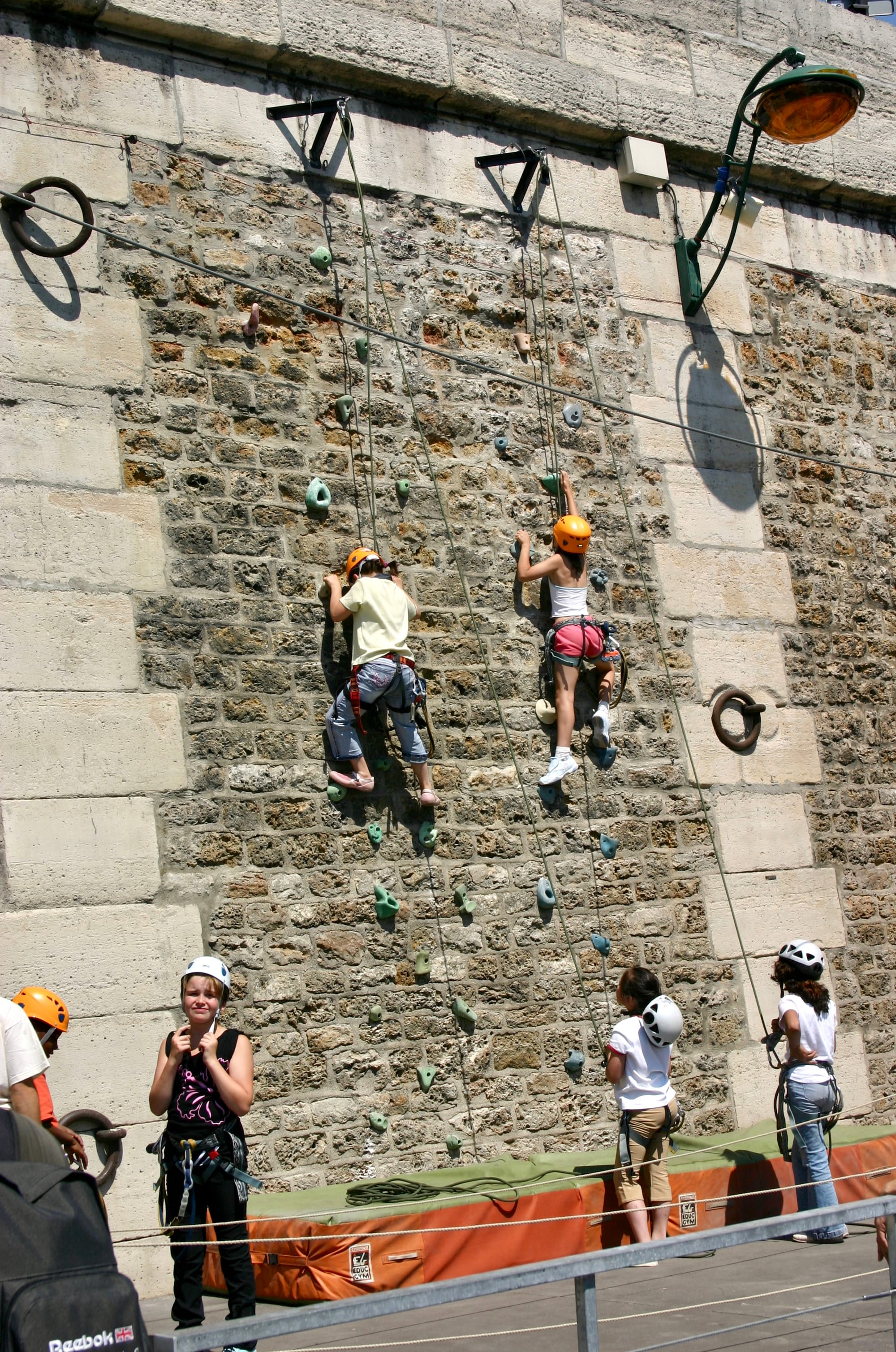
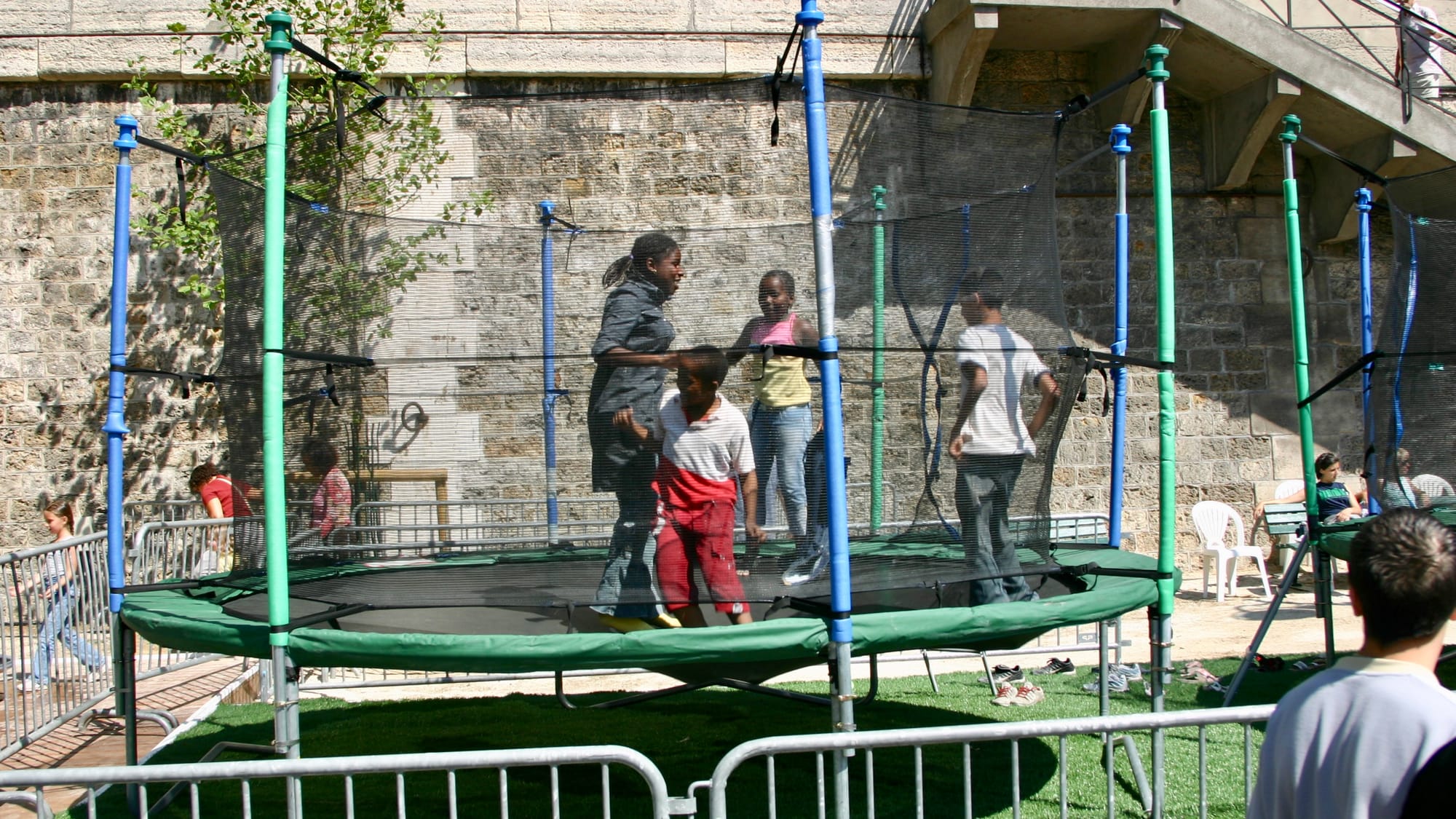
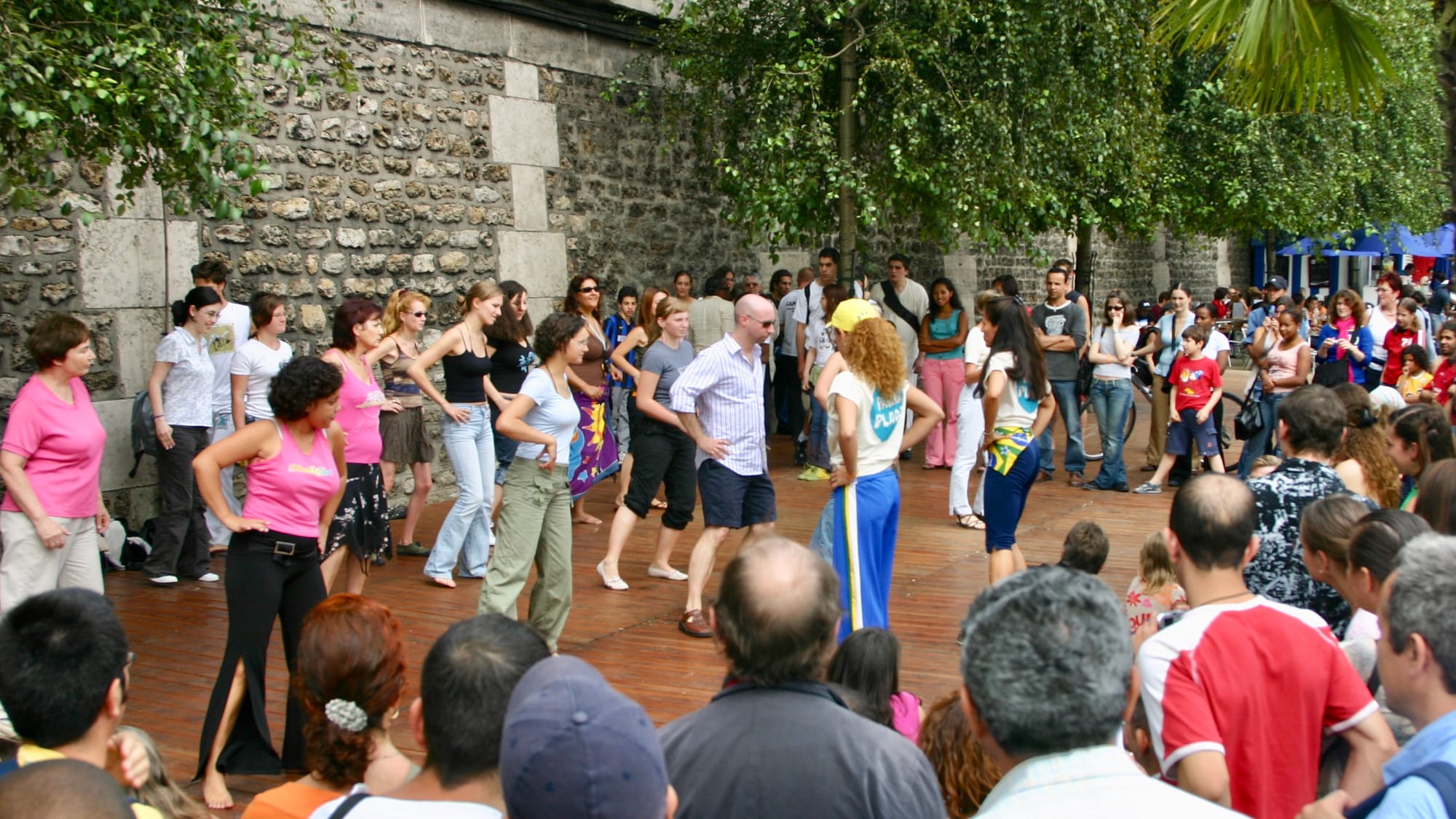
Mix of activities
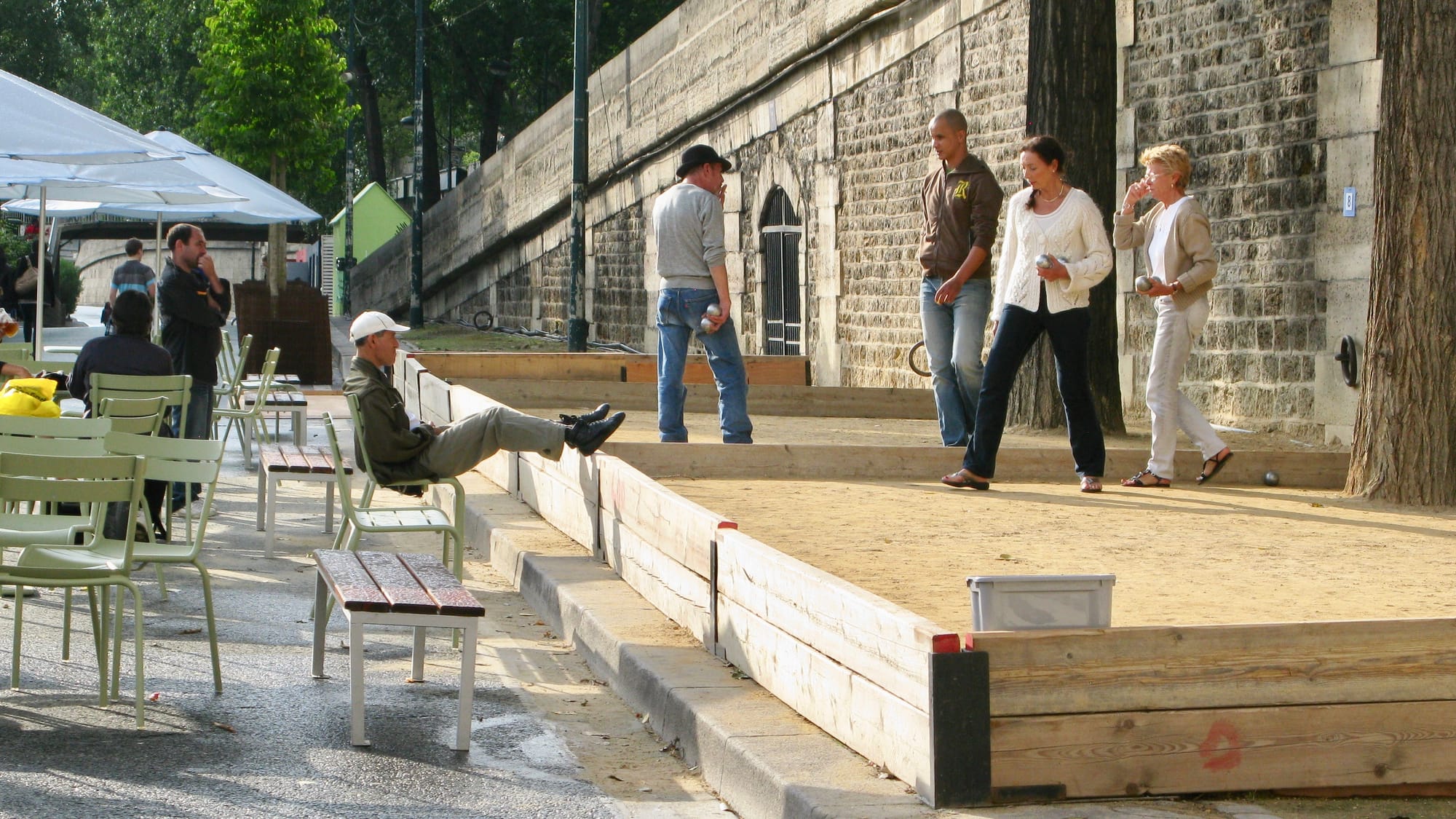
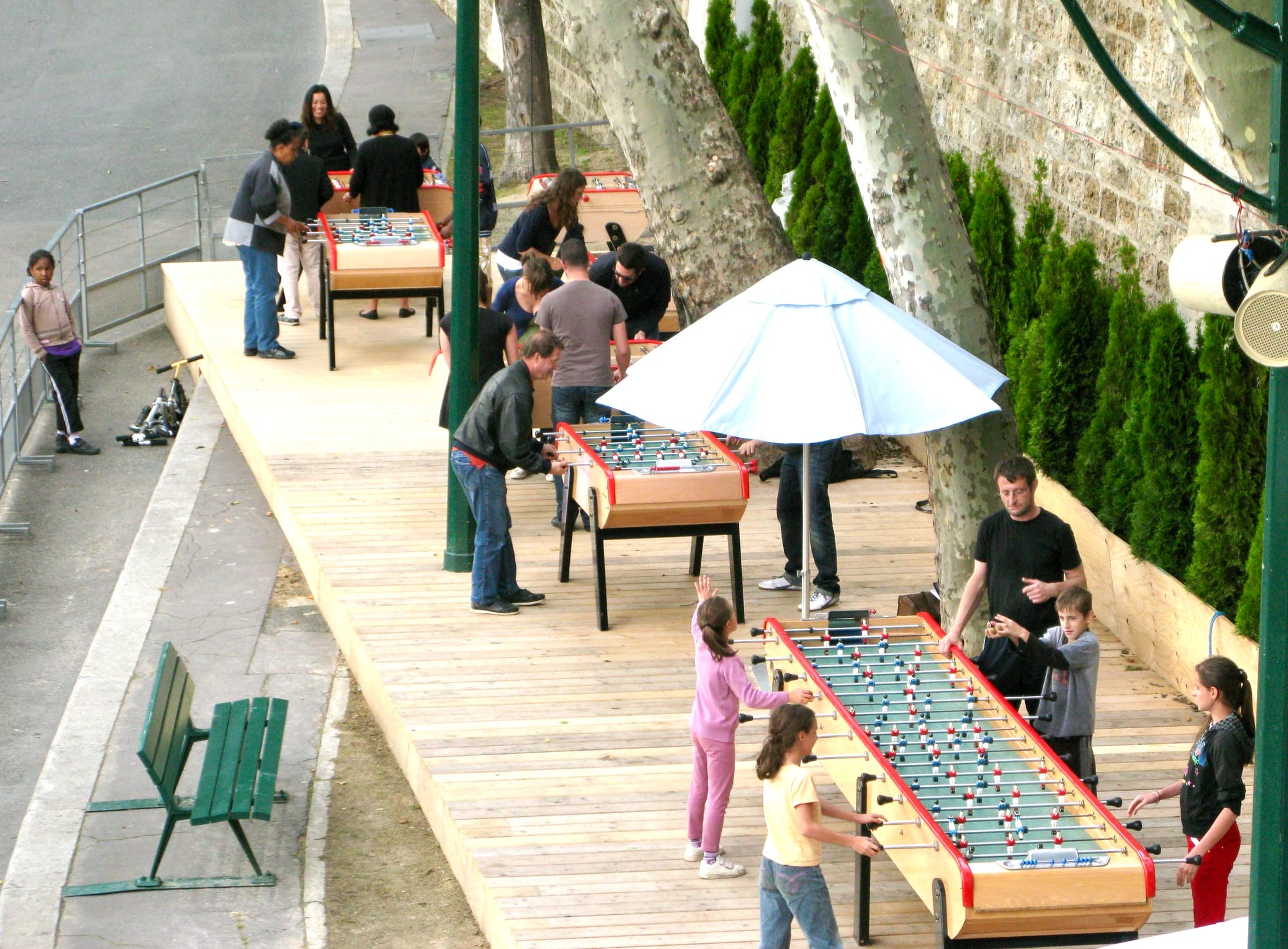
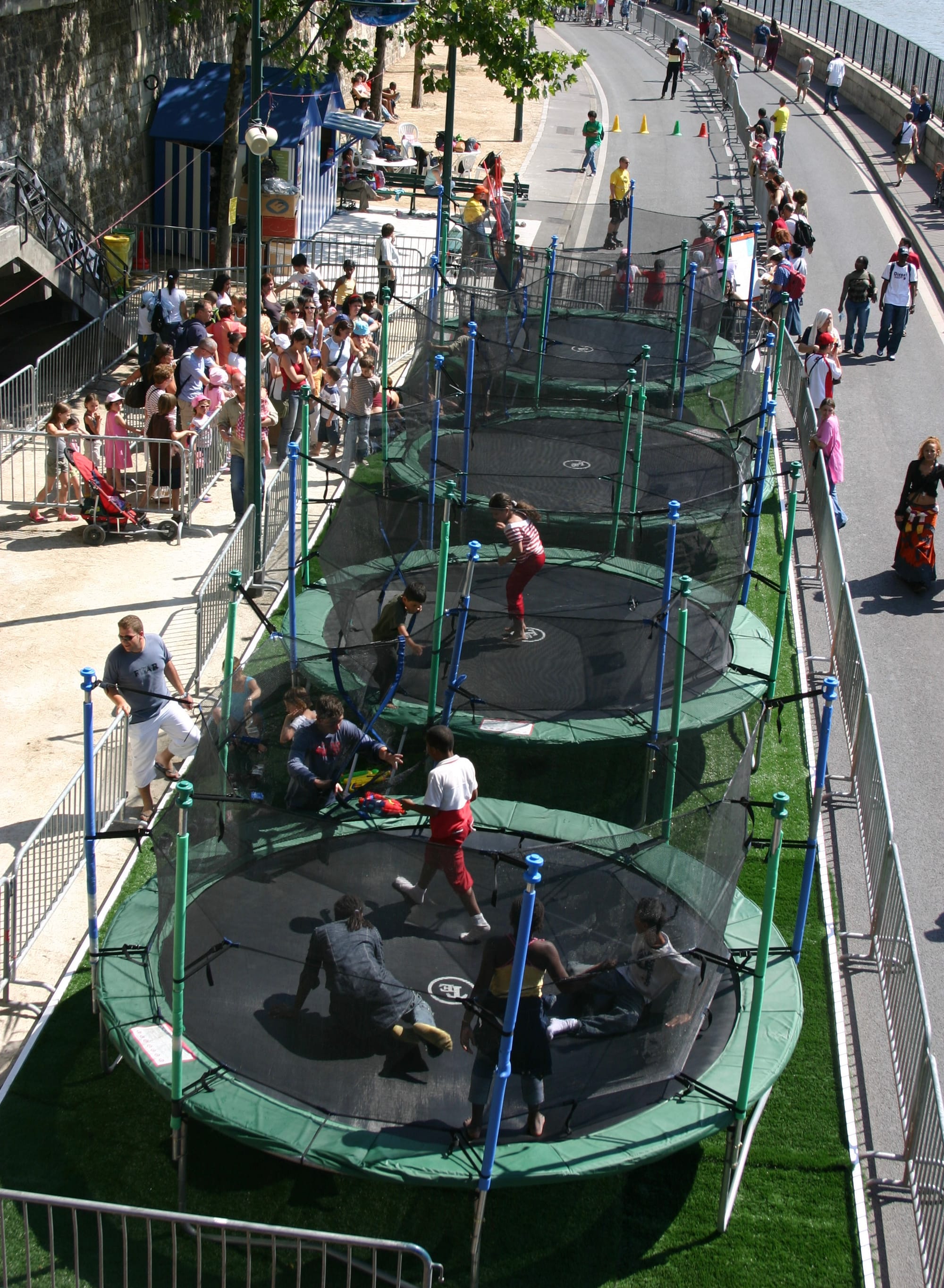
Games
Beach
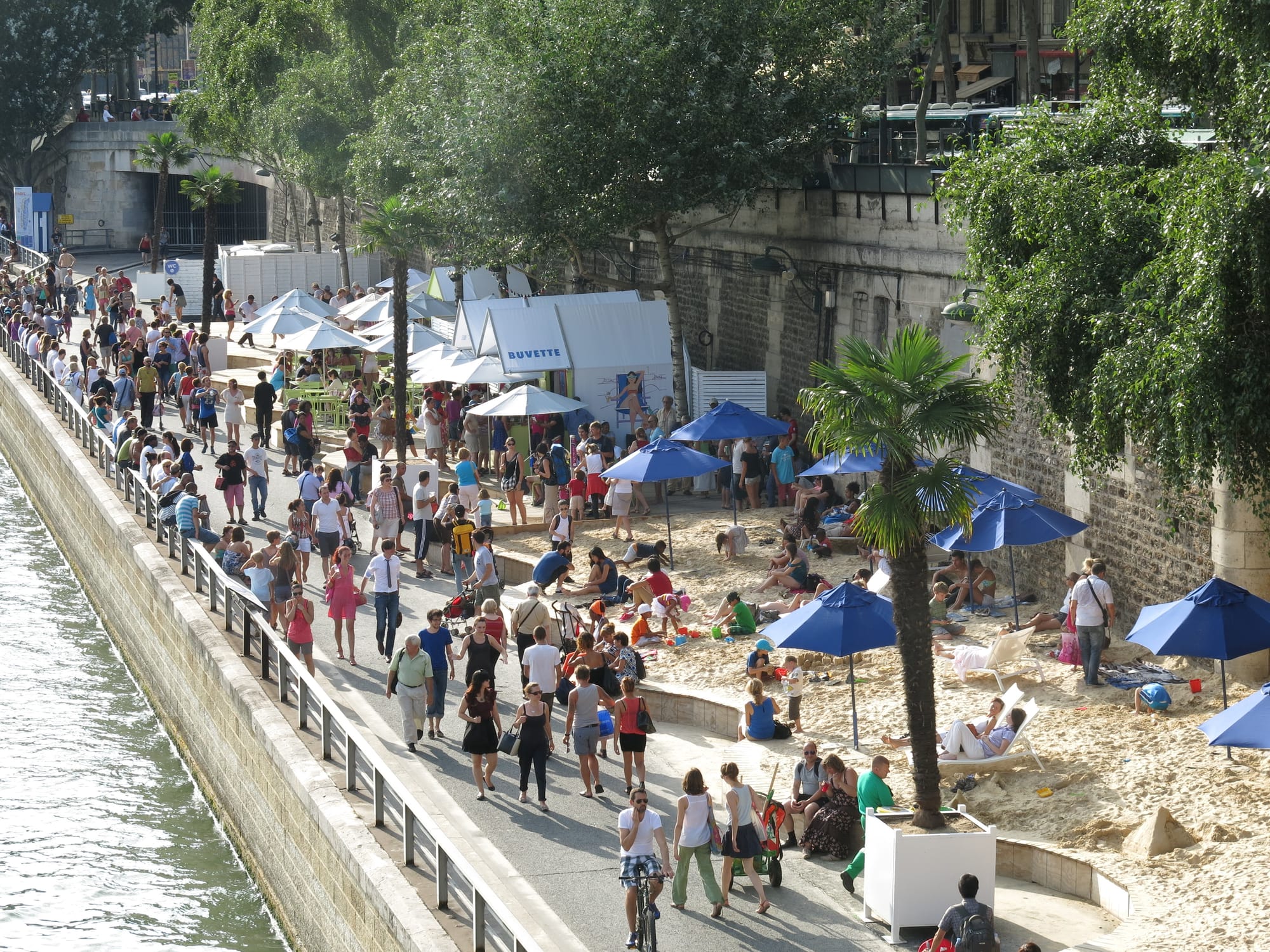
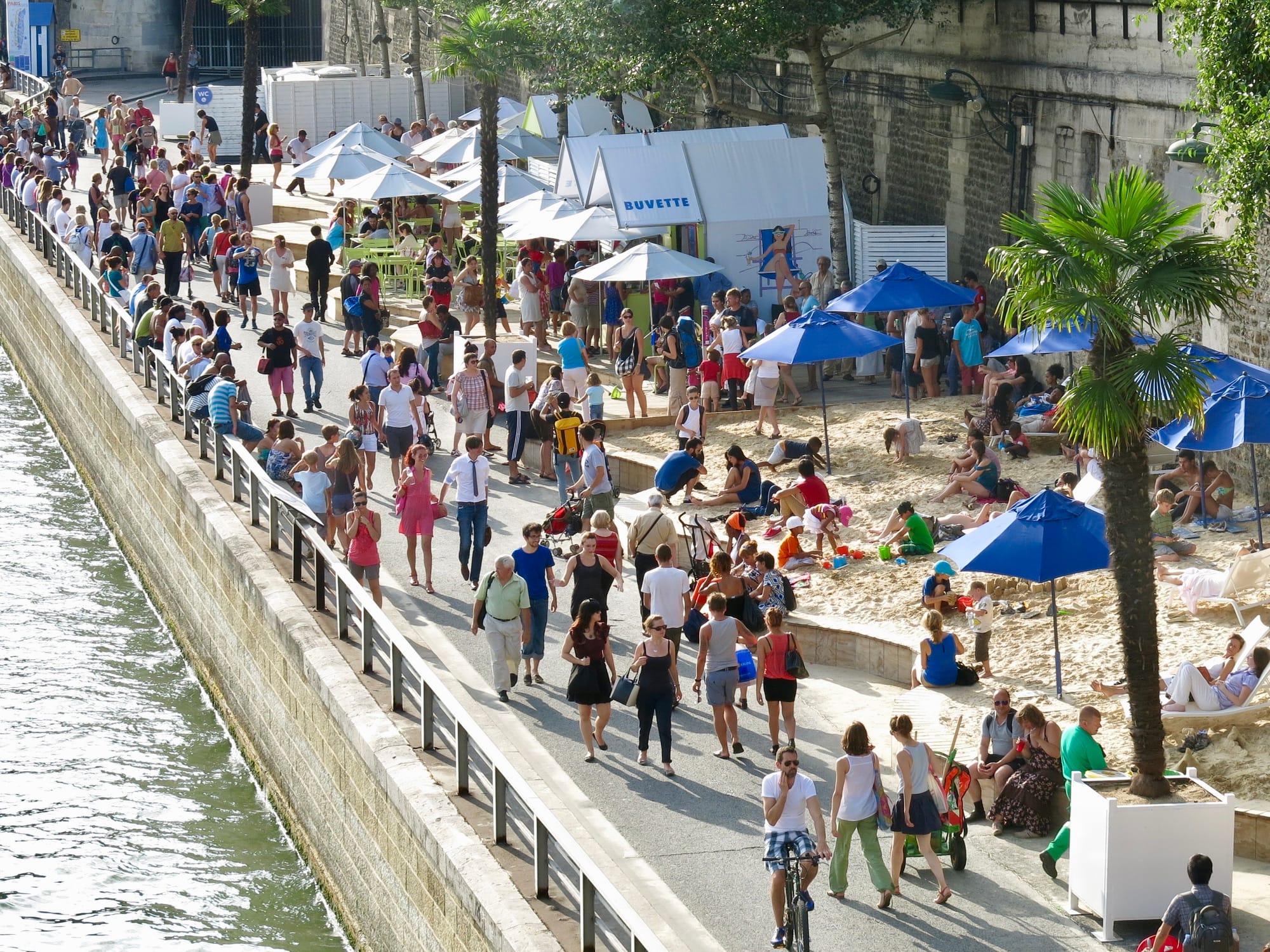
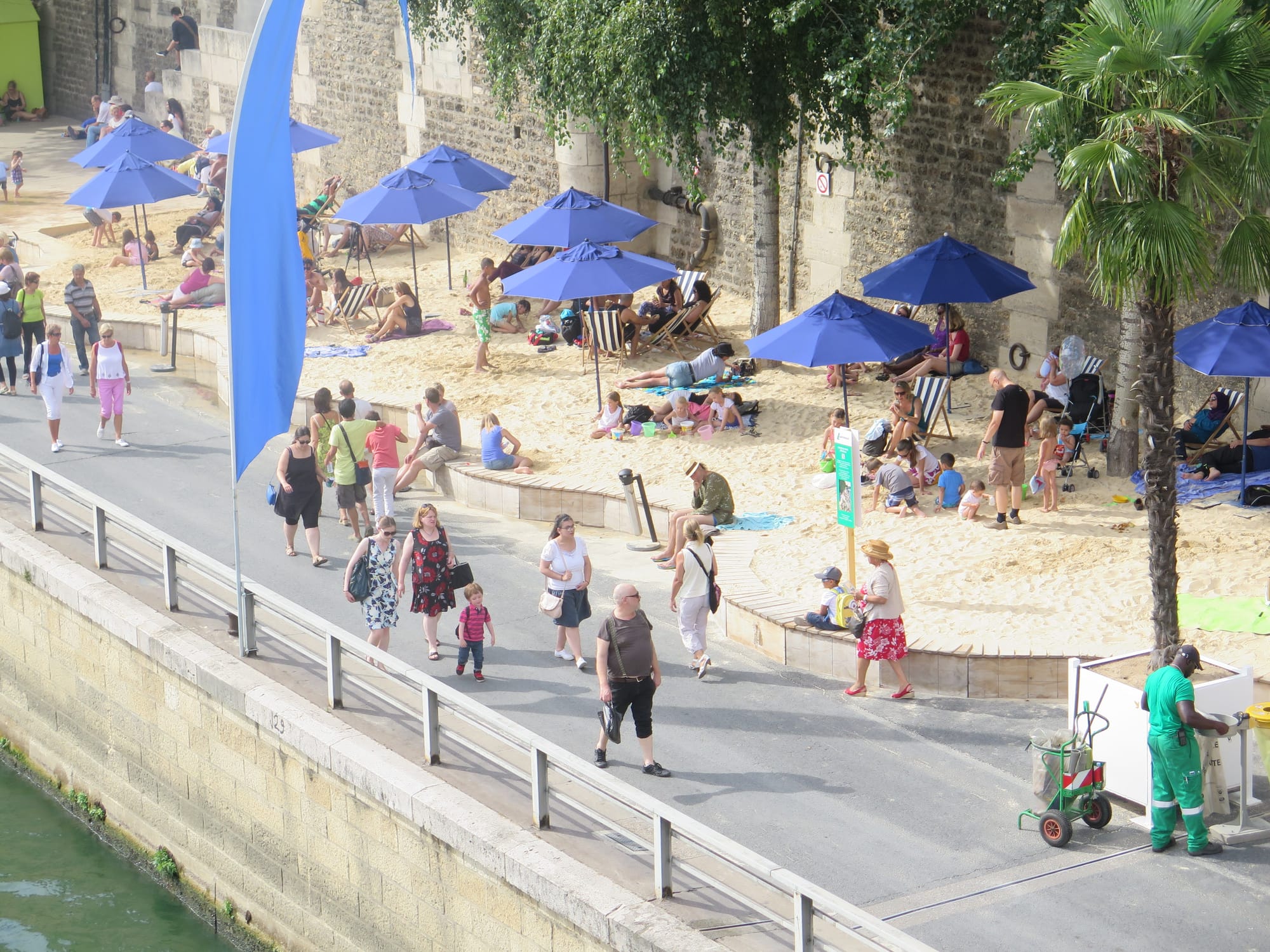
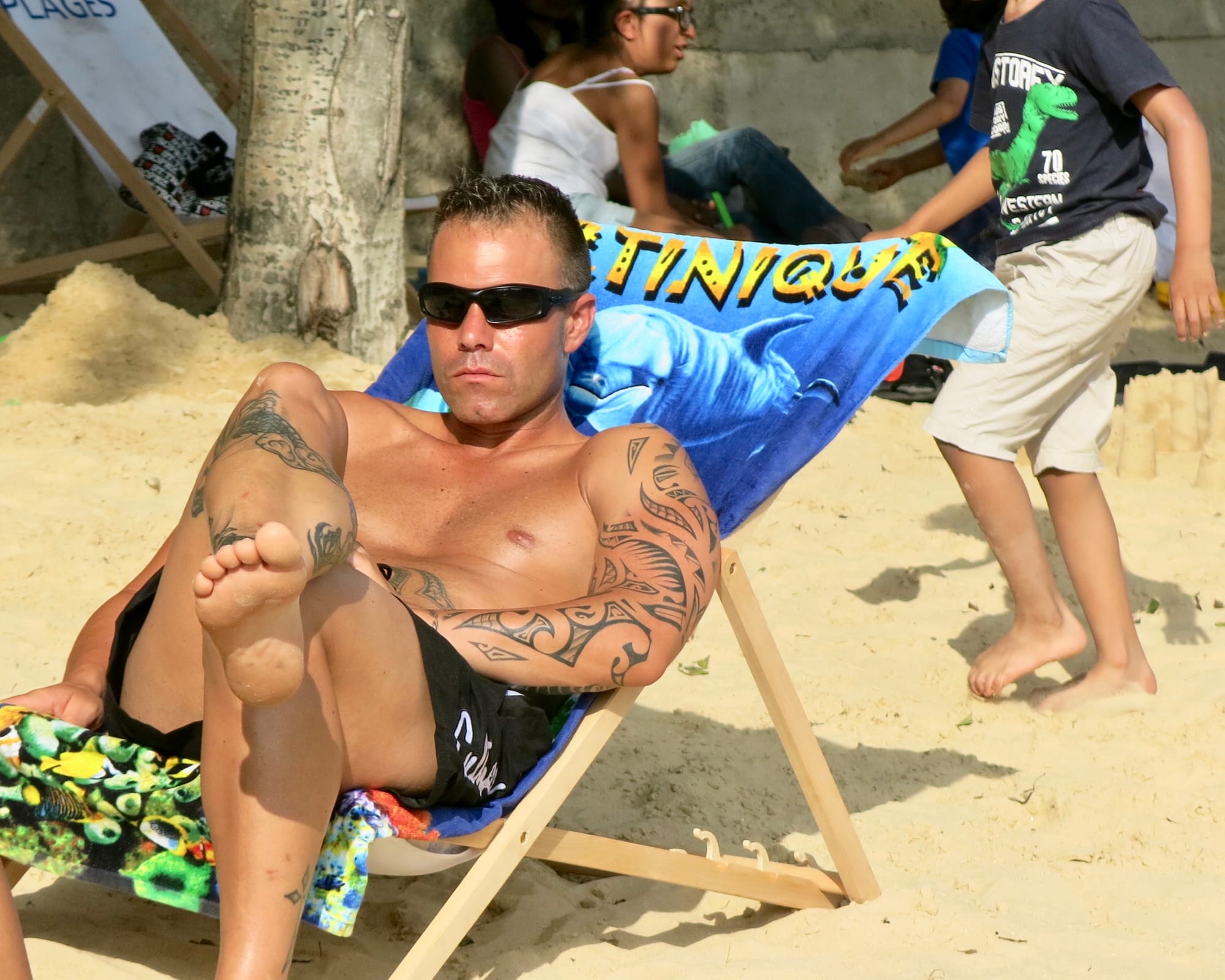
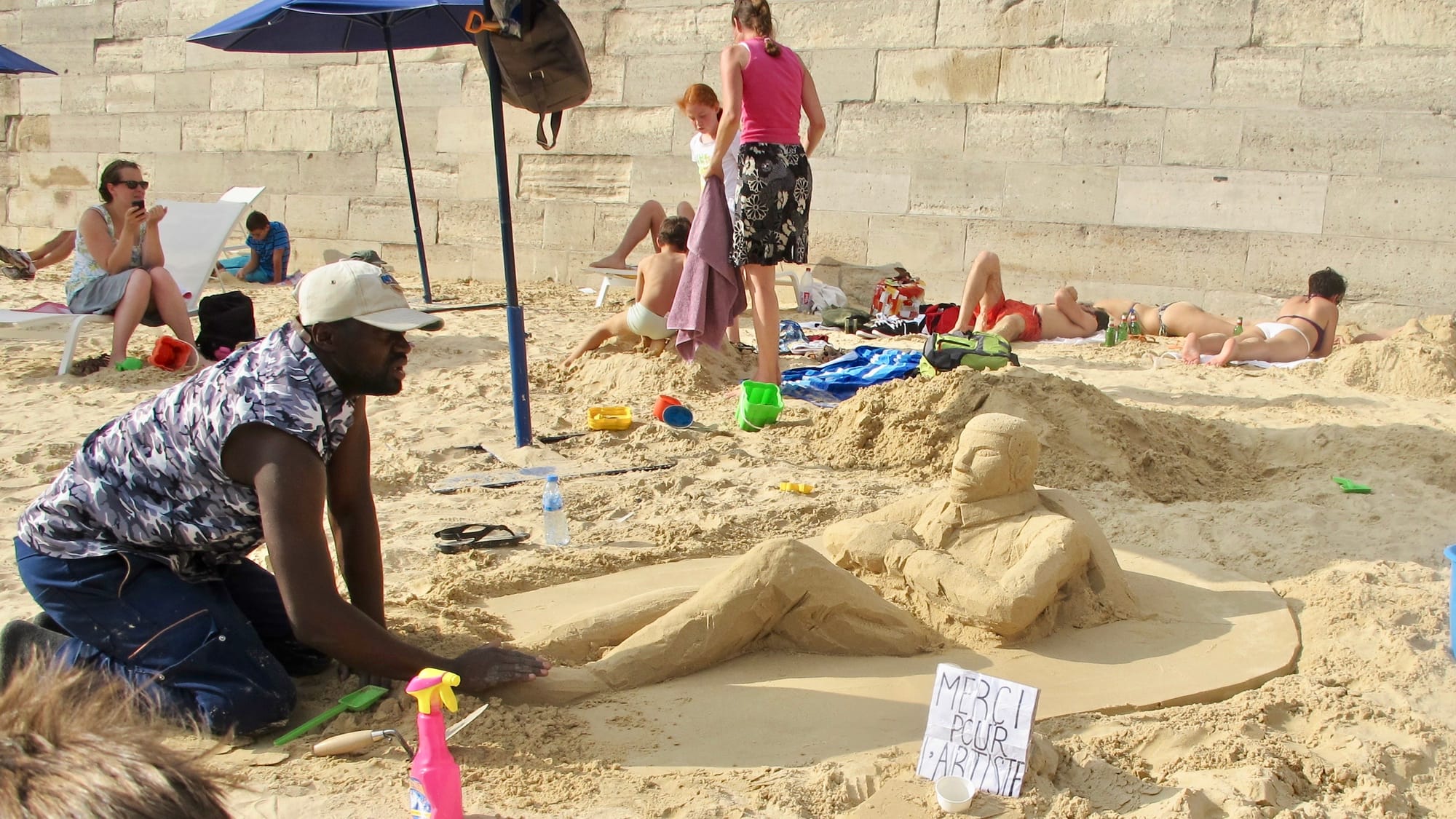
The "Plage" part of Paris Plage means beach, and the beach is the most iconic part of this public space. Being by the water is often associated with the beach experience, and so Paris – undeterred by the non-standard setting of the river – went ahead and set up an artificial beach. They added sand, umbrellas and beach chairs, mimicking the classic beach experience, and it has become a huge hit with visitors of all ages.
Restaurants and Cafés
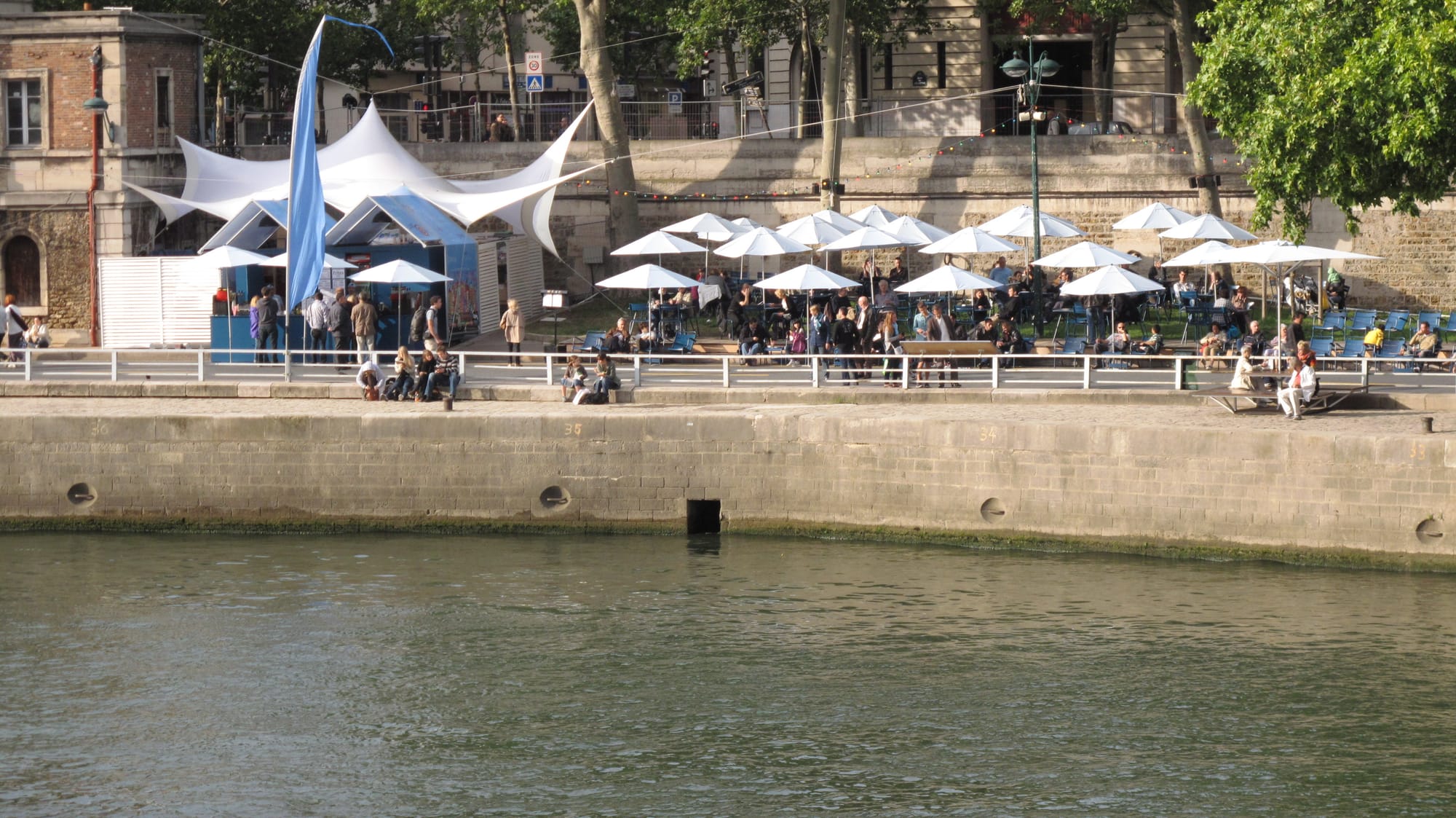
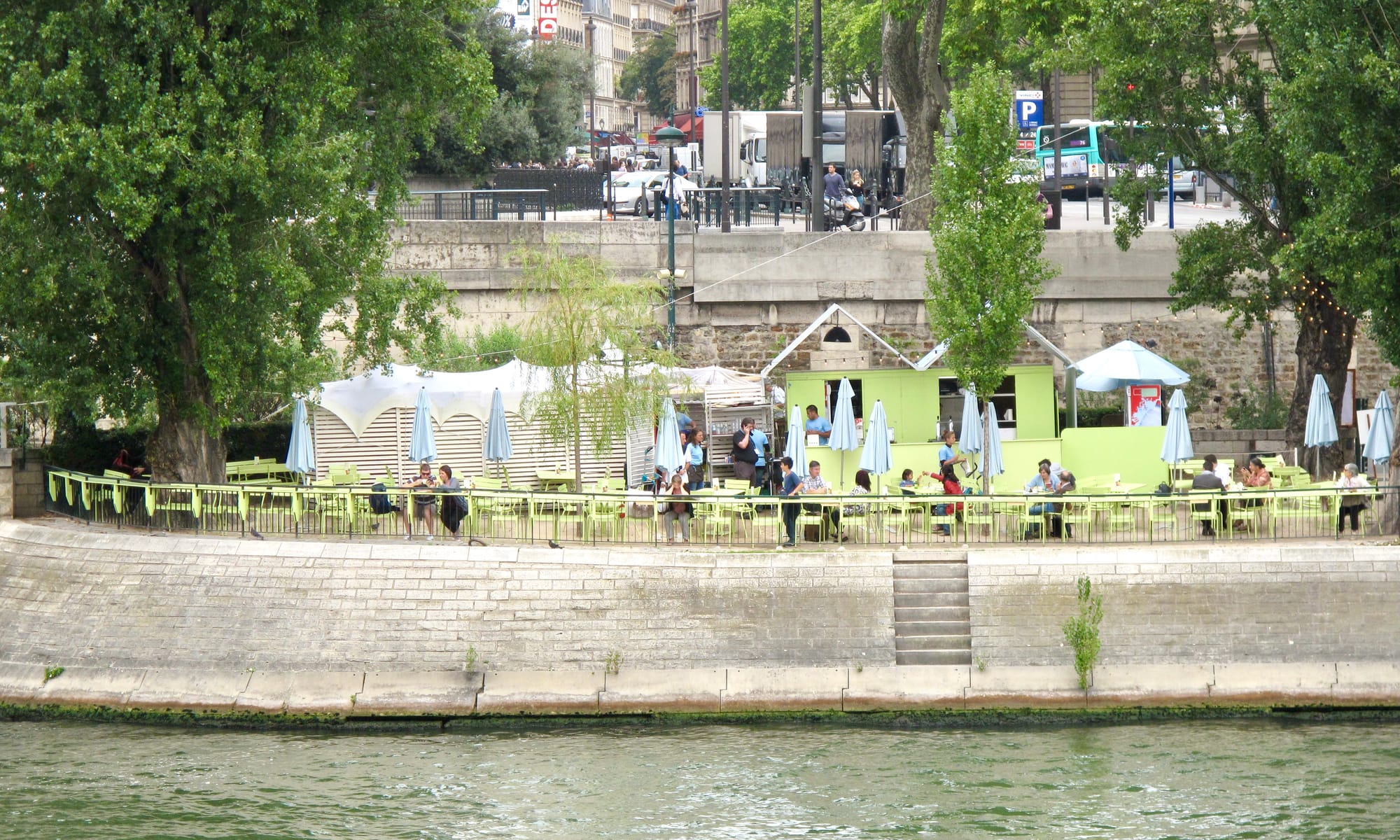
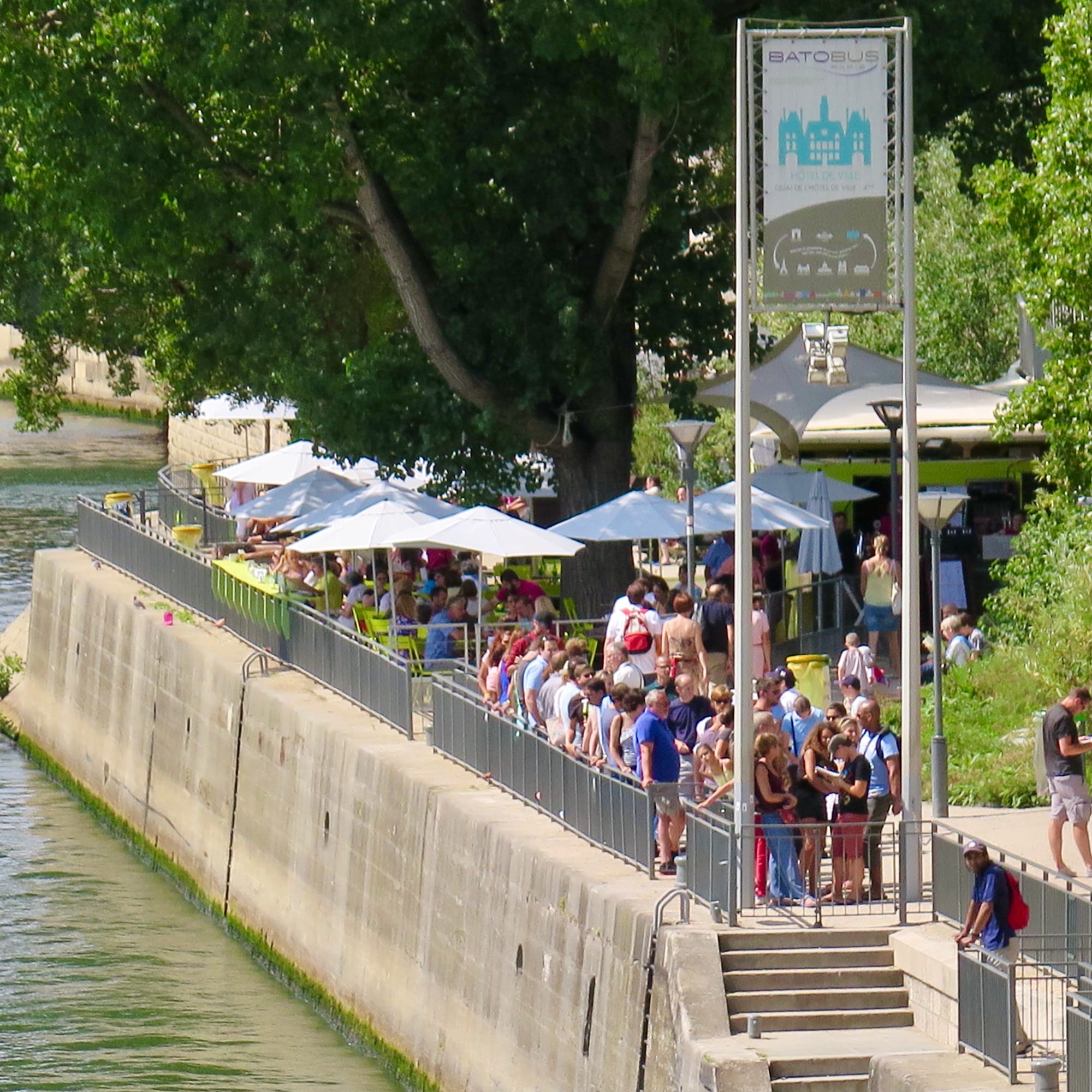
A great way to get people hanging out in a place is to put cafés and eateries there. People of all ages love to spend time hanging out somewhere they can enjoy refreshments, sit in the open air, and have a chat with friends. Cafés and restaurants are a fantastic way to activate any public space, and Paris Plage understands this.
Right Bank
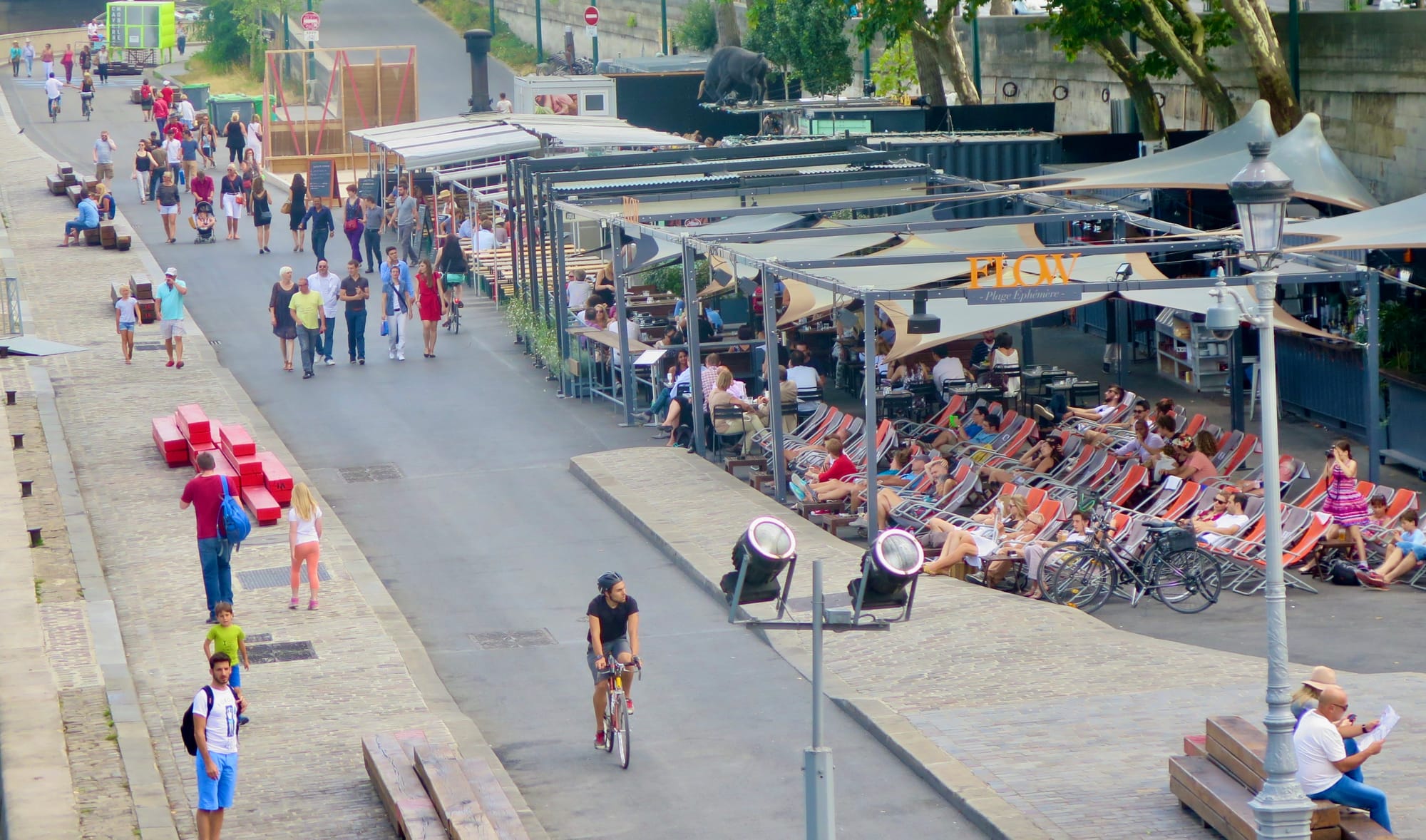
Left Bank
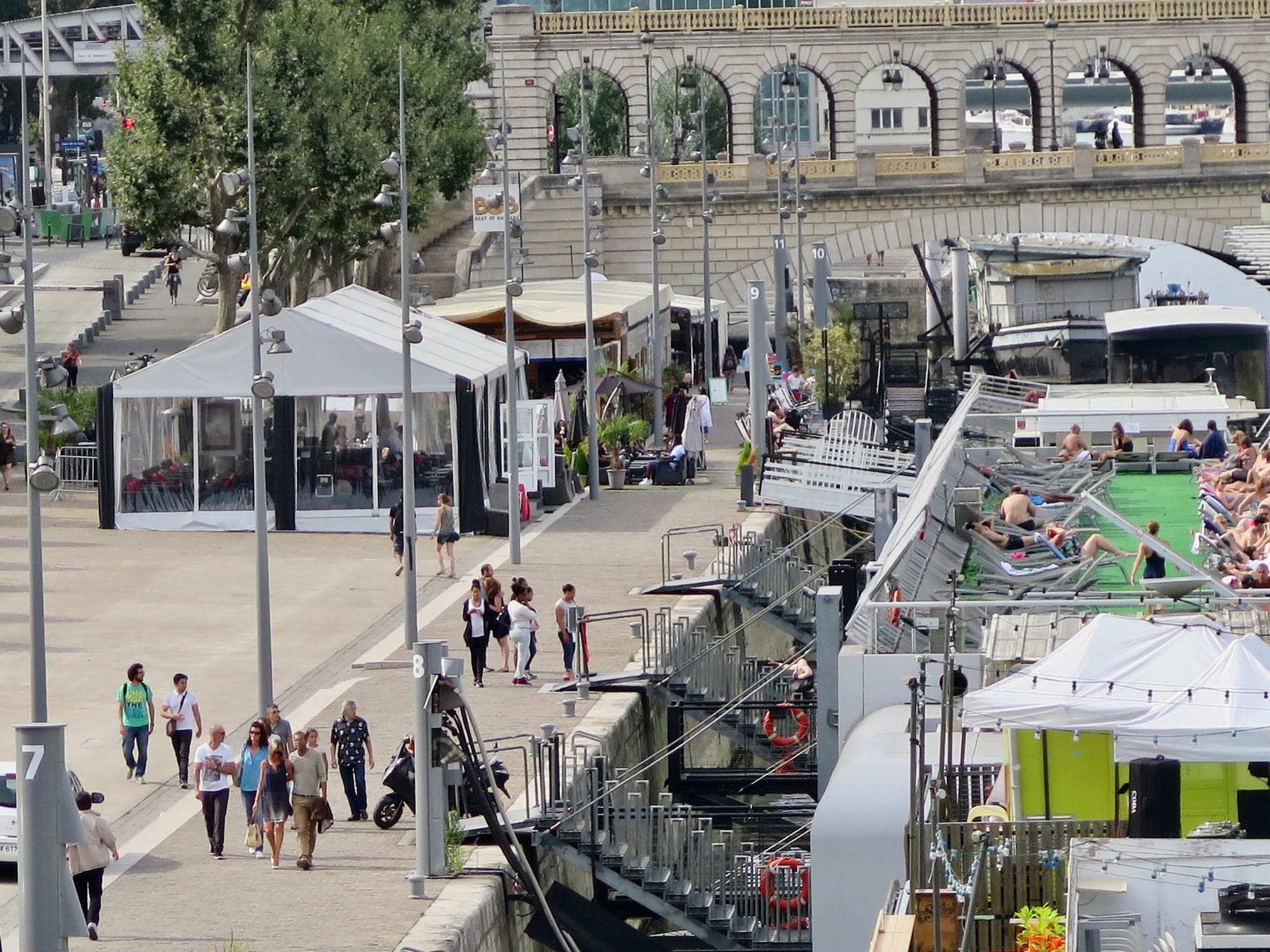
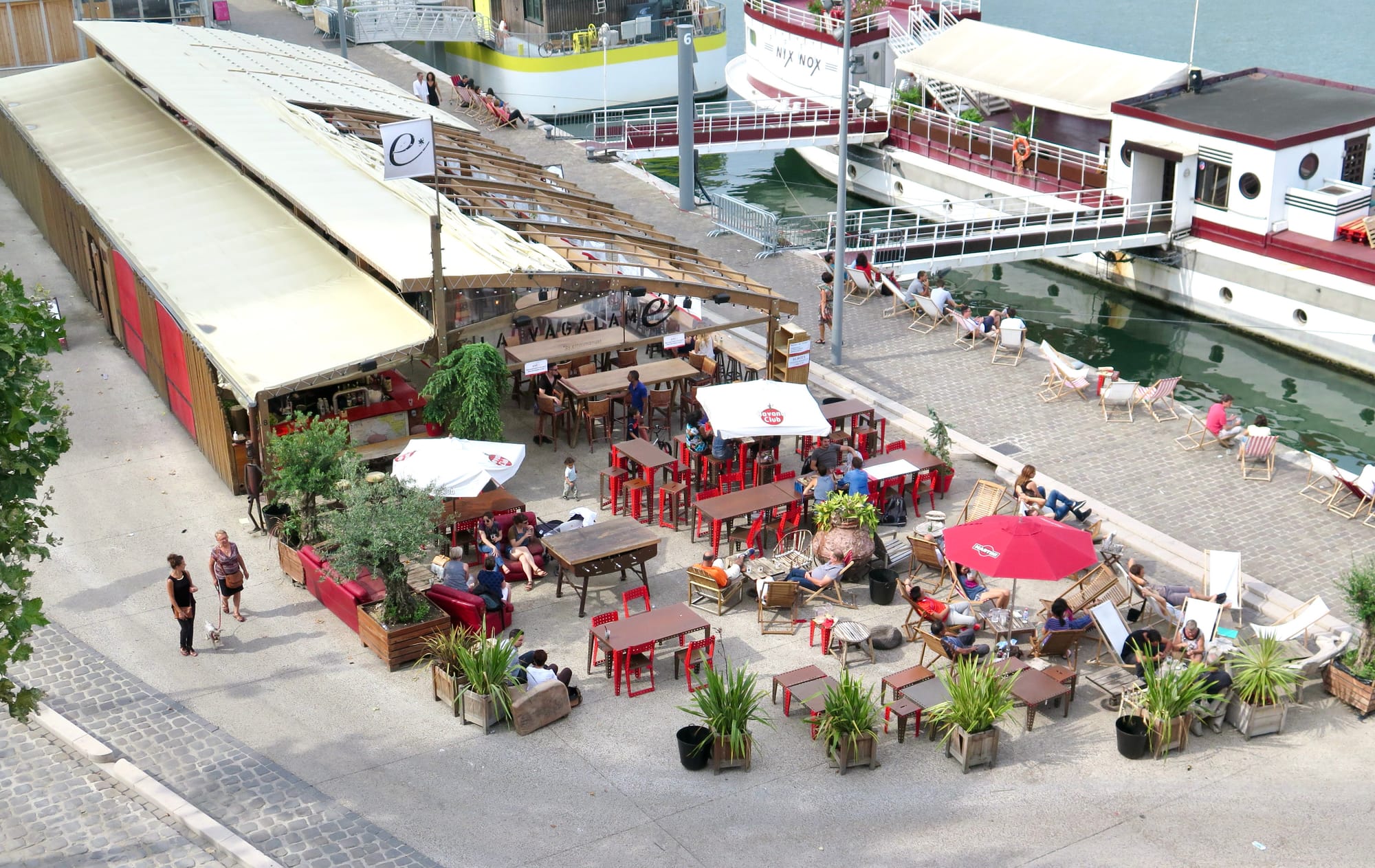
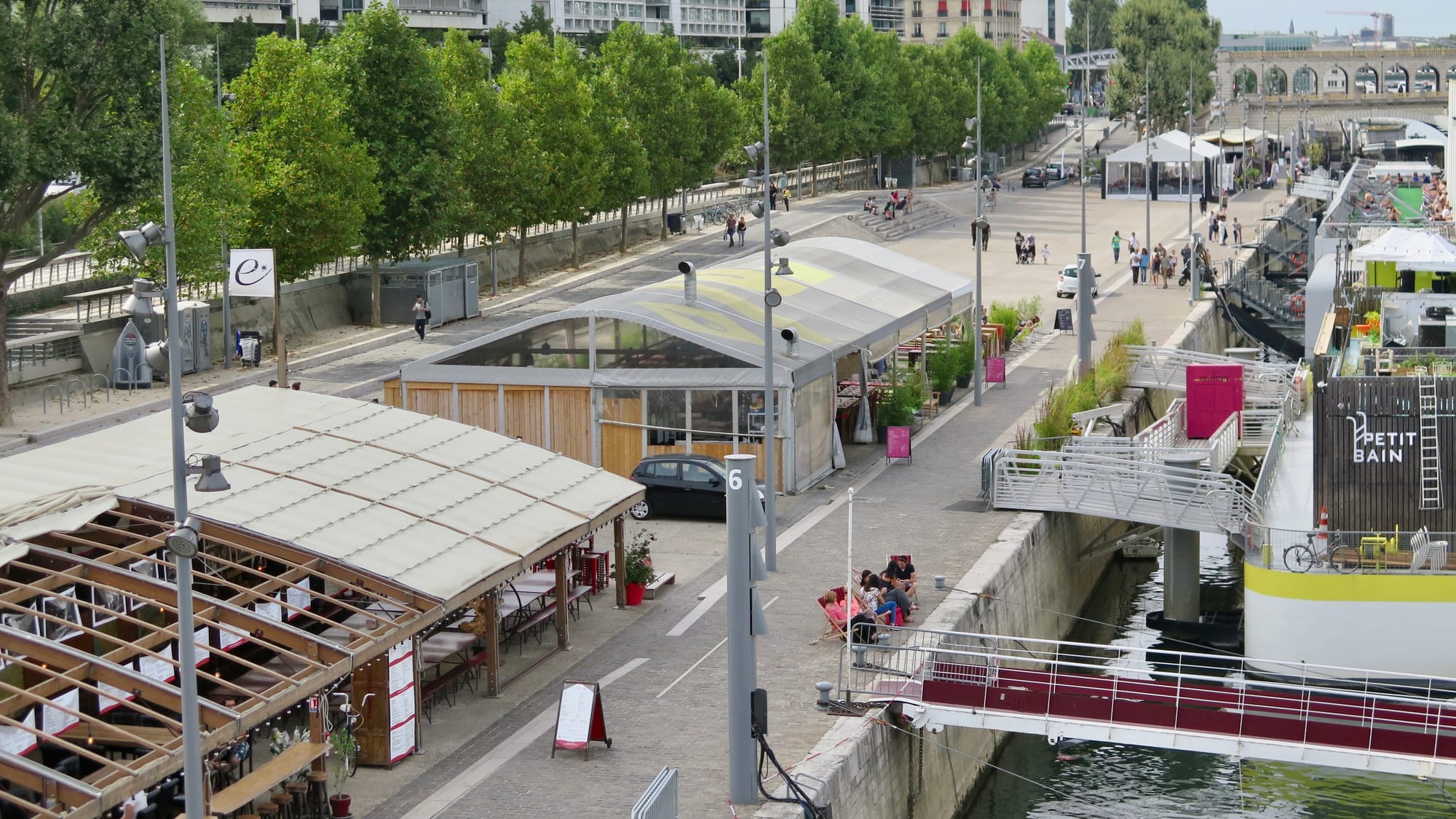
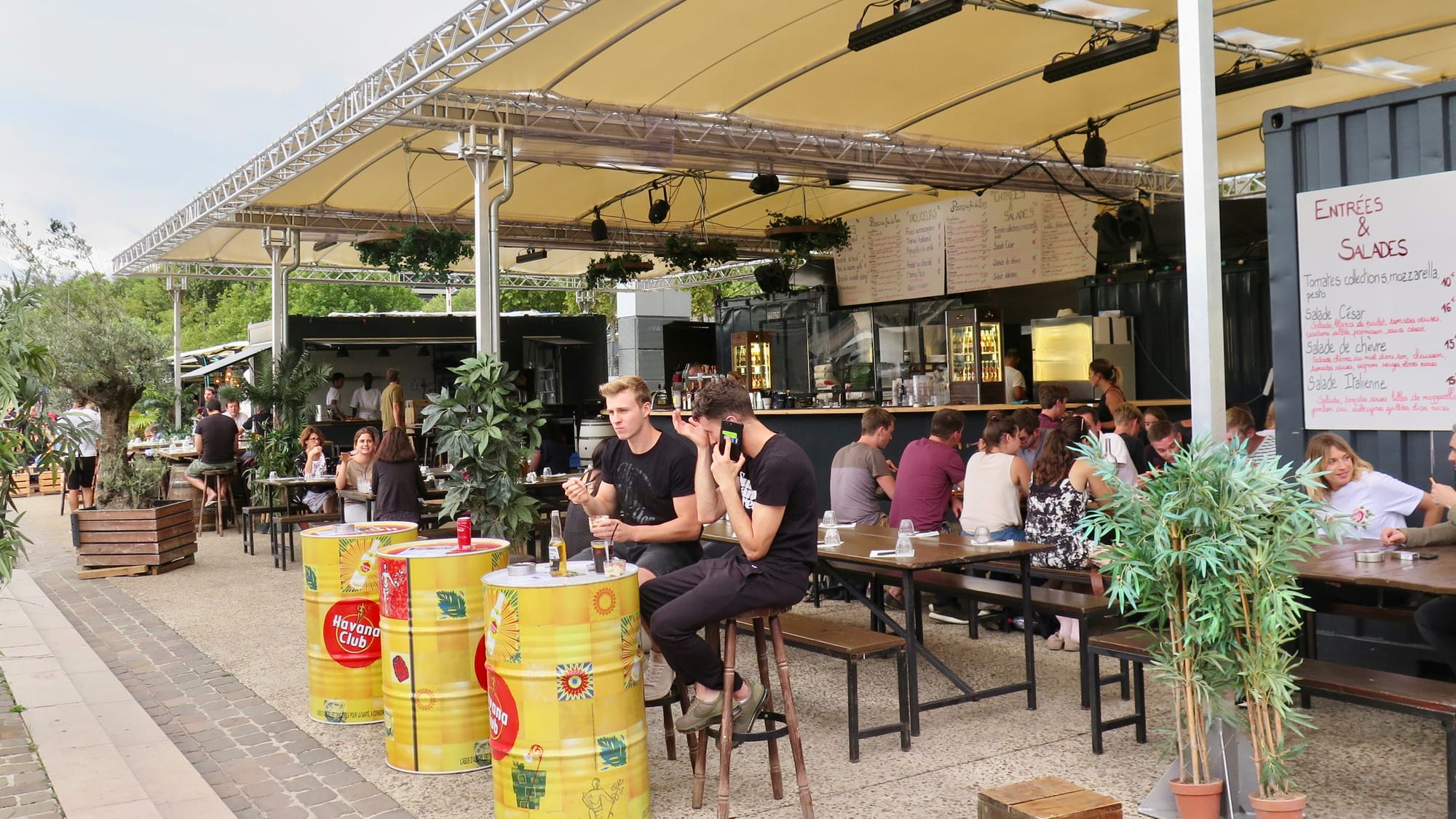
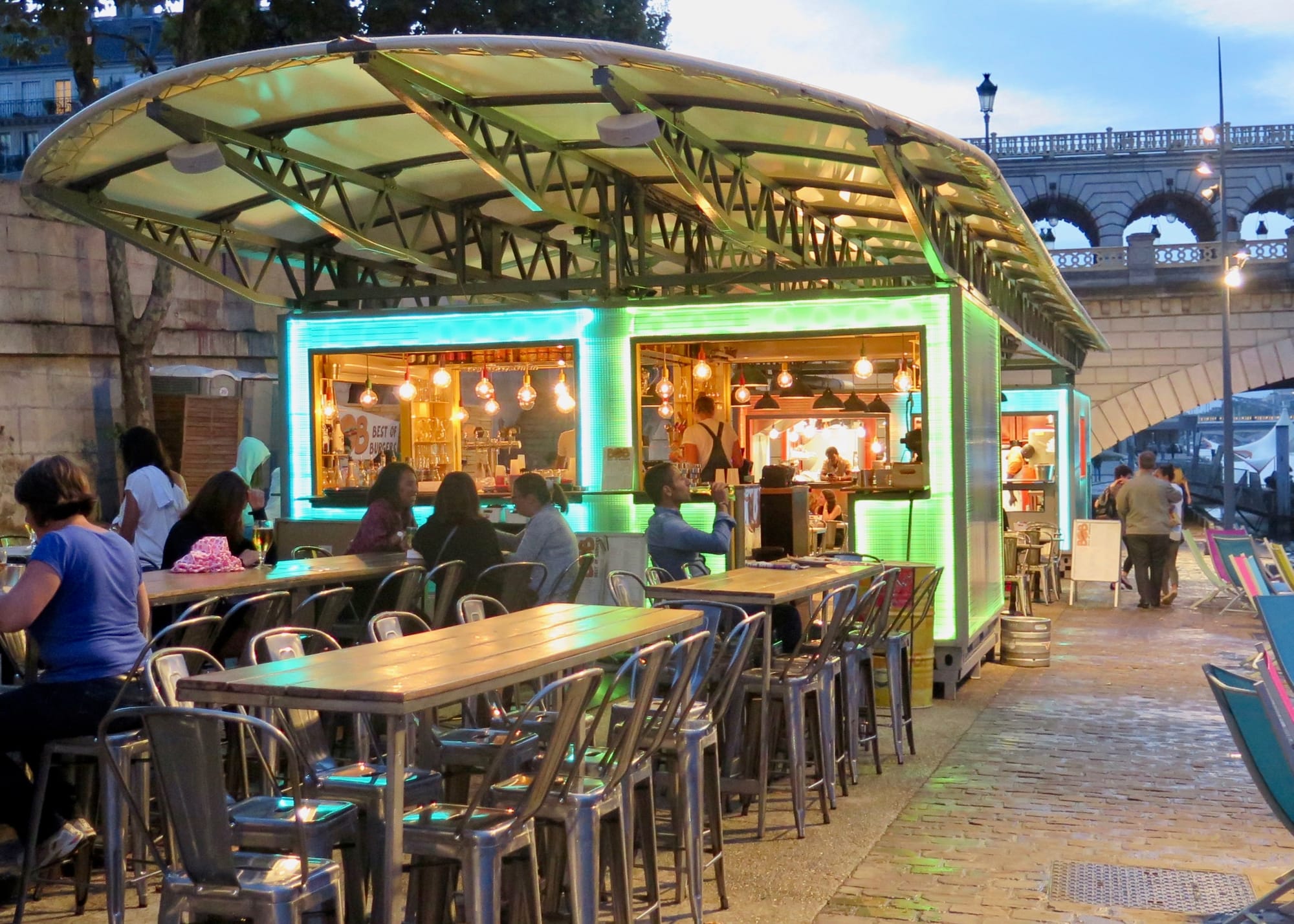
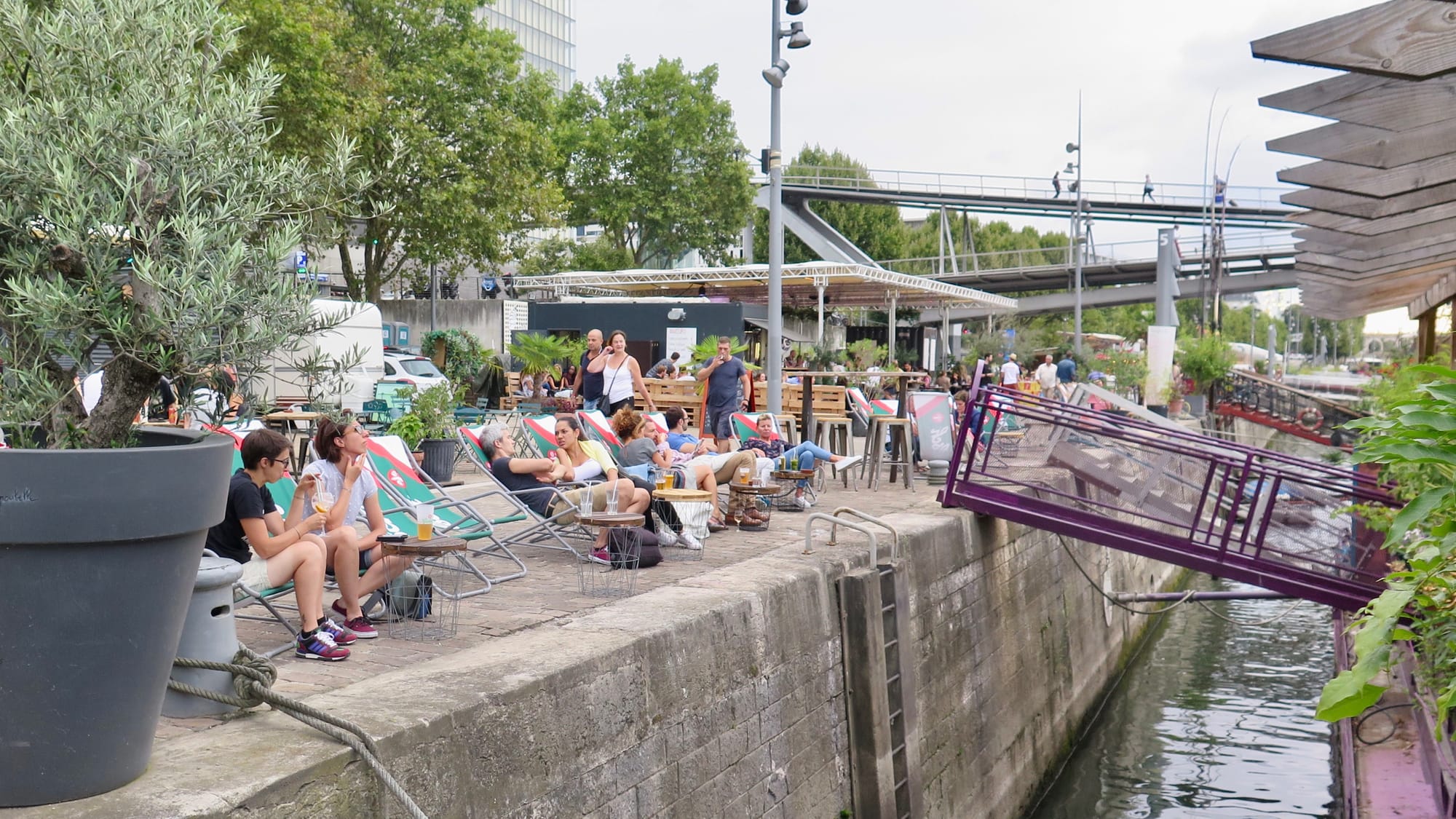
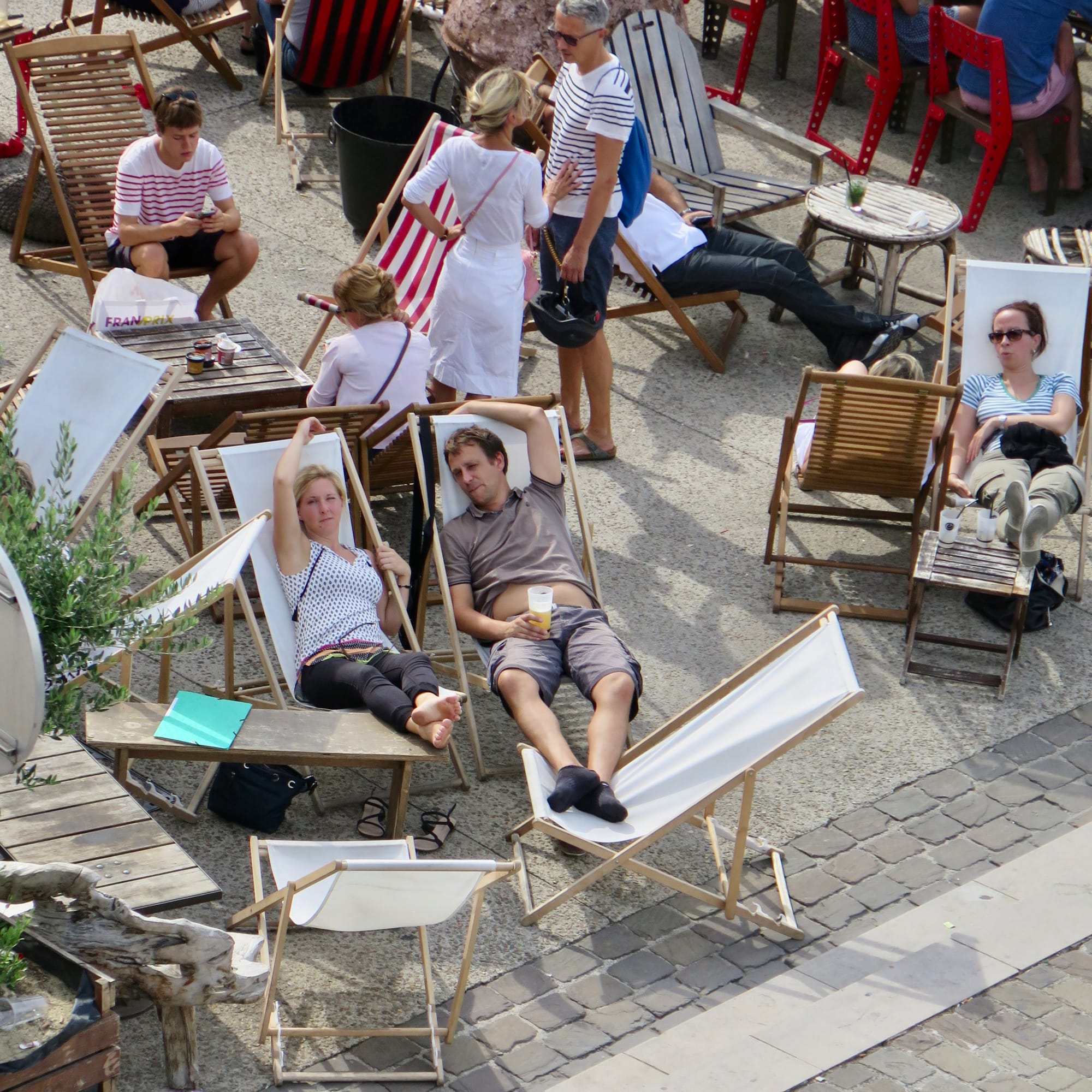
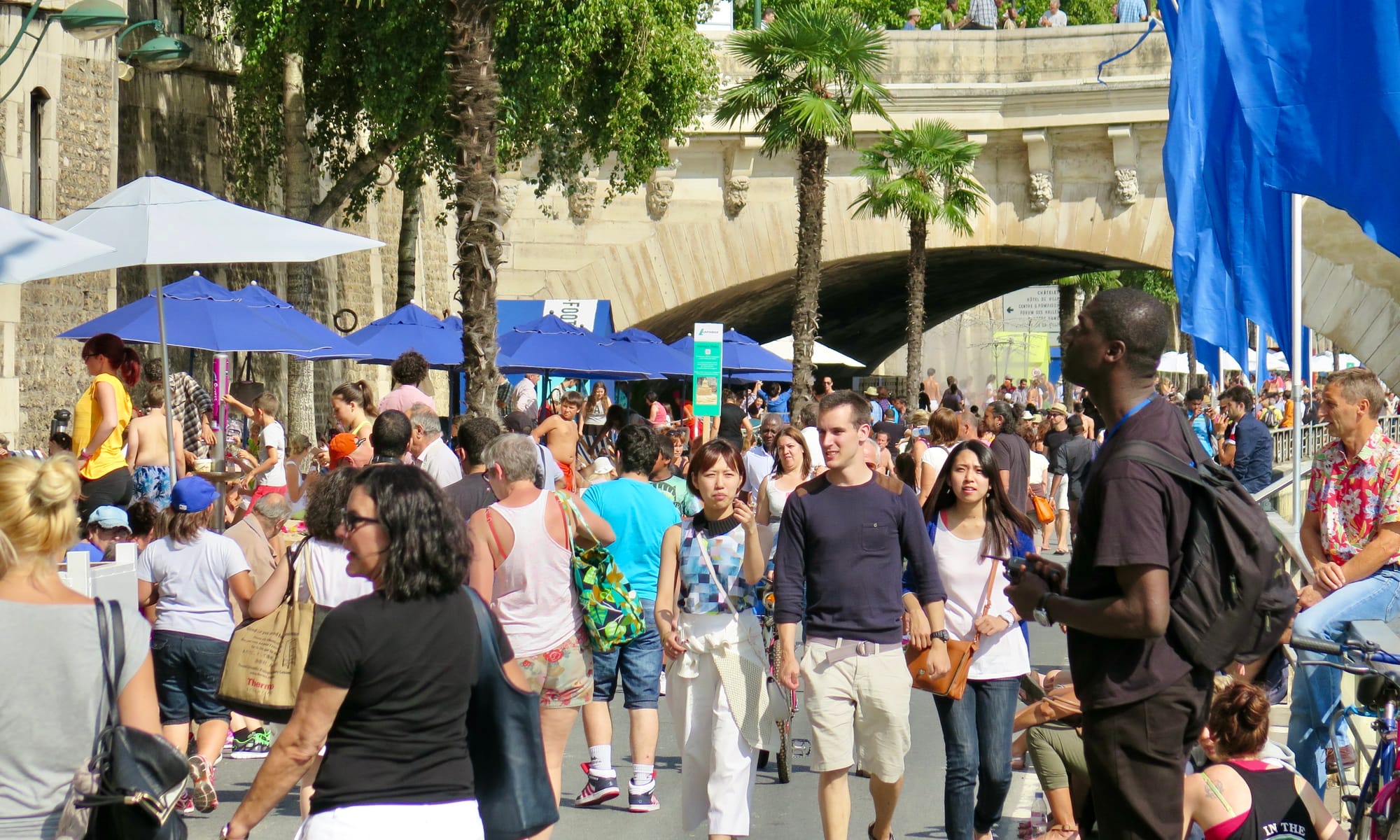
All kinds of people enjoy the Paris Plage
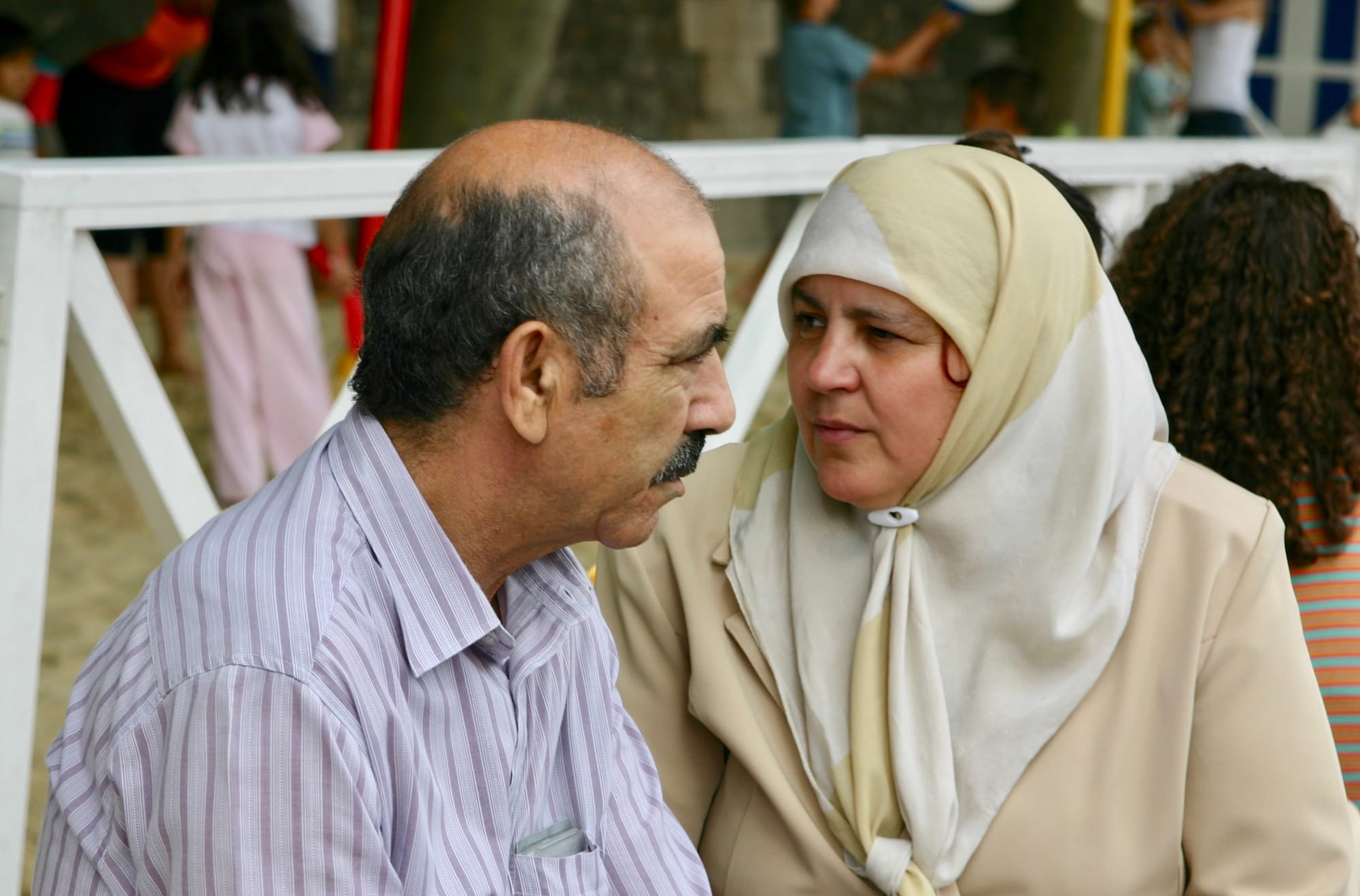
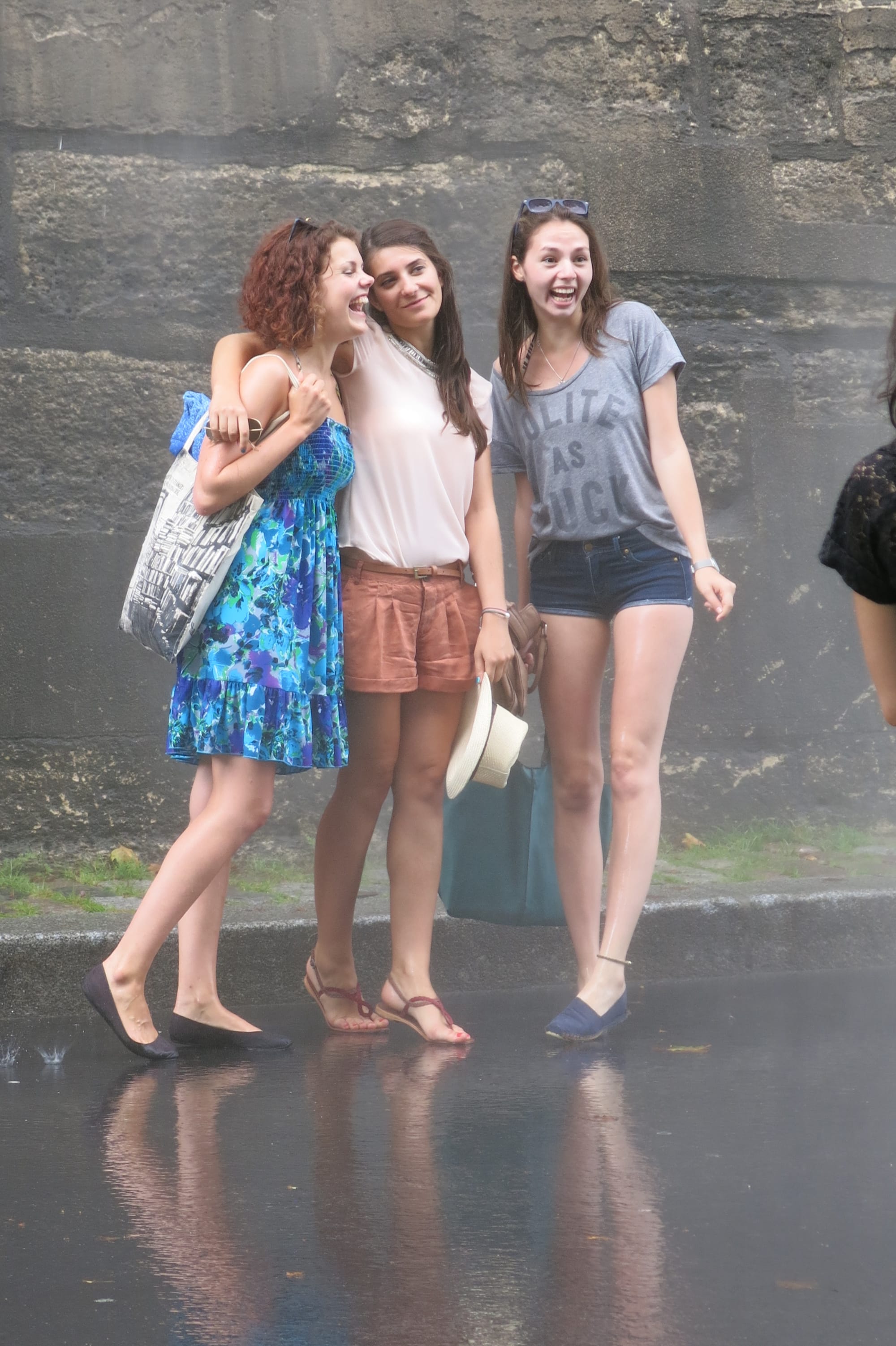
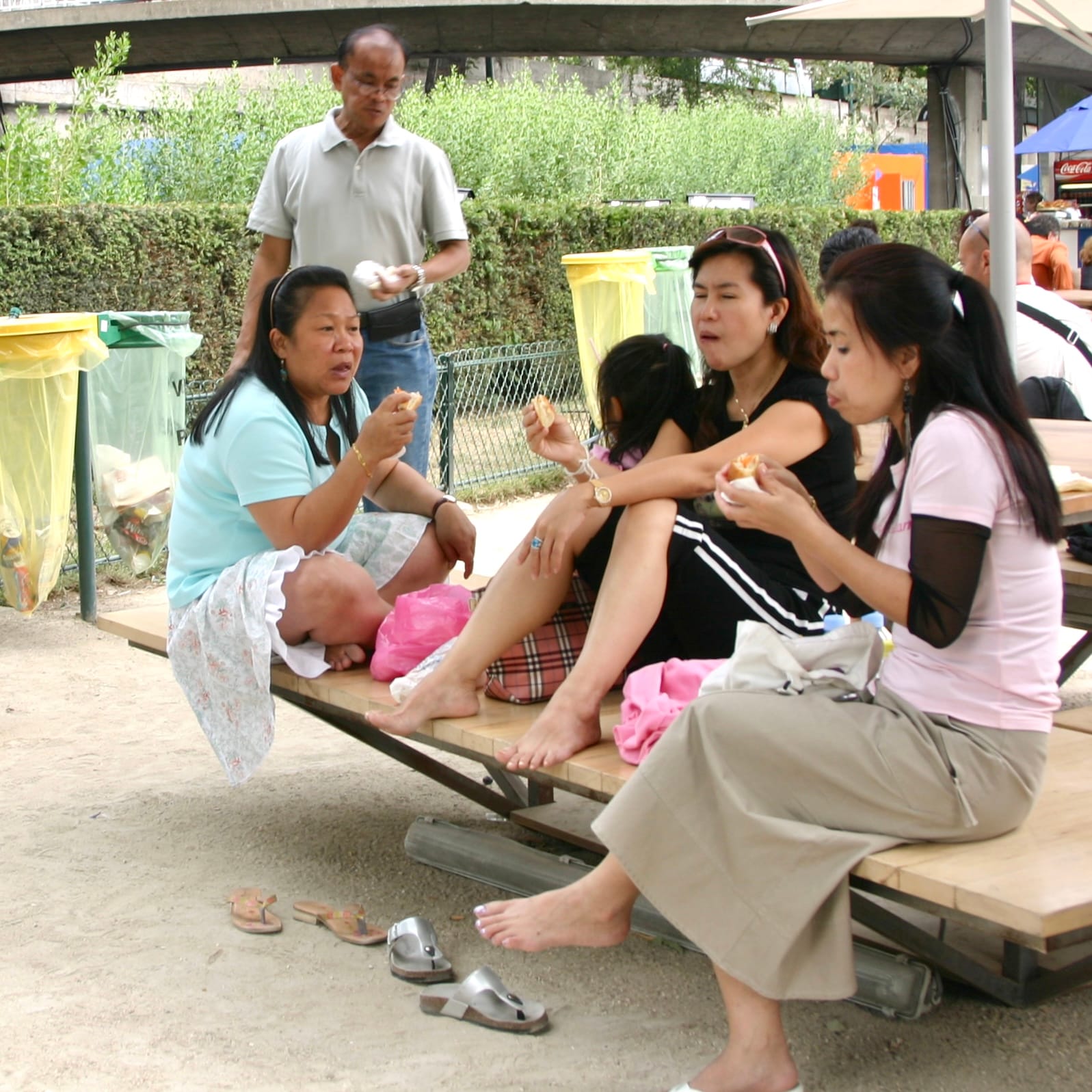
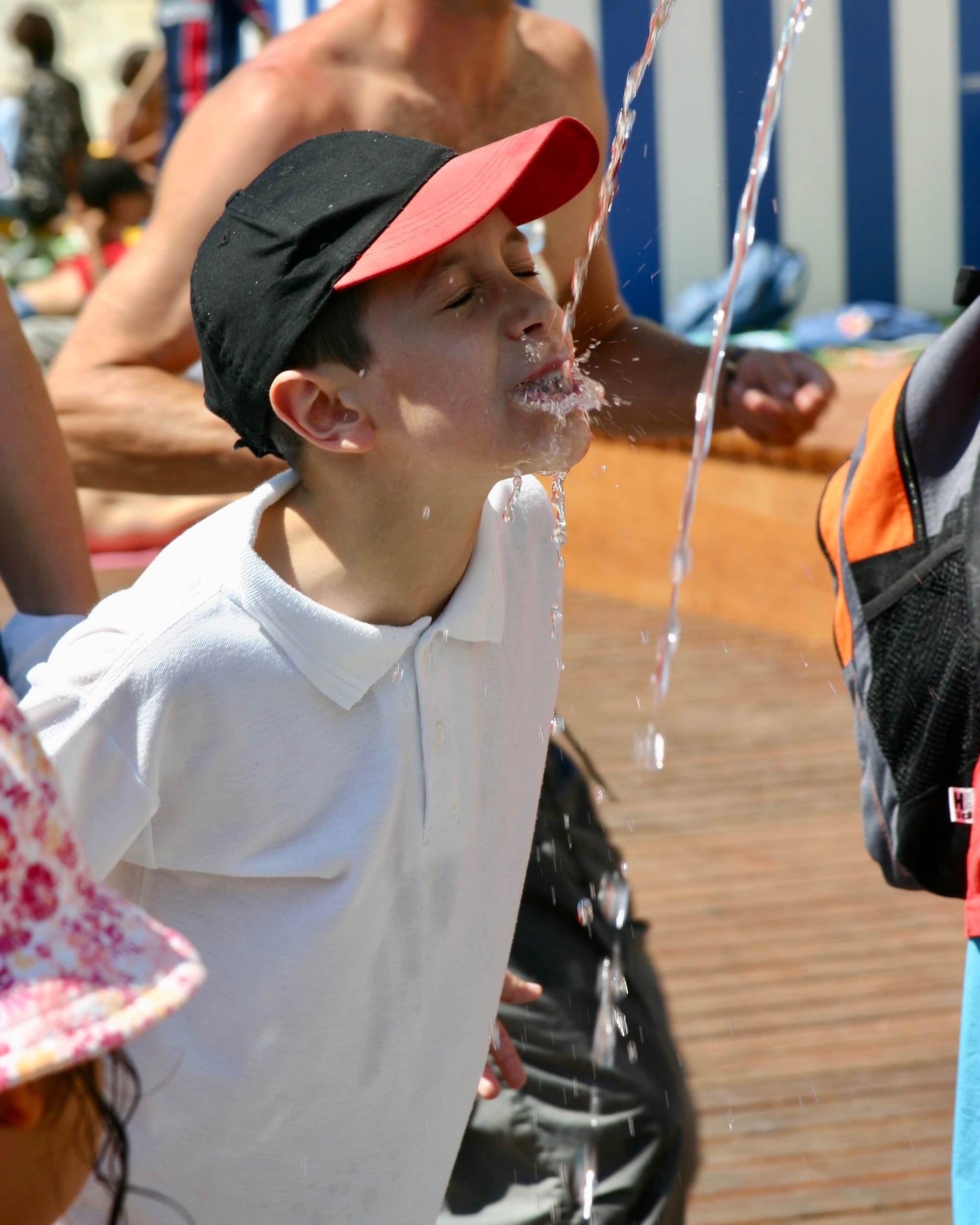
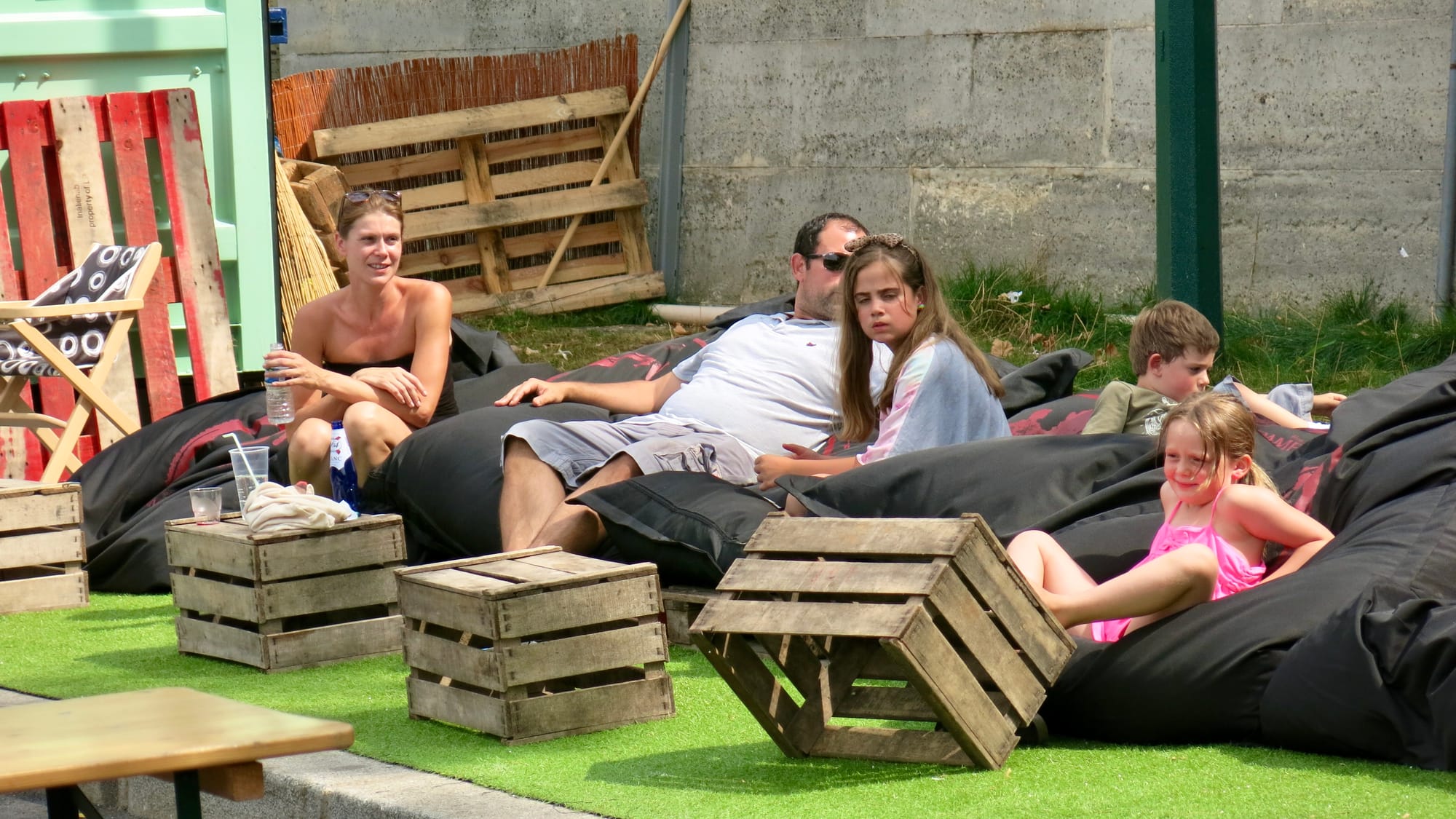
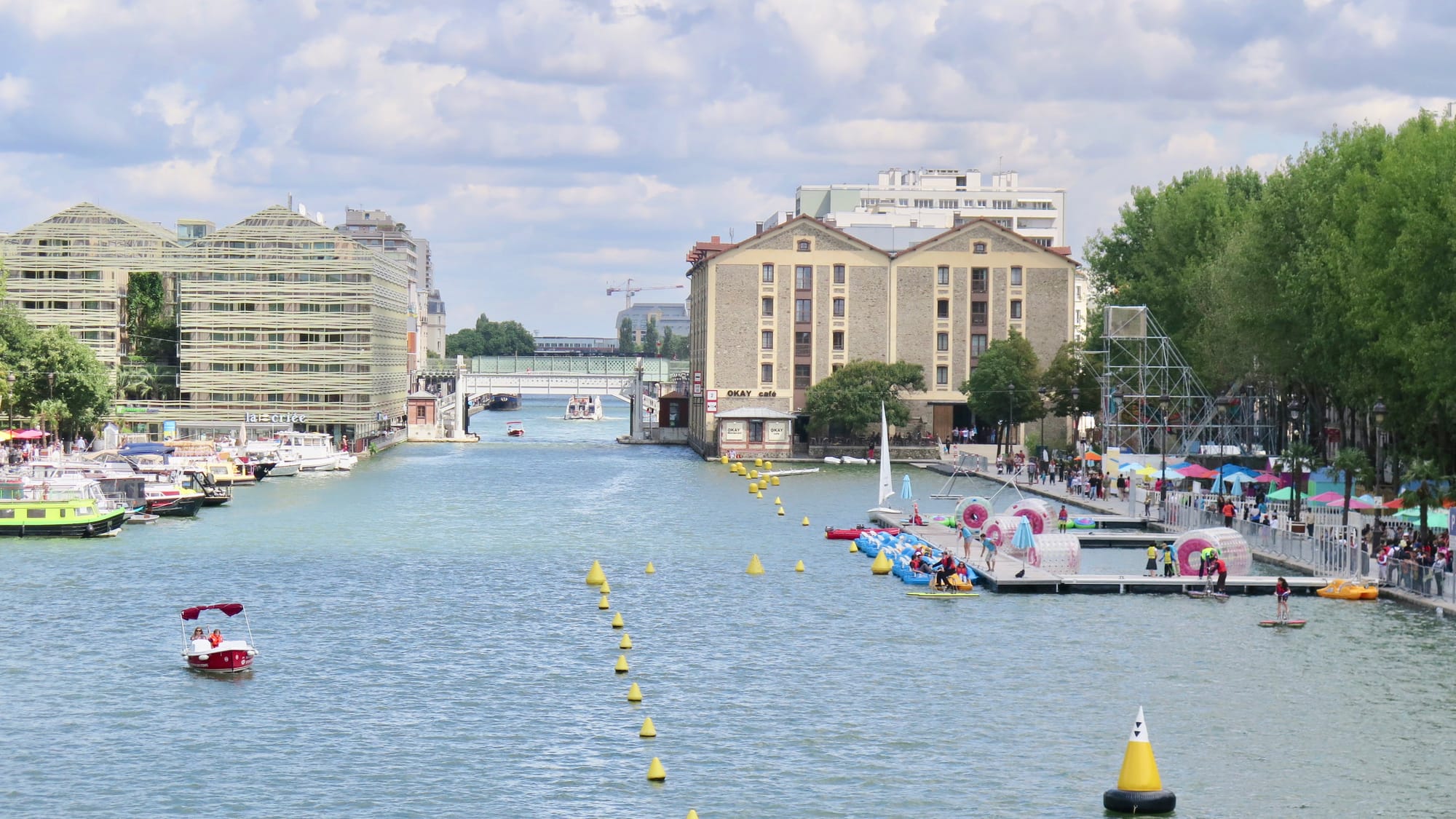
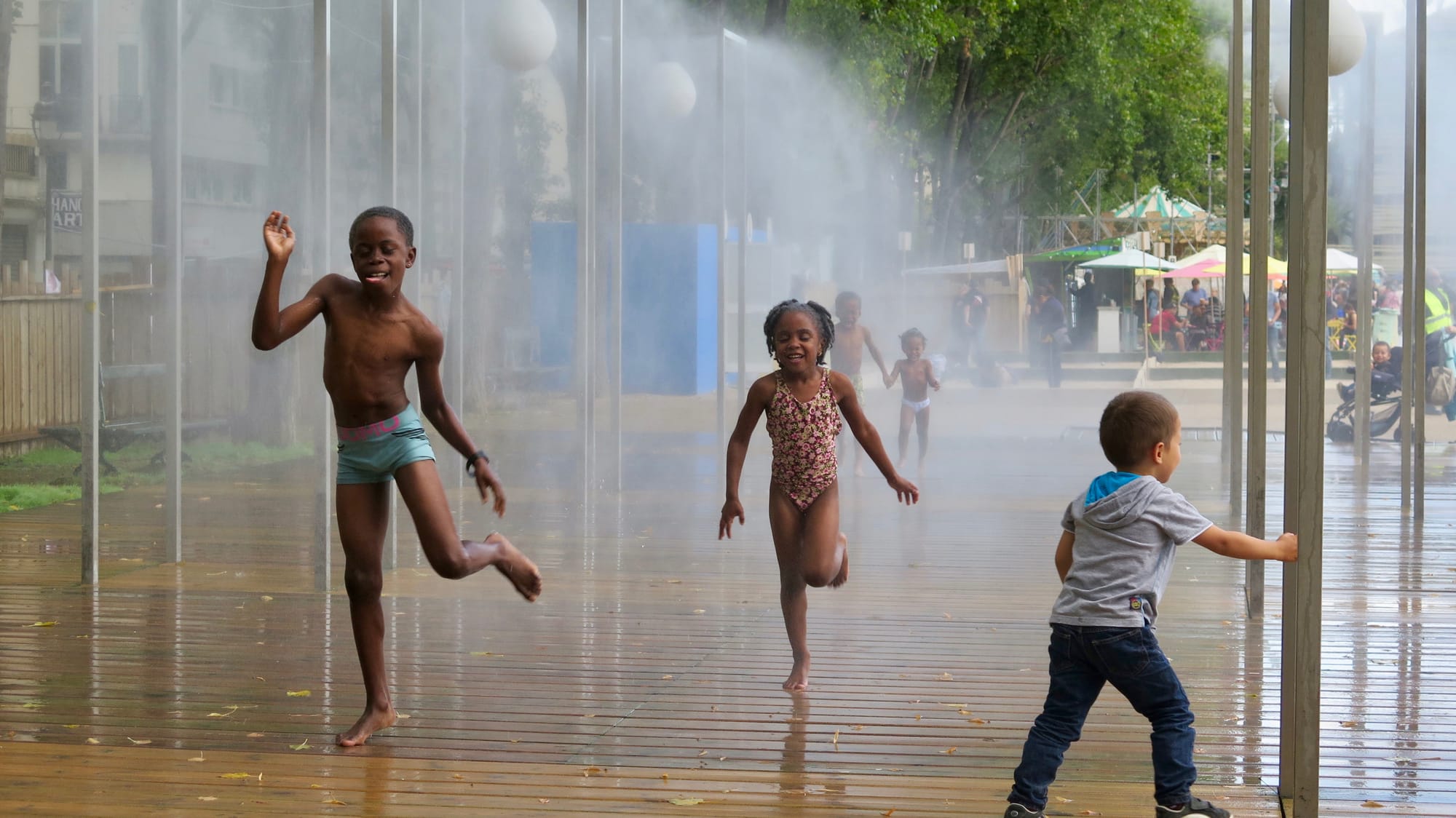
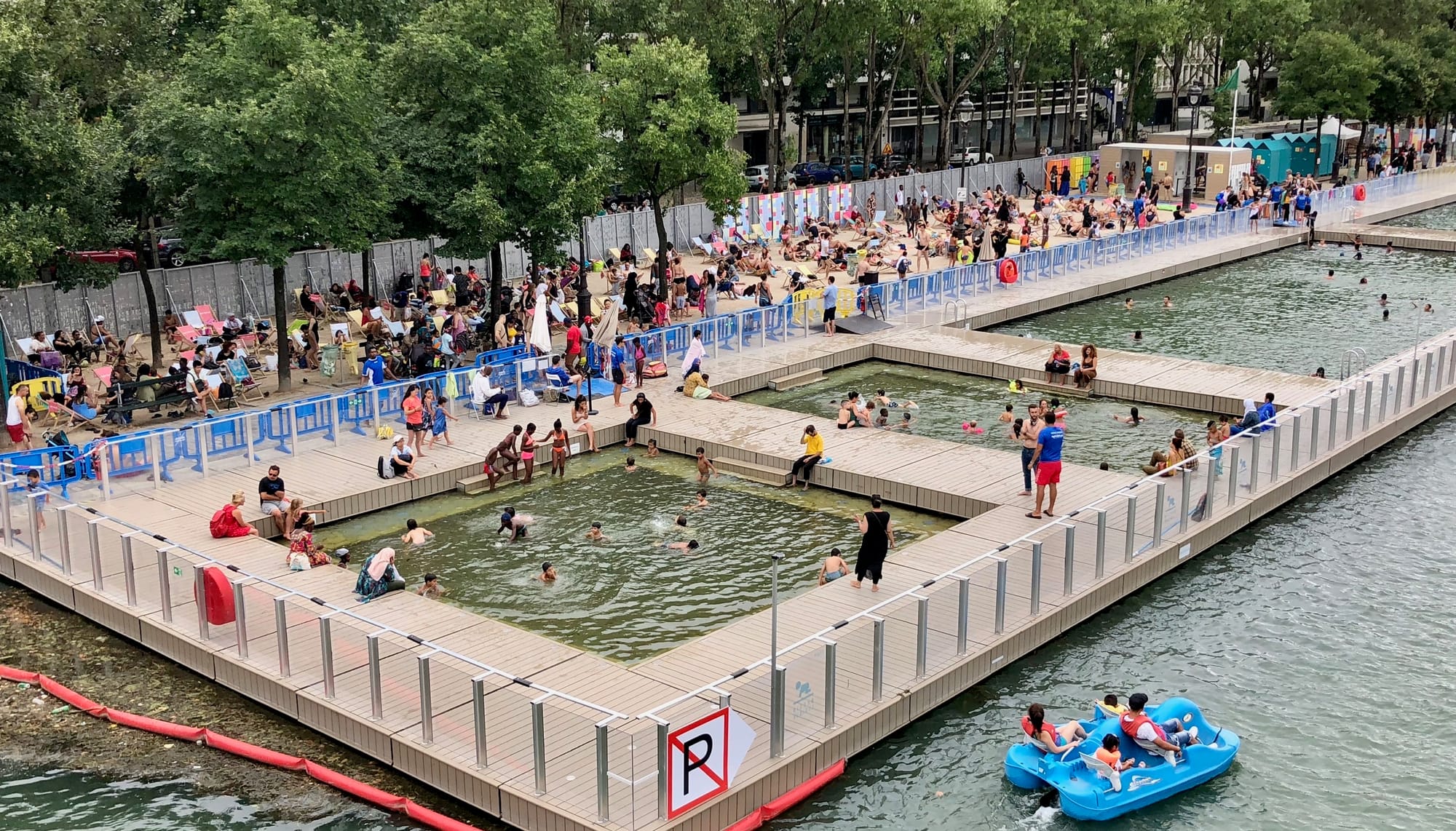
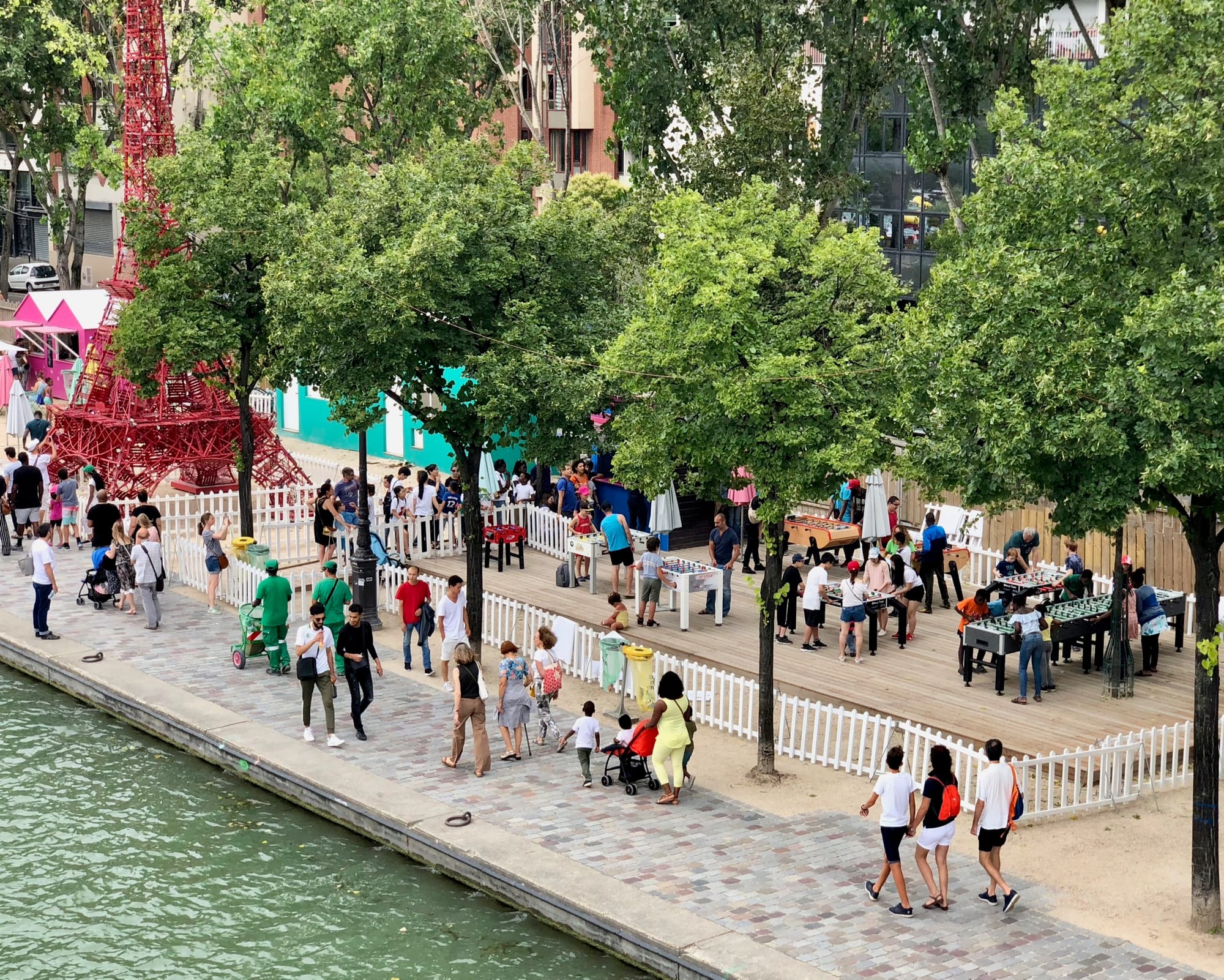
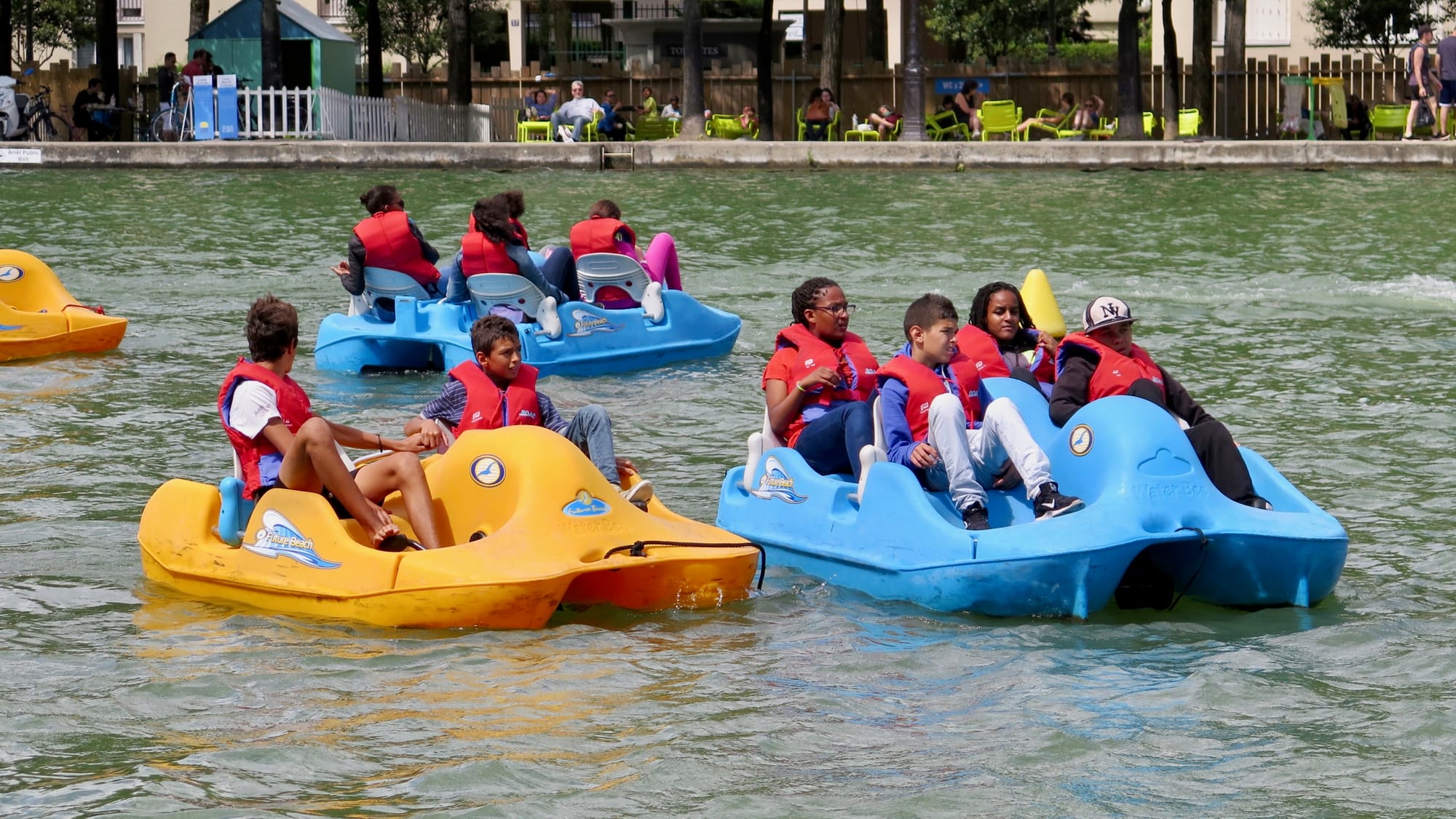
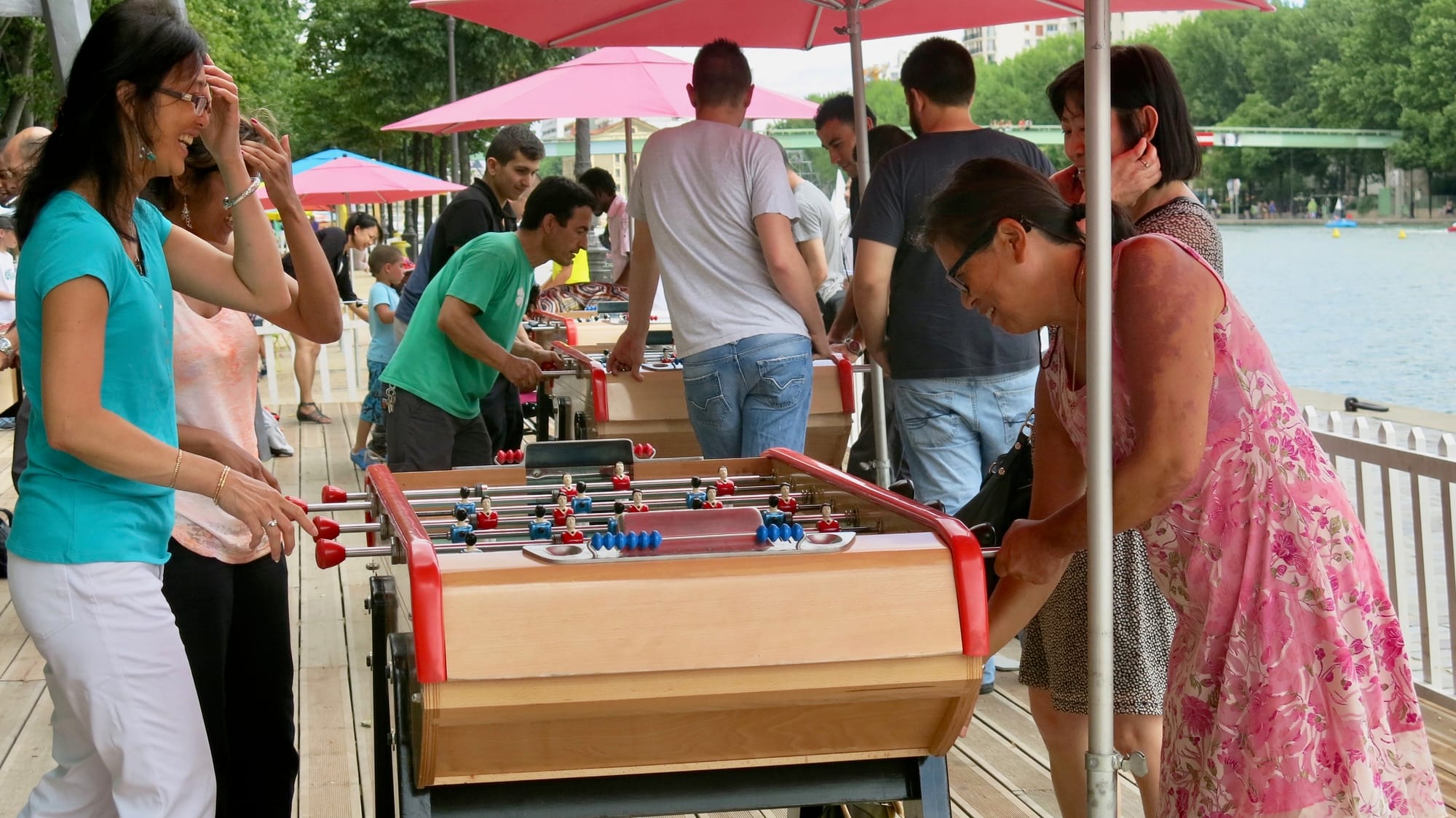
Bassin de la Villette: a community centered section of the plaza serving diverse communities
Cultural and Community Institutions
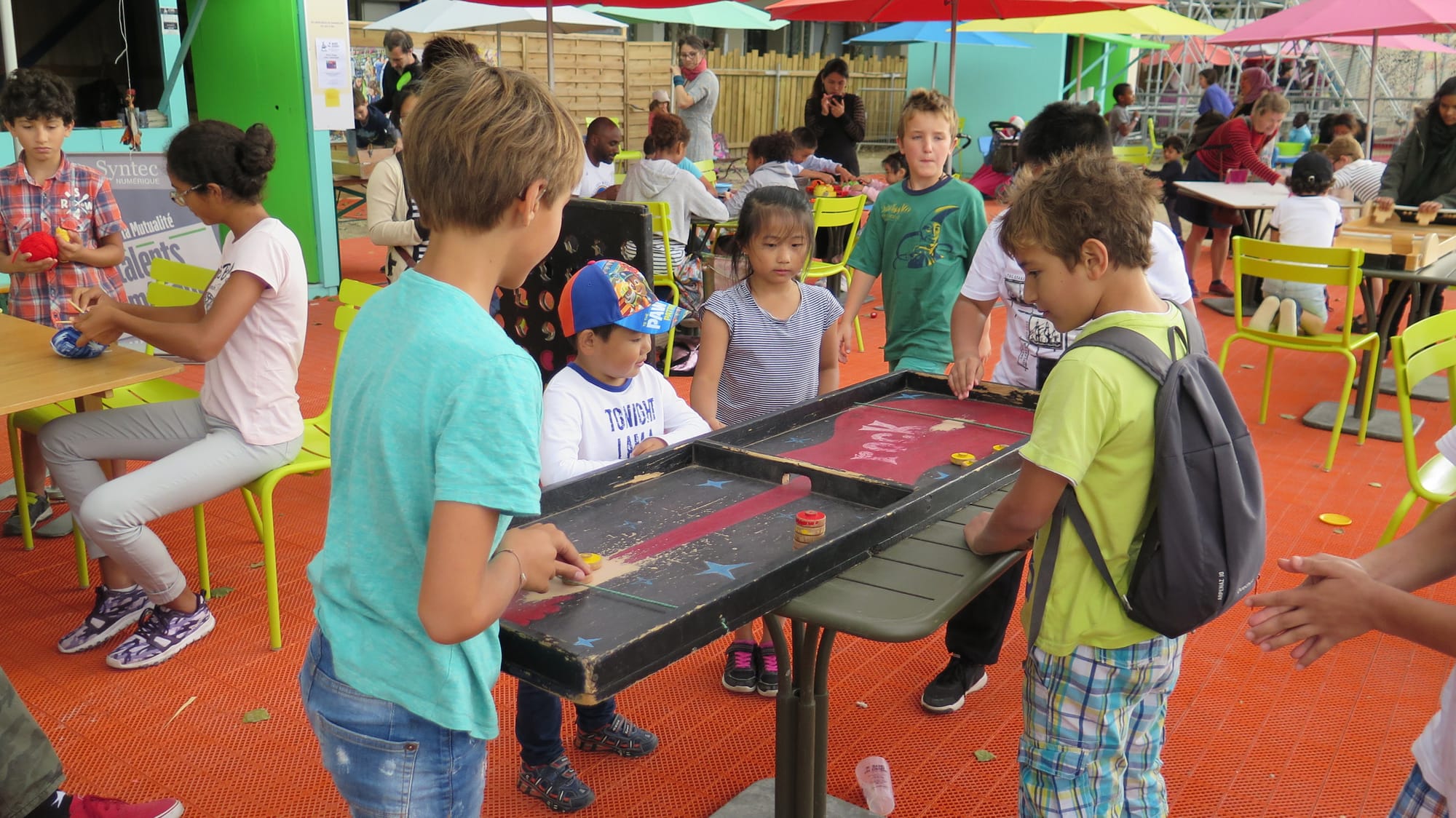
As with the Plage, all kinds of institutions leave their mark at Bassin de la Villette, offering cultural and community activities.
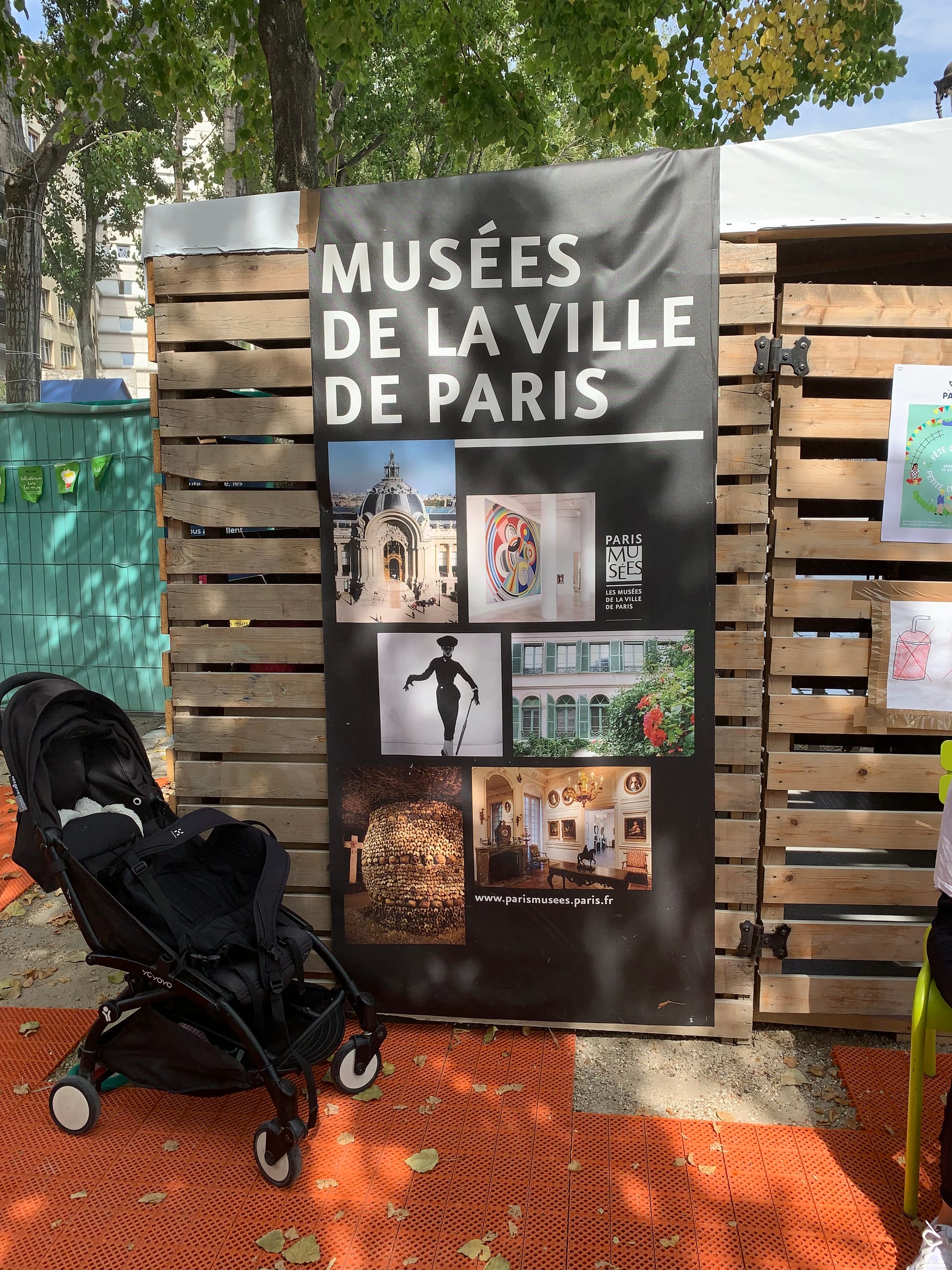
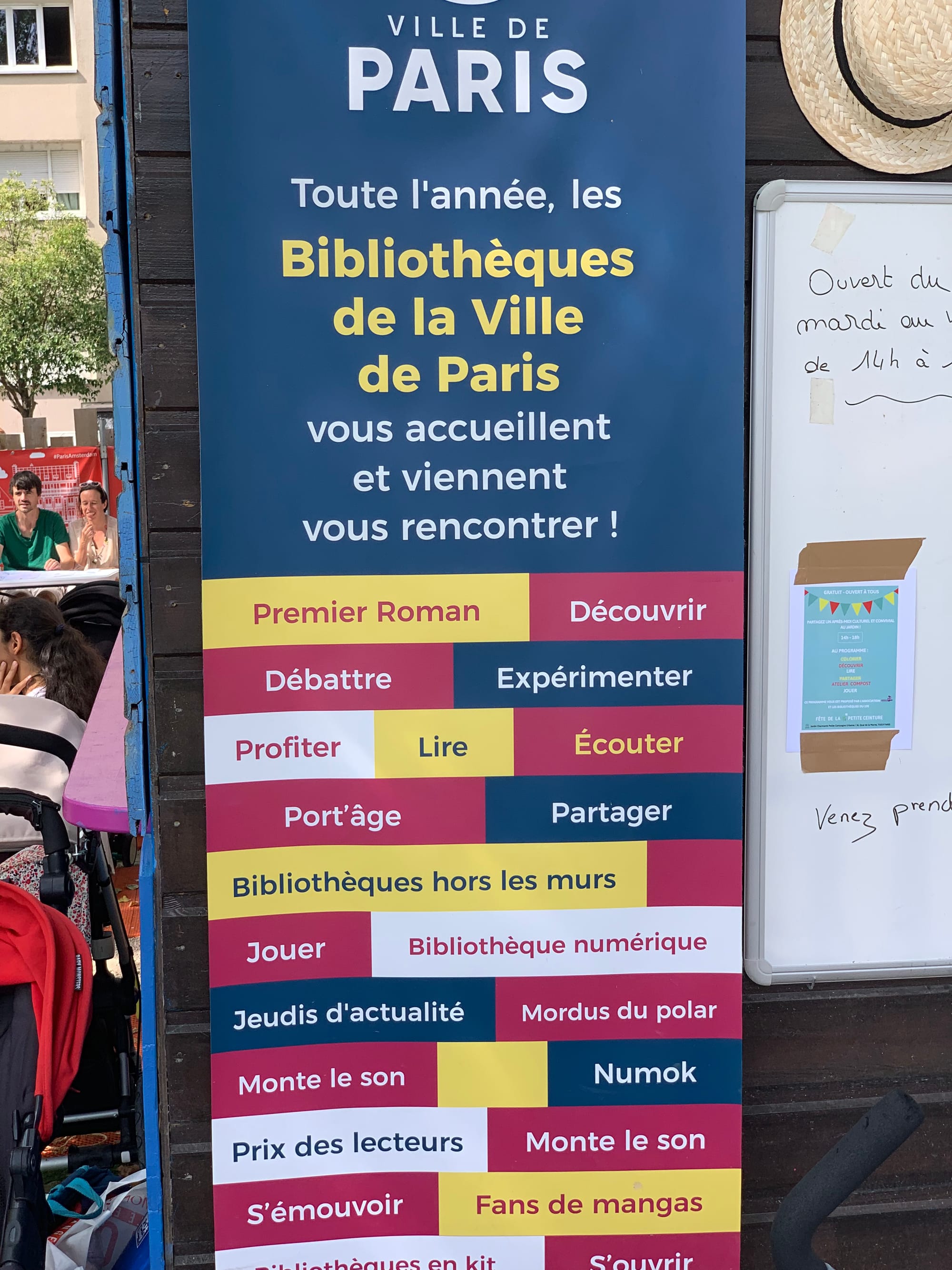
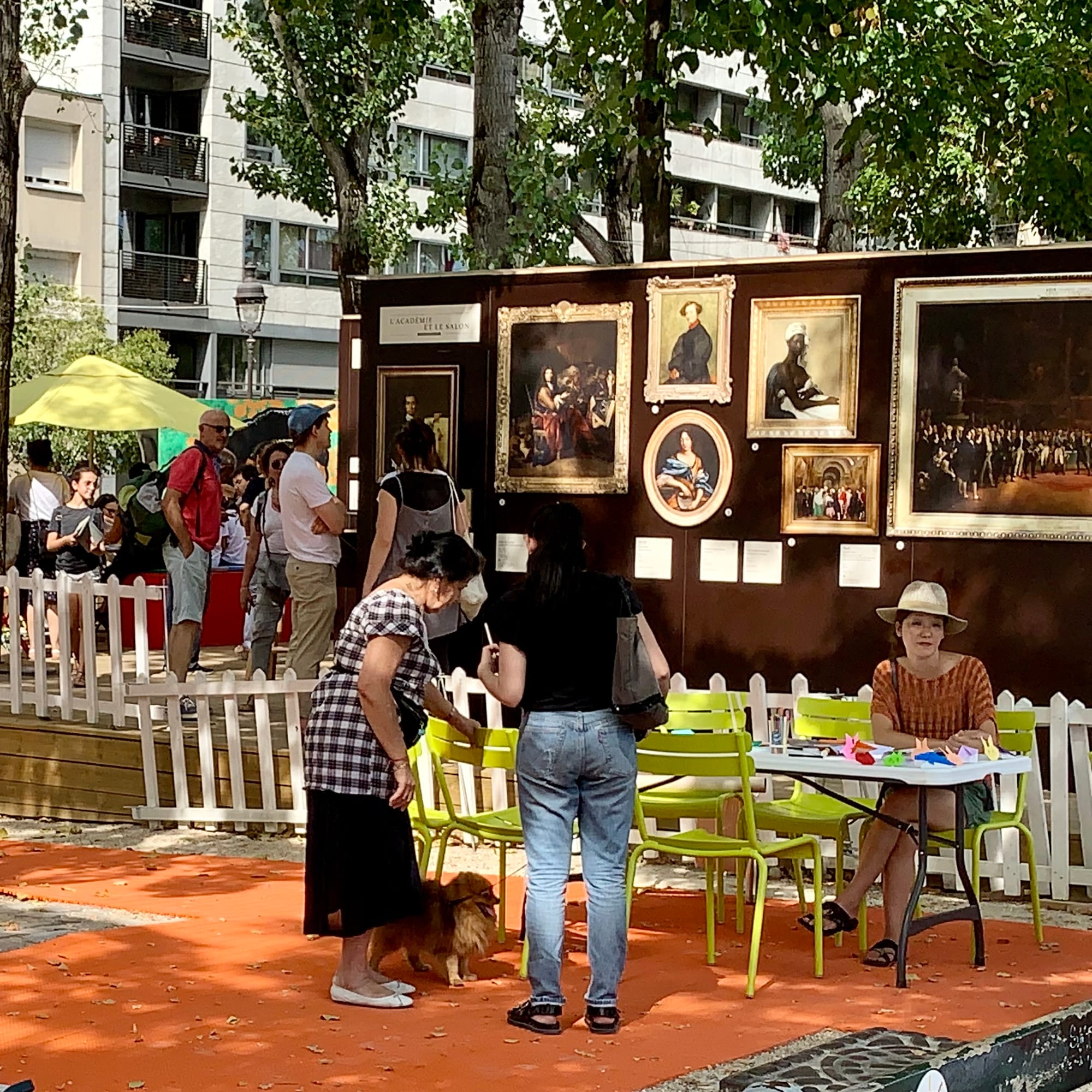
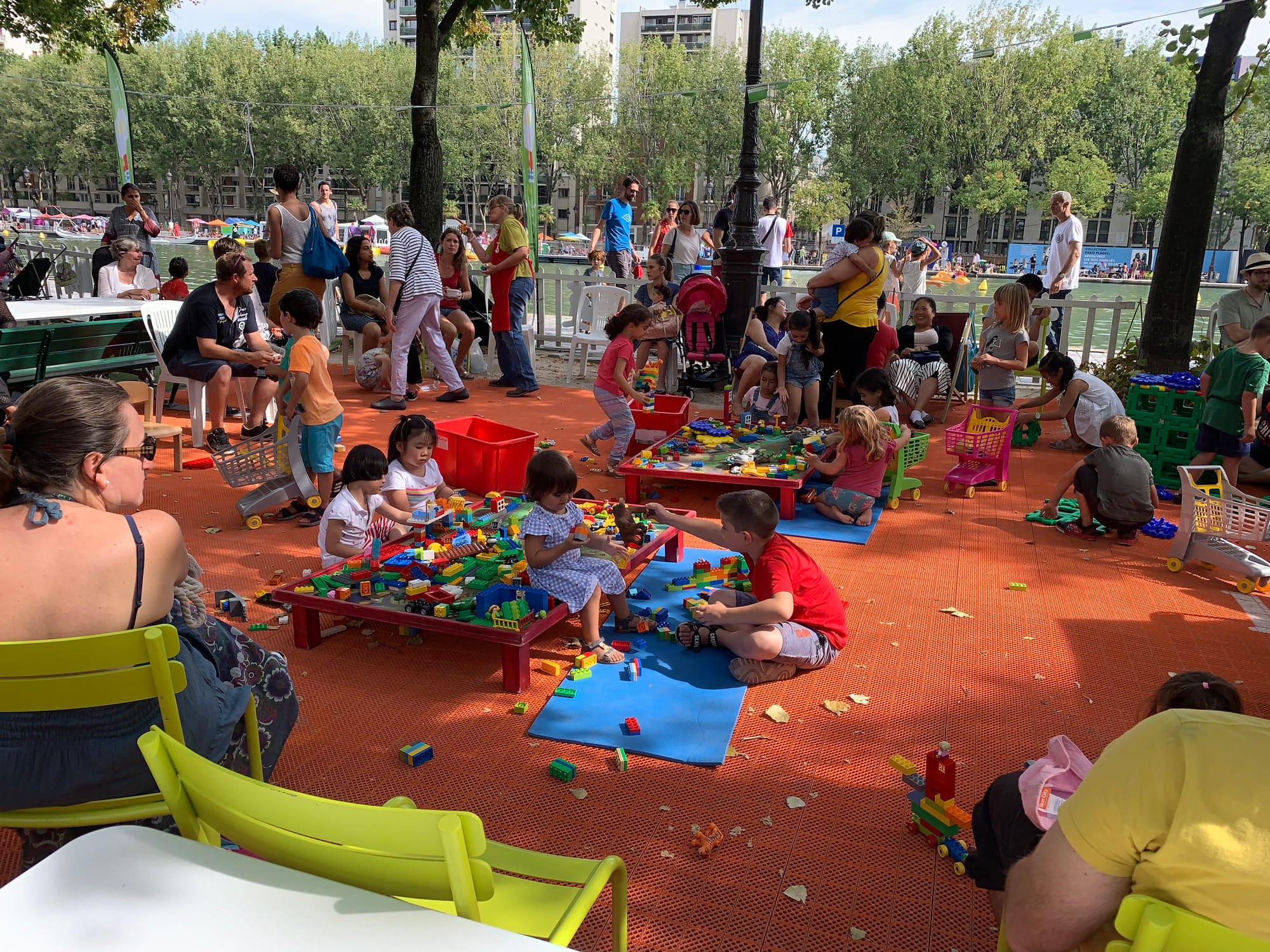
Activities for all ages
From foosball tables to water activities to refreshment kiosks, Bassin de la Villette has something for everyone. It offers the perfect respite from the summer heat and is an inviting destination for all the communities in the multicultural neighborhood it's set in.
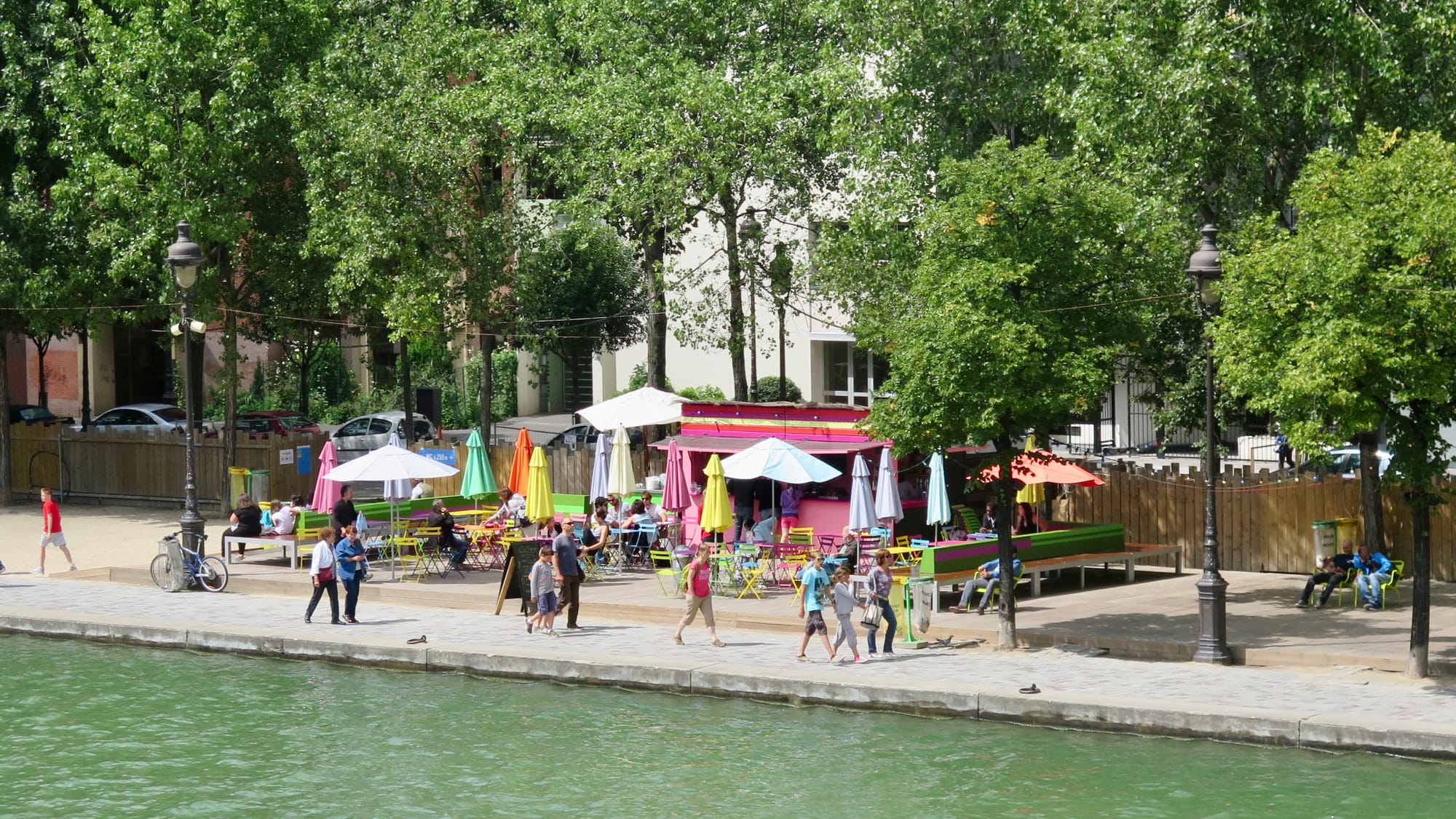
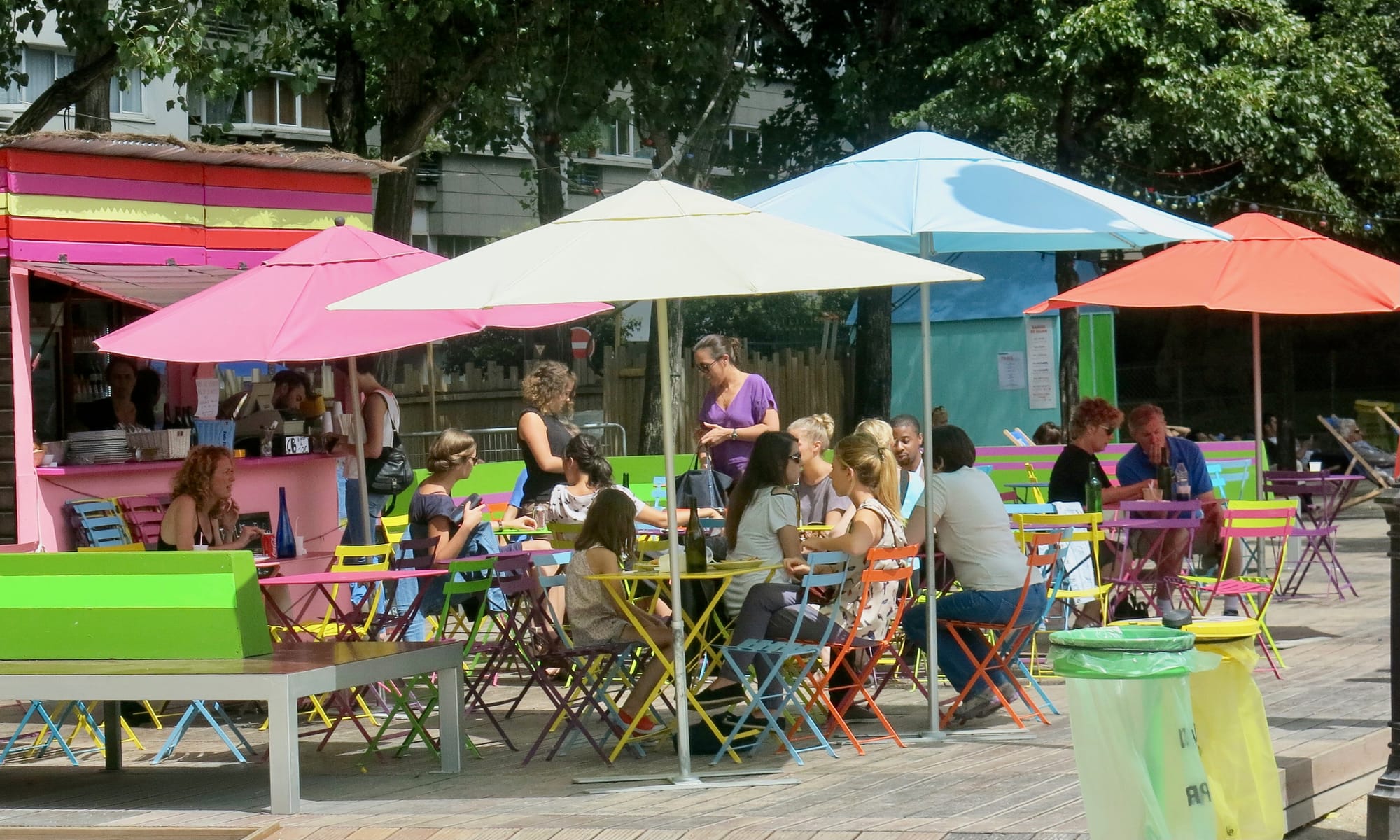
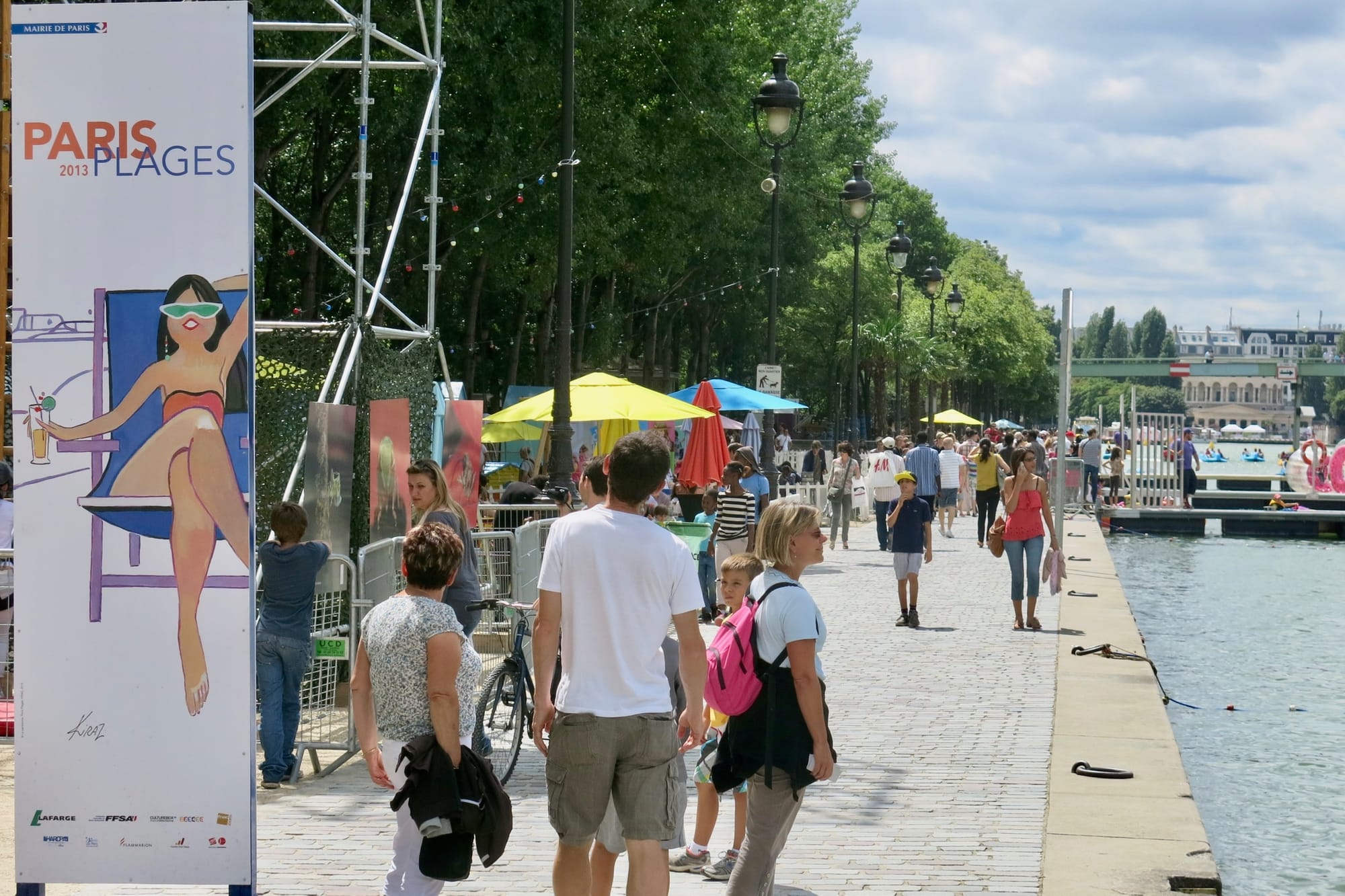
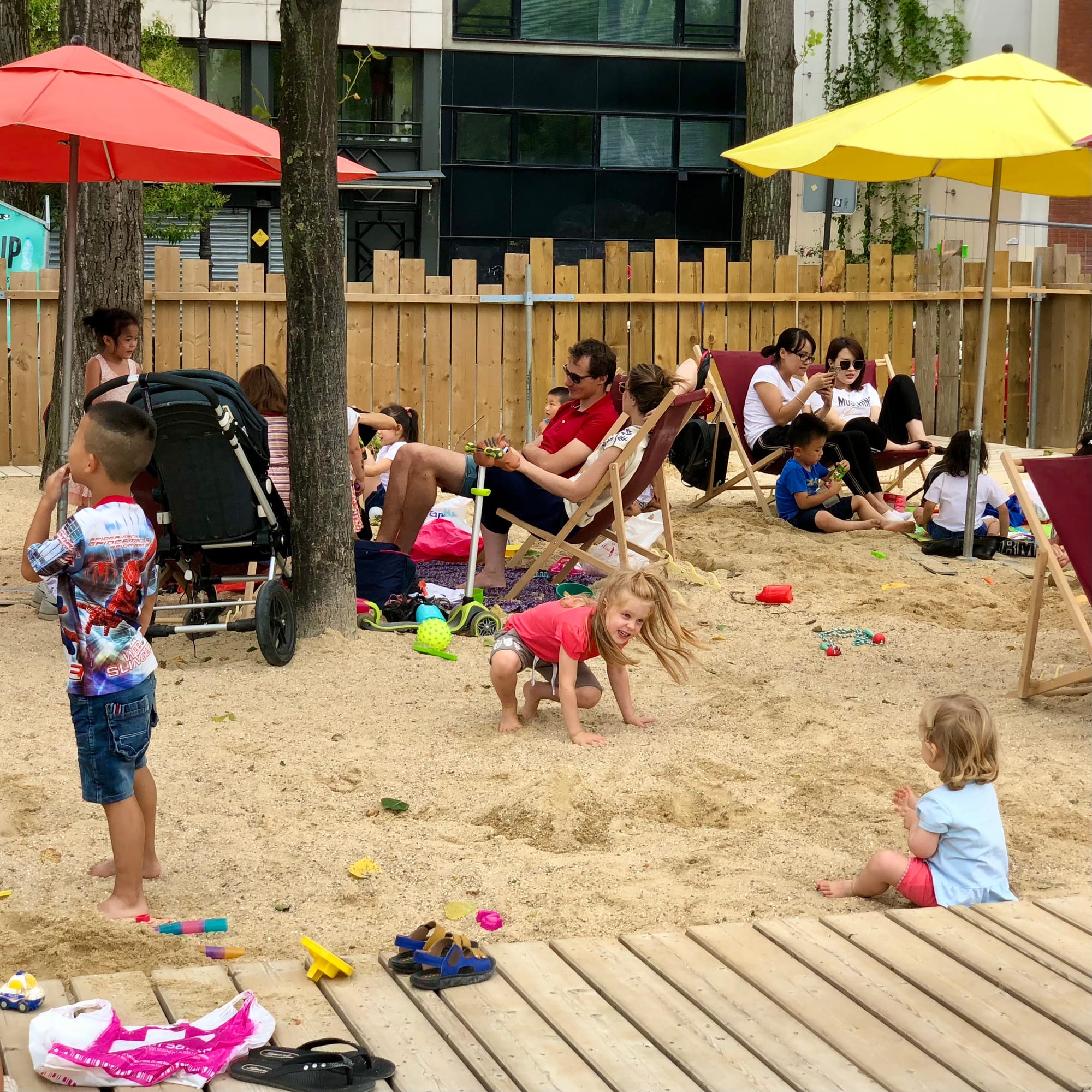
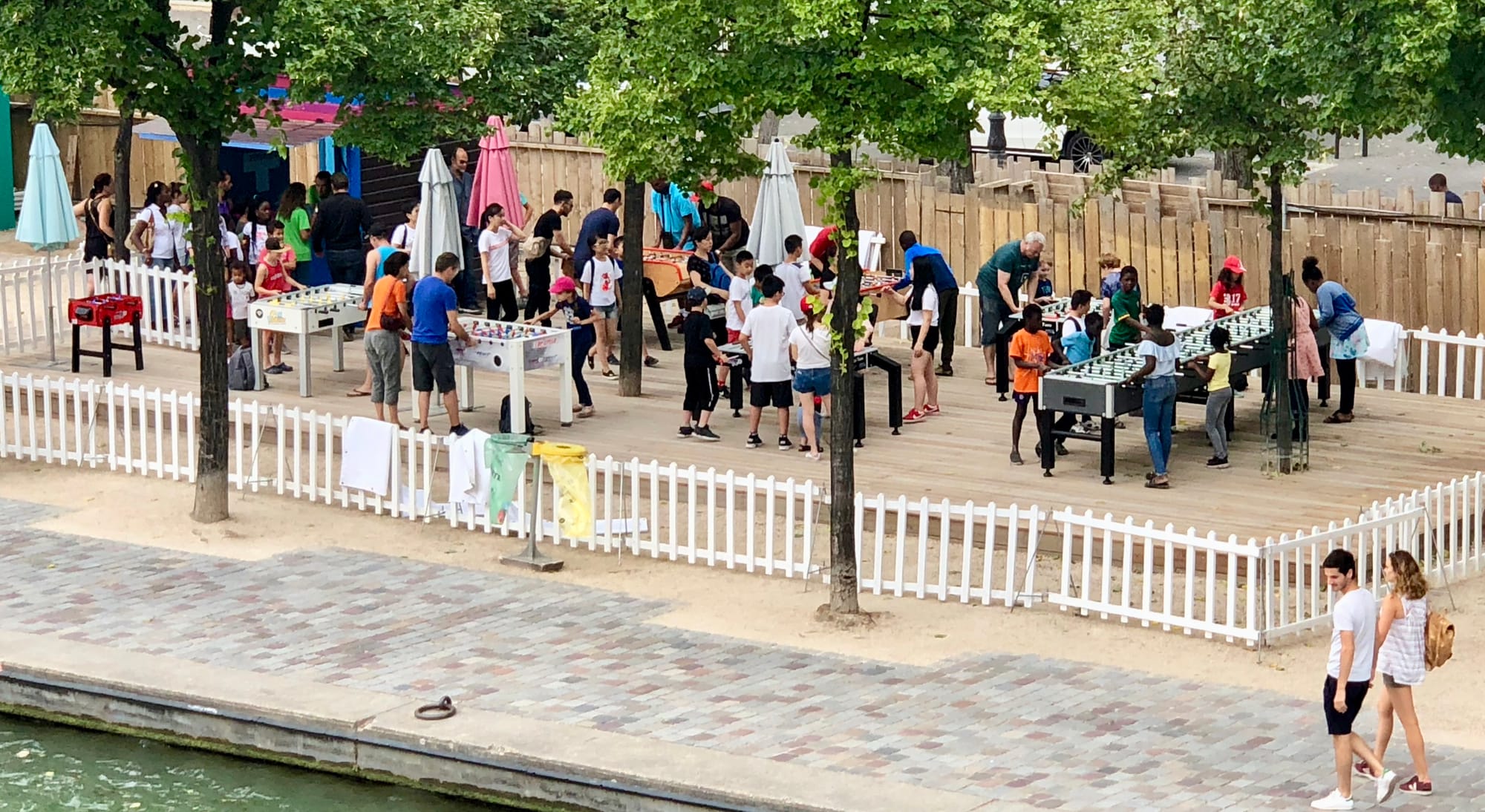
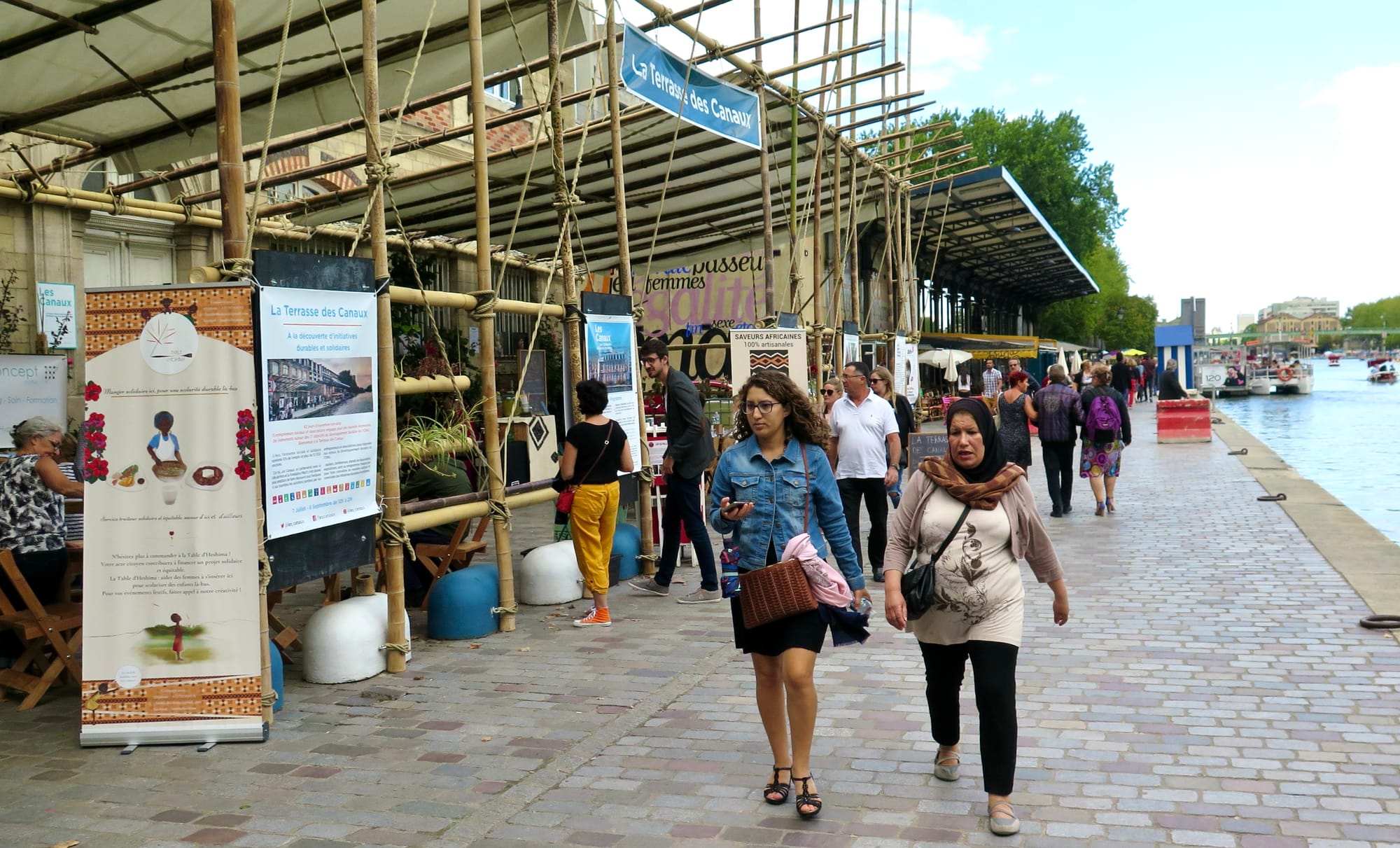
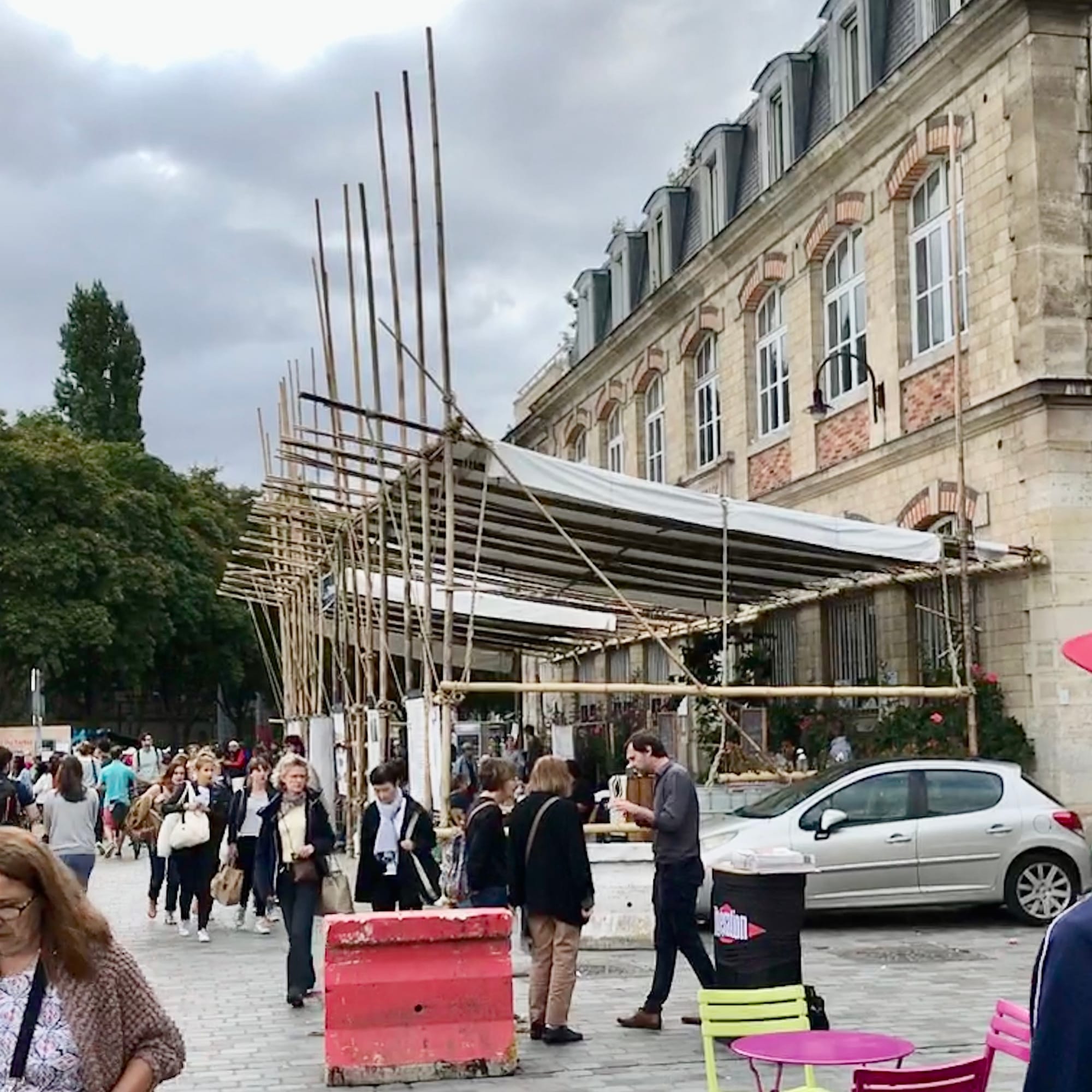
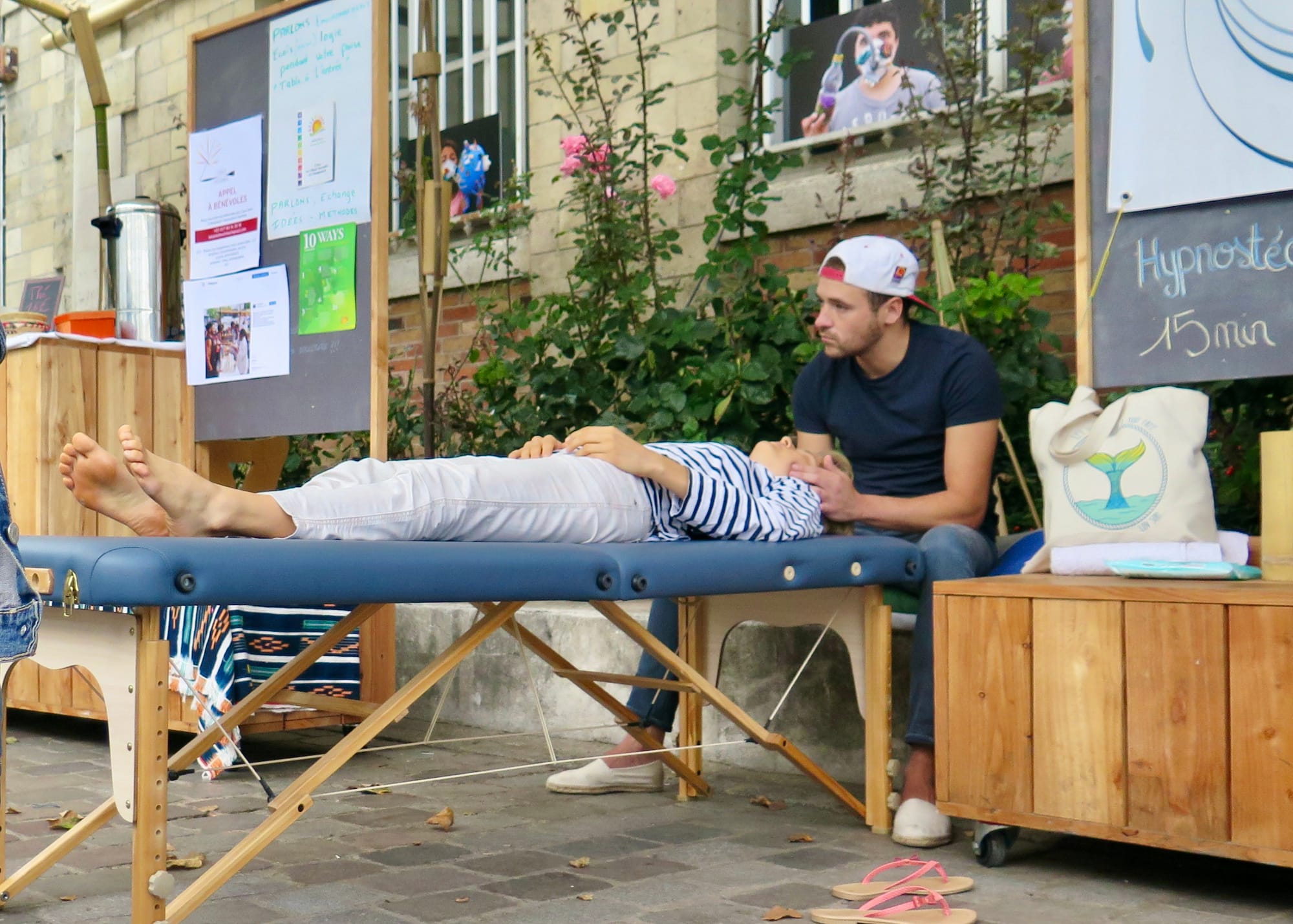
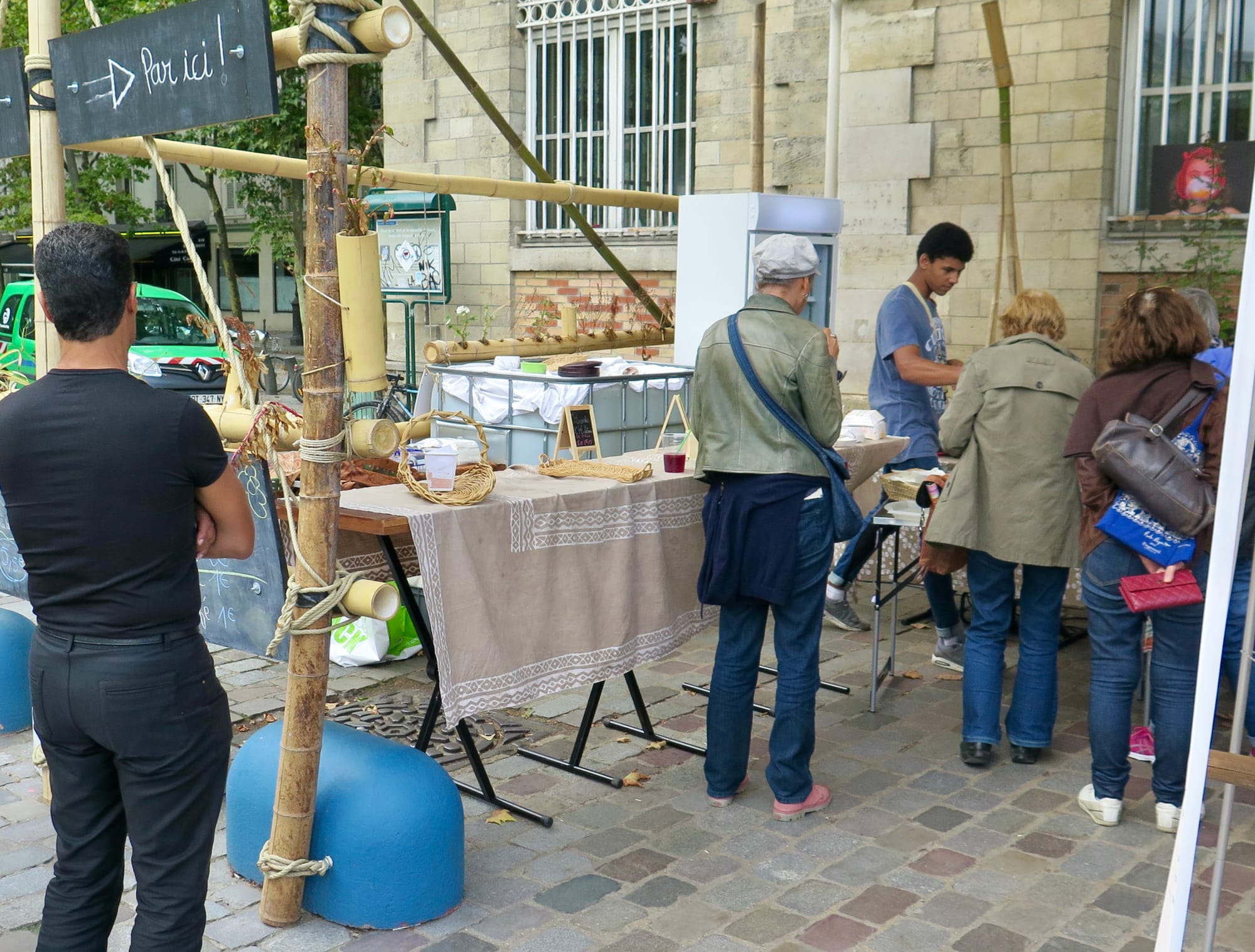
Diverse populations enjoy the space
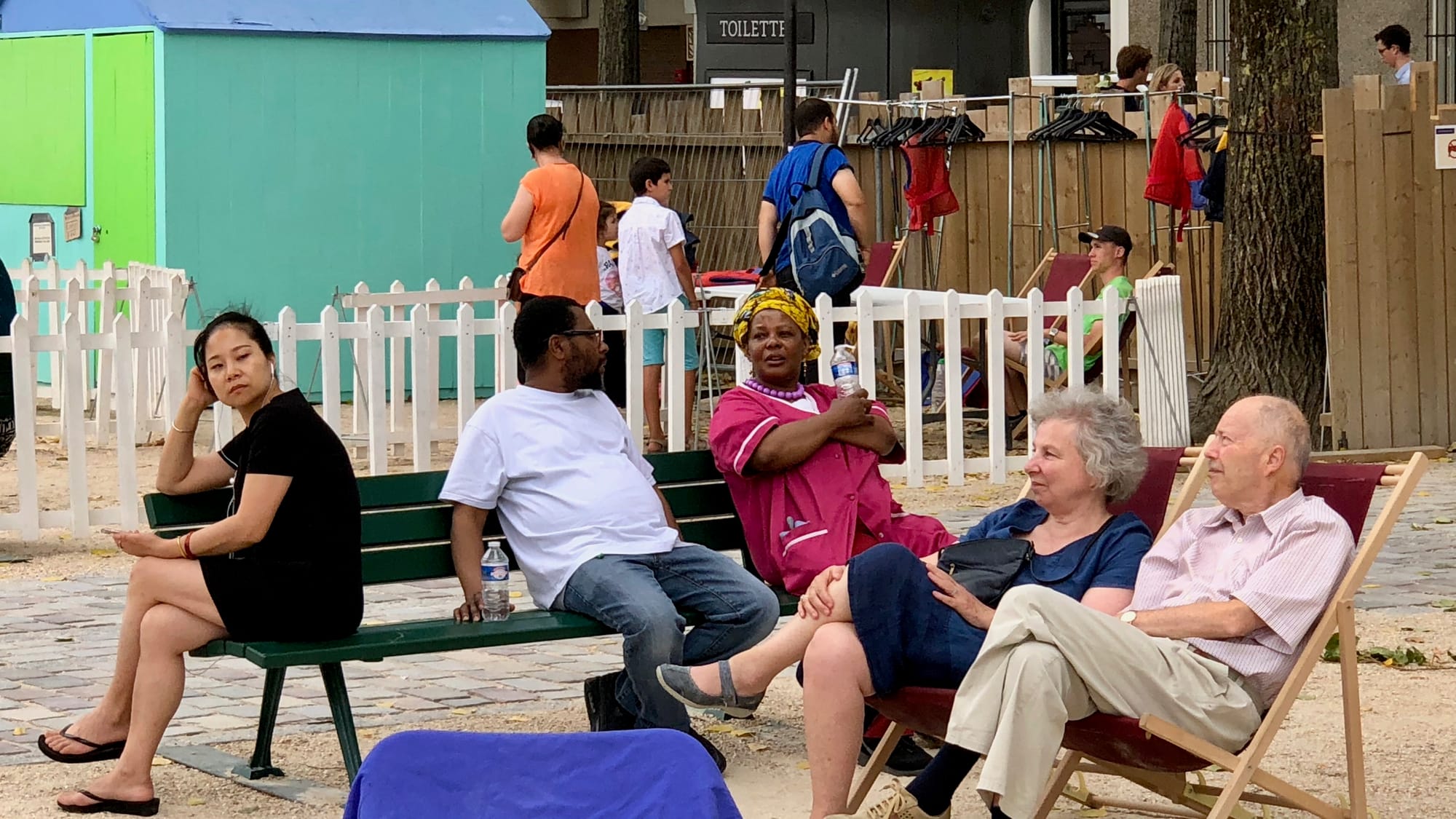
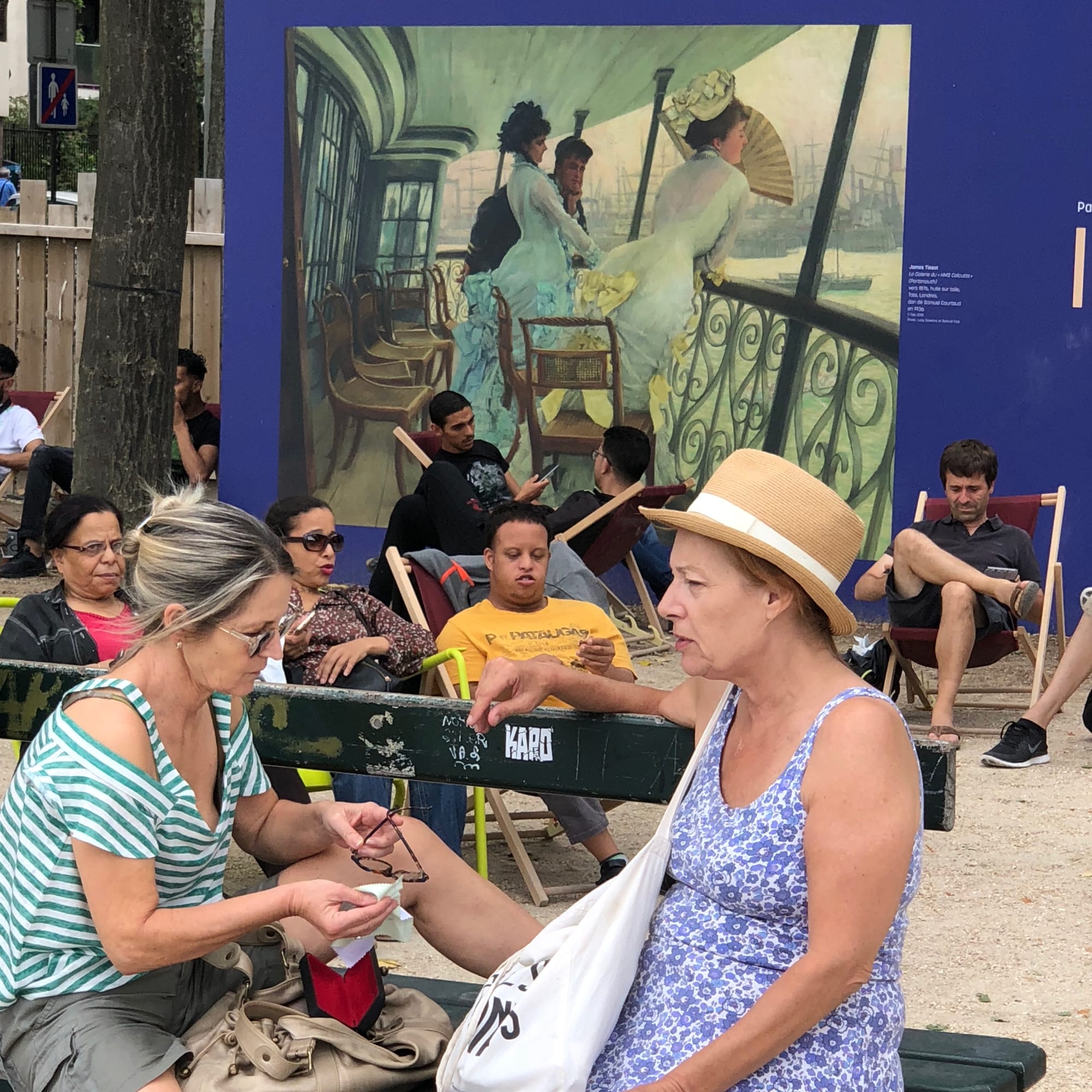
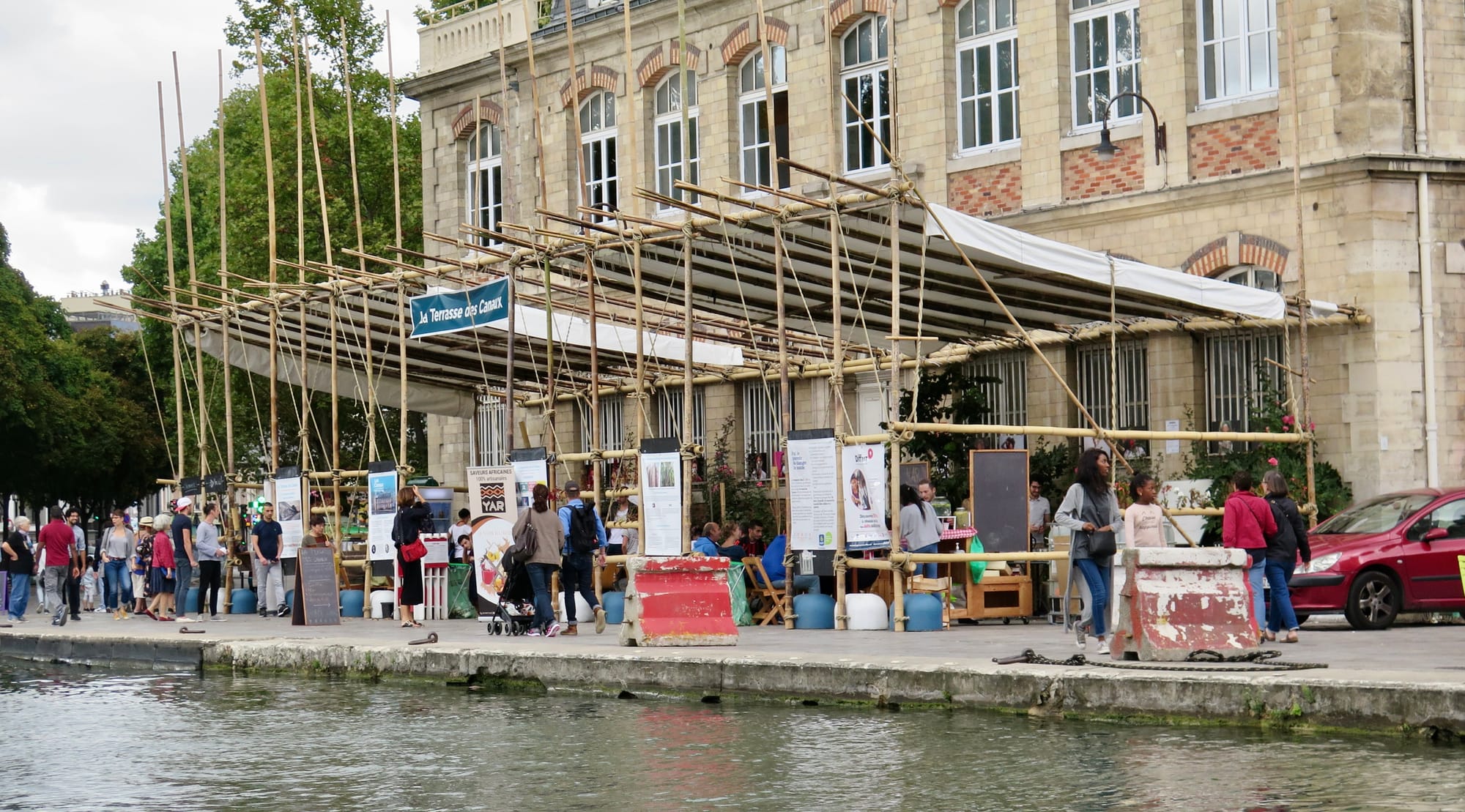
What Paris has is not uniquely Parisian; we can build this in Brooklyn.
Brooklyn can have a world-class waterfront, but first we must change the current BMT proposal. We are developing our Hall of Shame not out of animosity, but from a place of love for Brooklyn, for New York. Let's build a waterfront for all.
An Alternative Vision
Fred Kent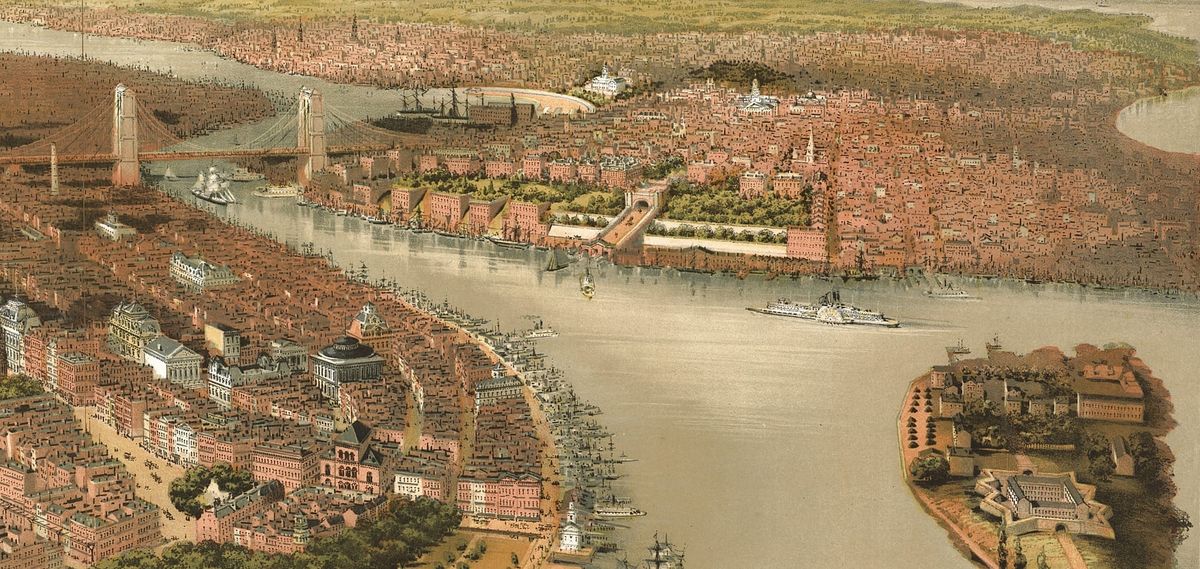
Benchmarks
 Fred Kent
 Fred Kent
 Fred Kent
 Fred Kent
Who We Are
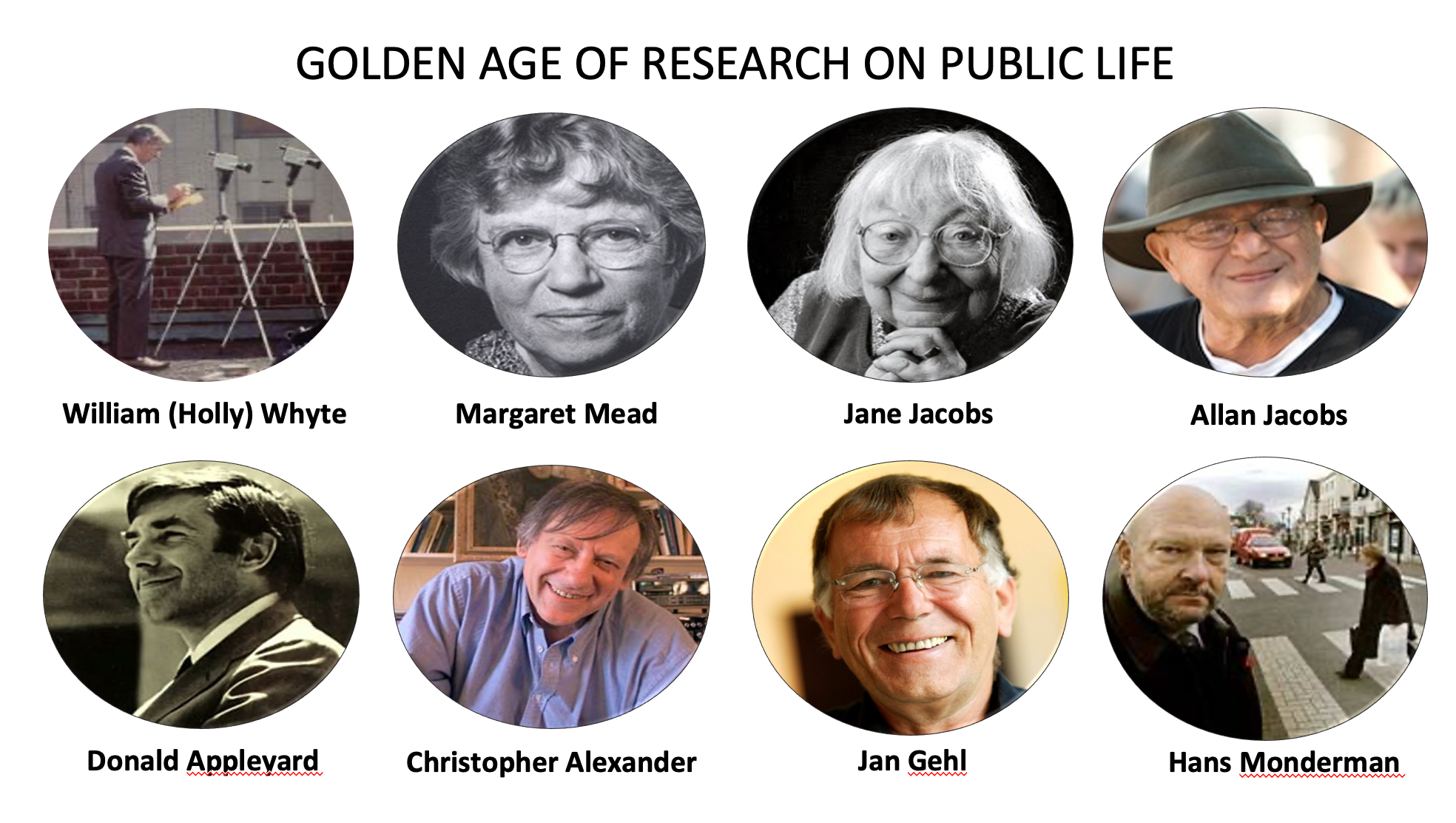
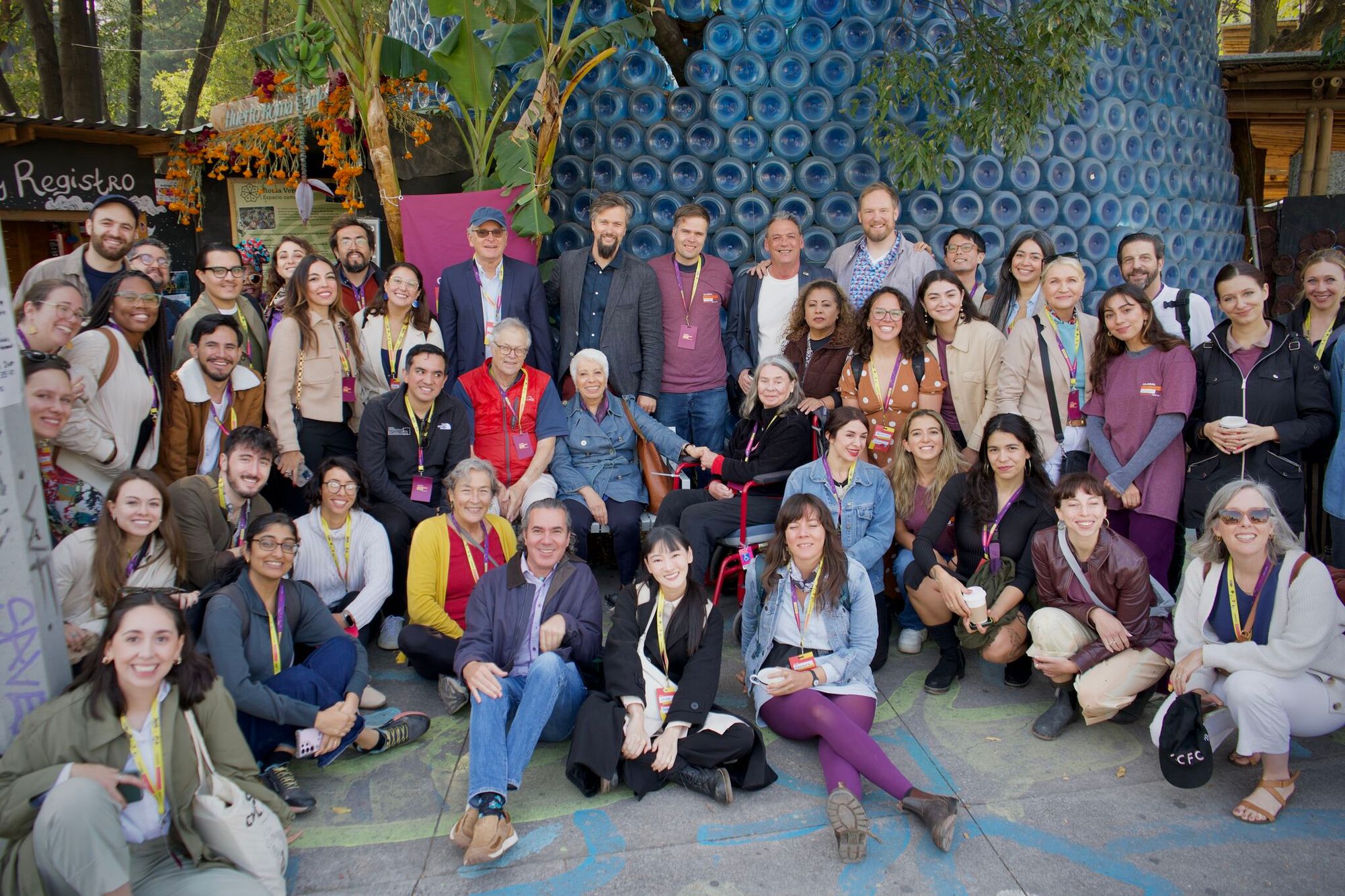
We are part of a growing group of community activists who have spent over 50 years building a global "Placemaking Movement" that is now in over 30 countries around the world.
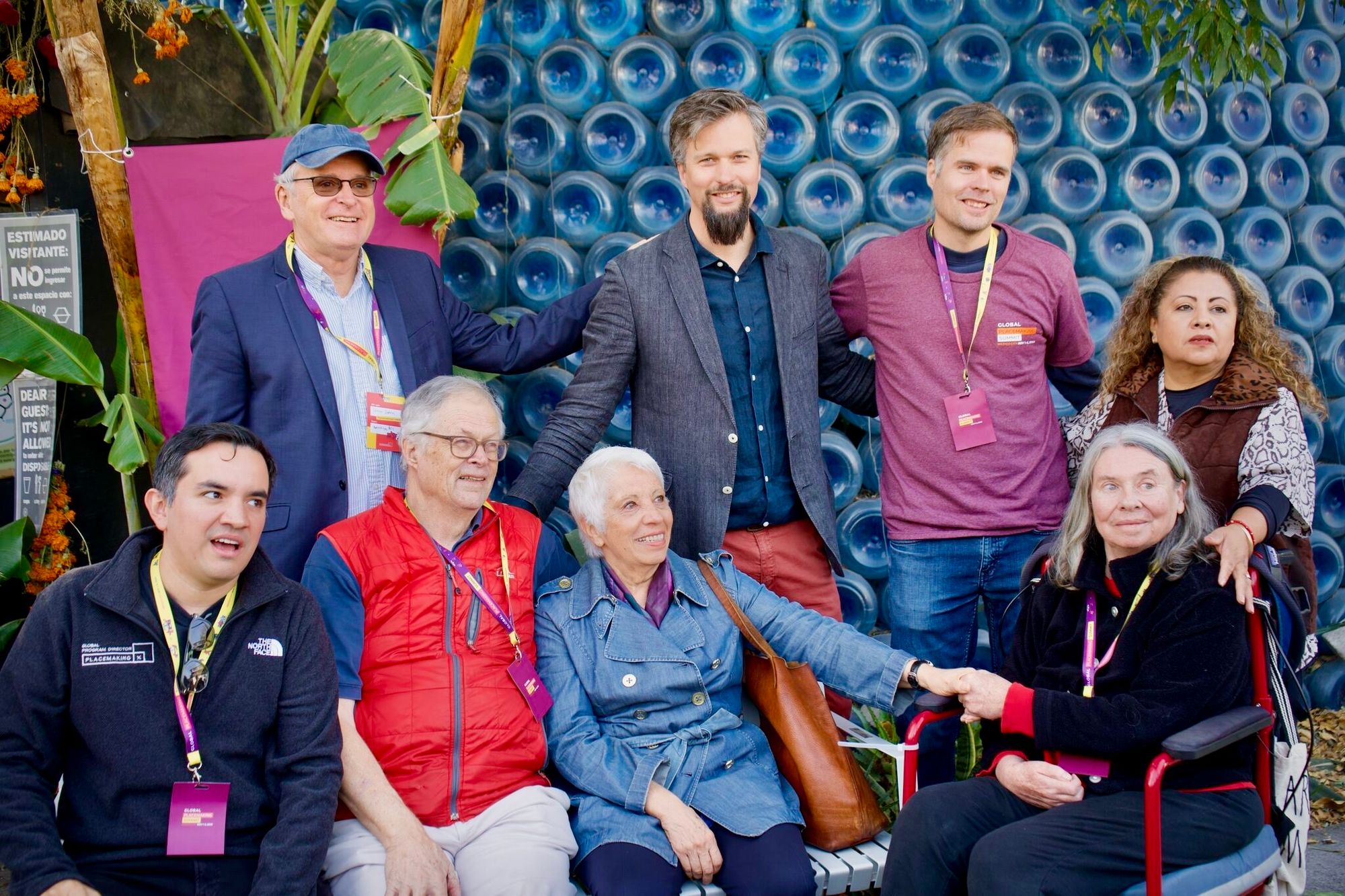
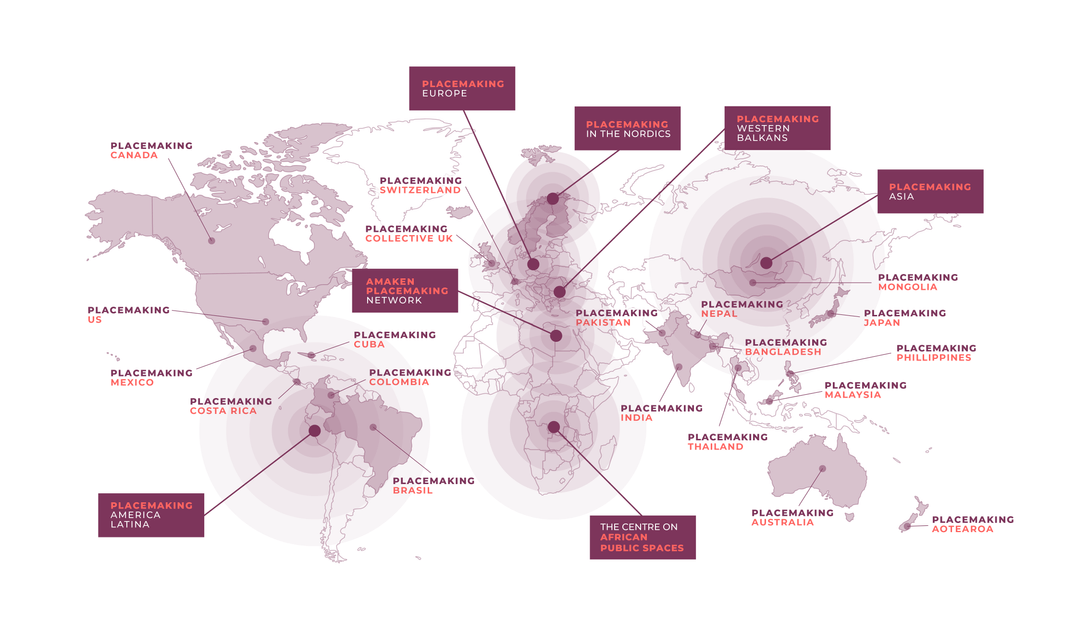
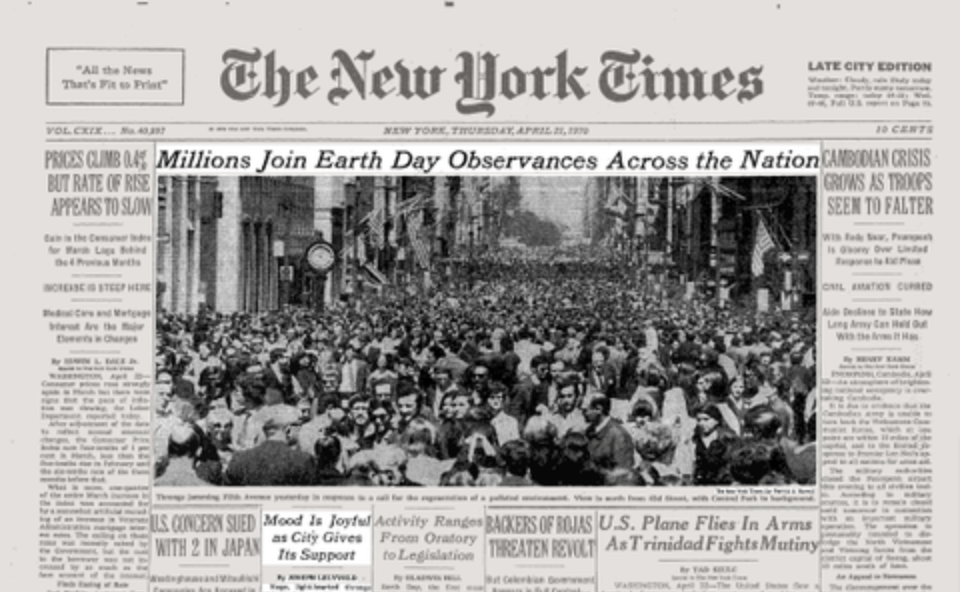
The birth of the "Placemaking Movement" was on Earth Day in April 1970