
The key to revitalizing cities starts with our most expansive public space – the sidewalks.
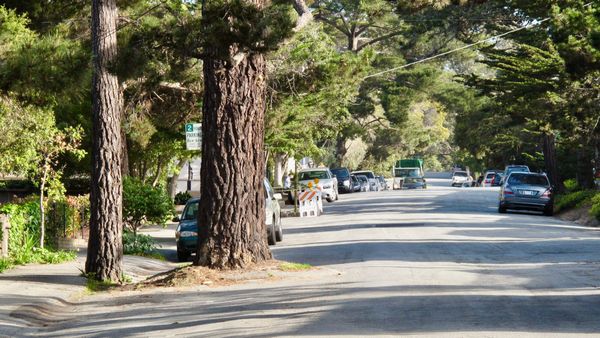
Most cities are dominated by streets and intersections that feel removed from city life – wide lanes, heavy traffic, and lots of asphalt. Sadly, the sidewalks are an afterthought. Unsurprisingly, they are empty.
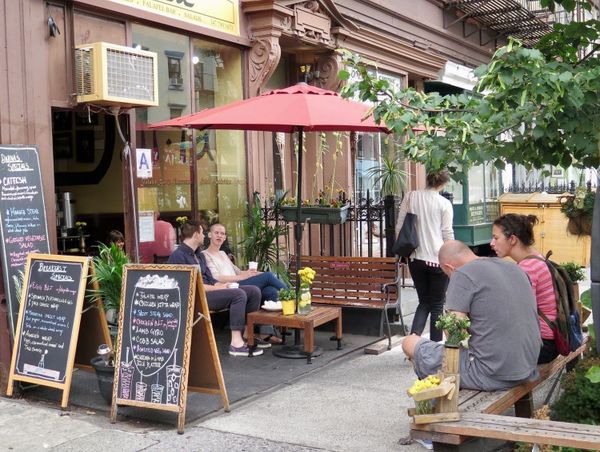
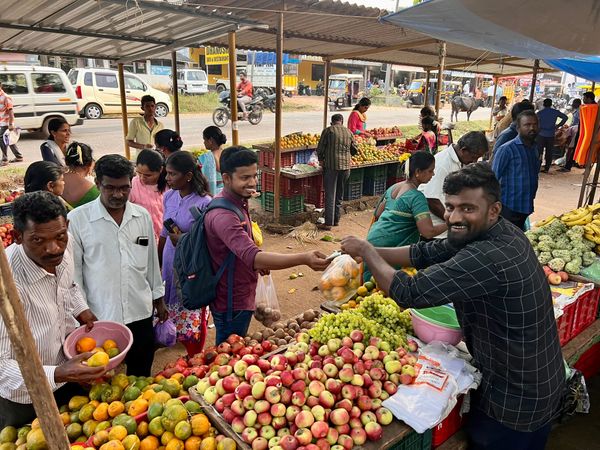
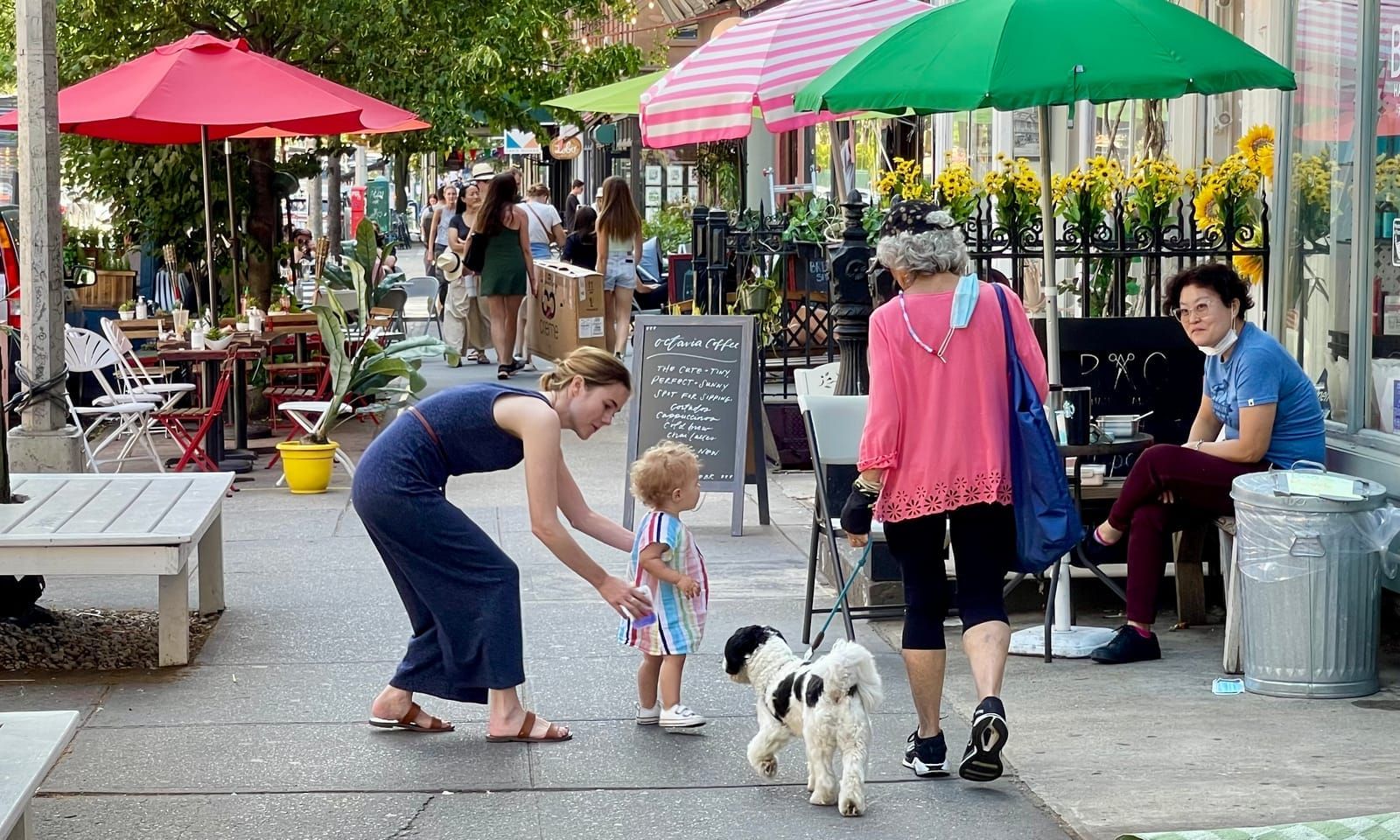
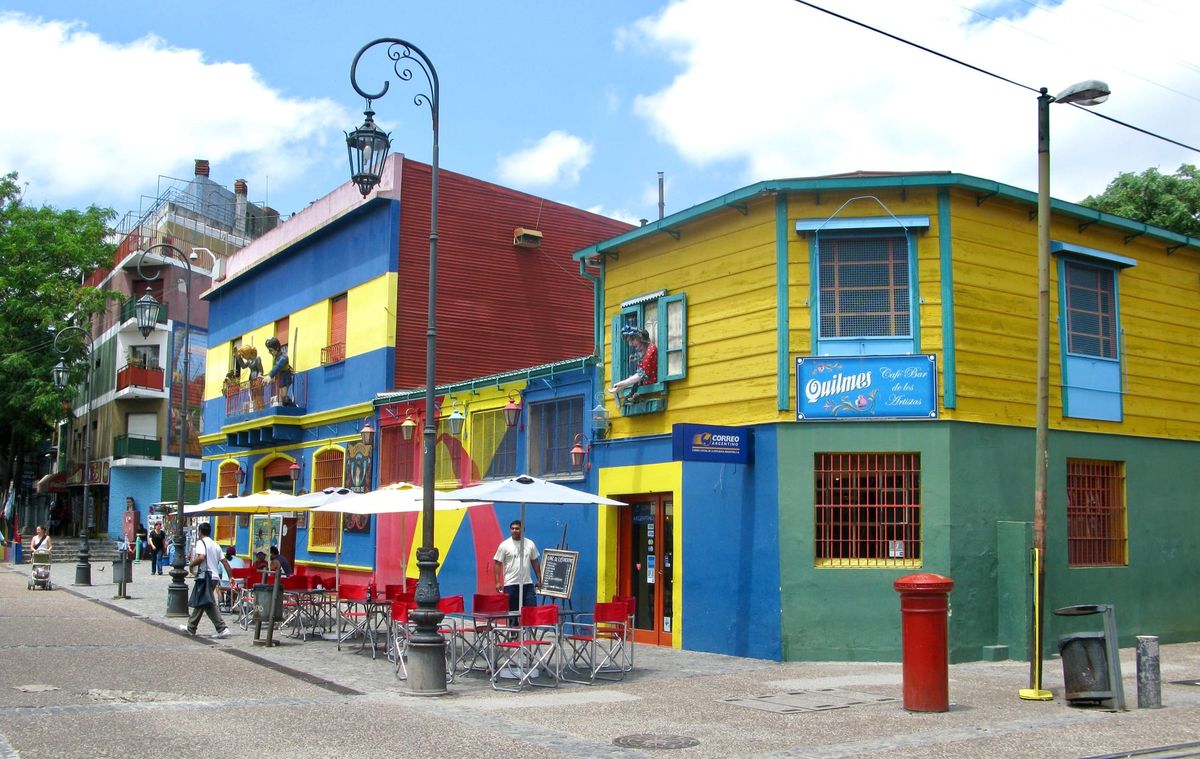
In our work and travels, we've noticed that one of the best tools for bringing people back onto the sidewalk is double loading. Double loading a sidewalk is when you put amenities or goods on both sides of the pedestrian walkway. This makes the walkway a "safe zone" away from traffic and filled with people and products on display. Double loading turns the pedestrian realm from an afterthought of the street's design into the main attraction. This changes the entire identity of the street.
The Bad vs. The Good
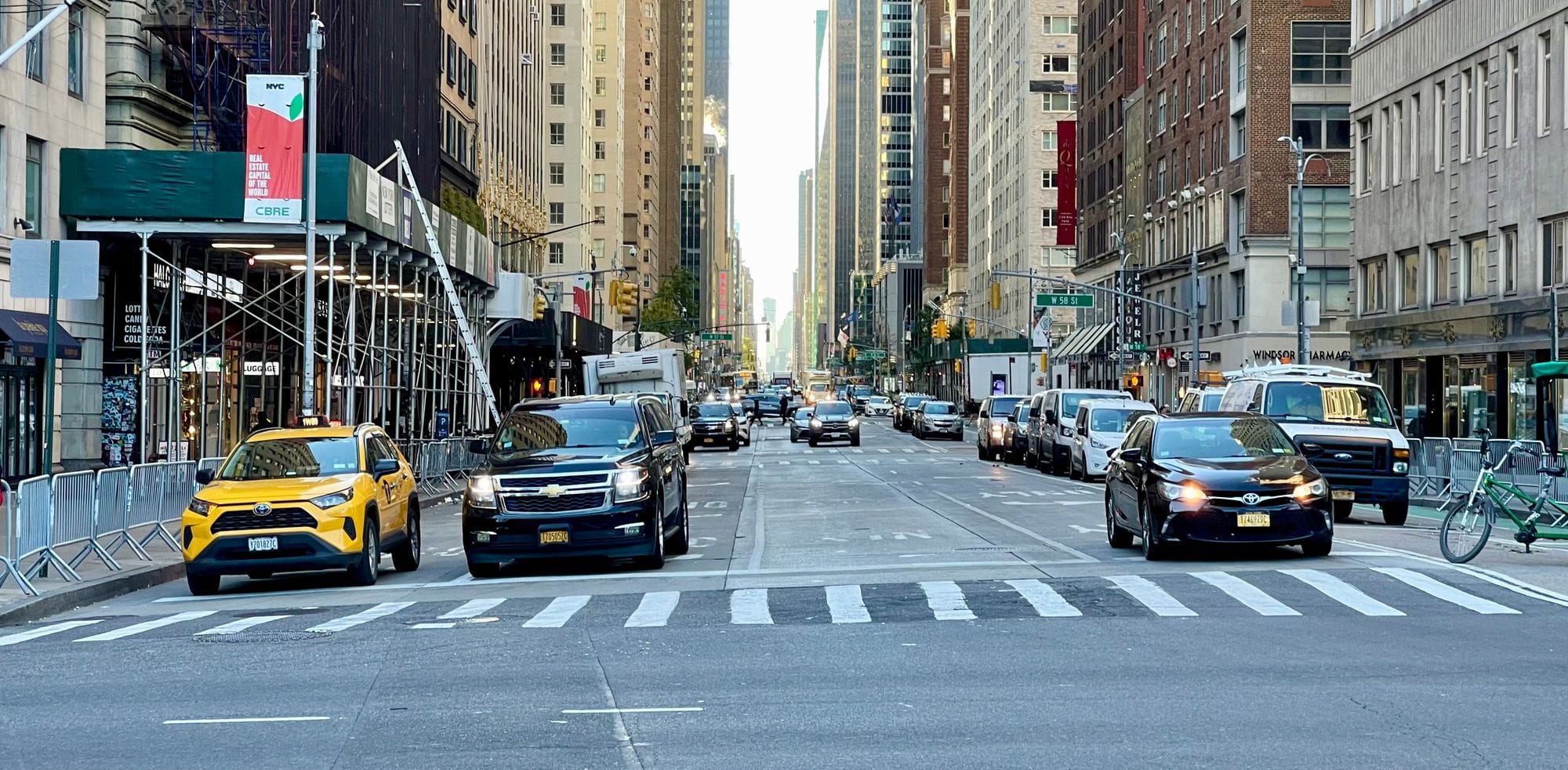
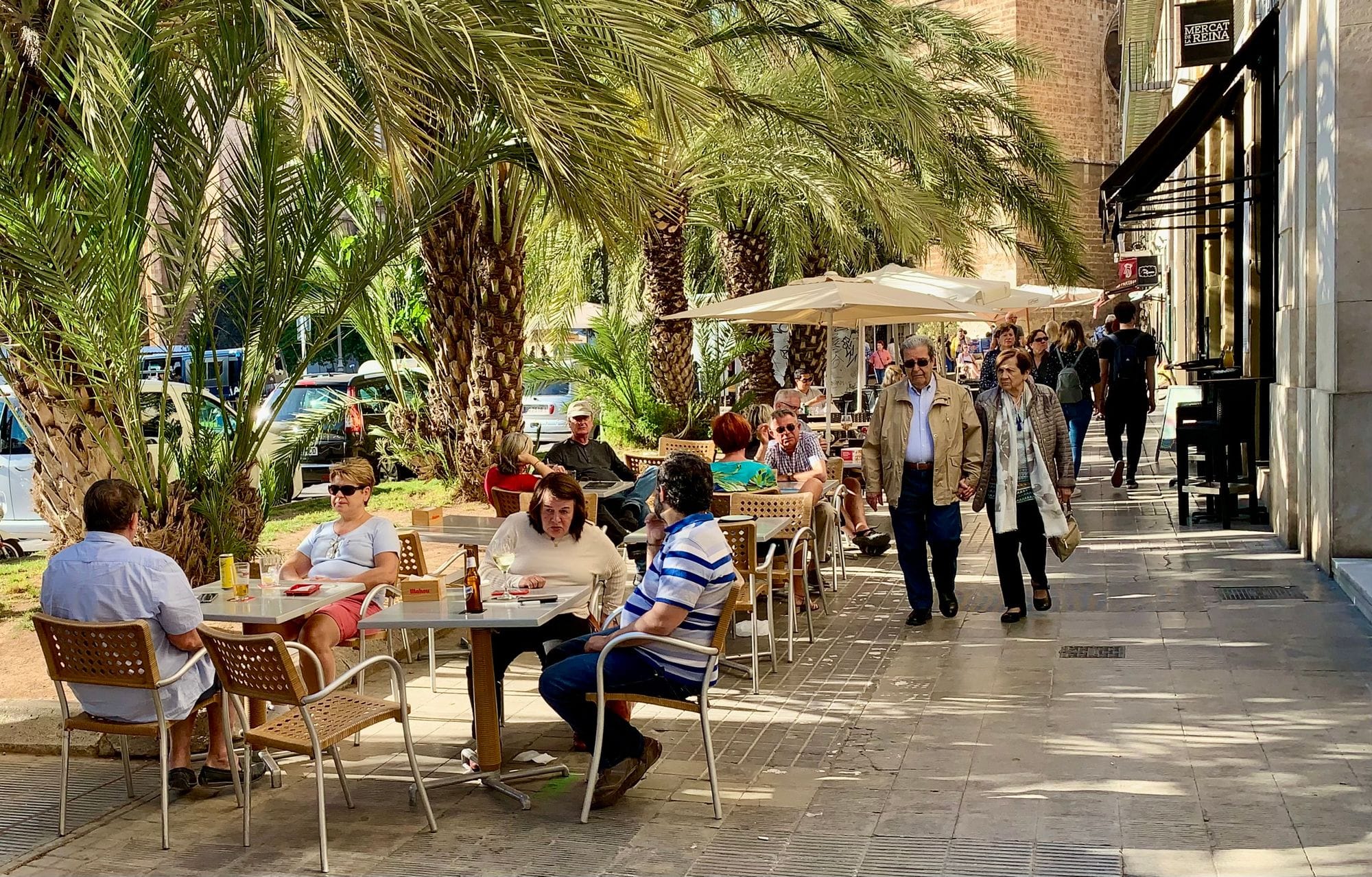
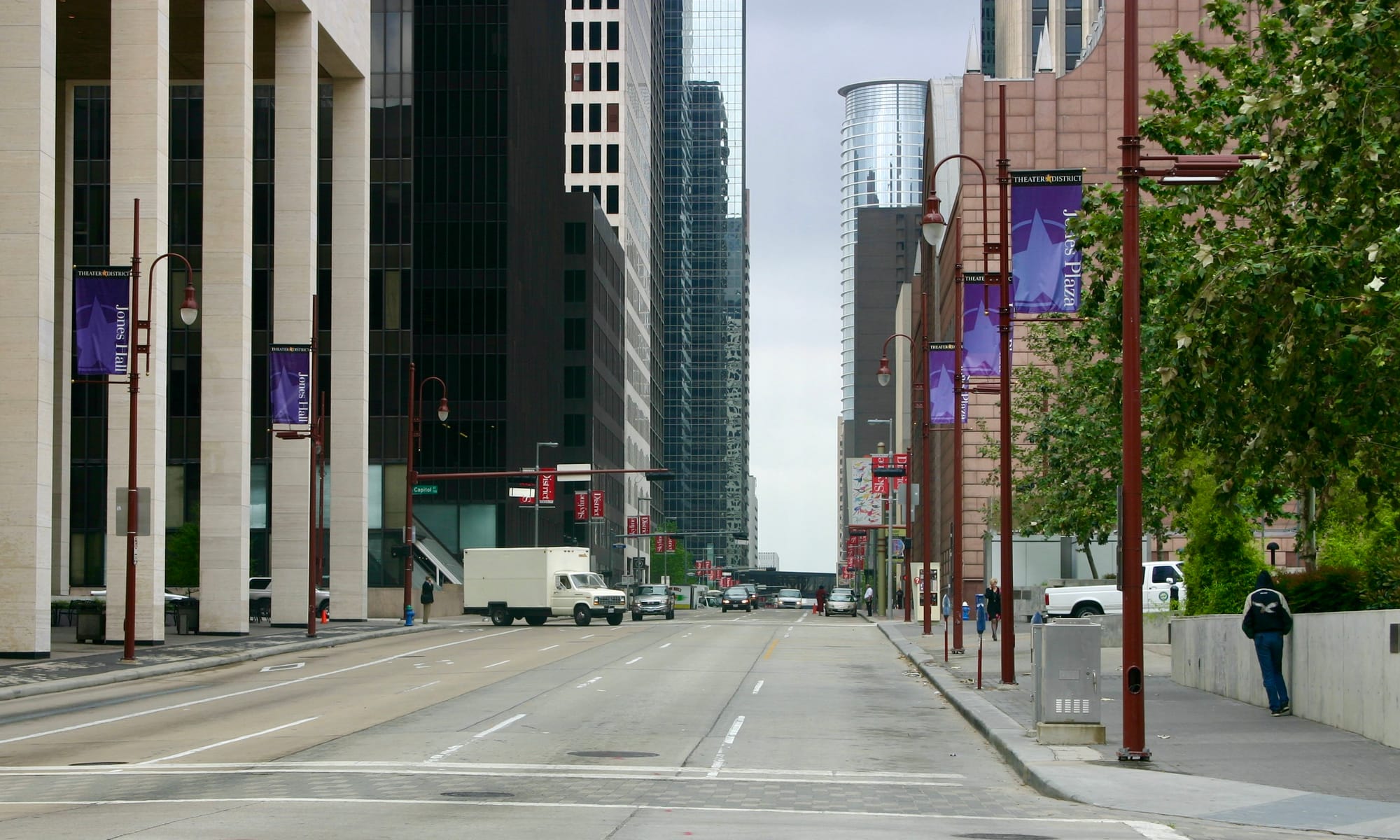
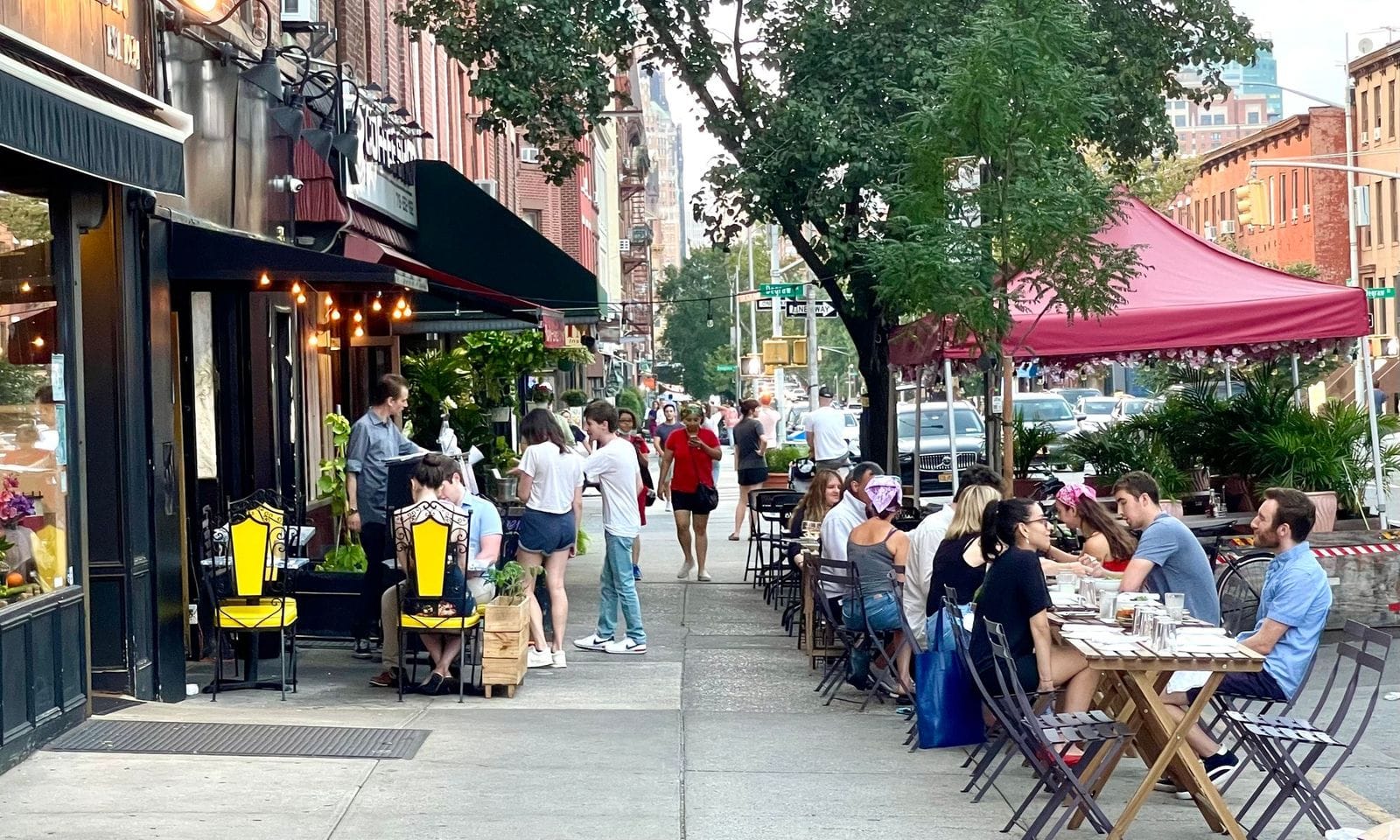
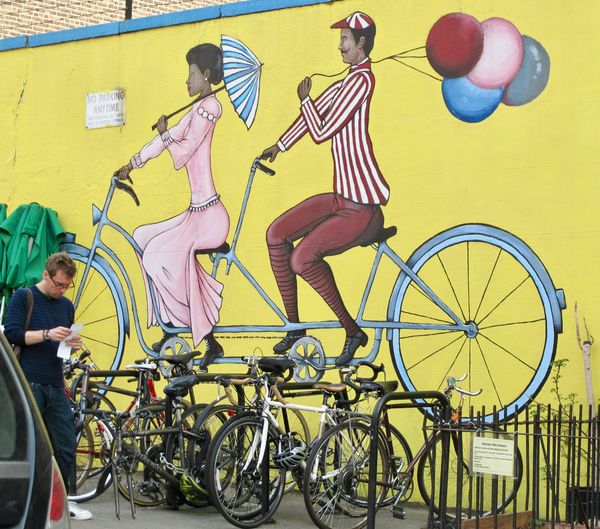
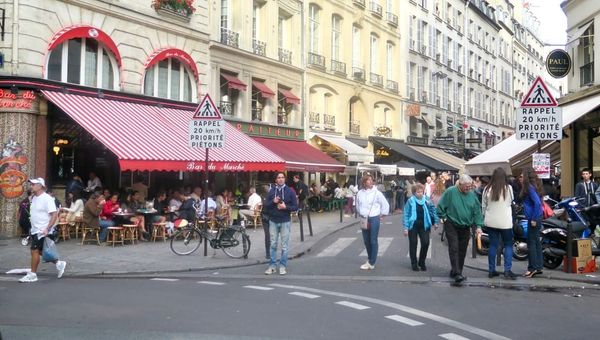
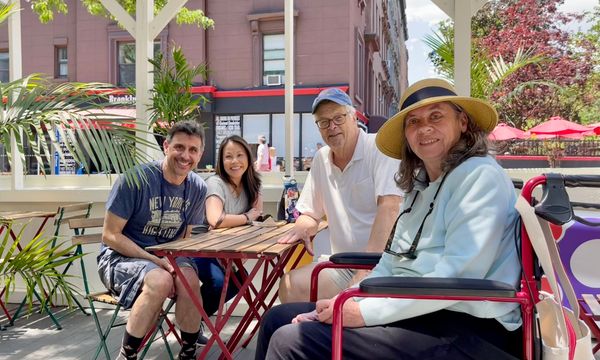
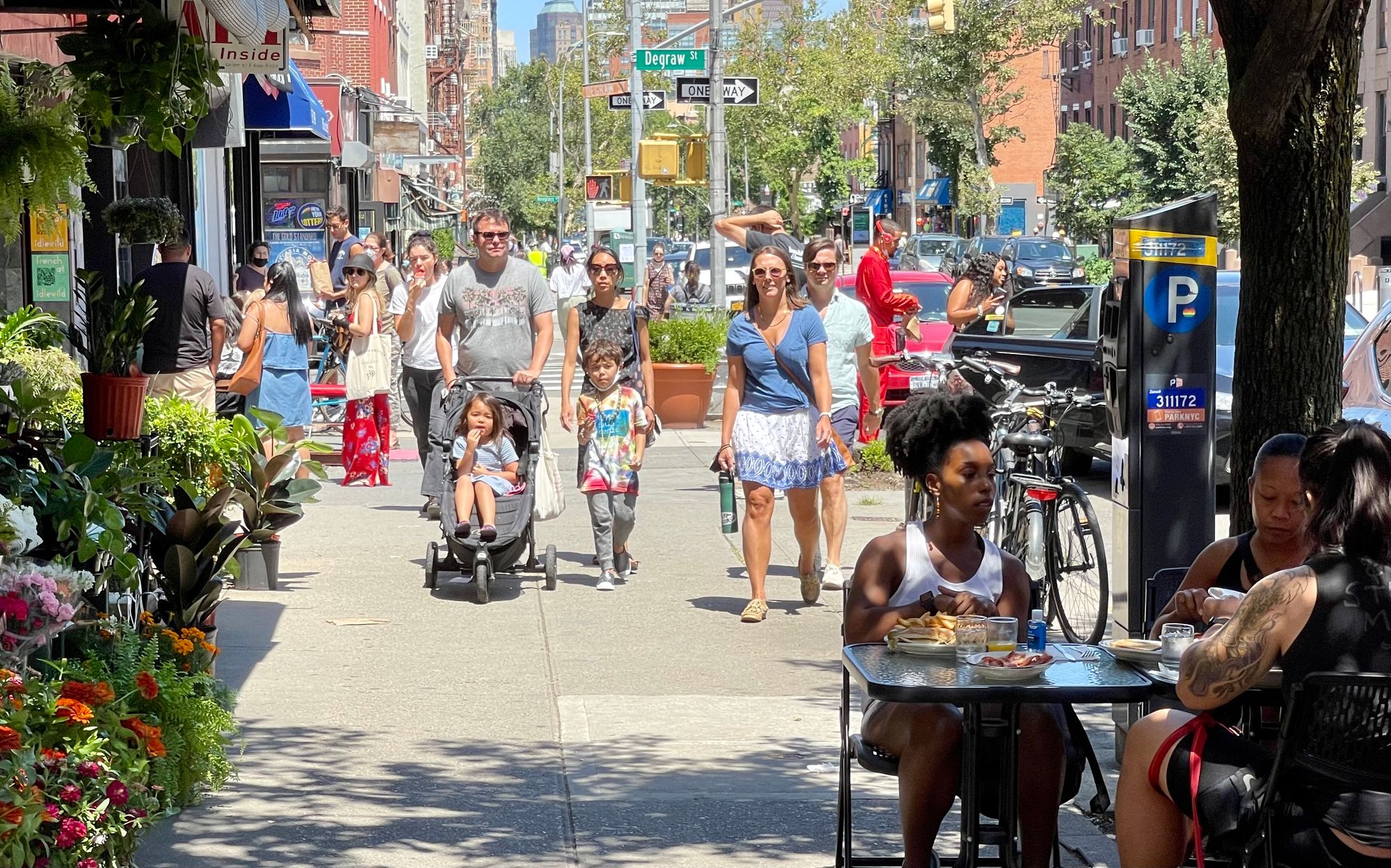
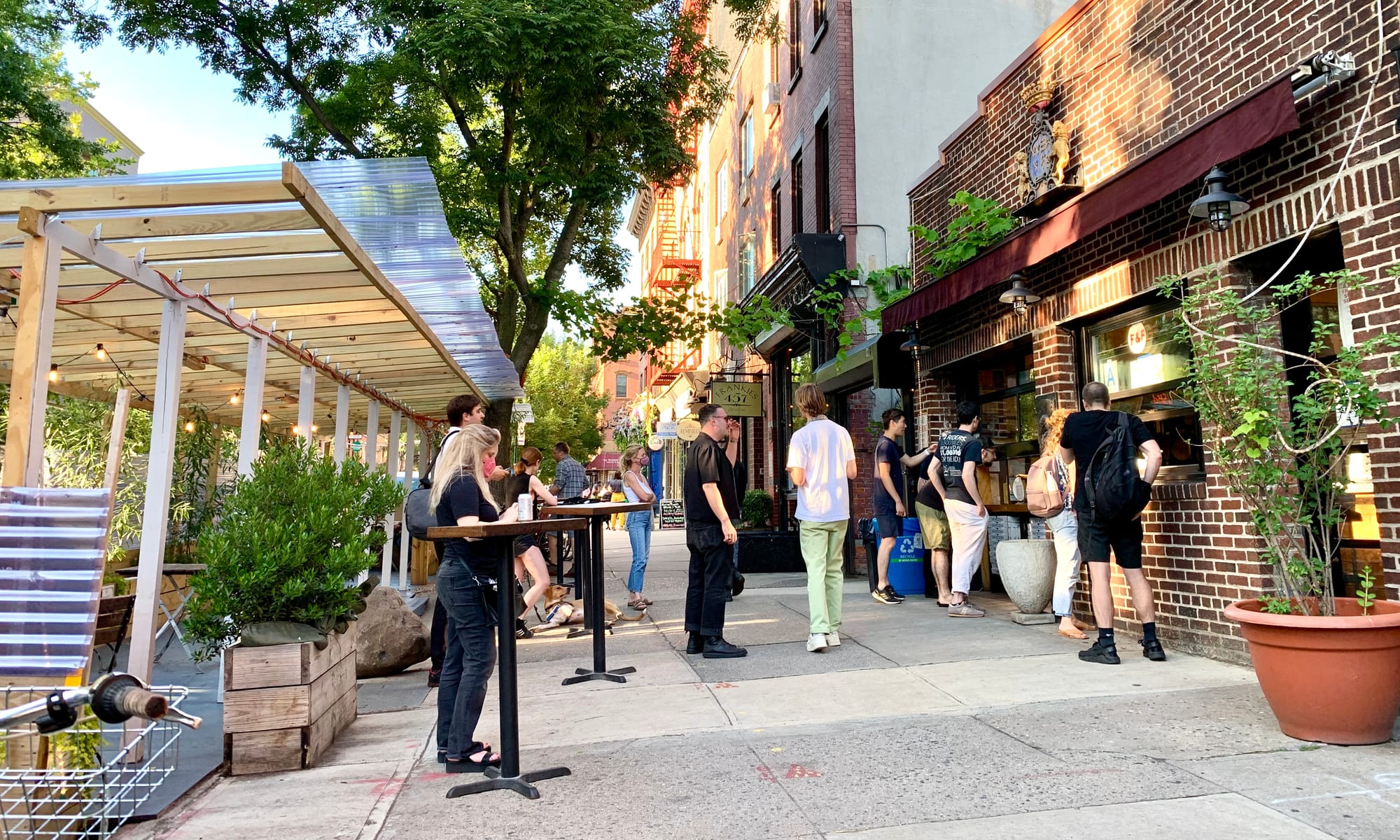
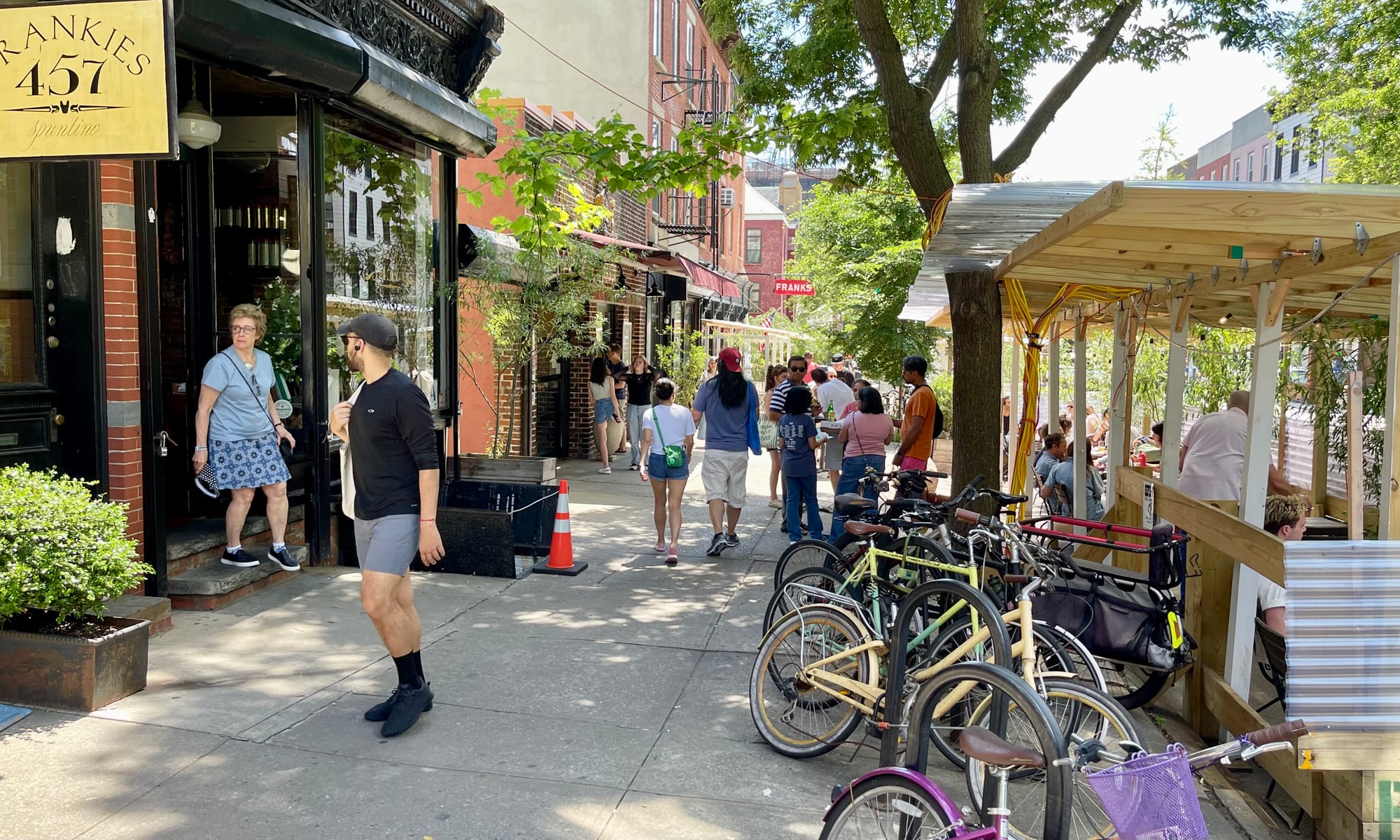
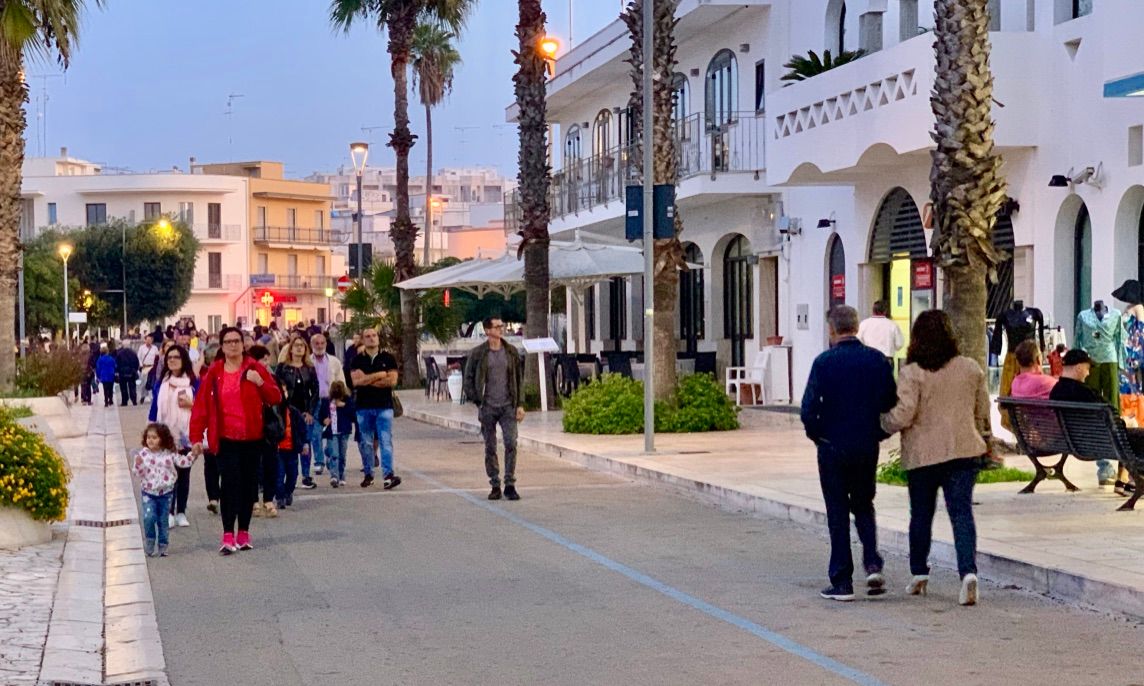
Two streets where sidewalks are an afterthought vs two where they're the main attraction.
Why Double Loading Works
People and products for all to see
"What attracts people most, it would appear, is other people," William H. Whyte said. By bringing people out onto the sidewalk through outdoor seating, we're using our mentor's advice to create socially vibrant gathering places. In the midst of an epidemic of loneliness, we desperately need more places like this. Sidewalks with double loading become places to sit and gather, rather than merely corridors for movement. Everywhere becomes a destination and endless local possibilities for connection open up.
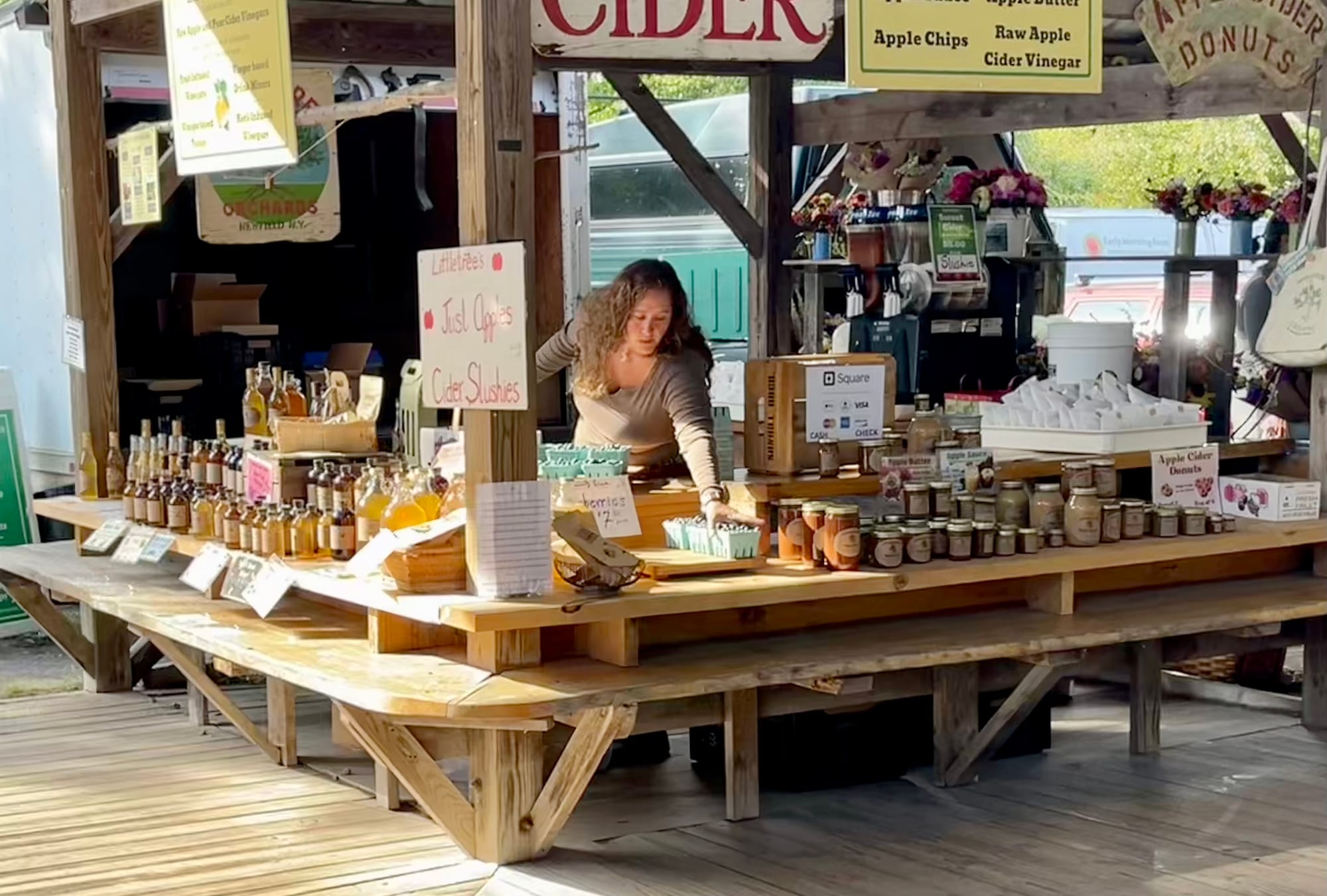
For businesses that focus on selling goods, outdoors displays are a good substitute for outdoor seating. Products like produce or flowers also help make sidewalks more stimulating for passers-by. These principles build on our idea of "inside out."
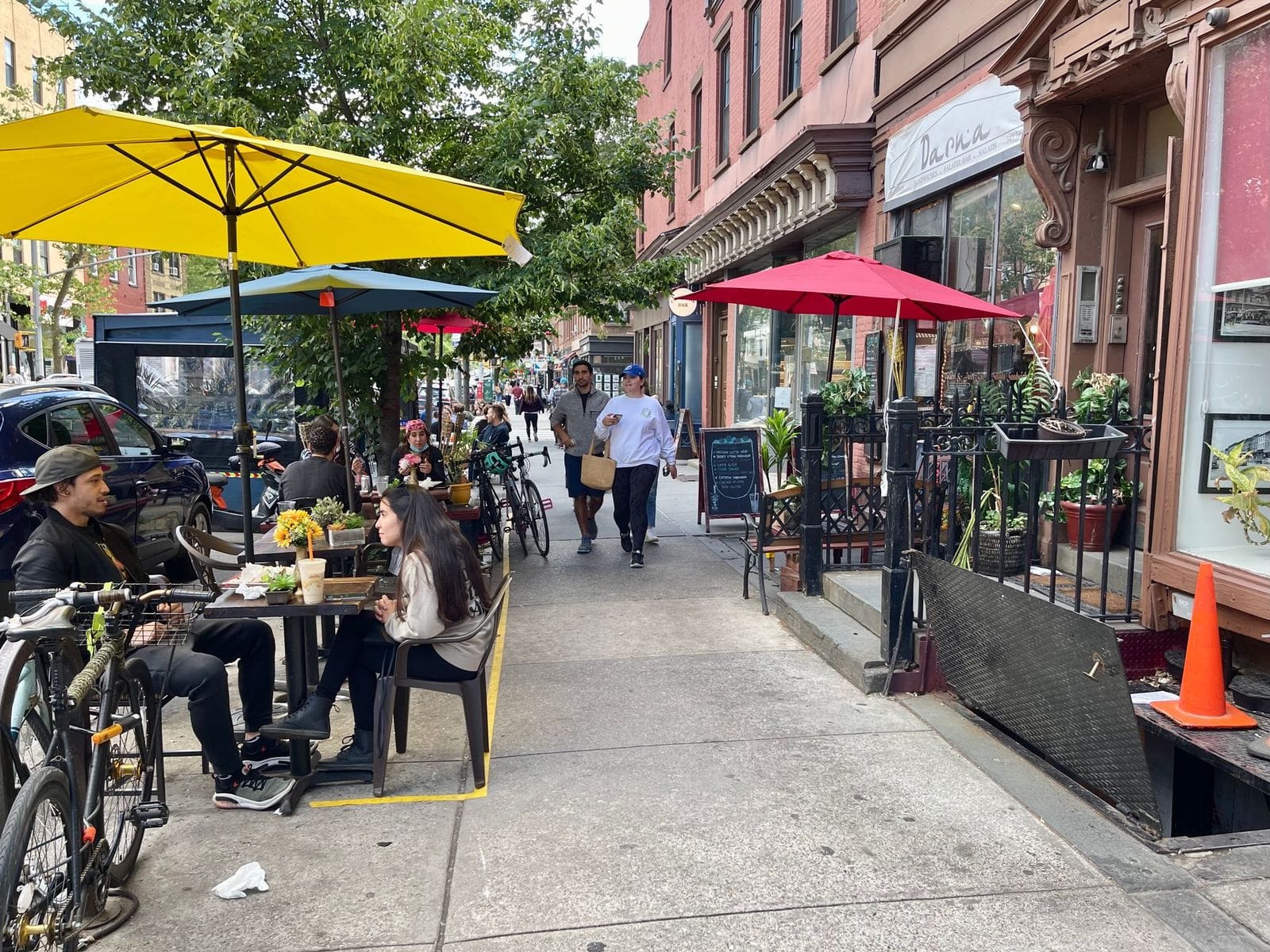
Enclosure
People love a sense of enclosure. It feels cozy, comfortable, safe, and relaxed. On a busy street, sidewalks that spill directly onto the street create the opposite experience. With the sounds and smells of traffic just feet away, such a sidewalk design leads to tension, discomfort, and stress. This is why most of our streets are not only unpleasant, but also anxiety-provoking to walk along. When a street is double loaded, the curb-side activation creates a barrier between pedestrians and the street, leading to that comfortable sense of enclosure.
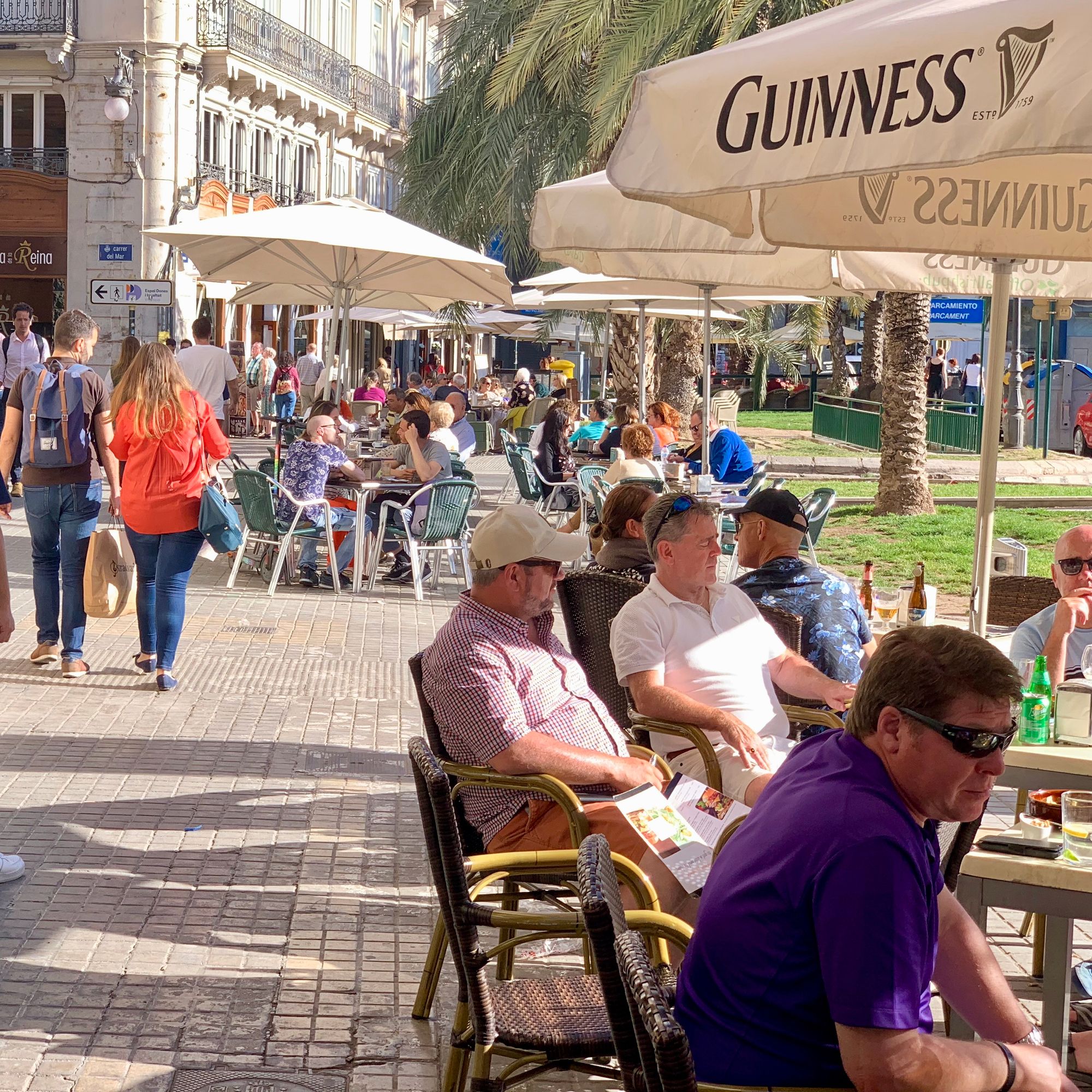
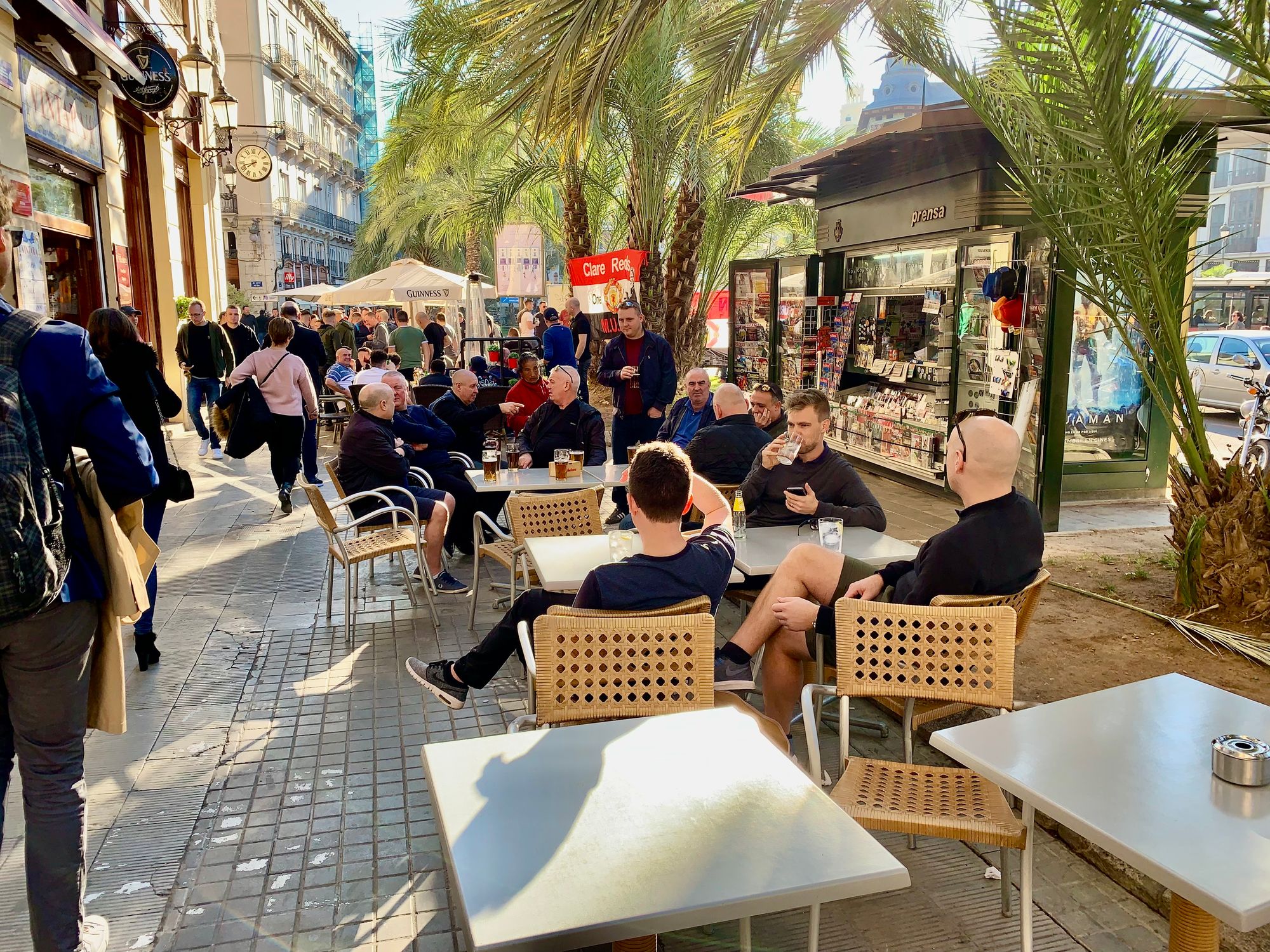
Children can roam free
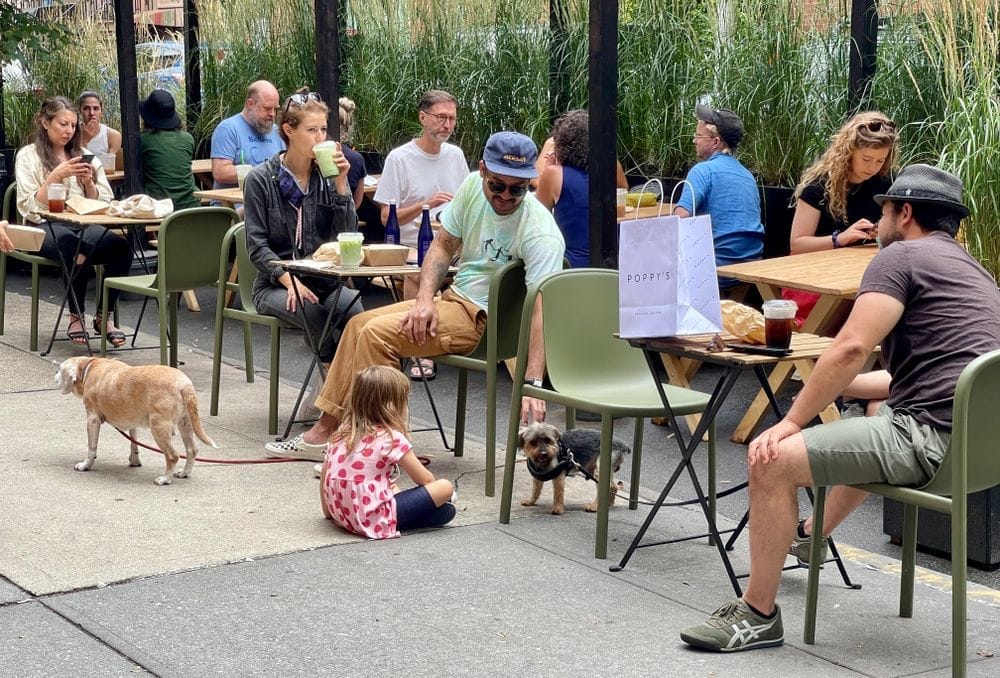
When there is a physical separation between the walkway and the dangers of the street, parents feel more comfortable letting their kids run and play. This opens the city up to them and allows them much-needed independence.
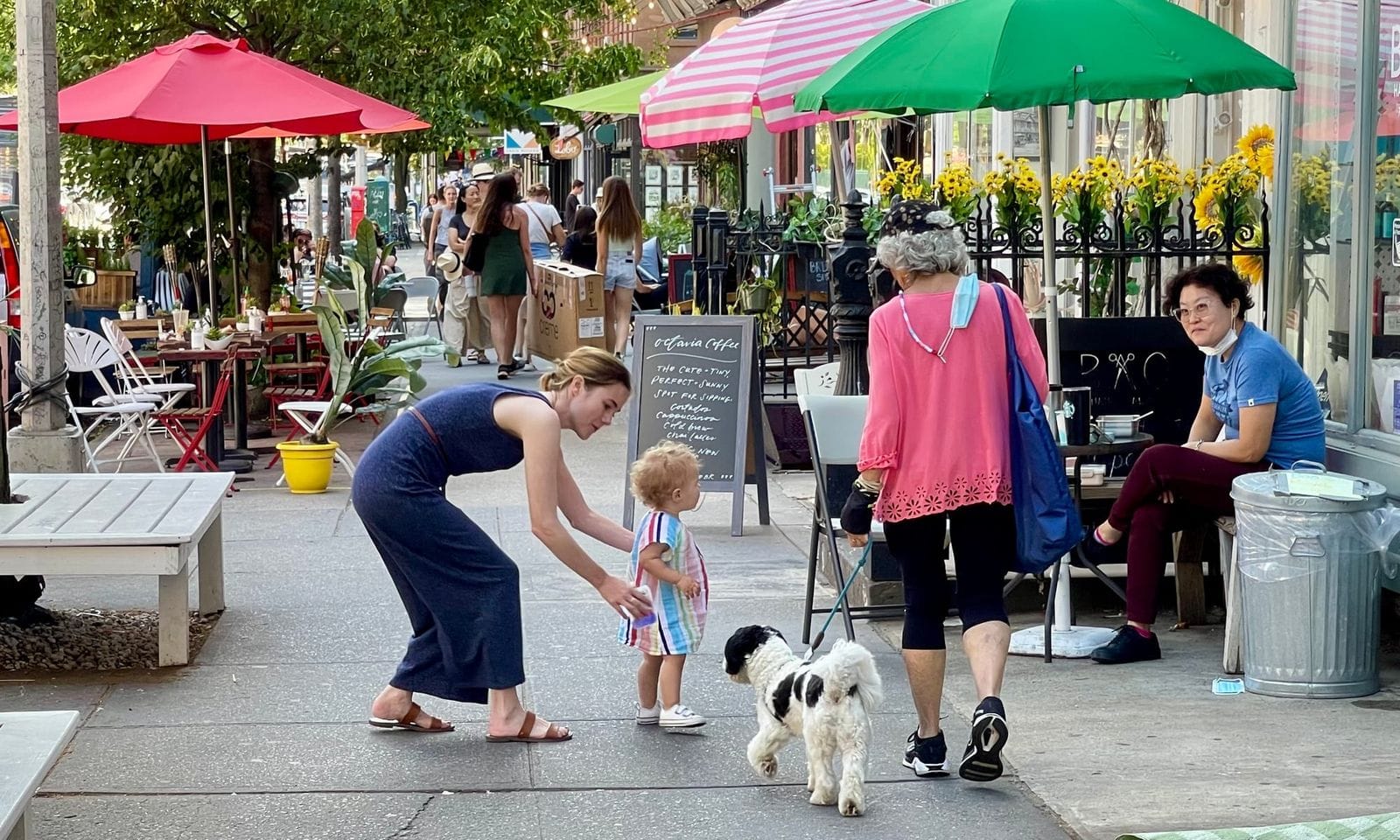
Better for business
With double loading, businesses are no longer relegated to the inside of a building. They can "wrap around" potential customers by having a presence on both sides of foot traffic, increasing the chances of people engaging with their goods. The whole display surrounds and invites passers-by to linger: People turn to the left and see a storefront, then turn to the right and see seating or products in kiosks. The chances of them stopping for a look at a business's offerings are greatly increased.
The Different Kinds of Double Loading
Typical sidewalks
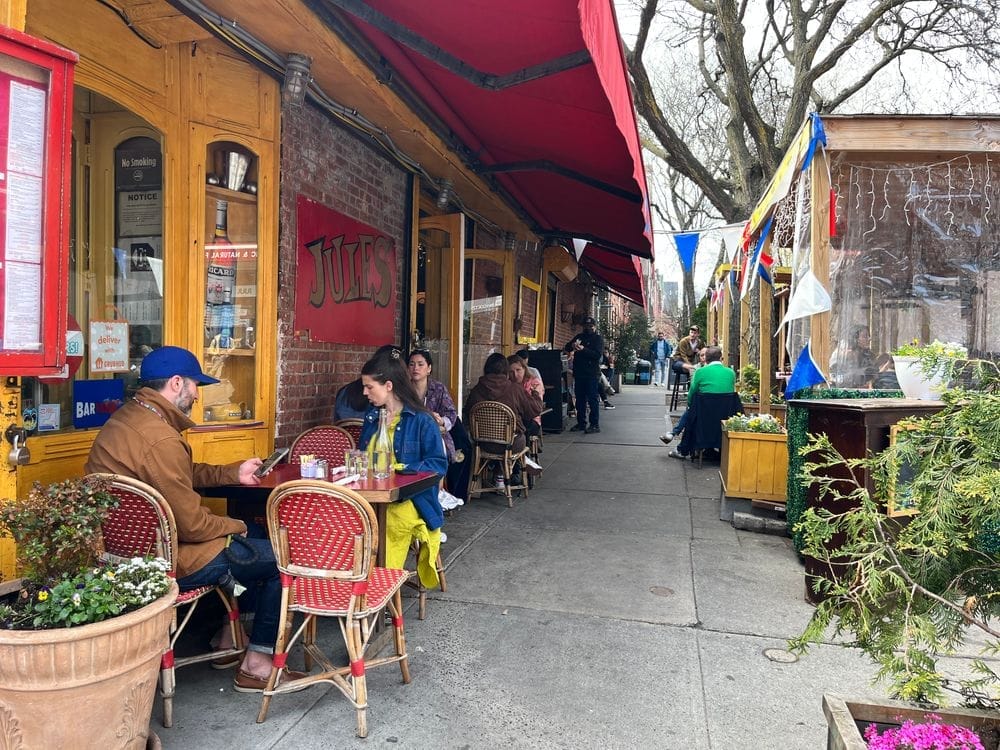
On your typical sidewalk, double loading is best accomplished when seating is placed in the street parking lane, paired with activations on the building side. This activation of the curb expands the pedestrian realm, giving people space to both walk and relax on the sidewalk.
Below you see how a double loaded sidewalk where the curb side activations are still on the sidewalk can feel a little cramped, although it is still enjoyable. Building on the street gives people more space. It takes space from cars and returns it to public life, reversing what car-centrism has done to our cities.
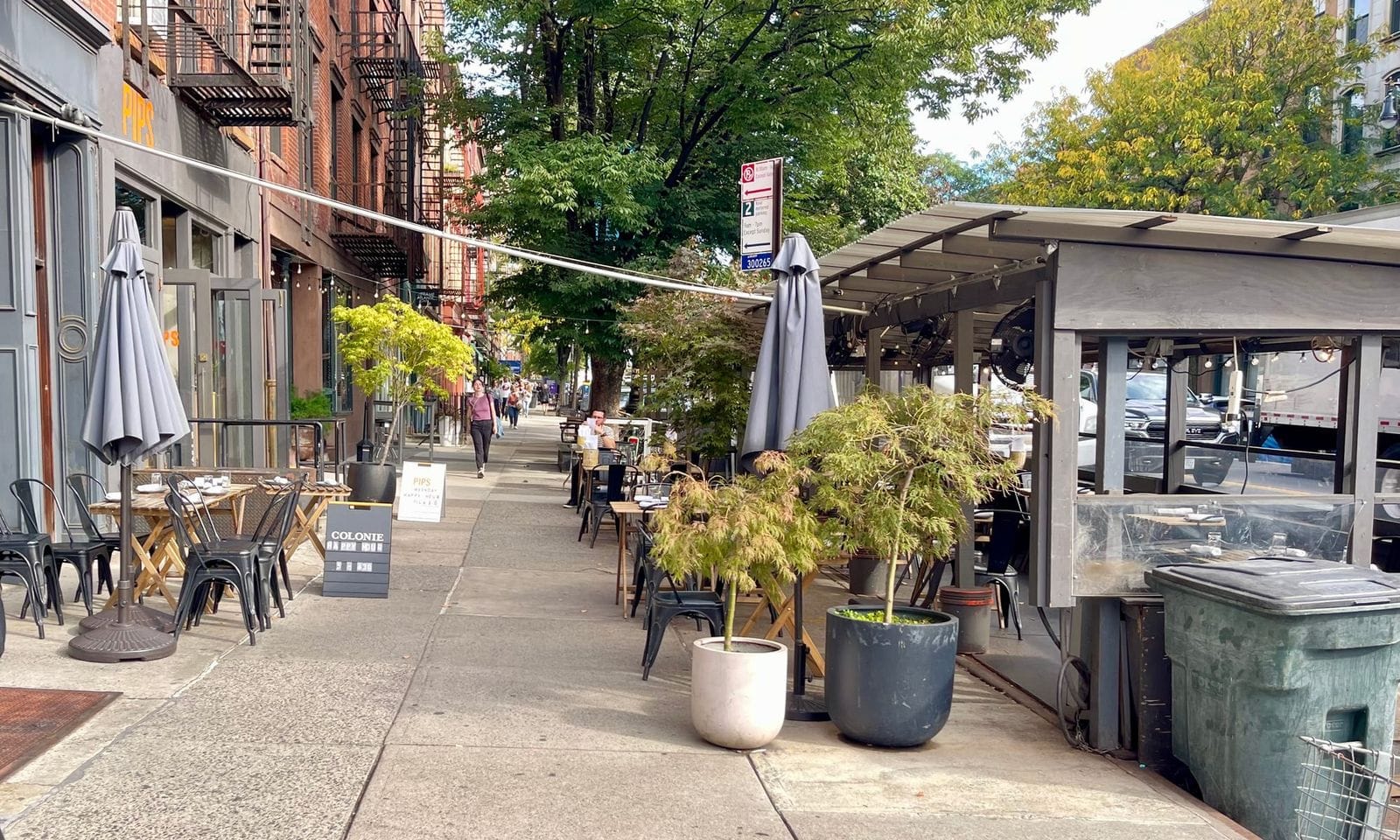
Street-side activations on the sidewalk vs in the parking lane
We call the the building side activations "inside-out design," meaning that whatever is happening inside the buildings spills out onto the sidewalks. Instead of a solid wall between the private and public realms, the walls are permeable, and you see open windows and doors, outdoor seating, porches, and goods pulled out onto the sidewalk.
 Fred Kent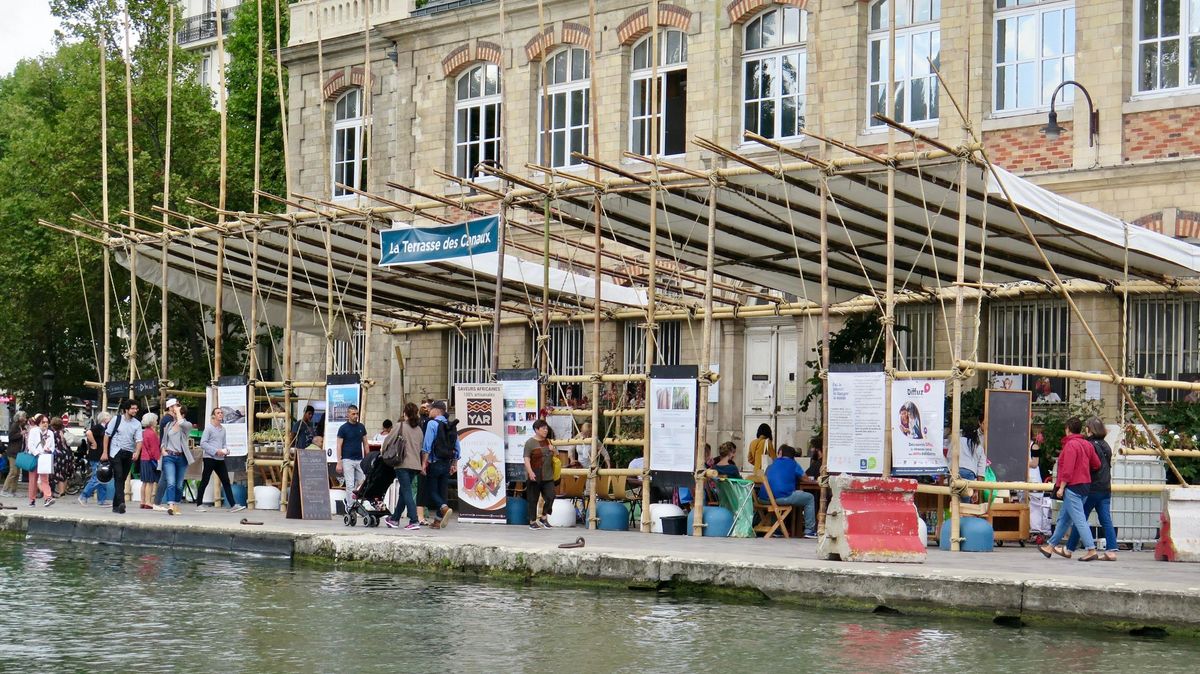
Double Loading on Very Wide Sidewalks
On sidewalks as wide as those along Paris's main boulevard, Champs-Élysées, you could even do triple loading with amenities on the building side, along the curb, and down the middle. The more interesting things to see and do, the better.
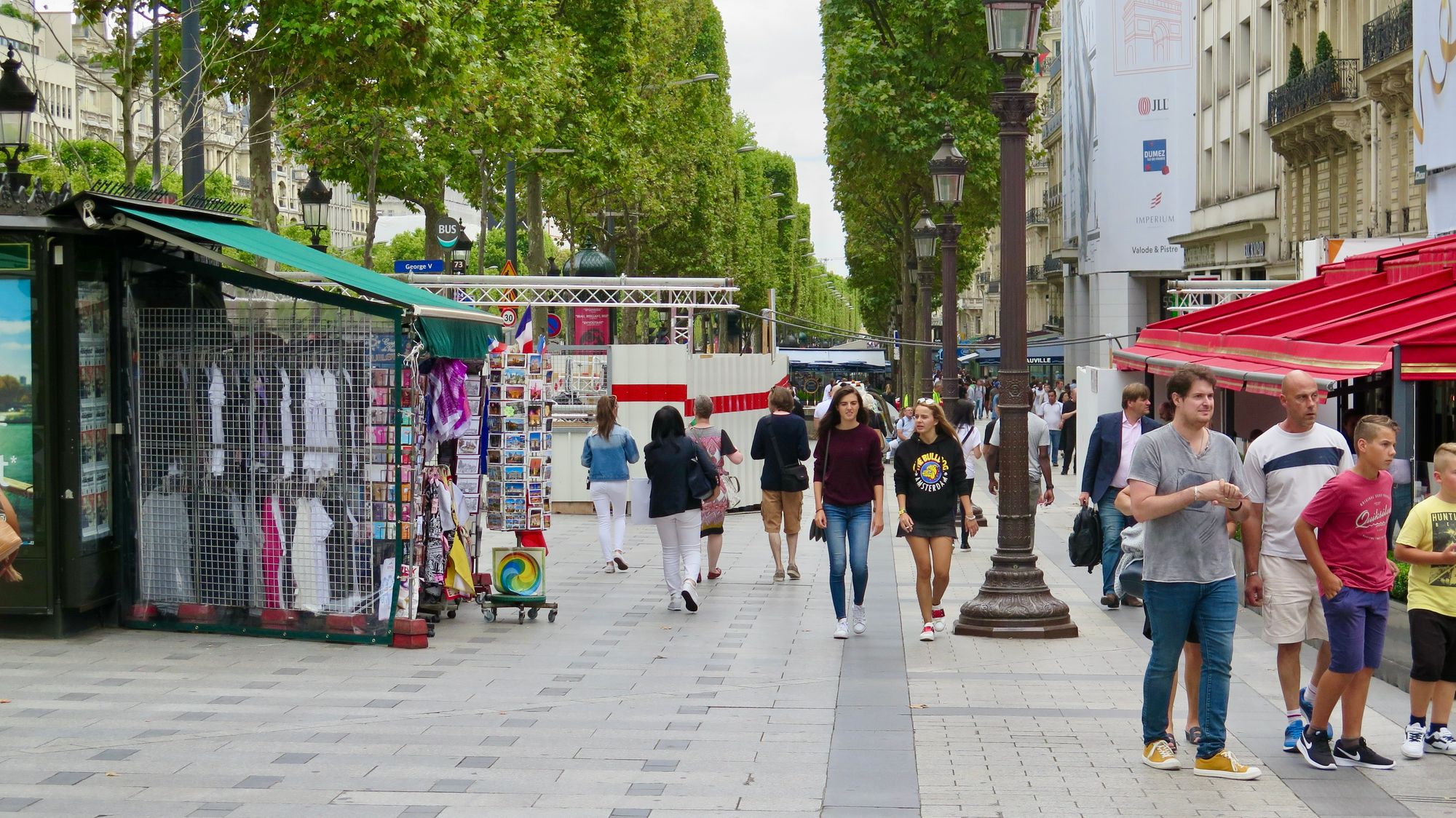
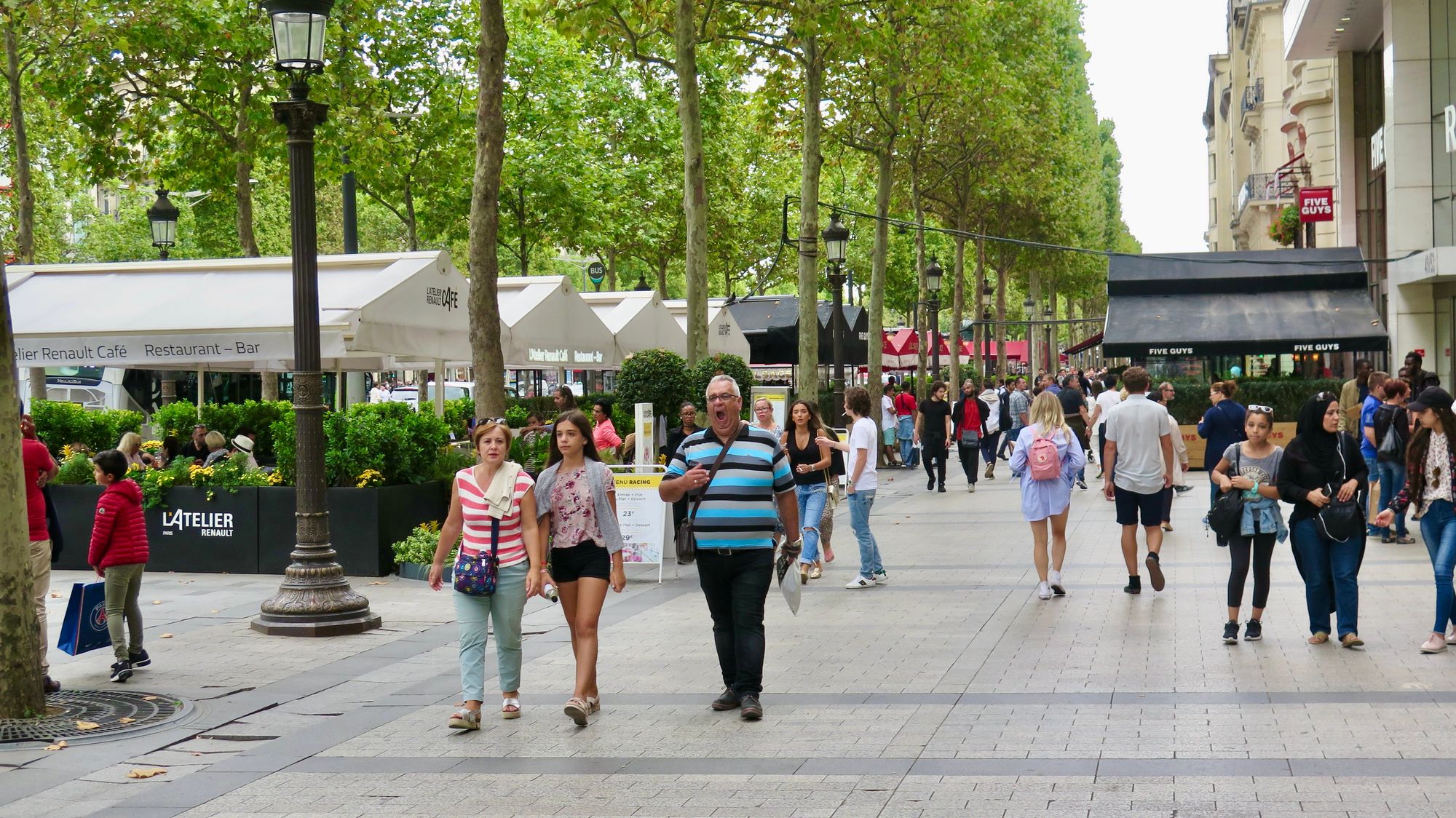
Paris - Champs-Élysées
Barcelona's Passeig de Gracia also has very wide sidewalks. They have activations on the building side which have inside-out design, in the middle there is the pedestrian pathway, then there are seating and kiosks on the other side. Because the sidewalk here is so wide, nearest the street there is even more going on: a bus stop loading zone, benches, a bike lane, and other amenities.
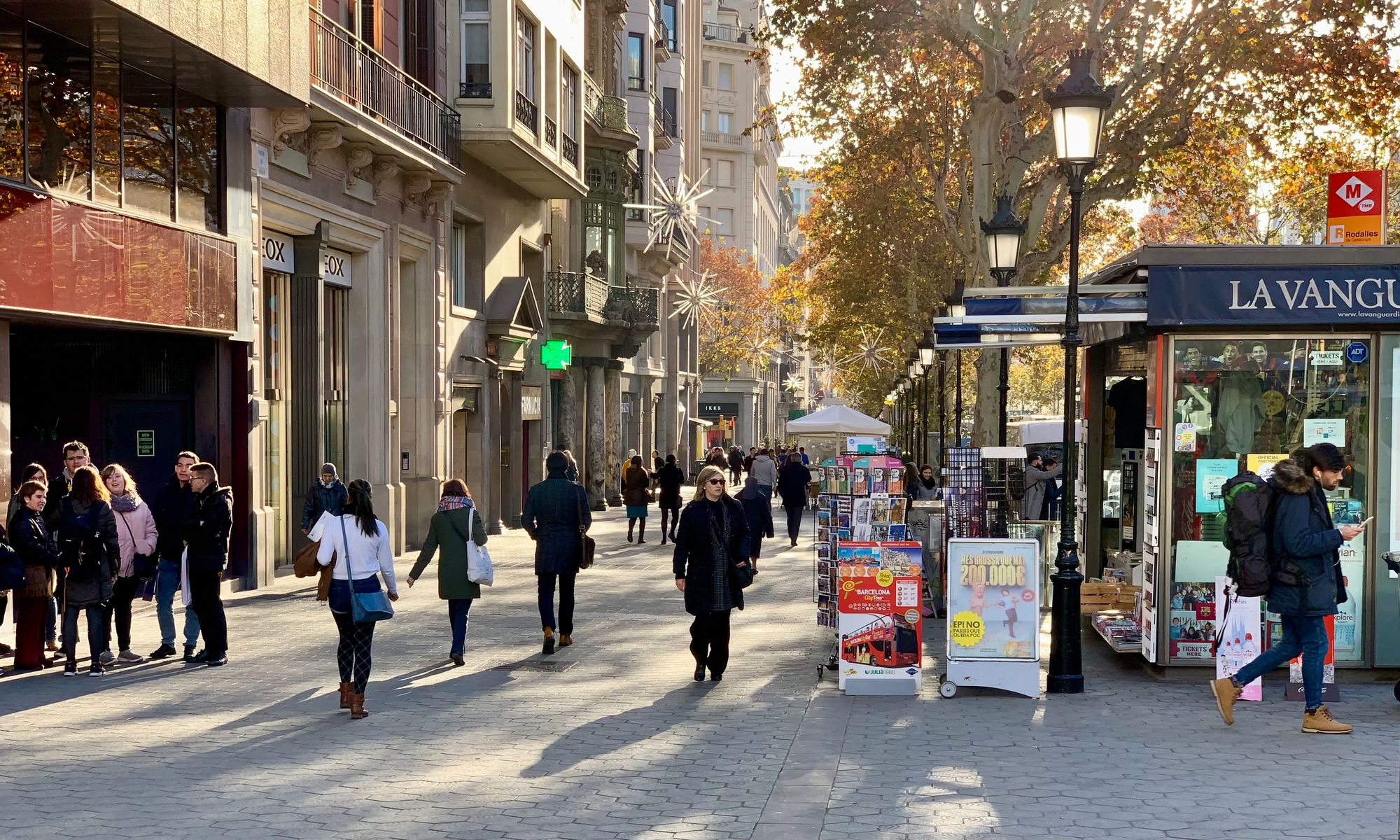
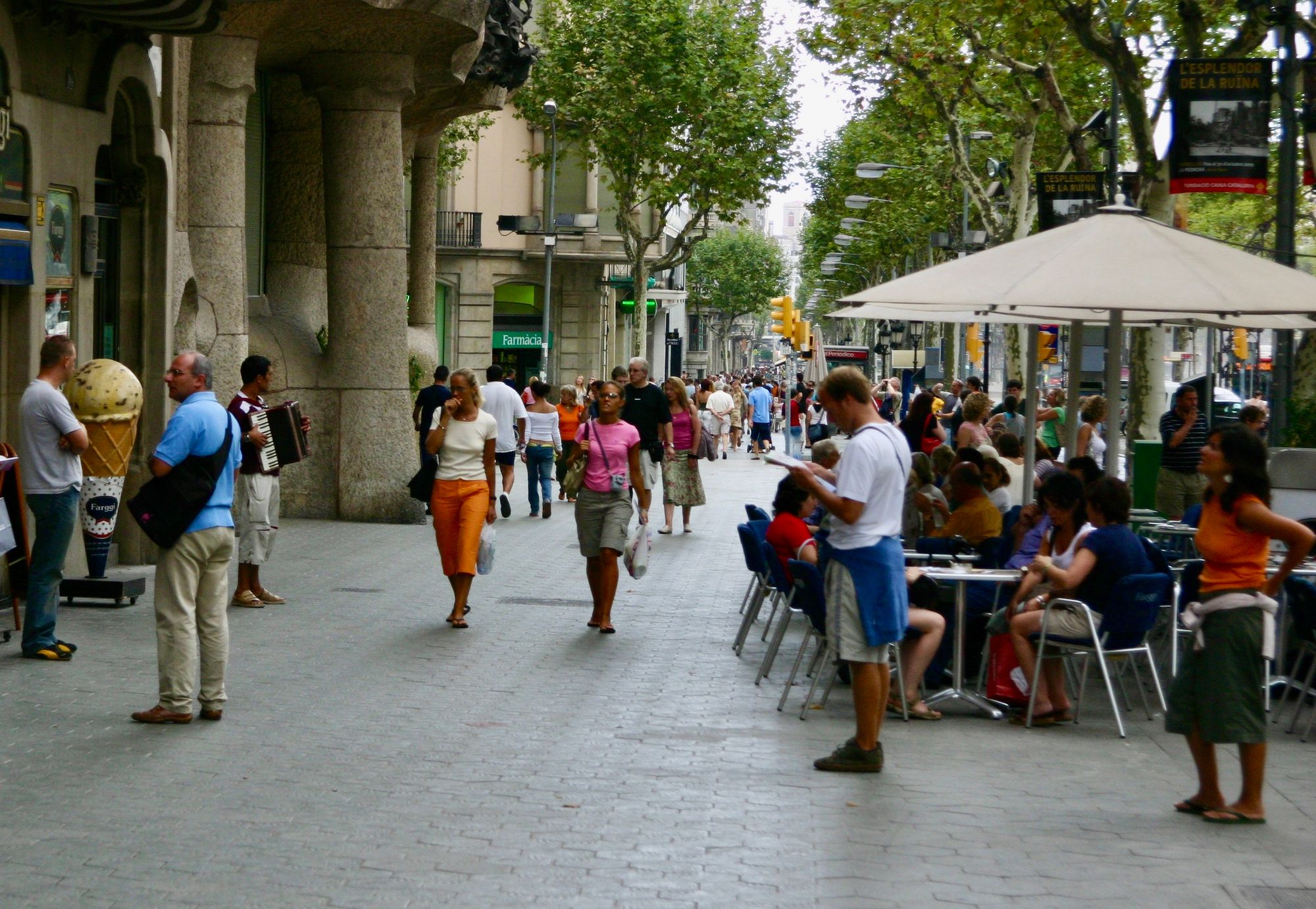
Barcelona sidewalks
Double Loading on Narrow Streets
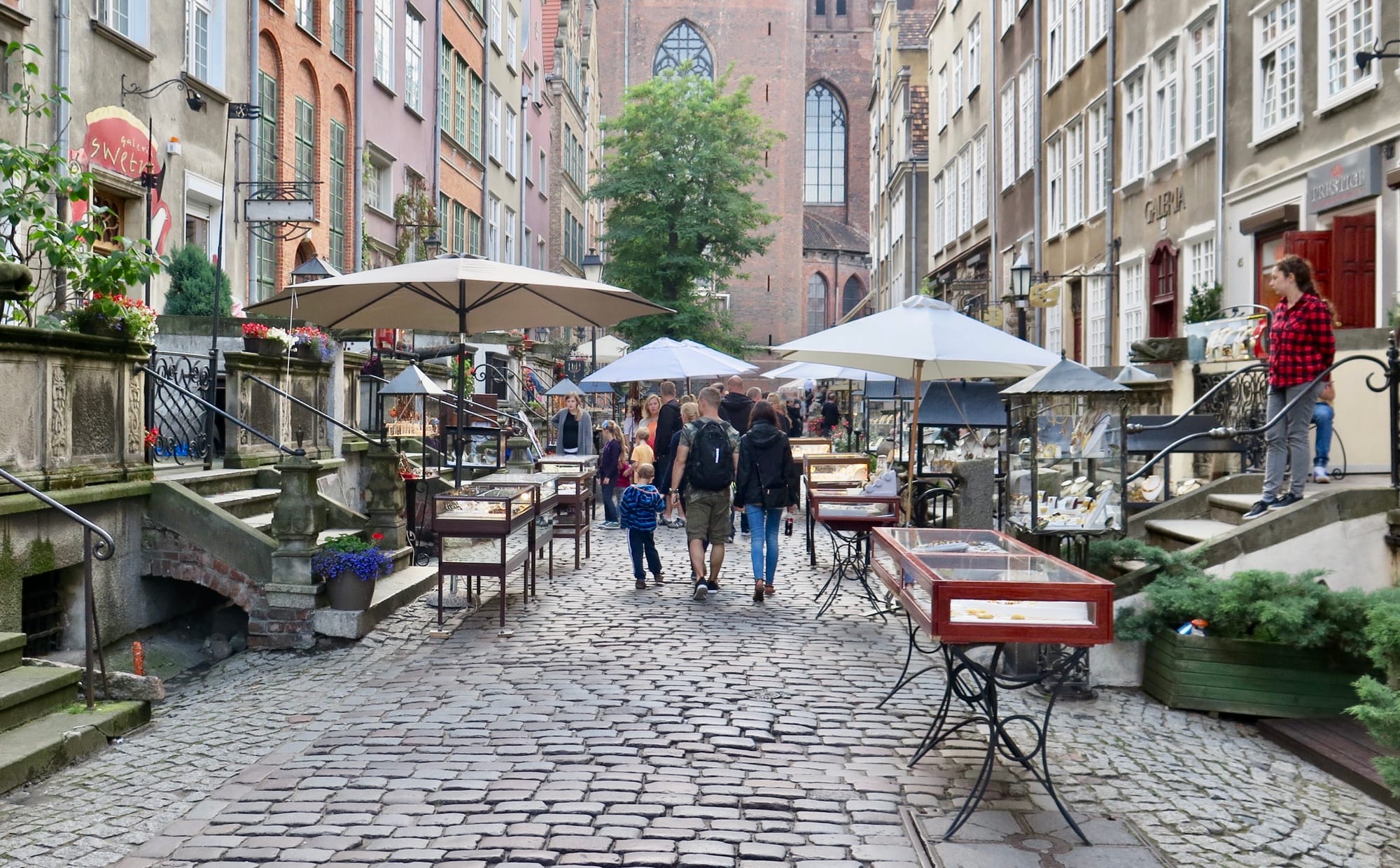
In many countries, especially those with cities built before the arrival of the car, a delightful sense of enclosure is accomplished by simply having narrow streets flanked by moderately high buildings. In this case, "inside-out design" on both building sides creates the active and interesting walking experience that double-loaded sidewalks on wider streets do. Bollards can also help to mark the border between the car area and the pedestrian area in tighter spaces.
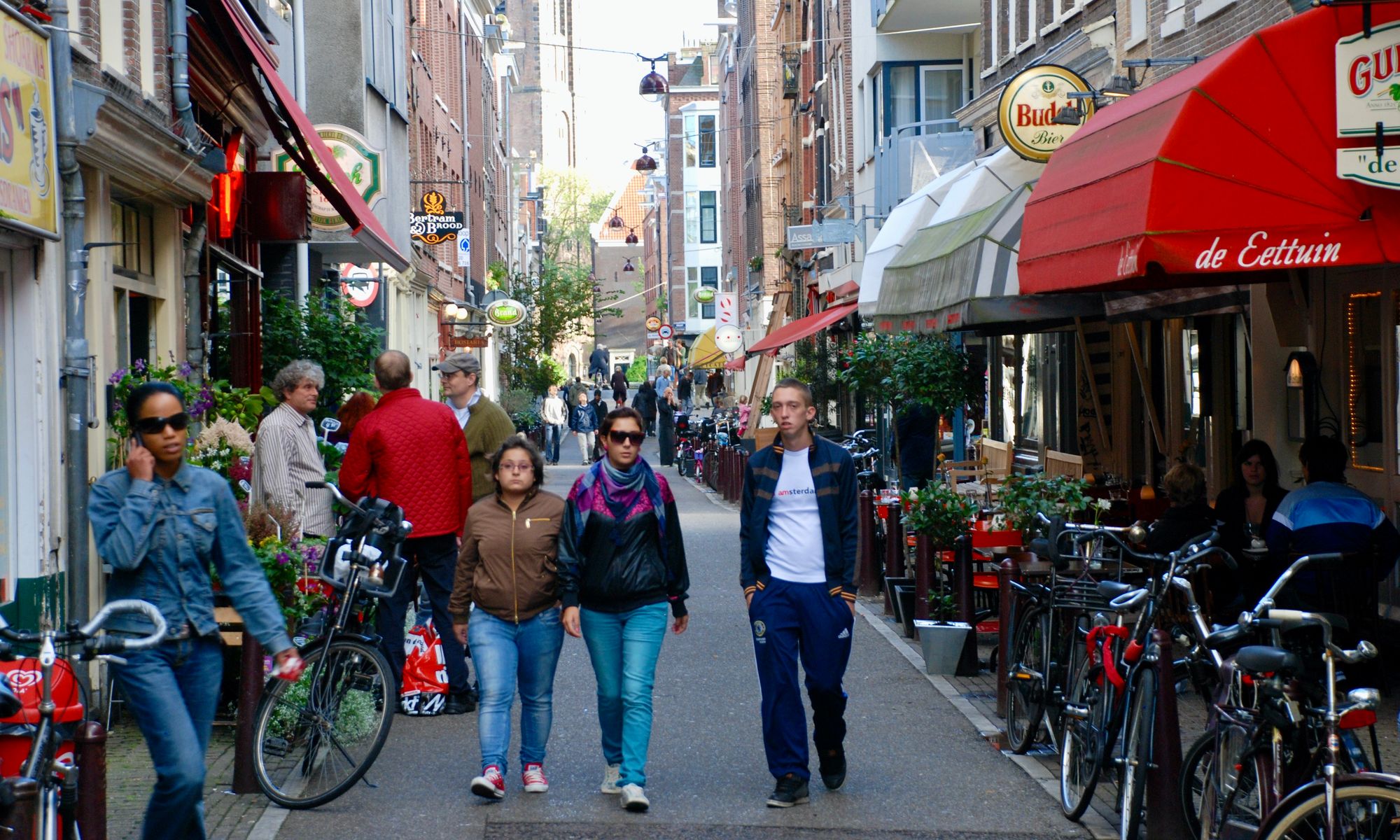
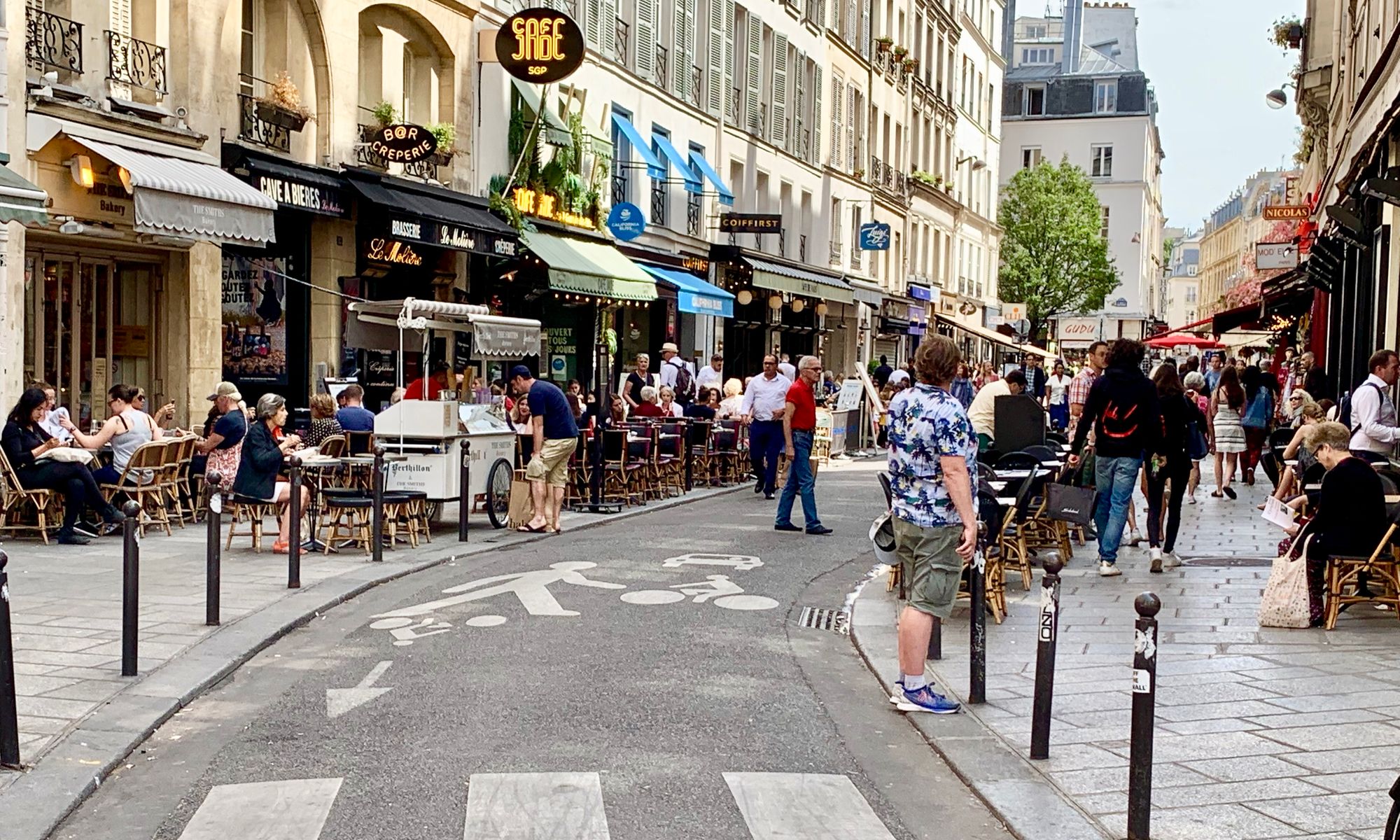
Paris and Amsterdam
Gdansk
Indoor Double Loading
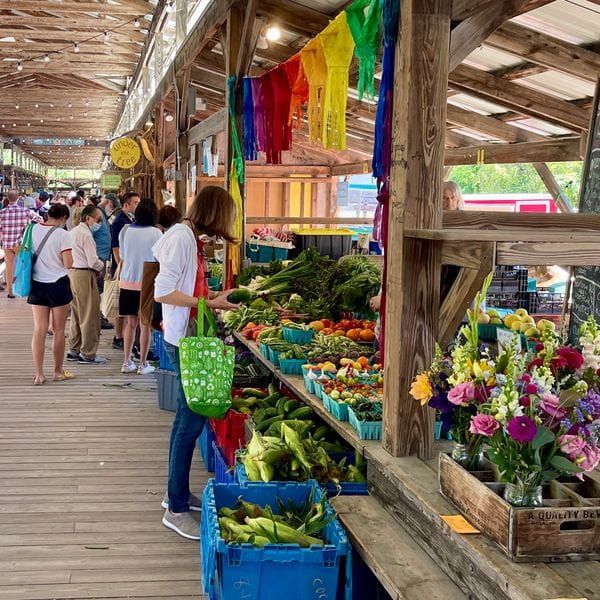
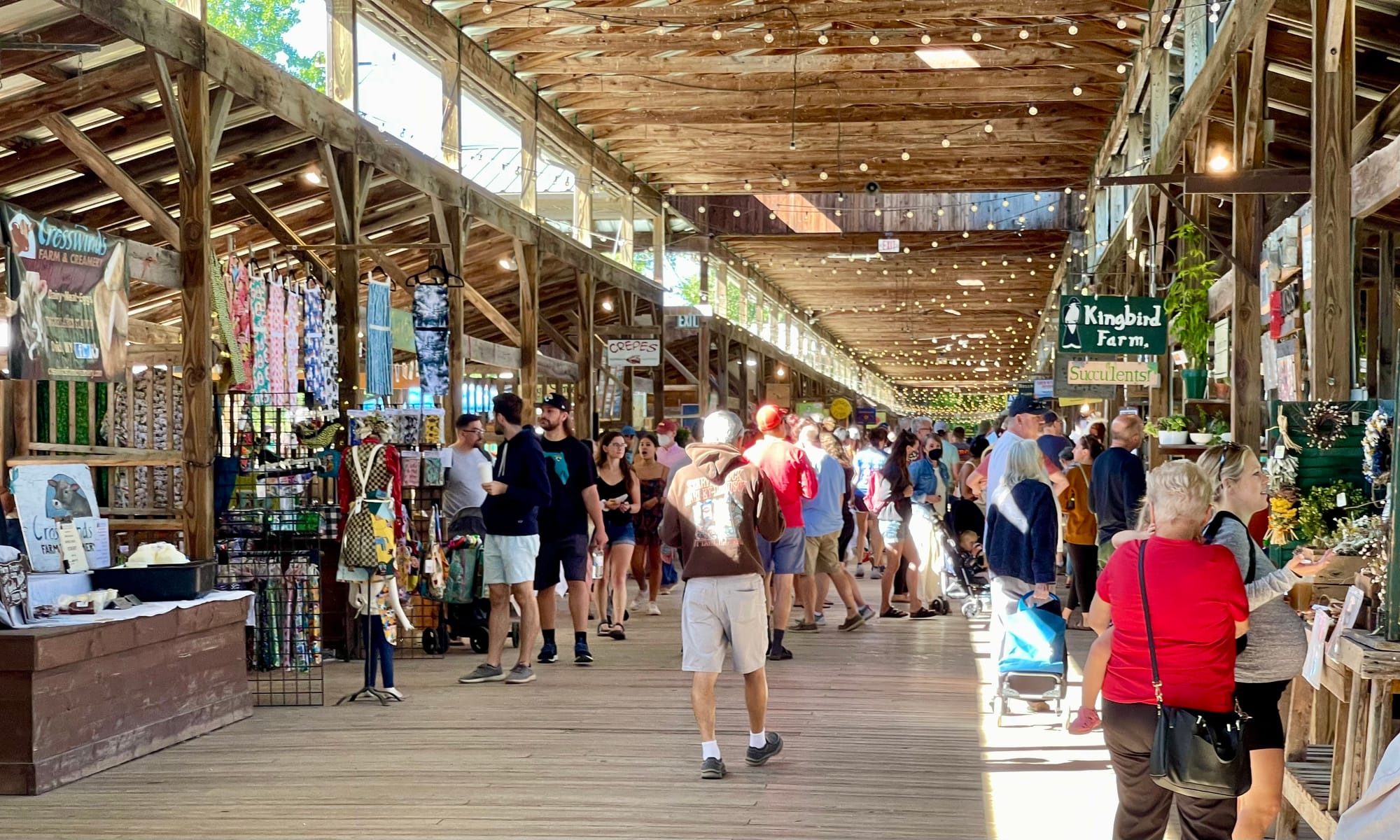
Double loading isn't a concept just for open-air streets. The Ithaca Farmers Market is like a covered street, or a 500 foot long "dining shed," creating a walking and shopping experience that's more engaging than most Main Streets we know.
In places like Ithaca Farmers Market, people attract people who attract even more people, until everyone feels like they have to be there to be at the heart of activity. Connecting with others becomes a primary reason to come. The more there is to see and do, the more people will come to see and do it – a simple fact of life.
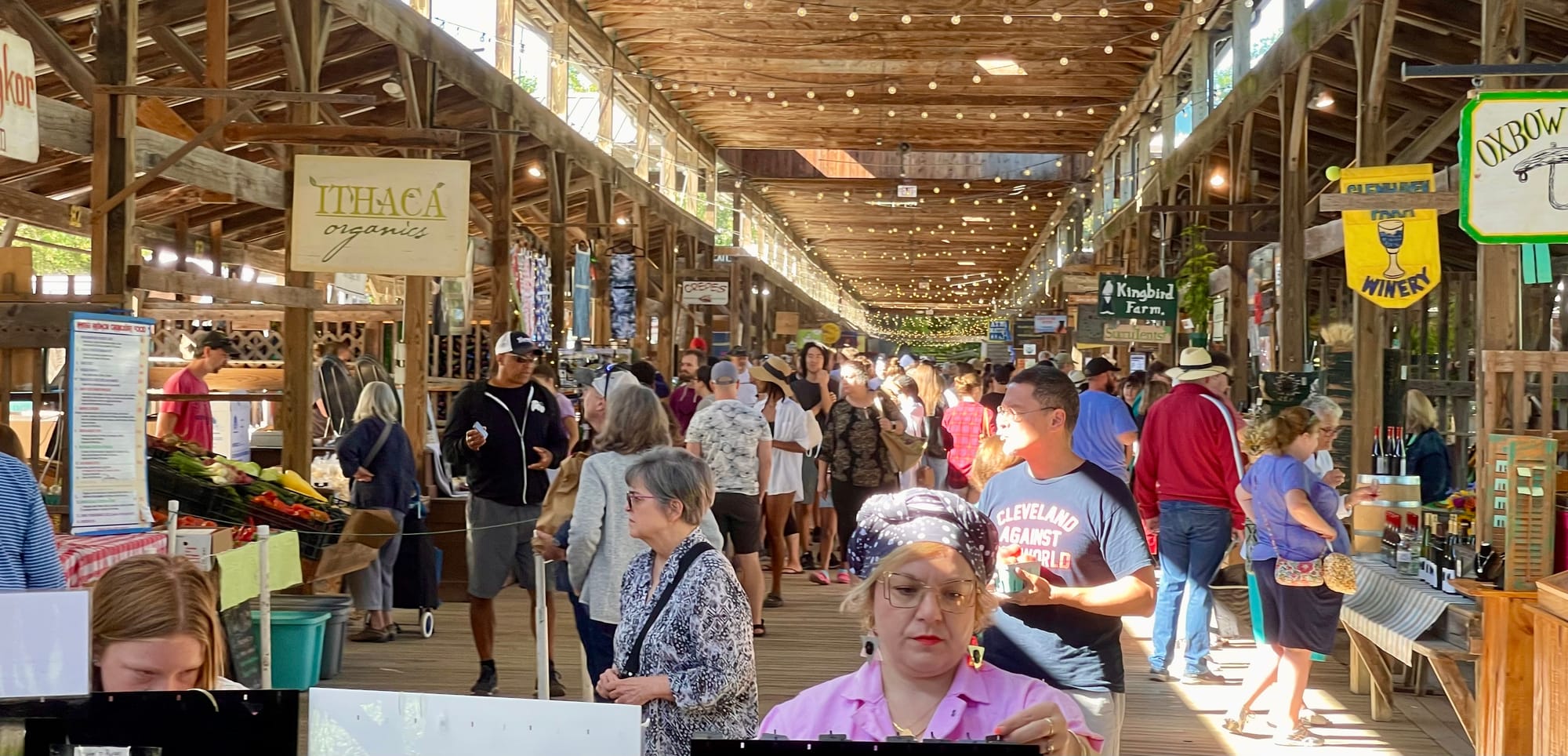
One could argue that a shed like this could straddle a street, open to traffic on non-market days

 Fred Kent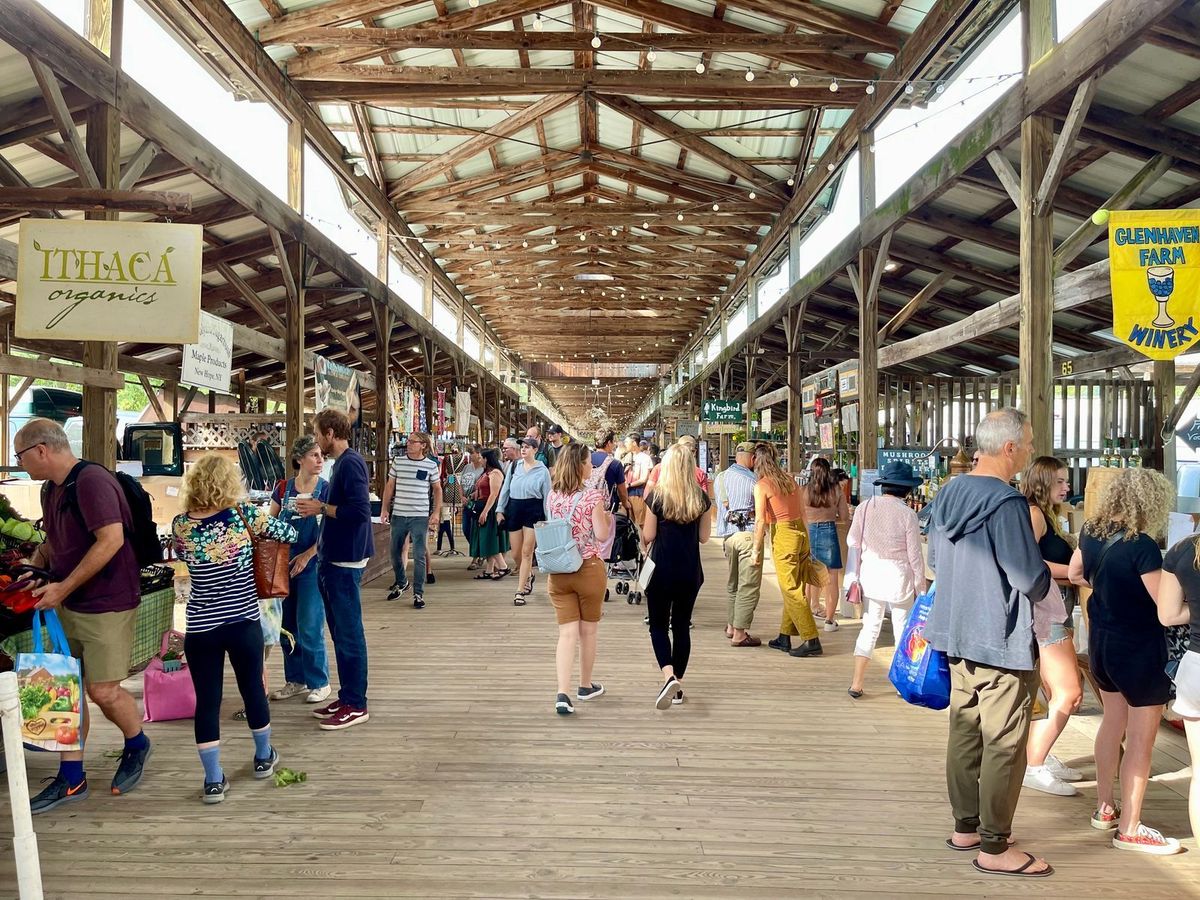
How to begin
Many western societies, especially in North America, are repressed by a culture that caters to the car and doesn’t allow anything to disturb its smooth movement. Widening sidewalks for increased foot traffic is seen as a distraction to the "real" use of streets – increasing mobility.
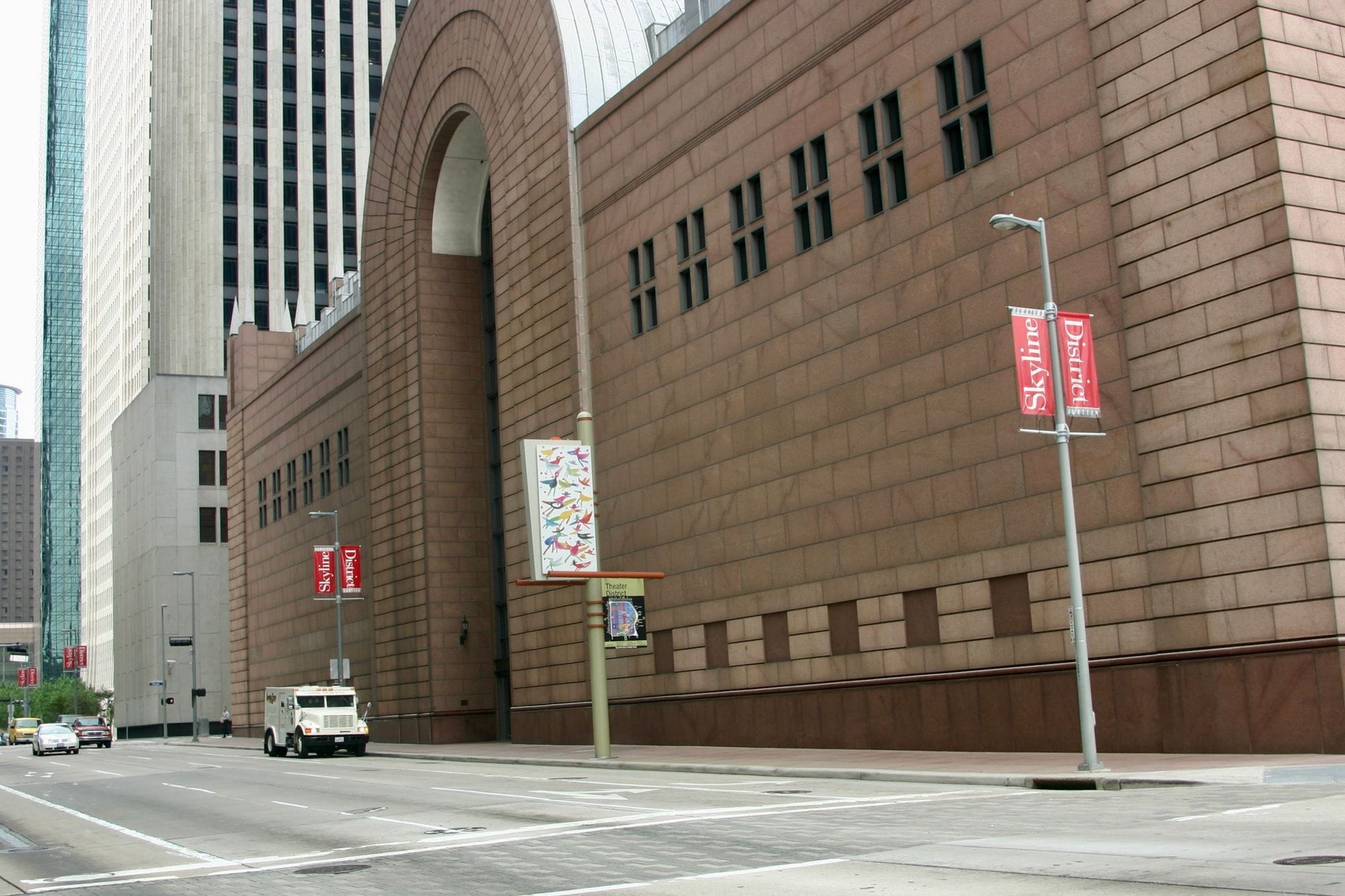
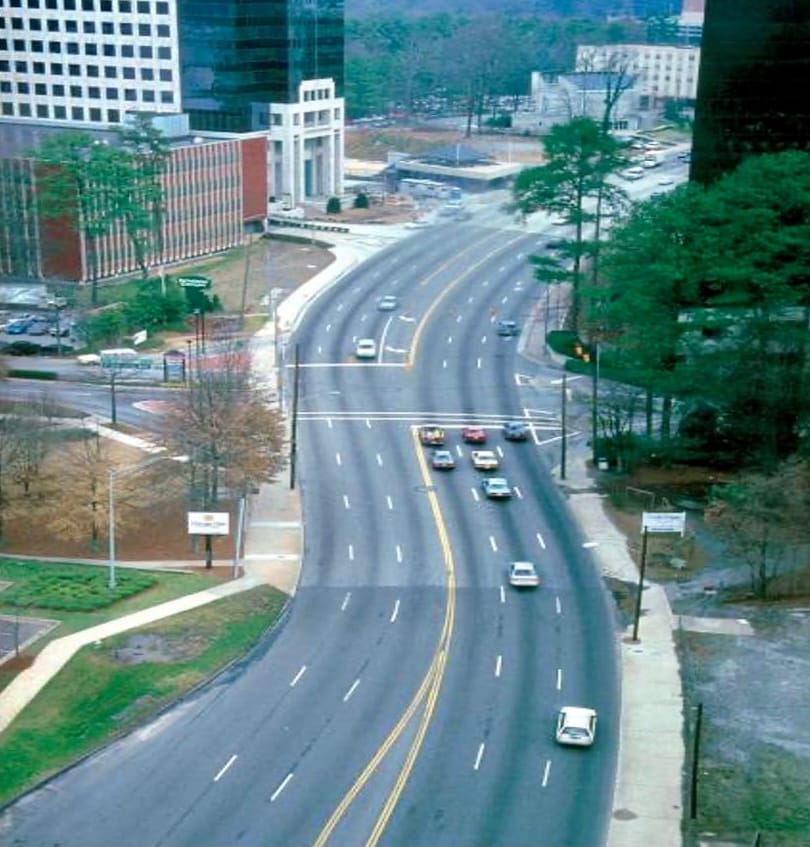
Philip Johnson Building in Houston (left), Street in Atlanta (right)
On wide and hostile streets, double loading can be a method to create a parallel pedestrian "street" that prioritizes public life. We recognize the magnitude of retrofitting streets like those pictured above. LQC interventions that employ double loading are a first step in transforming these traffic corridors into social hubs.
More Double Loading Around The World
Paris
Paris is a city that feels like it's designed for social life. Everywhere you look, there are cafés and public squares and people chatting outside. One of the main reasons it's such a great city in which to connect and gather is because its sidewalks are frequently double-loaded, even the narrowest ones. Paris understands how valuable sidewalk space is and makes the most of it.
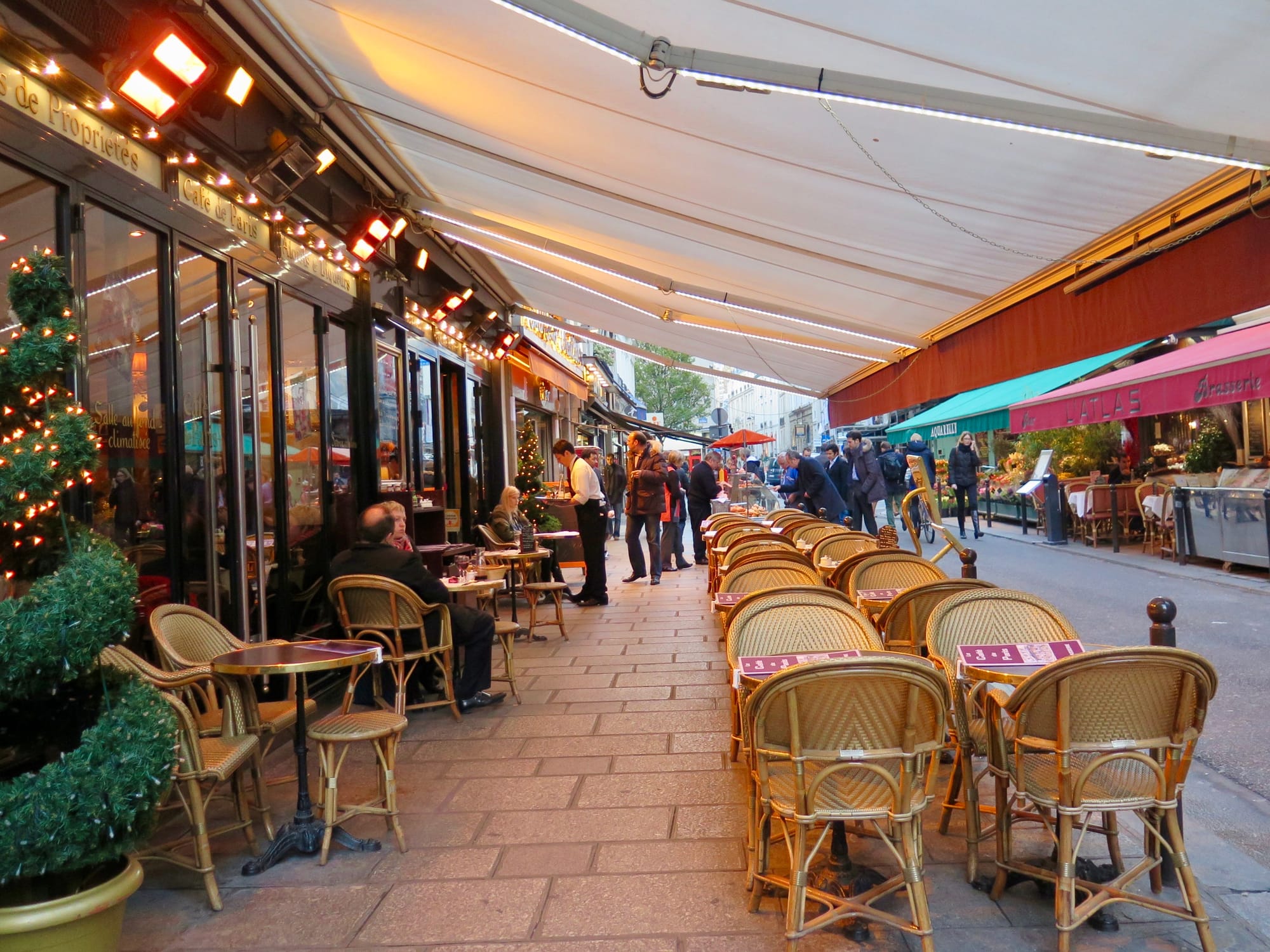
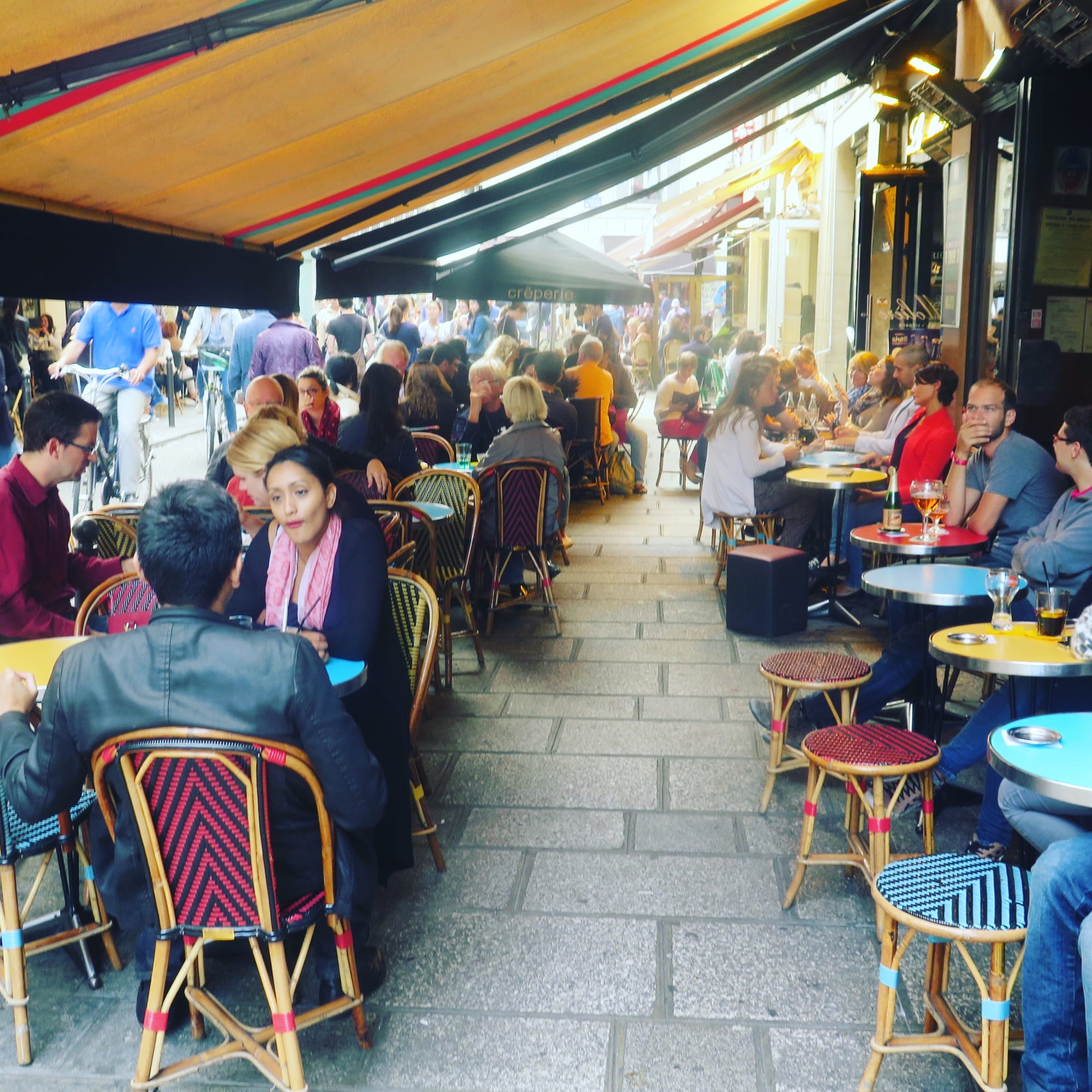
In Paris, this double-loaded sidewalk adds another layer to an already double-loaded street.
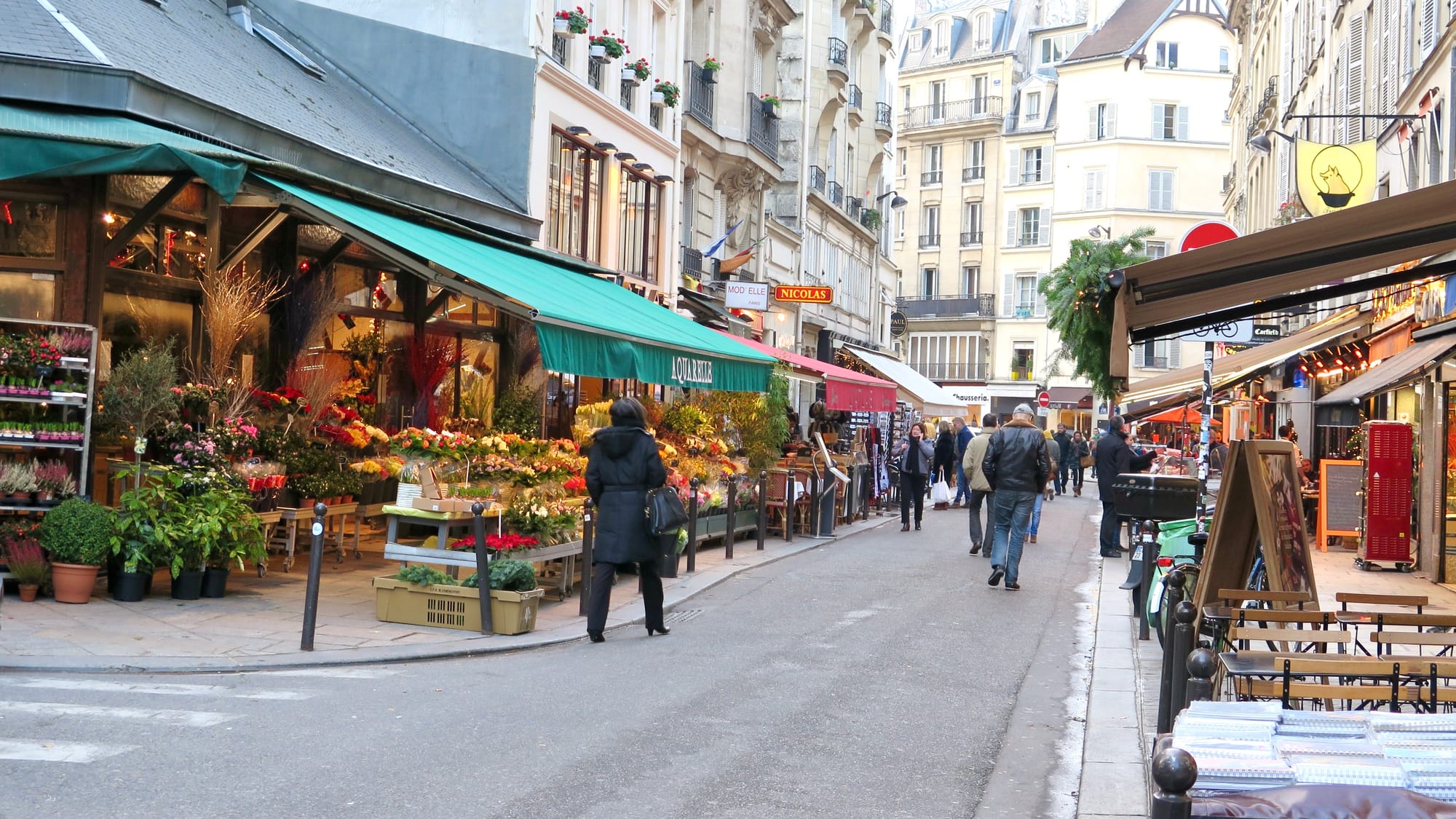
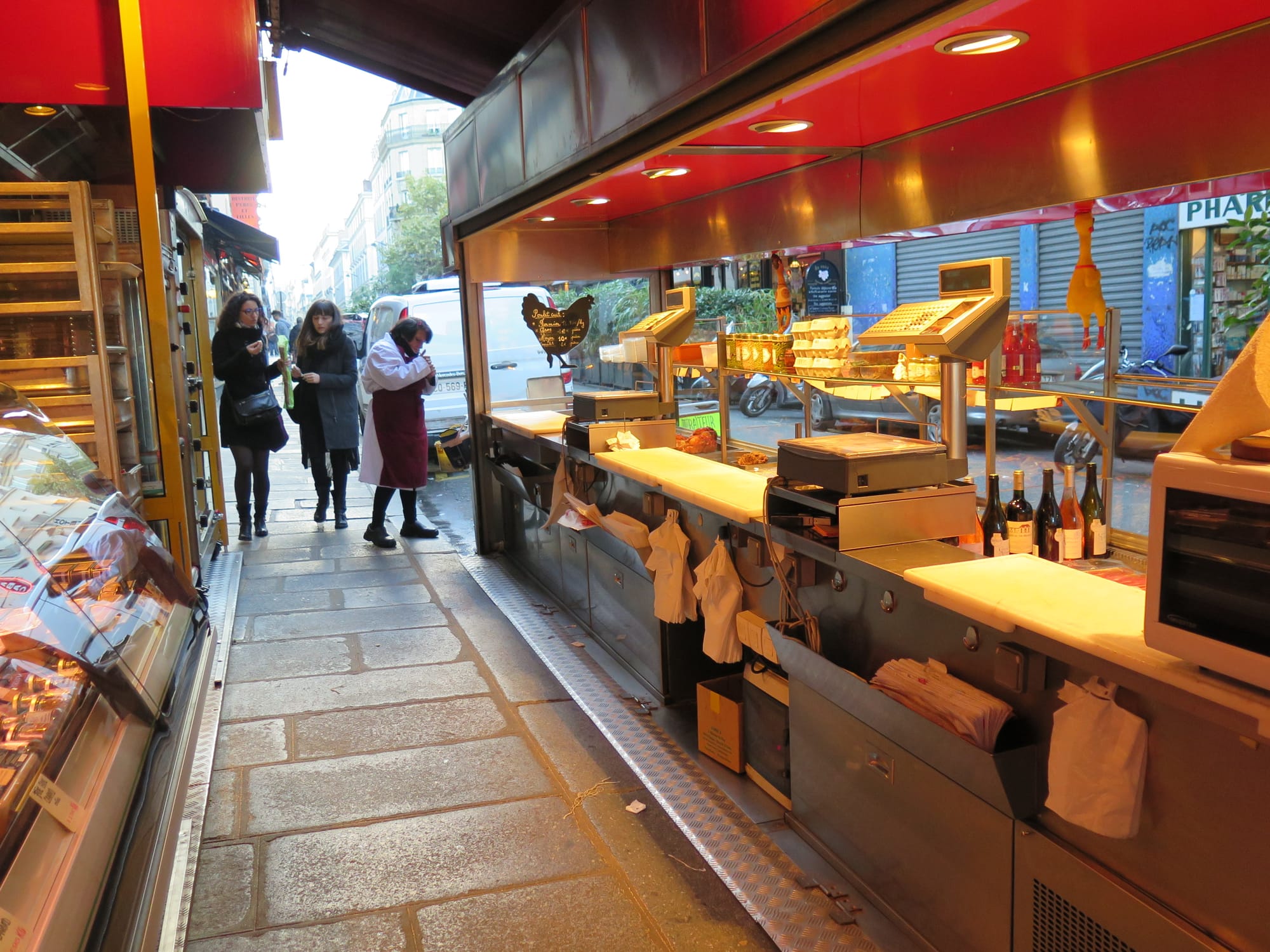
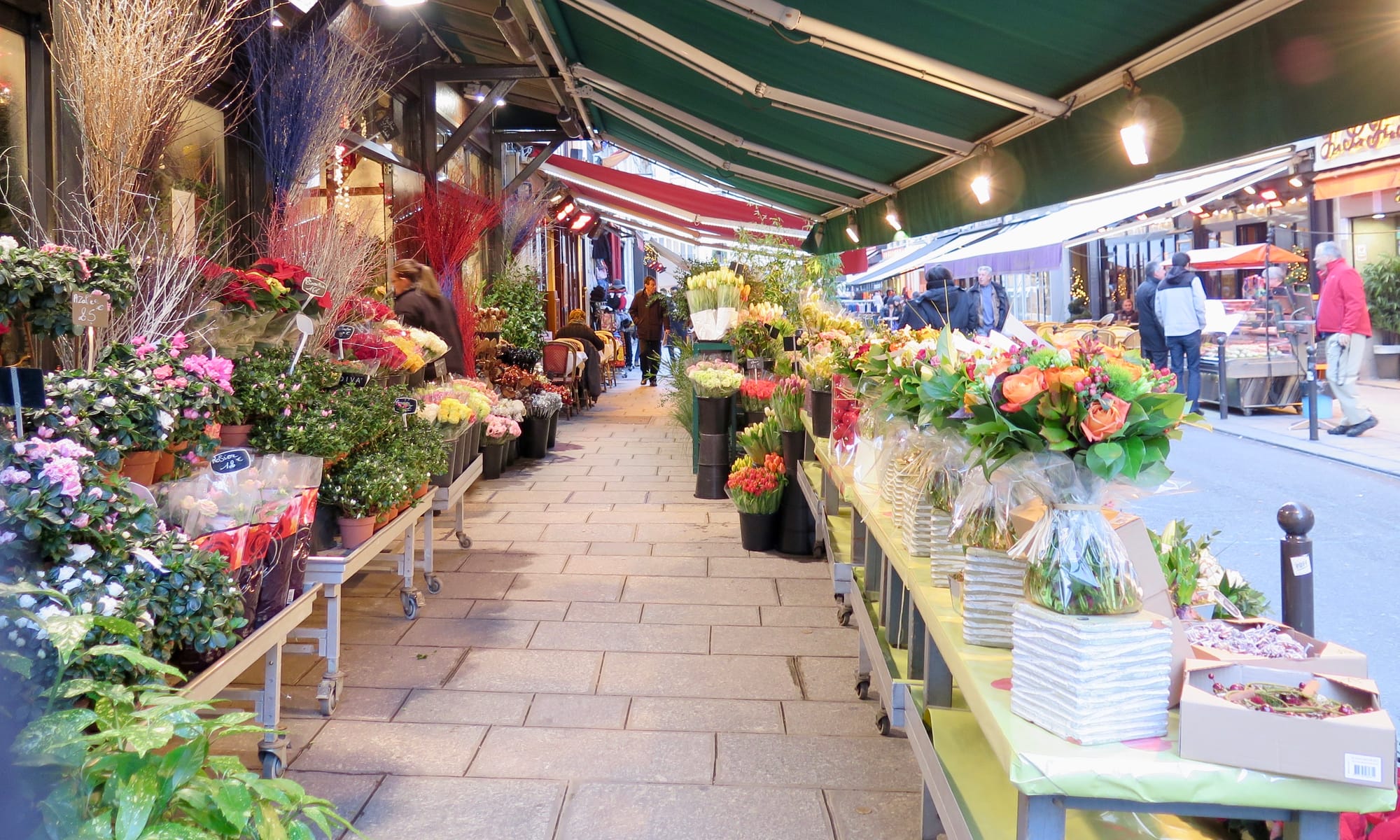
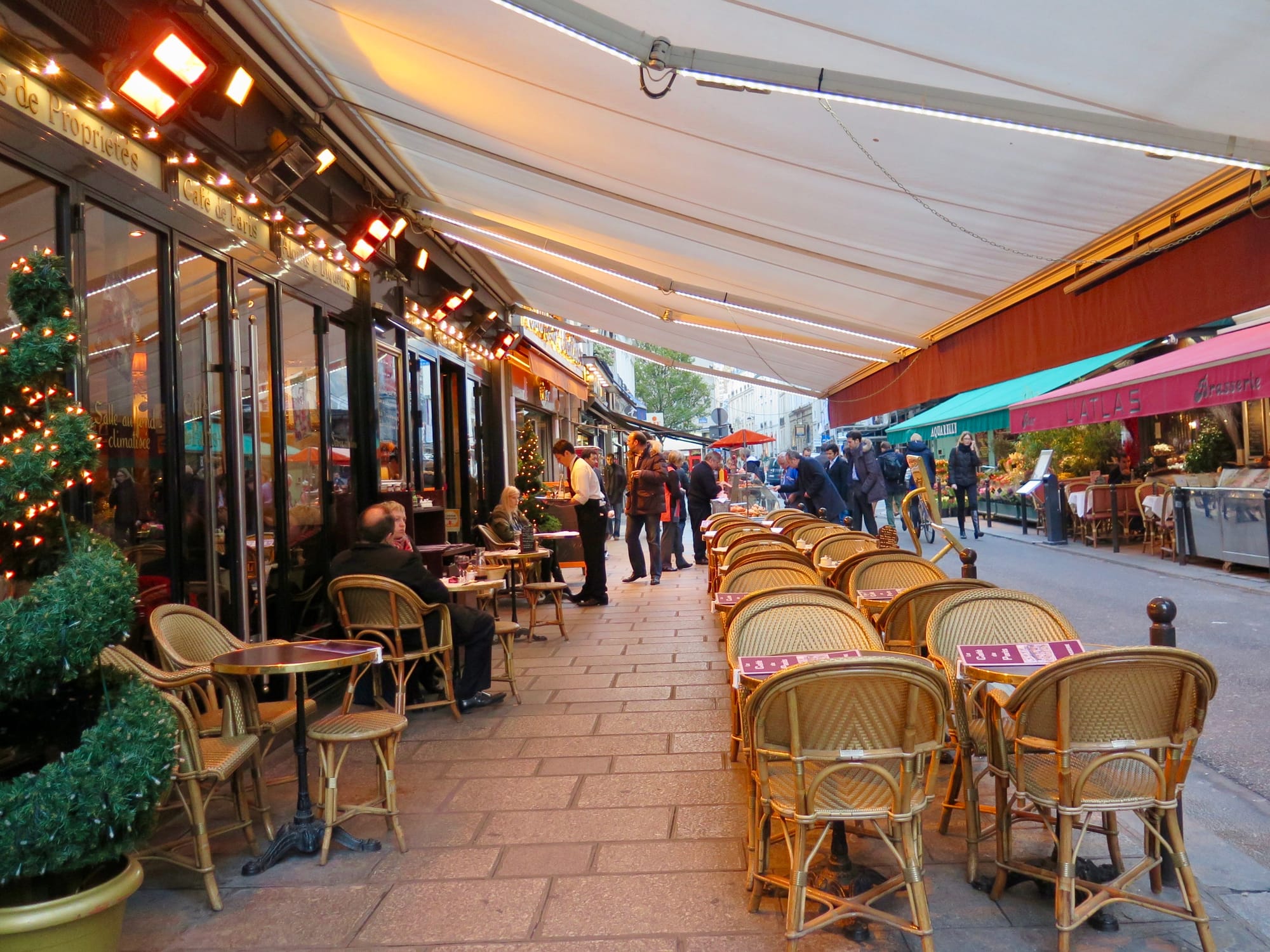
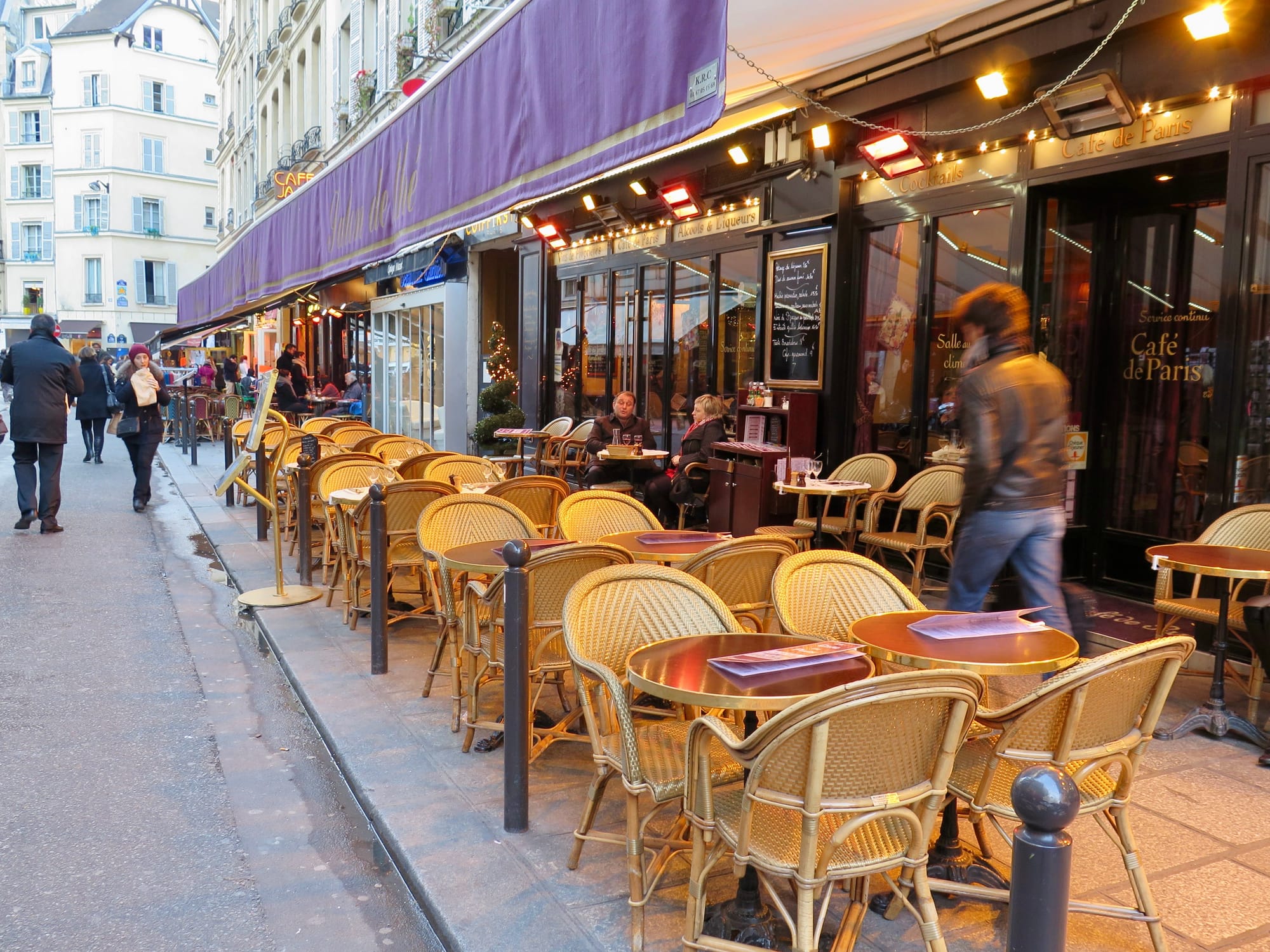
Pedestrians can shop or eat on either side of this sidewalk.
Fred Kent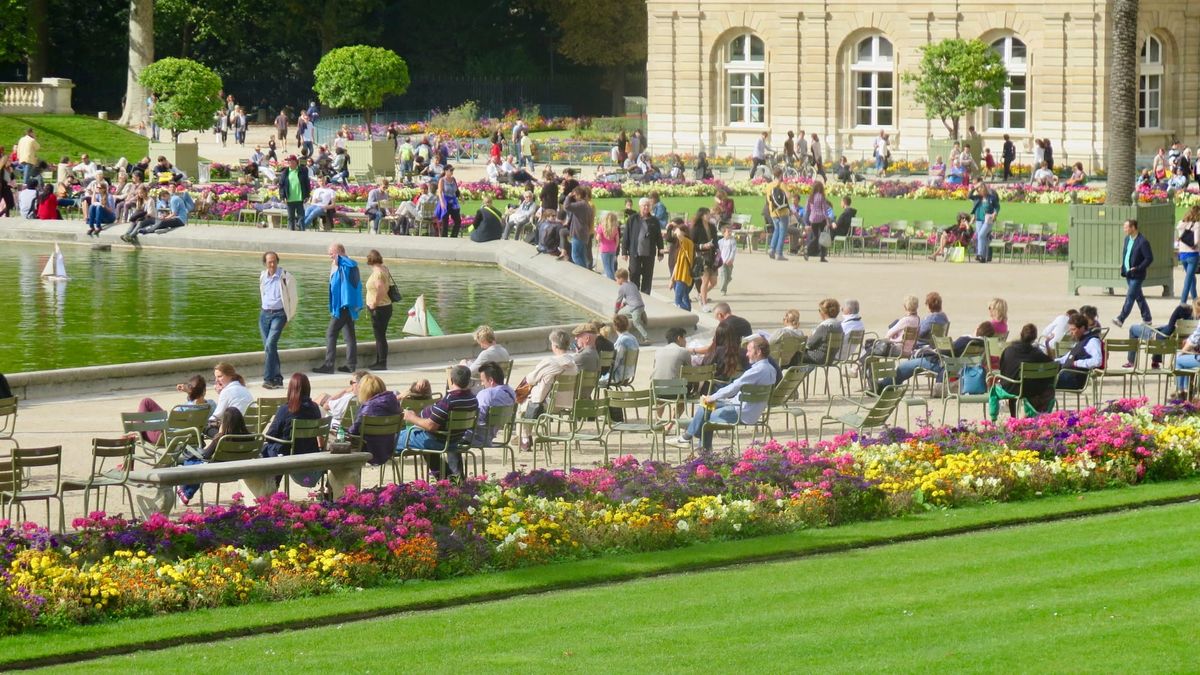
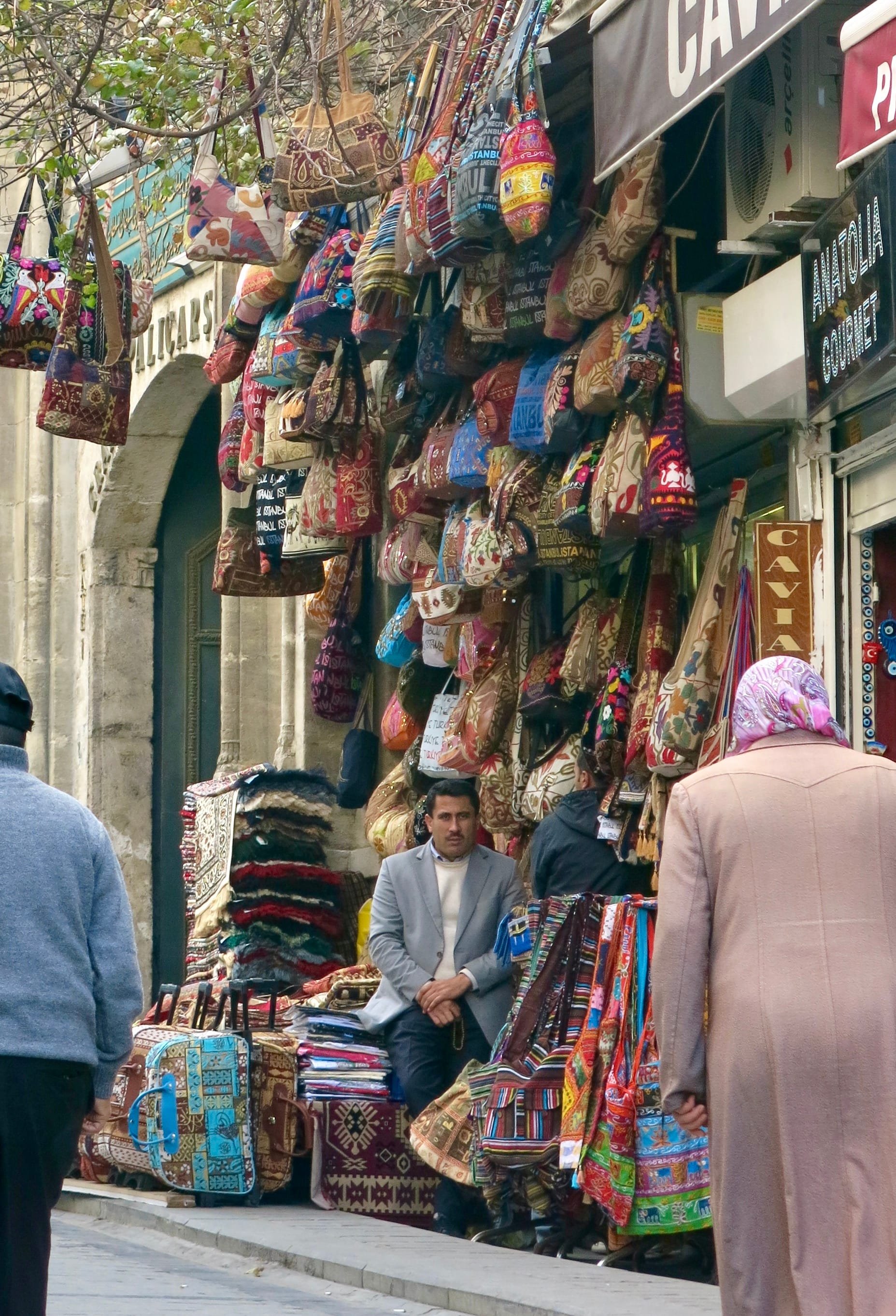
Istanbul
In a historic city such as Istanbul, one gets the sense that the vendors on these narrow streets have been in the same place for decades, if not centuries, because of how deeply ingrained they are. The market streets are overflowing with goods from every stall and storefront, filling the streets with sights and smells that make the senses come alive.
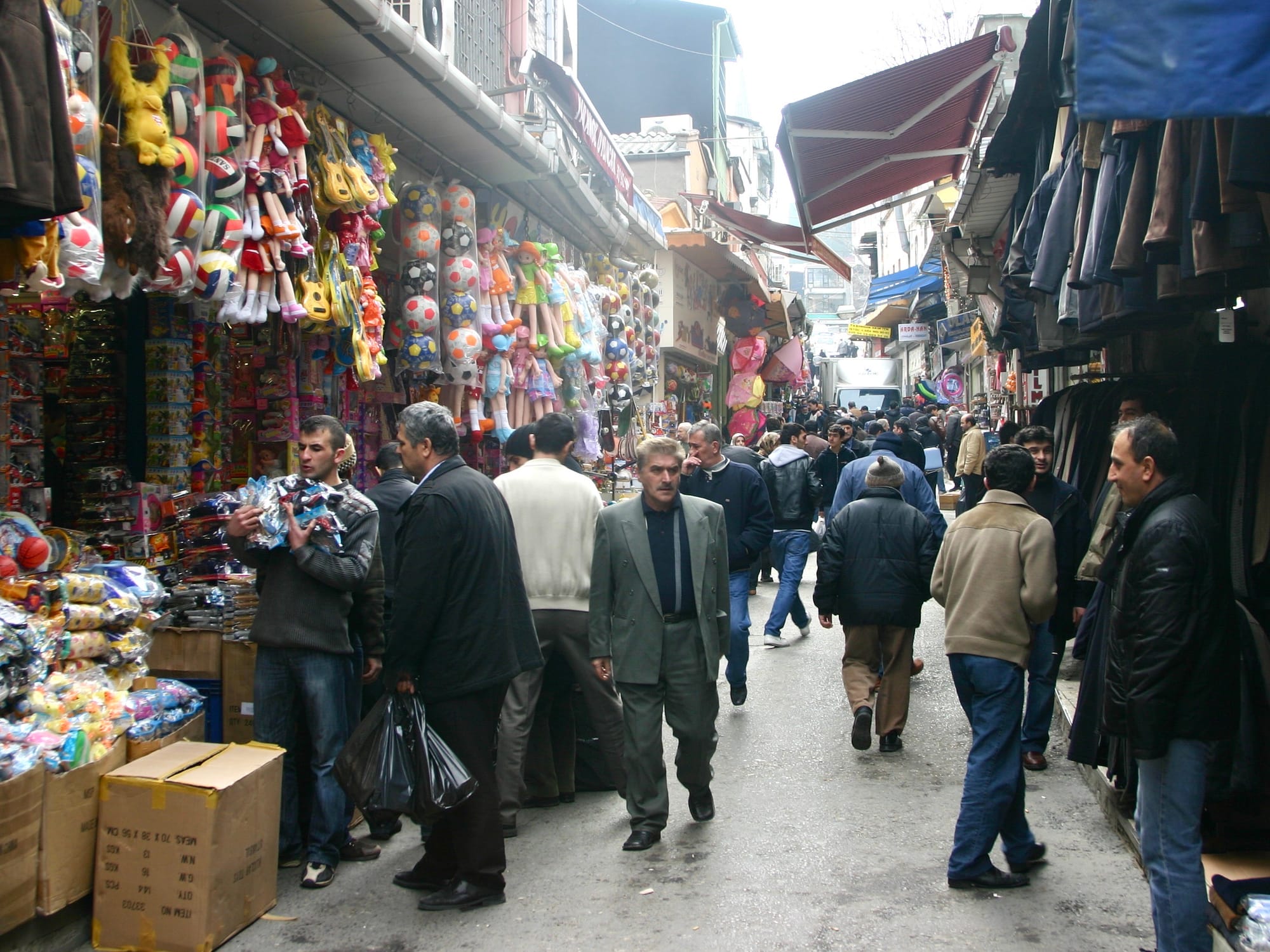
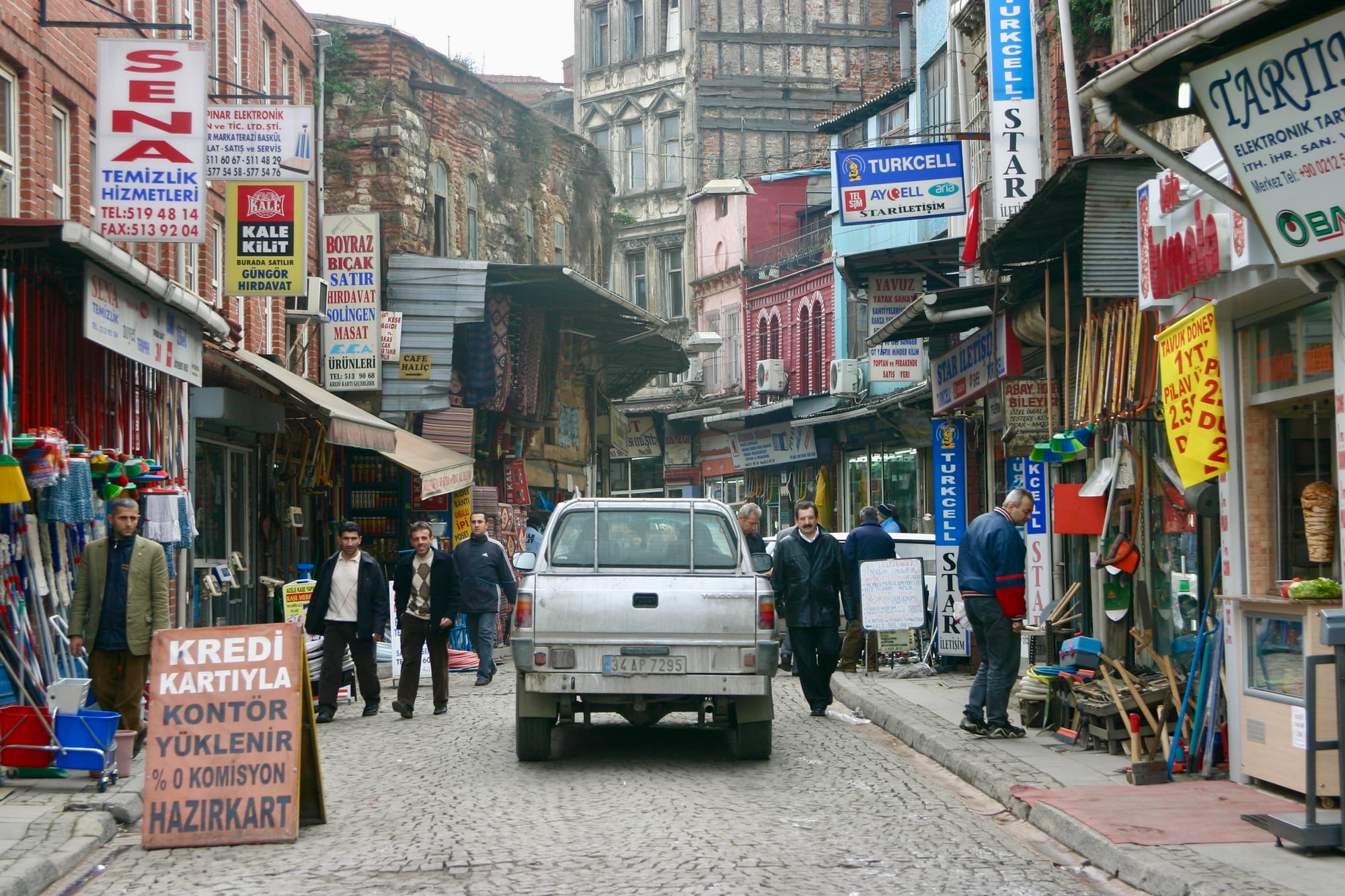
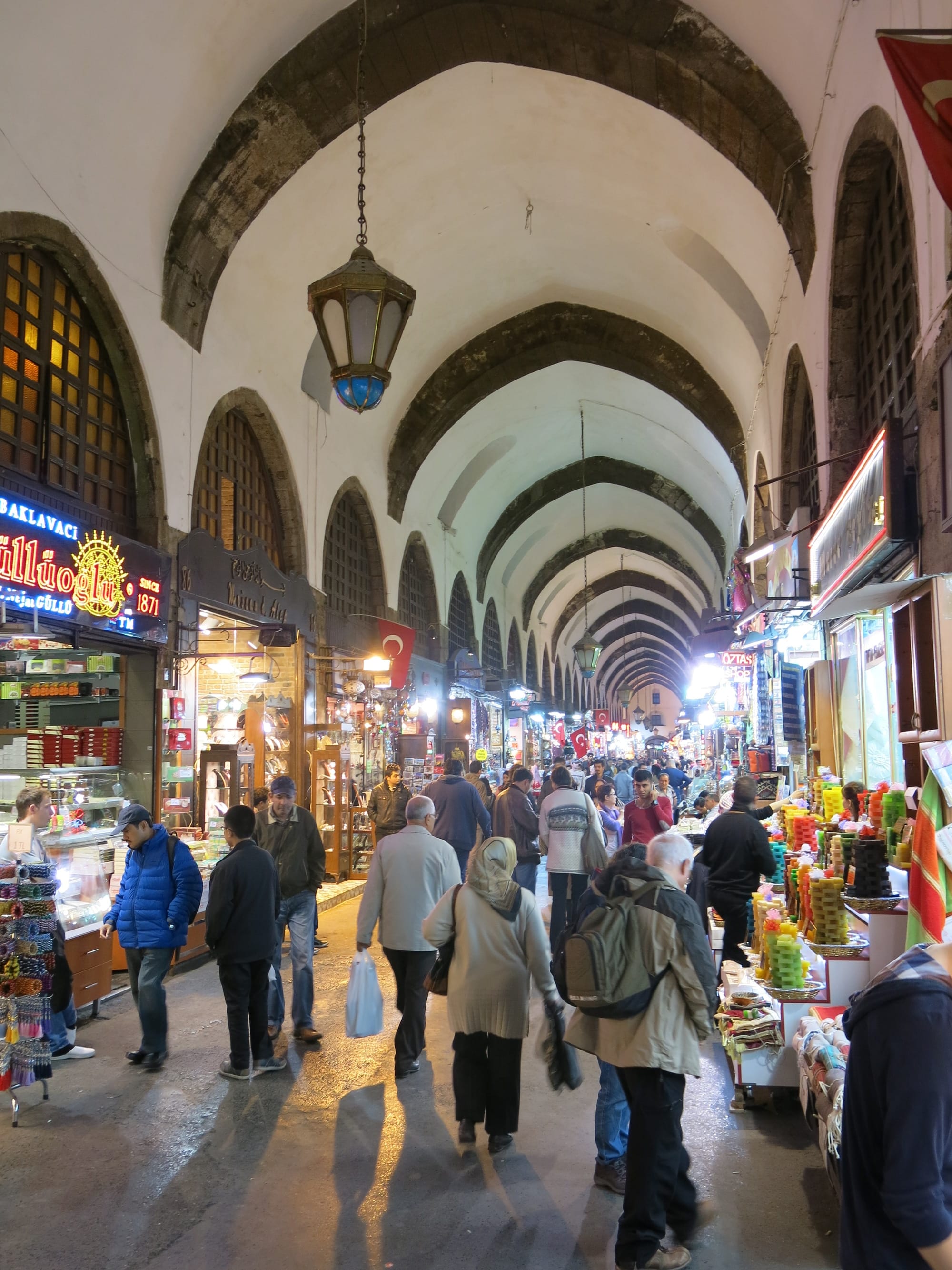
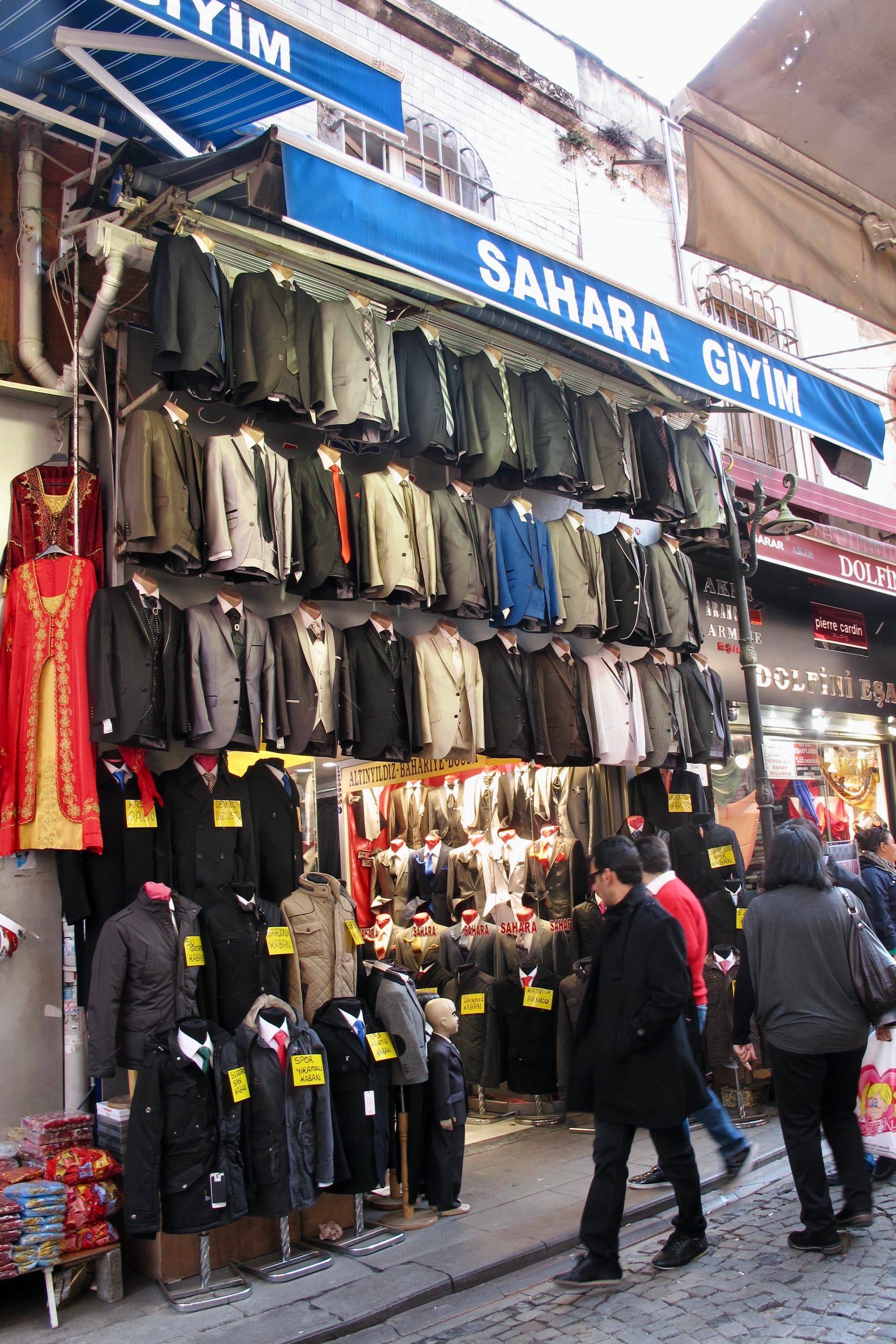
Gdansk
Amber Street in Gdansk was formerly a street where the wealthy lived. Each building had multiple ways to enter, with the upper level being for families and the lower level for servants. The sidewalk/street there was formerly for carriages. Today, it is a wonderful double-loaded street with layers of activations from every direction.
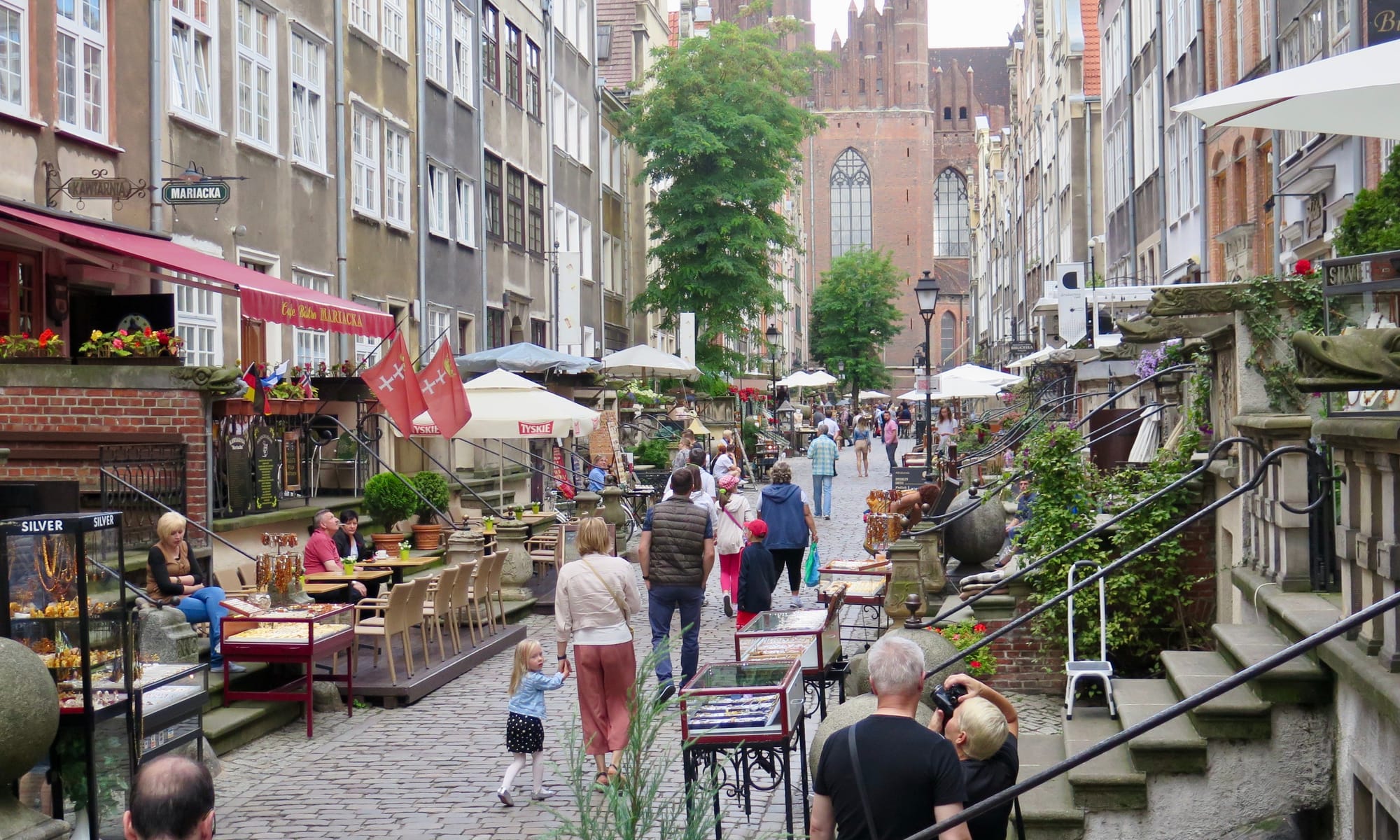
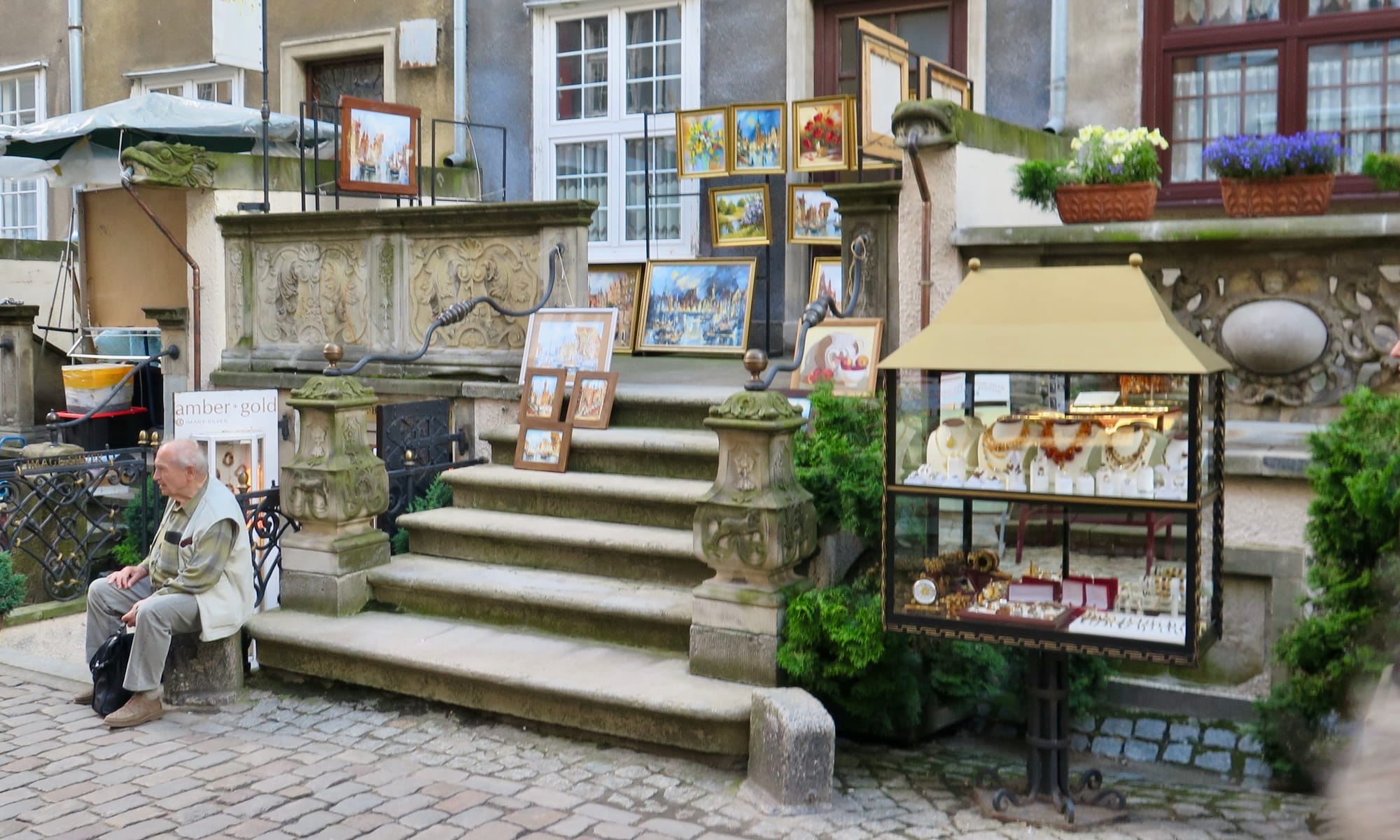
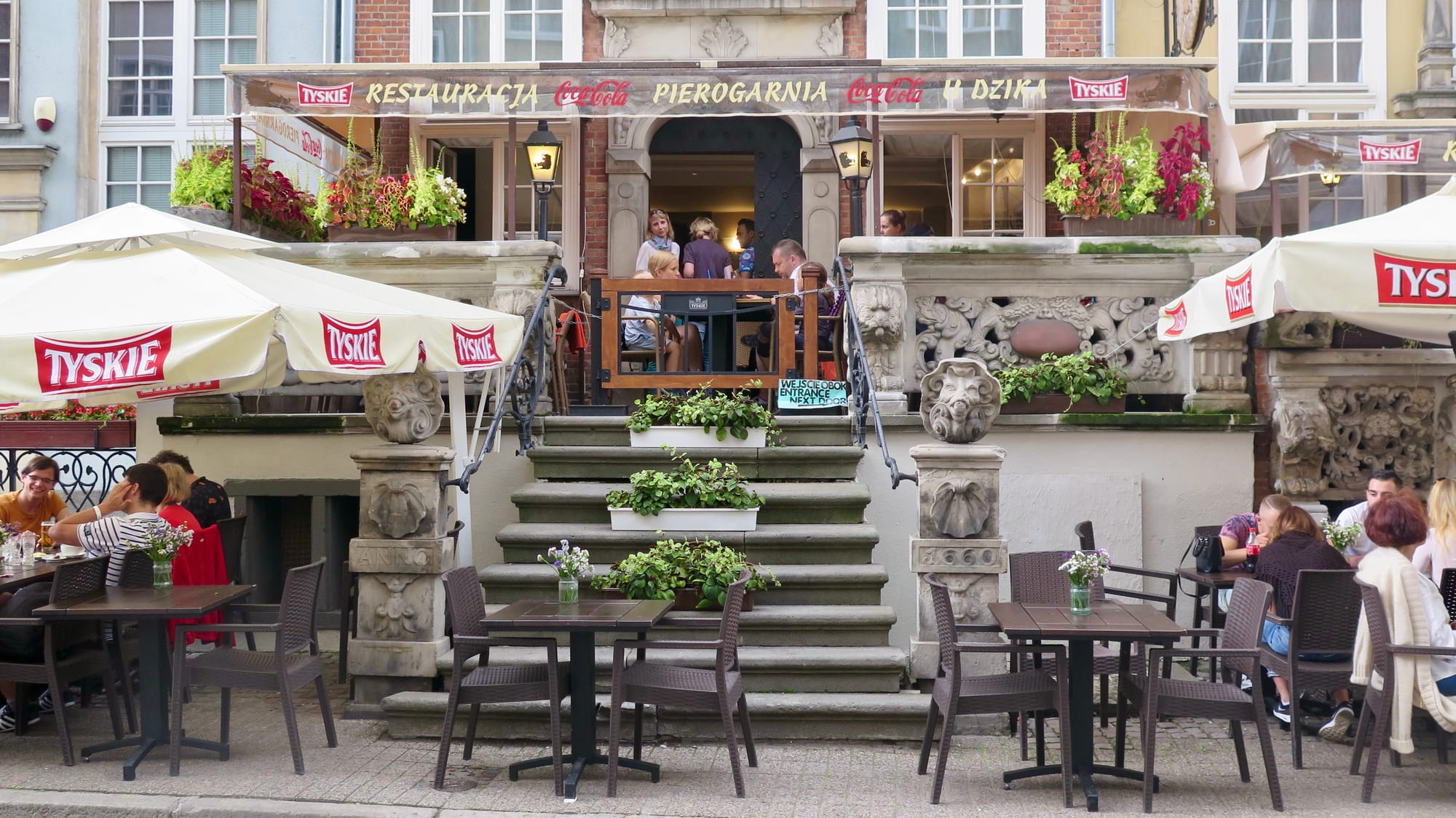
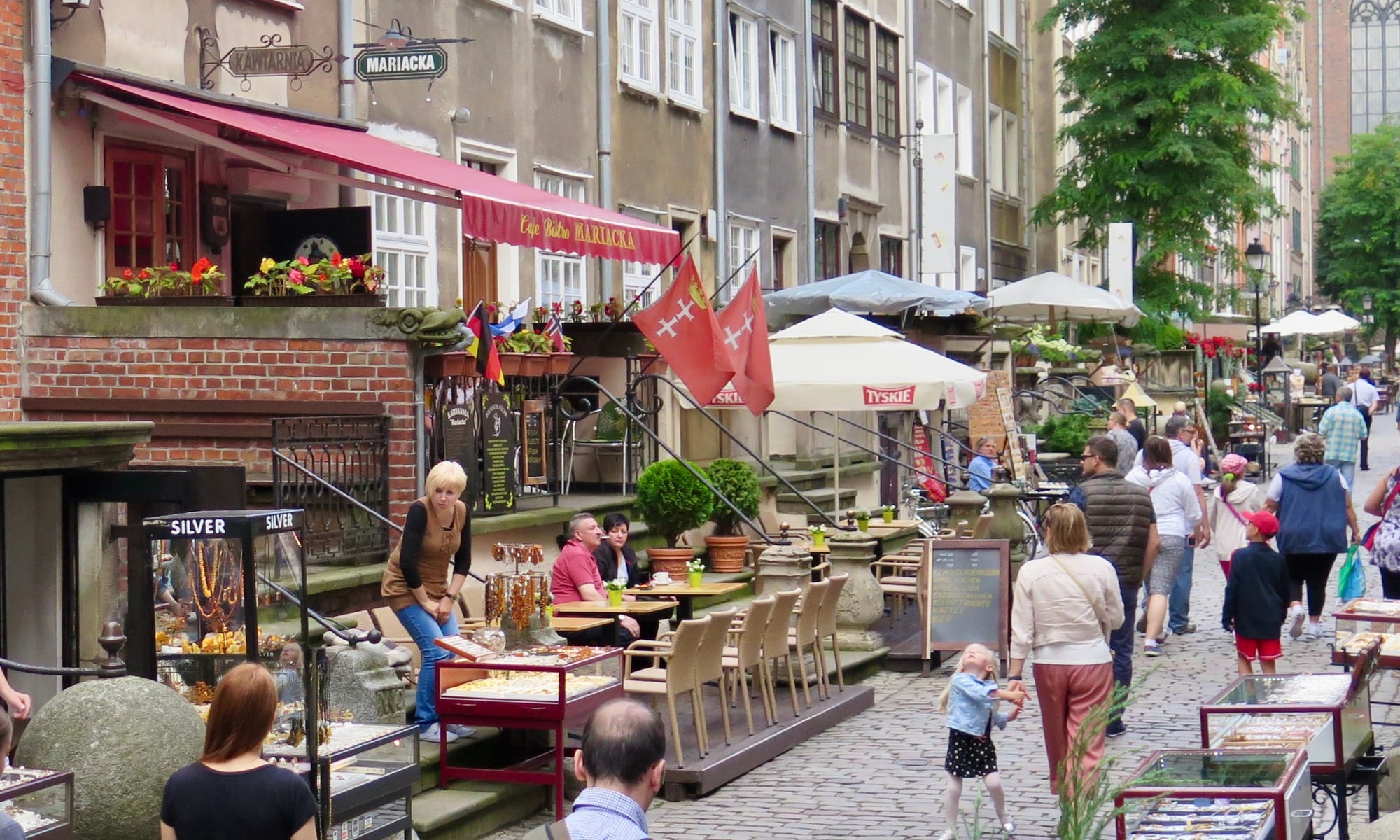
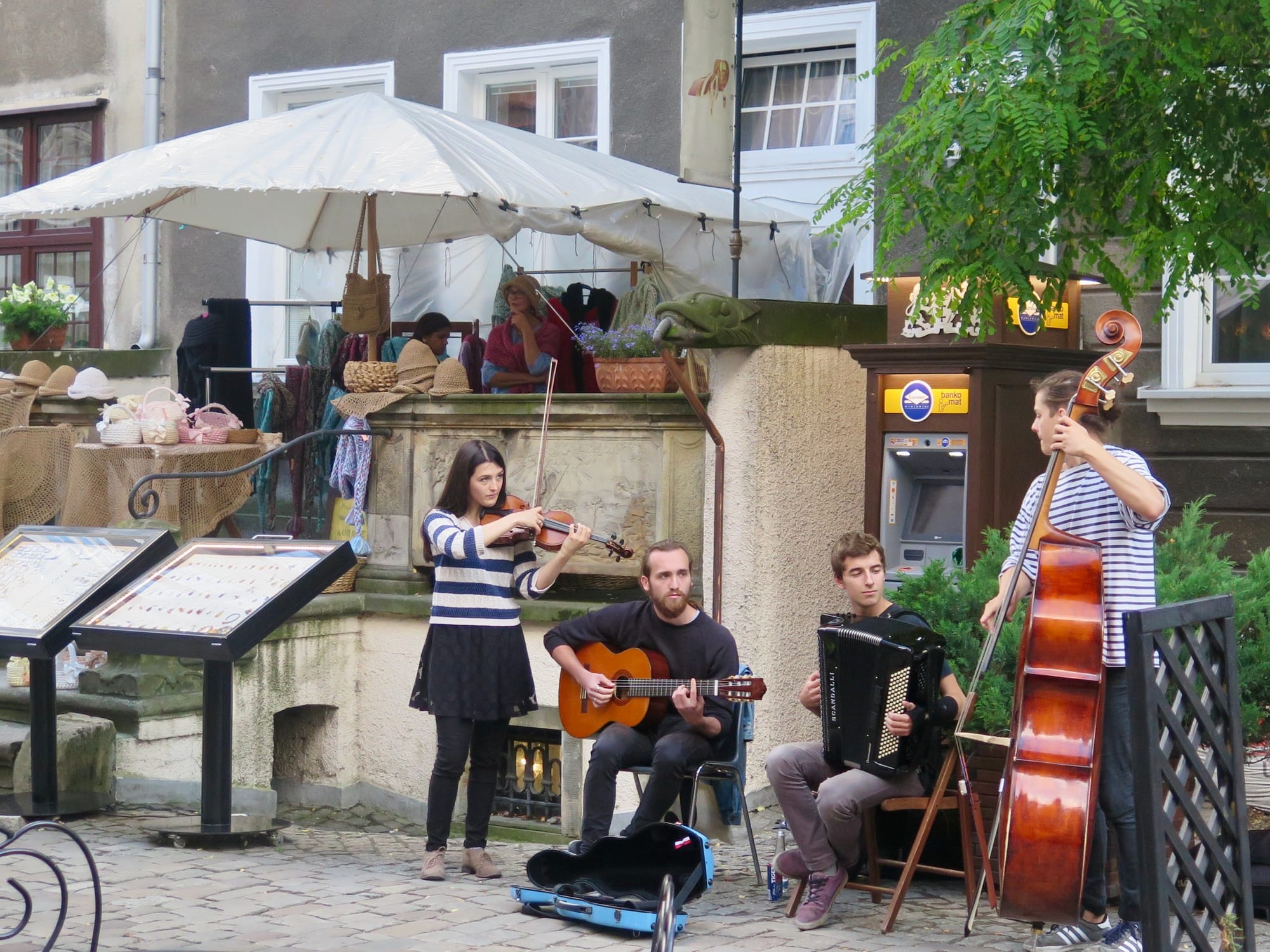
Now, these sidewalks are constantly filled with activities to create one of the great shopping and walking streets in the world.
Miami
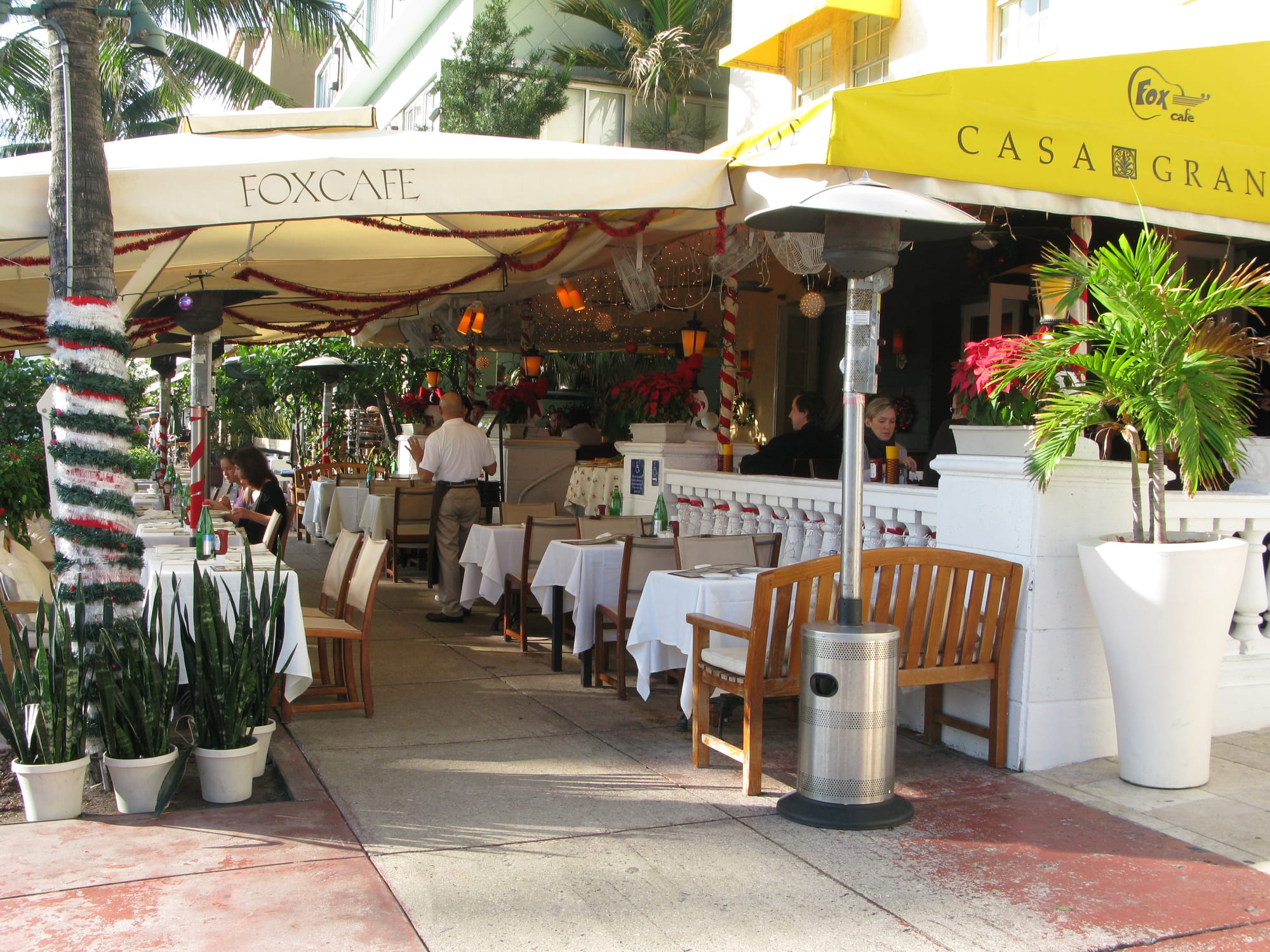
Miami Beach's Ocean Drive is always a party. There are so many great places to sit, talk, and have fun, in large part because of how vibrant the sidewalks are. With coverings to protect from the Florida sun, these street-side dining areas are some of the best destinations in Miami.
Rome
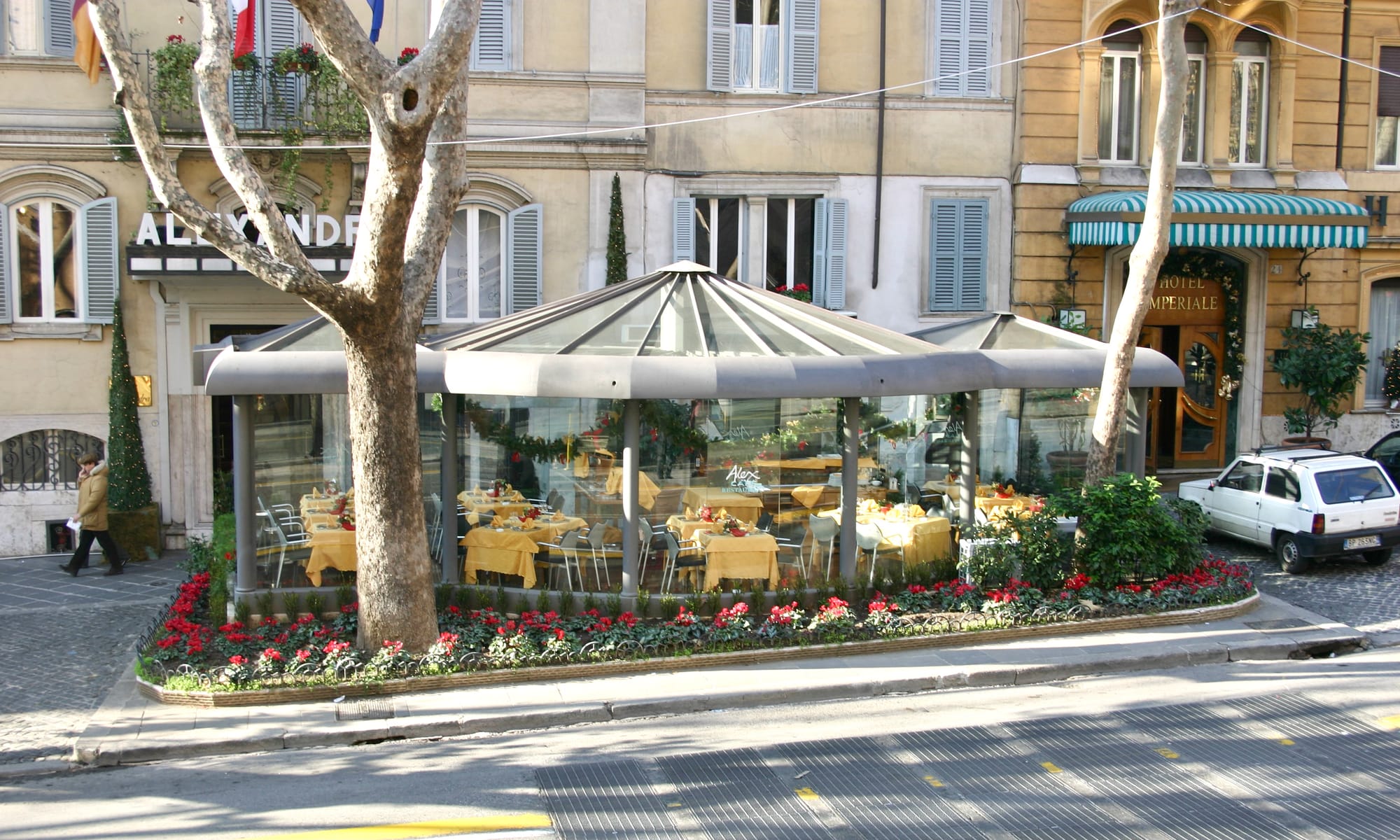
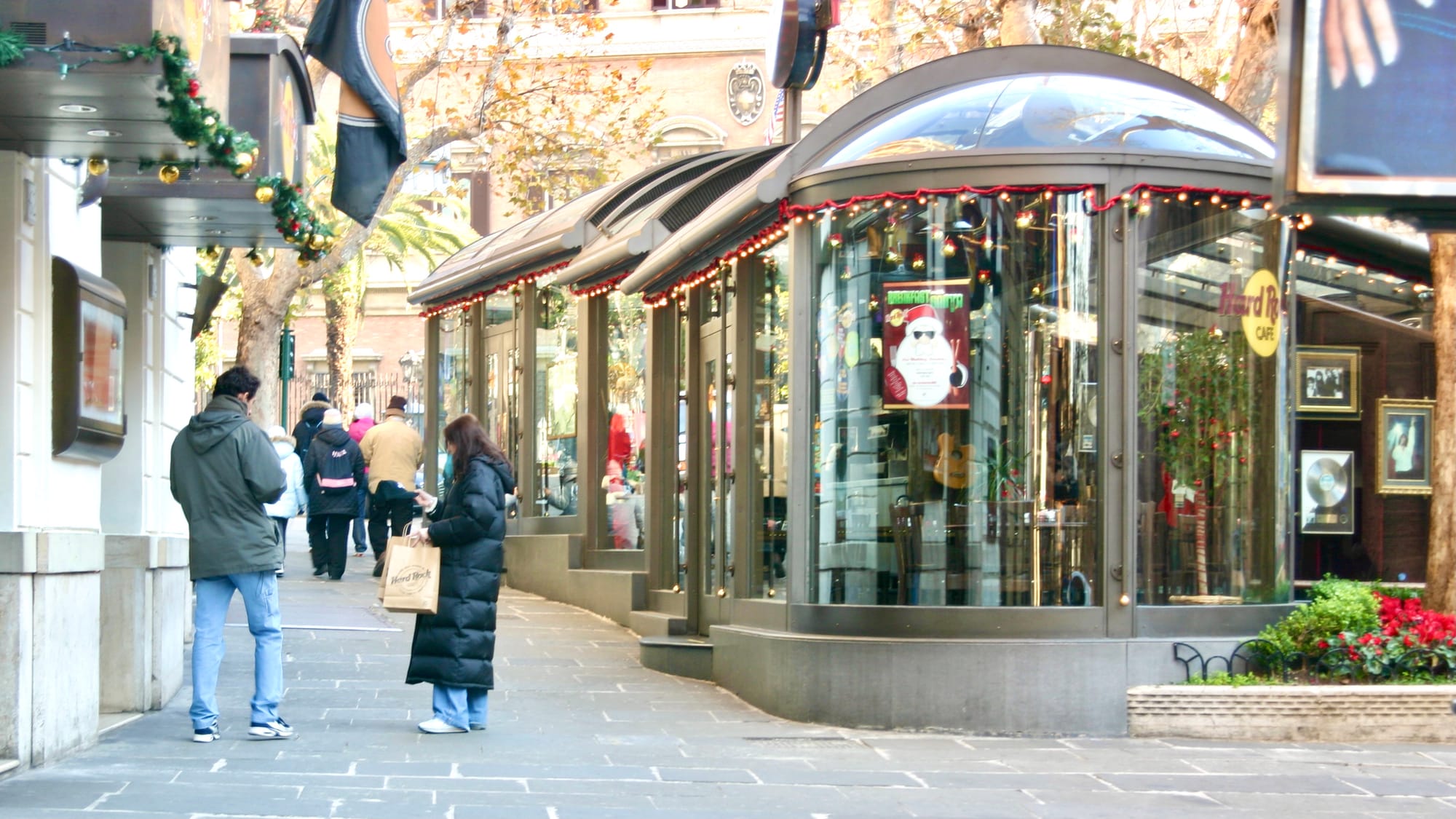
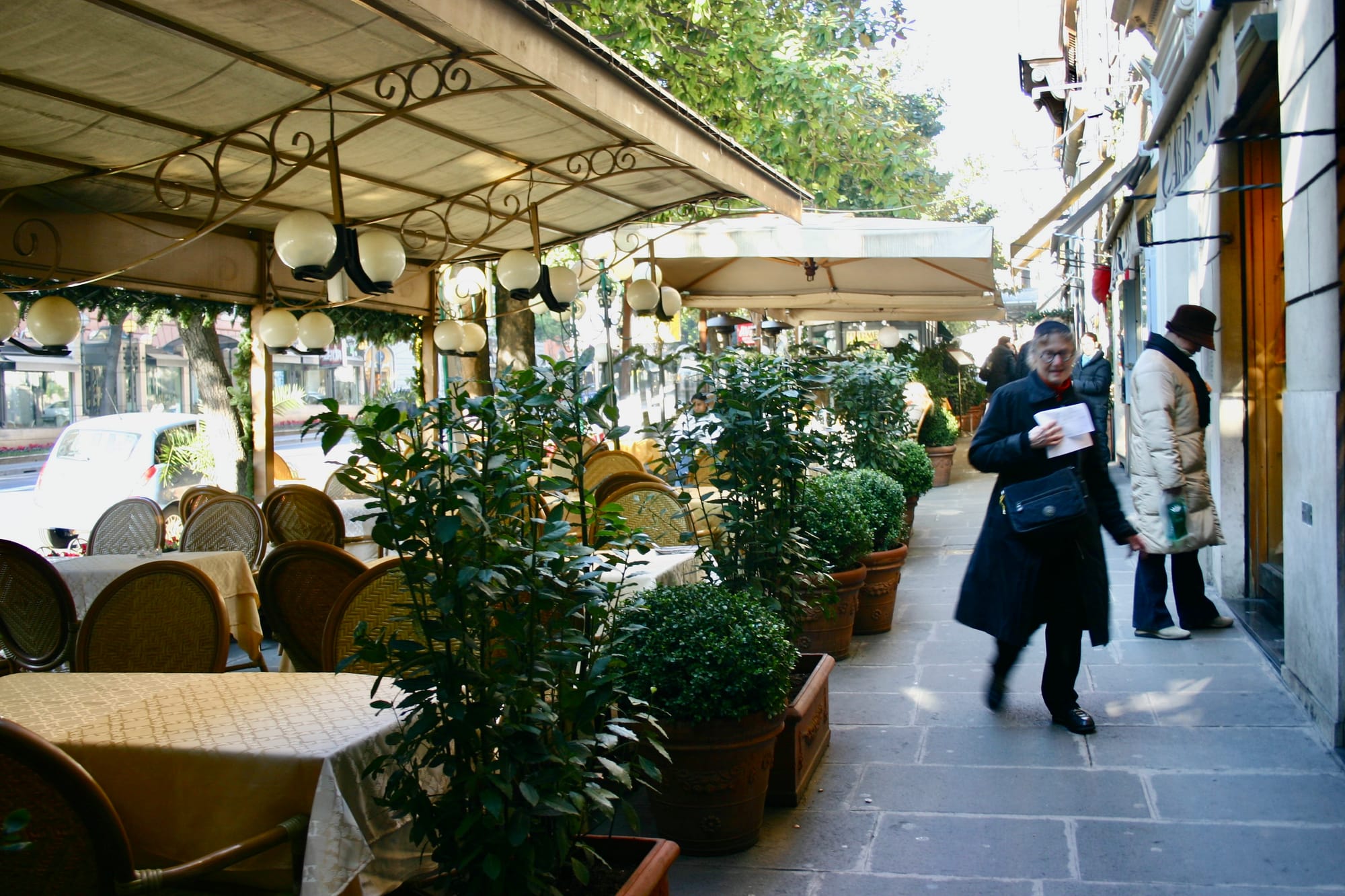
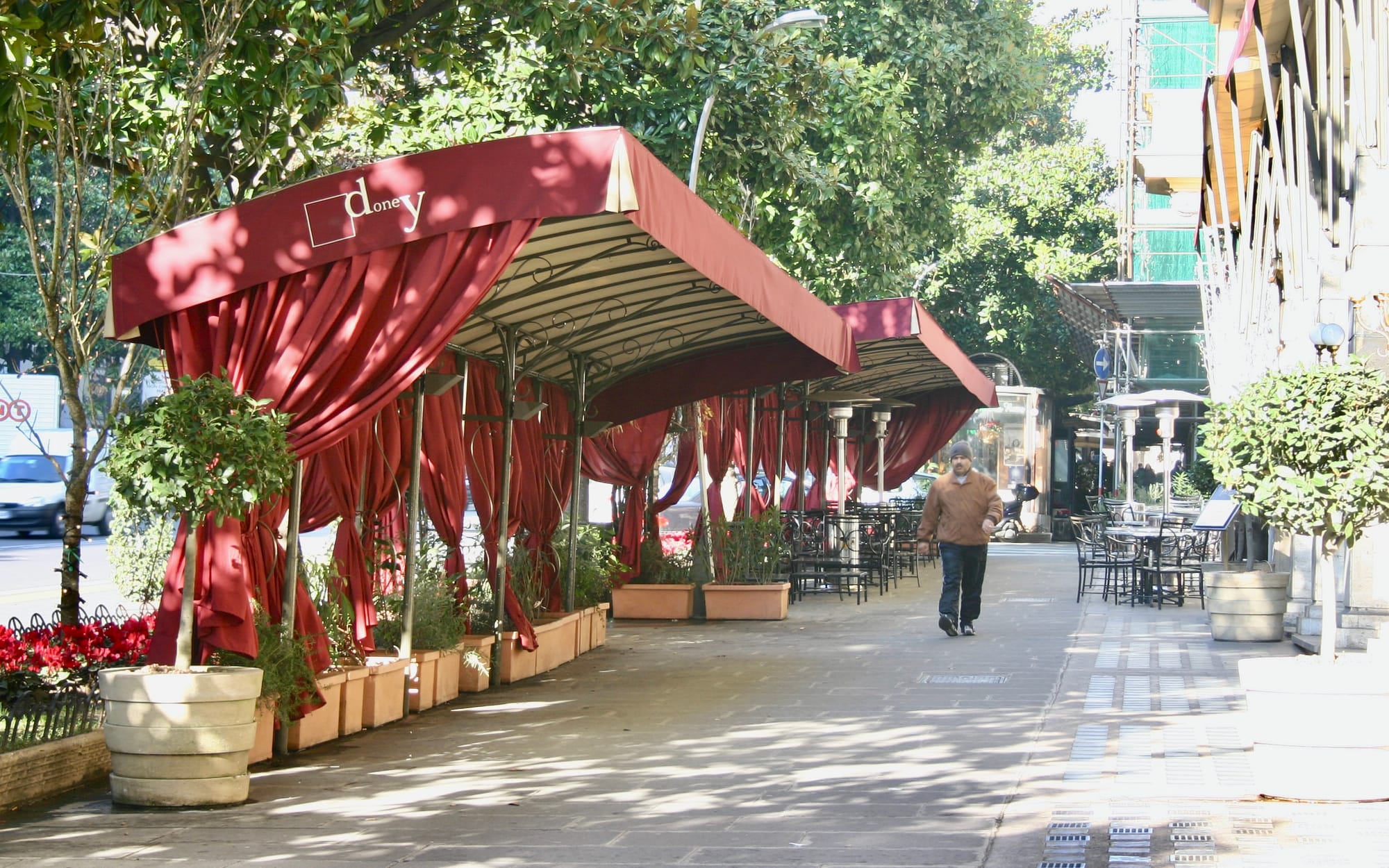
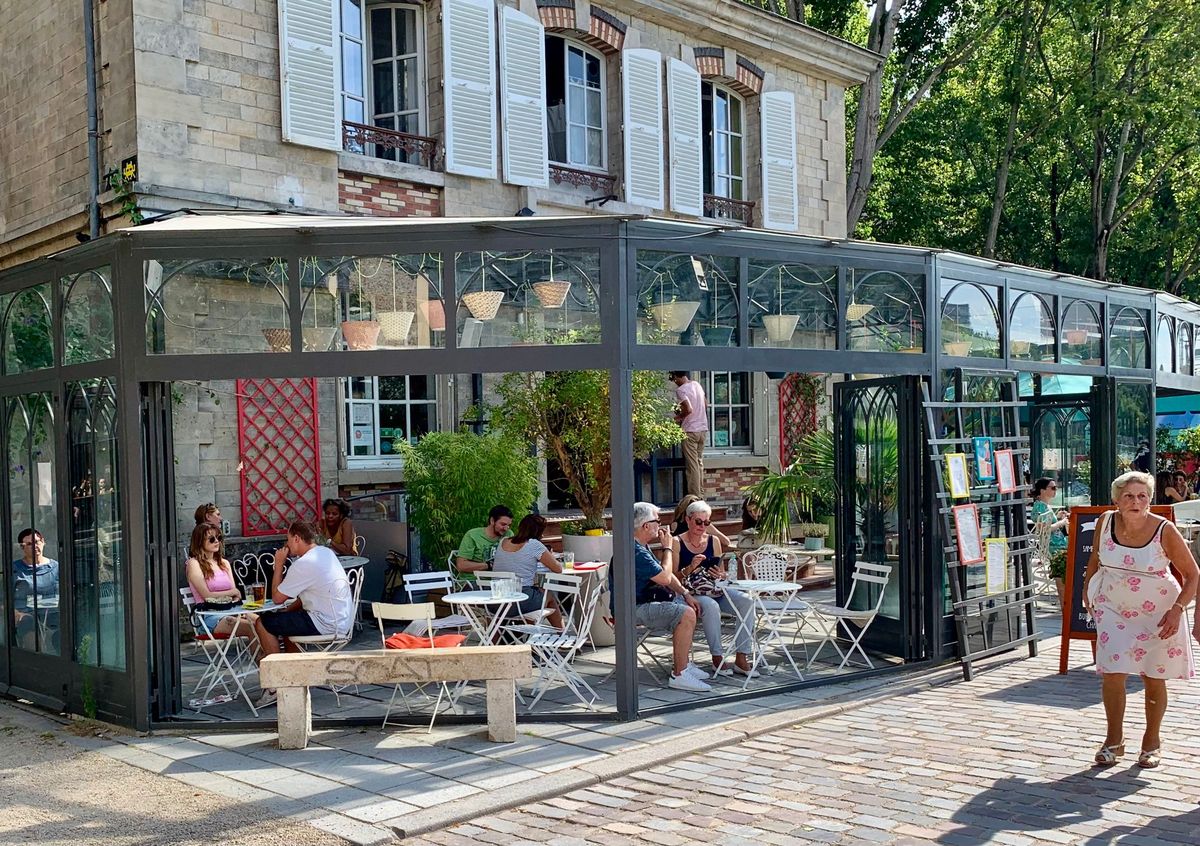
Rome's dining pavilions are reminiscent of NYC's dining sheds, creating extensions of restaurants and cafes on the sidewalks. Their closed design protects the outdoor dining areas from the elements, while their glass walls and open designs allow them to interact with sidewalk life.
Saratoga Springs
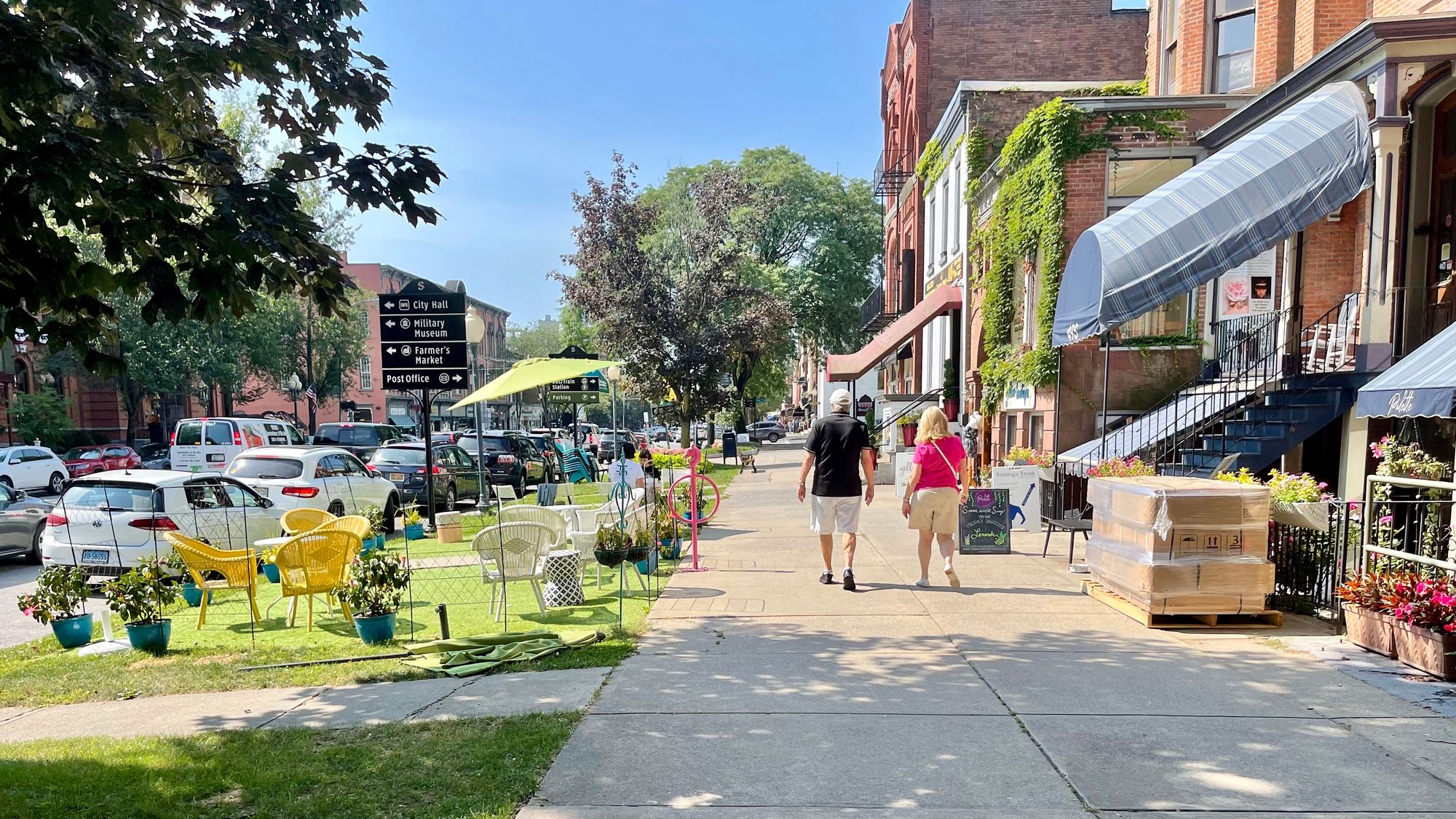
This sidewalk on Saratoga's main street is 30 feet wide. One half is the walkway next to the buildings, and the other half is on the other side of the walkway – a 15-foot area for supporting activities on the grass. These sidewalks are some of the best in the US and offer a great example of double loading.
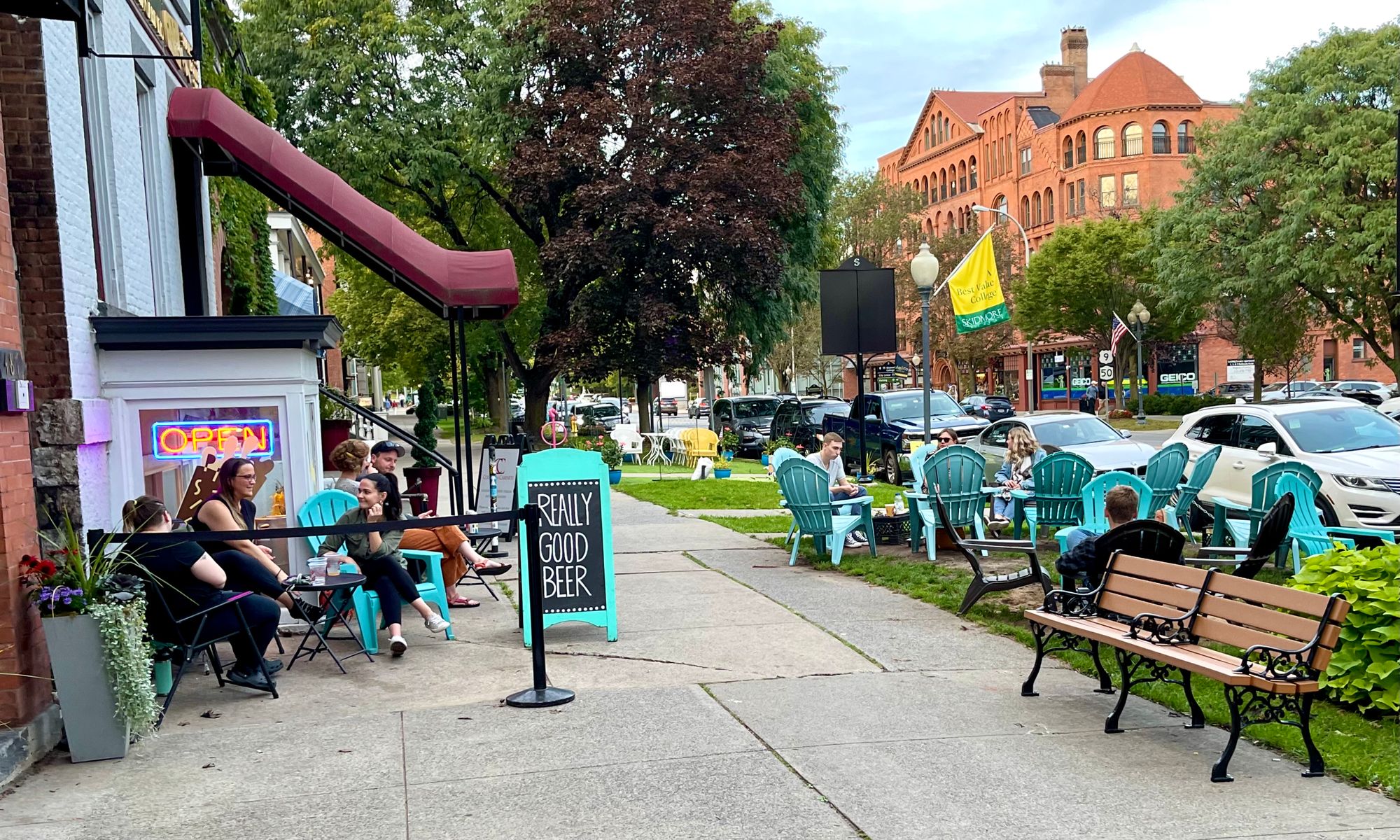
Worth noting in these examples is how people don't seem to notice the presence of cars at all, even though there are often multi-lane streets on the other side of the sidewalks. Double loading makes a wide street feel like a cozy, safe, narrow walkway where the pedestrian is king. While we should work on developing more pedestrian-only areas, promenades, and narrow streets, in the meantime we can retrofit our existing wide streets by double loading them.
To revisit our example from NYC, this double loading was made possible by the addition of dining sheds, which were legalized during Covid to ease the pressure on restaurants and cafes which could no longer serve indoors. Now, the City is taking these beloved dining sheds down for half the year and making it hard for them to exist for the other half...Why? This terrible plan has killed the vibrancy that dining sheds and double loading introduced into our city. We need to fight against this loss.
Fred Kent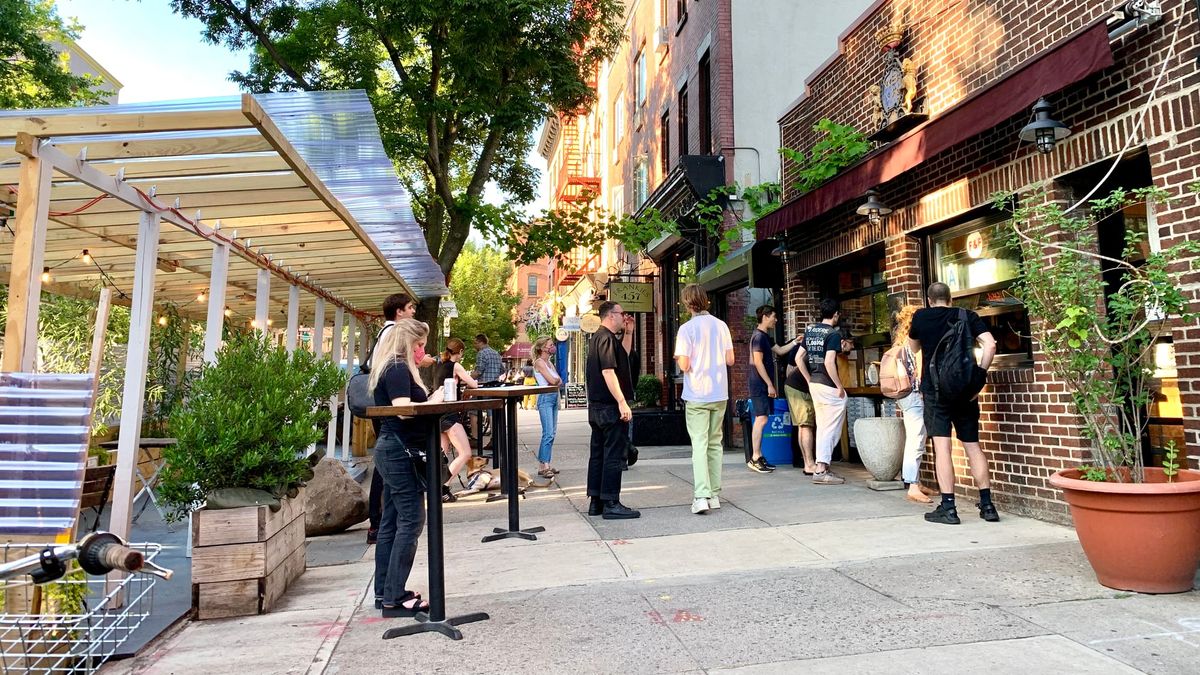
We should support the implementation of double loading because it leads to outcomes that everyone can get behind – more comfort, safety, business activity, vibrancy, and increased foot traffic – and it is a simple and affordable solution at that. A win-win for all.
Takeaways:
- Foot traffic is the lifeblood of every community, which makes sidewalks a community's arteries. Historically, cities built before the car had narrow streets designed mainly for pedestrians. These corridors saw heavy foot traffic and hosted much of the social and commercial activity of the city. These are the places that still thrive today.
- Streets aren't just about "mobility." Streets exist in a complex urban fabric. The number of lanes, speed of traffic, and parking affects more than just those that are driving, so when designing streets, we must consider how to make sure pedestrians, businesses, and community life also thrive.
- Turning buildings "inside out" creates a dynamic public realm. Communities have been destroyed by uniform storefront designs. If sidewalks aren't interesting, people will not use them. To make sidewalks engaging, things of interest within buildings should spill onto the sidewalks and connect business activity with public life, including seating, displays of goods, etc.
- Sidewalk widths make all the difference. In order to turn a building "inside out," the sidewalk must be wide. In an era where the word of traffic engineers is law, street are designed for traffic throughput and sidewalks are made miniscule. This is counter to the purpose of streets in cities which is to support social and commercial activity.
- Whoever owns the intersection defines the community. It's important to focus on what happens at the corners – the nodes of the street network. If corners are dominated by cars, the streets belongs to the cars. If corners are full of inside out displays and outdoor seating, the streets belong to the community.
Related Articles
Fred Kent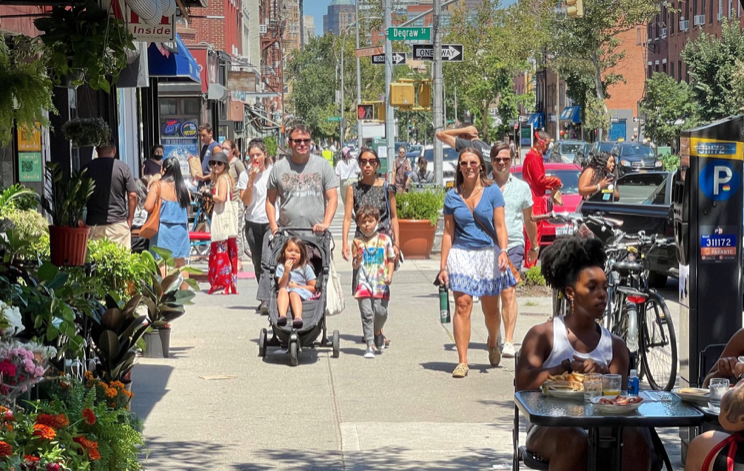 Fred Kent
 Fred Kent
 Jay Walljasper
 Fred Kent