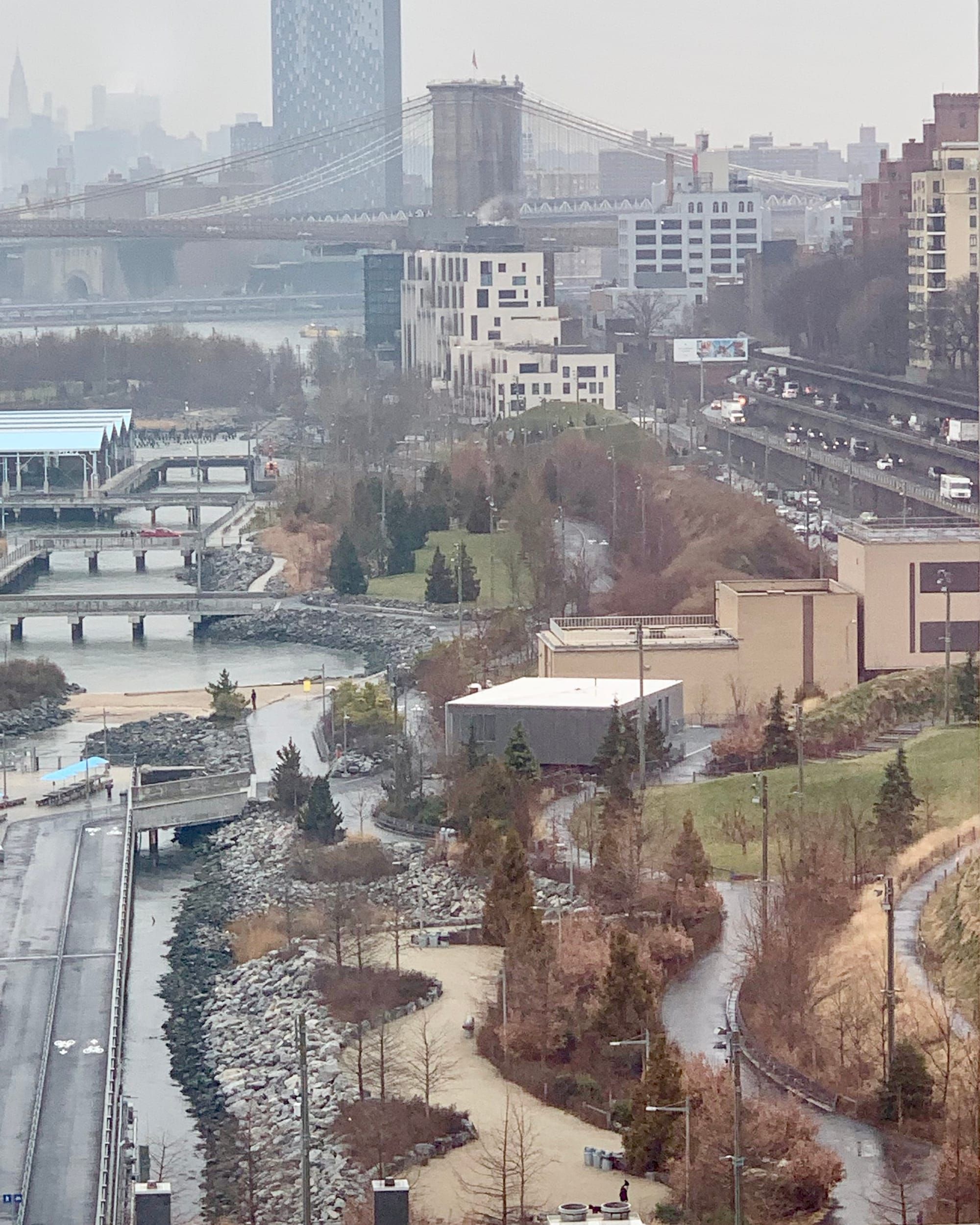
Brooklyn and New York City are not delivering the public realm we desperately need.
Every new development seems to be going deeper and deeper into creating a waterfront that drives people away instead of bringing them together, and it keeps getting worse.
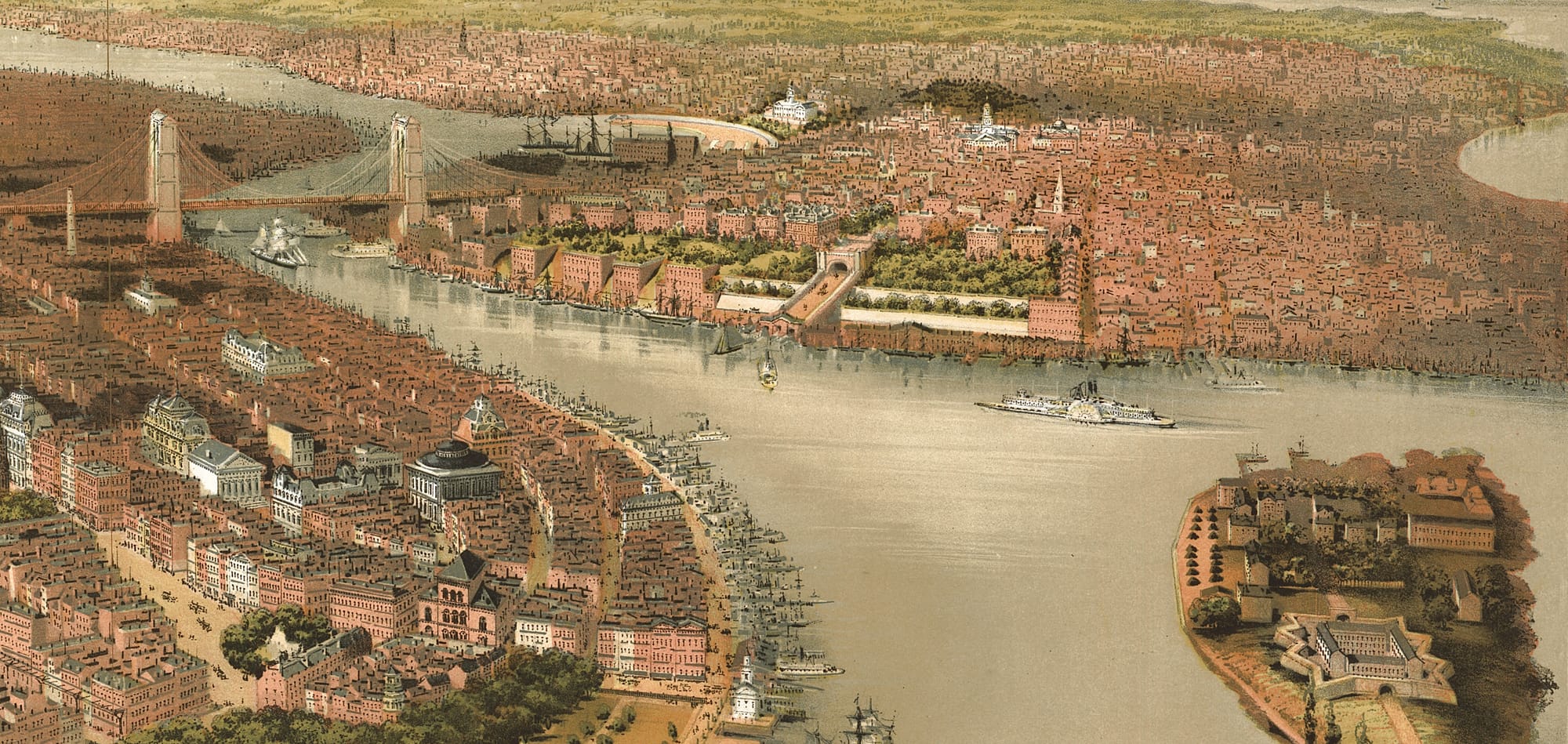
Our waterfront's history was full of life. The city's waterfront was revered around the world as the center of commerce in 1875. Now, it's a dull and uninspiring collection of berms, rip rap, and empty green space. Where once there was a hub of thriving activity, now there is barely an echo of it.
Where we are today is so far from our full potential. How do we get back on track to a future where we can thrive? By focusing on connection – how our separate waterfronts all connect, and how the people spending time there connect with the space and each other.
 Fred Kent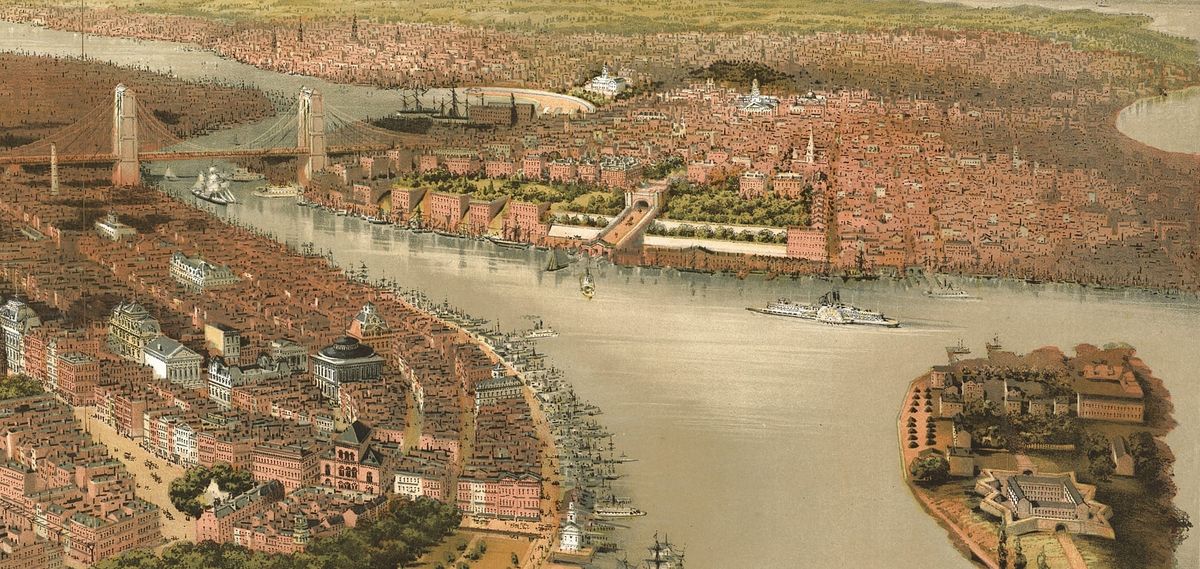
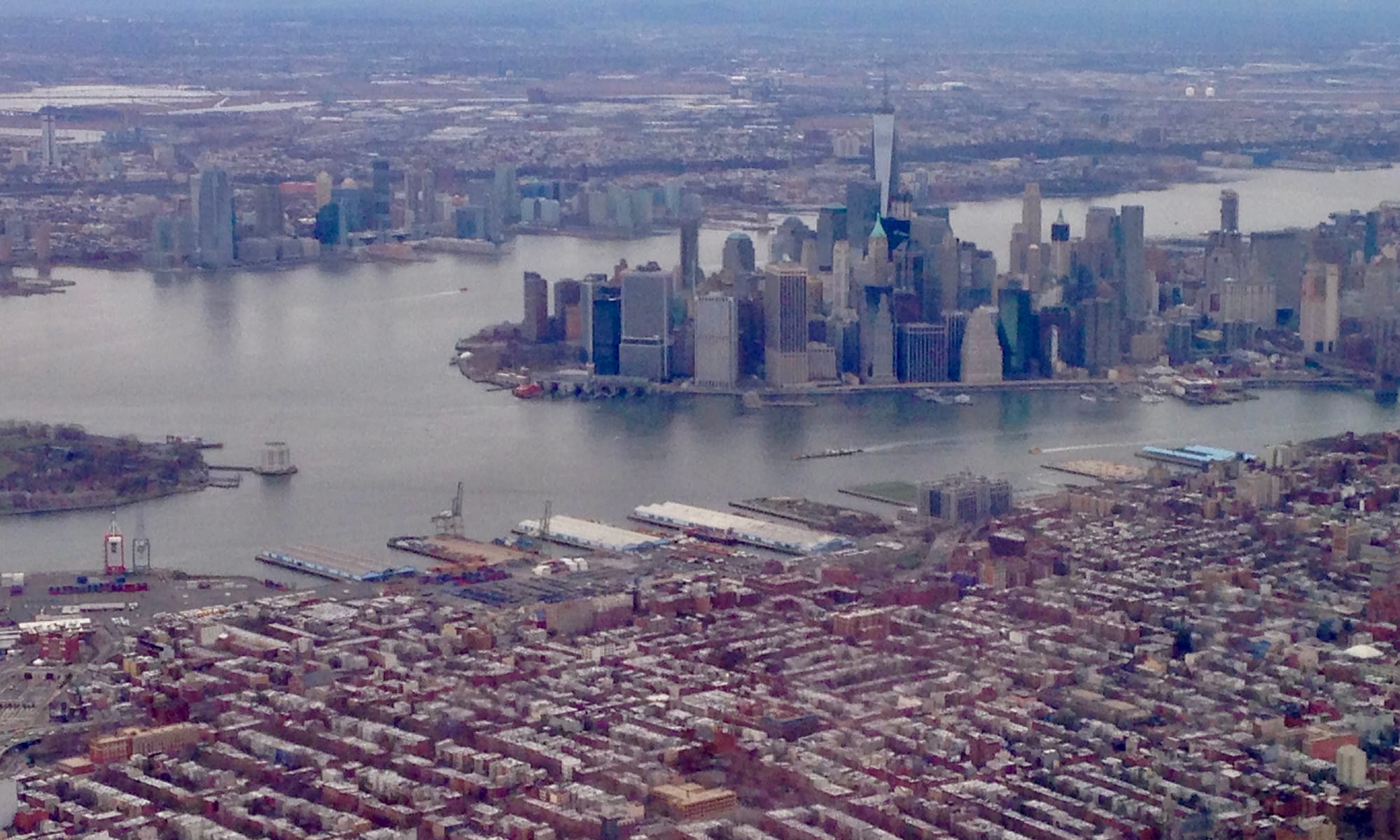
1875 vs Today
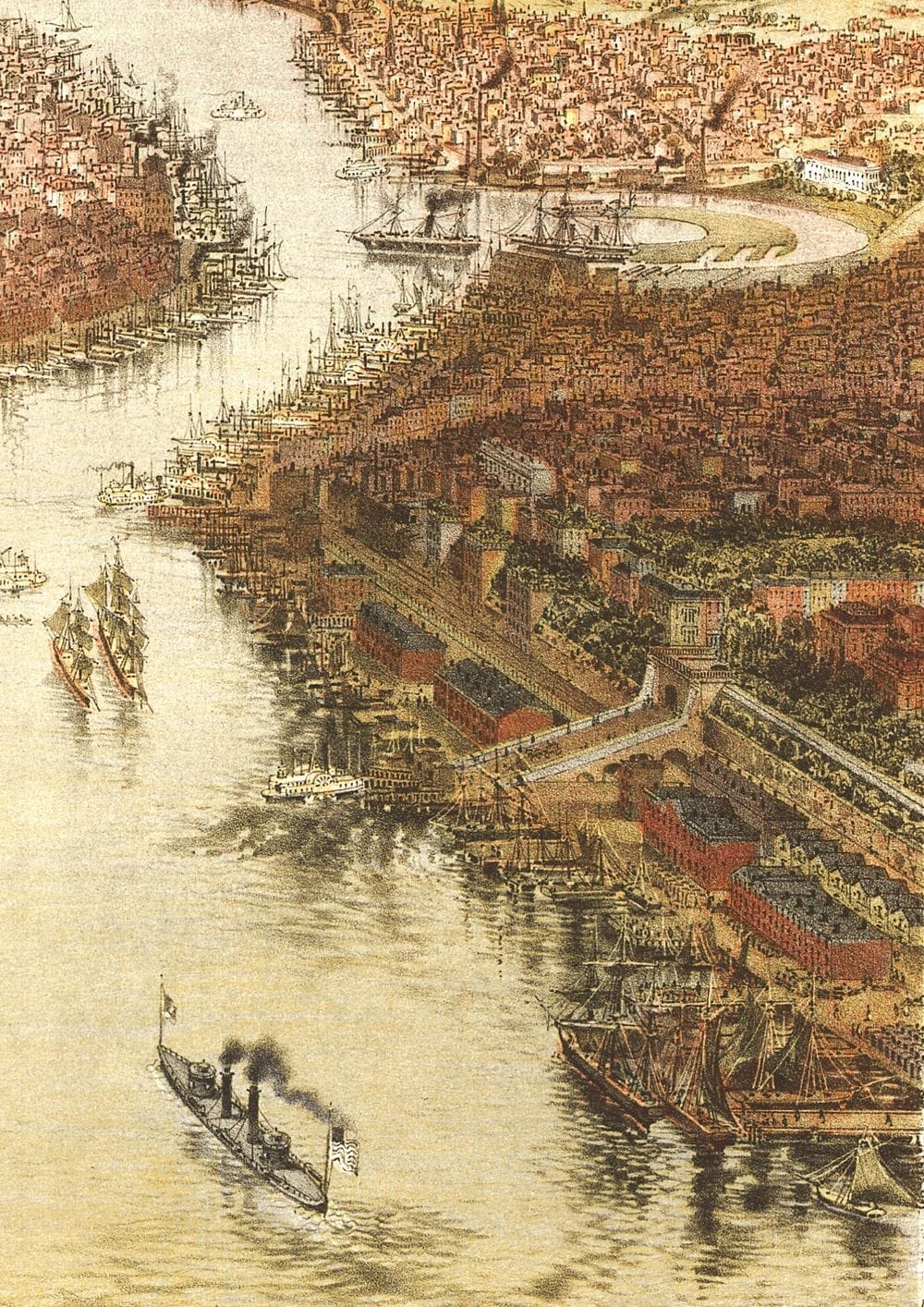
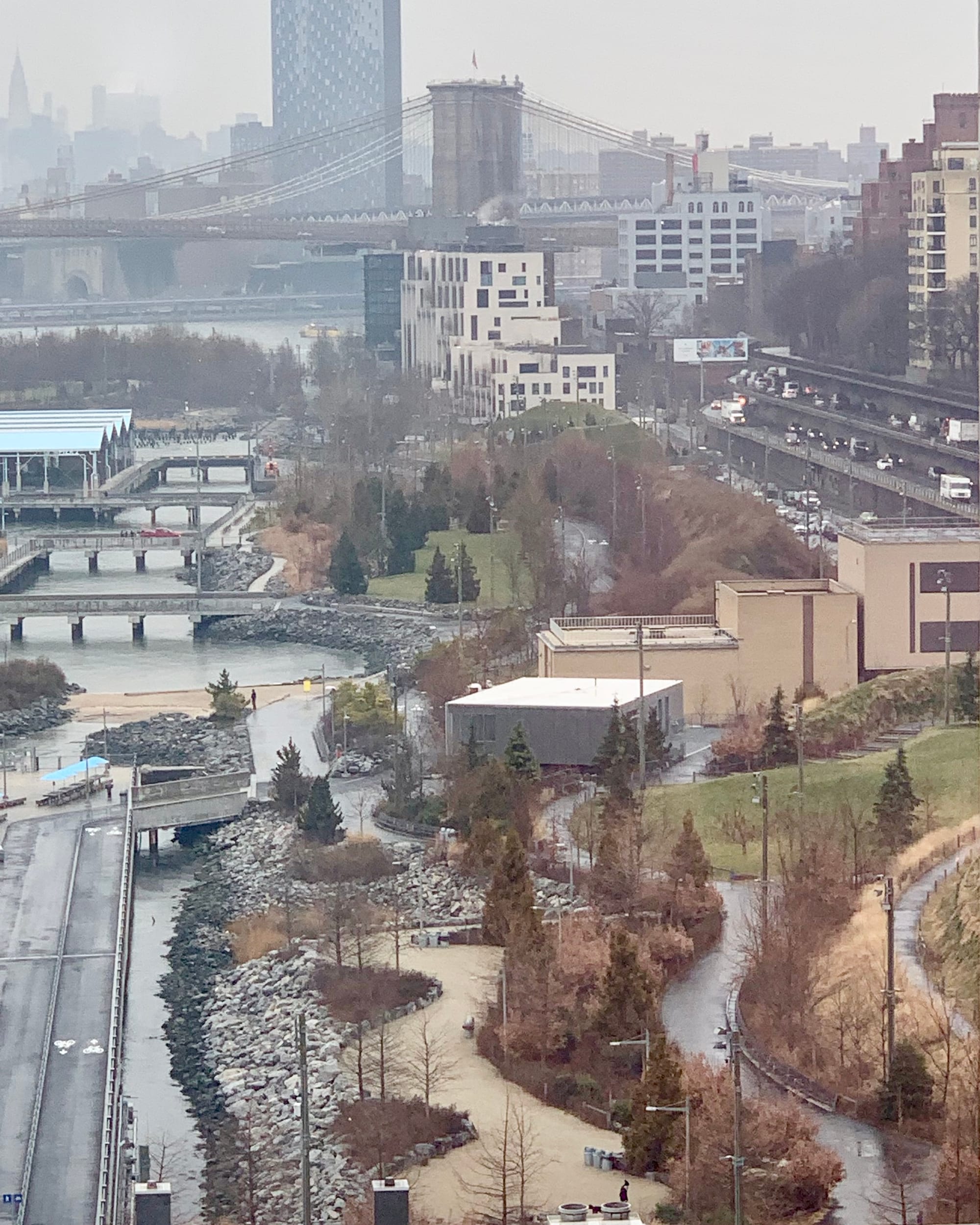
Brooklyn's past and its present. What do we want in the future?
What we Propose
The Heart of the Harbor
A concept informed by our 50 years of experience working on great waterfronts and inspired by the best public places around the world.
Instead of centering private development and impersonal landscaping, soulless architecture and joyless features, we propose a concept that focuses on social life, community, culture, connection, and enjoyment.
We need to create a public waterfront on the East River for all of Brooklyn to enjoy.
If we don't do this now, we will lose it forever.
Three Main Ideas
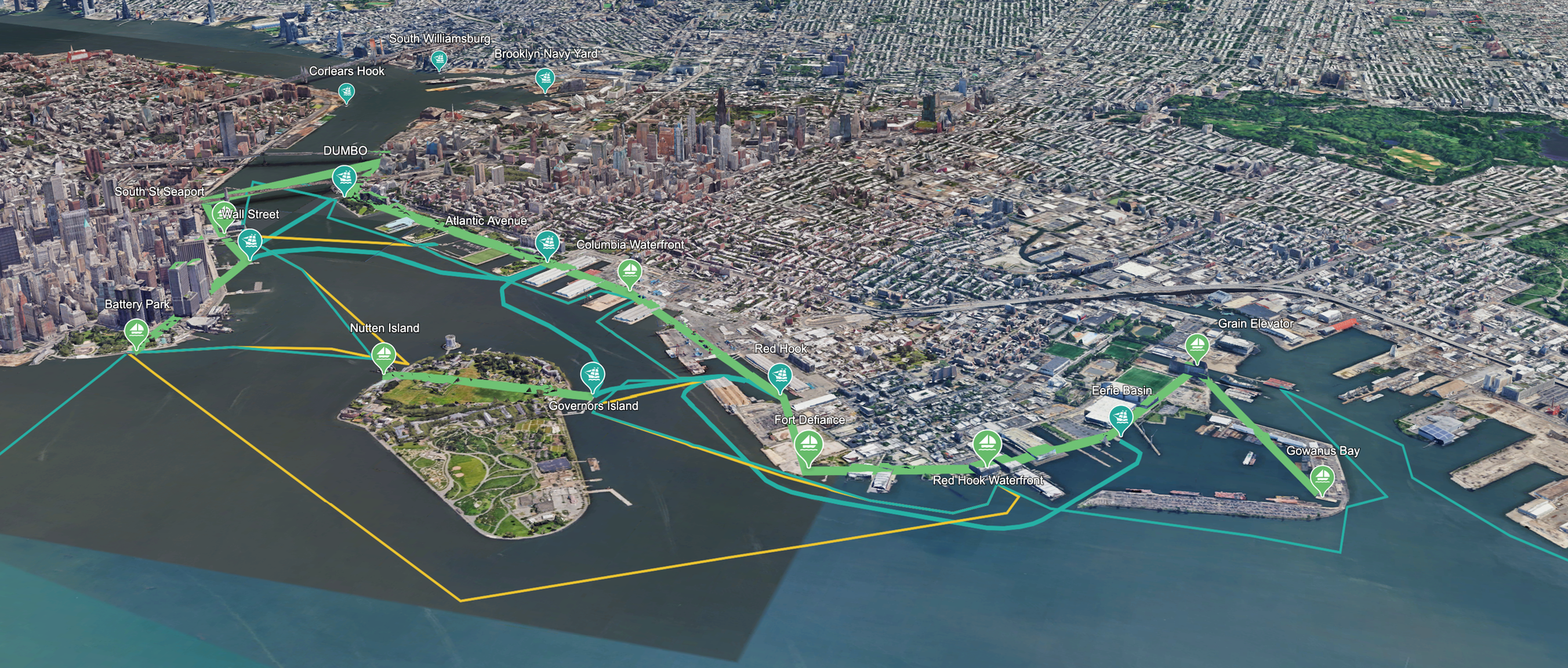
1) Connecting all segments of the waterfront – lower Manhattan, Brooklyn, and Governor's island – into a cohesive whole through improved ferry traffic. Currently, the ferry activity does not encourage exploring the different parts of the waterfront and obstructs the public's access to them, thus limiting visitation.
2) Create a continuous promenade connecting the waterfront from DUMBO to Gowanus, seamlessly integrated with the surrounding neighborhoods. It should include the Manhattan and Brooklyn Bridges, and even key places like Borough Hall through internal connections. Such a promenade should eventually continue up the East River to Queens and the Bronx. A continuous pathway along the waterfront is key to creating well used destinations.
3) Create vibrant public spaces all along the East River through activations, amenities, and programming – transforming the area into "a series of rooms instead of a corridor." Currently, the area is a dull place to walk along that offers little of interest to engage with, thus discouraging visitation. Adding seating, places to eat, play areas, entertainment options, cultural events and more will turn it into a fantastic destination that people flock to.
Concept for an Enhanced Promenade and Ferry Service
A Template for Brooklyn: Granville Island, Vancouver
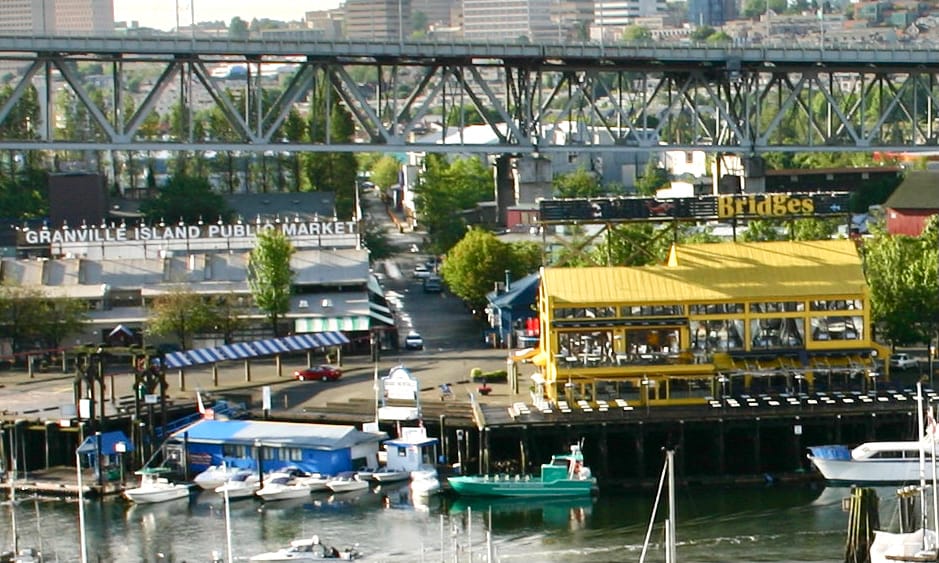
Granville Island is still home to many maritime-related businesses that occupy stretches of the island edge. Granville mixes them in with restaurants and public spaces so that they are part of the experience of visiting the island, even if the working waterfront uses are not themselves publicly accessible.
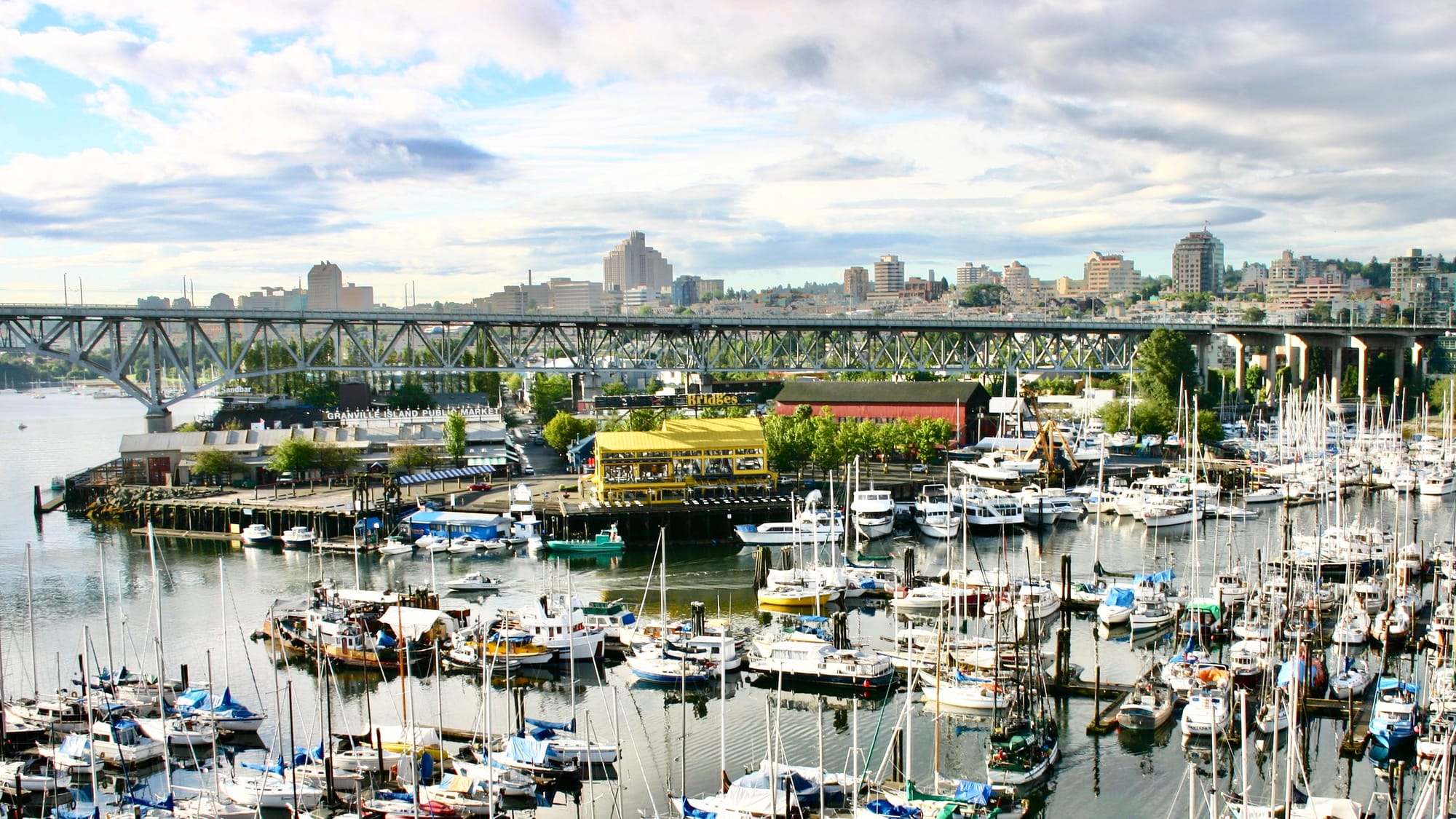
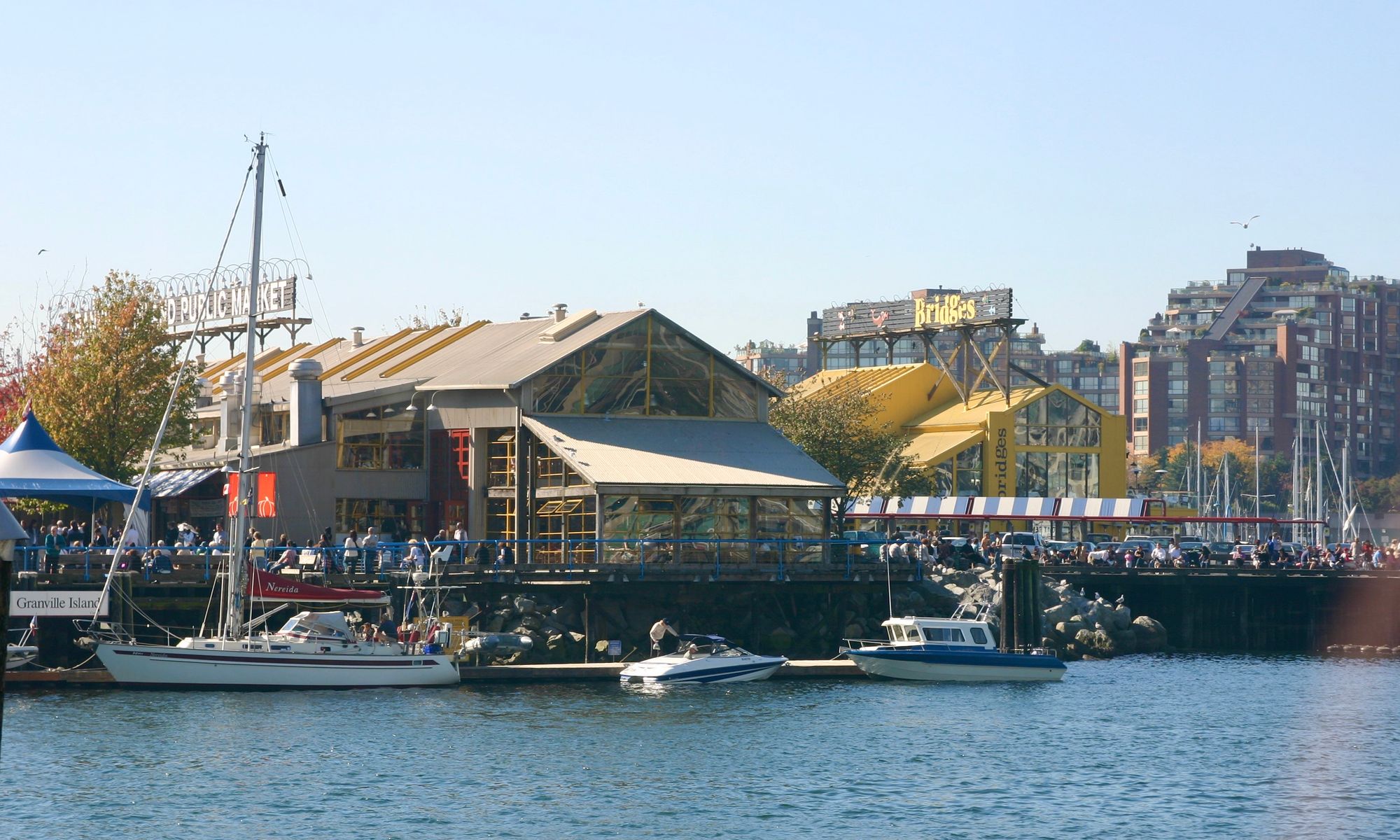
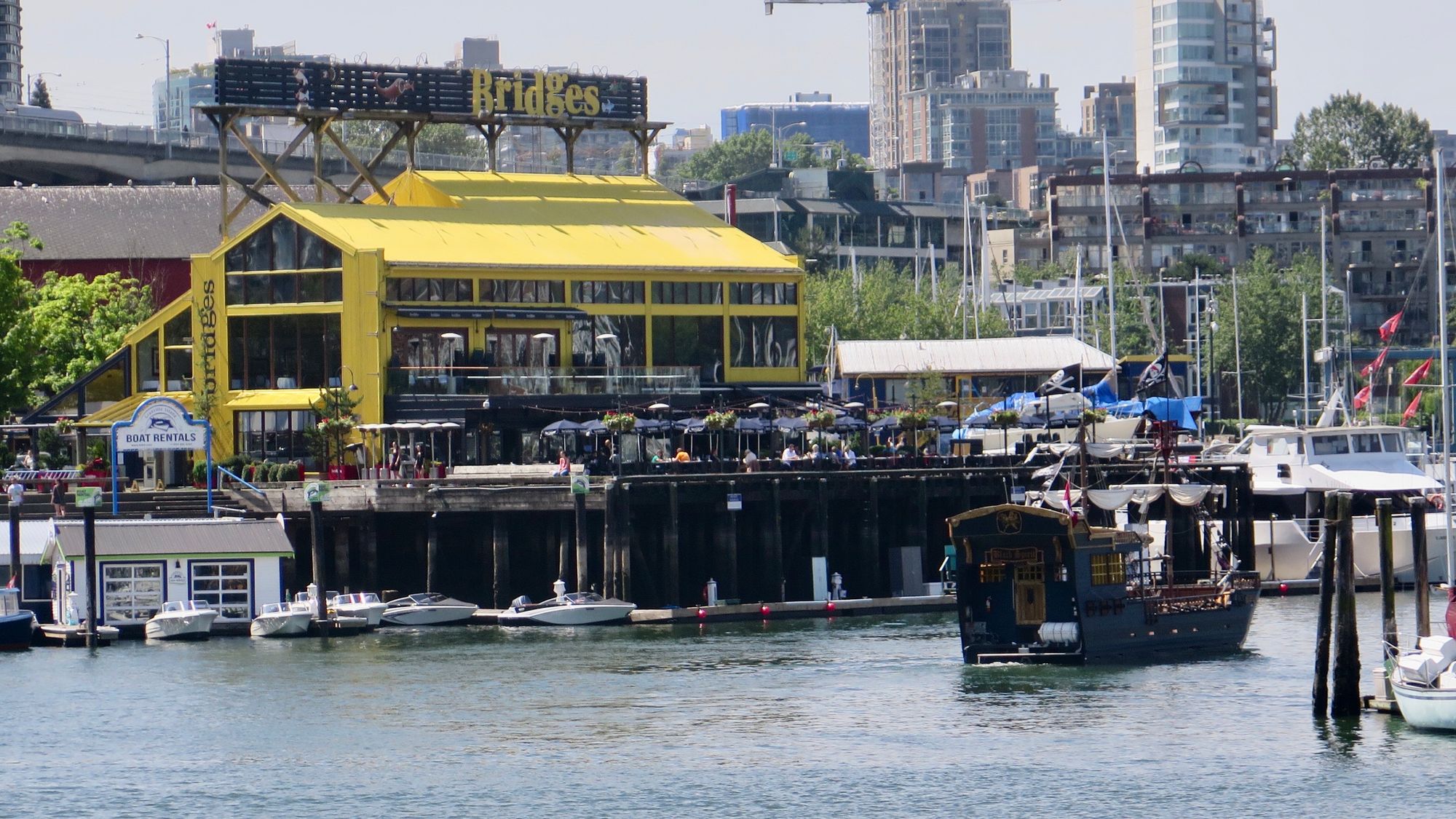
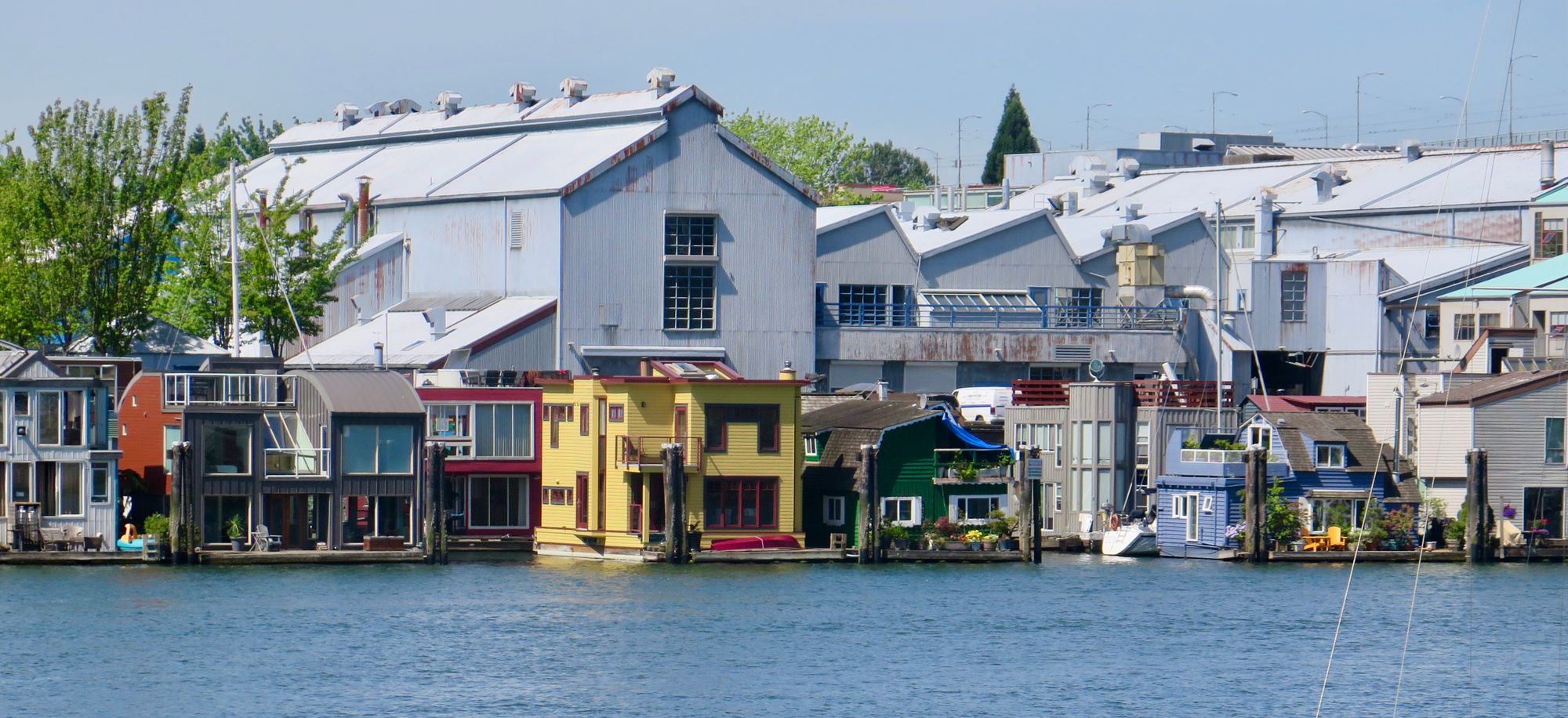
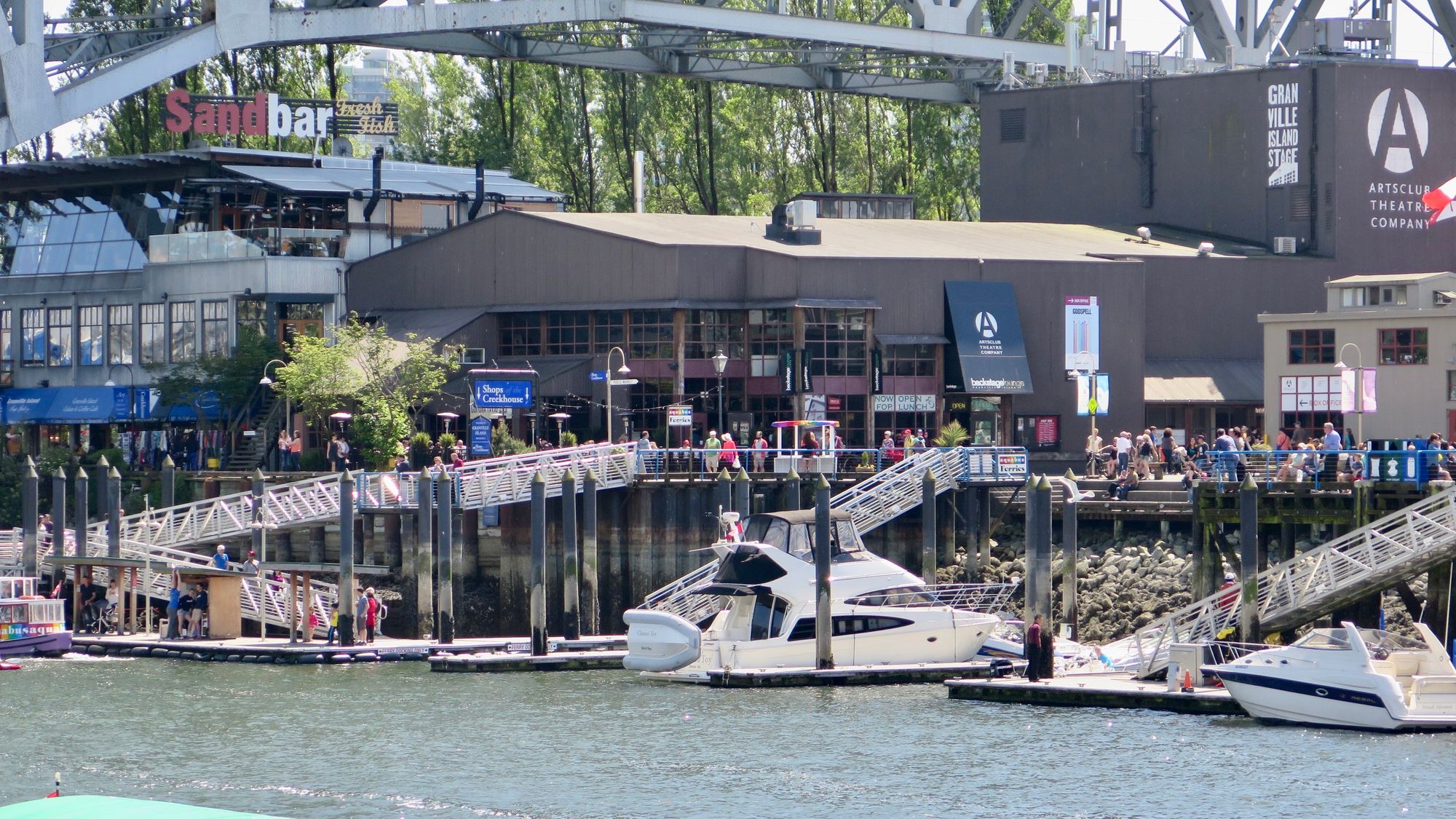
House boats and active public waterfront use are intermingled
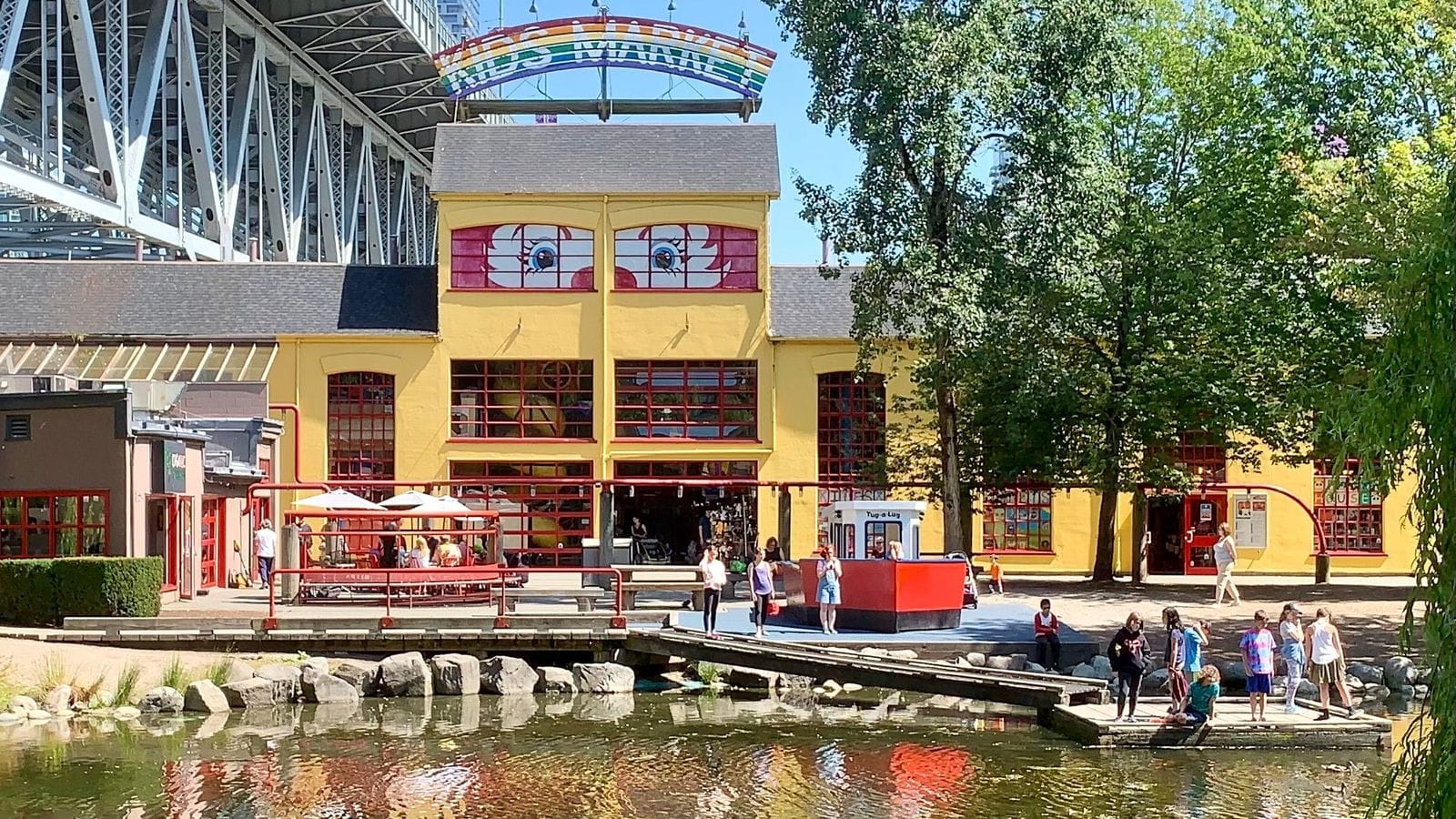
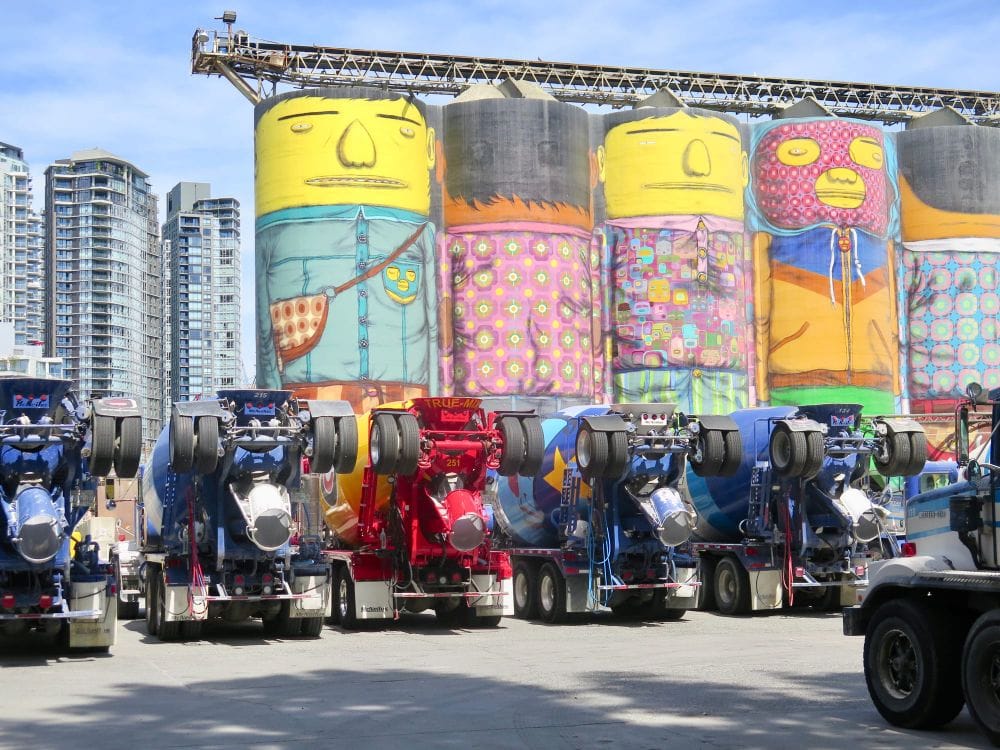
Kids Market and a concrete Factory
Granville Island is Canada's second most popular destination, after Niagara Falls.
In 2010, we – then Project for Public Spaces – hosted a two-day forum of planners, developers and city officials from around the world at Granville Island. We drew inspiration from the island and discussed what makes a great multi-use destination. Here's what we learned:
- Lead with use not design. The design of multi-use destinations should be aimed at creating a “setting” for the uses that are occurring within it.
- The importance of government learning to say “yes” to new ideas. This creates more trusting relationships with the private sector.
- “If you think you’re done, you’re finished” – Develop spaces that are flexible, dynamic, and that “manage themselves.” Ongoing and innovative management are key to creating vibrant multi-use destinations.
- “The magic is in the mix.” We are moving beyond the simple concept of “mixed use.” True sustainability comes from the relationships between uses, tenants, and the organizations within a place.
- Find creative funding strategies to keep rents low, attracting a range of tenants
- Why do we spend so much money on new developments that don’t work and that don’t attract people when we have amazing examples of ones that do? Public multi-use destinations like Granville Island have proven to be very popular and successful, so we should replicate them.
 Fred Kent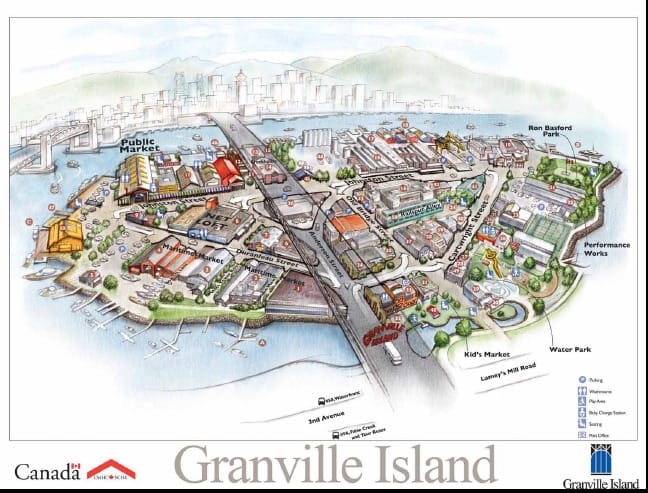
A lot of what works in Granville Island today has been proposed by the Red Hook community for its future in the 197a plan, 30 years ago.
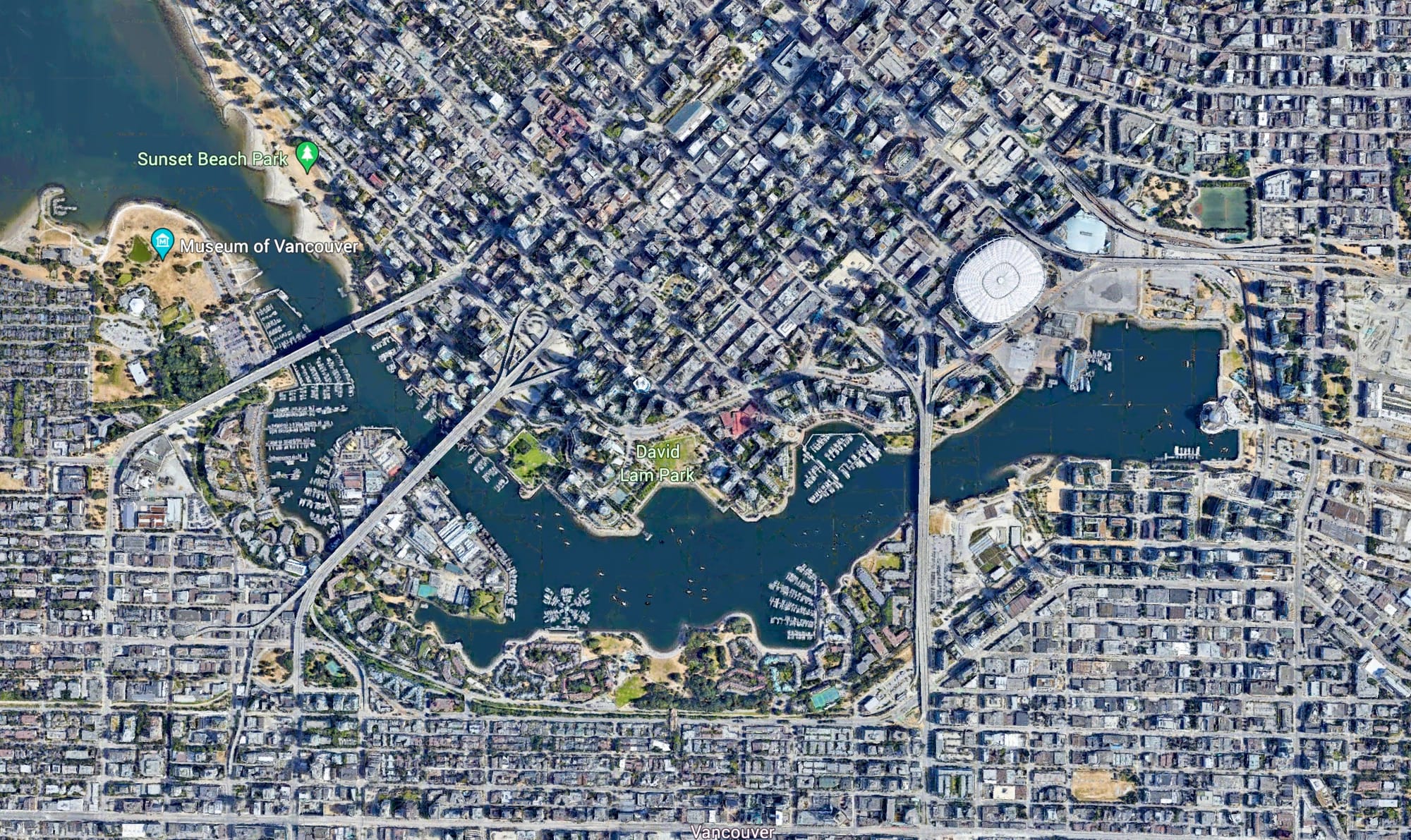
The island is in the middle-left of the photo, below the second bridge.
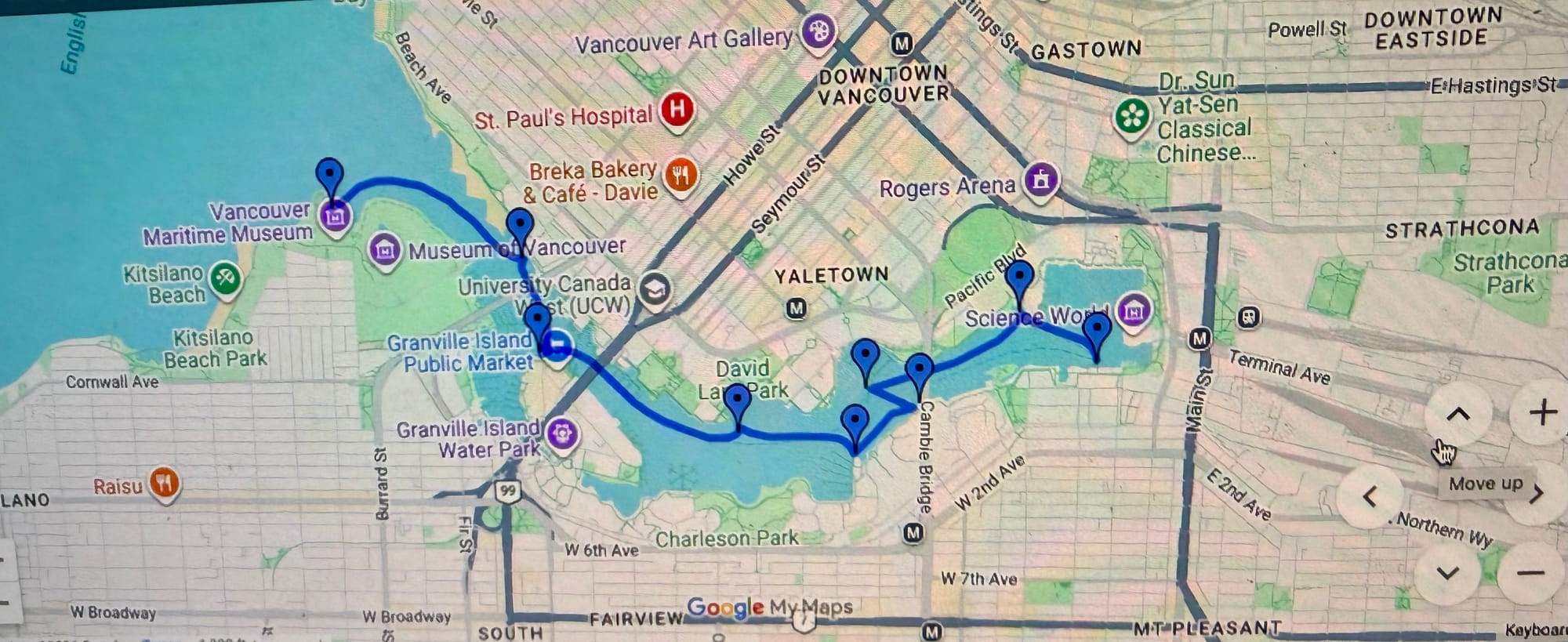
Comprehensive ferry service to the island
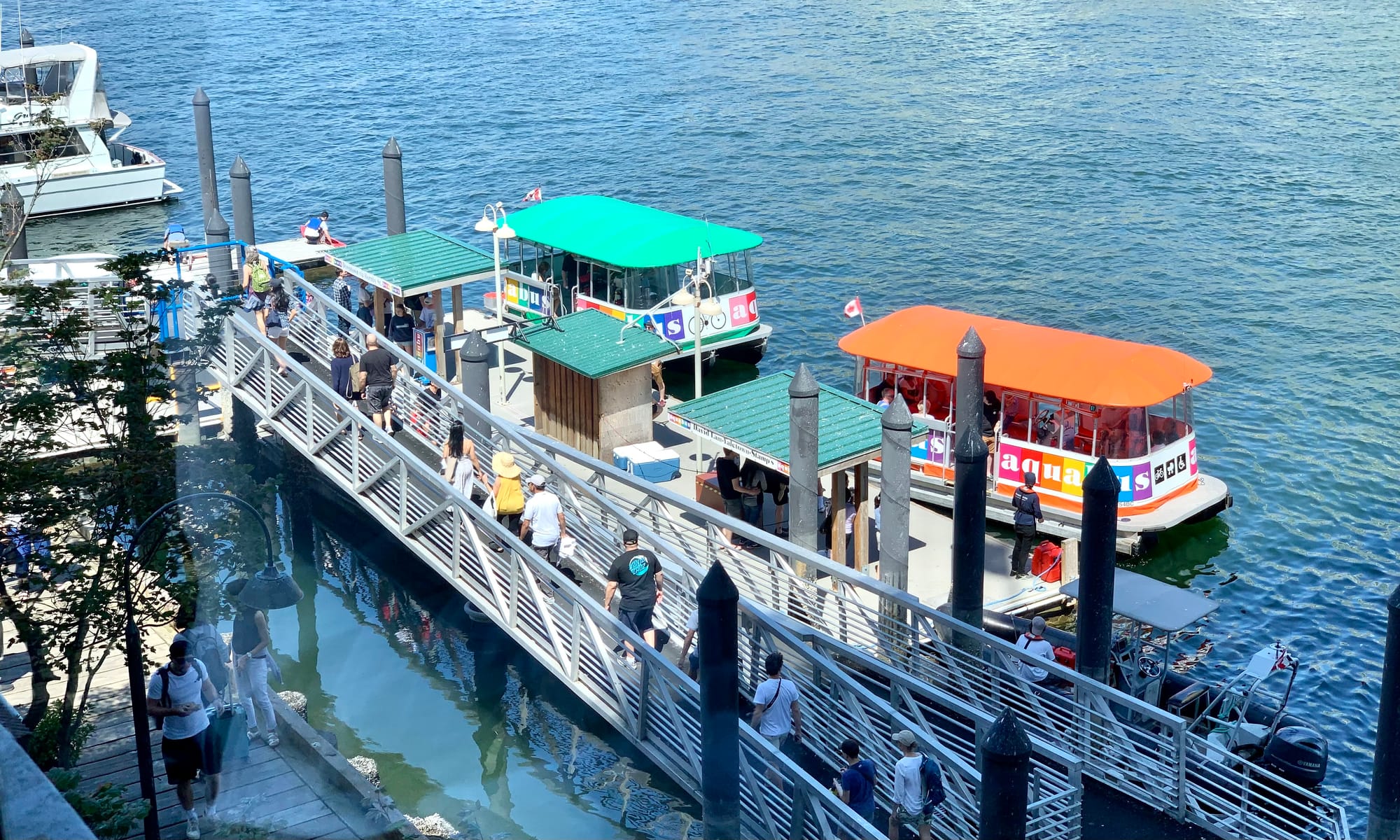
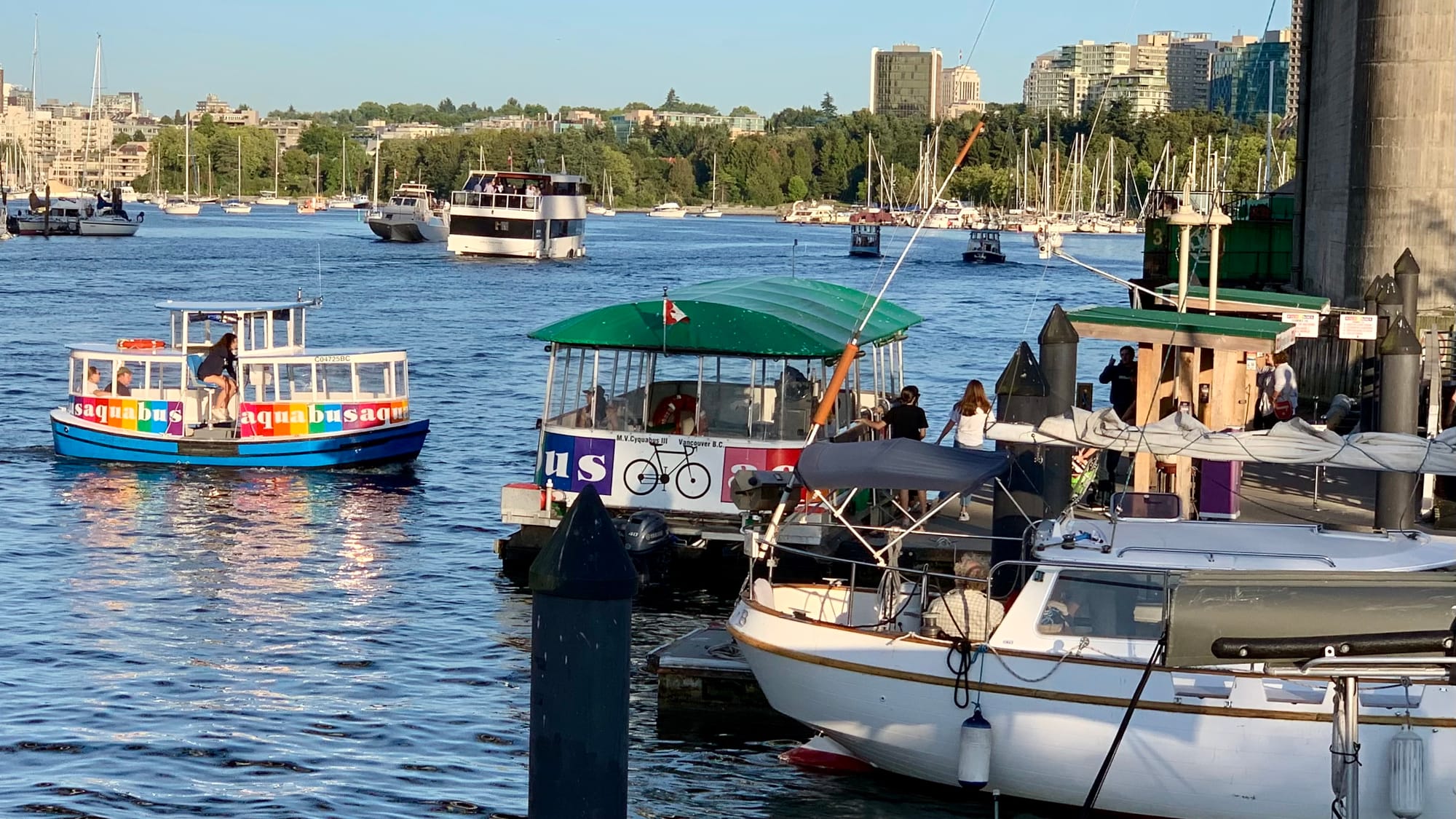
Water taxis dock at the island
How Does This Compare with the Brooklyn Waterfront?
Hostile streets and killer intersections at Fulton Landing/Cadman Plaza and Atlantic Avenue/Brooklyn Bridge Gateway
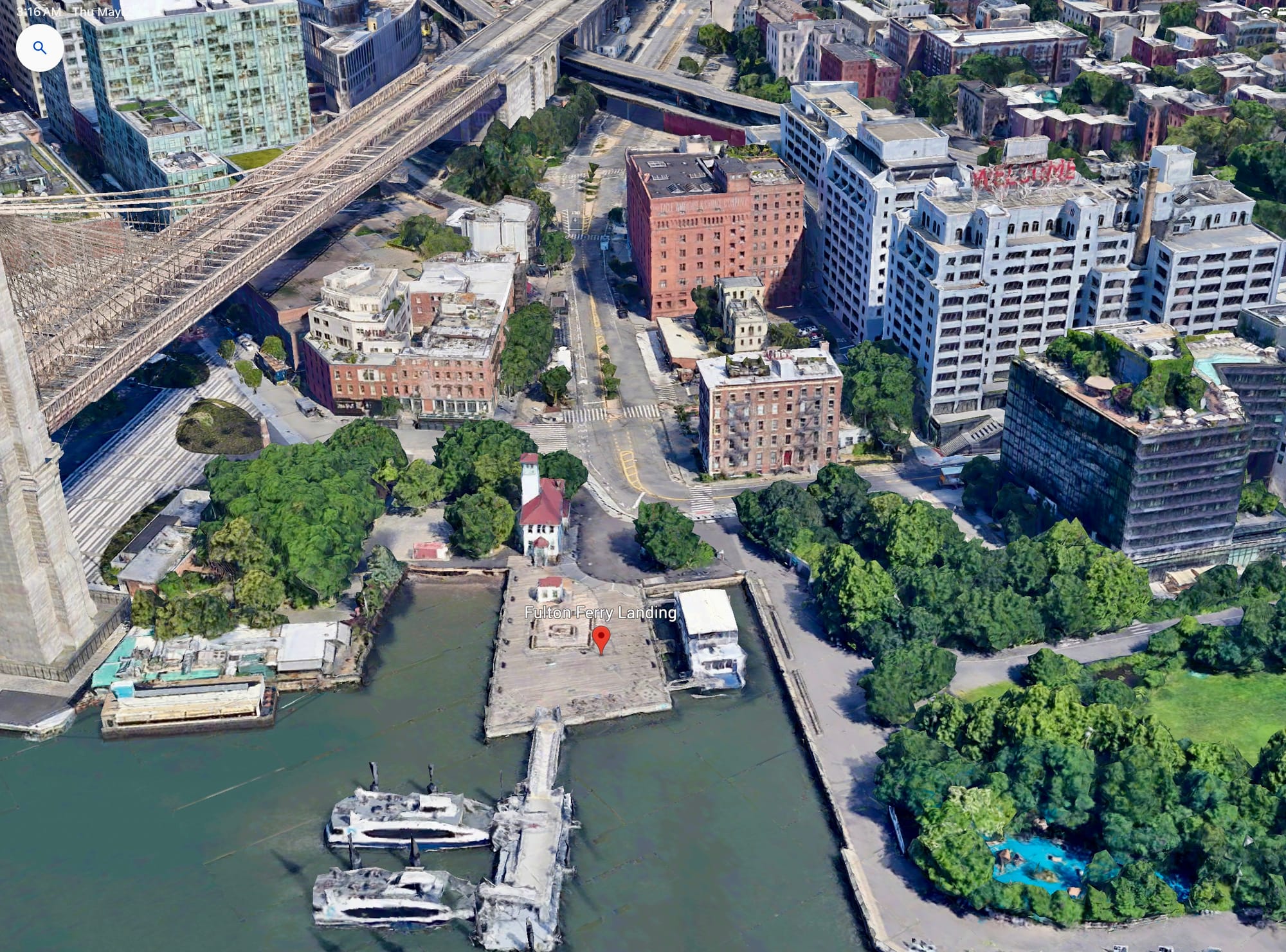
Borough Hall and Cadman Plaza to Fulton Landing
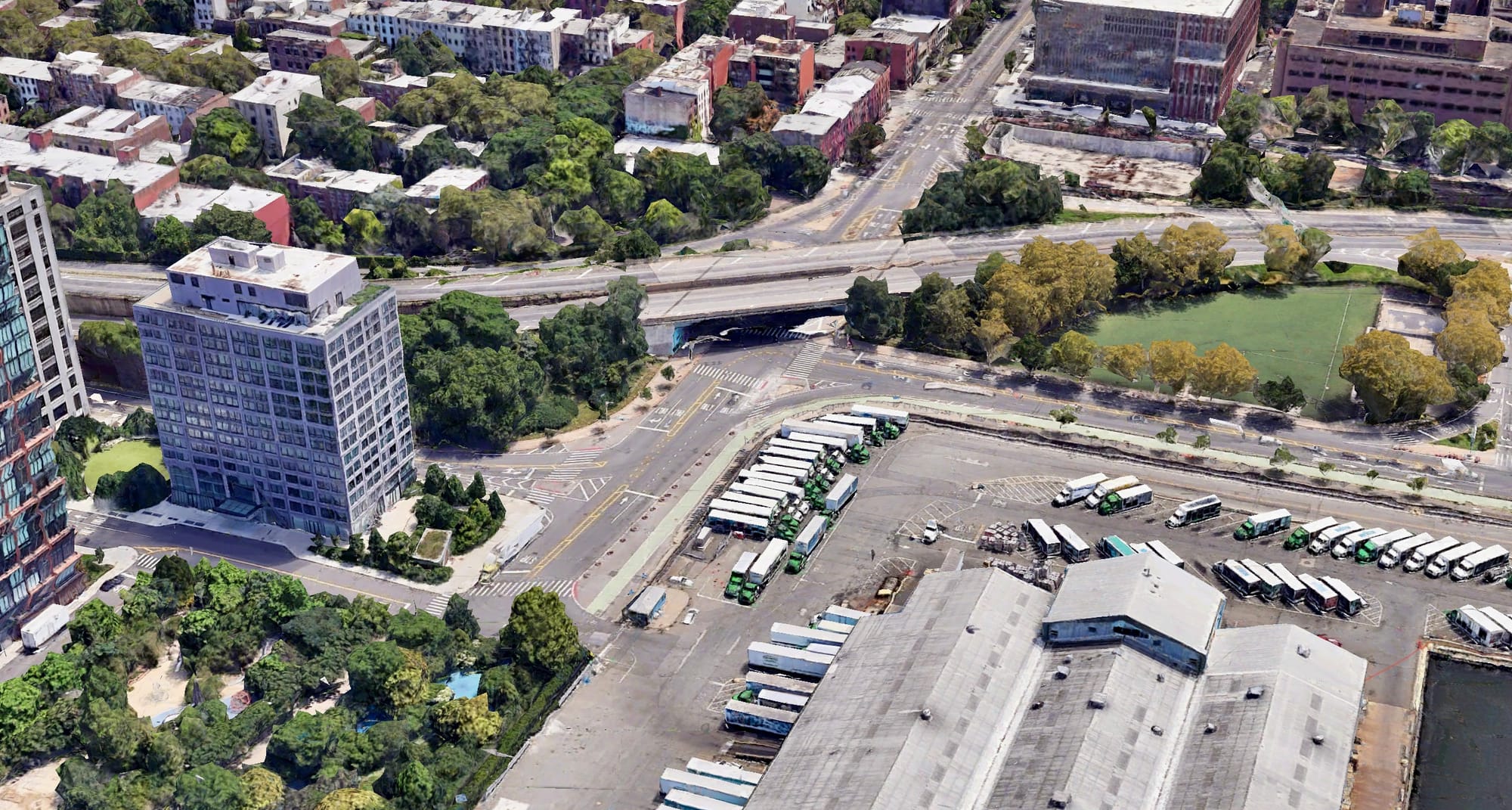
Atlantic Avenue and Brooklyn Waterfront
 Fred Kent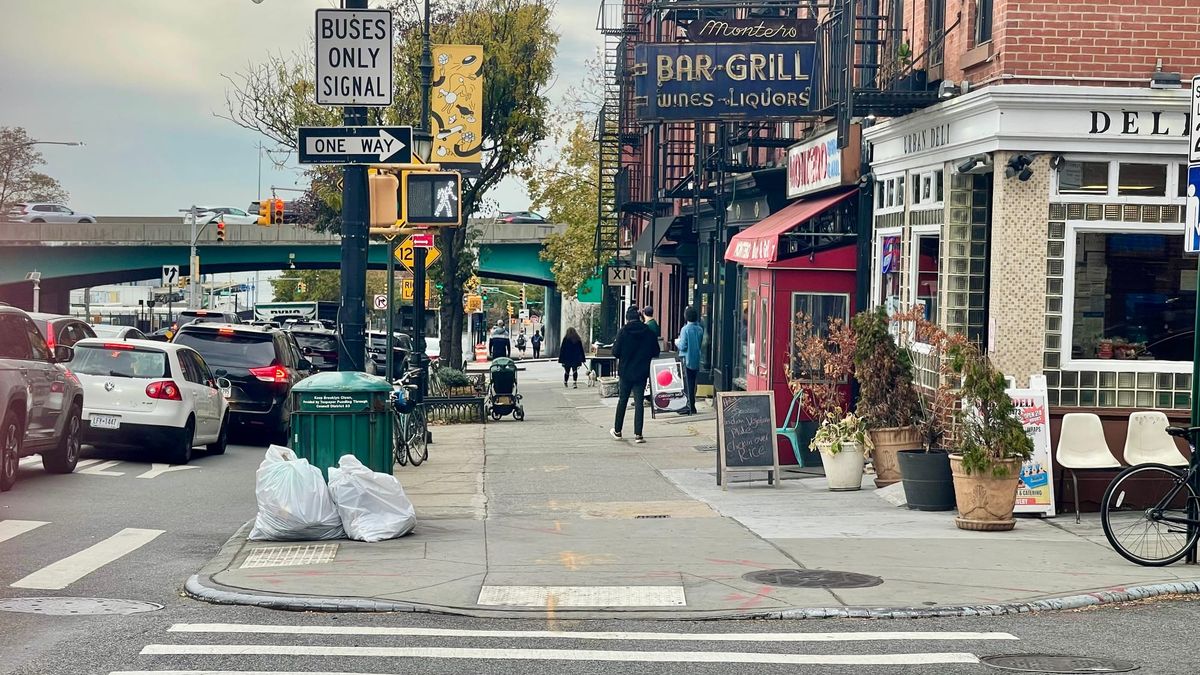
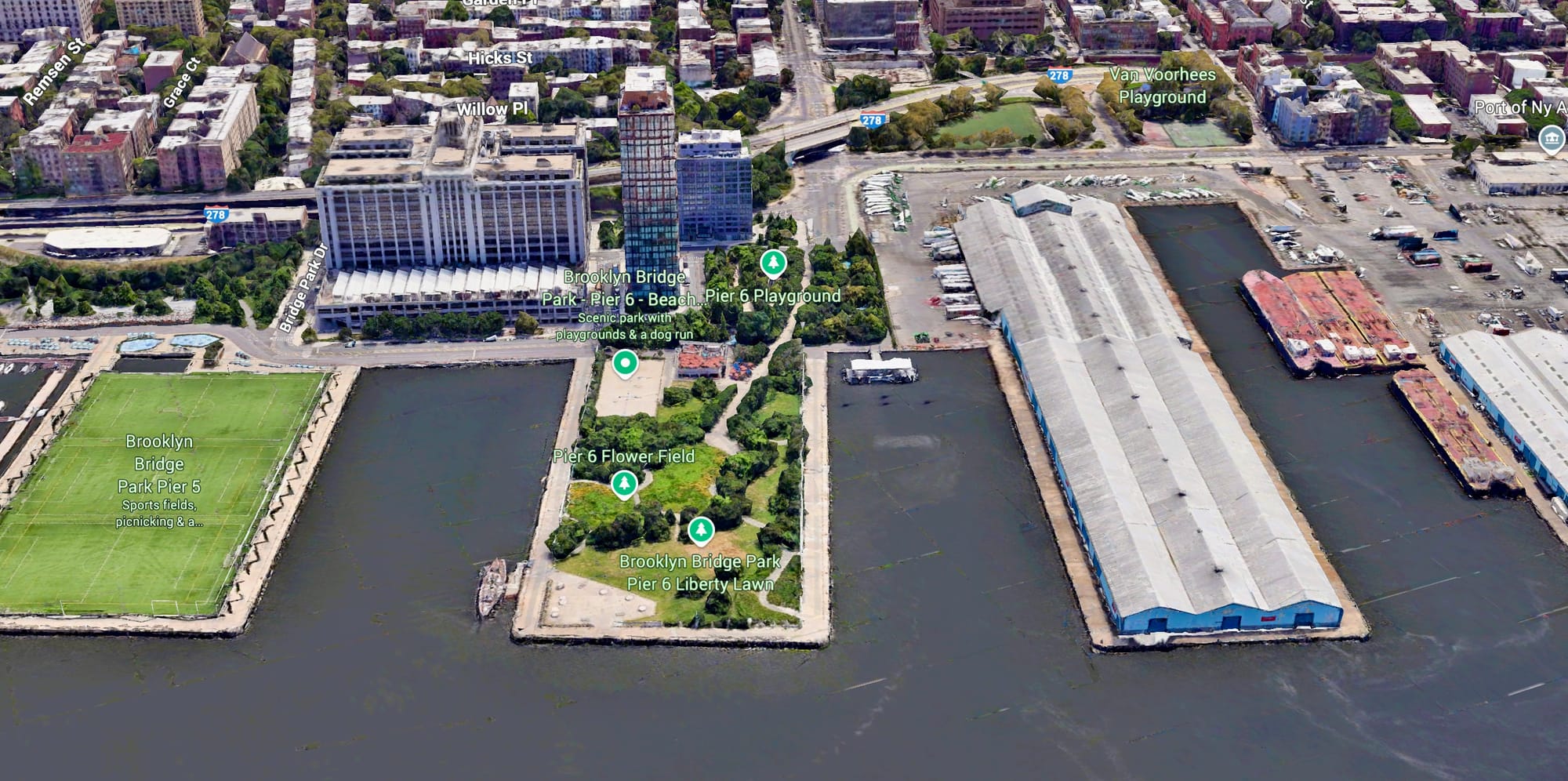
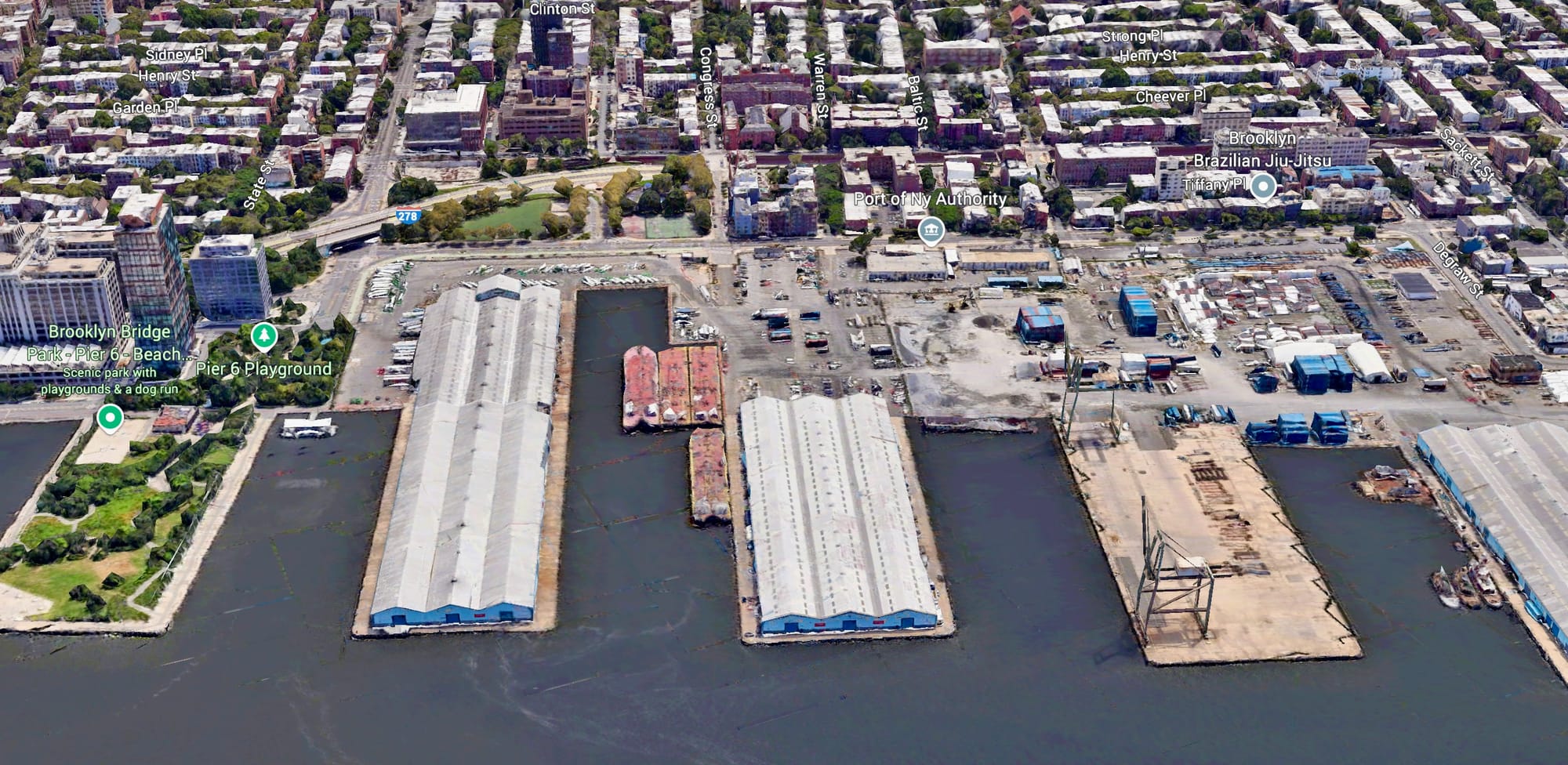
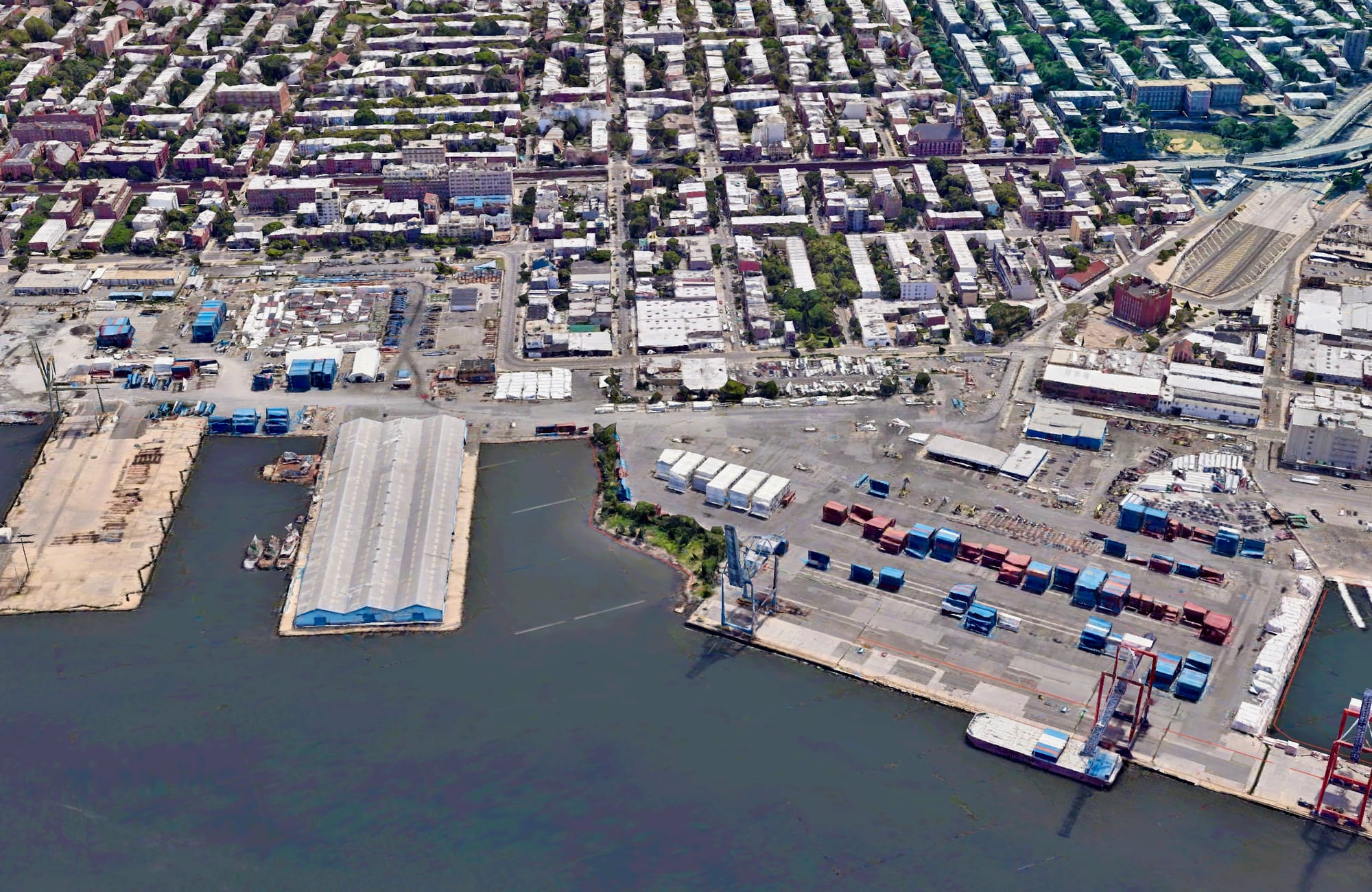
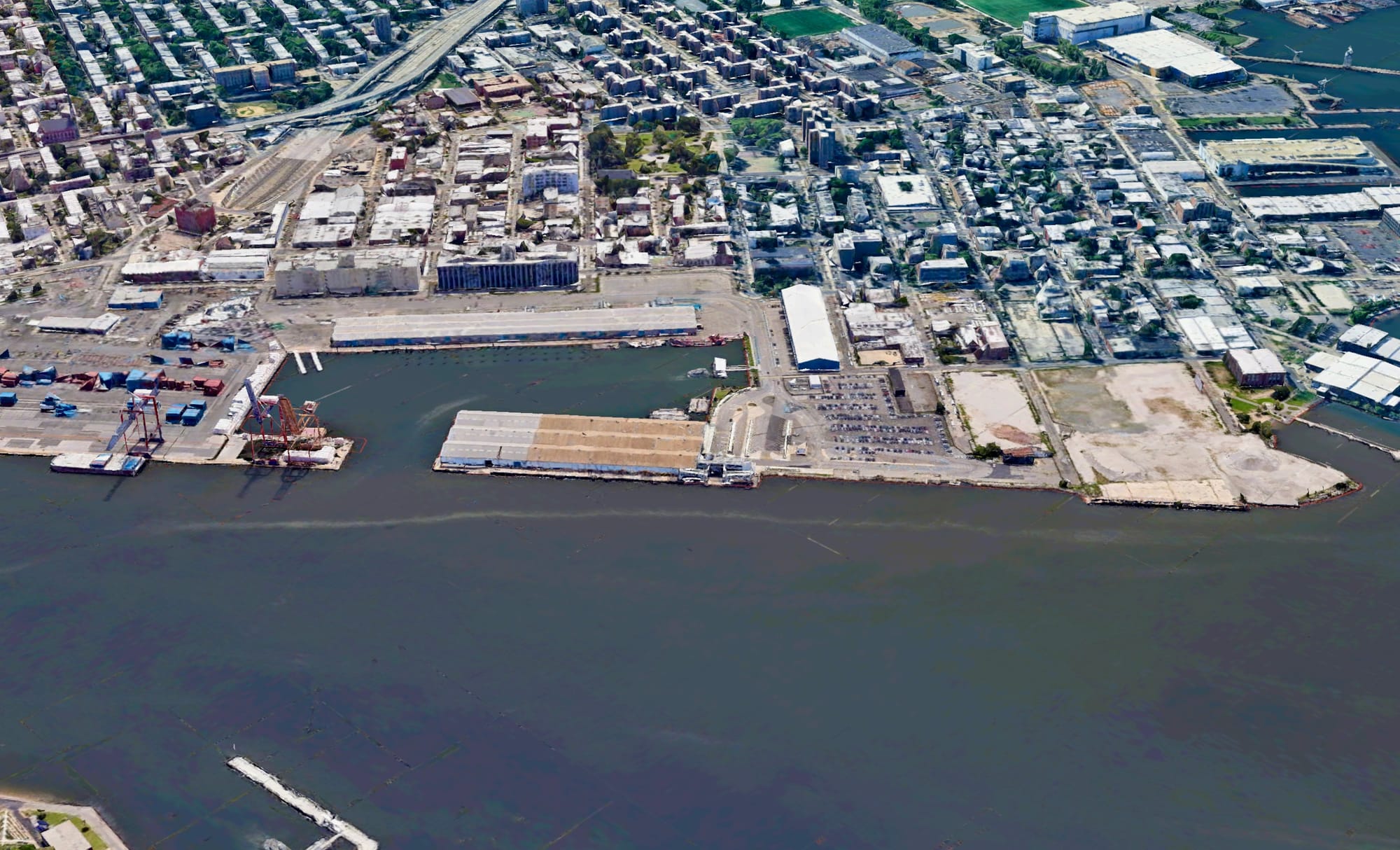
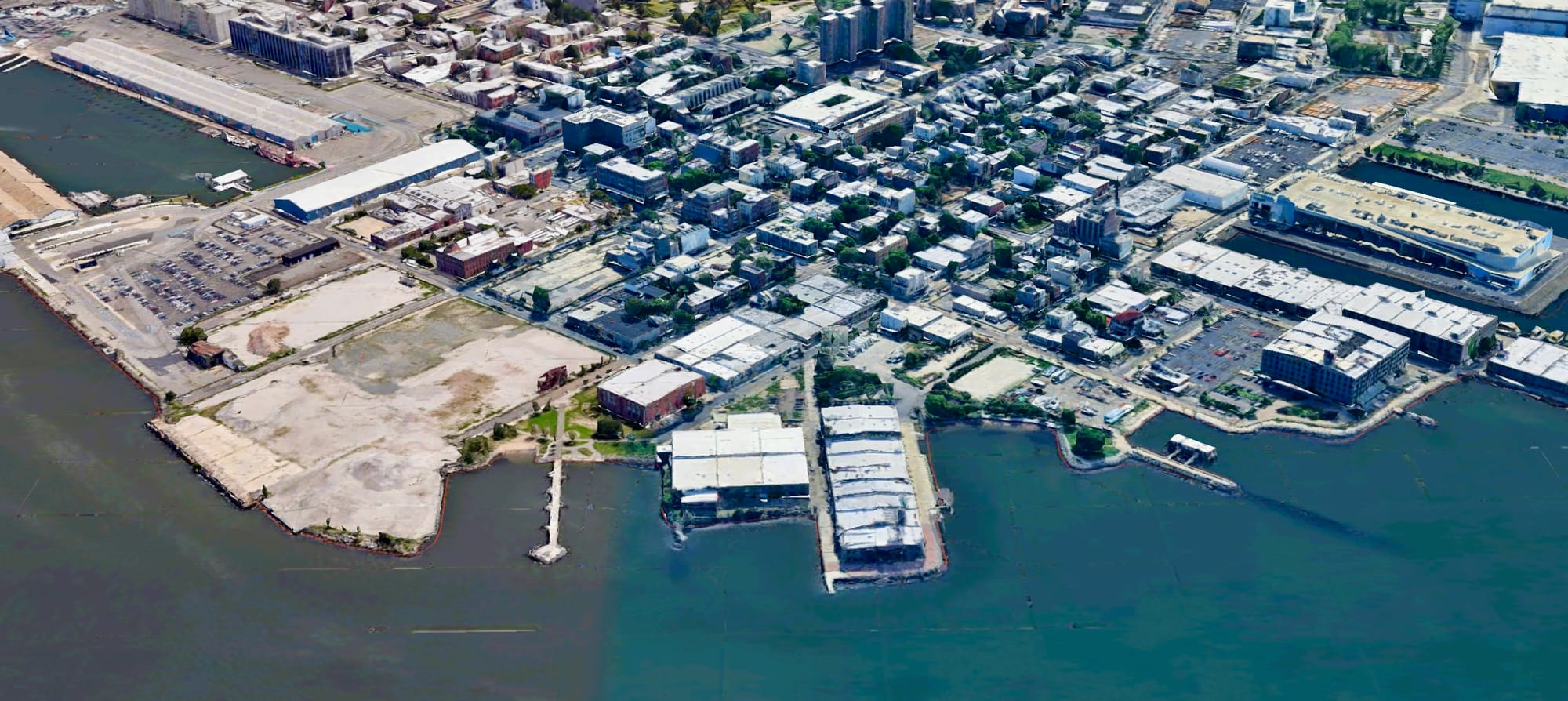
Architecture gone bad along the Brooklyn Waterfront
 Fred Kent
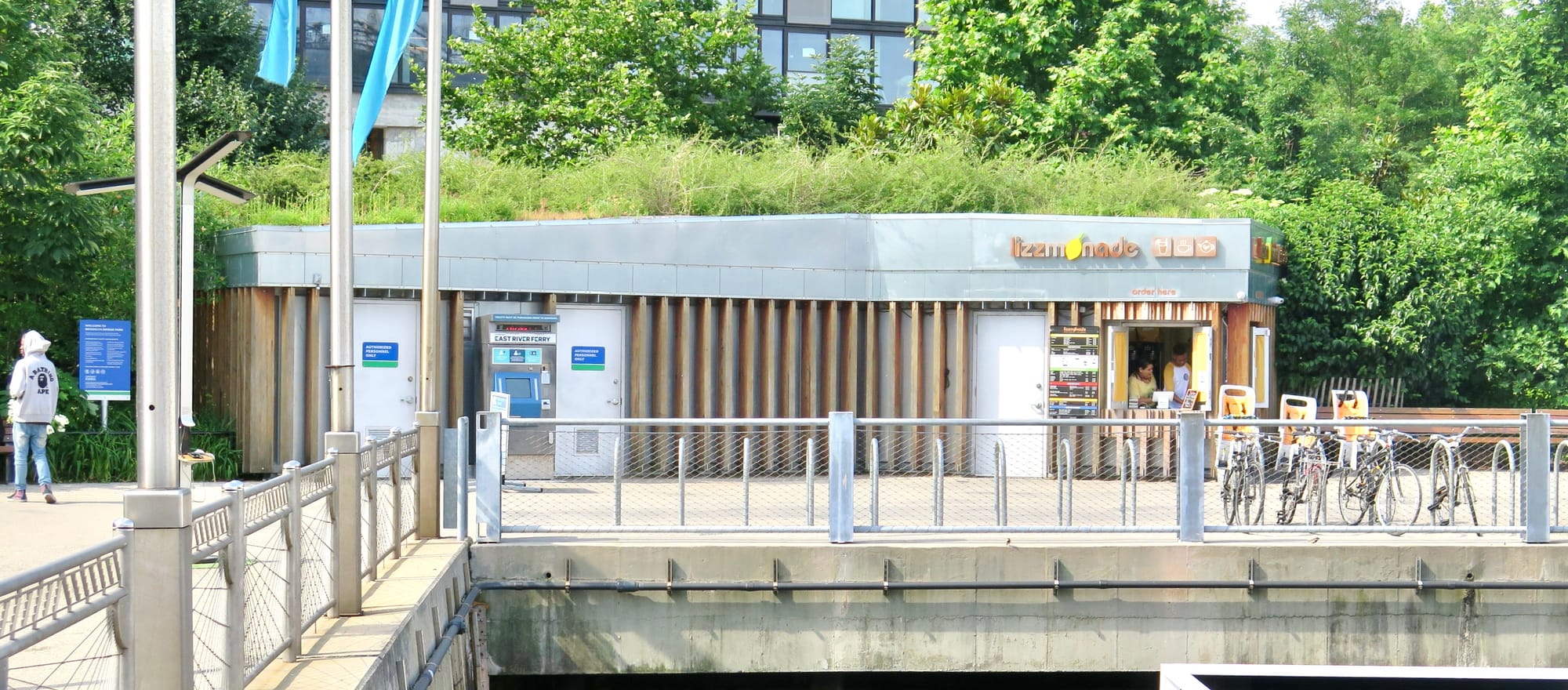
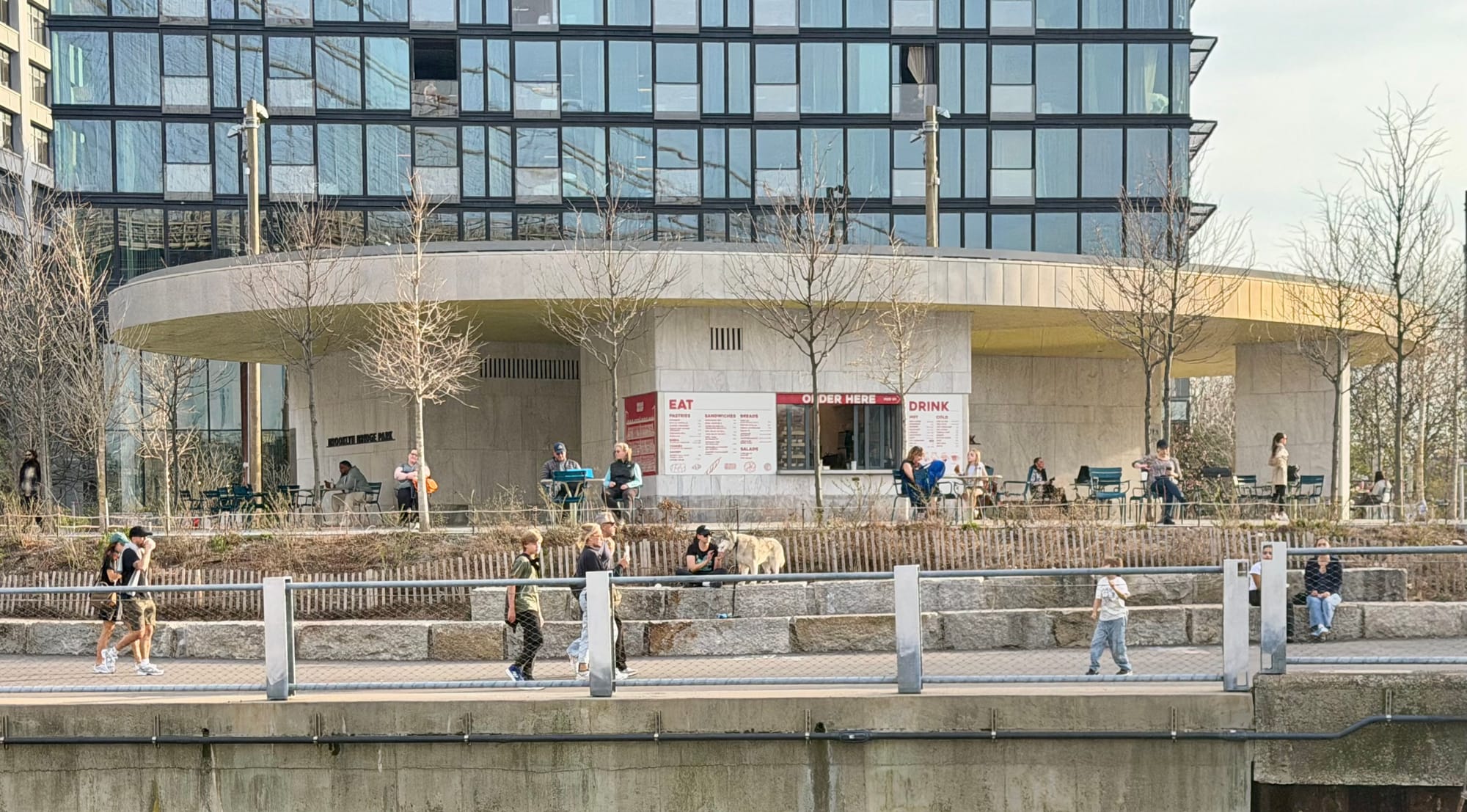
Before and after, from bad to worse
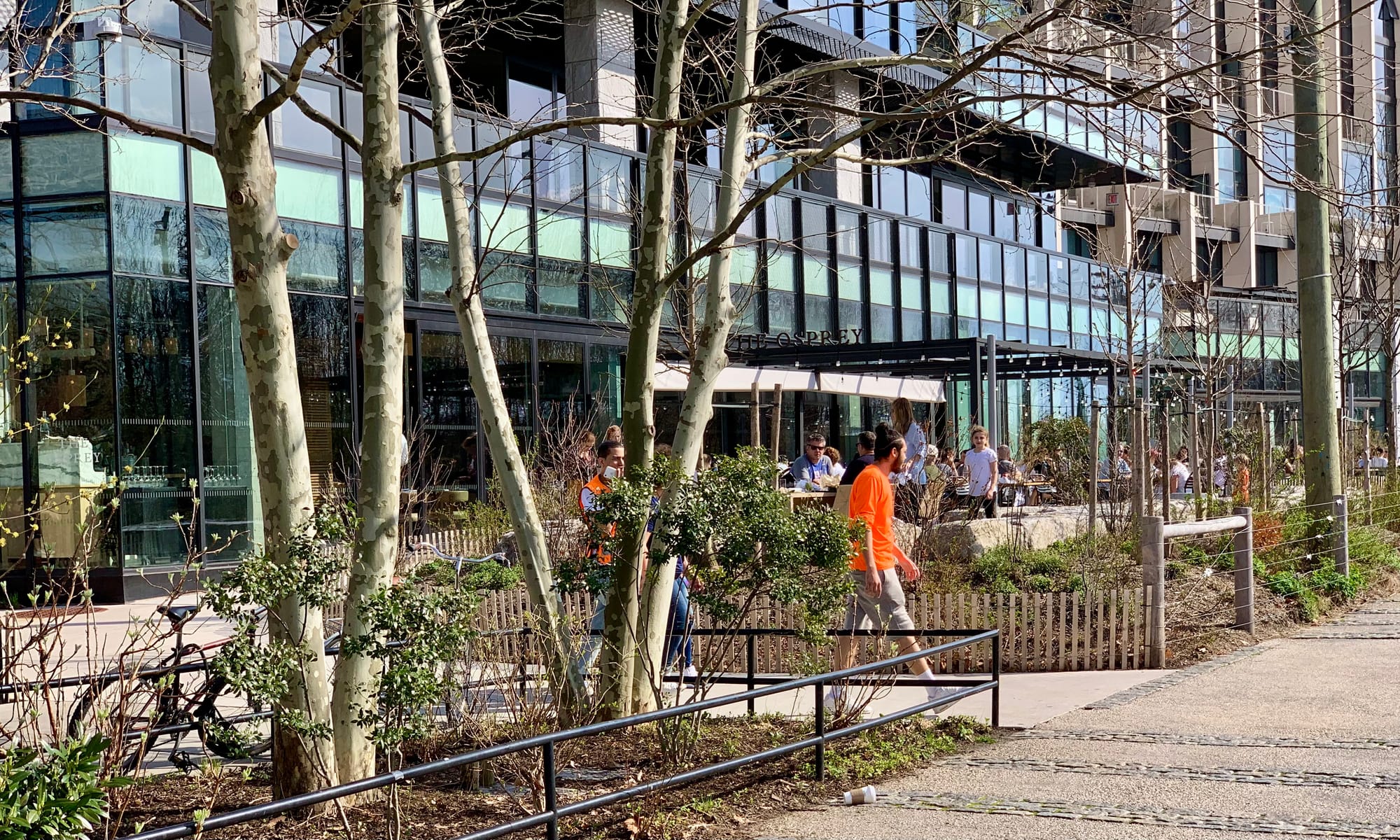
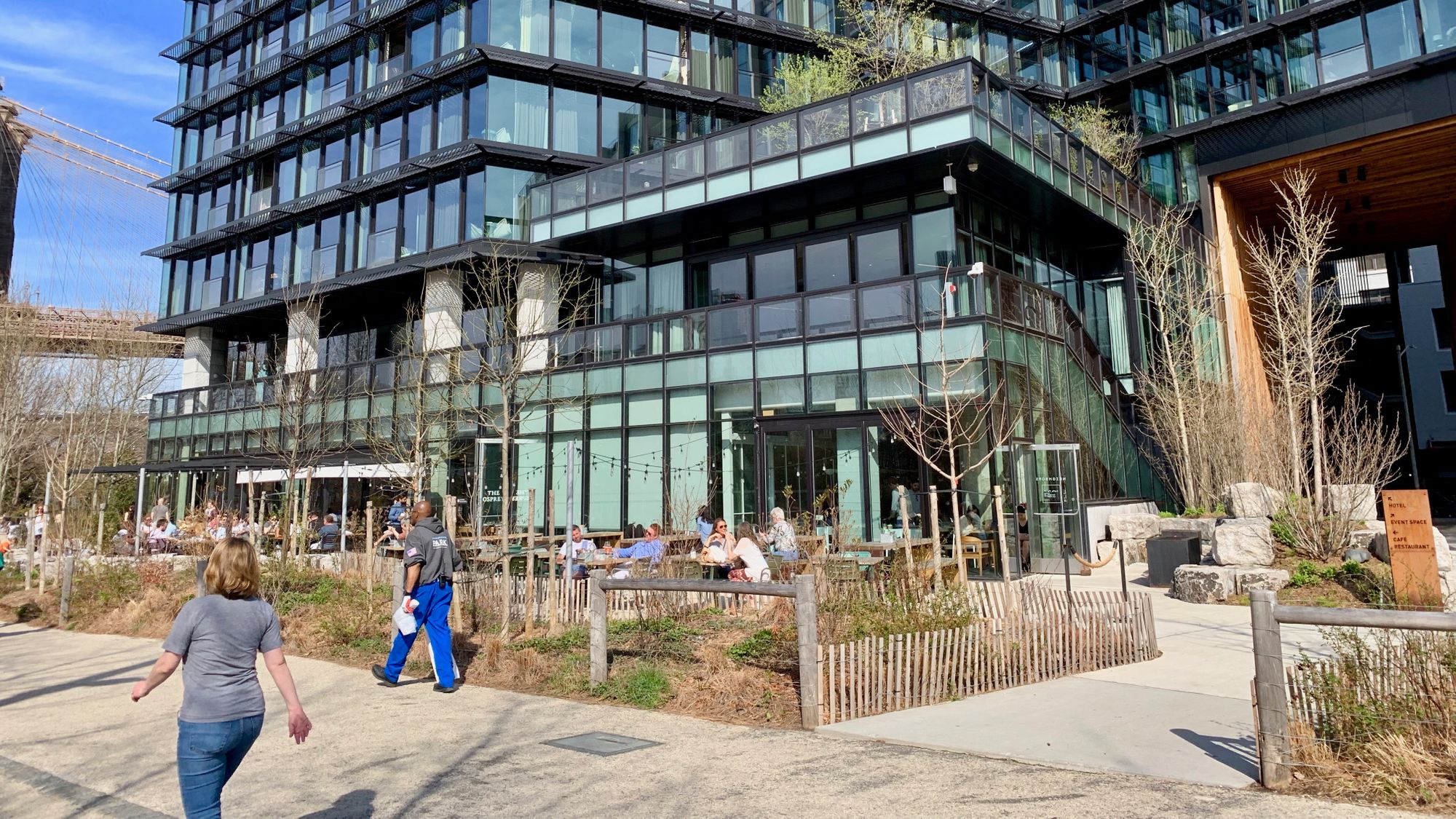
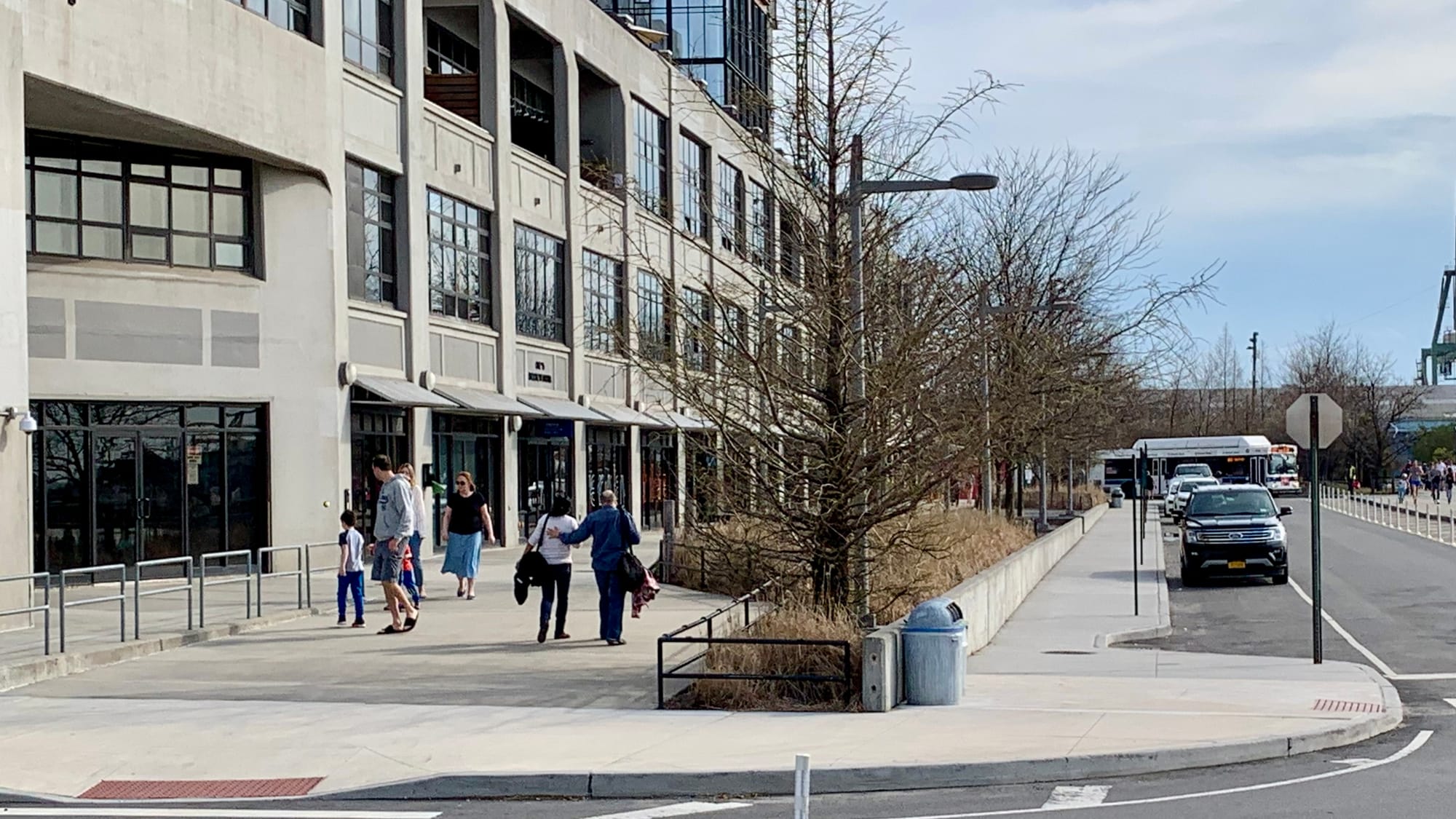
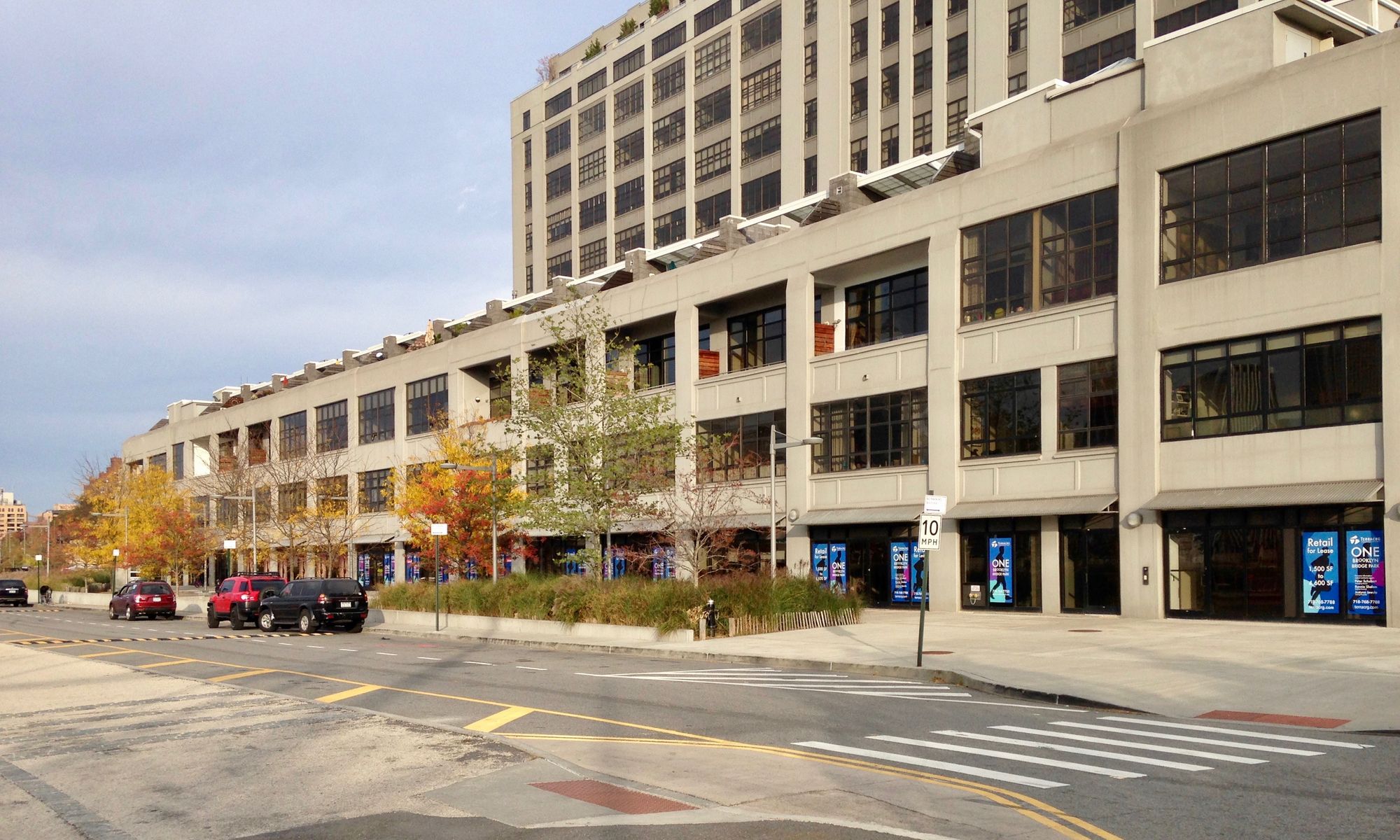
Brooklyn Bridge Park's buildings are designed as sculptural objects, rather than places for people to settle in and have fun.
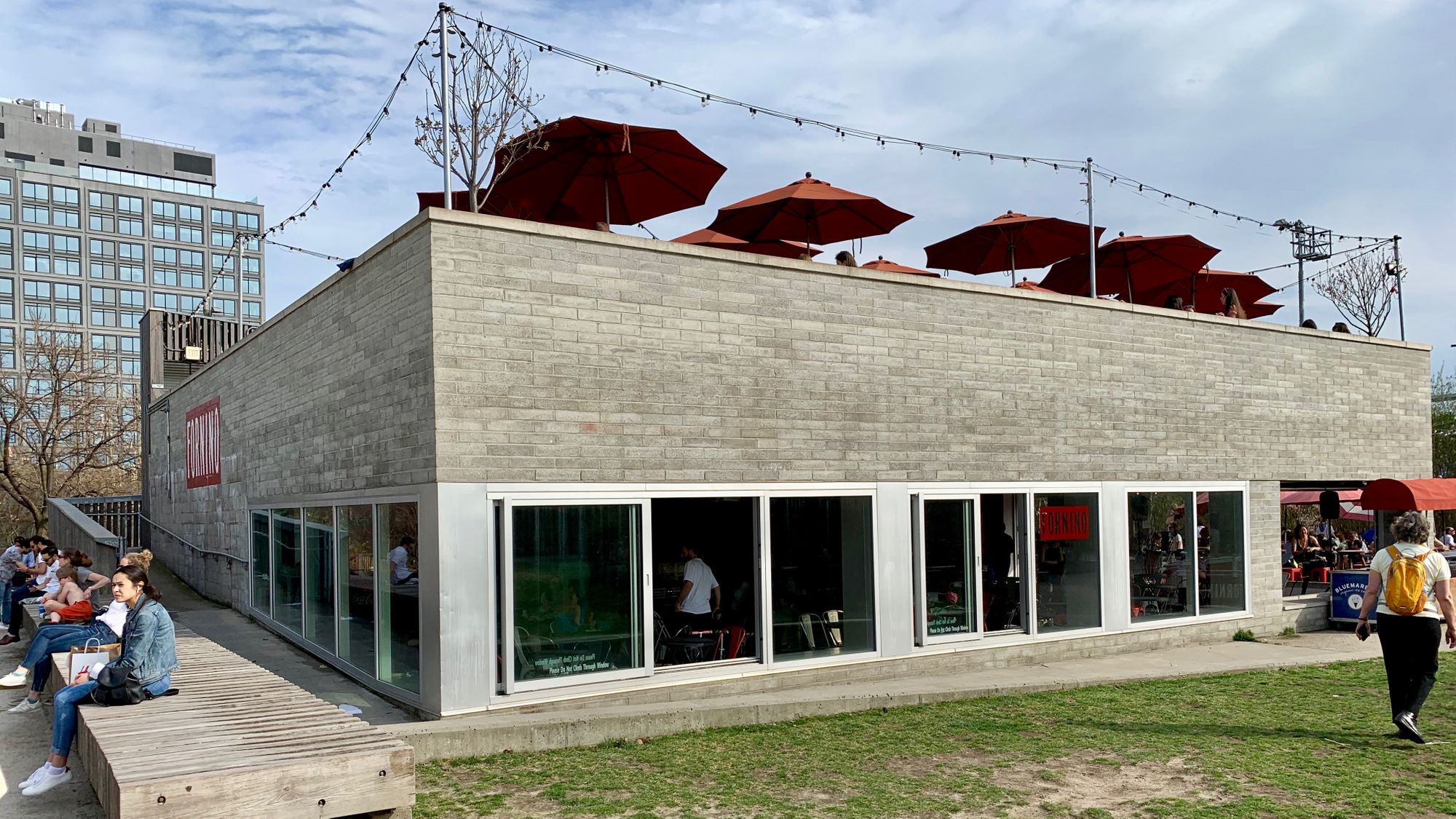
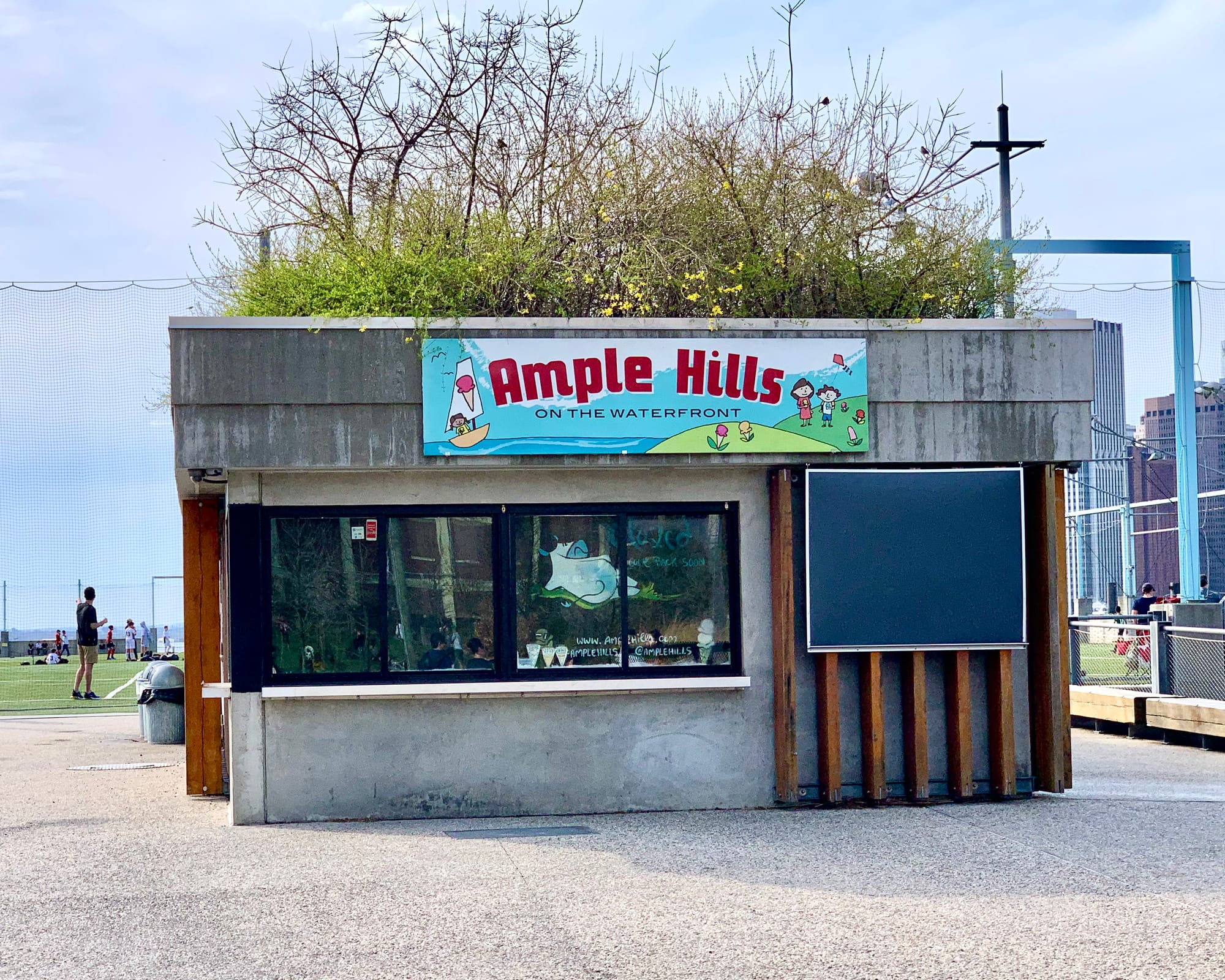
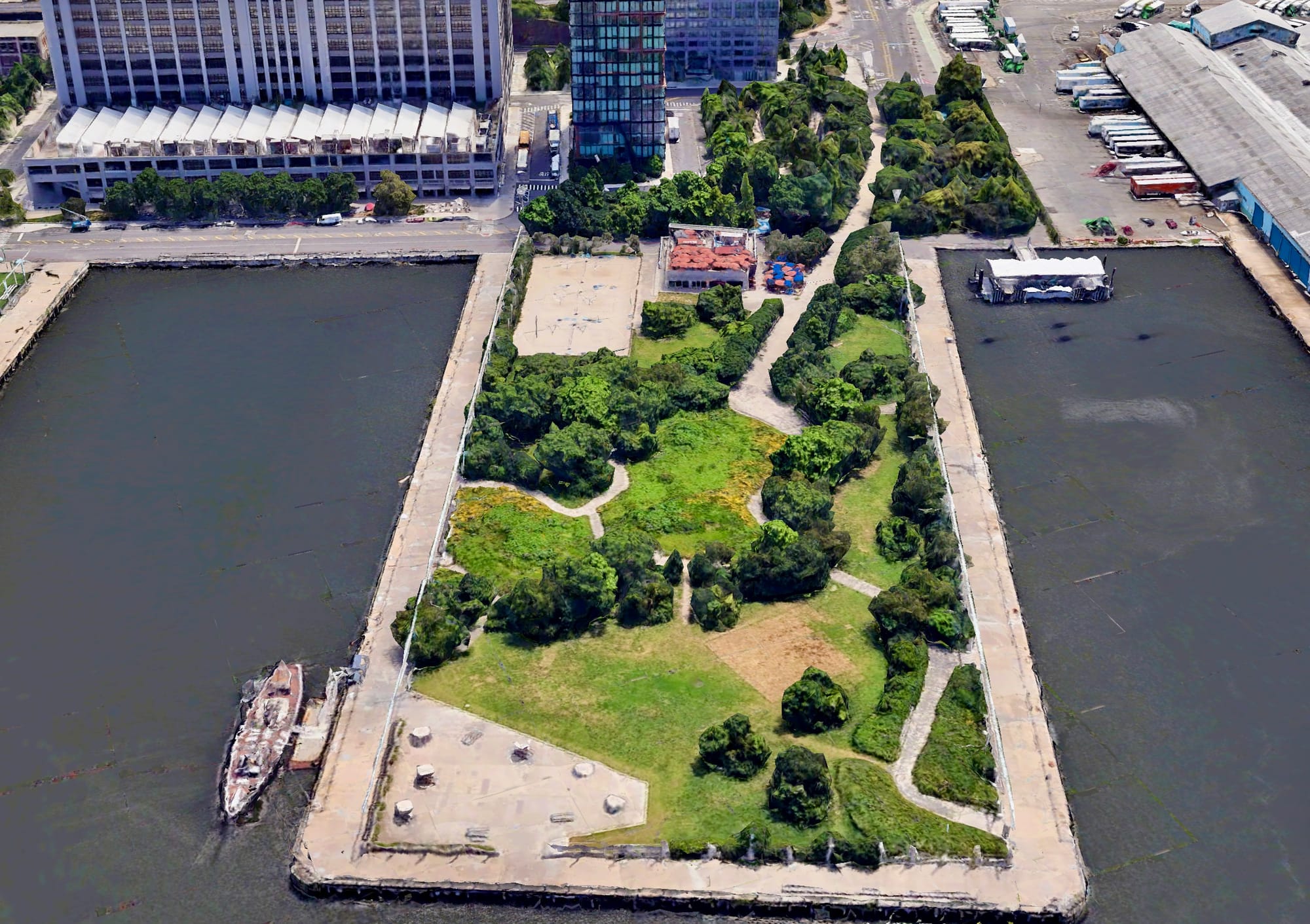
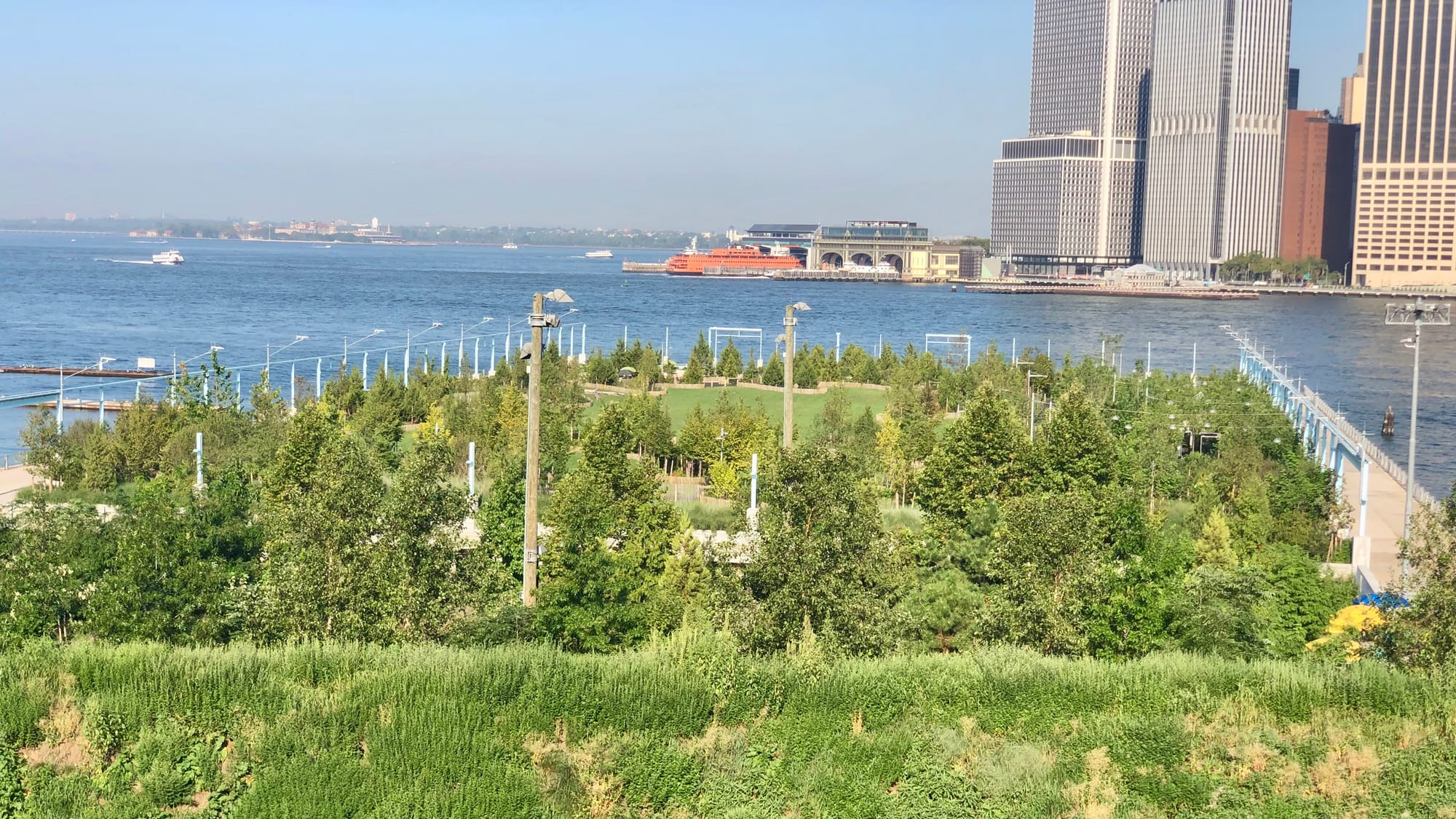
Over-landscaped and under-activated spaces
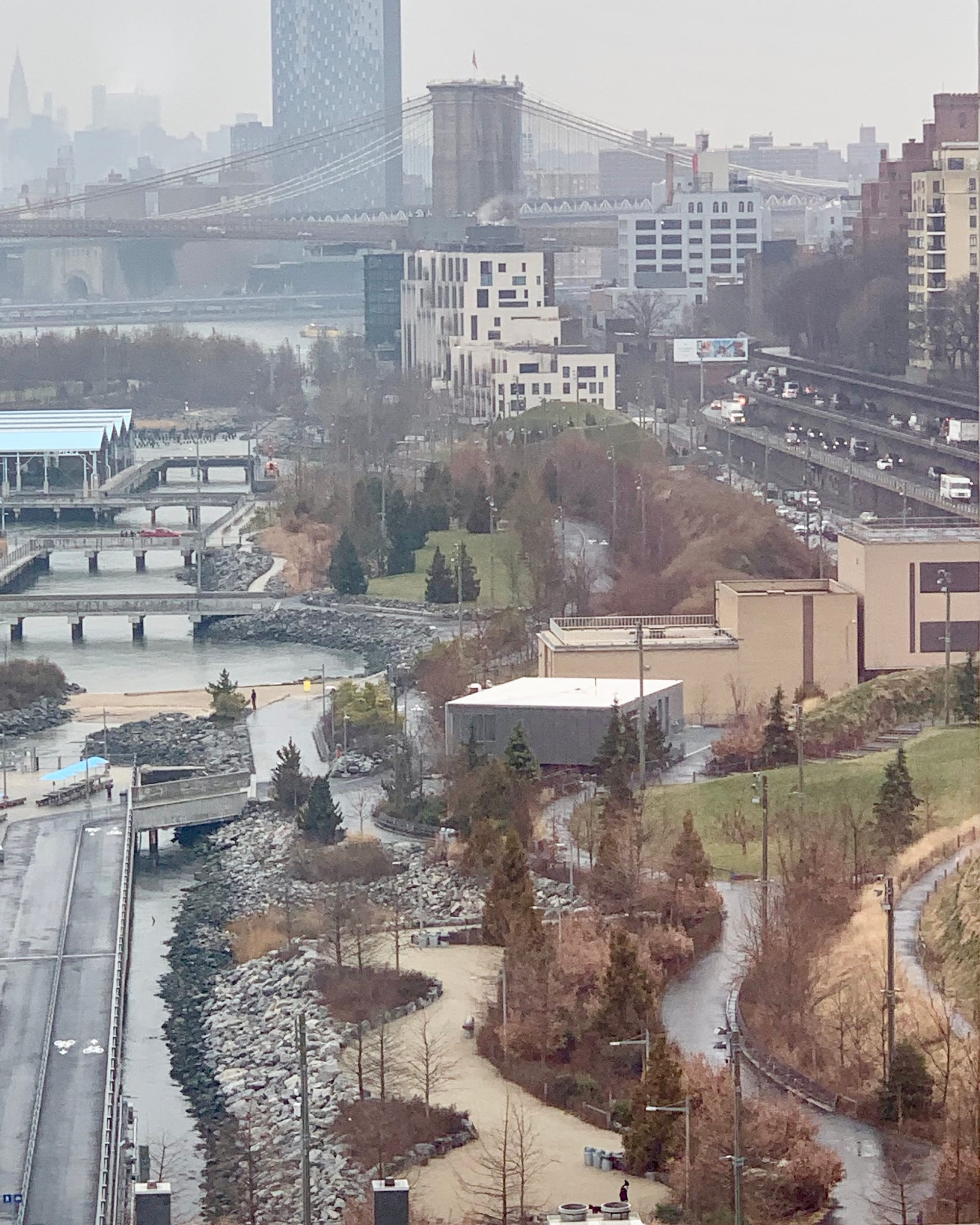
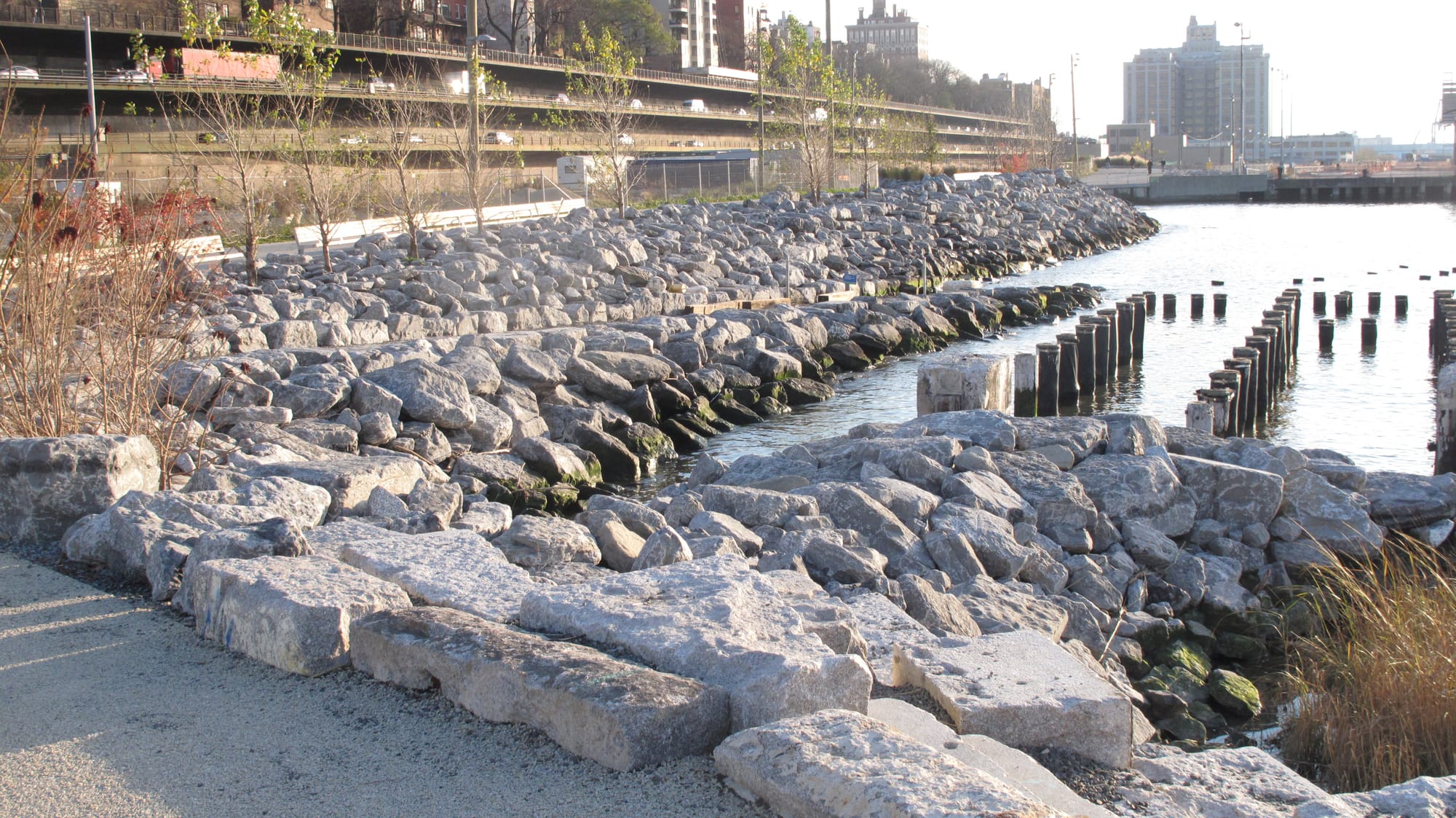
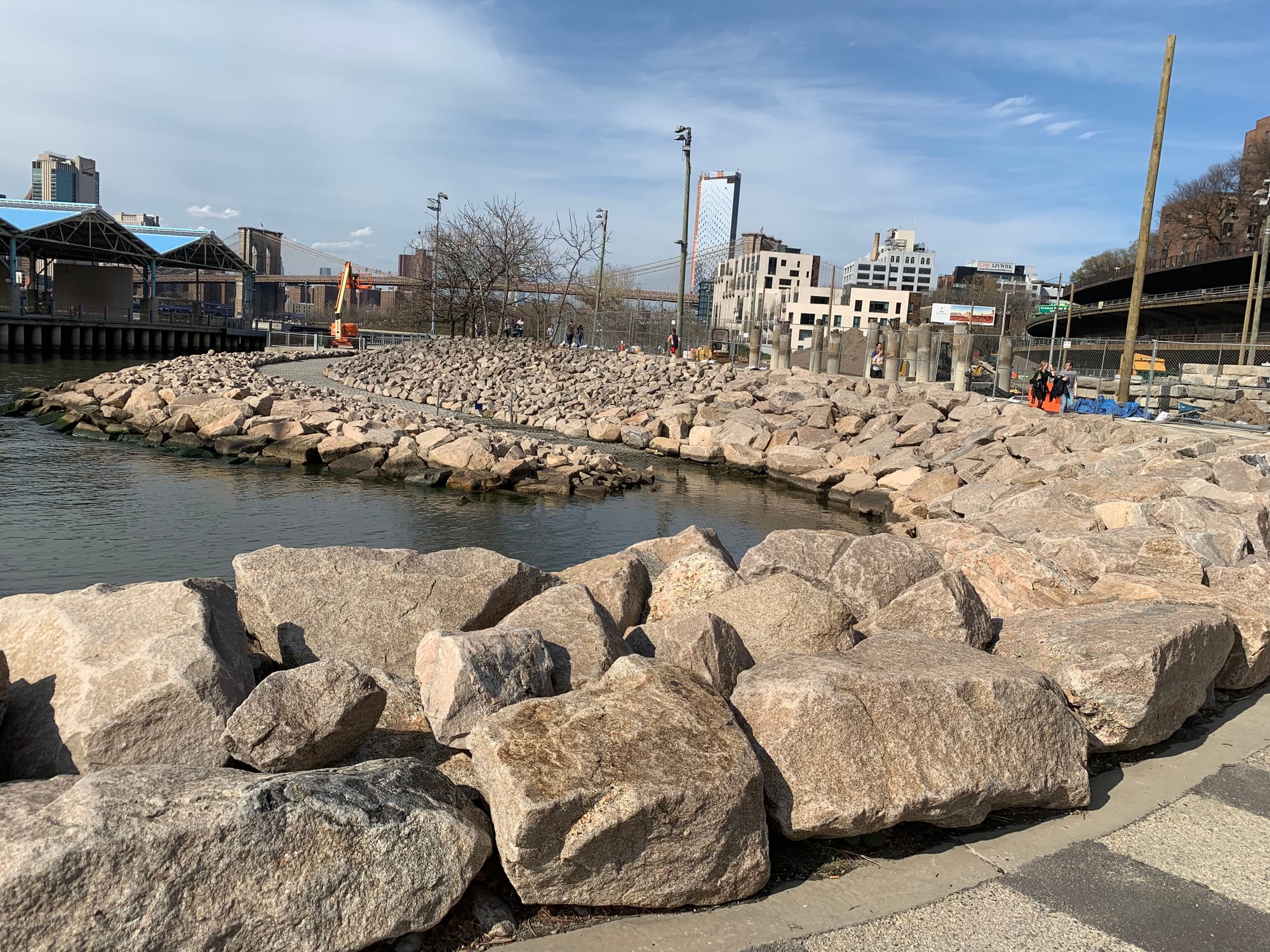
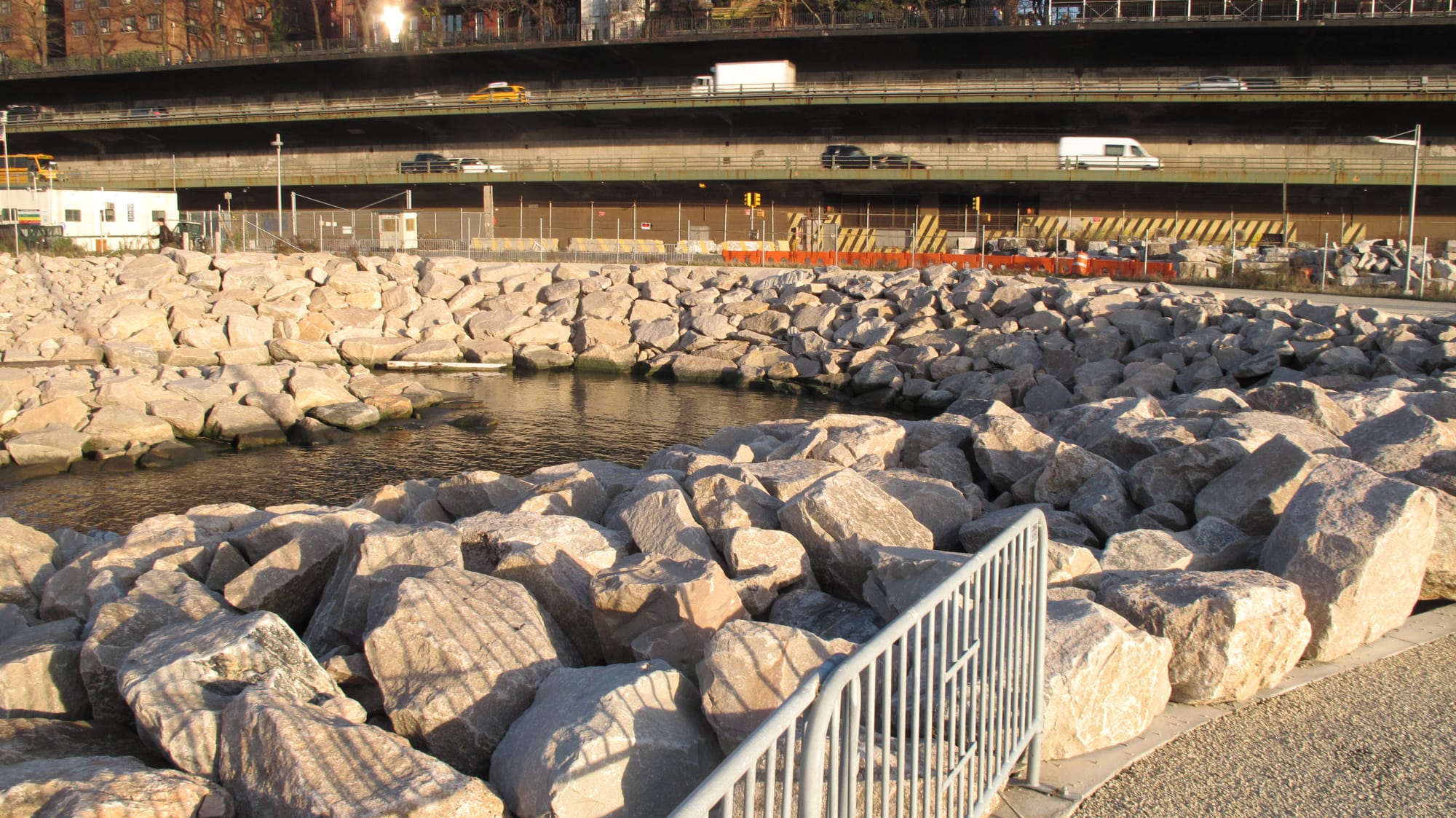
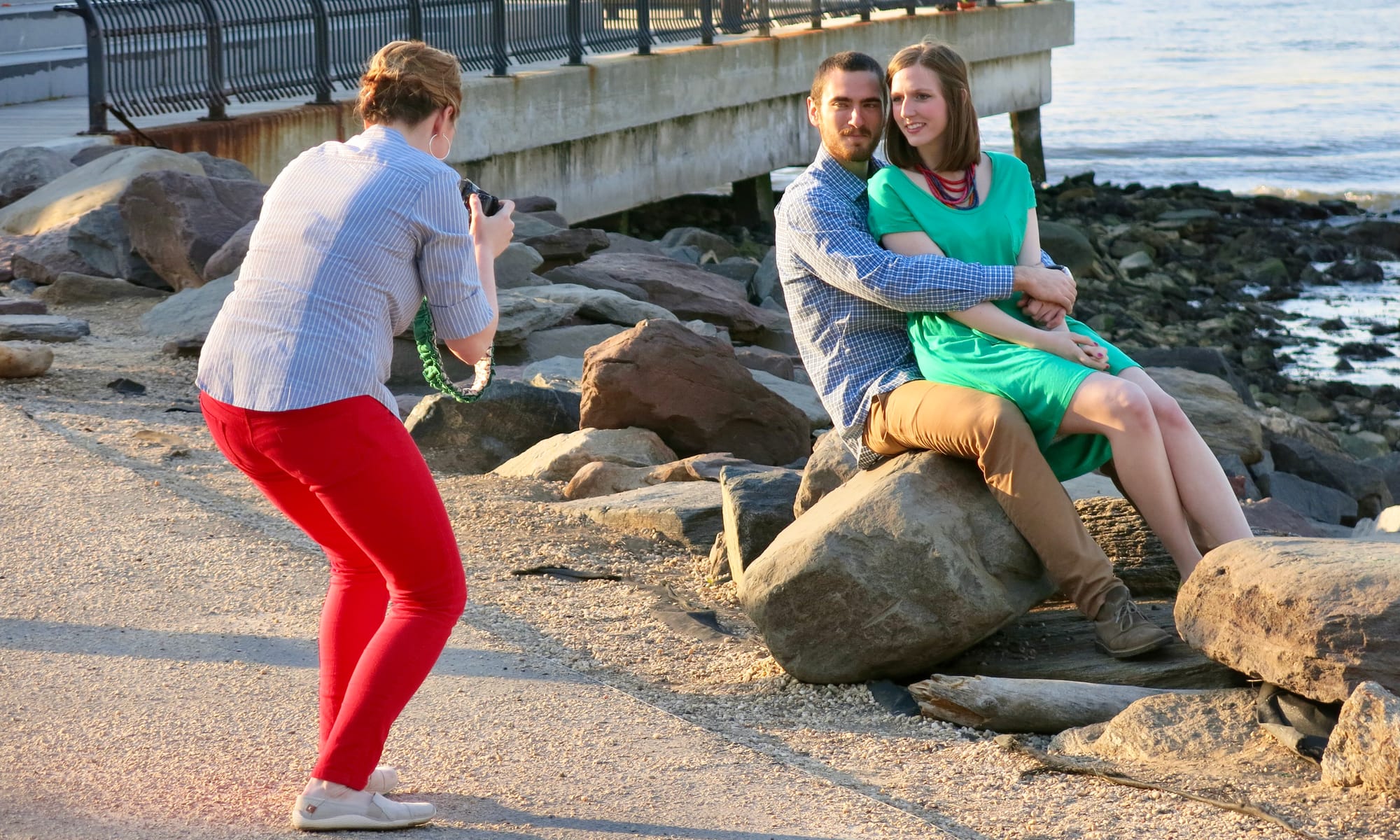
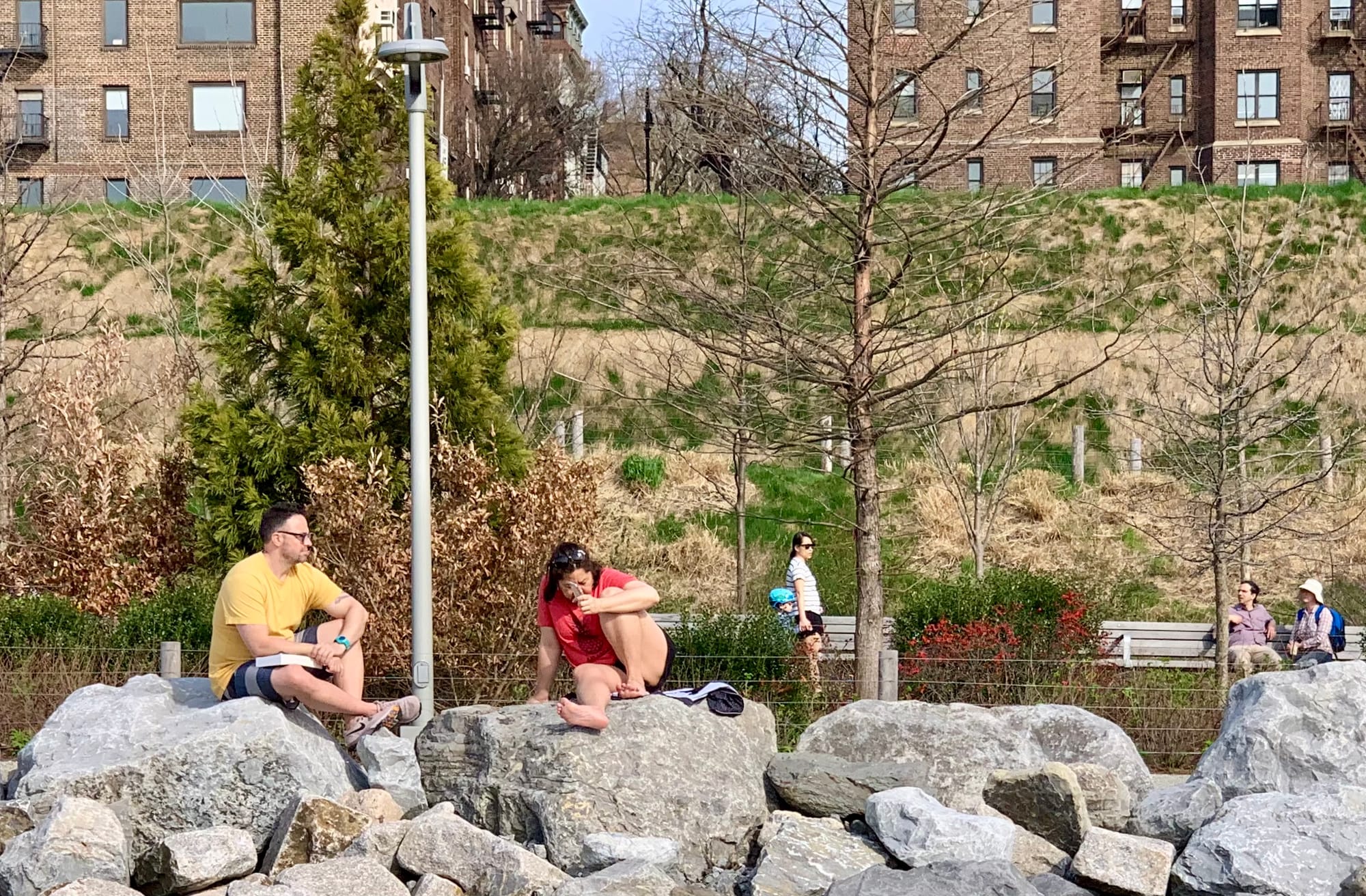
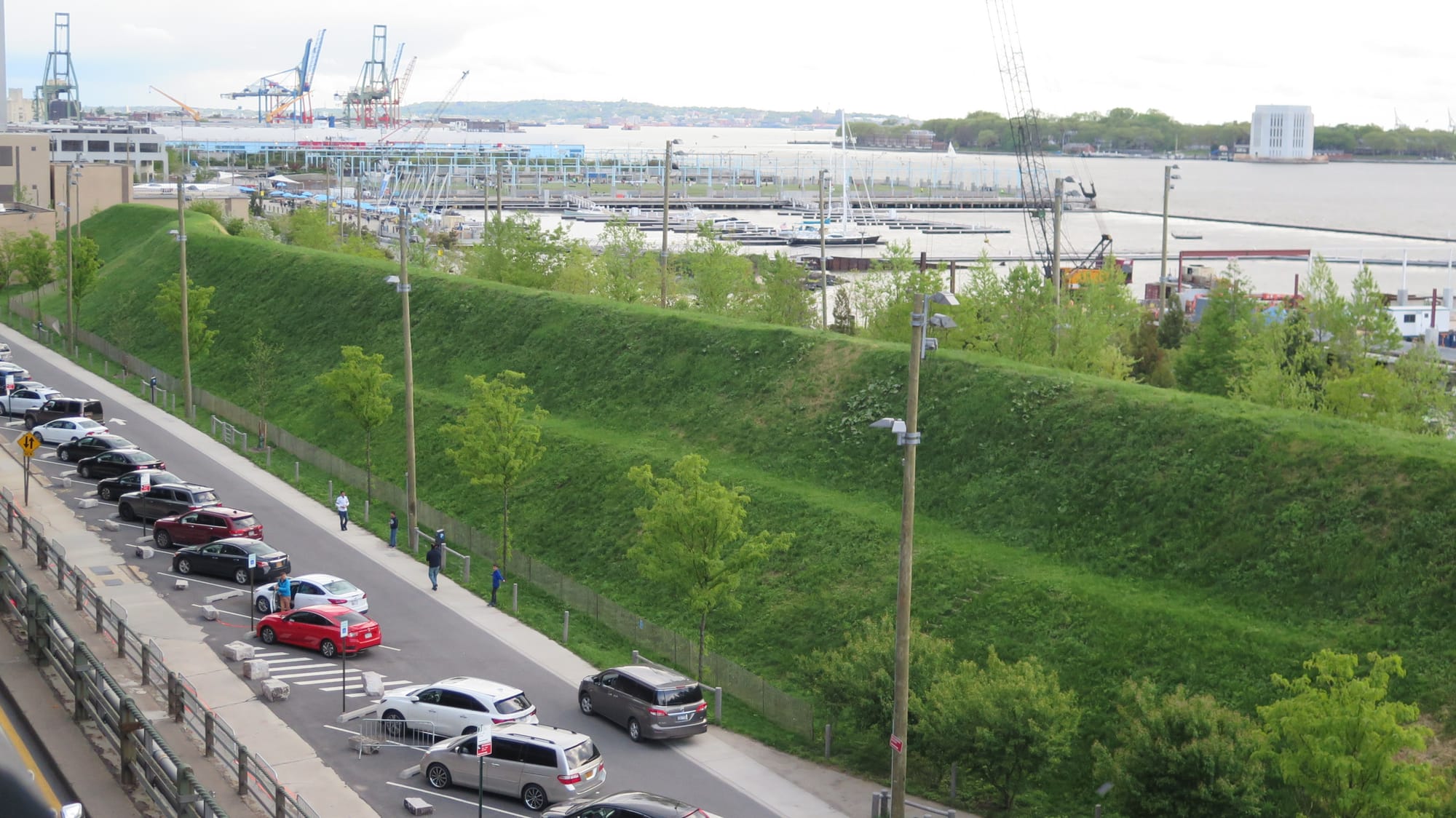
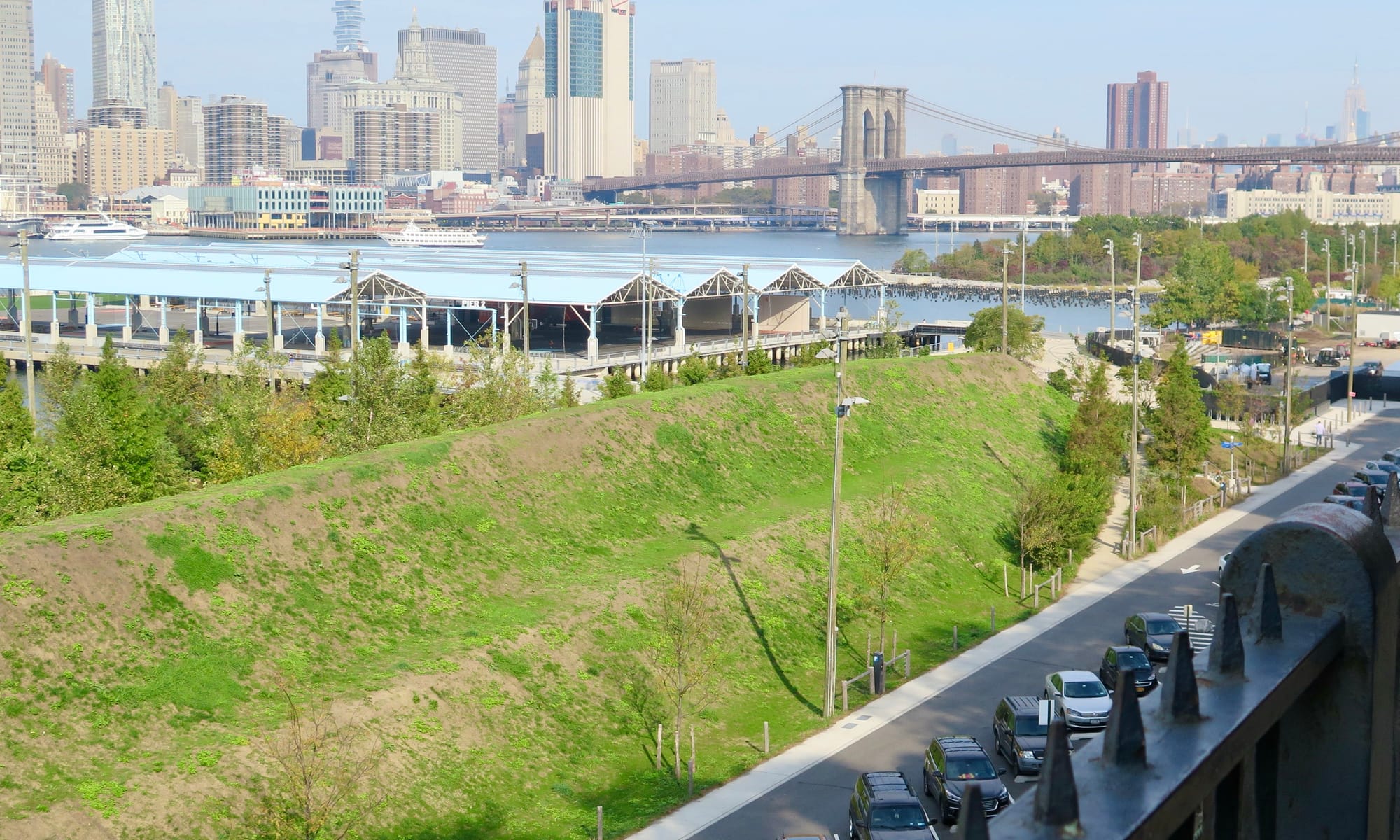
Over-planting at Piers 6 and 3
Brooklyn, What Can We do Right Now?
Experiment with Pier 6 and 7 to get a flavor for our future Brooklyn Waterfront
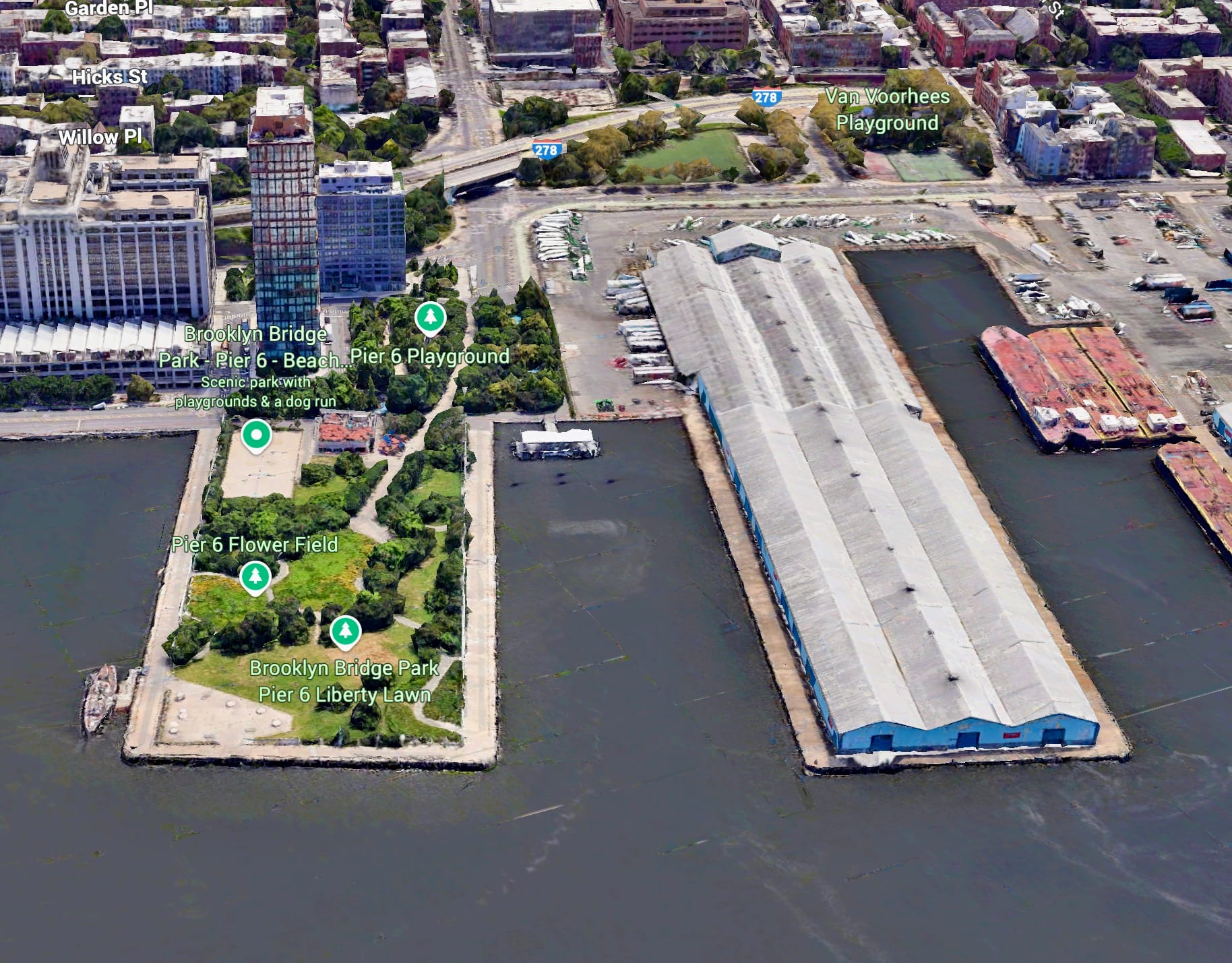
Just before the final designs were revealed, we at Project for Public Space led a placemaking for pier 6 where 200 people participated. The community came up with a very dynamic plan (below). It was not considered. In fact, I was thrown out of a meeting where we tried to get it considered. Now, looking back, it is easy to imagine how wonderfully active the waterfront could have been if our plan was implemented. It could be a plan for reviving pier.
Temporary opportunity for pier 6 and pier 7
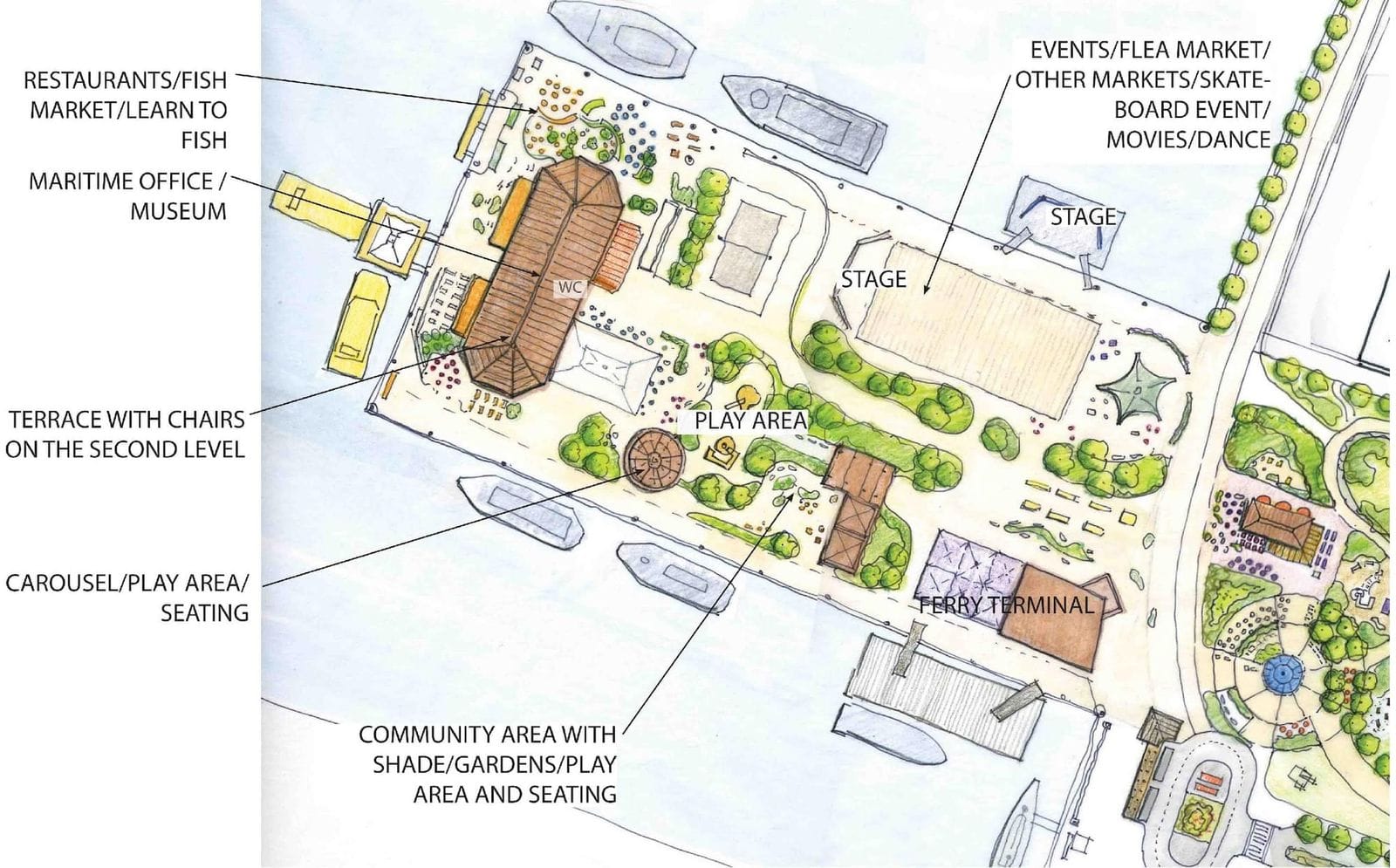
The PPS Plan
Before the construction of Brooklyn Bridge Park, we were asked to facilitate a community workshop to offer an alternative to the then-proposed design of Pier 6. The goal was to make the pier a more mixed-use destination. Today, this concept is a potential model for both Pier 6 and 7.
"The Hall of Shame"
The proposed Brooklyn Marine Terminal, hanging like a storm cloud over Brooklyn's future, privatizes what could be a world-class public waterfront.
 Fred Kent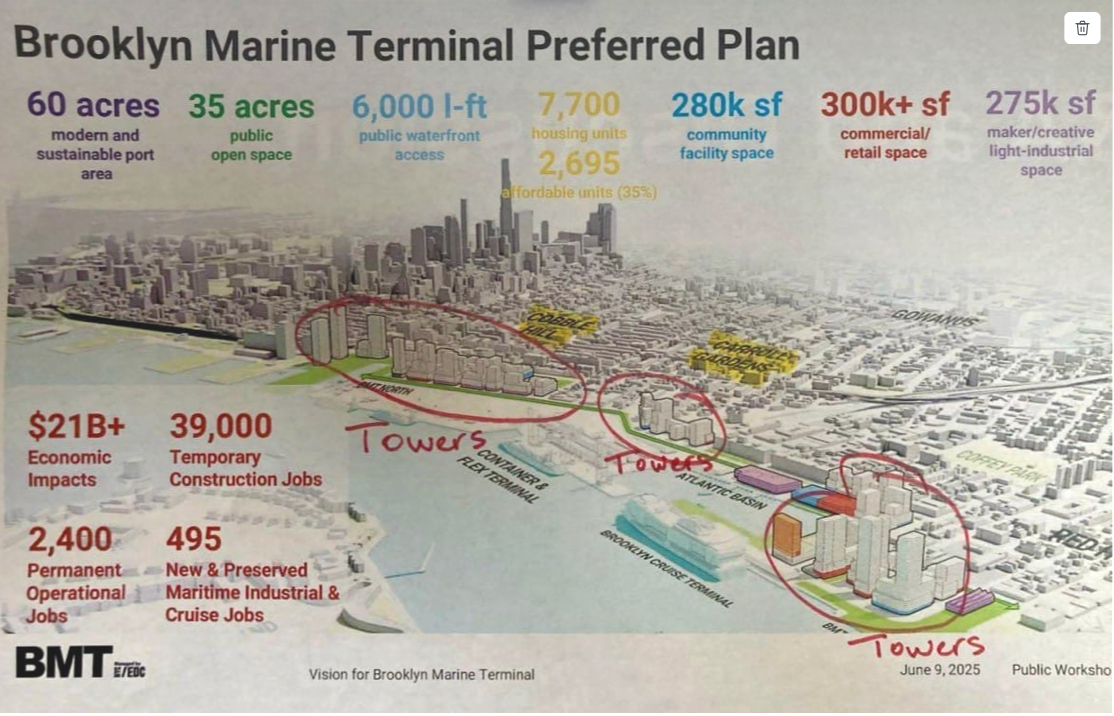
 Fred Kent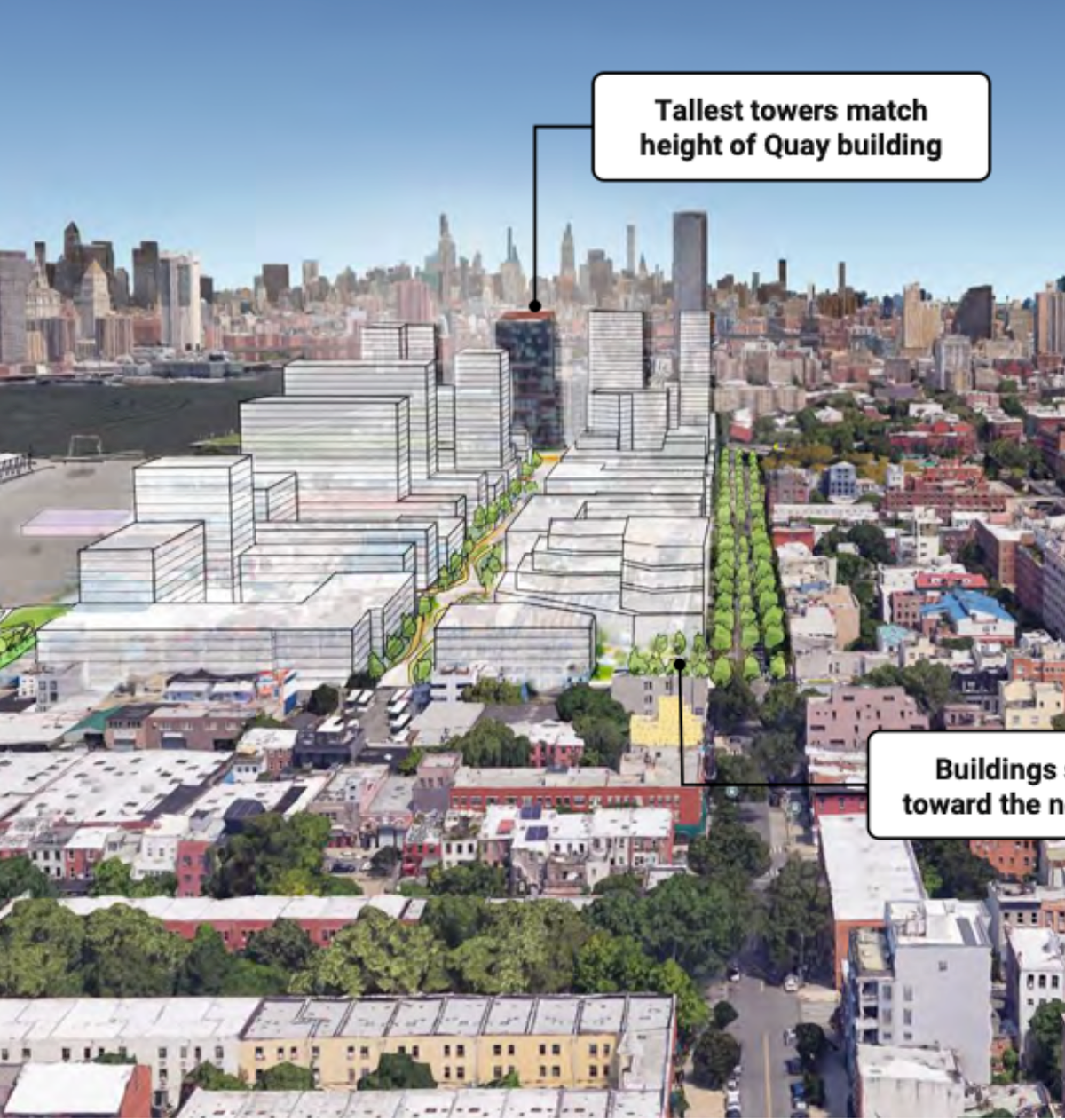
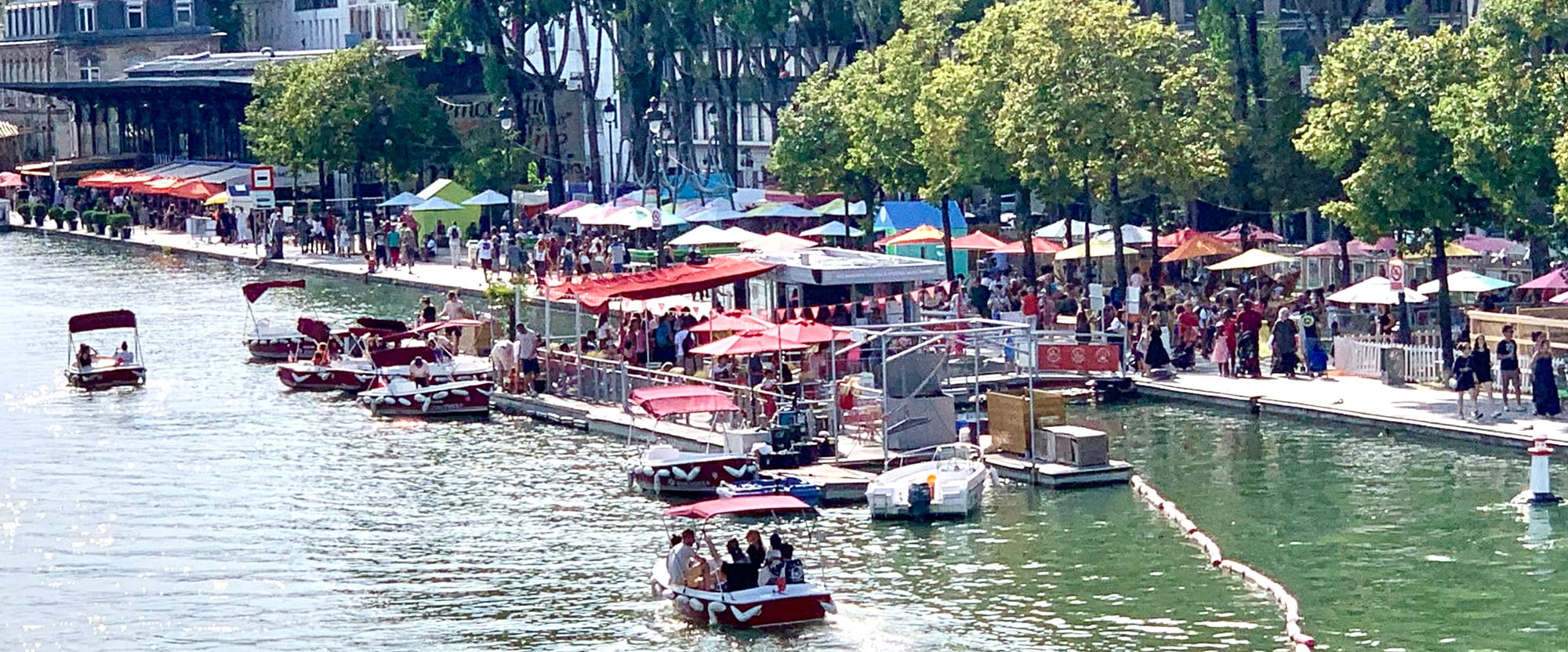
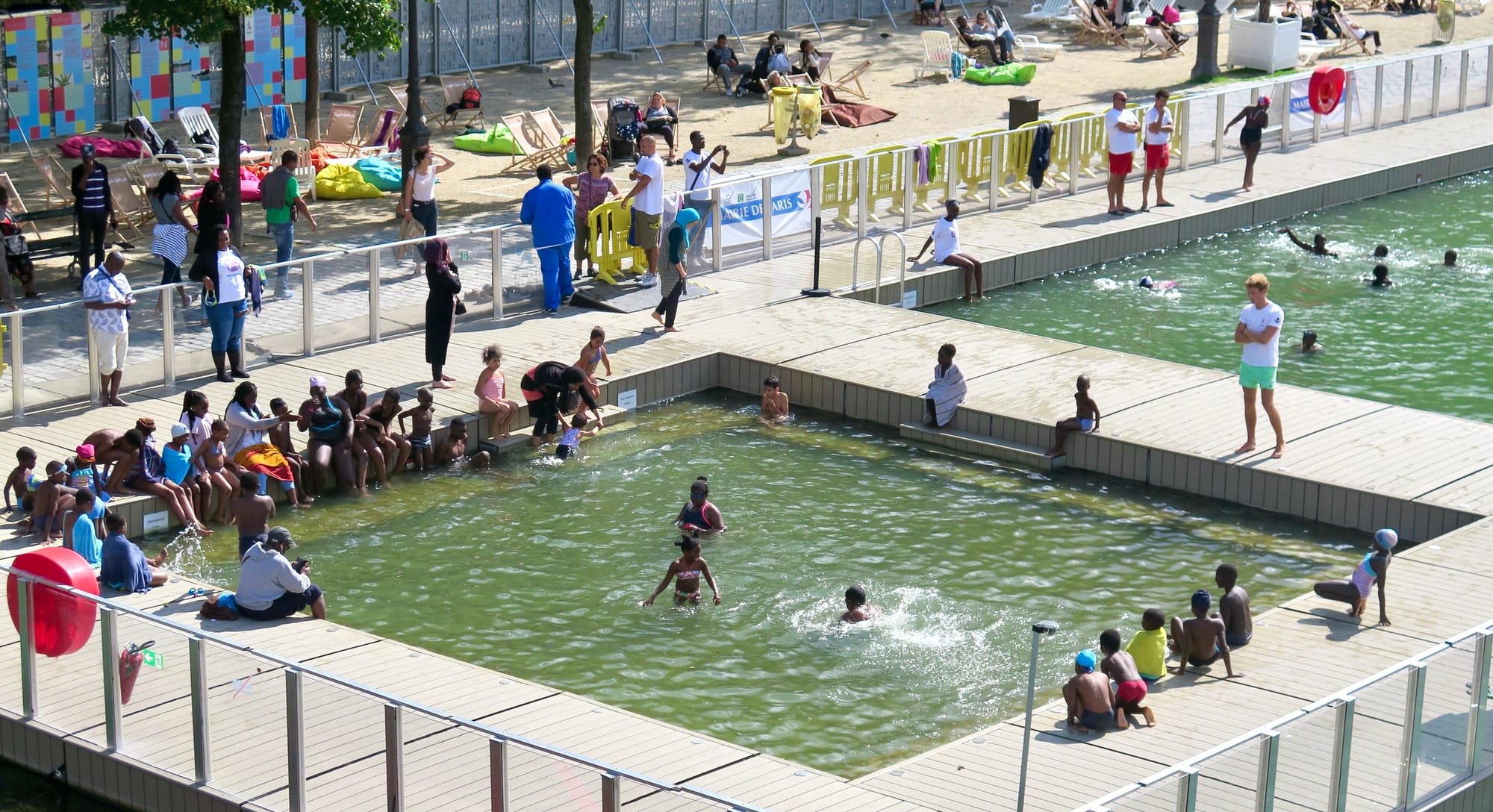
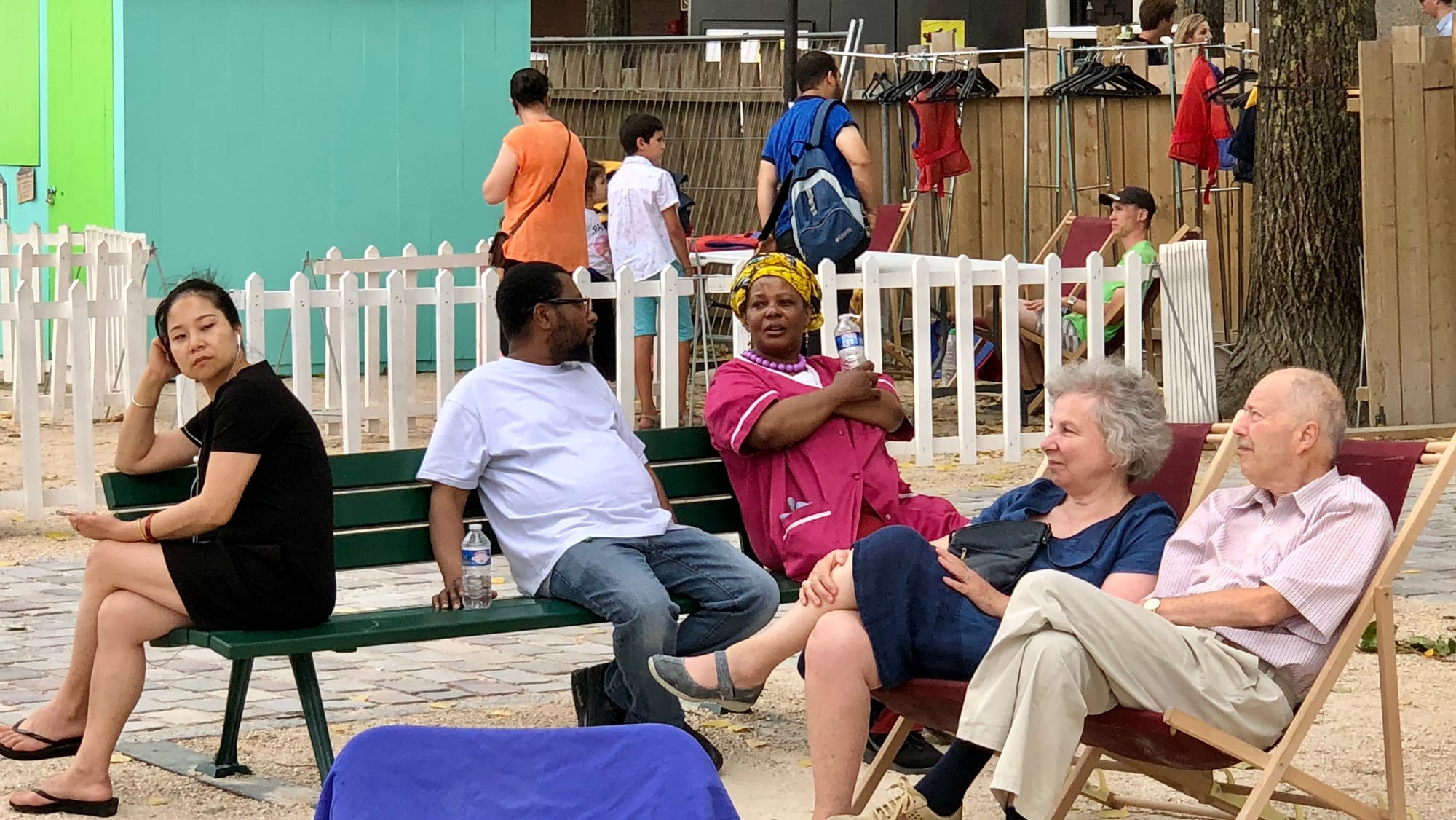
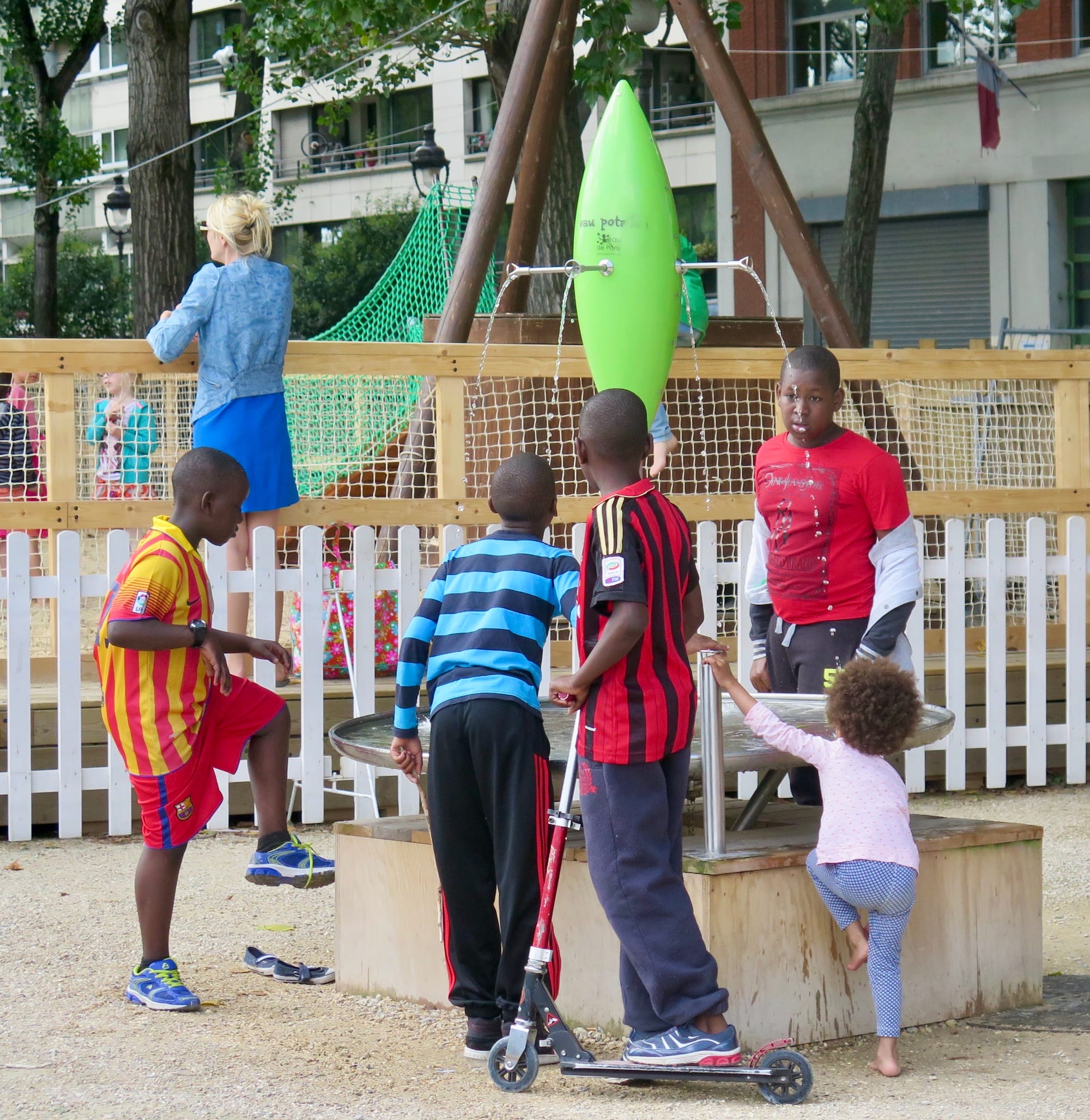
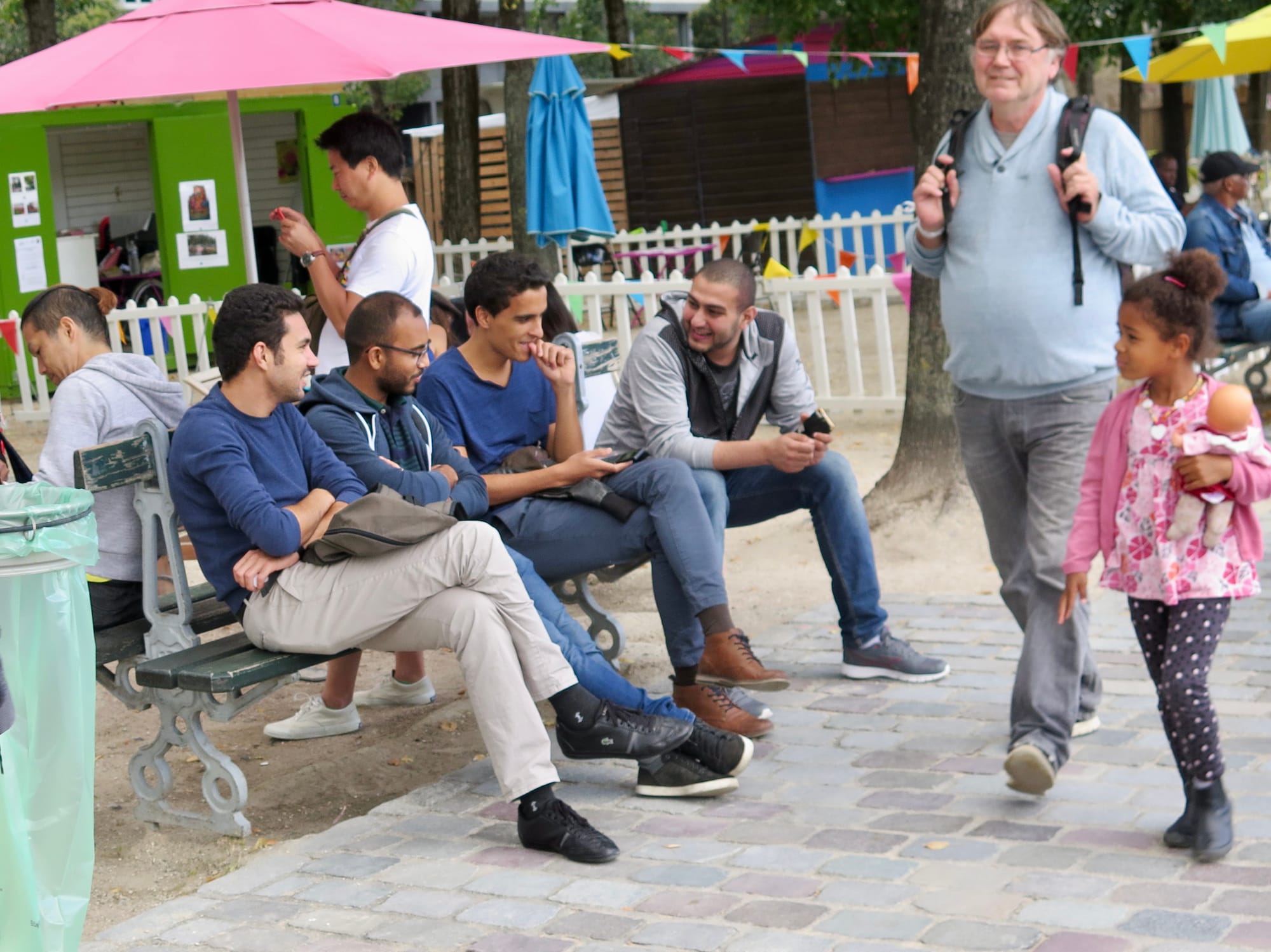
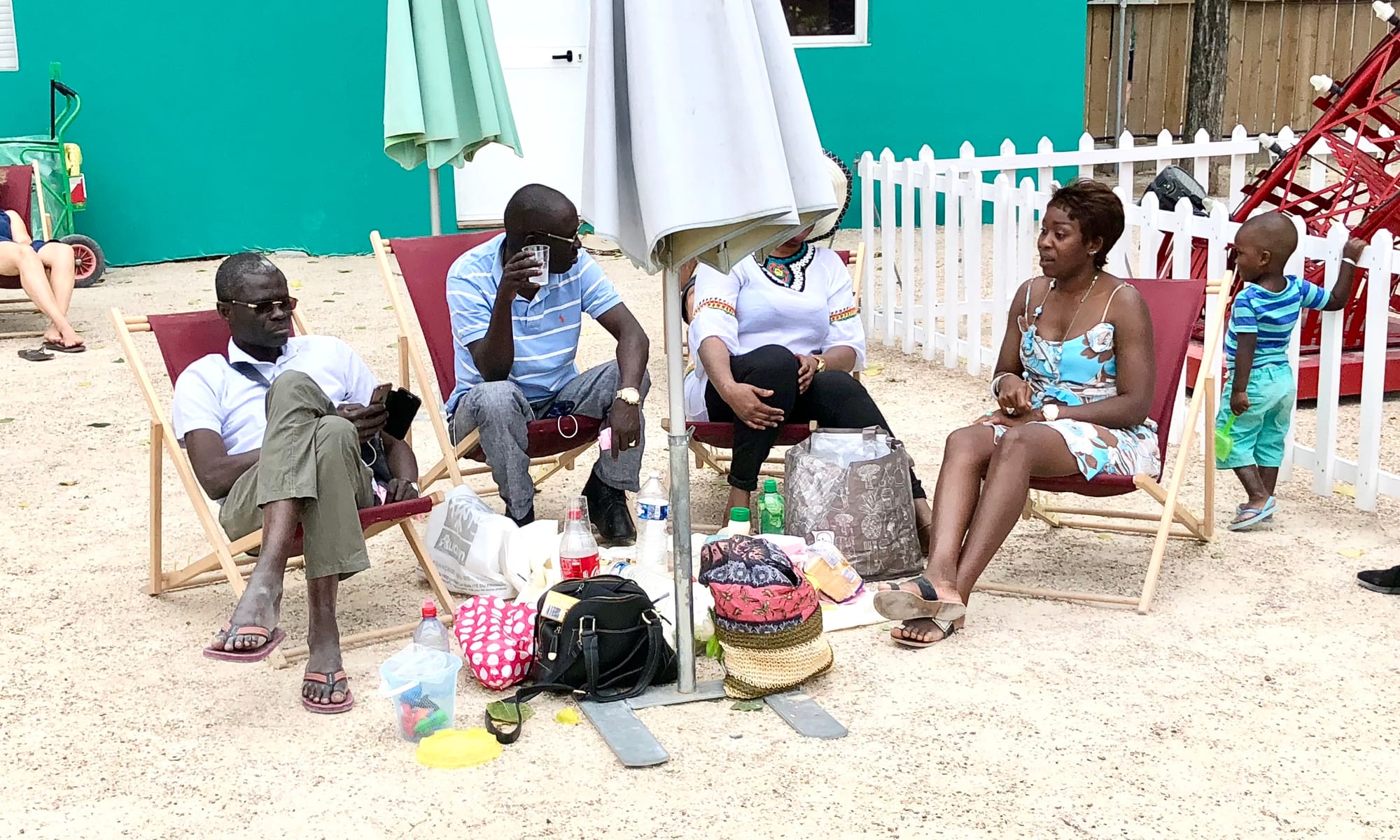
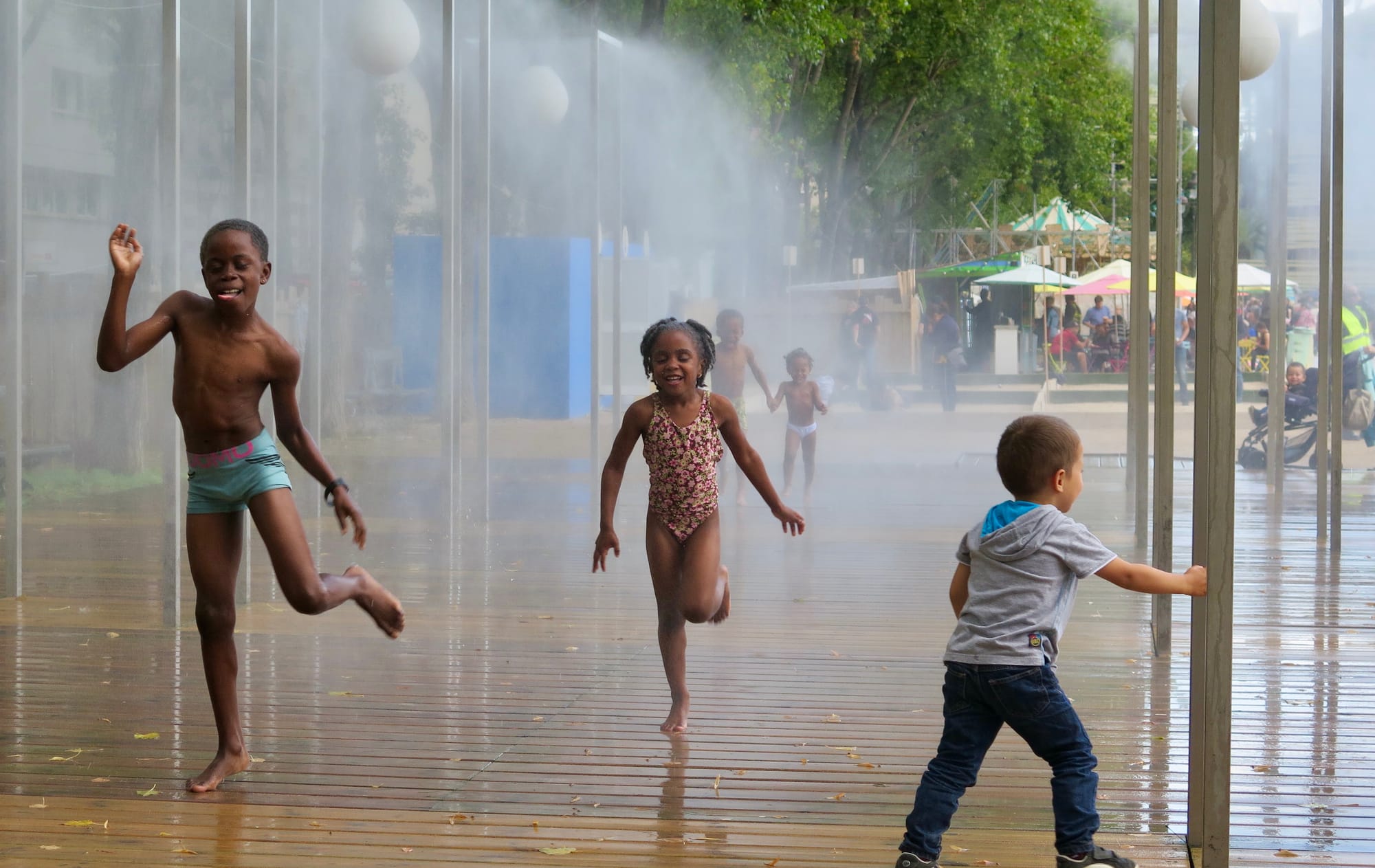
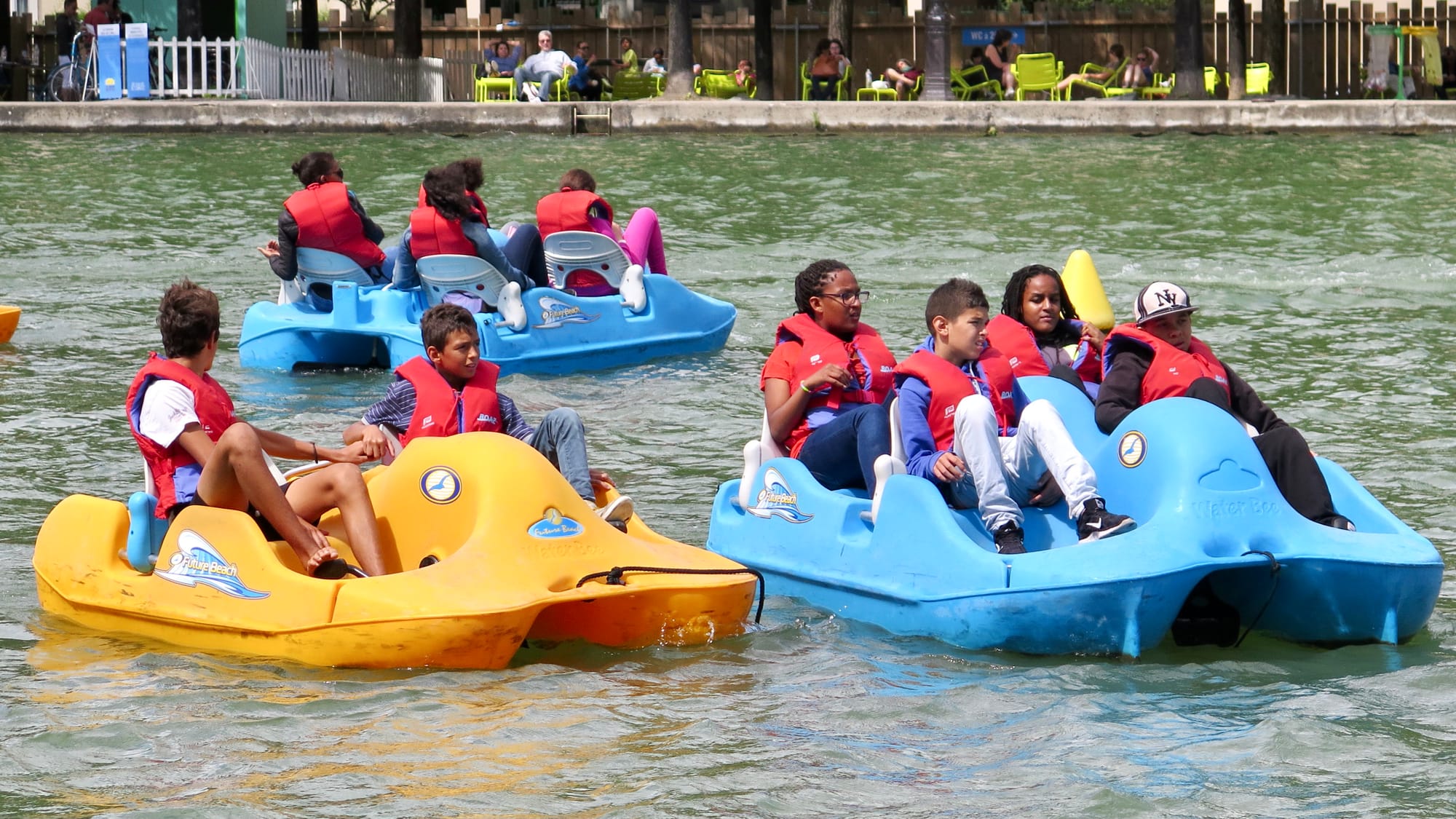
Bassin de la Villette - A Waterfront for All; Serving a Diverse Population
 Fred Kent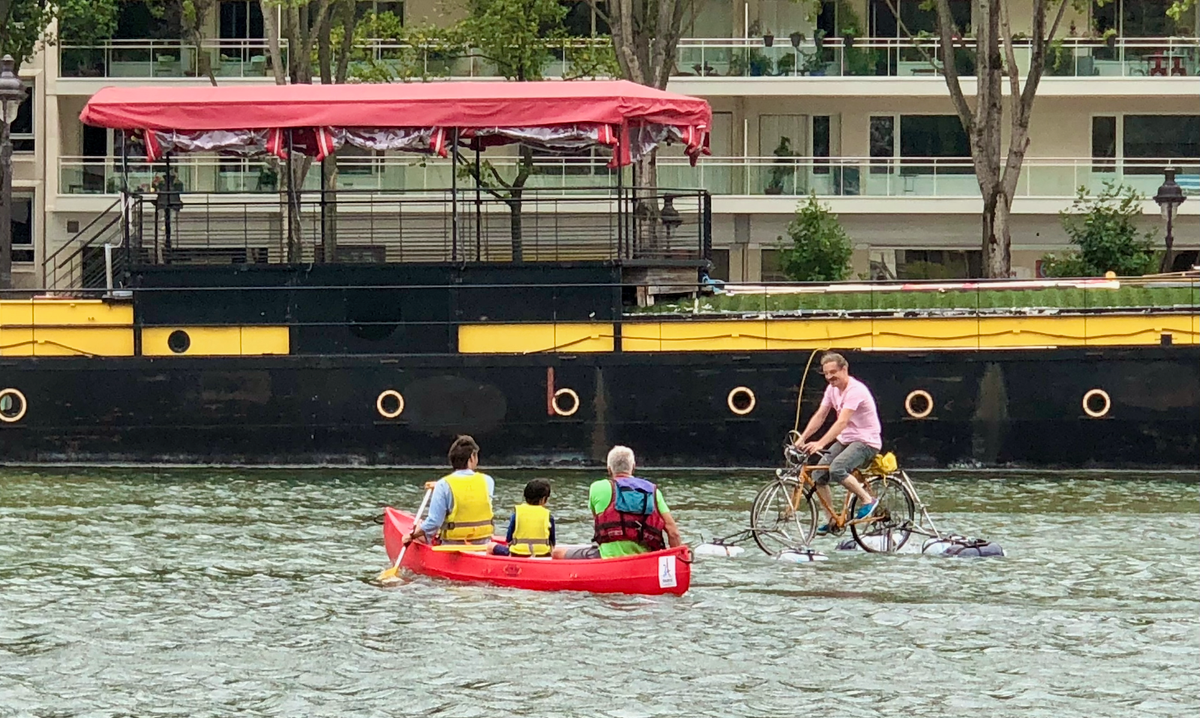
Major Cities we have worked with:
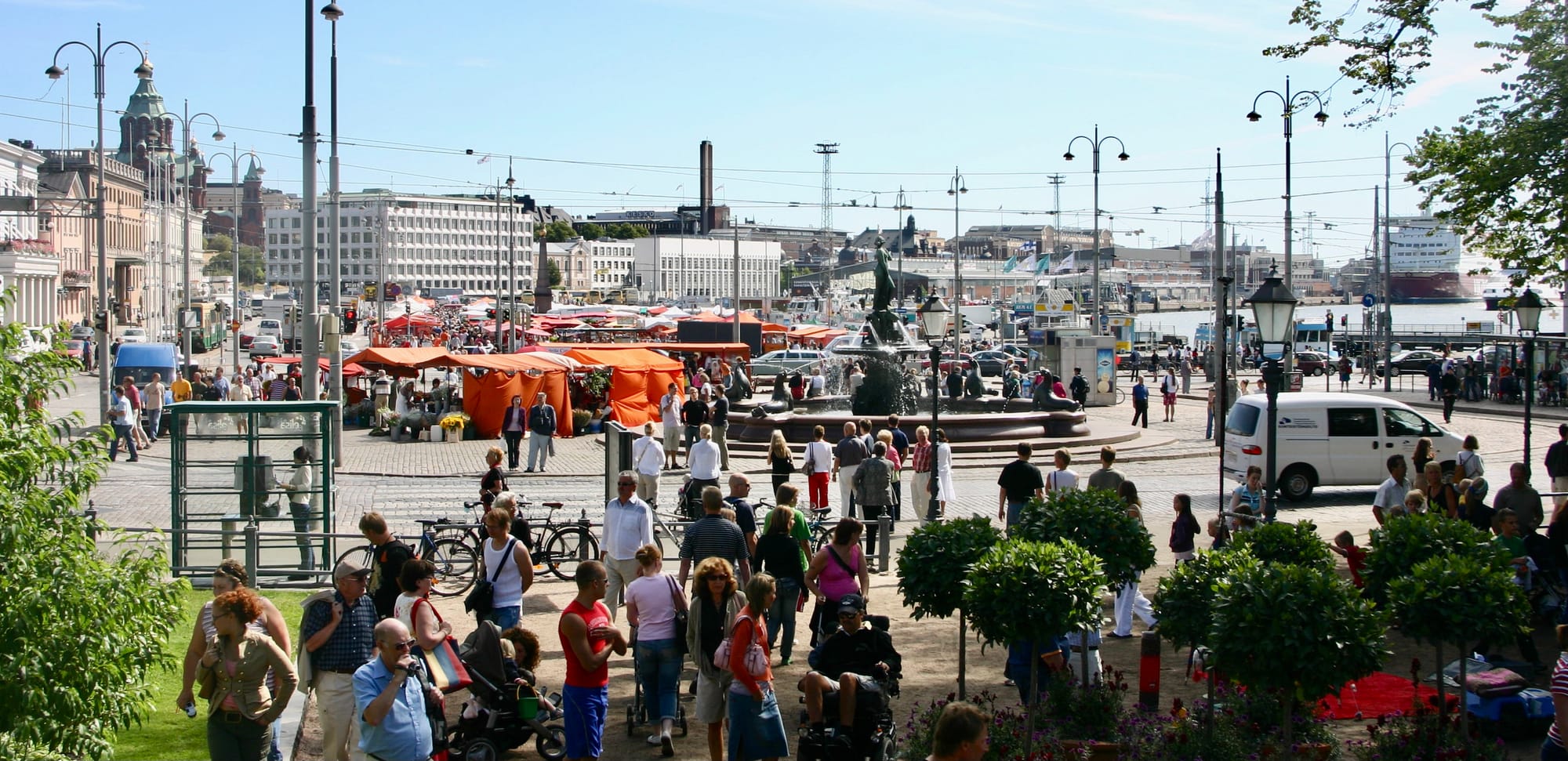
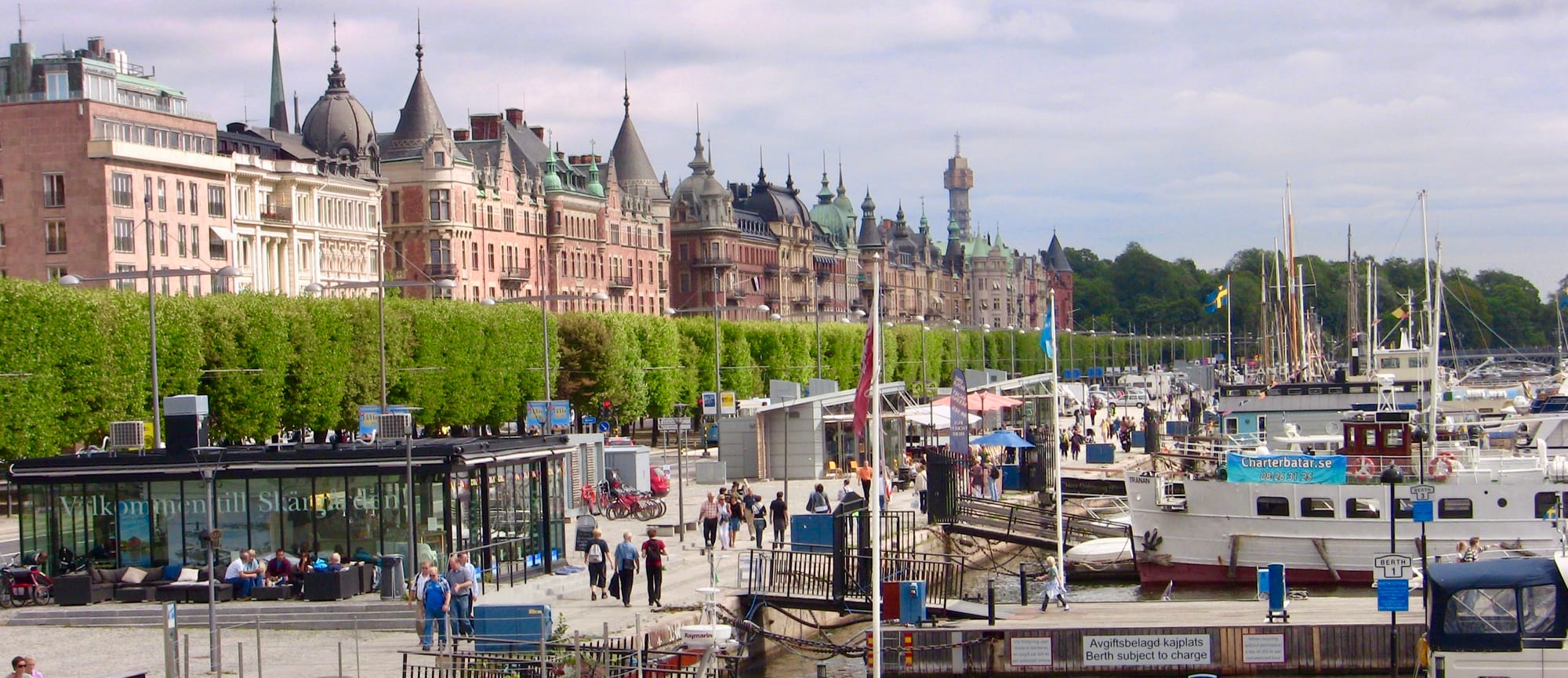
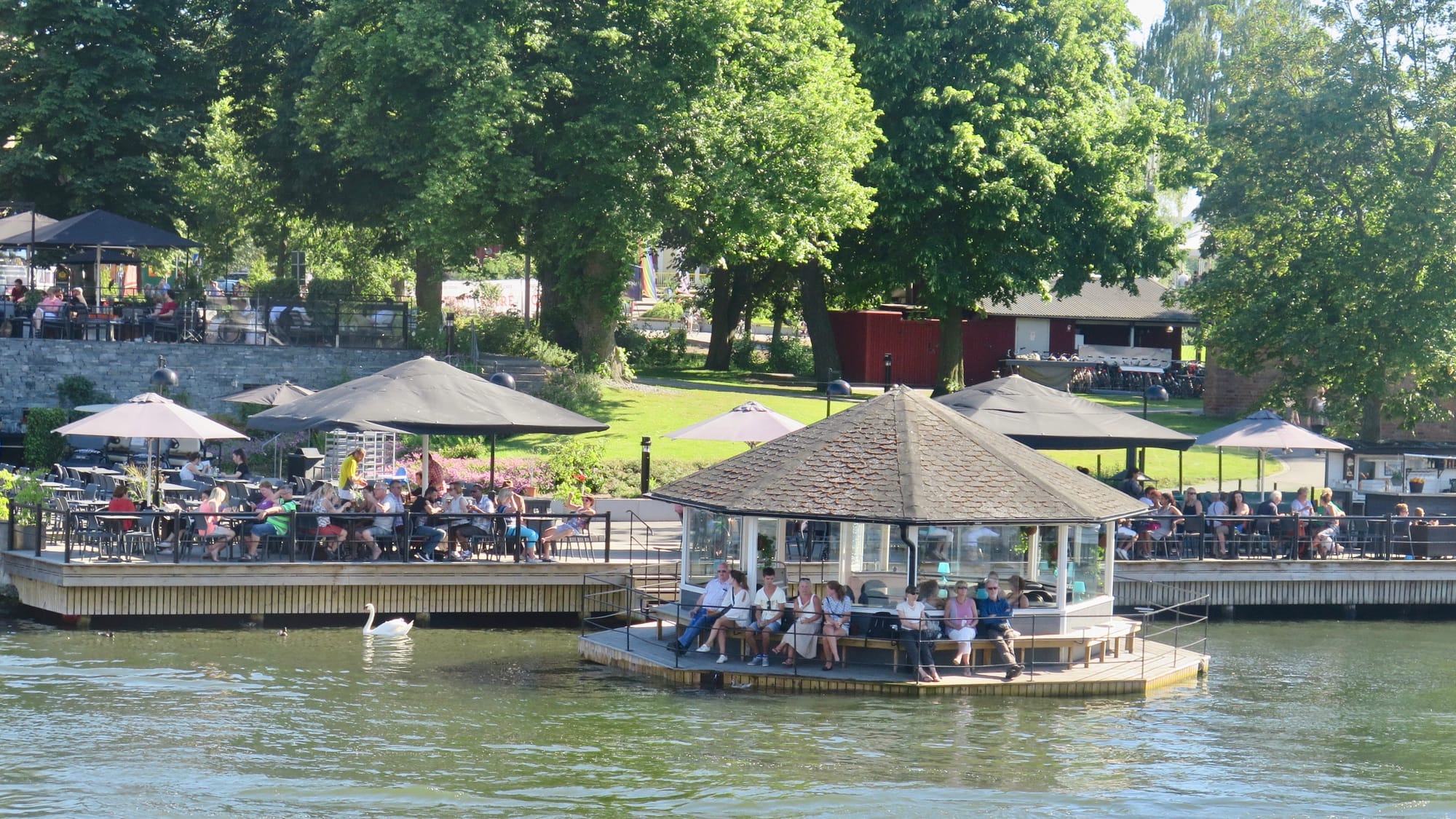
Helsinki, Finland; Stockholm, Sweden; Oslo, Norway; Hamburg, Germany; Capetown, South Africa; Porto, Portugal; Prague, Czech Republic; San Francisco, California; Vancouver, Canada
 Fred Kent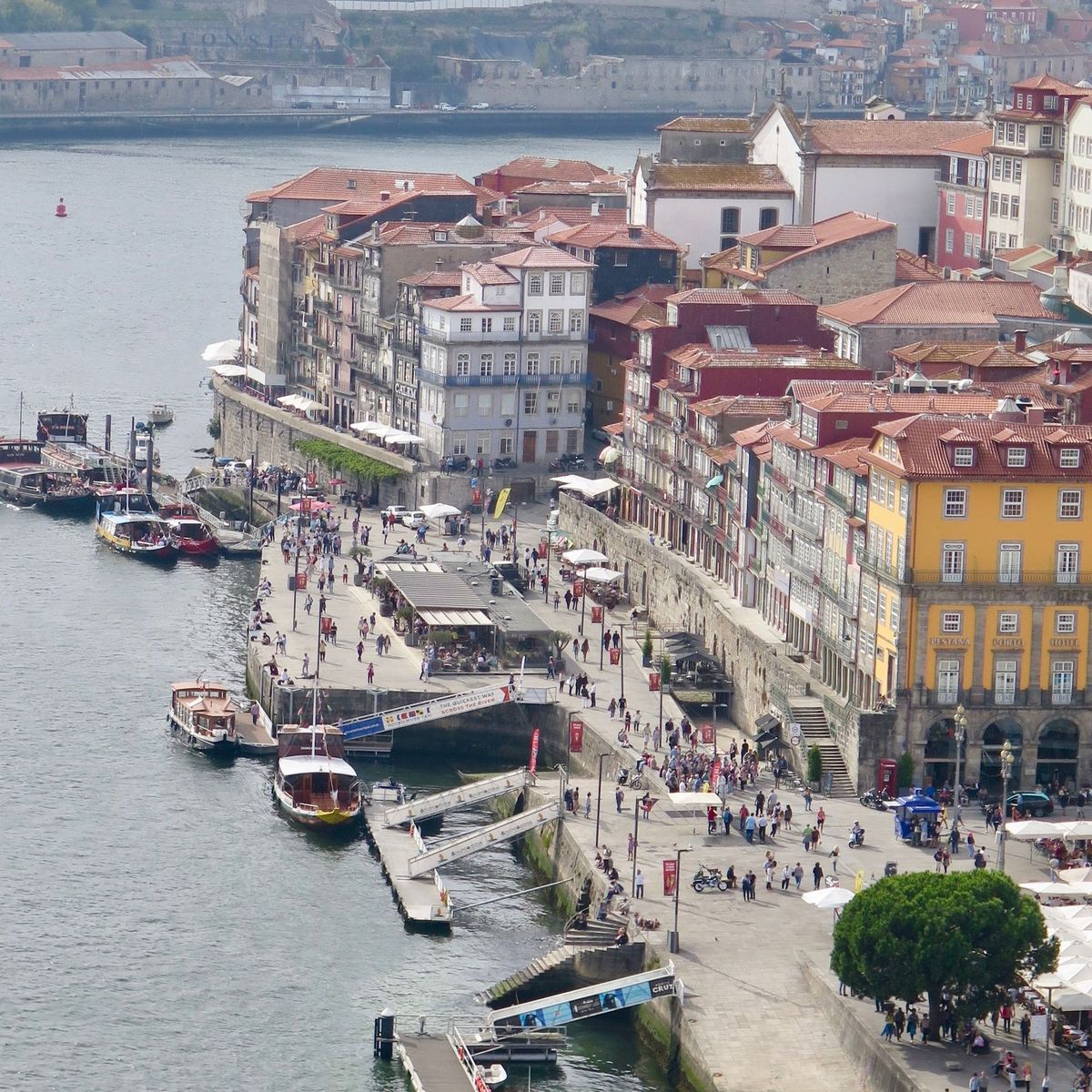
Helsinki, Finland
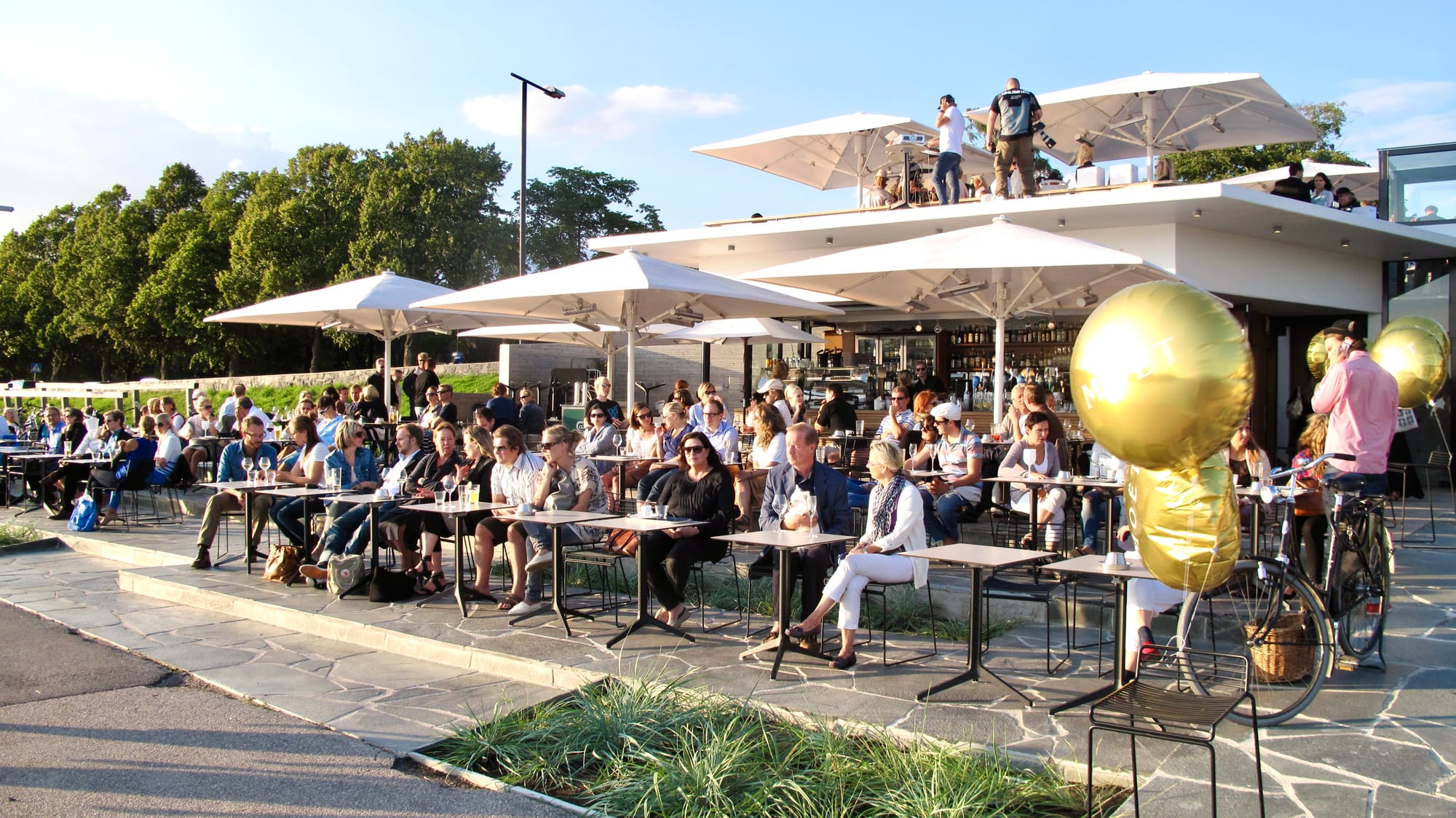
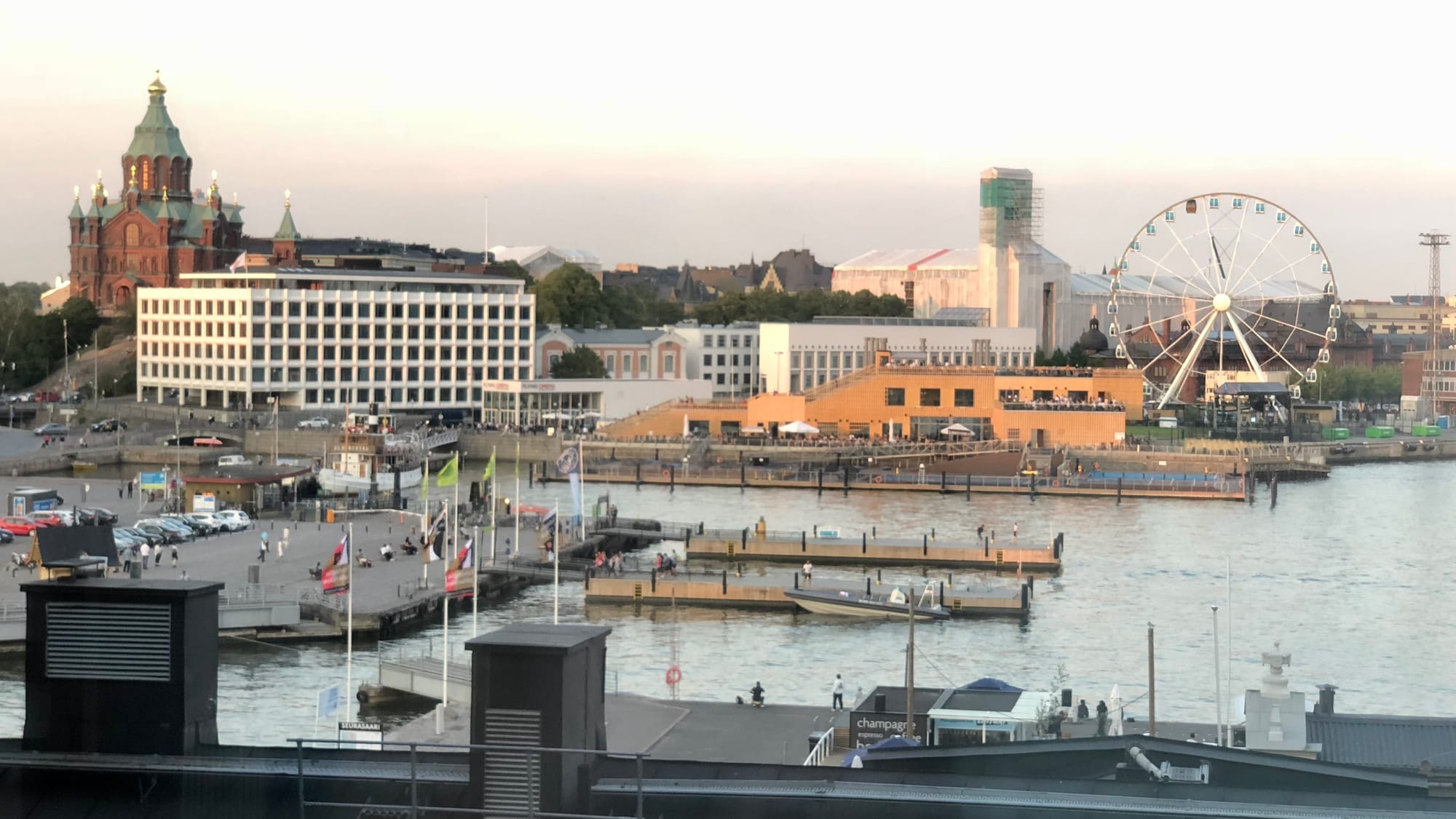
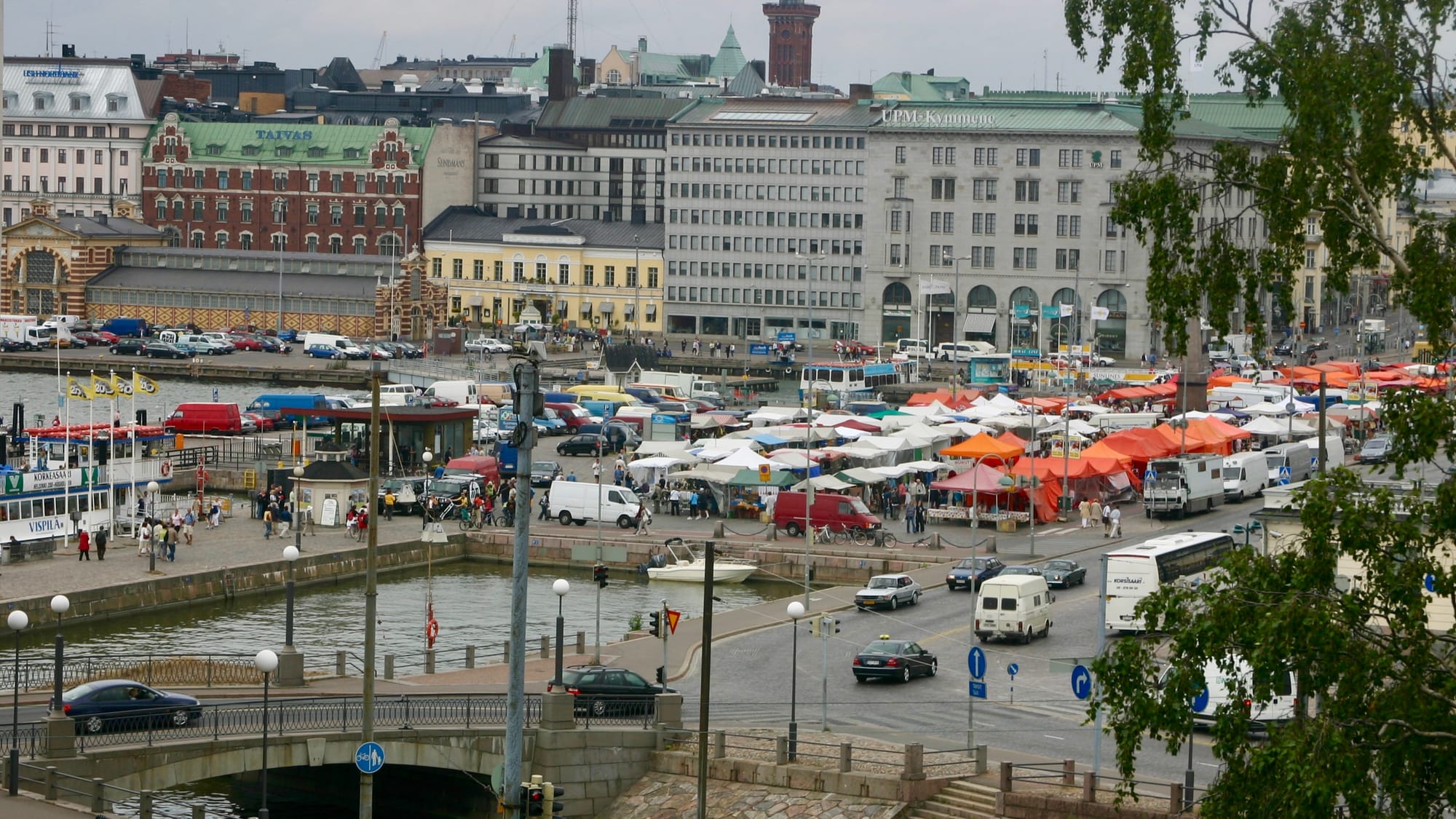
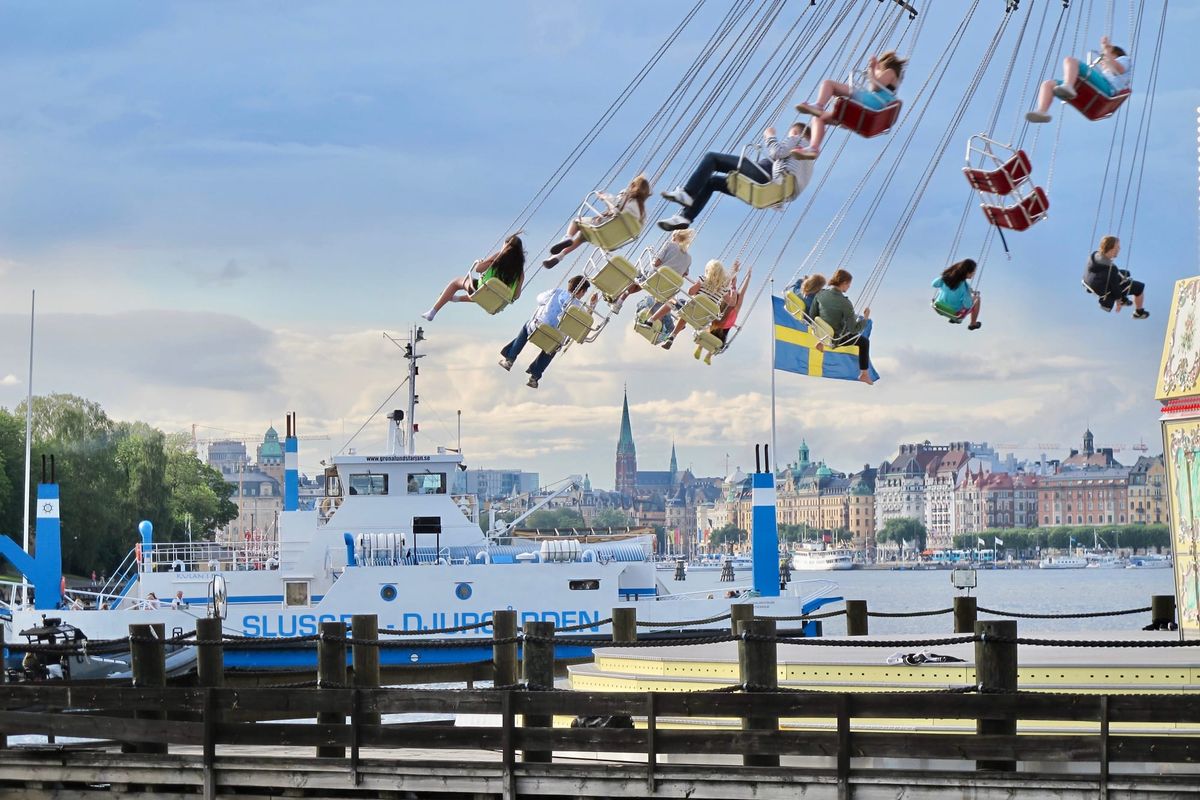
Stockholm, Sweden
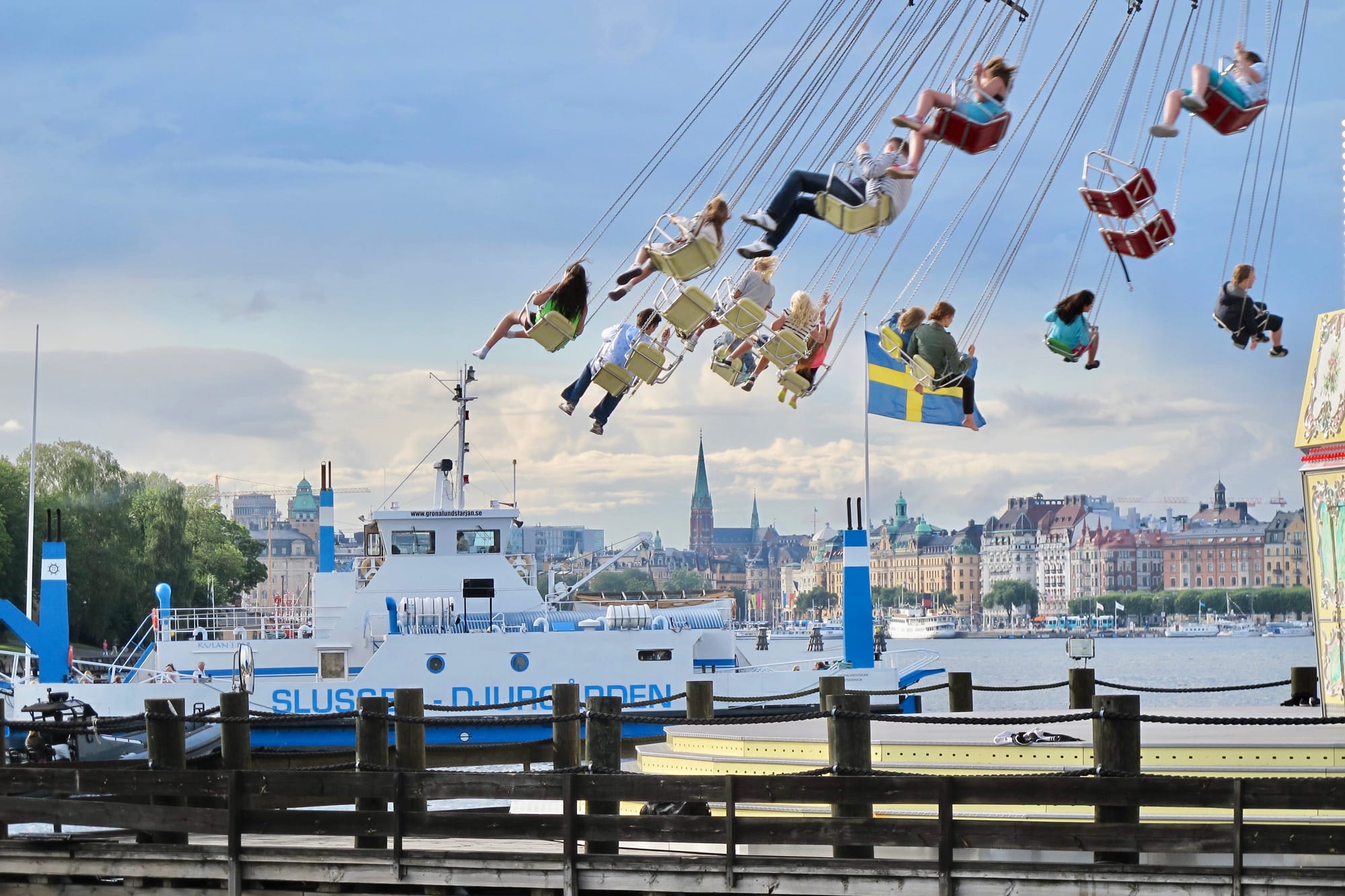
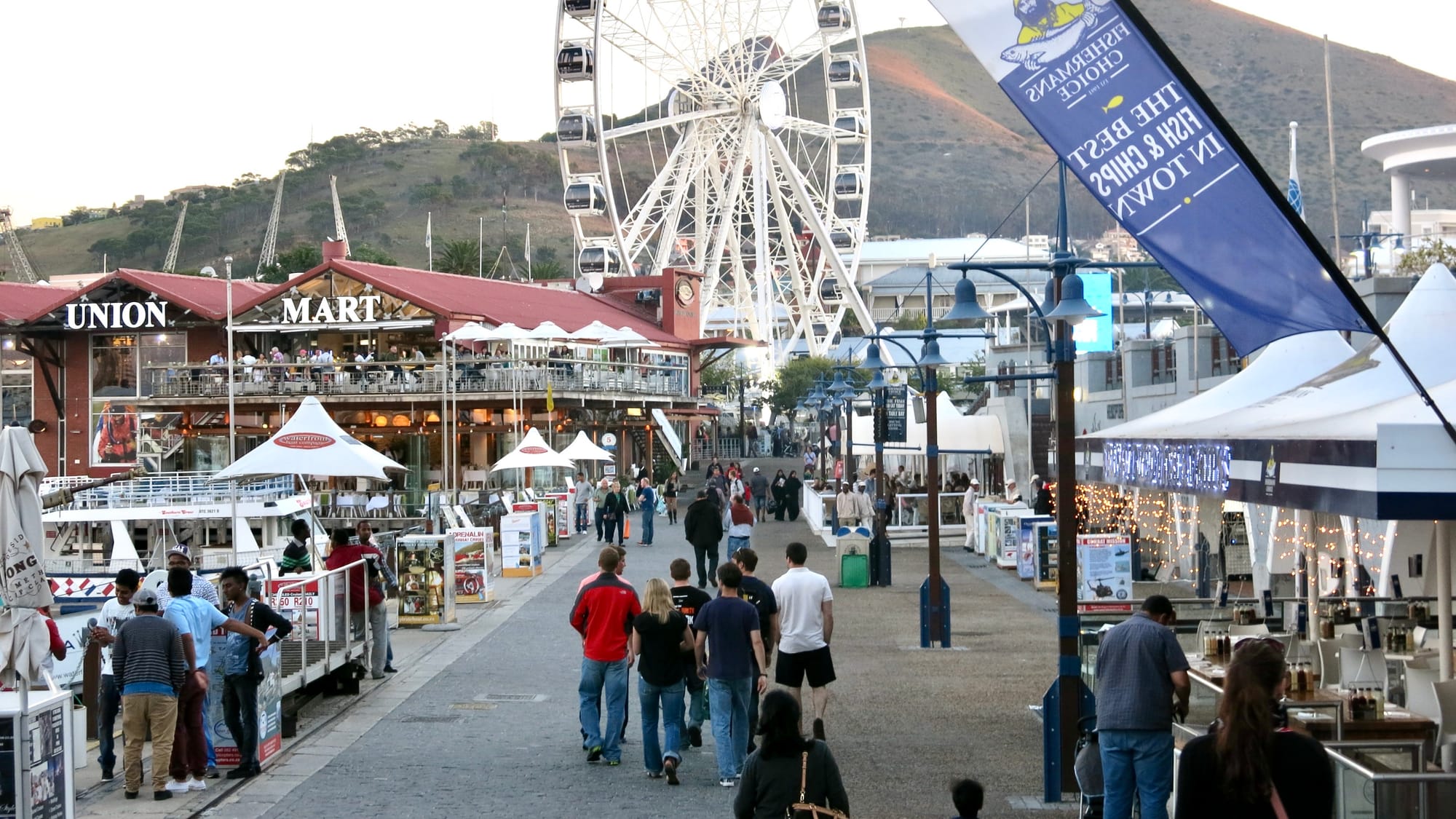
CapeTown, South Africa
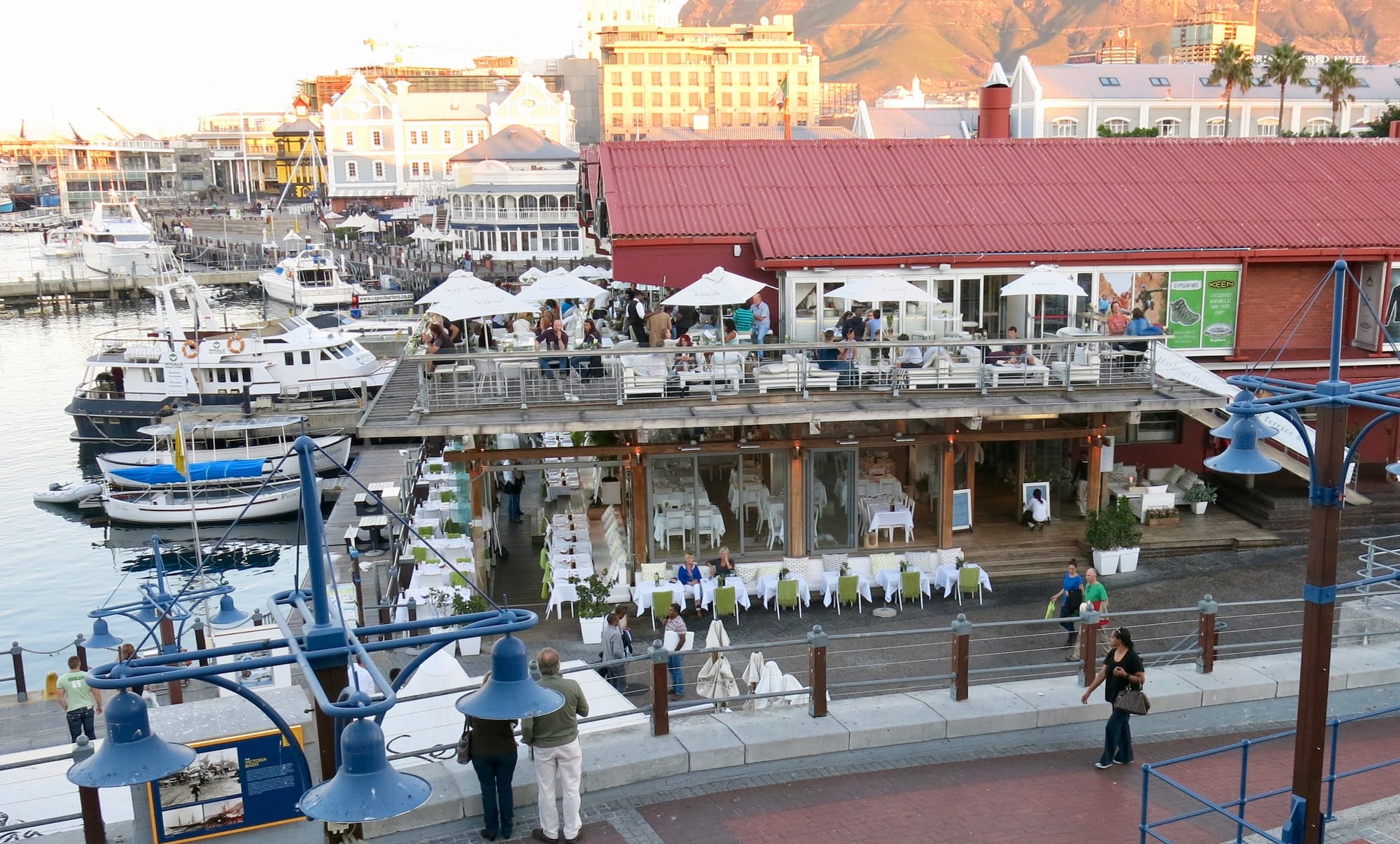
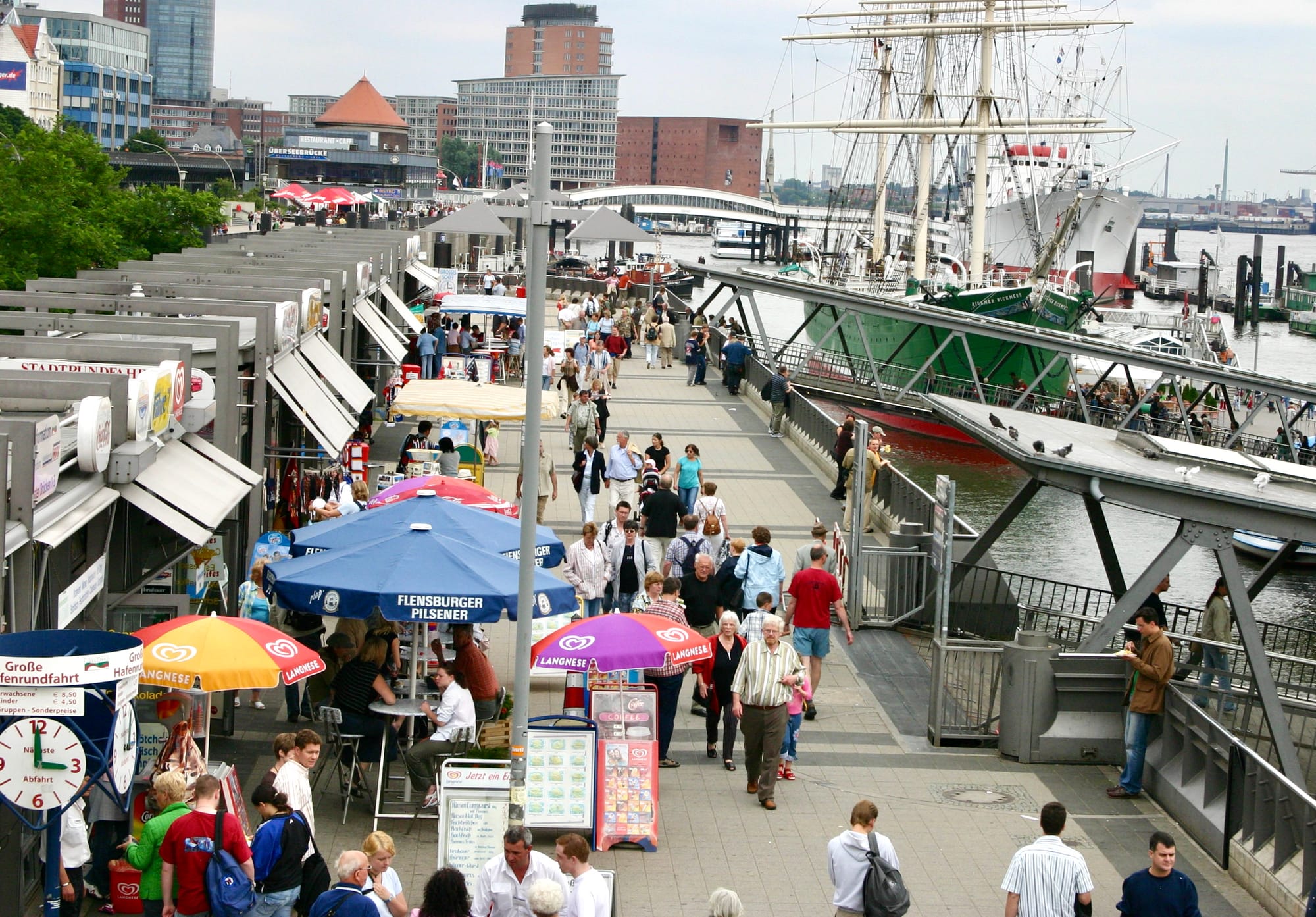
Hamburg, Germany
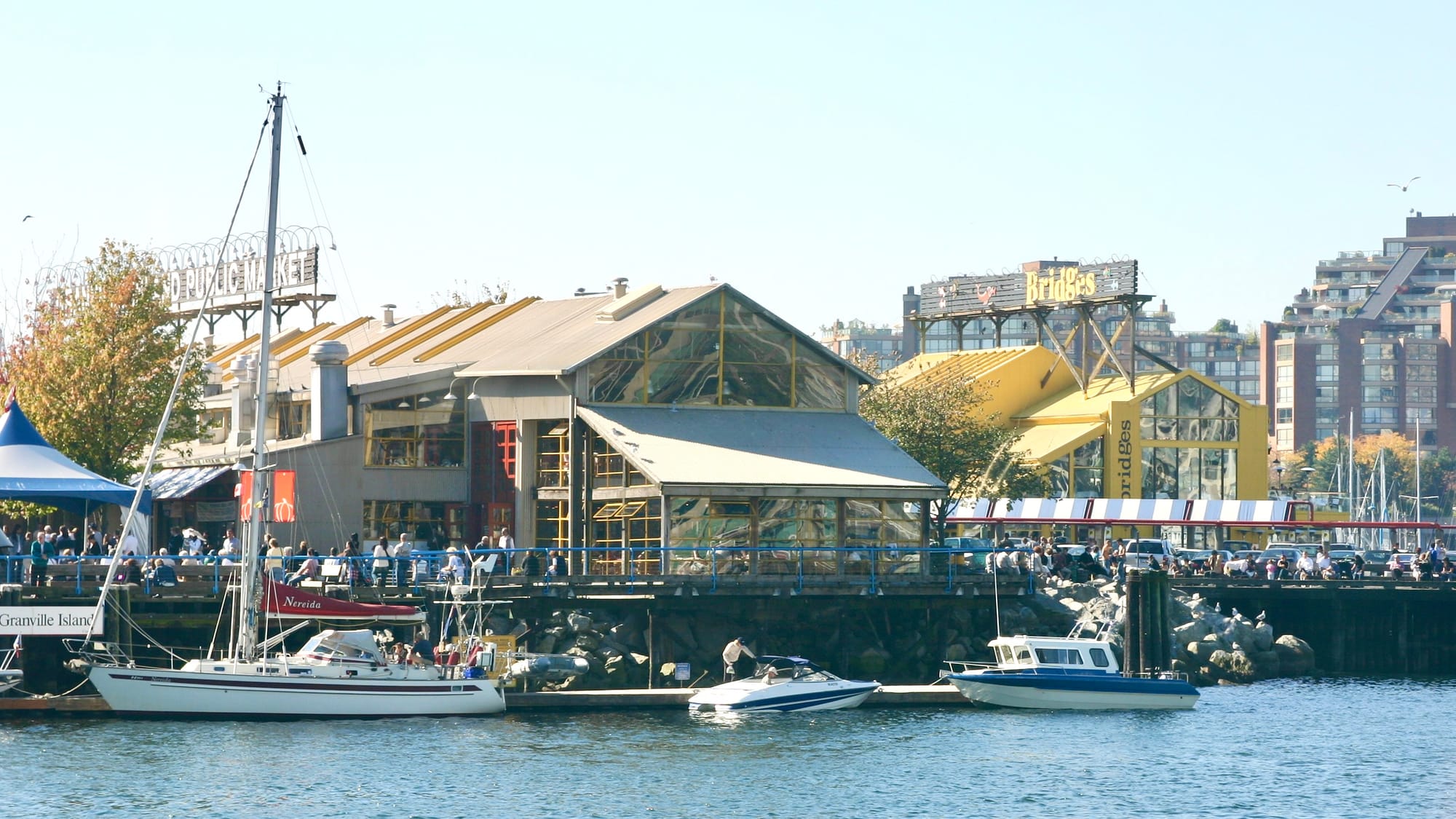
Vancouver, Canada
Oslo, Norway
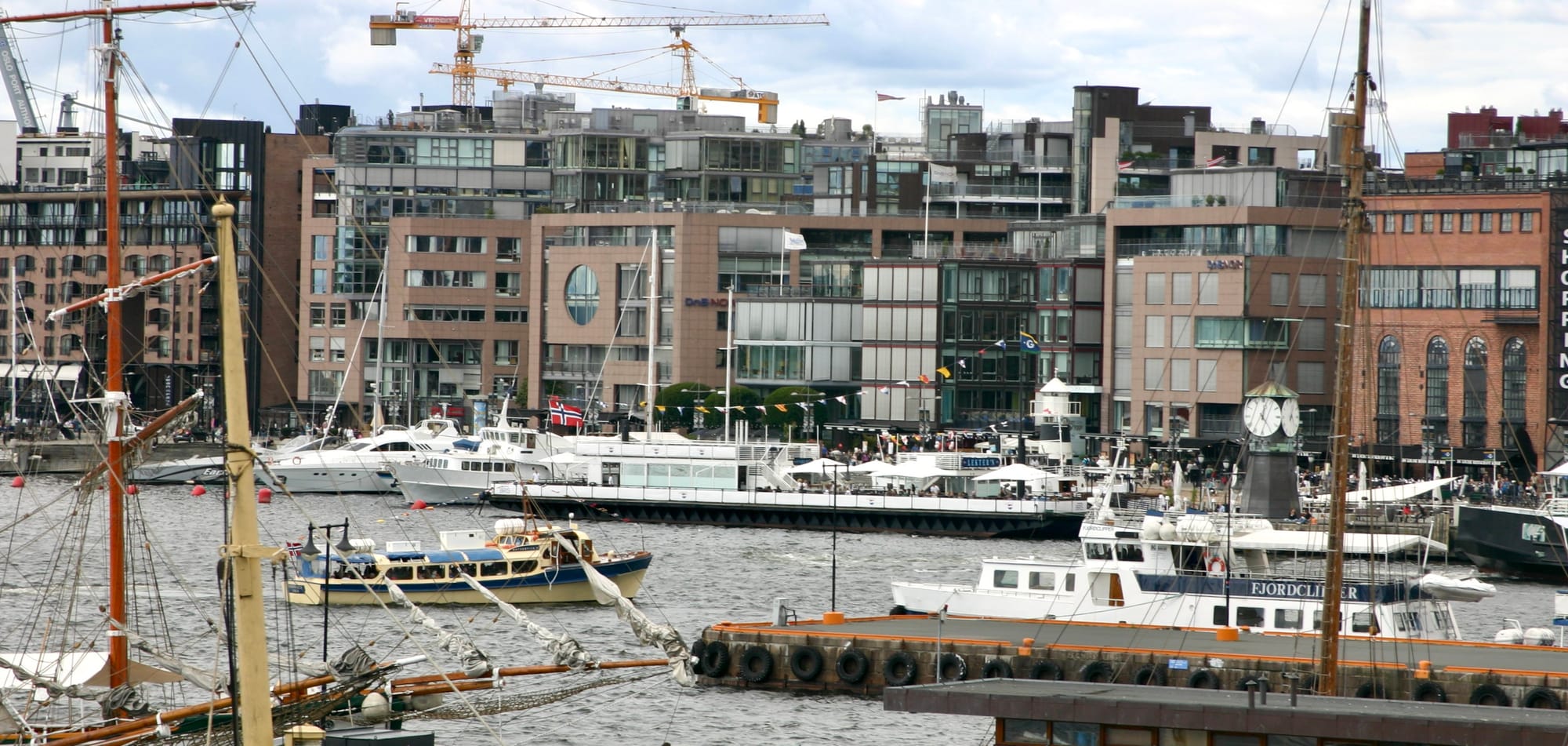
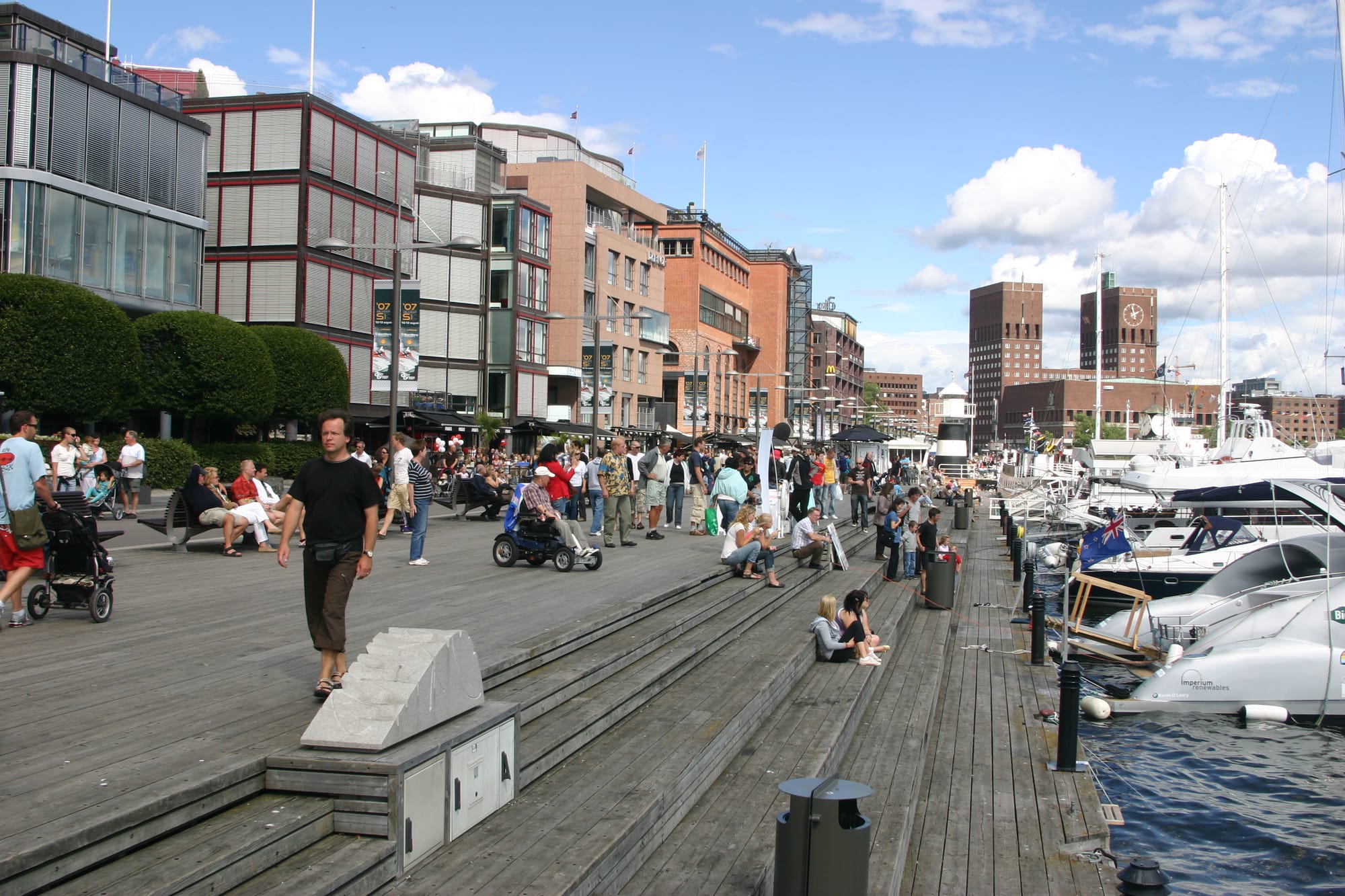
Oslo, Norway
Bergen and Stavanger, Norway
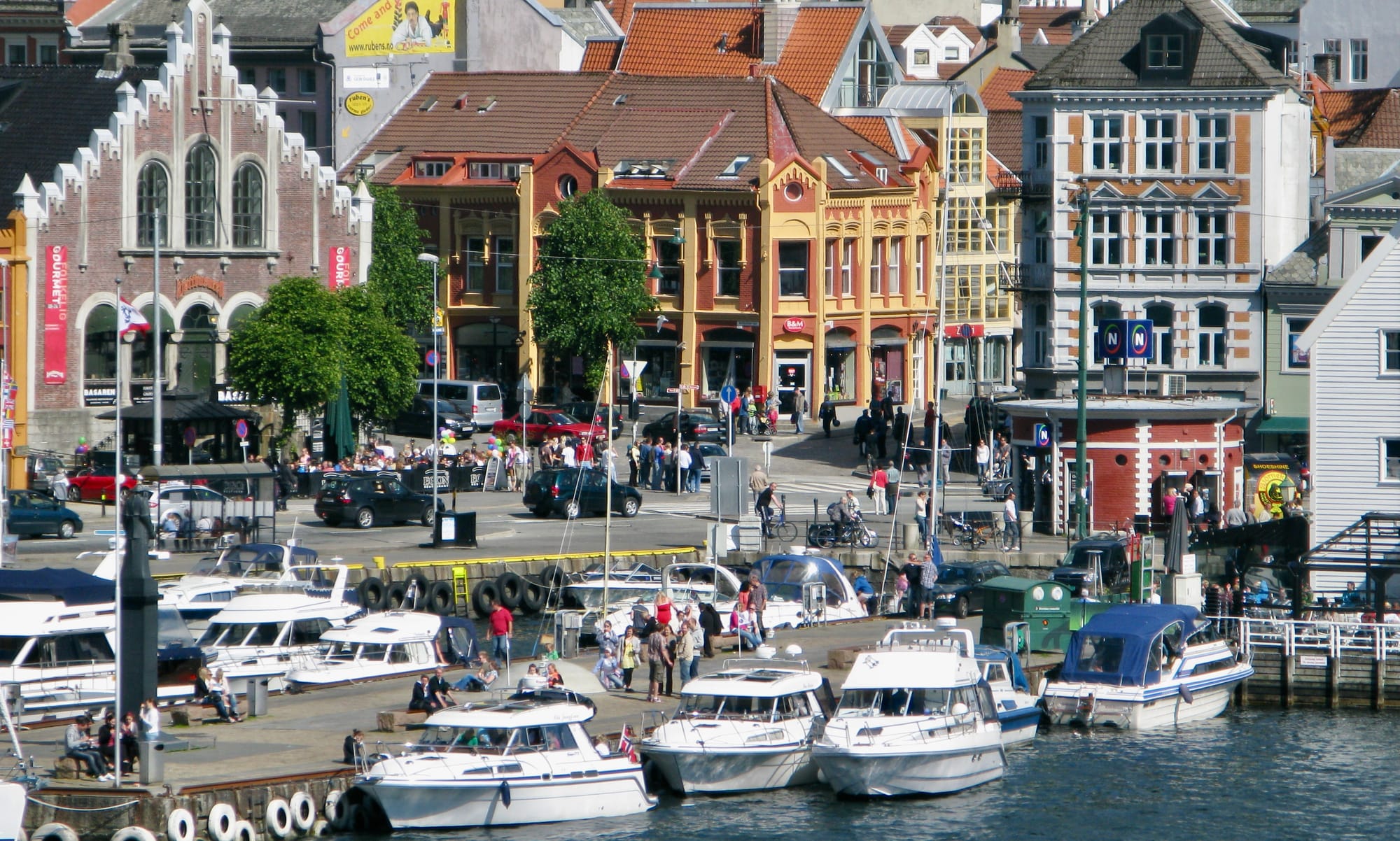
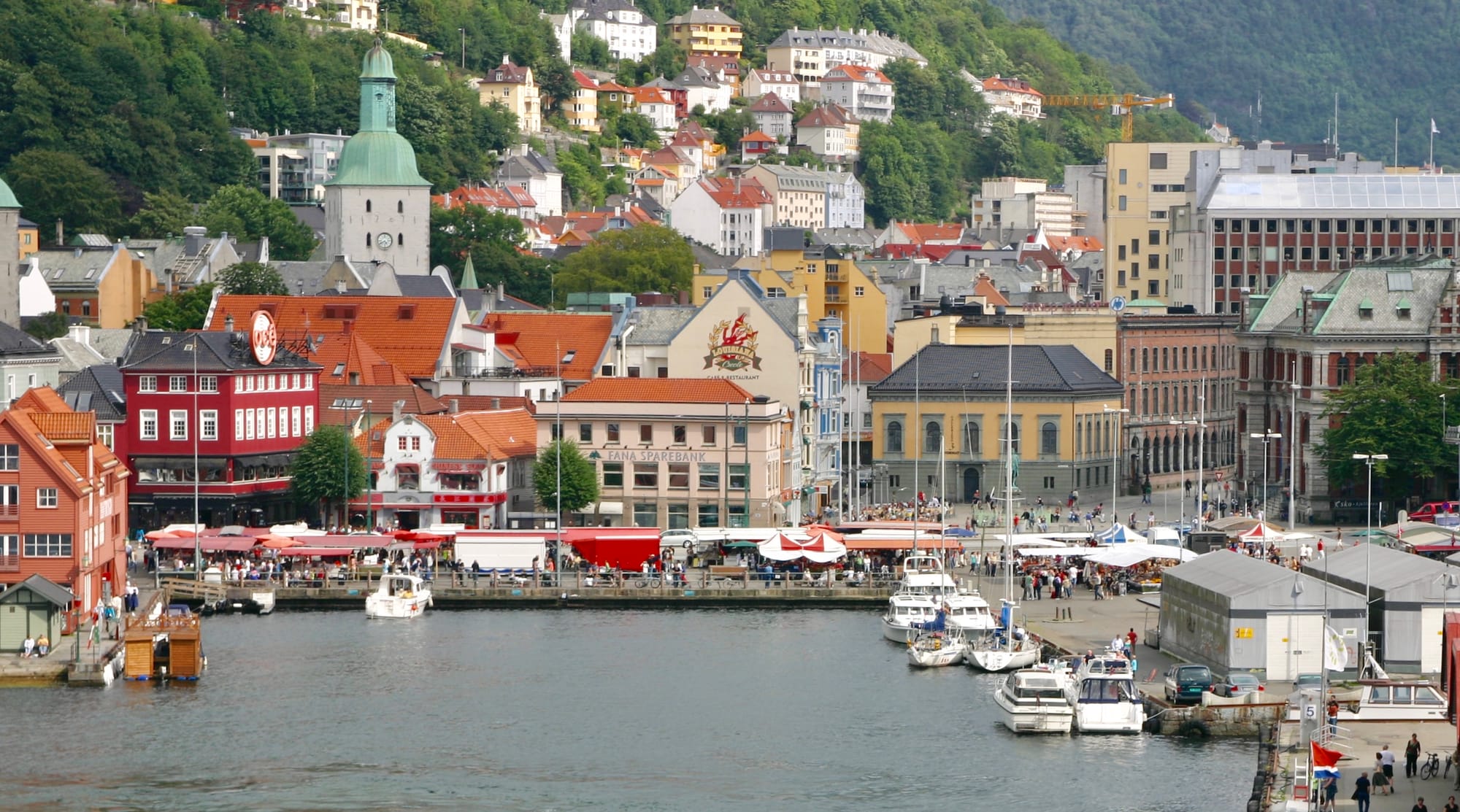
Bergen
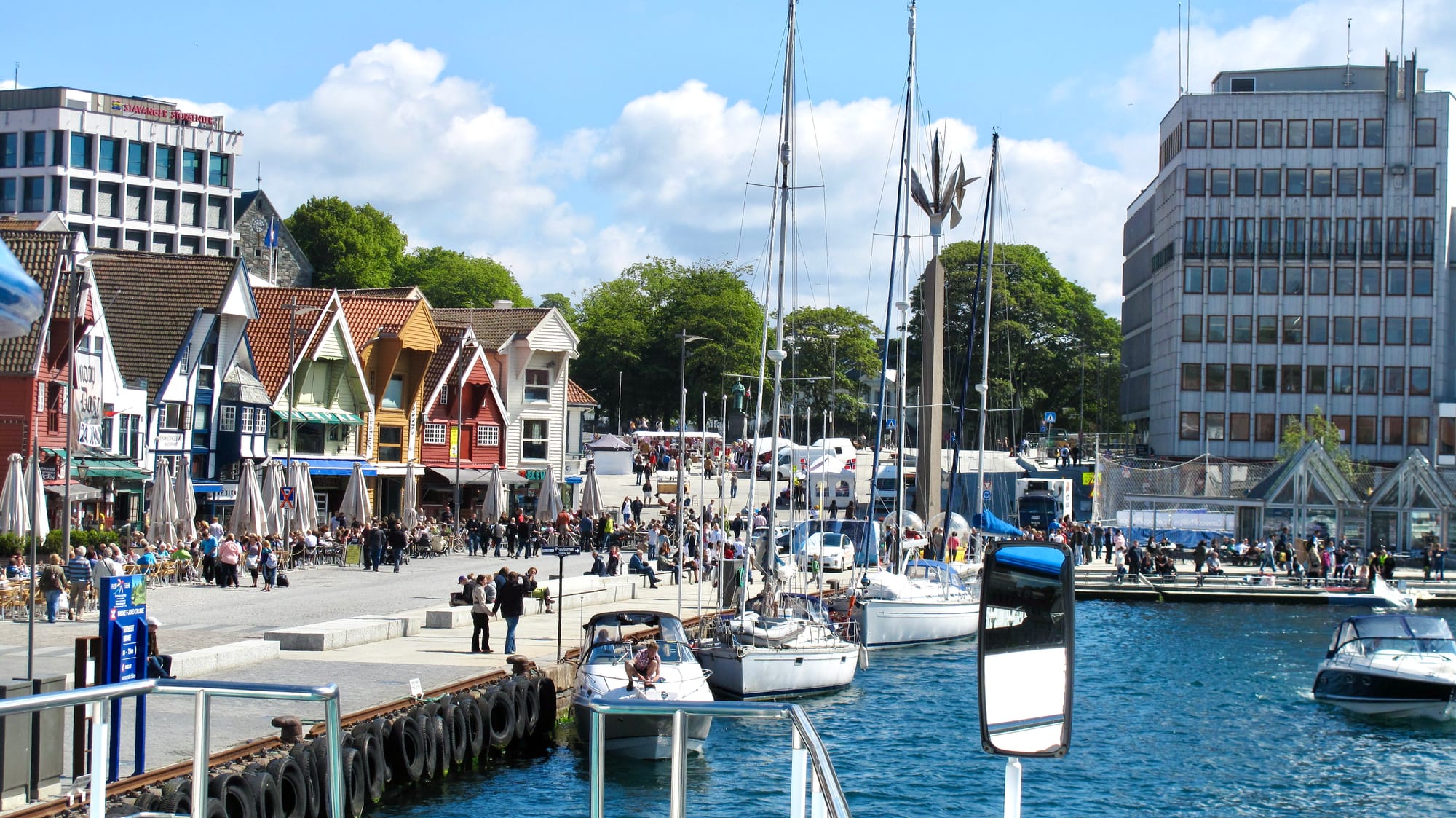
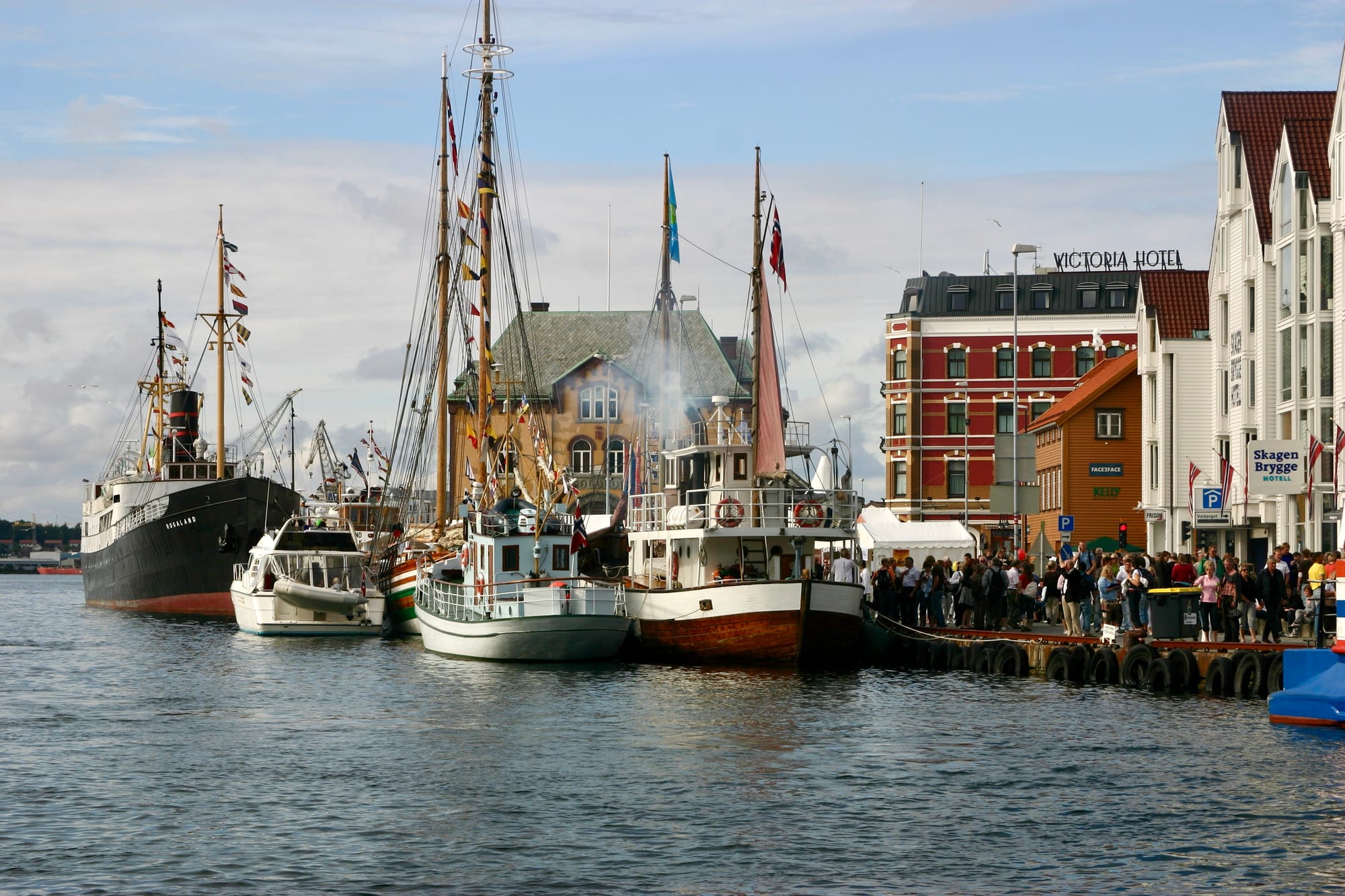
Stavanger
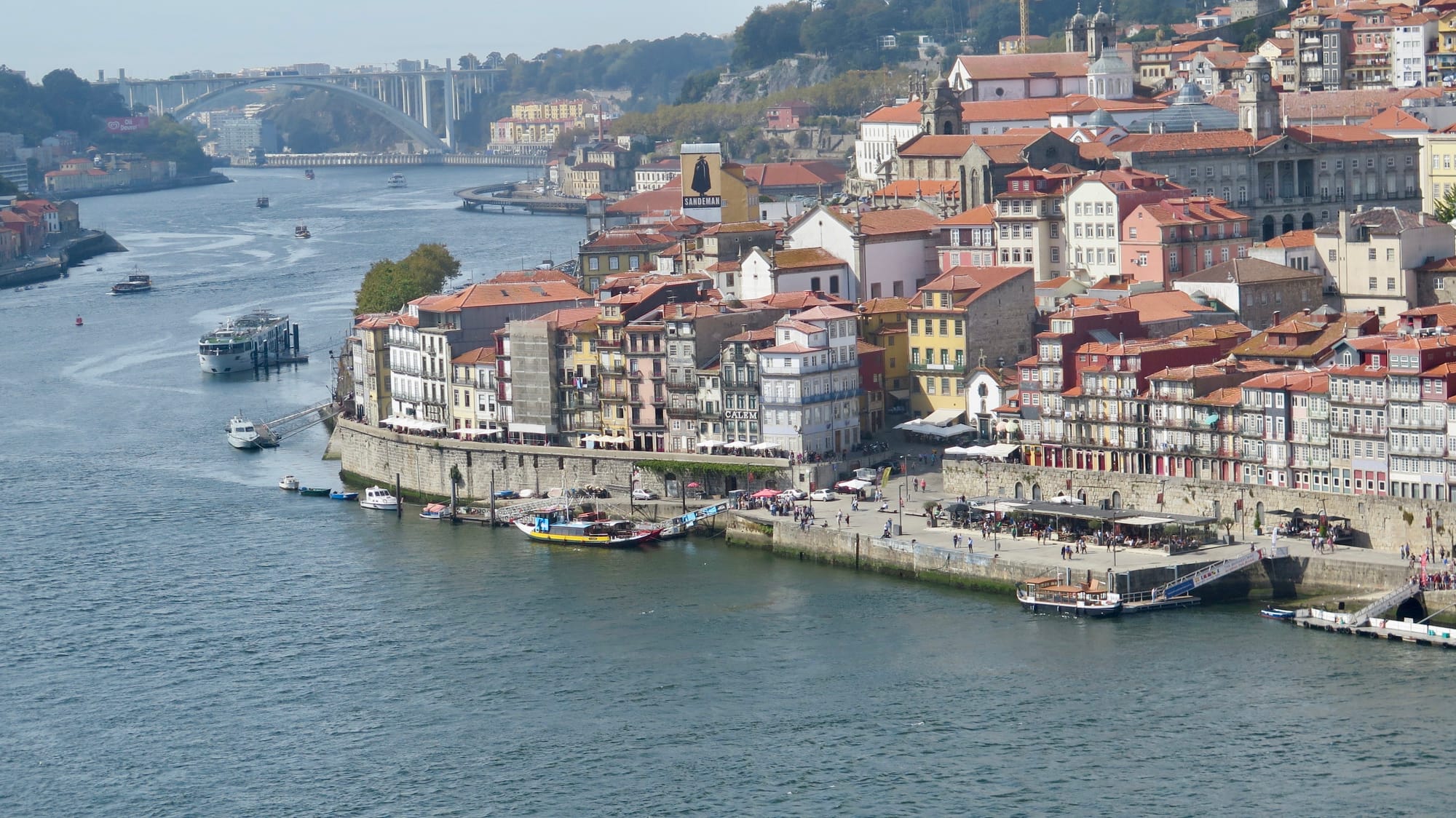
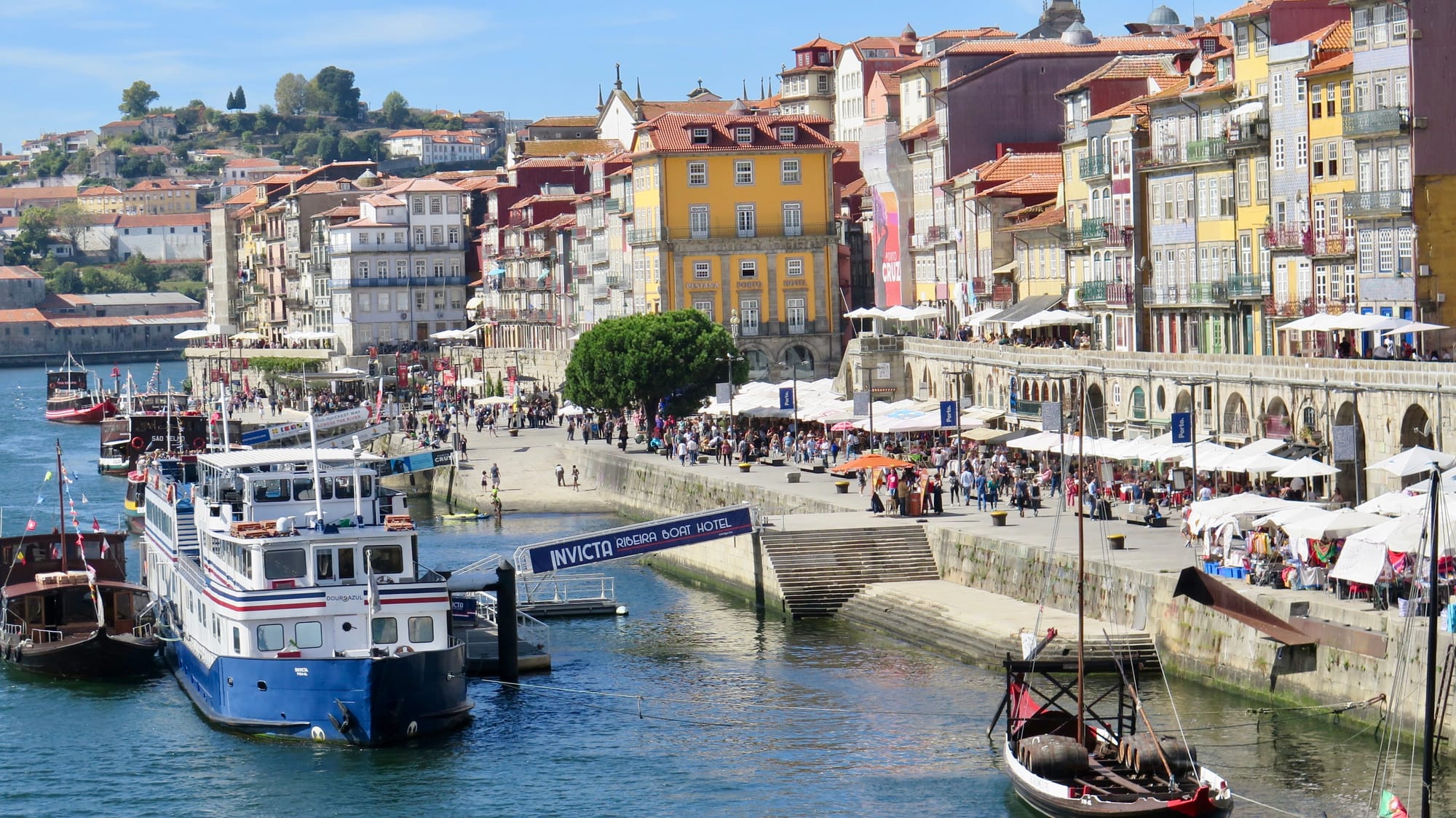
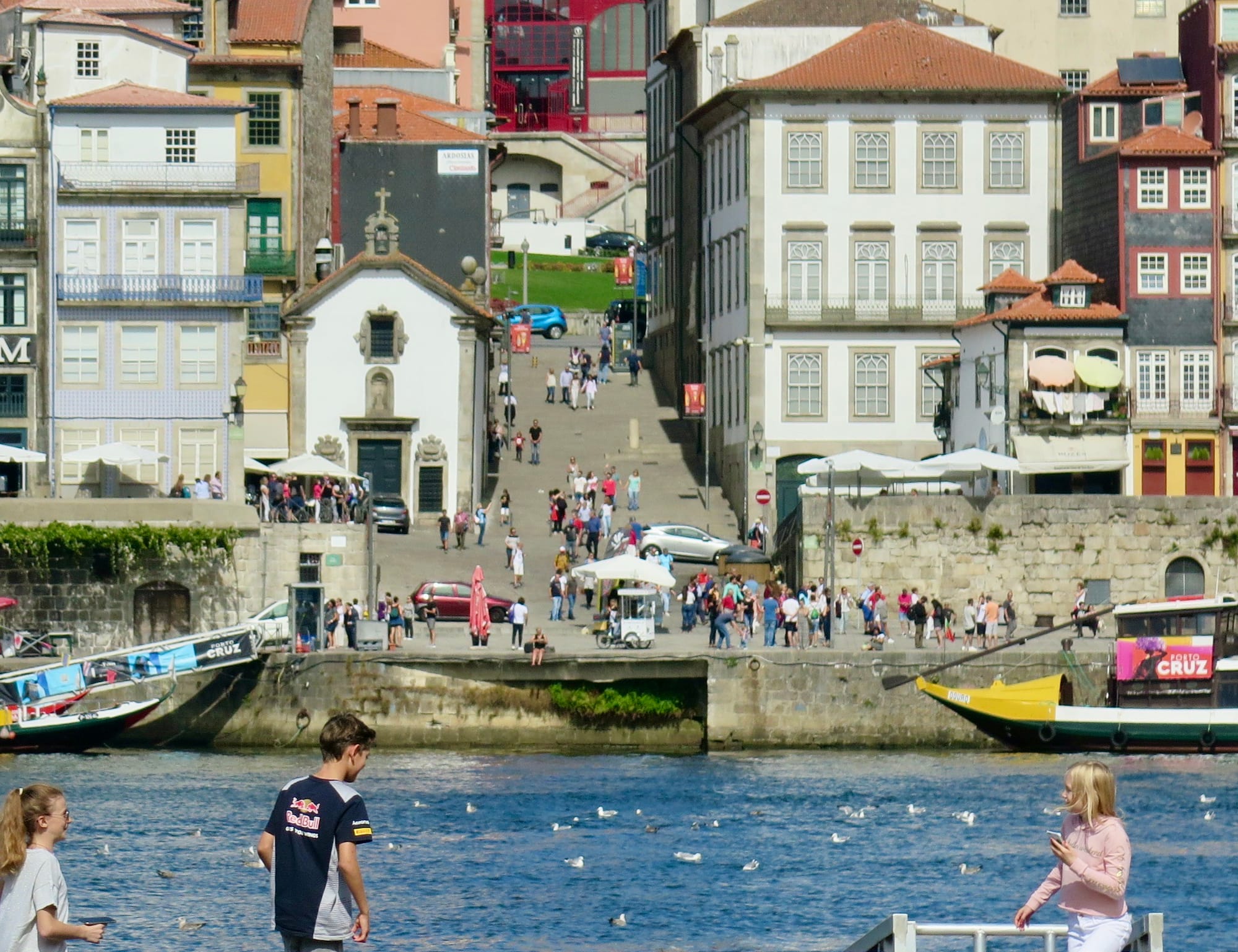
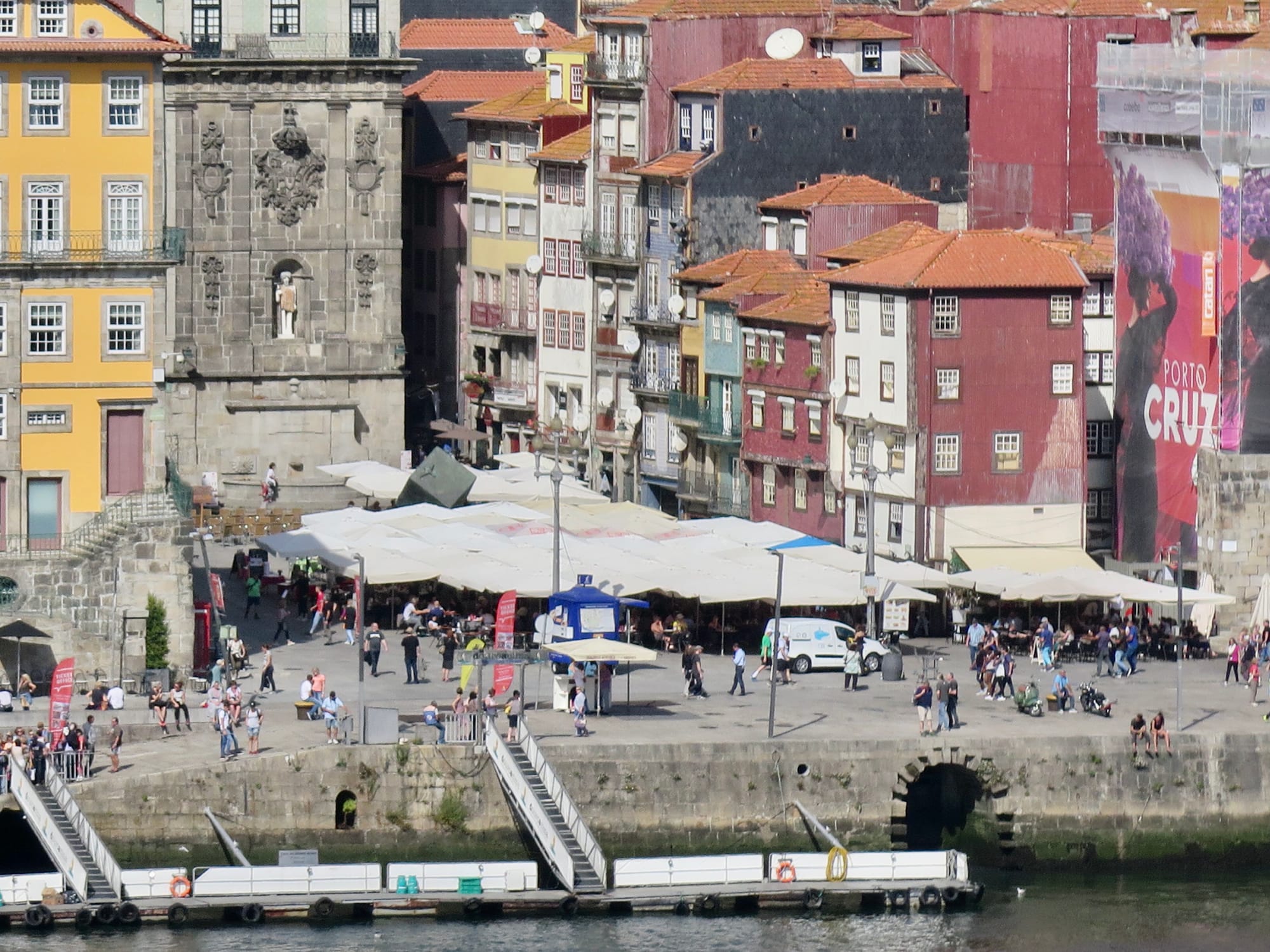
Porto, Portugal
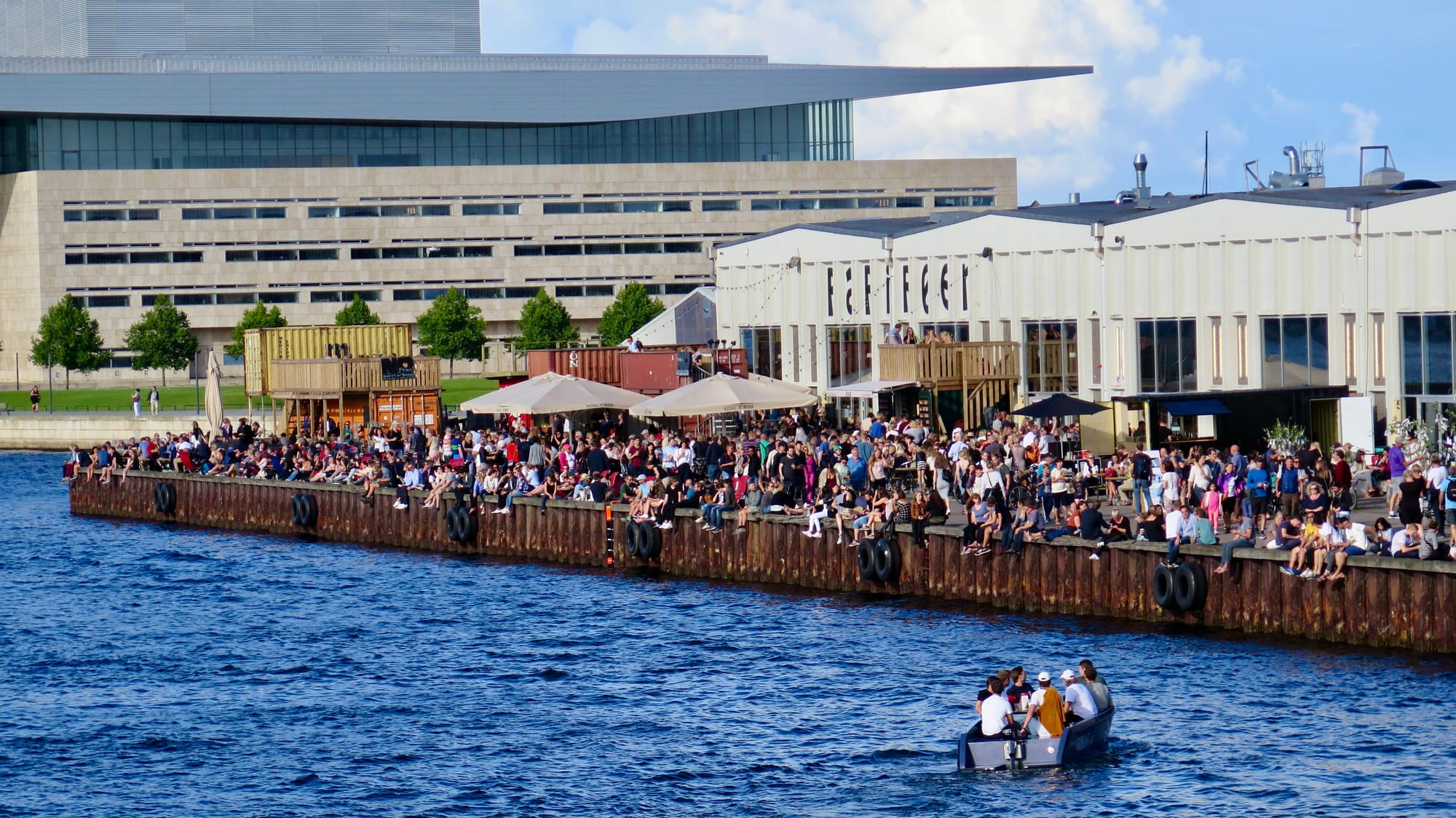
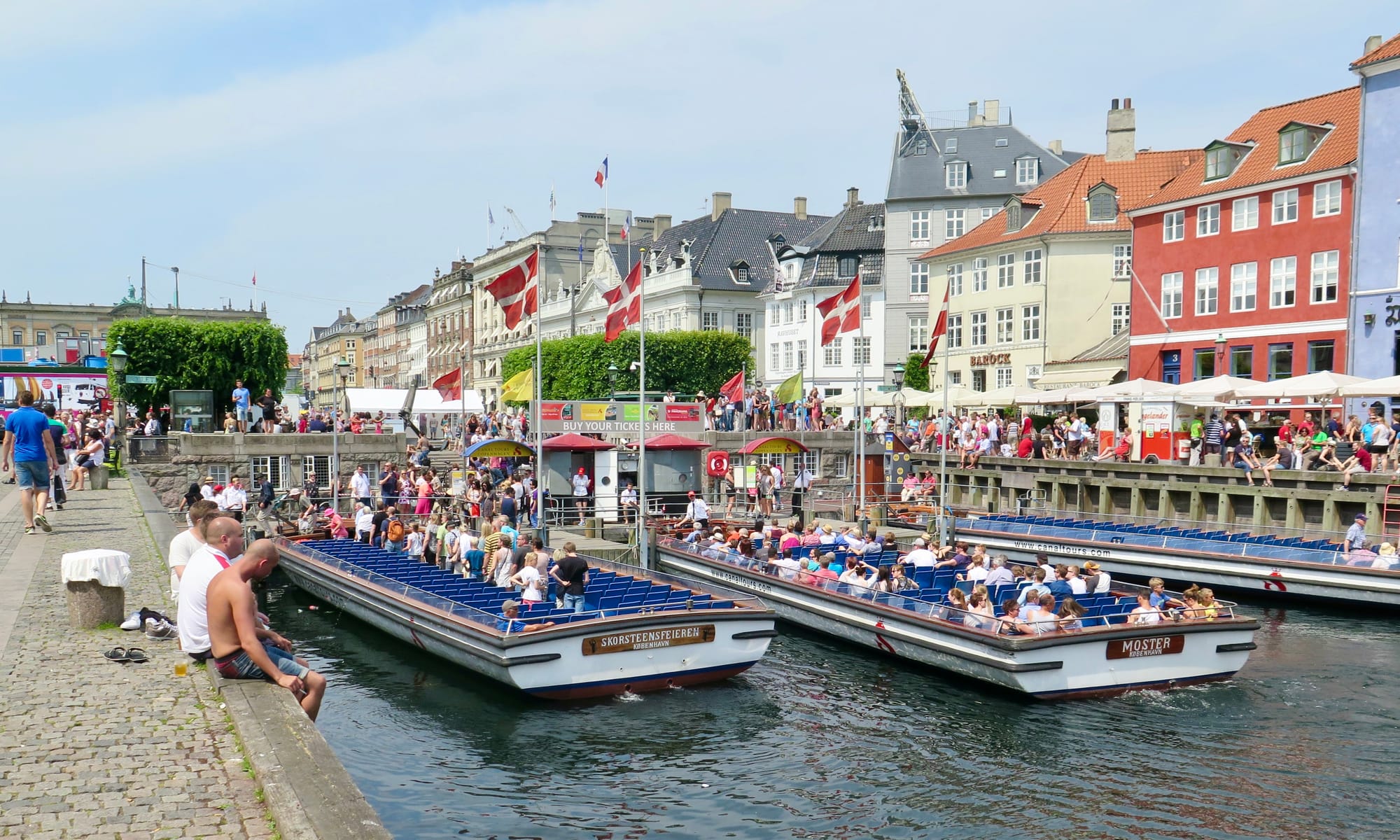
Copenhagen, Denmark
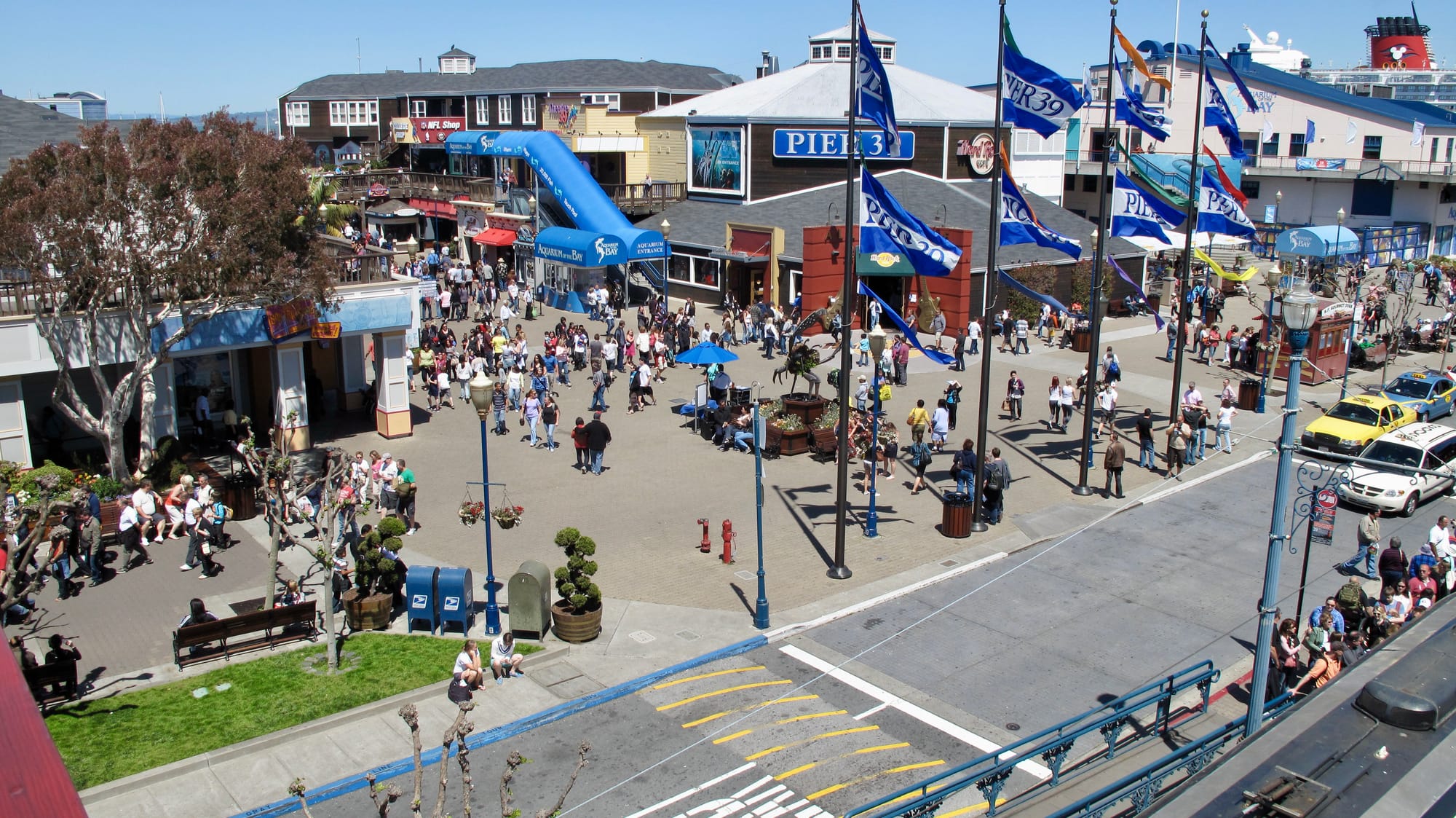
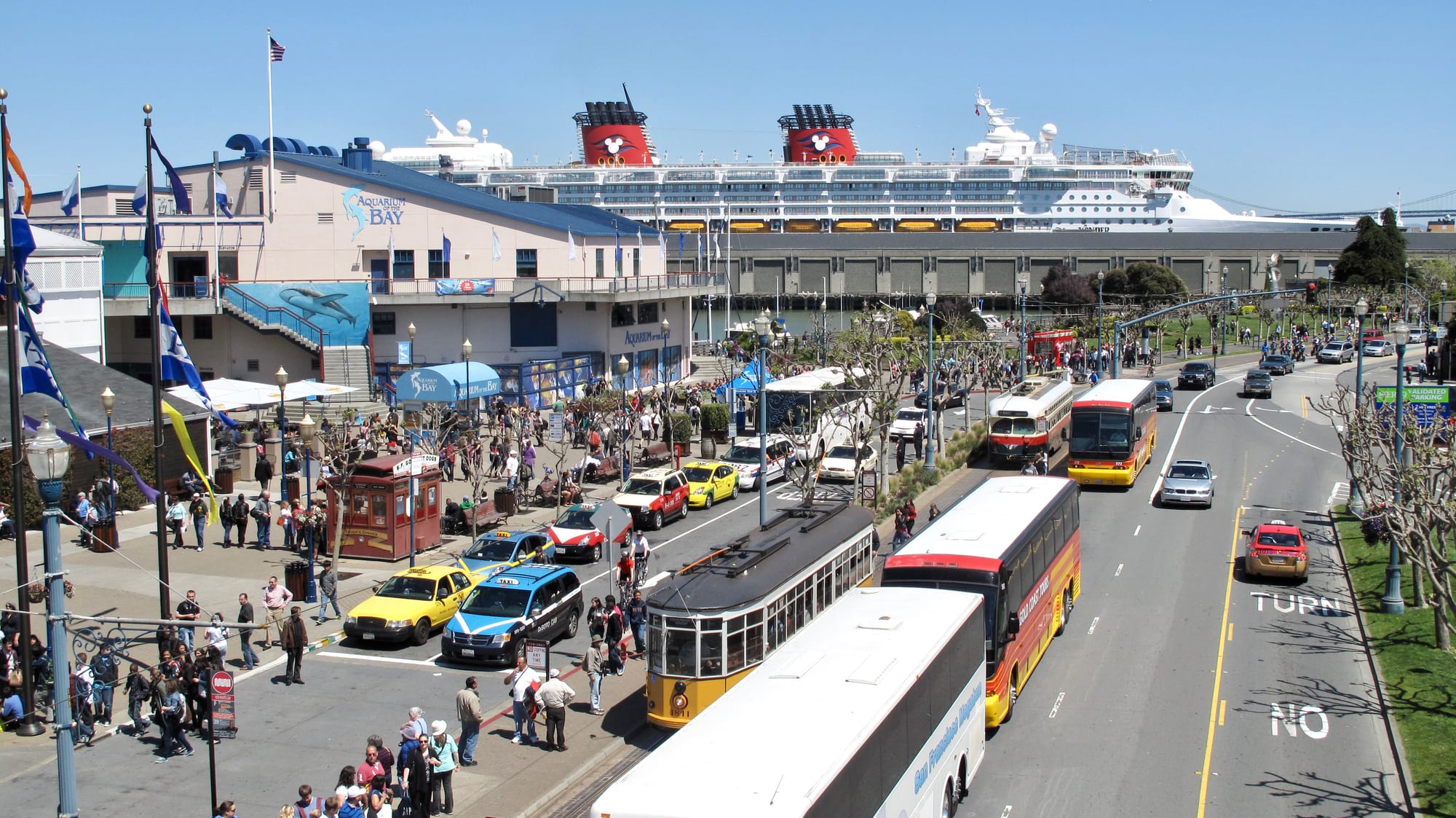
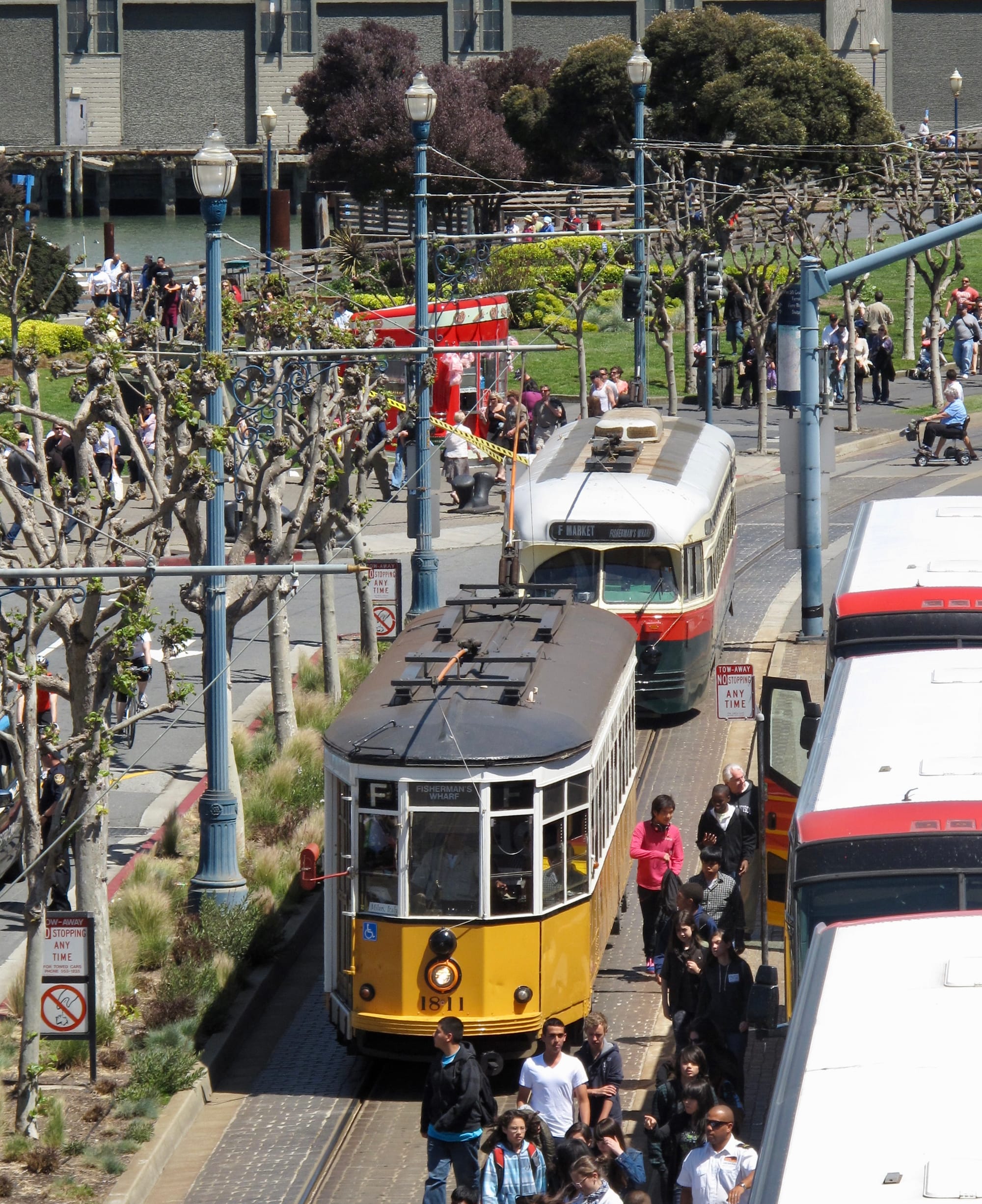
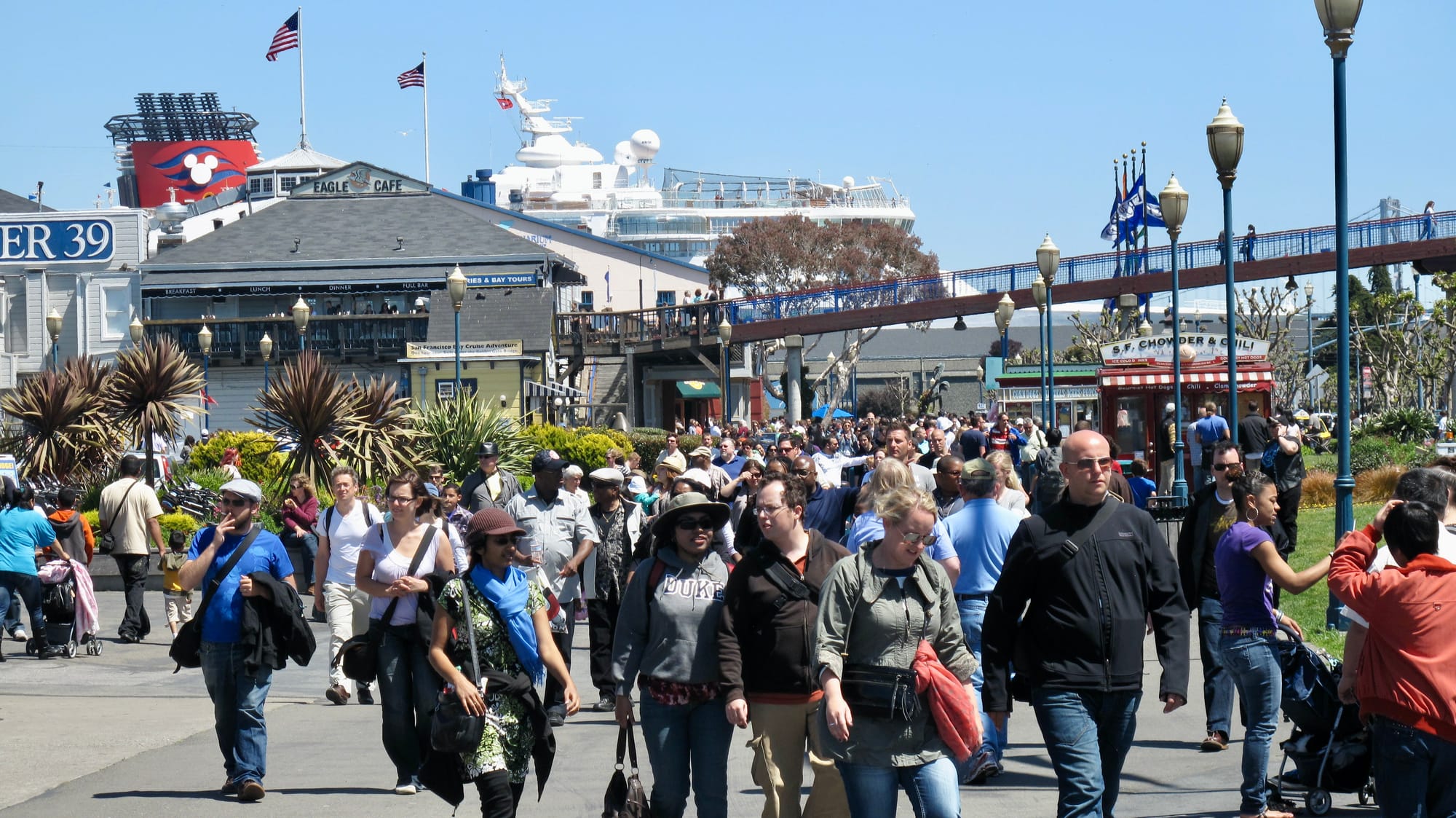
San Francisco, California
 Fred Kent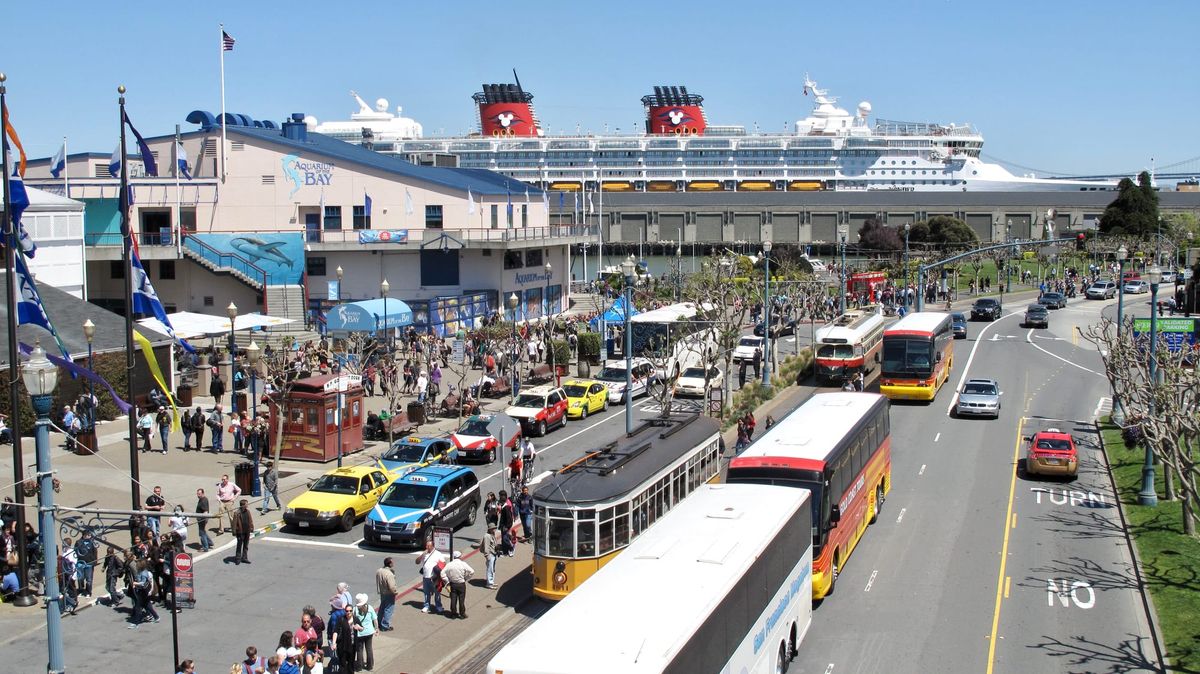
Paris – The World's Best Waterfront?
Much of it is temporary because of annual flooding. But it keeps getting better as it is reinvented every year with fresh ideas.
 Fred Kent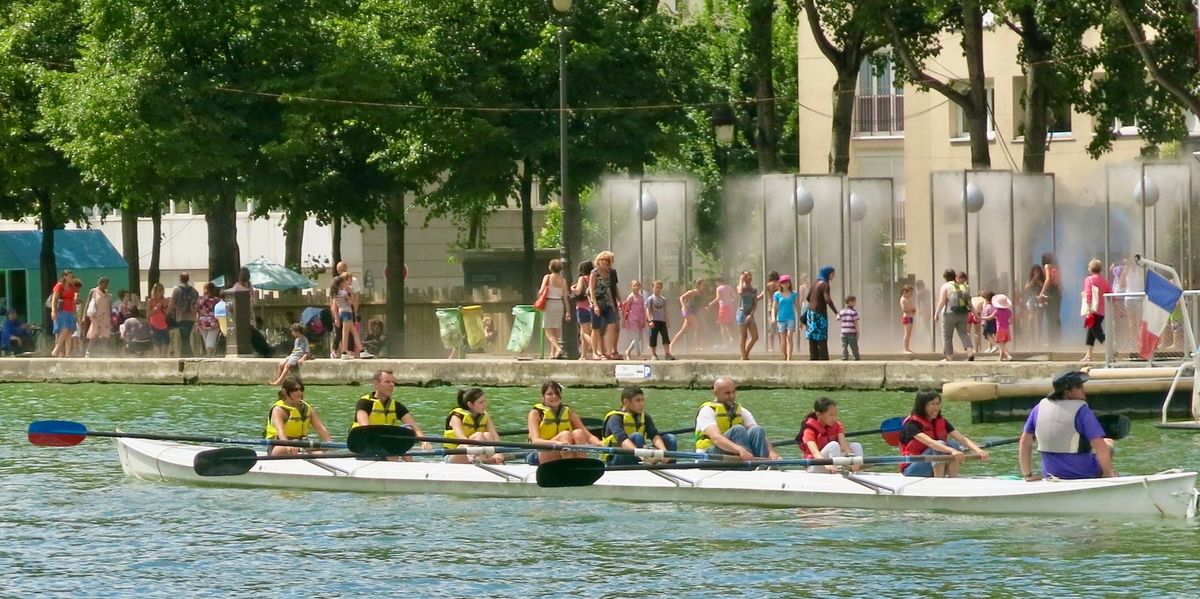
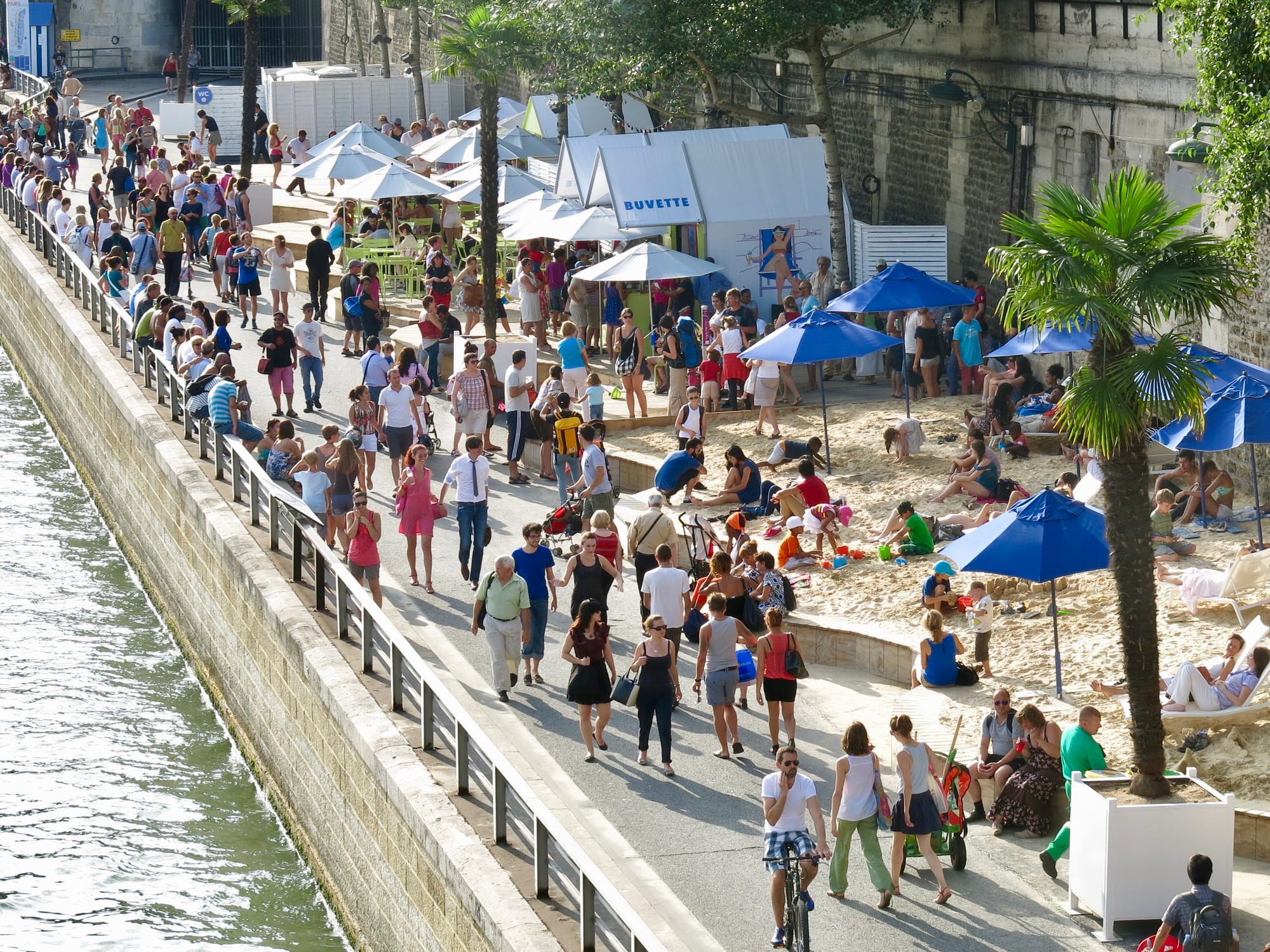
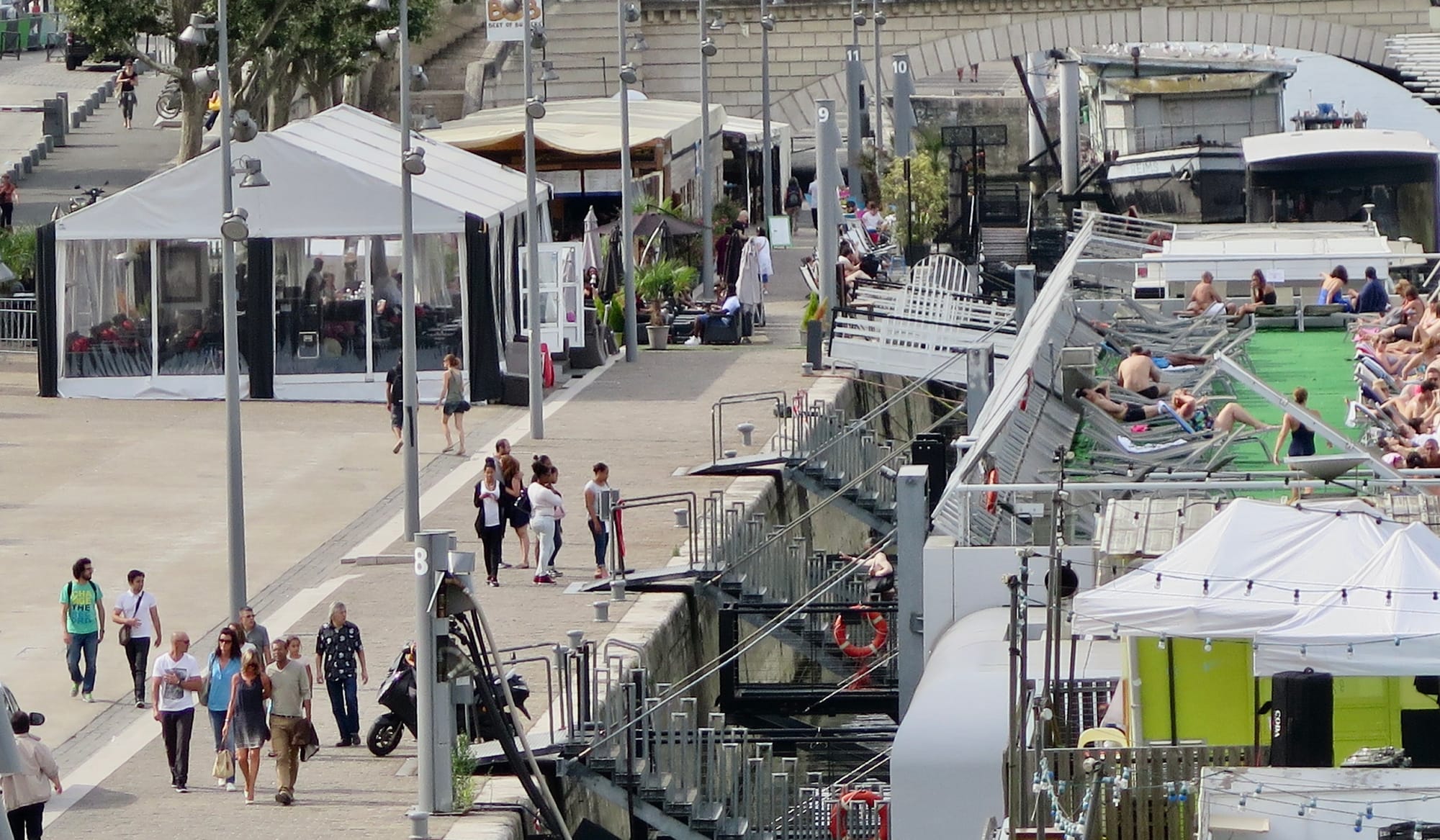
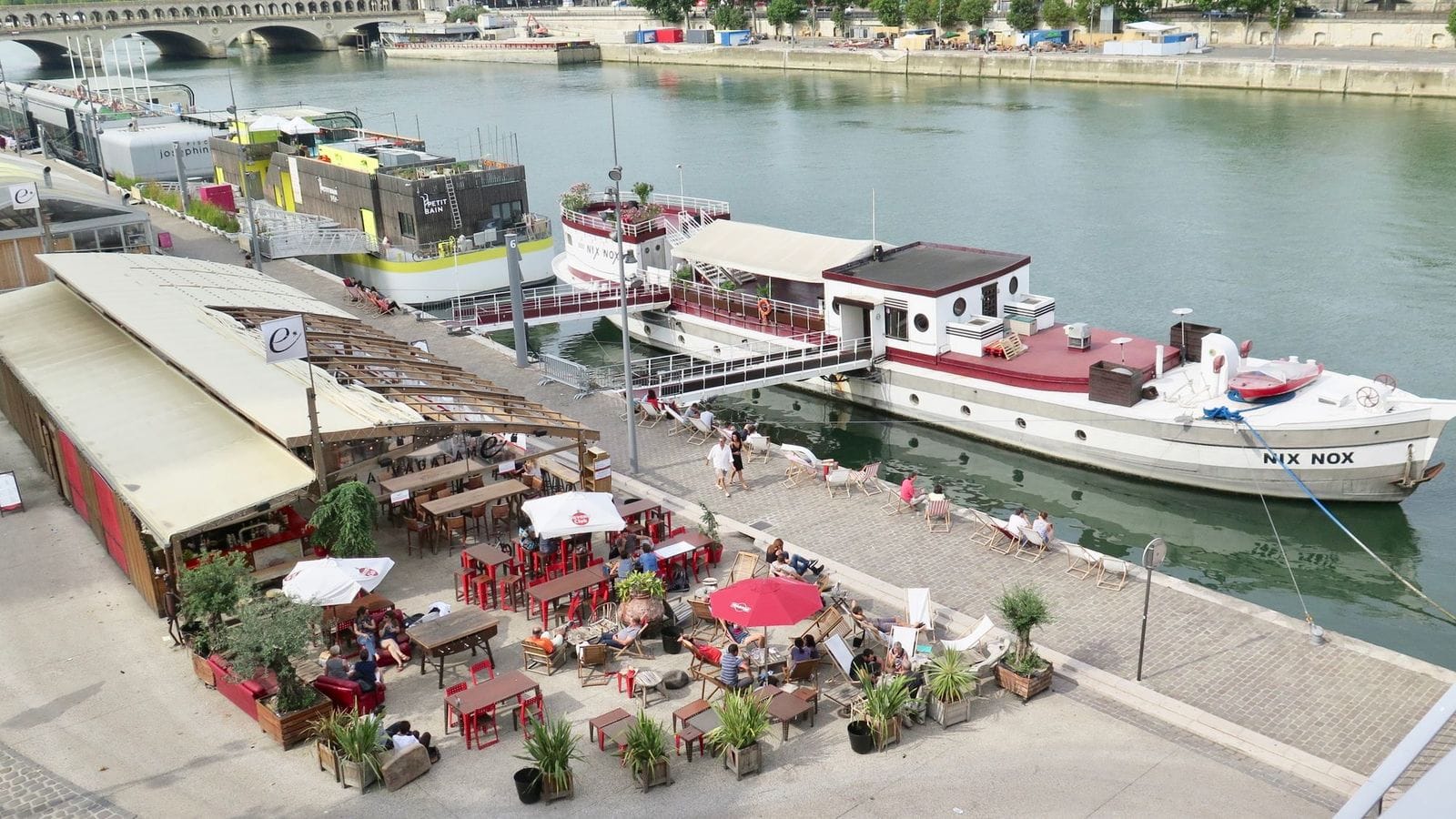
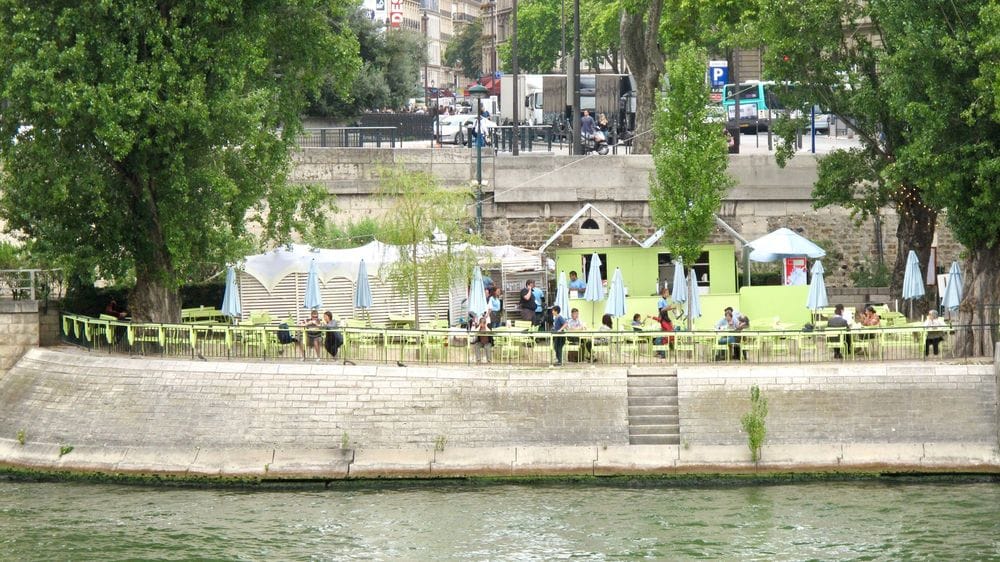
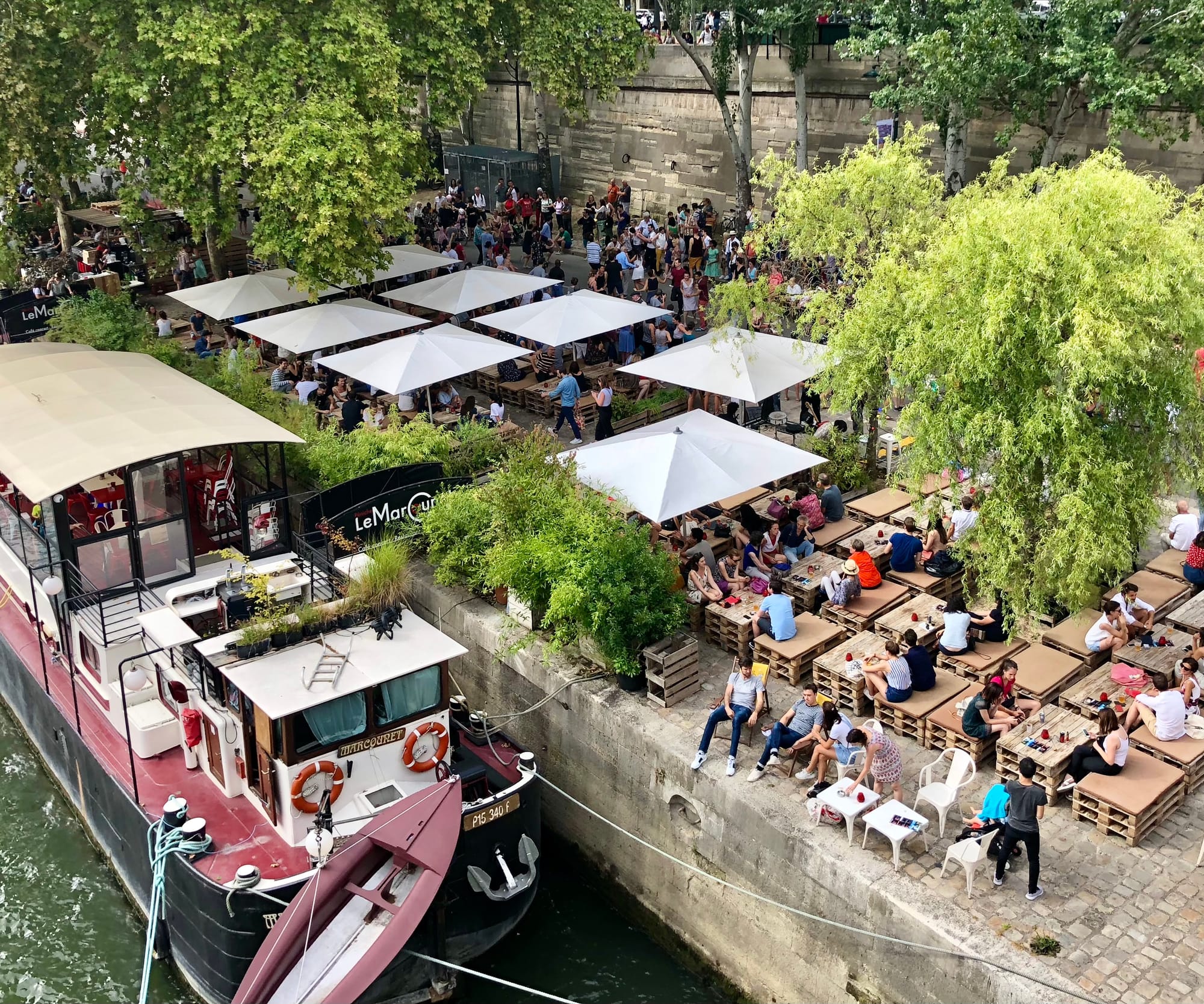
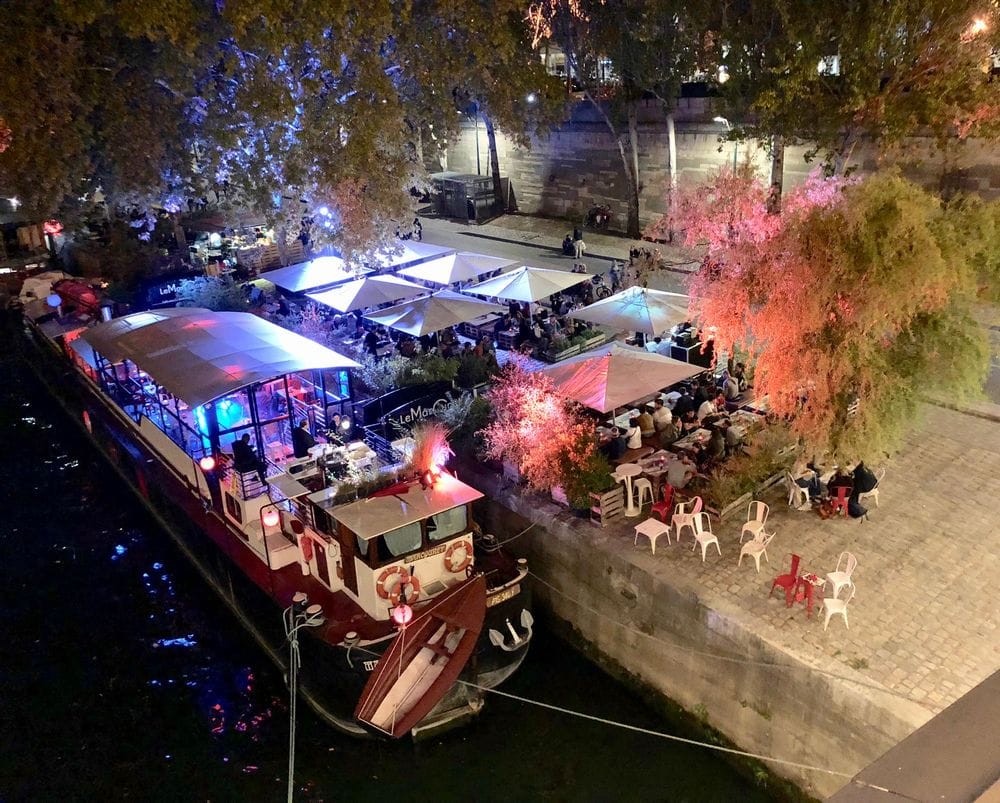
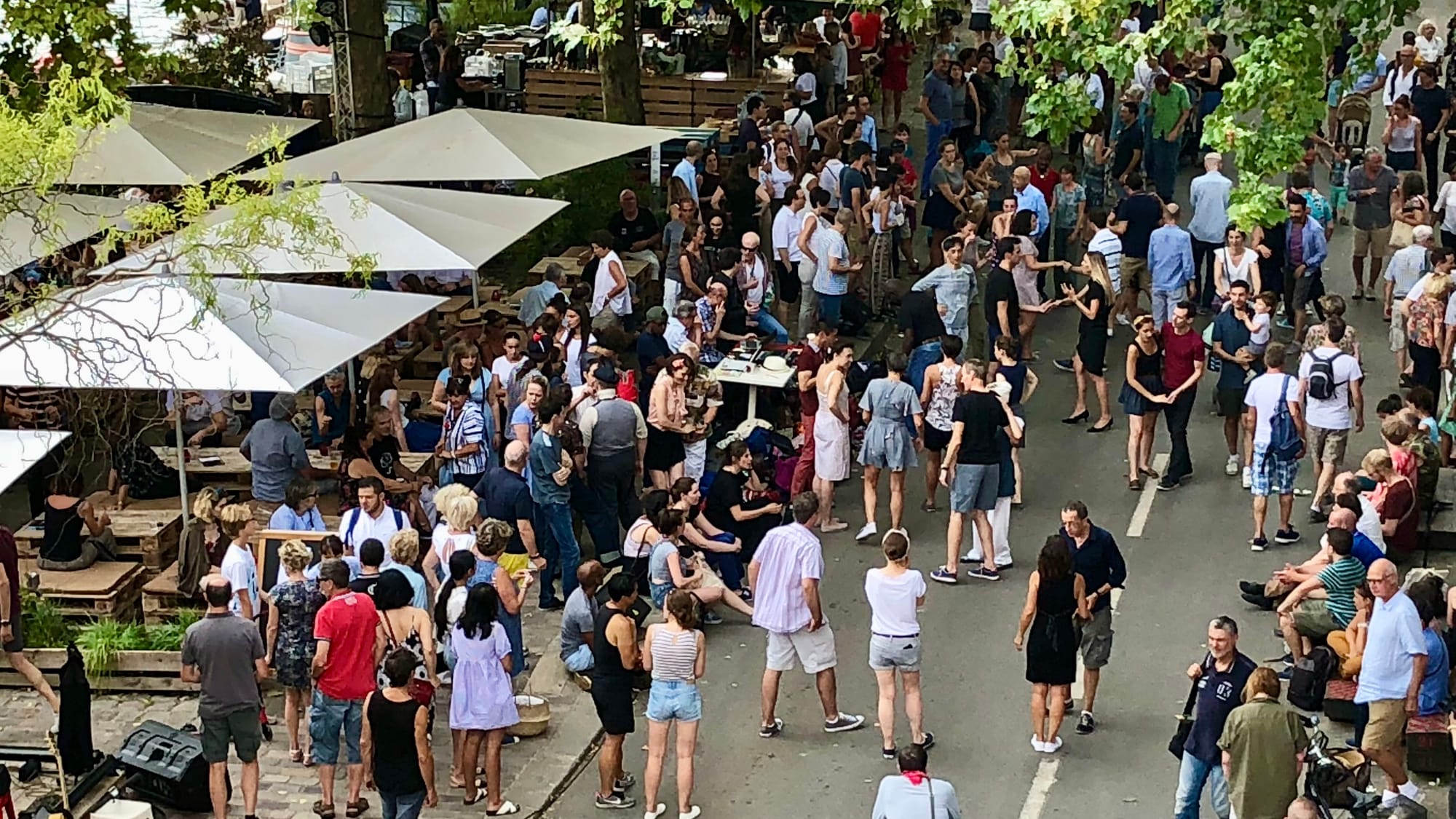
How the rest of the world's waterfronts thrive
 Fred Kent
 Fred Kent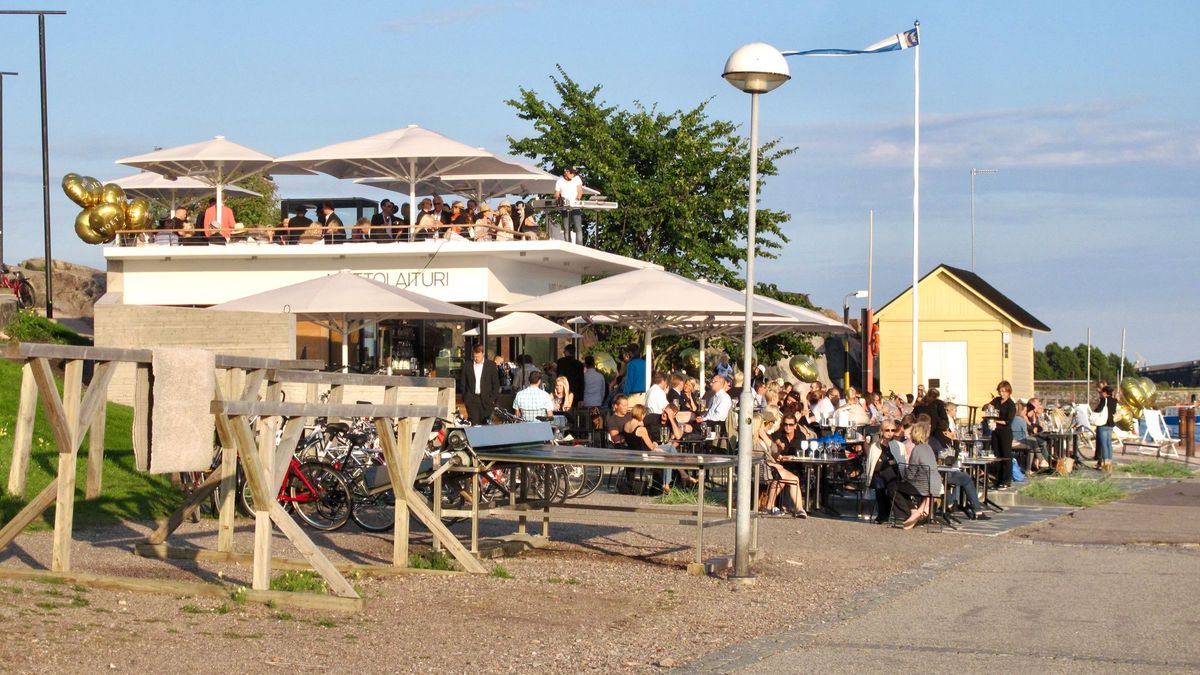
Who We Are
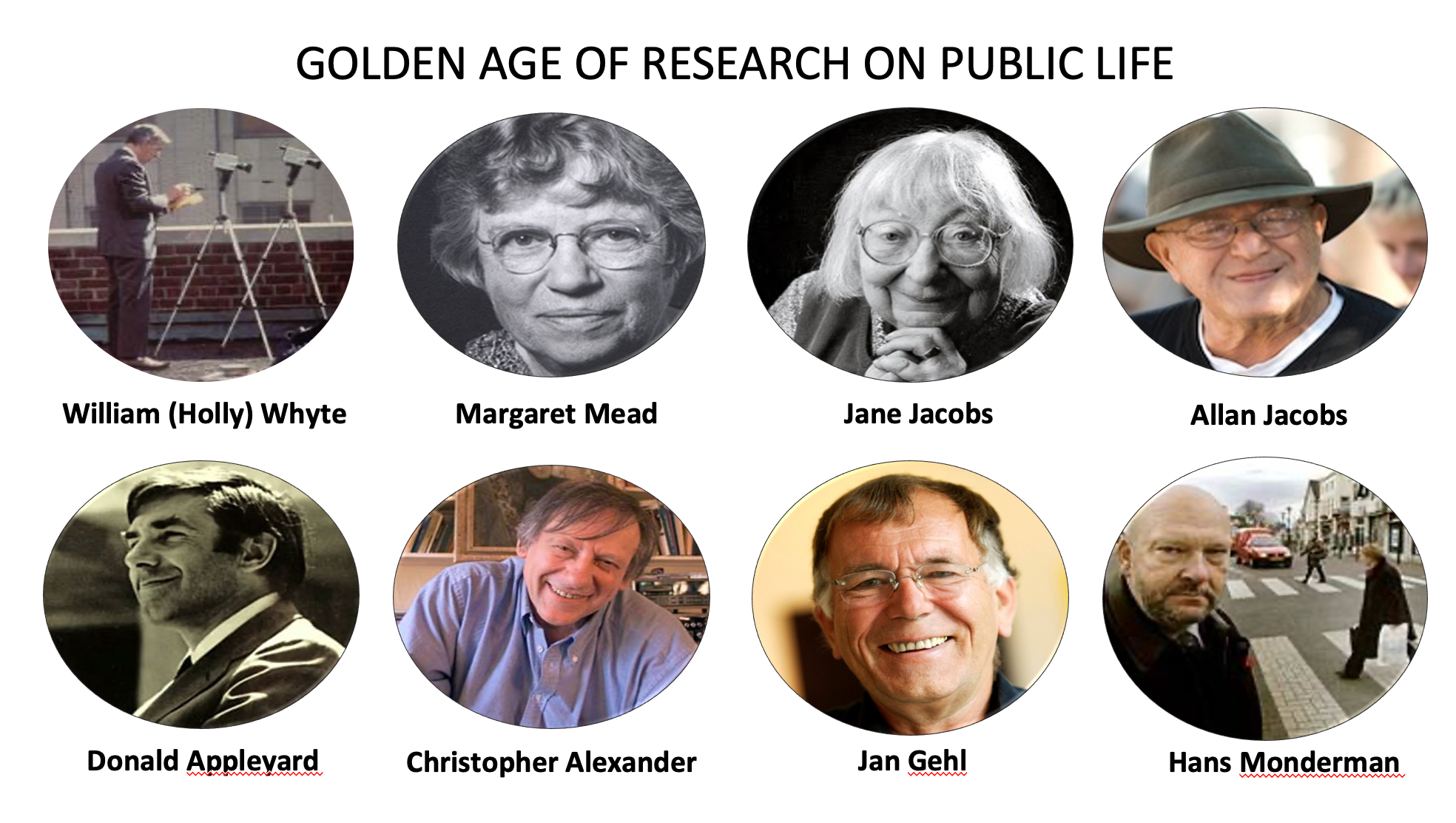
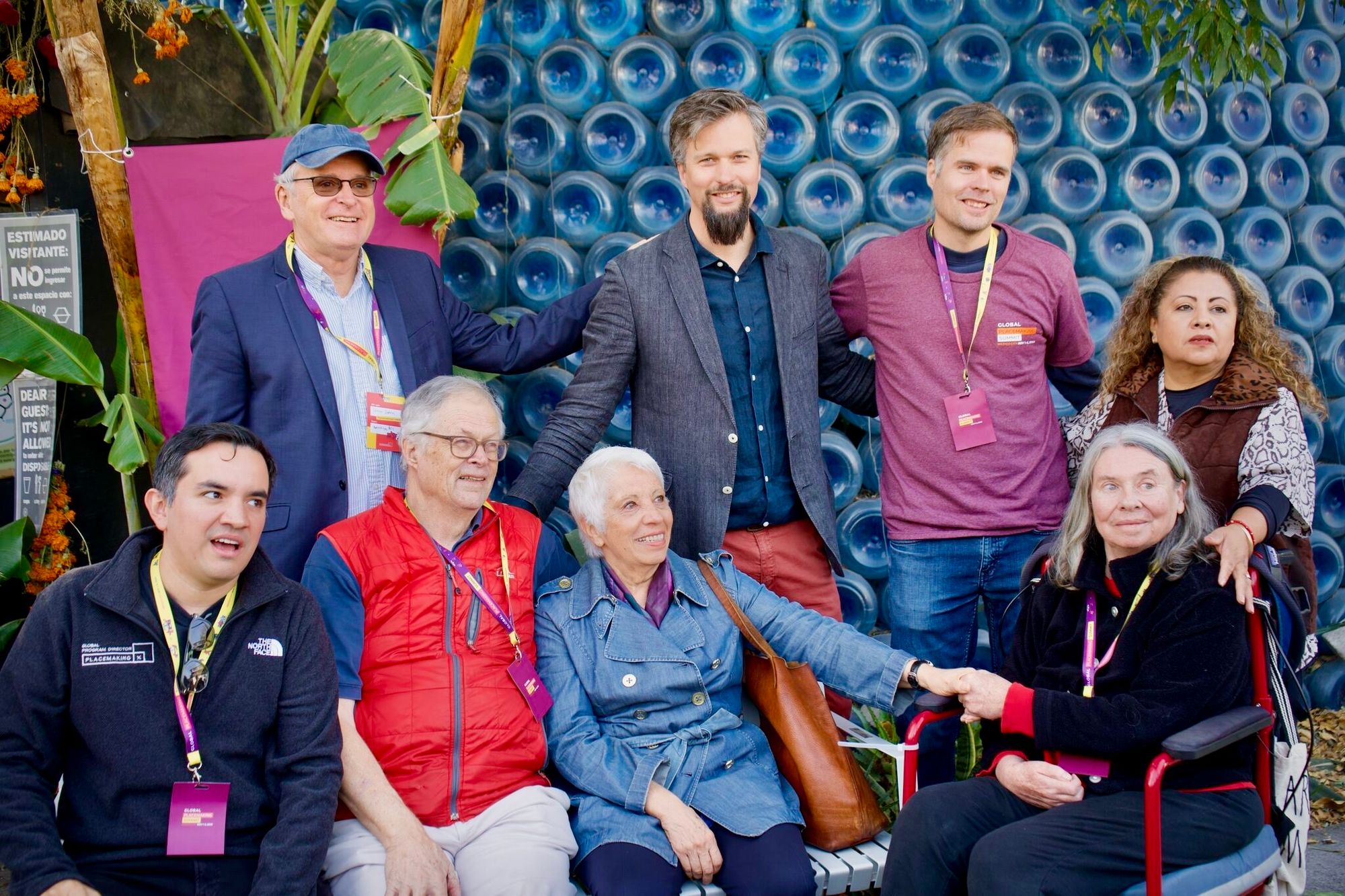
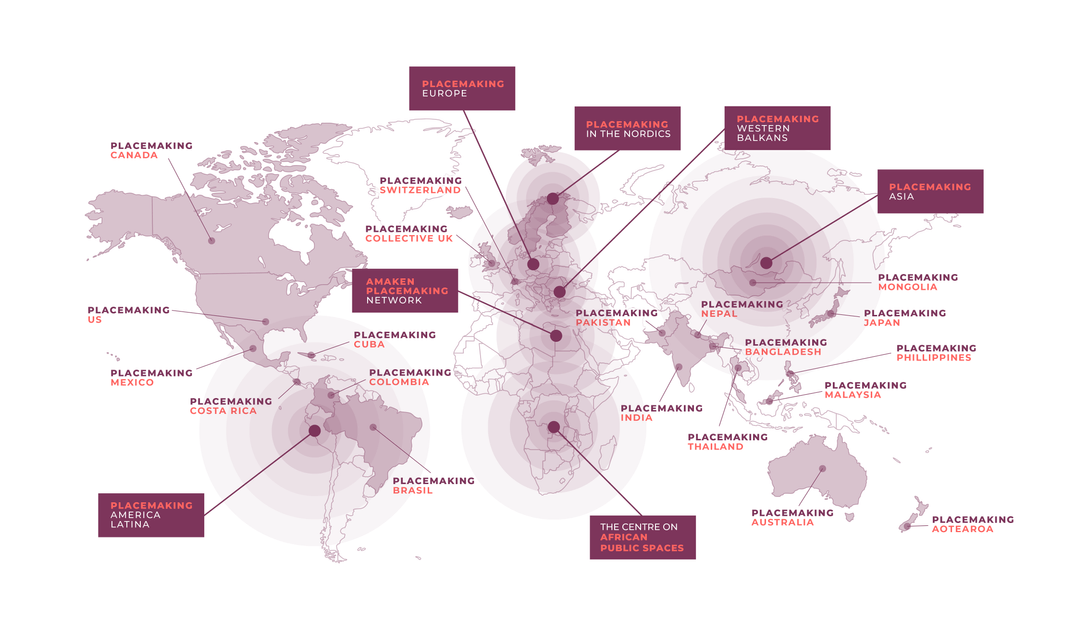
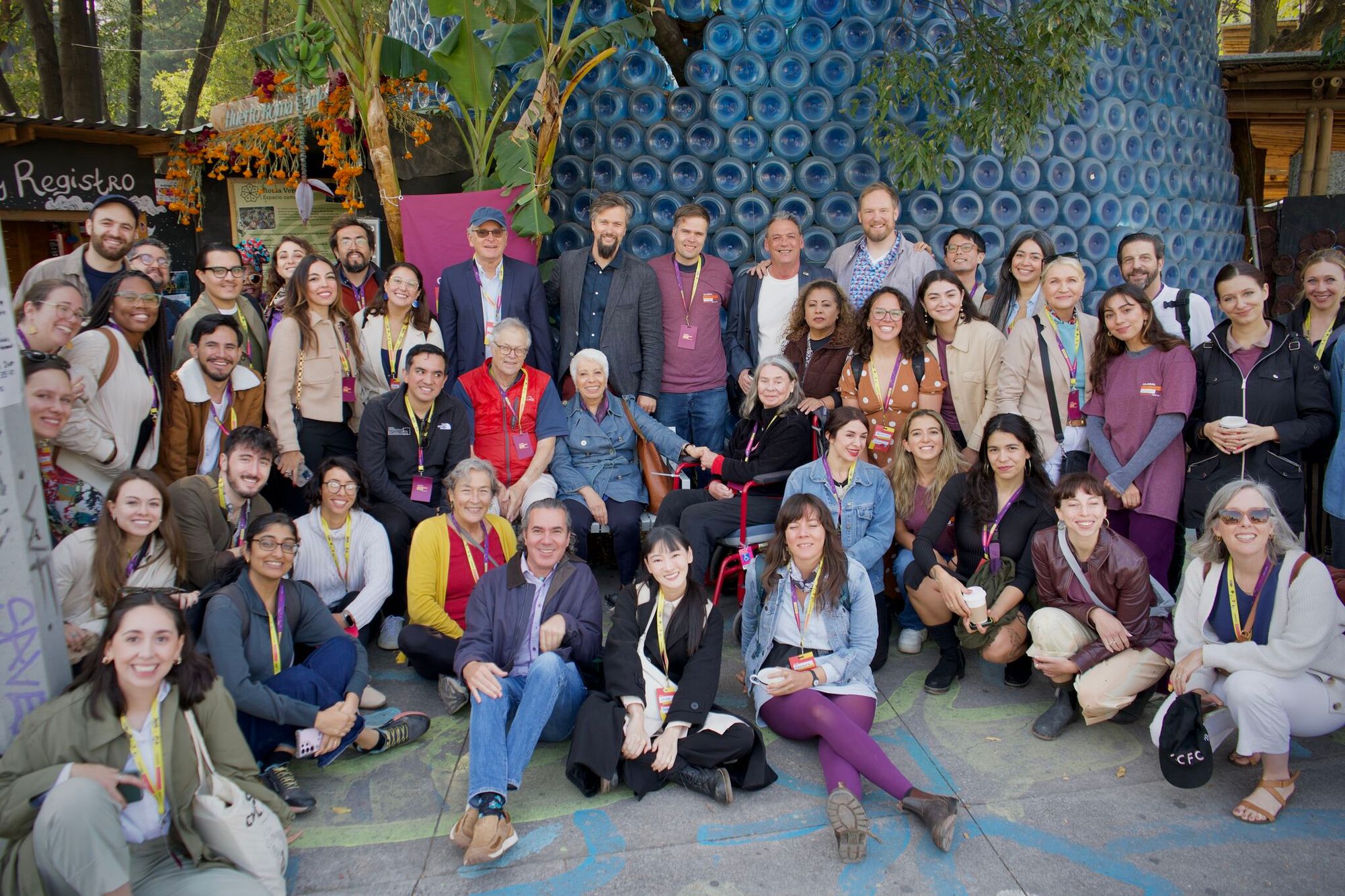
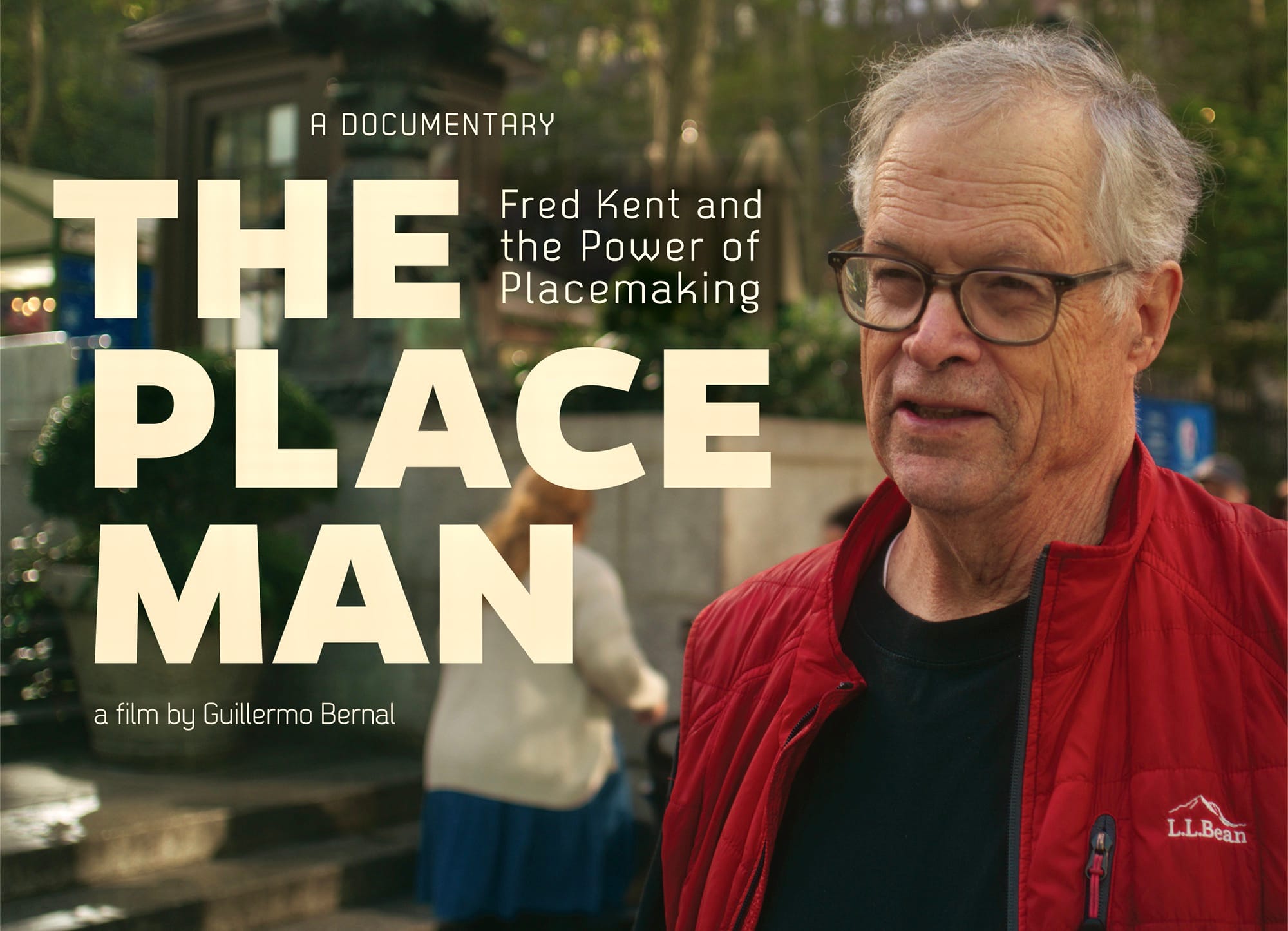
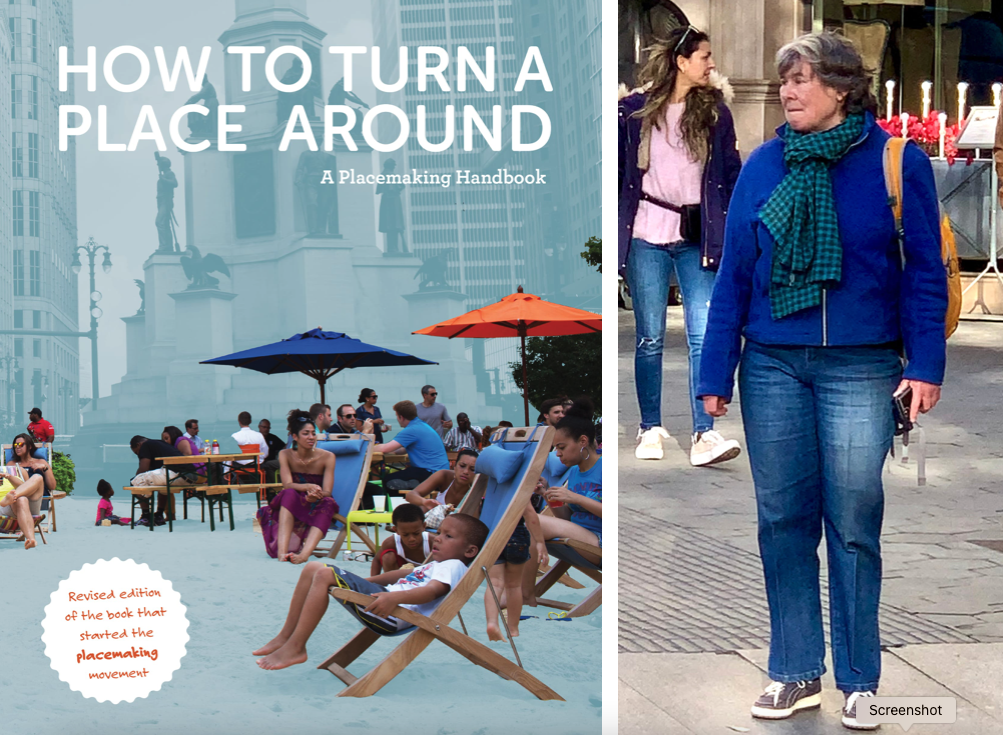
We are the founders of Project for Public Spaces, Social Life Project, and PlacemakingX and we are part of a growing group of community activists who have spent over 50 years building a global "Placemaking Movement" that is now in 30+ countries around the world.
We have spent the past half century traveling the world, helping communities create great public and community places that reflect their values and aspirations. From helping to make Times Square and Bryant Park what they are today and restoring the Center of Detroit to establishing local markets and main streets all around the globe, we have observed how various societies and cultures function and what features make places loved and successful.
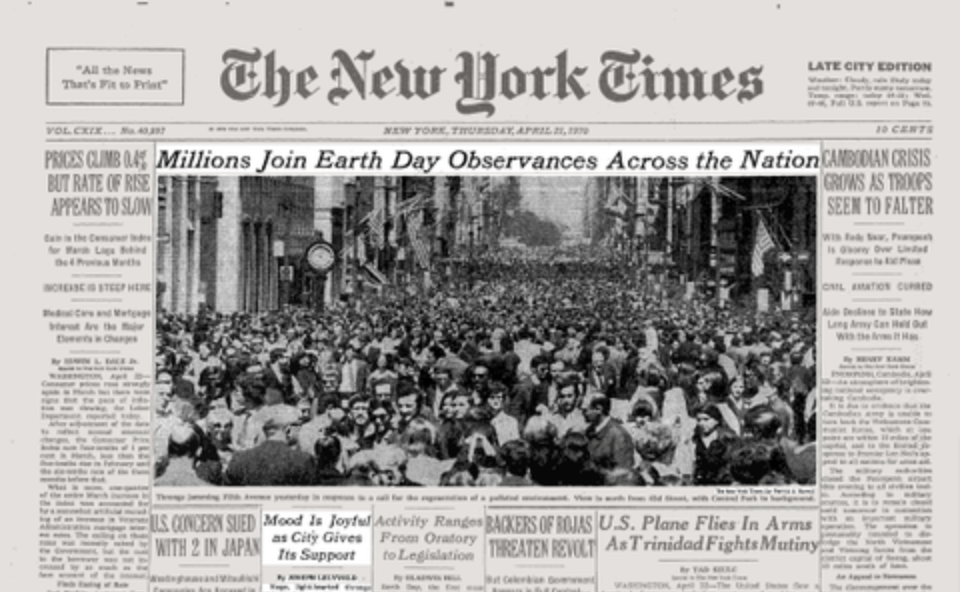
The birth of the "Placemaking Movement" - Earth Day in April 1970