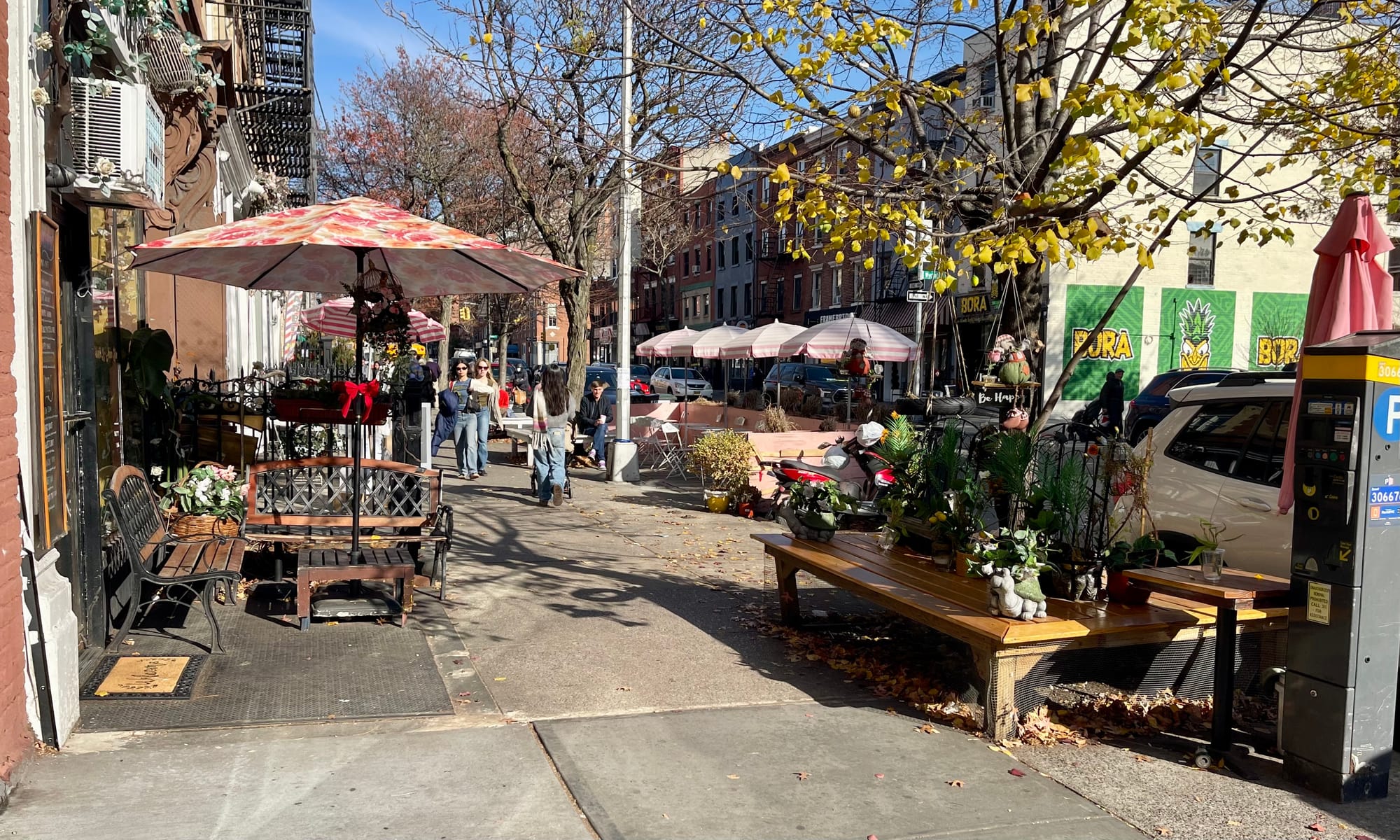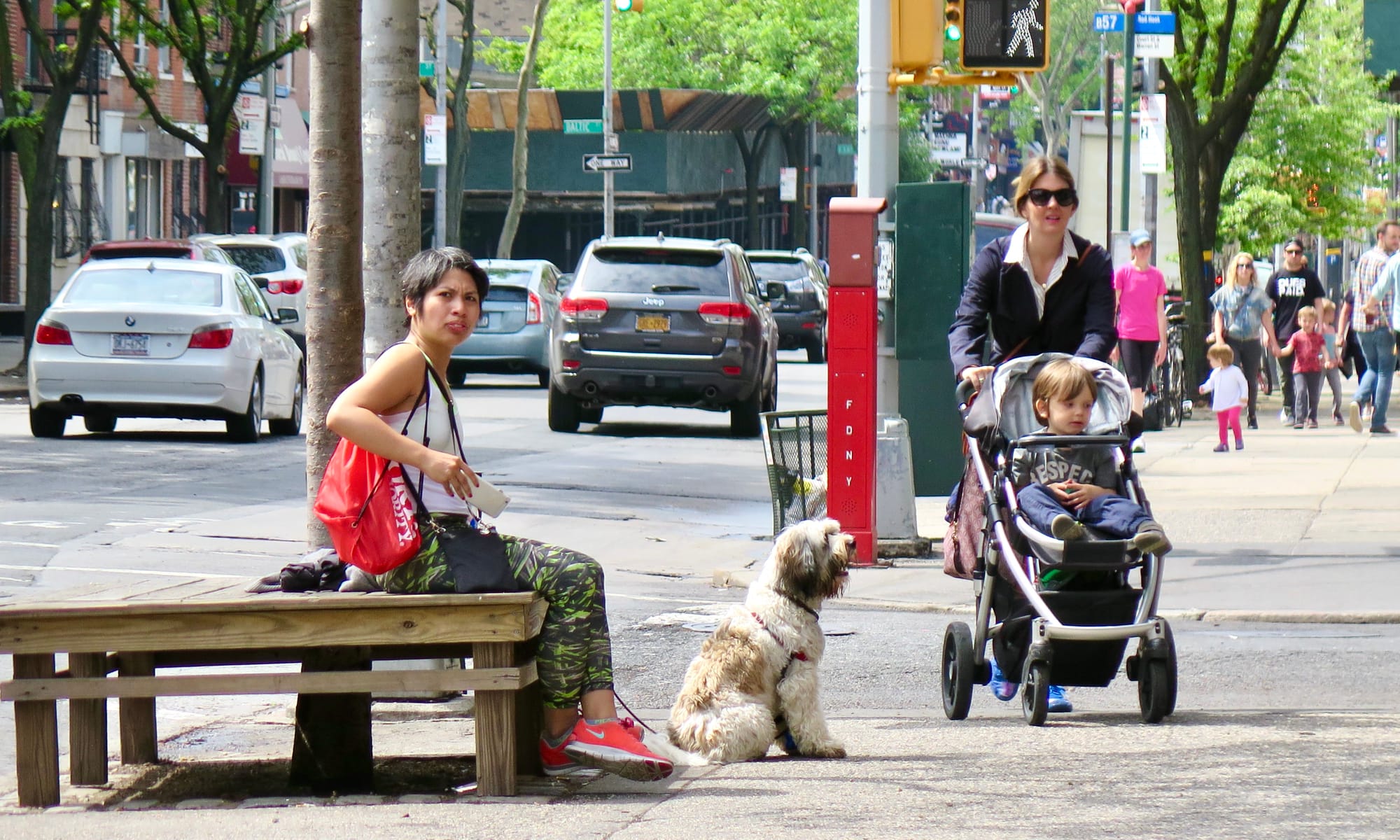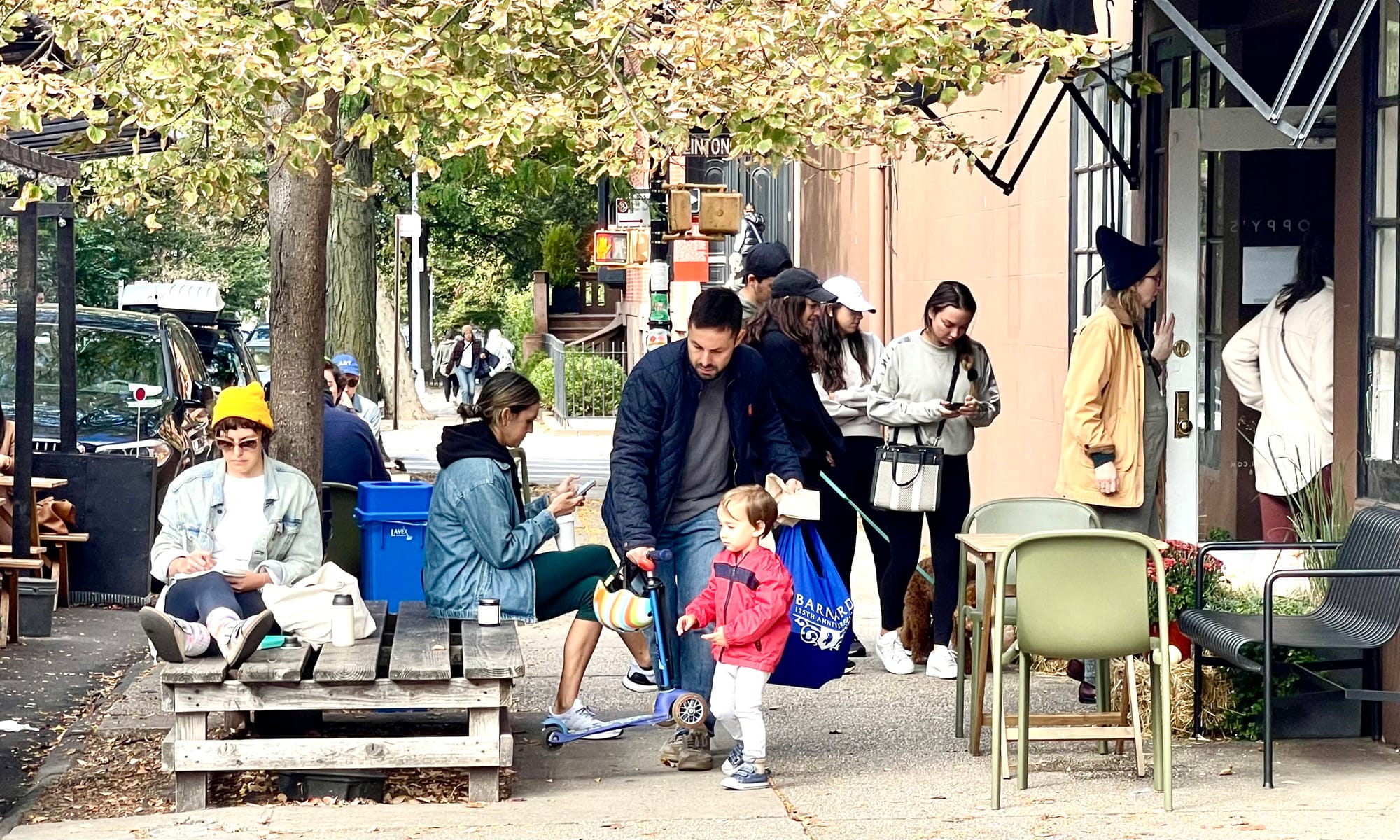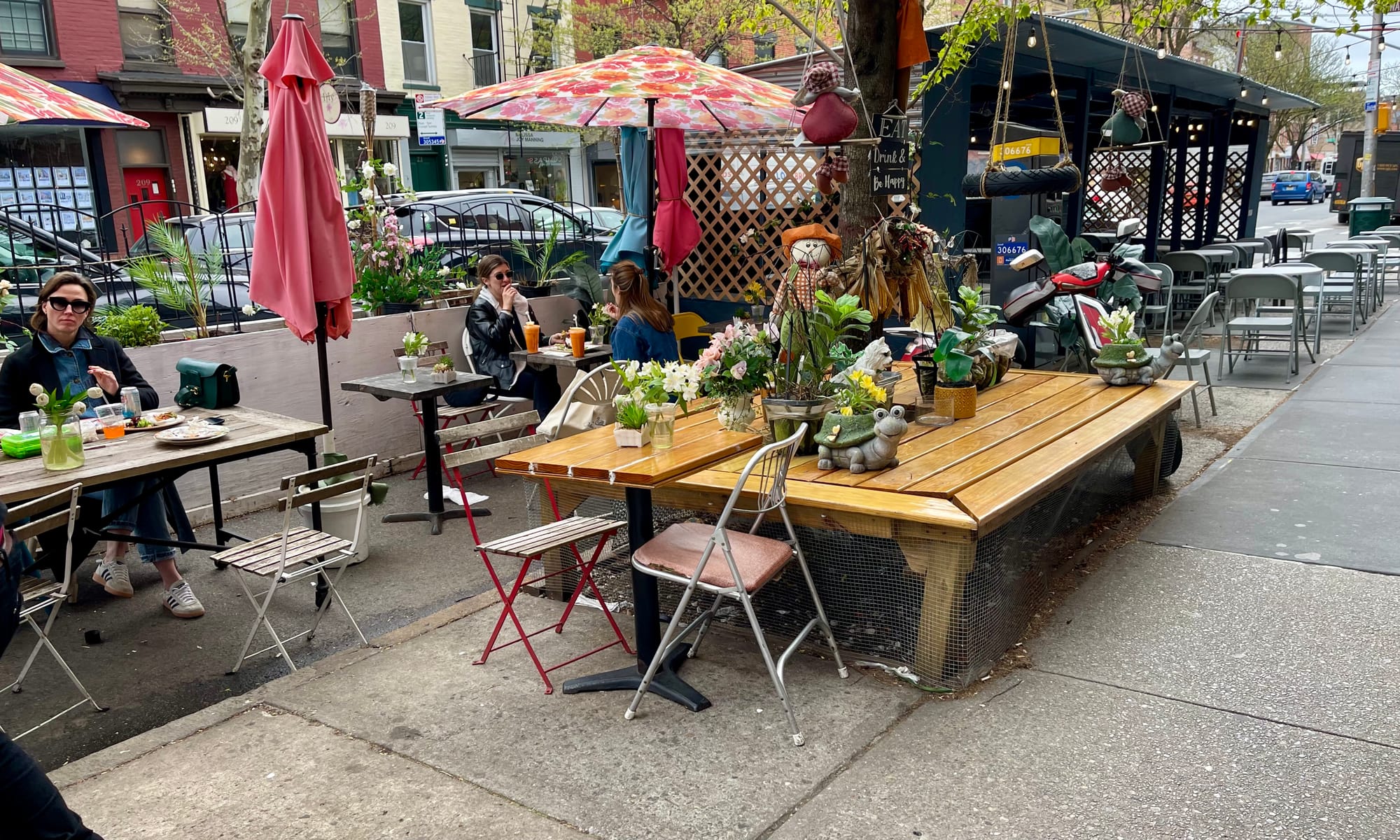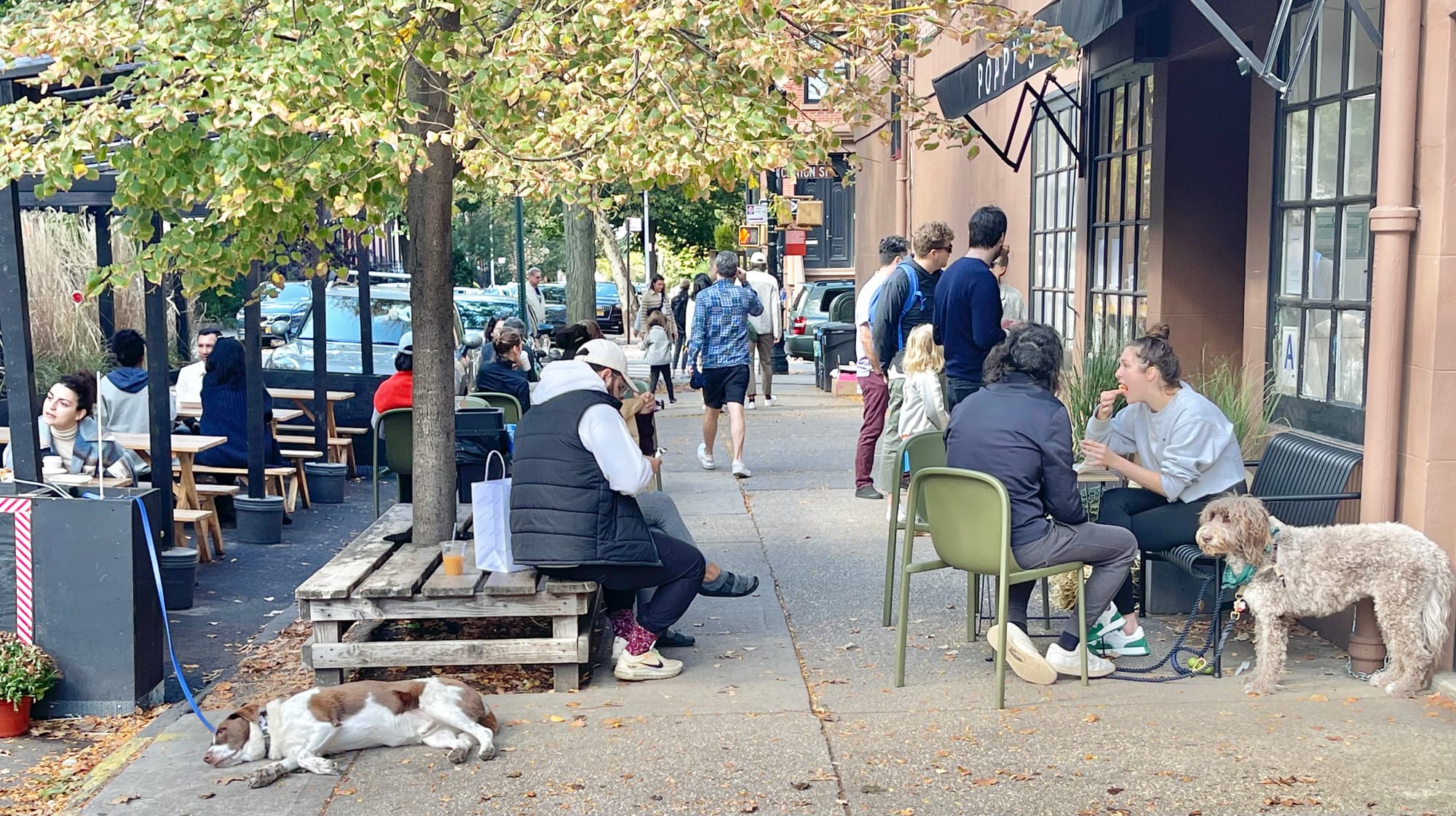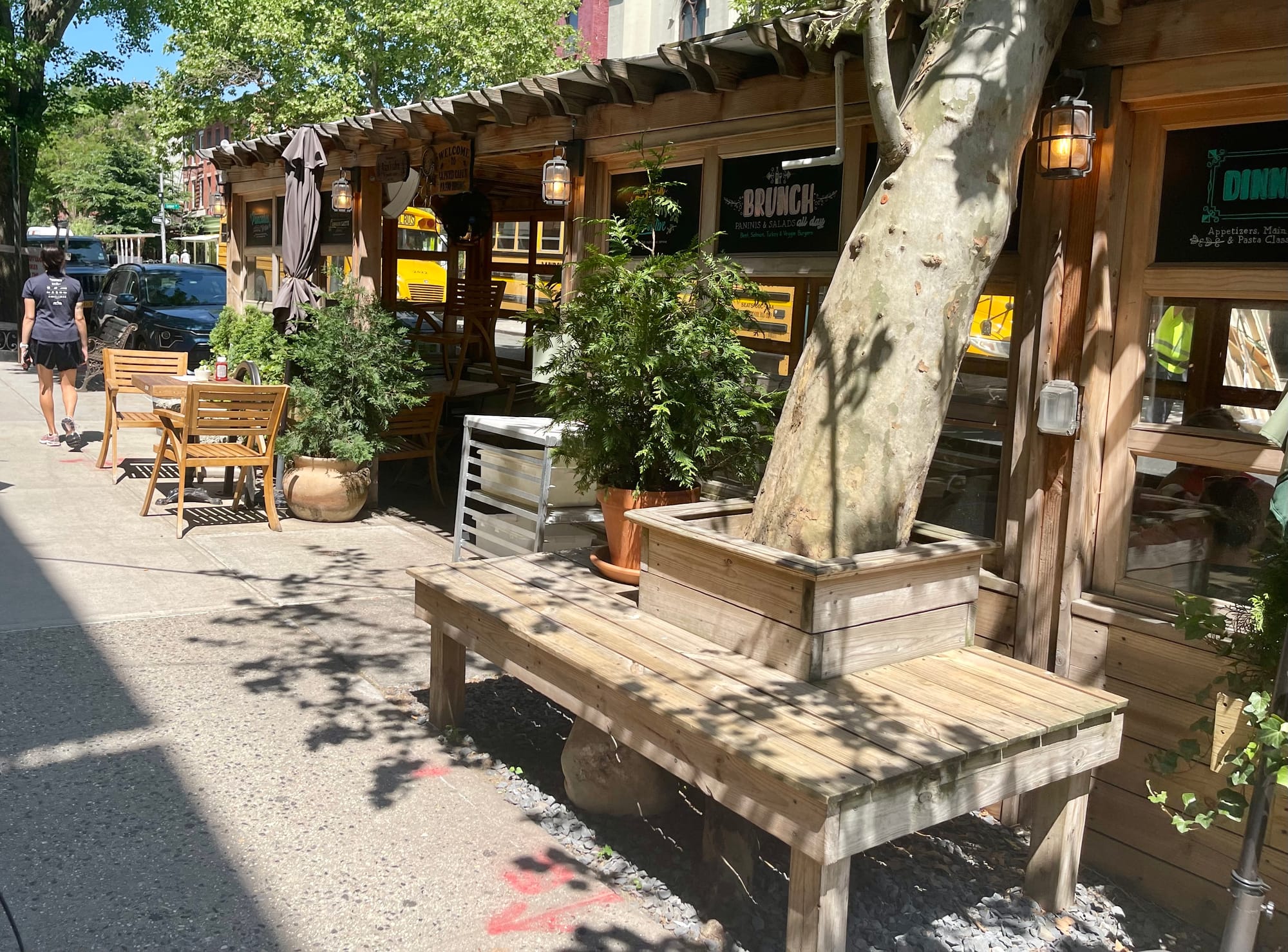
One of the best things to happen to our Brooklyn neighborhood in recent years was a bench. Yes, a bench. A square, four directional bench built as a guard around a tree on a busy corner. It quickly became a social hotspot and transformed our principal street overnight. It inspired the creation of more benches like it all along the block. Collectively, they created social hubs that gave our neighborhood newfound vibrancy.
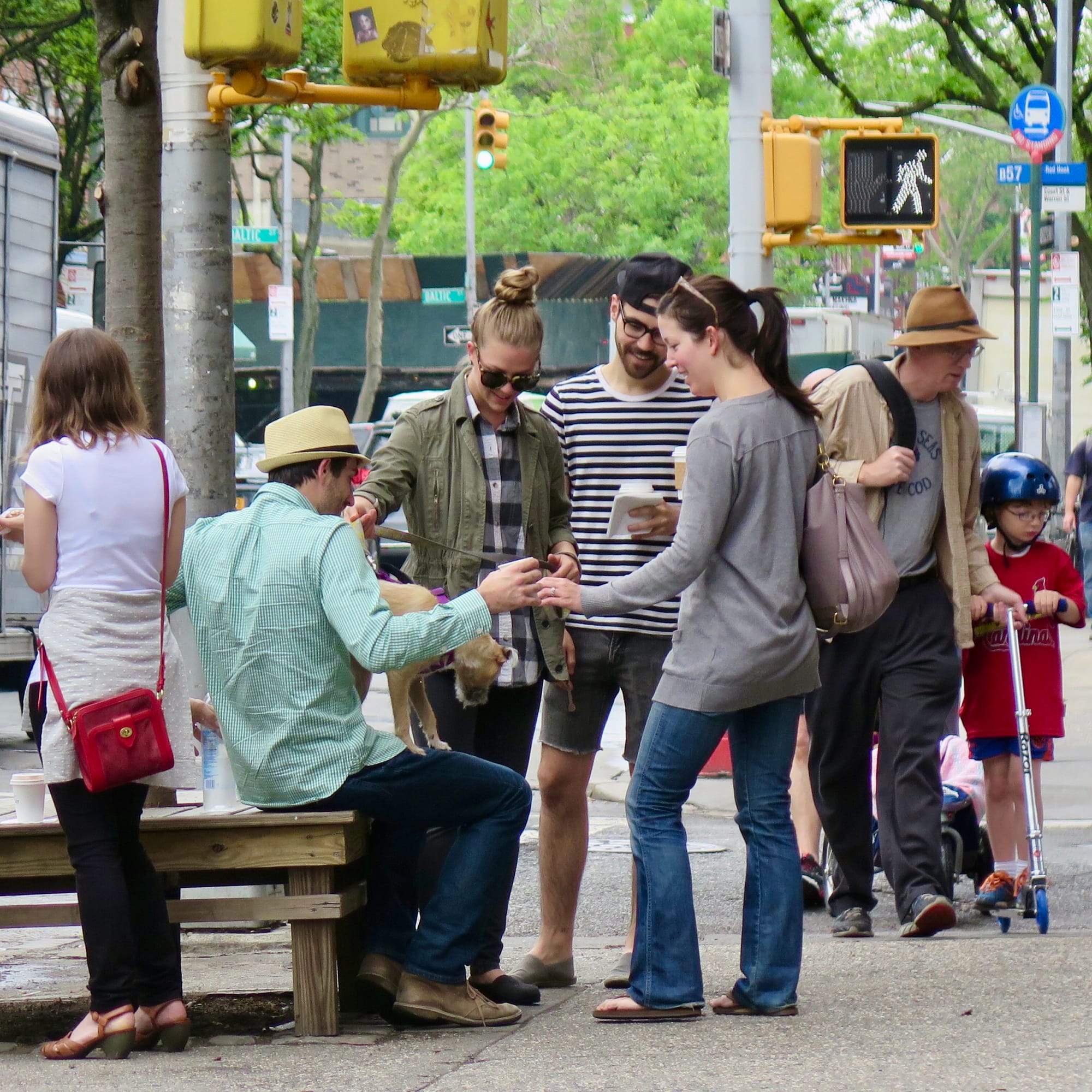
Then, NYC Parks removed many of them. And for their replacement? They put grass-filled planters that merely take up space without offering anything back to the community. The transition from bustling social hotspot to a patch of grass that dogs relieve themselves on is disappointing and disheartening and has taken value away from our neighborhood rather than adding to it. Who does this help?
A great meeting place lost.
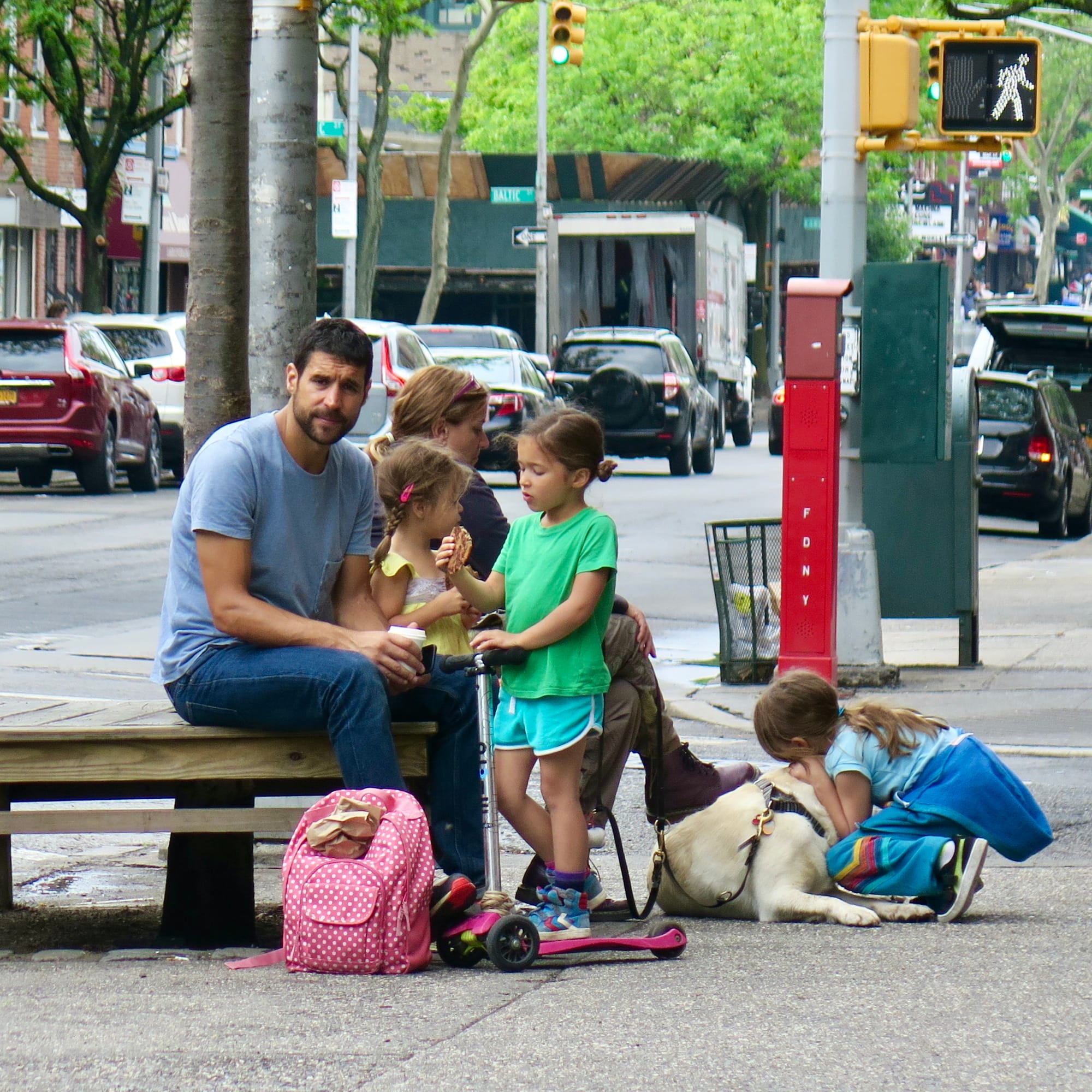
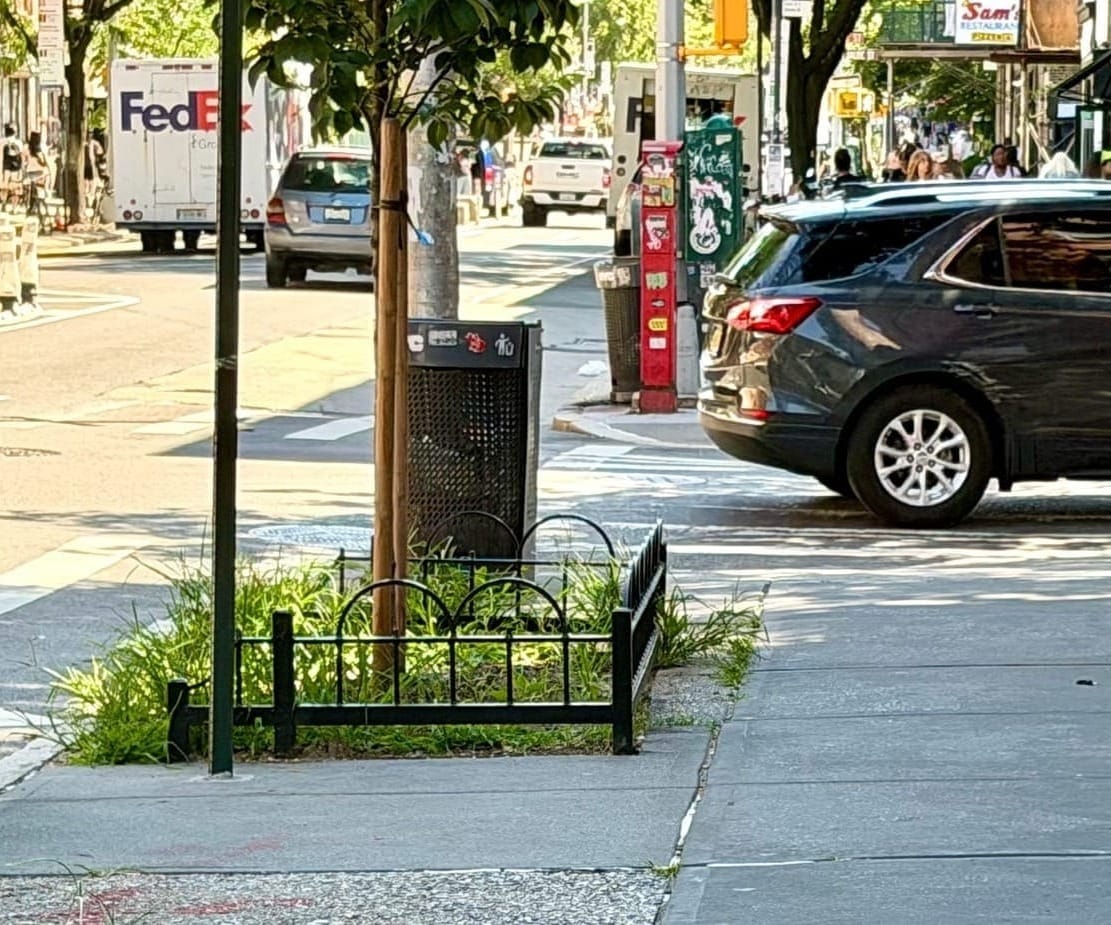
Before and after. Trees and benches vs. trees and fences.
The new Court St. seating
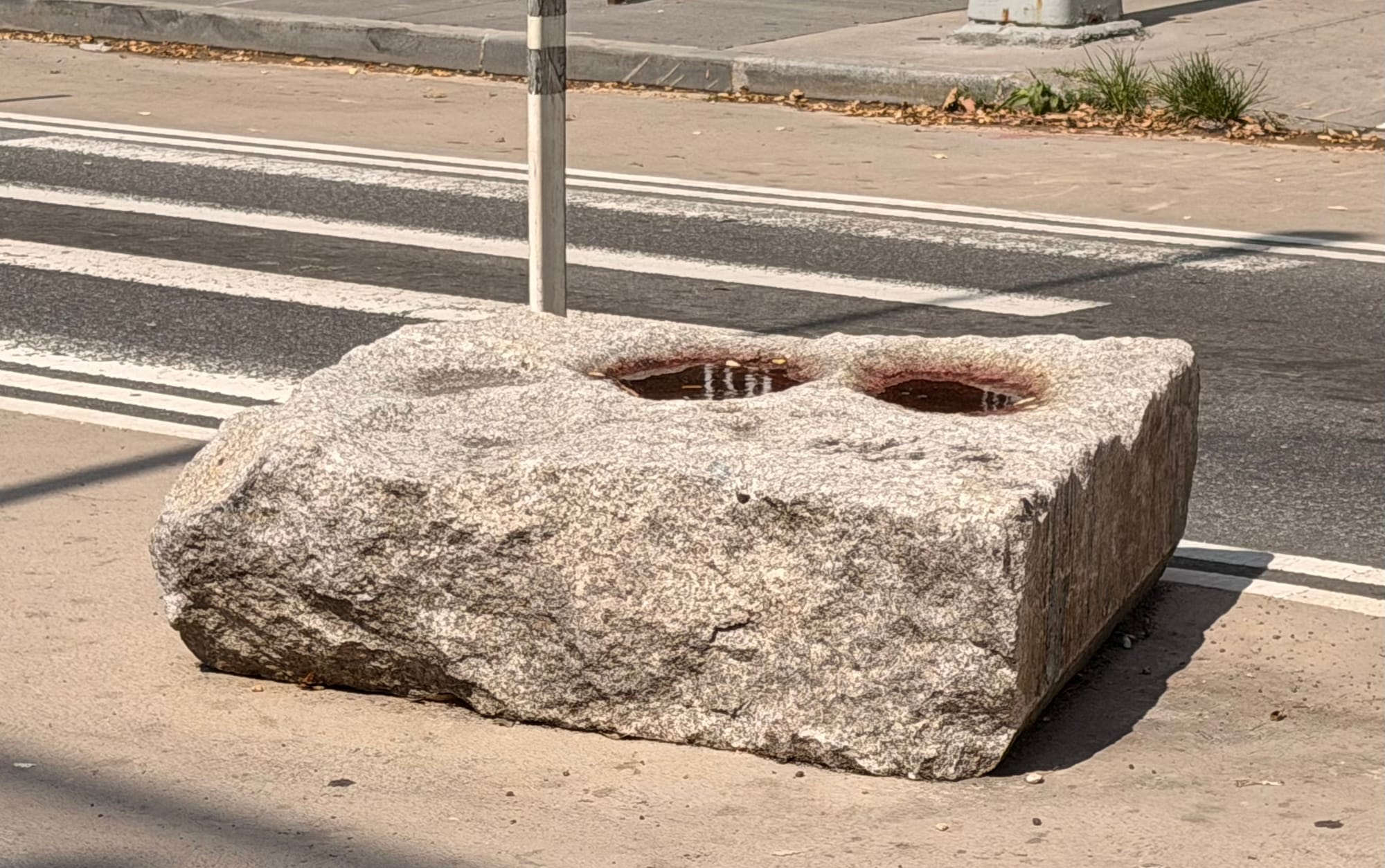
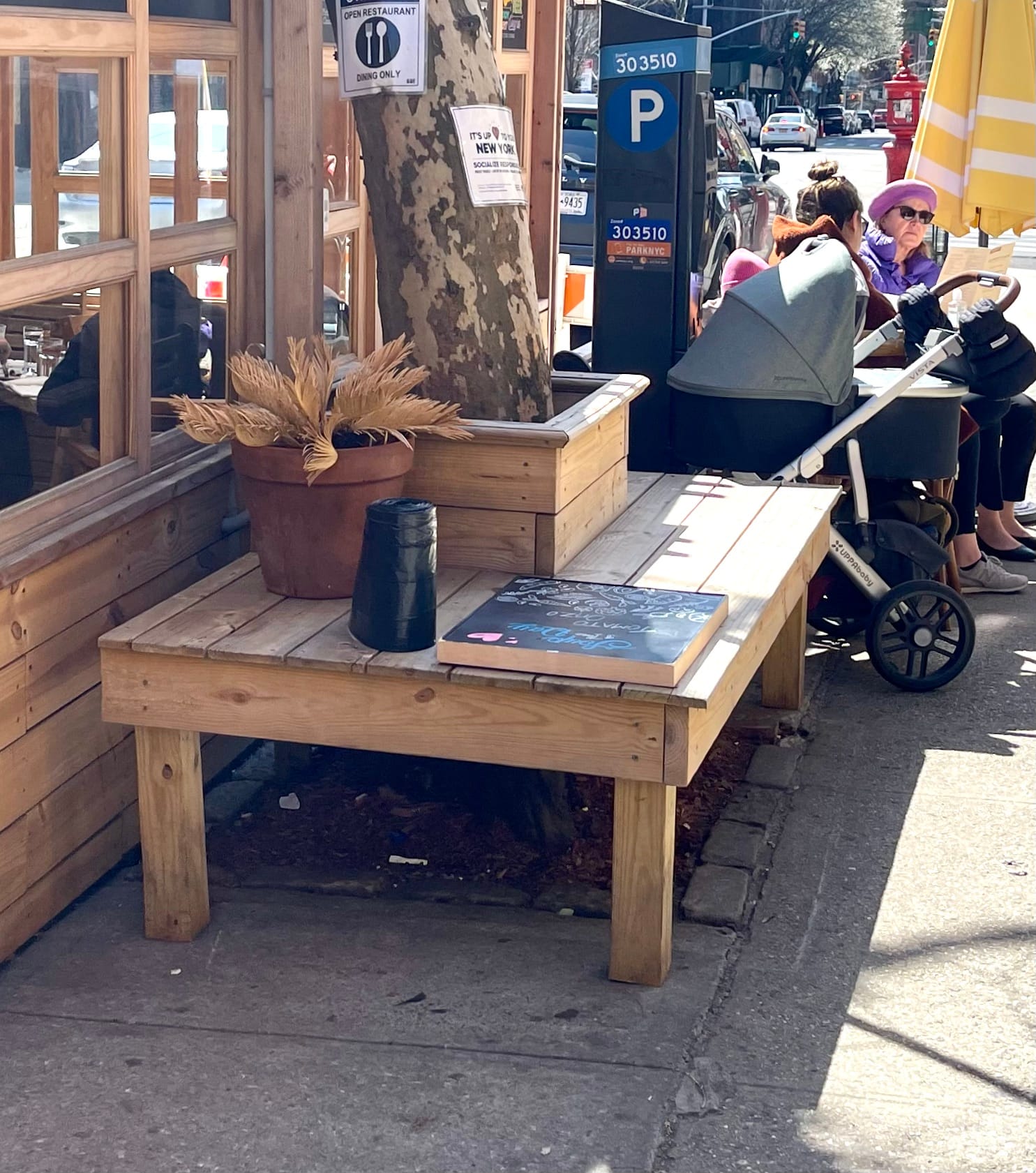
When the City does put in their own version of seating, it's not much better than the nothingness above. Below you can see the seating options added by the Department of Transportation – ugly, hostile, and uncomfortable. How are these giant rocks better than the beautiful benches members of the community created? Perhaps the answer lies in how "better" is defined. Many times, it seems that "better" means "less likely to be used" or "good at directing traffic." The priority for urban design choices here isn't the joy and comfort of the residents. If it was, we'd get more community-built tree-guard benches, not fewer.
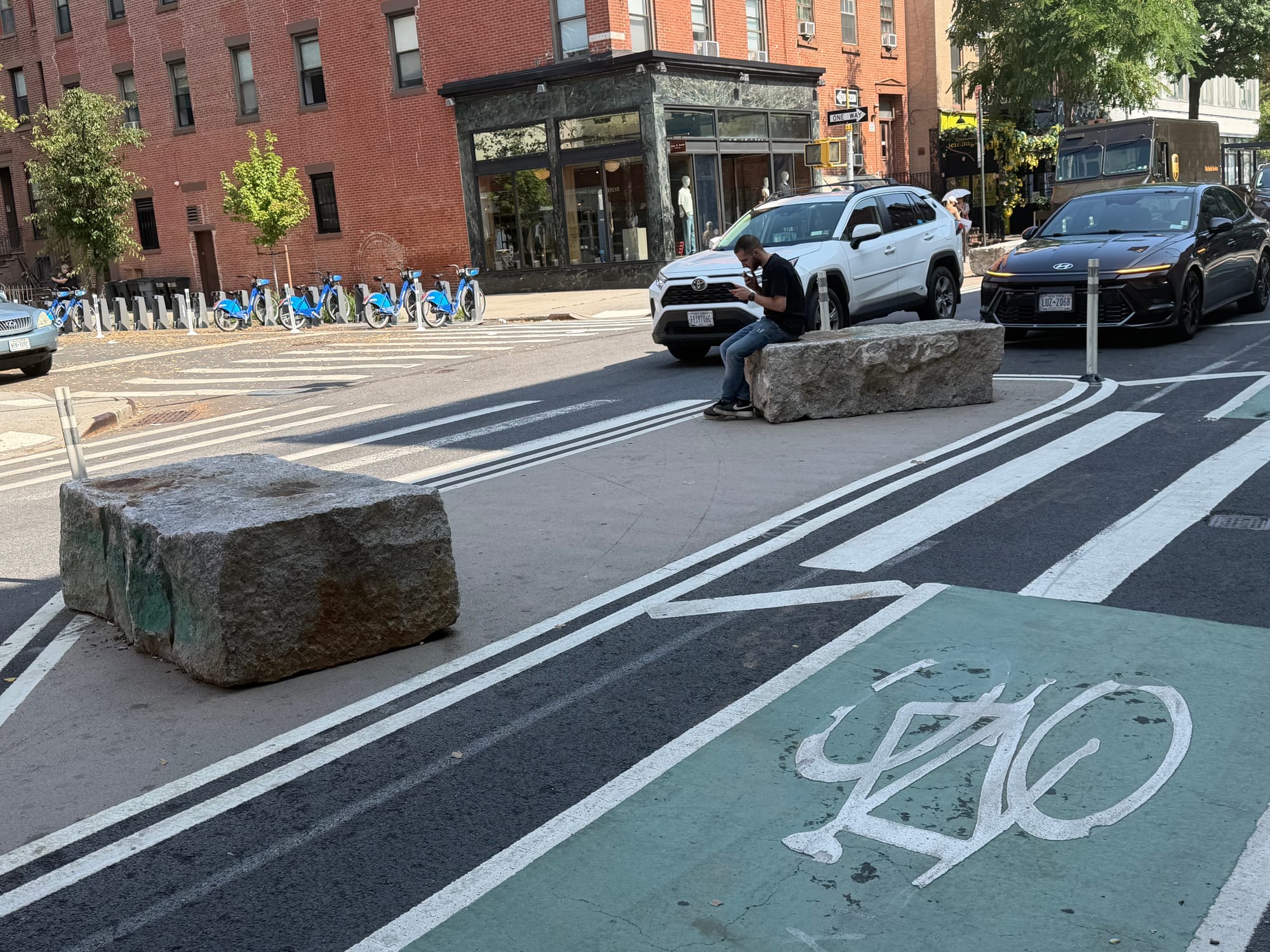
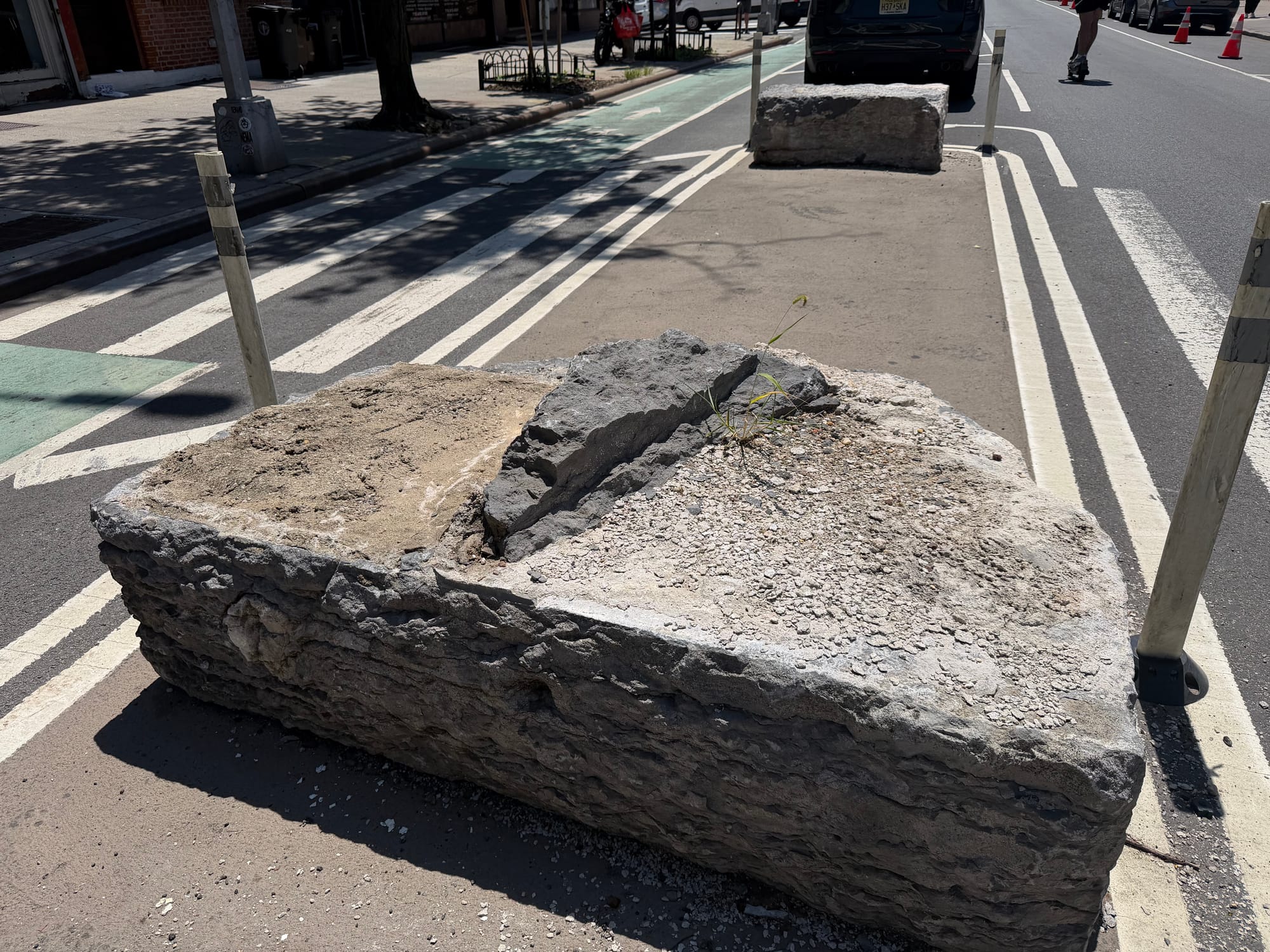
Tree-guard benches hold the power of connection
Tree-guard benches are such valuable amenities because they connect. They connect the private world to the public realm and people to nature, and they do this all by opening up space that is usually off limits for people: tree beds.
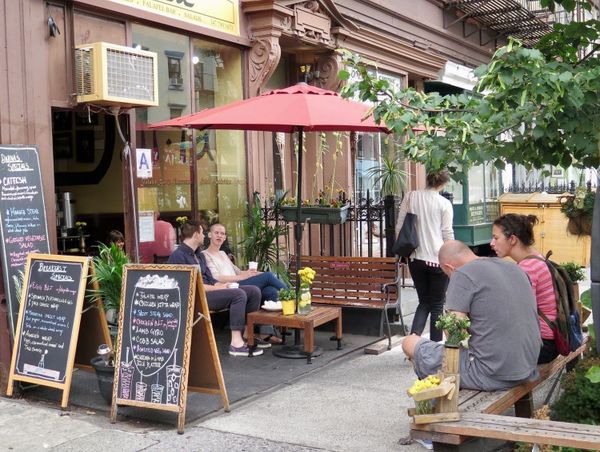
When the owners of local falafel restaurant Darna decided to build a bench around a tree pit outside their shop, they were making a private investment in a public space. At first glance, this might seem like a problem: a private business shouldn’t be allowed to benefit from public land. But actually, we think that’s a good thing, because their private investment improved the sidewalk, just as it improved their shop. It was mutually beneficial.
By blurring the line between the public and private realms, the humble tree bench improves both. Patrons are more likely to sit outside on the sidewalk, activating the public space, while passersby are more likely to sit on the bench, making the restaurant look busy and attracting business. Interventions that soften the boundary between public and private spaces – like tree benches, porches, or turning buildings inside out – make cities feel more welcoming and help businesses weave into the community. Both are essential for a thriving city.
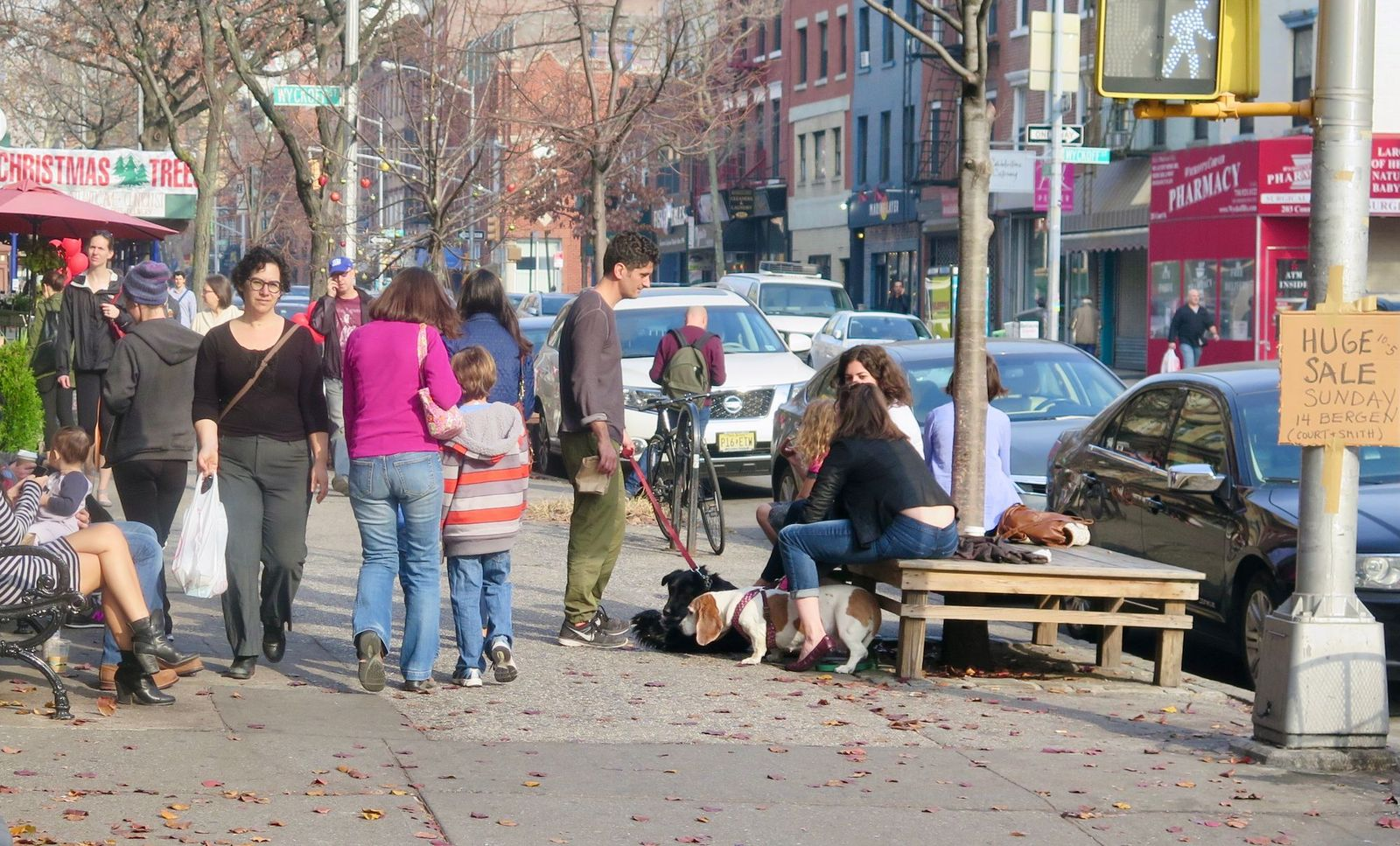
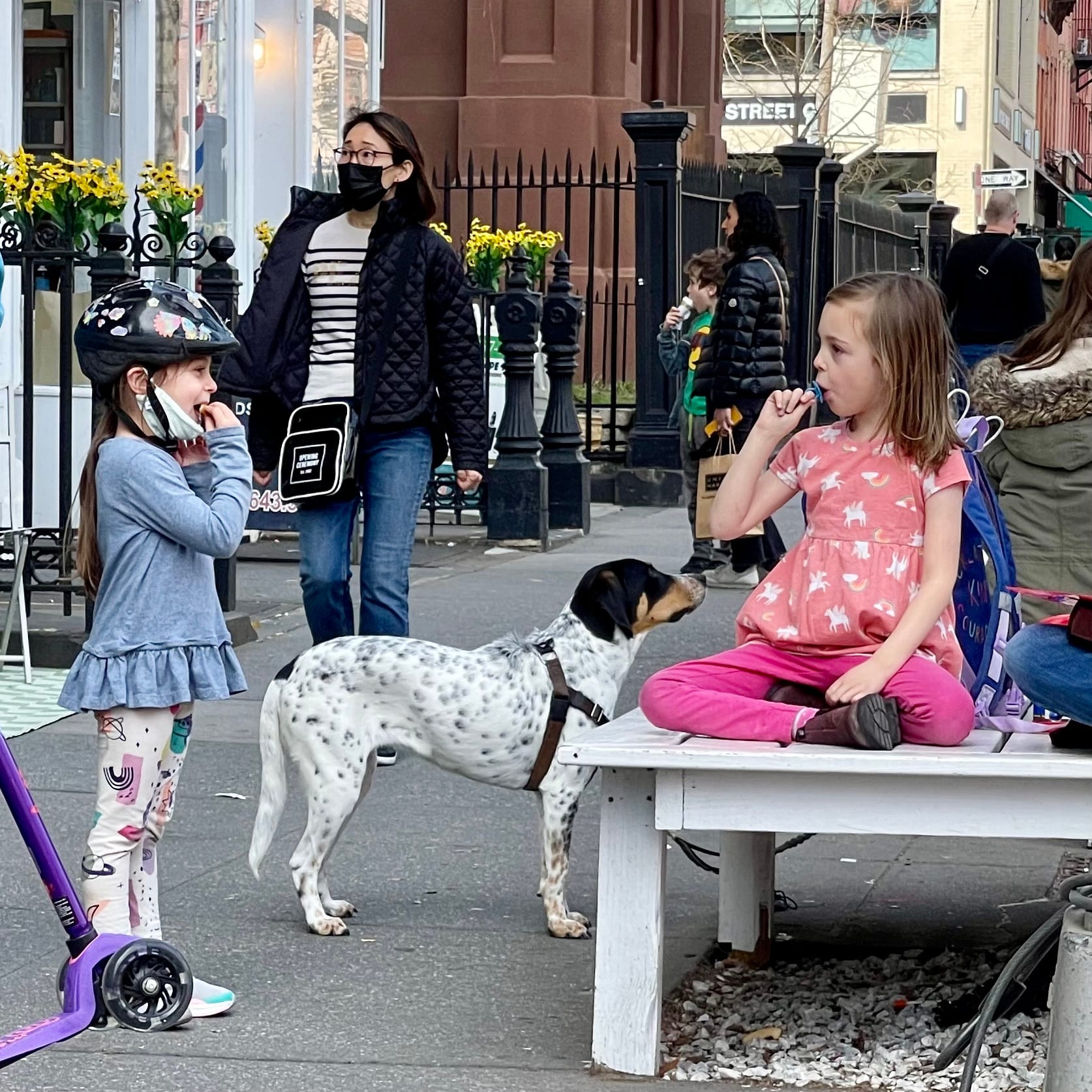
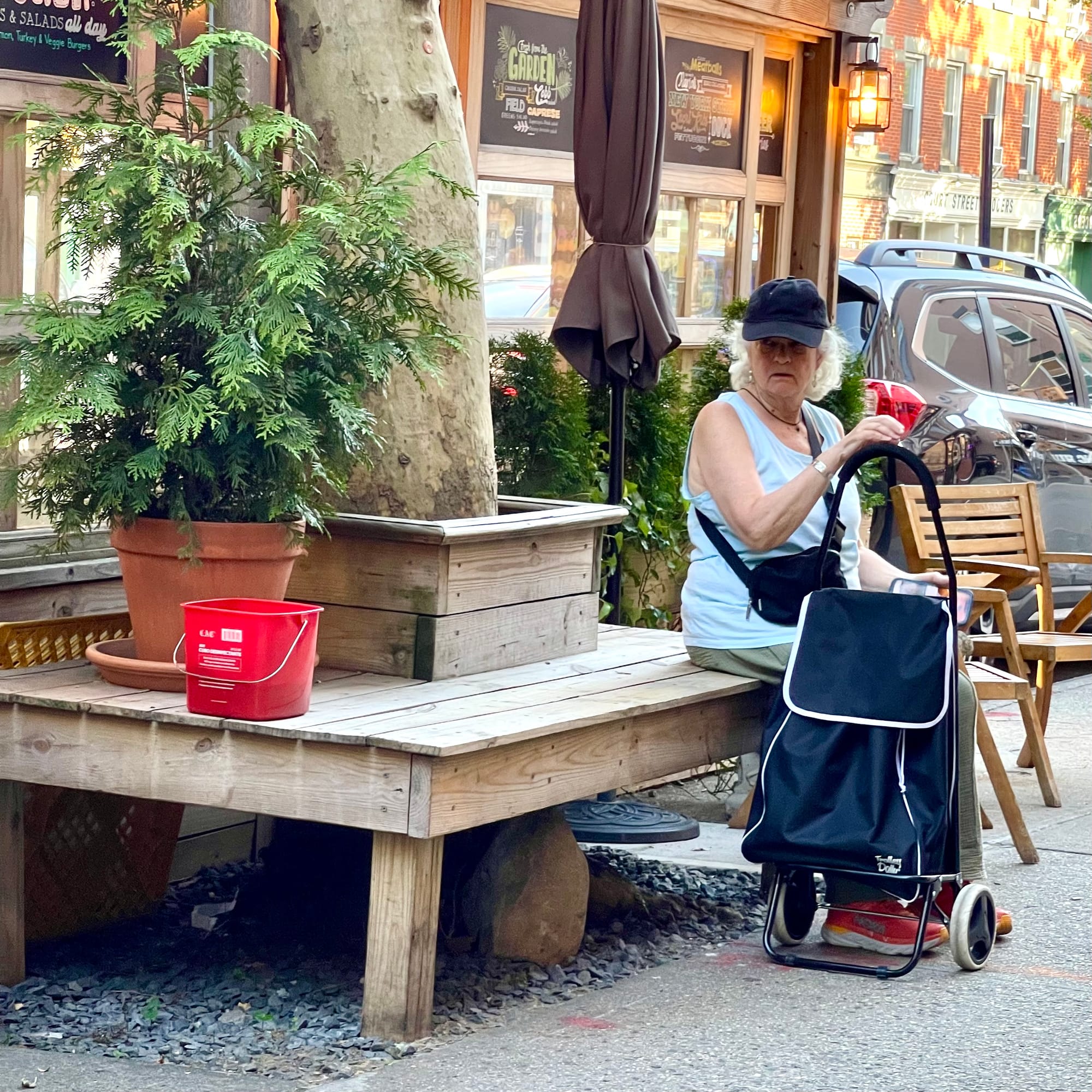
Tree benches also give people greater access to one of a tree’s most useful assets: shade. As heat waves cascade upon us summer after summer, cities must implement simple practices to reduce urban heat. Street trees have been identified as one of these crucial interventions, and tree benches are the next step in getting even more use out of nature’s A/C system.
Earthing theory aside, tree trunks also provide useful backrests for bench users. These qualities bring people closer to trees, benefiting the trees as well by increasing the likelihood that someone notices and reports when a tree looks unhealthy or is in need of care. The introduction of a beloved amenity also leads to people being more invested in keeping the area pleasant and clean.
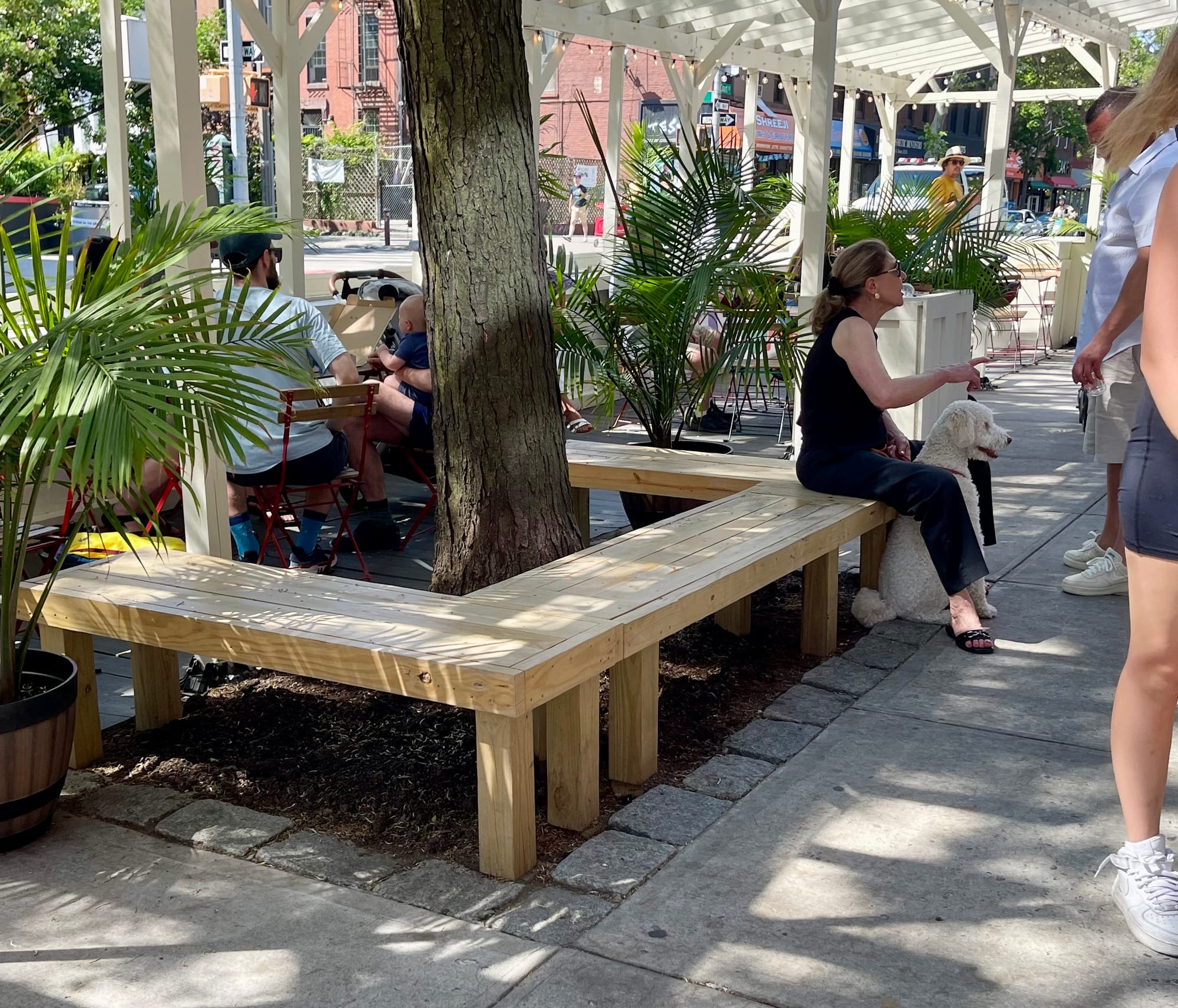
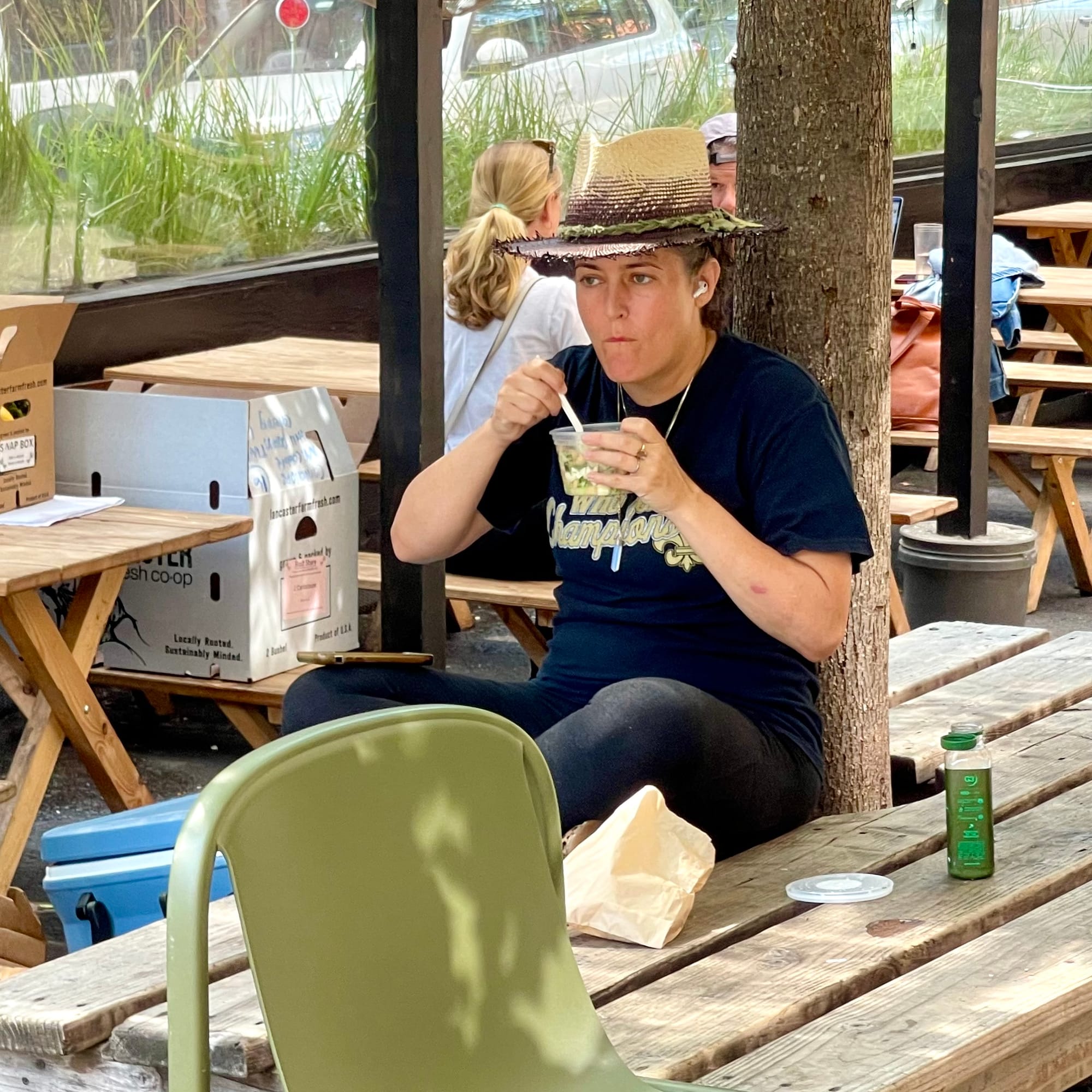
Shade and a backrest
Tree-guard benches also activate tree beds, a space on the sidewalk previously off-limits to people. Continuously stepping on the dirt near trees compacts the soil and makes it harder for a tree to grow. To prevent this, cities have placed simple guards around tree beds to reduce trampling. These guards make tree beds a dead space on the sidewalk, often filled with trash or weeds. Instead, tree-guard benches protect the soil and turn this previously inaccessible patch of sidewalk into a treasured resting place.
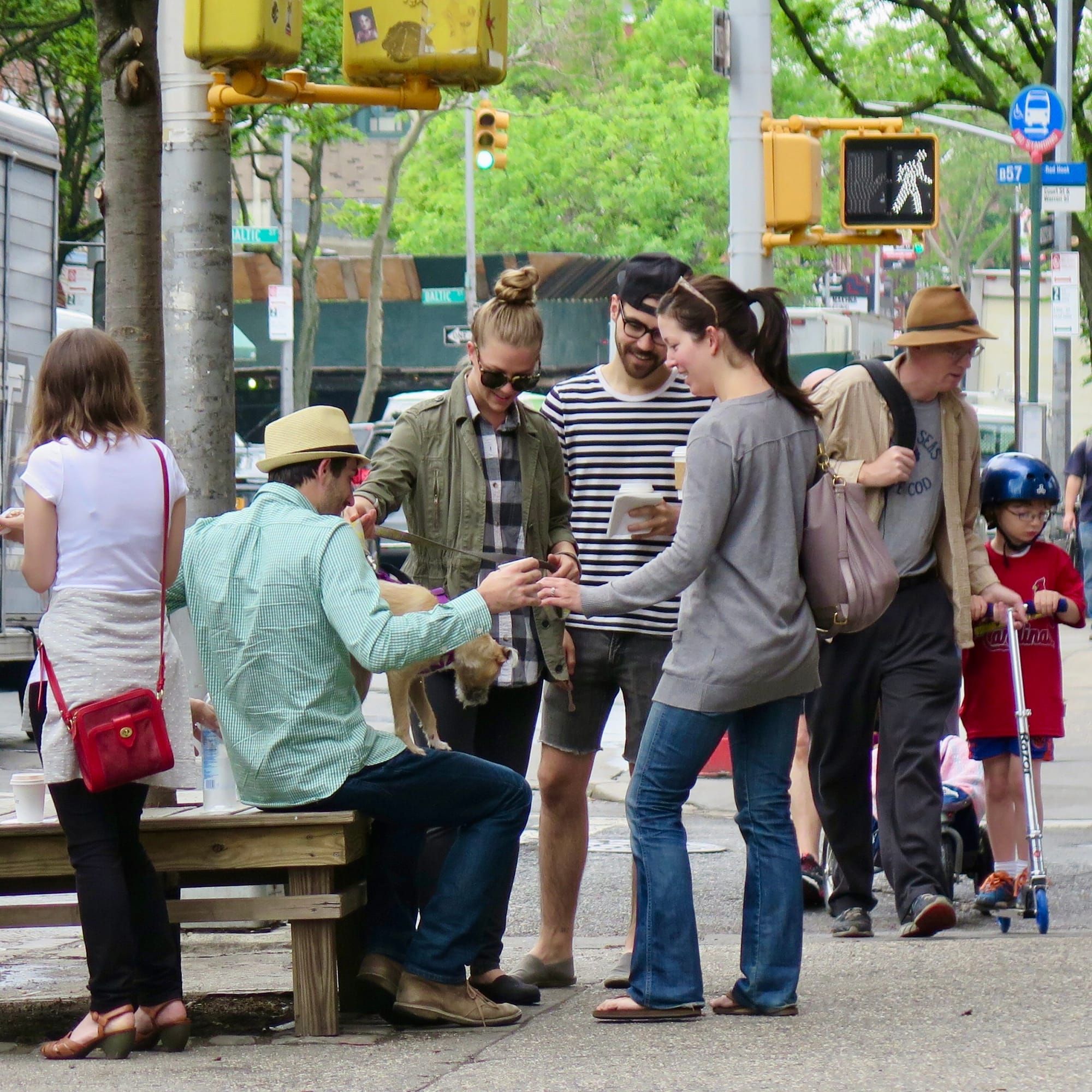
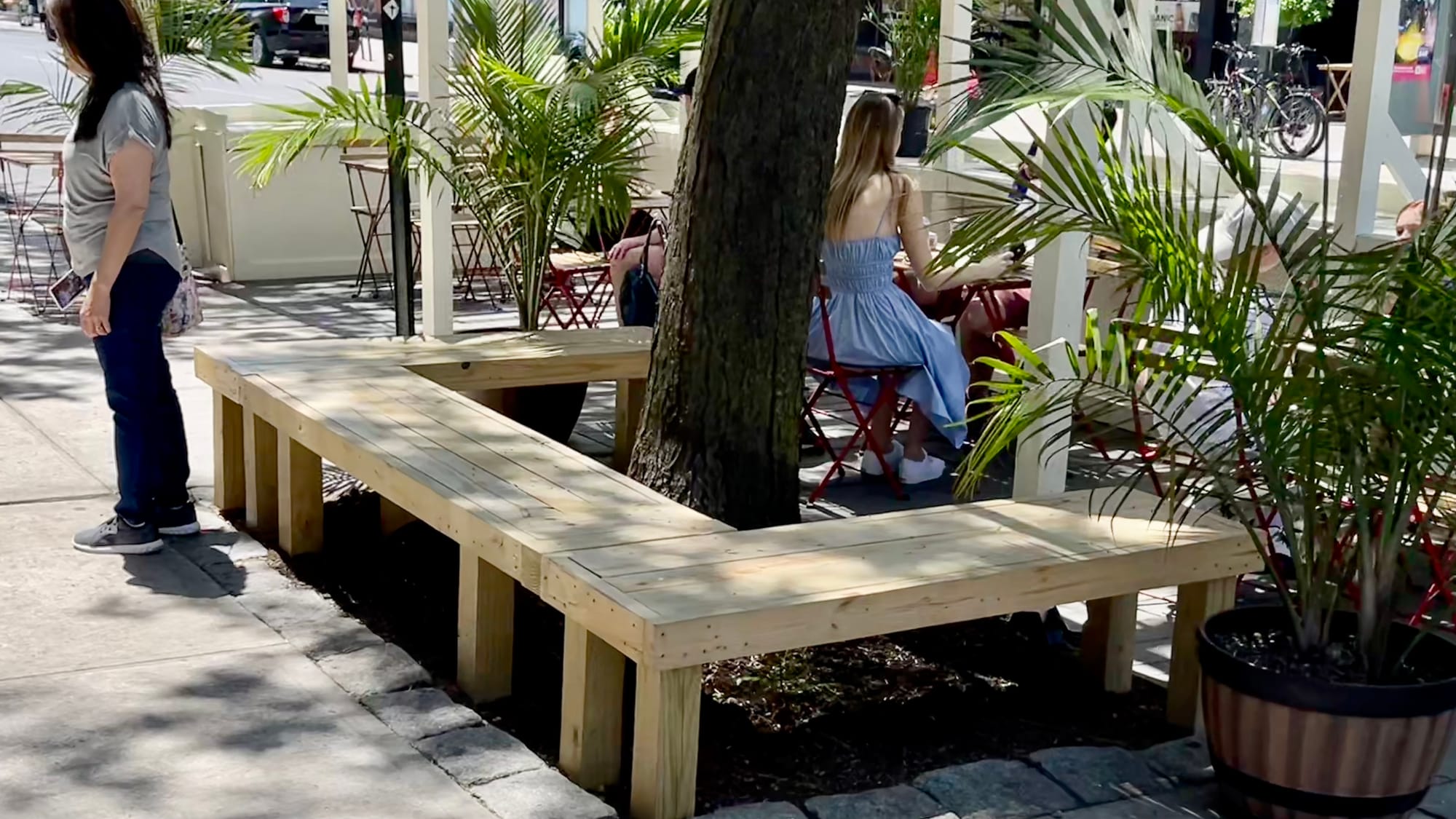
The specific dimensions of tree beds lead to bench designs that are ripe for a myriad of uses beyond what the simple bench offers. The broad, flat surfaces of such benches allow for picnicking, sitting comfortably among strangers who may turn into friends, socializing in bigger groups, and more.
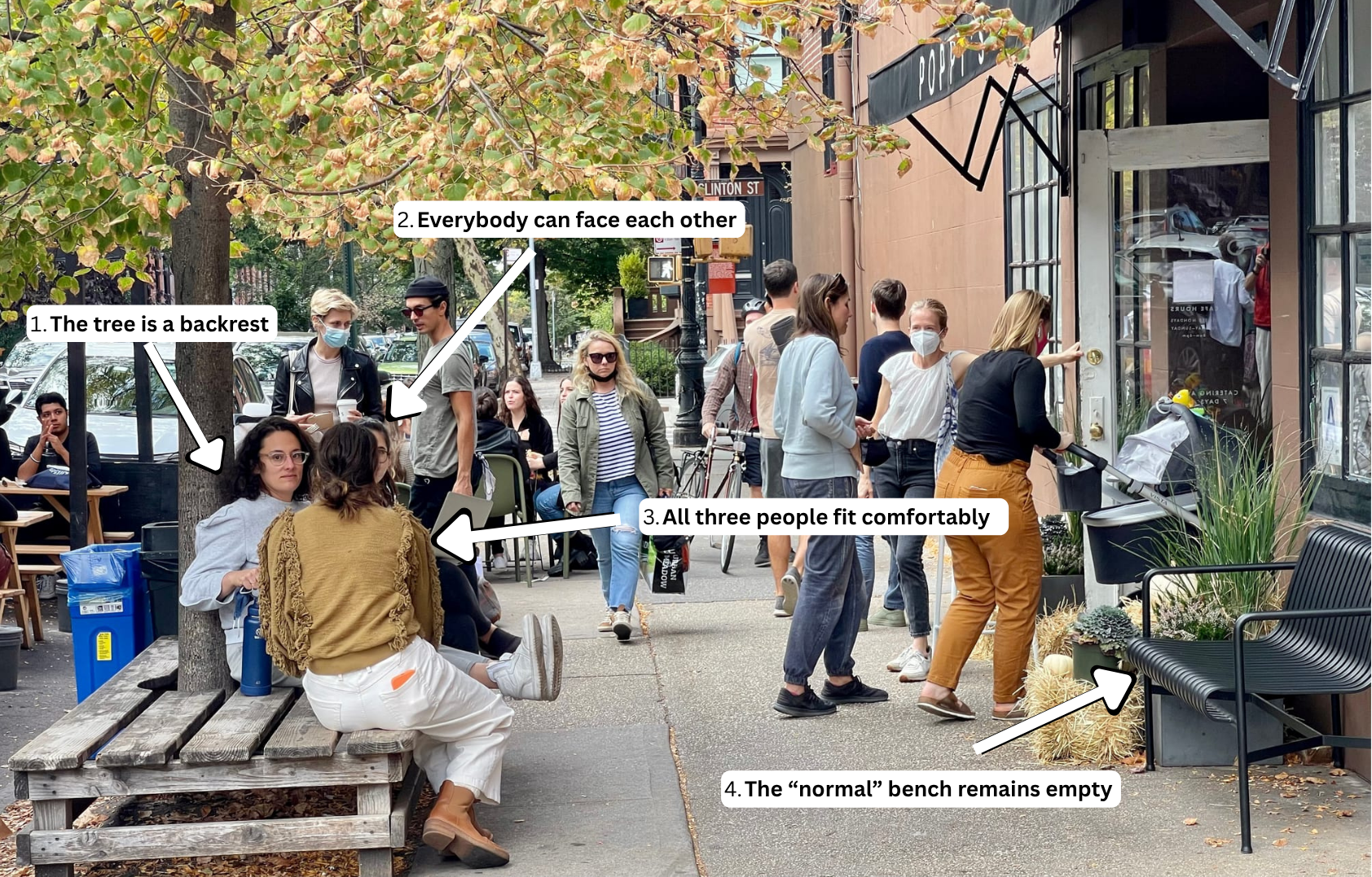
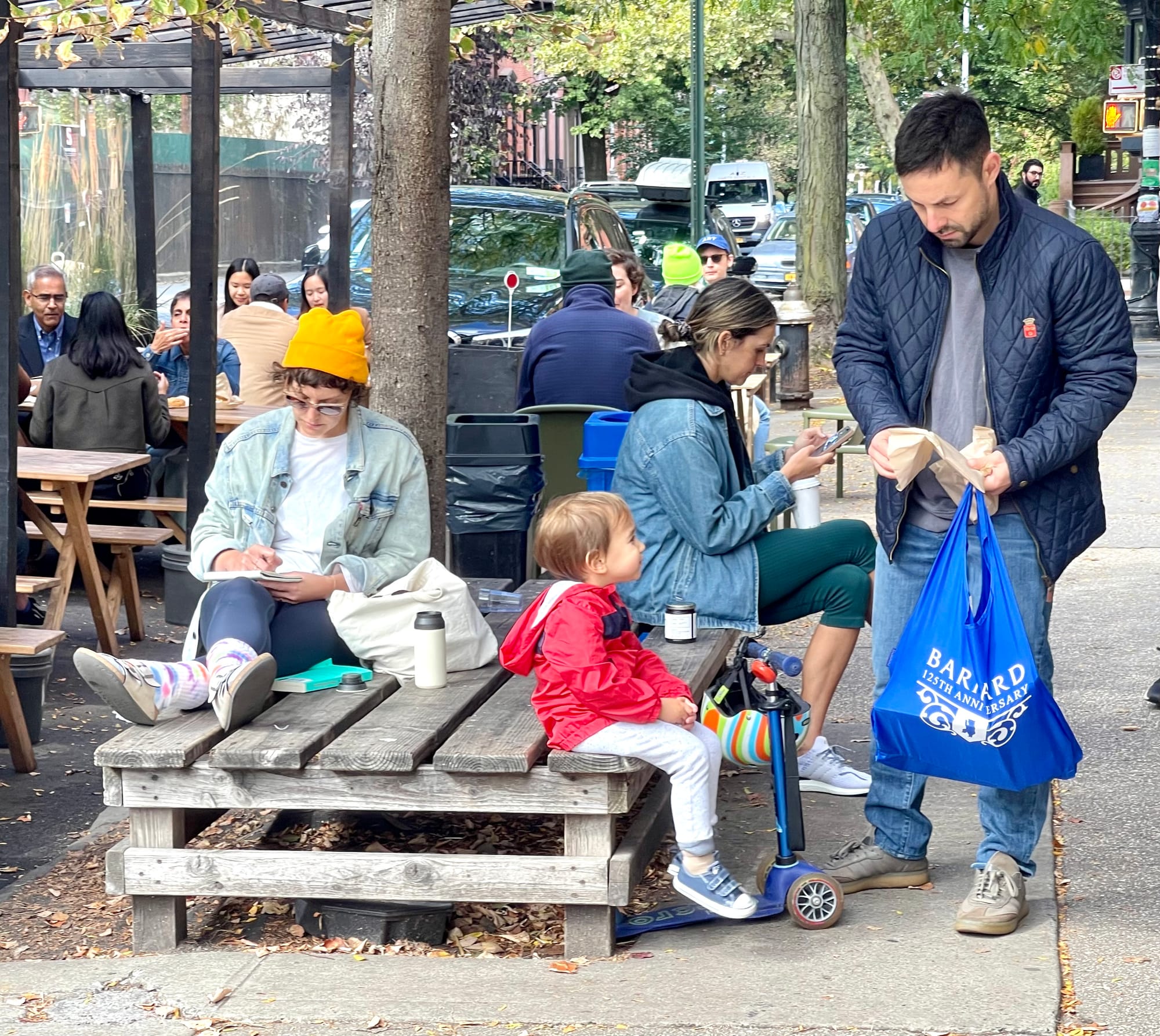
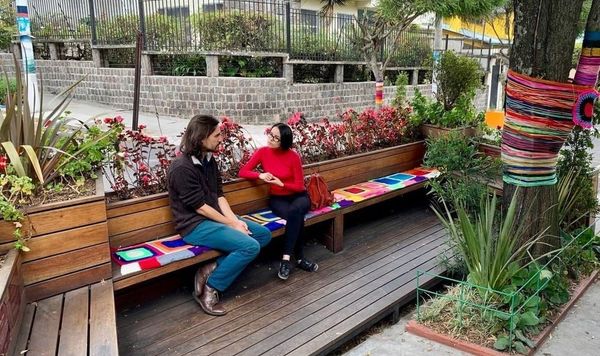
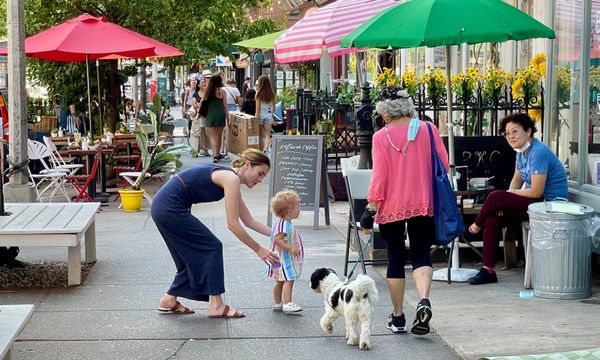
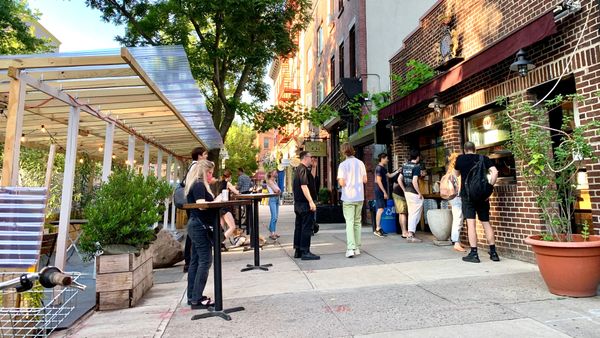
Tree benches can accommodate groups of friends (left) or strangers (right)
These do-it-all benches are urban superheroes, so why is NYC Parks trying to remove them?
Where bureaucracy stifles local improvisation
Recently, NYC Parks told Brooklyn's Darna Falafel and Bolo Bolo Cafe that they have to remove the four beloved benches in front of their shops because they caused "damage to the tree roots," and per the new NYC Dining Out regulations, "you cannot place anything in the tree bed." But after 10 years of a successful bench/tree collaboration, the city's logic for this order doesn't make sense.
The business owner who both oversaw the Darna tree's planting and built the bench there says the tree is healthier than ever. The tree is growing beautifully under his care and the bench is so popular that it stops people from littering and damaging the tree bed. The bench is also designed with gaps that allow water to reach the tree's roots.
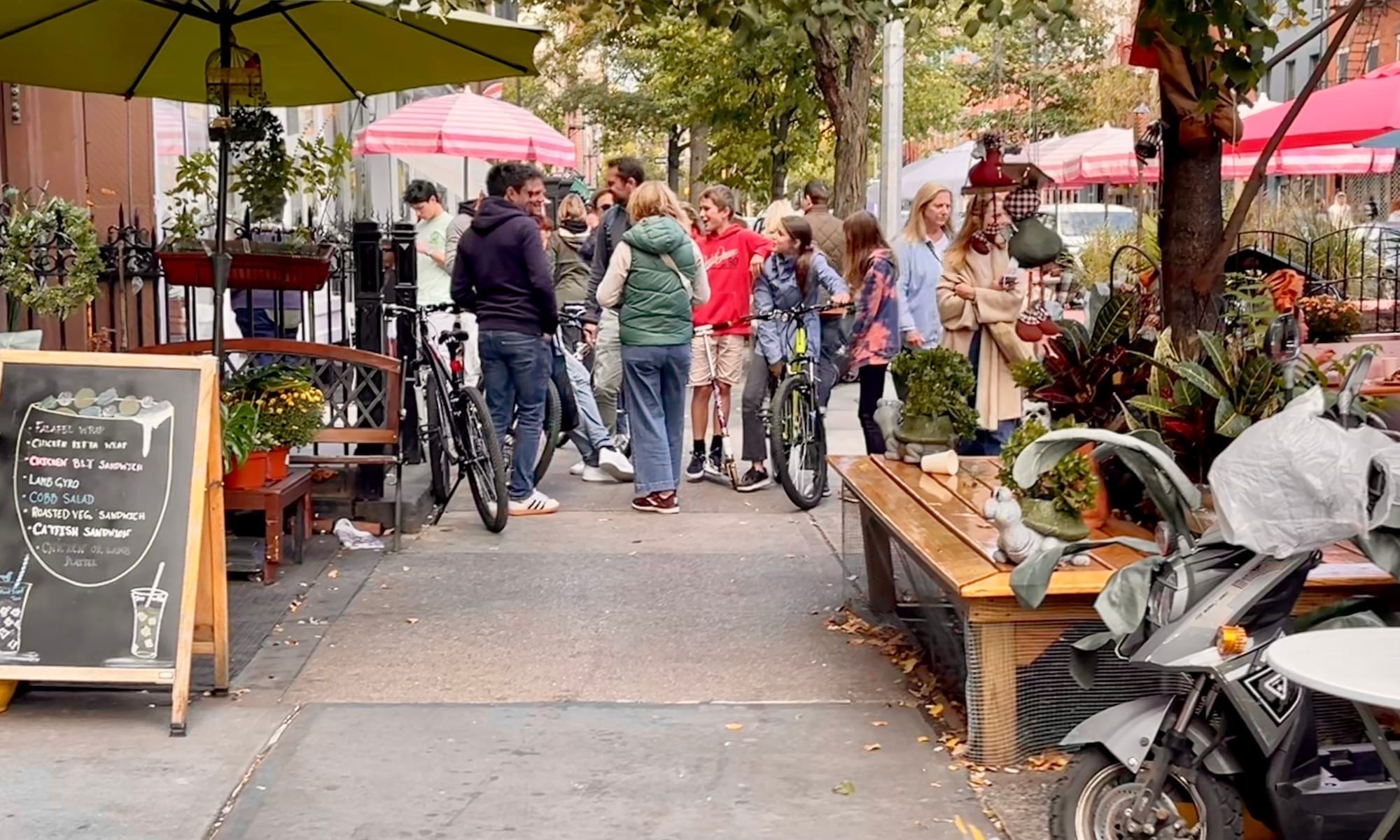
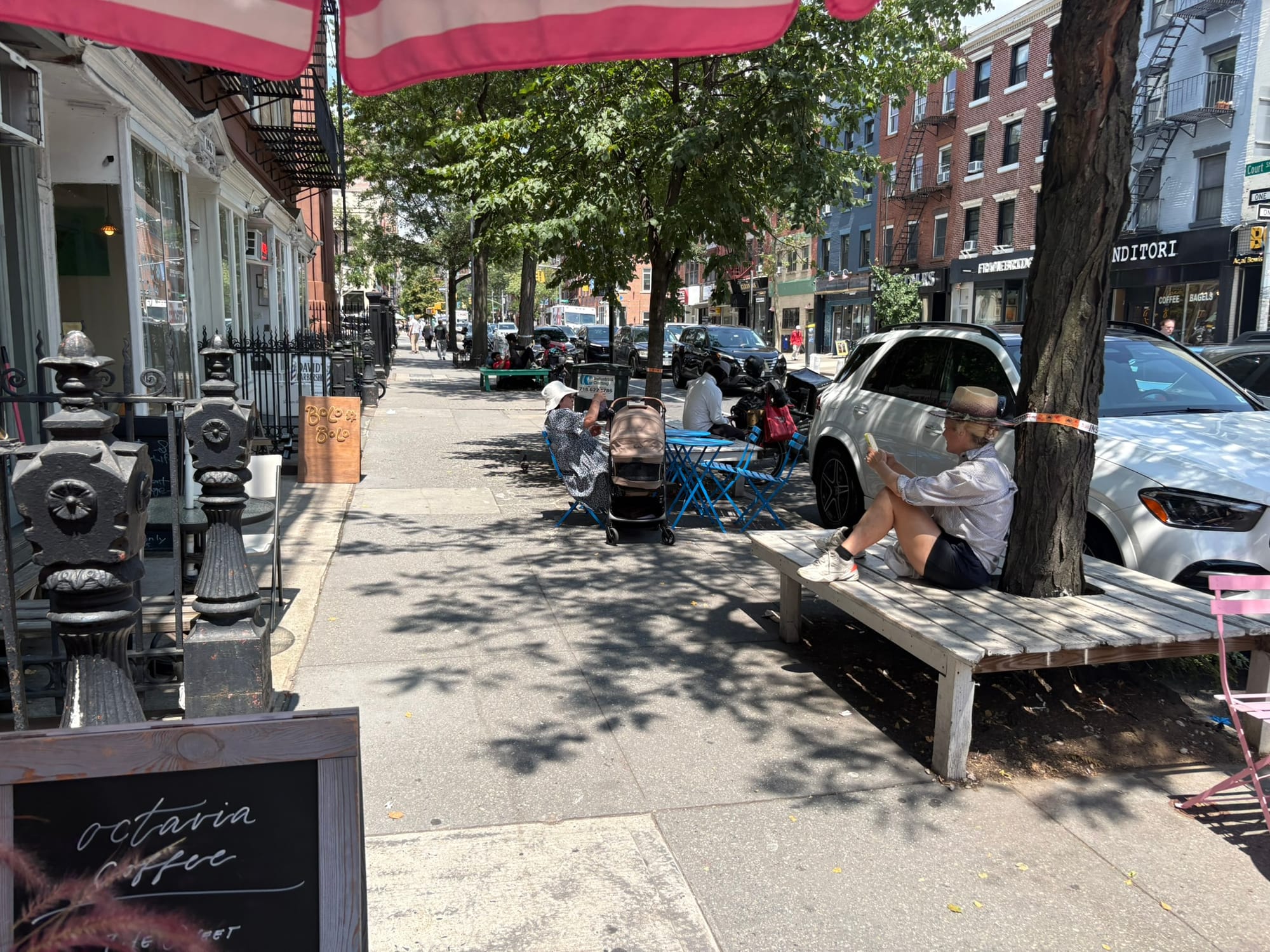
The benches now slated for removal: Darna (left), Bolo Bolo's three (right)
To investigate the scientific backing for the city's claim, we asked two ecologists about the impact of a tree guard bench on a tree. Below are their thoughts.
Alessandro Ossola, Associate Professor, UC Davis: "Benches can actually help release some pressure/trampling in soil pits and maybe marginally increasing water supplementation to trees. Of course they are key to the community, so I think some removal might be unwarranted."
Moreen Willaredt, Humboldt University, Berlin: "The benches sound like a successful means to actually get into closer contact, stewardship and responsibility with the trees. In relation to water limitation the pavement has probably a more significant impact than the benches. My association with this question was the project of a friend here in Berlin that develops street furniture that serve simultaneously trees and people. Instead of removing benches they could also be redesigned in a way that serves the trees."
The community and the experts have weighed in and are in agreement that the tree-guard benches are a benefit, not a hindrance, to both nature and community. So why should they be taken down? If there is some way to make this tree/bench symbiosis stronger, let's work together on preserving both of these wonderful features that the community benefits from. Why is the go-to solution to destroy beloved places and amenities?
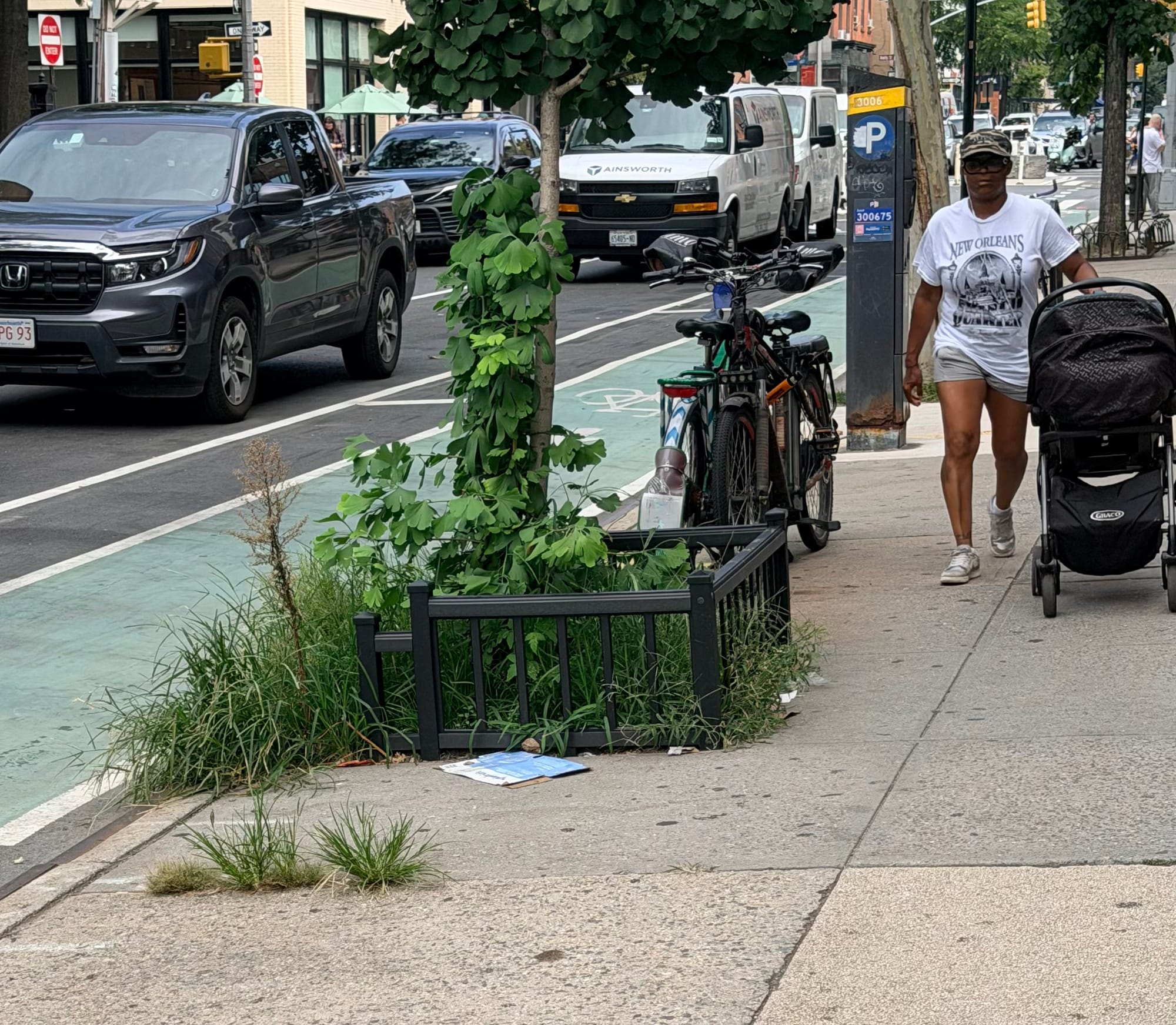
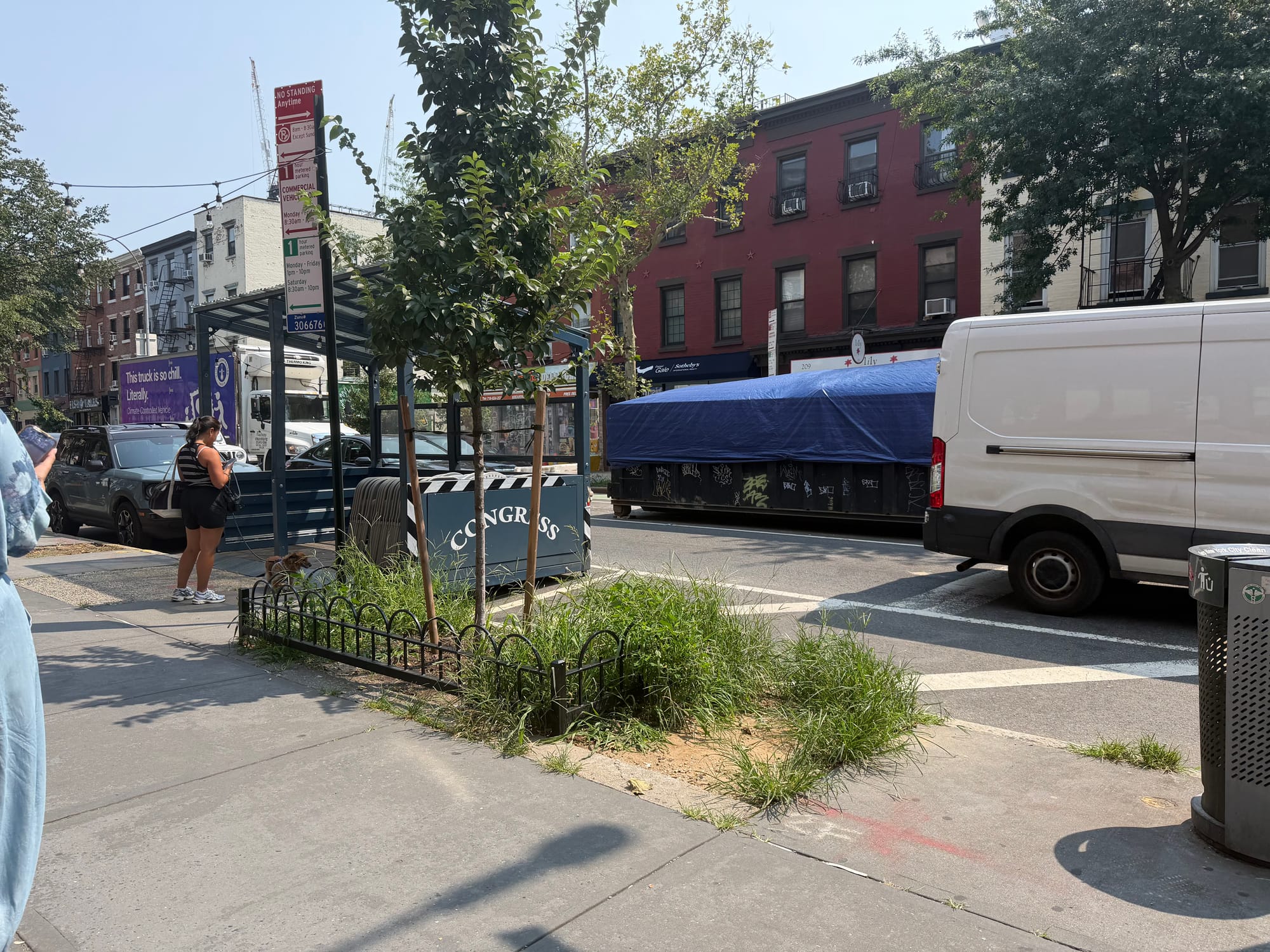
The city's idea of a fitting replacement to the tree-guard bench
We are tired of being stripped of local-led improvements to comply with rigid regulatory frameworks of how things should look and feel. Our neighborhoods could be flourishing if leadership tried to work more closely with communities instead of enforcing rules and standards with broad strokes that ignore local contexts. The same way the bench protects the life of the tree, we hope to protect these benches that have given so much life to our community.
 Julie Holstein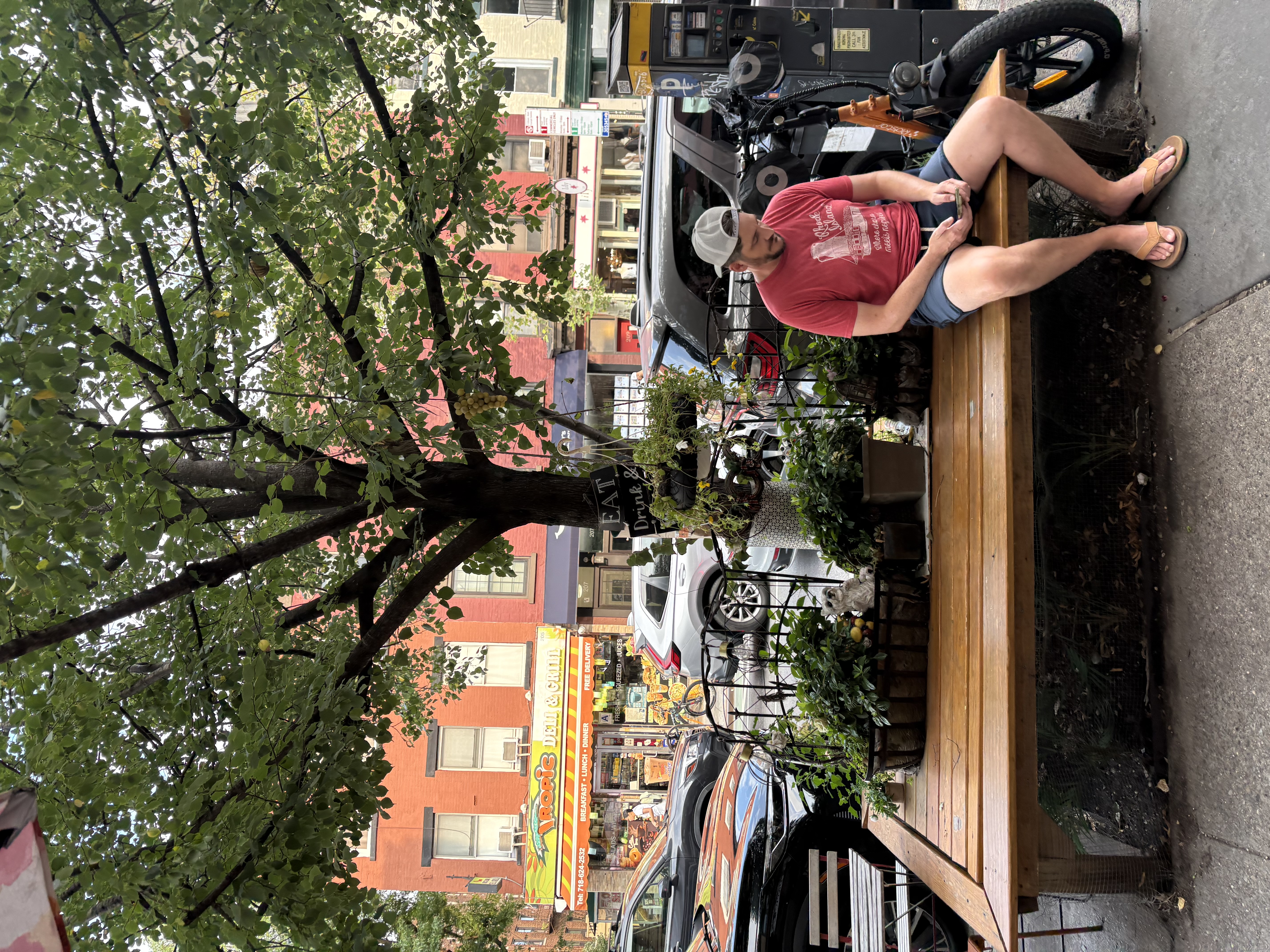
Brooklyn's Beloved Tree-Guard Benches
Brooklyn was home to many beautiful, unique, tree-guard benches developed by residents that elevated their neighborhoods and made their streets places worth spending time in. If the Department of Transportation and the City as a whole are serious about improving the city, listening to and working with the community is the way forward, not tearing down what they've worked so hard to create.
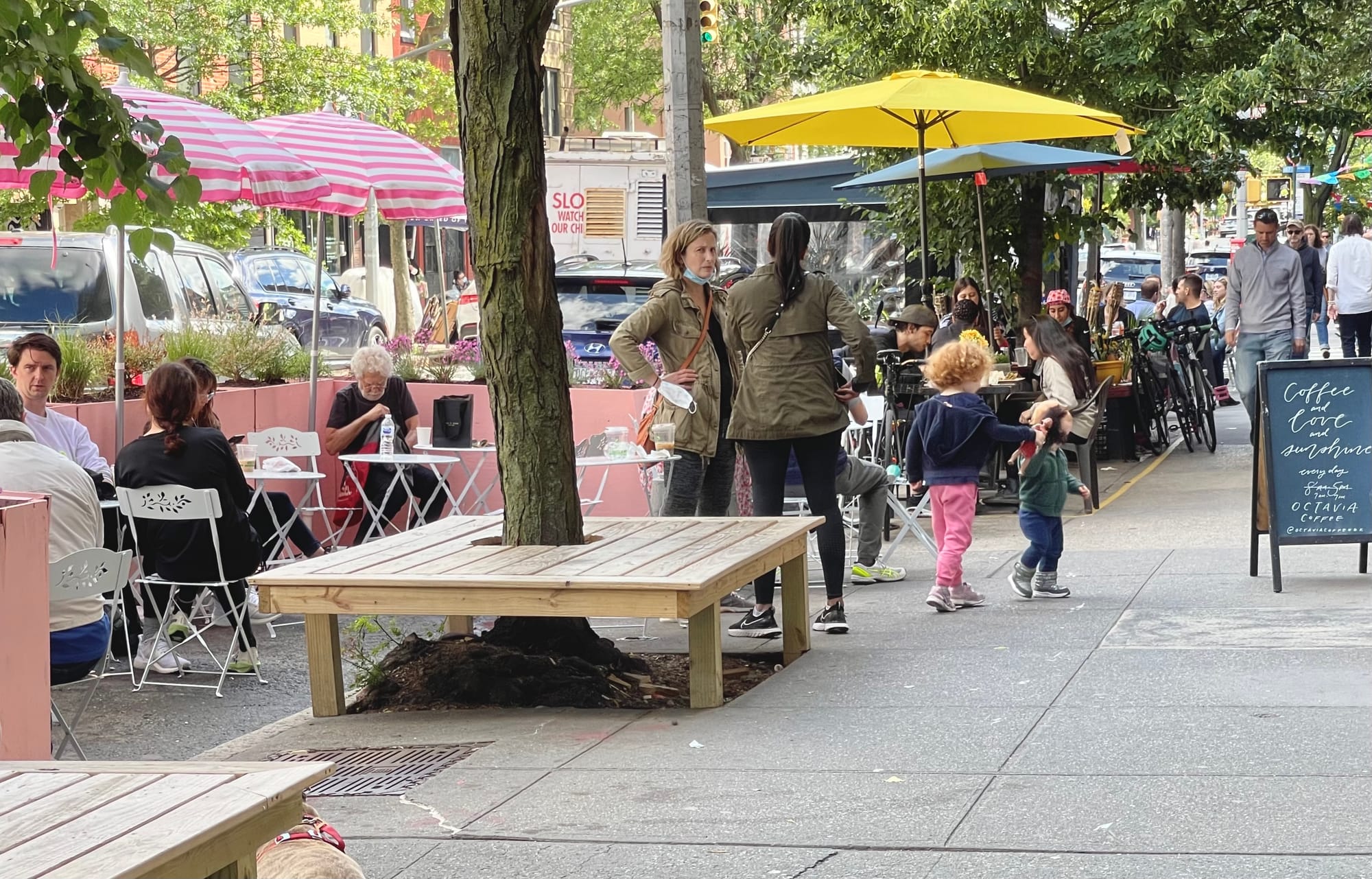
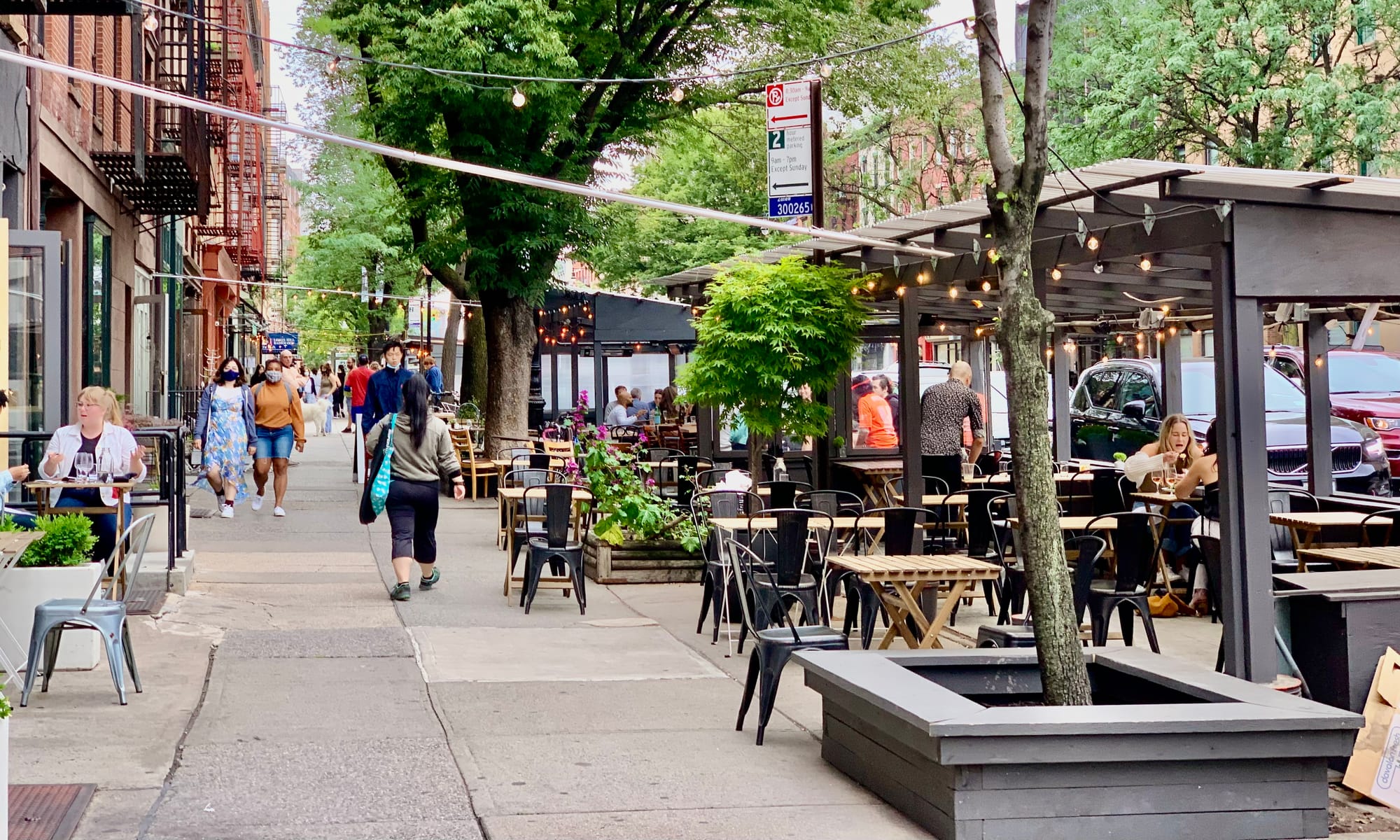
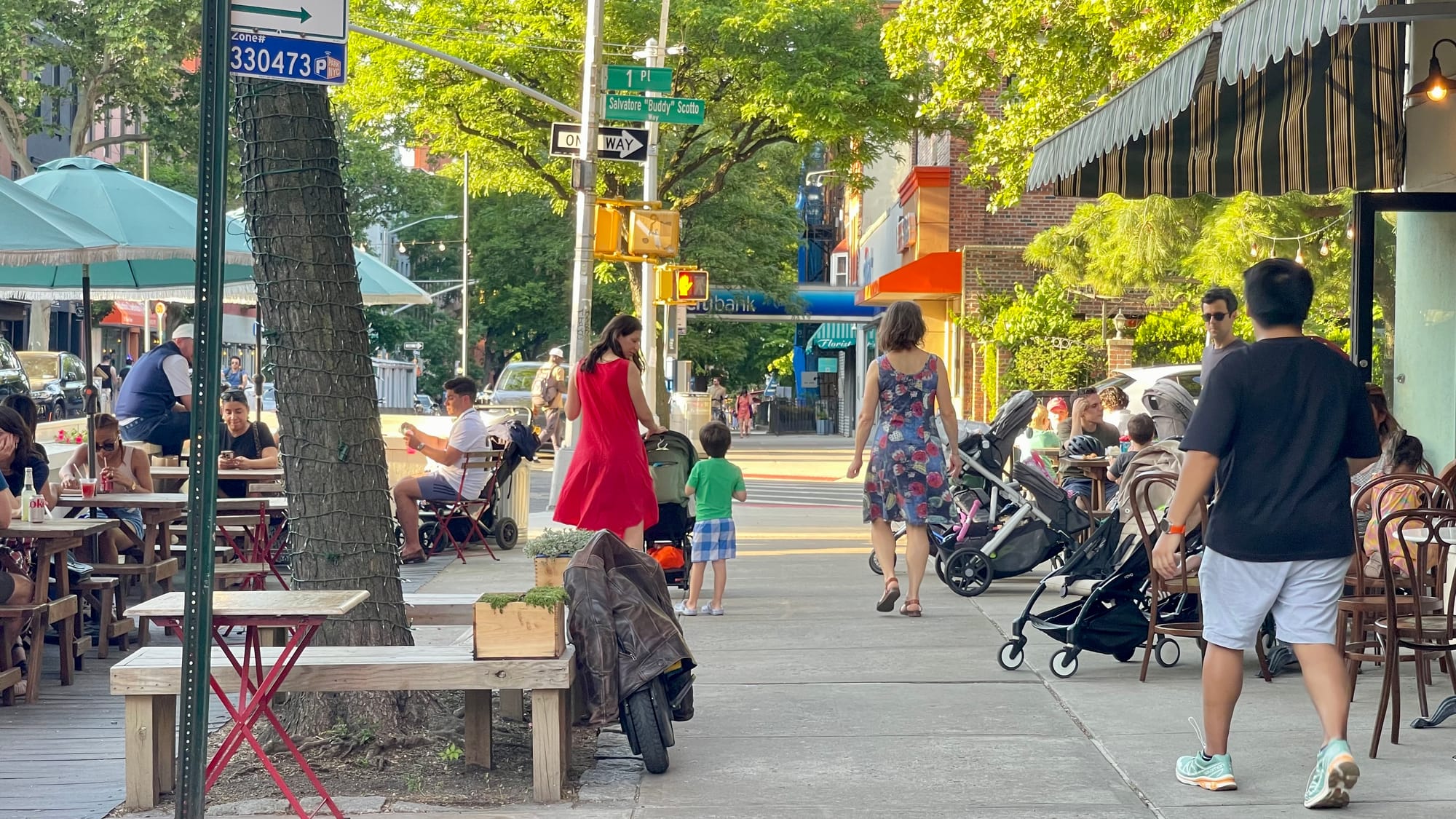
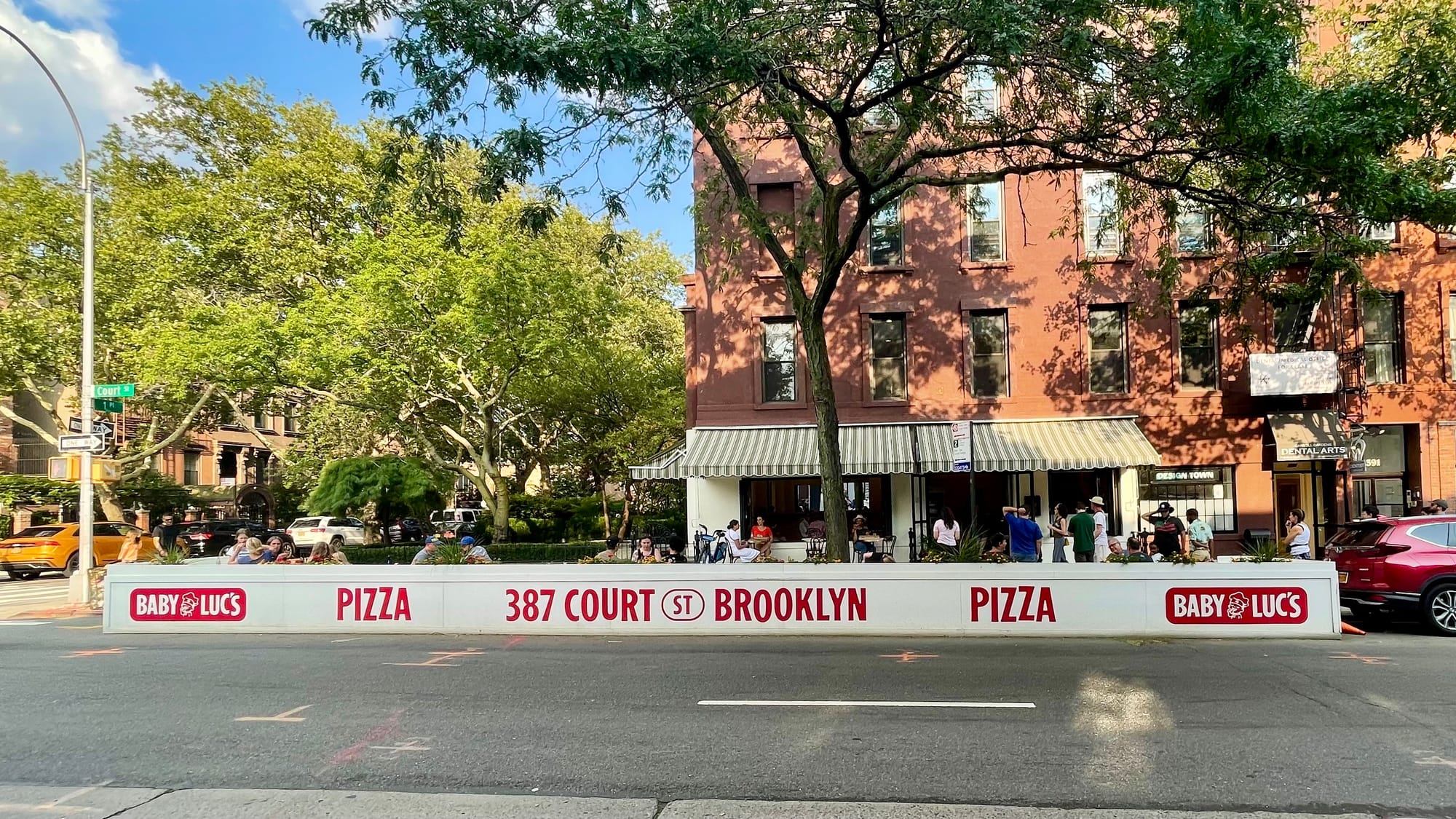
Baby Luc's bench and dining shed
Tree-guard benches around the world
The tree-guard bench is not a new concept – it is a tried and true way to blend nature with a human-friendly amenity to enhance street appeal and stimulate social life. The same way it works beautifully in cities globally, it can do so in NYC.
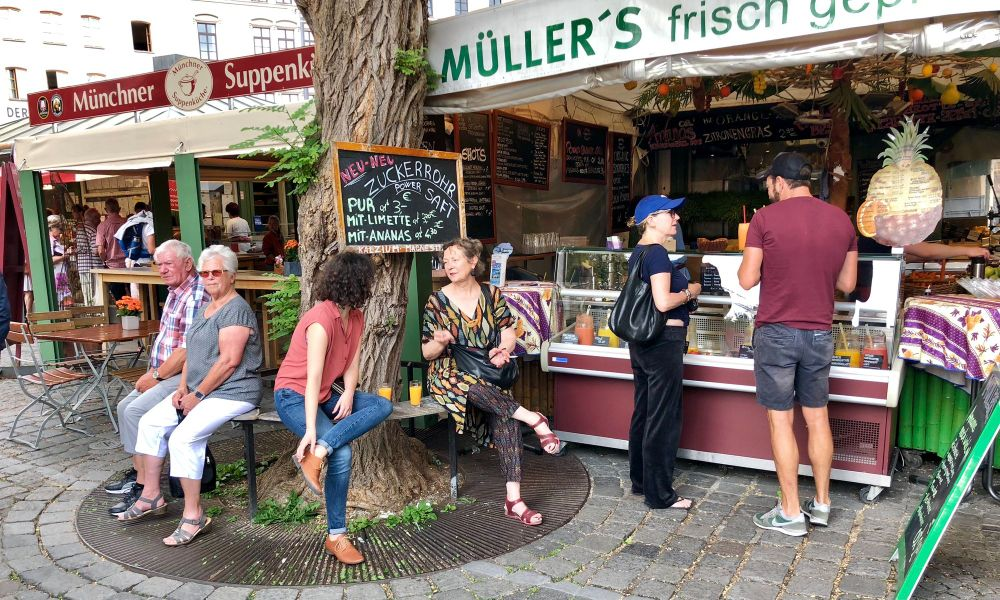
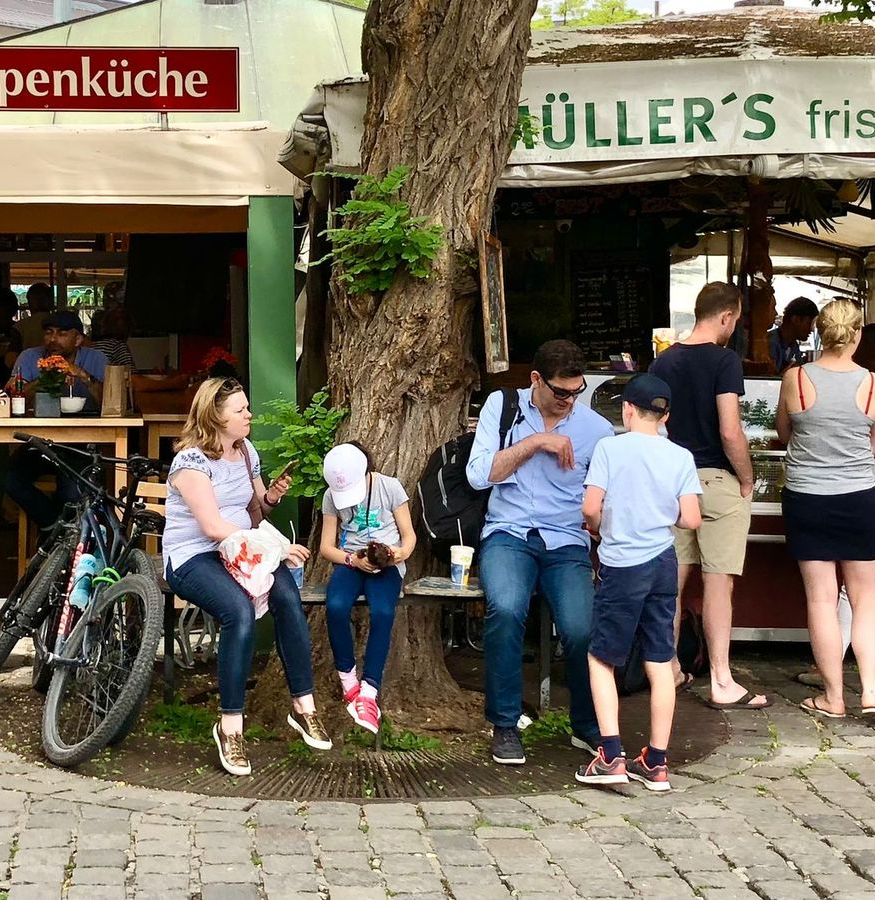
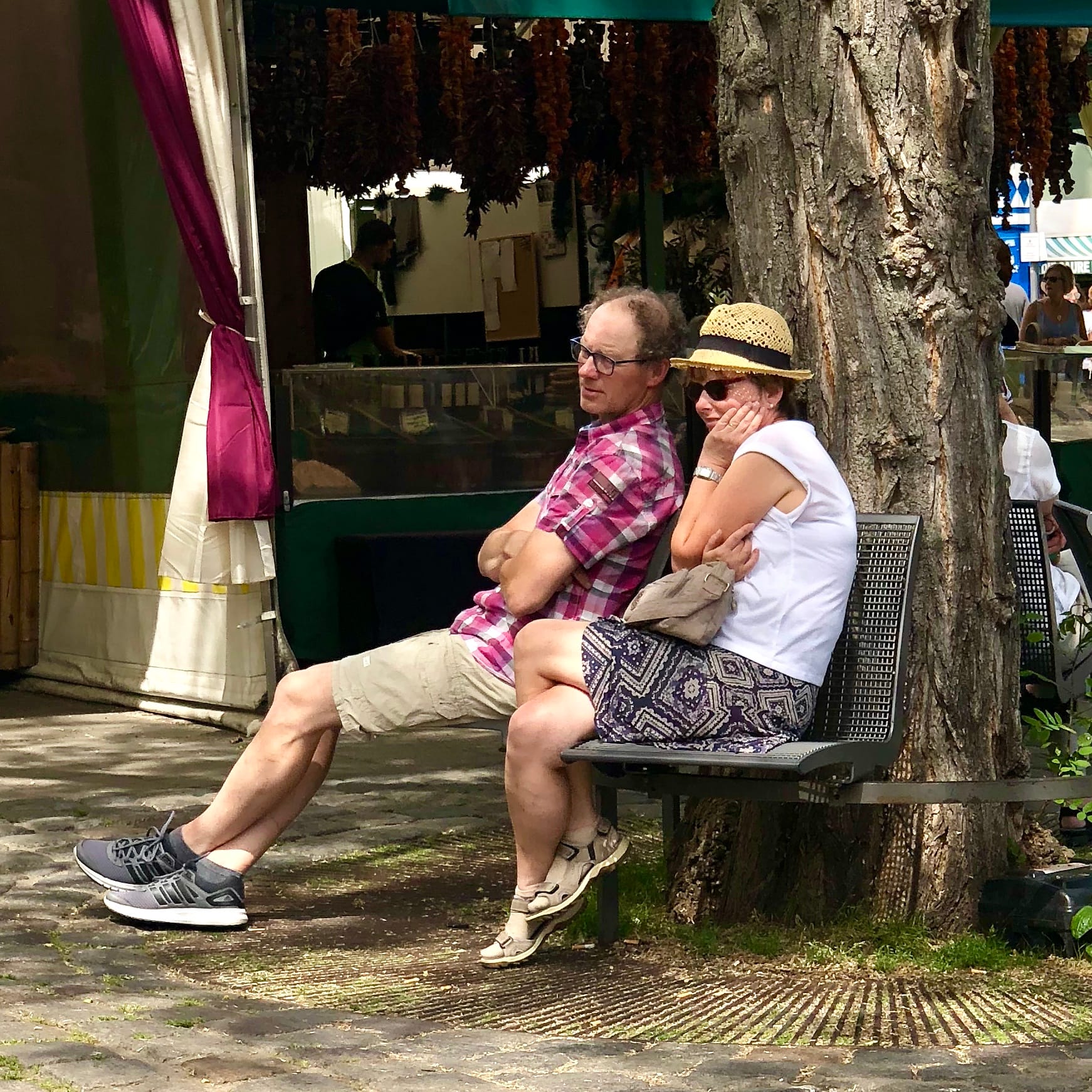
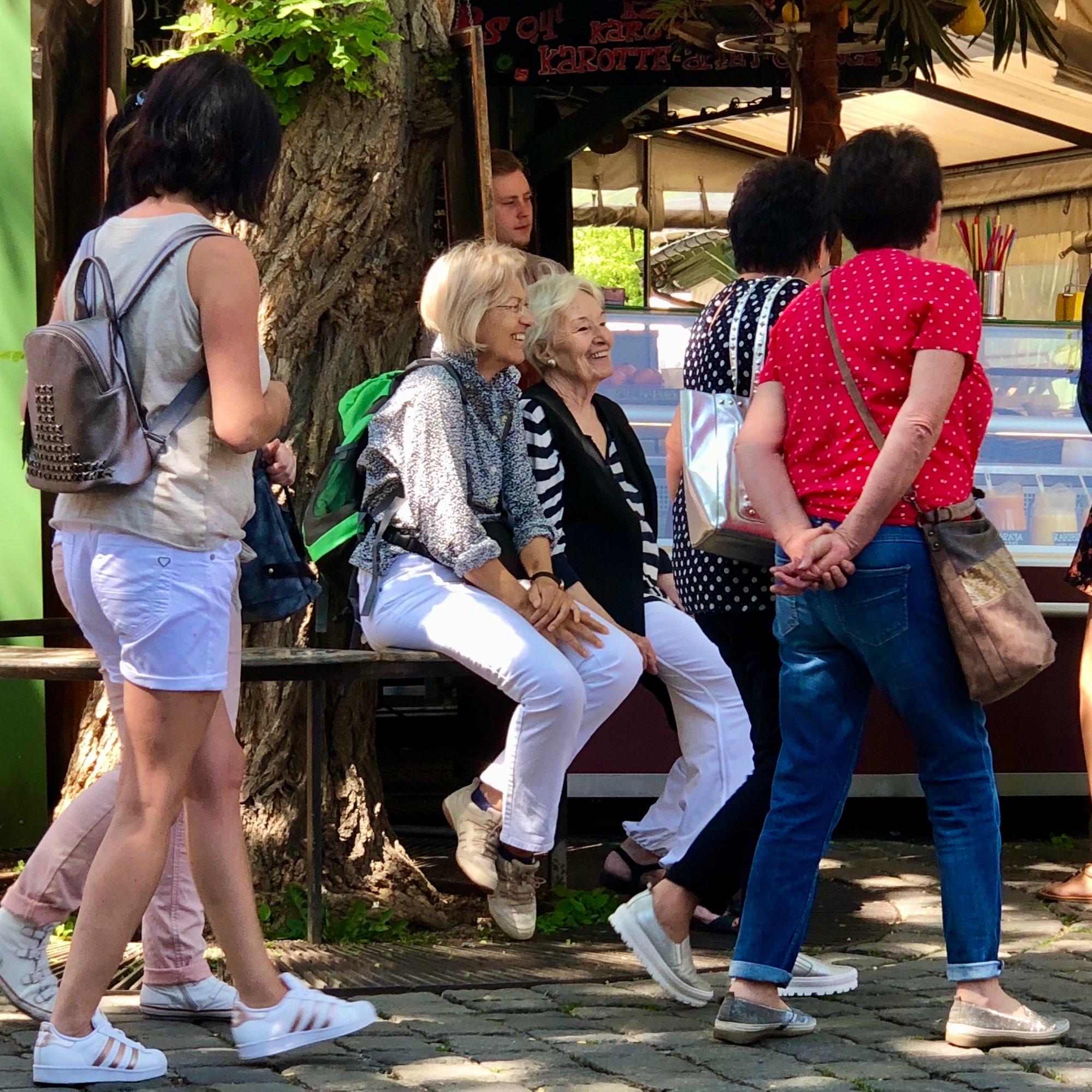
Viktualienmarkt, Munich
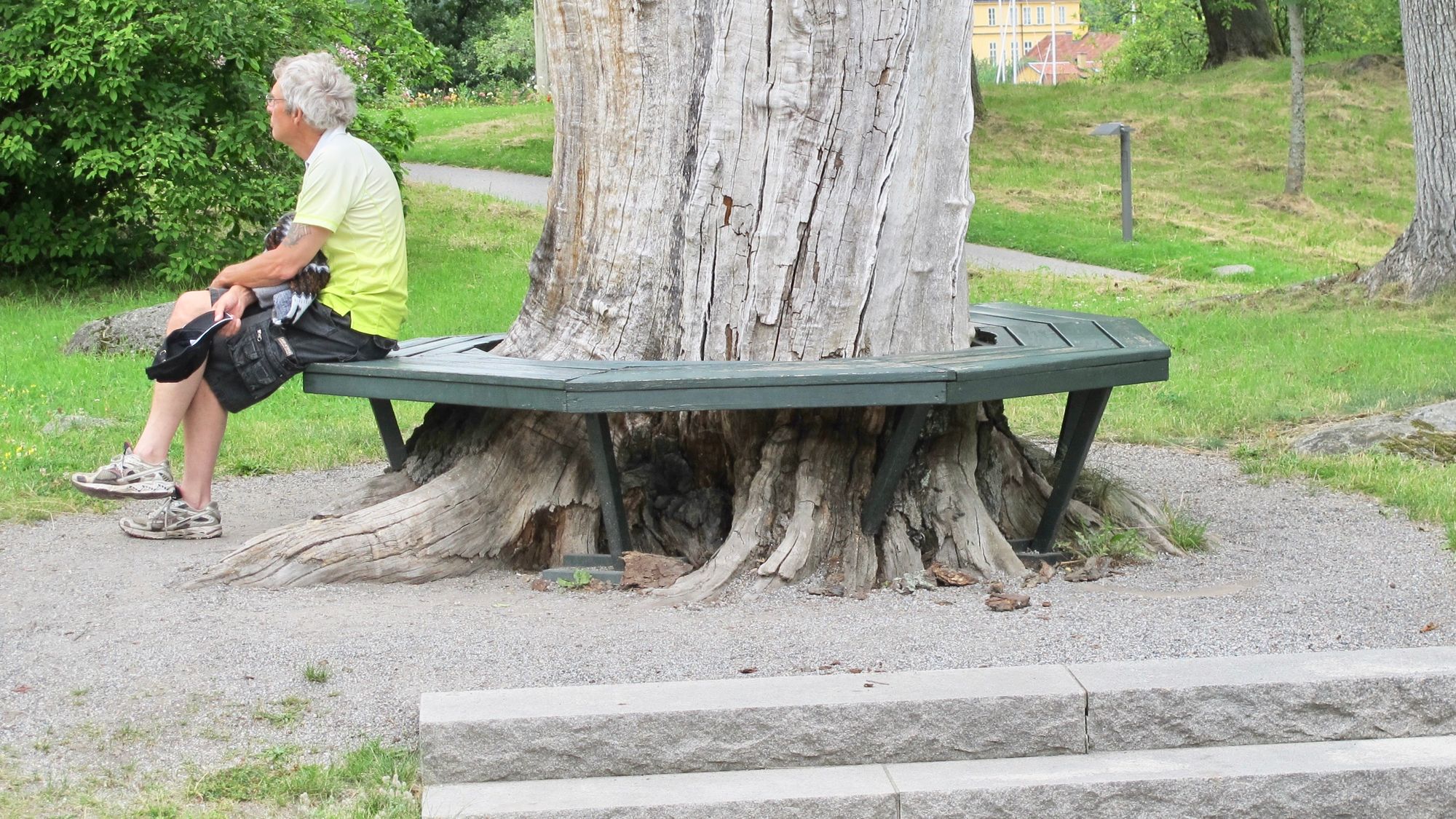
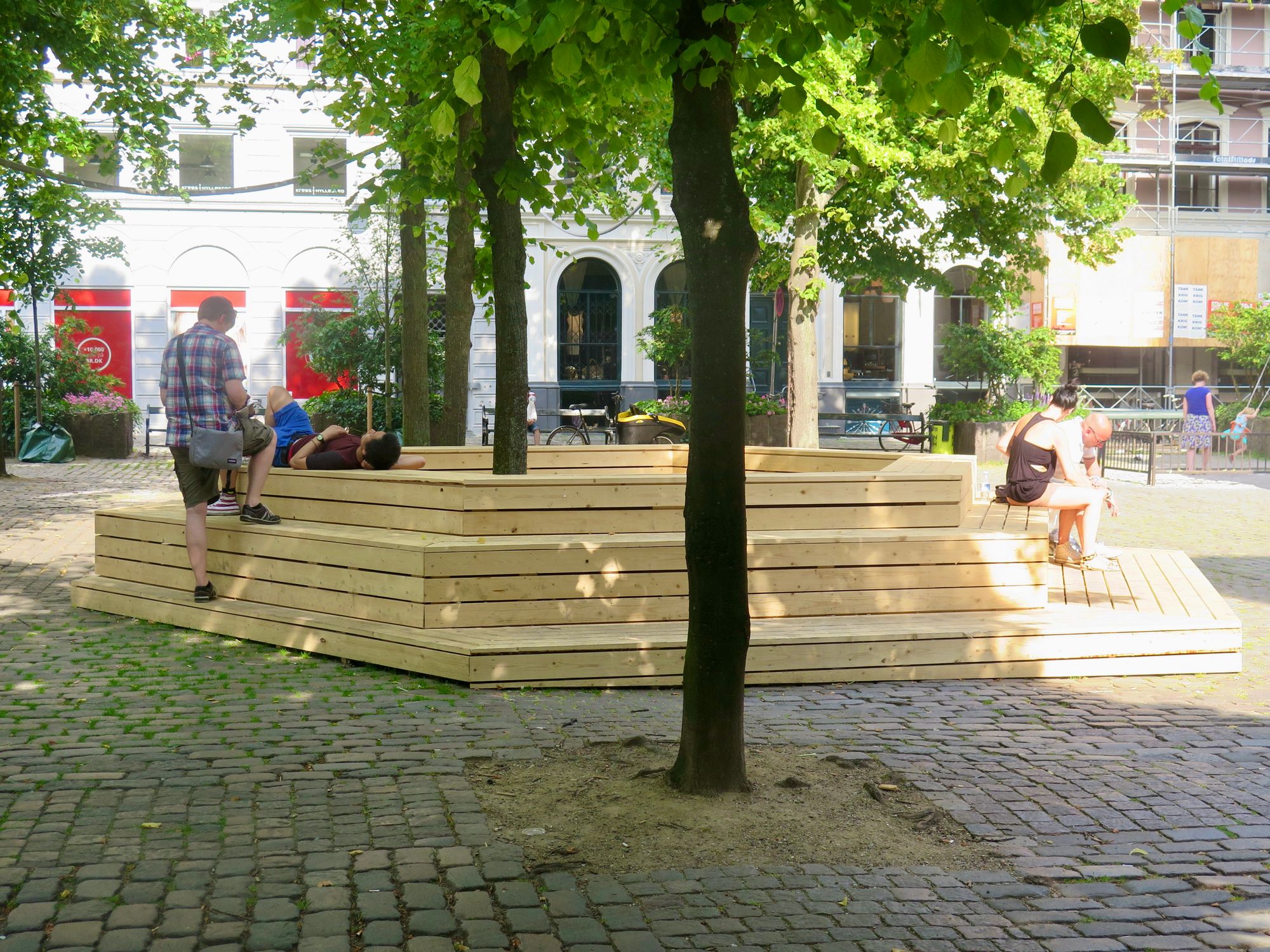
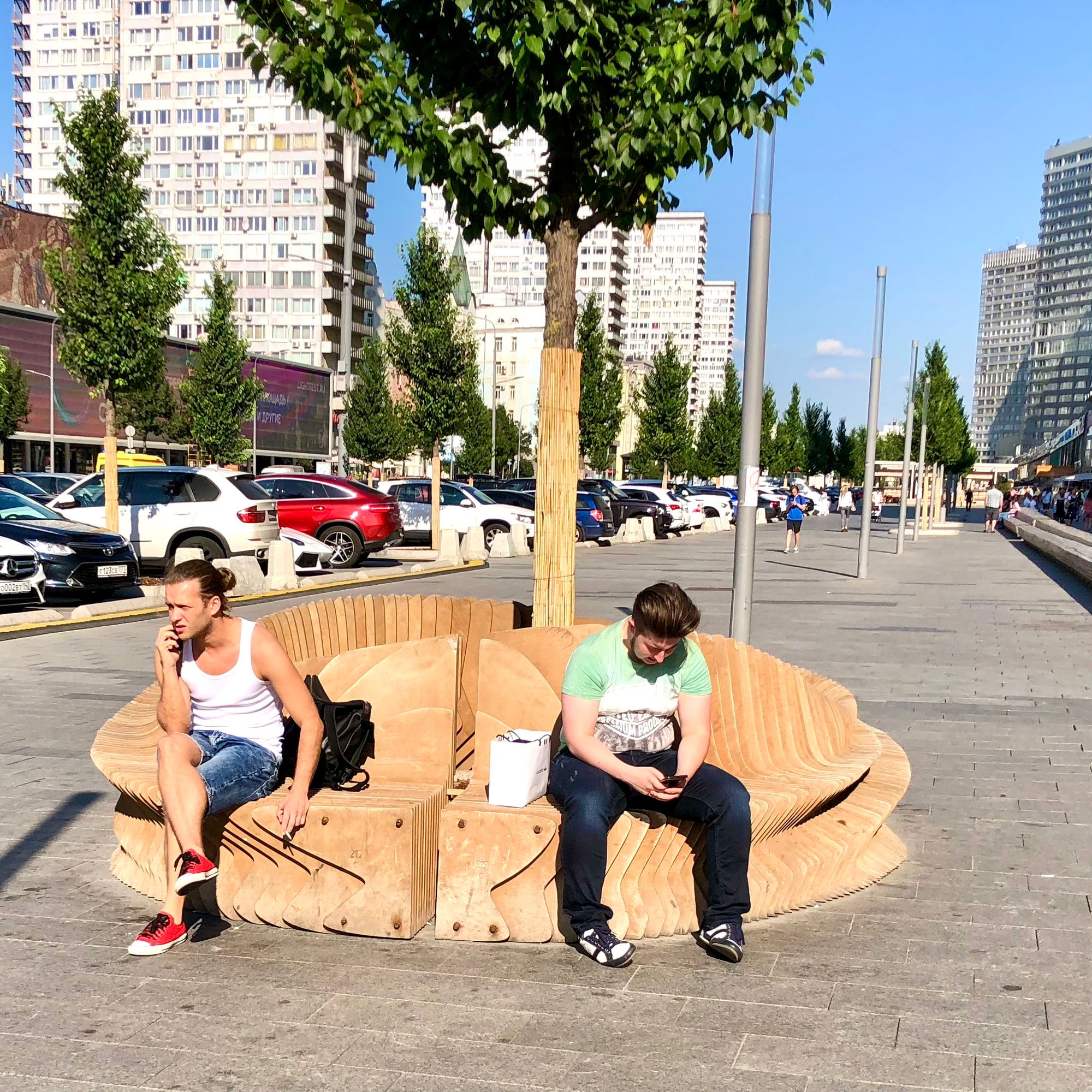
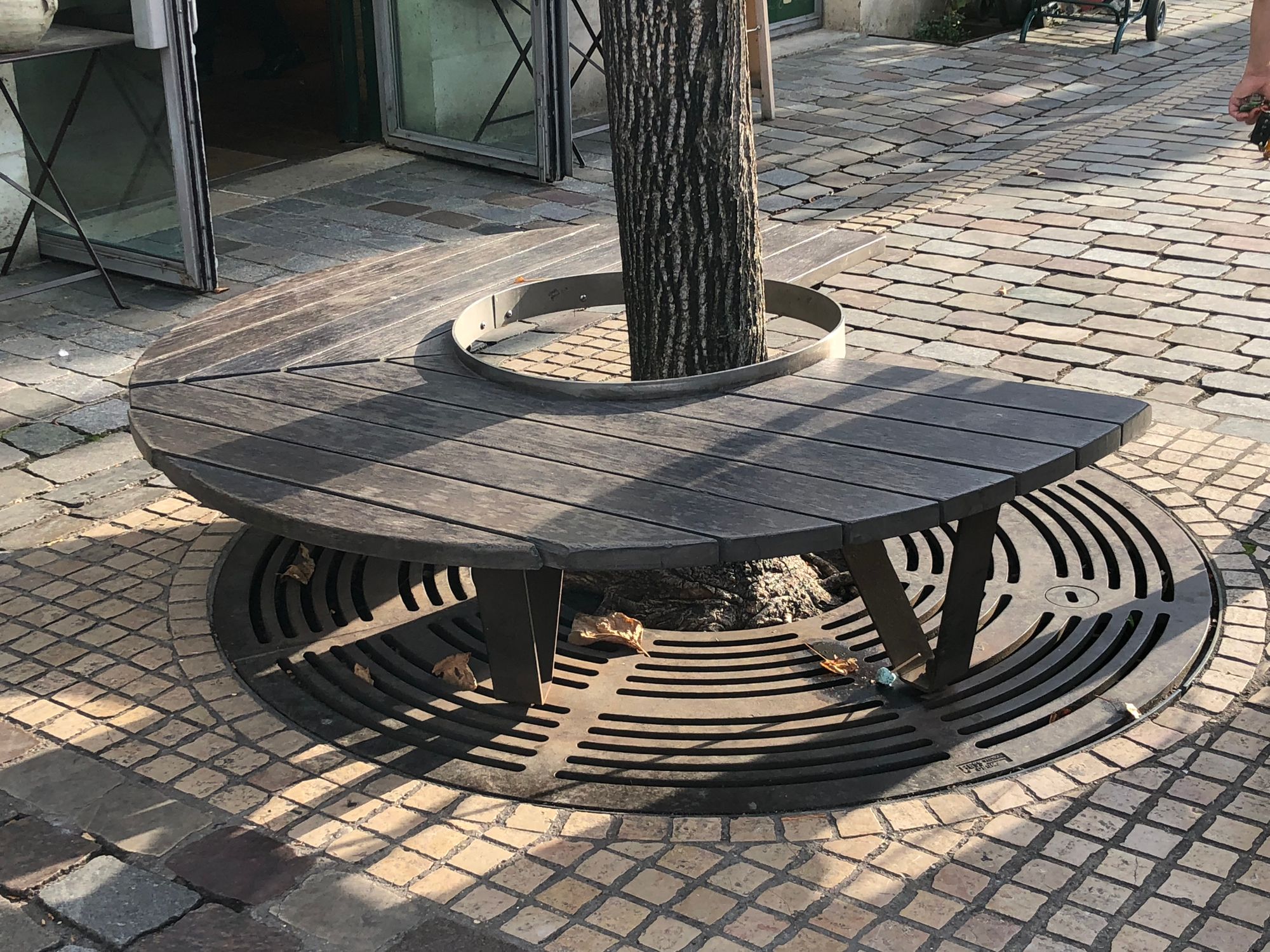
Stockholm, Poland, Otranto, Copenhagen
Tree-guard benches are essential amenities that both preserve nature within the urban context, improve the experience of being out in the city, and act as catalysts to social life. They are staples all around the world and we need more of them in our neighborhoods, not less. Working with the community, such as local business owners, on developing them and setting them up is a great way for them to be well-managed and taken care of. The key to neighborhood improvement is community involvement.
Further Reading
 Fred Kent
 Fred Kent
 Guillermo Bernal
If you are interested in collaborating (articles, presentations, exhibits, projects, and more) or supporting the cause contact us.