
Where the Sidewalk Continues: Using Shared Space to Bridge Social Life Across Intersections
Implementing shared space at intersections can transform them from car-centric wastelands into vibrant gathering places for the community.

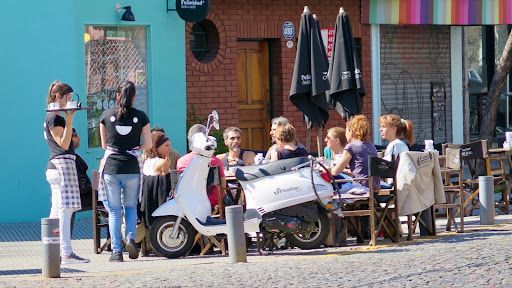
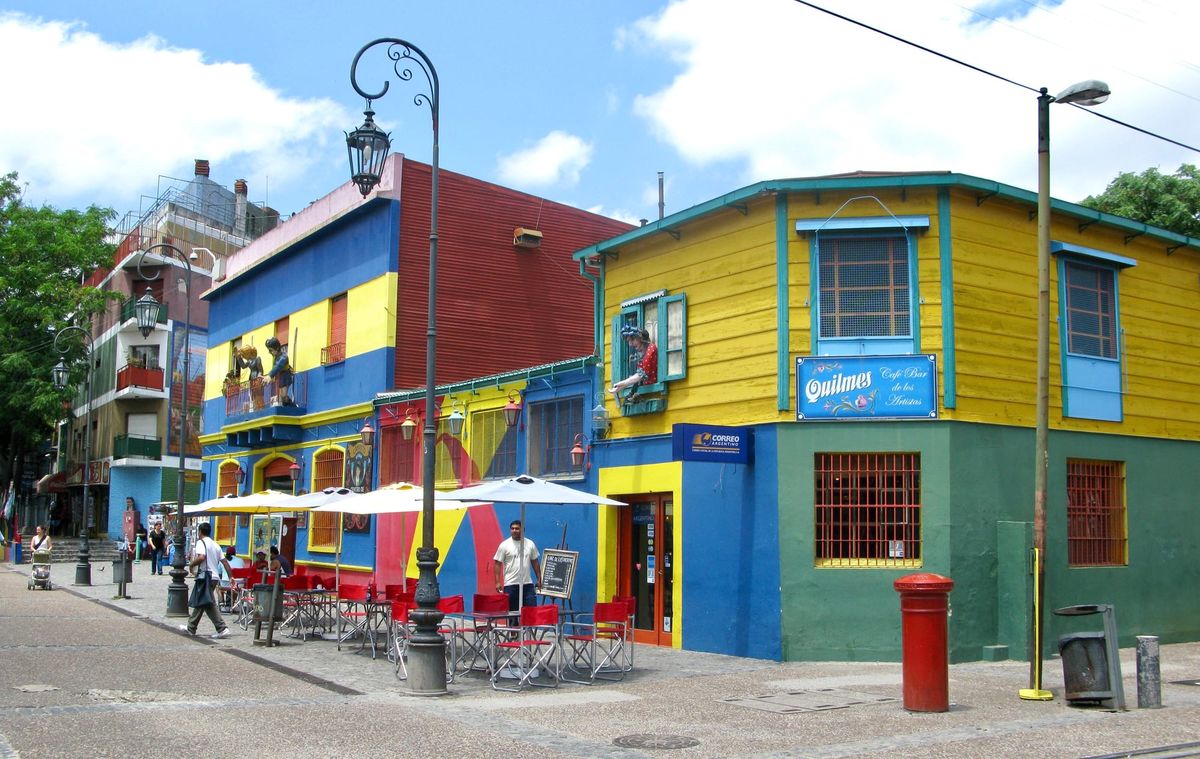
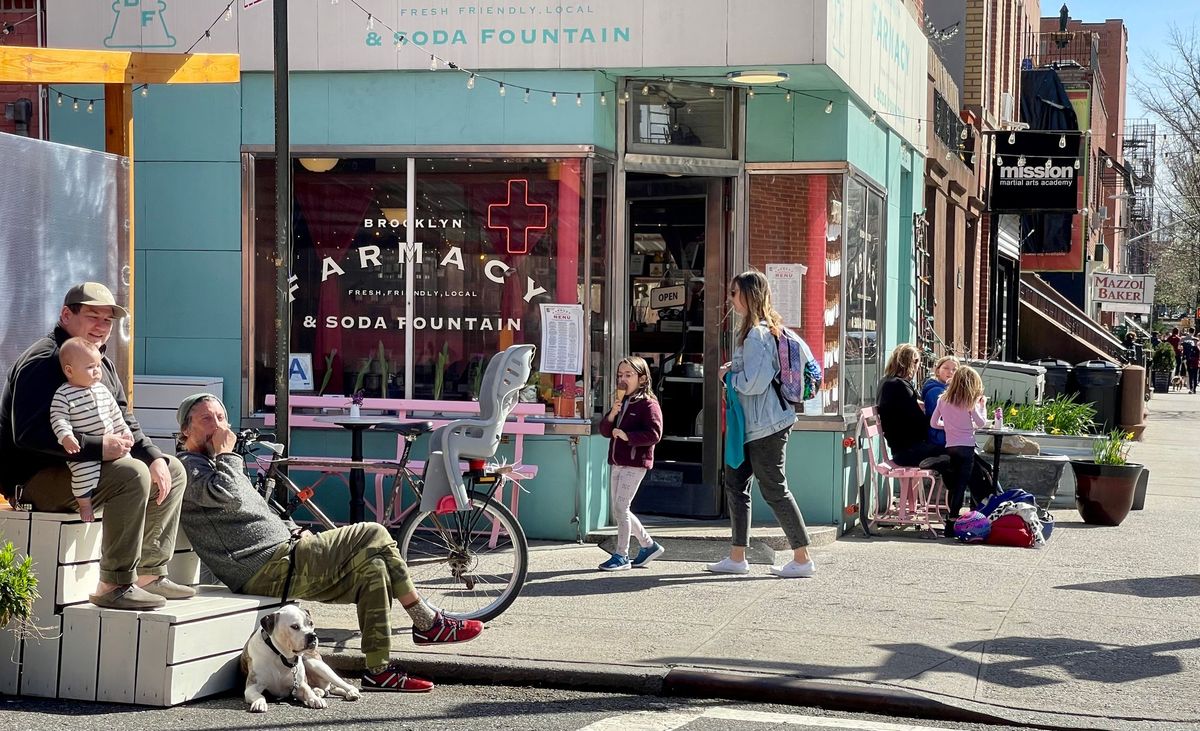
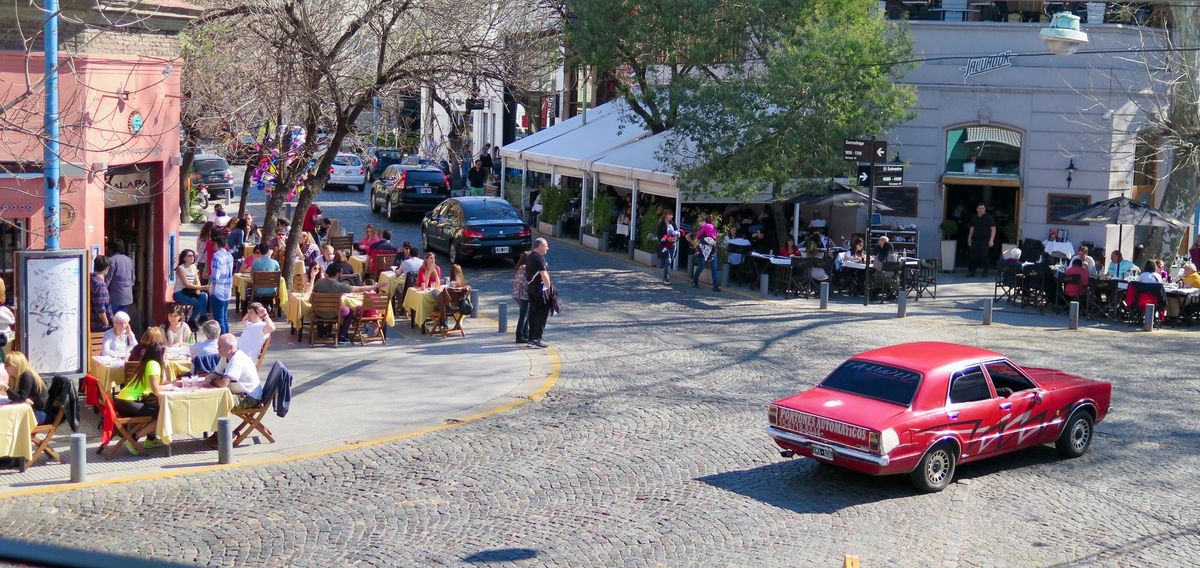
Corners are places where people gather; they are gateways; and, they can give identity to the history and people that made that community special. They are the most basic form of public space, linking not only neighborhoods but also marking where people's paths naturally cross. When these spaces are built to welcome people instead of vehicles , you have the makings of a strong, interconnected community.
Implementing shared space at intersections can transform them from car-centric wastelands into vibrant gathering places for the community.
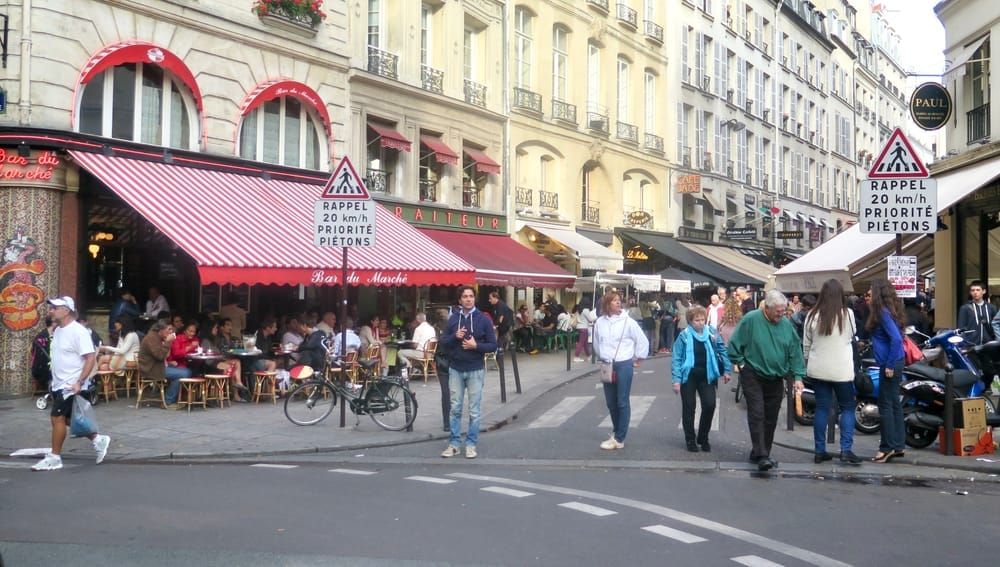
Corners, by definition, connect people. These 8 cities have created some of the most vibrant, interesting corners in the world that make the most of this important role.
There is no bigger opportunity than creating an intersection that connects rather than divides. Connecting people to businesses and to each other helps everyone – social life, community, and the local economy.
There is no bigger opportunity than creating an intersection that connects rather than divides. Connecting people to businesses and to each other helps everyone – social life, community, and the local economy.
In an era where social isolation underlies so many of our society's challenges, a simple bench can draw us outside of our private lives, enabling us to gather and connect.
You can tell a great city by its corners. If the intersection is owned by the vehicles, it is a city for cars and traffic. If the community controls the intersections/corners, it is a city of neighborhoods.
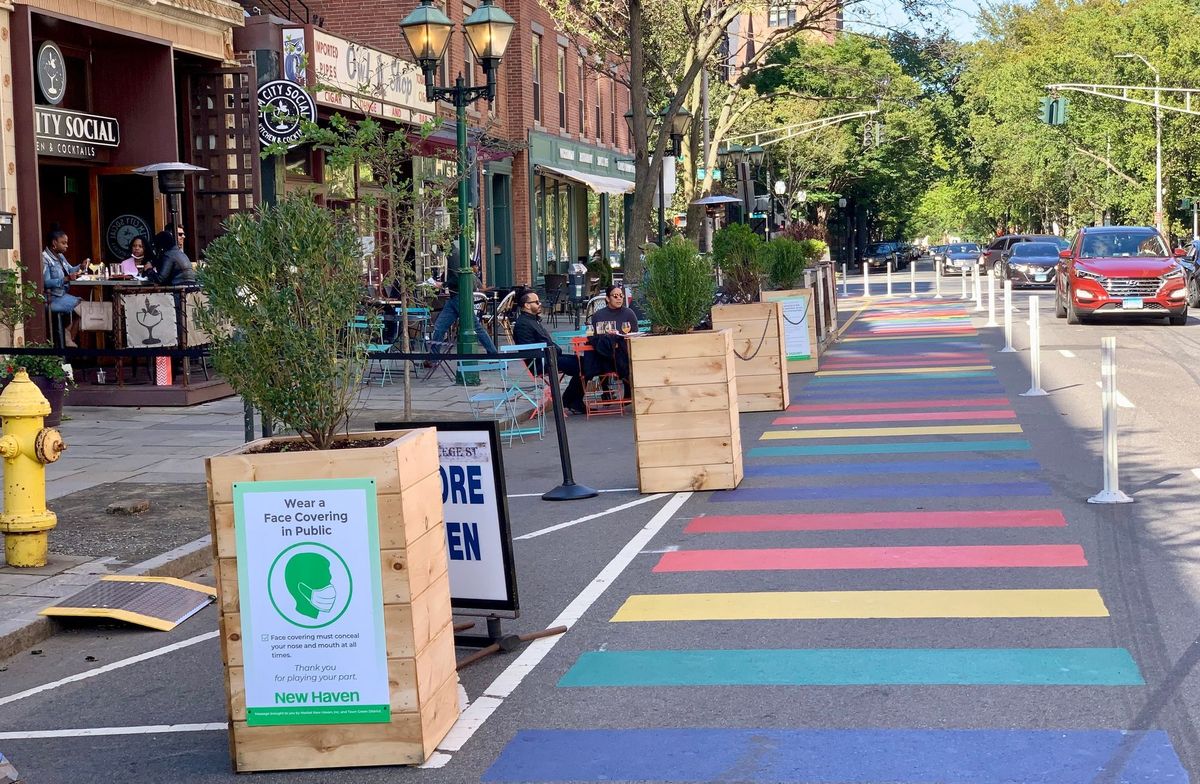
Areas around Yale University in New Haven, Connecticut exploded with social life this past summer and fall — coming alive in spite of COVID-19 — we couldn't help but notice and be reminded of our work there, years ago.