After decades of improving traffic capacity in Midtown, Manhattan – designing streets and intersections for cars instead of pedestrians – we now have a district that has become characterized by vehicles and traffic. While car-centrism is gradually being lifted with the implementation of new pedestrian-friendly policies like congestion pricing, Midtown's street infrastructure has yet to catch up.
Thankfully, there is one example of what a corner at a major intersection could and should look like and it can serve as an example for those (hopefully) upcoming changes – Bryant Park's corner at 42nd Street and Avenue of the Americas (6th Avenue). Having this one shining example gives us exposure to what Manhattan has the potential to look and feel like if we create more such places.
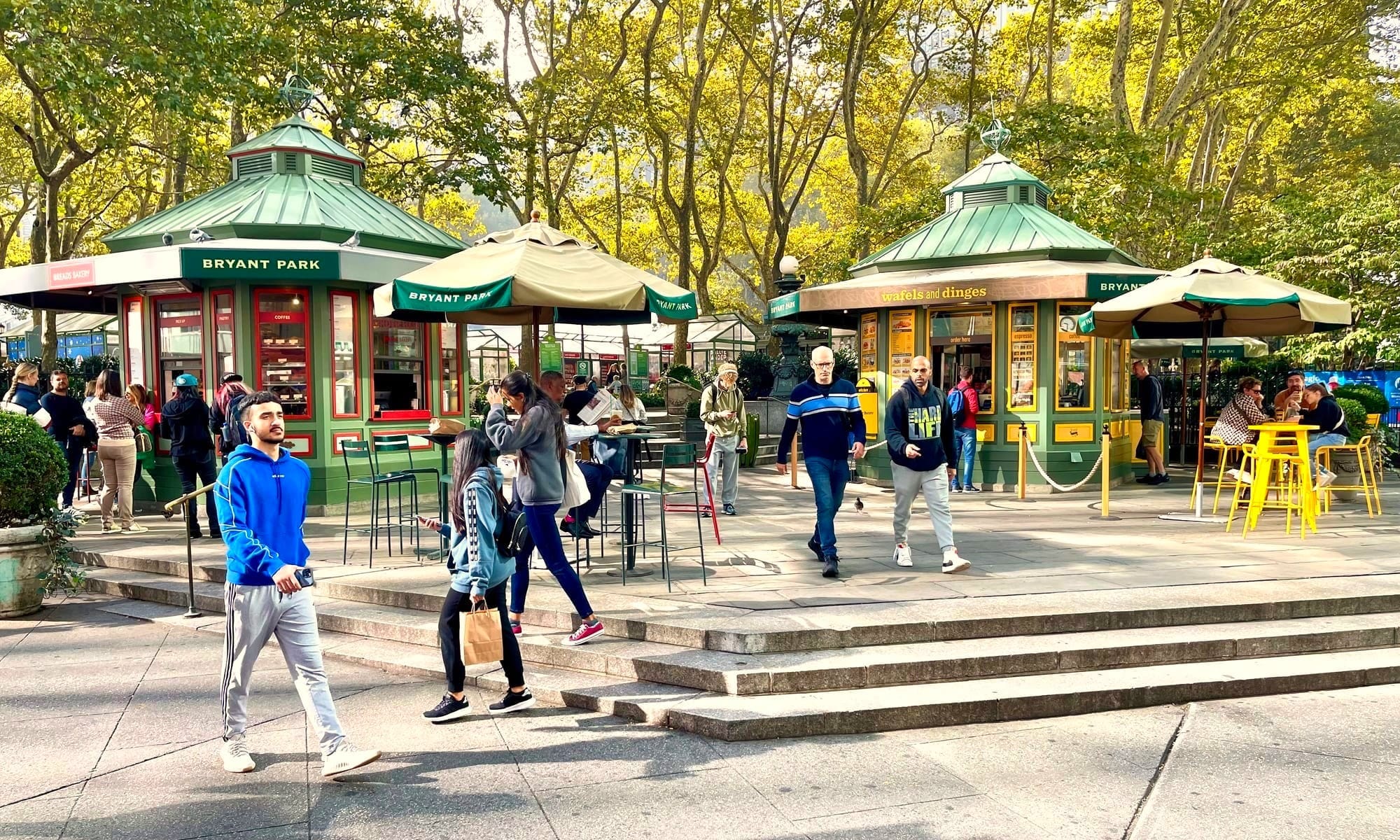
In a Midtown full of dull and hostile corners, only Bryant Park's northwest entranceway exudes vibrancy. Instead of a place where people feel anxious, crowded, and tense, like on most of Manhattan's corners, this corner invites people to hang out, relax, and enjoy themselves. It creates a welcoming gateway into the park and a vibrant connection between this key public place and the city it is nestled in.
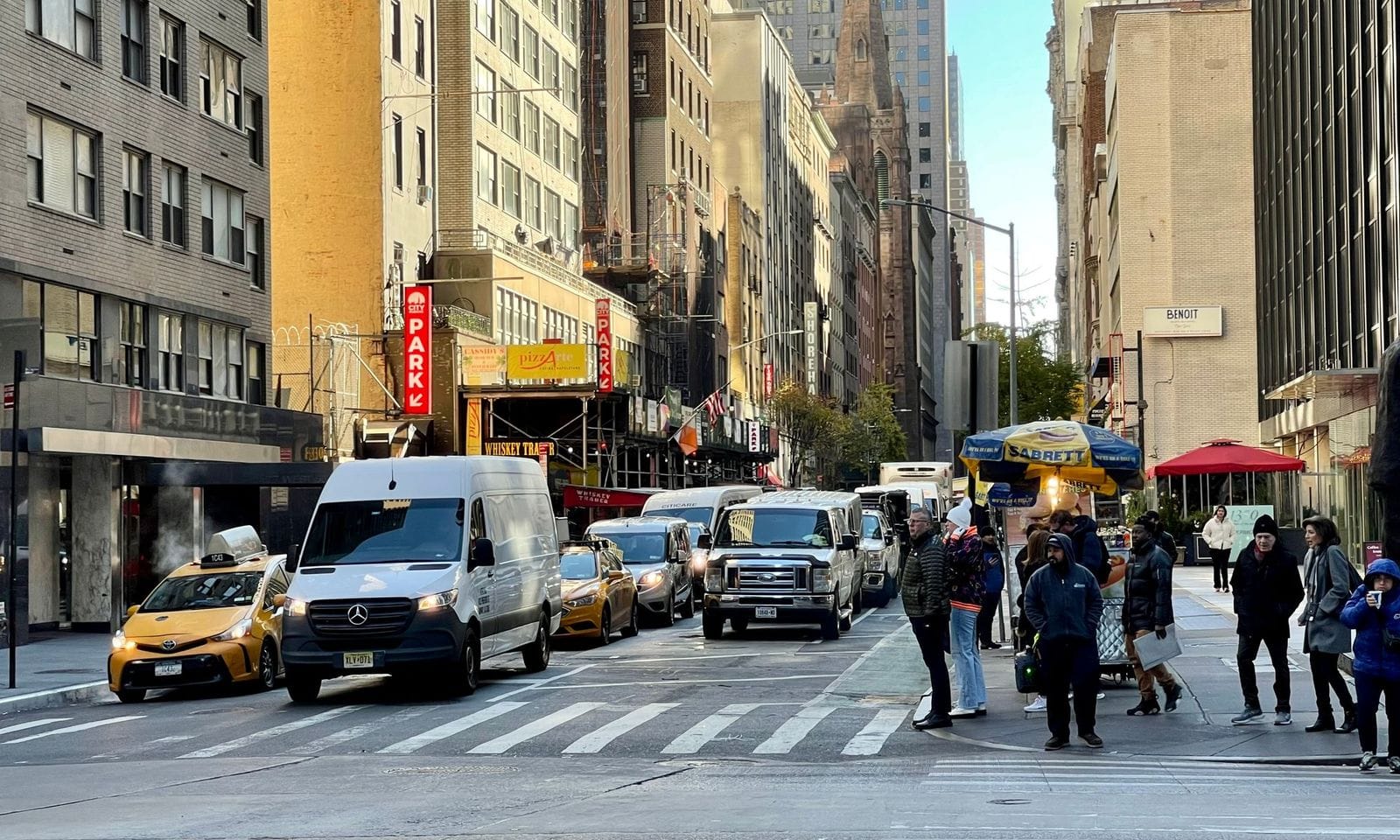
What makes the corner so special becomes even clearer when we compare it to the hostility of every other intersection up and down the Avenue of the Americas as well as along most streets in Midtown. The difference is stark and draws our attention to substantial room for improvement.
In the revitalization plan for Bryant Park that we put together with our original organization, Project for Public Spaces, in the 1970s, the reworking of this corner made up a big part of our recommended changes. That is because we believed – and still do – in the power of a good corner to transform a space.
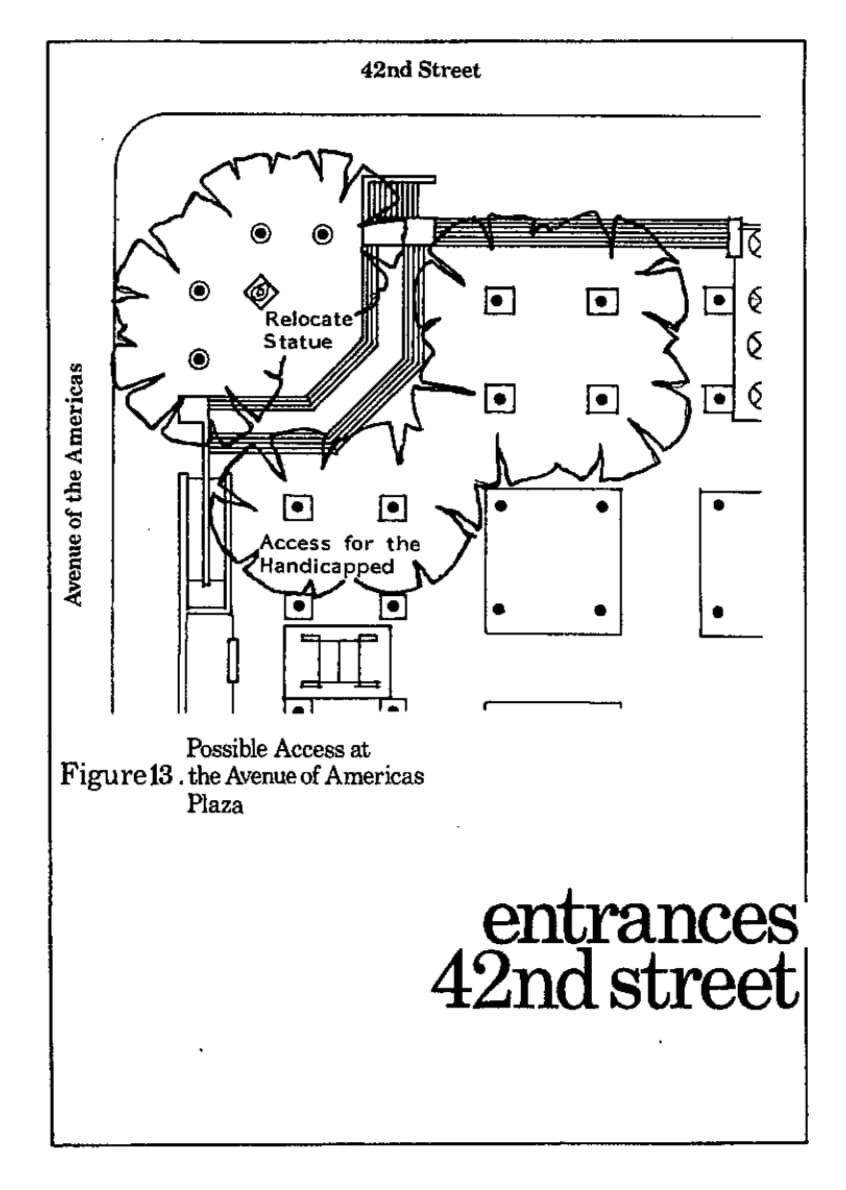
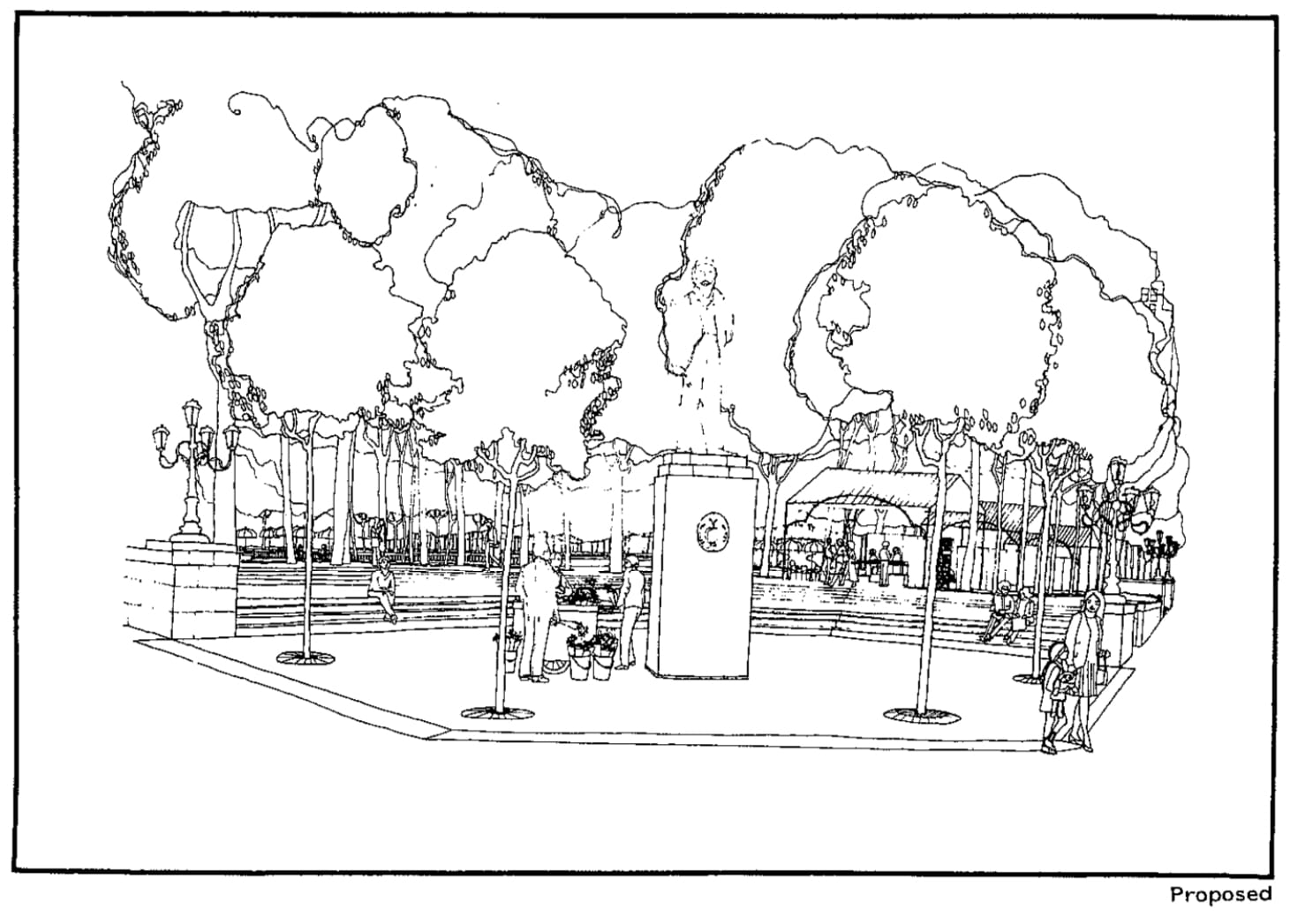
Graphics from our report proposing transformations to this corner
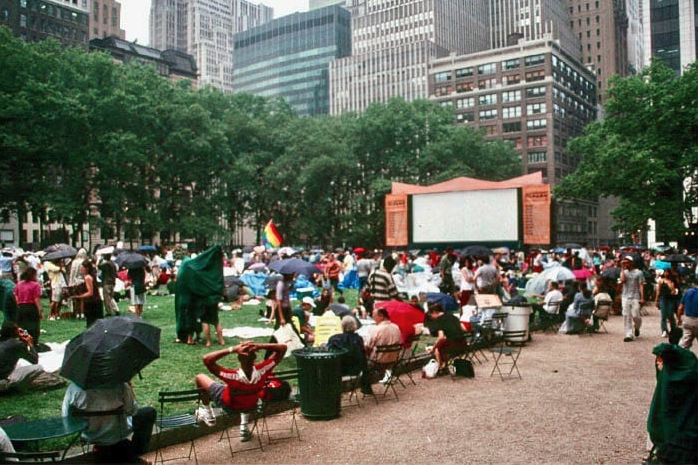
Below you can see what the entranceway to the park used to look like. At the time of Bryant Park's lowest popularity, this corner was characterized by high walls, low visibility, an absence of activations, and an imposing black monument in the place where the entrance should have been. It is no surprise then that few people at that time felt welcomed to enter the space, apart from those seeking privacy for illicit activities such as drug dealing, which the park was famous for.
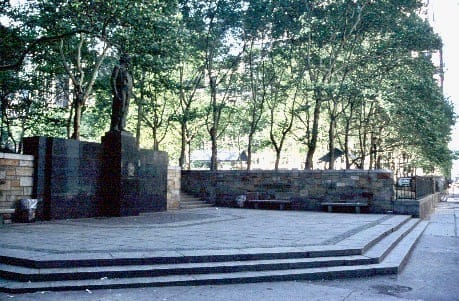
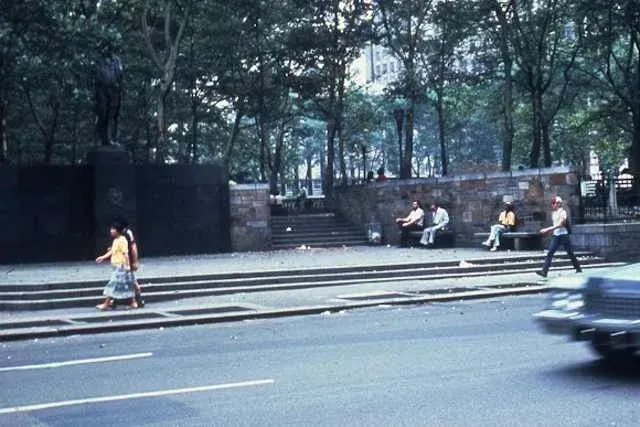
Old Bryant Park entrance
Today, the entrance is as welcoming as can be with a number of features that act as an invitation to public life. Naturally, the activity it now hosts is vibrant and wholesome, in reflection of its design. This is why corners and entranceways are so important – they set the tone for what happens beyond them.
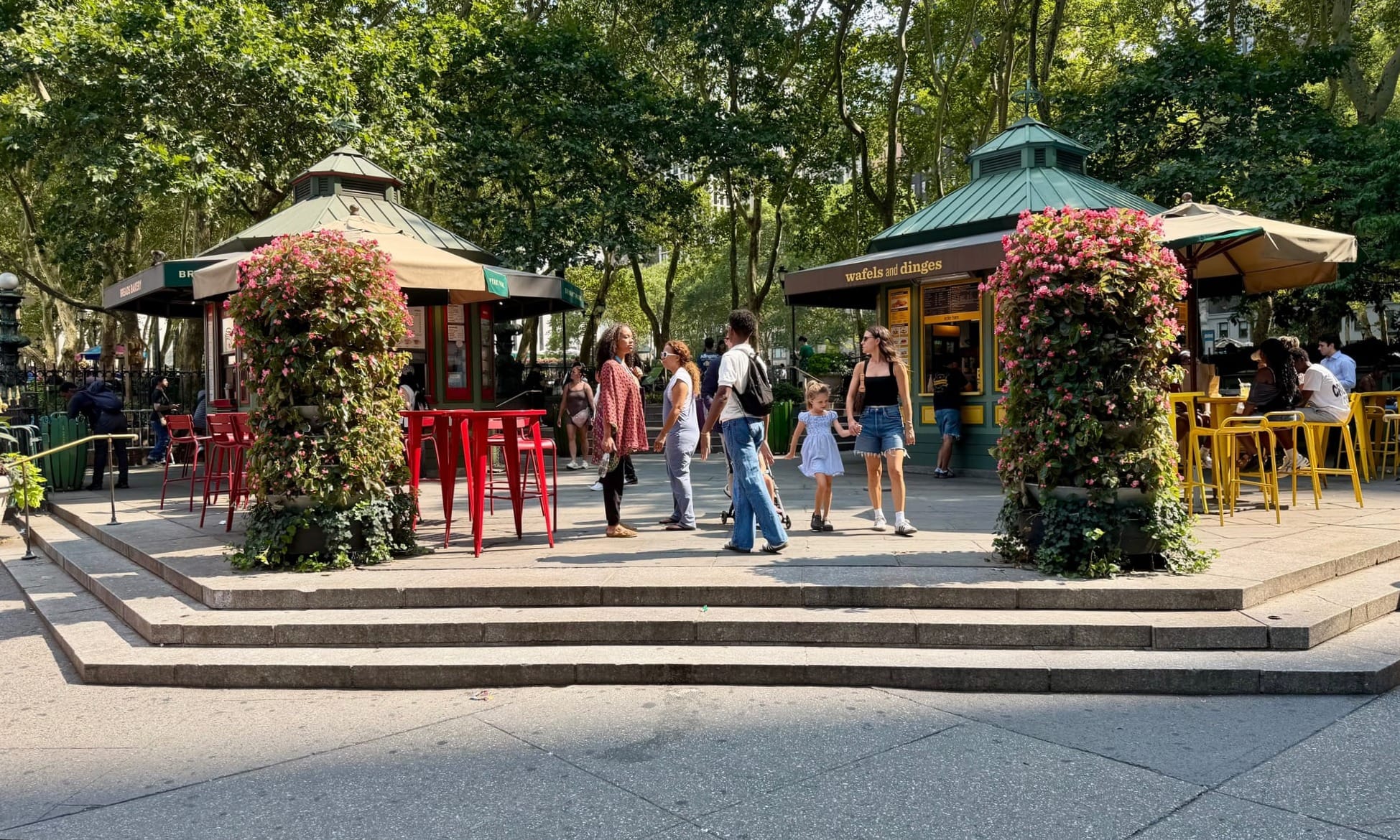
Why Bryant Park's main entranceway shines
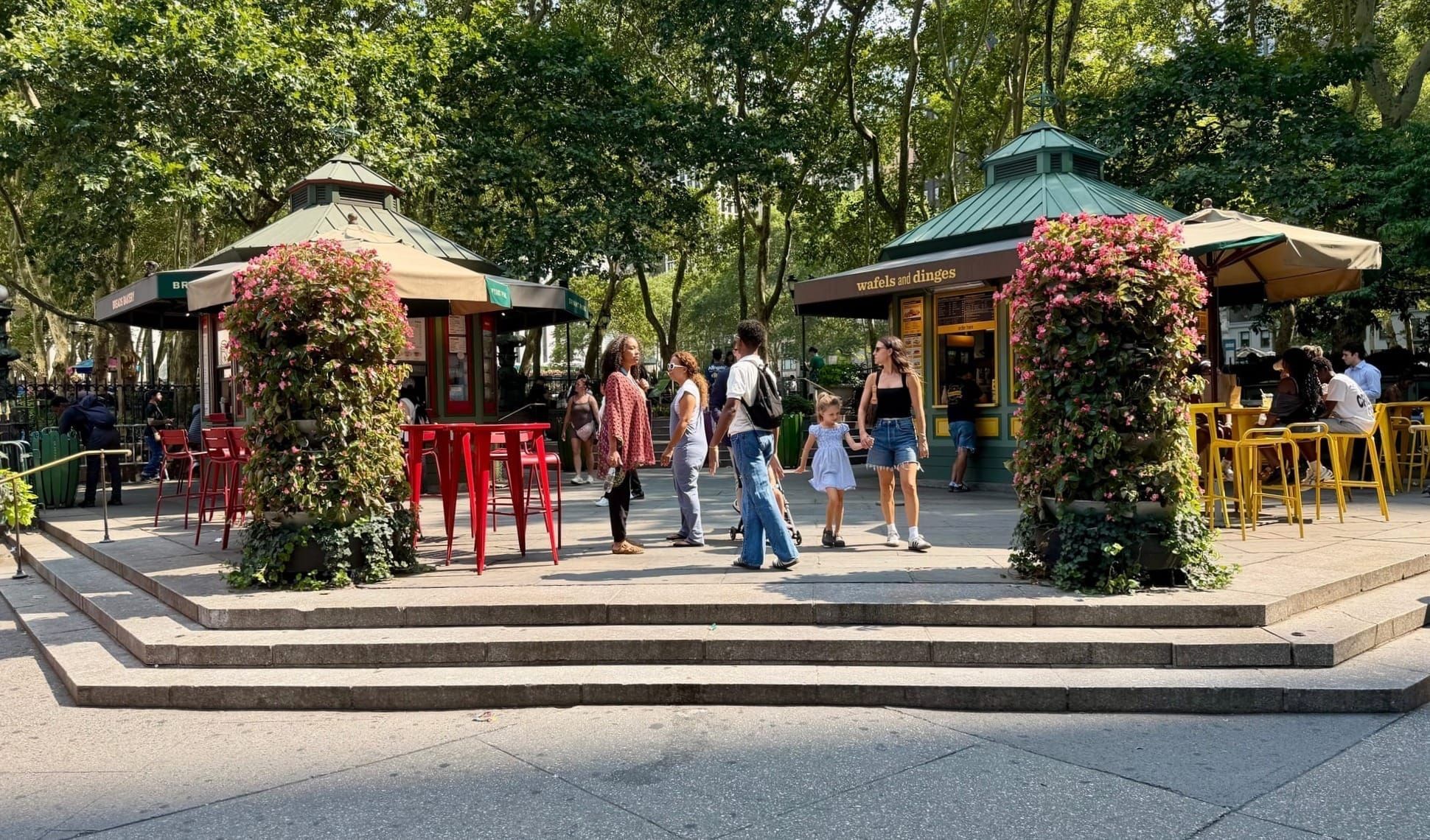
The colorful outdoor seating, cozy eateries, beautiful plantings, and wide inviting stairway at Bryant Park's northwest corner draw people into the park. More than just offering a place to stop before crossing the street, this corner acts like a kind of miniature plaza, complete with focal points, landscaping, eateries, and access points to other parts of the city via its public transit stops. It is a fantastic example of how to create an engaging corner rather than one which drives people away.
At the corner we find:
- Three different places to eat, getting people to stop and linger right at the entrance to the park
- Wide sidewalks that allow space for hanging out and a variety of amenities
- Appealing plantings that add beauty and draw people in
- Visibility into all the interesting things going on within the park
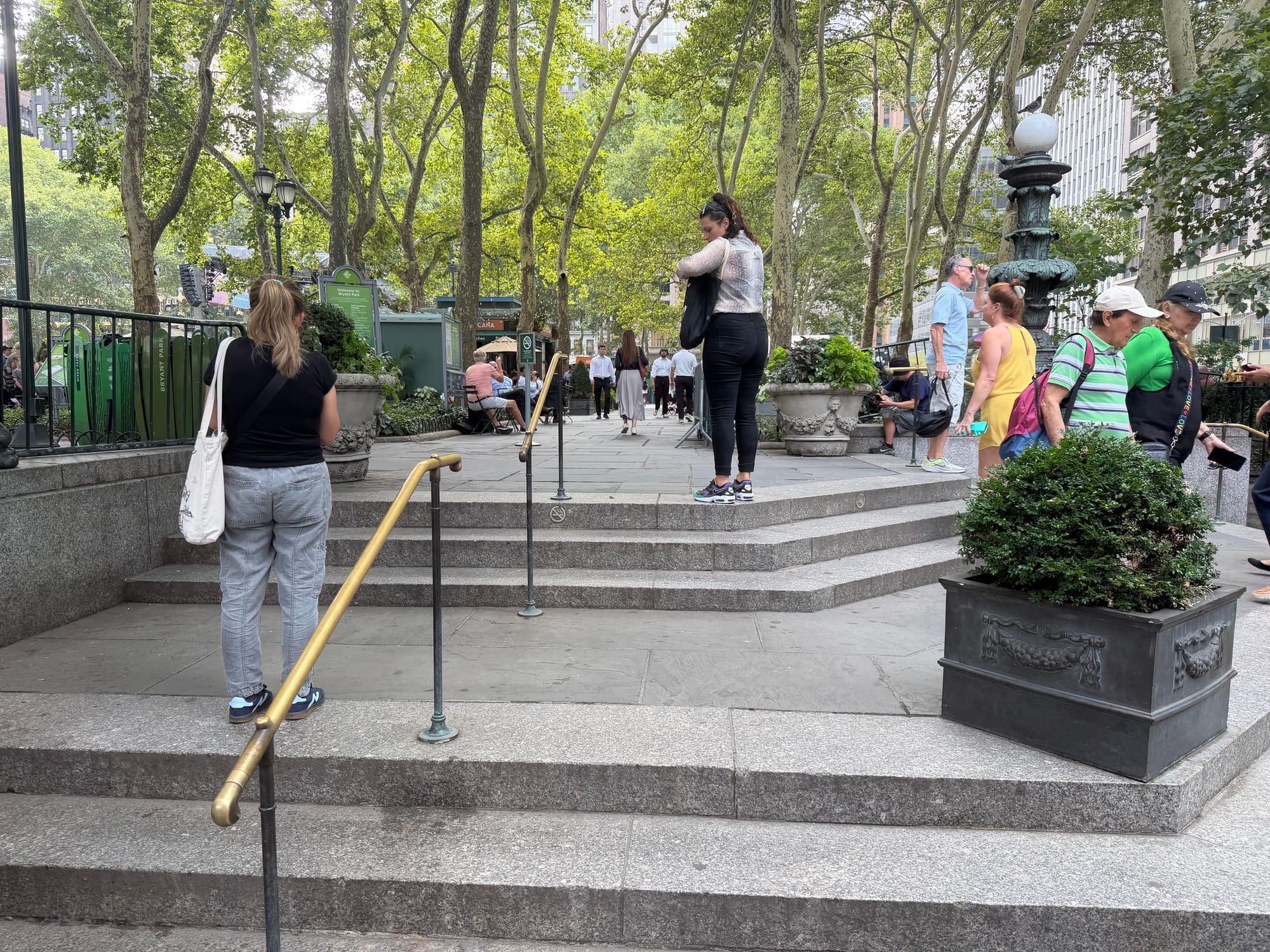
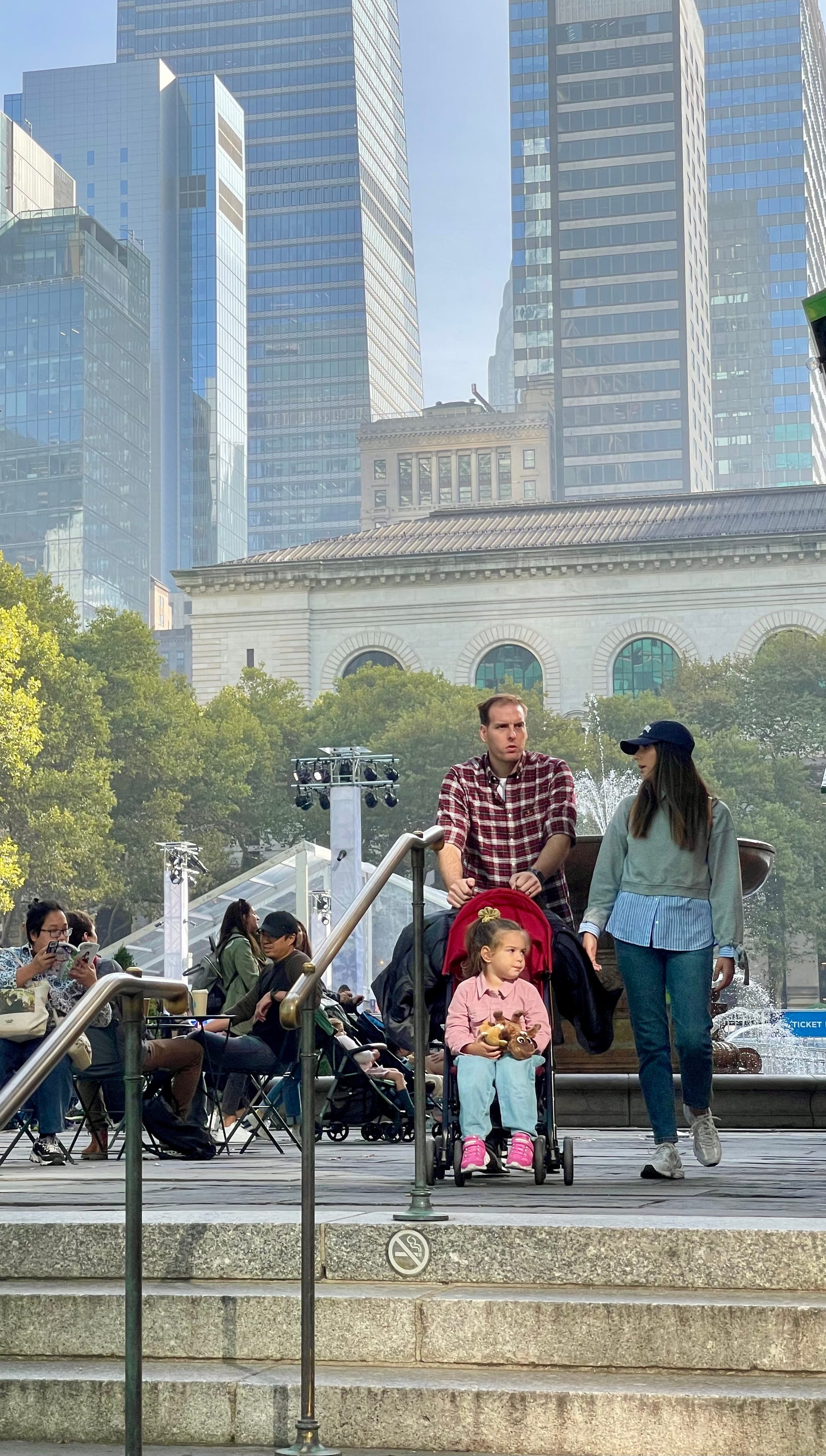
- Wide staircases with low, comfortable steps that invite passersby to venture inside
- Public transit stops which allow for connectivity and increase foot traffic
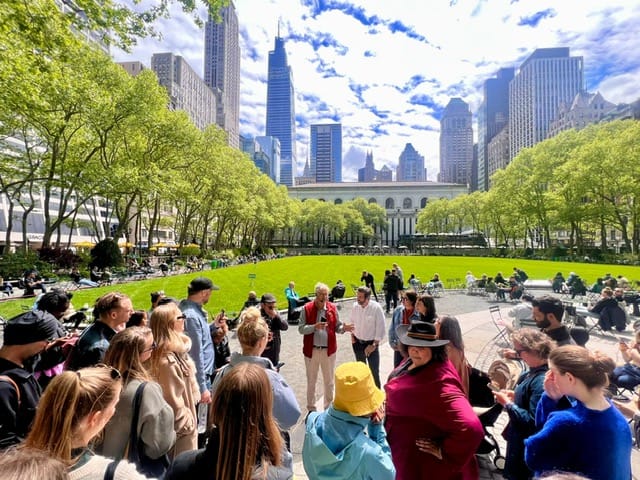
The corner/plaza acts as a preview of the park experience, giving people a "taste" of what they're going to find inside, such as plantings, eateries, seating, social life, and more. This stirs curiosity and invites them to venture in for deeper exploration. It is a great way to achieve harmony between a public place and its surroundings because the corner plaza on the outside leads to another plaza on the inside of the park, creating a natural progression from street to public space.
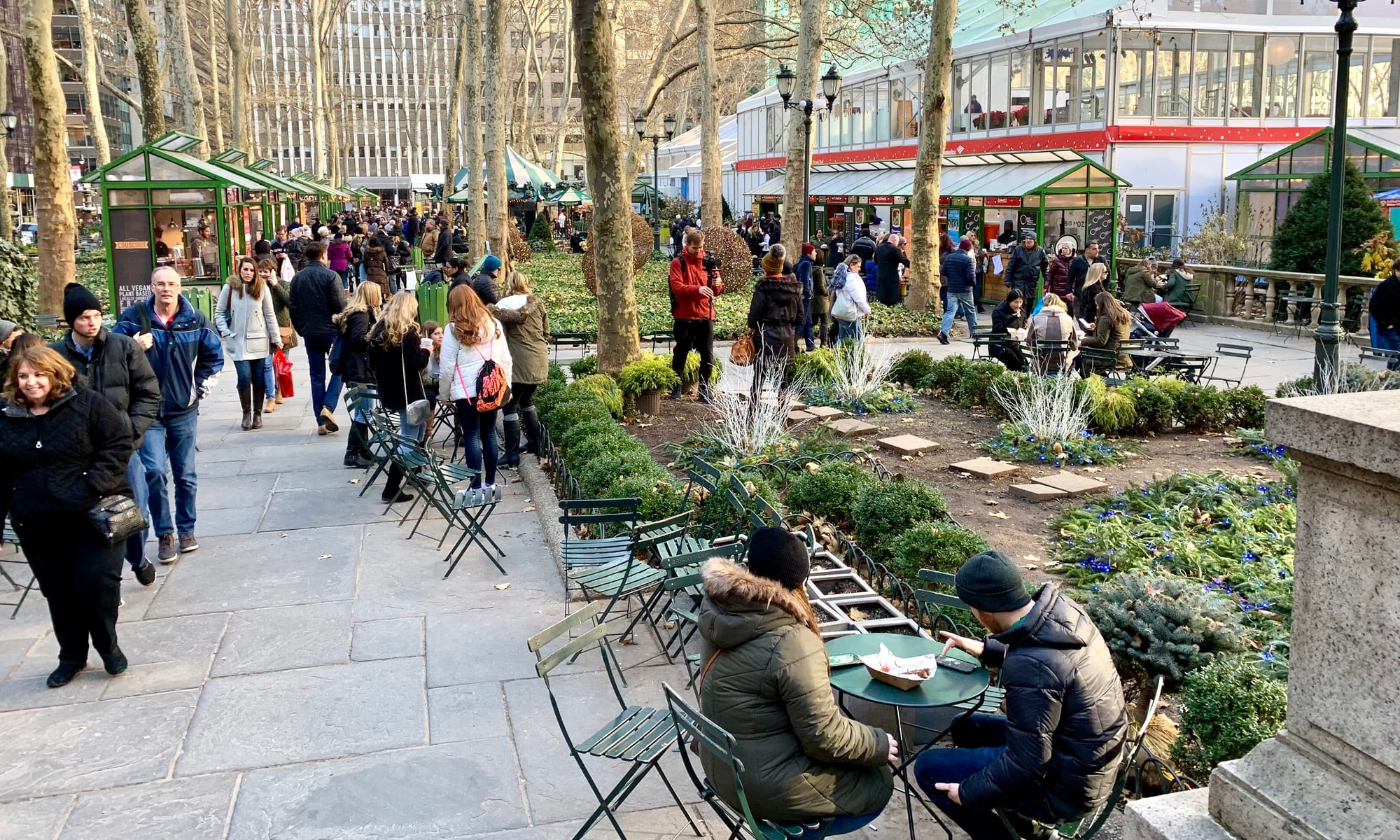
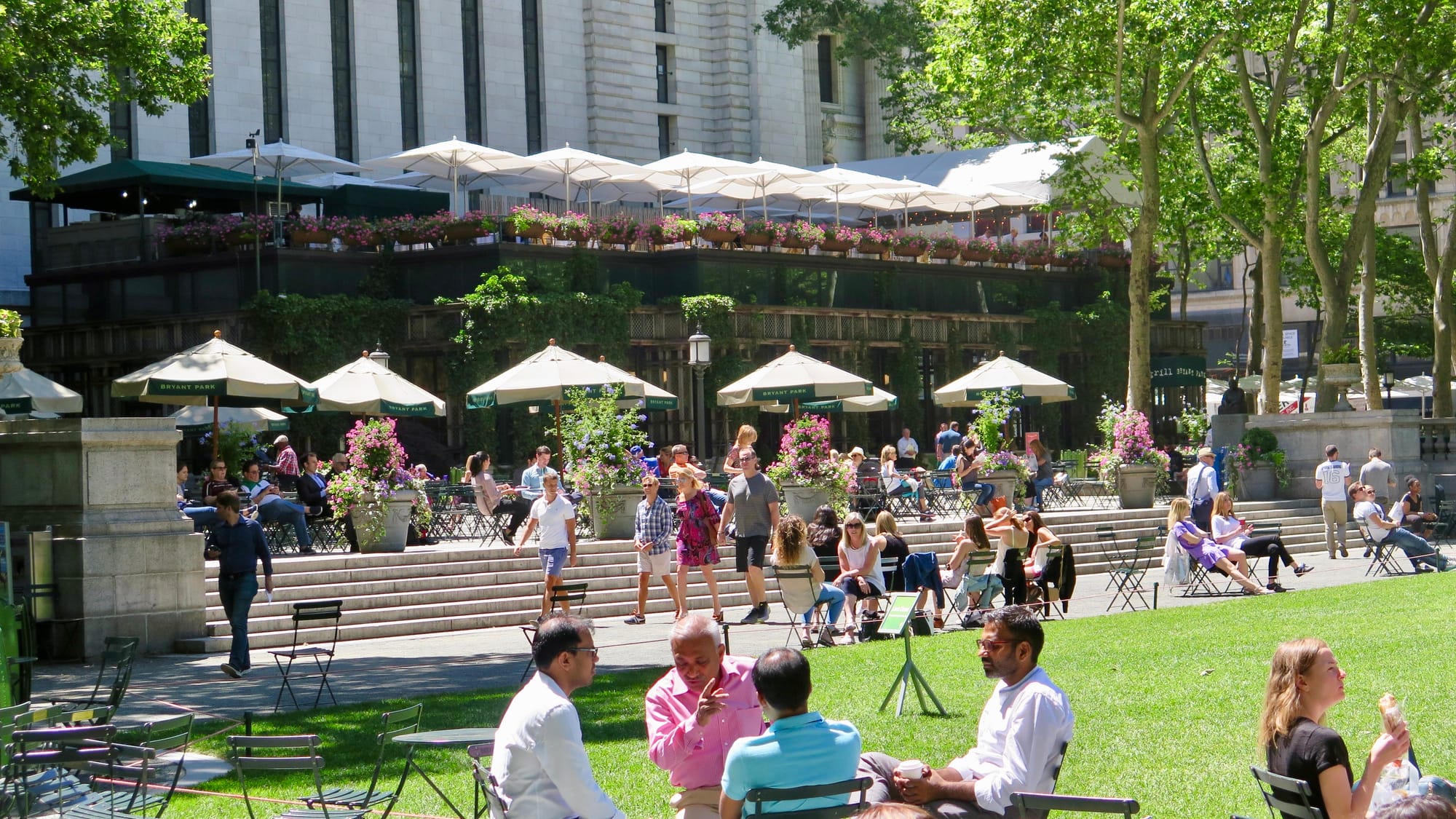
 Fred Kent
Standout Elements of Bryant Park's Entrance
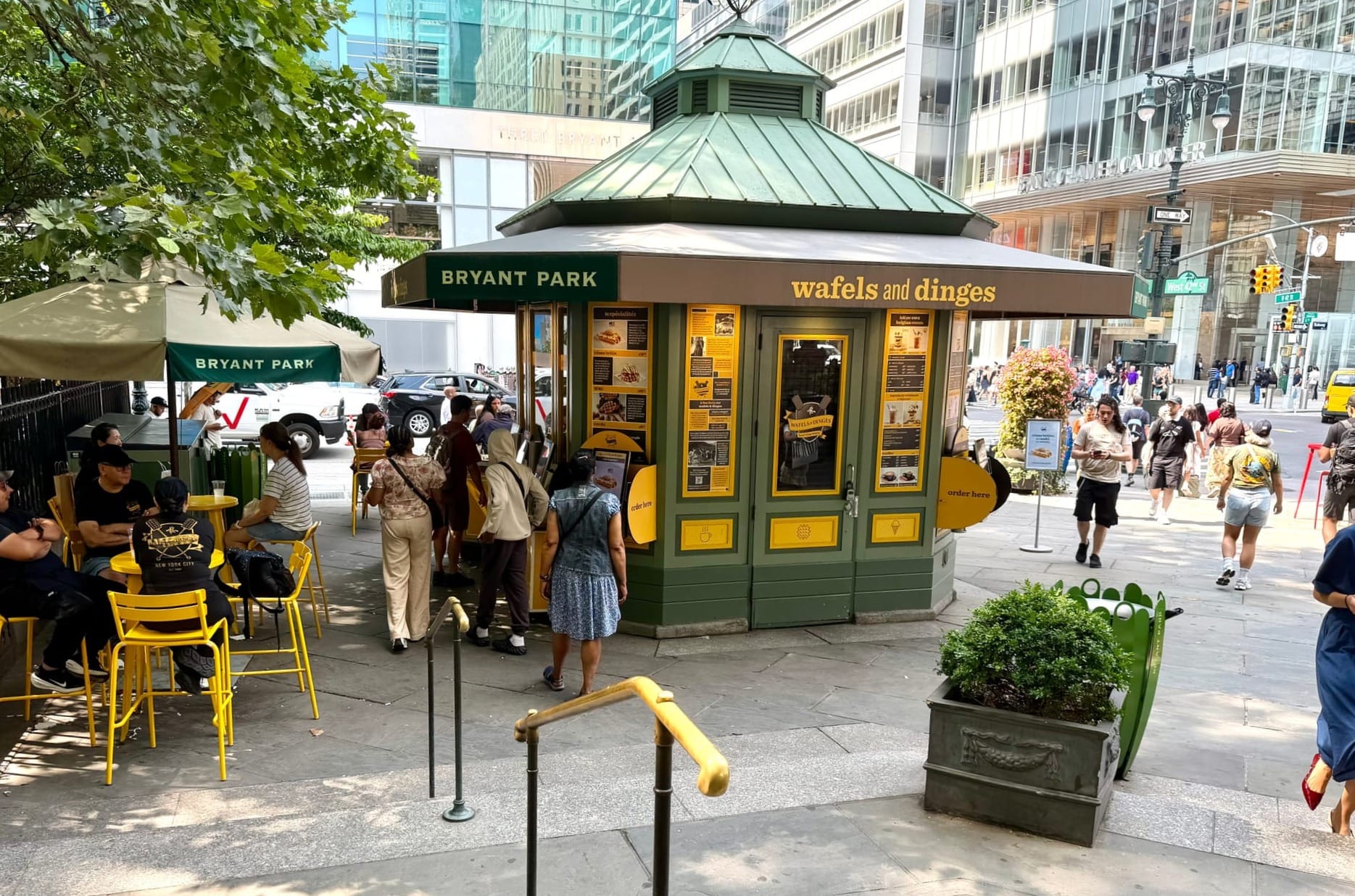
Outdoor dining areas on a wide plaza
Having dining options with outdoor seating right on the sidewalk before people even enter the park lures in visitors and also creates vibrancy on the corner. It transforms the area from car space into people space.
Wide sidewalks
The wide sidewalks here offer enough space for people to cluster in groups, hang out in front of the food offerings, and engage in public life before even entering the park. Instead of squeezing people along like most corners in Midtown do, this corner welcomes them to slow down and "smell the flowers" (or rather, the hot dogs and waffles).
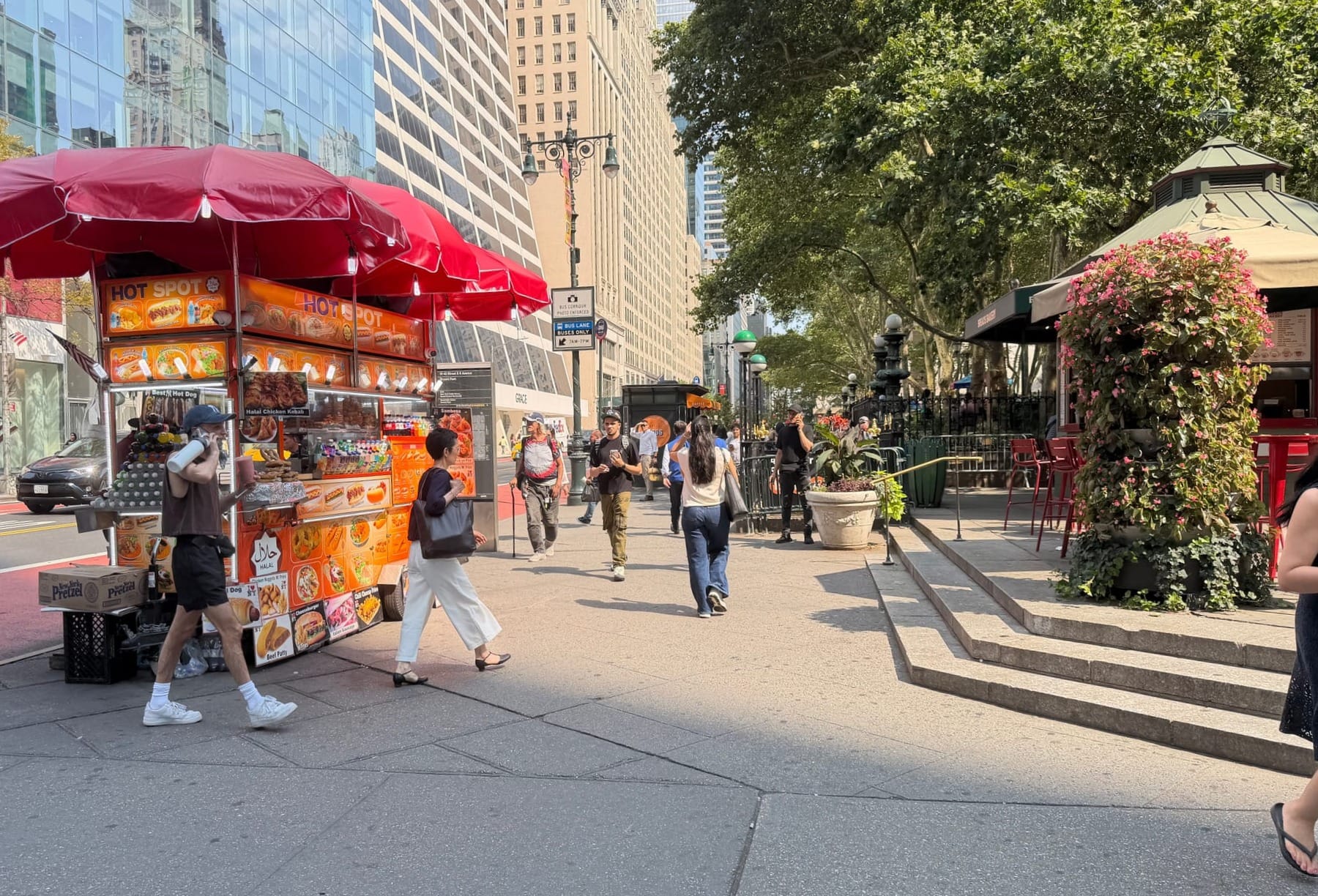
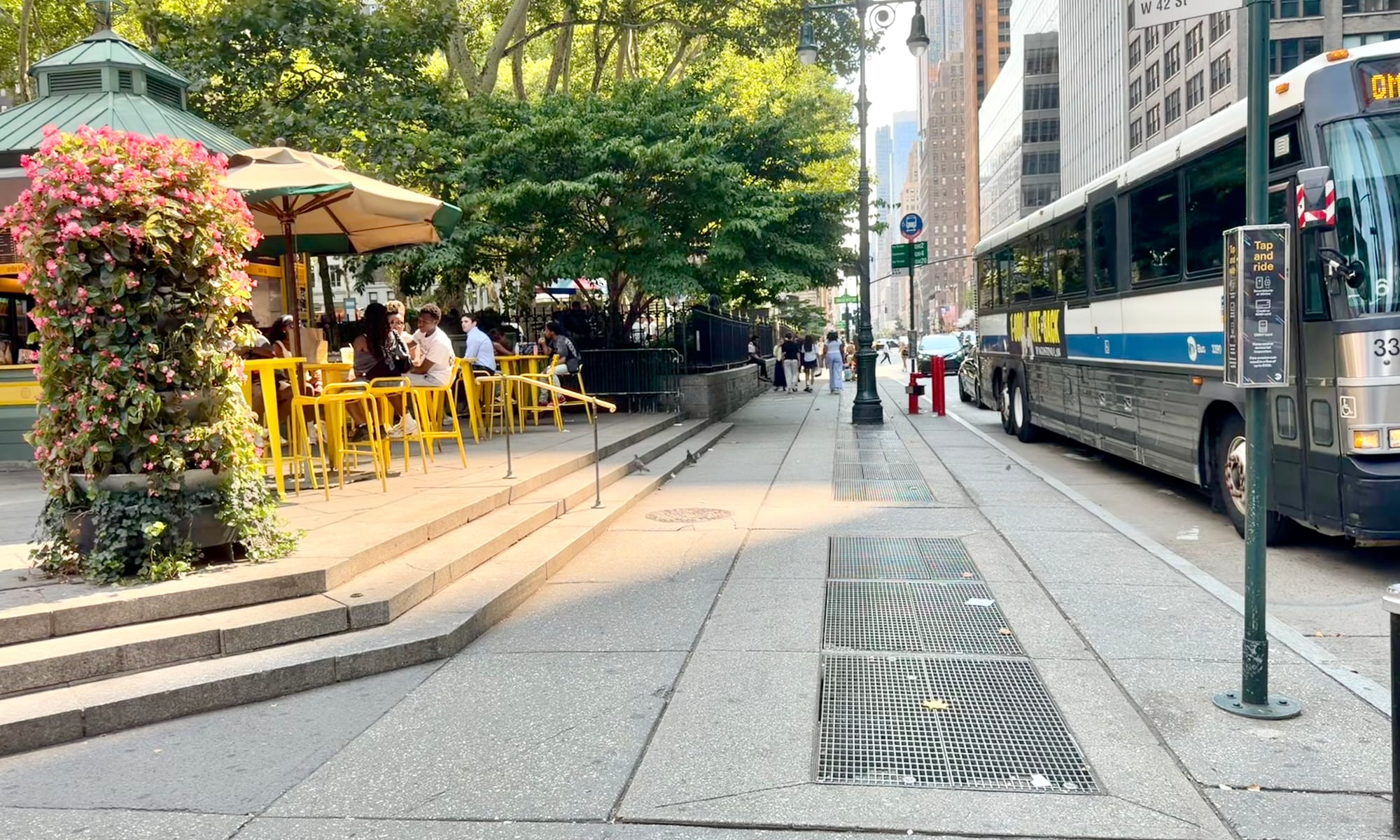
Left and right views of the entrance from the corner
Comfortable, wide staircases leading into the park
A staircase that is too narrow or too steep can function as a barrier to entering a space, therefore the design of the stairs is very important. The stairway at this entrance is wide, with not-too-steep steps that make it comfortable to climb up and down. It also has railings to help people that may need a little extra stability and plantings to punctuate it so that it is visually pleasing.
Midtown is Dominated by Killer Intersections
In Midtown, NYC, there are no other corners quite like this one. NYCDOT does not favor corners of this sort because they prioritize foot traffic over car traffic. Every other corner in Midtown is just a spot where people wait anxiously to cross the street, inches away from cars. Nothing of interest is happening on most of these corners because the more social and commercial activity on a corner, the more potential friction with traffic throughput. We call such hostile, car-centric intersections "killer intersections" because they are not only dangerous, they also destroy a city's vibrancy.
Even the corners of landmarks disappoint
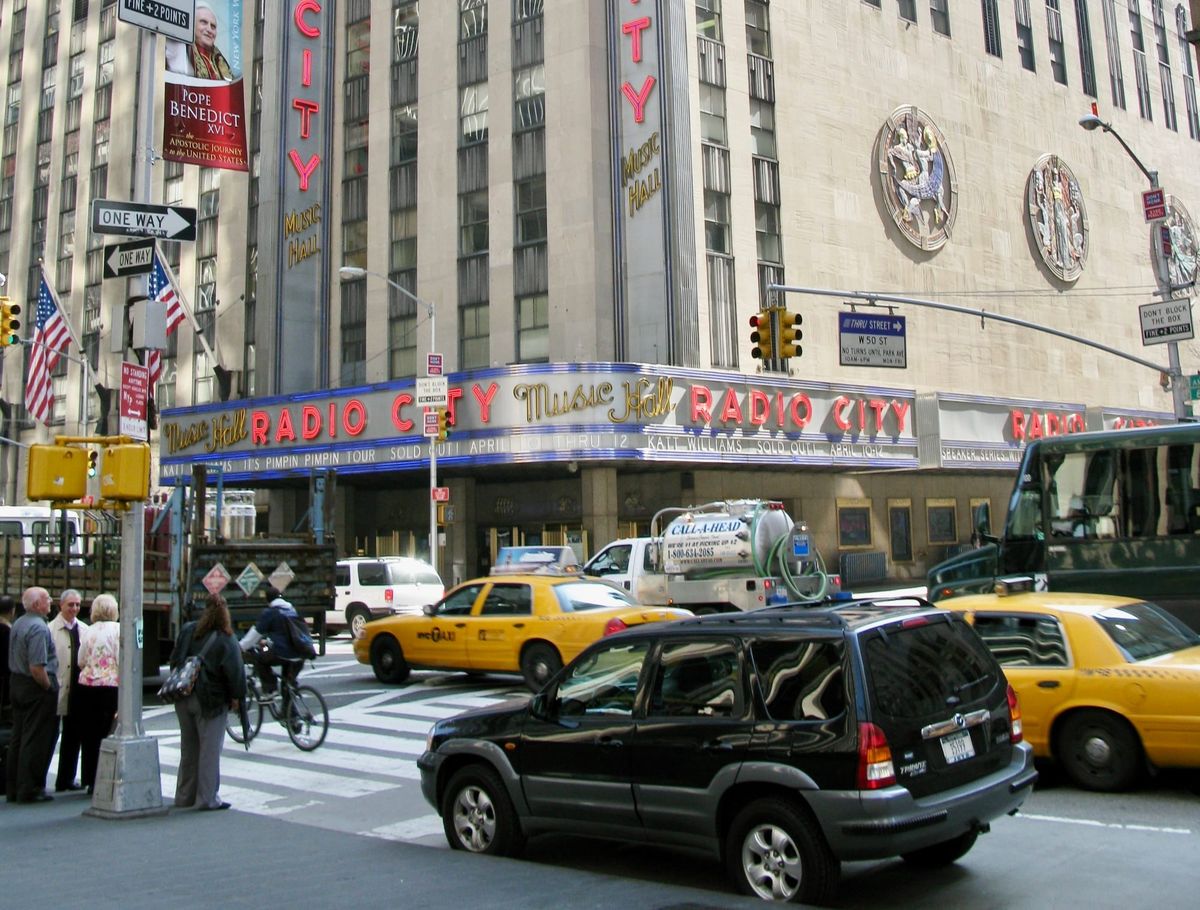
Even the corners where we find the city's biggest landmarks, like Radio City Music Hall, are deeply underwhelming. Scrunched unhappily onto a tight, almost obscure corner, what should be the highlight of this part of the city gets almost no public land dedicated to it. In most cities, landmarks this important are given an air of dignity by the addition of public space around them, like a square or at least an expanded sidewalk. This gives people room to comfortably marvel at them, take photos, and not have to crowd uncomfortably while lining up for a visit. But in NYC, a narrow strip of sidewalk is all this prominent landmark gets, just like everywhere else.
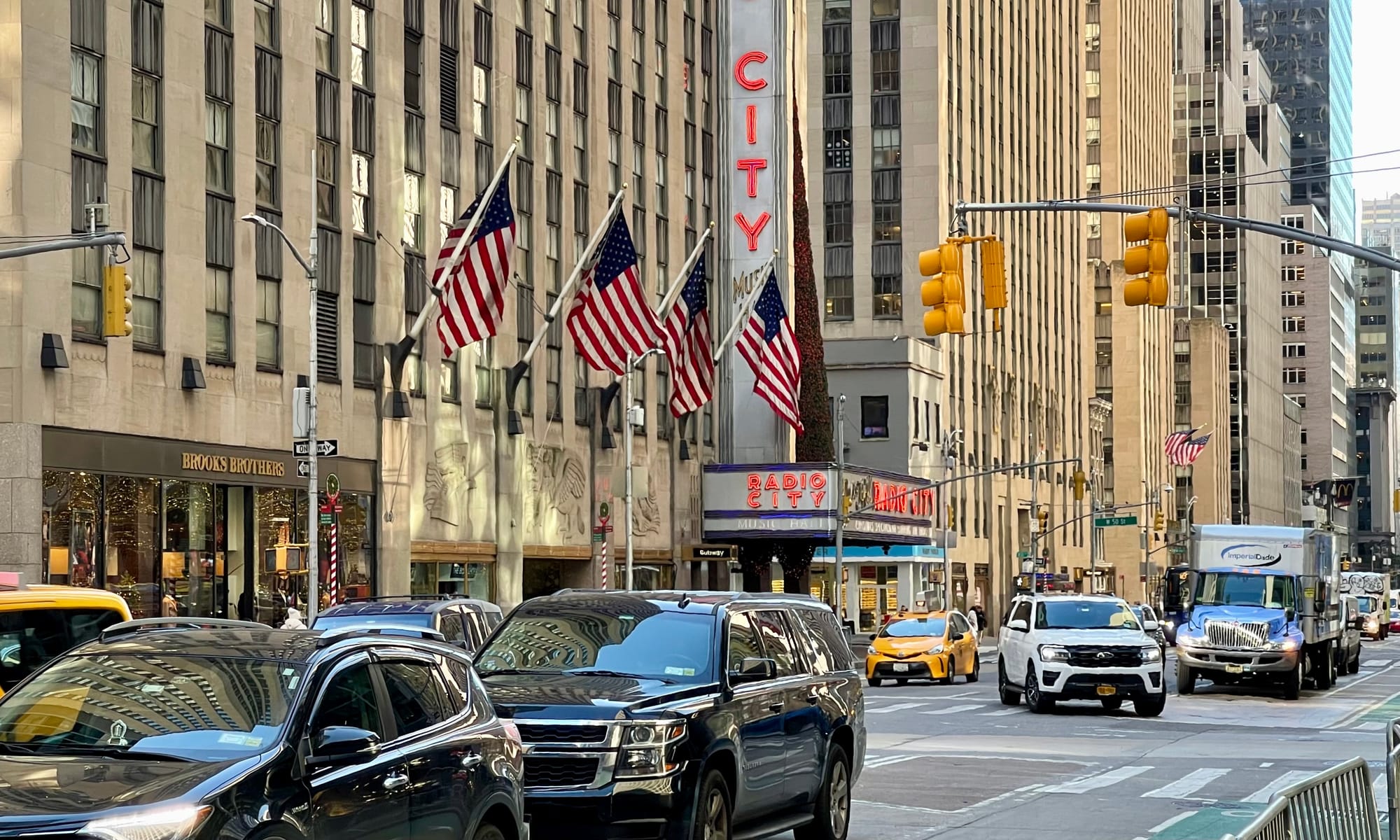
The beauty and grandeur of Radio City is not at all reflected by its presence on the street. The outside serves as no indication of the elegance that can be found inside. If one did not know that this was a famous music hall, they would simply pass it by without a second glance. Its external presentation does it a great disservice.
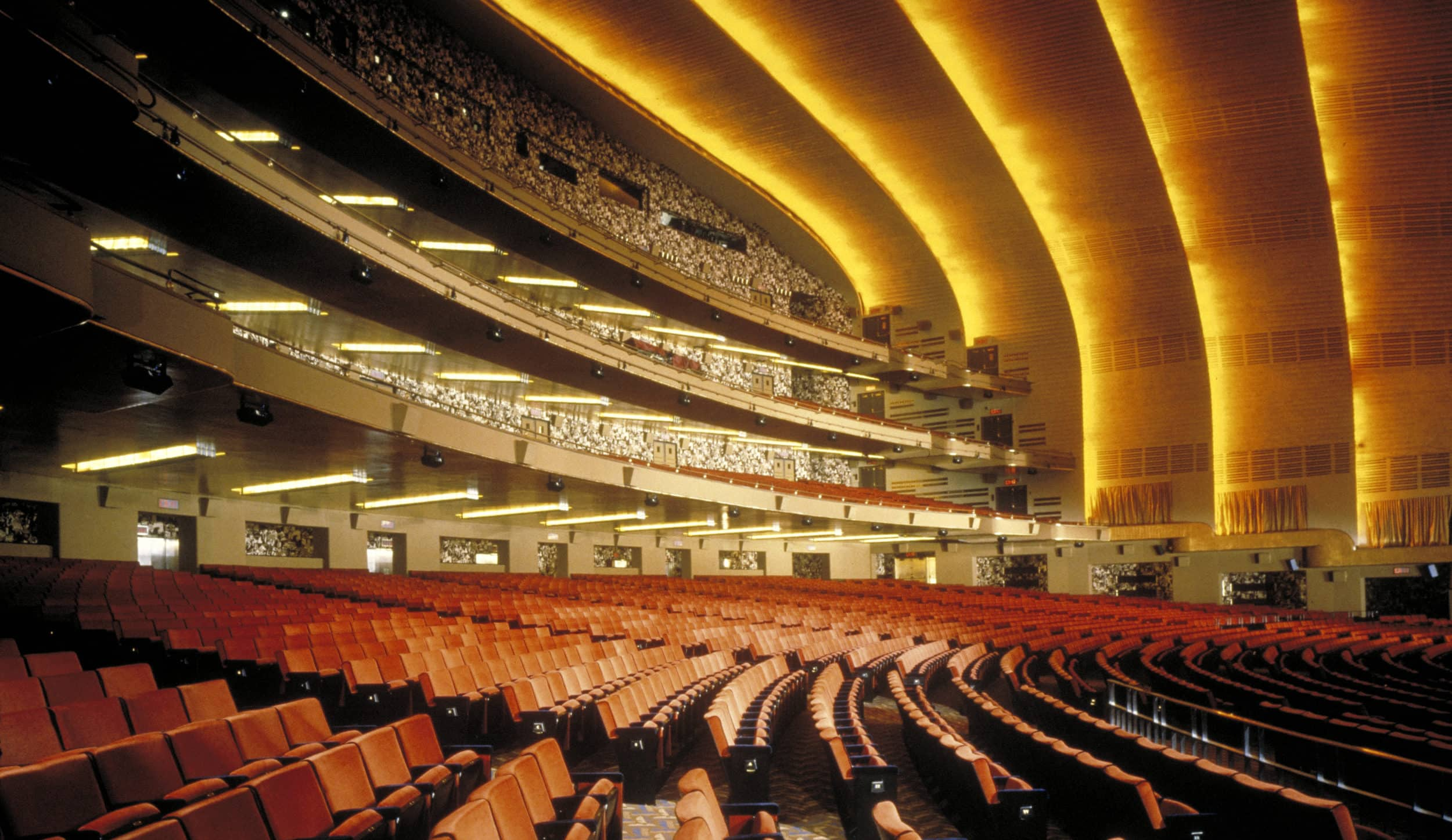
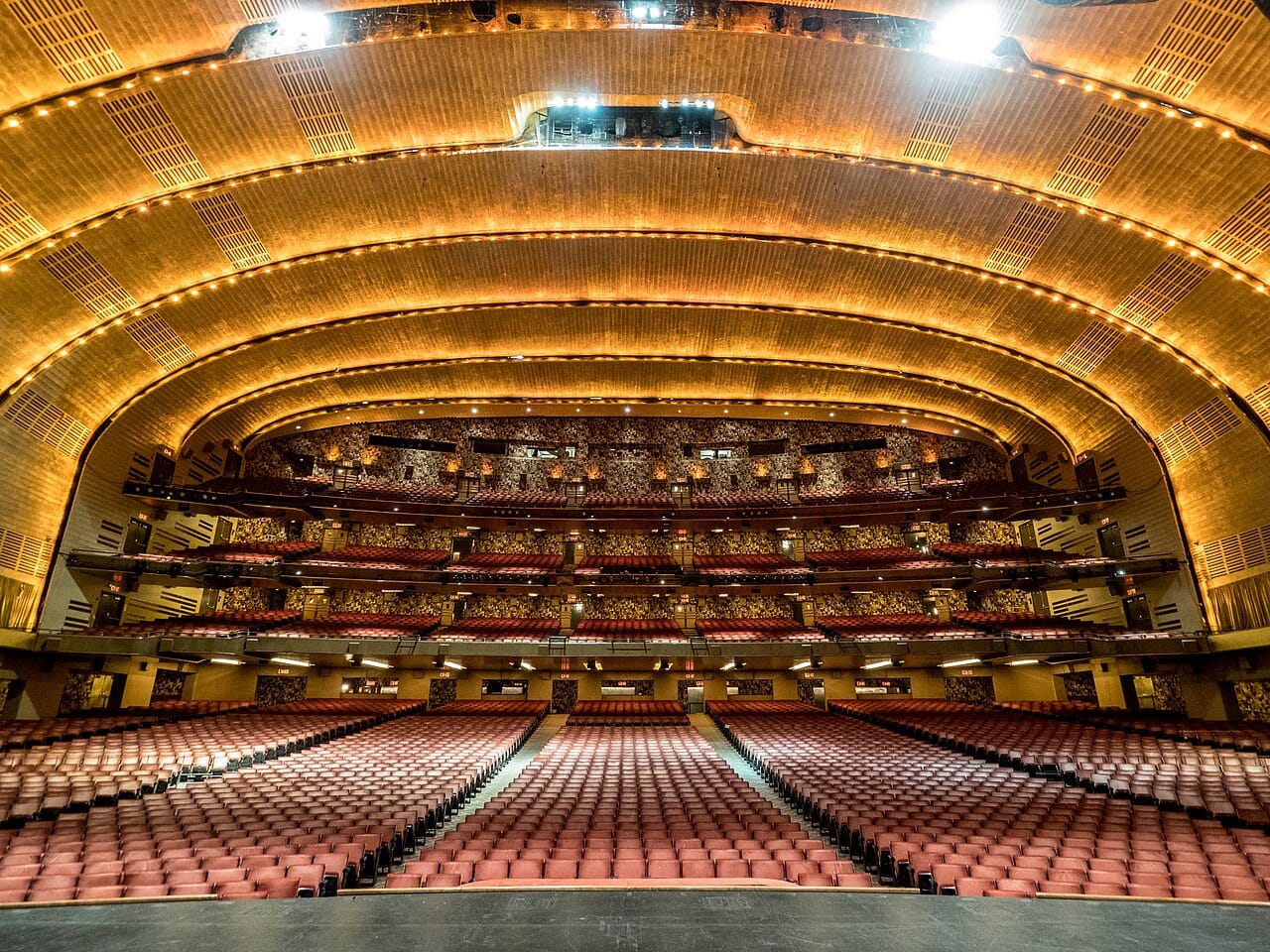
Outside (boring), Inside (grand)
The rest of Midtown's Avenue of the Americas intersections also lack grace and appeal
Most of Midtown's corners are narrow – putting people right against traffic – and devoid of anything that could attract lingering and social life. In the center of the city it's all go go go, but corners are the places we are meant to pause. Midtown's corners don't invite people to stick around because they are hostile, narrow, and uncomfortable. They emphasize how the city has not been designed to center the person, but rather to center the car.
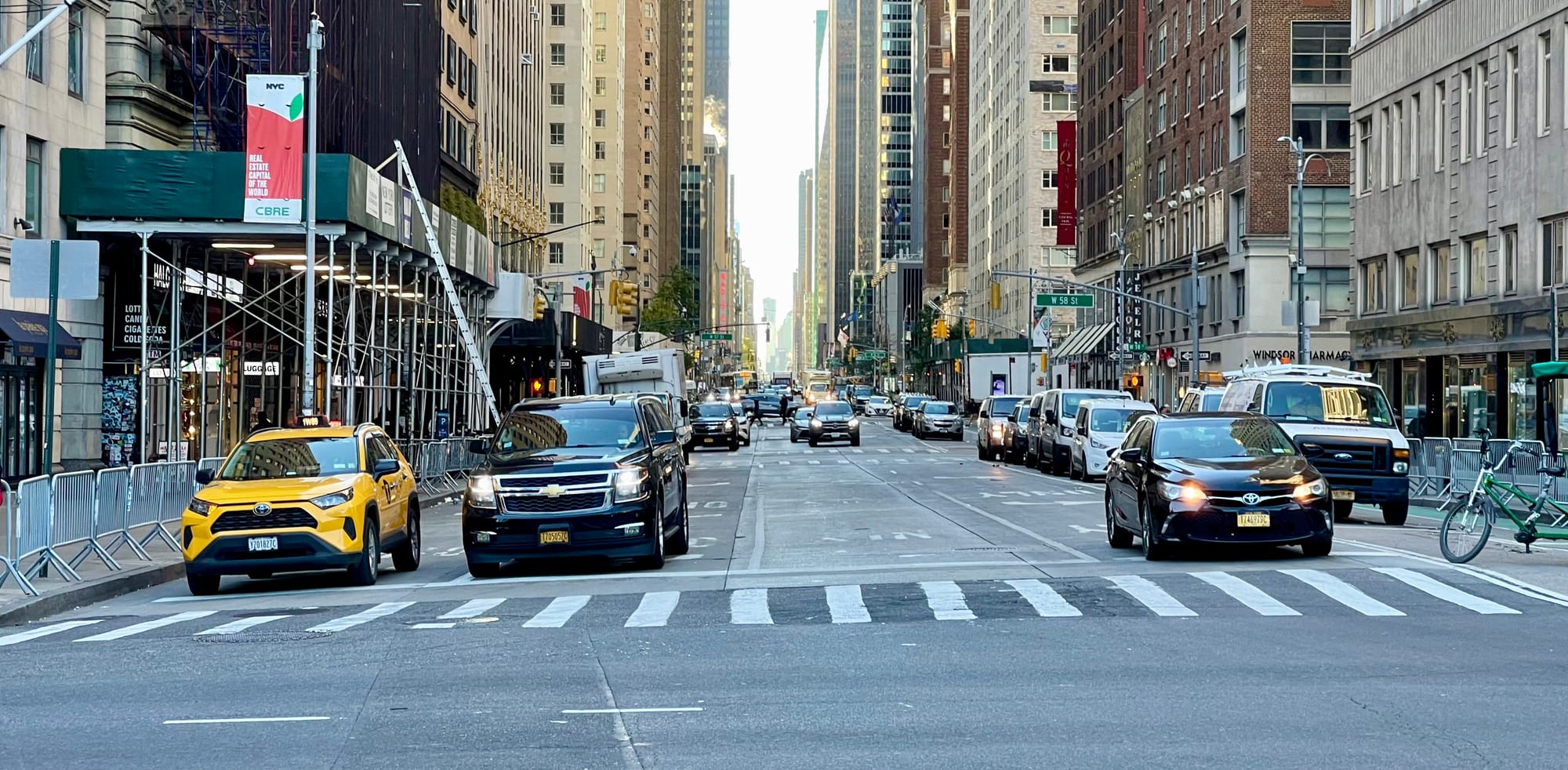
Why Midtown's corners/intersections are so lackluster:
- Killer intersections on main streets create a hostile environment that keeps people moving, creating a tense and rushed atmosphere.
- Narrow sidewalks create uncomfortable crowding and contribute to people moving quick instead of comfortably strolling and lingering.
- There is nothing interesting happening on corners – no cafés, no outdoor seating areas, no plantings, no nothing.
- Crosstown streets are too wide with three lanes which eliminate the pleasant sense of calm enclosure that characterizes good crosstown streets.
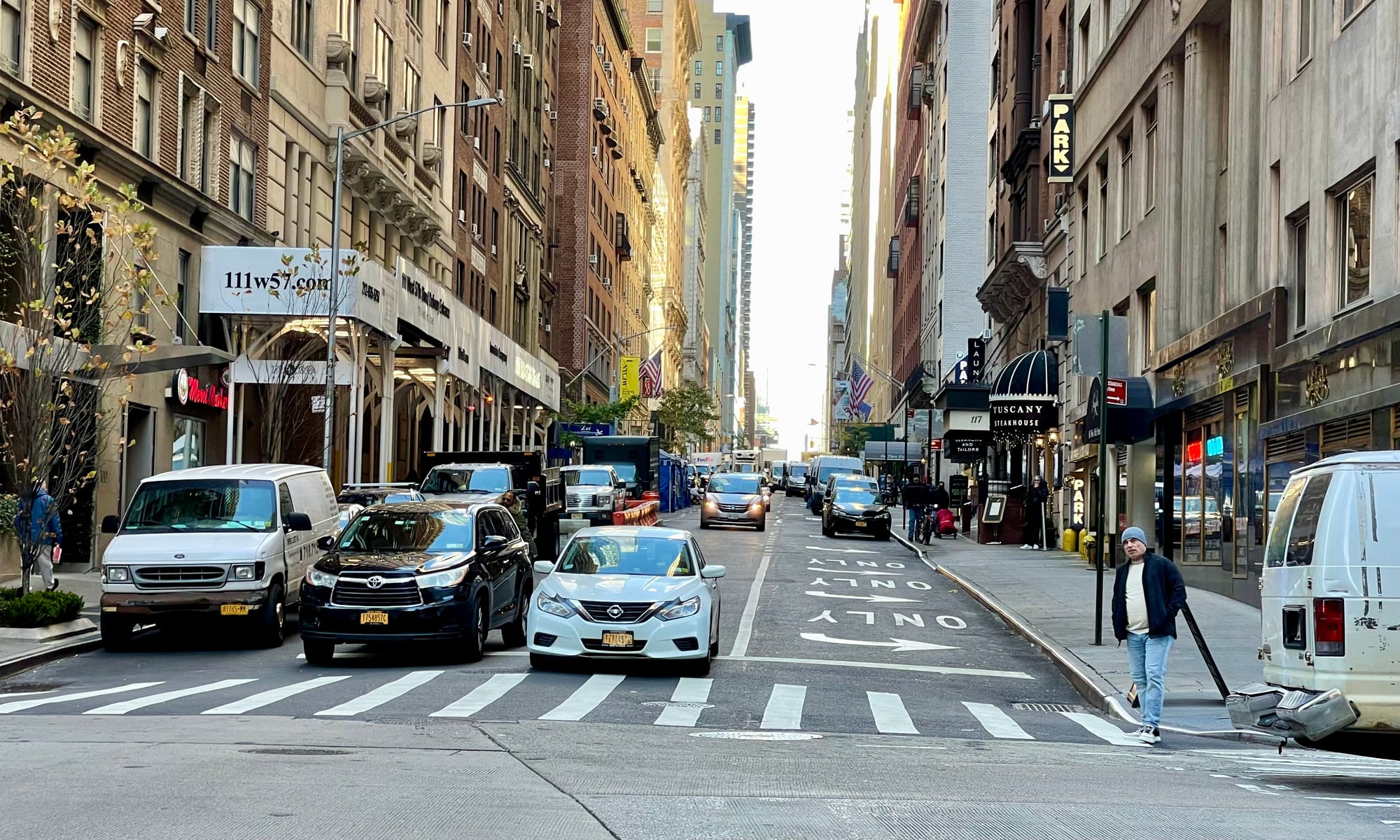

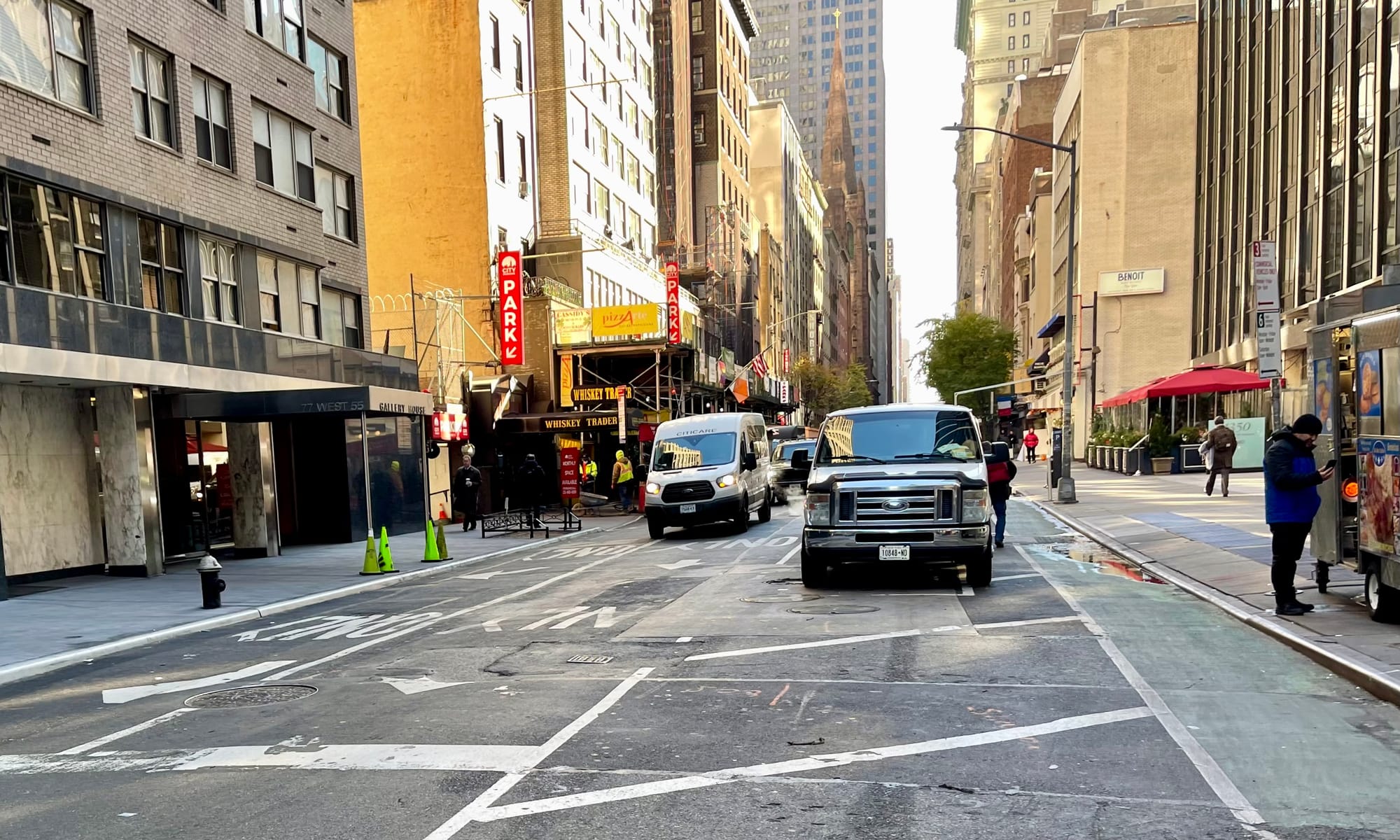
As we work on our cities' streets and intersections, we must always ask the question, "who are the streets ultimately for – cars or people?" and design accordingly. In most of Midtown, it is clear that streets have been designed to support traffic throughput rather than to encourage social, commercial, or public life. This creates an urban environment that is uncomfortable, anxiety-provoking, noisy, unsafe, unattractive, and not worth spending time in. It's no wonder that Manhattan has a reputation of being somewhere "everyone is walking fast." That's because walking in a slow and leisurely manner is simply not supported by the street design.
 Fred Kent
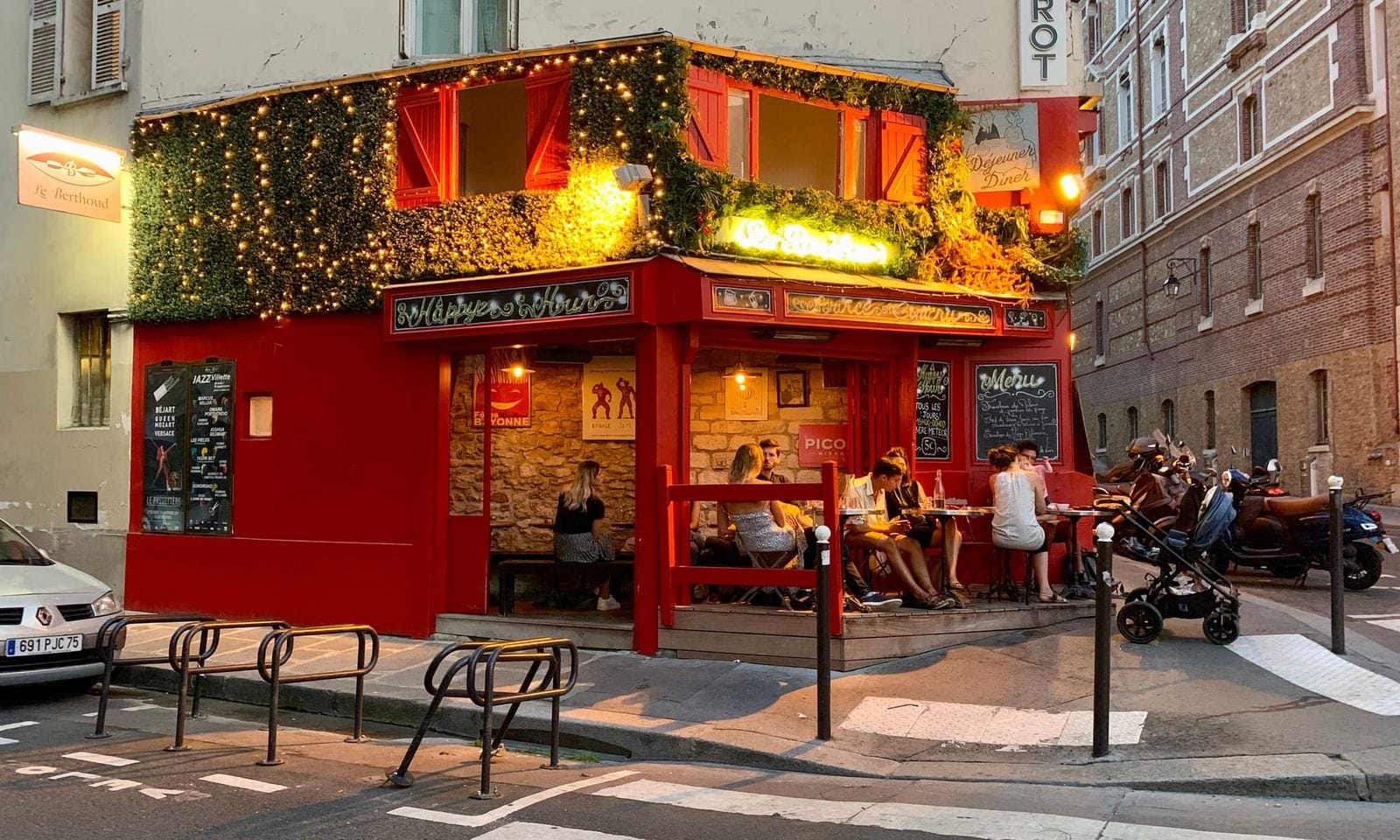
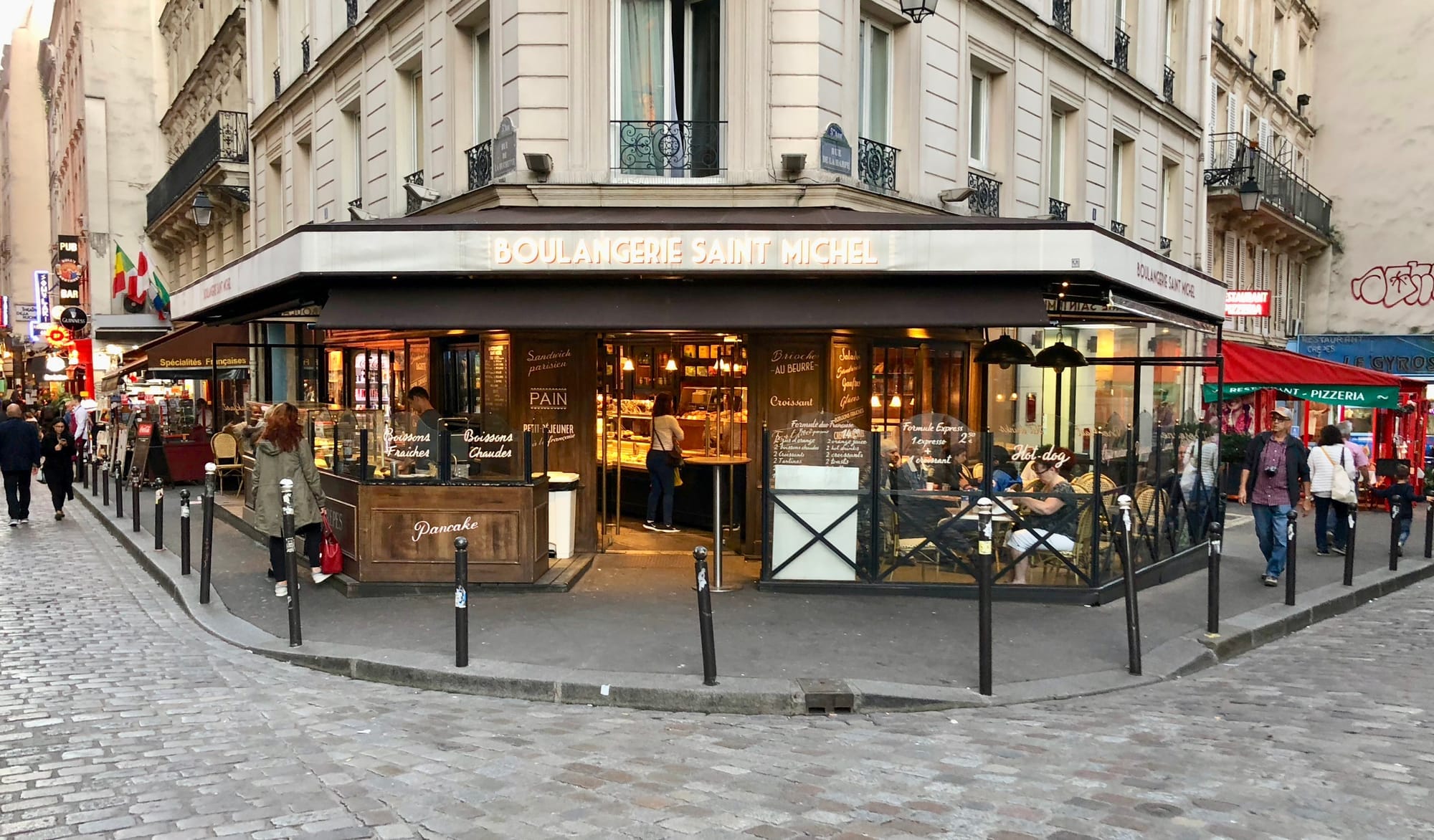
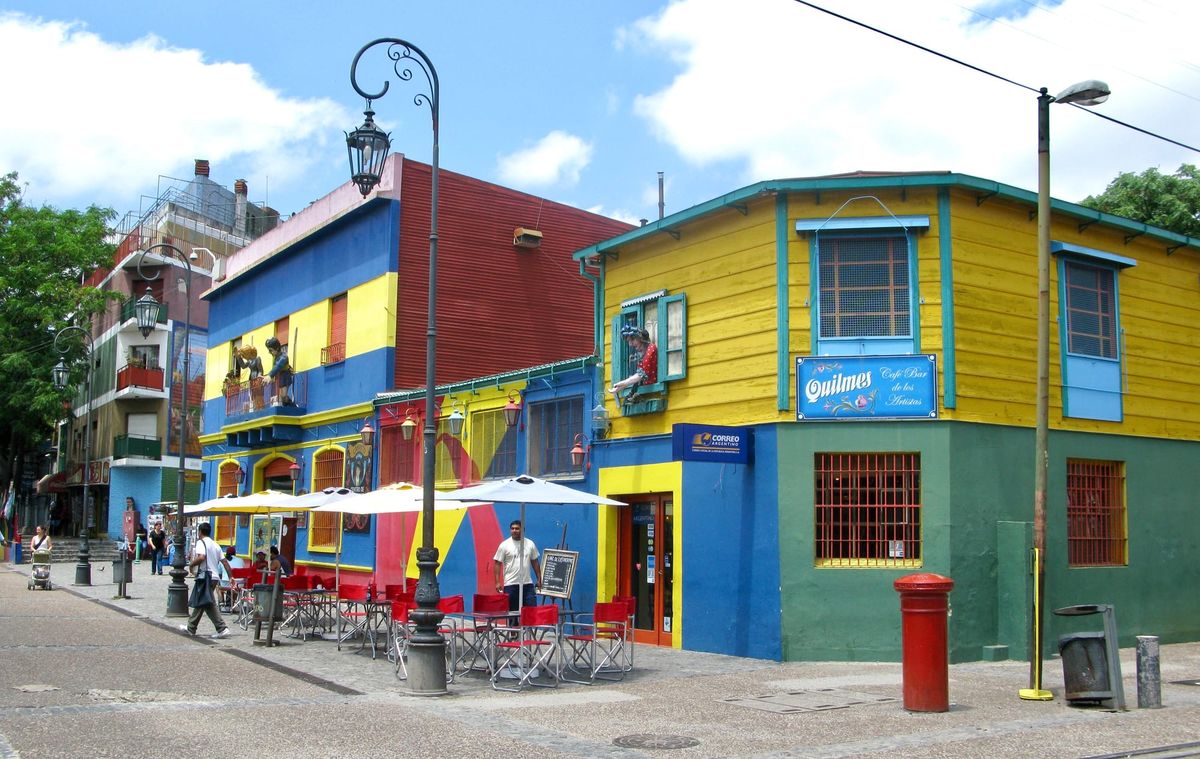
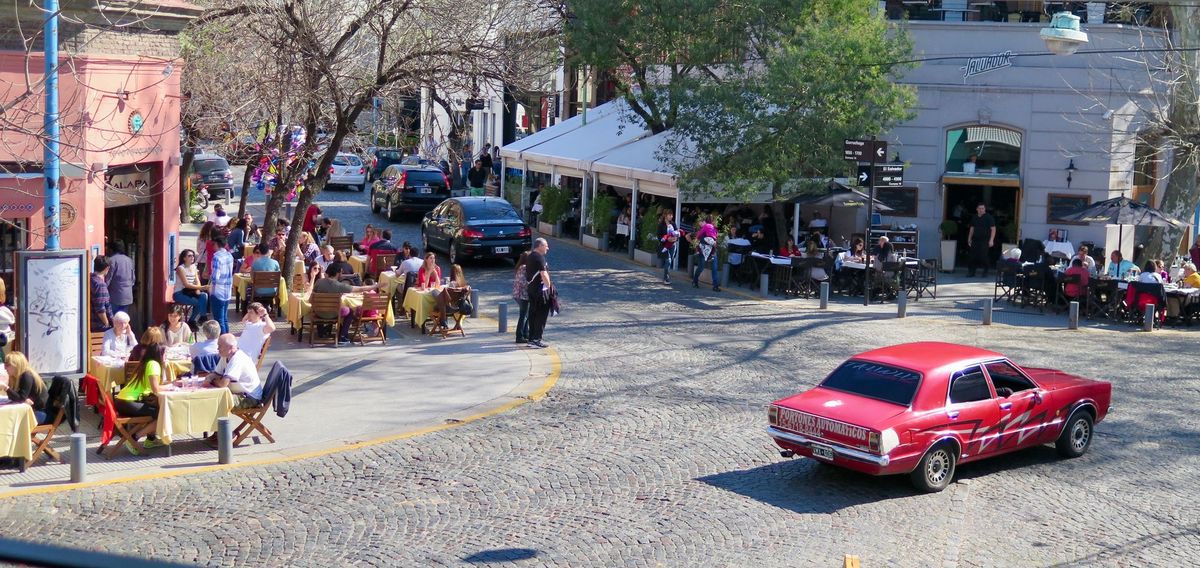
Great Corners Around the World
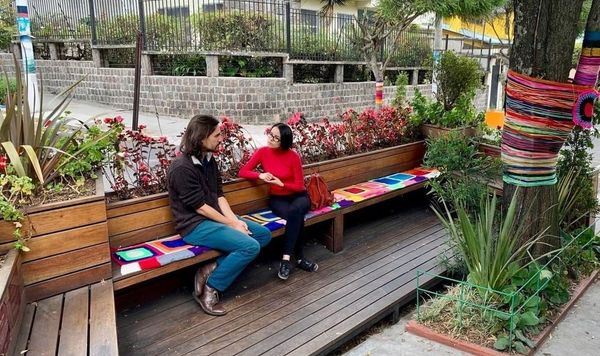
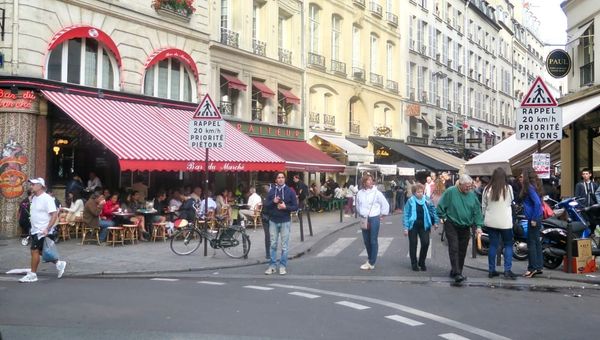
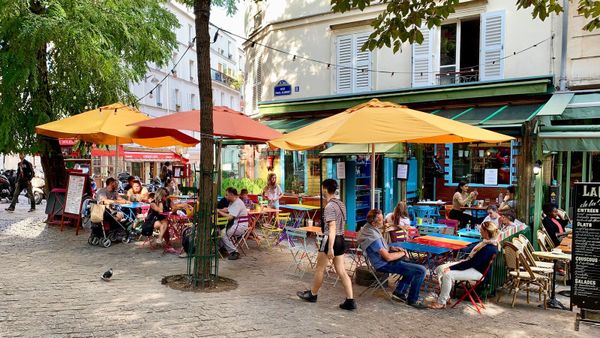
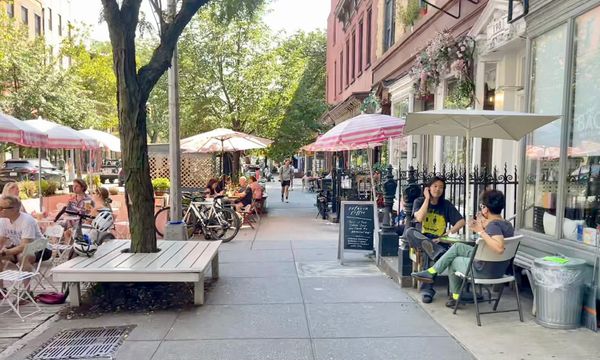
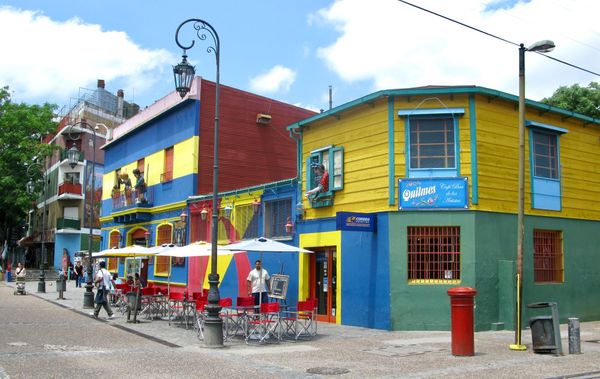
Midtown has one good corner at Bryant Park's entrance, but most great cities have dozens, if not hundreds. This is because good urban planning understands the importance of corners to urban life.
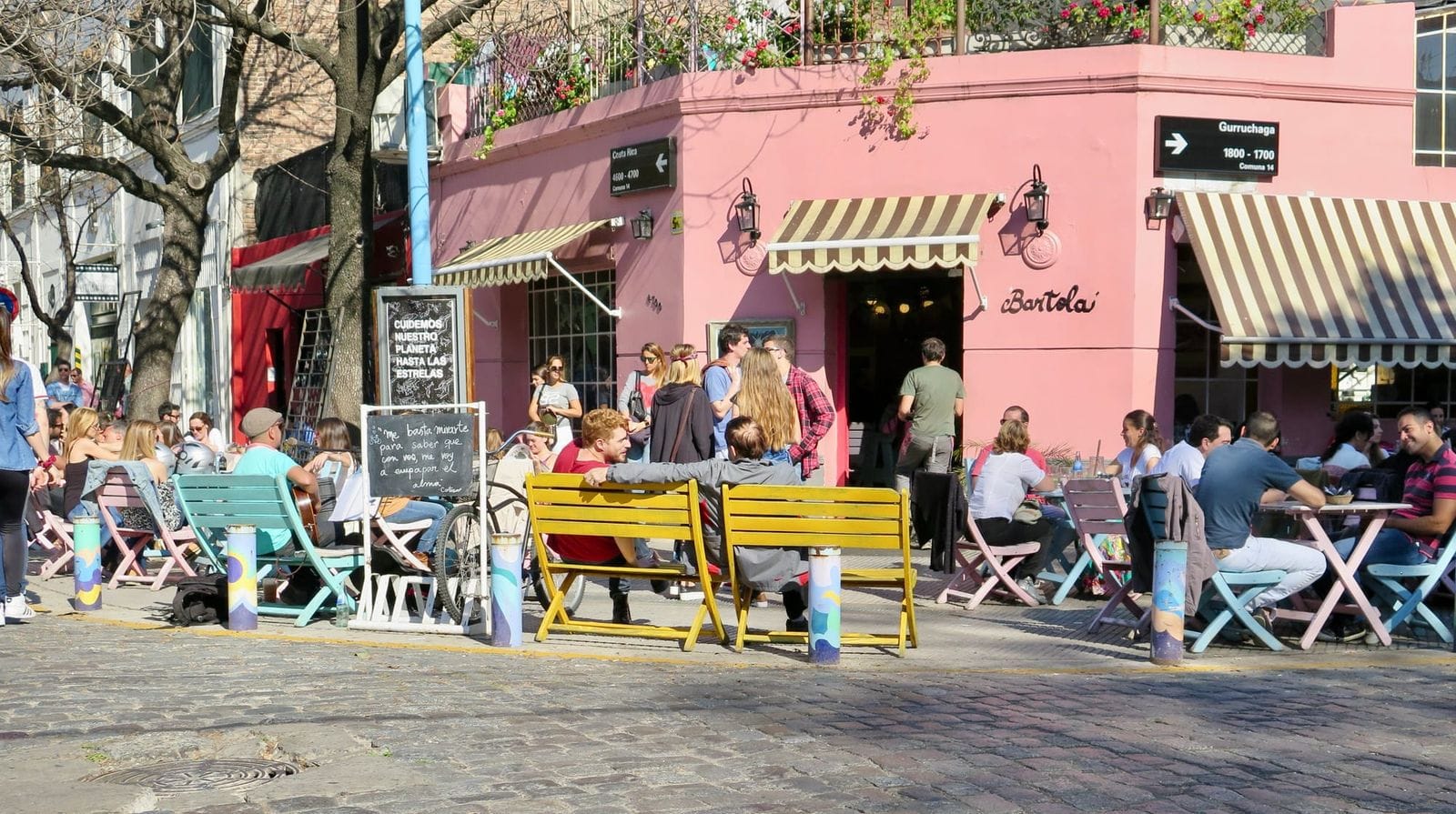
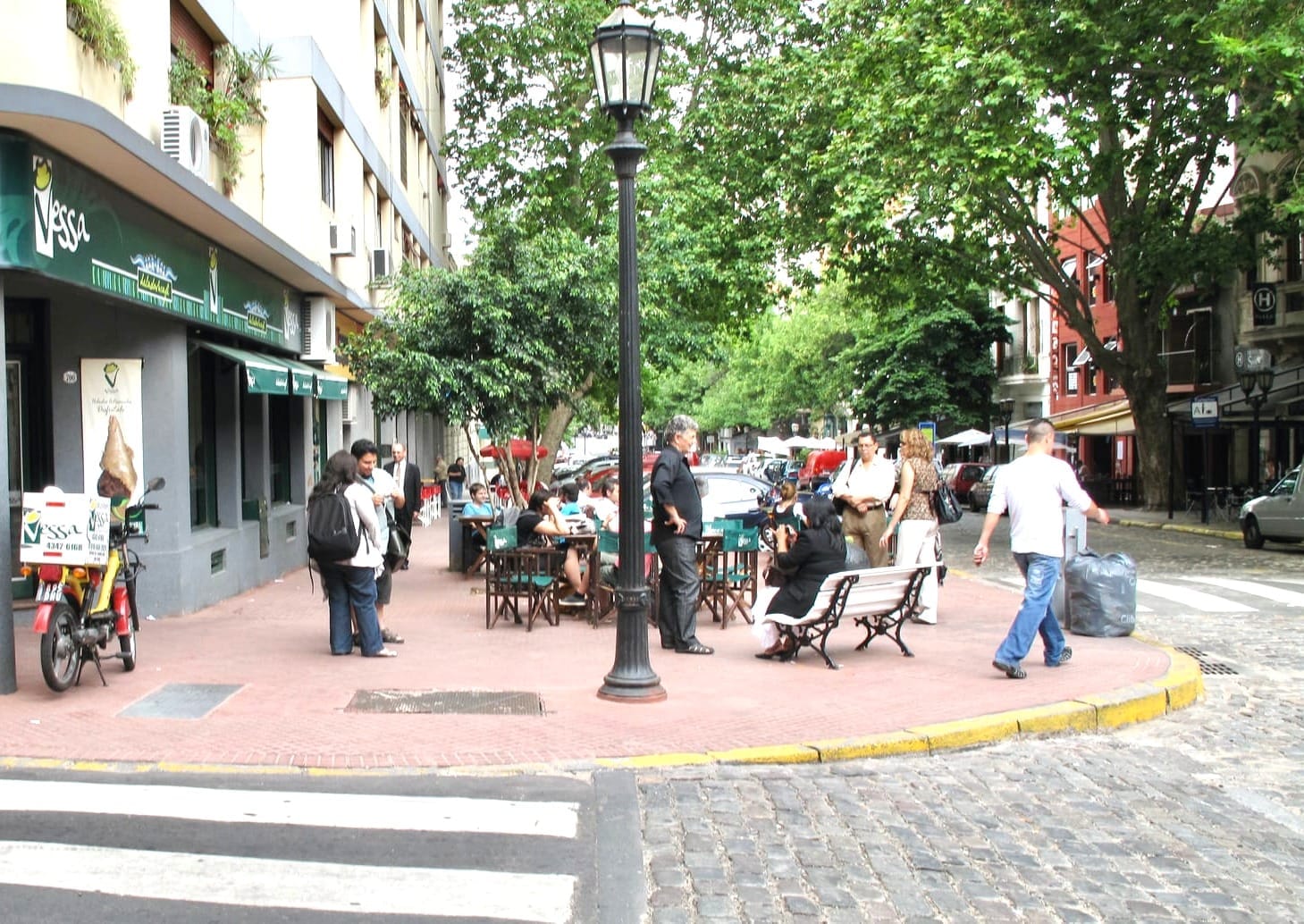
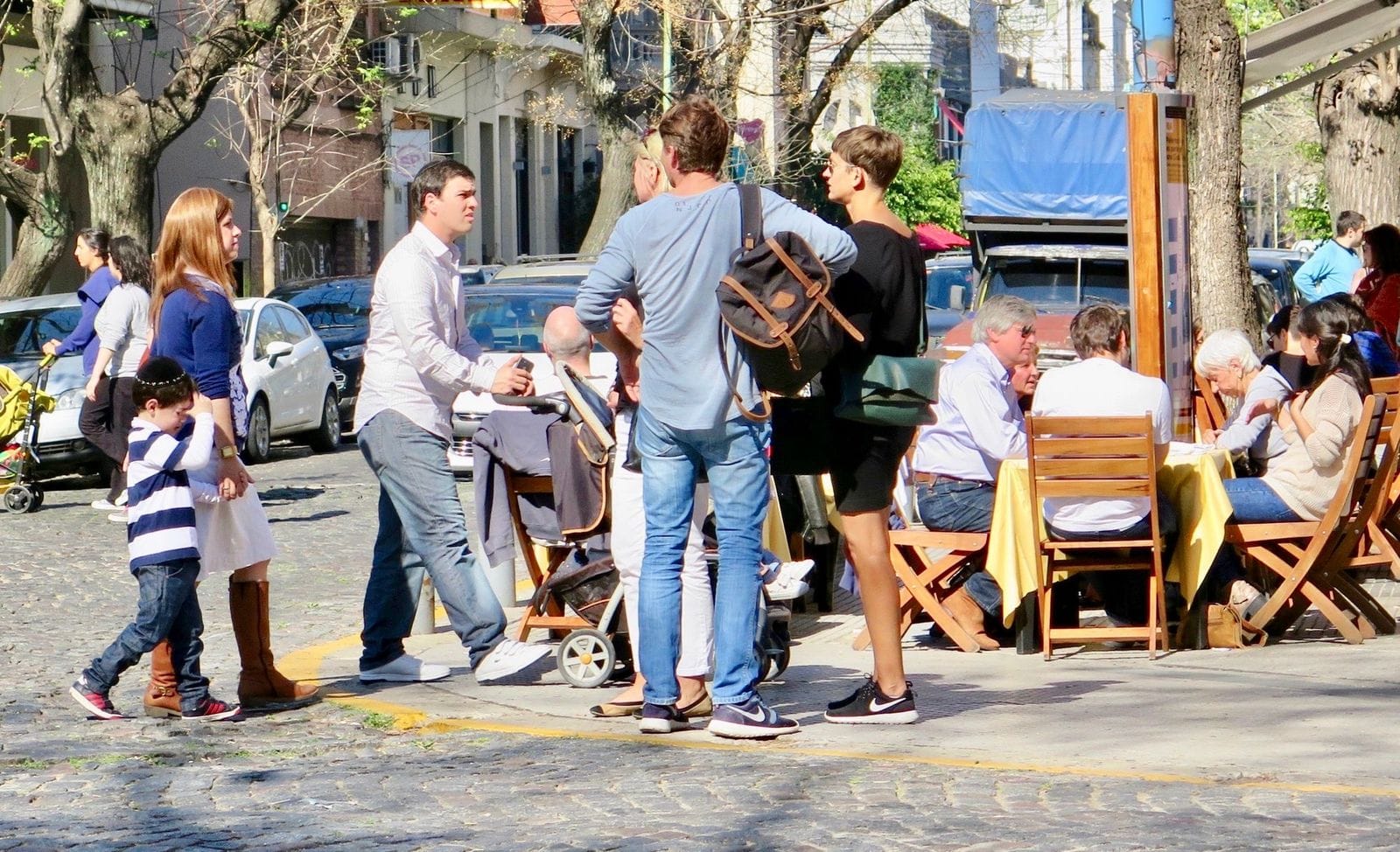
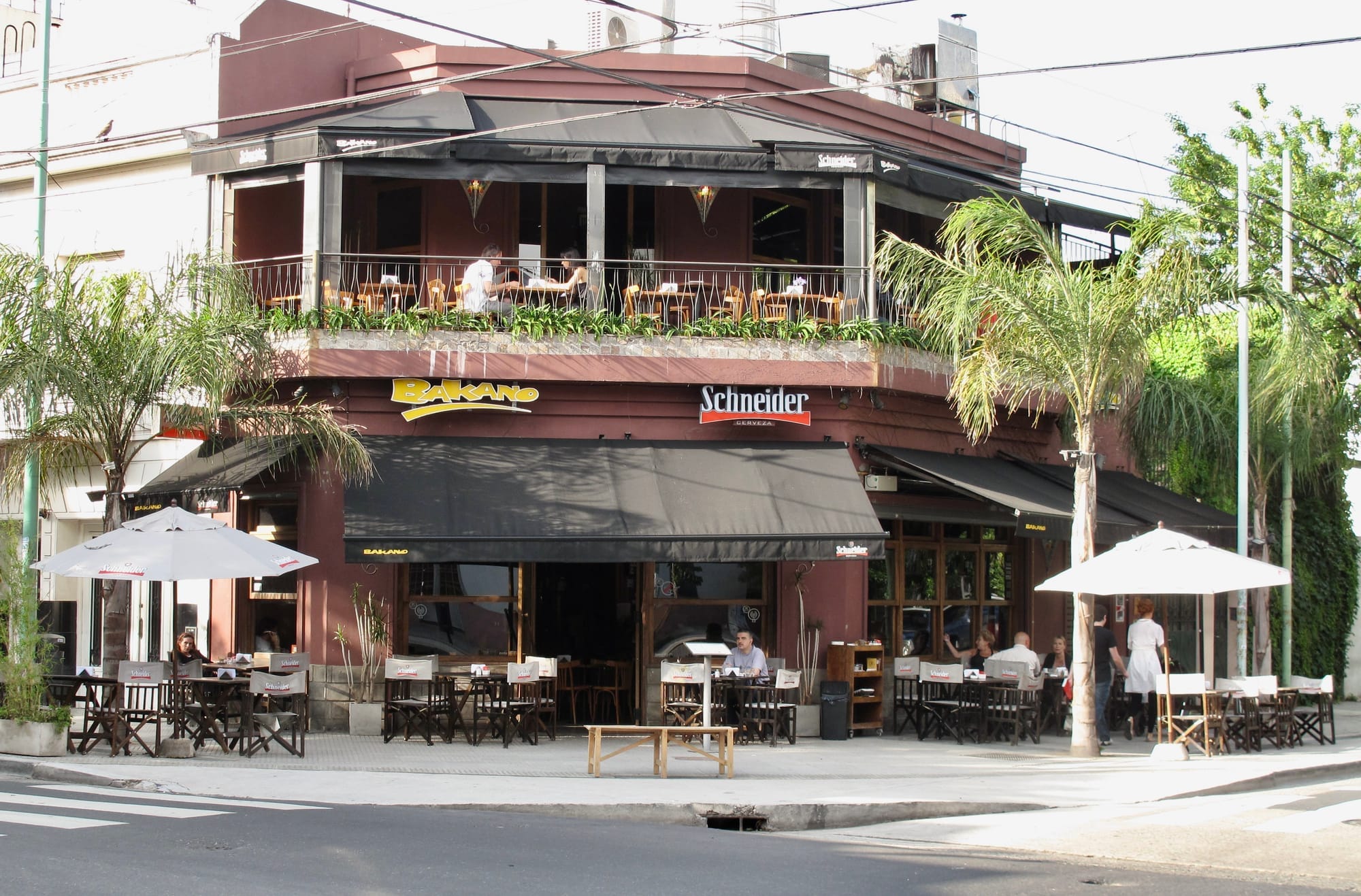
Buenos Aires
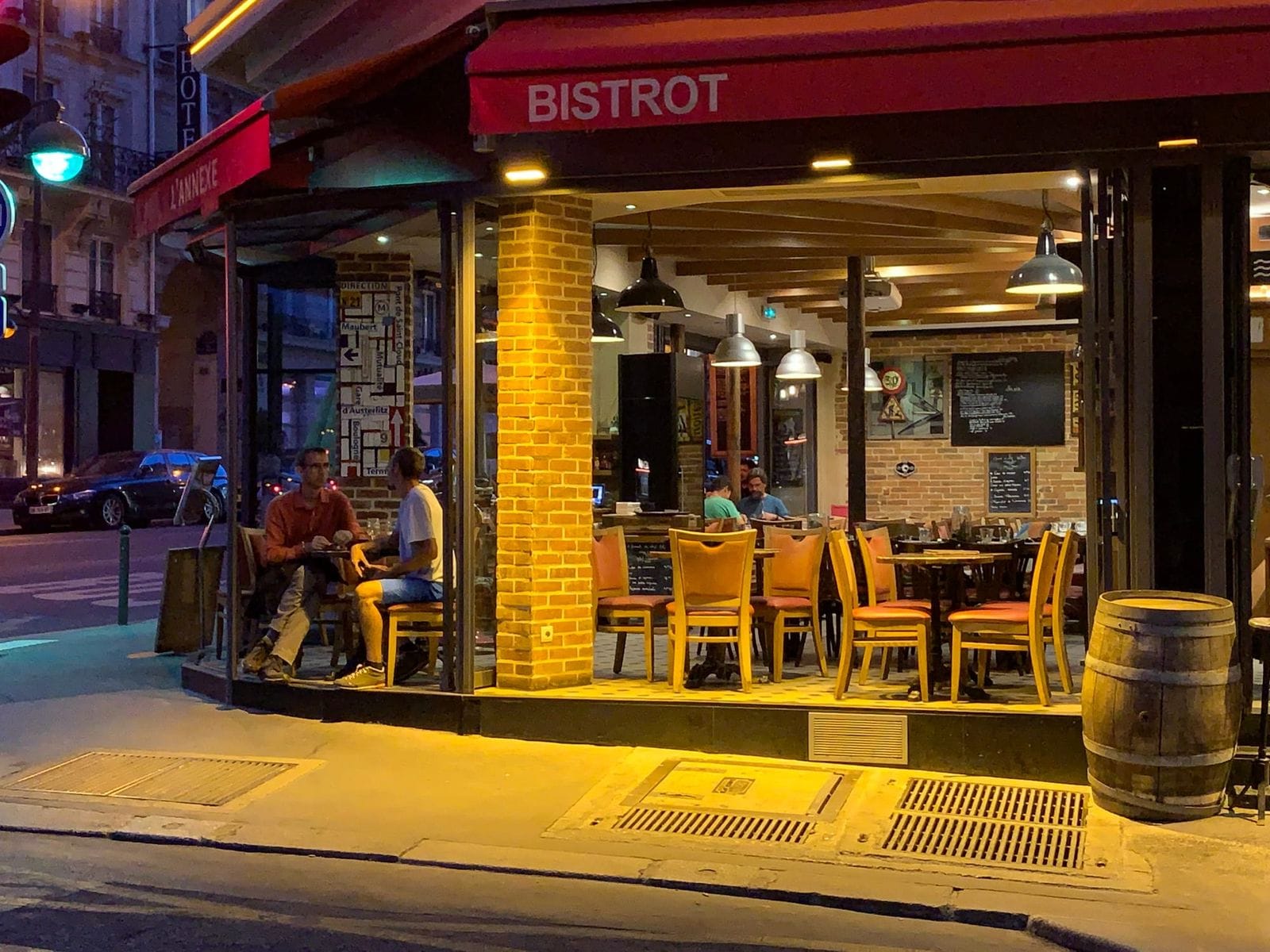
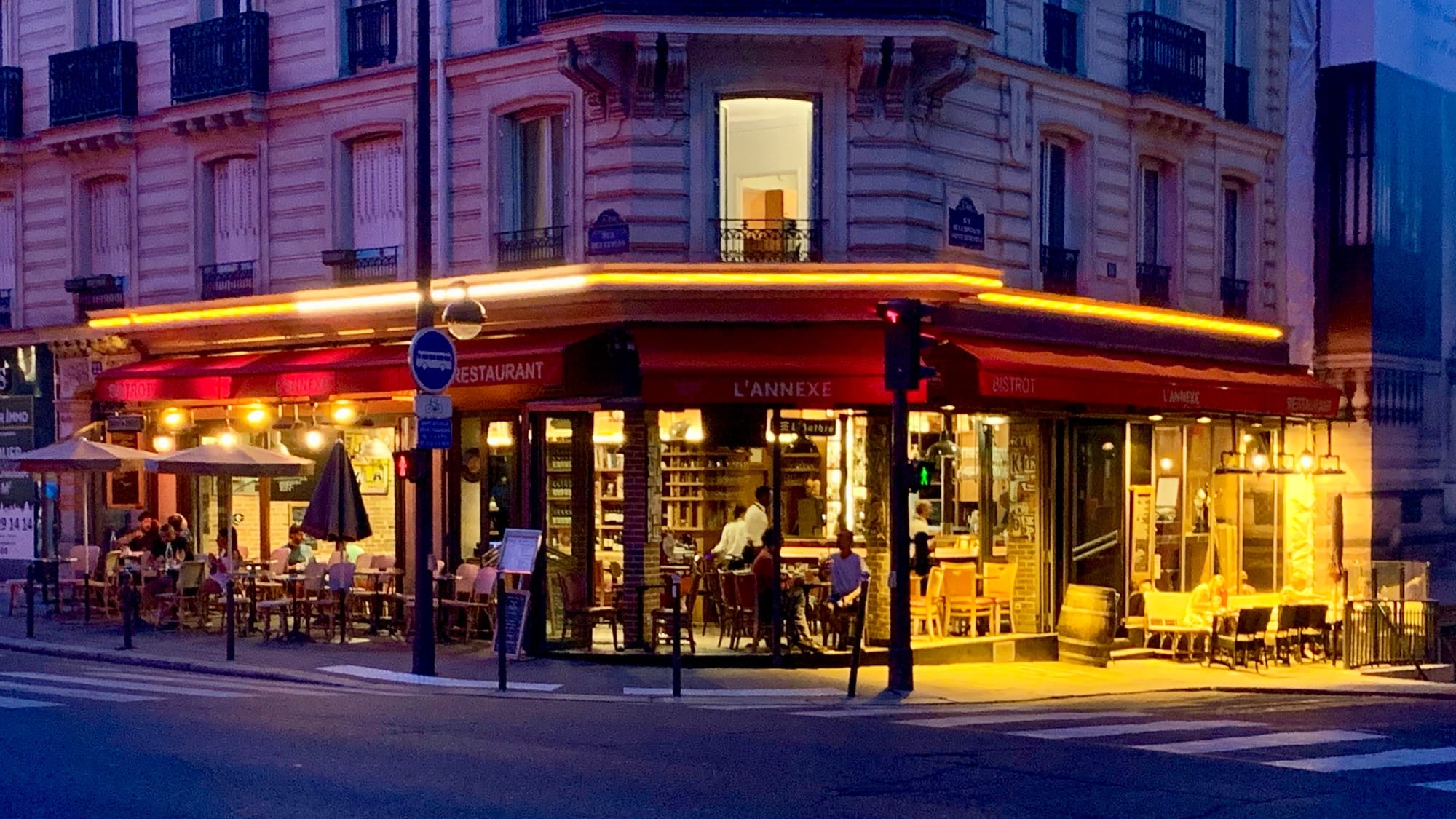
Paris
Corners are the places where pedestrians' paths change direction, where people pause and reflect on their surroundings, where routes intersect and serendipitous encounters happen. As such, they have the potential to be standout public places, just like squares, and the best cities design them with this in mind. Bryant Park's NW corner proves that NYC can as well. We hope to see more in the future.
Further Reading
 Fred Kent
 Fred Kent
 Fred Kent
 Fred Kent
If you are interested in collaborating (articles, presentations, exhibits, projects, and more) or supporting the cause contact us.