From Plantings That Privatize to Landscaping That Supports Public Life
"There is no there there."
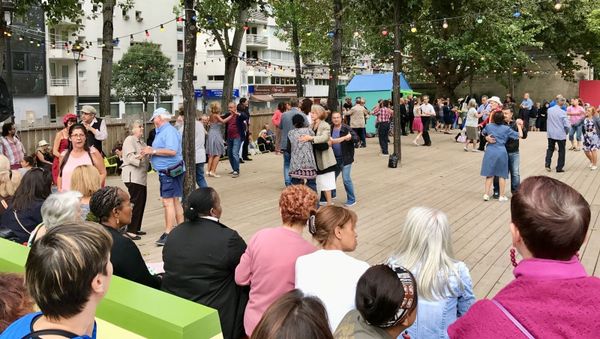
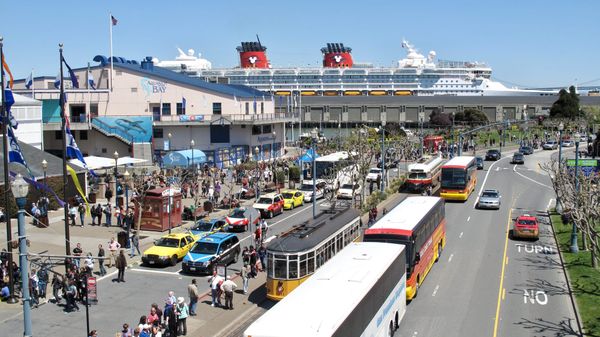
In our work, we say this to communicate that there is no place in a space. There is land but nothing happening on it – nothing to see, do, or experience. This is the kind of environment that too much landscape architecture creates – spaces that are nice to look at but that lack destinations worth spending time in.
But what exactly is landscape architecture? Landscape architecture is usually defined as "the design of outdoor areas, landmarks, and structures to achieve environmental, social-behavioral, or aesthetic outcomes." Landscape architecture encompasses a set of principles about how to shape the land in visually pleasing ways. It may advocate for placing a round shrub by a square garden for good visual contrast, or planting a tree beside a path so that people walking can get shade. It is responsible for composing the elements of the natural world in our urban environments in a way that accents and beautifies them. What it does not do well is make those places interesting.
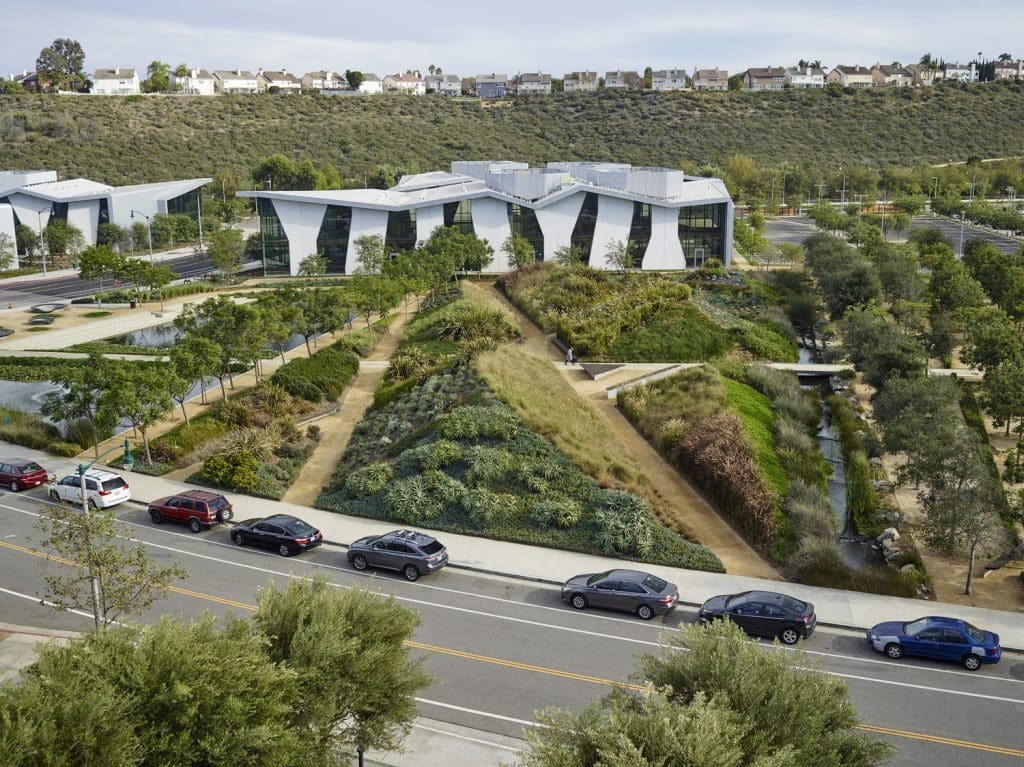
Seattle and Los Angeles. Image source for right photo.
Placemaking challenges the long held assumption that the most important part of a public place is how it looks. Instead, the focus should be on what is happening there and how people engage with it. It is often the case that when a discipline leads with too rigid a view of how things should be done based on textbook principles, the experience of the person is a secondary consideration, leading to the creation of places without energy. Placemaking breaks the mold to allow for energy to flow.
Dedicating too much space to the careful compositions of flowers and foliage means that large expanses of land are no longer available for active uses such as playing, eating, shopping, exploring, and interacting. By focusing too much on the way a place appears, the ways it will be used get overlooked. This often leads to dull, stagnant spaces that do not contribute much to public life. To put it more unkindly – it can lead to wasted space.
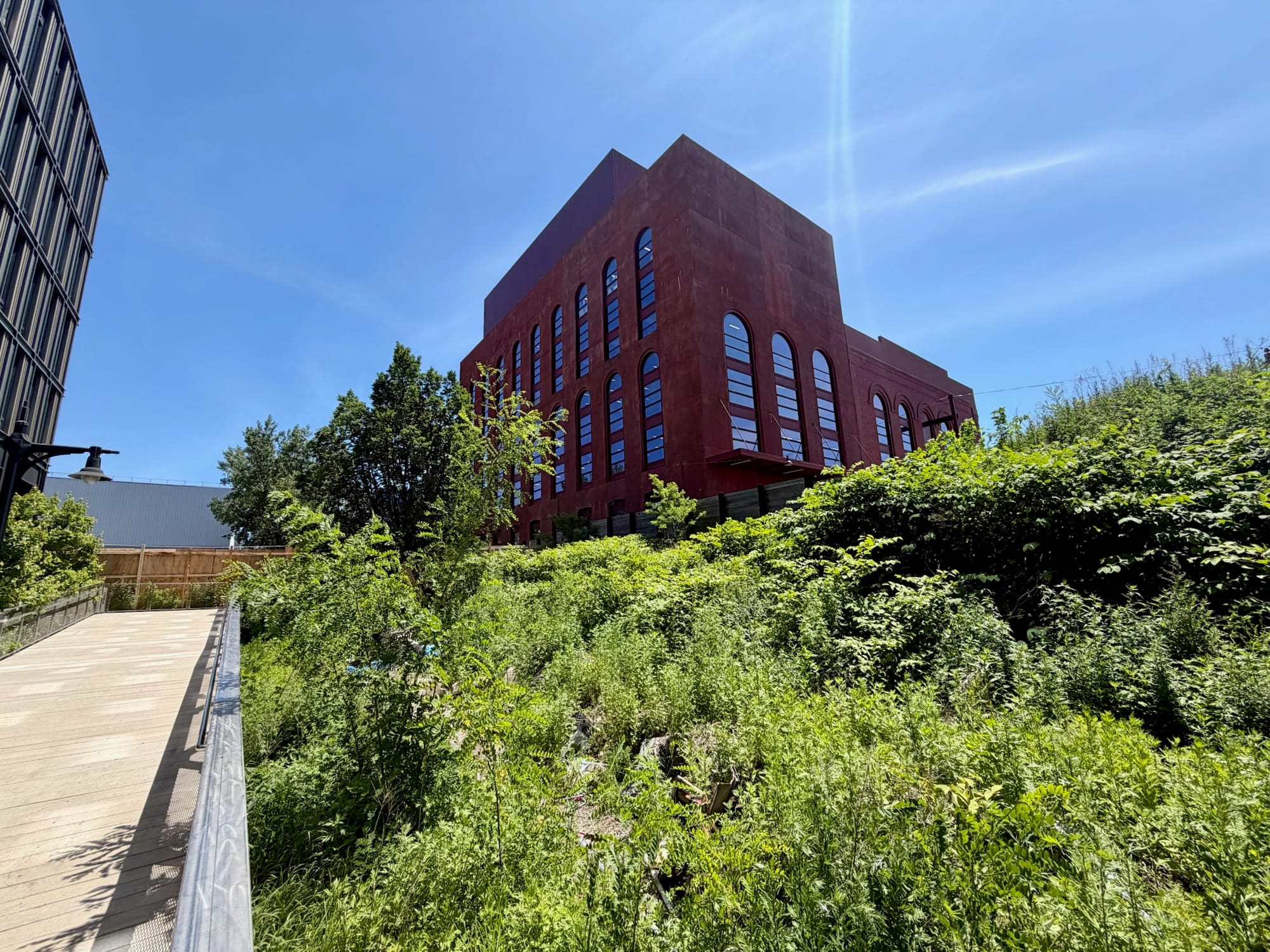
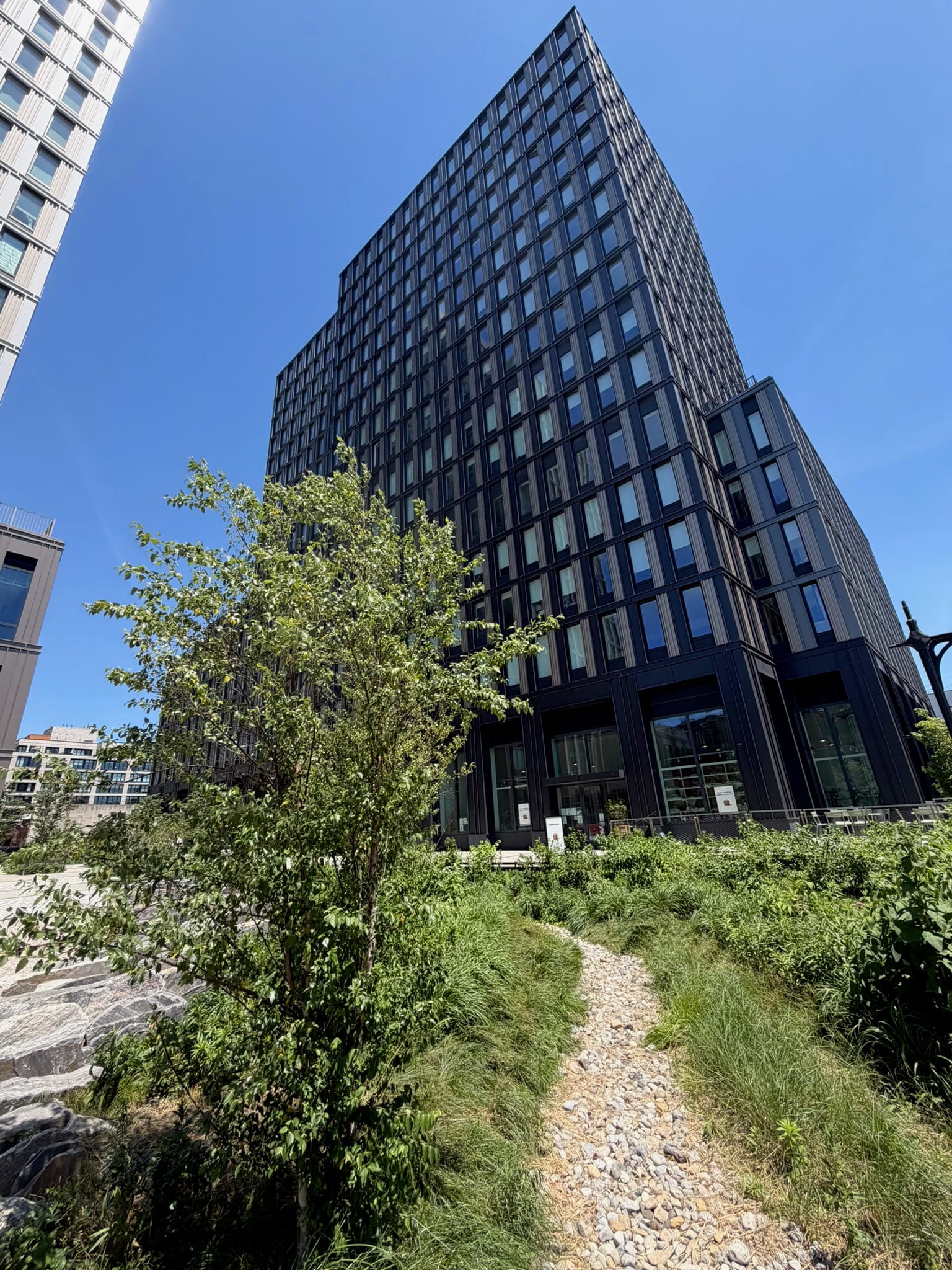
Gowanus, Brooklyn
But we need nature in cities!
A lot of the support for landscaping comes from the perception that landscape architects are like guardians of nature in our cities. In urban environments where concrete, steel and glass dominate, people hunger for any brush with the natural world. When they see a well-groomed garden or a grove of trees, they smile. A flash of green draws a sigh of relief.
"The most essential element of park scenery is turf in broad, unbroken fields, because in this the antithesis of the confined spaces of the town is most marked." – Frederick Law Olmstead, father of American landscape architecture
Landscape architecture brings nature into our daily lives by shaping it to suit our urban contexts. It adds natural beauty to our environments and therefore joy to our days. But as with all things, it needs to be utilized in moderation. Landscaping should be a tool in our urban design toolbox, not the go-to approach for filling empty spaces (when they aren't being filled by parking...). If landscaping overtakes public places, as it often does, then the public will not stick around long enough in those places to enjoy them.
Green areas don't have to be only green. There is no need to be purist with urban nature. The more reasons there are to be among nature – play areas, cafés, work out stations, bandstands, etc. – the more likely people will be to go there and be exposed to nature's benefits.
Working Together With Nature – The Case of Carmel, California
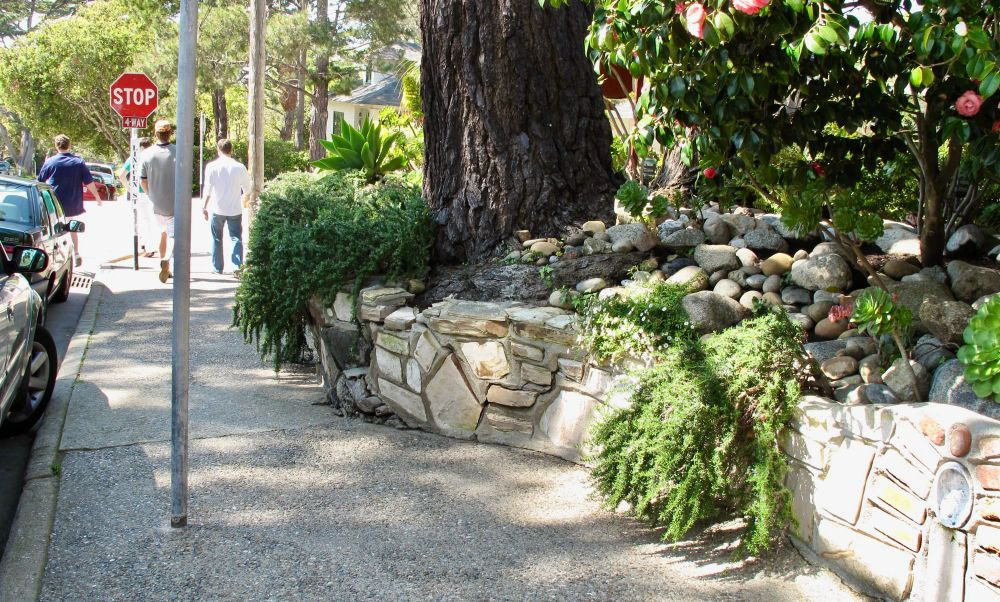
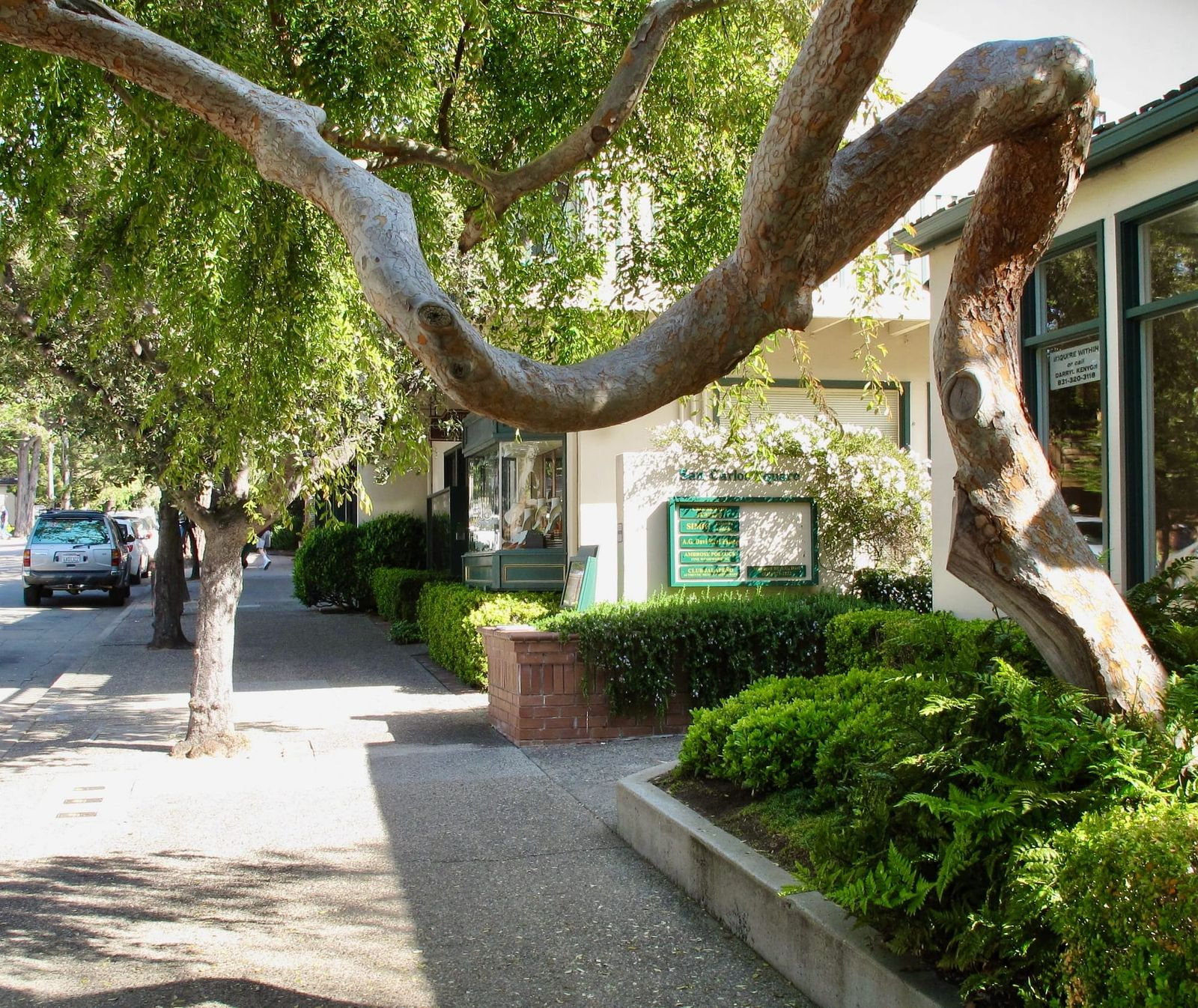
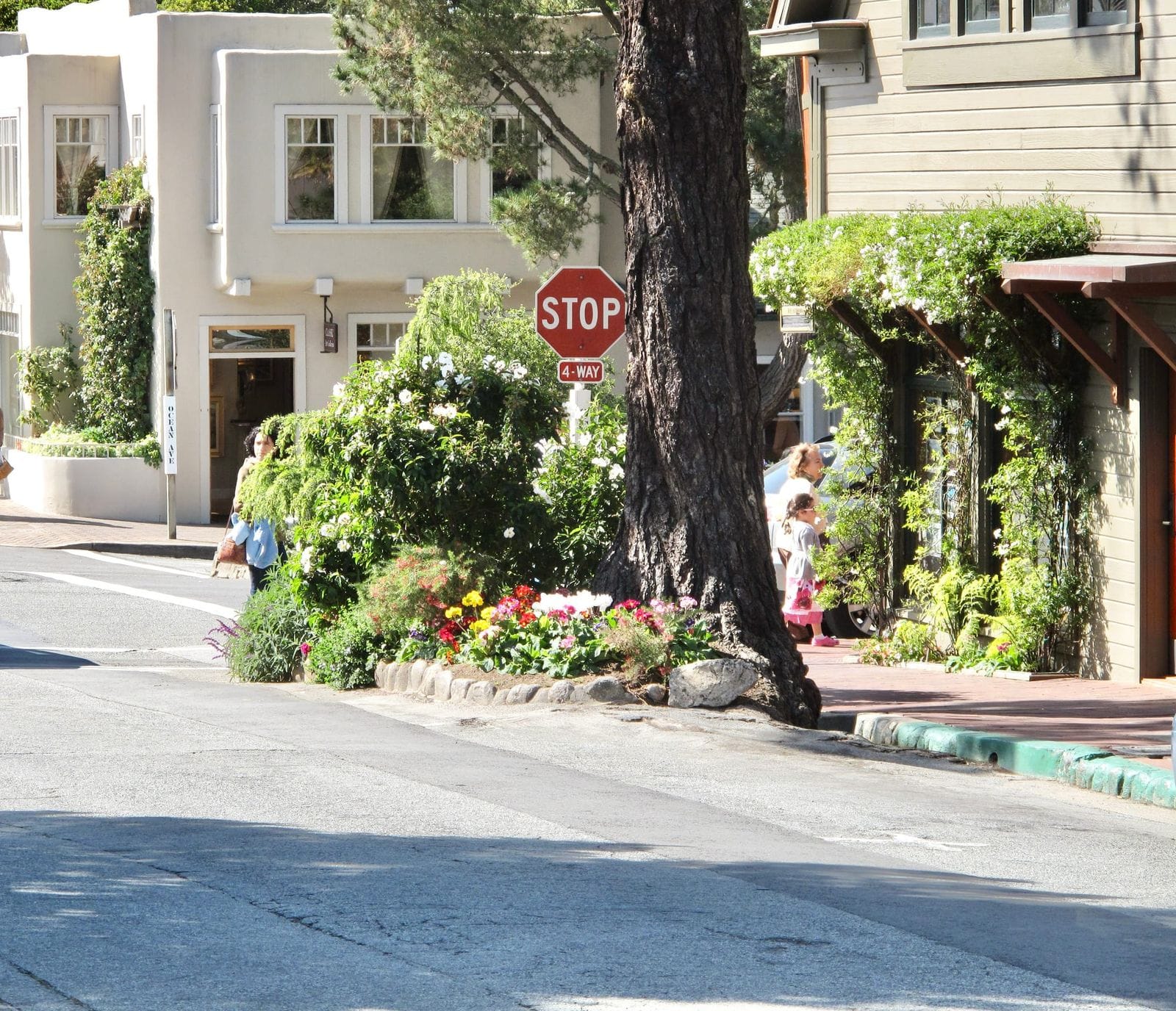
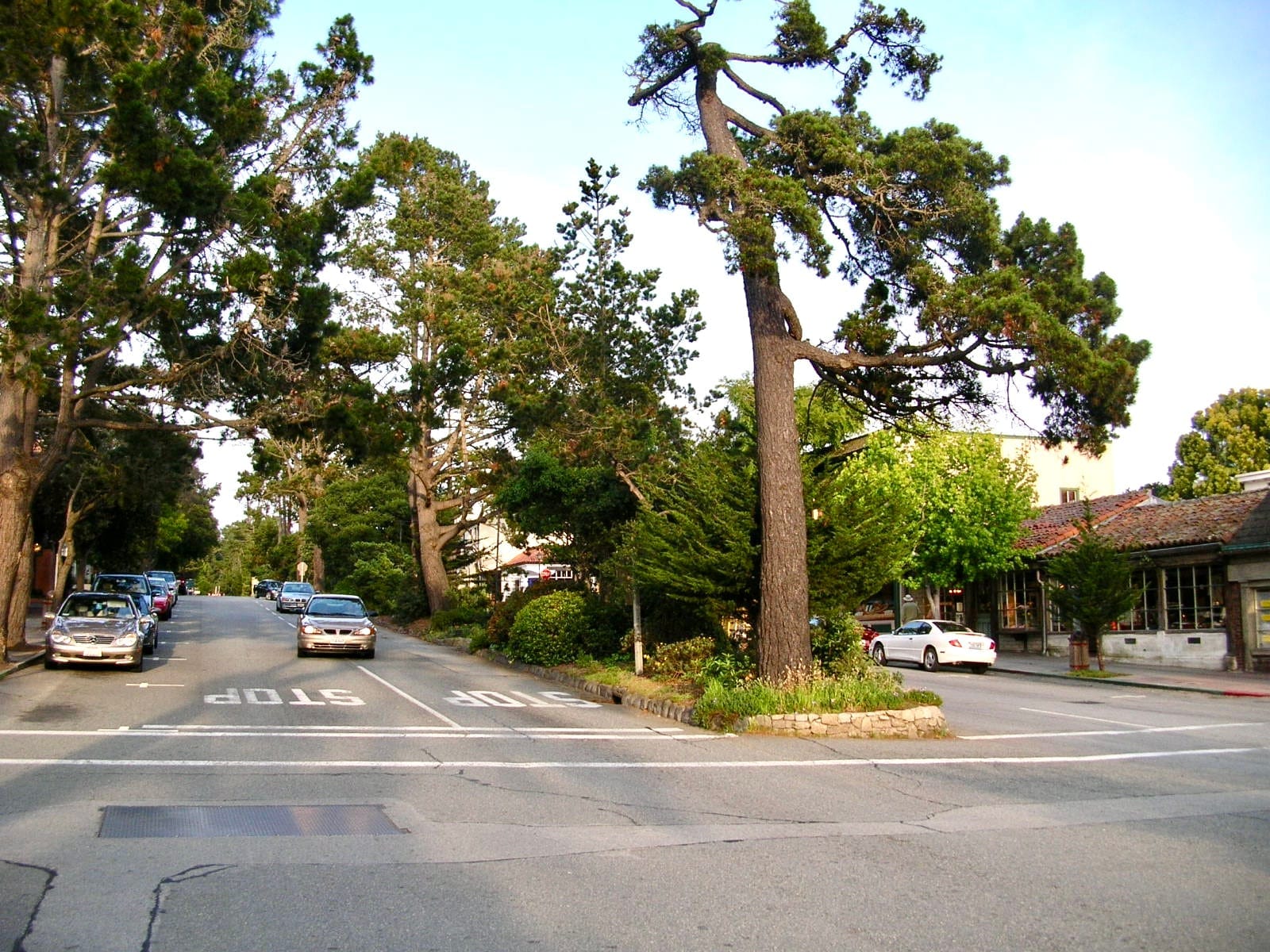
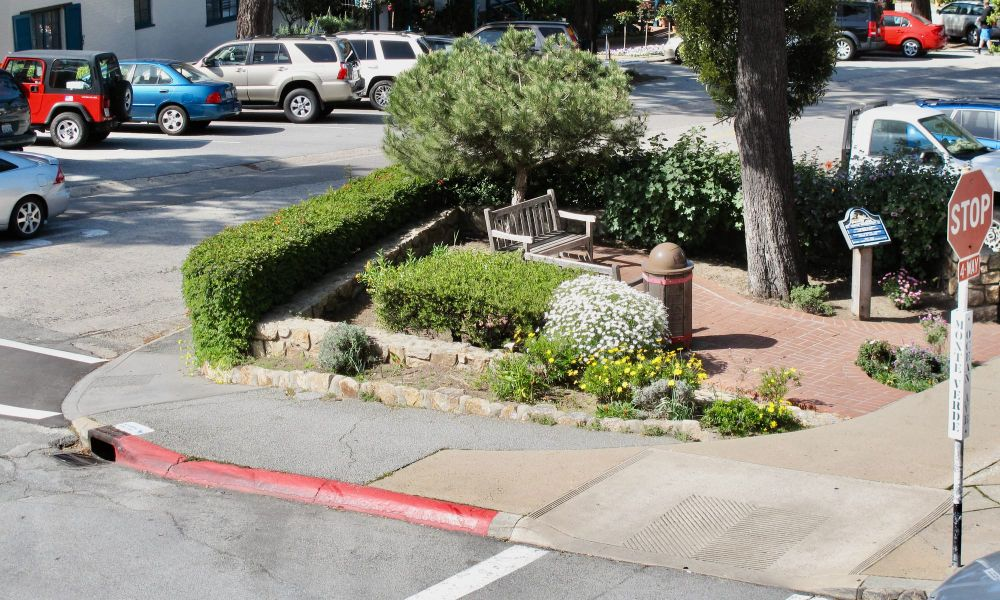
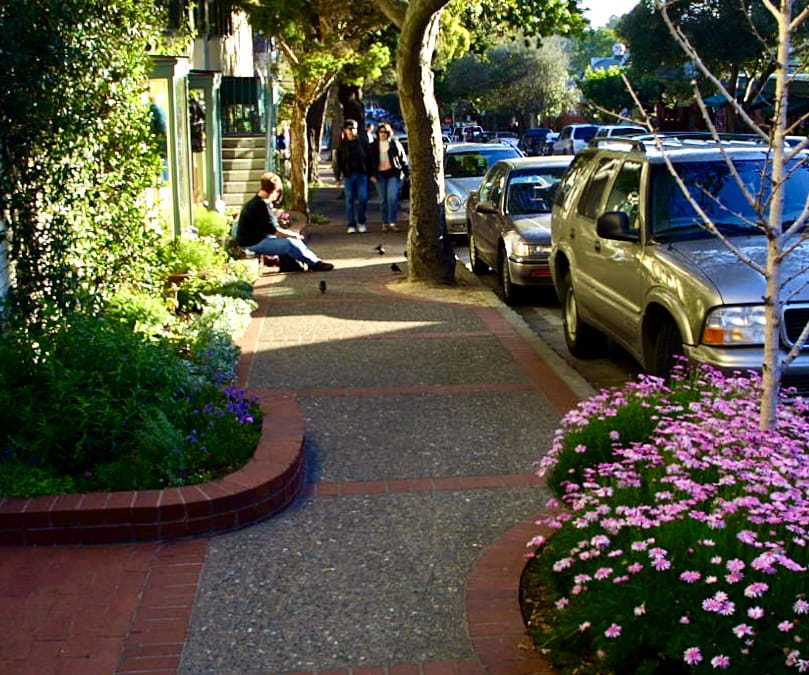
Landscaping can also lean into serving the nature that is already in a place, rather than manufacturing and shaping wholly new greenspaces. In Carmel, California, the landscaping works with the natural assets of the city and enhances them.
Large majestic trees sometimes sprout right out of the sidewalks and, instead of being cut down or forced away from foot traffic, they are highlighted through the addition of greenery, flowers, and other landscaping features. Landscaping is used to celebrate the existing nature here rather than to control or replace it. This gives the place a beautiful, organic charm.
 Fred Kent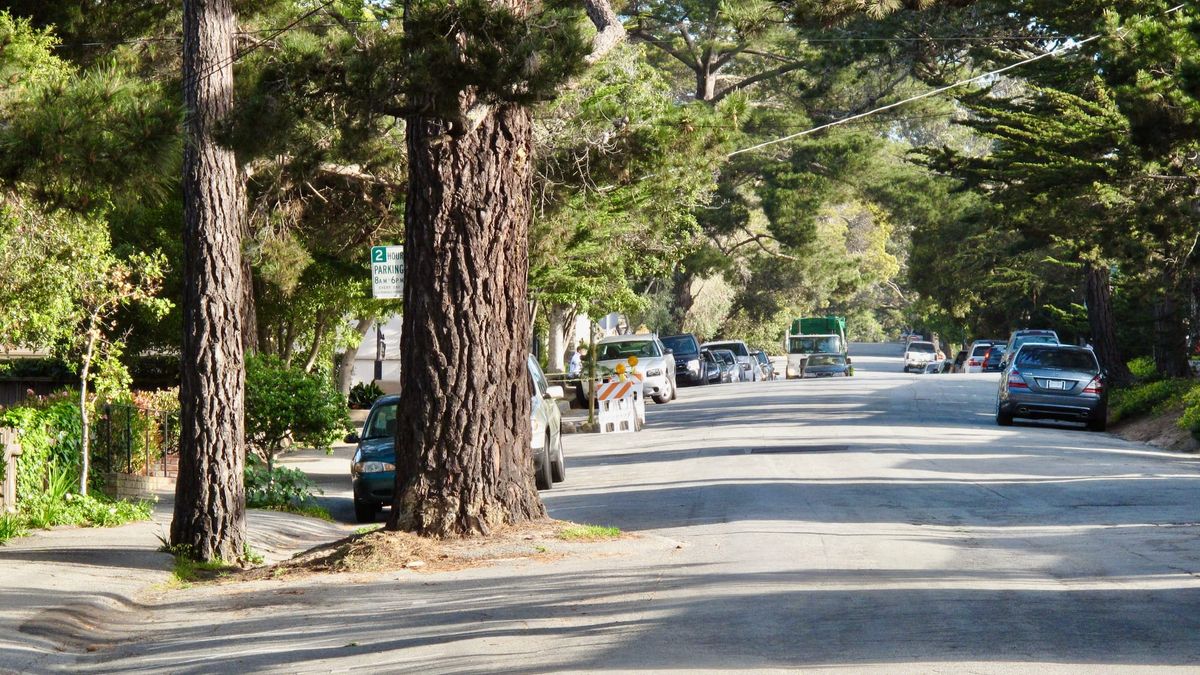
Look, Don't Touch – Privatizing Public Space
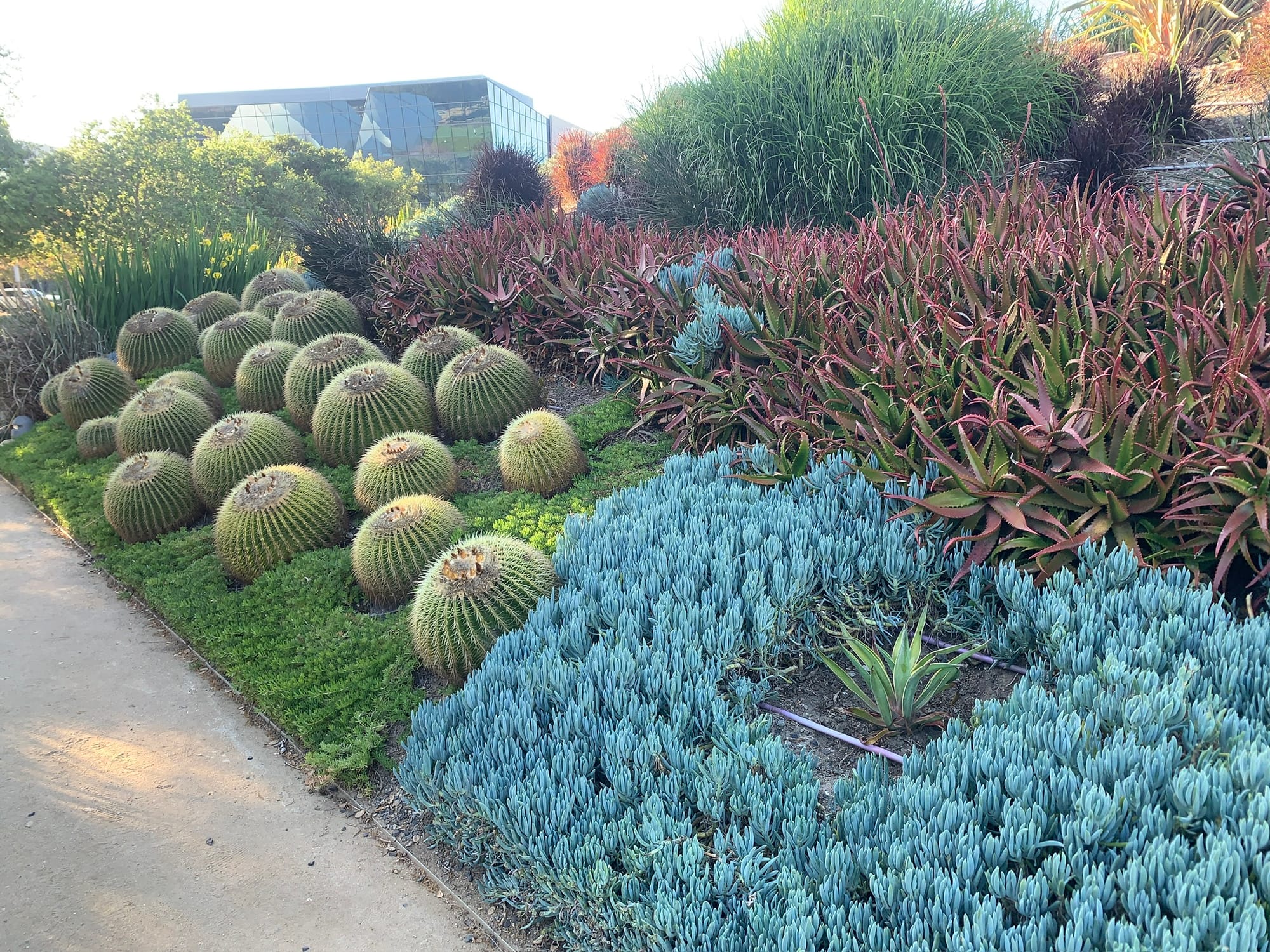
A space is public only if it is usable by the public. Yet excessive landscaping has made large portions of public spaces inaccessible. Under the guise of protecting the beauty of these areas, over-landscaping has disconnected them from those who want to be in touch with nature and the public realm.
Limiting Our Freedom
Much of what's great about public places is the freedom they give us – the freedom to run, walk around and play without having to worry about cars speeding past like they do on the street. They are places that we can explore and enjoy freely – full of trees to climb, landmarks to photograph, lawns to picnic on, cafés to relax in. They give us a number of options for how we can experience the outside world, unlike most places outside our homes which have specific rules about what we can and can't do there. In restaurants, stores, and even on sidewalks, there are limitations and expectations for behavior. But in public places, we have more freedom.
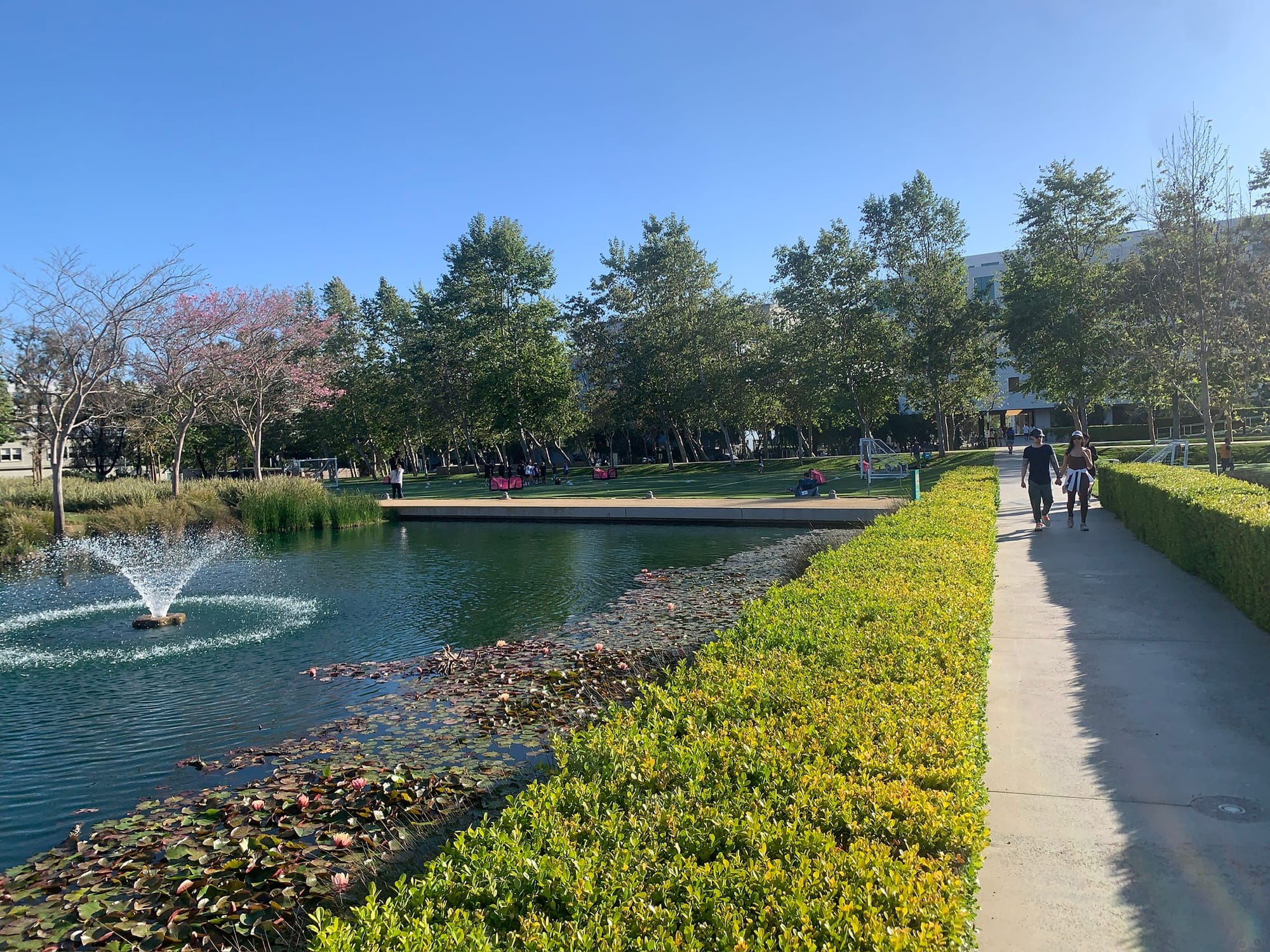
So when landscaping comes in to greatly restrict that freedom by "cordoning off" large expanses of space for plantings and gardens, it feels frustrating and limiting. It feels like we've lost an important part of public life. In so many of our parks, the space we are allowed to use is just a narrow path that winds through landscaped areas, robbing us of the freedom to experience the full expanse of the space.
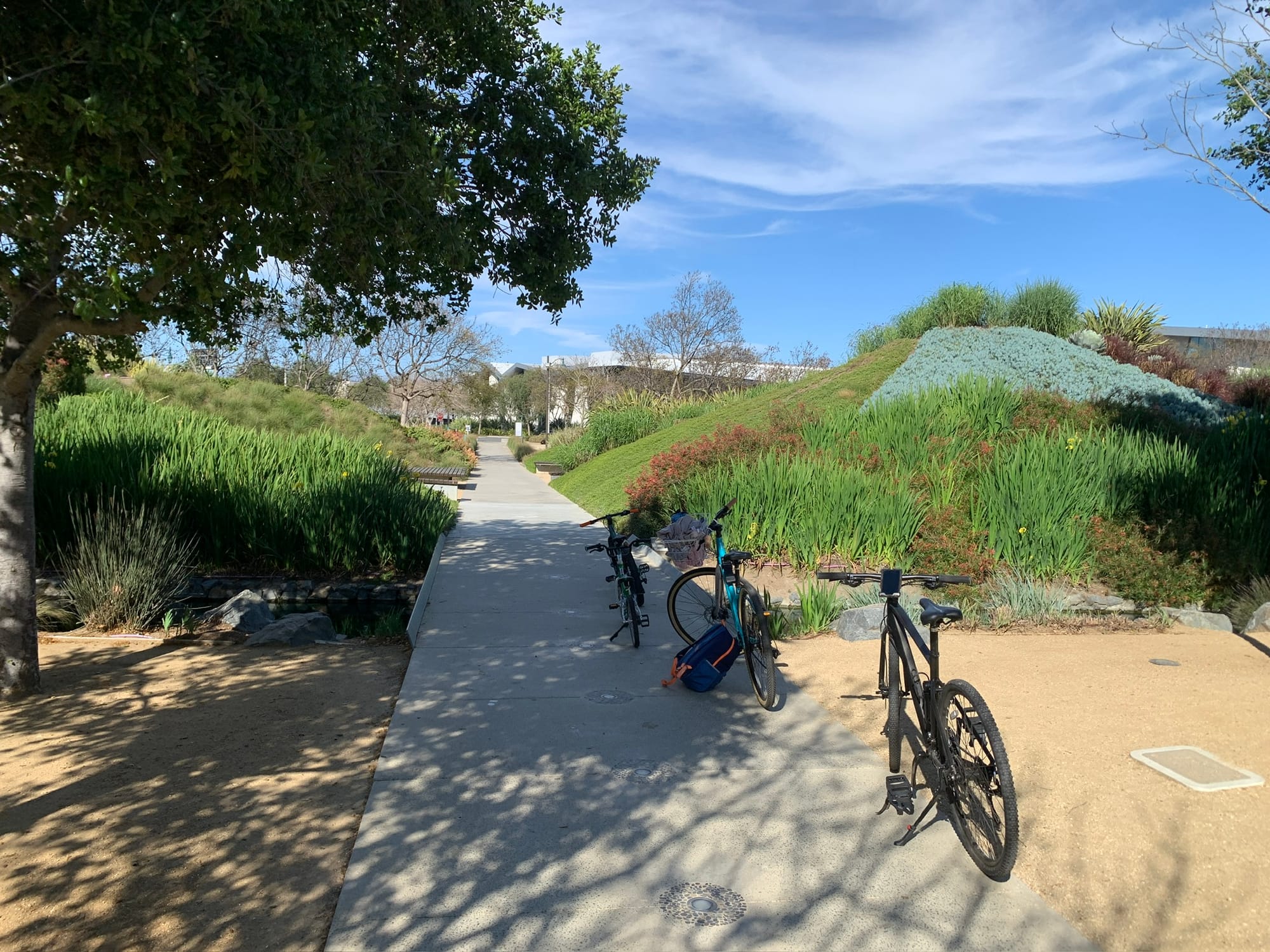
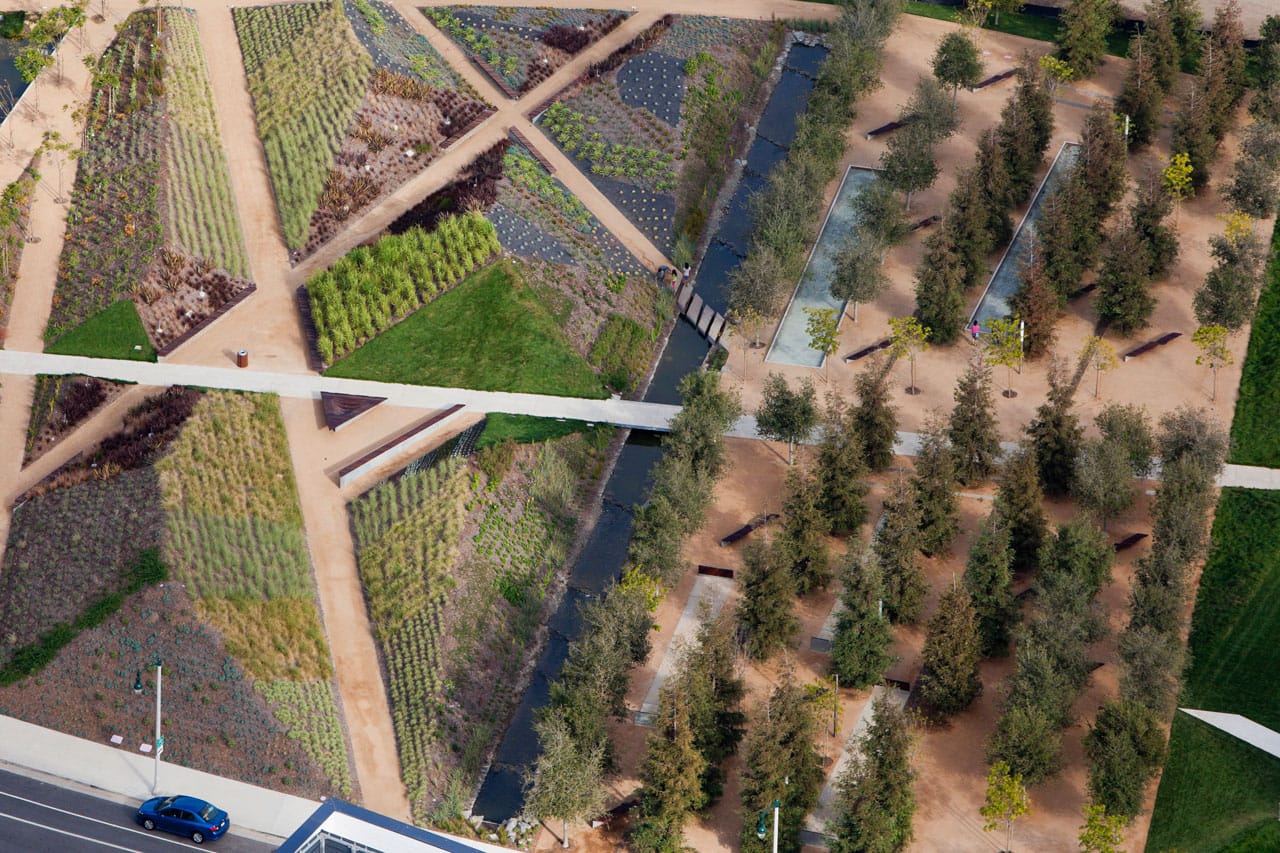
Central Park at Playa Vista, California: Image source for right photo.
The Case of The High Line
The High Line in Manhattan showcases how greenery can take over a public space, preventing the public from using large swaths of it. This linear park is a very popular destination, and on a sunny day, a walk there will involve rubbing elbows with hundreds of tourists eager to check this NYC “must-do” off their list.
However, when walking along The High Line, you notice the vast amounts of space that are completely off limits to the public, reserved solely for plants and flowers one can admire from afar.
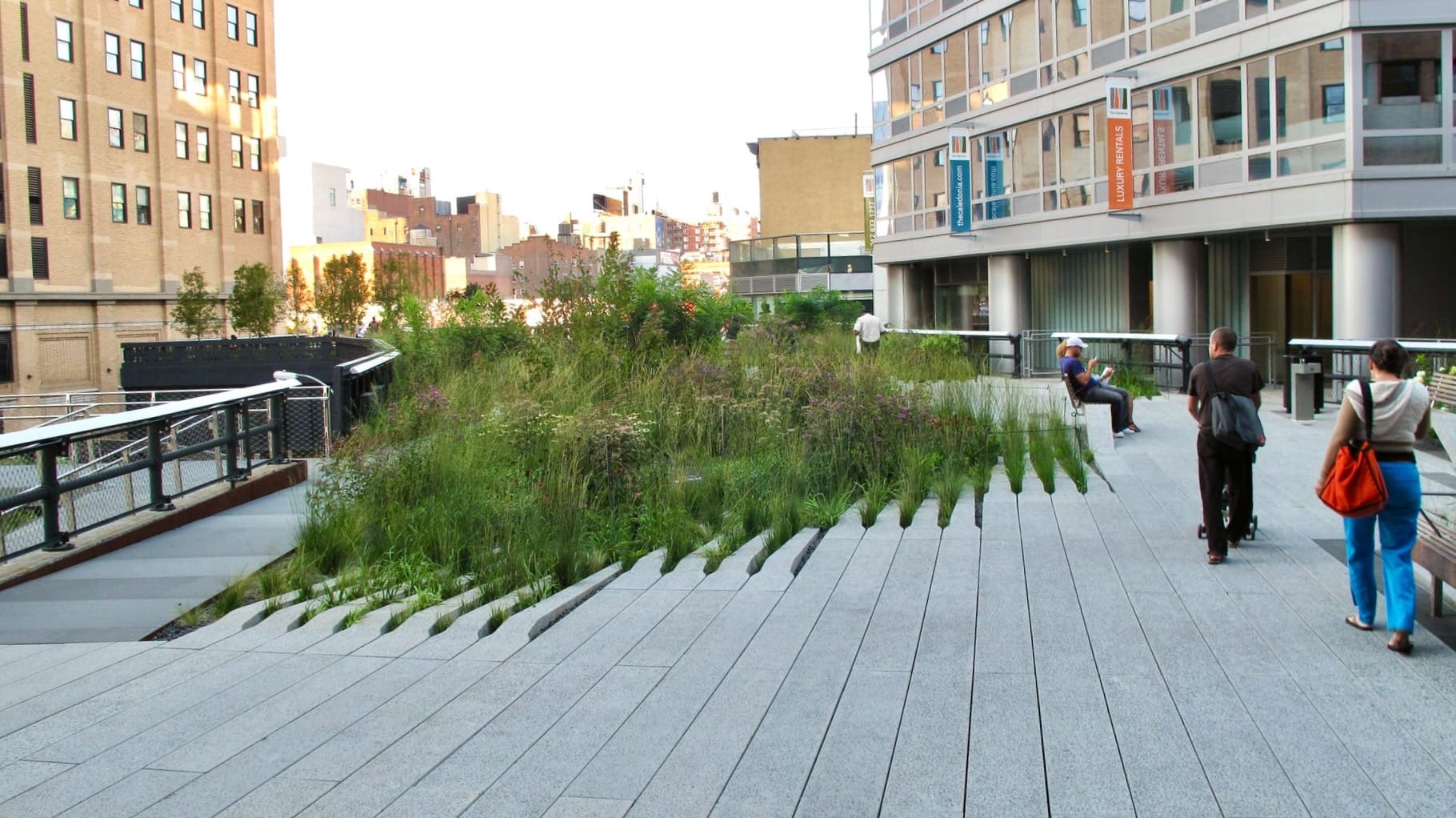
In some segments of the park, there is a better balance. Below, we’ve color-coded one section of The High Line where there is always a lot of activity. The green shows space reserved for landscaping, the yellow shows space designed for walking, and the blue shows space meant for lounging.
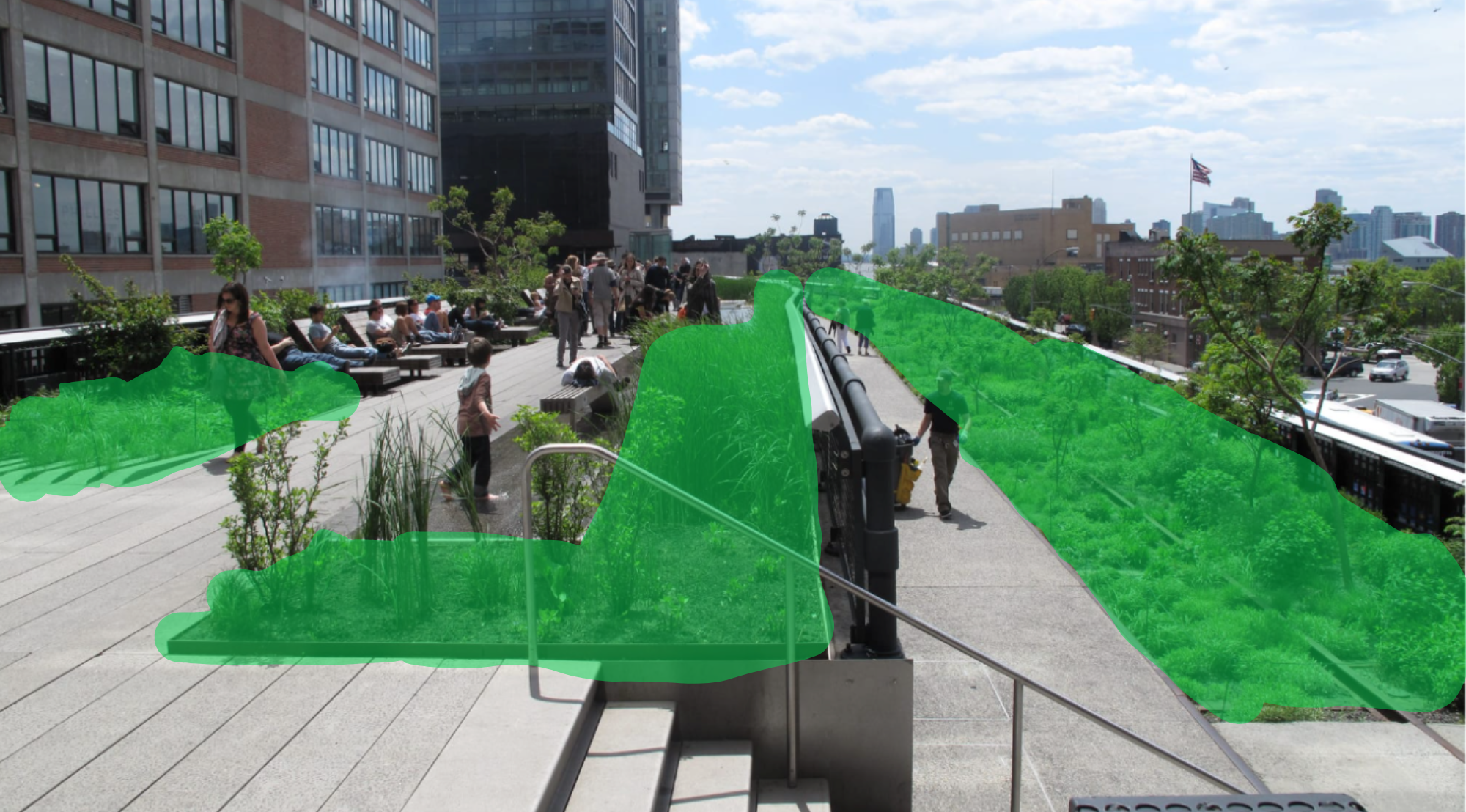
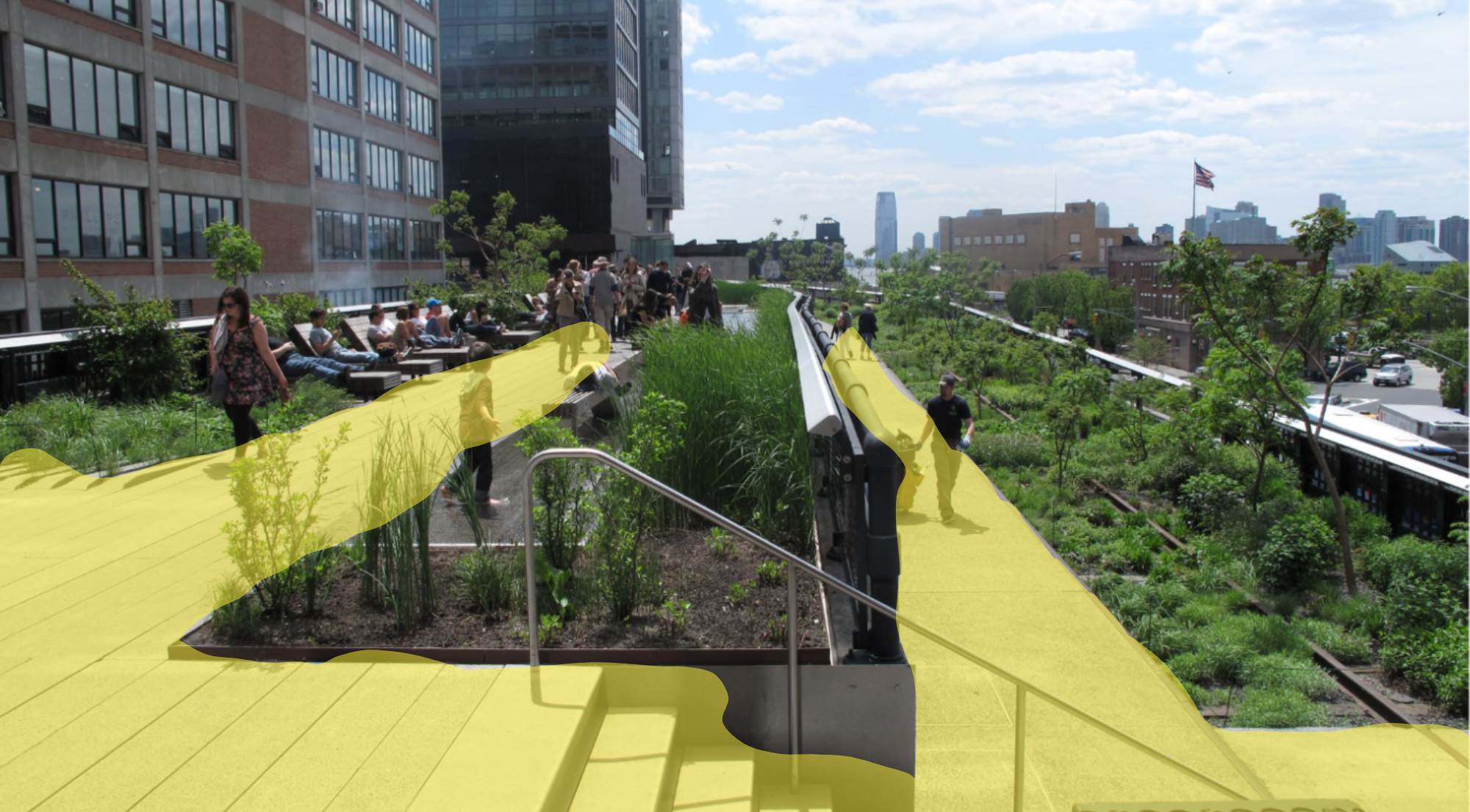
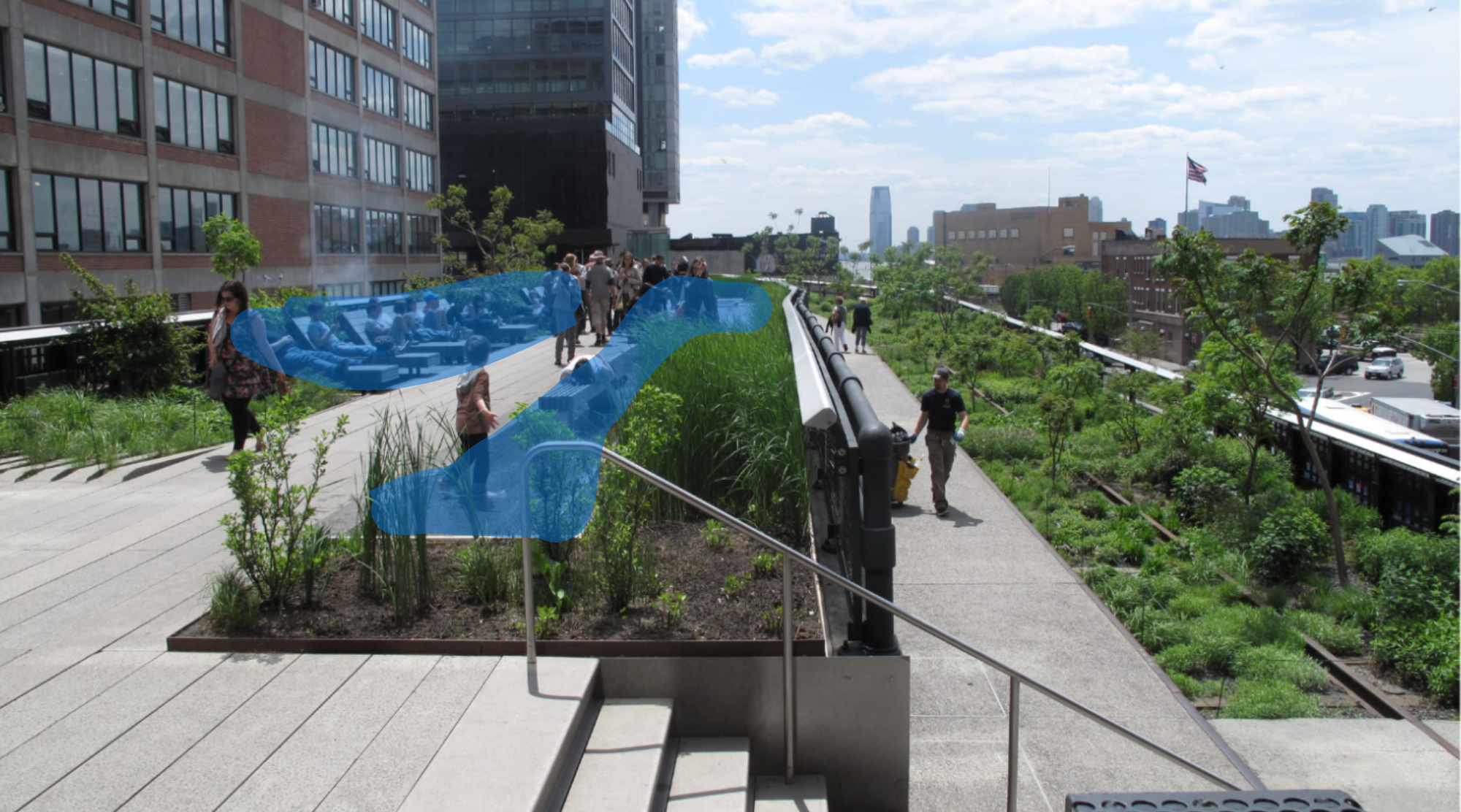
Yellow = Walking | Blue = Lounging
These photos reveal that the places meant for lounging are the most used, followed by the walkways, followed by the greenery. In areas where the space is allocated accordingly – most for social life and least for greenery – we see a lot of people enjoying public life.
Unfortunately, most of the High Line allocates space to those uses in the opposite proportion: most of the space is used for greenery, followed by the walkways, followed by the lounging areas. Along much of the High Line, the usable space is limited to a narrow path which often forces people to walk past each other in a single file line, while ample gardens that are totally off limits extend on both sides.
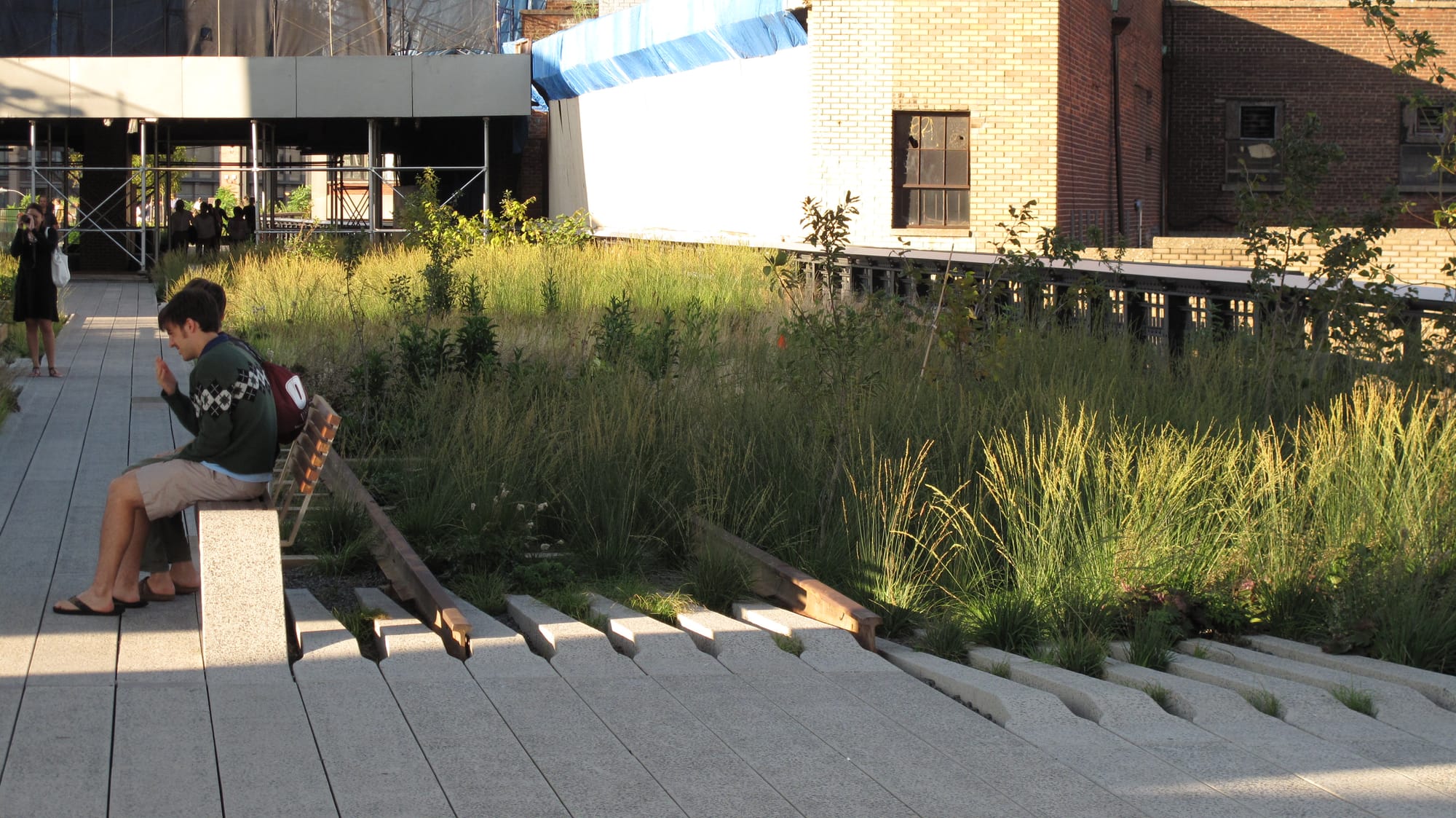
Dissenters may argue that although people are not welcome on the greenery they are still there because of the greenery. While this may be partially true, there are many examples of areas full of landscaping that maintains ample room for active uses, allowing people to engage with the public space more fully, rather than just marveling at it from a distance like patrons of a museum. Enter Bryant Park.
The Case of Bryant Park
Before Bryant Park became the world class public place and heart of Manhattan that it currently is, it was just a well-landscaped lawn. It had nice rounded shrubs and smooth paths, everything neatly trimmed and manicured, but there was nothing going on there. The only things you could do were lay on the grass or sit on the grass. Because of this, it fell into disuse and even became a site for illicit activity because it was so full of secluded corners and hidden nooks.
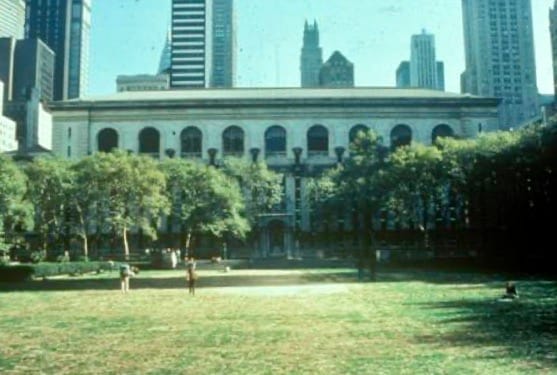
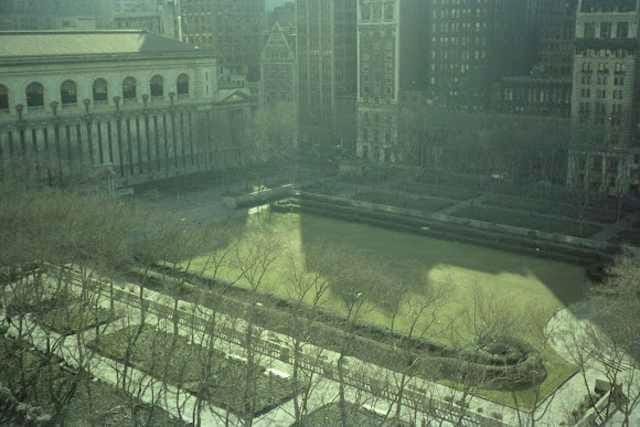
Bryant Park before 1965
In the 1970s, we created a plan for its revitalization with our organization Project for Public Spaces, and soon after, in accordance with our advice, features like moveable chairs, refreshment areas, and regular programming were introduced. Reasons to be in the park filled up the once bare lawn and its neatly landscaped surroundings.
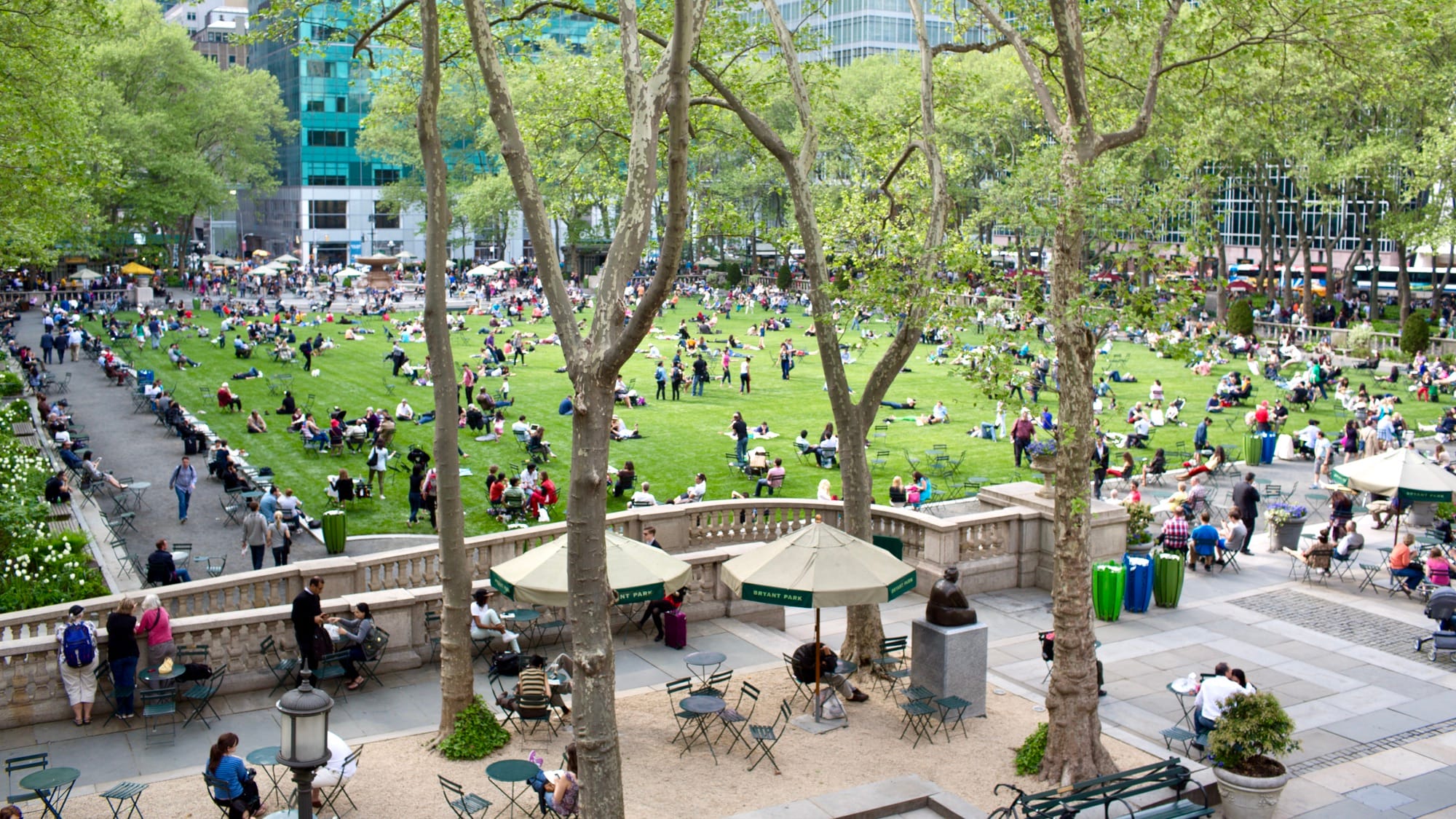
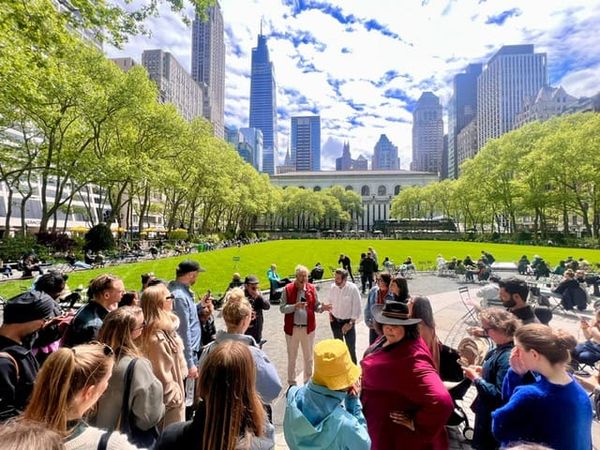
Today, the park features back-to-back reasons to spend time there: ping pong tables, boule courts, cafés, bars, concerts, juggling classes, movie nights, markets, an outdoor library, and more. As a result, the park is overflowing with visitors from morning to evening, year-round. And notably, the grass and trees and flowers are just as present and well-landscaped as they were before its activation; the difference is that now more people stick around to appreciate them.
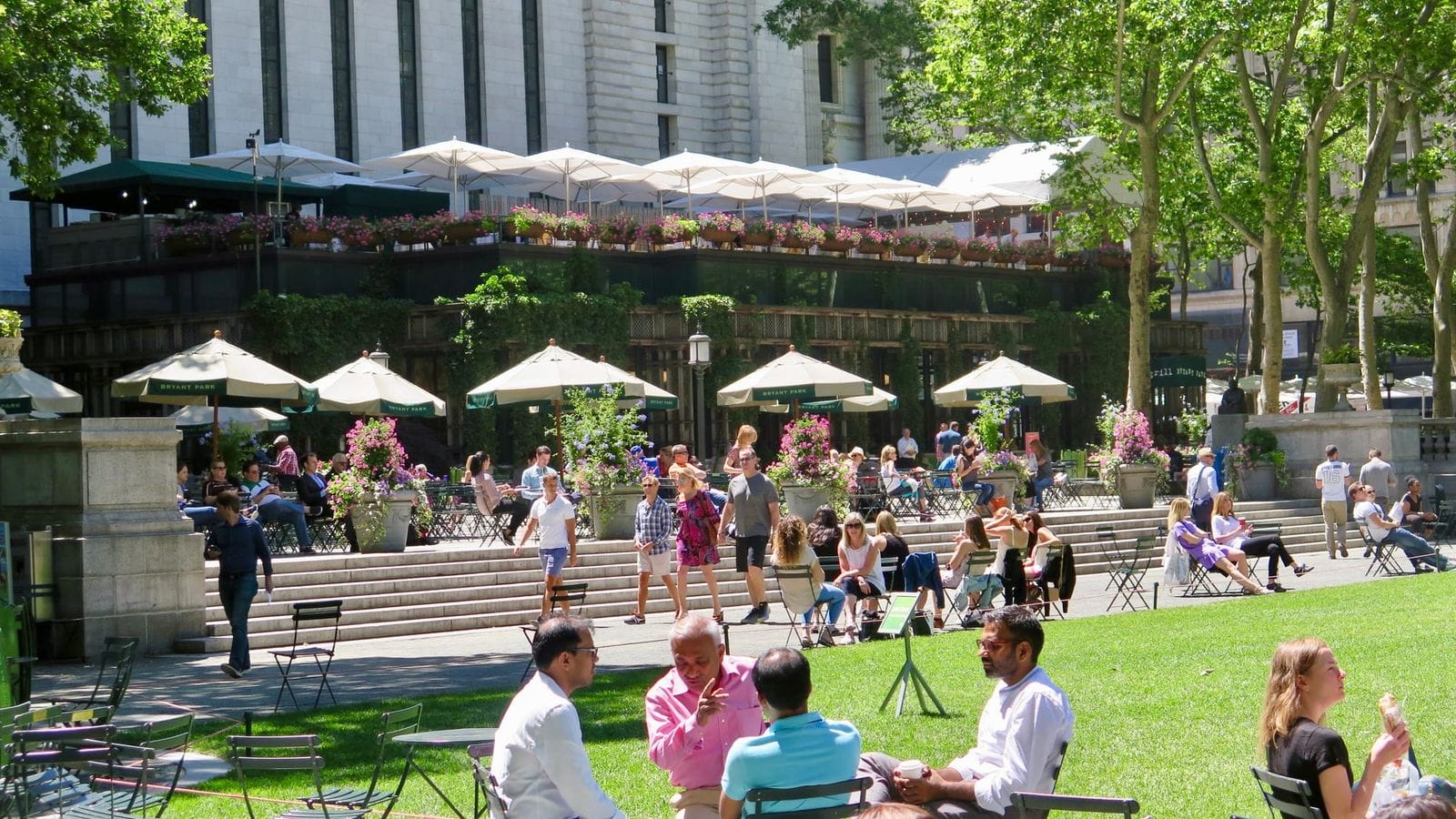
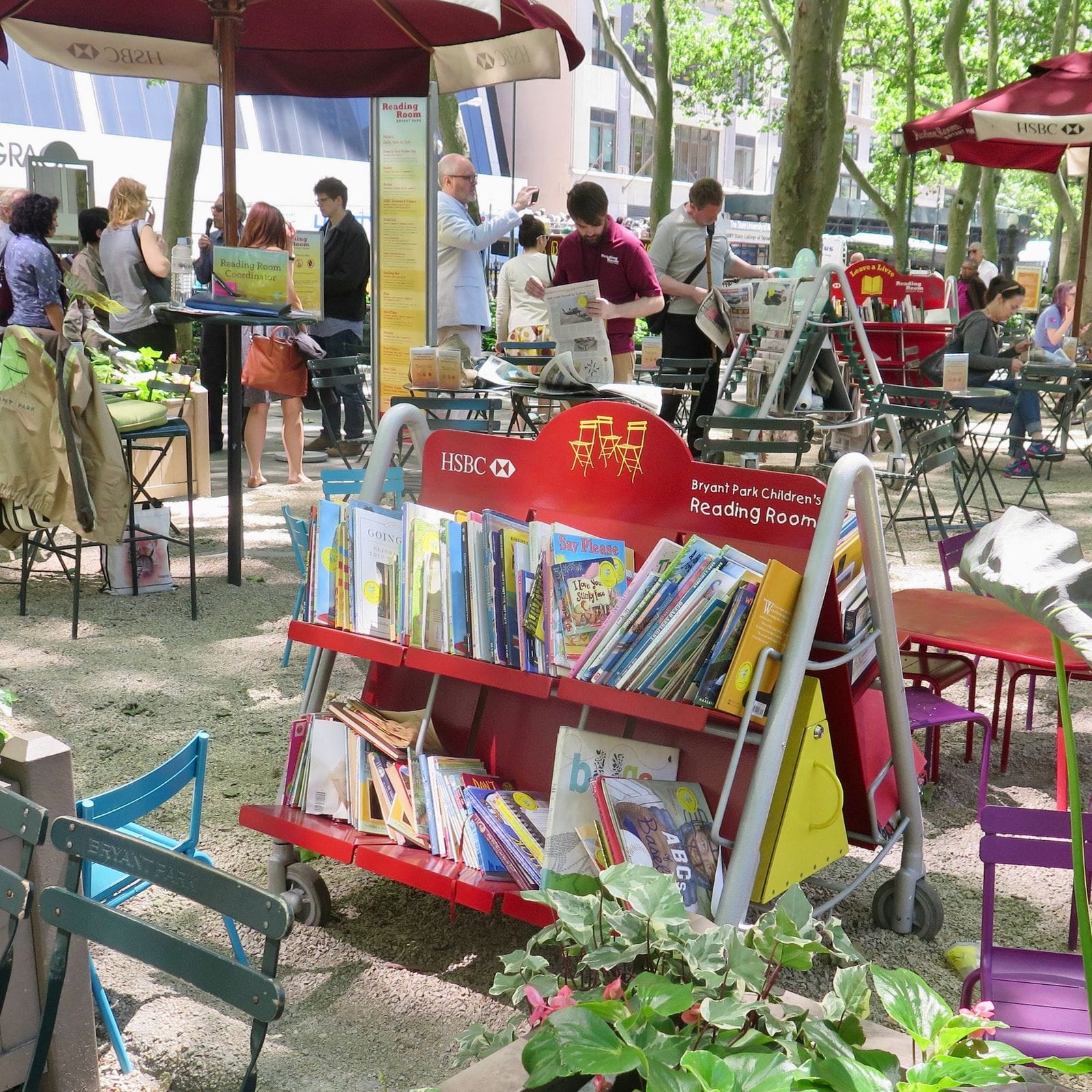
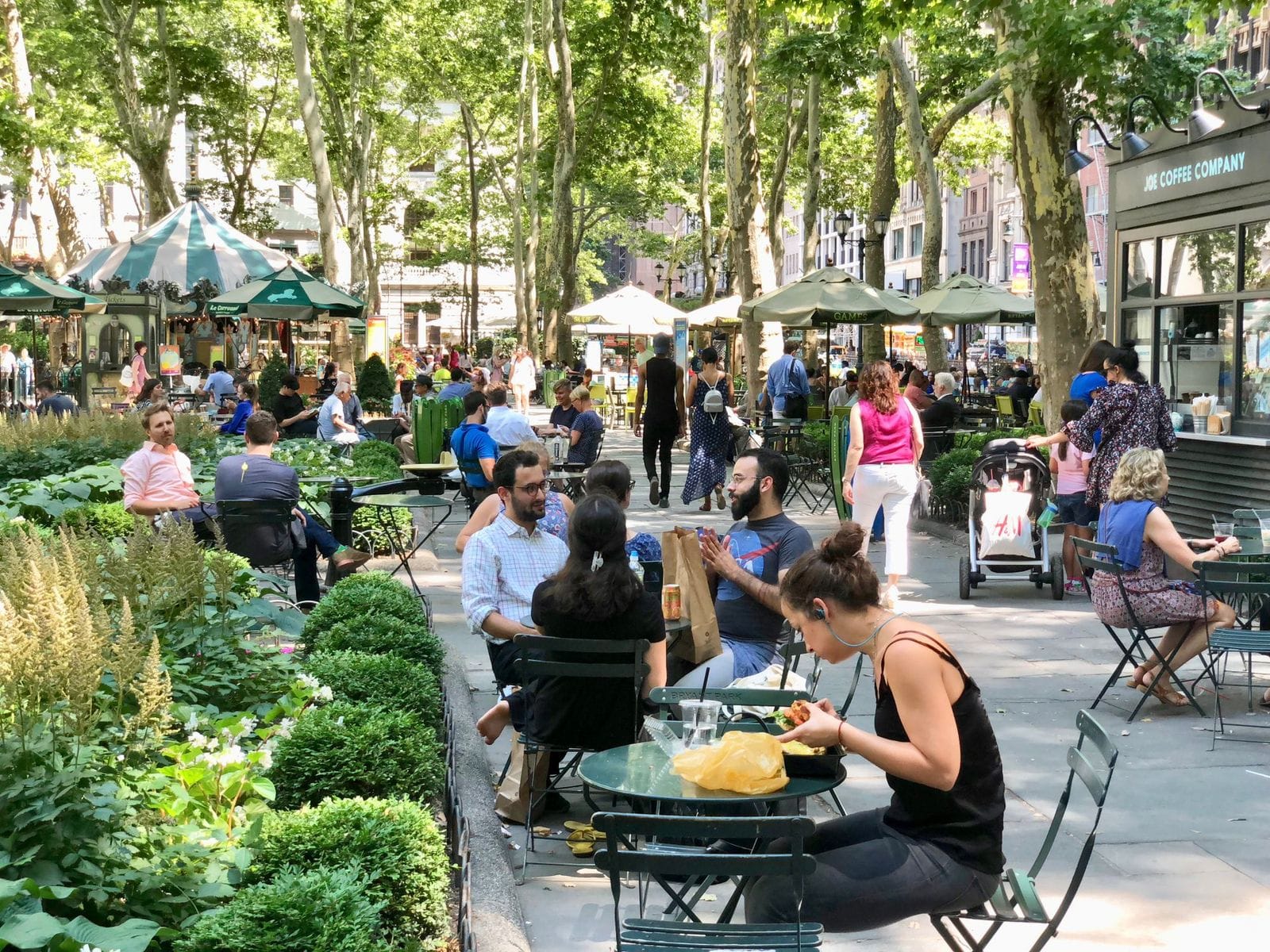
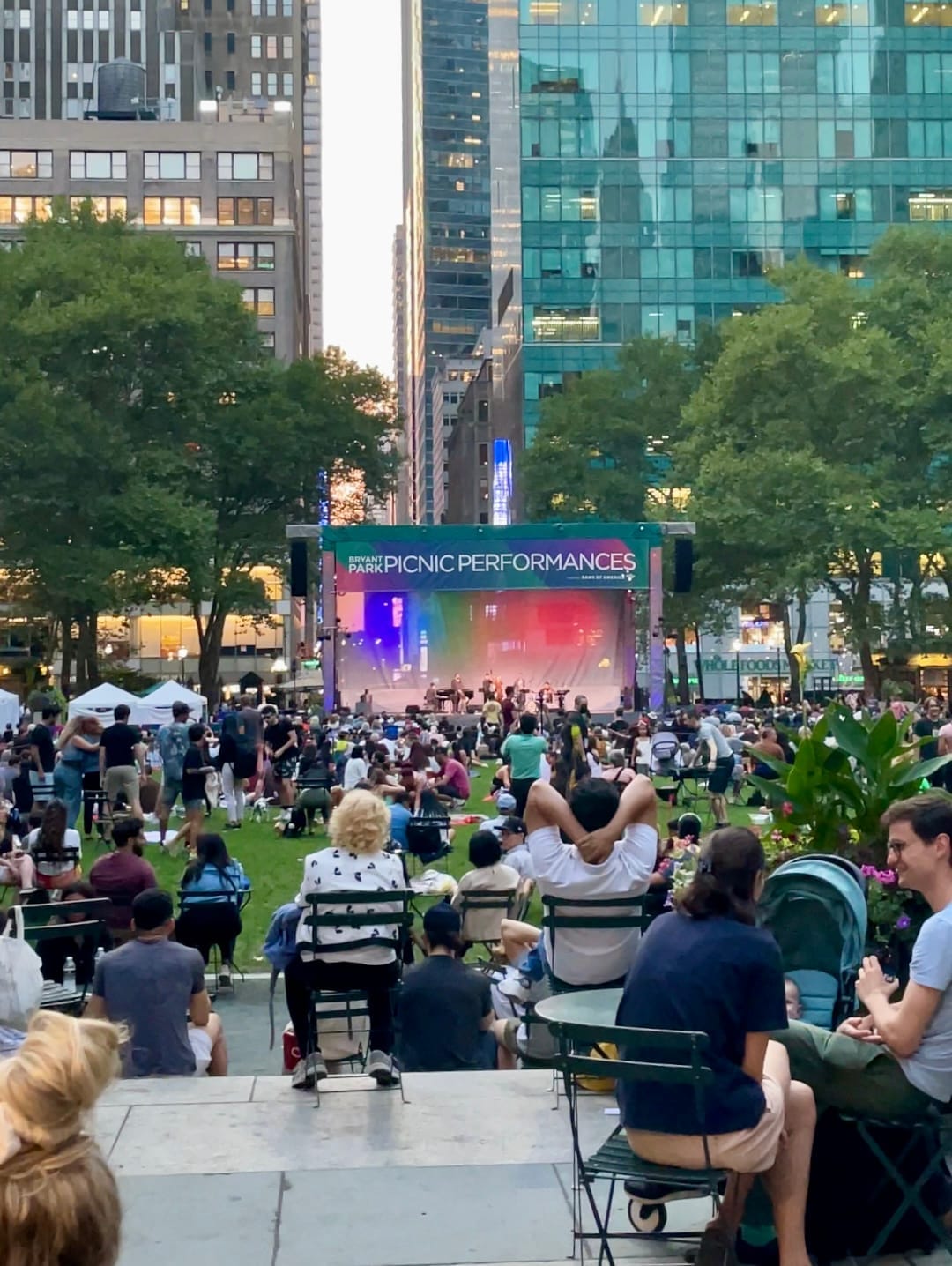
Bryant Park today
 Fred Kent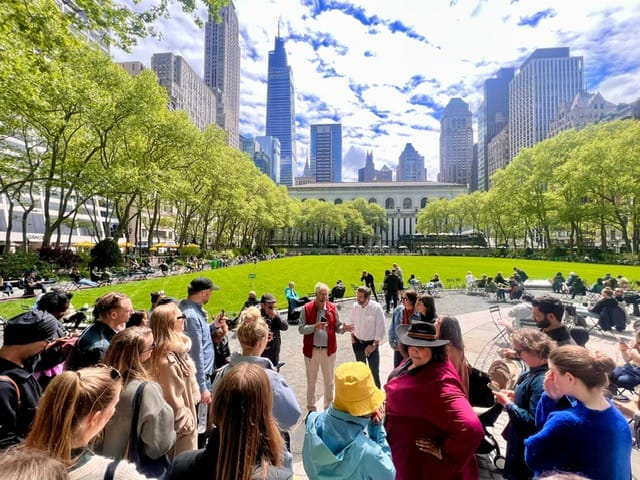
Over-Landscaped and Under-Activated Places
Many places around the world suffer from too much landscaping and too little placemaking. Unfortunately, these places are often in central areas and have the potential to be thriving hubs of public life – potential that is wasted on passive greenery instead of engaging activations.
Some common features of over-landscaping that make a place less interesting or appealing to be in, are the following:
- Paths to nowhere
- Oversized artificial groves of trees or bushes
- Barriers that block people from the water's edge
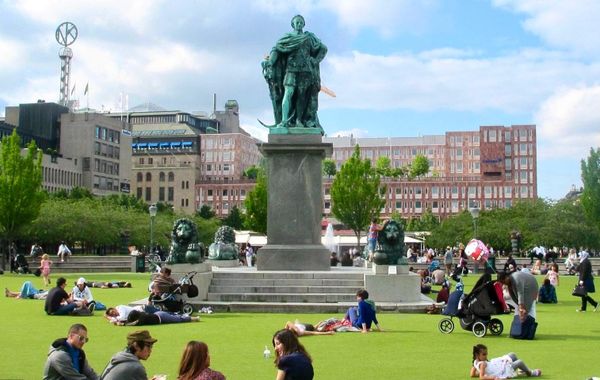
- Non-climbable statues surrounded by nothingness
- Sloped gardens that discourage people from walking or laying there
See if you can find these features in the examples below.
Brooklyn Bridge Park, NYC
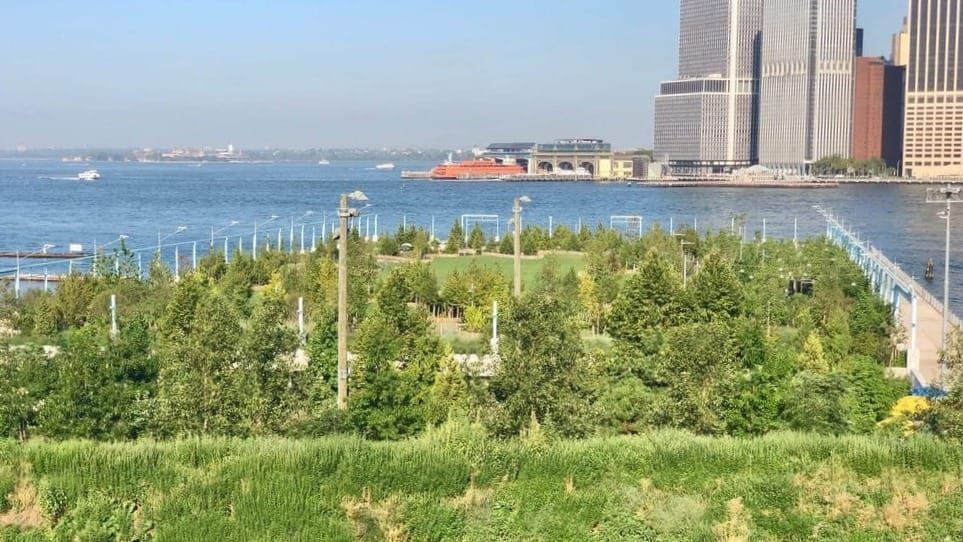
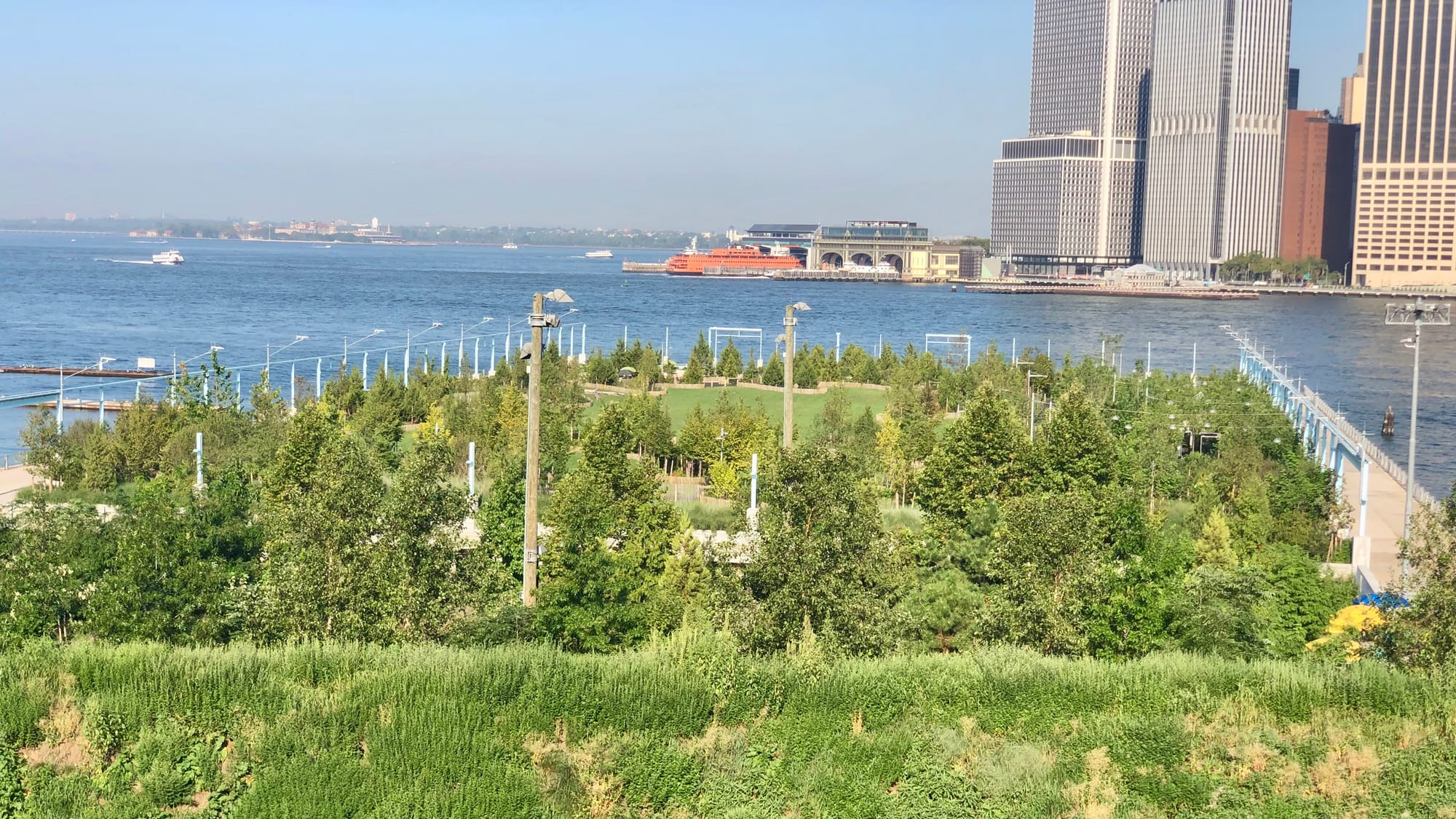
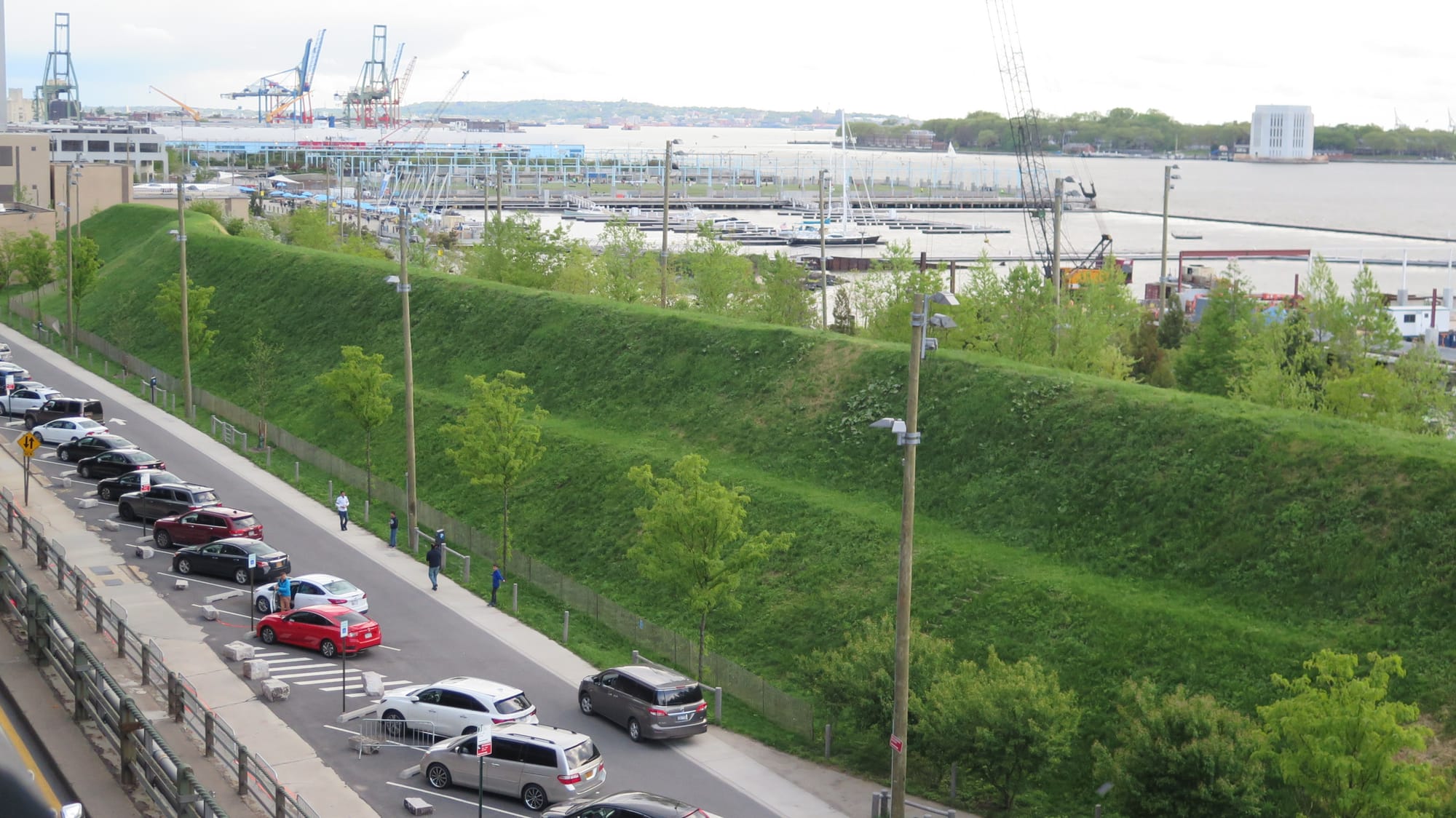
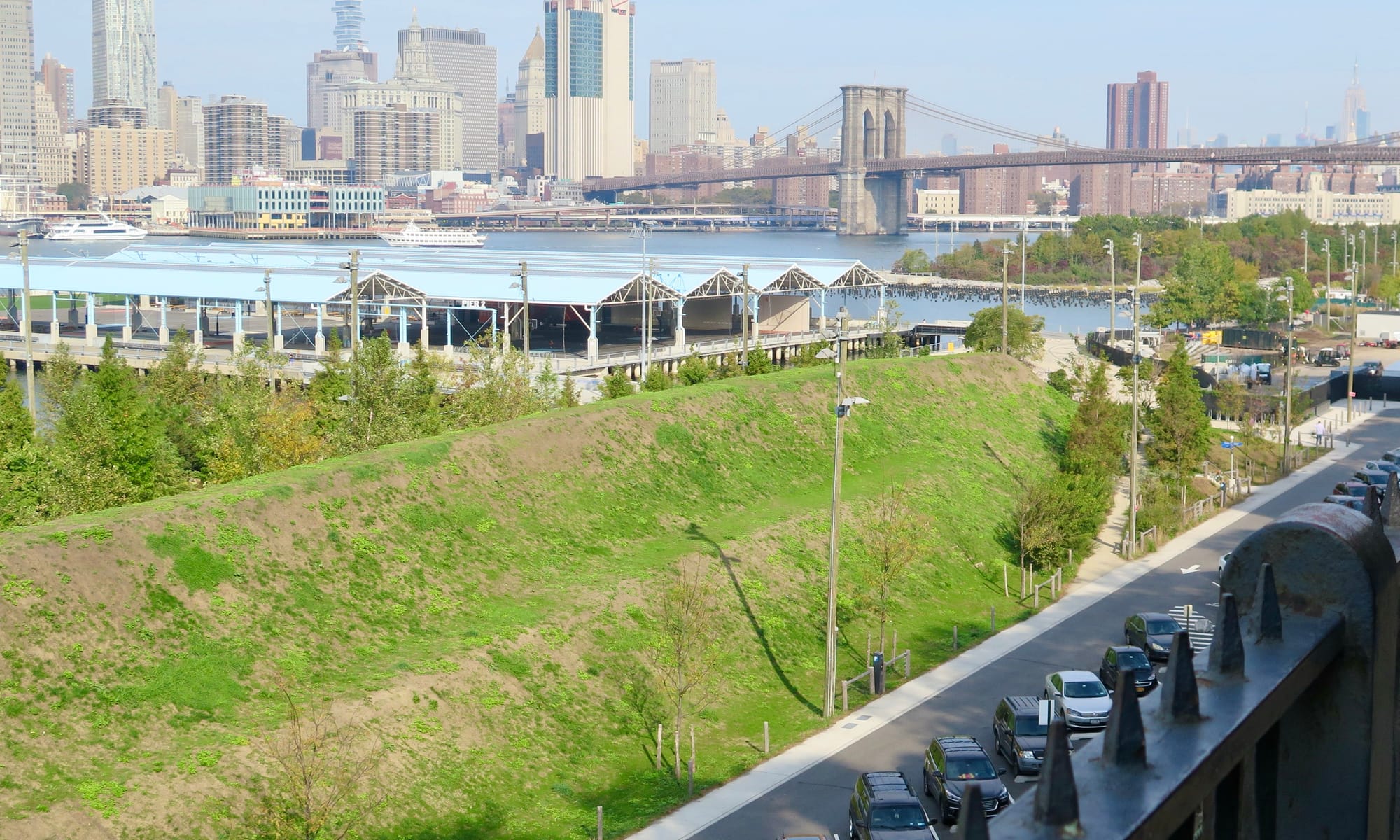
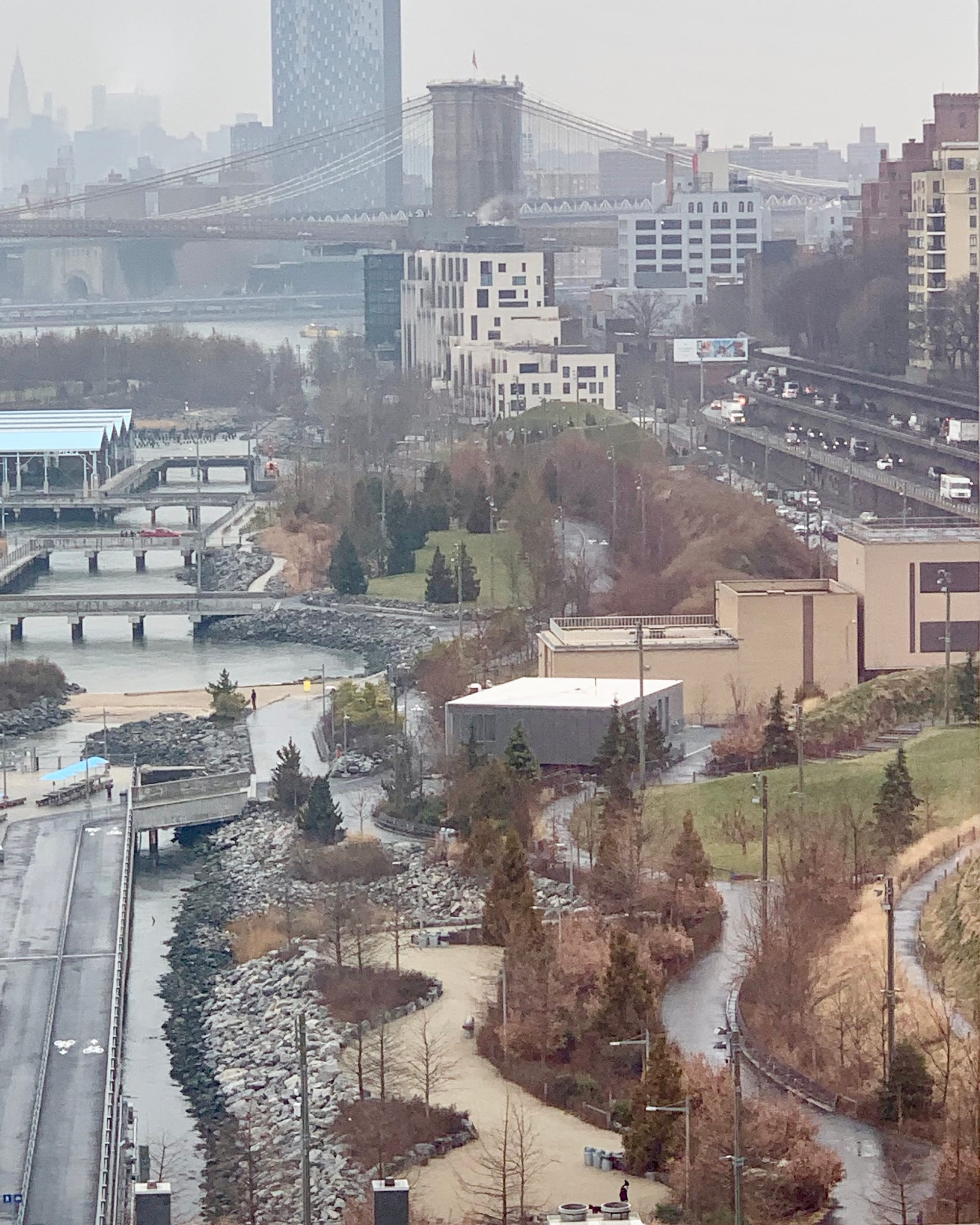
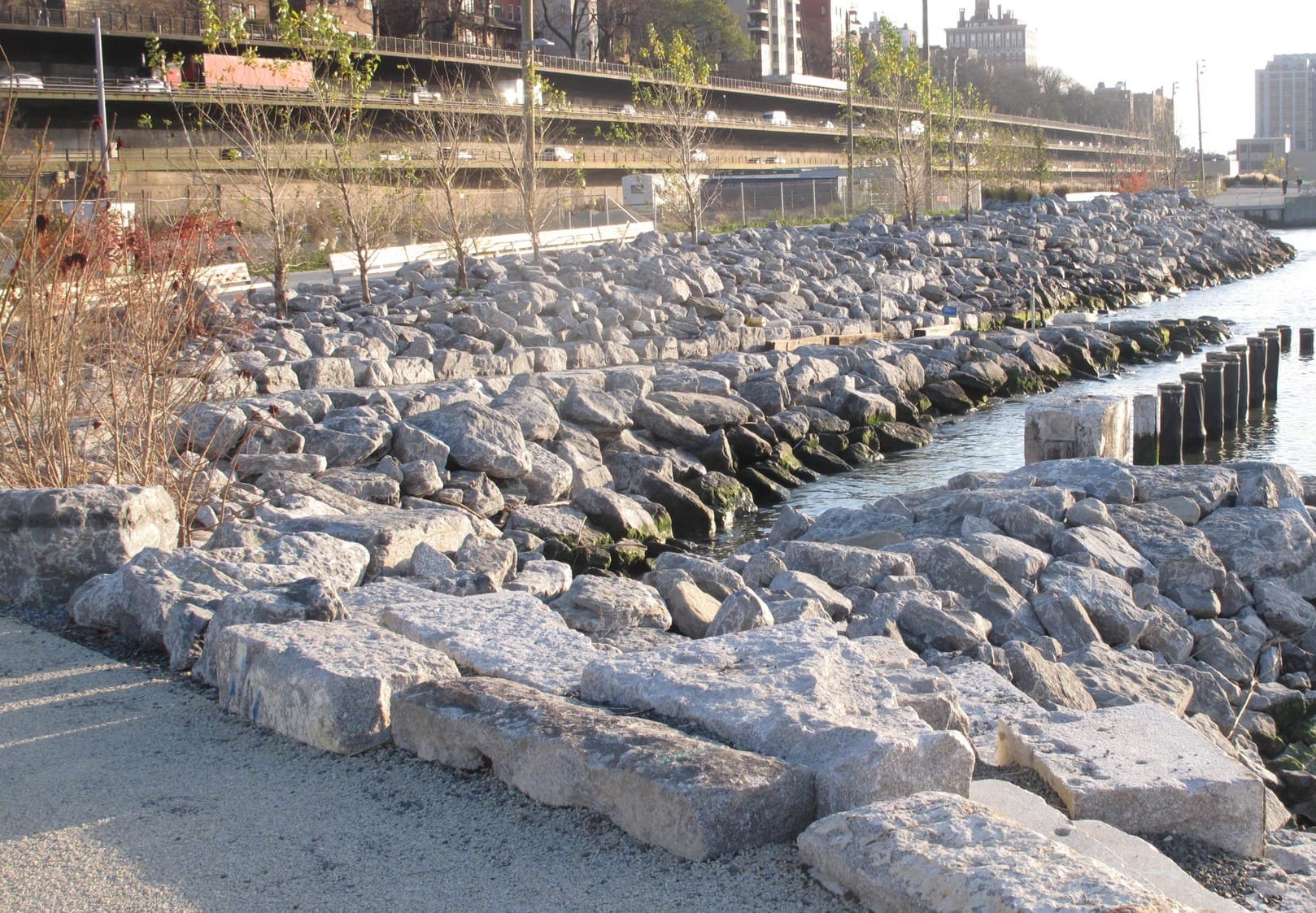
Brooklyn Bridge park has the potential to be one of the best waterfronts in the world. However, it is currently far from what it could be because too much of its surface area is covered in passive landscaping. From bare fields to large rock piles, what should be the most popular public space in the region is little more than a jogging path surrounded by greenery (and rocks).
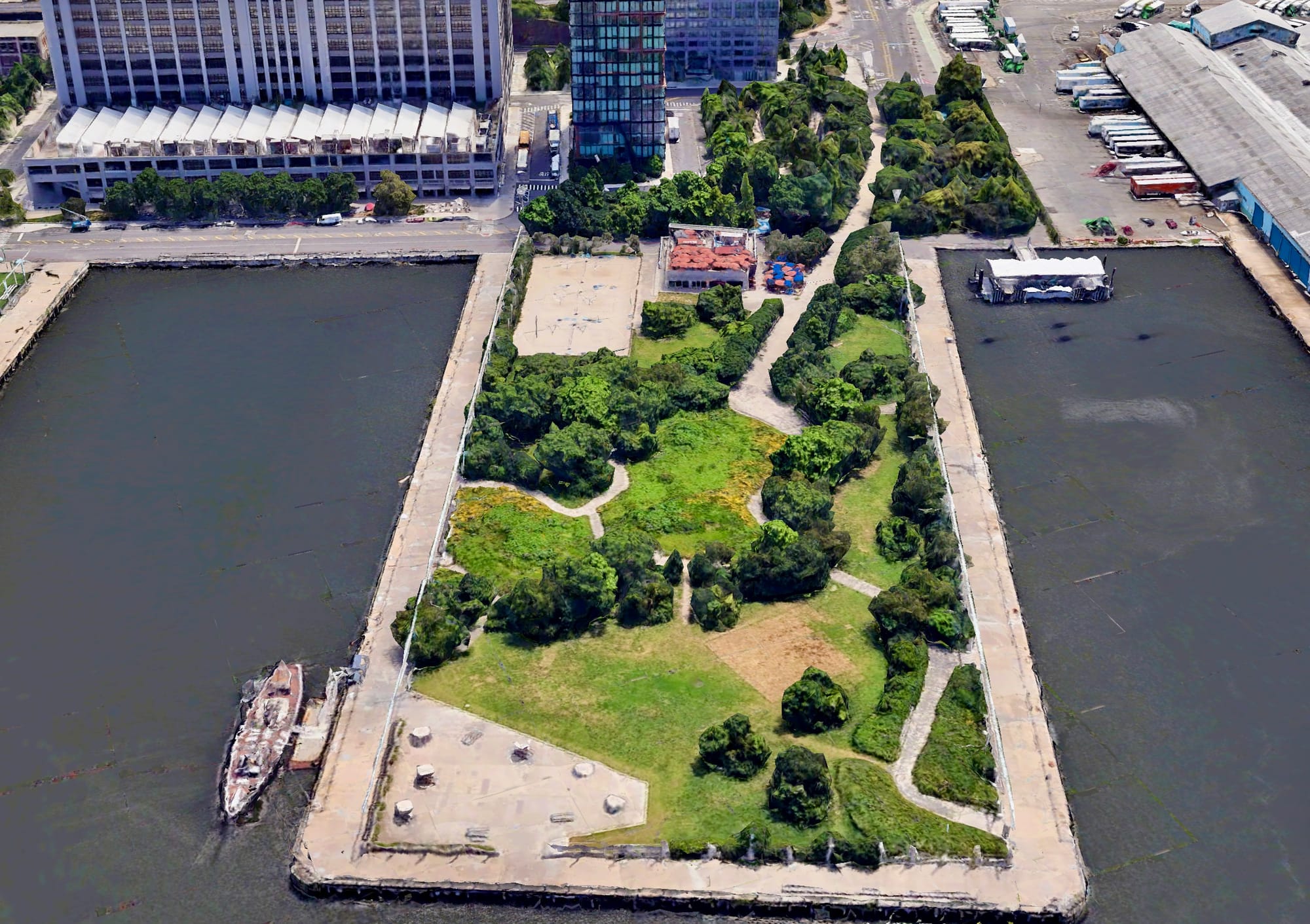
Piers 6 and 3 in Brooklyn
 Fred Kent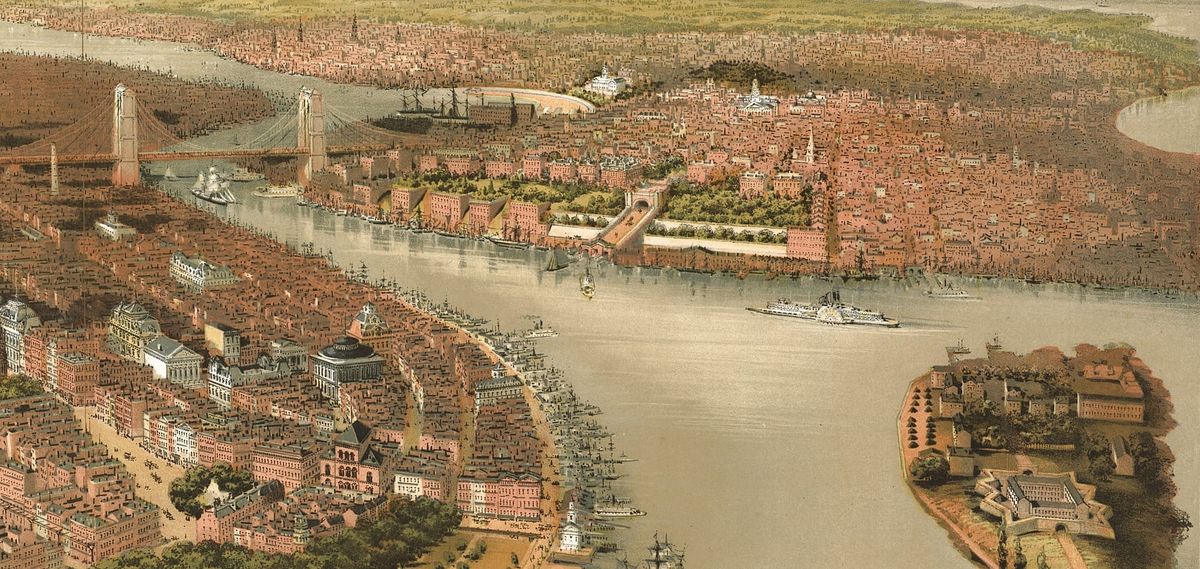
Parc del Fòrum, Barcelona
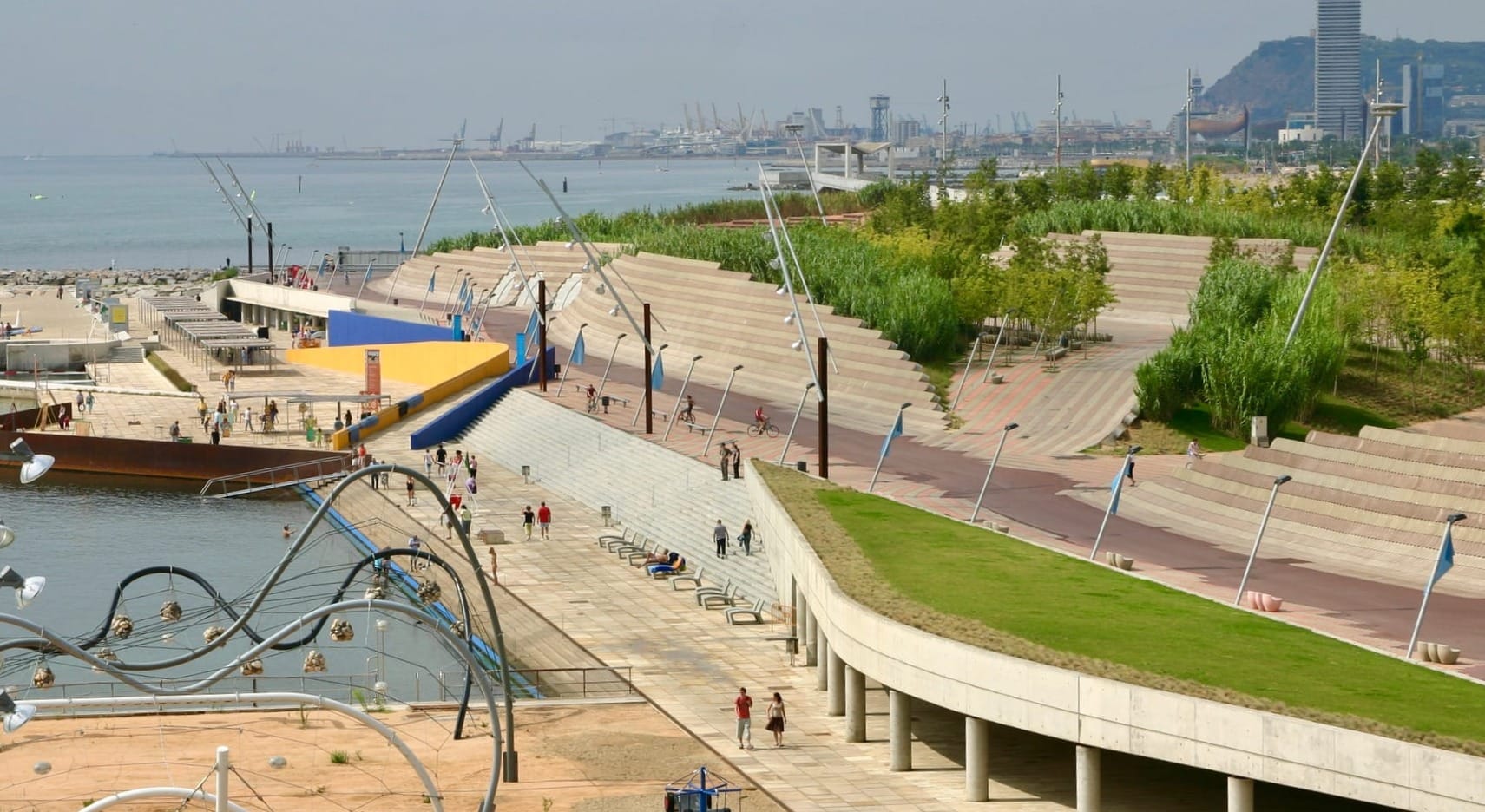
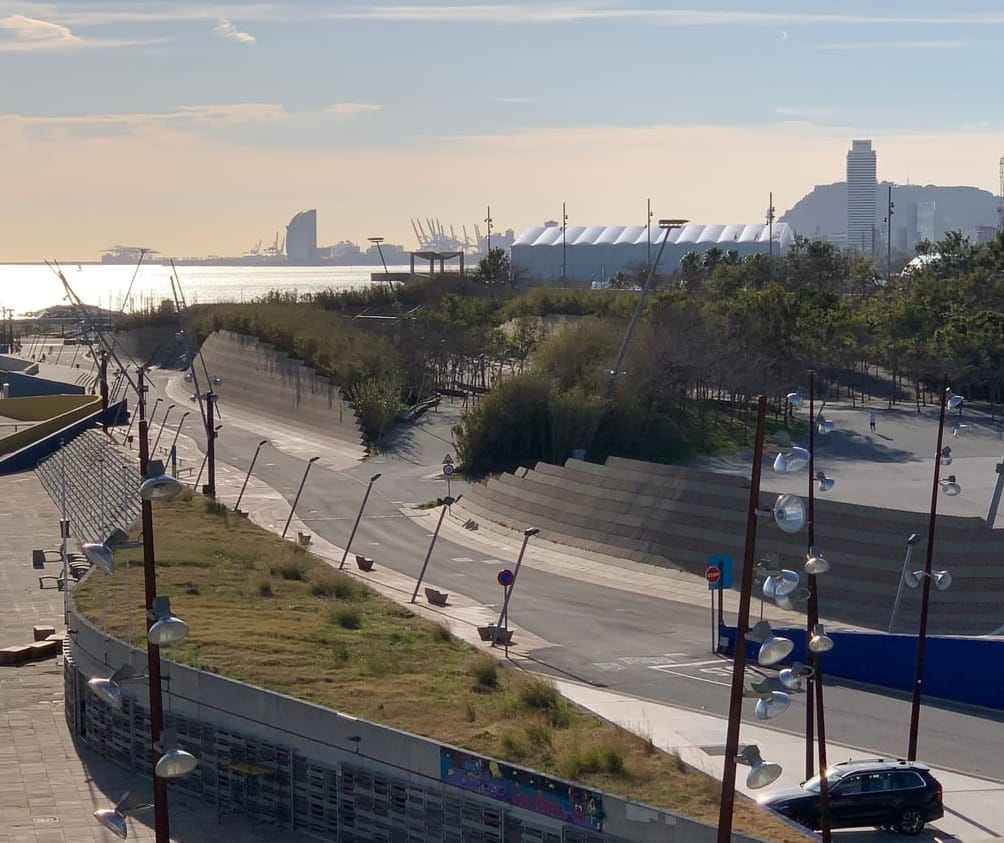
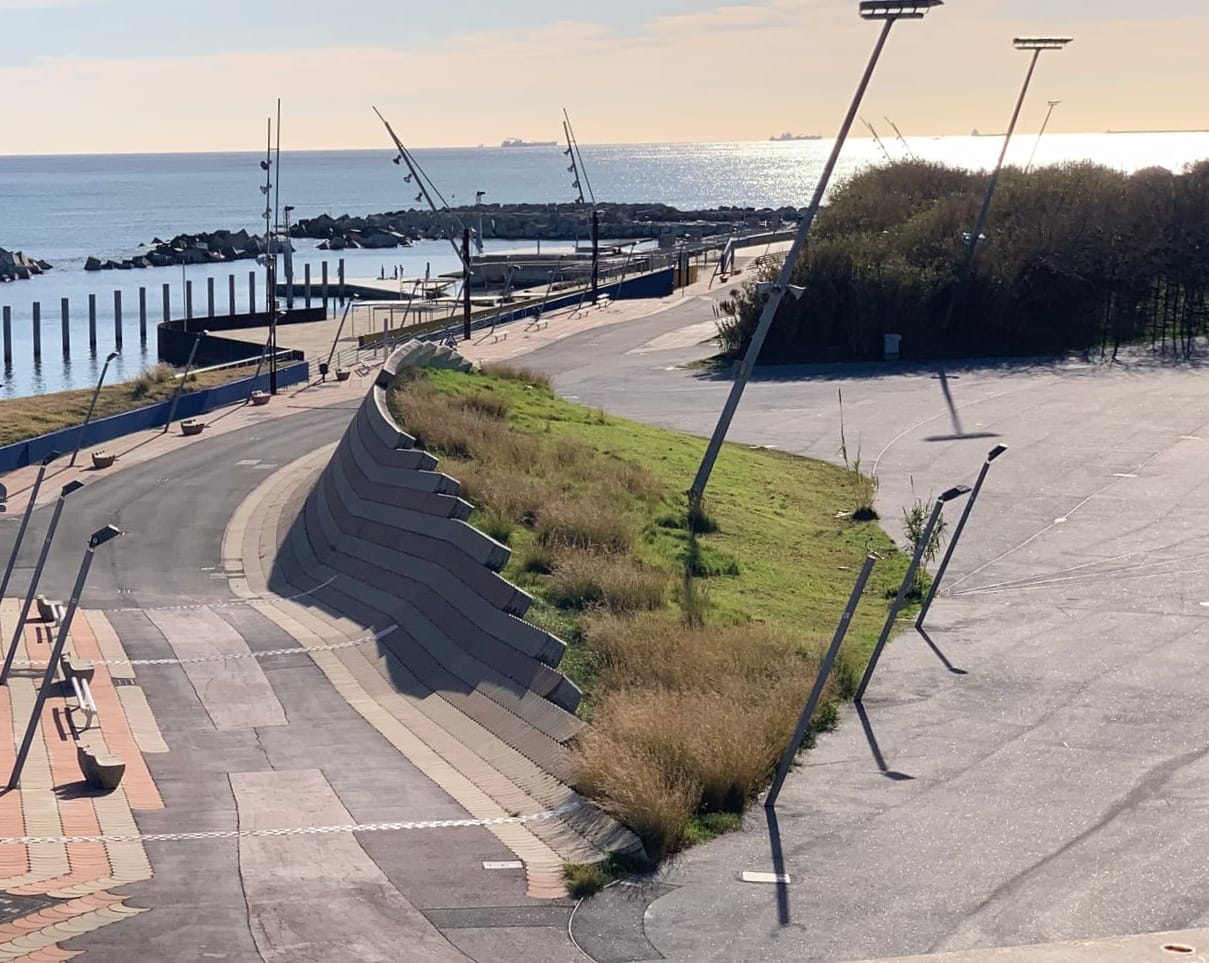
In Barcelona, a park outside the center is made up of large landscaped areas and big blank stretches of pavement. Intended to be a public space, it struggles to attract the public because it offers little more than groves of trees and featureless surfaces. Dominated by contemporary art and uncomfortable benches, it does not successfully create a sense of comfort and appeal.
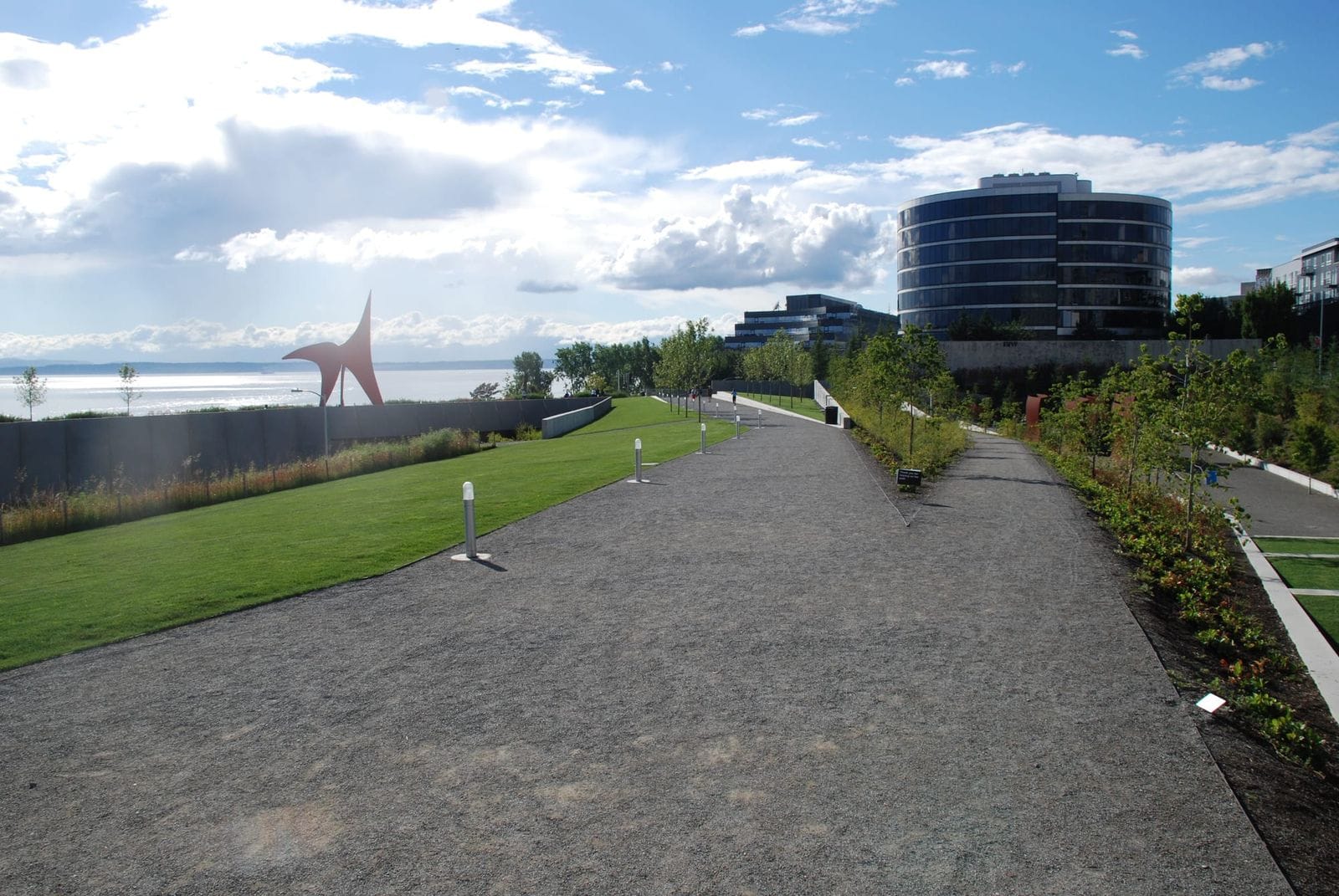
Seattle Sculpture Park
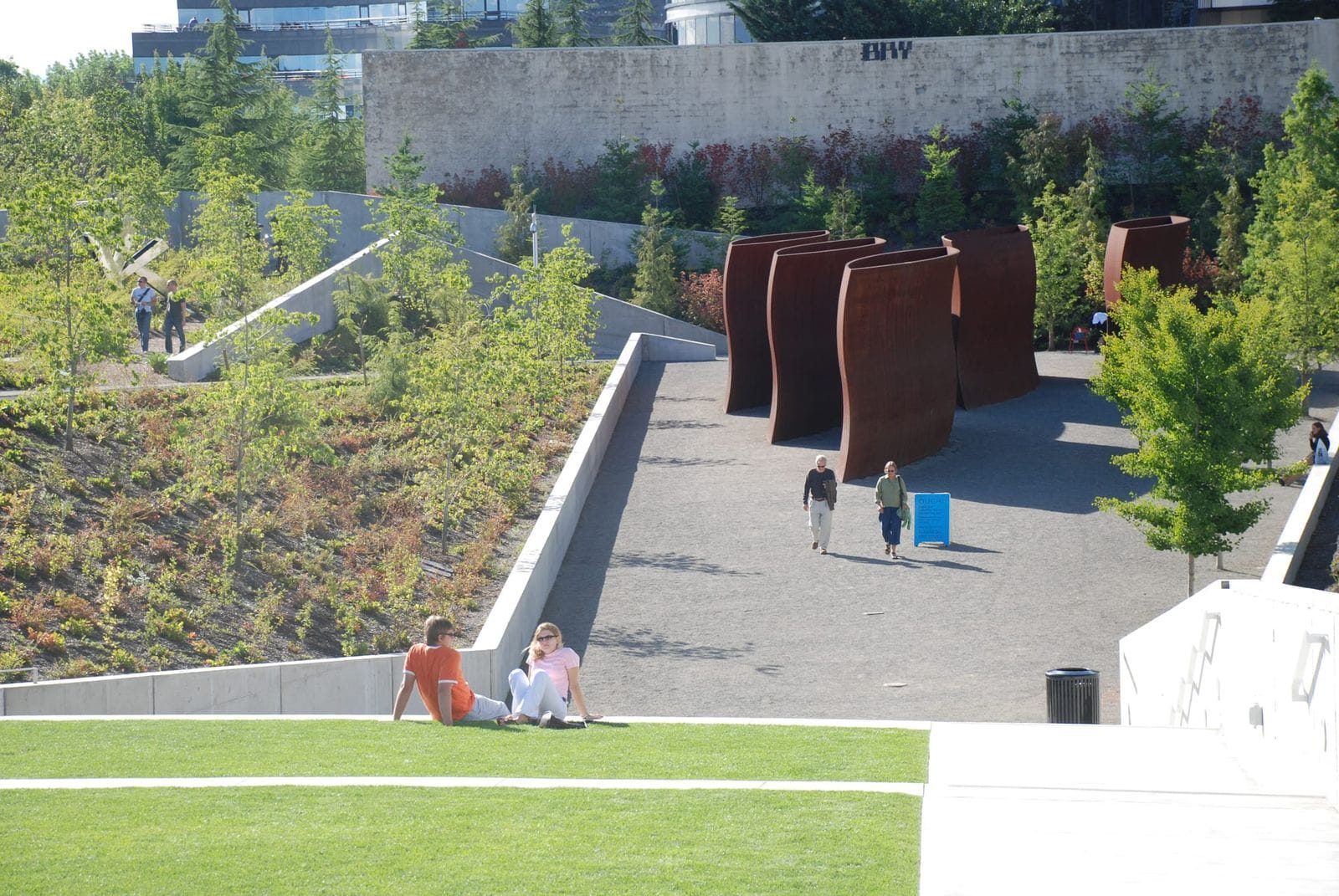
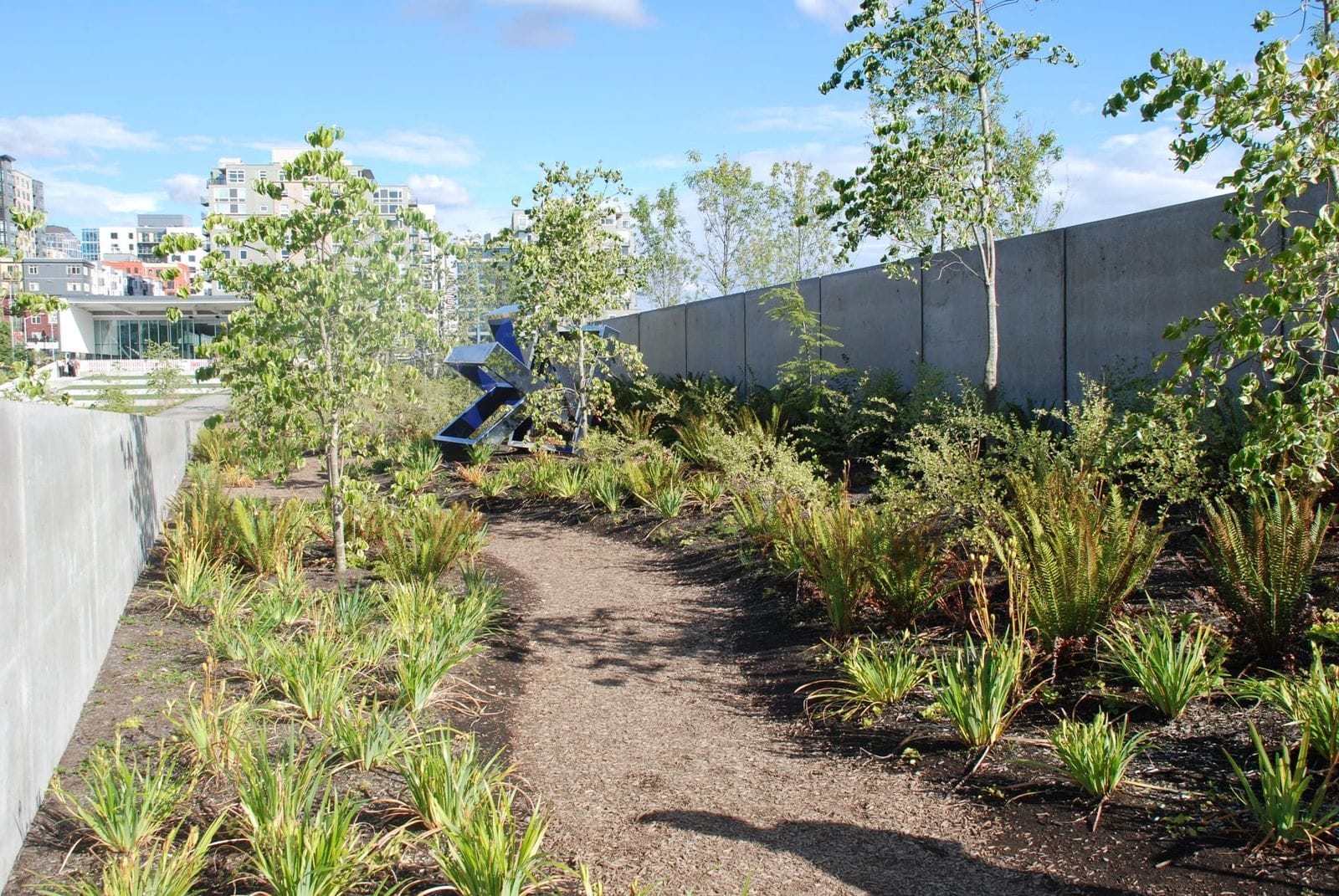
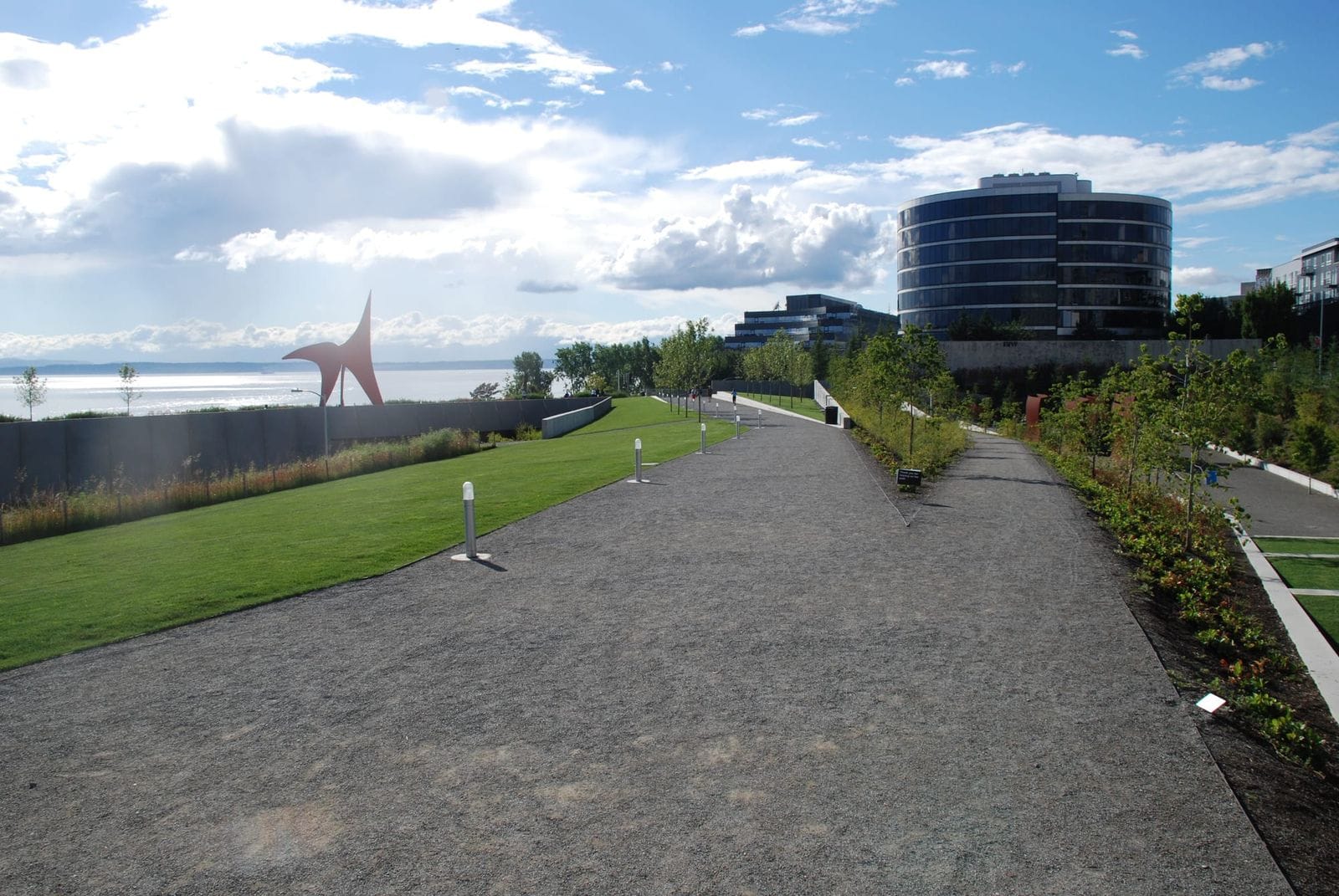
Though it is a place meant to be inspiring by showcasing a variety of unique sculptures, Seattle's Sculpture Park instead feels bare and uninviting. With large stretches of the park covered in gardens that can't be walked through and sloped hills that are avoided, sculptures that can't be climbed surrounded by space that is devoid of amenities, the park doesn't strike the right note because it feels more like a place to be looked at rather than engaged with.



Well-Integrated Landscaping
Seoul Forest Park
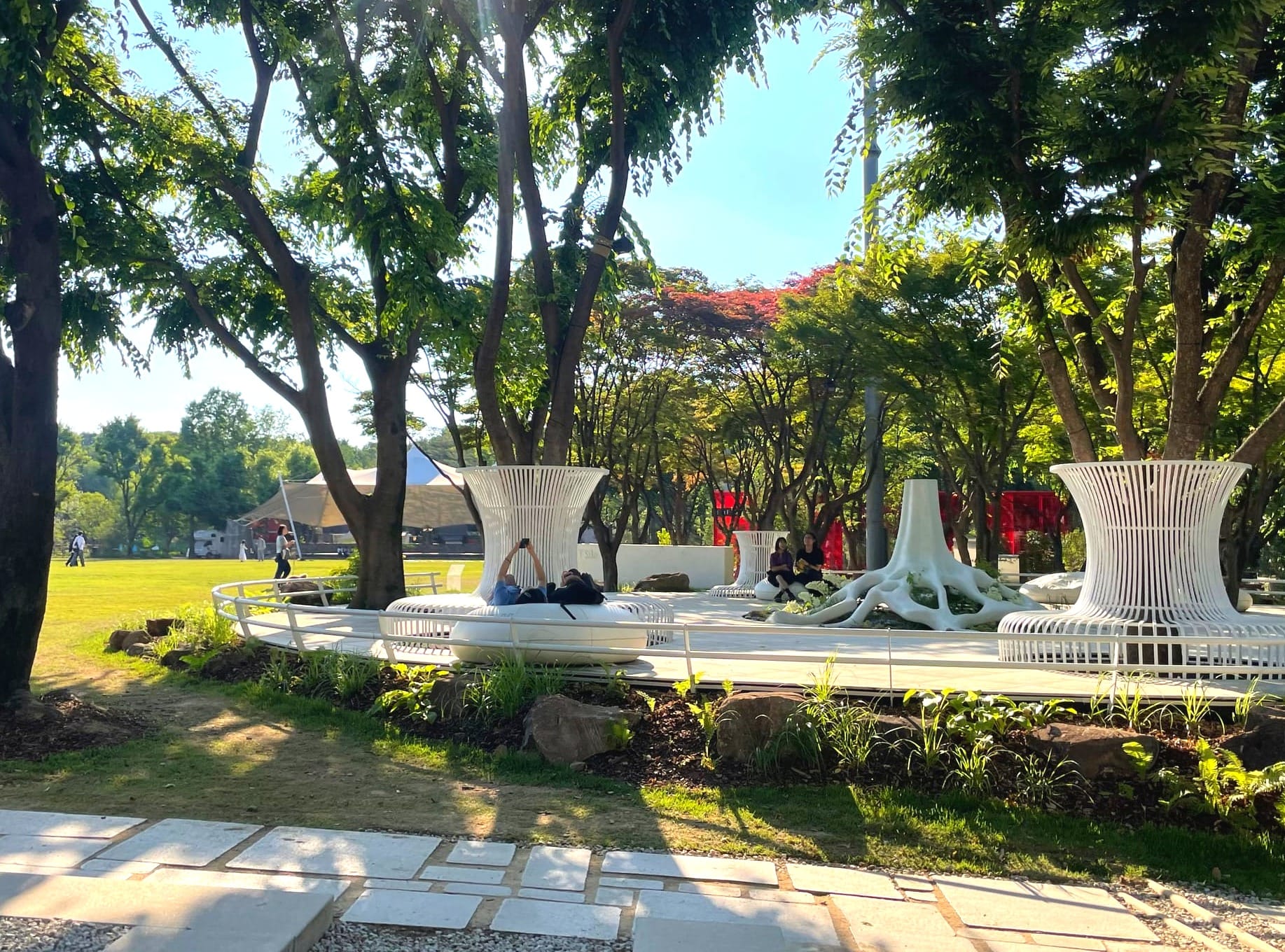
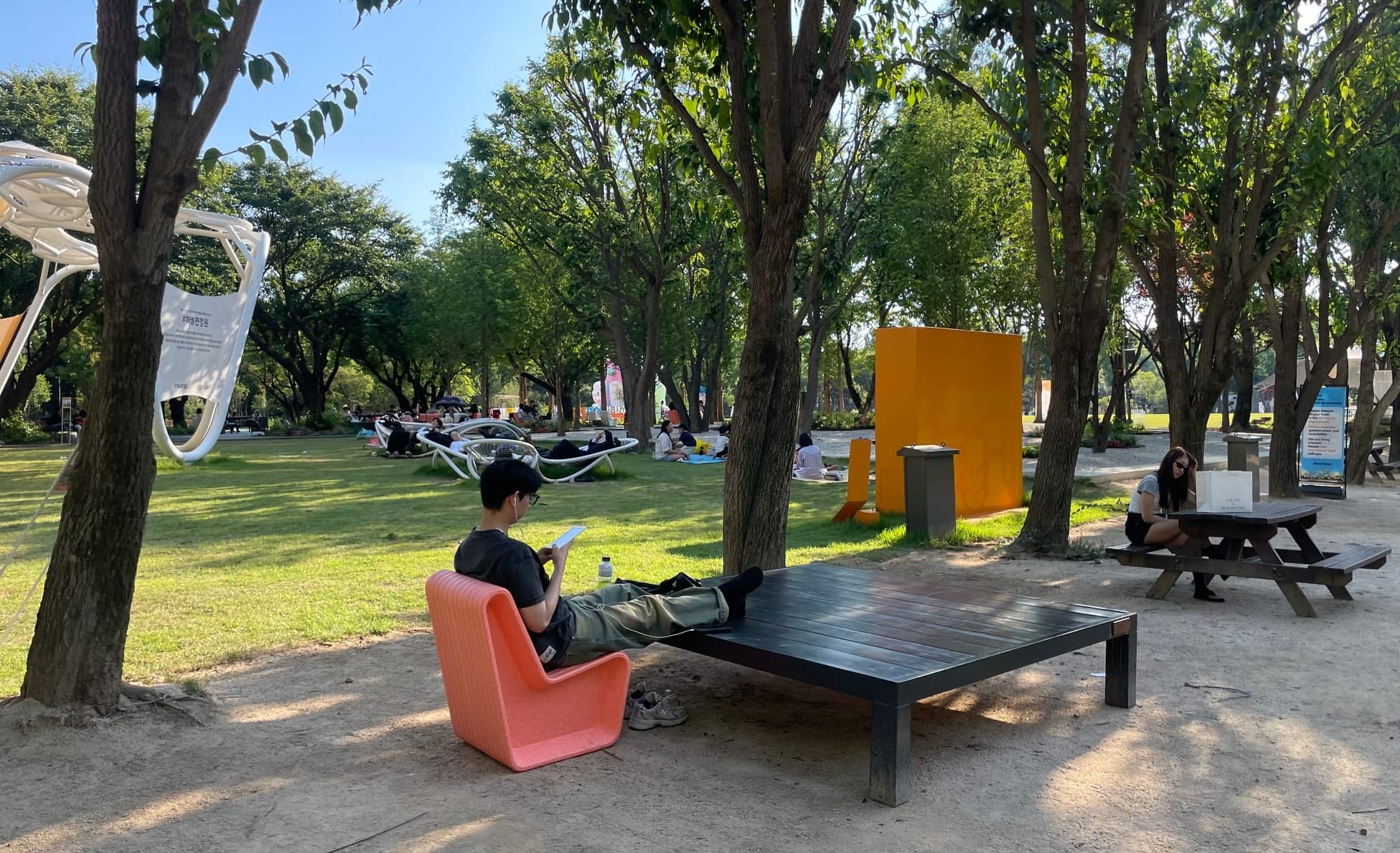
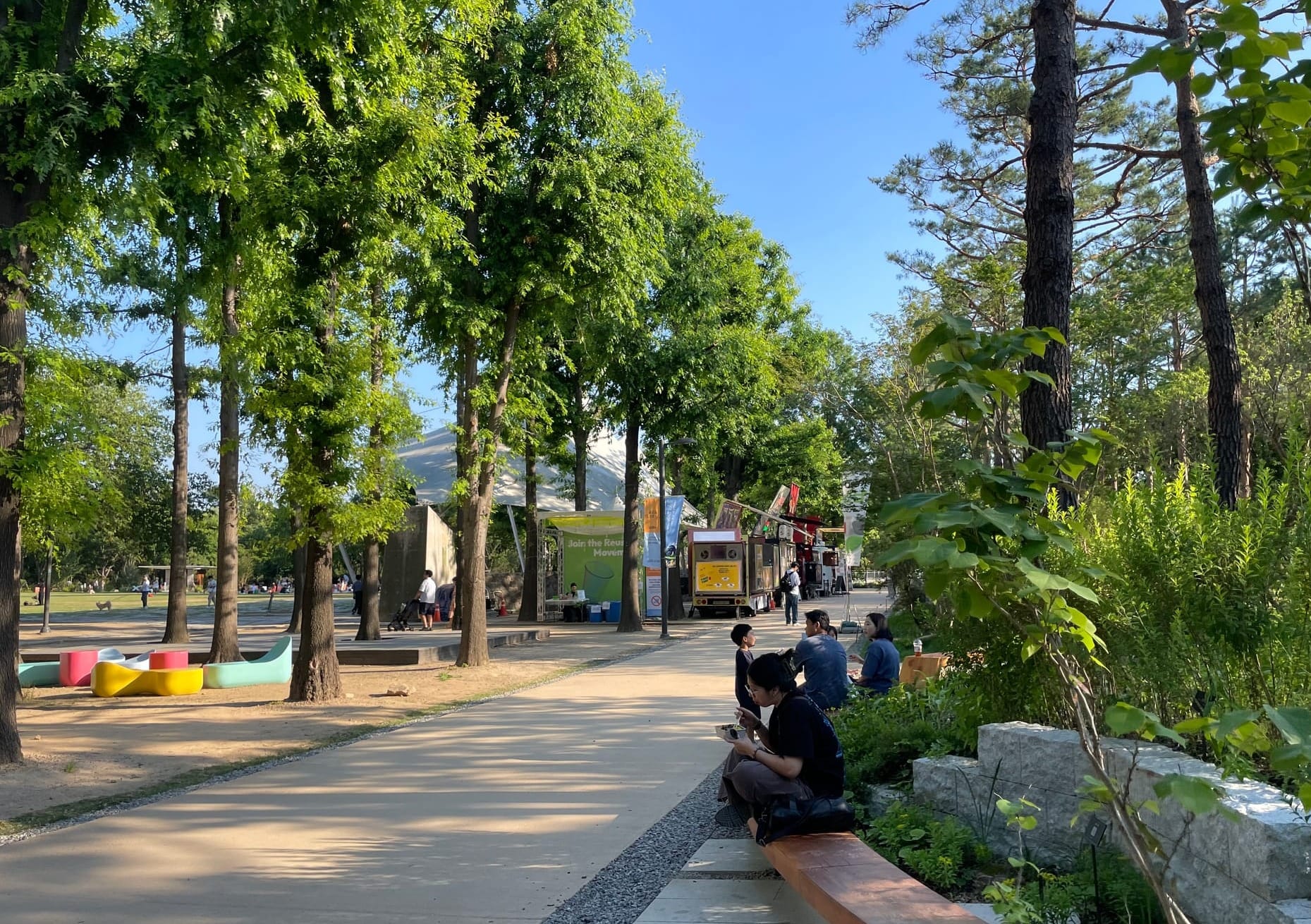
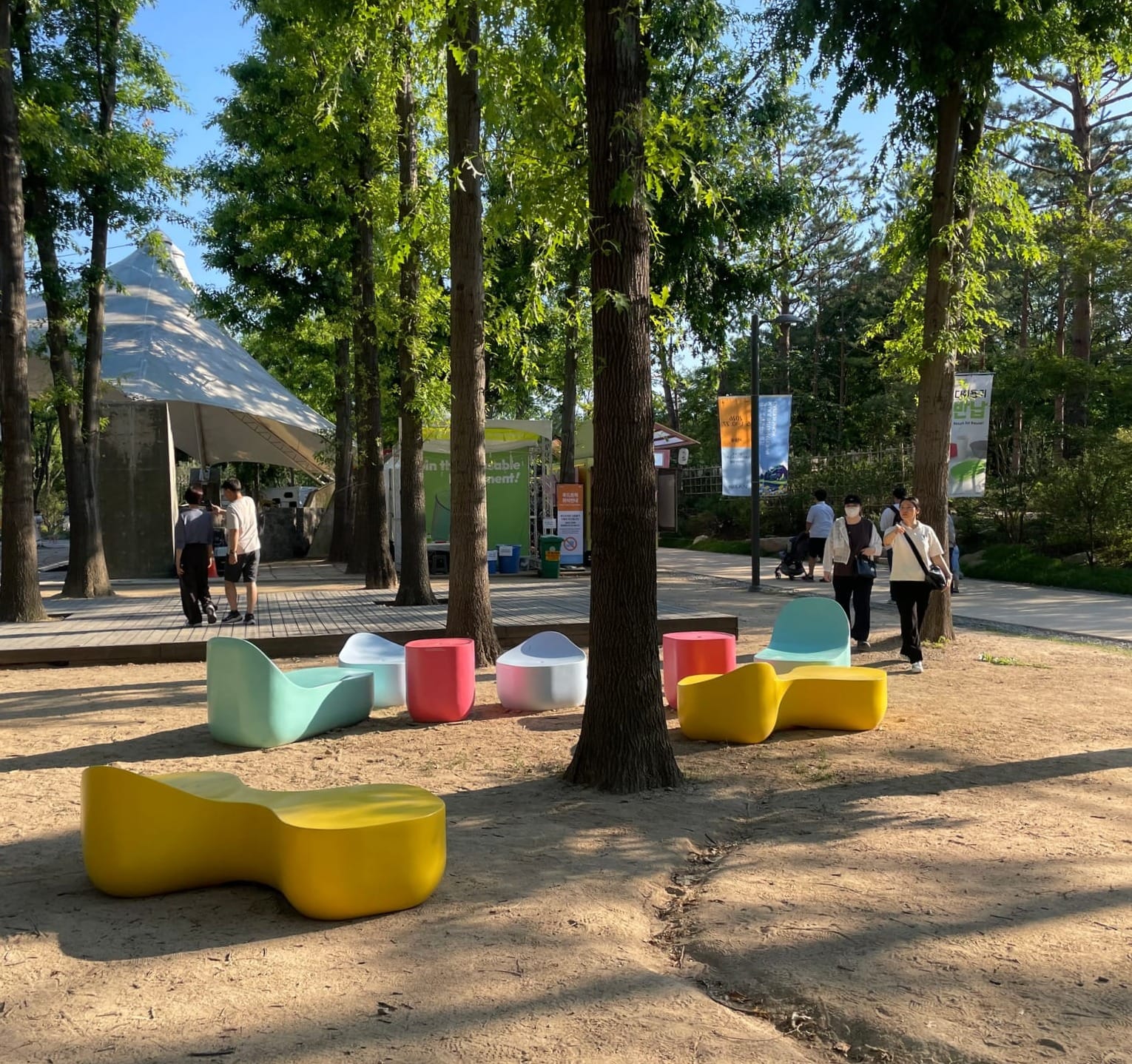
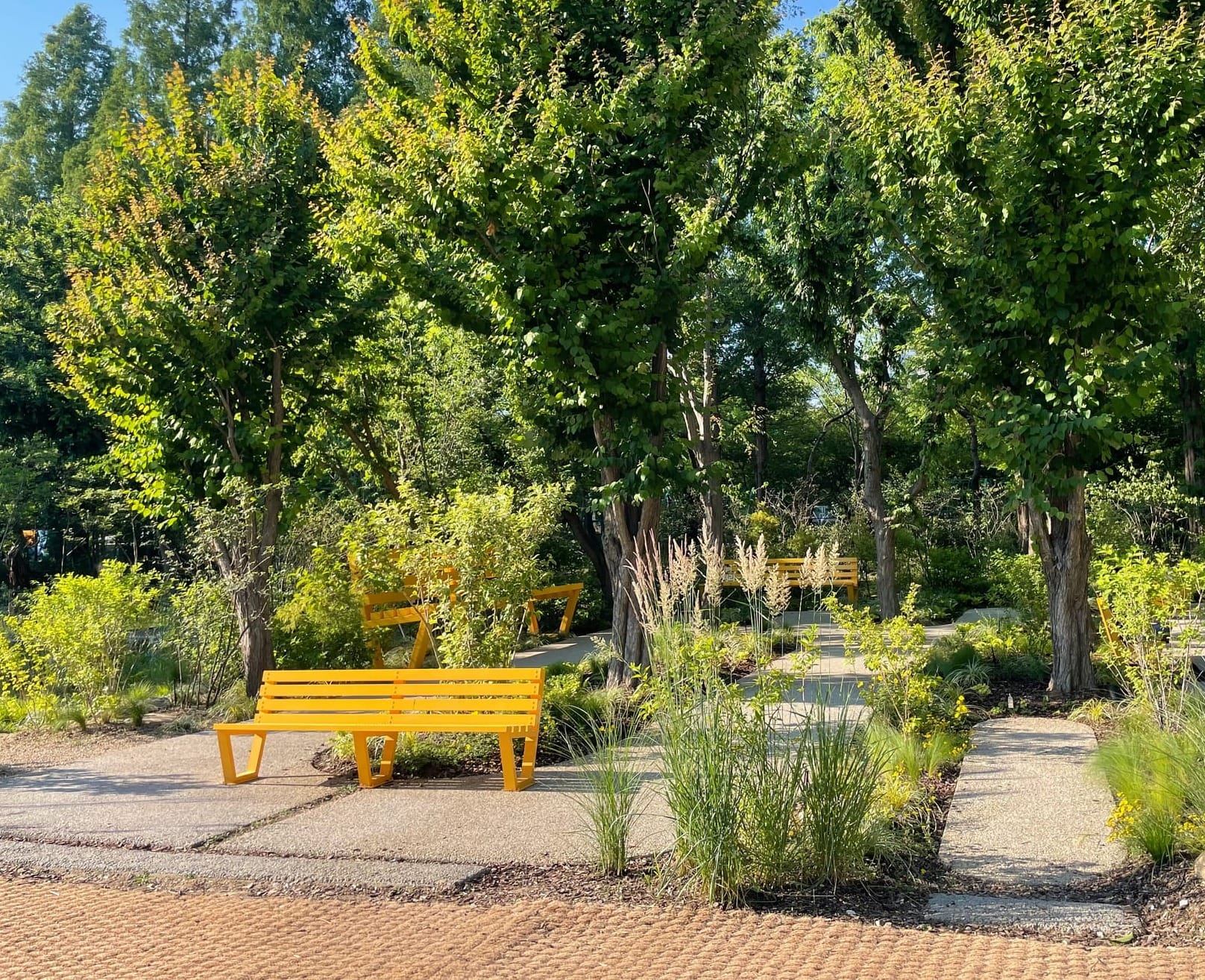
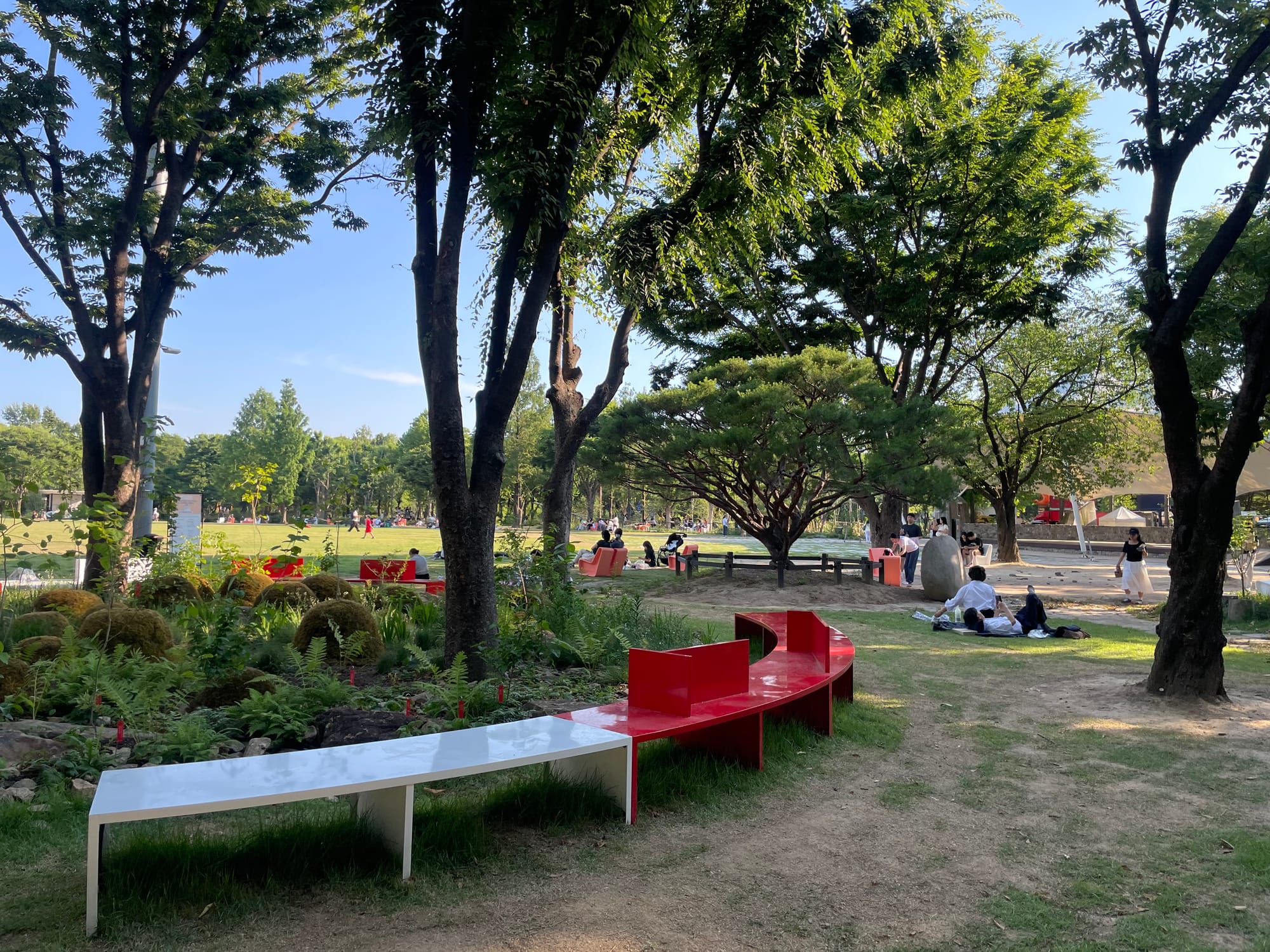
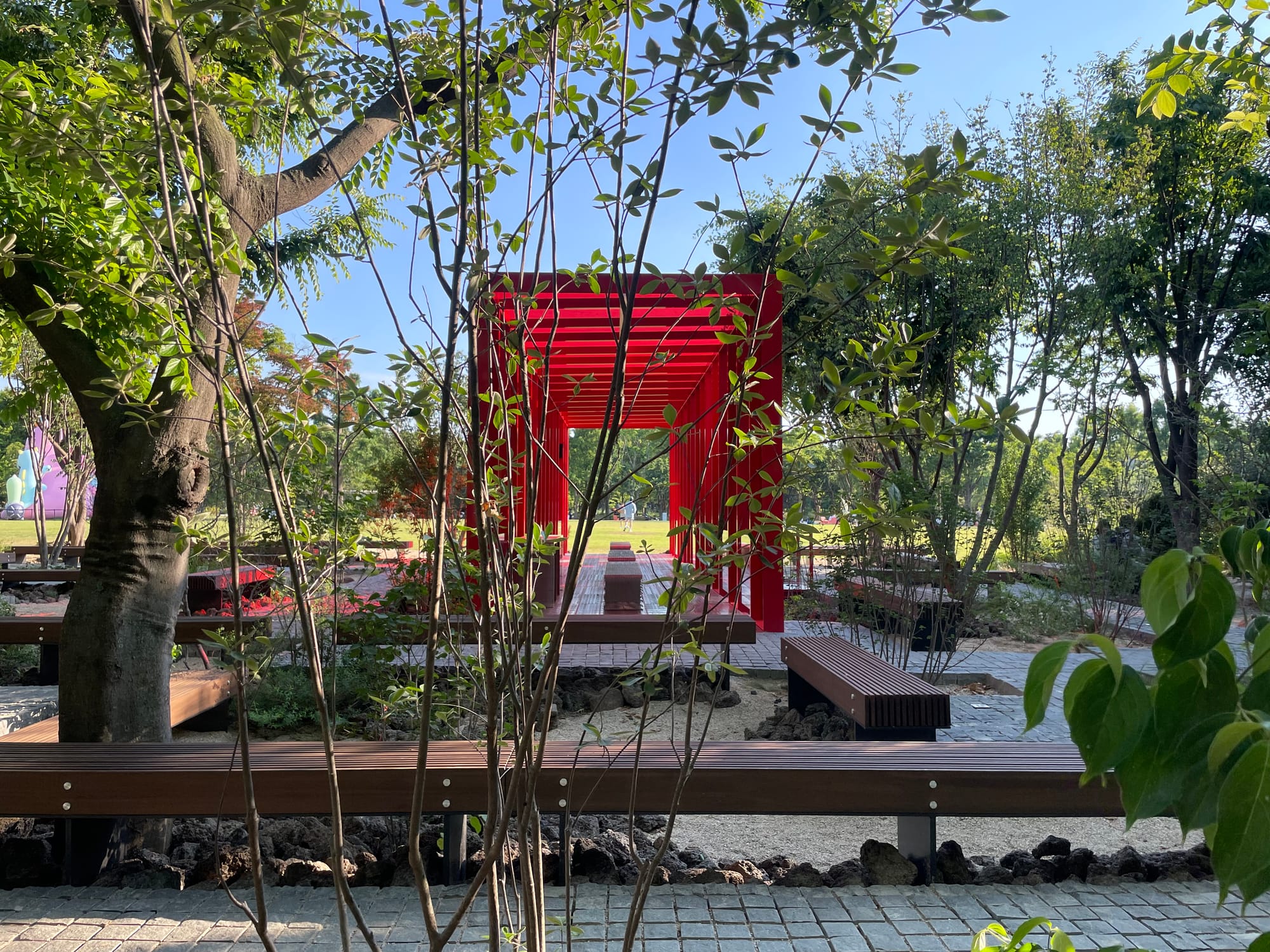
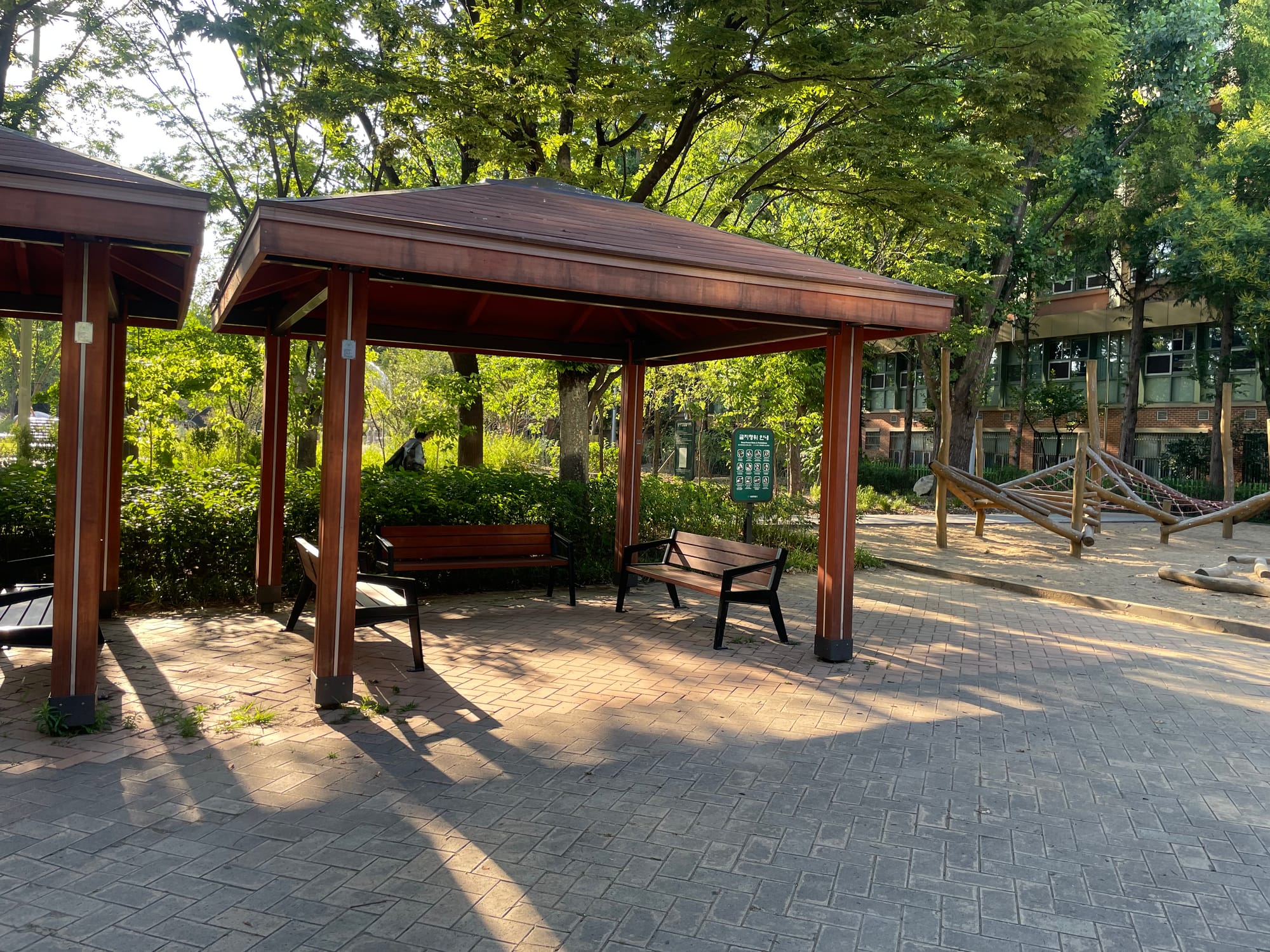
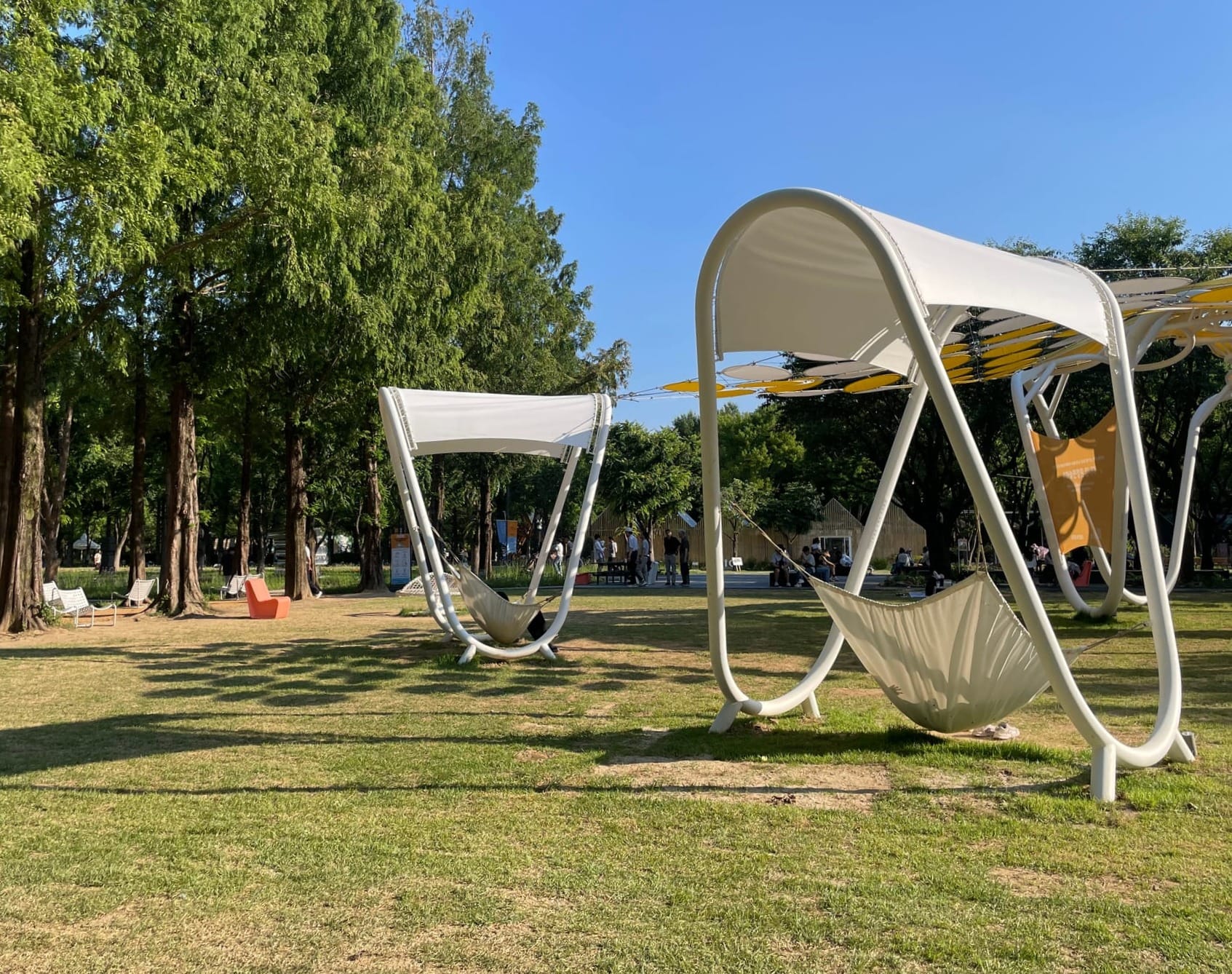
Seoul Forest Park is a richly landscaped public park in the South Korea that creates a beautiful balance between nature, plantings, amenities, and activations. Full of the typical features of landscape architecture – gardens, paths, groves of trees, and ponds – it also includes plentiful amenities that makes the experience of being there interesting and fun for visitors, such as a variety of creative seating, play corners, art exhibits, eateries, programming, and more.
Seating
A wide spectrum of chairs and benches fill the park, making the simple act of seating a fun experience in and of itself. You could visit the park every day for two weeks and never sit on the same kind of bench.
Creative Placemaking
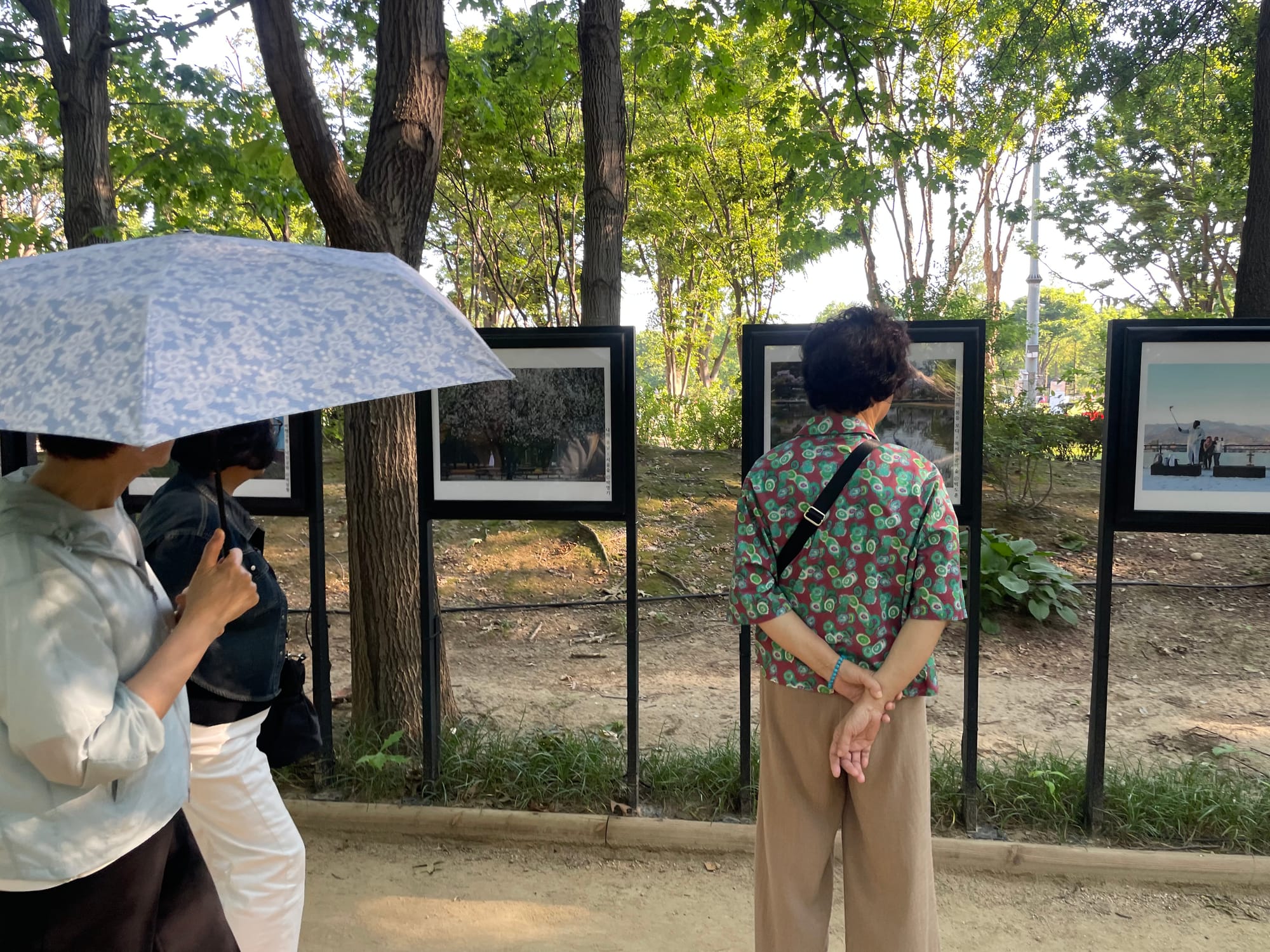
From sculptures to shade structures to art exhibits, Seoul Forest Park features a variety of creative features and artistic components that make it full of things to discover and experience.
Paths
While paths to nowhere can be frustrating, the paths in Seoul Forest Park guide visitors through its various amenities, seating areas, and destinations. Lined with art and photography displays, ponds and sculptures, benches and gardens, the paths transport visitors through the best the park has to offer.
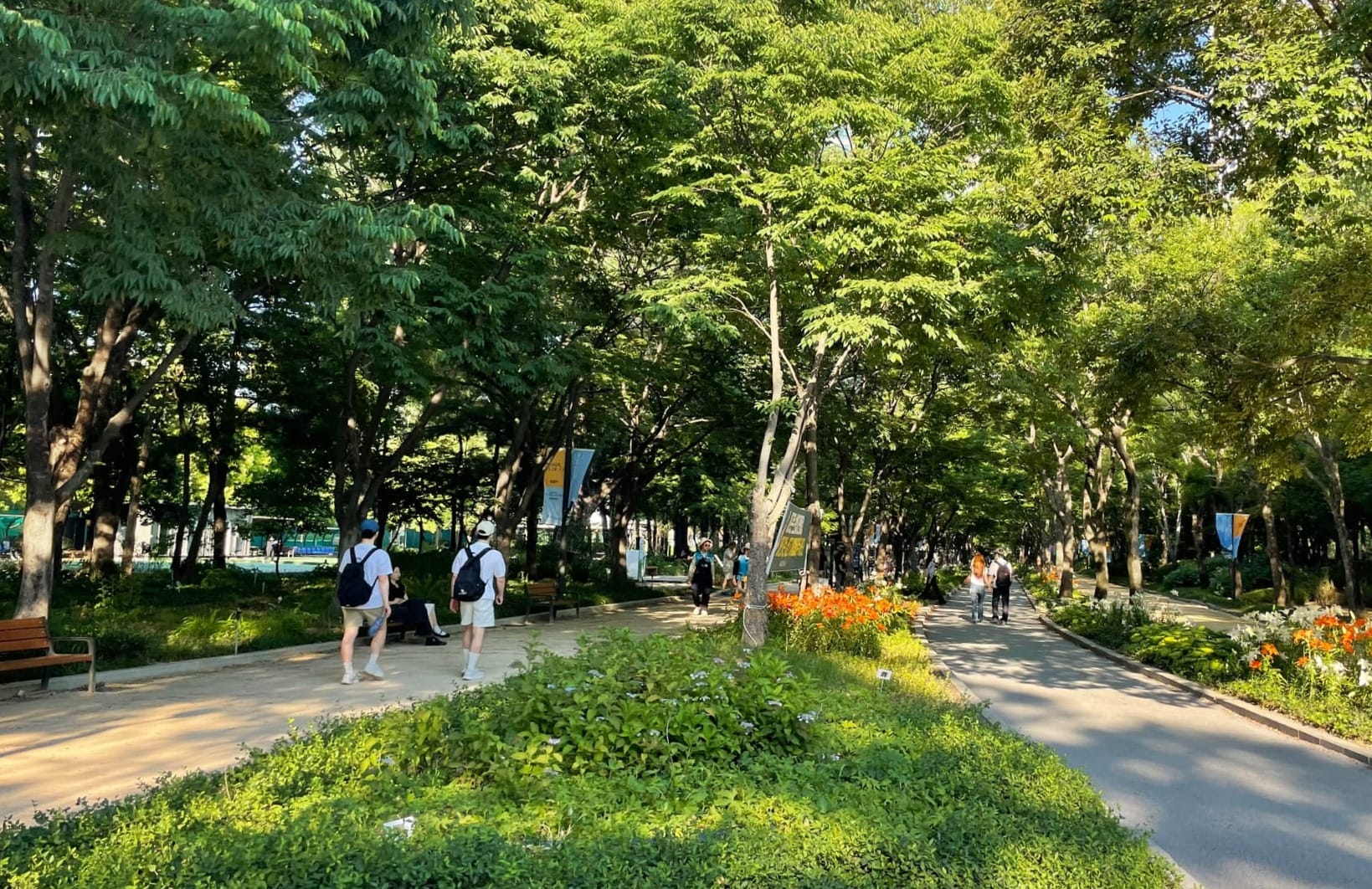
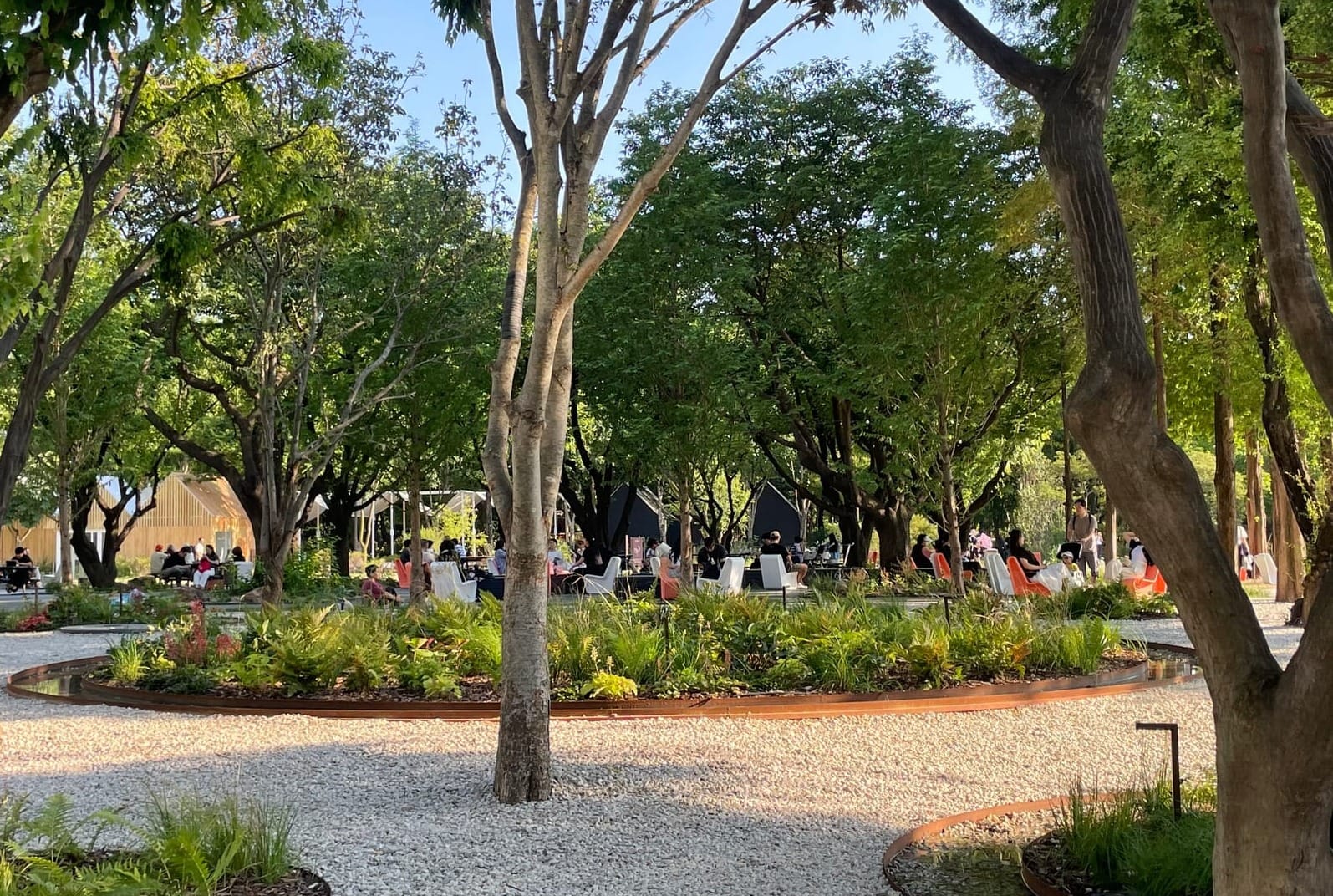
Well-integrated Landscaping Around the World
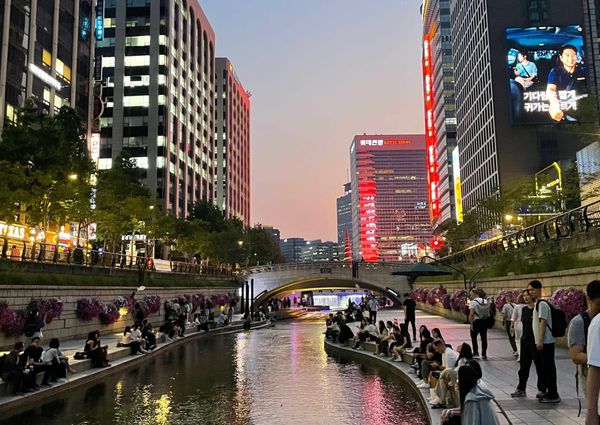
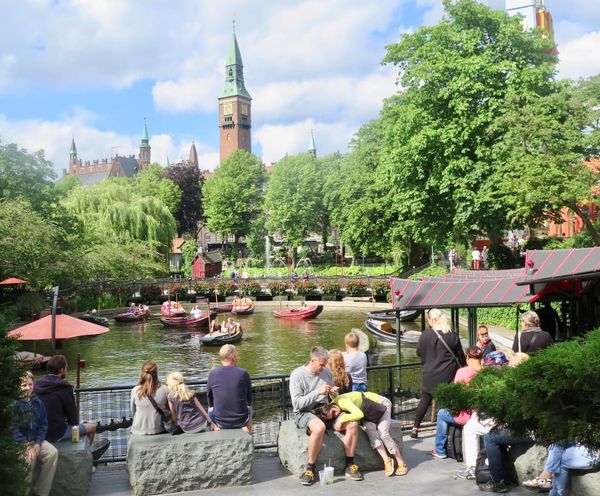
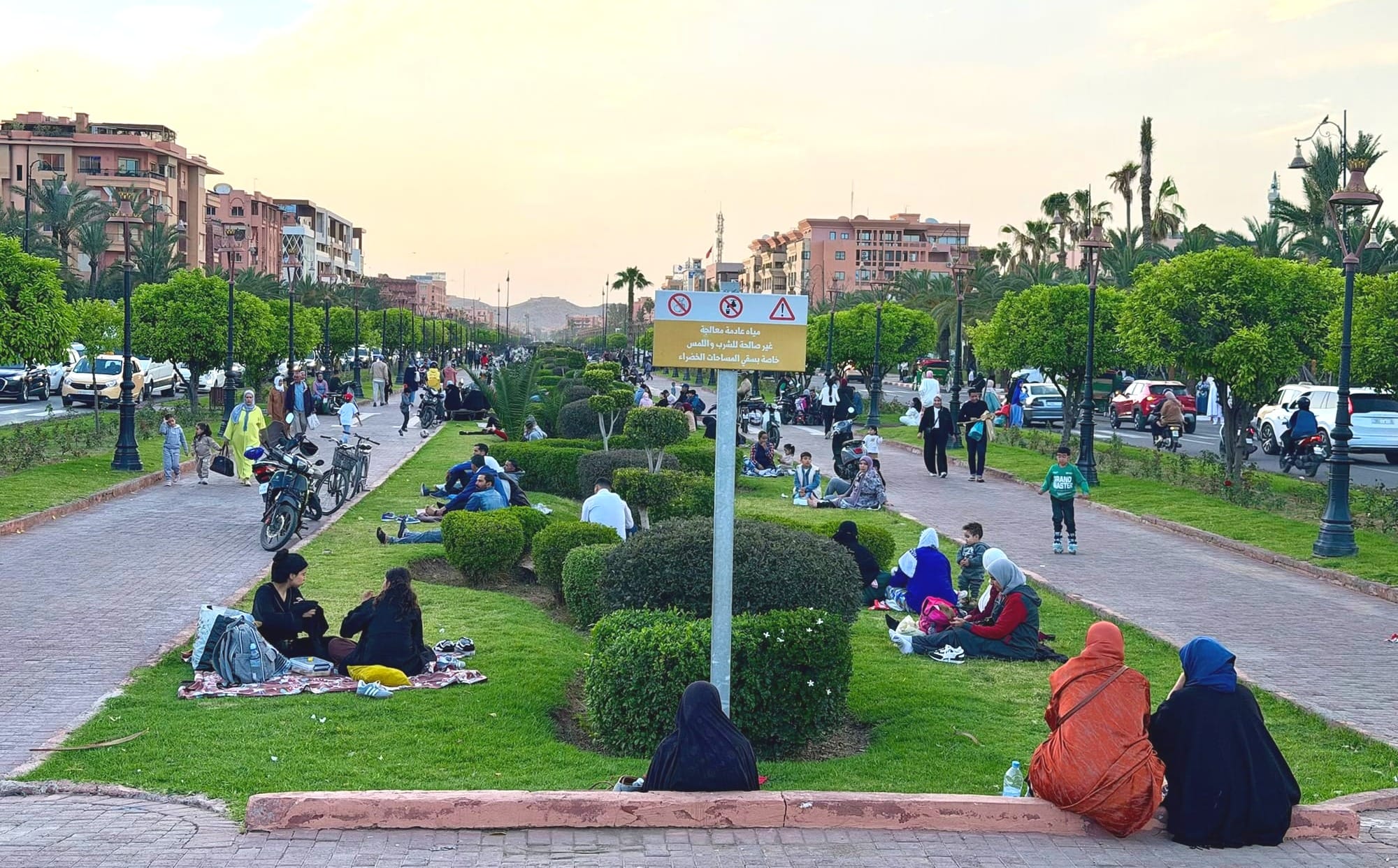
There are many examples of over-landscaping or landscaping that misses the mark around the world, but there are likewise many examples of landscaping that truly complements and elevates public places, effectively integrating with amenities and features. The key to good landscaping is to not let it overpower a space, thus making people feel unwelcome there. A public place must be inviting and enjoyable for the public. As long as its landscaping is designed in alignment with this core principle, it is on the right track.
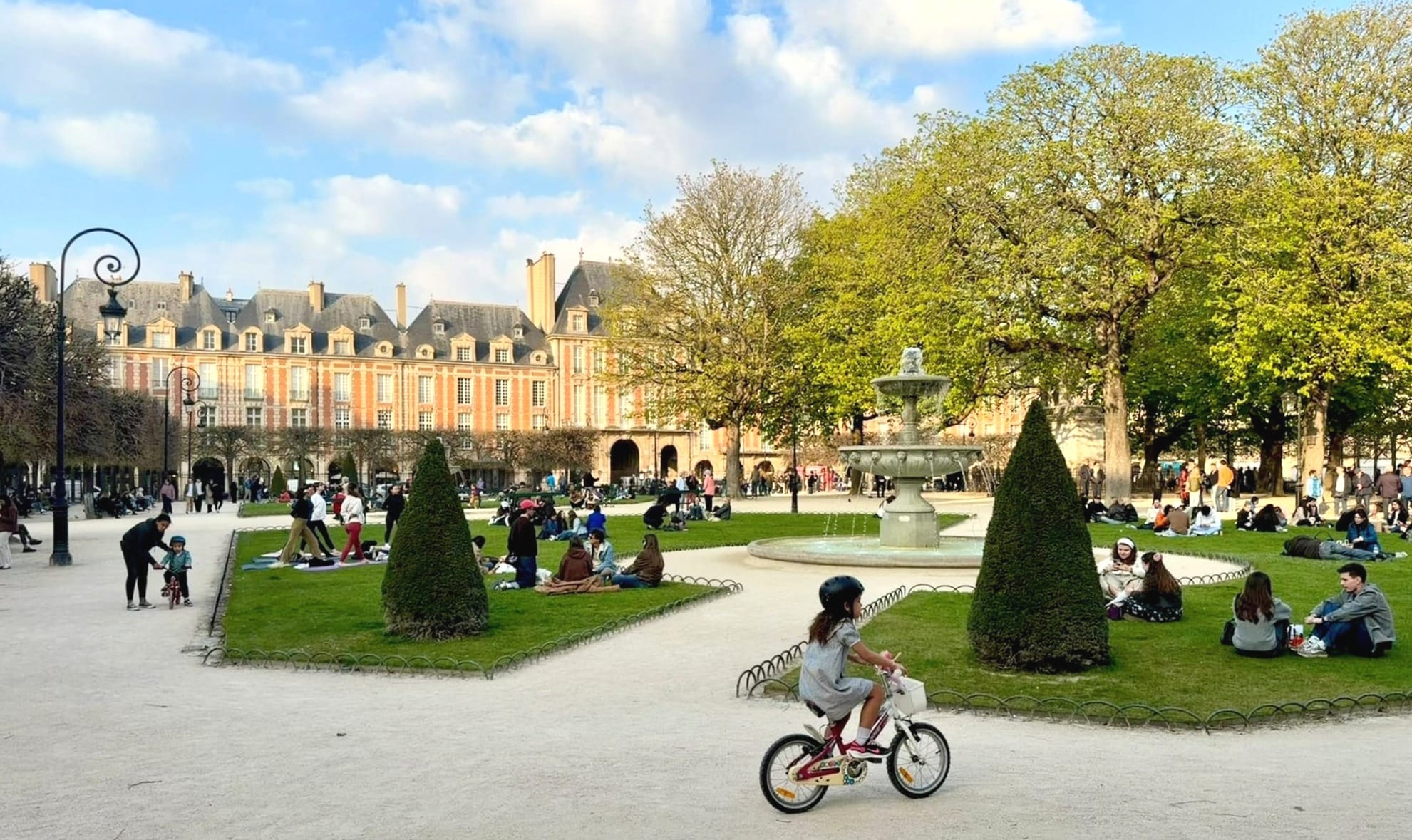
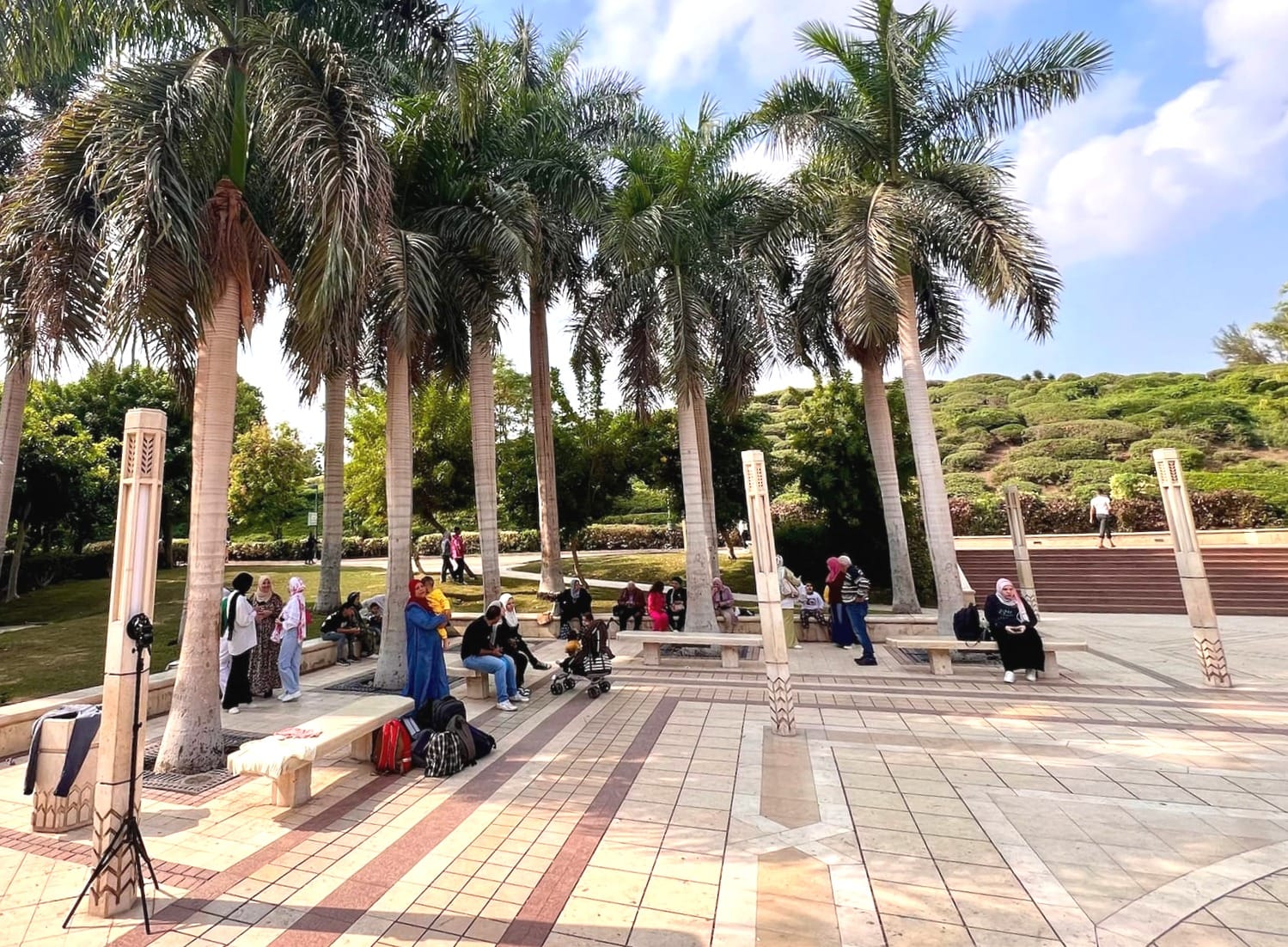
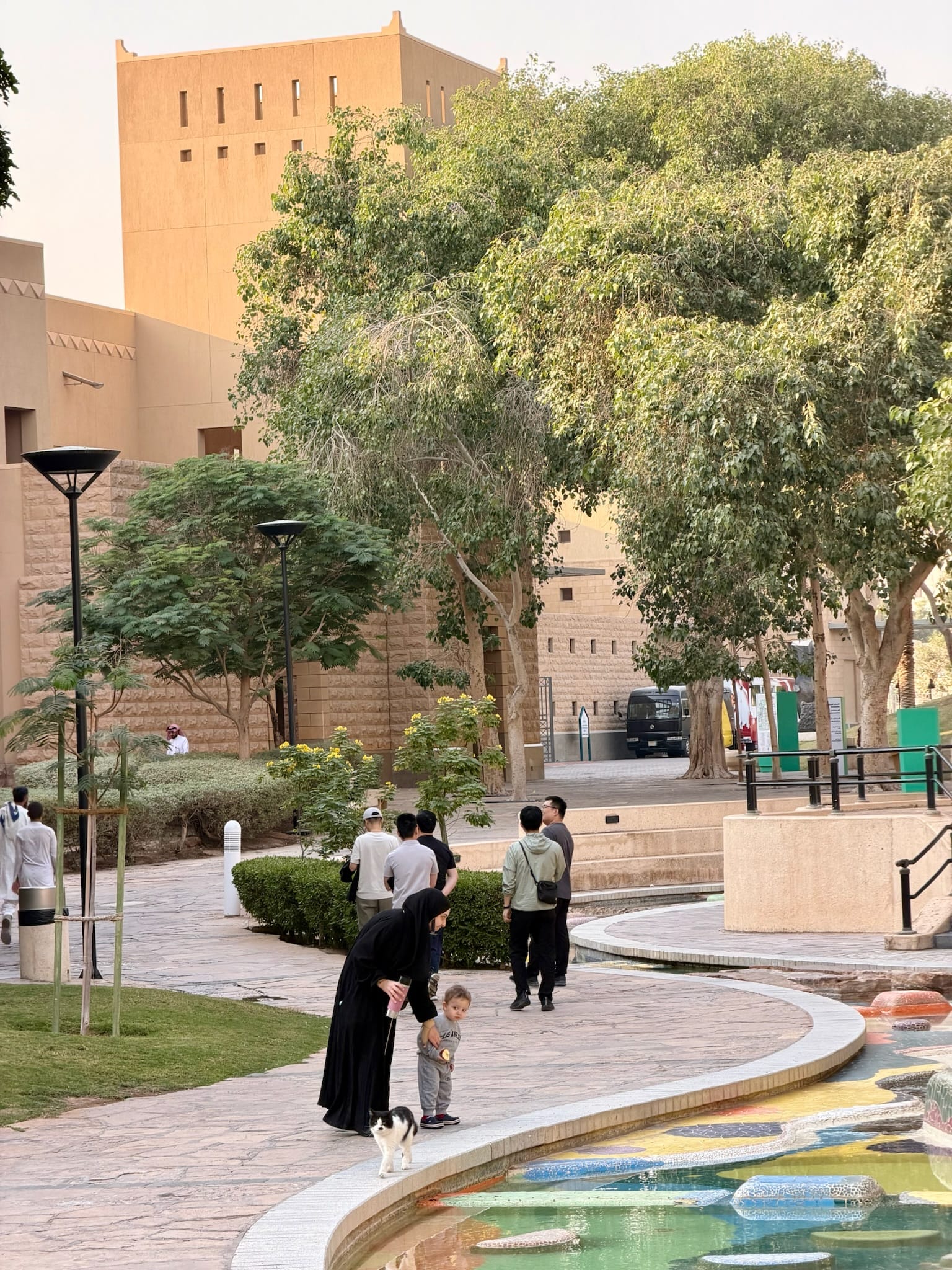
Left Cairo, Right Marrakesh
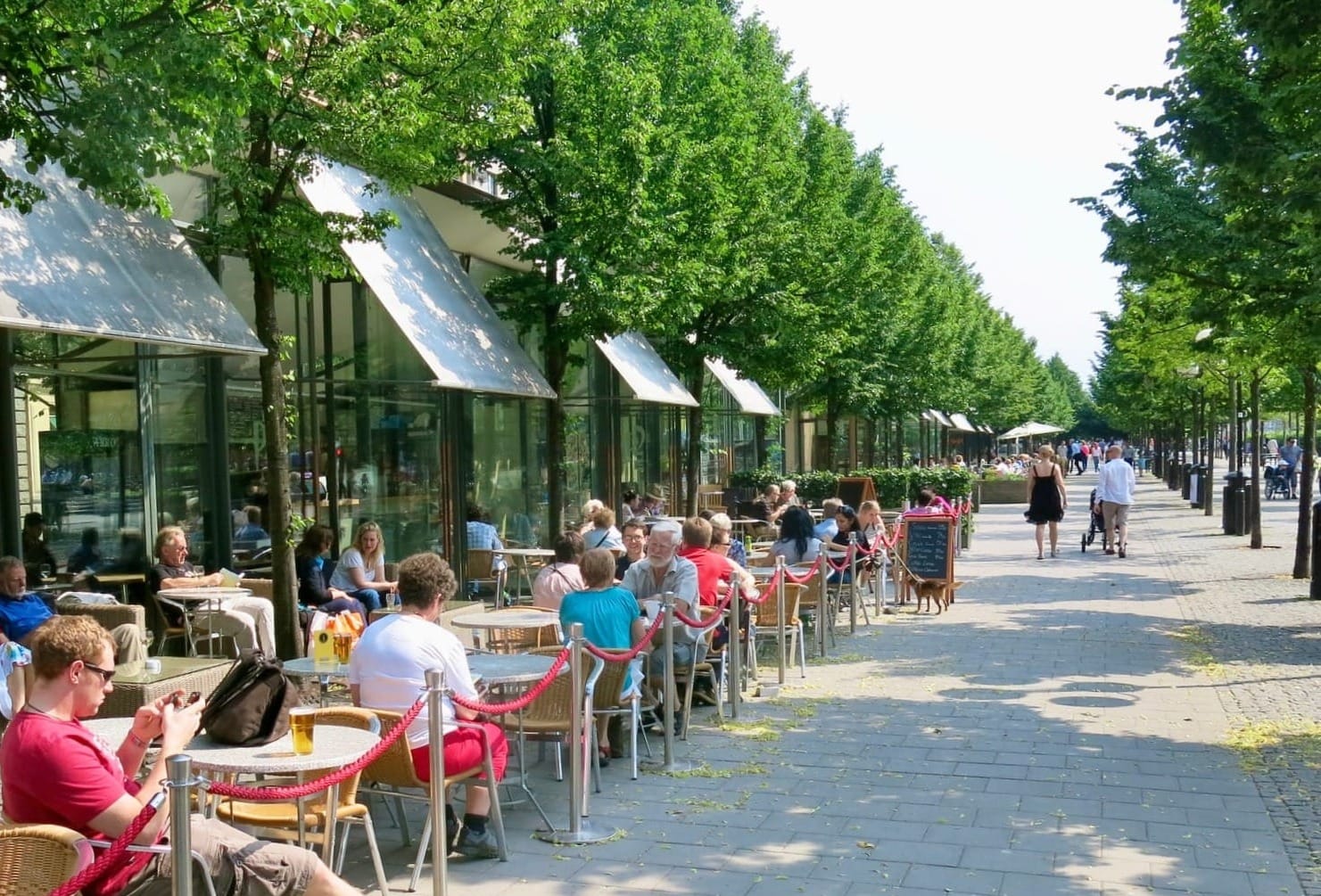
Landscaping That Shapes Daily Life
Parks and public spaces in cities should use greenery as a means to an end – to draw people in and create an enjoyable and interesting space – rather than as an end in and of itself. Moreover, this is the intention of many landscape architects. According to the American Society of Landscape Architects, they "design the outdoor places that quietly shape daily life." But to shape daily life involves more than just making a place beautiful, it involves creating opportunities there for experiencing joy and relaxation, fulfilling daily tasks, engaging in social connections, and more.
We are not arguing for doing away with landscape architecture. It plays an important role in our urban environments, but we believe it should be integrated more effectively with amenities and programming in public places to attract visitation, public life, and activity. A great place is more than its foliage.
Further Reading
 Fred Kent
 Fred Kent
 Fred Kent
 Tayana Panova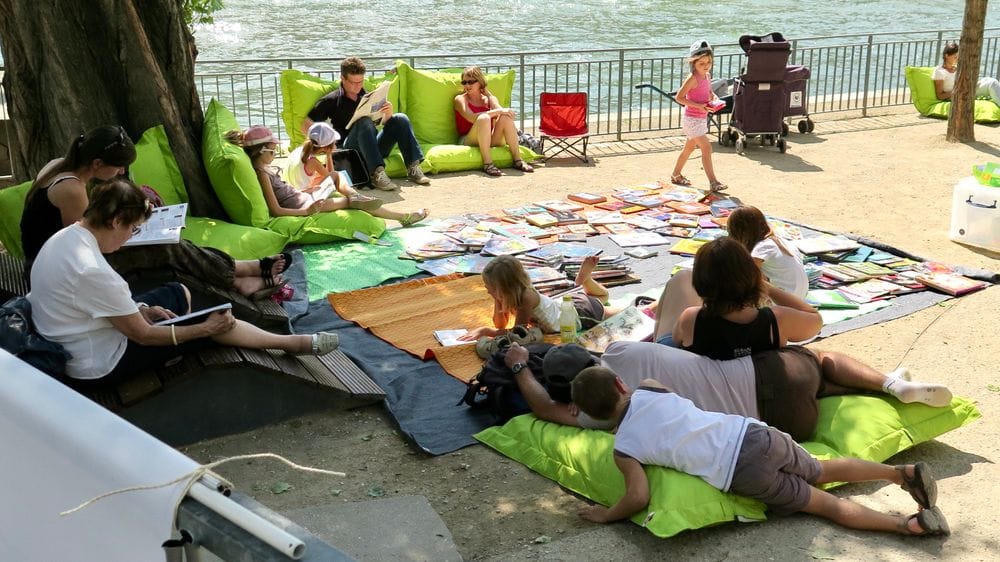
If you are interested in collaborating (articles, presentations, exhibits, projects, and more) or supporting the cause contact us.