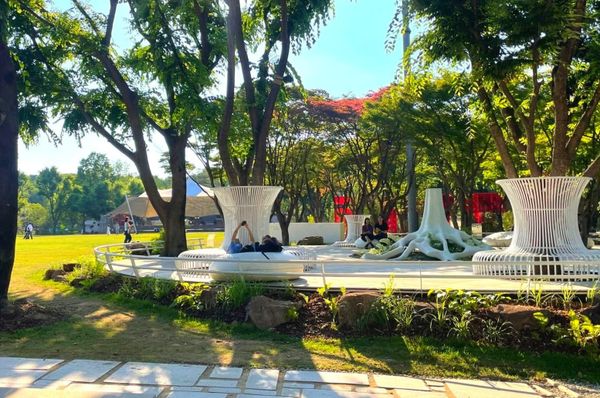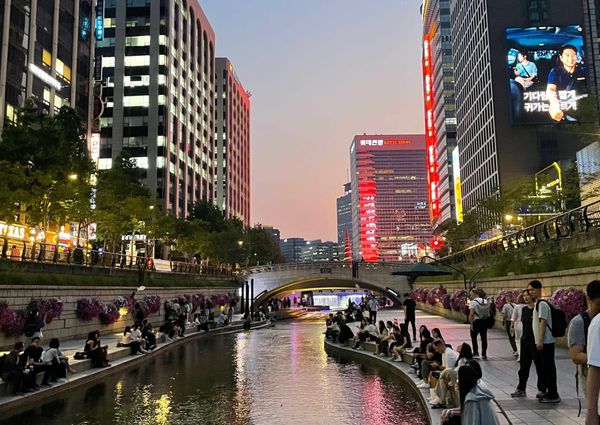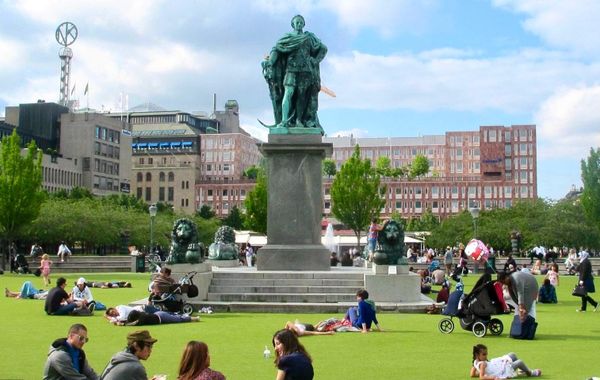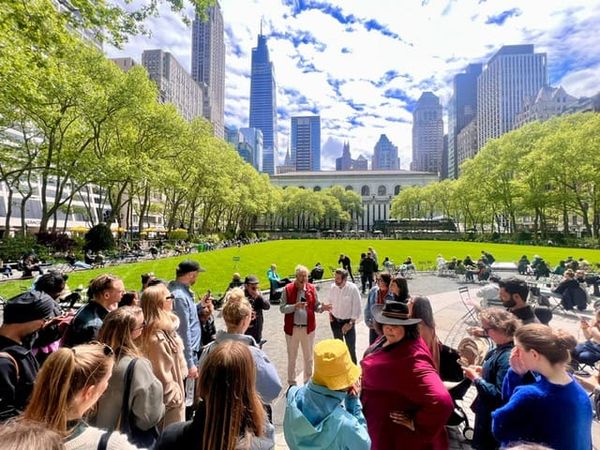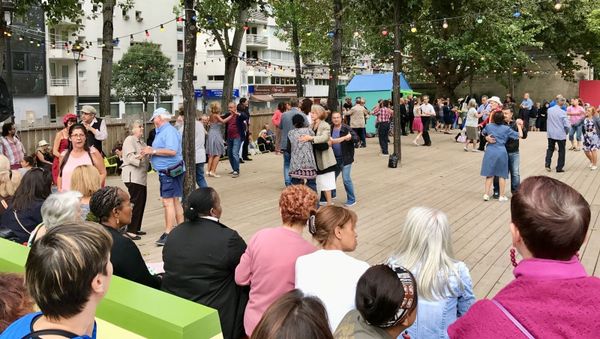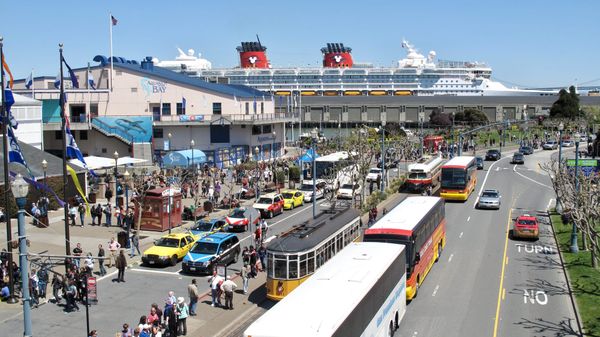
At Social Life Project, we have nearly stopped using the term "park" when advocating for better public places, because most parks of today are not something to aspire to. More often than not, they are mere patches of greenspace with nothing there to experience, engage with, or enjoy. It is no wonder why so many of them remain empty, apart from the occasional dog walker or jogger. Who wants to spend time in a place where there is nothing to do?
Greens in small New England towns:
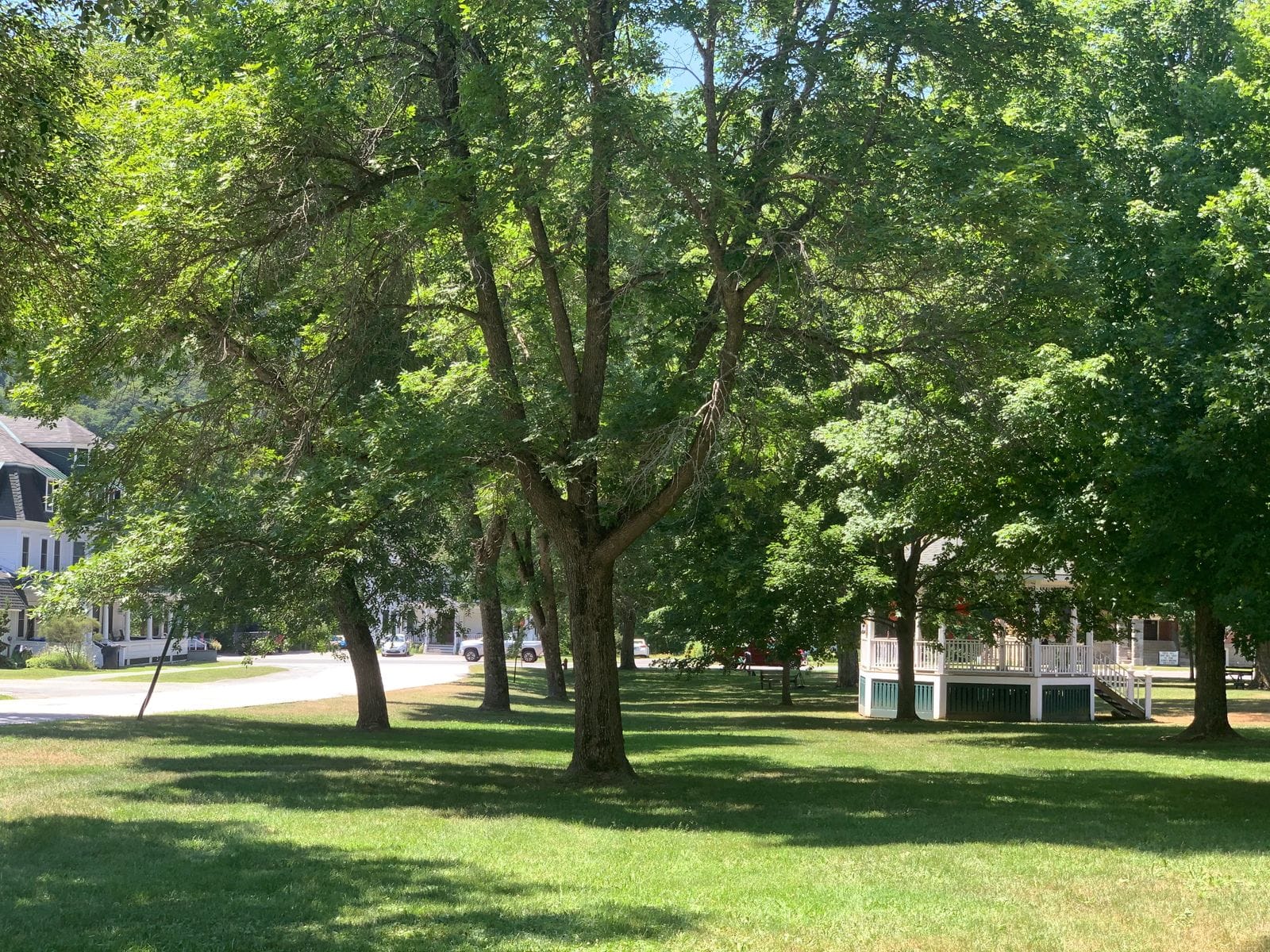
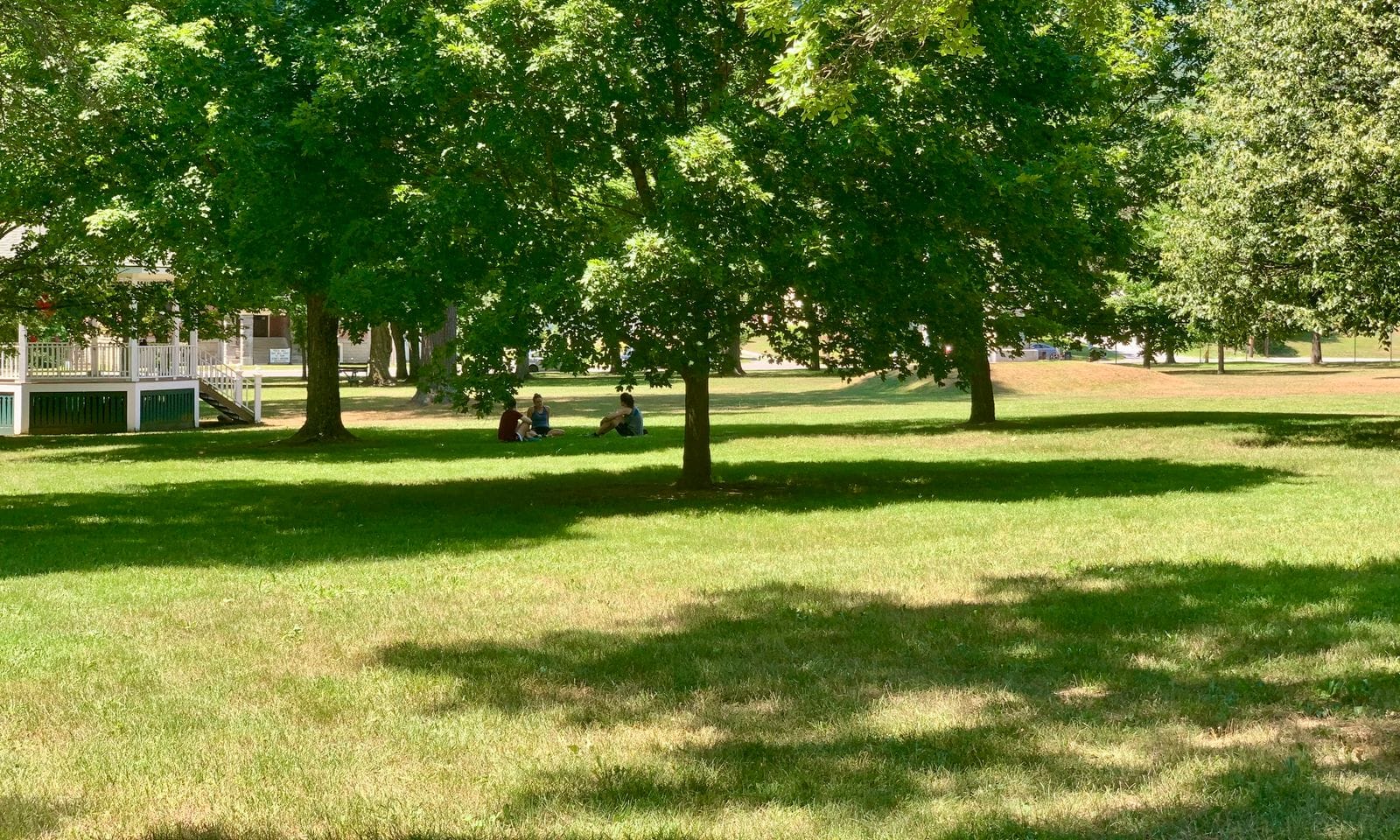
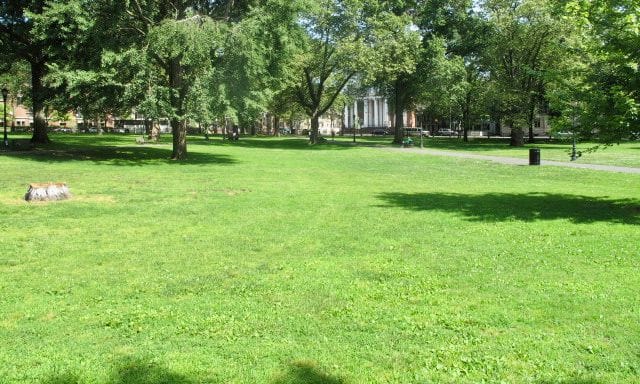
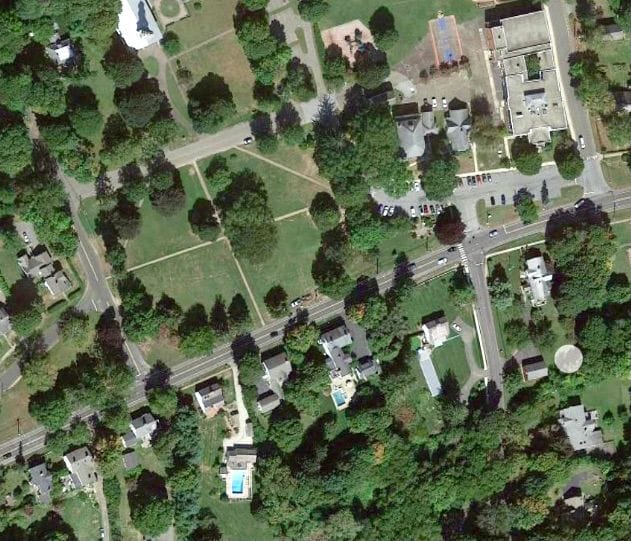
Typical "greens" in towns and suburbs where nothing is going on
City parks:
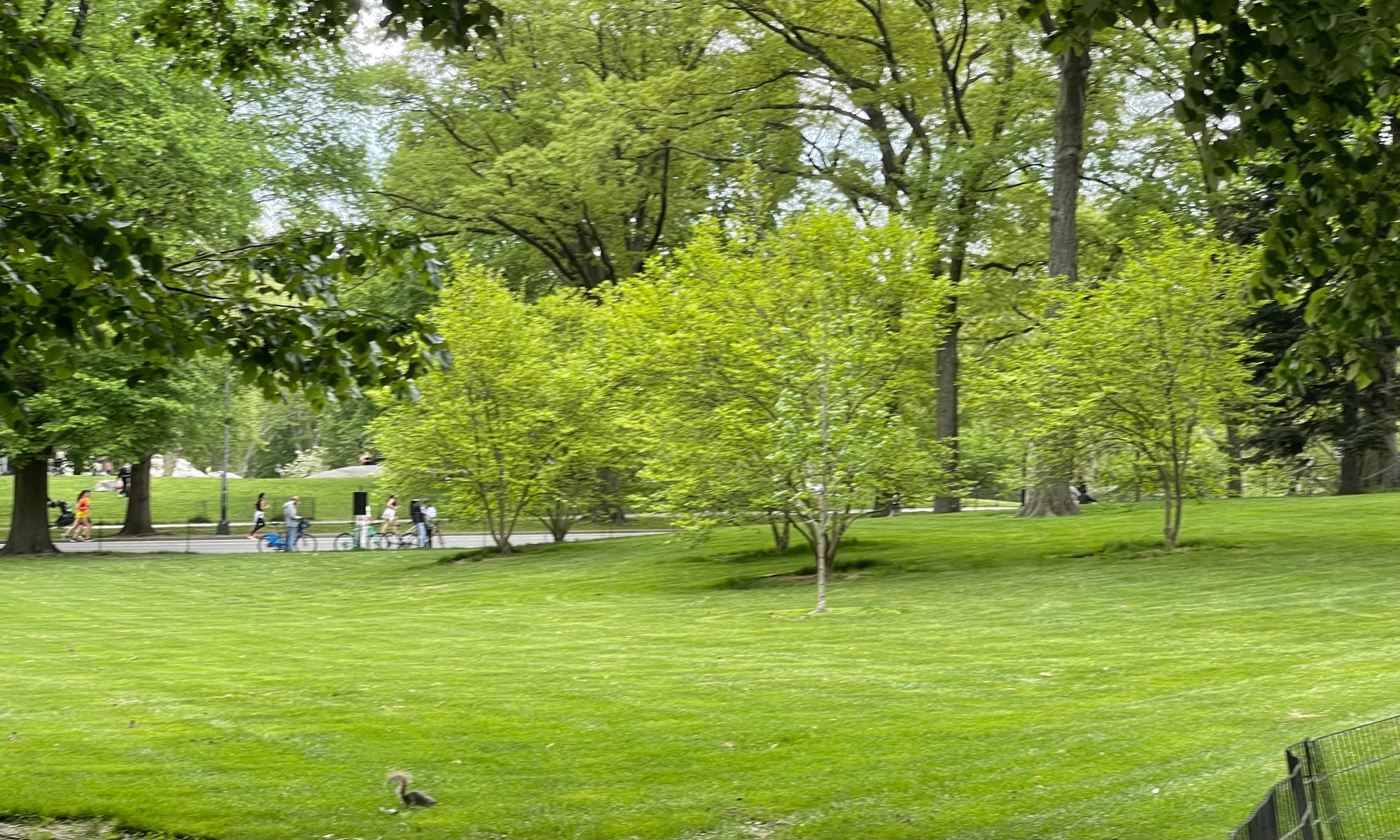
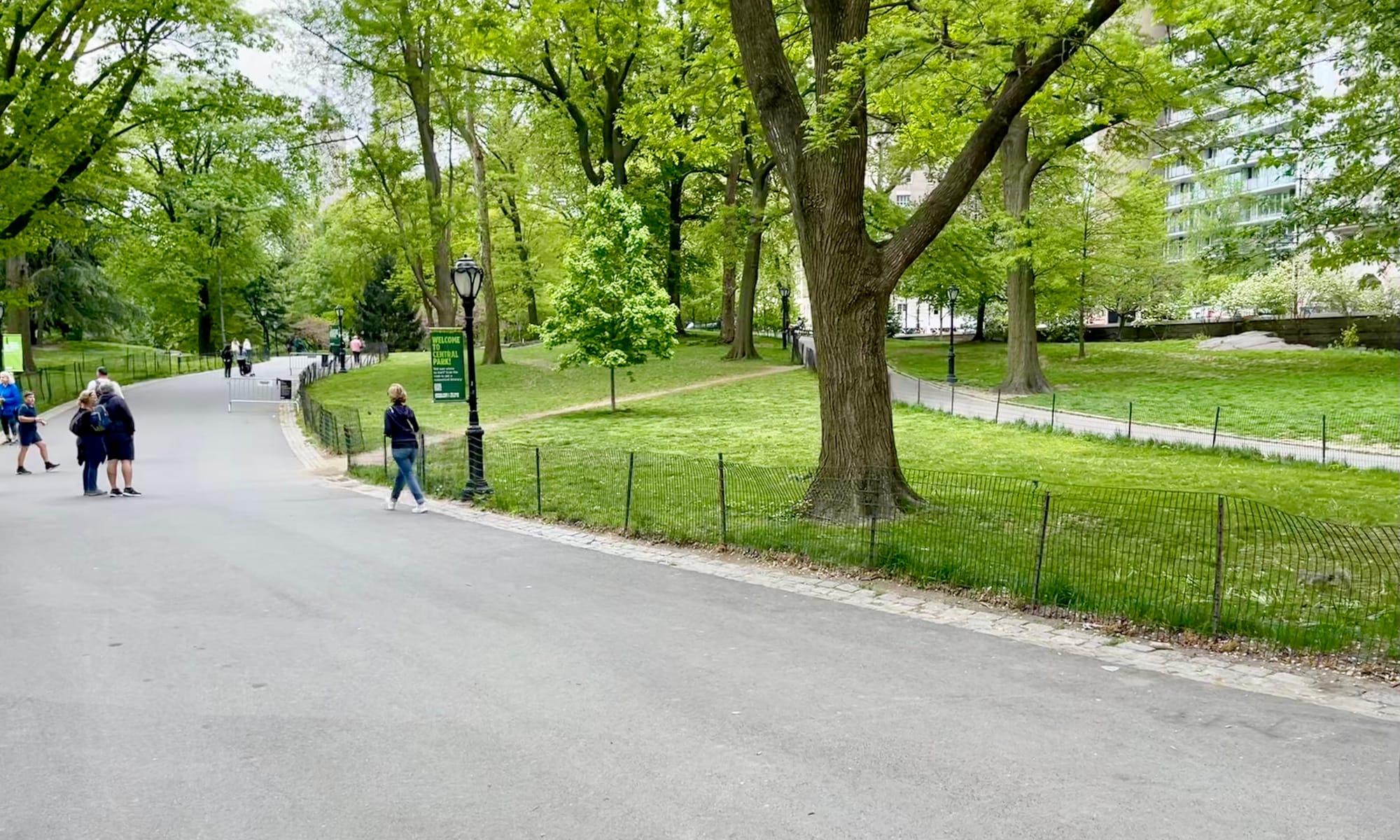
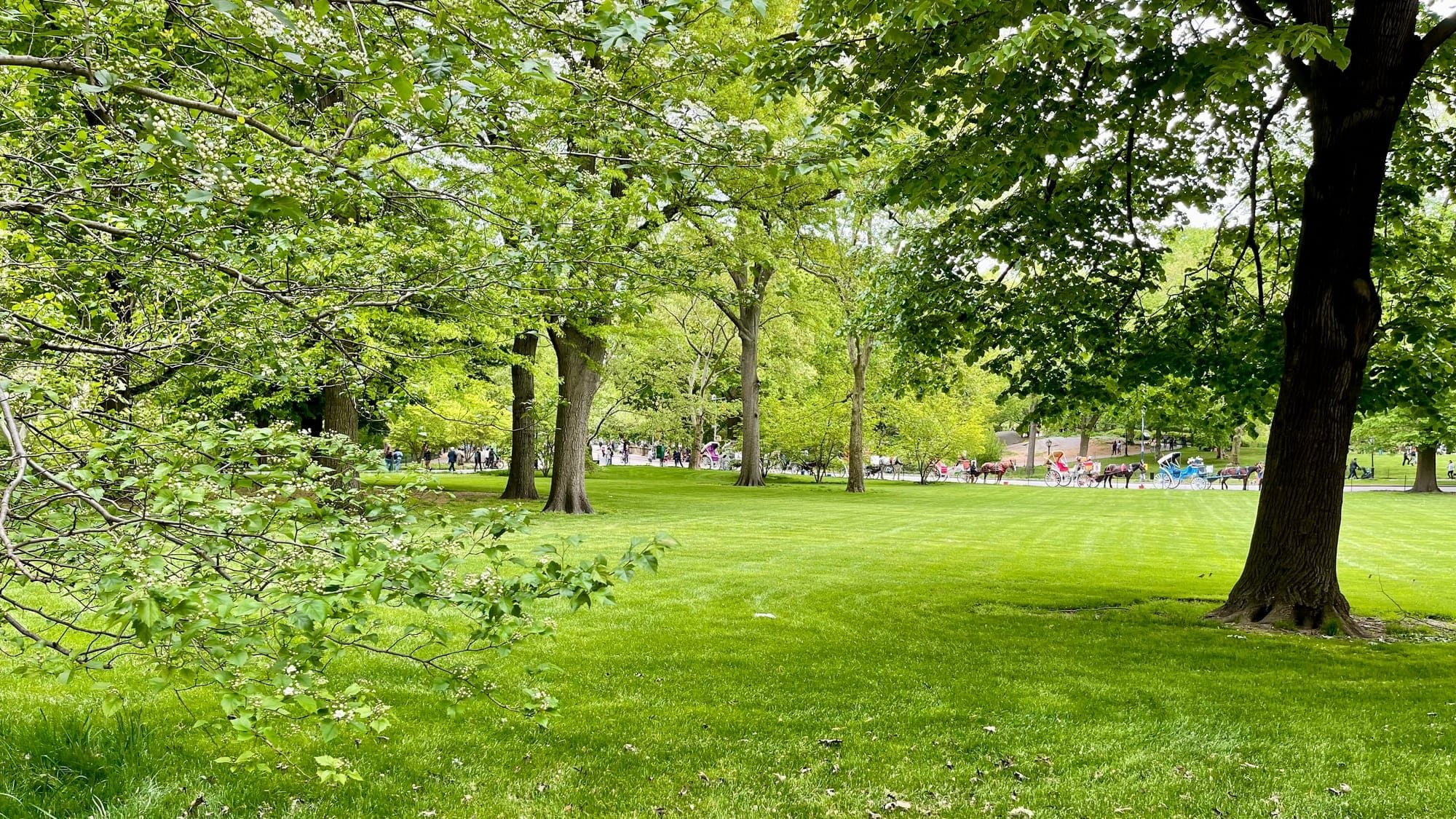
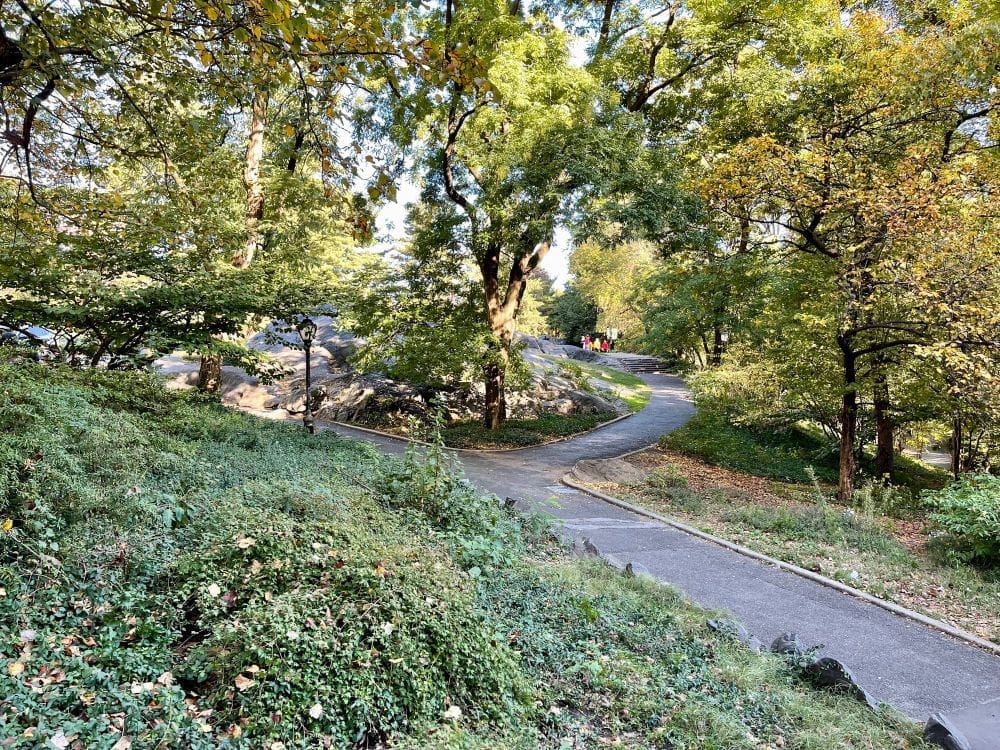
Even NYC's Central Park offers little of interest on much of its grounds. In the southwest corner of Central Park (next to 59th Street and Columbus Circle) there is especially little to do.
But parks are important places for us to frequent. They offer fresh air, a relaxing break from urban life, opportunities to connect with community, and much needed contact with nature. Being in parks is good for our mental and physical health, so making them attractive to visitors is essential to improving people's wellbeing. To make parks places where all kinds of people want to be, from morning to evening, weekday to weekend, they have to offer more than just grass and trees. They have to offer joy and pleasure.
Pleasure Gardens
A "pleasure garden" is a kind of park that was popular in the late 1700s and 1800s in parts of Europe where the design, amenities, and entertainment options were crafted with the intention to create a pleasant experience for visitors. They were places to spend time in, connect with peers, catch up on the goings on of society, and have fun. Pleasure gardens usually featured promenades, refreshments, musical shows, and lighting arrangements that created a beautiful ambiance. They were staples of public life at the time.
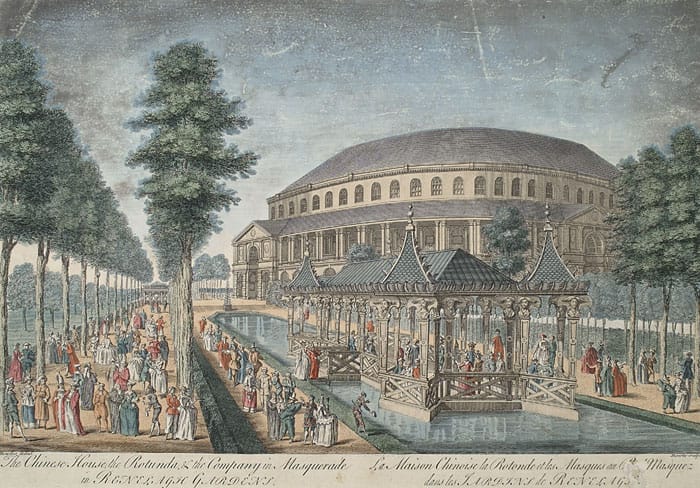
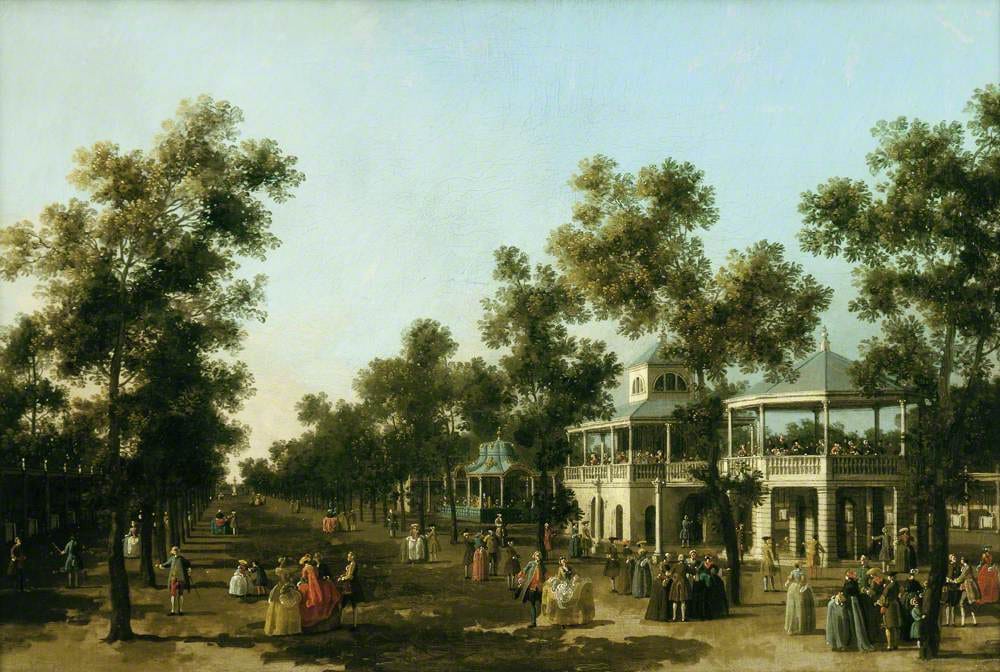
Image source
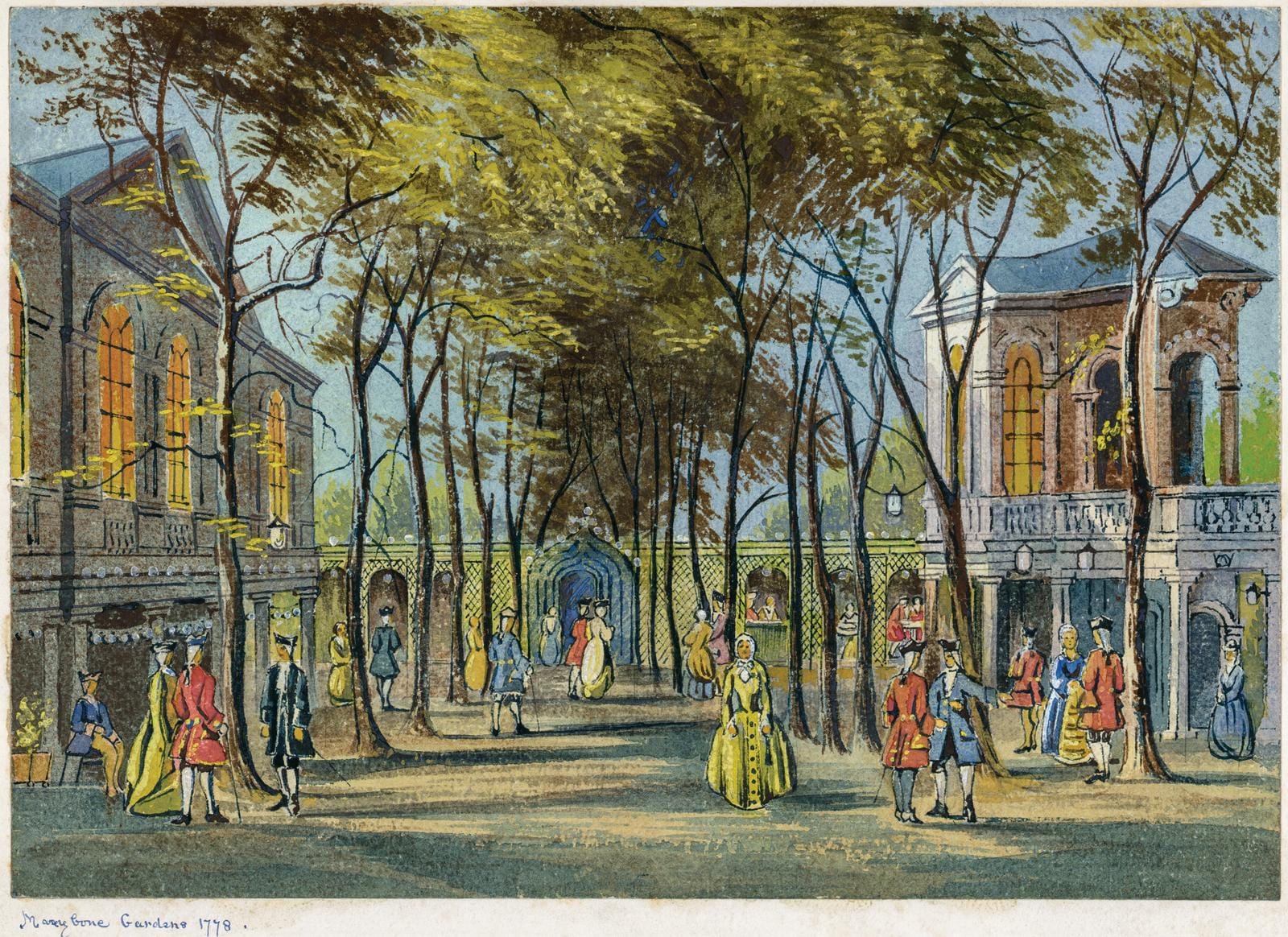
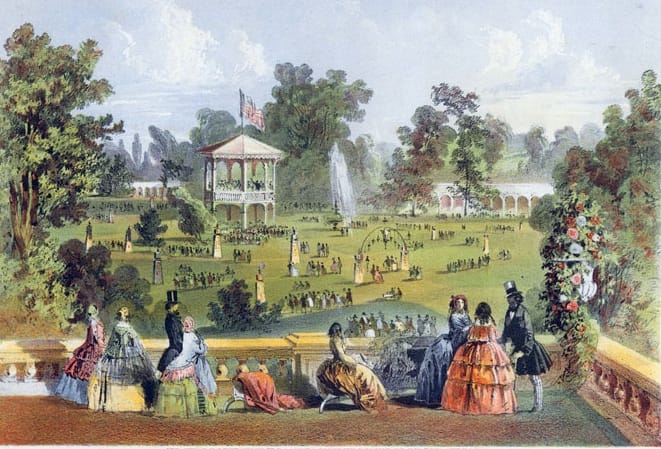
While pleasure gardens gradually transformed into the parks of today, losing much of their charm along the way, some of the most beloved parks of modern day still fit the description of a "pleasure garden" because, true to their name, being there is a real pleasure. Below are some of our favorite examples.
Tivoli Gardens
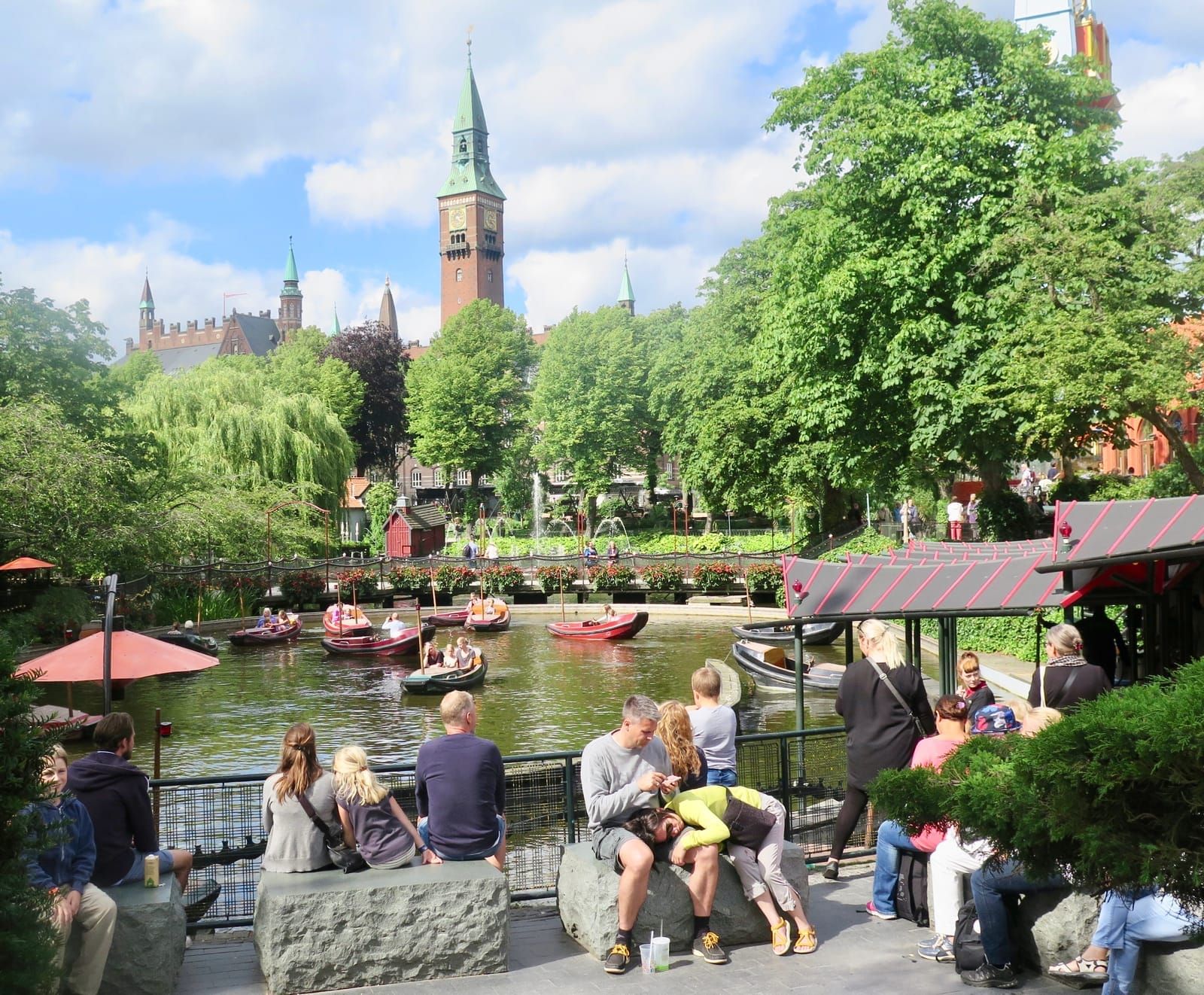
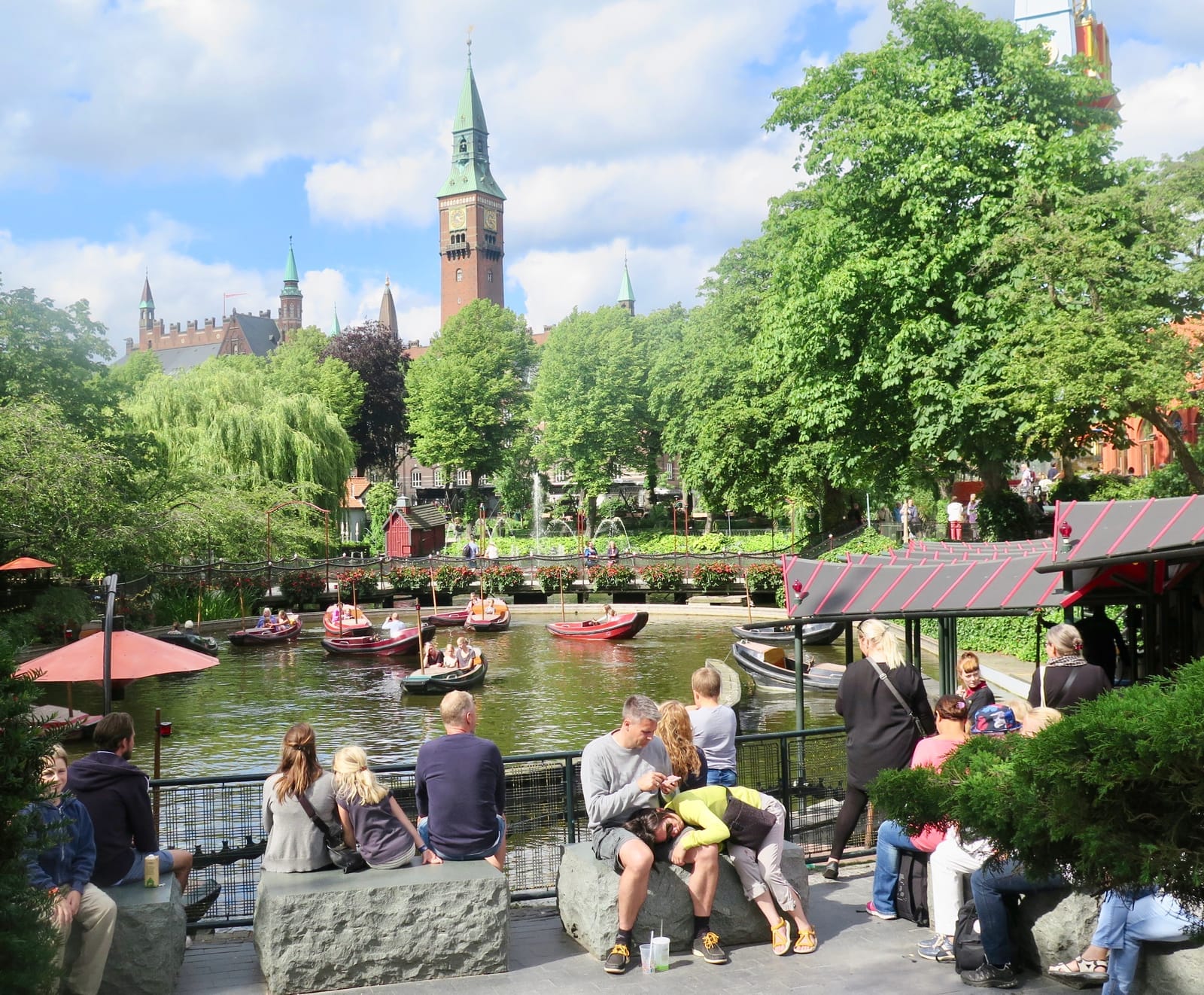
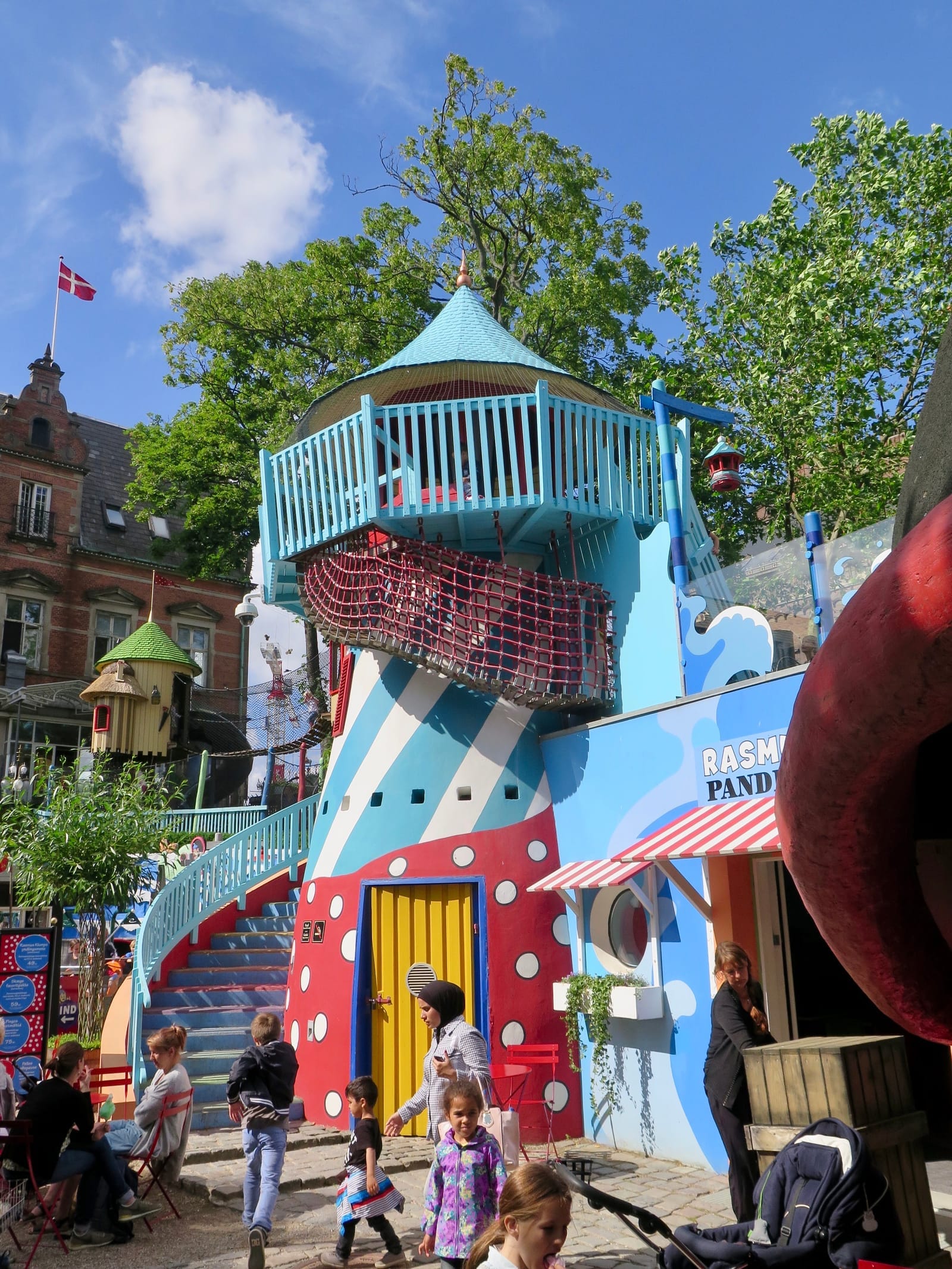
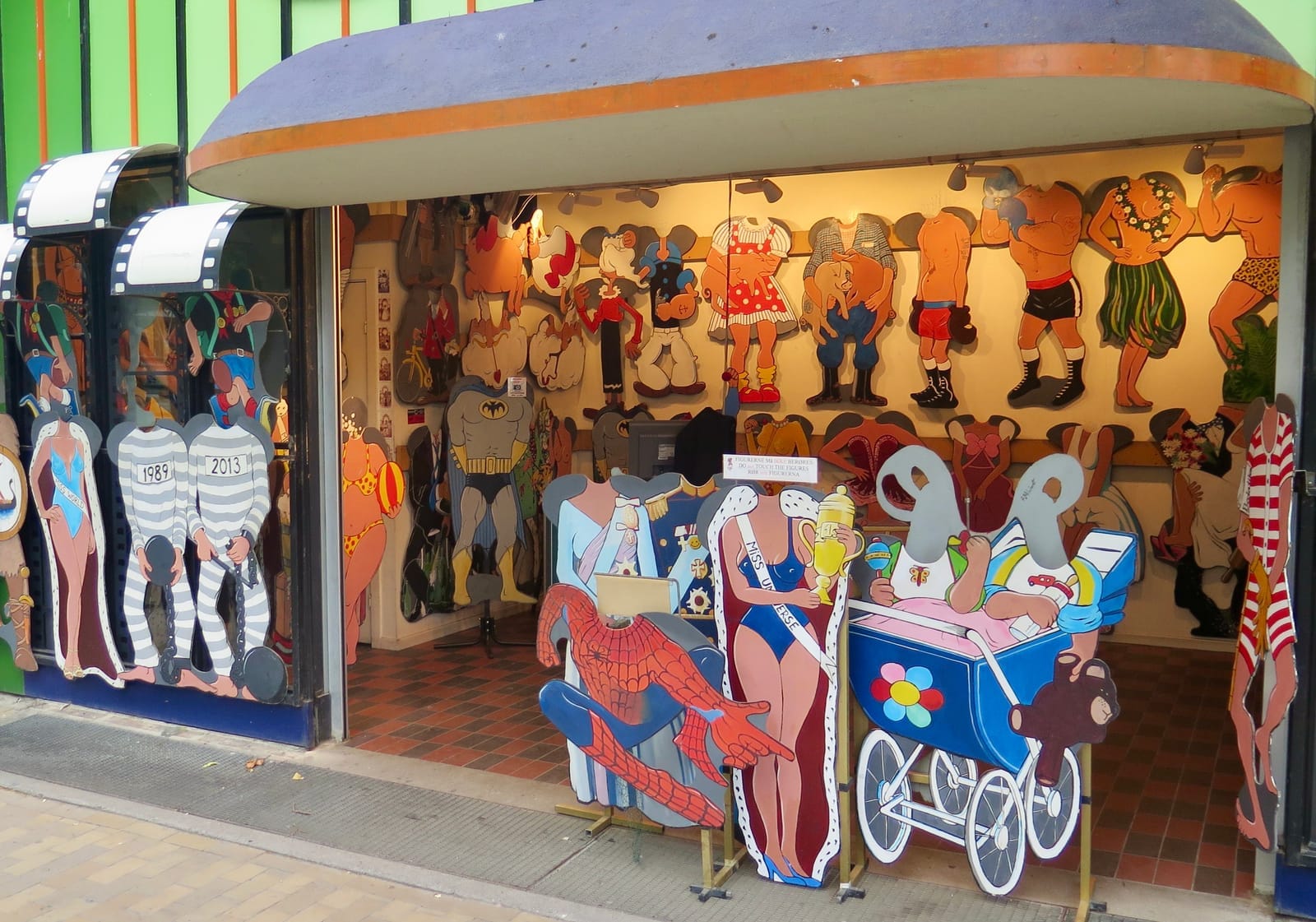
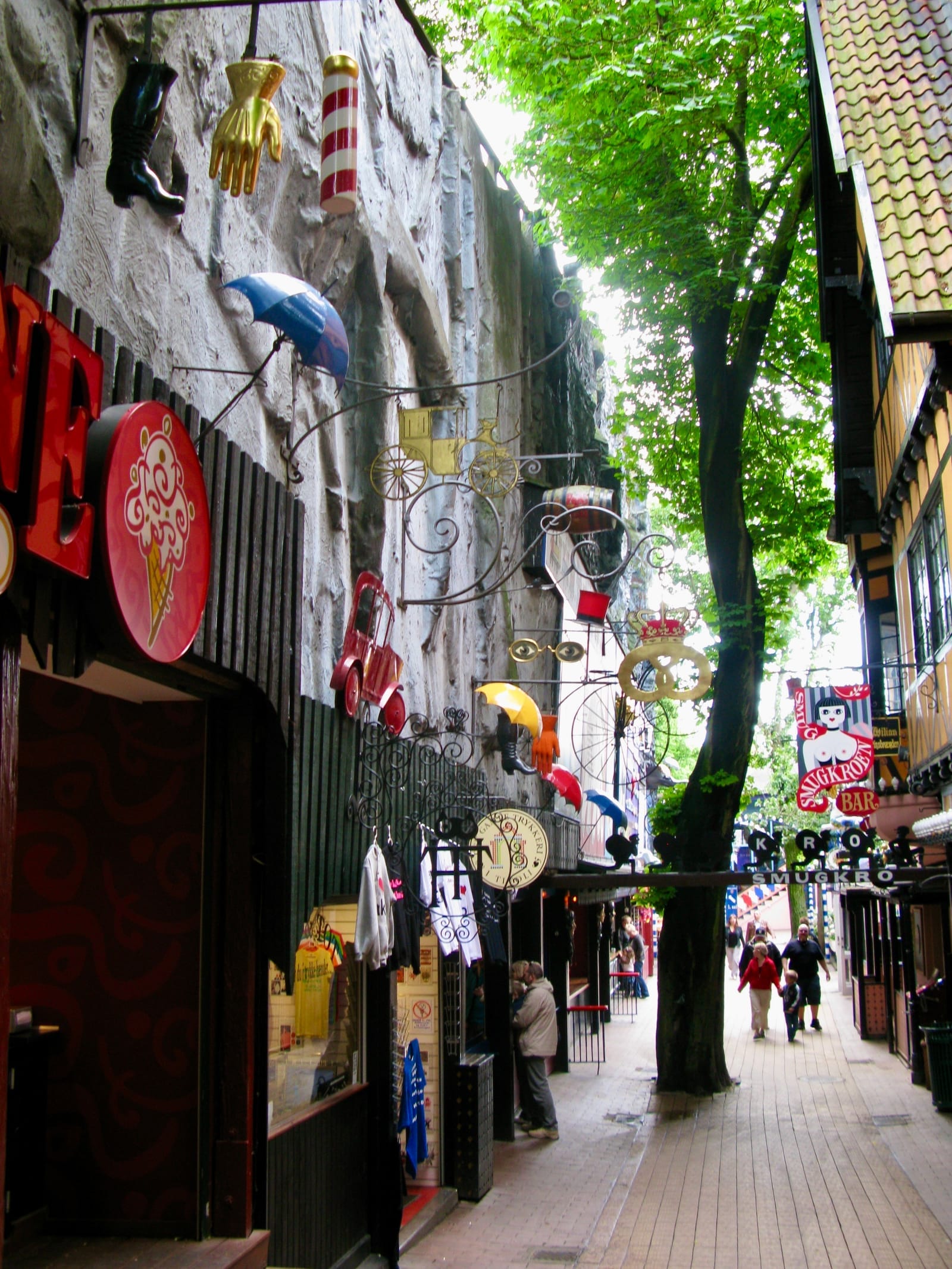
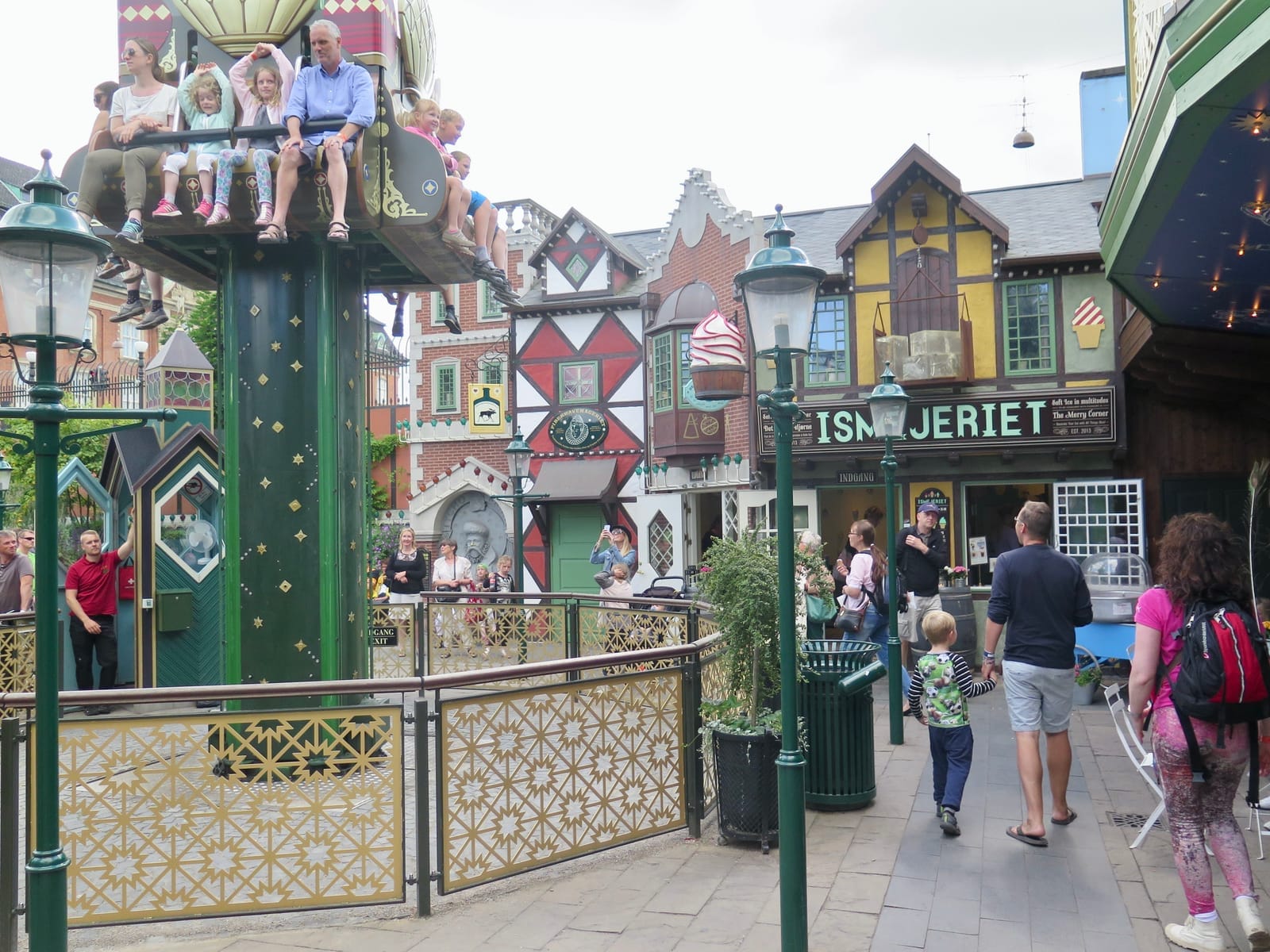
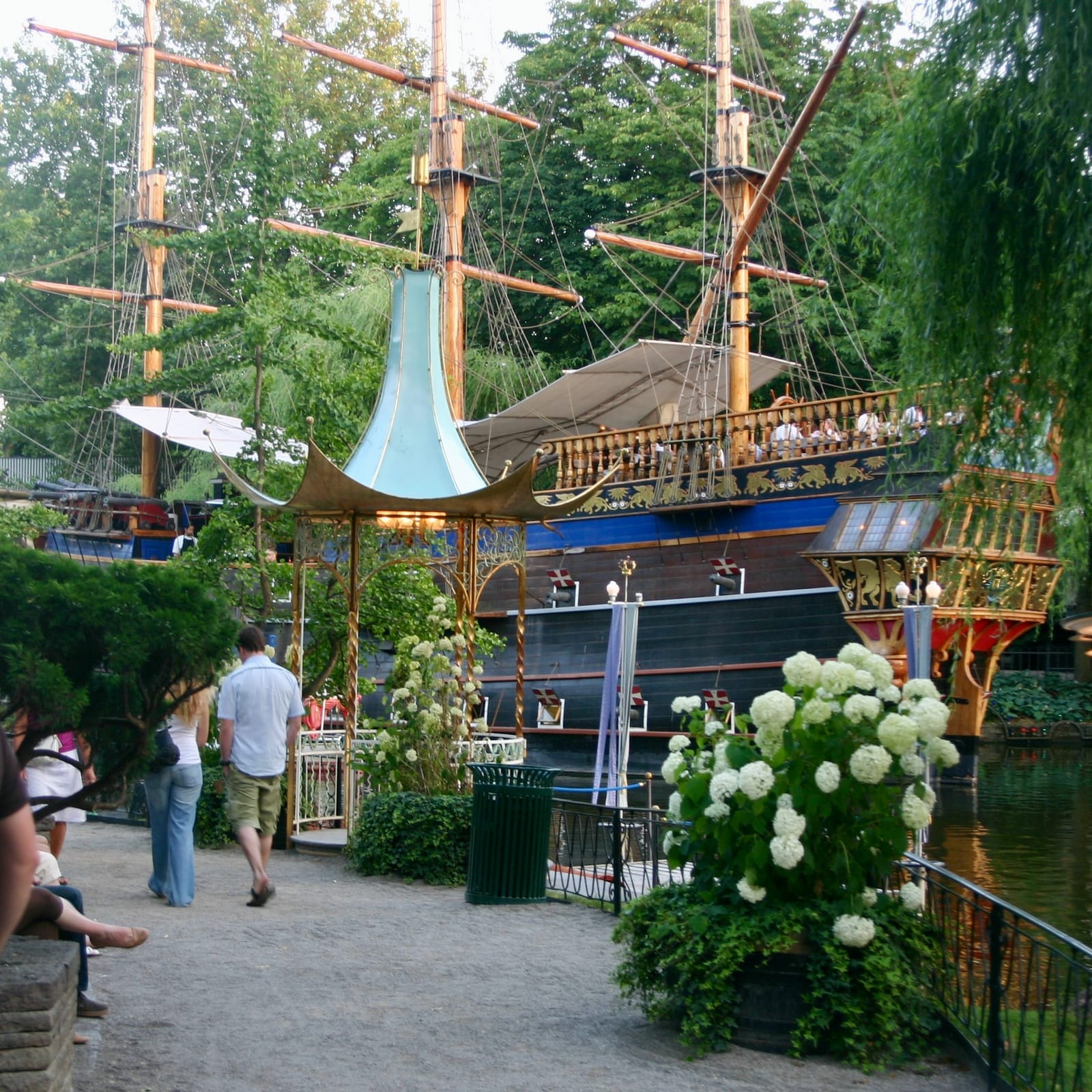
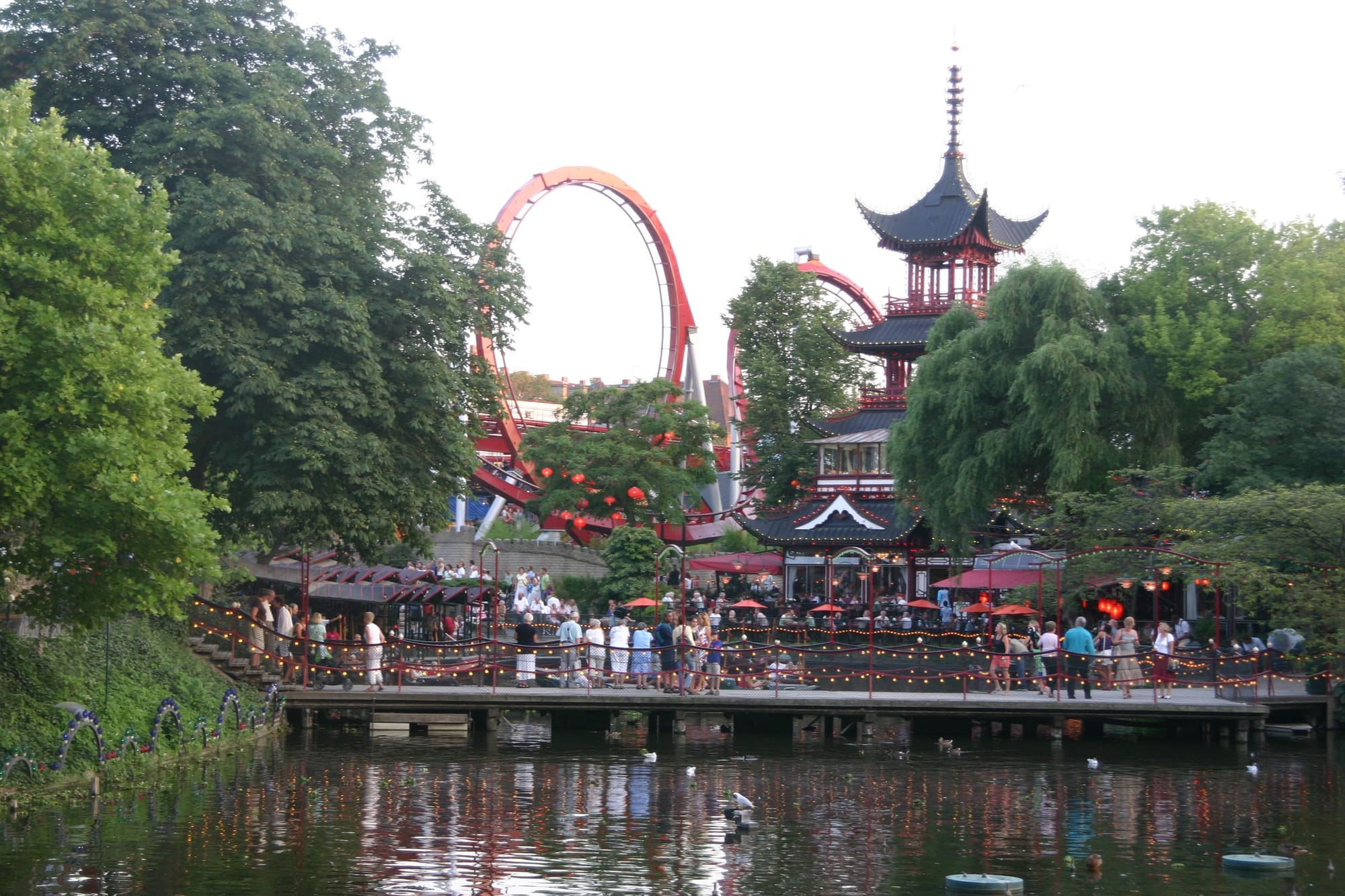
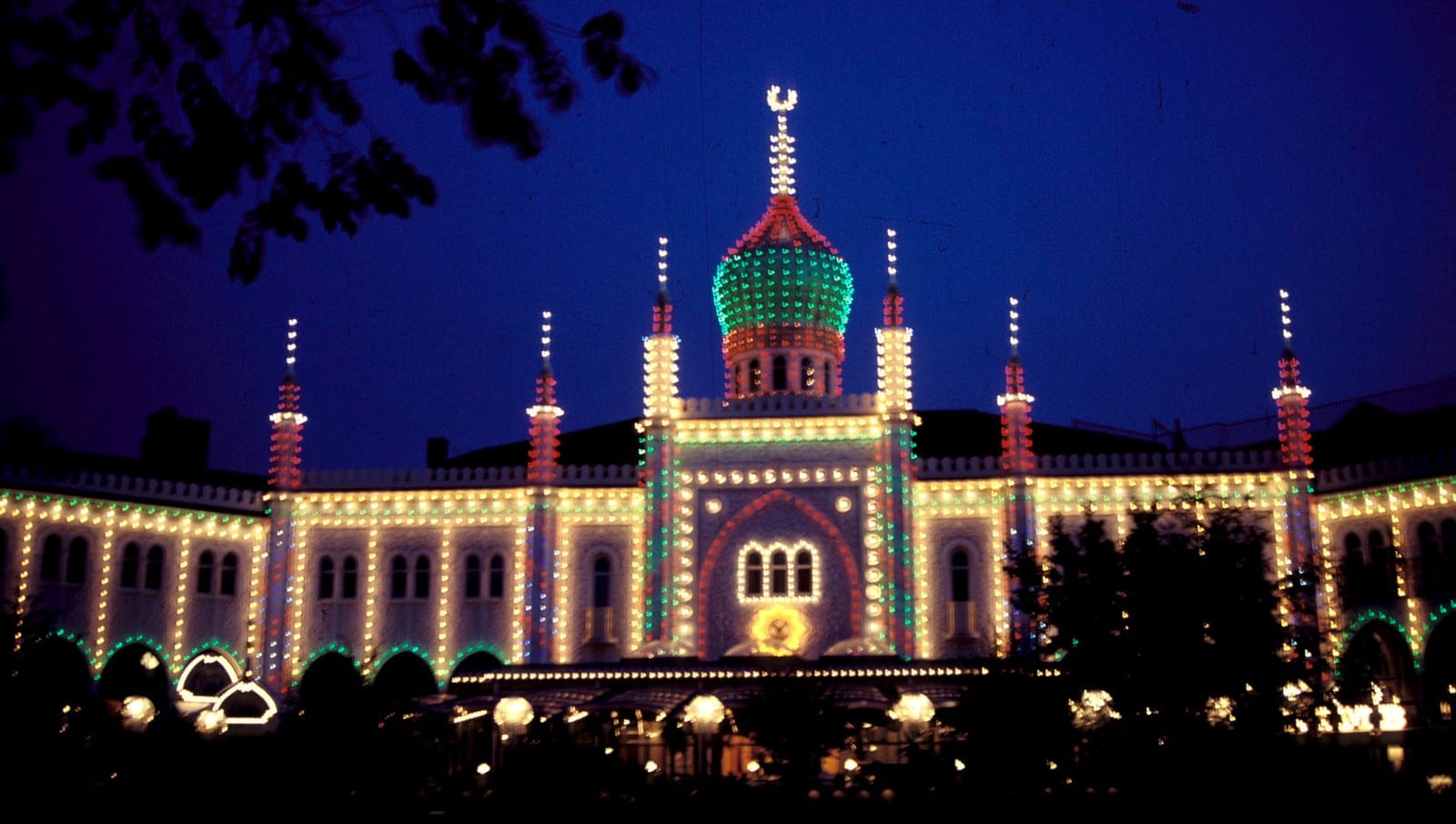
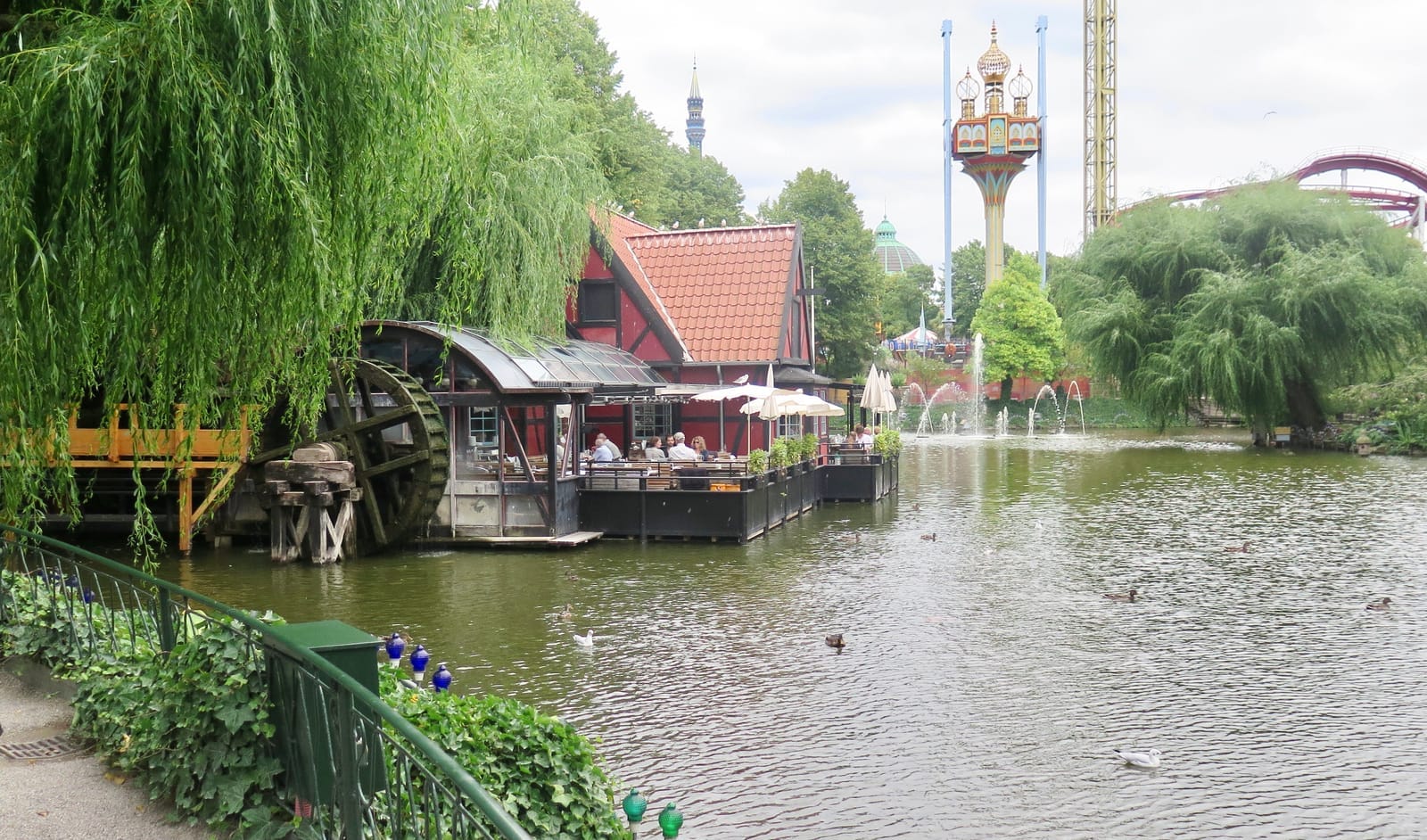
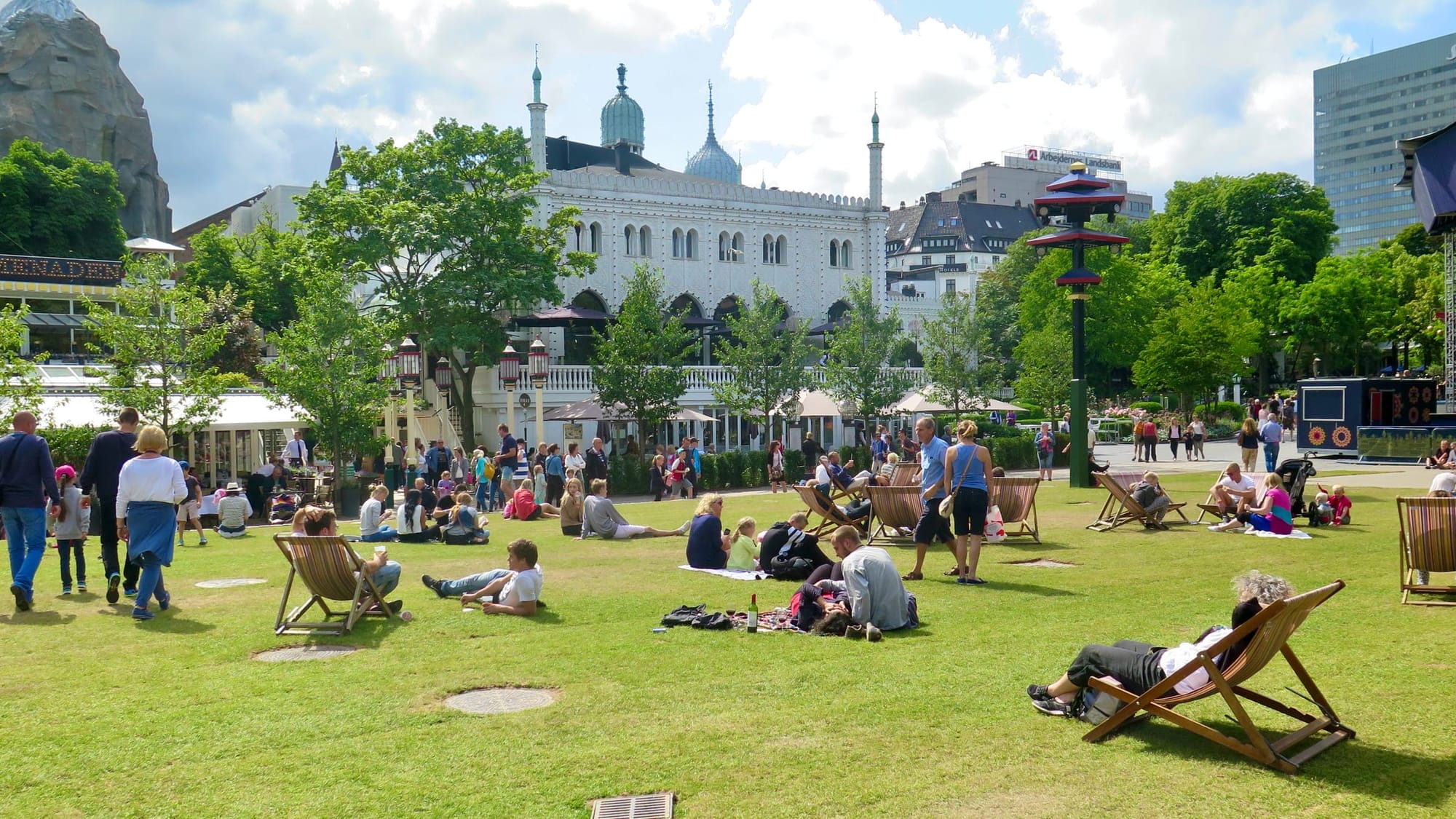
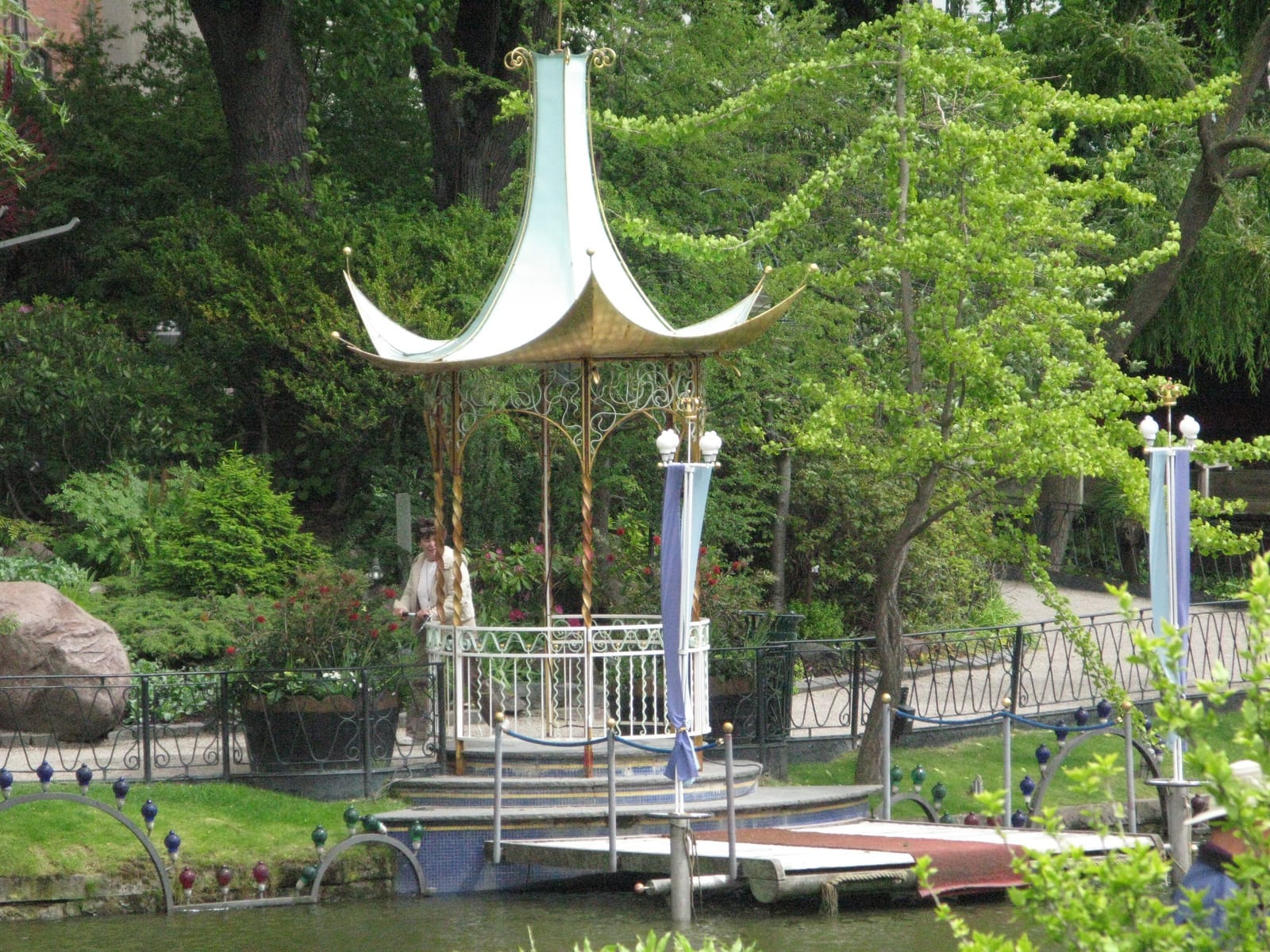
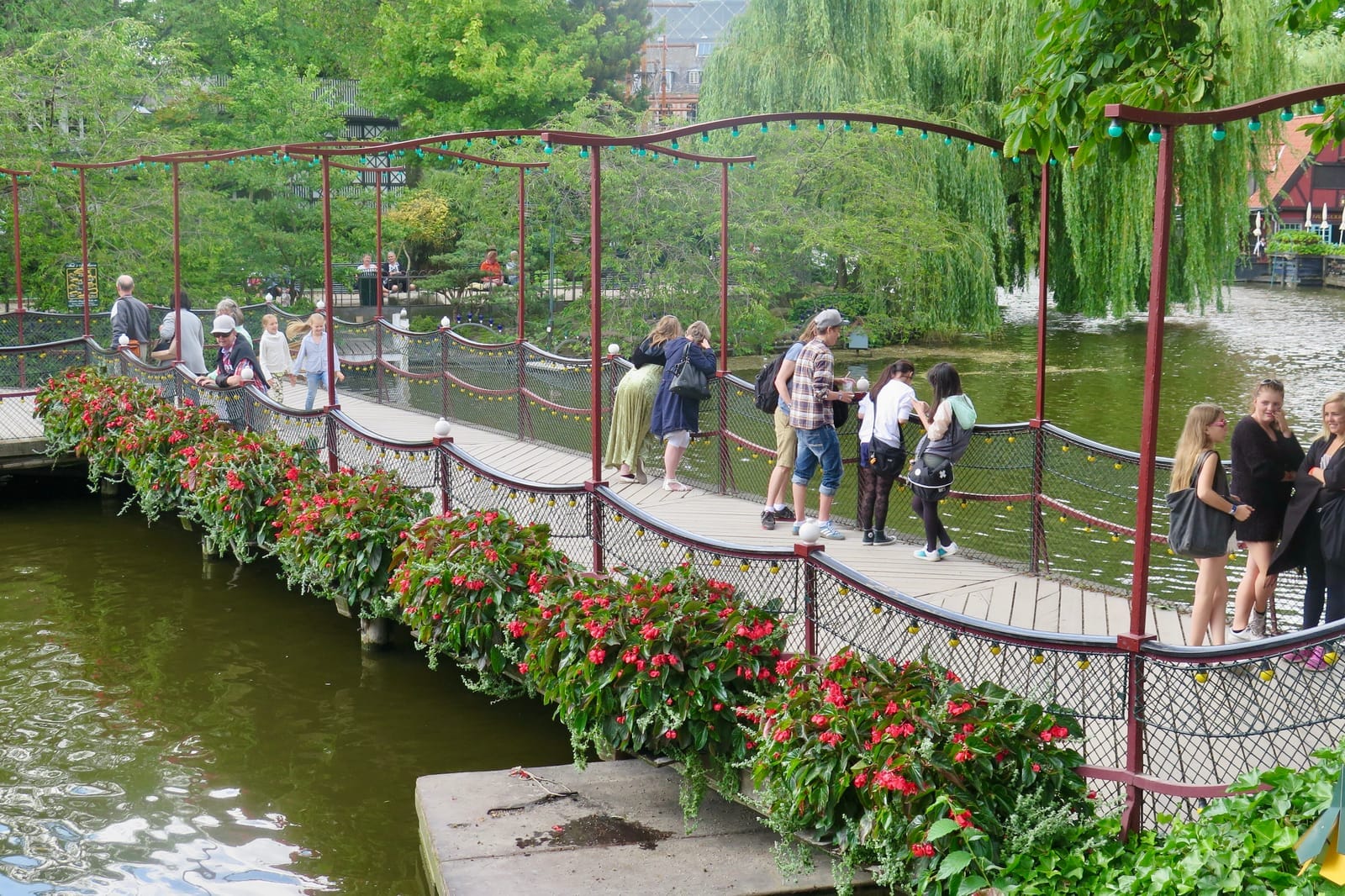
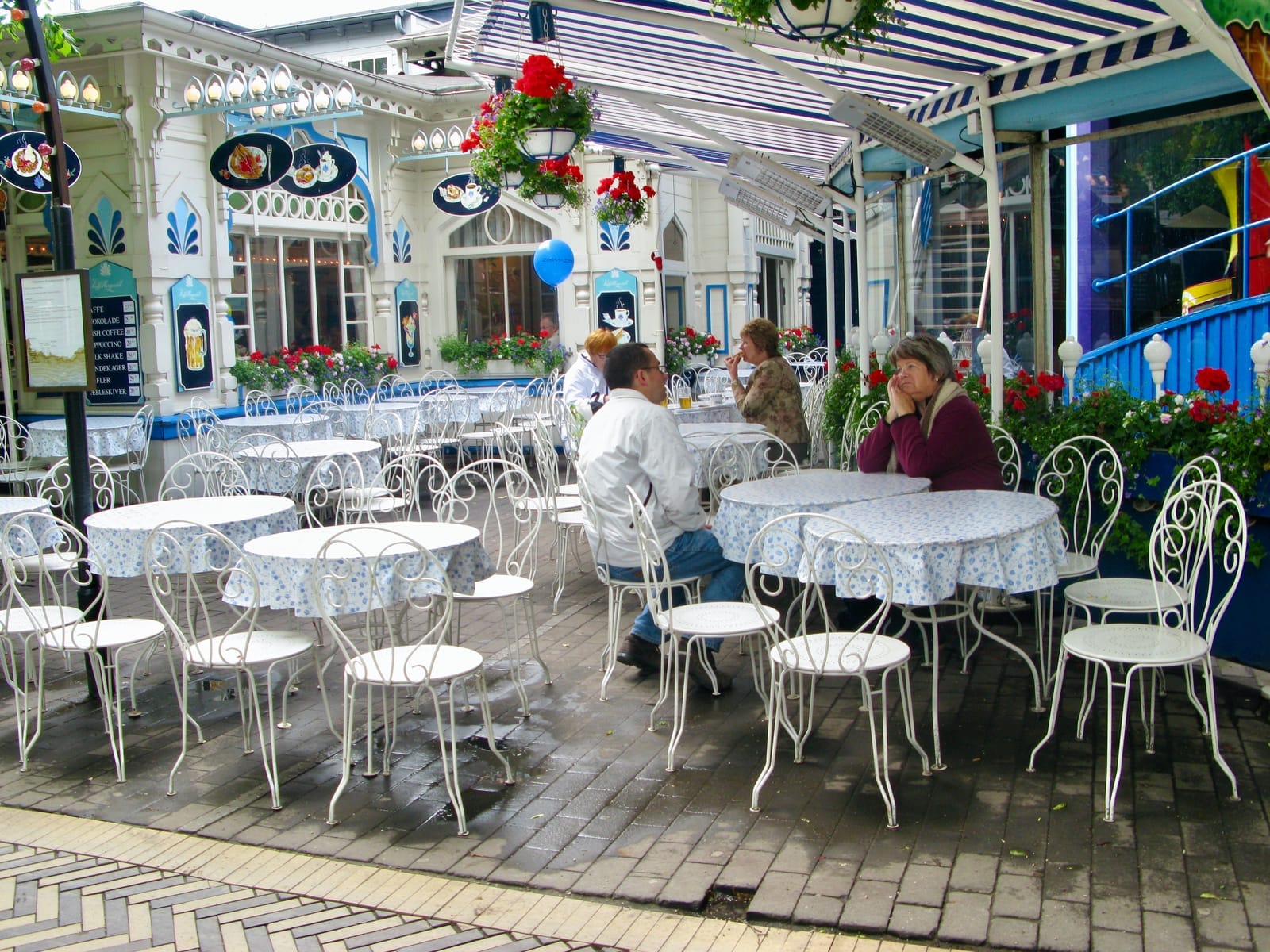
Copenhagen's Tivoli Gardens is one of the best examples of a cross between a standard park, a square, a garden, and an amusement park – it has an entry fee but also offers local membership, and it thrives as the centerpiece of the city. Opened in 1843, Tivoli boasts rides, cafés, eateries, beautiful event venues, promenades and ponds to stroll along, and much more, all wrapped up in a whimsical ambience with a carnival-like aesthetic.
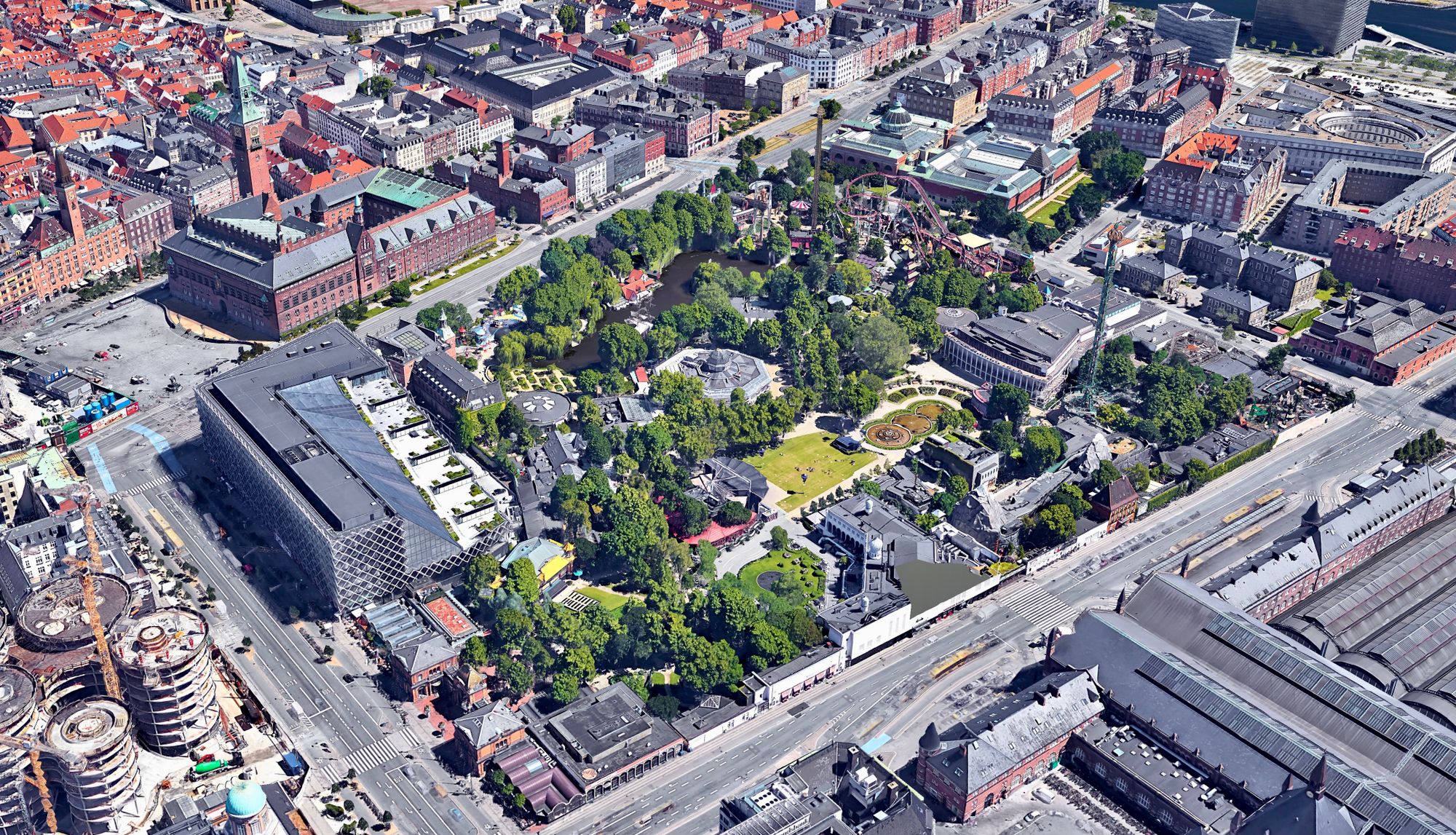
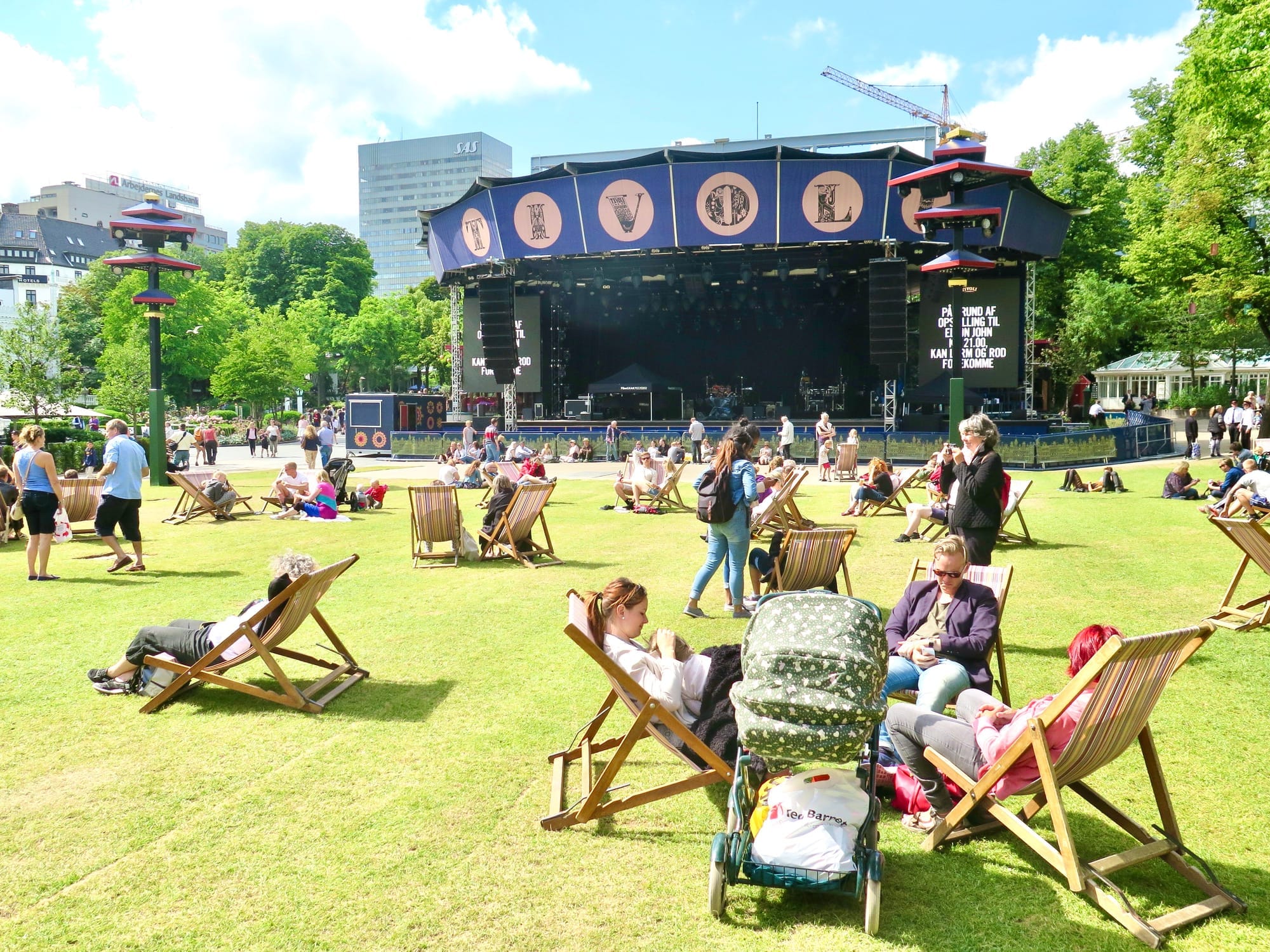
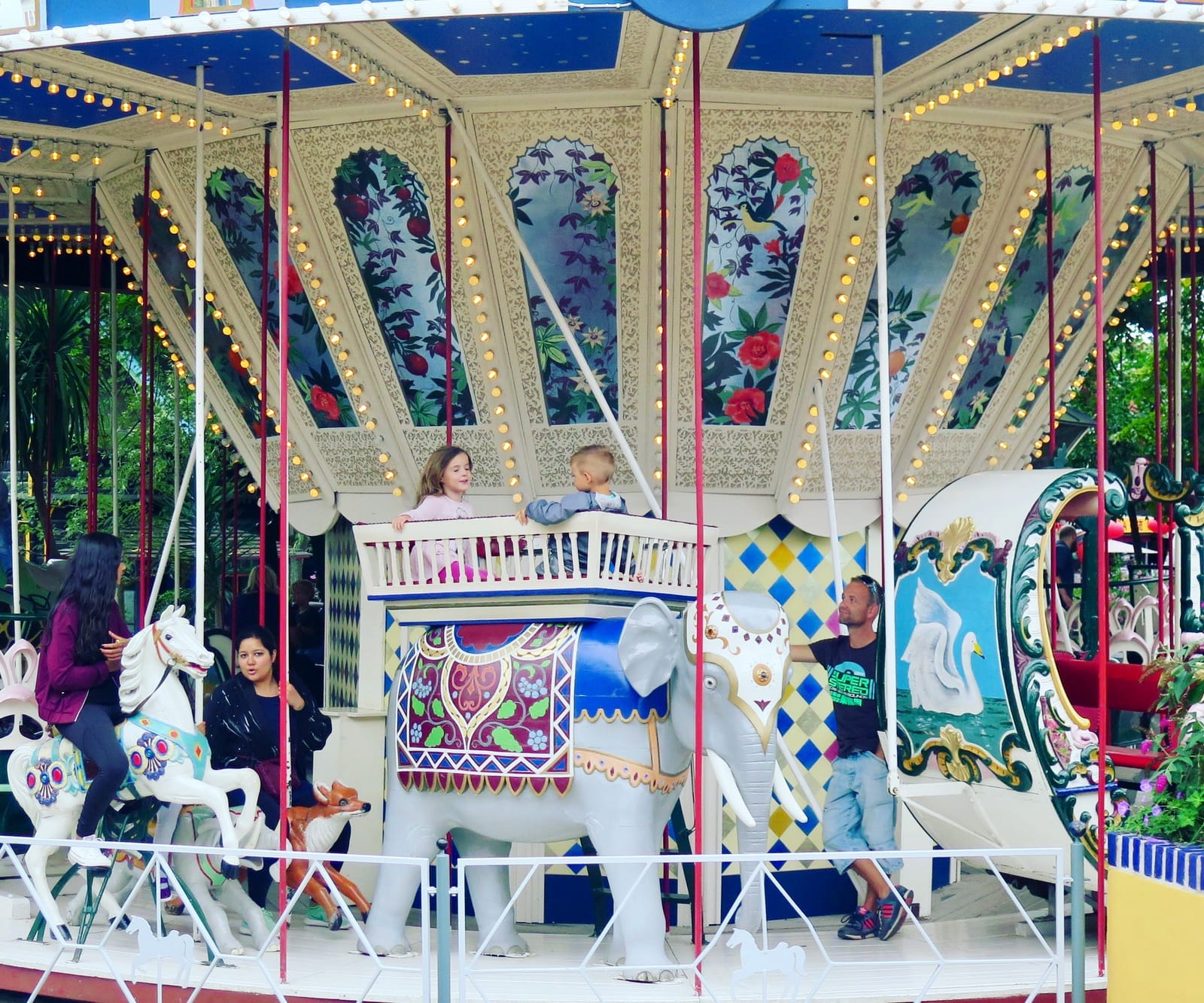
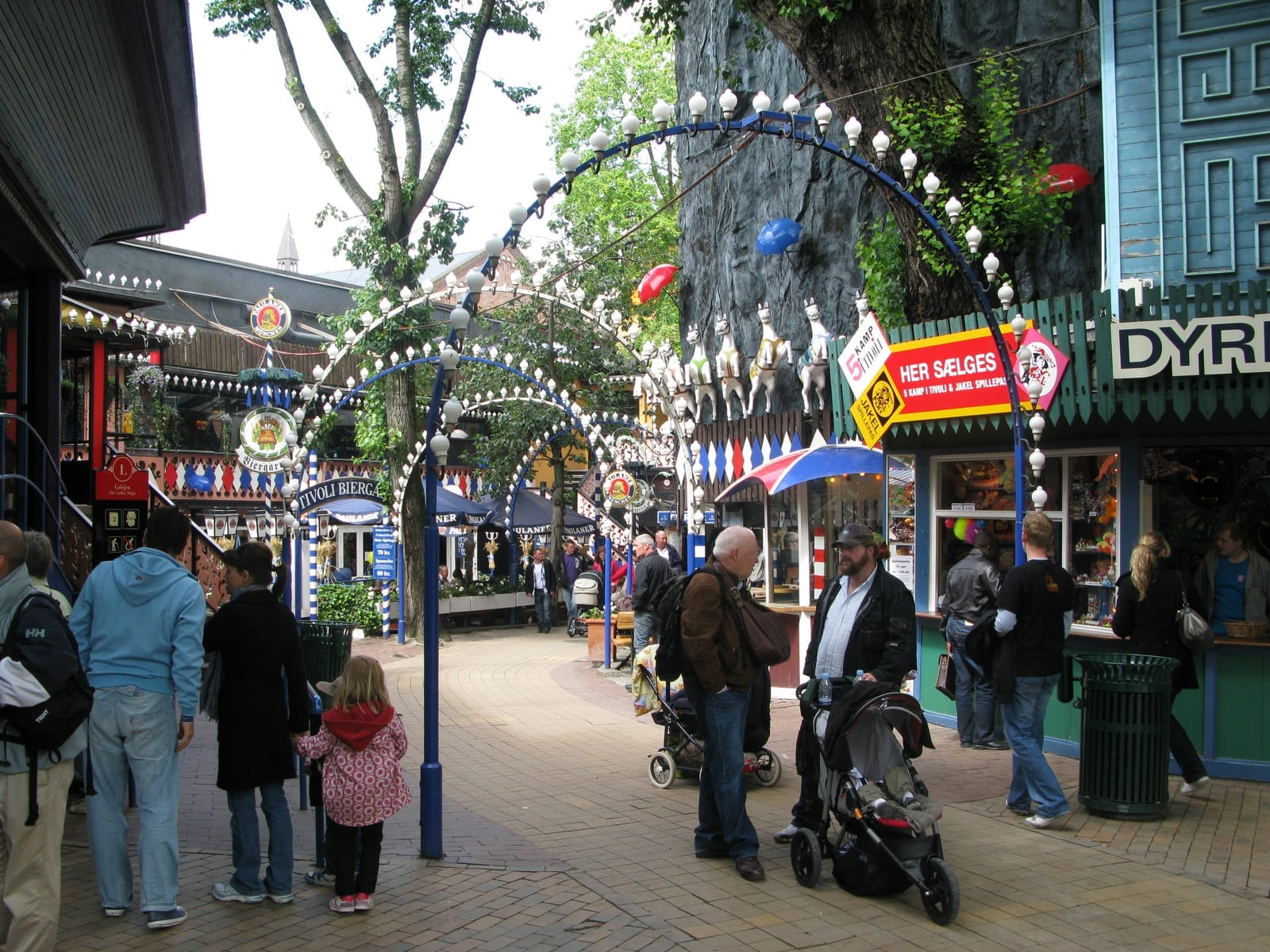
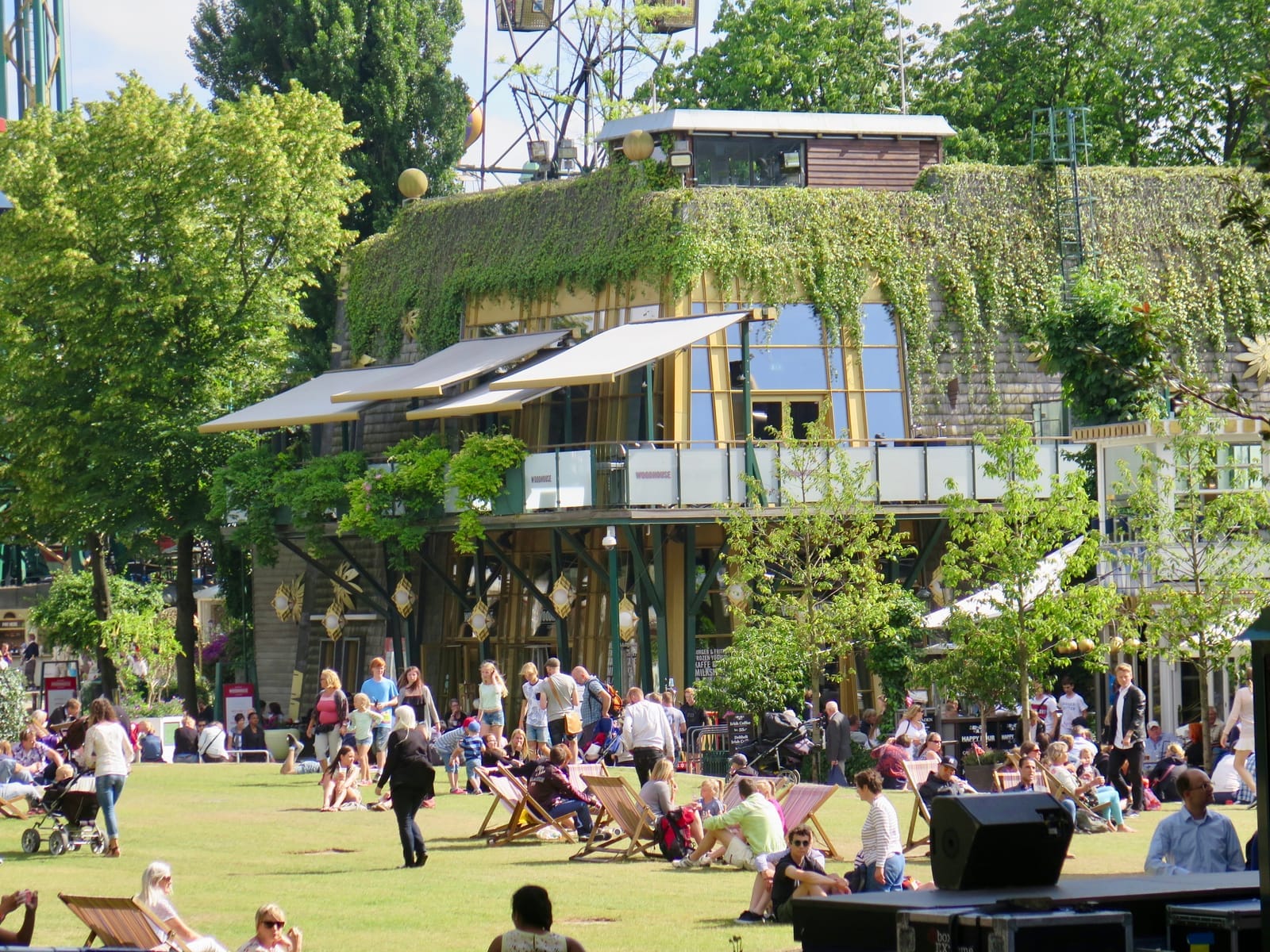
This garden offered such fun and whimsy for over a century that it actually inspired Walt Disney to create Disney World! That is the power of pleasure and joy – it can inspire, enthrall, and delight, far beyond the borders of where it was experienced. After seeing joy emerge as a recurring theme in the best public places around the world, we at the Social Life Project realized that we need to rebuild parks through this lens. We need to bring back the pleasure garden.
Bryant Park
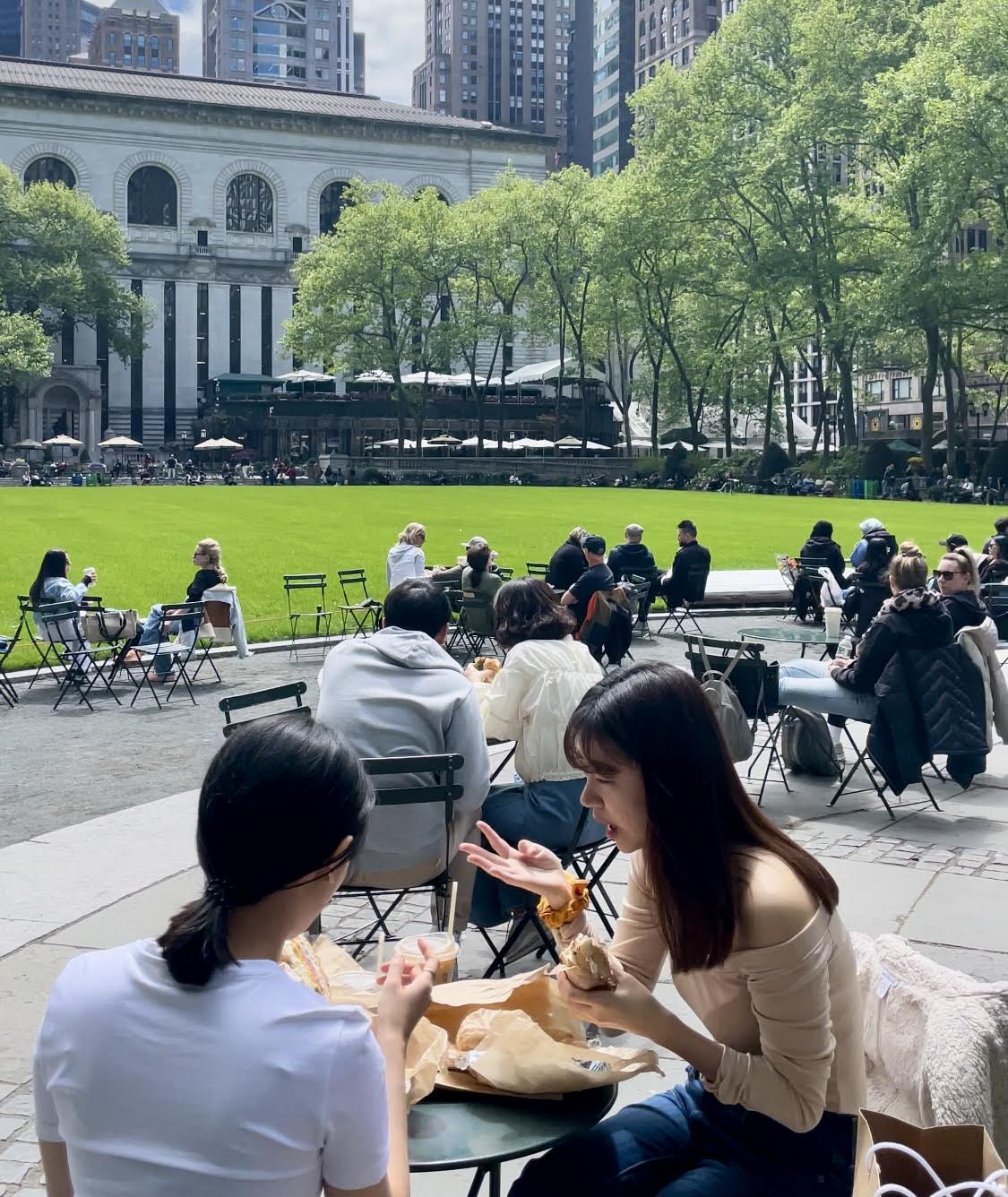
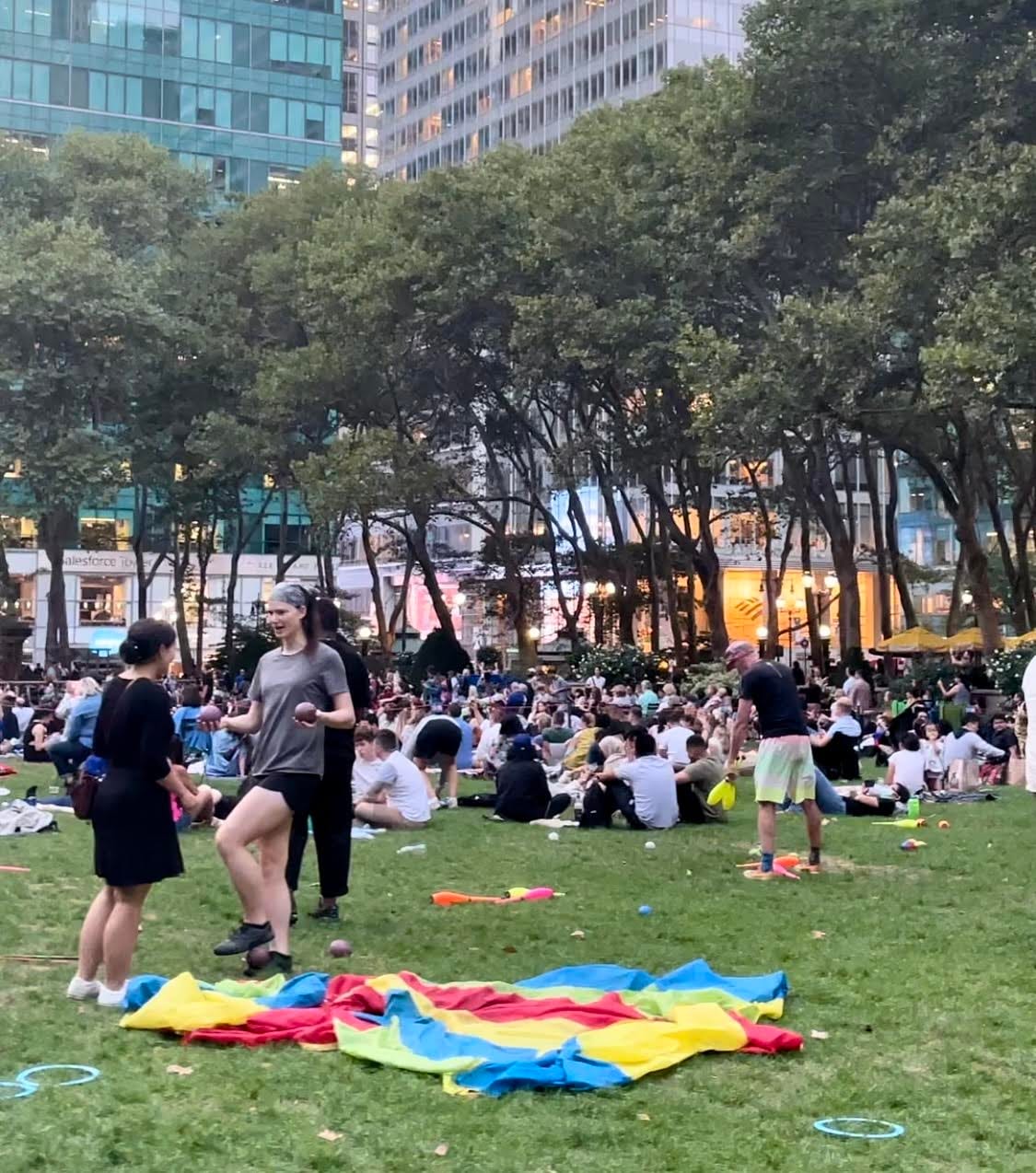
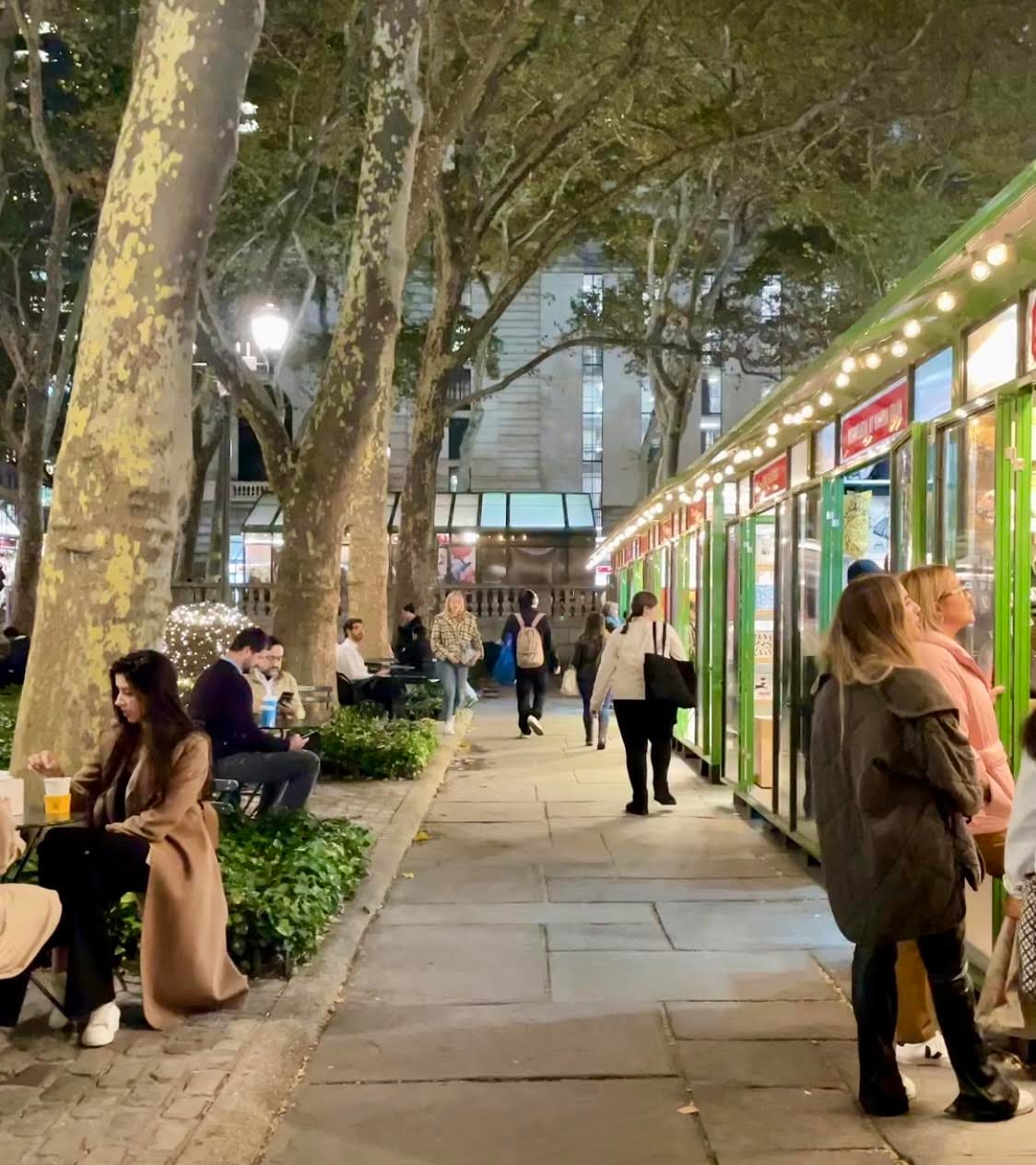
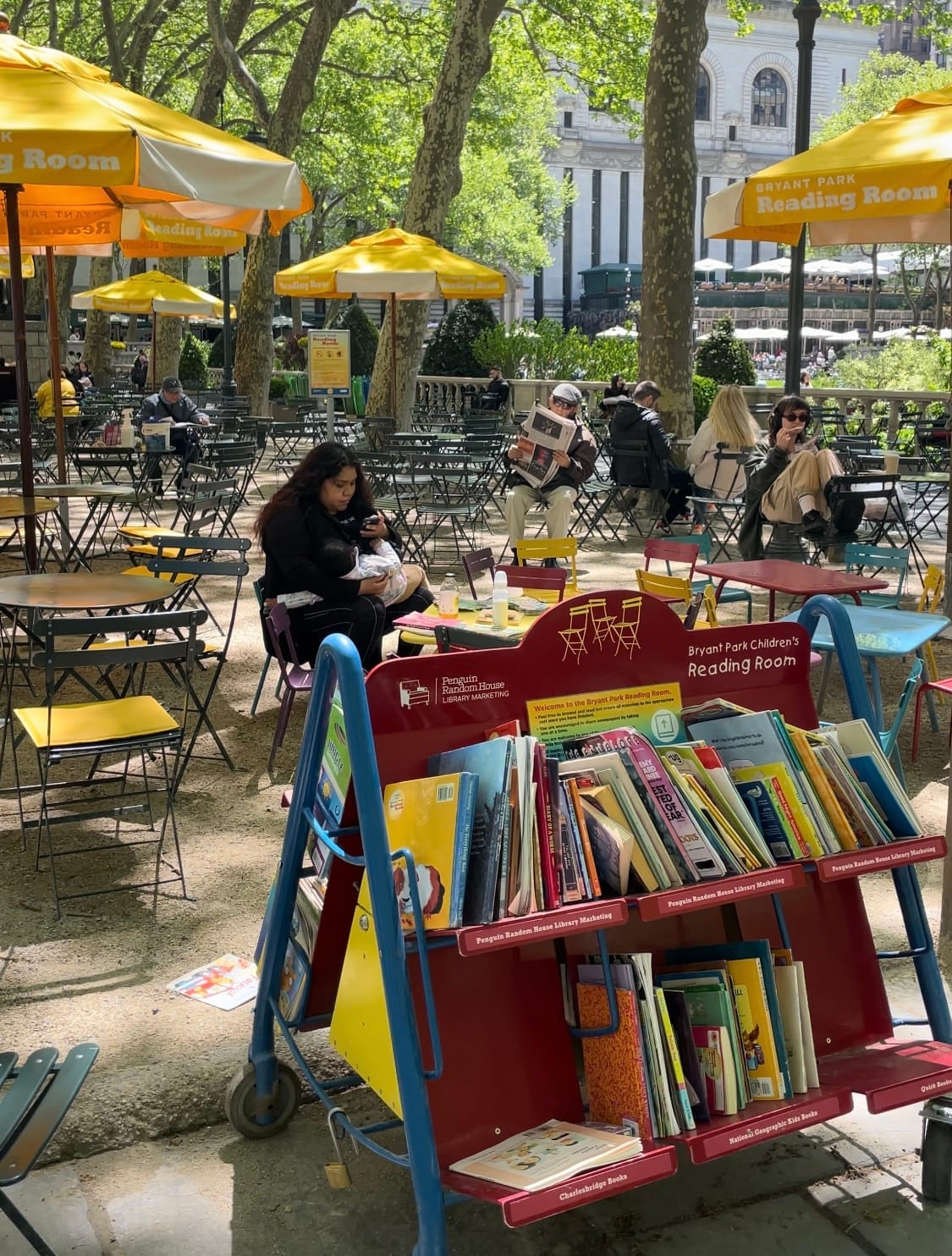
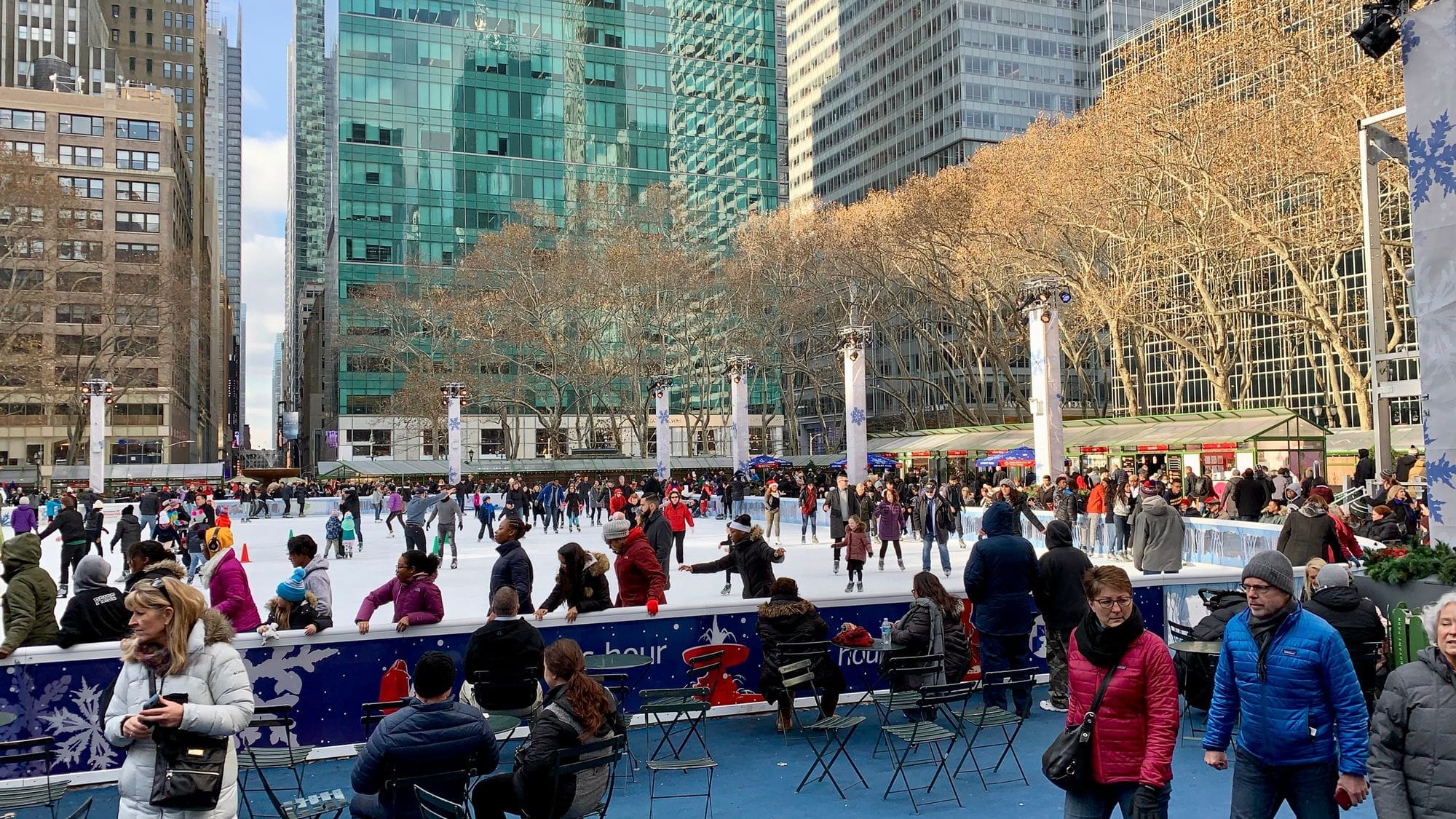
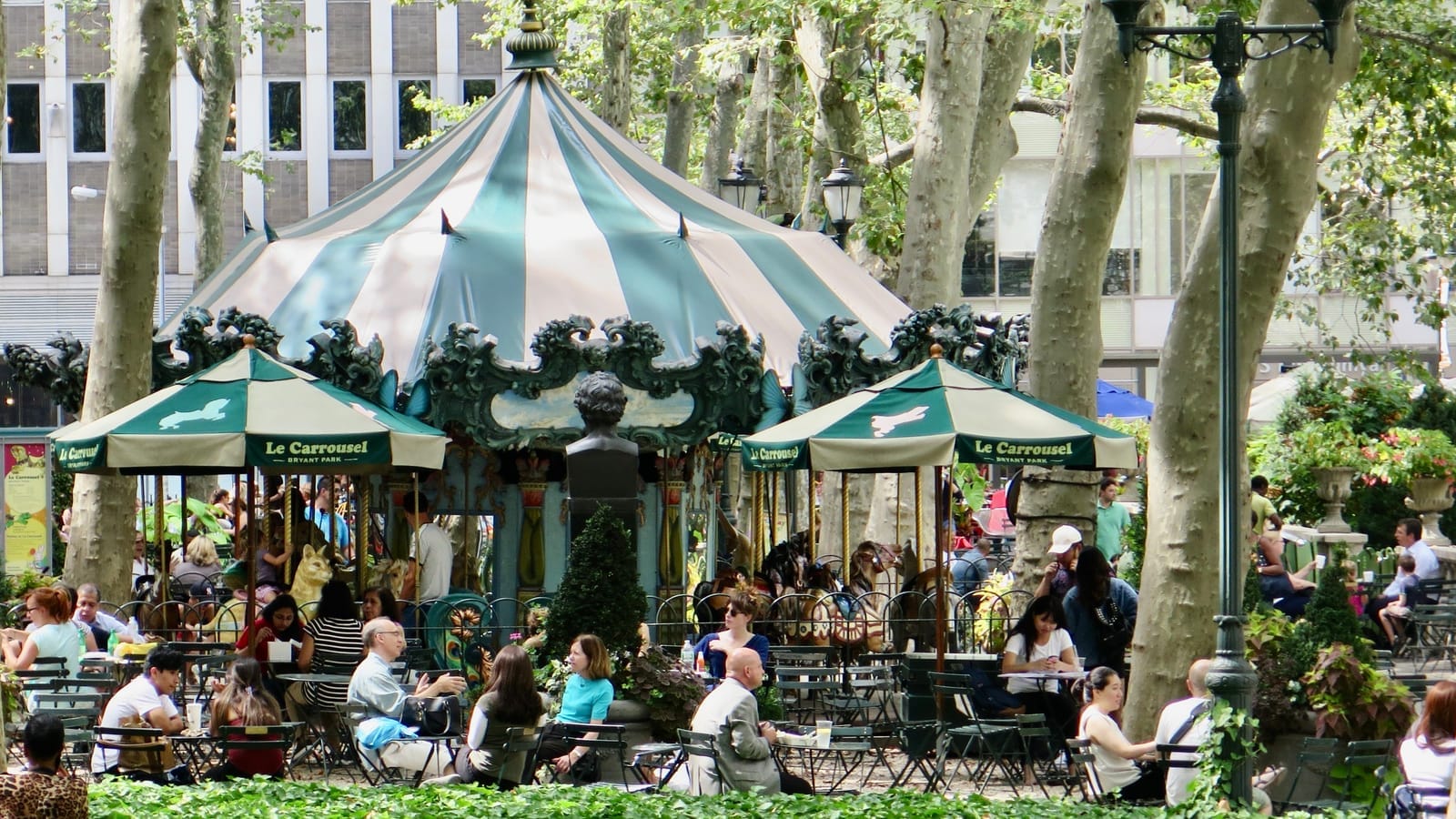
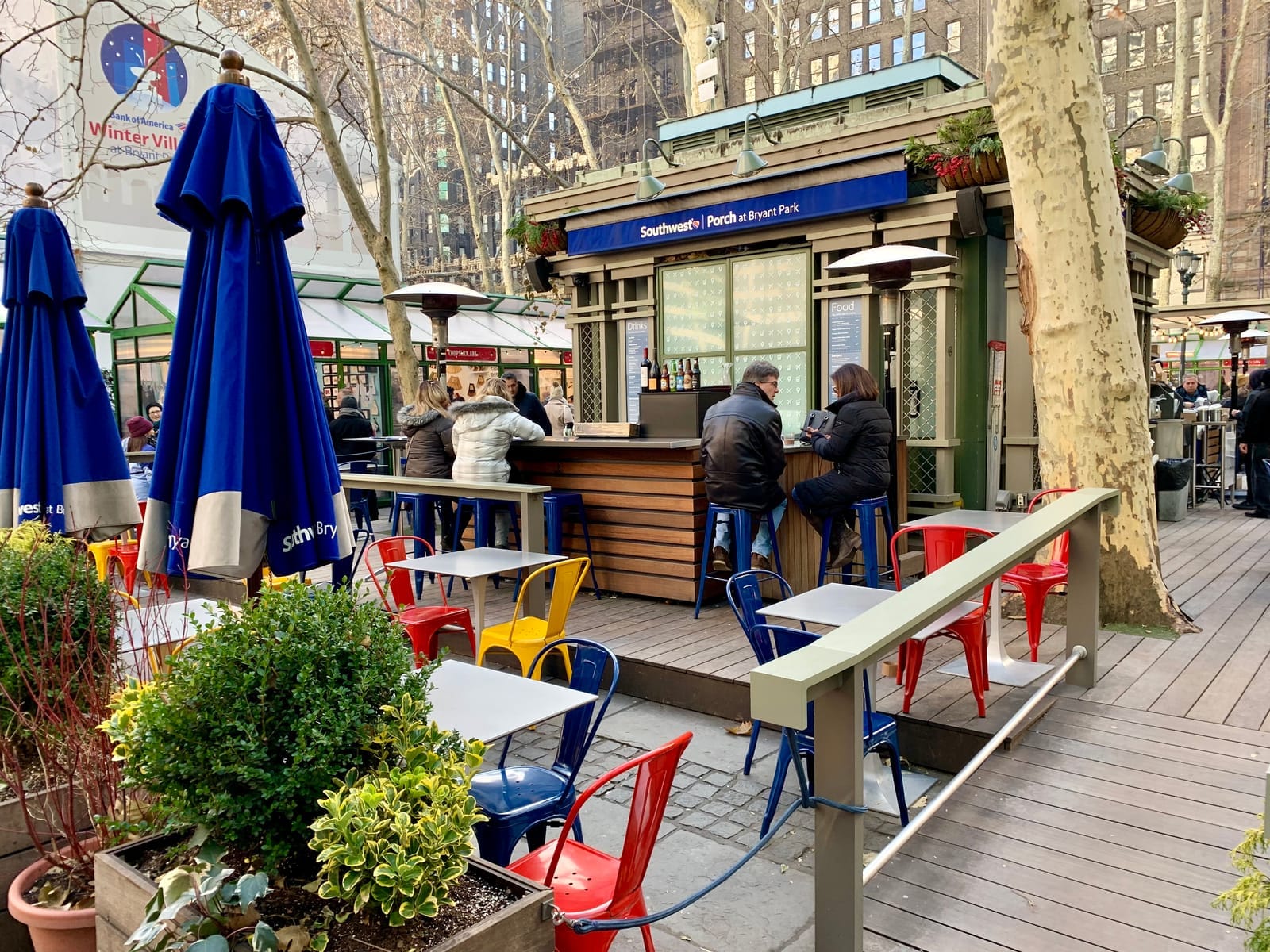
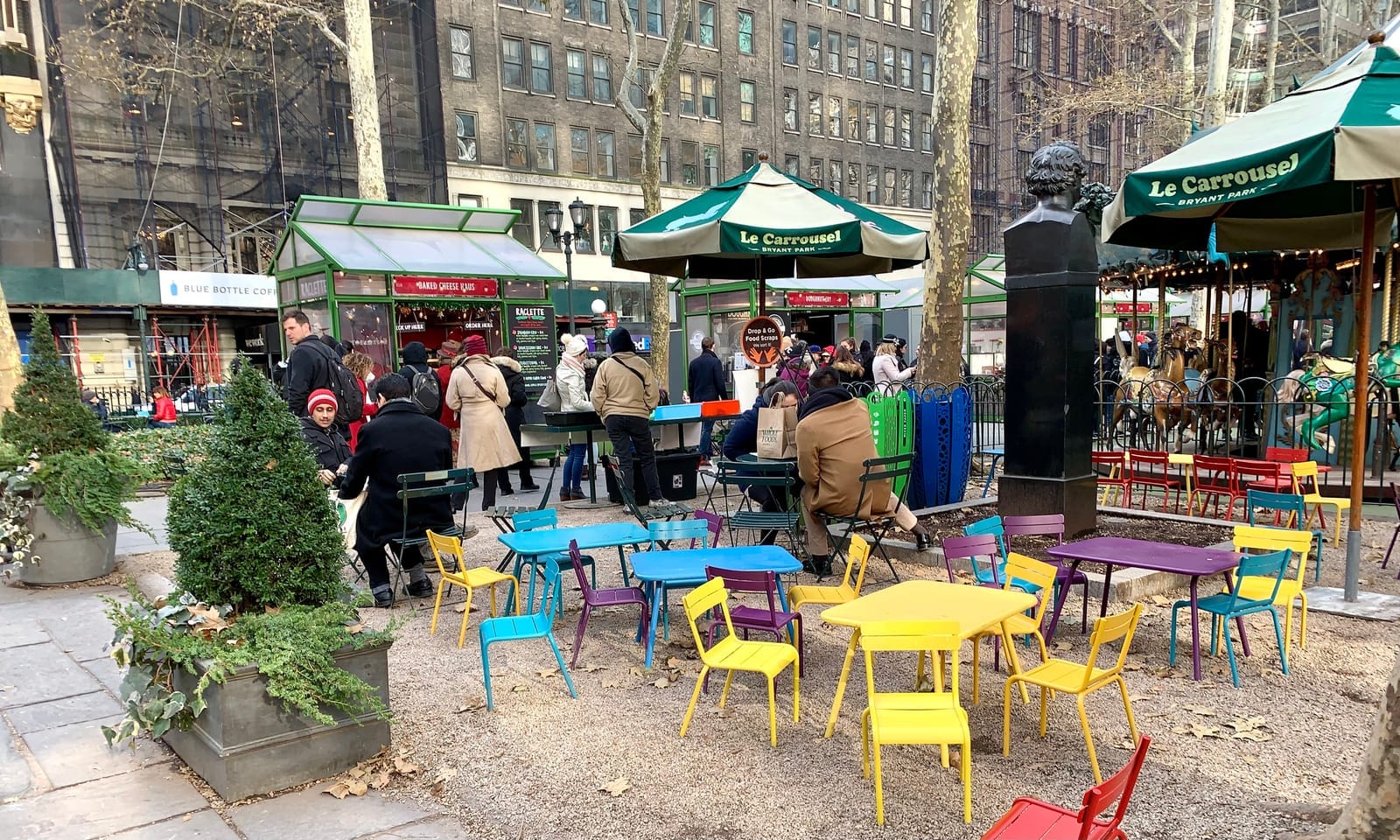
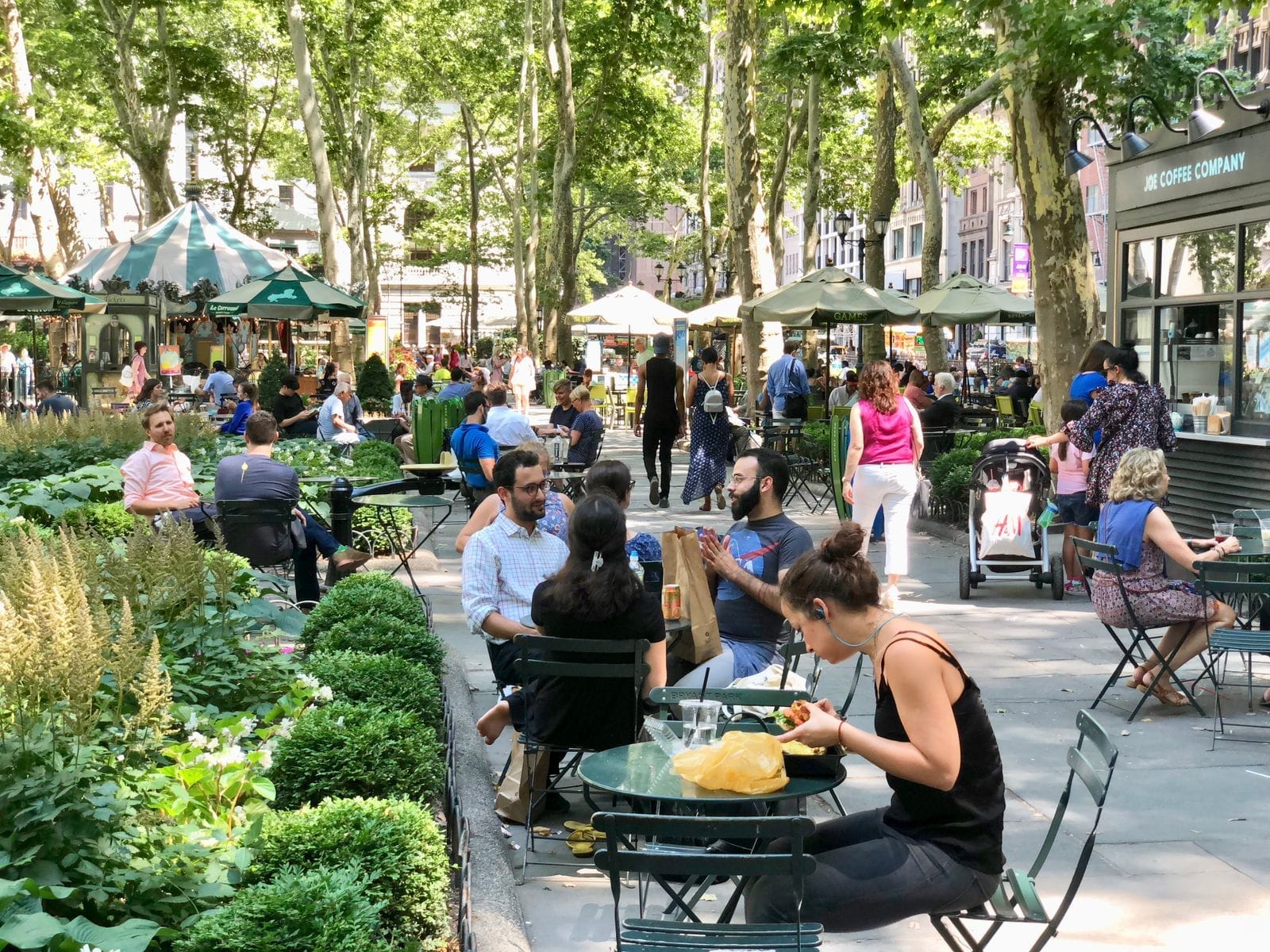
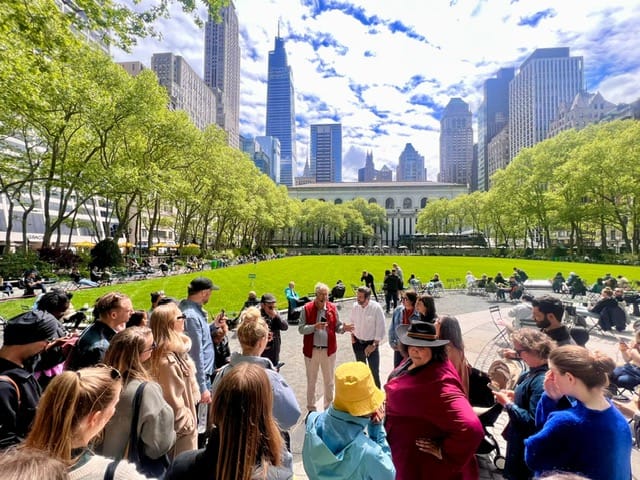
When we were giving Bryant Park in NYC a new lease on life in the 1970s with our first organization, Project for Public Spaces, we understood that in order for it to thrive, it would have to transform into something of a pleasure garden itself. The bones of a great place were there, but it was dull and uninspiring to be in. It needed amenities and programming – events and happenings year-round that would activate the area with energy and draw in visitors of every age and background.
Those who have been to modern-day Bryant Park will note the similarities that it shares with Tivoli, such as its numerous seating options, eateries, frequent concerts, carousel, game areas, markets, and more. Once a dull patch of greenspace that everyone avoided, it is now a beloved pleasure garden in its own right.
 Fred Kent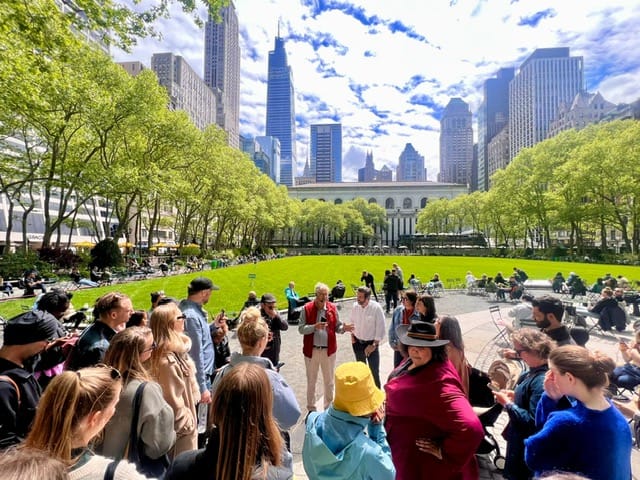
The Magic of Luxembourg Gardens
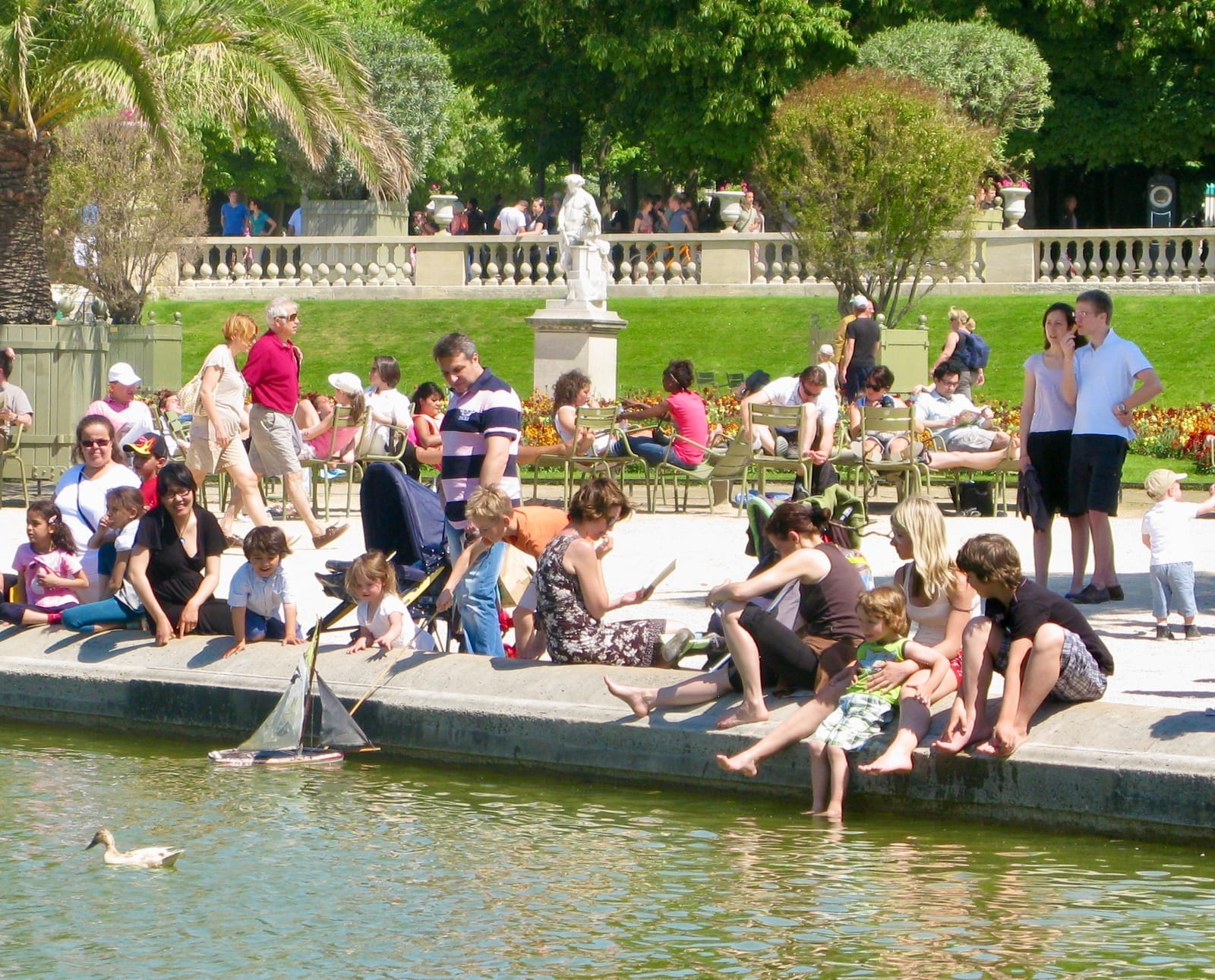
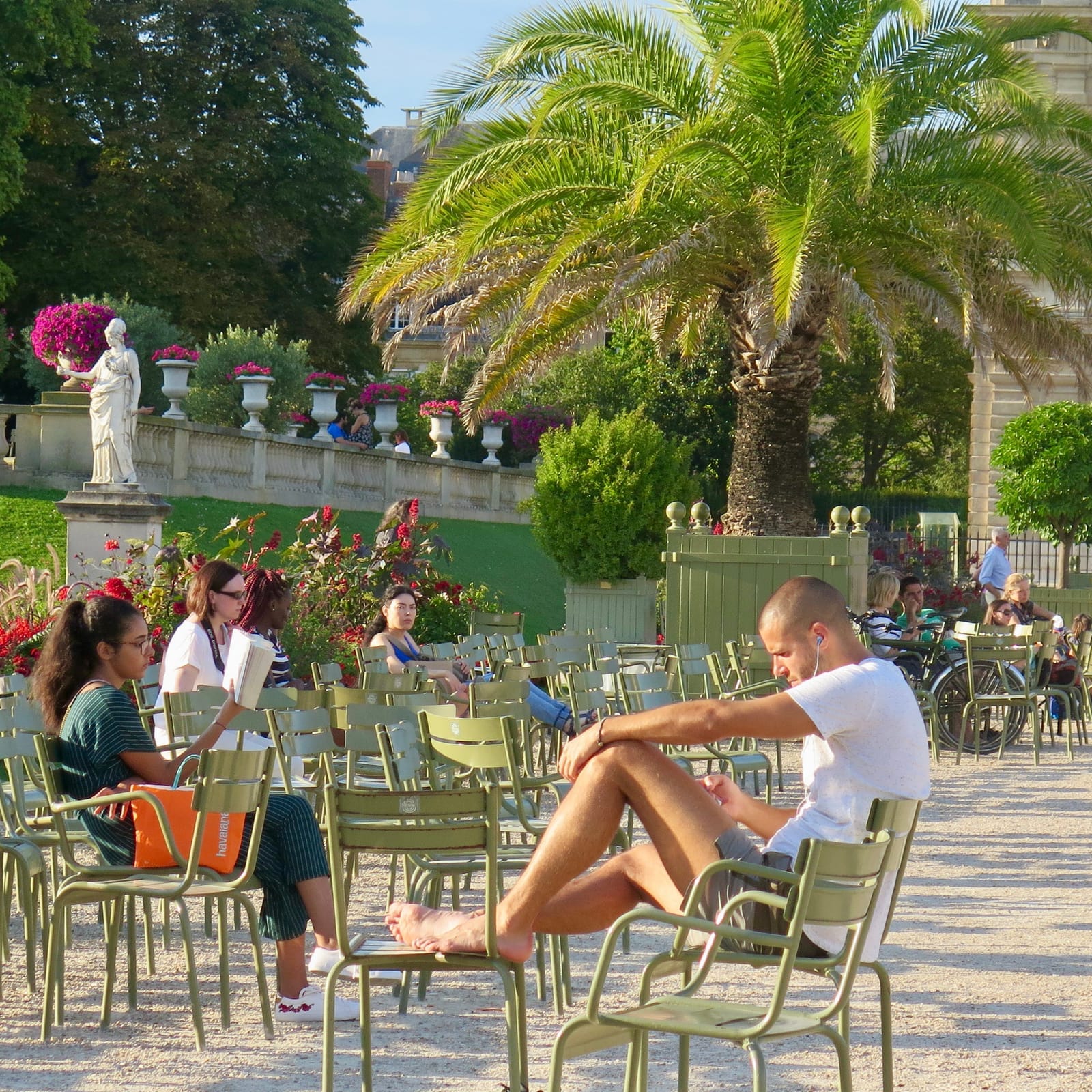
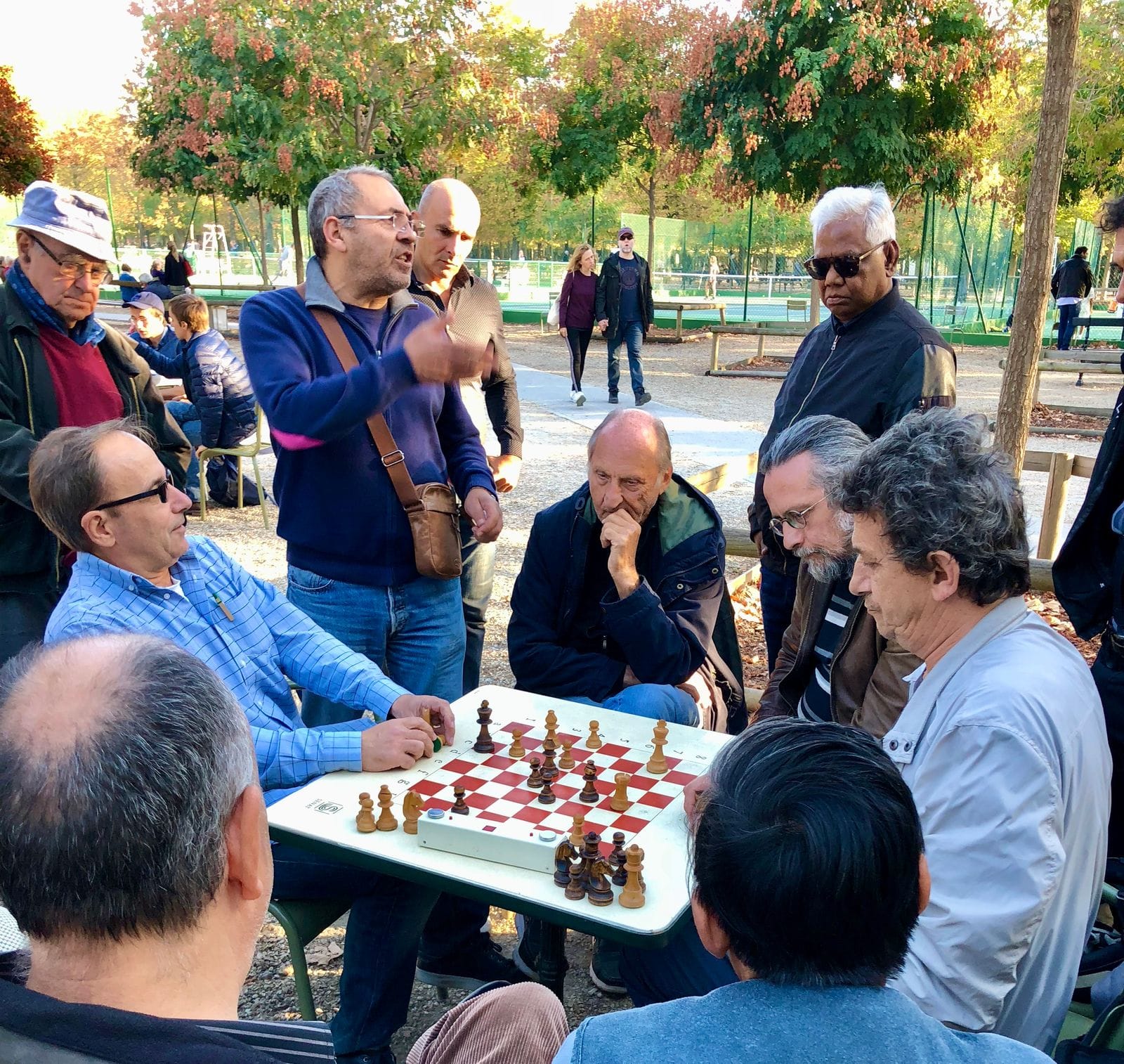
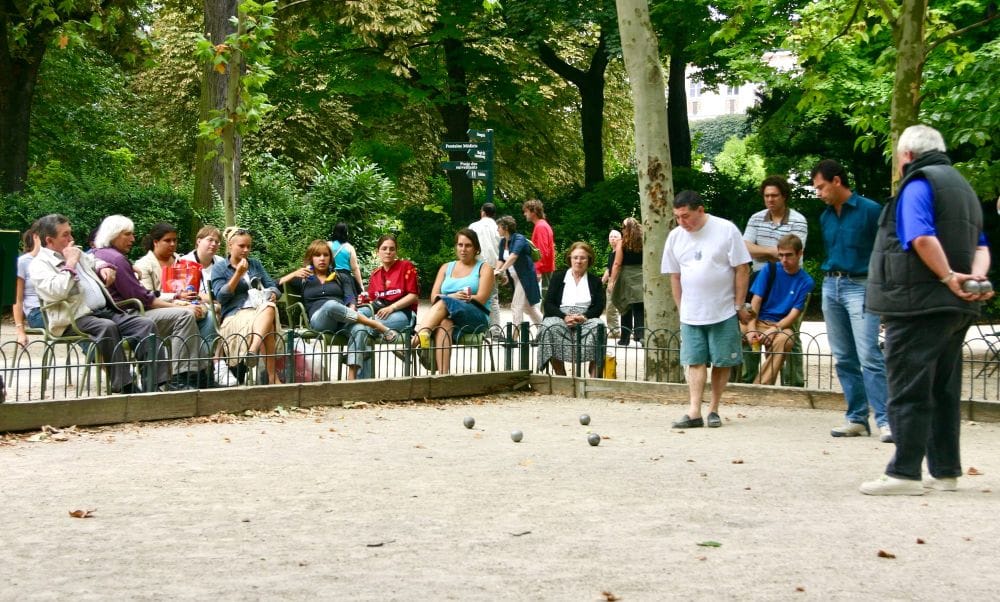
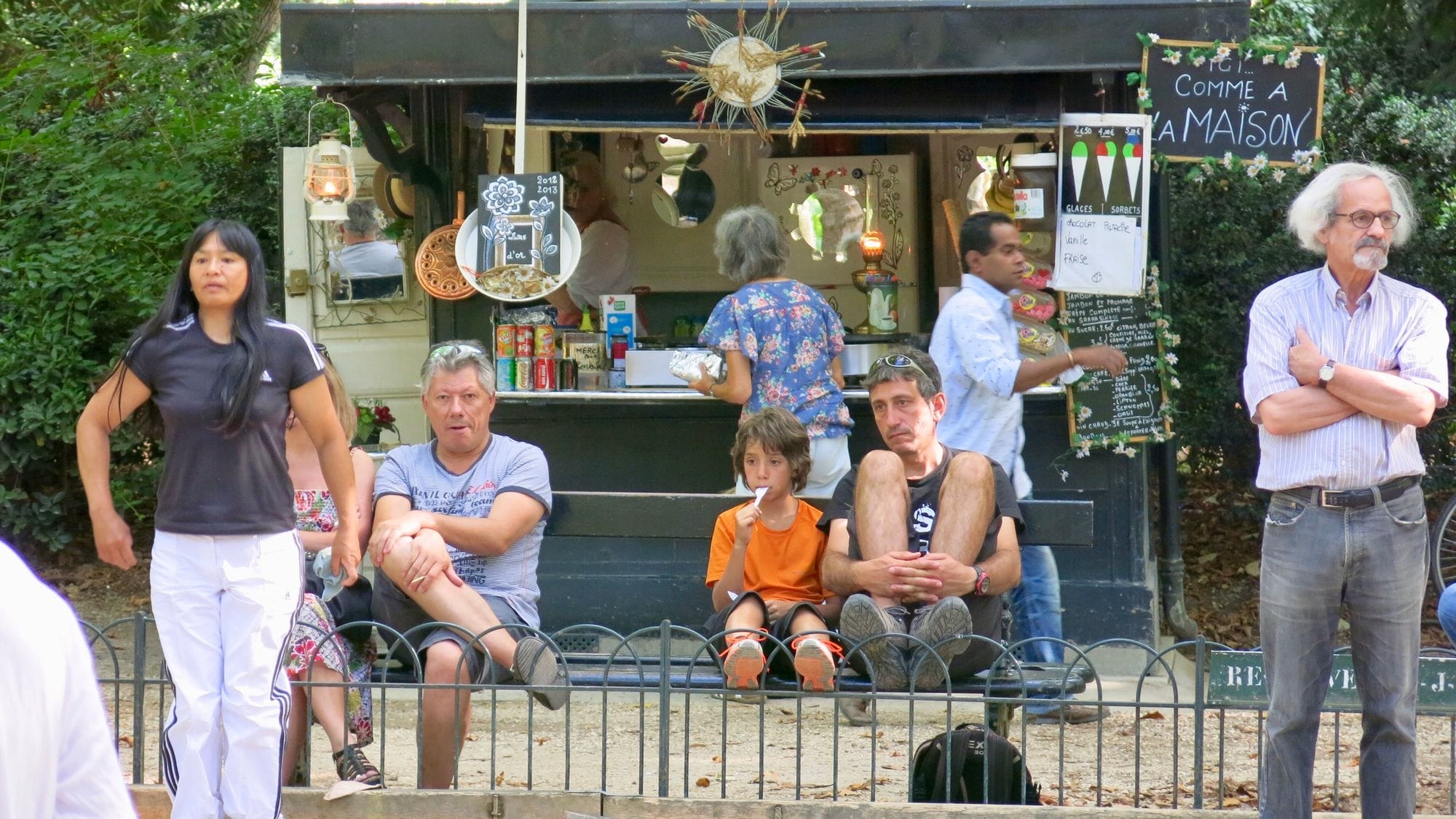
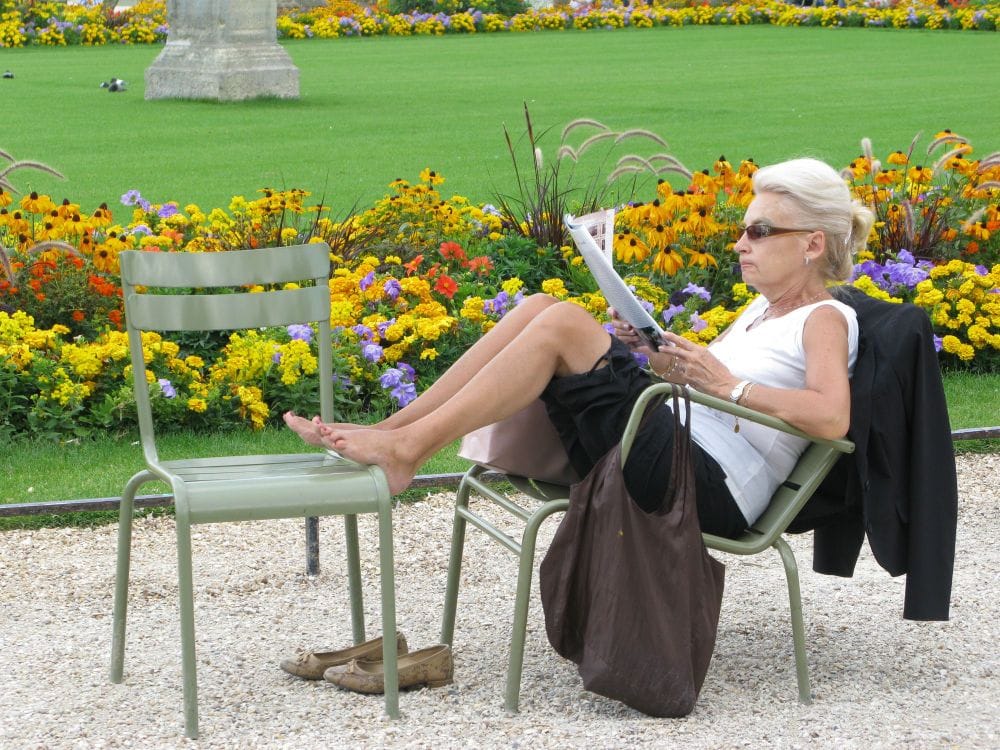
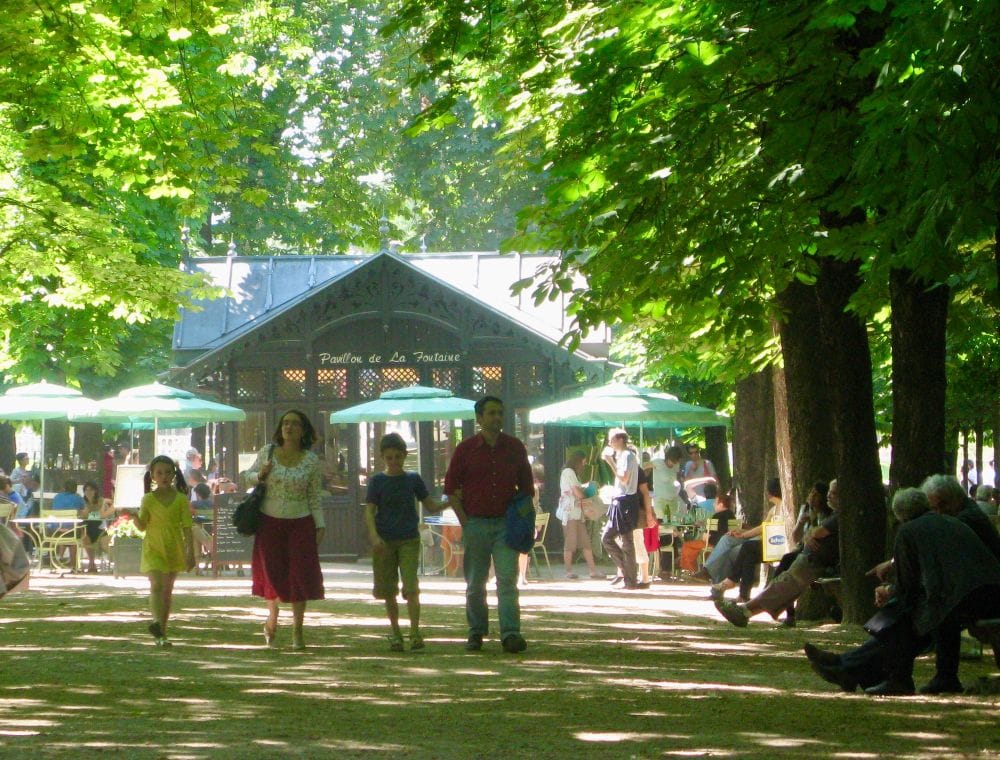
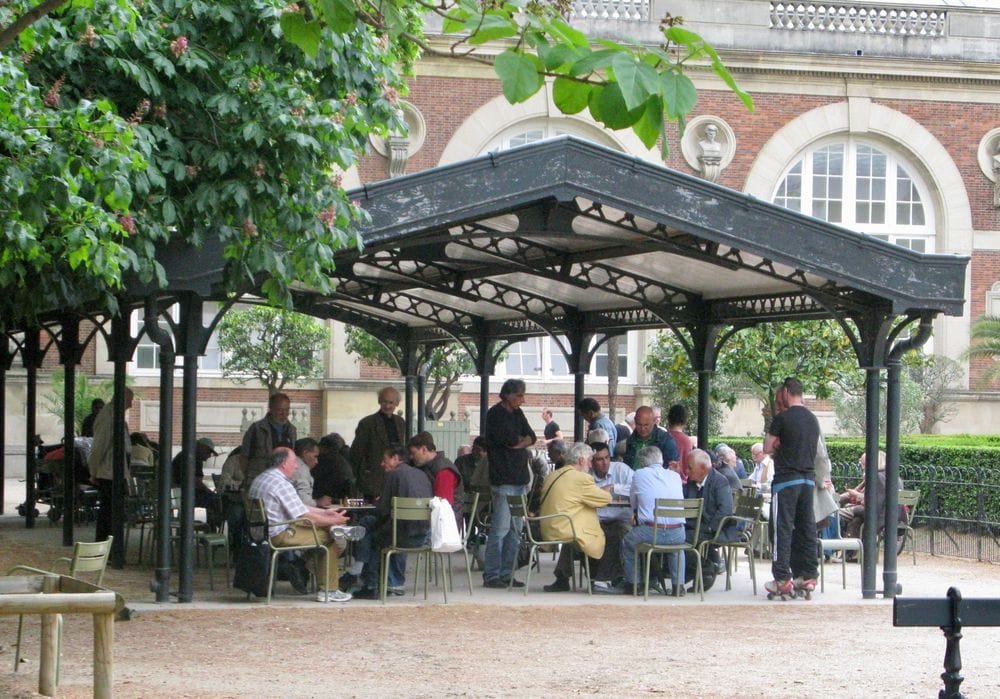
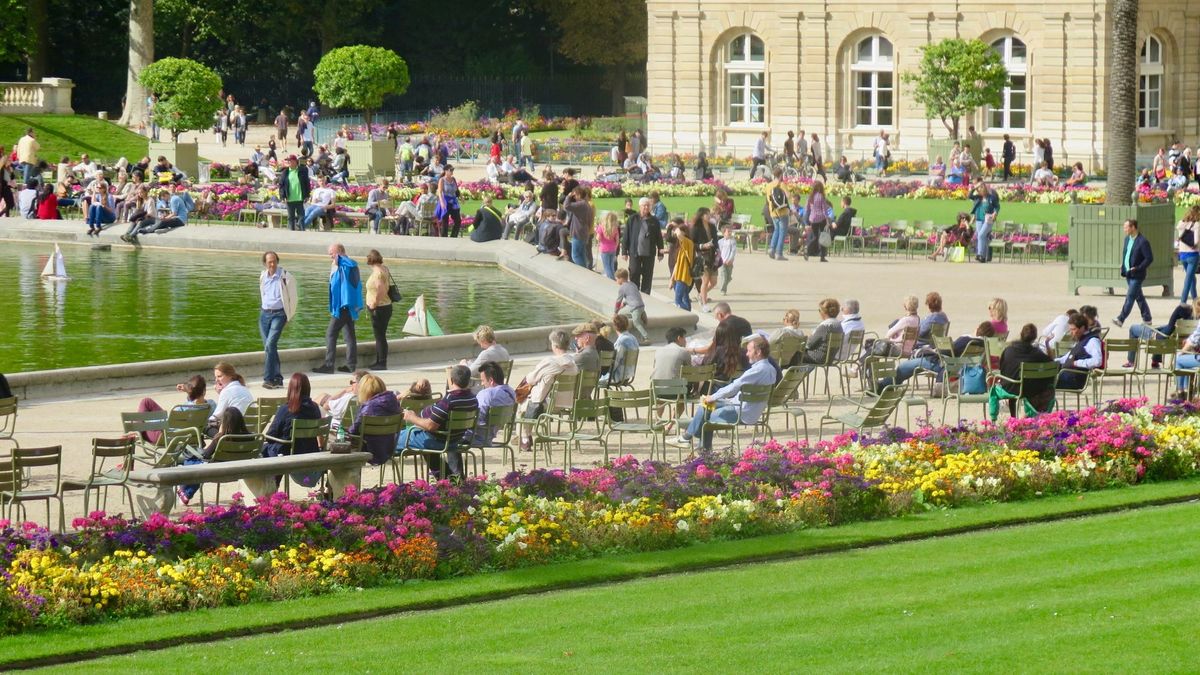
Paris' central park – Luxembourg Gardens – is a standout place because it offers something for everybody, nurturing a rich heart of public life and community that defines the city's culture. From the boat racing in the fountain that draws children, to bocce ball courts for older visitors, tennis courts for the athletic, chairs for the leisurely, and cafés for everyone, Luxembourg Gardens is a multi-layered destination that offers a pleasurable experience to every guest.
 Kathy Madden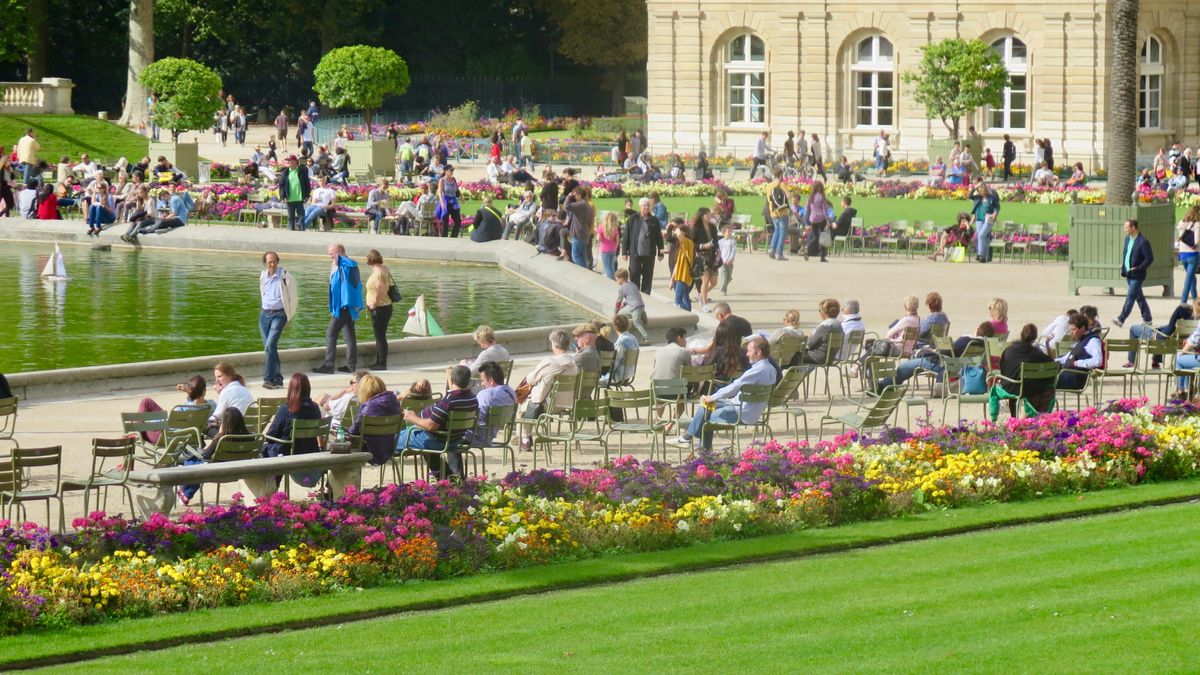
Balboa Park
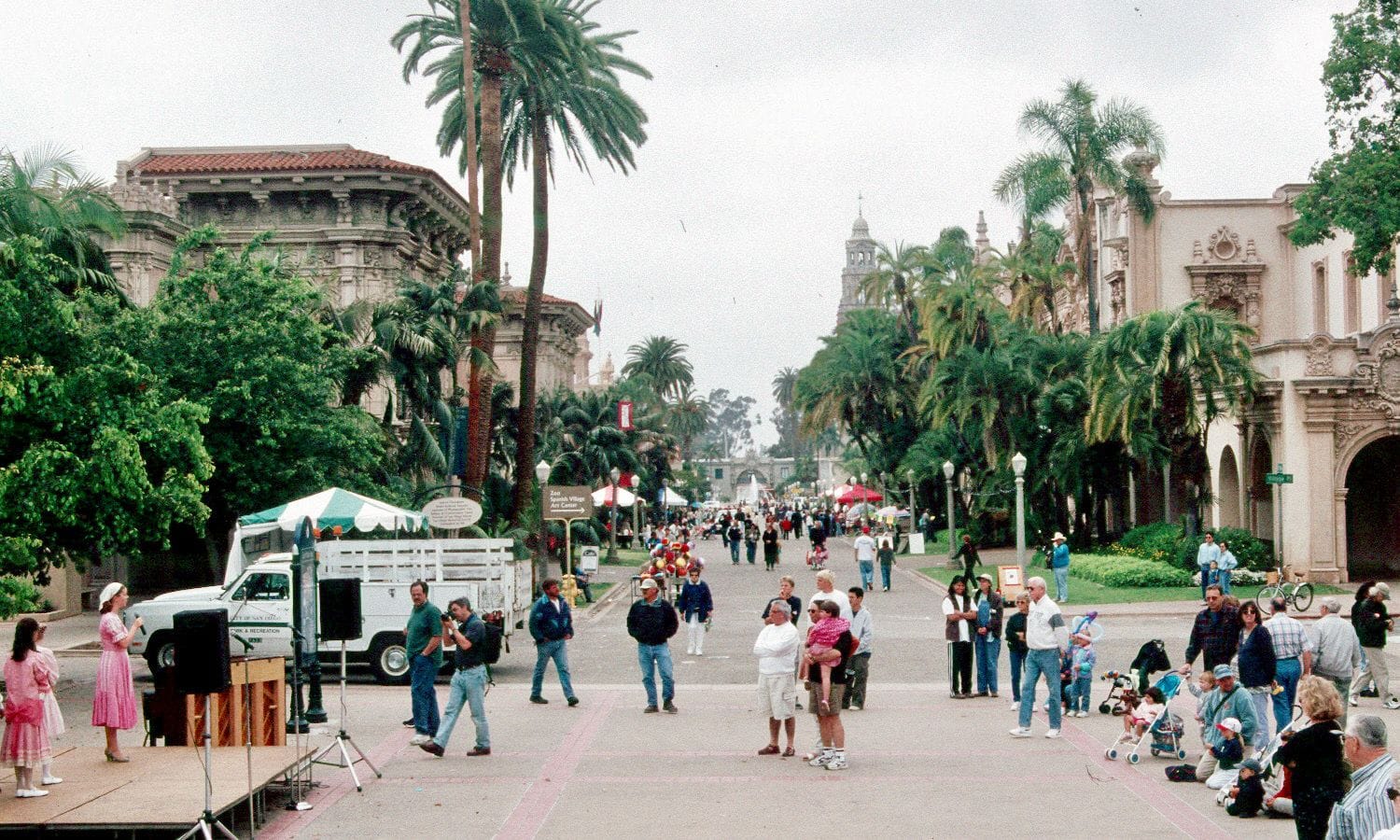
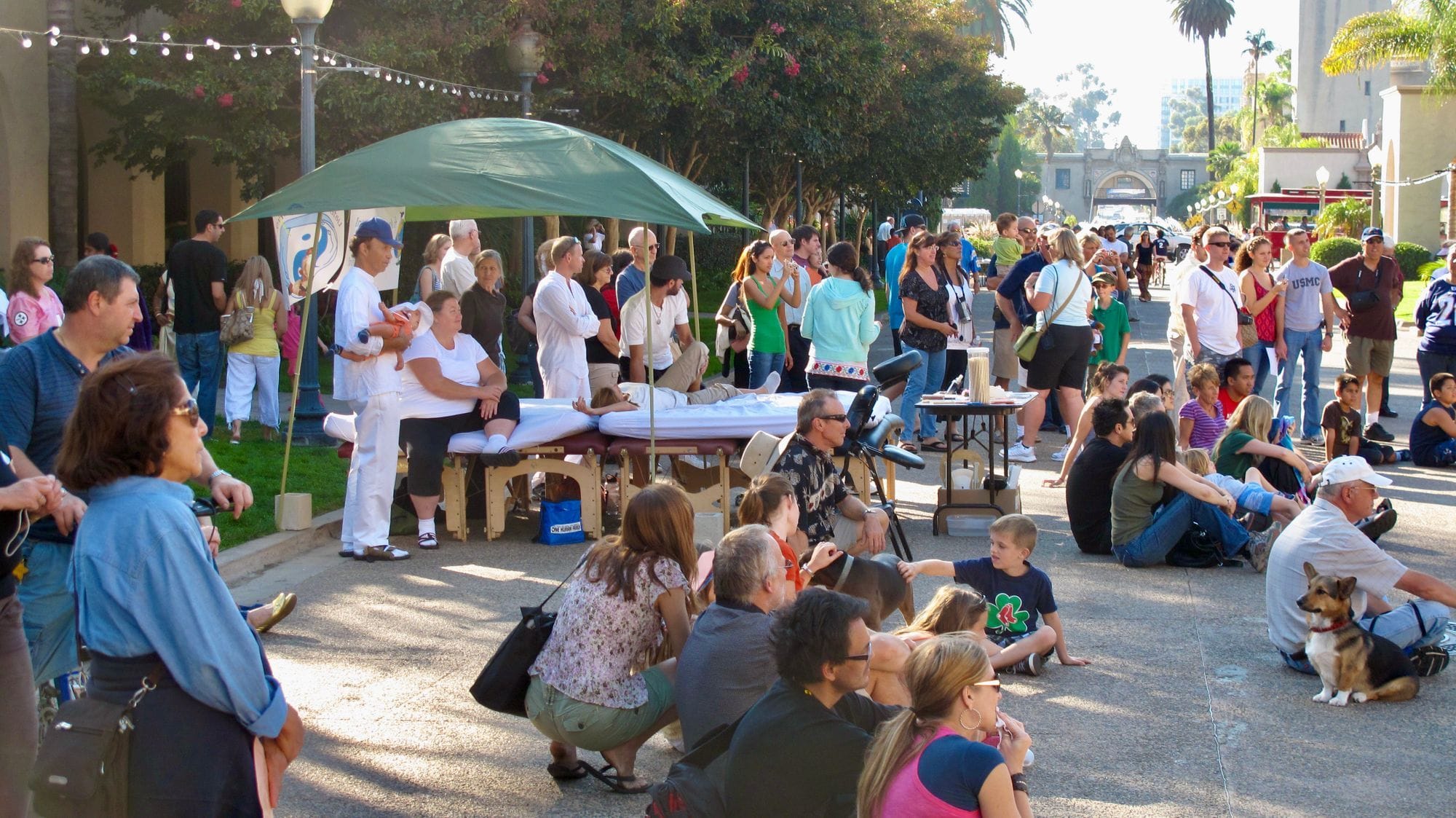
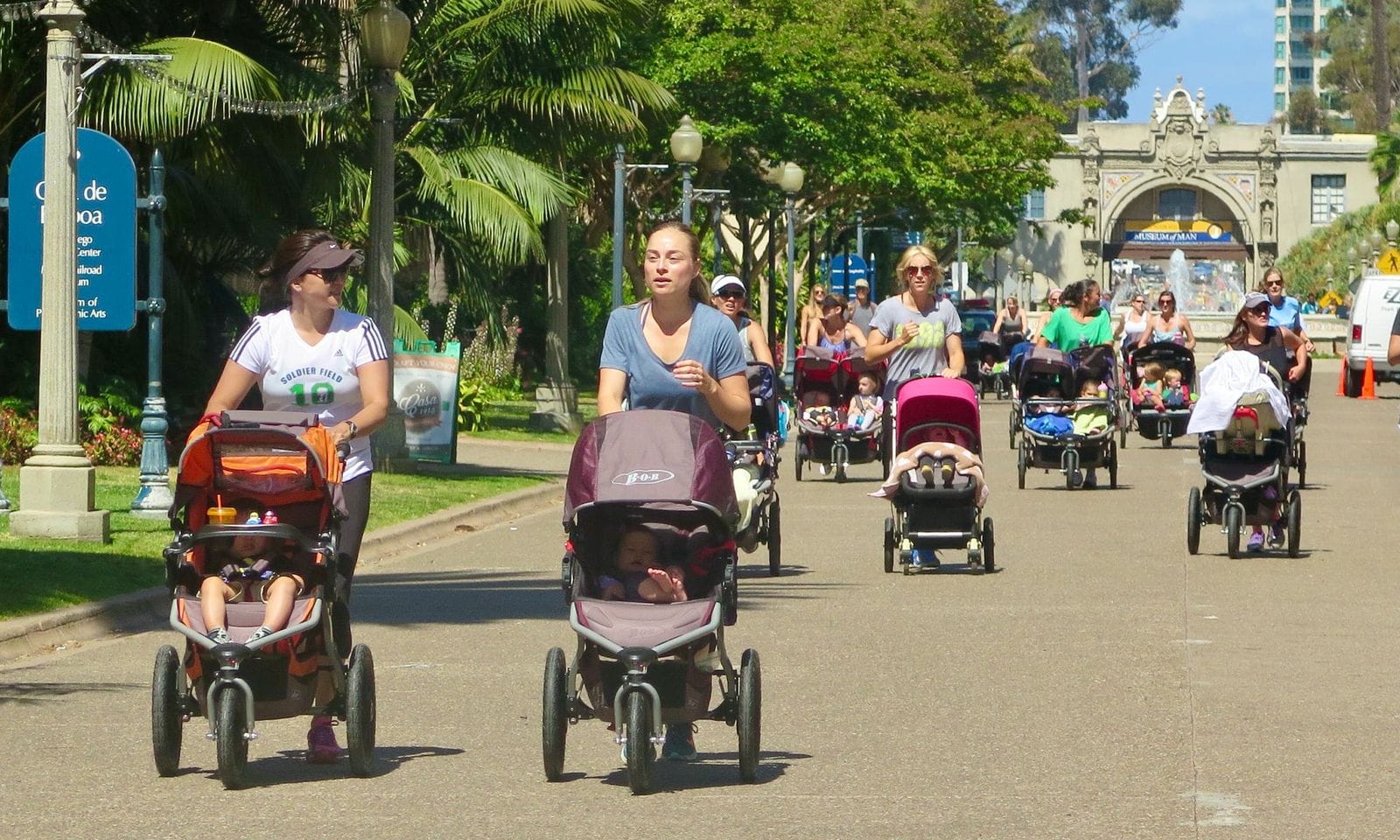
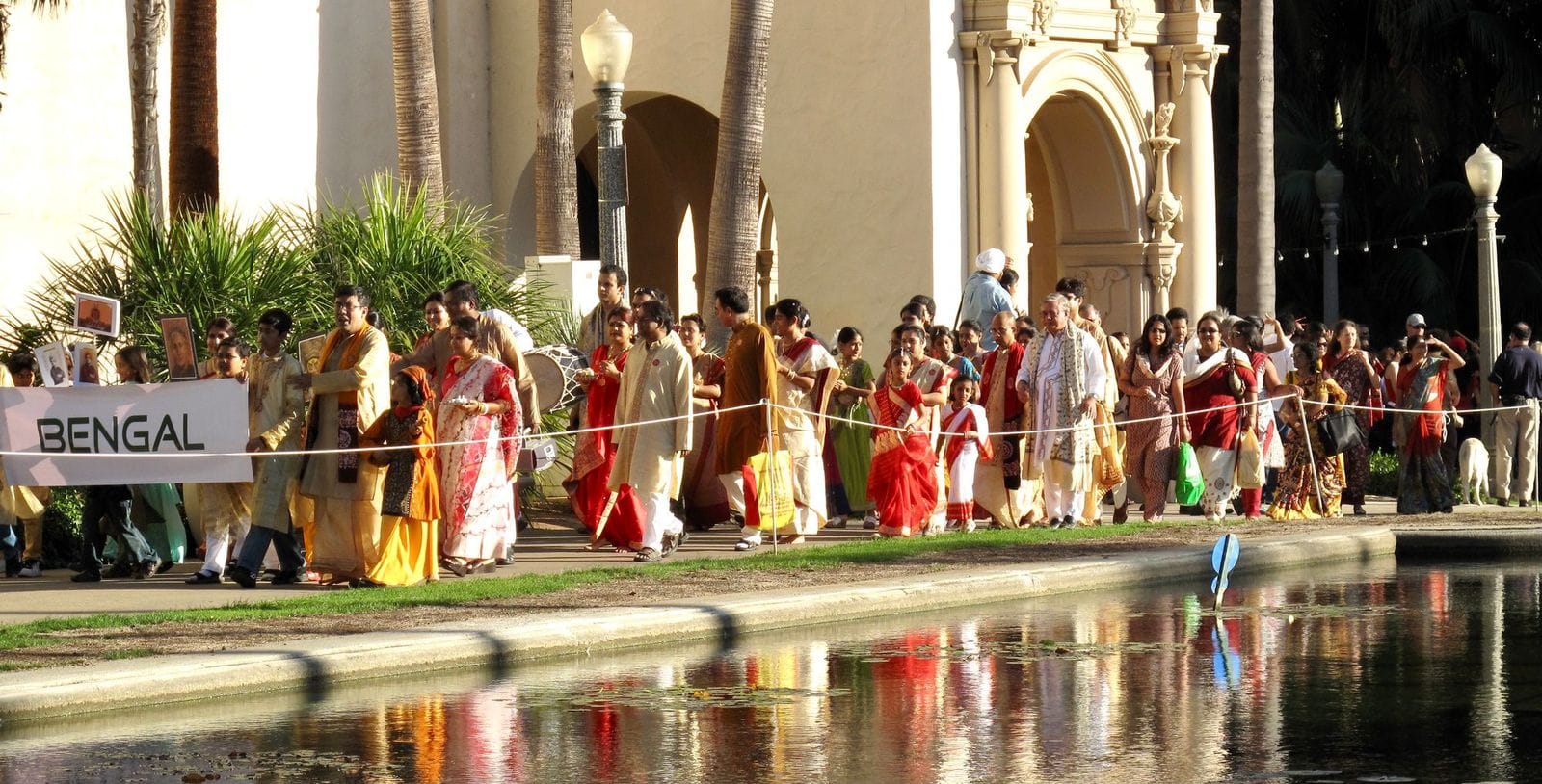
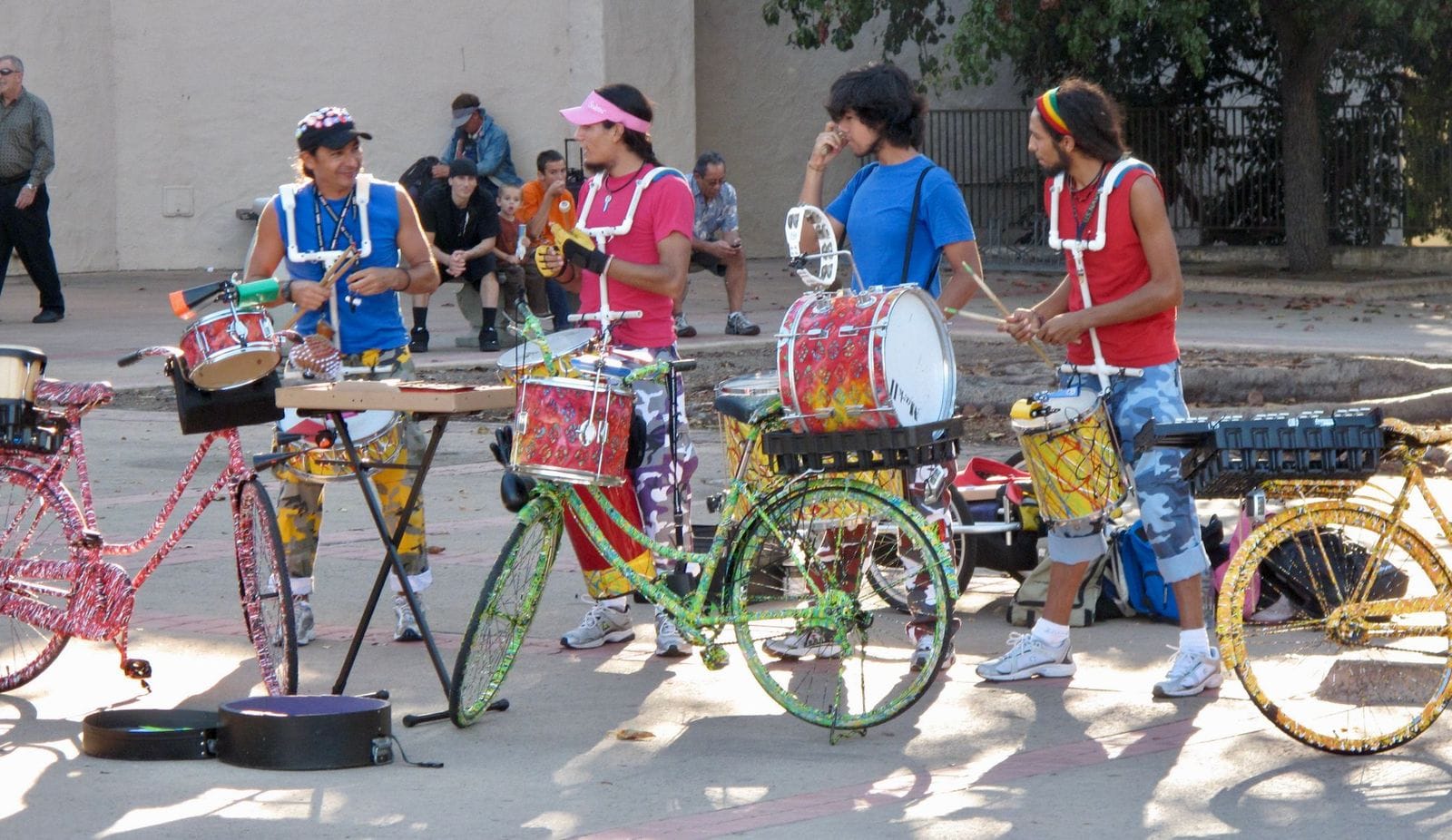
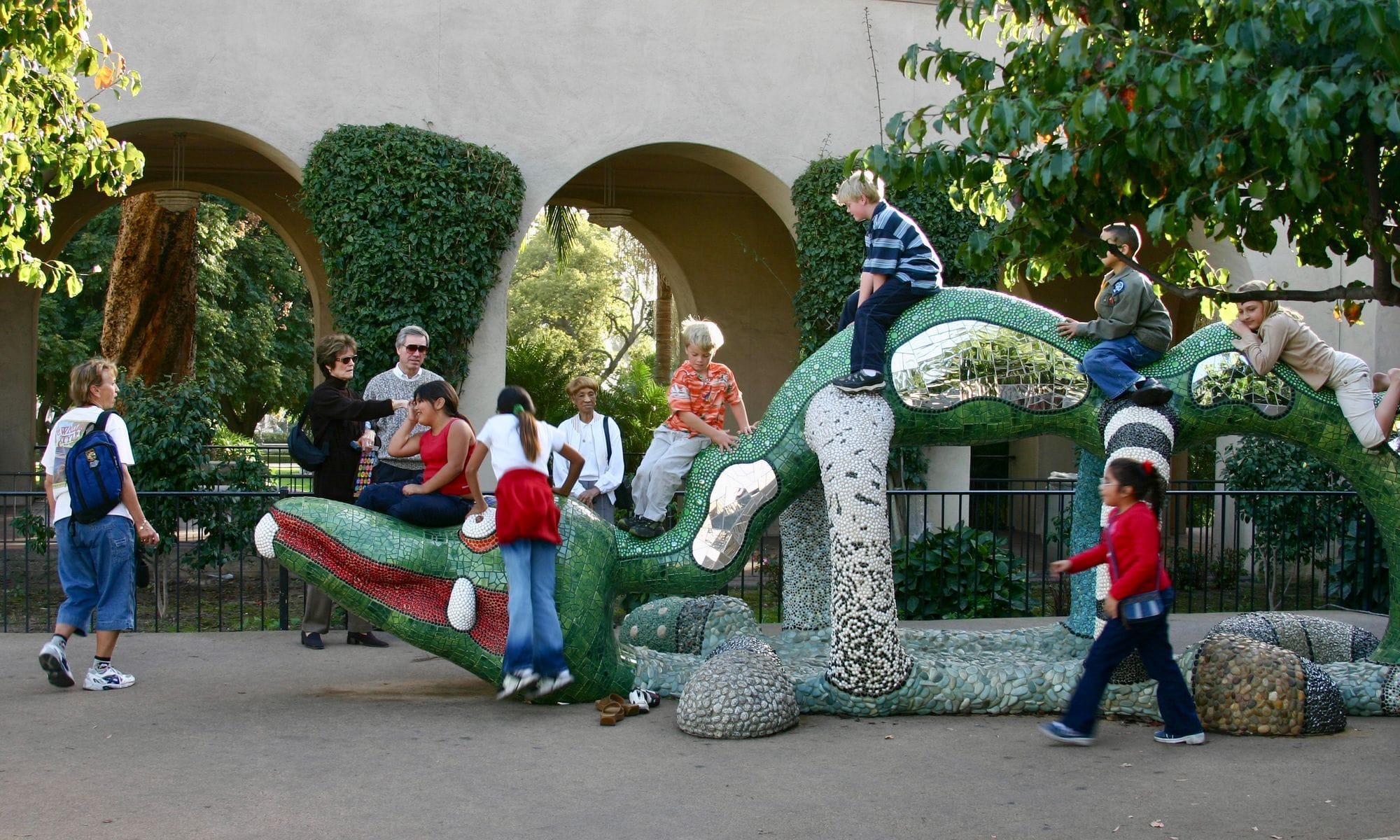
Balboa Park is a hub of creative energy in the heart of San Diego, California. Multiple world renowned institutions anchor it: the San Diego Zoo, the Comic-Con Museum, the Air and Space Museum, and more. However, the unique value of Balboa Park goes far beyond these major destinations.
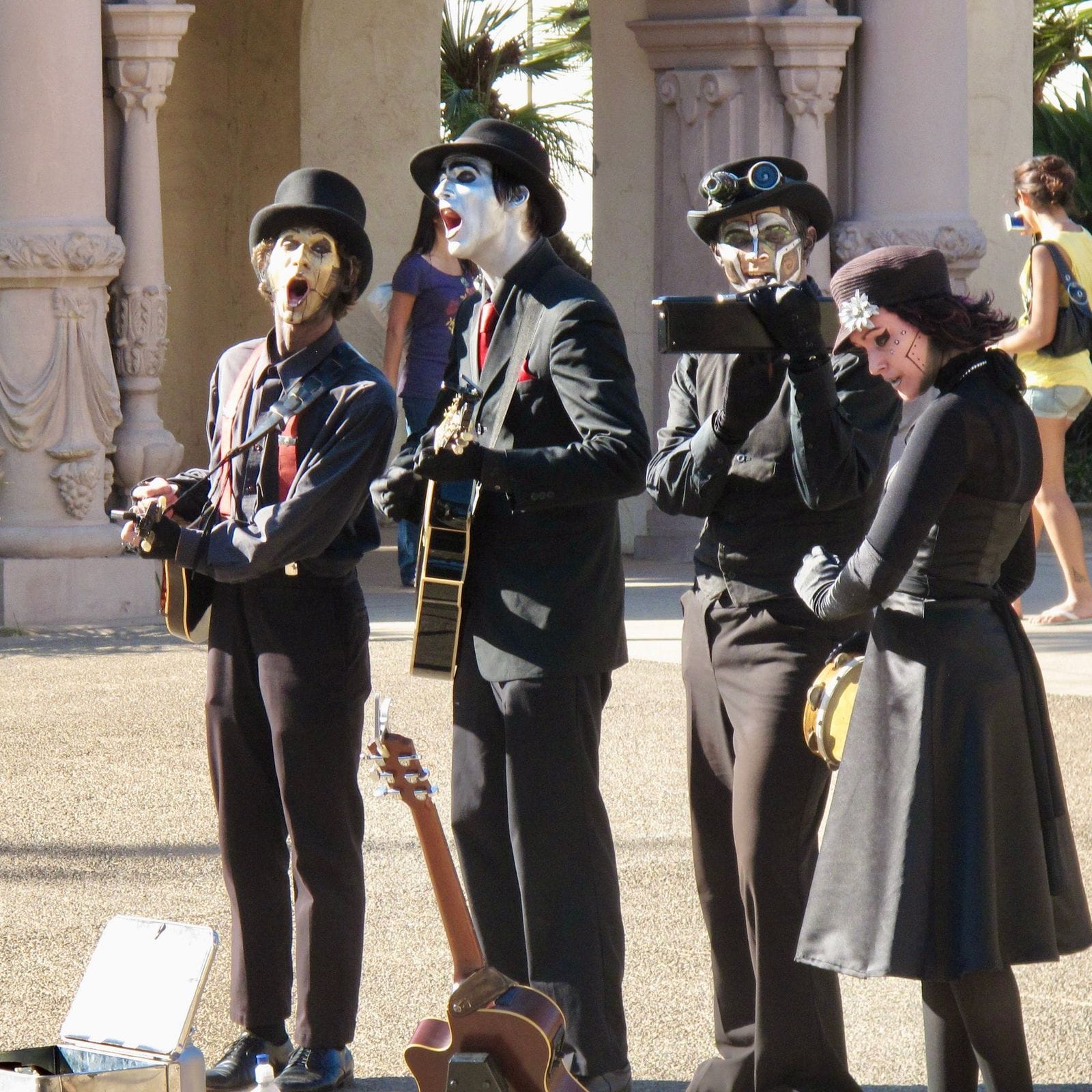
When walking along the park's backbone – the central promenade called El Prado – one is treated to the smell of warm tamales, the sounds of drum circles, and the sight of all the different kinds of people that make up the city of San Diego. While the space could be improved with more concessions and strengthened focal points, it is the mixture of unique activities, cultural institutions, and diverse visitors and performers that makes Balboa Park one of the best pleasure gardens in North America.

 Kathy Madden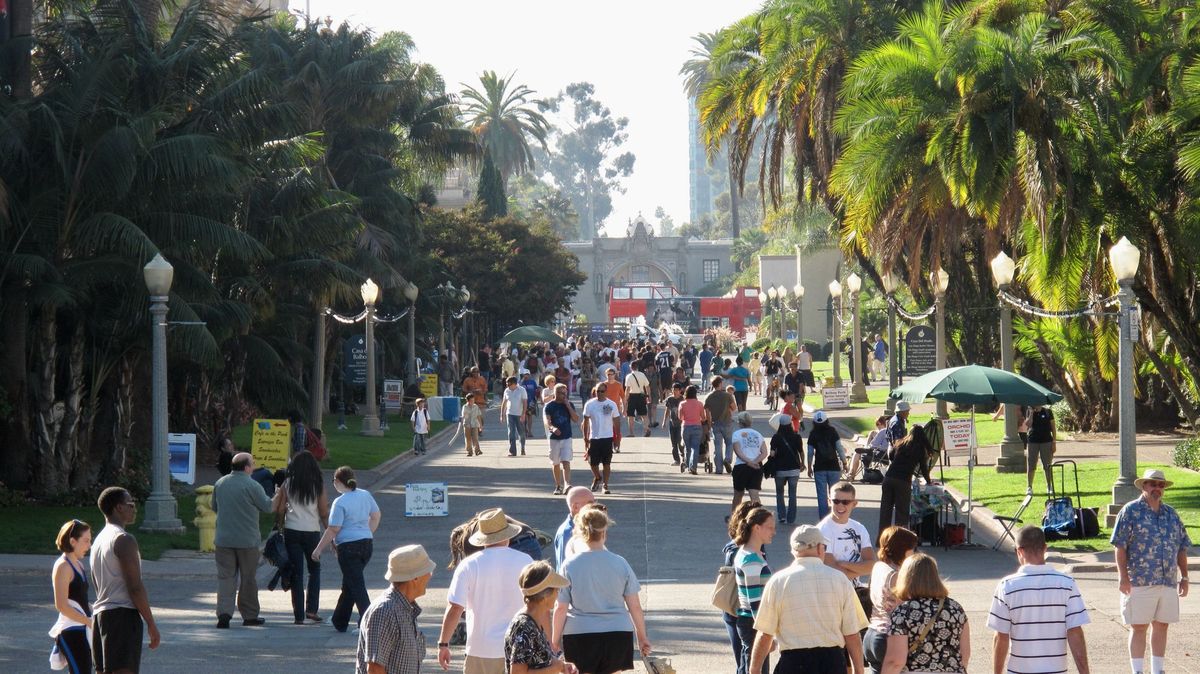
What Makes a Pleasure Garden Pleasurable?
So what does it take to transform an underused greenspace, a boring and lifeless field, into a thriving pleasure garden? What needs to be changed or added to breathe new life into these essential public places? Let's look to our favorite example – Tivoli Gardens – for guidance and examples.
Fun activities for all ages
Everyone likes to have a good time, so a park that aims to please everyone should have a variety of offerings for amusement to suit different preferences. Play areas and games for children, interesting shopping and dining options for adults, and enchanting places to simply stroll for those who prefer to be less active. A variety of choices for enjoyment should be woven together for a multi-layered experience of fun that accounts for all interests.
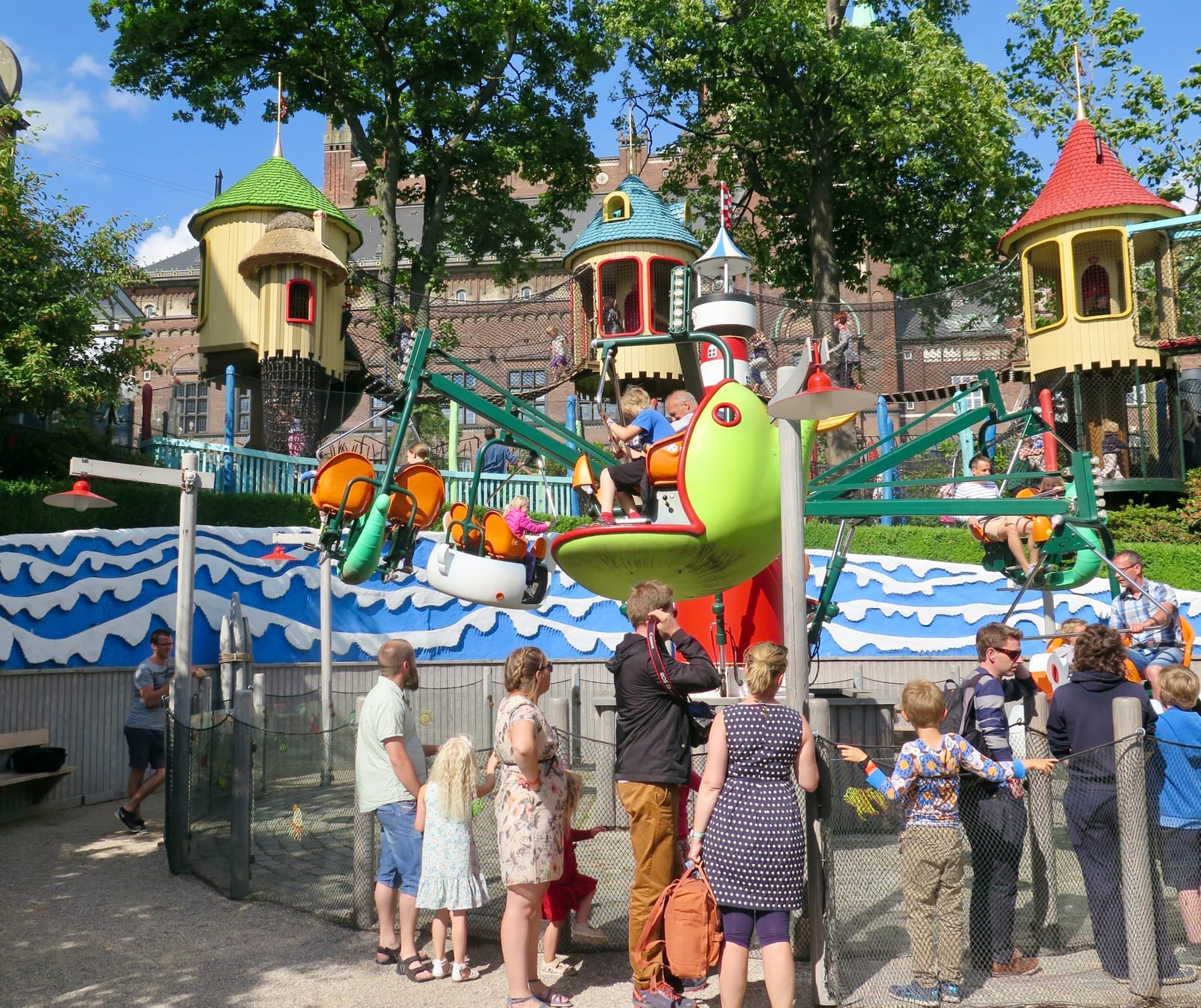
An attractive and charming ambiance
Pleasure is not just about hands-on fun and entertainment – it's also about finding the space itself pleasant. That's where beauty comes in – ornamentation, flowers, and aesthetic features create an environment that is both fun to play in and a joy to observe. The beauty of a place creates the ambience and colors the feeling of being there. It is key to giving it that magical quality that permeates people's memories and keeps them coming back.
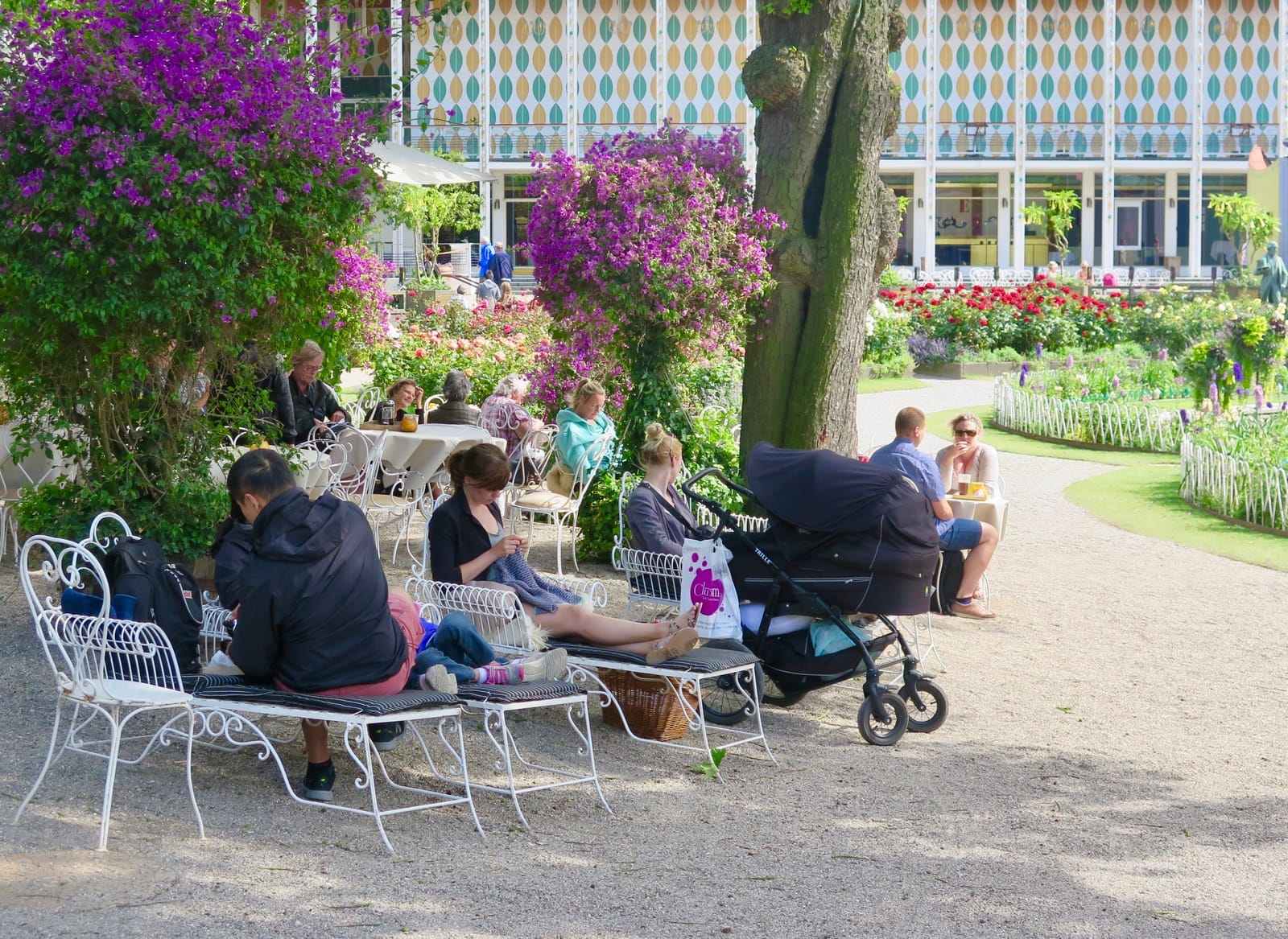
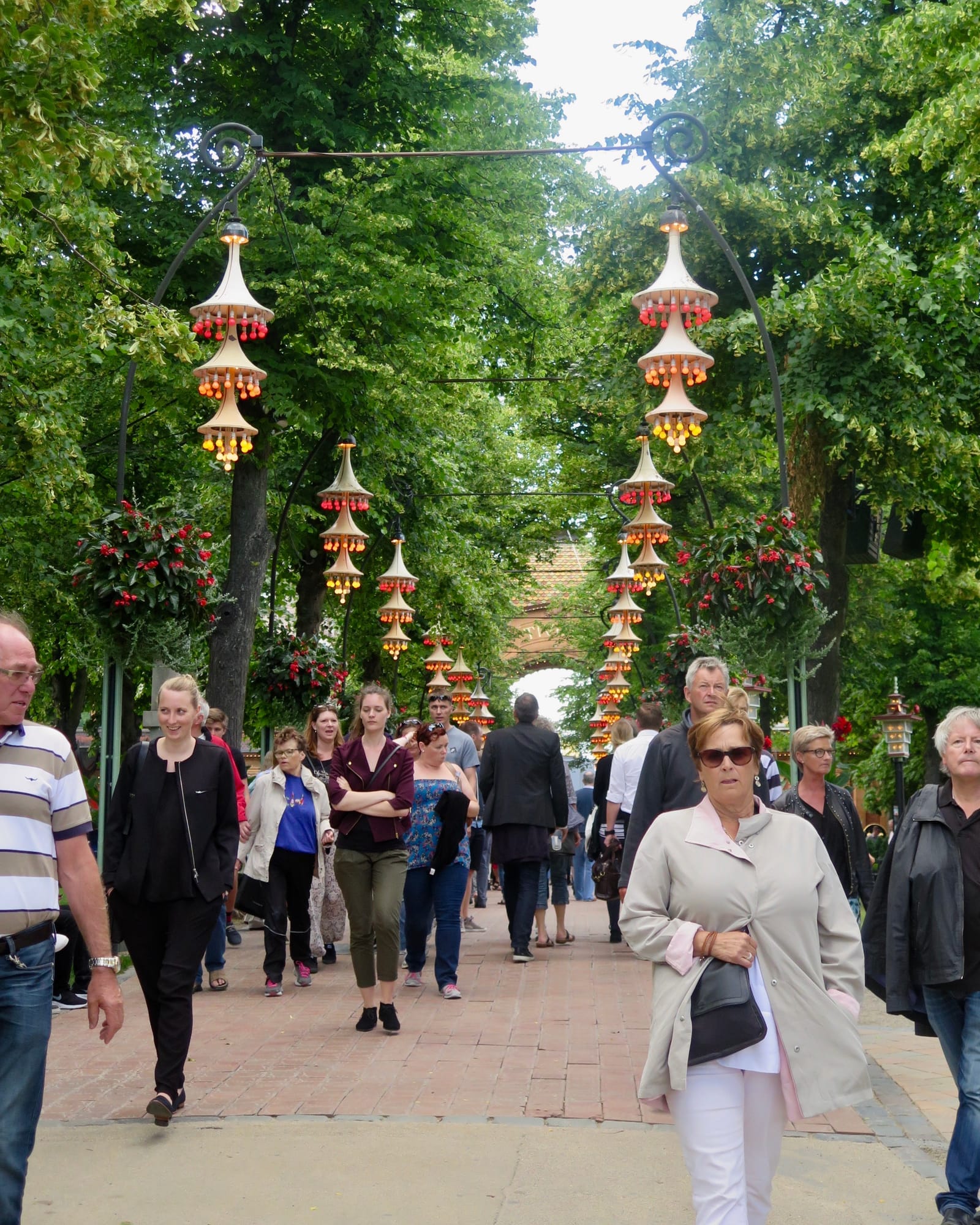
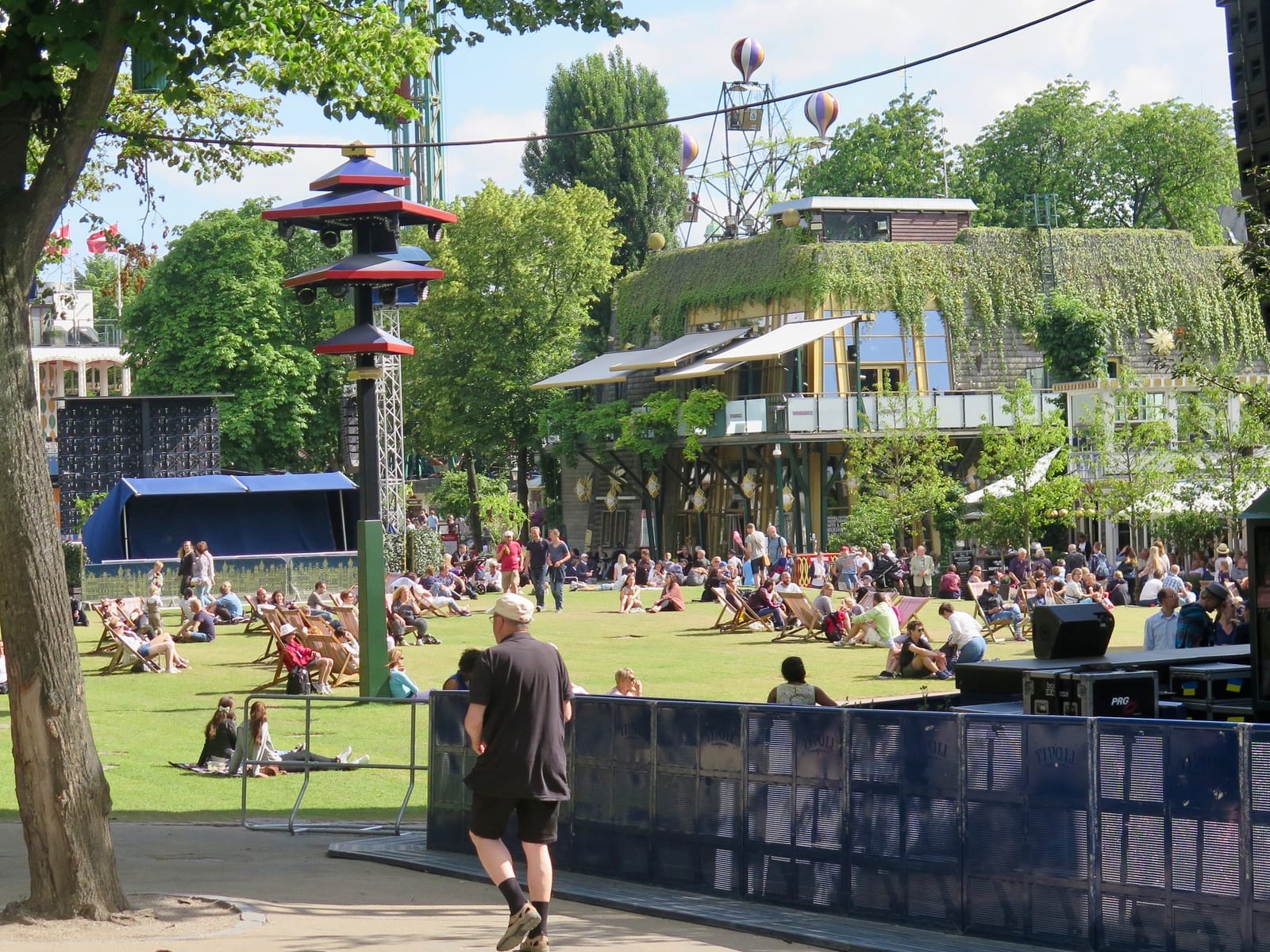
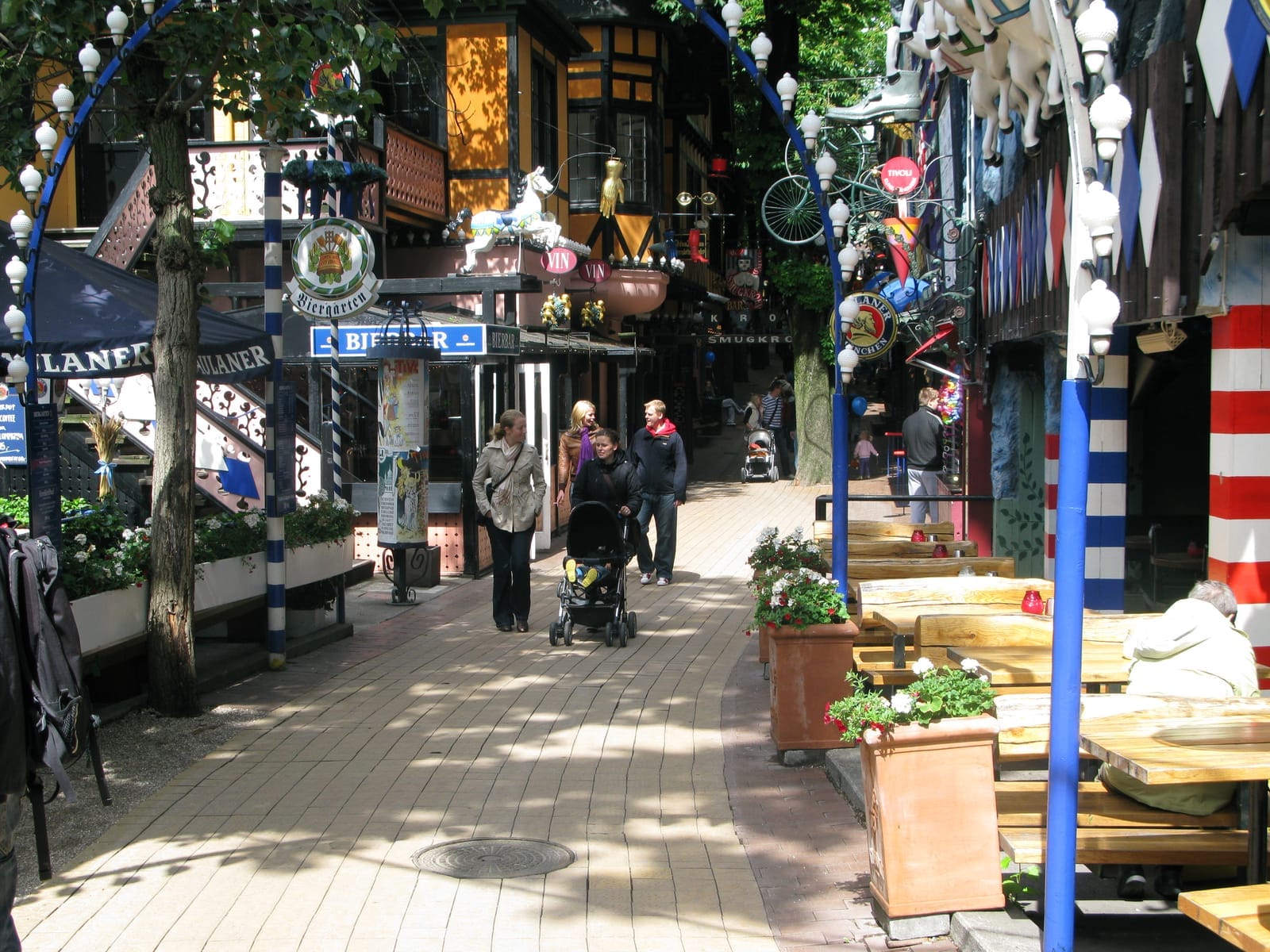
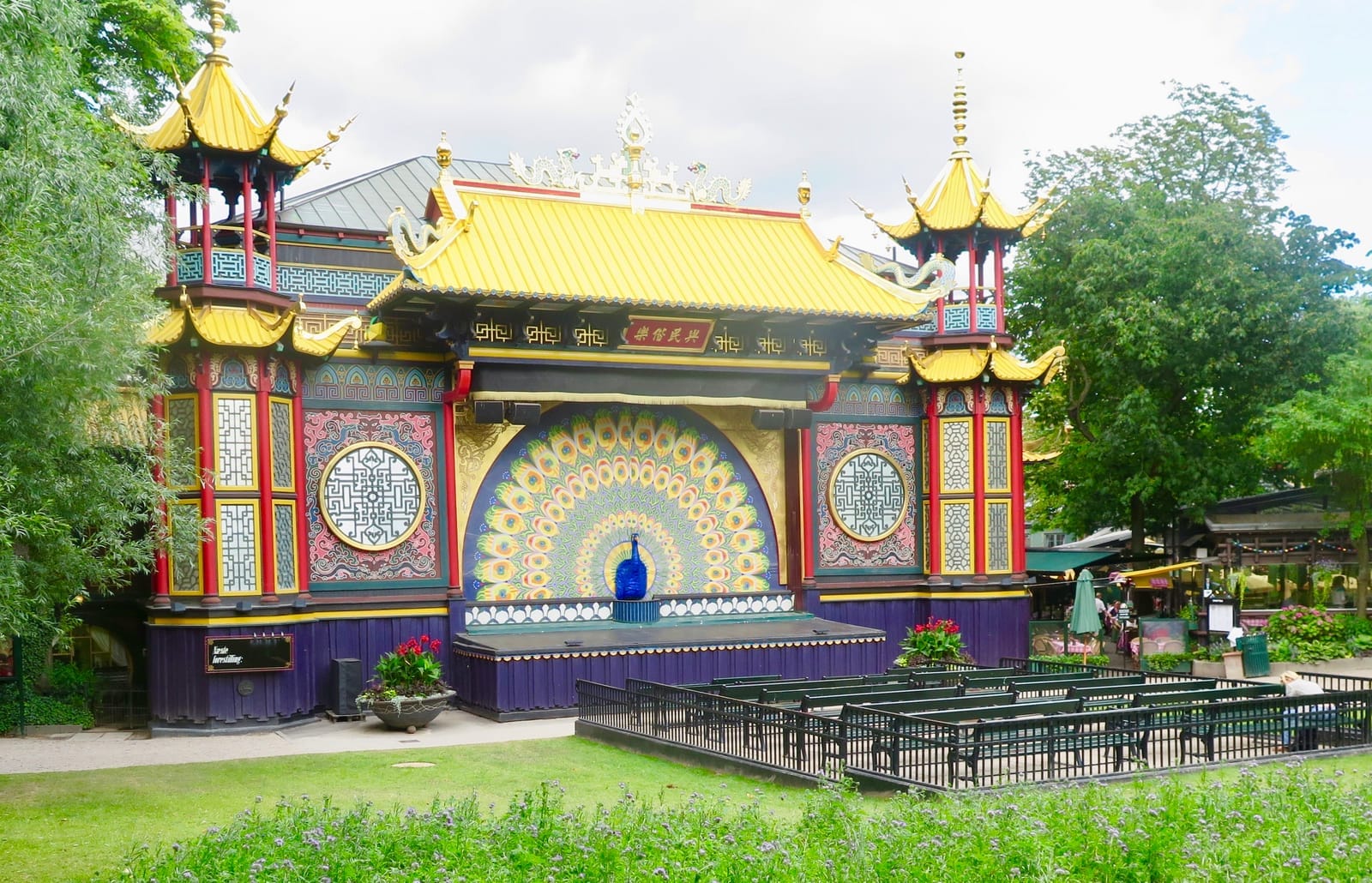
A big part of the beauty and character of a place is the focal points that define it. Sculptures, landmarks, unique structures, art installations, and more create the trademark features of a park and give visitors something to look at, gather around, and take photos of as they spend time there.
Events and programming
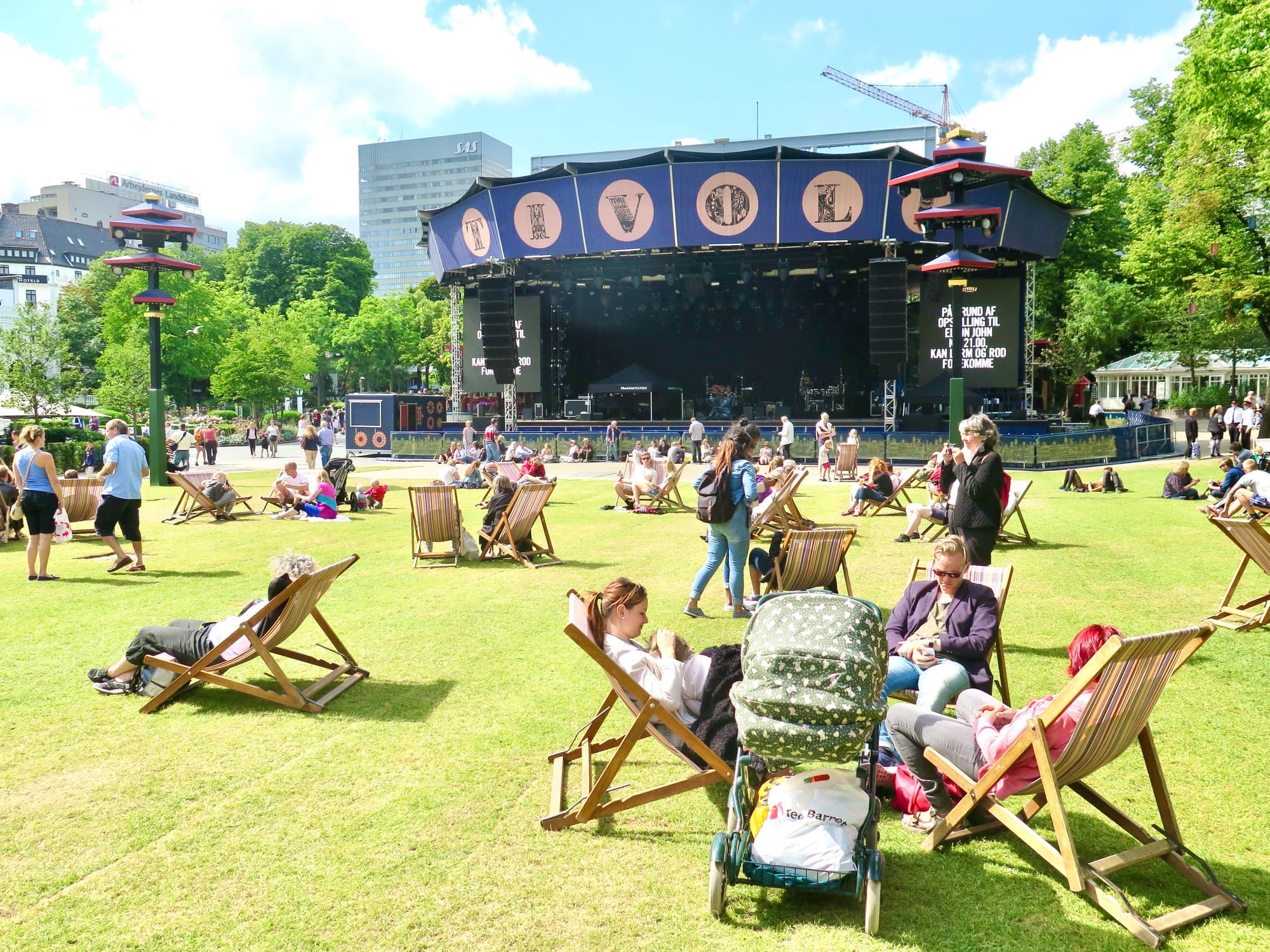
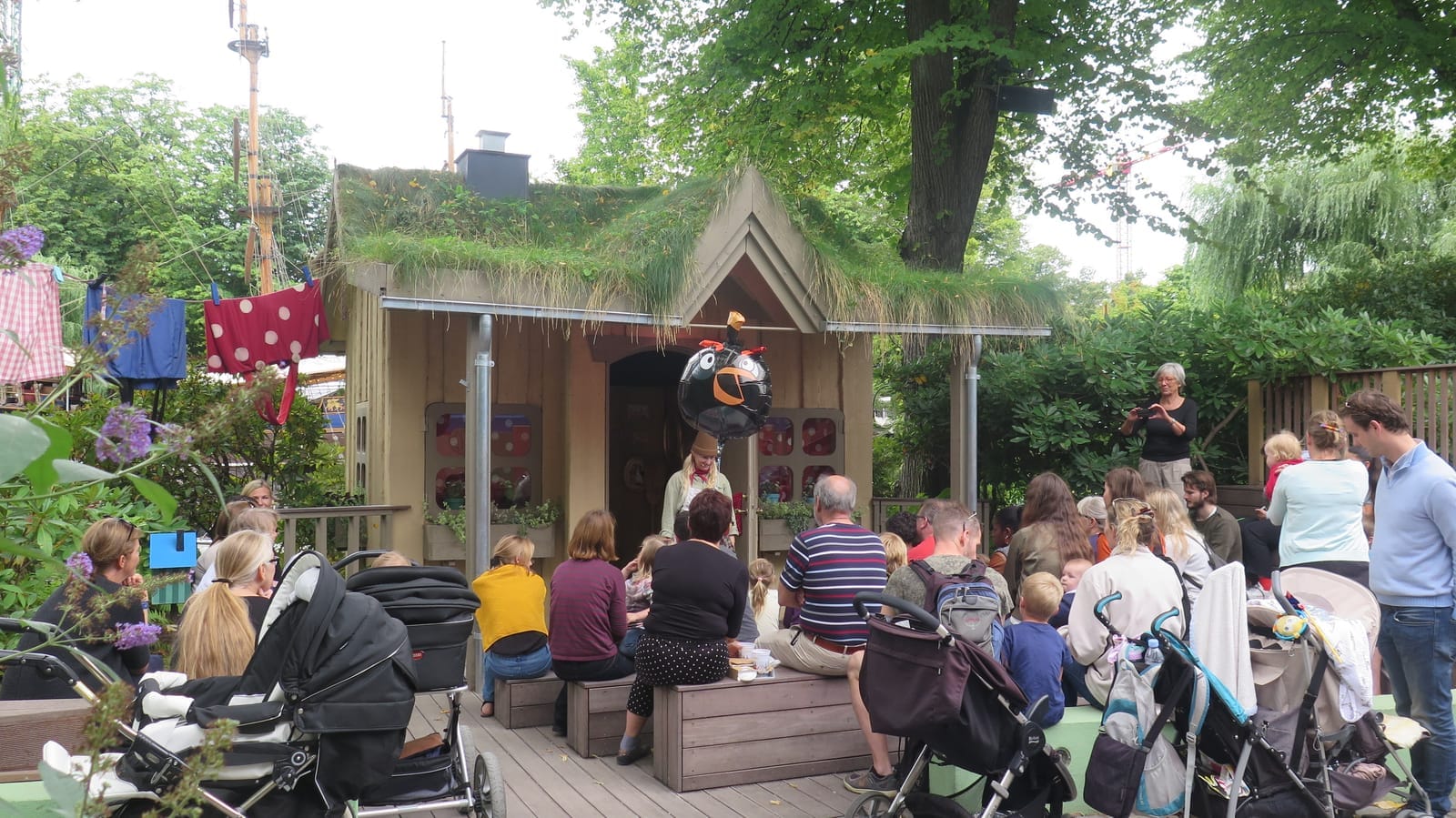
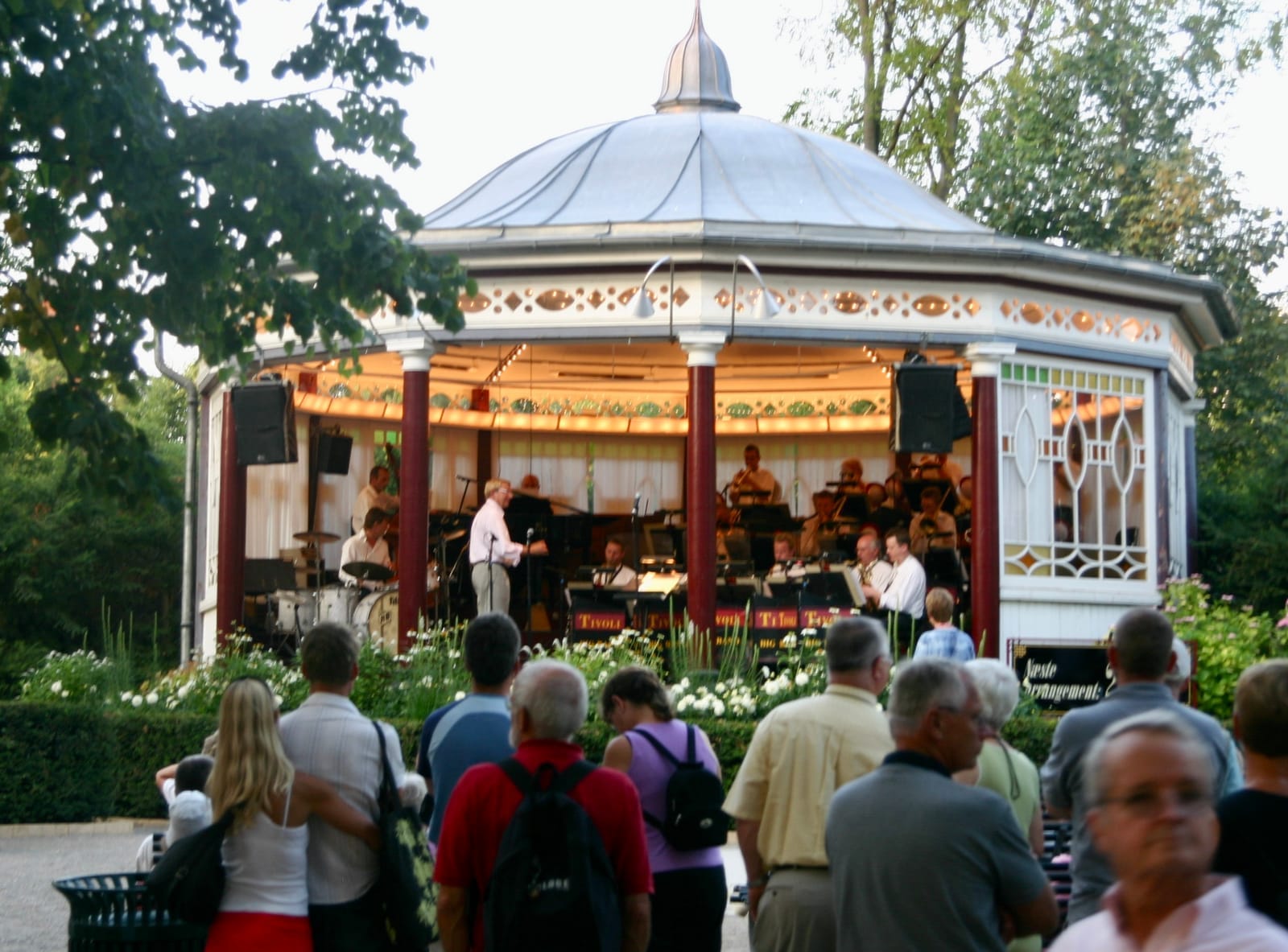
A great park should have more than fixed features to see, sit on, or walk around. It should also have things to experience. Through programming, it should always be changing and reinventing itself to reflect its patrons, surroundings, and even the passing of time with seasonal events. Concerts, plays, competitions, classes, workshops, art exhibits, festivals, recitals, and more offer park visitors exciting activities to look forward to and take part in year-round, making the park a dynamic setting that always has something fresh and interesting to offer.
Areas for rest and relaxation
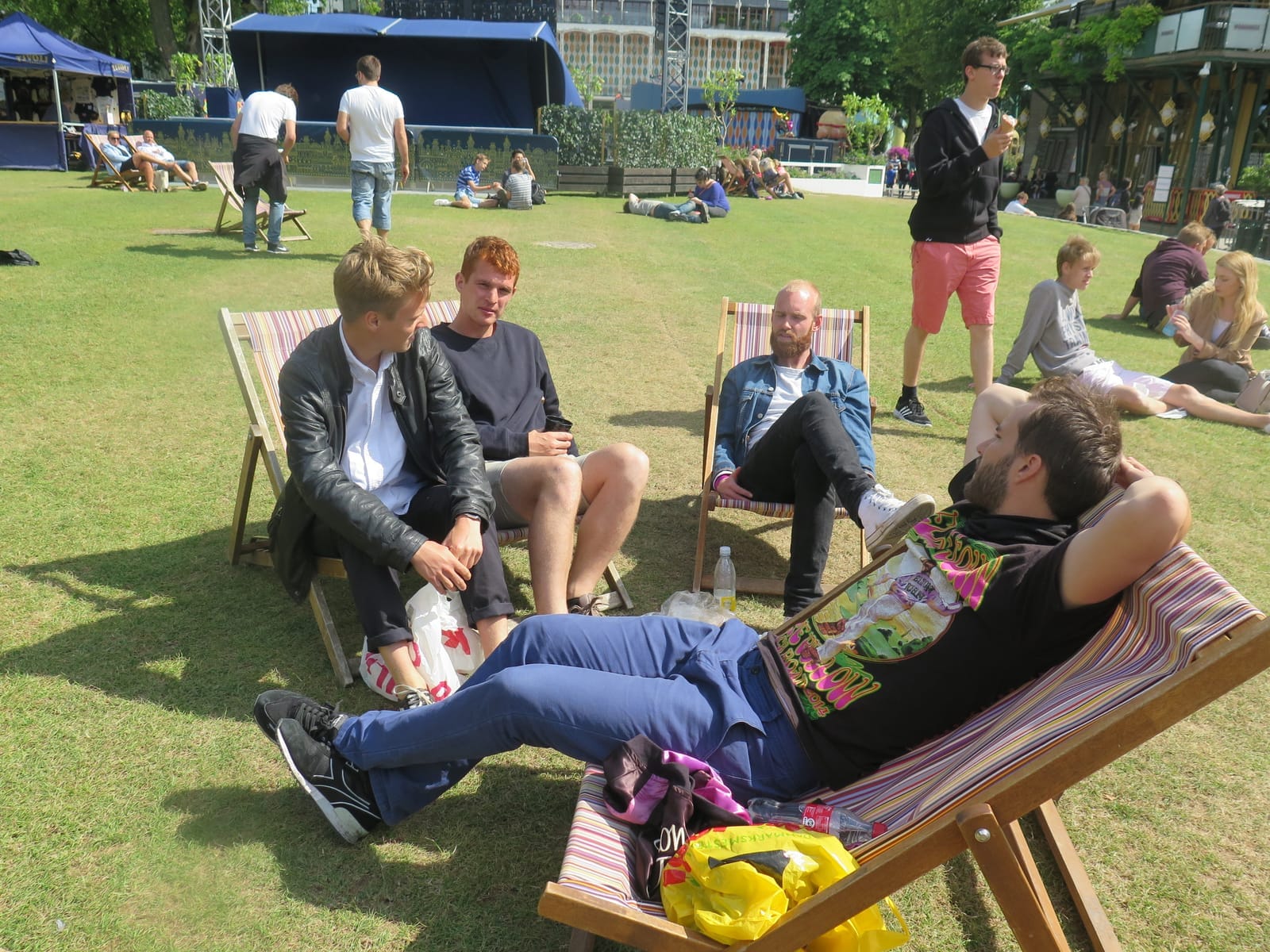
While exciting events are important to breathe life into a space, for many people, "pleasure" means a place that is pleasant to relax in. Even those who love to run and play need somewhere to take a break in between bursts of energy. A great park should therefore have numerous places to sit, lie, and just hang out with friends. Benches, chairs, picnic areas, and promenades for leisurely strolls are a must, weaving between the more active offerings and programming.
Refreshment areas
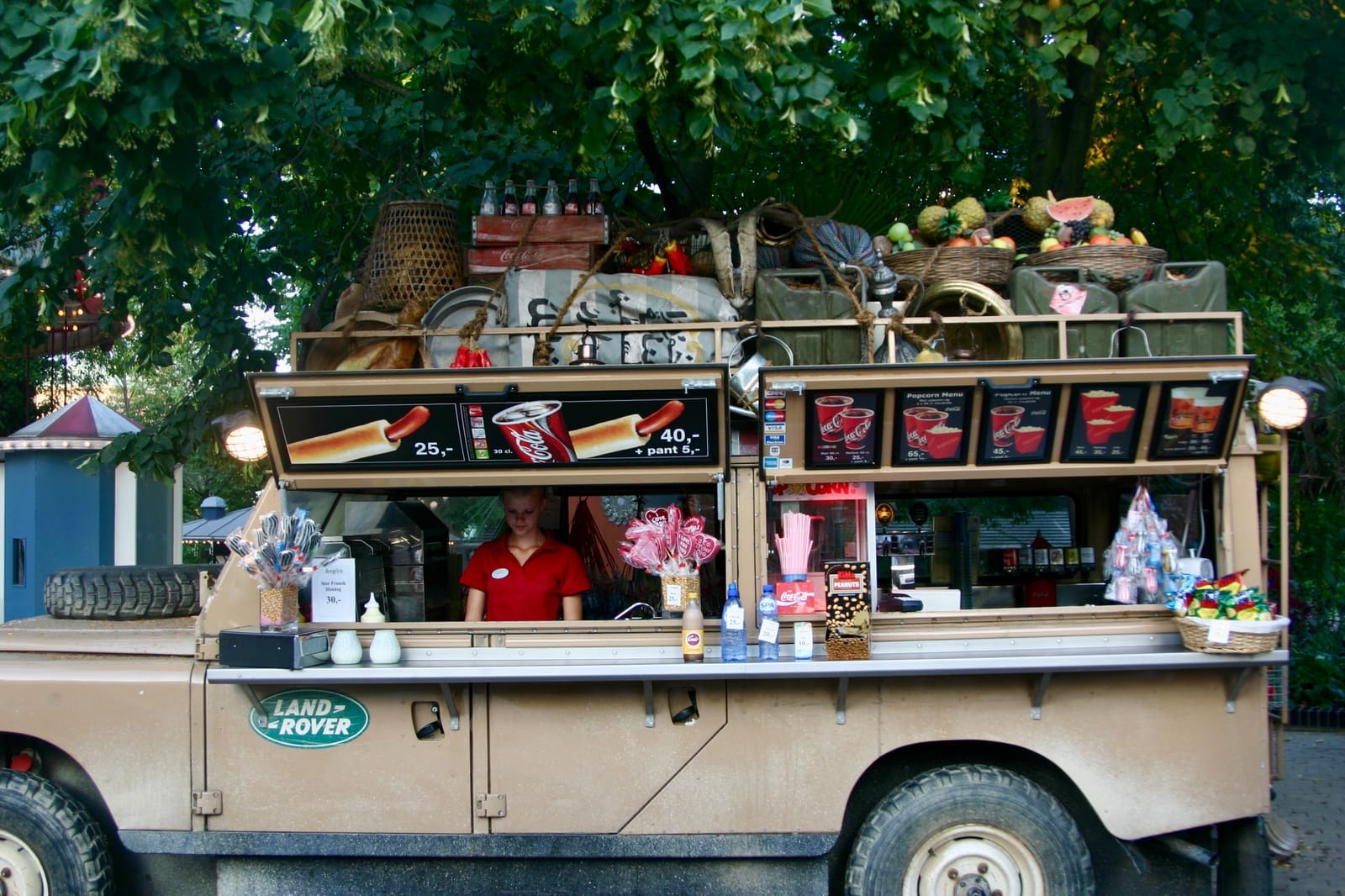
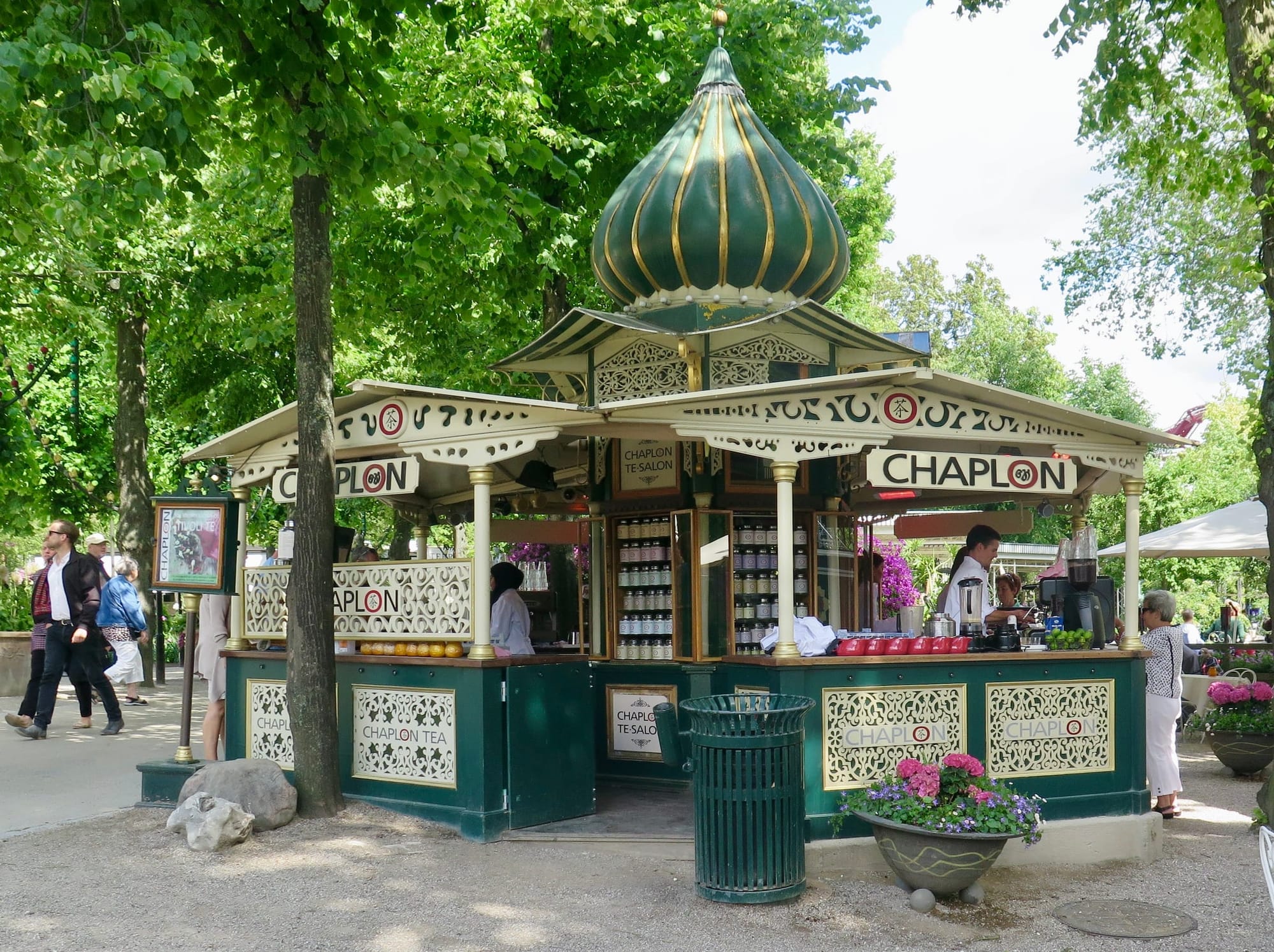
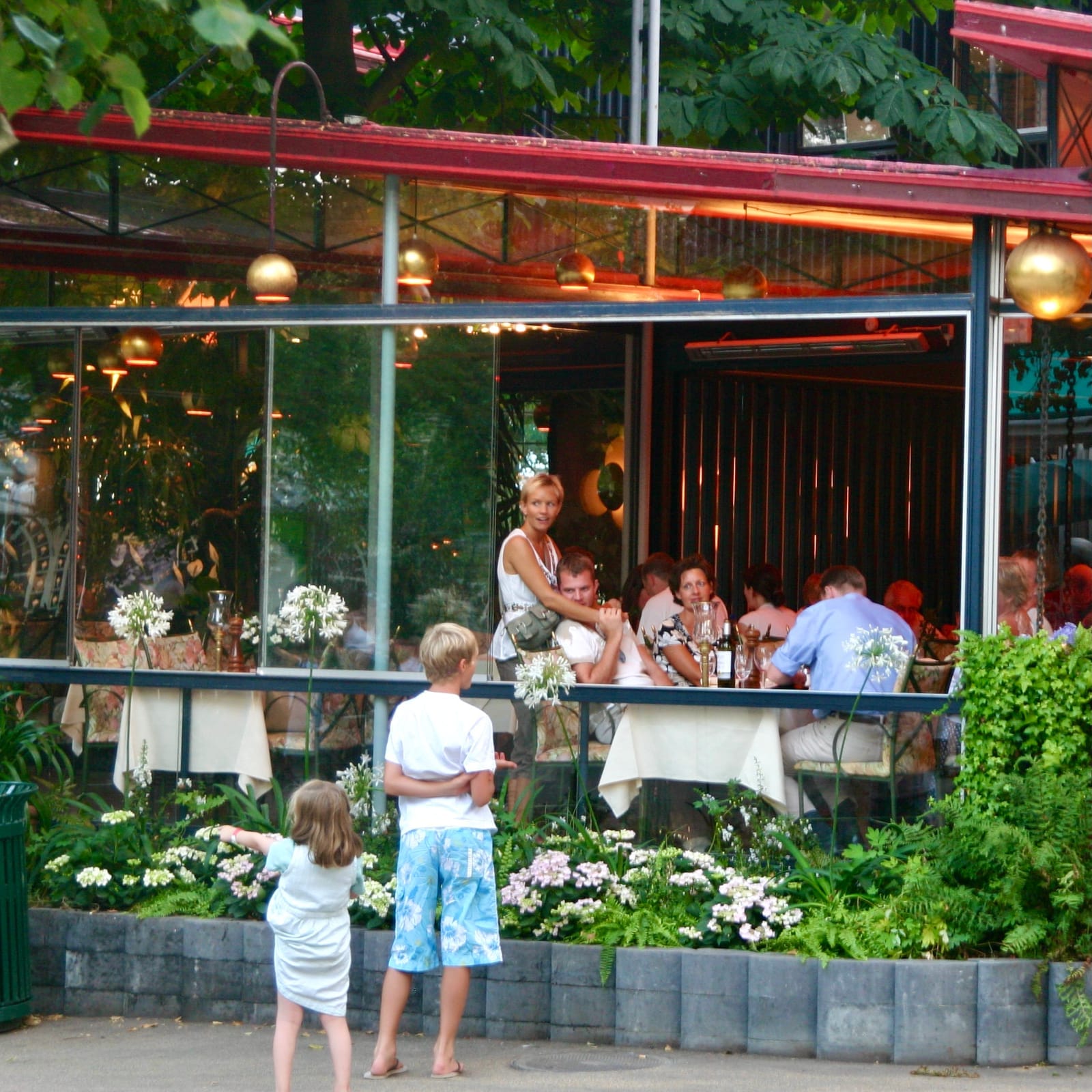
One of the things people most like to do when spending time outdoors is enjoy a refreshment. Often, we think of parks as places that must be purely about nature and thus must be disconnected from the commercial world on principle. However, biting into a savory hot dog from a food truck, sipping a steaming coffee at a café, or enjoying a delicious three-course meal at a restaurant, all add to the experience of spending time in a particular place. Parks are no different.
Where to start – a catalyst for change
When there is nothing going on in a park, it can be hard to know where to start. What the space needs is a catalytic feature that will trigger the process of revitalization – something to shift the energy in the space, attract people, and, in doing so, stimulate changes to its surroundings. Often, this catalytic feature will be a small structure like a pavilion, food kiosk, or bandstand.
In the traditional pleasure garden, this type of attractive, multi-use structure was often the central focal point of the park. It was the iconic feature, the "face" of the park, and would host musical performances, food offerings, and social gatherings. With a nexus like this in place, people are drawn in, and then other features, amenities, and entertainment options sprout in its vicinity to feed off of the new energy it creates.
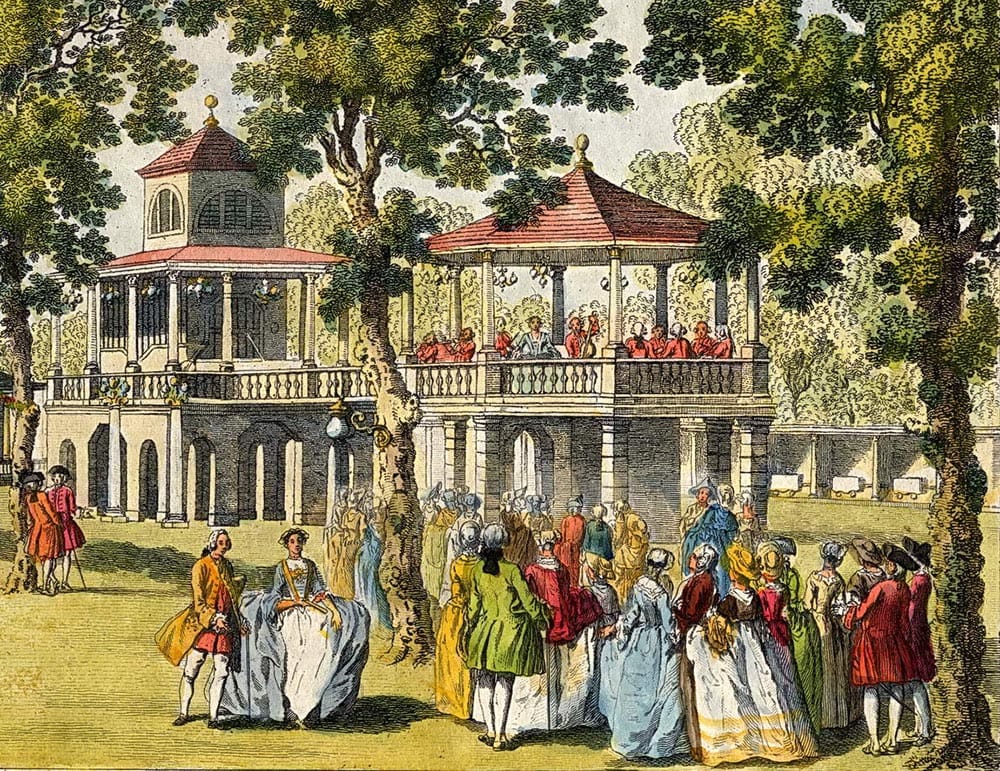
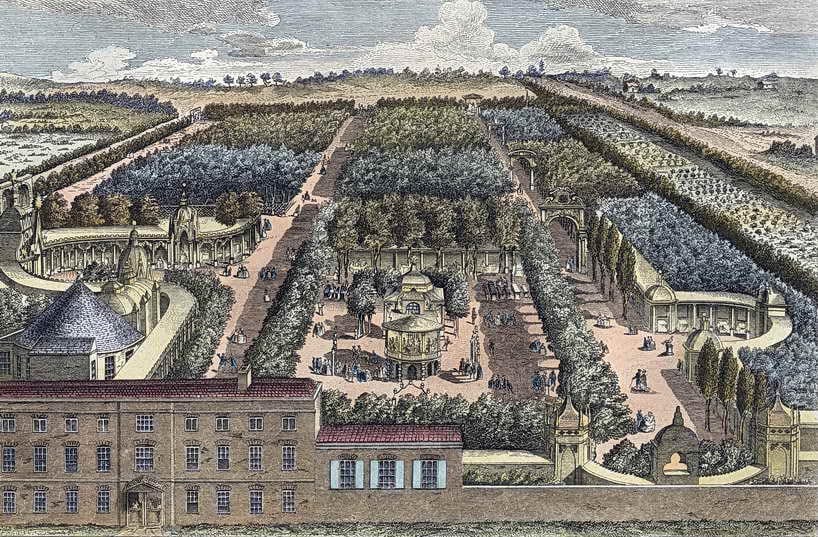
Image source
Let's bring parks back to life as pleasure gardens
Parks have the potential to be the most vibrant and popular places in our cities, towns, and suburbs. But that can only happen if they are able to foster public life. In their current state, they often do not fulfill that purpose – they sit mostly as unused, passive greenspaces that do little more than decorate. This can and should change. When we fill parks with features that create joy, fun, and pleasure, people flock to them. Pleasure gardens offer a compelling and proven blueprint. Let's revive this gem from the past to enrich the parks of the present.
Further Reading
Fred Kent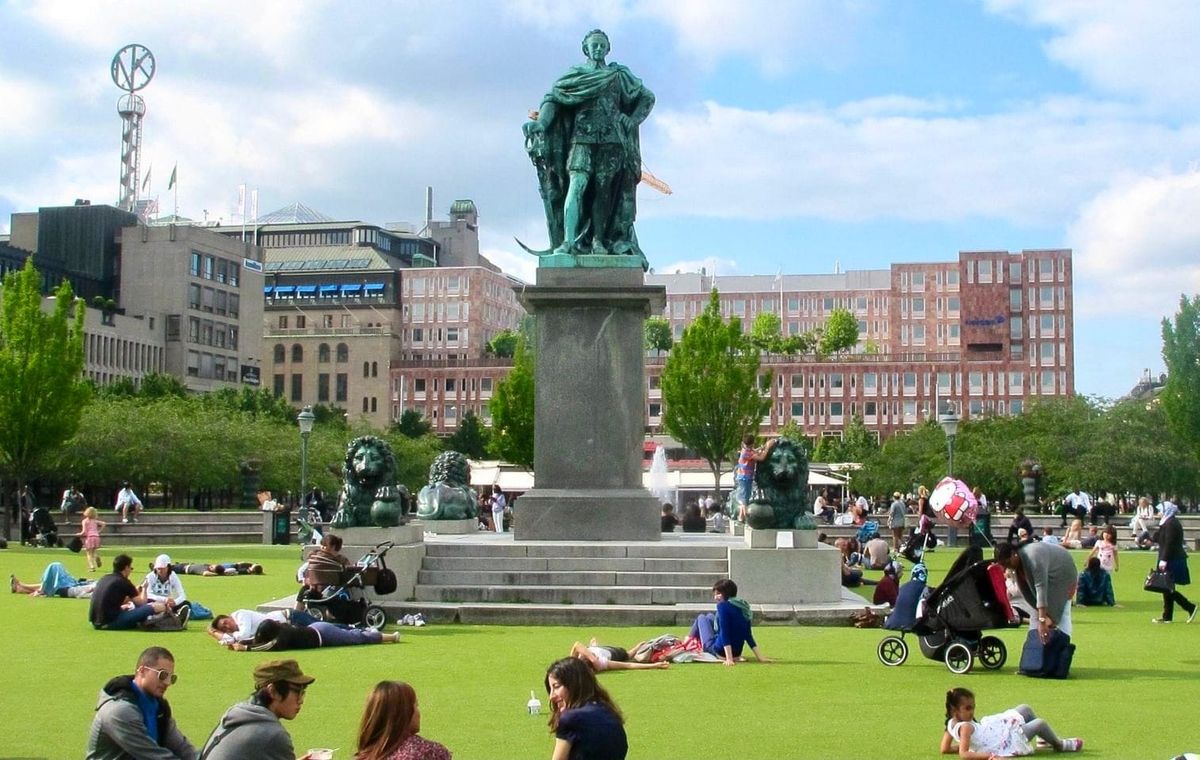 Fred Kent
 Kathy Madden
 Kathy MaddenFred Kent
If you are interested in collaborating (articles, presentations, exhibits, projects, and more) or supporting the cause contact us.