A look at how Seoul and Kyoto beautifully weave nature into the urban fabric through their waterways
Seoul's Standout Streams
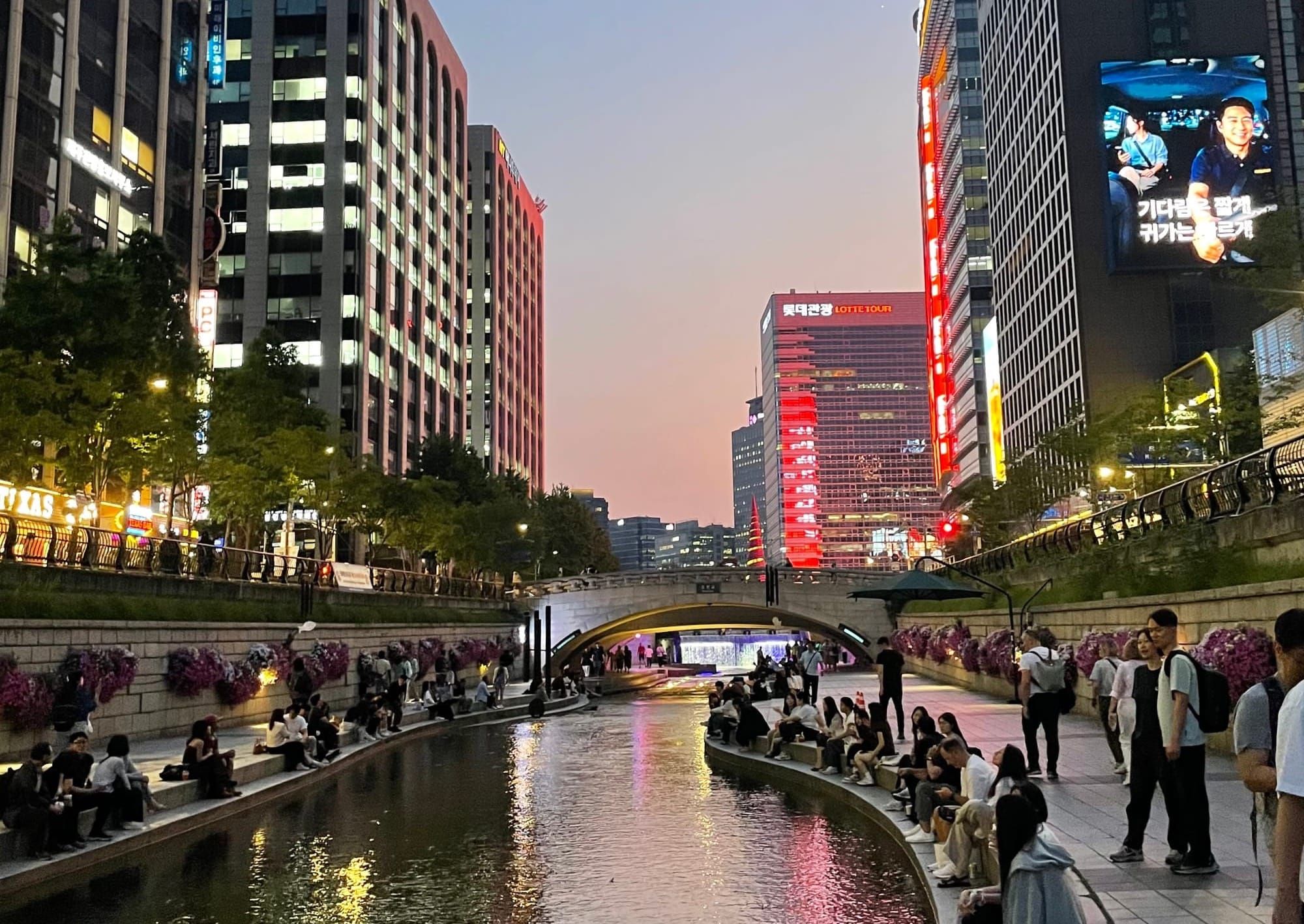
In Seoul, South Korea, the most popular hangout spot isn't a café or bar. It's the waterways! From the famously revitalized Cheonggyecheon stream that was a freeway not long ago, to smaller streams like Dorimcheon in the south of the city, Korea has done a fantastic job of turning its natural assets into vibrant public places. Through the addition of amenities, creative placemaking, and programming, what were once overlooked and undervalued areas now attract visitation from morning to evening and constitute the backbone of public life in the city.
Cheonggyecheon's Transformation
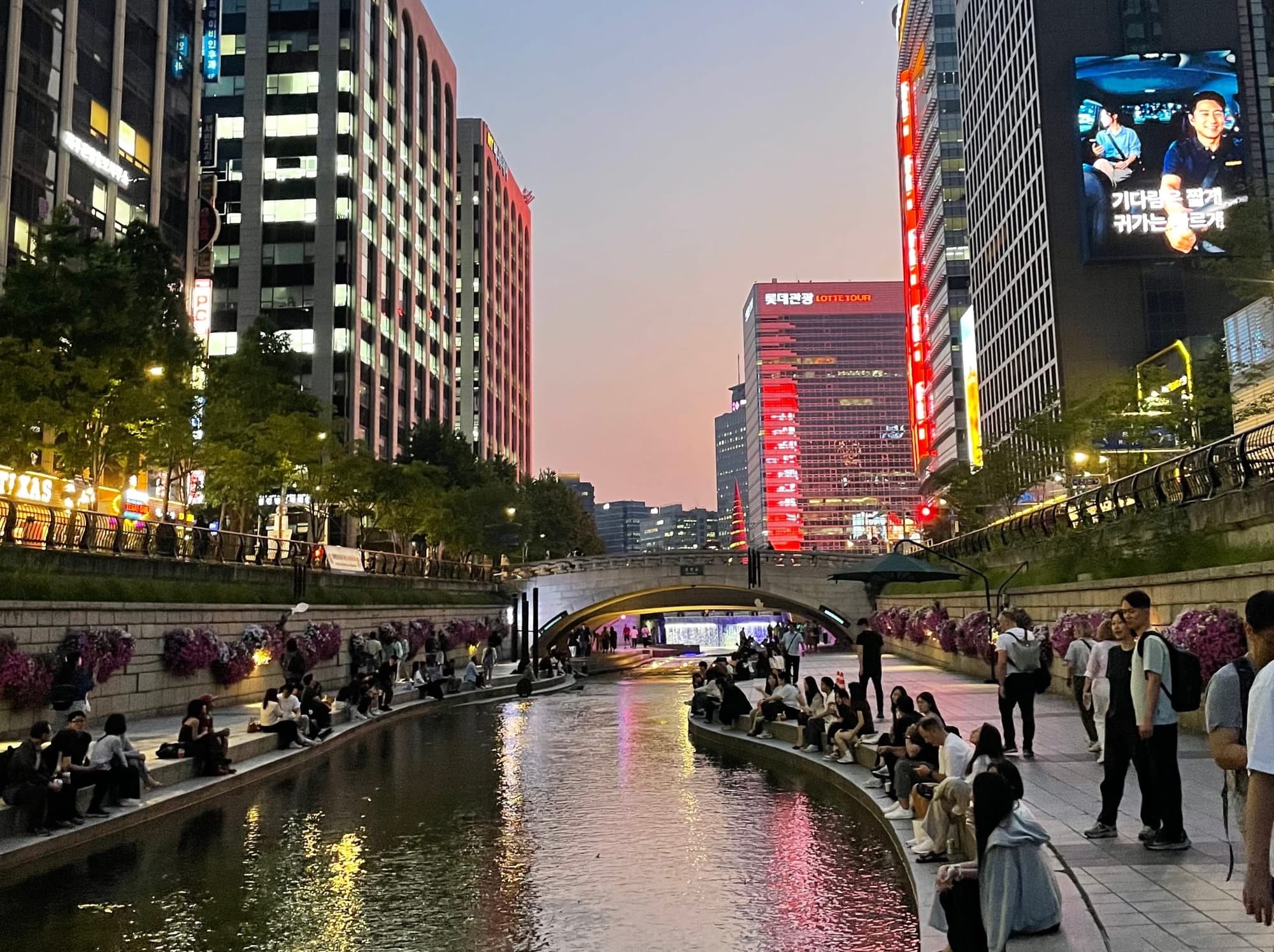
One of the biggest success stories in Seoul's urban renewal efforts – and in global urbanism as a whole – is the 2005 transformation of Cheonggyecheon into the stream it once was before it was filled in with concrete and turned into a freeway in the 1970s. A 6.7 mile long waterway, it is now a brilliant example of the treasures that lie buried beneath car infrastructure and how much there is to gain from reverting from car-centric to human-centric design.
The transformation also changed the city's relationship with driving. As a result of the freeway demolition, the number of cars entering downtown has decreased by 9%. Between 2003 and 2009 the use of buses increased by 15.1% and the use of the subway by 3.3%. What's more, the removal of the Cheonggyecheon motorway actually sped up traffic around the city, proving that less car infrastructure benefits drivers too. Additionally, air pollution was reduced by 35% after the removal of the street and there has been a significant reduction in people suffering from respiratory diseases in the area.
Looking at the stream now, it's hard to believe how different it looked just twenty years ago... Today it is a picturesque hub of joy, social life, and community connection where before, it was just another noisy and polluted traffic channel transporting cars from A to B. What's most shocking is that it took only two years to completely transform it. How many other cities drowning in car-centric design are just two years away from an urban paradise like this?
What Makes Seoul's Waterways So Great
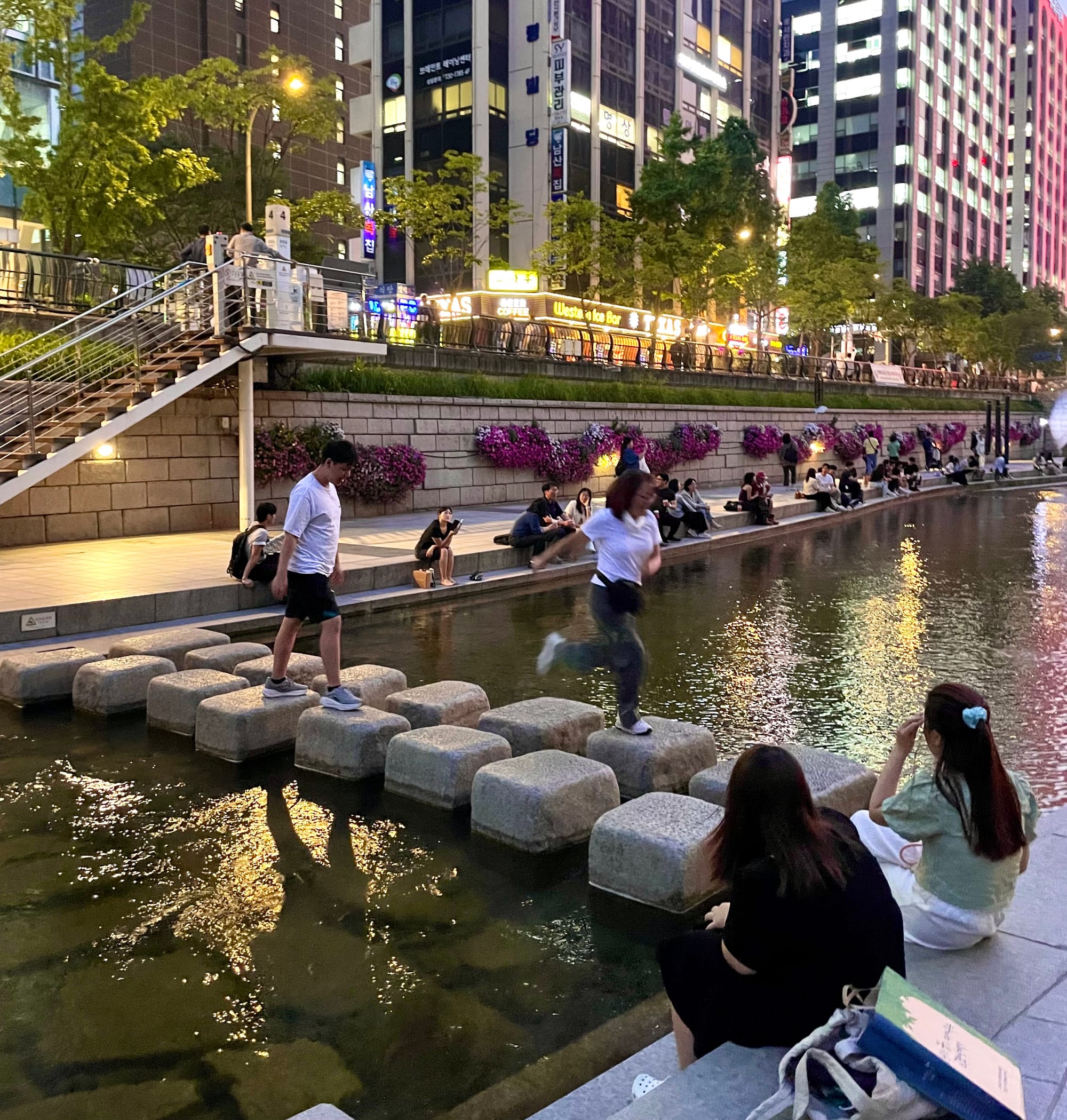
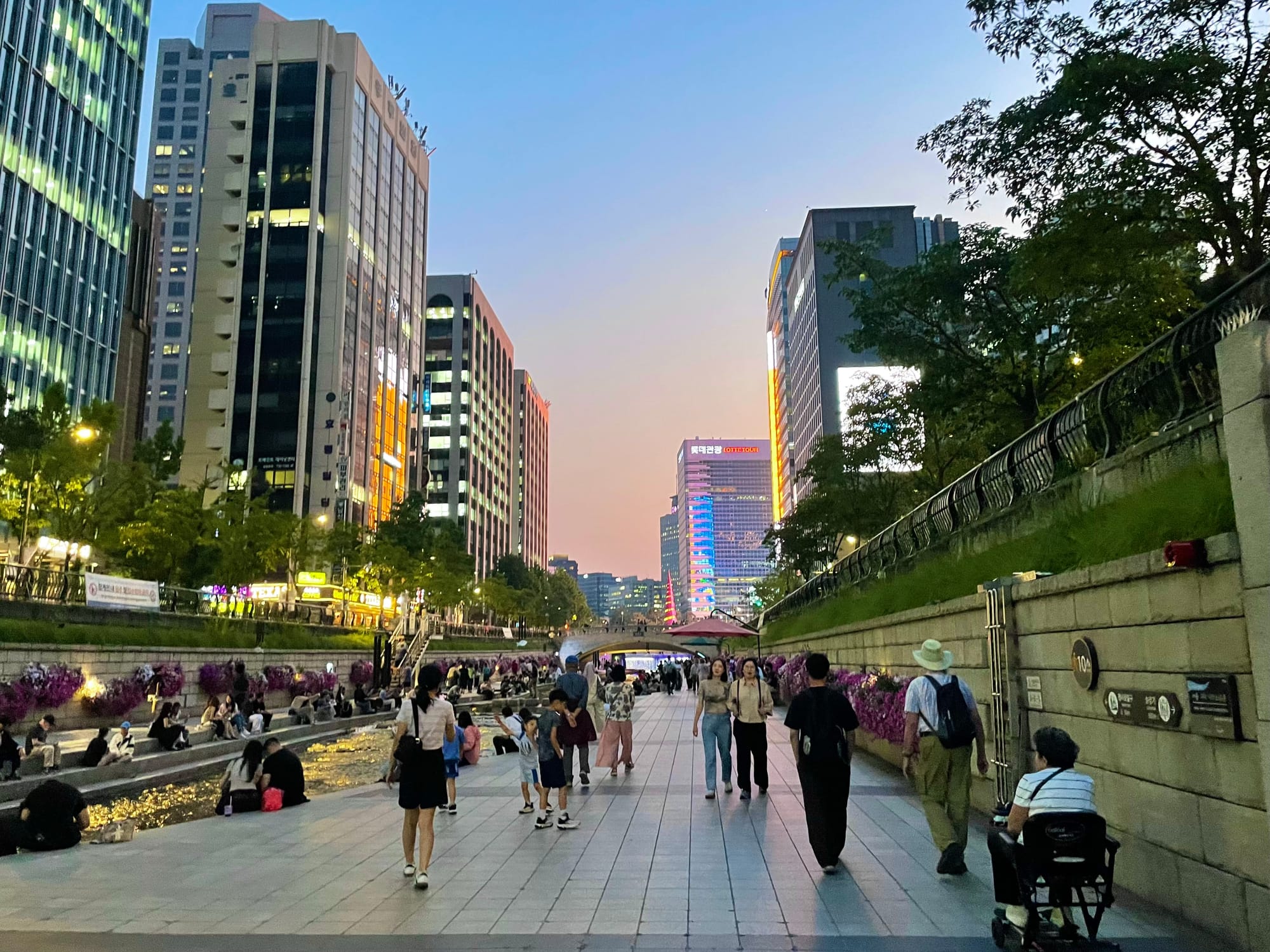
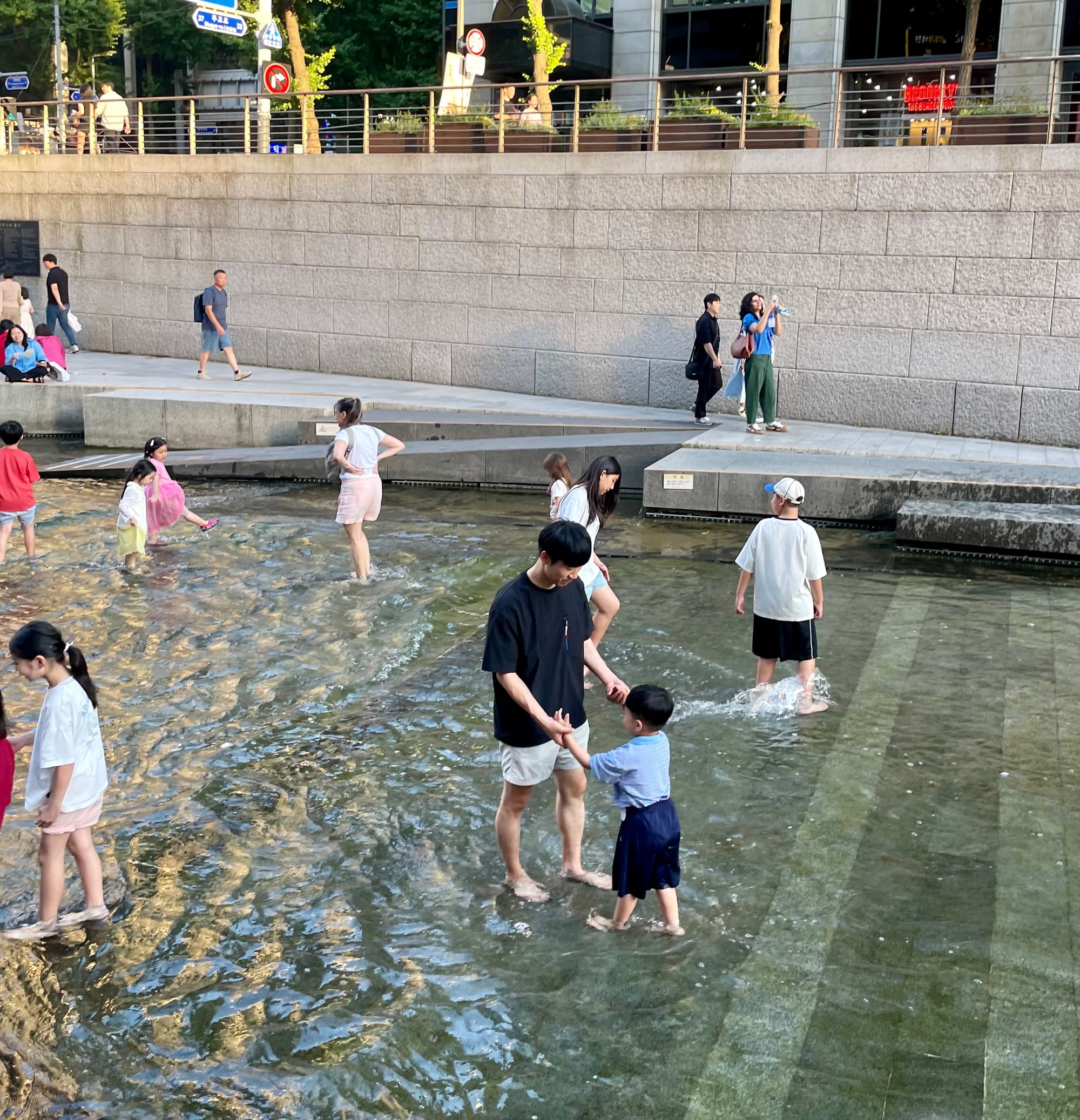
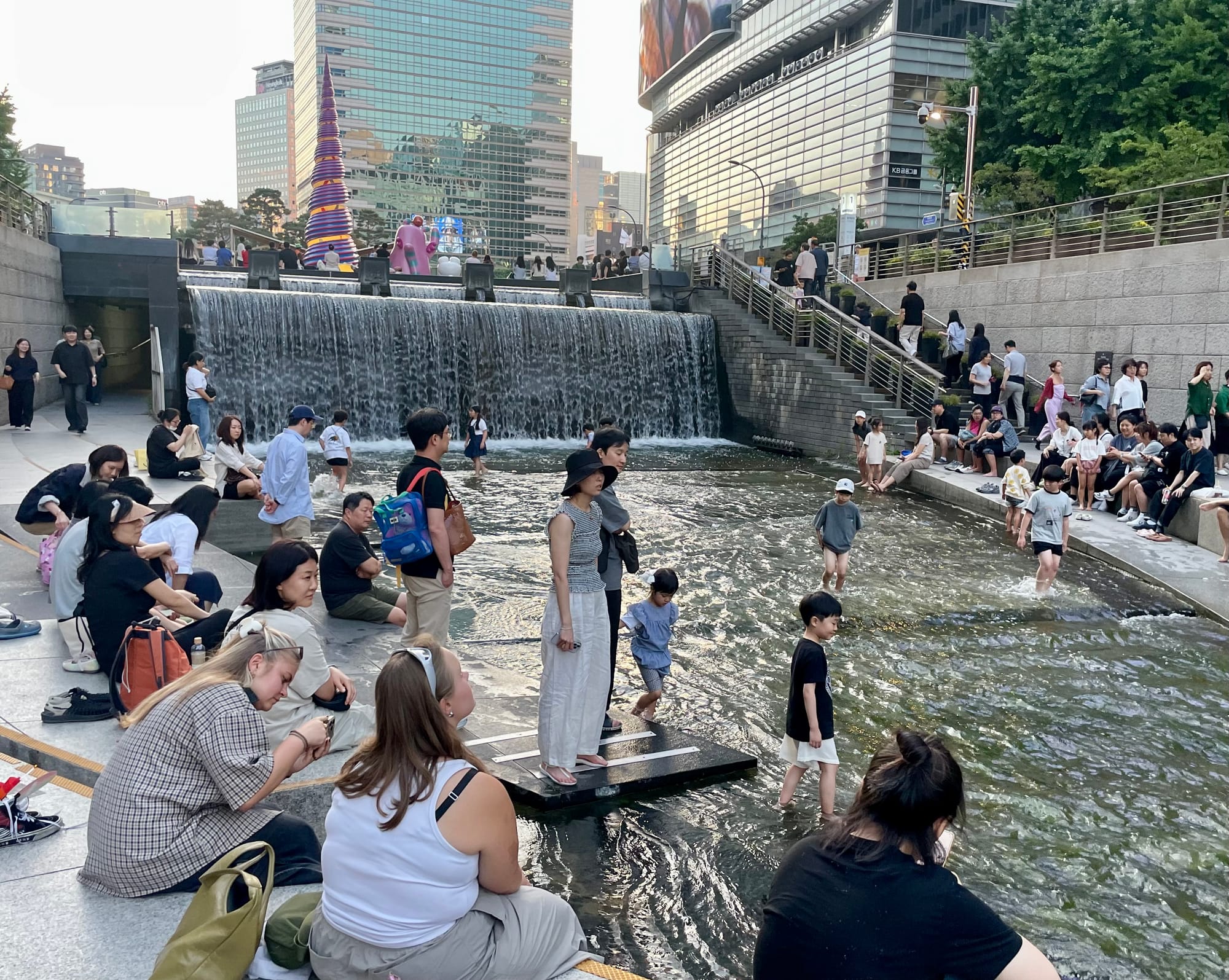
There is a special kind of energy in Seoul's revitalized streams. Because they are nested right in the center of the urban fabric, flanked on both sides by glimmering skyscrapers, the natural beauty they offer breathes vitality into daily life. Transitioning from typing at your desk in the office tower to dipping your toes into the stream takes a matter of minutes. You can enjoy your lunch break with the sound of a waterfall behind you. On the weekends, you can spend all day reading along the rippling water at the outdoor library while your children splash alongside fish and herons. The canals are woven into the experience of the city in a seamless way that allows them to truly enhance the quality of life for residents.
Design Features
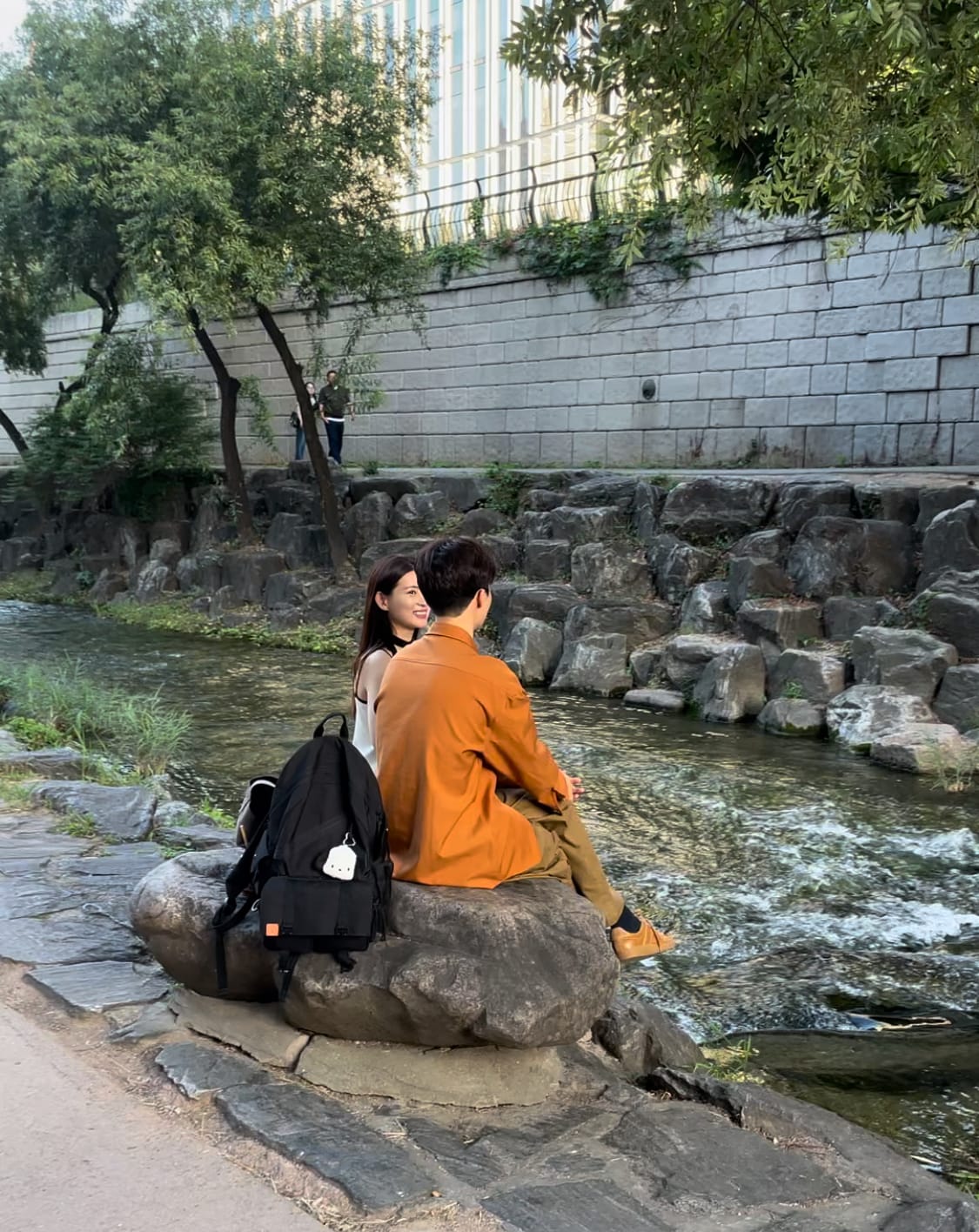
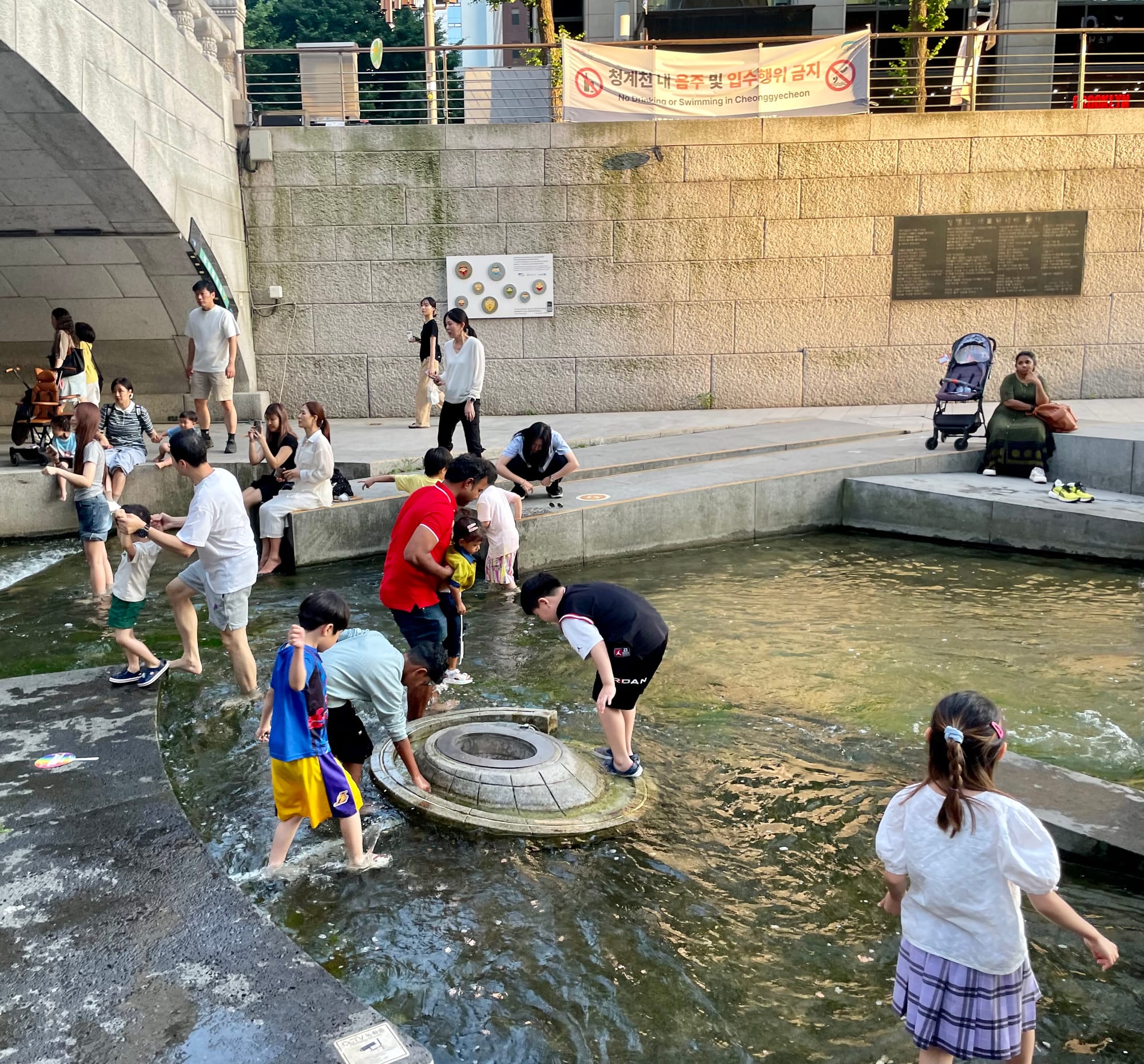
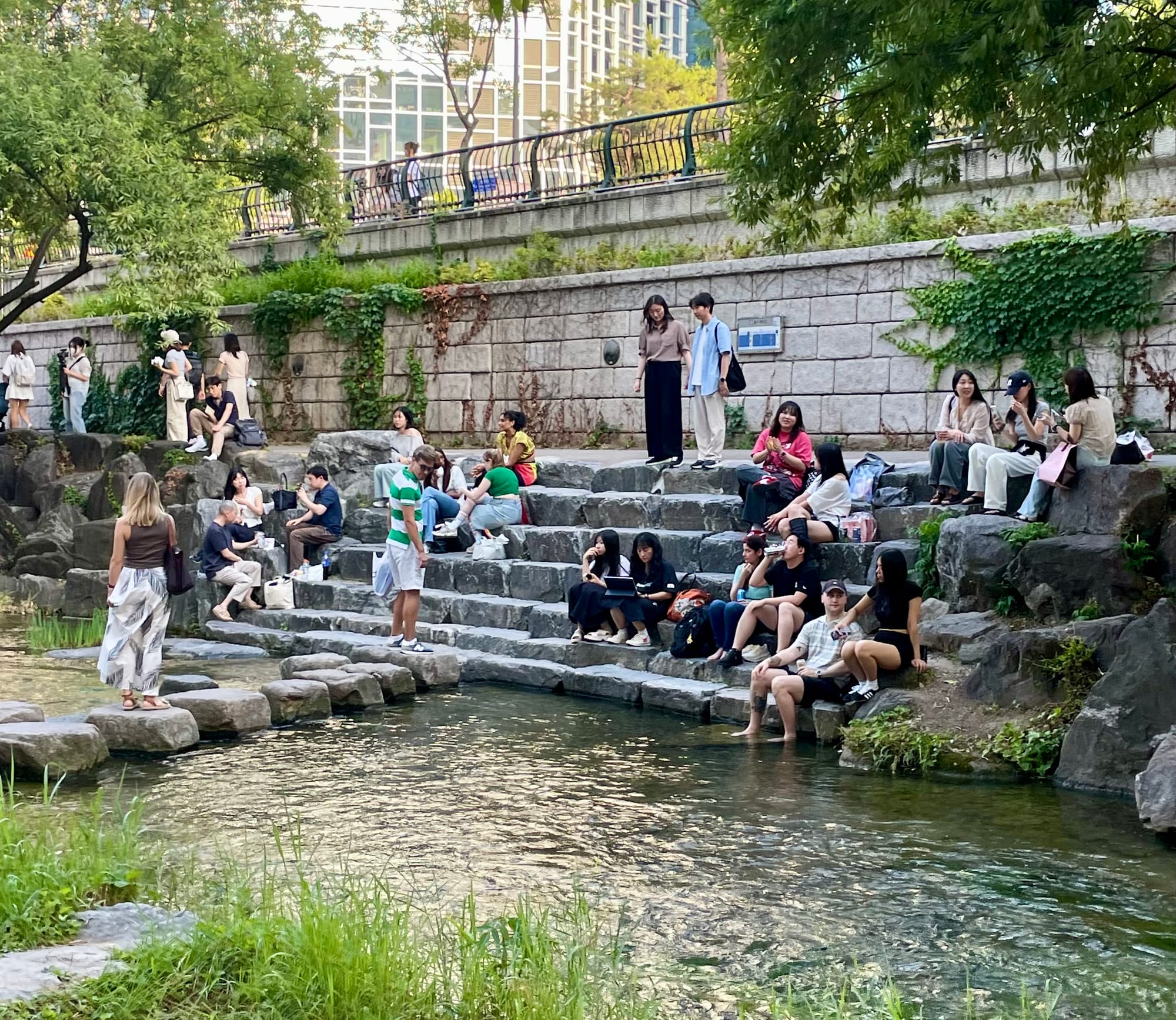
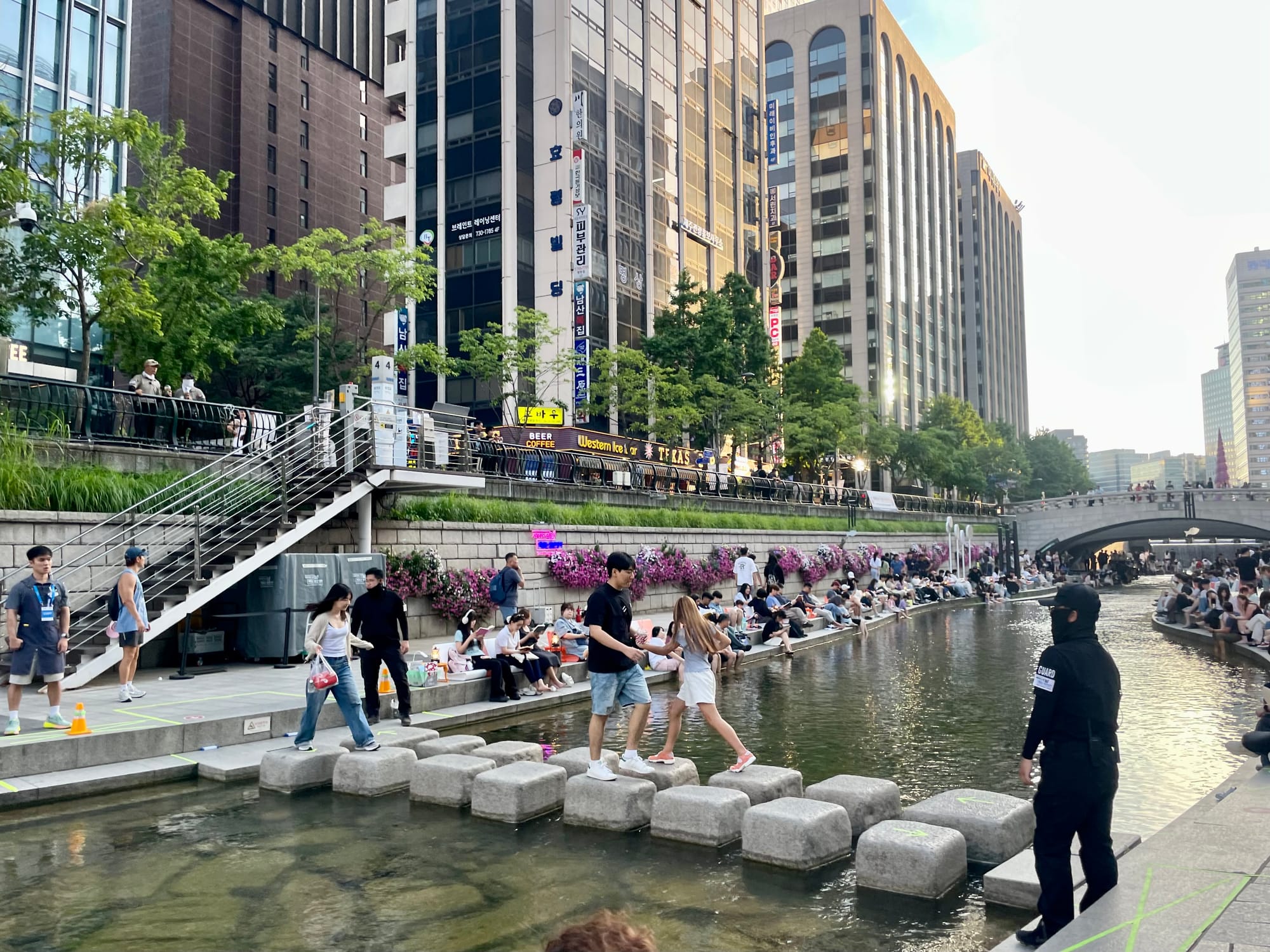
The beauty of Seoul's urban waterfronts is that the way they are designed focuses on the natural attributes of the streams. Instead of adding too many artificial features like plastic chairs or colorful umbrellas, the waterfront design stays true to its roots, incorporating organic elements to accentuate the feel of an oasis – carefully positioned boulders, flowers, and trees. Standout features include a waterfall, stone "bleachers," pathways across the water made of large rocks people can scurry over, and gently arching trees for shade cover.
Amenities
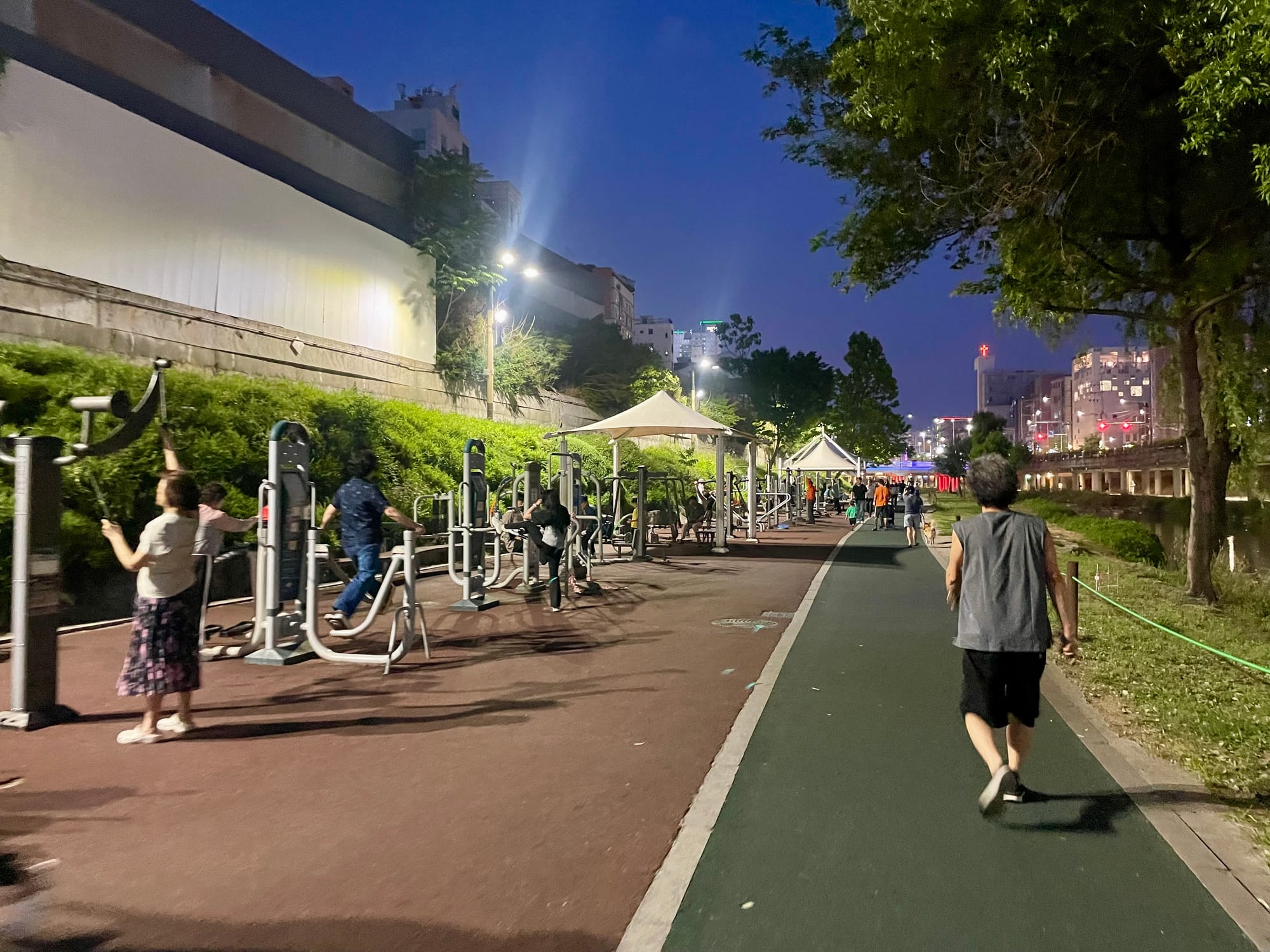
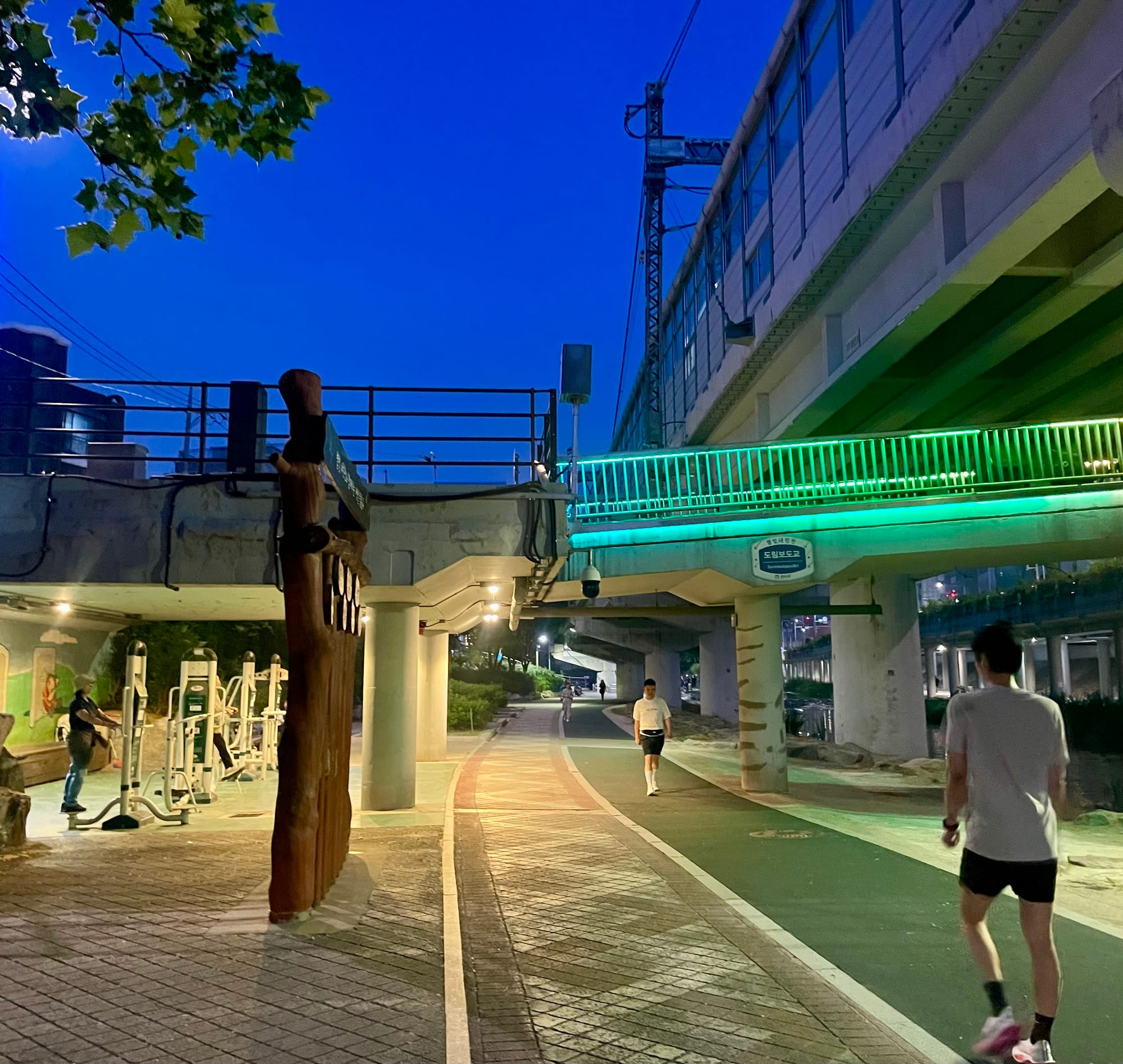
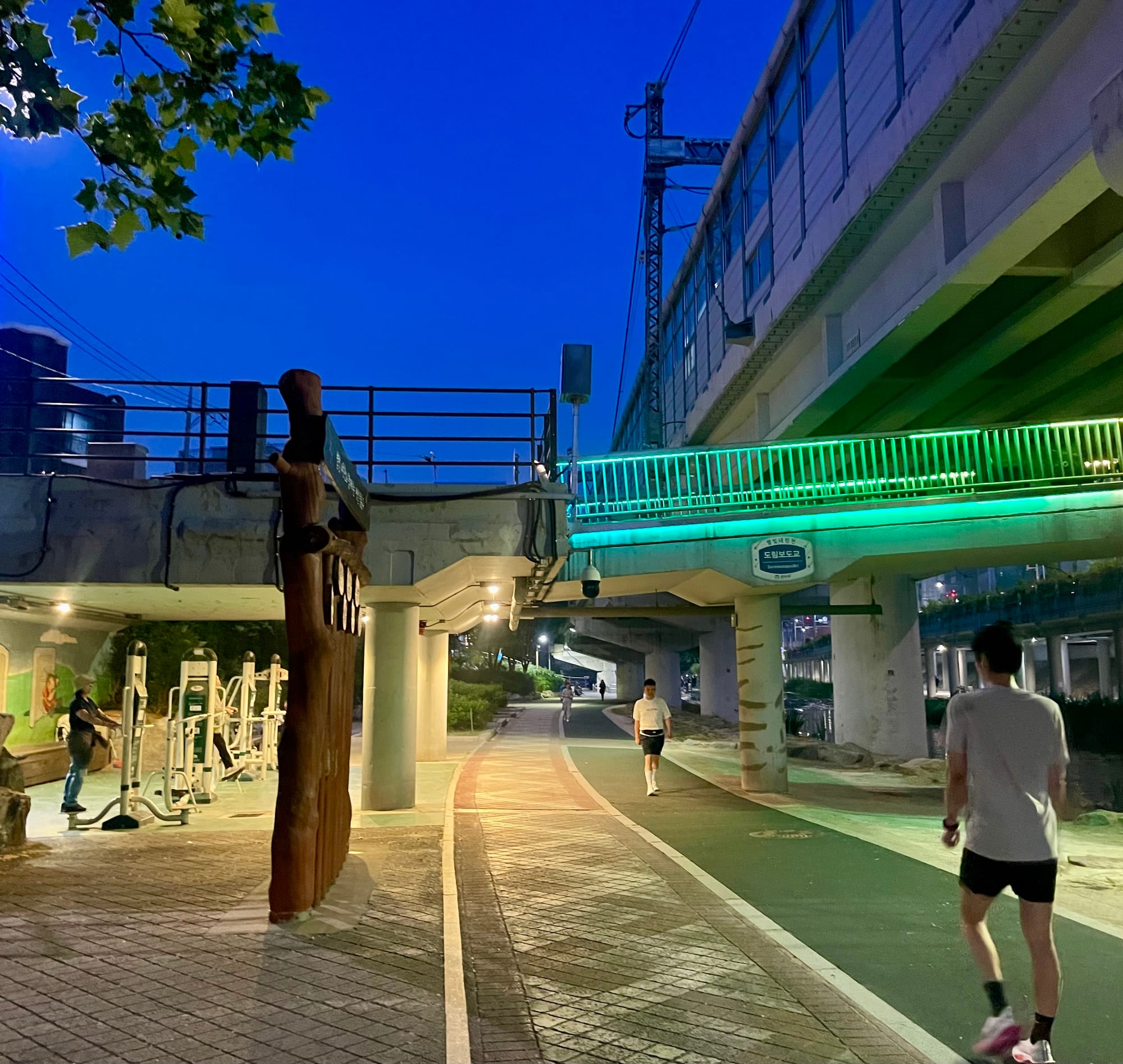
An important part of the value of these waterfronts is their amenities which offer comfort and introduce practical uses that encourage regular visitation. All along the water are places to sit, jogging paths, canopies to protect from rain, and exercise stations. A few steps away are cafés, bars, and restaurants of every kind.
Creative Placemaking
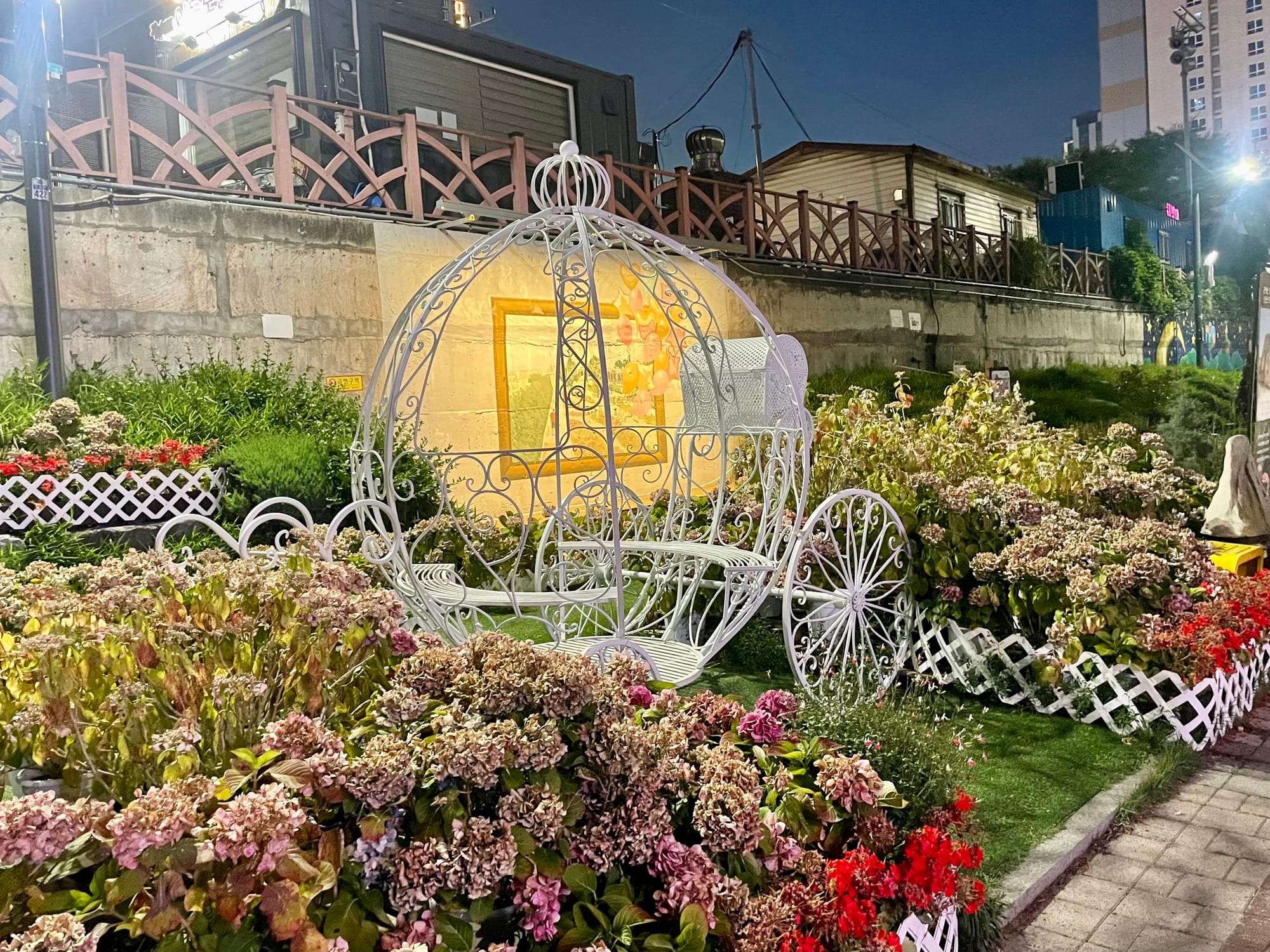
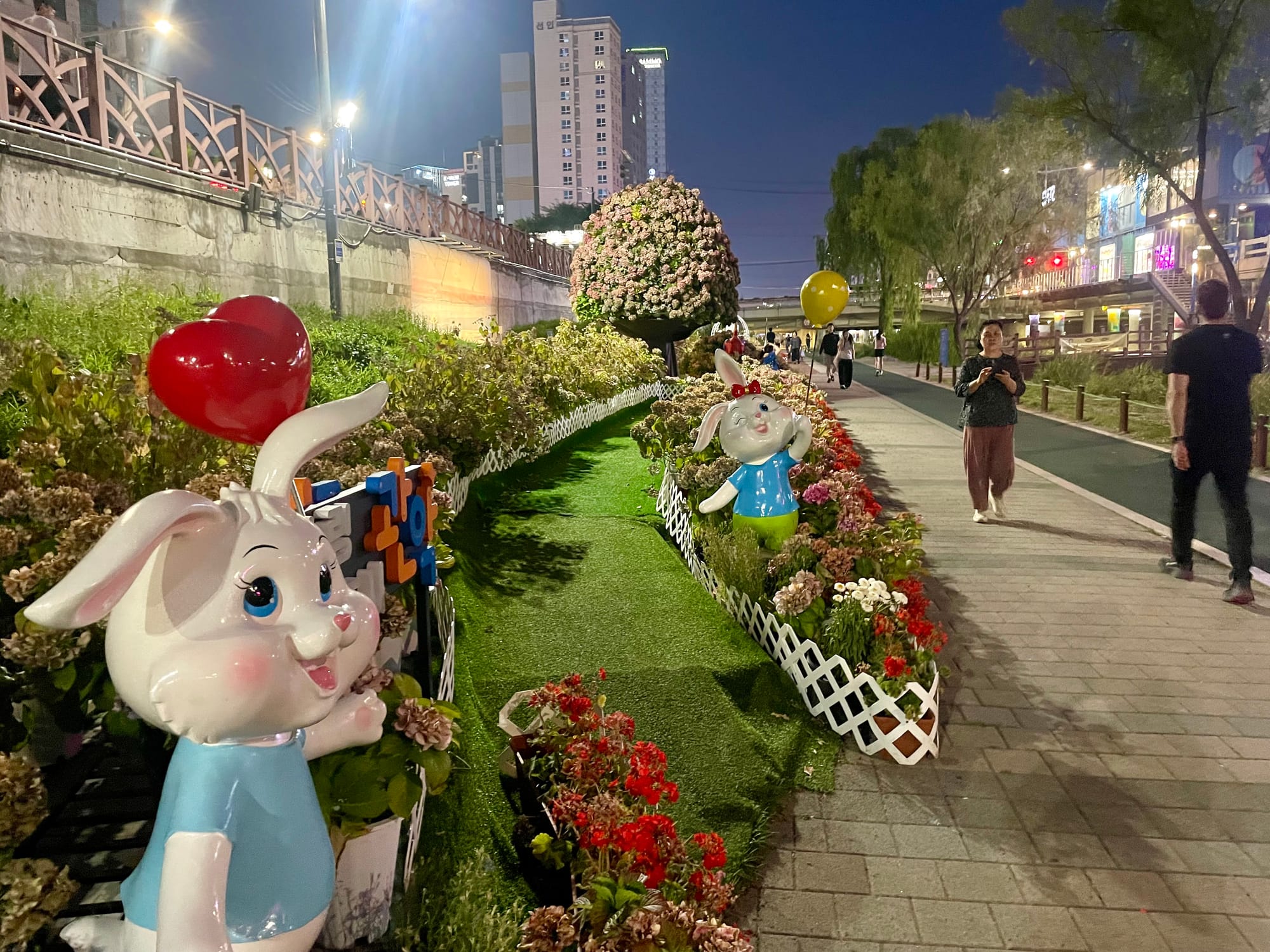
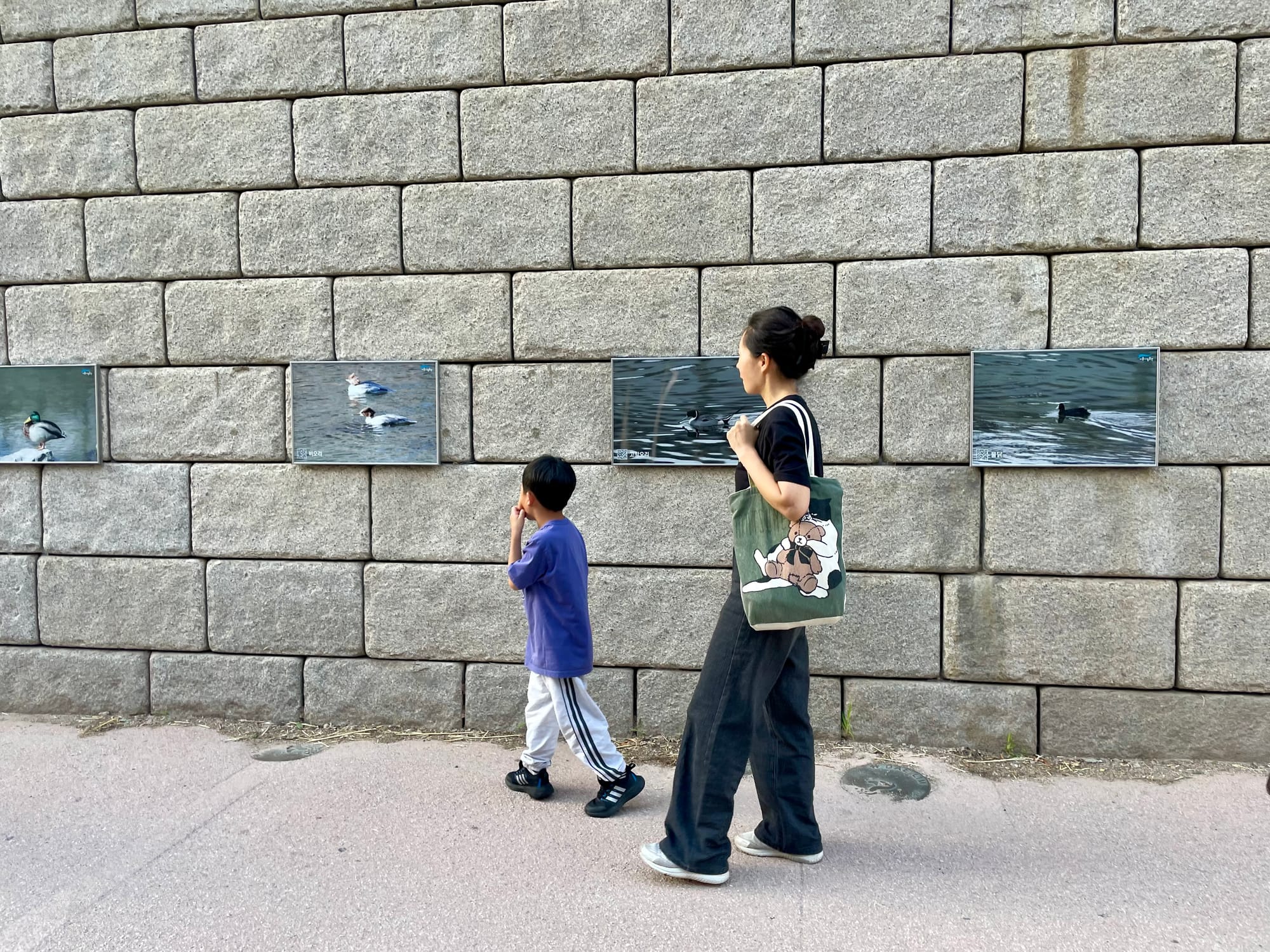
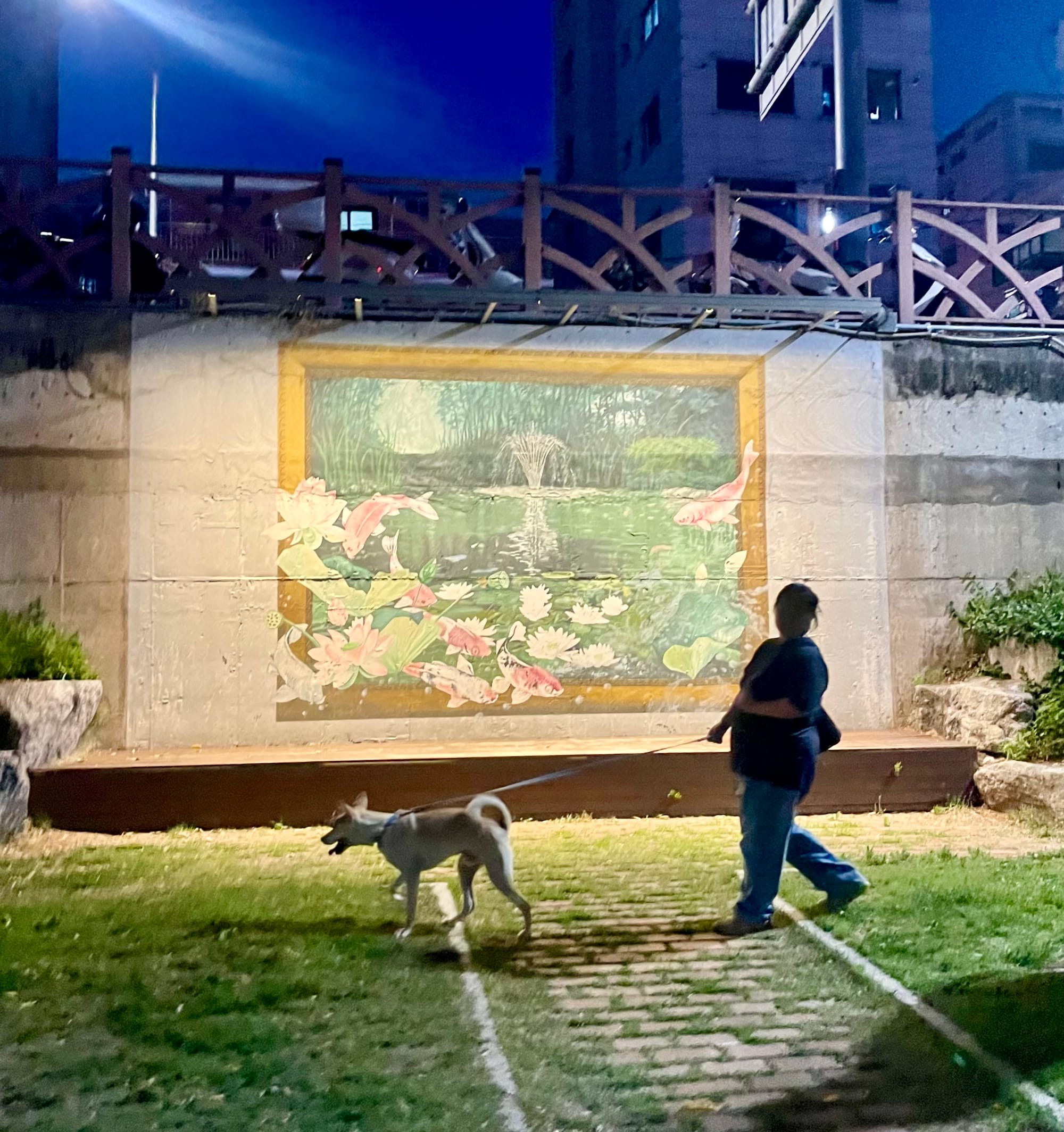
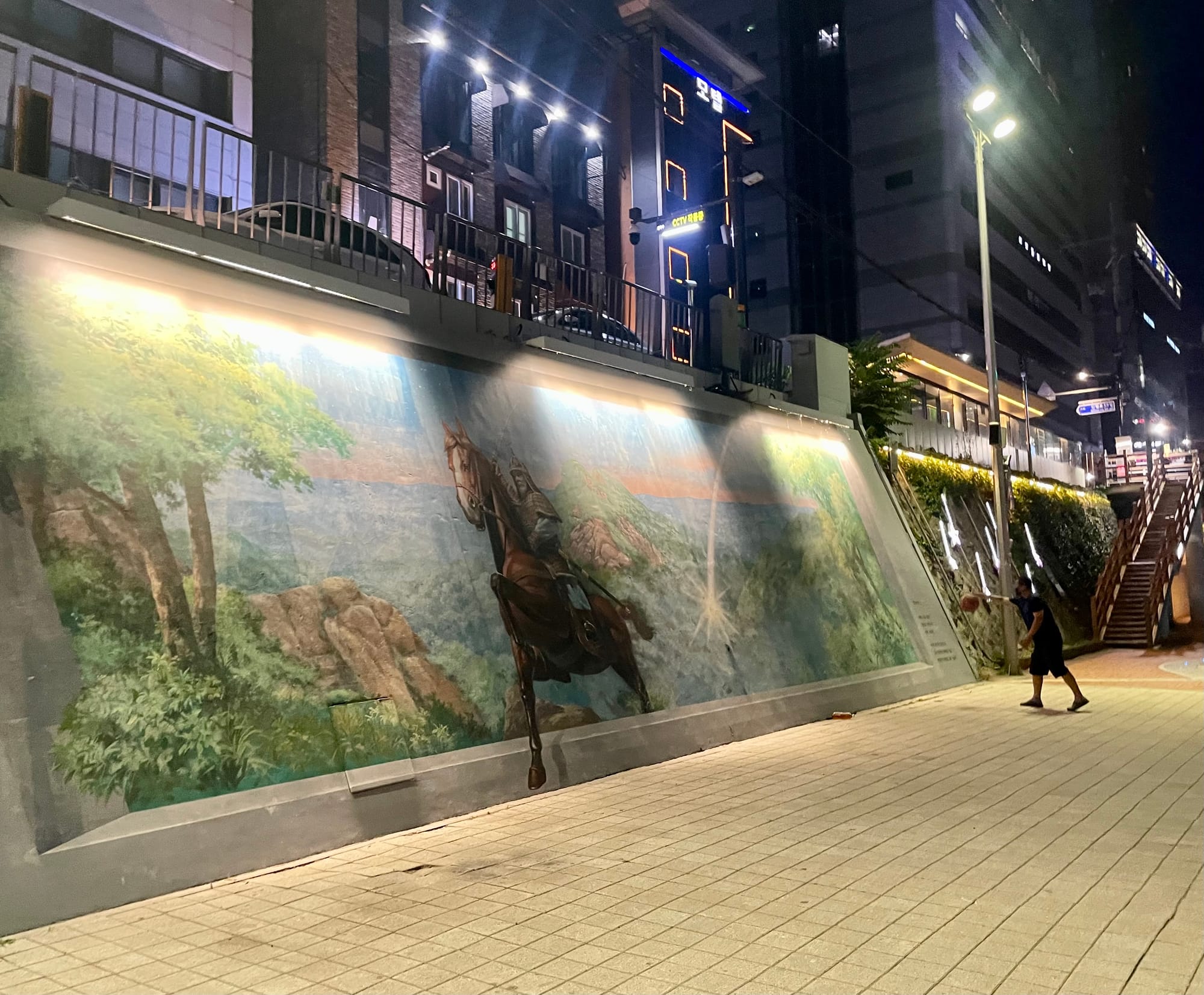
Through the incorporation of art and various decorative features, the waterways are made even more beautiful. Central public places like this also create opportunities for the surrounding communities to share their talents through showcased art, photography, and creative placemaking.
 Fred Kent
Programming
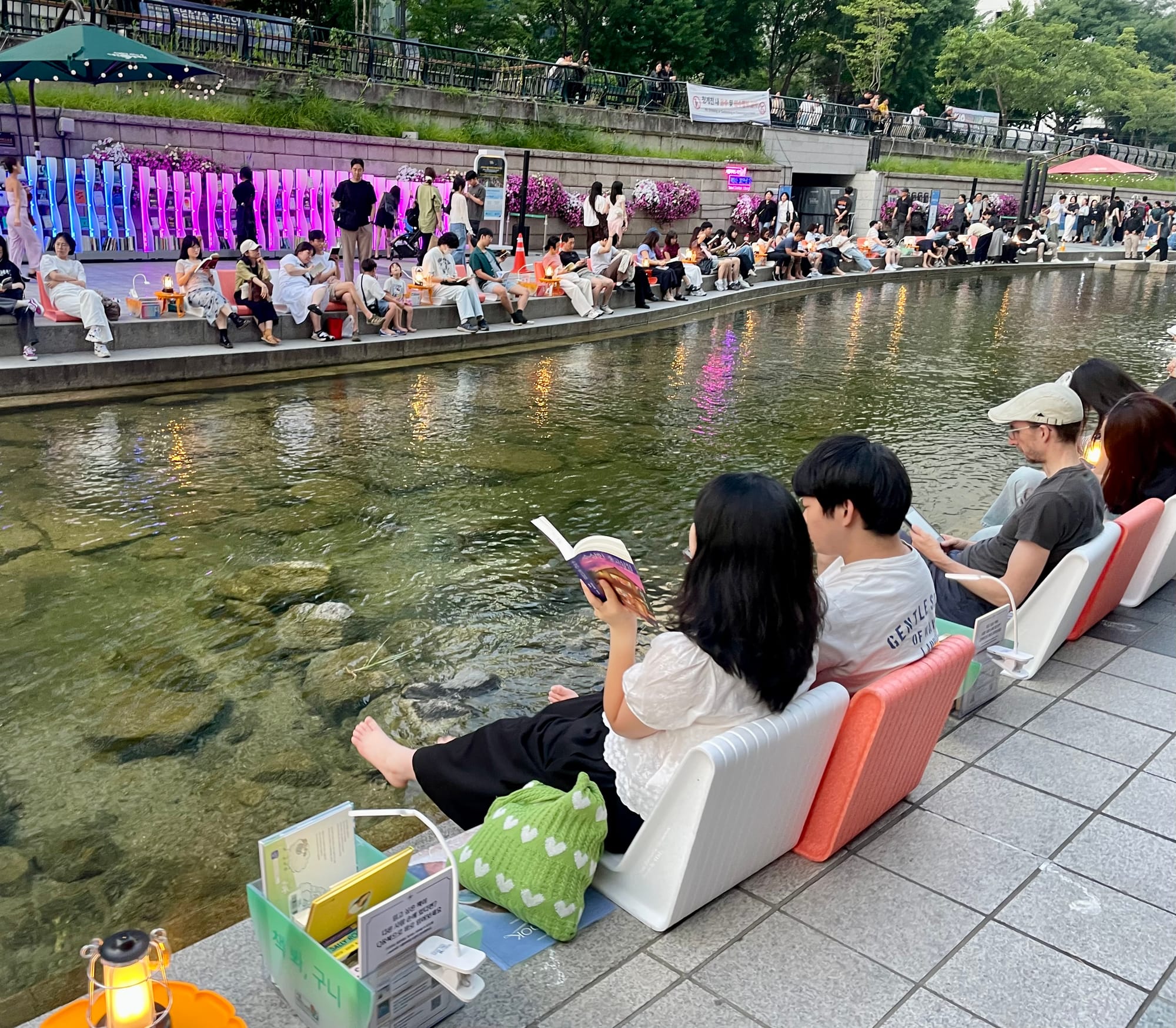
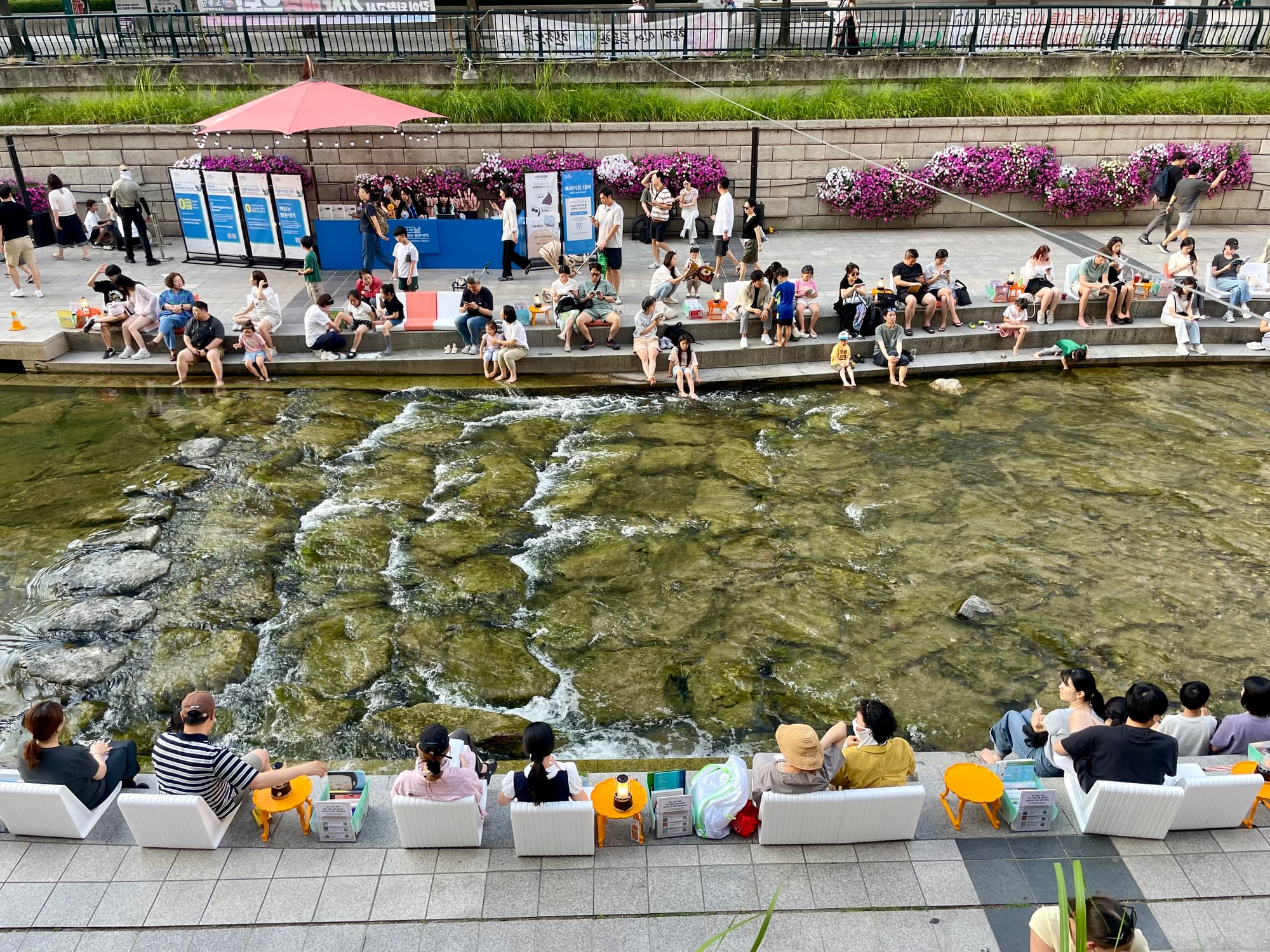
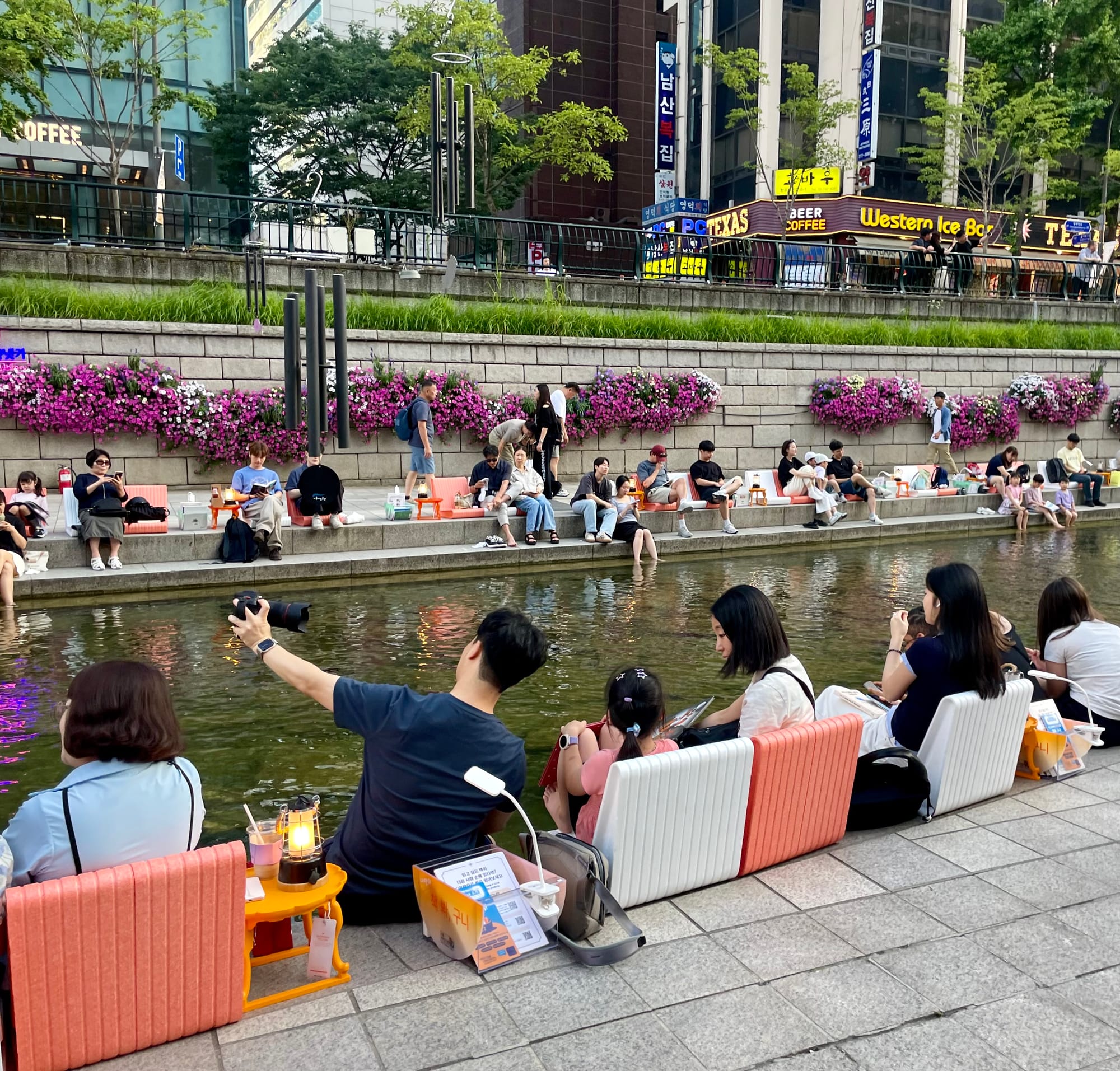
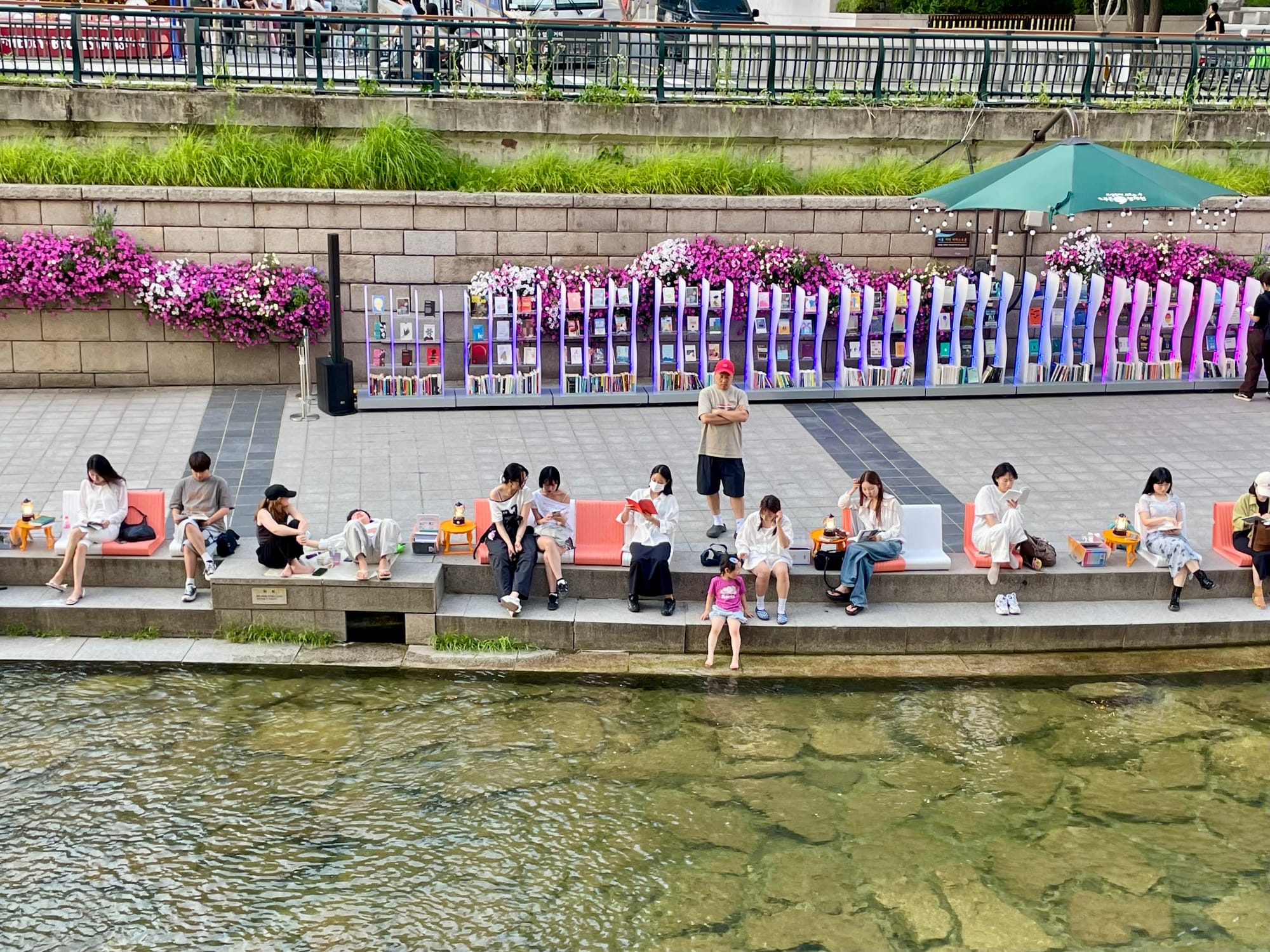
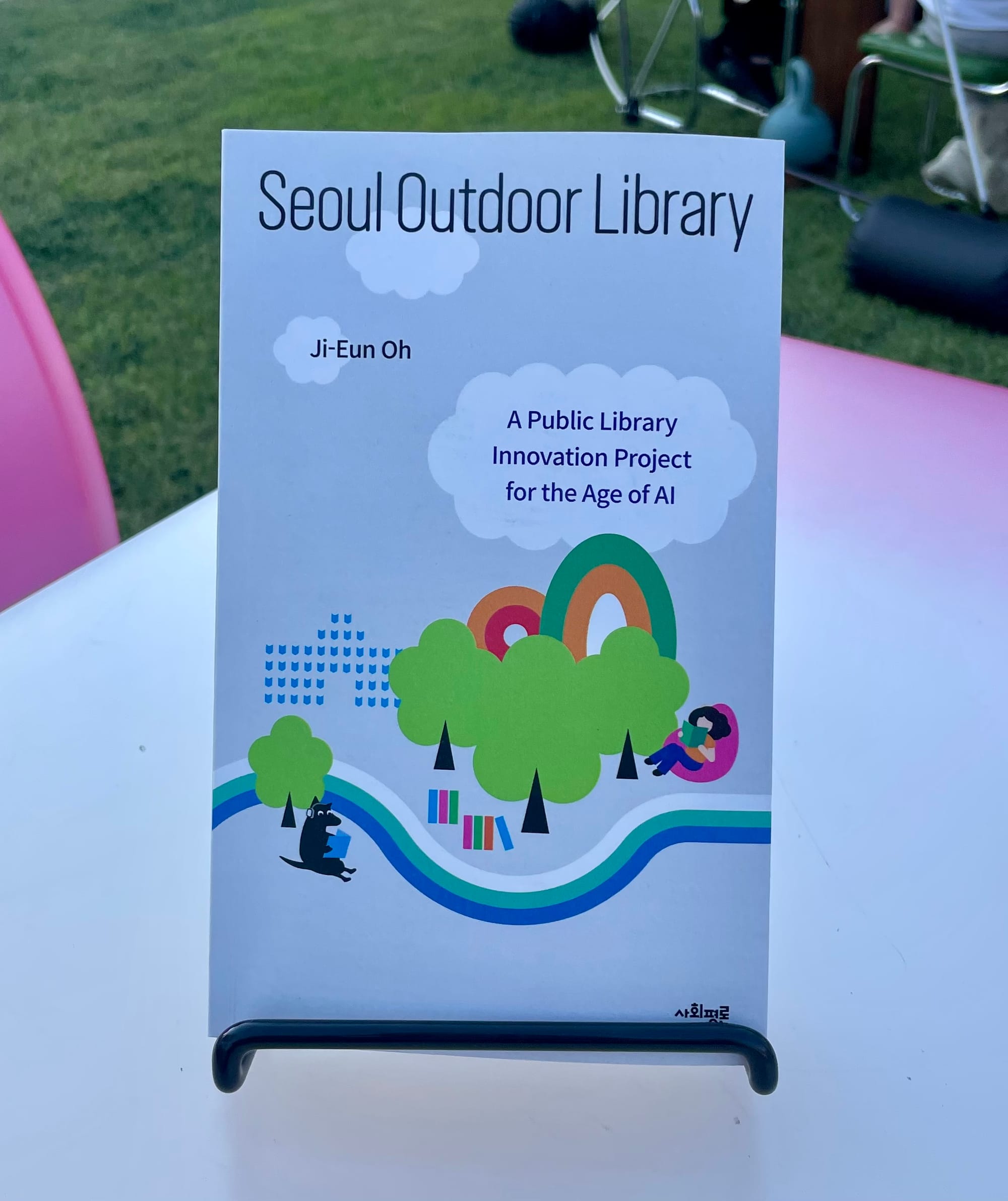
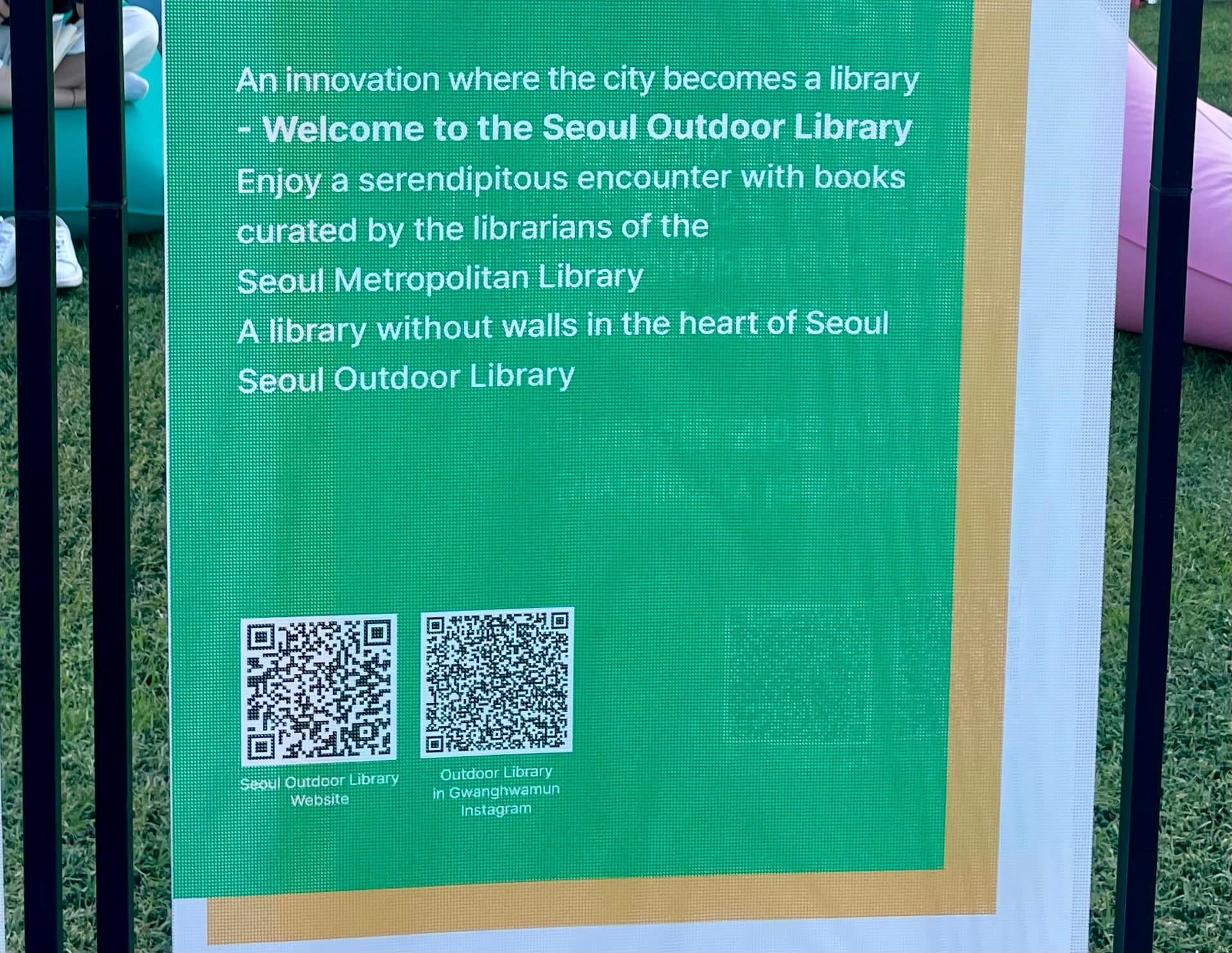
Programming is essential to making a public place thrive. A splendid initiative along Cheonggyecheon is the Seoul Outdoor Library. Books are set up in open book cases that anyone can peruse, and comfortable seats are positioned along the edge of the water. As people read, they dip their feet in, take photos, chat, and enjoy the balmy breeze. The program is so popular that the moment a seat opens up, it immediately fills again as people line up for an opportunity to ready by the burbling water.
Evenings at the Waterfront
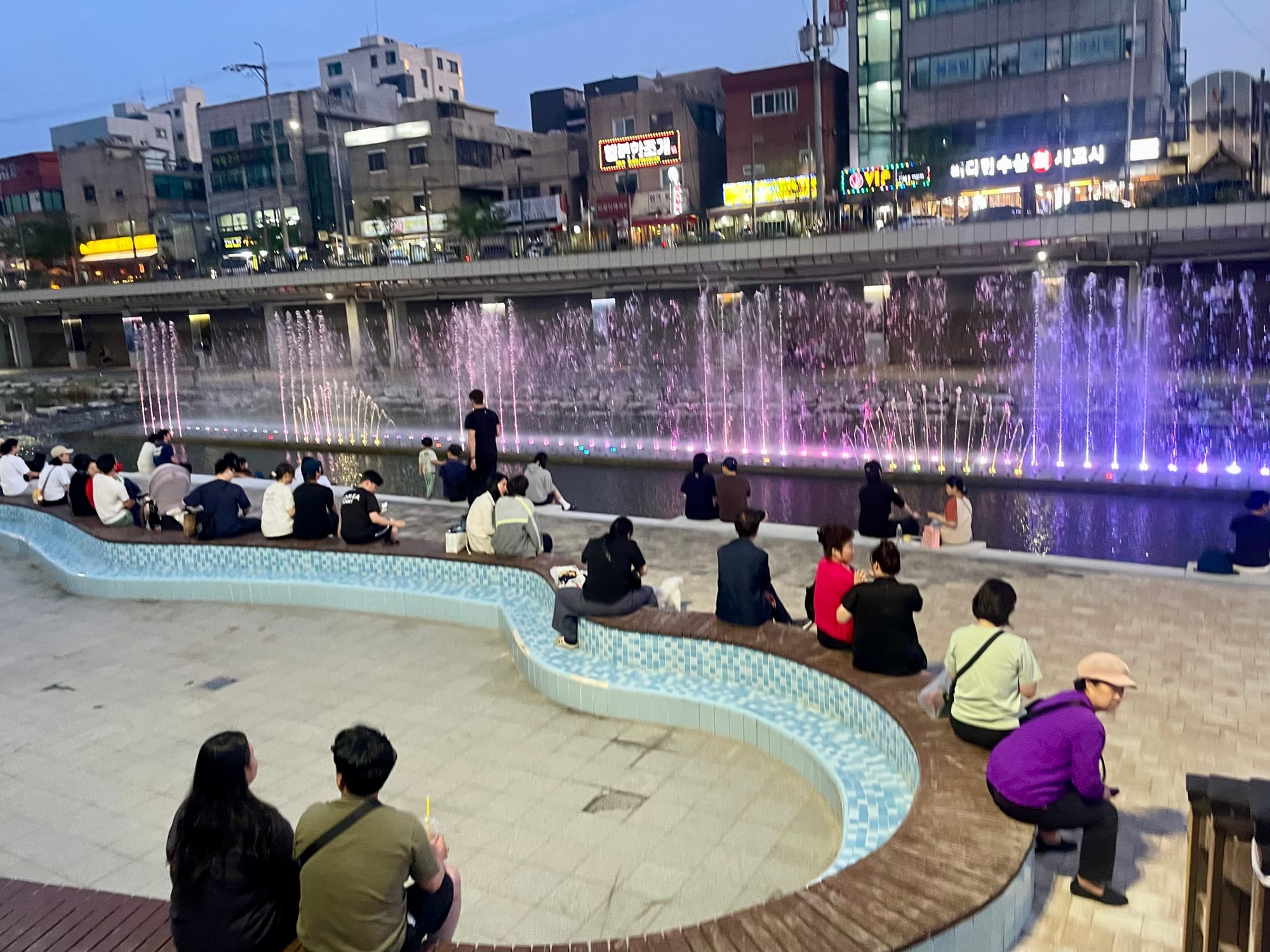
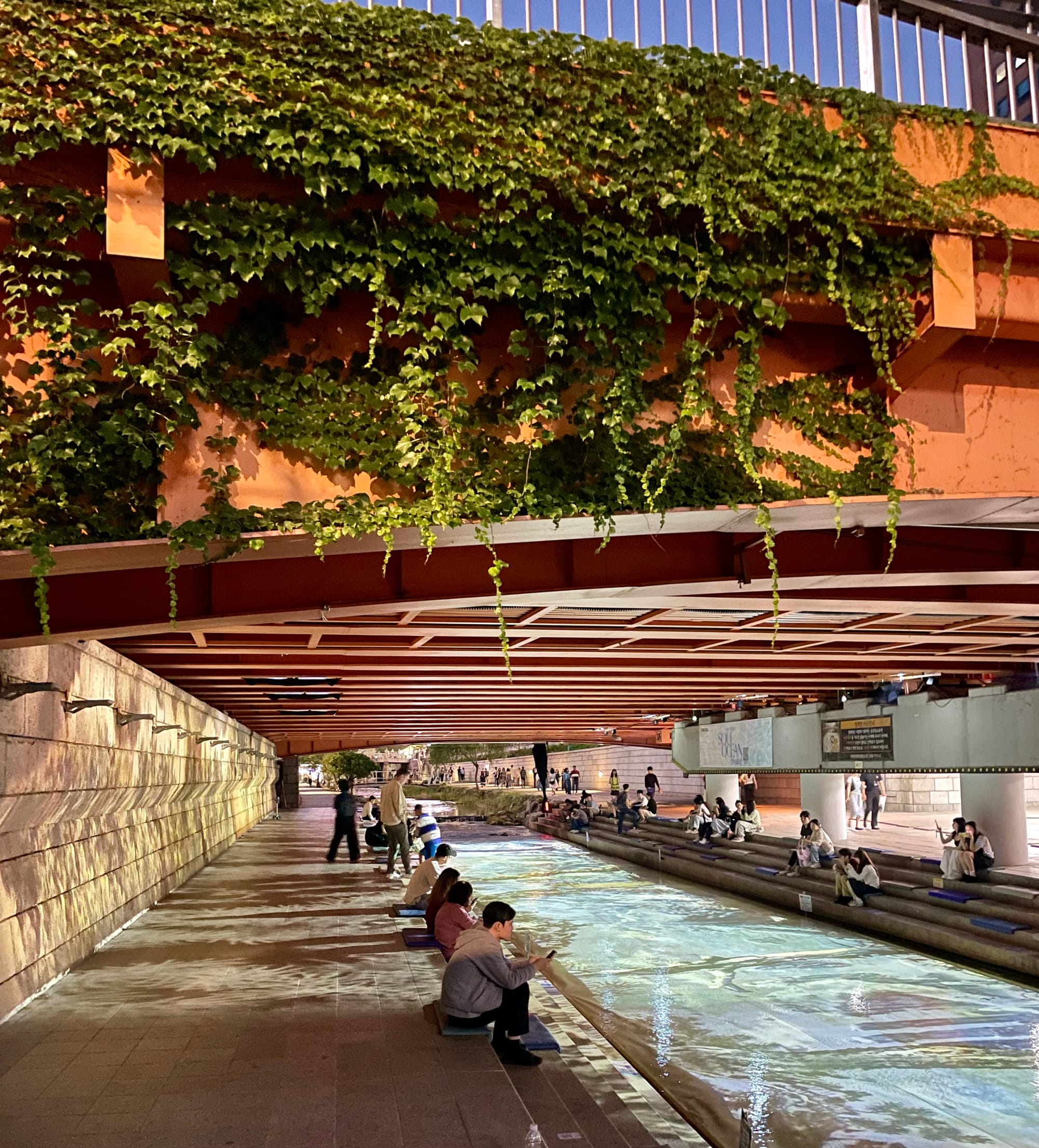
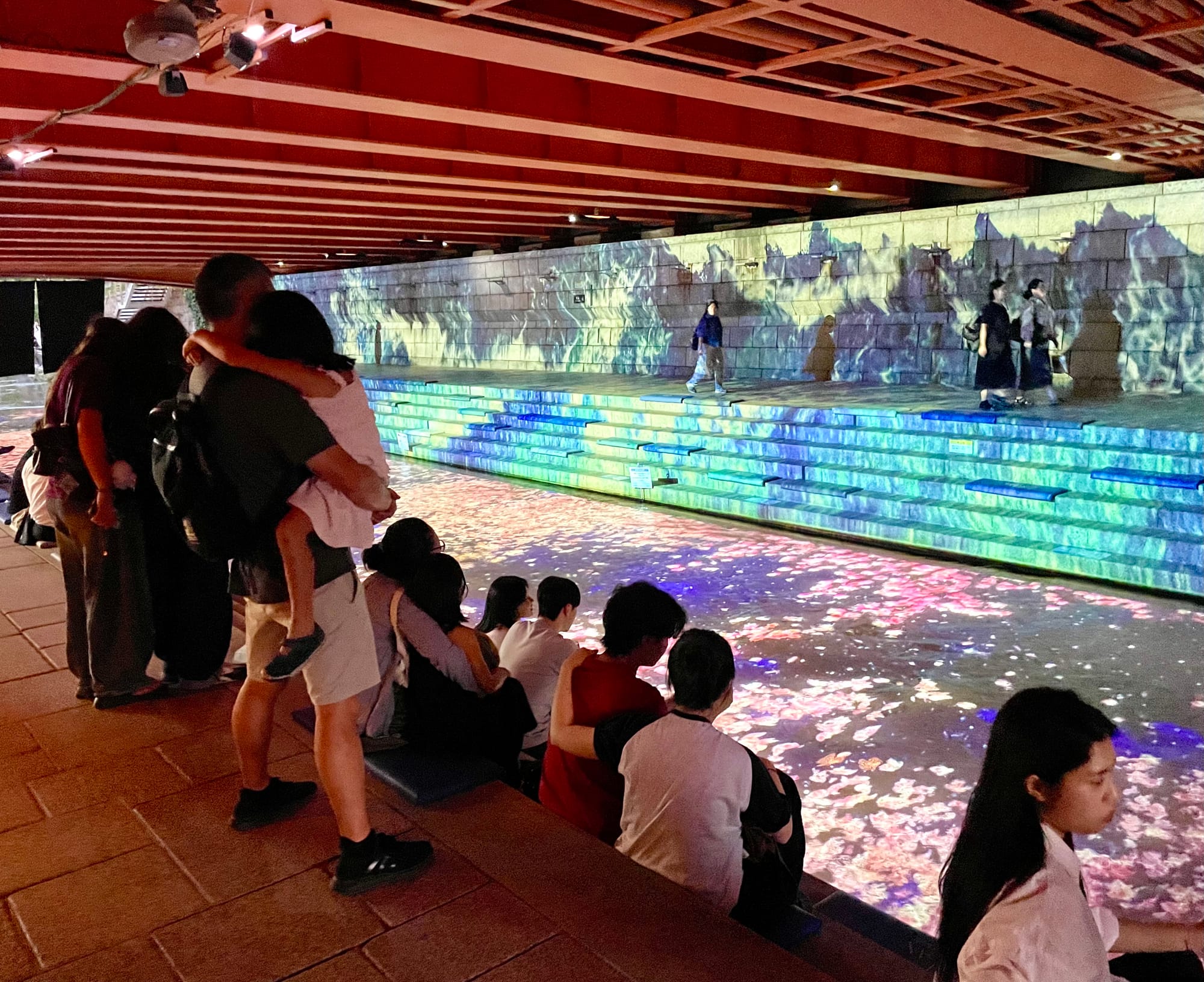
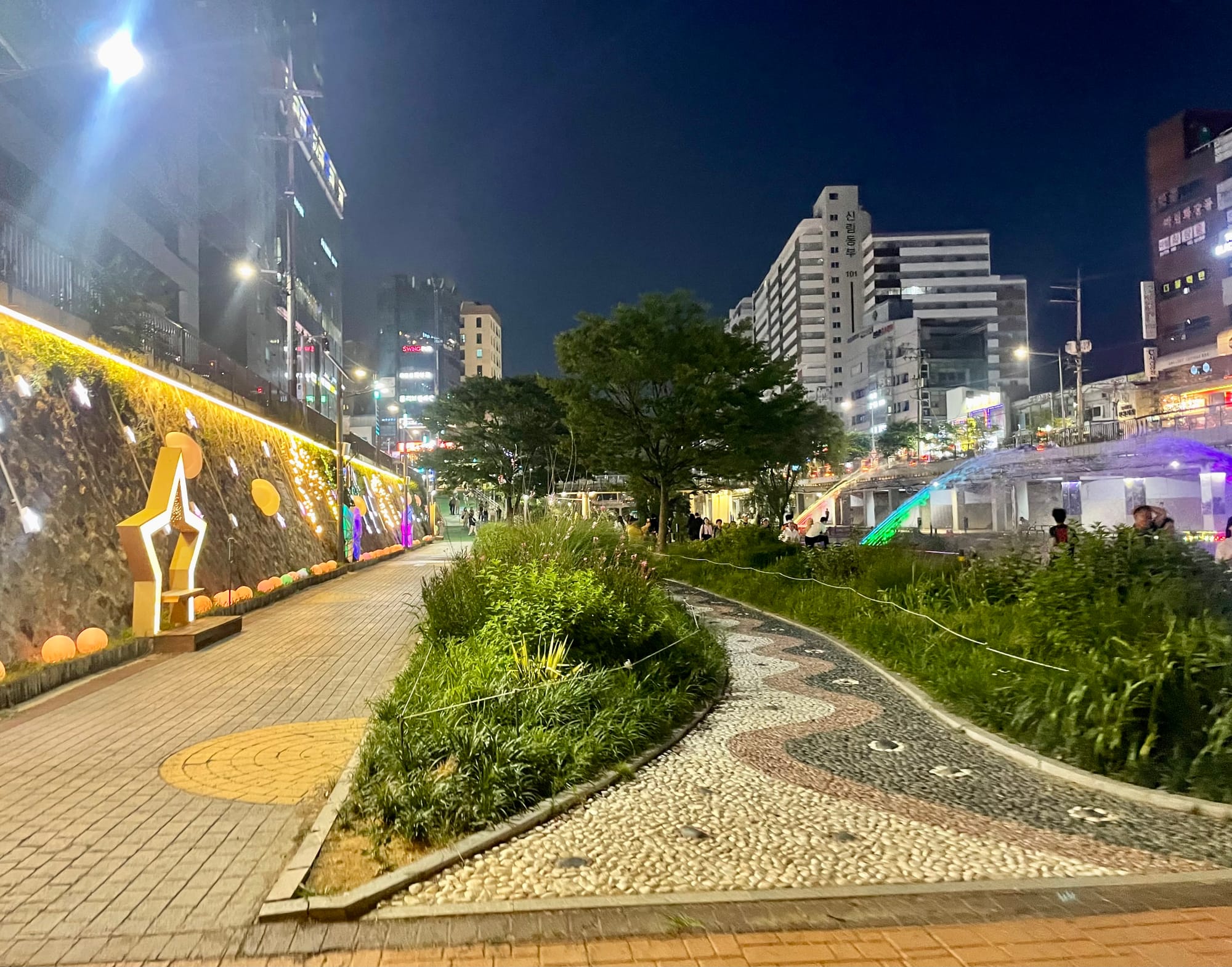
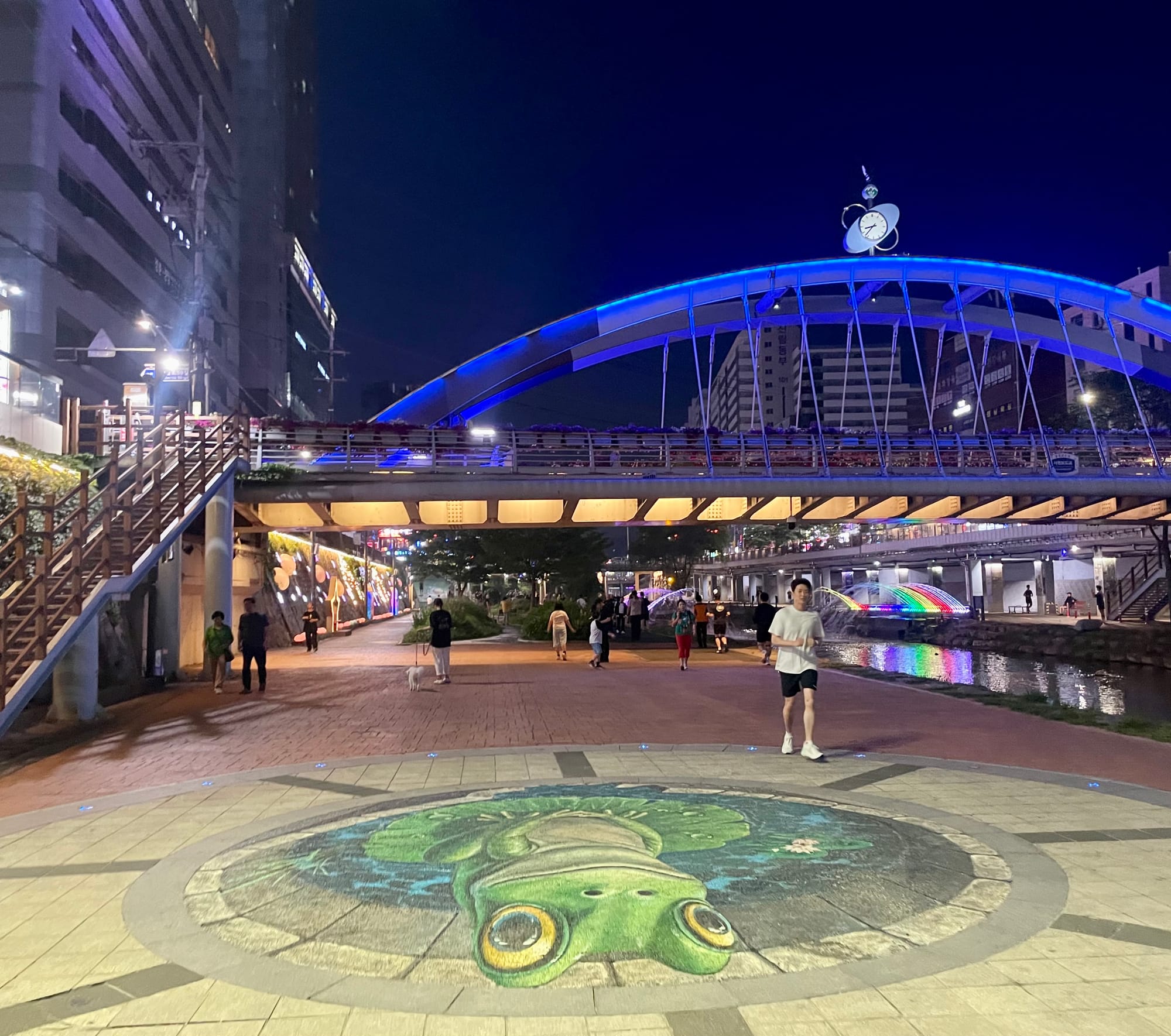
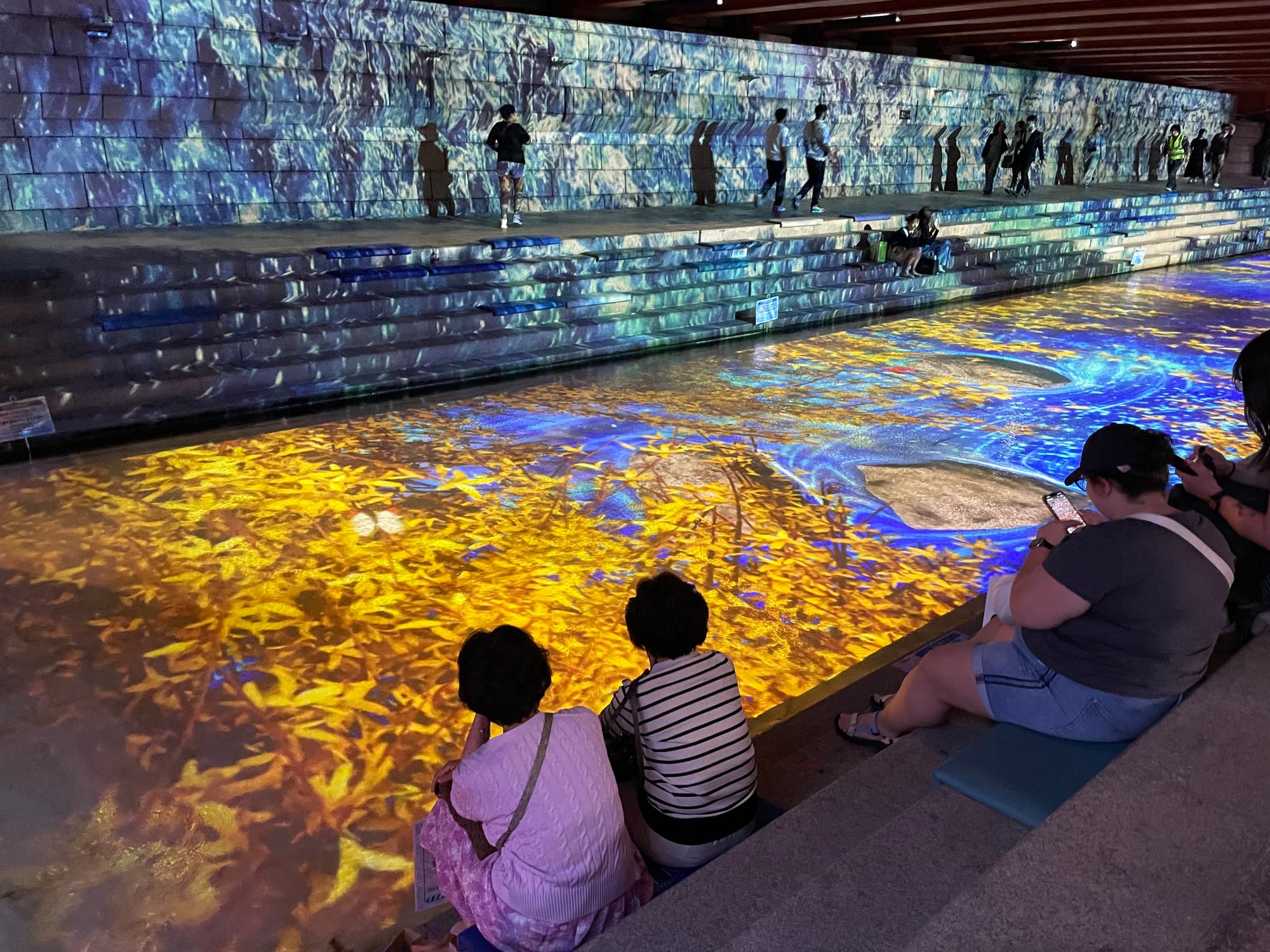
The waterways aren't just destinations to enjoy during the day. At night, the colorful lights turn on and a whole new atmosphere blossoms along the banks of the river. From fountain shows to interactive light art displays, a magical quality weaves through the waterfront and invites people to make memories at all hours.
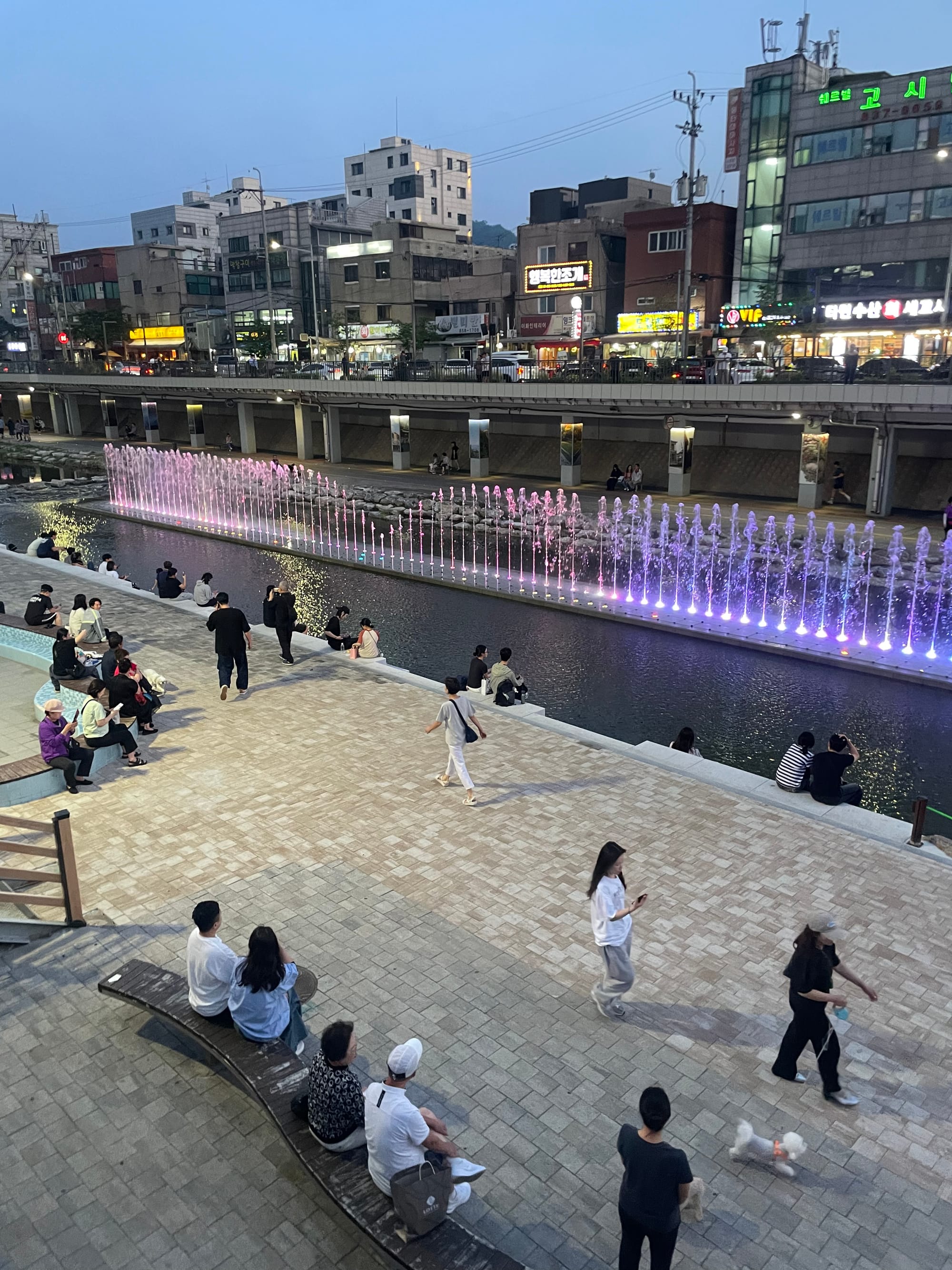
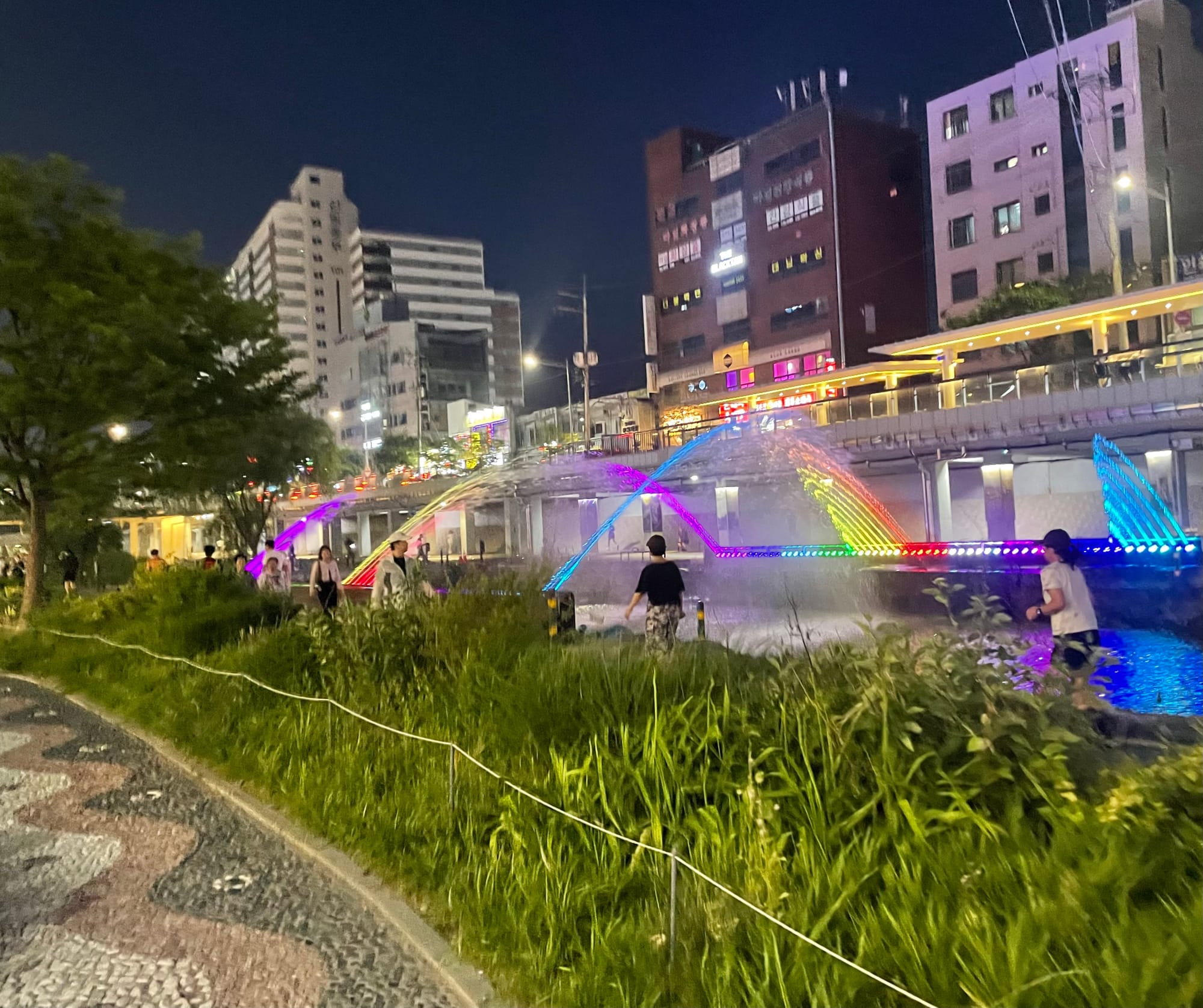
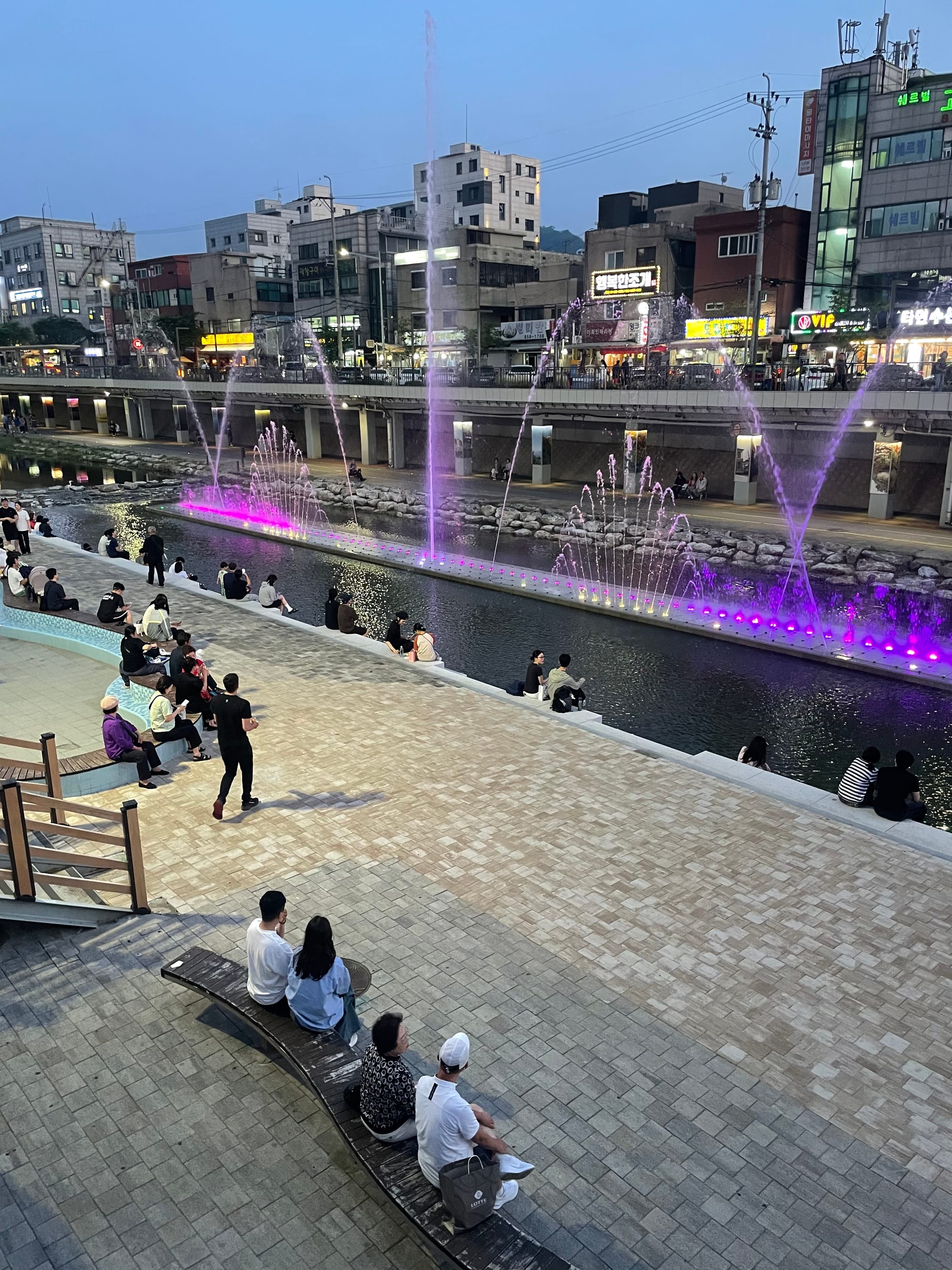
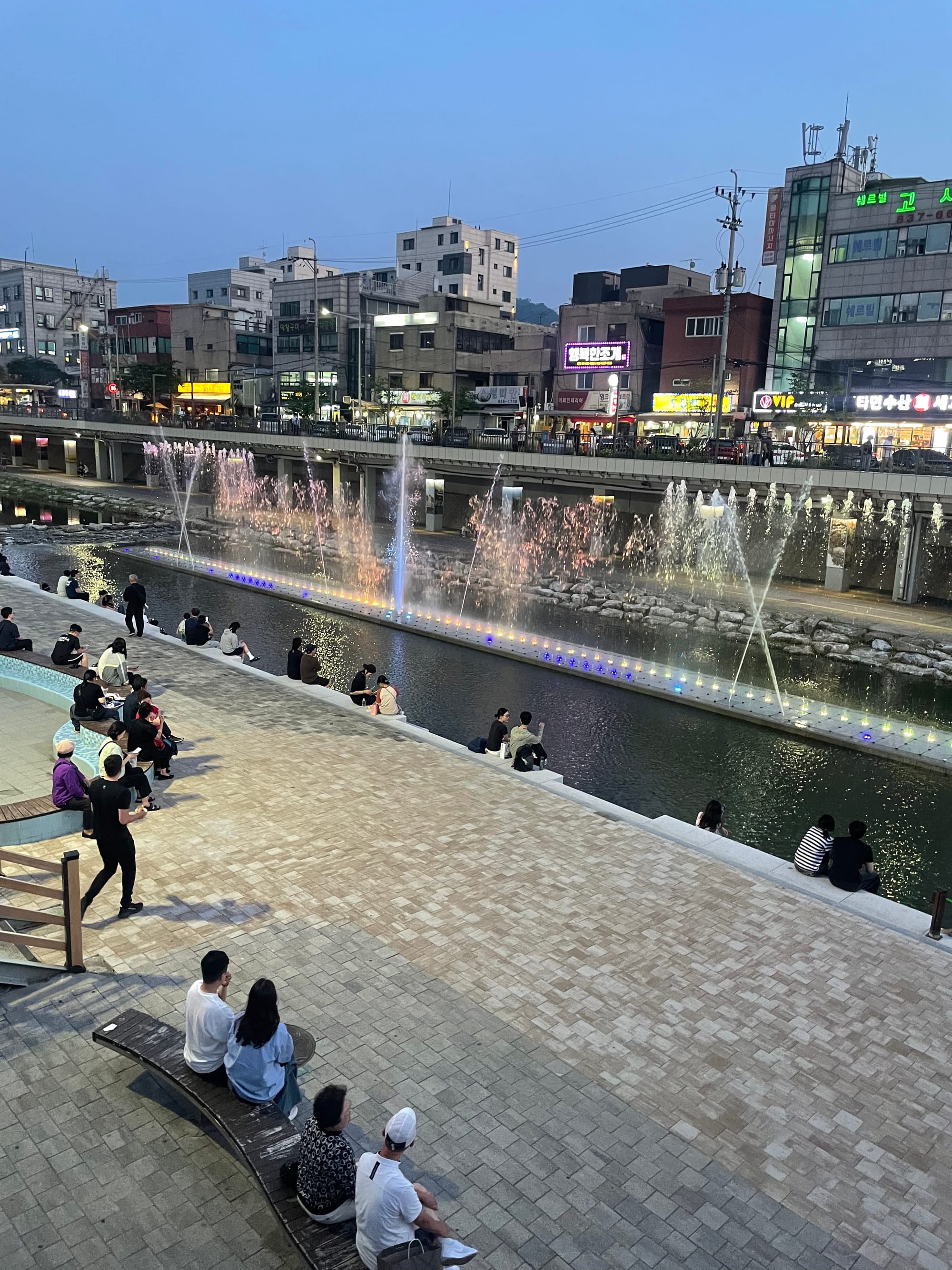
Fountain light shows
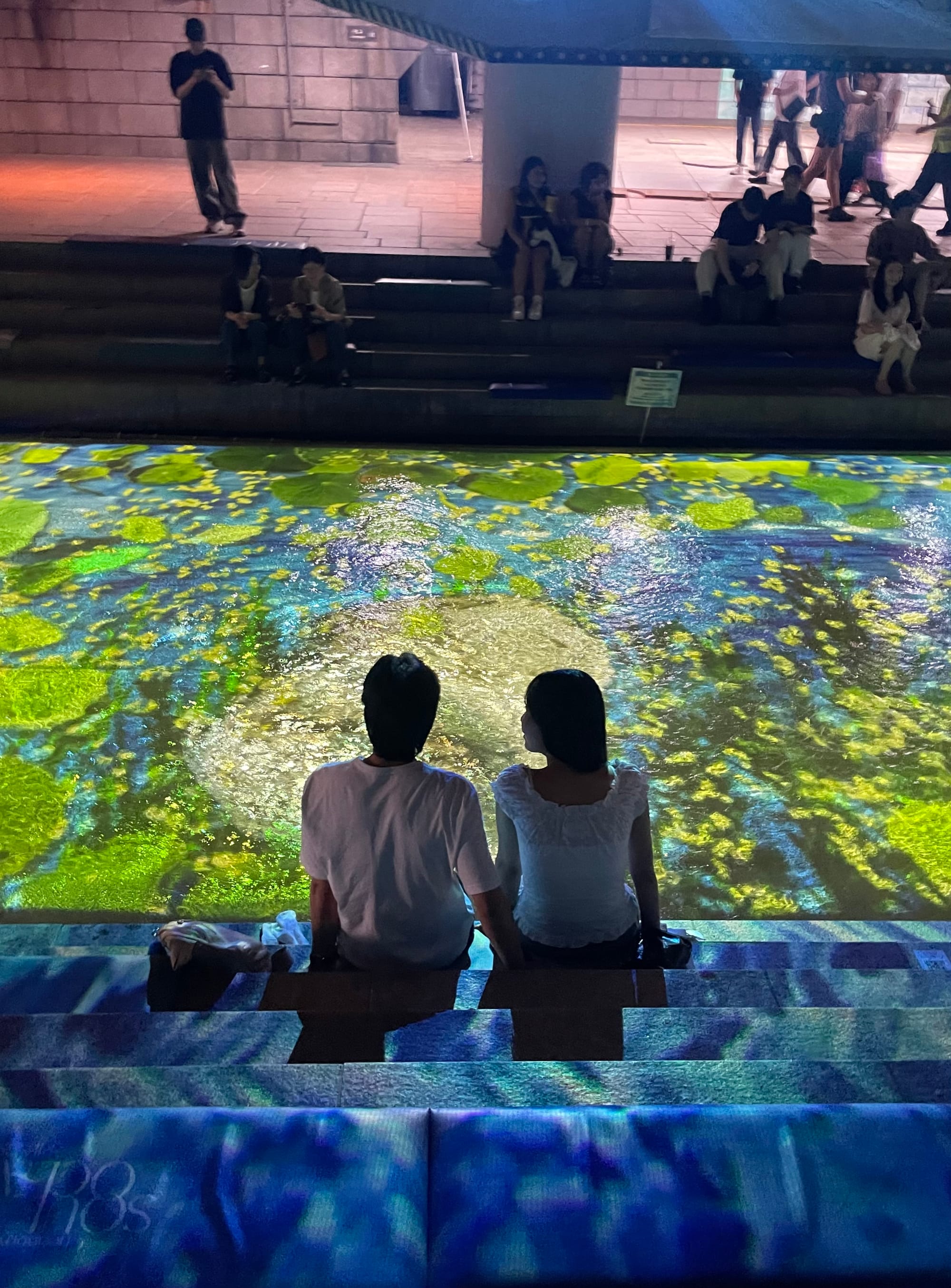
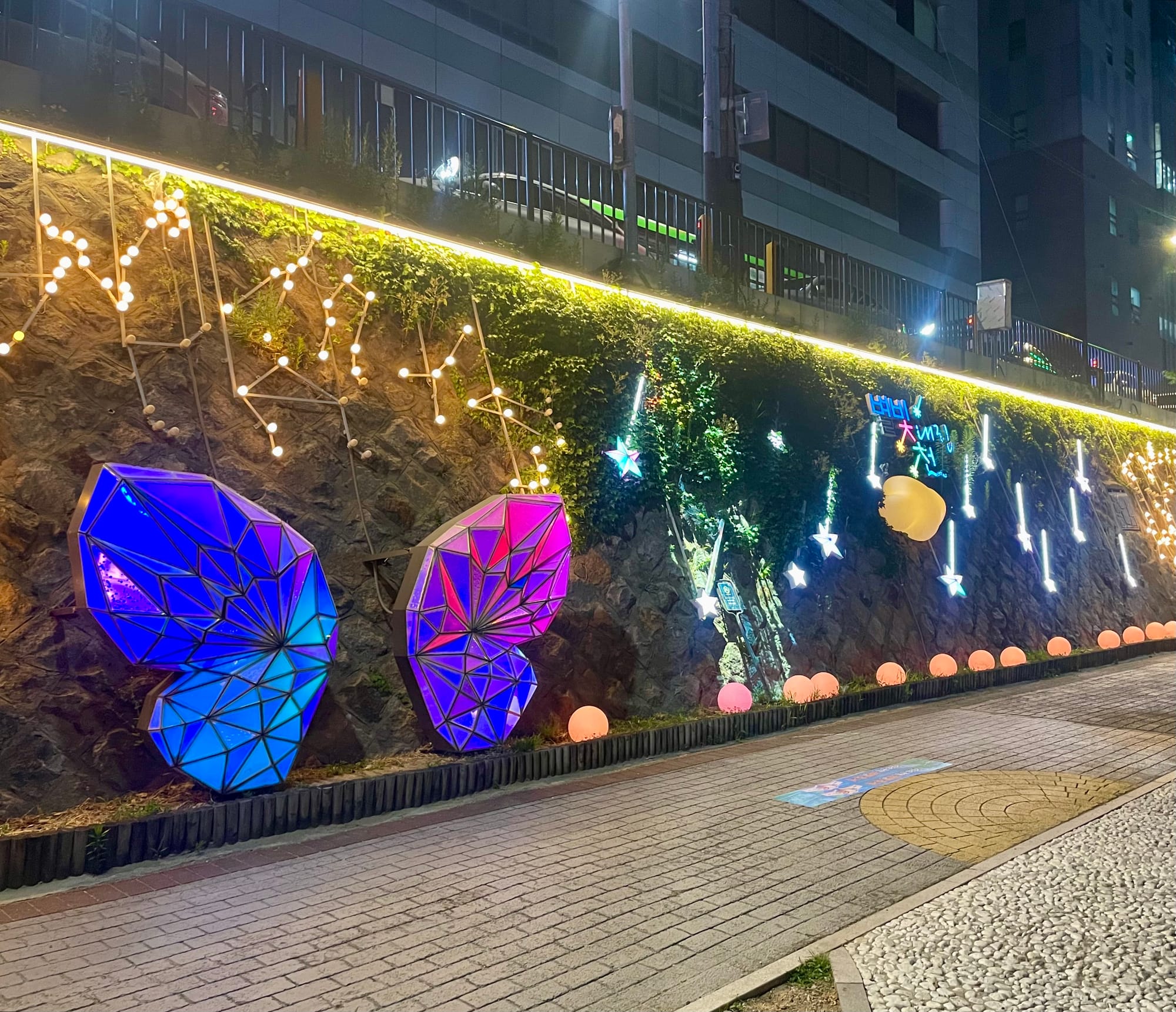
Illuminated features
Kyoto's Rivers - Highlighting Natural Beauty in the City
We find more fantastic waterways that preserve their natural feel in Kyoto, Japan where the river is the backbone of the city and narrow streams add charm and enchantment as they cut through neighborhoods. The vibrancy along the Kamo River's edges attracts people throughout the day and evening, guiding them to bridges that connect them to their neighbors on the other side of the water. Stores and cafes sit perched on stilts and overlook the views, giving the river banks a unique and mystical atmosphere, especially in the evening.
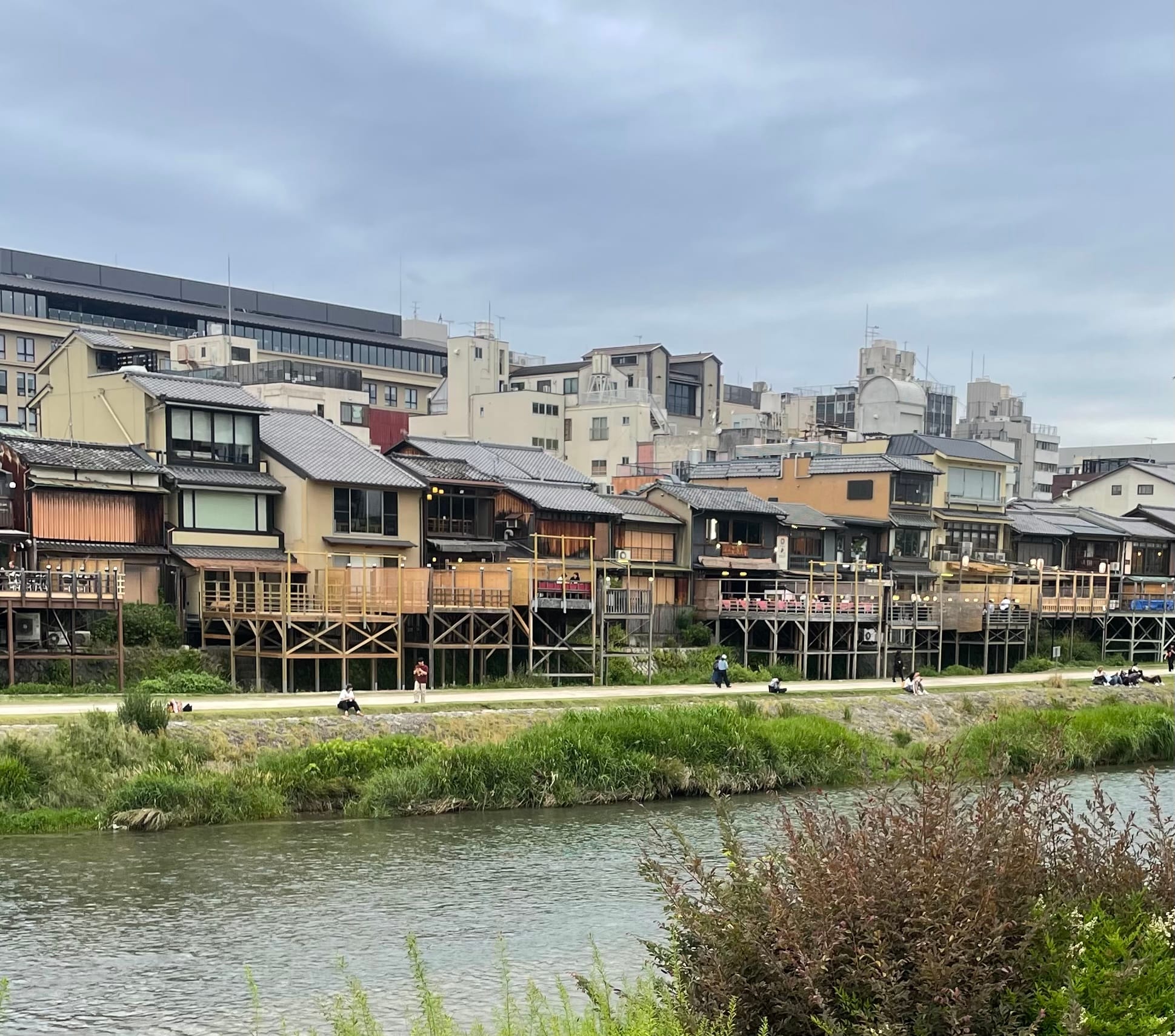
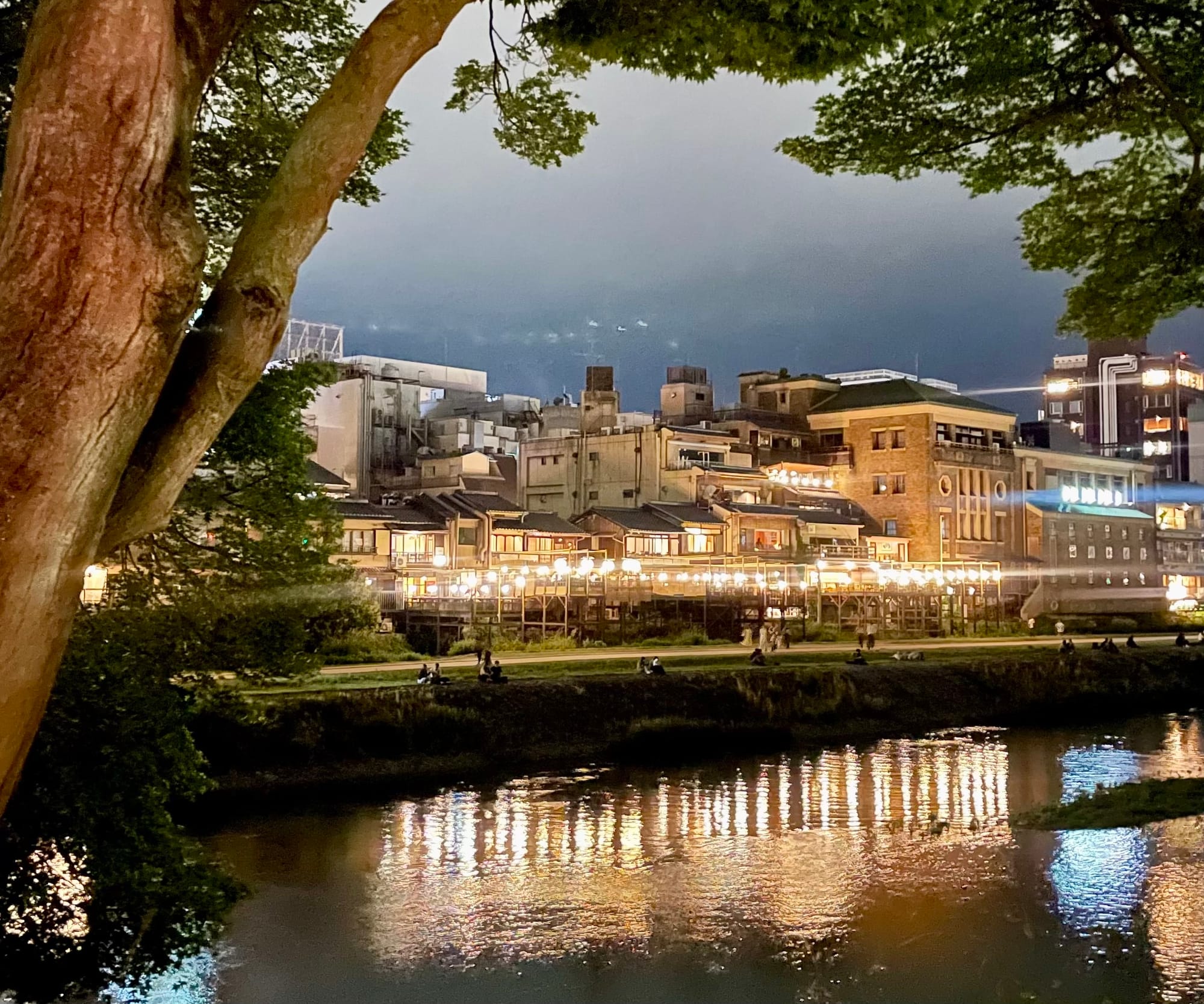
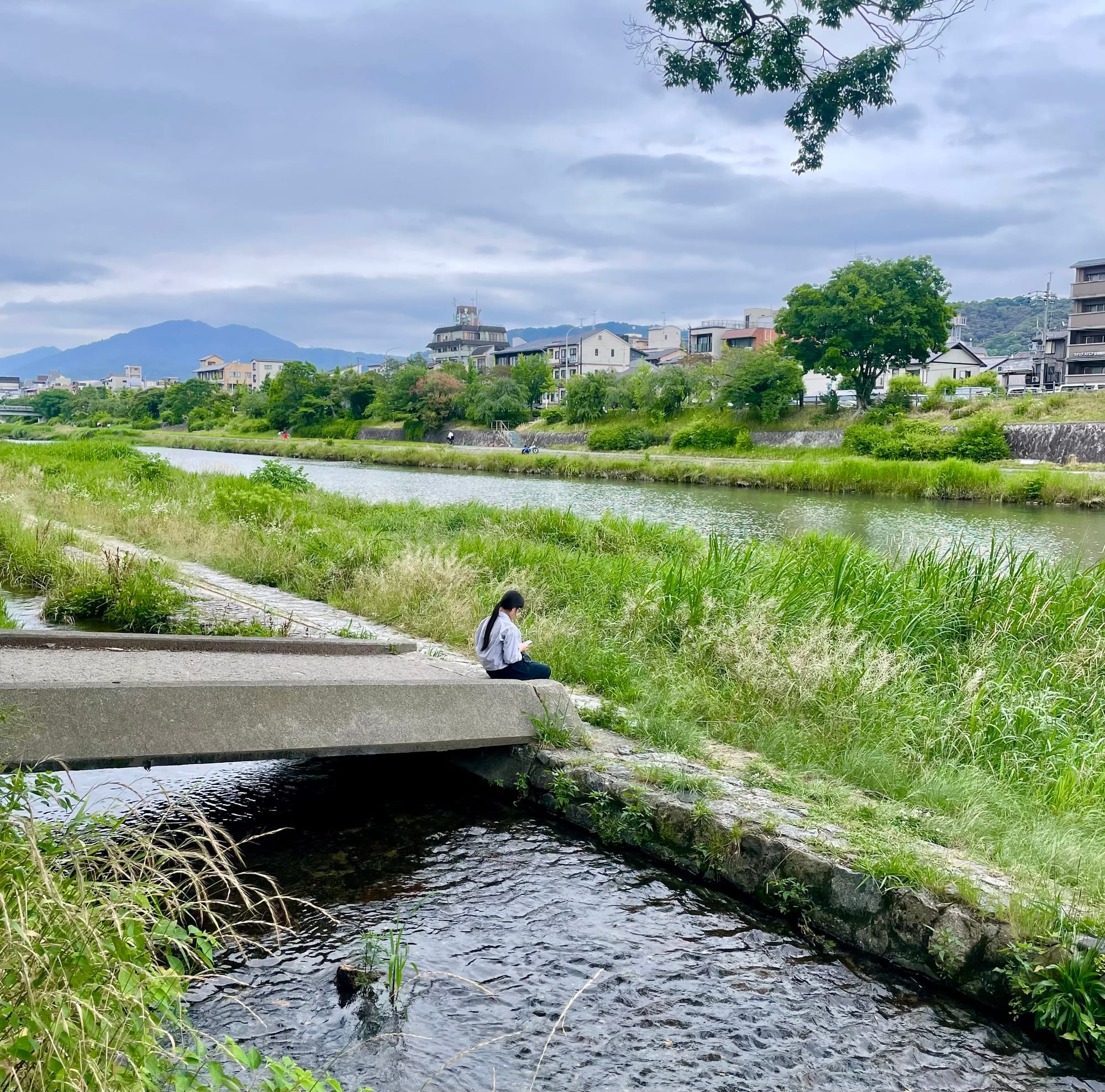
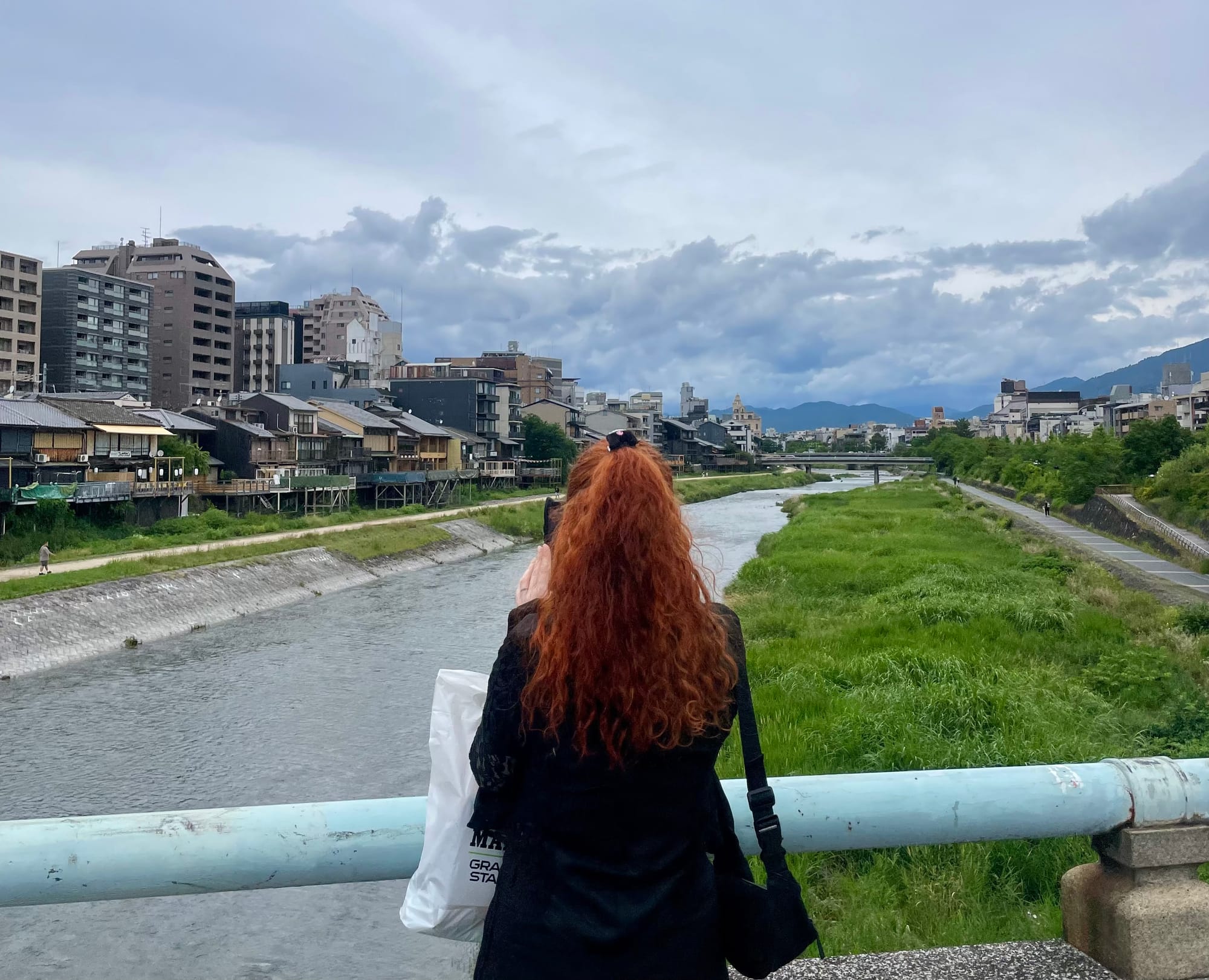
Because the water is so accessible, people are regularly interacting with the rivers and streams throughout the day – dipping their feet in, having picnics along the edges, even taking part in water fights. The rivers in Kyoto weave the natural world into people's day-to-day lives in a serene and beautiful way.
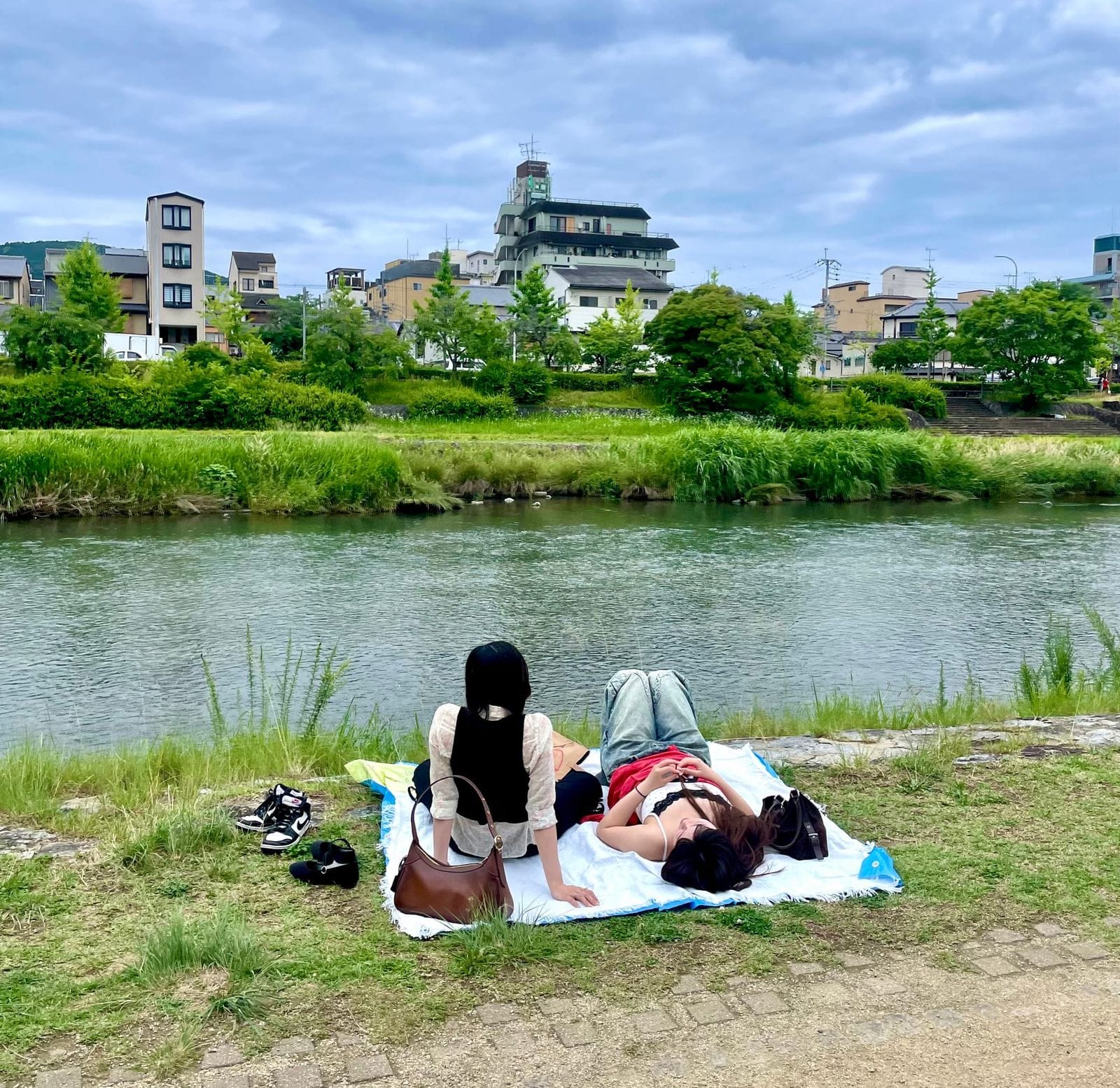
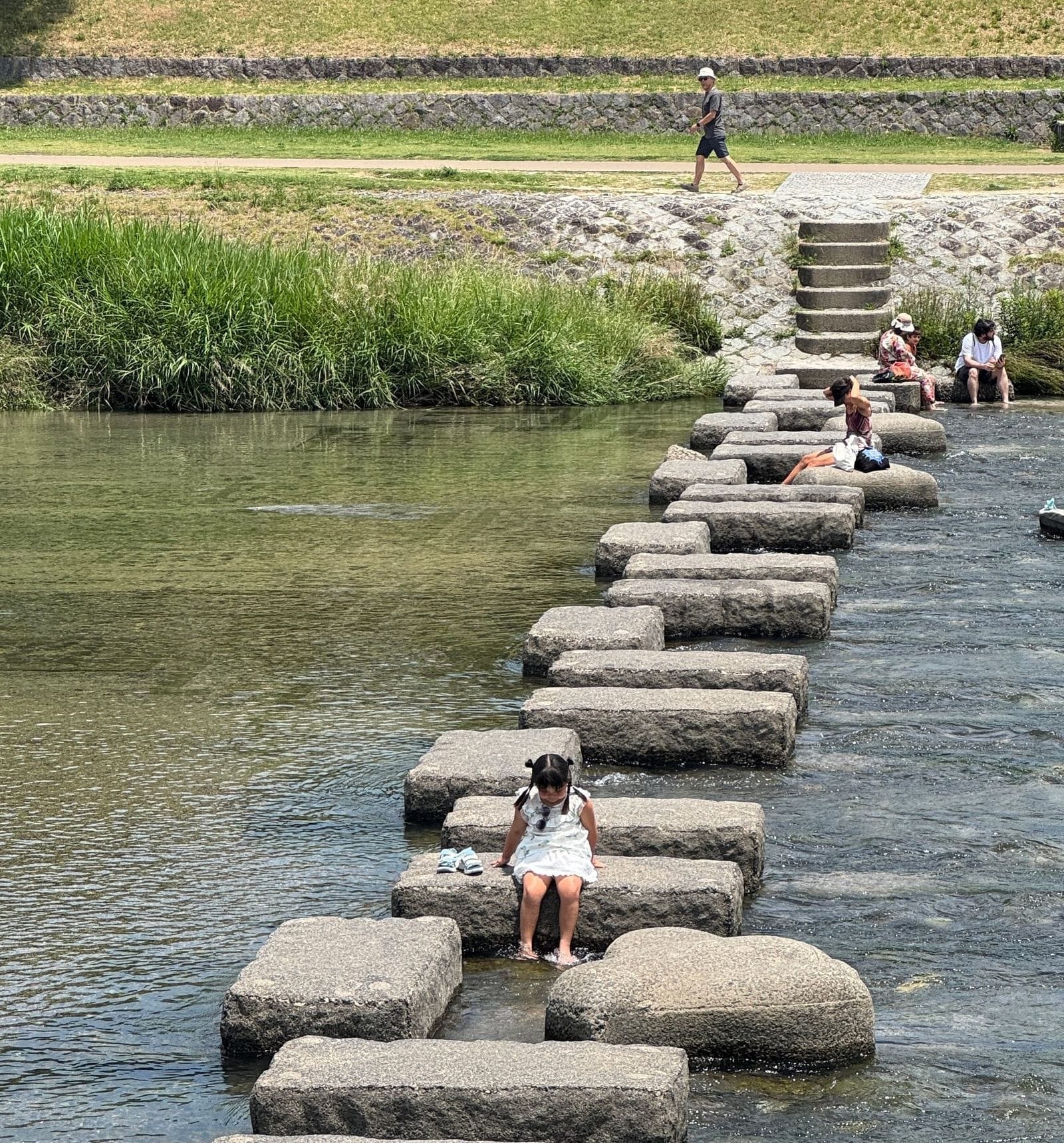
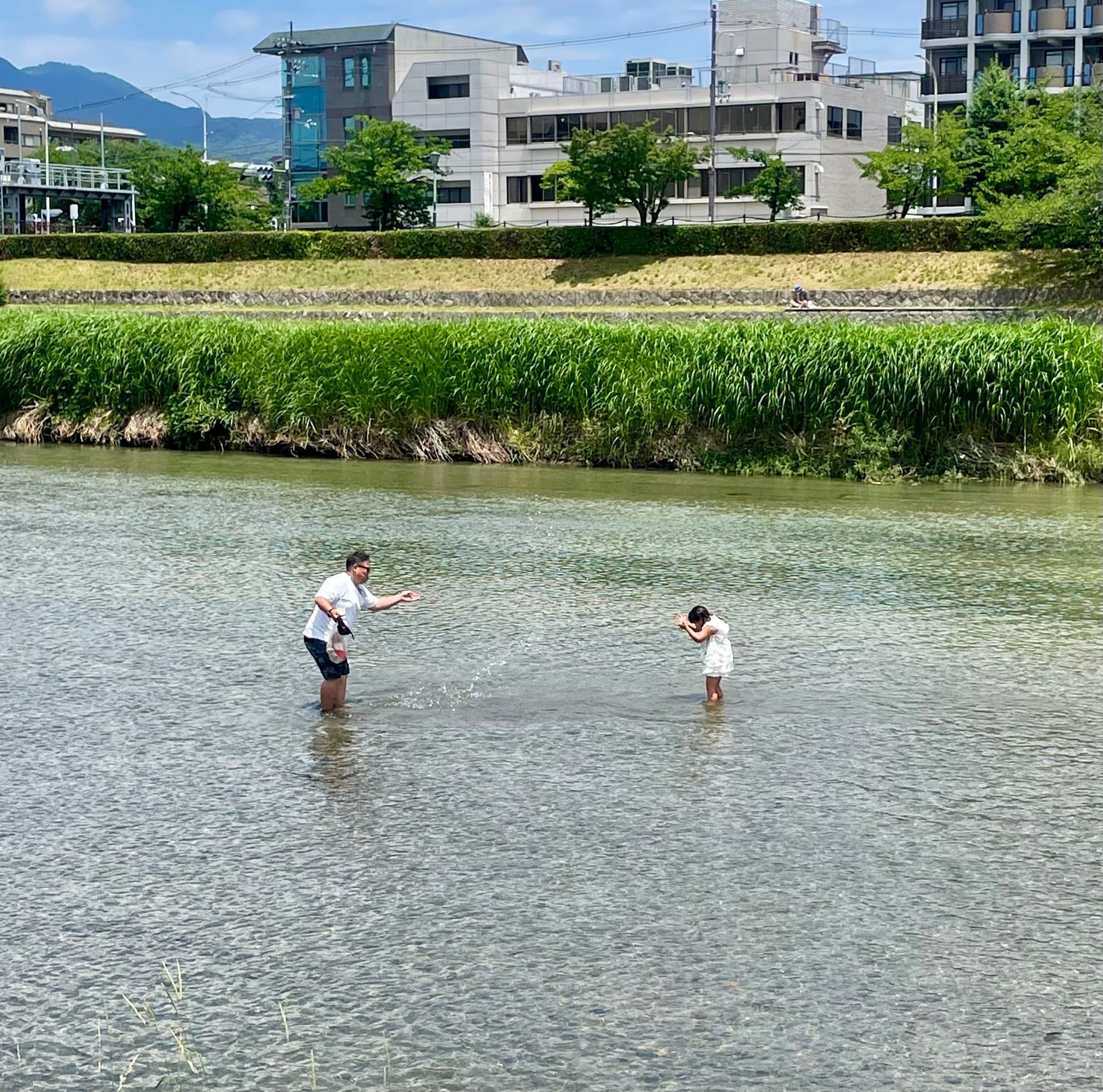
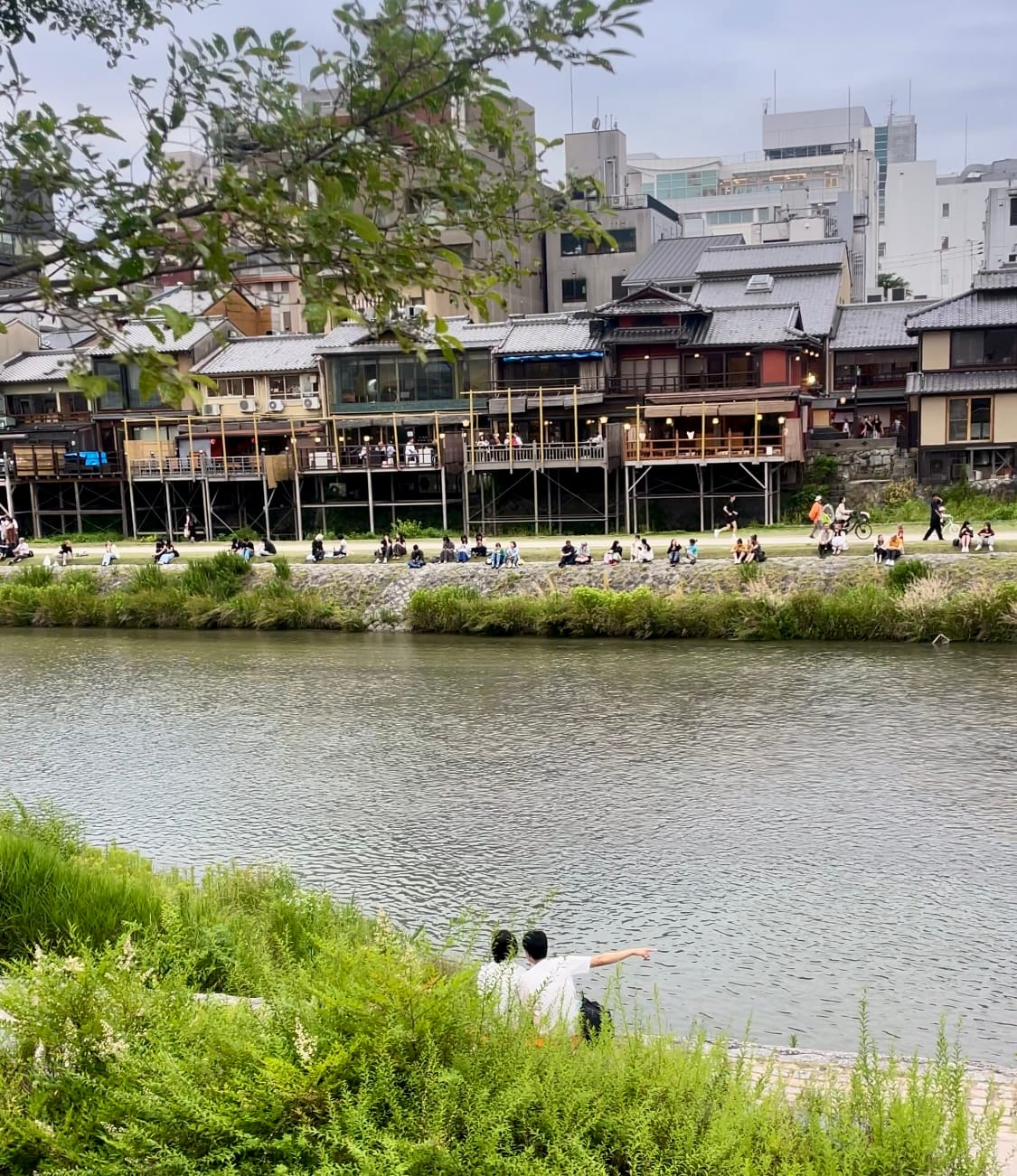
The narrower streams in the city feel like streets, moving along fish and floating leaves instead of cars. Instead of tires against pavement, they fill the air with the gentle sounds of water rippling and flowing, spreading a sense of tranquility throughout.
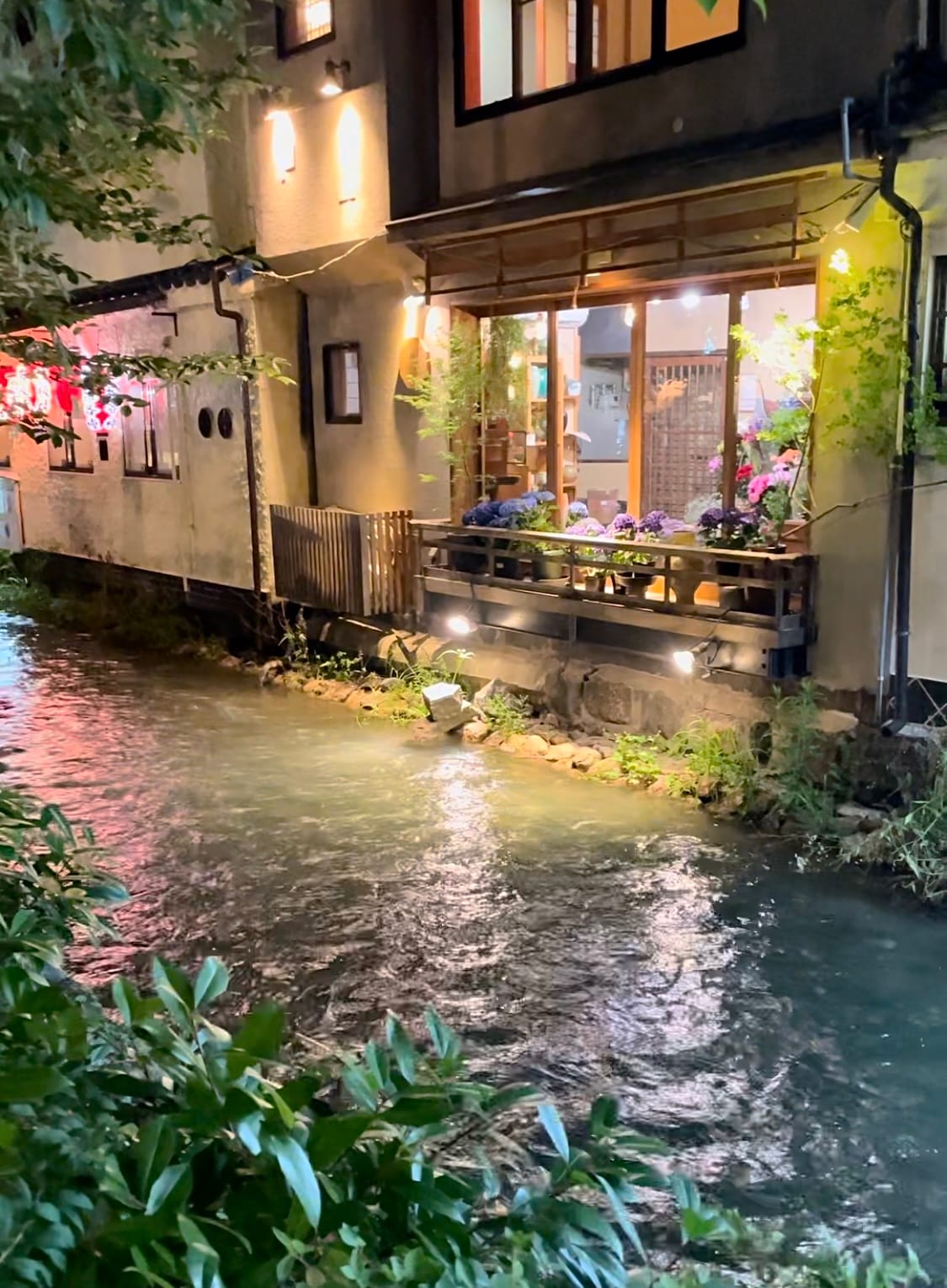
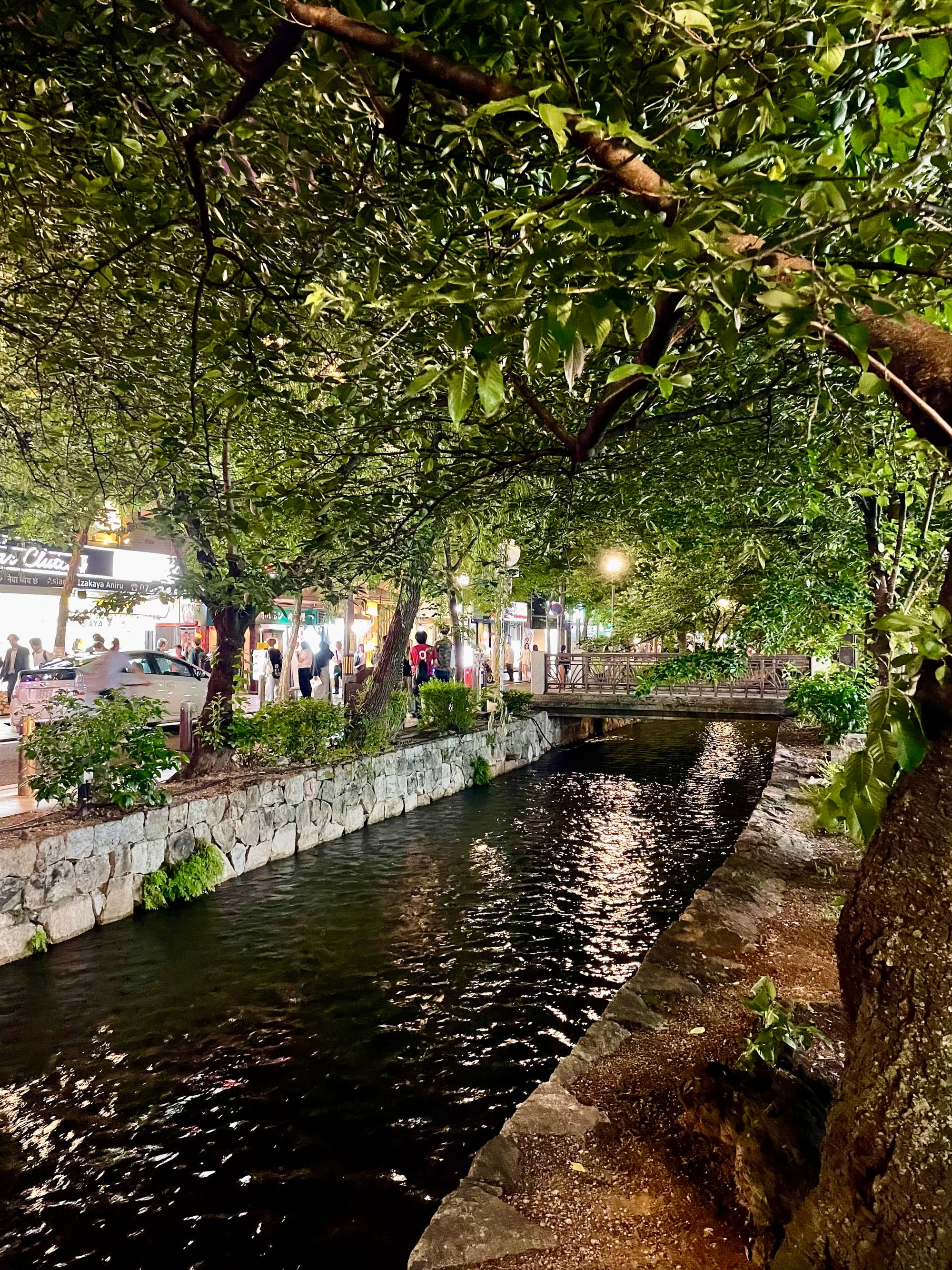
Amenities, cafes, and stores right against the water
Unlike in Seoul, the cafés and restaurants in Kyoto are pressed right up against the water. If you sit on one of the balconies and look down, you'll see into the depths of a stream and its various inhabitants peacefully gliding along. The connection this creates between people and nature truly revitalizes one's energy and instills a sense of peace, harmony, and j0y.
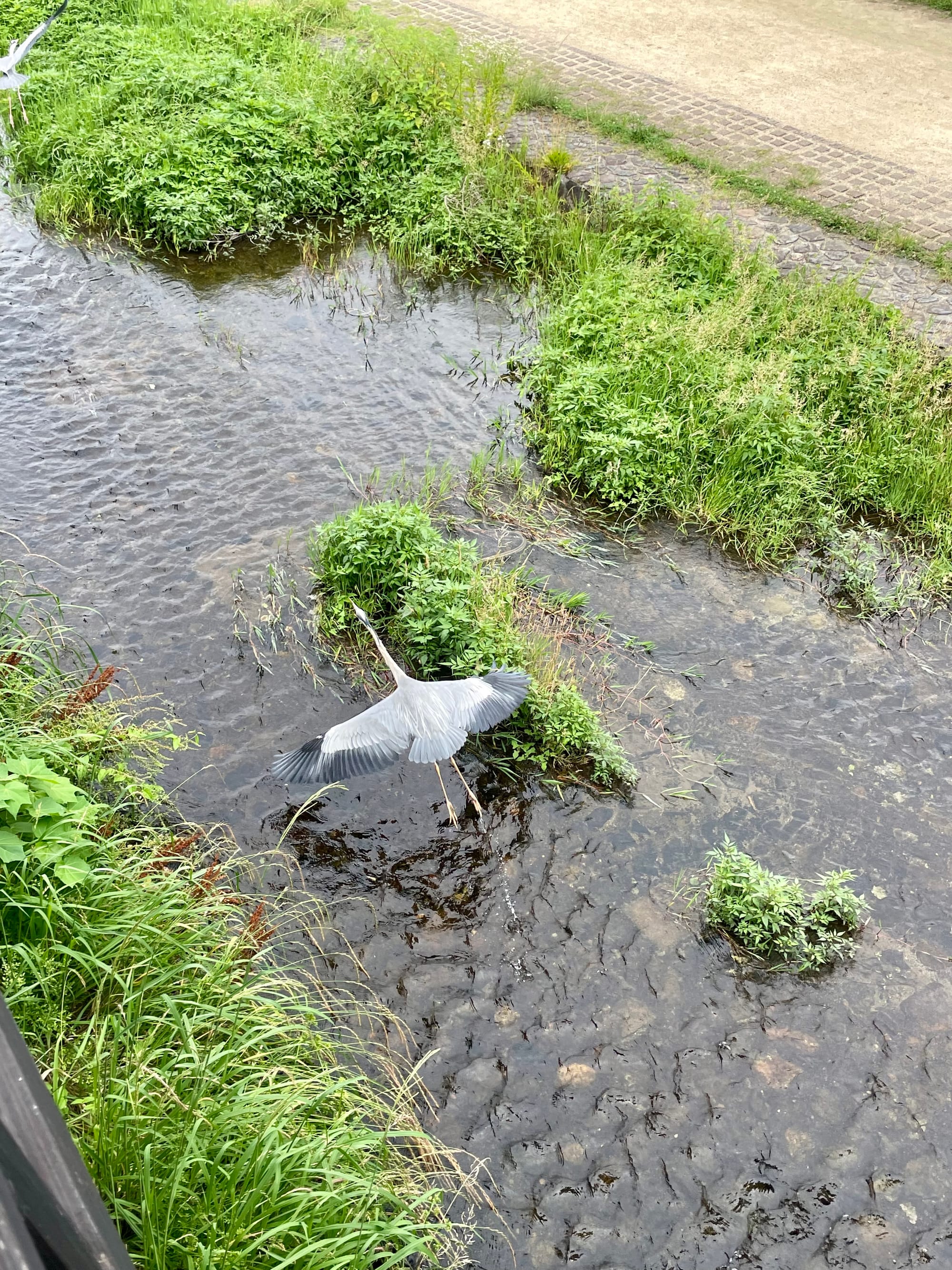
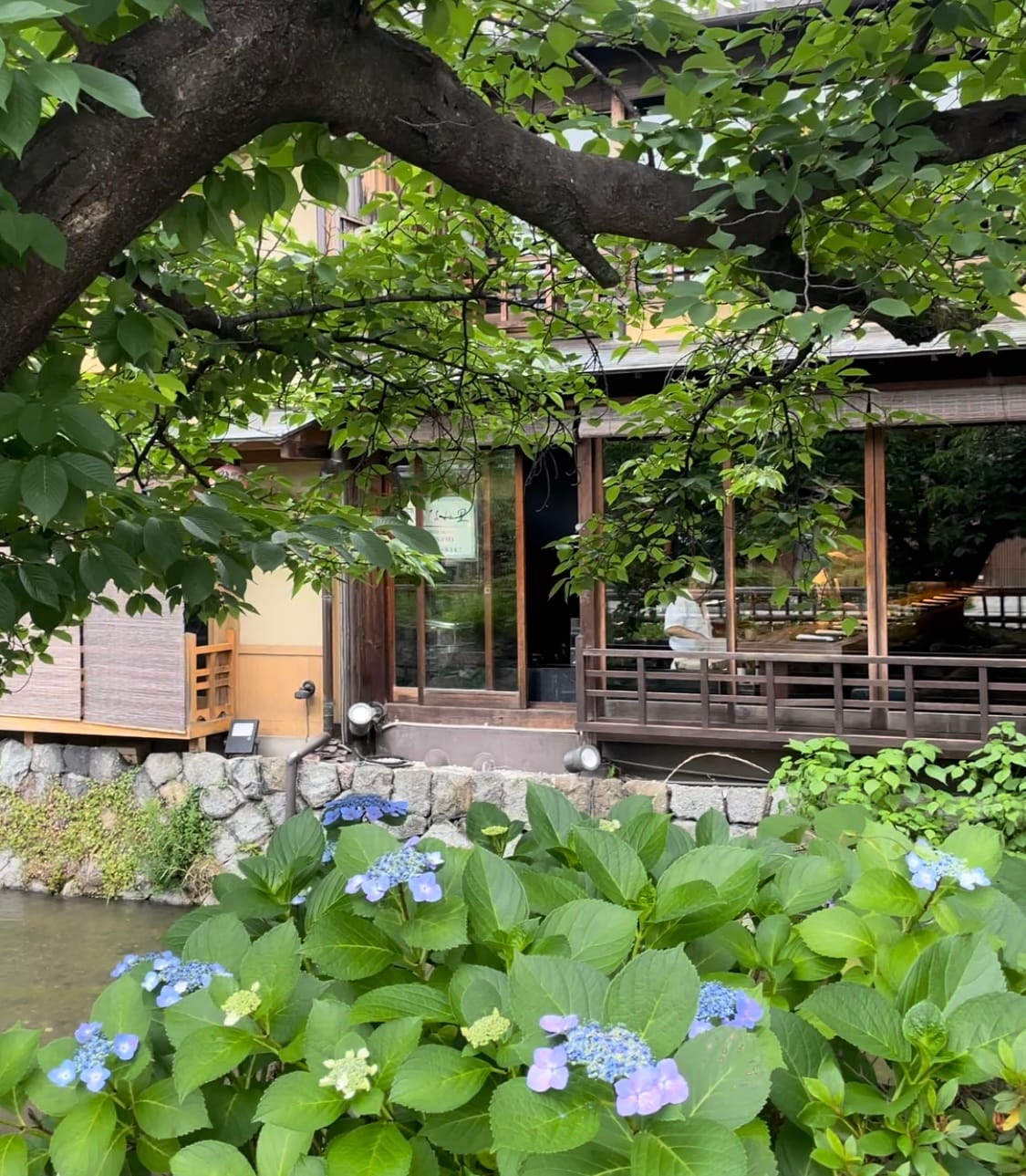
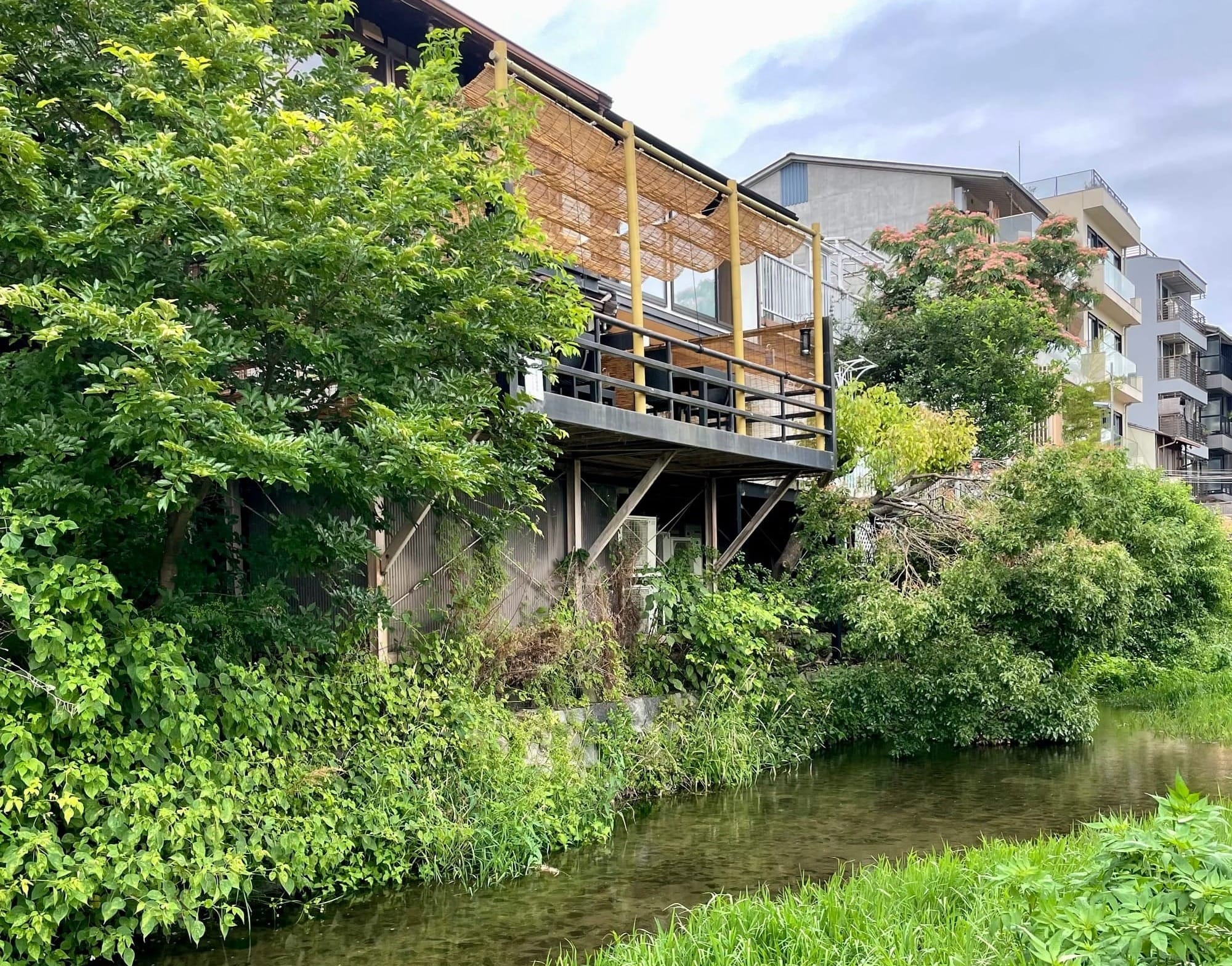
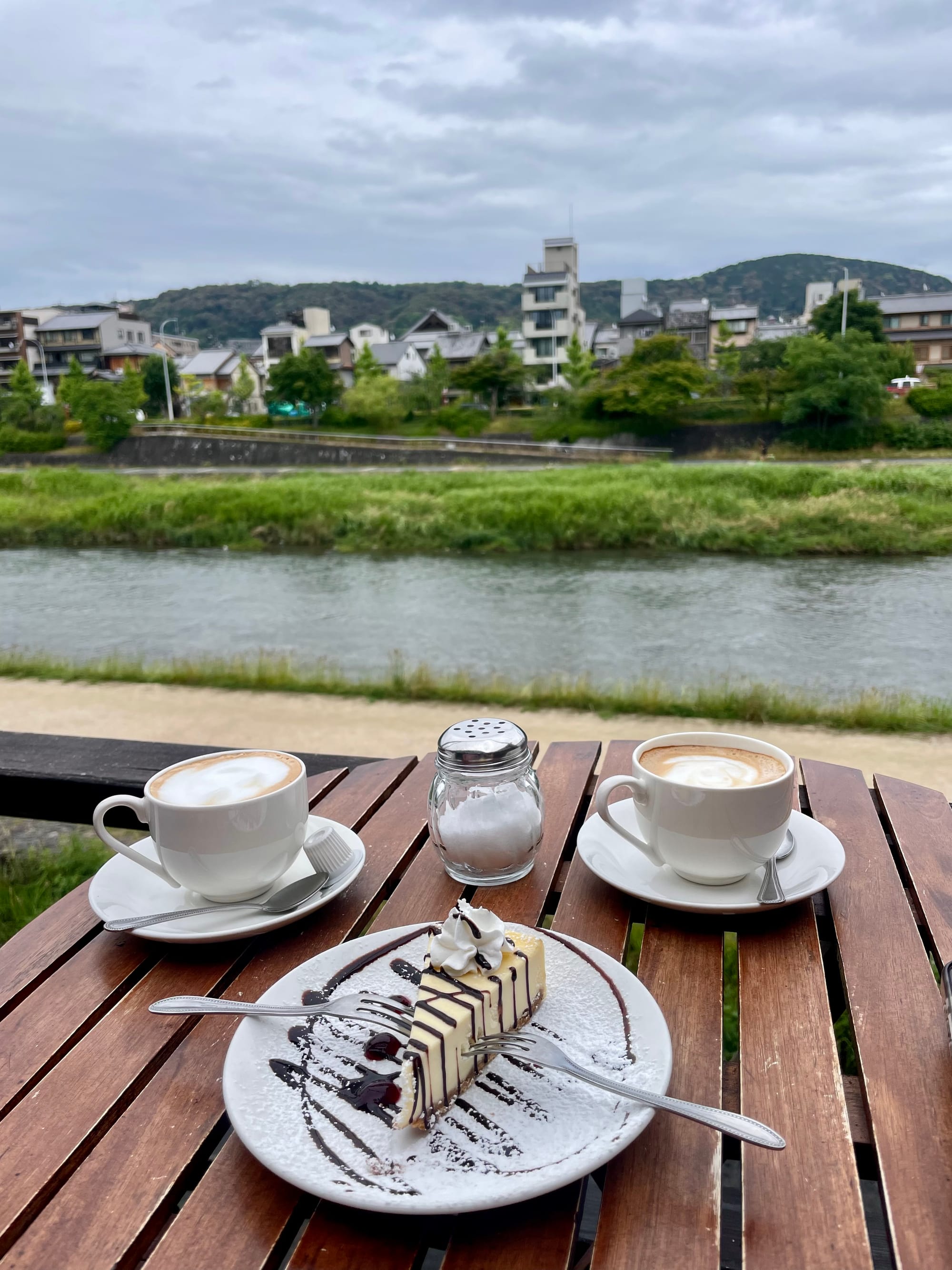
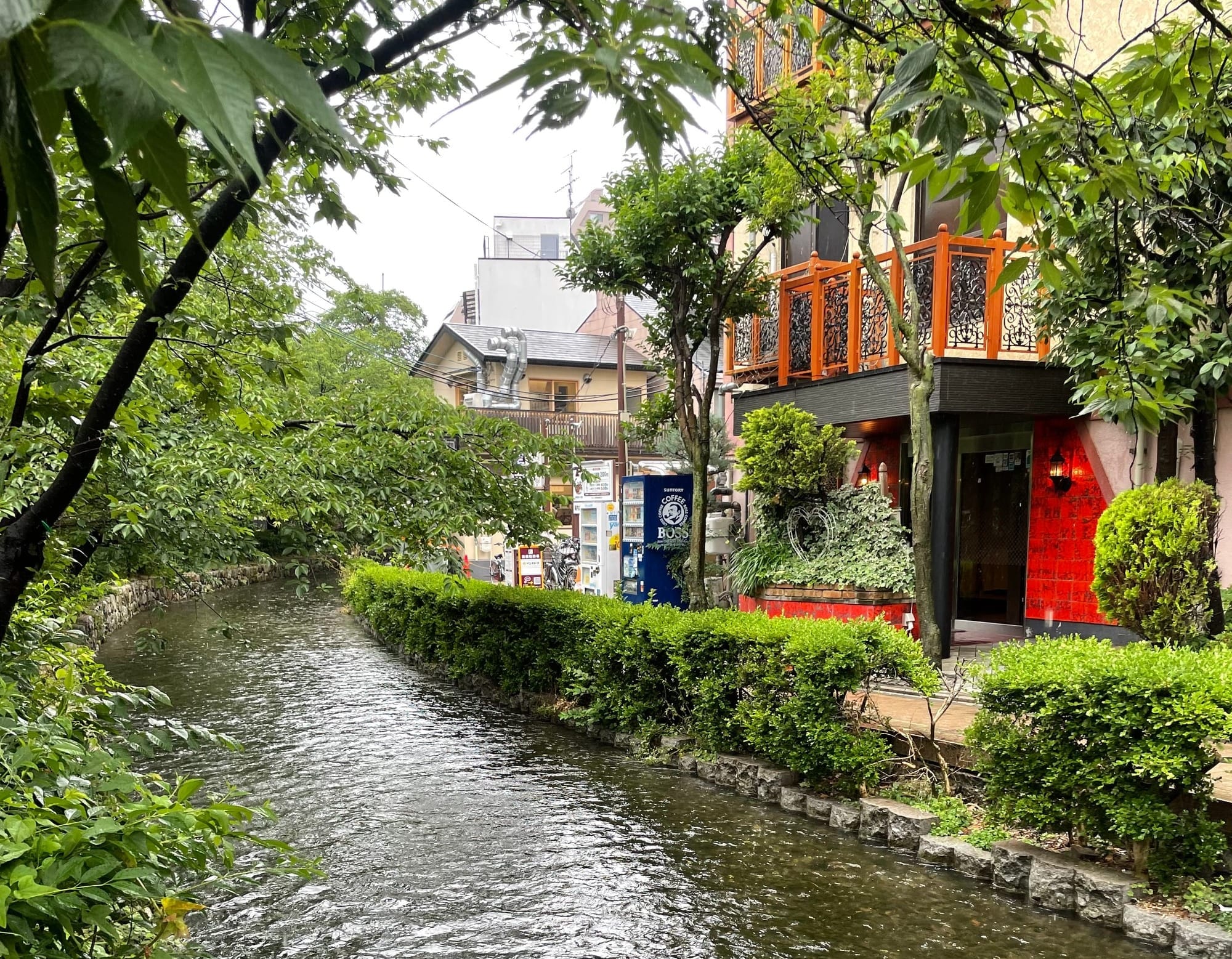
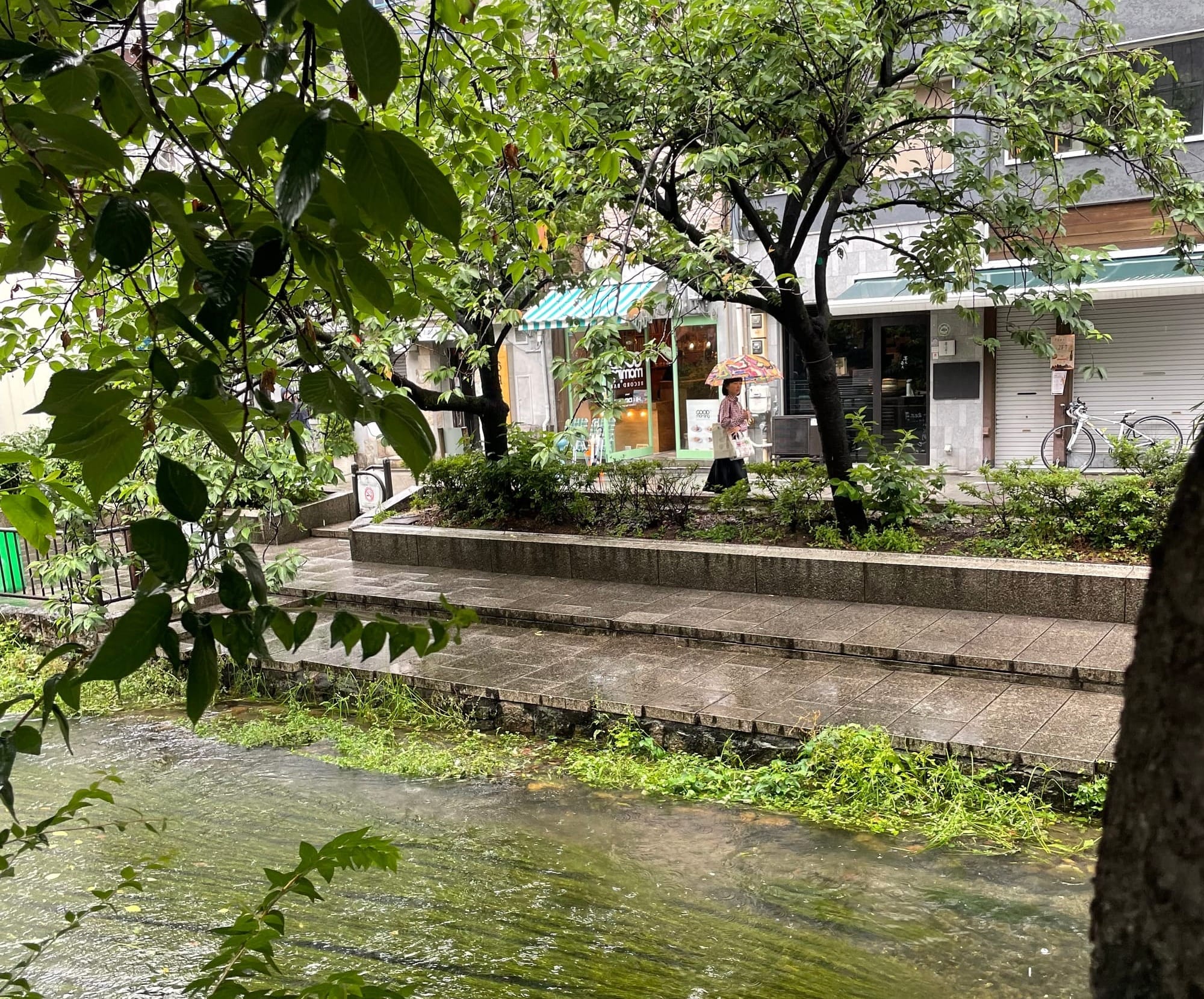
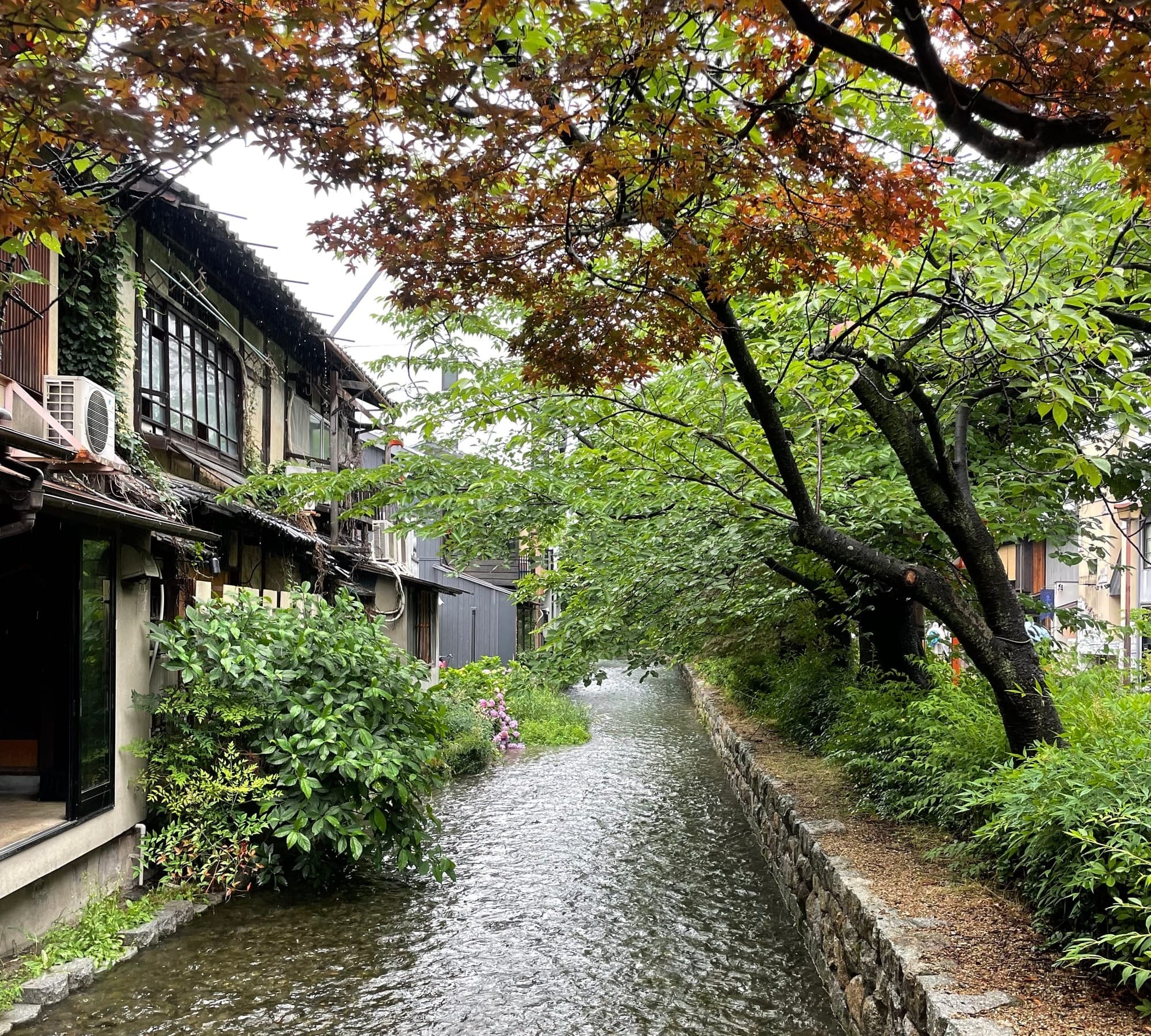
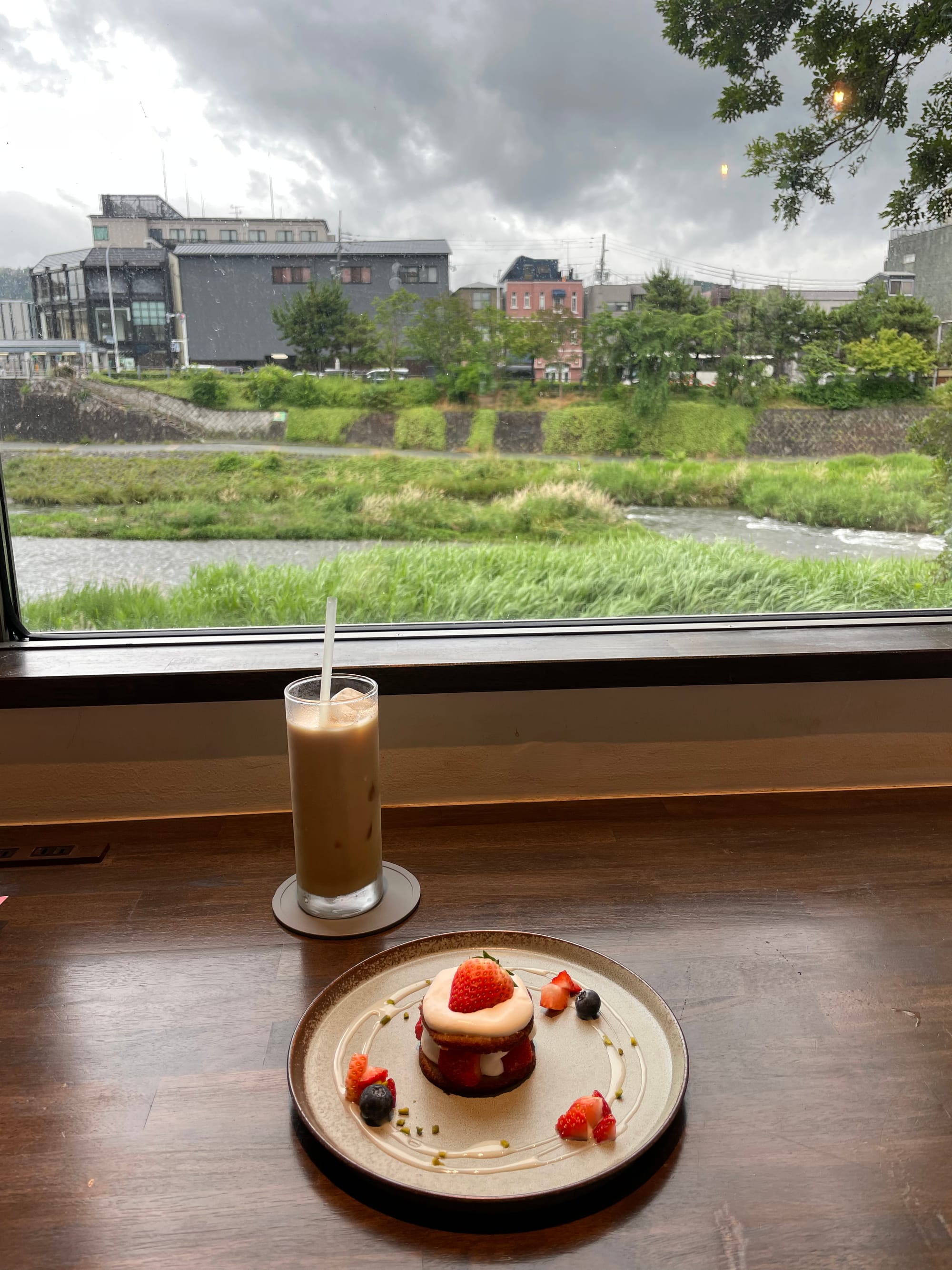
The rivers in Kyoto and the streams in Seoul show how integrating nature into the urban fabric enriches the experience of daily life. It turns the mundane into an adventure. While most people's day consists of going to the office, passing by the supermarket, and driving home, the day of someone living in touch with natural waterways like this involves picnicking at the water's edge, taking photoshoots of curious wildlife, sharing secrets under the cover of bridges, watching interactive light art shows, taking part in enriching programming on the river banks, and laughing under waterfalls. If we had rivers instead of streets, life could be a lot more whimsical, beautiful, and fun, not to mention quieter, healthier, and more environmentally friendly. Seoul and Kyoto have paved the way, or rather unpaved it so that nature can shine.
Related Articles
 Fred Kent
 Fred Kent
 Fred Kent
 Fred Kent
If you are interested in collaborating (articles, presentations, exhibits, projects, and more) or supporting the cause contact us.