The catalytic power of focal points, amenities, and programming
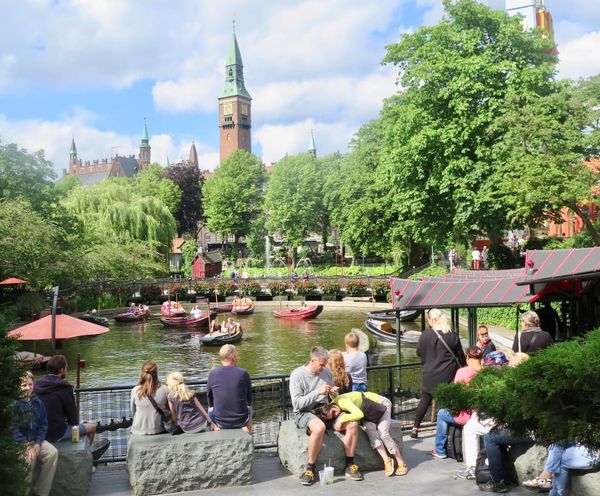
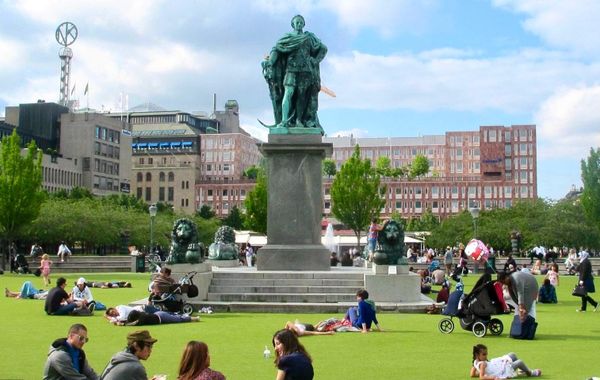
To inspire people to leave their homes and go outside, a city needs destinations that attract foot traffic, business activity, and social life. A destination is somewhere people like to end up after taking a walk or a bike ride – somewhere they linger and spend time, have a drink or do an activity, gather with friends and attend an event. Such places are the pillars of public life. They can include public squares, main streets, parks, cultural buildings, and more.
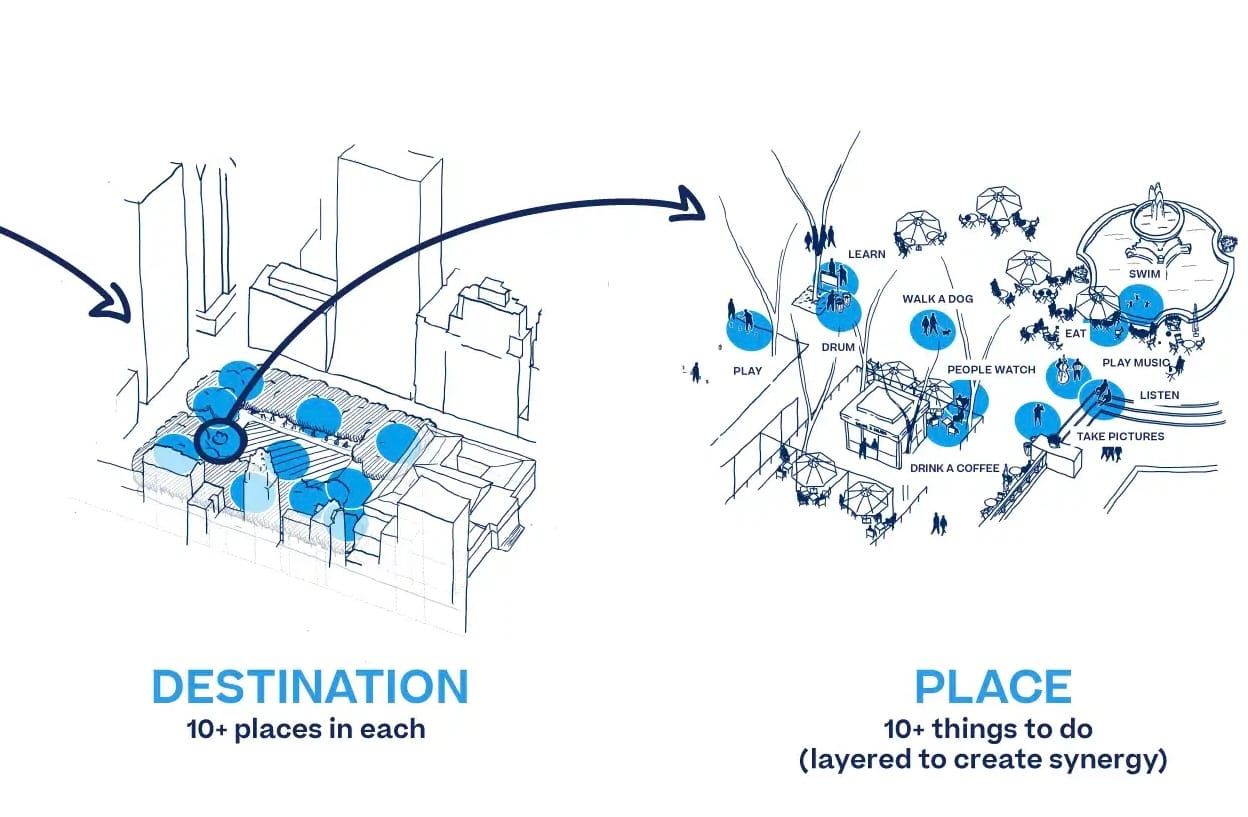
But when we get down to brass tacks, people often wonder – how many of these destinations do we need to make a great district, a great city? And what should be going on in each of them? To answer these questions, we in the Placemaking movement have developed The Power of 10+ concept. It states that every good place should have at least 10 things to do within it – 10 or more reasons that people would want to spend time there. In a larger destination like a park, there should be 10+ such places. In a larger district or city, 10+ such destinations. Put another way: a city needs 10 destinations, a destination needs 10 places, and a place needs 10 things to do. This layering creates a critical mass of activity that effectively revitalizes an area.
If too little is going on in a place, people will get bored quickly and leave. In our decades of experience creating great public spaces, we have found that 10 uses and activities is a sweet spot for igniting a sense of dynamic vibrancy in a place. We developed this concept in the early 2000s when Mimi Gates, the director of the Seattle Art Museum, asked us how many focal points or activities were needed on the museum grounds in order to make it more inviting. We told her 10, and that number stuck, proving to be a key guideline in re-energizing a variety of public spaces around the world.
Bryant Park is another great example of The Power of 10+ concept put into practice. It is a destination full of energy and activity because it has 10+ places within it with 10+ things happening in each. In the diagram below, the yellow circles indicate some of the main places, each playing host to 10+ uses and activities.
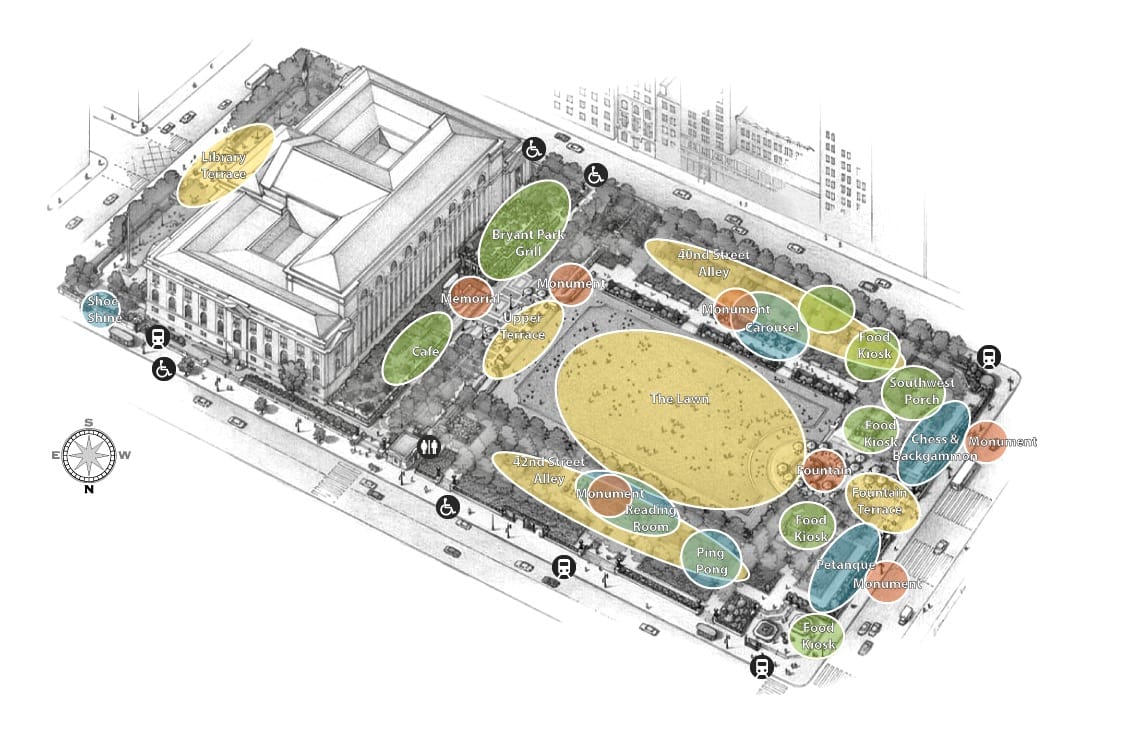
The yellow circles here indicate a few of Bryant Park's 10 "places," each playing host to 10+ uses and/or activities
In the far right panel below, you can see an example of how one of these places is activated with 10+ uses and activities.
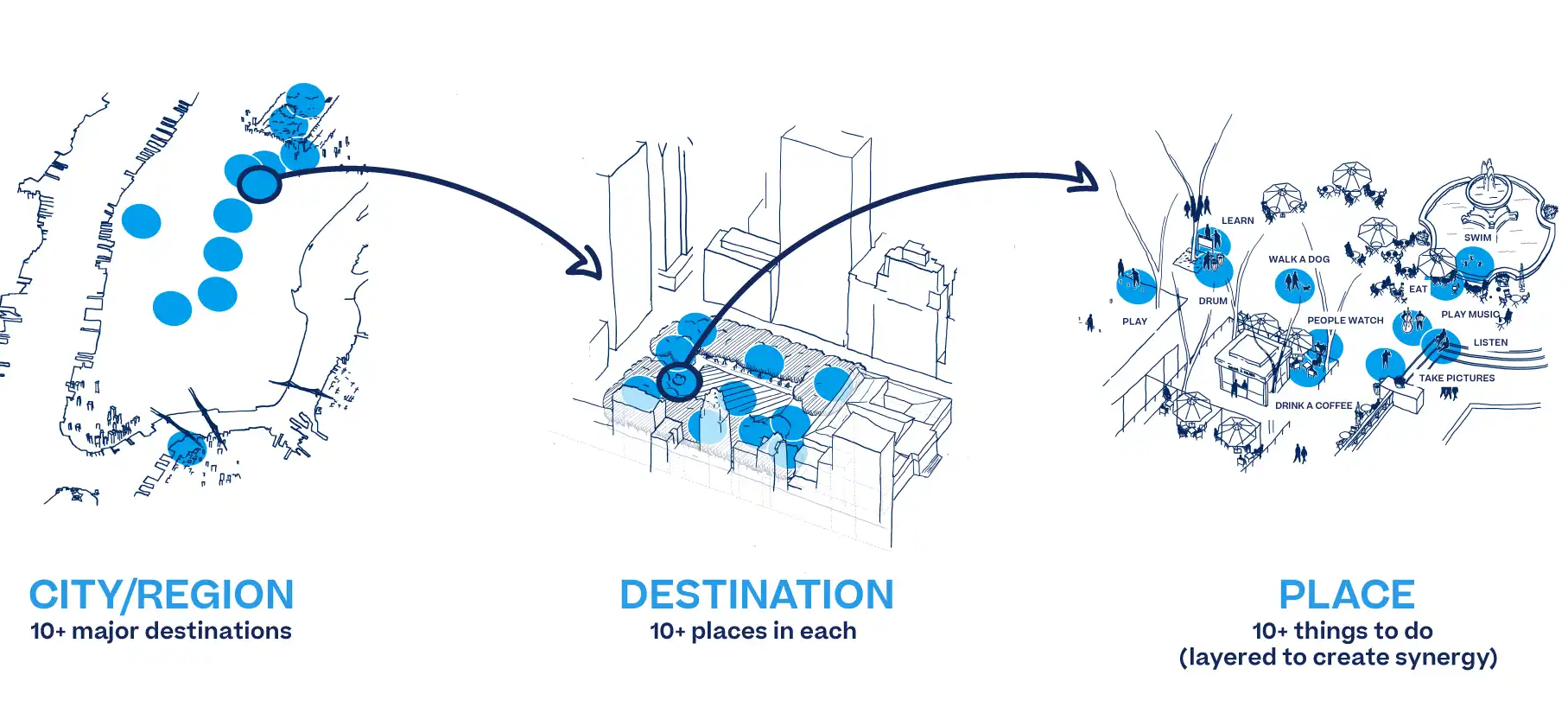
The 10+ uses in question can be as simple as drinking a coffee or playing chess. More complex examples involve events and programming – activities that offer an enriching and interactive experience such as concerts, dance classes, markets, etc. The important thing is for there to be a number of ways to engage with the space, big and small, creating numerous reasons to want to spend time there.
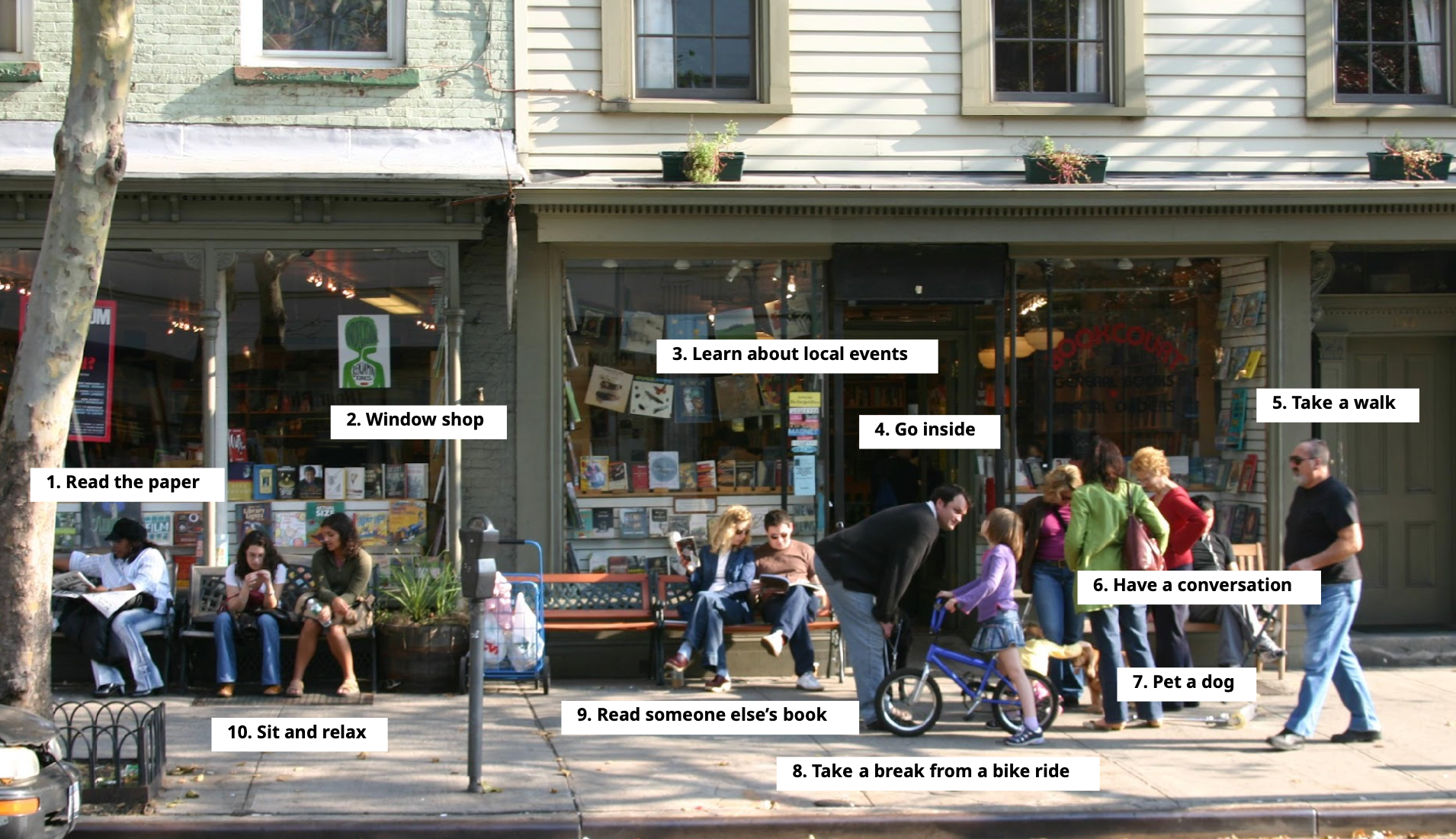
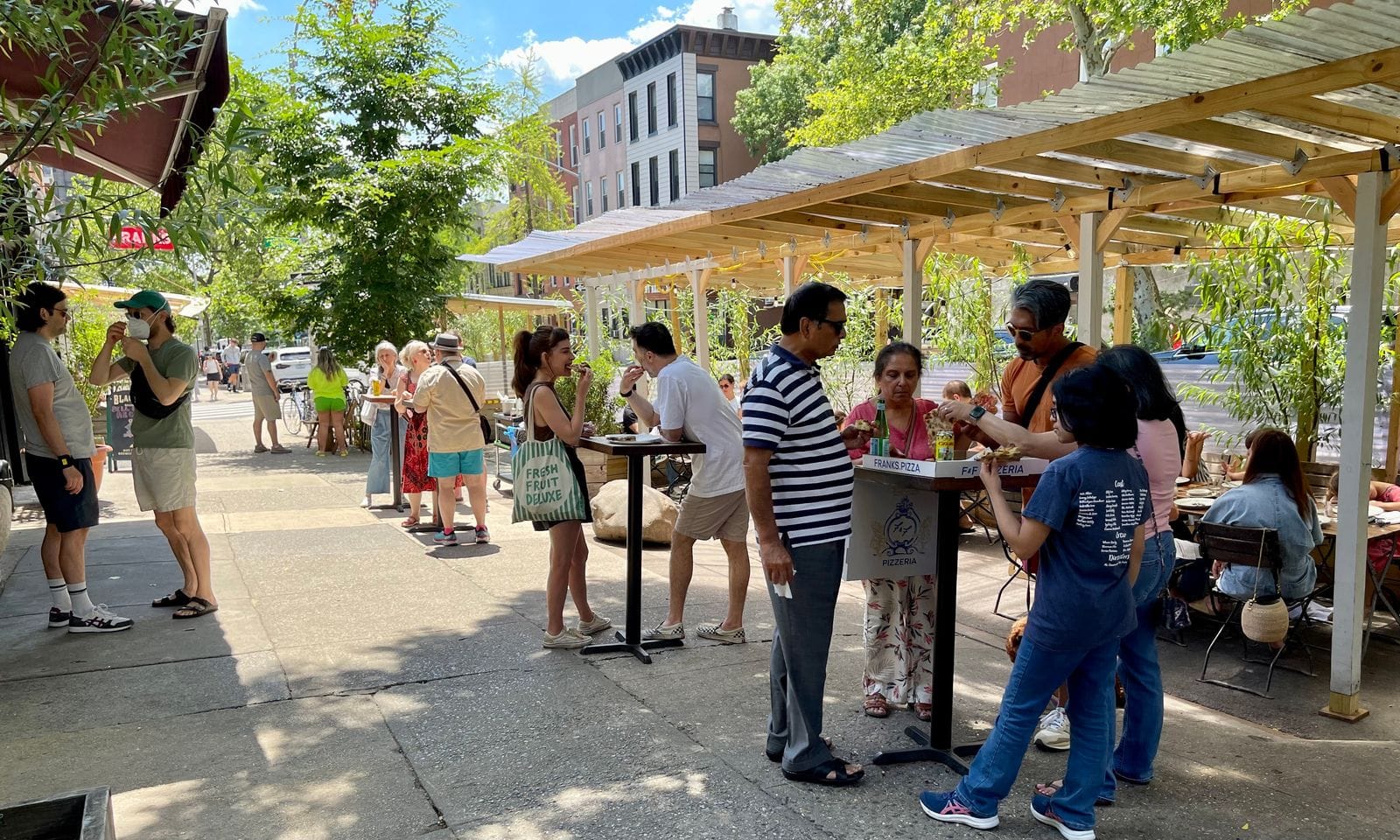
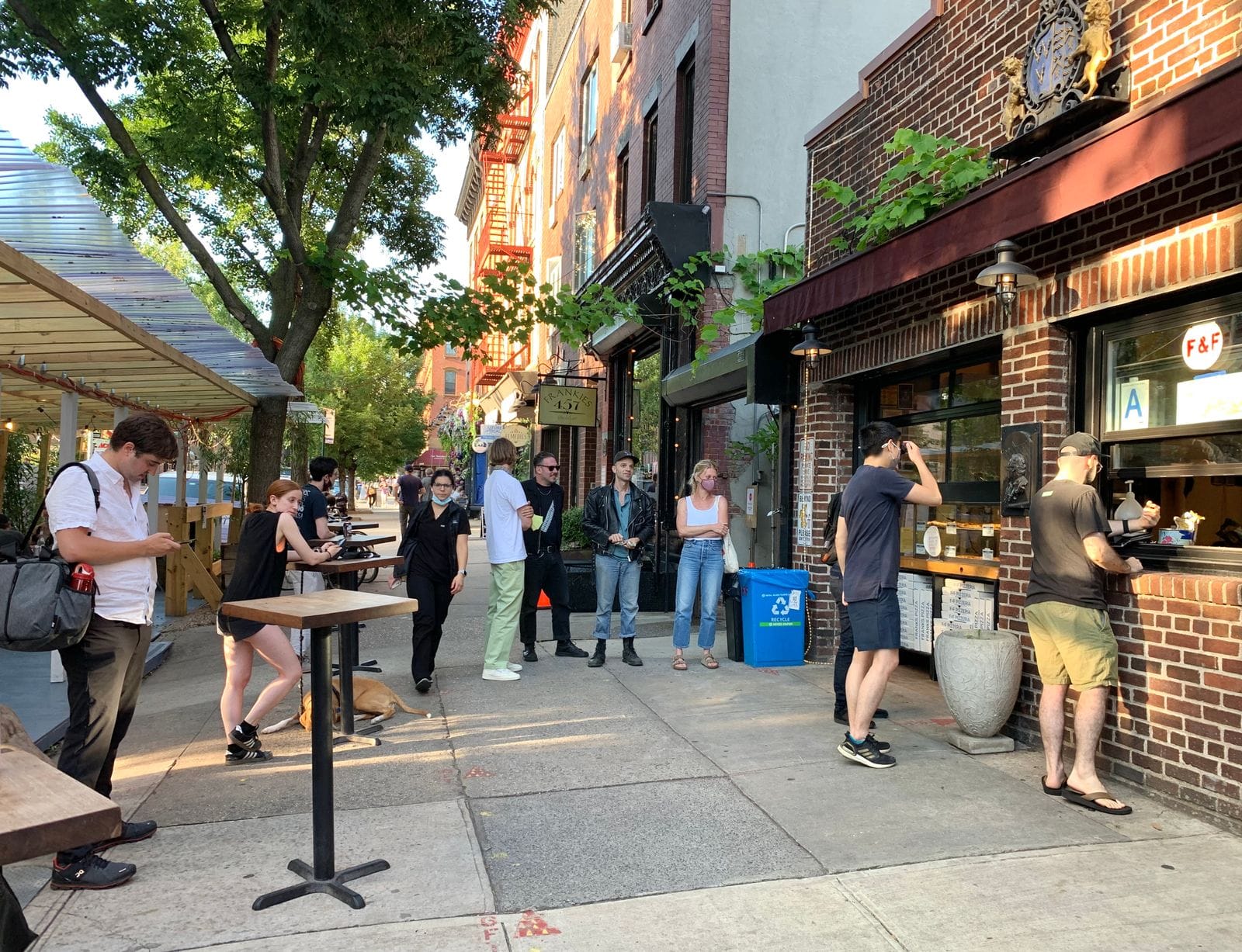
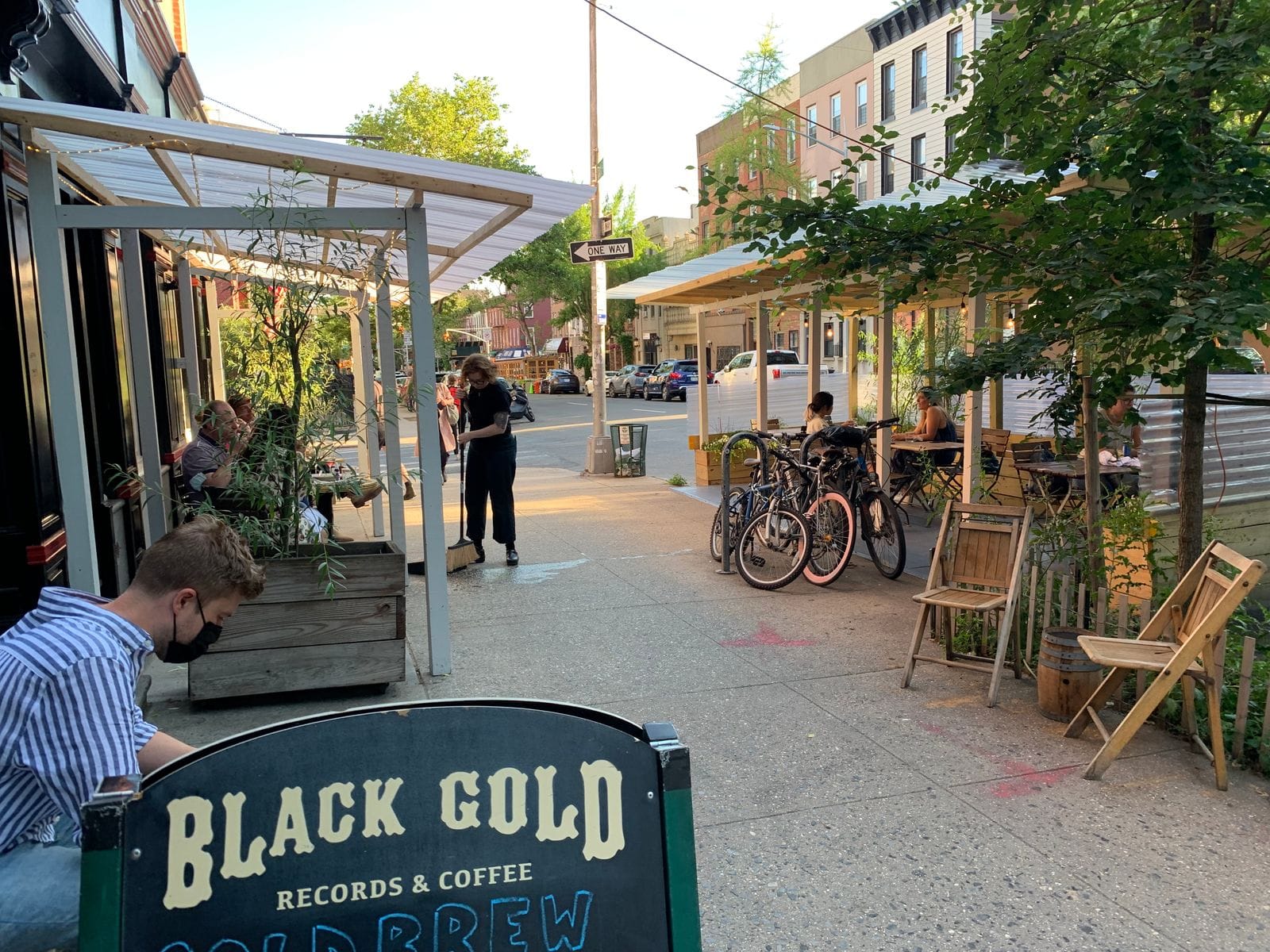
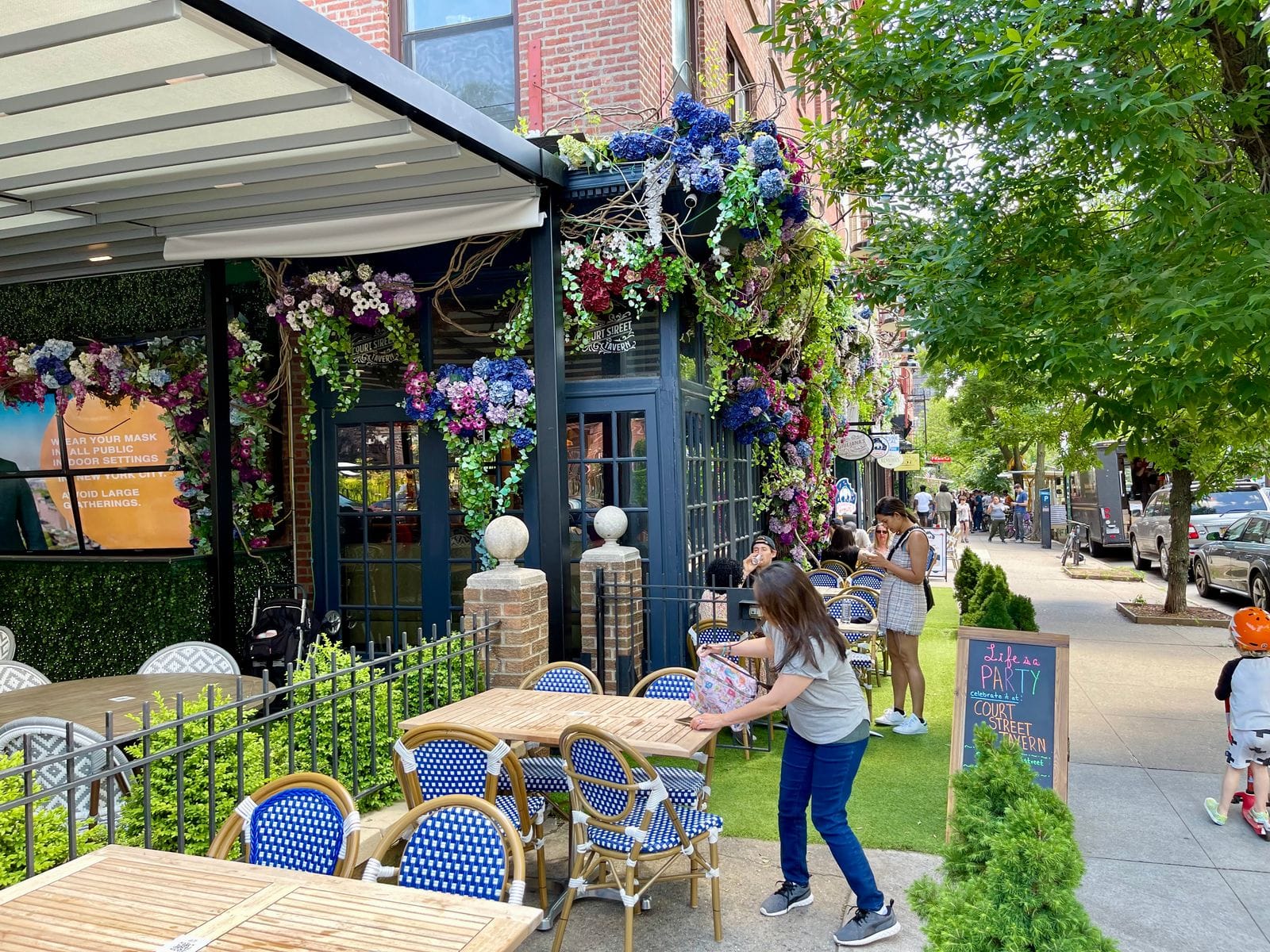
If we think of a street as a destination, then it should have 10+ places along its length to make it vibrant. We call such places "social hubs" and they often materialize around outdoor dining areas, or what NYC calls "dining sheds."
 Fred Kent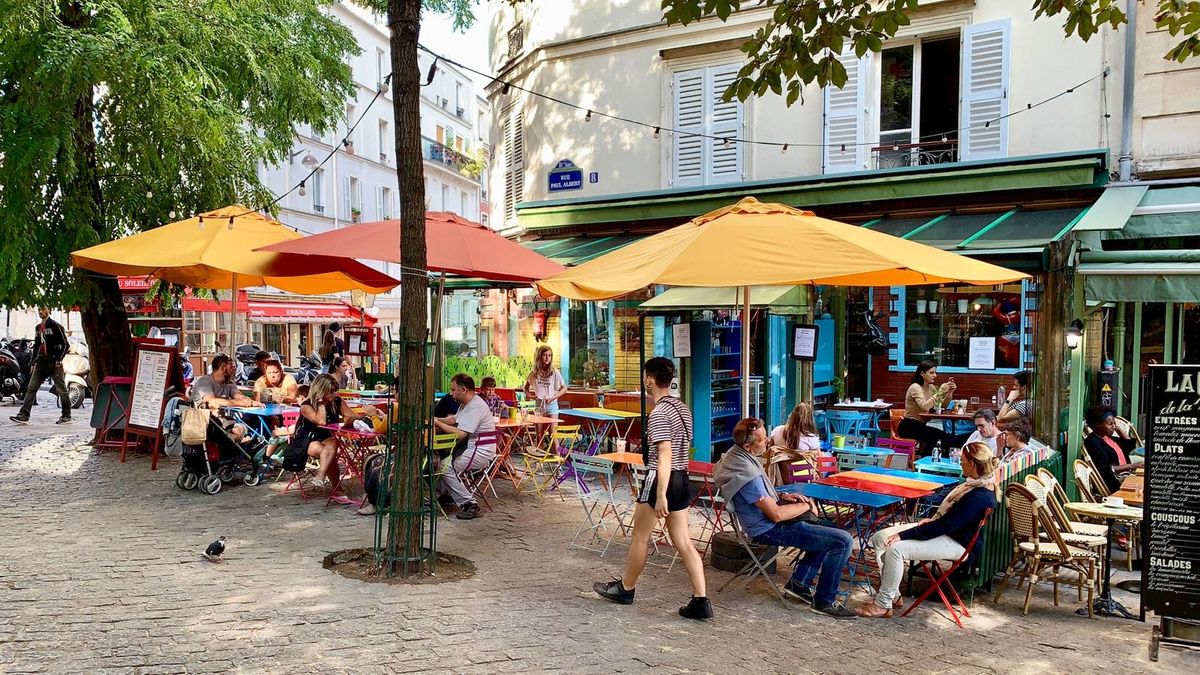
Layering
It's important to note that The Power of 10+ doesn't stop at the place level. The same way 10 is the magic number for activating a place, it is also a magic number for making a larger area attractive. A district or region should have at least 10 destinations (with 10+ places in each). This kind of dense multi-level activation is what creates the sort of dynamic urban environments that people flock to.
The Power of 10+ is often misunderstood and incorrectly implemented. Leadership tends to think "our city certainly has 10 major destinations, so our job is done!" But it's not so simple. Let's say one of those 10 destinations they have in mind is a park. If that park is no more than a field with a path around it, it does not embody the spirit of The Power of 10+ because there is nothing going on there. Such a park should not be considered one of the 10 vibrant destinations a region needs to thrive.
Within a park, there should be at least 10 distinct places, or social hubs, with 10+ things to do or experience in each. These things could include playgrounds to play in, sculptures to climb, cafés to visit, performances to watch, dance classes, craft events, and more. Now that park is a vibrant destination that can qualify for one of the aforementioned ten.
 Fred Kent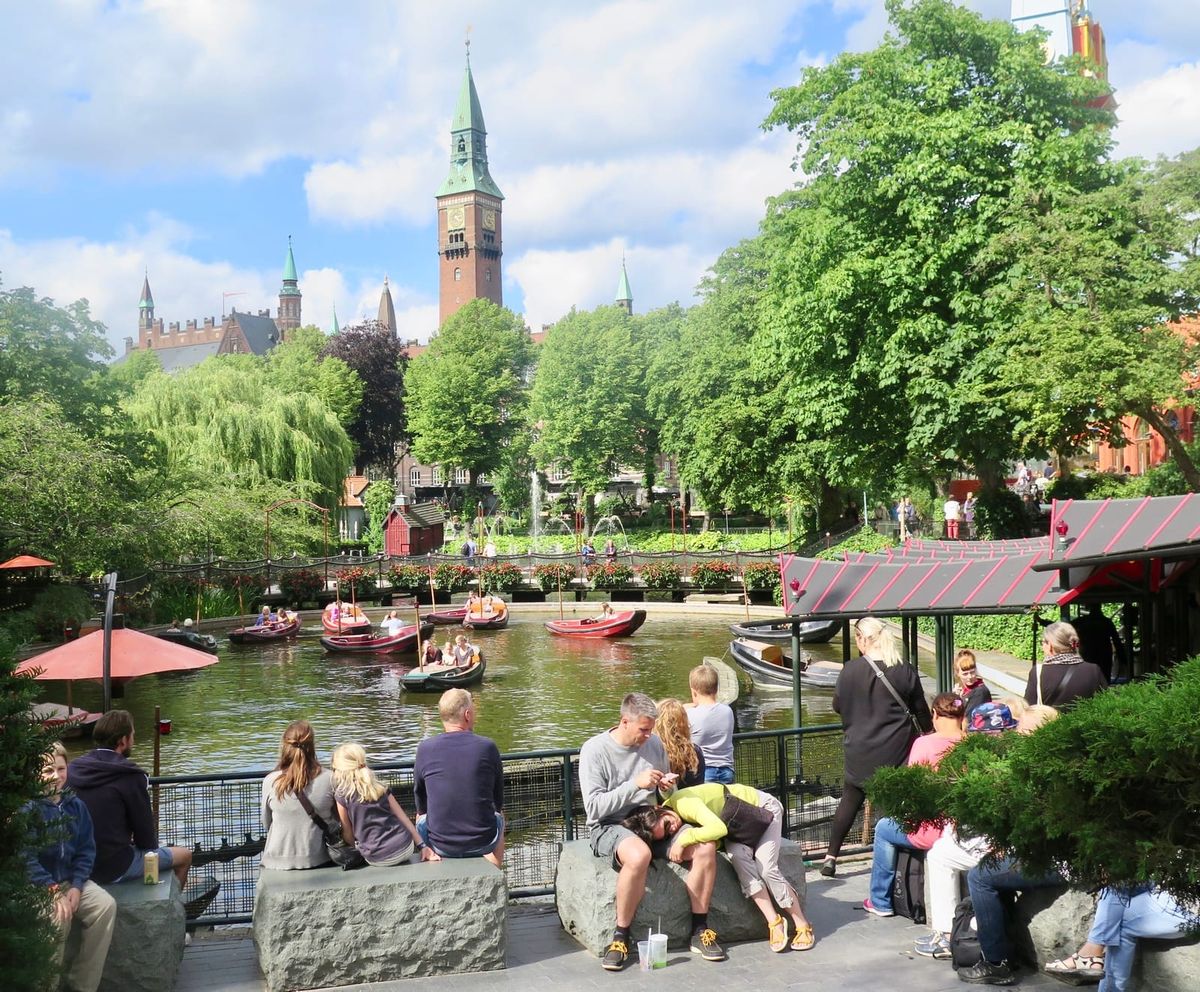
Triangulation
Implementing the Power of 10+ is not only a matter of having the right number of activations, it's also a matter of having the right placement of activations. Triangulation is the concept of putting amenities and/or activations in the right arrangement in relation to each other so that each one enhances the value of the others and creates a whole that is greater than its parts.
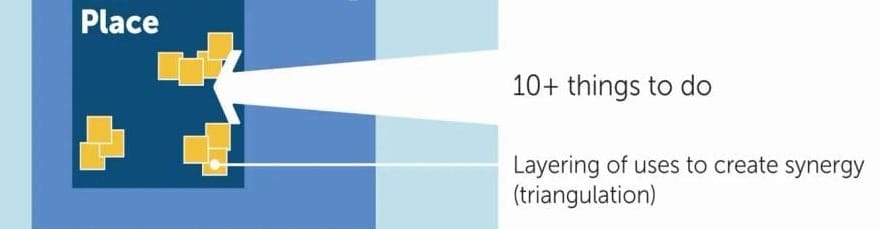
For example, if you have a playground in the center of a field, a bench by the footpath, and a coffee truck in a corner, each of those amenities will get some use, sure, but it will be a limited amount because they are isolated from each other. However, if you put them together – if you put the seating in front of the coffee truck and locate that coffee truck right next to the playground – it will create a multi-layered destination. It will become a place where caretakers can bring their children to play while they enjoy a drink and chat with friends in the café area. The vibrancy of this space will increase tenfold and it will become more than a spattering of isolated amenities, detached and disconnected from each other – it will become a hub of activity and community life.
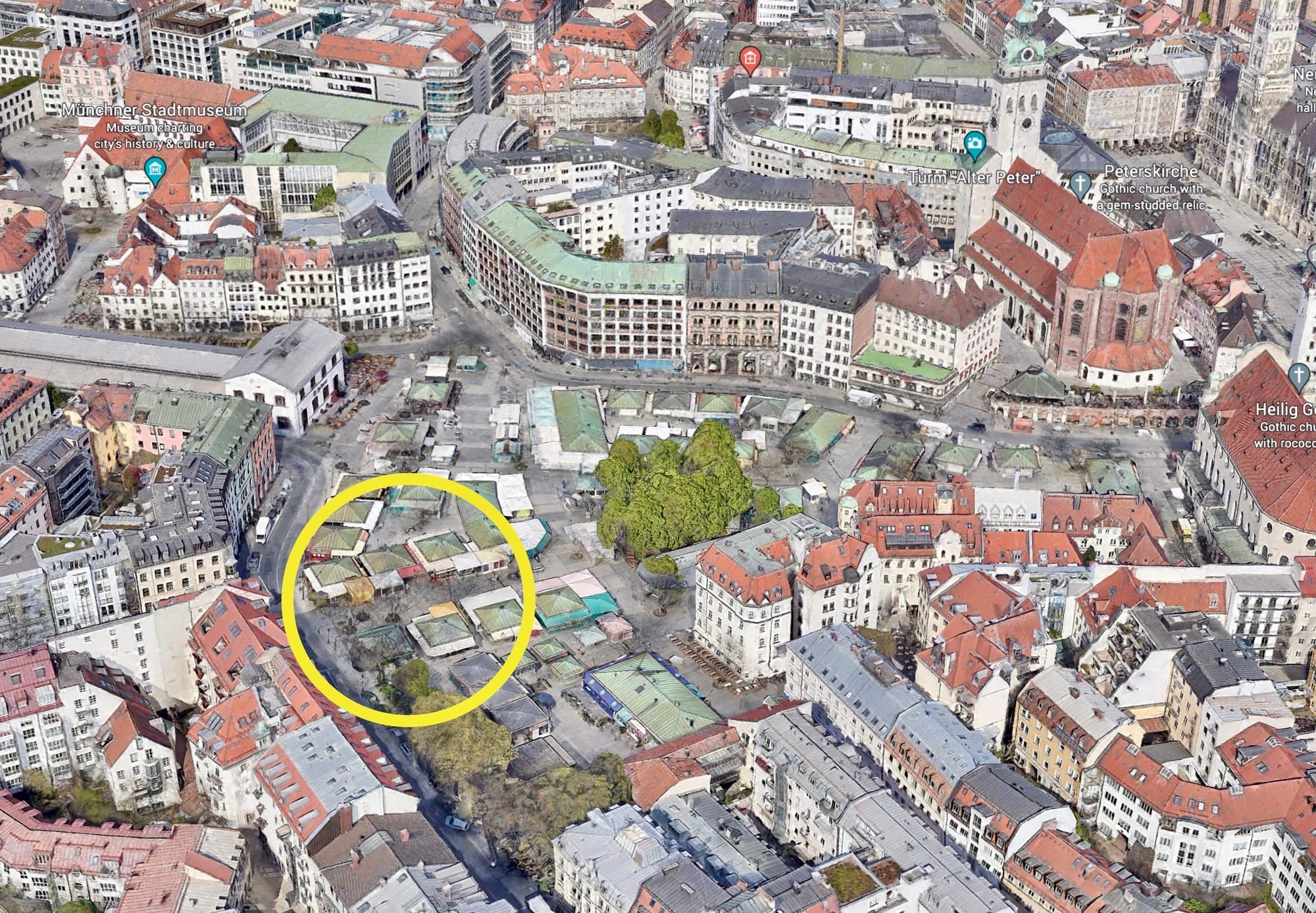
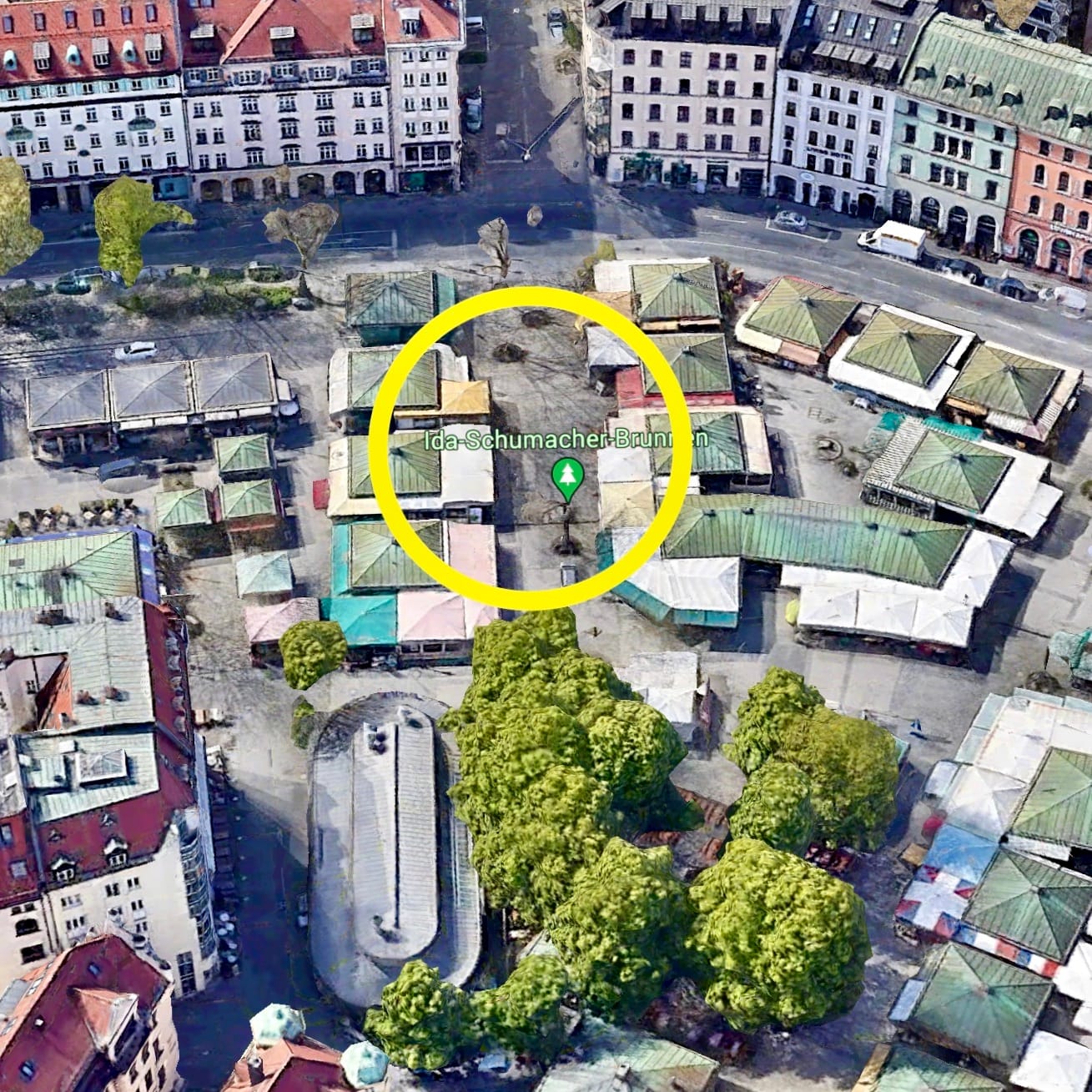
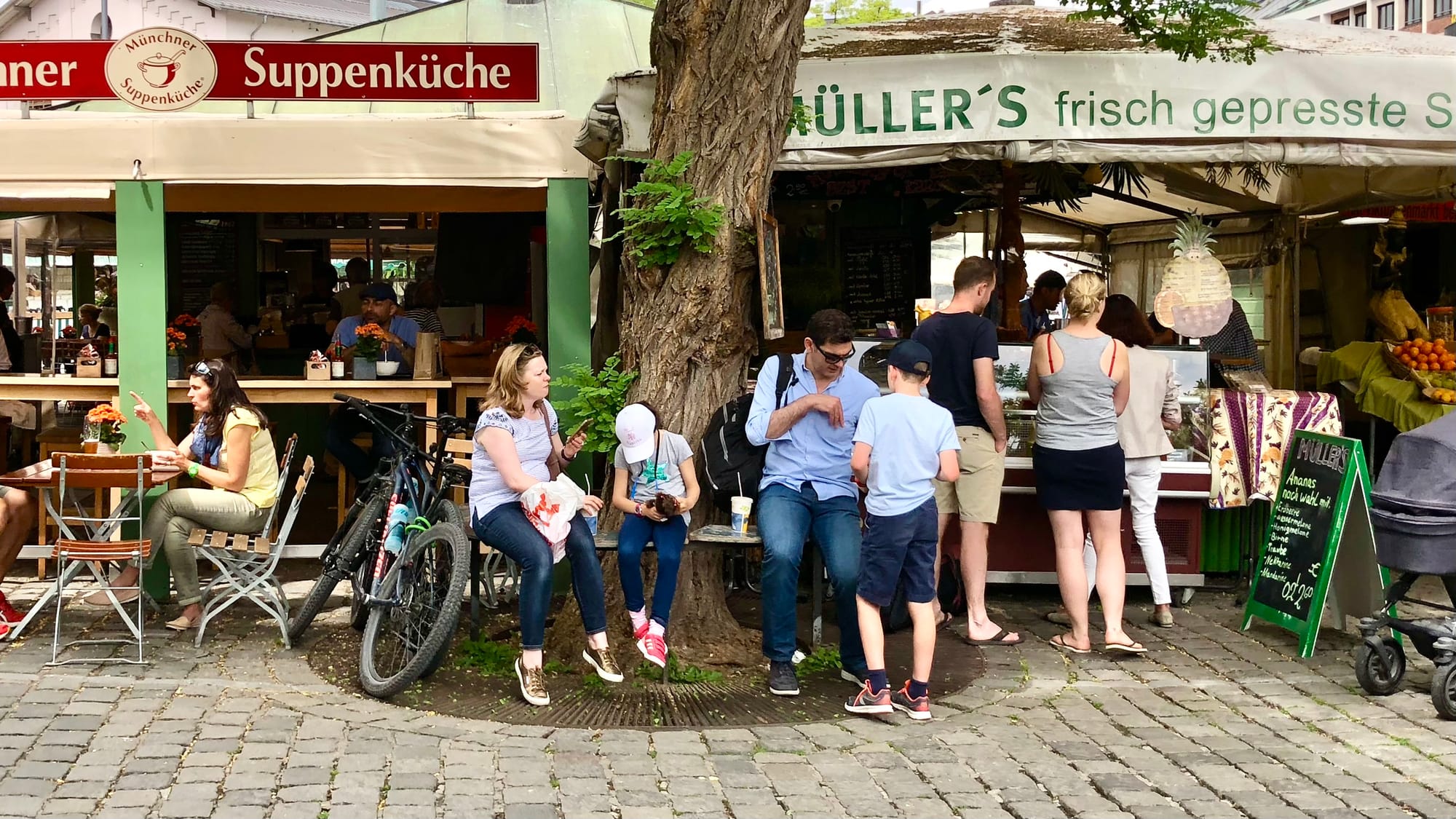
This circled area above in the Victuals Market in Munich embodies The Power of 10+ because within its compact radius there are 10+ things to see, do, and experience.
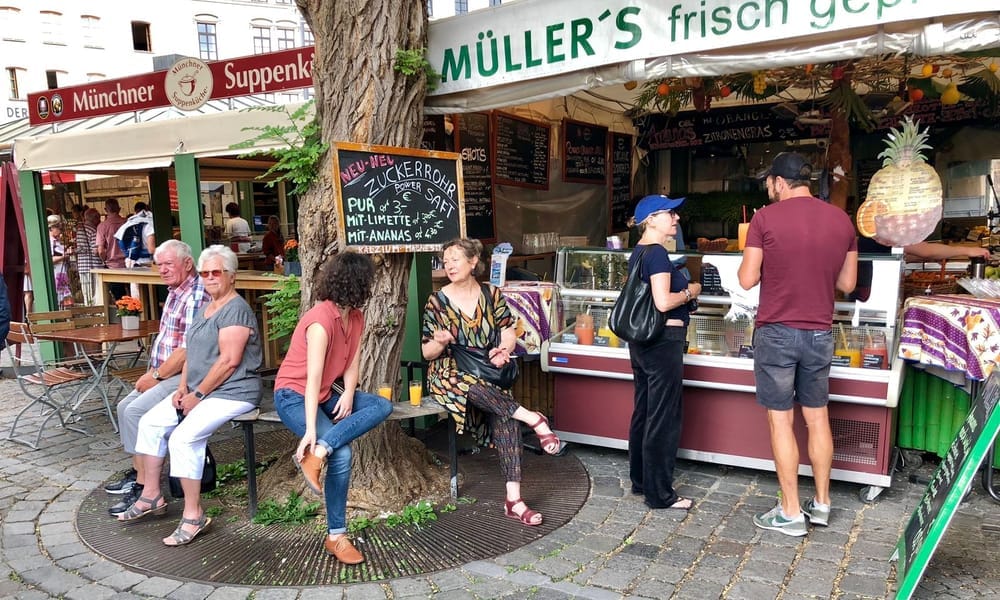
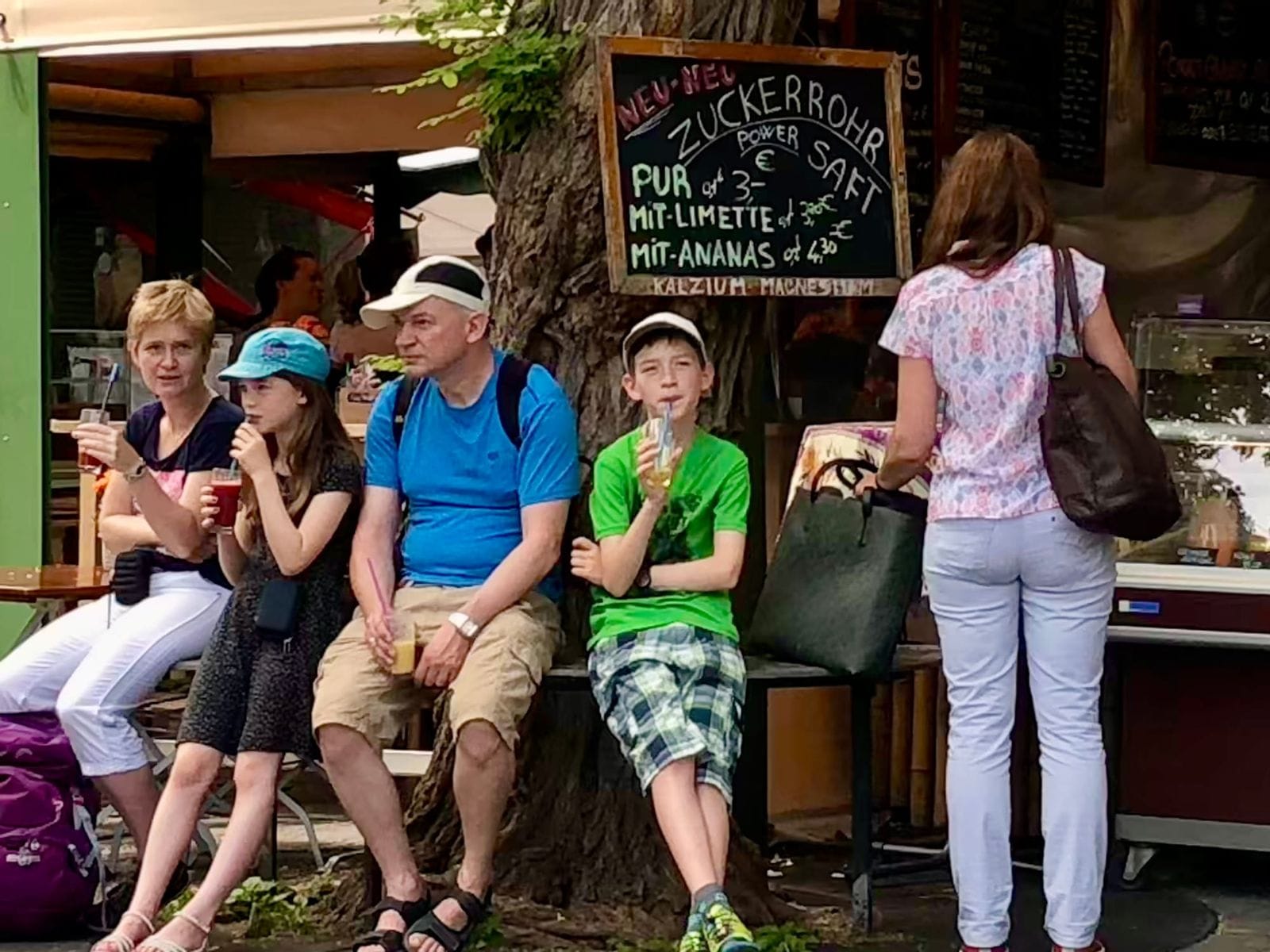
When we zoom in, we see triangulation at play as well, especially around one popular bench between a café and a juice stand. After a lunch at the café, people can move on to a healthy dessert at the juice stand and sit on the shared bench to drink it with friends or new acquaintances at this triangulated cluster of activities.
 Fred Kent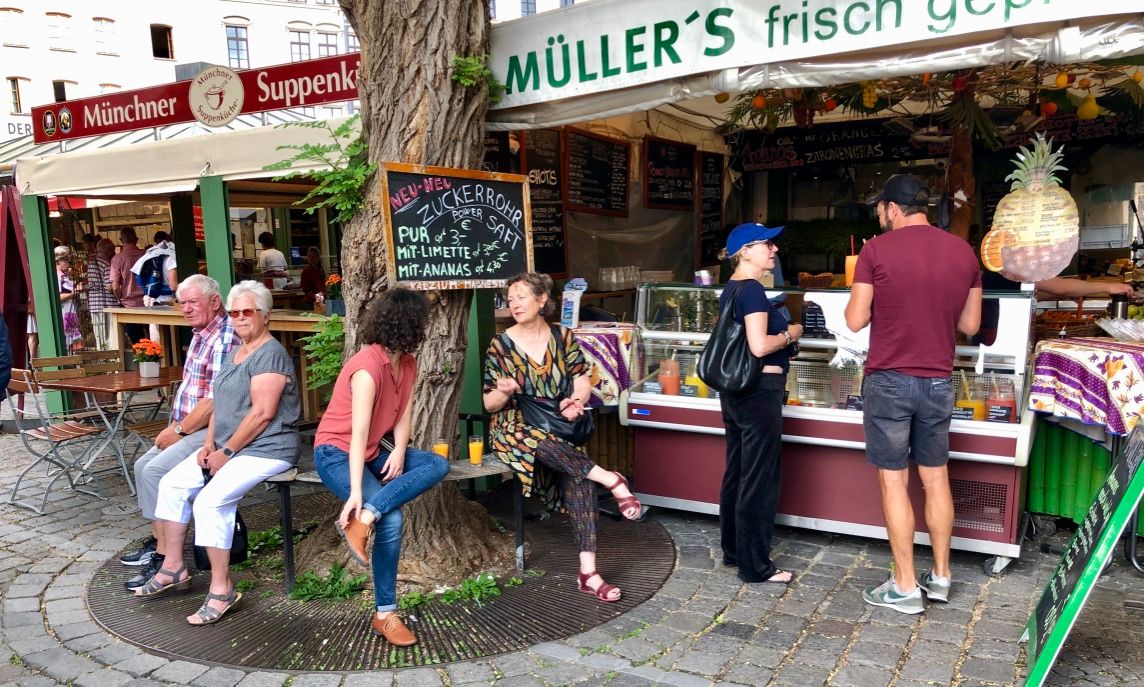
The Power of 10+ fosters inclusivity and community
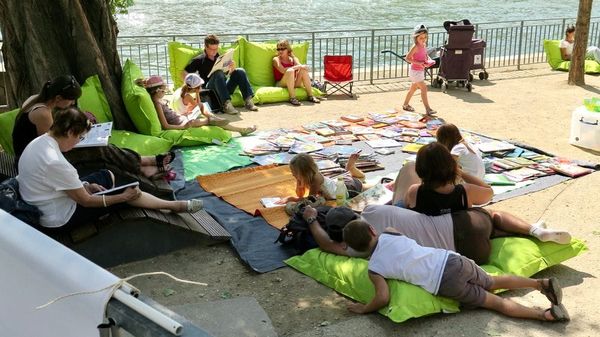
The Power of 10+ is a great way to enhance inclusivity and community in a place because by adding layers of activations, you add reasons why different kinds of people want to be there – play areas for children, cafés or bars for adults, reading nooks for introverts, volleyball fields for extroverts, etc. The more uses and activities you layer in a place, the more welcoming you make that place for everyone. That is how you attract diverse people and build community.
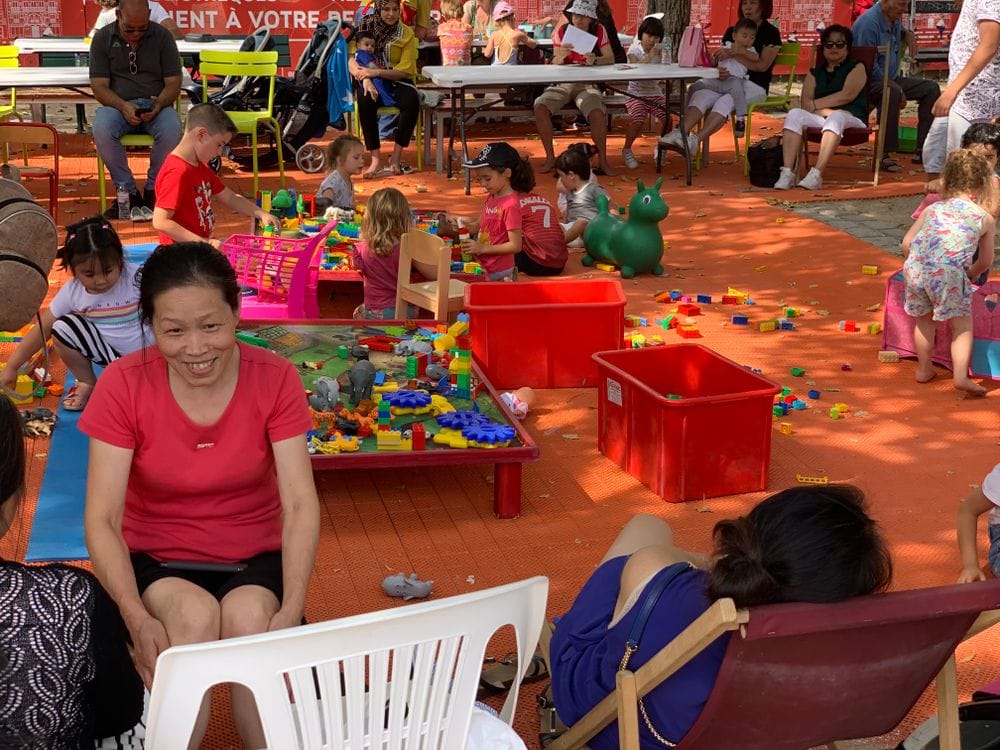
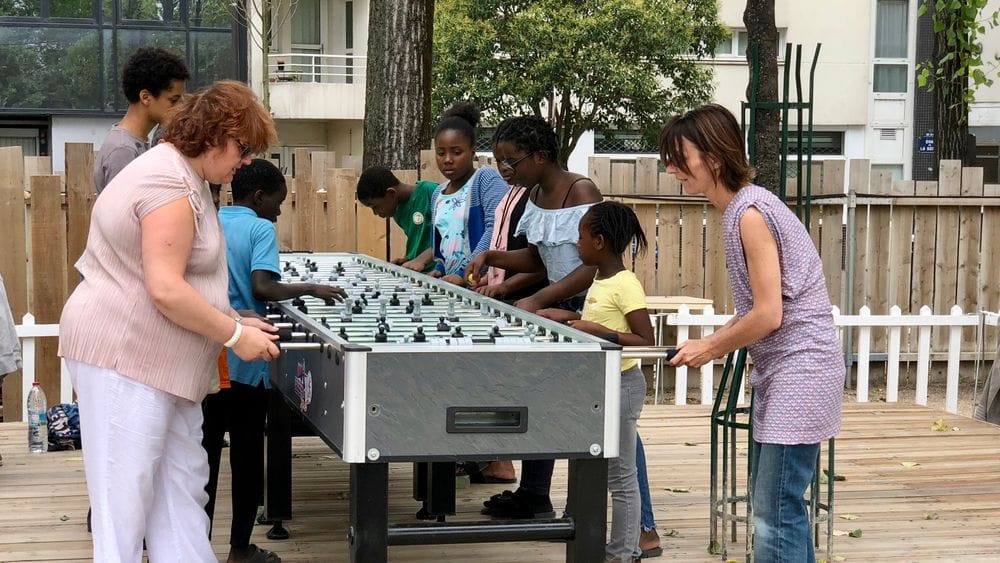
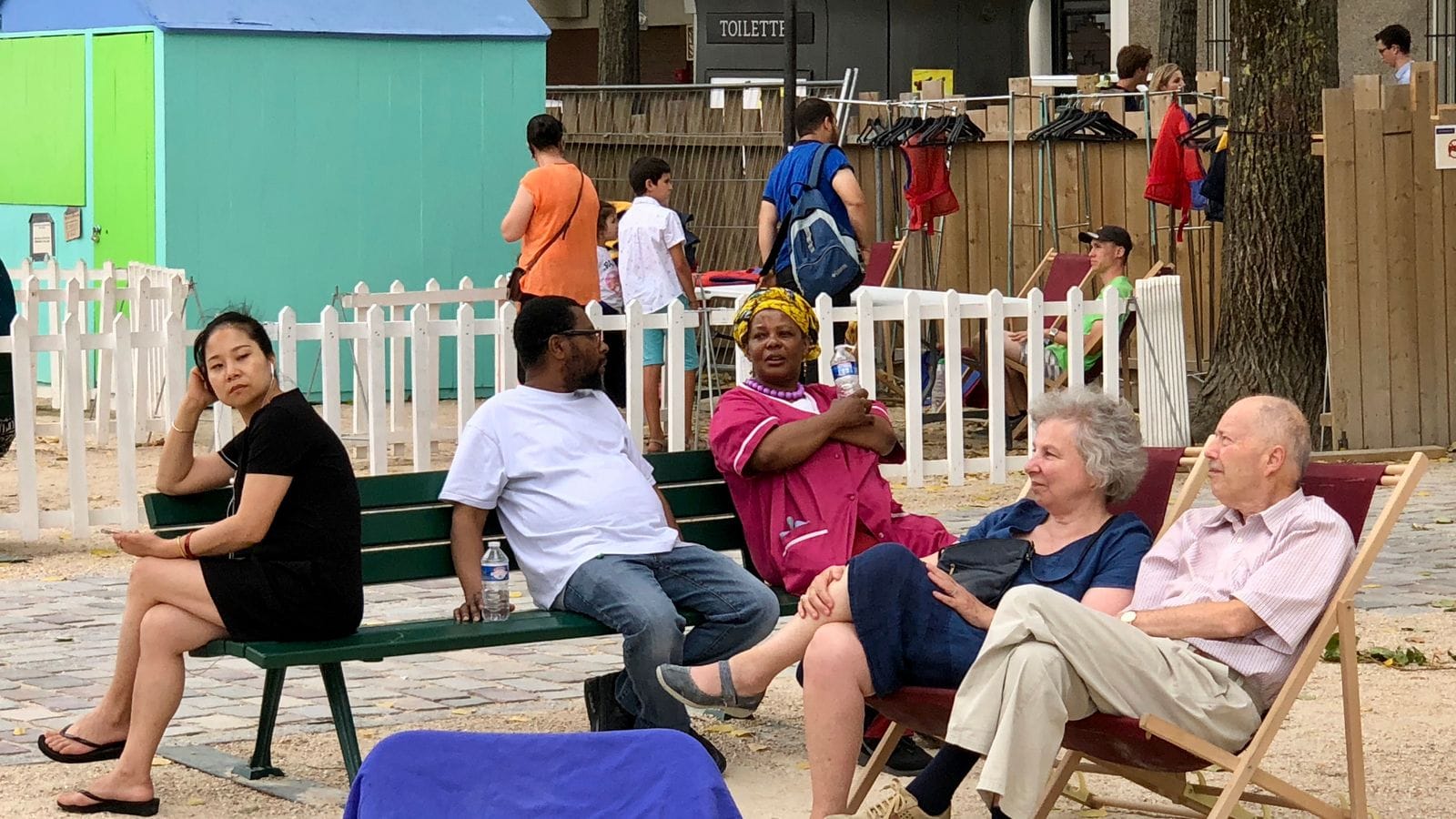
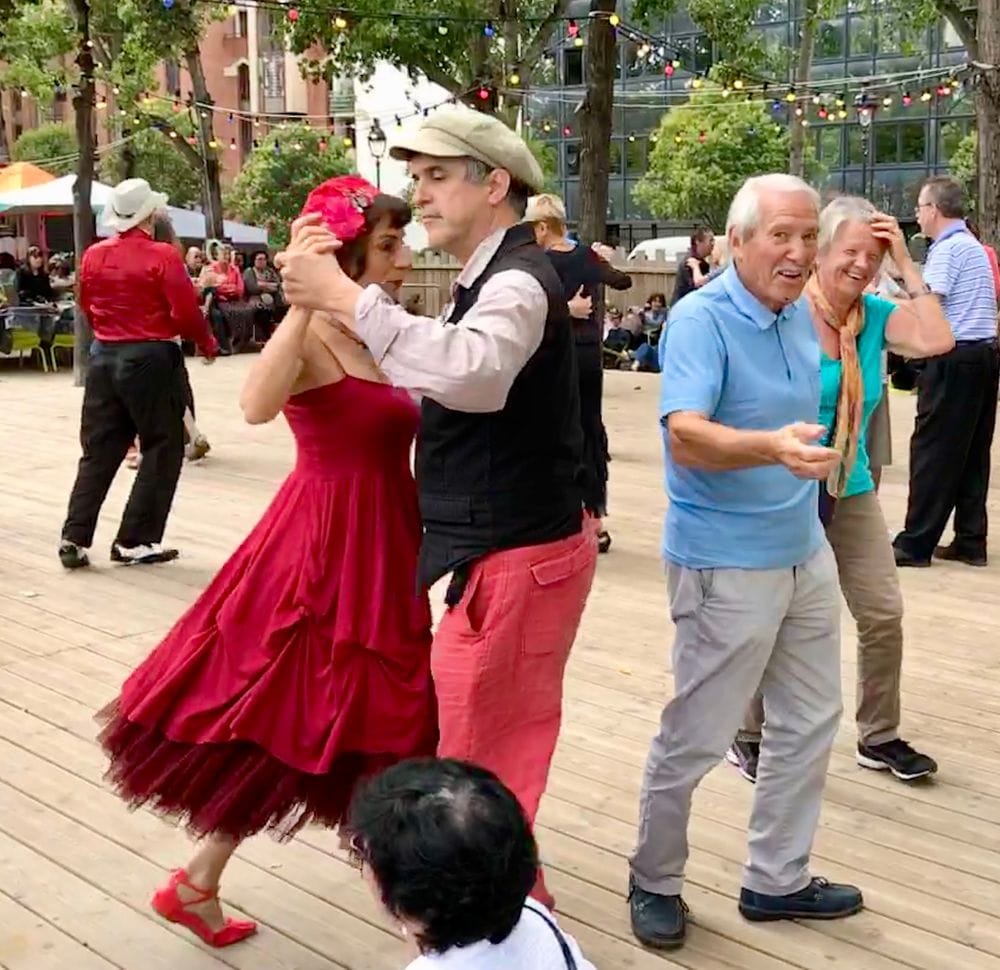
People of every age, interest, and background in the fantastically activated Bassin de la Vilette
The Power of 10+ can also make cities more affordable and accessible because it leads to the development of entertaining destinations that are not reserved for paying customers. In cities without vibrant public places, people are forced to pay to have fun – in movie theaters, escape rooms, arcades, etc. But the Power of 10+ brings fun within reach of everybody.
It involves creating a mix of different things to do, often free, in a public place – game tables, outdoor libraries, open air movie nights, etc. Places fitted with free and affordable activities like this enrich the lives of community members who cannot take advantage of many of the city's offerings due to cost barriers. The Power of 10+ makes the city enjoyable and welcoming for all.
Applying The Power of 10+ in Different Contexts
There are a lot of ways that the Power of 10+ can be interpreted and applied, depending on the needs of a particular place. Here are some examples of the different ways The Power of 10+ can be implemented in a variety of urban contexts, from streets to waterfronts.
On streets
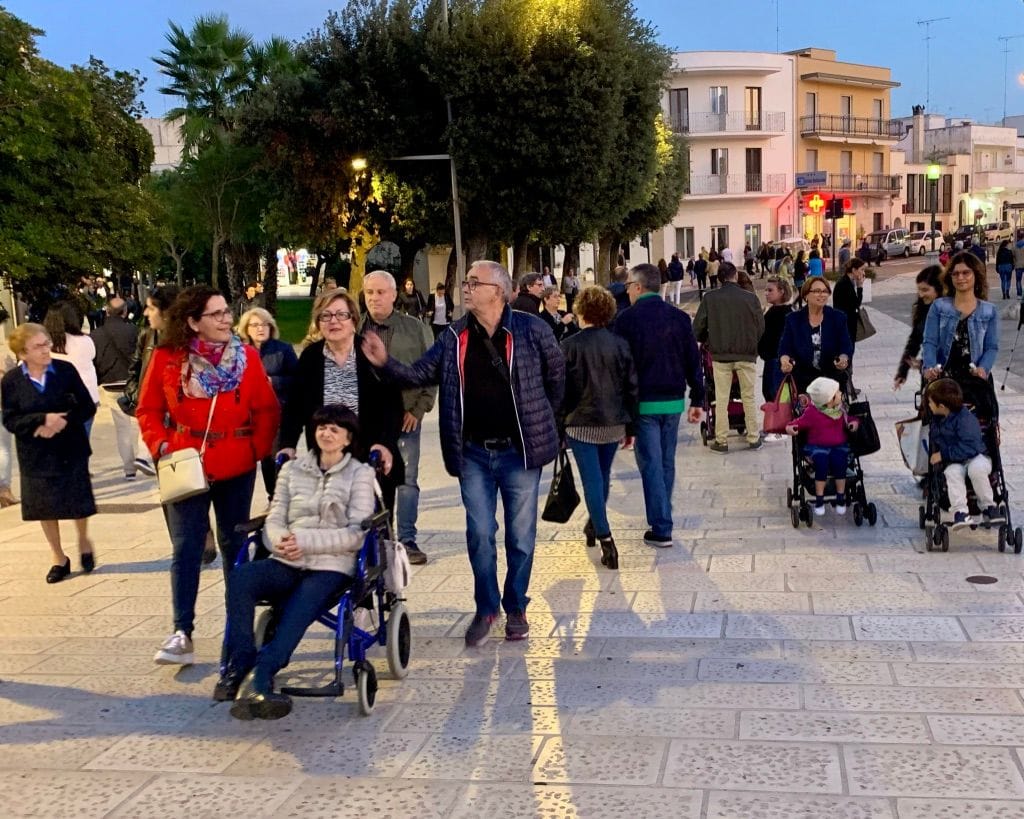
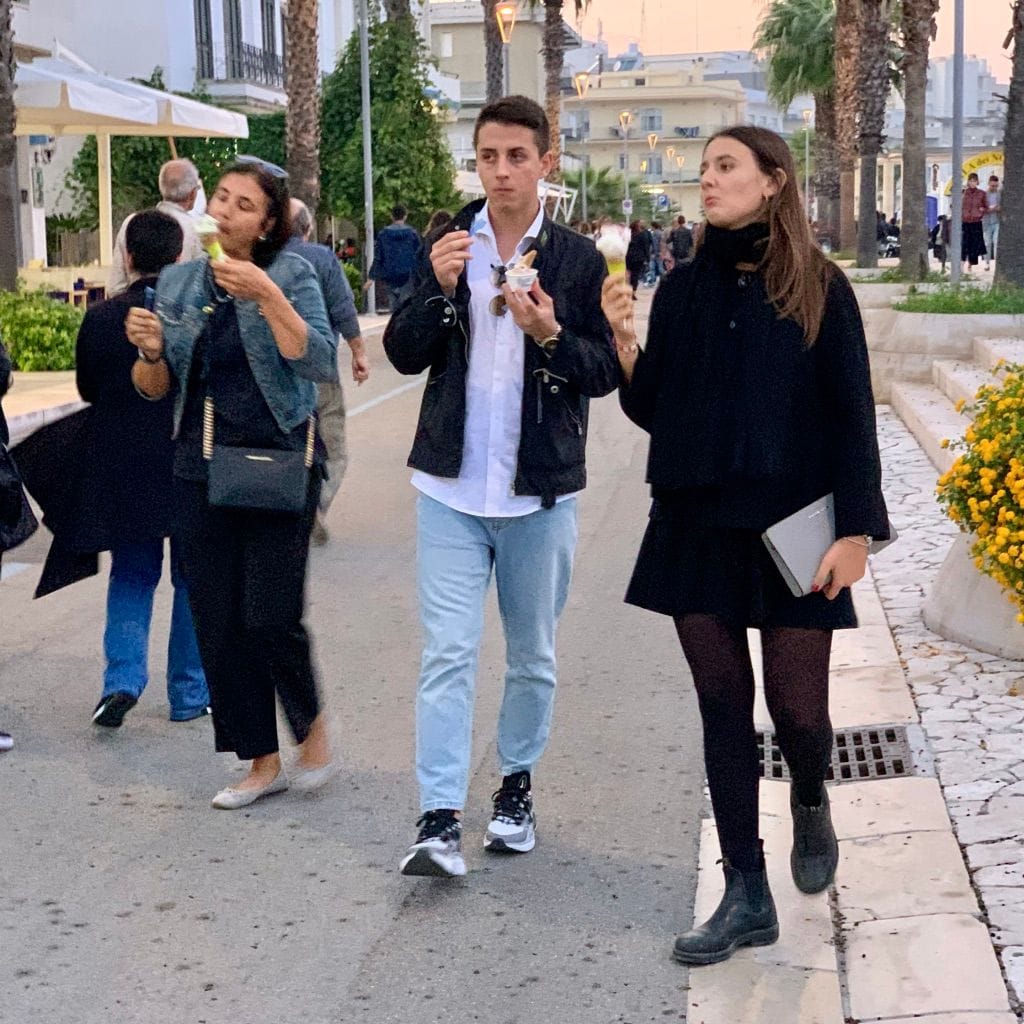
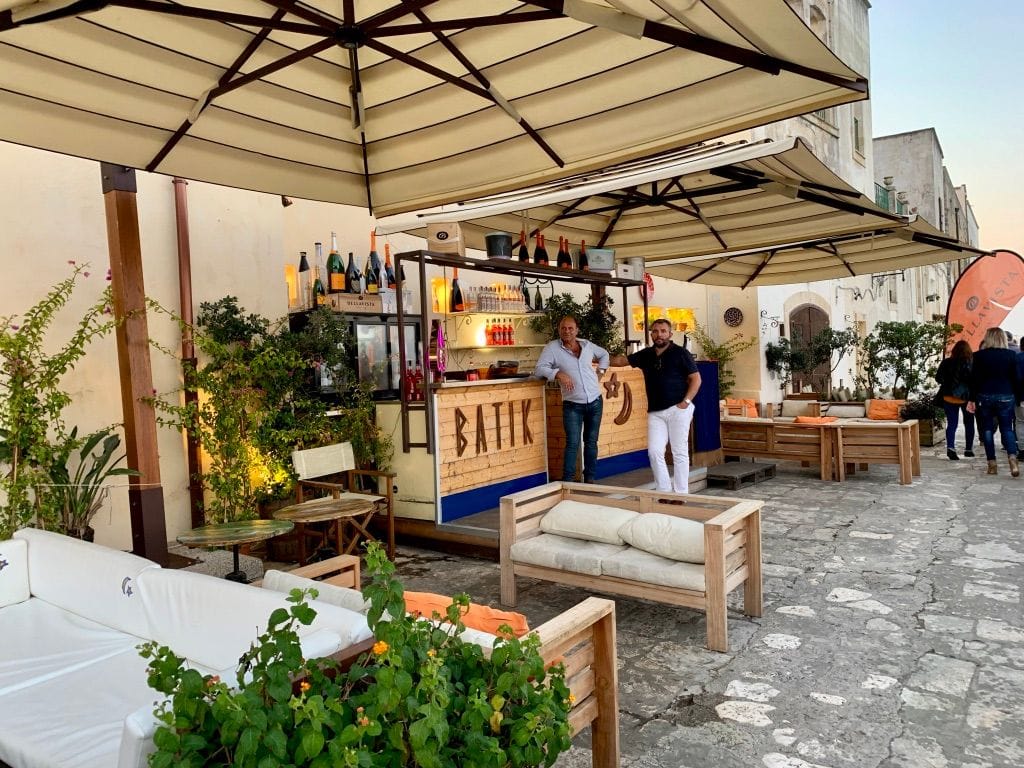
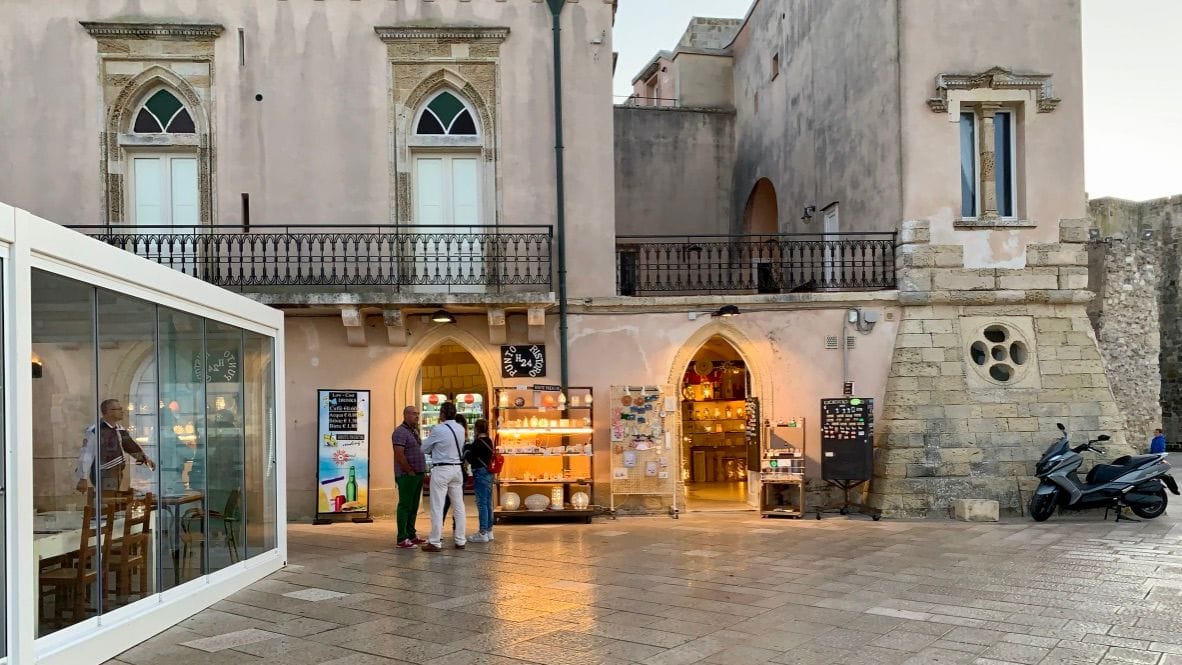
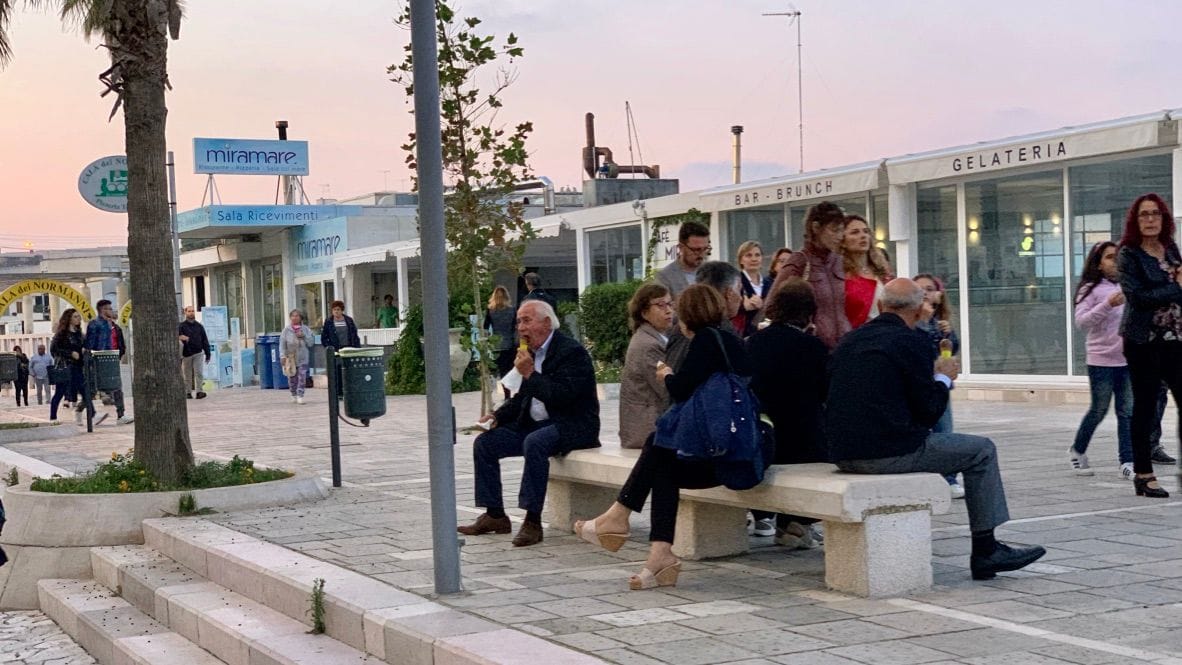
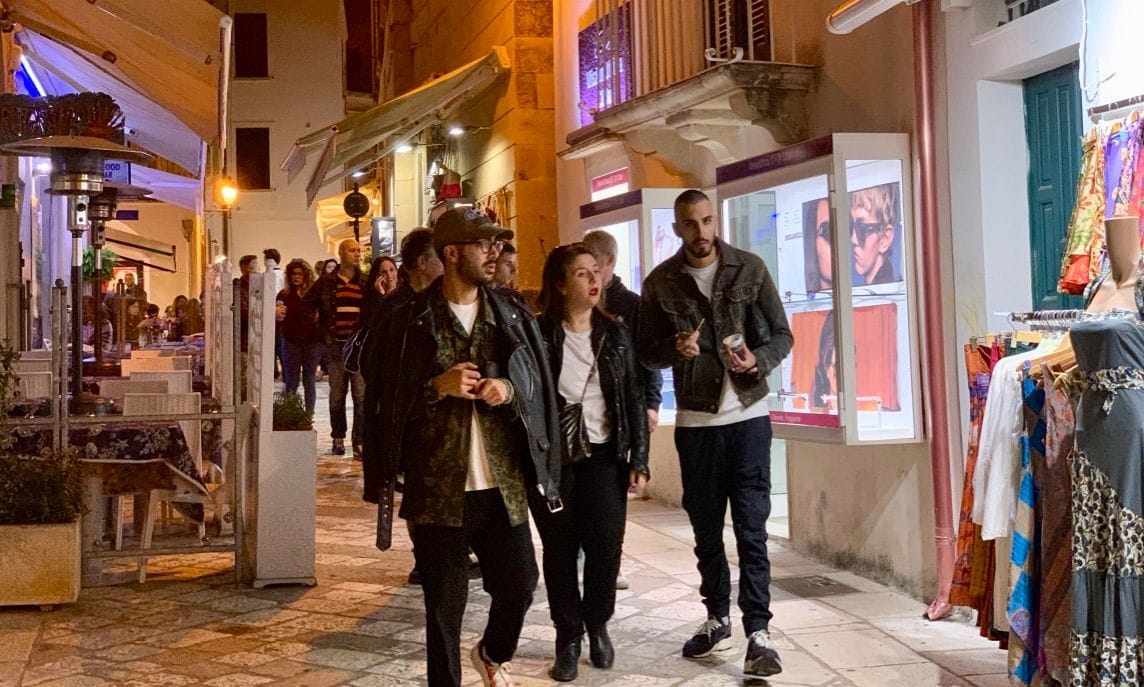
A promenade is a street for pedestrians where cars aren't welcome and strolling is the main activity. These streets are usually lined with things to see, do, and experience which make a long walk enjoyable and motivates people to do it on a regular basis. In Italy, this is a beloved custom called the passeggiata.
In the photos below you can see the various uses and activities that a typical promenade supports – window shopping, eating ice cream, sitting at restaurants, resting on benches, playing, photographing beautiful buildings and landmarks, etc.
 Jay Walljasper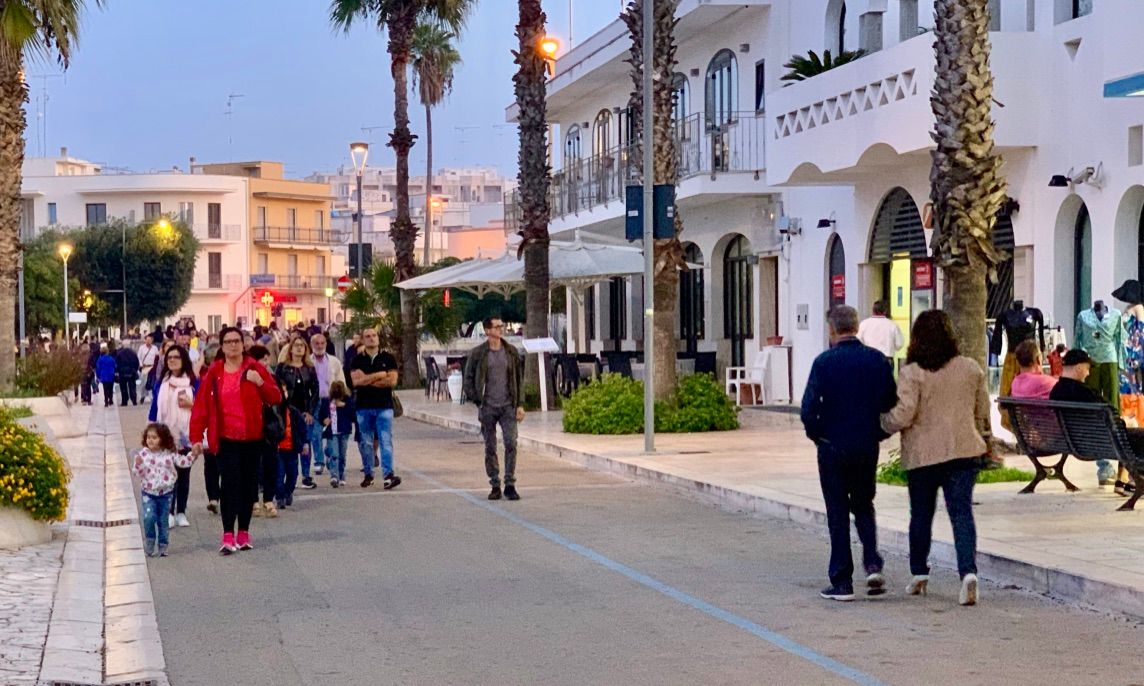
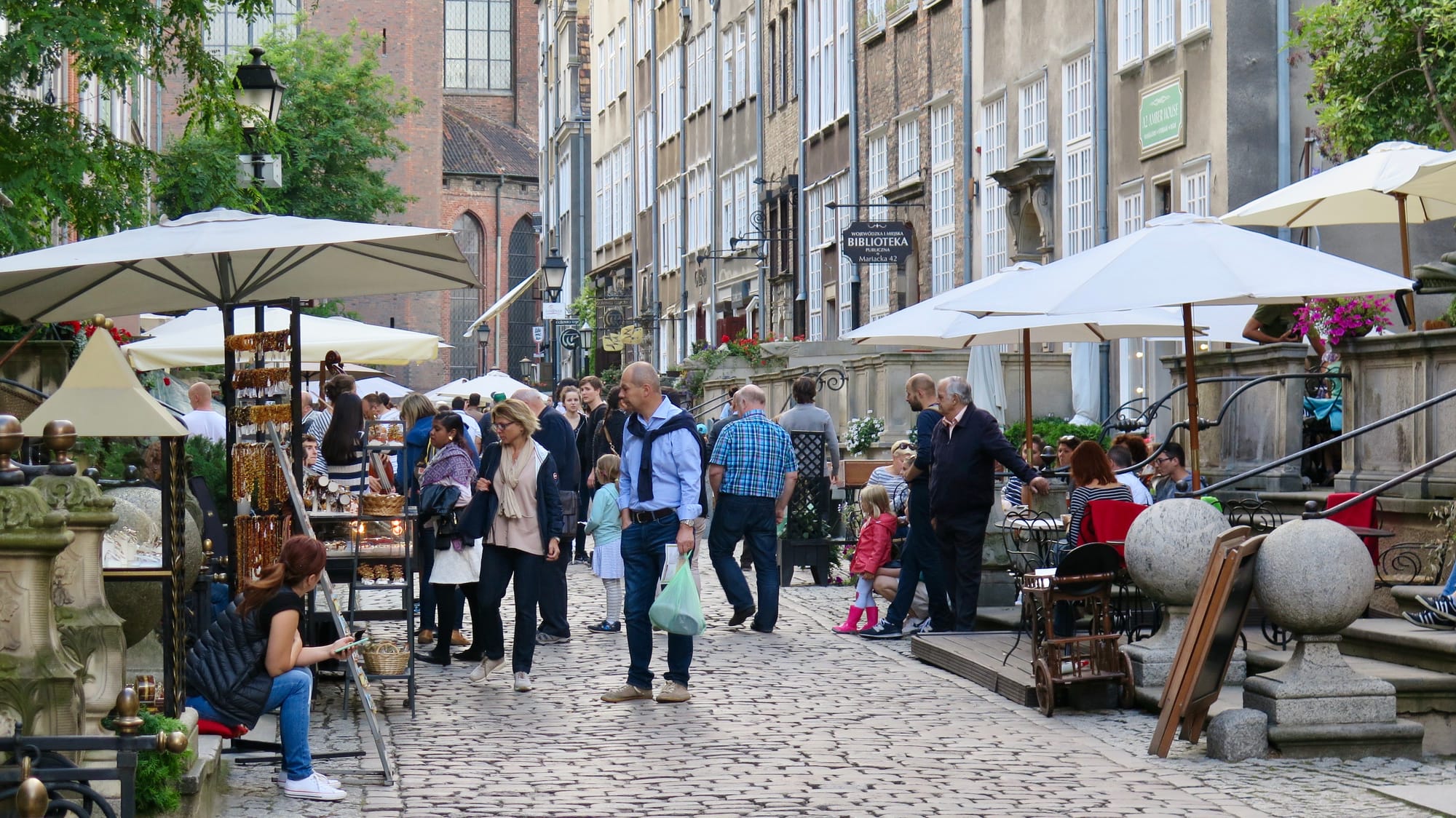
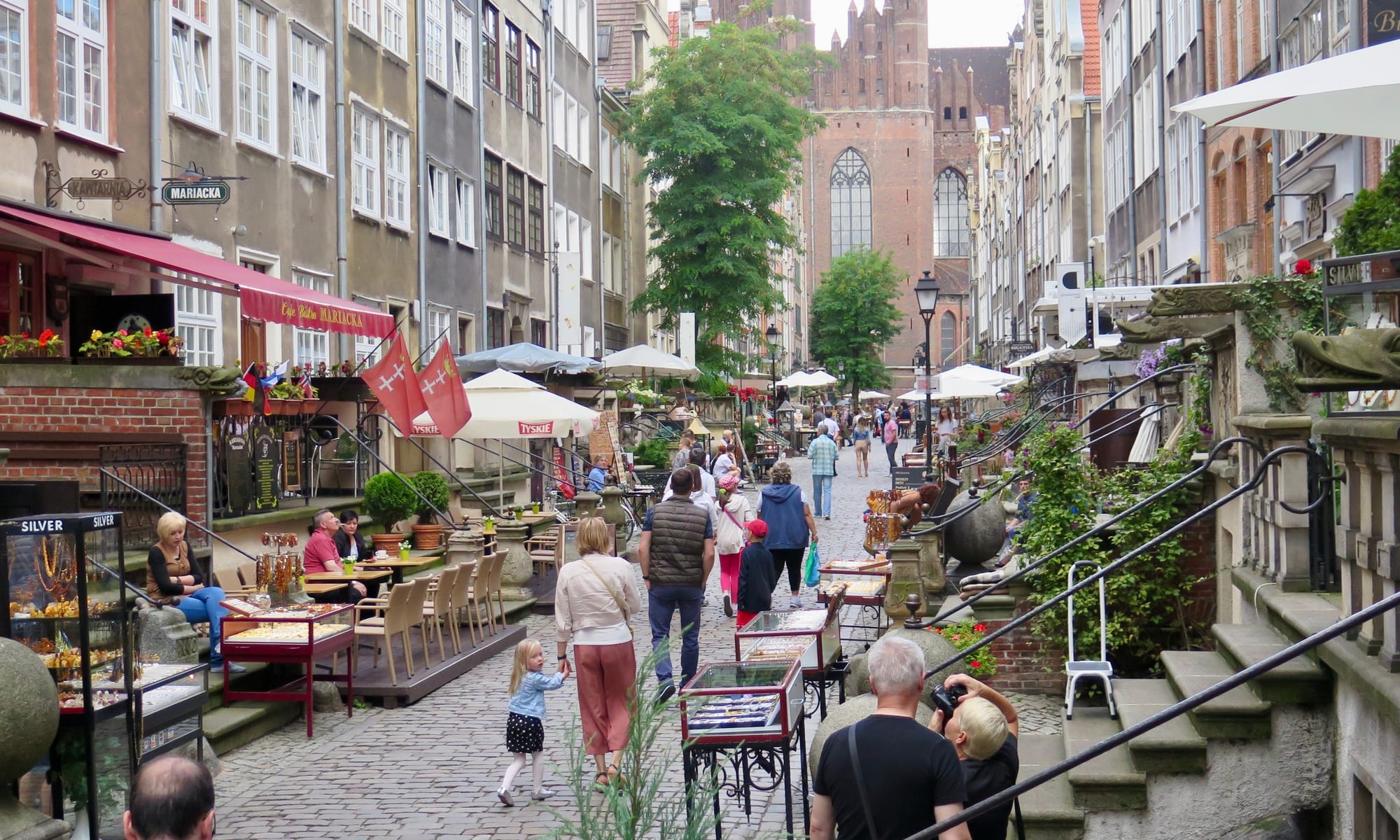
A fantastic 10+ street in Gdansk
This historic street in Gdansk of formerly wealthy ownership becomes a great example of Power of 10+ with inside-out design and pedestrian-friendly amenities along its length.
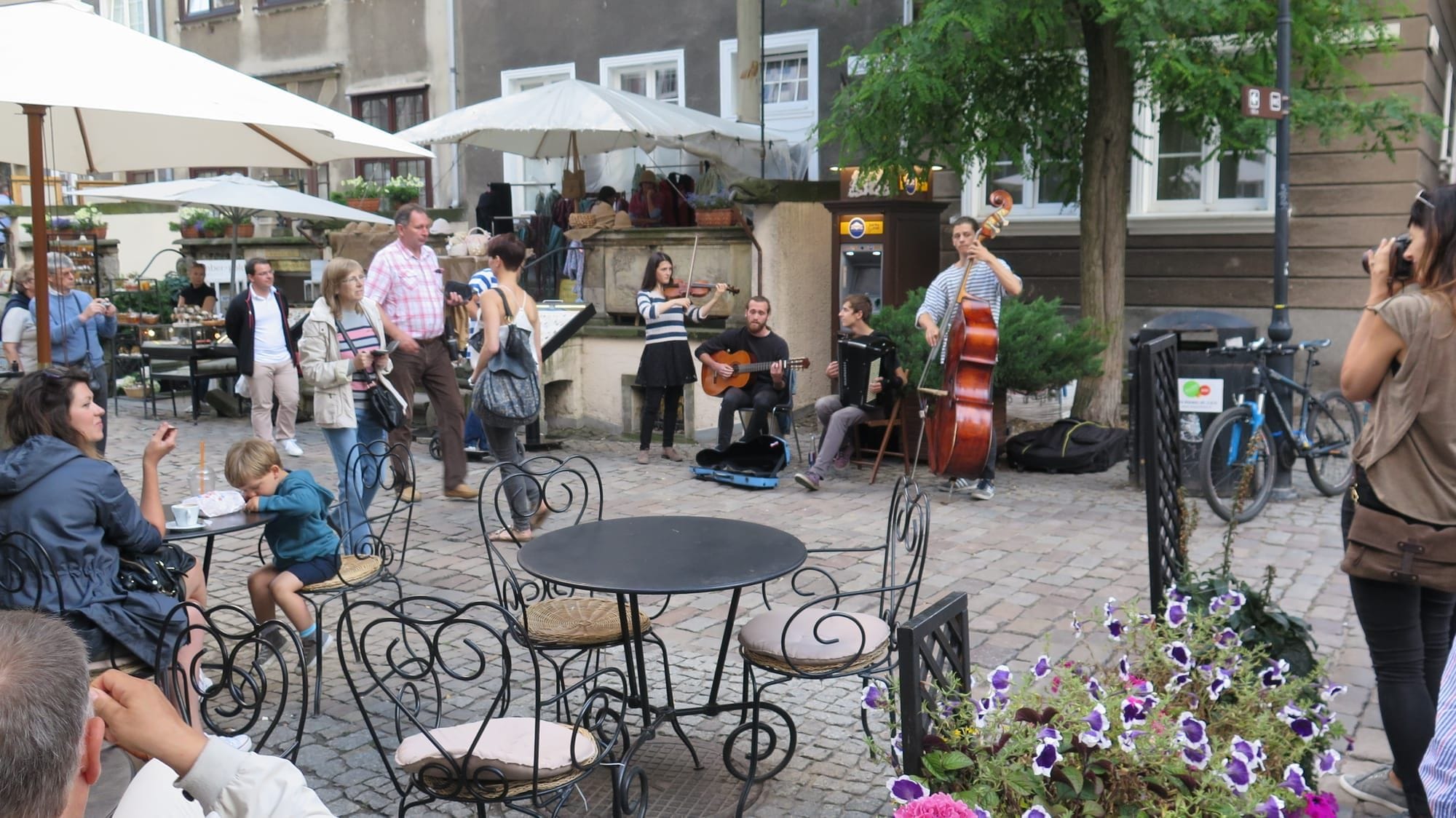
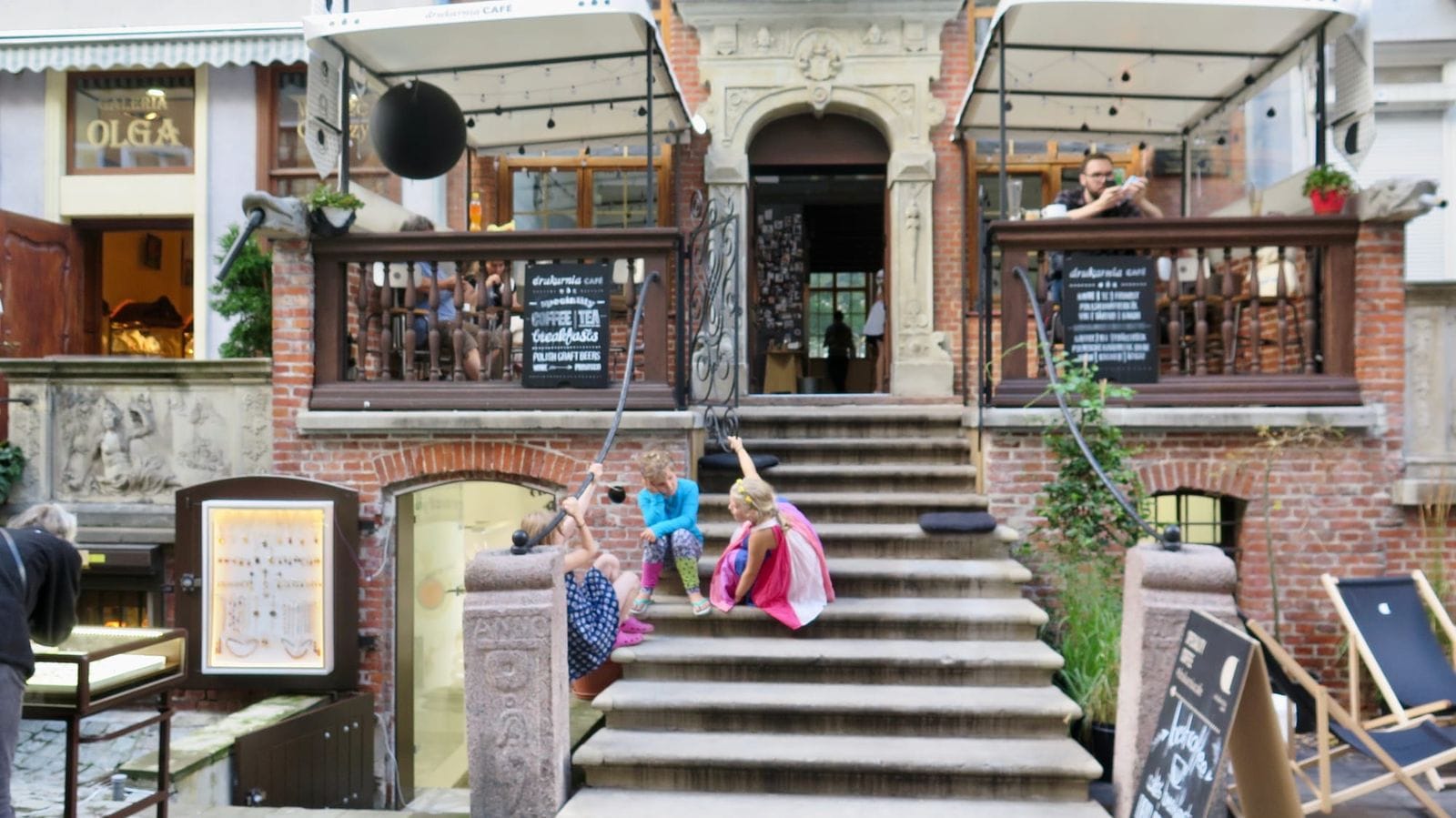
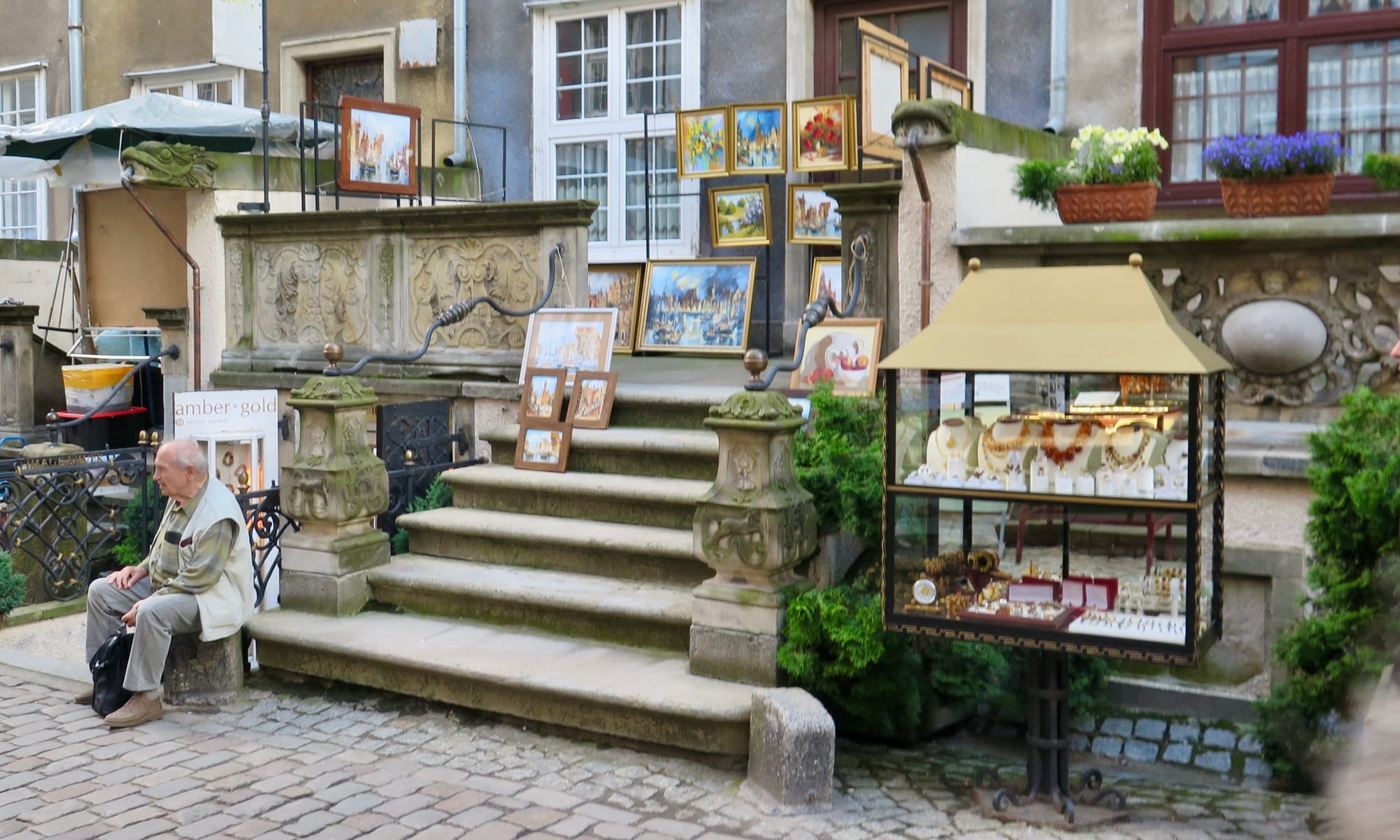
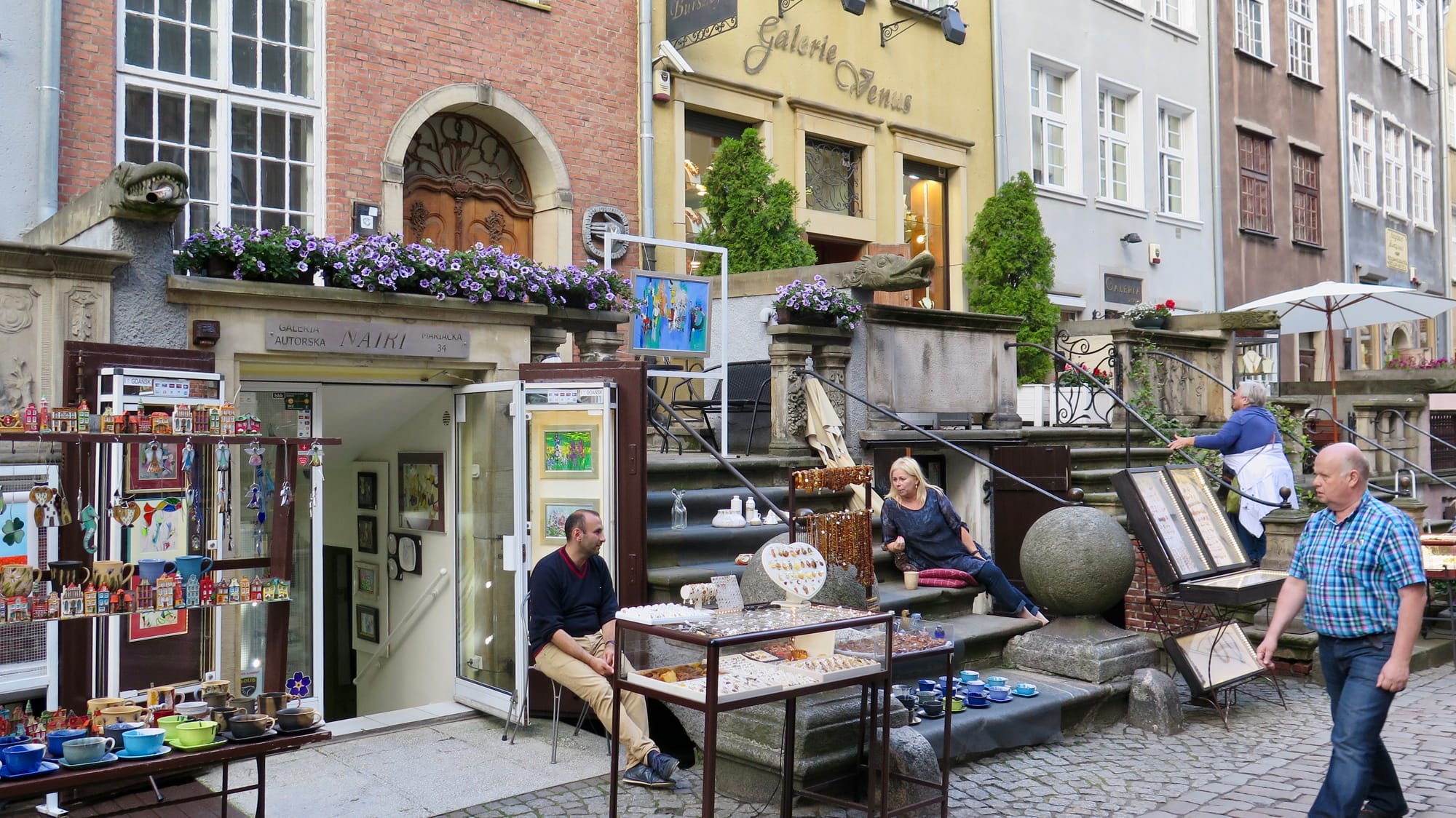
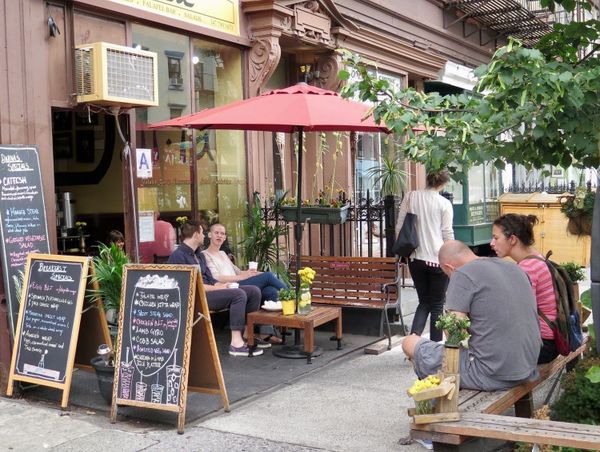
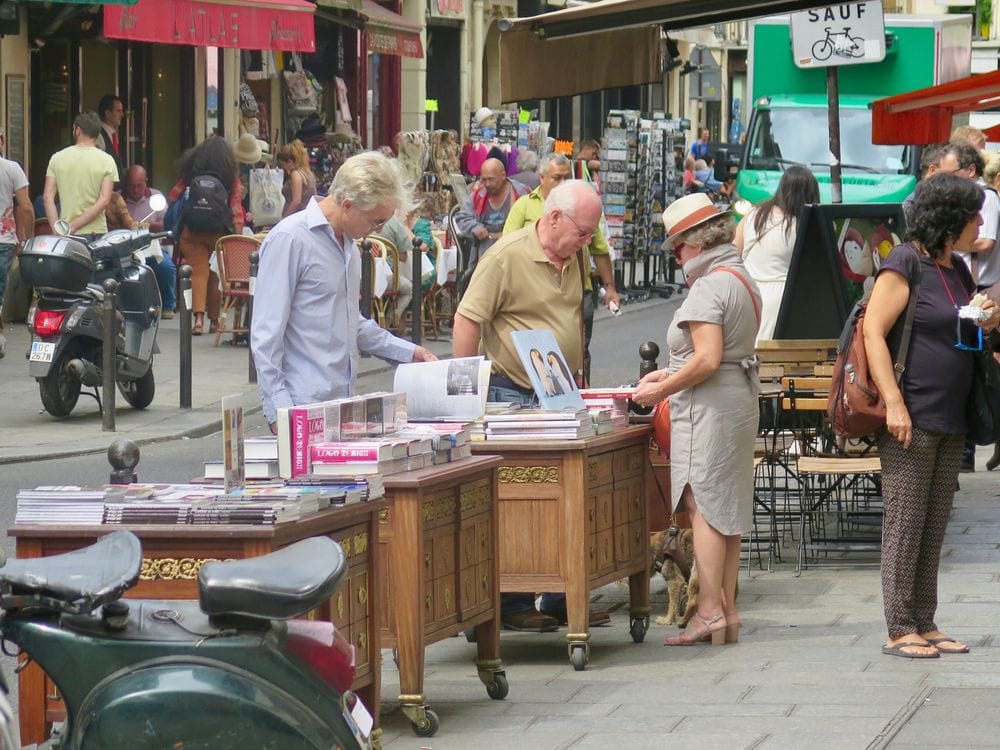
Even streets that keep their car traffic can put into practice the Power of 10+, by employing "inside out" design and setting up social hubs like outdoor dining areas along the sidewalks and streets. When NYC did this during and after the pandemic, the once car-dominated streets started bustling with pedestrian activity and social life.
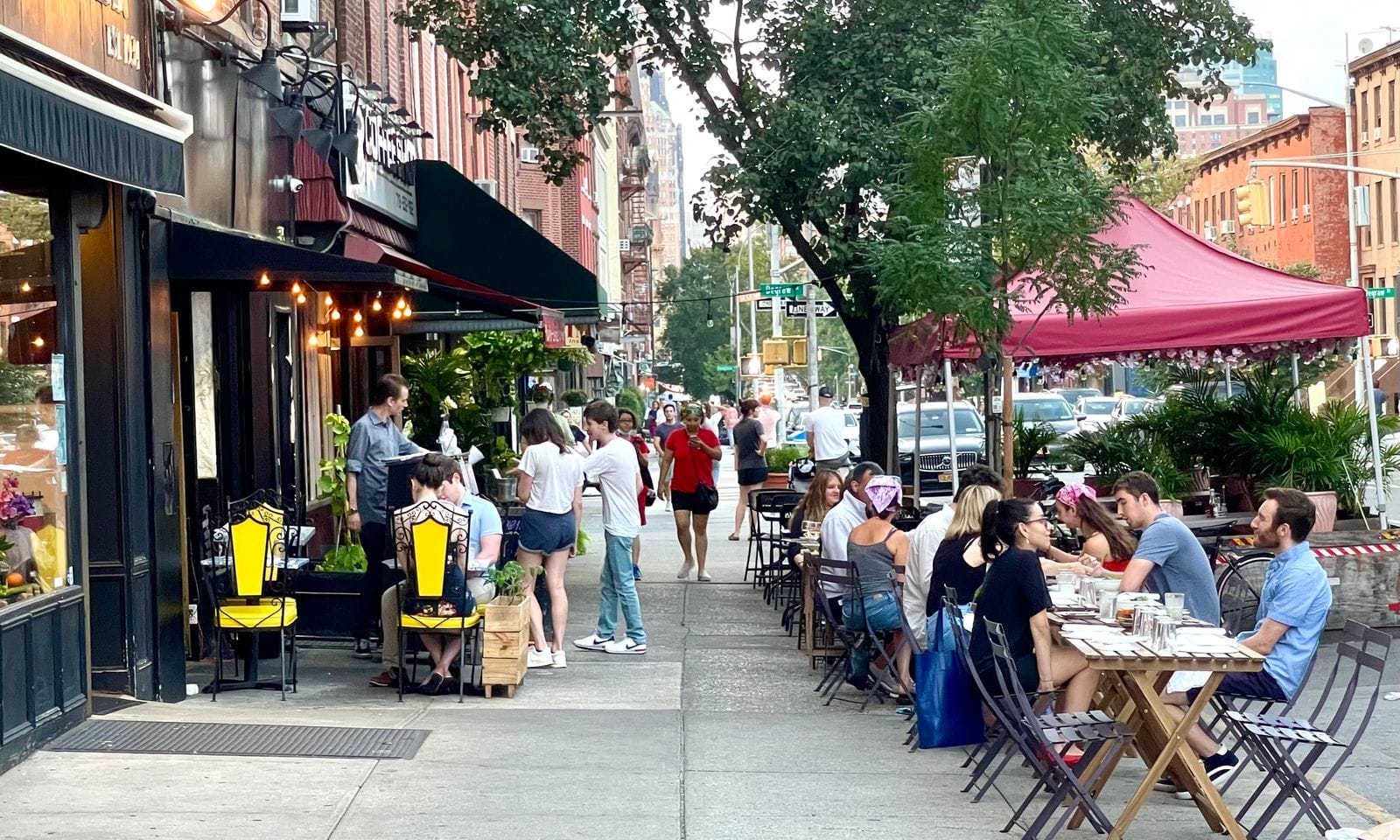
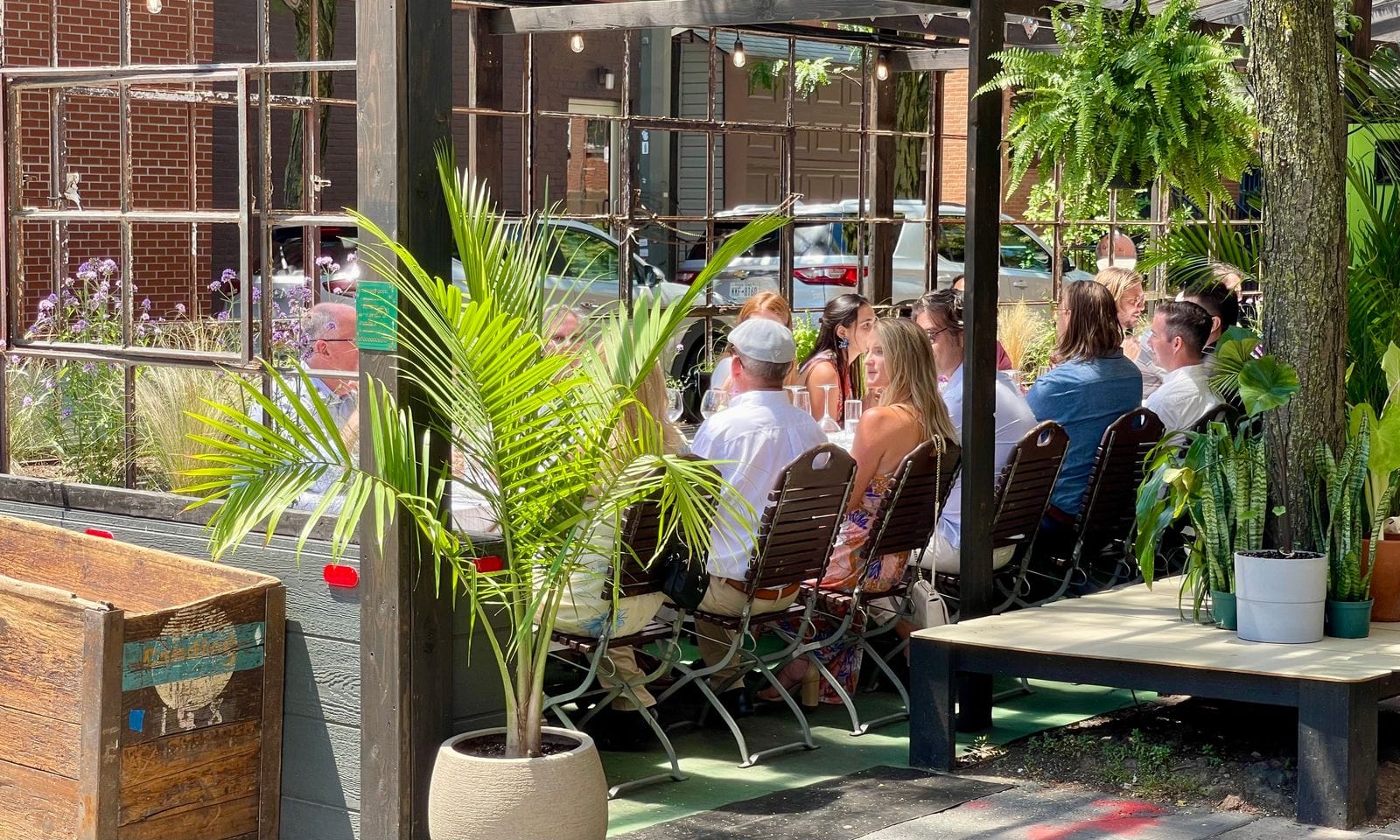
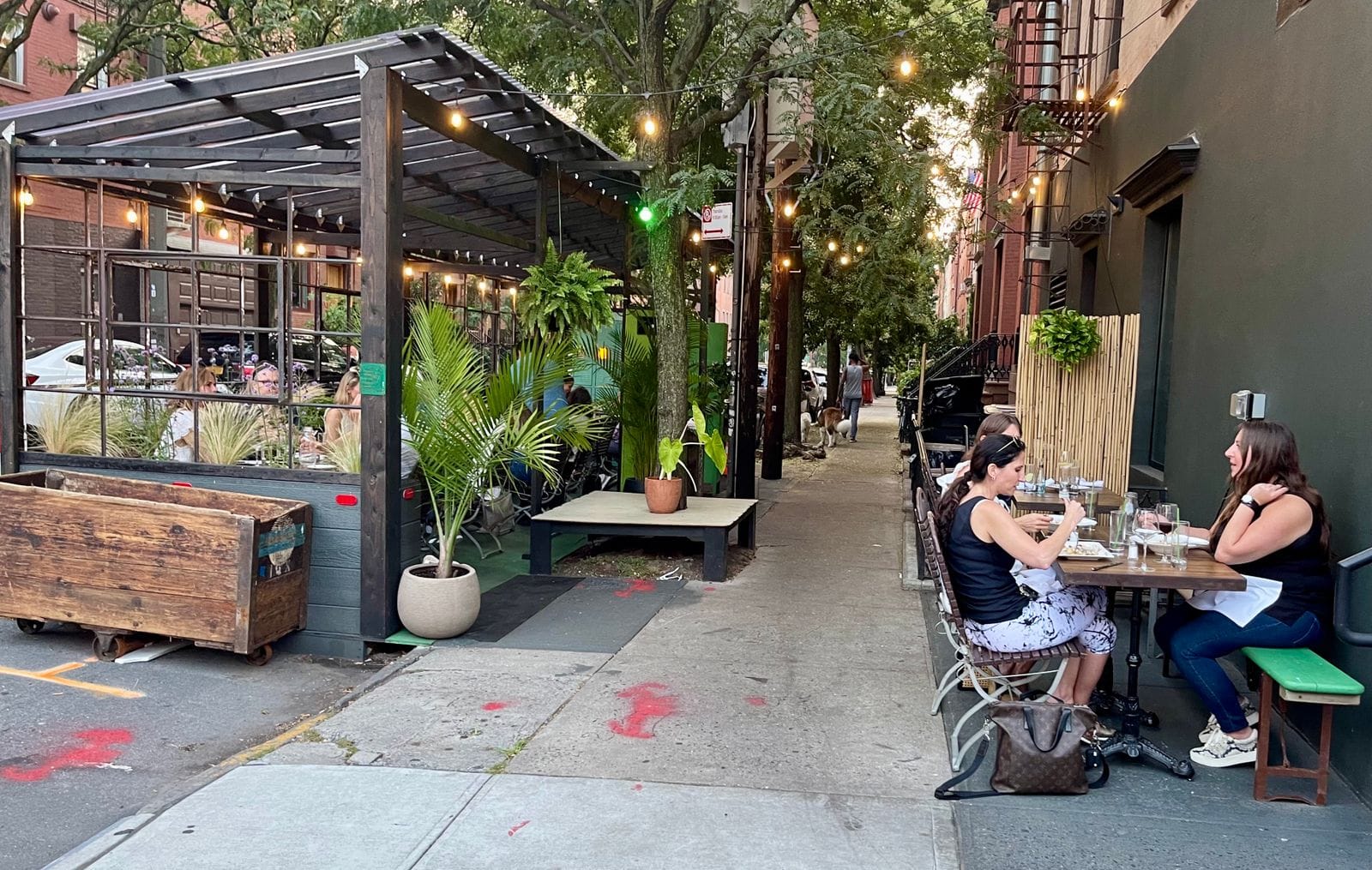
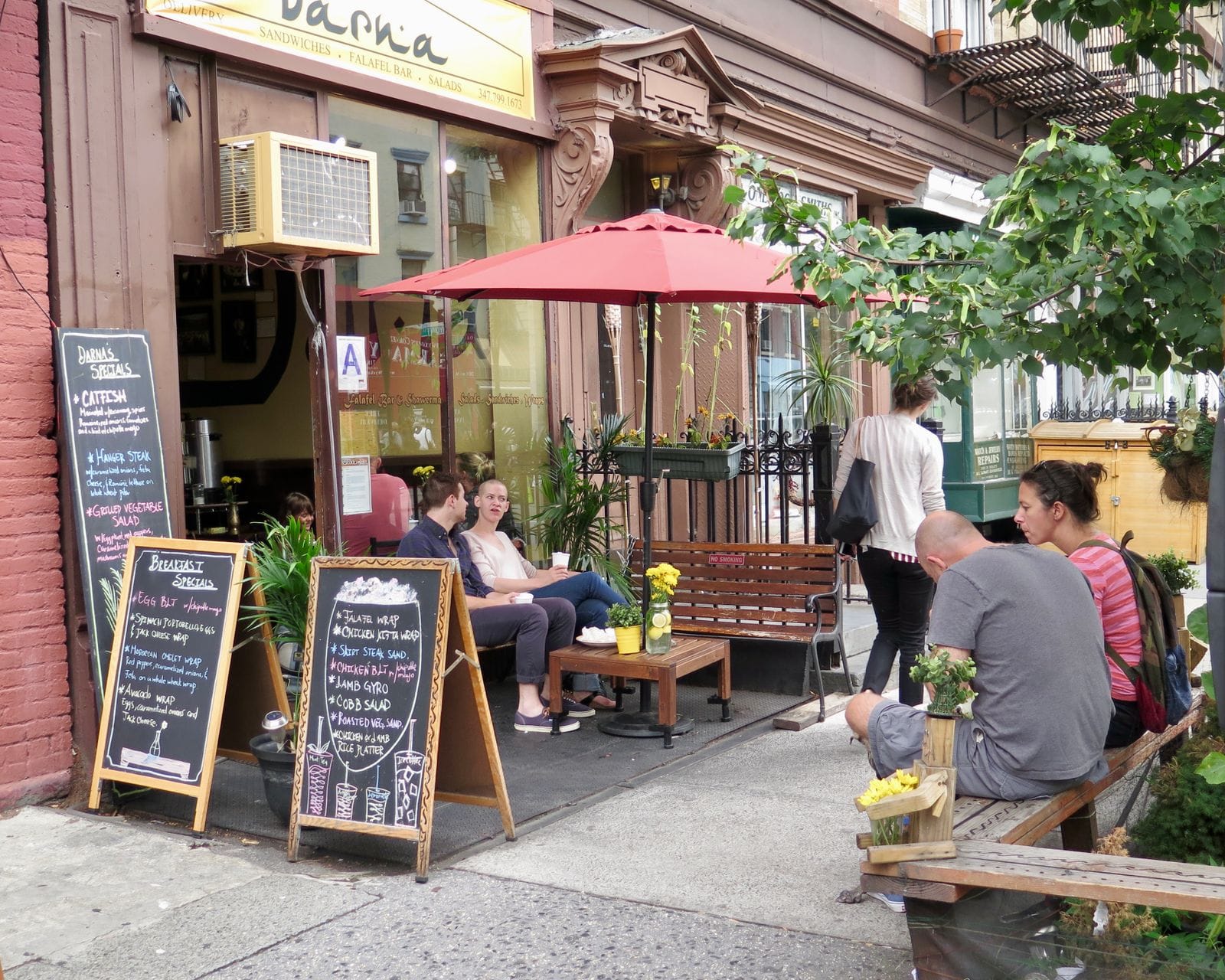
Inside-out design and dining sheds activate streets with social and commercial life
In neighborhoods like Cobble Hill and Carol Gardens, what were once car-dominated throughways became vibrant people-centric destinations where the community loved to gather and connect. This was achieved by treating the sidewalks not as corridors, but as a series of rooms – instead of limiting their function to moving people from point A to point B, the focus shifted to creating places where people enjoyed lingering.
 Fred Kent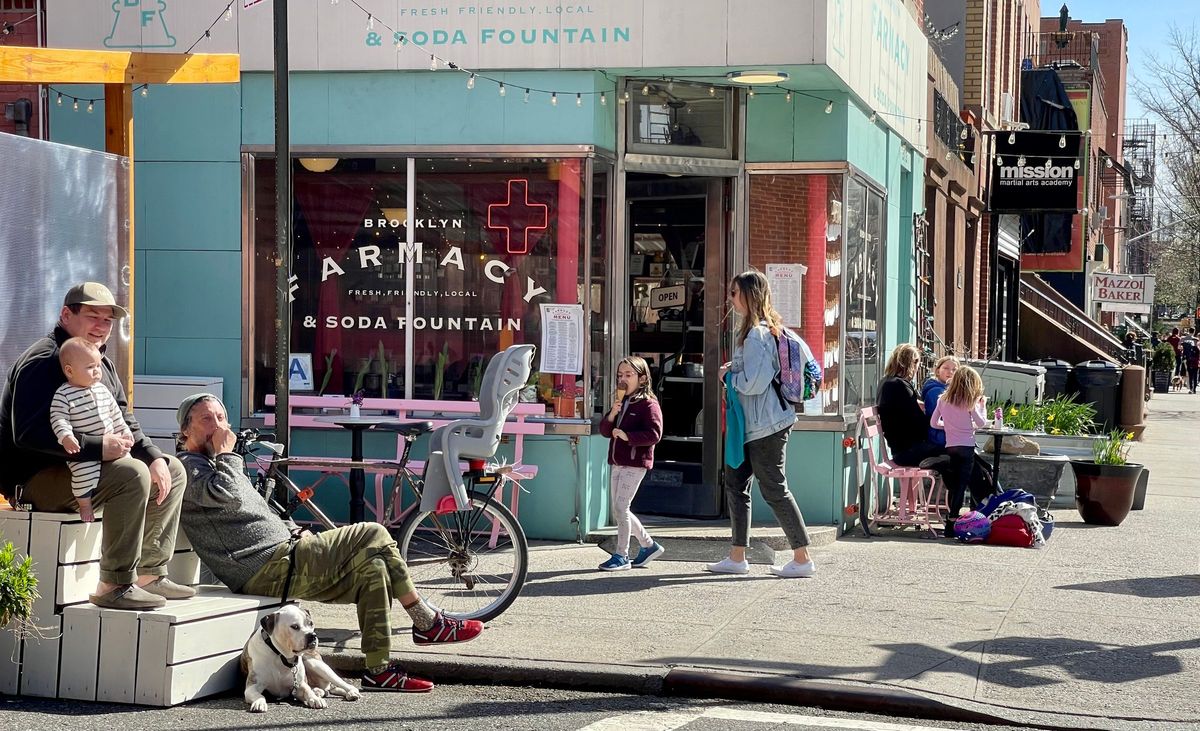
At corners
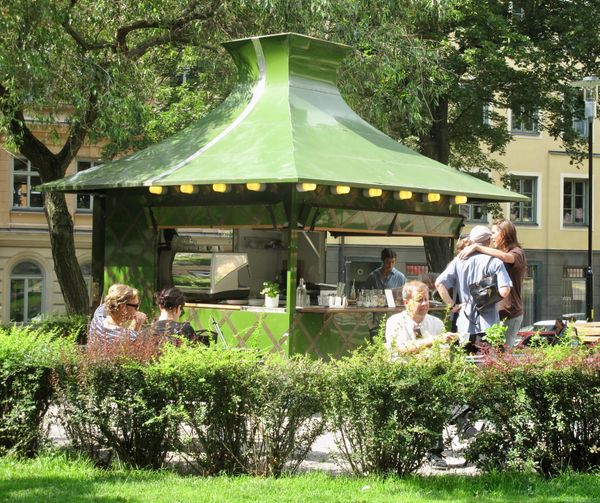
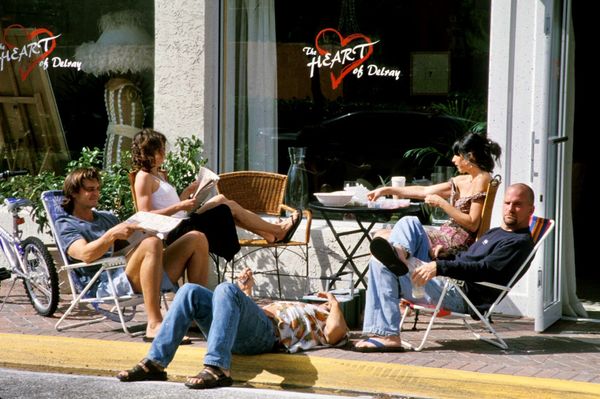
Something as compact as a corner can also embody the Power of 10+. As the nodes of the urban network where people's paths cross, corners are important places to make engaging. They can be fitted with outdoor dining, public seating, a newspaper kiosk, an ice cream truck, an order window for a bakery, a street shed, street performers, etc. The Power of 10+ works at all scales.
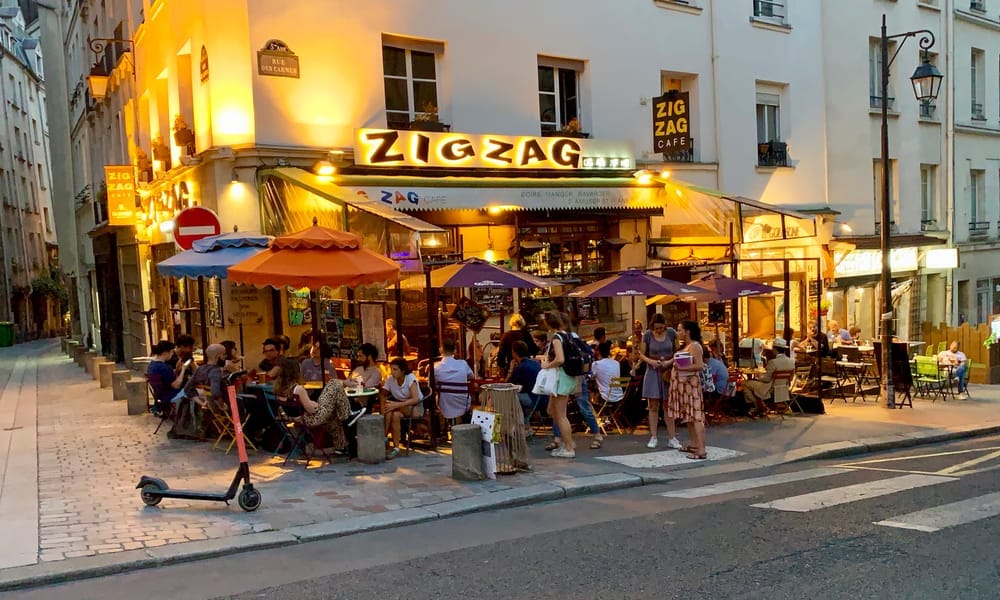
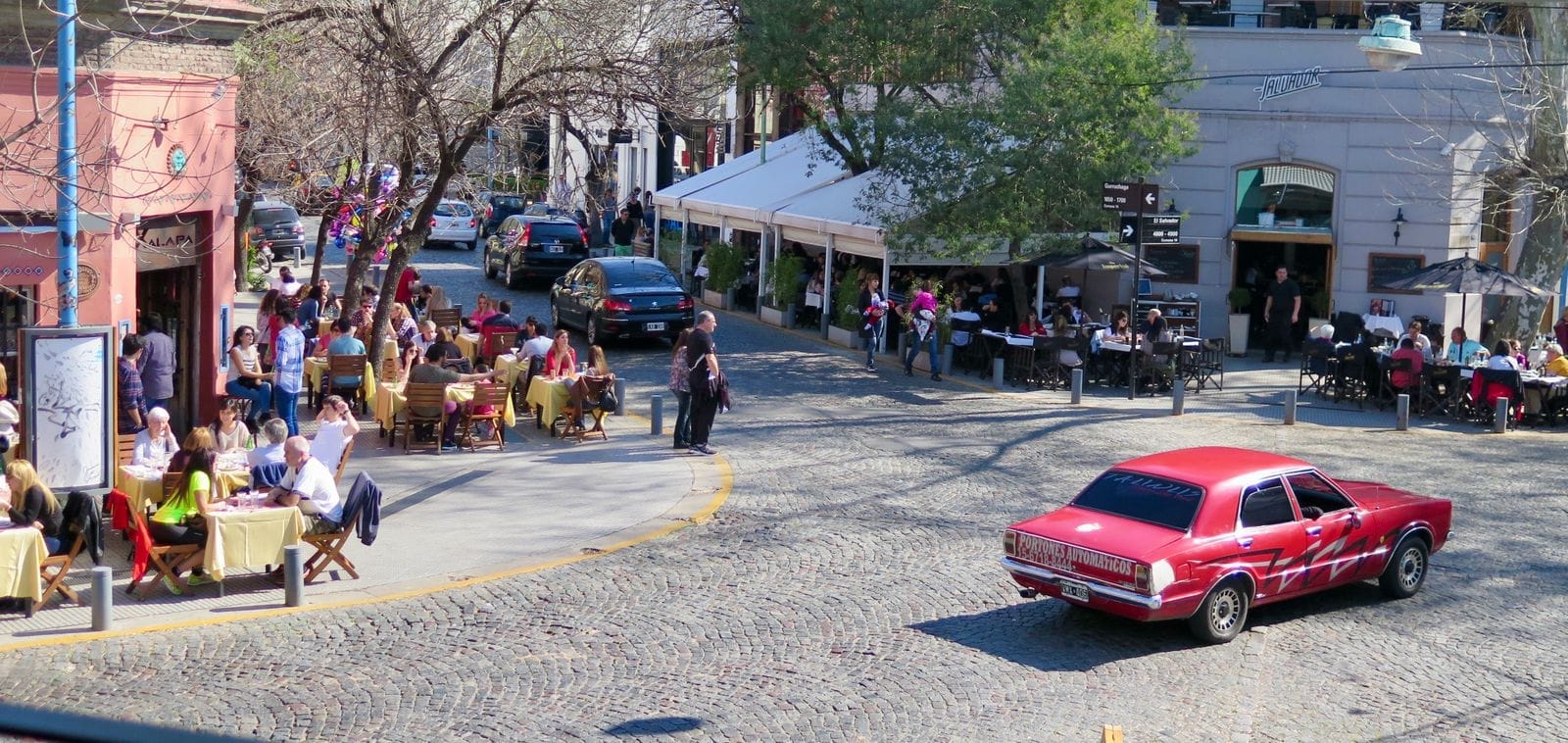
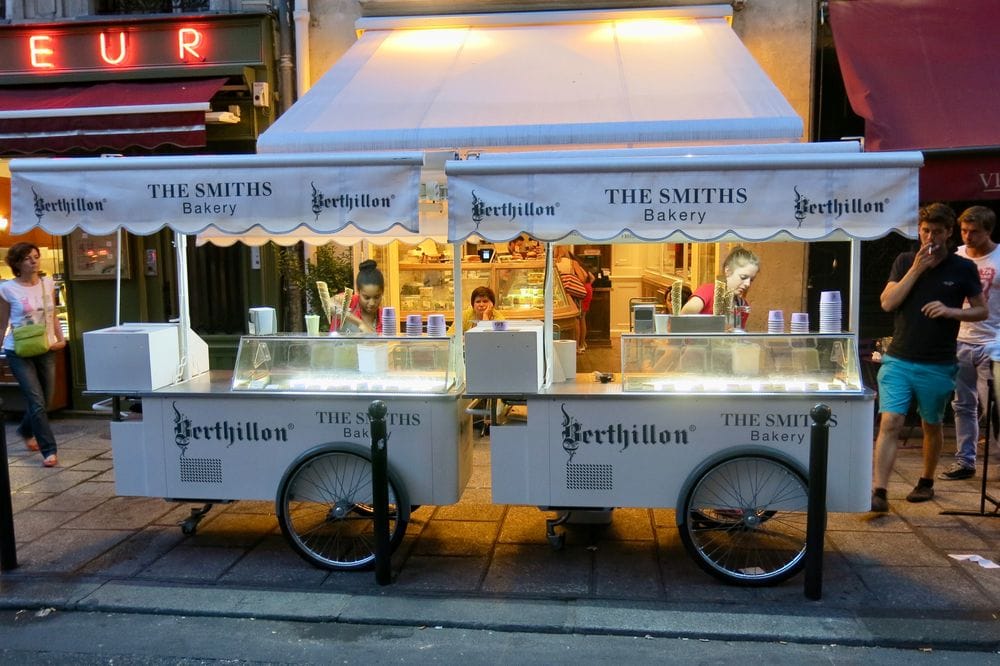
Power of 10+ at the corner
 Fred Kent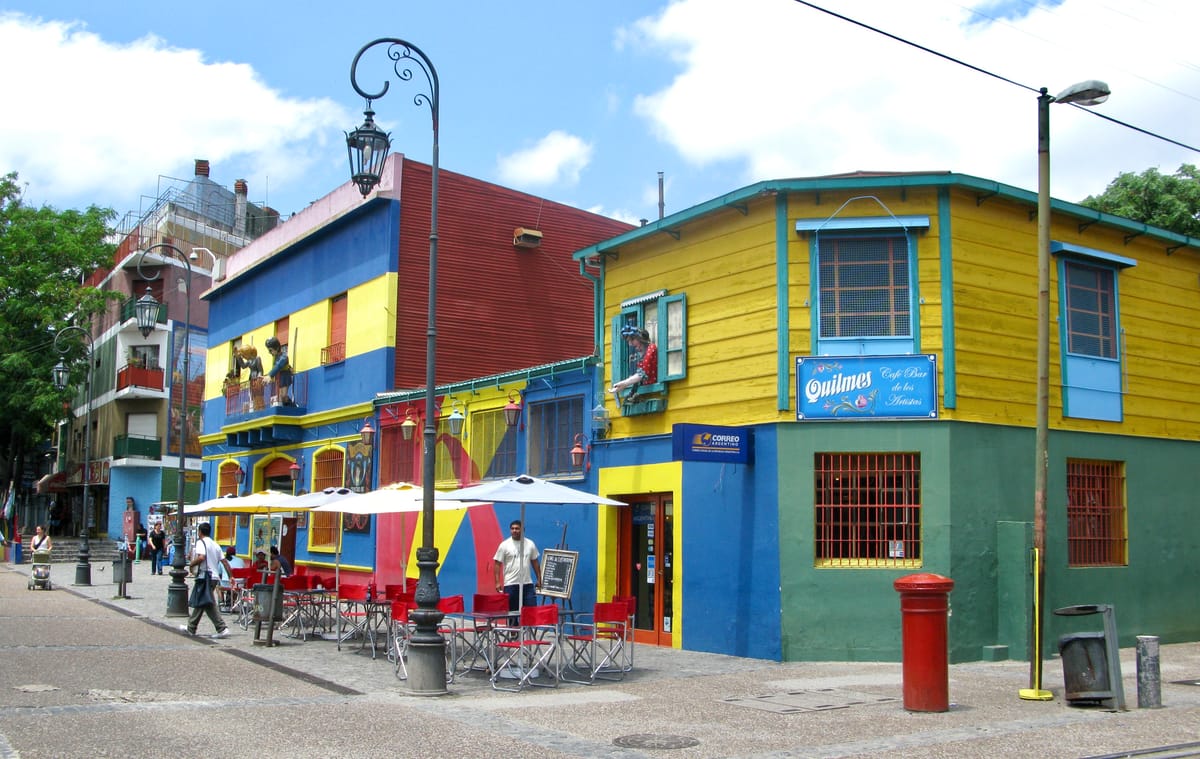
At waterfronts
Waterfronts are great places to implement the Power of 10+ because people are already drawn to the water by the lure of wonderful views and are happy to spend extended periods of time there to enjoy them. Therefore, they are more than willing to engage with amenities, events, and activities of all kinds.
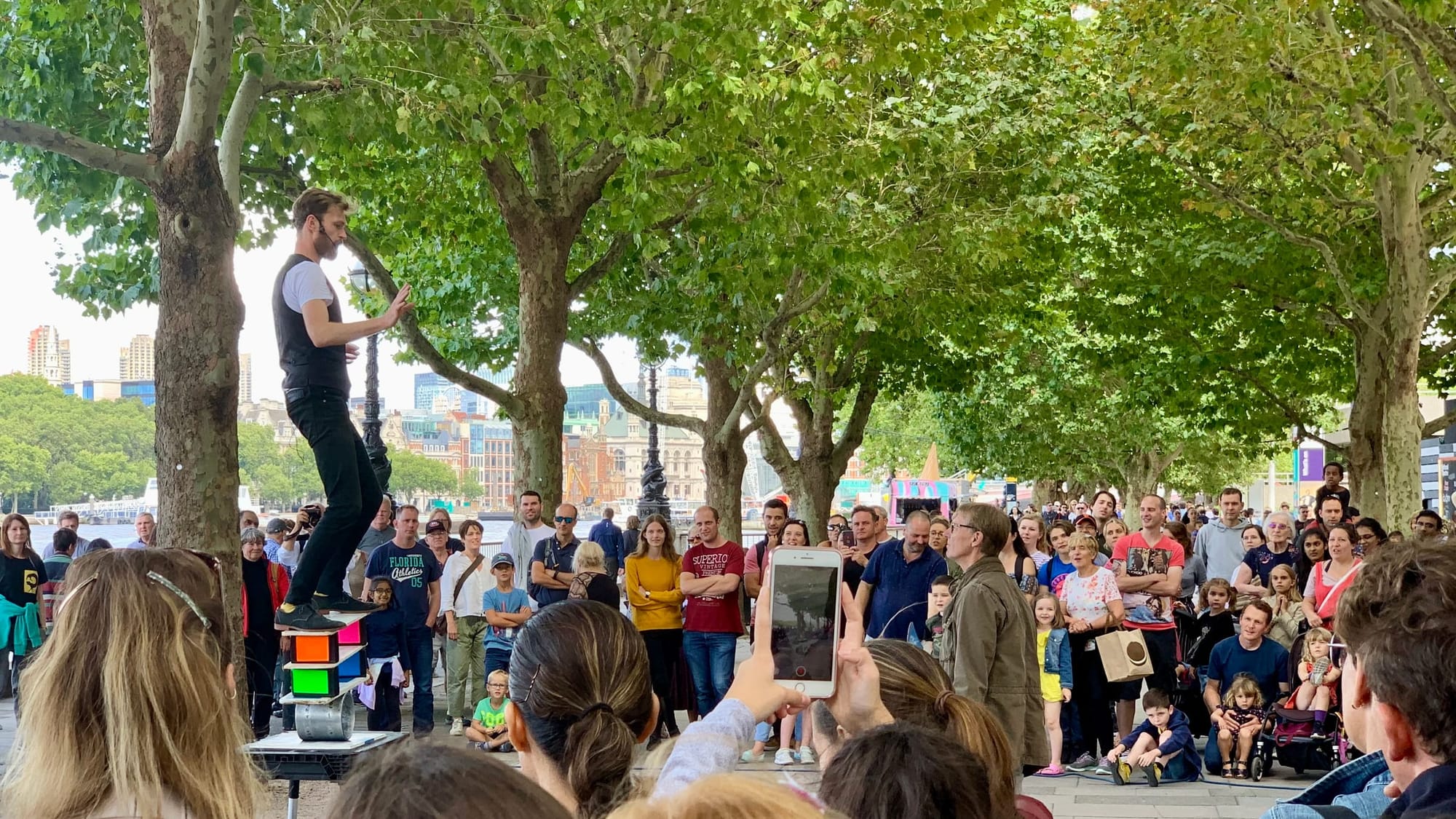
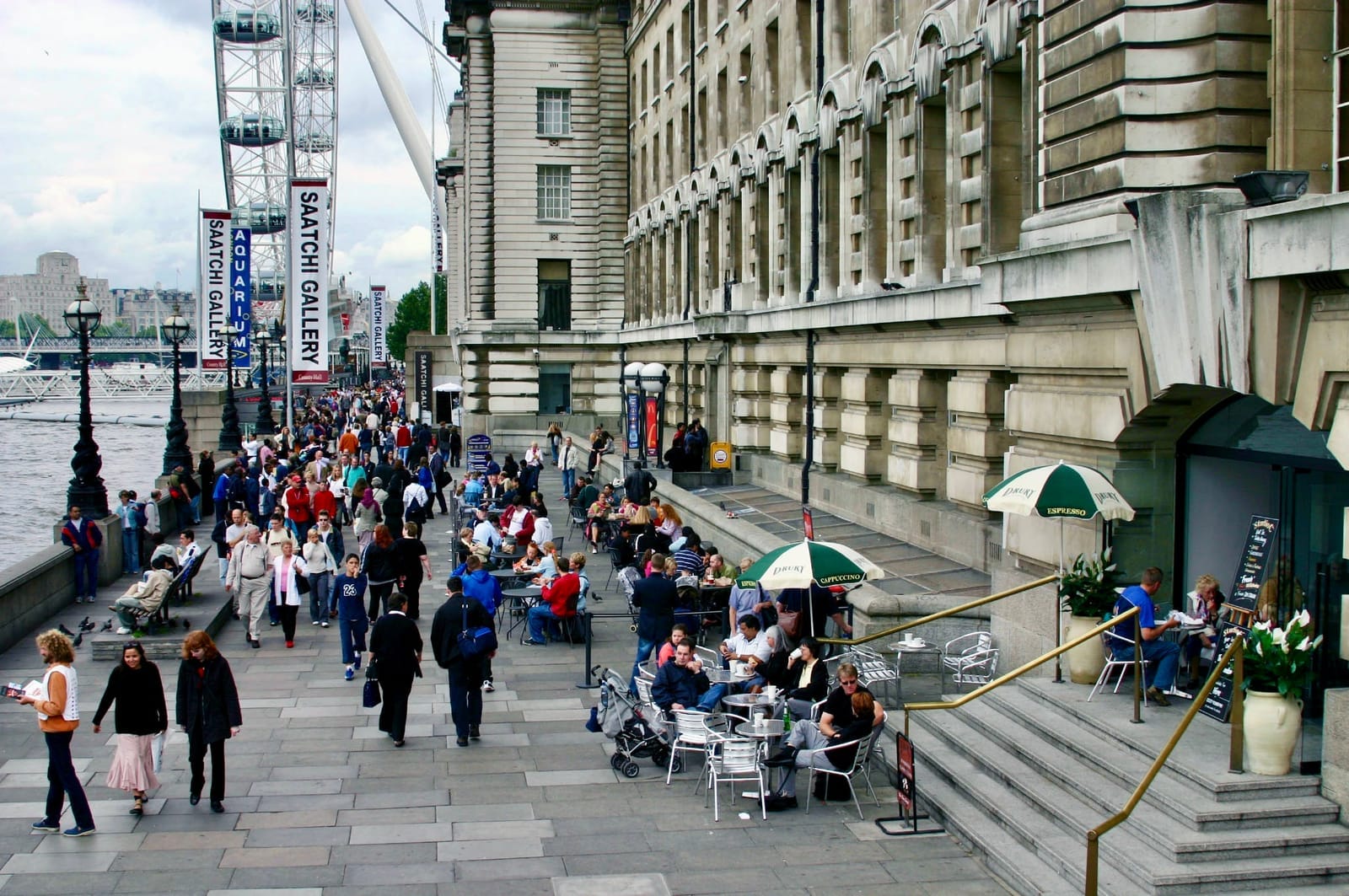
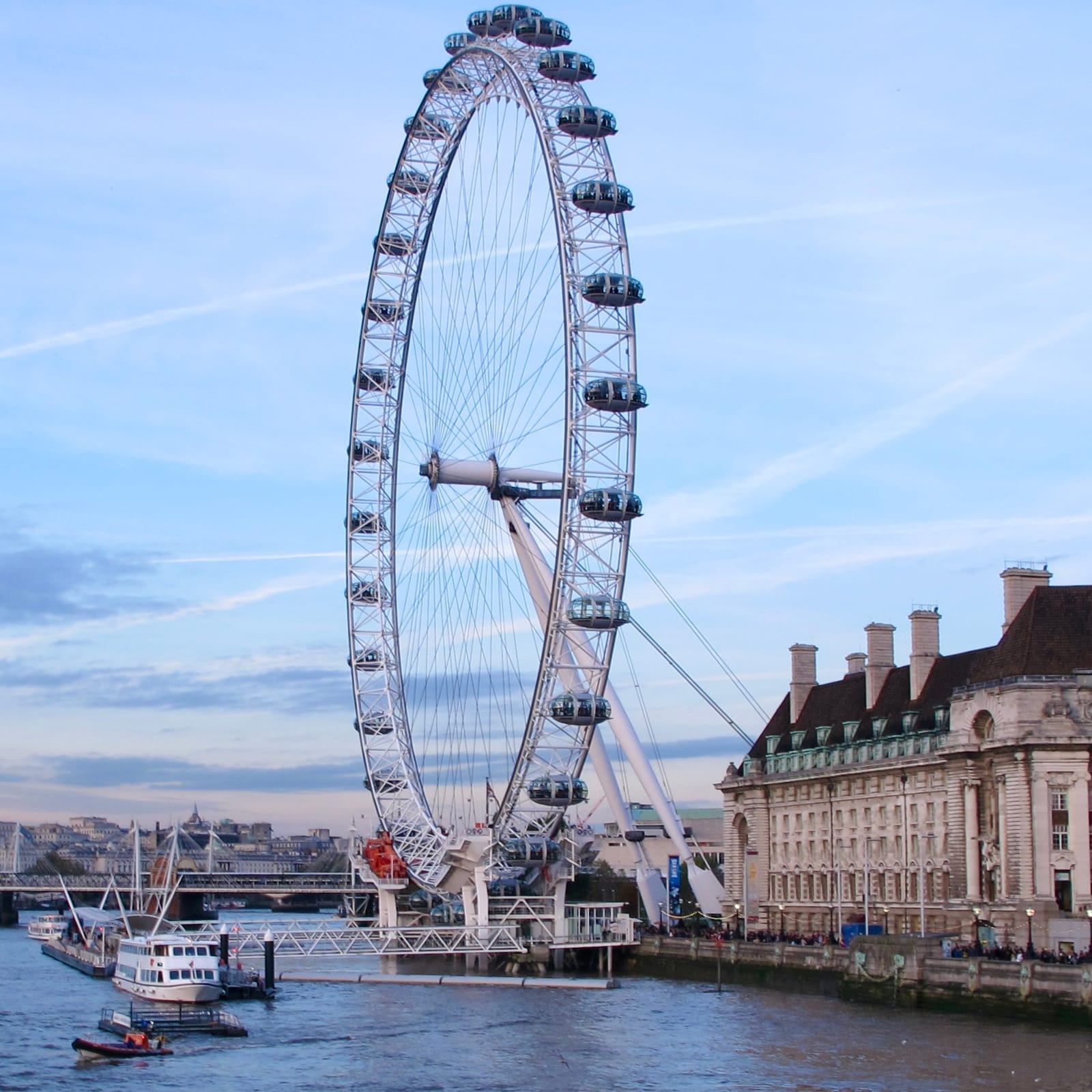
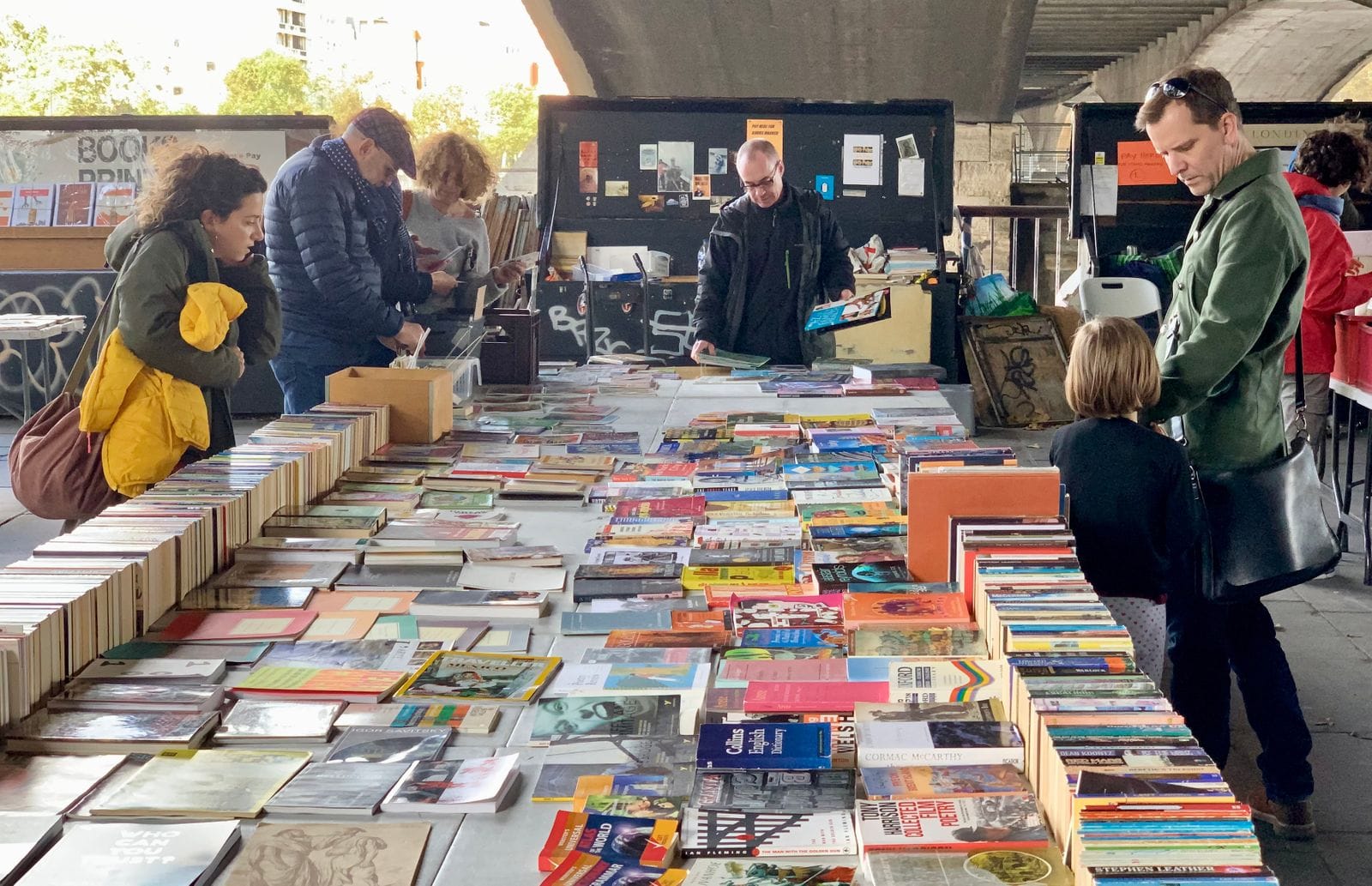
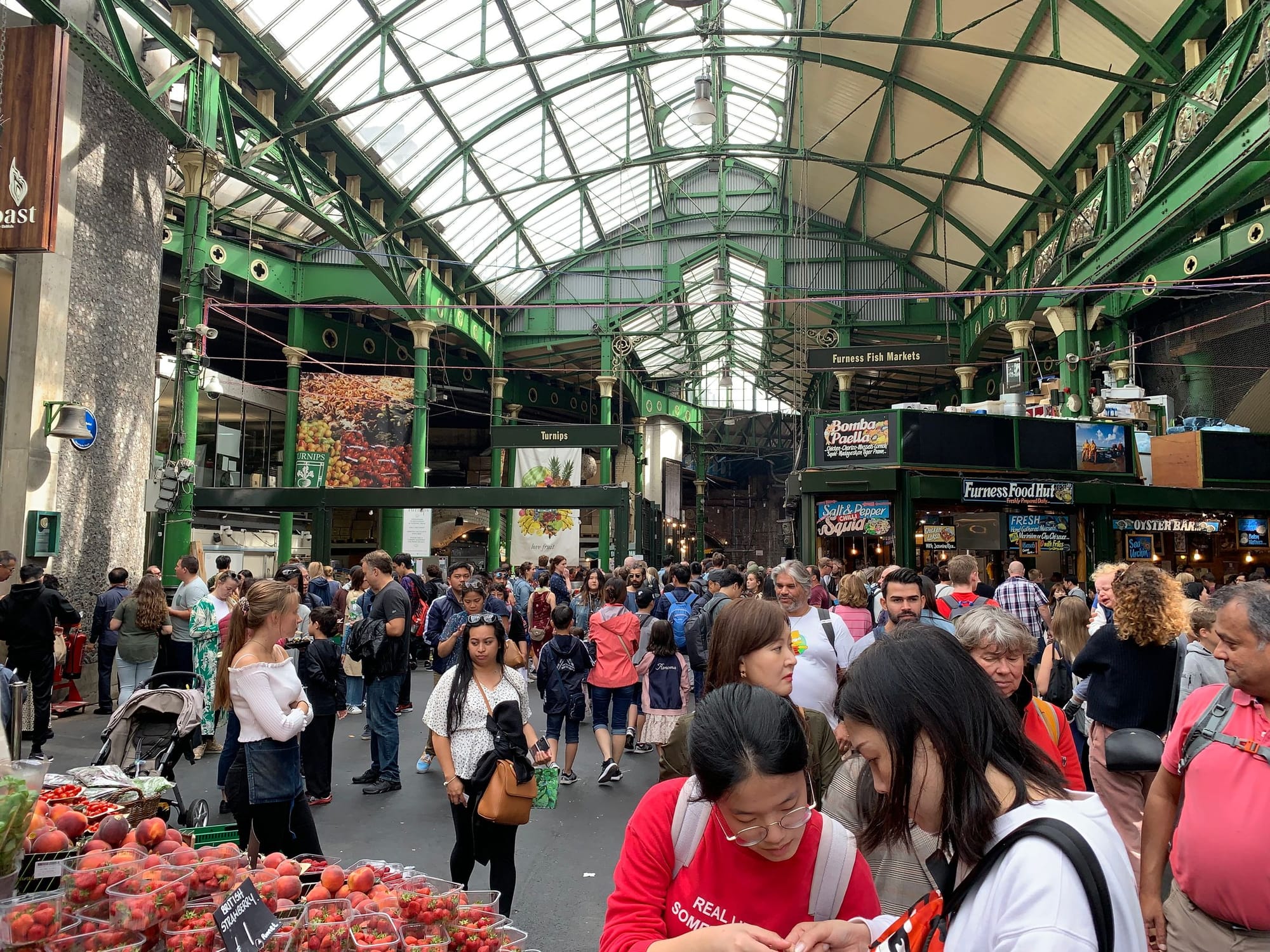
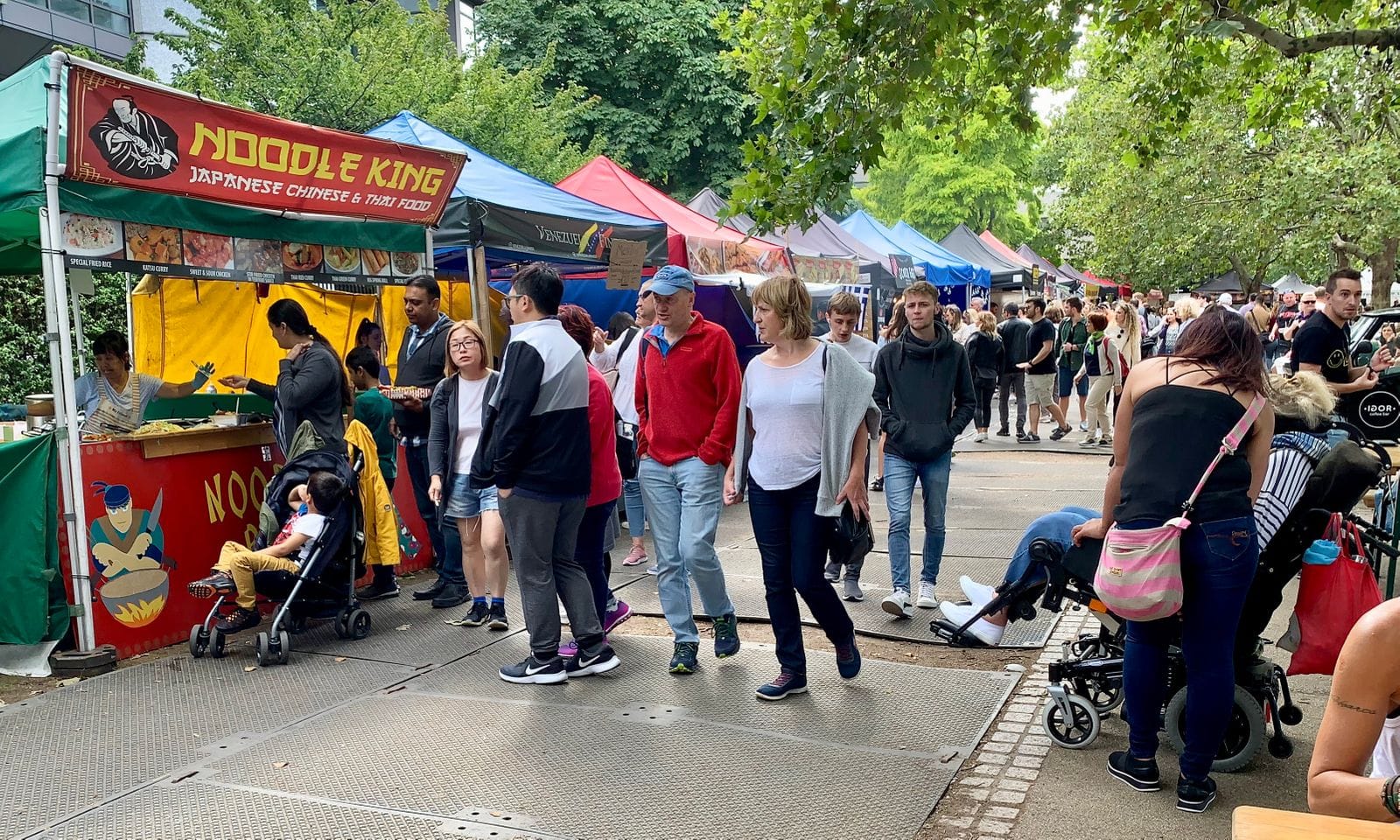
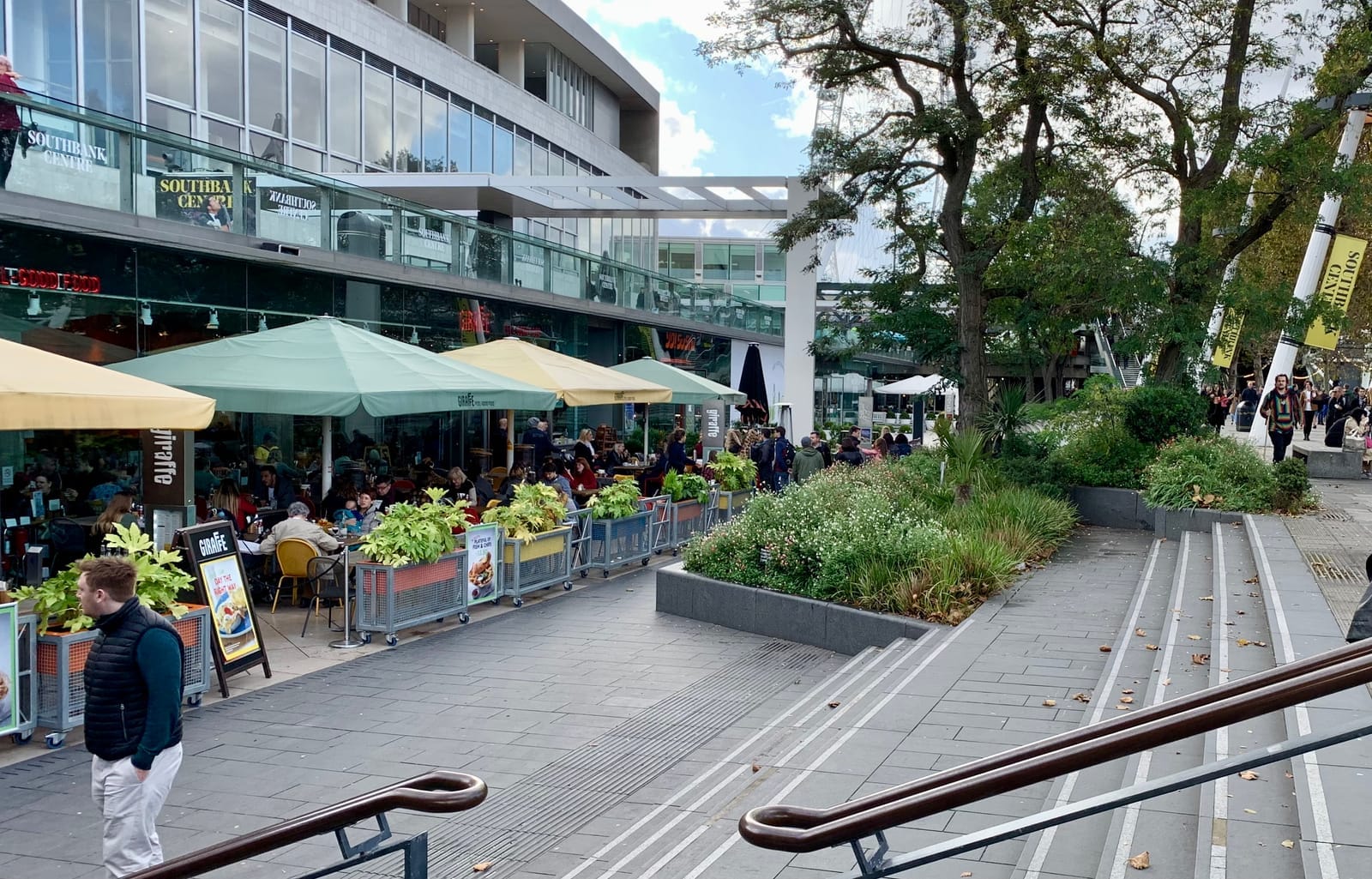
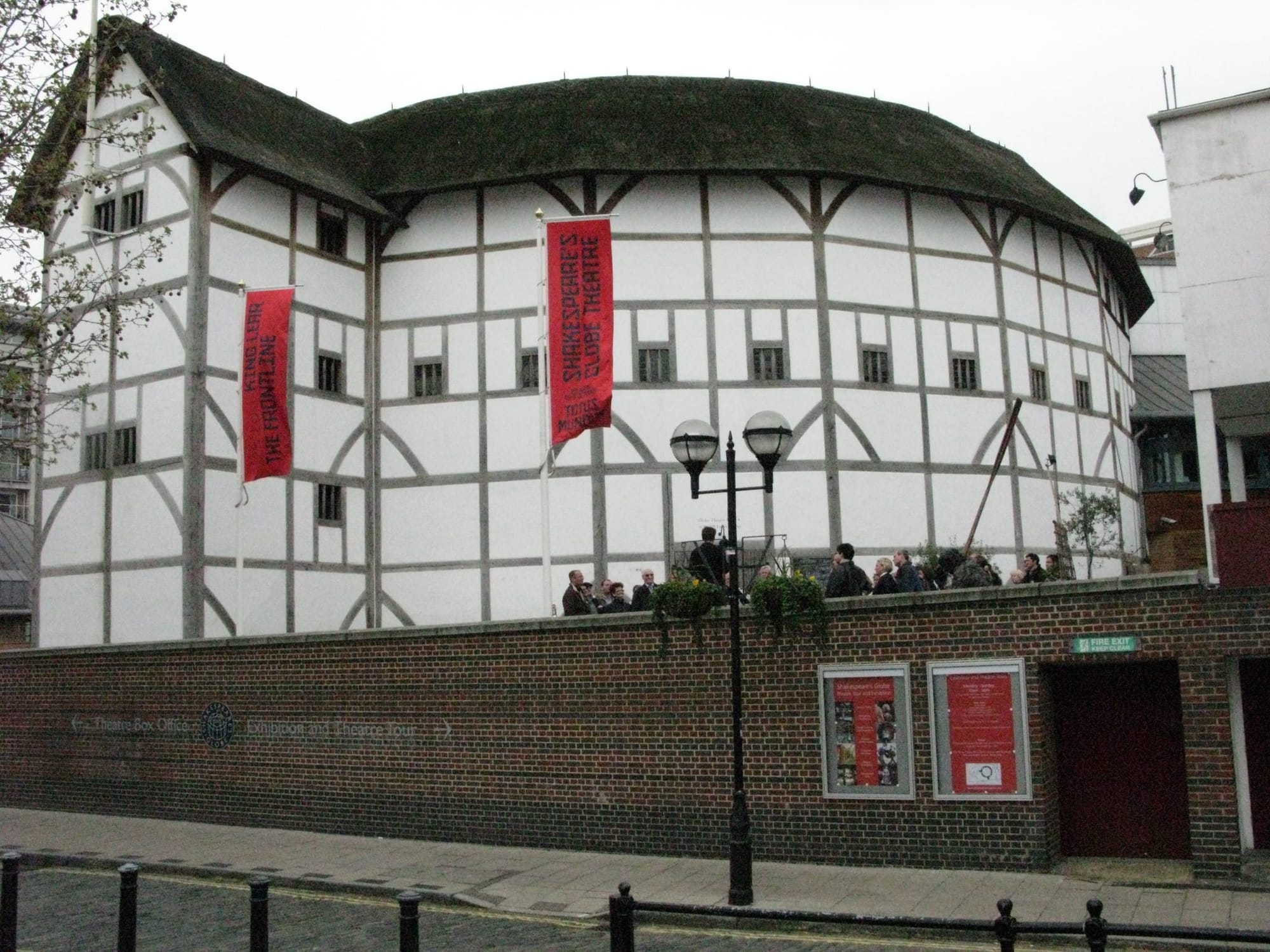
At London's Southbank waterfront, you can find all kinds of activations, from street performances to restaurants, book fairs and food festivals, markets and performance halls, and even a Ferris wheel!
 Fred Kent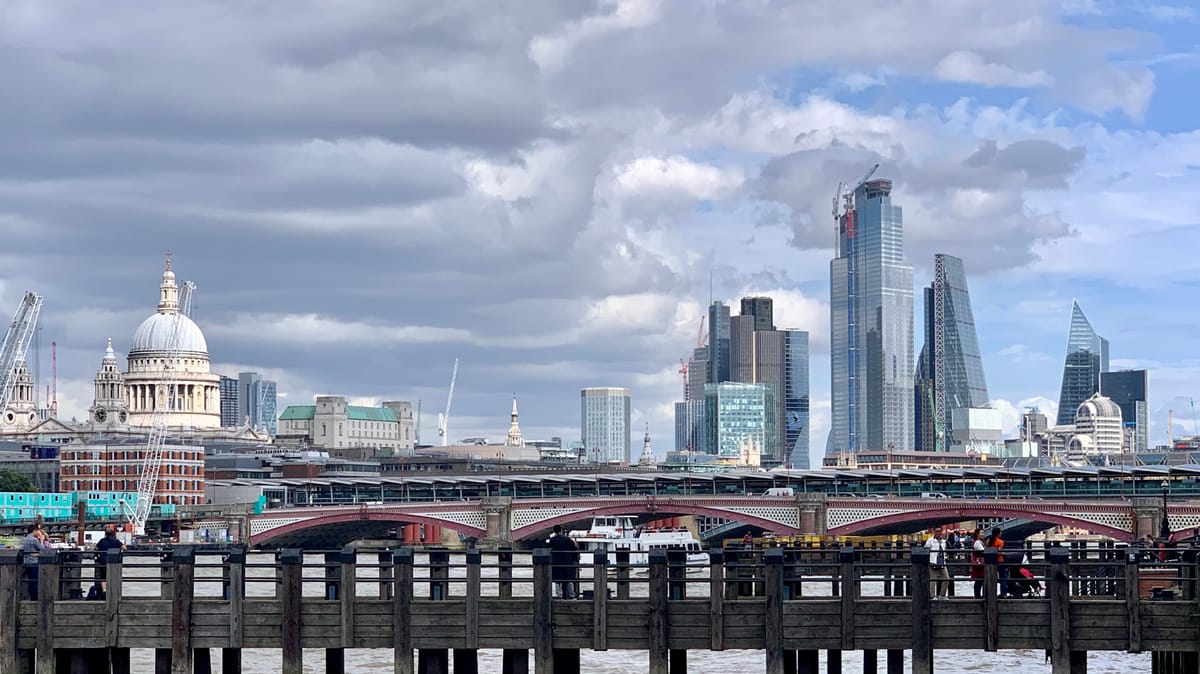
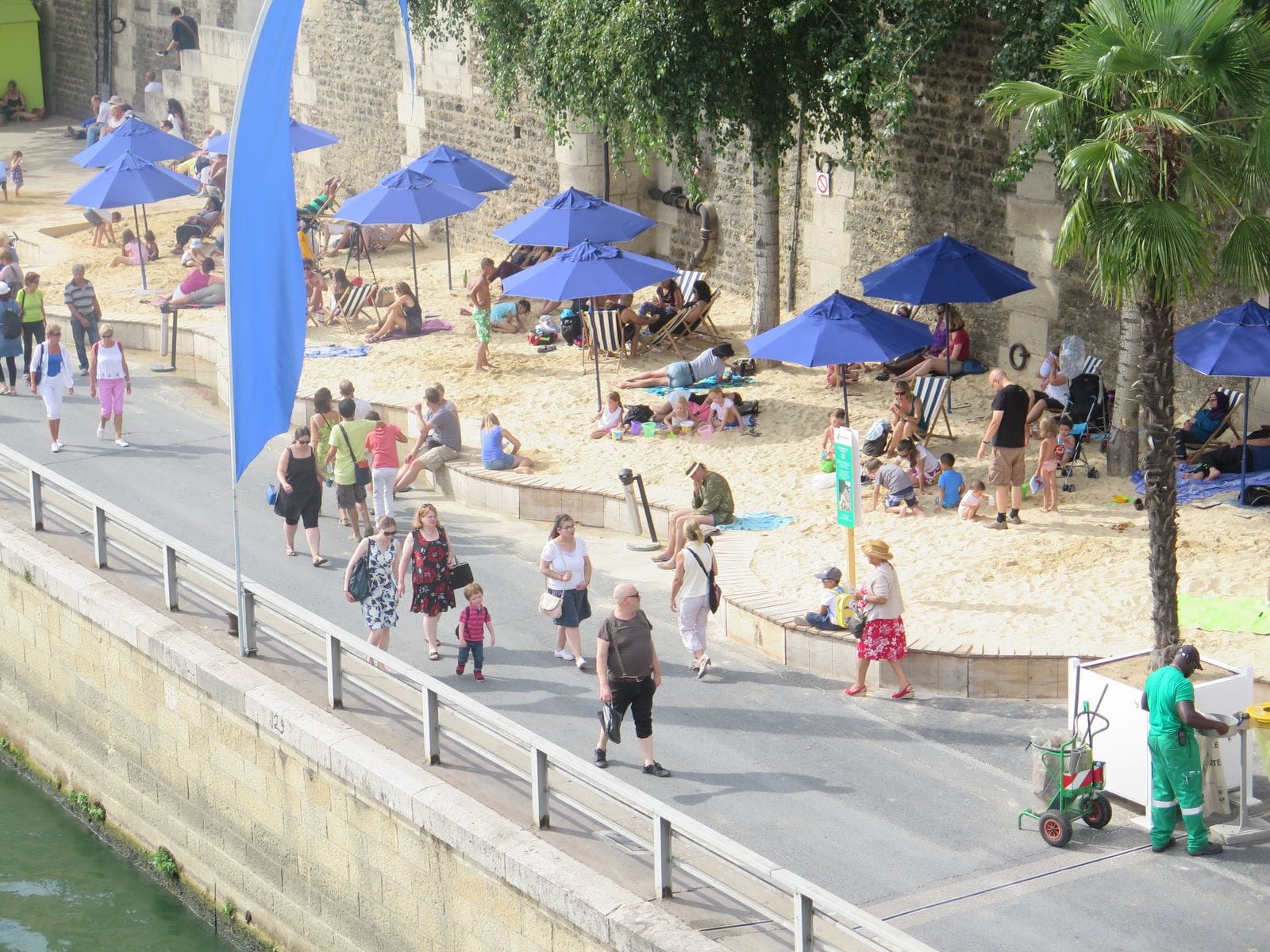
Paris - Paris Plages
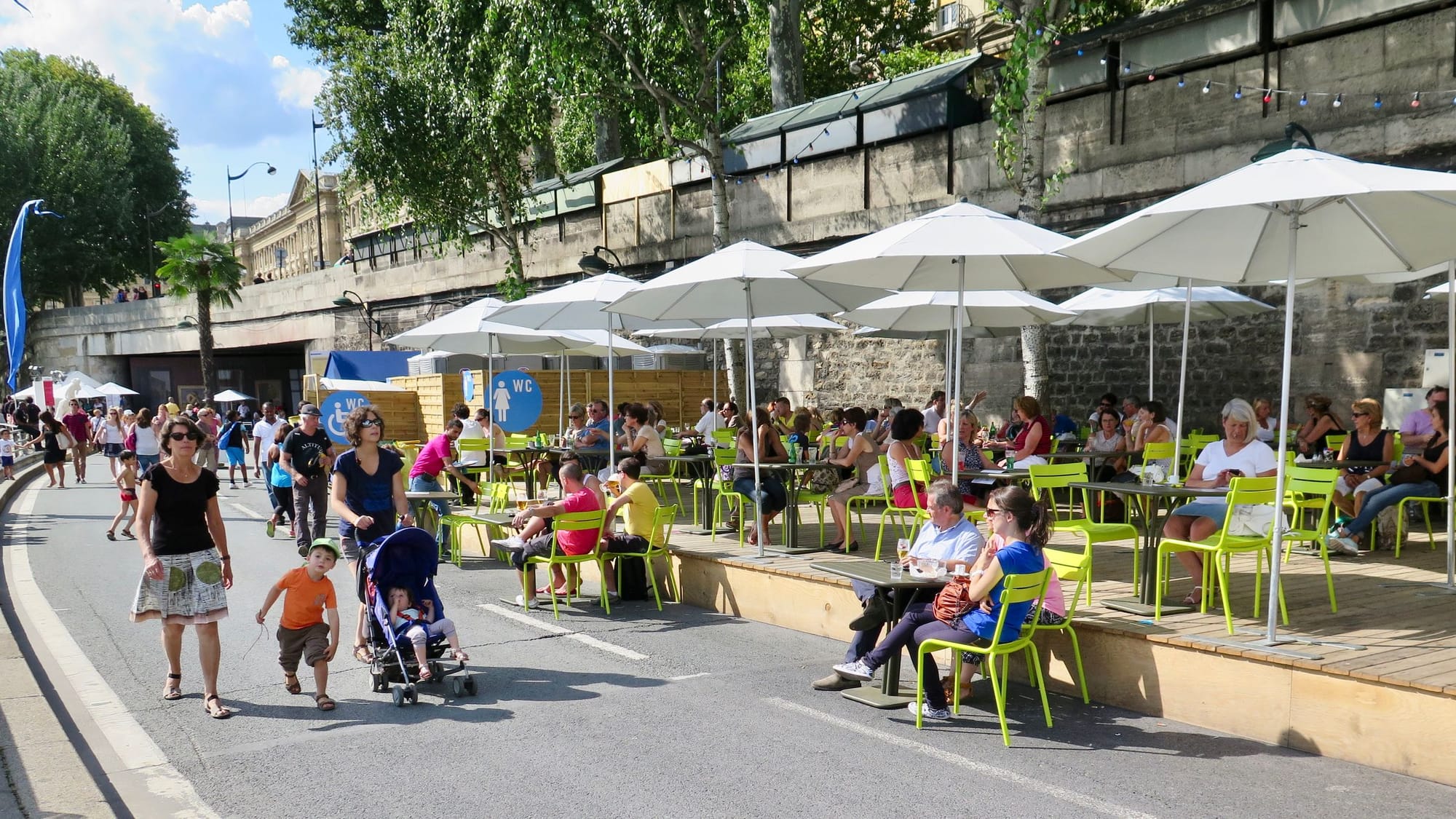
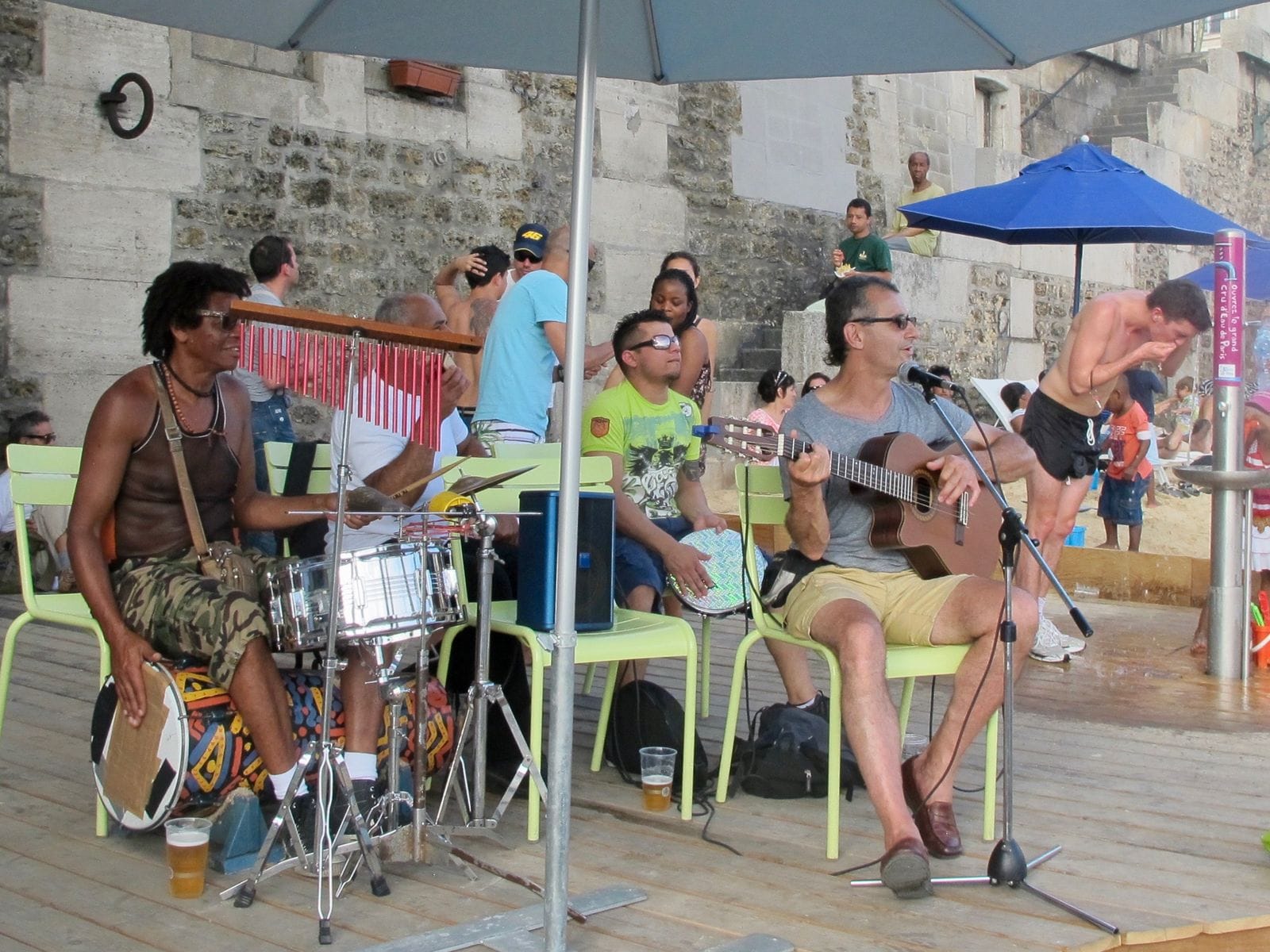
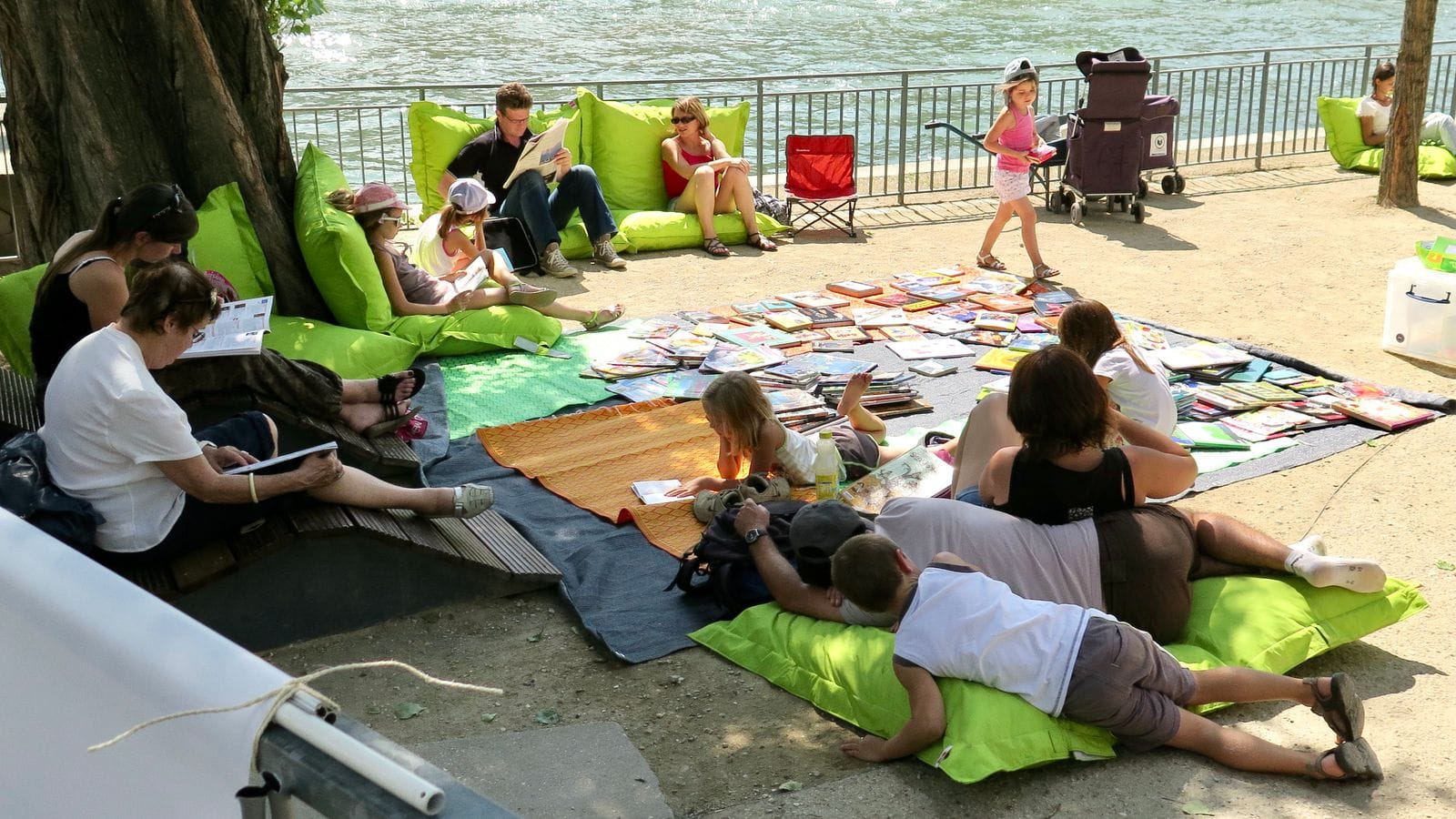
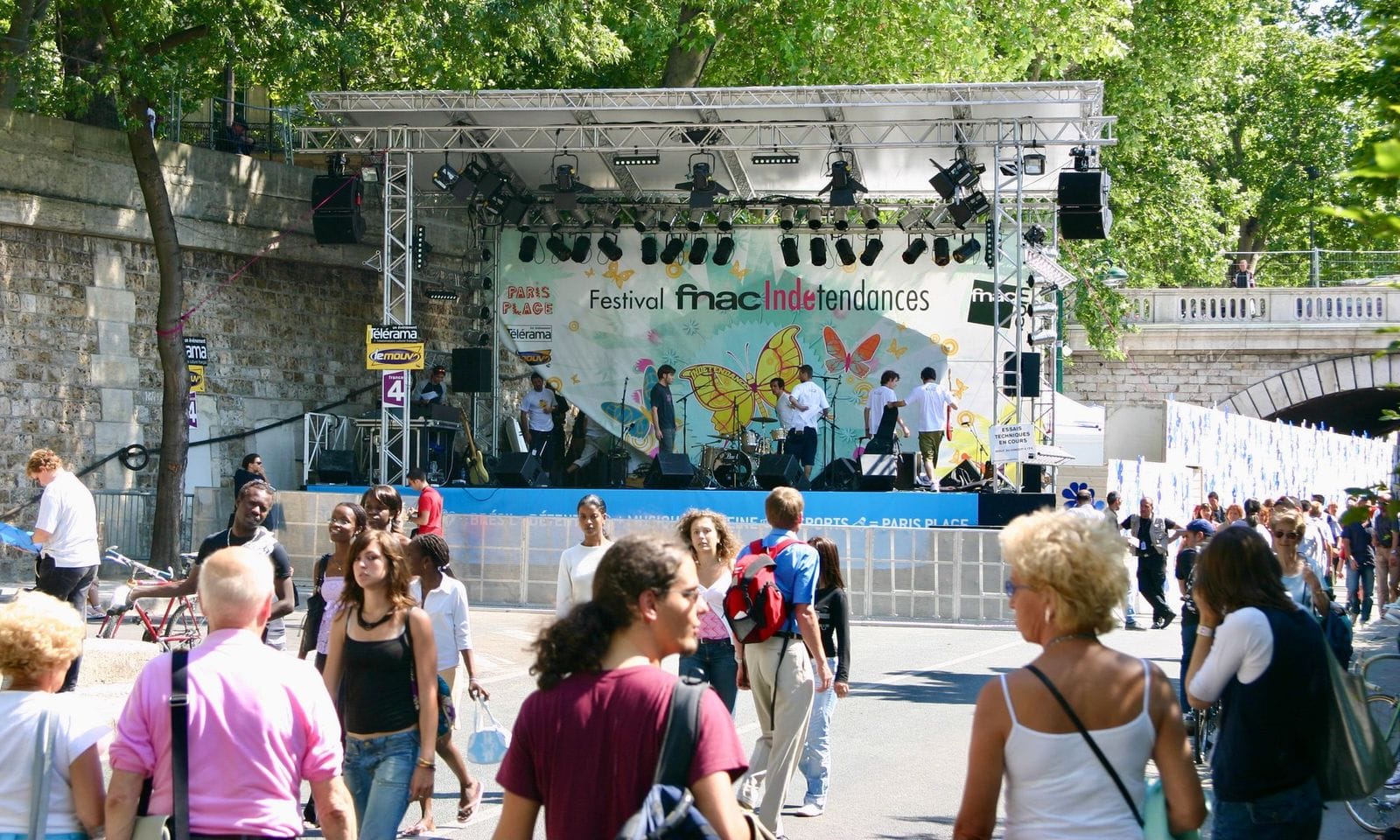
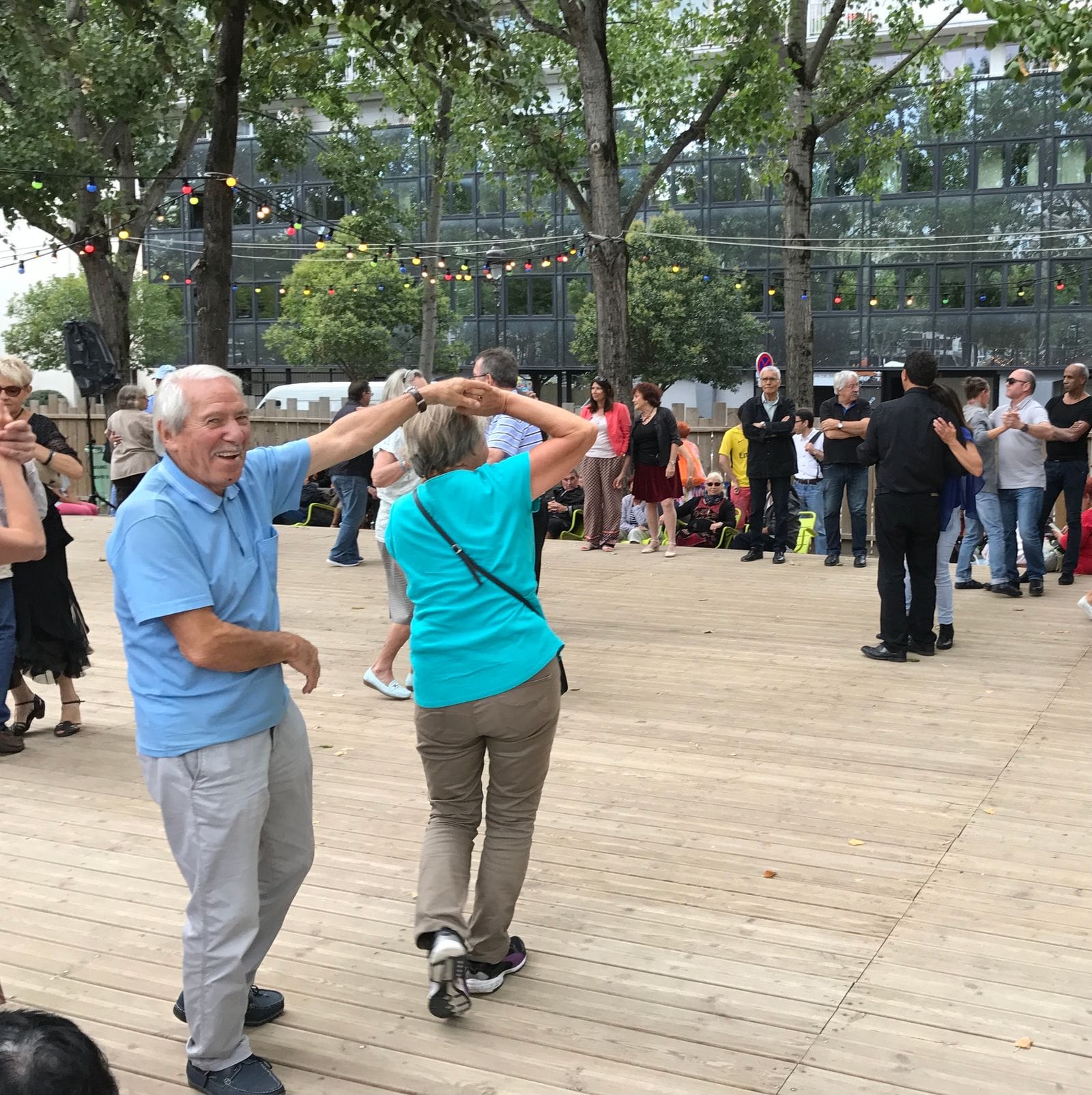
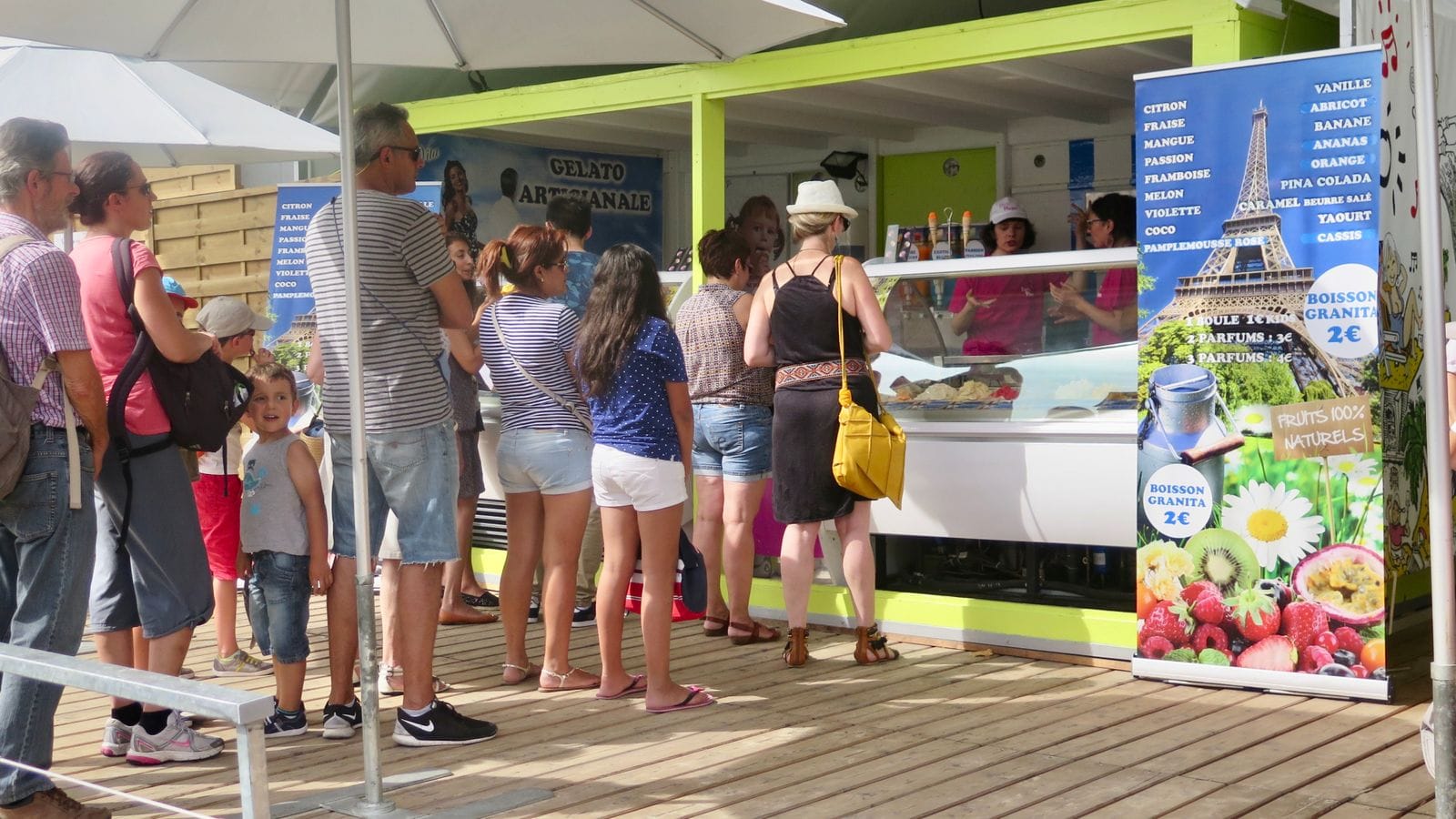
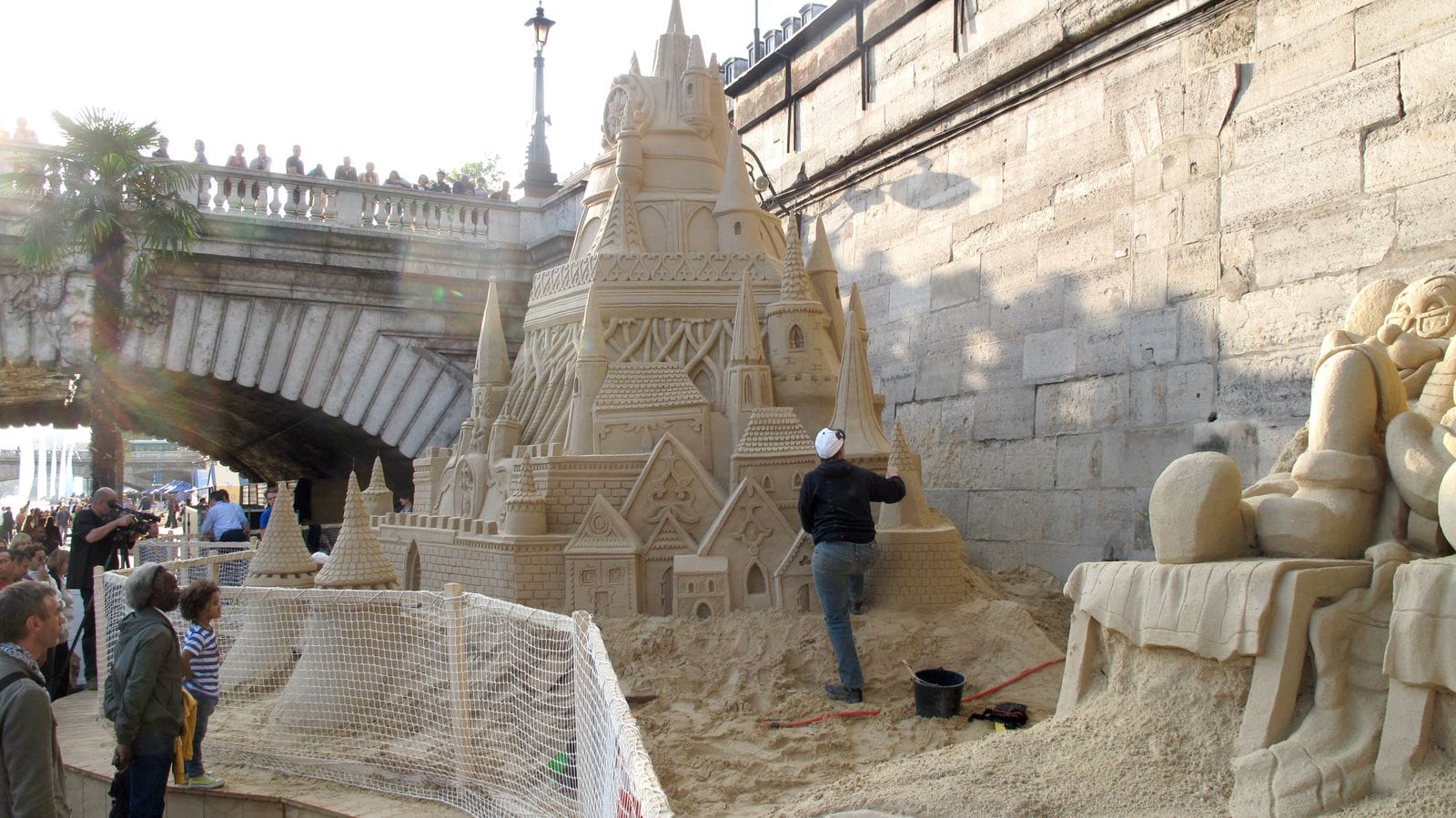
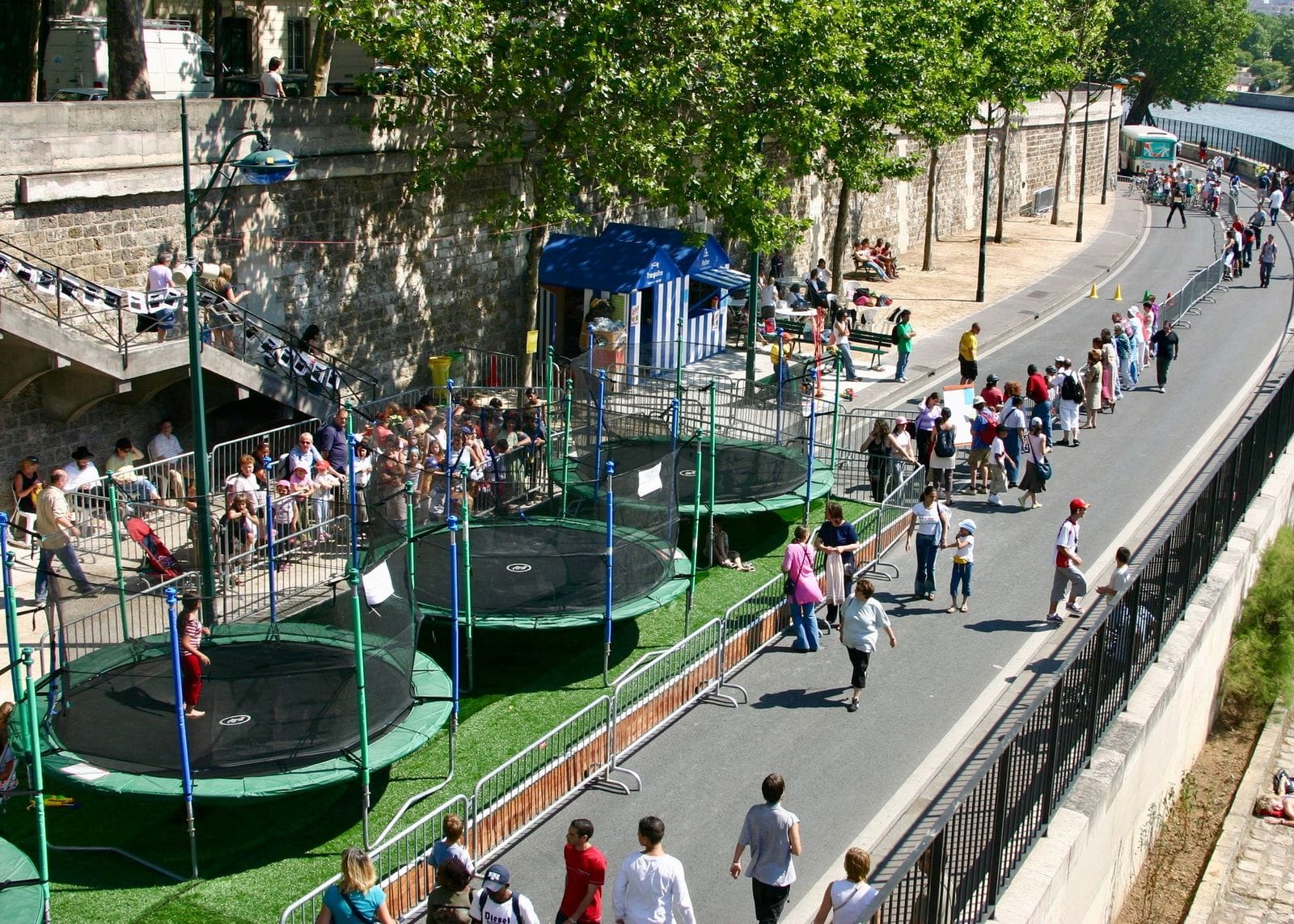
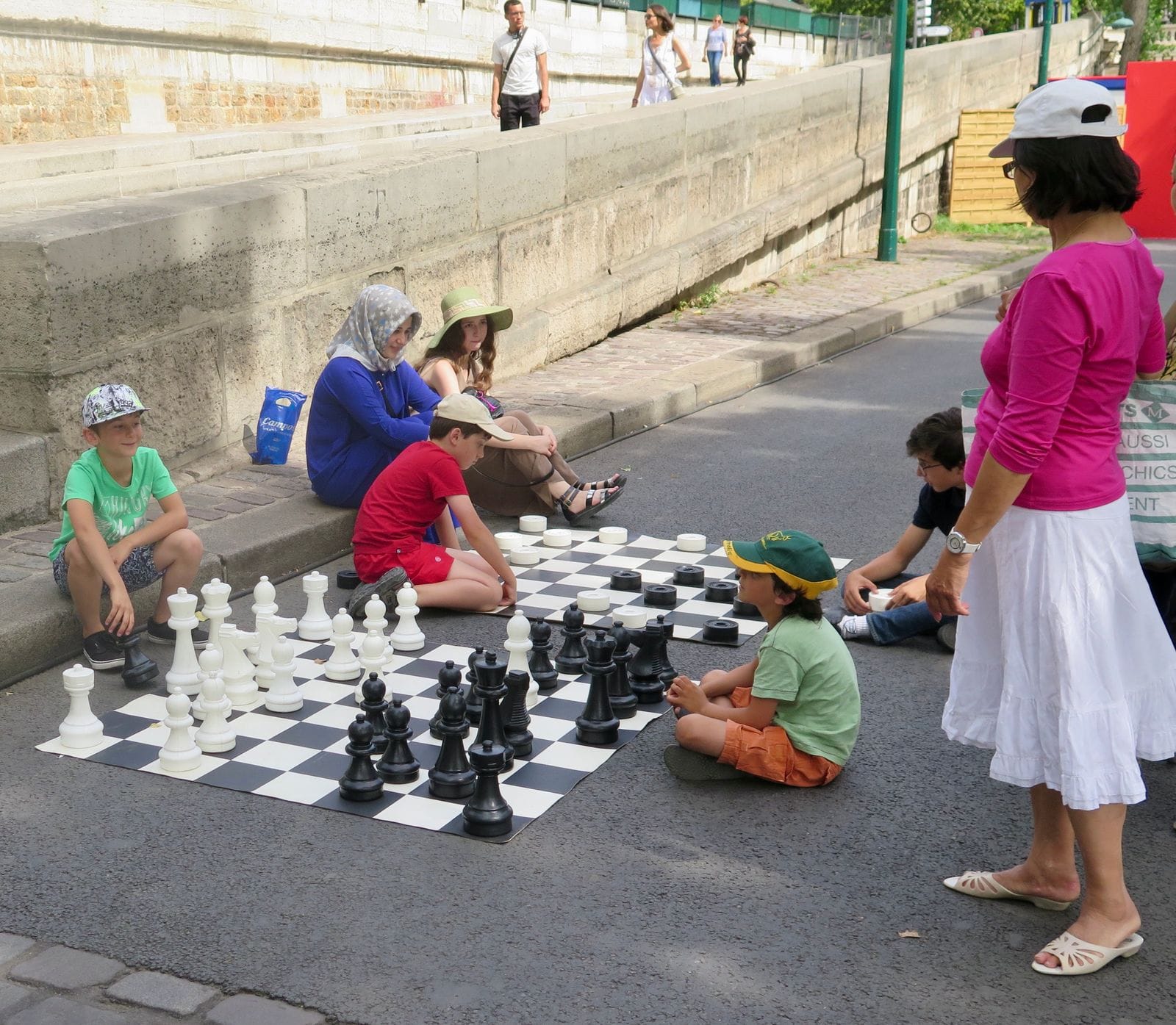
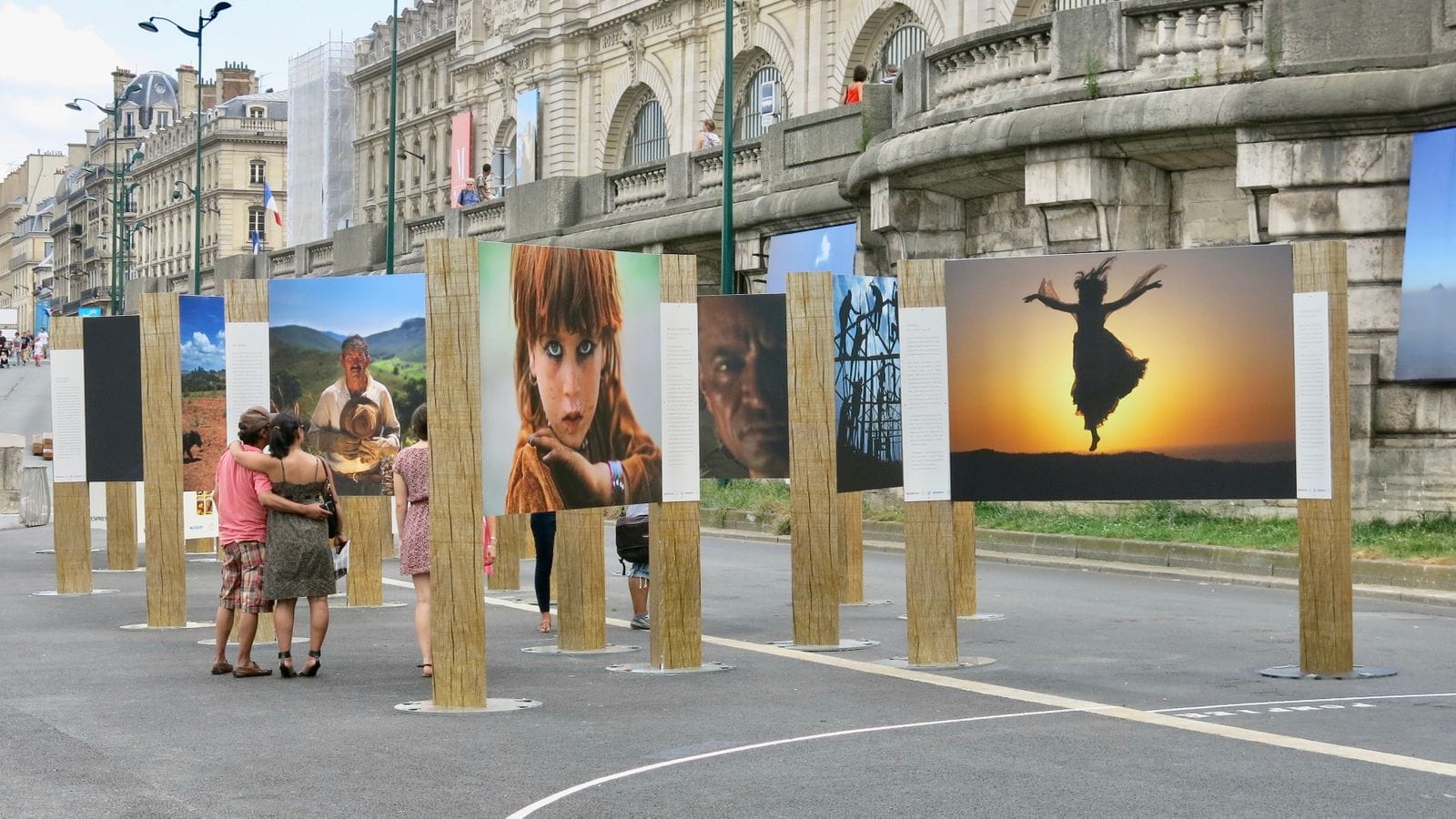
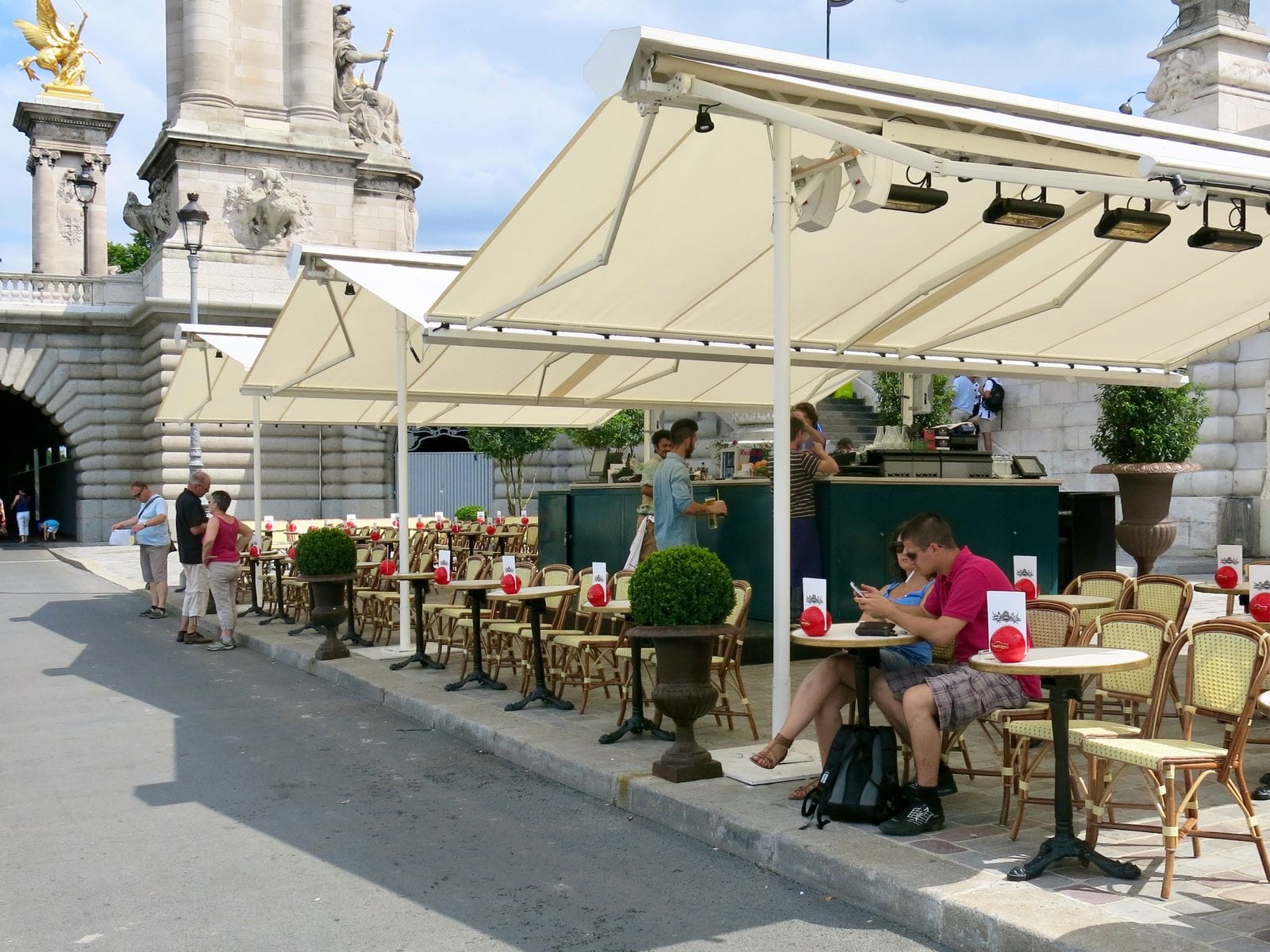
Paris Plages is one of the most spectacular waterfronts in the world when it comes to implementing the Power of 10+. Paris is constantly reinventing the banks of the Seine with various activities, amenities, and programming over the summer. From the beloved beach area to sand castle competitions and dance classes, everything that brings a smile to people's faces has been tried out here.
 Fred Kent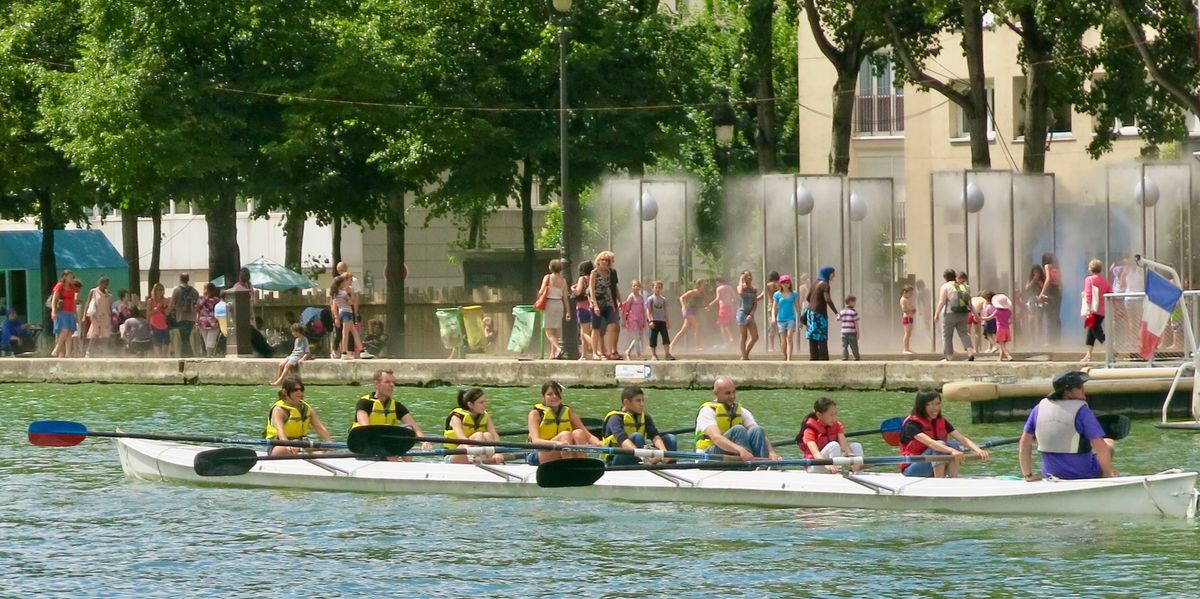
The Power of 10+ is an important guiding principle for activating public places. If you look around and wonder why a particular place is underutilized, count how many things there are to do there. If there are hardly any, you have your answer – people aren't around because there's no reason to be. The solution is to add reasons. Ten is a good place to start.
Takeaways
- The Power of 10+ needs to be applied in a layered way to be most effective: at the place level, destination level, and regional/district level.
- The experience of being in a place is defined by the activations and programming that can be found there. If there is nothing going on in a place, people will not want to visit it.
- Triangulate and cluster activations so they play off of each other and add value to each other, embodying "the whole is greater than the sum of its parts" philosophy.
- There are many ways that the Power of 10+ can be interpreted and applied, depending on the context, so as to give valuable dimension to a community. For example, a main street can put in practice the Power of 10+ through inside out design and social hubs like outdoor dining areas along its length.
Related Articles
 Fred Kent
 Fred Kent
 Fred Kent
 Fred Kent
If you are interested in collaborating (articles, presentations, exhibits, projects, and more) or supporting the cause contact us.