

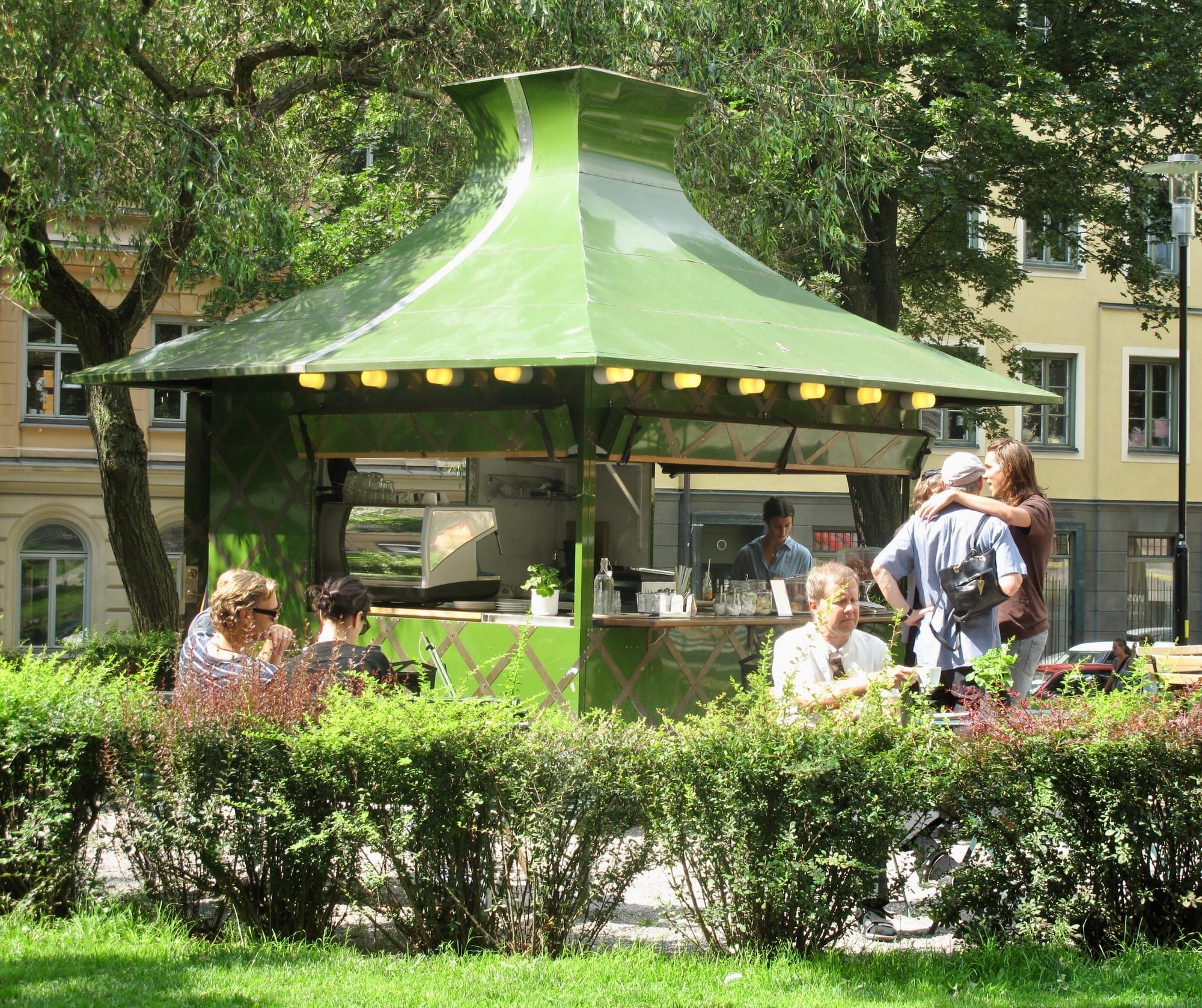
Adding small buildings such as kiosks, sheds, or stalls to an empty space catalyzes activity. These flexible structures, with multiple uses, can become the anchors that define a space and act as its main focal points.
As new structures and amenities pop up to take advantage of the visitation they attract, an unknown potential reveals itself. It may be the beginnings of what one day becomes a thriving square or market. It all starts with the small catalytic building which has the power to seed that growth.
Munich Victualien Markt
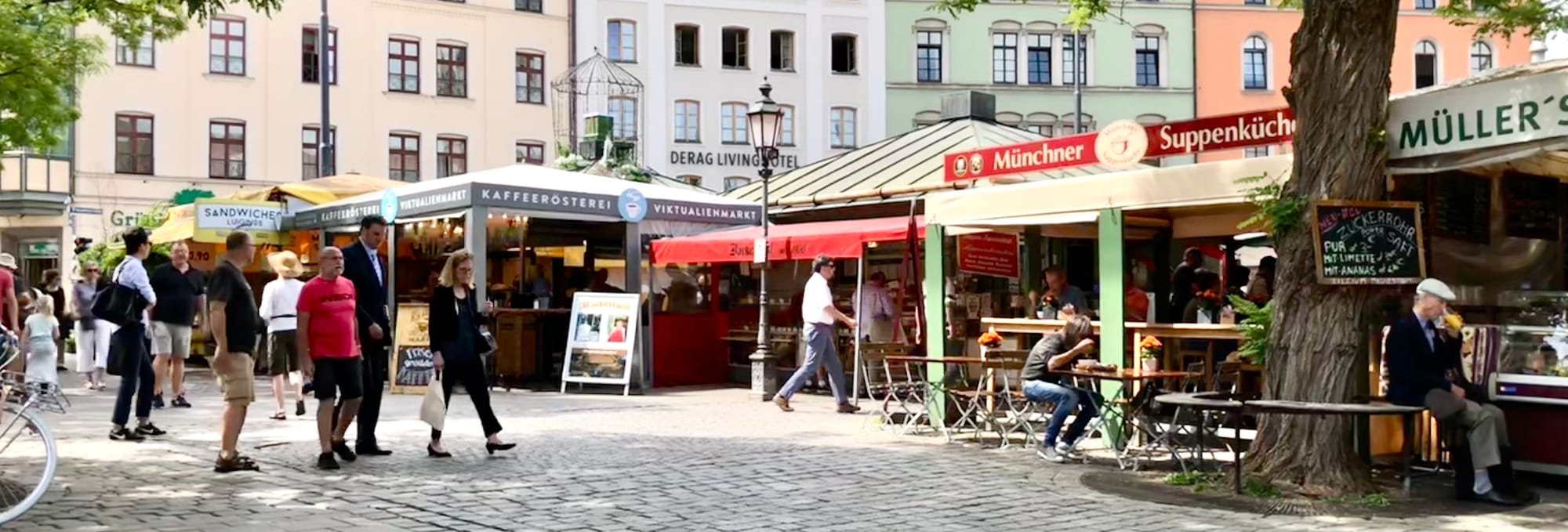
These small buildings can come in different shapes and styles, and because of their small size, they can be placed in a wide variety of locations, even at a compact spot like the corner of an intersection. What they have in common is that they are not lightweight temporary structures like market tents or stands, nor are they deeply rooted, permanent edifices like apartment buildings. They are something in between – structures that add weight and presence to a place but that can be easily adapted to support whatever uses will elevate it.
How Small Buildings Make Catalytic Impacts Happen
One small building can become a focal point, then one building can become two through reciprocal gestures, and eventually two can become several as more features pop up around it to feed off the new energy created. In this way, out of one small building can eventually be born a lively hub of activity which can evolve into a market, square, or even a main street as new additions are added.
1) Starting off as focal points
Because a small building is compact, it can be located anywhere that needs a burst of vitality. It is like a seed – wherever it is planted, public life grows around it and thrives. Seating can be added, perhaps a bocce ball court, a chess corner, and other such features so that people who stop by the structure can enjoy something else to do as well.
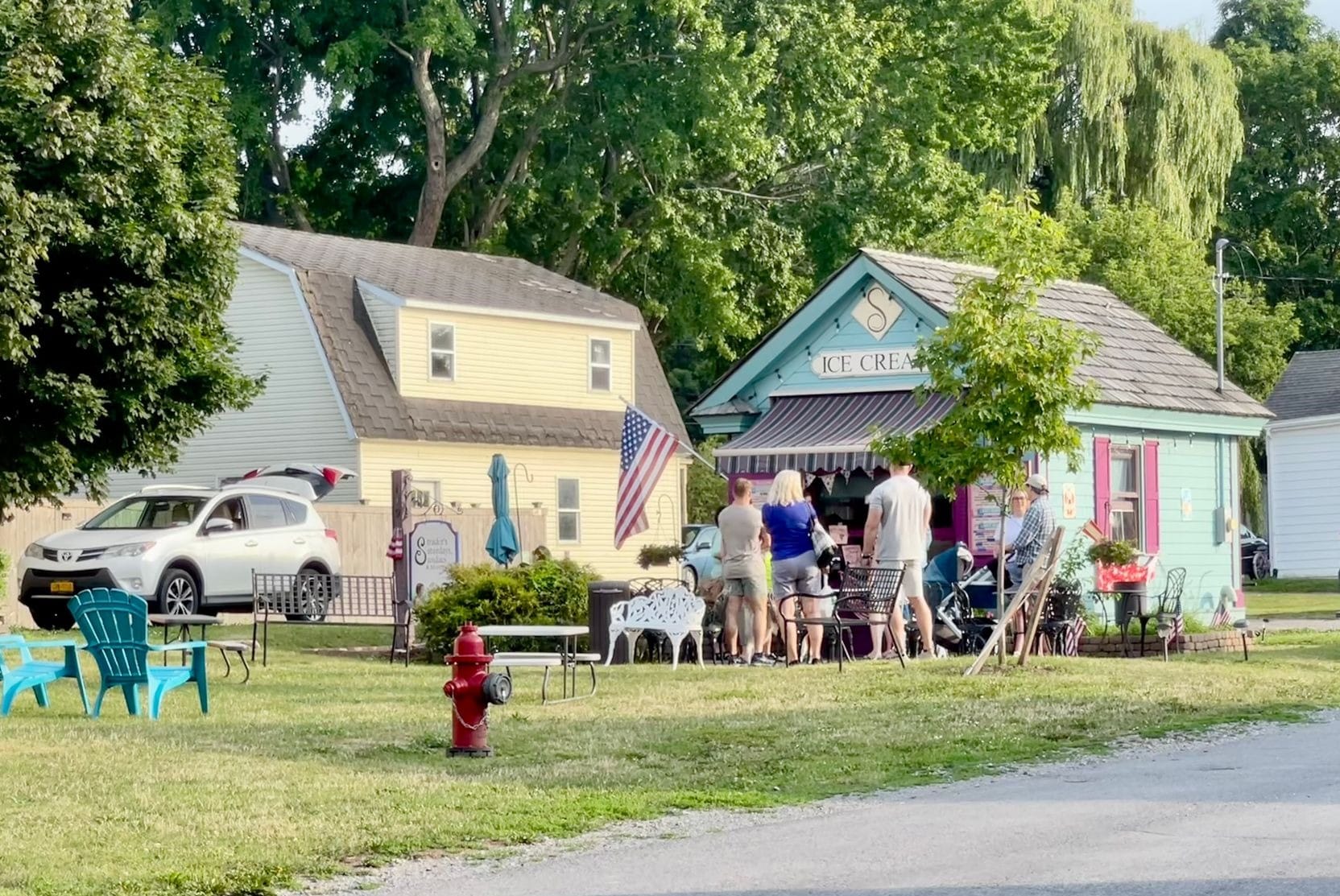
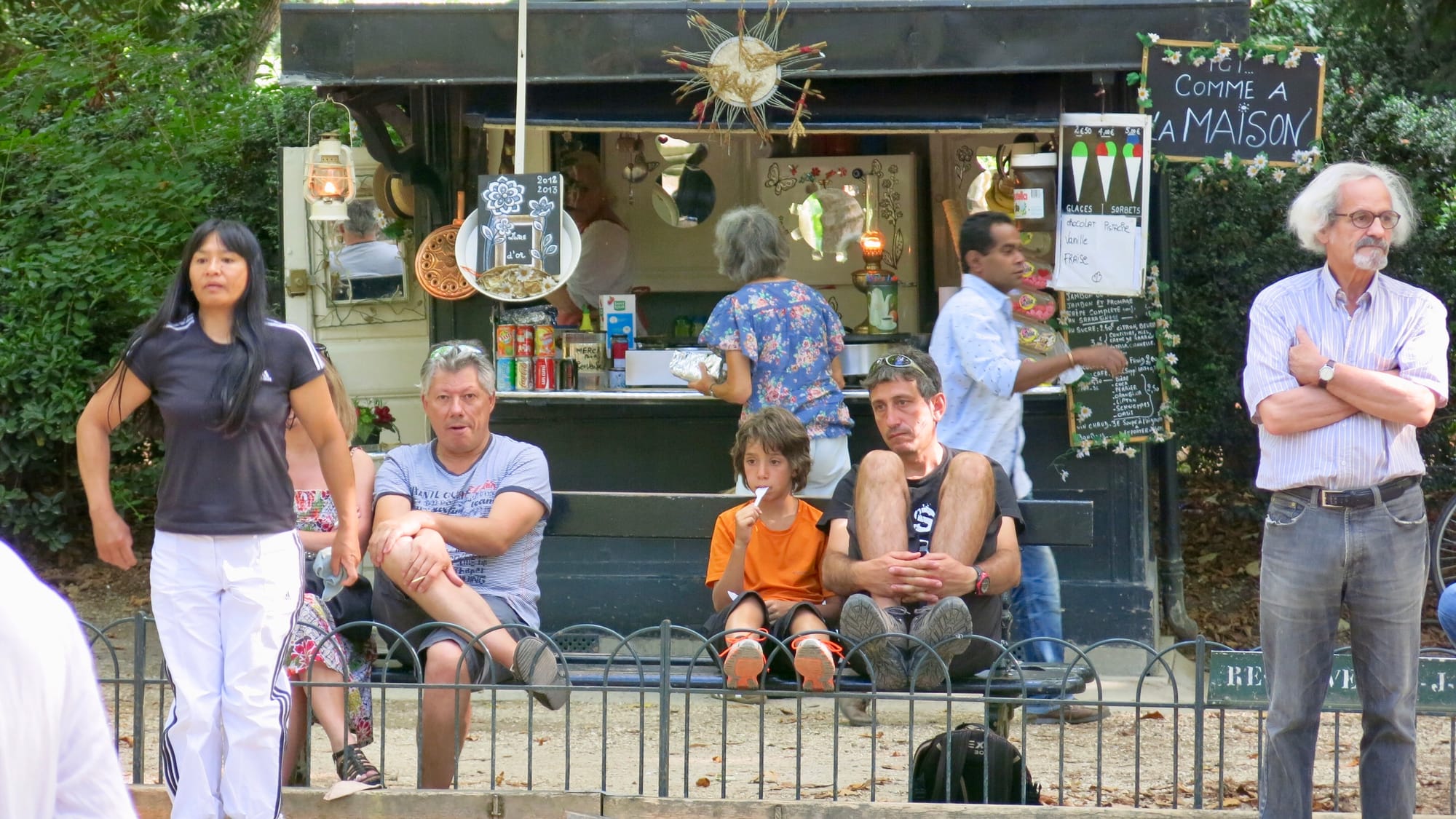
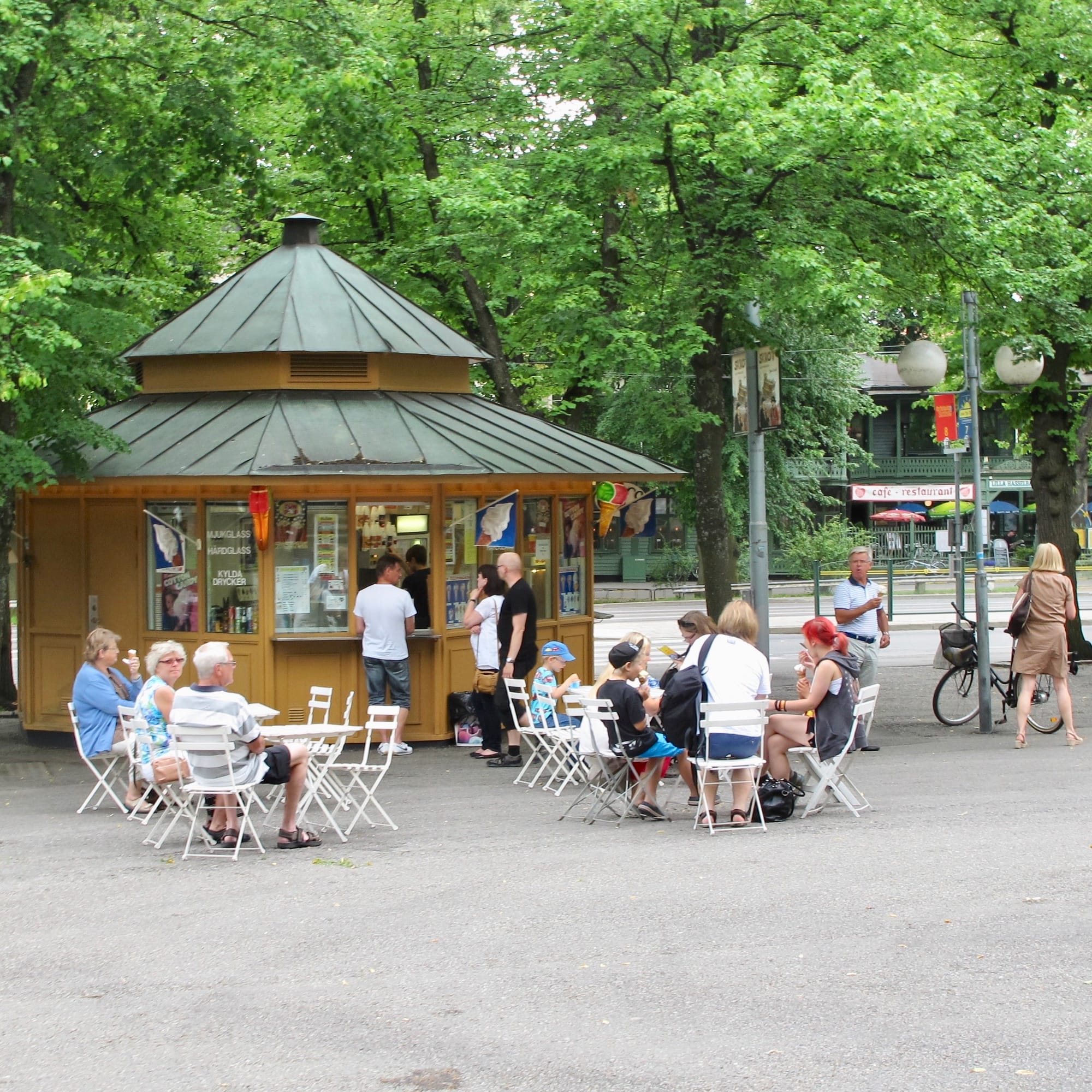
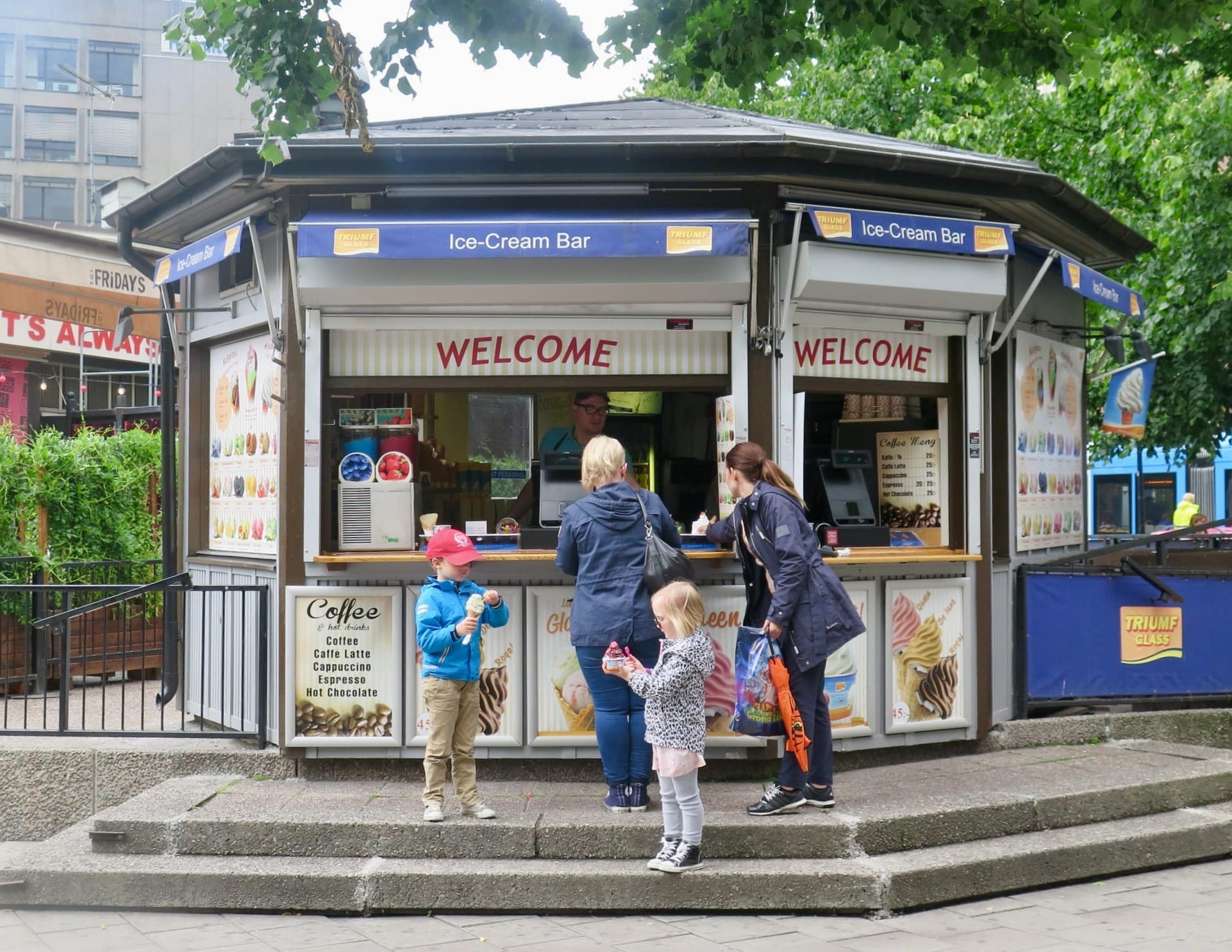
When the small structure is created with aesthetic appeal, it can become a beautiful focal point for the area, much like a fountain or a sculpture. In this way, it not only adds practical benefits but also visual interest and character that contributes to the lovability of the place. It draws people in with its offerings and also encourages them to take a photo and stick around to absorb its charm. The presence of people there attracts even more people until it becomes a true hotspot of activity.
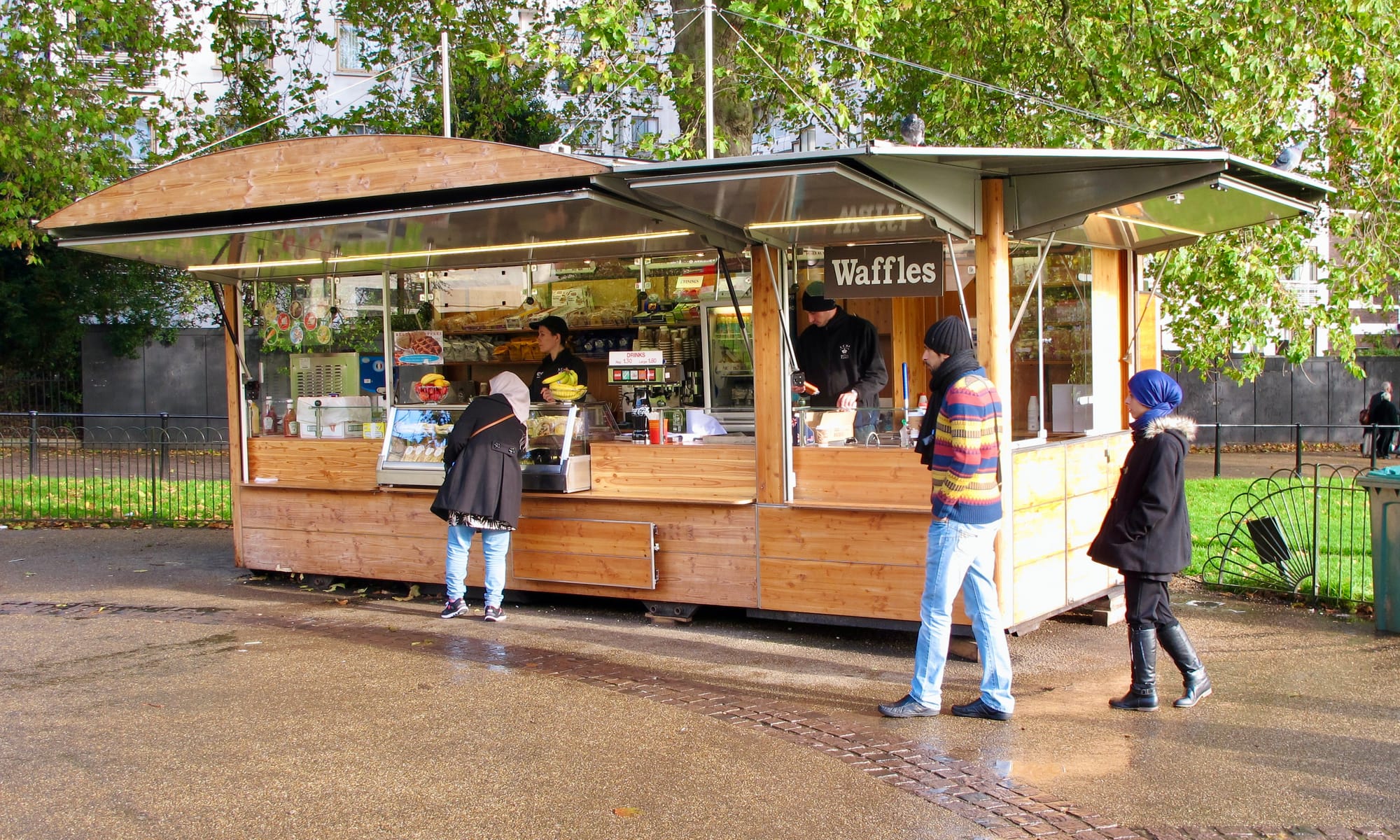
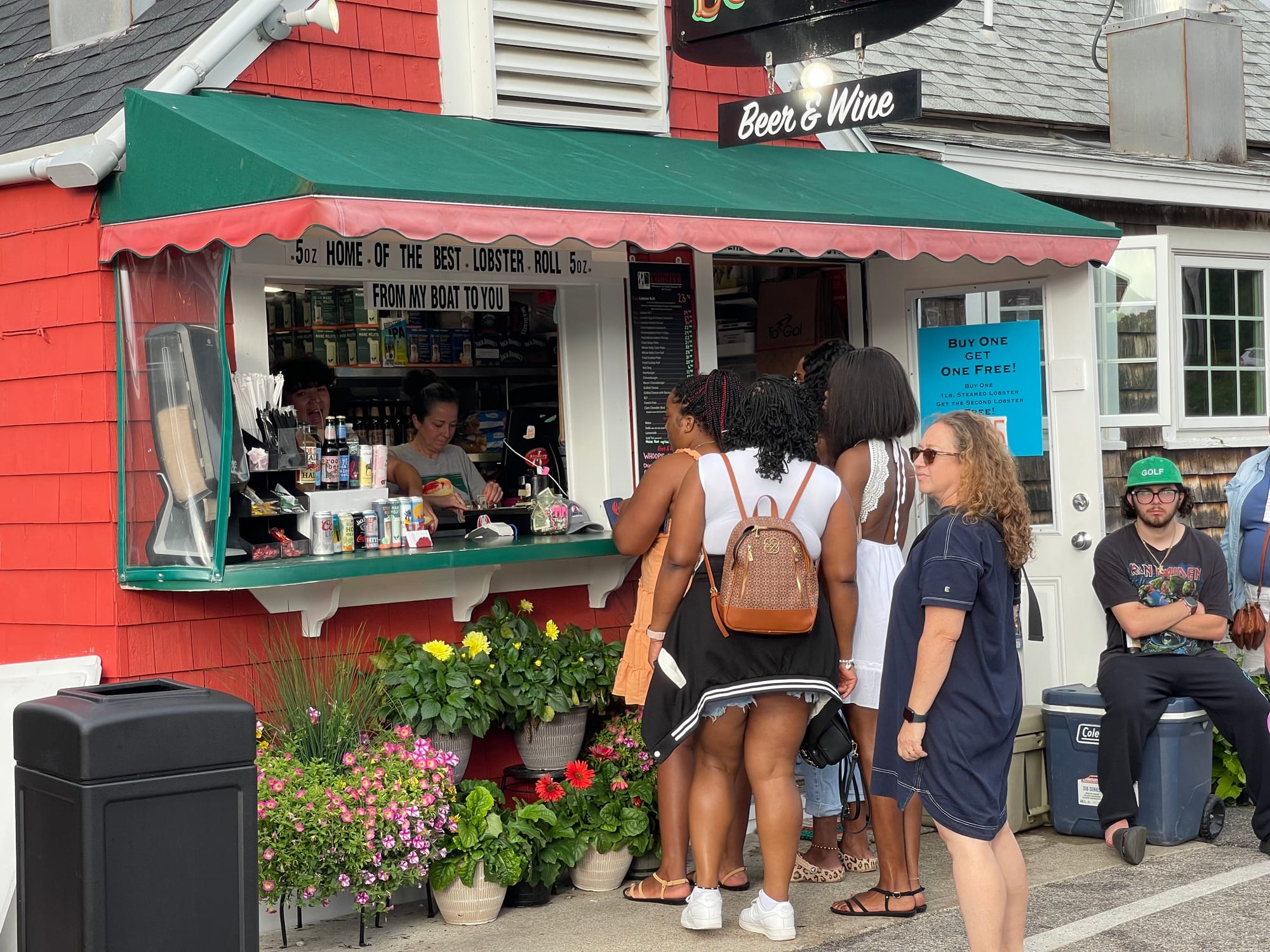
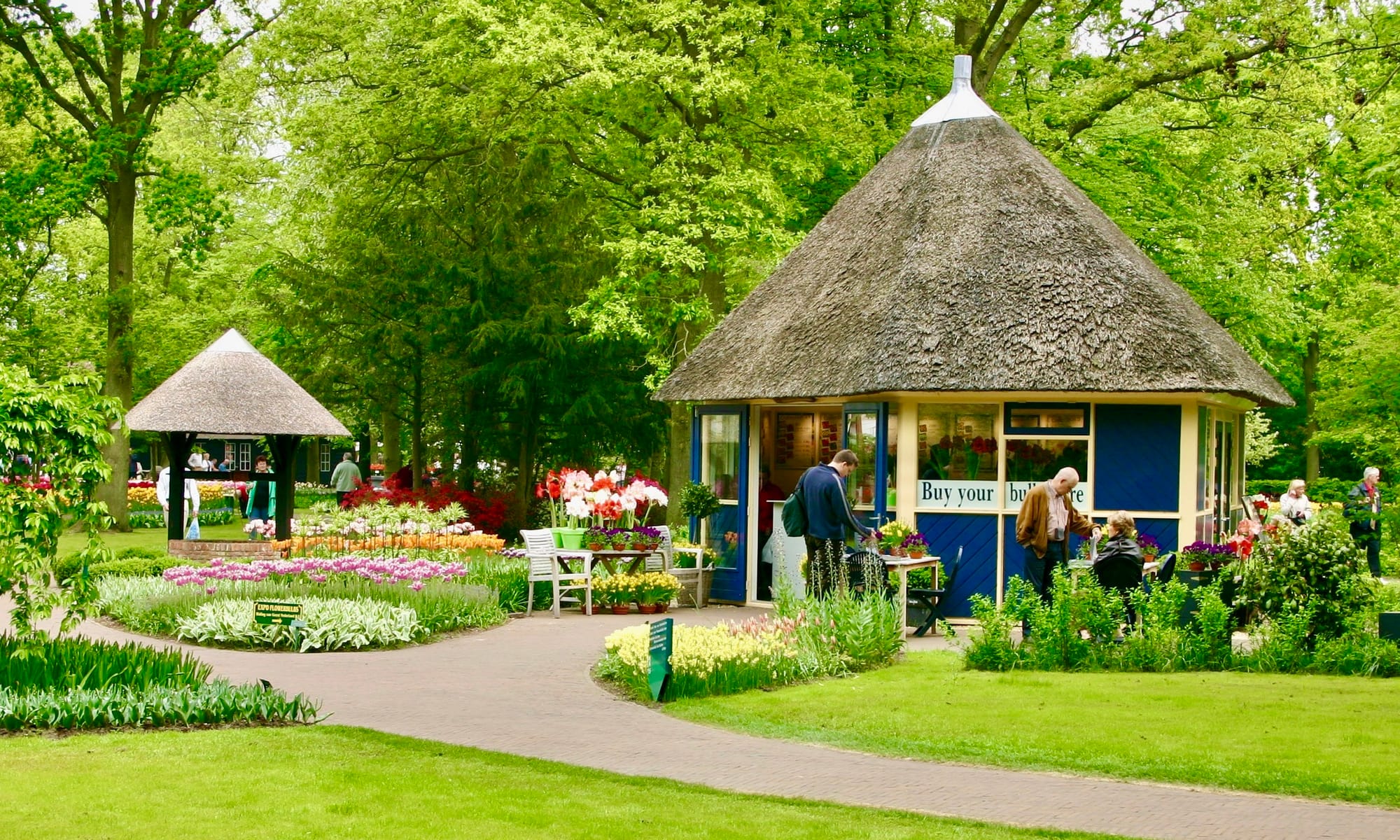
2) When one small building becomes two – the case of the dueling lobster shacks
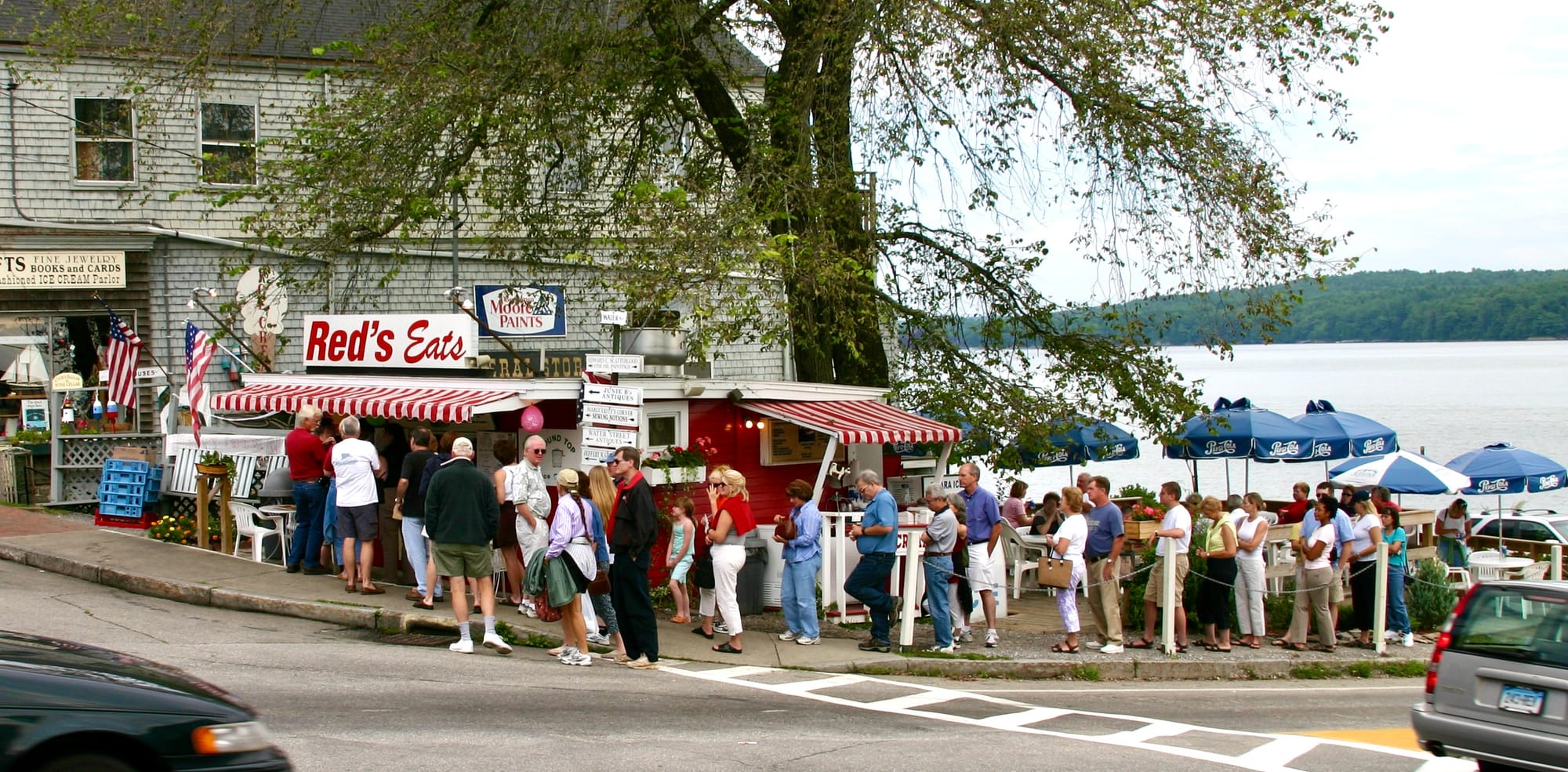
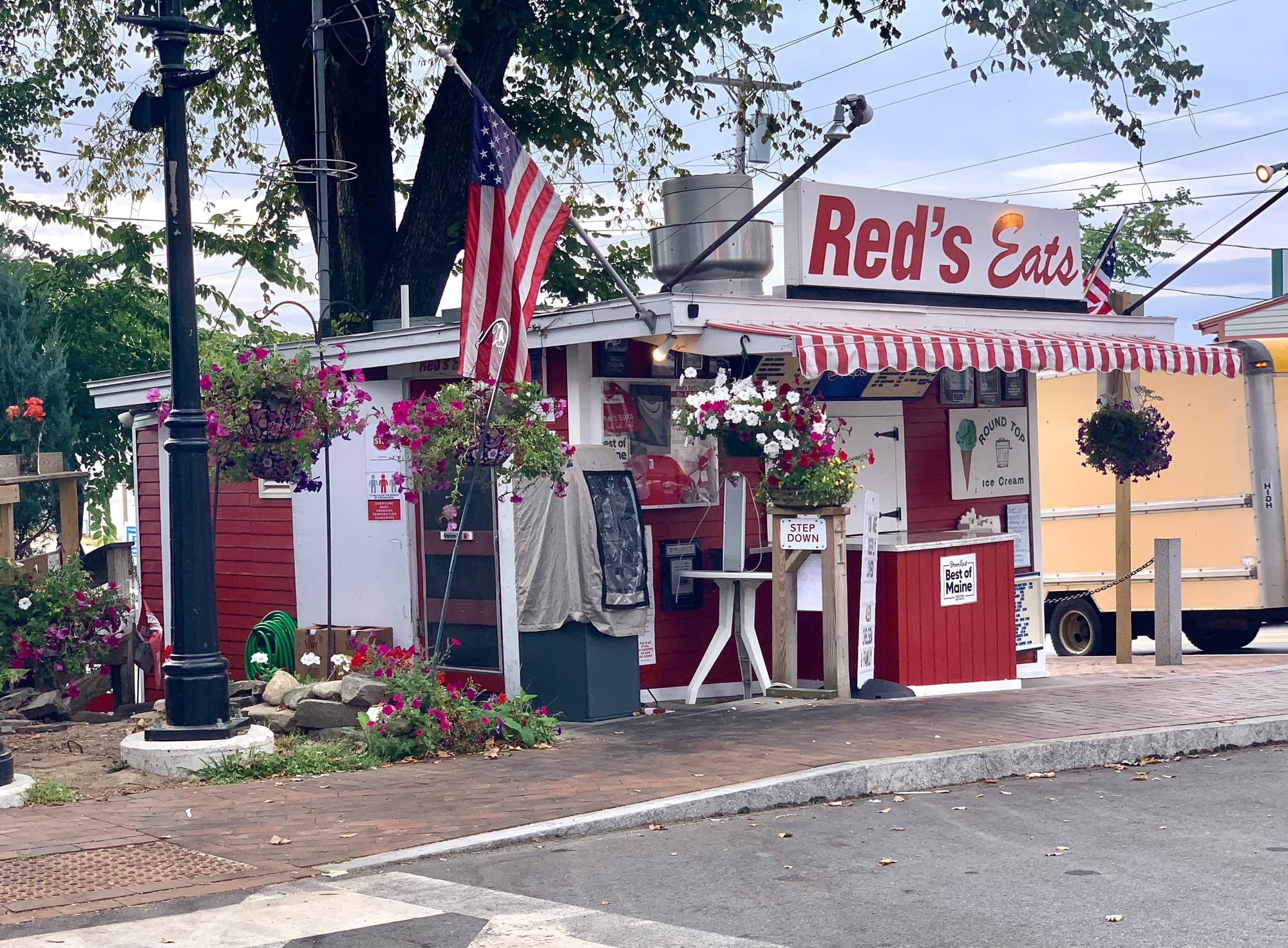
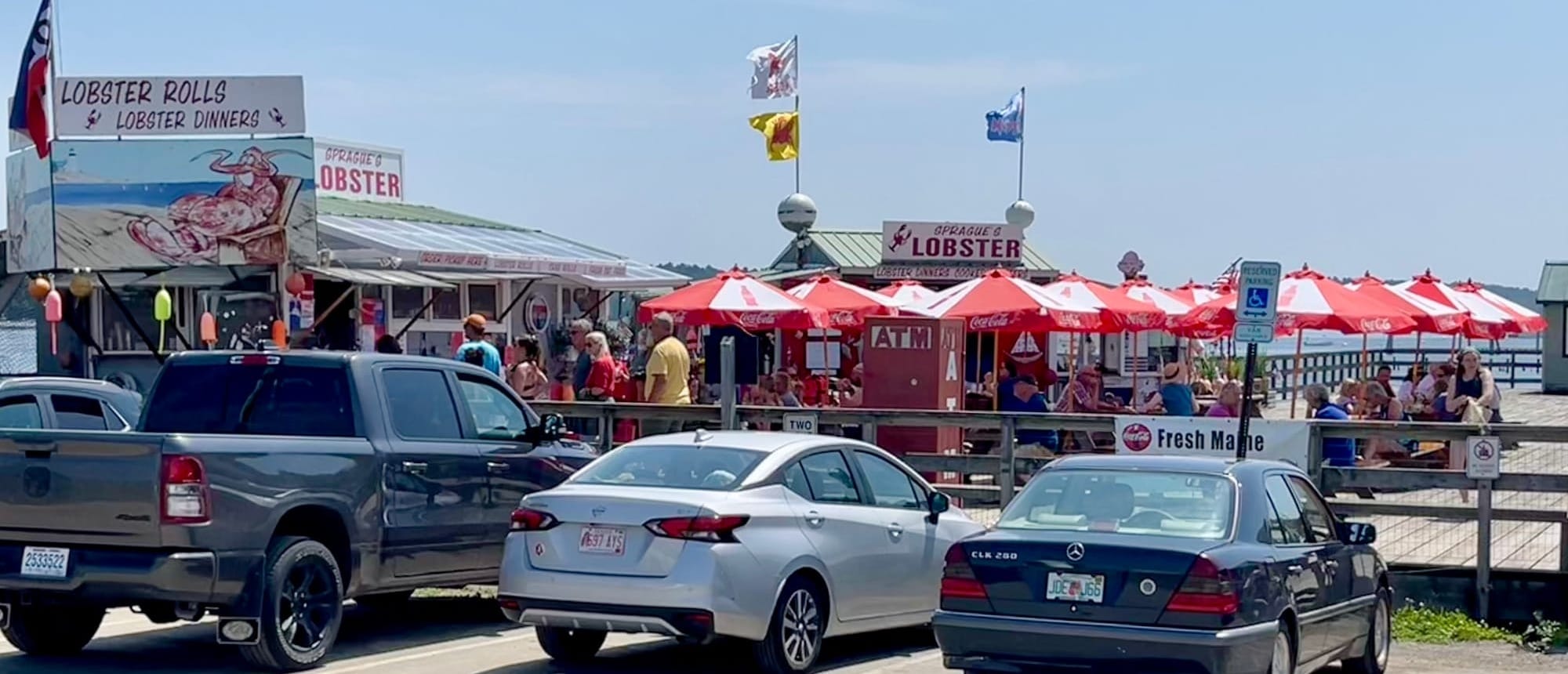
At the entrance to the center of Wiscasset, Maine, sit two lobster shops. The buildings that house these businesses are modest structures. The kiosks rely on public spaces such as the sidewalk and outdoor spaces like a patio to create "waiting rooms" and open-air dining areas. This indoor-outdoor, public-private setup embeds the shacks' guests into the fabric of the street's social life and creates a more engaging and dynamic experience that enriches the streetscape.
Because there are two of these shops in close proximity, they create a kind of energy in the space between them. People cross the street and back to compare their offerings and prices, they try one place on one day and the other the next, and over time the area as a whole becomes familiar to people as the "lobster place" – the go-to destination if you have a craving for buttery seafood. The fact that there are two similar places close by means the character of the neighborhood becomes defined by them. The lobster shack becomes more than a spot that punctuates the area, it gives it identity.
As with all businesses that have similar offerings, there is a sense of competition between the two. When one makes an improvement to their dining experience, the other is motivated to do so too so as not to lose customers. When one changes its prices or menu, the other feels the urge to follow so as to not fall behind. This is another case of reciprocal gestures in action – the natural dynamics of business competition.
3) Through triangulation, a small structure can grow into a social hub
When it comes to activating public places in one fell swoop, the ice cream shop is king. Everybody enjoys this sweet cold treat, so wherever an ice cream shop stands, a crowd gathers. It is a surefire way to attract positive energy and wholesome activity to any part of town. It is also the best way to start a chain of events that leads to triangulation and the creation of a social hub.
Triangulation is the act of positioning amenities or assets together in a way where the resulting place they create is greater than the sum of its parts. By complementing each other's offerings, every element in a triangulated configuration is enhanced in value. For example, putting an ice cream shop next to a book shop with outdoor seating and a coffee window, as below, turns this block into a buzzing hub of social and community life. Instead of just shopping and leaving, people hang around here to enjoy the other features of the area.
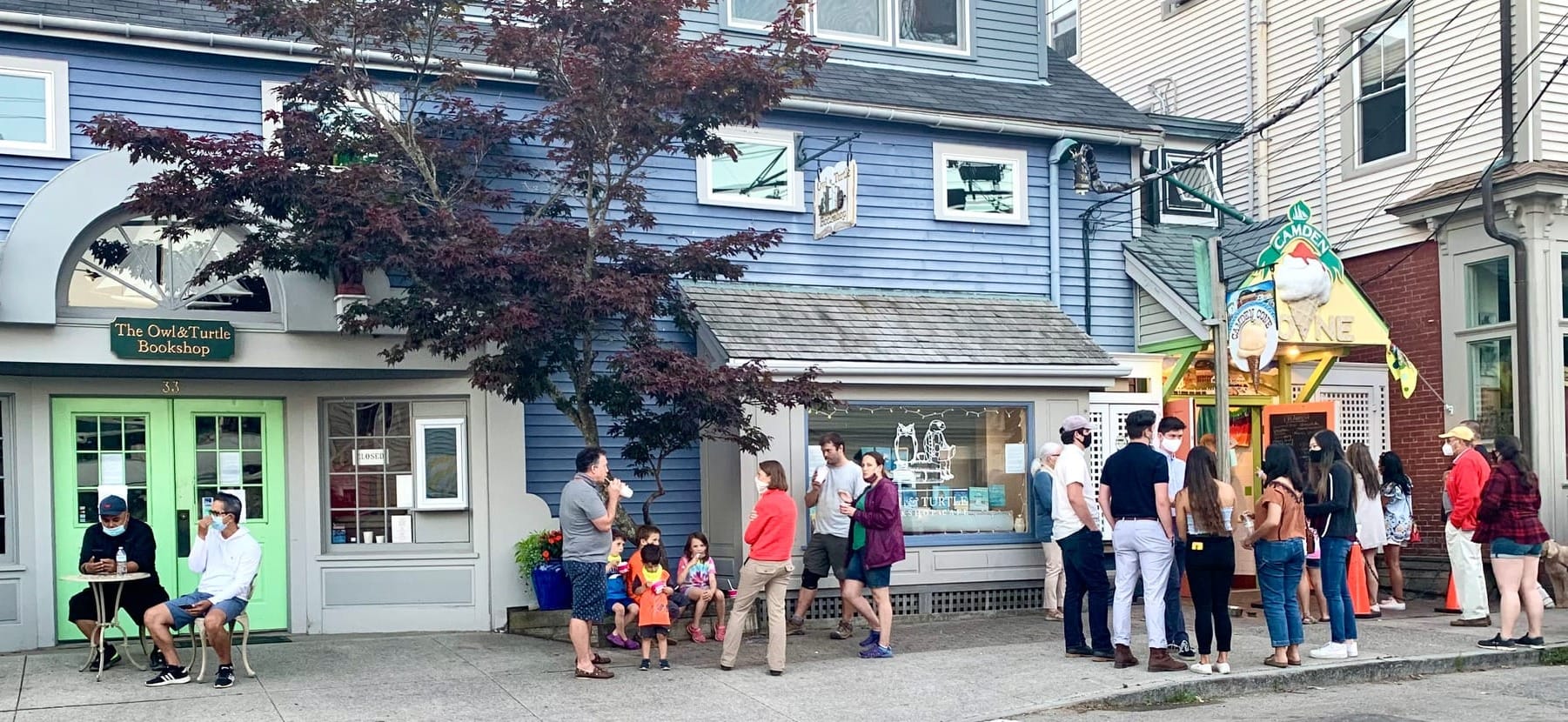
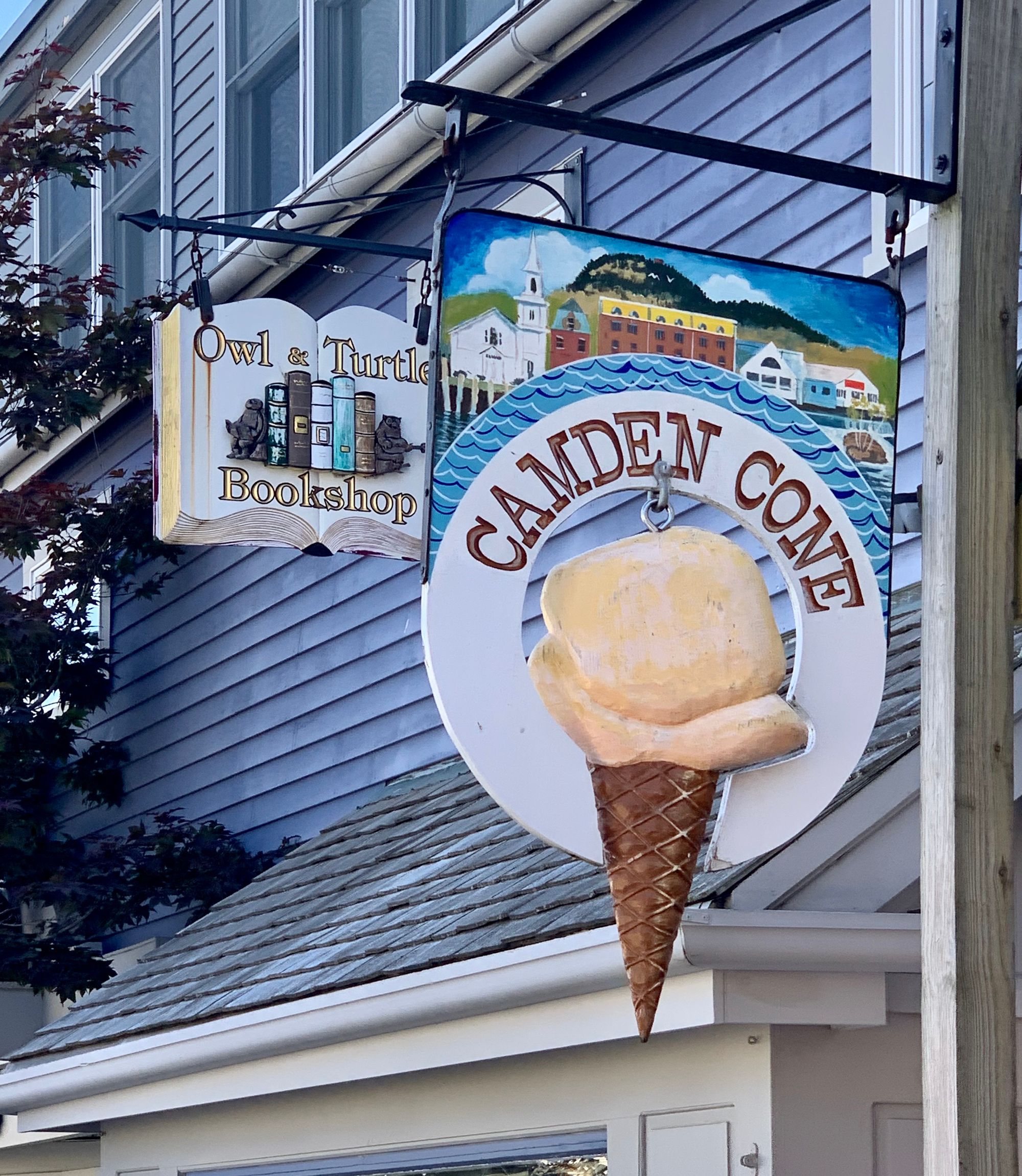
The more, the merrier: A book store, coffee window, and a busy ice cream stand in Camden, Maine create a popular destination.
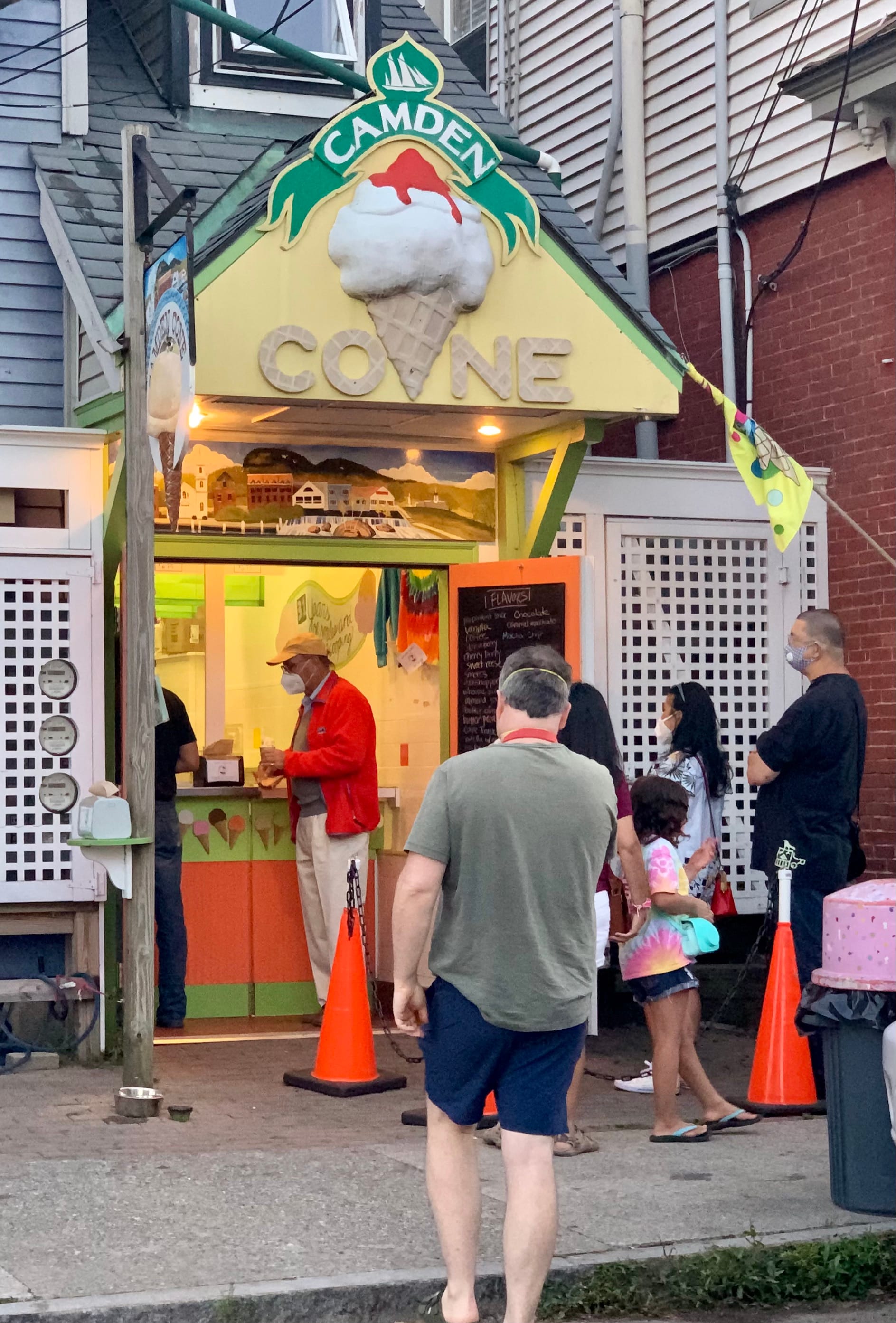
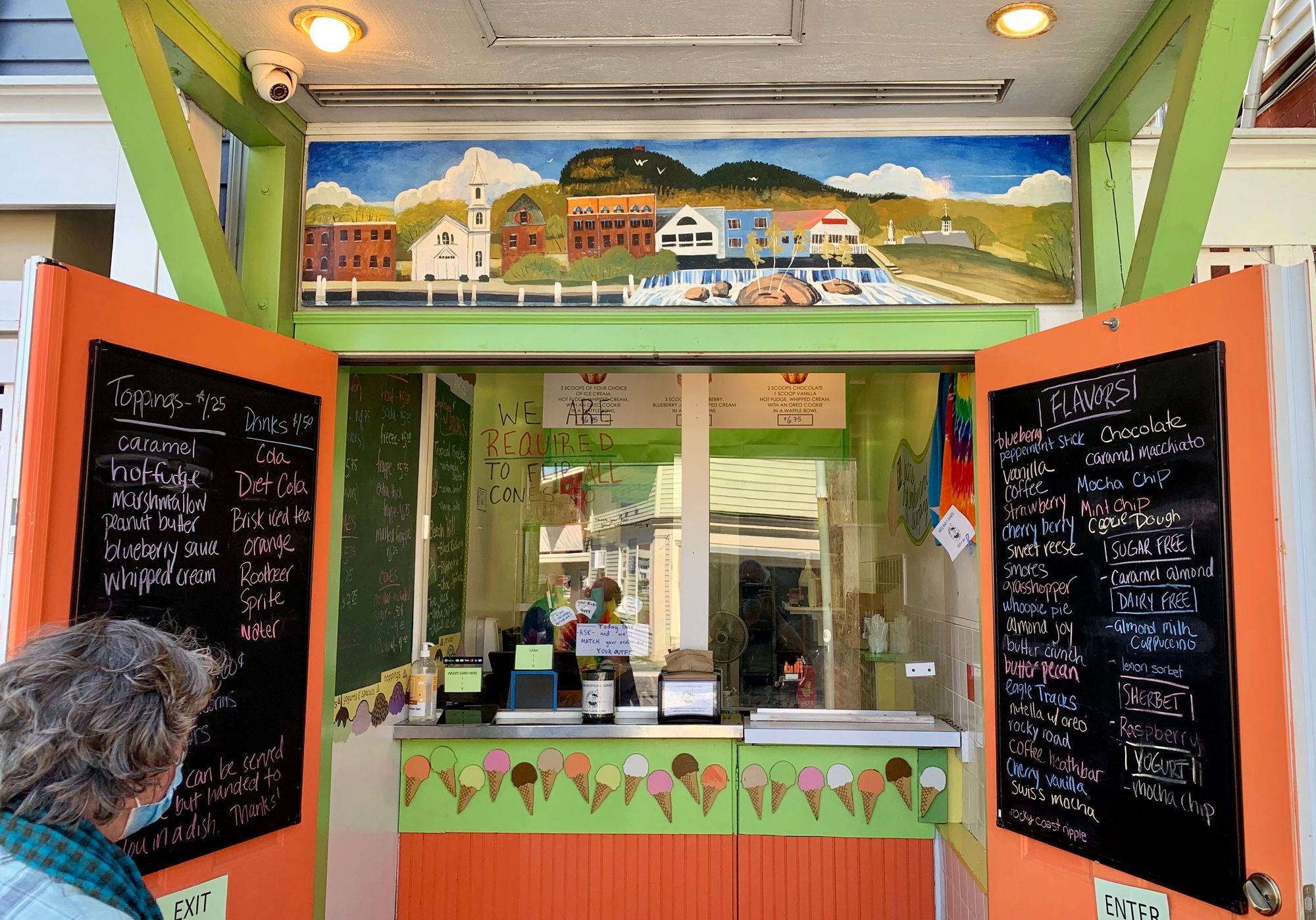
An ice cream shed can even be part of a bigger building, like here!
Each of the places in a triangulated configuration is like a building block, and the combination of all of them creates a "hub" of activity. By adding a seating area – or "porch" – to hang out at, the value of the place would be even more enhanced because it would encourage spending further time here.
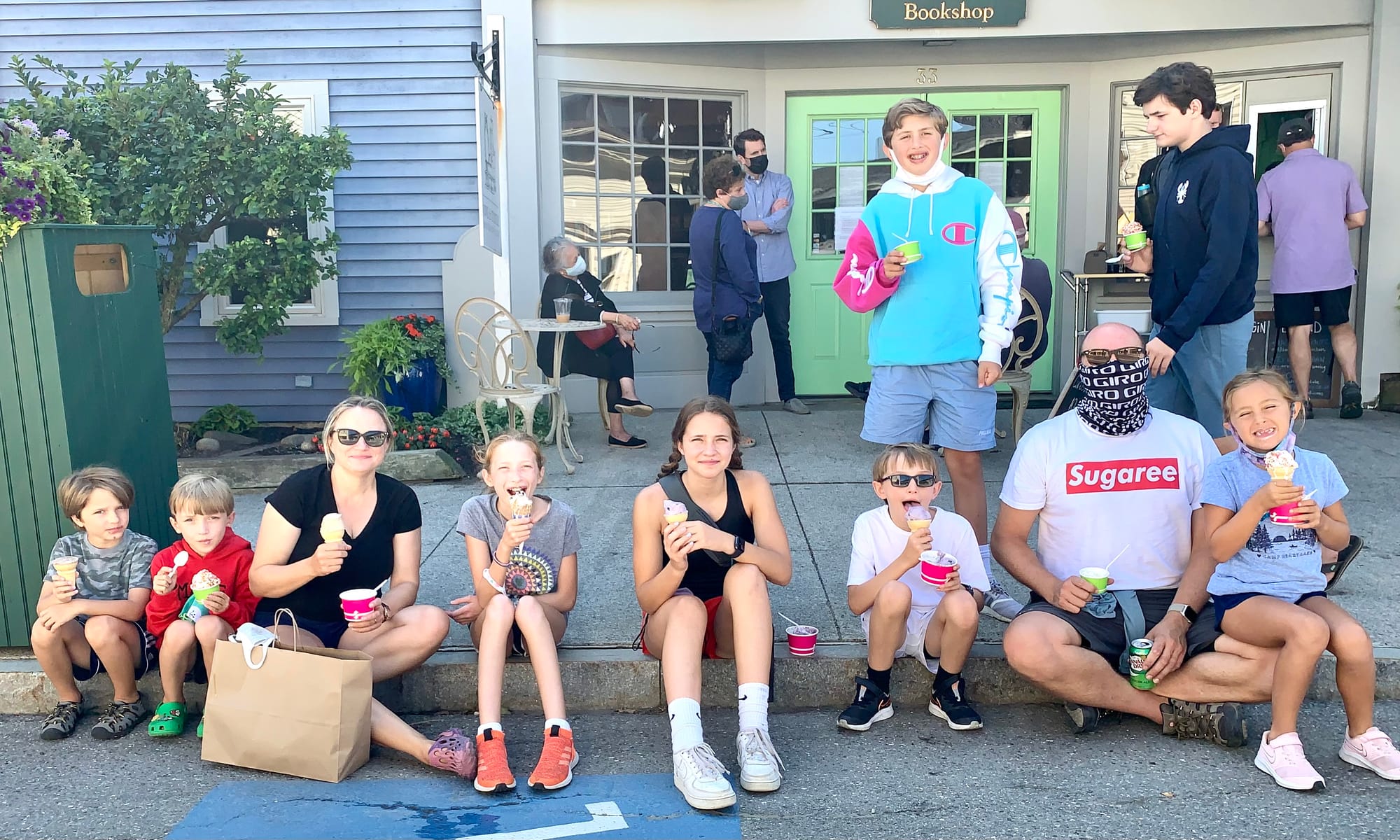
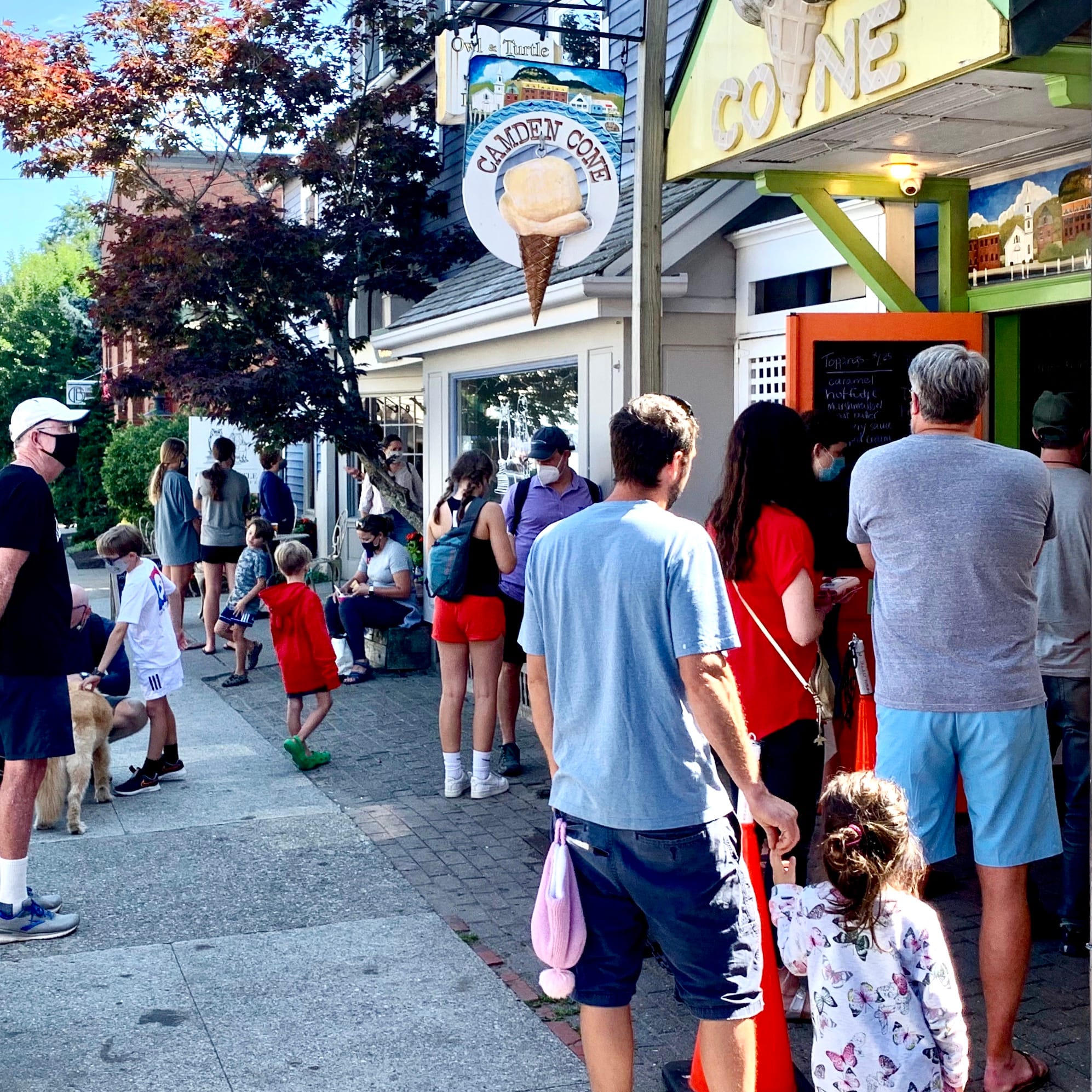
All this great triangulated place needs is a patio! A curb will do for now.
Another beloved ice cream shed in Camden
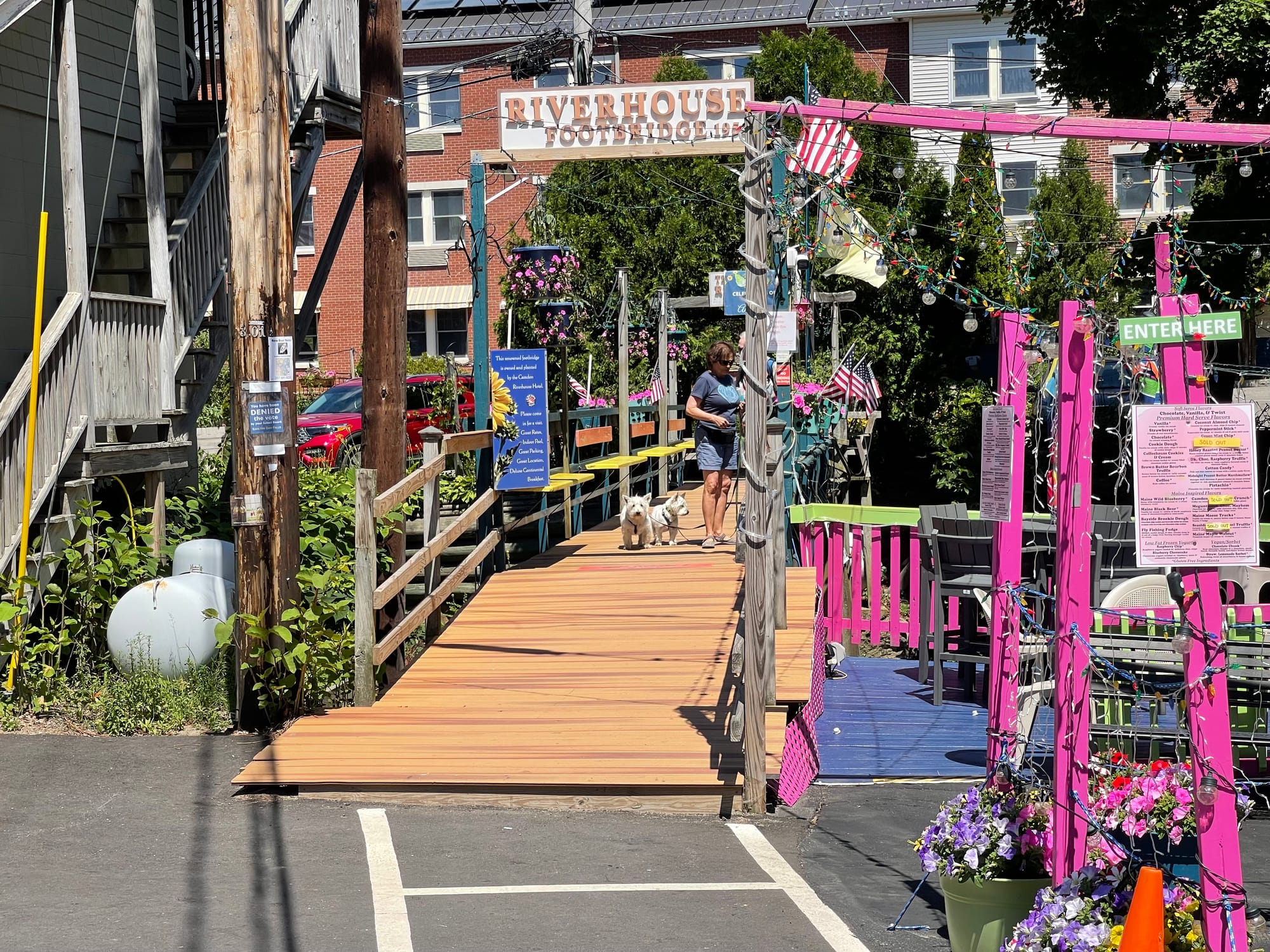
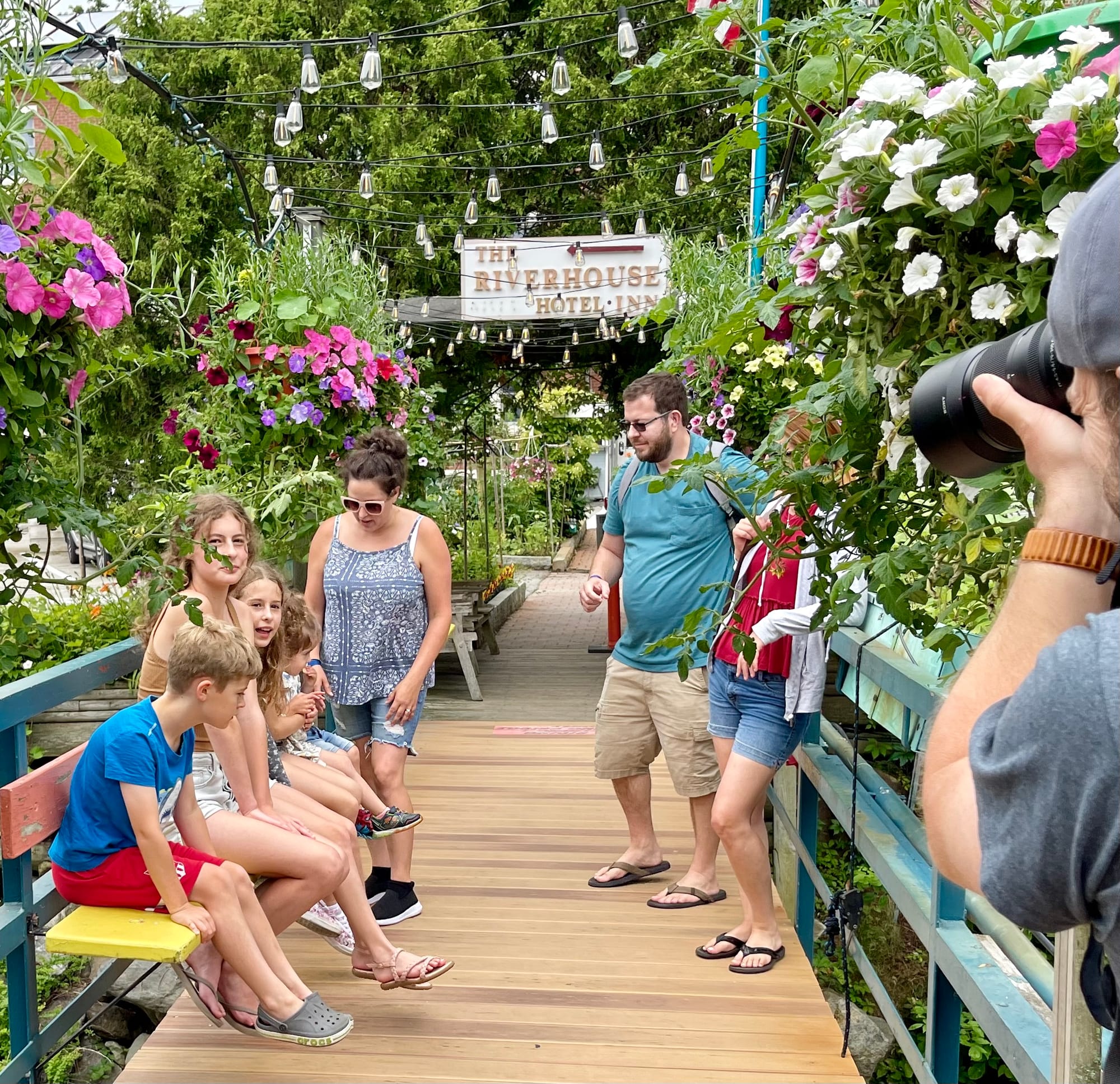
This popular ice cream shed in Camden morphed into a major gathering place because it triangulated with a variety of great amenities in its vicinity. There is not just an isolated ice cream spot here – there's also a cozy, colorful seating area and the beautiful landmarks of the flower bridge and garden beside it. This social hub is further strengthened by the fact that it is well-connected to the nearby hotel, library, and Main Street, which funnels in foot traffic.
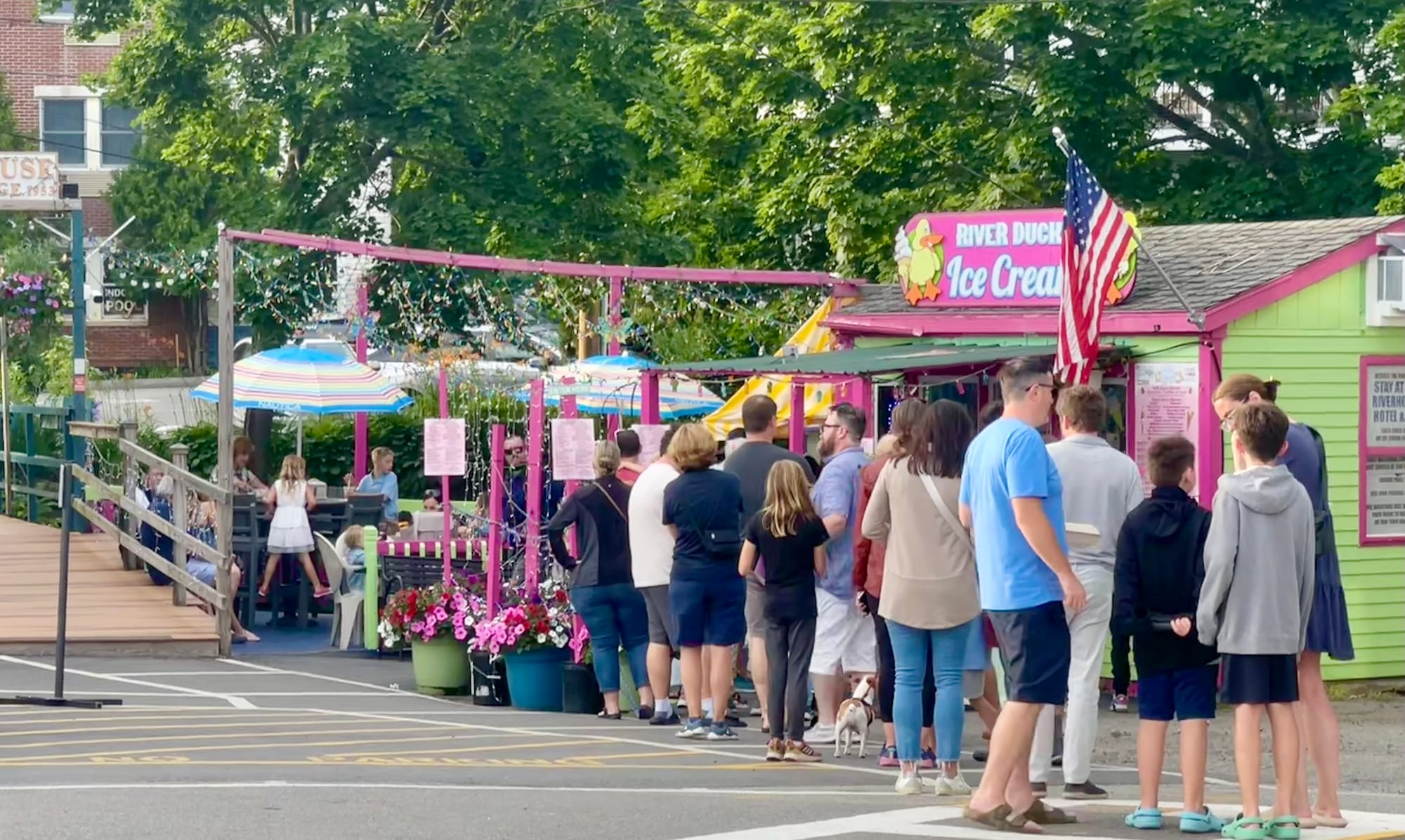
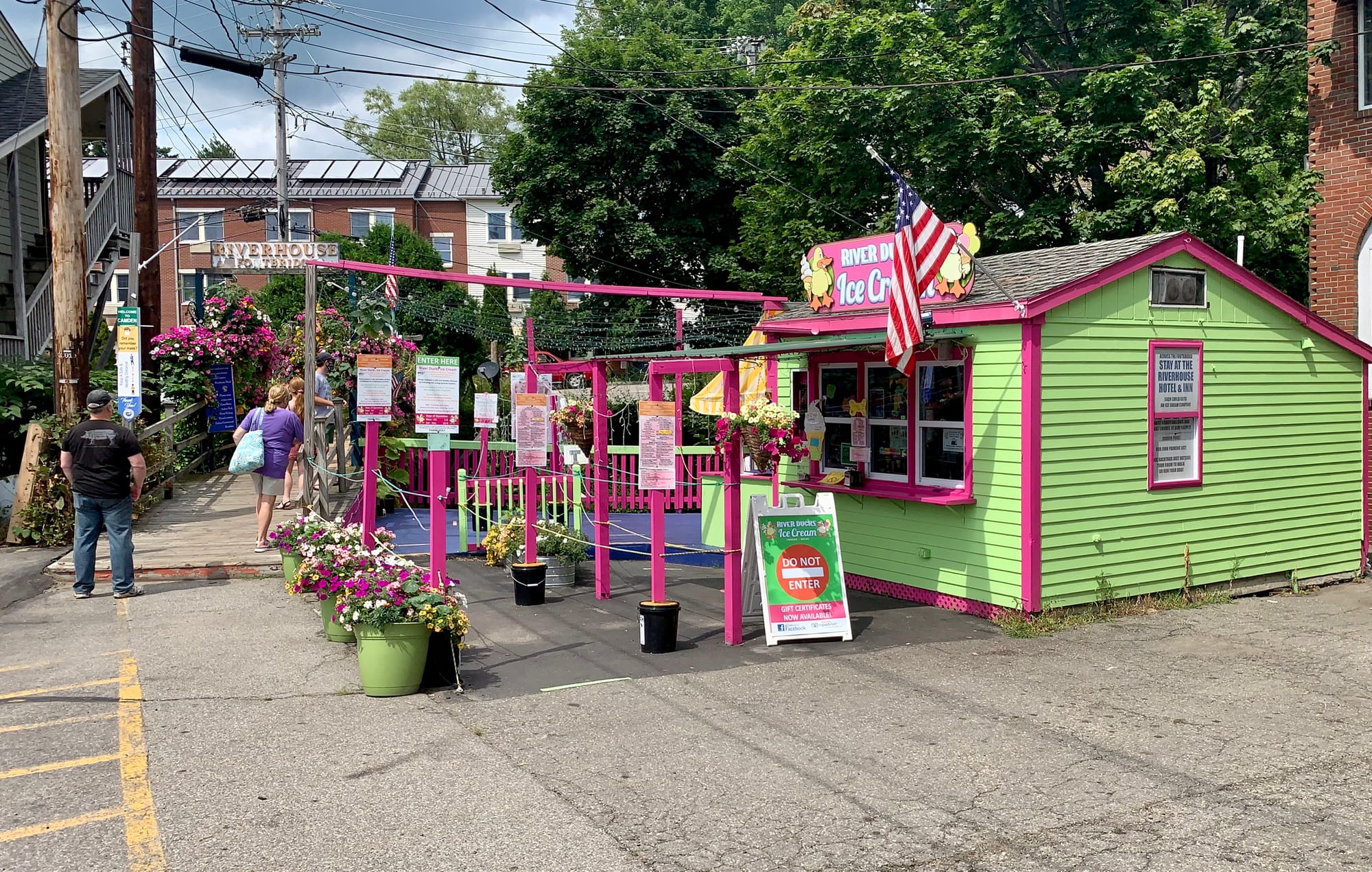
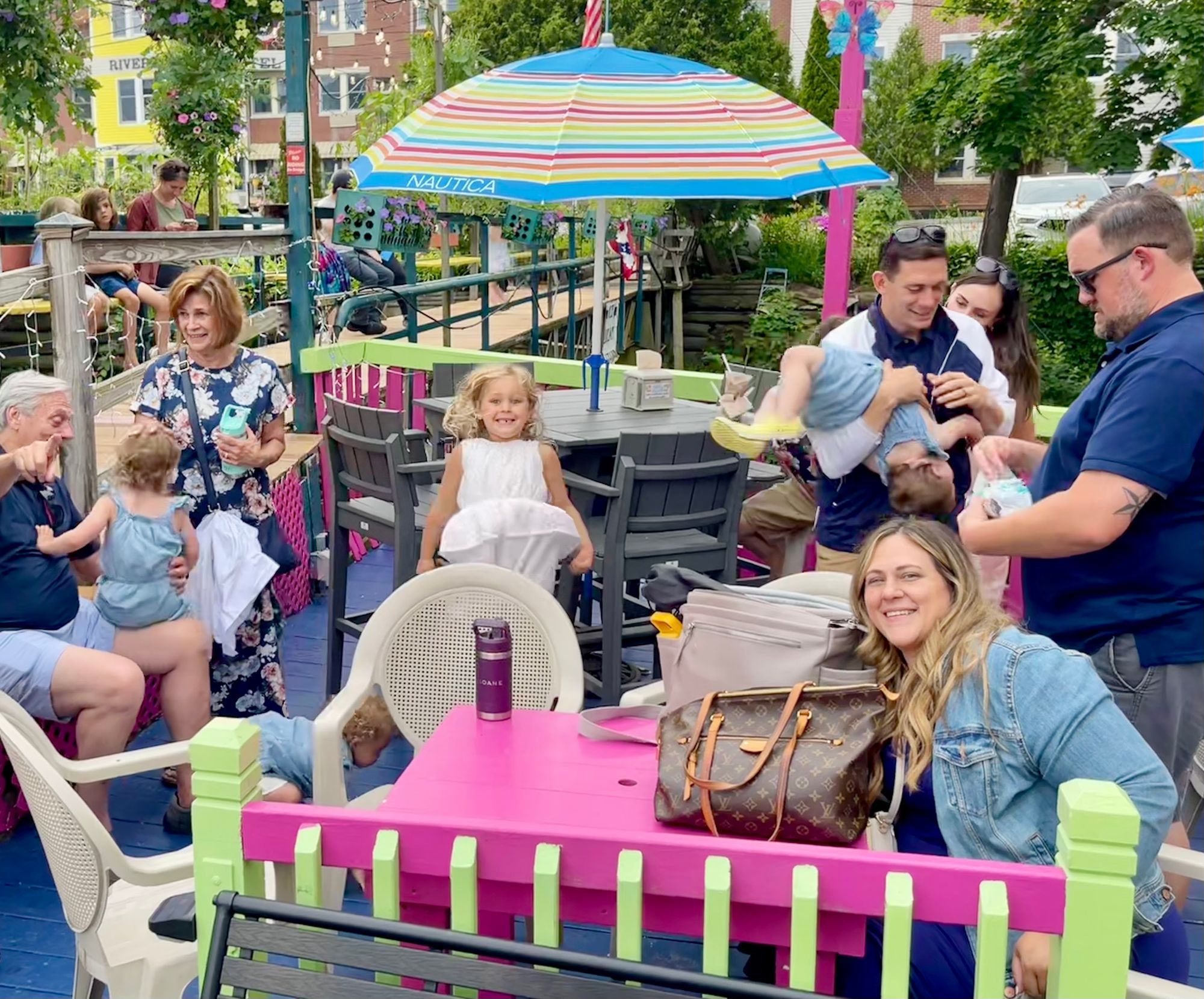
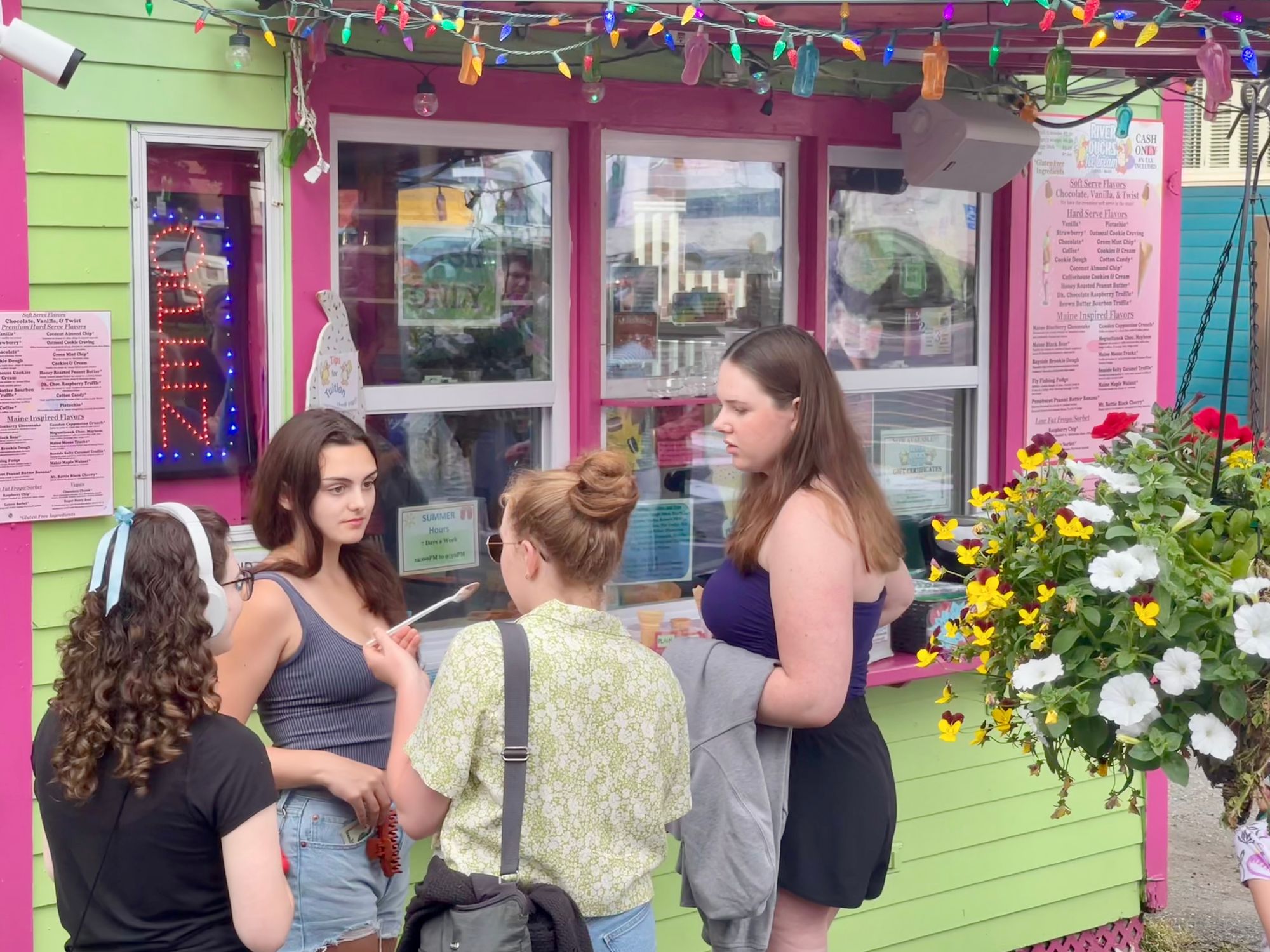
The bridge in particular acts as a key link and visual anchor along the pedestrian route, connecting distinct public destinations – the waterfront promenade and other great places hidden by traffic or tucked away on smaller streets.
 Fred Kent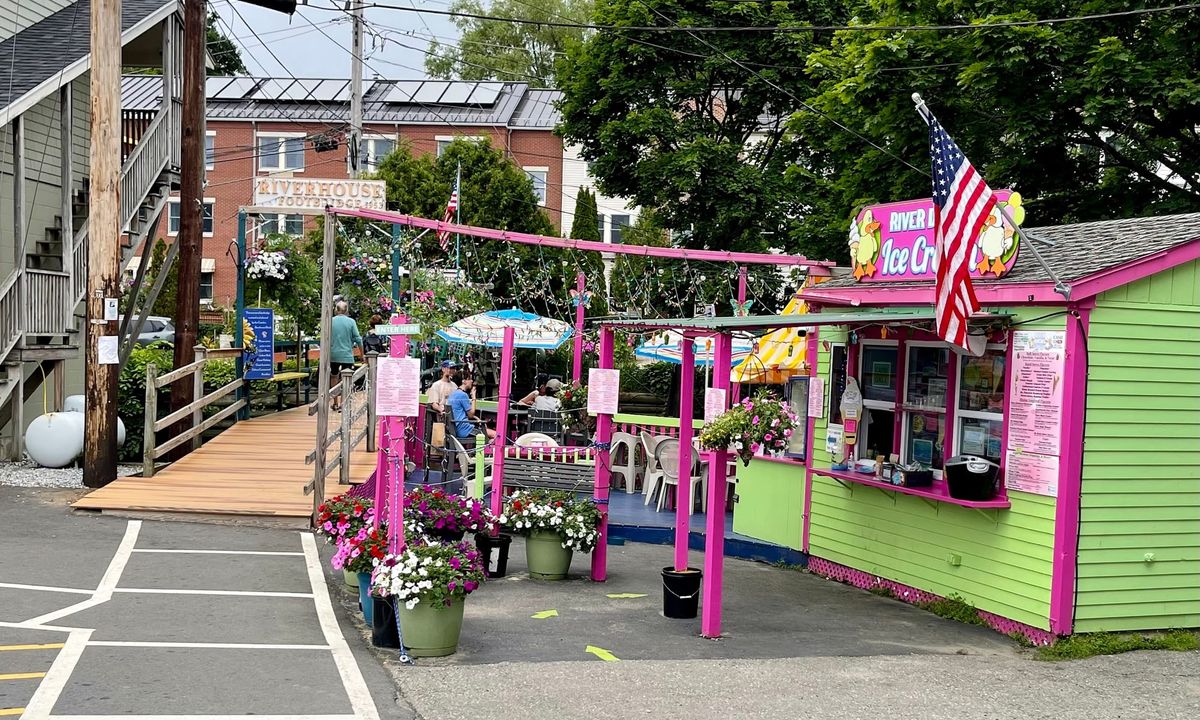
Bad small buildings – when the execution fails
Having just any small building in a public place won't do because sometimes, these structures are not designed well enough to be able to positively impact the place they're in. Instead of adding value to a place, they can even detract from it. For example, in Brooklyn Bridge Park there are several small buildings, but they are so devoid of character and enjoyable features that they barely create a positive ripple on their surroundings.
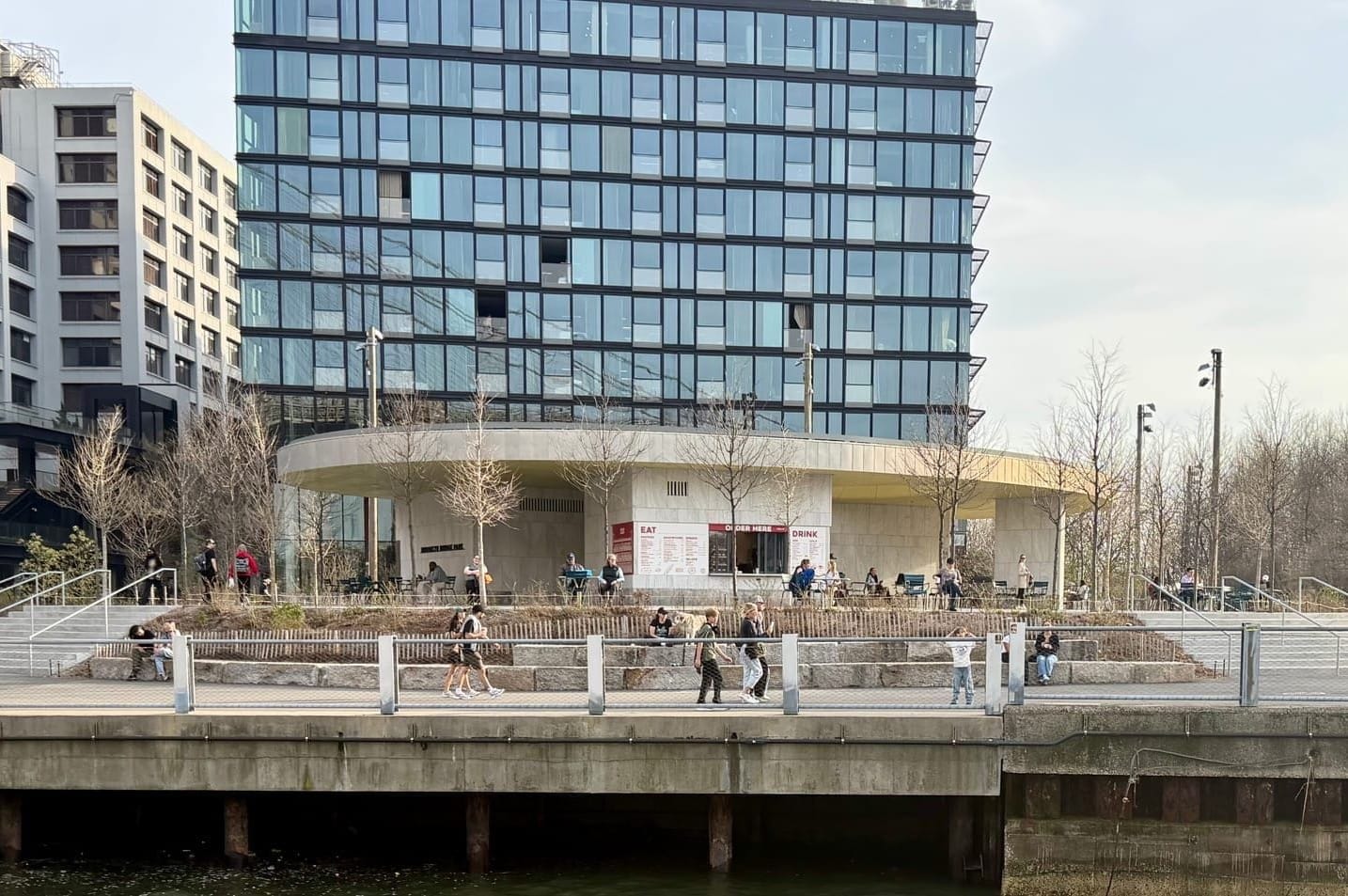
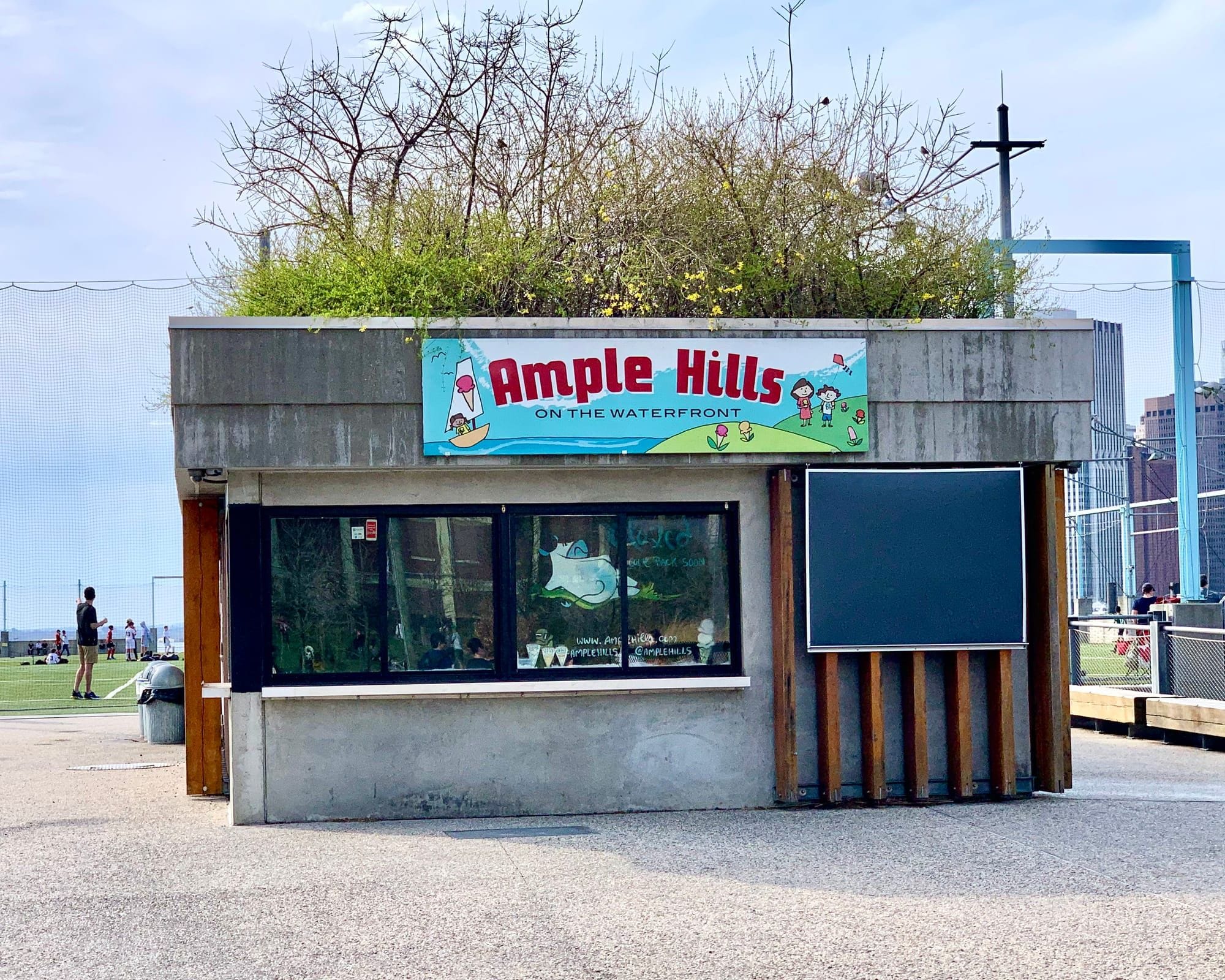
There are several things wrong with the small buildings here and many other underperforming structures in public places:
- They hide people and product – instead of having large windows with interesting displays and open doors that invite passersby to view their offerings, these buildings are designed like fortresses. They have blank walls and hole-in-the-wall windows. It's hard to see what is happening inside and they have very little if any outdoor presence such as pleasant seating areas, umbrellas, playgrounds, etc.
- Architecture dominates, not life – it seems the focus of these buildings was their design. Creating something "different" or "unique" from an architectural standpoint instead of considering how the building will be used and enjoyed by the community does not lead to an effective place.
- They are not beautiful – Even though these buildings are design-led, they are not particularly beautiful or attractive. They have no charm or personality or appealing ornamentation, no features that would make someone want to take a photograph and sit down to look at them for a while. All-in-all, the architecture focus has failed them by not taking into consideration the needs, wants, and likes of the community, and instead giving an architect an opportunity for self-expression with no connection to its context.
- They're not actually small – these structures have the same functions as a typical small building does, such as to host a café, info point, or news stand, but they take up way to much space to do so. The value of a small building is maximal impact with minimal footprint. These small buildings offer the opposite. A kiosk or gazebo-sized structure is plenty big to achieve the purposes of an effective small building in a location like this.
Good small buildings – the power of small buildings in public places around the world
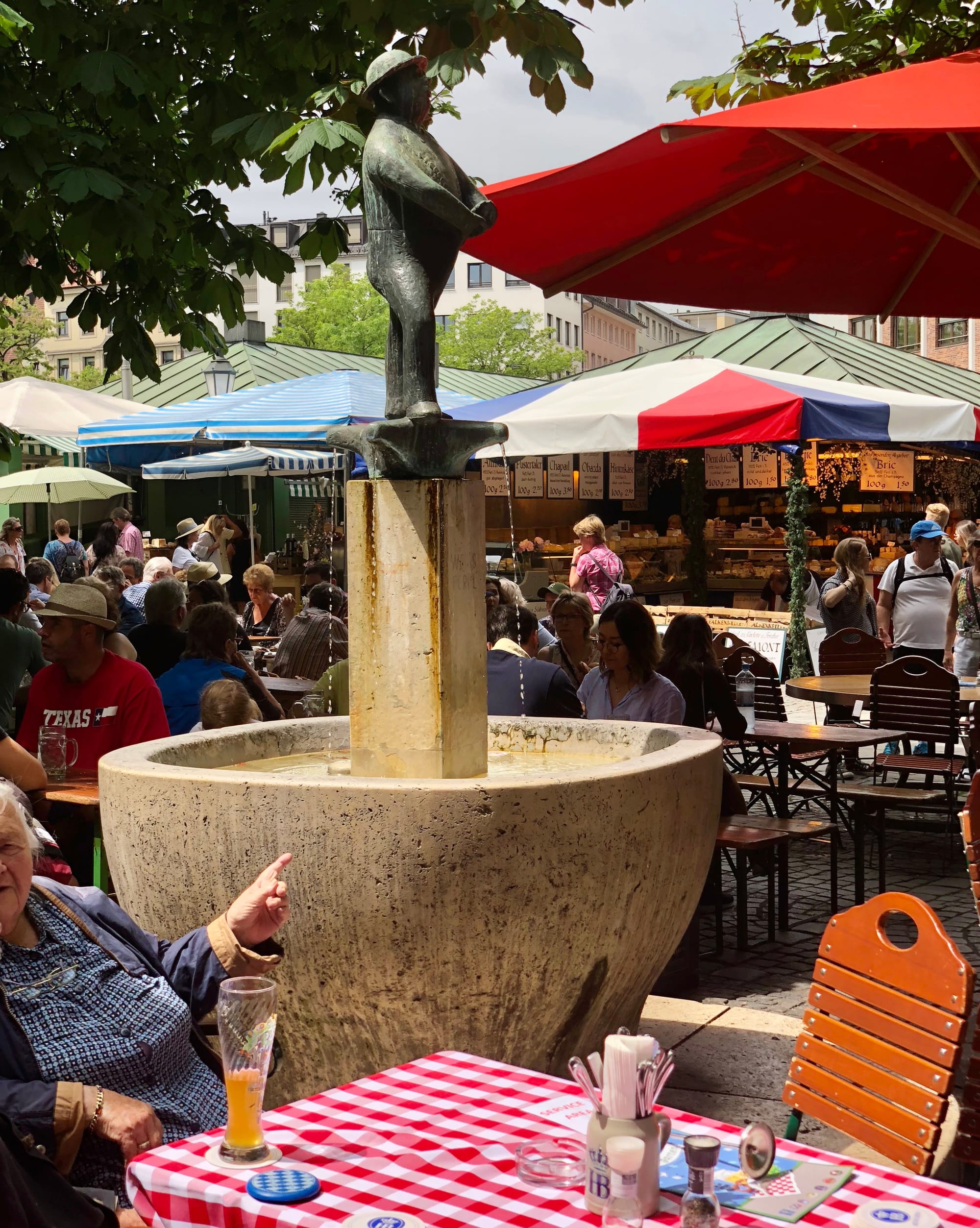
The stalls of Munich's Viktualienmarkt
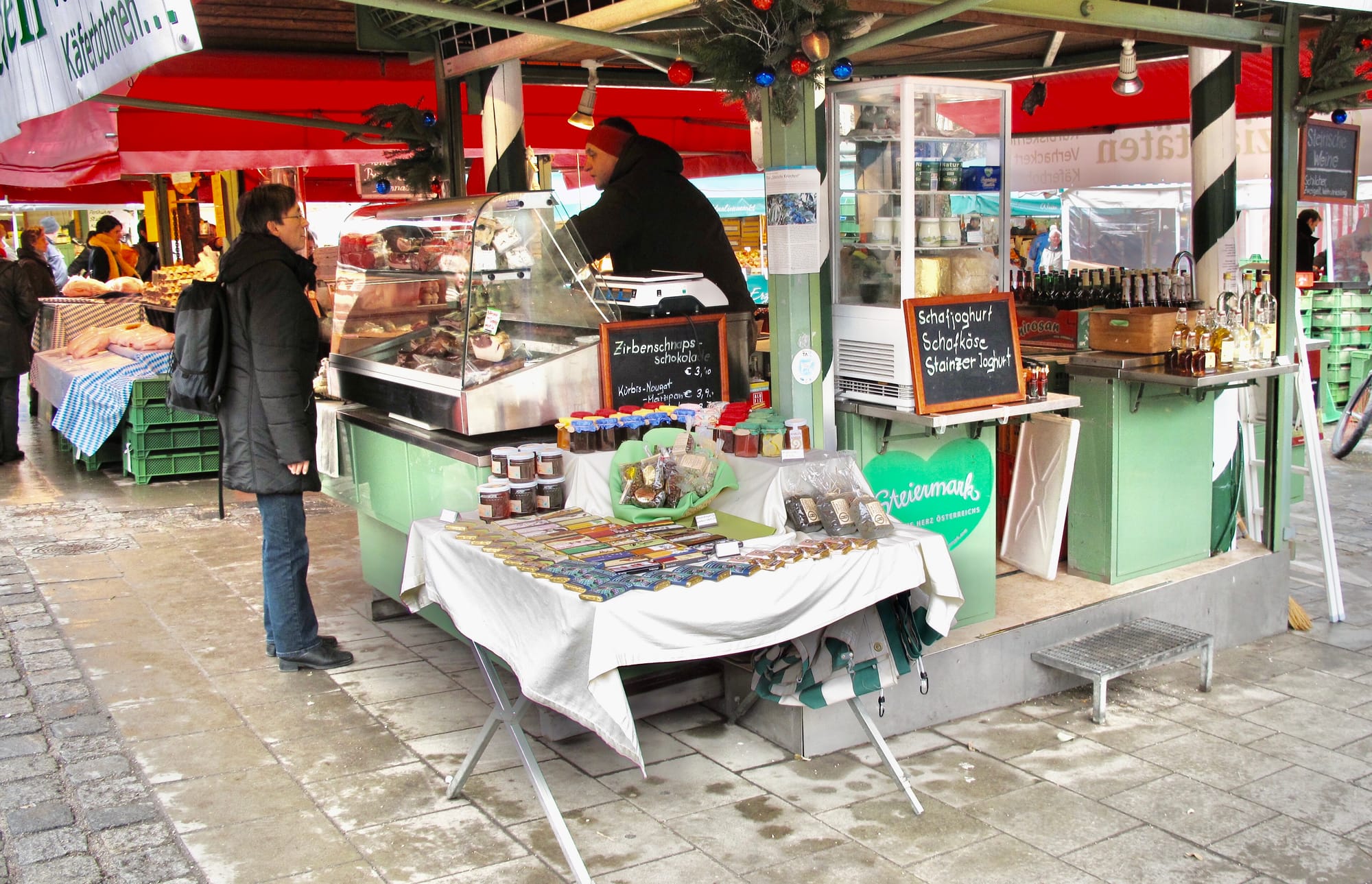
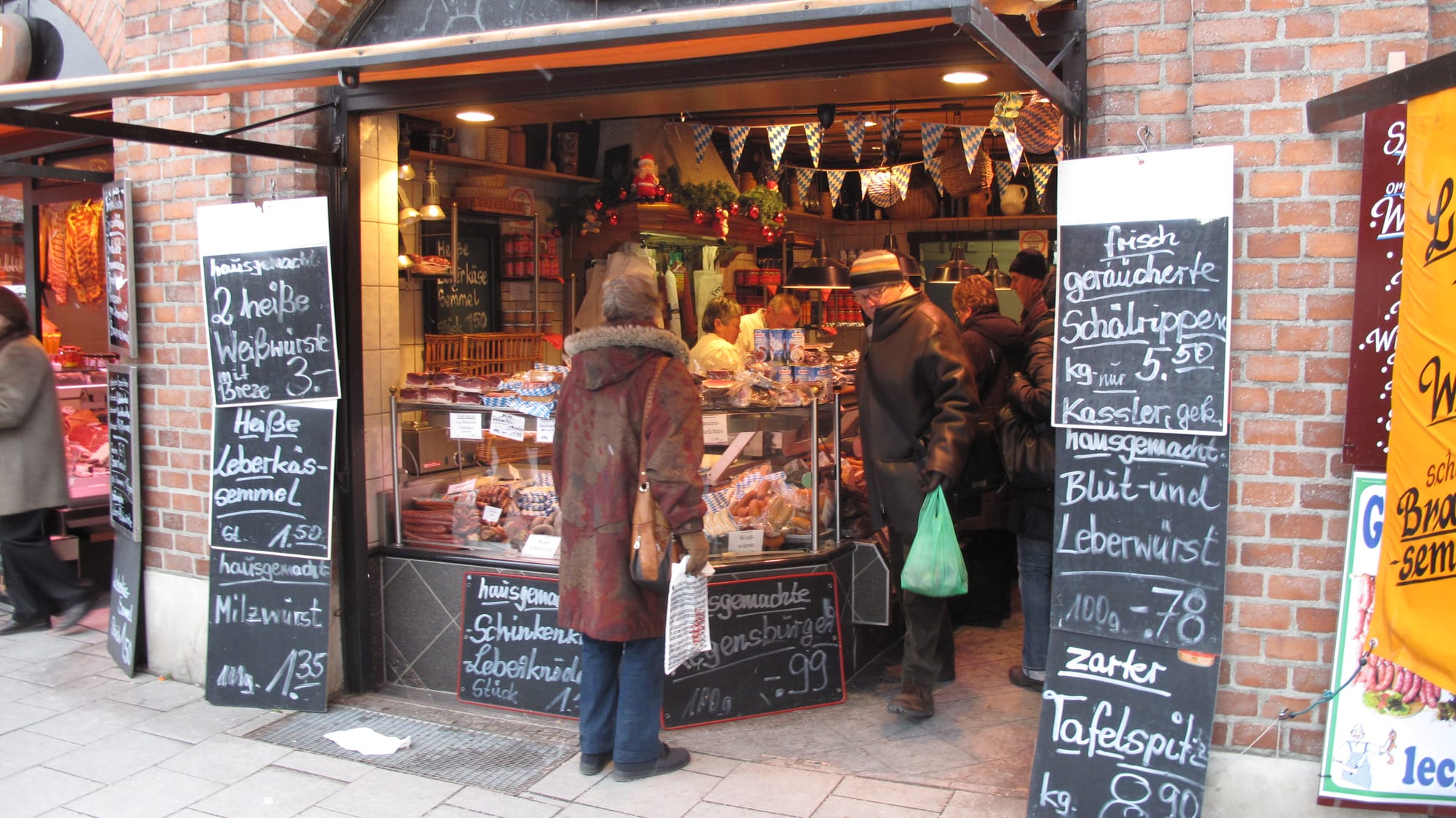
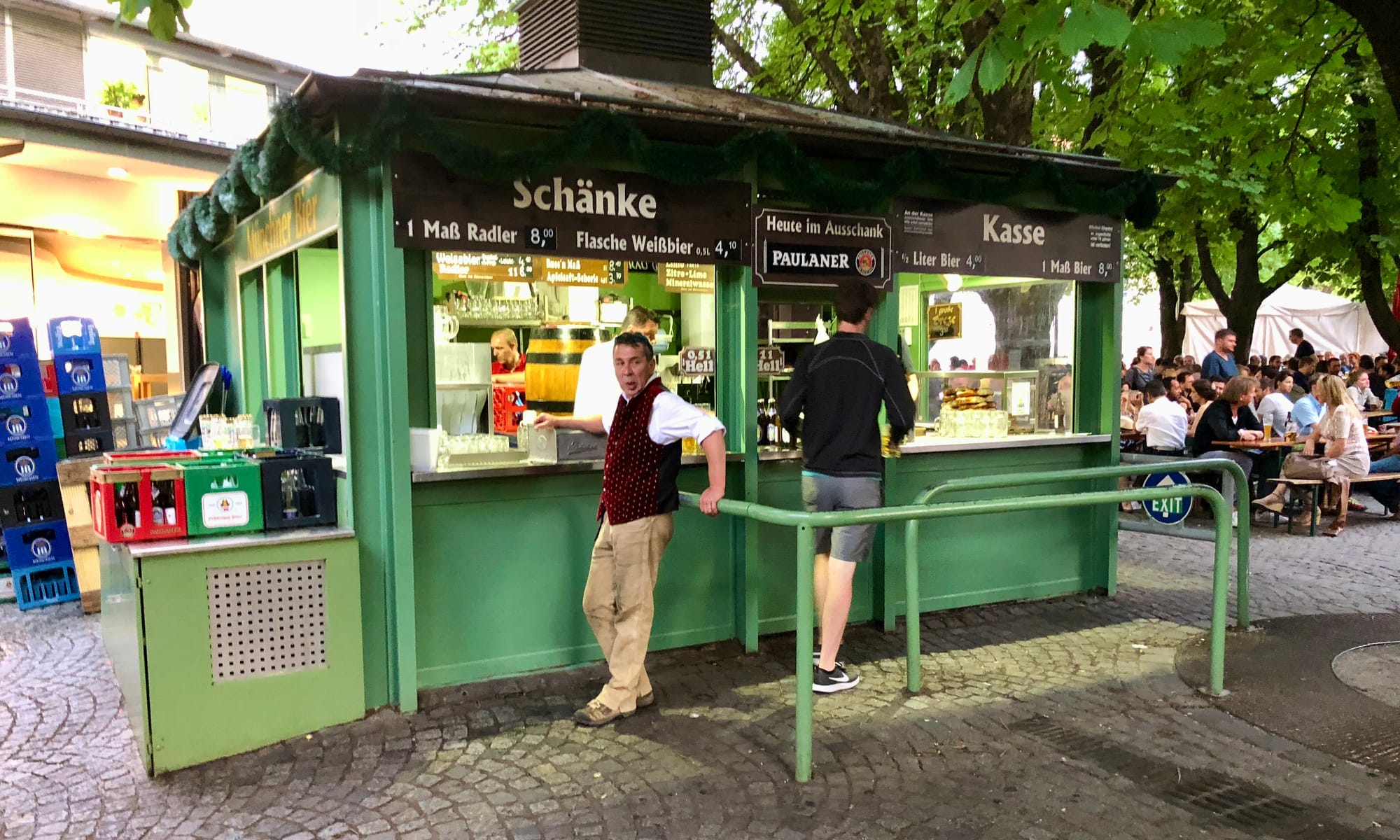
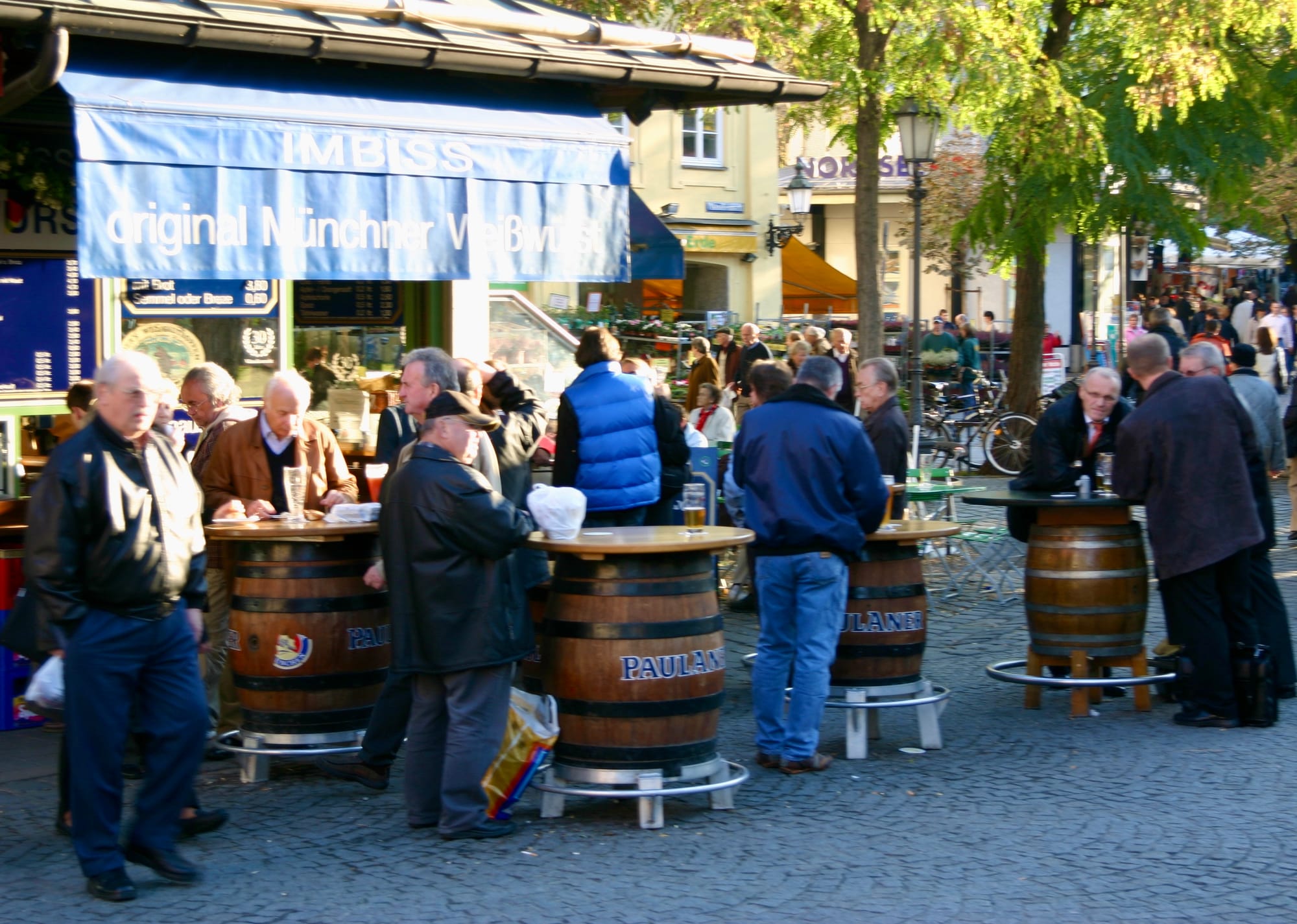
In Munich's Victuals Market, we see a great example of the small building in action. The green-roofed stalls there give the market presence and dimension, allowing it to offer a variety of goods and services in every weather condition. With a series of small sheds lined up, the market ends up having its own "main street" – busy with foot traffic and commercial activity – which can make it feel like the heart of the city.
Because the sheds here are sturdier than market tents, they can withstand wind, rain, and cold, so the offerings of the market aren't dependent on the weather. On hot days, you can wind through the lanes and peruse the external displays. When a cold chill blows, you can walk deeper under the awnings of the buildings, or even go inside them for shelter, as you enjoy endless things to see, smell, and taste. Small buildings give a place resistance, flexibility, and durability.
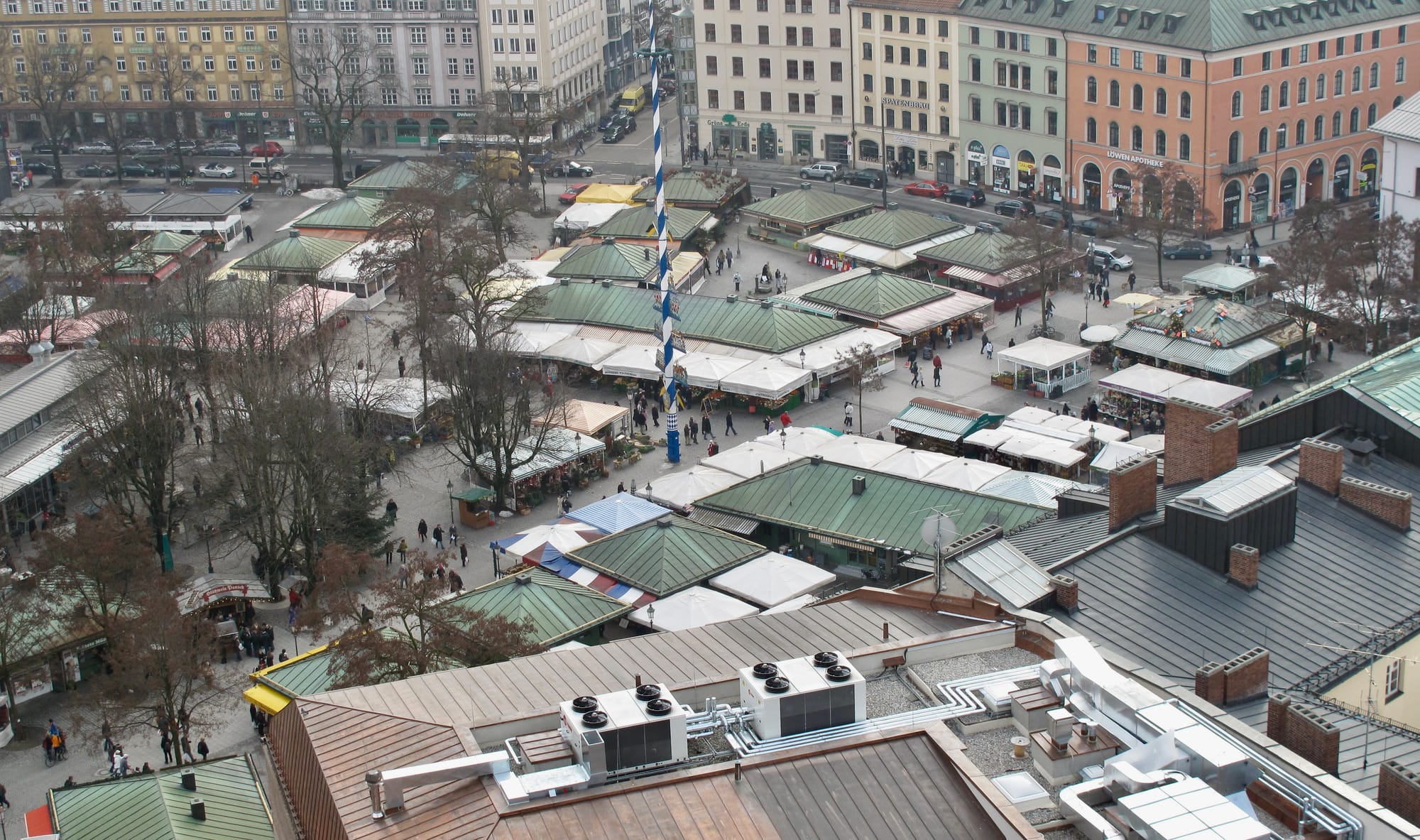
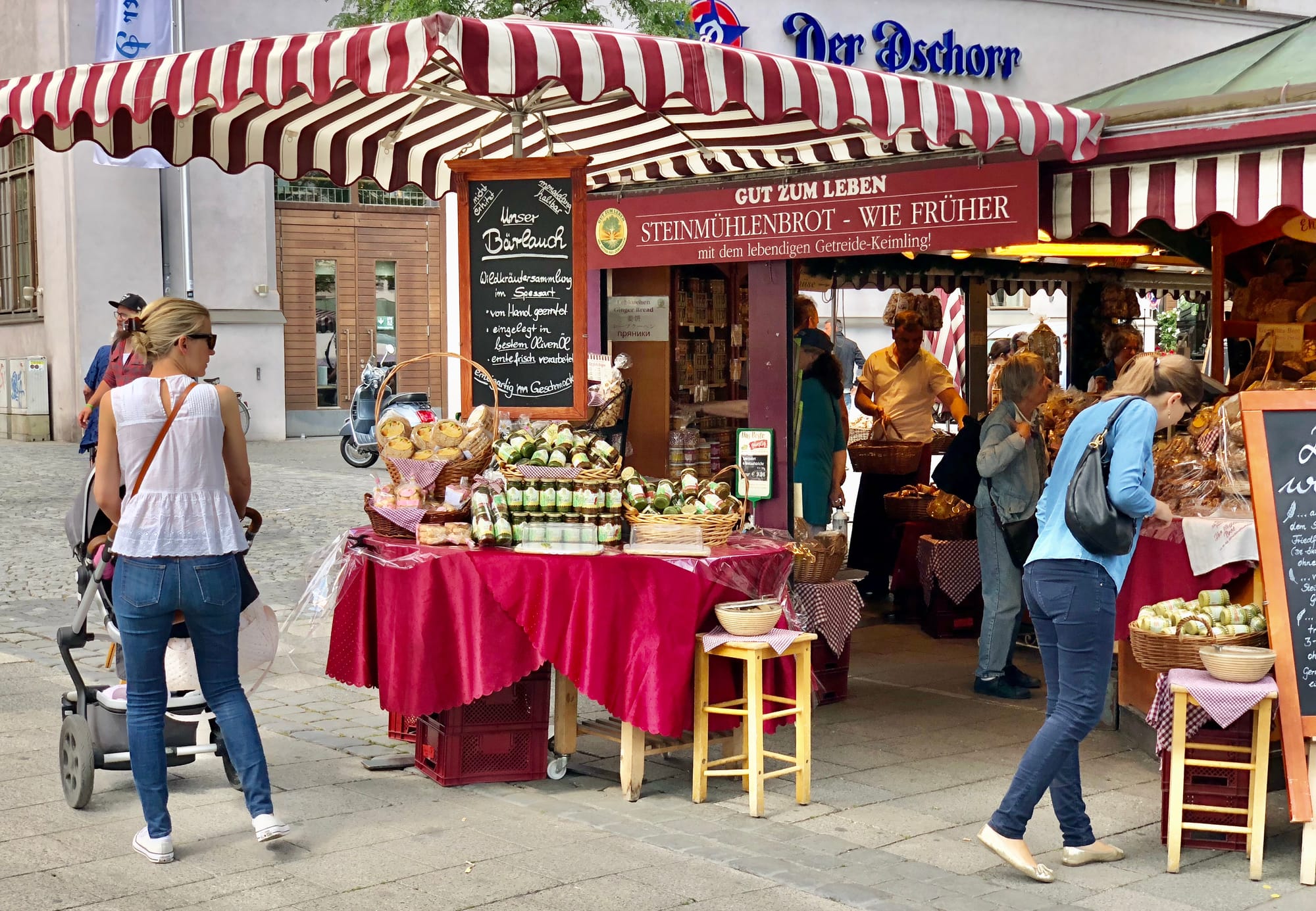
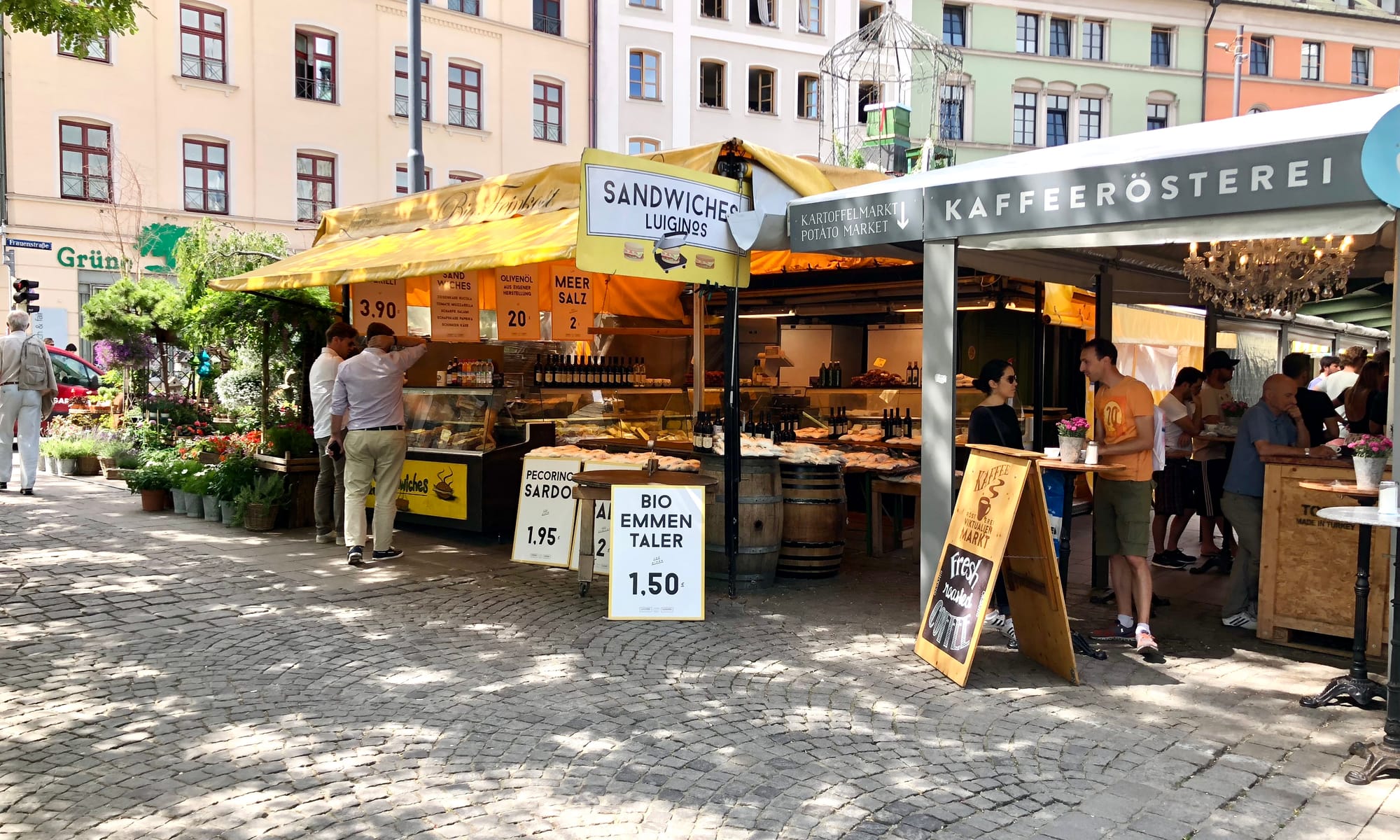
While such buildings are small, they can be layered with canopies on all sides that allow for different businesses to create their own identities as they branch off the main structure. They can act as sites for temporary setups when there are market days, or coffee windows, small shops, and street food stands when there are not.
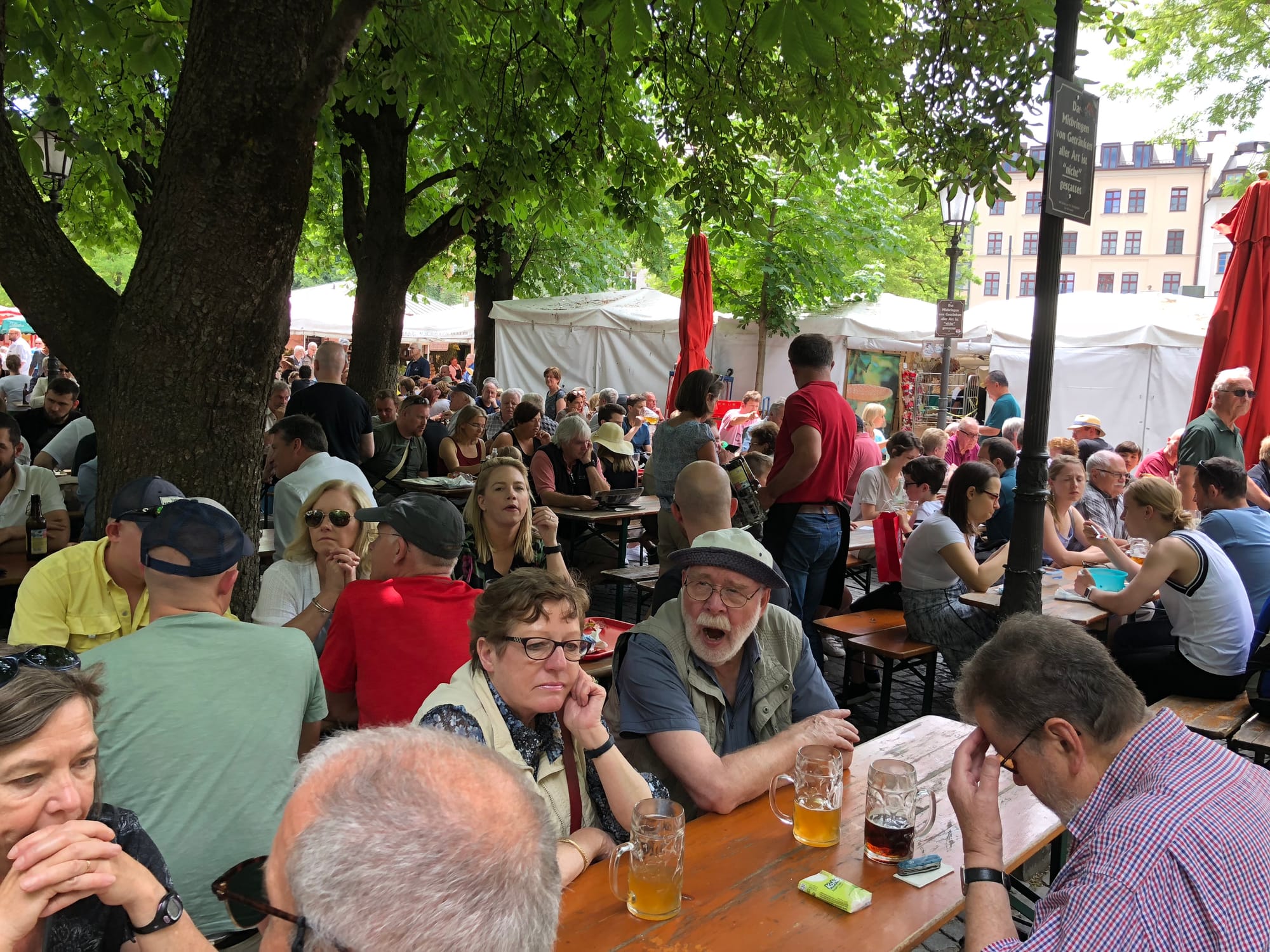
The Beer Garden
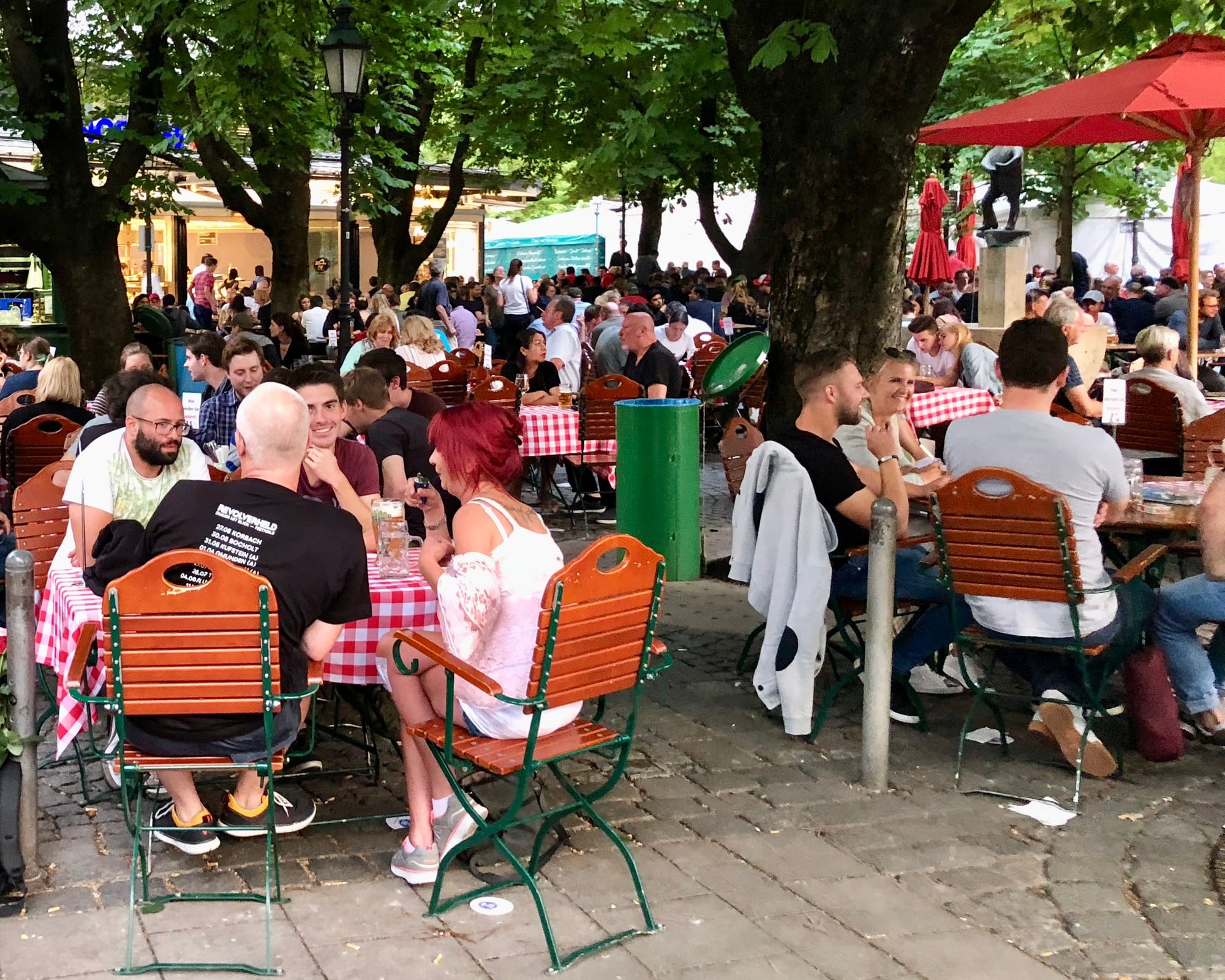
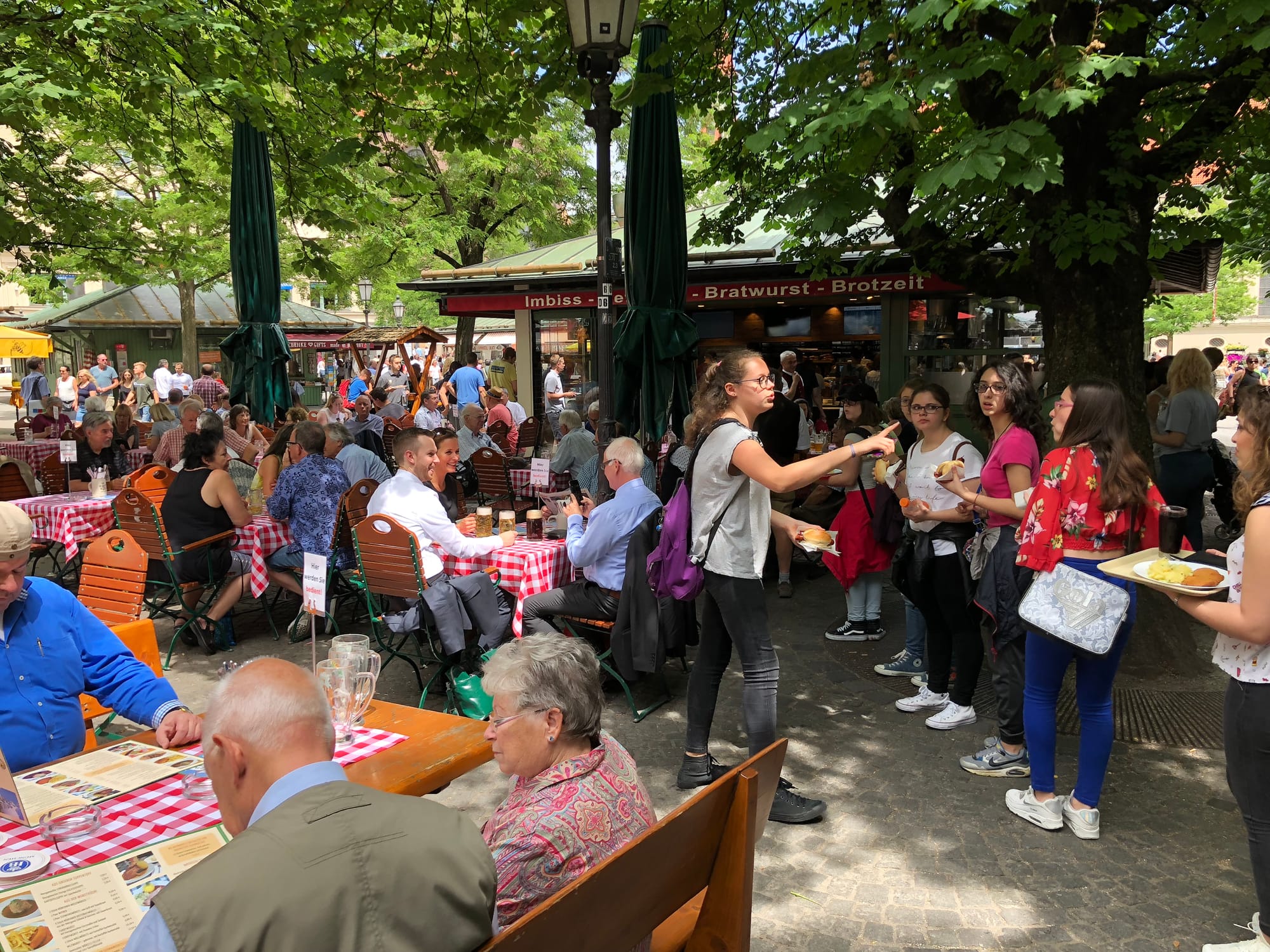
In the open area near the small structures of the market is a fantastic beer garden with numerous seating options, tall trees that throw shade, and lighting features for evening festivities. The small buildings around its periphery act as the nodes that anchor it and give it its form.
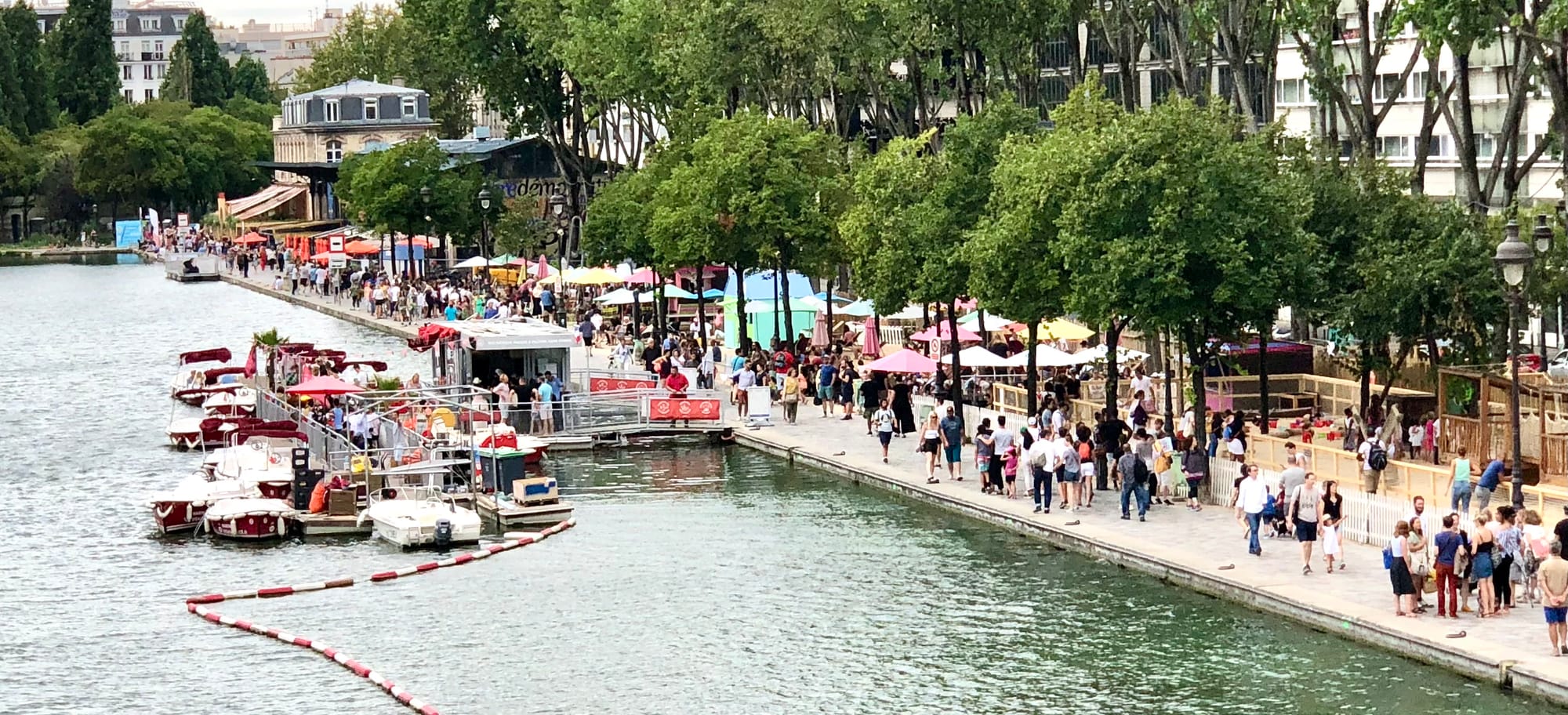
Bassin de la Villette, Paris – small buildings in the form of pop-ups punctuate the waterfront
Pop-ups along both sides of the Bassin de la Villette offer food and games in colorful settings. Because the wonderful variety of programming and activations here is often temporary/seasonal, the addition of the fixed buildings and their offerings complement it by adding a sense of permanence.
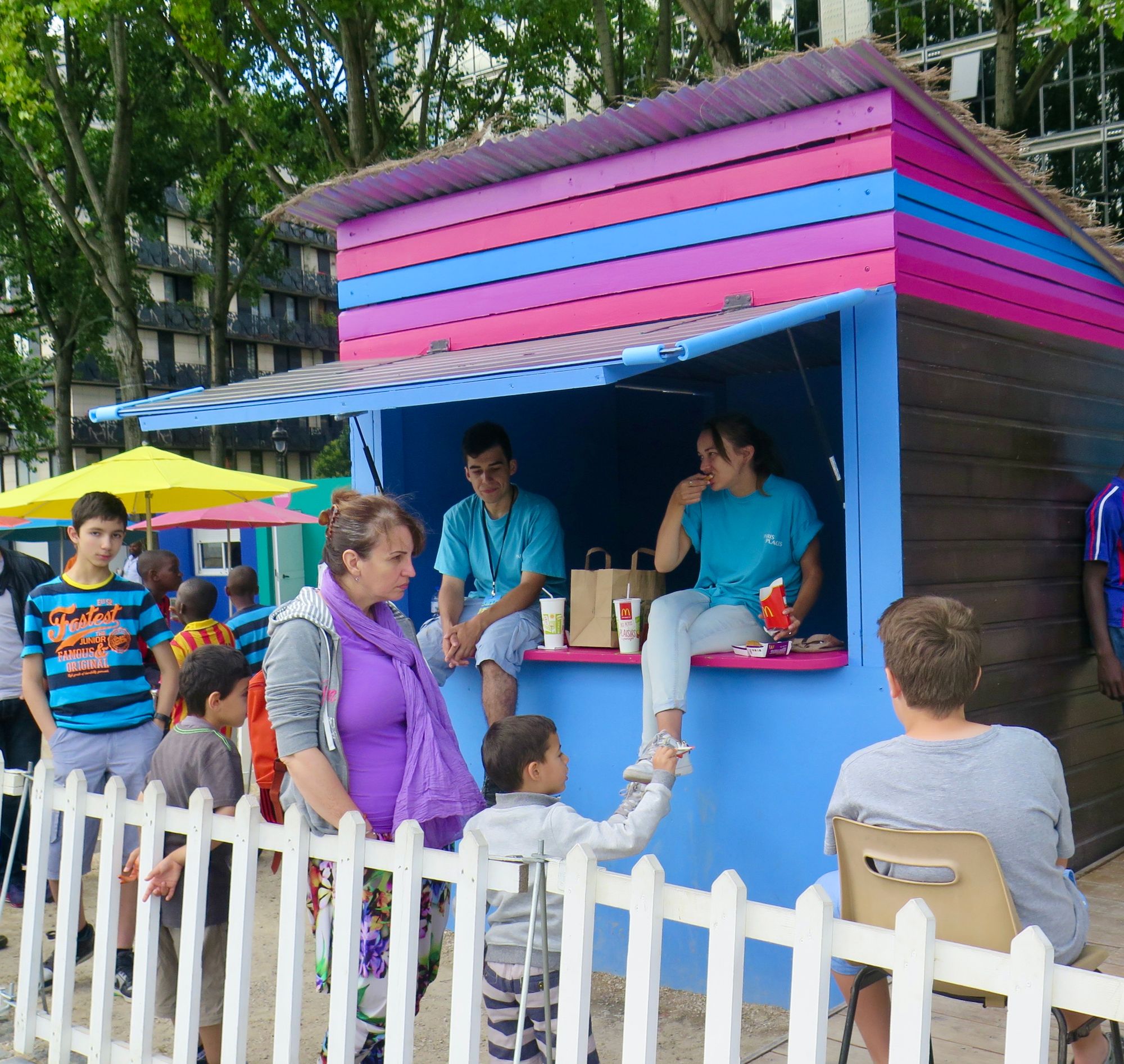
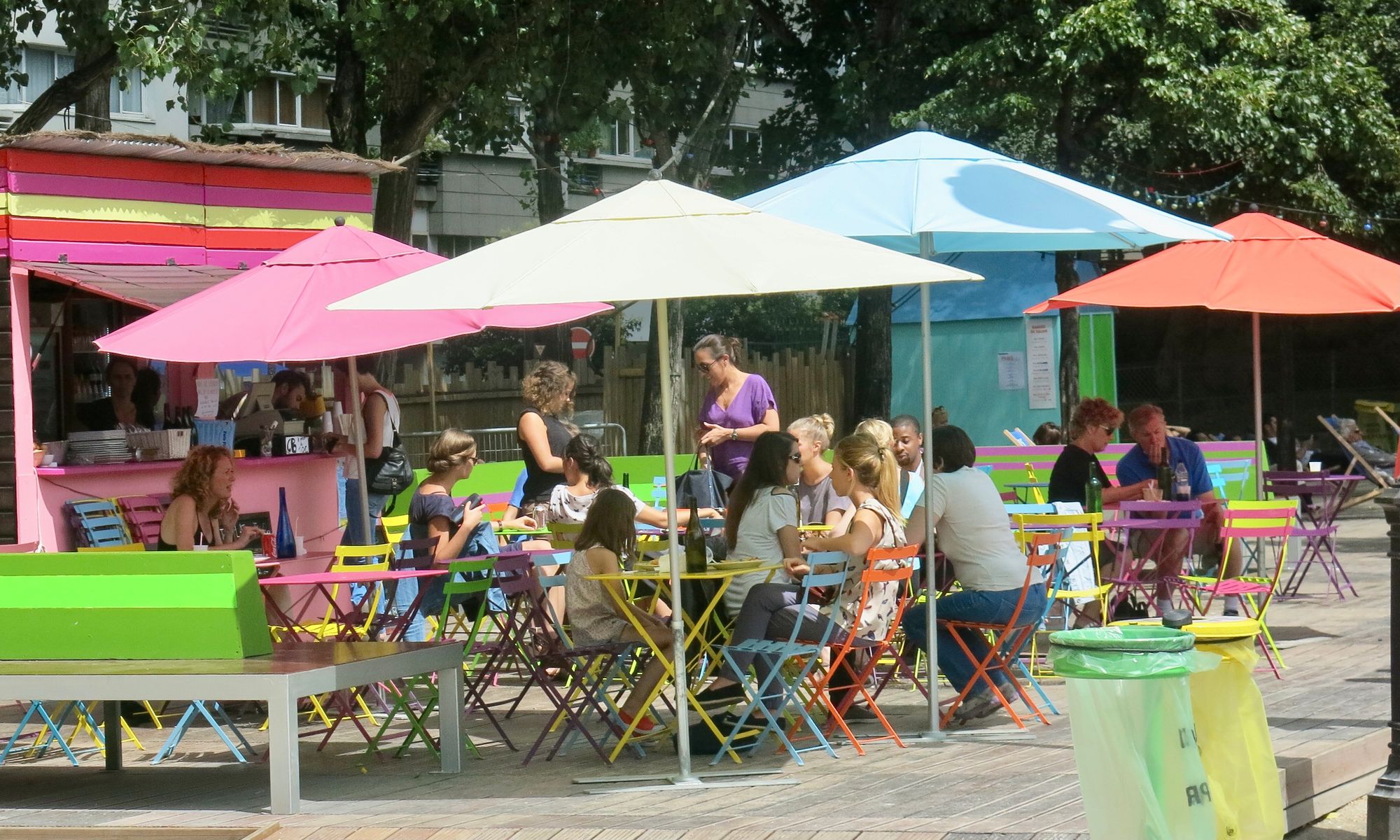
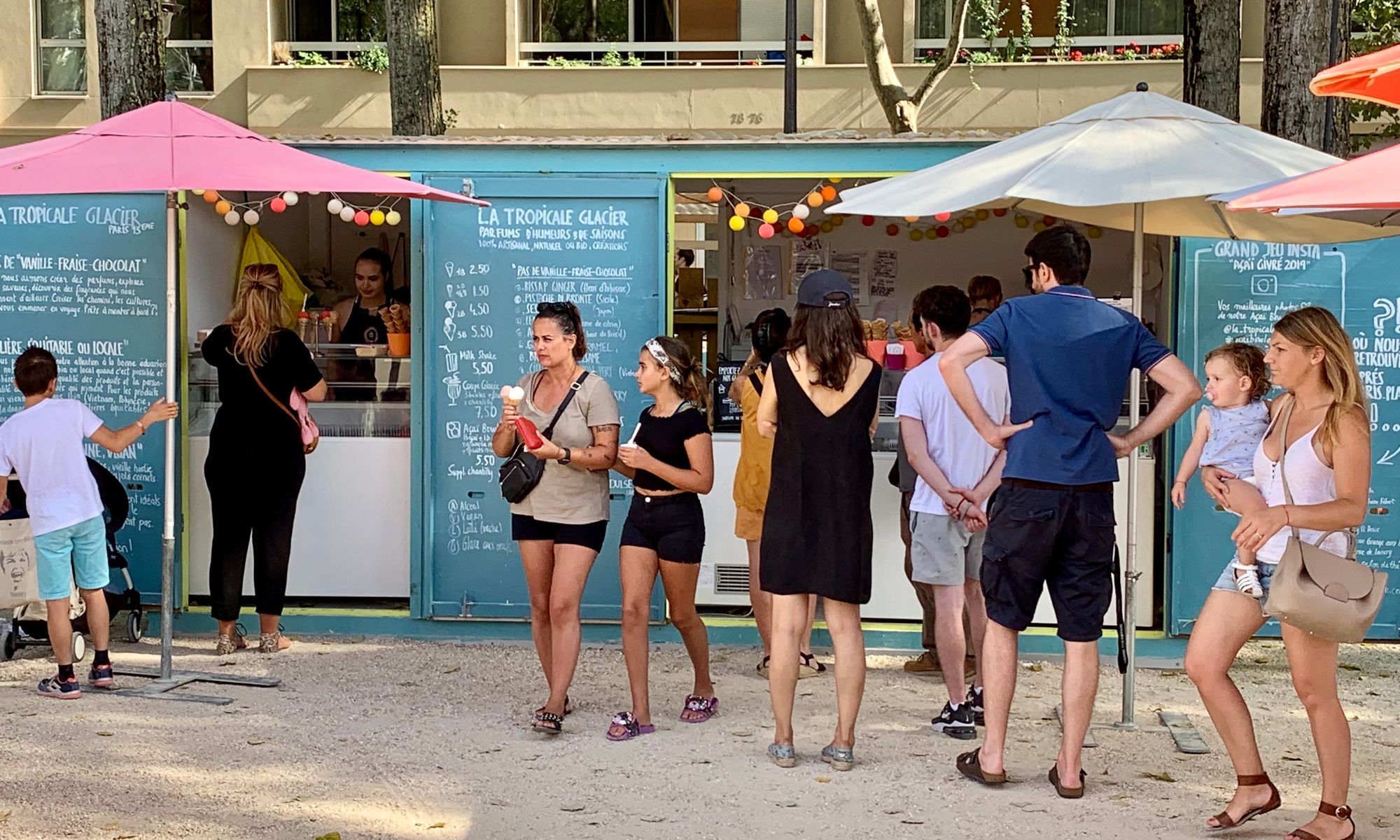
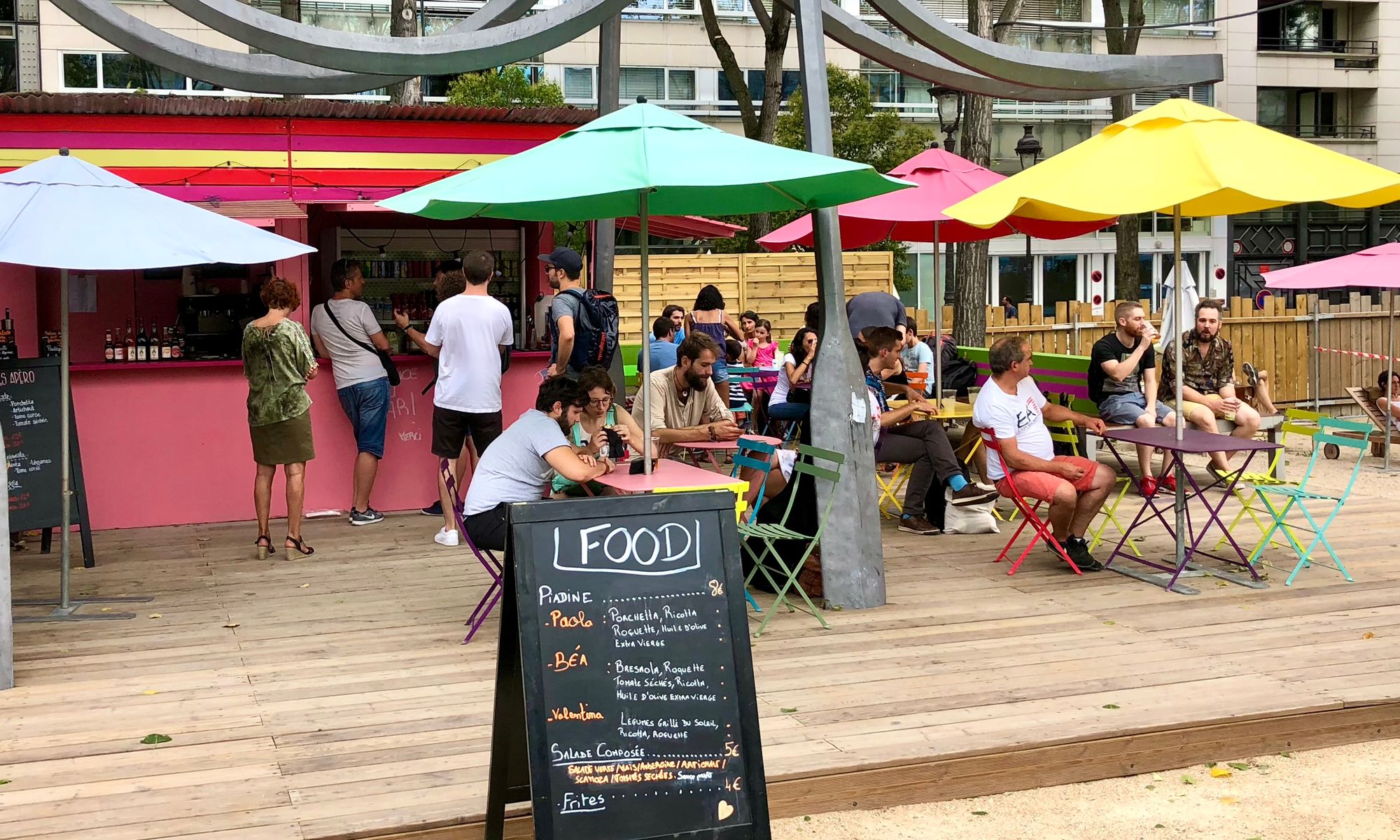
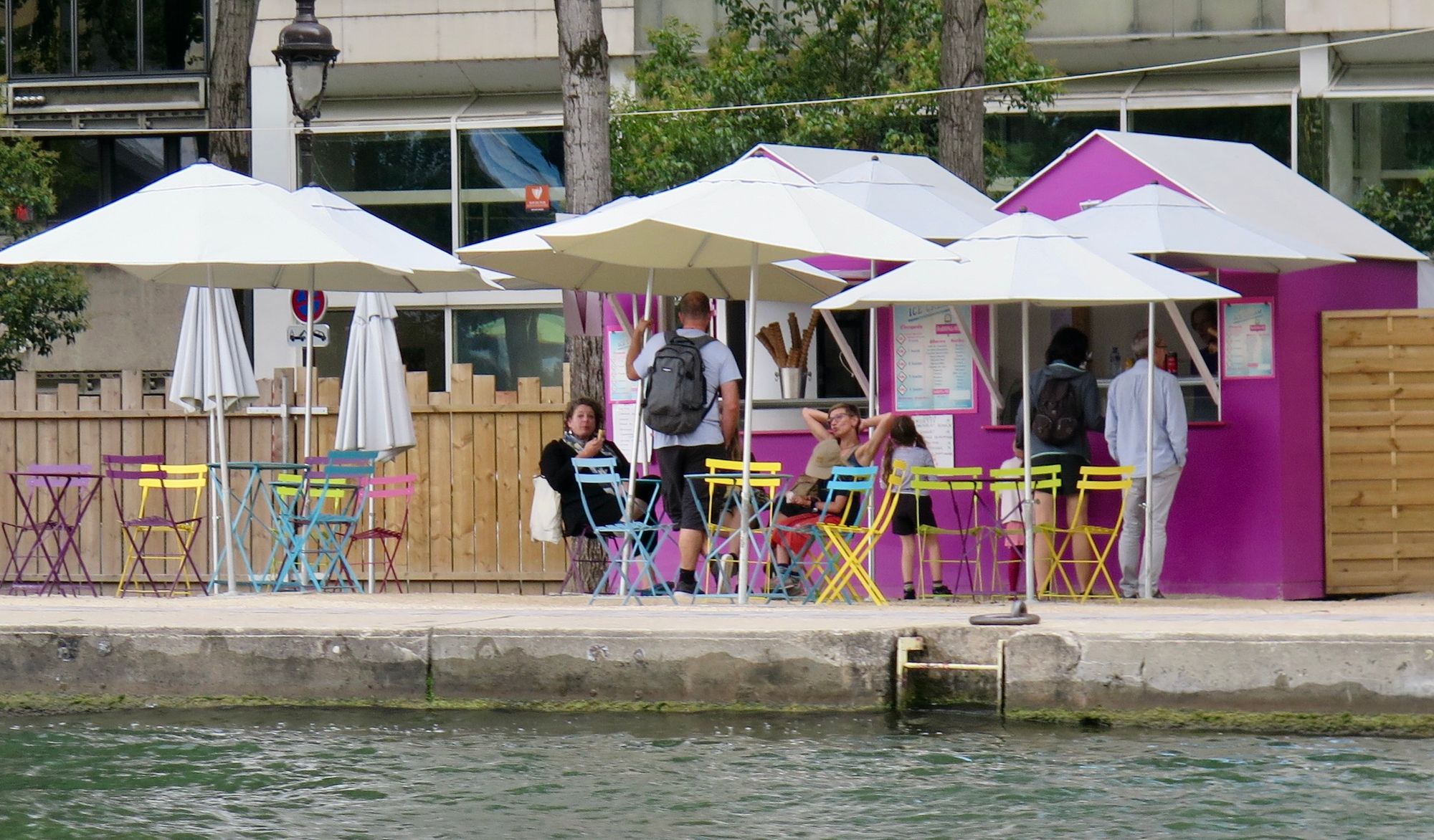
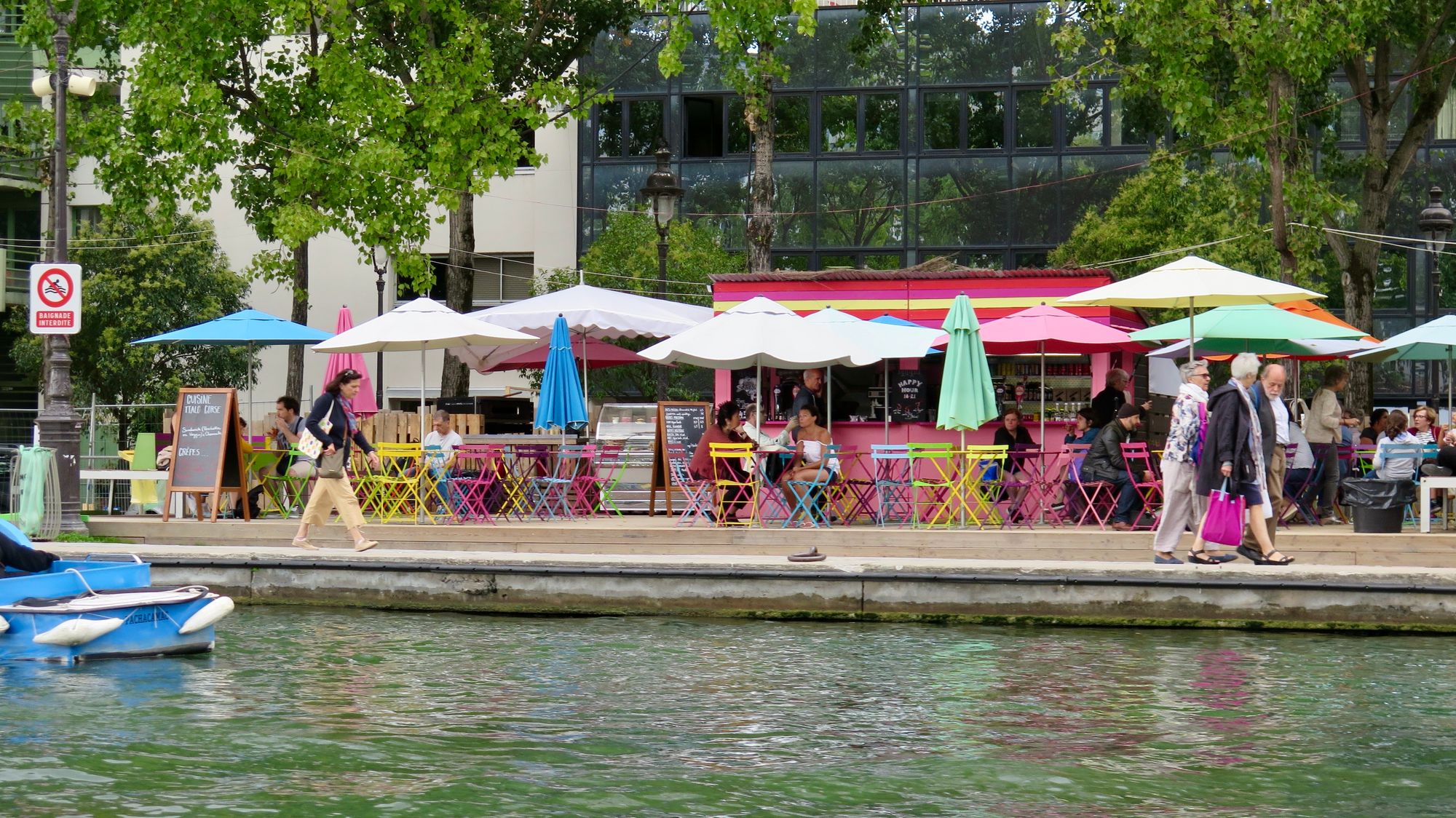
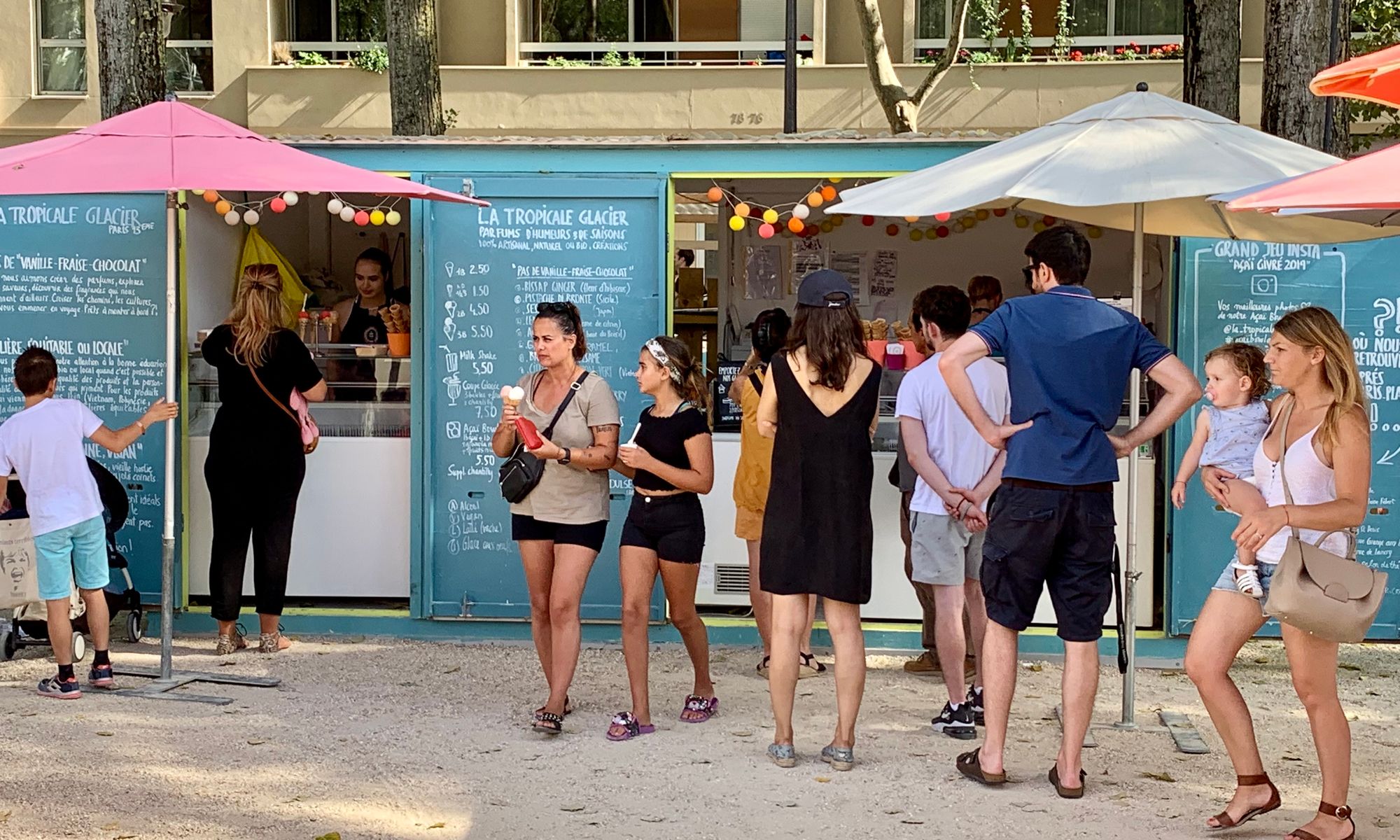
Bassin de la Villette - LQC (Lighter, Quicker, Cheaper) additions
 Fred Kent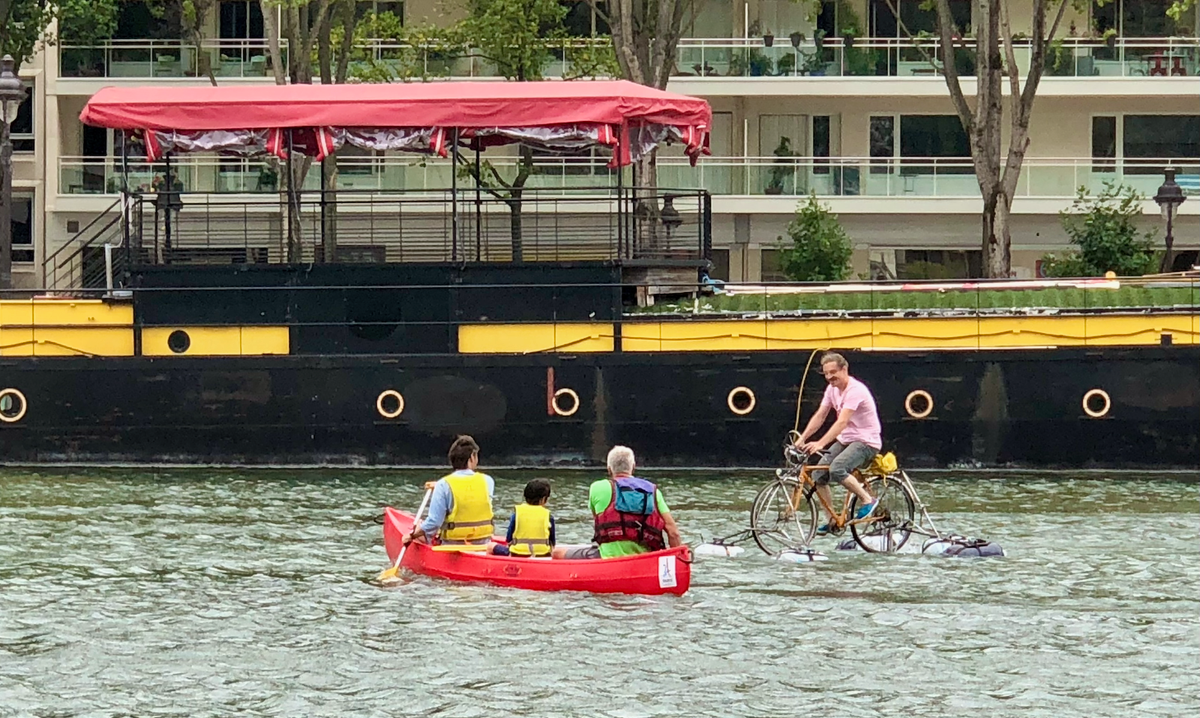
London's South Bank
Gabriel's Wharf – supporting the local economy
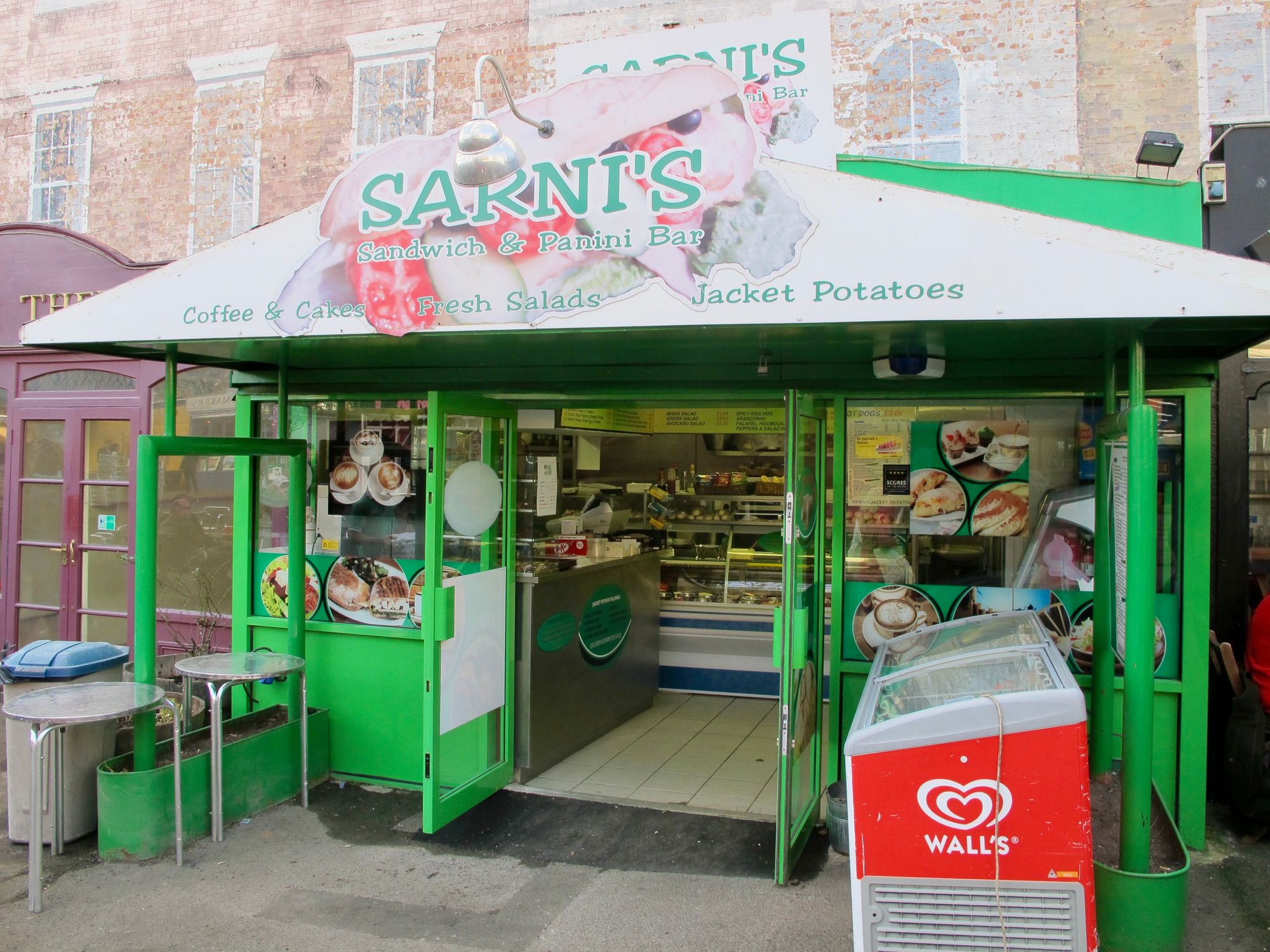
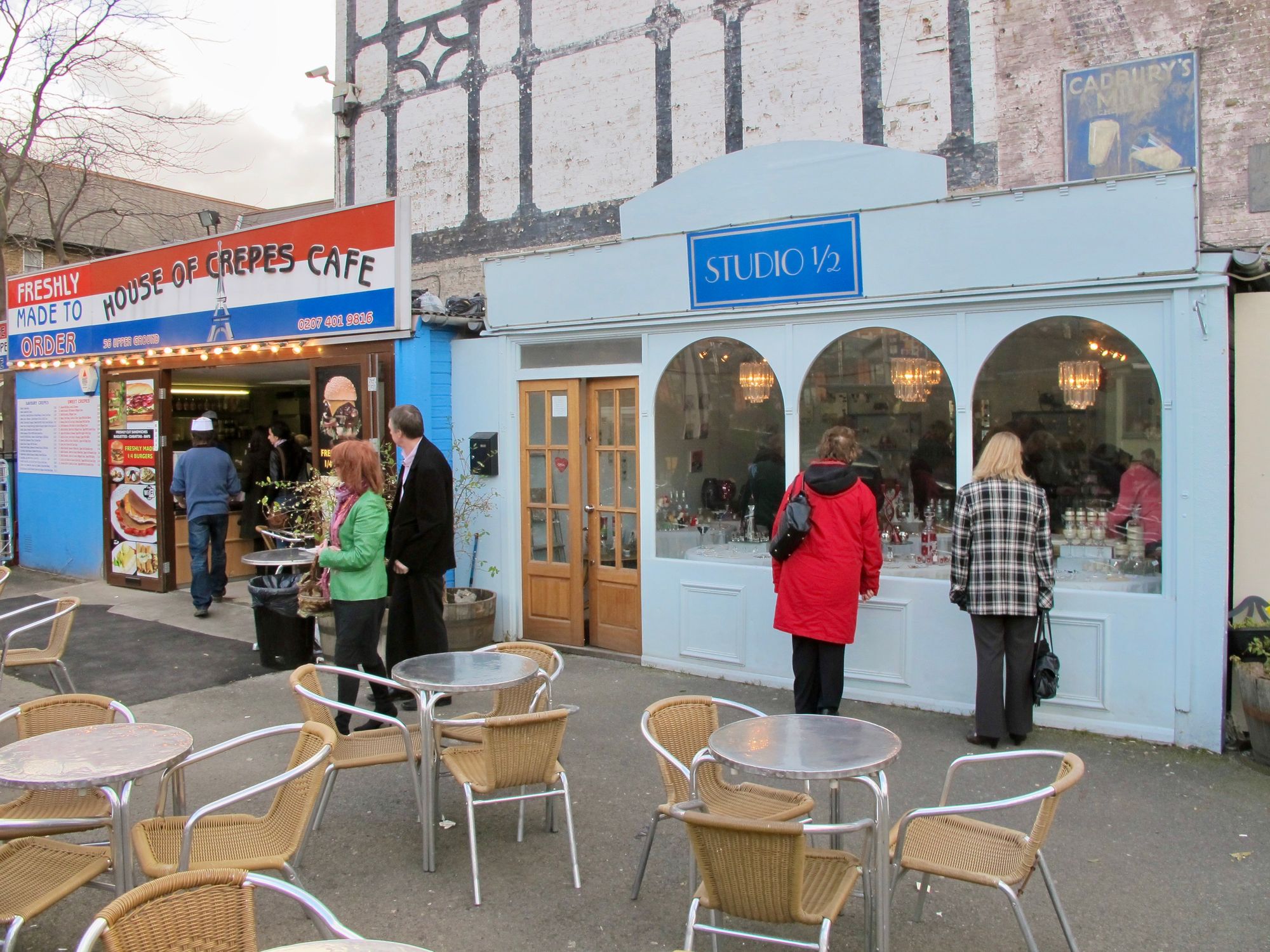
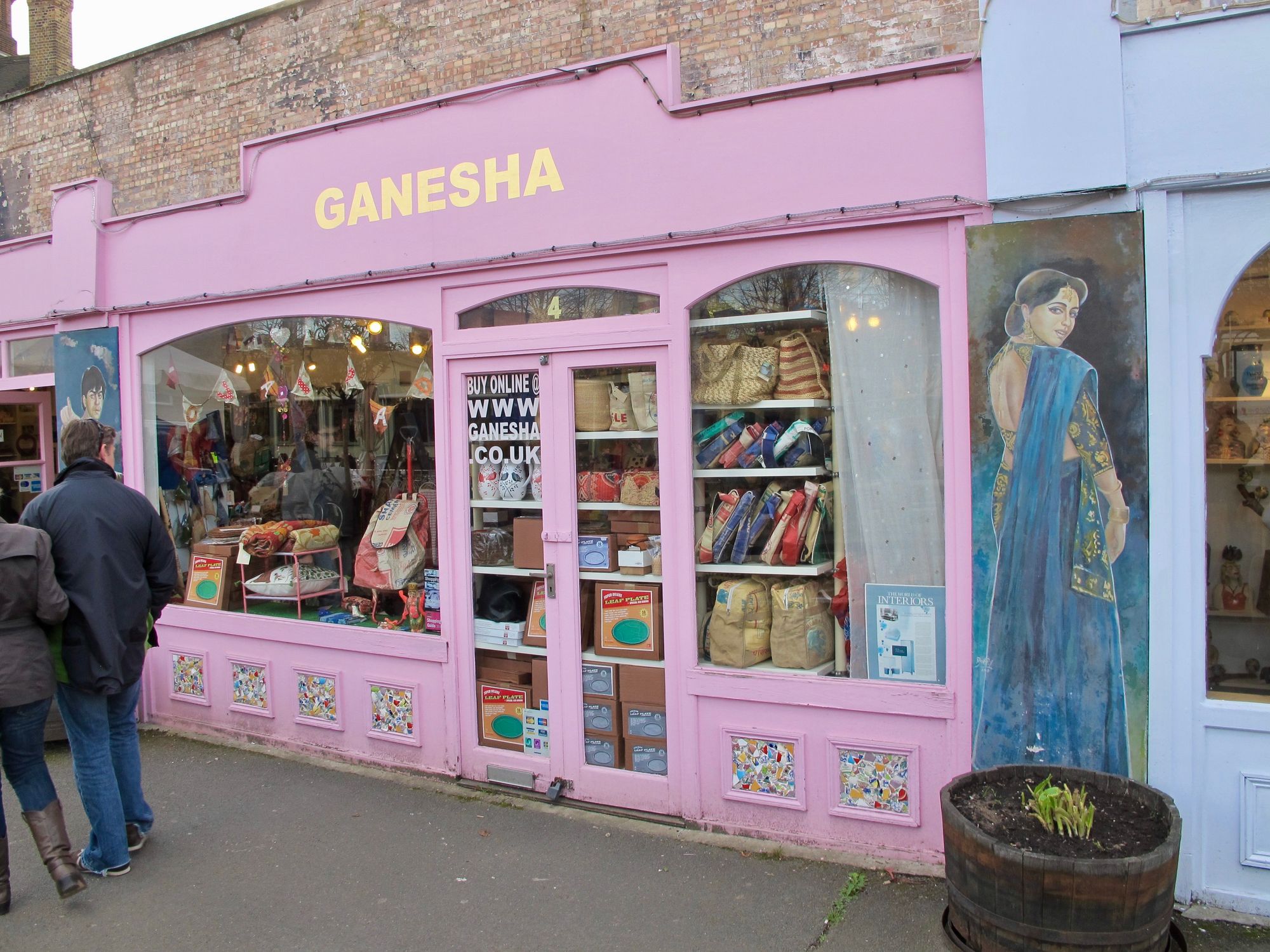
Gabriel's Wharf is a square and shopping area that is an excellent example of how small buildings can define a space and give it layers of vibrancy and prosperity. In the center of the area sits the focal point – a small red octagonal structure – and surrounding it are the storefronts of small colorful buildings that imitate a main street. The central kiosk gives the space a core that anchors it while the surrounding buildings give it variety and visual interest. Together, the small buildings here turn what would otherwise be an open and undefined seating area into an interesting destination.
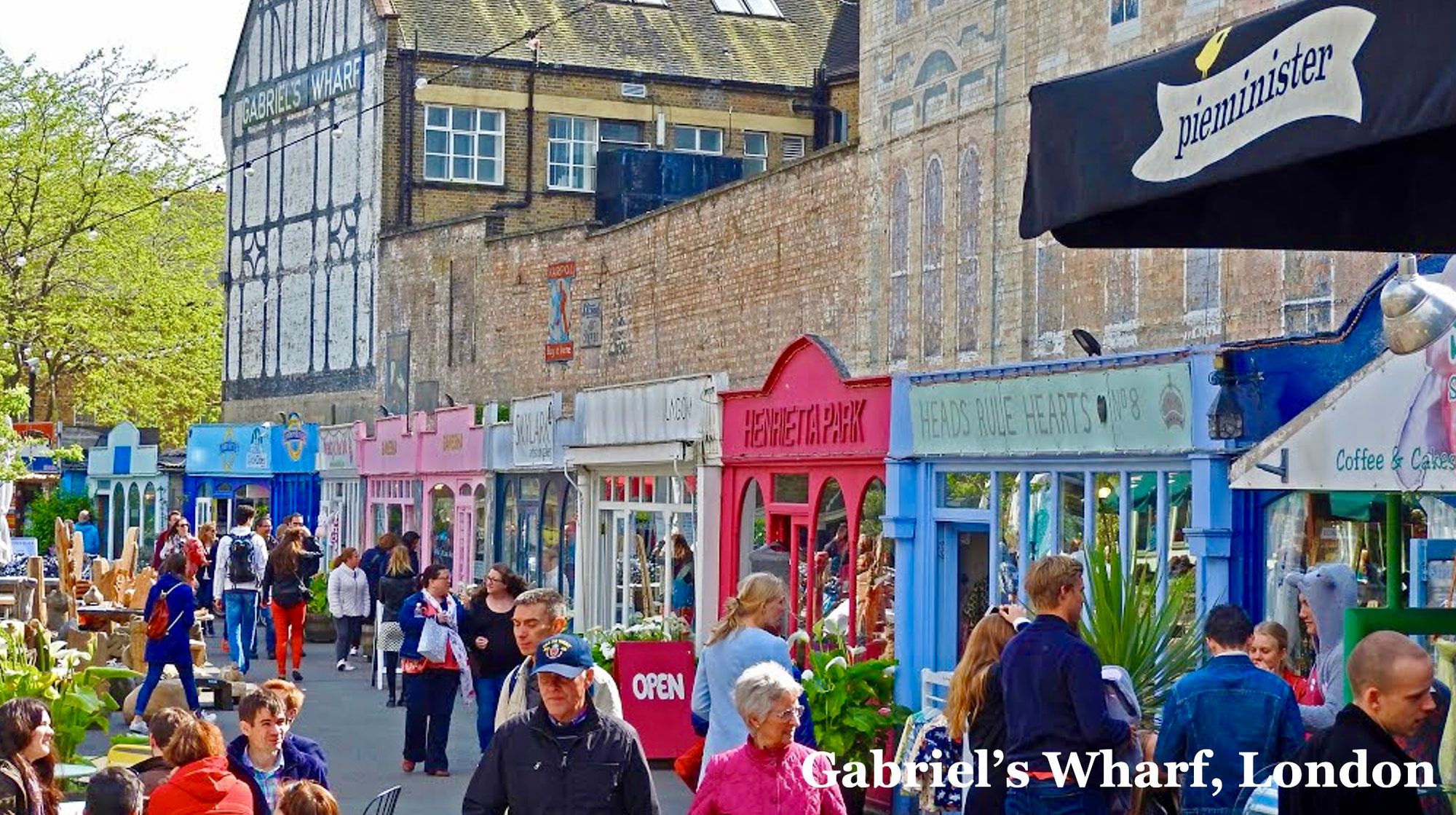
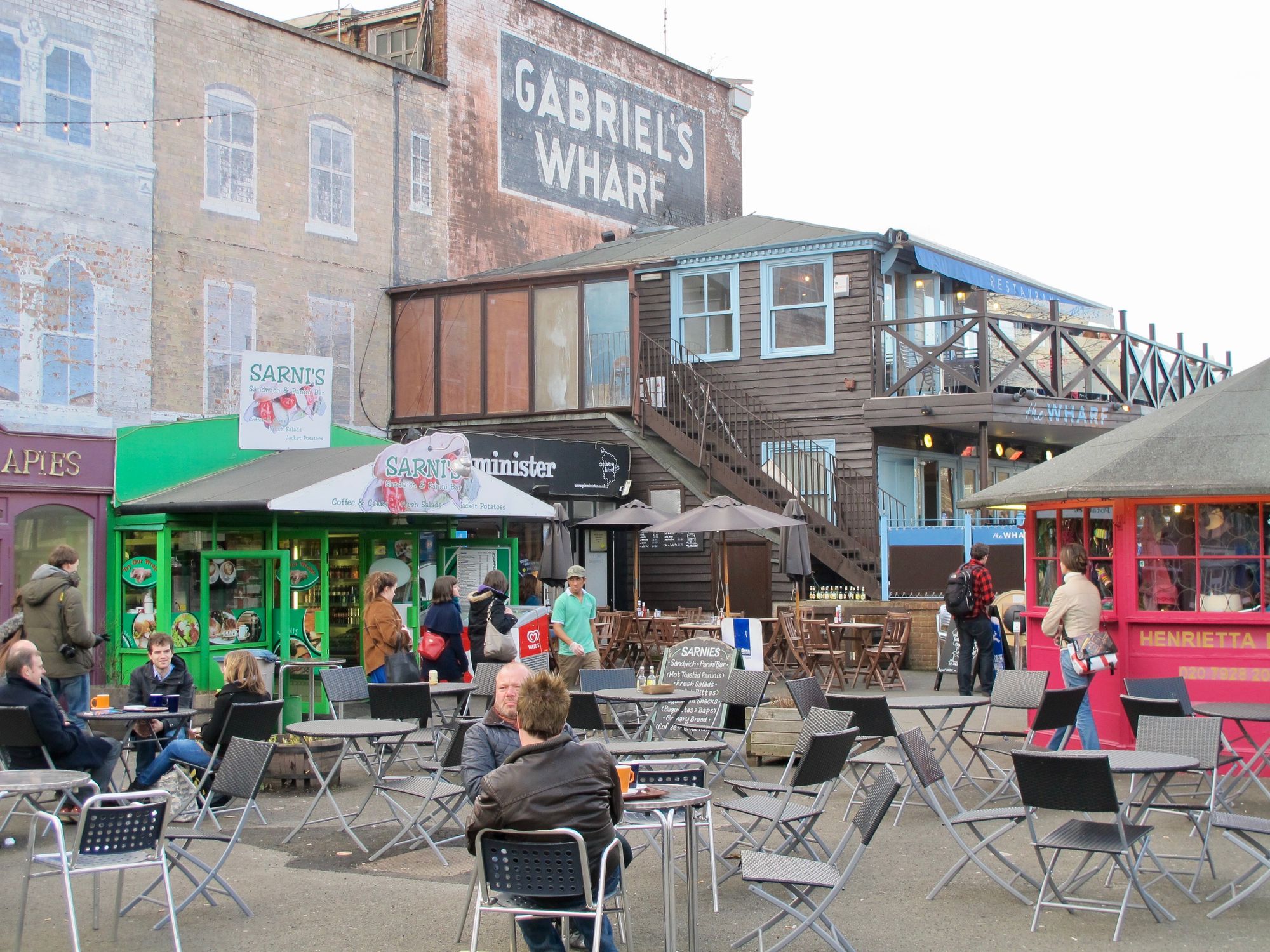
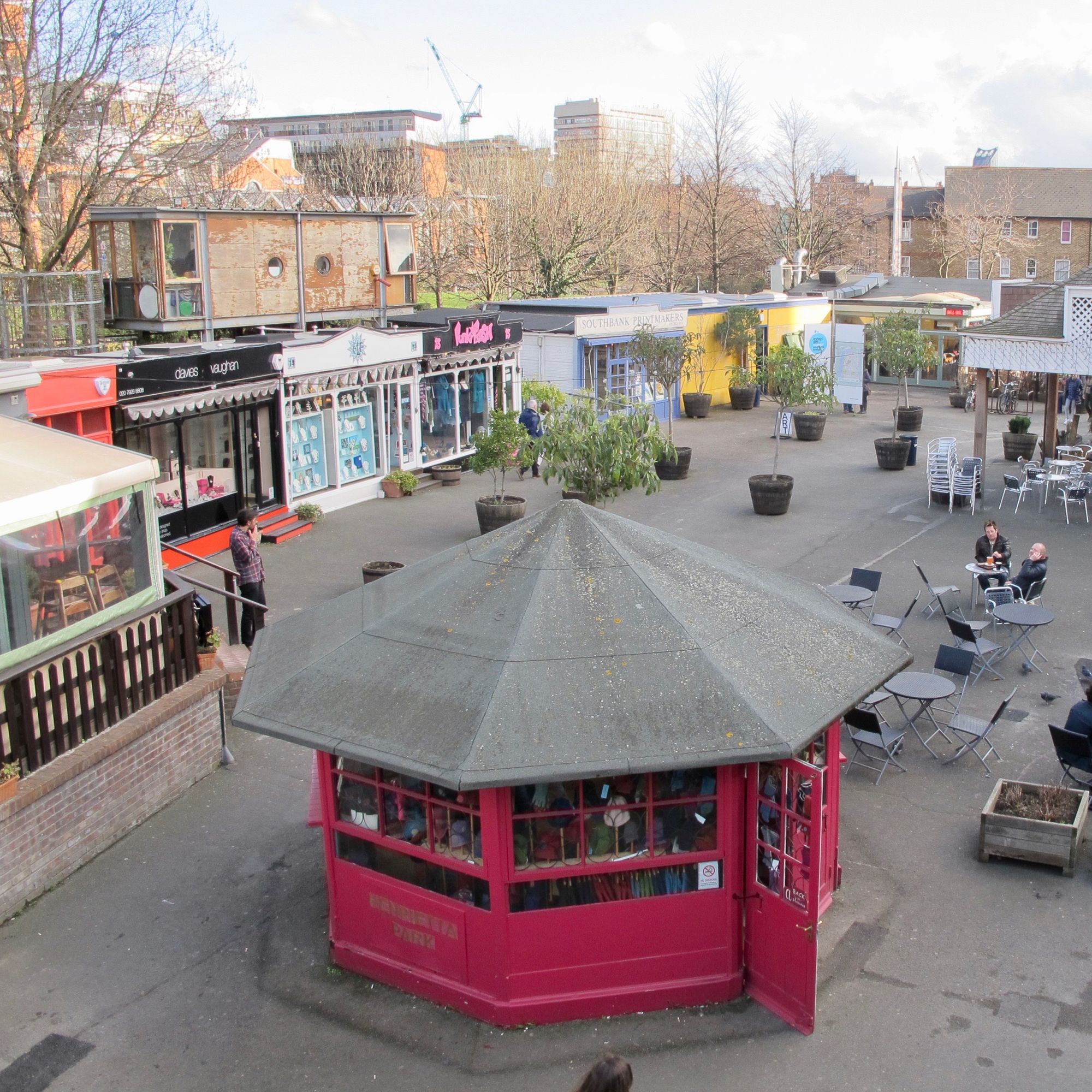
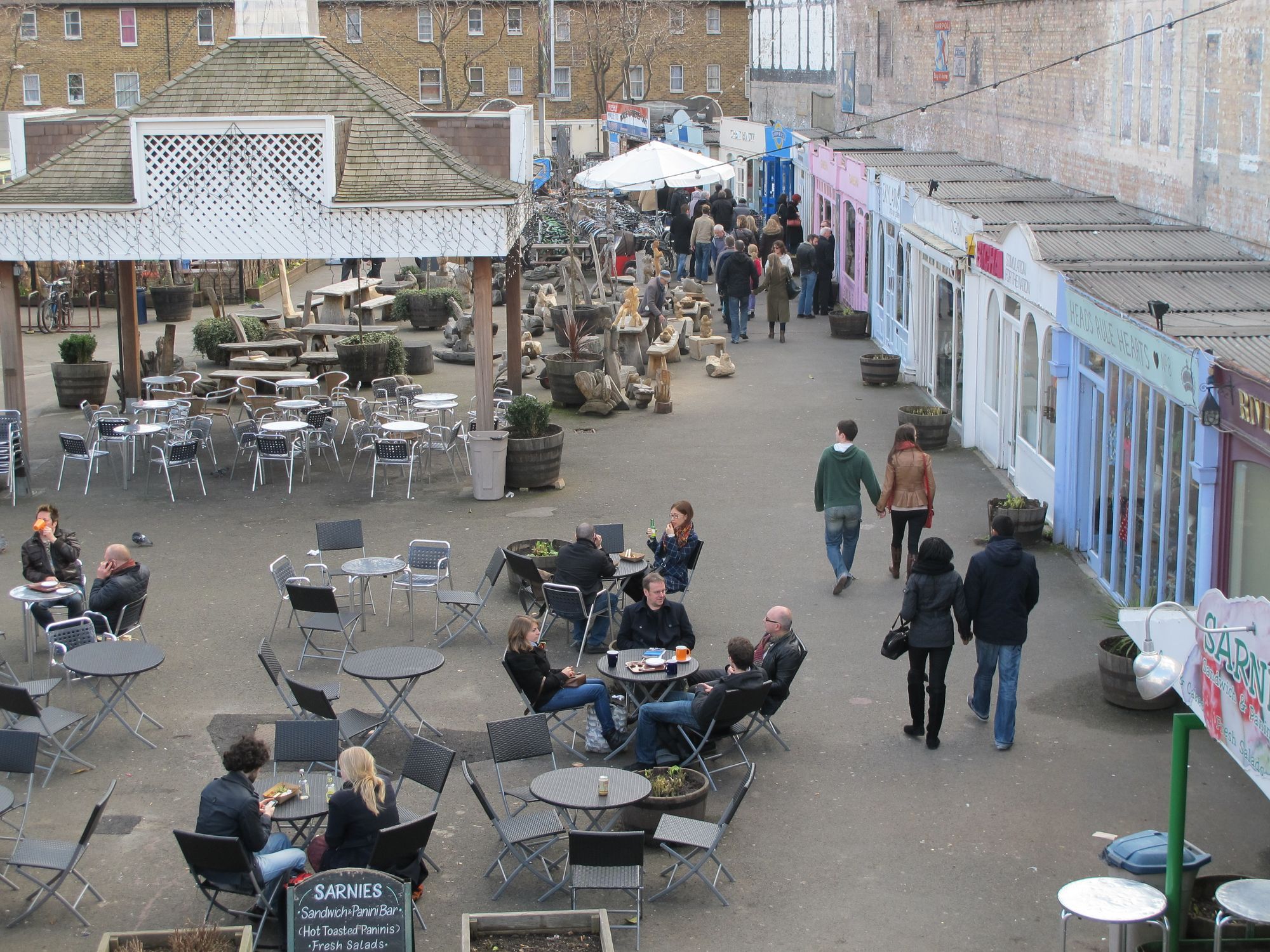
Small structures like those in Gabriel's Wharf are perfect to host local businesses and startups that may not have enough capital to set up in more established settings like a main street store yet. By allowing them a low-cost space to run out of, these structures give small business owners the opportunity to grown their customer base and expand their resources in order to level up. In this way, they stimulate the local economy and support entrepreneurship.
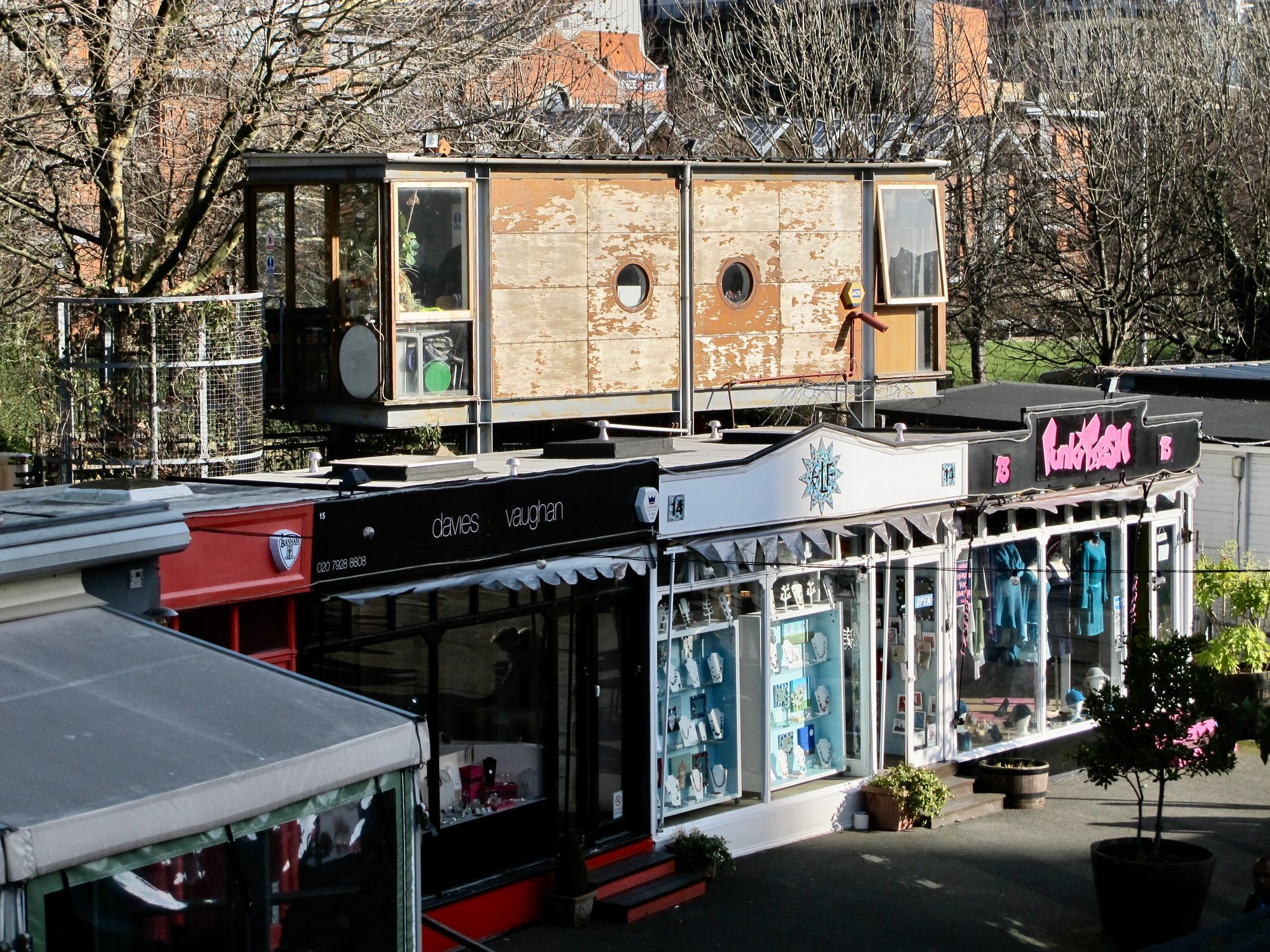
Gabriel's Wharf
 Fred Kent
 Kathy Madden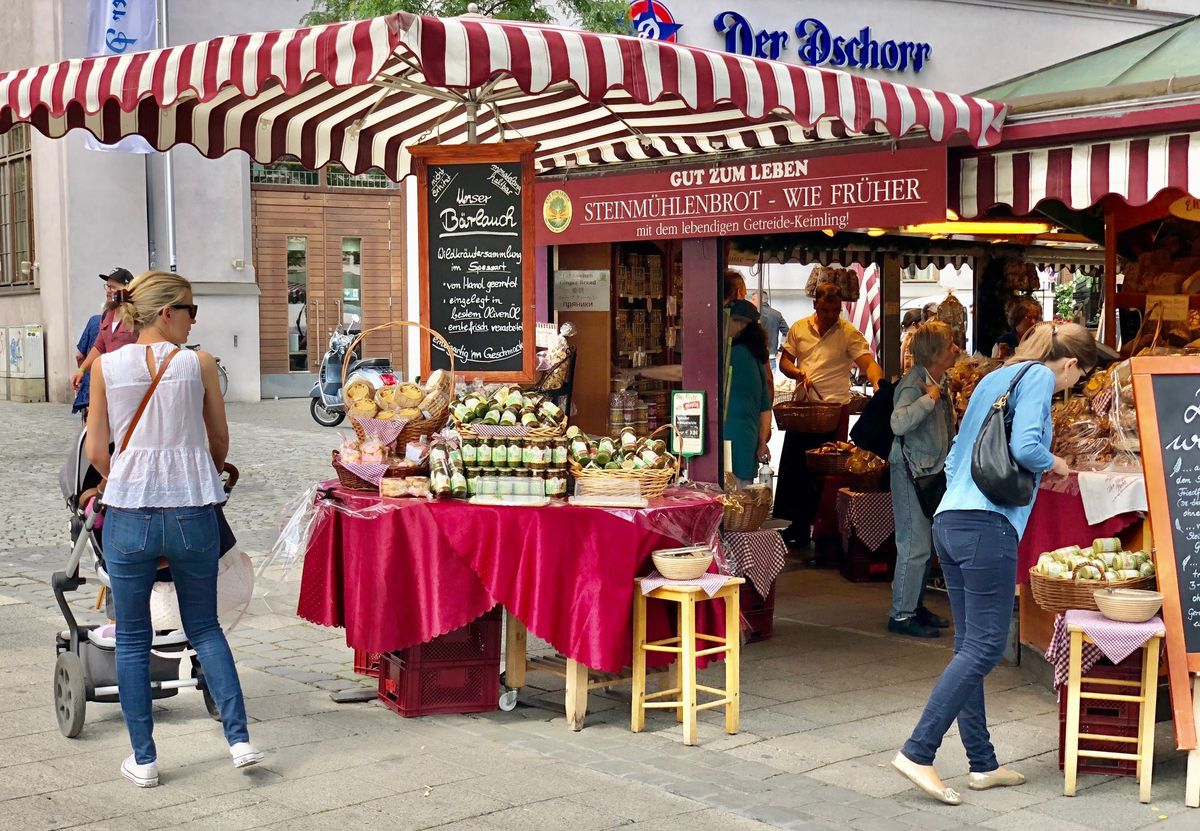
Southbank Centre Food Market – testing the appeal of the small structure
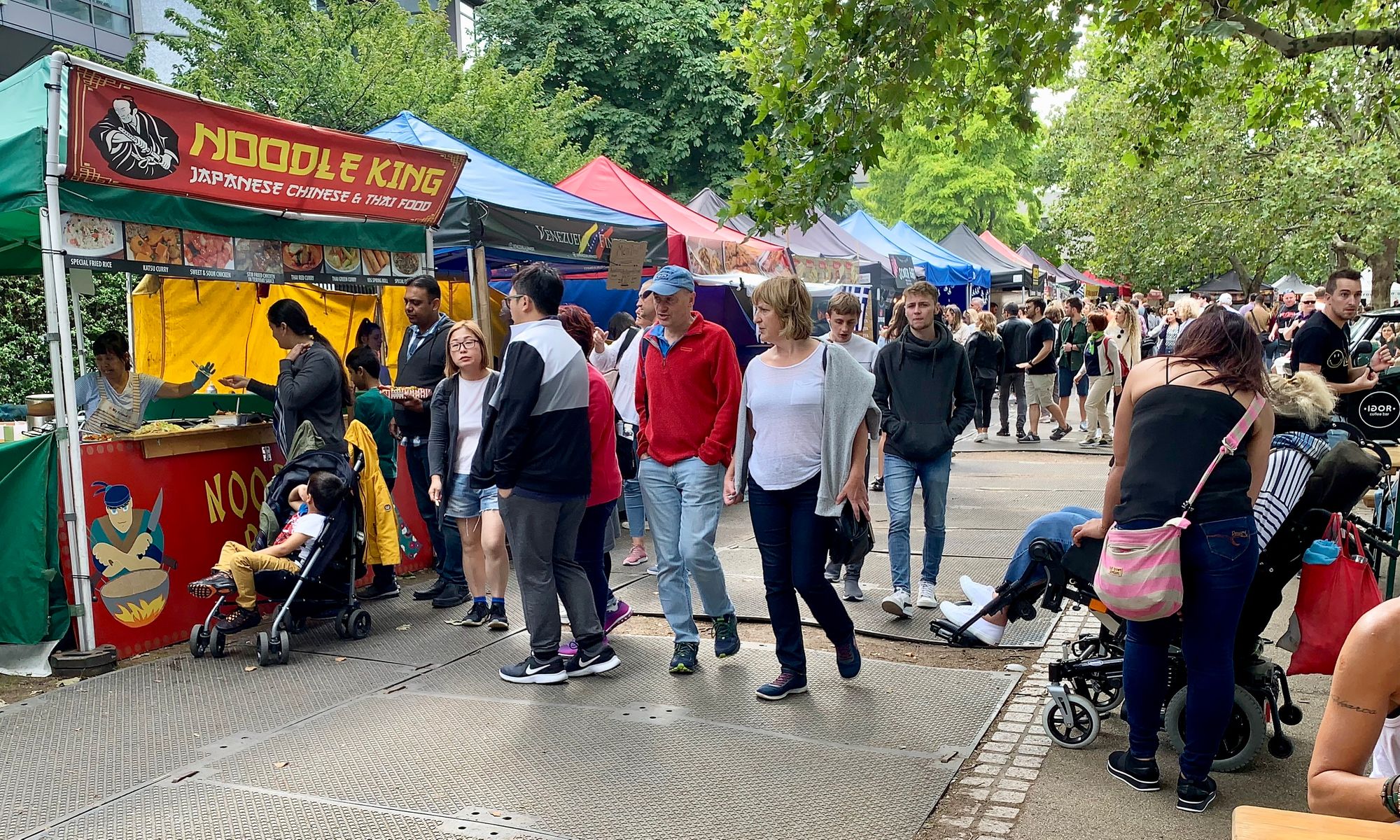
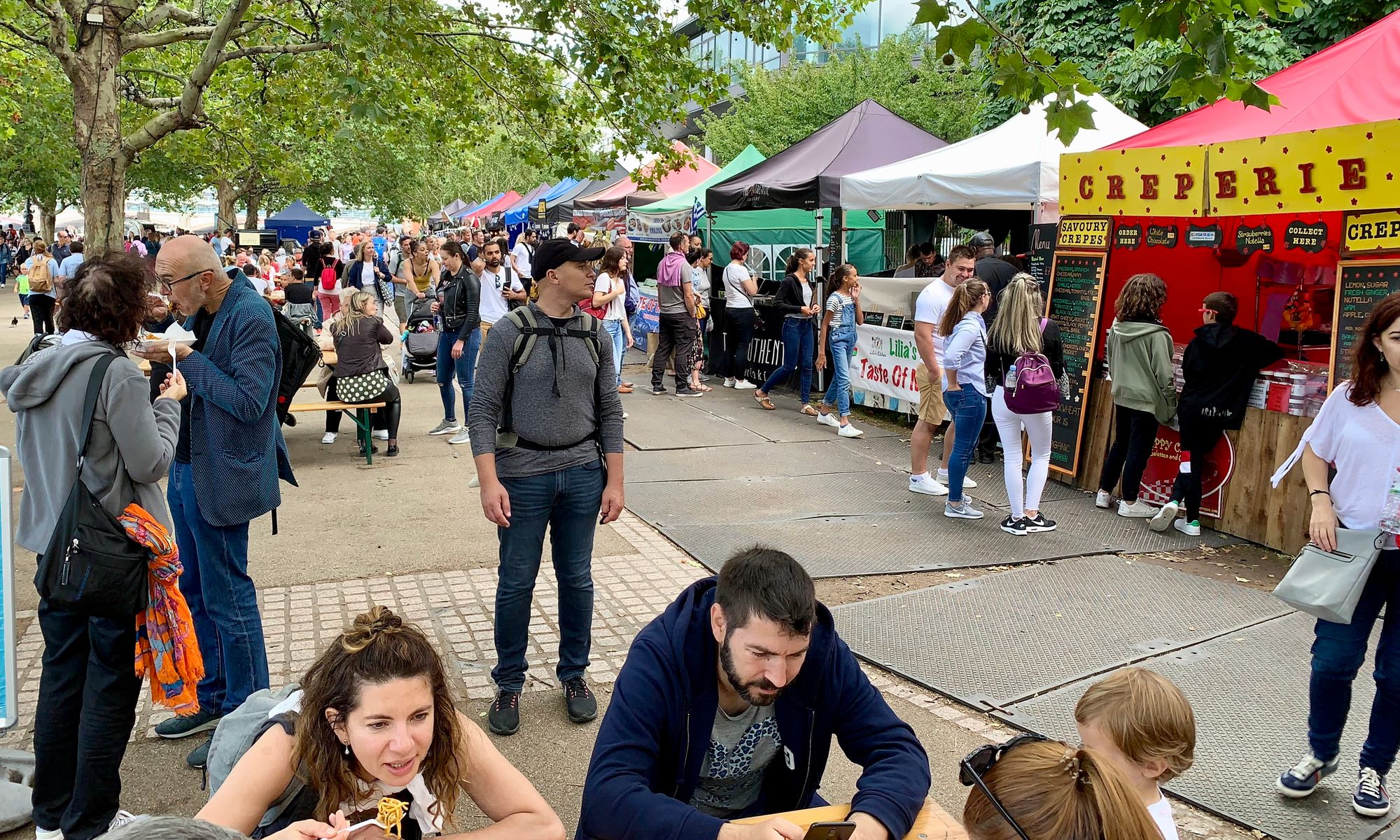
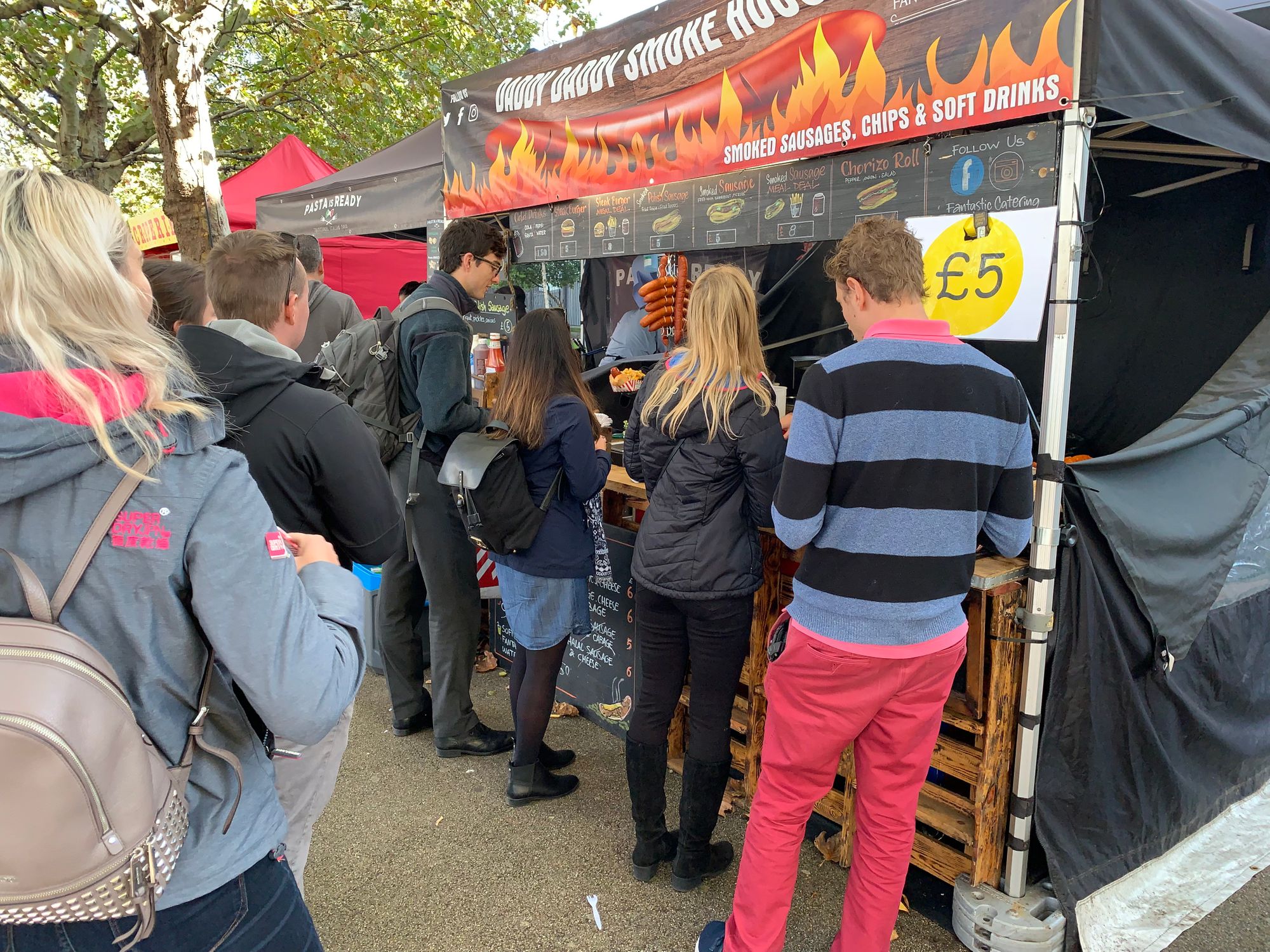
Sometimes a space needs to work its way up to having small permanent structures by figuring out whether they would be well received and suit the setting. The best way to do so is to start with small temporary structures like market tents or food trucks to test the waters.
Street markets like the popular Southbank Centre Food Market are a great way to introduce some structured commerce to a space without committing to a permanent new fixture yet. If the temporary programming turns out to be popular (as it usually does), it offers proof that people would appreciate a similar structure or structures there year-round. It may eventually lead to the development of something like the series of small buildings in Munich's Victuals Market.

 Fred Kent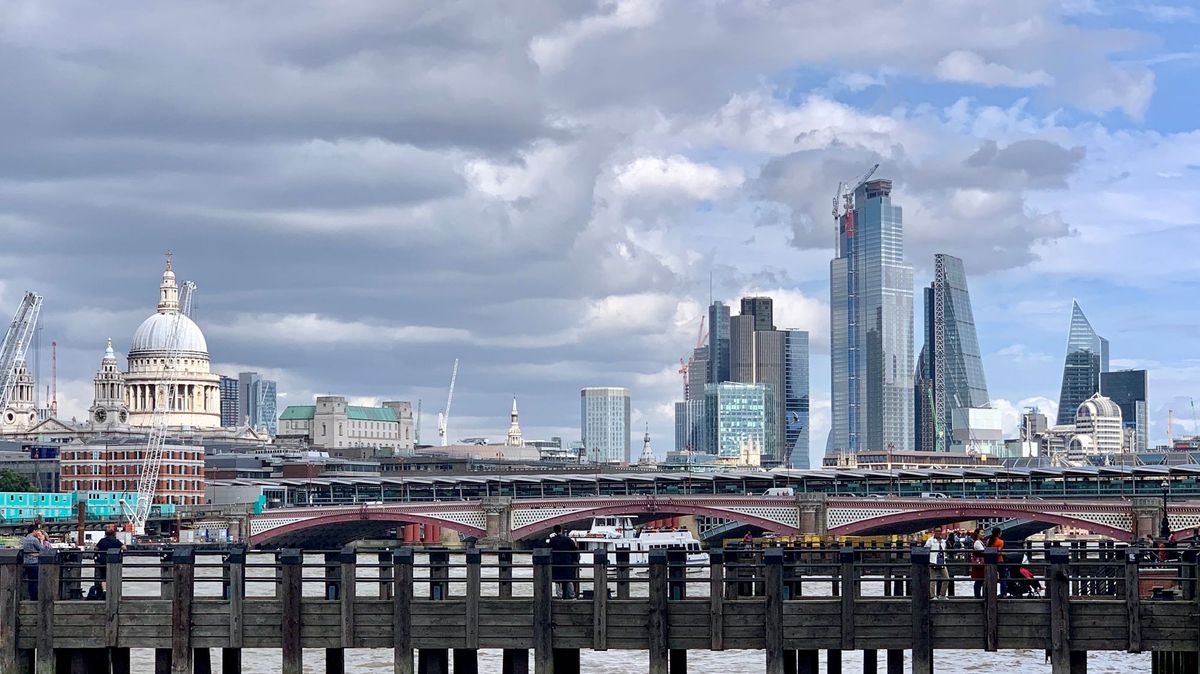
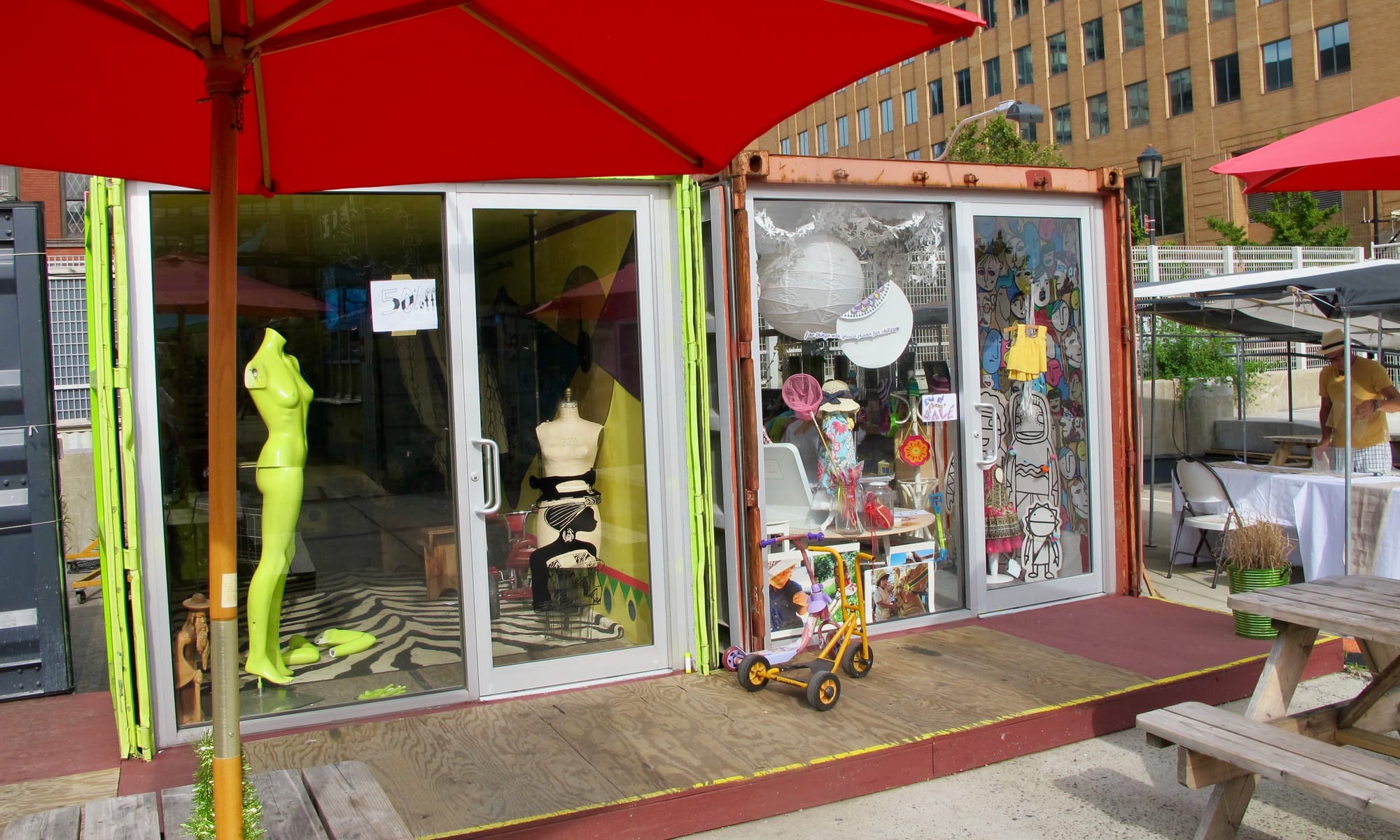
Brooklyn's Urban Space Dekalb Market – mixing small temporary and permanent structures
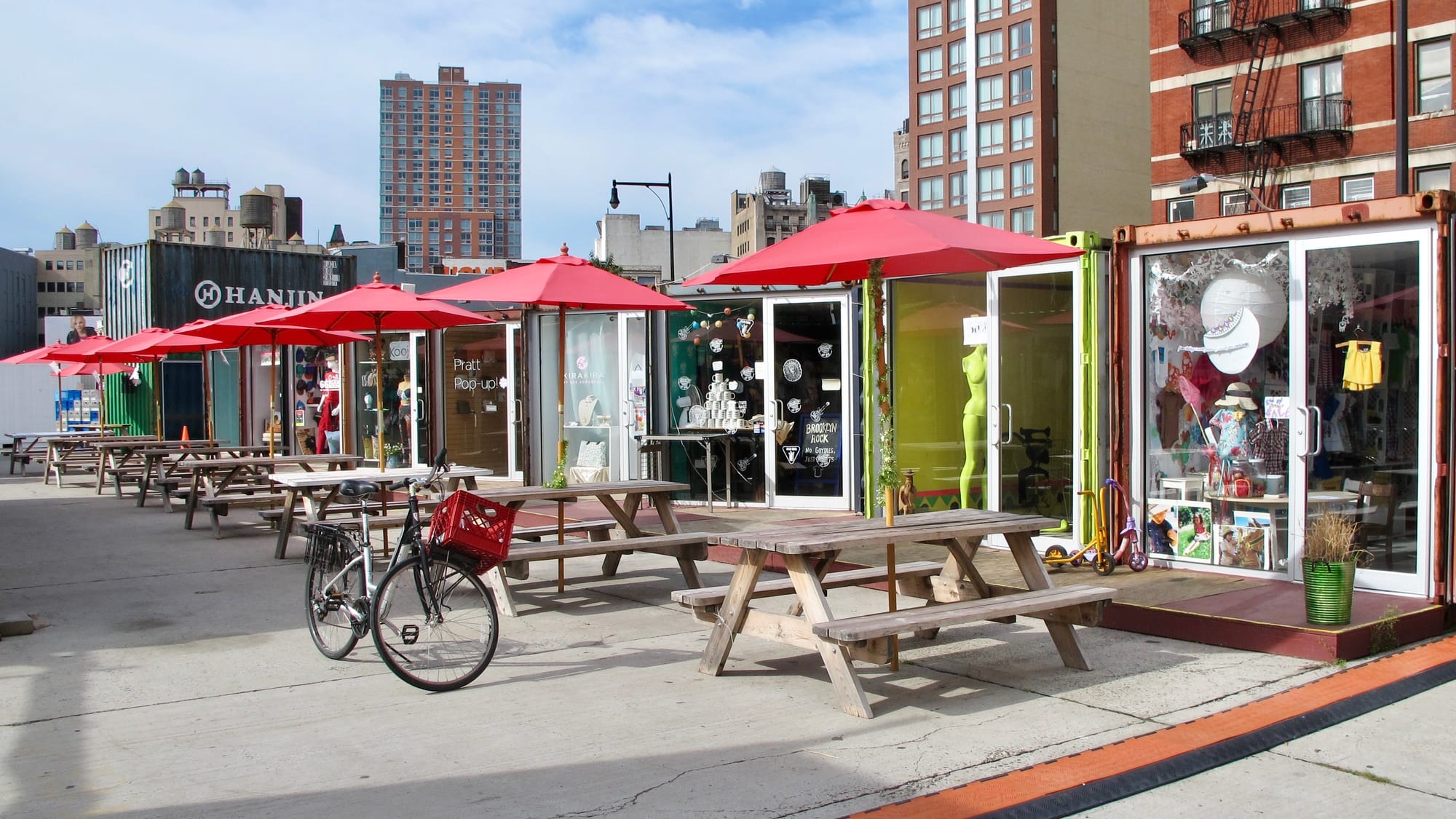
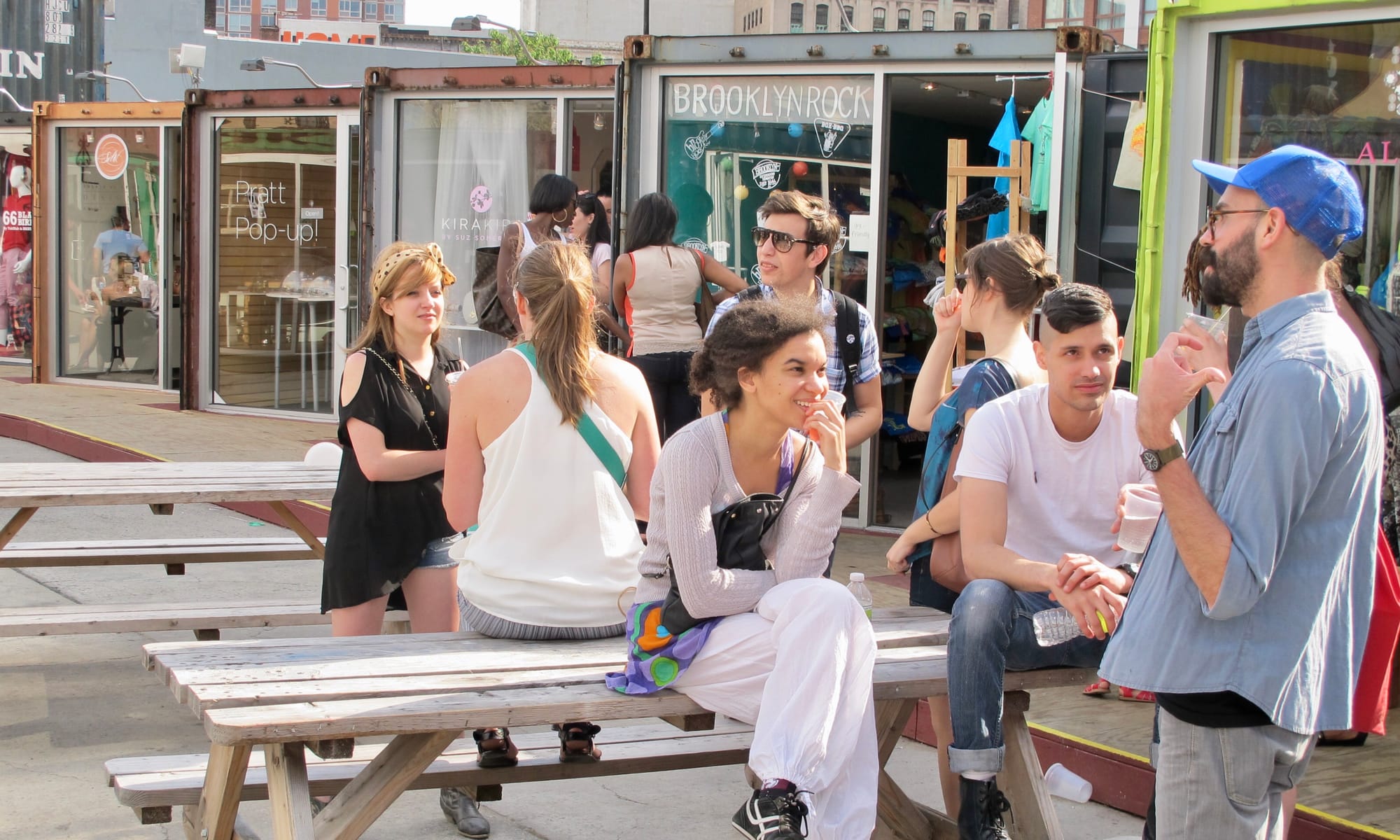
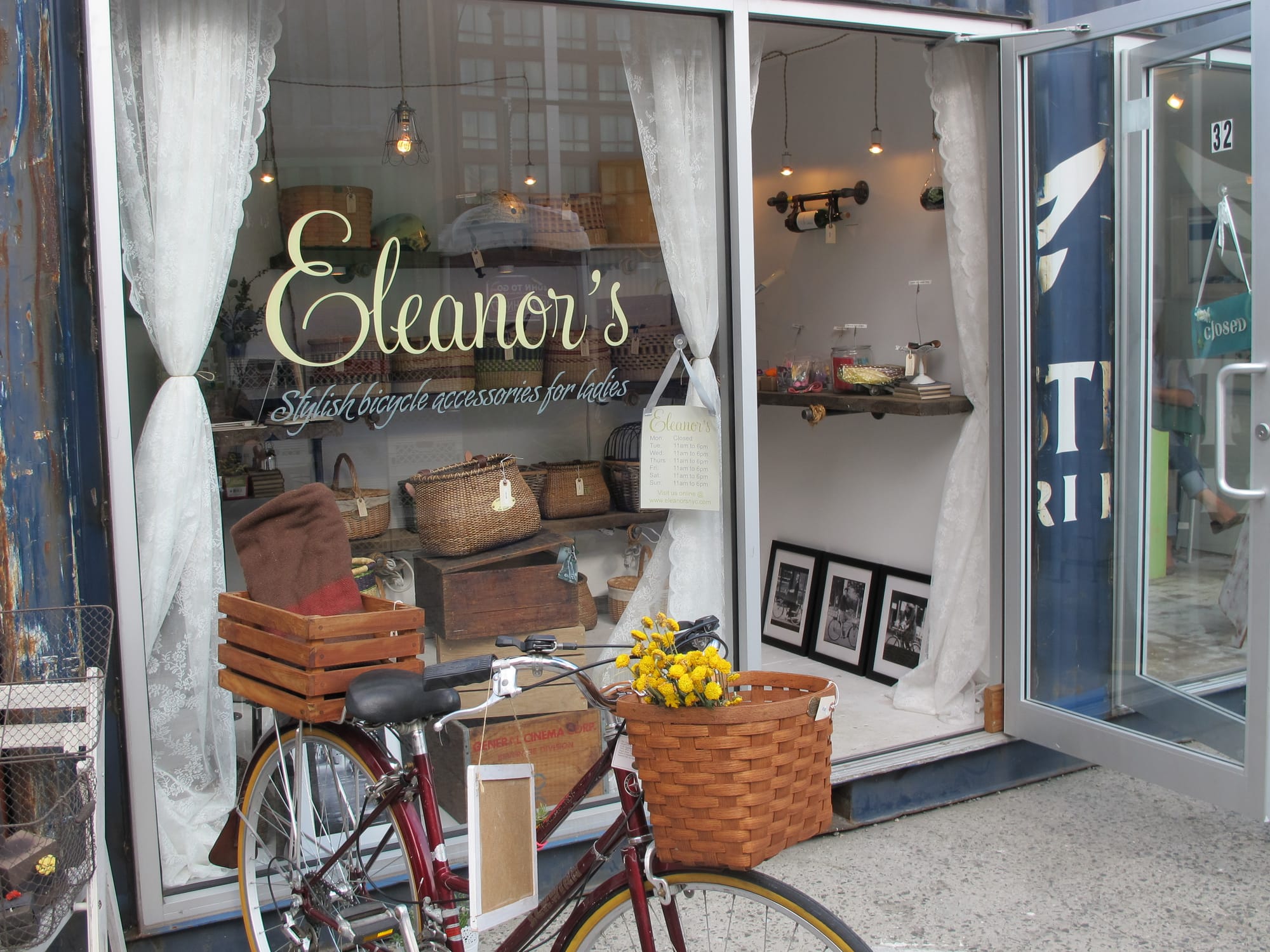
Many times, permanent small structures and temporary lightweight ones coexist, which creates a more multi-layered and interesting experience. In the Urban Space Dekalb Market in Brooklyn, shipping containers along the periphery are transformed into small shops, and market tents along with shaded seating areas are set up in the open area. This mix creates more ways to experience the space.
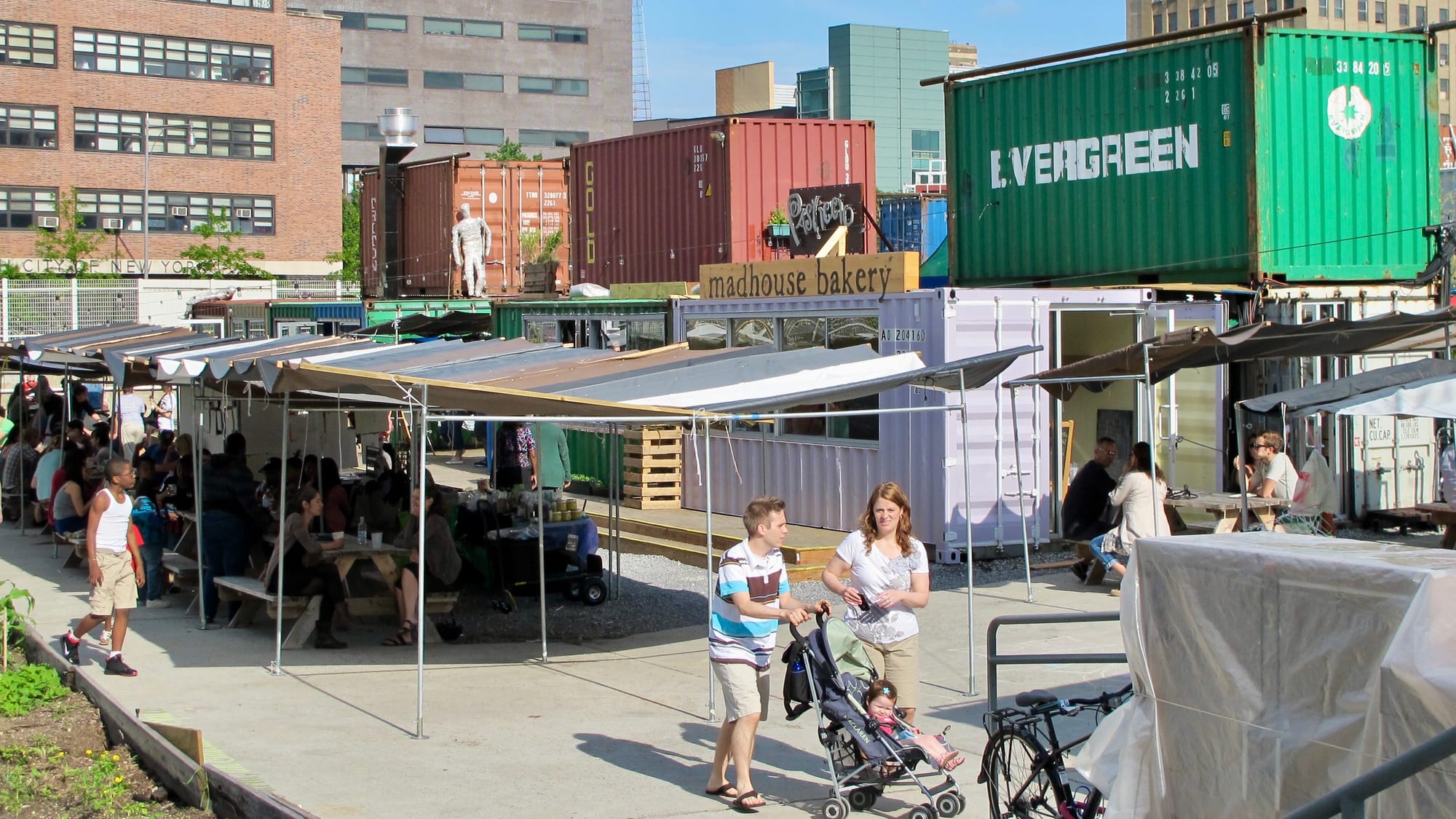
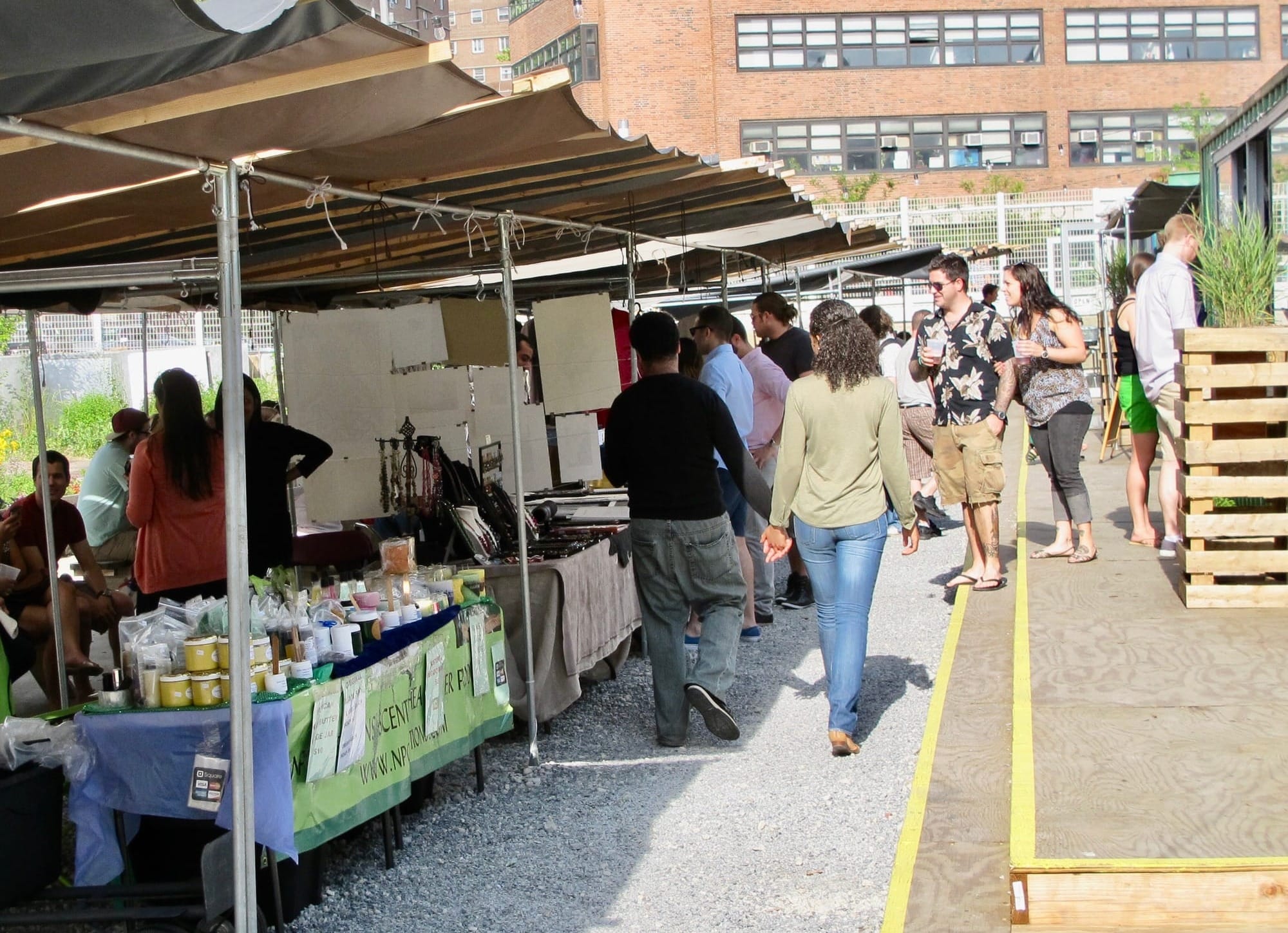
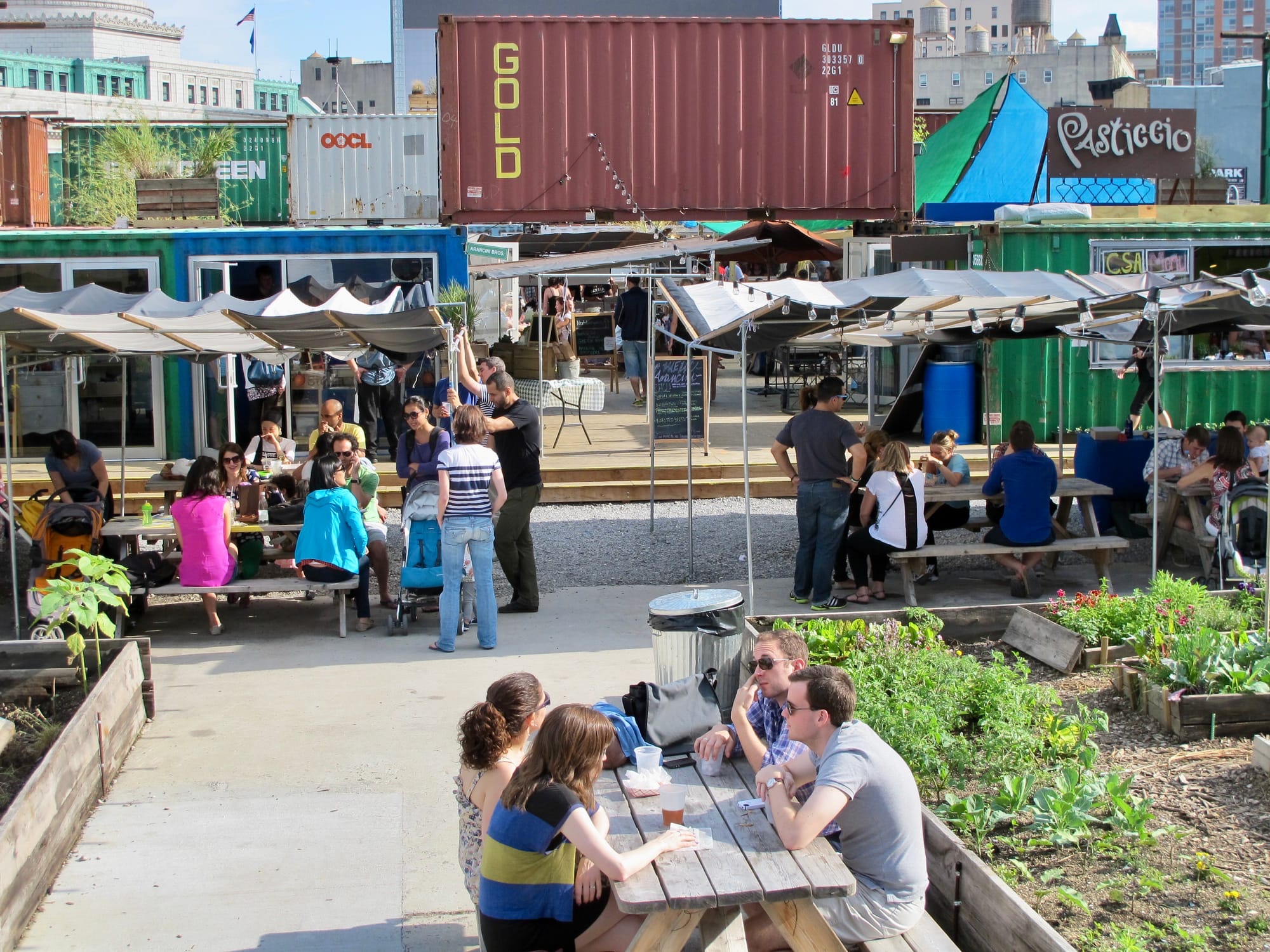
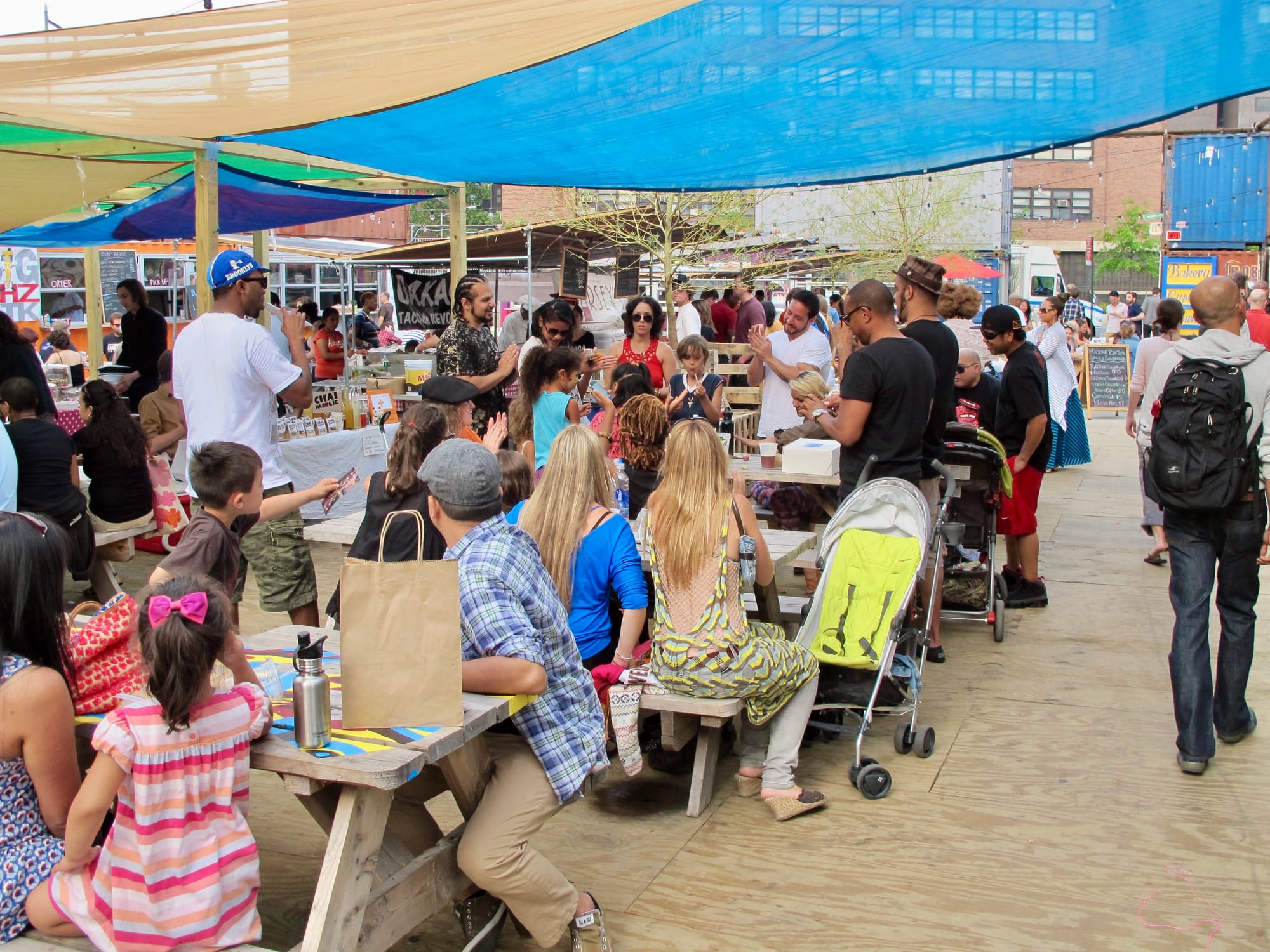
Shipping containers are a great way to create small structures quickly and easily. Compact and sturdy, with just enough space inside, they can host a variety of goods and services within and even the occasional table and chairs. Their flexible design and durable materials make them a great option to work with for a more permanent small "building" when resources are limited. Their exterior can also be shaped and decorated in a variety of creative ways to suit a business' branding.
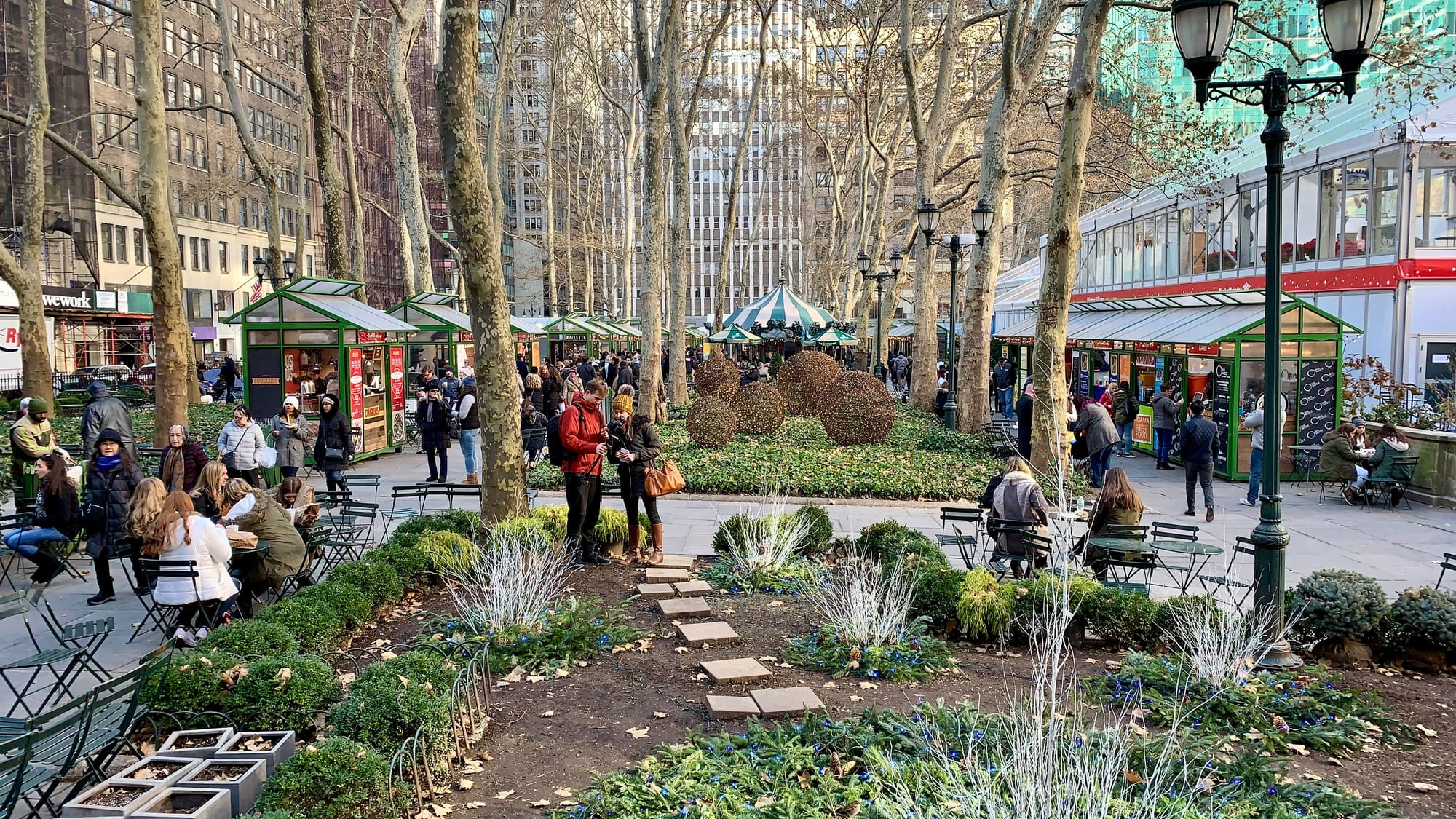
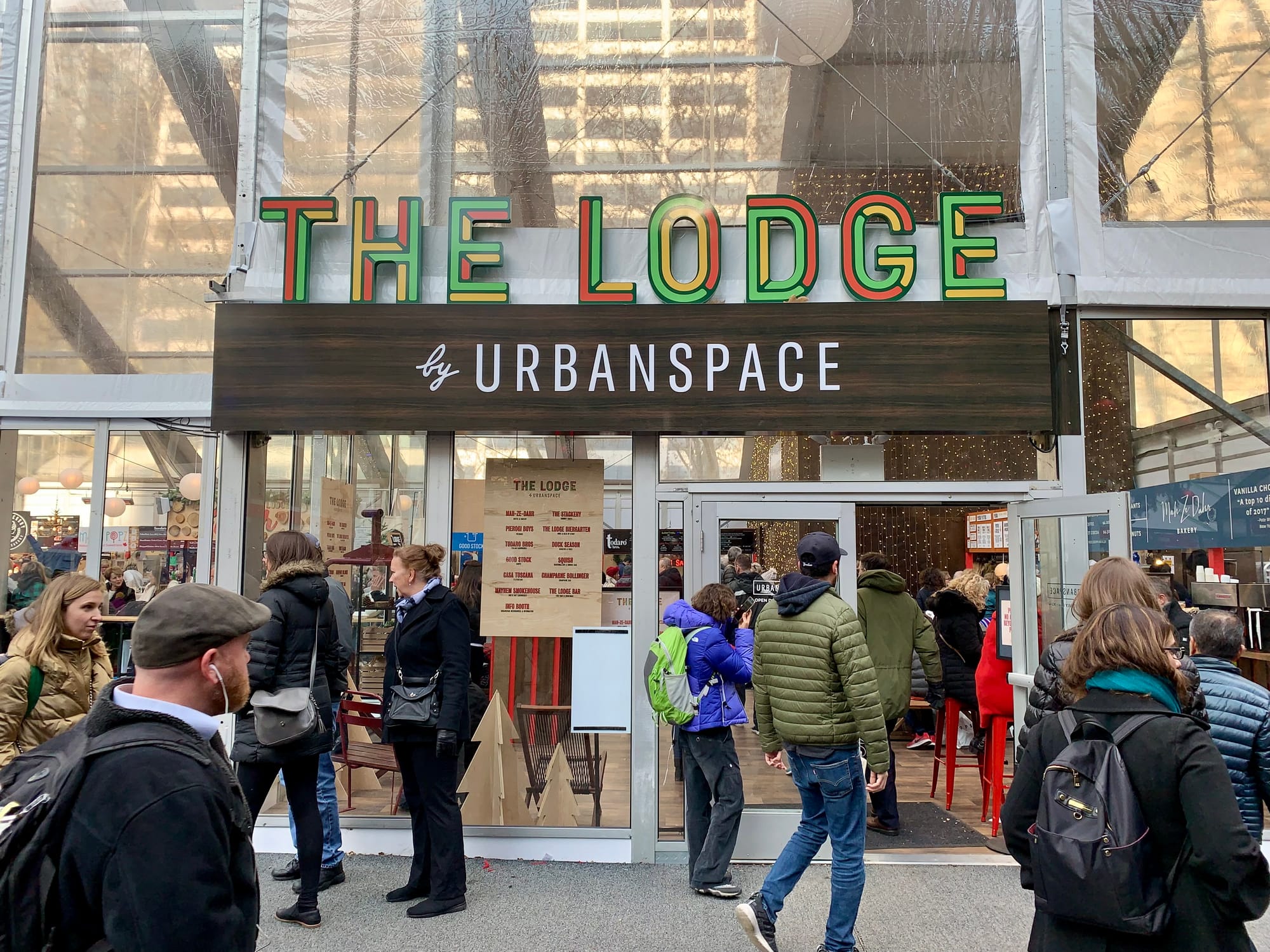
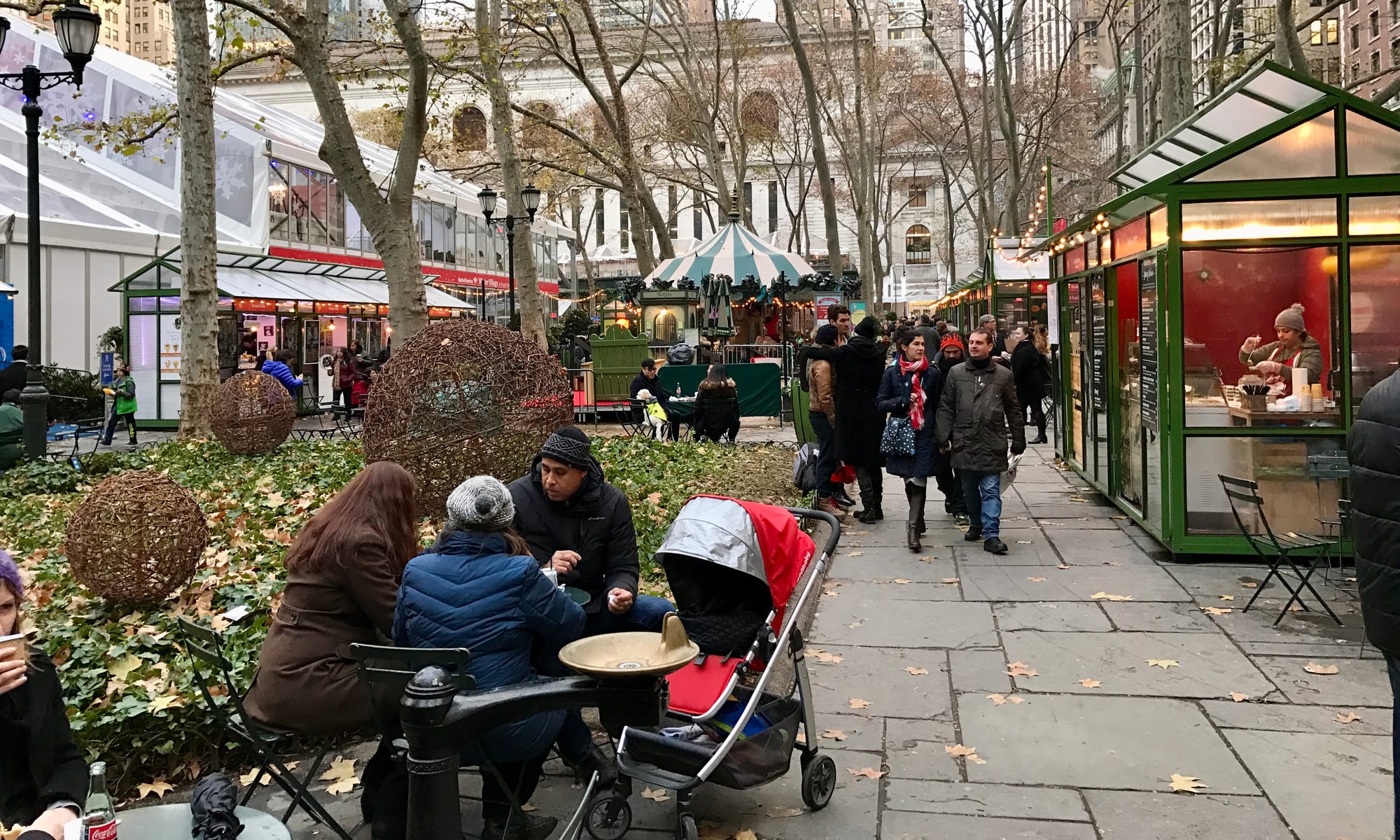
Bryant Park – Great small building design at the Urbanspace Holiday Market
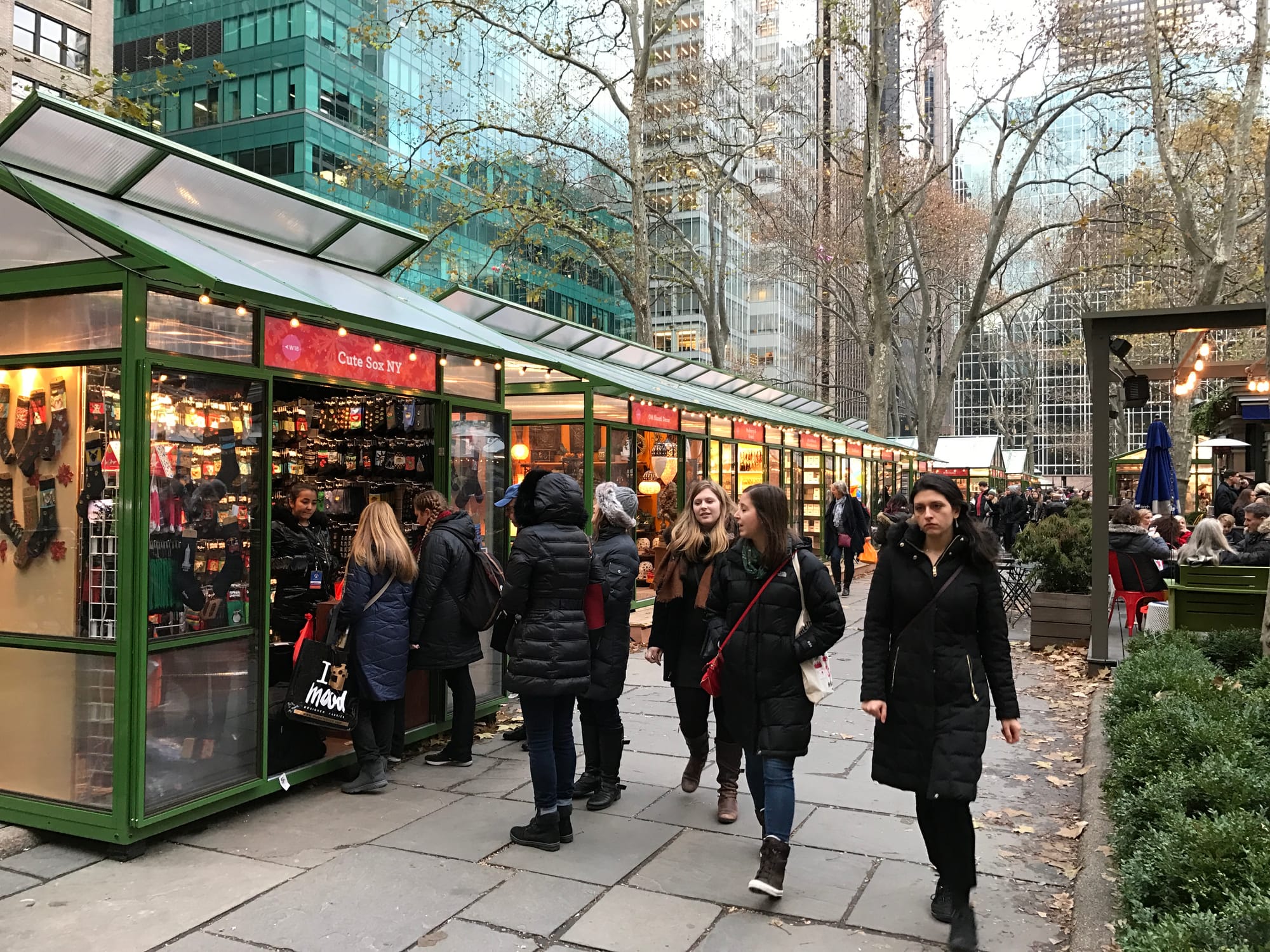
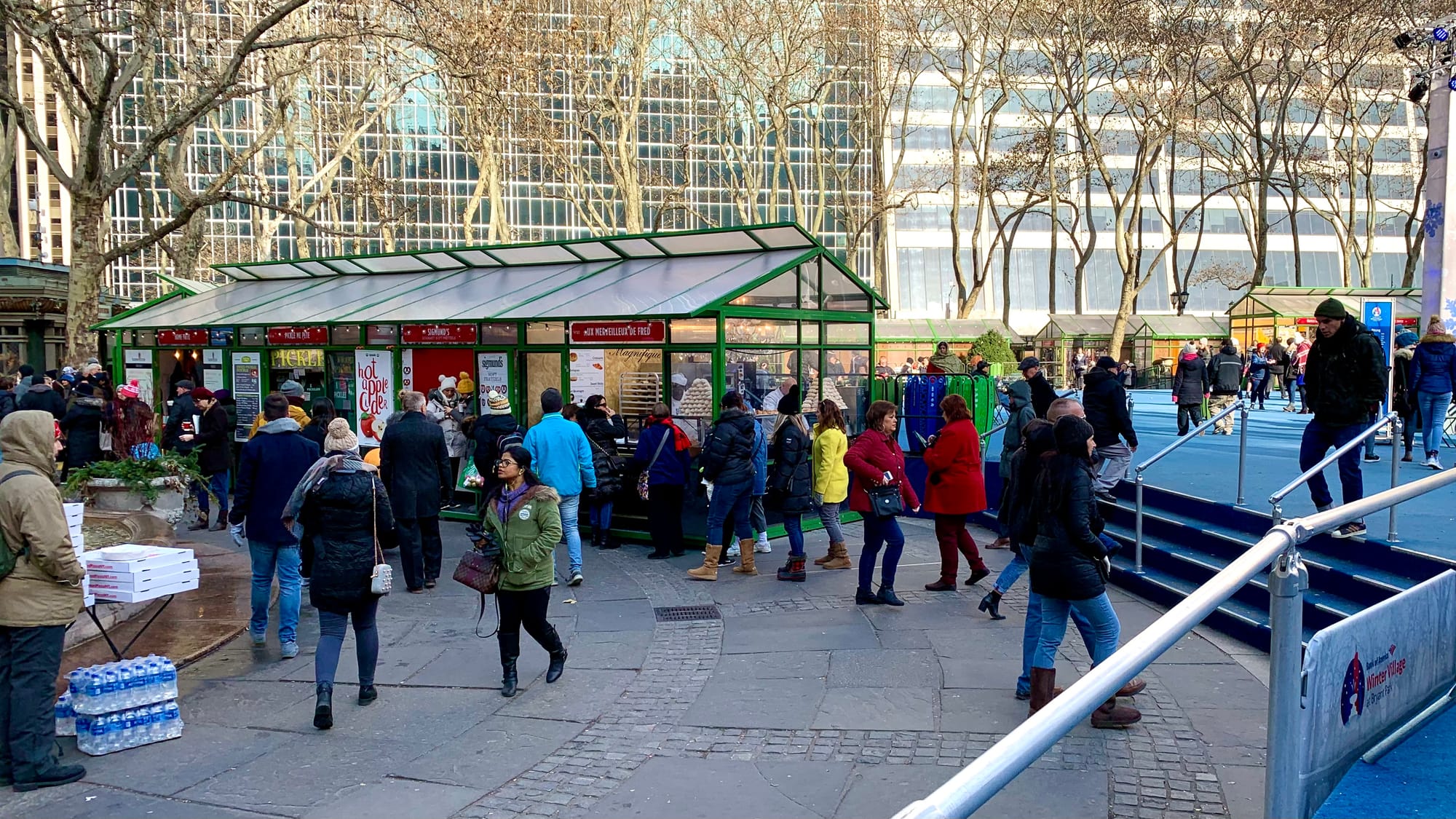
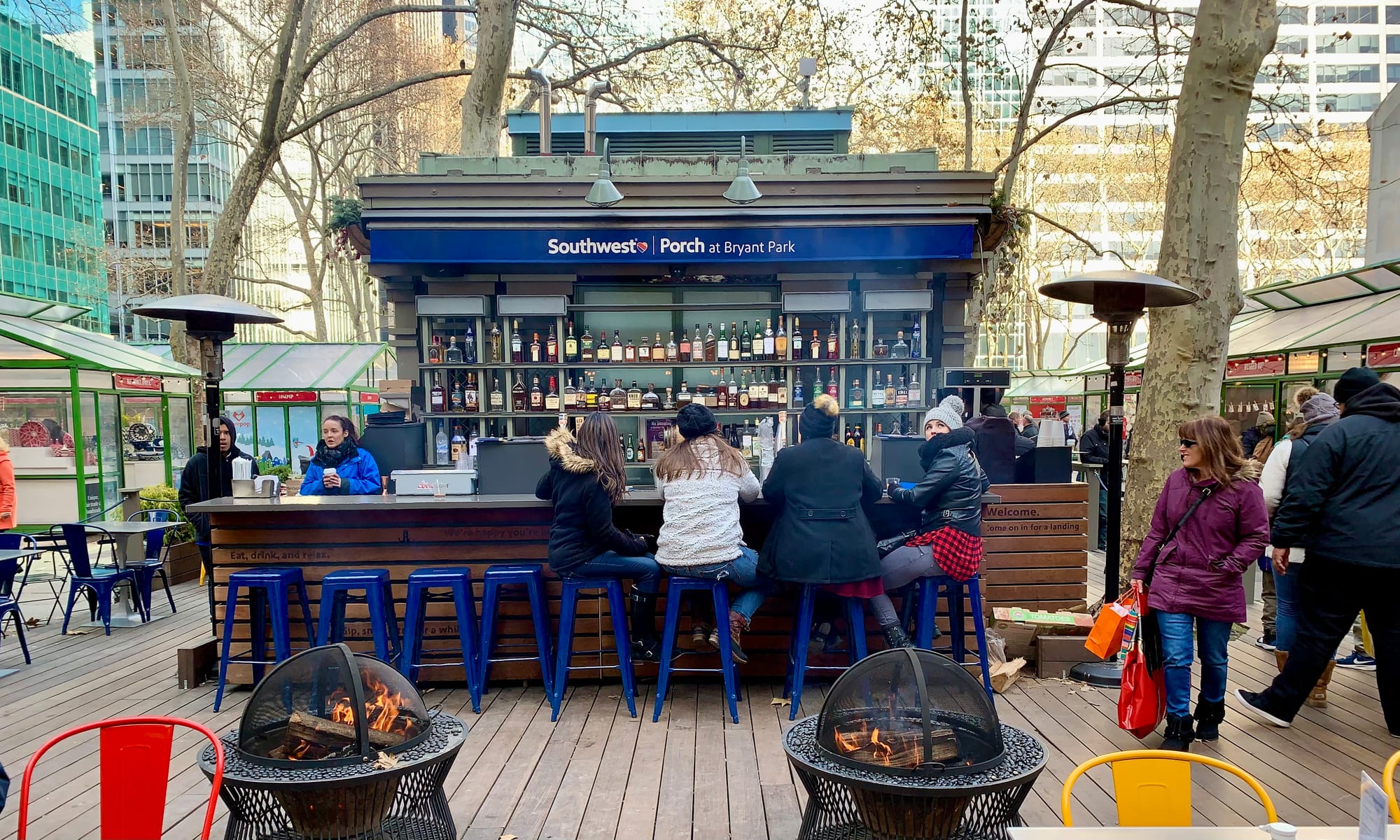
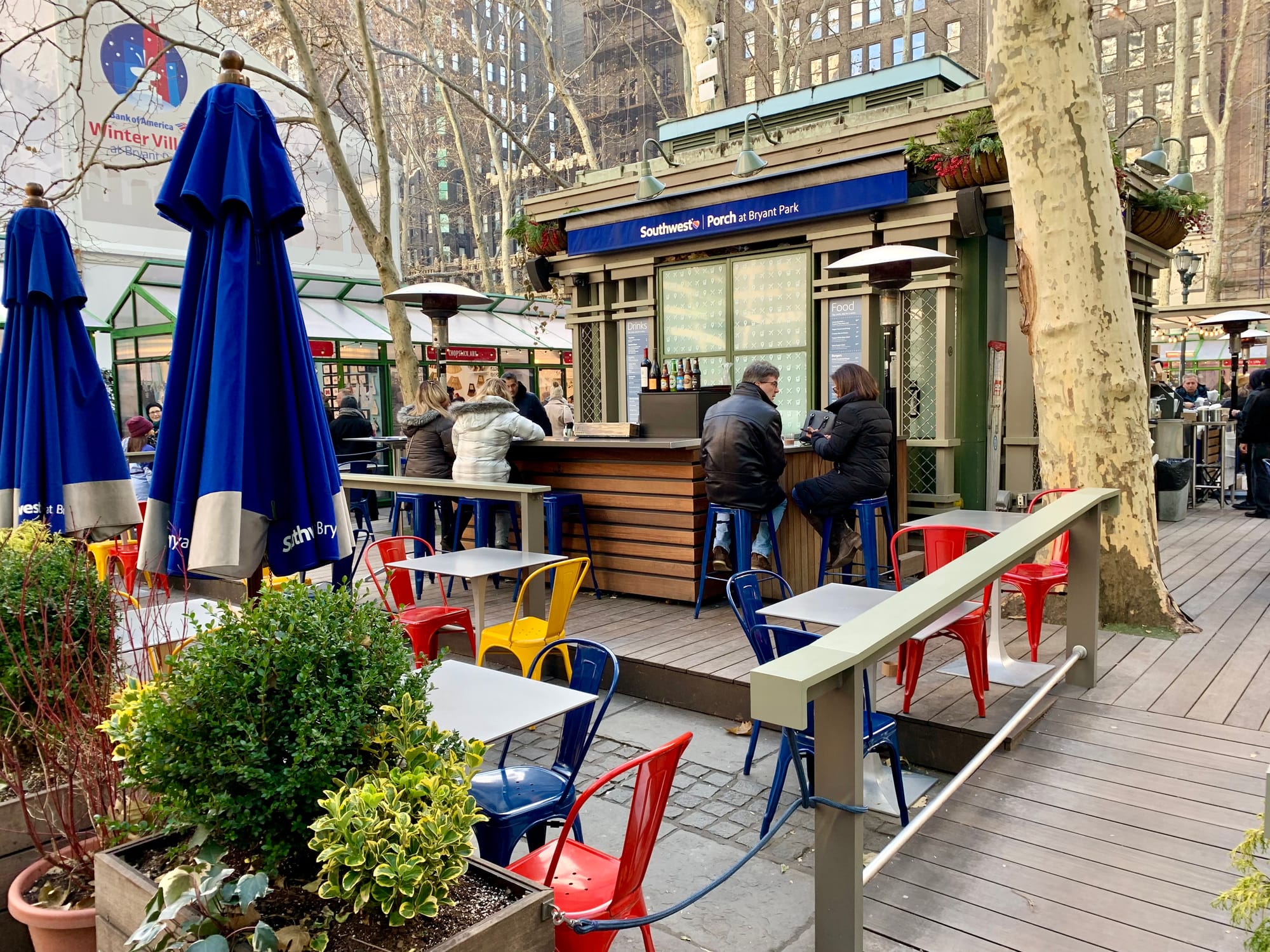
Bryant Park's holiday market is a fantastic example of the impact of small buildings on a public space, even for a short while. More durable than market tents or wooden stalls and with enough space to enter and peruse away from the cold, the Bryant Park market huts offer a great design for the catalytic small structure. While they are seasonal, only around for the winter market, their sturdy design would allow them to be year-round if conditions and management permitted.
Freiberg's Kultur Kiosk – a hub of community life
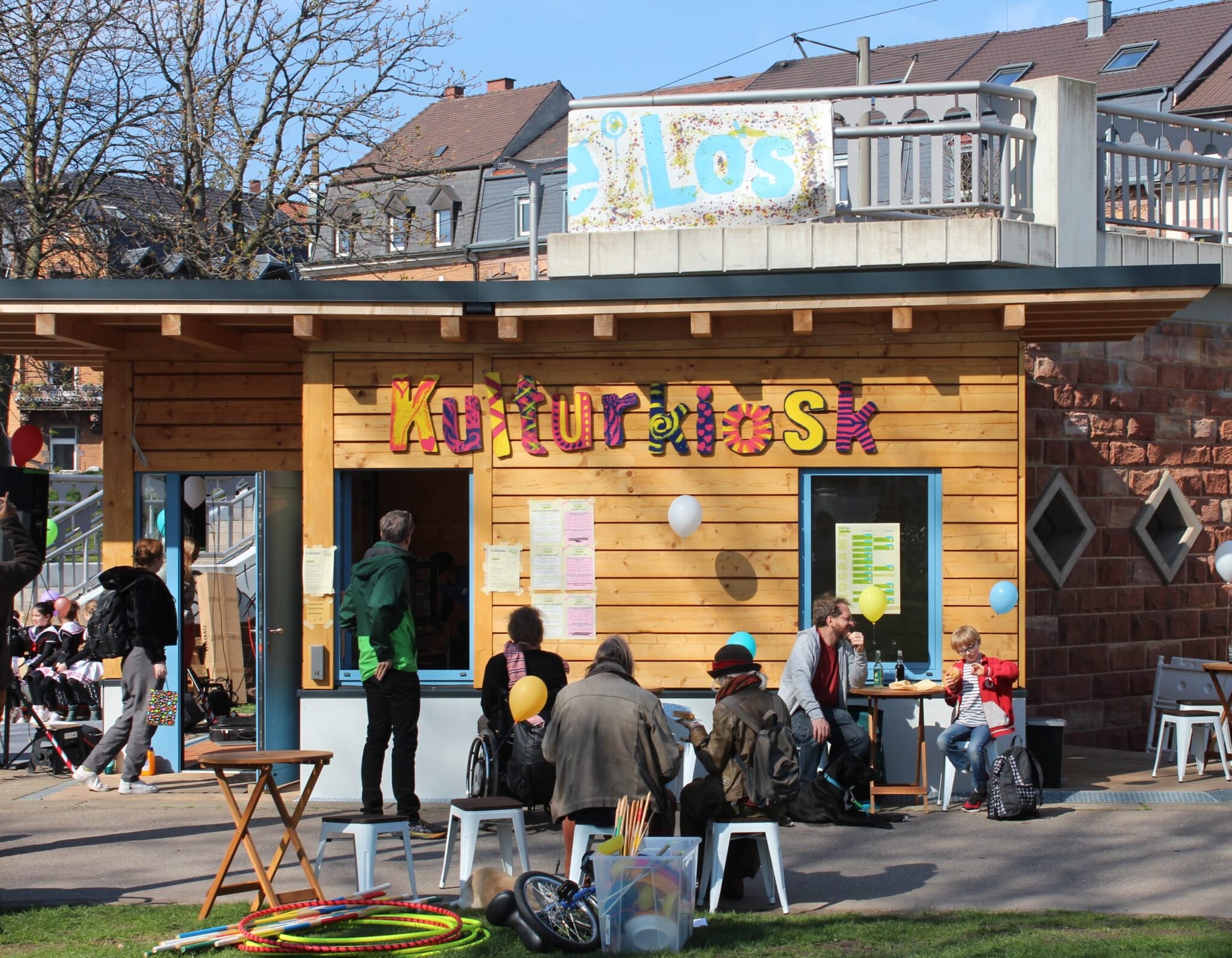
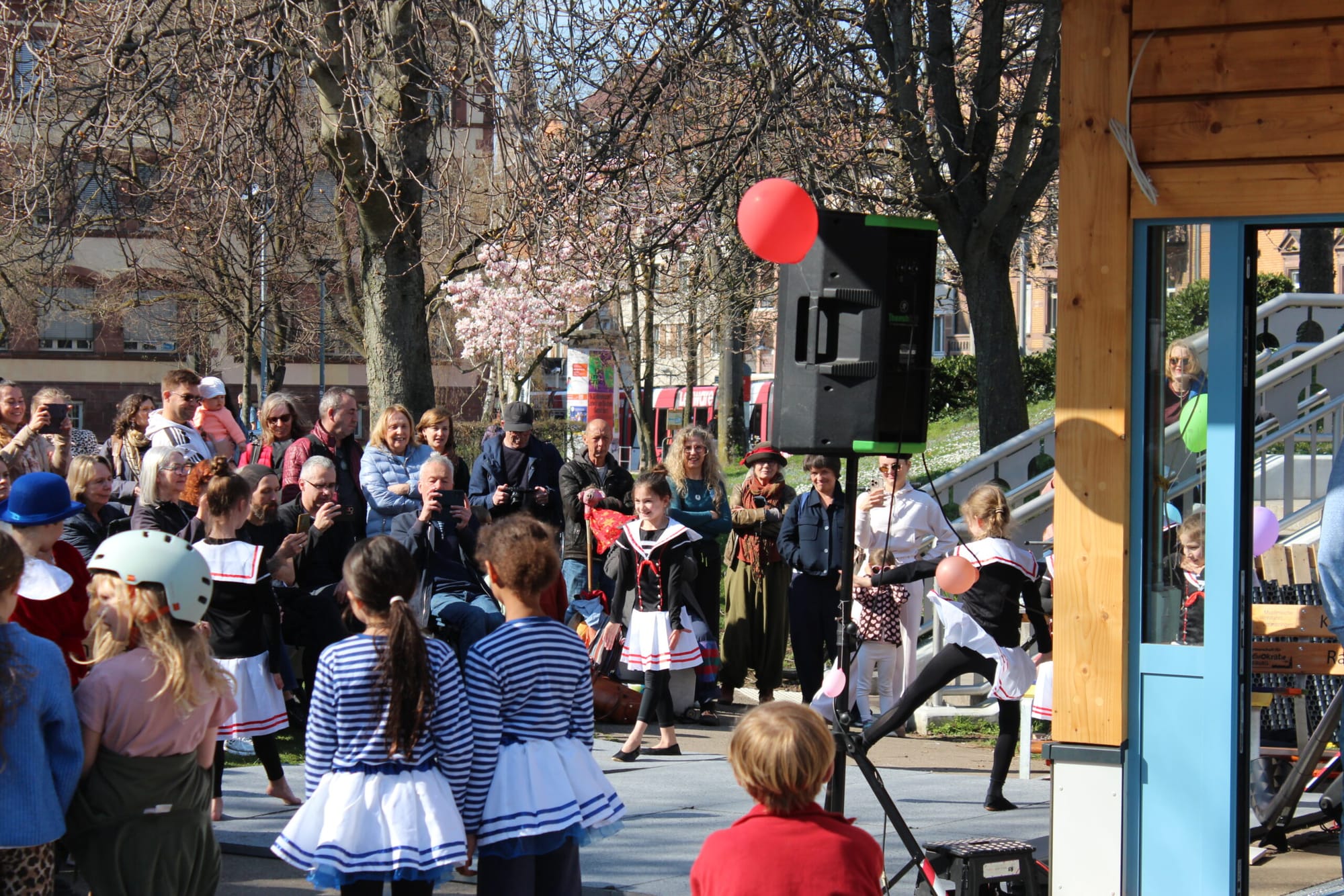
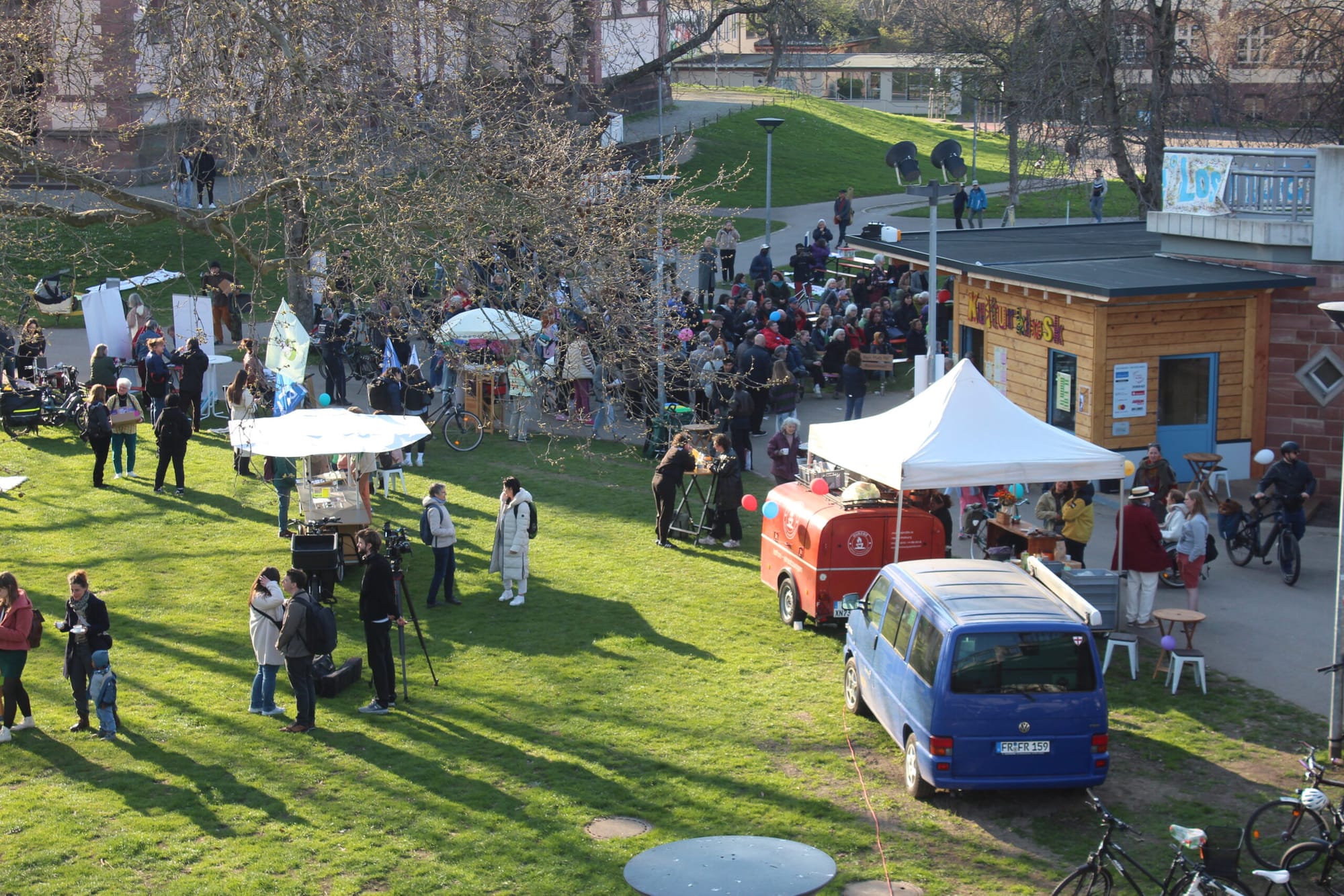
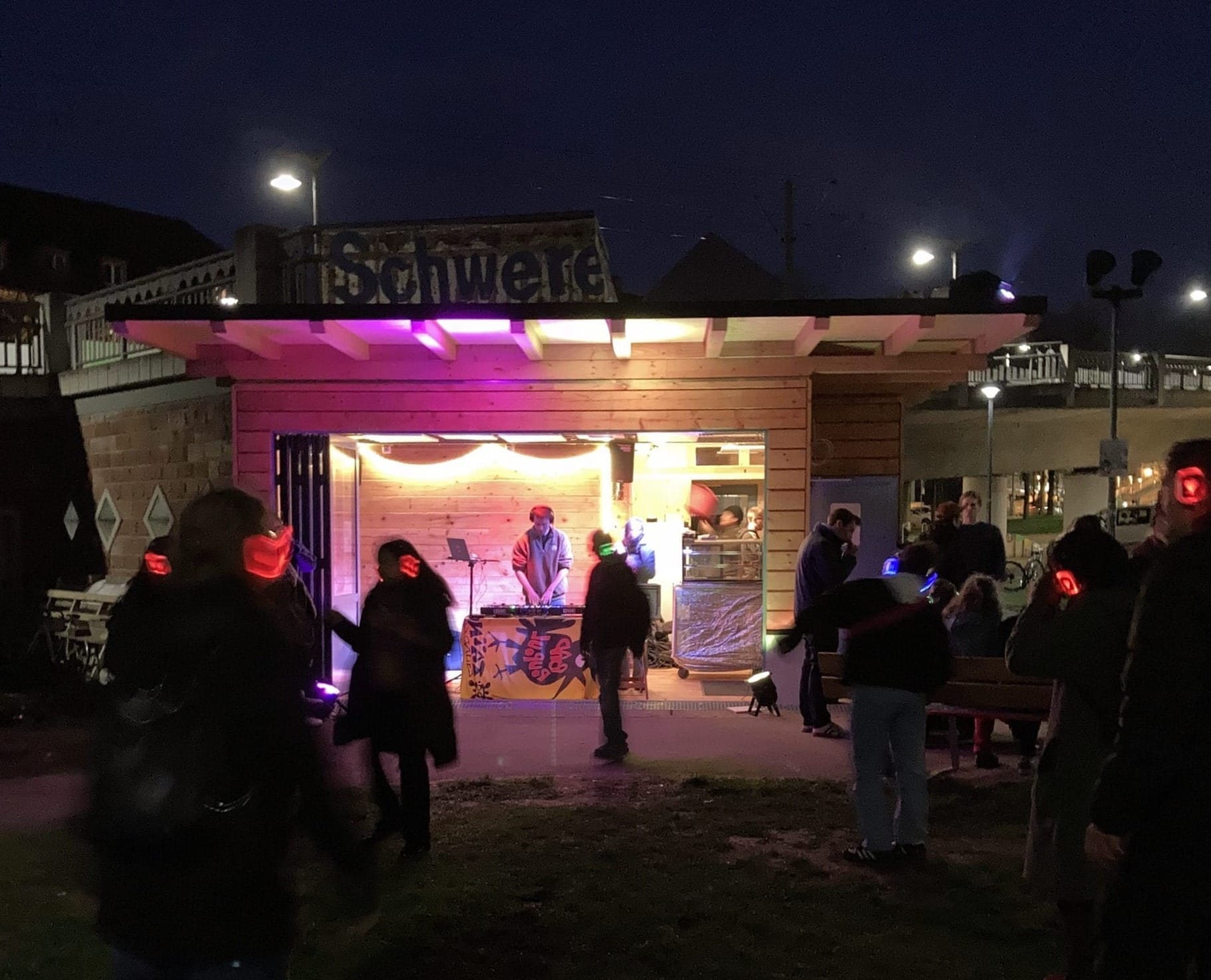
Even one small building in a public place can be a fantastic catalyst for public life. In Freiberg, Germany, a compact structure called the Kultur Kiosk was recently erected in a park that needed some revitalization. It offers a full schedule of programs and events, from knitting and origami classes to badminton games and local concerts. It rents out chess games, petanque sets and other games for play. It even offers services like a counseling room for people living in the area who need help with bureaucratic issues. In this way, it not only offers the community entertainment and vitality, but also connection and support.
Cambridge's Culture House – the power of programming in the small building
It's not just the small building's sturdy structure and versatile amenities that make it such a powerful catalyst for community life. It's also the programming it hosts and how it can serve as the heart of local activity.
Much like Freiburg's Kultur Kiosk, Cambridge's newly renovated and reopened central kiosk is overflowing with programs and events that aim to connect the community. In its 100 year history, the Cambridge Kiosk has experienced many iterations. Now, it is a place that hopes to stimulate public life while sharing history and diverse perspectives with residents. Programs are stewarded by the nonprofit CultureHouse, which aims to weave culture and community life into underutilized sites by turning them into third places. The Harvard Kiosk is now hosting a number of exciting goings on that draw in visitors:
- Hands-on workshops in color theory, zine writing, linocut printmaking, cartooning, etc.
- Interactive installations where visitors can contribute their own thoughts and ideas
- An exhibit of paper planes made out of historic Cambridge newspapers
- Musical and comedic performances
- Events in partnership with Queer History Boston, Images of Mexico, and the Dawat Supper Club
- And more!
The Cambridge Kiosk is not just an info point or a newspaper stand – it is now a core of community life. Other small structures can become something similar as well when infused with the magic of regular programming.
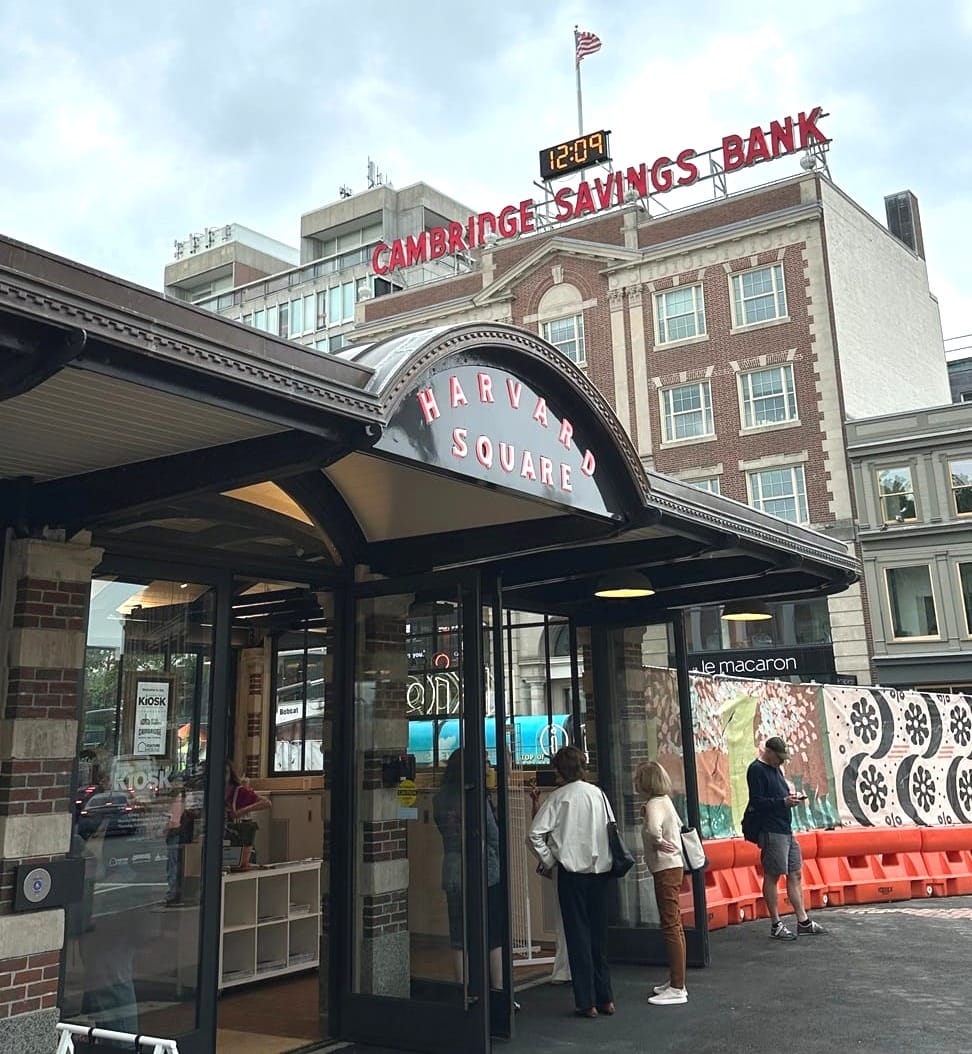
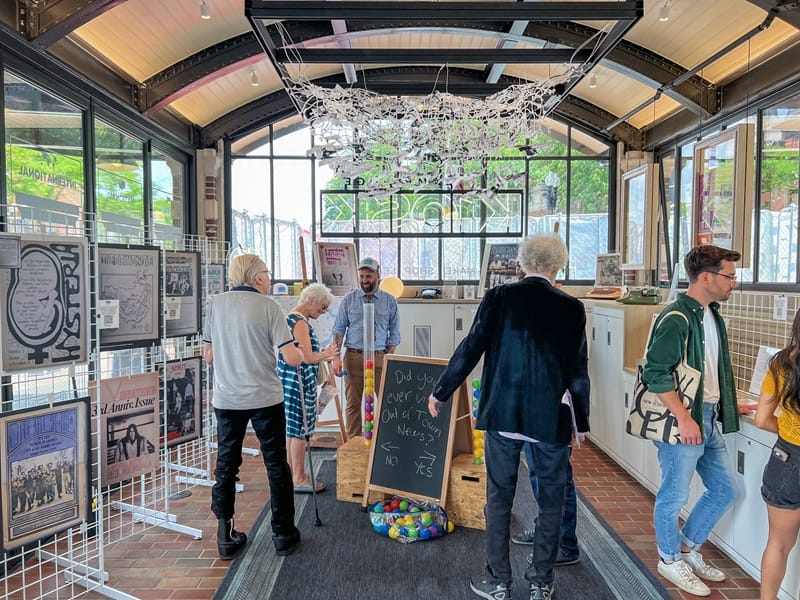
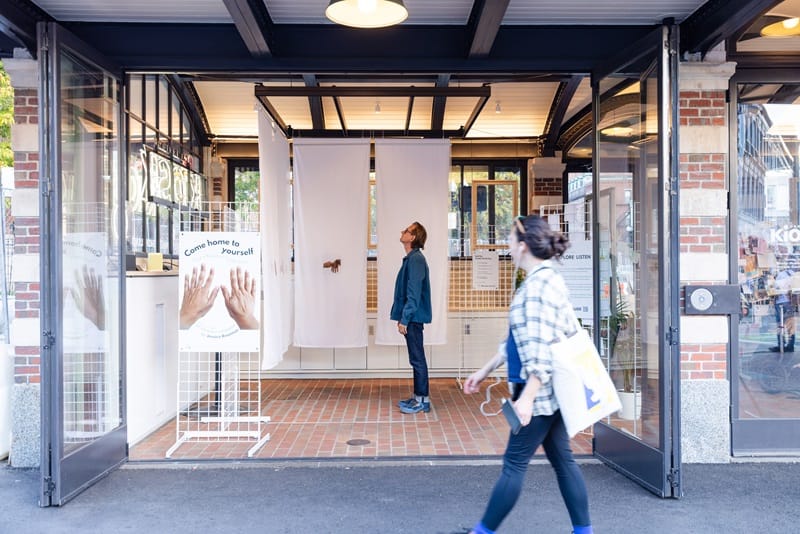

Photo source
From the very start, Kultur Kiosk's role was to strengthen community. The organization behind it invited community members to participate in its very construction, stating: "The Kultur Kiosk is real teamwork. It is being built in a joint, participatory process. This means: neighbors, residents, hobbyists, amateur craftswomen and professionals – everyone is invited to join in!" The process of building a place like this together with others is a fantastic way to get neighbors to meet each other, bond, and develop a sense of ownership and pride in their creation. This ensures it will be taken care of, maintained, and cherished.
For communities looking to benefit from the catalytic power of small buildings, the Kultur Kiosk website even shares some of the specifics of their building's design. You can use their design as inspiration to build your own community hub!
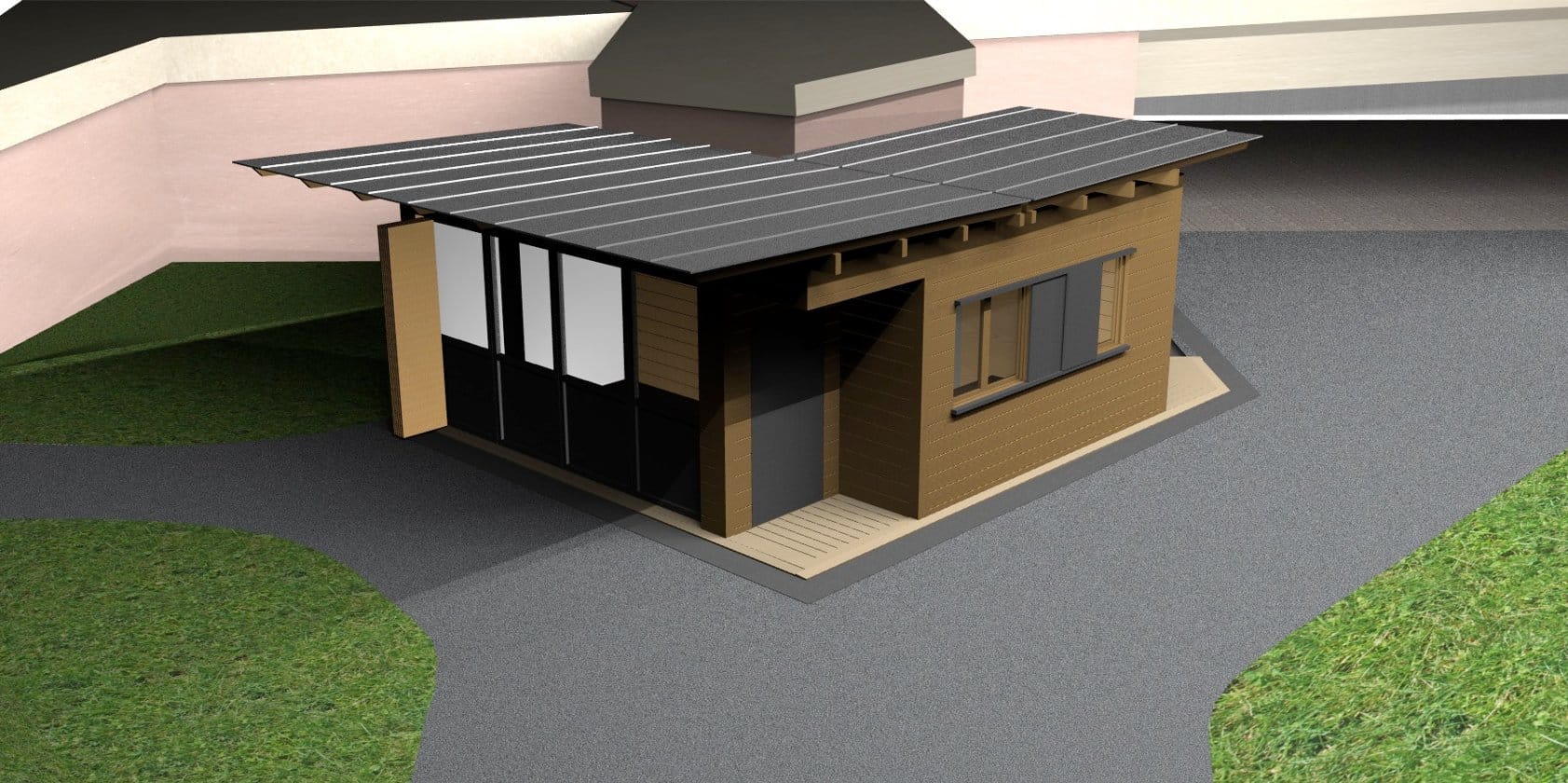
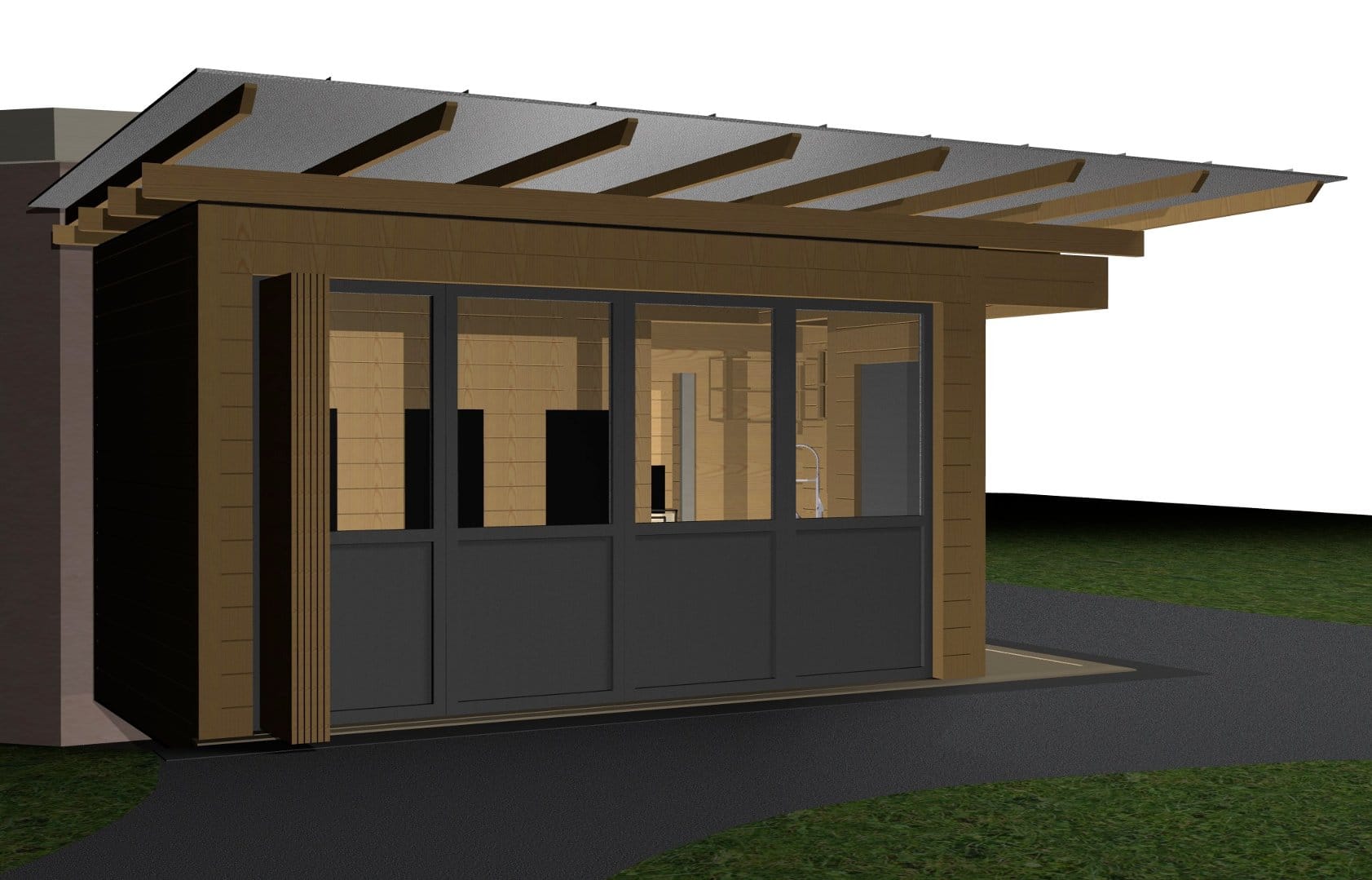
Image source
Takeaway - Catalyzing Vitality with Small Structures
It can be difficult to know where to start when trying to breathe life into a place that is underperforming and lacking appeal. The small structure is a simple, concrete approach to seeding a place with activity. One small structure can be a catalyst for change, then through reciprocal gestures another can pop up in its vicinity. By triangulating and adding amenities and connections, you can end up with a social hub.
As this process of growth and change continues, the whole place can become completely different from what it was when you started. In summary, when you plant something simple like a small structure and gradually build up on it, you can end up with a fantastic multi-layered place that you didn't even expect to have when you began. That is placemaking.
Takeaways
- Small buildings can act as catalysts. One shed can become two sheds through reciprocal gestures, then eventually grow into a social hub or even an entire market as with the Victuals Market in Munich.
- Small buildings can serve as incubators that give local businesses a place to grow from while they still have limited resources.
- Sheds are sturdier than market tents, allowing them to withstand wind, rain, and cold so the offerings of the public place aren't dependent on the weather. They have strong walls for protection so vulnerable goods can be kept within.
- A defining feature of small structures is that they can be easily integrated into their surroundings. They aren't fully closed off or separated from them, but rather weave into their place context through features like seating, order windows, and external displays of goods. In this way, they enhance the space far beyond their walls.
- You don't know what you're going to end up with. When you employ something like a small building to improve a space, you don't need a plan, you can just set it up and see how its ripple effects expand outward naturally. Through their ability to influence their surroundings and inspire community members, small buildings allow places to be shaped by their communities in a way that designers or planners could never achieve through a more rigid and formalized approach.
Other Resources
 Ethan Kent
 Steve Davies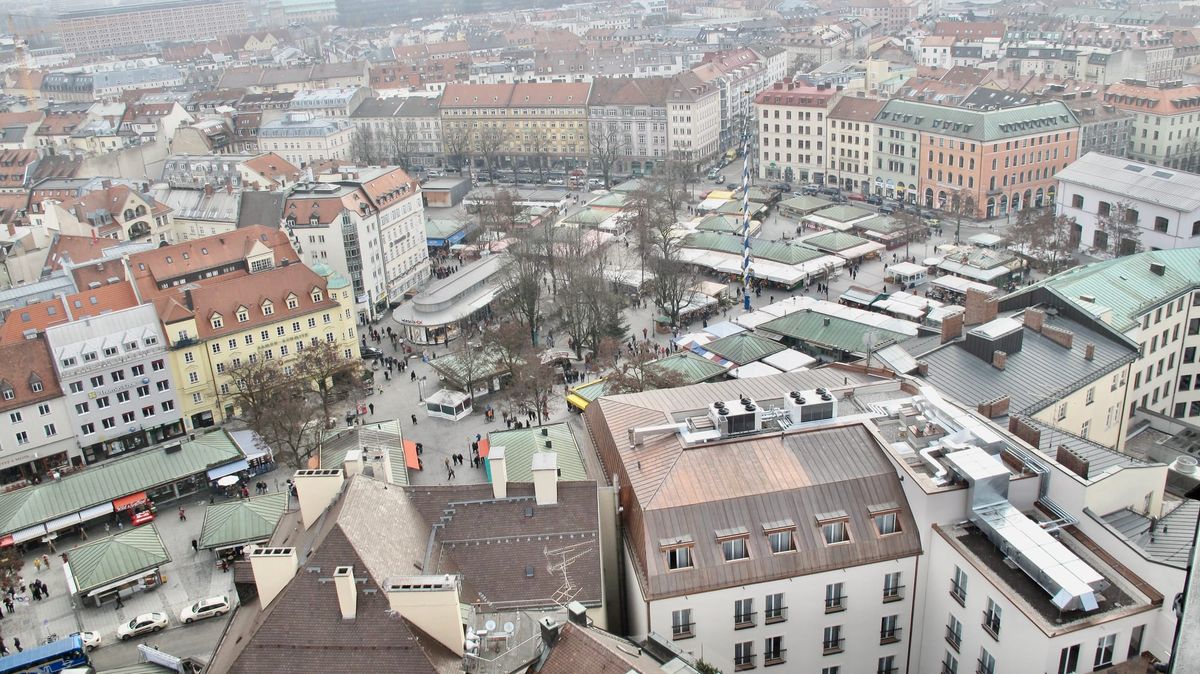
 Fred Kent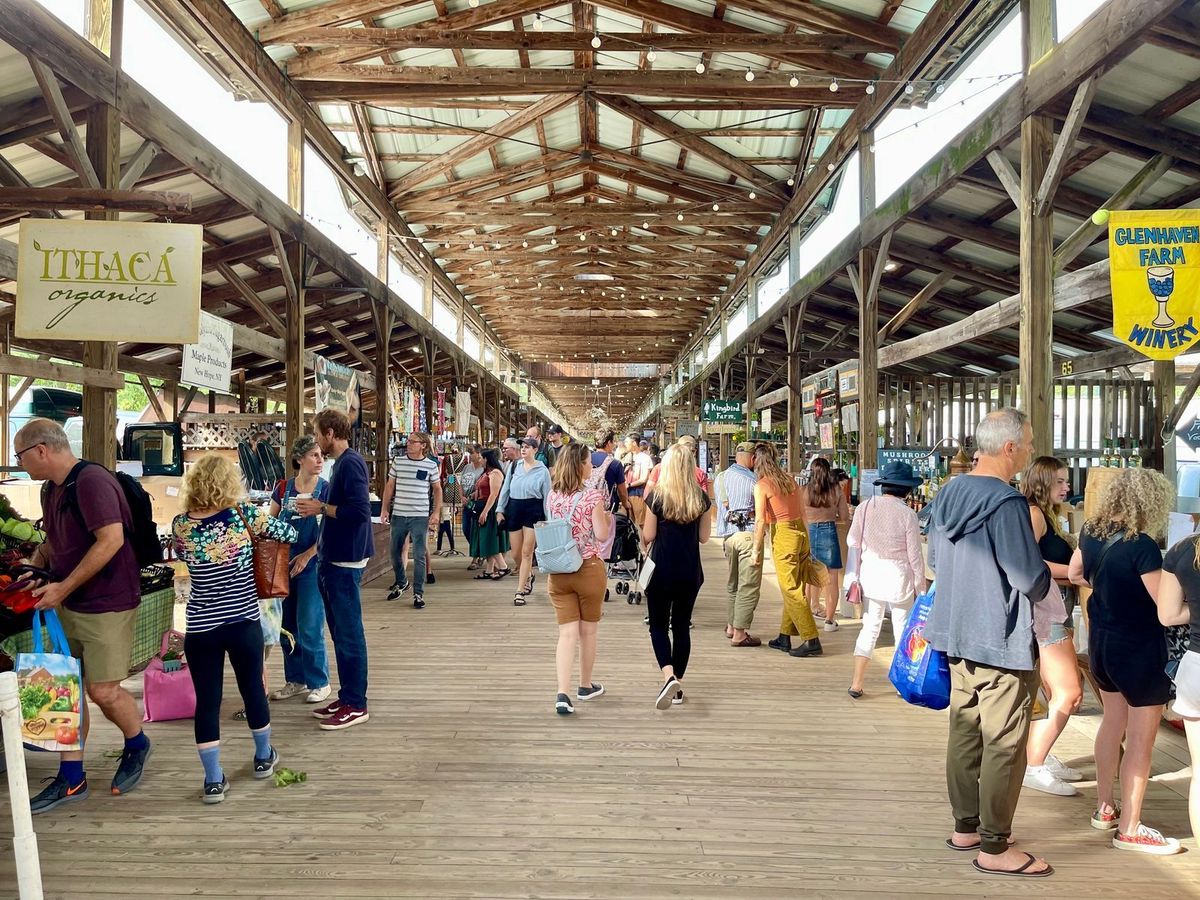
Further Reading
Fred Kent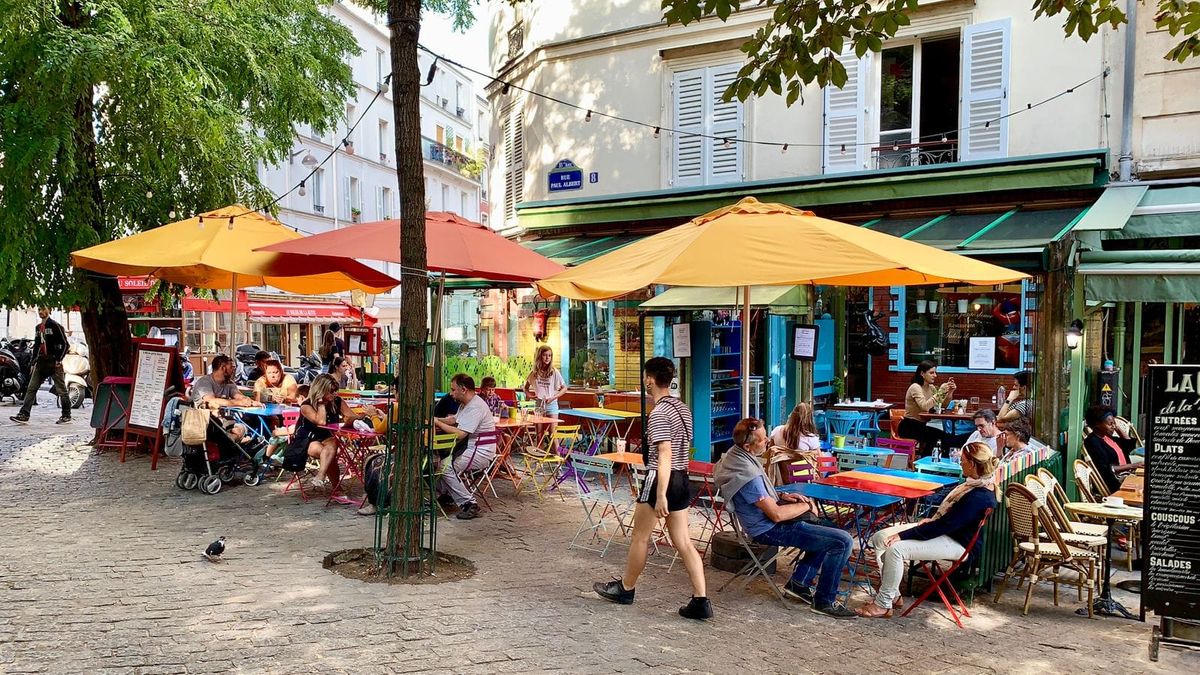 Fred Kent
 Fred Kent
 Fred Kent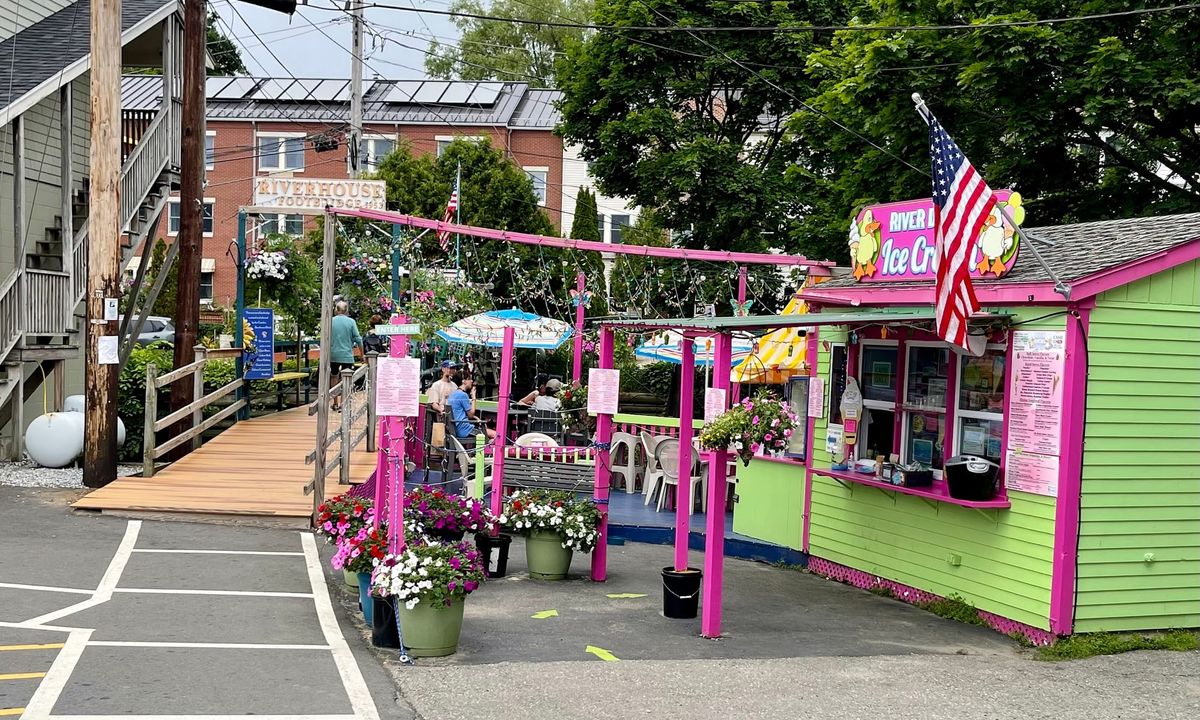
If you are interested in collaborating (articles, presentations, exhibits, projects, and more) or supporting the cause contact us.