Paris Reborn - How Paris Breaks All the Rules to Be the Best City for People
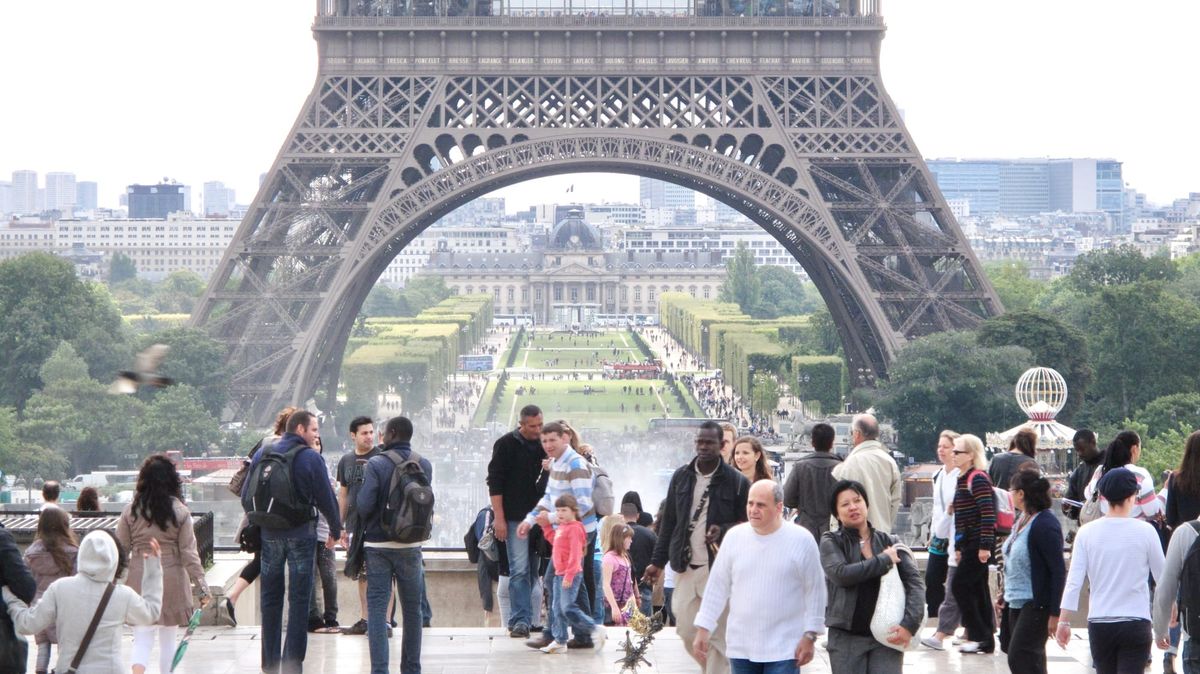
Paris is an incredible example of a city “getting it right” because of how it breaks all the rules to be the best city for all...
Read Article →
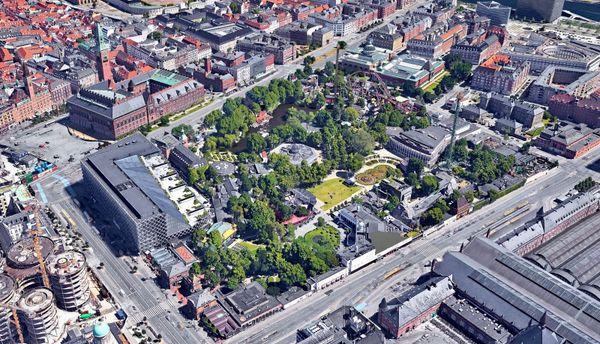
More often than not, parks are mere patches of greenspace with nothing there to experience, engage with, or enjoy. Instead, we prefer the "pleasure garden," a kind of park that was popular in the late 1700s and 1800s in parts of Europe where the design, amenities, and entertainment options were crafted with the intention to create a pleasant experience for visitors.
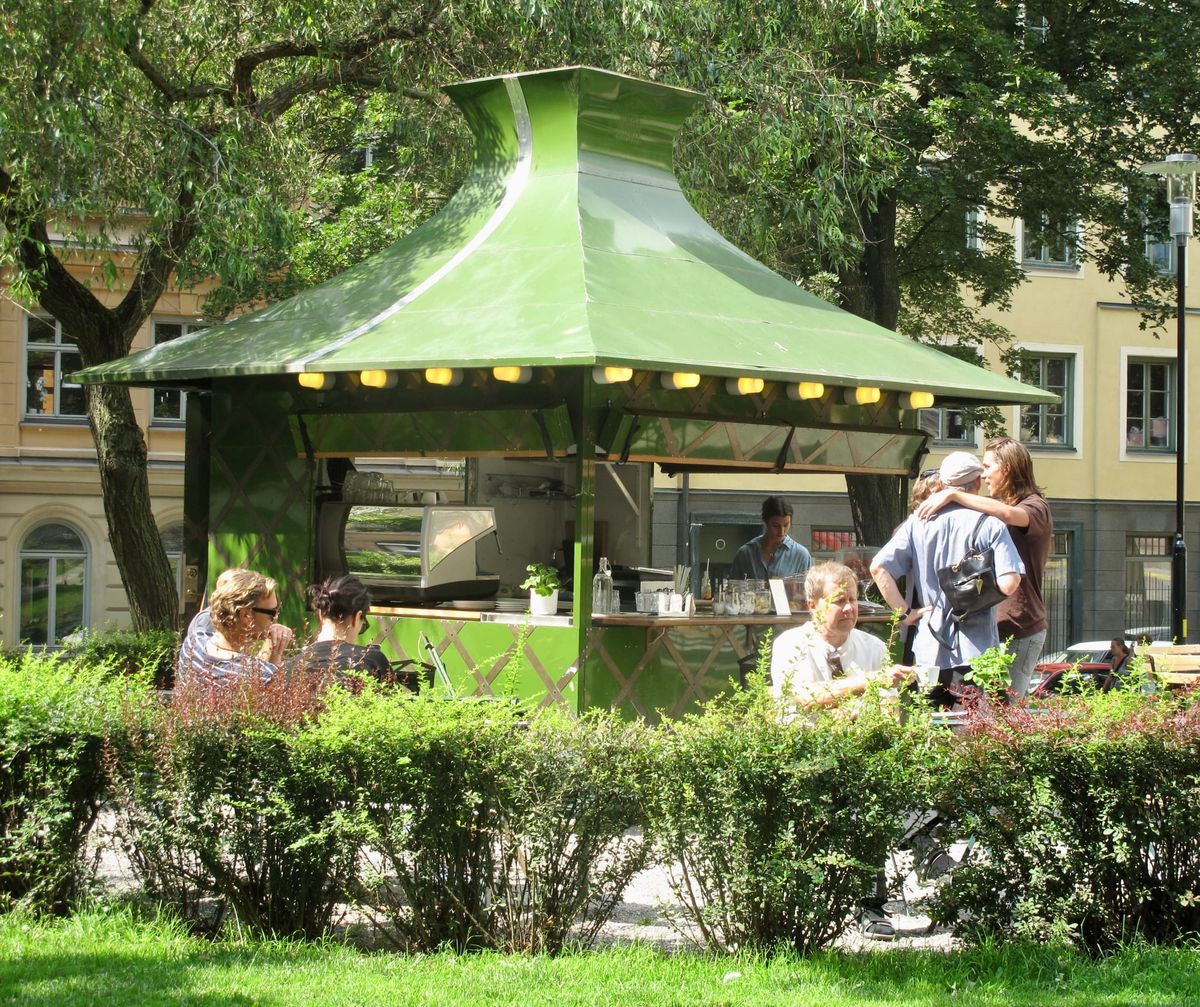
A small building is like a seed – wherever it is planted, public life grows around it and thrives.
To turn parks into places that all kinds of people want to visit and spend time in, they have to offer more than just grass and trees. They have to offer joy and pleasure.
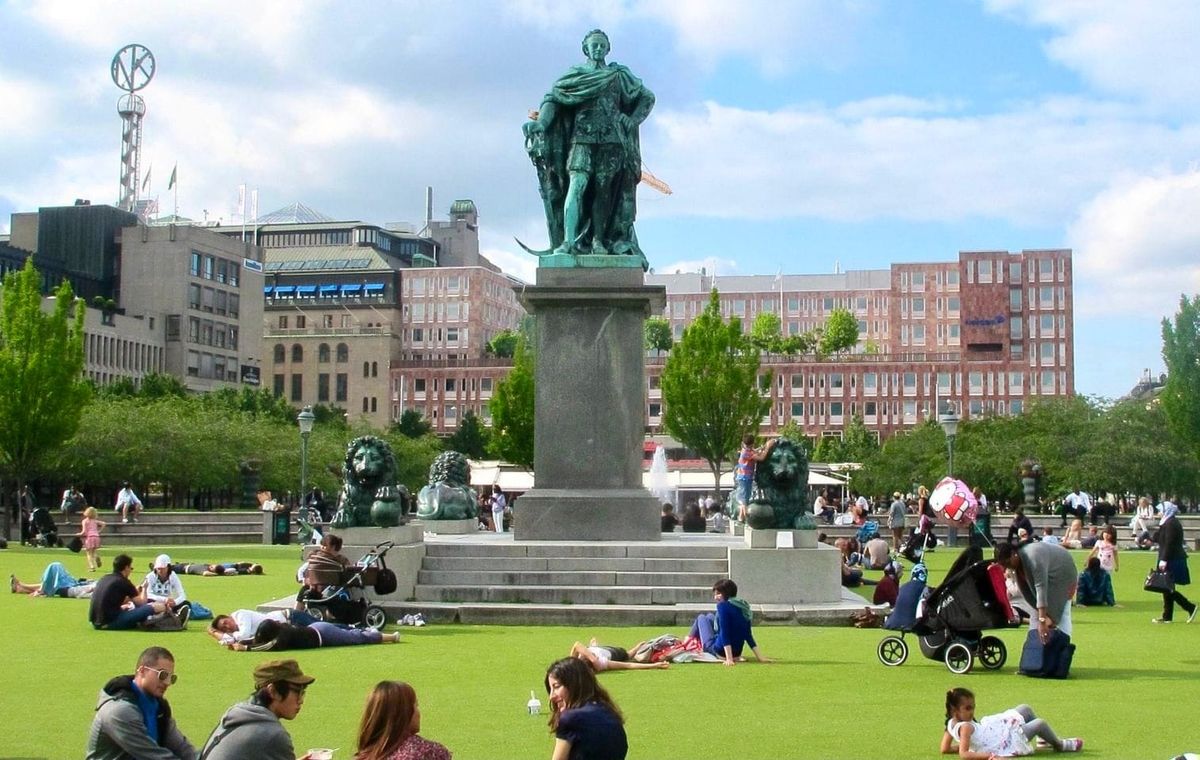
The magic of Kungsträdgården is that the whole central lawn feels like a playground - not one specifically for kids, but for everybody. That is what makes it so welcoming, joyful, and alive.
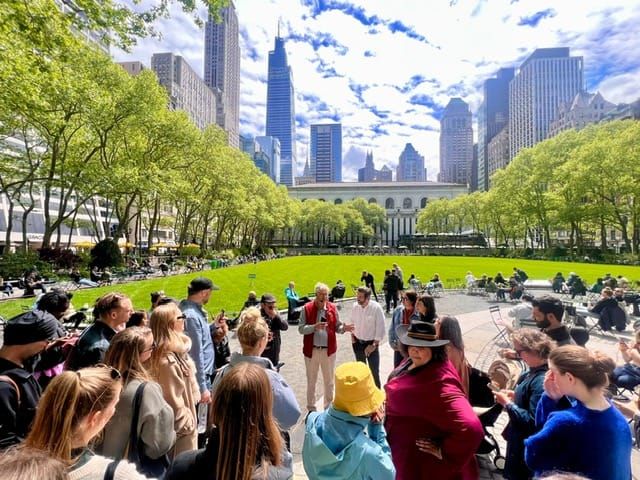
Bryant Park was transformed from a place people avoided to a destination people flocked to through programming and placemaking and is now the gold standard for a great public space.
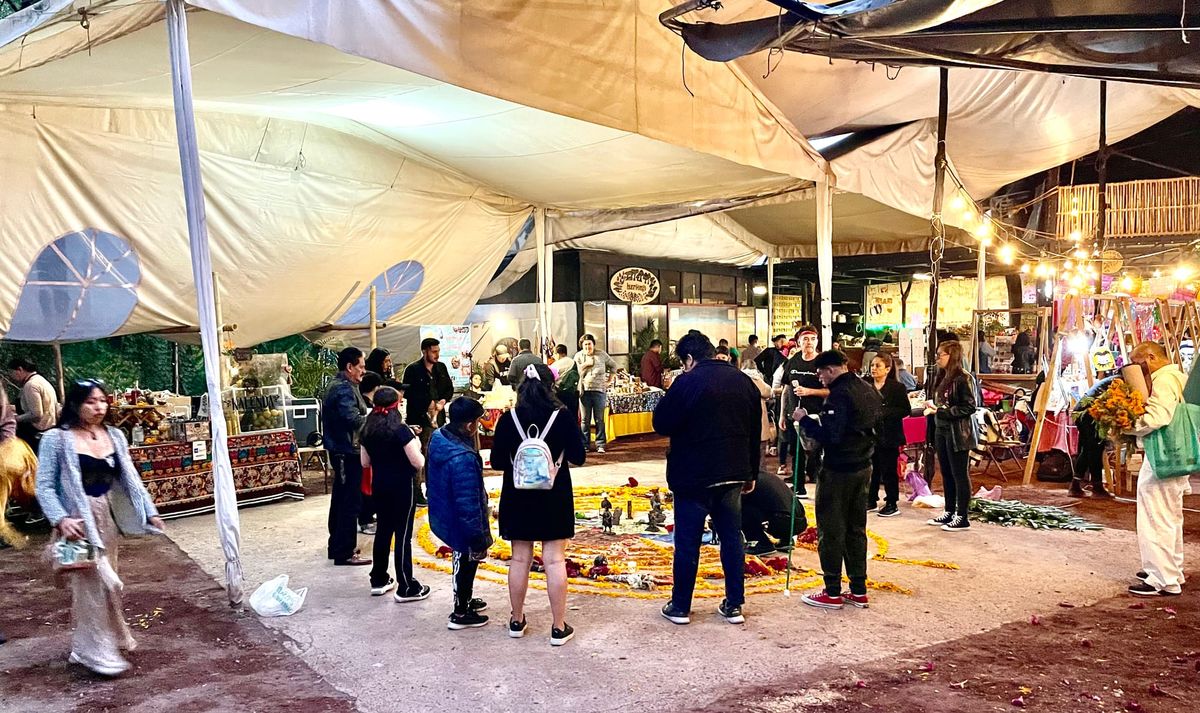
A combination square, market, and event space, Huerto Roma Verde in Mexico City is built and managed by members of the community and is a perfect example of Placemaking.
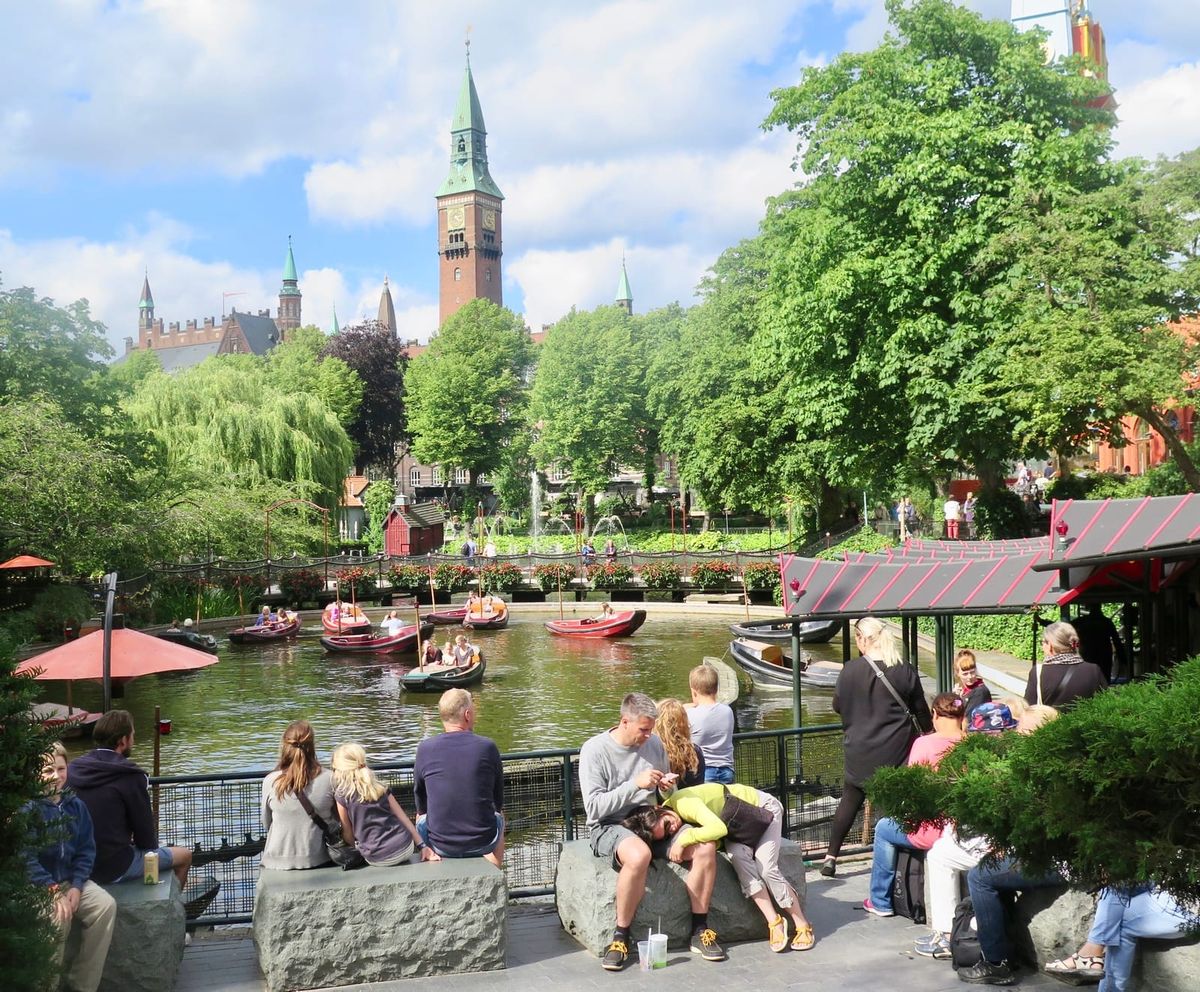
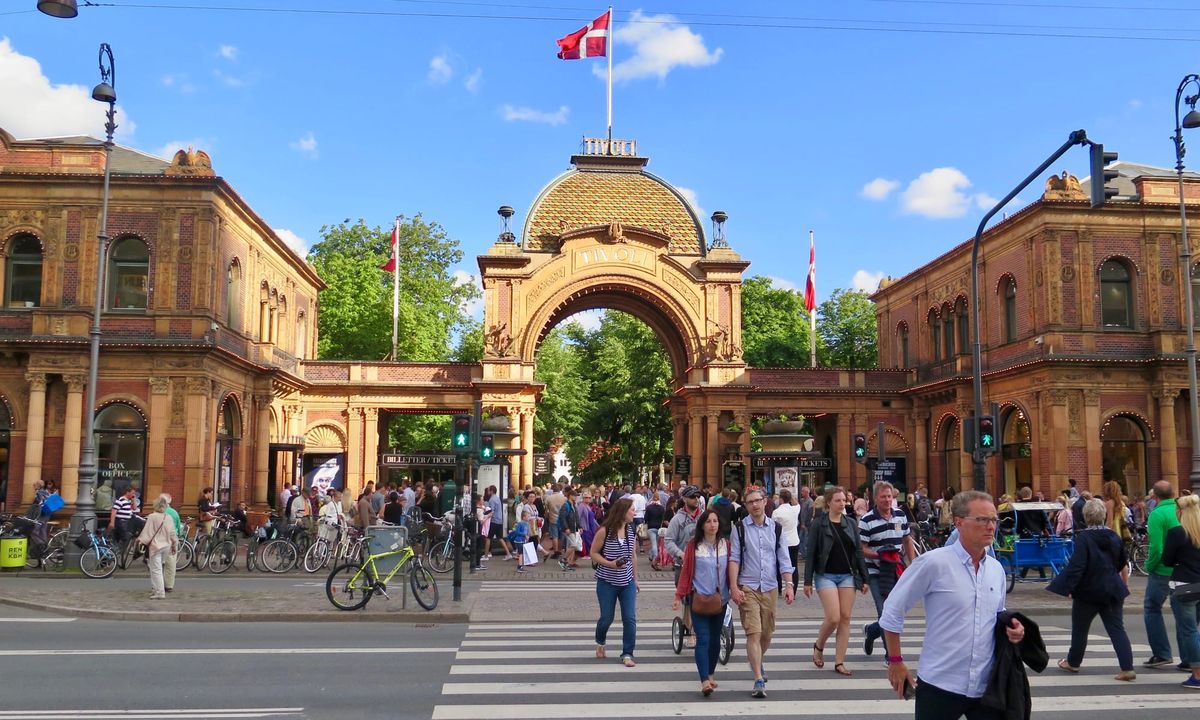
Tivoli Gardens is one of the world's most incredible examples of a multi-layered hub of social life and an example for parks to follow.