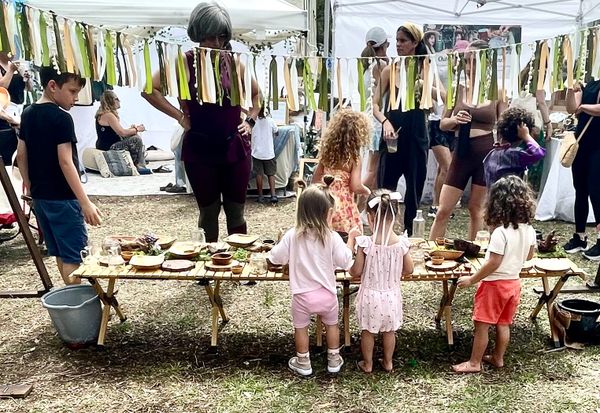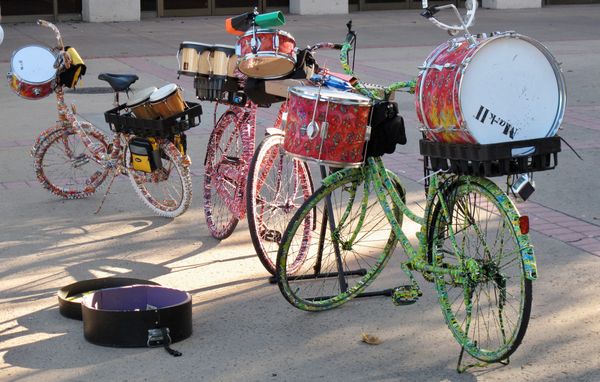


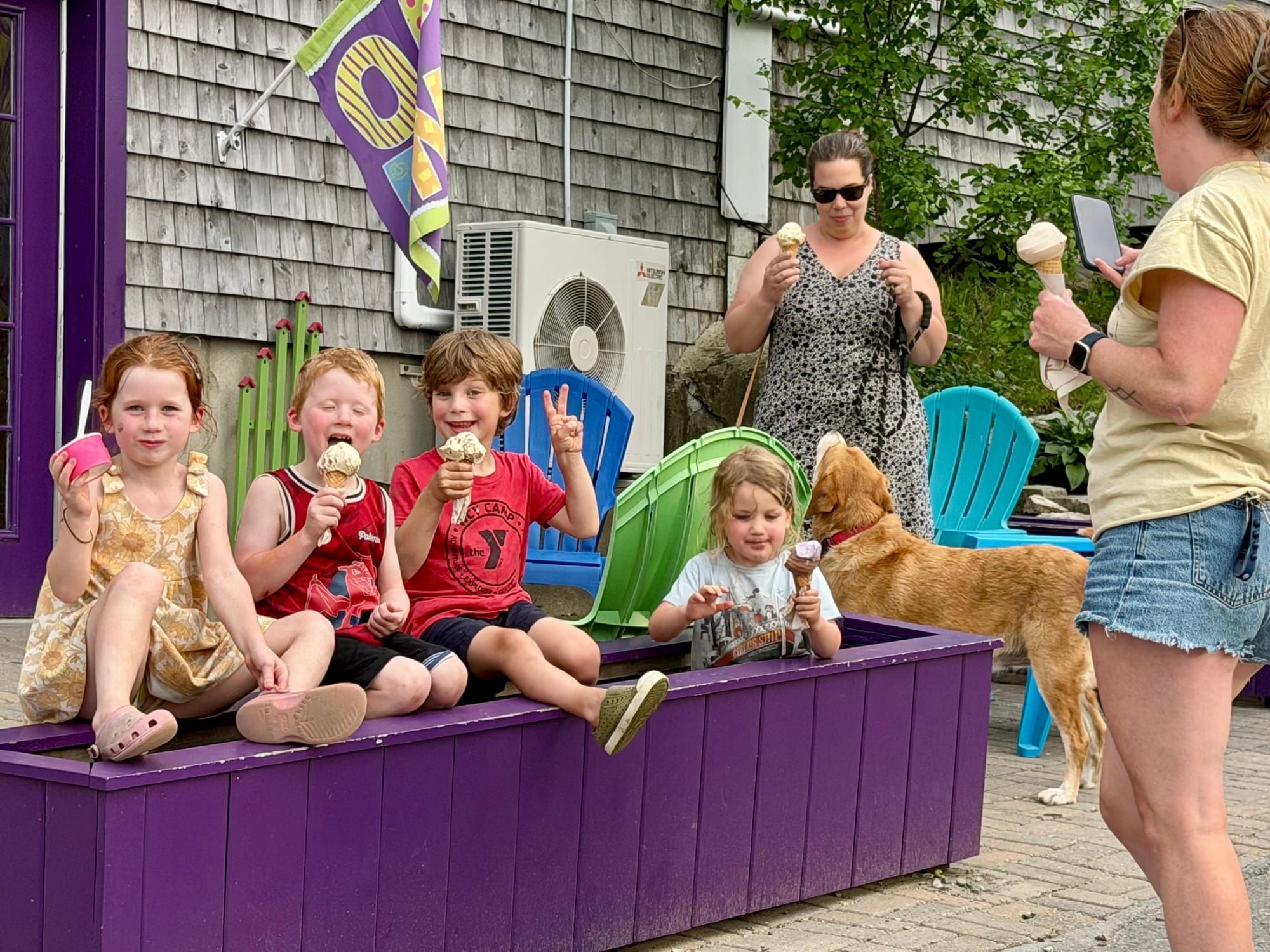
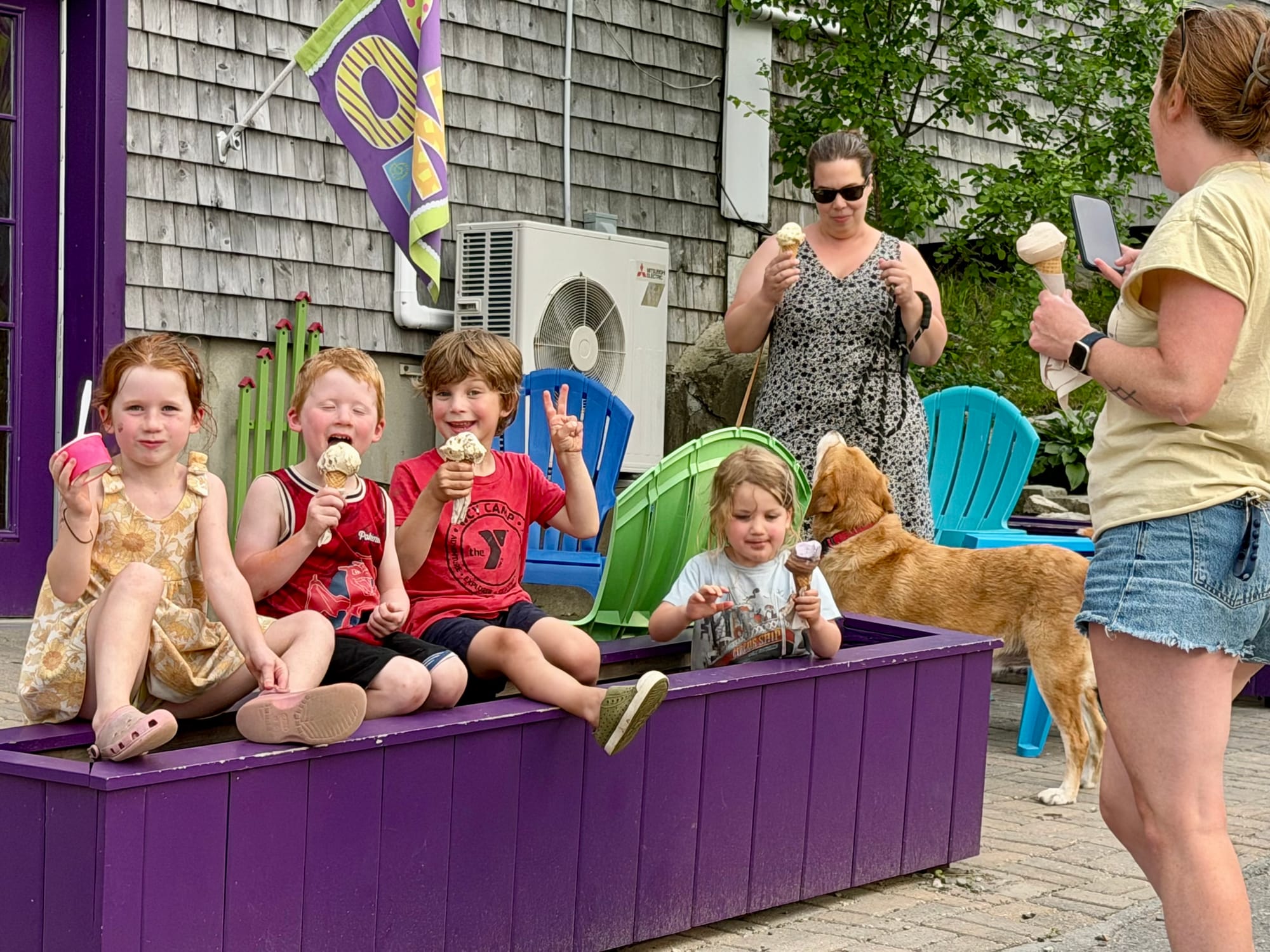
In these complicated times where it feels like problems and crises are hiding around every corner, we are in desperate need of joy. Joy is an escape from stress, a source of hope, a delight for life. Alas, it is what makes living worthwhile. Especially when it is a challenge to find joy at work, home, or in the news, we seek it in the world outside our front doors.
The public realm is where we go to look for joy. In great public places is where it can be found.
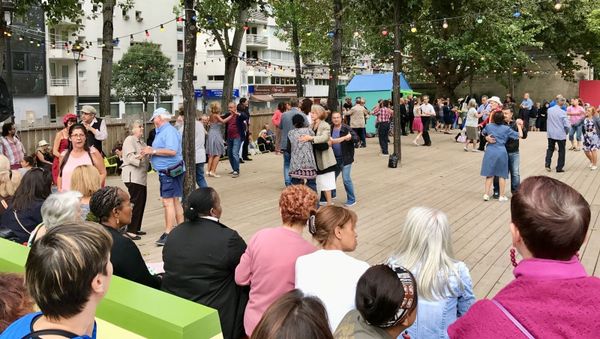
It is the fun, pleasure, and surprise inherent to public places that draws us to them – the sound of a jazz concert, the excitement of a ping pong game, the enjoyment of spending time with friends and making new ones. Our cities need to be full of these experiences so that everyone can go out into the world and encounter the joy they seek.
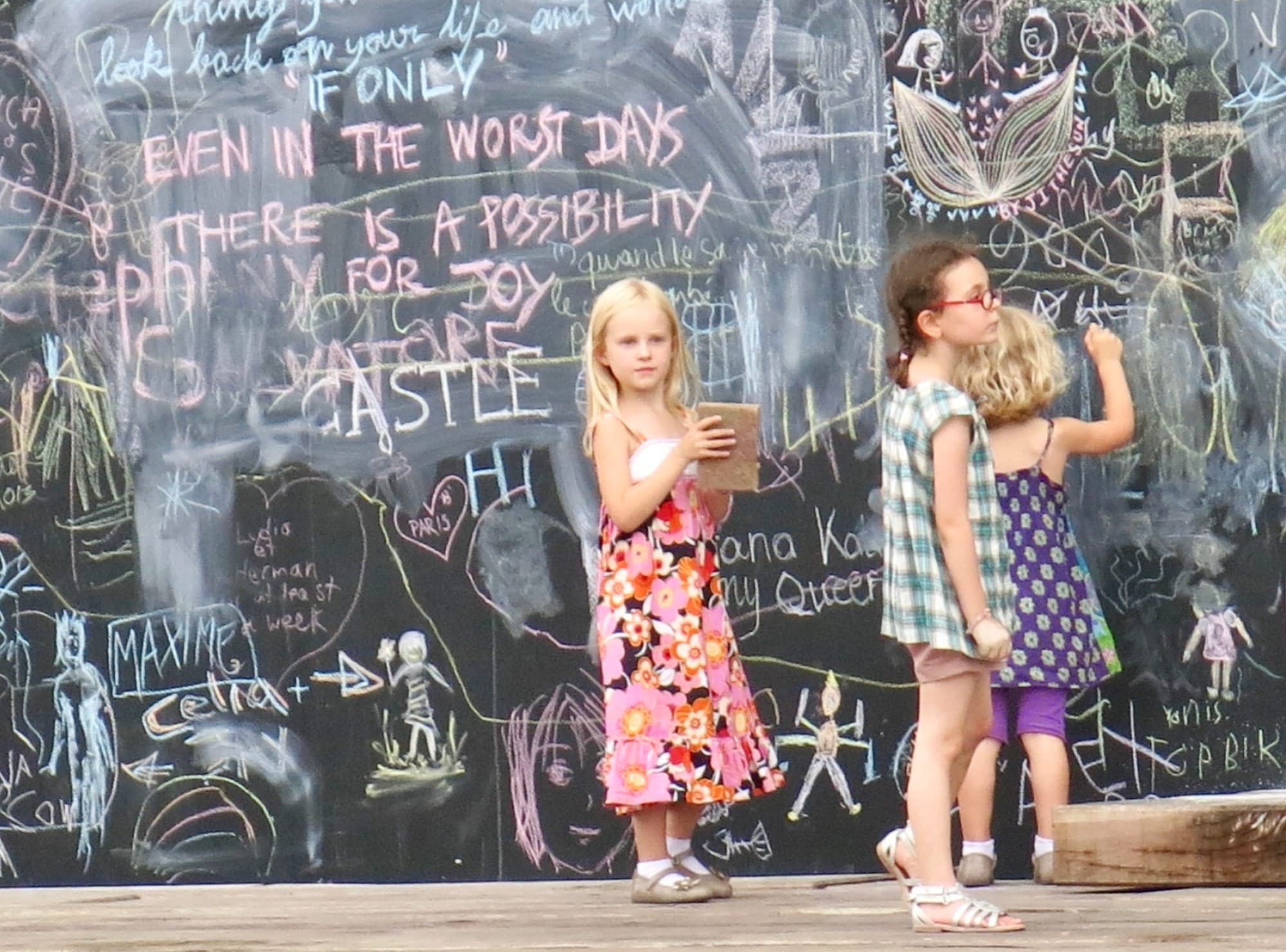
"Even in the worst days, there is a possibility for joy"
 Fred Kent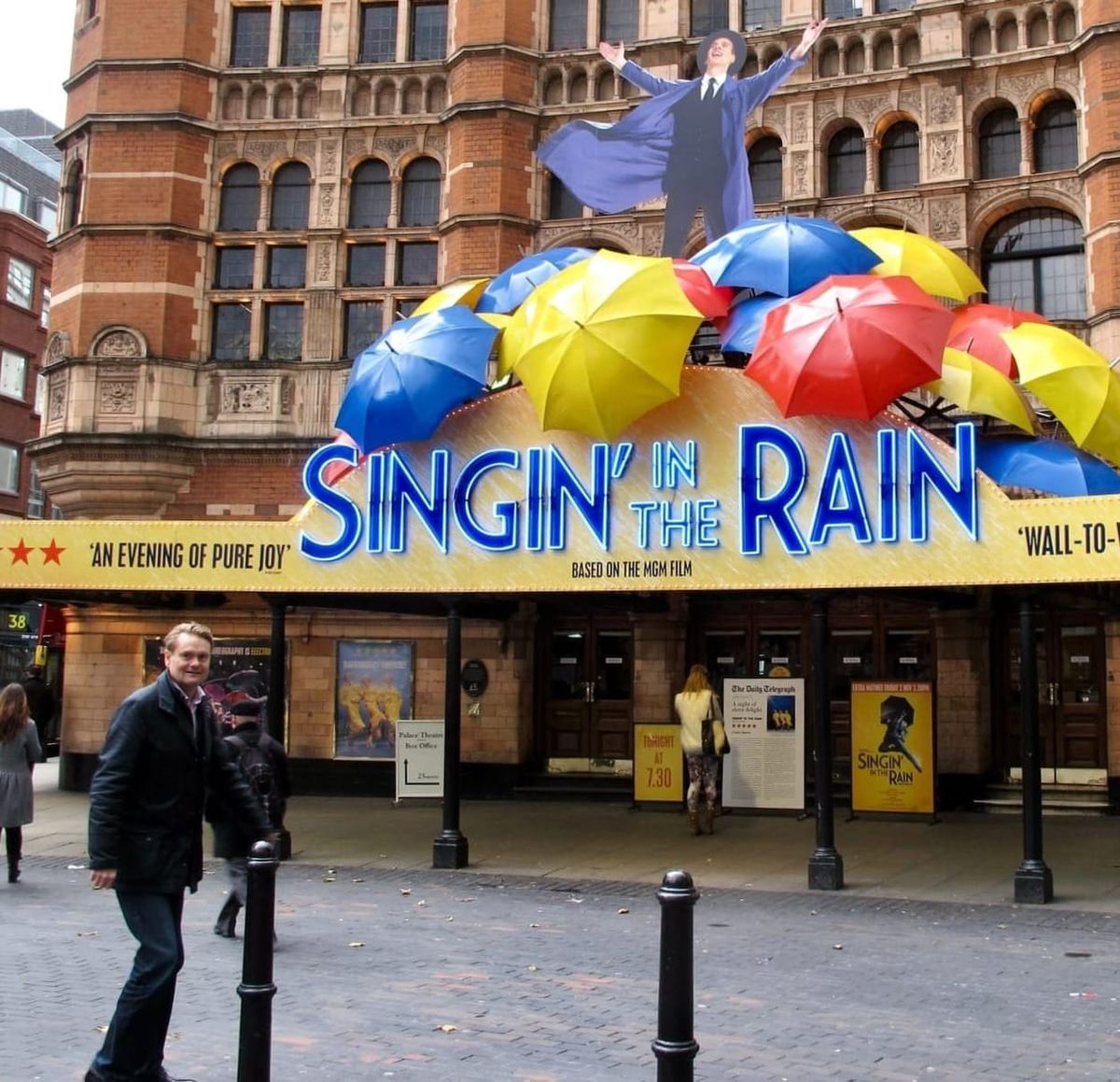
Creating Joy for All
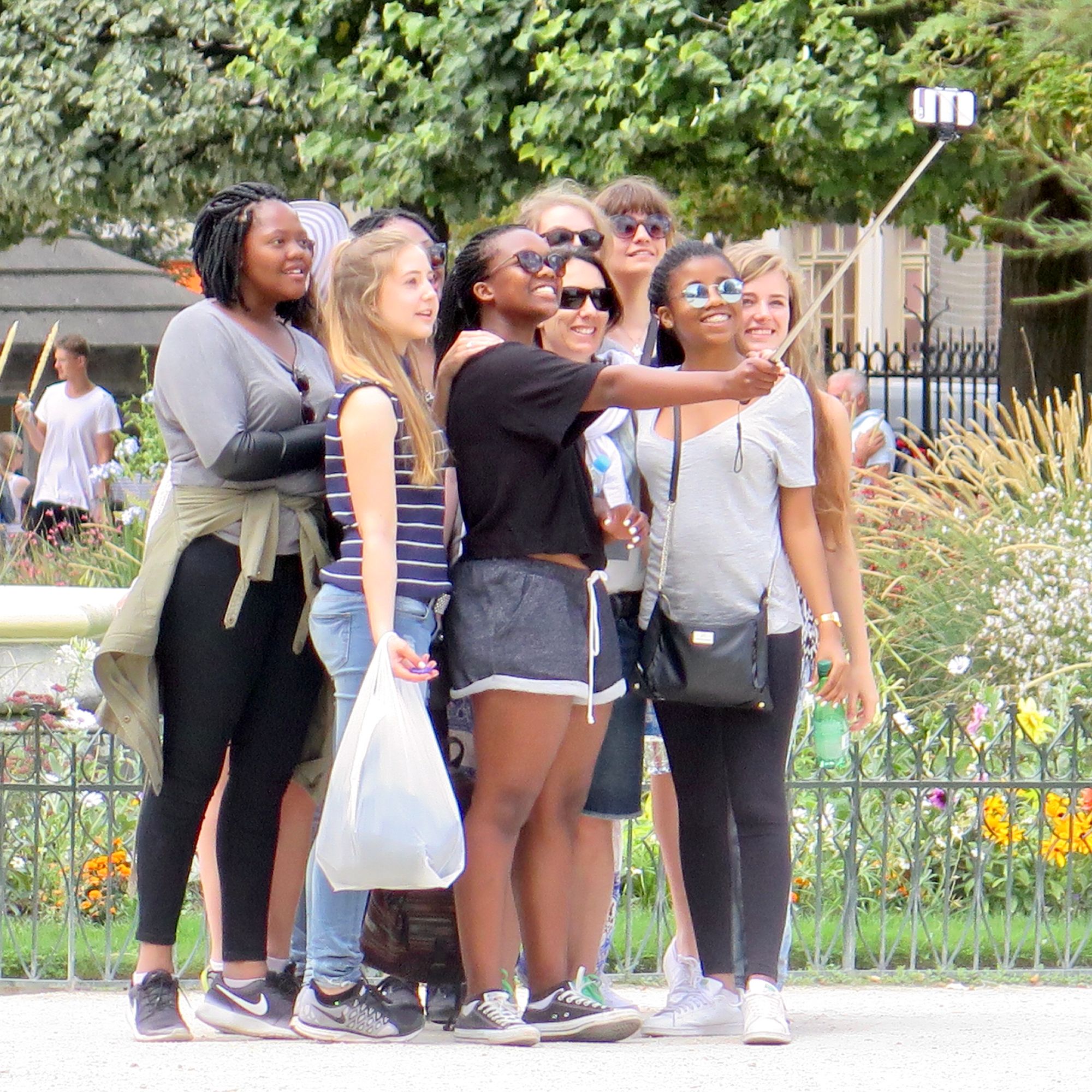
The greatest joy can be found where the people are. The places where we find groups of women and men, children and seniors, all hanging out and intermingling, are the places where we see the most laughter, play, and celebration.
In our "Social Life for All" article series, we explore what kinds of places make every person feel welcome to engage in social life, giving them opportunities for joy in the public realm. What kind of park draws in women and children? What kind of dining establishment feels comfortable for people with disabilities? Where do men of different backgrounds meet each other? Where do friends and lovers flock? The answers to these questions help us understand how to create places that work for everybody.
This is an important endeavor because we need more people out and about in the world, meeting each other, spending time together, and contributing to public life. That is the essence of the human experience. The better we understand the settings people conduct it in, the more we can enrich it.
“Happiness is what we experience as we celebrate the achievements of the self — winning a prize. Joy is what we feel when we are encompassed by a presence that transcends the self" – David Brooks
Where Women Hang Out
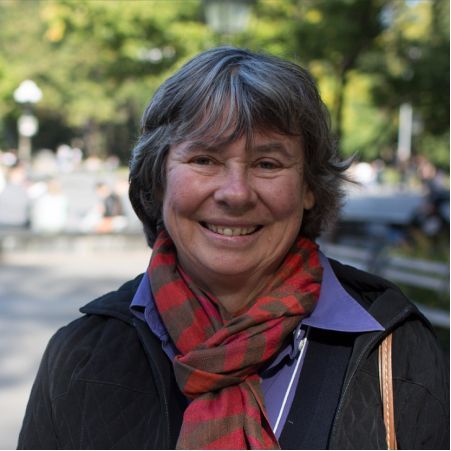
In our placemaking work, we often lead with the guideline that a safe, pleasant, and comfortable place is a place where women hang out. Women have always been the members of society who create environments where life can be nurtured. As more vulnerable members of society, as mothers and caretakers, women are sensitive to things like how secure an environment is, how rich with resources, and how pleasant to spend time in. The latter is particularly important because women are also weavers of the social fabric. They skillfully shape and navigate community dynamics by regularly communicating to share information, advice, and resources. Therefore, they are drawn to the settings that best support social life.
 Kathy Madden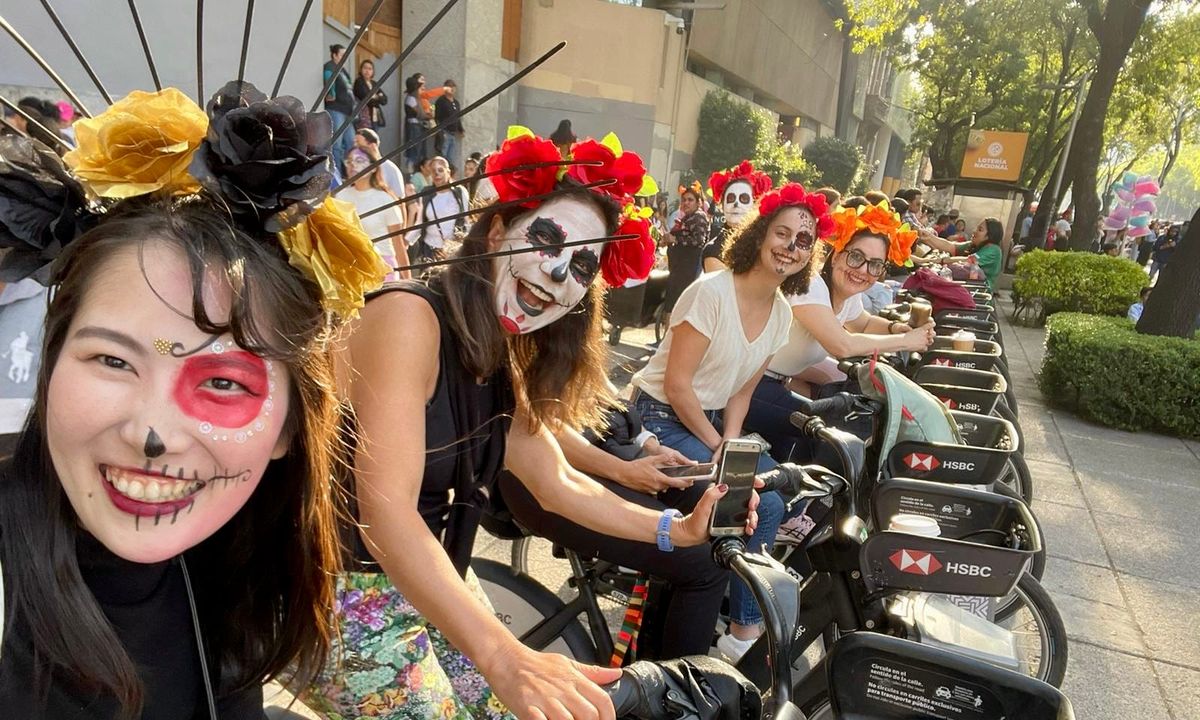
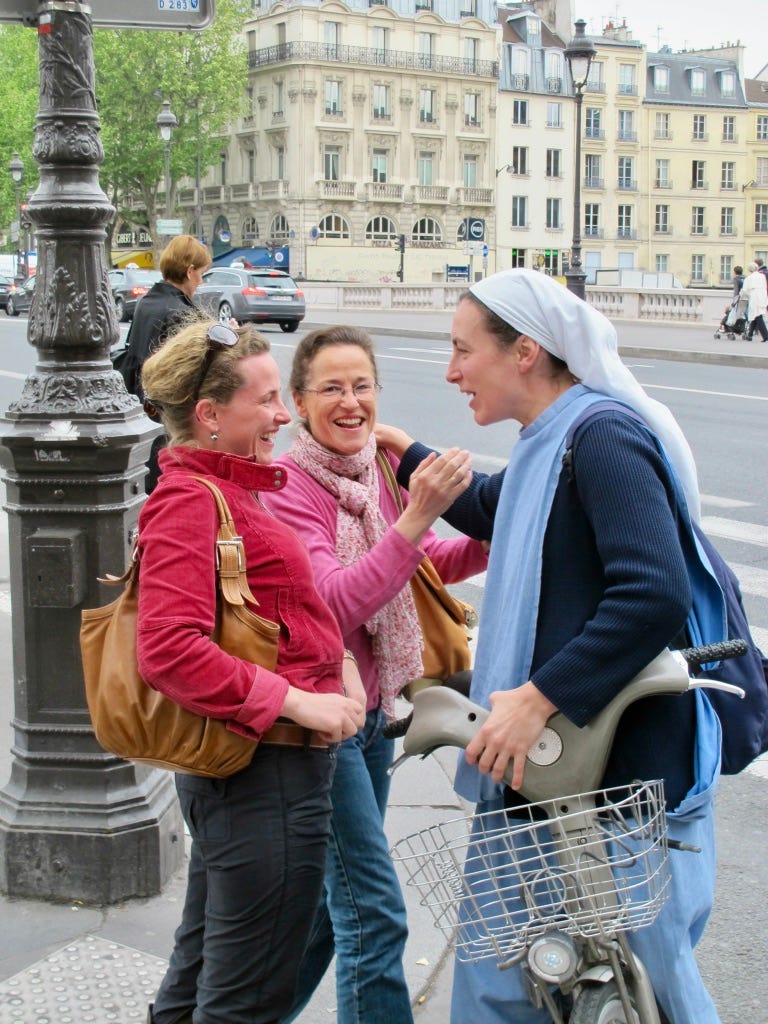
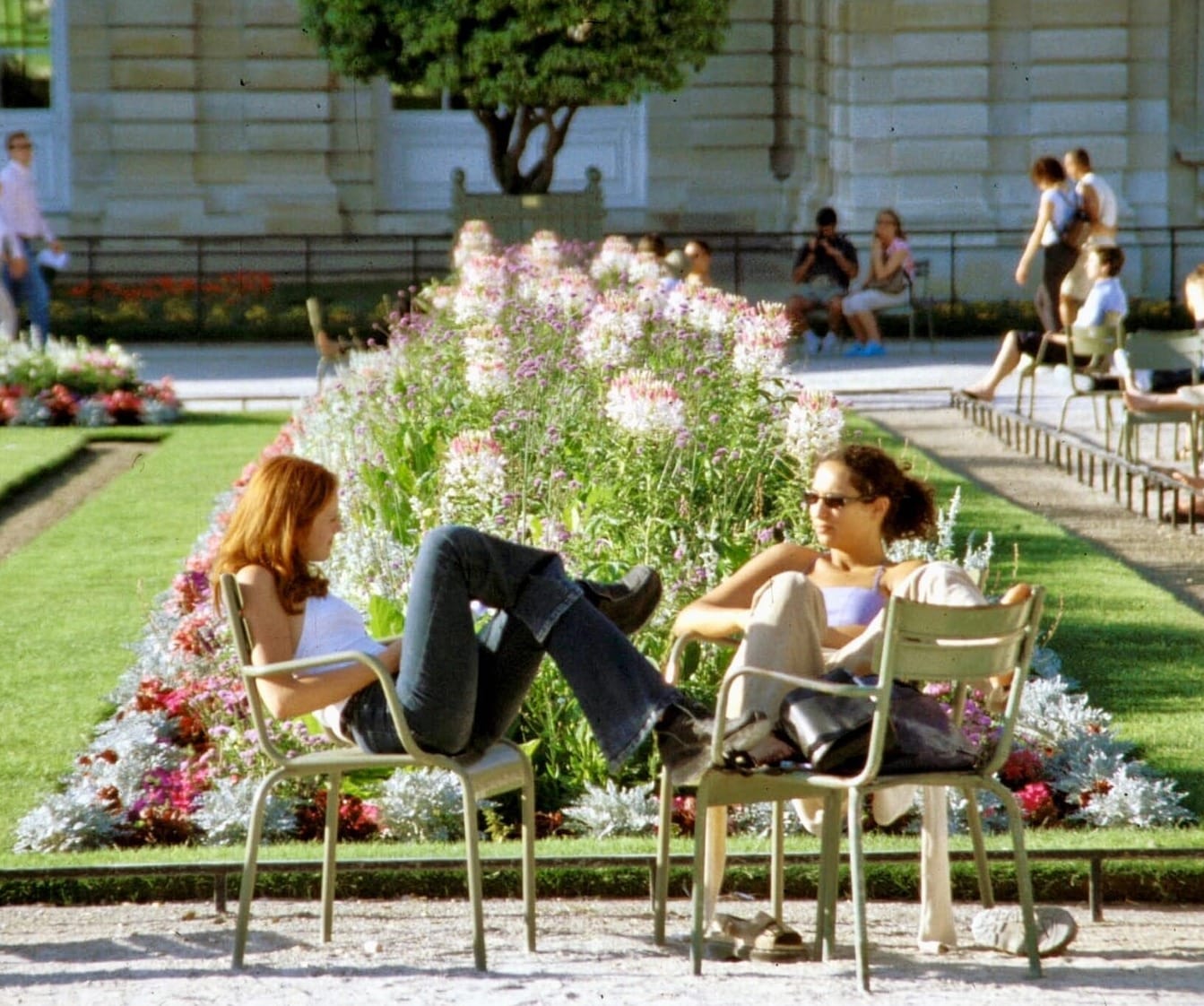
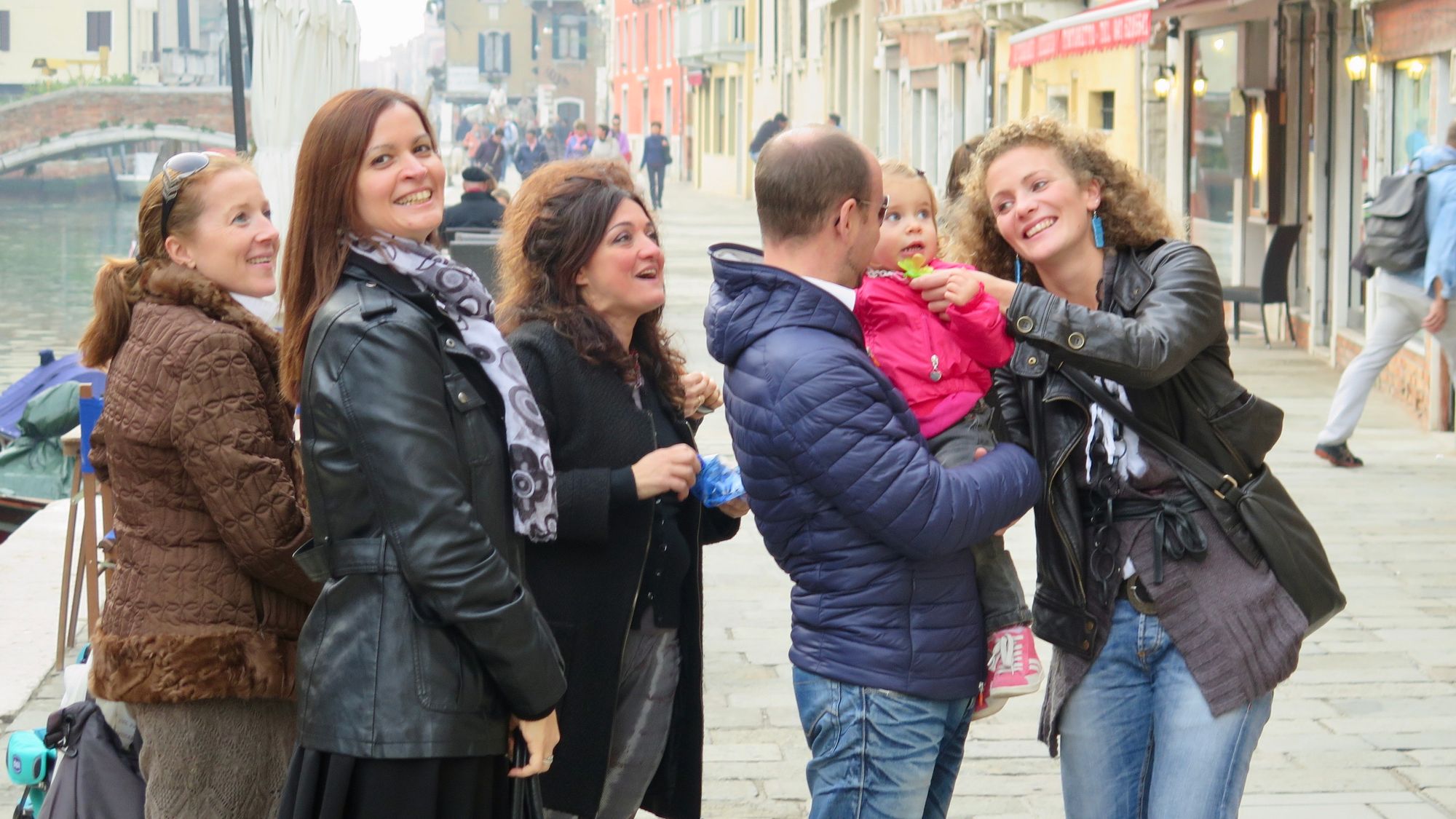

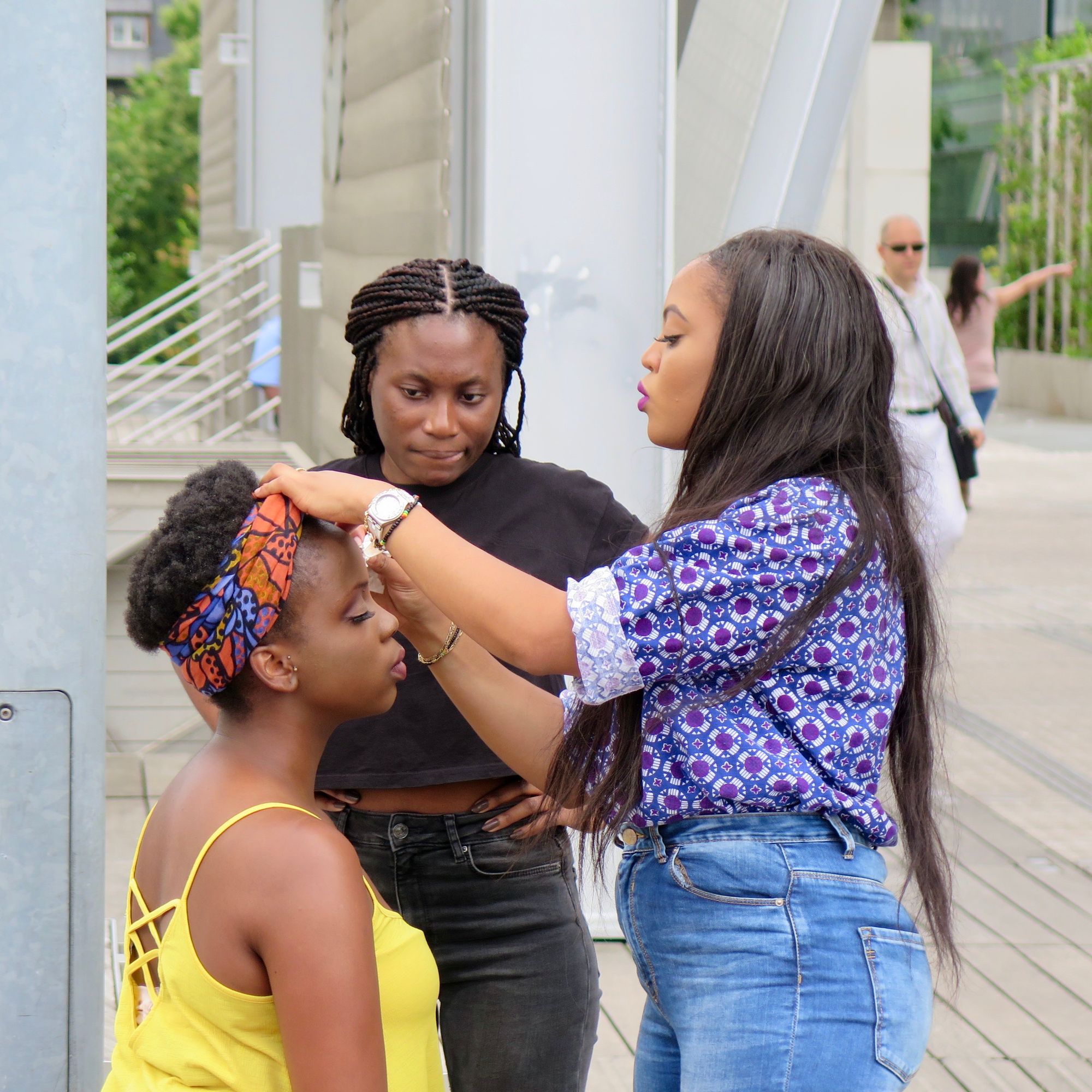
One of the best ways we gauge if a city is safe, comfortable, and enjoyable is when a woman recommends it as a place to solo travel. When a woman on her own is at ease and having fun, you've got a great place.
Where Men Hang Out
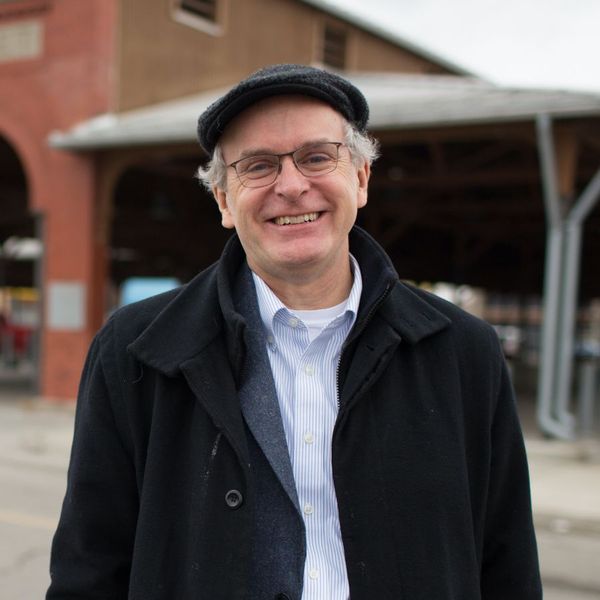
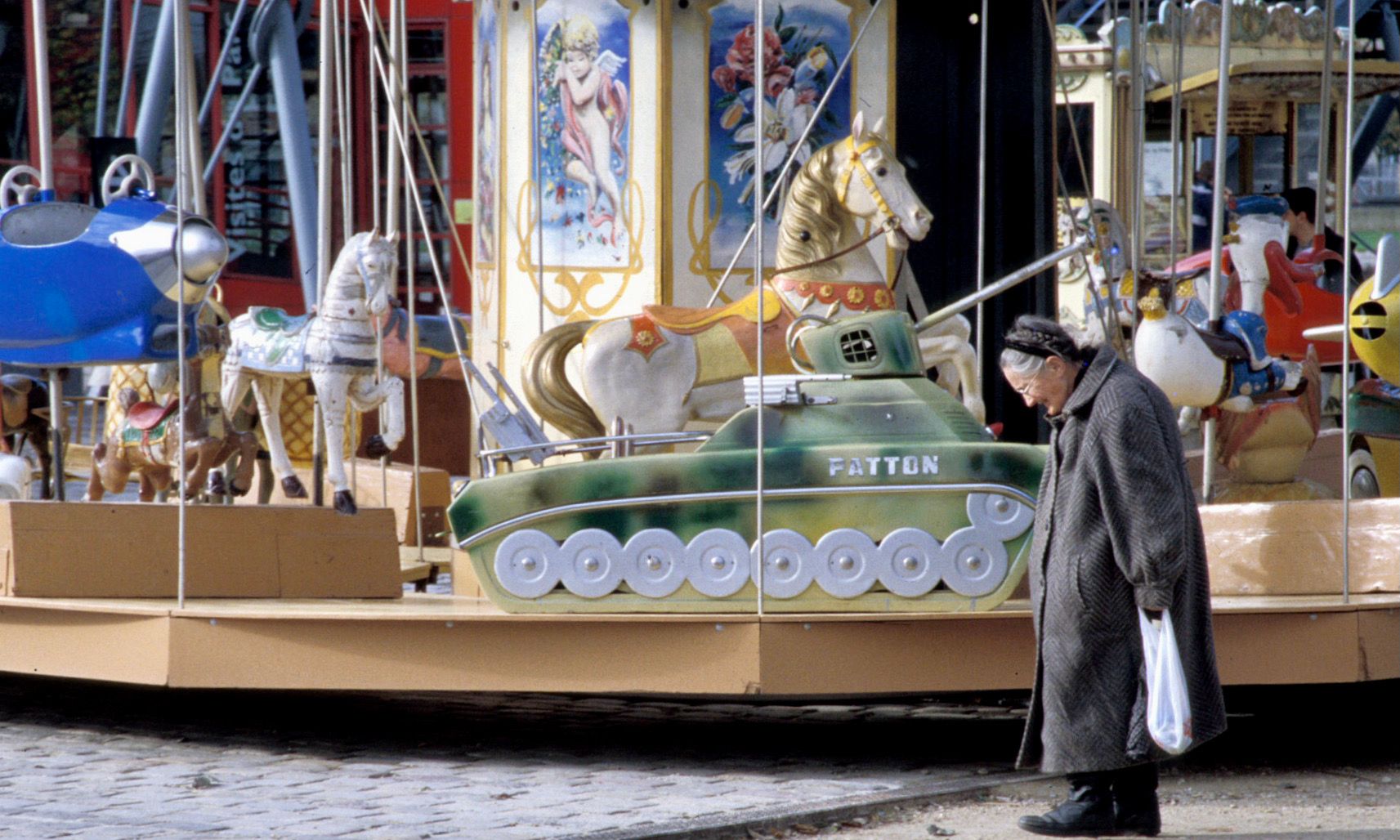
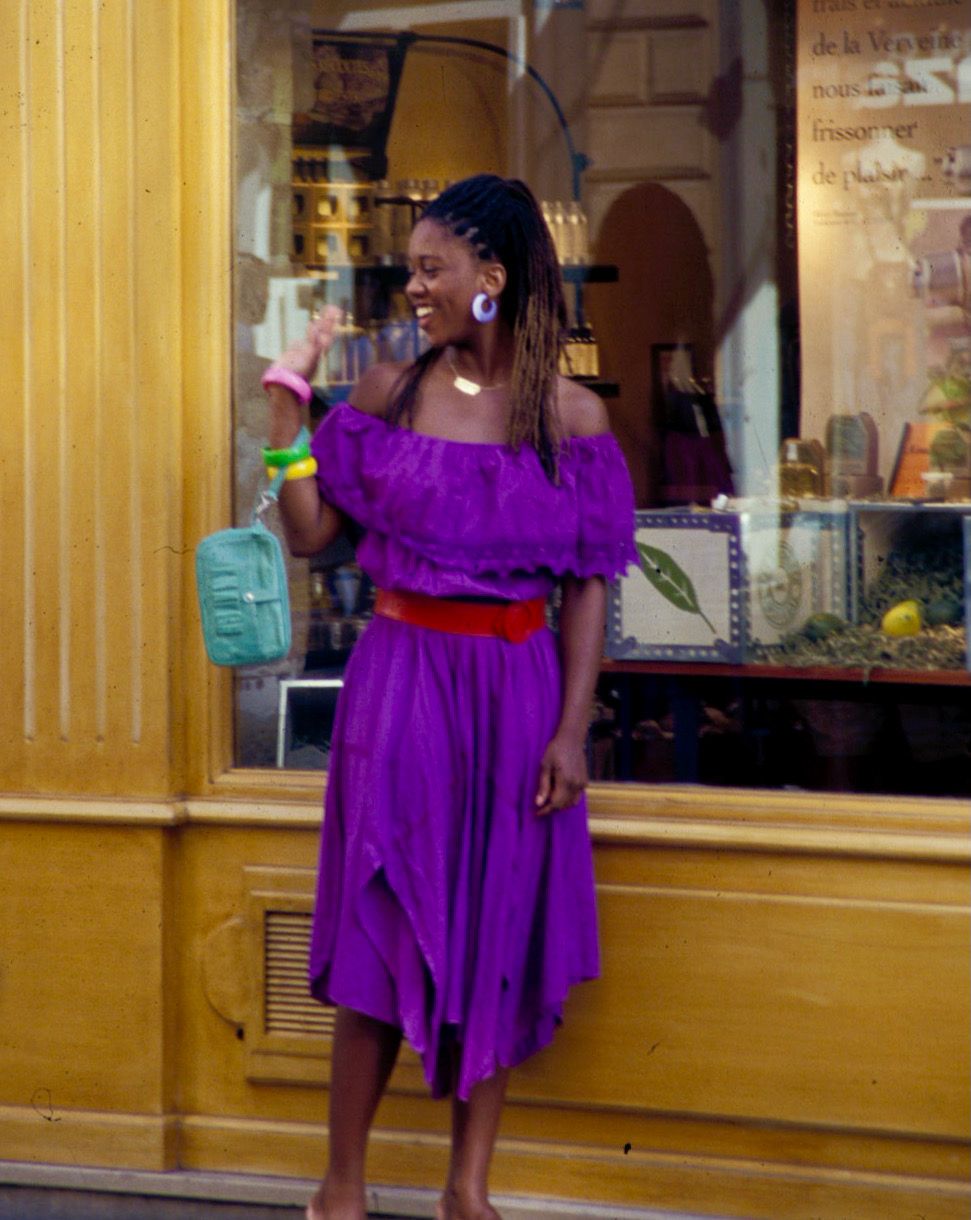
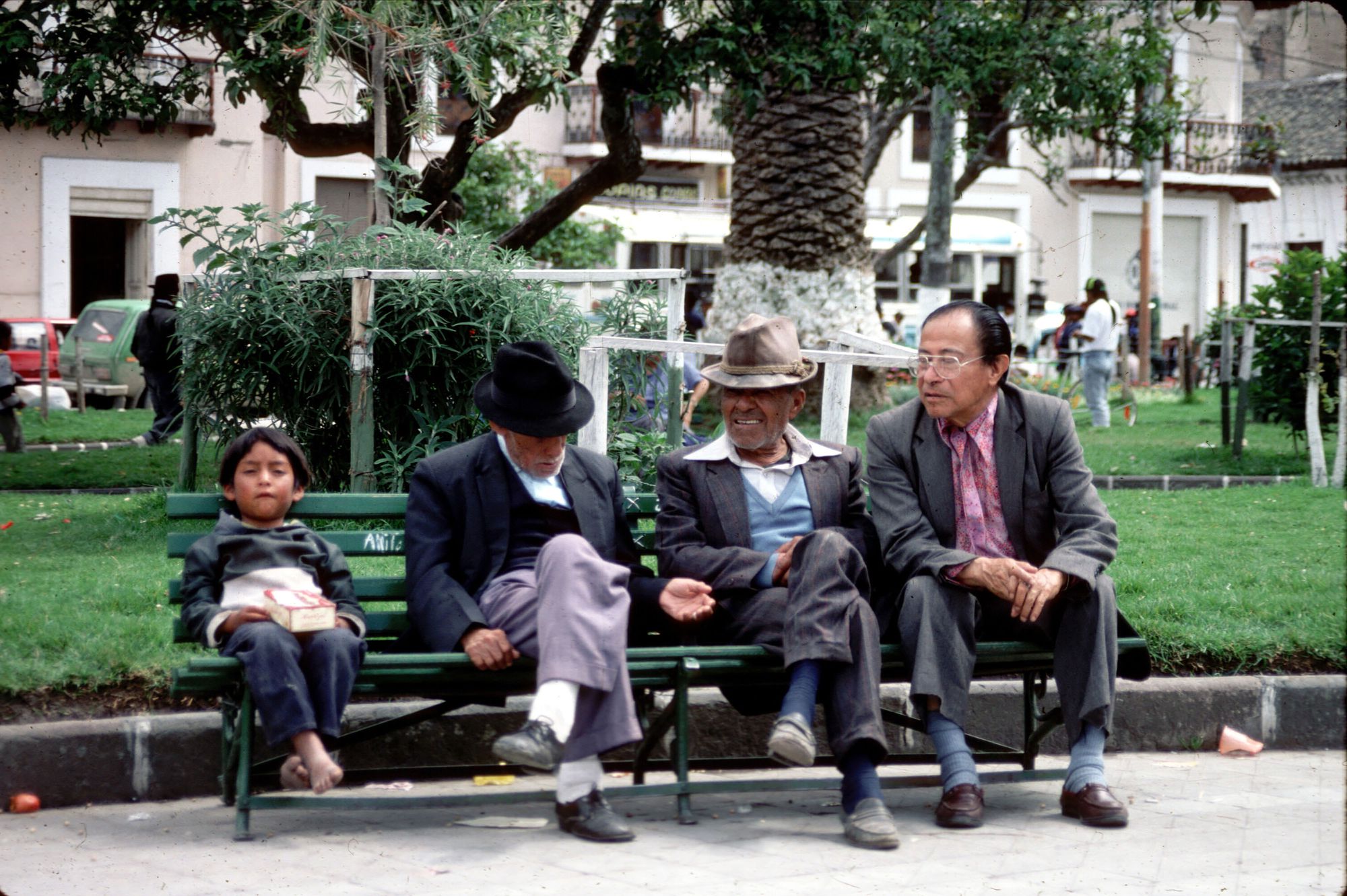
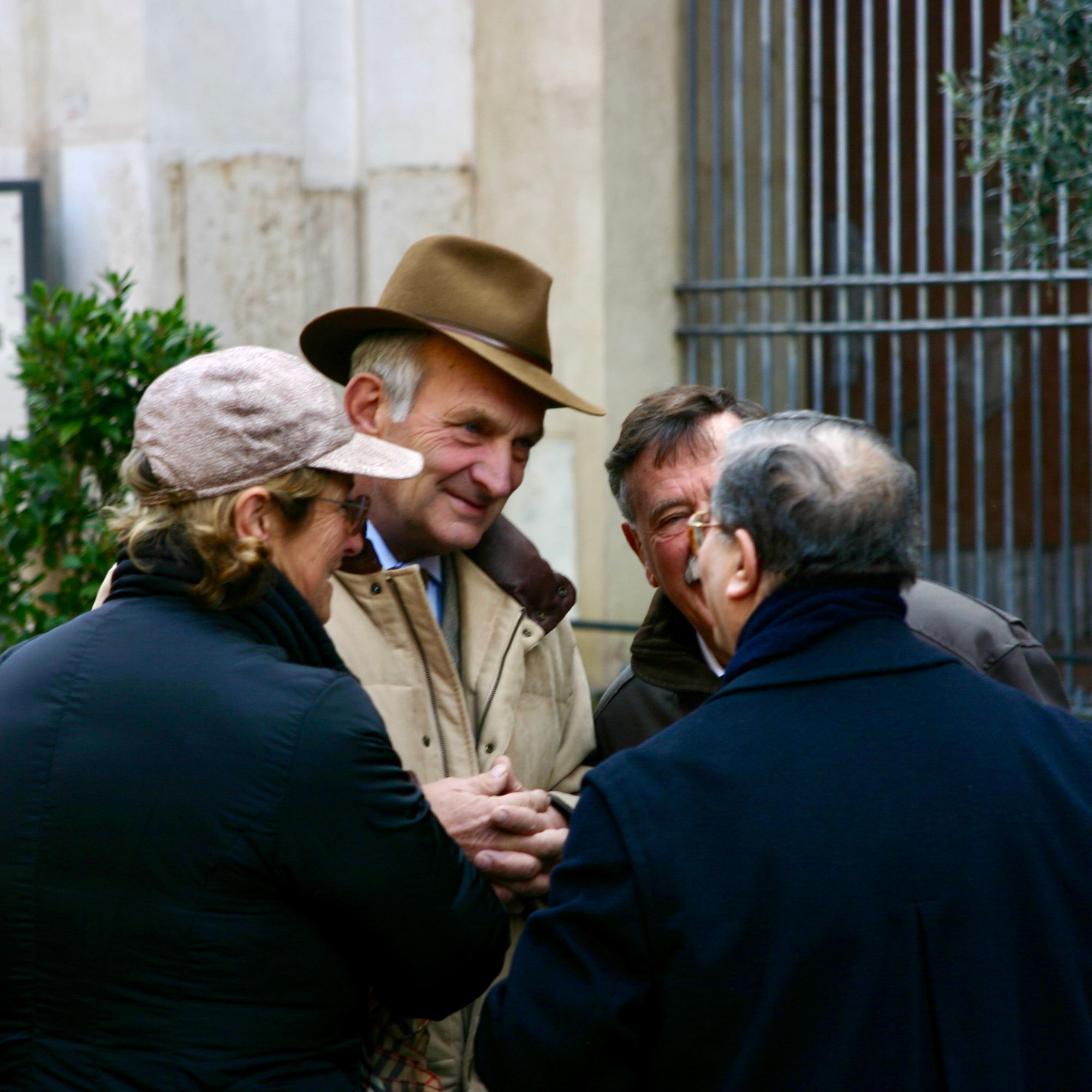
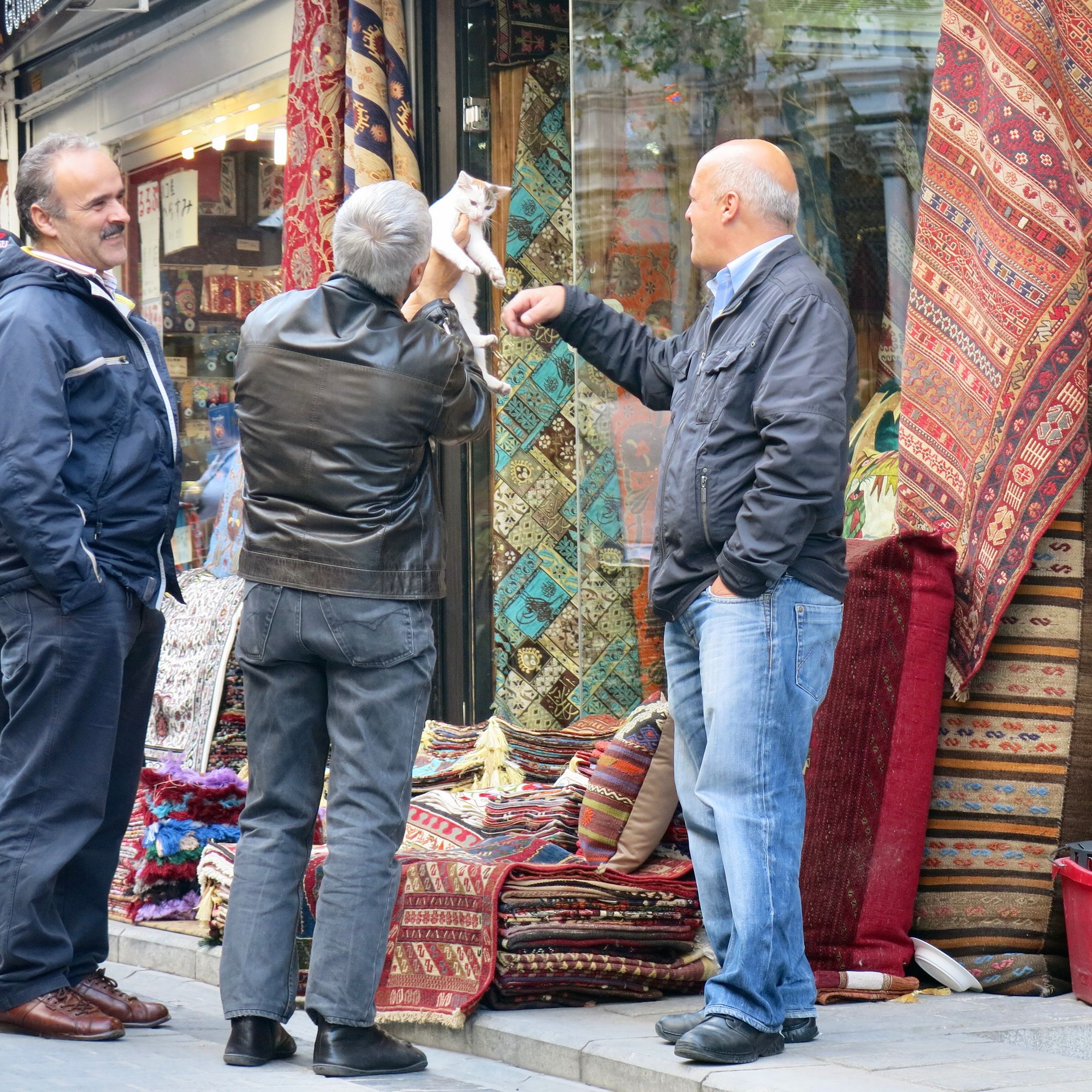
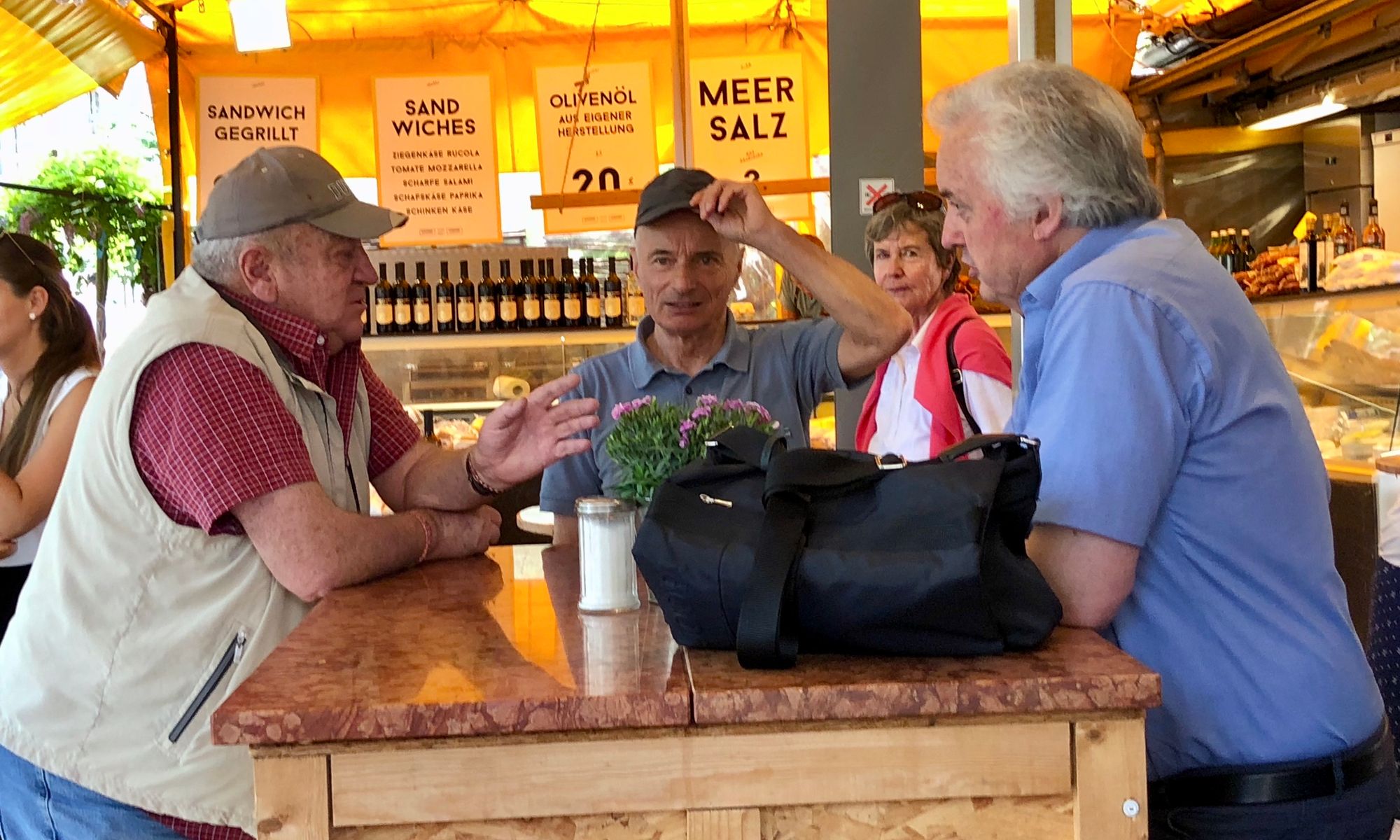
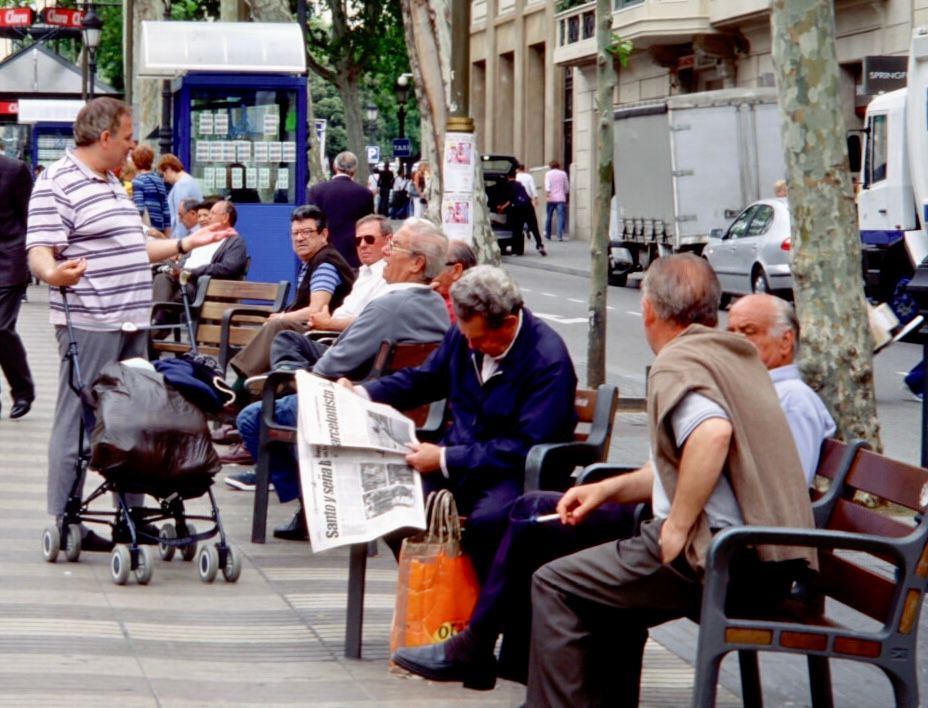
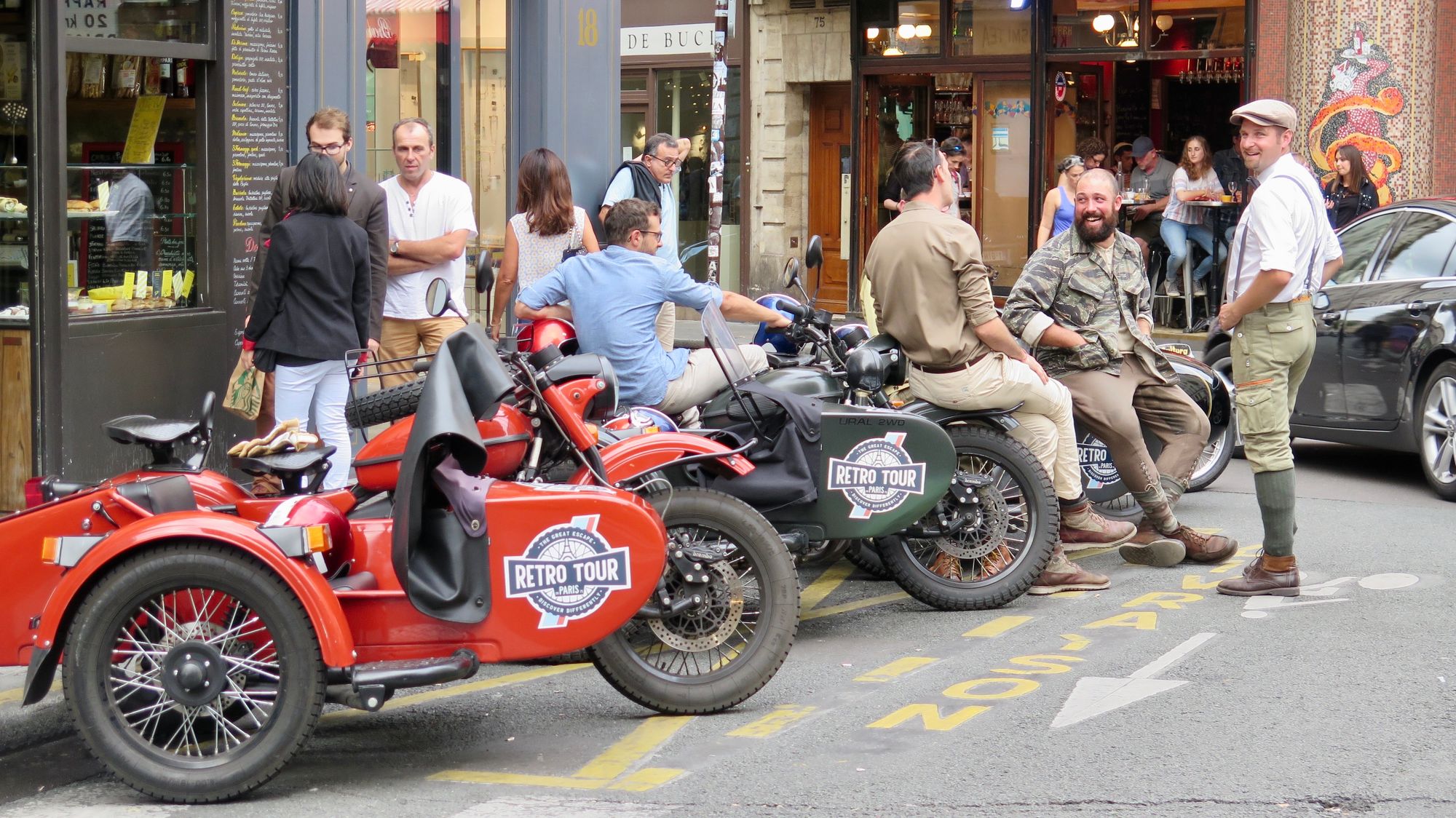
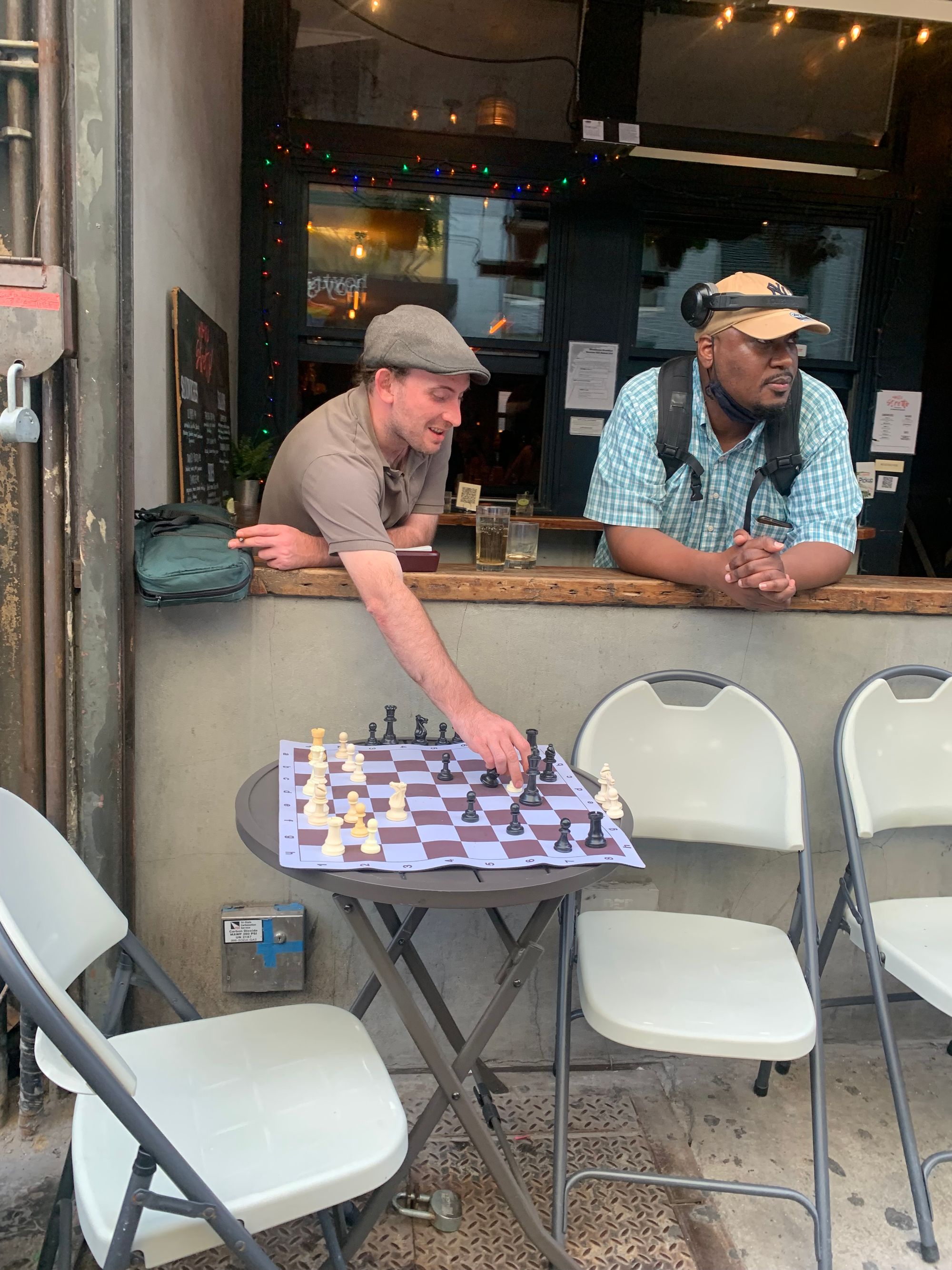
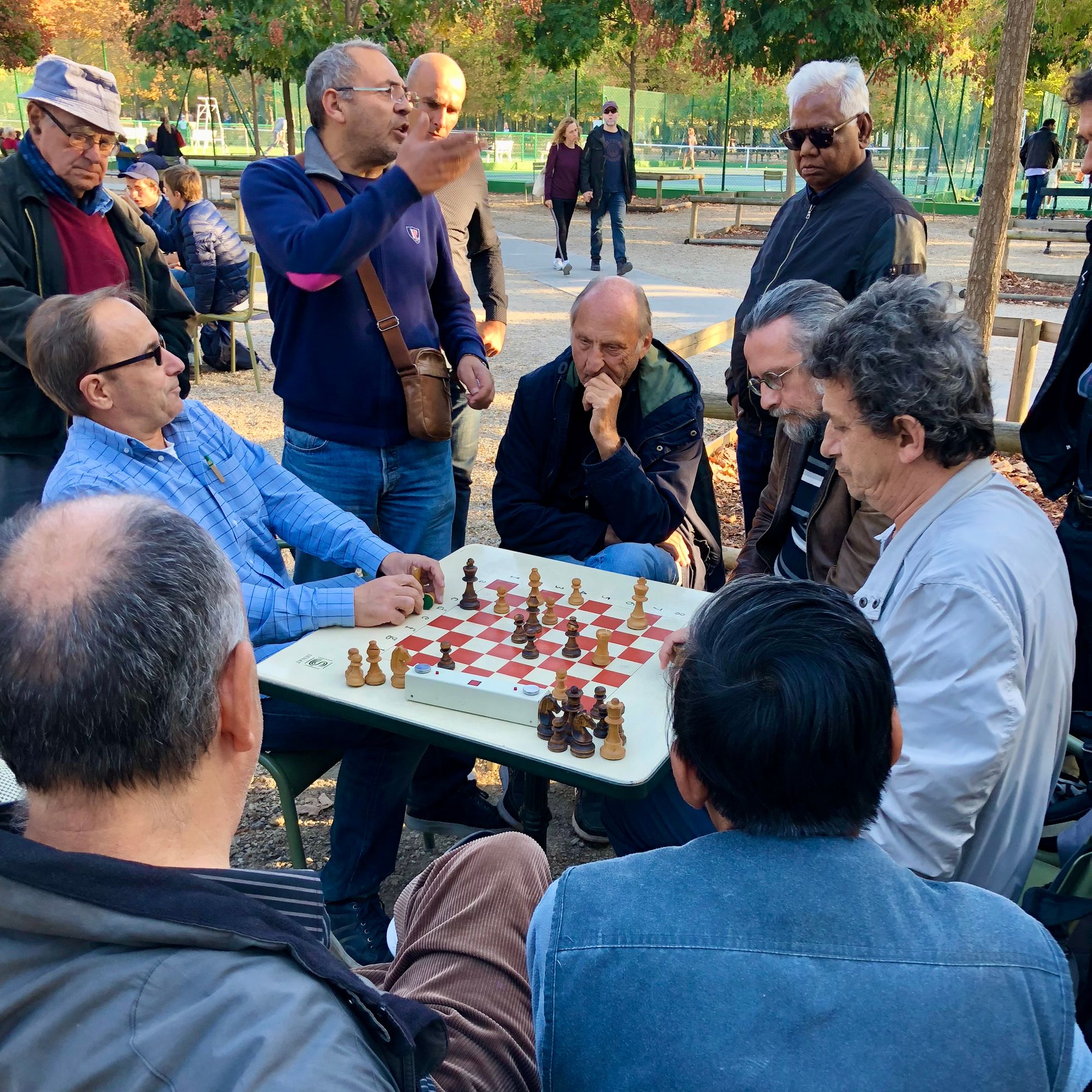
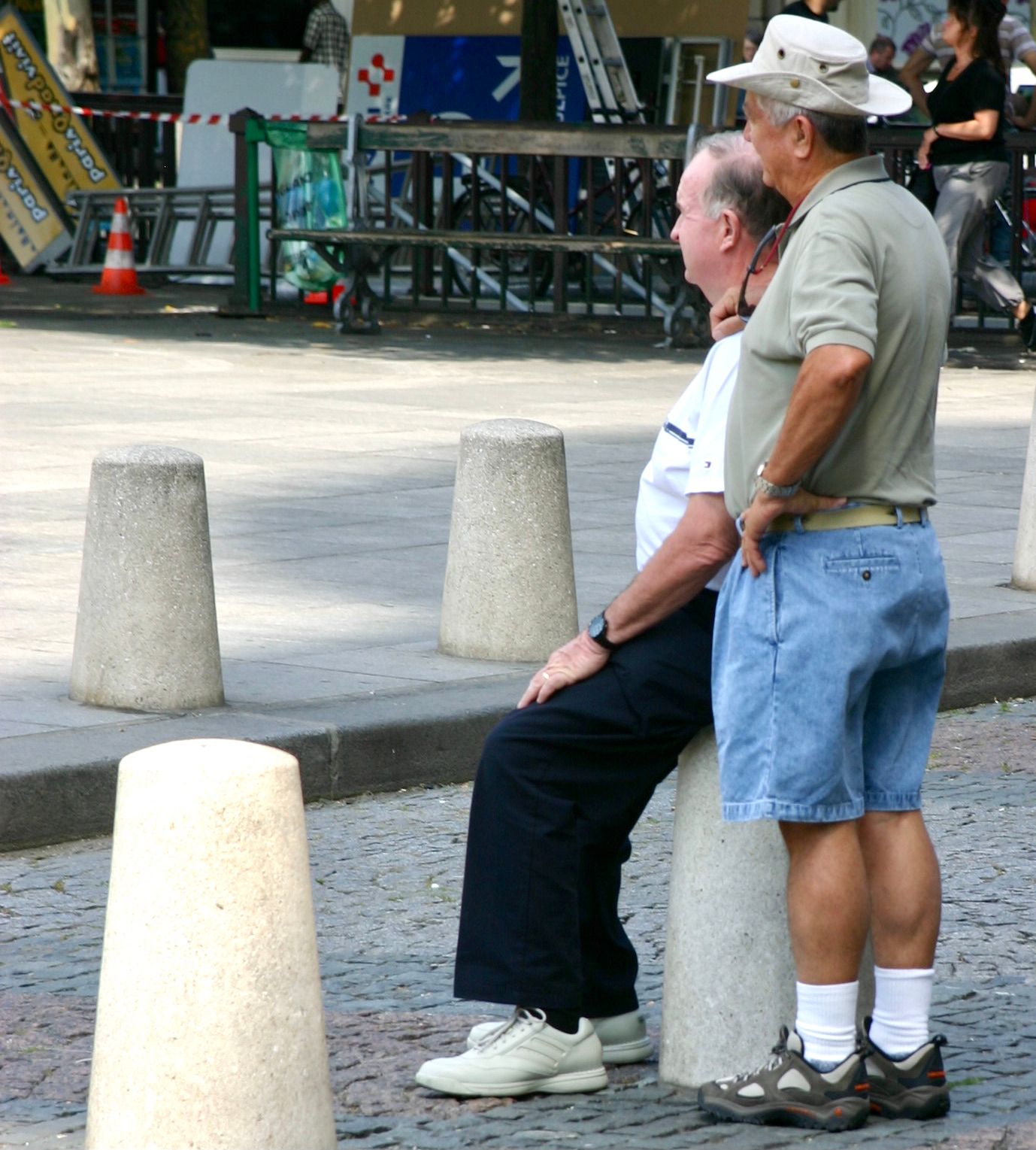
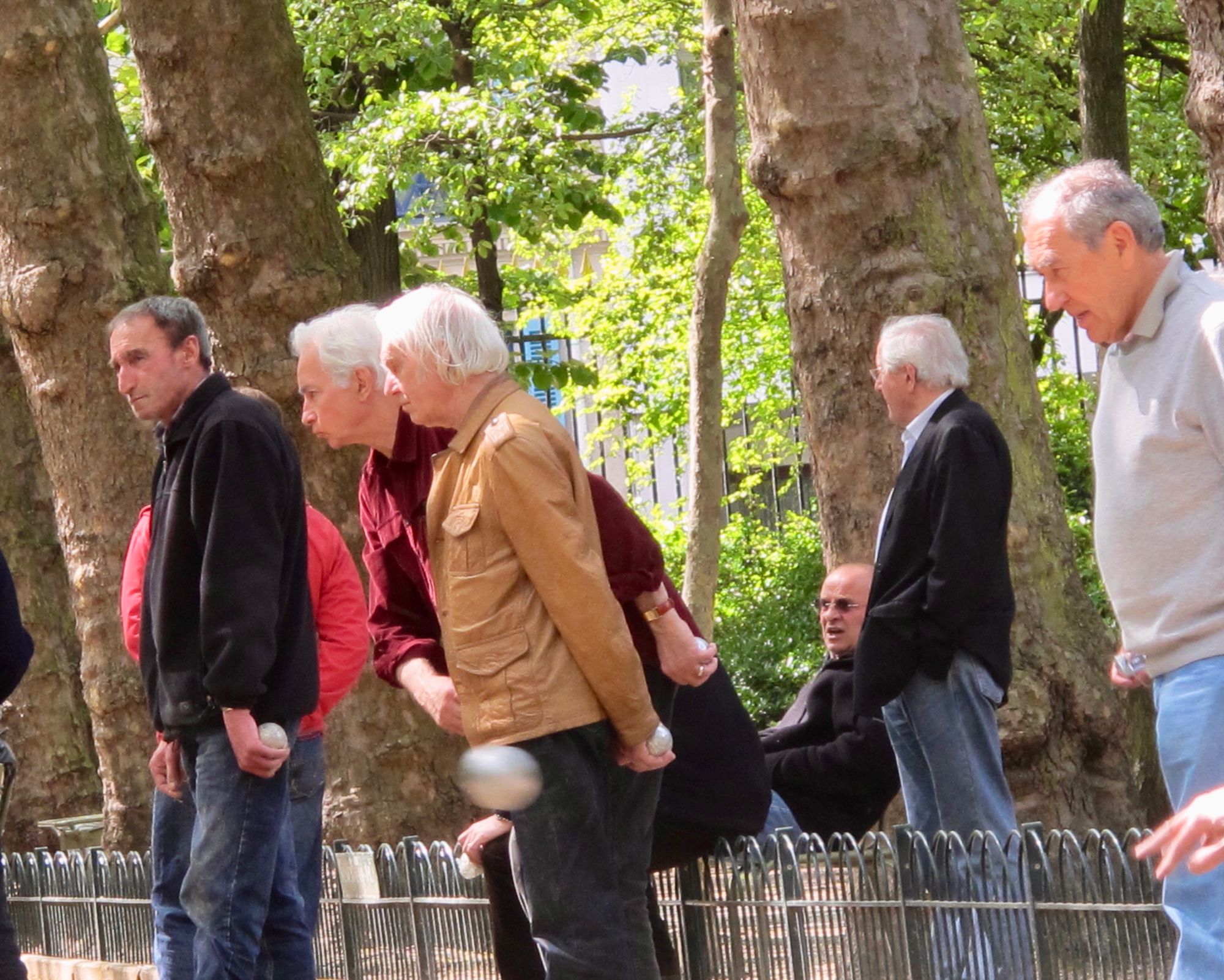
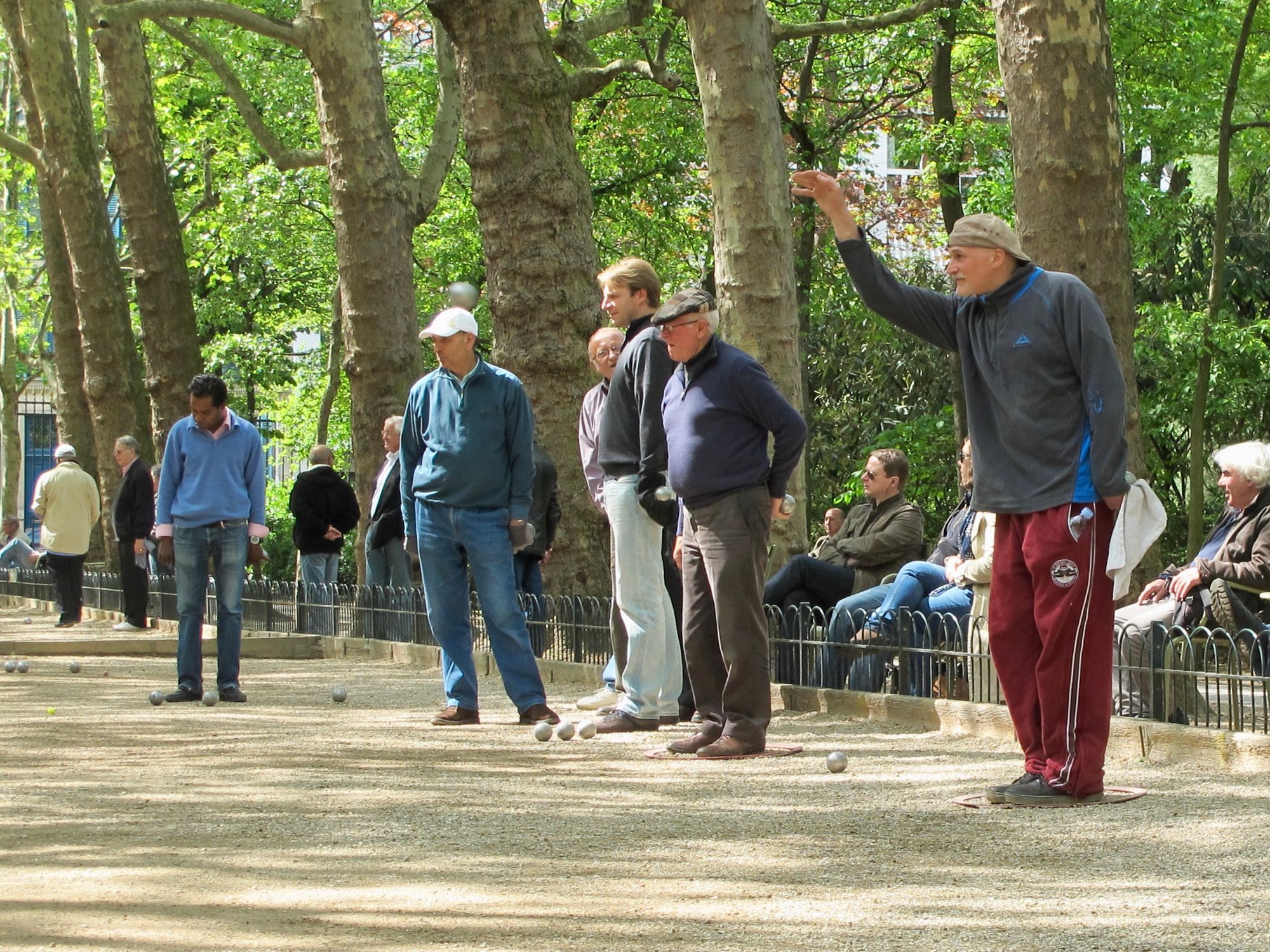
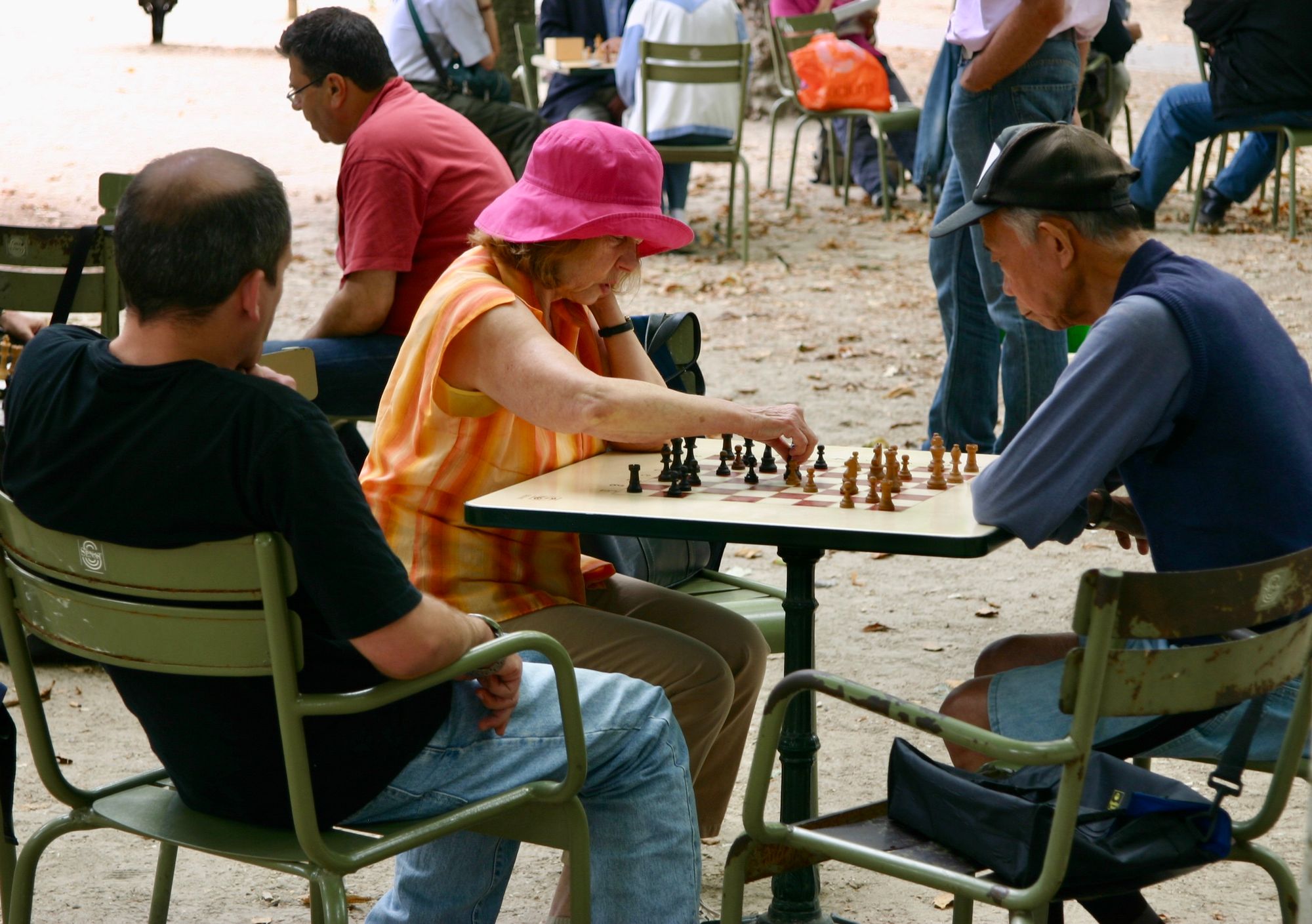
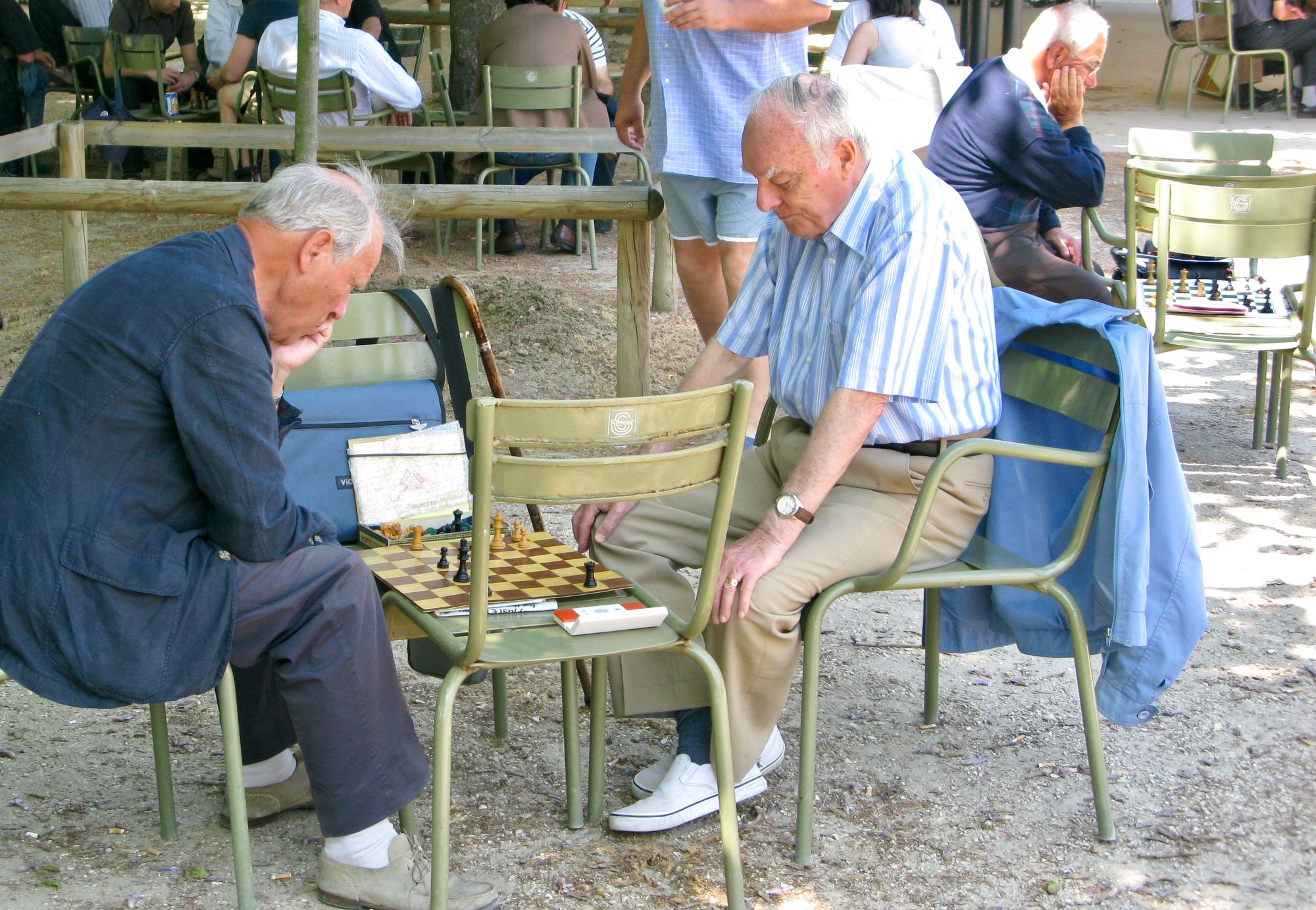
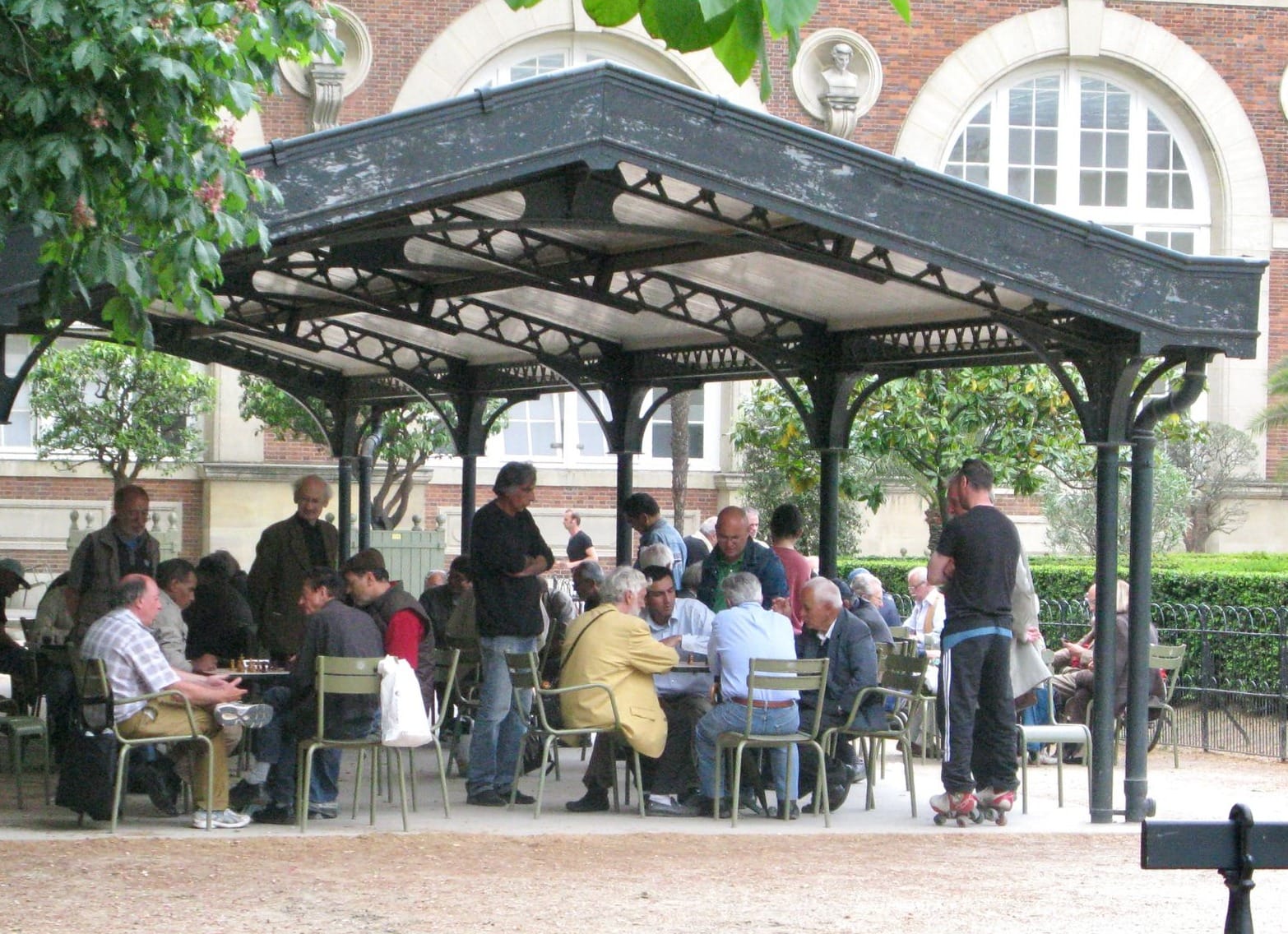
Recently, an epidemic of loneliness has erupted among men. Whether because being vulnerable and seeking support is stigmatized for men in many cultures, or because an emphasis on productivity and success leaves little time for socialization, or because rigid expectations of masculinity discourage forming genuine, intimate connections, men are struggling to build community. What can help is creating spaces where men connecting with each other is acceptable, encouraged, and supported. In our experience, adding opportunities for game play – from chess to boules – is particularly effective.
 Fred Kent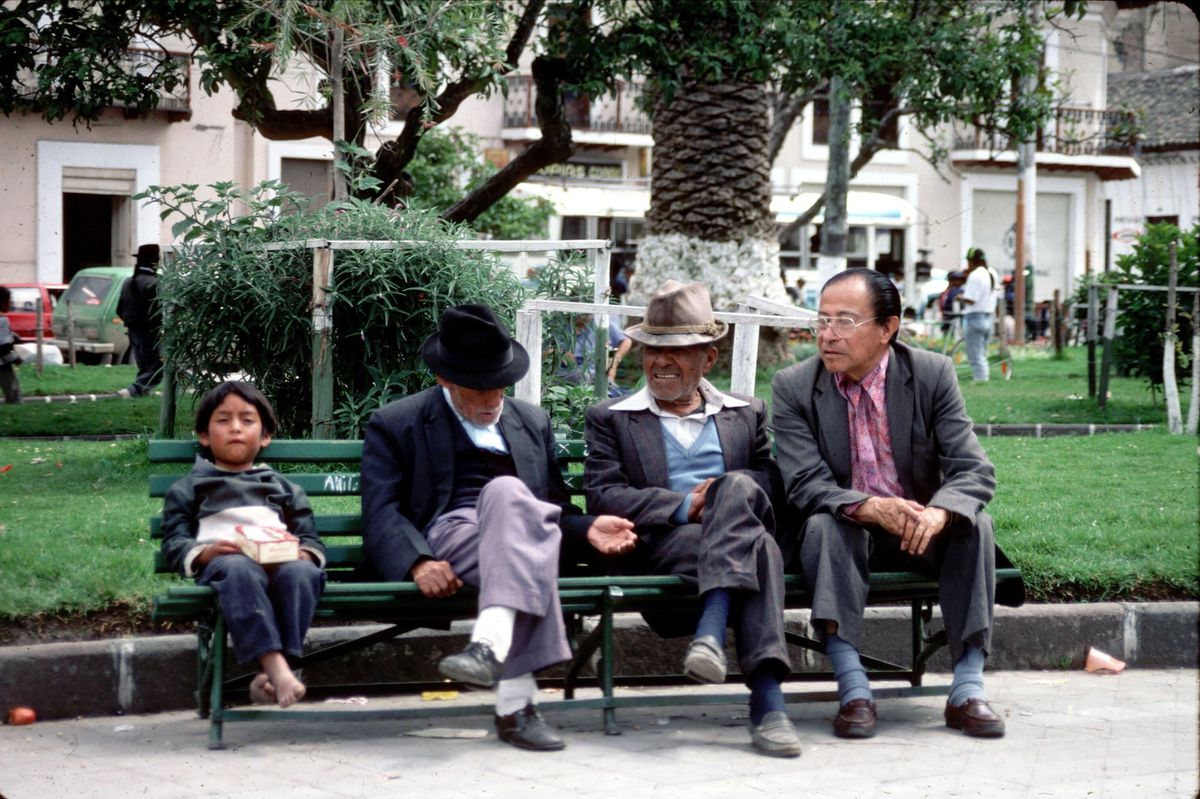
Where Kids Hang Out
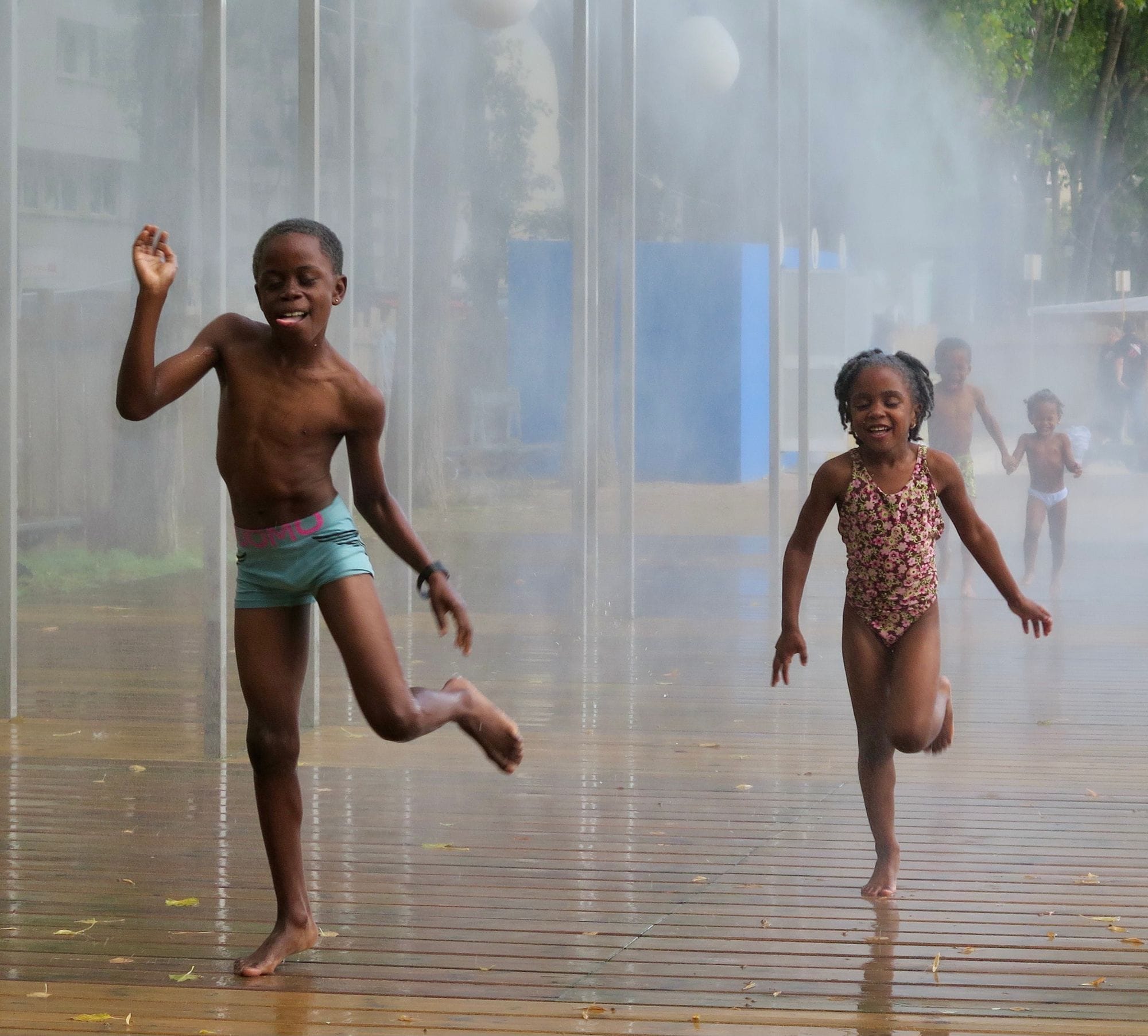
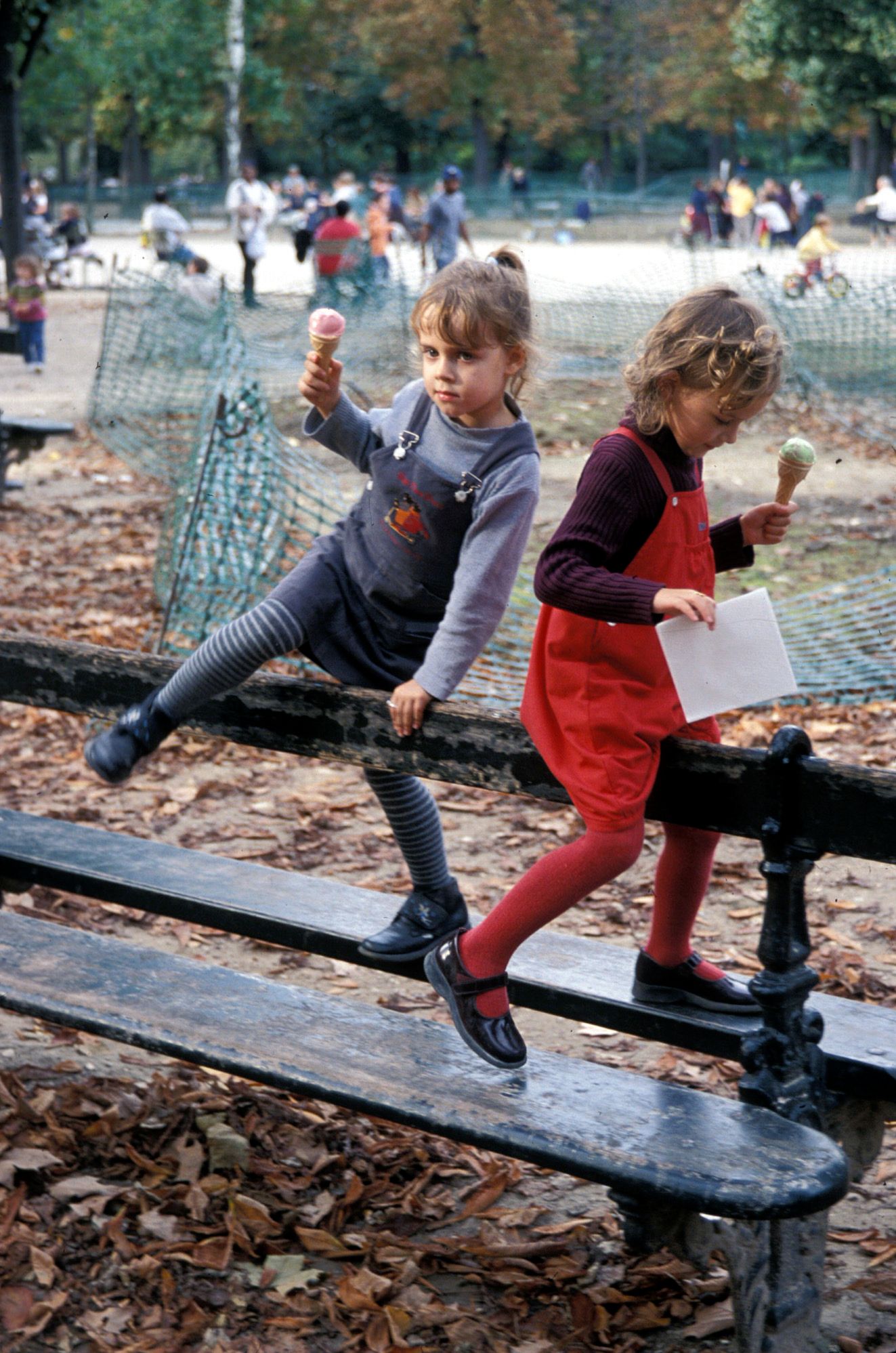
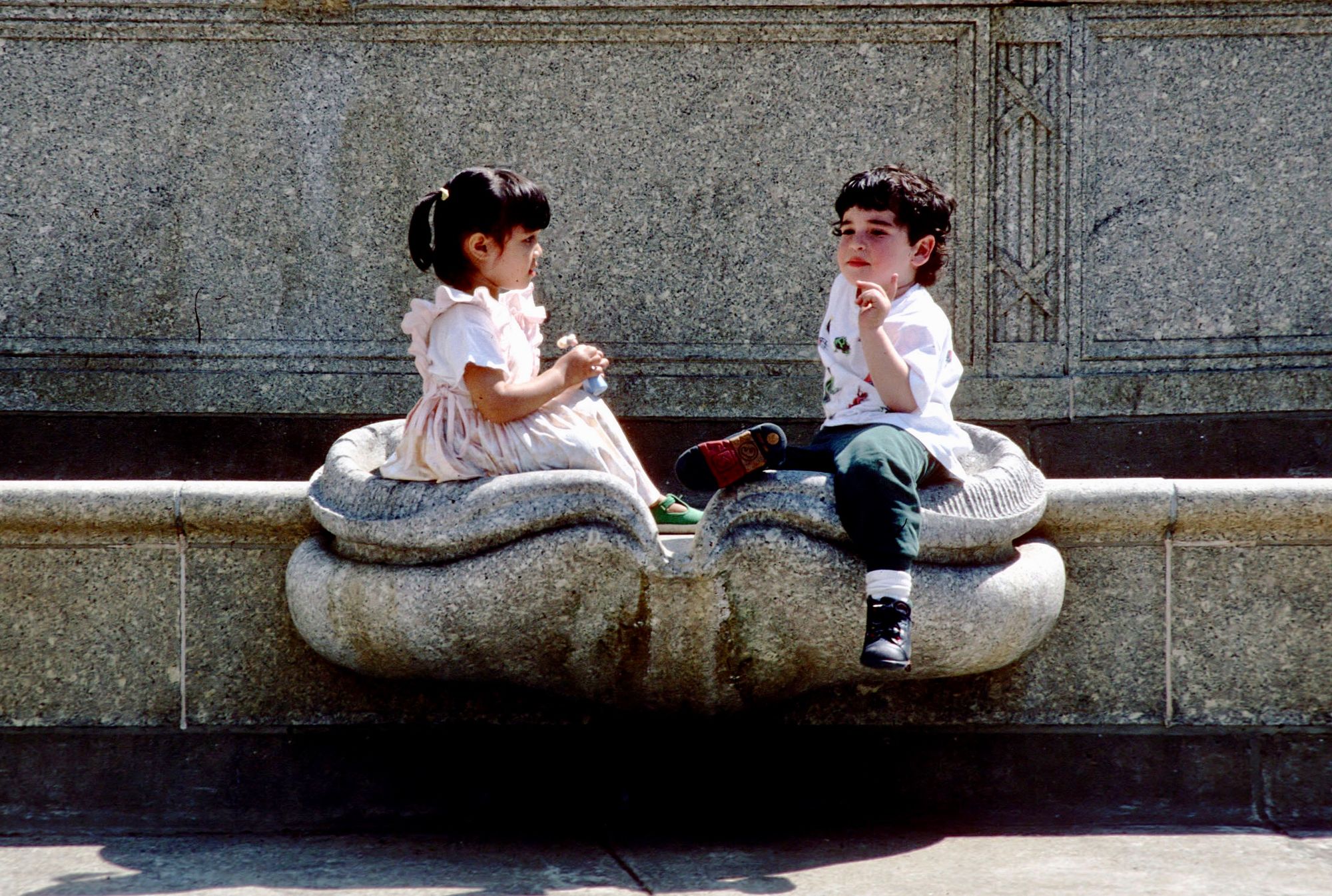
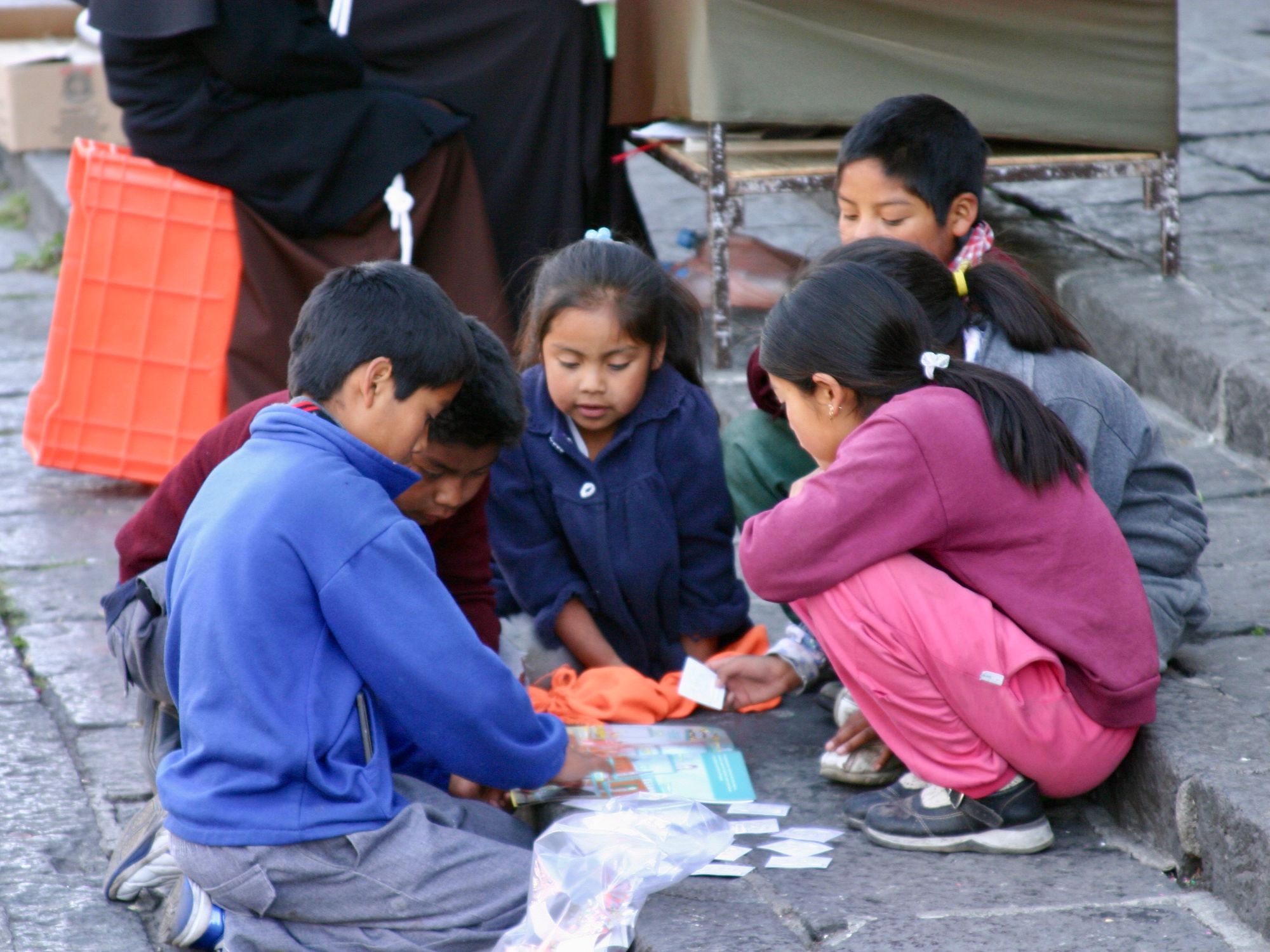
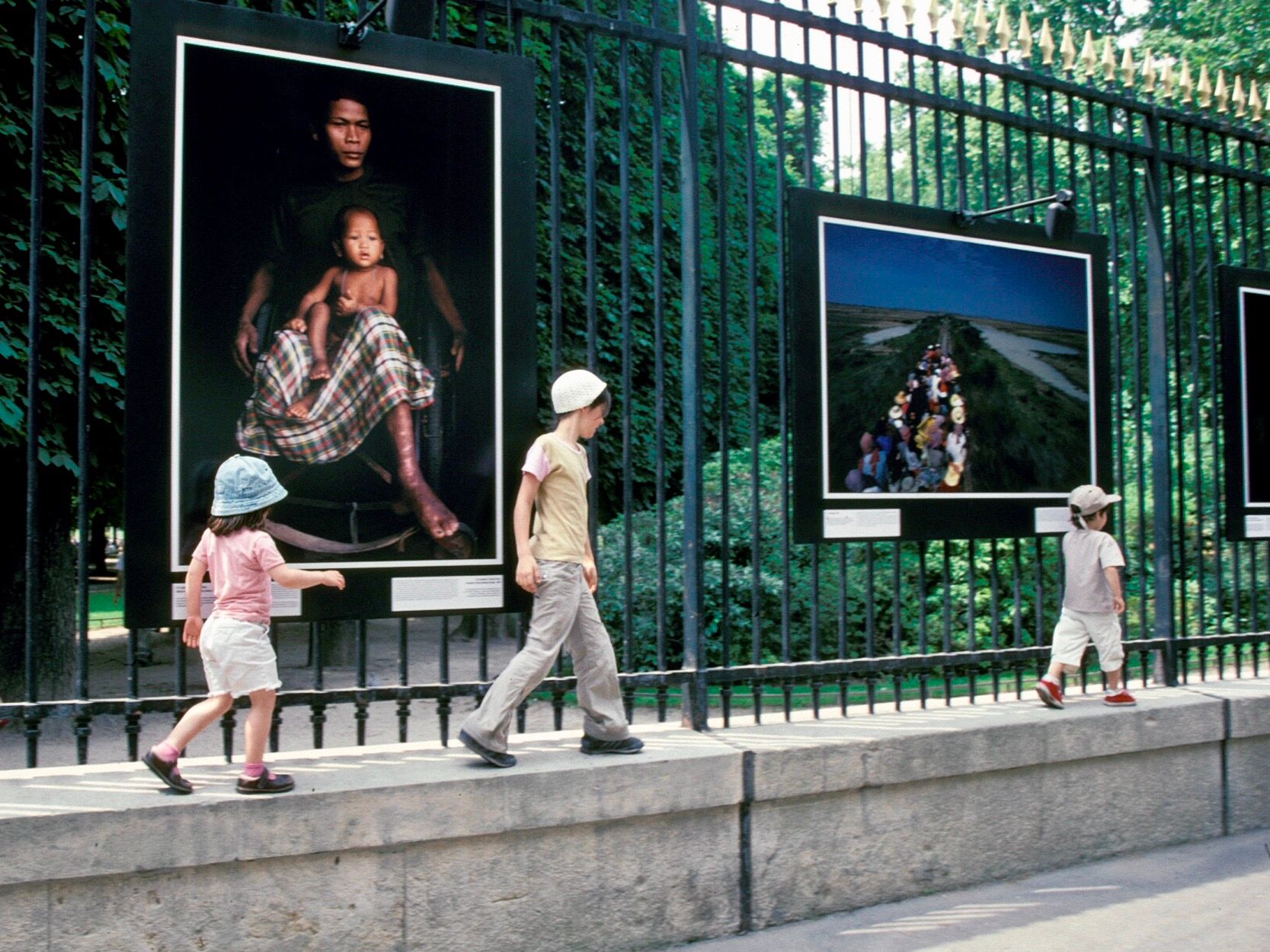
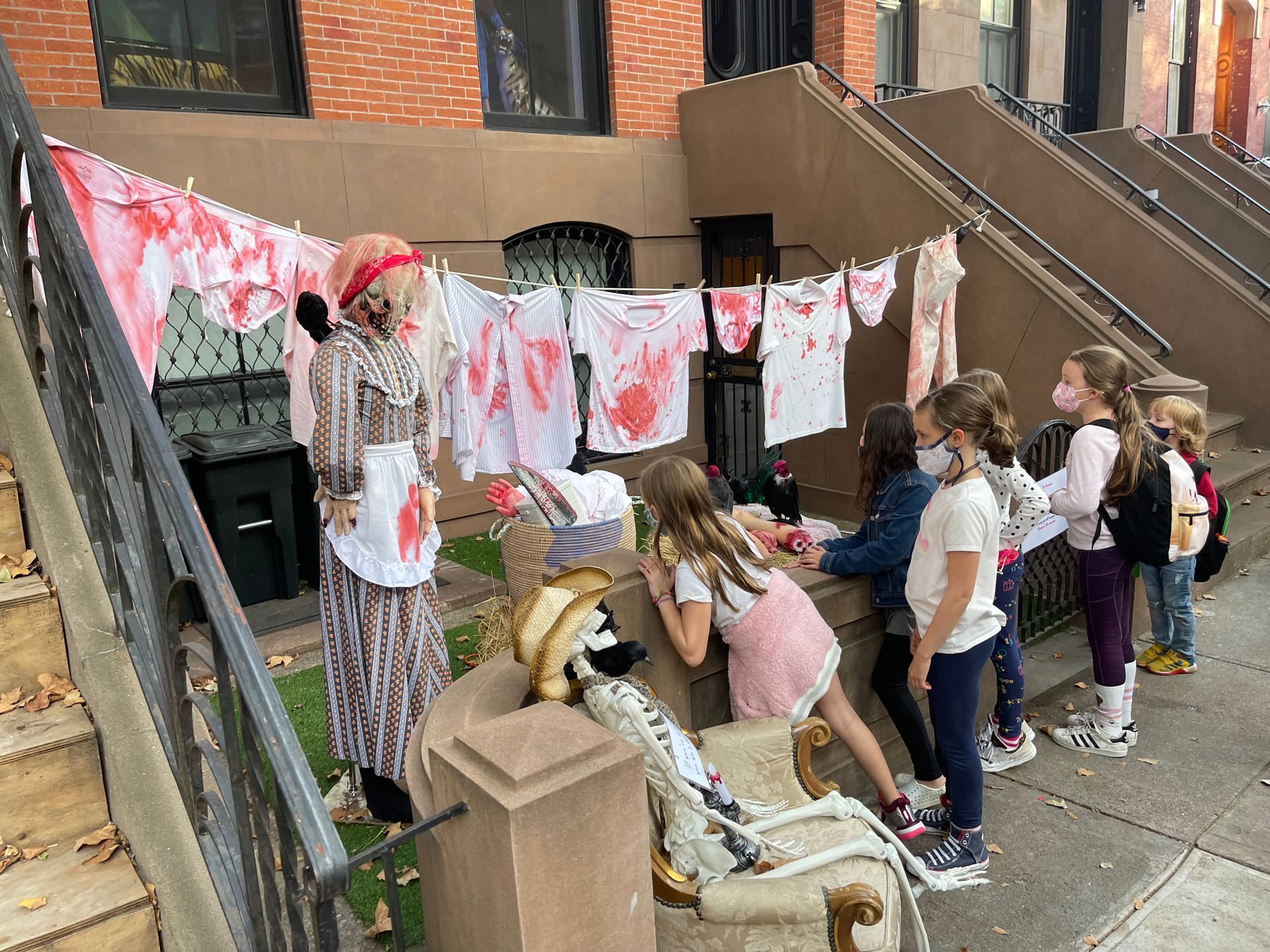
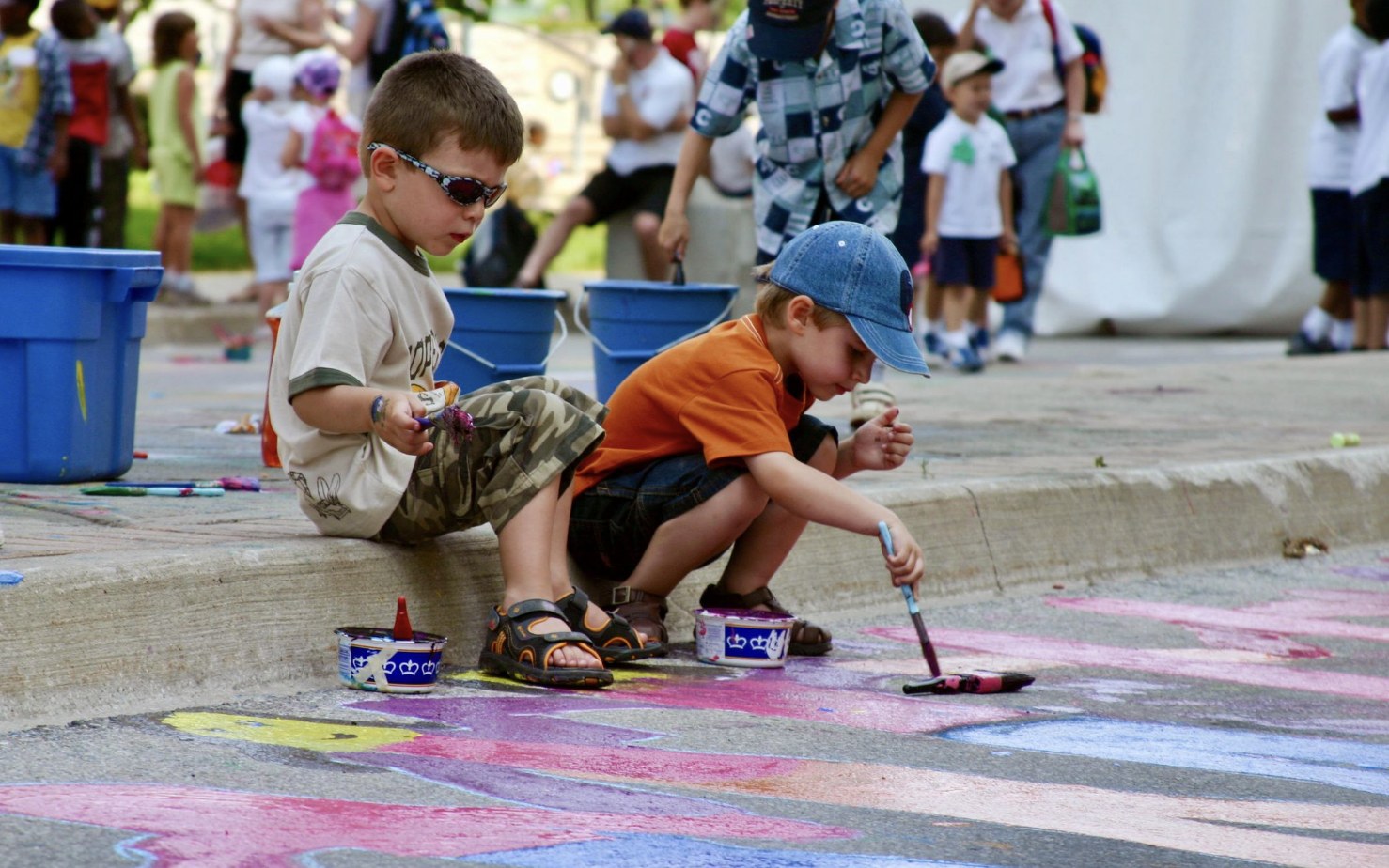
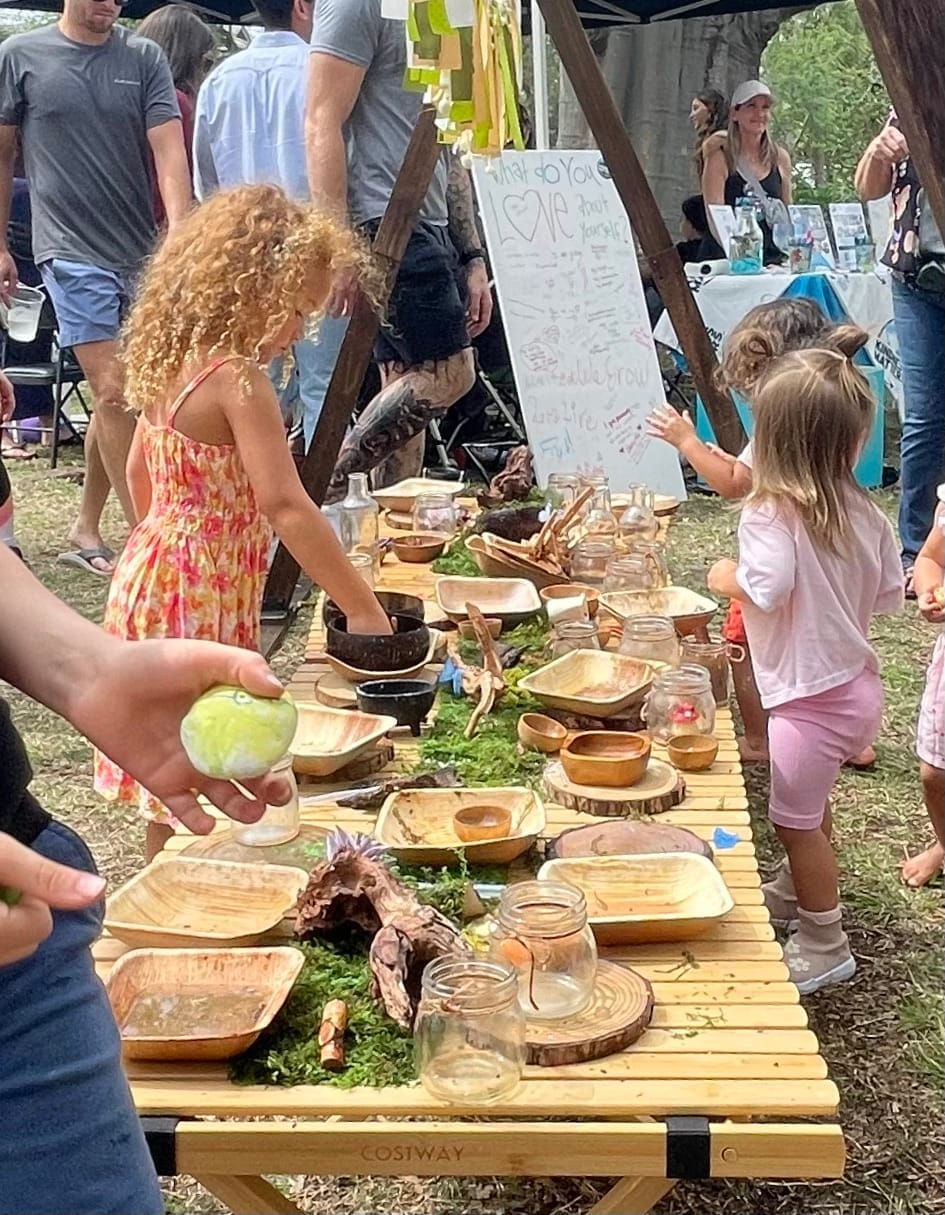
Children are overflowing with energy and excitement. They're so eager to see, learn, and experience everything the world has to offer that they end up bouncing off the walls when confined indoors. Because of this, children are some of the biggest fans and most frequent visitors of public places. But what makes a public place a great environment for a child? To start, there has to be plenty of open space for them to run, distance from cars for safety, things to climb, games to play, snacks to eat, and whatever other features can capture their interest by offering them joy and discovery.
 Kathy Madden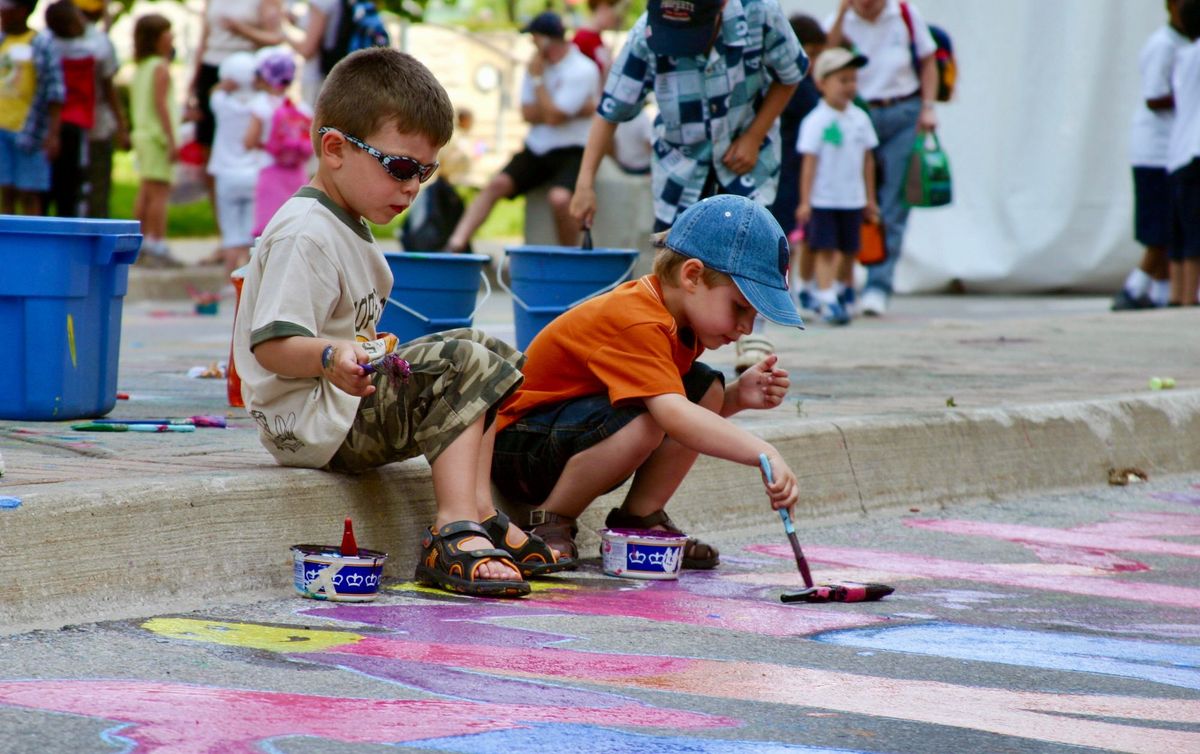
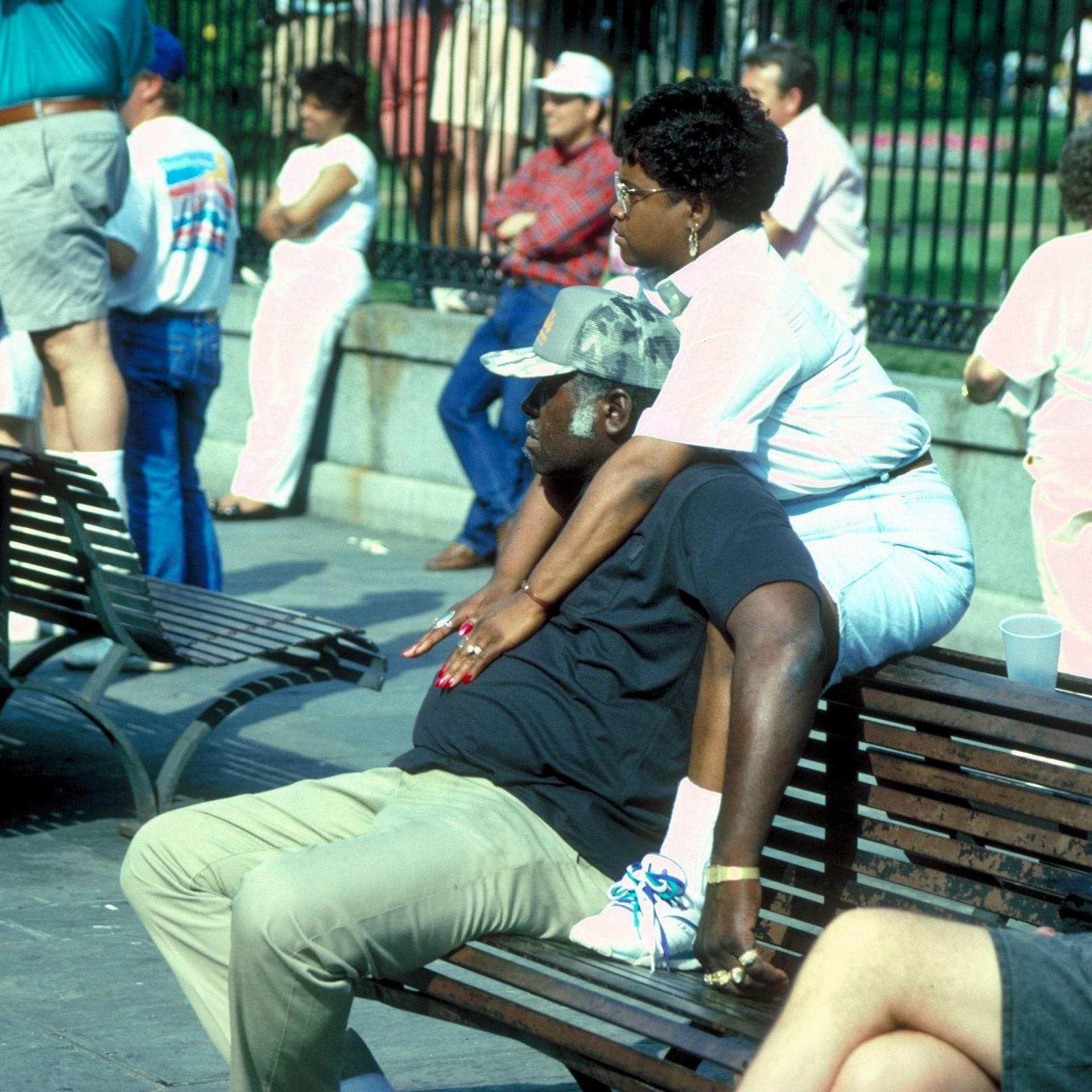
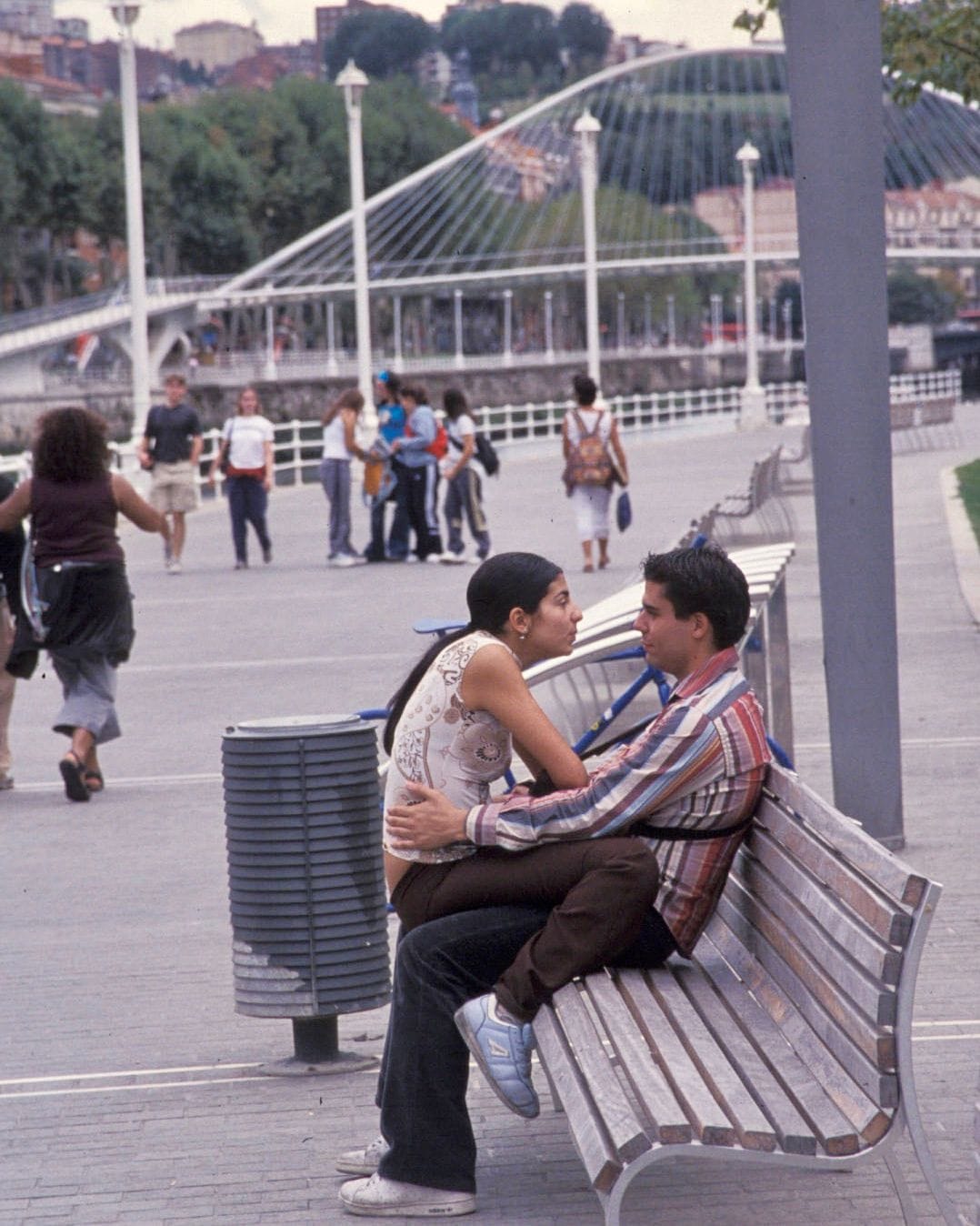
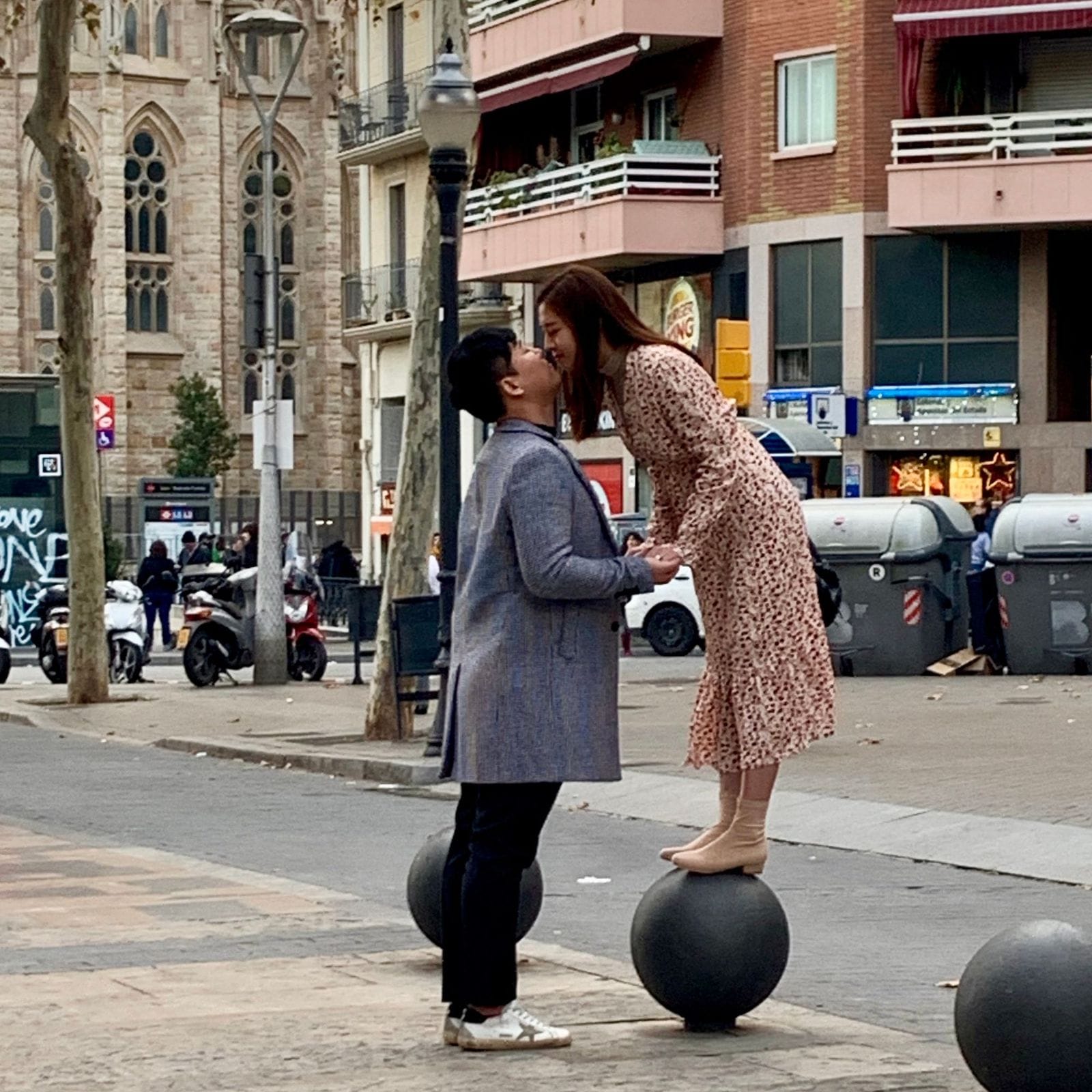
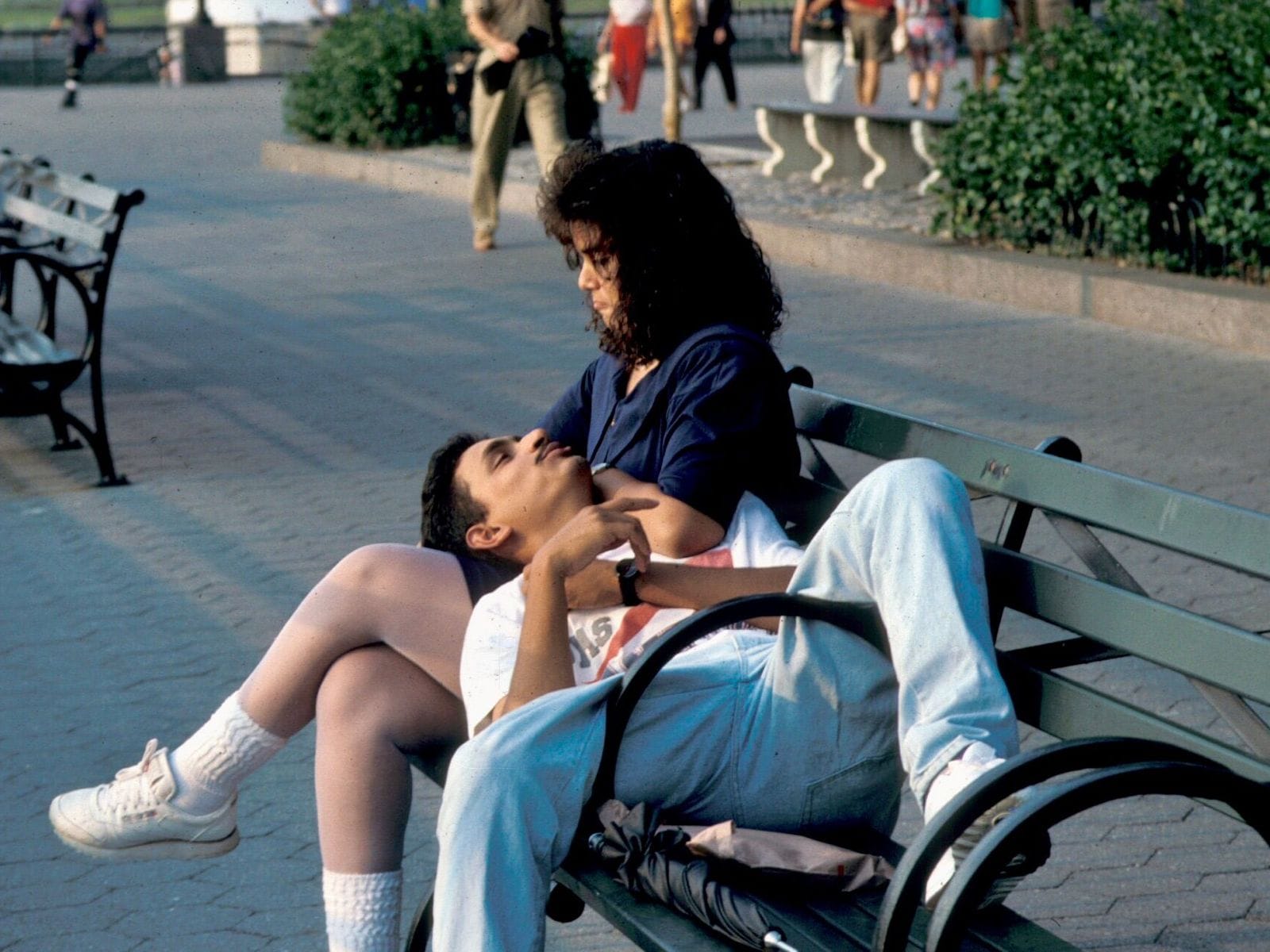
Where Public Displays of Affection Happen
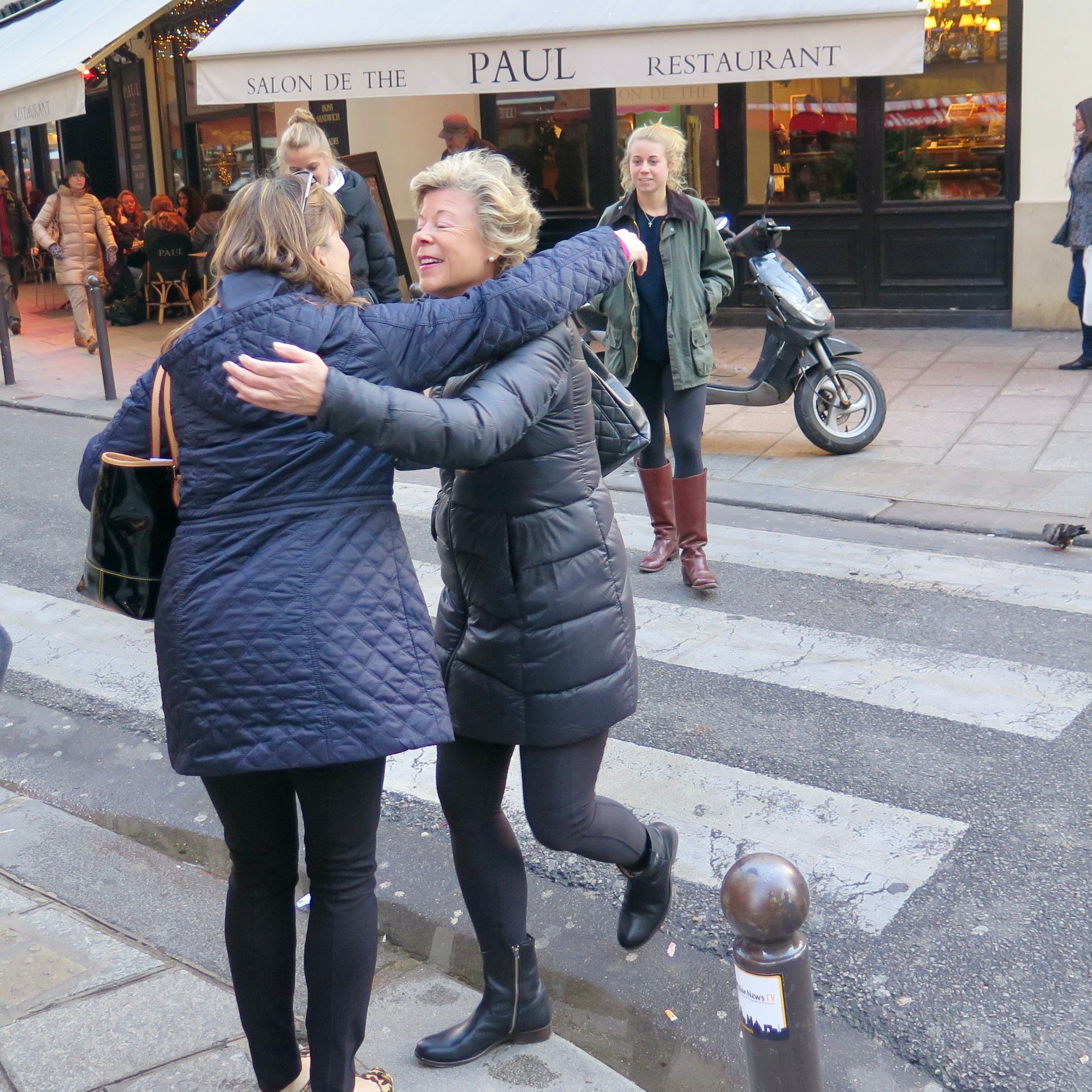
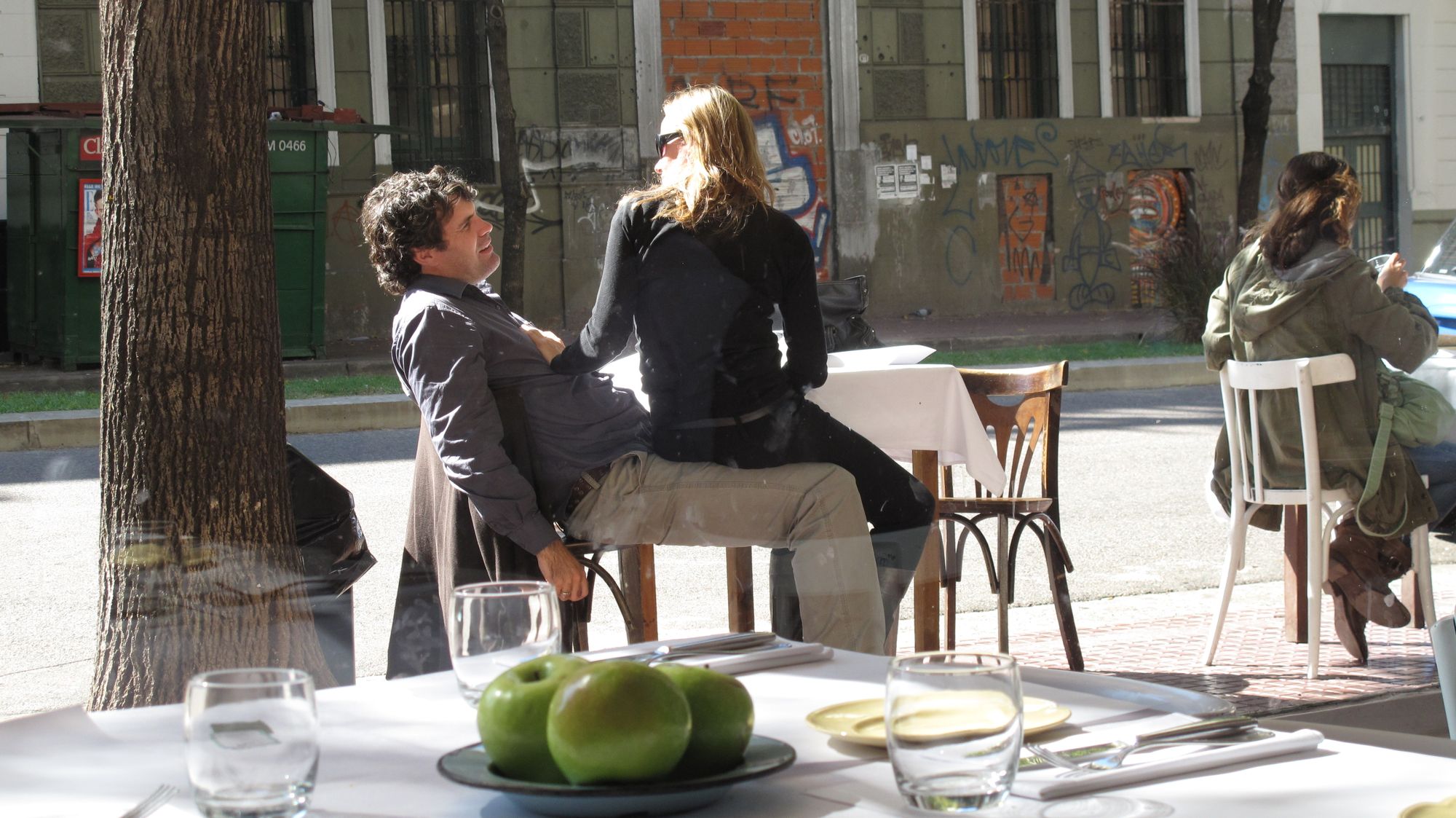
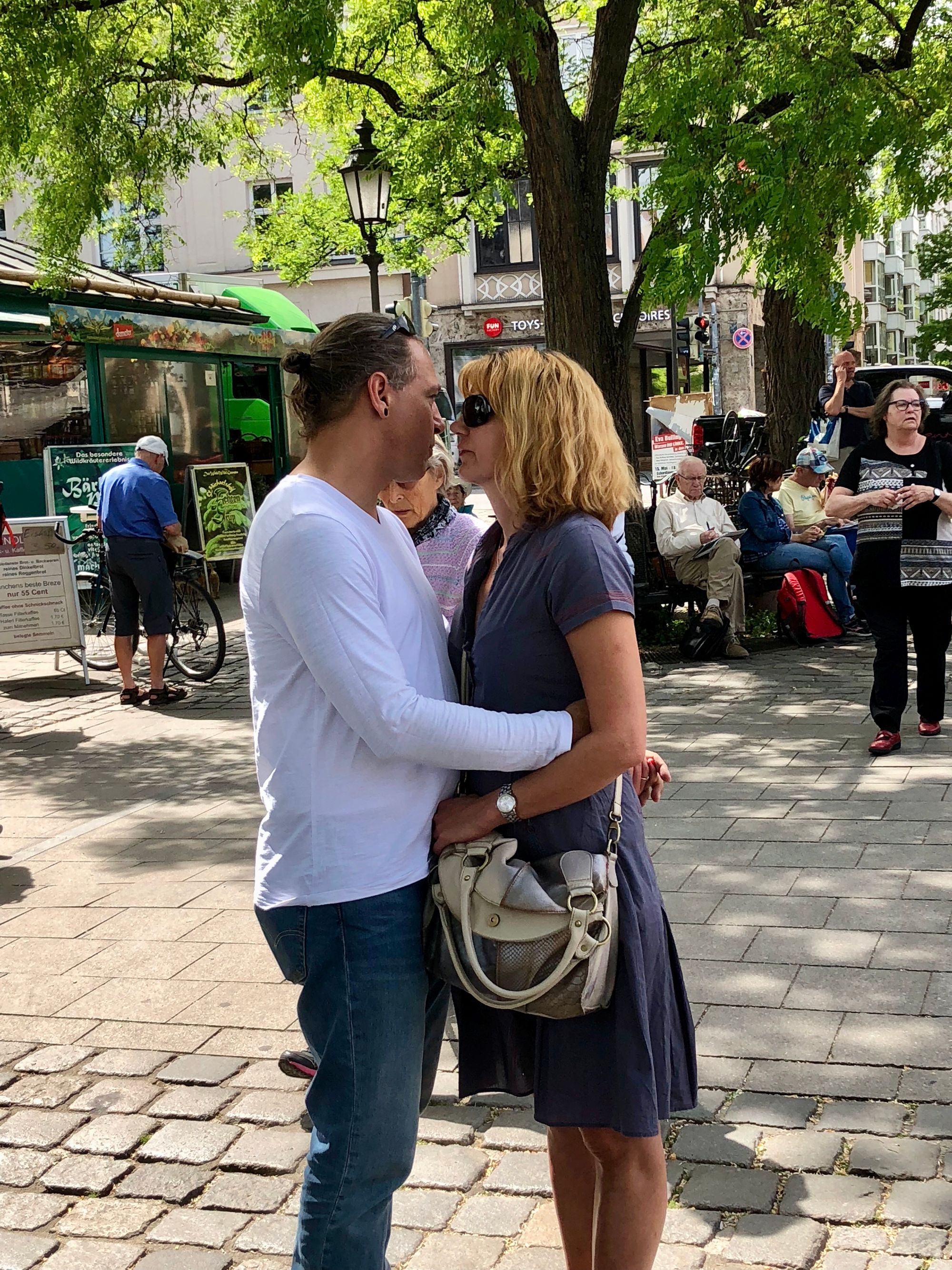
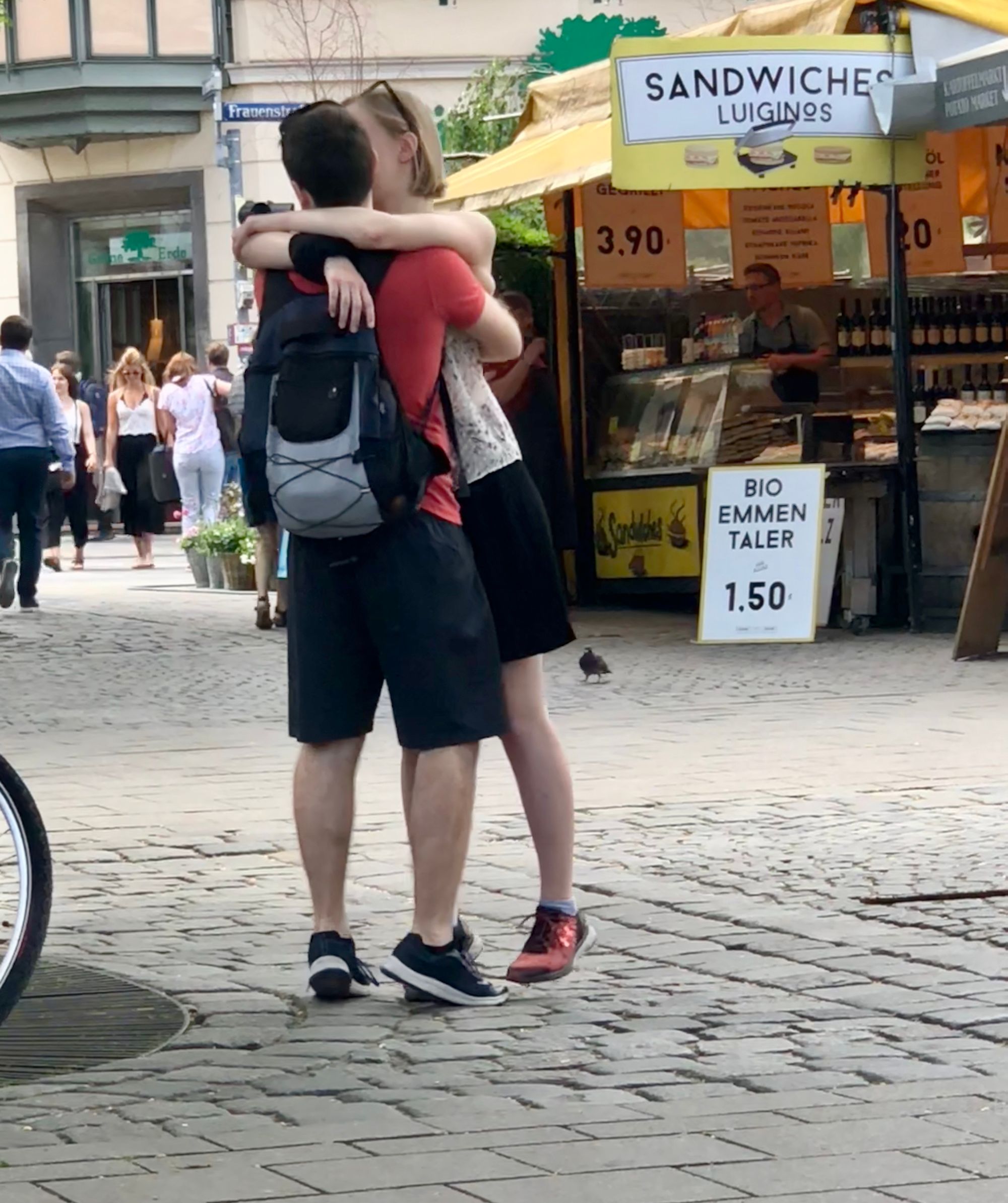
People only engage in acts of affection when they feel relaxed and happy. When a beautiful, peaceful spot leads them to reflect on how wonderful life can be, they express themselves through tenderness toward their loved ones. A place where people are hugging, kissing, or caressing is a place which has allowed them to let their guard down, not worry about anything, and simply enjoy the company they're with.
 Fred Kent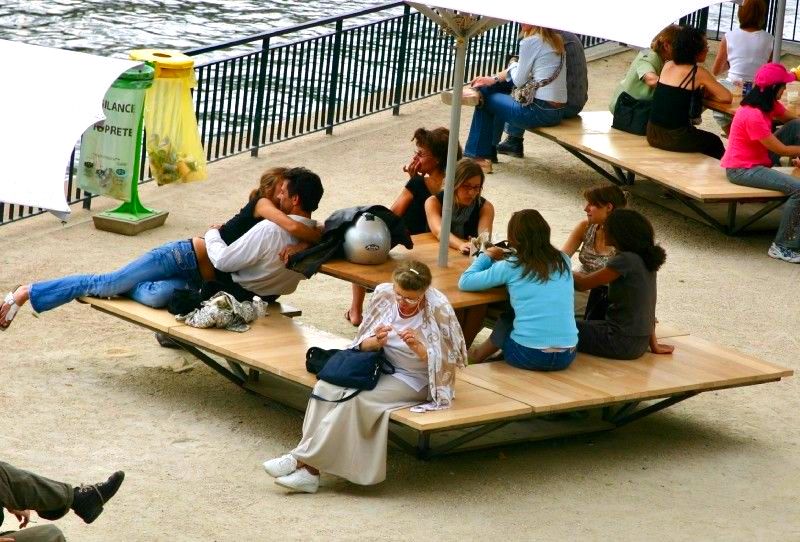
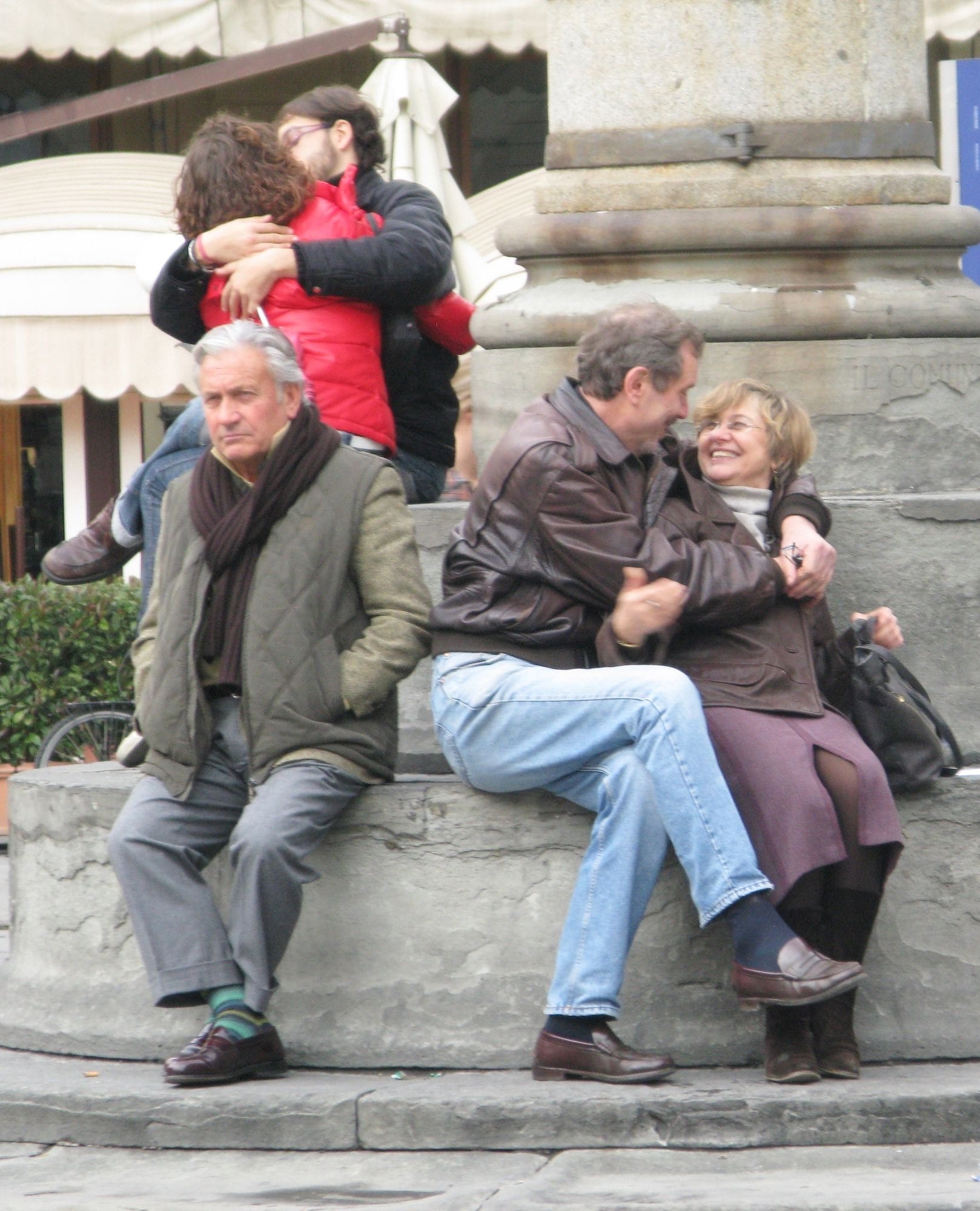
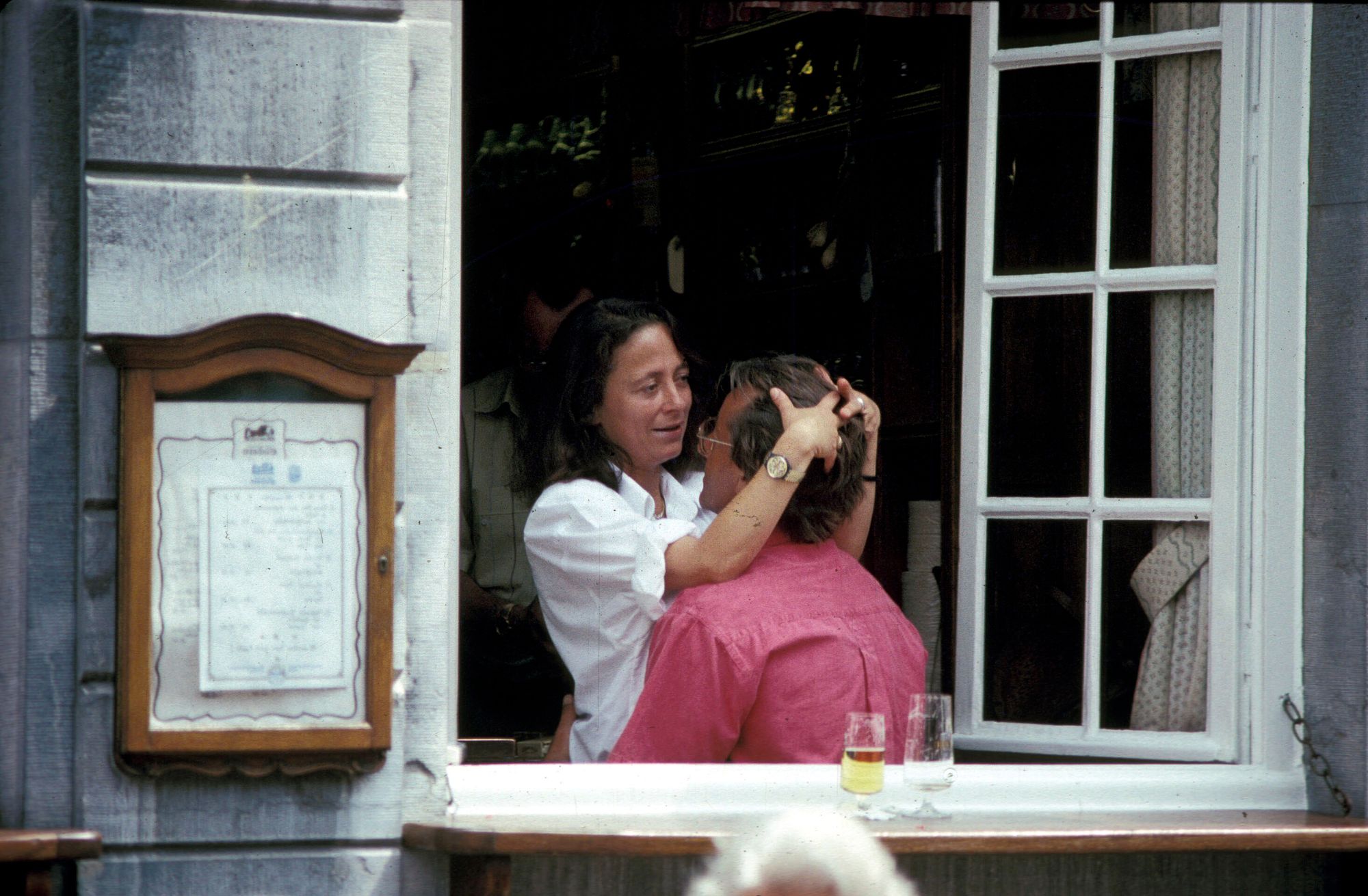
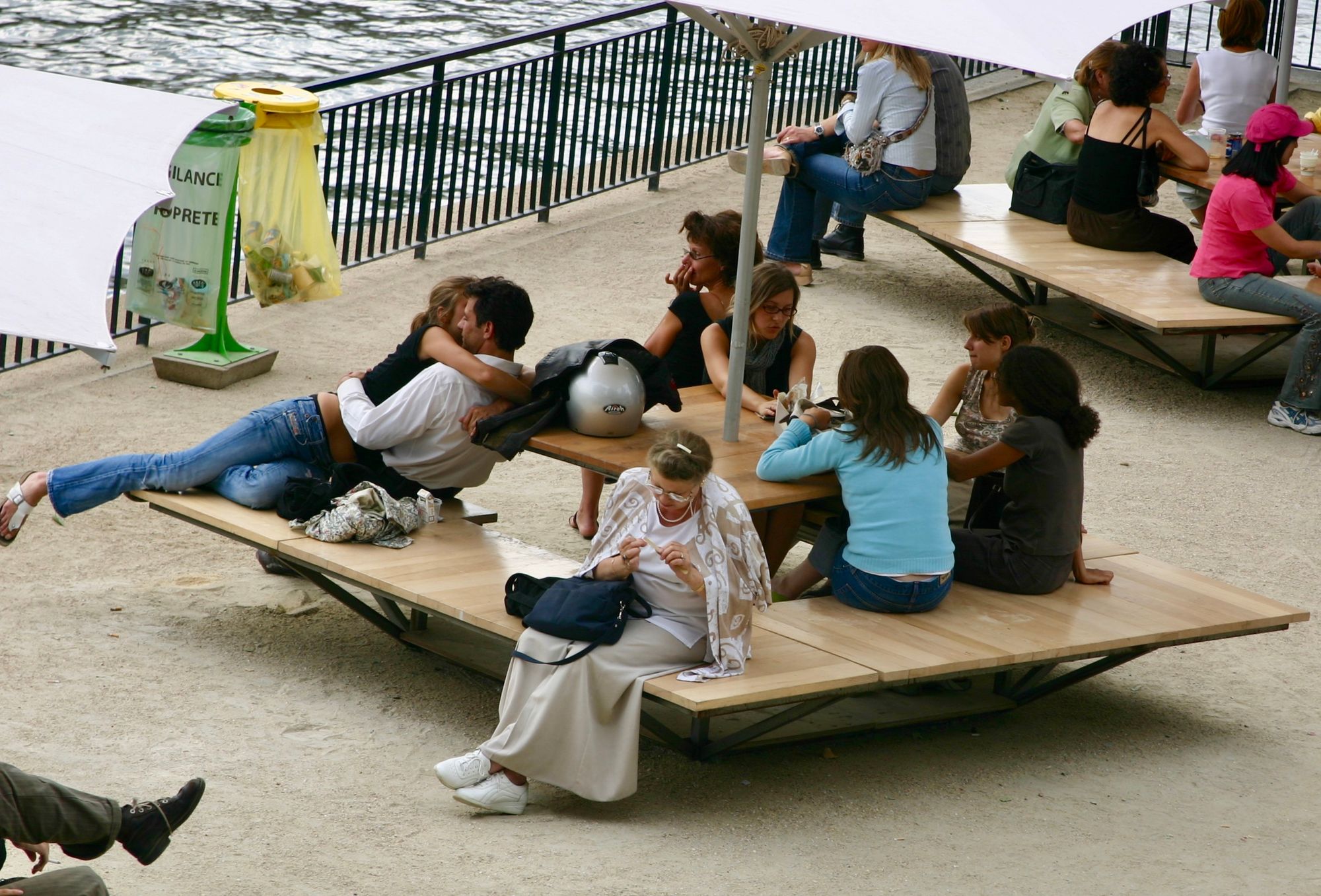
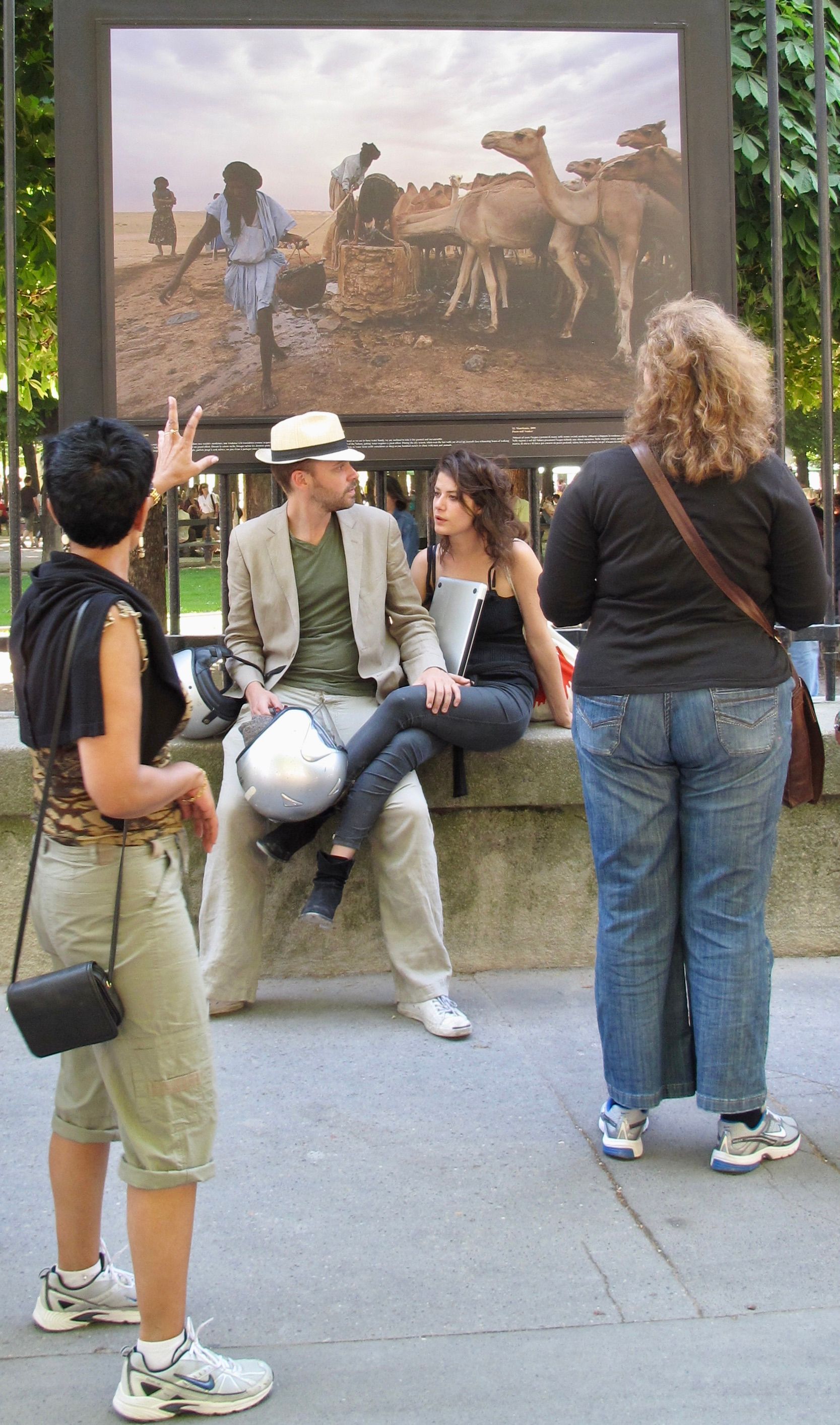
Where Families and Communities Hang Out
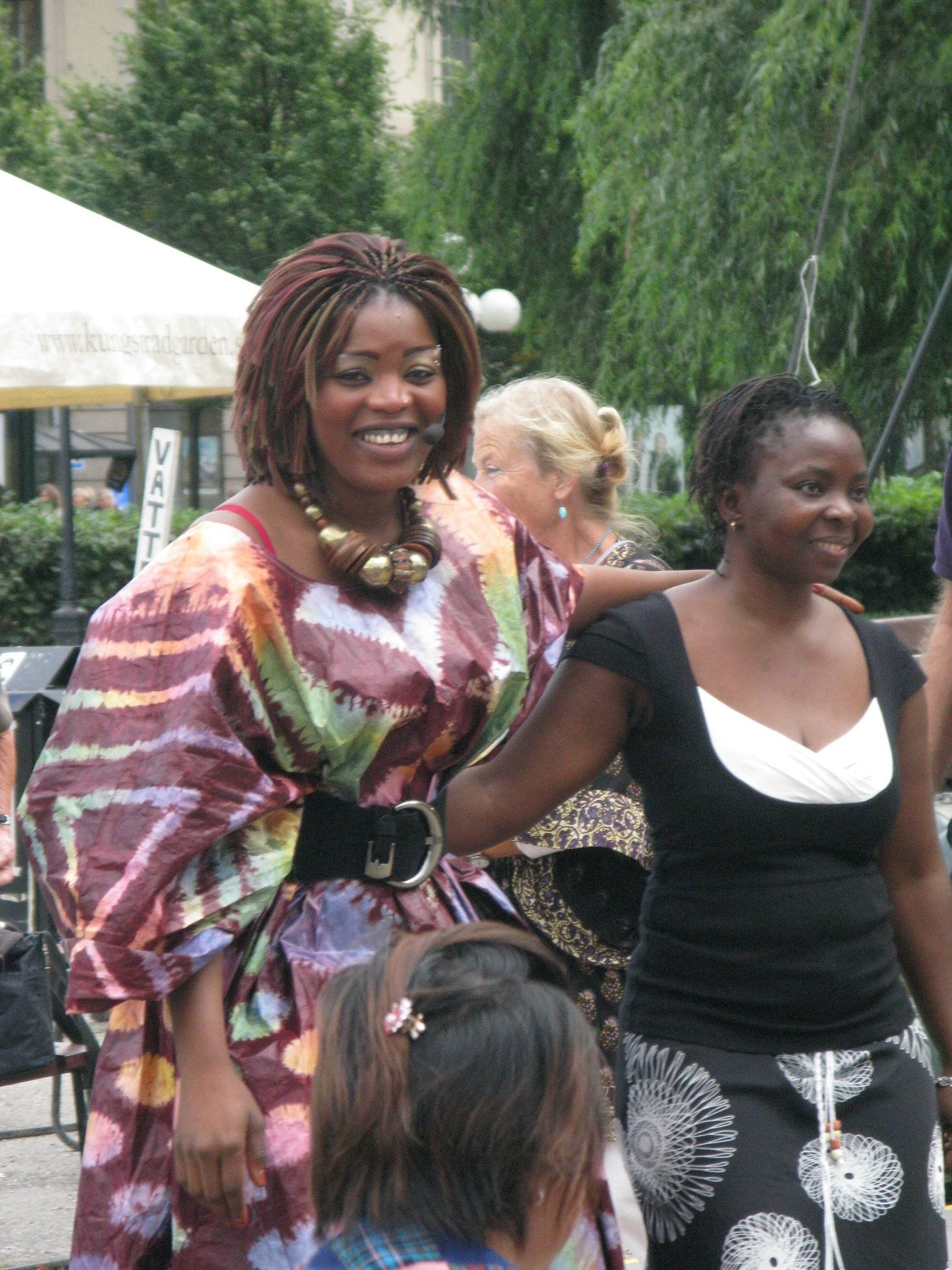
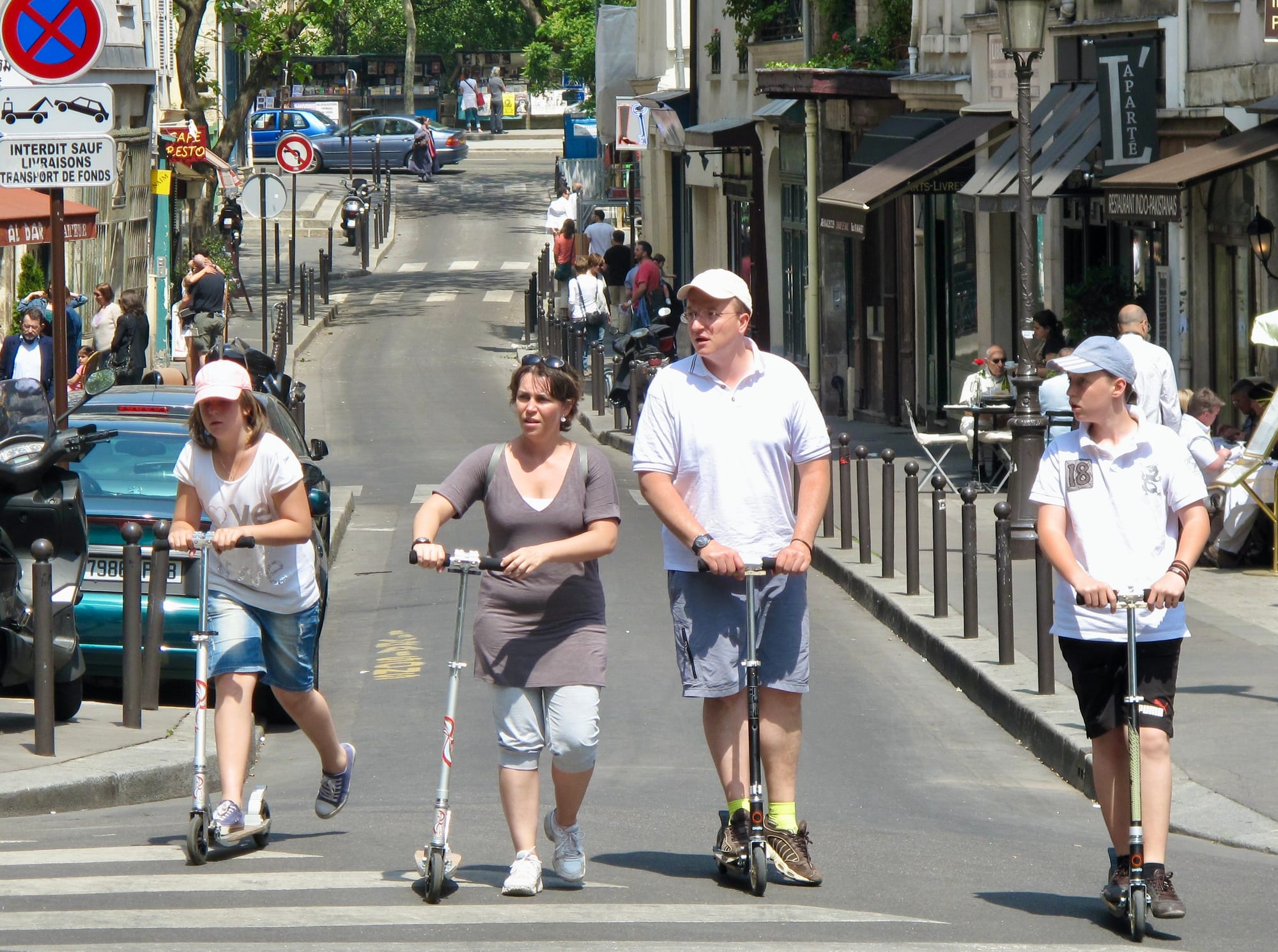
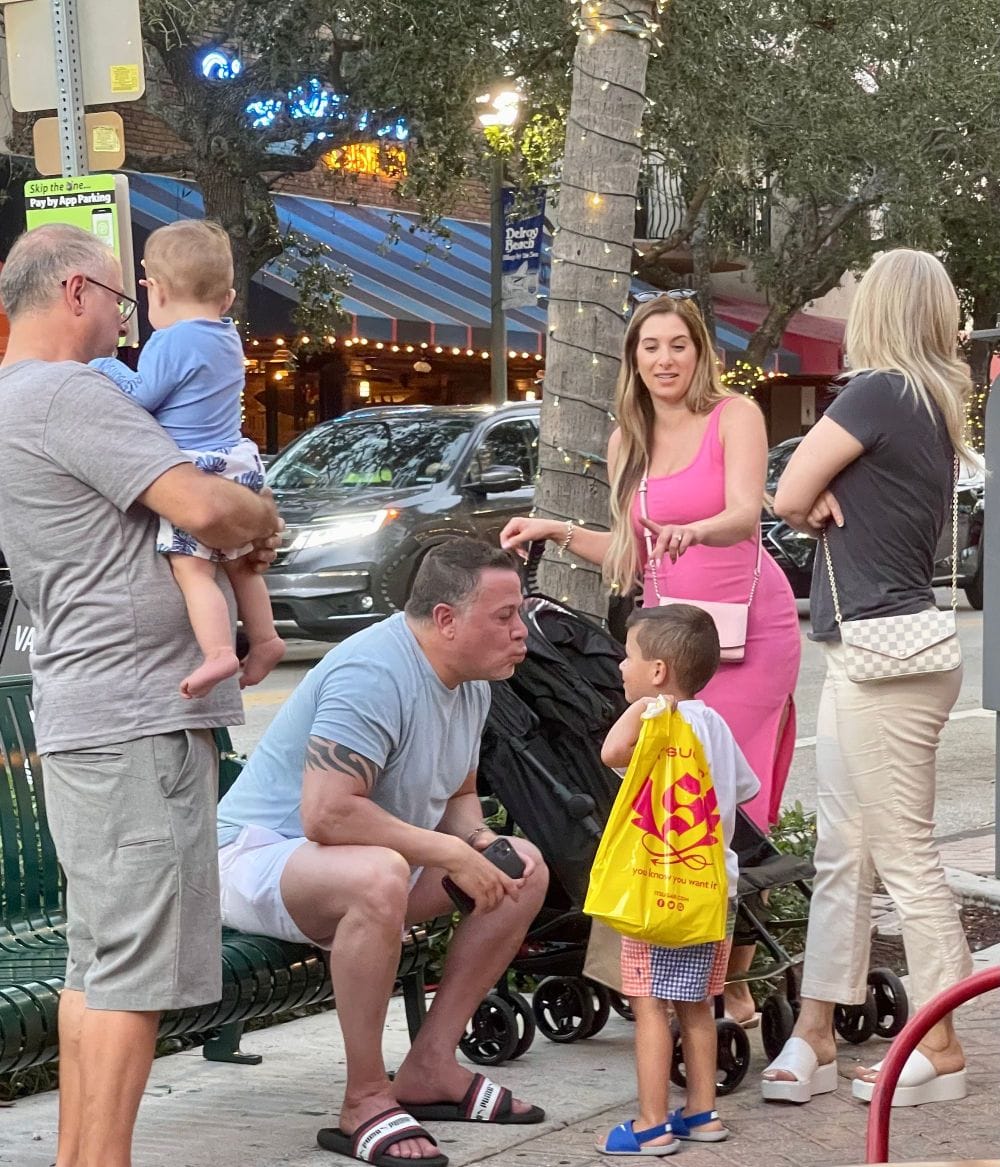
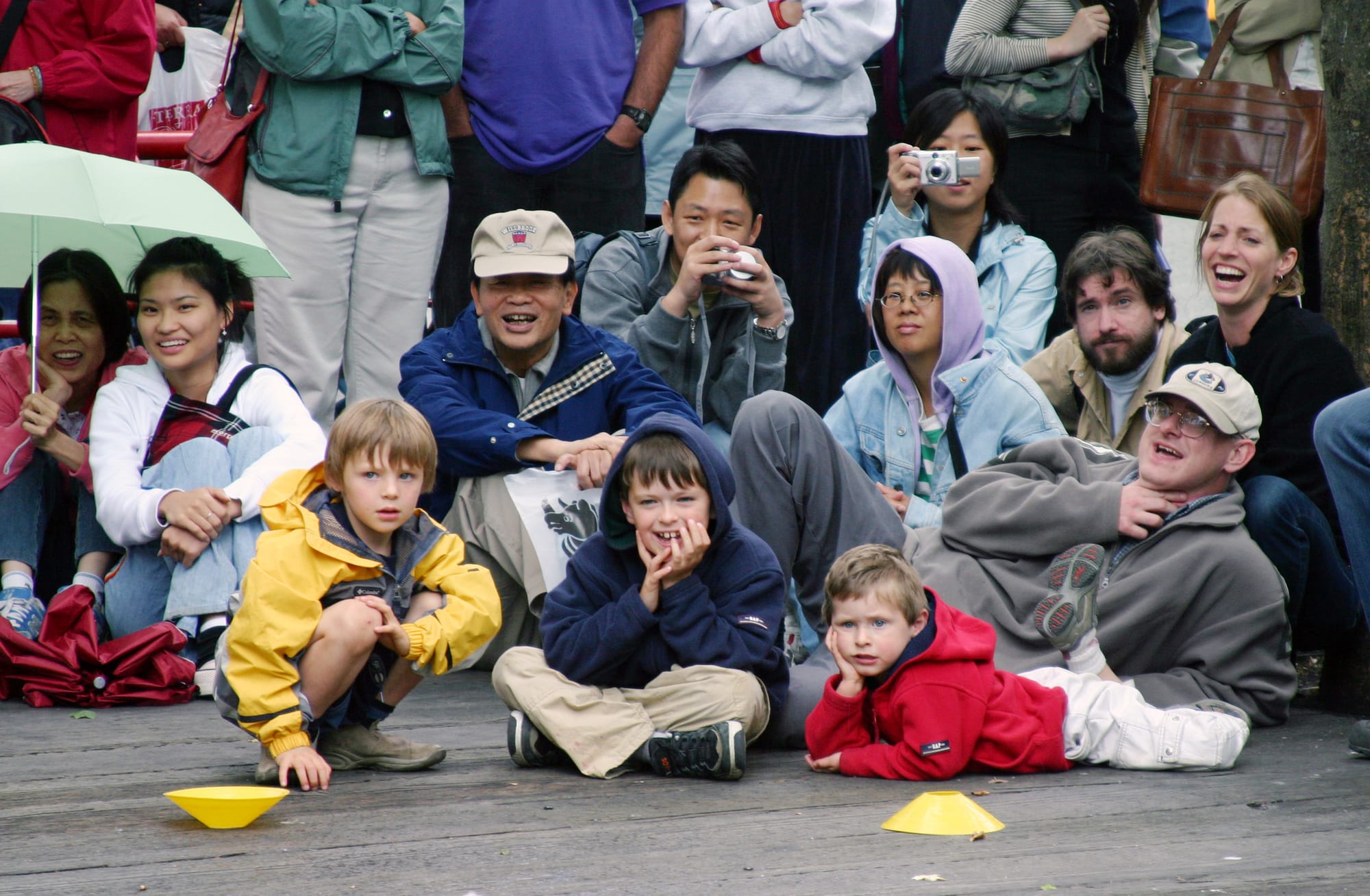
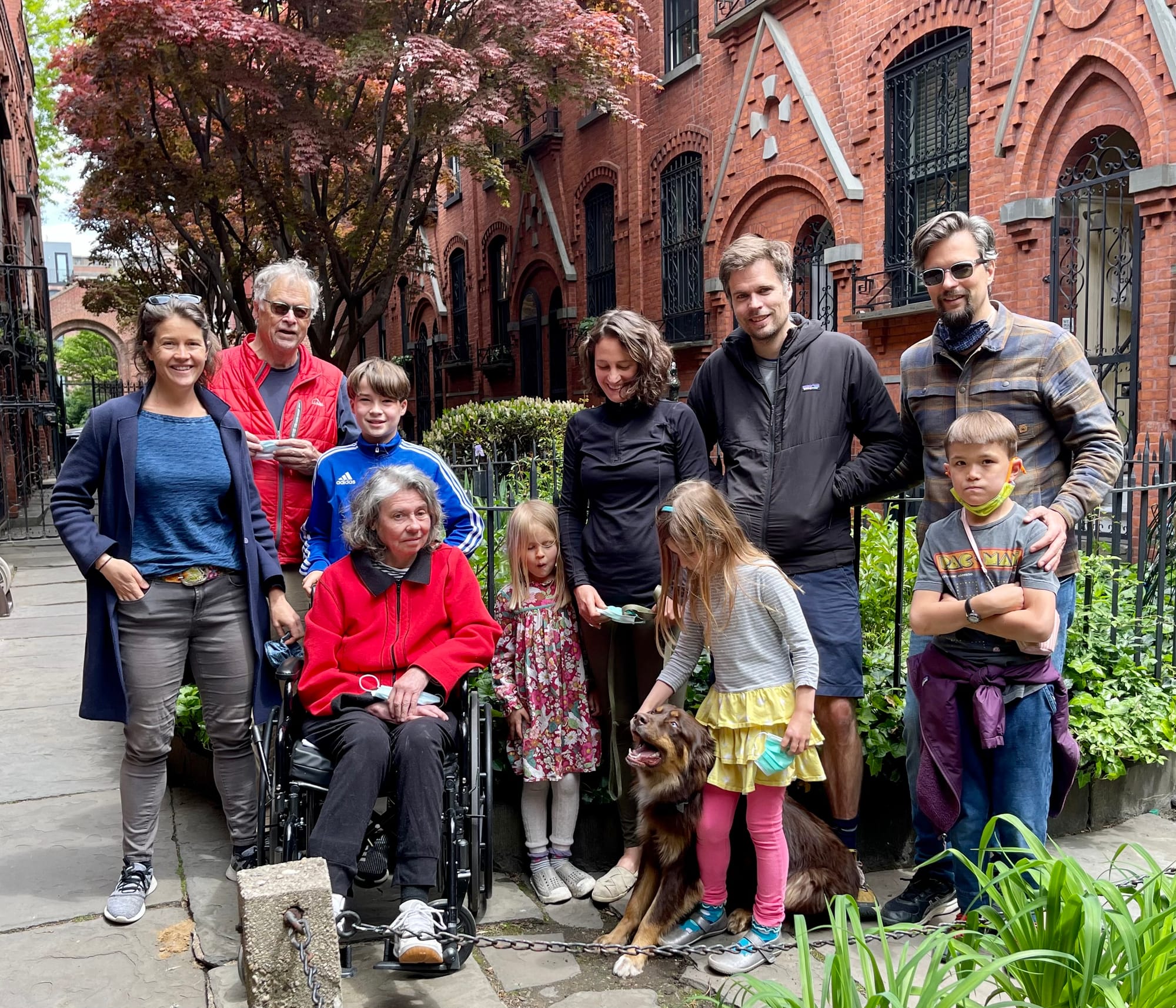
Families, like communities, are composed of people from all different ages, genders, interests, and personalities. Therefore, a place where families and diverse community members can enjoy their time together is a place that offers a variety of different kinds of experiences, so that everyone can come across something that brings them joy. From relaxing areas to lounge in to active programming that gets people moving, a multi-faceted place has the power to attract groups with diverse members.
 Fred Kent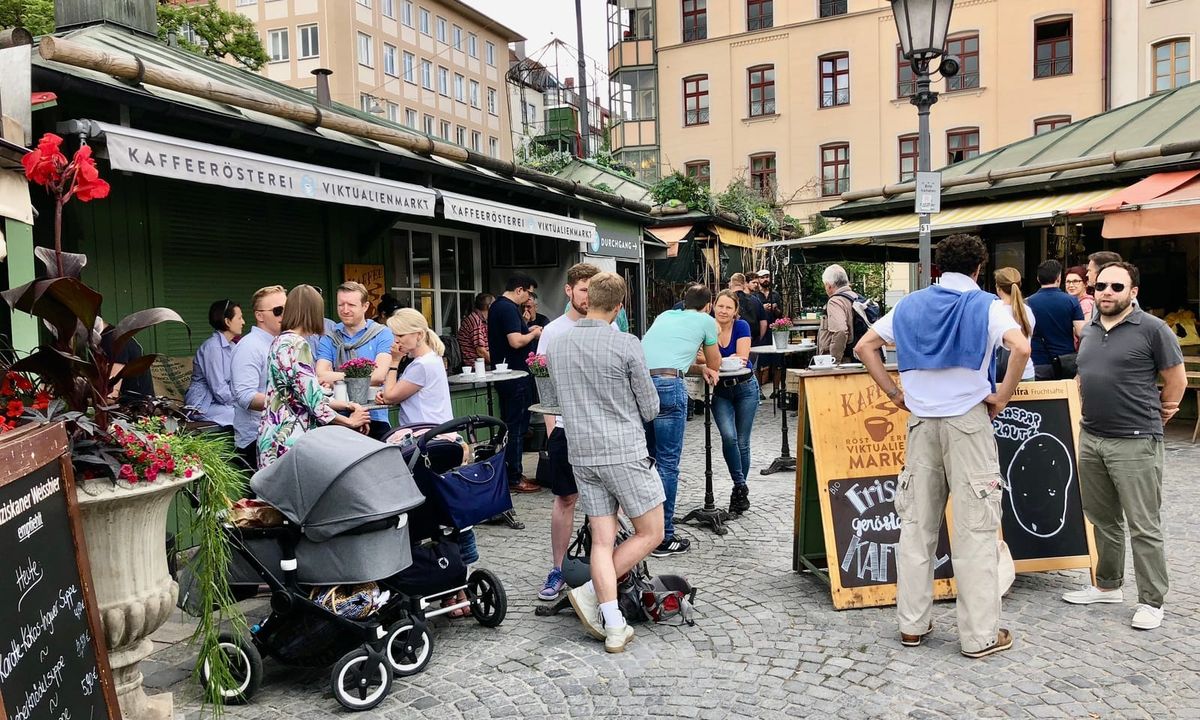

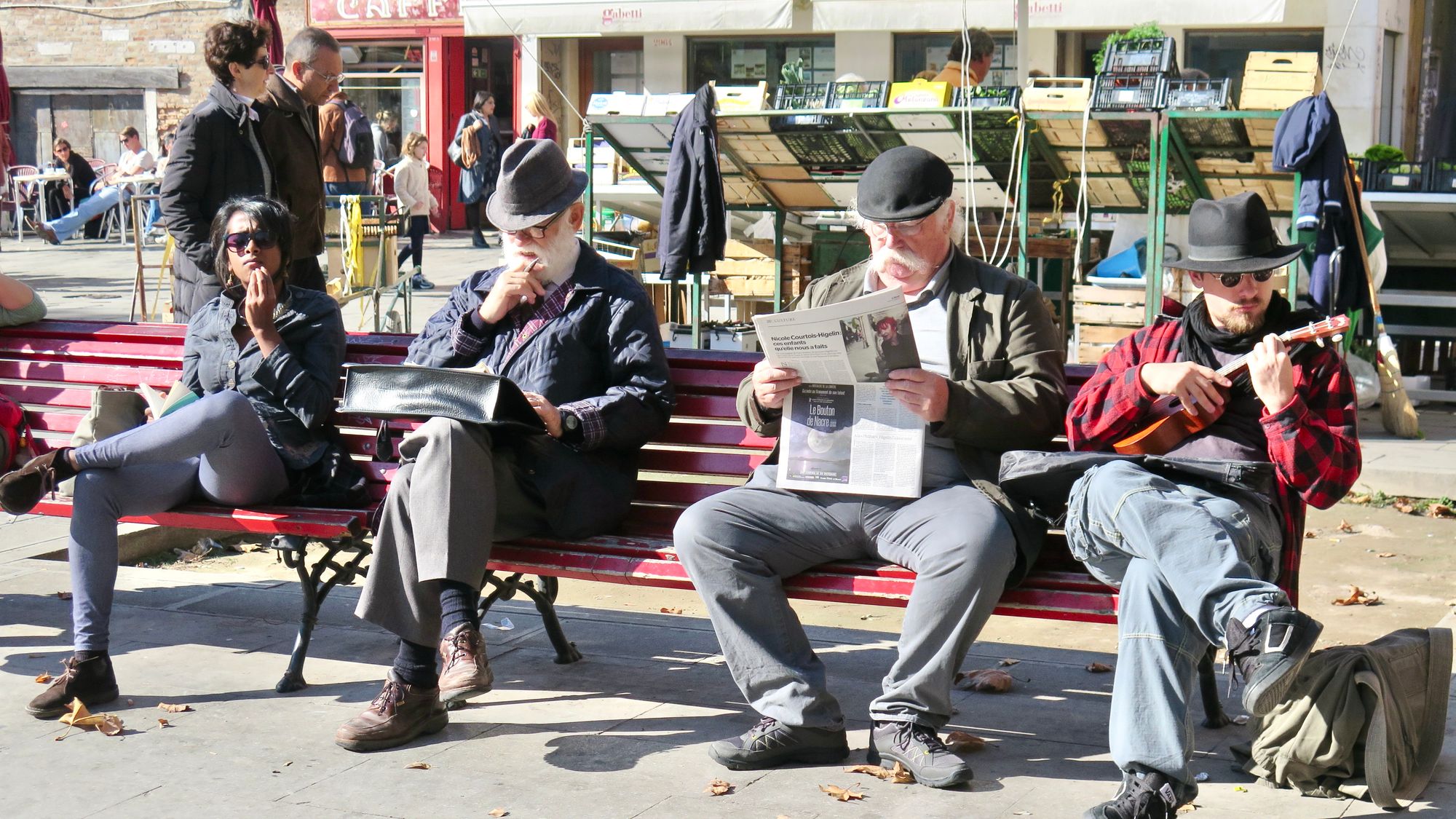
Where Seniors Hang Out
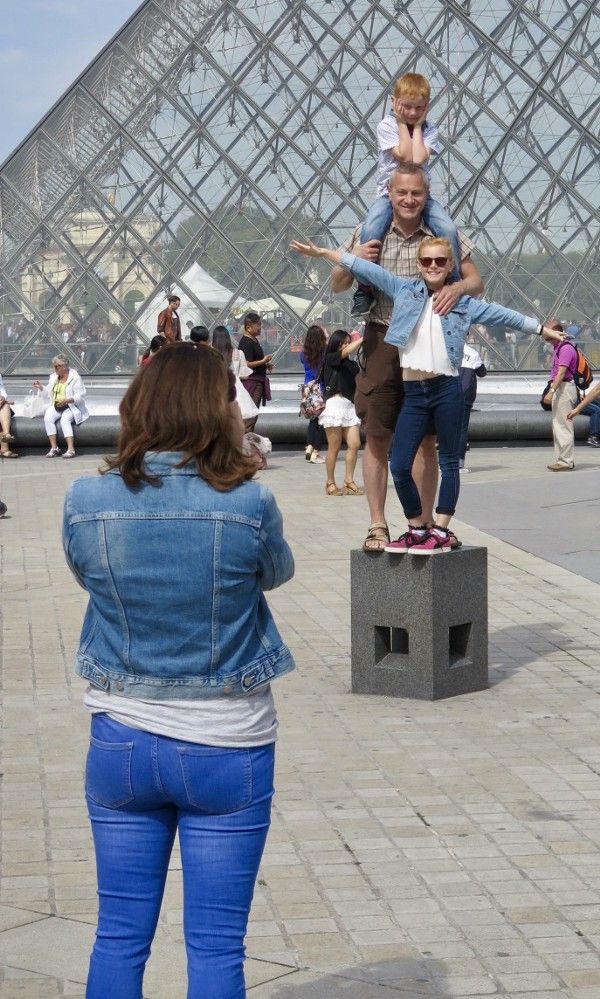
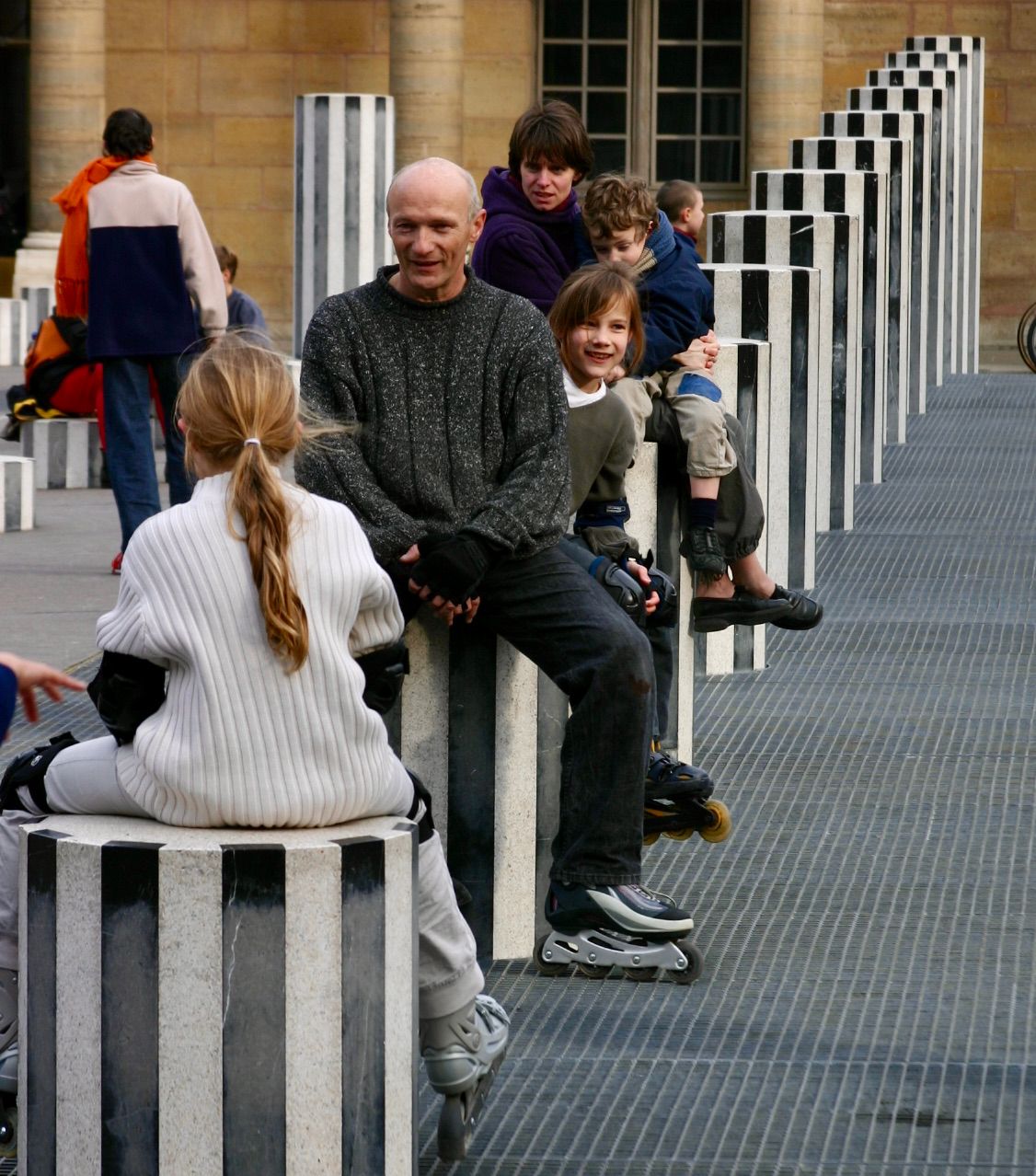
Once the years of work and raising kids are in the past, people have a lot more free time to just relax and enjoy life. That is why seniors are such a well-represented demographic in public life. With the time, energy, and desire to enjoy their days to the fullest, they love to frequent great public places with friends and family or even alone for some peaceful solitude, contributing much to the public realm. And as more vulnerable members of society who depend on certain amenities like seating and shade to feel at ease, they are also drawn to places that are designed with people's comfort and security in mind.
 Fred Kent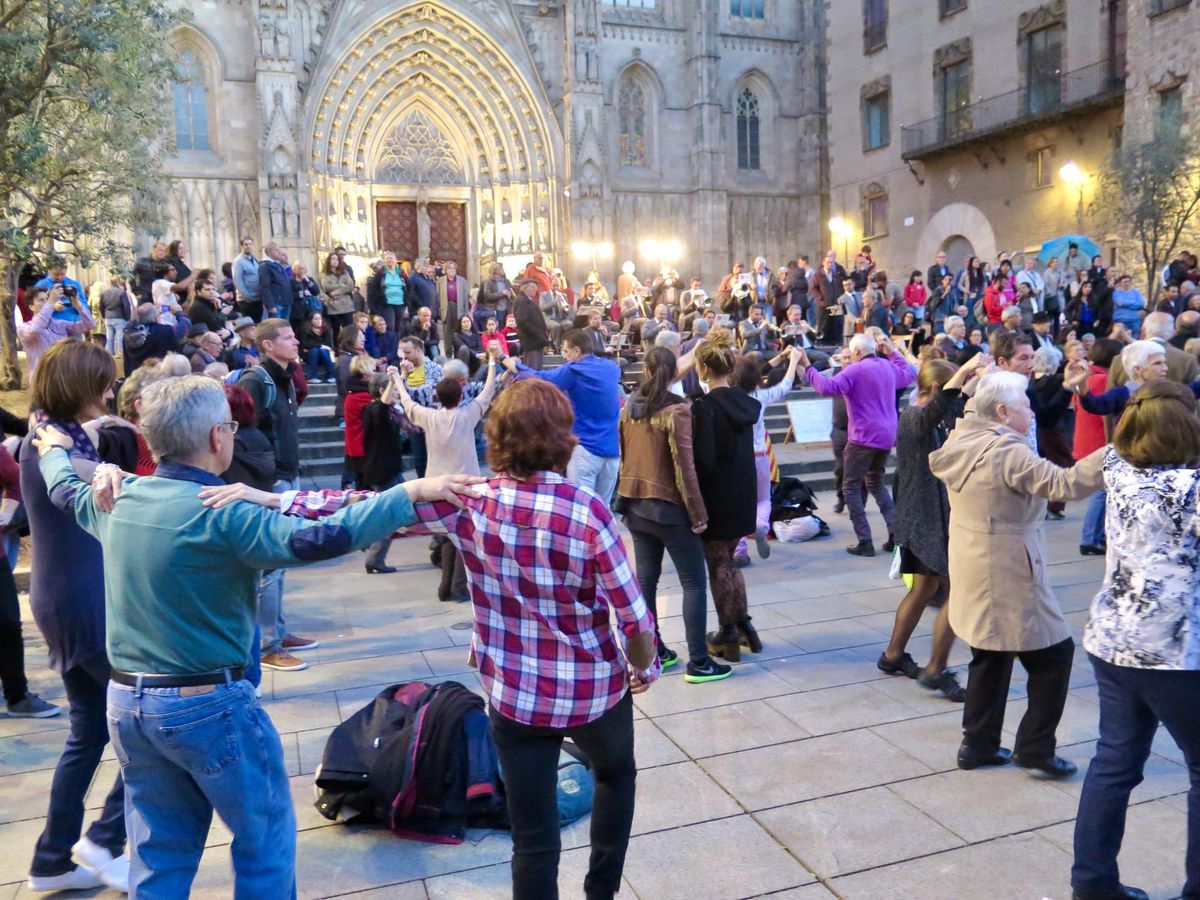
Where People with Disabilities Hang Out
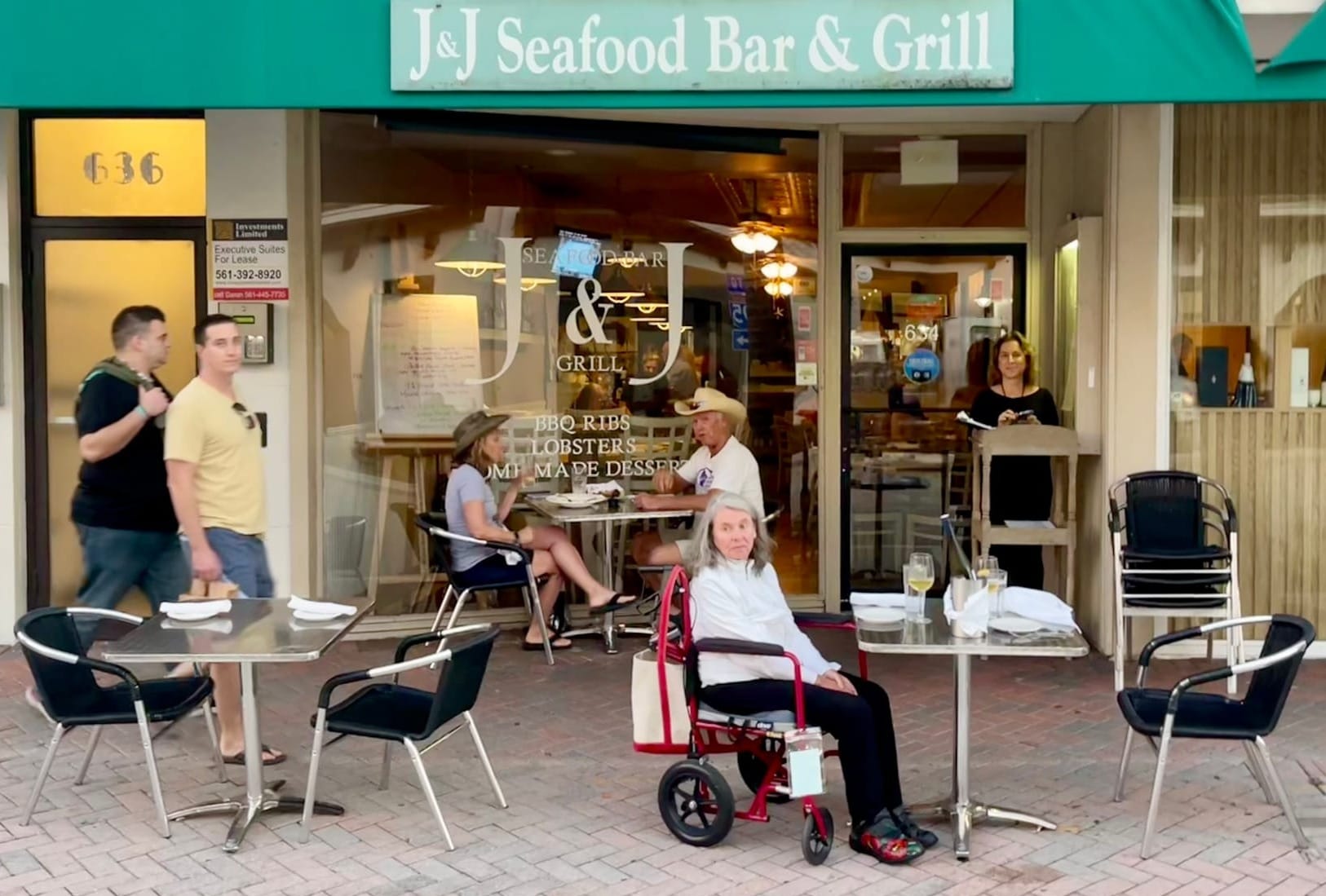
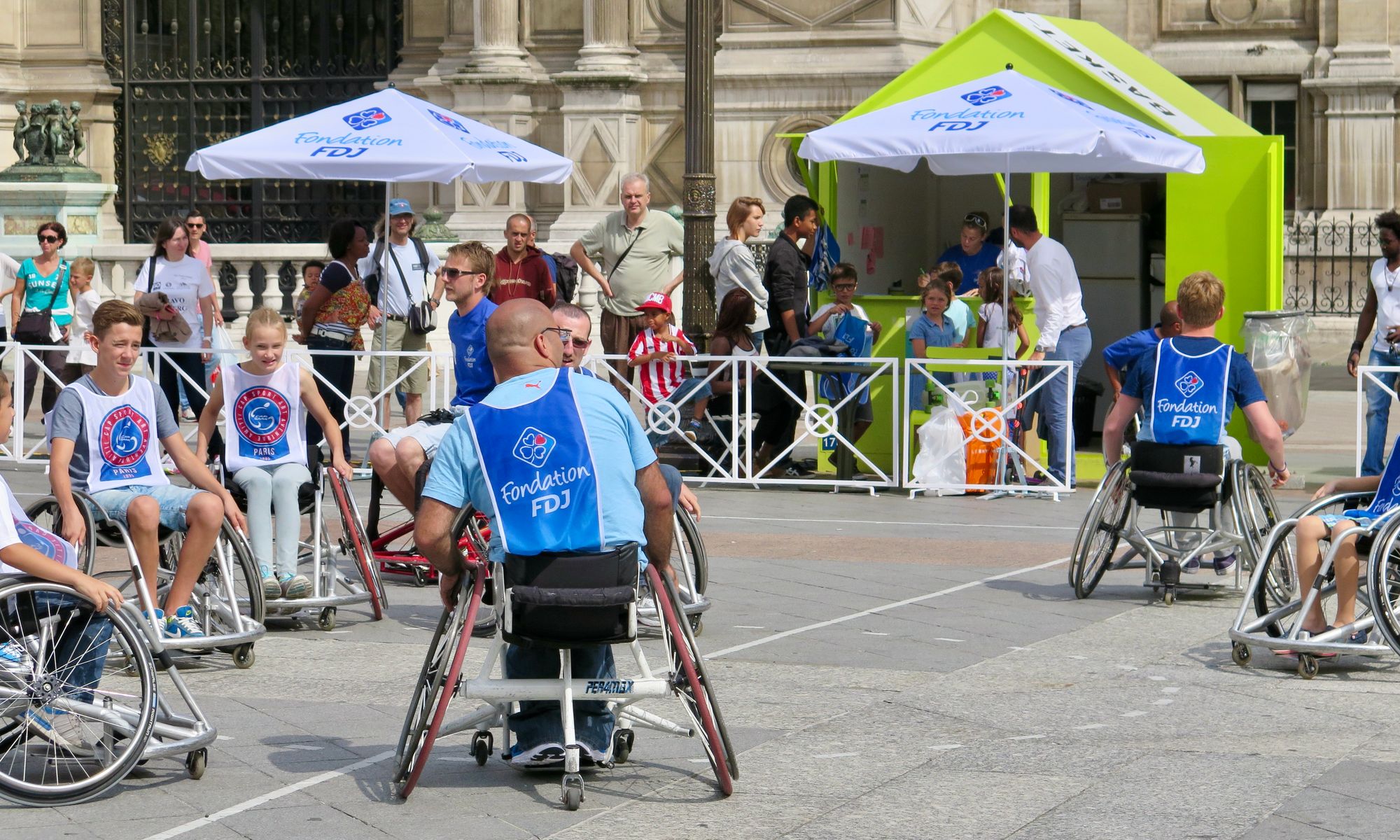
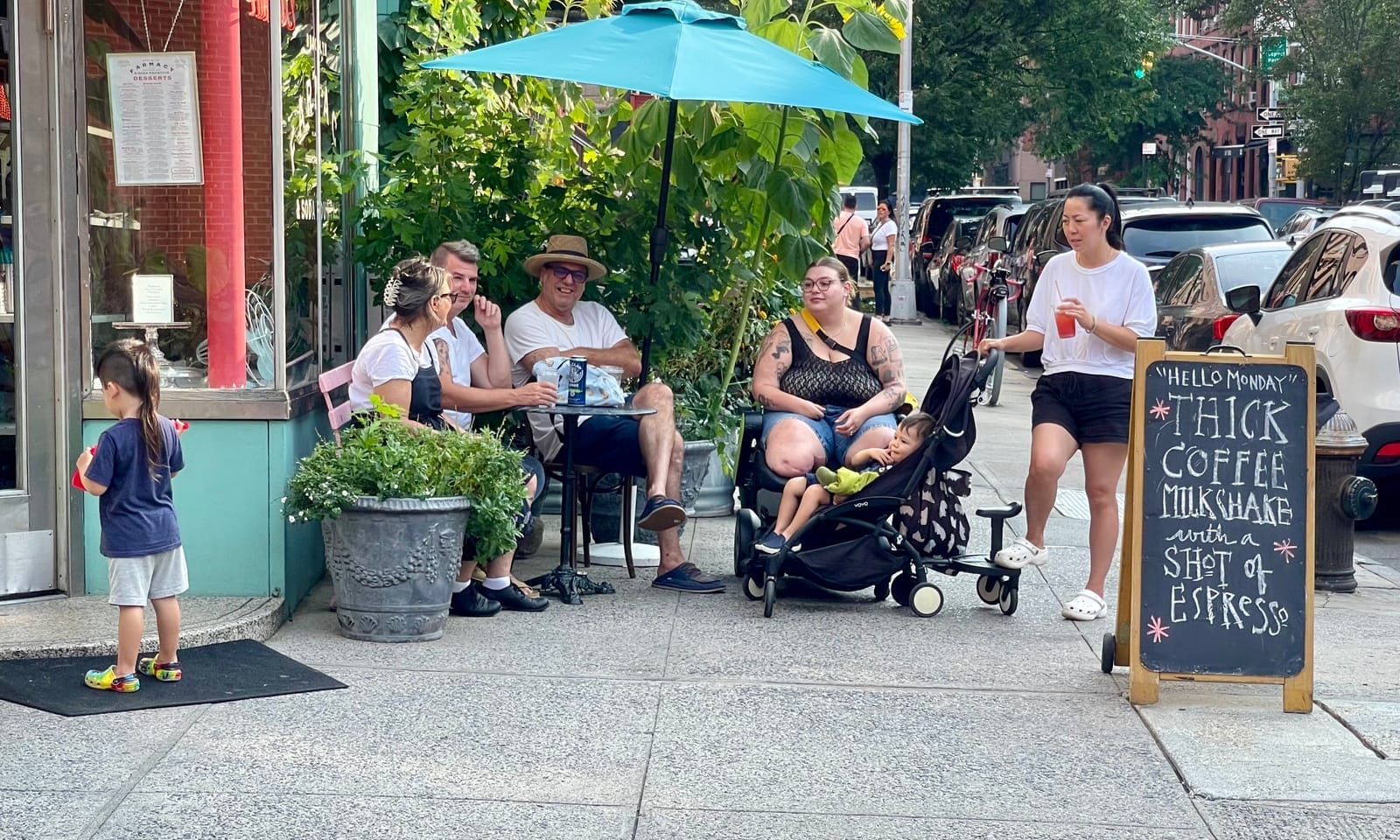
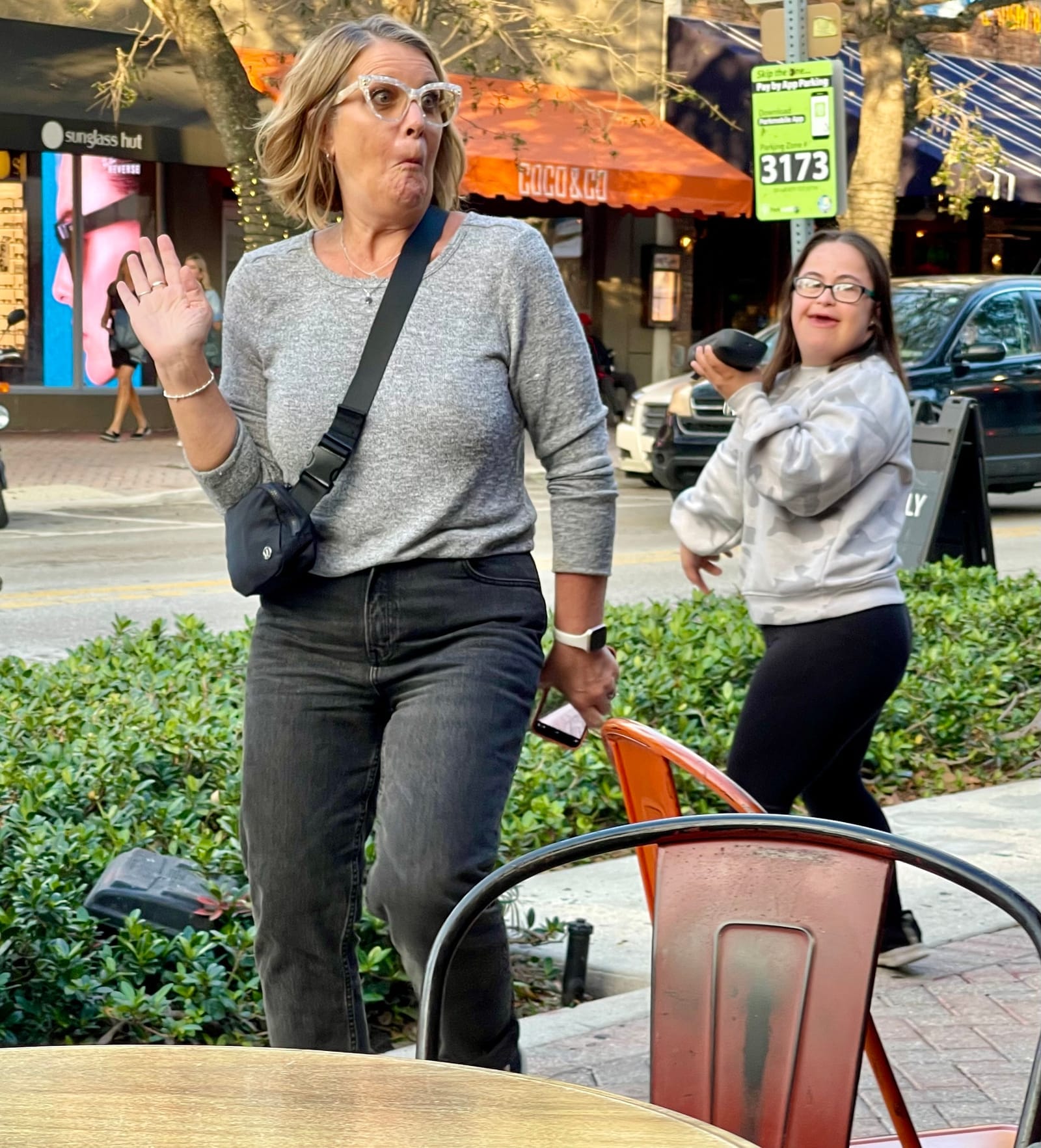
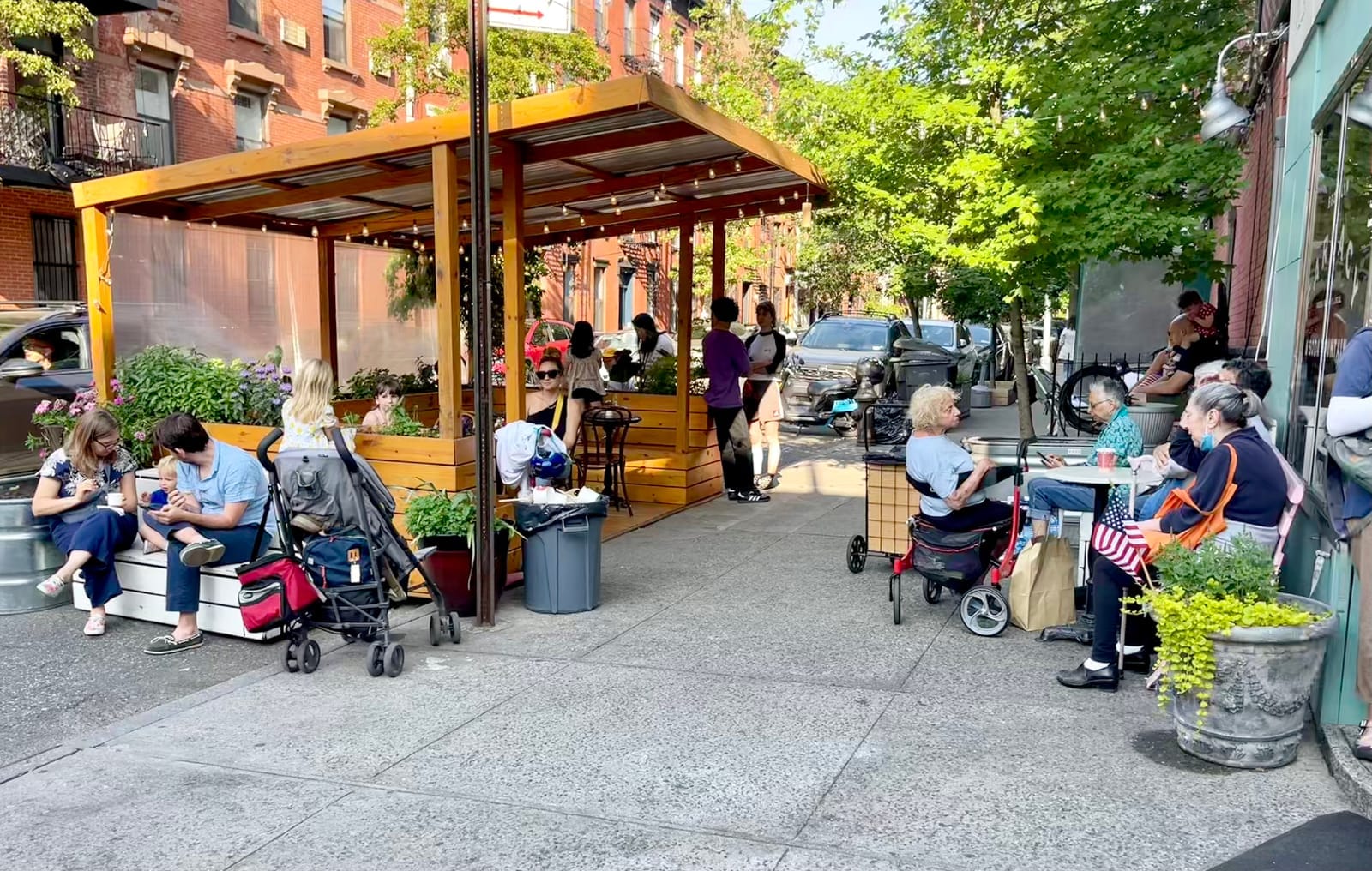
Cities often overlook the needs of those with disabilities. However, they are just as much residents of cities as their able-bodied counterparts and just as deserving of an enjoyable and safe experience while out and about. Certain amenities like outdoor dining areas and car-free streets are particularly helpful in giving them access to everything the city has to offer by providing the space they need to navigate their surroundings with their mobility tools.
 Fred Kent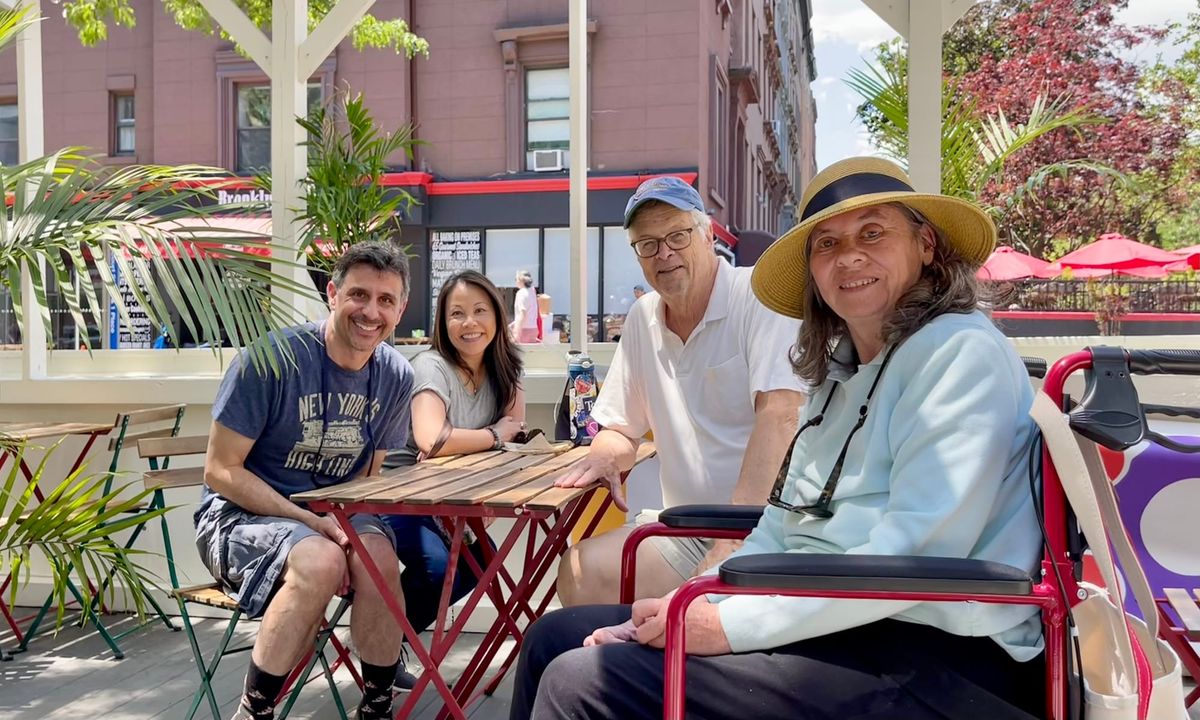
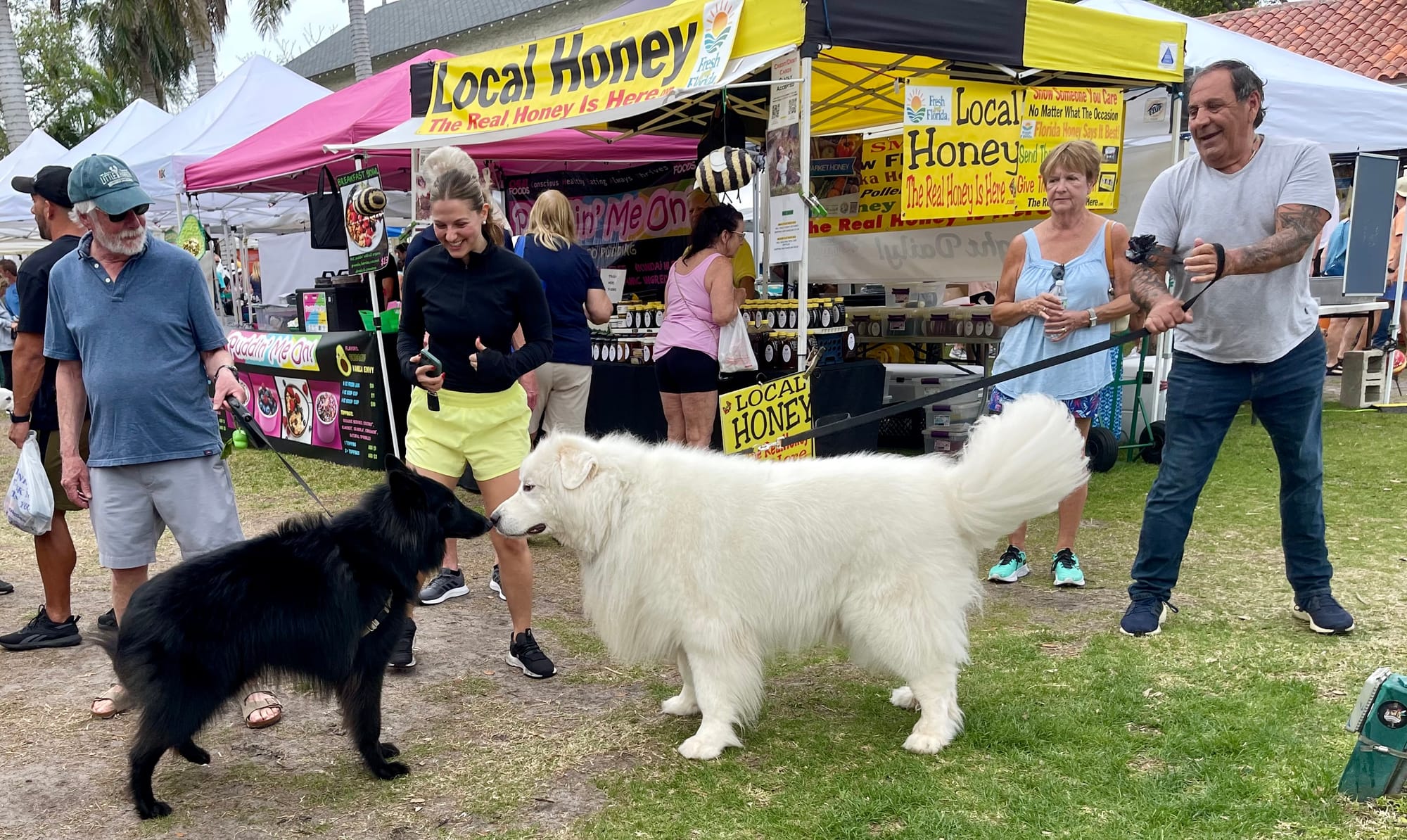
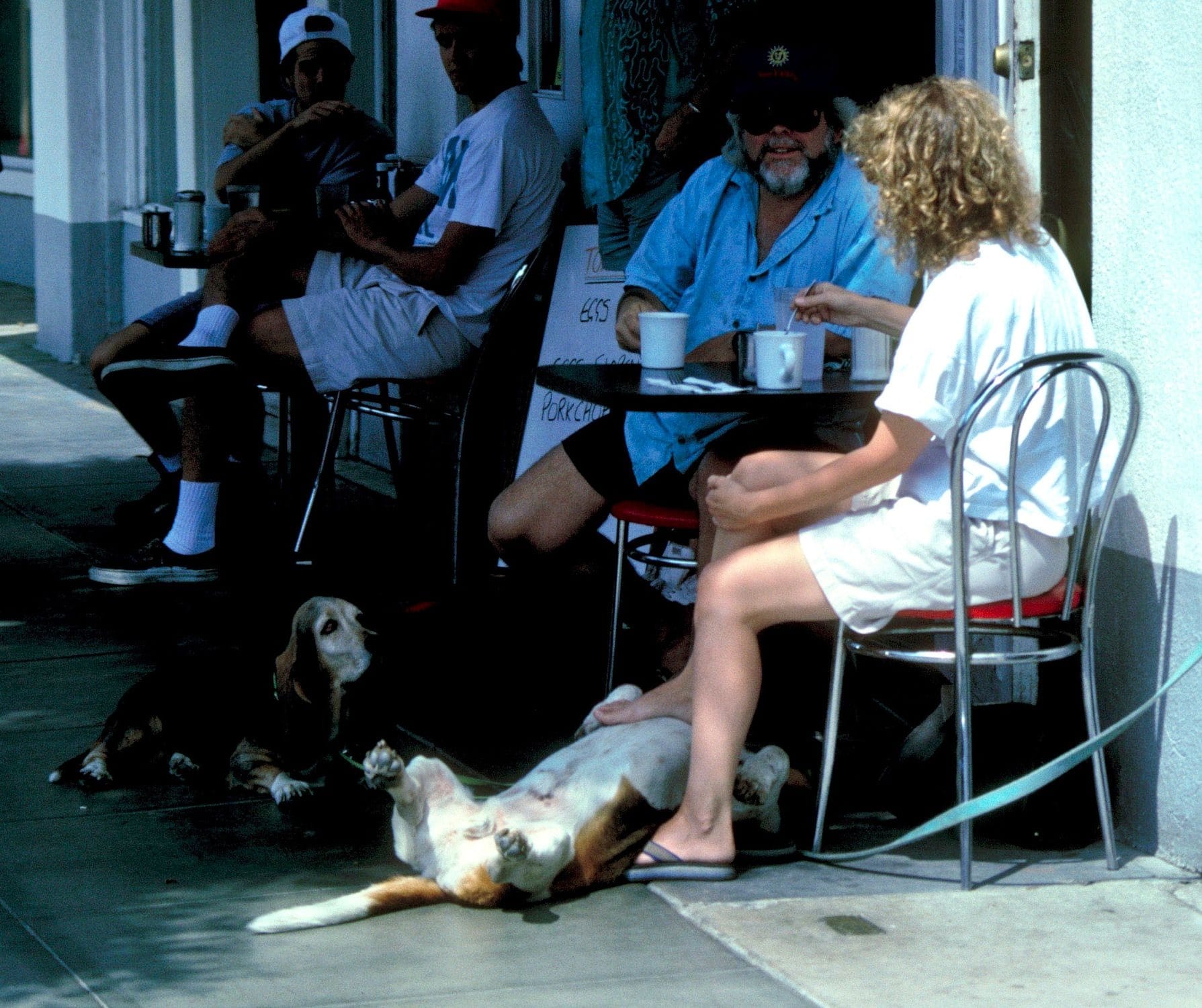
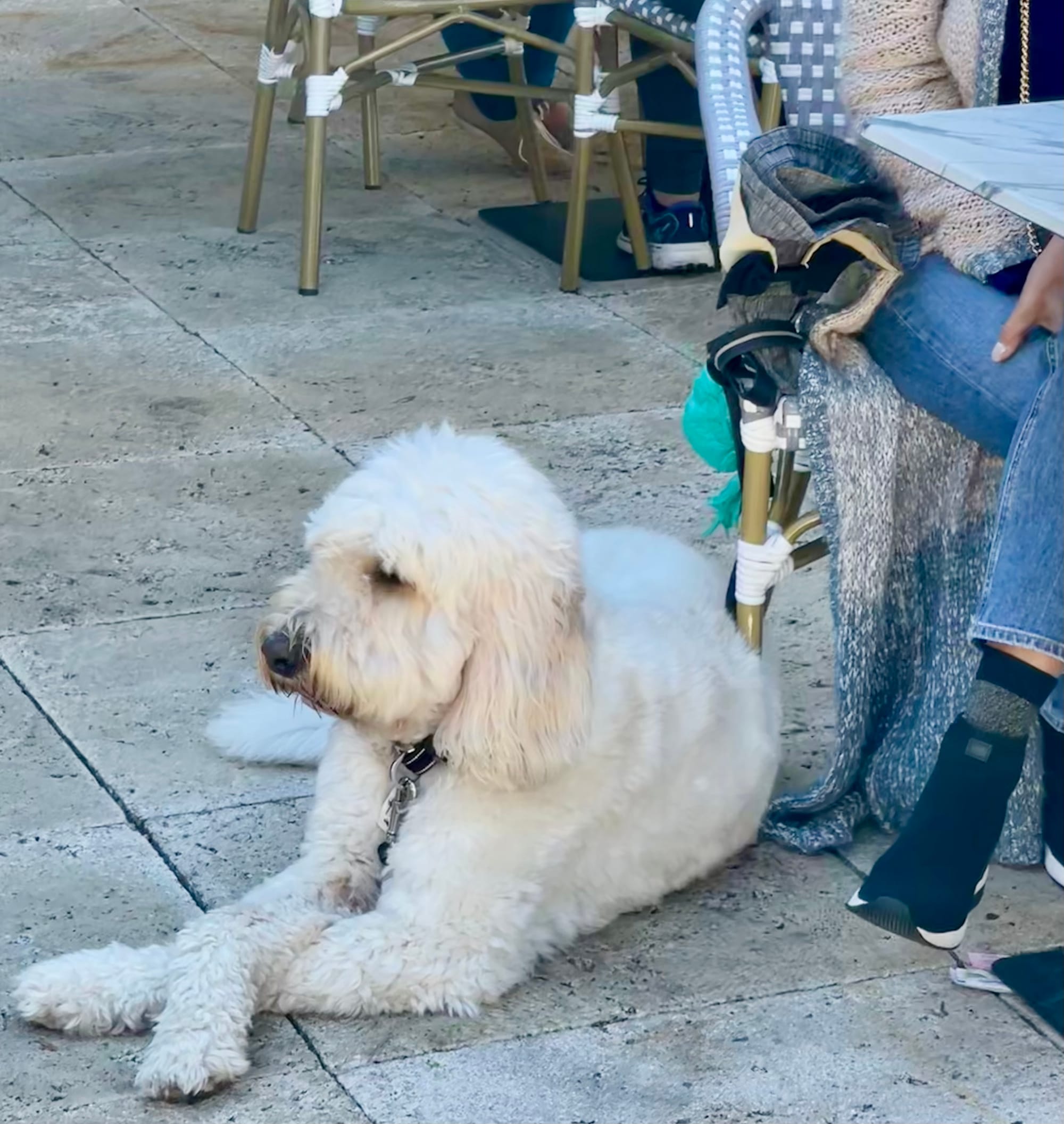
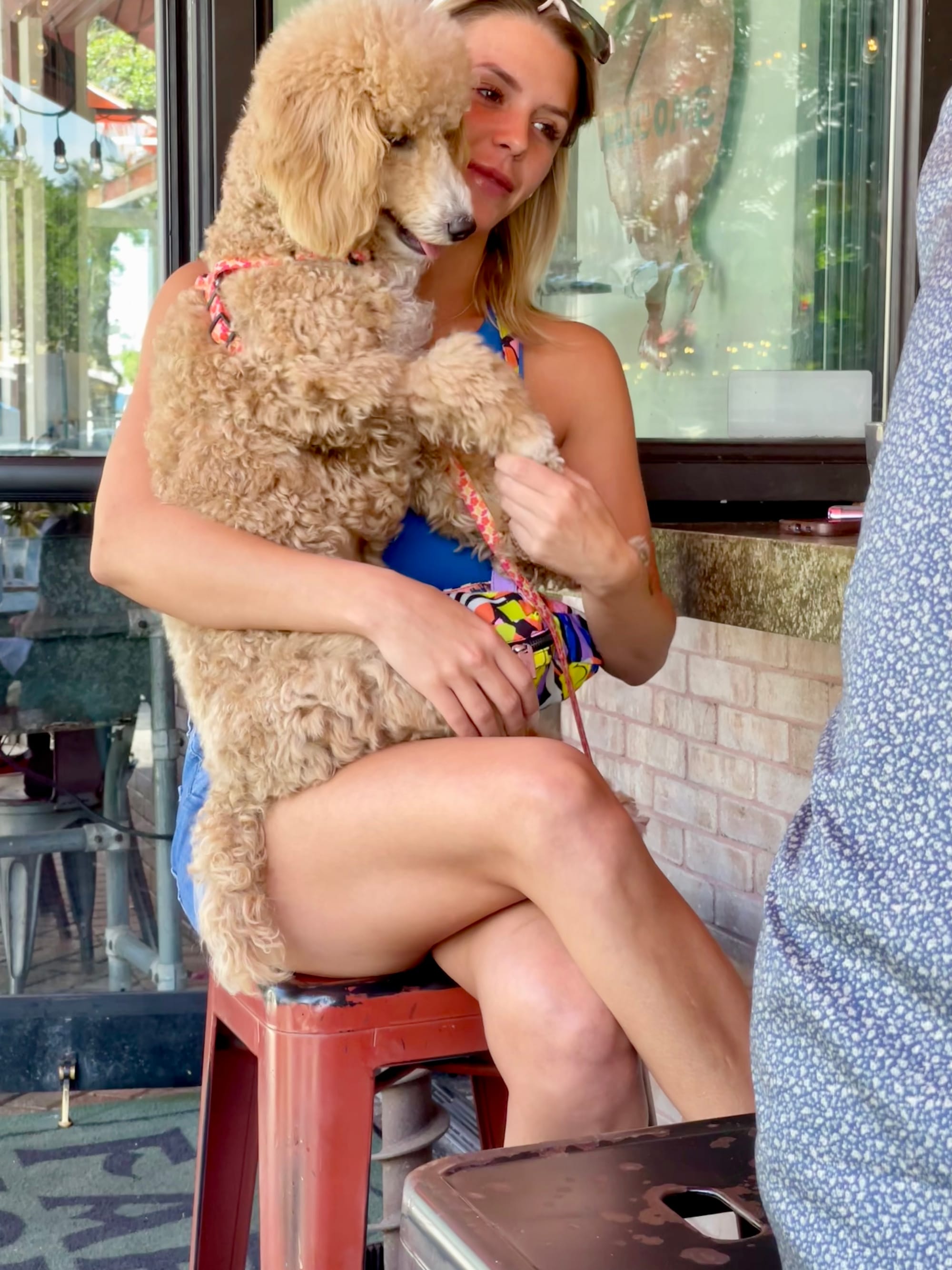
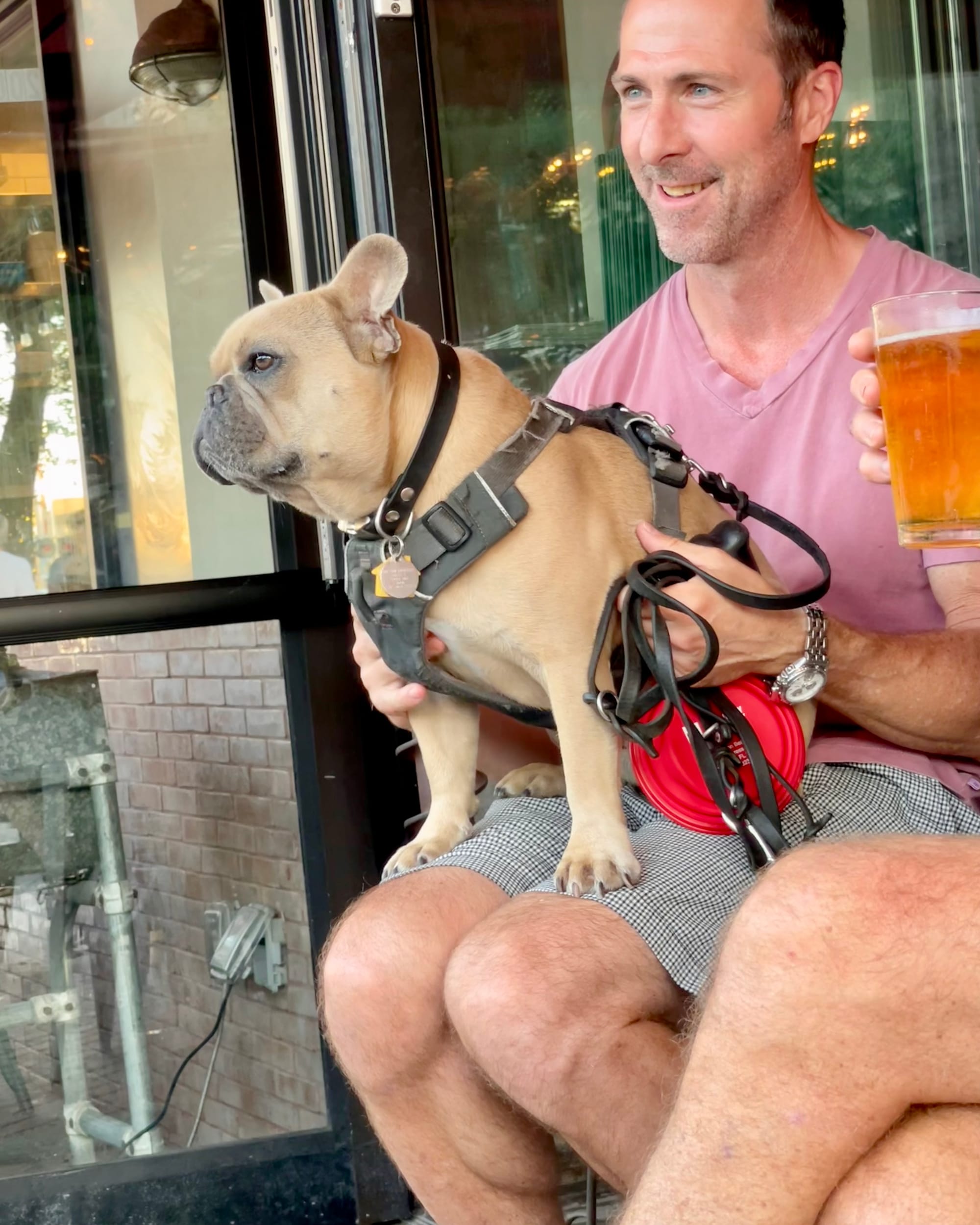
Where People and Their Pets Hang Out
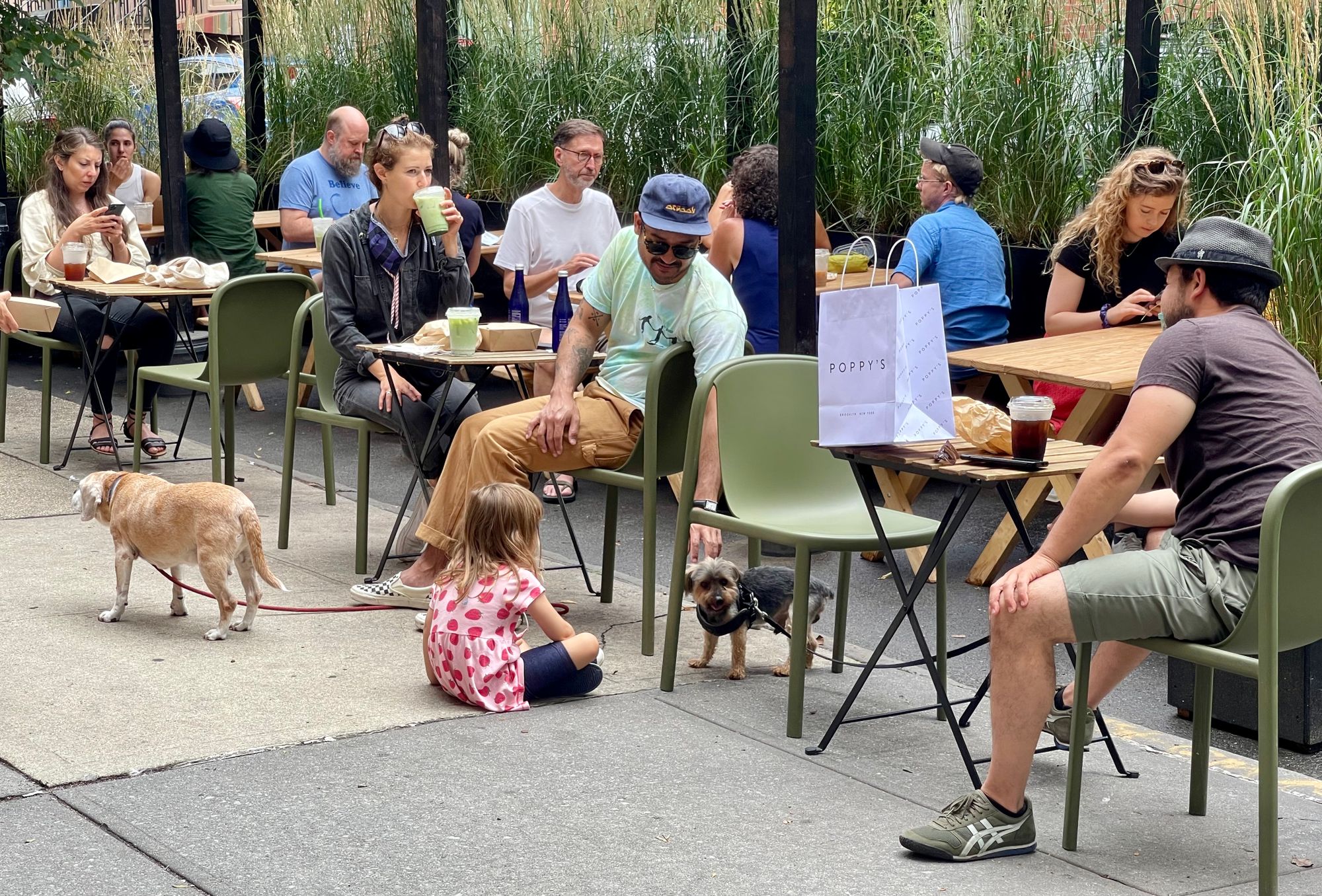
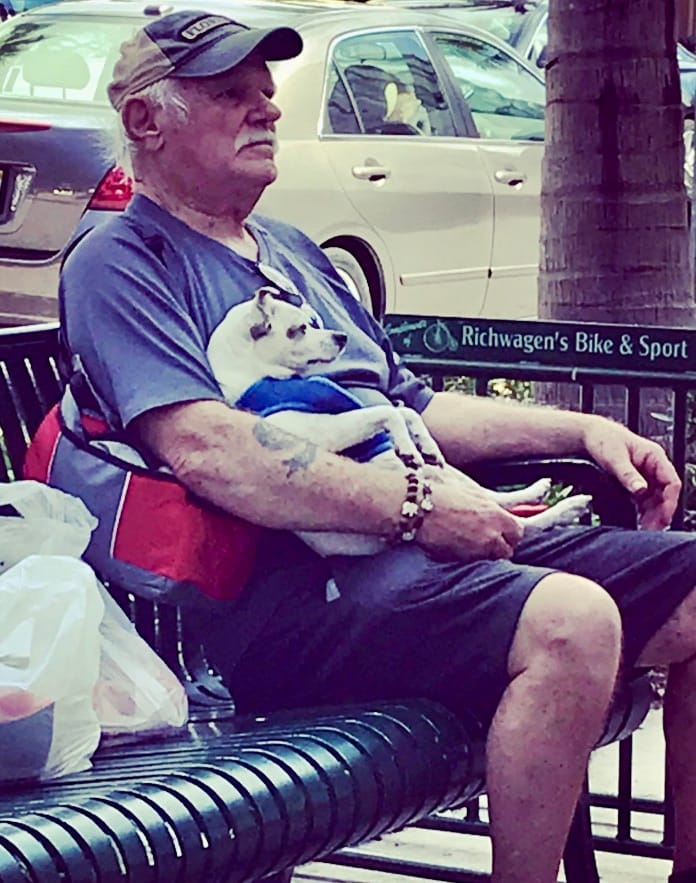
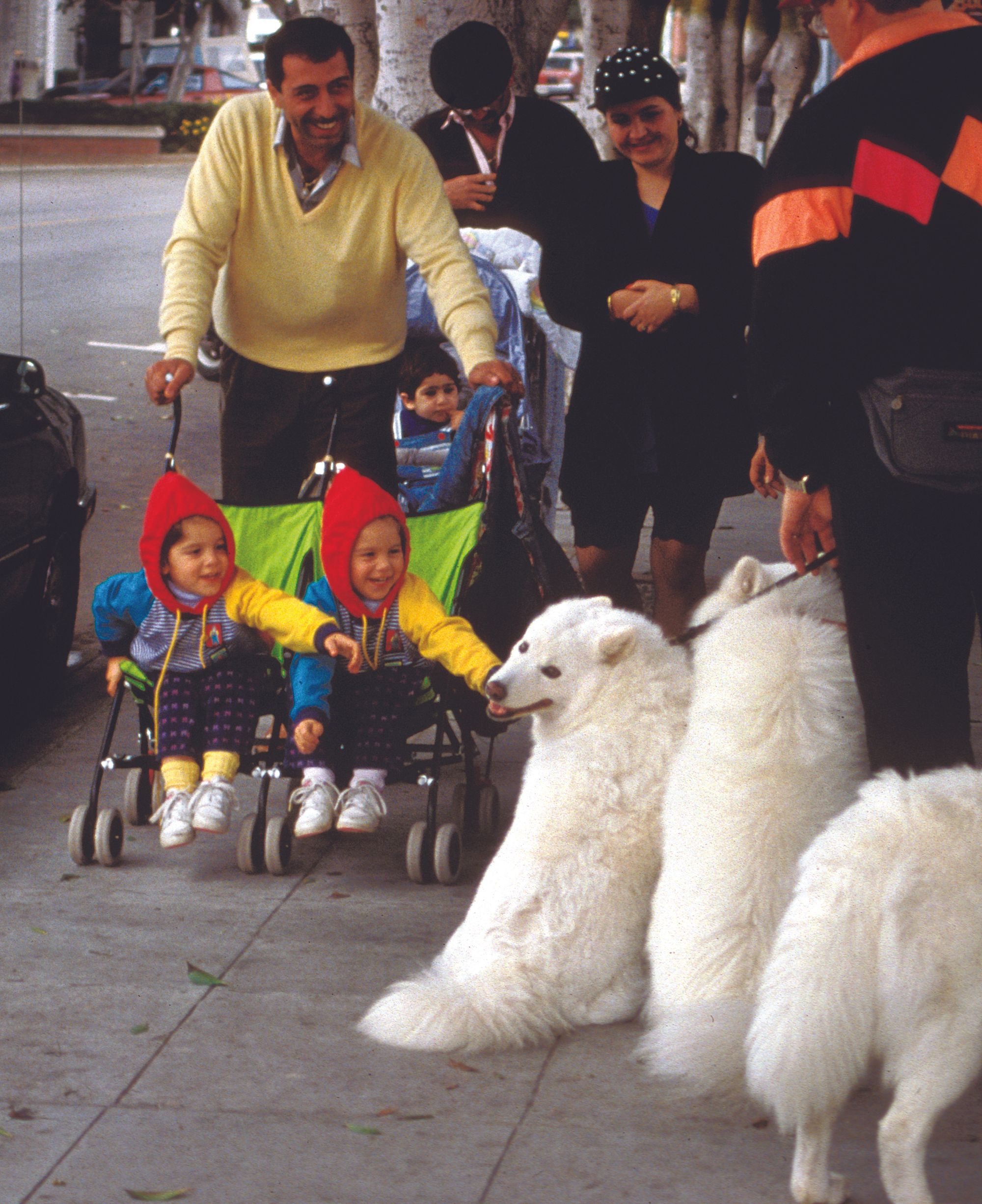
The residents of our cities are not all human. Some of our most friendly and socially engaged neighbors are the ones that wear a fur coat. It is therefore important for cities to be welcoming to them as well, with plenty of parks where they can run free, outdoor dining areas so they don't have to be confined within restaurants, and inside-out design so they too can explore what the city's businesses have to offer with the occasional sniff and lick.
 Fred Kent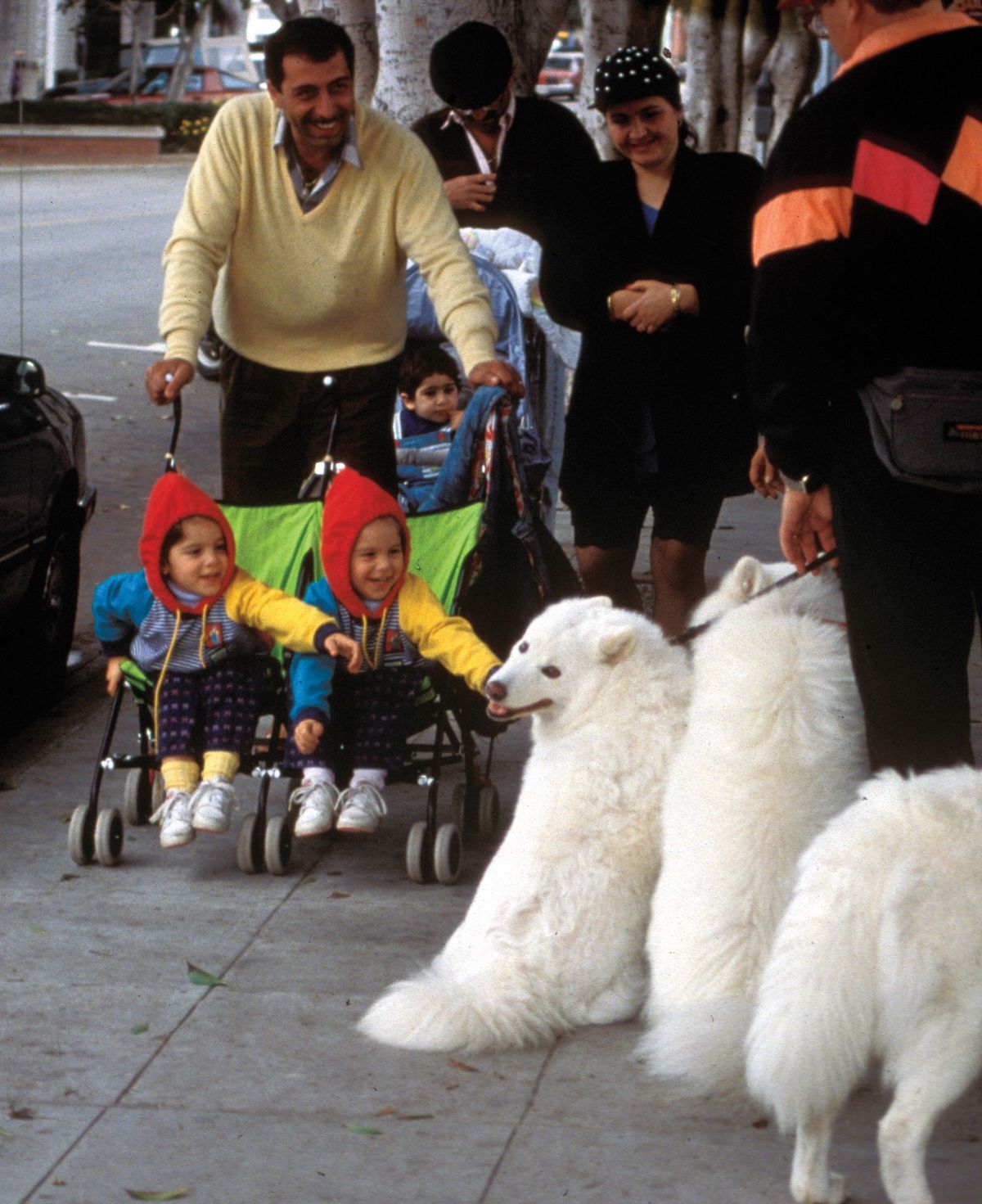
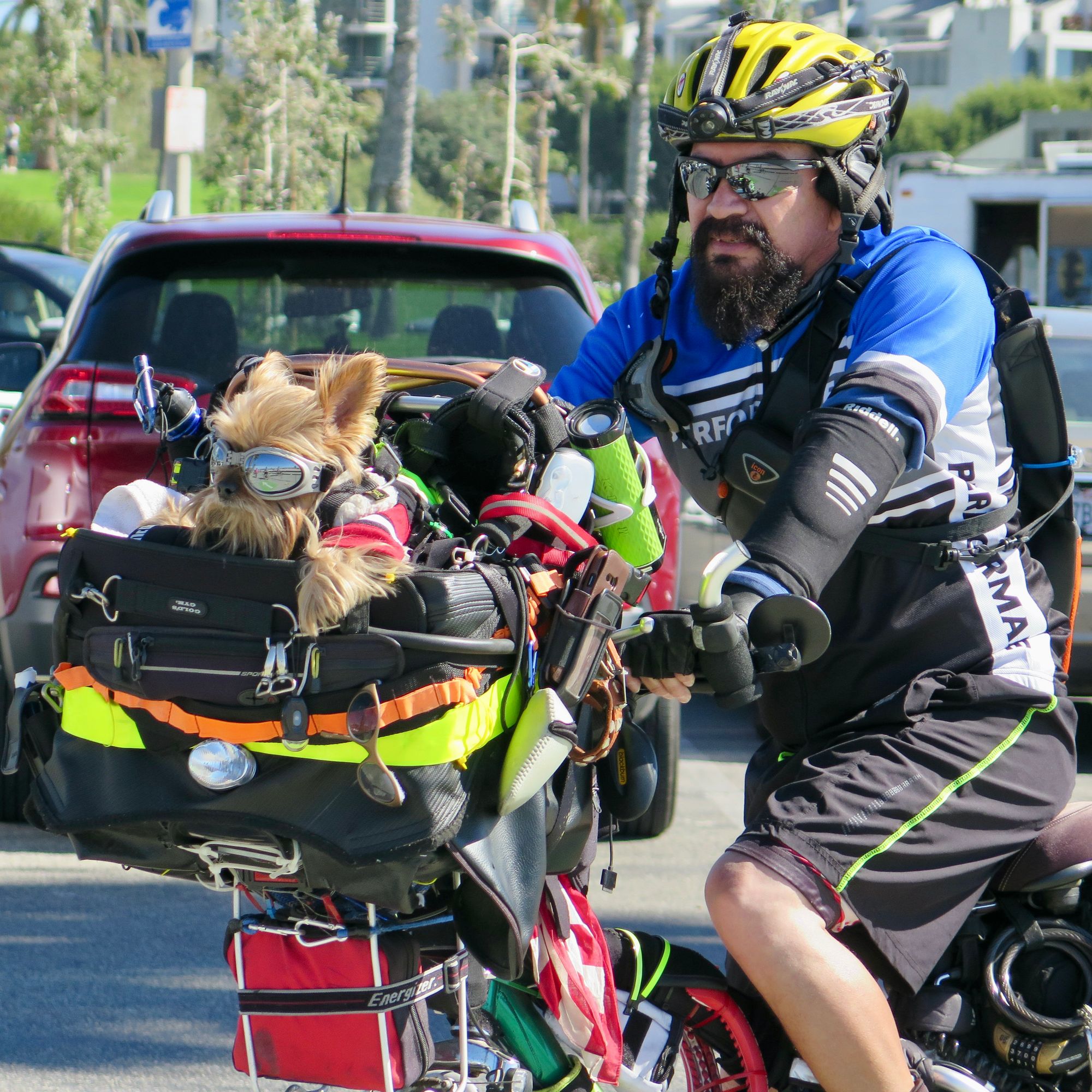
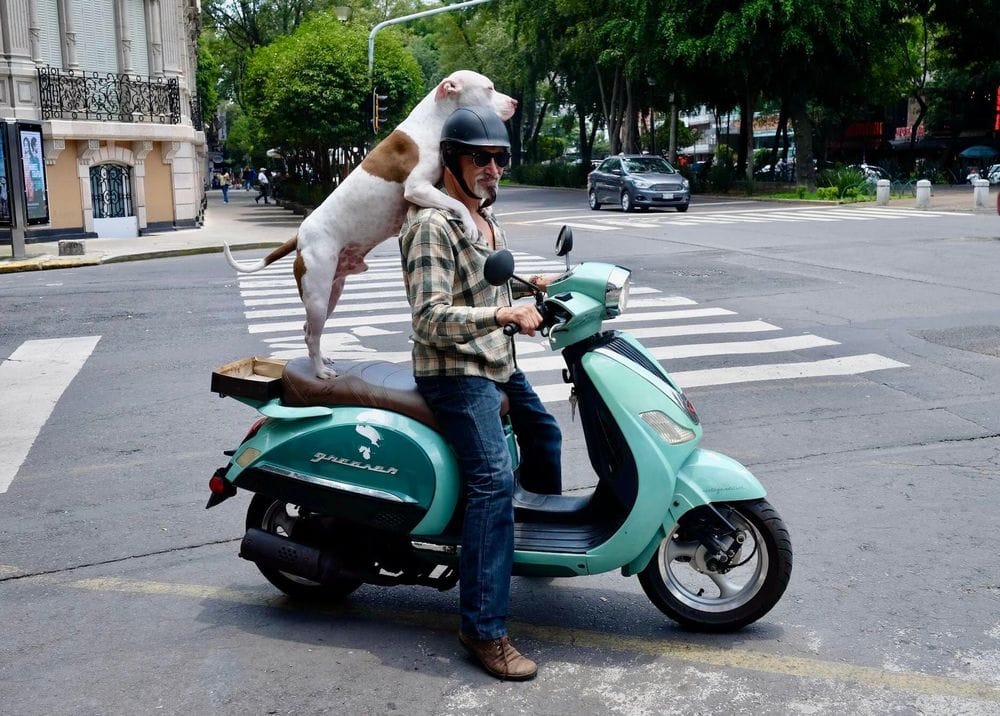
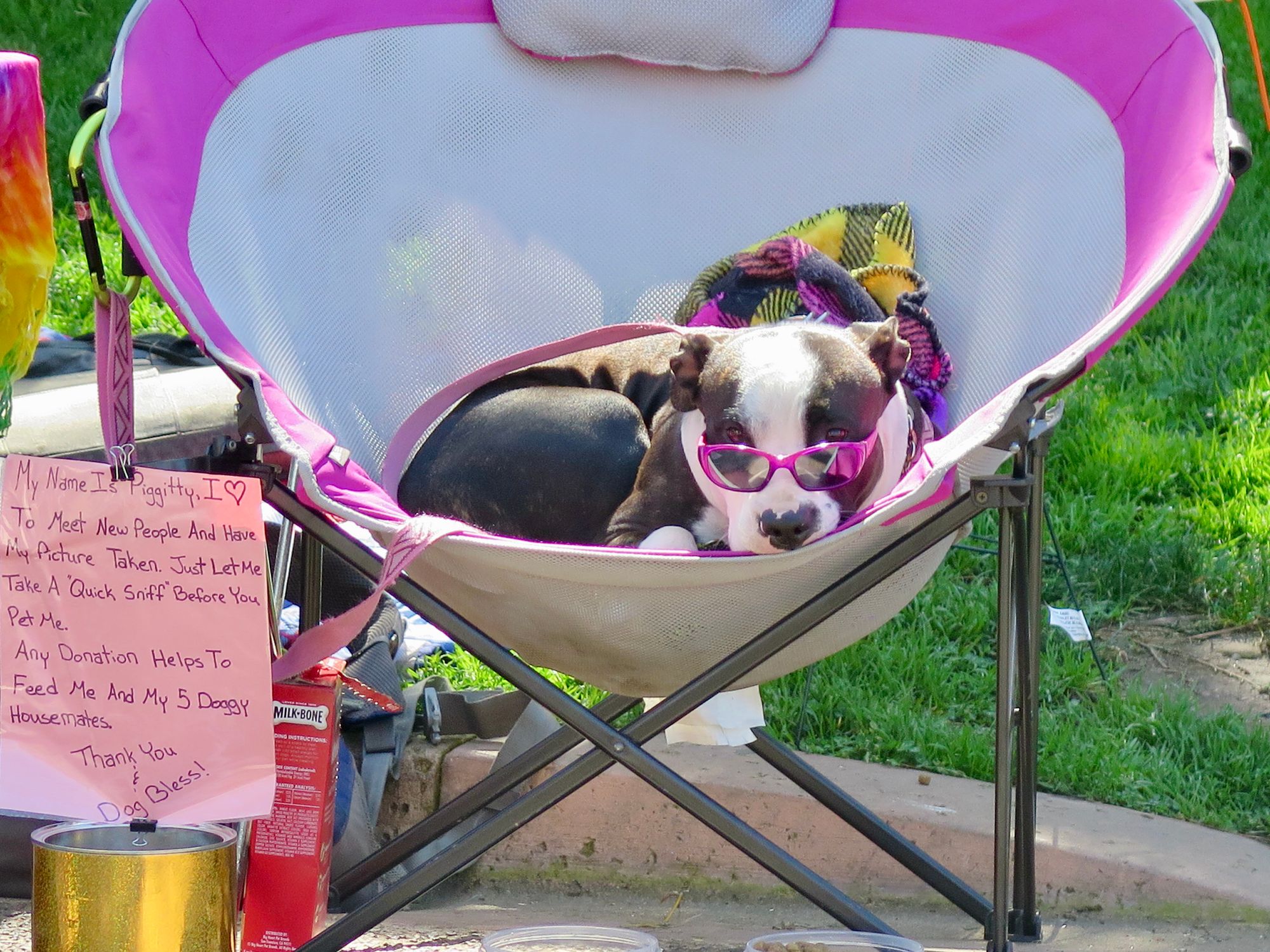
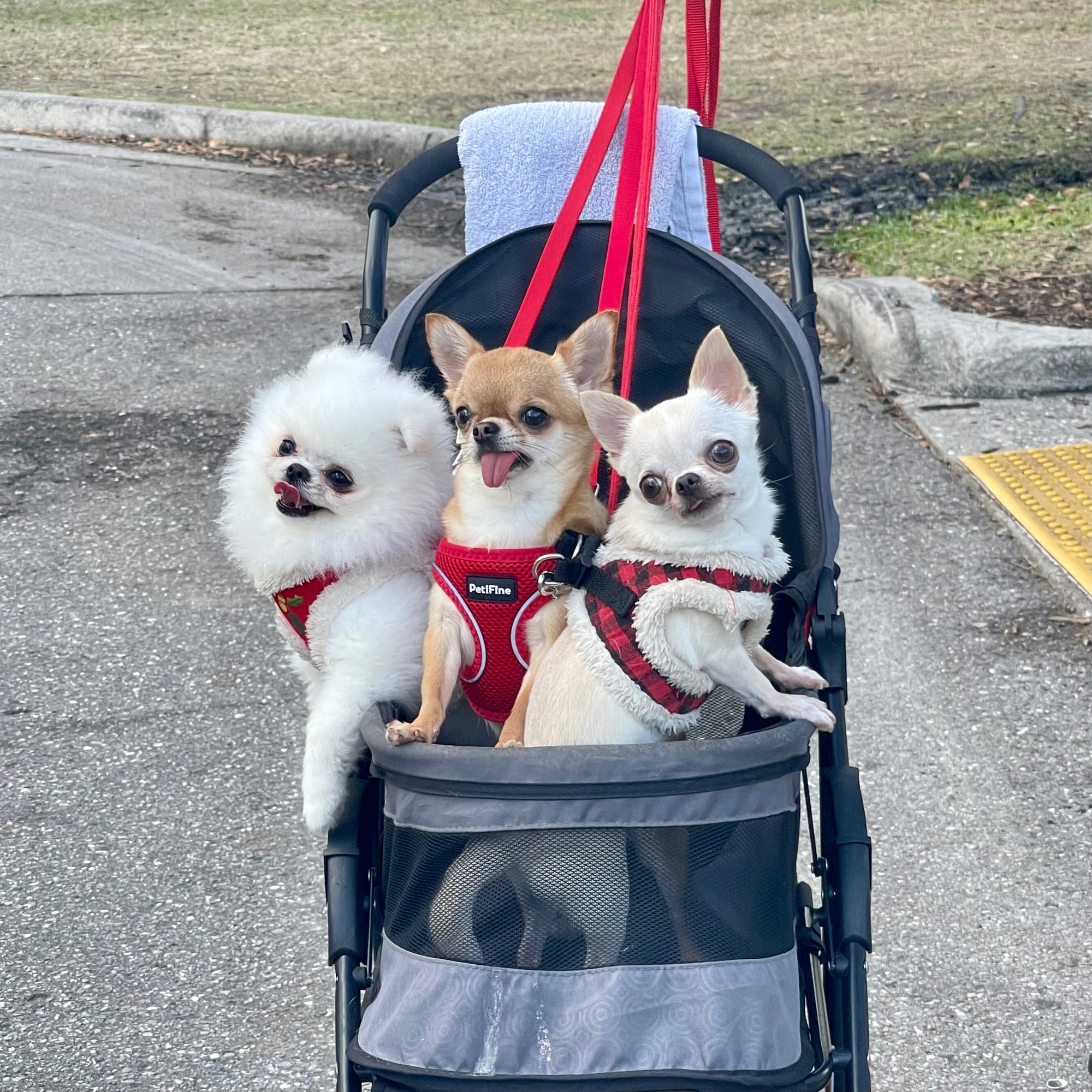
Where Characters Hang Out
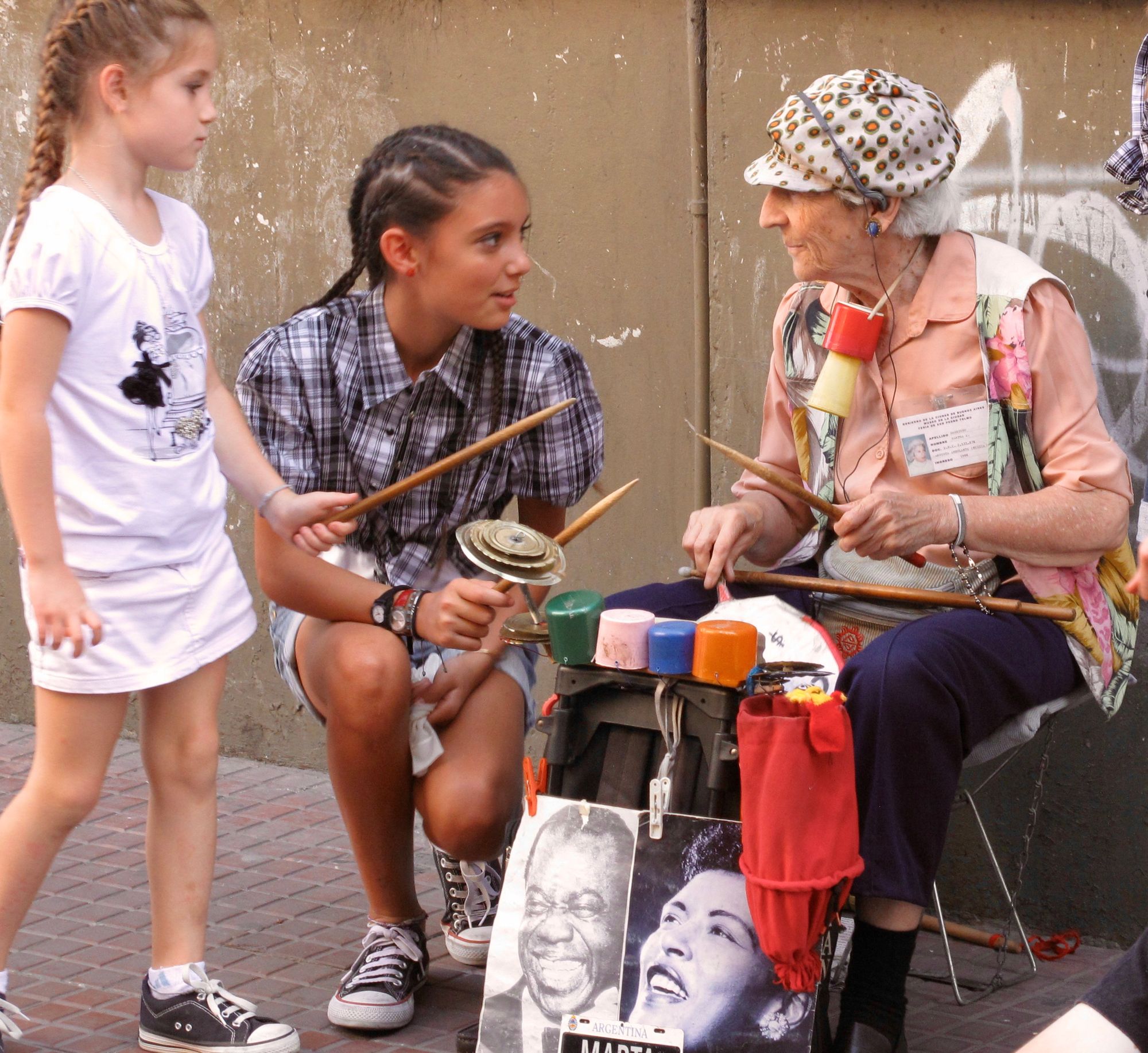
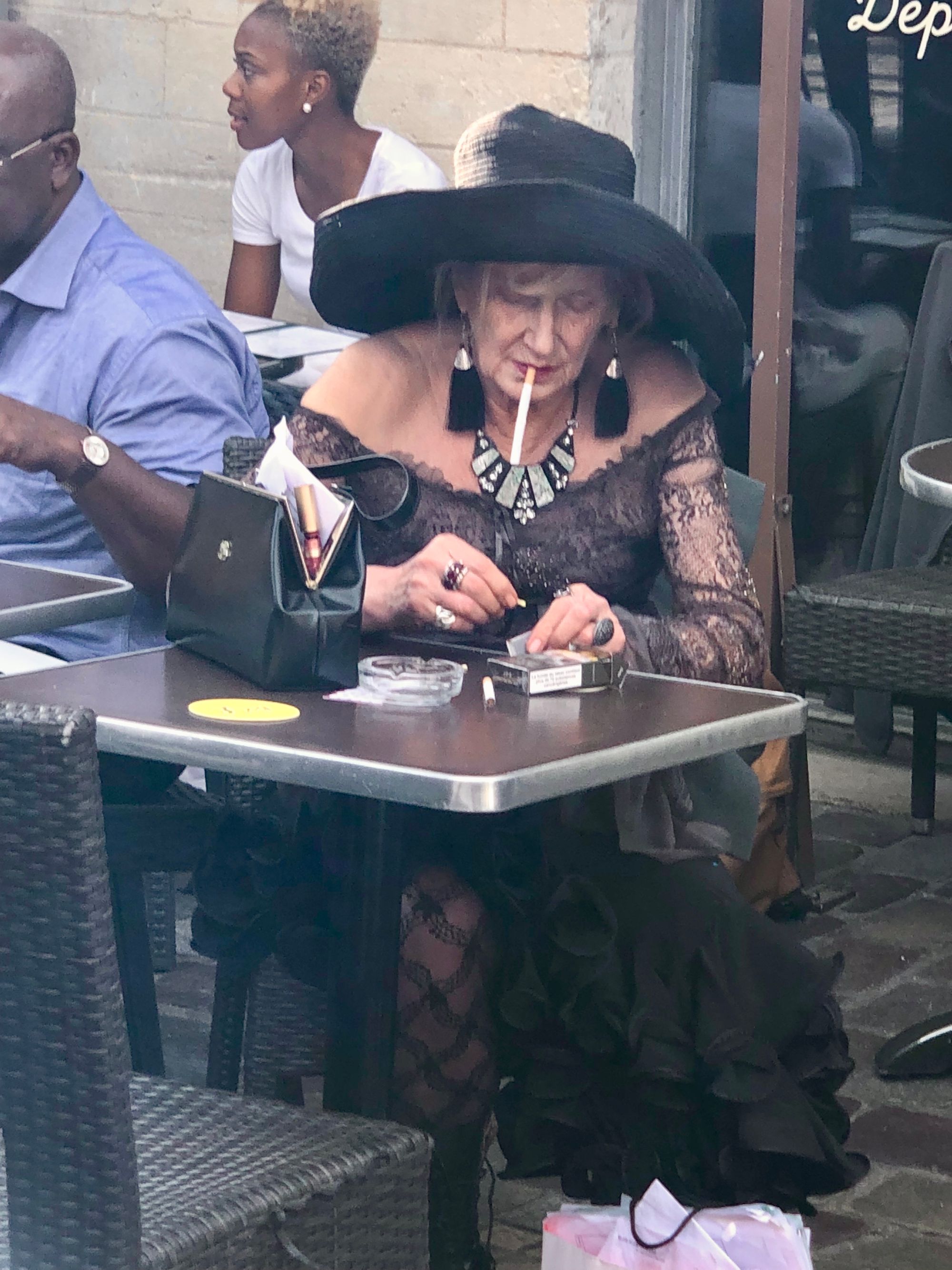
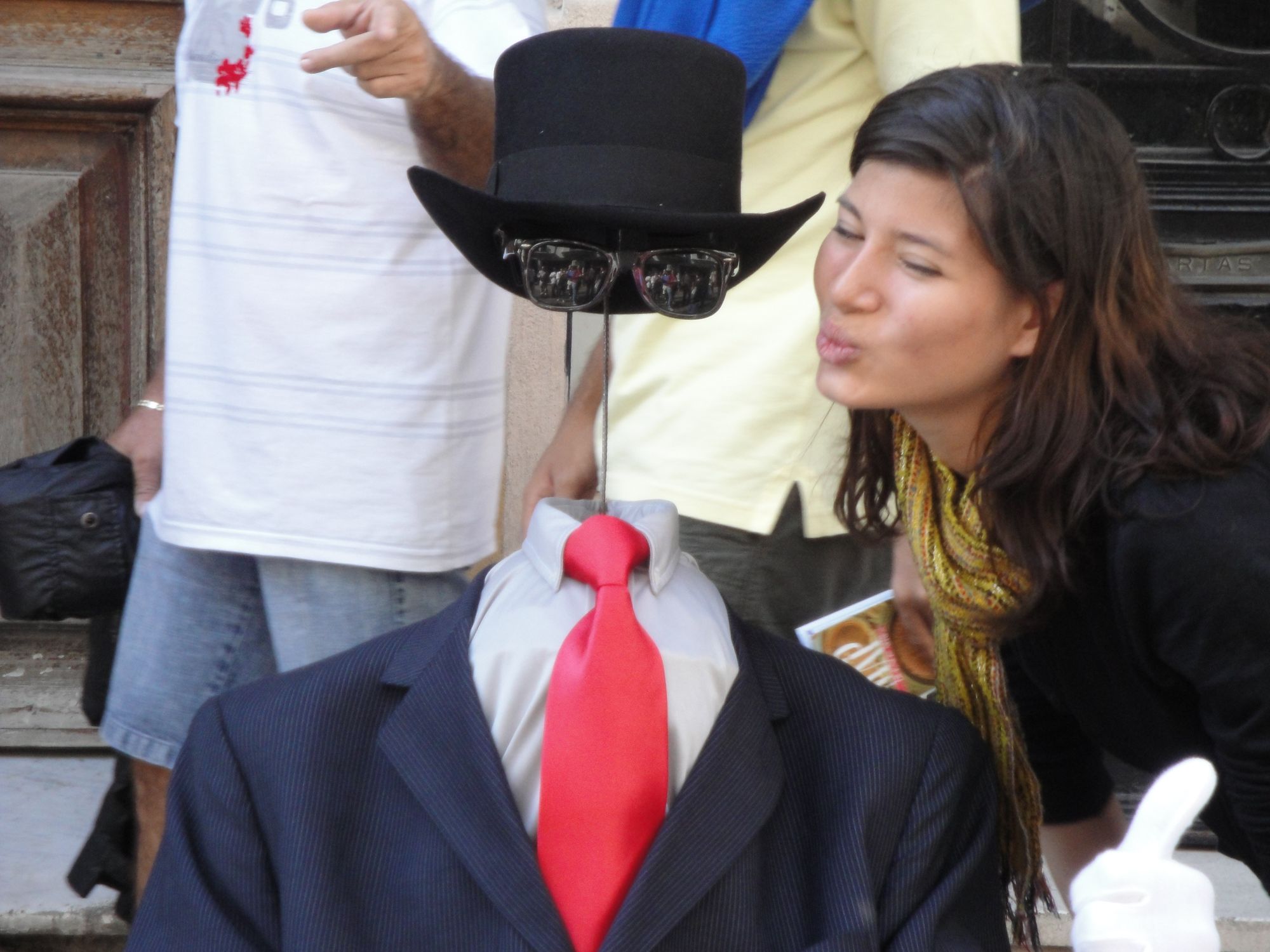
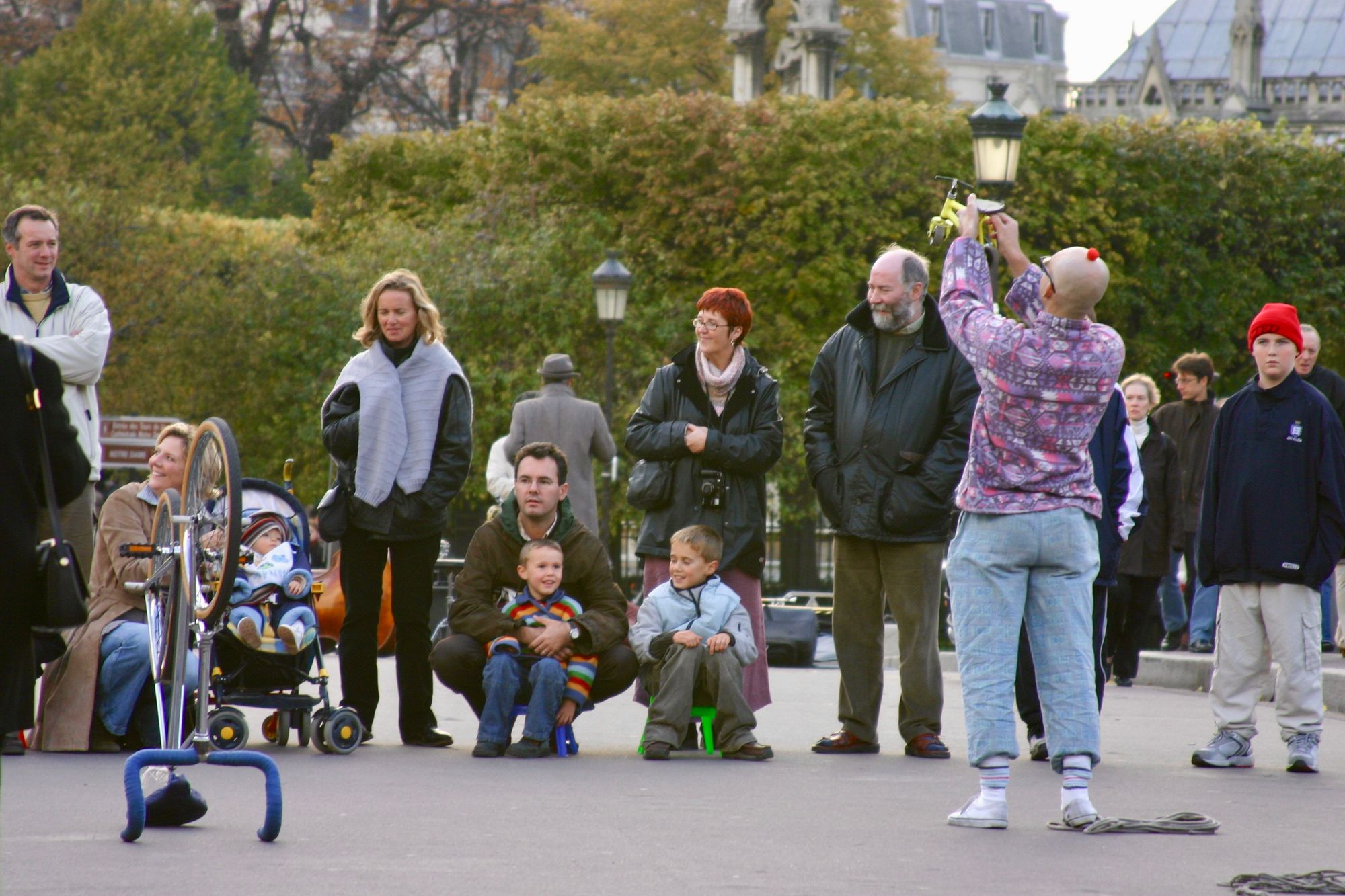
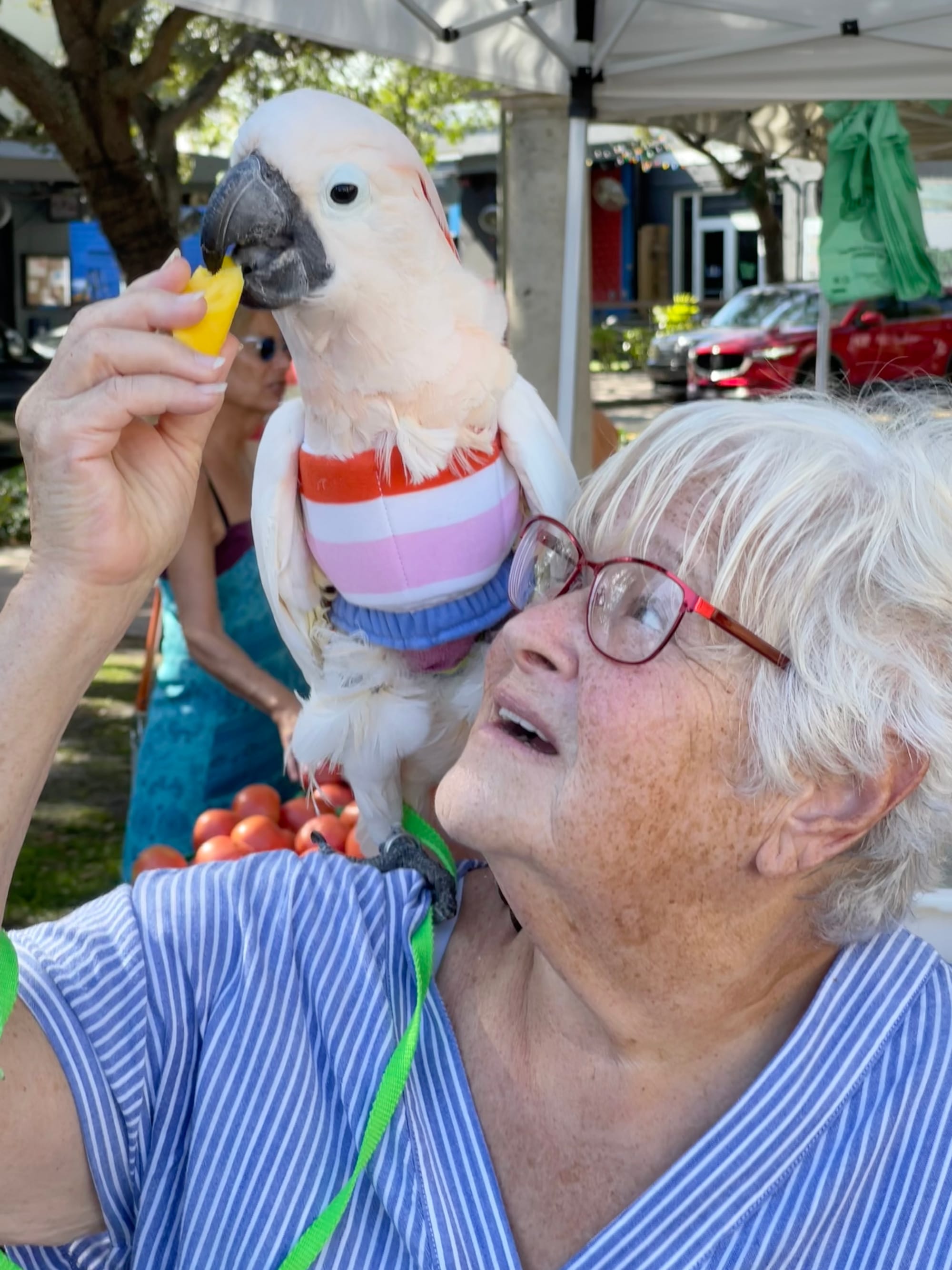
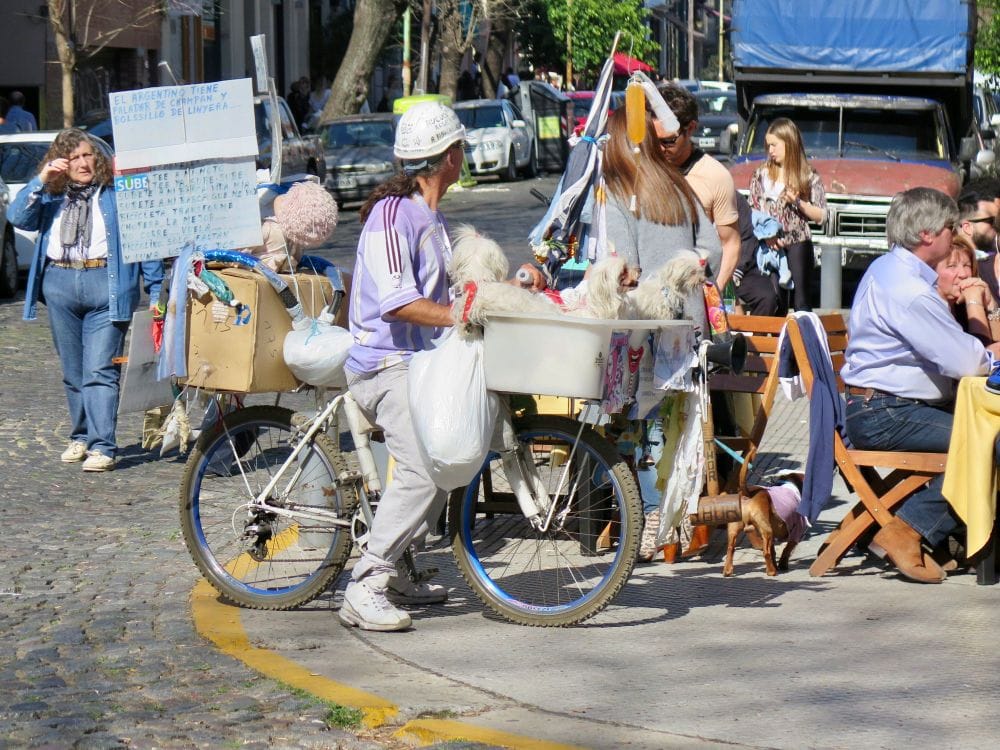
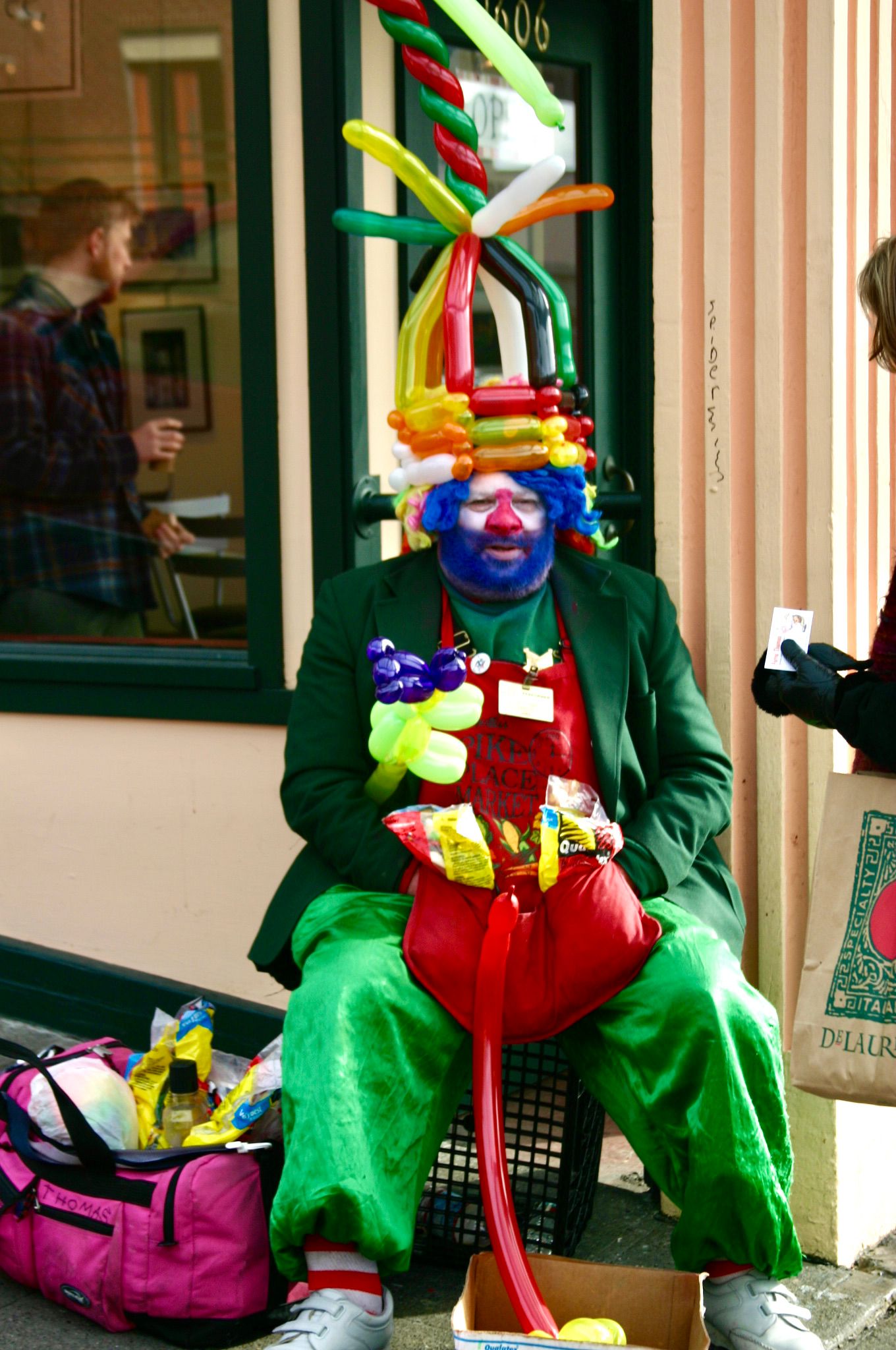
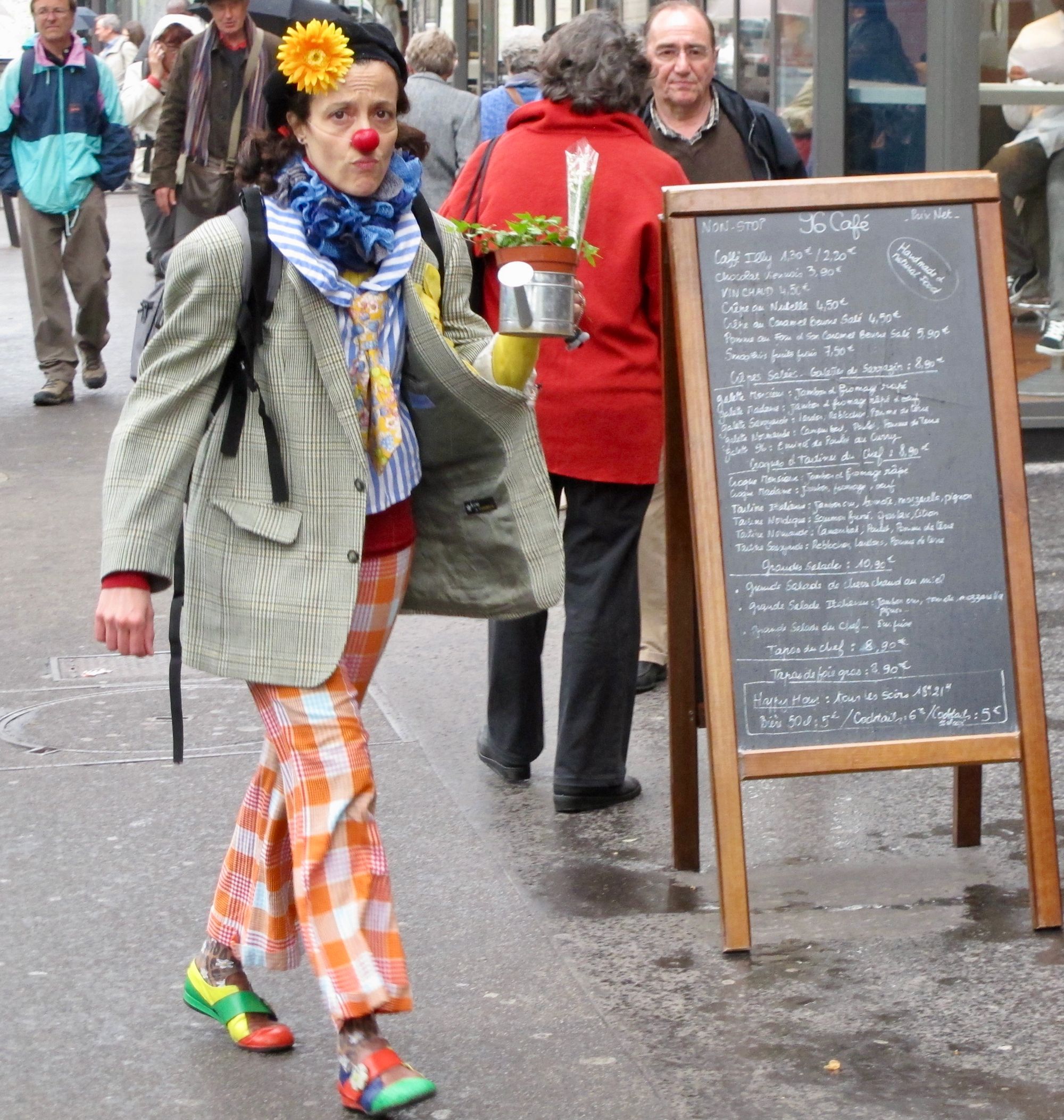
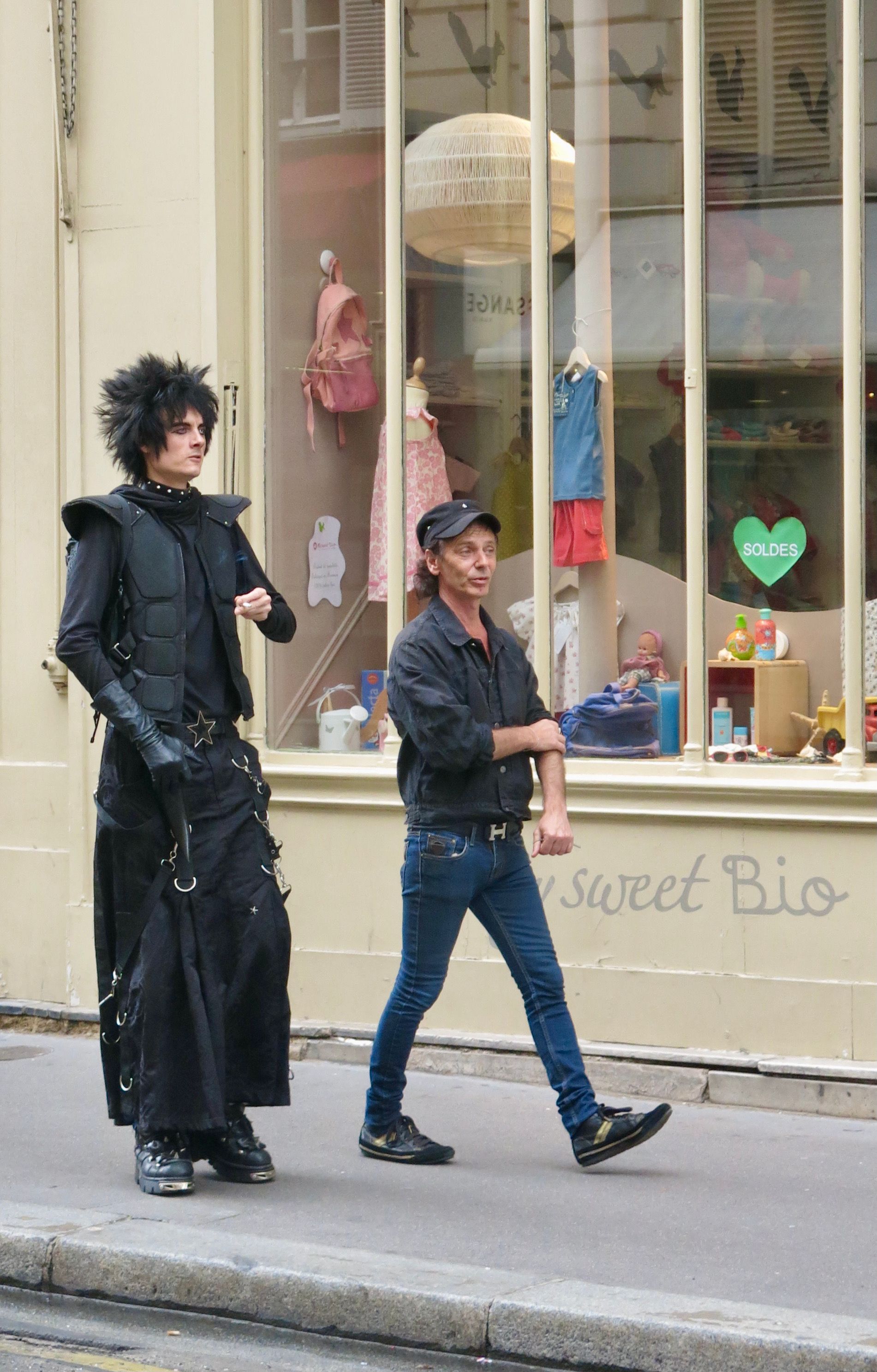
The best part of the public realm is the unpredictability – the potential for surprise and adventure around every corner. Knowing that whenever you go outside, you are sure to see something different and encounter someone interesting. The characters in our cities are what add this spark of fun. Through their unique personalities, skills, and behaviors, they create one-of-a-kind moments that become the highlight of our day. The best places are those where these interesting characters feel welcome to be themselves and share themselves with others.
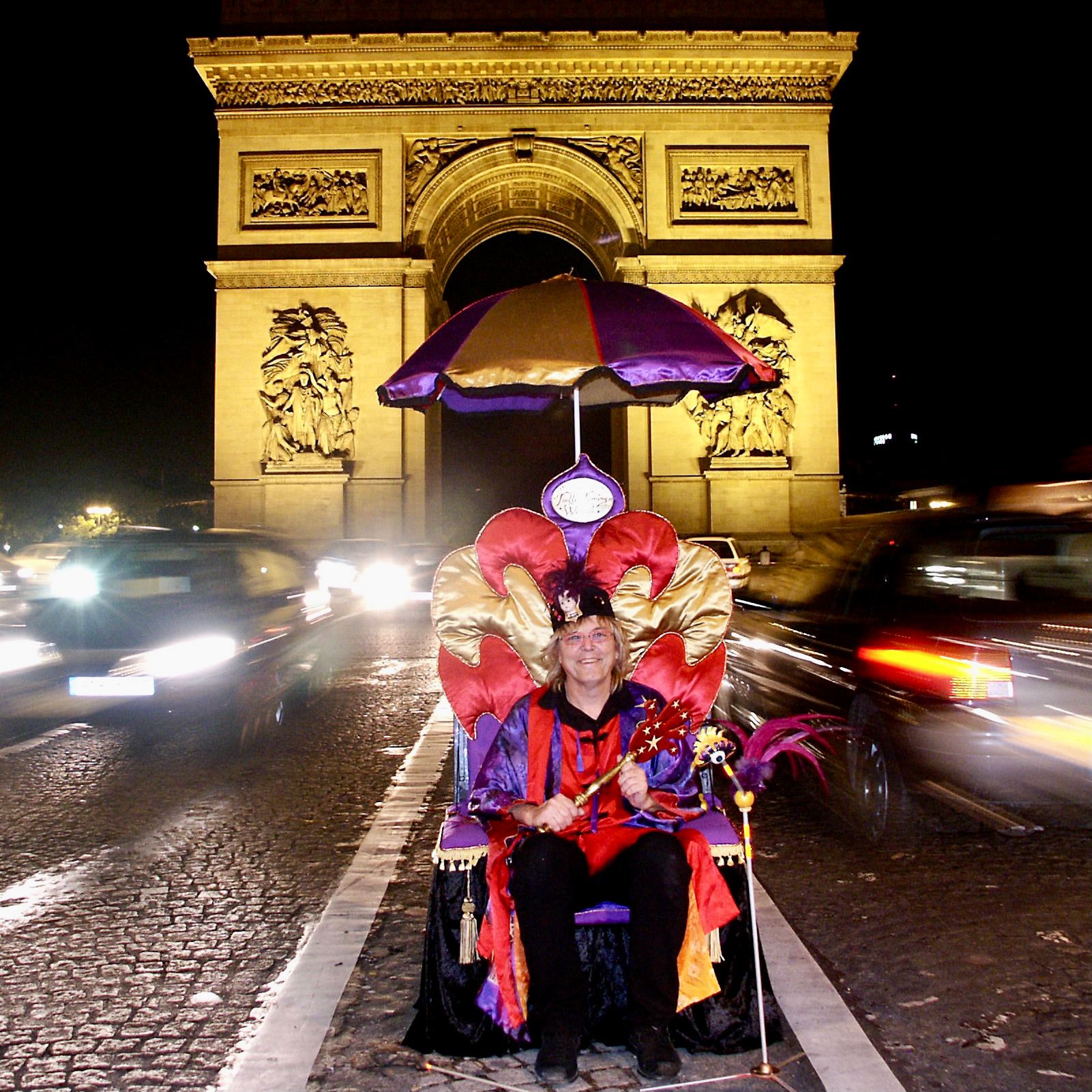
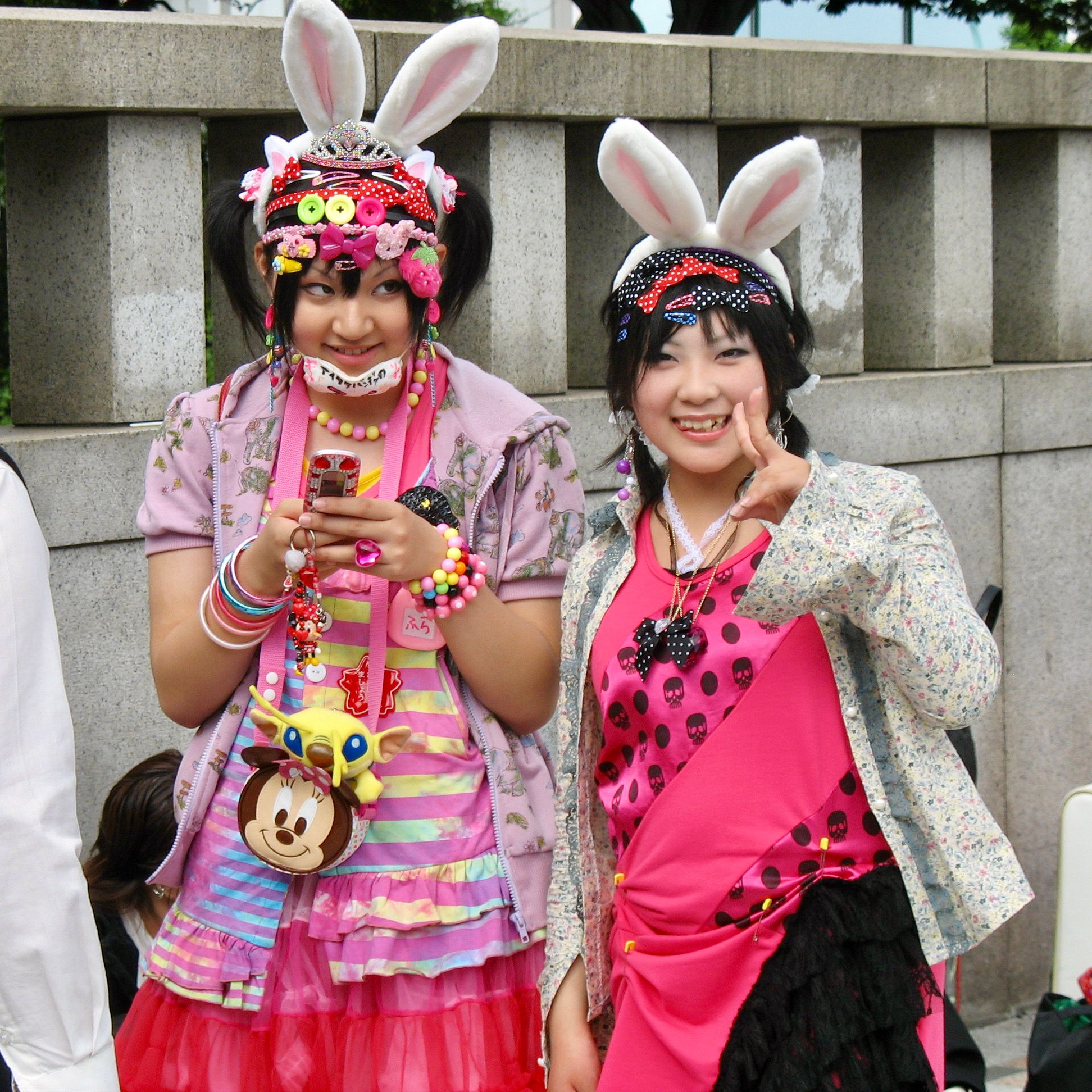
Eleven Agendas to Create the Social Life We Need
In order for us to create the kind of public realm where women, men, children, seniors, and everyone else feel equally comfortable and welcomed, we need to focus on improving certain places and features in our cities. We have therefore organized our main focus areas into the following eleven agendas.
- Starting with the Sidewalks to Create the Streets We Want
- Highlighting a Community's Identity by Creating Great Amenities
- Turning Buildings Inside-out: Architecture of Place
- Supporting Multi-Use Community Hubs
- Bringing Back the Public Square
- Putting Markets at the Center of Neighborhood Social Life
- Enhancing the Appeal of Water Features and Waterfronts
- Strengthening Assets that Express a City's Character
- Creating Social Life for All
- Having Fun
- Going "Back to the Future" to Design Cities in Pre-Car Ways
We have started a global dialogue around the 11 agendas listed above, through which we create visions for catalytic placemaking campaigns. This is the ambitious and vital mission of the Social Life Project. Together, we can restore public spaces to their essential role – providing social gathering spots that enrich local life by connecting people, and empowering them to create stronger communities.
Who We Are and What We Do
We at the Social Life Project are on a quest. We are laser focused on how human life can thrive on our planet. We have spent most of our lives leading the Placemaking Movement, working in over 3,000 communities in 50+ countries, helping to make the public places where people gather great. We are keenly interested in our surroundings and always asking questions about what makes them work.
How do people behave differently in different settings? What is it that triggers our senses and gives the signal that we should be in a particular place and using it in a particular way? Do people of different genders, ages, and backgrounds use a space differently? We explore these topics and more in our work, and we look to you, our readers and engaged community members, for help and feedback along the way. Understanding what makes the public realm thrive is a never-ending quest, but we have a lot of fun figuring it out together.
“Social life is not a pattern of interactions but an unfolding of relationships, a progressive ‘building up’ of relationships into the structures of consciousness. We are not organisms and persons but relationships – ways of making further relationships.” – Paulo Freire
Join Us
Join our work by sharing your stories of successful public spaces with Social Life Project, offering up ideas or resources for a Placemaking Center in your community, joining the PlacemakingX network, or identifying key areas in your town that could be a fit for transformative change. Help us start conversations at the local and regional levels about the vital need for community-led placemaking. We invite you to join our ongoing dialogue for the future of all our public spaces!
Further Reading
 Fred Kent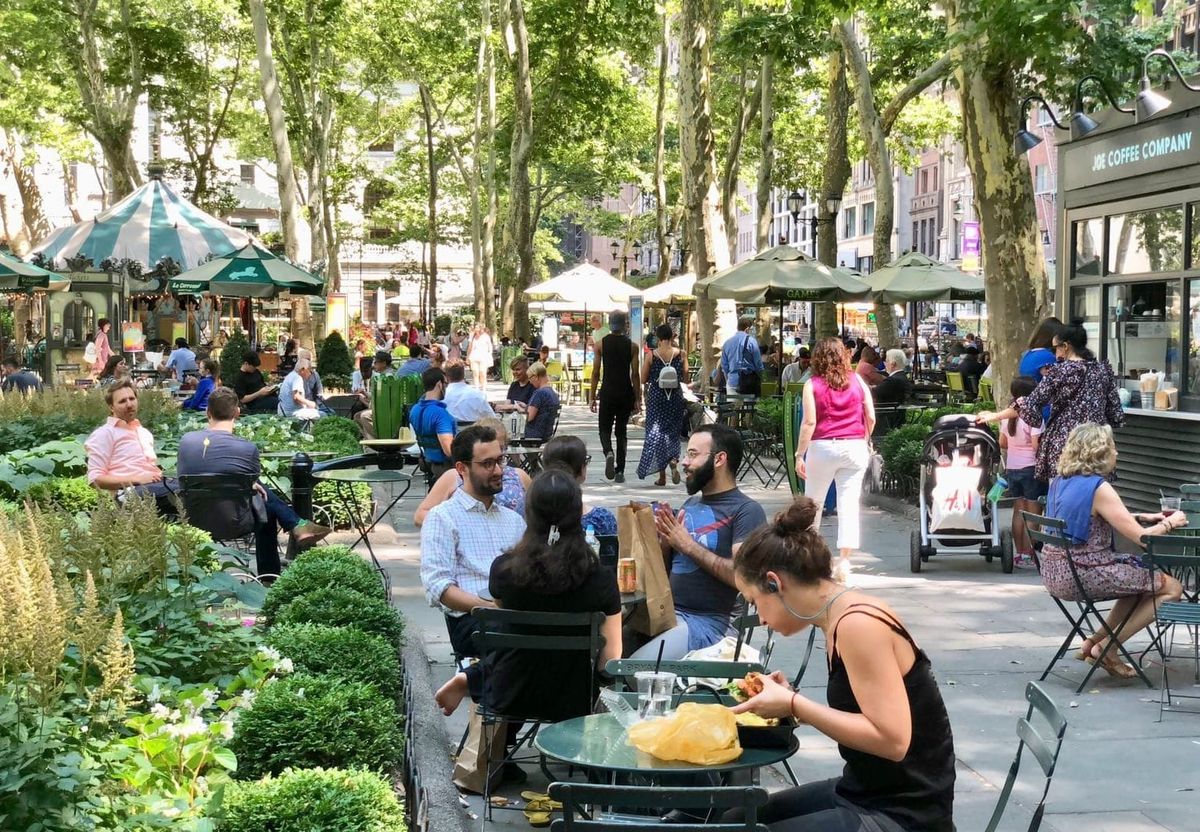
 Fred Kent
 Tayana Panova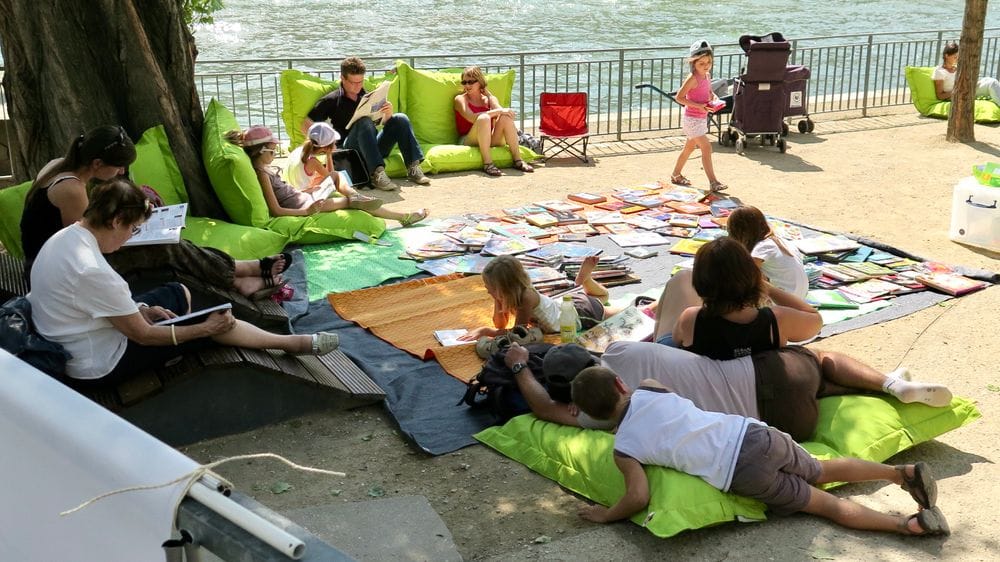
If you are interested in collaborating (articles, presentations, exhibits, projects, and more) or supporting the cause contact us.