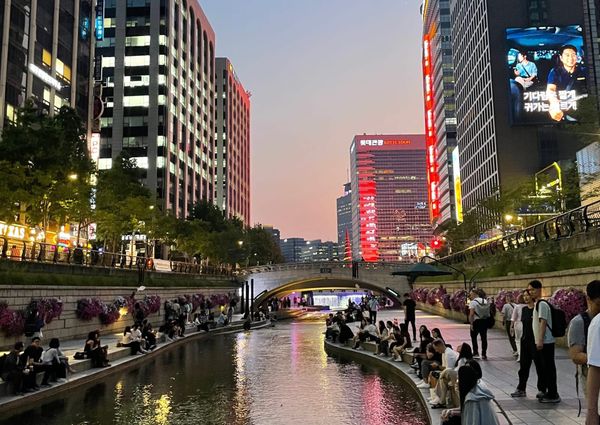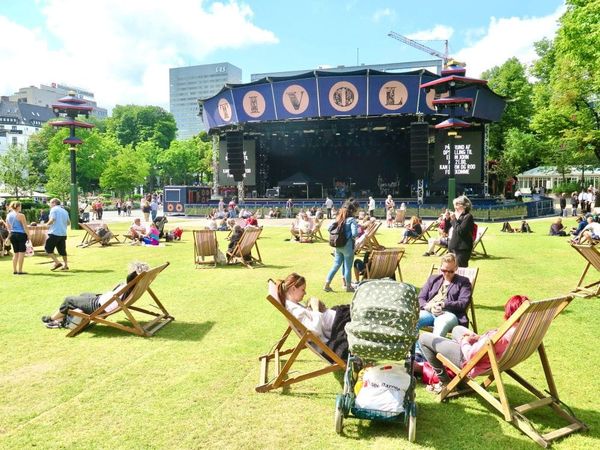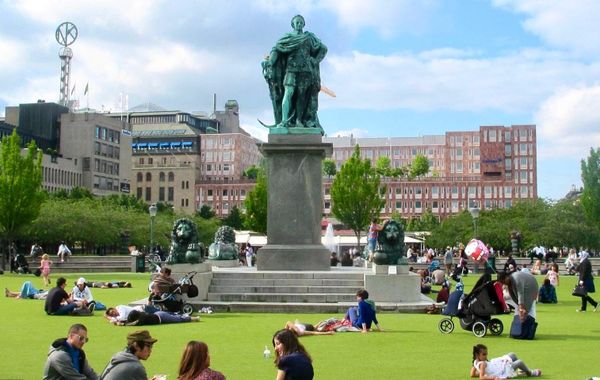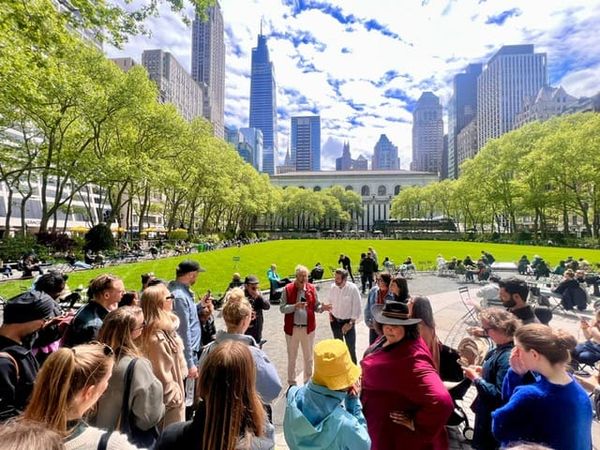
In small towns, the "green" is supposed to be a central public place – a place that people naturally gravitate to when they want to experience public life and the heartbeat of their community. It is often right in the center of town or in front of an important civic building such as the town hall because its purpose is to be an extension of public institutions and to bring people together.
Unfortunately, the typical town green today lives up (or down) to its name by representing little more than a patch of uninspiring greenspace. This is a great waste. A passive green eats up the most valuable public space in town and turns it into lost potential. Where there could have been a heart of community, instead there is a verdant void.
This has ripple effects on the whole town. The same way that a bustling market or dynamic square spreads energy through the neighborhoods that encircle it, guiding foot traffic along surrounding streets, a dead or empty space like a passive green dampens liveliness in its surroundings instead of nurturing it. It turns the town into a dull and sleepy place. A green should be more than green, it should be vibrant and dynamic. Too many are far from it.
Passive Small Town Greens
Small towns should be all about centering and supporting community life. They're the environments people seek out when they want to escape the alienating chaos of the city and get to know their neighbors in a charming, friendly setting. Therefore, town greens – as their central spaces – need to support the values of community development and connection. Currently, many of them offer little more than a good spot to sunbathe in, jog through, or walk a dog.
All Throughout the Northeast
There is much to love about the small towns in America's northeast, but the greens do not usually make that list. Often bare and lifeless (apart from the thriving grass), these public places leave much to be desired, mainly because the public is rarely found there.
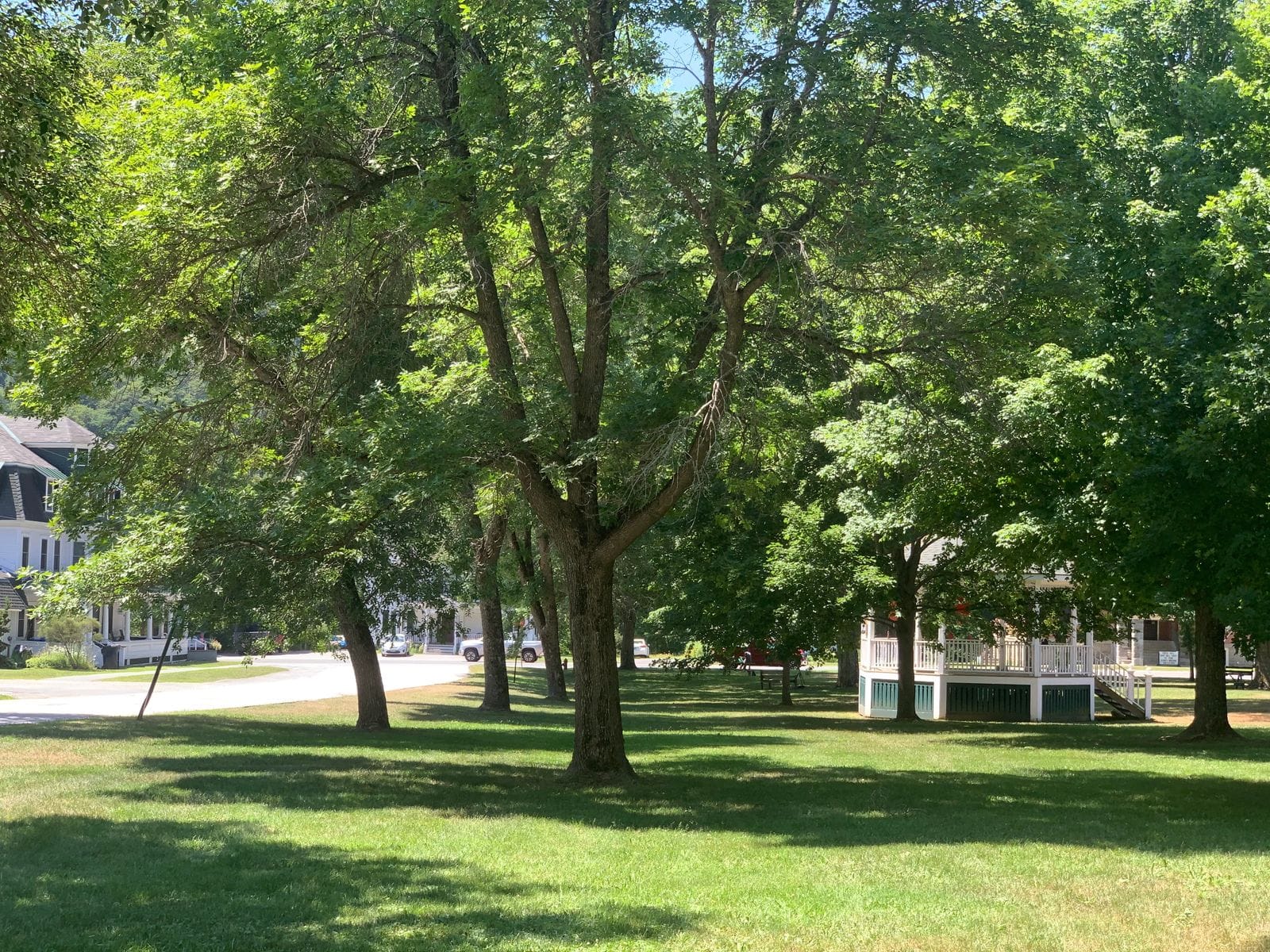
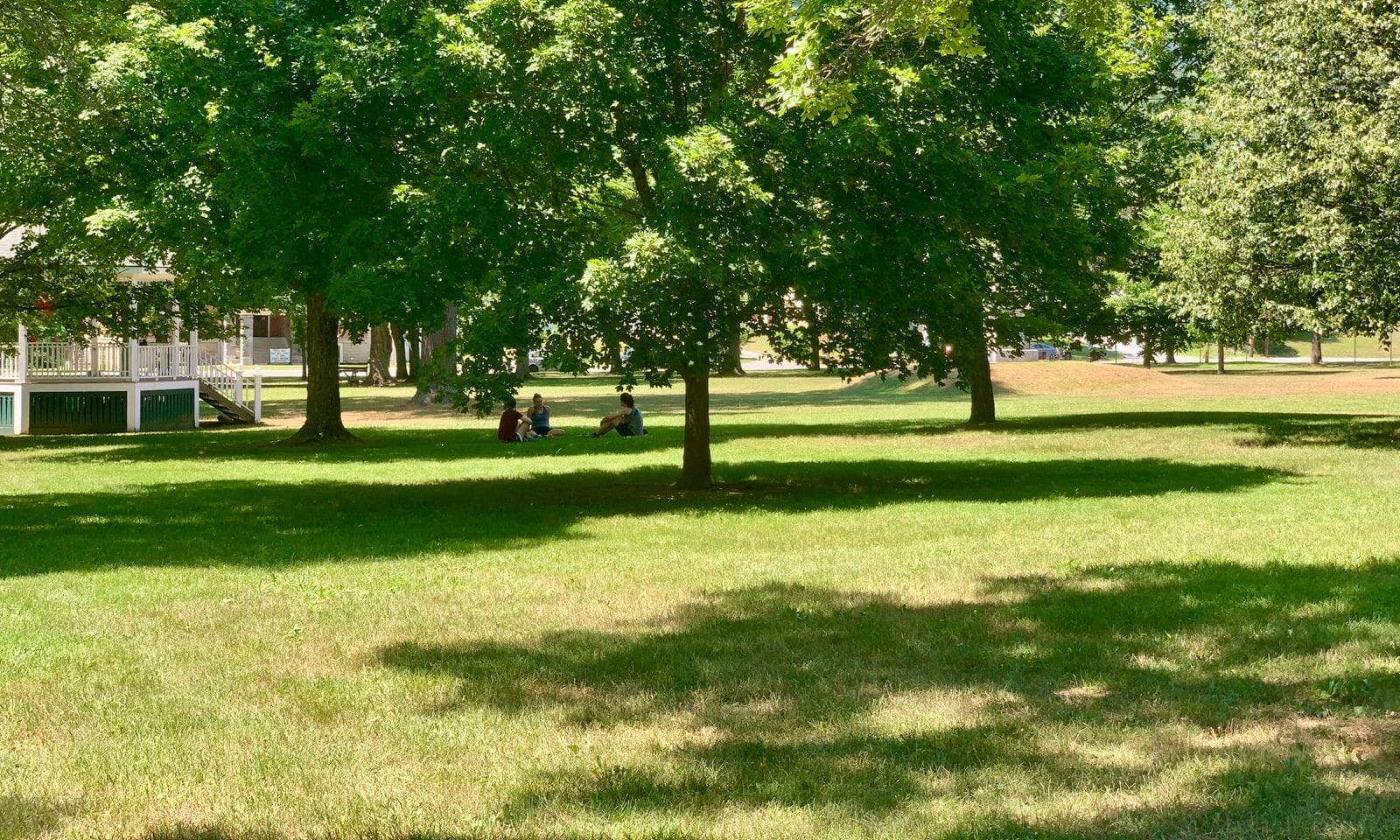
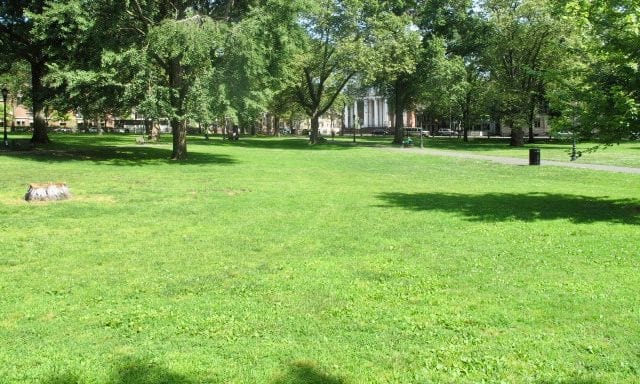
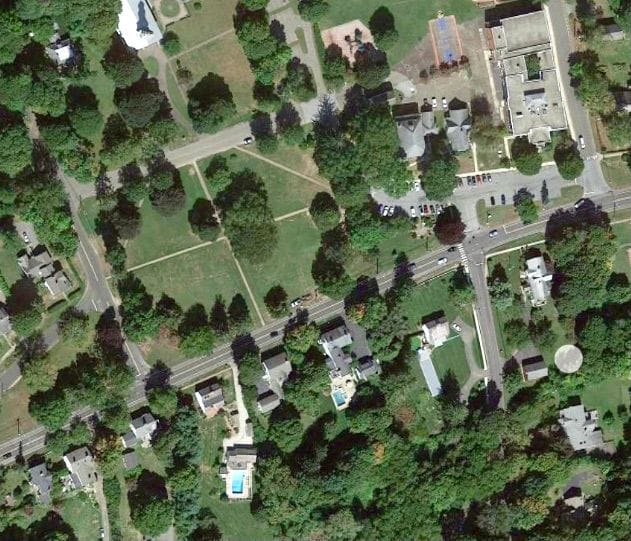
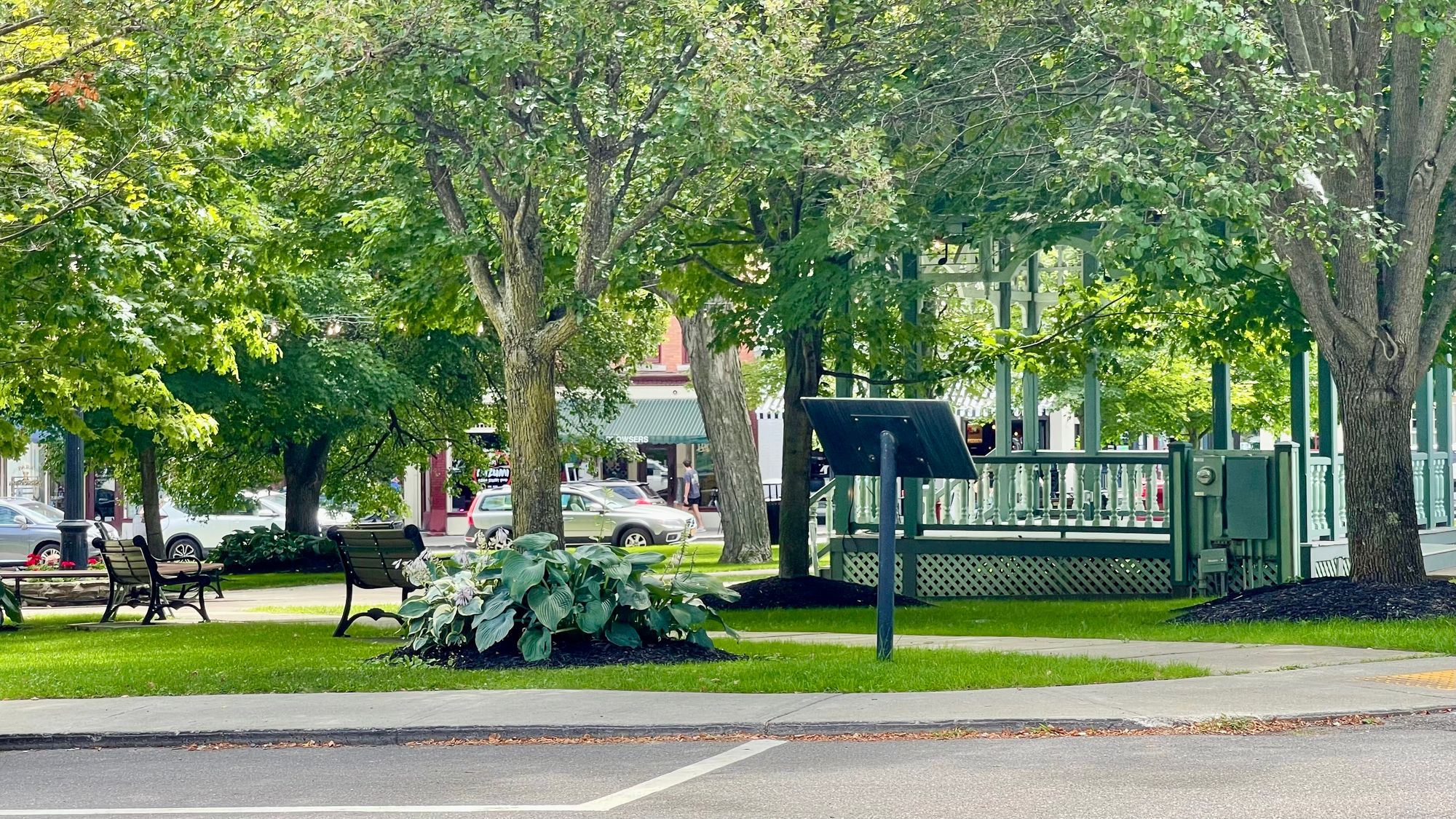
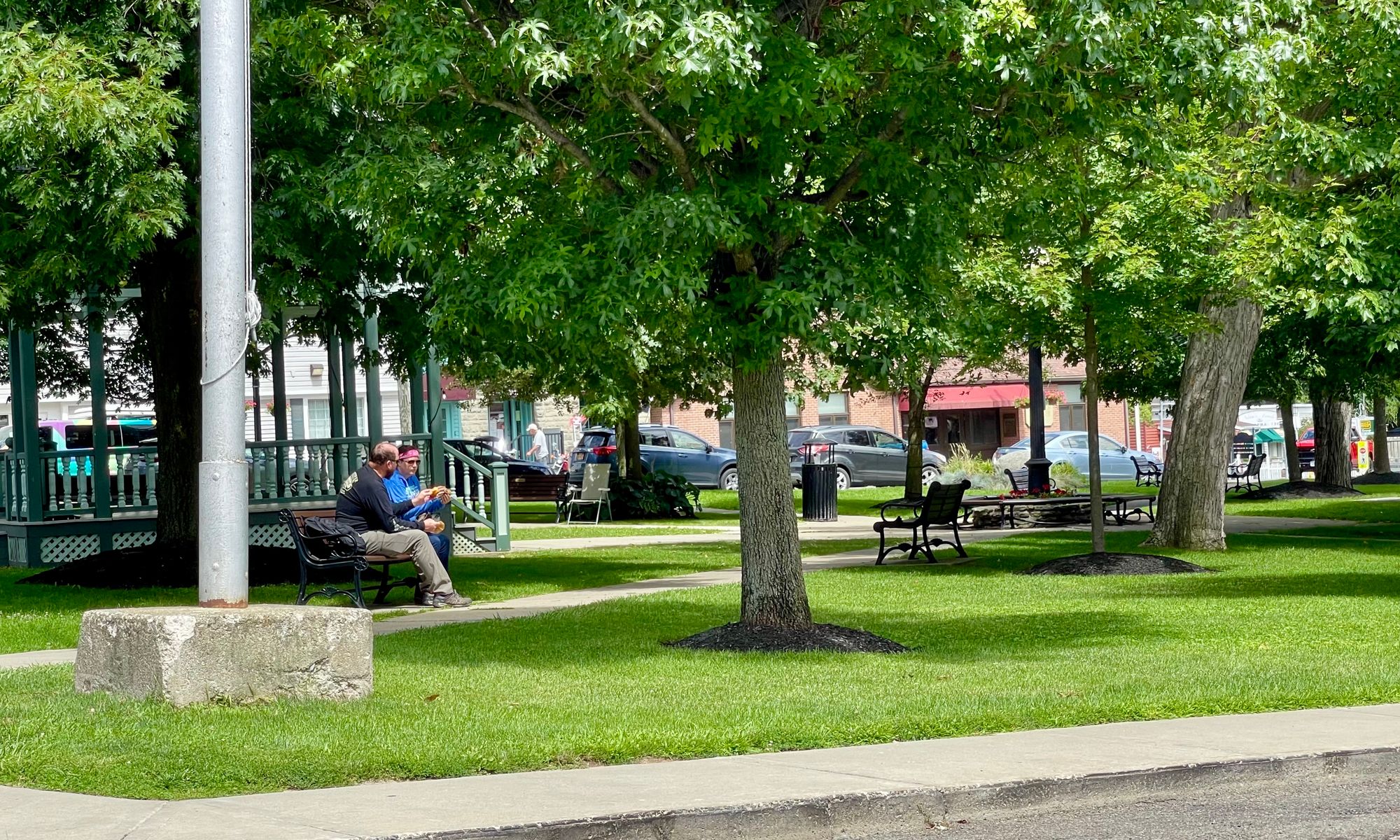
Typical town greens where nothing is going on
Woodstock, Vermont's Struggling Green
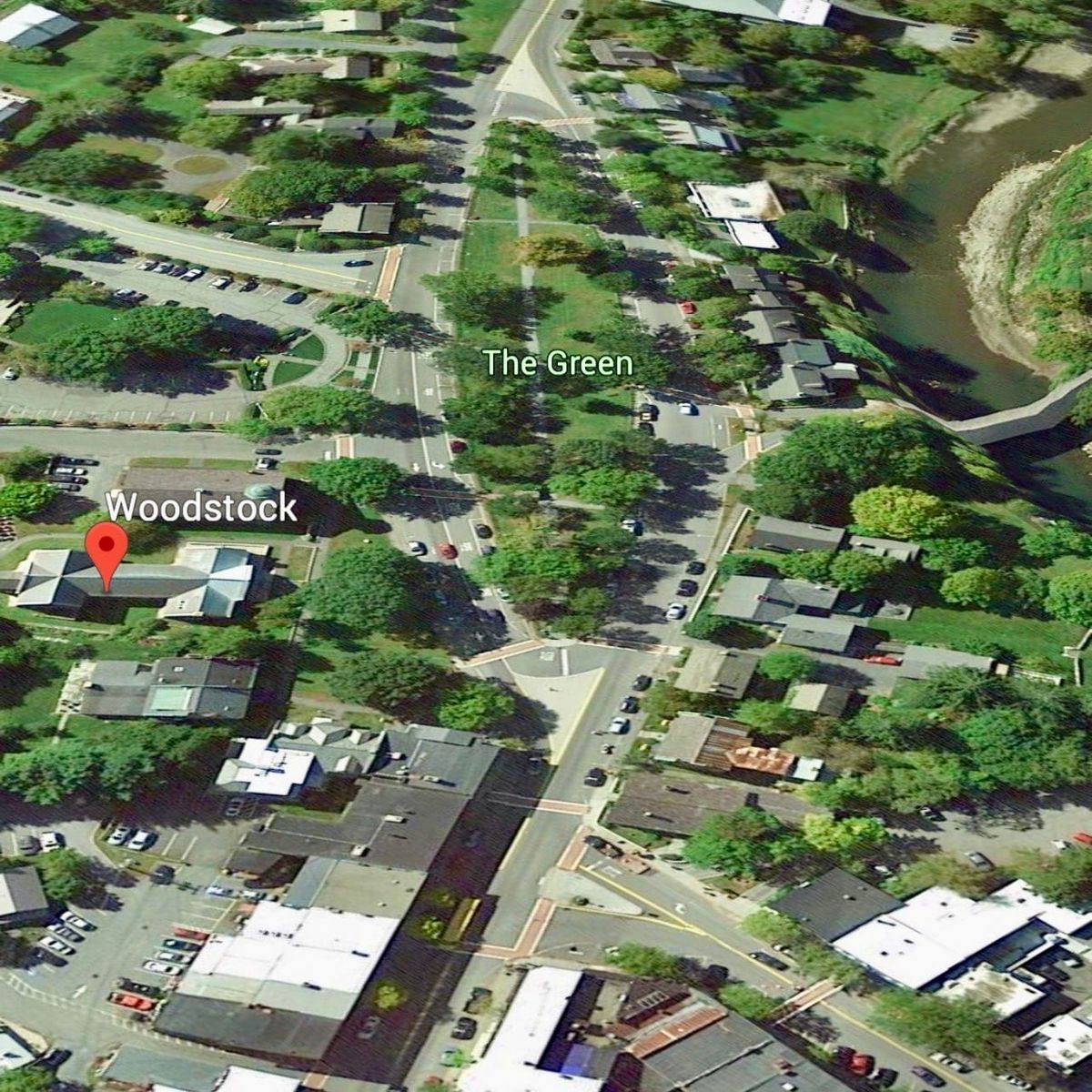
The green in Woodstock, like most New England town greens, is a peaceful but passive space. Bisected by a path with a spattering of benches and trees throughout, it is nice to walk through but not interesting to spend time in. Important public buildings surround the green including the library, court house, and The Woodstock Inn. However, they are too set back from the space and disconnected from it so they don't much influence the activity that happens there. If they were better integrated, potentially through inside out design like external displays of art, amenities, goods, and seating, they could add to the green's value and appeal.
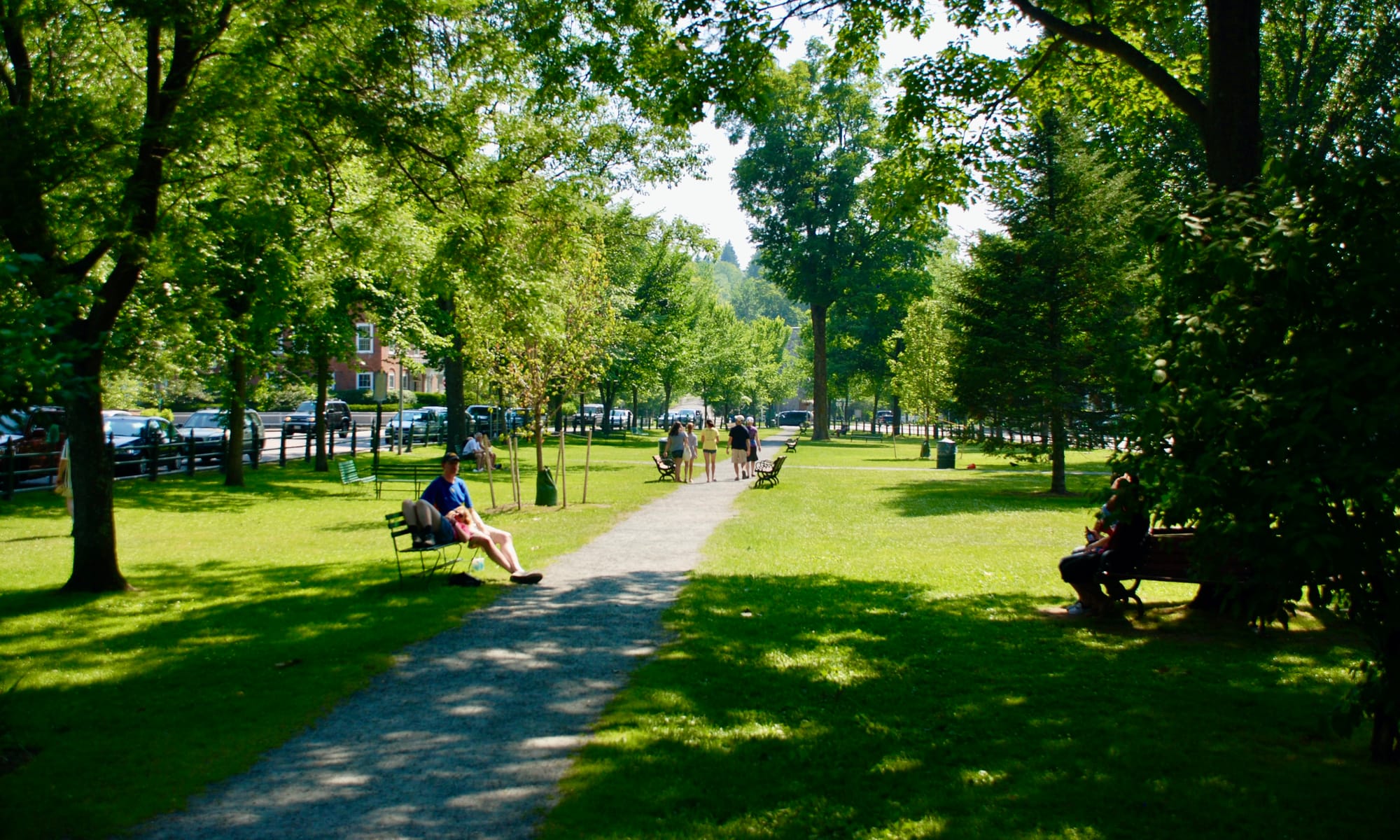
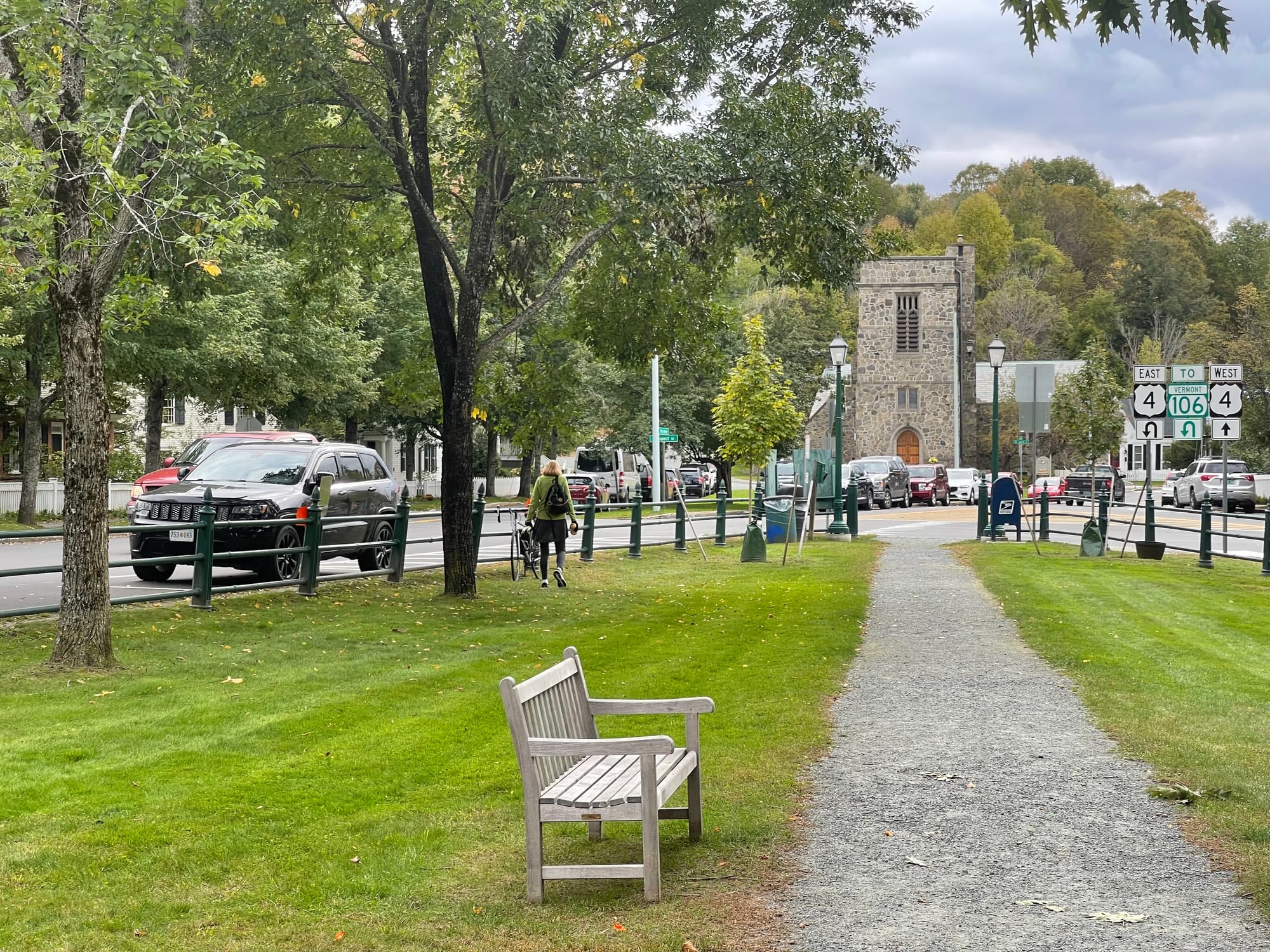
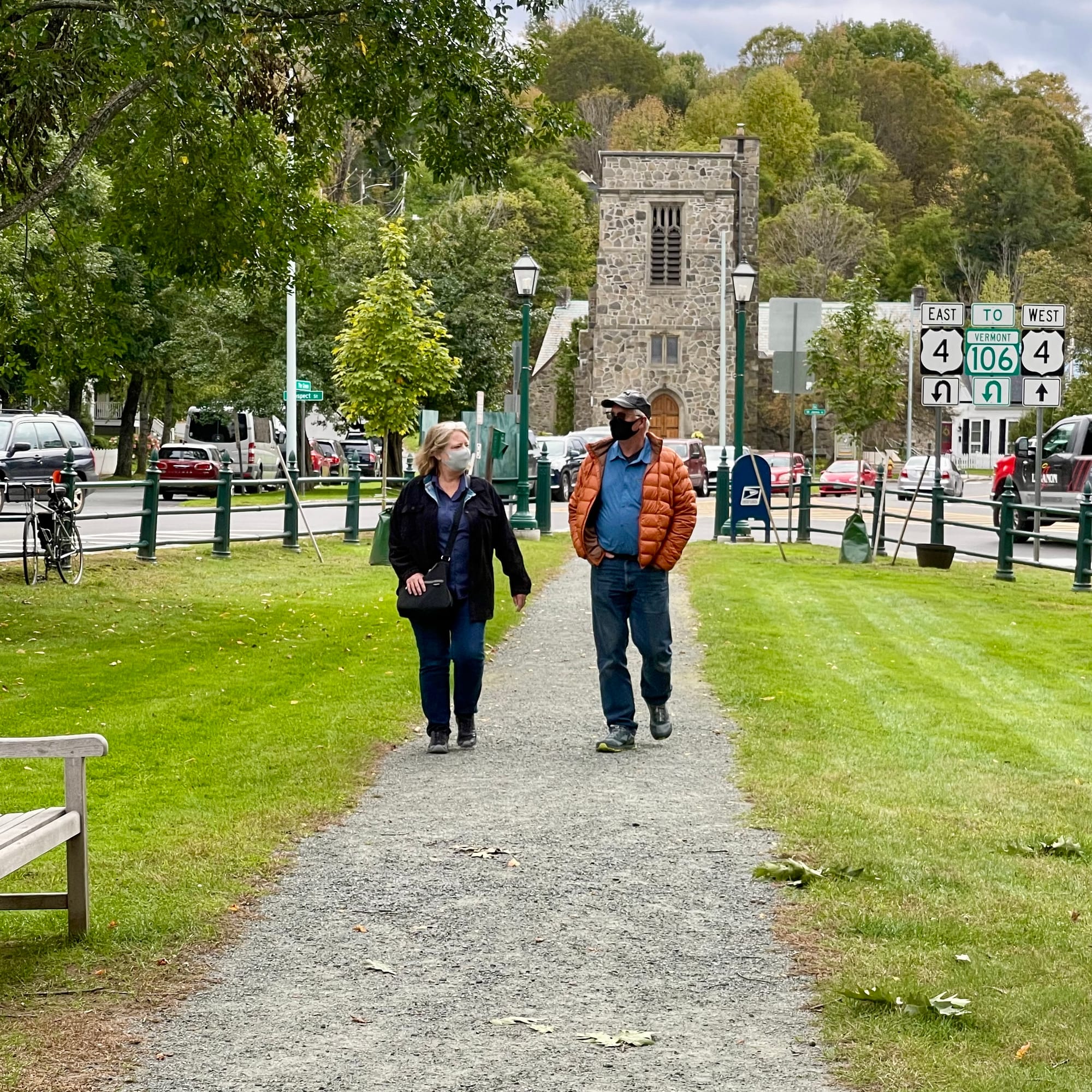
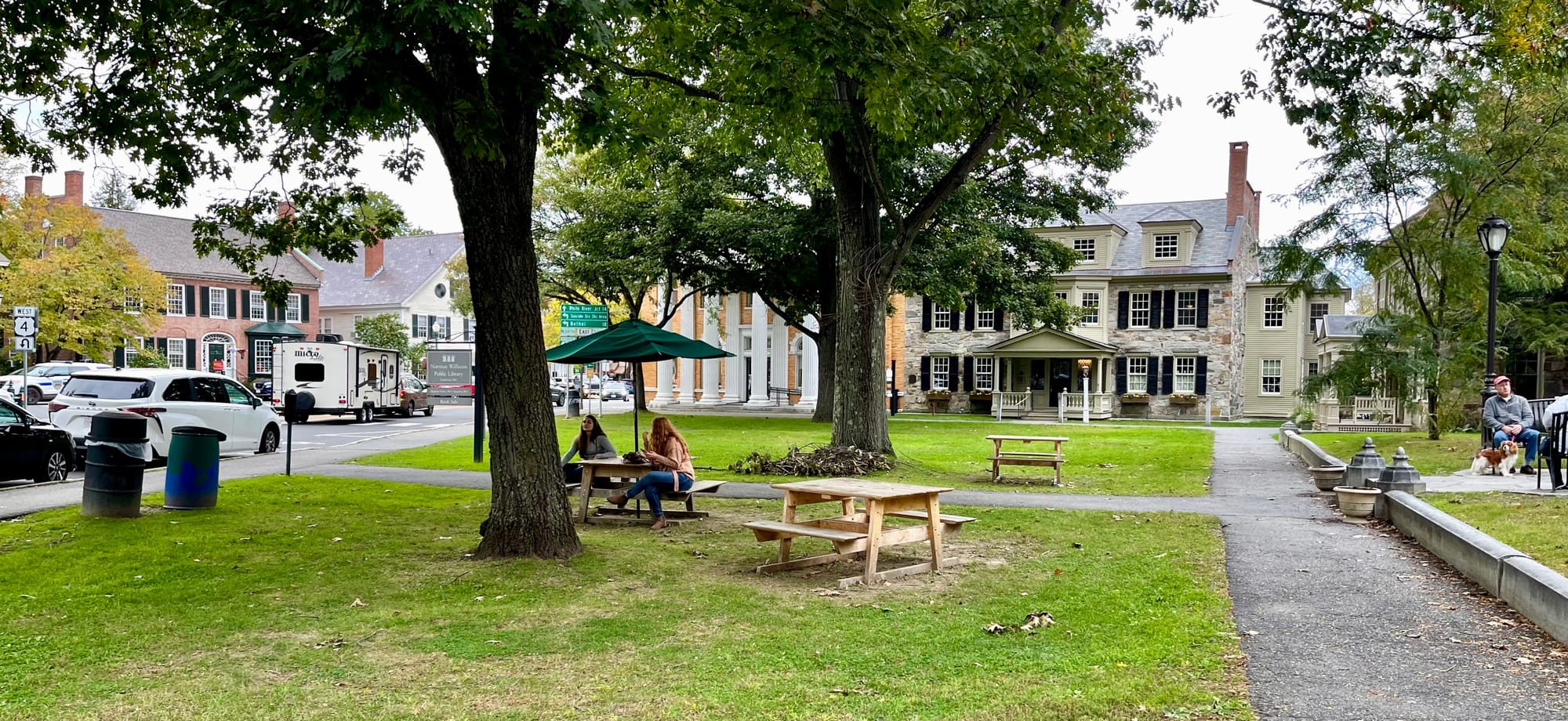
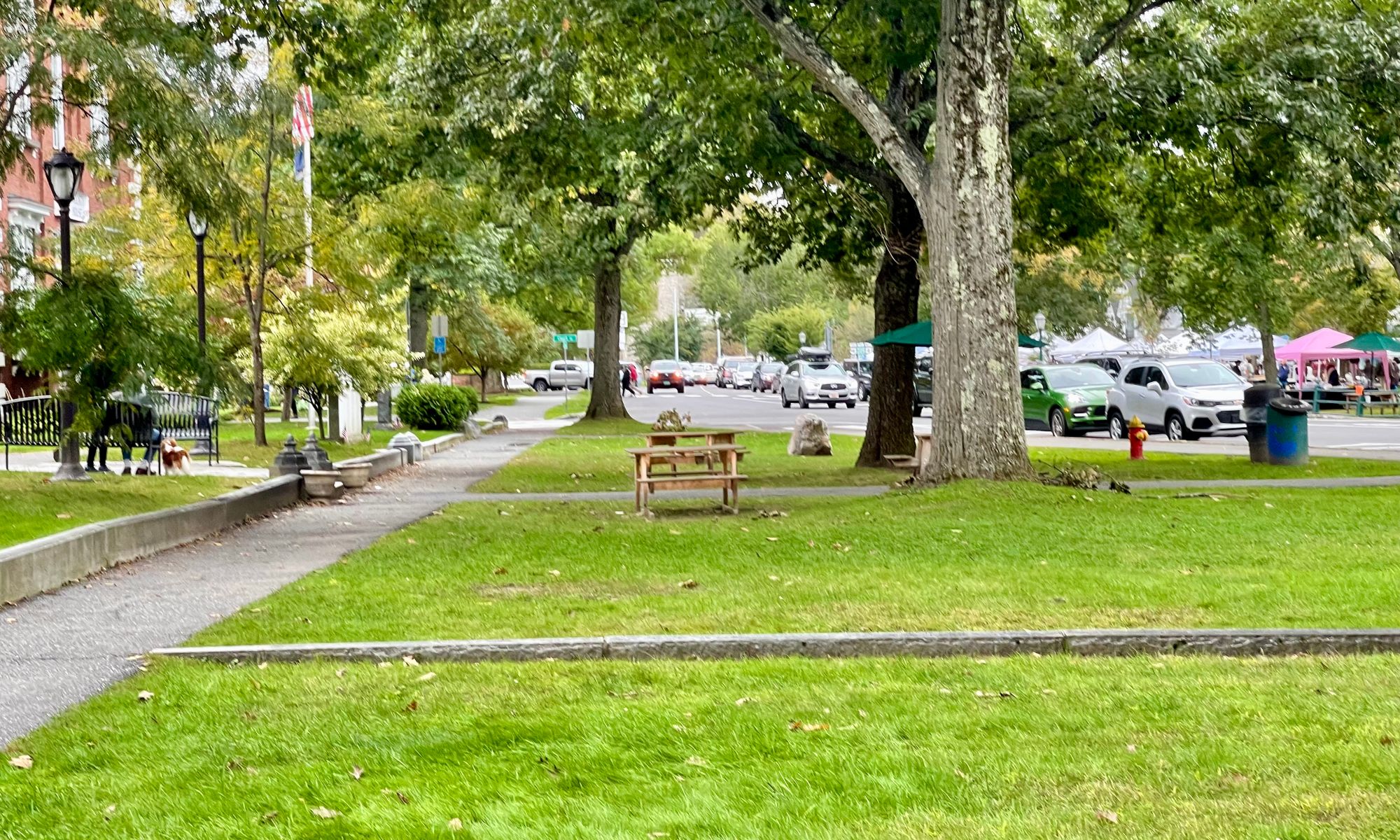
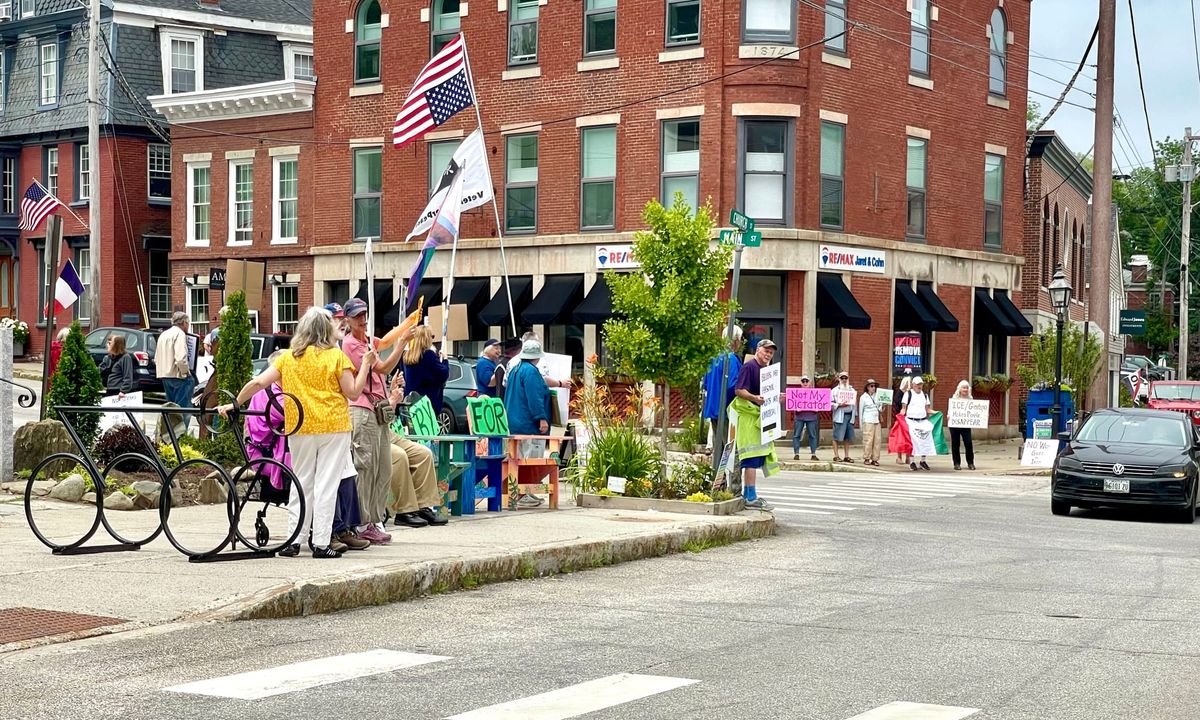
Sometimes, a green is lacking activity and vibrancy because it is being suffocated on all sides by busy streets, and its entrance is little more than a hostile intersection. This is the case for the green in Woodstock that is trapped in the vice of traffic. It's no wonder that people don't wander into this green more often and ignite it with public activity – not only is getting to it a hassle that requires overcoming the barrier of a multi-lane street, but for a place as small as this green, being walled on both sides by traffic creates an unpleasant atmosphere that few people find enjoyable to immerse themselves in.
Traffic and community life rarely go hand-in-hand.
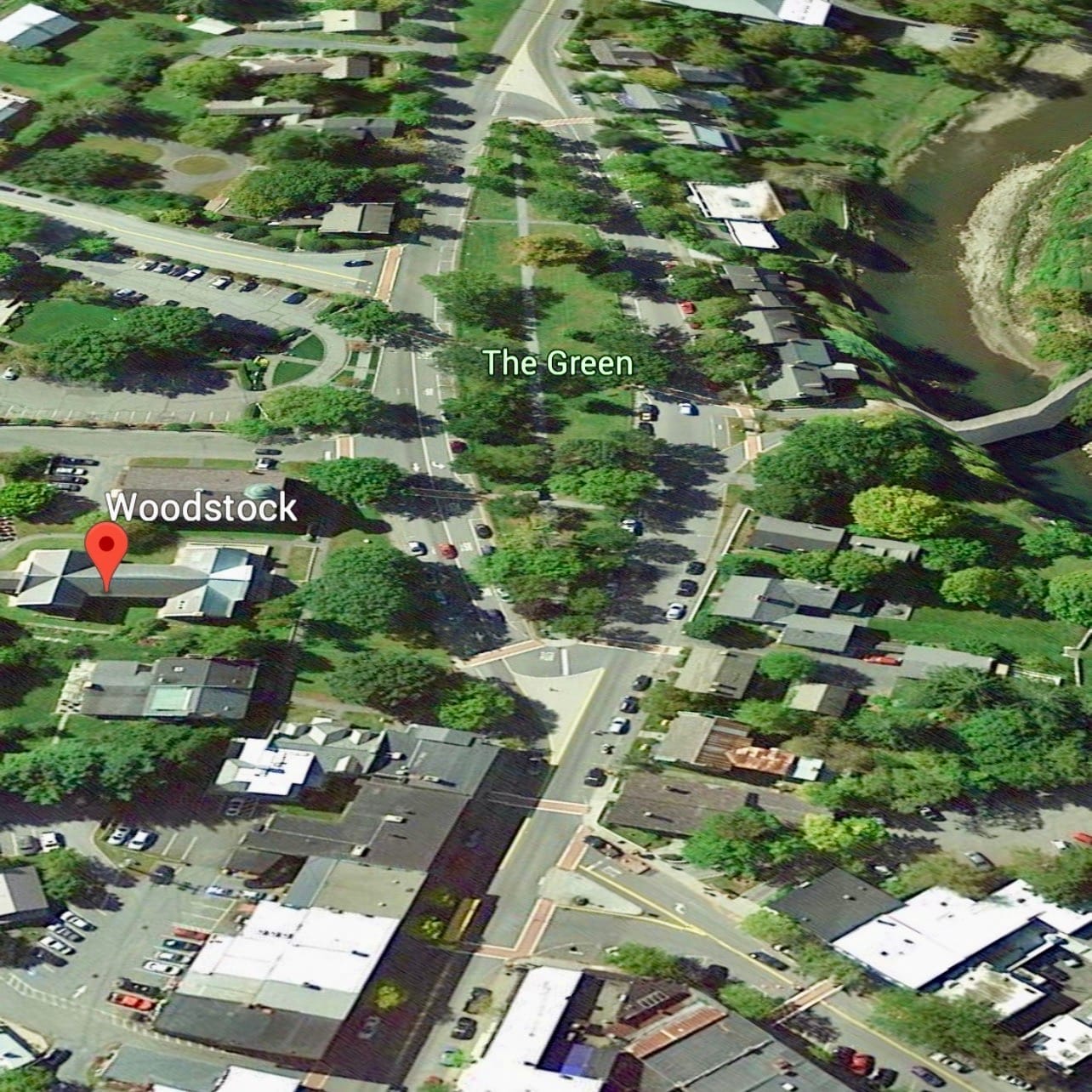
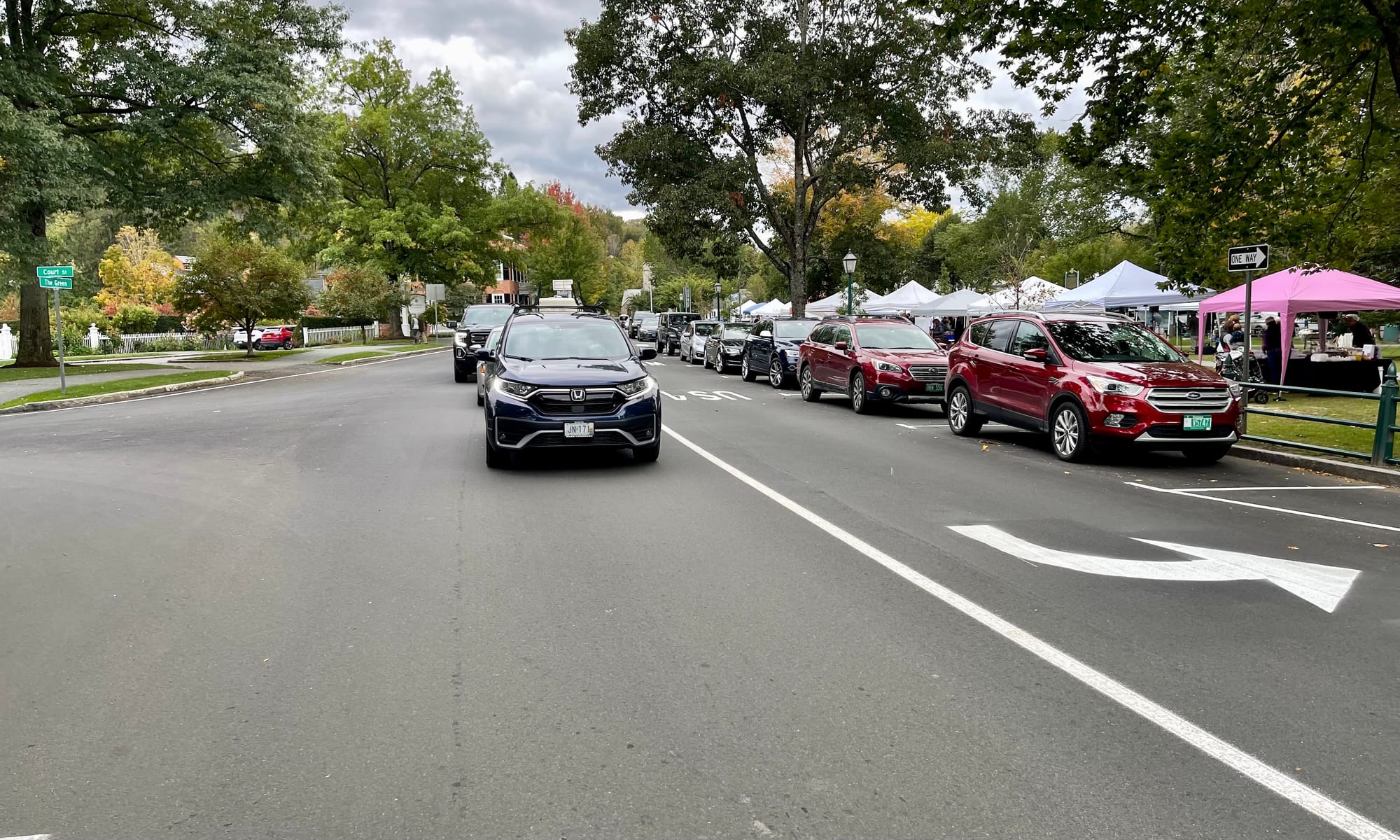
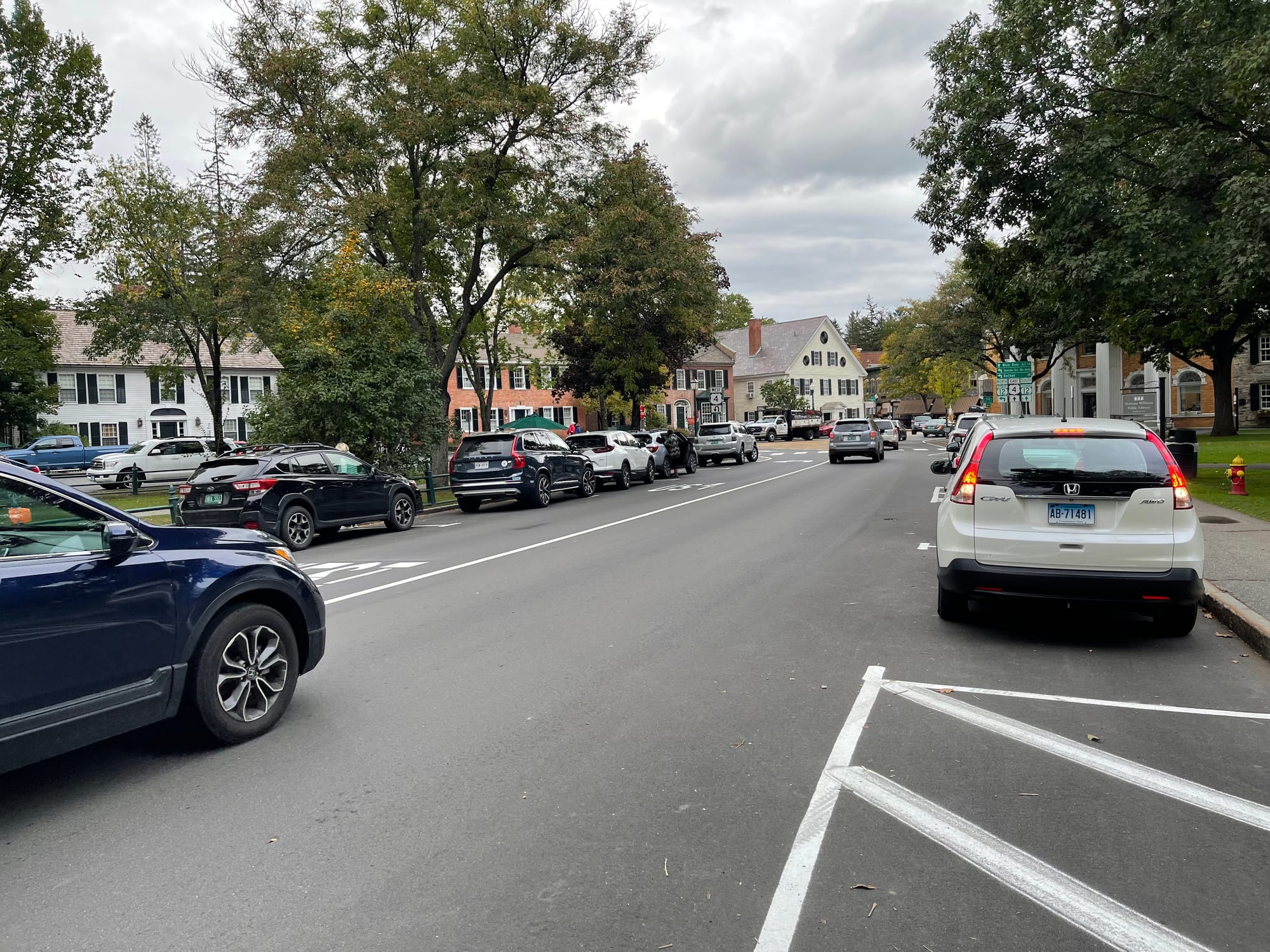
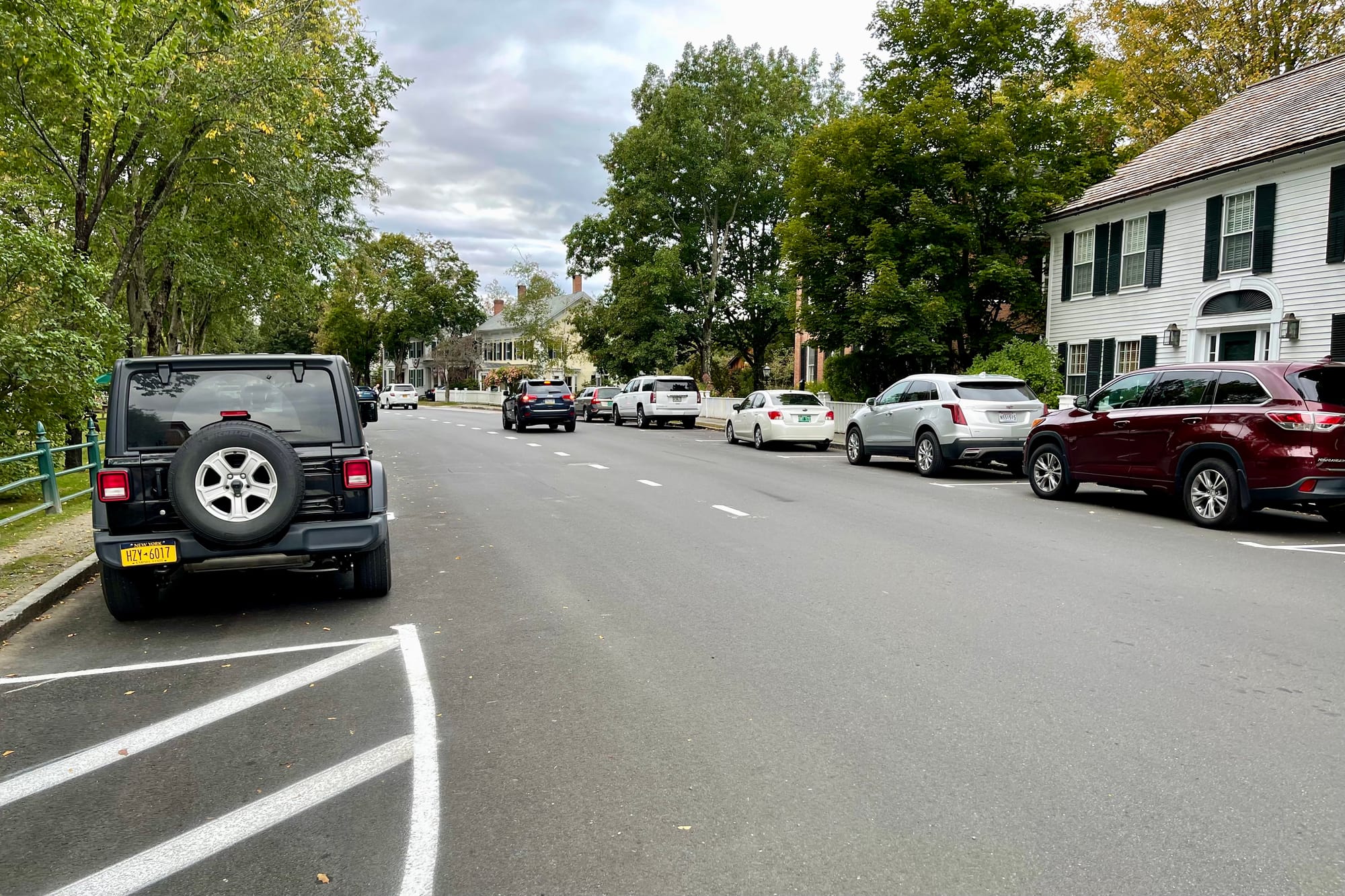
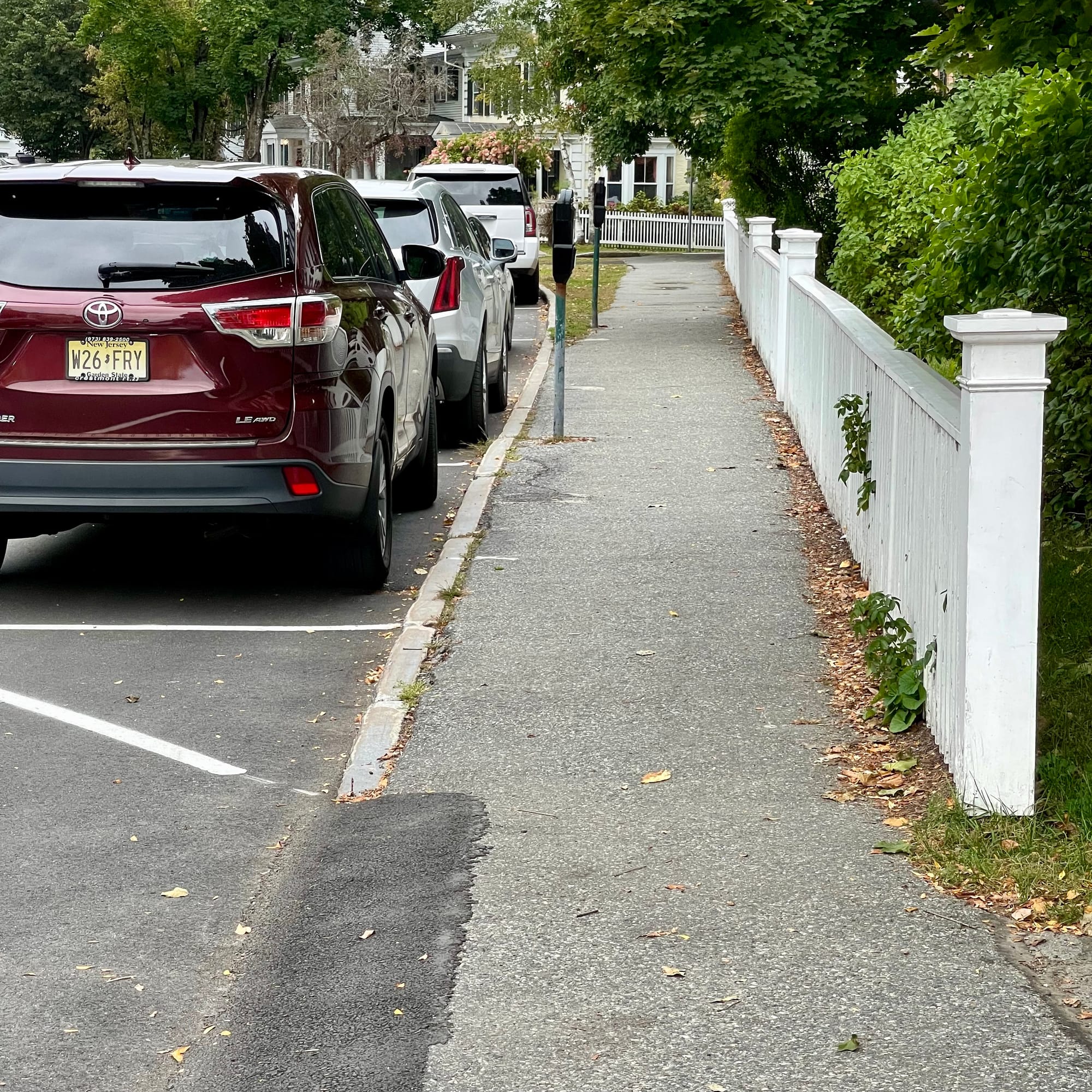
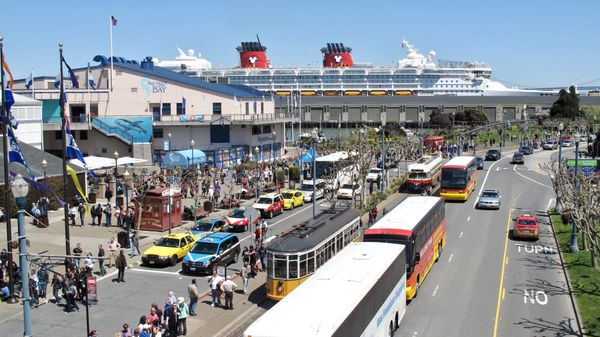
Traffic around the green – overly wide roads and narrow sidewalks. It is barely possible for two people to walk comfortably side by side here
The way to correct this problem is to make sure the streets around the green facilitate getting there. Narrowing streets, expanding sidewalks, and slowing down traffic around a green are key steps to improving access and increasing visitation. The town's central public place should be seamlessly woven into its surroundings so that people can naturally find themselves ending up there.
 Fred Kent
Many communities these days, perhaps inspired by small towns in other parts of the world, are thinking of creating a more traditional central gathering place where there are various things to see and do, thus giving people more reason to visit and spend time there. This would benefit Woodstock as well.
An Active Small Town Green – Chautauqua's Bestor Plaza
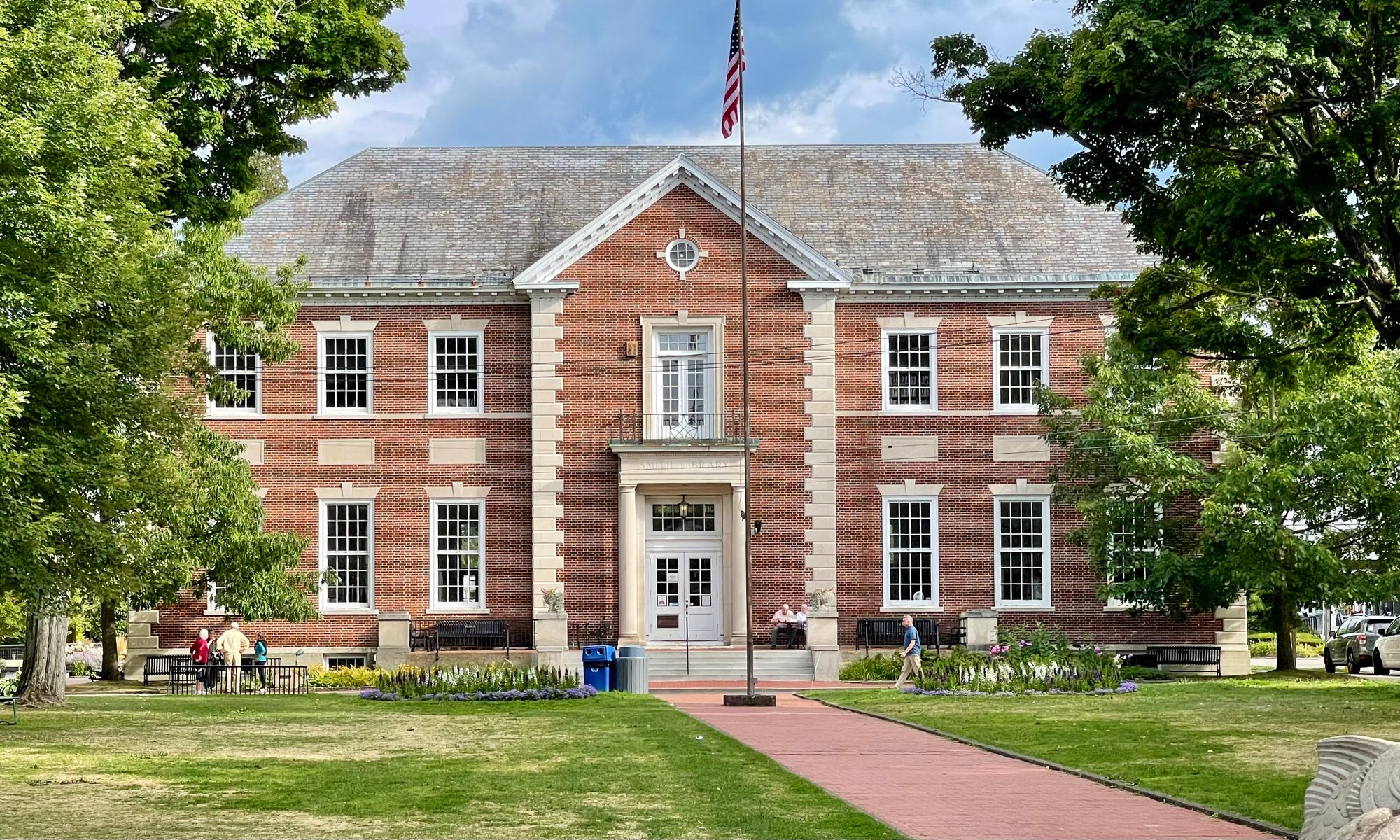
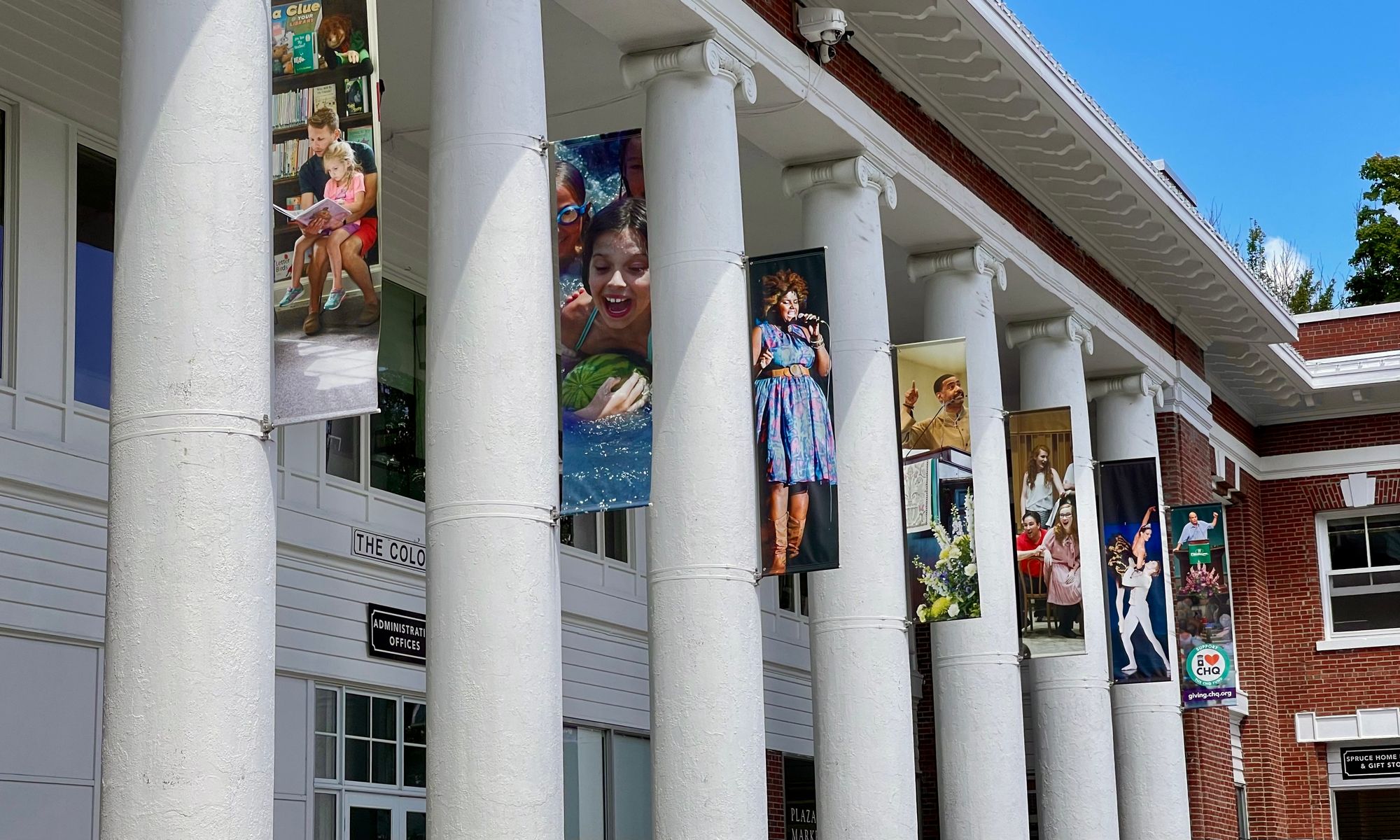
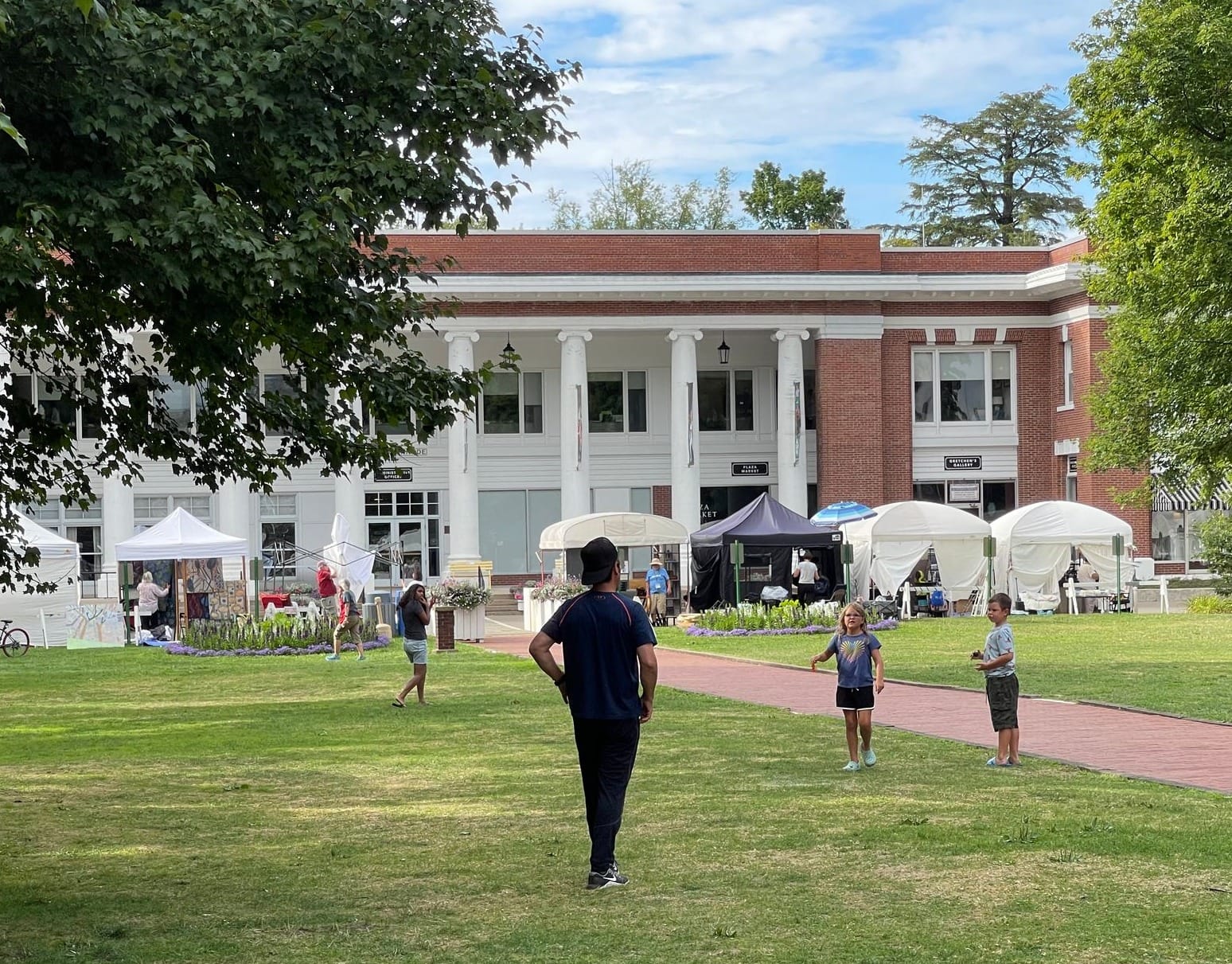
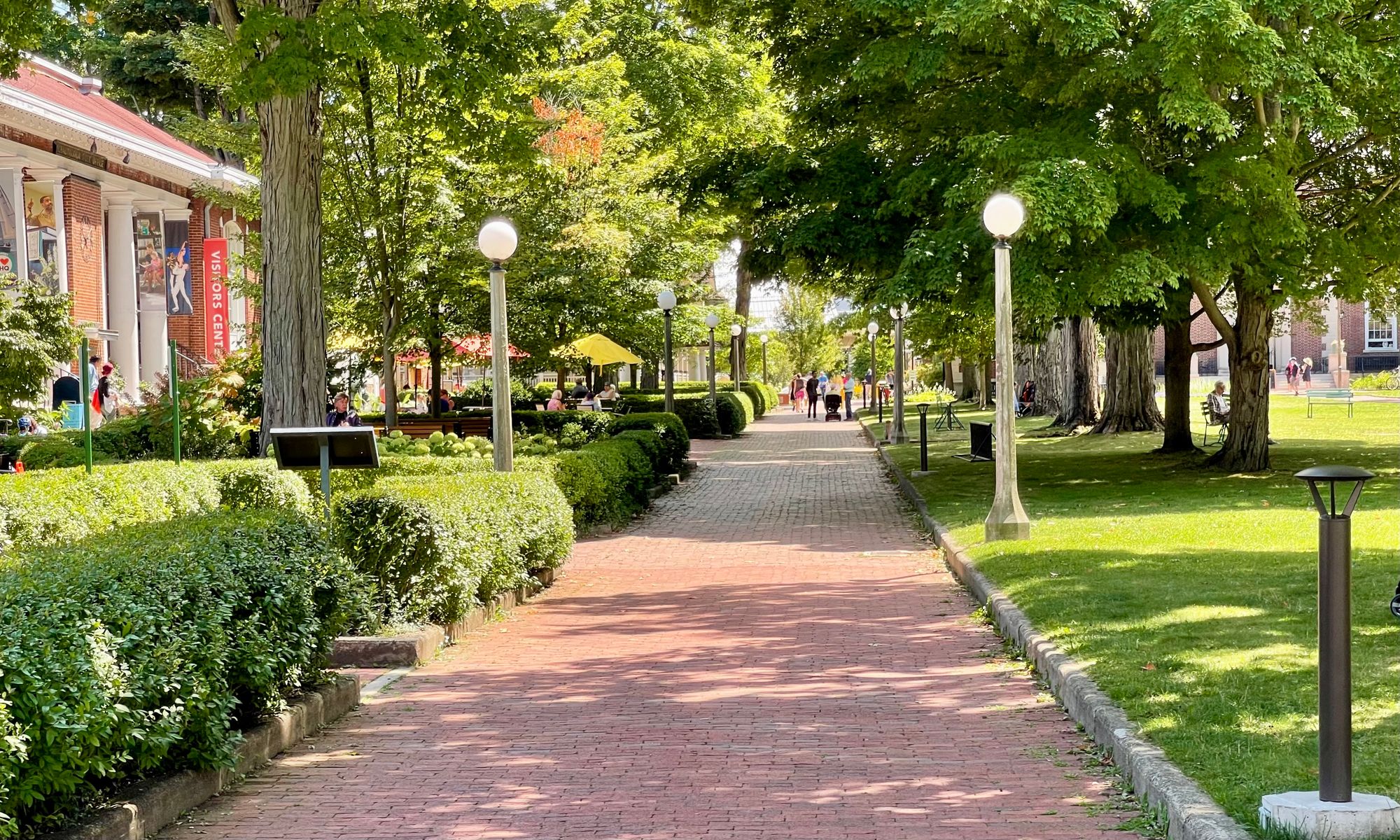
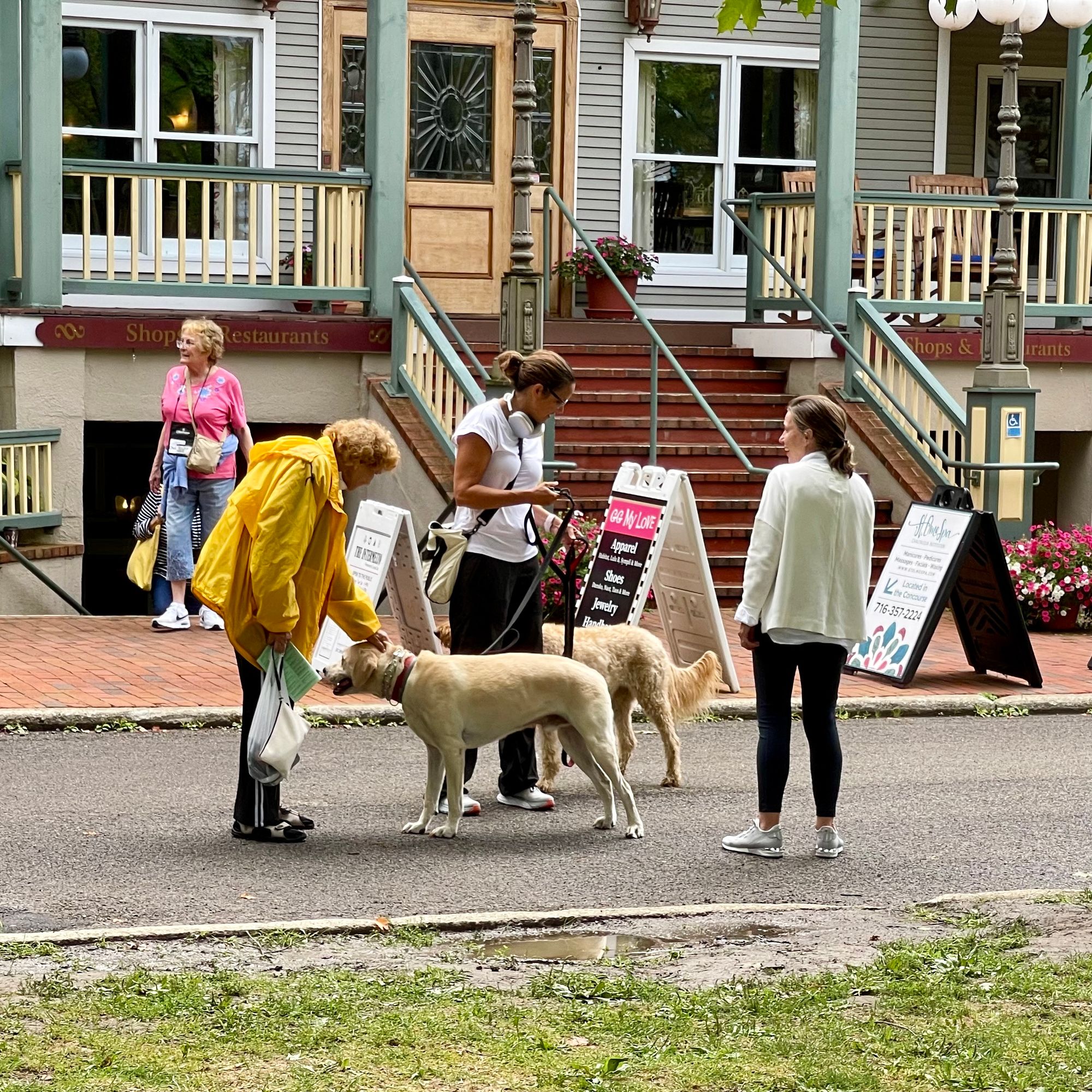
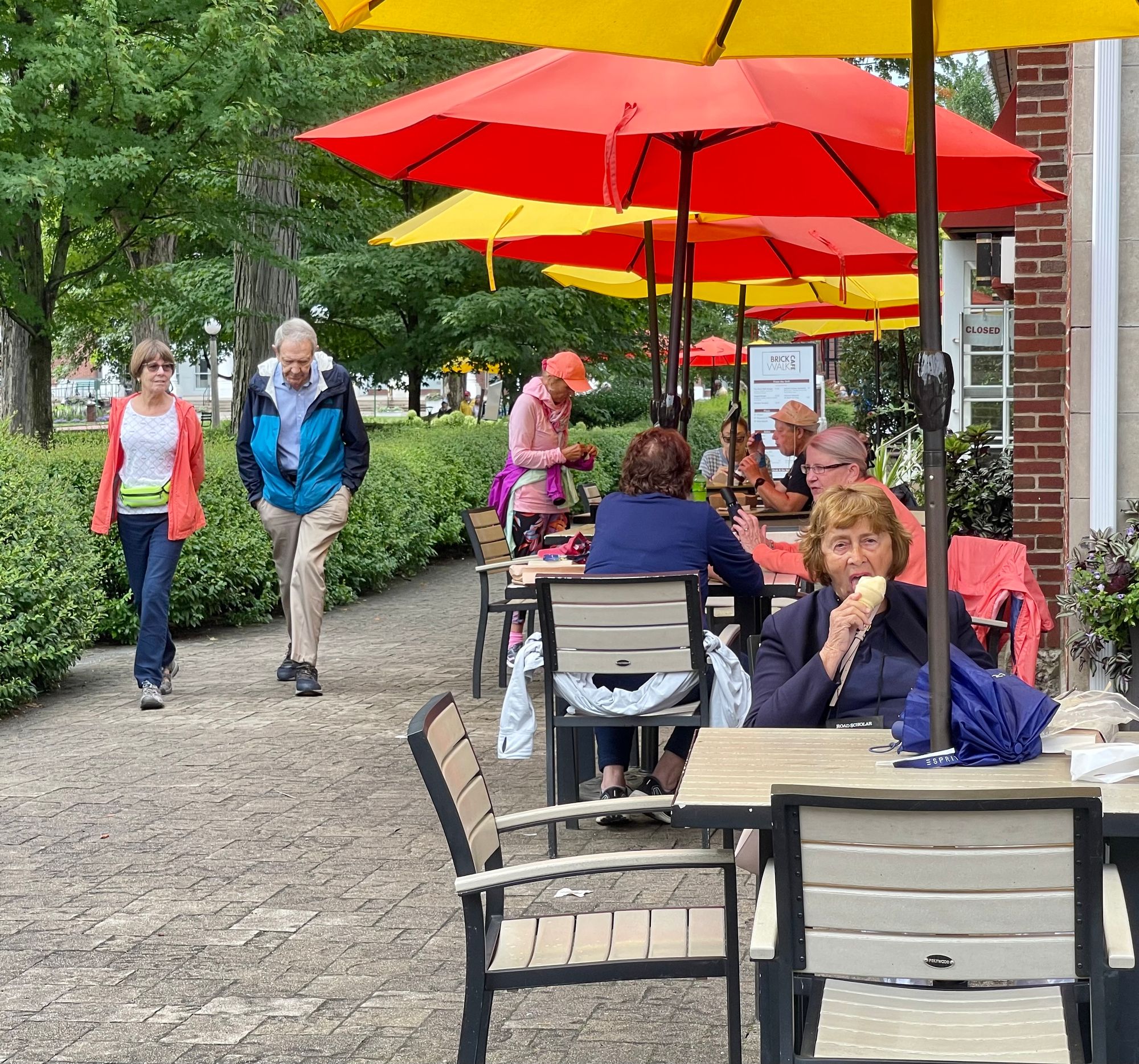
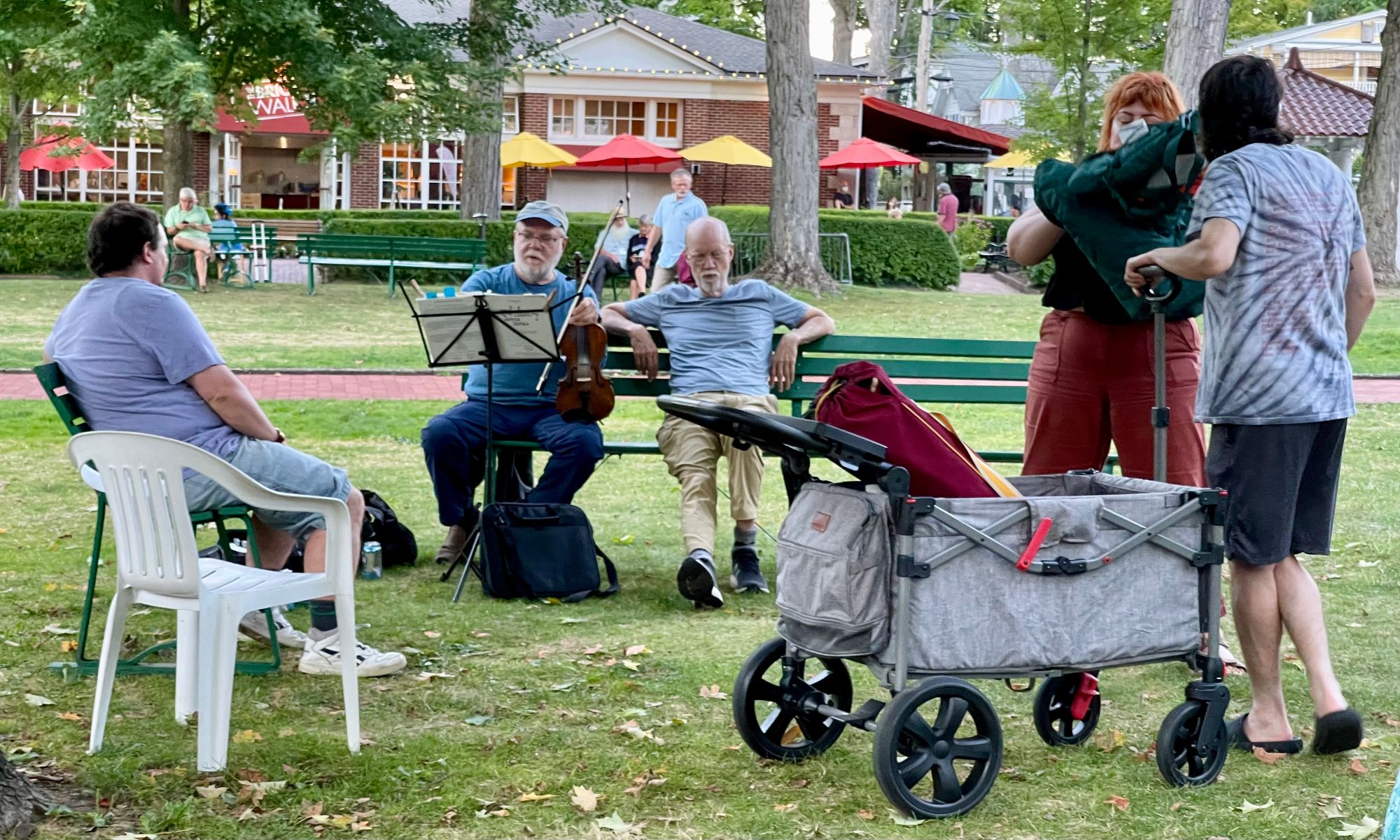
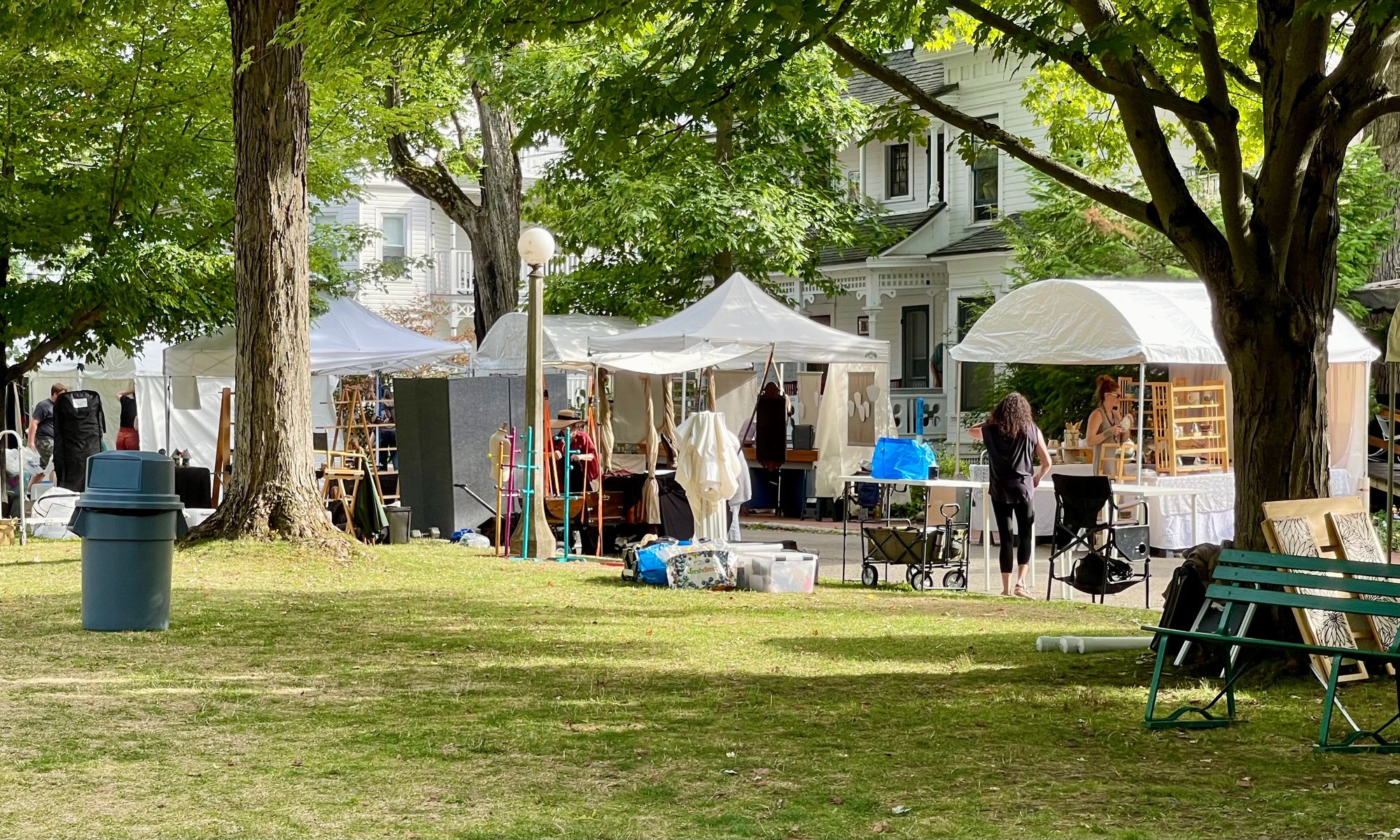
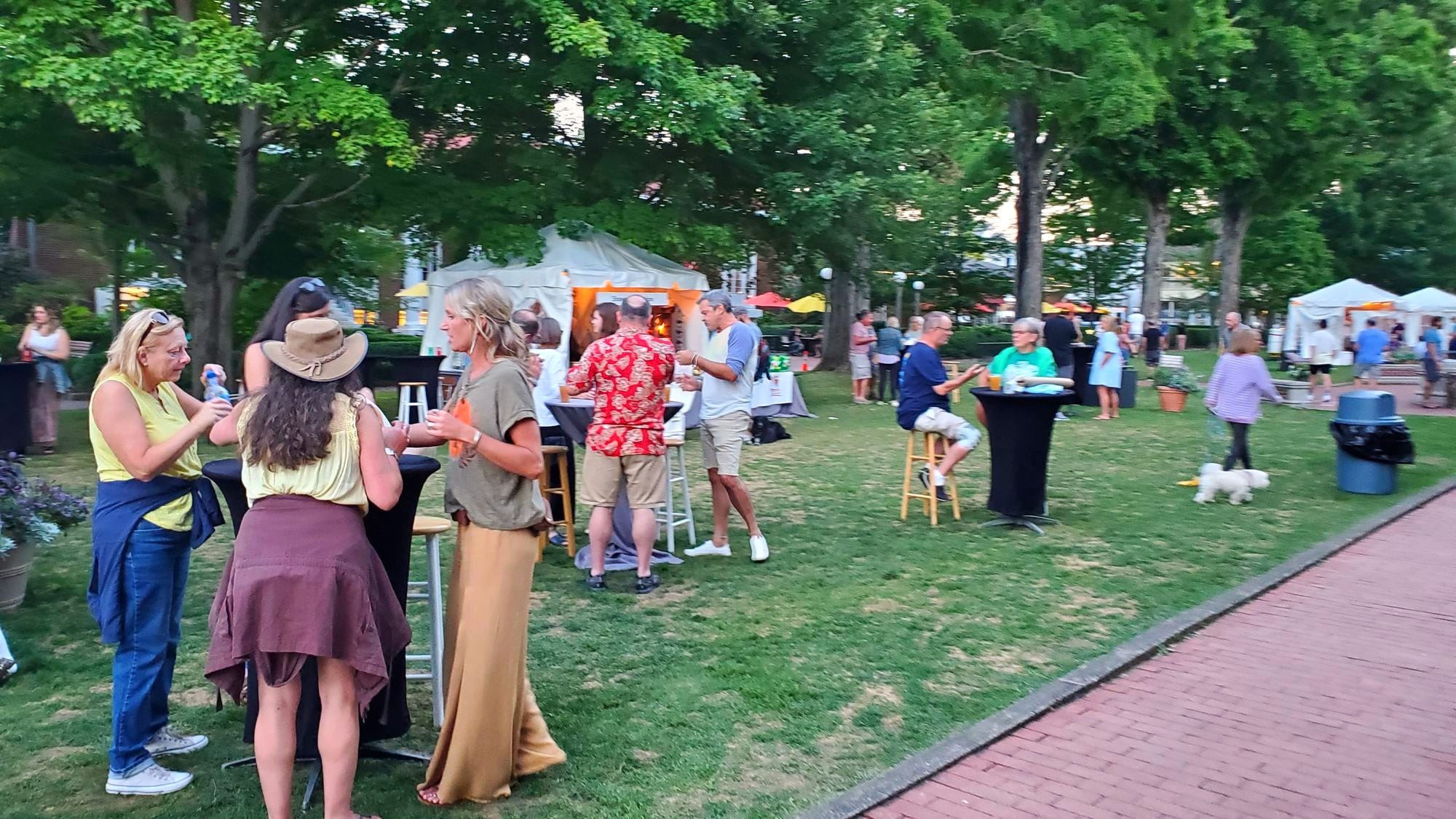
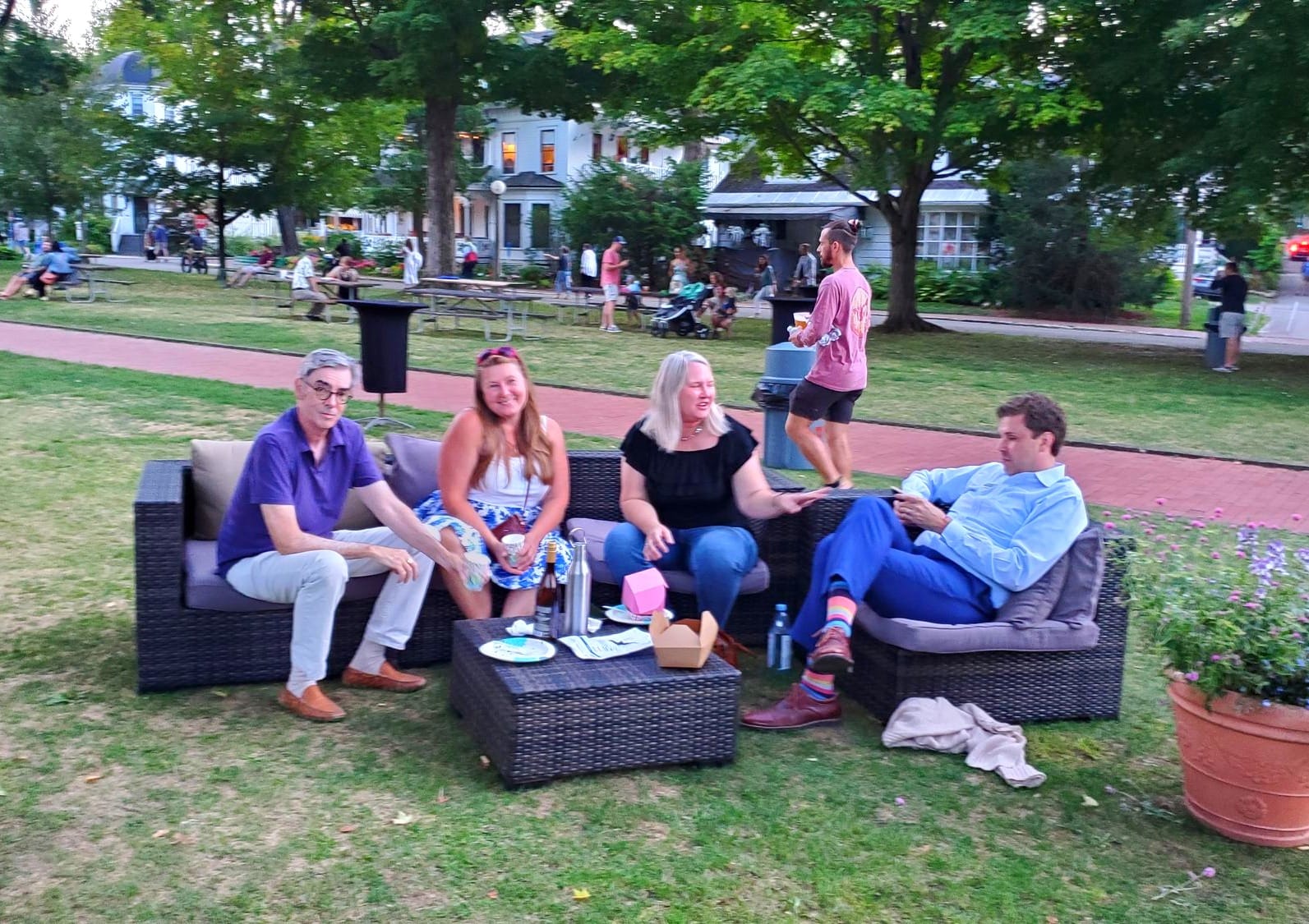
Chautauqua in northern New York is a fantastic small town that has preserved much of its history and values over the decades. Deeply human-centric and with a famous summer cultural program that highlights arts and sciences through various lectures, performances, and workshops, Chautauqua makes sure its public spaces also facilitate community and connection. Through features like seating areas, markets, and various social hubs, the central green, called Bestor Plaza, encourages people to form relationships instead of merely crossing paths.
An Active Big City Green – Boston Common
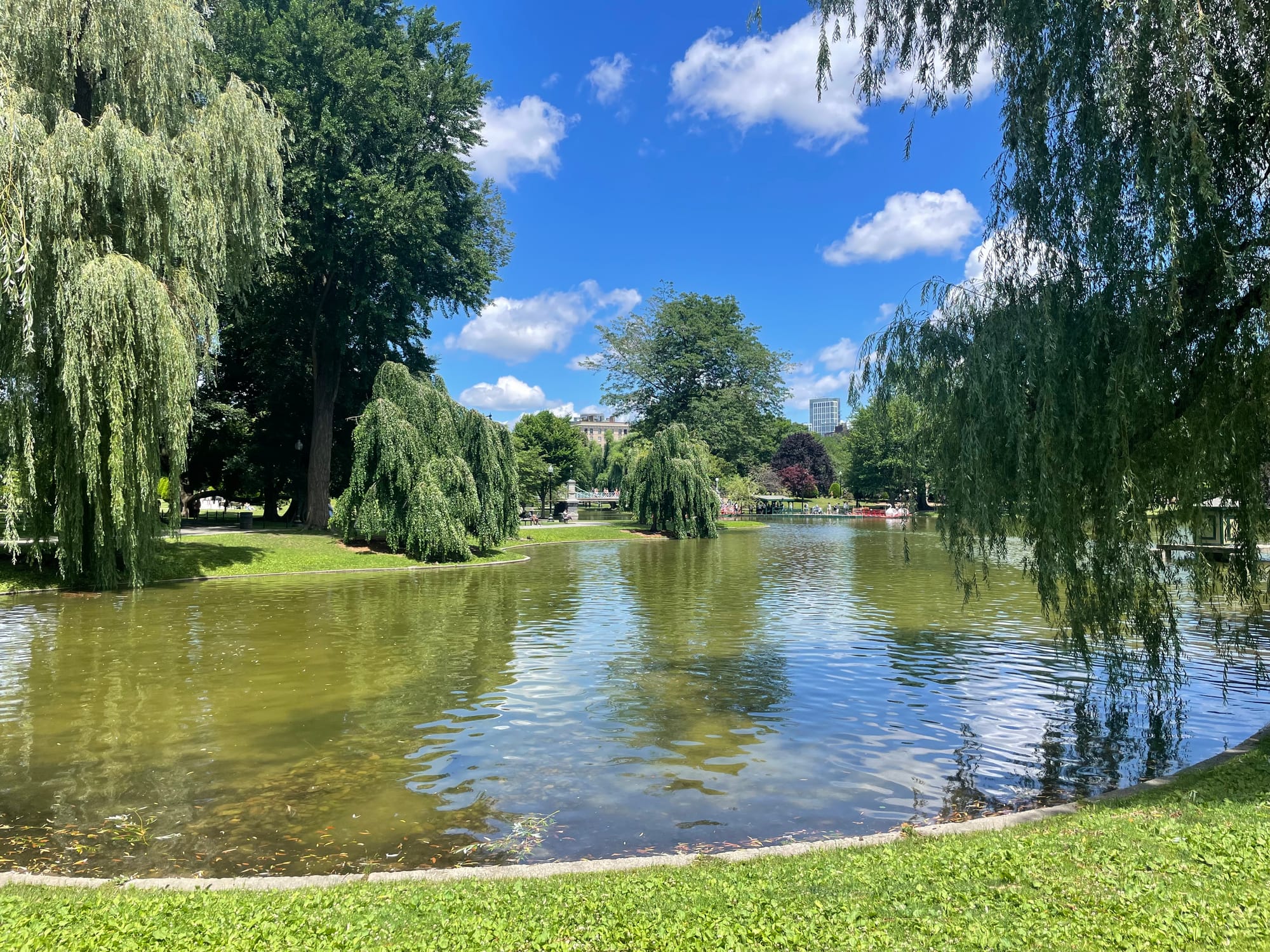
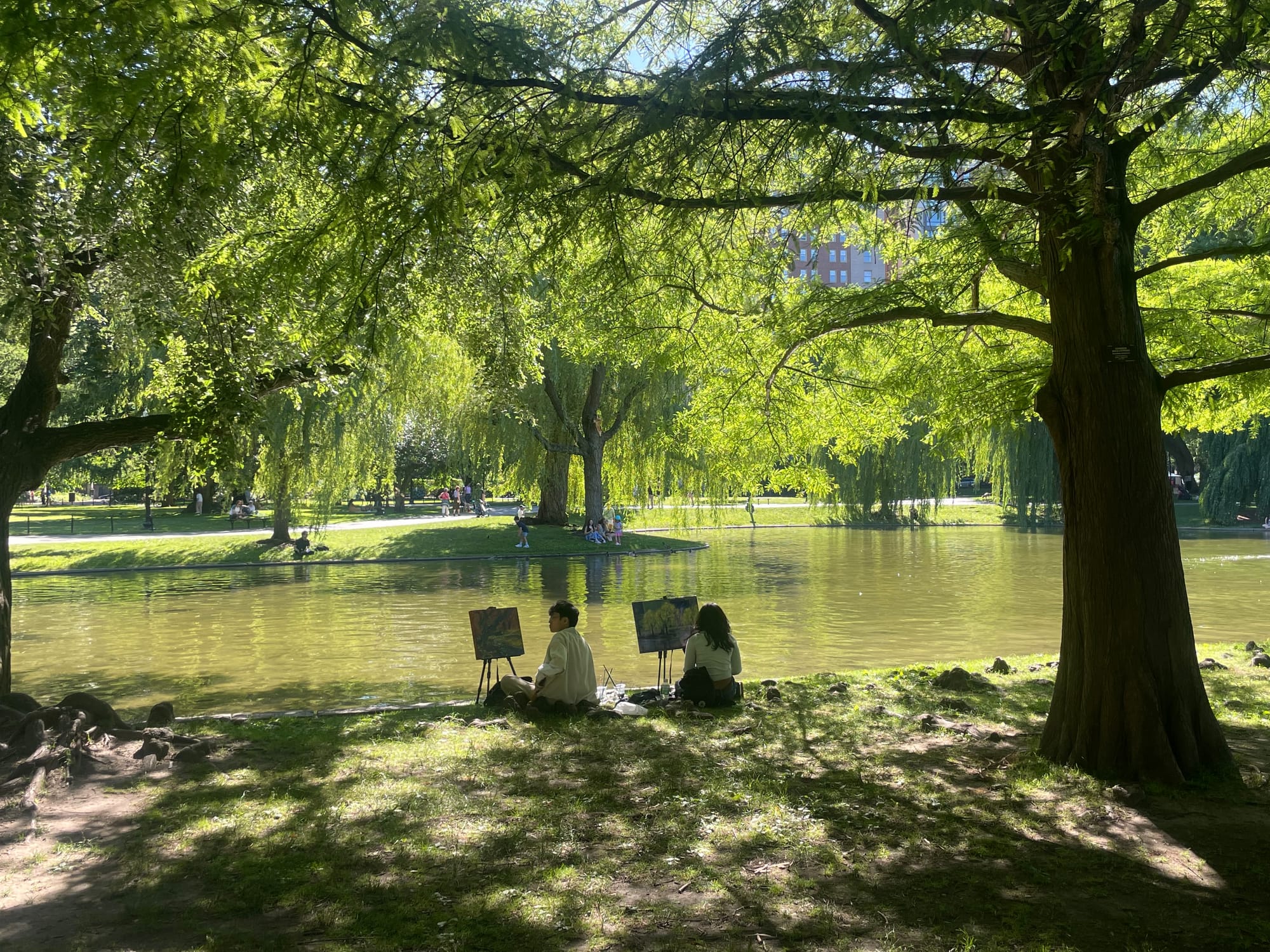
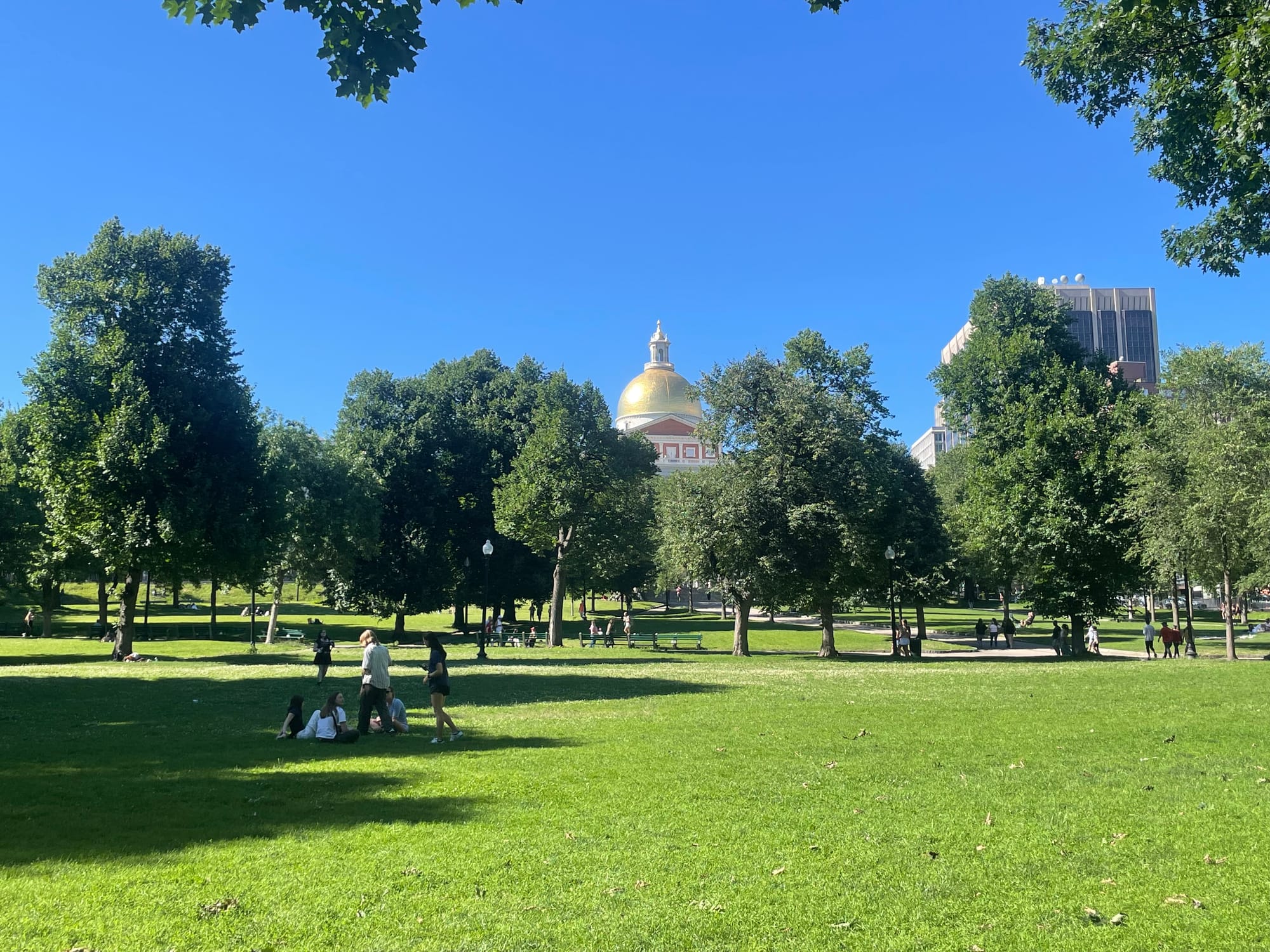
Boston common is a fantastic example of a city green done well. Not only is it seamlessly embedded into its surroundings – right in the heart of business and shopping districts and a natural endpoint for walks coming from every direction – it is also layered with a variety of amenities, focal points, and activities that offer something for everyone.
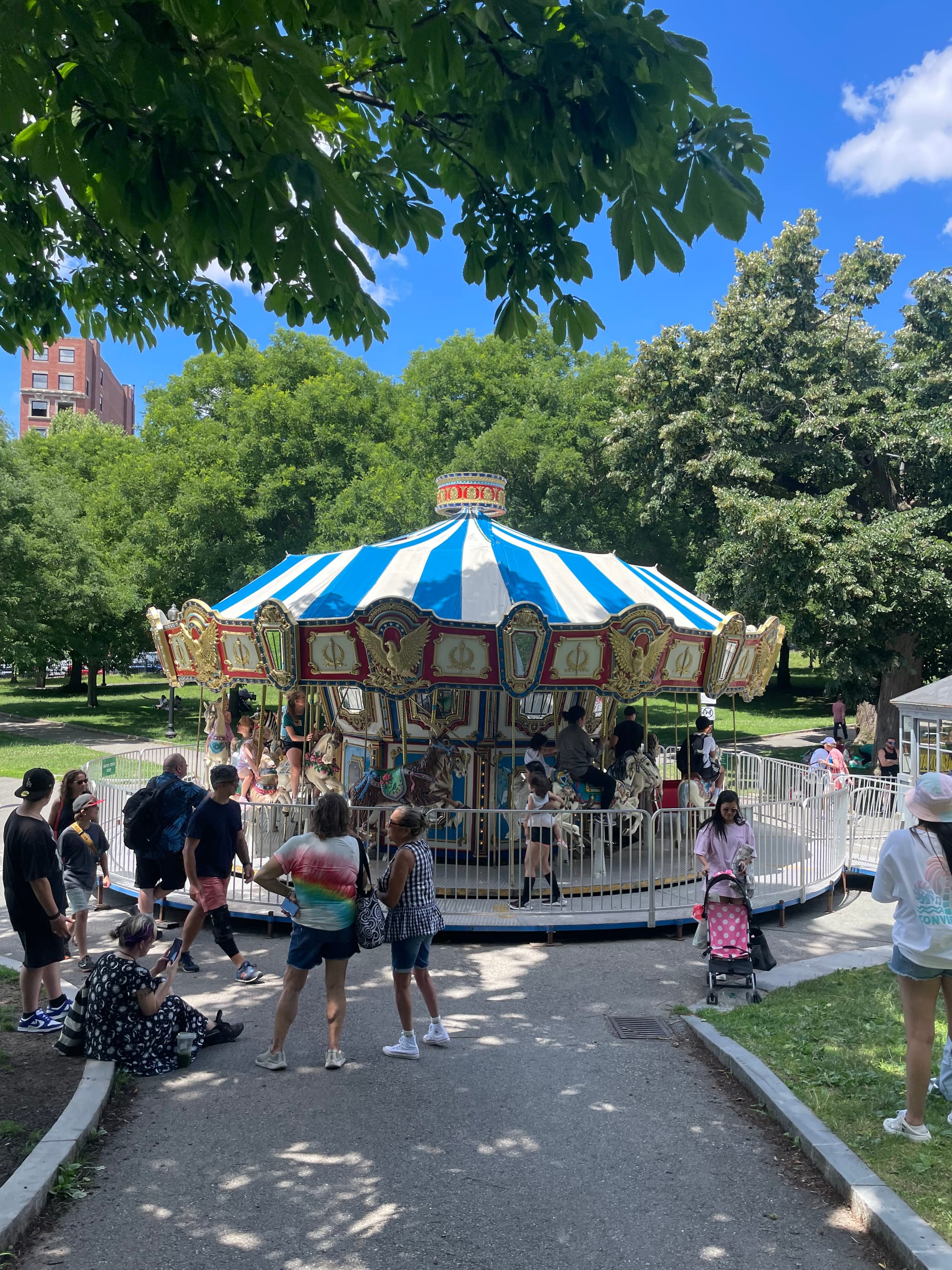
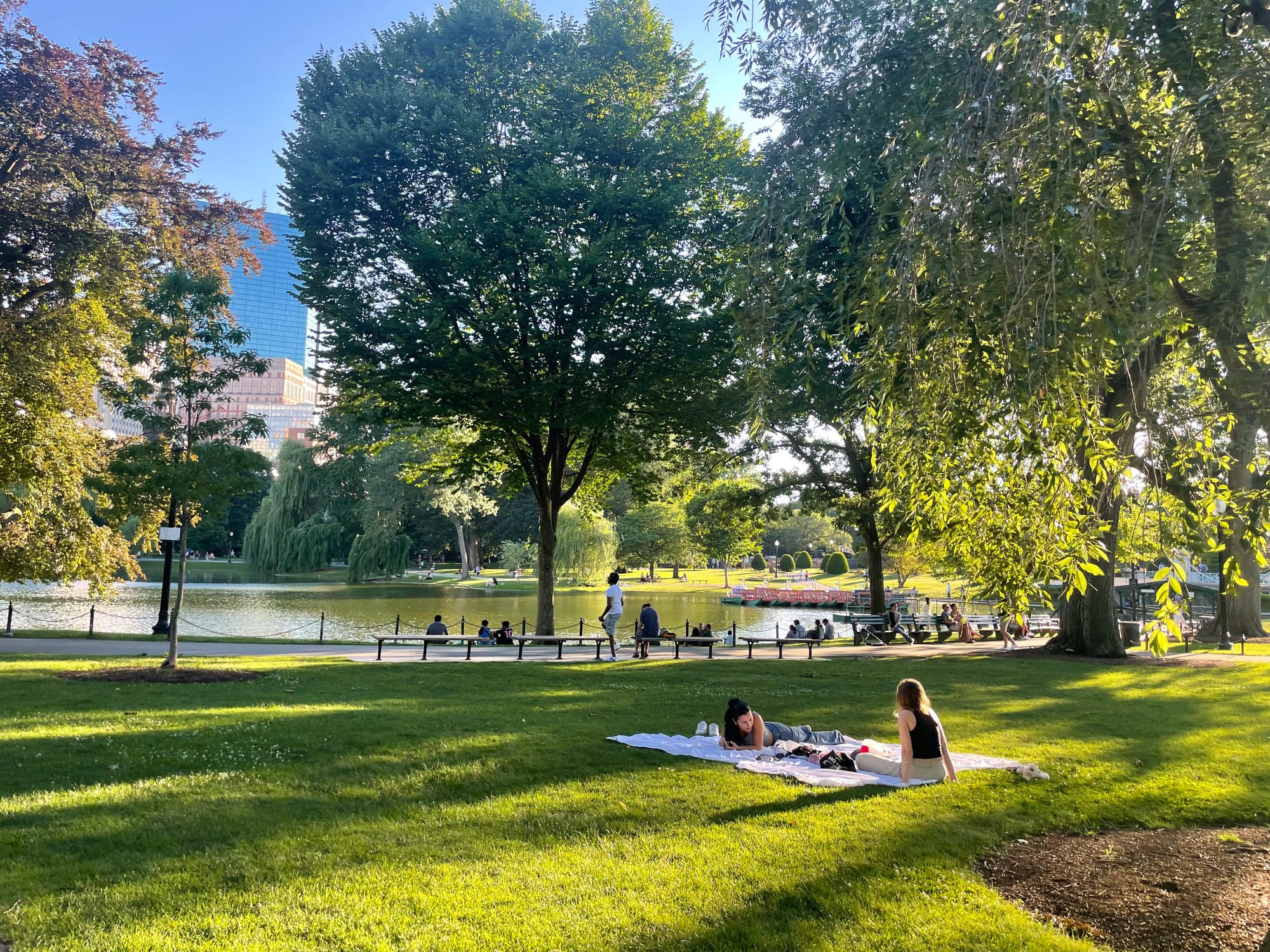
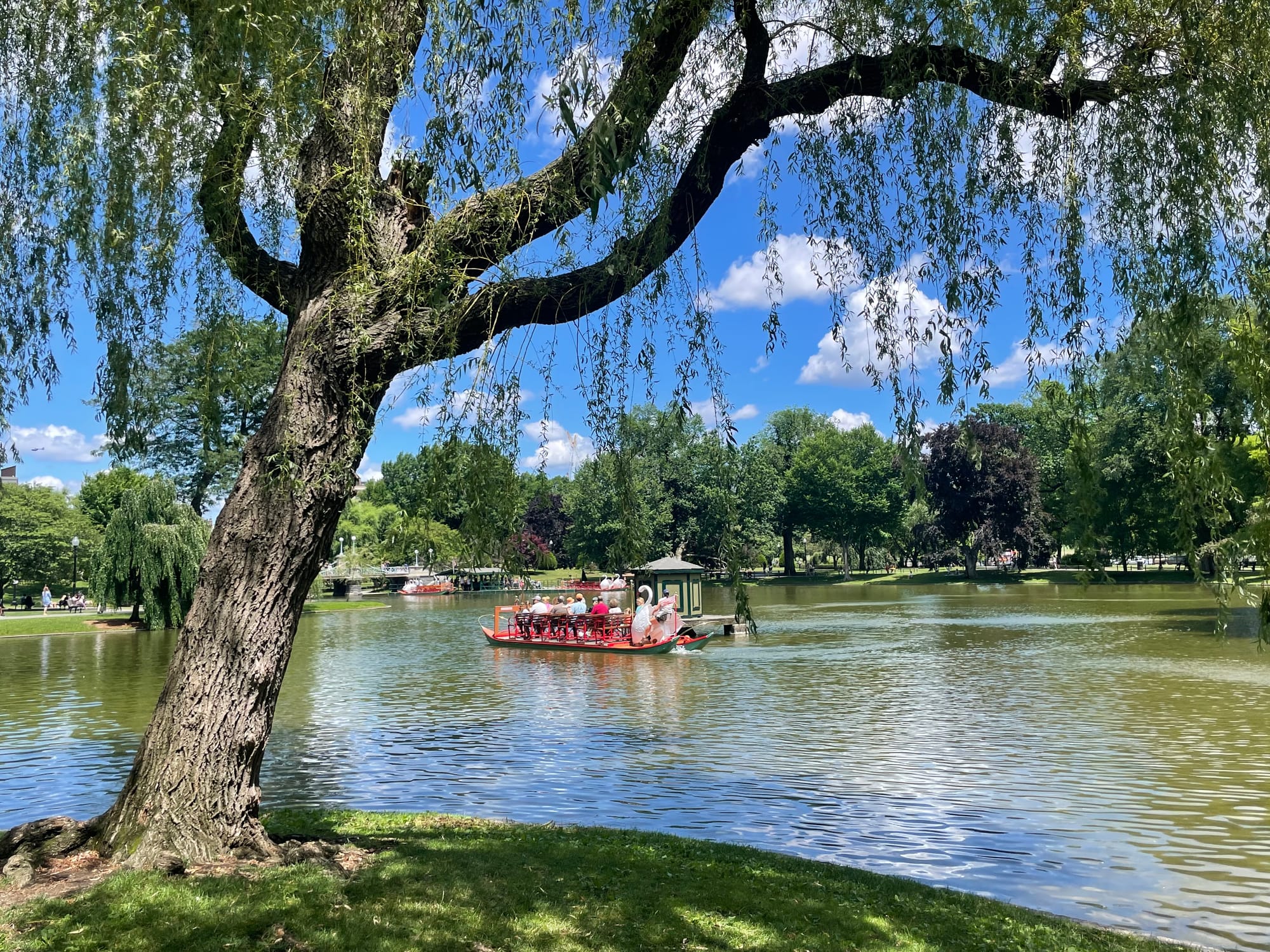
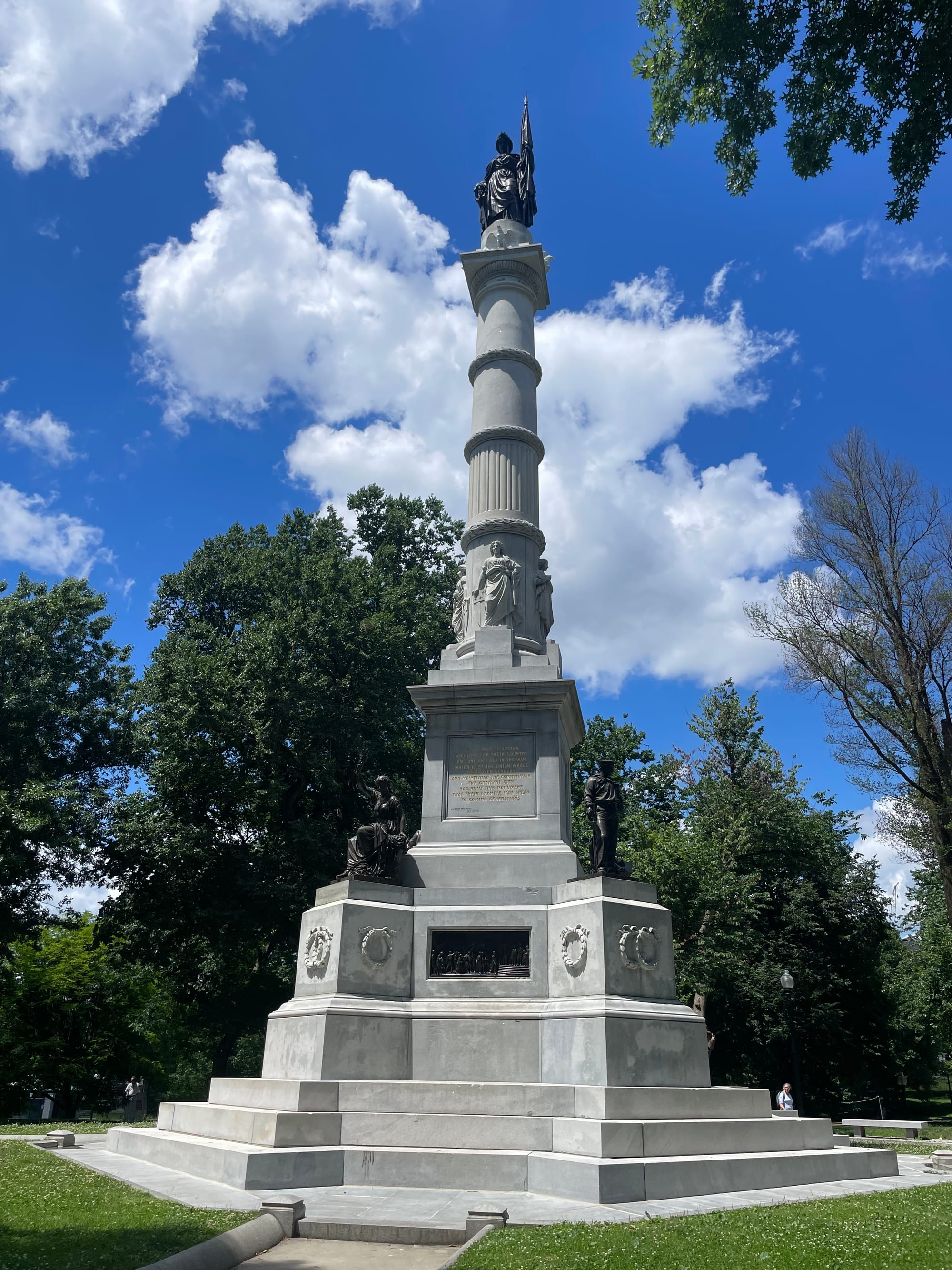
From a carousel and splash pad for children to boat trips for families, historic landmarks, iconic sculptures, ample seating with beautiful views, a beer garden, and a variety of events year-round, this green acts as a veritable heart of community life. It makes the big city feel like a close-knit small town through the power of successful public infrastructure.
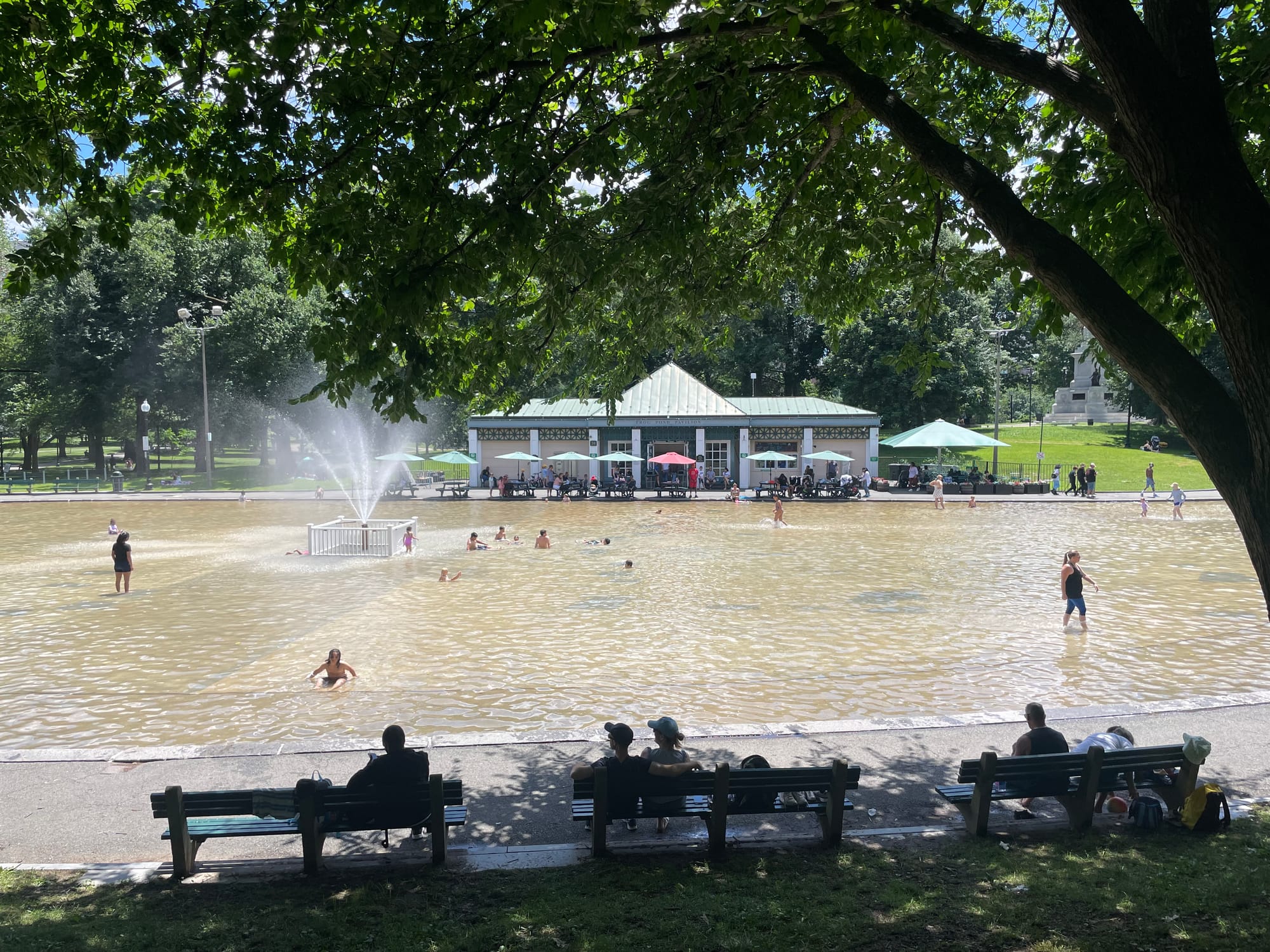
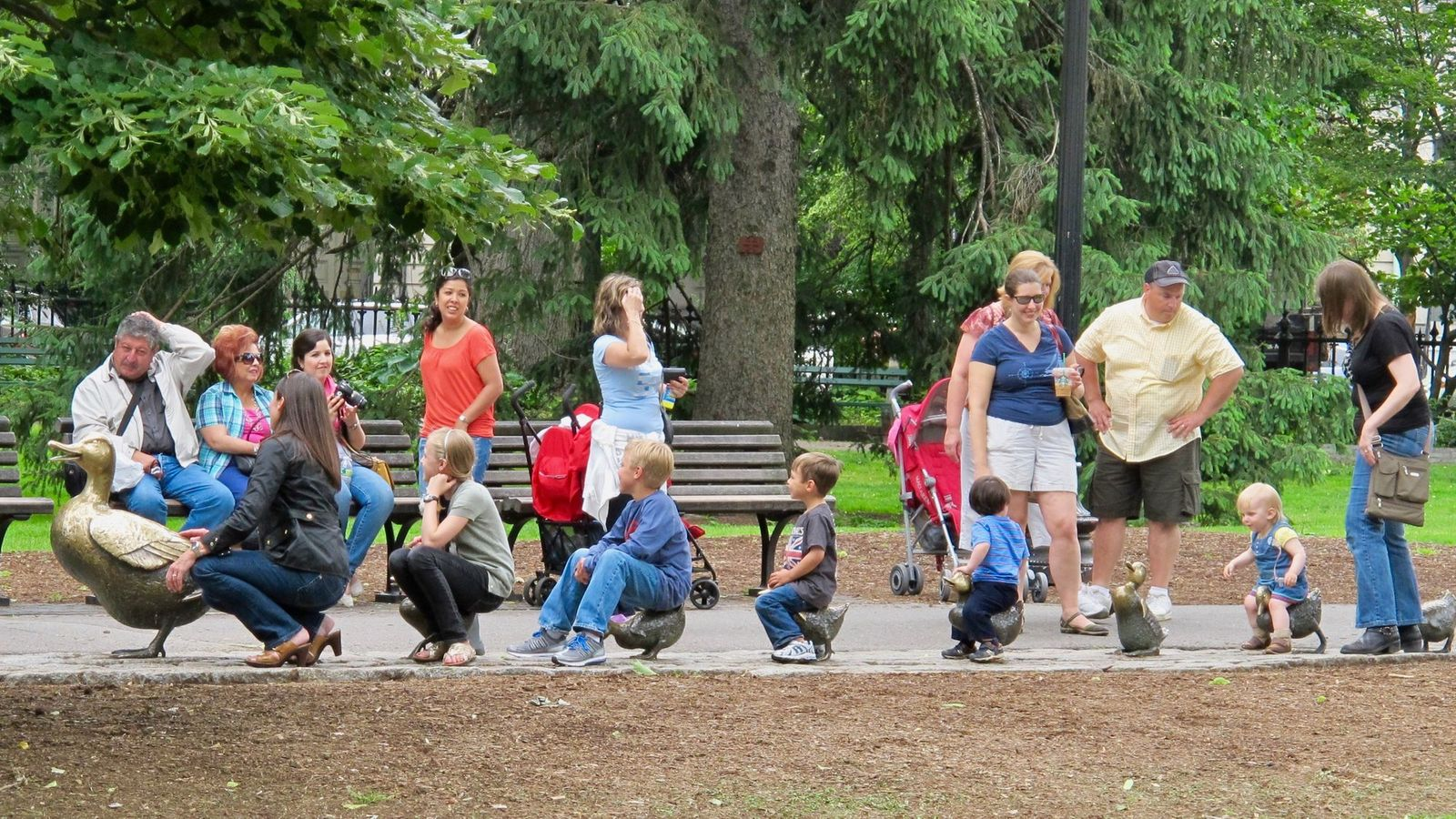
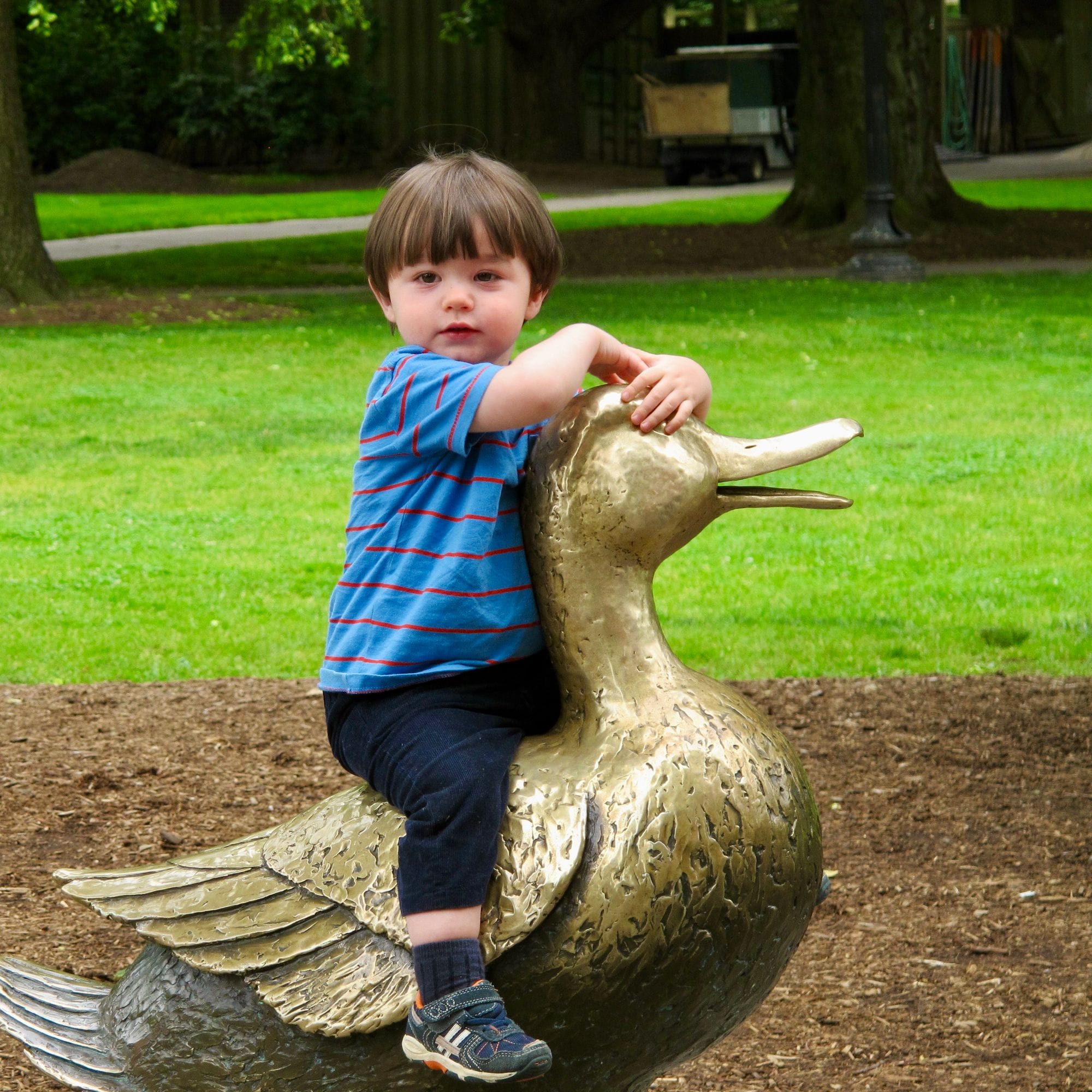
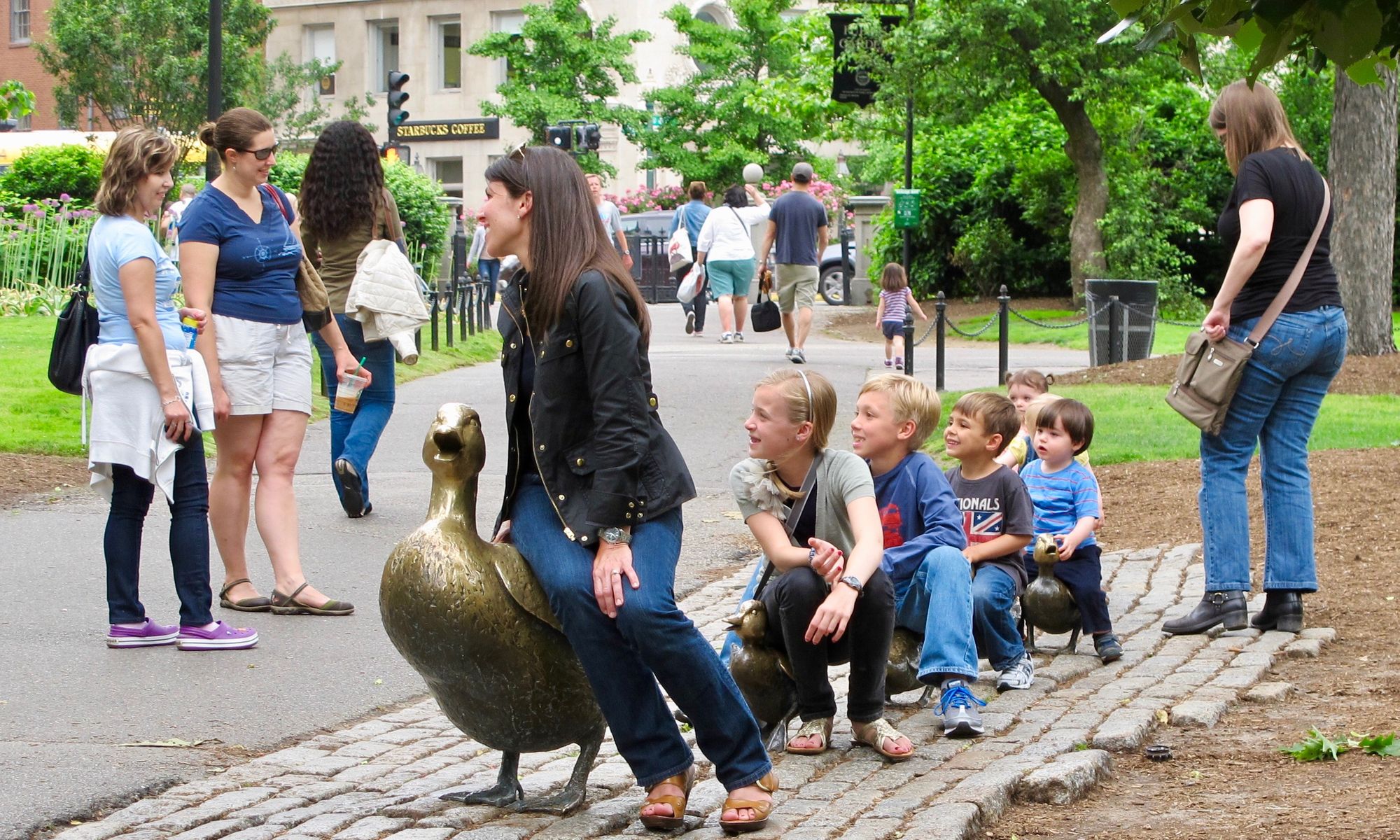
Kids thrive, creating their own way of interacting with the sculptures.
How To Activate a Passive Green
It isn't enough to acknowledge the passivity of small town greens – we must think of ways to activate them so that they can begin to serve the public in the best possible way.
Activating a passive green is much the same as activating other underperforming public places such as parks, squares, or sidewalks. The key is to add amenities that make people feel more comfortable spending time there, program it with activities to do and things to experience, and design it so that it feels inviting, beautiful, and pleasant.
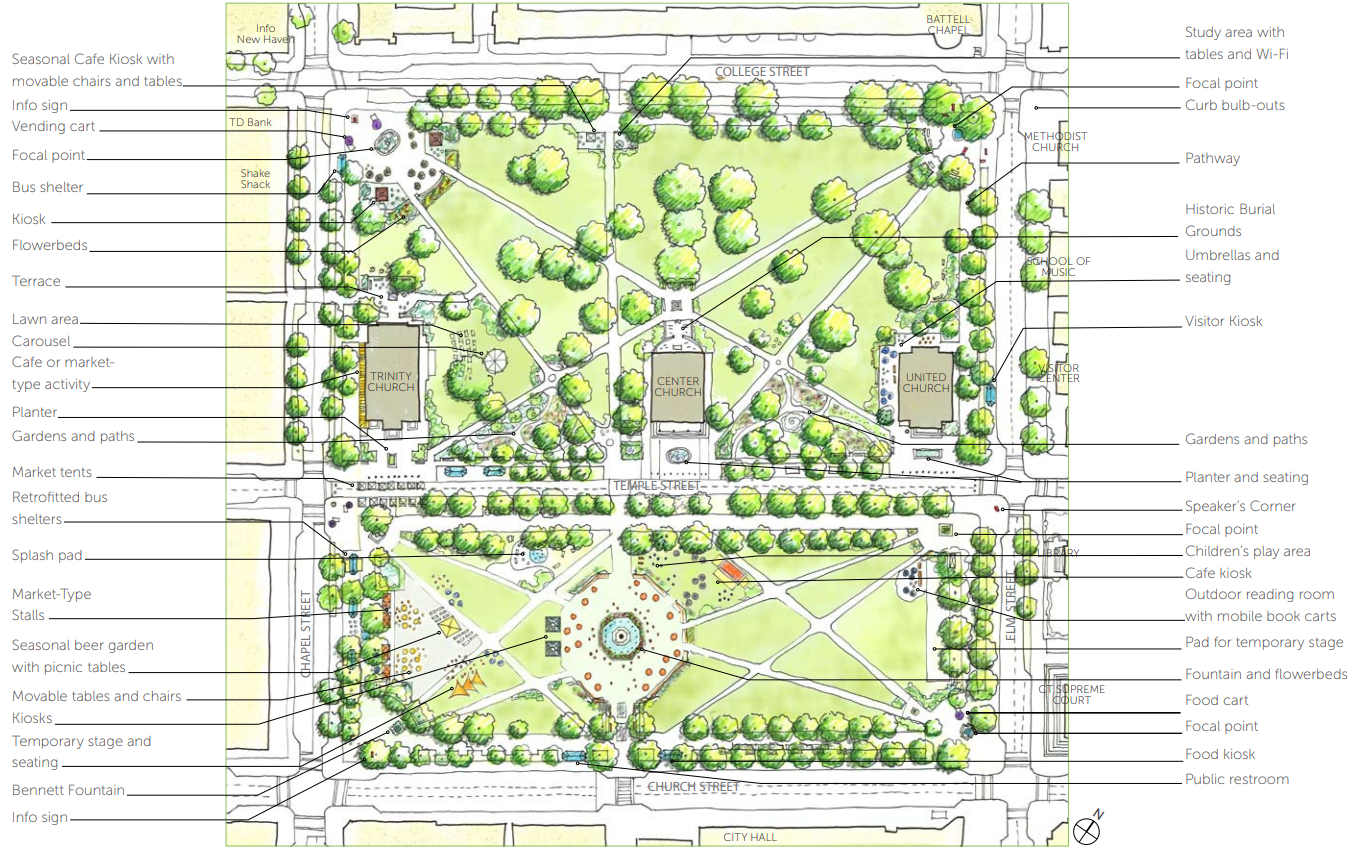
In 2012, together with our organization PPS, we put together a proposal for the revitalization of New Haven's historic green. While it had once, hundreds of years ago, been a vibrant central core where people gathered to shop, worship, train, and protest, fifteen years ago there was scarce visitation because there was little left to do there. People were even under the impression that the green was not a safe place to be, perhaps because the lack of destinations and activities led it to fall into disuse. Because of this, the majority of our proposal for its renaissance had to do with adding features that would draw people in and activities that would keep them around.
Key Elements of Activation
1) Improve entrances
An important part of activating a large public space like a green is to draw people into it. If people don't see the appeal of crossing the street to venture inside, it won't matter what's happening within its borders. The first step is to grab people's interest at the entrances and connect the green successfully to its surroundings.
In our 2012 New Haven Green report, we emphasized the importance of transforming every entrance into a vibrant gateway, complete with public seating, food kiosks, and decorative features that would catch the eye. This, we knew, was essential to getting people to pause, look, and walk in.



2) Add seating
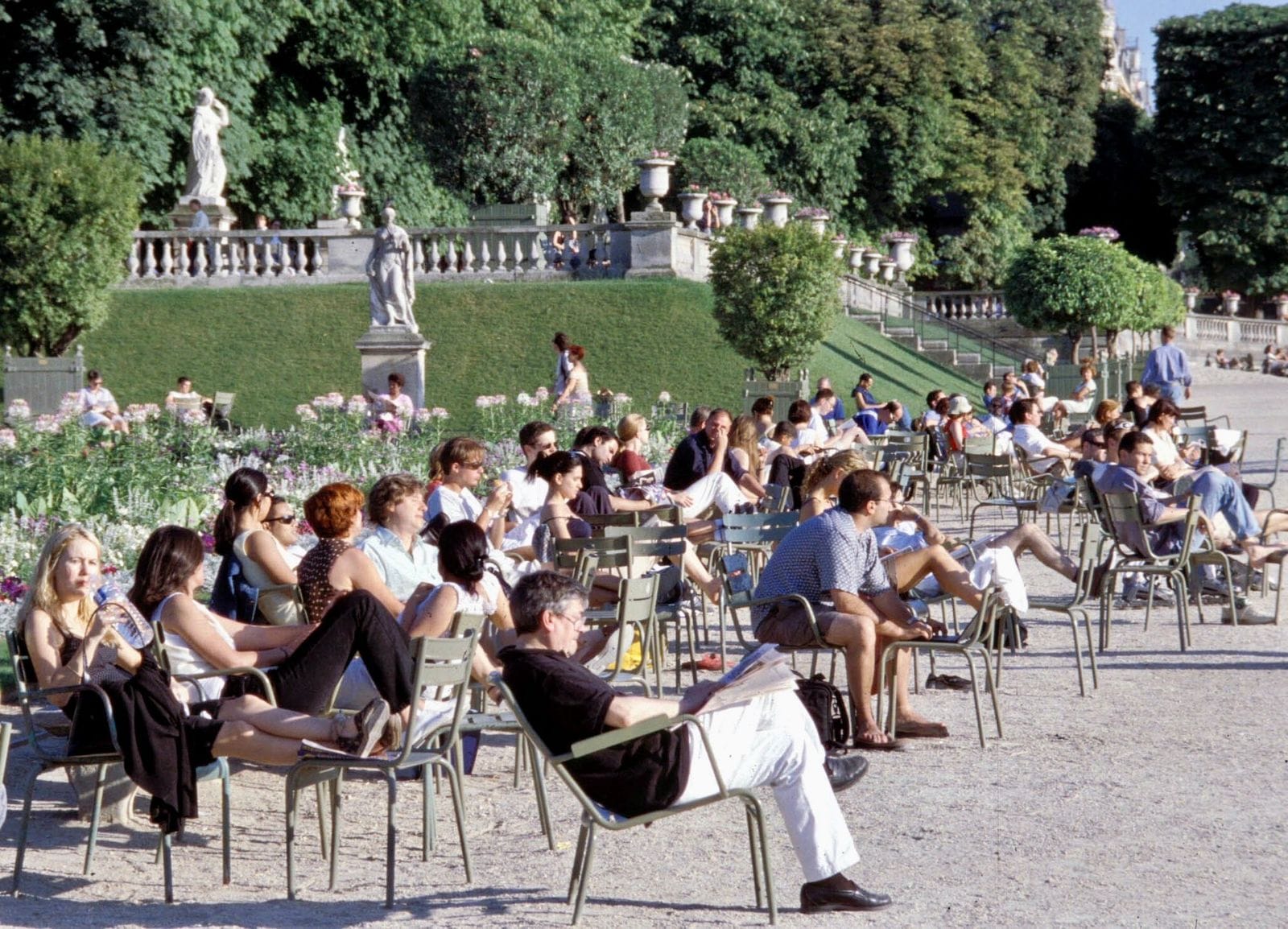
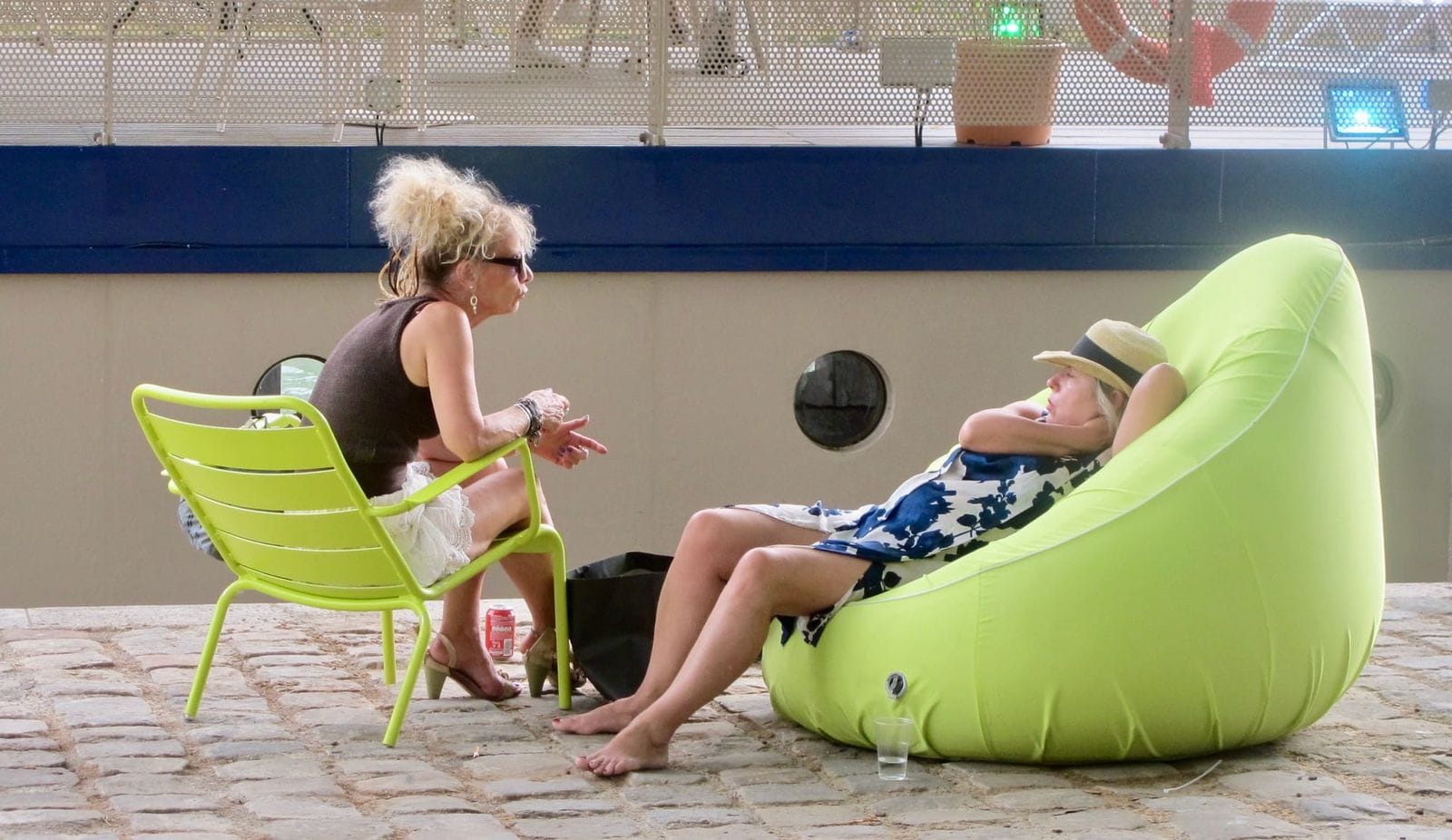
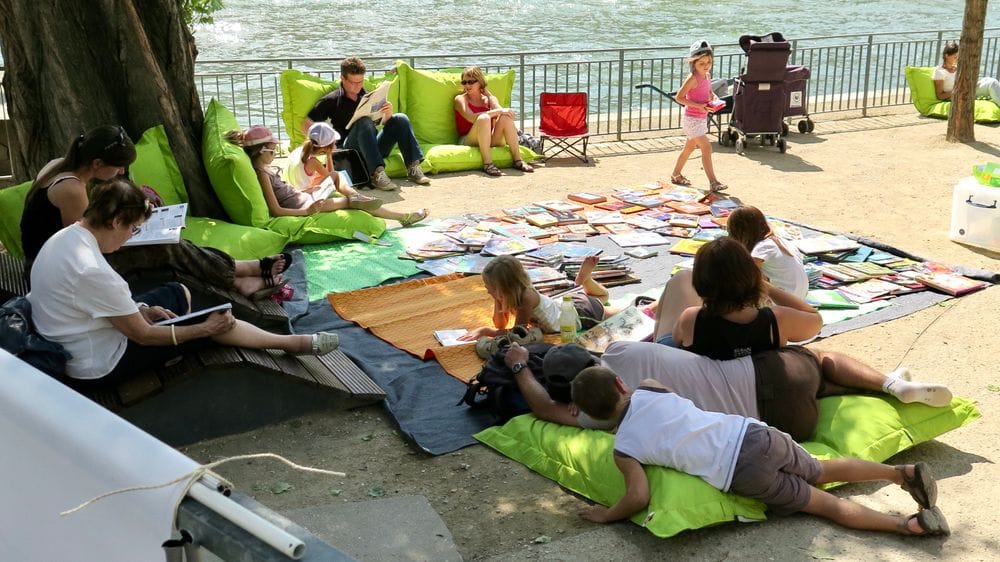
If people are expected to spend time in a green, this should be communicated through the addition of amenities that encourage doing so, such as seating. From benches to moveable seats to creative and fun options like bean bags, a place to sit encourages lingering and connecting.
 Fred Kent
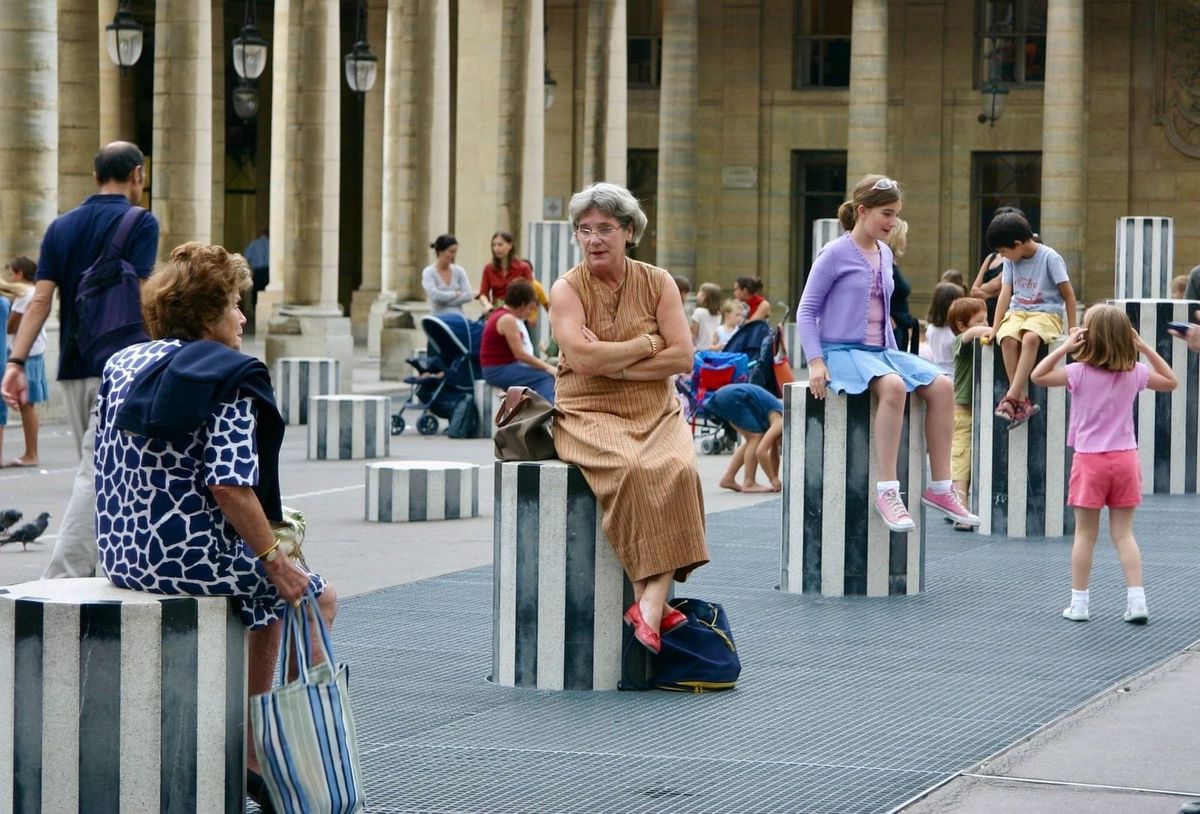
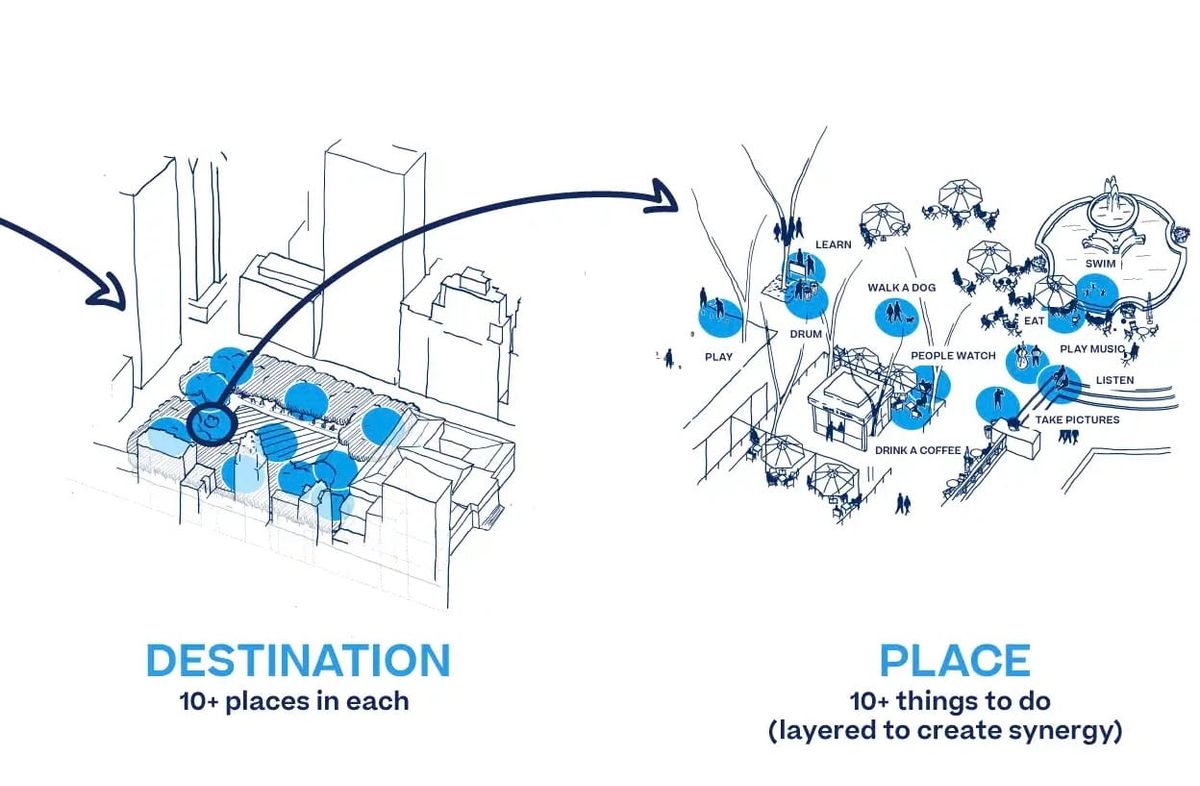
3) Program activities – The Power of 10+
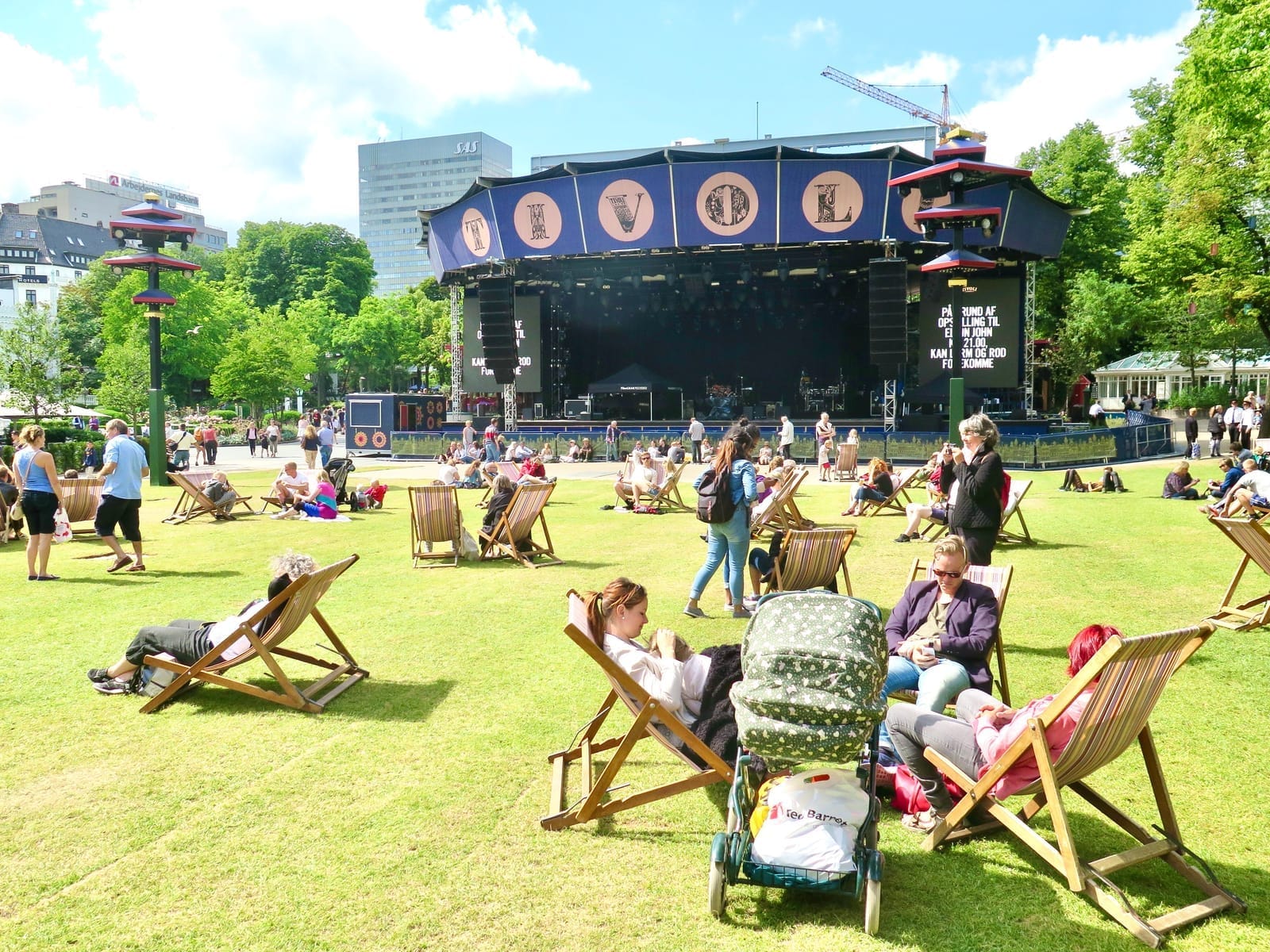
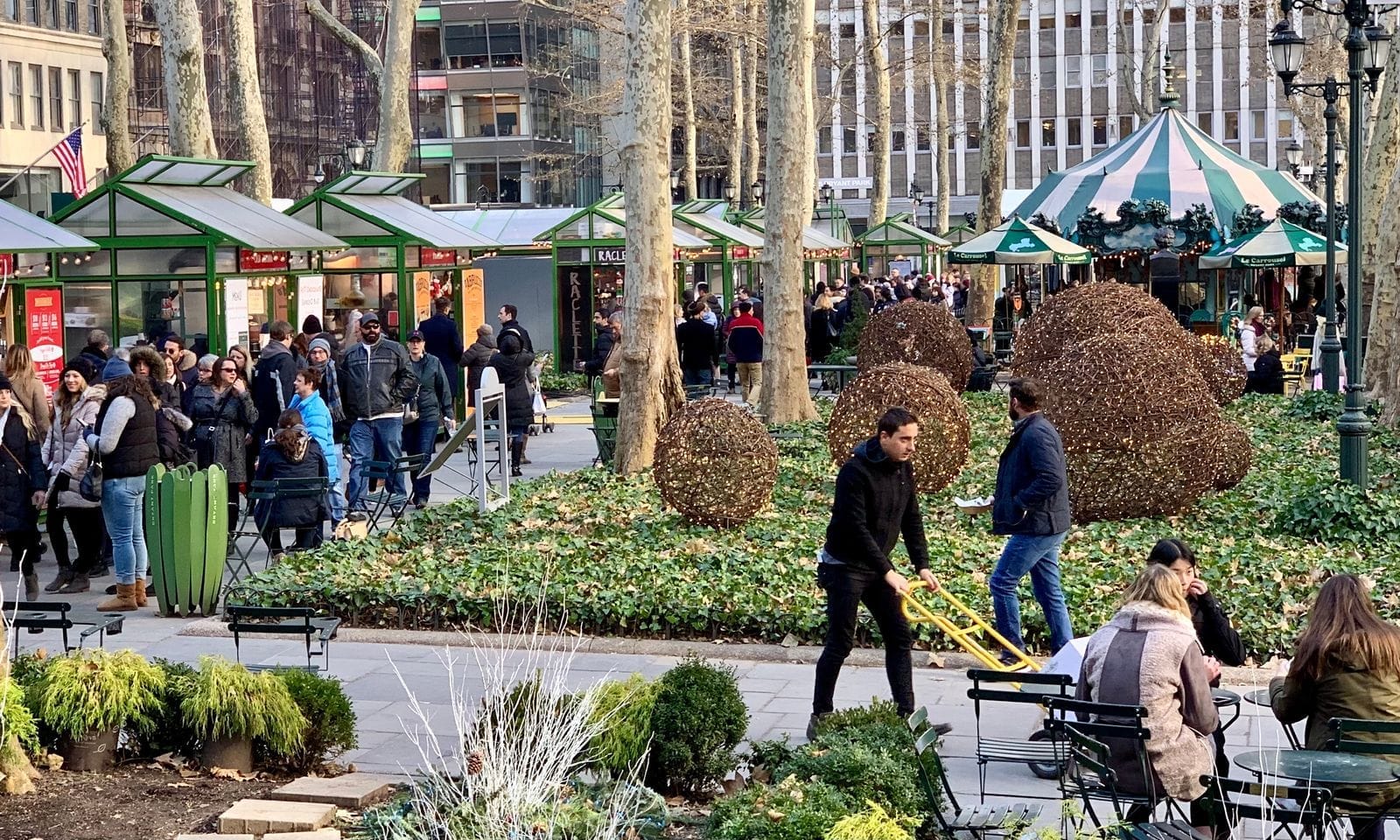
It isn't only only important what features are in a green, but also what happens there. People stick around in a place when there are things to do and experience. We call this principle The Power of 10+ and it communicates the necessity for every place to be equipped with at least 10 different ways to use and experience it if it is to be come a thriving destination. Putting together a dynamic programming schedule in collaboration with local organizations is a surefire way to breathe life into a public space.
 Fred Kent
 Tayana Panova
4) Add a market
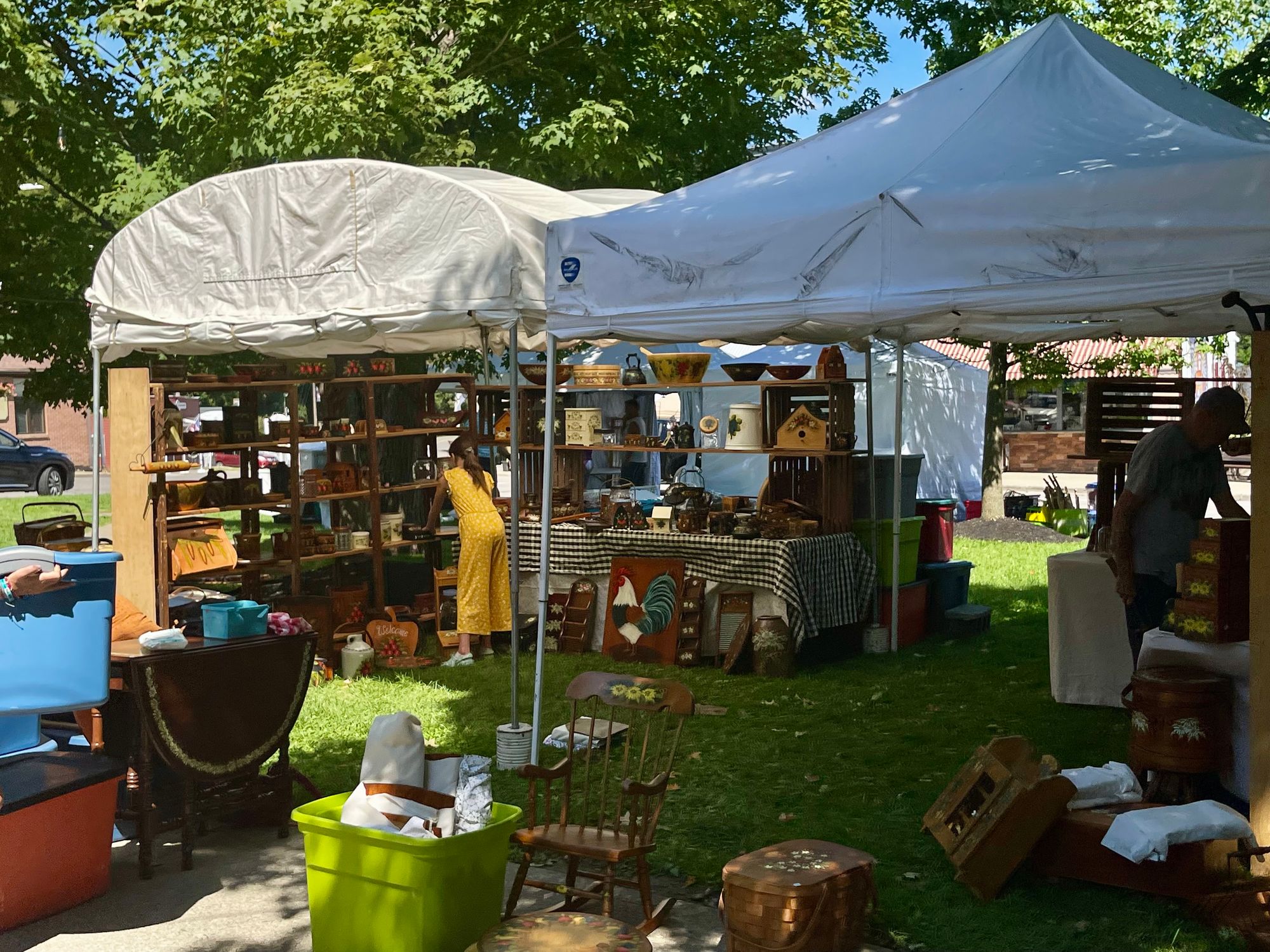
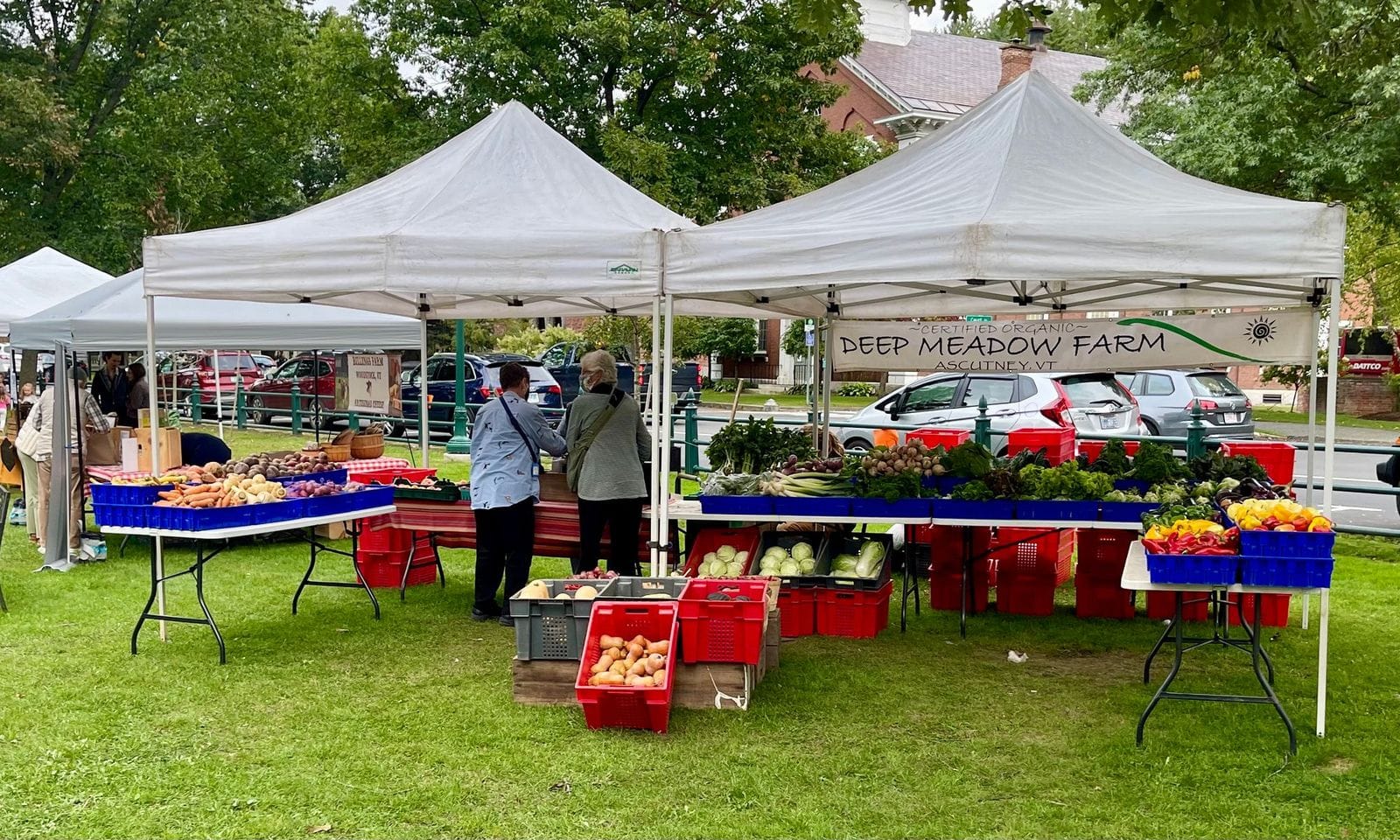
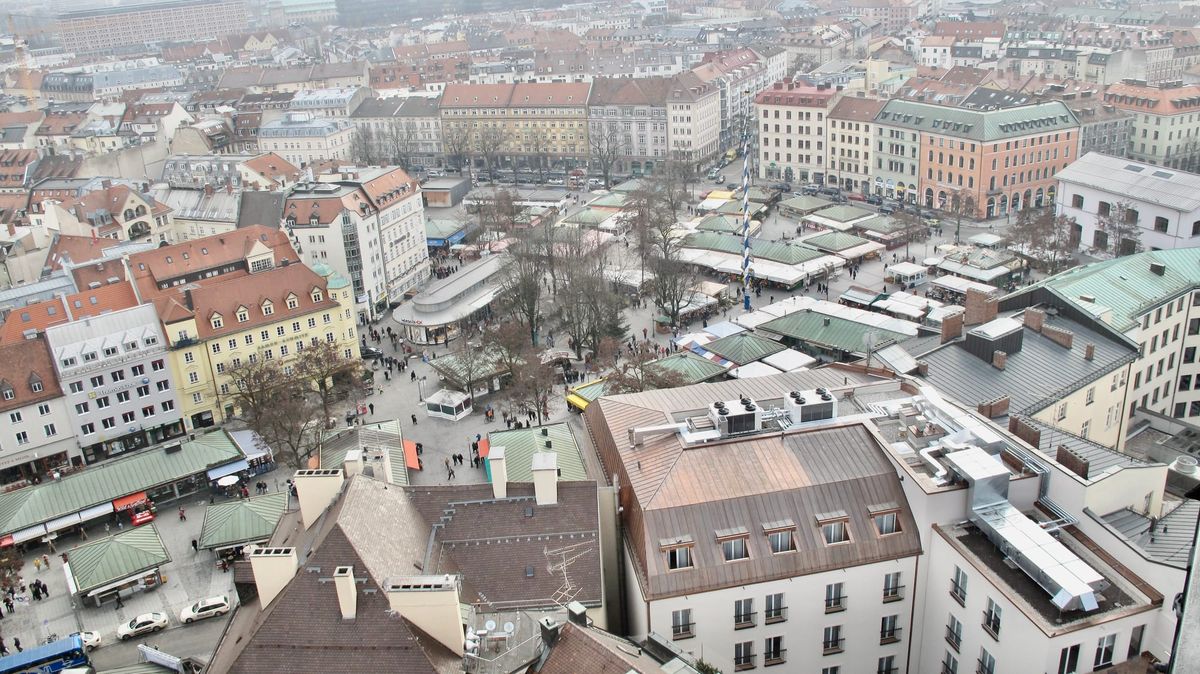
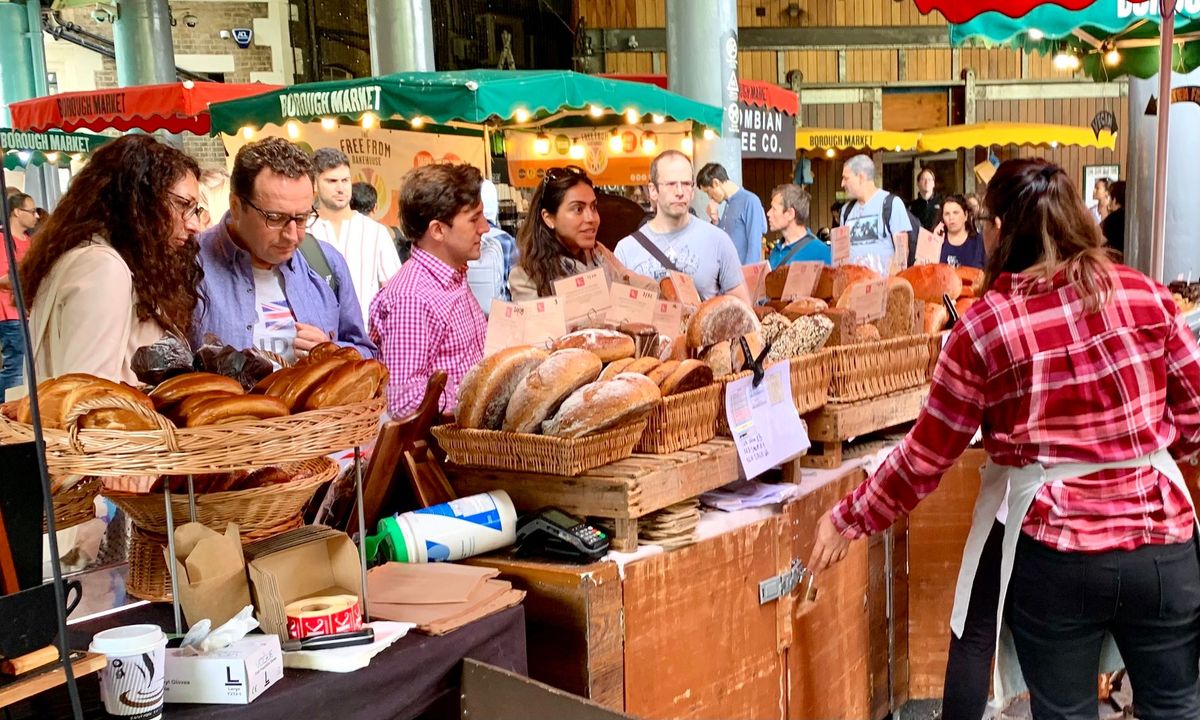
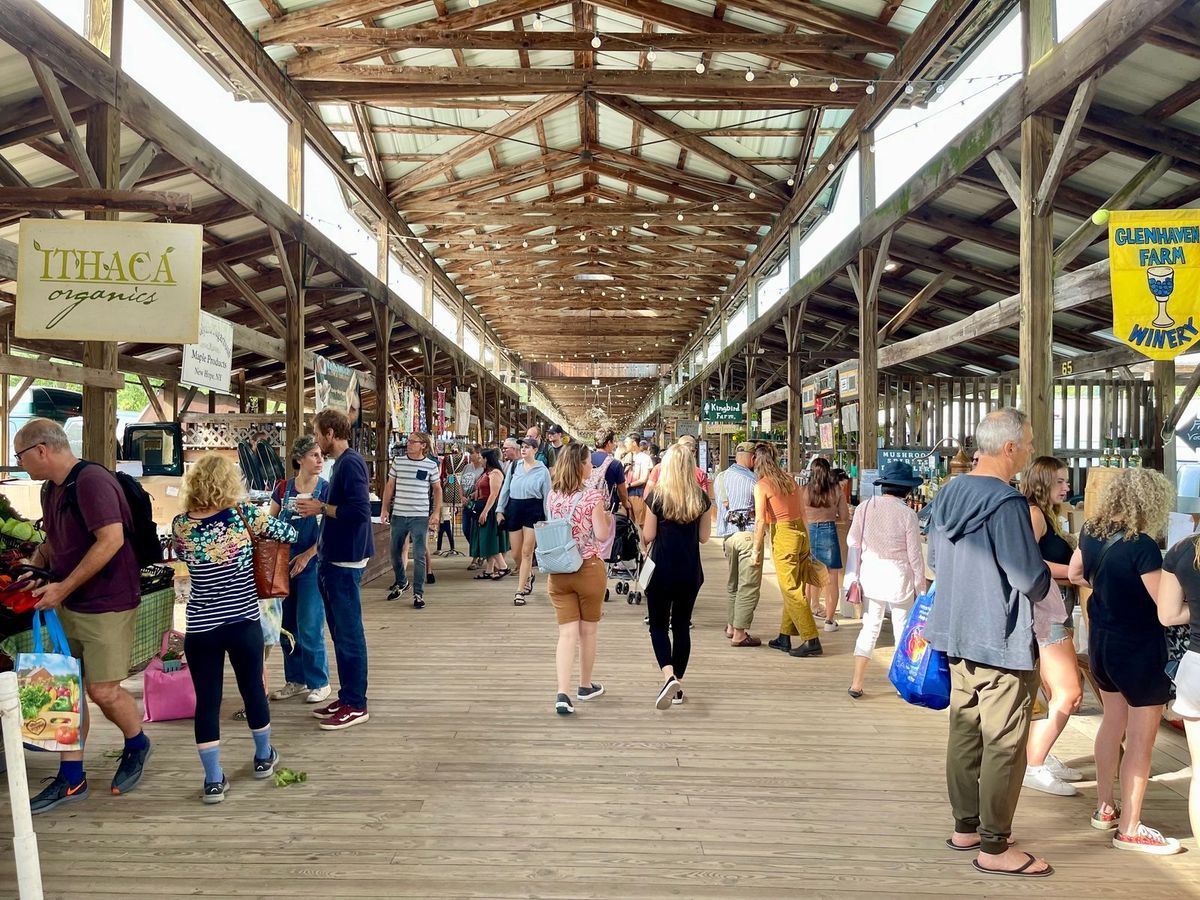
A fantastic kind of programming for a central open space like a green is a weekend market. With so much energy and connection happening as patrons and vendors interact in a flurry of conversation and activity, a market is the perfect way to bring a community together as well as to support the local economy.
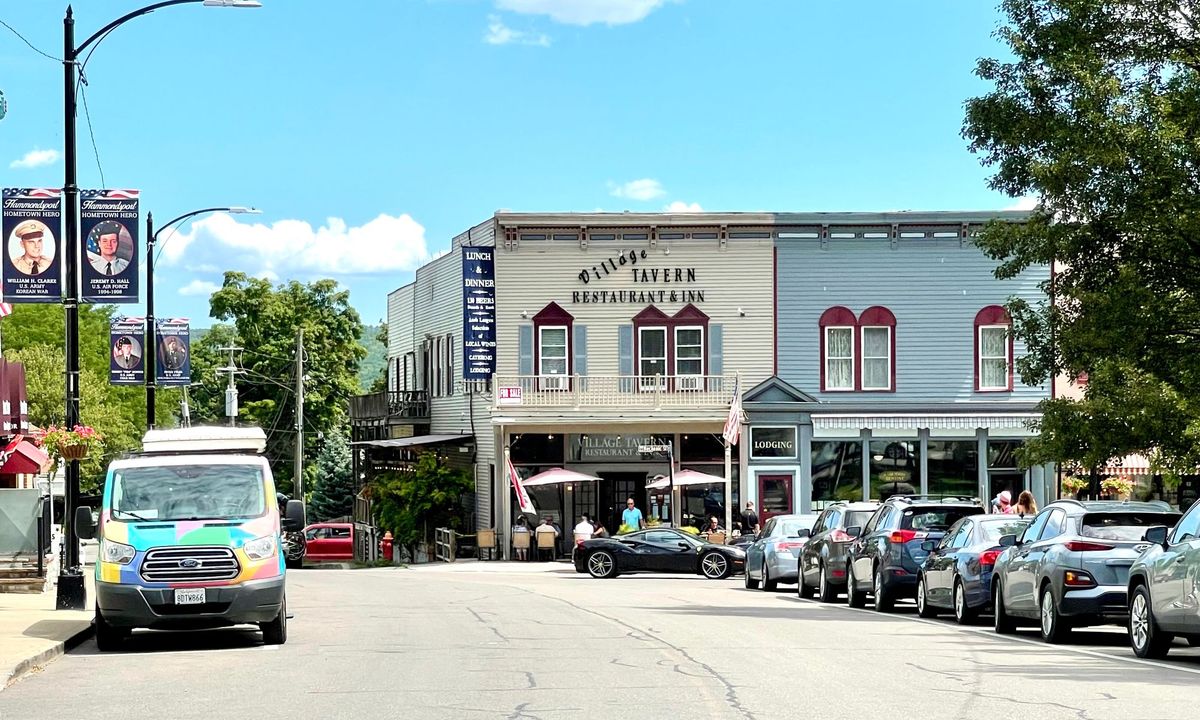
Hammondsport
 Steve Davies
5) Design for pleasure
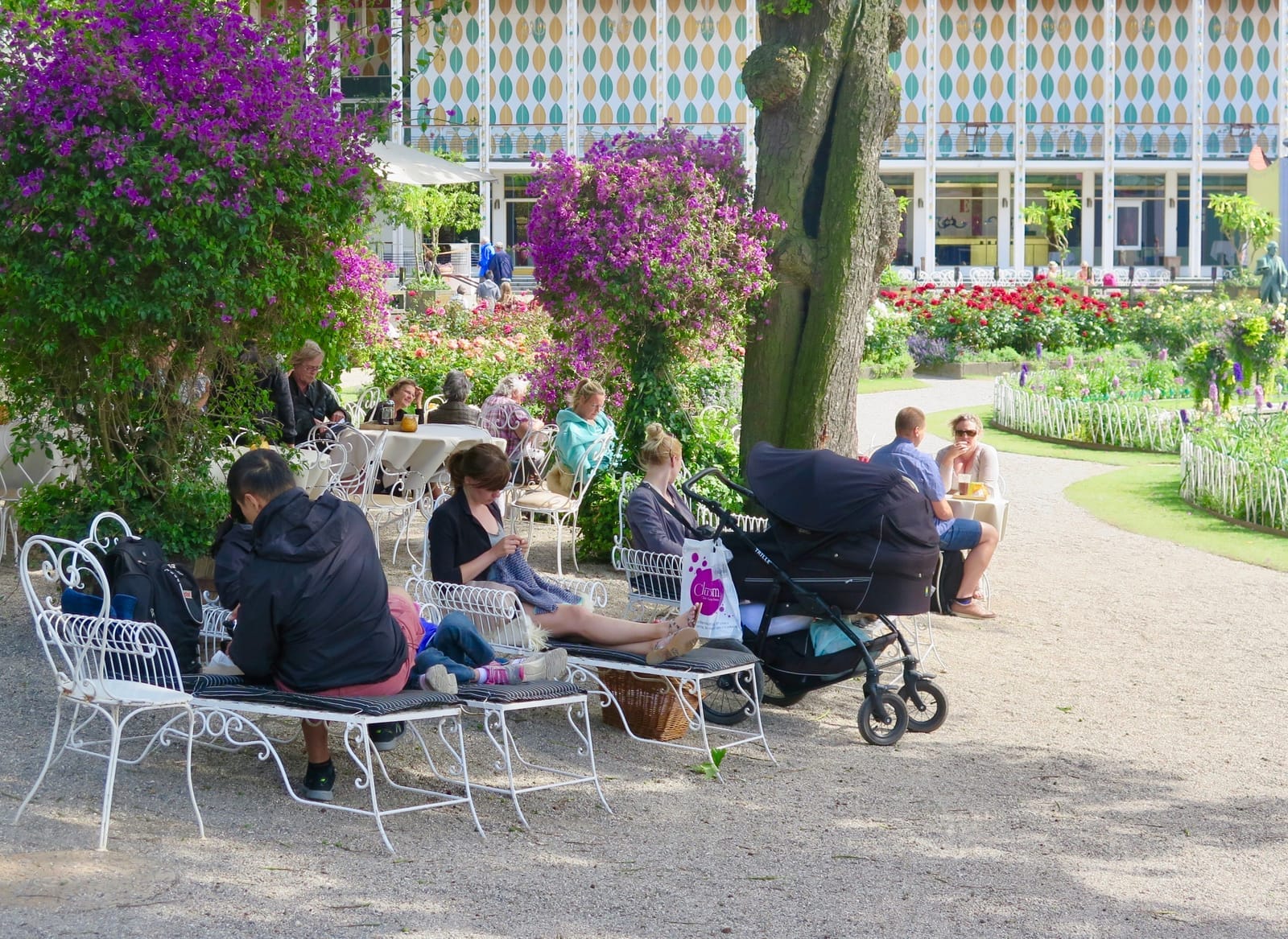
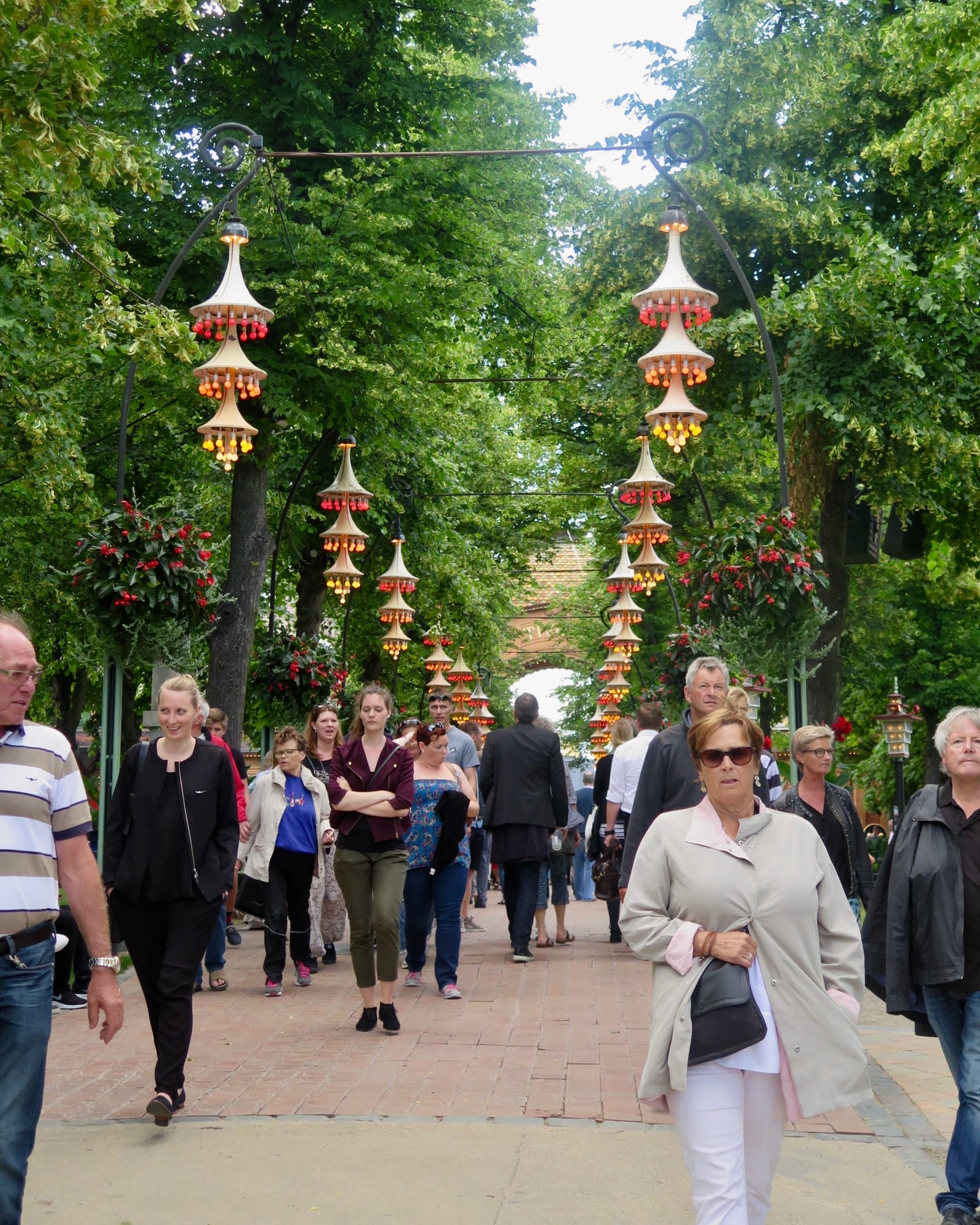
People want to experience positive feelings in a place – joy, comfort, and pleasure. Designing with that in mind is essential to creating a successful green. From the things that happen there to the way that spending time there looks and feels, a great public place is one that is designed with the likes and needs of people in mind.
 Fred Kent
6) Add a "small building"
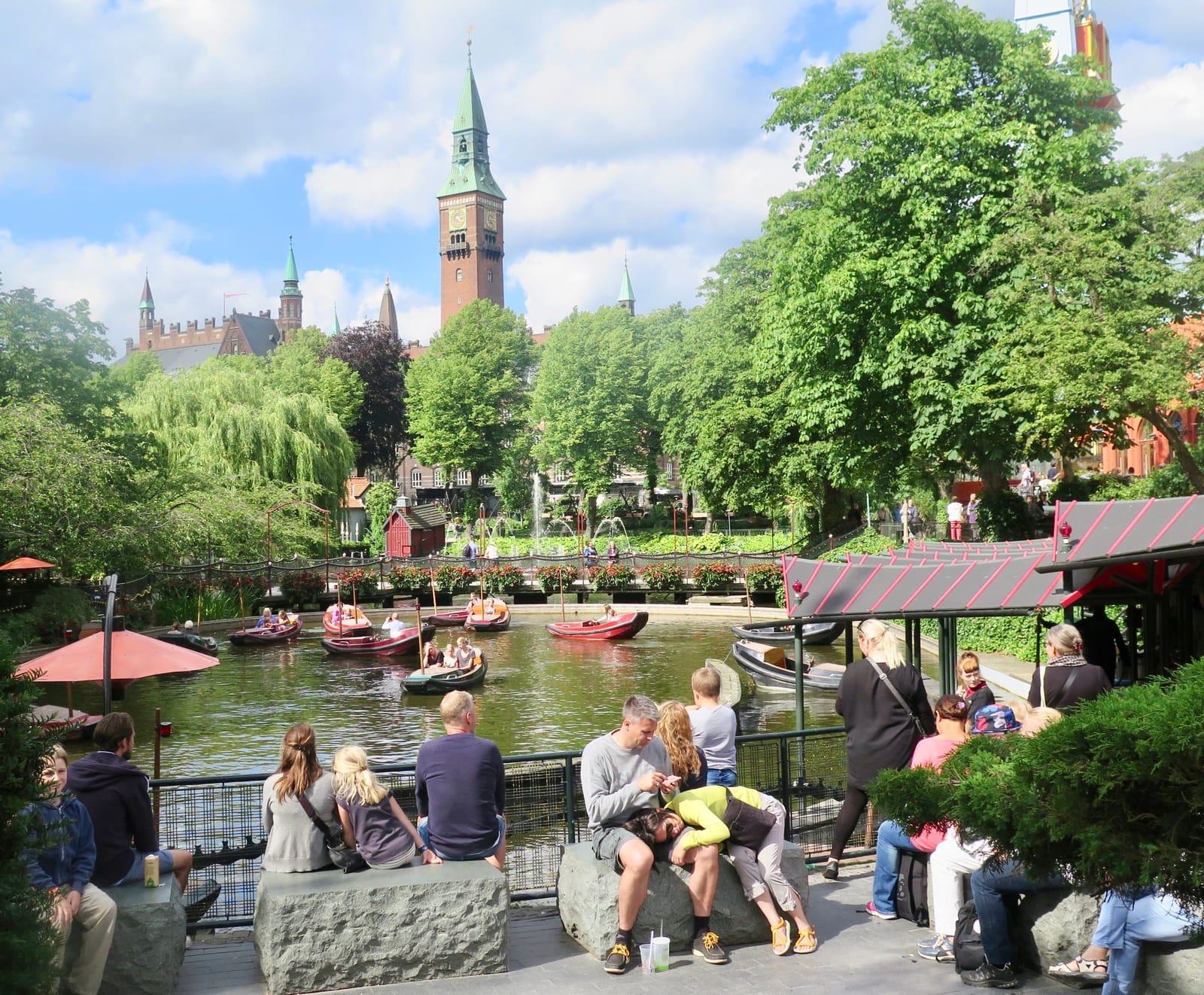
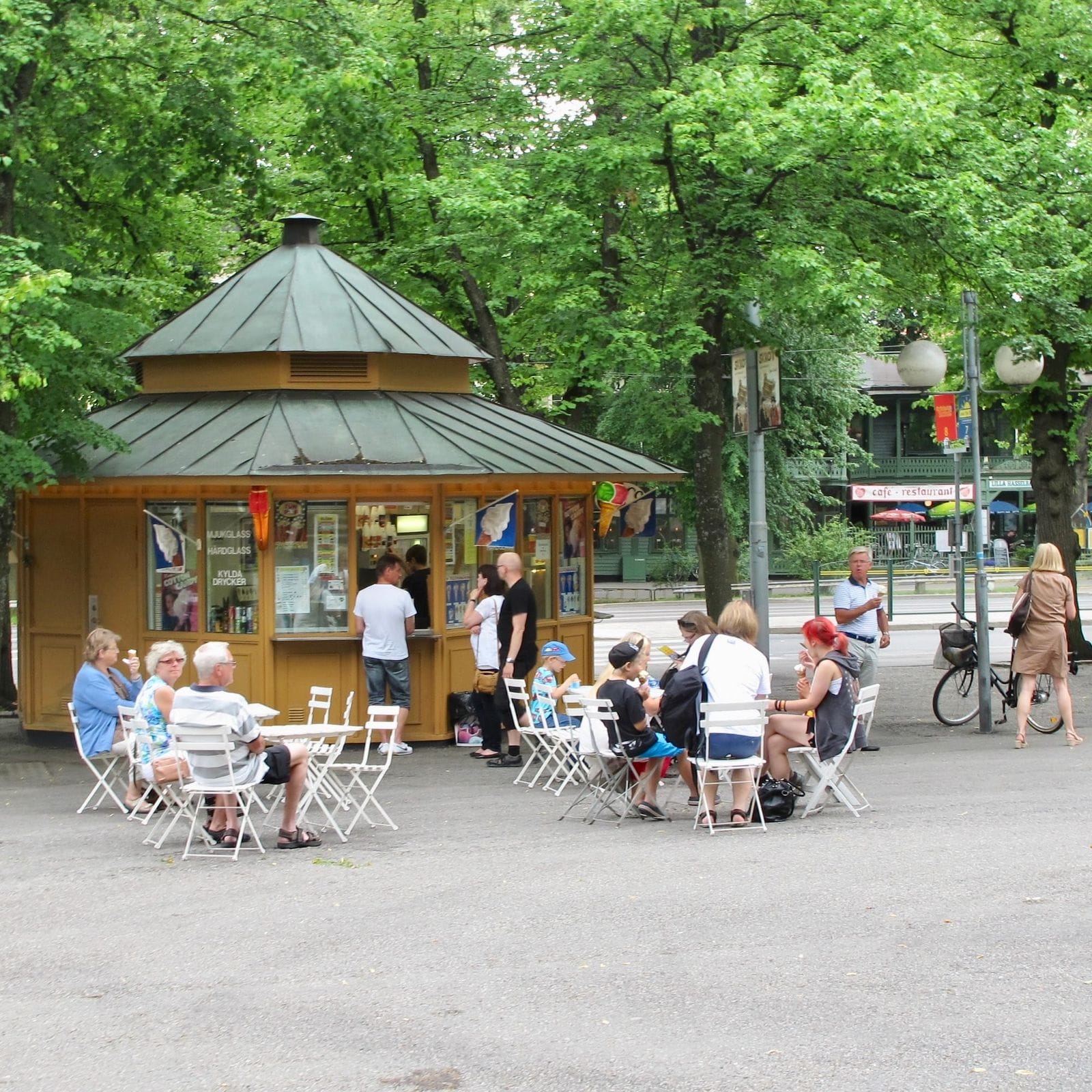
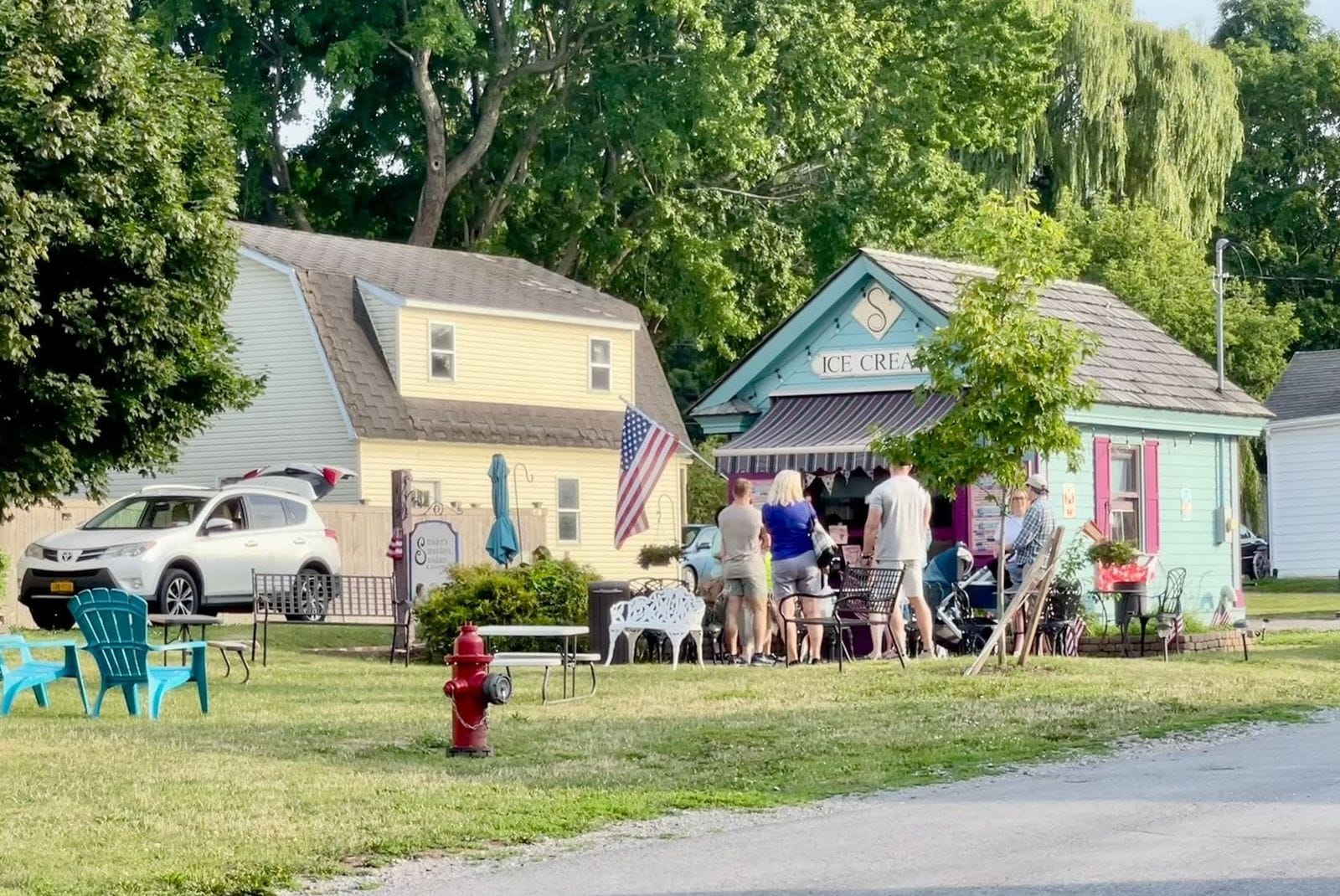
A small building such as a snack stand, ice cream kiosk, coffee vendor, community hub, or other kind of compact structure that offers a beneficial amenity or service can quickly become the nexus of a place and attract visitation, thus spurring activity in its surroundings.
 Fred Kent
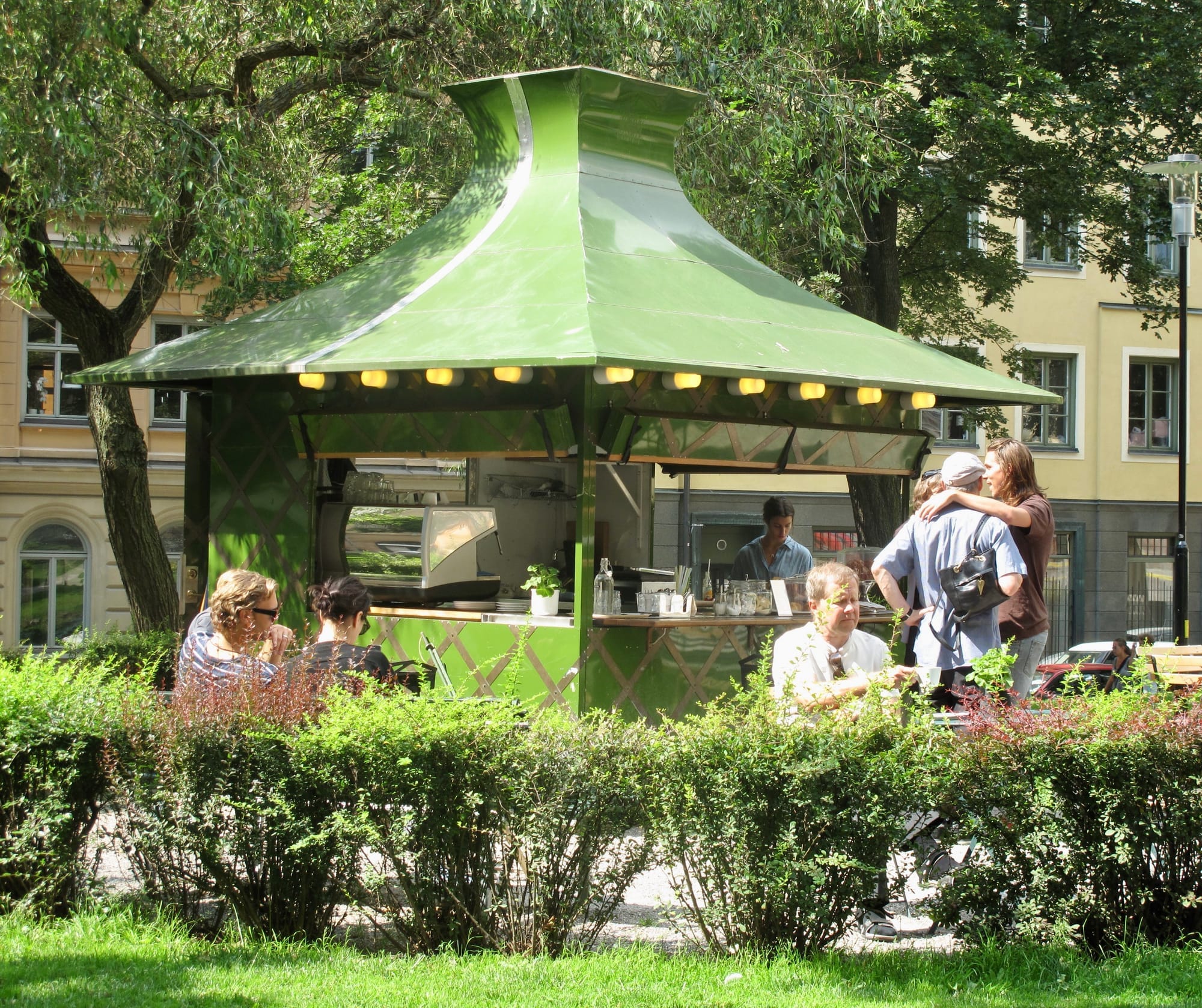
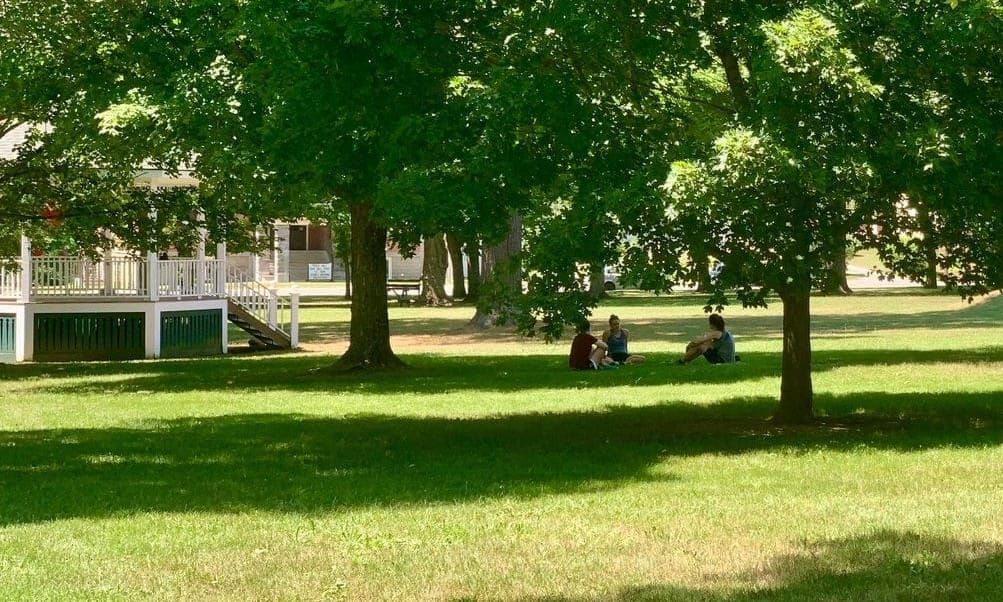
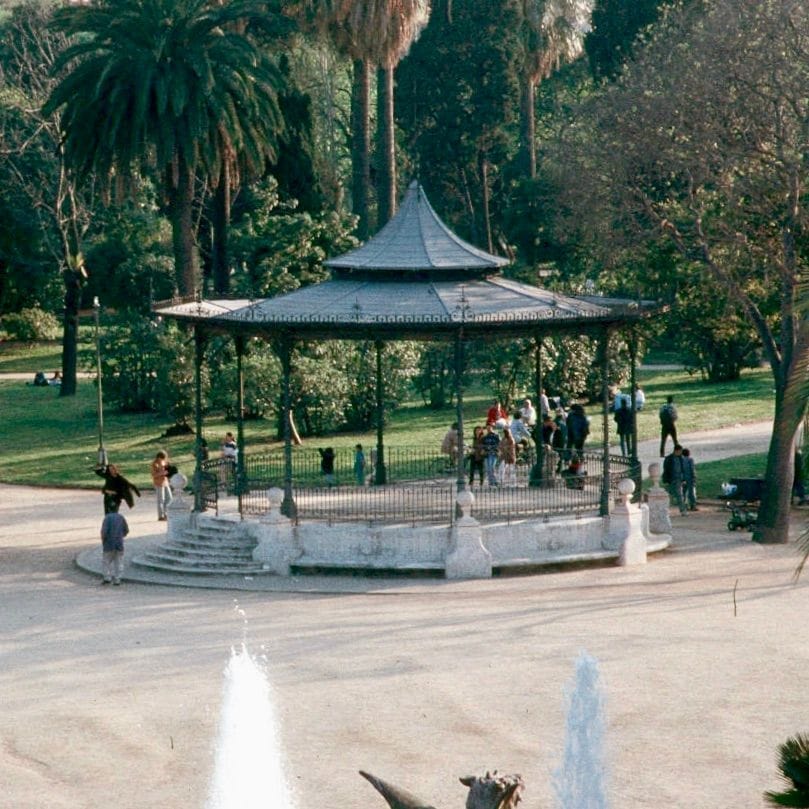
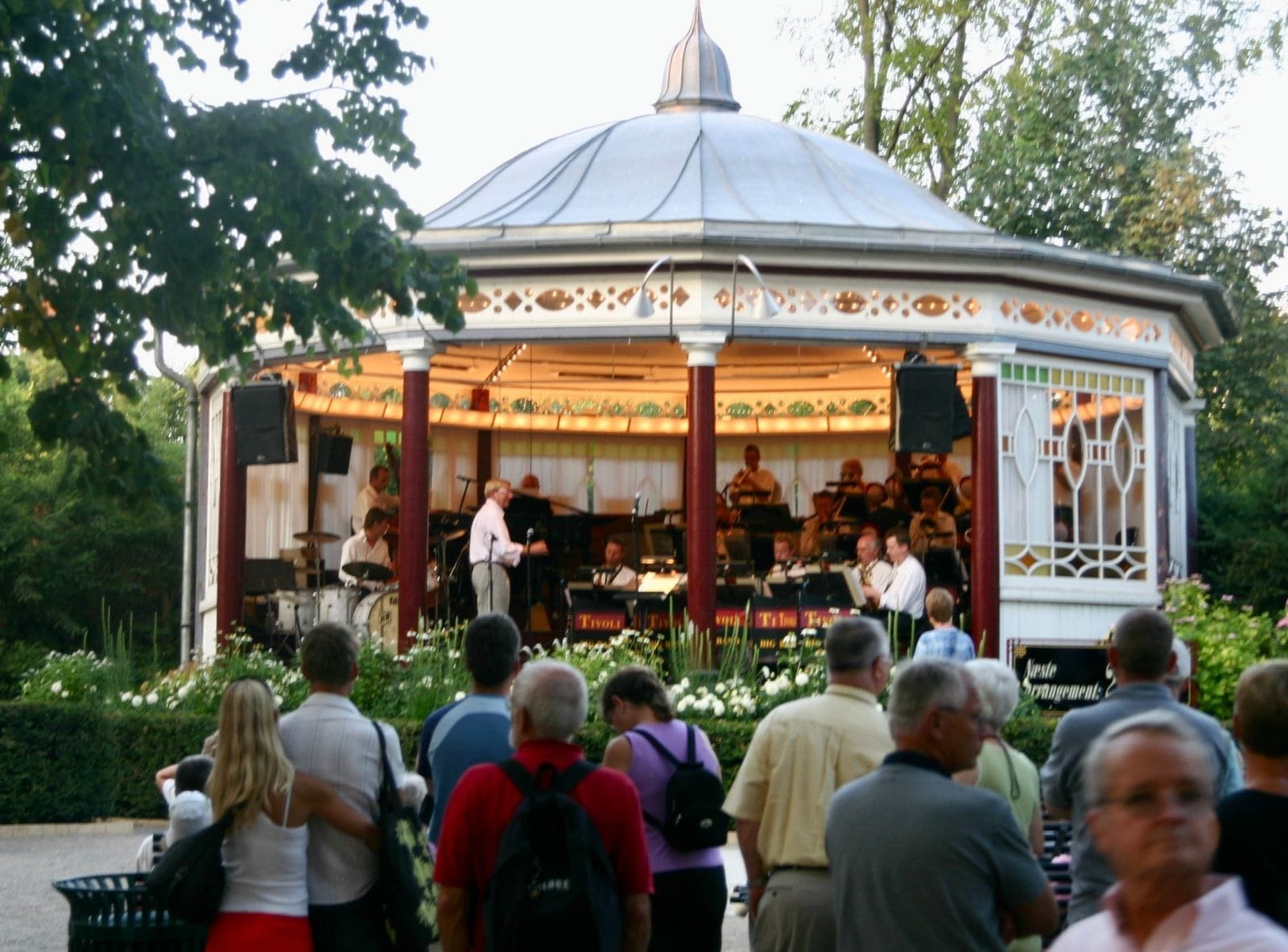
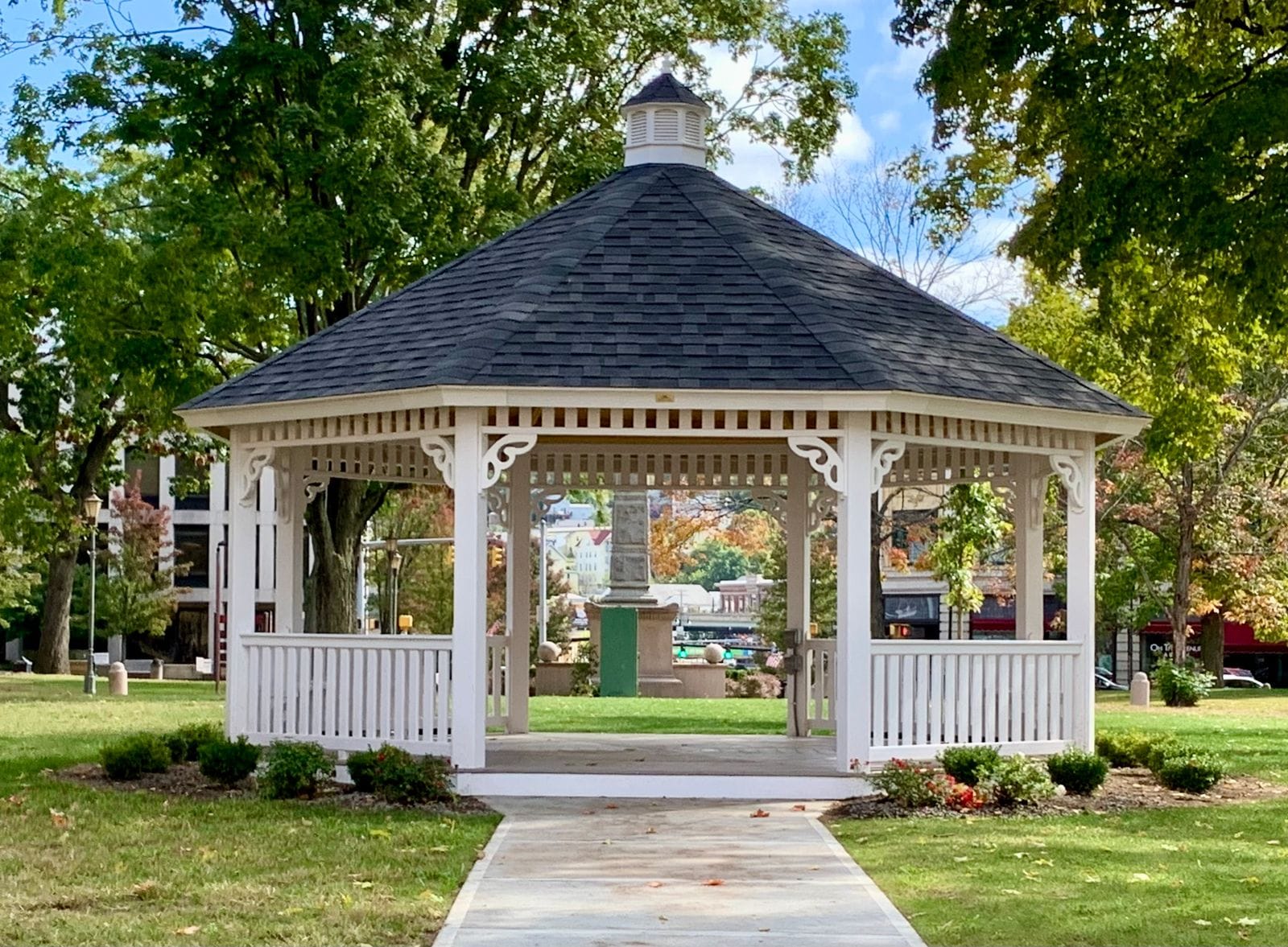
7) Add gazebos and bandstands
The "small building" above can be something such as a decorative gazebo or a platform for musical performances like a bandstand. When designed with charm and aesthetic appeal, this feature becomes a landmark and focal point that turns an empty space into a destination.
 Fred Kent
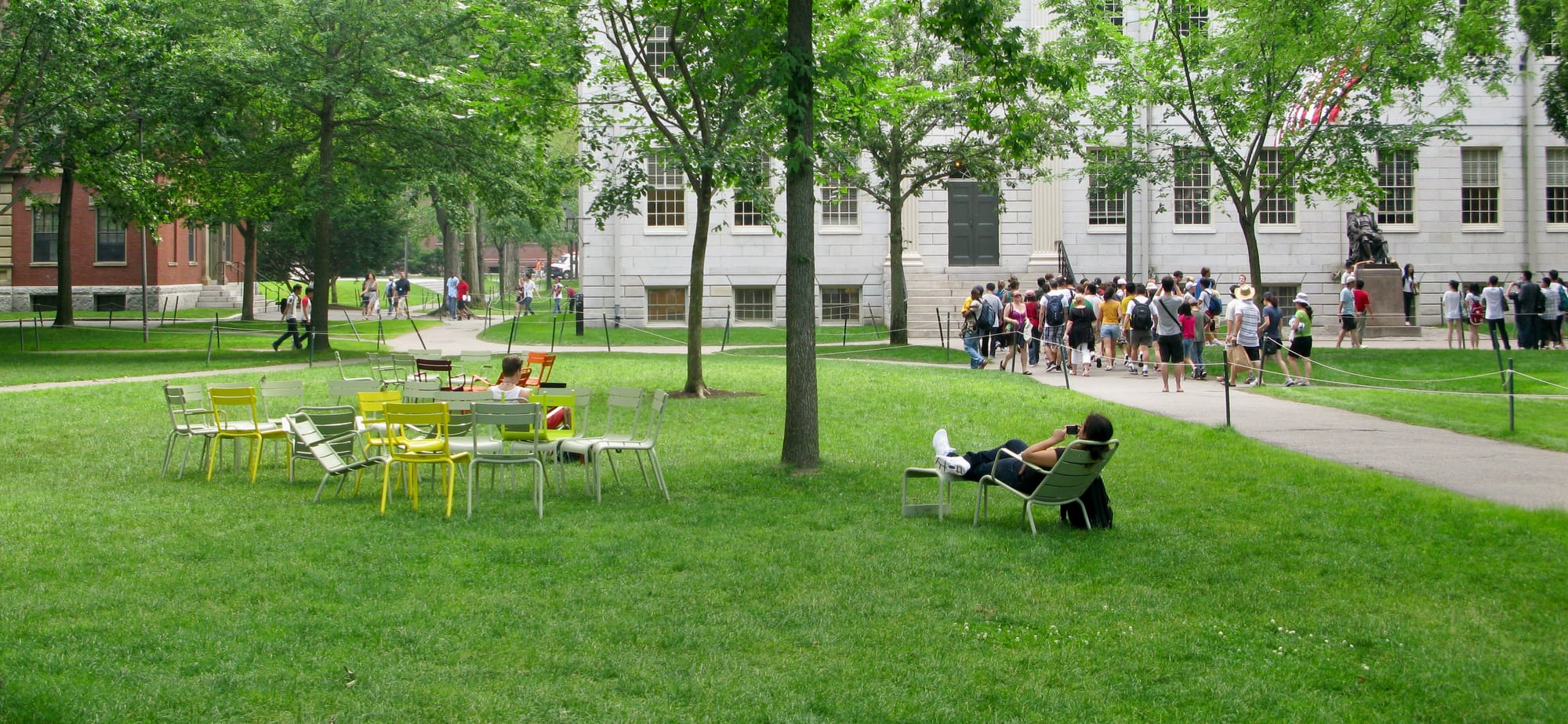
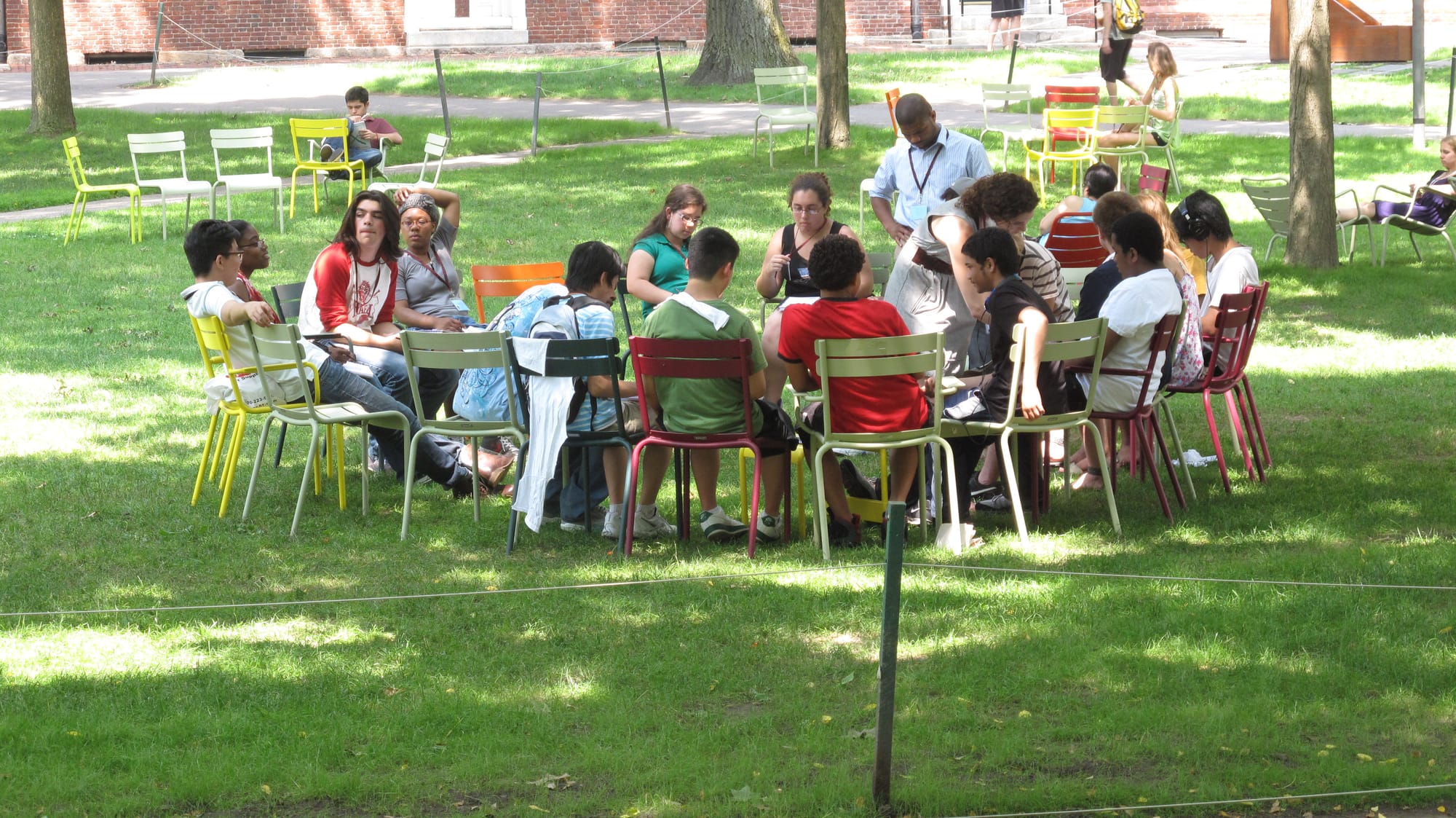
The case of Harvard Yard – from blank space to social hub
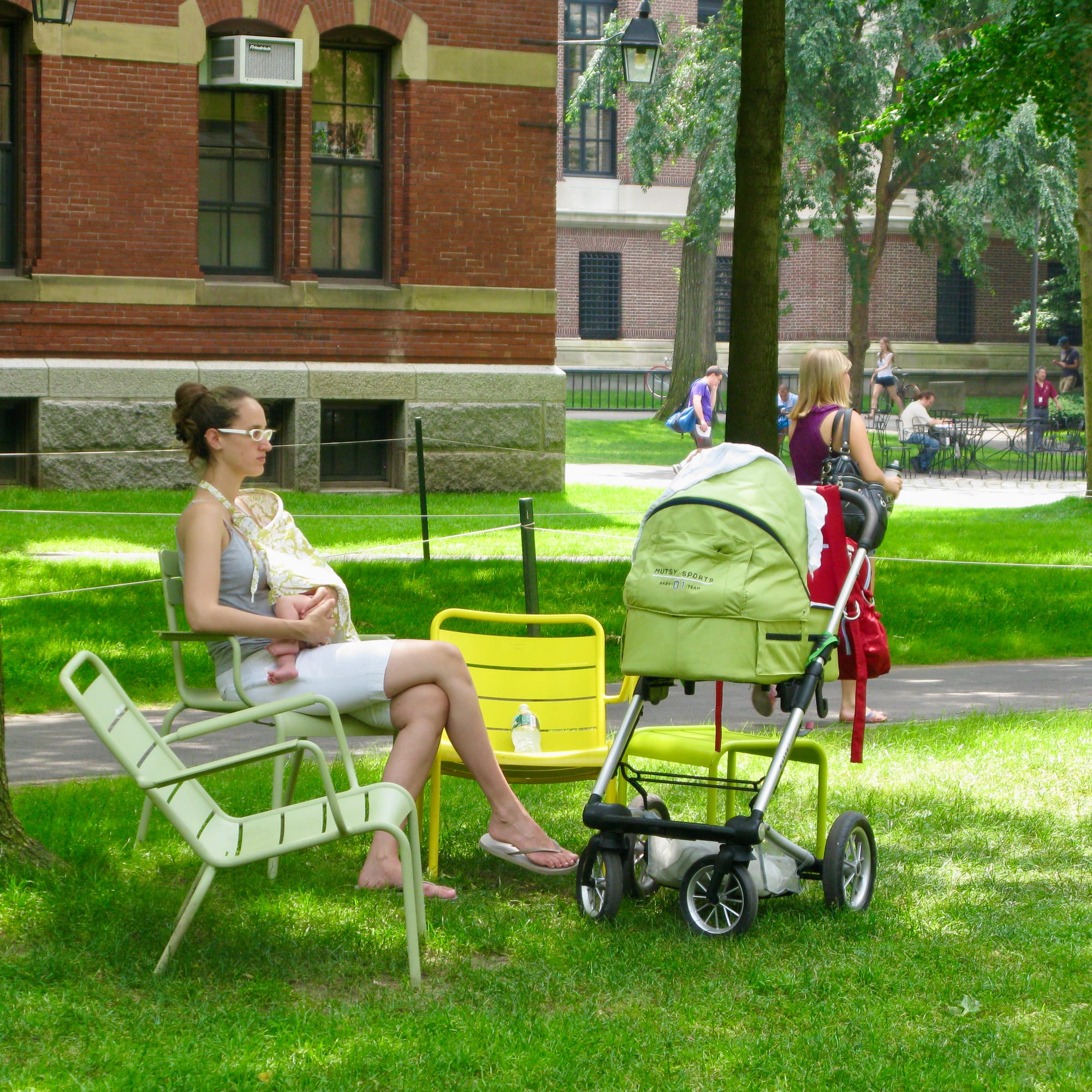
Harvard Yard is an example of an important greenspace that at one time rarely drew people to its emerald lawns. Set in the center of the Harvard campus, lush with freshly mowed grass and shade-throwing trees, it used to leave the impression that its purpose was to be a protected haven for pristine grass. That is until, together with PPS, we introduced hundreds of colorful moveable chairs. That's all it took to give the place a new lease on life and fill it with activity – a clear invitation to come walk on the grass, sit, and enjoy yourself.
A town without a vibrant green is a town that is like an empty shell – still lovely in its own right, but missing its pearl, its biggest treasure. By treating the town square as the principal hub of community life that it can and should be, towns can once again feel the beating heart of public life that car culture has been robbing them of for decades.
Further Reading
 Kathy Madden
 Steve Davies
Small Towns
 Fred Kent
 Fred Kent
 Fred Kent
 Fred Kent
If you are interested in collaborating (articles, presentations, exhibits, projects, and more) or supporting the cause contact us.